27 Ultimate Guide to Vegetable Gardening: Tips, Techniques & Ideas
There’s something magical about stepping into your backyard and picking fresh vegetables you’ve grown yourself. Vegetable gardening isn’t just a hobby—it’s a journey that connects you with nature, puts wholesome food on your table, and gives you a real sense of accomplishment every harvest season.
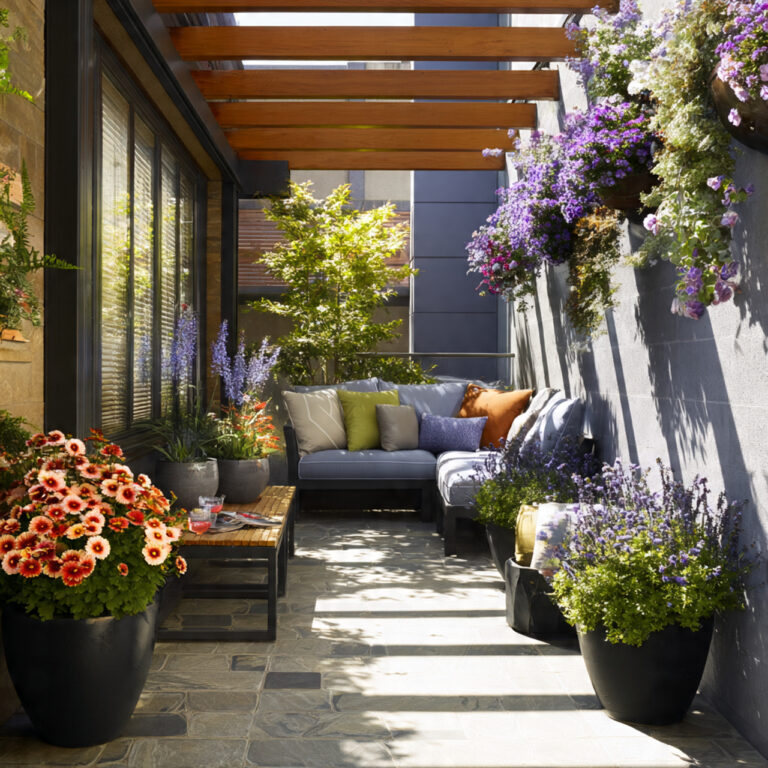
If you’ve been thinking about starting your own vegetable garden, you’re in the right place. Whether you’re working with acres of land or just a small balcony, growing your own vegetables means fresher meals, lower grocery bills, and complete control over what goes into your food. Plus, there’s the bonus of getting your hands dirty and enjoying some therapeutic time outdoors.
Getting started might feel a bit intimidating, but here’s the truth: anyone can grow vegetables successfully. You just need the right approach, some basic knowledge, and a willingness to learn as you go. In this guide, we’ll walk through 27 practical vegetable gardening ideas that’ll help you grow more food, build healthier soil, and create a garden space you’ll actually love spending time in.
Getting the Fundamentals Right
Think of your vegetable garden like building a house—you need a solid foundation before anything else. The basics aren’t complicated, but they matter tremendously for your success.
Every thriving vegetable garden depends on four key elements: nutrient-rich soil, adequate sunshine, consistent watering, and smart pest management. When you nail these fundamentals, your plants reward you with vigorous growth and abundant harvests.
Quick Foundation Checklist:
- Soil quality: Should crumble easily and smell earthy
- Sun exposure: Most vegetables need 6-8 hours daily
- Water access: Plants need consistent moisture, not flooding
- Pest awareness: Check plants regularly for early warning signs
Pick Vegetables That Actually Thrive in Your Area
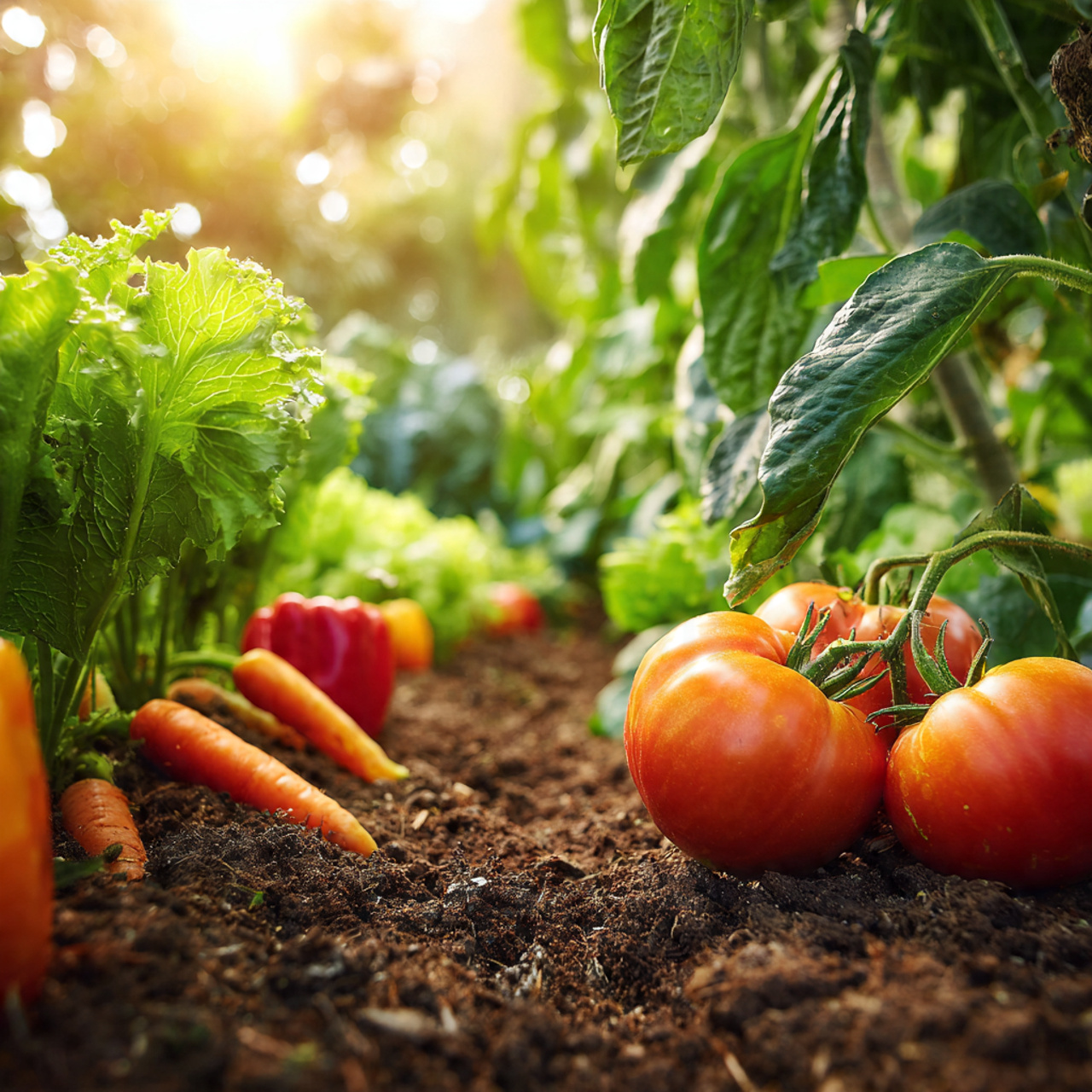
Not all vegetables are created equal when it comes to where they’ll grow. Your first smart move is choosing vegetables that naturally do well in your specific climate and soil conditions.
Start by considering what grows successfully in your neighborhood—there’s wisdom in what your neighbors plant. Factor in your local weather patterns, how long your growing season lasts, and honestly, what your family actually enjoys eating. There’s no point growing eggplants if nobody in your house likes them!
Beginner-Friendly Vegetables:
- Tomatoes: Versatile and productive
- Lettuce: Quick-growing and forgiving
- Carrots: Great for deeper soil
- Bell peppers: Colorful and low-maintenance
- Spinach: Tolerates cooler weather
Tip: For your first season, choose 3-4 vegetables your family loves rather than trying to grow everything. Success with a few crops builds confidence faster than struggling with too many.
Design a Layout That Makes Sense
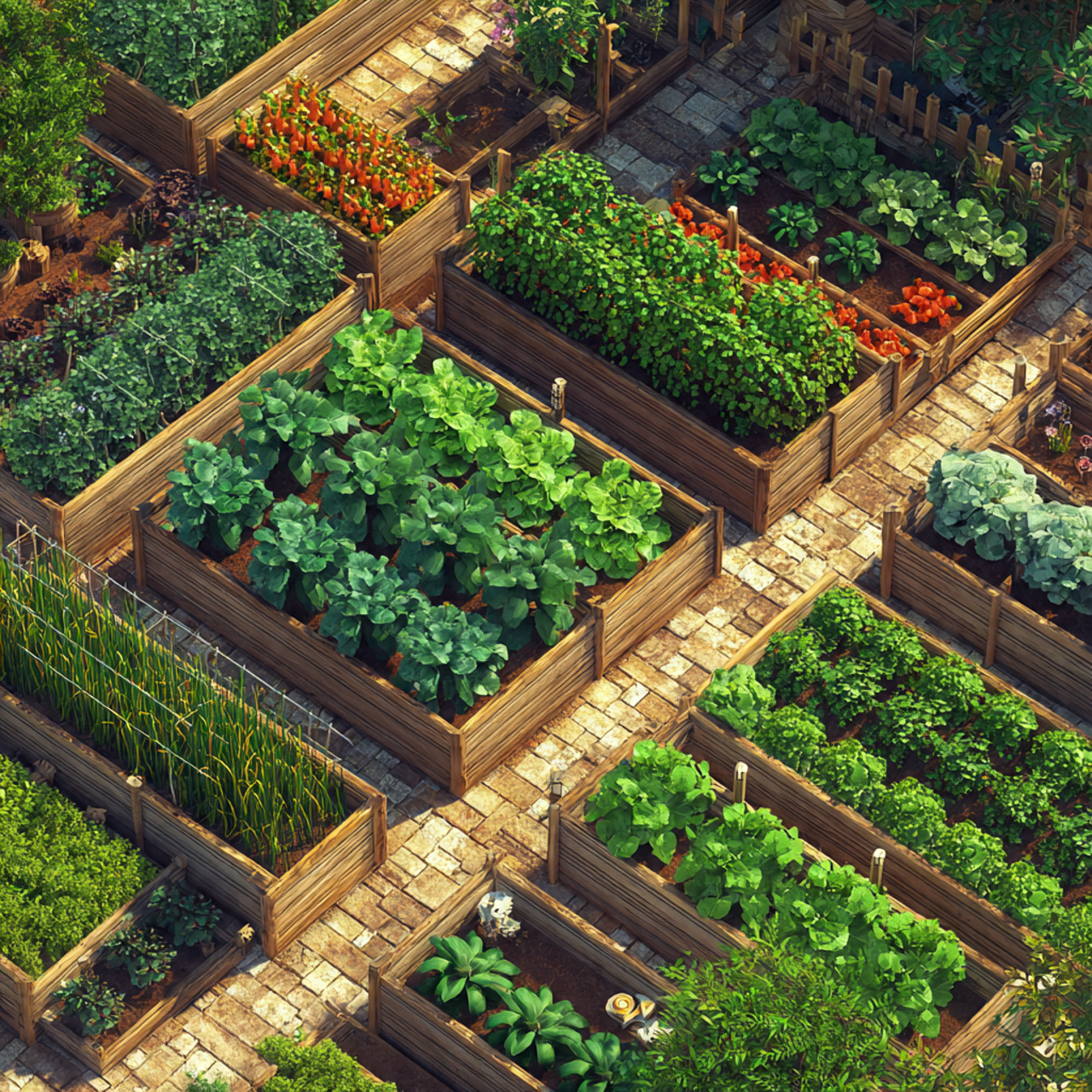
A well-planned garden layout isn’t just about looking organized—it’s about giving every plant what it needs to flourish. Before you dig a single hole, sketch out where everything will go.
Think about how tall each plant grows (you don’t want shade-throwing giants blocking your sun-loving peppers), how much space roots need, and how you’ll access plants for watering and harvesting. Good planning now saves headaches later.
Layout Planning Tips:
- Group plants by water needs (heavy drinkers together)
- Place taller plants on the north side to avoid shading
- Leave pathways wide enough for comfortable walking
- Plan for crop rotation in next season’s layout
Example: If you’re growing tomatoes and basil together, position them where morning sun hits first—both love it. Meanwhile, place lettuce where it gets afternoon shade during hot months.
Build Your Soil Foundation First
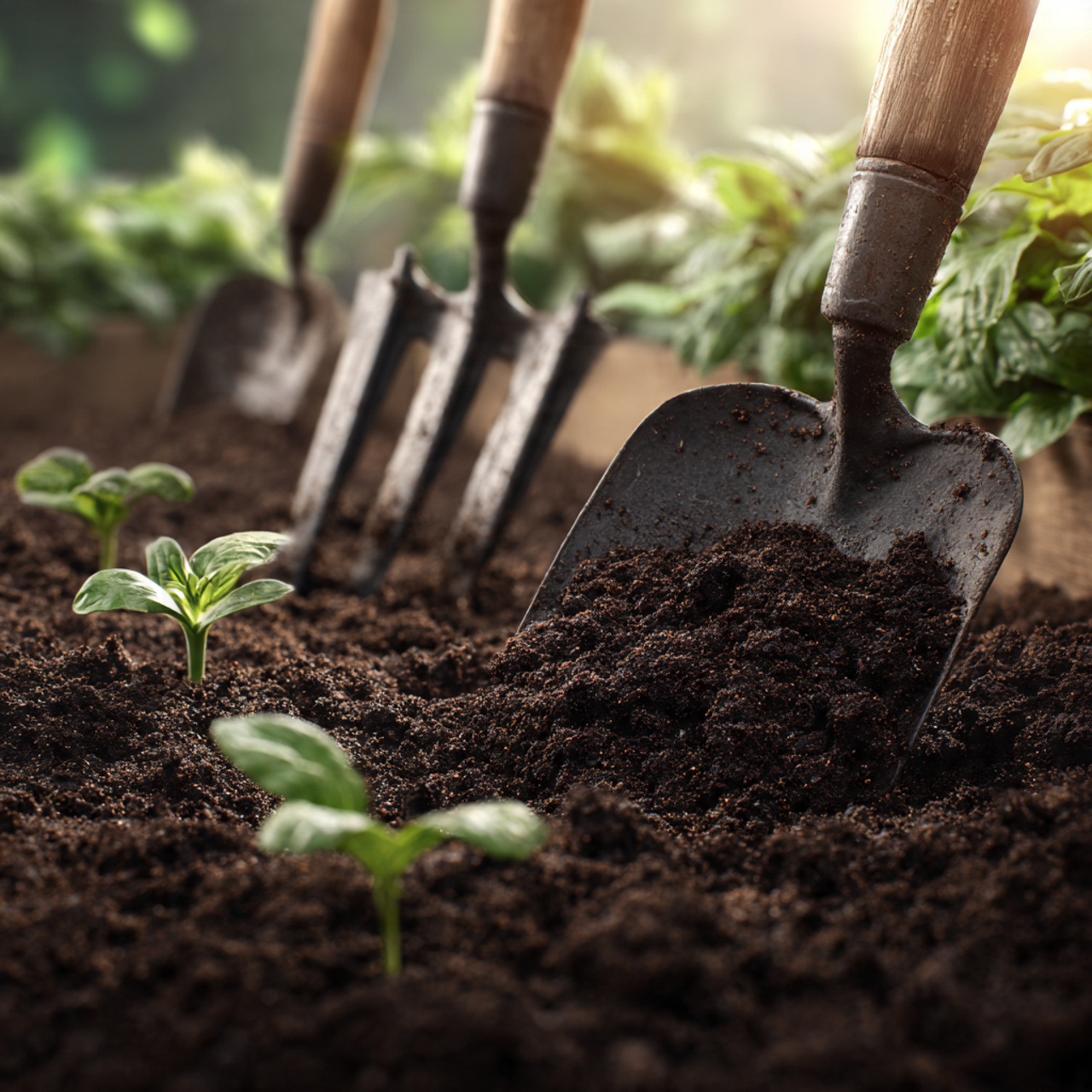
Here’s a gardening truth that took me years to fully appreciate: great vegetables come from great soil. You can’t just plant in whatever dirt you’ve got and hope for the best.
Start with a soil test—many local extension offices offer these cheaply or even free. You’ll learn your soil’s pH level and what nutrients might be missing. Armed with this information, you can add exactly what your soil needs.
Soil Improvement Basics:
- Mix in 2-3 inches of compost before planting
- Add well-aged manure for extra nutrients
- Use organic matter to improve clay or sandy soils
- Adjust pH with lime (raises it) or sulfur (lowers it)
Quick Tip: If your soil test seems complicated, focus on this simple rule: add compost. It improves almost every soil problem and feeds your plants naturally over time.
Master the Art of Watering
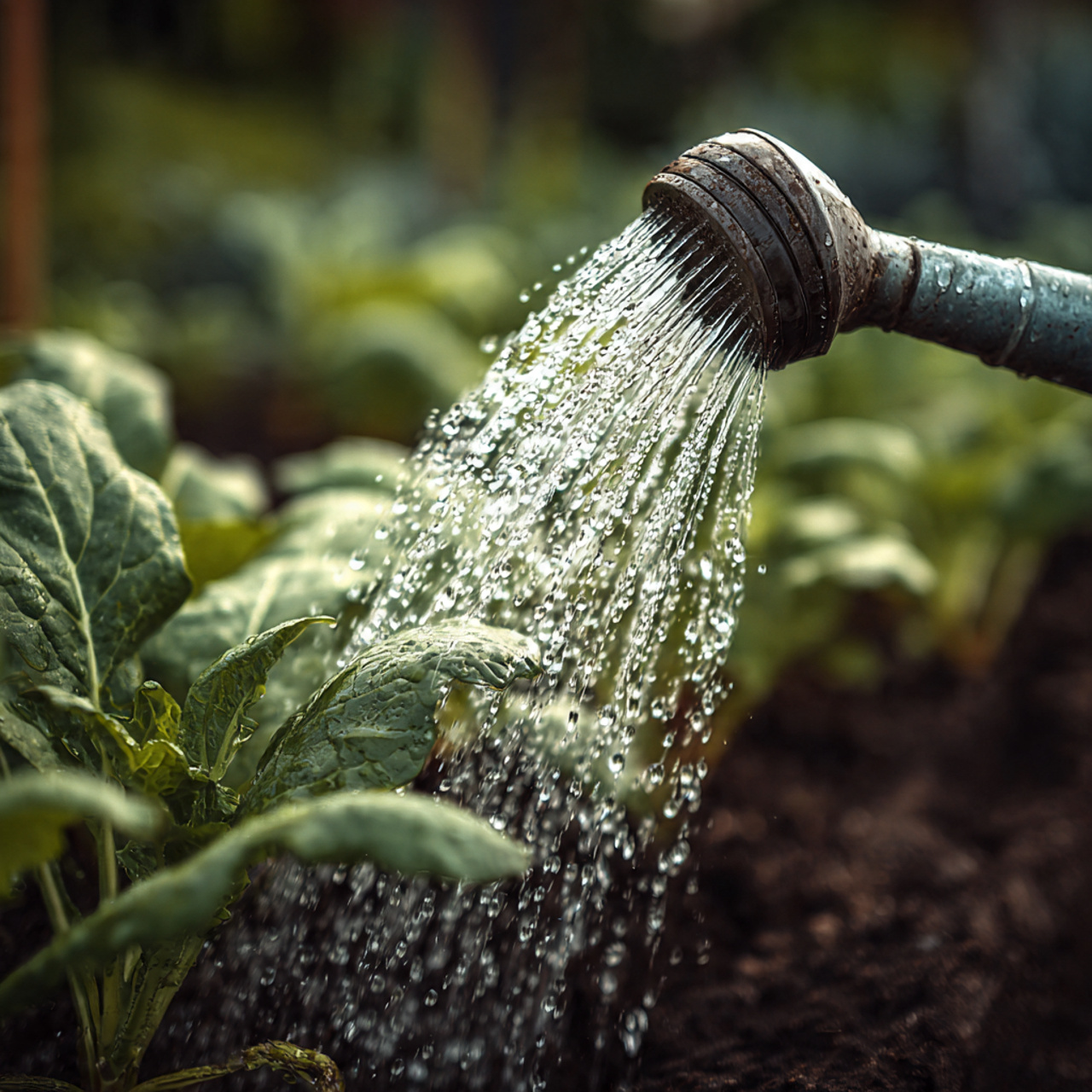
Watering seems straightforward until you realize you can kill plants just as easily with too much water as too little. The goal is consistent moisture—not drowning, not desert conditions.
Most vegetables prefer deep, infrequent watering over shallow daily sprinkles. This encourages roots to grow deeper, making plants more drought-resistant and stable.
Smart Watering Strategies:
- Water early morning (6-10 AM is ideal)
- Aim for soil, not leaves, to prevent disease
- Check moisture 2-3 inches deep before watering
- Adjust based on weather—less after rain, more during heat
Efficiency Tip: Drip irrigation or soaker hoses deliver water right where plants need it, cutting water waste by up to 50% compared to sprinklers. They’re game-changers for busy gardeners.
Seeds vs. Seedlings: Choose Your Starting Point
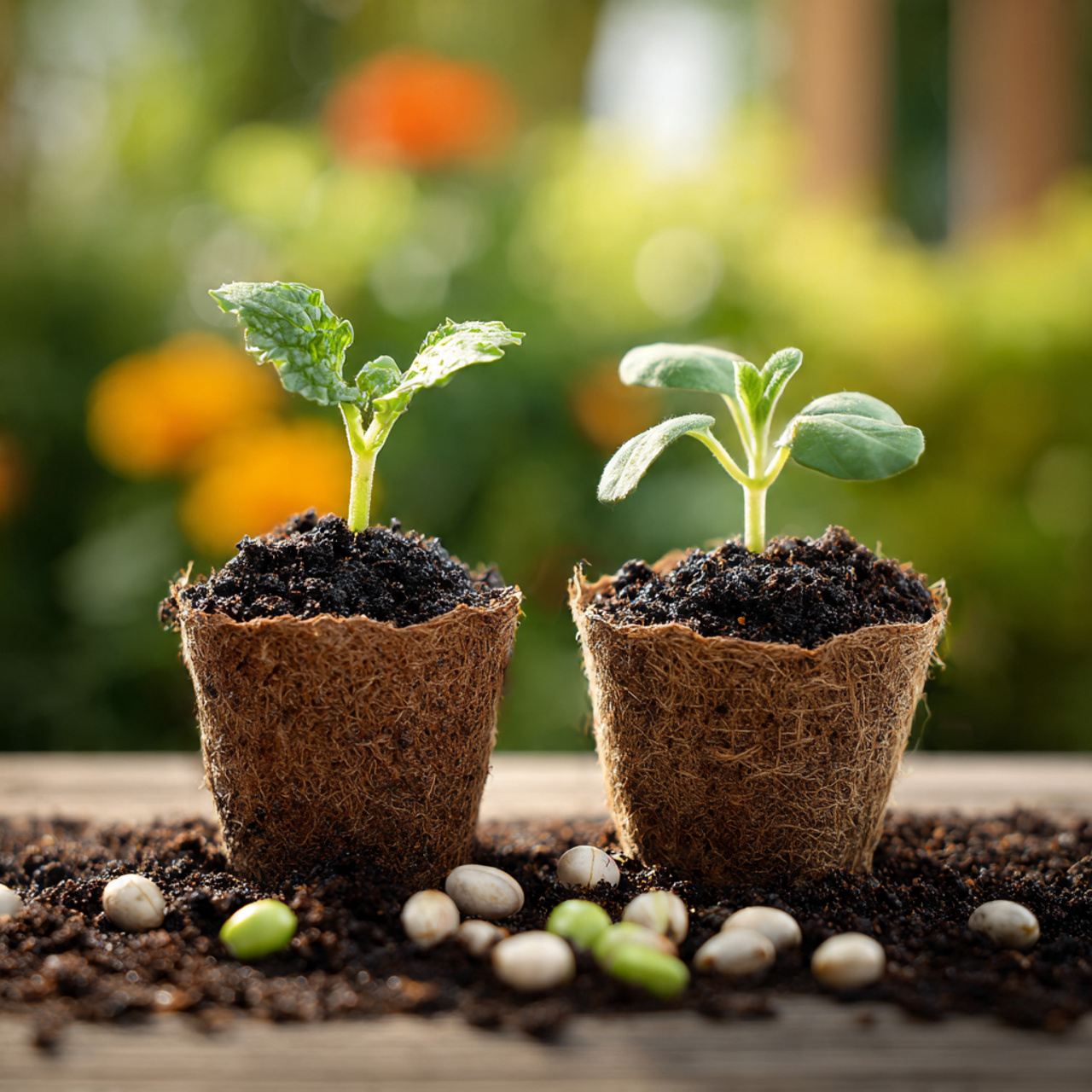
Should you start from tiny seeds or buy plants already growing? Both approaches work—it depends on your timeline and experience level.
Seeds give you incredible variety and cost way less, but they require more patience and care early on. Seedlings (transplants) jump-start your garden by several weeks and generally survive better for beginners.
When to Choose Seeds:
- Growing uncommon varieties not sold as transplants
- You have time for indoor seed starting
- Budget is tight (seeds cost pennies per plant)
When to Buy Seedlings:
- First-time gardener wanting quick results
- Short growing season in your area
- Limited indoor space for starting seeds
Success Tip: If buying seedlings, “harden them off” by gradually exposing them to outdoor conditions over 7-10 days. Moving them directly from a greenhouse to your garden shocks them.
Transform Limited Space with Container Gardening
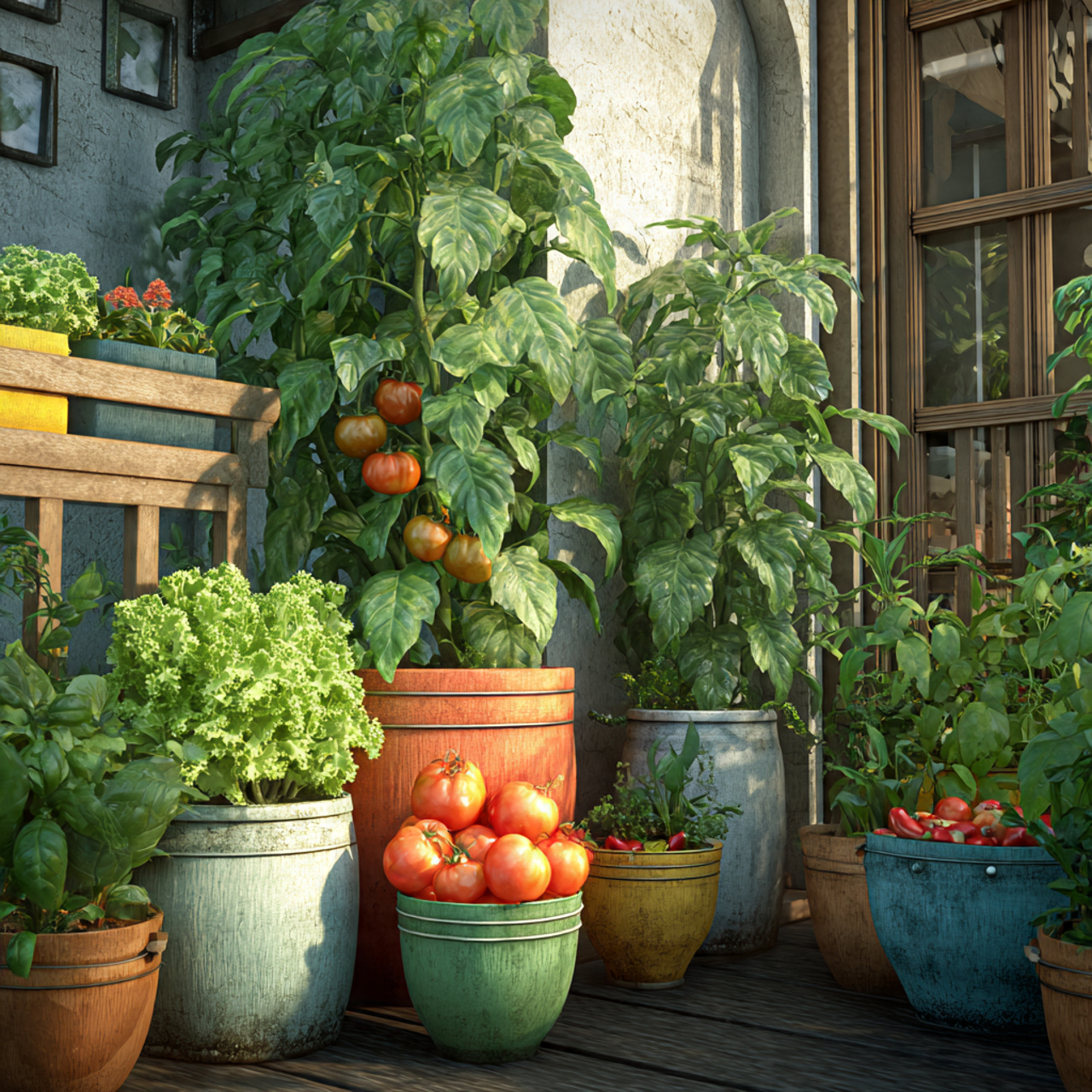
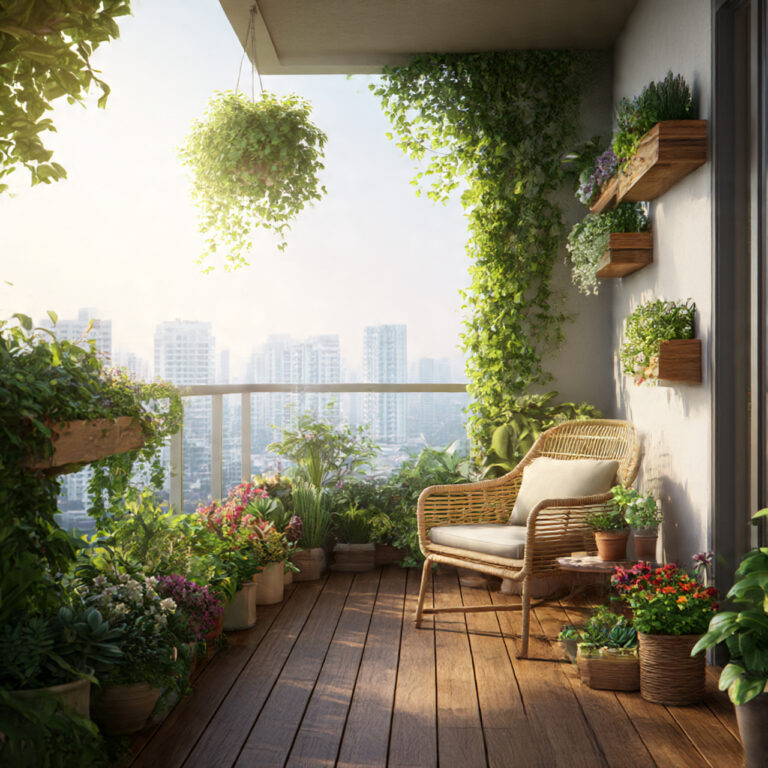
Don’t have yard space? No problem. Container gardening brings vegetable growing to patios, balconies, doorsteps, and even sunny windowsills.
The beauty of containers is complete control—you choose the perfect soil, move plants to follow the sun, and keep everything at a comfortable working height.
Container Gardening Essentials:
- Use pots at least 12 inches deep for most vegetables
- Ensure drainage holes in every container
- Choose potting mix, not garden soil (it’s too heavy)
- Plan for more frequent watering than in-ground gardens
Best Container Vegetables:
- Cherry tomatoes (use a 5-gallon bucket)
- Lettuce and salad greens (shallow containers work)
- Peppers (need about 3-gallon pots)
- Herbs like basil, parsley, and cilantro
Elevate Your Garden with Raised Beds
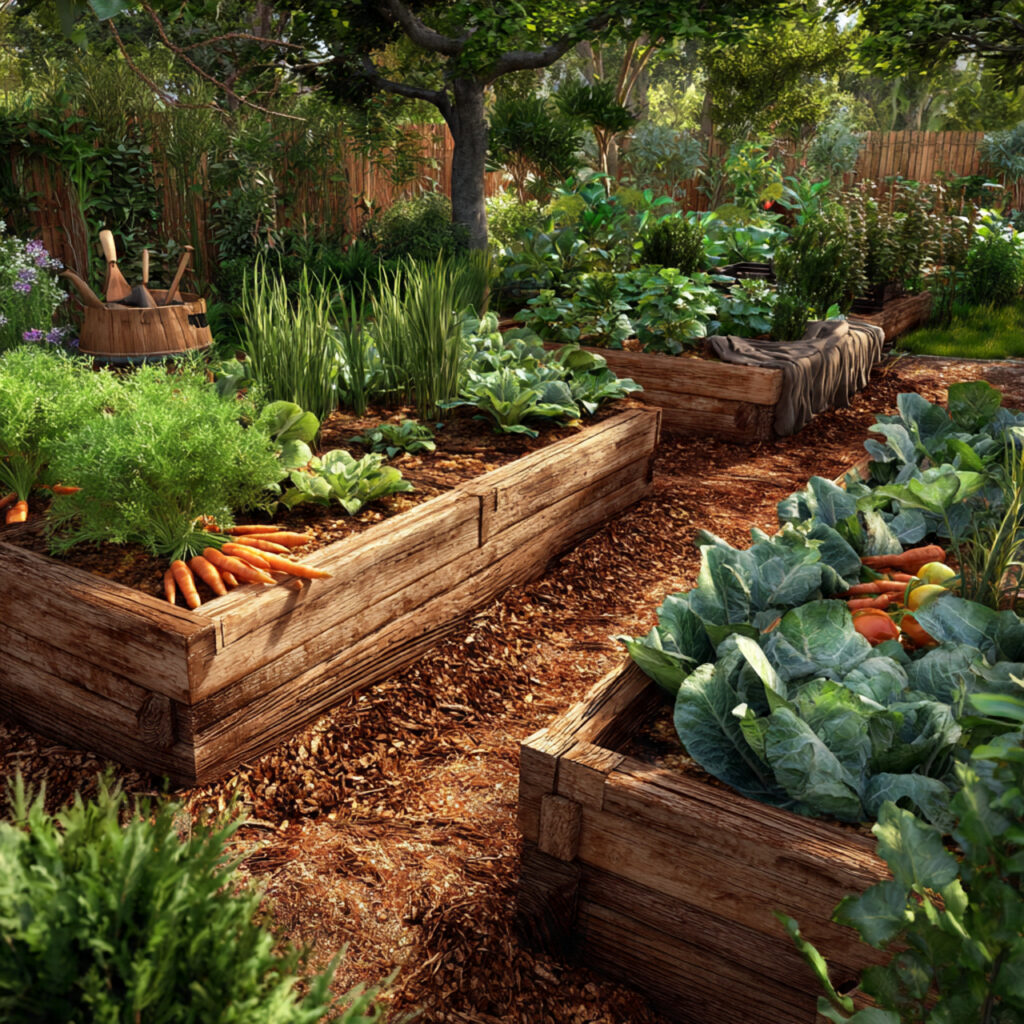
Raised beds solve so many common gardening problems that they’re worth considering even if you have good ground soil.
These defined garden boxes improve drainage, warm up faster in spring, reduce soil compaction from foot traffic, and make gardening much easier on your back and knees.
Raised Bed Advantages:
- Fill with perfect soil regardless of ground quality
- Better accessibility for those with mobility issues
- Excellent weed and pest control
- Extends the growing season in cooler climates
Building Tips:
- Height of 8-12 inches works for most vegetables
- Width of 3-4 feet allows reaching the center easily
- Use untreated wood, cedar, or composite materials
- Line the bottom with hardware cloth to deter burrowing pests
Unlock Benefits Through Companion Planting
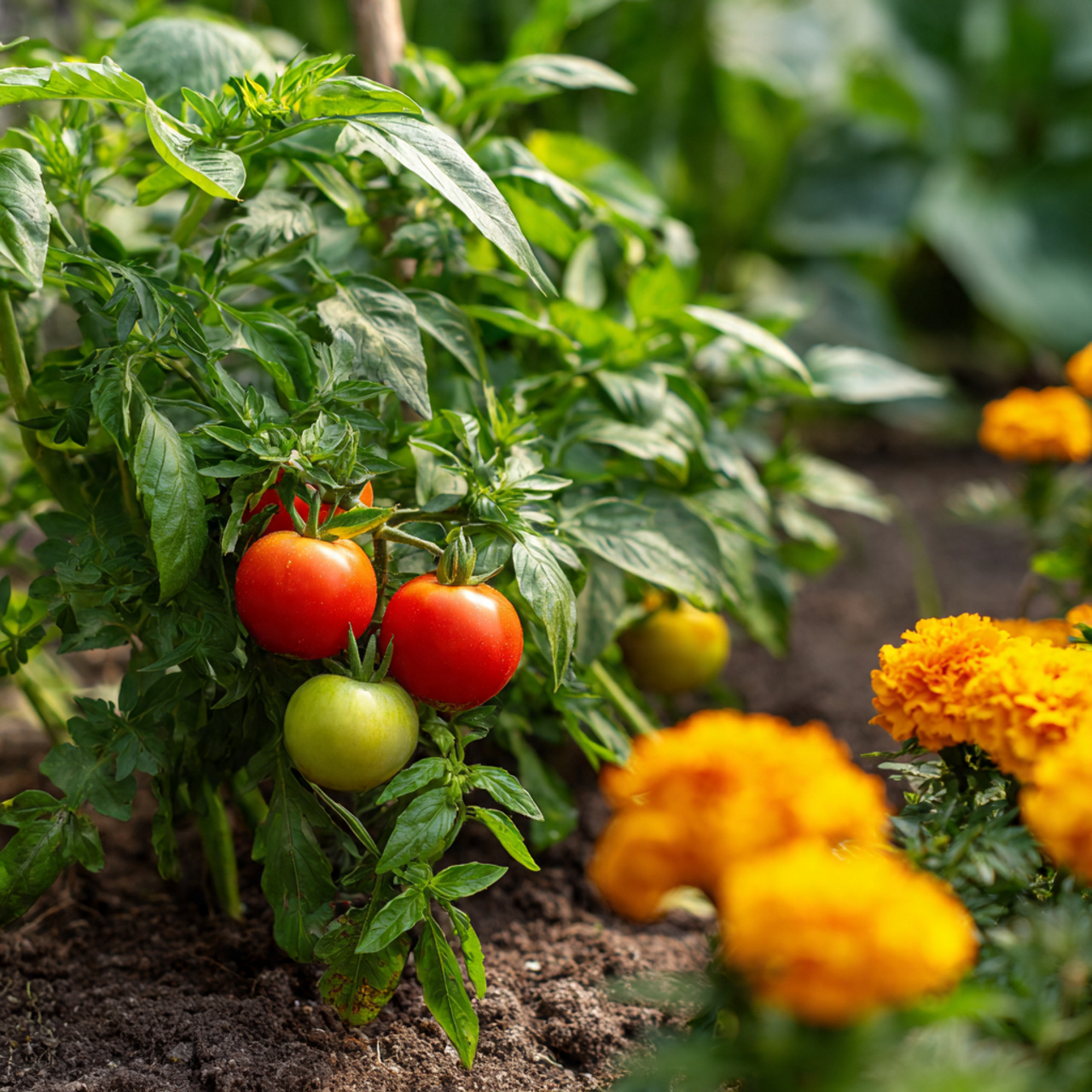
Certain plants genuinely help each other when grown together. This isn’t gardening folklore—it’s about strategic partnerships that improve growth, flavor, and pest resistance.
Companion planting creates a natural ecosystem where plants support each other rather than compete. Some combinations repel pests, others improve soil, and many simply use space efficiently.
Powerful Plant Partnerships:
- Tomatoes + Basil: Pest deterrent and flavor enhancement
- Carrots + Onions: Repel each other’s main pests
- Corn + Beans + Squash: The “Three Sisters” support system
- Lettuce + Radishes: Radishes mark rows and break soil
What to Avoid:
- Tomatoes and potatoes (share disease vulnerability)
- Onions near beans or peas (inhibit growth)
- Fennel with most vegetables (it’s a bit of a garden bully)
Rotate Crops for Long-Term Garden Health
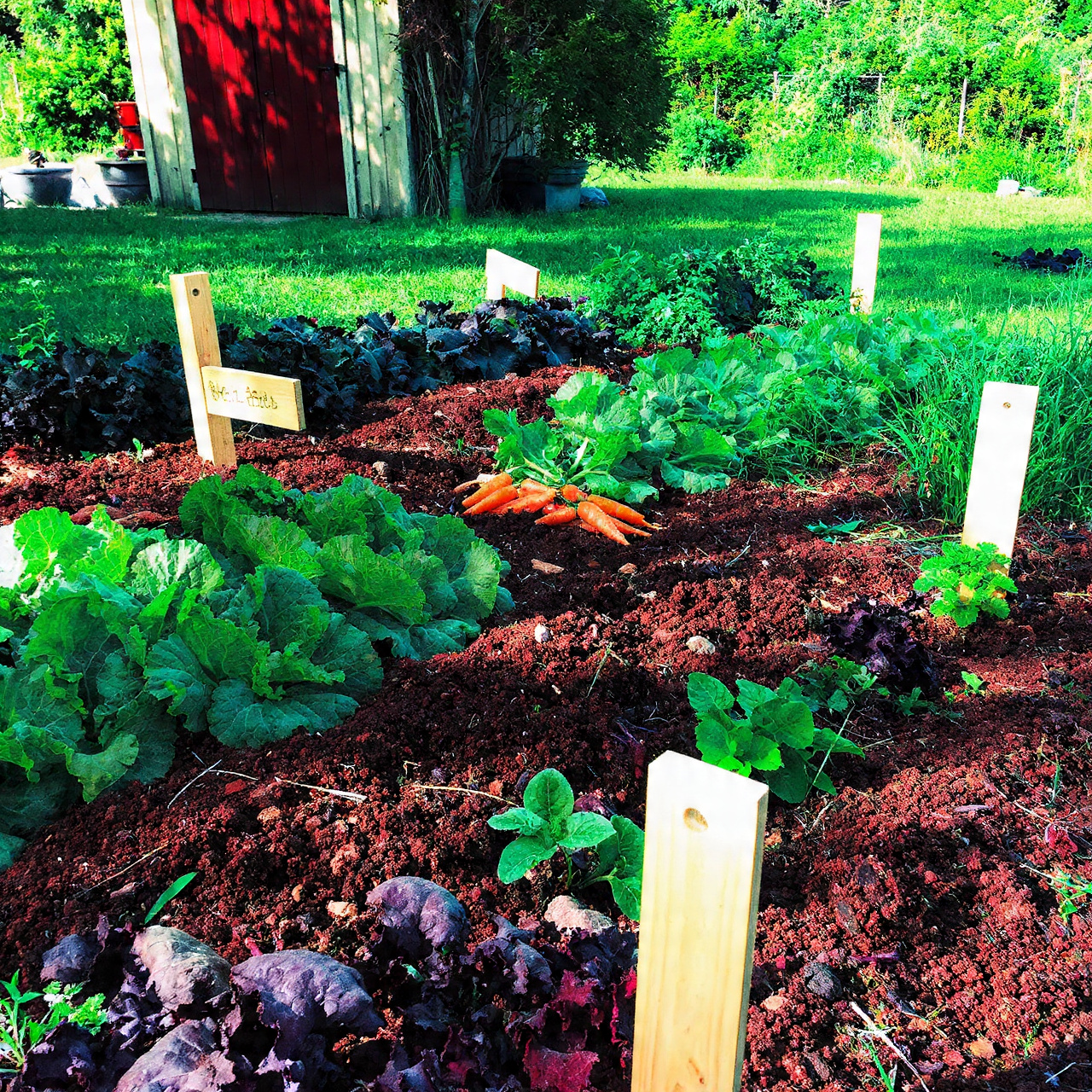
Planting the same vegetables in the same spots year after year depletes specific nutrients and allows pests and diseases to establish themselves.
Crop rotation means moving plant families to different areas each season. This simple practice maintains soil fertility, breaks pest cycles, and keeps your garden productive for years.
Basic Rotation Plan:
- Year 1: Tomatoes in bed A
- Year 2: Beans or peas in bed A (replenish nitrogen)
- Year 3: Leafy greens in bed A
- Year 4: Root vegetables in bed A
Easy Implementation: Divide your garden into 3-4 sections and rotate plant families through them. Even this simple system delivers major benefits.
Organic Pest Control
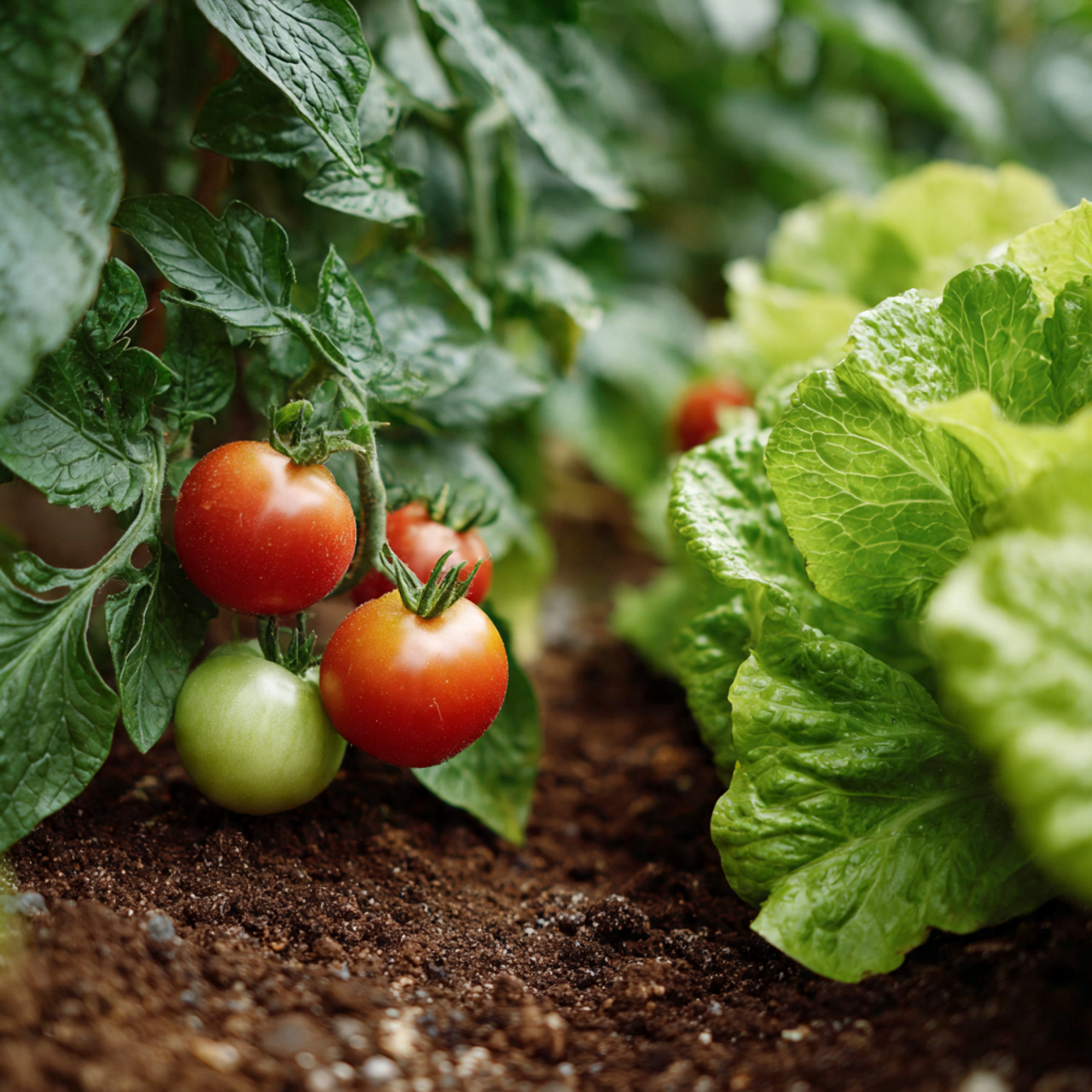
Chemical pesticides might kill bugs quickly, but they also harm beneficial insects, contaminate your food, and damage soil health. Natural pest control works with nature instead of against it.
The best pest management starts with prevention—healthy plants resist pests better. When problems do appear, gentle interventions often work wonderfully.
Natural Pest Control Methods:
- Hand-picking (surprisingly effective for larger pests)
- Neem oil spray for soft-bodied insects
- Diatomaceous earth around plant bases
- Encourage natural predators (ladybugs, praying mantis)
Prevention Strategies:
- Regular inspection catches problems early
- Proper spacing improves air circulation
- Remove diseased plants immediately
- Use row covers for vulnerable seedlings
Grow Up, Not Just Out with Vertical Gardening
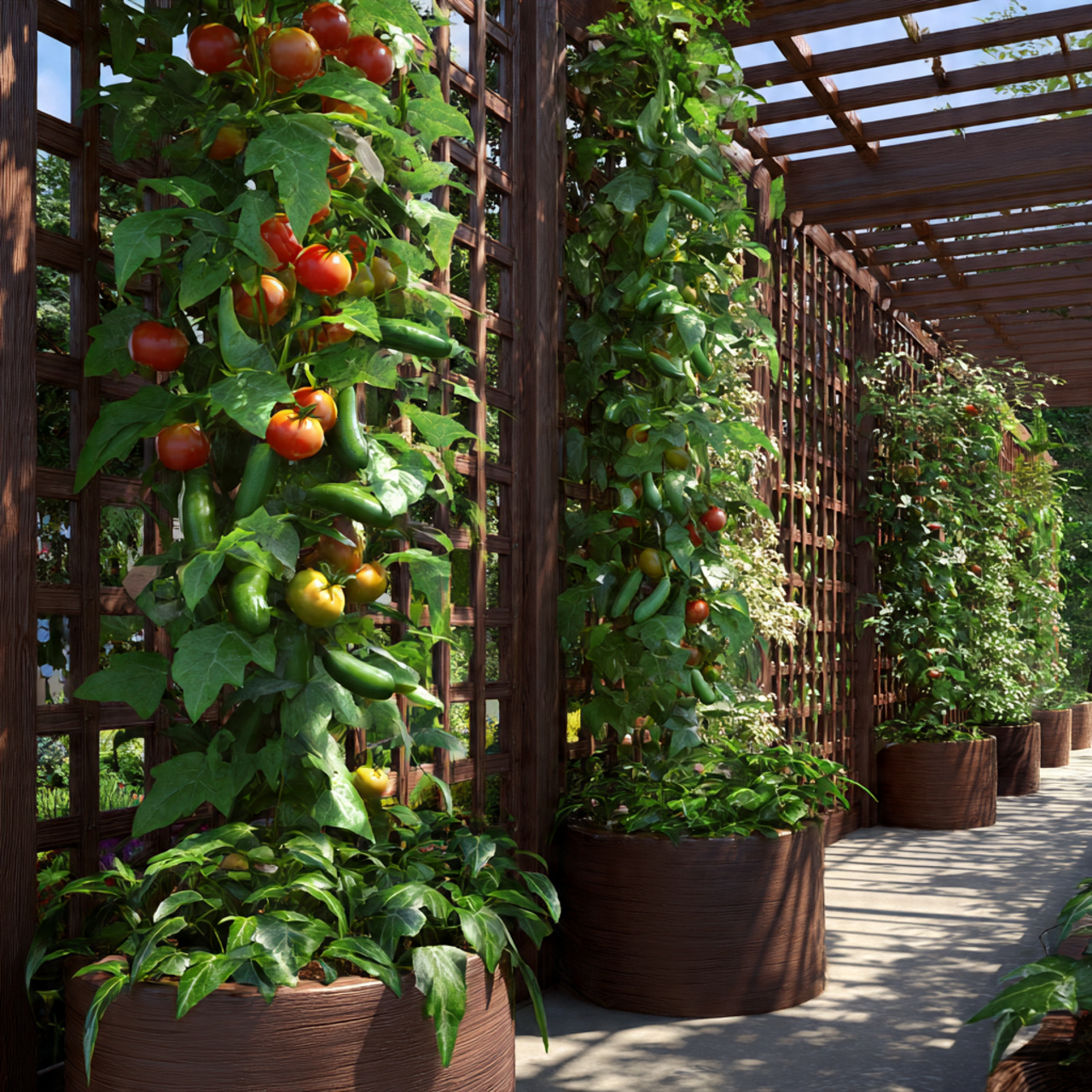
When ground space is limited, think vertically. Training plants upward using trellises, cages, or stakes multiplies your growing area dramatically.
Vertical growing isn’t just space-efficient—it improves air circulation around plants (reducing disease), makes harvesting easier, and keeps vegetables cleaner by keeping them off the ground.
Perfect Vertical Vegetables:
- Pole beans (can reach 6-8 feet)
- Cucumbers (produce cleaner fruit when climbing)
- Peas (need support for best production)
- Vining tomatoes (indeterminate varieties)
Support Structures:
- Bamboo teepees for beans
- Wire cages for tomatoes
- String trellises for cucumbers
- Wall-mounted planters for strawberries or herbs
Visit More: Cucumber Trellis
Plant According to the Seasons
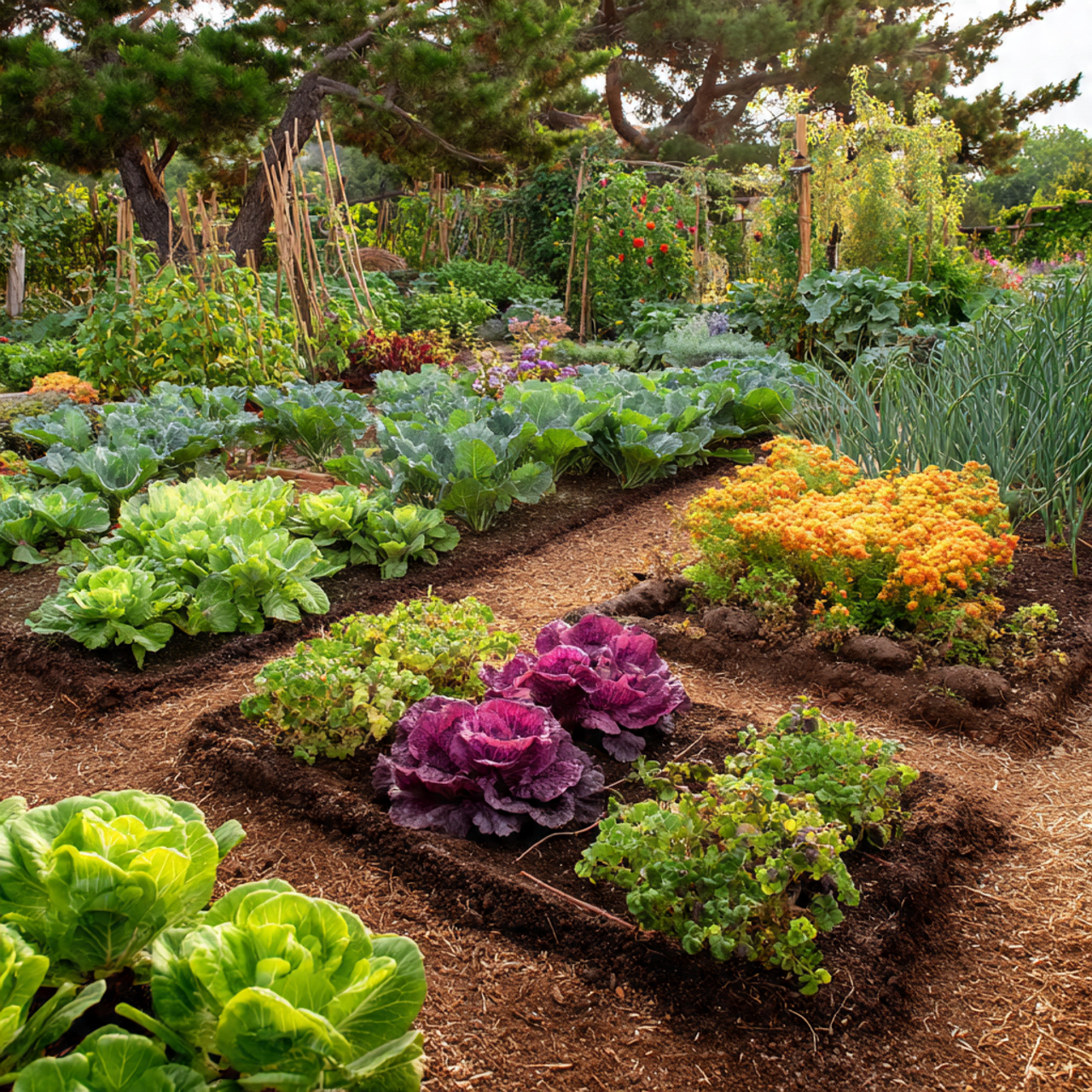
Every vegetable has its preferred growing season. Forcing cool-weather crops through summer heat or warm-season vegetables through spring chills leads to disappointment.
Understanding seasonal timing means planting when conditions naturally favor each crop. This reduces pest pressure, minimizes care requirements, and maximizes yields.
Cool-Season Vegetables (Spring/Fall):
- Lettuce, spinach, and leafy greens
- Peas and broccoli
- Carrots and radishes
- Kale and cabbage
Warm-Season Vegetables (Summer):
- Tomatoes and peppers
- Cucumbers and squash
- Beans and eggplant
- Corn and melons
Succession Planting: Plant small amounts every 2-3 weeks for continuous harvests rather than one overwhelming bounty
Integrate Herbs for Multiple Benefits
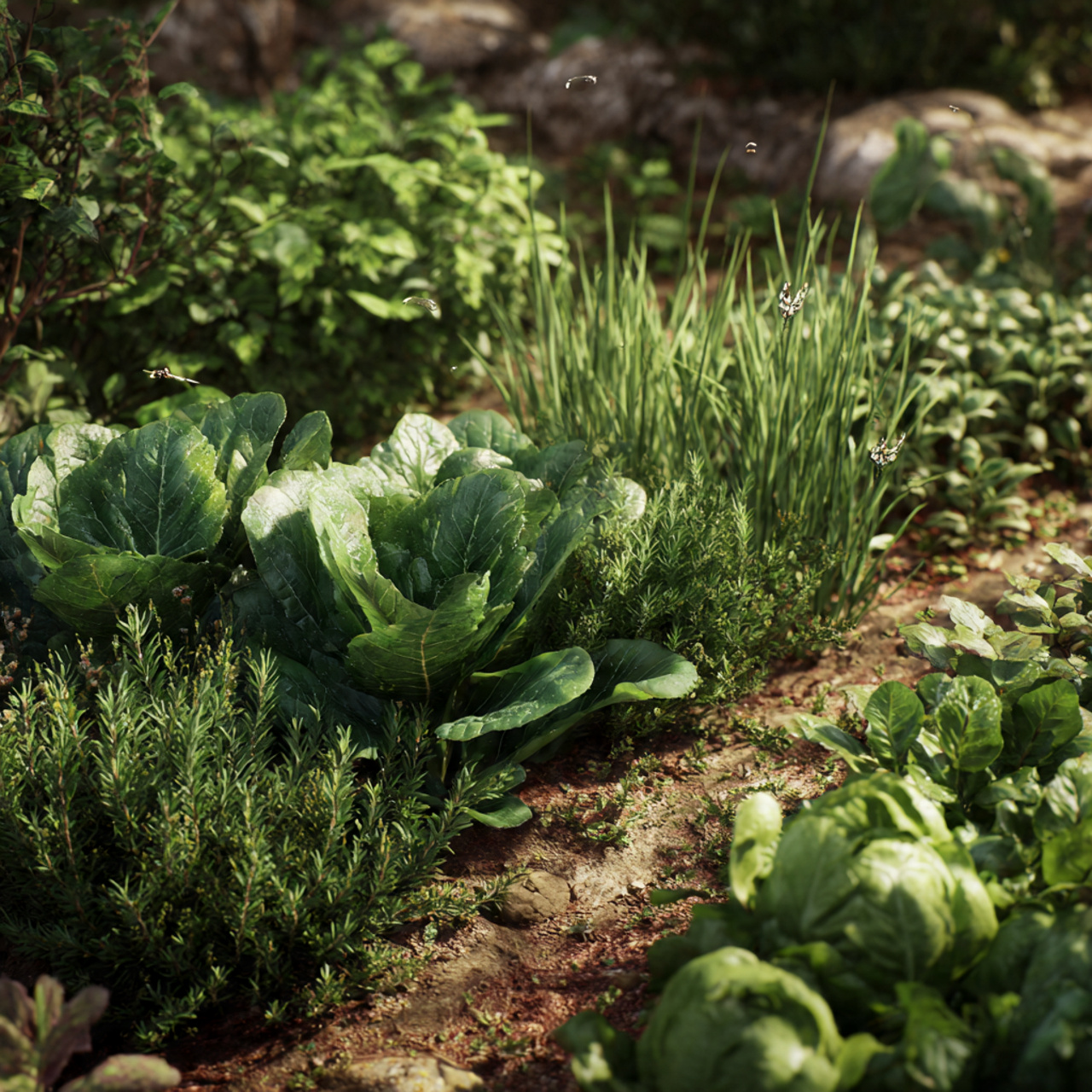
Herbs belong in every vegetable garden, not just for cooking but for the practical benefits they provide their vegetable neighbors.
Many herbs repel pests, attract beneficial insects, and even improve the flavor of nearby vegetables. Plus, you’ll always have fresh herbs just steps from your kitchen.
Garden-Enhancing Herbs:
- Rosemary: Deters cabbage moths and bean beetles
- Thyme: Attracts beneficial insects and repels whiteflies
- Mint: Discourages aphids and ants (but contain it—it spreads!)
- Dill: Attracts predatory wasps and pollinators
Placement Tip: Plant perennial herbs like rosemary and thyme at garden edges where they won’t be disturbed during annual crop rotation.
Feed Your Plants Wisely
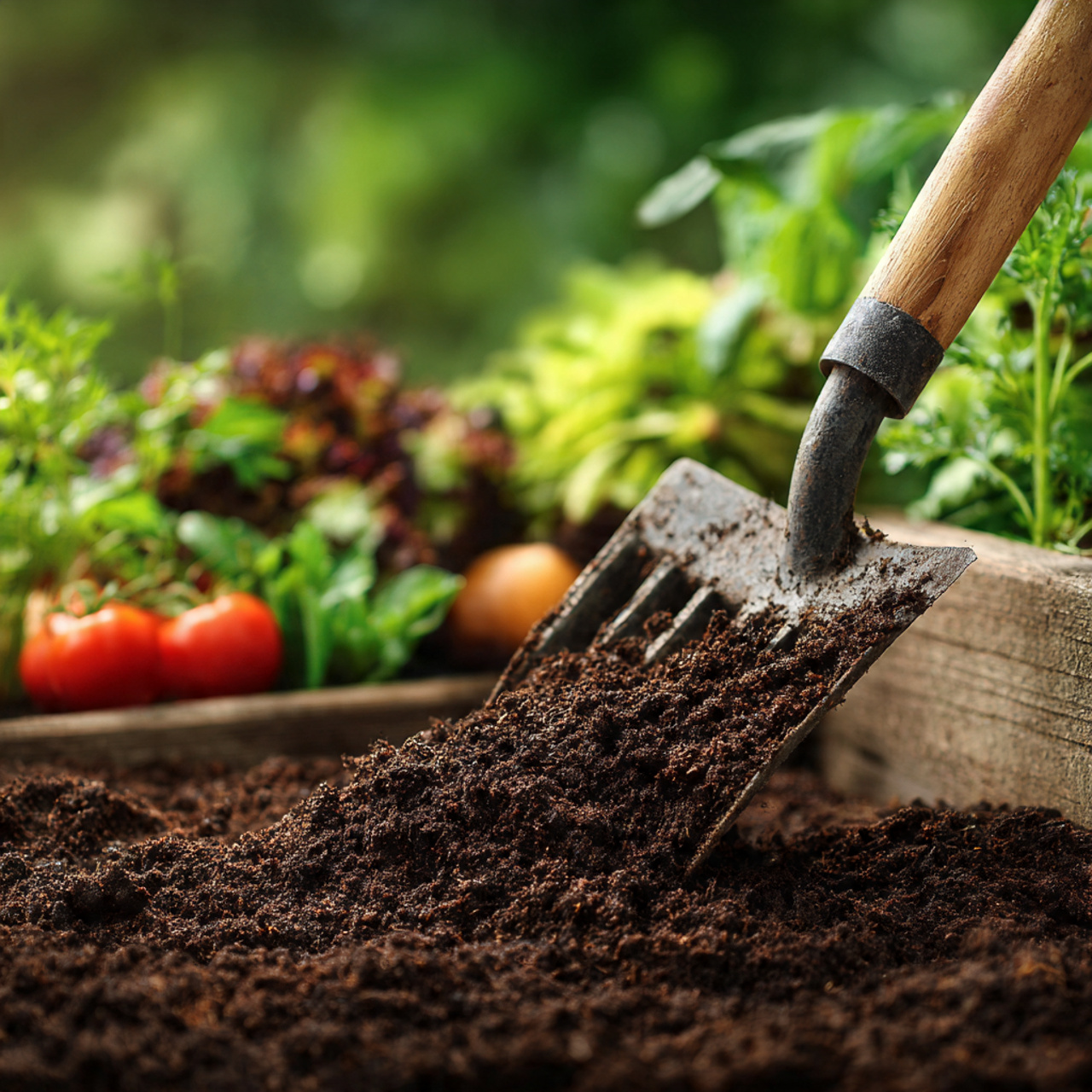
Well-fed vegetables grow vigorously and produce abundantly. But fertilization isn’t about dumping chemicals—it’s about providing balanced nutrition at the right times.
Different vegetables have different nutritional needs. Leafy greens need more nitrogen, fruiting plants need phosphorus and potassium, and root vegetables prefer low nitrogen.
Fertilization Approaches:
- Slow-release organic fertilizers (feed steadily over time)
- Compost tea (liquid nutrition plants absorb quickly)
- Side-dressing with compost (adds nutrients mid-season)
- Fish emulsion for quick nitrogen boosts
Avoid These Mistakes:
- Over-fertilizing (burns roots and leaches into groundwater)
- Using high-nitrogen on tomatoes (lots of leaves, few fruits)
- Fertilizing dry soil (can damage roots)
Protect and Nourish with Mulch
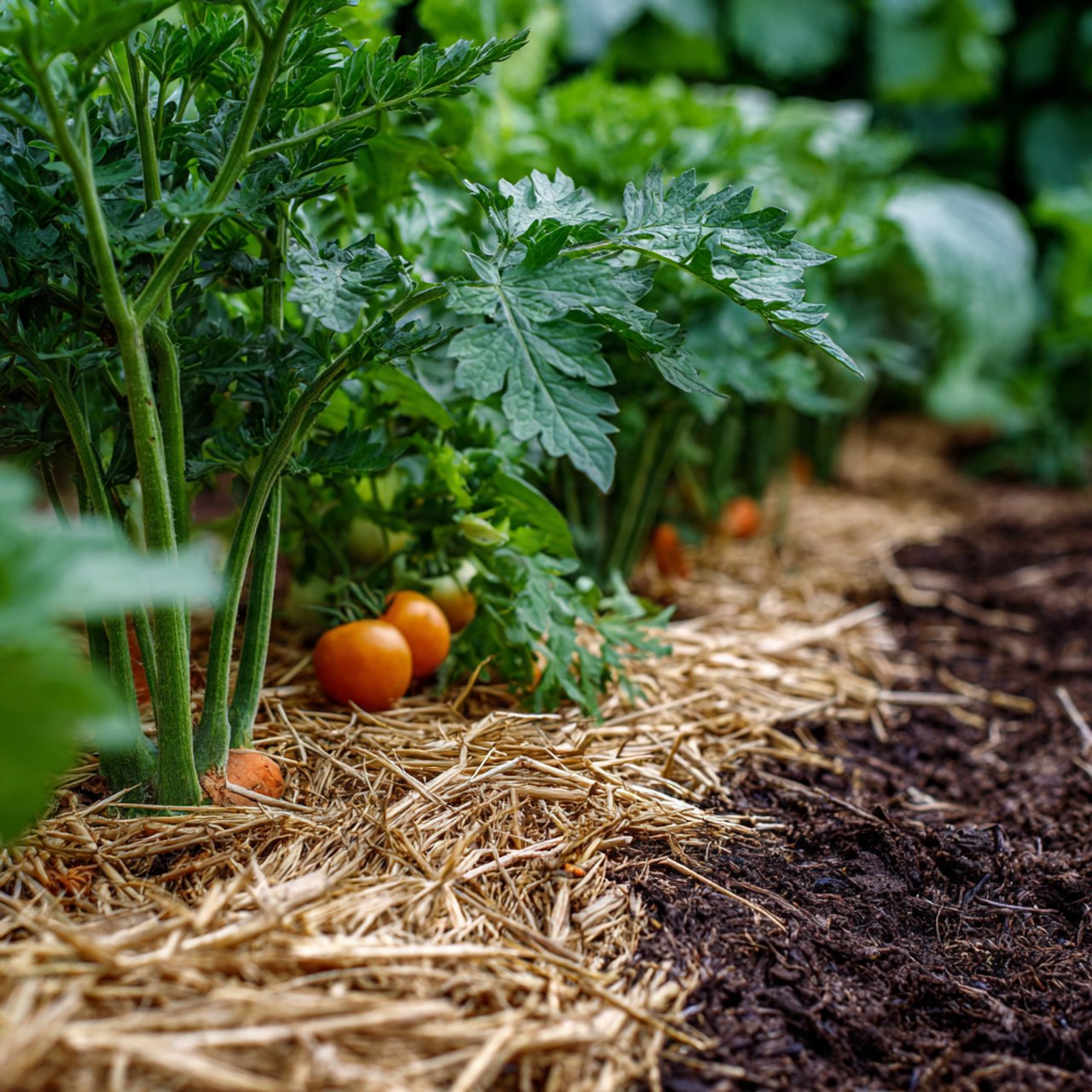
Mulching is like giving your garden a protective blanket. A few inches of organic material around plants works harder than almost any other garden task.
Good mulch suppresses weeds, conserves water, regulates soil temperature, and gradually decomposes to feed your soil. It’s basically multiple garden chores handled by one simple practice.
Best Mulching Materials:
- Straw (clean and affordable)
- Shredded leaves (free and nutrient-rich)
- Grass clippings (nitrogen-rich, use thin layers)
- Wood chips (long-lasting, good for paths)
Application Guidelines:
- Apply 2-4 inches deep around plants
- Keep mulch an inch away from plant stems
- Refresh as it decomposes through the season
- Pull back mulch when planting seeds
Prune and Train for Better Production
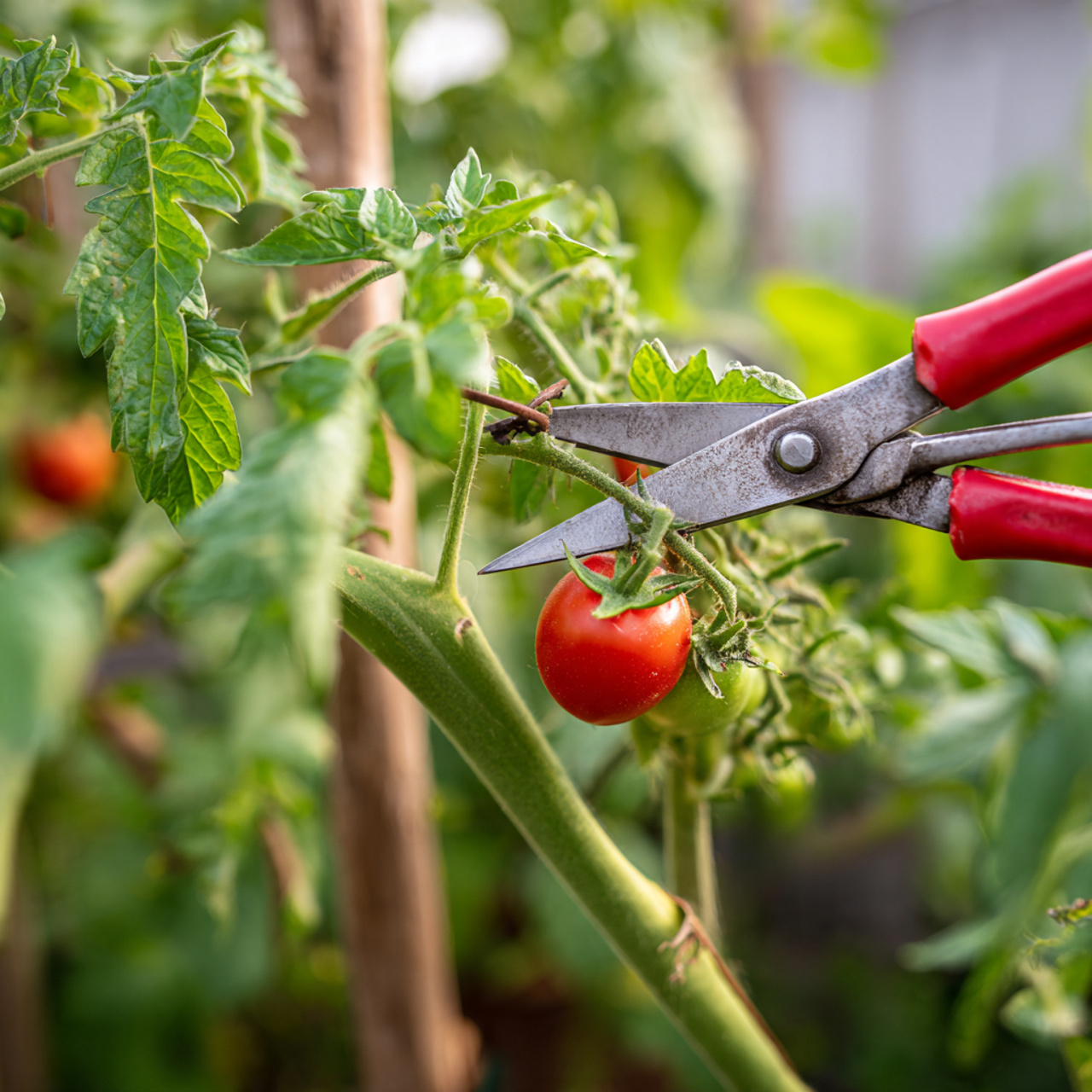
Strategic pruning and training aren’t just for ornamental plants—they significantly improve vegetable yields and plant health.
Removing excess growth directs plant energy toward fruit production rather than unnecessary leaves. Training plants onto supports keeps them organized and maximizes light exposure.
Vegetables That Benefit from Pruning:
- Tomatoes: Remove suckers for larger fruits
- Peppers: Pinch early flowers for stronger plants
- Cucumbers: Prune side shoots on trellised plants
- Beans: Pinch tips when they reach desired height
Training Techniques:
- Tie plants loosely with soft materials (avoid damaging stems)
- Train stems in the direction you want them to grow
- Support heavy fruits with slings to prevent branch breaking
Harvest at Peak Perfection
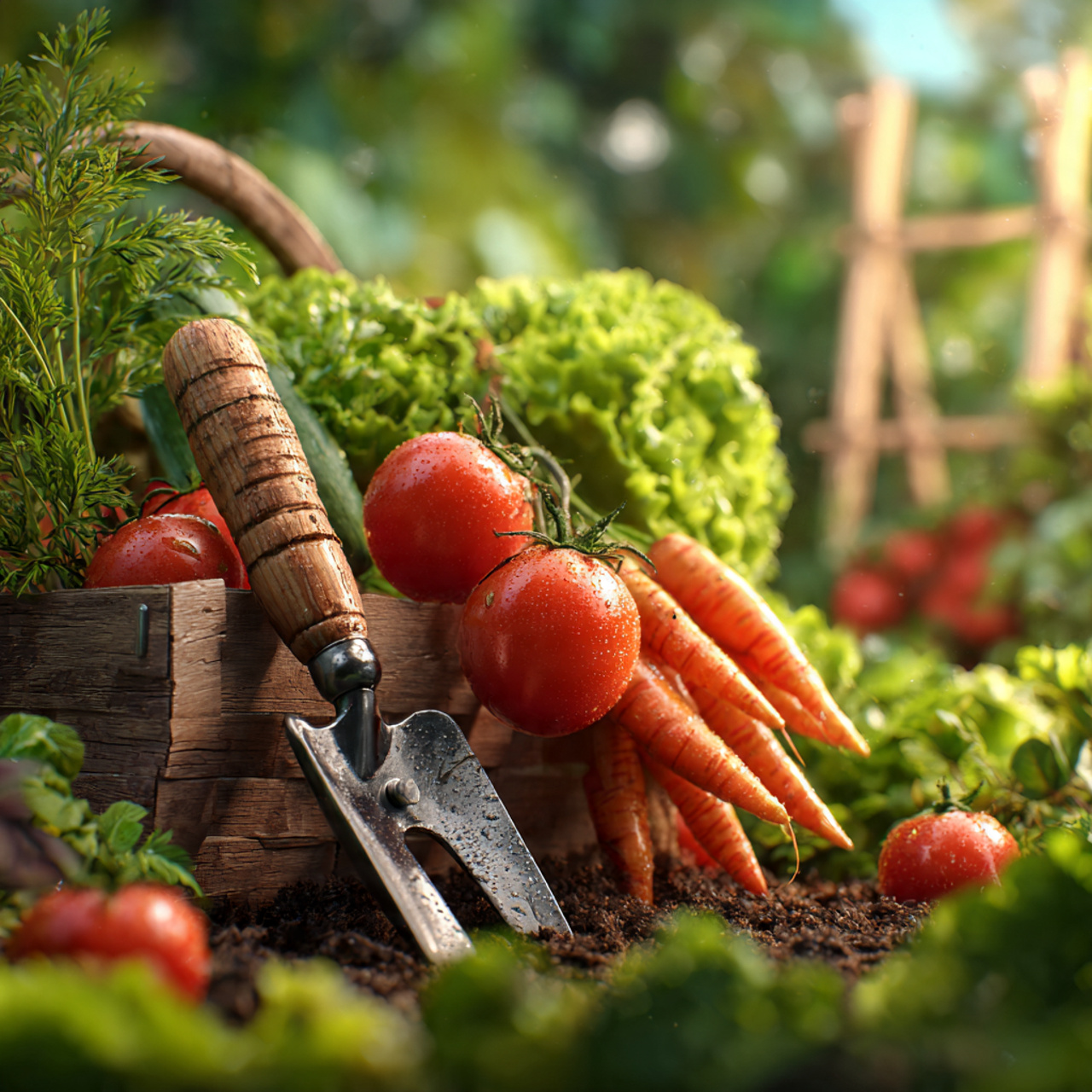
Knowing when to harvest each vegetable is part science, part experience. Too early and you miss out on full flavor; too late and quality deteriorates.
Regular harvesting actually encourages many plants to produce more. The more you pick beans, the more the plant produces. It’s a win-win situation.
Harvest Timing Indicators:
- Tomatoes: Deep color, slight give when gently squeezed
- Lettuce: Before flowers appear (gets bitter after)
- Peppers: Firm texture, full color development
- Carrots: Check diameter by gently uncovering the top
Best Practices:
- Harvest in cool morning hours for crispest vegetables
- Use clean, sharp tools to avoid spreading disease
- Handle gently to prevent bruising
- Pick regularly to encourage continued production
Turn Waste into Garden Gold with Composting
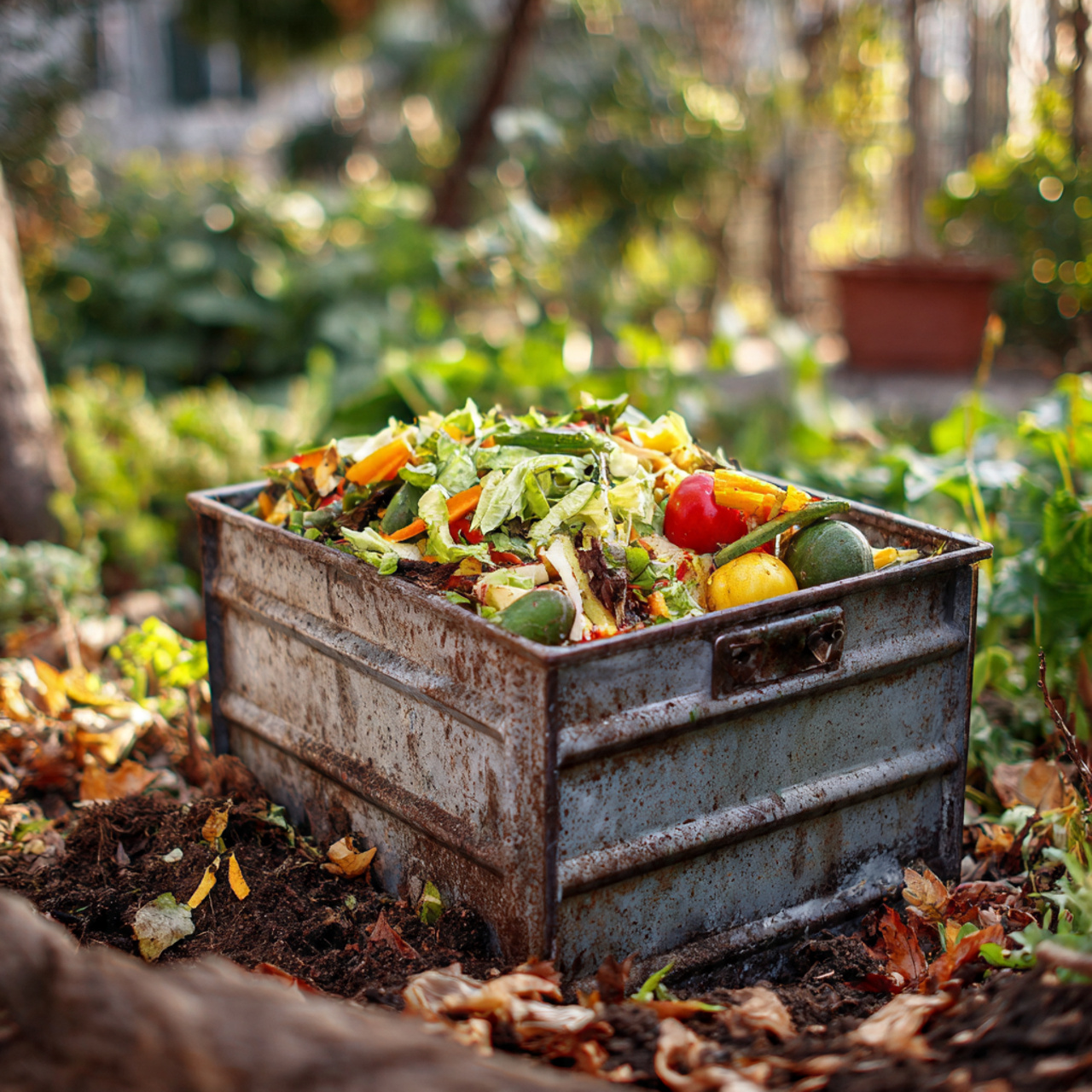
Composting transforms kitchen scraps and yard waste into nutrient-rich soil amendment. It’s free fertilizer made from stuff you’d otherwise throw away.
A well-managed compost pile or bin produces finished compost in 2-3 months, ready to enrich your garden beds with beneficial microorganisms and balanced nutrition.
What to Compost:
- Fruit and vegetable scraps
- Coffee grounds and tea bags
- Eggshells and paper
- Grass clippings and leaves
What to Avoid:
- Meat, dairy, and oils (attract pests)
- Diseased plant material
- Weeds that have gone to seed
- Pet waste
Quick Composting Tips: Balance “green” nitrogen materials with “brown” carbon materials, keep it moist like a wrung-out sponge, and turn it weekly for faster breakdown.
Invest in the Right Tools
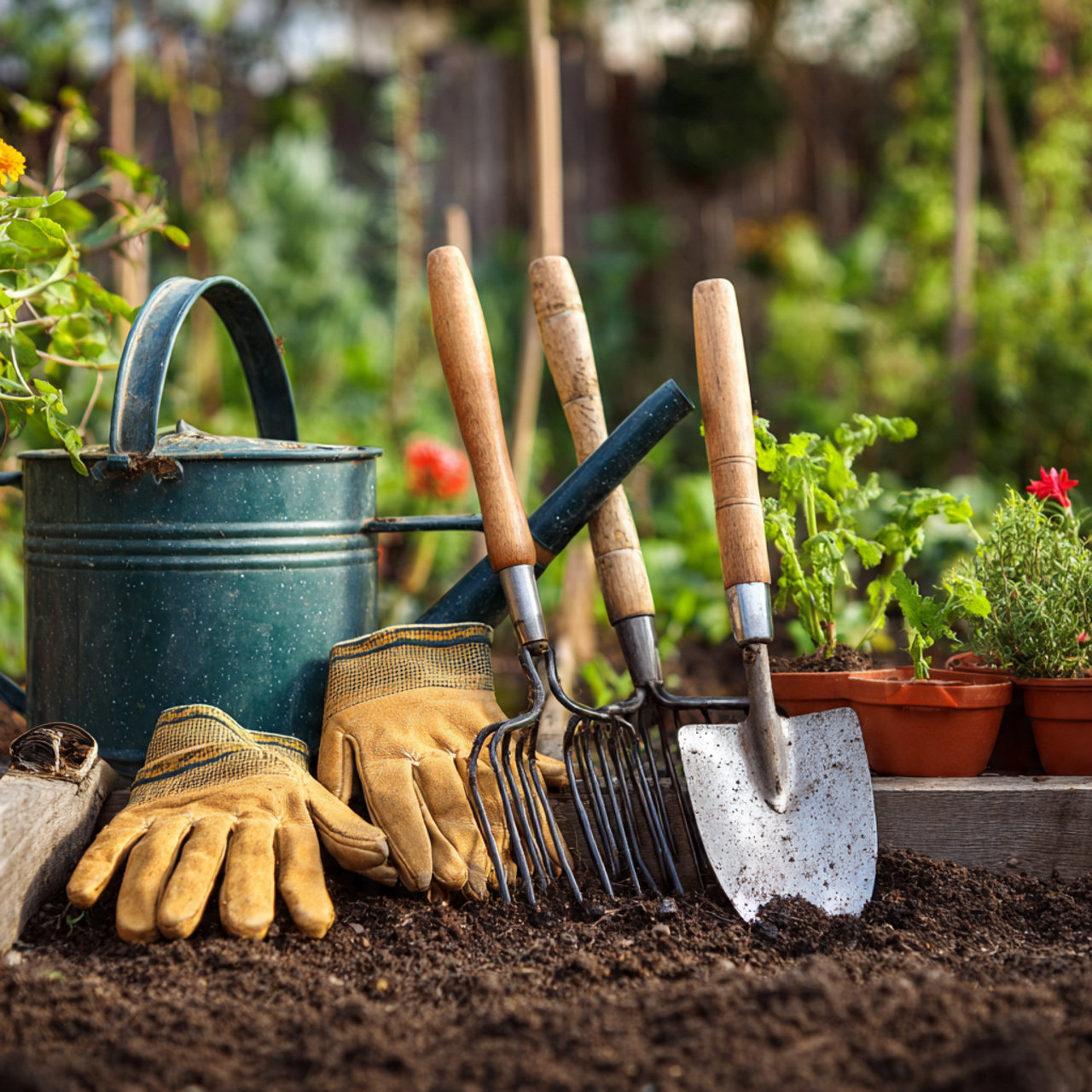
Quality gardening tools make work easier, faster, and more enjoyable. You don’t need dozens of specialty items—a core set of well-made tools handles most tasks.
Proper tools reduce physical strain, accomplish tasks more efficiently, and last for years with basic maintenance.
Essential Tool Kit:
- Hand trowel (for planting and transplanting)
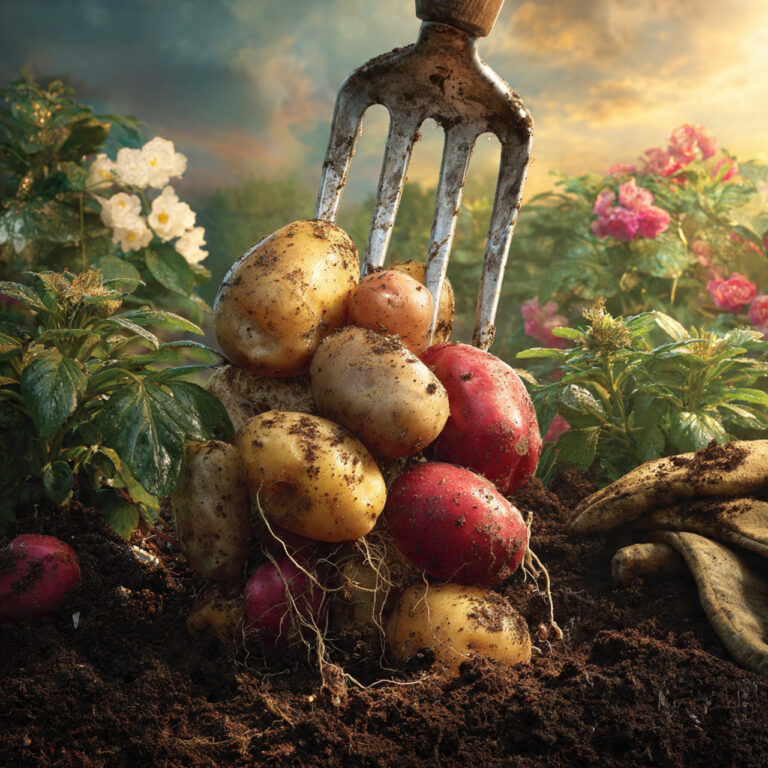
- Garden fork (for turning soil and compost)
- Pruning shears (for harvesting and trimming)
- Hose with adjustable nozzle (for flexible watering)
- Garden gloves (protect hands from thorns and blisters)
Tool Maintenance: Clean tools after each use, sharpen blades seasonally, oil moving parts, and store them dry to prevent rust.
Upgrade Your Watering with Irrigation Systems
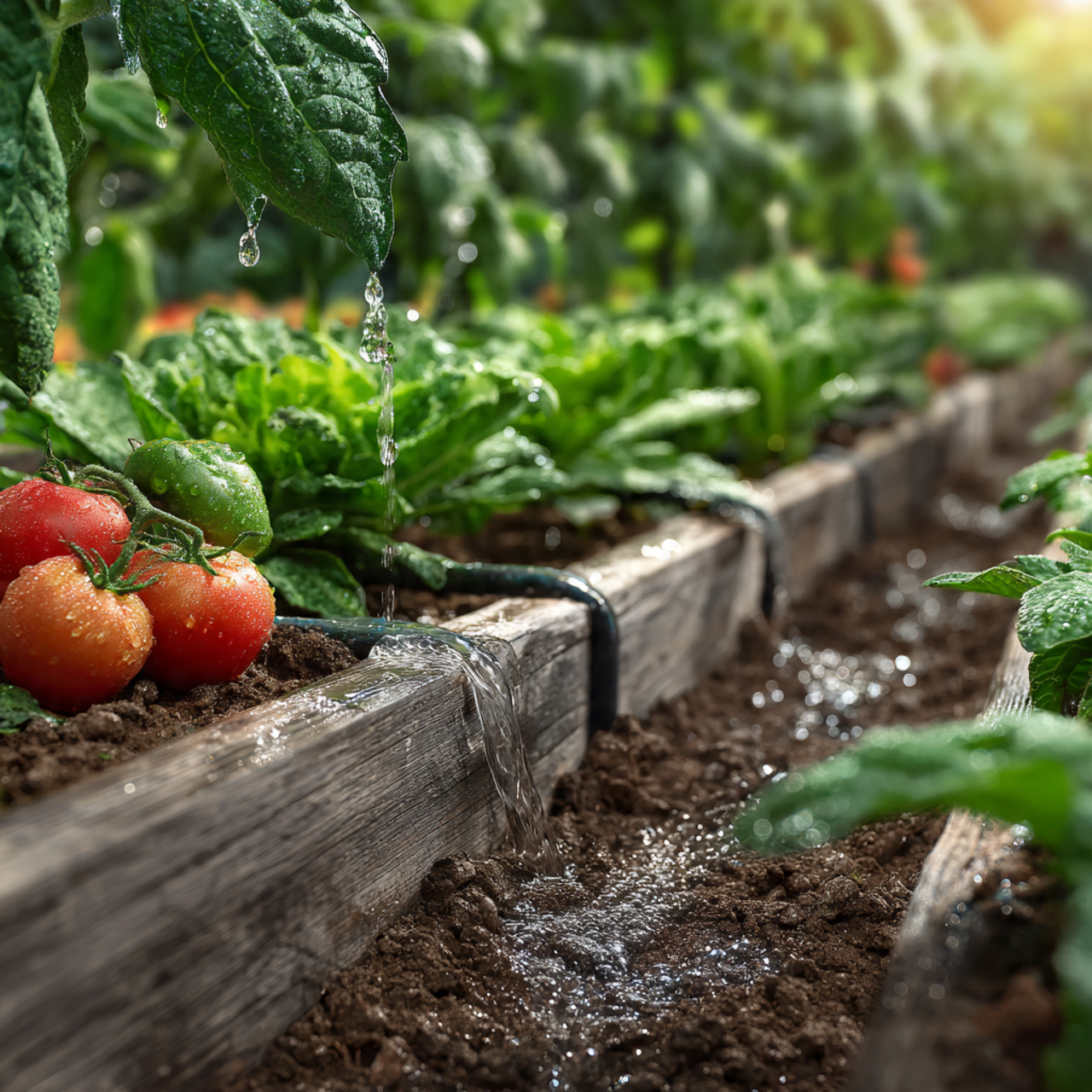
Automated irrigation systems take the daily watering burden off your shoulders while delivering more consistent moisture to plants.
Drip irrigation and soaker hoses target water precisely where plants need it—at the root zone—reducing waste and preventing leaf diseases caused by overhead watering.
Irrigation System Benefits:
- Water savings of 30-50% versus hand watering
- Consistent moisture for better plant health
- Frees up your time for other garden tasks
- Works even when you’re away
Getting Started: Simple soaker hoses connected to a timer cost under $50 and work wonderfully for most home gardens. Upgrade to drip systems as your garden expands.
Grow Fresh Food Year-Round Indoors
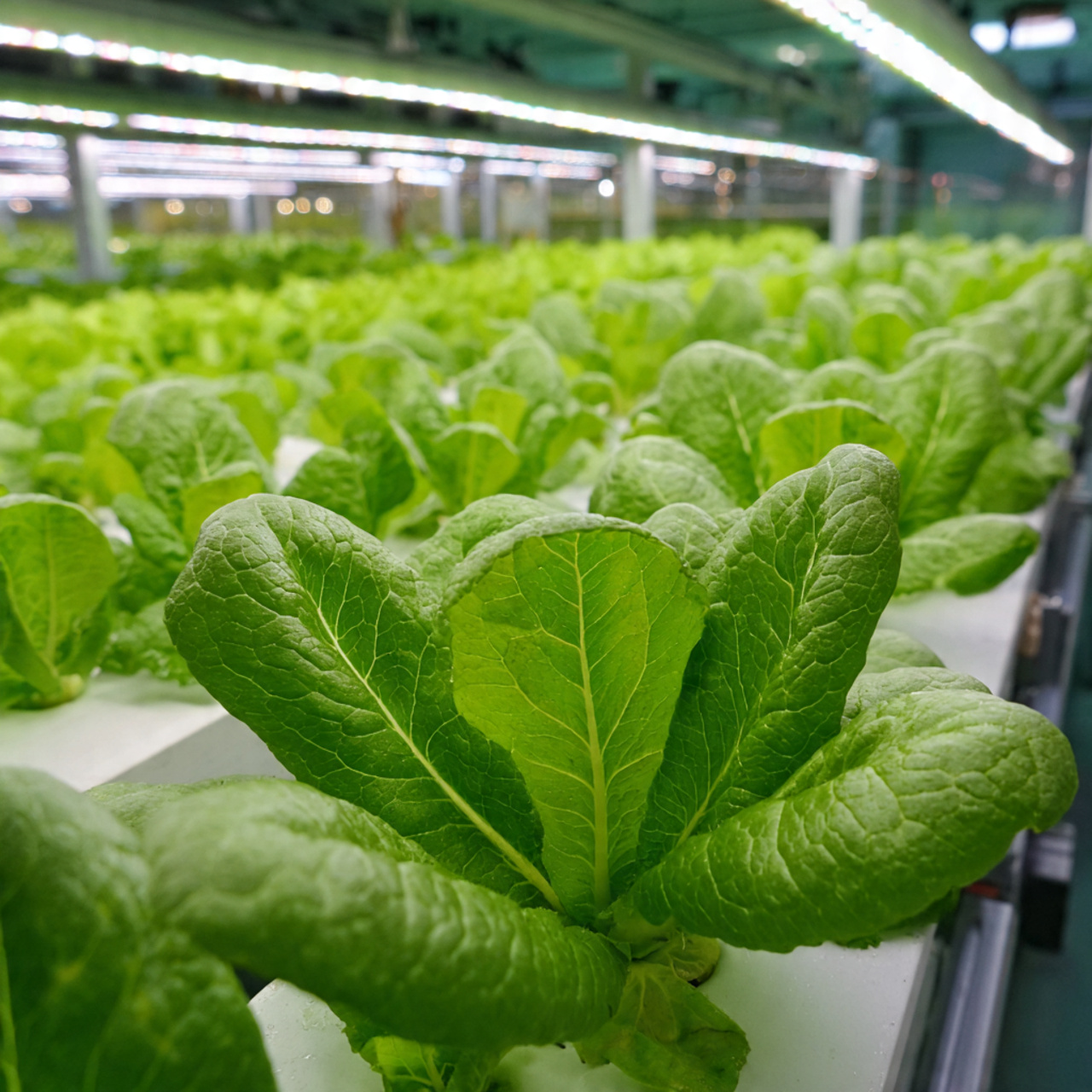
Who says vegetable gardening stops when cold weather arrives? Indoor gardening extends your growing season indefinitely, providing fresh herbs and greens even in winter.
With basic grow lights and containers, you can cultivate leafy greens, herbs, and compact vegetables right in your home.
Best Indoor Vegetables:
- Lettuce and microgreens
- Herbs (basil, parsley, cilantro, chives)
- Cherry tomatoes (compact varieties)
- Peppers (ornamental and edible types)
Indoor Growing Requirements:
- Full-spectrum LED grow lights (12-16 hours daily)
- Well-draining containers with saucers
- Consistent temperature (65-75°F ideal)
- Good air circulation to prevent mold
Troubleshoot Common Garden Challenges
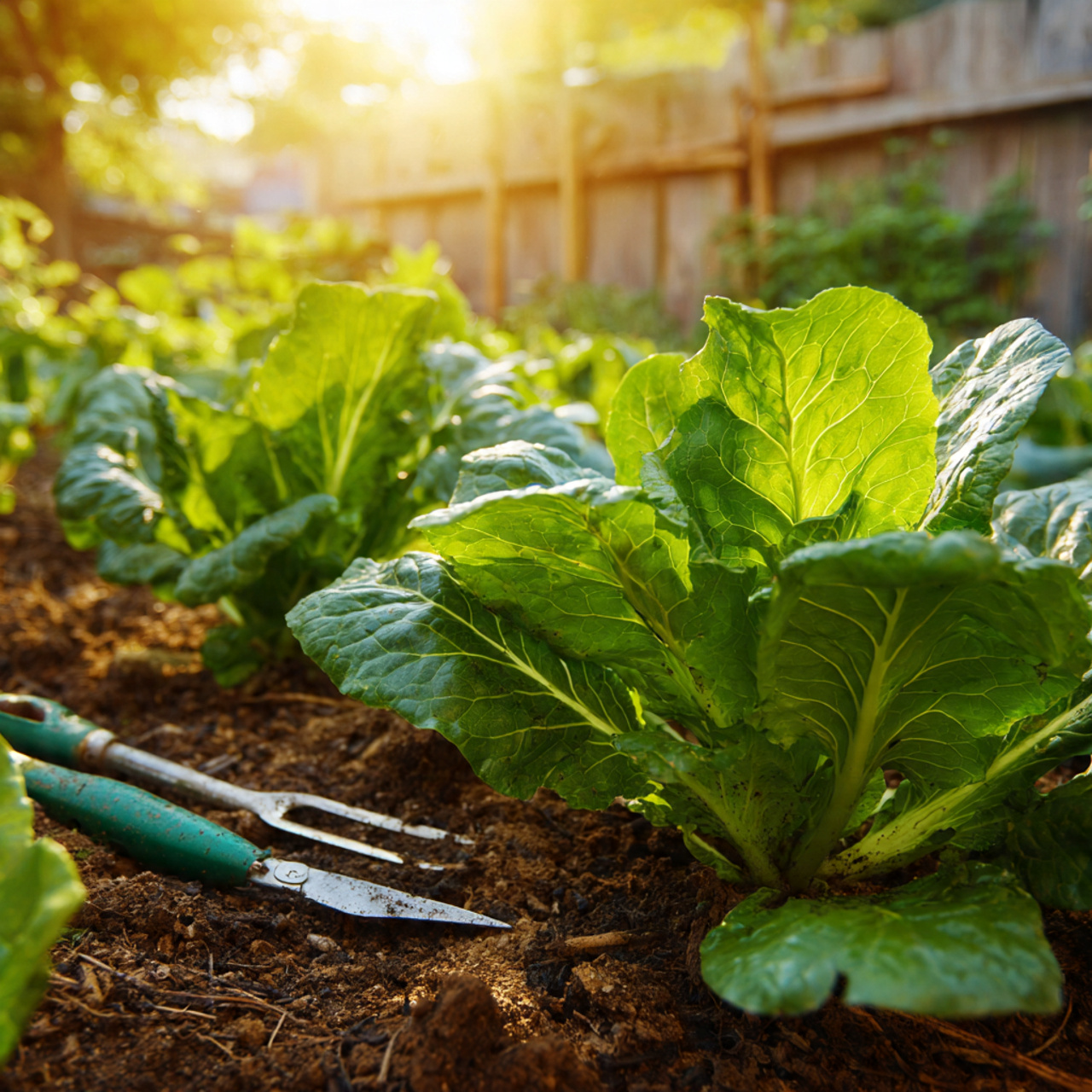
Every garden faces challenges—pests, diseases, weather extremes, or nutrient deficiencies. The difference between frustrated gardeners and successful ones is how they respond.
View challenges as learning opportunities. Each problem you solve adds to your gardening knowledge and makes you more capable next season.
Common Issues and Quick Solutions:
- Yellowing leaves: Usually nitrogen deficiency or overwatering
- Blossom end rot on tomatoes: Calcium deficiency or irregular watering
- Wilting despite moist soil: Root damage or disease
- Poor fruit set: Inadequate pollination or temperature stress
Problem-Solving Approach: Observe carefully, research the specific symptoms, try the gentlest solution first, and keep notes about what works.
Test and Amend Your Soil Regularly
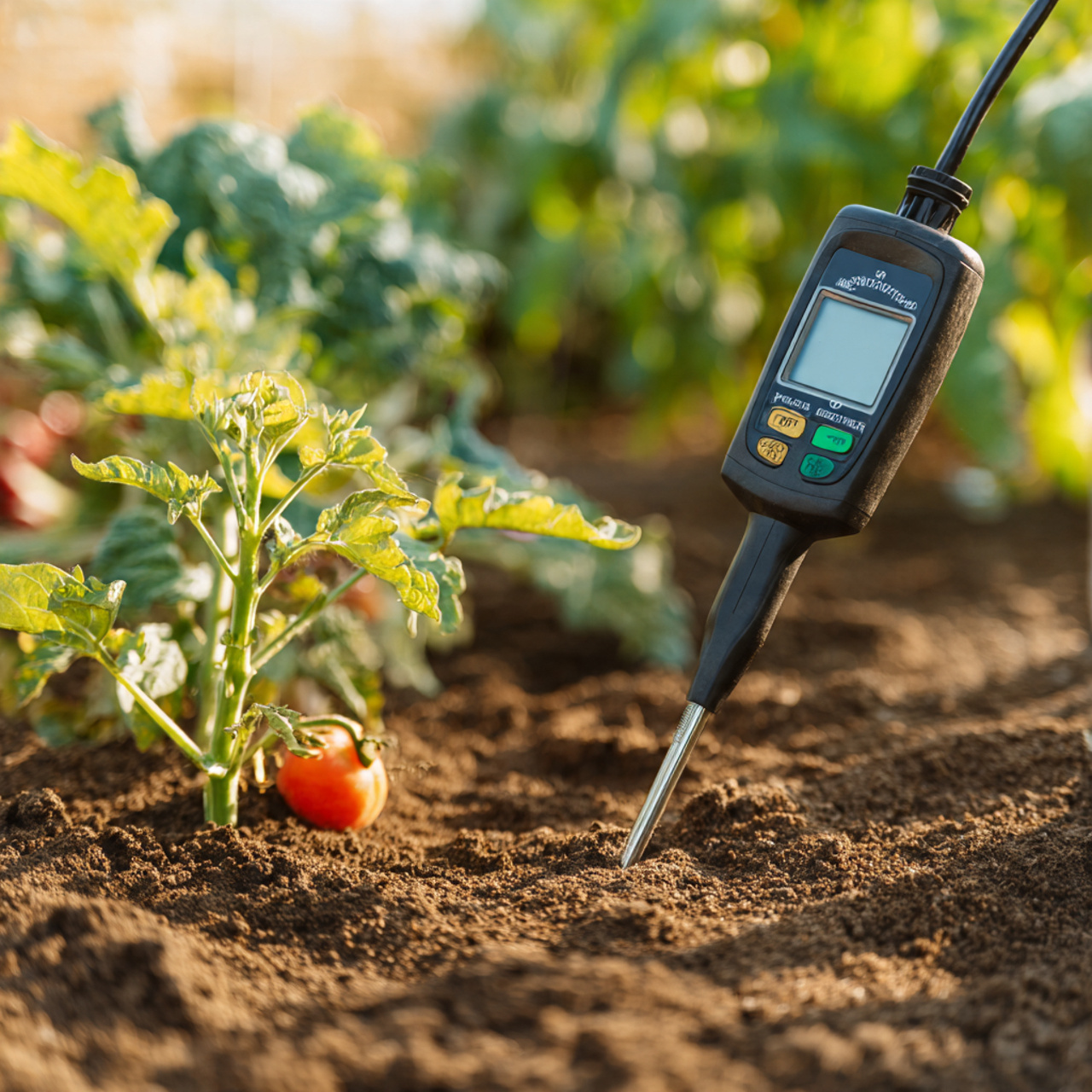
Annual soil testing isn’t just for beginning gardeners—it’s how experienced growers maintain productive gardens year after year.
Soil conditions change as plants extract nutrients, organic matter decomposes, and amendments affect pH. Testing reveals exactly what your soil needs rather than guessing.
Testing Schedule:
- Comprehensive test every 2-3 years
- pH check annually before planting
- Visual assessment (color, structure) throughout season
Common Amendments:
- Lime: Raises pH (makes acidic soil less so)
- Sulfur: Lowers pH (makes alkaline soil less so)
- Compost: Improves everything gradually
- Specific nutrients: Only add what tests show you need
Welcome Pollinators to Boost Production
Many vegetables—tomatoes, peppers, cucumbers, squash—depend on pollination to produce fruit. No pollination means no harvest, regardless of how well you care for plants.
Creating pollinator-friendly conditions near your vegetable garden dramatically improves fruit set and overall yields.
Attracting Pollinators:
- Plant flowers throughout and around the garden
- Provide water sources (shallow dishes with rocks)
- Avoid pesticides during blooming periods
- Leave some garden areas slightly wild
Best Pollinator Plants:
- Sunflowers and zinnias
- Lavender and borage
- Native wildflowers
- Flowering herbs like oregano and thyme
Adopt Sustainable Practices for the Future
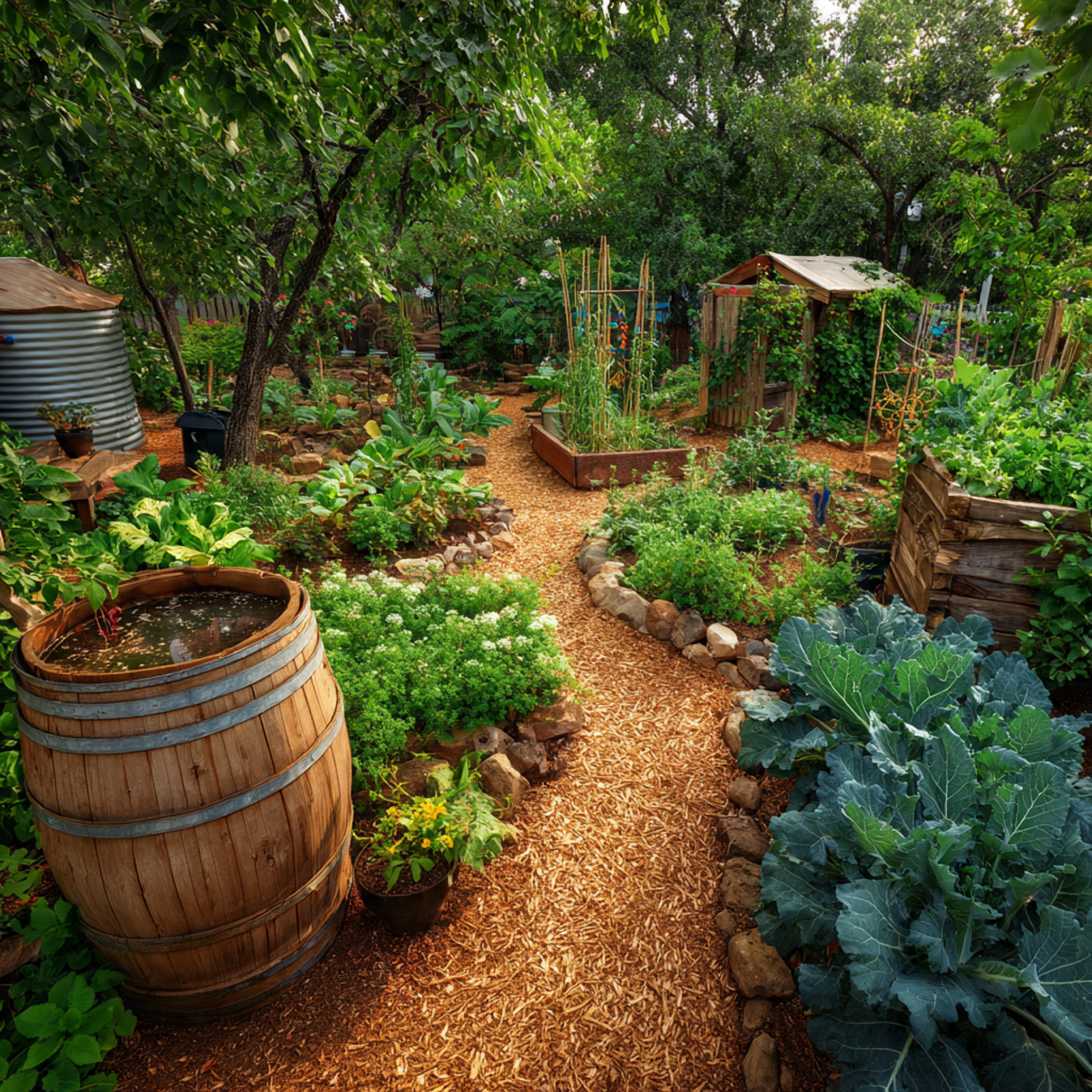
Sustainable gardening means working with nature to create systems that maintain themselves with minimal outside inputs.
These practices build soil health over time, reduce environmental impact, conserve resources, and create resilient gardens that improve year after year.
Sustainability Strategies:
- Collect rainwater for irrigation
- Create closed-loop nutrient cycling through composting
- Use organic pest and disease management
- Choose native plants when possible
- Minimize tillage to protect soil structure
Long-Term Benefits: Sustainable gardens become easier to maintain, produce healthier food, support local ecosystems, and reduce your environmental footprint.
Design a Garden That Delights Your Senses
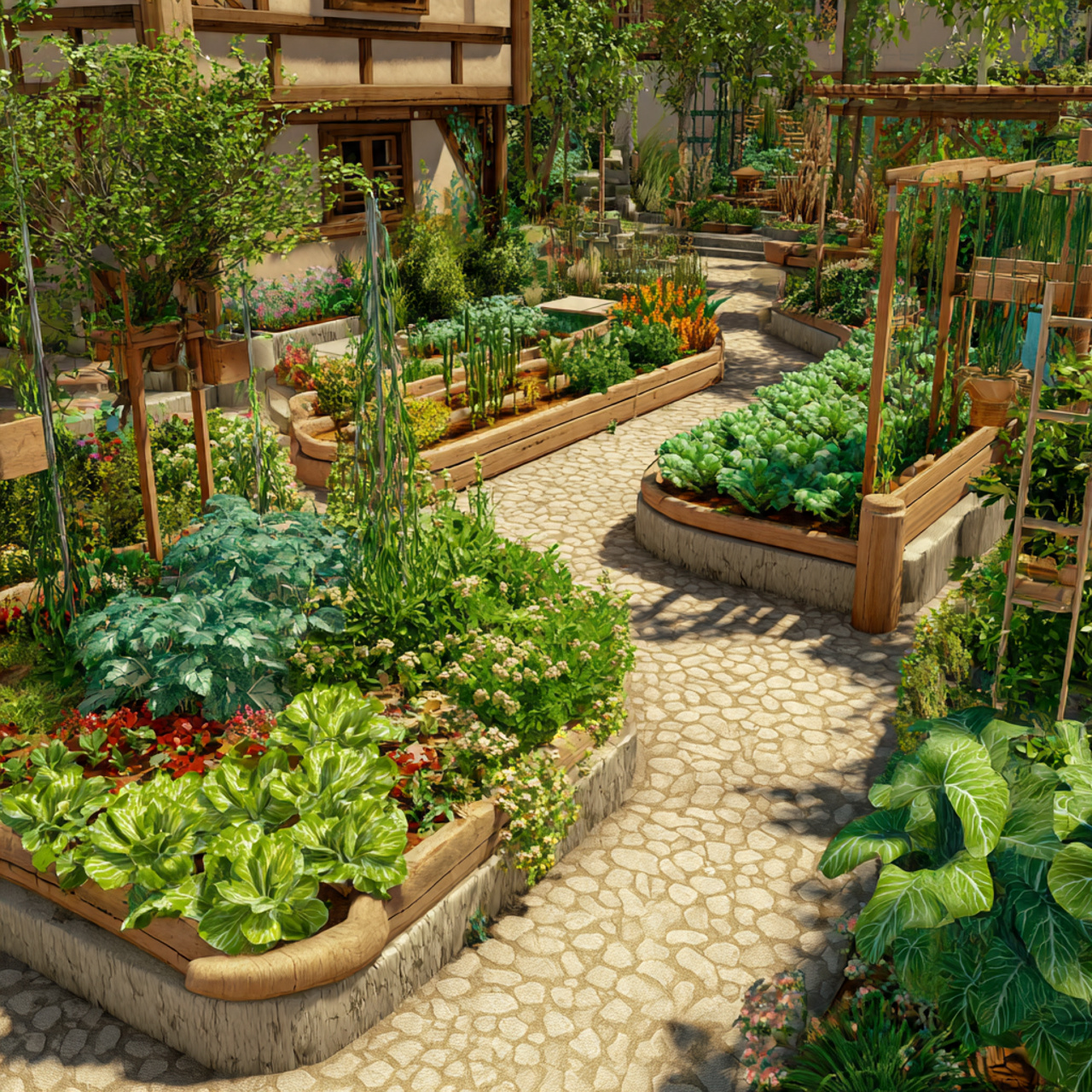
Vegetable gardens don’t have to look purely utilitarian. Thoughtful design creates spaces that are both productive and beautiful places to spend time.
Incorporate aesthetic elements that make your garden more inviting while maintaining functionality.
Design Ideas:
- Create defined pathways with decorative edging
- Use colorful vegetable varieties (purple beans, rainbow chard)
- Add vertical elements like trellises and arbors
- Install garden art or decorative containers
- Include a seating area for observation and relaxation
Functionality Meets Beauty: Plan for ease of movement, comfortable working heights, visual interest through the seasons, and spaces that invite you to garden more often.
Connect with Community Gardens
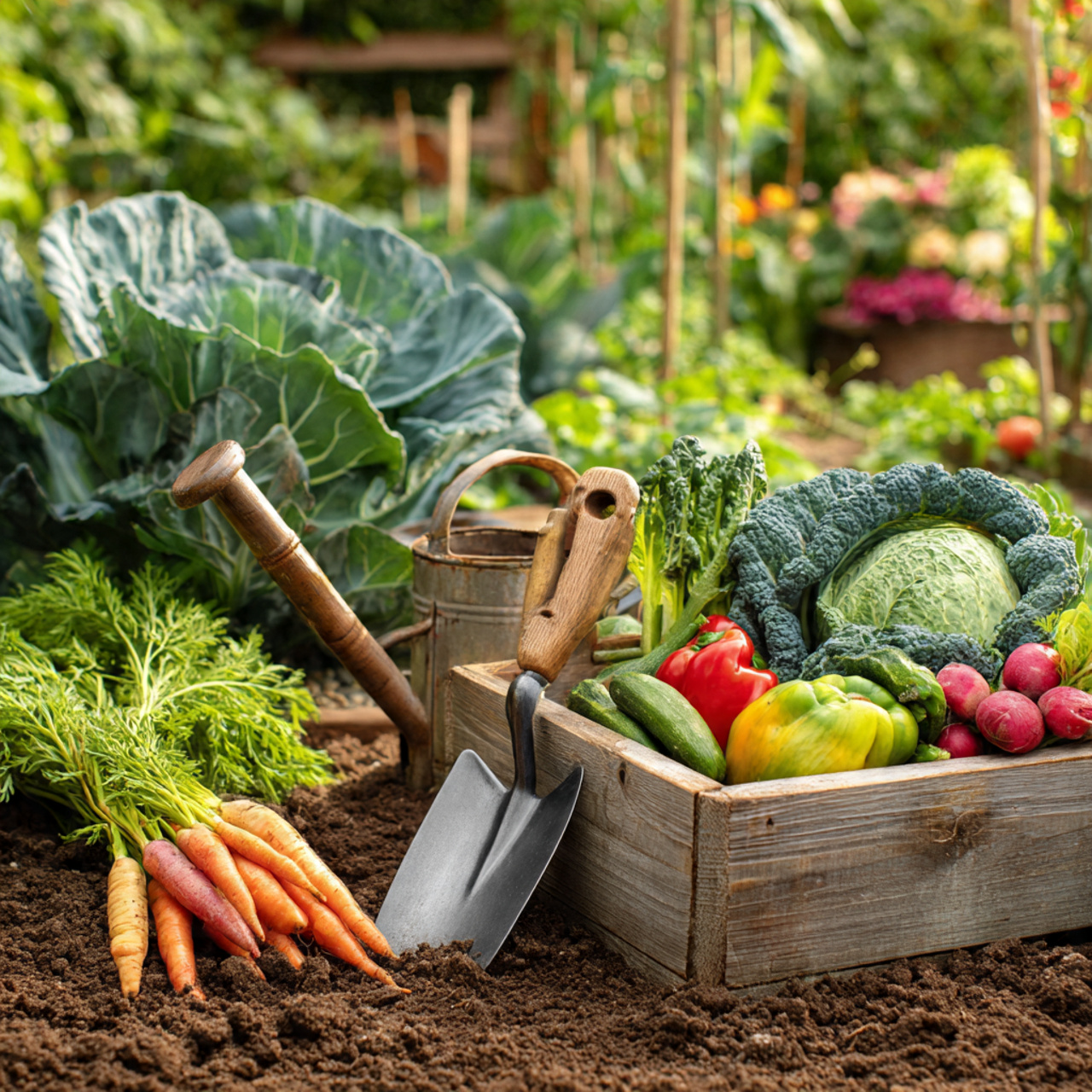
Community gardens offer benefits beyond just growing space—they’re learning centers, social hubs, and support networks for gardeners.
Whether you participate in an existing community garden or help start one, these shared spaces make gardening accessible to more people while building neighborhood connections.
Community Garden Benefits:
- Learn from experienced gardeners
- Share resources, tools, and seeds
- Try gardening without large space commitment
- Build friendships around shared interests
- Contribute to neighborhood beautification
Getting Involved: Search for community gardens in your area, contact local parks departments, or connect with gardening groups on social media.
FAQs About Vegetable Gardening
What vegetables should beginners start with?
New gardeners find the most success with fast-growing, forgiving vegetables. Lettuce and spinach grow quickly and tolerate mistakes. Tomatoes and radishes reward with impressive harvests. Herbs like basil and parsley thrive with minimal fuss. Start with 3-4 of these easy vegetables rather than overwhelming yourself with variety.
How much sun does a vegetable garden really need?
Most vegetables perform best with 6-8 hours of direct sunlight daily. Fruiting vegetables like tomatoes, peppers, and squash need the full 8 hours. Leafy greens like lettuce, spinach, and kale tolerate partial shade and actually appreciate it during hot summers. Observe your space at different times of day to identify the sunniest spots.
Can I successfully grow vegetables in containers?
Absolutely! Container gardening works wonderfully for tomatoes, peppers, lettuce, herbs, and many other vegetables. Use containers at least 12 inches deep with drainage holes. Fill them with quality potting mix rather than garden soil. Container plants need more frequent watering but give you complete control over soil quality and location.
How often should I water my vegetable garden?
Most vegetables thrive with deep watering 2-3 times weekly rather than shallow daily watering. This encourages deep root growth. Exact frequency depends on your soil type, weather, and plant maturity. Check soil moisture 2-3 inches down—if it’s dry, water deeply. Early morning watering reduces evaporation and disease risk.
Why should I choose organic vegetable gardening?
Organic methods eliminate chemical pesticides and synthetic fertilizers from your food. They improve soil health over time through compost and natural amendments. Organic gardens support beneficial insects, earthworms, and soil microorganisms. The result is healthier soil, better-tasting vegetables, and reduced environmental impact—all while giving you complete control over what touches your food.
Your Vegetable Gardening Journey Starts Now
Growing your own vegetables is genuinely one of life’s most rewarding experiences. It connects you with natural cycles, provides incredibly fresh food for your family, and offers therapeutic benefits that go far beyond the dinner table.
Success doesn’t require a green thumb or years of experience—it requires thoughtful planning, attention to basics, and willingness to learn from both successes and setbacks. Start with good soil, choose vegetables suited to your conditions, provide consistent care, and watch nature work its magic.
Whether you’re working with a sprawling backyard, a modest raised bed, or just a few containers on an apartment balcony, you have everything you need to grow delicious, nutritious vegetables. Each season teaches you something new, and every harvest—no matter how small—is a genuine accomplishment.
The best time to start your vegetable garden was last season. The second-best time is right now. Get your hands in the soil, plant some seeds, and begin this wonderful journey toward fresher food, better health, and deeper connection with the living world around you.