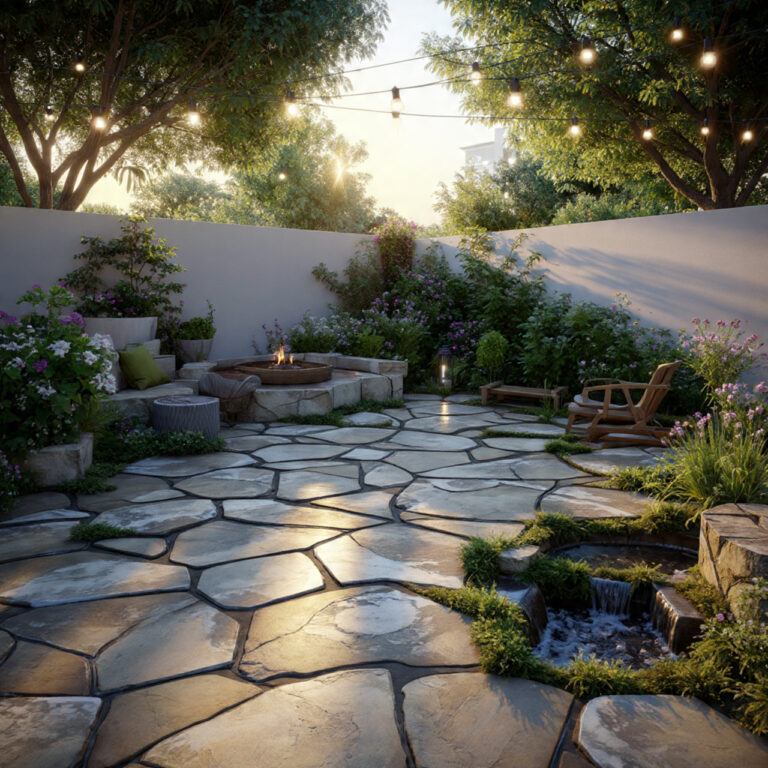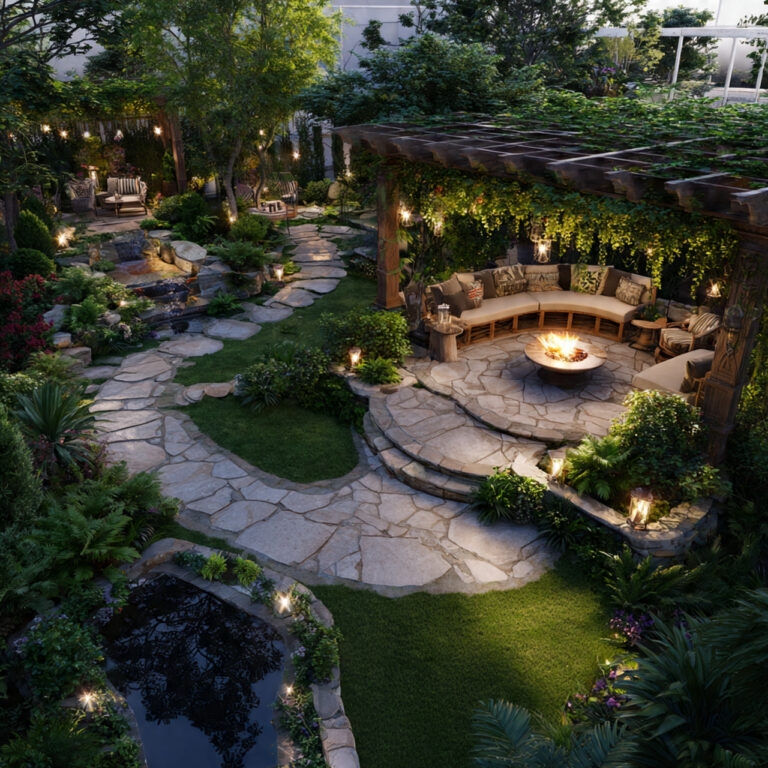
24 Tiny Garden Ideas to Transform Small Spaces Into Dreamy Green Retreats
Think you need acres of land to create a stunning garden? Think again. Some of the most breathtaking outdoor spaces I’ve seen fit onto balconies smaller than most living rooms. The secret isn’t about how much space you have—it’s about how cleverly you use it.
Whether you’re working with a cramped apartment balcony, a narrow porch, or just a tiny corner of your backyard, the possibilities are endless. Today’s urban living might mean smaller outdoor areas, but that doesn’t mean you have to give up your green thumb dreams. With the right approach, your compact space can become an oasis that rivals any sprawling estate.
This guide walks you through proven strategies that actually work in real-world small spaces. No fluff, no impossible Pinterest projects—just practical solutions you can implement this weekend. From growing upward instead of outward to choosing plants that thrive in tight quarters, you’ll discover how to make every single inch count.
Smart Layout Strategies for Tiny Garden Ideas
Before you buy a single plant or pot, take a step back and think about flow. The biggest mistake people make with small gardens is cramming too much into too little space. Instead, focus on creating intentional zones with clear purposes.
Here’s what works: Map out where sunlight hits throughout the day. That sunny corner? Perfect for tomatoes or peppers. The shaded nook near your building? Ideal for ferns and hostas. Use the edges and boundaries of your space strategically—they’re often overlooked goldmines for planting.
Tip: Keep pathways open and clutter-free, even if they’re just 12 inches wide. This simple trick makes your garden feel twice as large because the eye can move freely through the space. Group plants by height—tall ones in back, shorter ones in front—to create natural depth and dimension.
Go Vertical for Wall-Mounted Planters
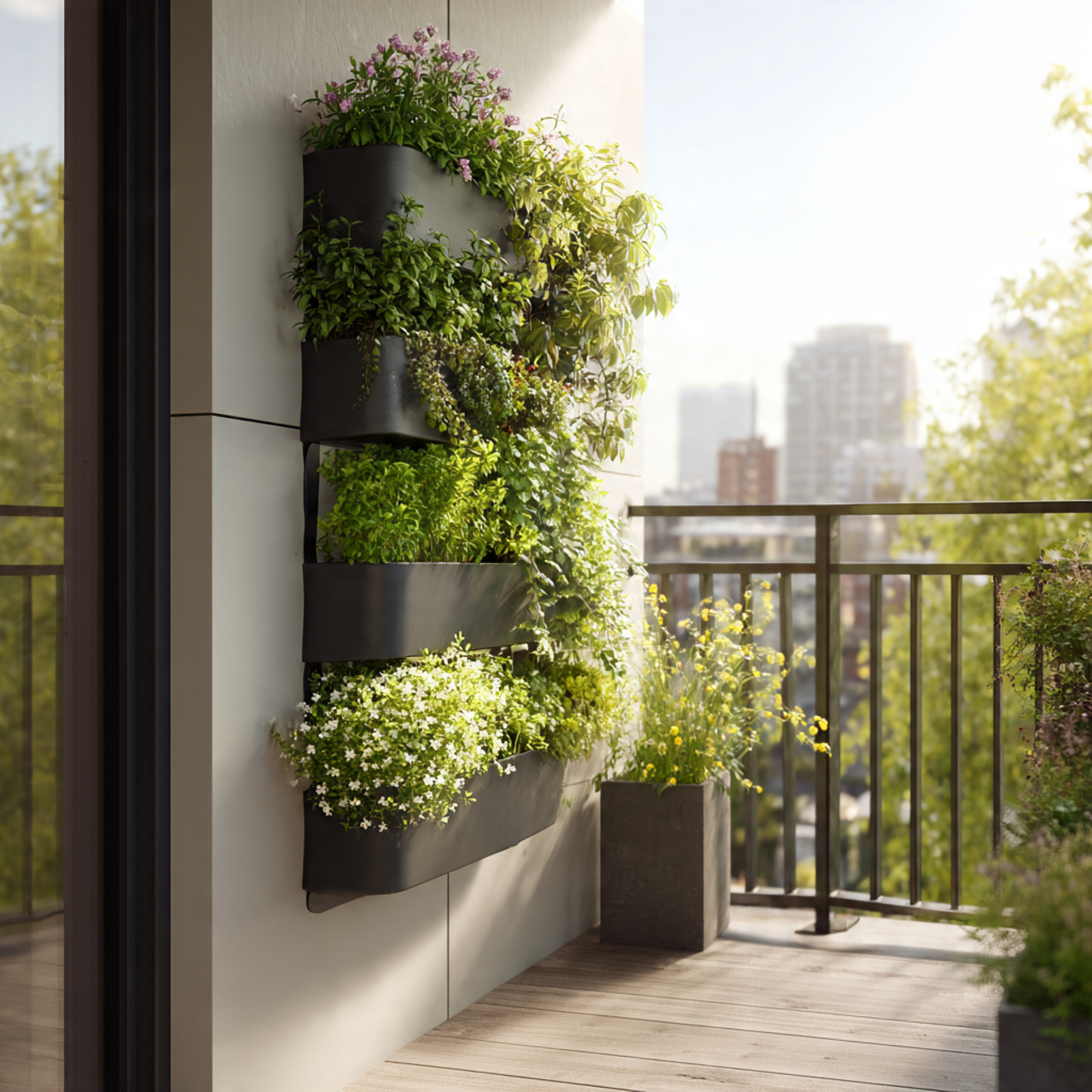
When you can’t expand outward, expand upward. Vertical planters are absolute game-changers for tiny gardens, transforming blank walls into lush green canvases. Think of them as living artwork that just happens to produce fresh herbs or flowers.
These setups work beautifully because they utilize space you probably weren’t using anyway—that empty wall on your balcony, the fence along your patio, or even an indoor wall near a sunny window. You can start small with a simple three-tier wall planter and gradually add more as you get comfortable.
Example: My friend Sarah turned her 4×6 balcony into a productive herb garden by installing three vertical planters. She now grows basil, mint, cilantro, thyme, and parsley—all in the space that would normally hold maybe two floor pots. Plus, harvesting is easier since everything’s at eye level.
The beauty of vertical growing extends beyond space-saving. Your plants get better air circulation, which means fewer fungal diseases. Watering becomes simpler because you can see exactly what needs attention. And maintenance like pruning or checking for pests takes half the time.
Create Visual Interest through Container Clusters
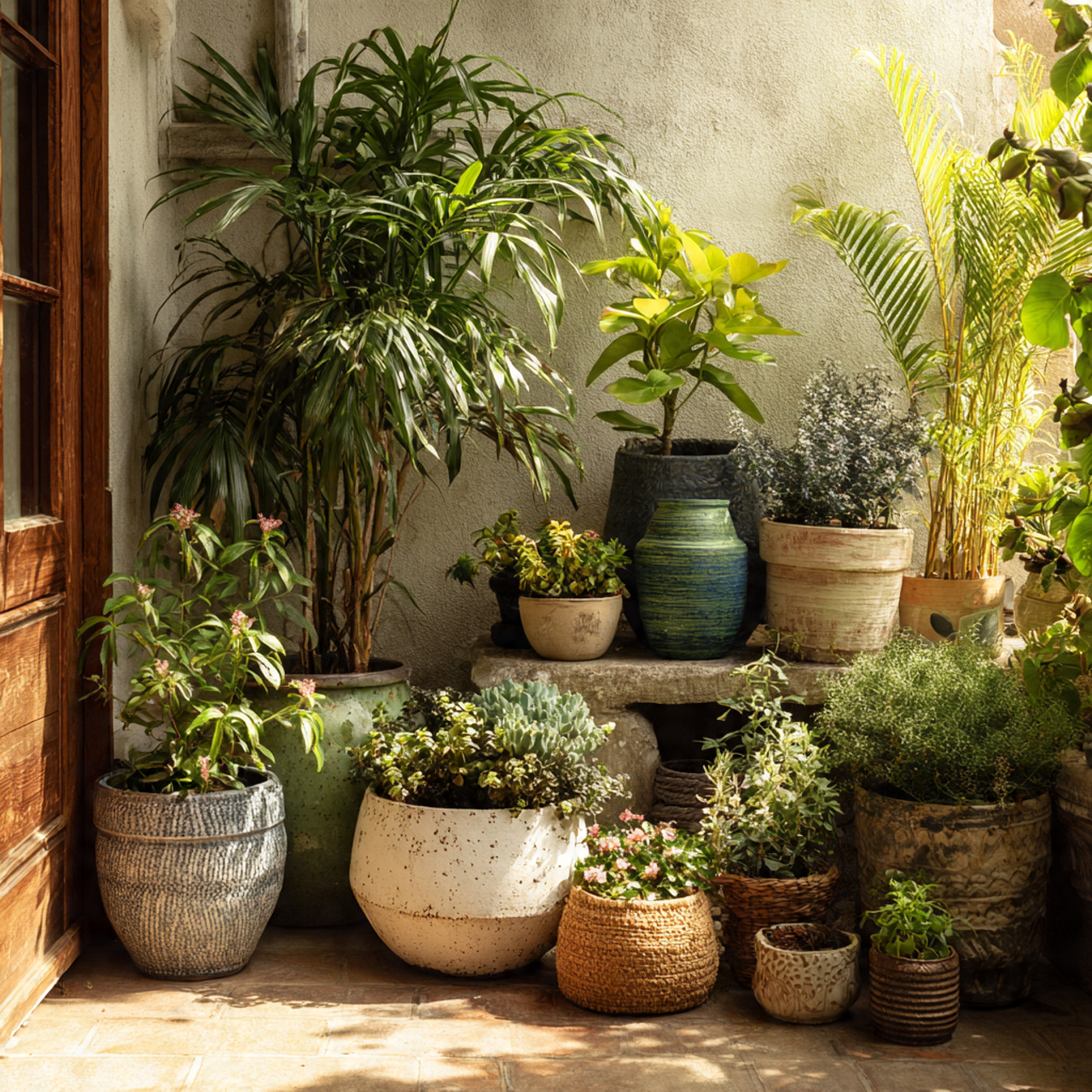
There’s something wonderfully dynamic about grouping containers together. Instead of spacing pots evenly around your space (which can look scattered), cluster them intentionally to create focal points that draw the eye.
Mix different heights, textures, and pot sizes within each cluster. Place a tall planter at the back, medium ones in the middle, and smaller accent pots at the front. This layered approach mimics how plants grow naturally in gardens and creates professional-looking arrangements effortlessly.
Here’s why this works so well: Container clusters are incredibly forgiving for beginners. Made a mistake? Just rearrange. Want to swap in seasonal flowers? Move things around without disturbing your entire setup. Renters especially love this approach because nothing’s permanent—you can take your entire garden with you when you move.
Try starting with odd numbers (groups of 3, 5, or 7) rather than even numbers. This creates a more natural, organic feel that’s visually pleasing. And don’t worry about matching pots—mismatched containers actually add character and charm.
Maximize Overhead Space by Hanging Baskets
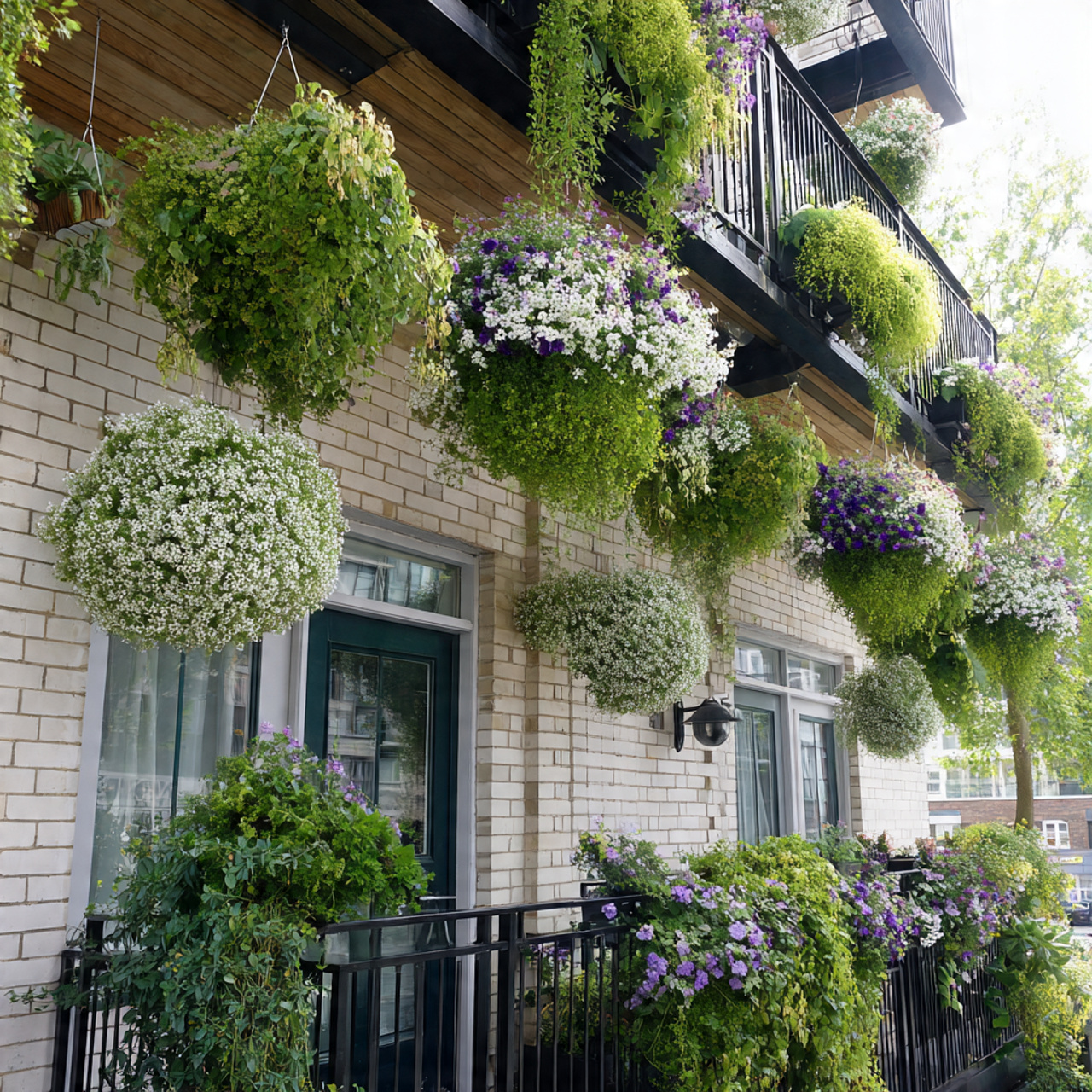
Look up. Seriously—there’s probably usable garden space above your head right now that you’re completely ignoring. Hanging baskets tap into this overhead real estate, adding layers of greenery at different heights.
The cascading effect of trailing plants like petunias, ivy, or strawberries creates movement and softness that balances out hard surfaces like concrete or metal railings. They’re particularly effective for renters since most hanging systems require minimal installation—just a sturdy hook or an existing overhang.
Smart placement idea: Hang baskets at varying heights to create visual rhythm. One at eye level, another slightly higher, and maybe a third catching light from above. This staggered arrangement makes your space feel fuller without blocking views or creating shadows.
Hanging gardens also solve a common small-space problem: keeping plants out of reach of curious pets or small children. They’re self-contained, drain well, and give you complete control over soil quality and watering schedules.
Build Upward by Raised Mini Beds
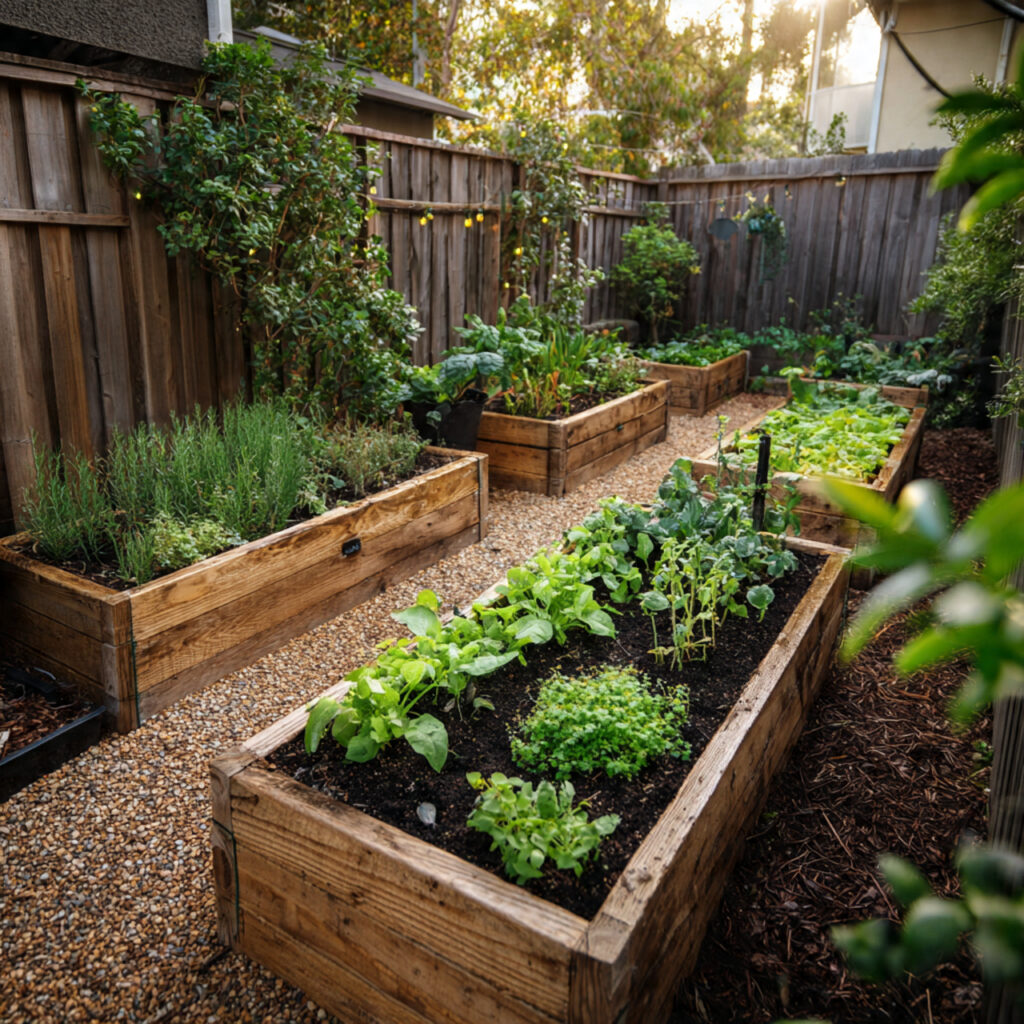
Even a small raised bed—say 2×3 feet—can produce an impressive amount of food or flowers. These compact elevated gardens solve multiple problems at once: poor soil quality, drainage issues, and back strain from bending.
The contained structure of raised beds brings organization to small spaces. You can clearly define where the garden ends and where your patio or seating area begins. This boundary makes everything feel more intentional and designed rather than haphazard.
Construction tip: You don’t need carpentry skills or expensive materials. Stack cinder blocks, use untreated lumber, or even repurpose old pallets. Fill with quality potting mix, and you’re ready to plant. The elevated soil warms faster in spring, extending your growing season on both ends.
Raised beds also excel at creating microclimates. Position one against a sunny wall for heat-loving plants like peppers, or place another in partial shade for lettuce that might bolt in full sun. This flexibility lets you grow a wider variety of plants than you’d think possible.
Expand Your Perimeter through Balcony Rail Planters
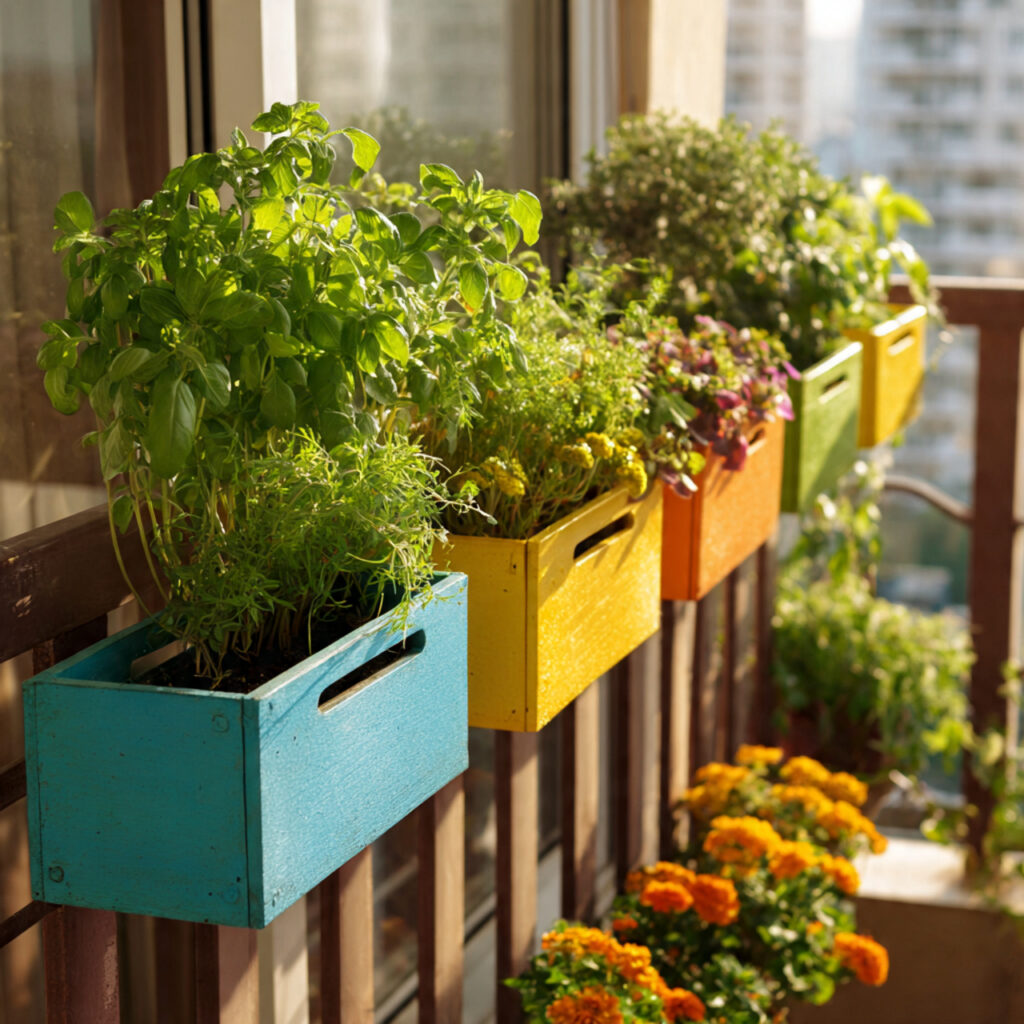
If you have a balcony railing, you’re sitting on prime gardening real estate. Rail planters hook securely over the edge, extending your growing area outward without sacrificing precious floor space where you might want chairs or a small table.
These planters create a living privacy screen—a wall of flowers or herbs that shields you from neighbors’ views while brightening your outdoor space. They work equally well for ornamental displays or practical edible gardens.
Safety note: Make sure your rail planters are rated for outdoor use and secured properly. Most quality models include drainage holes and adjustable brackets that fit various railing widths. Check your building’s regulations if you’re in a condo or apartment—some have specific rules about exterior modifications.
Consider the exposure when choosing plants. The outer edge of your balcony likely receives full sun and more wind than the inner area. Select hardy plants that can handle these conditions—sedums, petunias, and compact vegetables like lettuce or radishes typically perform well.
Add Height Variation through Tiered Plant Stands
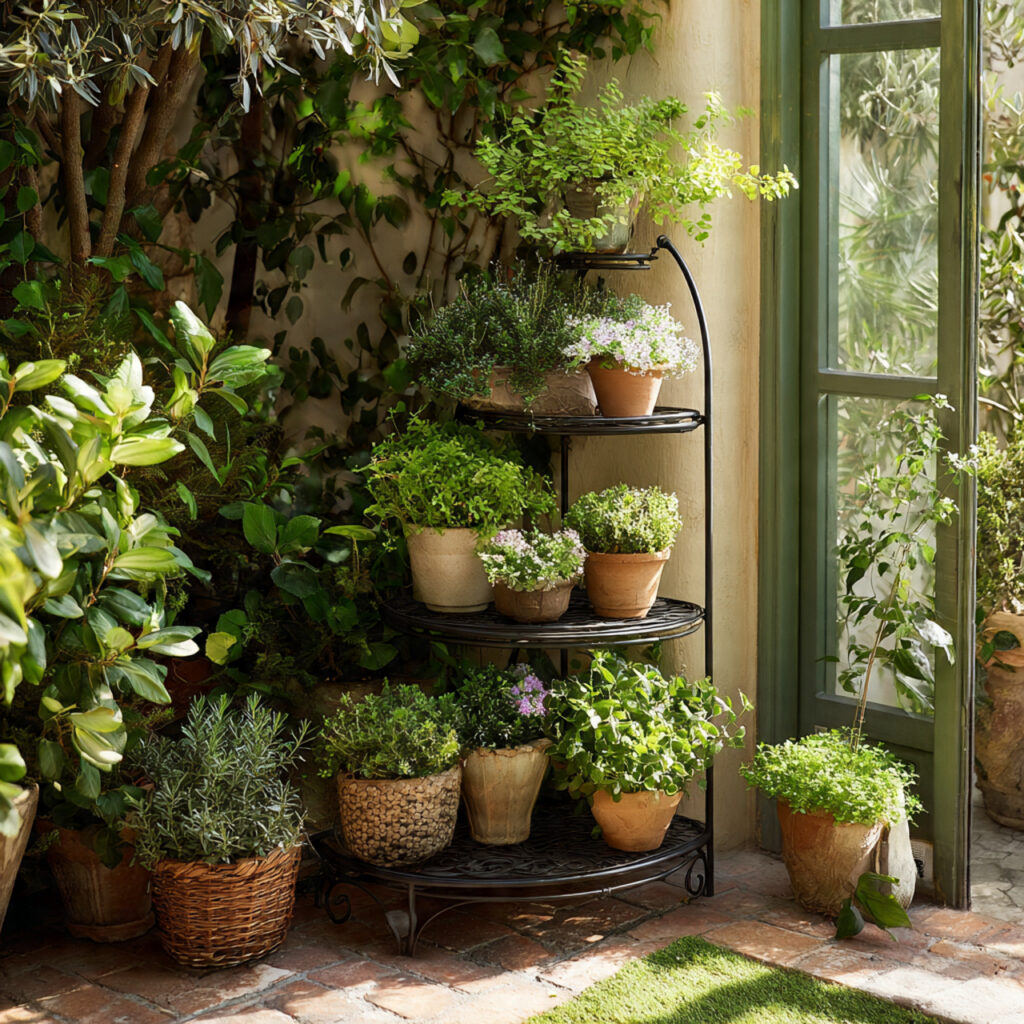
Tiered stands bring structure and sophistication to small gardens. These multi-level displays let you showcase more plants in the same footprint while creating an organized, gallery-like presentation.
The graduated shelves prevent plants from competing for light—each tier gets adequate exposure. This makes tiered stands particularly valuable for starting seeds or nurturing young plants that need close monitoring.
Styling approach: Use the top tier for trailing plants that can drape downward, middle shelves for your showpiece blooms, and the bottom level for larger pots or plants that prefer slightly shadier conditions. This arrangement looks intentional while maximizing each plant’s growing conditions.
Metal, wood, or bamboo—all work well depending on your aesthetic. Just ensure whatever you choose can handle weight when pots are fully saturated with water. Add a weatherproof sealant to wooden stands to prevent rot and extend their lifespan.
Grow Fresh Flavor by Dedicated Herb Corners
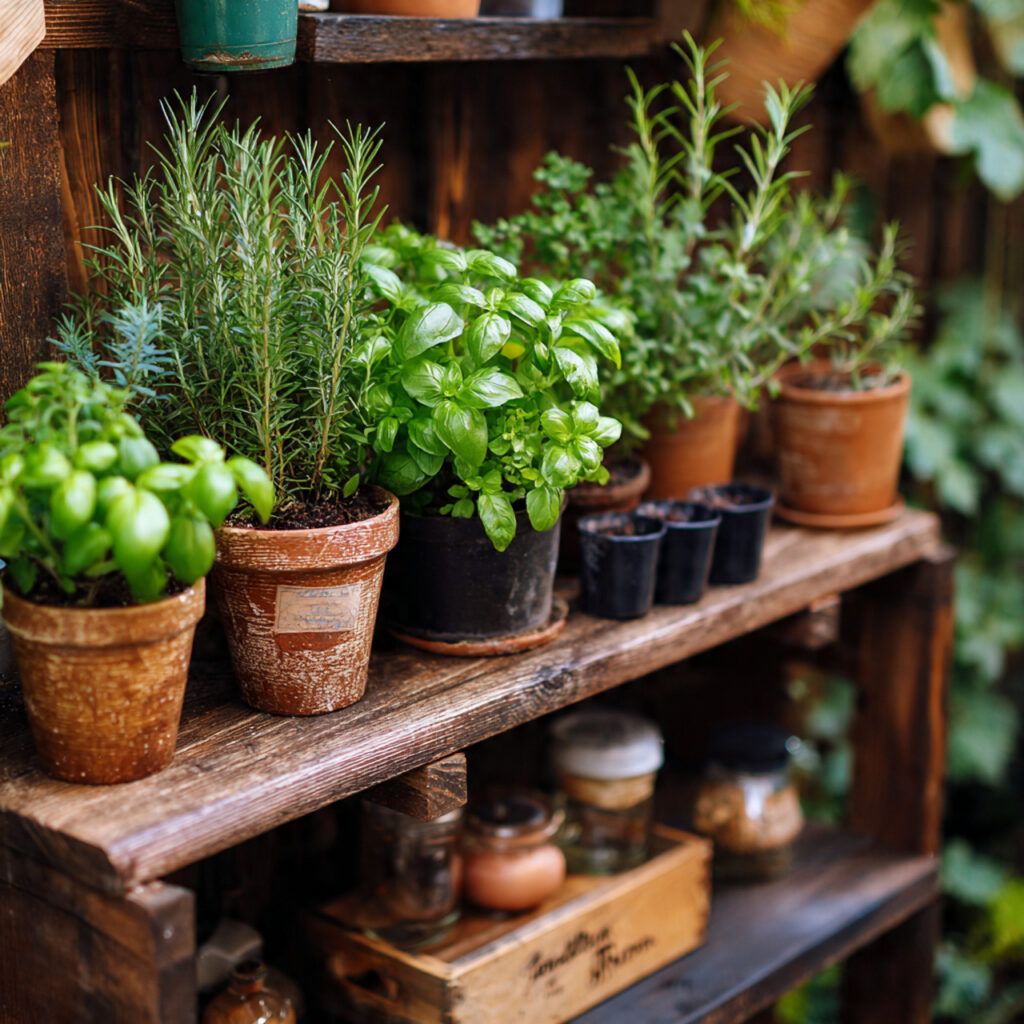
Imagine stepping outside mid-dinner to snip fresh basil for your pasta or grabbing mint for your evening tea. A compact herb corner makes this daily luxury completely achievable, even in the smallest spaces.
Herbs are practically designed for tiny gardens—most thrive in containers, need minimal soil depth, and actually prefer the somewhat restricted root space that pots provide. Cluster them together in one corner, and you’ve created a functional micro-garden that pays dividends every time you cook.
Quick-start combination: Try basil, parsley, and chives together—they have similar water needs and grow well as neighbors. Add a pot of mint separately (it’s invasive and will take over if planted with others). This four-herb setup covers most everyday cooking needs and fits in roughly two square feet.
Position your herb corner near your kitchen door if possible. The closer they are, the more likely you’ll actually use them. Add a small sign or labels to each pot—it’s both decorative and practical when you’re quickly grabbing ingredients while cooking.
Frame Your View through Window Box Gardens
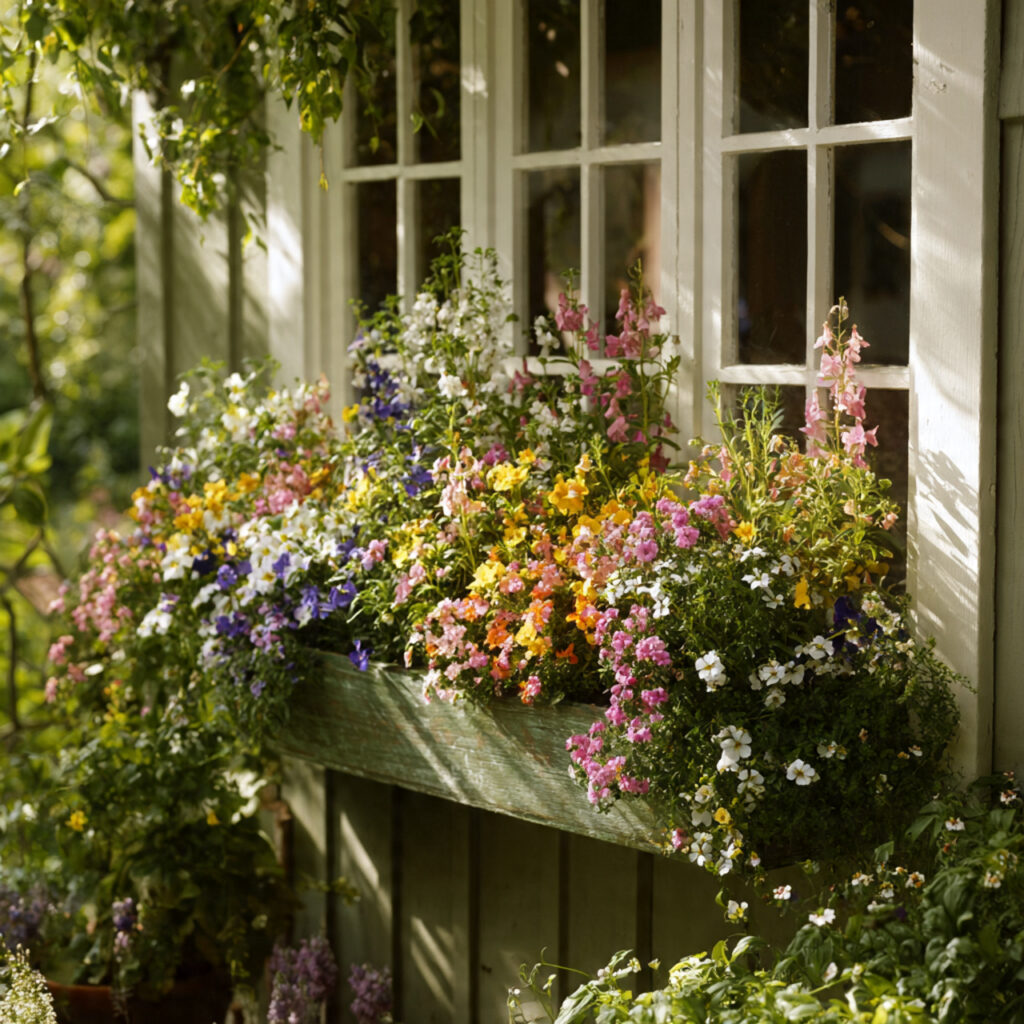
Window boxes transform the most underutilized ledges of your home into blooming showcases. These shallow planters add character to any dwelling, from modern apartments to traditional houses, while keeping your gardening literally within arm’s reach.
The narrow depth of window boxes suits them perfectly for herbs, small flowers, and leafy greens. You can water from inside during bad weather, harvest herbs while washing dishes, and enjoy the view from both sides of the window.
Installation tip: Most window boxes simply hook or bracket onto the ledge—no drilling required for many models. If you rent, look for adjustable options that grip the ledge securely without permanent mounting. Always check weight limits, especially for upper-story windows.
Change up your plantings with the seasons. Spring bulbs transition to summer petunias, which give way to fall mums. This rotating display keeps your view fresh year-round while making your home feel curated and cared-for from the outside.
Double Your Functionality using Furniture
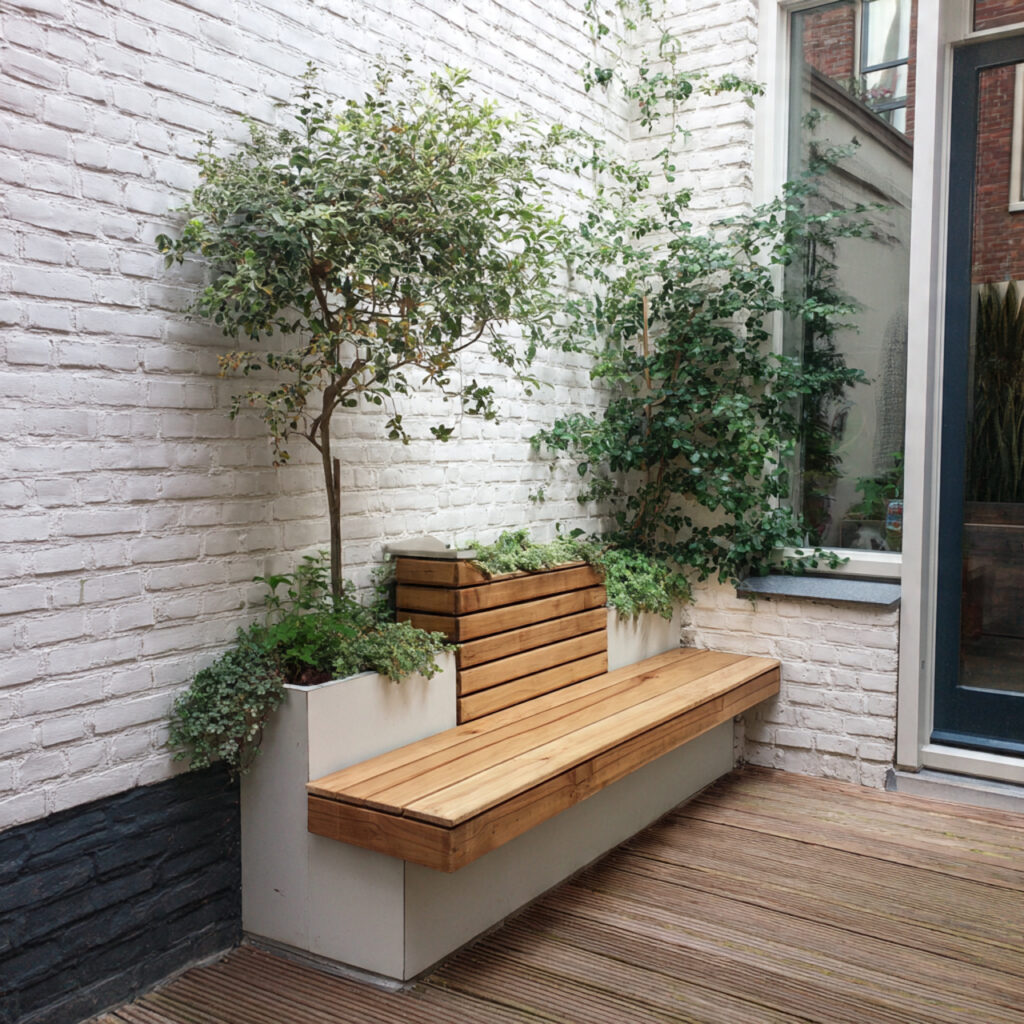
Why choose between seating and planting when you can have both? Multi-functional furniture—like benches with built-in planters or tables with pot compartments—maximizes utility in spaces where every square inch matters.
This approach is particularly brilliant for micro-patios or balconies where traditional furniture would eliminate any room for plants. A storage bench doubles as seating and a planter box while hiding gardening supplies inside.
Budget-friendly option: DIY enthusiasts can build planter benches using simple plans found online. Even basic woodworking skills suffice—essentially, you’re creating a rectangular box with a seat on top and drainage holes below. Stain or paint to match your outdoor décor.
Look for furniture specifically designed for outdoor use with weather-resistant materials. Cedar and teak naturally resist rot, while metal options with powder-coat finishes handle the elements well. Add cushions for comfort, and you’ve created an inviting space that seamlessly blends relaxation with greenery.
Define Your Space by Pebble Pathways
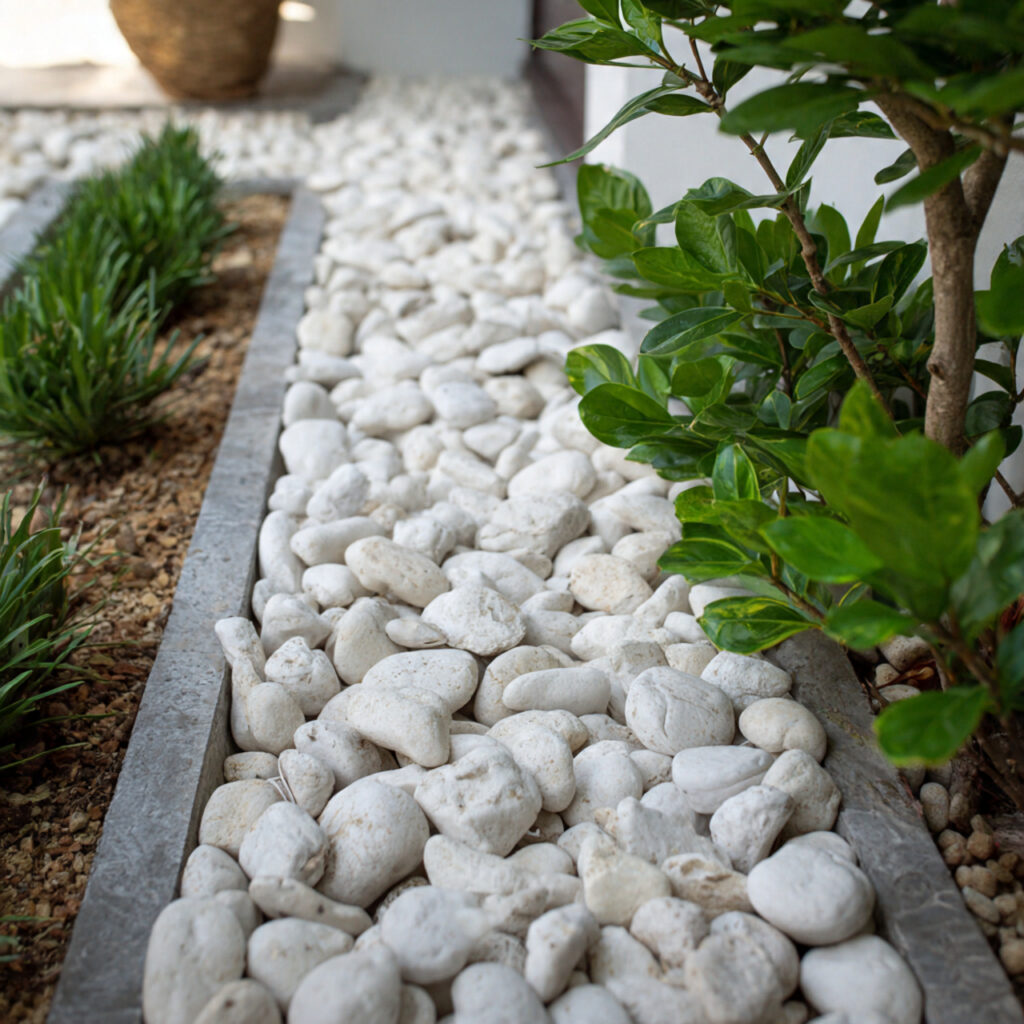
A simple gravel pathway might seem like a small detail, but it completely transforms how a tiny garden feels. Even a narrow strip of pebbles creates visual boundaries, guides movement, and adds textural contrast against soft plants.
Pebbles improve drainage naturally—water flows through rather than pooling on surfaces. This makes them practical for rainy climates while preventing muddy messes in high-traffic areas between containers or beds.
Design principle: Use pathways to create zones within your small garden. A pebble strip between your seating area and planting area clearly defines each space’s purpose. The varied textures make the garden feel larger because they break up visual monotony.
Installation couldn’t be simpler: clear the area, lay landscape fabric to prevent weeds, and spread pebbles 2-3 inches deep. Choose colors that complement your pots and plants—neutral tans and grays work universally, while darker stones create dramatic contrast against light-colored containers.
Add Tranquility through Compact Water Features
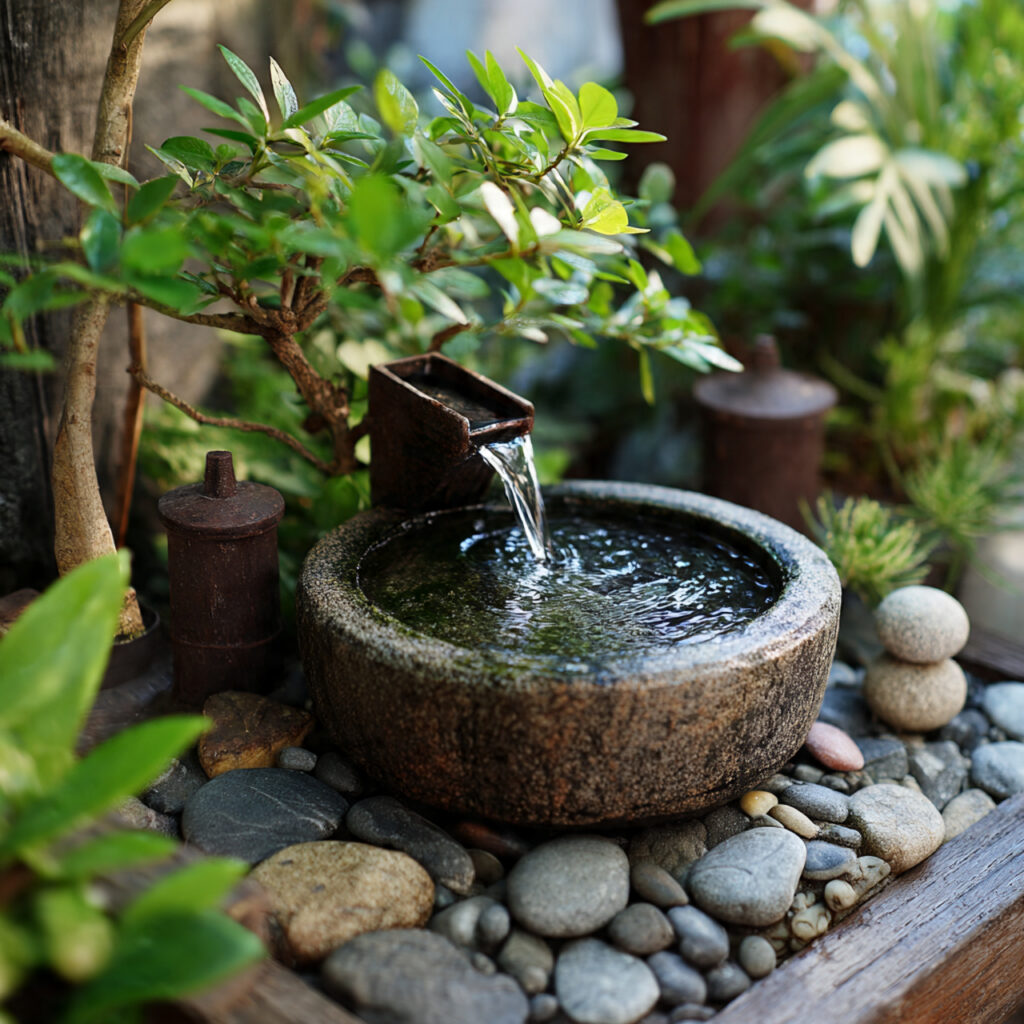
Few things elevate a garden’s atmosphere like the gentle sound of trickling water. Small fountains or water bowls don’t require much space—some fit on side tables—yet they create an immediate sense of peace and sophistication.
The movement and sound of water draw attention, making them natural focal points. They also attract beneficial wildlife like birds and butterflies, adding life and movement to your garden beyond the plants themselves.
Practical setup: Solar-powered fountains eliminate electrical concerns—just place them where they’ll catch sunlight and let physics do the work. Tabletop models range from modern minimalist designs to traditional tiered fountains, so finding something that matches your style is easy.
Maintain water features by cleaning them monthly and refilling as needed. Add a few drops of mosquito control if you live in buggy areas. The small effort pays off enormously in ambiance—guests will invariably comment on how calming your outdoor space feels.
Encourage Vertical Growth by Trellis Walls
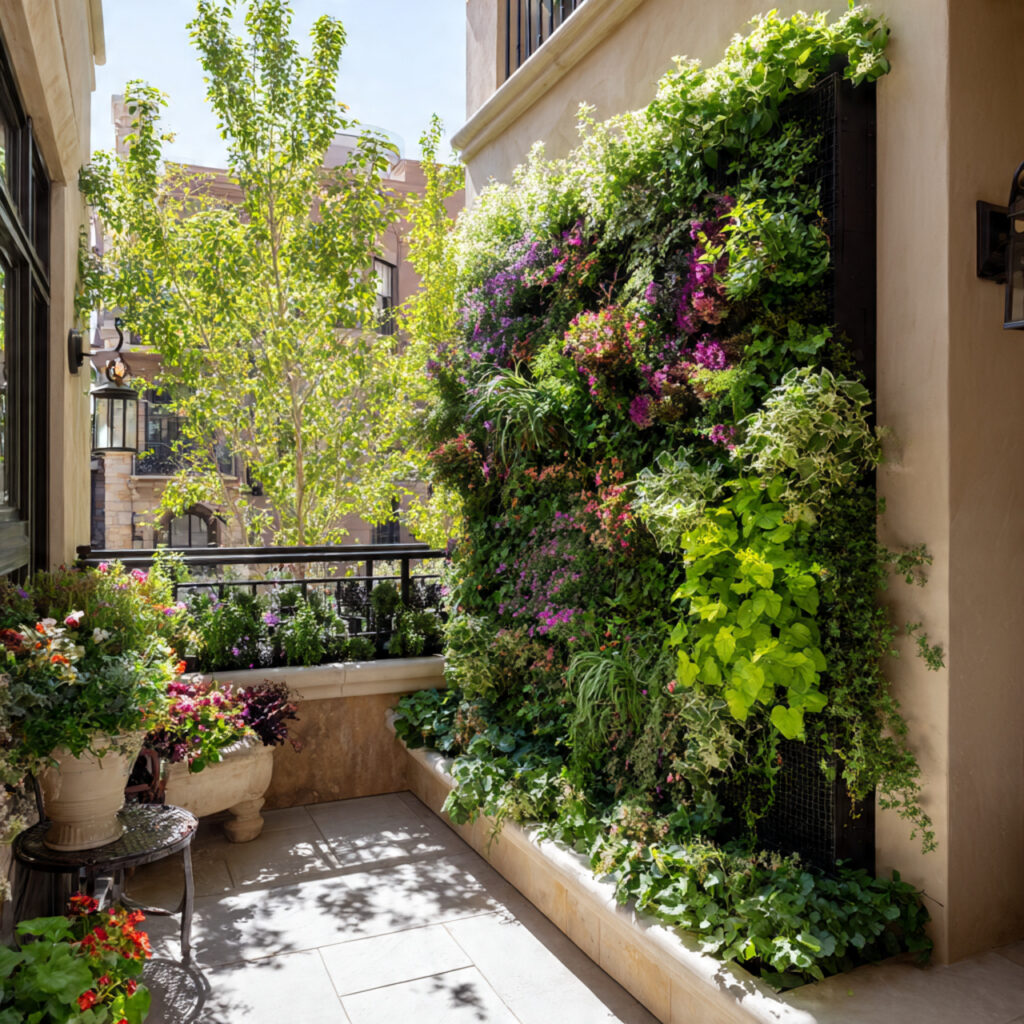
Trellises are secret weapons for small gardens. These vertical frameworks support climbing plants, transforming flat walls into living tapestries while using minimal ground space.
As plants like jasmine, clematis, or morning glories grow upward, they create natural privacy screens—much more attractive than a fence or wall alone. The vertical growth pattern prevents overcrowding at ground level while adding lush greenery at eye level where it’s most appreciated.
Installation variety: Freestanding trellis panels lean against walls without mounting, expandable lattice attaches with minimal hardware, or you can string wire or twine between hooks for a virtually invisible support system. Match the style to your architecture—modern metal for contemporary homes, rustic wood for cottage aesthetics.
Train vines by gently weaving new growth through the trellis openings. Most climbers naturally grasp onto supports, but early guidance helps establish the pattern you want. Within a single growing season, a bare trellis can become a flowering wall.
Stay Flexible by Folding Furniture for Adaptable Spaces
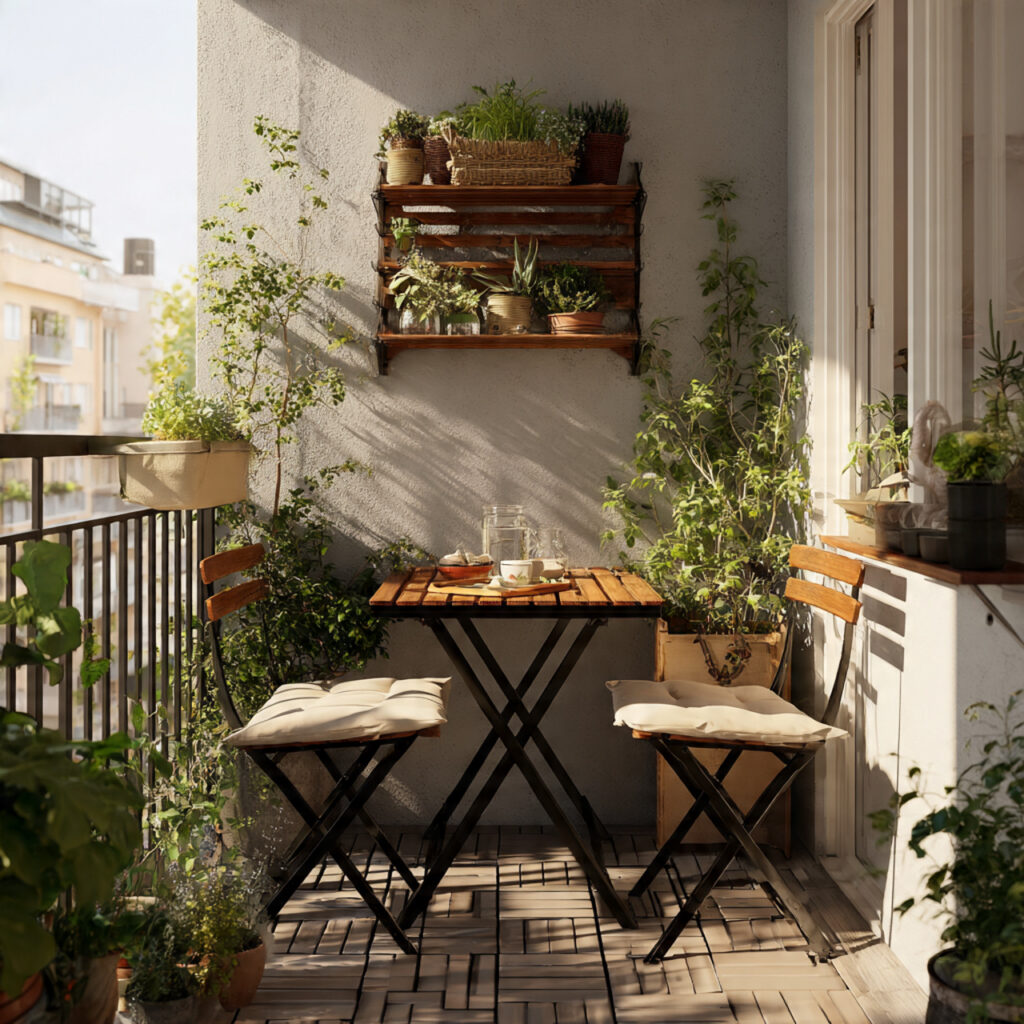
Small spaces often need to serve multiple purposes—morning coffee spot, afternoon reading nook, evening entertainment area. Folding furniture makes these transitions seamless by allowing you to reconfigure your space within minutes.
Chairs and tables that collapse flat store against walls or in closets when not needed. This flexibility means your garden can transform from a lush plant showcase to a functional entertaining space depending on what your day requires.
Quality matters: Invest in sturdy folding pieces designed for outdoor use rather than cheap indoor versions. Look for weather-resistant materials like treated wood, aluminum, or all-weather wicker. Proper outdoor furniture will last years and actually stay comfortable.
Pair folding furniture with vertical planters and hanging baskets—this combination ensures your garden remains full and green while maintaining open floor space for seating when desired. It’s the best of both worlds for compact areas.
Utilize Tight Spots through Narrow Planter Boxes
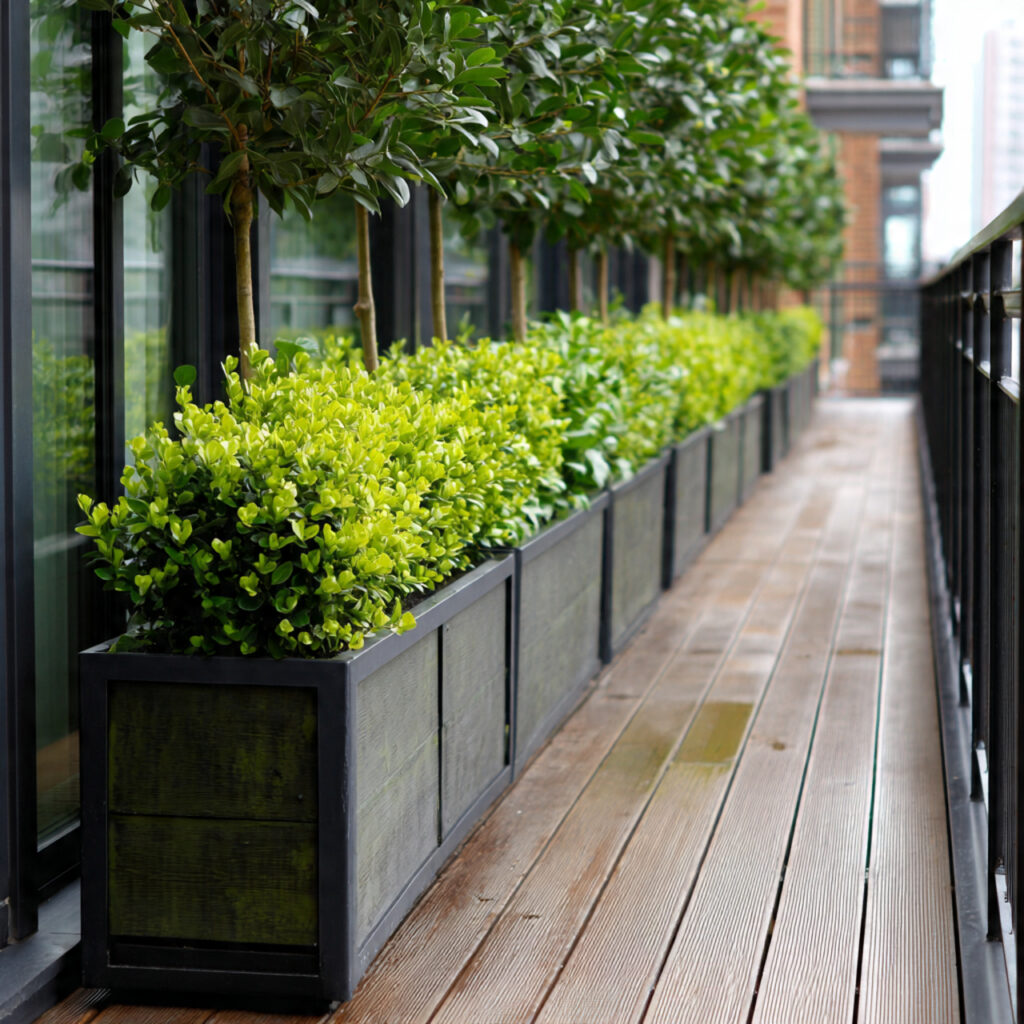
Those slim gaps along fences, beside doorways, or against walls often go completely unused. Narrow planter boxes are purpose-built for these overlooked spaces, turning liabilities into assets.
Their slender profile—often just 6-8 inches wide—suits plants that grow upward rather than sprawling outward. Think tall grasses, compact flowering plants, or vertical vegetables like pole beans on small supports.
Strategic placement: Line a walkway with matching narrow boxes for a cohesive look that guides movement. Place them along balcony edges to maximize perimeter space. Position them against a fence to soften hard lines with greenery.
These boxes work particularly well for creating continuous green borders that make spaces feel more finished and intentional. The linear arrangement draws the eye along the length of the space, actually making narrow areas appear longer and more designed.
Get Creative by Repurposed Containers for Unique Character
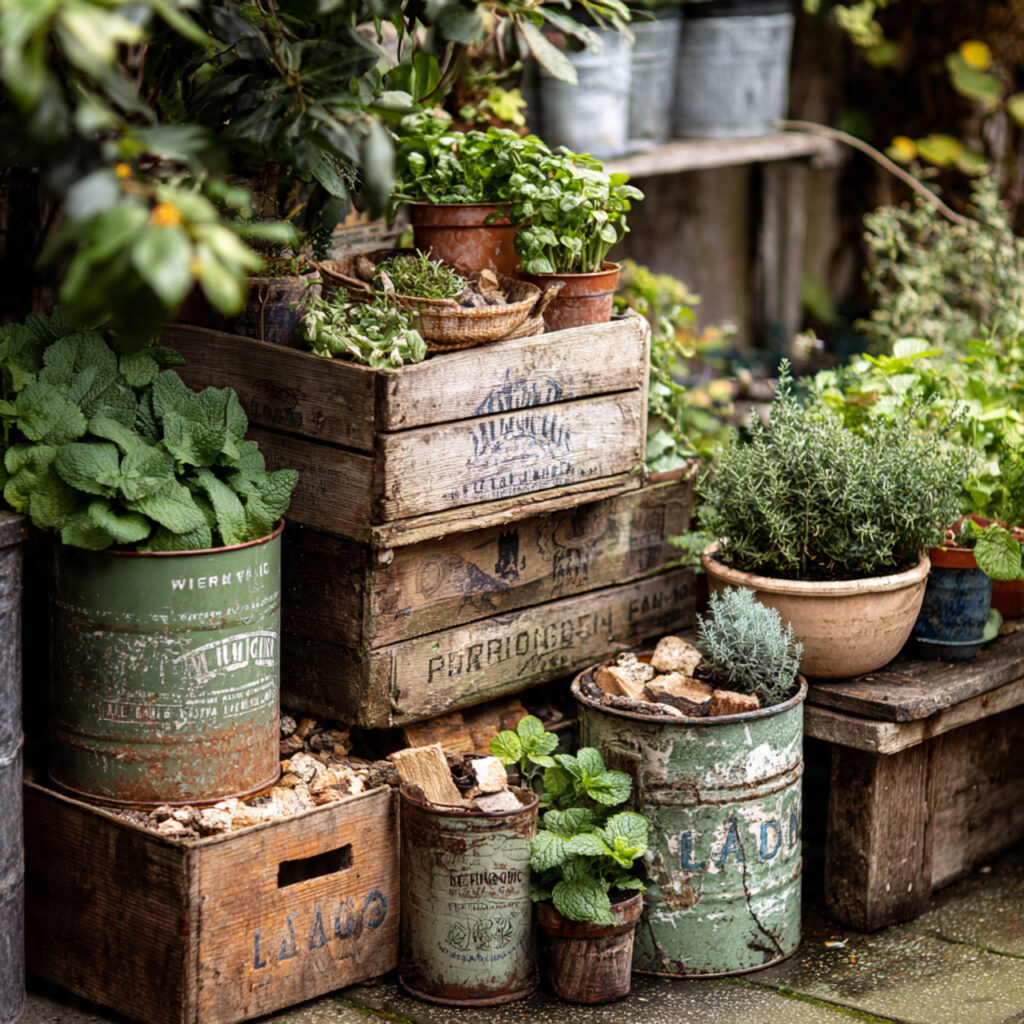
Some of the most charming gardens I’ve seen use unconventional containers—vintage toolboxes, enamel colanders, wooden wine crates, even old rain boots. These repurposed items add personality and tell stories that mass-produced pots never could.
Beyond aesthetics, repurposing is sustainable and budget-friendly. That chipped ceramic bowl or dented watering can gets a second life instead of heading to a landfill. Each quirky container becomes a conversation starter.
Critical step: Whatever you repurpose, it needs drainage holes. Drill them if necessary using a masonry bit for ceramic or metal. Without drainage, roots rot quickly—no matter how charming the container.
Mix repurposed containers with traditional pots for an eclectic, collected-over-time look. The varied heights, colors, and materials create visual interest that uniform containers can’t match. Just ensure the mix feels intentional rather than random by repeating certain colors or styles.
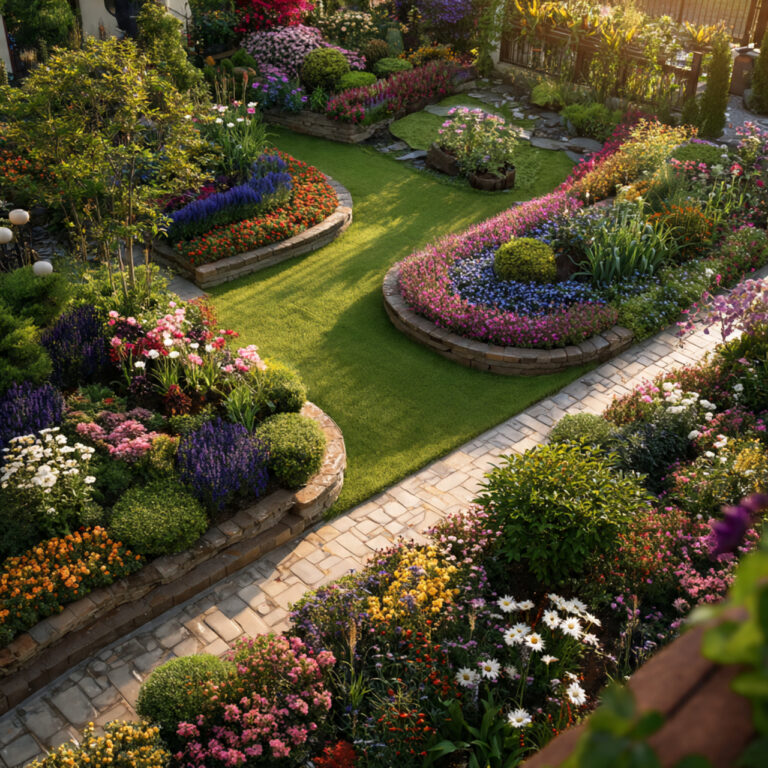
Create Cohesion using Color-Themed Planting
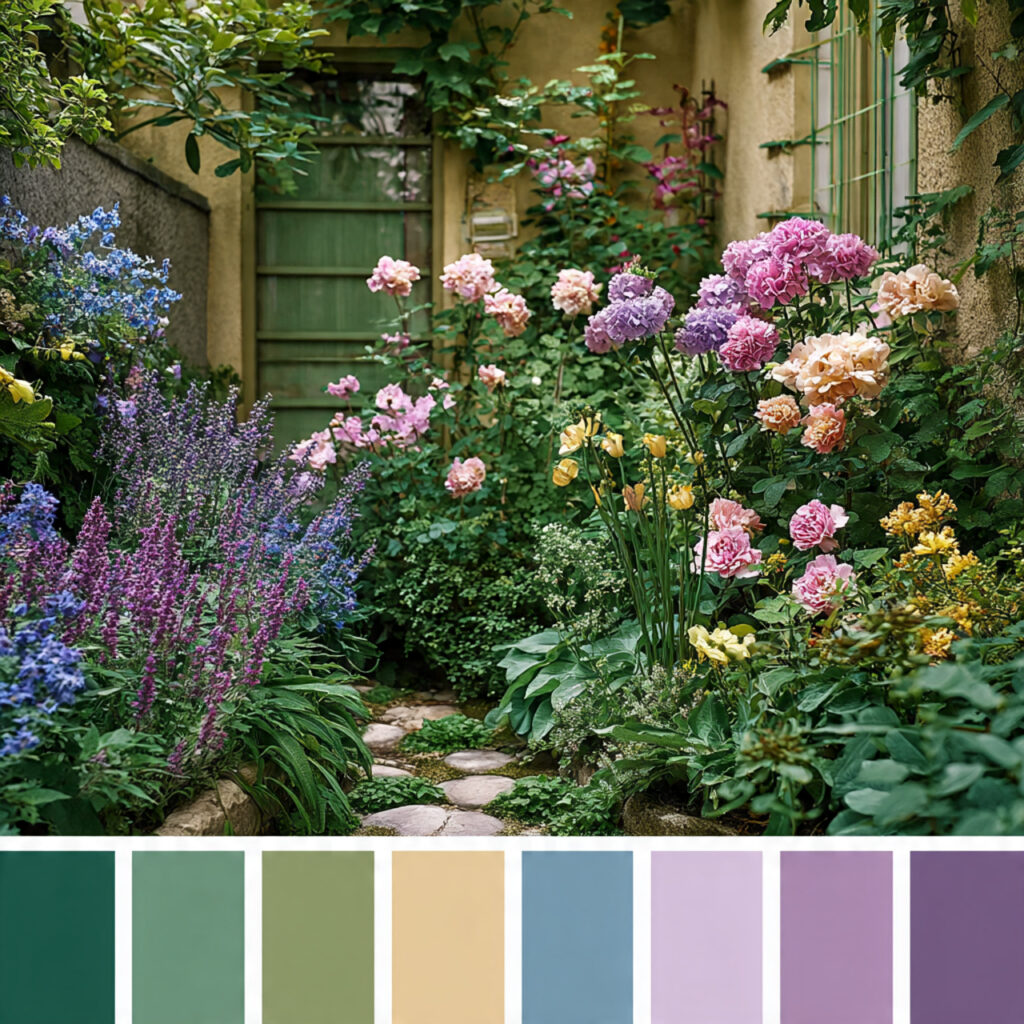
Small spaces benefit enormously from color discipline. Rather than planting every color of the rainbow, choose a cohesive palette—perhaps all whites and greens for serenity, warm oranges and yellows for energy, or cool blues and purples for calm.
This restraint prevents visual chaos. When colors complement rather than compete, your garden feels larger, more sophisticated, and professionally designed.
Planning strategy: Visit a nursery with your color scheme in mind. It’s tempting to grab every pretty plant you see, but stick to your palette. Consider bloom times too—plan for continuous color throughout the season with early, mid, and late bloomers in your chosen shades.
Foliage colors matter as much as flowers. Silvery artemisia, burgundy heuchera, or chartreuse sweet potato vine extend your color scheme beyond blooming periods. These plants provide consistent visual impact even when nothing’s flowering.
Embrace Simplicity by Minimalist Garden Style
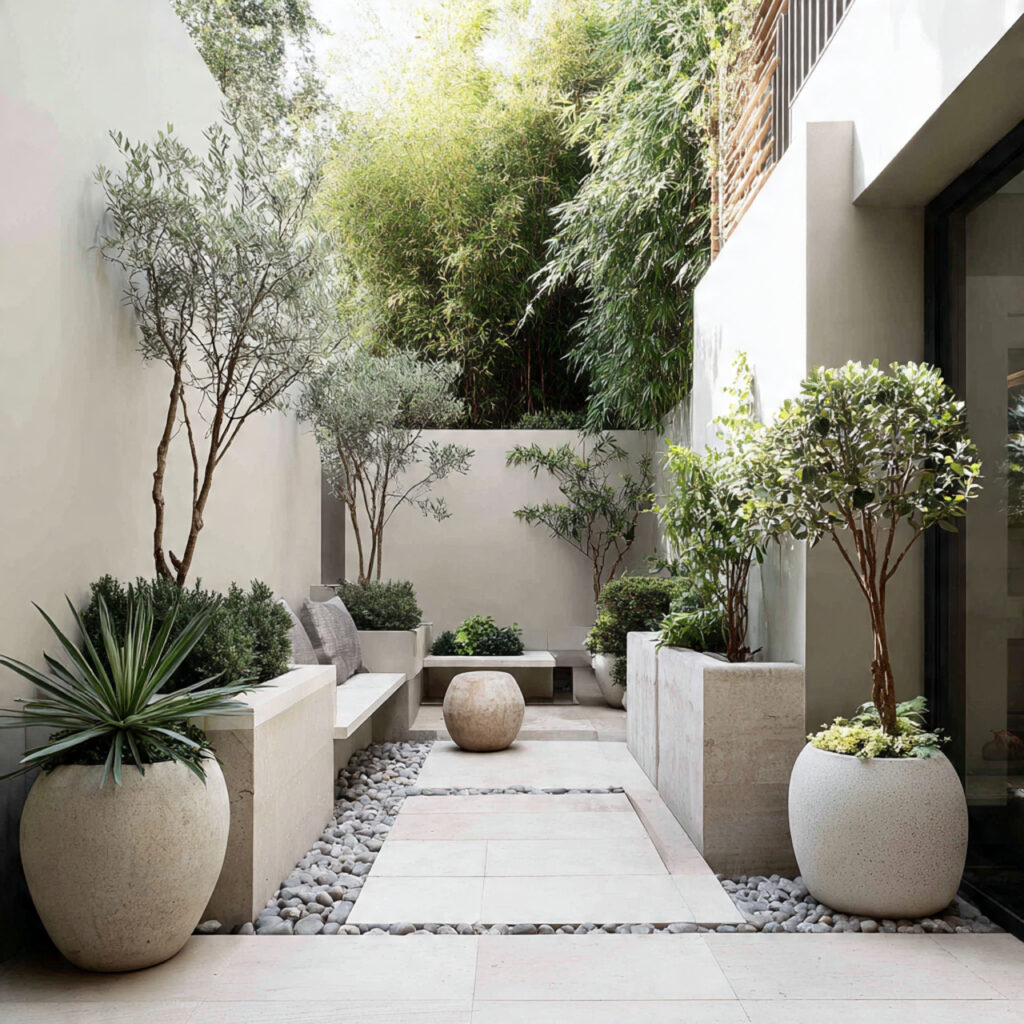
Minimalism in gardening isn’t about having fewer plants—it’s about being intentional with what you include. Each element serves a purpose. Every plant earns its place. The result feels calm, spacious, and remarkably elegant.
This style emphasizes clean lines, neutral colors, and negative space. Instead of filling every inch, minimalist gardens breathe. They showcase a few statement plants rather than crowding dozens of varieties together.
Core principles: Choose quality over quantity. Select plants with architectural form—grasses, sculptural succulents, or specimen trees. Keep hardscaping simple with materials like concrete, metal, or smooth stone. Eliminate decorative clutter.
Minimalist gardens require less maintenance because there’s less to maintain. Fewer plants mean simpler watering schedules, less pruning, and easier pest management. For busy people who want beauty without constant upkeep, this approach delivers.
Corner Planting Zones for Visual Impact
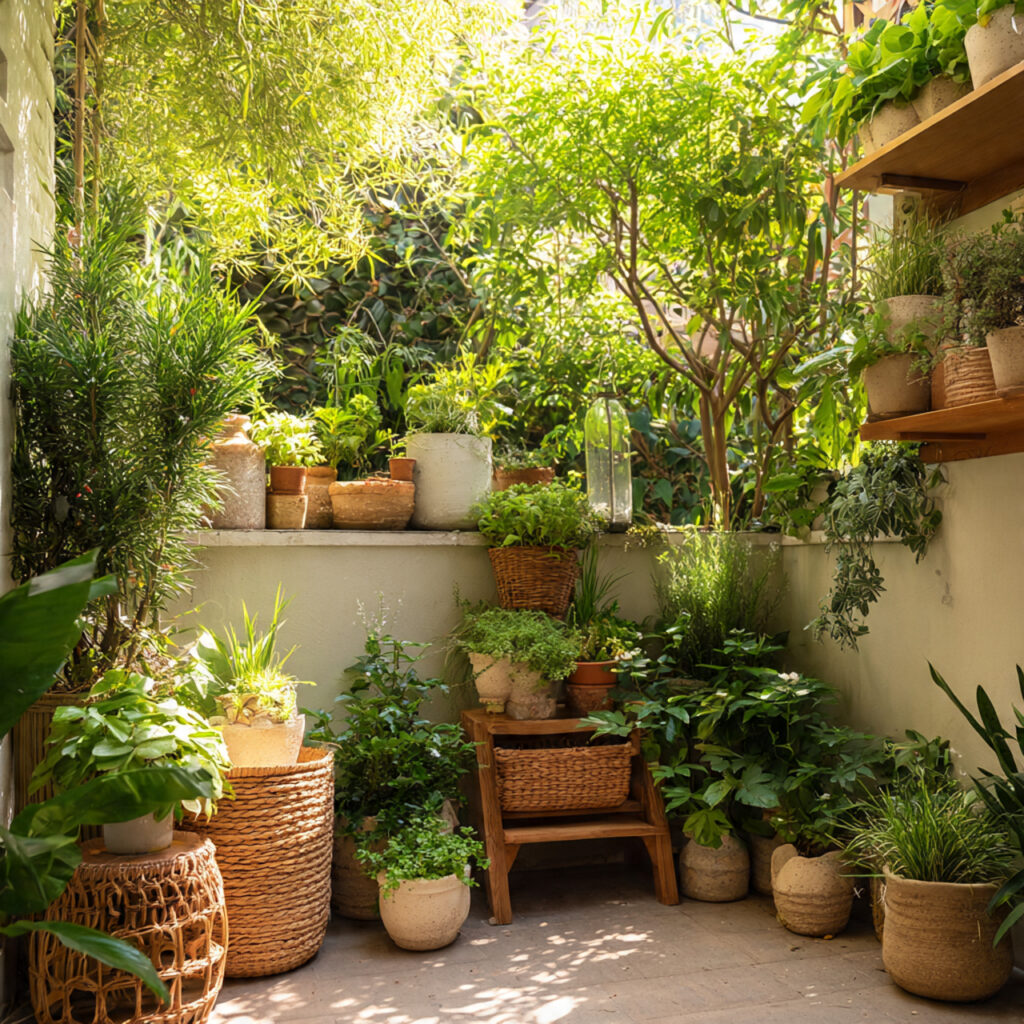
Corners naturally draw the eye—they’re where two planes meet, creating focal points whether you plan for them or not. Rather than leaving these spaces empty, transform them into lush planting zones that anchor your garden’s design.
Tall plants work beautifully in corners, adding height without blocking views through the rest of the space. Stacked pots or tiered arrangements in corners create vertical interest while using minimal square footage.
Practical approach: Start with the tallest element at the back corner, then layer shorter plants in front. This graduated arrangement ensures everything gets light while creating depth. The corner grounds your design and gives the eye a place to rest.
Consider corners for specimen plants—those special varieties you want to highlight. The natural framing effect of corner placement makes featured plants stand out without additional effort or decoration.
Achieve Low-Maintenance Elegance by adding Gravel Beds
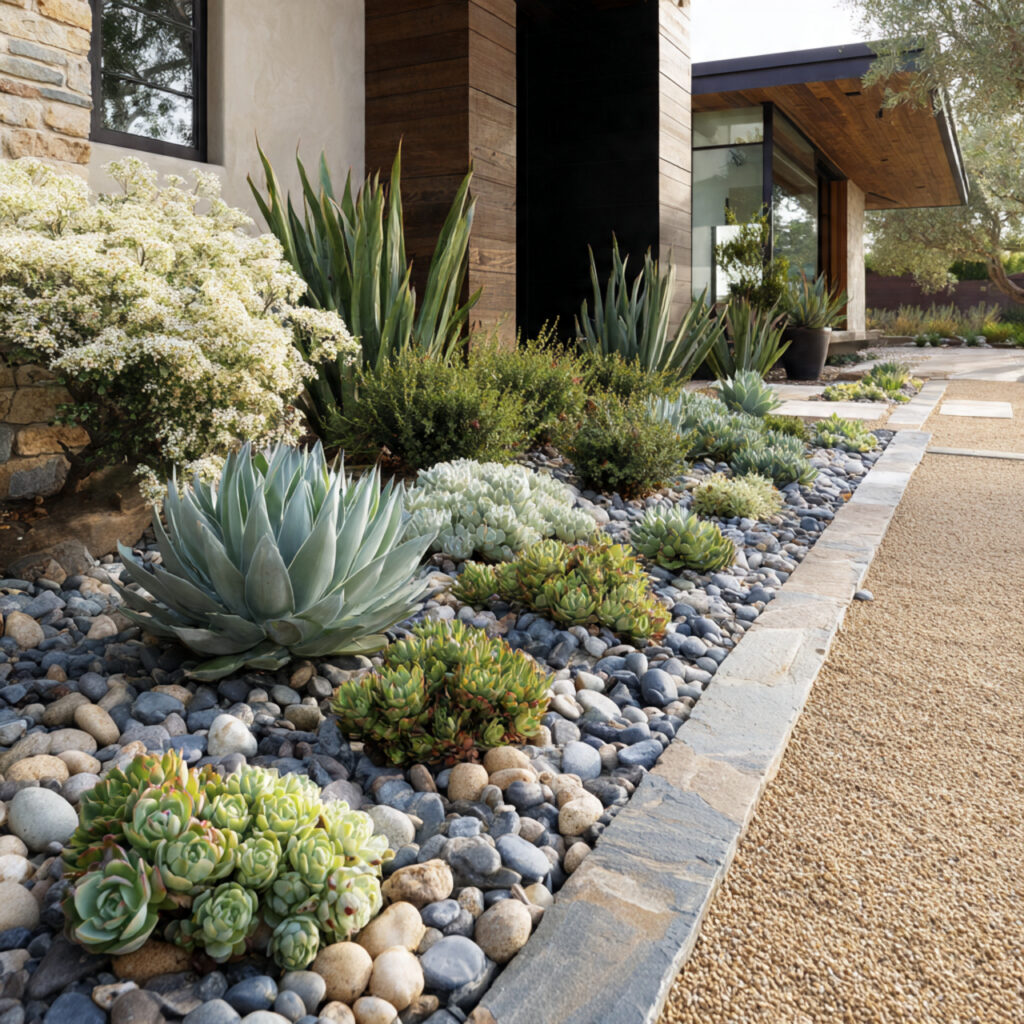
Gravel beds combine practicality with contemporary aesthetics. The stone surface creates a clean, modern foundation for succulents, cacti, and other water-wise plants while dramatically reducing maintenance demands.
The gravel itself suppresses weeds, improves drainage, and retains soil moisture—a perfect trifecta for busy gardeners. The textural contrast between smooth stones and soft plant leaves adds sophisticated visual interest.
Setup process: Remove grass or weeds, install landscape fabric, add 2-3 inches of quality gravel. Arrange plants in complementary groupings, ensuring proper spacing for mature sizes. Water thoroughly at first, then taper to minimal irrigation once established.
Gravel beds shine in hot, sunny locations where water-hungry plants struggle. They’re ideal for renters since plants can be removed easily and gravel swept away when moving. The modern, sculptural look suits contemporary architecture perfectly.
Grow Your Own Food from Compact Vegetable Gardens
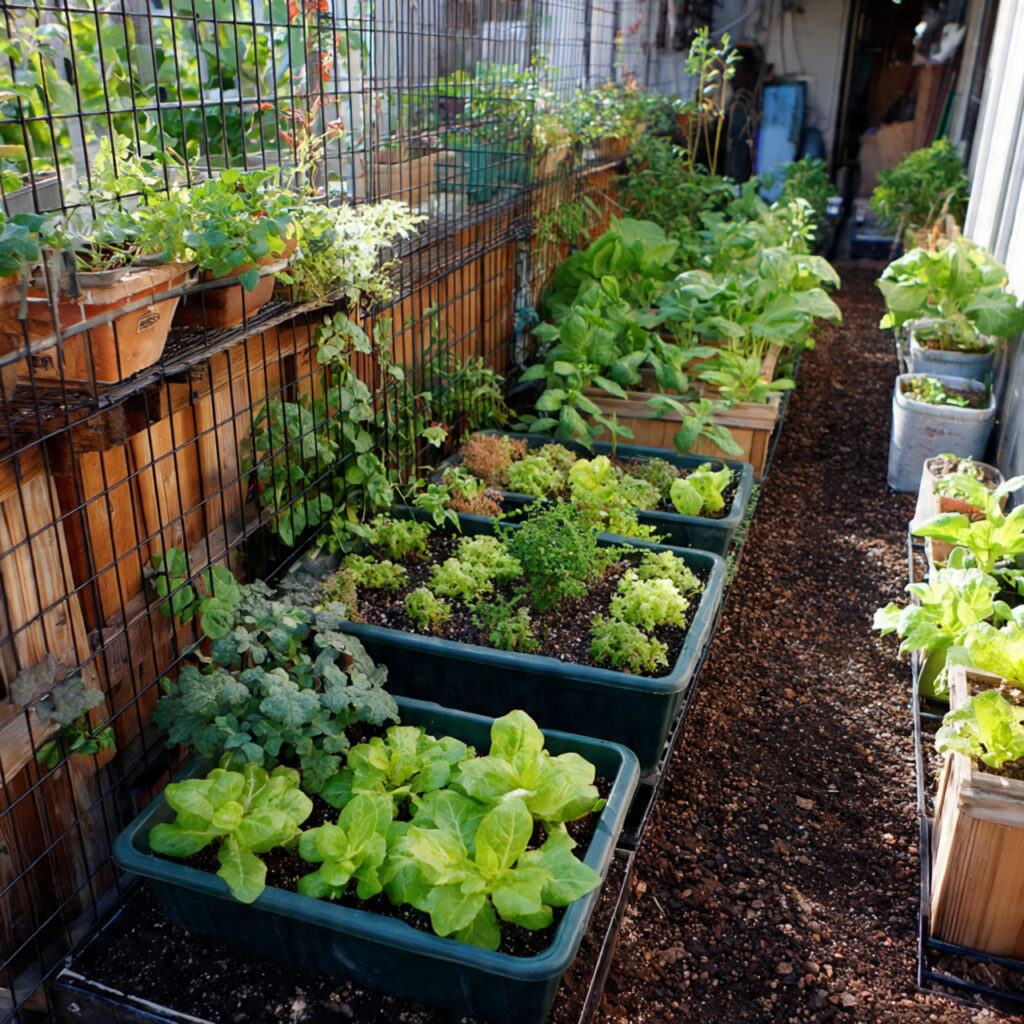
Limited space doesn’t mean giving up on homegrown vegetables. Dwarf and compact varieties are bred specifically for container growing and small gardens, producing full-size harvests from miniature plants.
Cherry tomatoes, compact peppers, salad greens, radishes, and herbs thrive in pots. Bush beans, patio cucumbers, and mini eggplants also perform wonderfully in confined spaces. The satisfaction of harvesting your own food from a balcony or patio is genuinely life-changing.
Success tips: Use containers at least 12 inches deep for most vegetables. Quality potting soil matters—cheap mixes compact and drain poorly. Feed plants regularly since containers exhaust nutrients faster than ground soil. Most vegetables need 6+ hours of direct sunlight daily.
Start small with one or two plants rather than overcommitting. Even a single tomato plant produces pounds of fruit throughout summer. As you gain confidence and experience, expand your edible garden gradually.
Extend Your Season through Micro Greenhouses
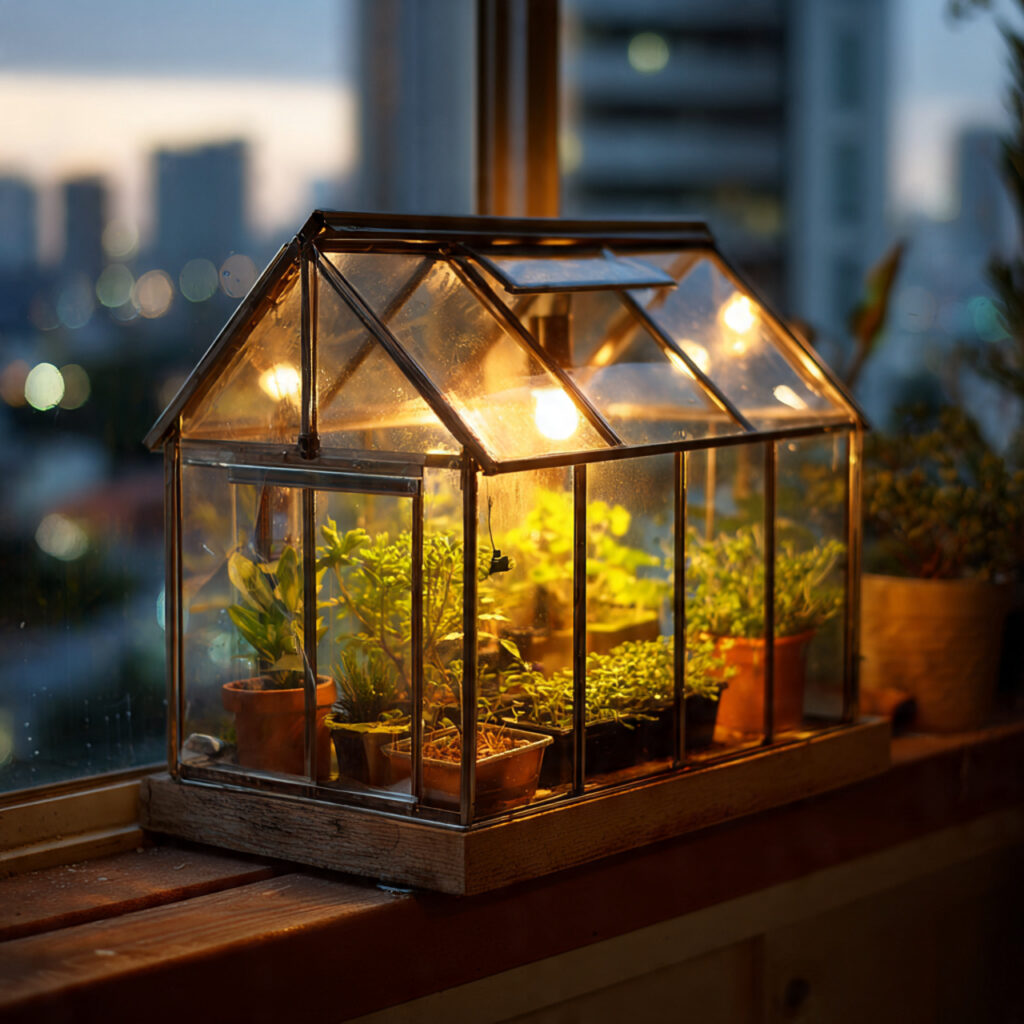
Small greenhouse structures fit on balconies or patios while providing controlled environments for tender plants. These compact spaces regulate temperature and humidity, protecting seedlings from harsh weather and extending growing seasons significantly.
Micro greenhouses range from tabletop models to slim vertical units. They’re perfect for starting seeds weeks earlier than outdoor planting dates or overwintering plants that can’t handle frost.
Practical use: Start seeds in early spring while outdoor temperatures still fluctuate. Harden off seedlings by gradually opening vents. Move cold-sensitive plants inside the greenhouse before first frost. The controlled environment lets you grow varieties that might otherwise fail in your climate.
Choose models with adjustable shelving and vents for temperature control. Clear plastic covers let in maximum light while trapping warmth. Position your greenhouse where it receives full sun but some protection from intense afternoon heat.
Create Drama by adding Living Walls
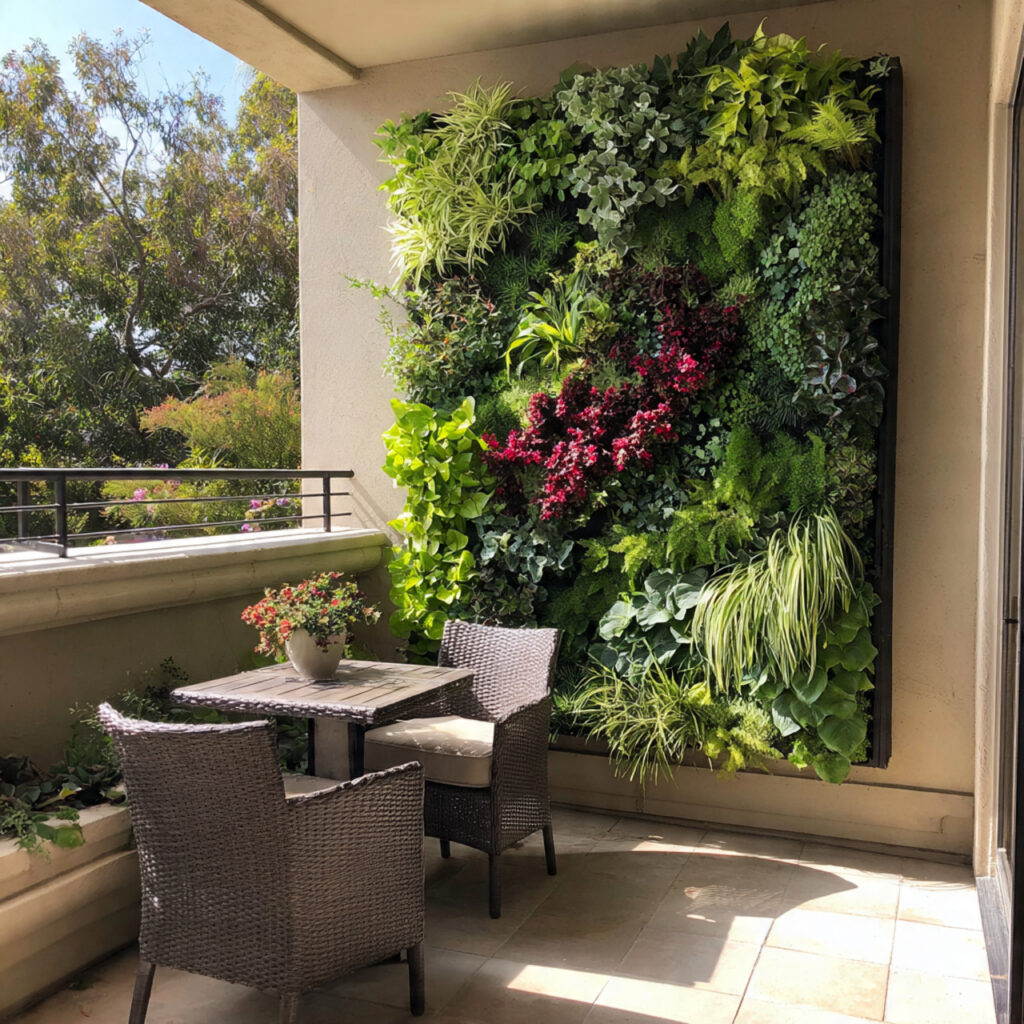
Living walls represent the ultimate space-saving garden solution. These vertical panels covered entirely in plants transform blank walls into stunning green installations that command attention.
Pre-planted living wall systems simplify installation—just mount the panel and maintain the plants. DIY versions using pockets or modular planters cost less and allow complete customization.
Design considerations: Living walls work best with partial sunlight rather than full intensity—most systems include plants suited for bright indirect light. Irrigation matters critically; built-in systems make maintenance easier. Choose plants with similar water and light needs for each panel.
Beyond beauty, living walls provide tangible benefits: improved air quality, natural insulation that reduces heating and cooling costs, and significant noise reduction. They’re particularly effective in urban environments where these factors matter most.
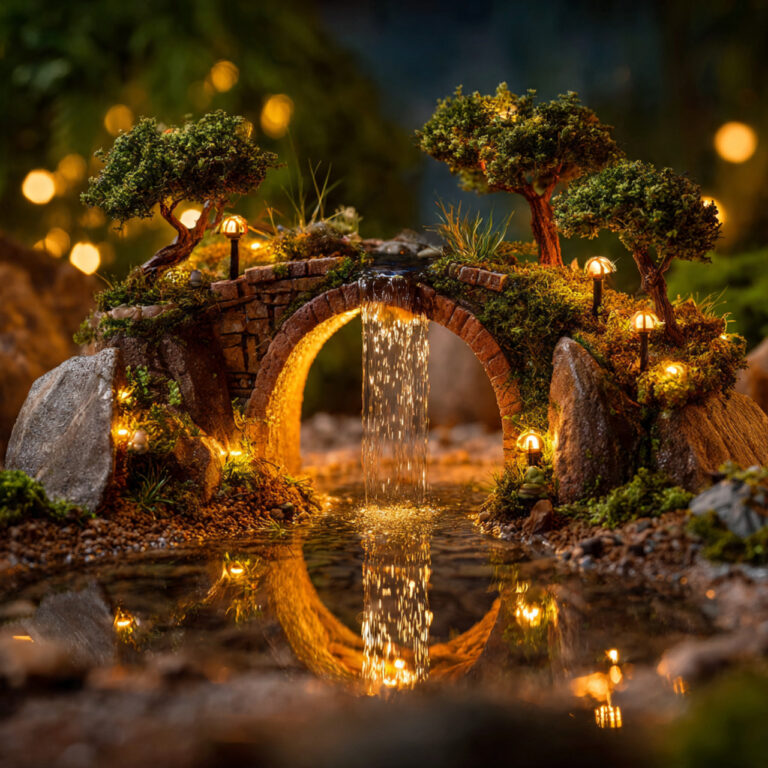
Fairy Gardens for Whimsical Charm
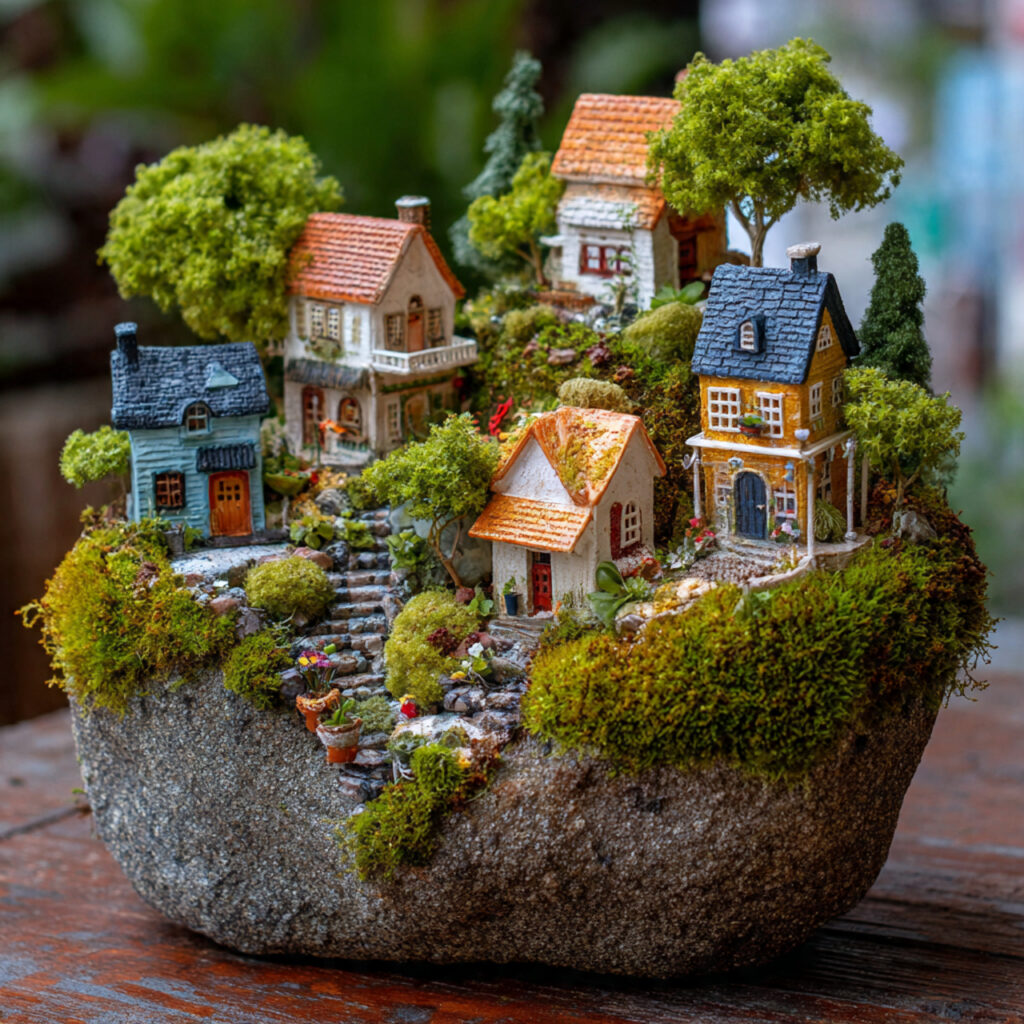
Fairy gardens bring playful storytelling into outdoor spaces through miniature landscapes populated with tiny accessories, figurines, and diminutive plants. These enchanting displays captivate children and adults alike.
The small scale suits them perfectly for tabletops, shallow containers, or corners of larger gardens. Using miniature plants—dwarf varieties and baby tears, small sedums, tiny ferns—you create entire landscapes in just a square foot.
Building basics: Start with a shallow container with drainage. Add potting soil and miniature plants as your “landscape.” Incorporate tiny furniture, pathways of pebbles, maybe a miniature fence or bridge. The narrative you create makes each fairy garden unique.
Let creativity guide you. Themes might include beach cottages, woodland villages, or desert oases. Change accessories seasonally—tiny pumpkins in fall, snowmen in winter. Kids especially love helping design and maintain these magical miniature worlds.
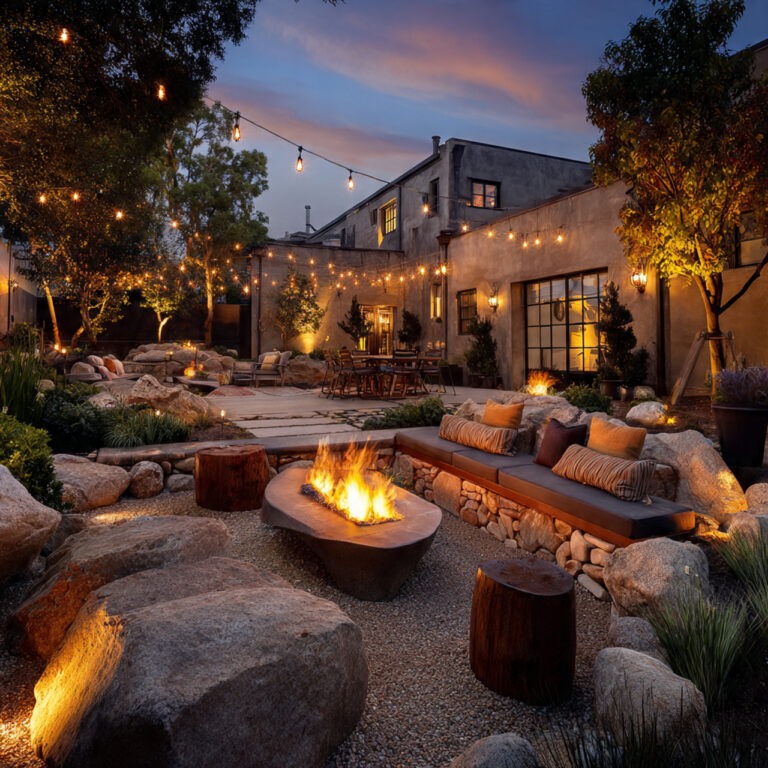
Multi-Layer Lighting for Nighttime Beauty
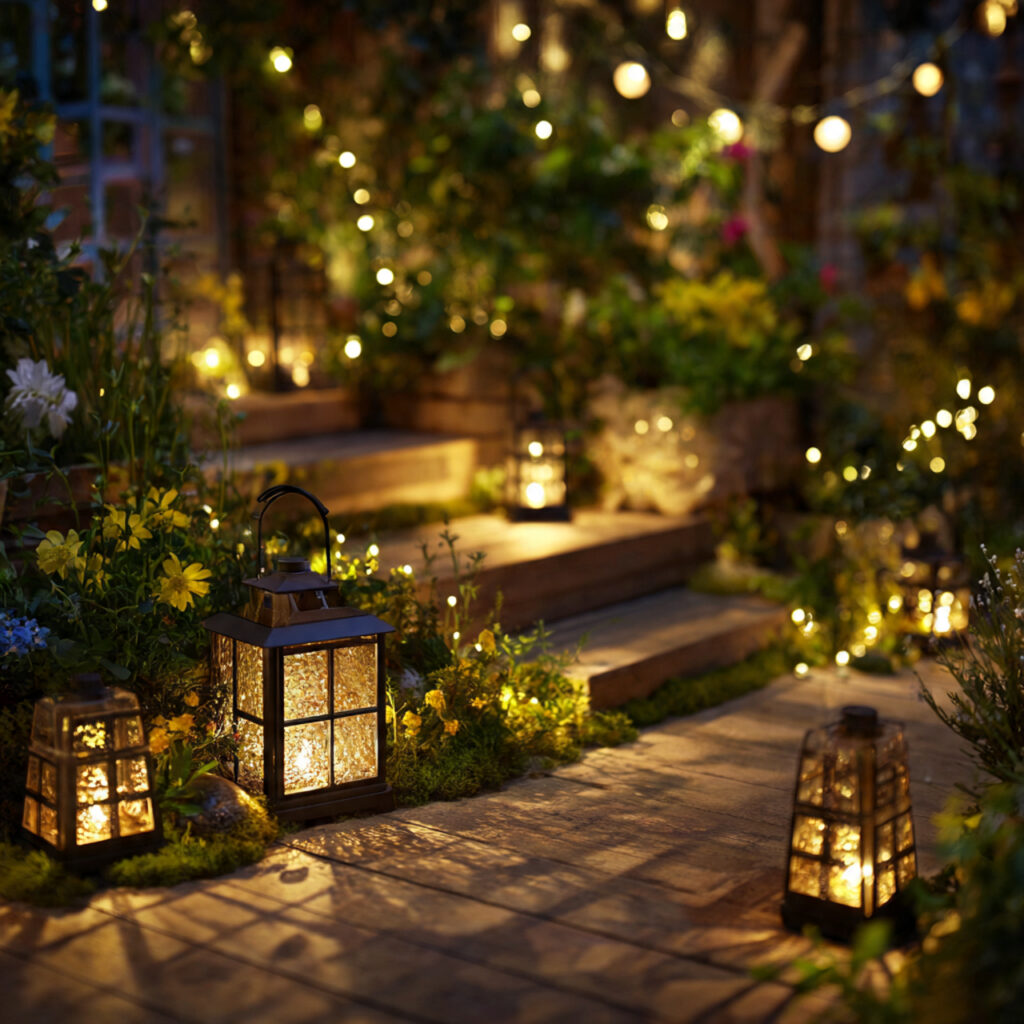
Gardens shouldn’t disappear after sunset. Strategic lighting extends usability while creating ambiance that makes small spaces feel intimate and inviting.
Layer different light types: string lights overhead for general illumination, spotlights highlighting specimen plants or architectural features, and pathway lights ensuring safe movement. This varied approach adds depth and dimension.
Installation options: Solar lights require zero wiring—just stake them in place. LED string lights use minimal electricity while lasting years. Battery-operated candles in hurricane lanterns add romance without fire risk.
Warm white lights create inviting atmosphere; cool white better illuminates functional areas. Dimming capability adds flexibility for different moods. Proper lighting makes your tiny garden feel twice as large by extending visual interest into the evening hours.
Frequently Asked Questions
Q1: Can tiny garden ideas work in apartments?
Yes. Many tiny garden ideas—such as vertical planters, hanging baskets, rail planters, and window boxes—fit perfectly into apartment balconies and windows.
Q2: What plants are best for tiny gardens?
Compact herbs, dwarf vegetables, trailing plants, succulents, and small flowering varieties typically perform best because they adapt well to containers and limited soil.
Q3: How do I keep a tiny garden from looking cluttered?
Use consistent plant colors, selective varieties, tiered arrangements, and minimal décor. Avoid overcrowding containers and maintain clear pathways.
Q4: Do tiny garden ideas require a lot of maintenance?
Most small garden setups are low-maintenance, especially container systems, gravel beds, and vertical planters. Plants are easier to water, prune, and rearrange.
Q5: Can I grow vegetables using tiny garden ideas?
Yes, many vegetables grow well in small spaces. Choose compact or dwarf varieties and plant them in containers, raised beds, or grow bags.
Final Thoughts: Your Small Space Journey Starts Now
The most beautiful garden I ever visited wasn’t sprawling—it was a 50-square-foot balcony in the city. The owner had created layers of greenery using vertical structures, hanging baskets, and thoughtfully clustered containers. Standing there surrounded by herbs, flowers, and even a few vegetables, you forgot entirely that you were eight stories up in a concrete jungle.
That’s the real magic of small-space gardening. It’s not about what you don’t have; it’s about maximizing what you do have. Every wall becomes potential growing space. Every corner holds opportunity. Every season brings new possibilities.
You don’t need a big budget, extensive gardening knowledge, or even particularly good weather. You need intention, creativity, and the willingness to start somewhere—even if that somewhere is just a single pot of basil on your kitchen windowsill.
The techniques in this guide work because they’re based on real-world constraints. They accommodate renters who can’t modify structures permanently. They suit busy people who can’t dedicate hours to maintenance. They help beginners who’ve never grown anything before.
Your tiny garden journey doesn’t require perfection. Plants are remarkably forgiving. That first tomato you harvest, those herbs you clip for dinner, the morning coffee surrounded by flowers you grew—these small moments accumulate into something profoundly satisfying.
Start simple. Choose one or two ideas from this guide that resonate with your space and lifestyle. Implement them this weekend. Observe what works. Adjust what doesn’t. Gradually expand as you discover what brings you joy.
The garden that perfectly fits your life is waiting—not despite your limited space, but because of how intentionally you’ve designed it. That tiny balcony, narrow patio, or compact yard holds more potential than you imagine. It’s time to discover exactly what’s possible when you garden smart instead of big.