21 Best Summer Plants to Brighten Your Garden
When the temperature climbs and the sun beats down relentlessly, your garden doesn’t have to suffer. The secret? Choosing plants that actually love the heat. Summer plants are the unsung heroes of warm-weather gardening—they bring brilliant colors, incredible resilience, and effortless beauty to spaces that would otherwise wilt under pressure.
If you’ve ever watched your garden struggle through scorching afternoons, dry soil, or those brutal heat waves, you know how frustrating it can be. The good news is that there’s a whole world of heat-loving plants ready to transform your outdoor space into a thriving oasis. Whether you’re working with a sprawling backyard, a cozy balcony, or decorative beds around your home, the right summer plants make all the difference.
Let’s explore some fantastic options that won’t just survive the summer—they’ll absolutely thrive in it.
Why Summer Plants Are Game-Changers for Your Garden
Think of summer plants as the reliable friends who show up when things get tough. While other plants fade, droop, or simply give up under intense heat, these warriors keep going strong. They maintain their vibrant colors through dry spells, handle hot afternoons like champions, and bounce back from summer storms without missing a beat.
But there’s more to it than just toughness. Many summer-blooming plants are pollinator magnets, attracting bees, butterflies, and hummingbirds to your garden. Others actually improve your soil quality, prevent erosion, and create mini-ecosystems that support local wildlife. When you choose plants designed to handle summer’s challenges, you’re setting yourself up for success with minimal fuss.
Key benefits you’ll enjoy:
- Consistent color and blooms all season long
- Less watering and maintenance required
- Natural pest control and pollinator support
- Improved soil health and garden biodiversity
- Beautiful landscapes that practically take care of themselves
Marigolds: Your Garden’s Cheerful Protectors
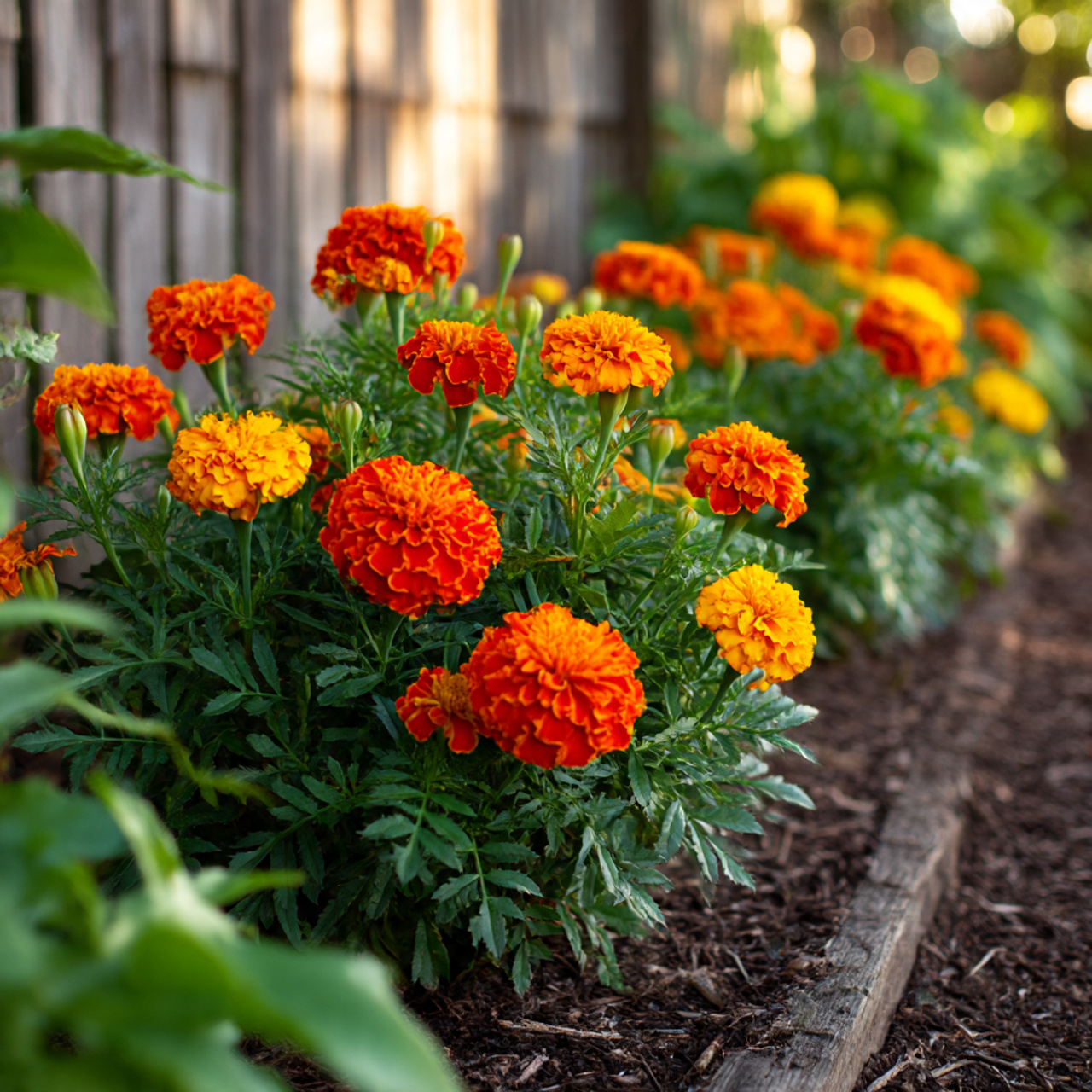
There’s something instantly uplifting about marigolds. These sunshine-colored blooms bring fiery oranges, golden yellows, and warm amber tones that never fail to brighten your day. What makes them truly special is their incredible ability to keep blooming even when the heat is absolutely relentless.
Why marigolds are perfect for summer:
- Thrive in blazing full sun without complaint
- Continue producing flowers during heat waves
- Natural pest repellent that protects neighboring plants
- Perfect companions for vegetable gardens
- Low-maintenance and beginner-friendly
Tip: Deadhead spent blooms regularly to encourage continuous flowering throughout the season. Your marigolds will reward you with even more vibrant color.
Zinnias: Bold Beauties That Love the Heat
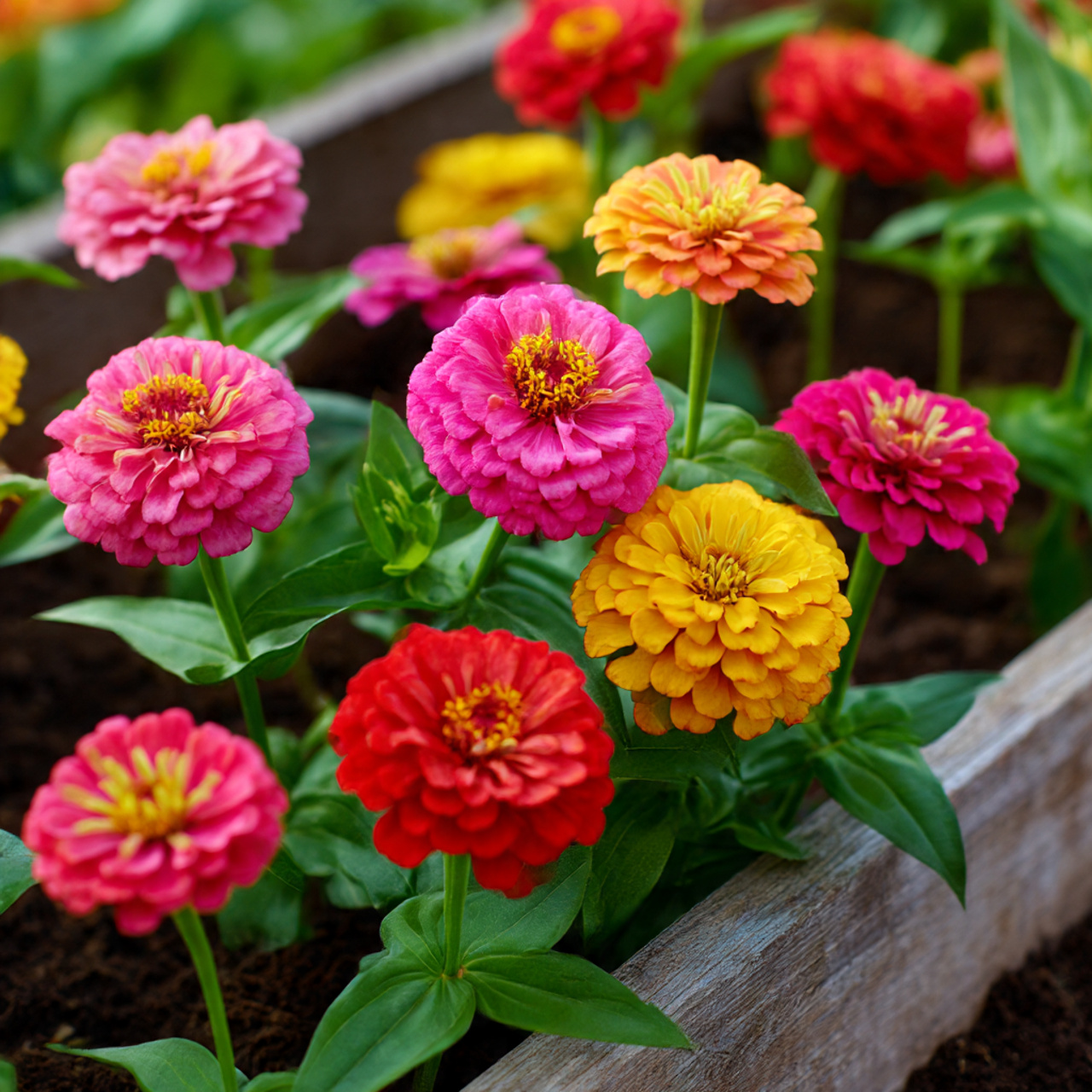
If you want serious flower power, zinnias deliver in spectacular fashion. Their layered, dahlia-like petals come in nearly every color imaginable—from soft pastels to electric brights. These sun-worshippers actually perform better in hot weather, making them ideal for those sweltering summer beds and containers.
What makes zinnias outstanding:
- Massive color variety to match any garden theme
- Attract butterflies and bees in droves
- Fast-growing with impressive heat tolerance
- Excellent as cut flowers for indoor arrangements
- Bloom continuously from summer into fall
Growing secret: Plant zinnias in well-draining soil and give them plenty of space for air circulation. This prevents mildew and keeps them looking their absolute best.
Cosmos: Delicate Appearance, Tough Performance
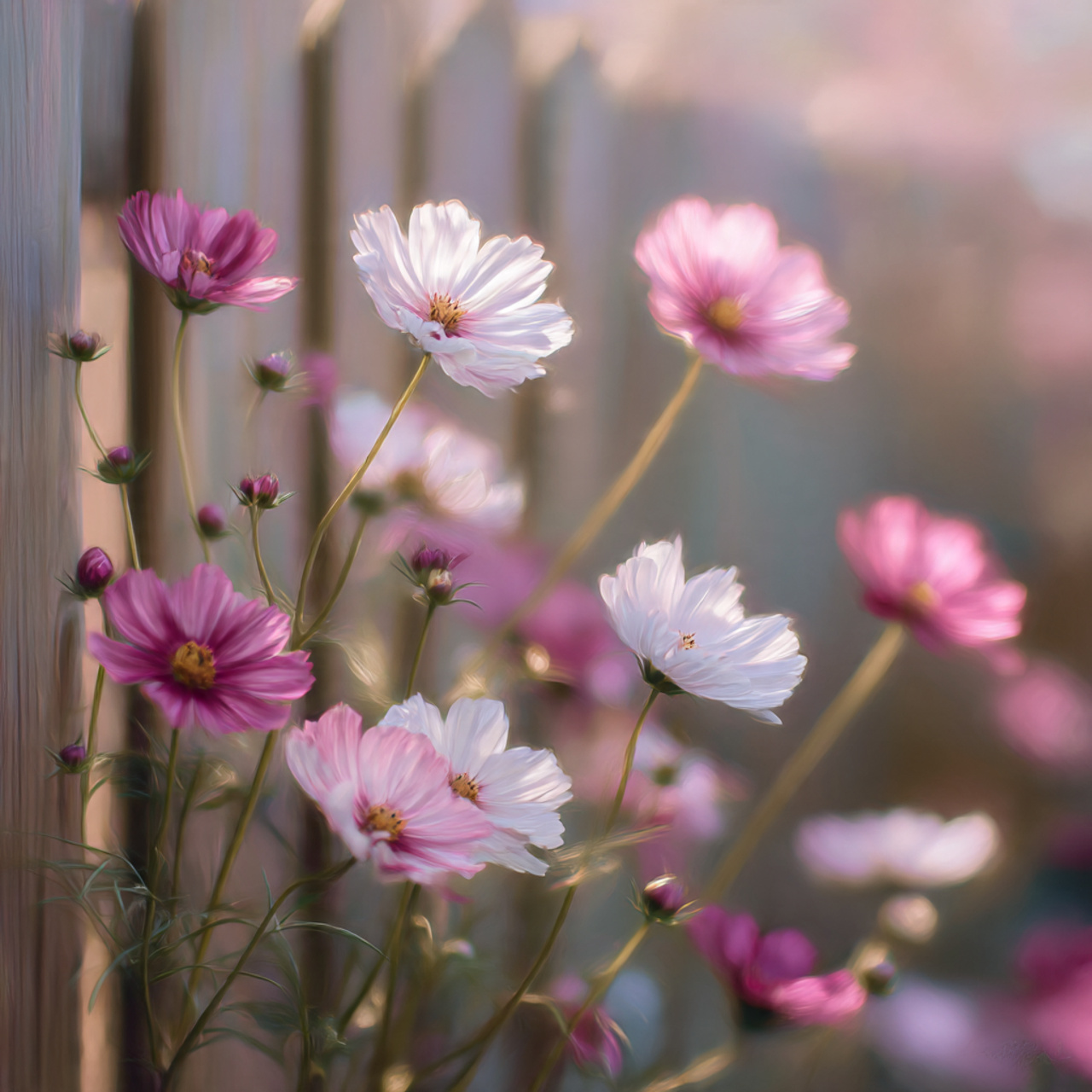
Don’t let their airy, delicate appearance fool you—cosmos are tougher than they look. These graceful flowers dance in warm breezes, creating movement and softness in your garden design. What’s remarkable is that they thrive in poor soil conditions that would challenge most other plants.
Why gardeners love cosmos:
- Grow beautifully in lean, unimproved soil
- Require minimal watering once established
- Self-seed for effortless future blooms
- Drought-tolerant and heat-resistant
- Create a cottage-garden feel with zero fuss
Bonus benefit: Cosmos are incredibly forgiving for beginners and practically grow themselves. Just scatter seeds, water initially, and watch them take off.
Coneflowers: The Dependable Perennials
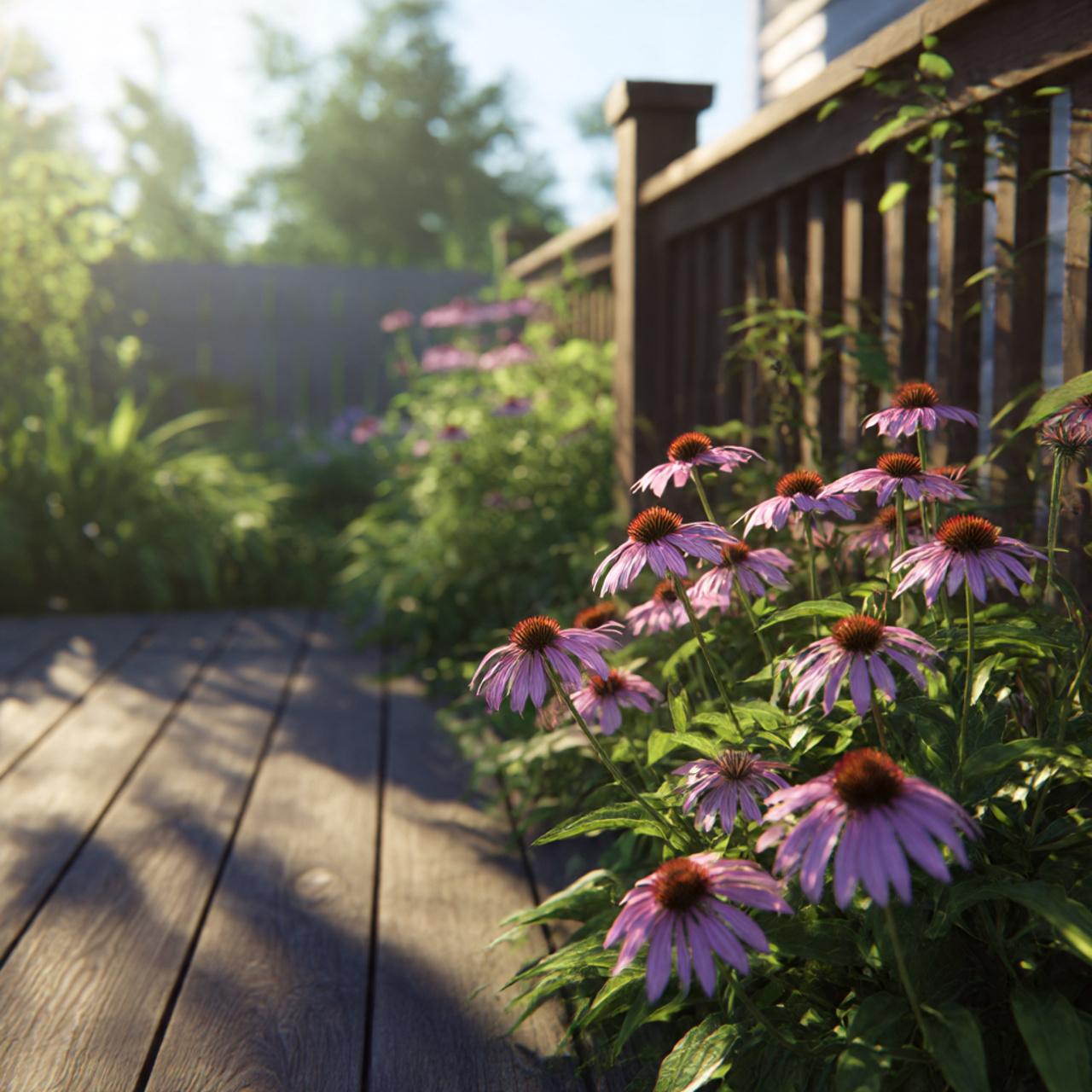
Coneflowers (echinacea) are the backbone of many successful summer gardens. Their bold, daisy-like petals surrounding prominent dark centers create striking visual impact. Even better, these perennial powerhouses return year after year, growing stronger and more beautiful with time.
Coneflower advantages:
- Exceptional drought tolerance once established
- Attract beneficial pollinators and songbirds
- Return annually with minimal care
- Available in traditional purple or modern hybrids
- Fantastic for cutting gardens
Wildlife bonus: Goldfinches absolutely love coneflower seed heads in late summer and fall. Leave them standing for natural bird feeding.
Black-Eyed Susans: Sunshine in Plant Form

Few plants capture summer’s essence quite like black-eyed Susans. Their cheerful golden petals with chocolate-brown centers bring instant warmth wherever they’re planted. These reliable performers bloom prolifically and handle tough conditions with remarkable grace.
What sets them apart:
- Bloom from mid-summer through early autumn
- Tolerate poor soil without complaint
- Native pollinator favorite
- Perfect for naturalized areas
- Virtually maintenance-free
Design idea: Mass plantings of black-eyed Susans create stunning golden drifts that look professionally designed with minimal effort.
Salvia: For Heat-Resistant Spikes of Color
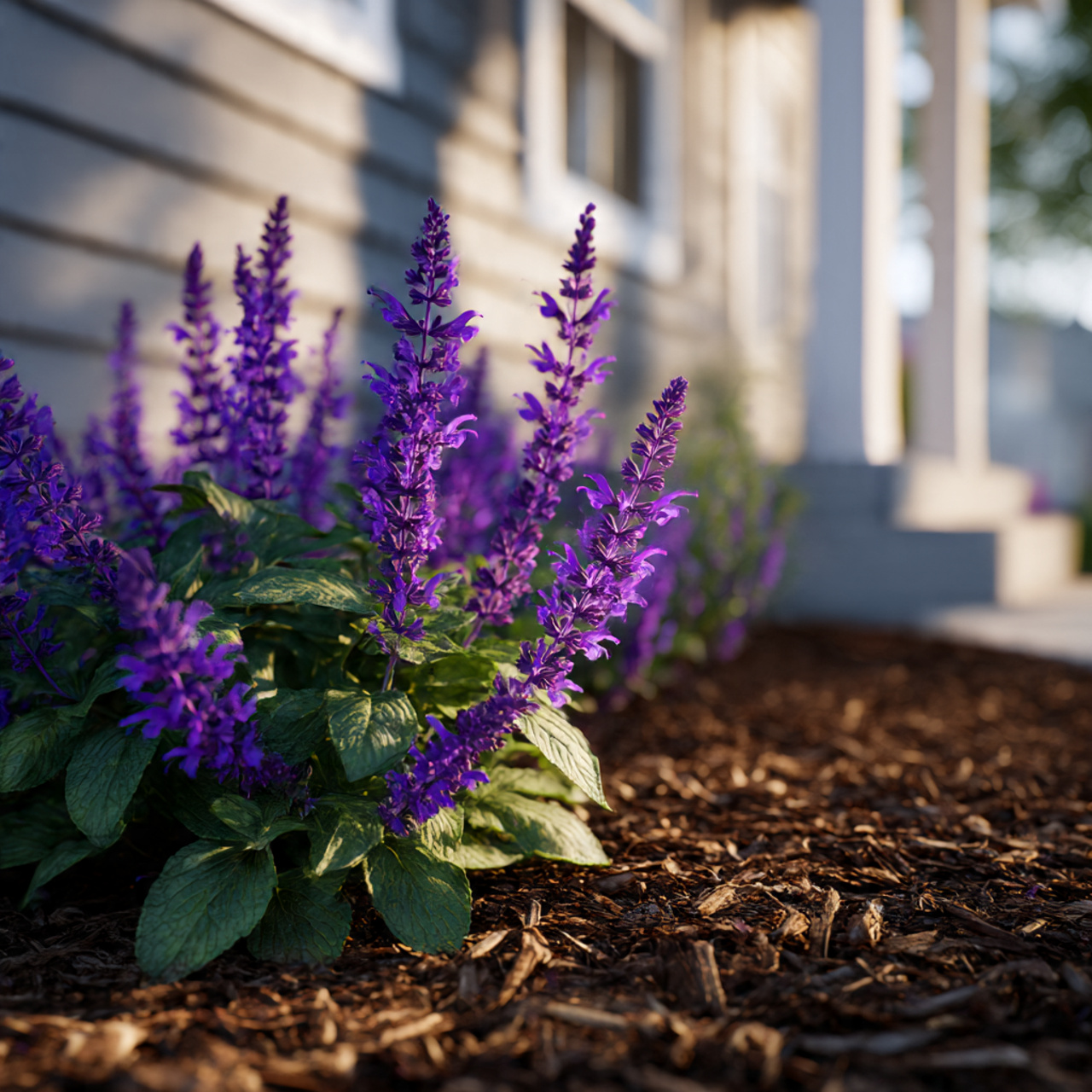
Salvia’s distinctive flower spikes add vertical drama to garden beds. Whether you choose classic purple, vibrant red, or sophisticated blue varieties, these heat-lovers deliver consistent performance in challenging conditions. Their water-wise nature makes them particularly valuable in drought-prone areas.
Salvia standout features:
- Thrives in full, intense sunlight
- Minimal watering needs once rooted
- Irresistible to hummingbirds and bees
- Long blooming period throughout summer
- Deer-resistant in most regions
Water-saving tip: Group salvias with other drought-tolerant plants to create low-water zones in your landscape.
Hydrangeas: Lush Blooms for Bigger Impact
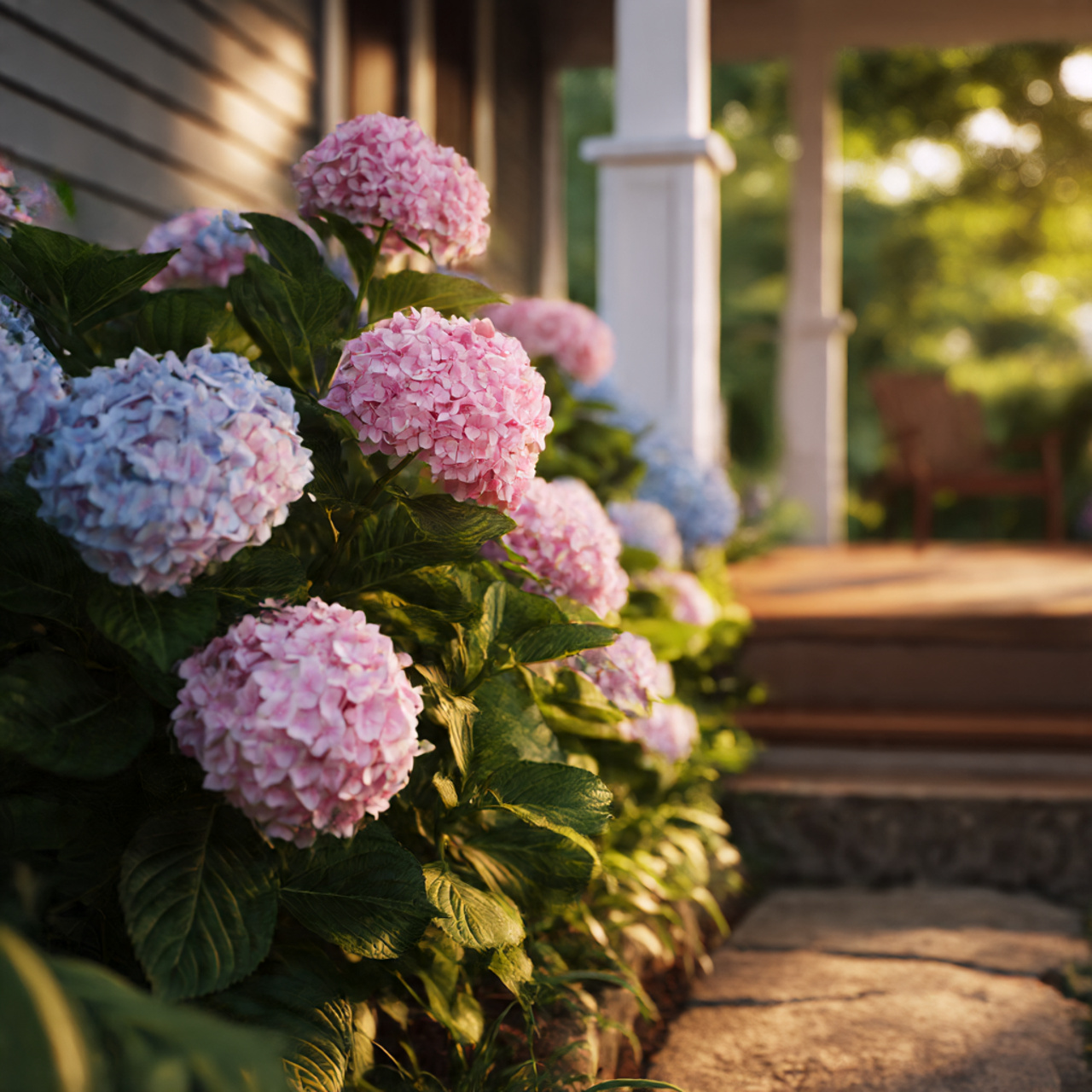
When you want show-stopping flower clusters, hydrangeas deliver magnificently. These shrubs produce enormous blooms that add instant volume and romance to any garden setting. While they appreciate some afternoon shade in extreme heat, many modern varieties handle summer warmth beautifully.
Hydrangea highlights:
- Massive flower heads in various colors
- Blooms shift colors based on soil pH
- Great for shaded or partially sunny spots
- Long-lasting flowers perfect for arrangements
- Add structure and substance to landscapes
Color-changing magic: Acidic soil produces blue blooms, while alkaline soil creates pink flowers. Adjust your soil to customize your color palette.
Oleander: The Ultimate Heat Champion
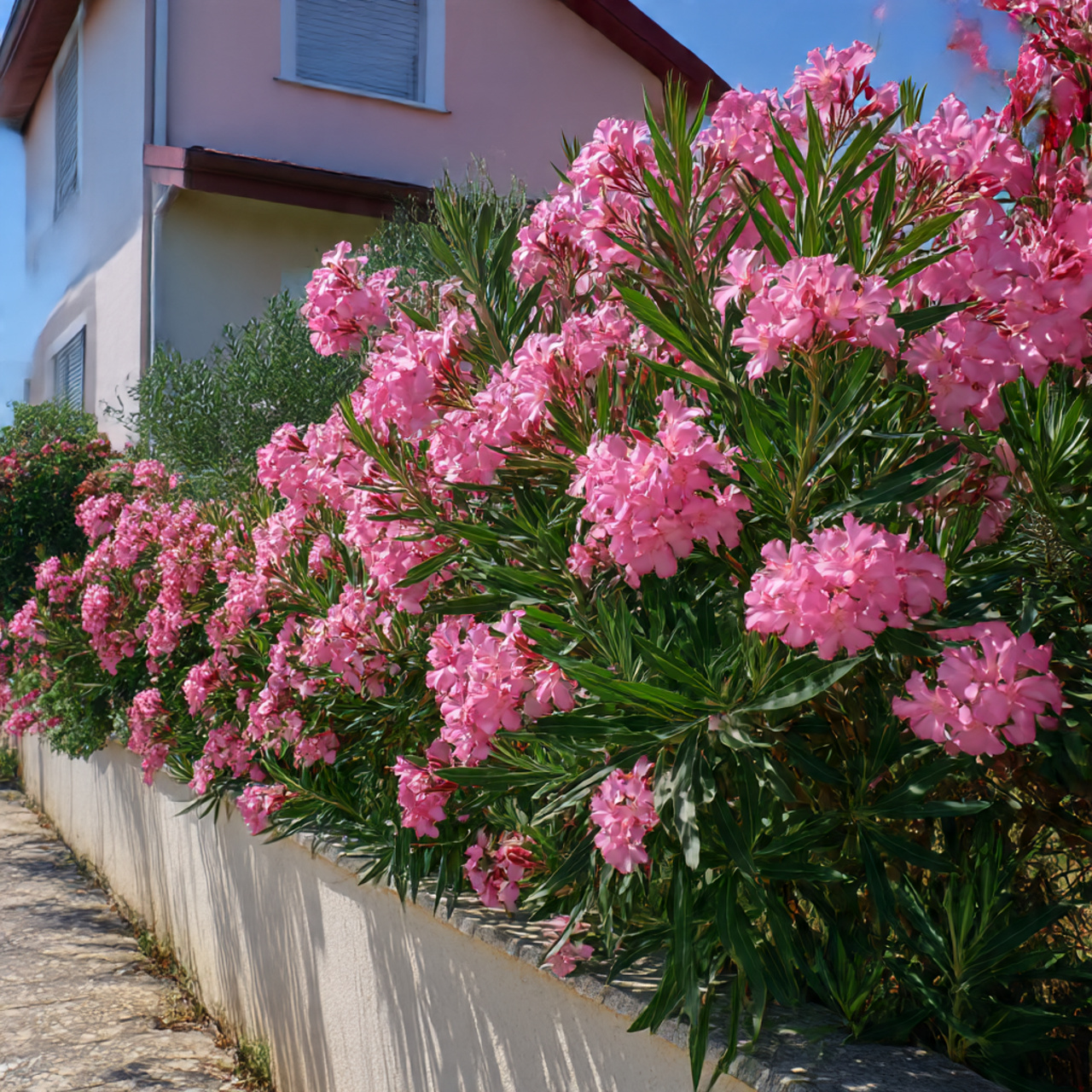
If you’re dealing with extreme heat and want a plant that won’t quit, oleander is your answer. This tough-as-nails shrub handles scorching temperatures that send other plants into shock. Its tropical-looking flowers in white, pink, red, and peach create lush displays even in challenging climates.
Oleander strengths:
- Withstands extreme heat and sun exposure
- Evergreen foliage provides year-round structure
- Drought-resistant once established
- Excellent for privacy screens and borders
- Requires very little maintenance
Important note: All parts of oleander are toxic if ingested, so plant away from areas where children and pets play.
Rose of Sharon: Summer’s Reliable Bloomer
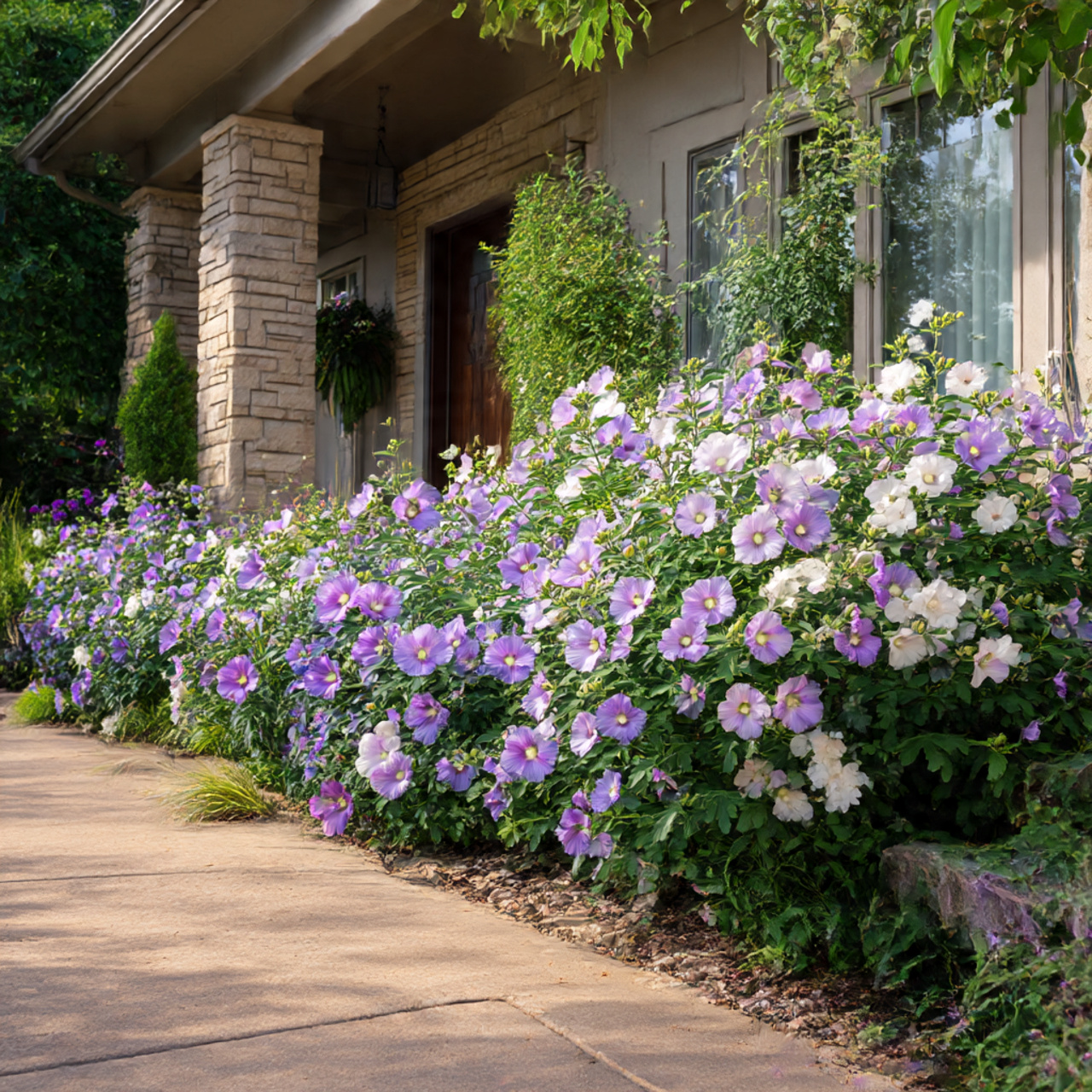
While many shrubs finish flowering by mid-summer, Rose of Sharon is just getting started. This dependable performer produces large, hibiscus-like blooms throughout the hottest months, bringing continuous color when gardens need it most.
Why choose Rose of Sharon:
- Blooms prolifically in mid-to-late summer
- Handles humidity and heat simultaneously
- Grows vigorously in various soil types
- Perfect for hedges and privacy plantings
- Attracts butterflies and hummingbirds
Pruning tip: Cut back in late winter or early spring to maintain shape and encourage abundant summer flowering.
Geraniums: Container Garden Superstars
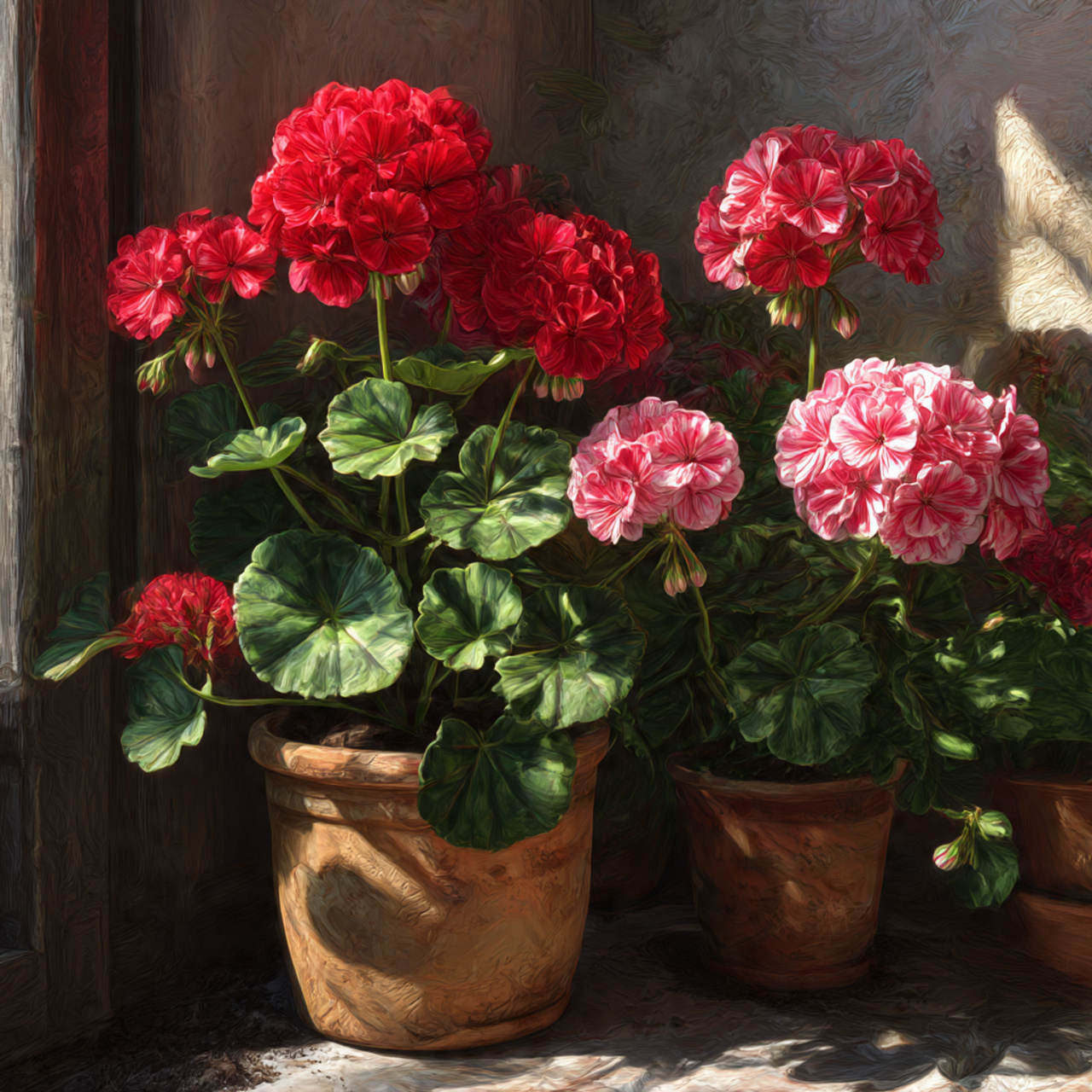
For balconies, patios, and window boxes, geraniums are absolute champions. Their compact growth habit and vibrant flower clusters create pops of color in confined spaces. These versatile plants love sunshine and reward you with blooms that last all season long.
Geranium benefits:
- Perfect size for containers and small spaces
- Available in stunning color range
- Natural pest-deterring fragrance
- Moderate water needs
- Adaptable to various climates
Container success: Use well-draining potting mix and ensure containers have drainage holes to prevent root rot.
Petunias: Cascading Color Machines
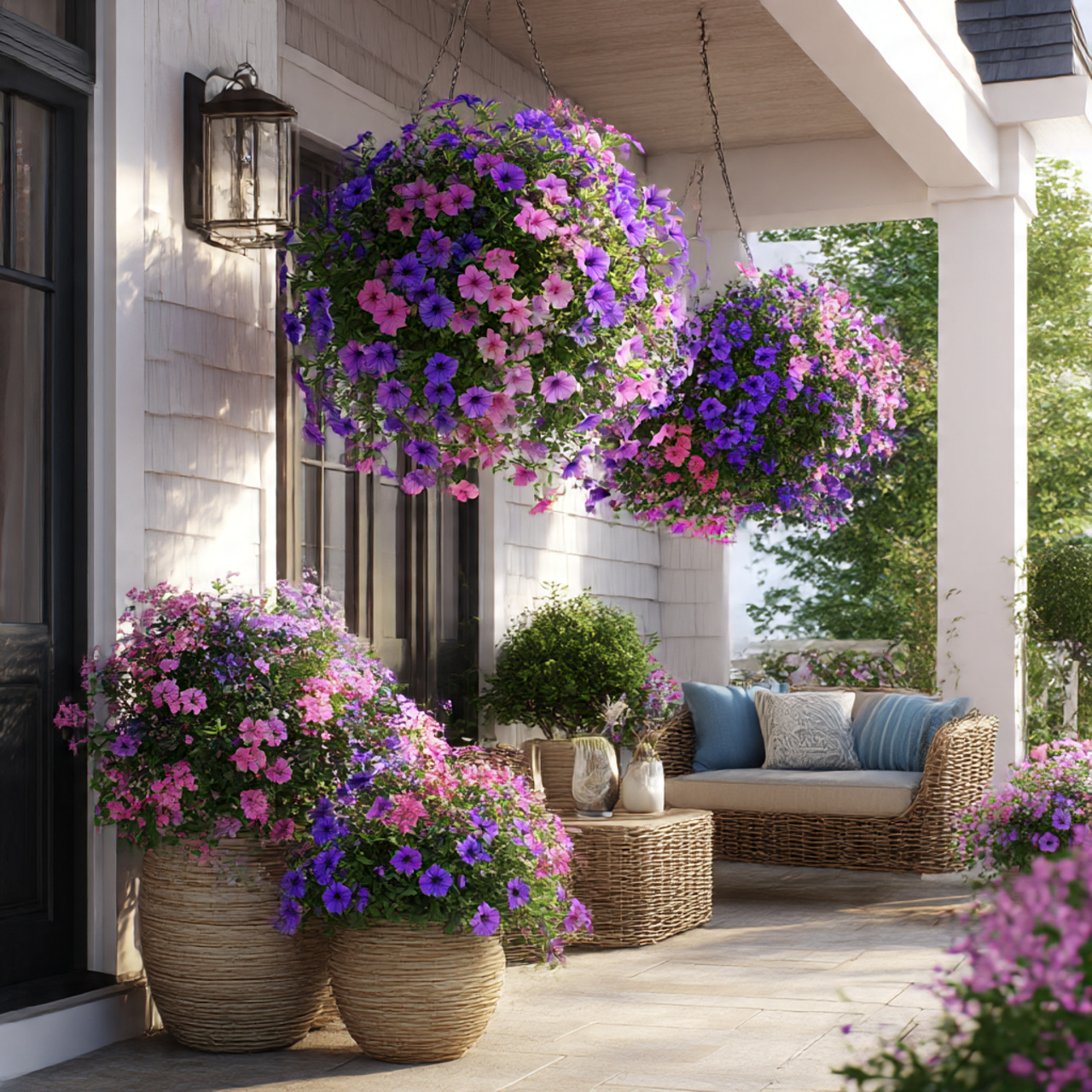
Few plants create cascading drama quite like petunias. Their trailing growth habit makes them ideal for hanging baskets and elevated planters where their velvety flowers can spill beautifully. Give them full sun and regular water, and they’ll bloom their hearts out all summer.
Petunia perks:
- Create stunning waterfall effect in containers
- Bold, eye-catching colors
- Blend beautifully with other summer plants
- Fragrant evening blooms
- Thrive in full sun conditions
Maintenance tip: Pinch back leggy growth mid-season to encourage bushier plants and renewed flowering.
Portulaca: The Drought-Proof Succulent
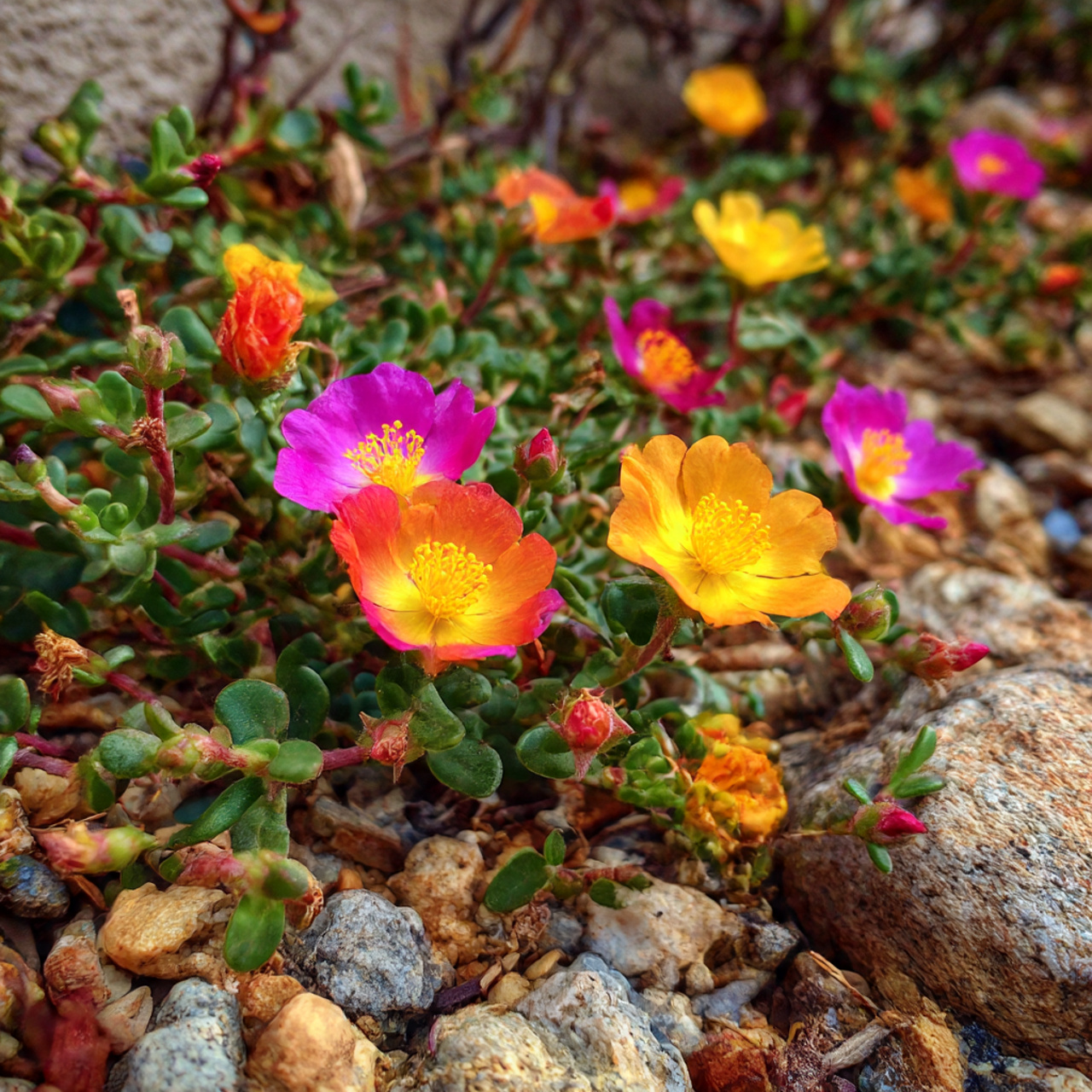
Also called moss rose, portulaca is a succulent superstar that laughs in the face of heat and drought. Its jewel-toned flowers open in bright sunlight, creating a colorful carpet effect in the hottest, driest spots of your garden.
Portulaca advantages:
- Exceptional drought tolerance
- Thrives in poor, sandy soil
- Low-growing groundcover effect
- Opens flowers in full sun
- Zero-fuss care requirements
Perfect placement: Use portulaca in rock gardens, between stepping stones, or in containers where water access is limited.
Butterfly Bush: Nature’s Pollinator Party
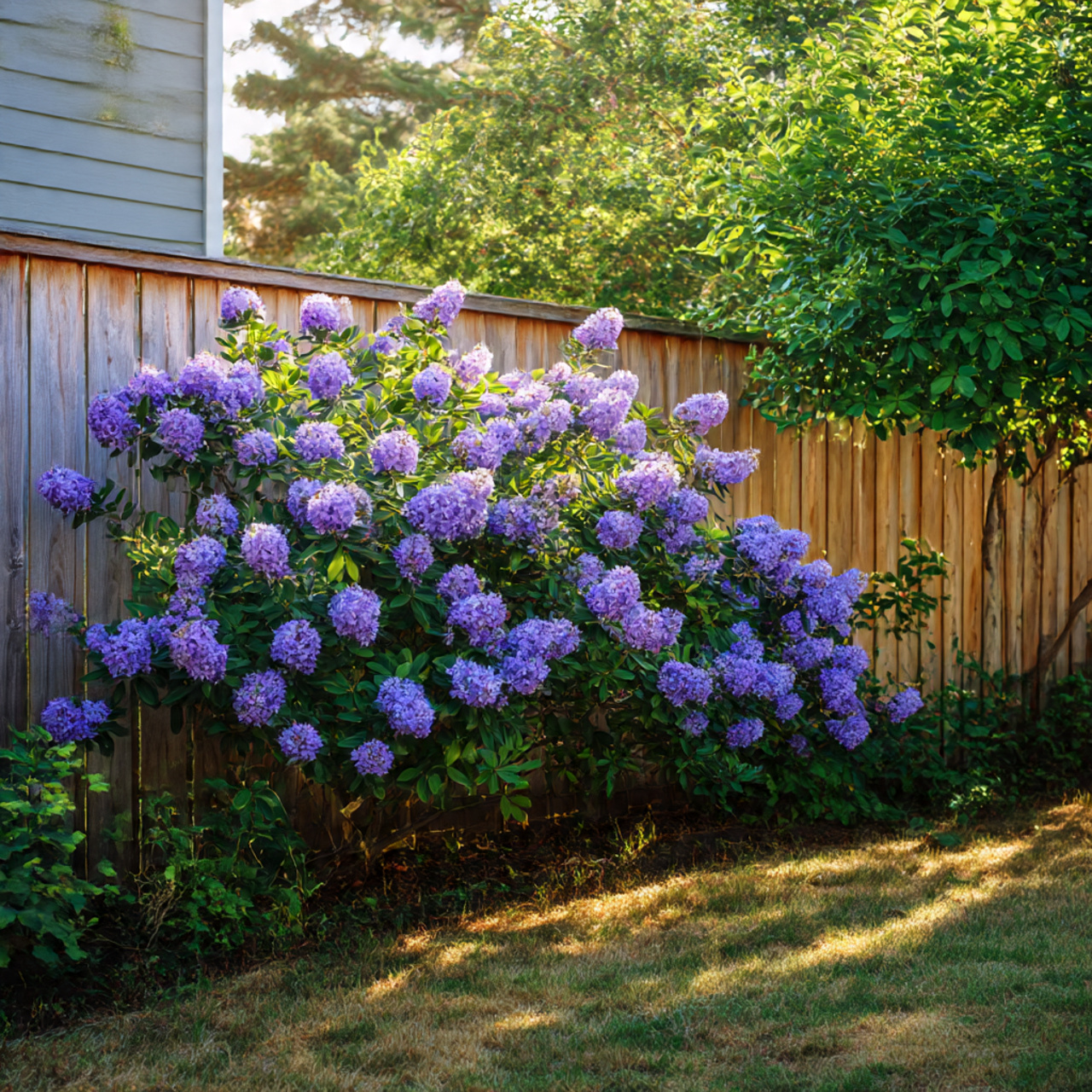
Want to transform your garden into a butterfly haven? Plant butterfly bush. This appropriately named shrub produces long, fragrant flower spikes that pollinators simply cannot resist. Watch as butterflies, bees, and hummingbirds visit throughout the day.
Butterfly bush benefits:
- Massive pollinator attraction
- Continuous blooming all summer
- Fast growth and heat tolerance
- Fragrant flowers in various colors
- Easy to maintain and prune
Eco-friendly gardening: Butterfly bush supports declining pollinator populations while giving you a stunning display.
Lantana: Multicolored Pollinator Magnet
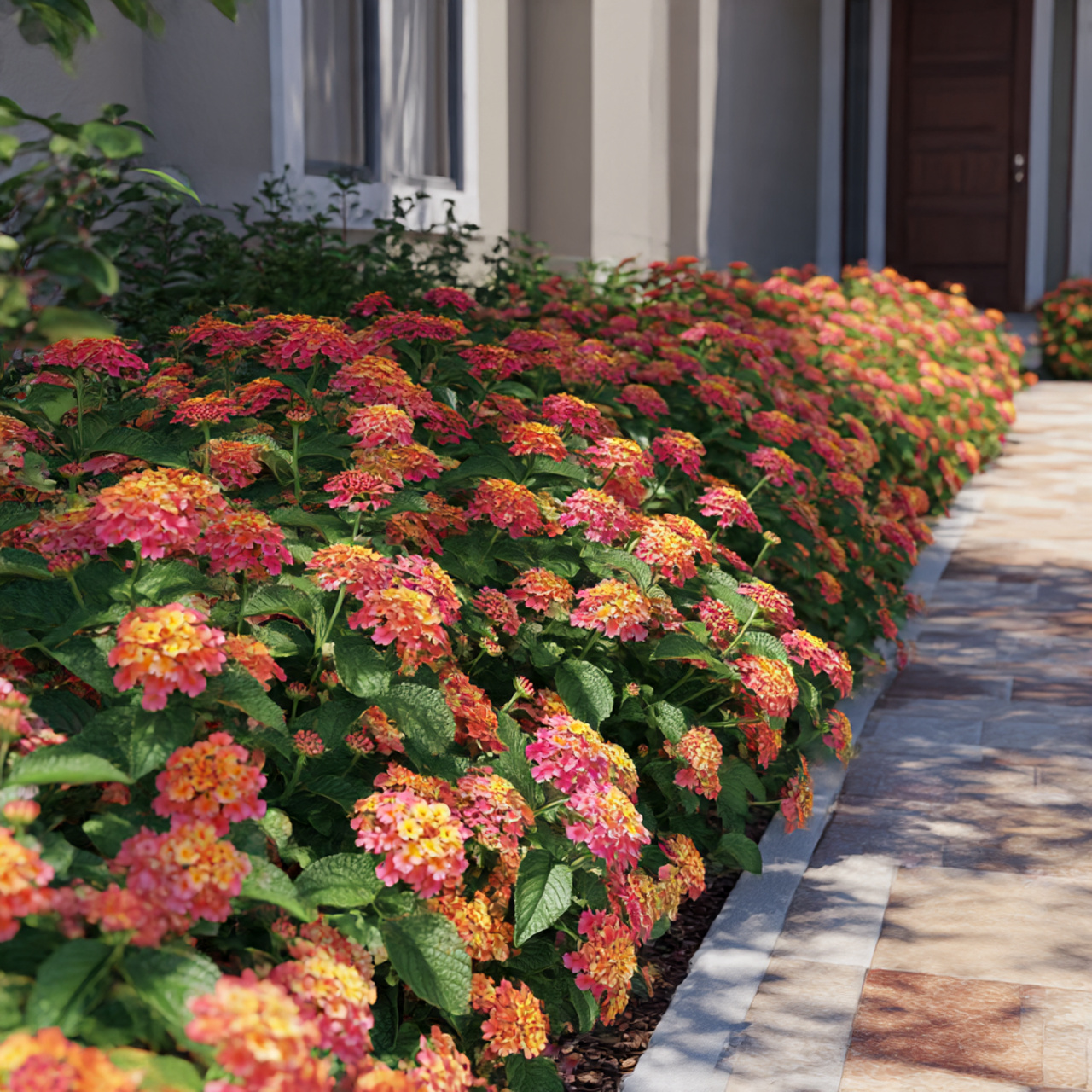
Lantana’s unique flower clusters change color as they mature, creating a multicolored tapestry effect. This heat-loving plant handles drought remarkably well and attracts beneficial pollinators without demanding constant attention.
Lantana standouts:
- Multicolored blooms on single plants
- Superior drought tolerance
- Pest and disease resistant
- Works in containers or landscapes
- Blooms relentlessly in hot weather
Versatility bonus: Lantana works equally well as a groundcover, in hanging baskets, or as a small shrub depending on the variety.
Milkweed: The Monarch Butterfly Lifeline
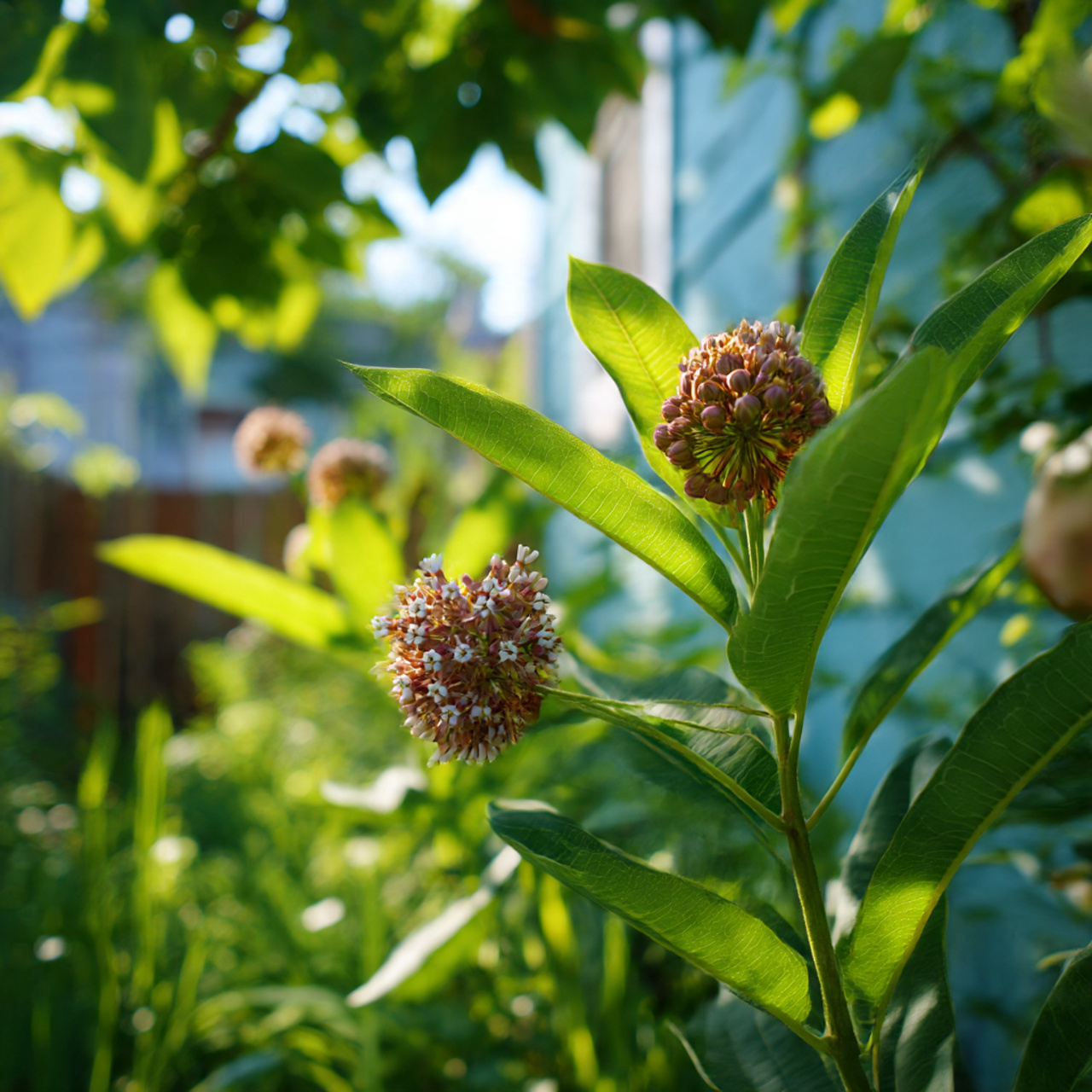
Growing milkweed is more than gardening—it’s conservation. This essential plant provides the only food source for monarch butterfly caterpillars while also offering nectar for adult butterflies and other pollinators. It thrives in hot, sunny conditions with minimal care.
Why milkweed matters:
- Critical for monarch butterfly survival
- Handles heat and drought naturally
- Provides both nectar and breeding habitat
- Adds height and architectural interest
- Supports healthy local ecosystems
Conservation impact: Every milkweed plant you grow helps counter the dramatic decline in monarch butterfly populations.
Tomatoes: Summer’s Favorite Edible
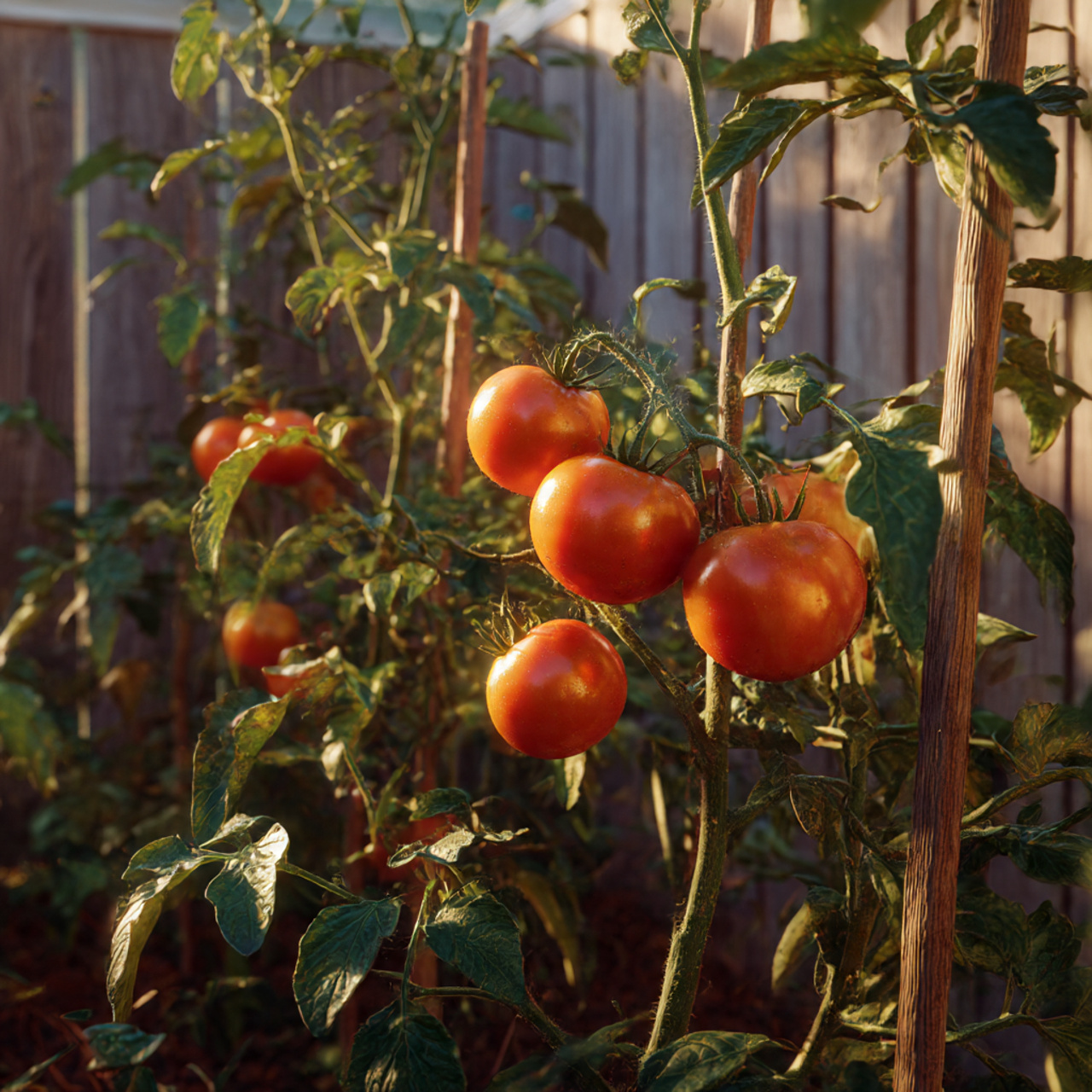
Nothing says summer quite like homegrown tomatoes. These warm-season vegetables absolutely thrive when temperatures rise, accelerating their growth and fruit production. From cherry tomatoes for snacking to beefsteak varieties for slicing, there’s a type for every taste.
Tomato growing success:
- Require 6-8 hours of full sun daily
- Need consistent watering for best production
- Endless variety options available
- Fresh flavor that store-bought can’t match
- Productive throughout summer months
Harvesting tip: Pick tomatoes when fully colored but still slightly firm for the best flavor and texture.
Basil: Aromatic Summer Herb Essential
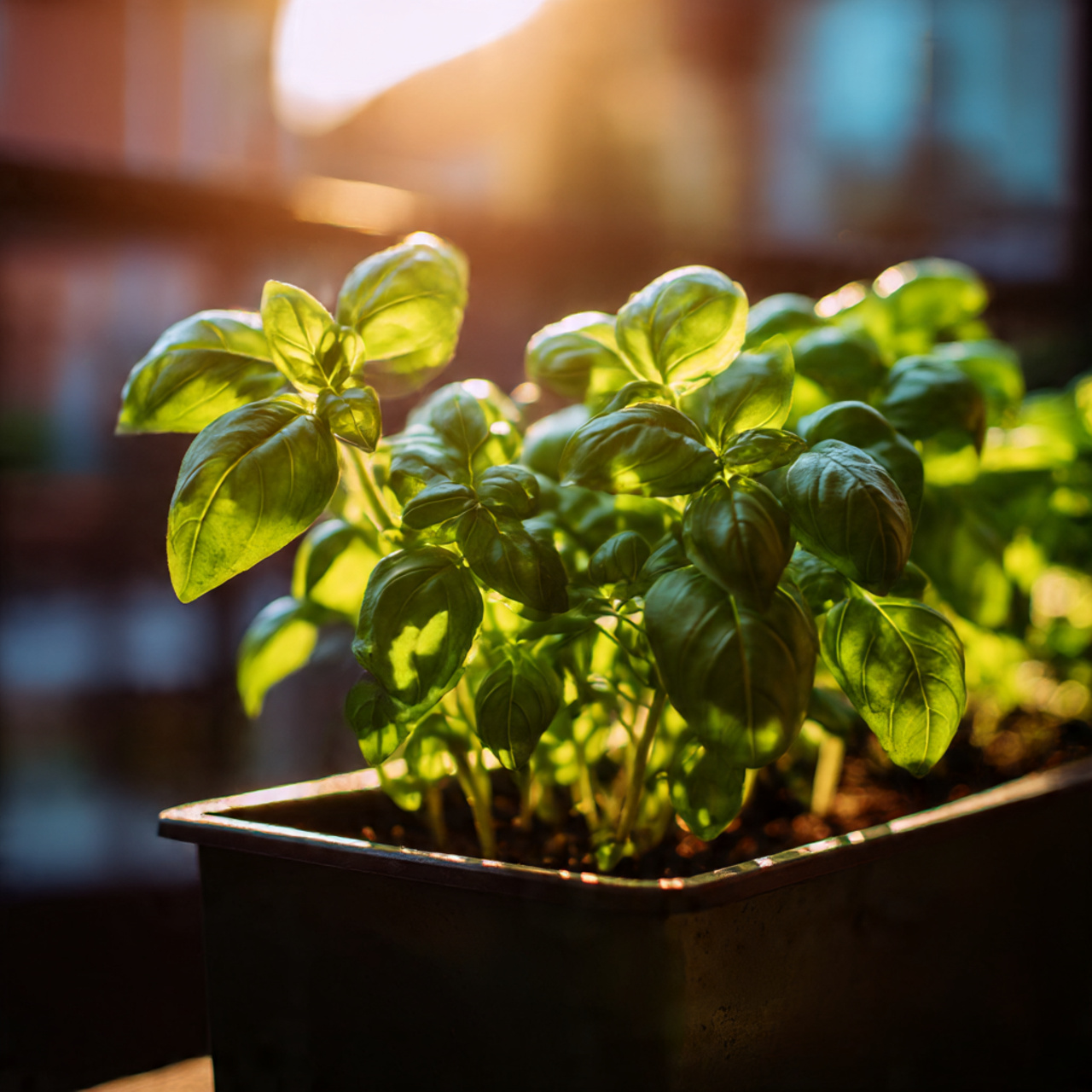
Basil and summer go hand-in-hand. This fragrant herb actually prefers hot weather, developing more intense flavors as temperatures climb. It’s incredibly easy to grow in containers or garden beds, and its culinary uses are practically endless.
Basil benefits:
- Intensifies flavor in summer heat
- Natural insect repellent properties
- Excellent companion plant for tomatoes
- Perfect for containers on sunny patios
- Multiple harvests throughout season
Harvest strategy: Pinch off top leaves regularly to encourage bushier growth and prevent early flowering.
Peppers: Spicy or Sweet Summer Harvest
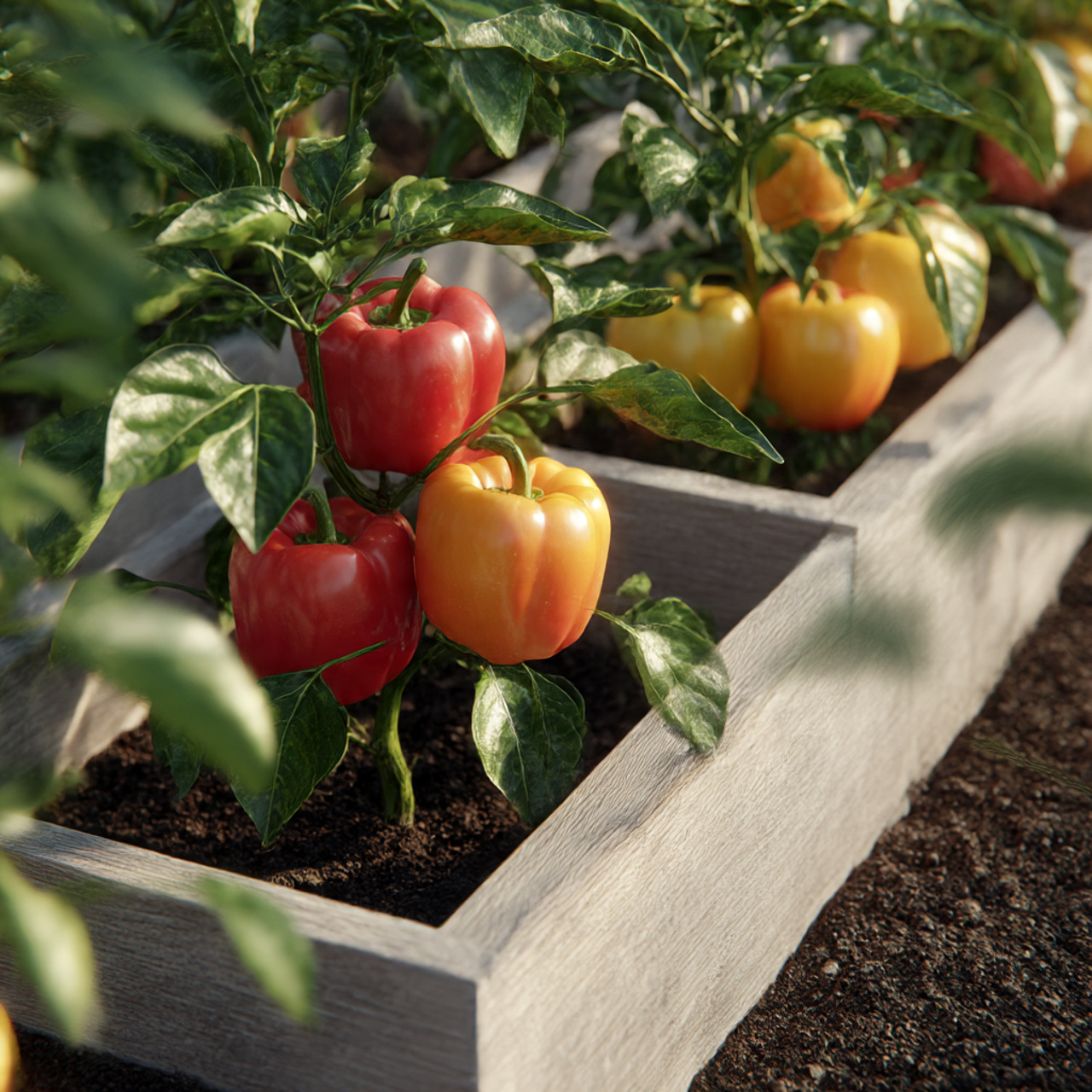
Both sweet bell peppers and hot chili varieties love summer’s warmth. These productive plants transform heat into crisp, flavorful fruits that elevate countless dishes. They’re also surprisingly well-suited to container growing for gardeners with limited space.
Pepper growing advantages:
- Thrive in high temperatures
- Productive in containers or raised beds
- Wide variety from mild to fiery hot
- Continuous harvest throughout summer
- Relatively pest-resistant
Growing secret: Peppers produce more fruit when temperatures stay consistently warm, making them ideal for the hottest summer months.
Lavender: Fragrant and Drought-Proof
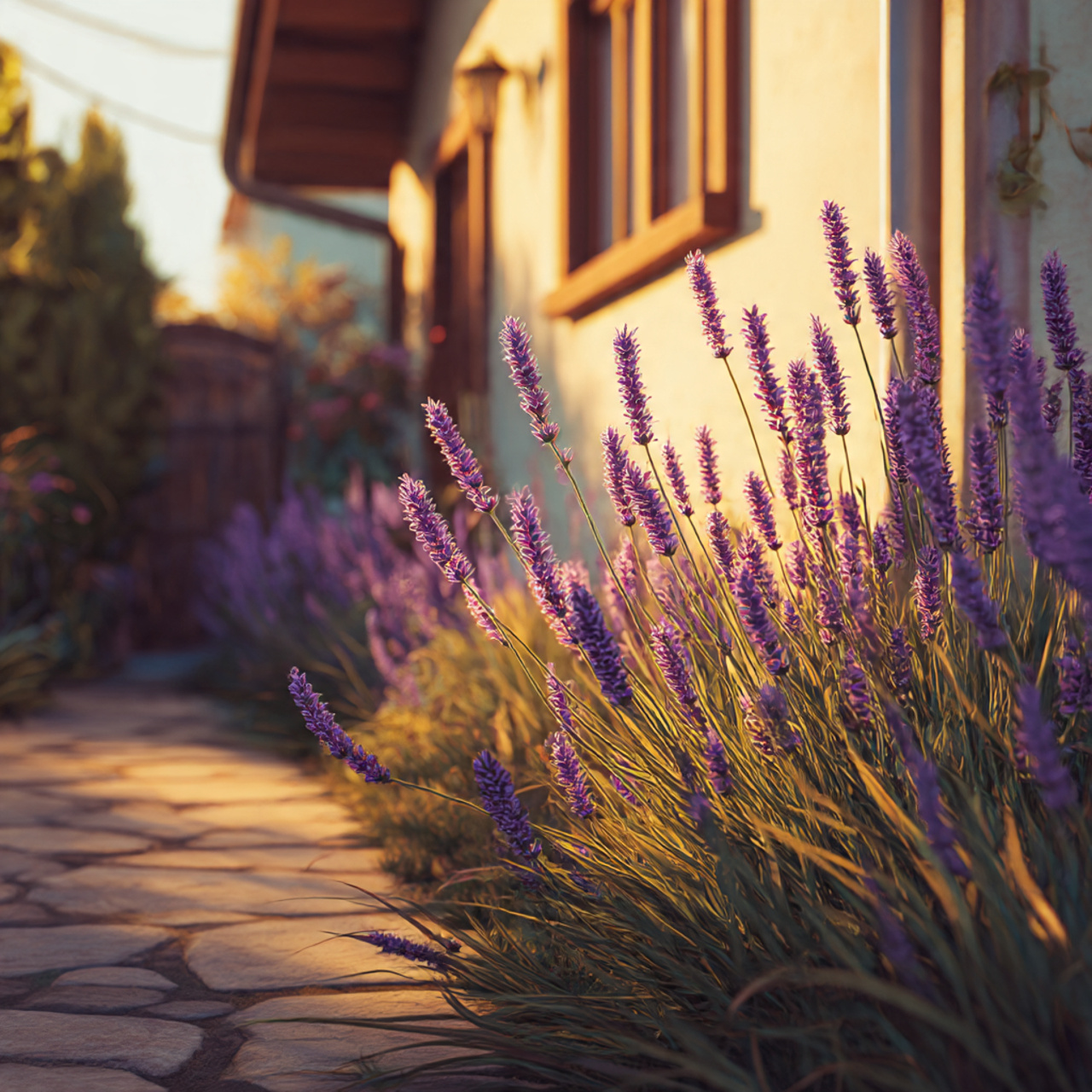
Lavender’s silvery foliage and aromatic purple blooms bring Mediterranean charm to any garden. This remarkably drought-tolerant plant actually prefers hot, dry conditions and poor soil—making it perfect for challenging spots where other plants struggle.
Lavender highlights:
- Exceptional drought tolerance
- Fragrant blooms and foliage
- Thrives in lean, well-draining soil
- Attracts bees and beneficial insects
- Useful for cooking, crafts, and relaxation
Soil secret: Lavender despises wet feet. Plant in sandy or gravelly soil with excellent drainage for best results.
Agave: Architectural Desert Beauty
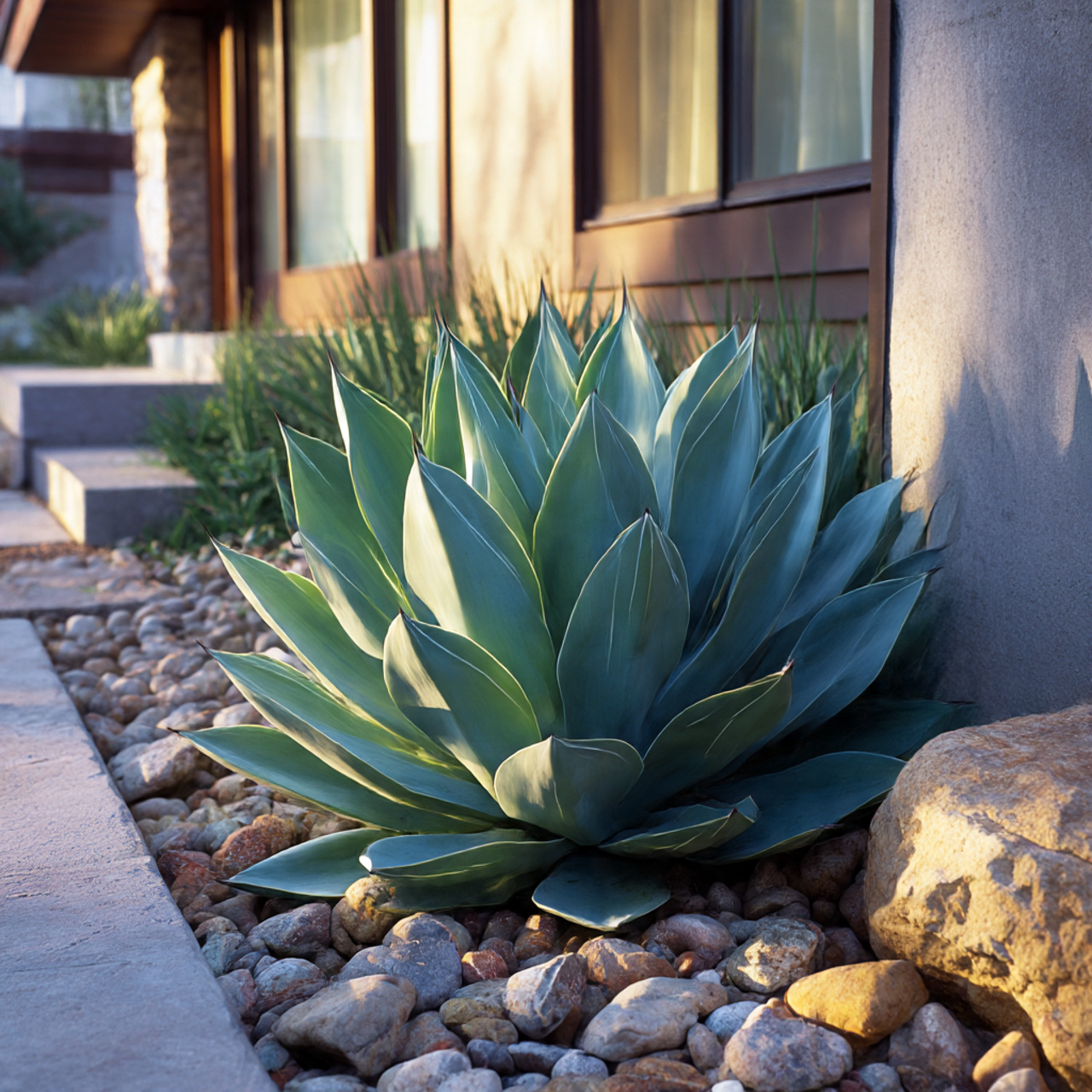
For modern, water-wise landscapes, agave brings bold architectural presence. These sculptural succulents store water in their thick leaves, allowing them to withstand extreme heat and extended drought periods. They create stunning focal points with virtually zero maintenance.
Agave advantages:
- Striking architectural form
- Minimal watering once established
- Perfect for xeriscaping
- Low-maintenance care requirements
- Adds modern aesthetic to landscapes
Design application: Use agave as dramatic focal points in rock gardens, modern landscapes, or desert-themed spaces.
Sedum: Tough Groundcover Solution
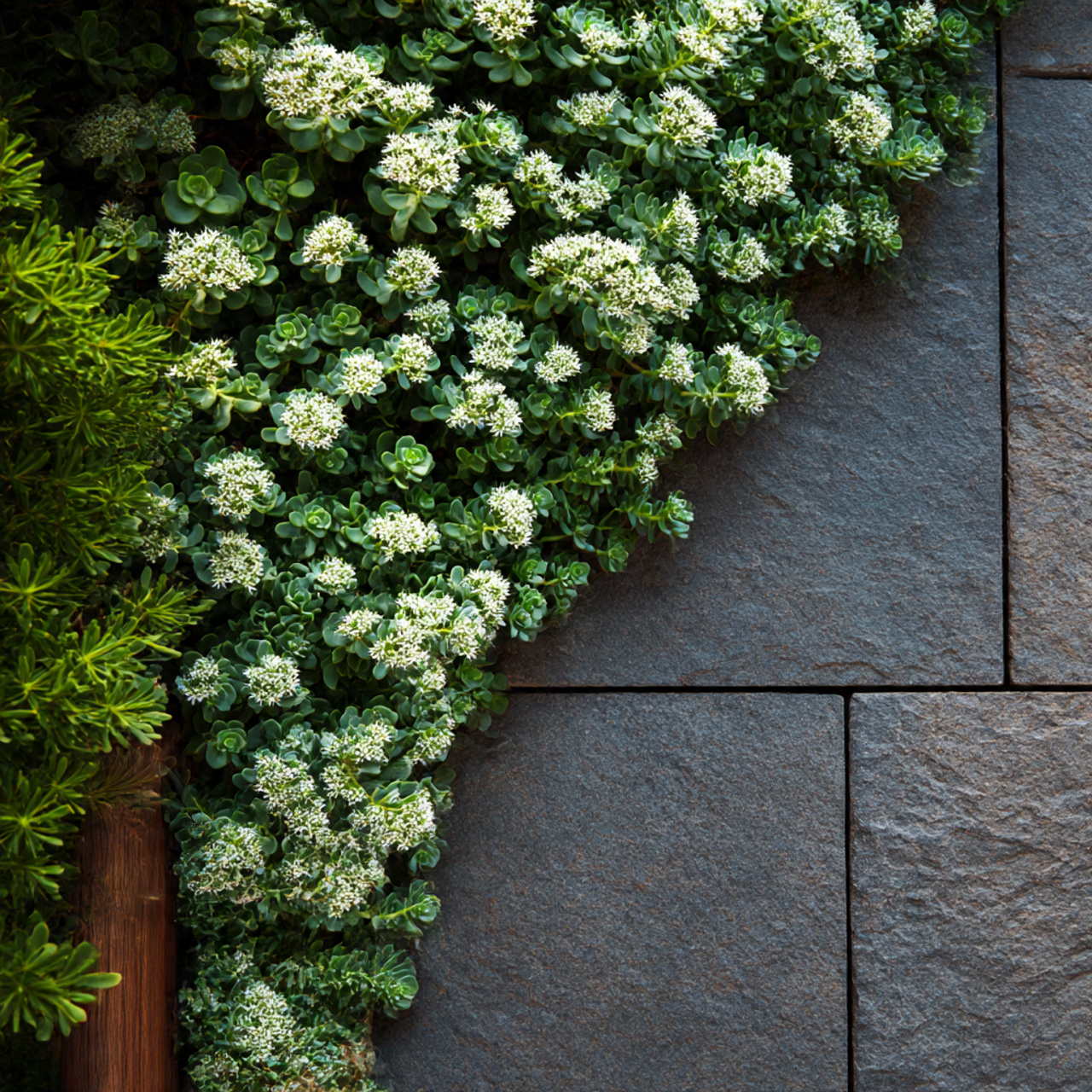
Sedum varieties are workhorses in the summer garden. These hardy succulents spread to form dense mats that resist heat and drought effortlessly. They bloom in late summer, adding unexpected color and texture when many other plants are winding down.
Sedum benefits:
- Forms attractive, weed-suppressing groundcover
- Blooms in late summer
- Requires almost no maintenance
- Excellent for erosion control
- Survives in poor, rocky soil
Large-scale solution: Sedum is perfect for covering large areas where traditional lawn struggles or maintenance is challenging.
Visit Also: Shade Plants
FAQs About Summer Plants
1. What makes a plant a good choice for summer heat?
The best summer plants have special adaptations that help them handle intense conditions. Look for plants with thick or waxy leaves that reduce water loss, deep root systems that access underground moisture, and natural heat tolerance built into their genetics. These characteristics allow them to maintain growth and color while other plants struggle. Drought resistance, sun tolerance, and resilience under stress are the hallmarks of quality summer performers.
2. How often should I water summer plants during peak heat?
Most established summer plants benefit from deep, infrequent watering rather than light, frequent sprinkling. This encourages deeper root growth and better drought tolerance. Generally, water thoroughly when the top few inches of soil feel dry. Container plants typically need more frequent watering—sometimes daily during extreme heat—since they dry out faster than in-ground plants. Drought-tolerant varieties like succulents, lavender, and portulaca need far less water once their roots are established.
3. Can summer plants grow in partial shade?
Absolutely! While many summer bloomers love full sun, several options perform beautifully with some shade protection. Hydrangeas actually appreciate afternoon shade in hot climates, helping them stay fresh-looking through scorching afternoons. Certain herbs like mint and parsley tolerate partial shade, and impatiens (though not covered here) are classic shade-loving summer annuals. Always check each plant’s specific light requirements and match them to your available growing conditions for best results.
4. What is the best soil type for summer plants?
Well-draining soil is non-negotiable for summer plants. Even moisture-loving varieties need soil that drains efficiently to prevent root rot and fungal issues. Most summer plants prefer soil amended with organic matter like compost, which improves drainage while retaining some moisture. For succulents and Mediterranean plants like lavender, add sand or gravel to ensure excellent drainage. Container plants need high-quality potting mix specifically designed for containers, never heavy garden soil.
5. Do summer plants need fertilizer?
Light, balanced fertilization supports healthy growth and abundant blooms without overwhelming plants. Slow-release fertilizers are ideal since they provide steady nutrition throughout the growing season without requiring frequent reapplication. For flowering plants, choose formulas slightly higher in phosphorus (the middle number) to encourage blooms. Vegetables like tomatoes and peppers benefit from regular feeding, while drought-tolerant plants like lavender and succulents need very little fertilizer—too much actually harms them.
Creating Your Perfect Summer Garden
Summer plants are the foundation of landscapes that don’t just survive warm weather—they absolutely thrive in it. With their brilliant colors, remarkable resilience, and easy-care nature, these heat-loving plants transform challenging conditions into opportunities for stunning displays.
From reliable perennials that return year after year to vibrant annuals that bloom non-stop, from pollinator-supporting flowers to productive edibles, summer plants offer incredible diversity for every gardening style. By choosing varieties with proven heat tolerance and drought resistance, you’re setting yourself up for a garden that stays strong, colorful, and beautiful throughout the entire season.
The secret to summer gardening success isn’t fighting the heat—it’s embracing it with plants that were made for these conditions. Start with a few favorites from this list, and watch your summer garden transform into a thriving, low-maintenance paradise that gets better every year.