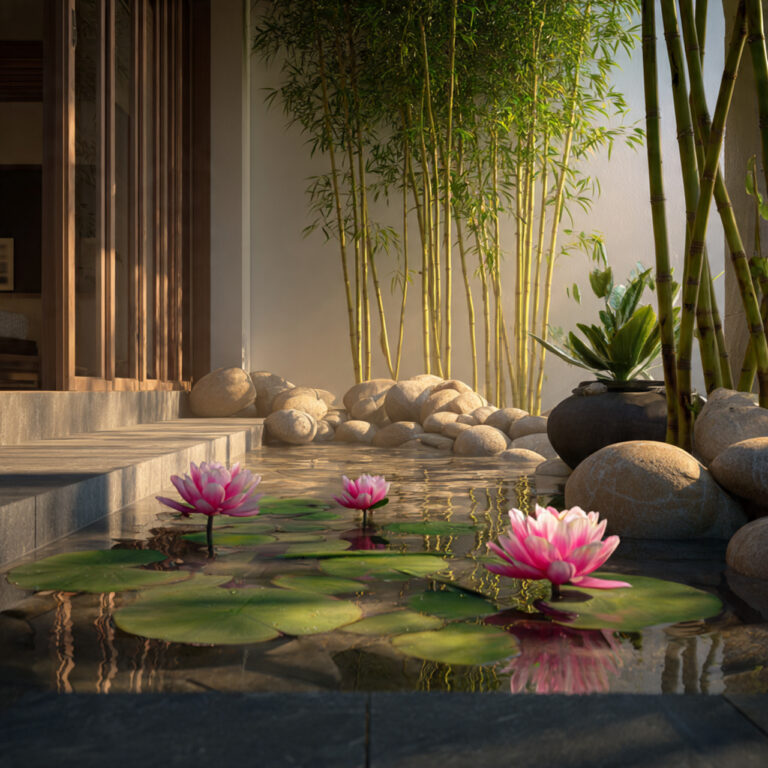
24 Spring Flowers That Transform Your Garden Into a Colorful Escape
Spring flowers herald a season of rebirth, splashing gardens with brilliant hues, enchanting fragrances, and renewed vitality. These beautiful blooms represent fresh beginnings and signal nature’s transition from winter’s stillness to the lively abundance of warmer days. Garden enthusiasts cherish spring flowers for their remarkable adaptability across different climates, their ability to provide enduring beauty, and their role in welcoming pollinators back to outdoor spaces. The sheer variety of spring flowers opens up limitless possibilities for garden design—from modest edging plants to abundant, cottage-inspired landscapes.
Choosing appropriate spring flowers helps you craft a garden that performs consistently, captivates the eye, and maintains visual harmony throughout the growing season. Whether your preference leans toward perennials or annuals, early risers or late-spring showstoppers, these seasonal blooms spark imagination and deliver incomparable appeal. When you grasp their growing patterns, color possibilities, and maintenance requirements, you’ll cultivate a garden space that feels intentional, organic, and invigorating.
Why Spring Flowers Bring Life to Every Garden
Spring flowers completely reinvent outdoor areas through their striking colors, elegant forms, and delicate textures. Their emergence indicates changing temperatures and increasing sunlight, triggering active growth and transformation across the landscape. Since spring flowers flourish in temperate conditions, they develop rapidly and produce generous blooms with surprisingly little effort. These plants also serve a crucial environmental function by attracting bees, butterflies, and helpful insects that promote garden wellness year-round.
Key Benefits:
- Dramatically enhance property appearance, converting plain outdoor corners into captivating focal points
- Offer dependability and ease of care when established in beds, planters, or border areas
- Provide extensive selection ensuring gardens of any size can showcase harmonious, eye-catching combinations
- Deliver one of the most gratifying and flexible options for gardeners pursuing seasonal impact
Colorful Spring Flowers for Early Bloom
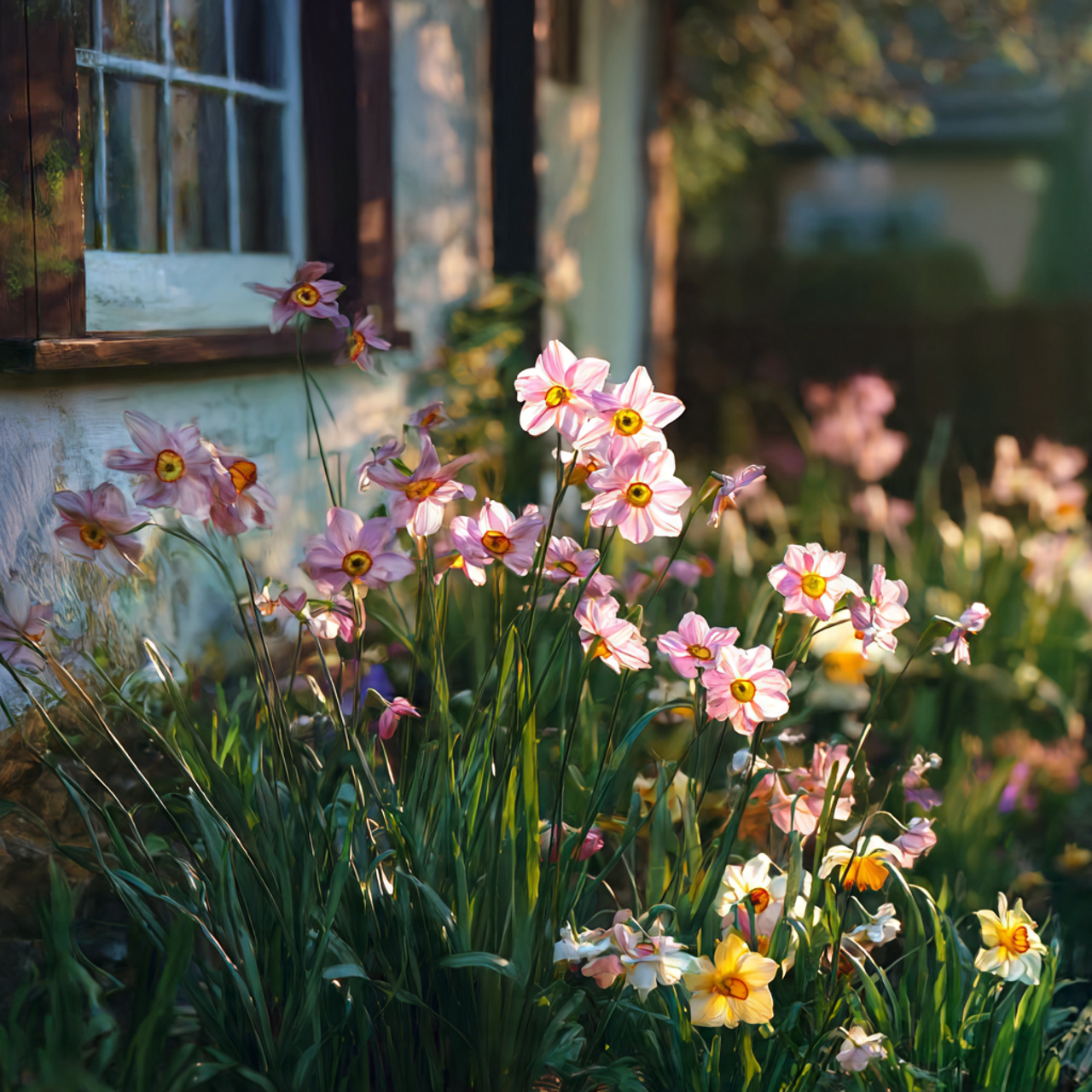
Early-season bloomers announce the first hints of life following winter’s chill. These resilient varieties open their petals while temperatures remain cool, giving your garden a promising start. They establish the mood with gentle pastels and pure whites that complement budding foliage beautifully. The inherent toughness of early spring bloomers makes them trustworthy selections during unpredictable weather patterns.
Planting Tips:
- Position them in beds, along walkways, and near entryways where visual warmth matters most
- Group in clusters to create smooth seasonal transitions
- Combine with bulbs and ground-hugging plants for added depth and textural interest
- Watch your garden come alive several weeks before other plantings stir
Spring Flowers for Cottage-Style Gardens
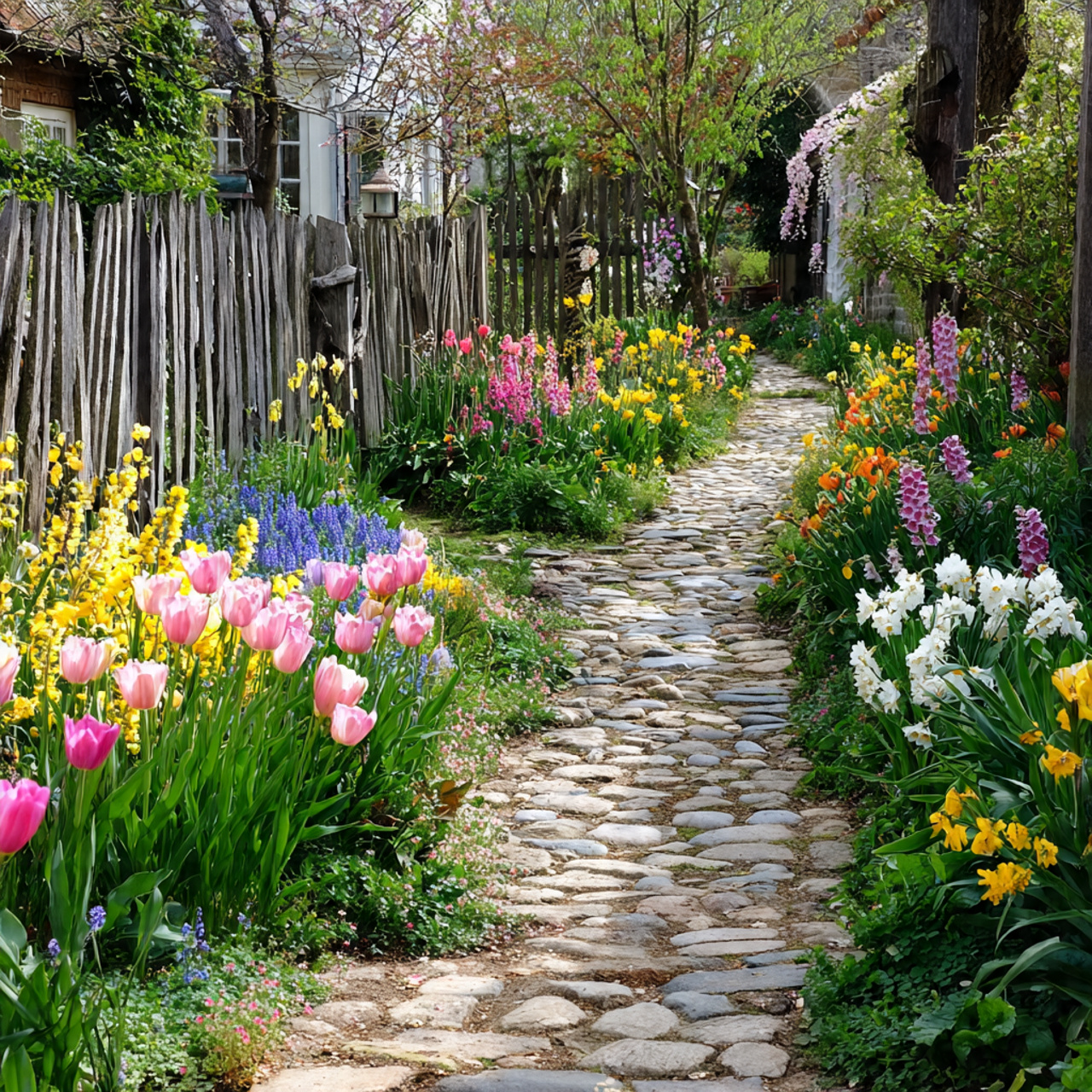
Cottage gardens thrive on relaxed layouts and natural appeal, making spring flowers perfectly suited for this charming aesthetic. Their free-flowing growth adds fluid movement while diverse shapes help ease rigid structural elements. Arranging spring flowers in tiers creates gardens that appear casual yet carefully considered.
Design Elements:
- Mix with aromatic herbs, climbing plants, and meandering paths for authentic cottage character
- Embrace diversity—spring flowers deliver color coordination without demanding strict uniformity
- Arrange in groups or scatter individually for warmth, heritage appeal, and effortless personality
- Let plants intermingle naturally for that sought-after “overgrown” cottage ambiance
Spring Flowers That Attract Pollinators
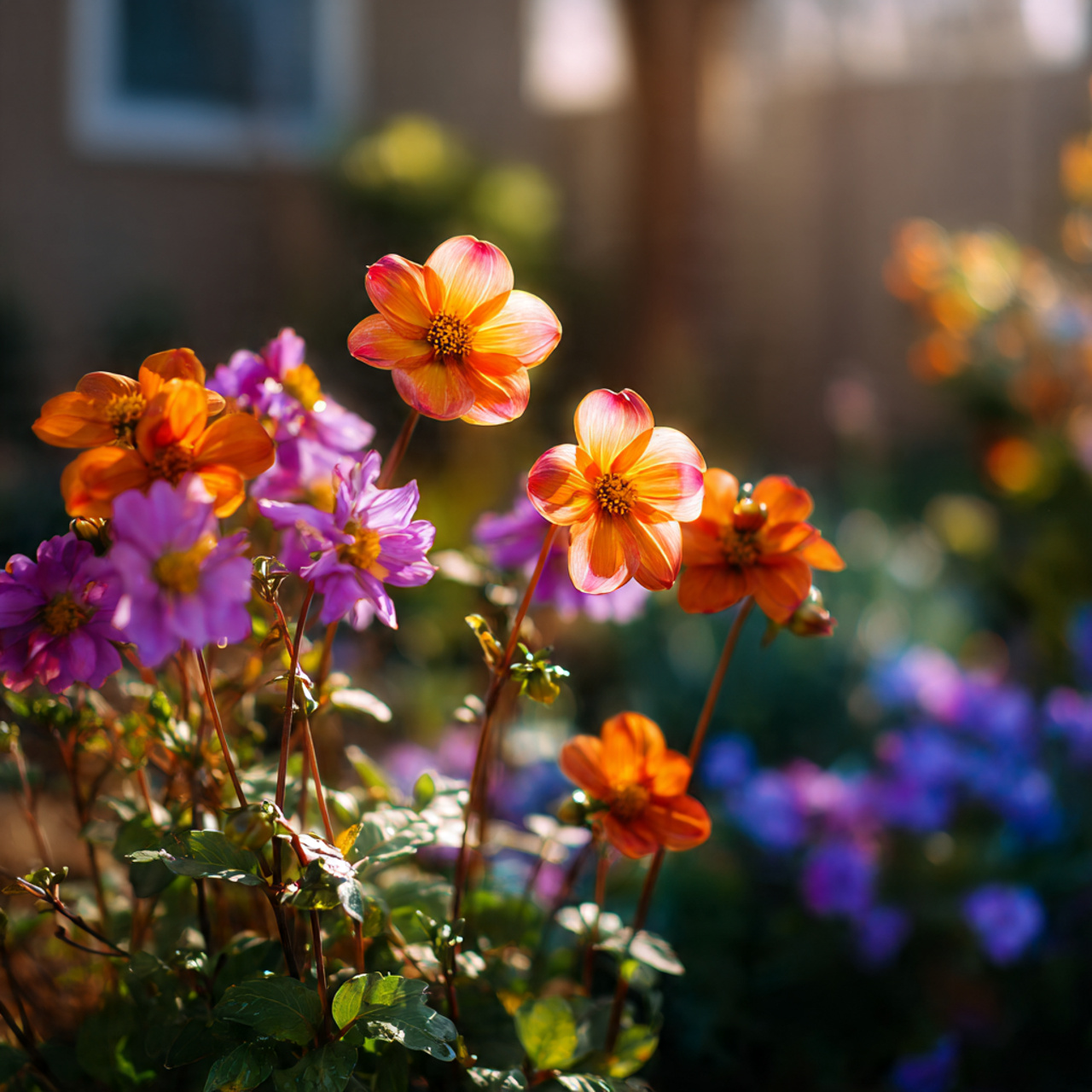
Pollinator-welcoming spring flowers nurture the survival of bees, butterflies, and hummingbirds. Their abundant nectar and pollen make them vital for sustaining thriving garden ecosystems. Positioned thoughtfully, these flowers boost fruit production, expand biodiversity, and strengthen overall garden vitality.
Pollinator Strategy:
- Select flowers with overlapping bloom periods to provide continuous nourishment
- Choose sunny, accessible locations allowing insects easy navigation
- Include native varieties that local pollinators recognize and prefer
- Avoid pesticides to keep your pollinator haven truly safe and welcoming
Fragrant Spring Flowers for Outdoor Retreats
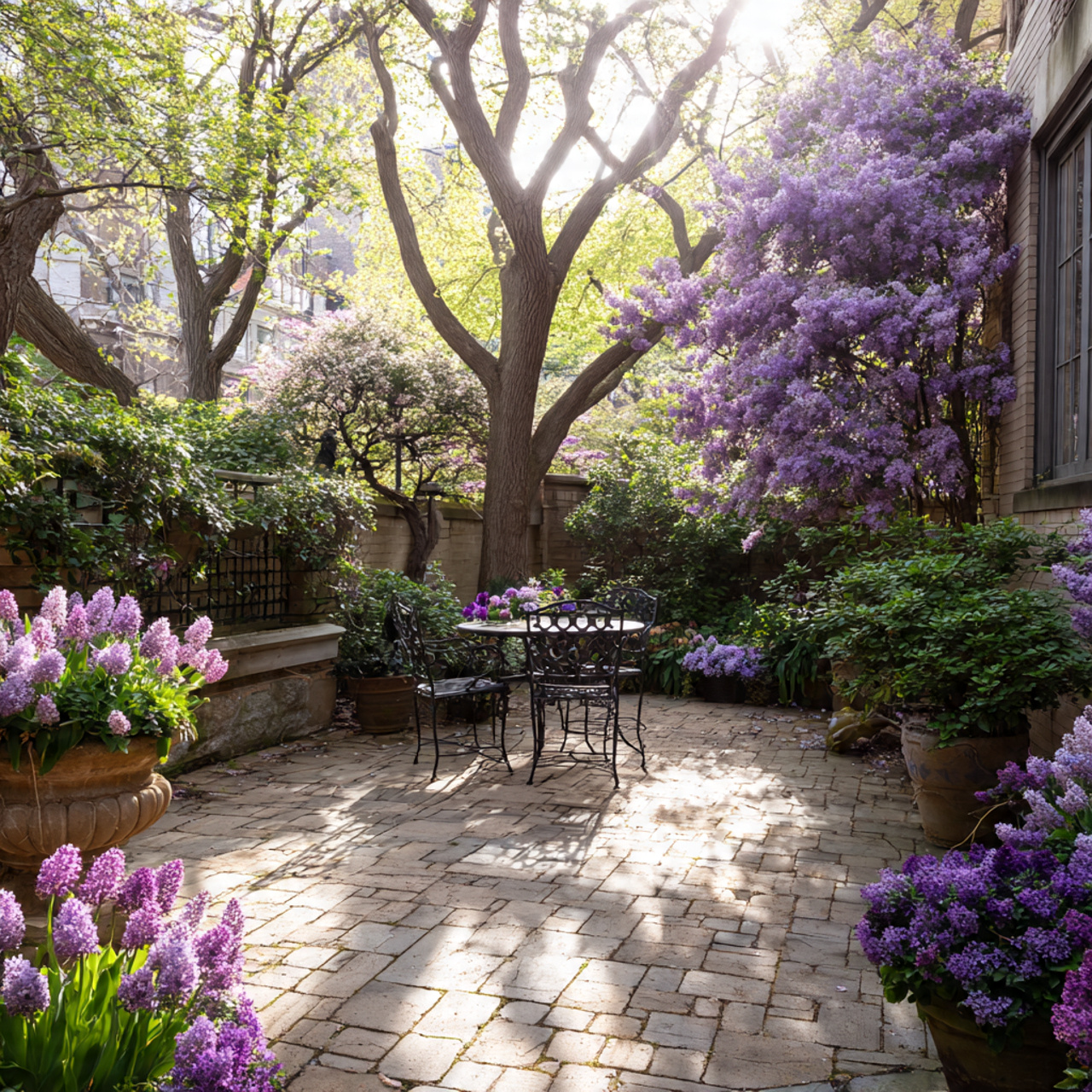
Scent ranks among the most unforgettable characteristics of spring flowers. Aromatic blooms enhance outdoor lounging areas, terraces, and garden pathways with delicate or pronounced fragrances. These flowers introduce sensory richness, transforming your spring garden into an inviting, multidimensional experience.
Fragrance Tips:
- Position scented flowers where gentle breezes distribute their aroma effectively, especially near seating
- Combine varieties offering different fragrance notes for a complex aromatic tapestry
- Choose from sweet, citrus-like, or herbaceous scents to match your preference
- Place fragrant varieties near windows and doors to enjoy indoors too
Spring Flowers for Shaded Garden Corners
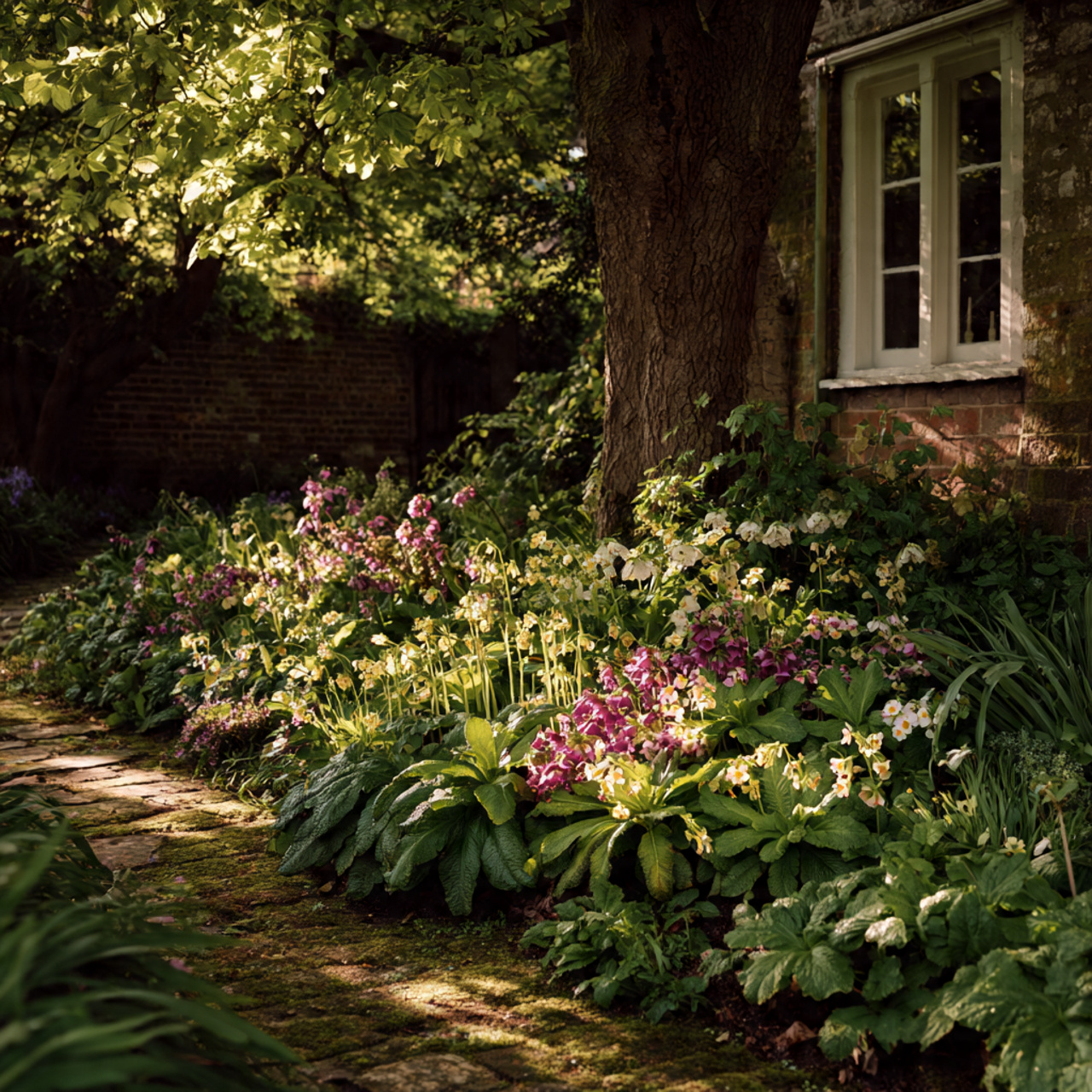
Shadowy spots often get neglected, yet numerous spring flowers prosper in dappled light. These shade-preferring varieties illuminate dim areas with muted tones and graceful growth habits. Their capacity to grow beneath trees and tall shrubs proves invaluable for comprehensive garden planning.
Shade Garden Solutions:
- Brighten overlooked corners while adding dimension to your overall landscape
- Leverage their natural tolerance for cooler soil and reduced light where other plants falter
- Pair with ferns or hostas for enhanced texture and visual fullness
- Choose woodland natives that naturally thrive in filtered sunlight
Bold Spring Flowers for High-Impact Borders
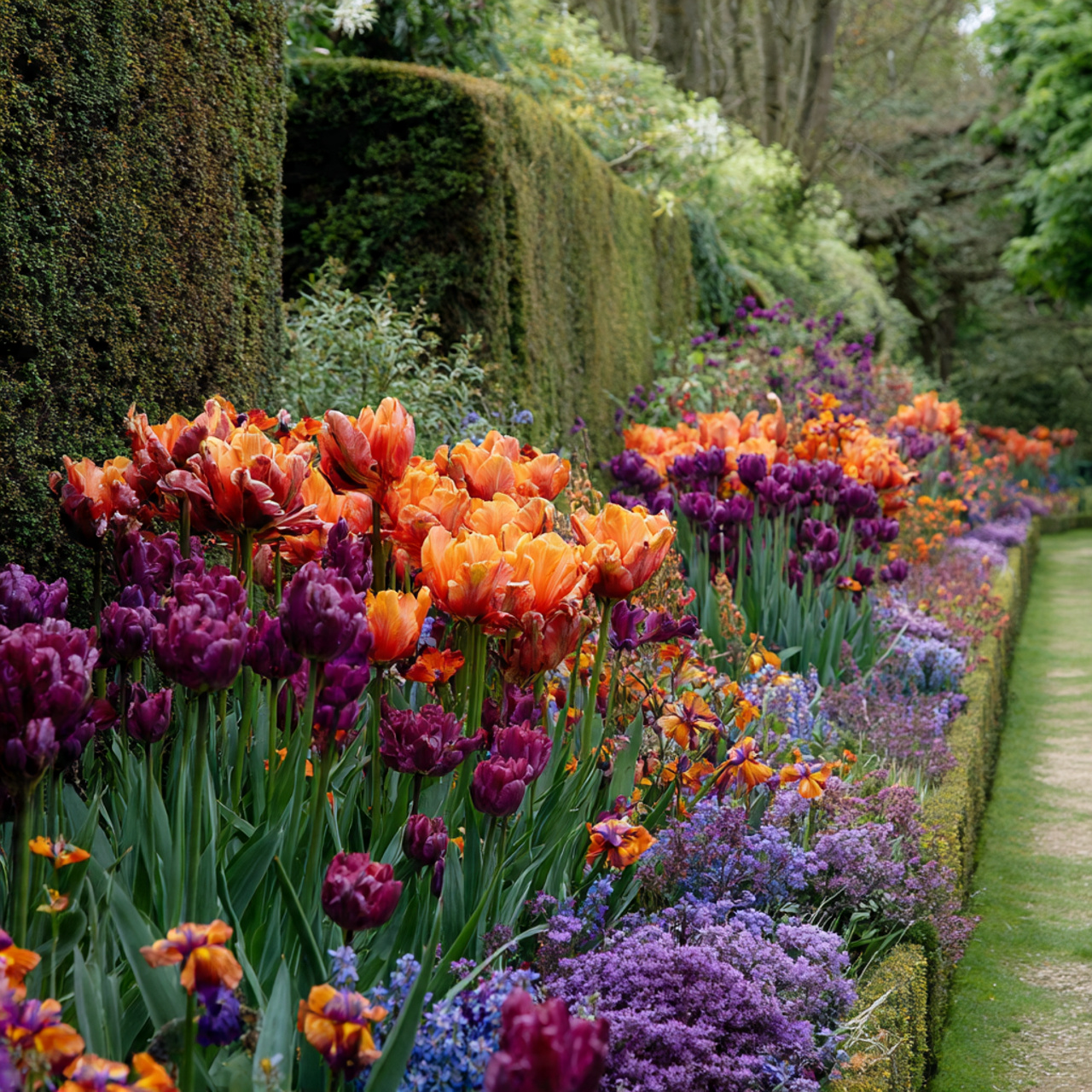
Border plantings depend on organization and repetition, and dramatic spring flowers excel in these capacities. Their vertical stems, intense colors, and full blooms demand notice. These flowers outline walkways, fences, and property boundaries with precision and visual cadence.
Border Design:
- Layer tall, medium, and short spring flowers to establish depth along edges
- Combine with evergreen shrubs to make blooms stand out dramatically
- Create repeating patterns for visual rhythm that guides the eye
- Use bold colors as punctuation marks along neutral backgrounds
Low-Maintenance Spring Flowers for Busy Gardeners
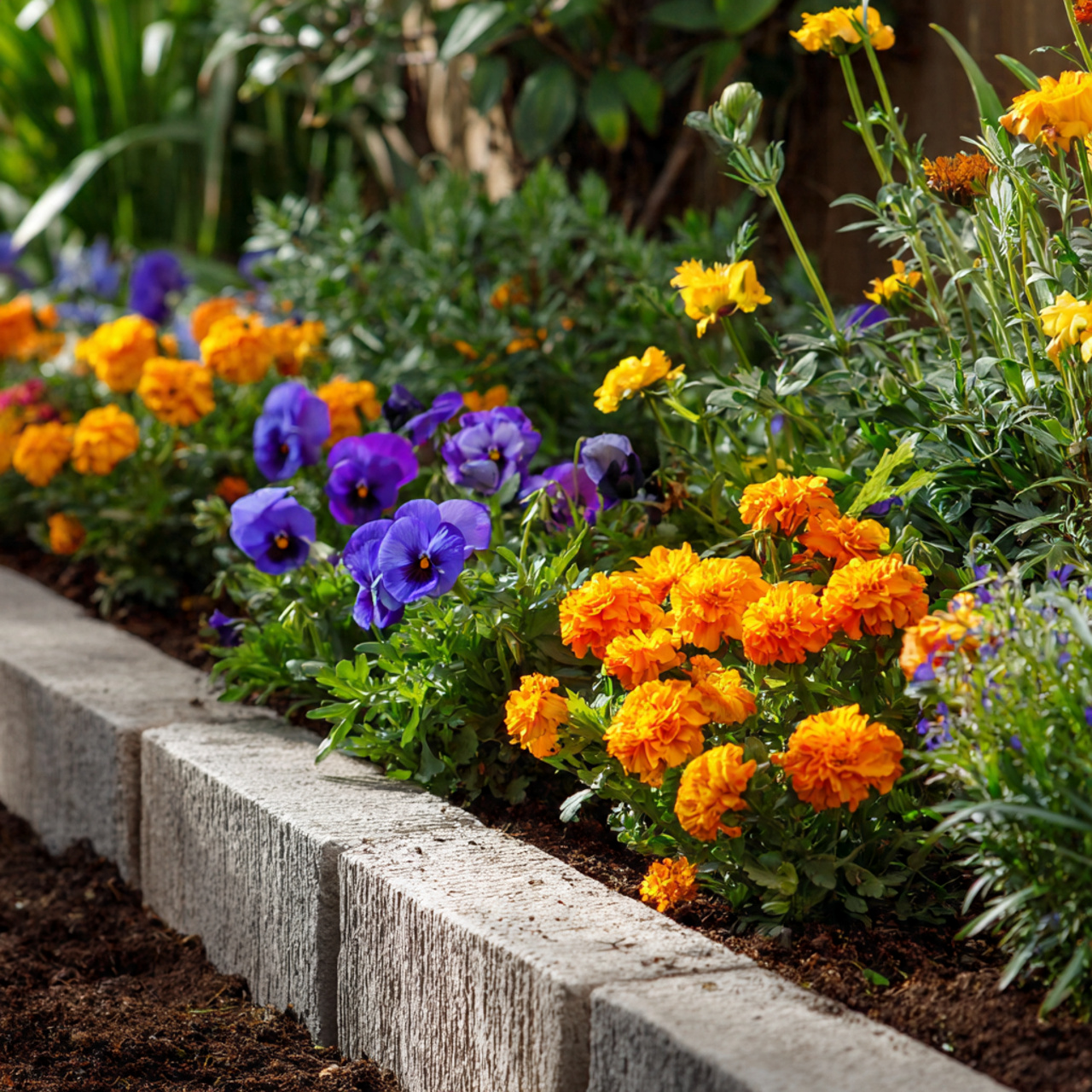
Certain spring flowers succeed with modest attention, making them perfect for time-strapped gardeners. These undemanding varieties flourish in ordinary soil, need little trimming, and naturally resist pests. Their consistency delivers beauty without constant tending.
Easy-Care Advantages:
- Plant in groups to increase visual impact while streamlining watering tasks
- Enjoy adaptability to weather changes and reliable blooming
- Spend less time maintaining while achieving a well-kept appearance
- Choose self-sufficient varieties that practically care for themselves
Perennial Spring Flowers for Long-Term Color
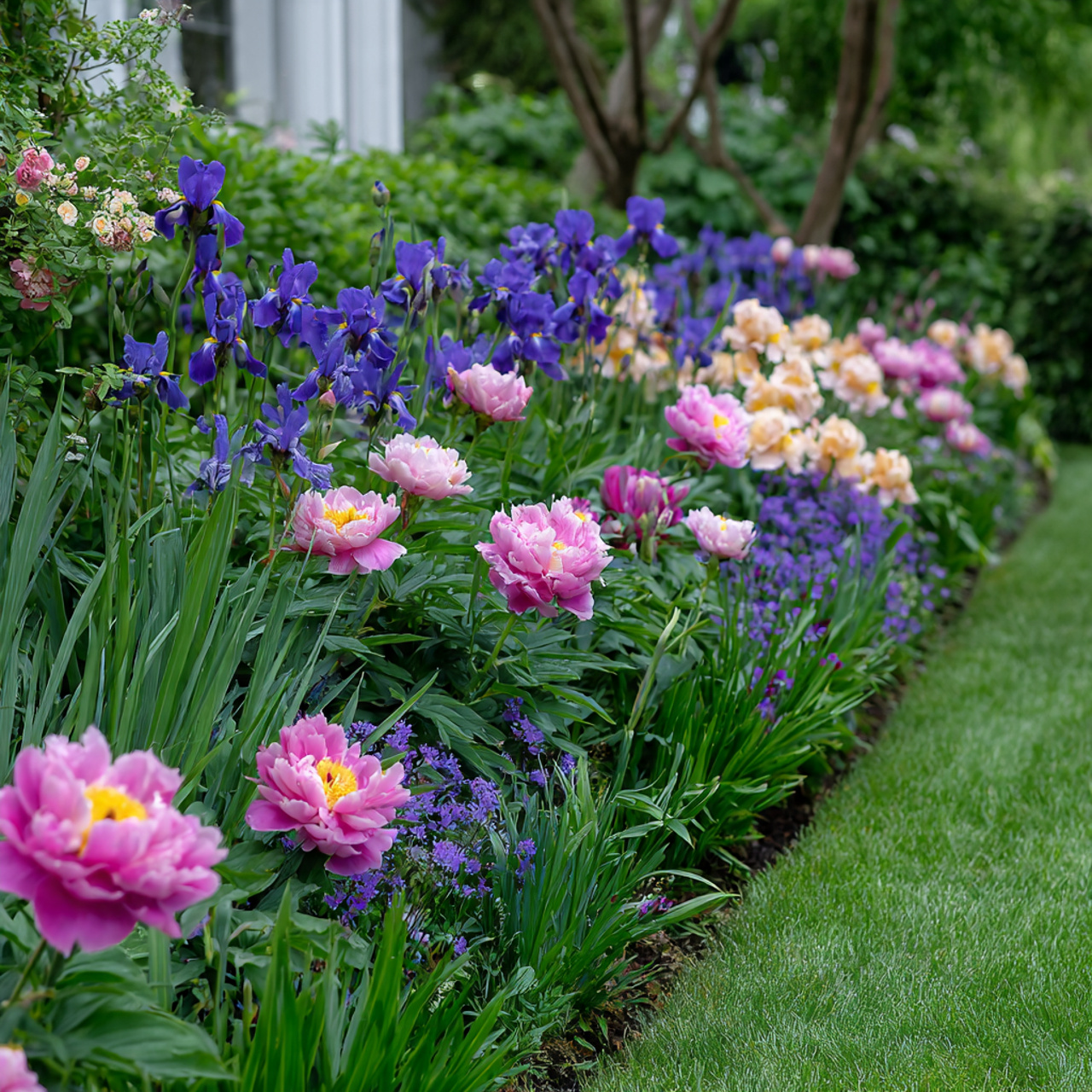
Perennial spring flowers reemerge annually, conserving effort and eliminating replanting expenses. Their developed root networks enable earlier and extended blooming periods. Incorporating perennials guarantees consistent color in your spring landscape.
Perennial Benefits:
- Strengthen garden structure and sustainability through mixed bed plantings
- Create predictable seasonal rhythms year after year
- Divide occasionally to maintain vigor and expand your collection
- Invest once and enjoy returns for many seasons ahead
Annual Spring Flowers for Seasonal Variety
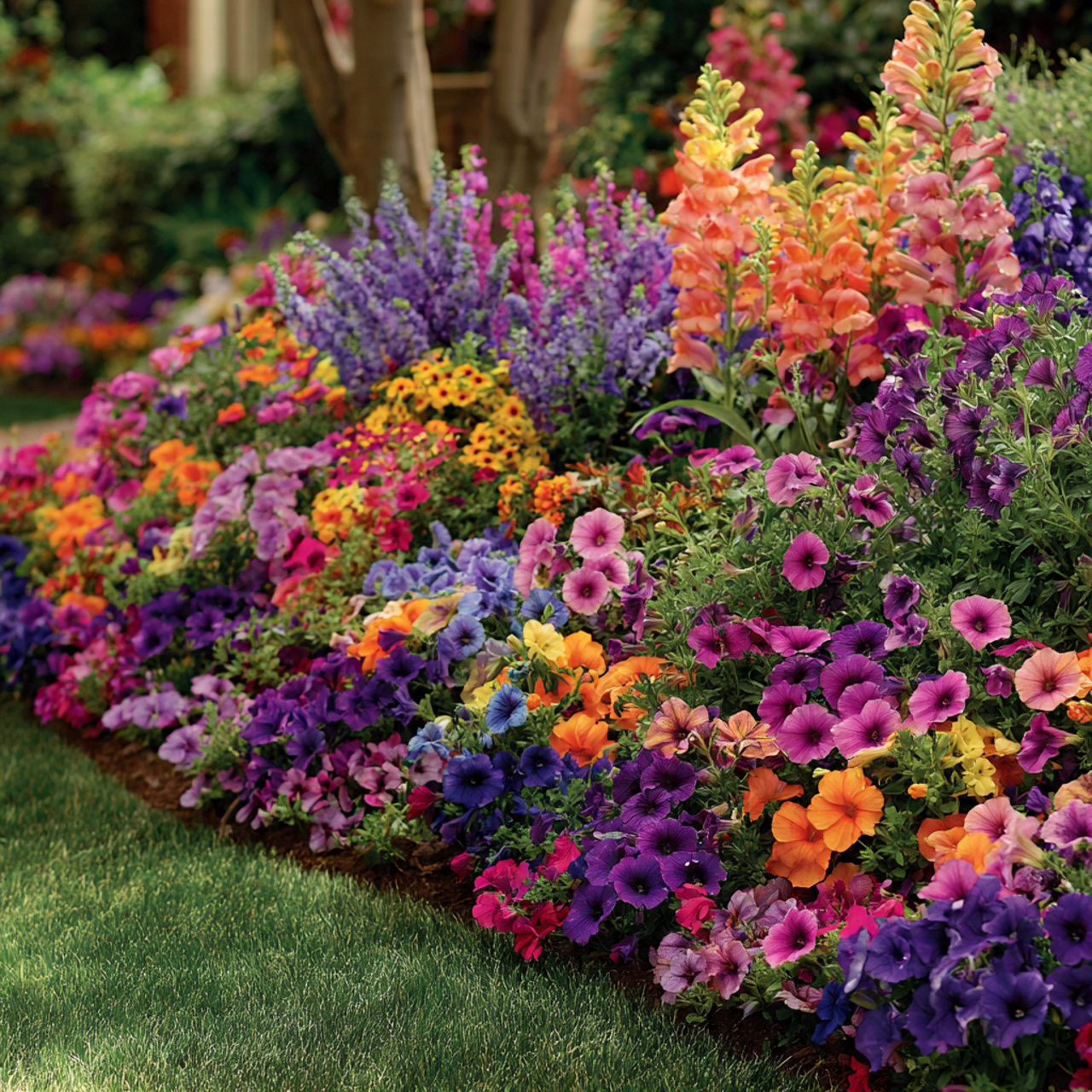
Annual spring flowers provide concentrated color and rapid development within one growing season. They permit experimentation with layouts, color combinations, and positioning without permanent obligations. These flowers reinvigorate your garden each spring with novel arrangements.
Annual Advantages:
- Blend with perennials to sustain balanced yet evolving landscapes
- Fill vacant spots, inject immediate vibrancy, or update containers quickly
- Change your garden’s personality completely from year to year
- Test new color schemes before committing to permanent plantings
Spring Flowers for Rock Gardens
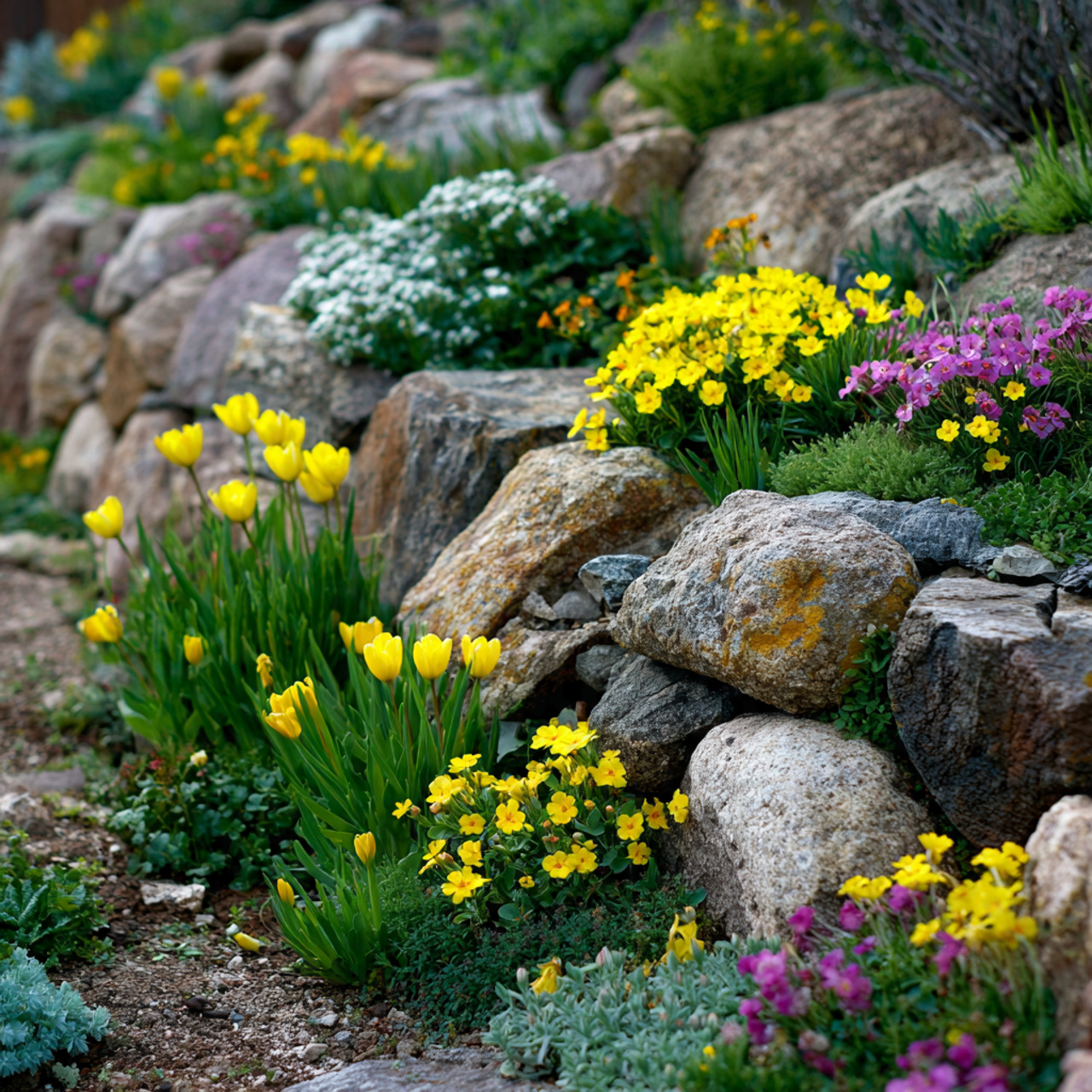
Rock gardens showcase rugged textures and natural terrain. Spring flowers adapted to rocky settings thrive in well-draining soil and full sun exposure. Their low-growing forms complement stones and slopes magnificently.
Rock Garden Tips:
- Soften harsh edges while introducing seasonal color bursts
- Prevent soil erosion and draw beneficial insects
- Perfect for minimalist, architectural, or alpine-inspired designs
- Choose drought-tolerant varieties that handle rocky conditions
Spring Flowers for Window Boxes
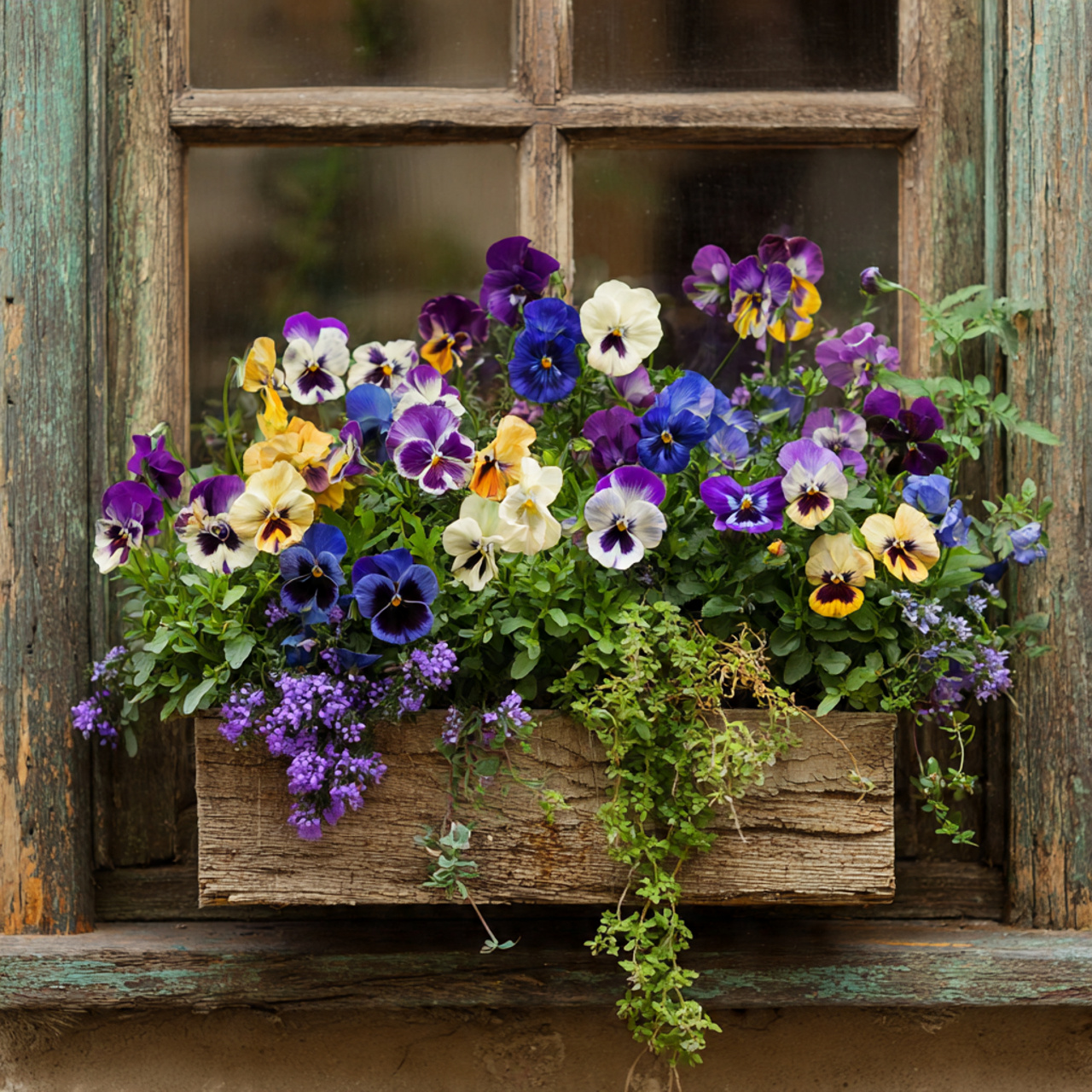
Window boxes become stunning attractions when brimming with spring flowers. Their spilling shapes and rich colors look spectacular against building exteriors. These flowers contribute immediate appeal and street-side charm.
Window Box Success:
- Ensure regular watering since confined spaces dry quickly
- Mix upright growers with trailing types for dimension and flow
- Match colors to your home’s exterior for cohesive design
- Refresh plantings mid-season if needed to maintain peak appearance
Spring Flowers for Front Yard Displays
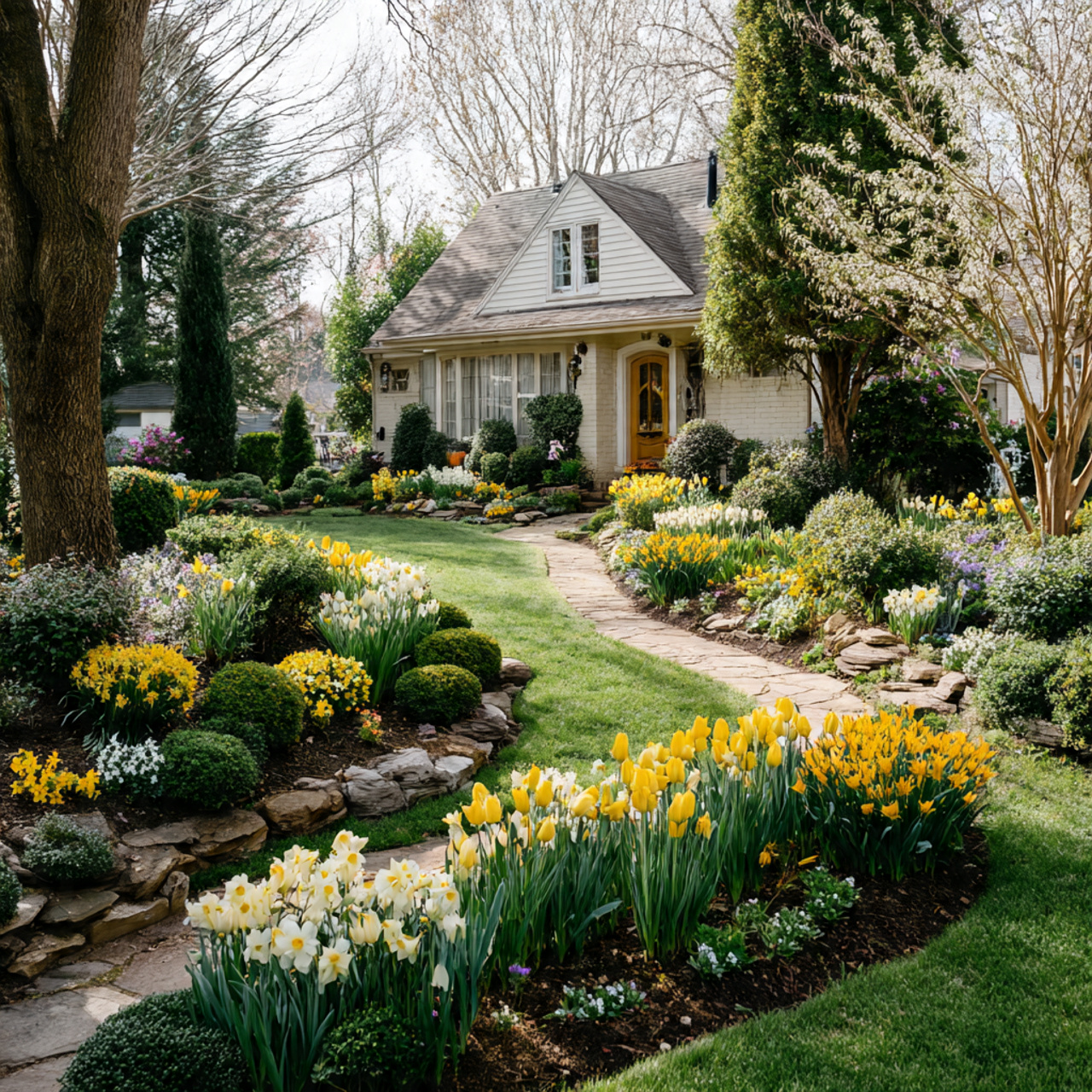
Front yards shape first impressions, and spring flowers elevate these areas effortlessly. Cheerful blooms radiate warmth and greet visitors with lively character. These flowers also revitalize landscapes following winter months.
Front Yard Impact:
- Line walkways, entry steps, and lawn perimeters for defined structure
- Use varying heights and forms to draw attention toward architectural features
- Create welcoming, vibrant spaces with thoughtful flower placement
- Coordinate colors with your home’s palette for polished curb appeal
Spring Flowers for Backyard Retreats
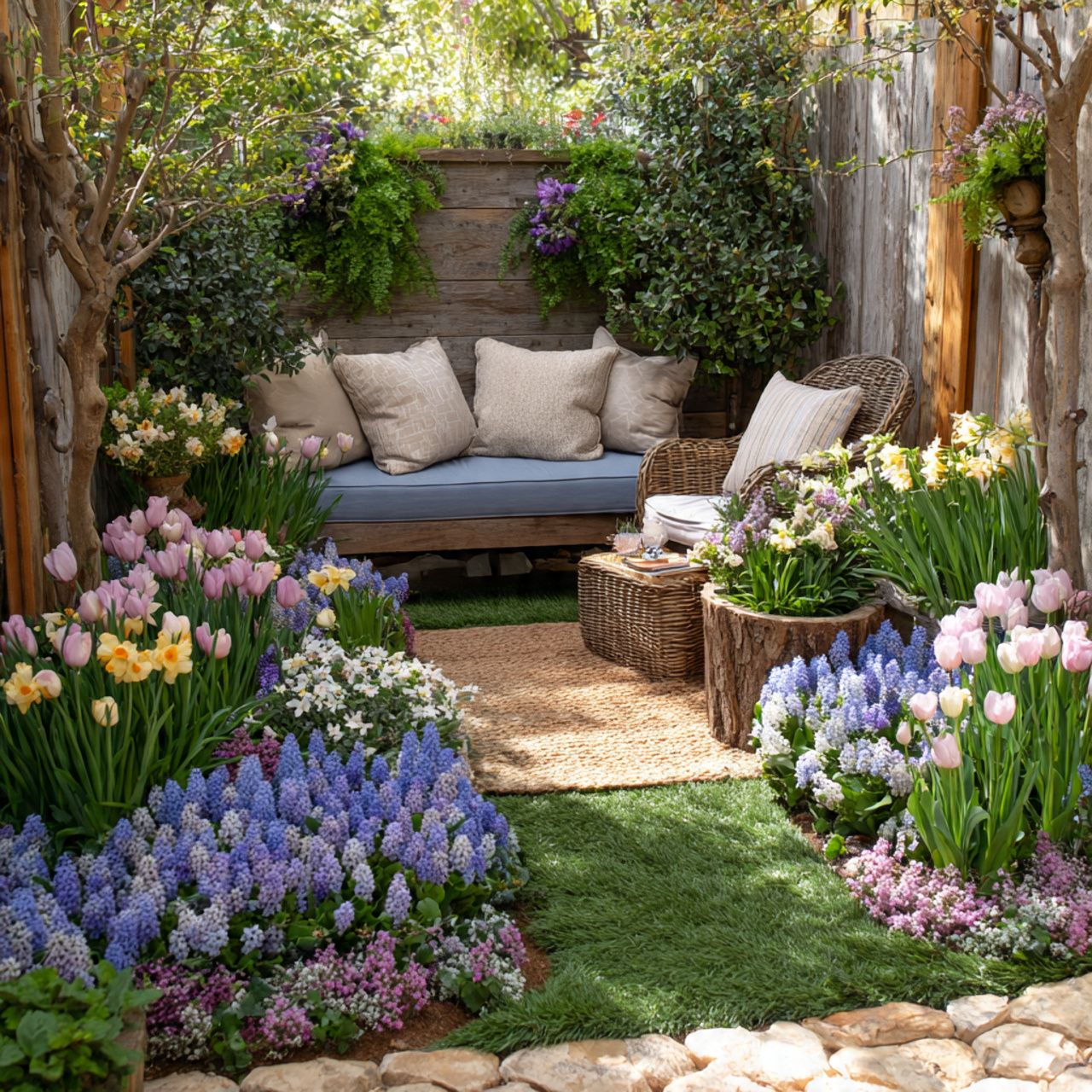
Backyard environments gain from the serenity and color spring flowers deliver. Whether positioned near sitting areas, decks, or garden nooks, they create softer ambiance and enliven outdoor relaxation spots. Their soothing textures promote comfort and visual tranquility.
Backyard Enhancement:
- Arrange in groupings or along boundaries for privacy and enclosure
- Combine with shrubs or ornamental grasses to improve natural flow
- Support peaceful outdoor living through color and fragrance
- Create layered plantings that frame views and seating areas
Spring Flowers for Garden Pathways
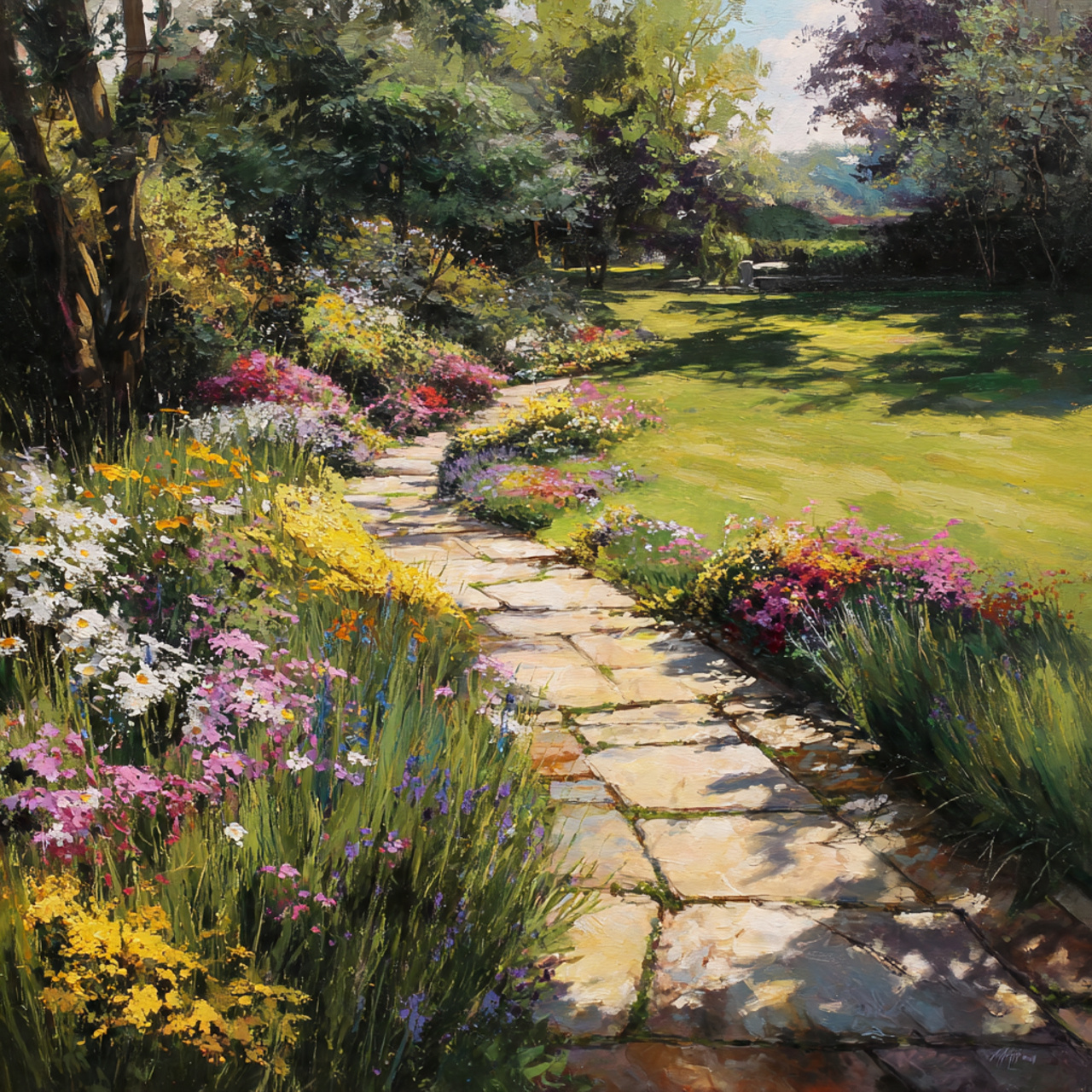
Pathways gain significance when bordered with spring flowers. Their gentle contours direct movement and define garden circulation. These flowers also establish an inviting atmosphere for everyone who walks through.
Pathway Planting:
- Select varieties with staggered bloom times to maintain interest throughout spring
- Use vivid colors to emphasize curves and angles, softer shades to harmonize with surroundings
- Keep pathways accessible by choosing non-invasive, compact varieties
- Create rhythm through repetition along the path’s length
Spring Flowers for Cut Floral Arrangements
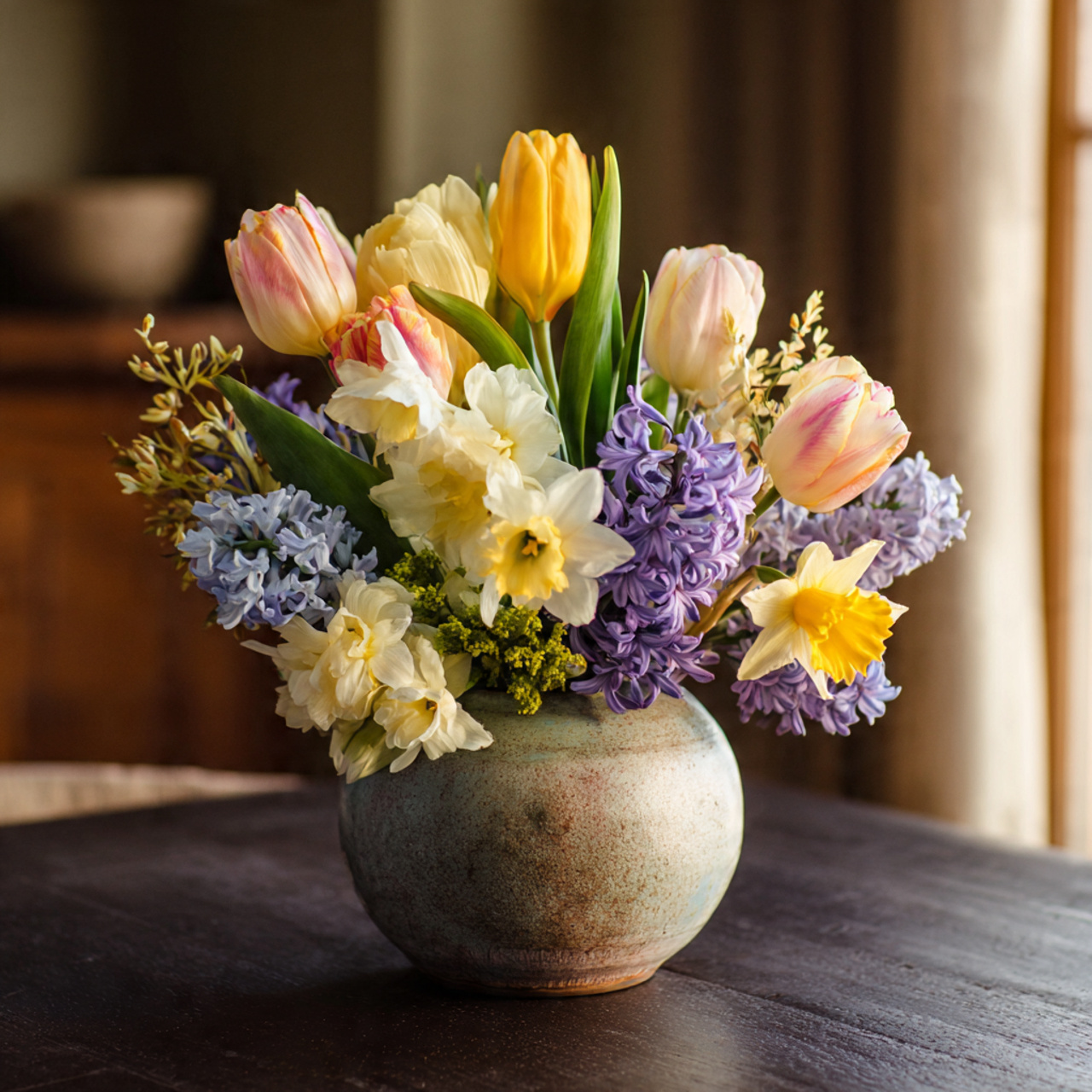
Many spring flowers perform beautifully as cut specimens, carrying seasonal charm indoors. Their fresh scents and refined shapes prove ideal for home decoration. They remain attractive in vases and combine wonderfully with foliage.
Cutting Garden Tips:
- Designate specific plantings for harvesting to ensure steady indoor supplies
- Cut flowers early morning when stems hold maximum moisture
- Transform dining areas, entryways, and living rooms with minimal effort
- Choose long-stemmed varieties specifically bred for cutting
Wildflower-Inspired Spring Flowers
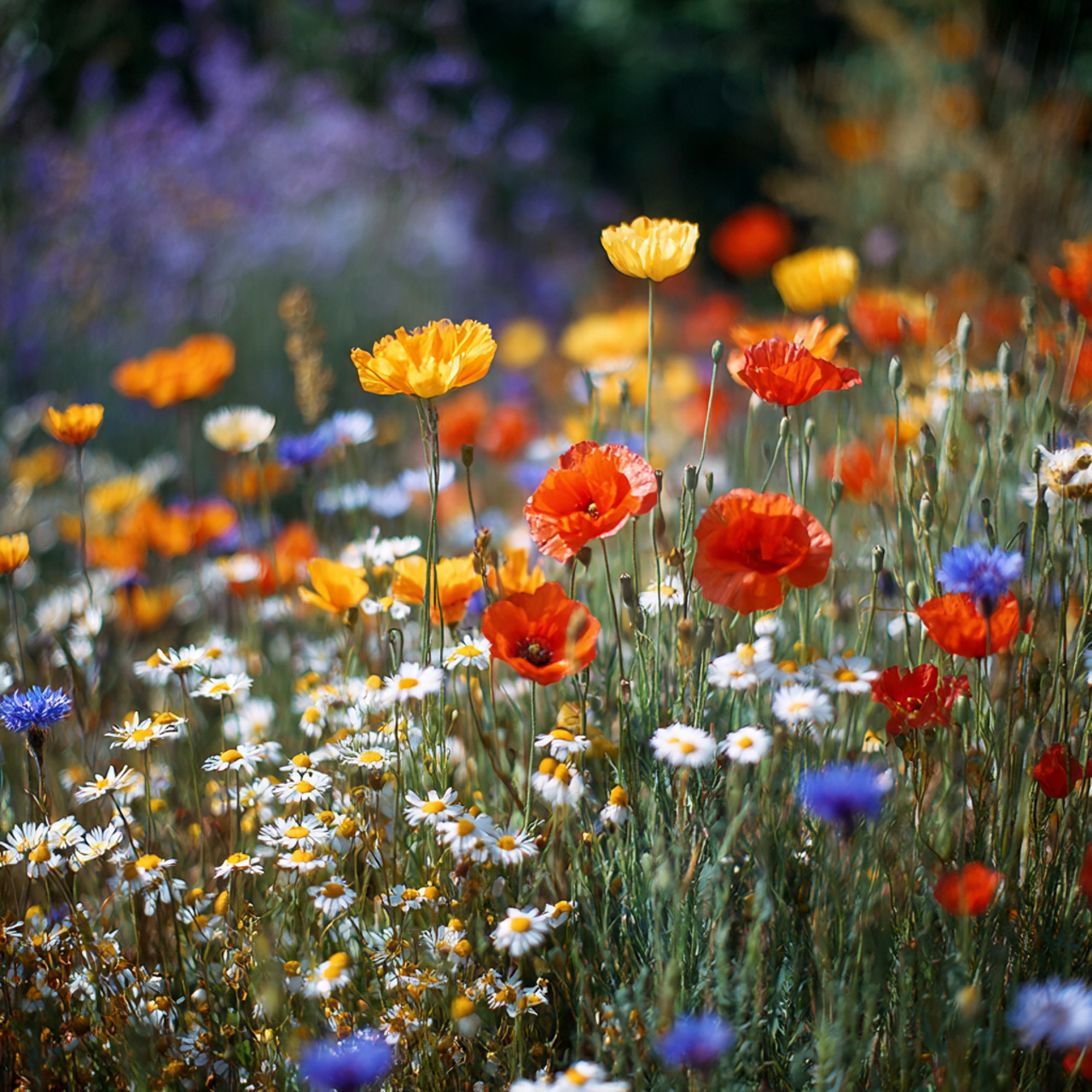
Wildflower-style spring flowers contribute natural grace and spontaneity. Their light, airy forms and unstructured appearances echo meadows and open countryside. They generate a relaxed, effortless aesthetic in garden environments.
Wildflower Effect:
- Plant in sweeping drifts for meadow-like results that feel genuine
- Succeed with minimal soil preparation while attracting abundant pollinators
- Allow natural self-seeding for evolving displays each season
- Embrace the casual beauty of unplanned arrangements
Spring Flowers for Container Gardening
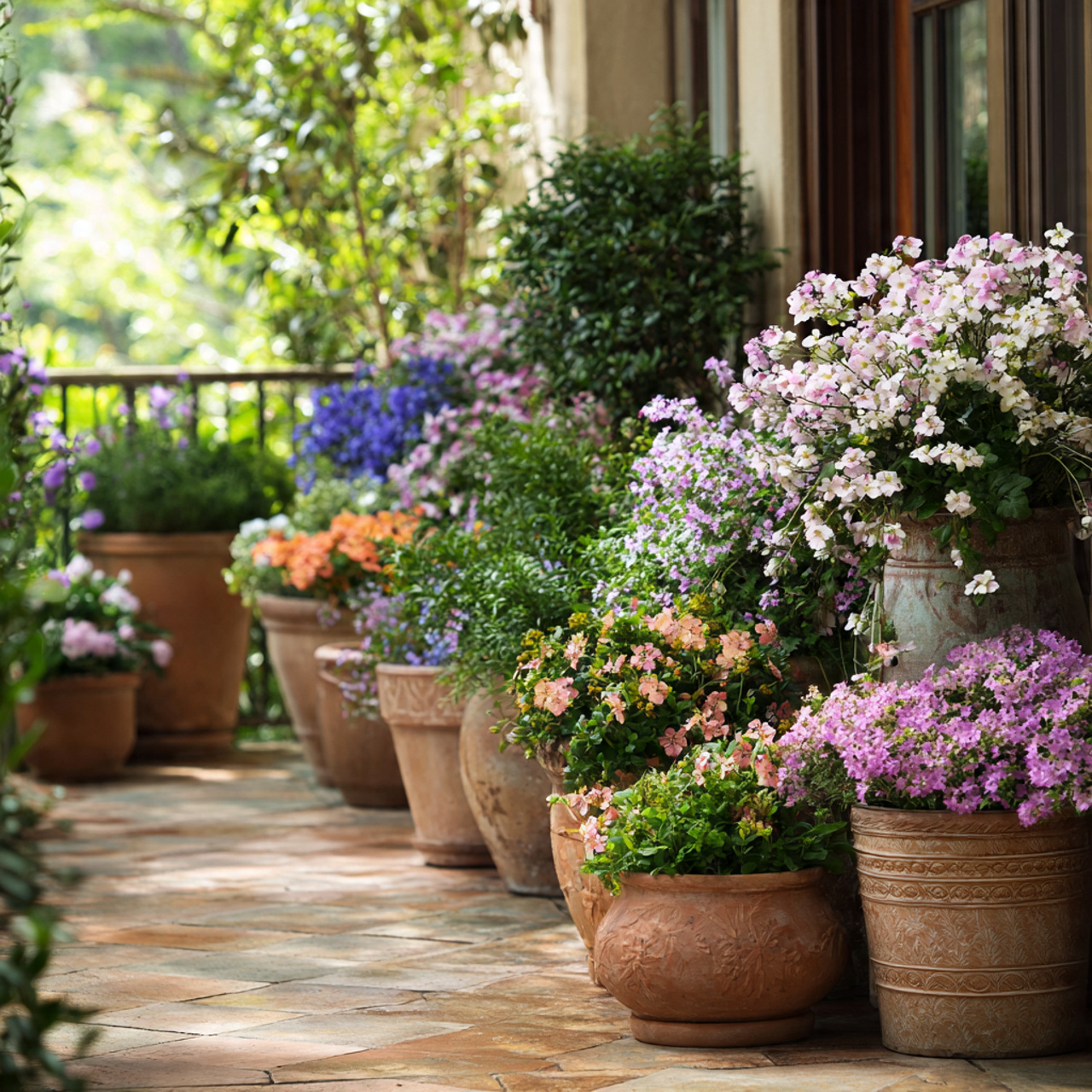
Container gardens excel with spring flowers thanks to their adaptability to potting media and restricted root zones. Containers also permit flexibility in arrangement and location. These flowers enliven patios, porches, and balconies.
Container Success:
- Group pots of different heights to build layered visual appeal
- Rotate selections to refresh appearances throughout the season
- Gain superior control over soil quality, sun exposure, and moisture
- Move containers to showcase blooms or protect from harsh weather
Pastel-Themed Spring Flowers
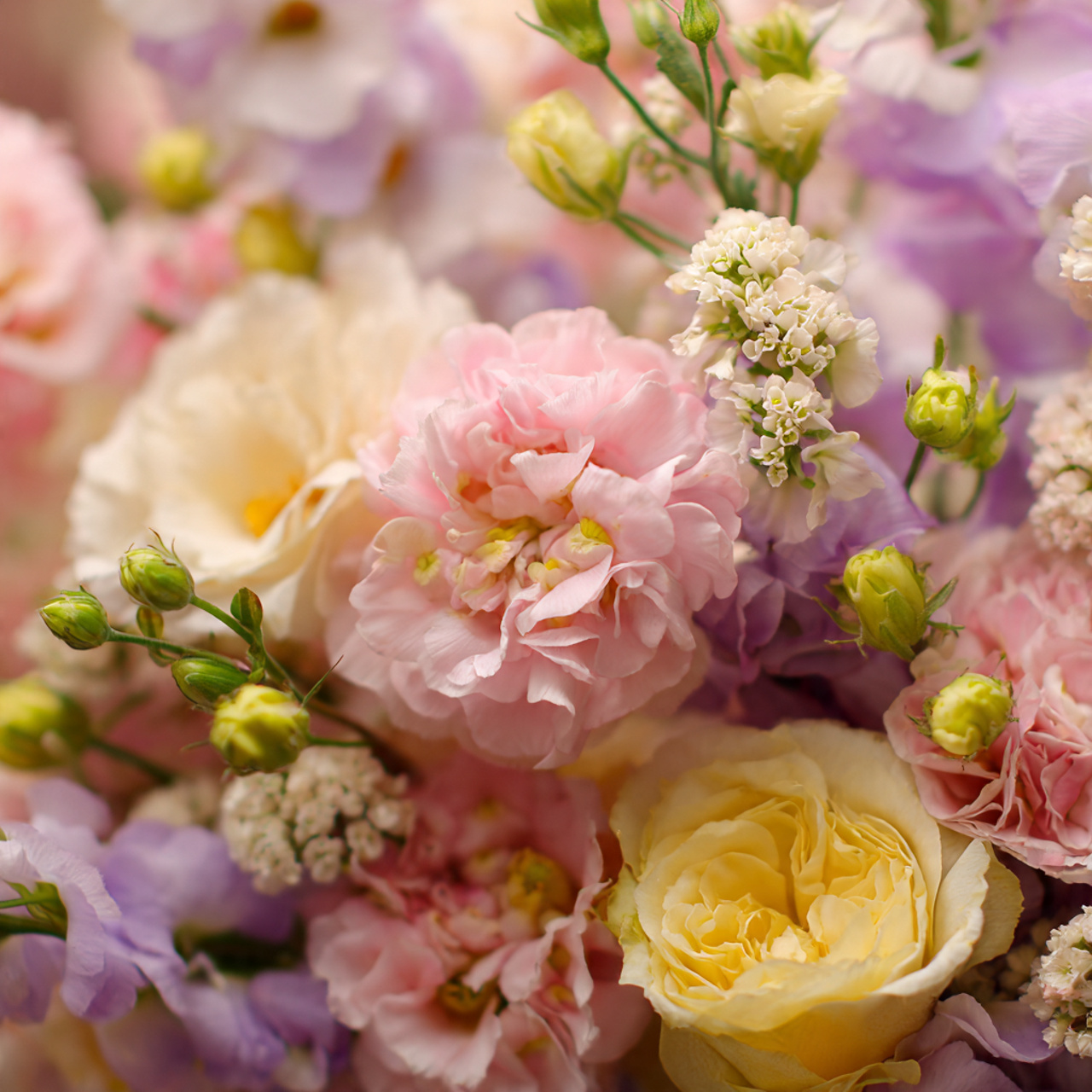
Pastel-toned spring flowers embody gentleness and sophistication. They integrate smoothly with diverse architectural and garden designs. These delicate hues introduce calmness and refined charm to outdoor areas.
Pastel Palette Ideas:
- Apply in borders, containers, or entryways for peaceful settings
- Blend with white blooms for even more elegant refinement
- Suit minimalistic and contemporary landscape designs perfectly
- Create romantic, dreamy garden atmospheres
Vibrant Spring Flowers for Bold Designs
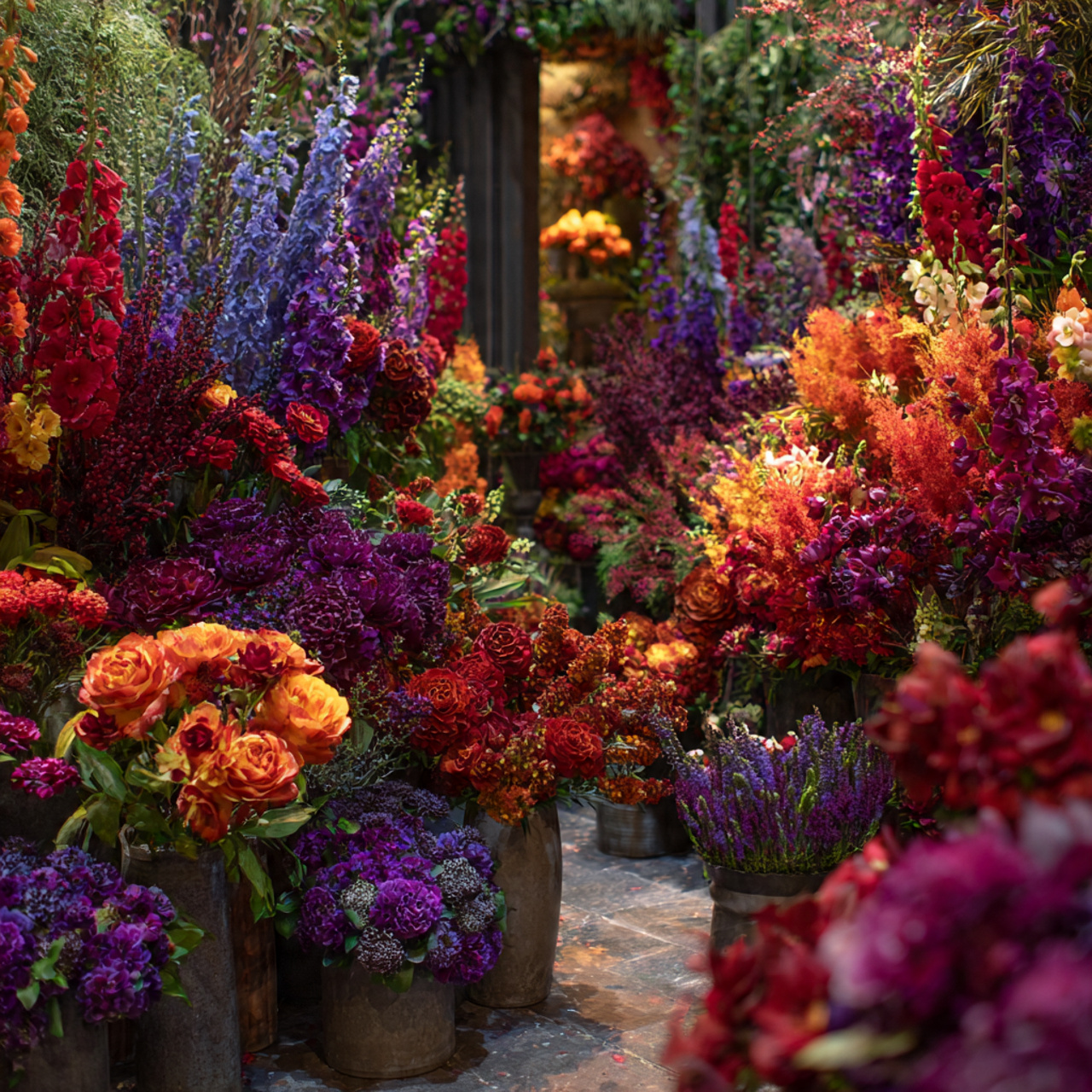
For dramatic gardens, intense spring flowers provide powerful visual statements. Their saturated reds, pinks, purples, and oranges generate excitement and immediately grab attention. These colors succeed in both modern and traditional settings.
Bold Color Strategy:
- Mass plantings amplify their dramatic effect significantly
- Contrast against greenery or neutral hardscapes for striking focal points
- Inject energy and passion into spring environments
- Use as accent points to direct attention to specific garden areas
Spring Flowers That Thrive in Moist Soil
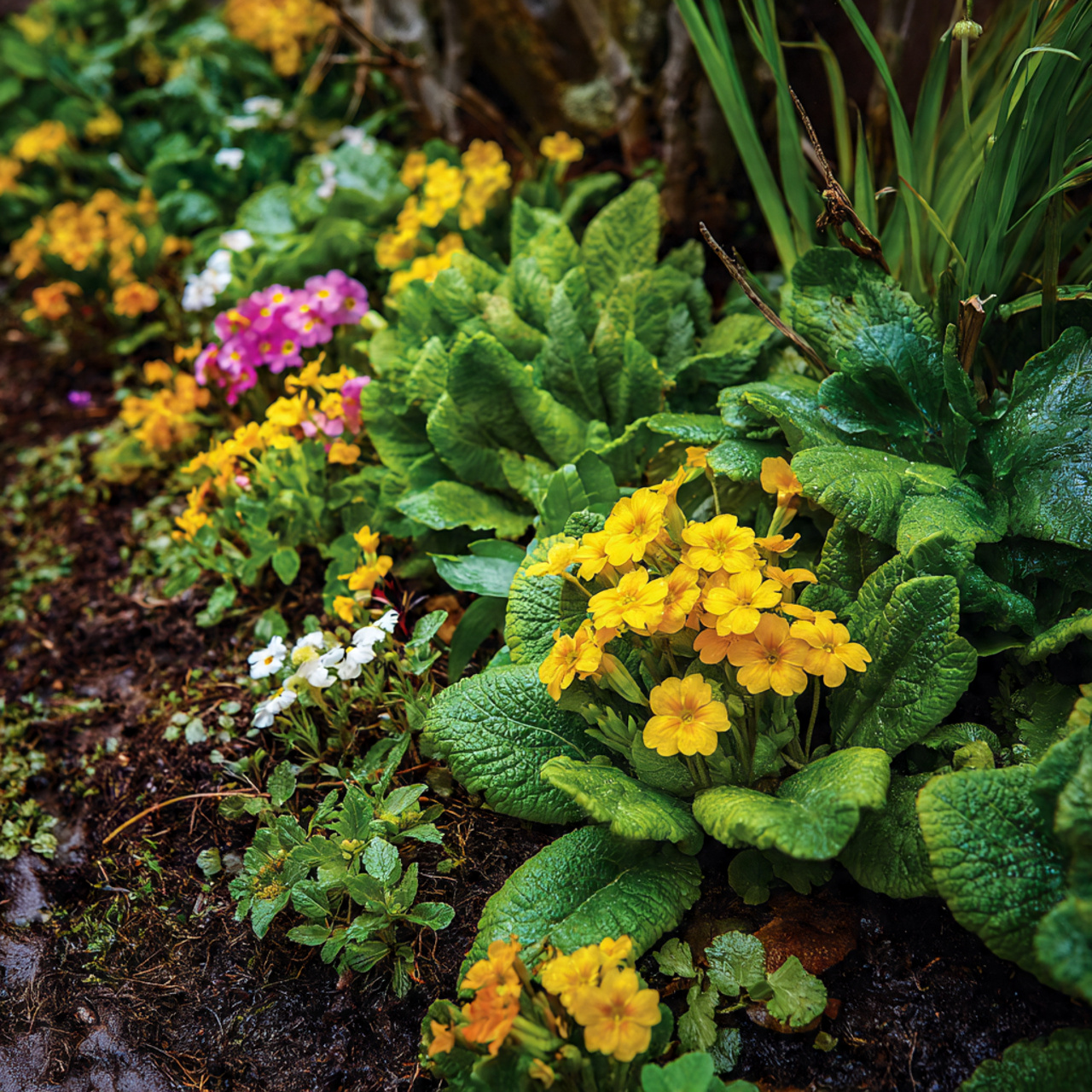
Certain garden zones retain moisture naturally, and specific spring flowers excel there. These varieties appreciate consistent hydration and resist problems when planted appropriately. They bring lushness to lower-lying garden sections.
Wet Area Solutions:
- Pair moisture-loving flowers with ornamental grasses or shrubs for balance
- Transform challenging drainage spots into verdant, purposeful features
- Choose varieties that prevent root rot in consistently damp conditions
- Create bog gardens or rain garden features
Spring Flowers That Prefer Dry Conditions
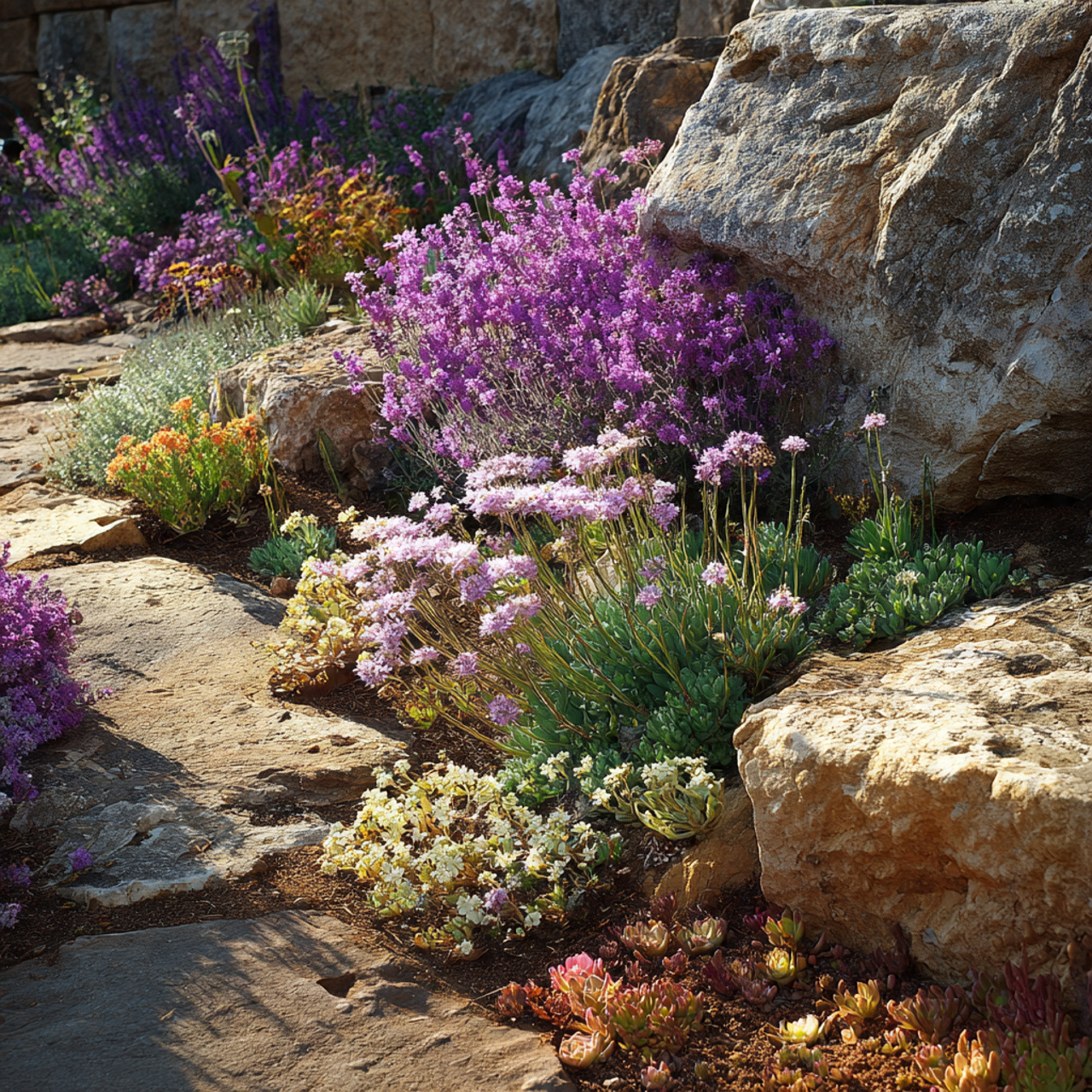
Arid areas benefit from drought-resistant spring flowers. These hardy specimens conserve water effectively and prosper in sandy or rocky ground. They sustain blooms with infrequent watering.
Dry Garden Advantages:
- Reduce maintenance demands while supporting eco-friendly gardening
- Perfect for borders, slopes, and water-wise landscape designs
- Develop robust root systems with appropriate spacing
- Thrive where irrigation is limited or impractical
Compact Spring Flowers for Small Gardens
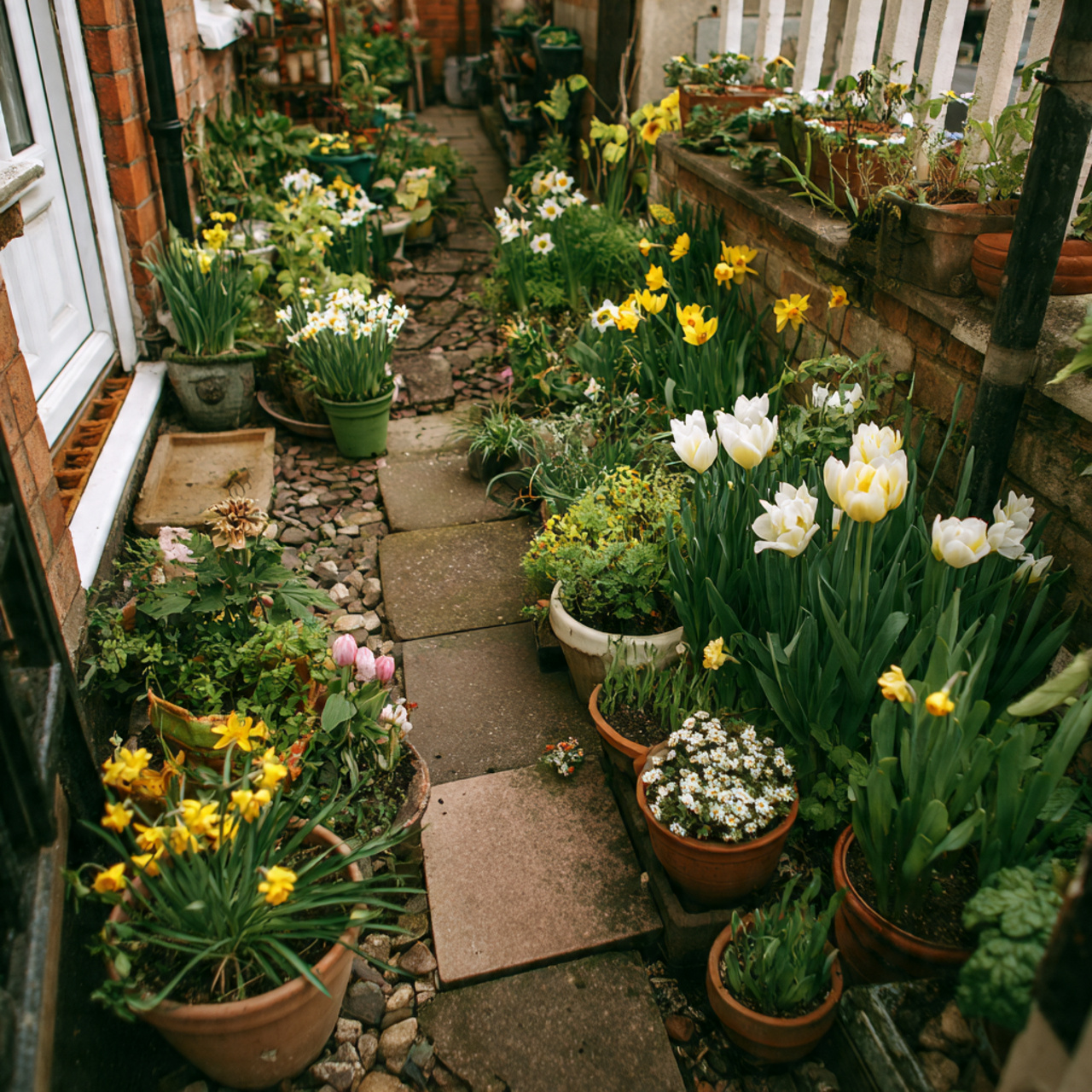
Limited gardens require plants that remain controllable, and petite spring flowers serve this purpose excellently. Their small stature allows inventive use of confined spaces without crowding. They provide color while preserving organization.
Small Space Solutions:
- Position along edges or in containers to maximize every inch
- Incorporate multiple varieties in restricted areas without overwhelming
- Bring charm to terraces, patios, and slender planting beds
- Choose dwarf varieties specifically bred for tight quarters
Spring Flowers for Naturalized Landscapes
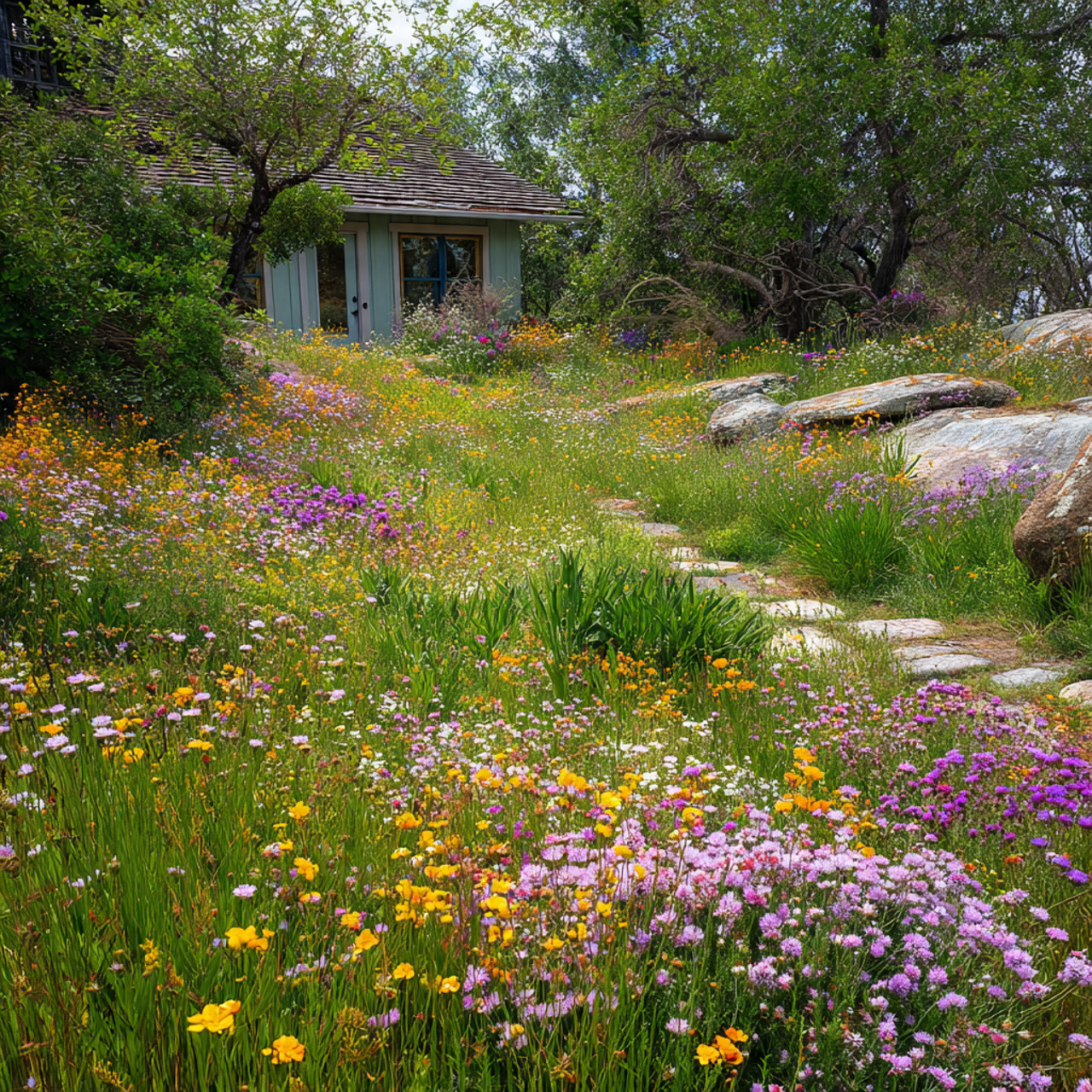
Naturalized gardens pursue effortless beauty, and spring flowers adjust wonderfully to this approach. Their self-sowing and spreading characteristics help landscapes develop organically over time. They support wildlife and merge with existing plantings.
Naturalization Techniques:
- Establish in clusters or drifts to promote organic growth patterns
- Integrate smoothly with shrubs, grasses, and native vegetation
- Allow plants to spread and colonize naturally
- Create landscapes that feel liberated, harmonious, and earth-friendly
Spring Flowers to Refresh Old Garden Beds
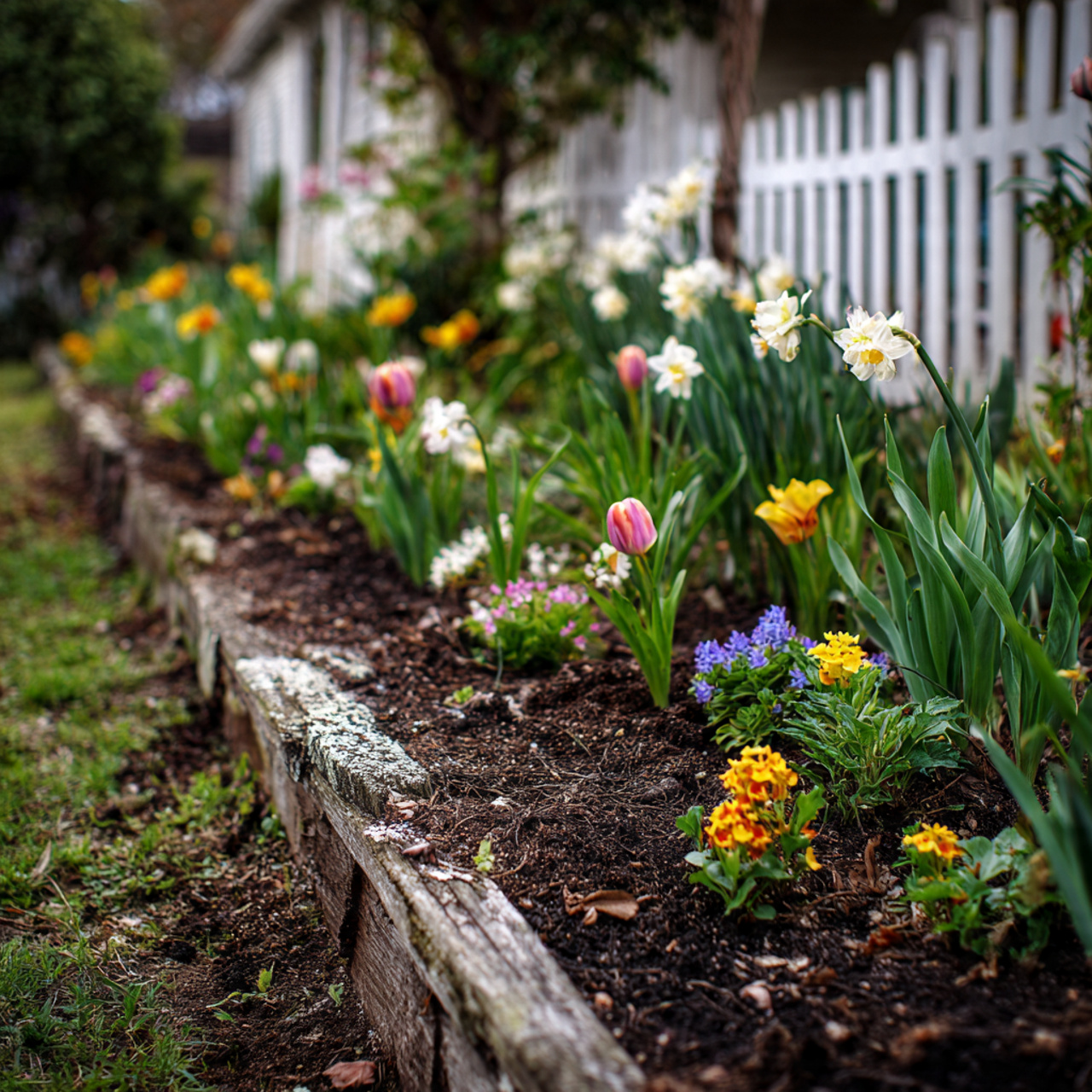
Aging beds frequently need revitalization, and spring flowers offer immediate renewal. Their fresh blooms restore vitality to exhausted soil and dated plantings. They occupy gaps and conceal bare spots with ease.
Bed Renovation Tips:
- Blend spring flowers with established perennials for harmony and continuity
- Use energetic growth to reimagine neglected garden sections
- Choose fast-establishing varieties that make immediate impact
- Transform worn-out beds into lively seasonal showcases
Frequently Asked Questions
Which spring flowers bloom the earliest?
The earliest bloomers include hardy varieties that handle cold soil and unpredictable temperature swings. These resilient flowers often emerge during late winter through early spring, well before most plants awaken from dormancy. Their toughness allows them to push through chilly conditions and deliver the season’s first color.
Are spring flowers easy to maintain?
Most spring flowers require minimal upkeep, particularly when situated in appropriate conditions. Sufficient sunlight, consistent watering, and quality soil preparation support their success. Many varieties return automatically each year with very little intervention needed.
Can spring flowers grow in containers?
Absolutely—many spring flowers perform remarkably well in containers. They’re perfect for balconies, patios, and compact outdoor areas where traditional garden beds don’t exist. Selecting proper pot dimensions and quality potting mix encourages healthy development and abundant blooms.
Do spring flowers attract pollinators?
Numerous spring flowers serve as excellent pollinator attractants. Their early-season blooms supply critical nectar and pollen for bees and butterflies awakening after winter. Growing them strengthens the ecological network surrounding your garden.
How long do spring flowers usually bloom?
Blooming duration varies based on the specific variety, regional climate, and level of care provided. Early spring flowers might display blooms for multiple weeks, while others continue performing well into late spring. Combining different varieties ensures ongoing color throughout the entire season.
Conclusion
Spring flowers infuse color, energy, and equilibrium into every garden setting. Their flexibility, remarkable diversity, and inherent grace make them indispensable for beginners and seasoned gardeners alike. Whether established in beds, borders, containers, or naturalized environments, spring flowers deliver beauty that truly defines the season. Their presence draws pollinators, boosts property aesthetics, and revitalizes outdoor spaces following winter’s grip. By selecting suitable combinations and recognizing their unique qualities, you’ll create a garden capturing spring’s authentic spirit—uncomplicated, radiant, and brimming with life.