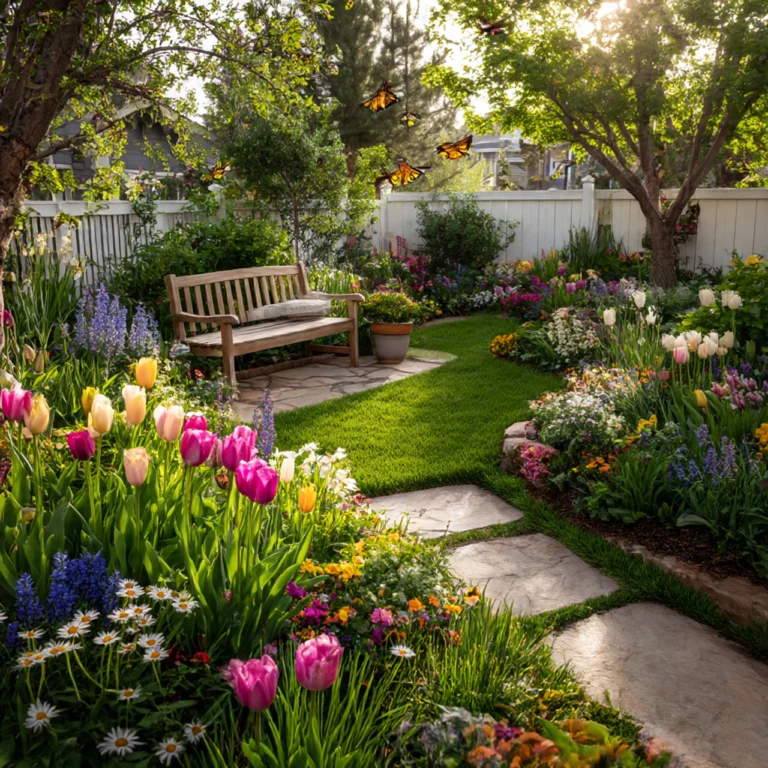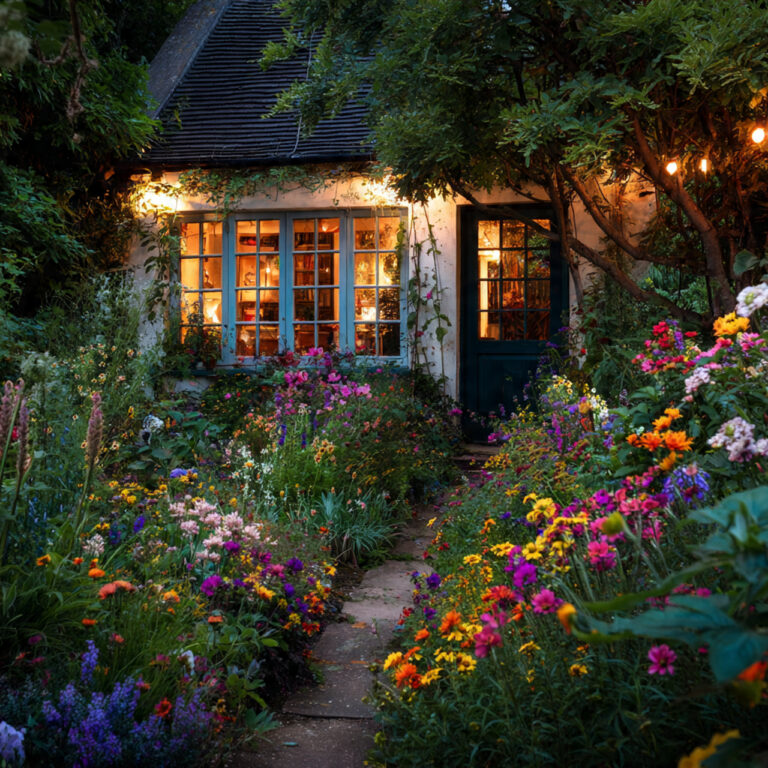
24 Small Garden Design Ideas That Make Your Outdoor Space Feel Bigger
Creating a beautiful garden in a limited space isn’t about making compromises—it’s about making smart choices. When you’re working with a smaller outdoor area, every plant, pathway, and design element needs to earn its place. The good news? With the right approach, even the tiniest garden can become a stunning outdoor sanctuary that feels open, peaceful, and completely yours.
Think of small garden design as an exciting creative challenge rather than a limitation. You’re not trying to compete with sprawling estates or vast landscapes. Instead, you’re crafting something intimate and intentional where every corner tells a story and every detail matters.
This comprehensive guide walks you through some practical ideas that will help you maximize your small garden’s potential. Whether you’re dealing with a compact backyard, a narrow side yard, or even just a balcony, these strategies will show you how to create depth, beauty, and functionality in any limited space.
Understanding the Basics: What Makes Small Garden Design Different
Before diving into specific techniques, let’s talk about what sets small garden design apart. It all comes down to three core principles: purposeful planning, smart spatial awareness, and thoughtful plant choices.
Start with Purpose
Ask yourself what you really want from your garden. Are you dreaming of a quiet reading spot? A mini herb garden for fresh cooking ingredients? A visual escape from your busy life? Maybe you want all three. Once you know your garden’s purpose, the design decisions become much clearer and more focused.
Master Spatial Perception
Here’s something important: how your garden feels matters just as much as how big it actually is. The way you arrange plants, use colors, create lines, and play with textures directly impacts whether your space feels cramped or surprisingly spacious.
Tip: Harmony is everything in compact spaces. When you repeat certain materials, stick to a controlled color palette, and create clear pathways, your garden naturally feels more organized and open. When too many different elements compete for attention, even a decent-sized space can feel cluttered and uncomfortable.
These foundational concepts form the backbone of everything we’ll explore next. With this framework in mind, transforming your small garden becomes an enjoyable, manageable project.
Think Vertical: Make Your Walls Work for You
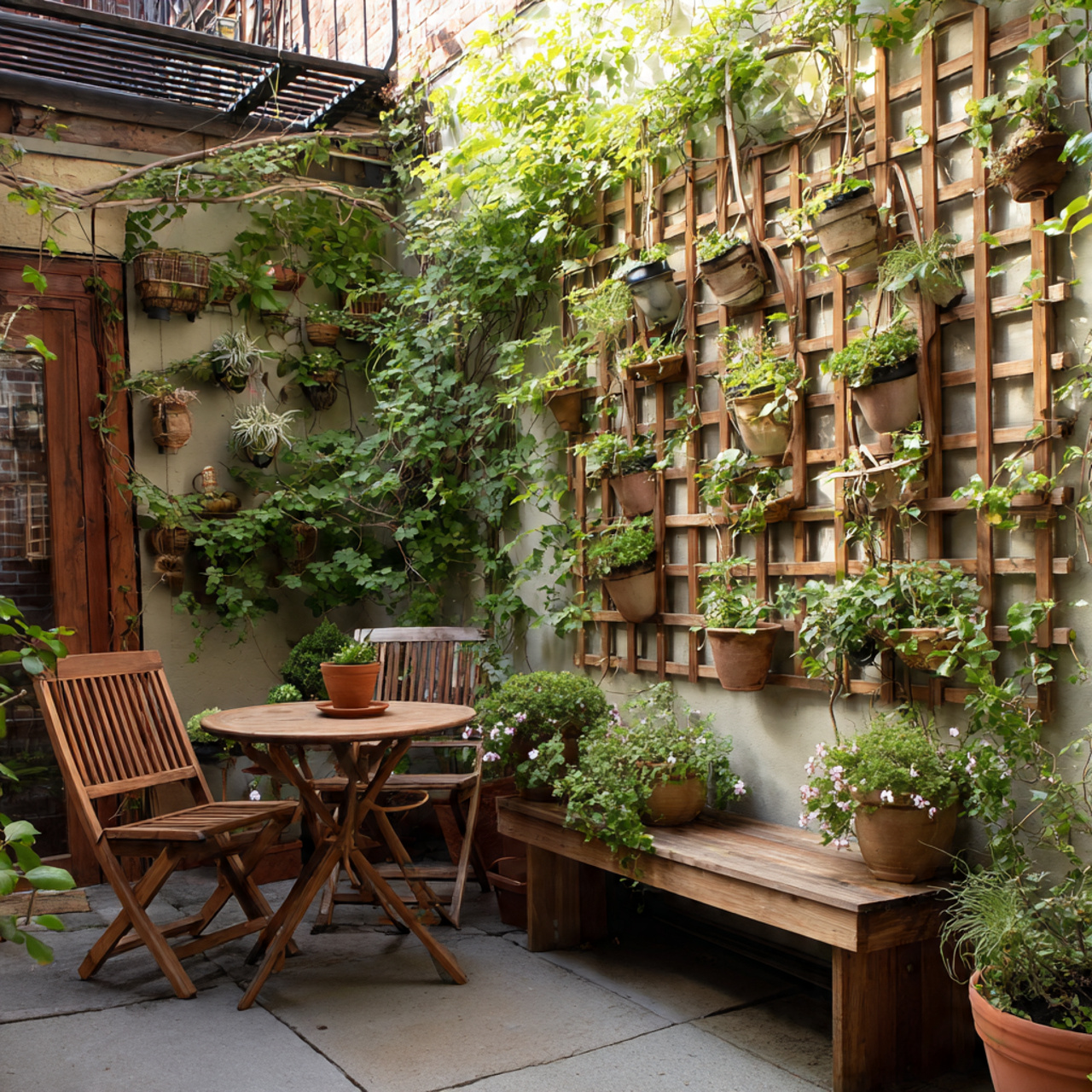
When floor space is tight, look up! Your walls, fences, and vertical surfaces are untapped gardening real estate waiting to be transformed into lush green displays.
Vertical growing strategies that work:
- Install sturdy trellises for climbing vines and flowering plants
- Mount modular planter systems that create living wall effects
- Use railing planters if you have balcony edges or deck railings
- Hang lightweight pots at varying heights for visual rhythm
- Create a vertical herb garden using wall-mounted pocket planters
Going vertical doesn’t just save space—it adds architectural interest and makes your garden feel taller and more dynamic. A simple wooden trellis covered in jasmine or morning glories can completely transform a plain fence into a fragrant, blooming focal point.
Practical benefit: Vertical gardens also help with microclimates. Climbing plants naturally shade walls during summer, keeping things cooler. Herbs grown vertically stay cleaner than ground-level plantings and are easier to harvest.
Create Depth with Multi-Level Planting
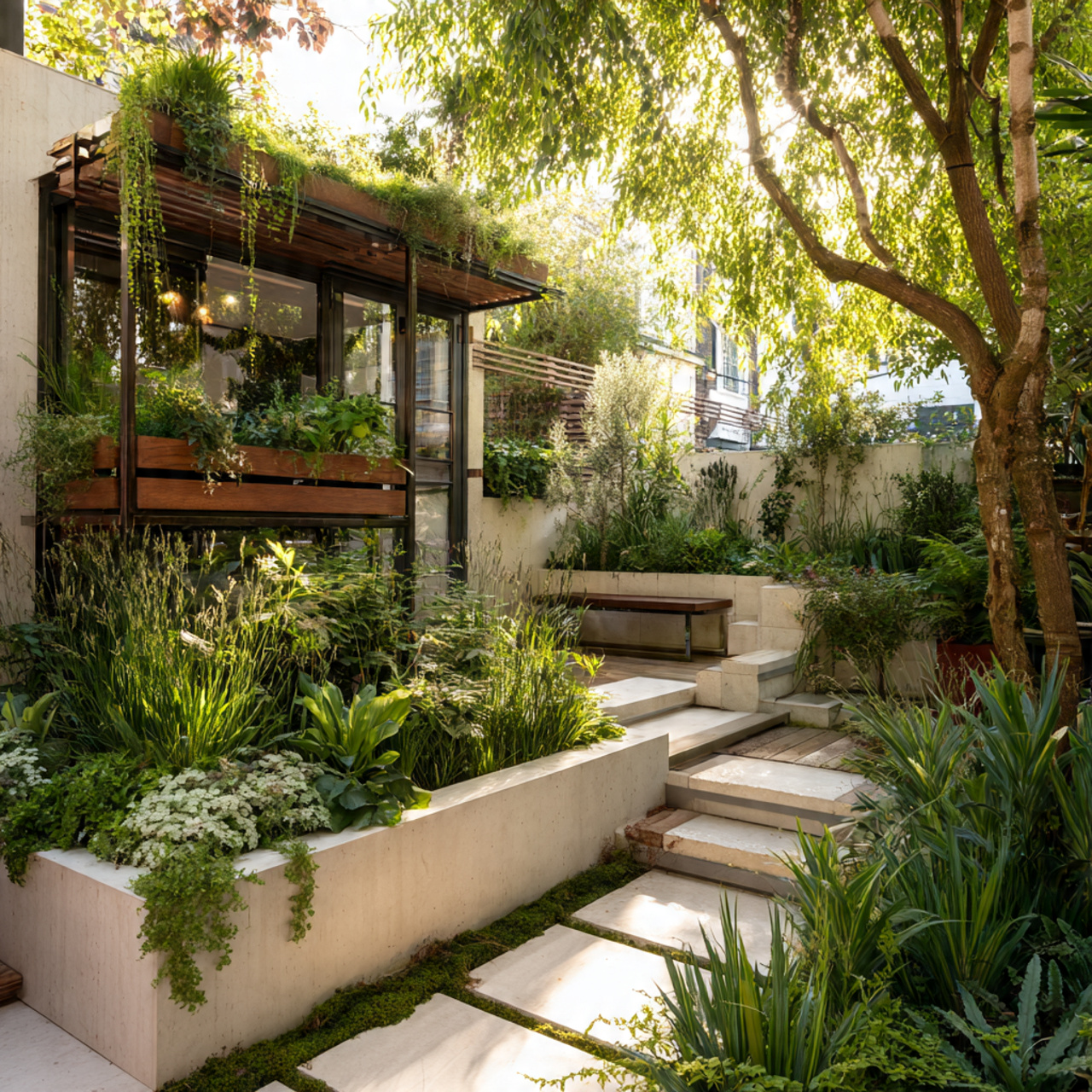
Flat gardens feel one-dimensional. Gardens with layers feel rich and interesting, even in small spaces. Multi-level planting mimics how plants grow naturally in forests and meadows—with different heights creating visual flow.
How to layer effectively:
- Place taller plants or small trees at the back or sides as your “backdrop”
- Position medium-height shrubs and perennials in the middle zone
- Use low-growing groundcovers, spreading plants, or compact flowers in front
- Incorporate plant stands, tiered shelving, or stepped containers for added dimension
This layering technique isn’t just visually appealing—it’s practical too. Sun-loving plants can occupy upper levels while shade-tolerant varieties thrive below. You’re essentially increasing your planting capacity without making the space feel crowded.
Example: Imagine a corner with a small Japanese maple providing height, mid-sized lavender bushes offering texture and fragrance in the middle, and creeping thyme softening the edges at ground level. Each plant gets its moment to shine without competing.
Choose Furniture That Doesn’t Overpower
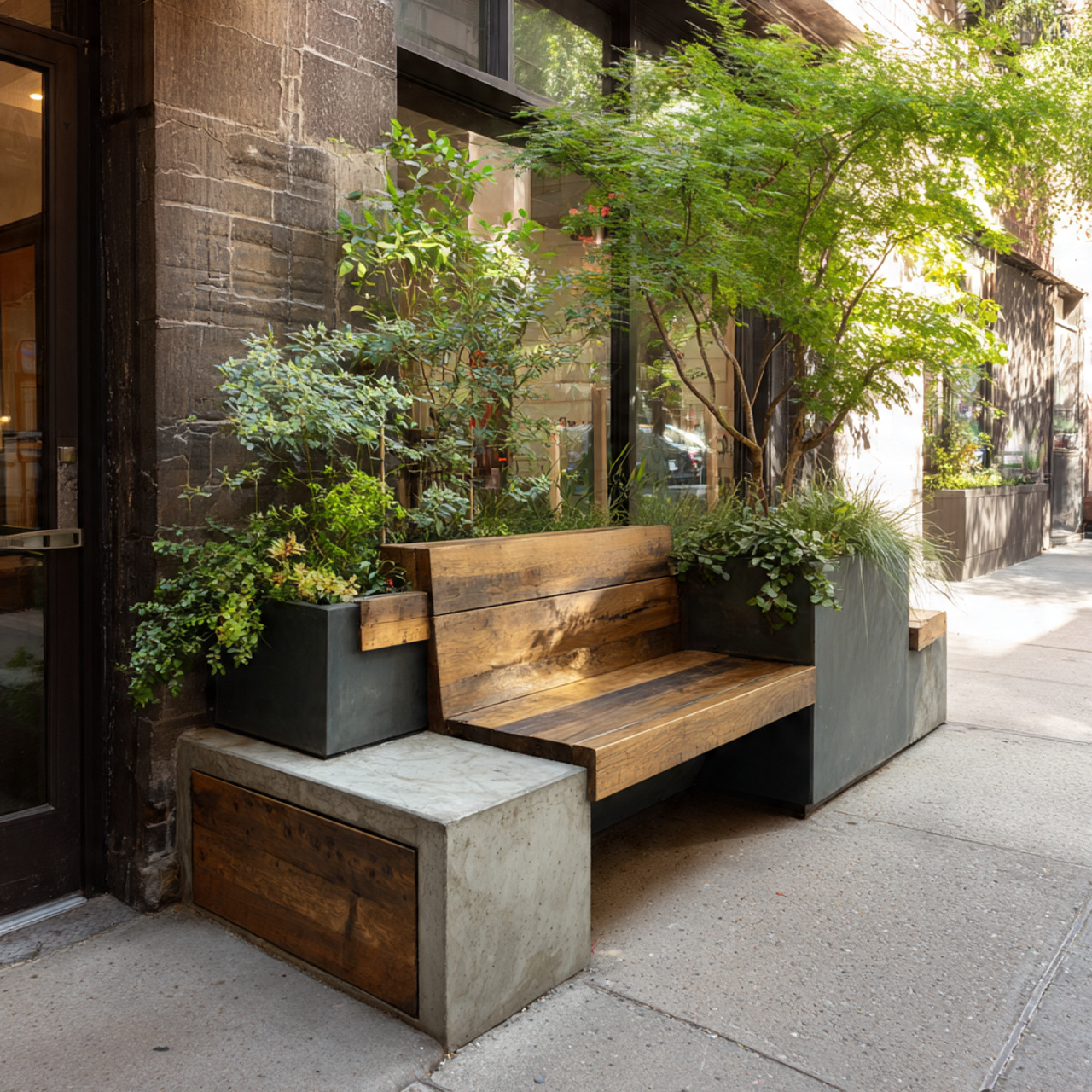
Your garden furniture should enhance the space, not dominate it. In compact gardens, bulky outdoor sets quickly make everything feel cramped and unusable.
Smart furniture choices for small gardens:
- Slim bistro sets with two chairs and a small round table
- Folding chairs that can be stored when not needed
- Benches with built-in storage underneath
- Wall-mounted fold-down tables
- Lightweight rattan or metal pieces that are easy to rearrange
The beauty of compact, movable furniture is flexibility. Your garden can easily shift from morning coffee spot to afternoon reading nook to evening entertaining space—all without feeling cluttered.
Material tip: Choose furniture in natural tones—weathered wood, matte black metal, or warm rattan—that visually blends with your plantings rather than screaming for attention.
Design Pathways That Guide and Define
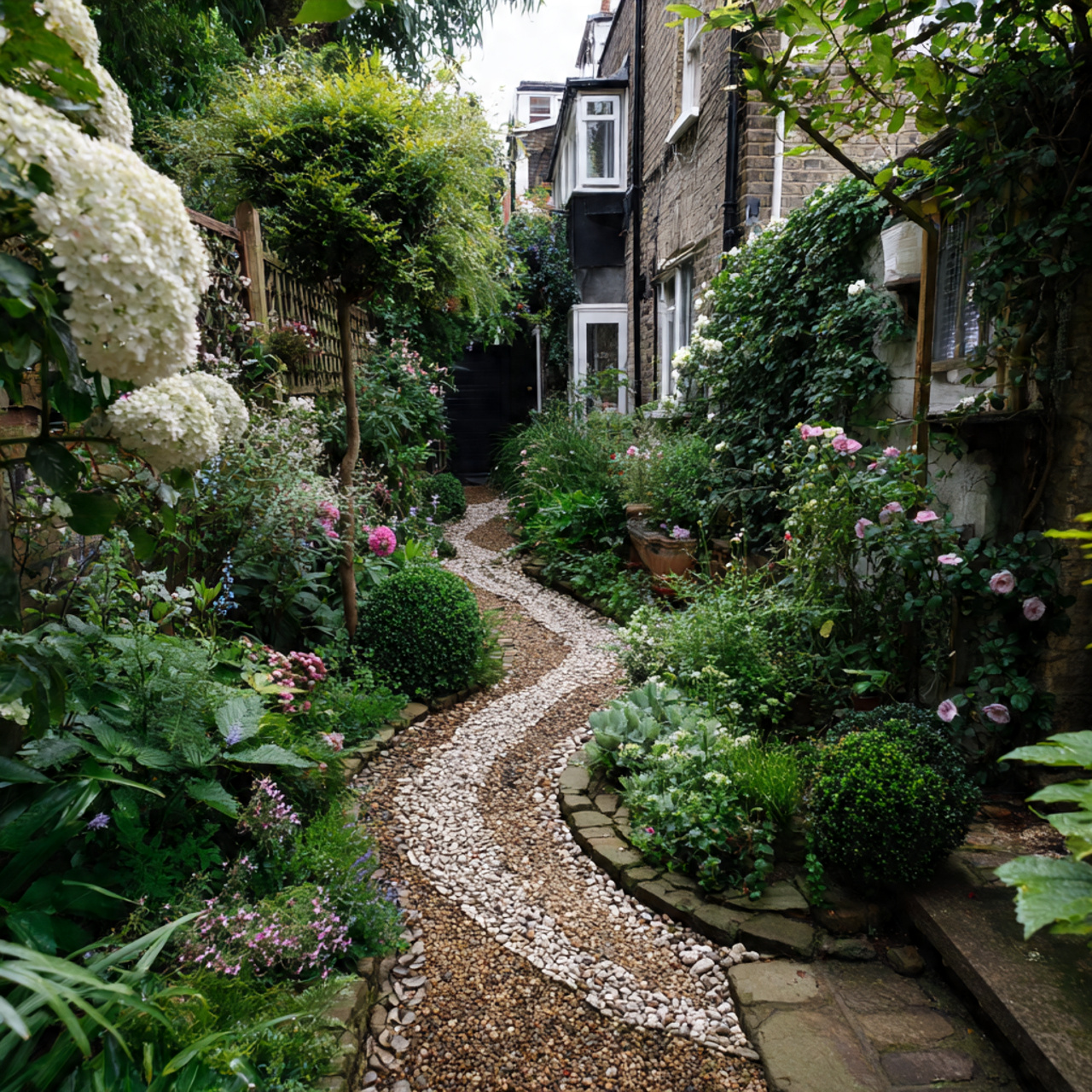
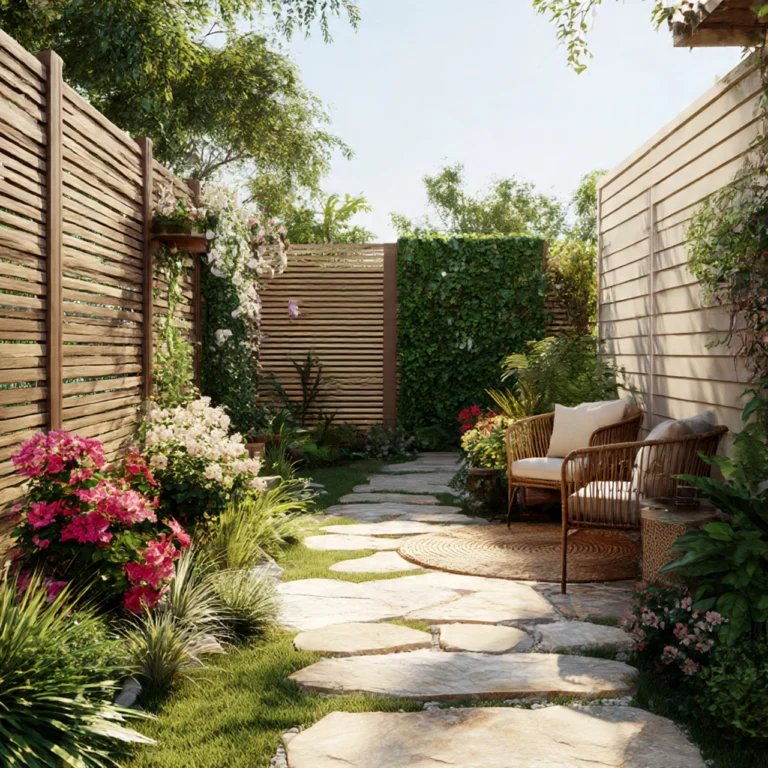
Even the smallest garden benefits from a defined path. Pathways aren’t just about getting from point A to point B—they create structure, organize your planting zones, and give the eye a clear direction to follow.
Pathway options for compact spaces:
- Stepping stones set in gravel or groundcover
- Narrow strips of reclaimed brick
- Smooth river rocks arranged in flowing patterns
- Timber rounds or wood slices for a natural look
- Decomposed granite for a clean, modern feel
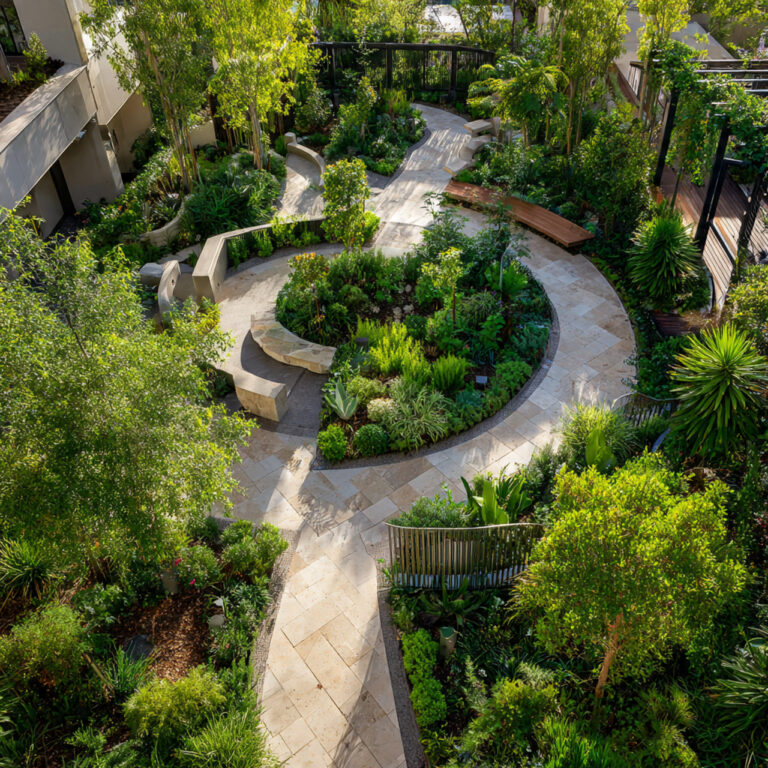
Design secret: Curved pathways are magical in small gardens. They elongate the visual journey, making your garden feel larger than it actually is. The eye follows the curve, discovering new views as it goes. Straight paths work beautifully for modern, minimalist designs where clean lines are the goal.
Practical note: Pathways protect your soil from compaction and keep your shoes clean after rain. Choose textures that match your garden’s personality—rough gravel for rustic charm, smooth pavers for contemporary elegance.
Use Mirrors to Create Visual Magic
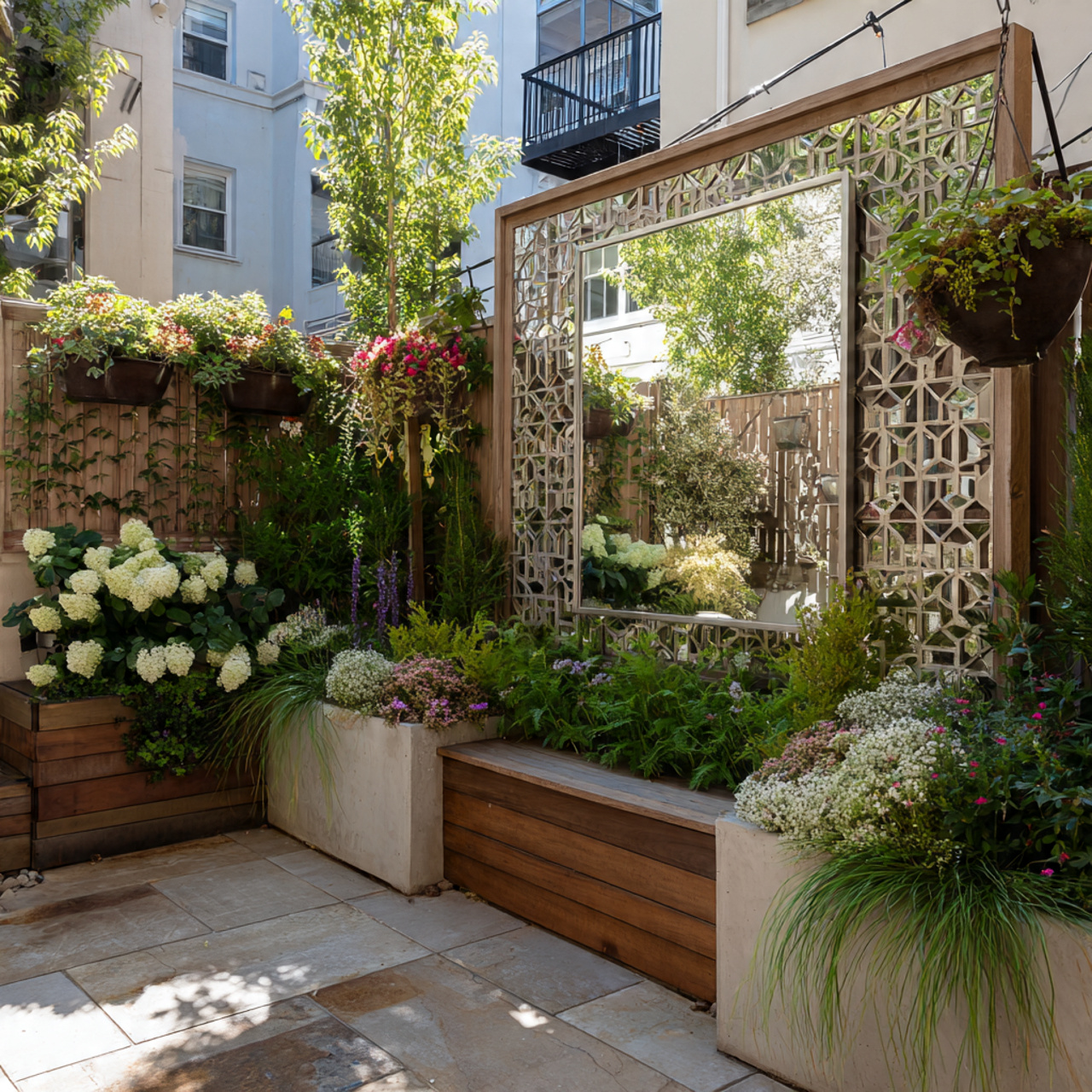
This might sound unusual, but mirrors are game-changers in small garden design. A well-placed garden mirror can literally double your perceived space with one simple installation.
Mirror placement strategies:
- Mount on fences or walls where they’ll reflect attractive plantings
- Position to bounce light into darker corners
- Frame with climbing vines to blend naturally into the landscape
- Angle to reflect the sky for an open, airy effect
- Never point directly at cluttered areas or blank walls
Frame choices matter: Use weather-resistant frames in materials that complement your garden style—rustic reclaimed wood for cottage gardens, sleek metal for modern spaces, or ornate designs for traditional settings.
Reality check: You want people to do a double-take, not walk into the mirror. Partially obscure it with plants, or frame it like a window or garden gate for a more natural integration.
Add Water Features for Sound and Serenity
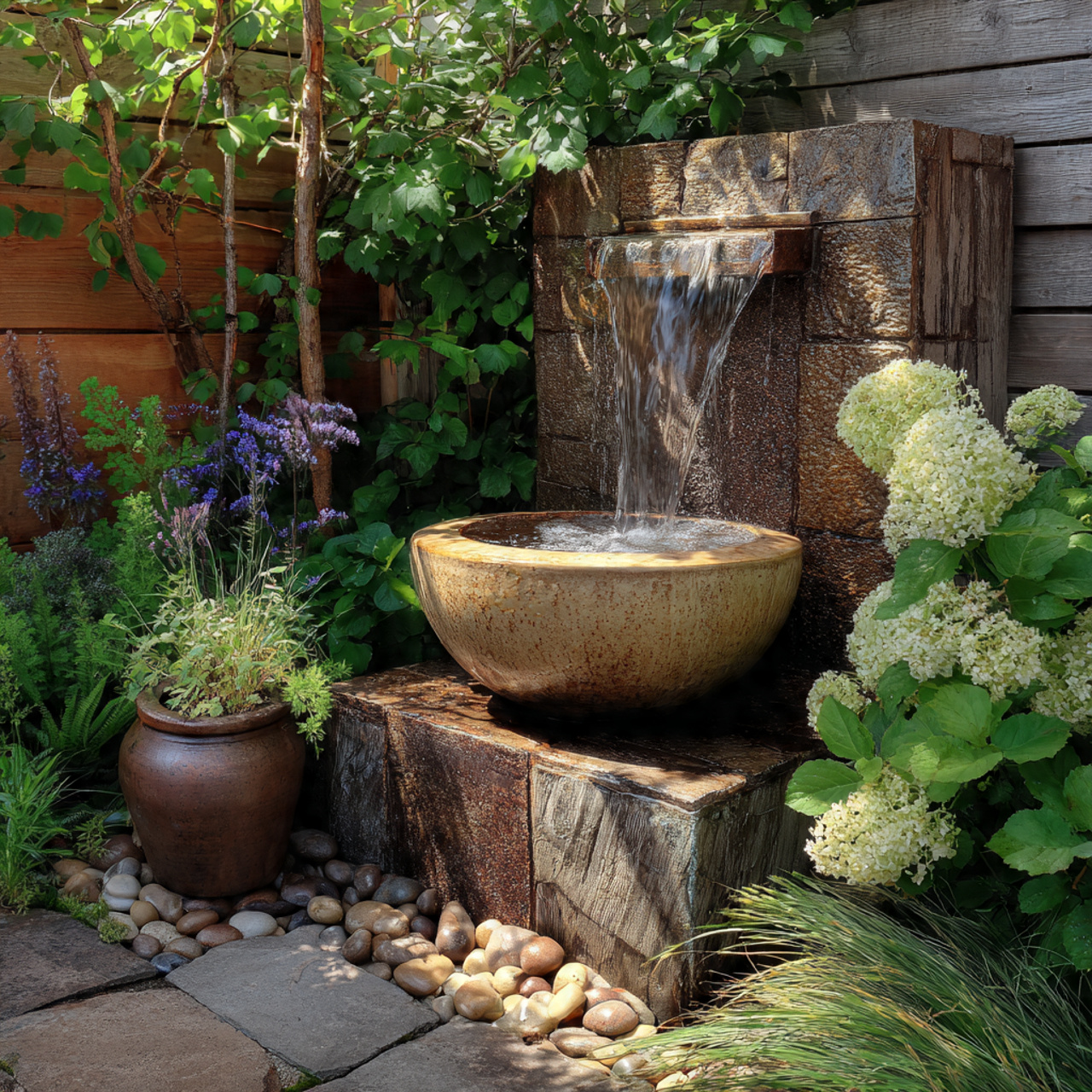
You don’t need a massive pond to enjoy water in your garden. Even the smallest water feature brings incredible sensory richness—the sound masks traffic noise, creates a calming atmosphere, and attracts birds and beneficial wildlife.
Small-scale water feature options:
- Compact tabletop fountains on outdoor shelves
- Wall-mounted water cascades
- Ceramic water bowls with simple bubblers
- Small lined ponds with aquatic plants
- Miniature Japanese-style tsukubai basins
Installation tip: Keep it proportional. A water feature should complement your space, not overwhelm it. A subtle bubbling rock or reflective bowl can be just as impactful as something larger—sometimes more so.
Material choices: Natural stone, terracotta, and brushed copper age beautifully outdoors and blend seamlessly with plants. Avoid shiny, bright materials that draw too much attention.
Embrace Container Gardening Flexibility
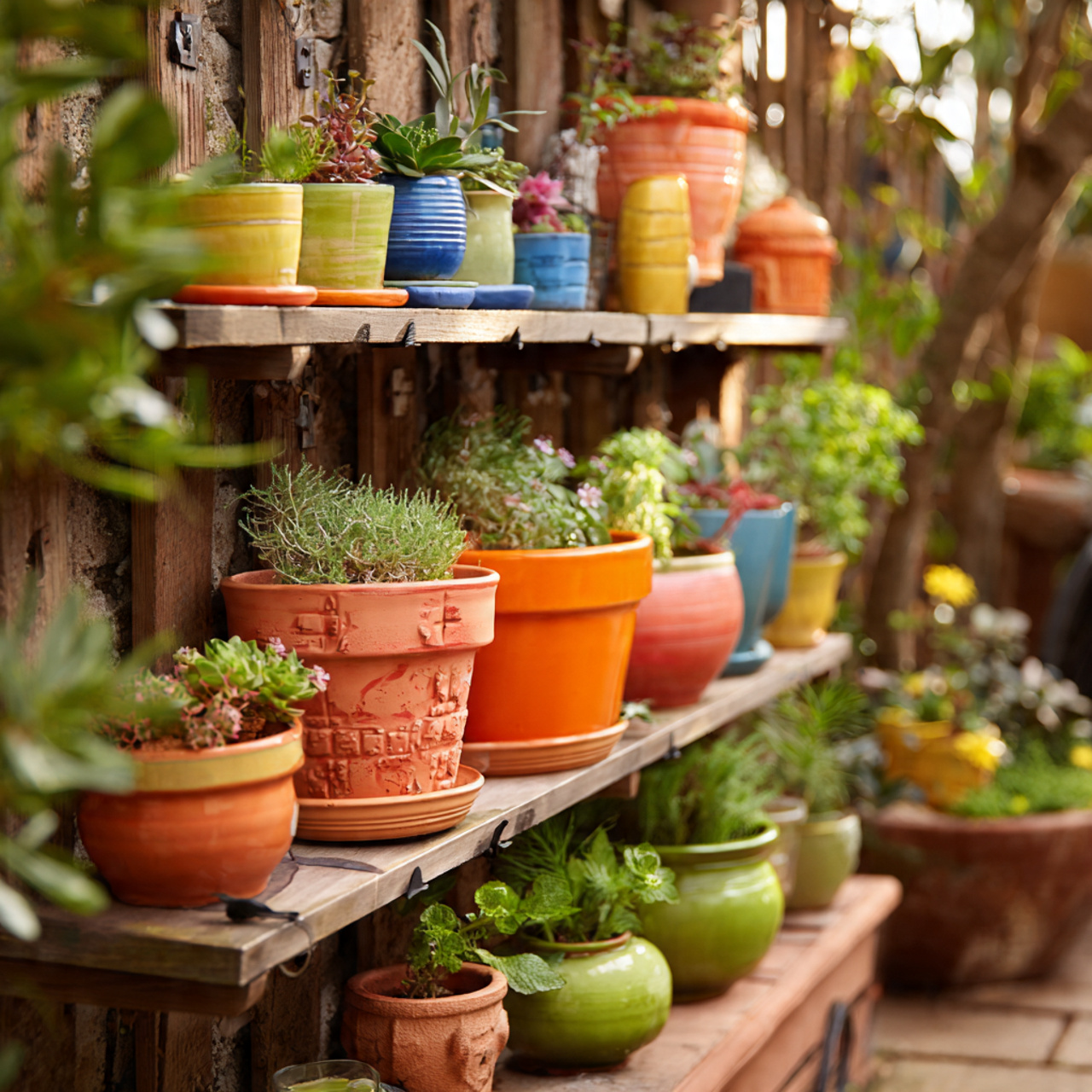
Containers are the ultimate tool for small garden success. They give you complete control over placement, soil quality, drainage, and arrangement—and you can refresh your layout whenever inspiration strikes.
Container gardening advantages:
- Move plants to follow the sun throughout seasons
- Rearrange for different occasions or seasonal displays
- Control soil conditions for plants with specific needs
- Create instant height with tall planters
- Group and separate to define different garden zones
Design harmony tip: Stick to 2-3 complementary colors and materials for your pots. Too many different styles create visual chaos. Terracotta offers classic warmth, concrete provides modern minimalism, and glazed ceramics add color accents.
Layering example: Use a tall container with a small ornamental grass in the back corner, medium-sized pots with flowering plants in the middle, and low bowls with trailing plants in front. Instant depth and dimension.
Choose a Color Palette and Stick With It
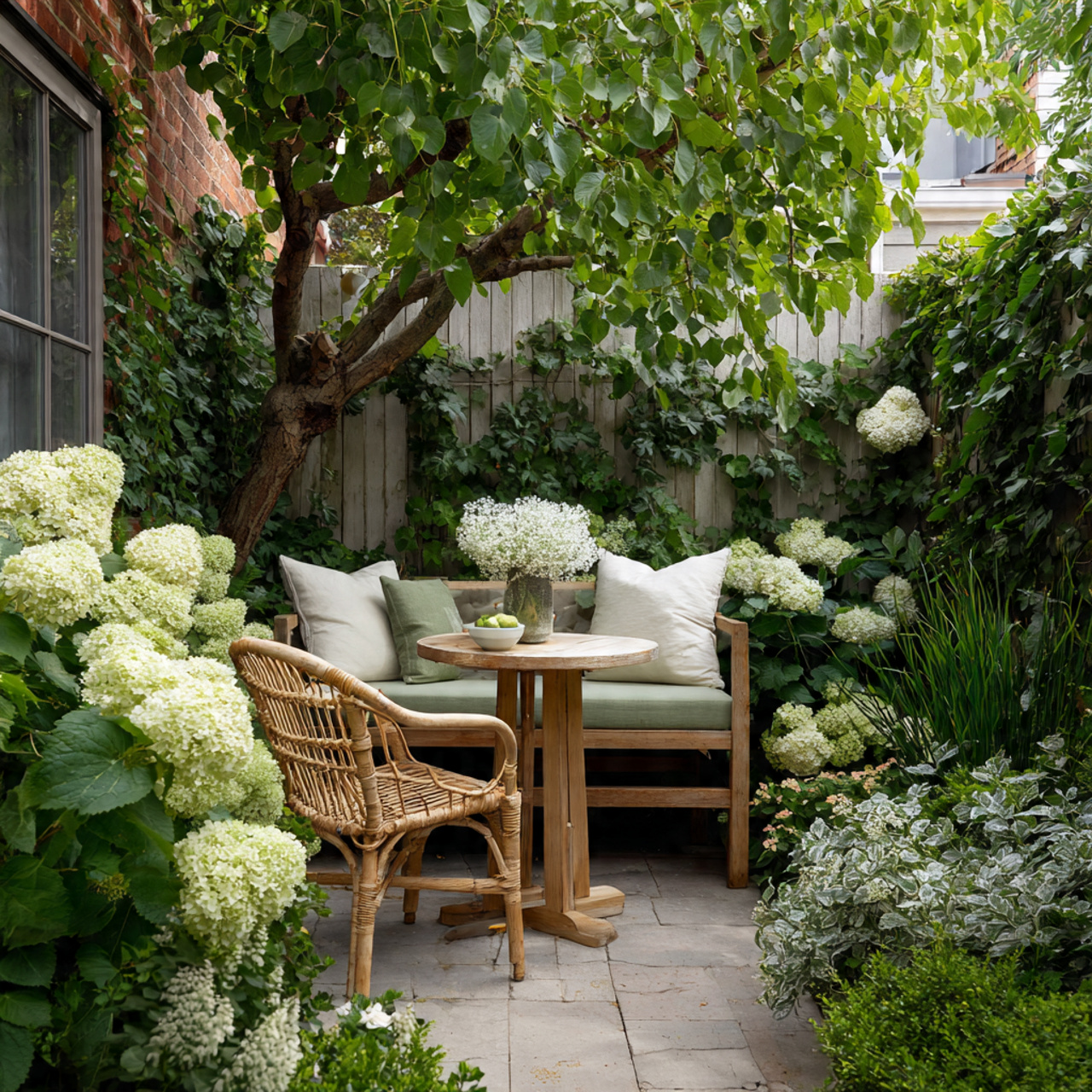
Color might seem like a minor detail, but it’s actually one of the most powerful tools in small garden design. A cohesive color theme creates visual calm and makes everything feel intentionally designed rather than randomly assembled.
Color psychology for gardens:
- Soft greens, whites, and pastels = peaceful, spacious feeling
- Bold reds, oranges, and purples = energizing, vibrant atmosphere
- Blues and silvers = cooling, tranquil mood
- Warm yellows and golds = cheerful, welcoming vibe
Practical approach: Choose 3-5 colors and repeat them throughout your space—in flowers, foliage, pots, cushions, and decorative elements. This repetition creates unity and prevents the “busy” look that makes small spaces feel cluttered.
Lighting consideration: Shade gardens pop with bright variegated foliage and white flowers that catch limited light. Sunny spots can handle deeper, richer tones that might disappear in shade.
Transform Your Garden After Dark with Strategic Lighting
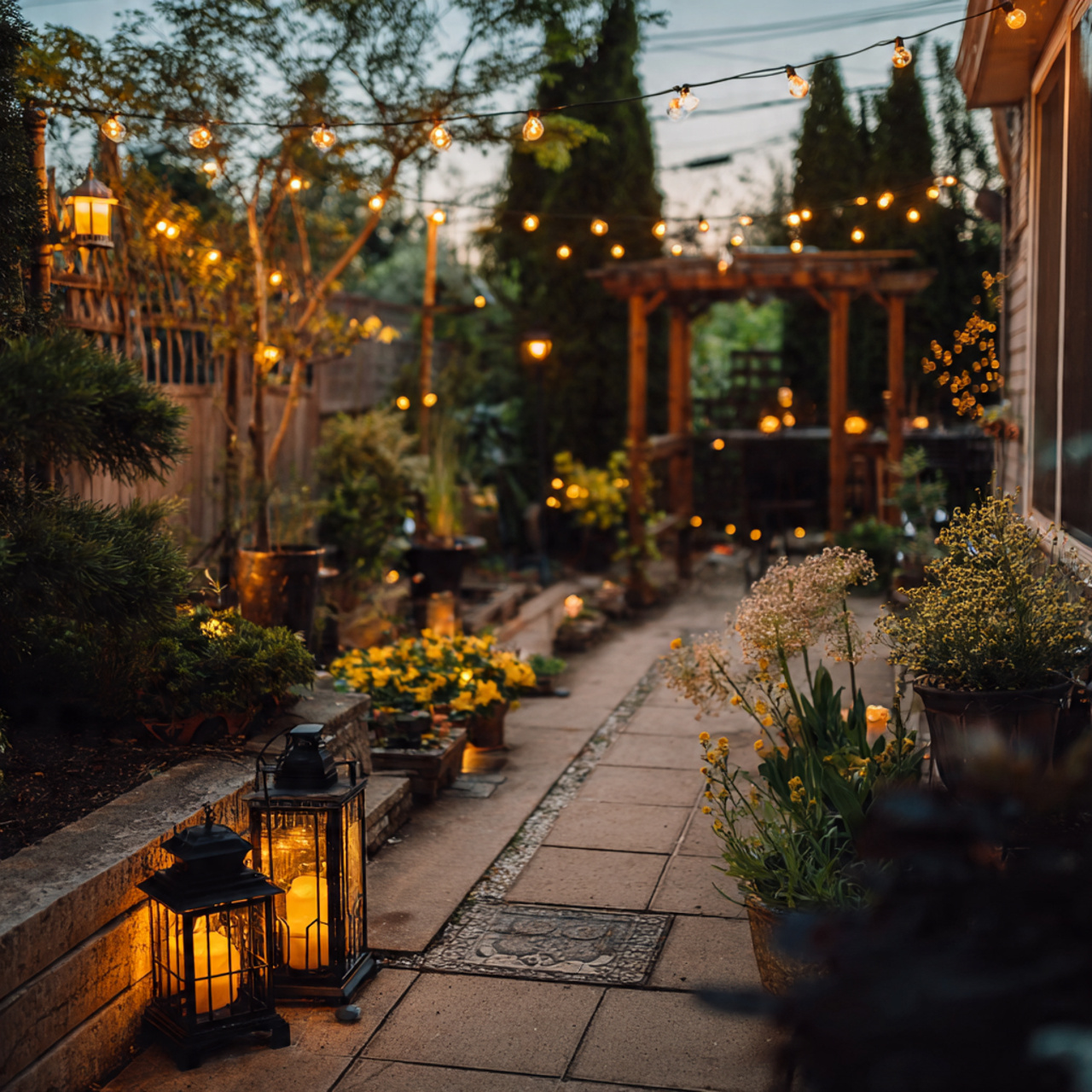
Don’t let your garden disappear when the sun goes down. Good lighting extends your outdoor living hours while creating ambiance that simply can’t be achieved during daylight.
Layered lighting approach:
- Pathway lights: Solar stakes or low-voltage fixtures for safe navigation
- String lights: Warm Edison bulbs overhead for magical ambiance
- Uplights: Small spotlights at the base of trees or architectural plants
- Accent lights: Focused beams on sculptures, water features, or textured walls
- Lanterns: Battery-powered or solar lanterns for portable glow
Golden rule: Less is more. You want subtle, warm illumination—not stadium lighting. Focus on highlighting your garden’s best features and creating pools of light and shadow for depth.
Color temperature matters: Stick with warm white (2700-3000K) rather than cool blue-white tones. Warm lighting feels inviting and complements greenery naturally.
Go Minimalist for Maximum Impact
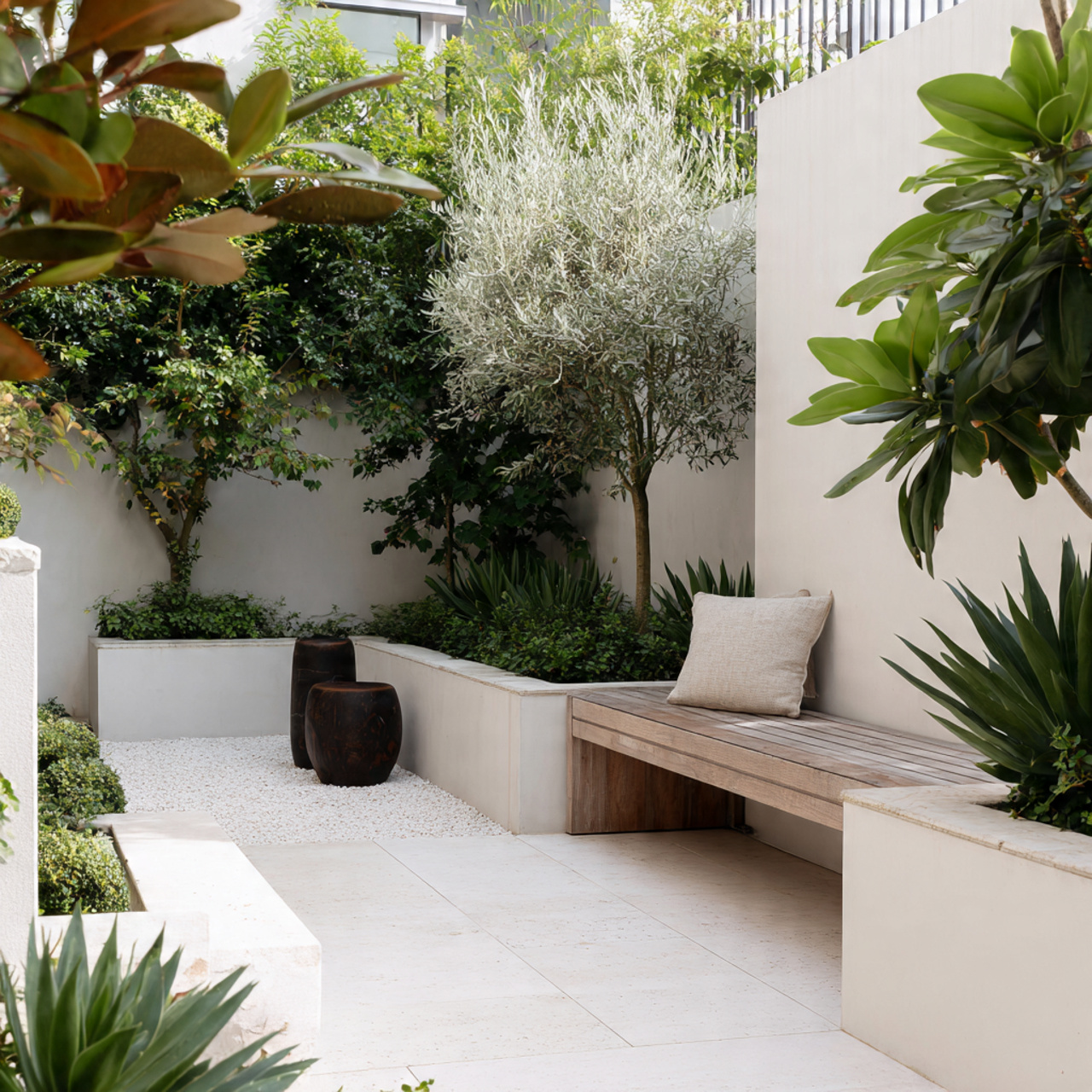
Minimalism in gardens isn’t about having less—it’s about being intentional with what you include. Every element earns its place through beauty, function, or both.
Minimalist garden principles:
- Choose quality over quantity in plants and materials
- Embrace negative space as a design element
- Use clean lines and simple geometric shapes
- Limit your plant palette to 5-7 carefully selected species
- Select neutral-toned materials: concrete, natural stone, black metal
Maintenance bonus: Fewer plants and simpler designs mean less upkeep, weeding, and watering. Your garden stays beautiful with minimal effort.
Visual result: Minimalist gardens feel calm, spacious, and sophisticated. Each plant becomes a specimen worthy of attention, and the overall effect is peaceful rather than overstimulating.
Example: A single stunning Japanese maple, three identical square concrete planters with ornamental grasses, a simple stone bench, and a gravel base. That’s it. And it’s gorgeous.
Build Raised Beds for Better Growing Conditions
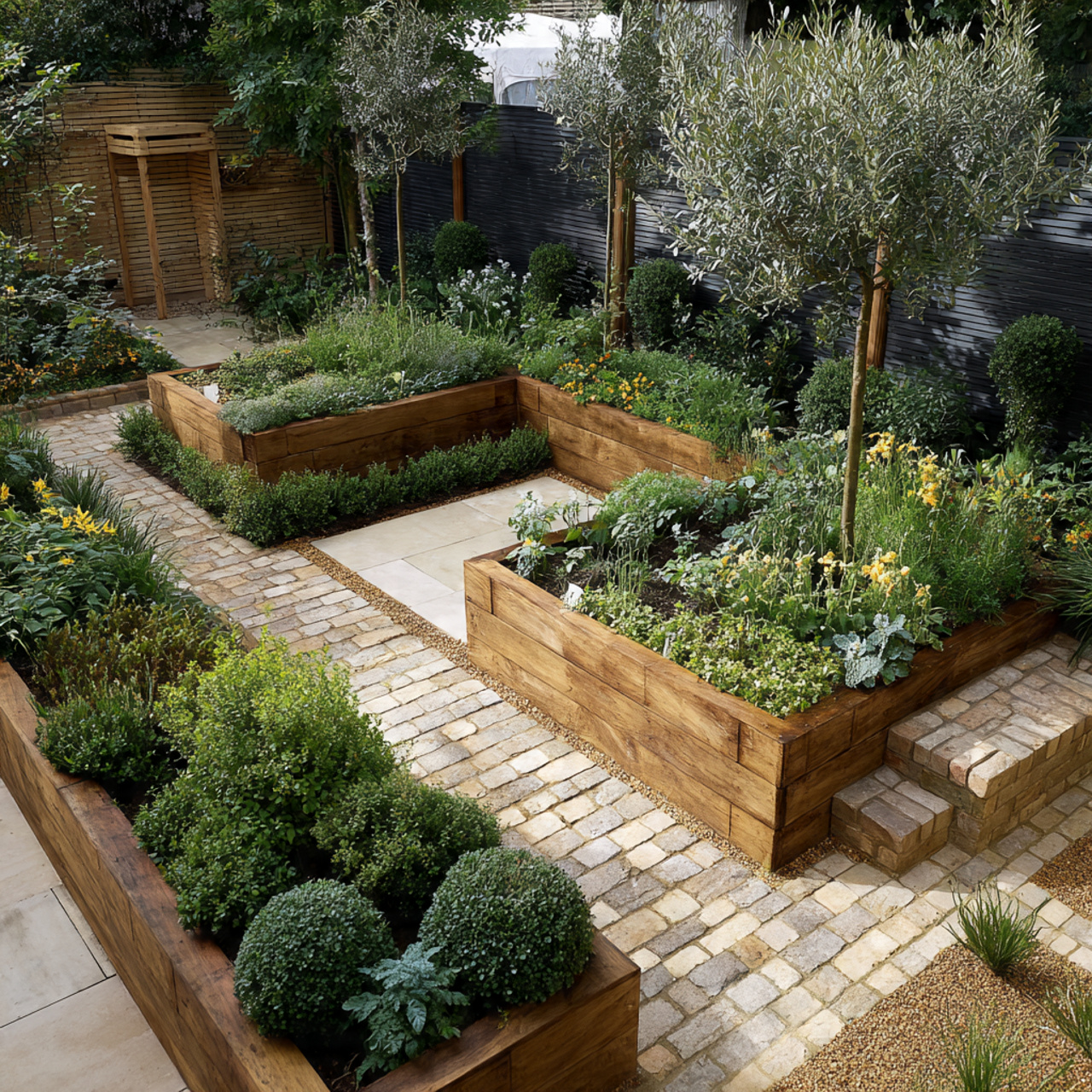
Raised beds are incredibly practical in small gardens, offering both aesthetic structure and better growing conditions for your plants.
Why raised beds work so well:
- Improved drainage prevents waterlogged roots
- Better soil control for specific plant needs
- Clearer visual organization and defined zones
- Added height variation creates dimension
- Easier access for planting, weeding, and harvesting
- Warms up faster in spring for earlier growing
Material options:
- Cedar or redwood for natural, long-lasting beauty
- Corrugated metal for modern, industrial style
- Composite materials for durability and low maintenance
- Brick or stone for traditional, permanent structures
Space-saving design: Even narrow raised beds running along fences or walls dramatically improve layout efficiency. A 12-inch-wide bed can accommodate herbs, salad greens, or flowers beautifully without taking up precious walking space.
Create Privacy Without Feeling Boxed In
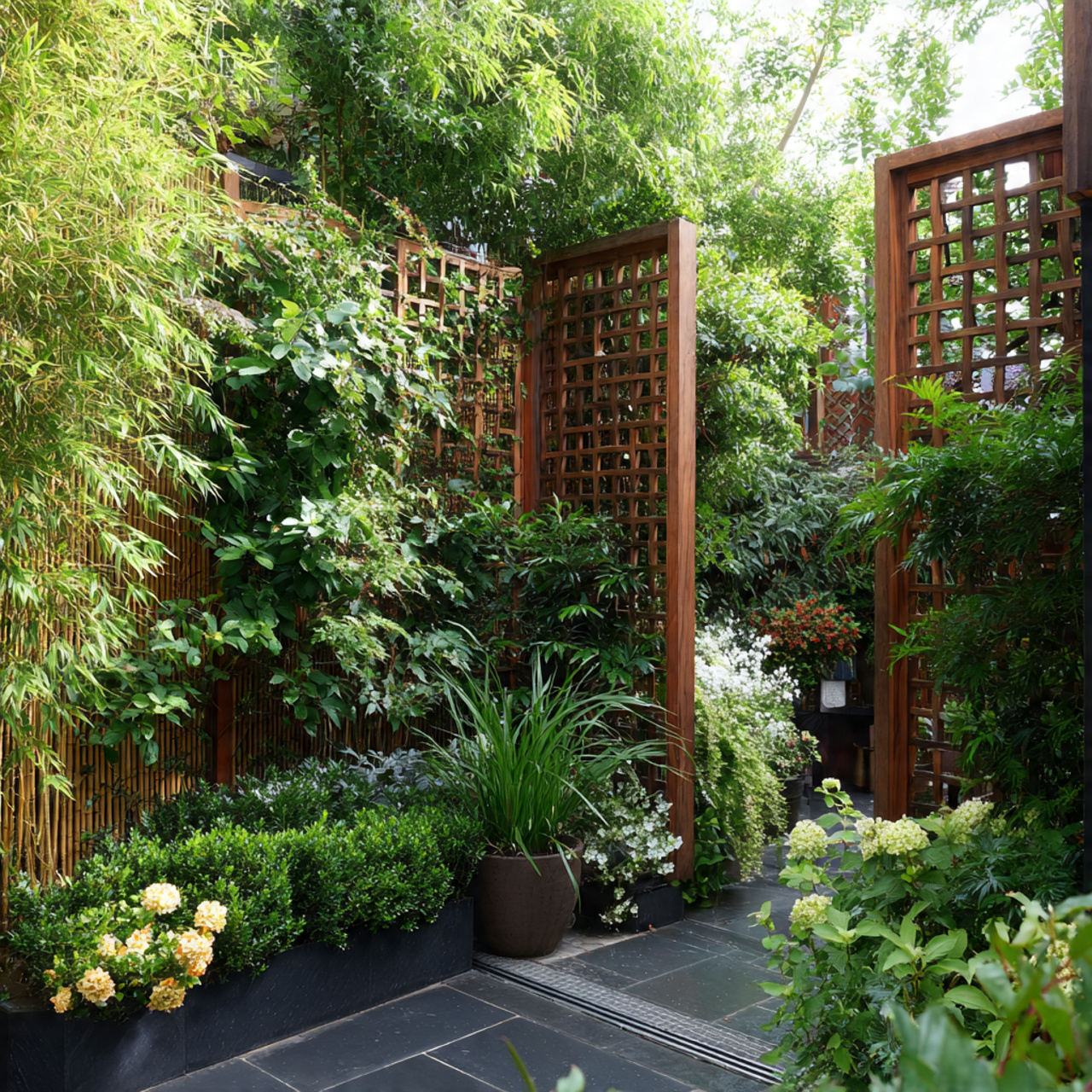
Privacy matters, especially in urban settings where neighbors are close. But creating seclusion in a small garden requires balance—you want protection without claustrophobia.
Living privacy solutions:
- Fast-growing bamboo (in containers to control spread)
- Tall ornamental grasses in groups
- Columnar evergreens like Italian cypress
- Climbing plants on trellises or wire systems
- Dense evergreen shrubs like boxwood or holly
Structural privacy options:
- Slatted wood screens with gaps for air flow
- Bamboo roll fencing for natural texture
- Metal lattice panels painted to match your theme
- Living willow fences woven from growing branches
- Fabric privacy screens on frames
Balance tip: Combine materials—maybe a solid screen at eye level with open lattice above, or tall grasses with glimpses between them. Complete enclosure can feel oppressive, while strategic screening provides privacy with breathing room.
Grow a Practical Herb Garden
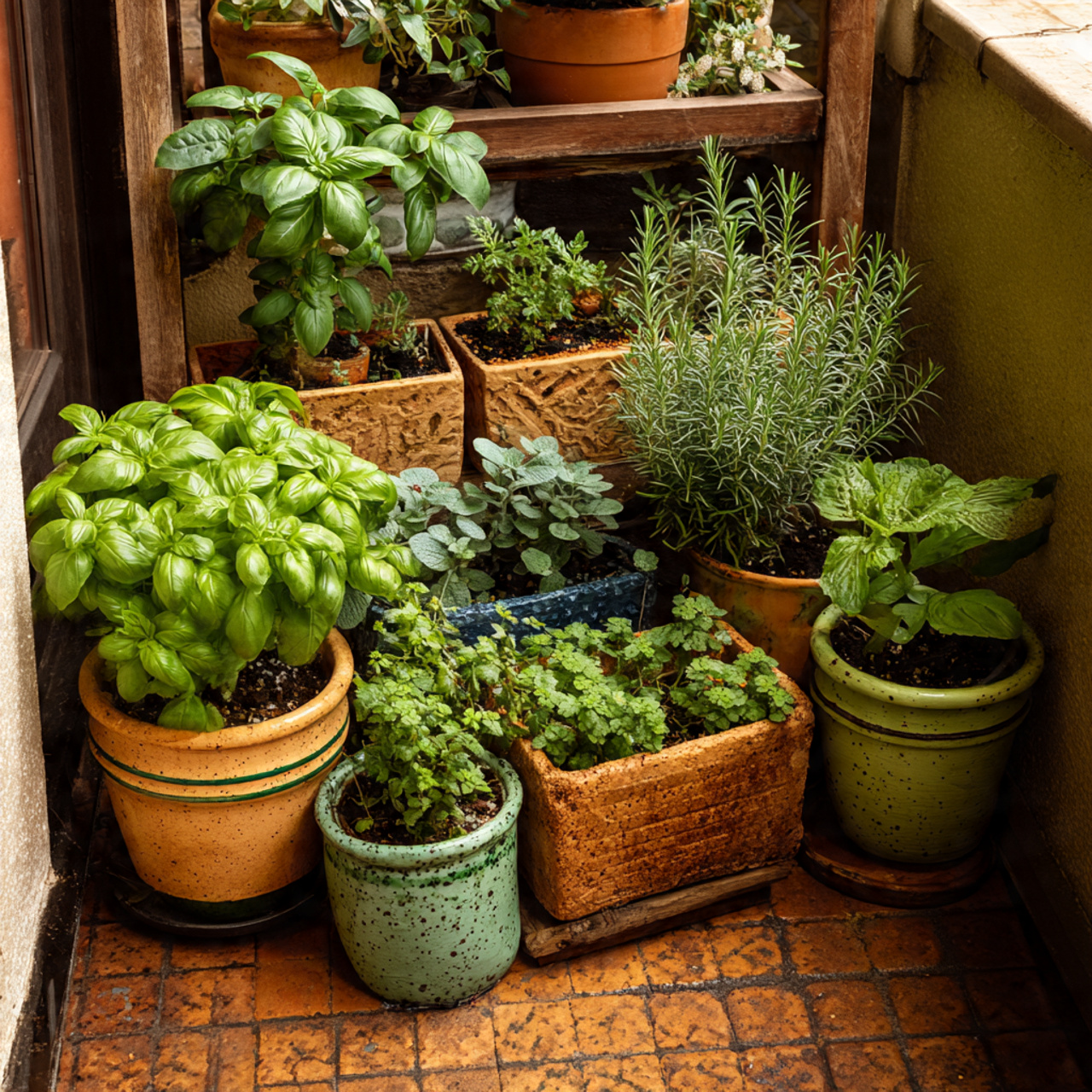
Herbs are perfect for compact gardens because they pack huge value into small spaces. They’re functional, aromatic, attractive, and surprisingly forgiving for beginner gardeners.
Best herbs for small spaces:
- Basil: Multiple varieties, loves sun, constant harvest
- Rosemary: Evergreen structure, drought-tolerant, fragrant
- Thyme: Ground-hugging, beautiful flowers, kitchen staple
- Mint: Vigorous (keep contained!), refreshing scent
- Chives: Grass-like texture, edible purple flowers
- Parsley: Lush foliage, both curly and flat-leaf varieties
- Oregano: Spreading habit, loves hot spots
Growing methods for herbs:
- Vertical wall-mounted planters near the kitchen door
- Tiered terracotta pots for Mediterranean sun-lovers
- Window boxes for convenient cooking access
- Raised beds dedicated to culinary herbs
- Mixed into ornamental borders for dual-purpose planting
Practical benefit: Fresh herbs literally steps from your kitchen transform everyday cooking and save money. Plus, the fragrance alone makes your garden more enjoyable.
Combine Beauty and Function with Edible Landscaping
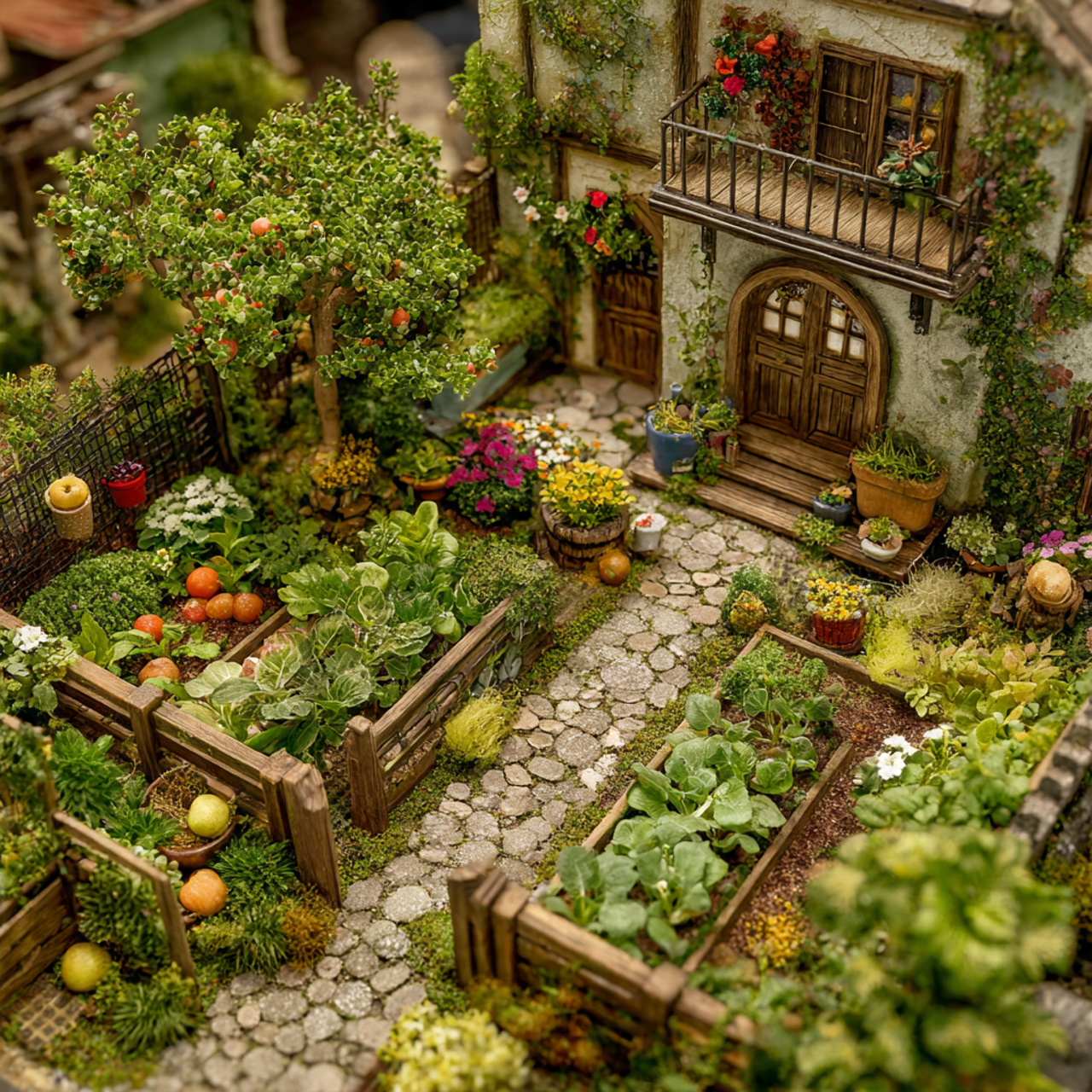
Why choose between pretty and productive when you can have both? Edible landscaping integrates food-producing plants into ornamental designs, maximizing every inch of your small garden.
Gorgeous edible plants:
- Rainbow chard: Stunning colored stems, nutritious greens
- Blueberry bushes: Spring flowers, summer fruit, fall color
- Dwarf citrus trees: Fragrant blooms, attractive fruit, evergreen foliage
- Kale varieties: Textured leaves in purple, green, or variegated
- Scarlet runner beans: Beautiful red flowers, vertical growing, edible pods
- Strawberries: Groundcover habit, spring blooms, sweet fruit
Design integration: Use purple-leafed basil as a border plant, espalier apple trees against walls, or let squash vines climb decorative trellises. These plants contribute visually while producing food.
Sustainability win: Growing even small amounts of your own food reduces grocery bills, eliminates packaging waste, and guarantees pesticide-free produce. Your garden becomes both beautiful and purposeful.
Activate Forgotten Corners
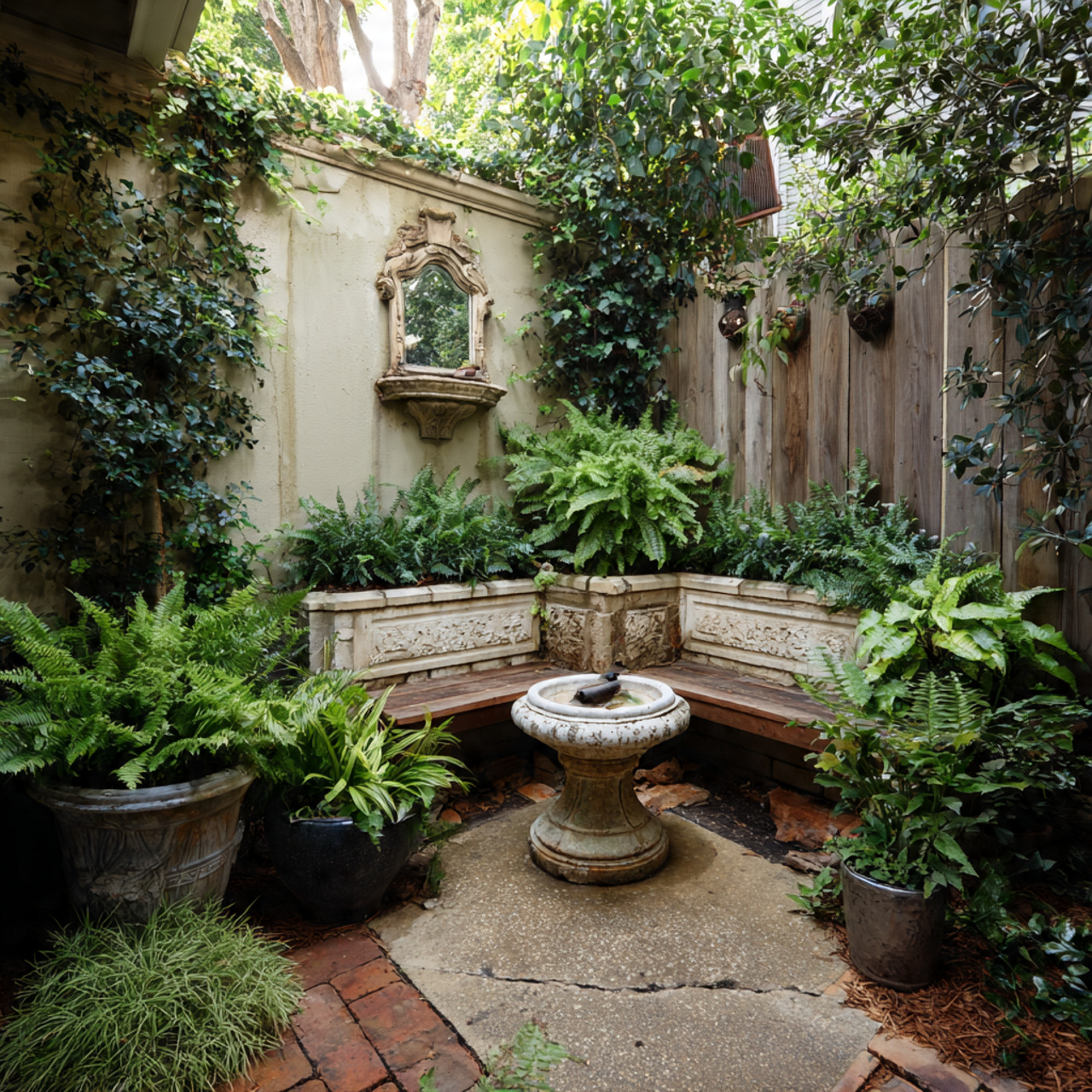
Corners often become dead zones in gardens, but they’re actually valuable real estate waiting to be transformed. Activating these spaces makes your entire garden feel more complete and intentional.
Corner transformation ideas:
- Corner planting clusters: Graduated heights create focal interest
- Tucked seating nooks: A small chair and side table create intimate retreats
- Water features: Fountains or small ponds anchor corner spaces
- Decorative accents: Sculptures, birdbaths, or large decorative pots
- Vertical elements: Trellises or tall planters draw eyes upward
Practical example: Transform a neglected back corner with a curved wooden bench, a climbing rose on a trellis behind it, and shade-loving hostas and ferns at its base. Suddenly you have a destination instead of unused space.
Visual benefit: Filled corners make rectangular gardens feel less boxy and create the impression that the garden extends in all directions.
Try Low-Maintenance Gravel Gardens
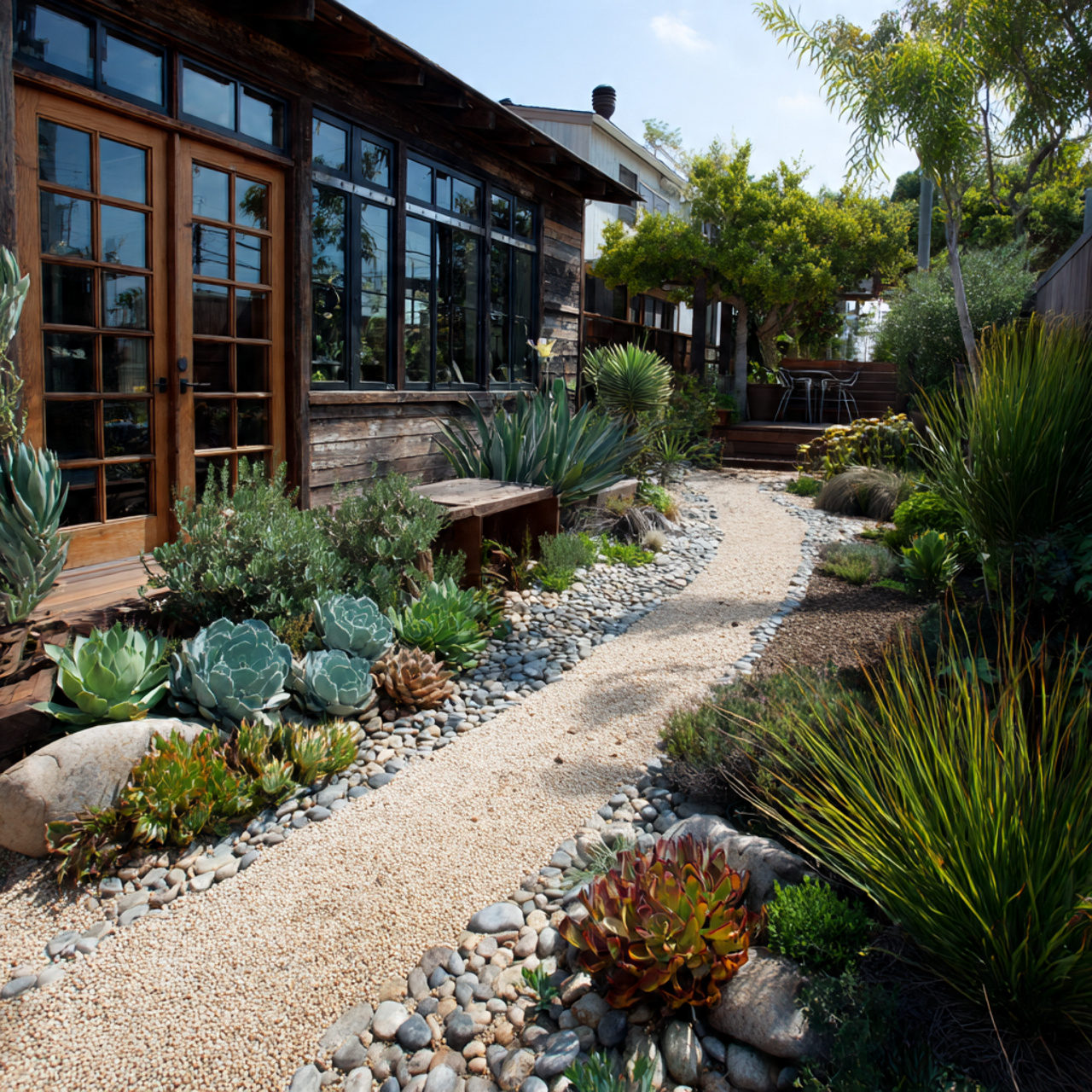
Gravel gardens offer a contemporary, minimalist aesthetic while being incredibly practical for small spaces. They reduce maintenance, improve drainage, and create clean visual lines.
Gravel garden benefits:
- Suppresses weeds naturally
- Requires no mowing or watering
- Provides excellent drainage for roots
- Creates neutral backdrop for plants
- Defines pathways and planting zones clearly
Perfect plant pairings:
- Drought-tolerant succulents and sedums
- Ornamental grasses with architectural forms
- Mediterranean herbs like lavender and sage
- Low-growing alpine plants
- Sculptural agaves or yuccas
Design styles gravel suits:
- Zen meditation gardens with minimal plantings
- Modern minimalist spaces with geometric layouts
- Desert or xeriscape designs
- Contemporary urban gardens
Installation tip: Lay landscape fabric first, then add 2-3 inches of gravel. Create planting pockets by cutting through fabric where you want plants. The result is clean, structured, and effortless to maintain.
Establish Clear Focal Points
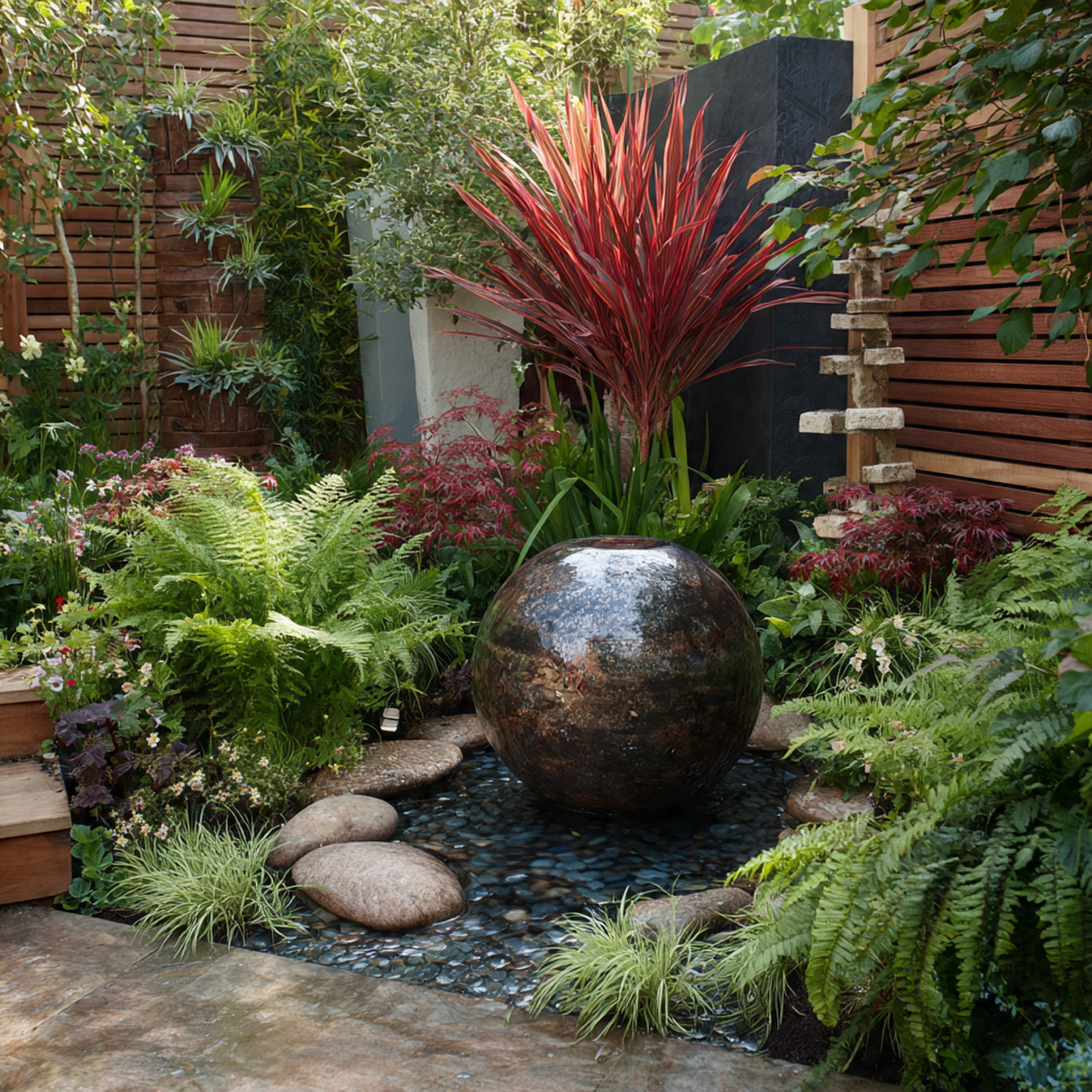
Focal points give your garden visual purpose. They’re the elements your eye naturally finds first, creating anchors that make the overall design feel organized and intentional.
Effective focal point options:
- A spectacular specimen plant with bold foliage
- A beautiful large ceramic pot or urn
- A small sculpture or garden art piece
- A compact water feature
- An architectural plant like a topiary or trained tree
- A distinctive bench or garden chair
Placement strategy: One or two well-chosen focal points are plenty for a small garden. More than that creates competing attention and visual confusion.
Example in action: A stunning blue ceramic pot planted with a Japanese maple becomes the star. Everything else—supporting plants, pathways, seating—quietly complements it without competing.
Visual narrative: Focal points can guide people through your garden. Place one at the end of a pathway to draw the eye forward, or position one in a corner to make the space feel complete.
Maximize Vertical Space with Climbing Plants
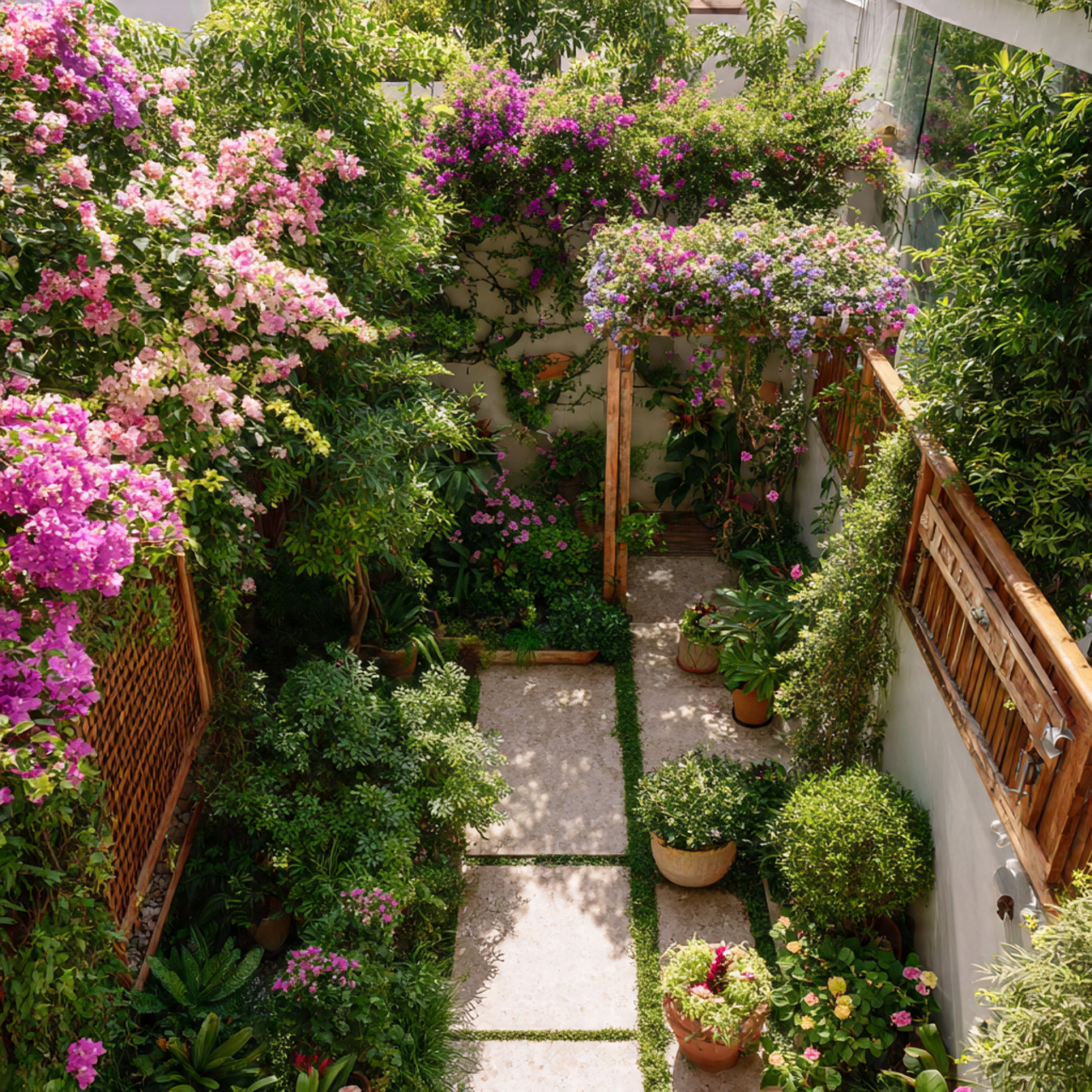
Climbers are absolute superstars in small garden design. They add lush greenery without consuming precious ground space, growing upward on walls, fences, trellises, and pergolas.
Top climbing plants for small gardens:
- Jasmine: Intensely fragrant, evergreen in mild climates
- Clematis: Gorgeous flowers, many varieties and colors
- Climbing roses: Classic beauty, seasonal blooms
- Passionflower: Exotic flowers, vigorous growth
- Honeysuckle: Fragrant, attracts hummingbirds
- Star jasmine: Dense coverage, white fragrant flowers
- Ivy: Evergreen, fast coverage, tolerates shade
Functional benefits:
- Creates natural privacy screens
- Provides shade over seating areas
- Softens harsh architectural lines
- Acts as living artwork on blank walls
- Increases overall planting capacity
Support structures: Install sturdy trellises, wire systems, or wooden lattice before plants get too large. Climbers need something to grab onto—they won’t climb smooth walls without help.
Maintenance note: Most climbers need annual pruning to prevent overgrowth, but the vertical real estate they provide is absolutely worth it.
Use Symmetry to Create Calm Balance
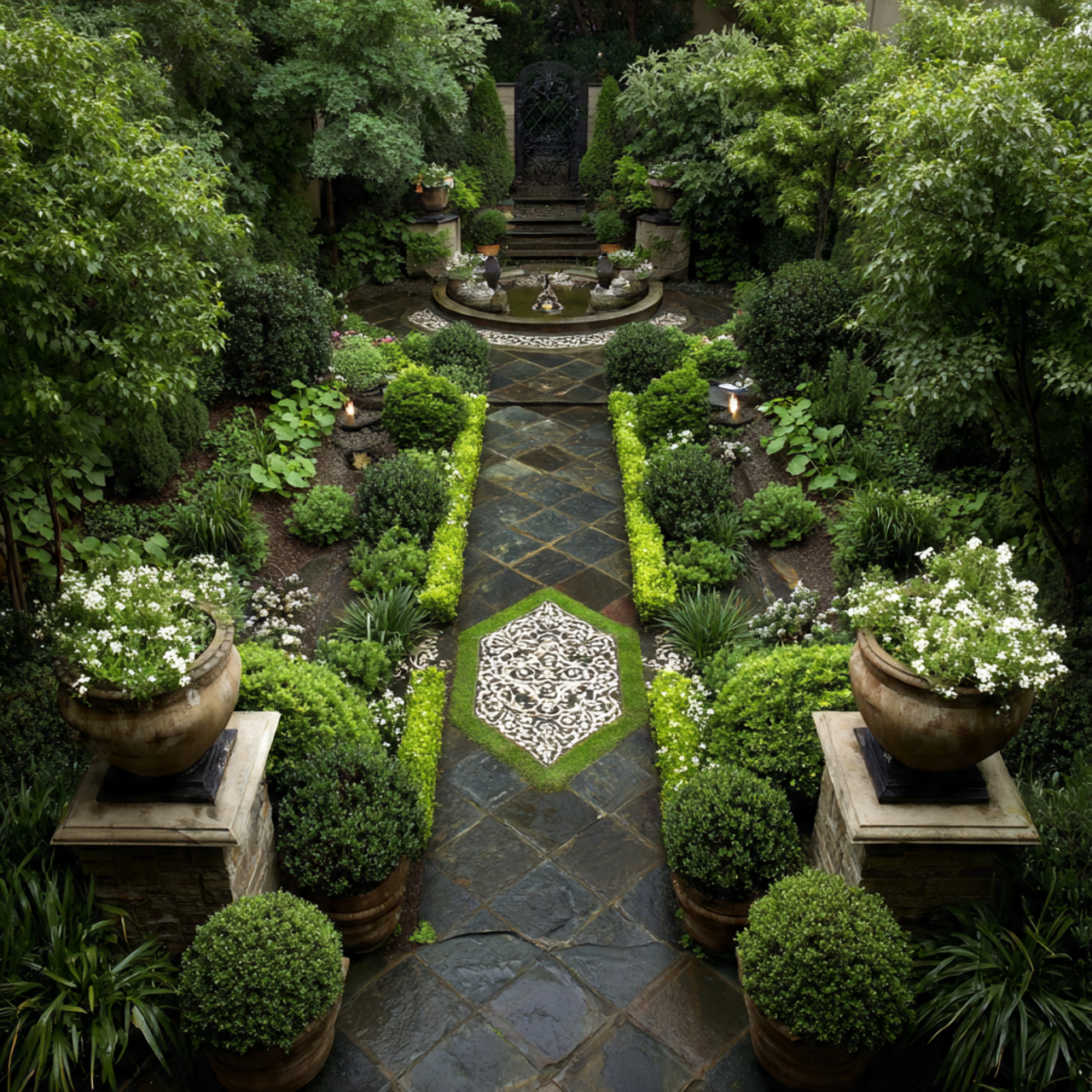
Symmetrical arrangements bring order, elegance, and visual peace to small gardens. When elements mirror each other, the space feels deliberately designed rather than haphazard.
Symmetry in practice:
- Matching planters on either side of an entrance
- Paired shrubs flanking a pathway
- Identical trees at opposite corners
- Evenly spaced repeated plants along borders
- Mirrored furniture arrangements
Why it works in small spaces: Symmetry prevents chaos. When your eye recognizes patterns and repetition, the brain perceives organization and calm—making the space feel larger and more controlled.
Avoiding rigidity: Perfect symmetry can feel stiff. Add subtle variations—maybe one side blooms slightly earlier, or seasonal containers introduce asymmetrical color. This maintains balance while keeping things dynamic.
Best suited for: Formal garden styles, narrow side yards, entrance gardens, and contemporary minimalist designs all benefit from symmetrical layouts.
Plan for Year-Round Interest with Seasonal Planting
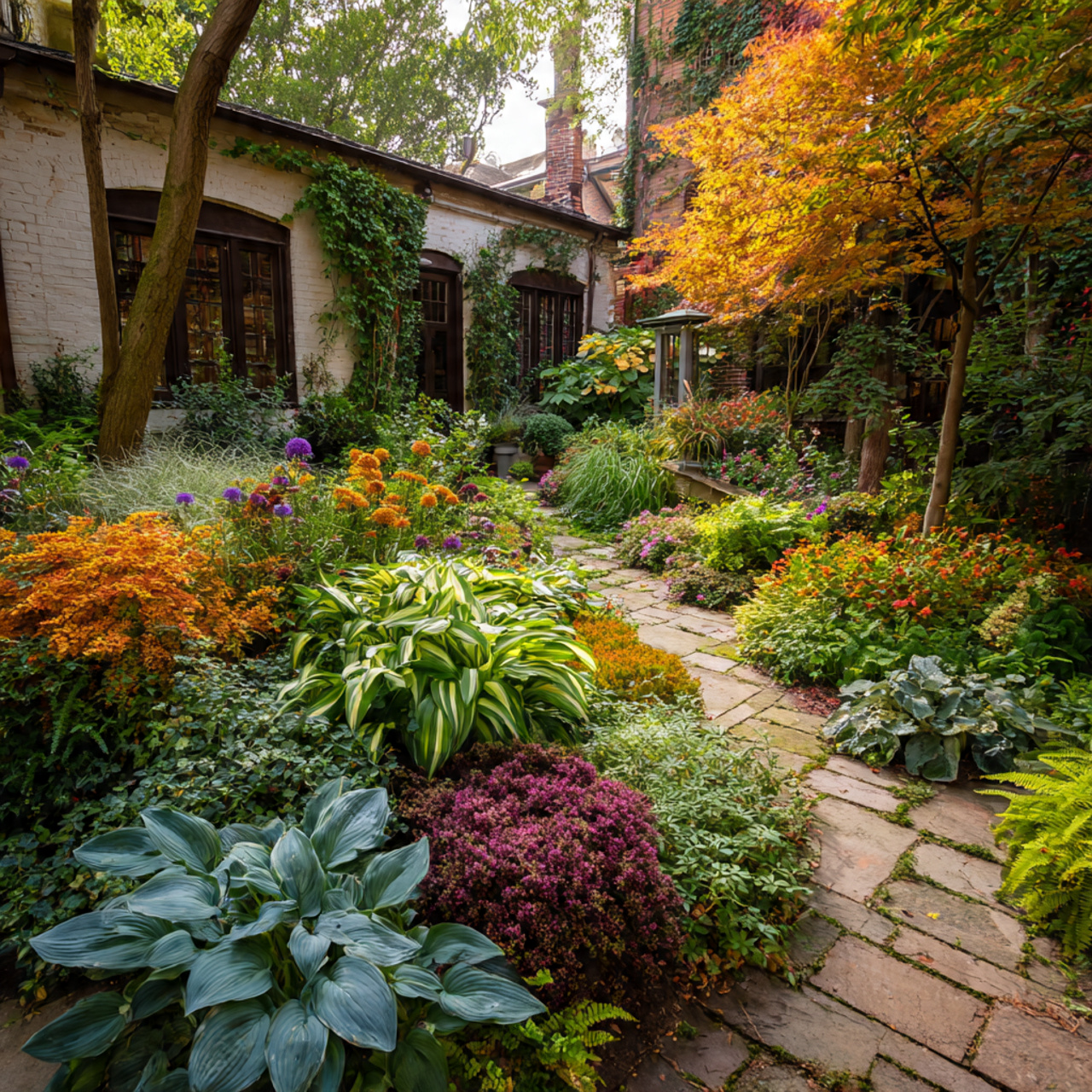
A garden that only looks good in summer is missing 75% of the year. Seasonal planting ensures continuous beauty, color, and texture across all four seasons.
Seasonal rotation strategy:
- Spring: Bulbs (tulips, daffodils, crocuses), flowering trees (cherry, magnolia)
- Summer: Annuals (petunias, marigolds), perennials (daylilies, coneflowers), herbs
- Fall: Ornamental grasses, late-blooming sedums, trees with fall color (maples, dogwoods)
- Winter: Evergreens (boxwood, holly), plants with interesting bark (birch, red-twig dogwood), winter-blooming hellebores
Container advantage: Seasonal containers let you swap out plantings easily. Spring pansies become summer geraniums, then fall mums, then winter evergreen arrangements.
Biodiversity bonus: Changing plant varieties throughout the year supports different pollinators and beneficial insects, creating a healthier garden ecosystem.
Planning tip: Map out your garden month by month to identify gaps. If nothing looks interesting in February or August, you know where to add seasonal interest.
Add Character with Gravel and Stone Pathways
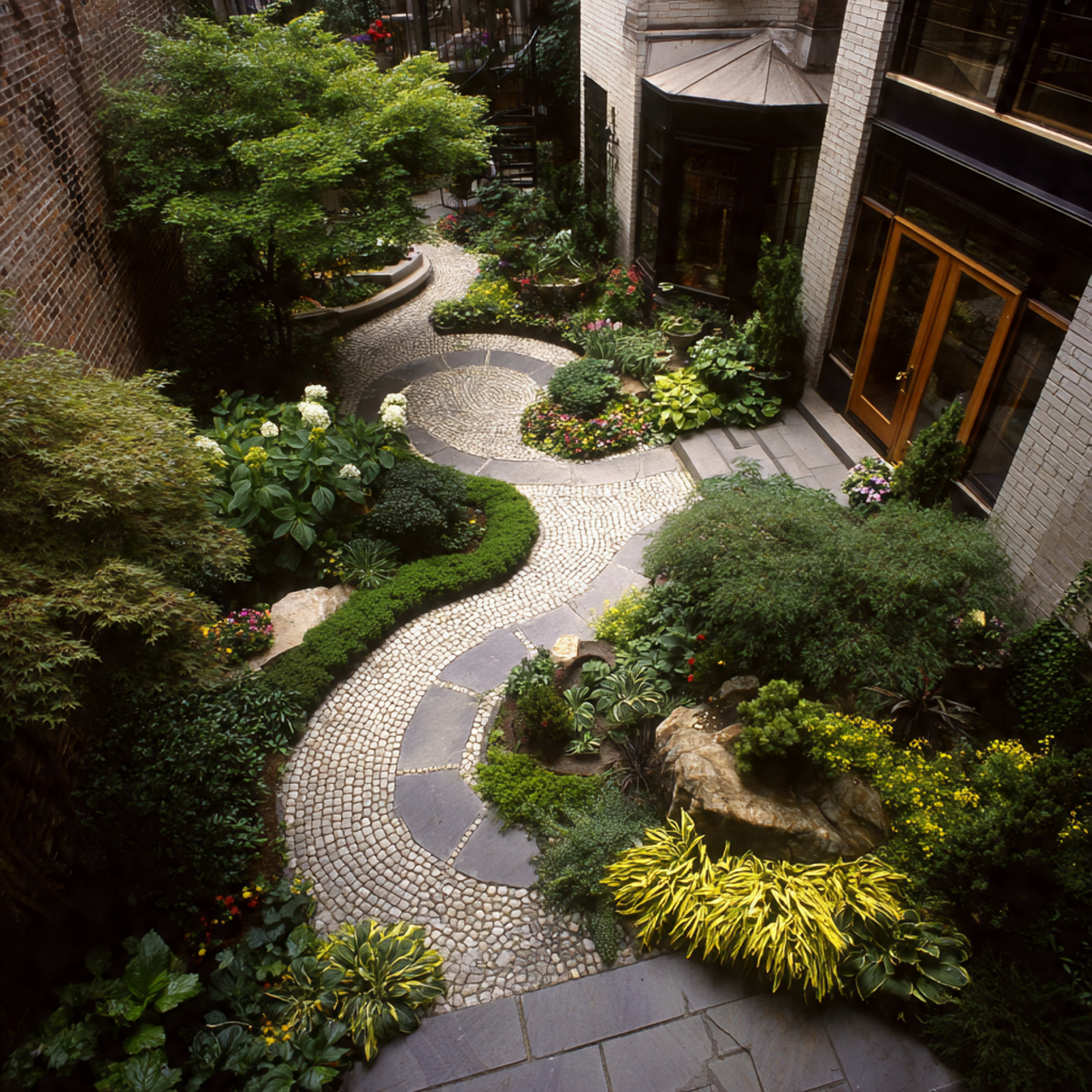
Pathways made from natural materials like gravel, flagstone, or river rock do more than guide movement—they add texture, define zones, and create visual interest through contrast with living plants.
Pathway material options:
- Pea gravel: Affordable, easy to install, soft crunching sound
- Flagstone: Natural look, irregular shapes create informal feel
- River rock: Smooth, rounded, comes in various colors
- Decomposed granite: Compacts firmly, modern appearance
- Slate stepping stones: Flat, elegant, works in formal or informal settings
Design benefits:
- Prevents soil compaction in walking areas
- Improves drainage naturally
- Reduces weed growth between plantings
- Creates texture contrast against soft foliage
- Anchors the design with earthy, grounding elements
Installation approach: For curved pathways, use flexible edging to contain gravel. For stepping stones, space them a comfortable stride apart and nestle them slightly into the soil for stability.
Aesthetic tip: Mix materials for added interest—flagstones with gravel joints, or timber edges with pebble fill.
Express Personality Through Garden Art and Decor
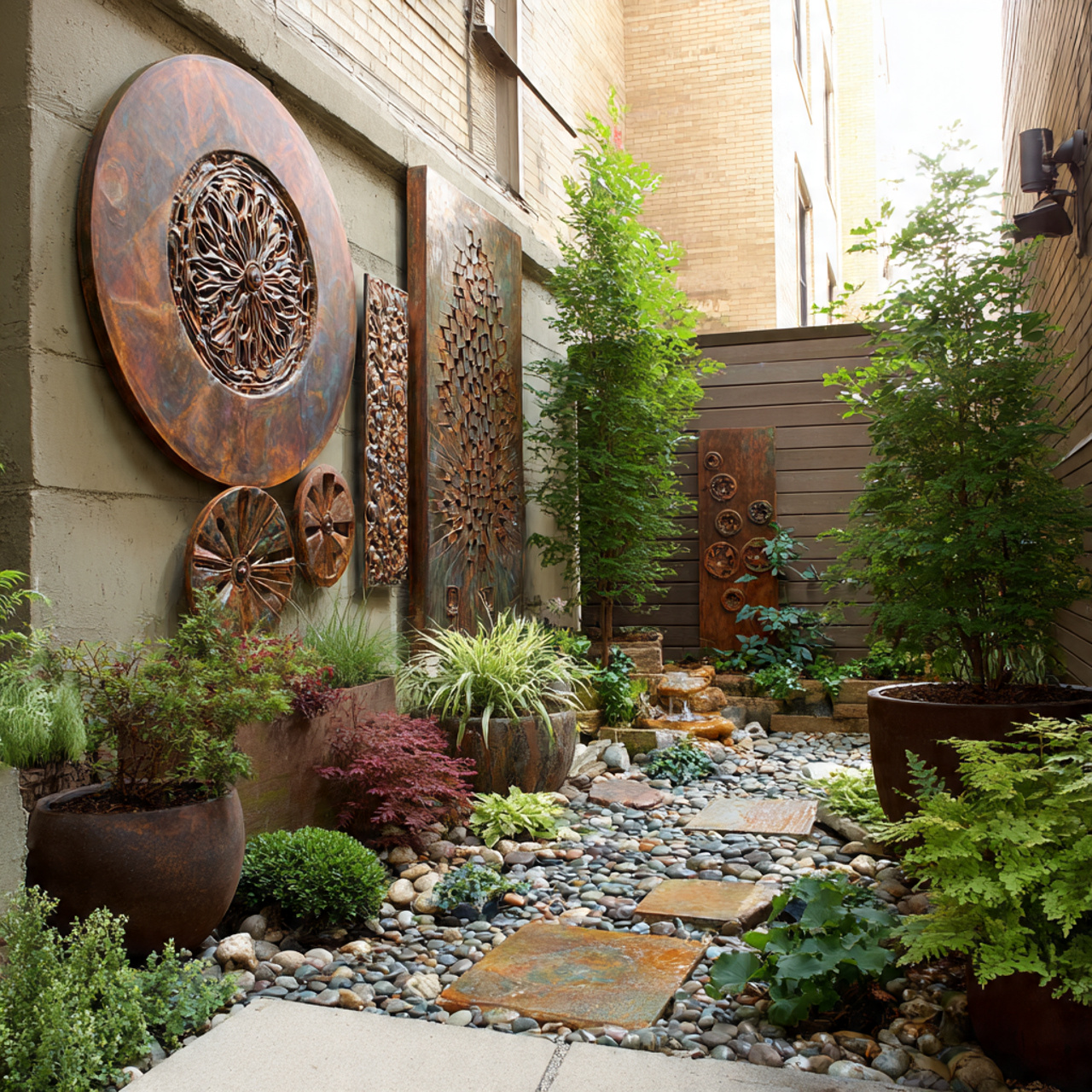
Your garden should reflect who you are. Carefully chosen art pieces and decorative elements add personality, charm, and unique character that makes your space distinctly yours.
Garden decor ideas:
- Weather-resistant sculptures in metal, stone, or ceramic
- Vintage watering cans or garden tools as wall art
- Decorative ceramic spheres nestled among plantings
- Wind chimes for sound and movement
- Painted rocks or mosaic stepping stones
- Outdoor-safe mirrors in decorative frames
- Upcycled items repurposed as planters
Curation principle: Choose pieces that complement your overall style. Minimalist gardens need simple, sculptural forms. Cottage gardens welcome whimsical, colorful accents. Zen gardens benefit from natural stone and bamboo elements.
Less is more: One striking sculpture creates impact. Ten random items create clutter. Select 2-3 meaningful pieces that you genuinely love.
Placement strategy: Position decor where it enhances natural focal points or fills visual gaps. Art should support your design, not compete with it.
Incorporate Compact Trees for Structure
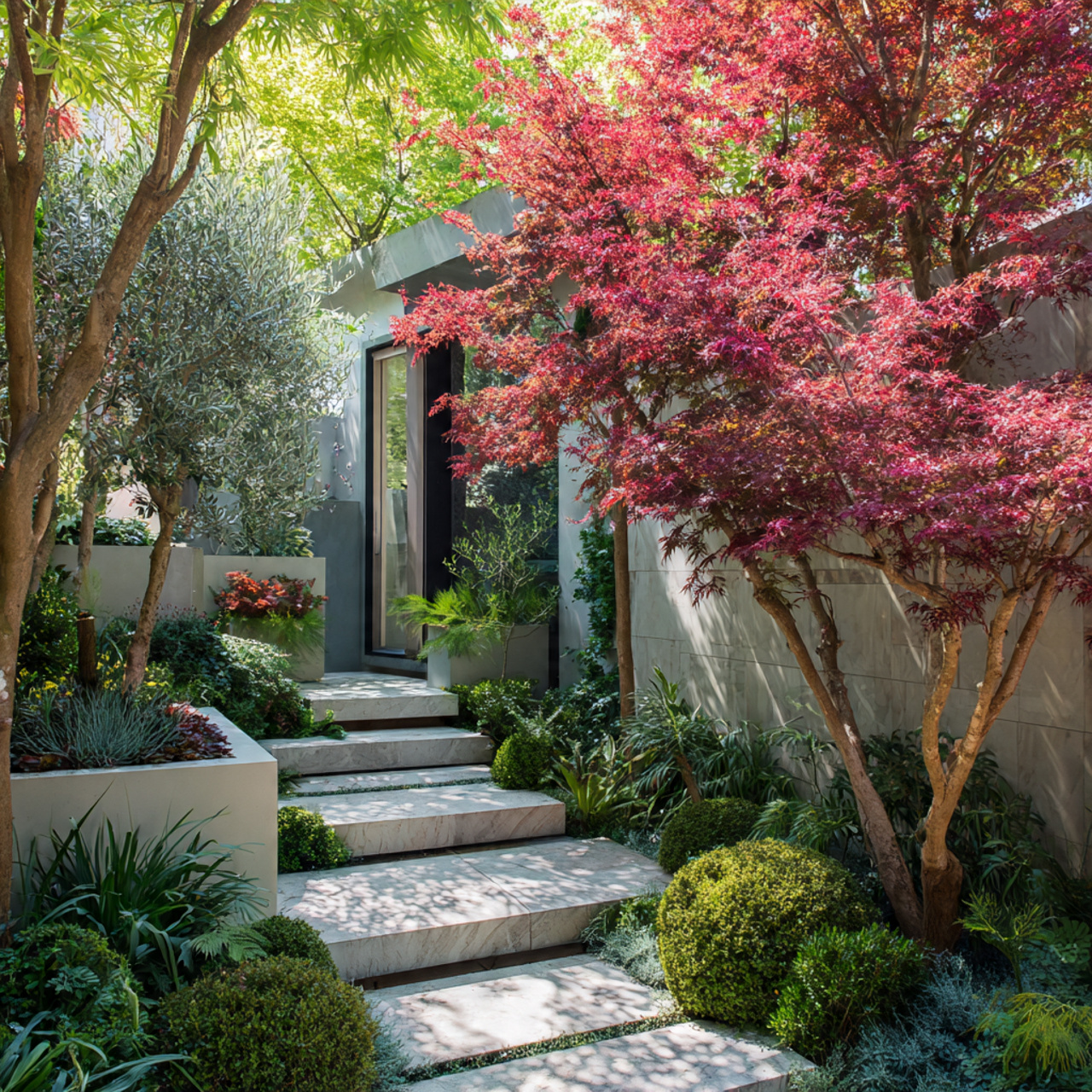
You absolutely can include trees in small gardens—you just need to choose the right ones. Compact or dwarf varieties provide height, structure, seasonal interest, and shade without overwhelming limited space.
Excellent small garden trees:
- Japanese maples: Stunning foliage, elegant branching, manageable size
- Dwarf citrus (Meyer lemon, Calamondin): Fragrant flowers, edible fruit
- Olive trees: Silver-green foliage, Mediterranean charm, drought-tolerant
- Ornamental cherries: Spring blossoms, compact growth habit
- Serviceberry: Multi-season interest, edible berries, attractive bark
- Crabapple: Spring flowers, fall fruit, moderate size
Strategic placement:
- Use as corner anchors to define space boundaries
- Plant to frame seating areas or pathways
- Position where they provide afternoon shade
- Select to create privacy screening at eye level
Microclimate benefits: Small trees create cooler zones beneath their canopies, protect tender plants from harsh winds, and provide perching spots for birds.
Care tip: Regular pruning keeps trees proportional to your space and maintains their ornamental shape.
Create Depth with Layered Lighting Design
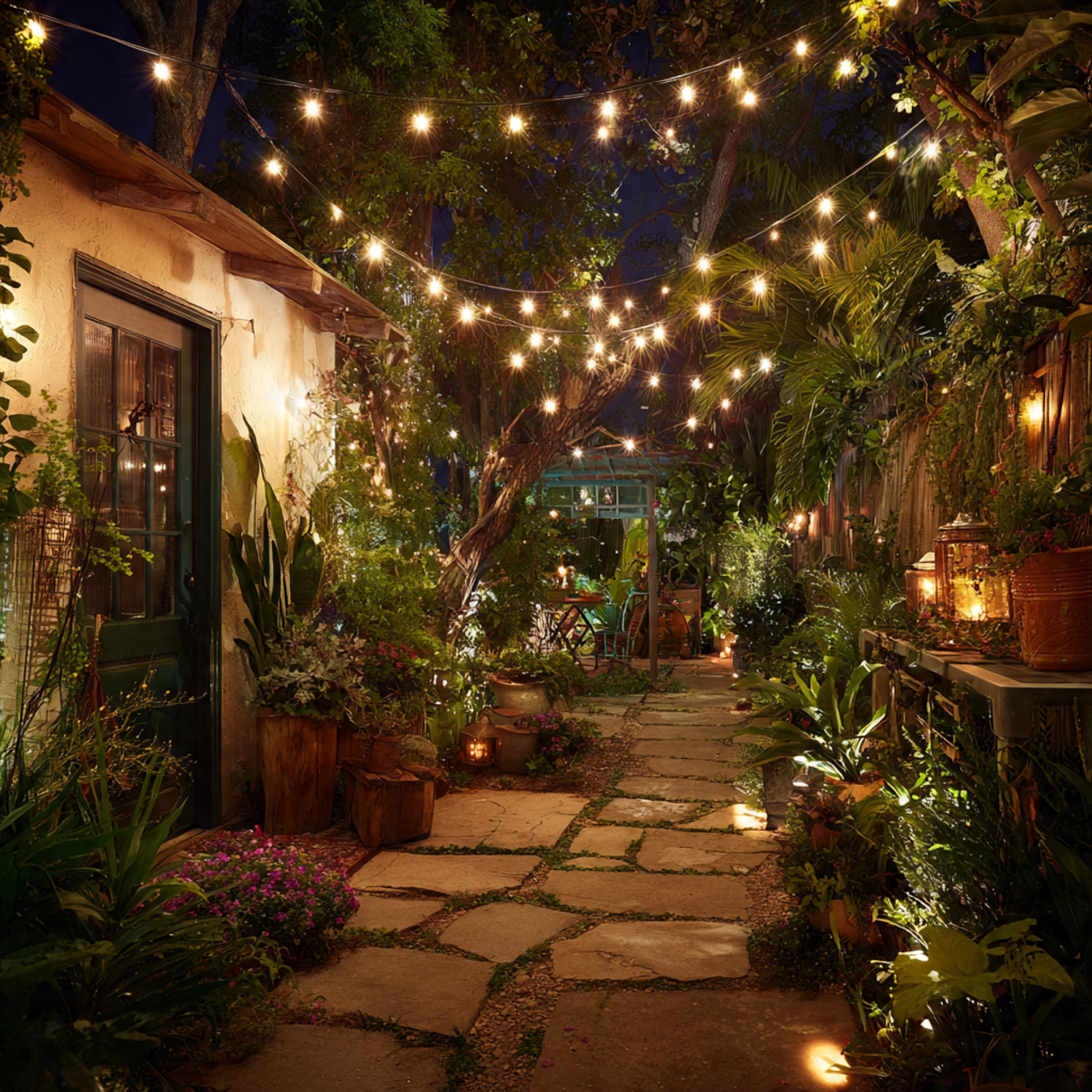
Sophisticated lighting design transforms your small garden from daylight-only to a multi-dimensional evening retreat. Layering different light types creates depth, highlights features, and extends usability.
Lighting layers explained:
- Ambient lighting: General illumination from string lights or overhead fixtures
- Accent lighting: Focused beams highlighting specimen plants, sculptures, or water features
- Task lighting: Functional lights along pathways, steps, and seating areas
- Decorative lighting: Lanterns, luminarias, or specialty fixtures adding visual interest
Placement techniques:
- Uplight trees from below to create dramatic shadows
- Graze textured walls with side-mounted fixtures
- Float string lights overhead to define outdoor rooms
- Place small spotlights to illuminate water features
- Install path lights every 6-8 feet for safe navigation
Mood creation: Warm-toned lighting (2700K-3000K) creates intimacy and relaxes the eyes. Avoid harsh white or blue-toned lights that feel institutional.
Smart controls: Timers, dimmers, and smart bulbs let you adjust ambiance instantly, creating different moods for different occasions.
Safety benefit: Well-lit pathways and steps prevent accidents while making your garden welcoming after dark.
FAQs About Small Garden Design
1. Can small garden design work in balconies or terraces?
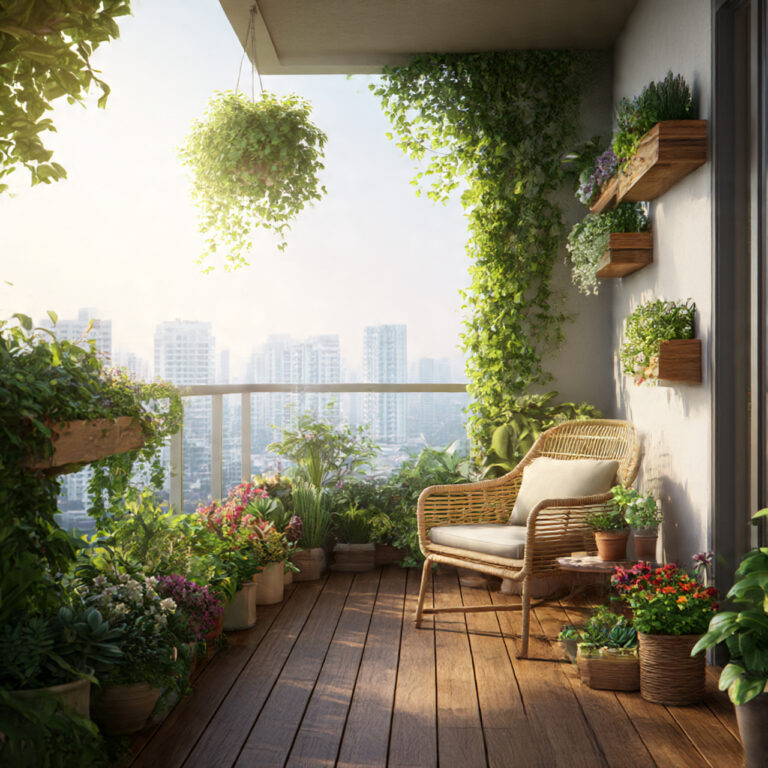
Absolutely. Vertical gardens, container planting, compact furniture, and trellises allow balconies or terraces to feel like lush mini-gardens without needing large floor space.
2. What are the best plant types for small gardens?
Dwarf shrubs, compact flowering plants, climbing plants, herbs, and small ornamental trees thrive in limited spaces, adding variety and texture without crowding.
3. How can I make a small garden appear larger visually?
Use mirrors, vertical layers, curved pathways, focal points, and repeated color schemes. These elements create depth, movement, and perceived space.
4. How much maintenance does a small garden require?
With the right plant selection, container gardening, and soil management, small gardens can be low-maintenance while still appearing lush and healthy.
5. Can a small garden include edible plants?
Yes. Herbs, dwarf fruit trees, compact vegetables, and edible flowers work perfectly, combining beauty with functionality and self-sufficiency.
Final Thoughts: Your Small Garden, Your Sanctuary
Creating a stunning small garden isn’t about working around limitations—it’s about embracing the unique opportunities that compact spaces provide. Every choice becomes meaningful when space is precious. Every plant, pathway, and decorative element contributes to the overall experience in ways that larger gardens sometimes miss.
The techniques we’ve explored—vertical growing, strategic layering, thoughtful focal points, cohesive color palettes, smart lighting, and flexible design—all work together to transform even the tiniest outdoor area into something genuinely special. Whether you’re working with a narrow side yard, a cozy courtyard, a balcony, or a small backyard, these principles apply.
Remember that your garden is personal. The “rules” are really just guidelines to help you make confident choices. If you love a particular plant or design element, find a way to make it work within your space. Experiment, adjust, and let your garden evolve over seasons and years.
Start with one or two ideas that resonate most with you. Maybe it’s adding vertical planters this month, creating a defined pathway next season, or introducing a small water feature when weather permits. Small, incremental improvements compound over time, gradually transforming your outdoor space into a peaceful, beautiful retreat that reflects your personality and meets your needs.
Your small garden has incredible potential waiting to be unlocked. With thoughtful planning, creative use of space, and attention to the details that matter, you can create an outdoor sanctuary that feels expansive, inviting, and uniquely yours—no matter how many square feet you’re working with.