
25 Best Mosquito Repelling Plants for a Bite-Free Home
Let’s be honest—mosquitoes are the uninvited guests nobody wants at their backyard barbecue. Beyond being irritating, these tiny buzzers can transmit serious illnesses. Sure, chemical sprays get the job done, but they often leave you smelling like a science experiment and come with health concerns you’d rather avoid.
Here’s the good news: Mother Nature has your back. Certain plants naturally repel mosquitoes while adding beauty and fragrance to your space. It’s like having bouncers for your garden that also happen to smell amazing and look gorgeous. In this guide, we’ll walk through some practical ways to use mosquito-repelling plants to reclaim your outdoor (and indoor) spaces.
Why Smart Homeowners Are Switching to Plant-Based Mosquito Control
Think of mosquito-repelling plants as your home’s natural defense system. These green guardians release essential oils and aromatic compounds that mosquitoes absolutely hate. The result? A protective bubble around your living areas without the chemical cocktail.
Here’s what makes them brilliant:
- Zero harmful side effects for your family or pets
- They actually make your space look better (win-win!)
- Cost-effective—plant once, enjoy for seasons
- Eco-friendly solution that supports local pollinators
- No need to constantly reapply like synthetic repellents
The secret is mixing and matching the right plants in strategic locations—doorways, windows, patios, and garden borders become your first line of defense.
Lavender: Your Purple Powerhouse
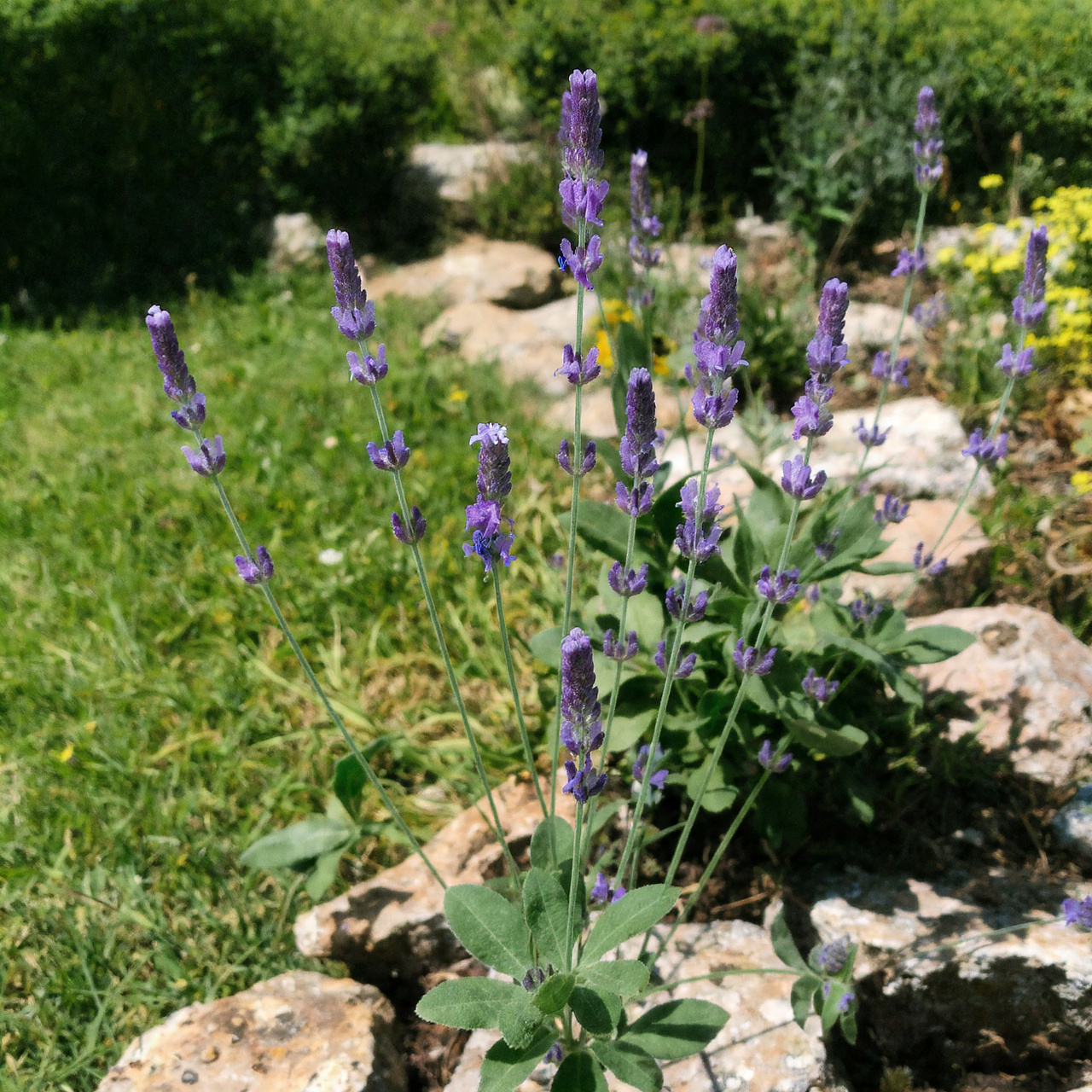
There’s a reason lavender has been beloved for centuries. Those gorgeous purple blooms pack a mosquito-fighting punch while filling your space with one of nature’s most relaxing scents.
Quick tips for success:
- Place potted lavender near entry points (doors, windows, patio edges)
- Prune regularly to encourage bushy, dense growth
- Bonus: attracts butterflies and bees while repelling the bad guys
- Works beautifully both indoors on sunny windowsills and outdoors
- Harvest and dry the flowers for sachets that keep mosquitoes out of closets
The natural compounds in lavender oil are like kryptonite to mosquitoes, but to us? Pure relaxation.
Citronella Grass: The Heavy Hitter Everyone Knows
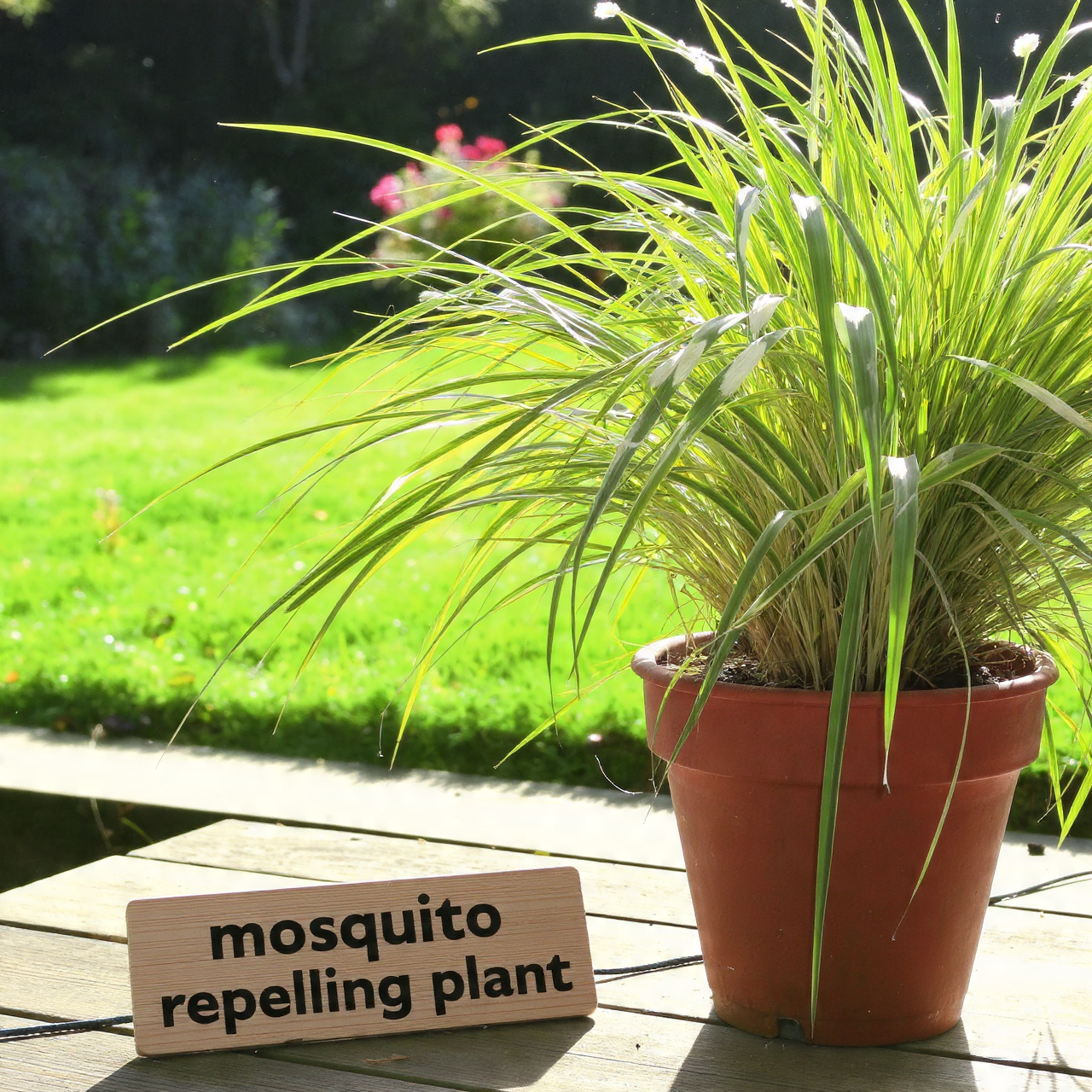
You’ve probably seen citronella candles everywhere—now go straight to the source. This tall, lemon-scented grass is what those candles are trying to imitate, and the real deal works even better.
Best practices:
- Plant in clusters around outdoor seating areas for maximum coverage
- Loves full sun and well-drained soil
- Gently crush a few leaves before sitting outside to release extra oils
- Pair with lavender or lemon grass for a mosquito-fighting dream team
- Grows 5-6 feet tall, creating a natural privacy screen that works double duty
Think of citronella as your garden’s bouncer—big, effective, and doesn’t mess around.
Basil: Your Kitchen’s Secret Weapon
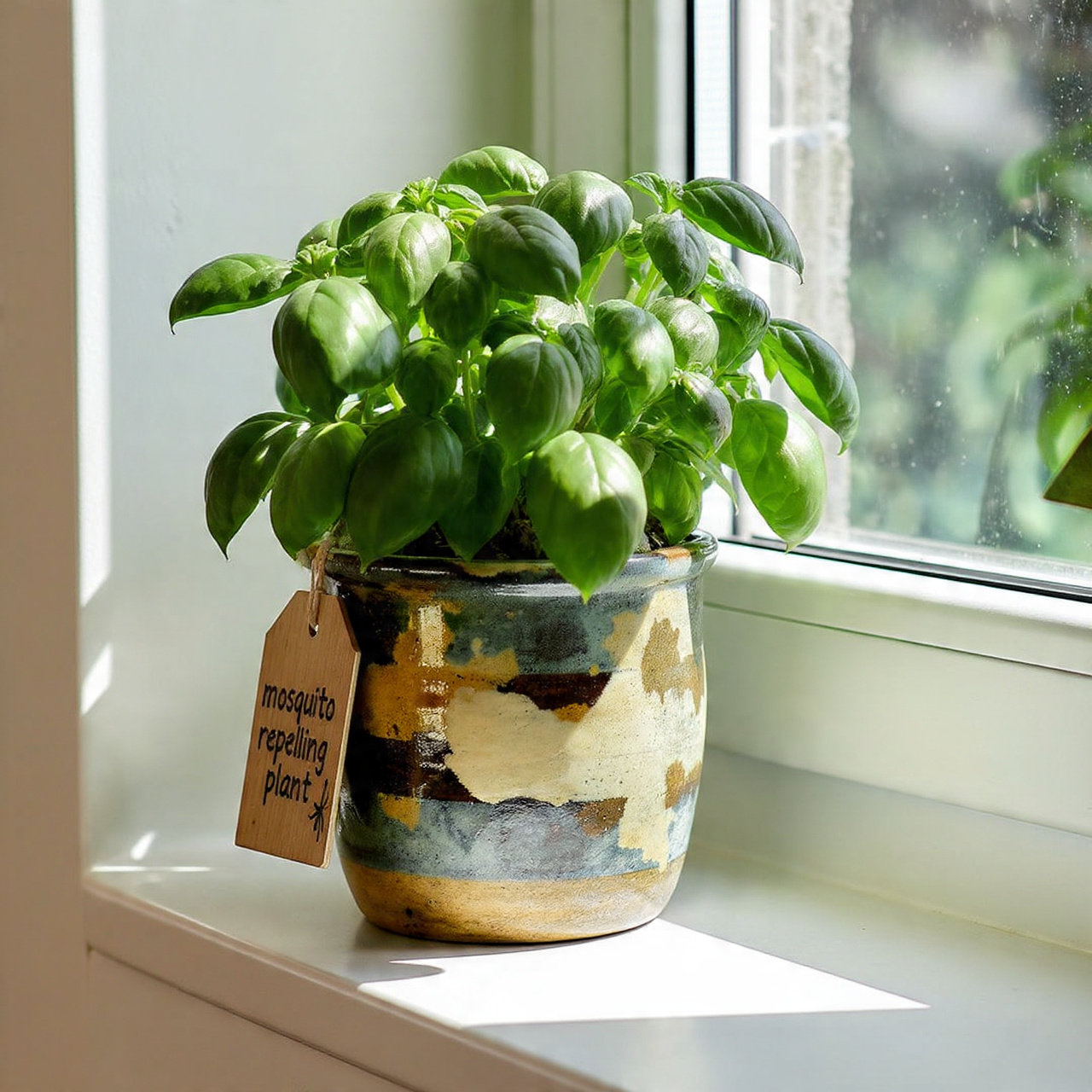
Plot twist: your favorite pasta herb is also a mosquito’s nightmare. Basil’s pungent aroma masks the carbon dioxide and body scents that mosquitoes use to track you down.
Growing tips:
- Keep pots on windowsills, kitchen counters, or near outdoor dining tables
- Needs consistent watering and 6-8 hours of sunlight
- Try lemon basil or cinnamon basil for extra mosquito-fighting power
- Pinch off flowers to keep the plant producing more aromatic leaves
- Rub leaves on exposed skin for a natural (and edible) repellent
You literally get fresh herbs for cooking AND mosquito protection. That’s what we call multitasking.
Rosemary: Aromatic and Virtually Indestructible
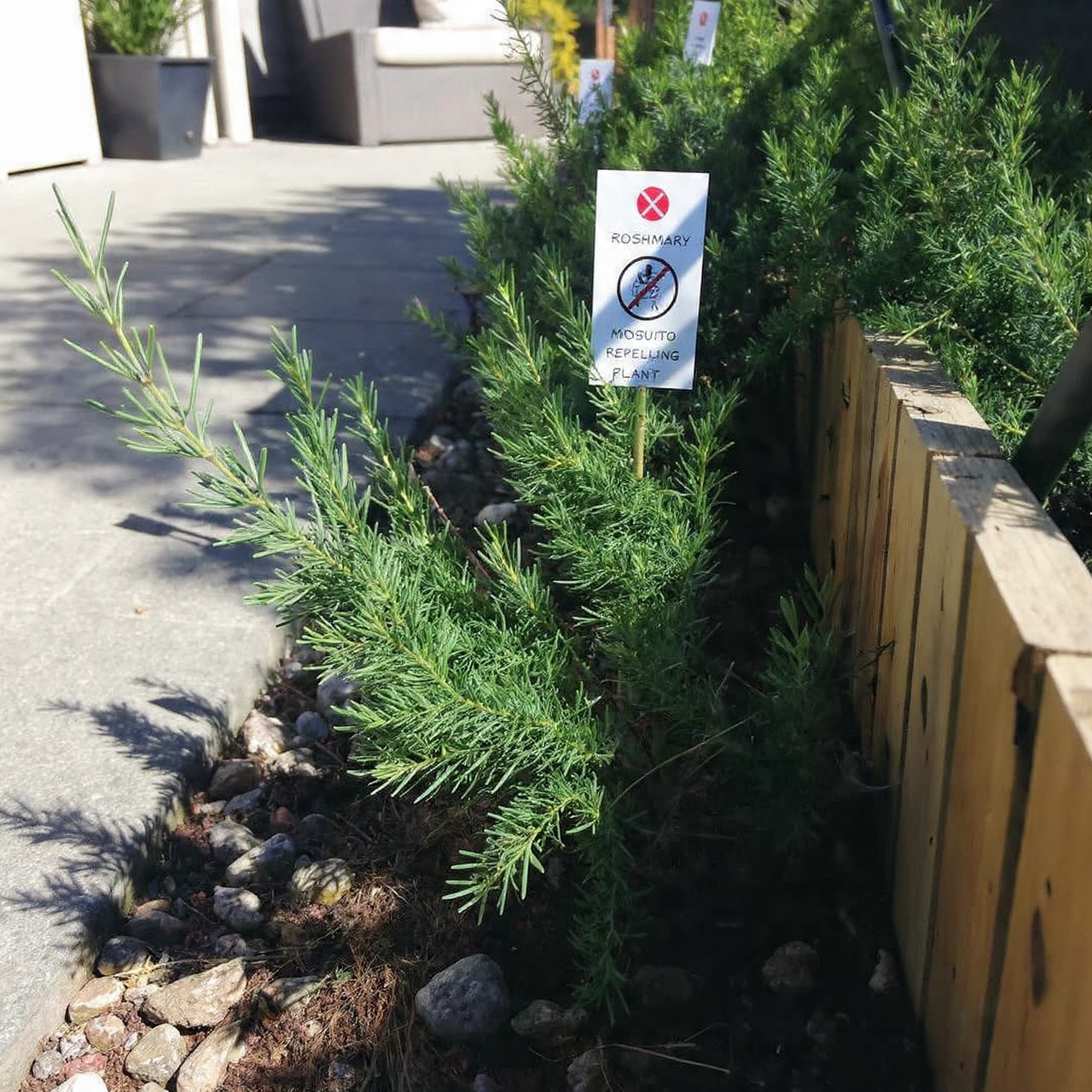
This woody Mediterranean herb is the low-maintenance friend everyone wishes they had. Rosemary’s strong scent creates an invisible barrier that mosquitoes won’t cross.
Planting strategies:
- Position near garden pathways, patios, and doorways
- Thrives in sunny spots with minimal water (drought-tolerant)
- Toss a few sprigs on the grill when barbecuing for extra protection
- Works as a natural border plant—looks structured and smells amazing
- Evergreen variety keeps working year-round in mild climates
The best part? Rosemary basically takes care of itself while taking care of your mosquito problem.
Mint: The Spreading Defender
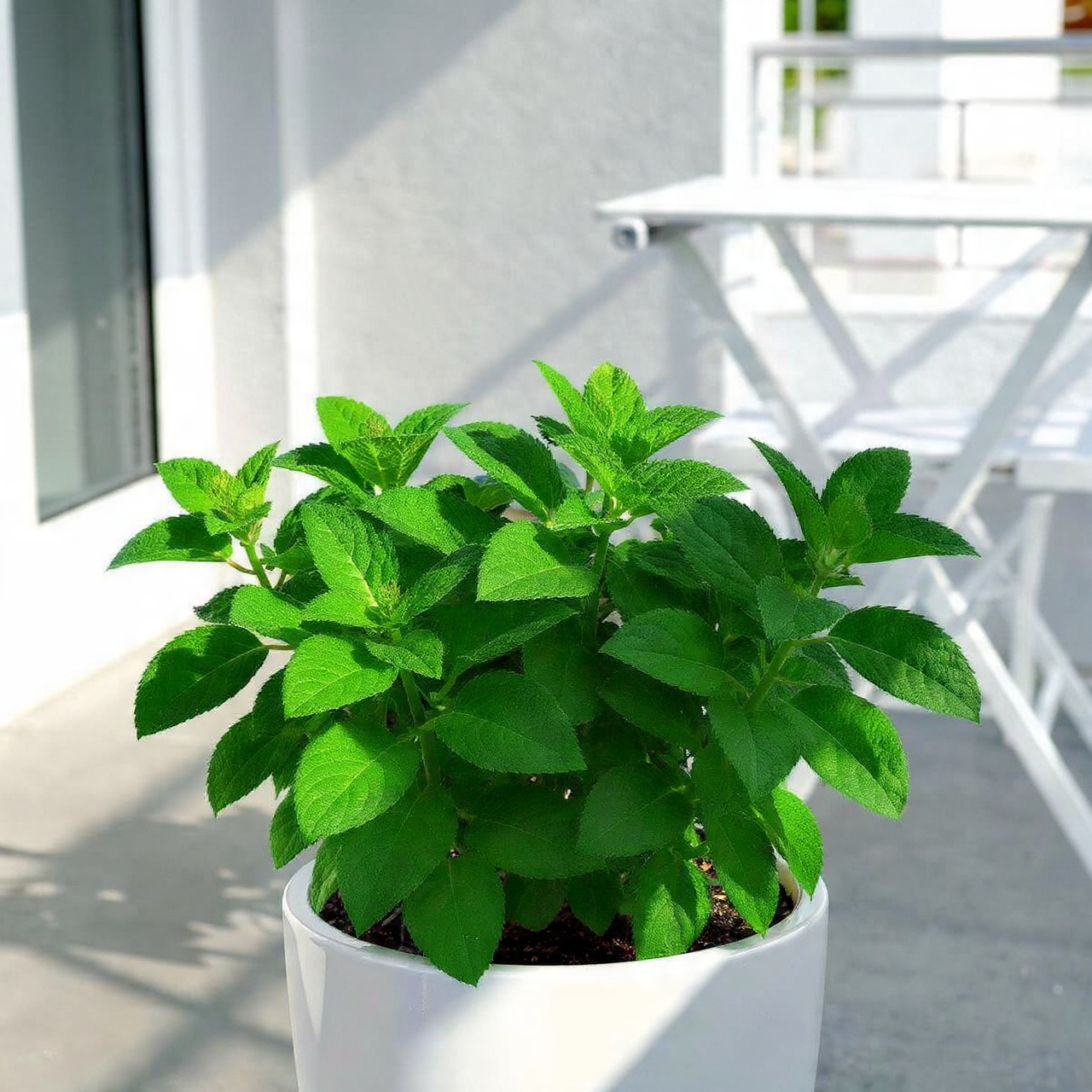
Mint doesn’t just freshen your breath—it sends mosquitoes running. The intense menthol scent is overwhelming for these pests while being refreshing for us humans.
Smart growing advice:
- ALWAYS grow in containers (trust us, it spreads like wildfire otherwise)
- Place pots near seating areas, windows, or doorways
- Tolerates partial shade, making it perfect for tricky spots
- Crush leaves between your fingers before sitting outside
- Make mosquito-repelling tea or use in DIY spray bottles
Mint is the enthusiastic puppy of herbs—lots of energy, needs boundaries, but absolutely lovable.
Lemon Balm: Citrus-Scented Protection
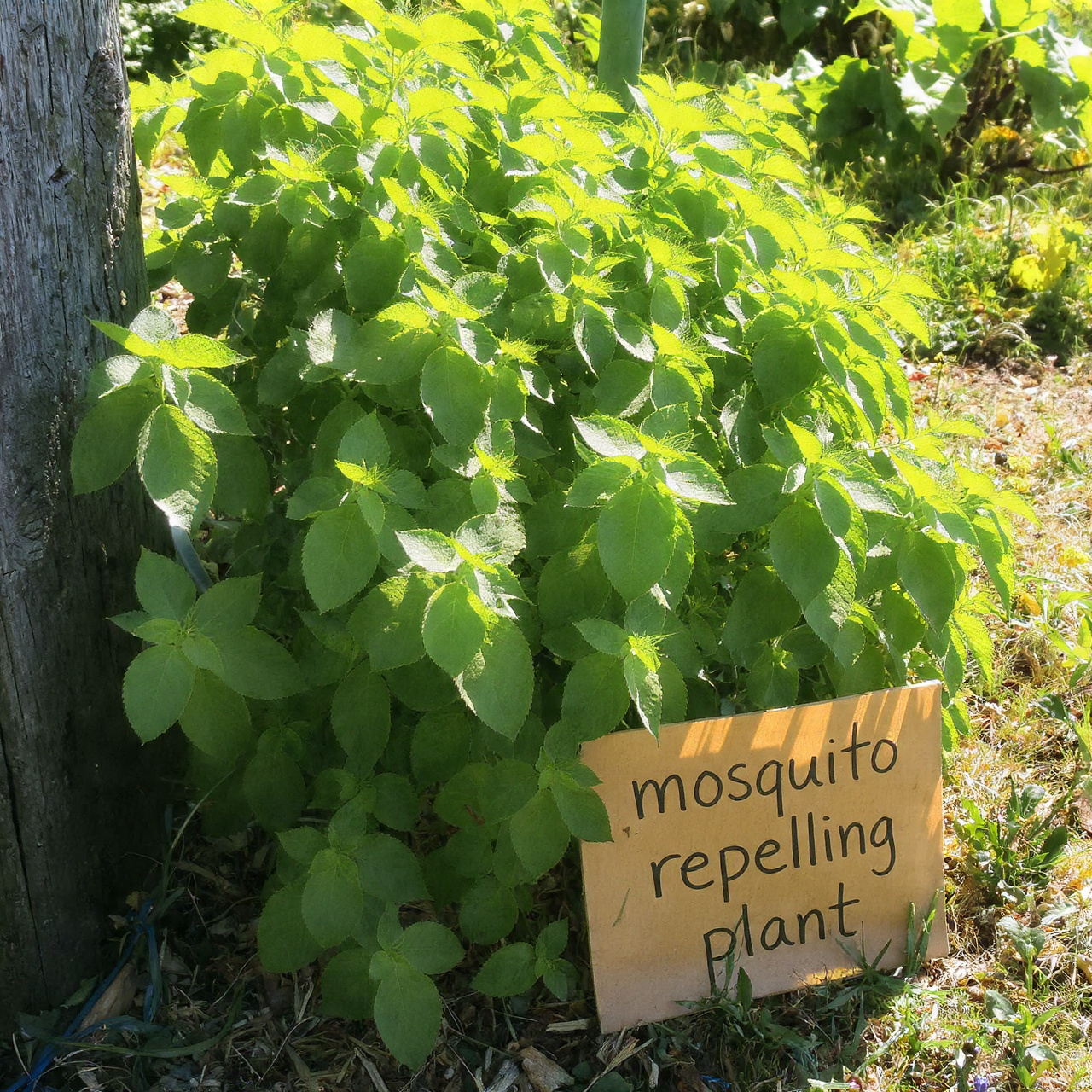
This member of the mint family brings a lovely lemon fragrance that humans adore but mosquitoes detest. It’s like having a lemon tree’s scent in an easy-to-grow package.
Care essentials:
- Grows well in containers or garden beds around patios
- Trim regularly to encourage fuller, bushier growth
- Makes excellent mosquito-repelling tea (seriously, try it!)
- Can be dried and used in homemade repellent sachets
- Spreads moderately, so give it space or contain it
Lemon balm is perfect if you want protection with a cheerful, uplifting scent.
Marigold: Bright Beauty with Bite
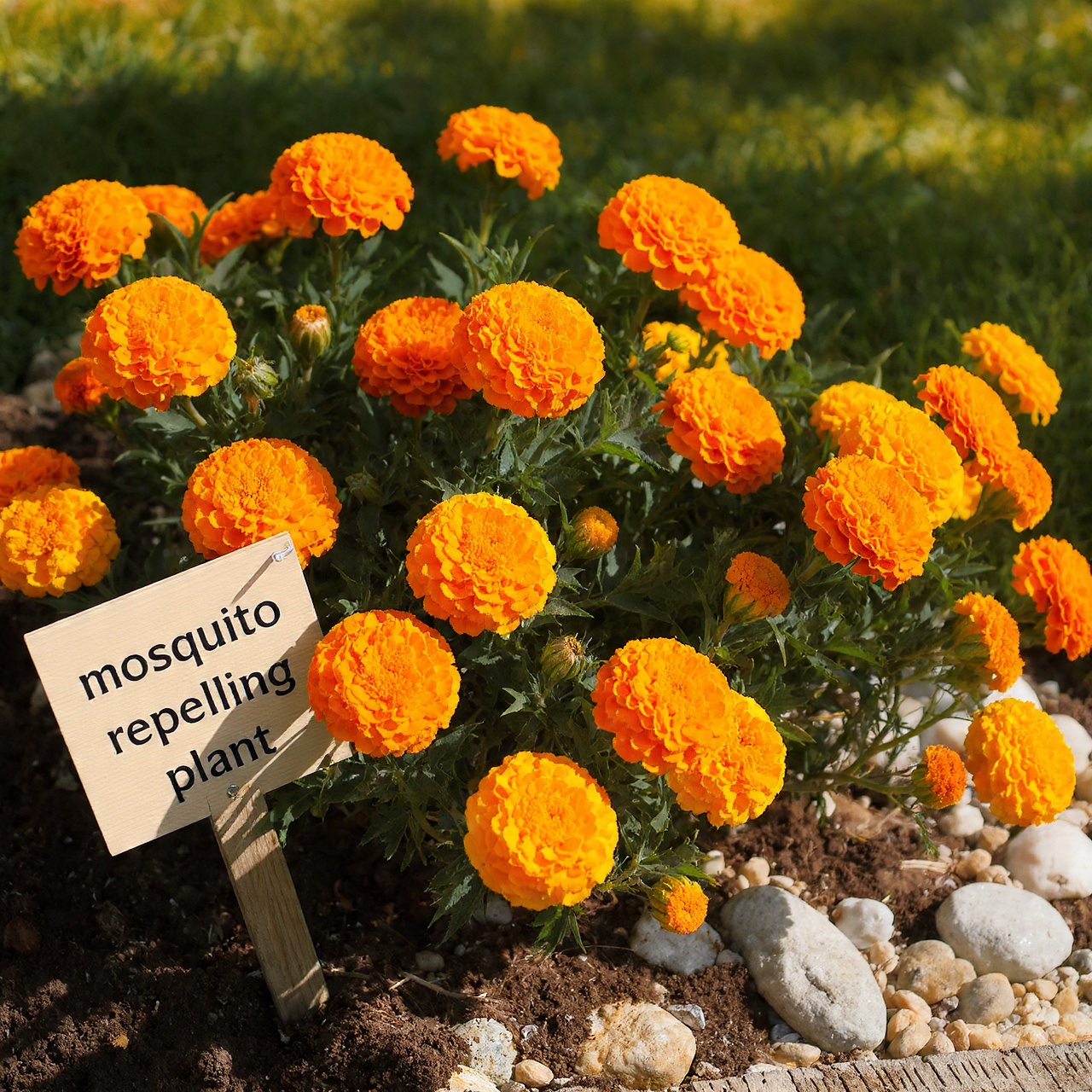
These cheerful orange and yellow blooms don’t just brighten your garden—they’re secretly bodyguards. Marigolds contain pyrethrum, a compound used in many commercial insect repellents.
Planting guide:
- Line garden borders, walkways, or fill balcony containers
- Attracts butterflies and other beneficial pollinators
- Super hardy and beginner-friendly
- Deadhead spent blooms to encourage continuous flowering
- The stronger the scent, the better the mosquito protection
Marigolds prove that you don’t have to choose between beauty and function.
Catnip: Surprisingly Powerful Protection
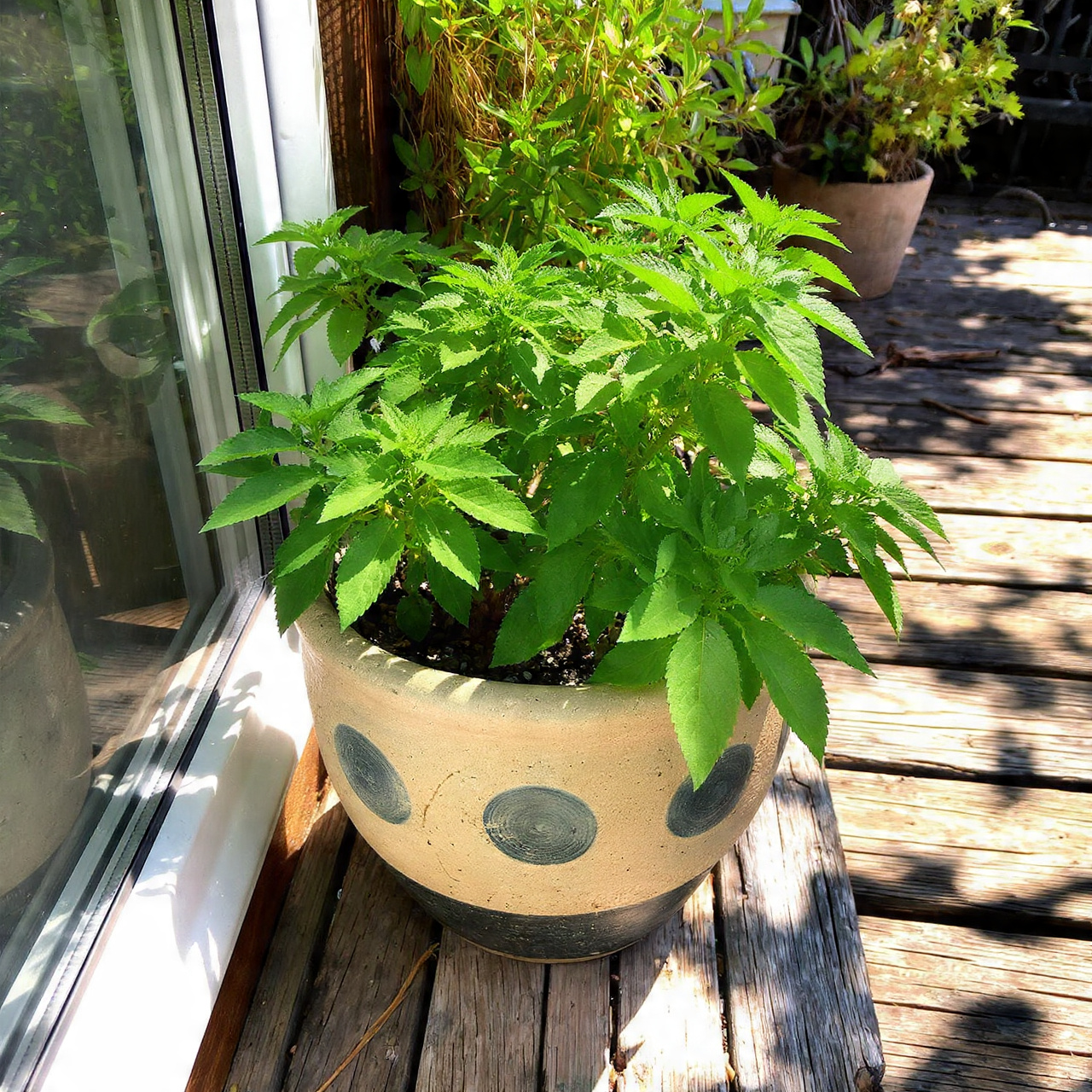
Don’t let the cute name fool you—catnip is a mosquito-fighting beast. Studies show it can be up to 10 times more effective than DEET at repelling mosquitoes.
Growing insights:
- Plant in containers to control spread (and to move away from cat visitors)
- Loves sunny locations with minimal fuss
- Yes, cats will love it, but that’s a small price to pay
- The compound nepetalactone is what does the mosquito-repelling magic
- Dries well for use in sachets or homemade sprays
Just be prepared for the neighborhood cats to become very interested in your garden.
Peppermint: Sharp Scent, Sharp Results
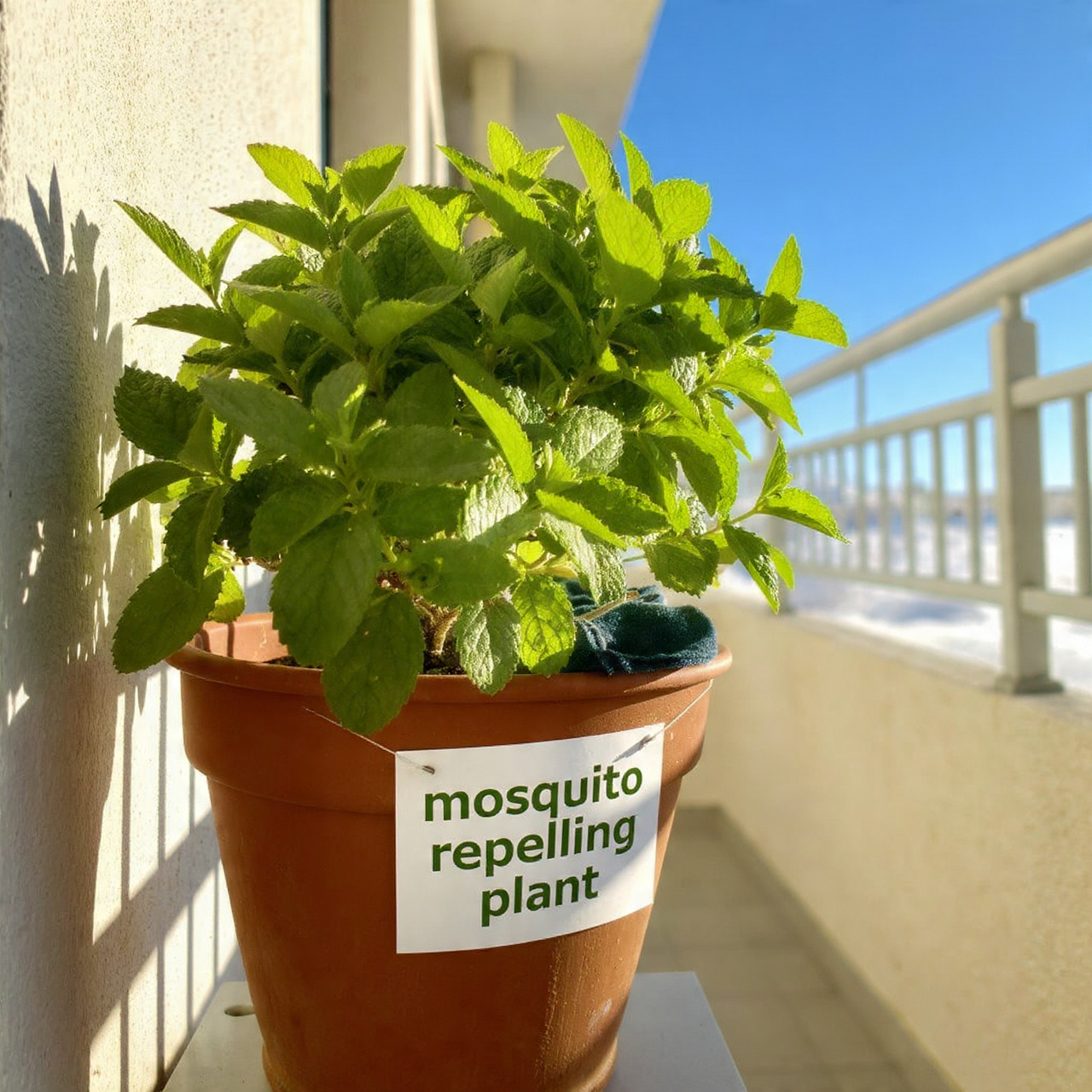
Even stronger than regular mint, peppermint brings serious mosquito-repelling power with that characteristic cooling sensation.
Best uses:
- Container planting is essential (it’s an aggressive spreader)
- Position wherever mosquitoes are most problematic
- Harvest leaves for fresh mosquito-repelling tea
- Make DIY spray: steep leaves in water, strain, and spray around seating areas
- Works wonderfully in hanging baskets near outdoor living spaces
Peppermint is the overachiever of the herb world—useful in a dozen different ways.
Lemon Grass: Backyard Fortress
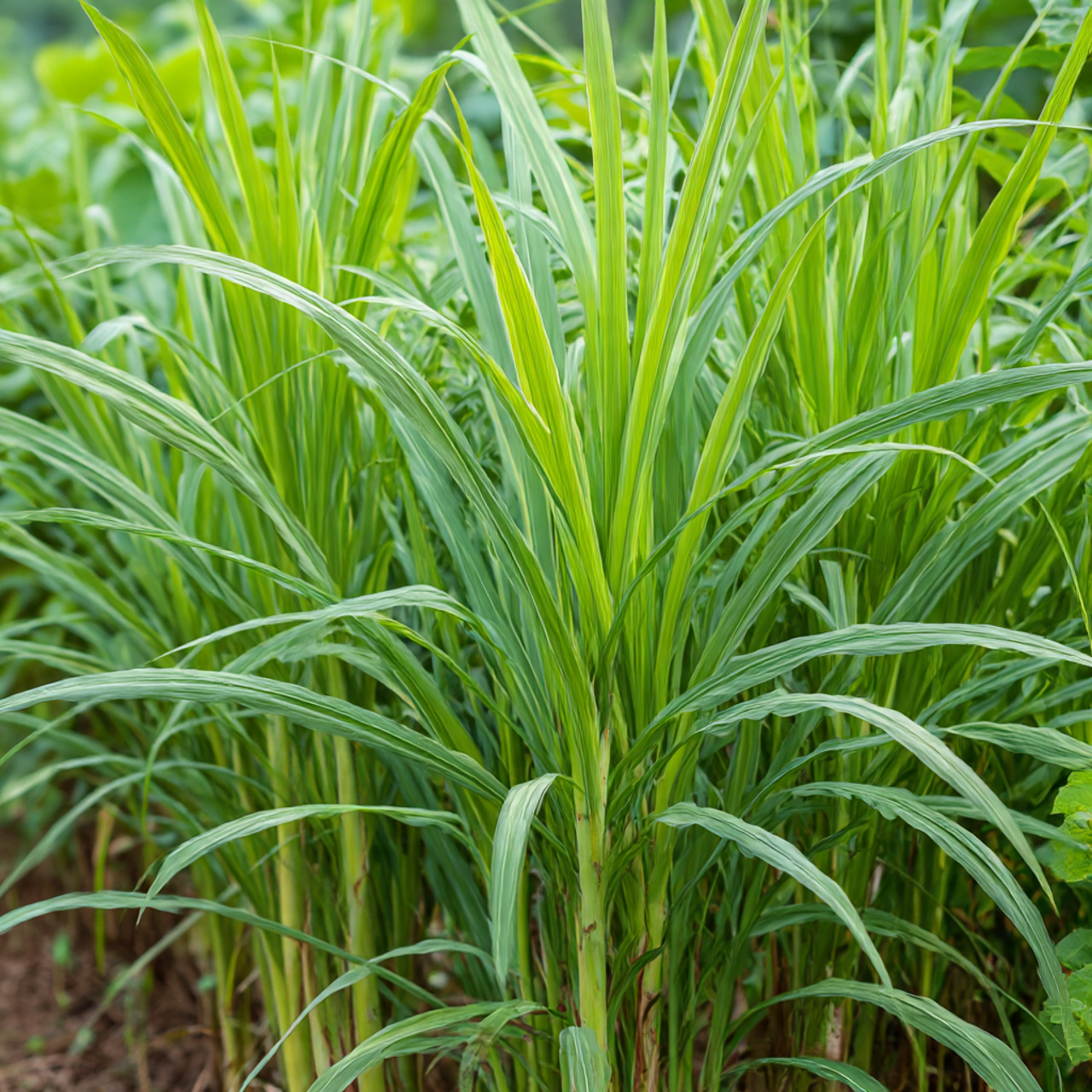
This tall, graceful grass contains the same citronella oil found in repellent candles, making it one of the most effective natural mosquito deterrents.
Growing recommendations:
- Plant in clusters for a living mosquito barrier
- Requires full sun and regular watering during growth season
- Grows 3-5 feet tall, creating natural screening
- Combine with citronella grass for an unbeatable defense
- Leaves can be used in cooking (bonus points!)
Think of lemongrass as your garden’s tall fence that happens to smell like lemon candy.
Sage: Rustic Charm with Real Results
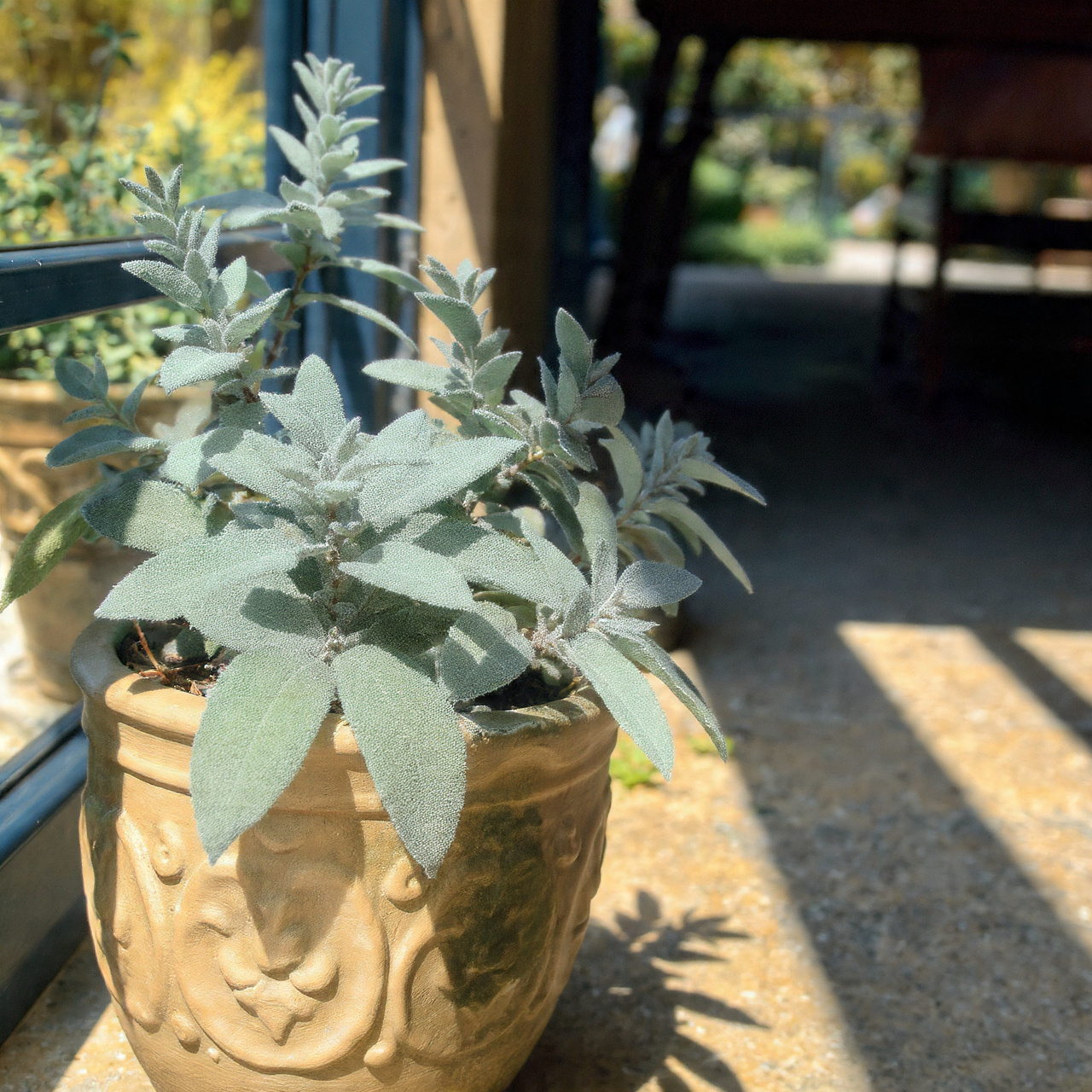
This Mediterranean herb brings a silvery, rustic elegance to gardens while its powerful aroma keeps mosquitoes away.
Care tips:
- Drought-tolerant once established (perfect for busy people)
- Grow in pots near windows to prevent indoor mosquito entry
- Crush leaves to release maximum aromatic oils
- Throw dried sage on fire pits or grills for smoke that repels mosquitoes
- Both common sage and pineapple sage varieties work well
Sage is the zen master of mosquito-repelling plants—calm, collected, and effective.
Thyme: Small but Mighty
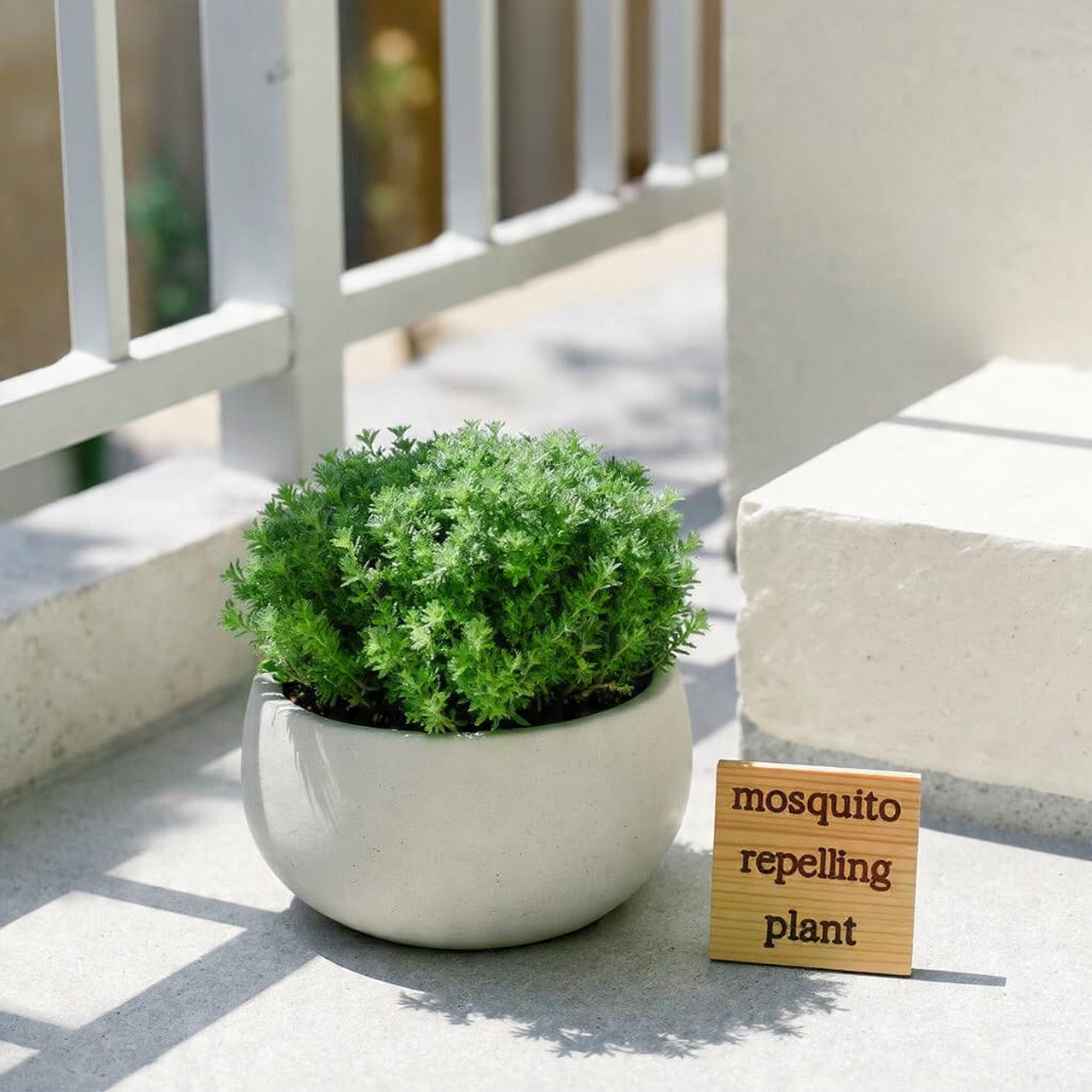
Don’t underestimate this low-growing herb. What thyme lacks in height, it makes up for in mosquito-fighting aromatics.
Planting strategies:
- Perfect for small gardens, balconies, or tight spaces
- Use as ground cover near patios for continuous protection
- Regular harvesting encourages bushier, more fragrant growth
- Steep in hot water for mosquito-repelling spray
- Creeping thyme works wonderfully between stepping stones
Thyme proves that good things come in small, fragrant packages.
Scented Geraniums: Colorful Guardians
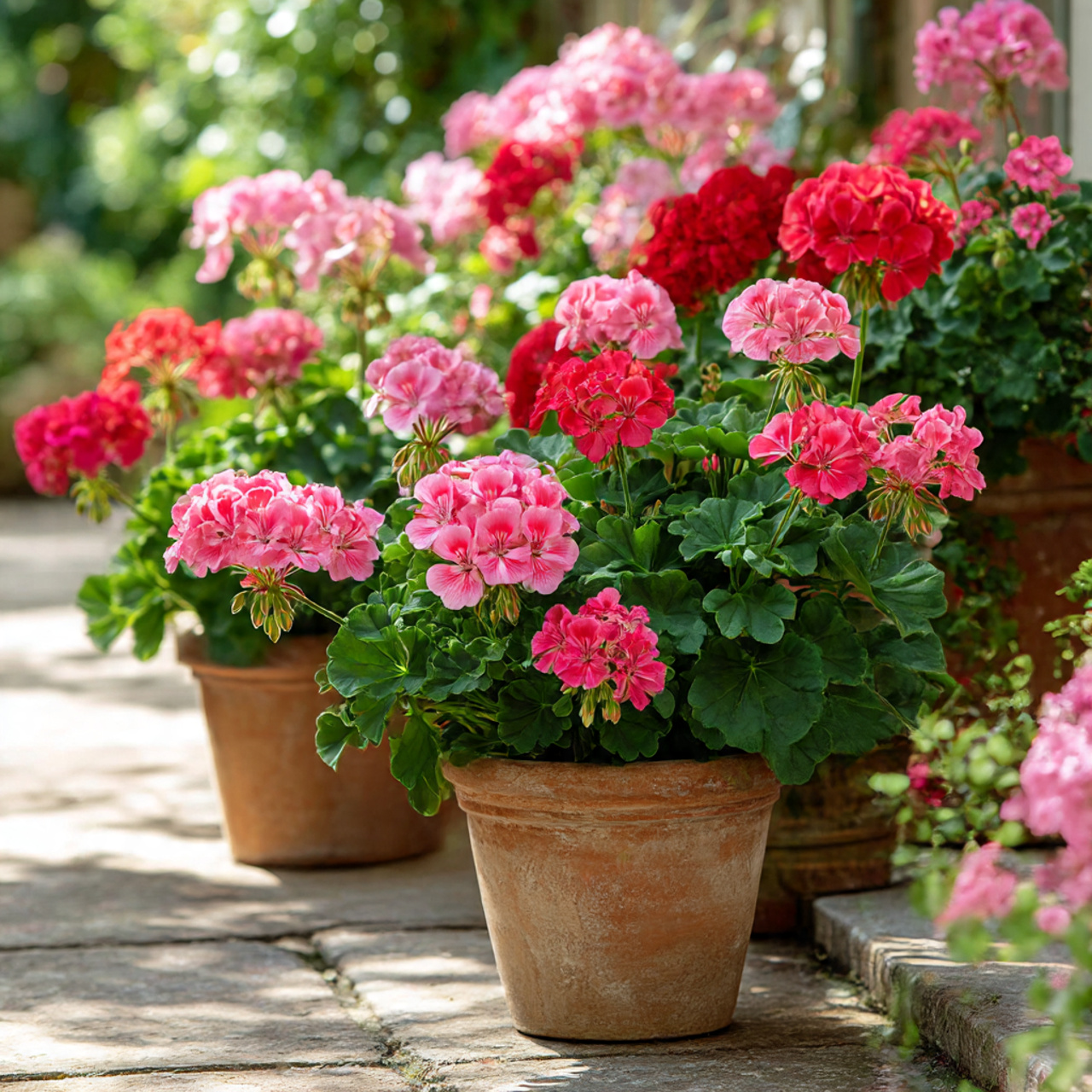
Not all geraniums repel mosquitoes—you want the scented varieties. These produce vibrant blooms while releasing mosquito-deterring fragrances.
Growing essentials:
- Plant in sunny spots with well-drained soil
- Available in various scents: lemon, rose, citronella
- Their bright flowers attract pollinators you actually want
- Pinch back regularly to maintain compact shape
- Bring pots indoors during winter in cold climates
These are the pretty flowers that work security on the side.
Alliums: Garden’s Beautiful Bouncers
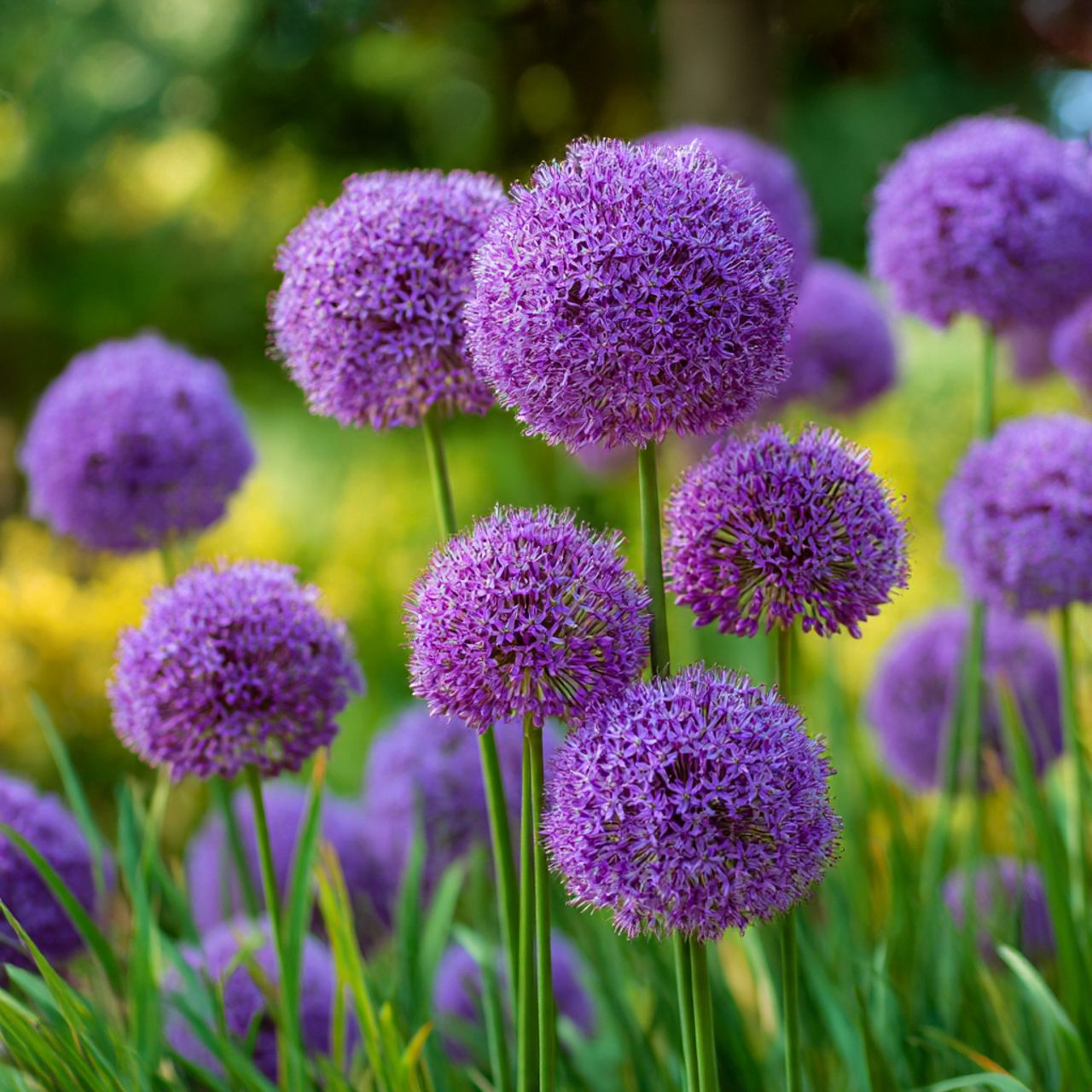
From ornamental varieties to regular garlic and onions, alliums release sulfur compounds that mosquitoes find repulsive.
Best practices:
- Plant around garden perimeters for a protective border
- Spring-blooming varieties add stunning purple globe flowers
- Extremely low maintenance once established
- Natural companion plant that protects vegetables too
- The taller ornamental varieties make dramatic statements
Alliums are proof that mosquito protection can be absolutely stunning.
Eucalyptus: The Power Plant
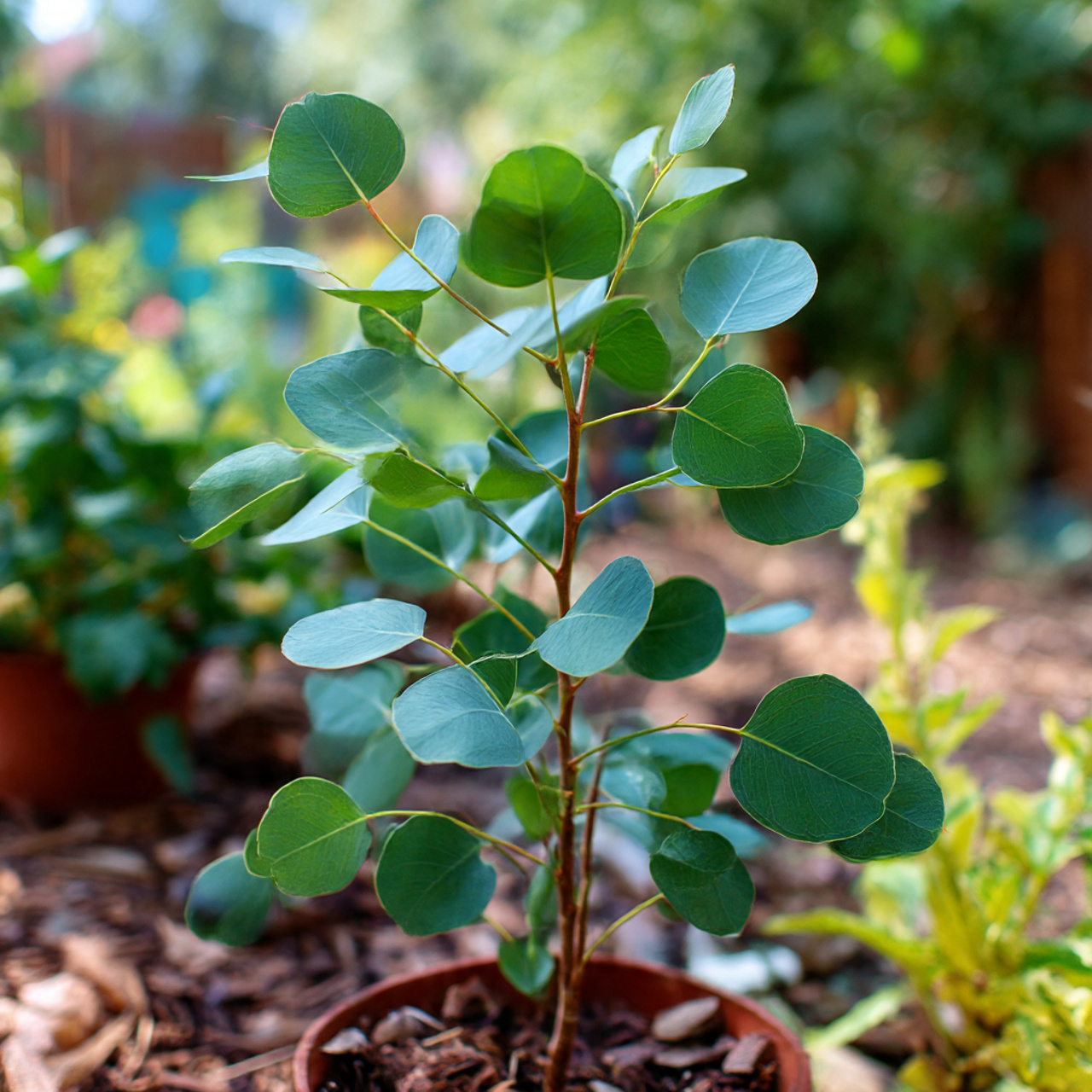
Eucalyptus oil is a key ingredient in many commercial repellents, and growing the plant gives you constant access to this protective compound.
Growing guide:
- Choose dwarf varieties for manageable size in backyards
- Thrives in sunny locations with good drainage
- Prune regularly to control growth and maximize oil production
- The refreshing scent doubles as natural aromatherapy
- Can be grown in large containers on patios
Eucalyptus is like having a pharmacy and mosquito repellent factory in one plant.
Bay Laurel: The Evergreen Protector

These aromatic evergreen trees release scents that create a no-fly zone for mosquitoes while providing year-round coverage.
Care instructions:
- Grows well in pots or garden beds near seating areas
- Hardy and evergreen in most climates
- Harvest leaves for cooking (the ultimate dual-purpose plant)
- Slow-growing, making it easy to maintain
- Crush a few leaves and place around outdoor tables before gatherings
Bay laurel is the gift that keeps on giving—protection and flavor.
Catmint: The Pollinator-Friendly Protector
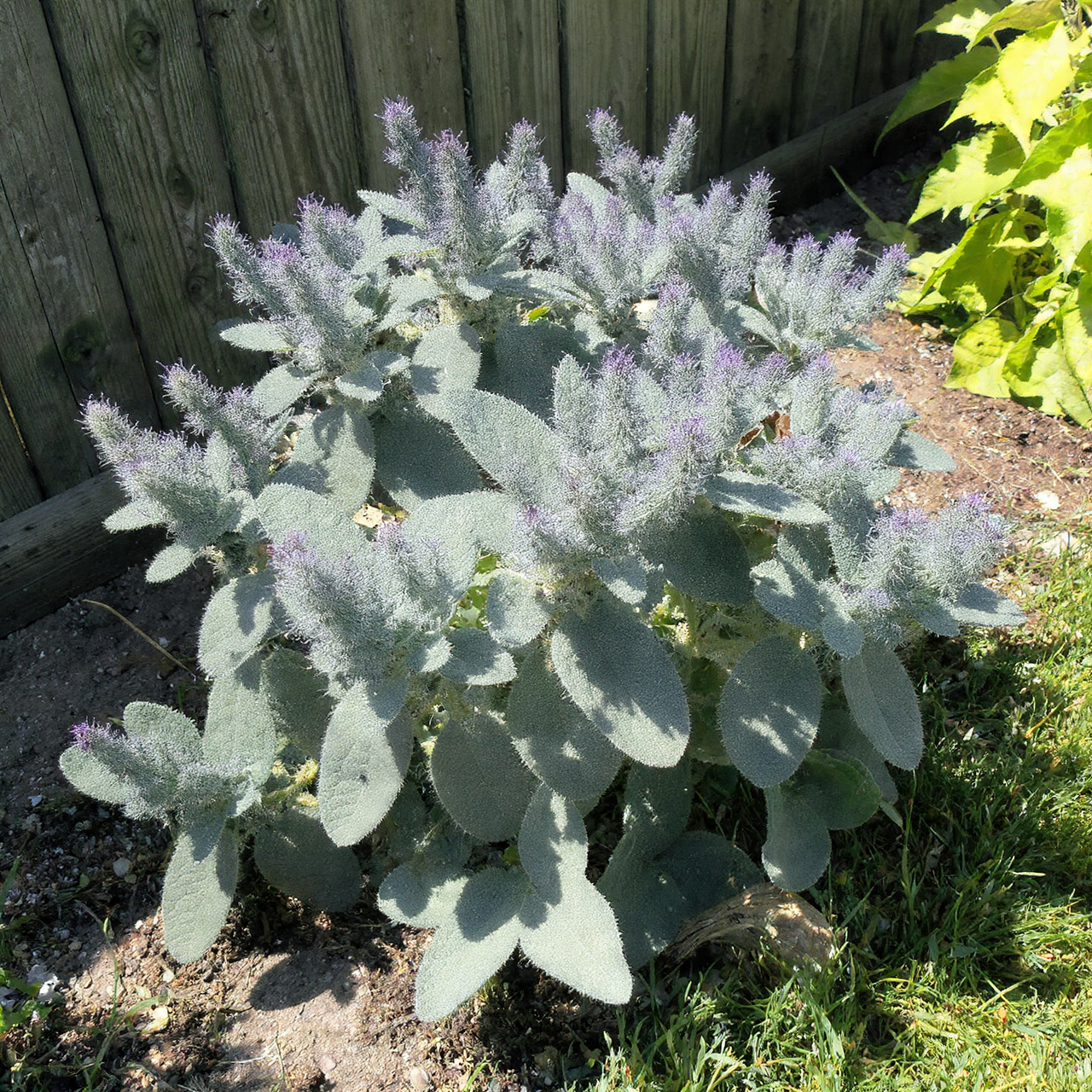
Similar to catnip but less attractive to cats, catmint offers excellent mosquito protection with beautiful purple-blue flowers.
Planting tips:
- Compact size perfect for containers and borders
- Attracts beneficial pollinators like bees and butterflies
- Extremely low maintenance and drought-tolerant
- Blooms for months, providing continuous protection
- Cut back after first bloom for second flowering
Catmint is the social butterfly of your garden—makes friends while keeping enemies away.
Nasturtiums: The Peppery Protectors
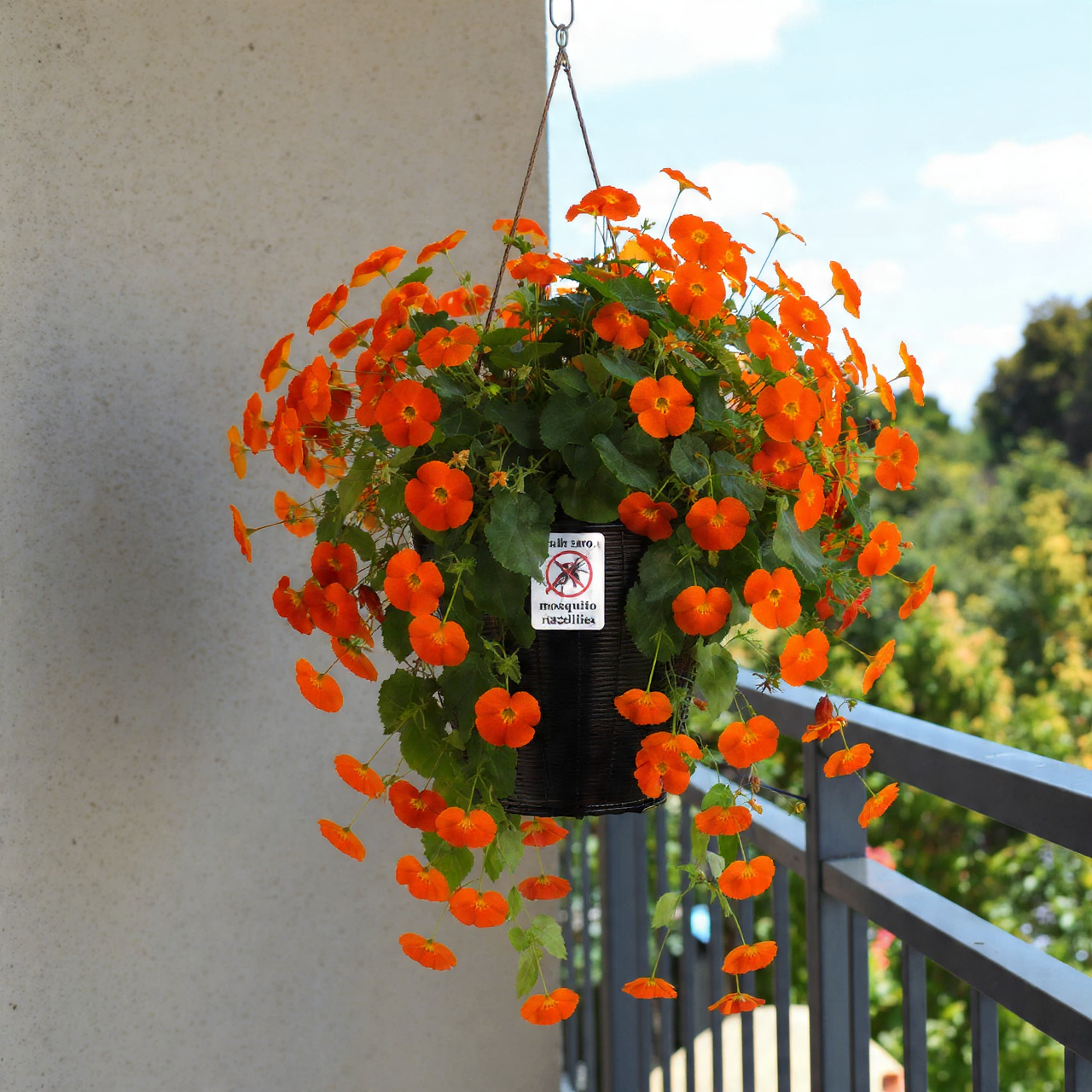
These vibrant, edible flowers have a peppery scent that mosquitoes can’t stand, making them both beautiful and functional.
Growing advice:
- Plant around garden edges, in hanging baskets, or near patios
- Both flowers and leaves are edible (add to salads!)
- Attracts beneficial insects that eat aphids and other pests
- Easy to grow from seed, even for beginners
- Regular trimming boosts scent release and new growth
Nasturtiums are the triple threat—beautiful, edible, and protective.
Feverfew: Double-Duty Defense
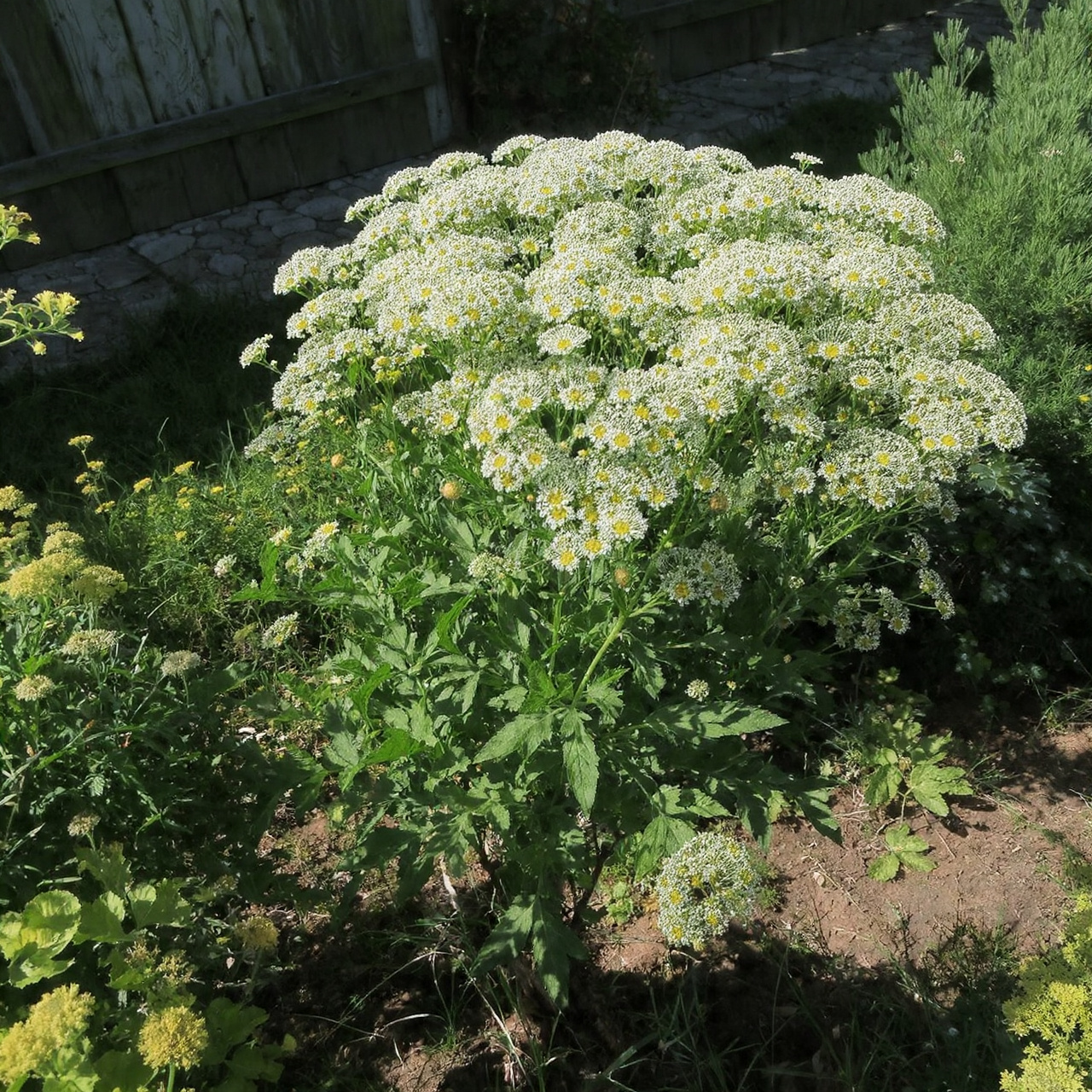
This daisy-like flowering plant brings a bitter scent that repels mosquitoes while offering traditional medicinal benefits.
Best uses:
- Grow in containers or garden beds around your home
- Self-seeds readily, providing year-after-year coverage
- Historically used for headache relief (bonus!)
- White flowers add cottage-garden charm
- Deadhead regularly for prolonged blooming
Feverfew is your garden’s wellness center and security system combined.
Angelonia: The Beautiful Bloomer
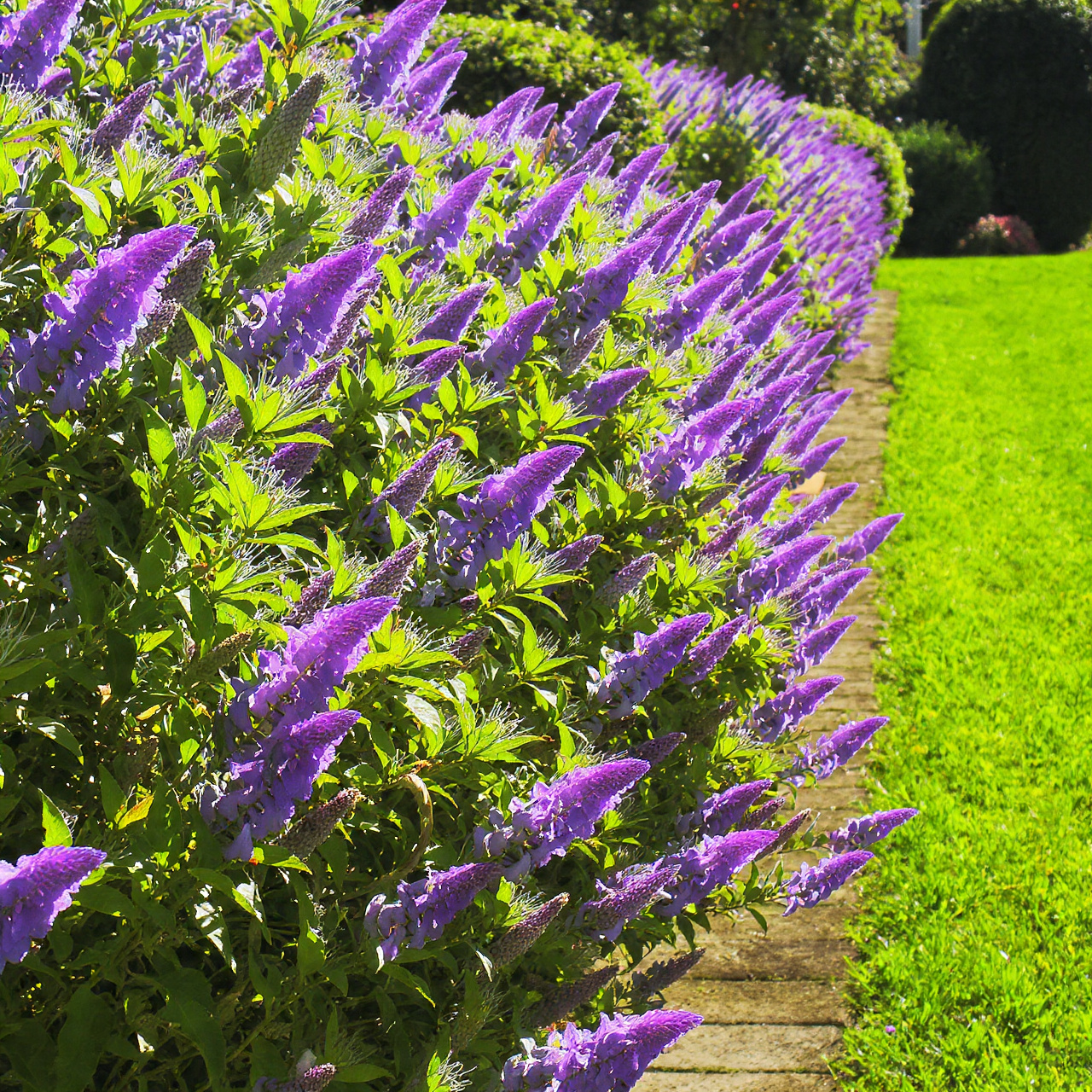
With orchid-like flowers and a subtle fragrance, angelonia adds elegance while deterring mosquitoes throughout the growing season.
Care essentials:
- Thrives in full sun to partial shade
- Long-lasting blooms provide months of protection
- Heat-tolerant, perfect for hot summer climates
- Requires regular watering for best performance
- Available in purple, pink, white, and bicolor varieties
Angelonia proves mosquito protection can be absolutely gorgeous.
Pennyroyal: The Traditional Repellent
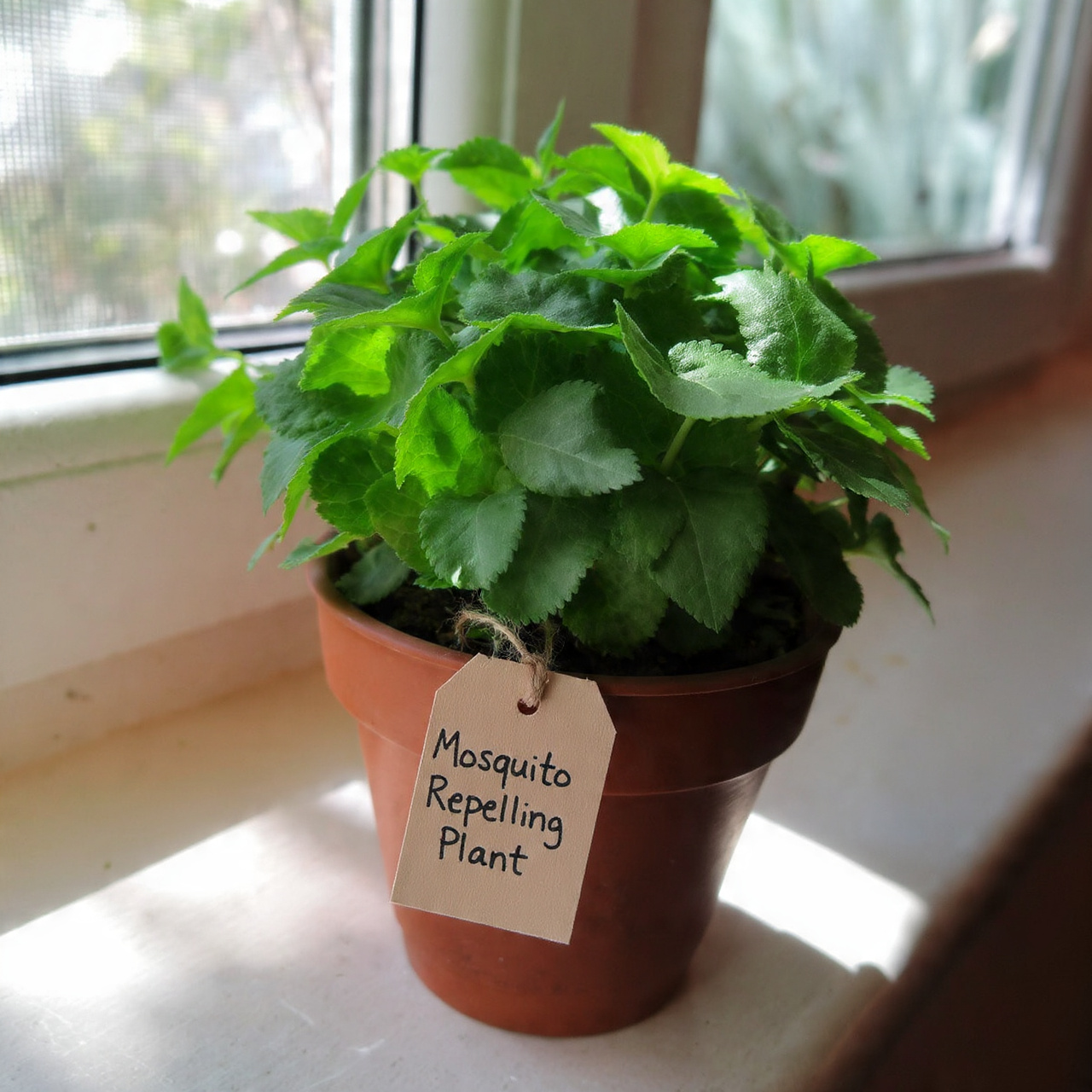
Used historically as a mosquito deterrent, pennyroyal packs serious repelling power—but requires careful handling.
Important notes:
- Plant near entrances for natural mosquito barriers
- CAUTION: Toxic if ingested—keep away from pets and children
- Spreads quickly and releases strong aromatic oils
- Best grown in containers for control
- The minty scent is pleasant outdoors but overwhelming indoors
Pennyroyal is effective but needs respect—like having a guard dog that requires proper training.
Tansy: The Bold Border Plant
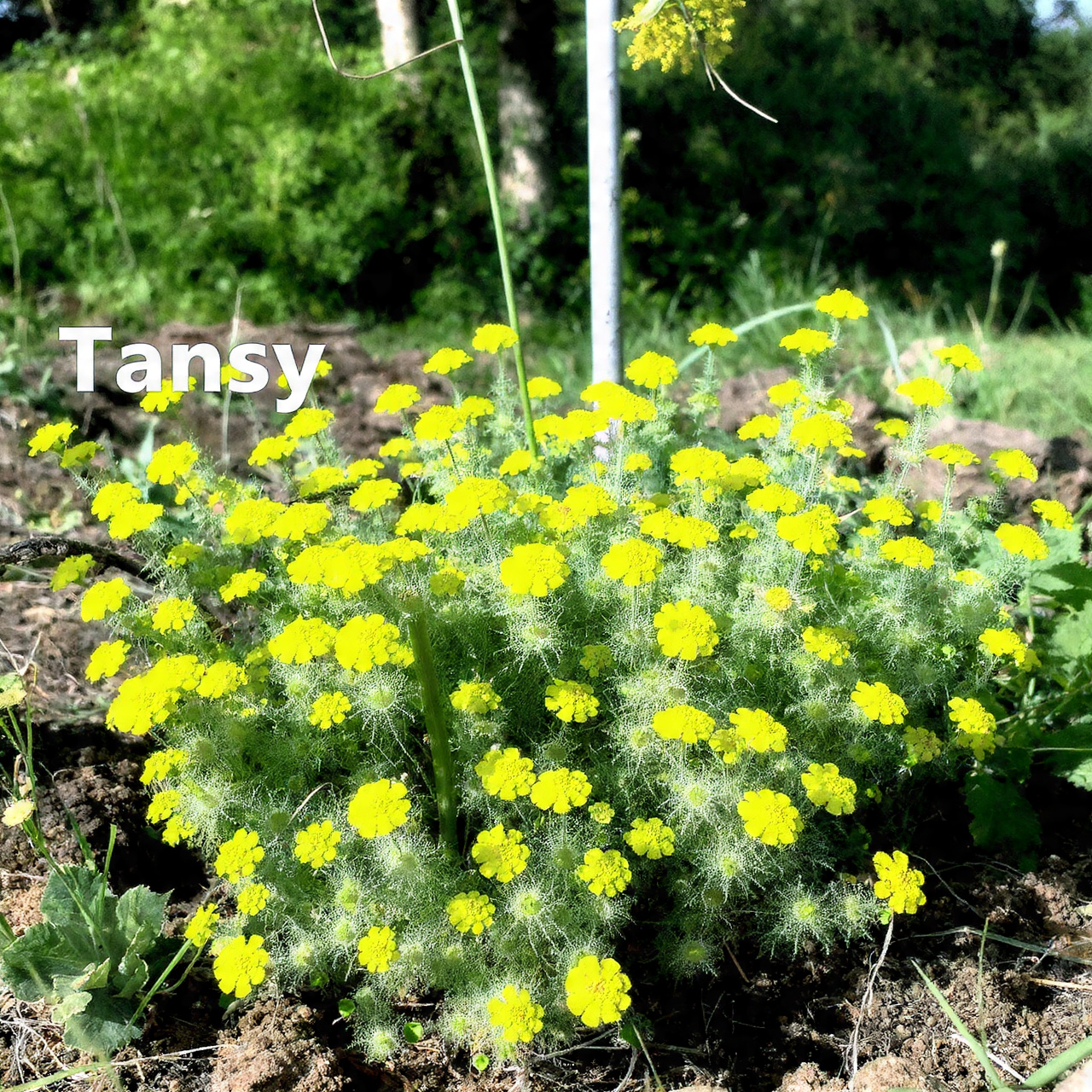
With bright yellow button-like flowers and intensely bitter-smelling foliage, tansy creates a formidable mosquito barrier.
Planting guidelines:
- Excellent for border plantings and containers
- Attracts beneficial pollinators and predatory insects
- Can be invasive—deadhead before seeds form
- Dried flowers work in mosquito-repelling sachets
- The bold foliage adds textural interest
Tansy is the plant equivalent of “speak softly and carry a big stick.”
Marjoram: Sweet Protection
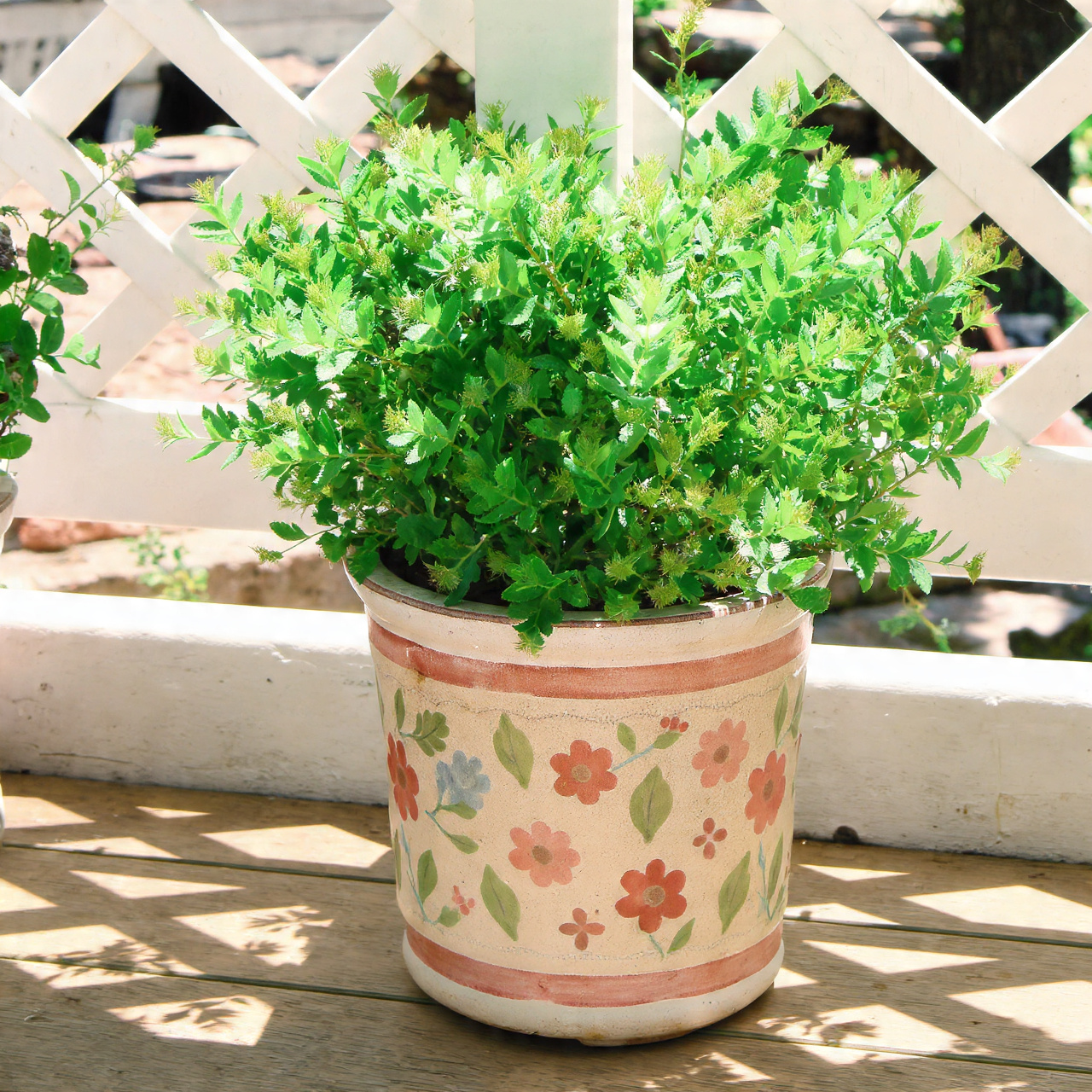
This culinary herb emits a sweet, pungent aroma that’s delightful to humans but offensive to mosquitoes.
Growing tips:
- Perfect for herb gardens or containers
- Needs full sun and well-drained soil
- Regular pruning increases oil production and effectiveness
- Use fresh in cooking while it protects your space
- Closely related to oregano with similar mosquito-repelling properties
Marjoram is your garden’s two-for-one deal—pest control and pizza topping.
Rosemary & Sage Combination: The Power Couple
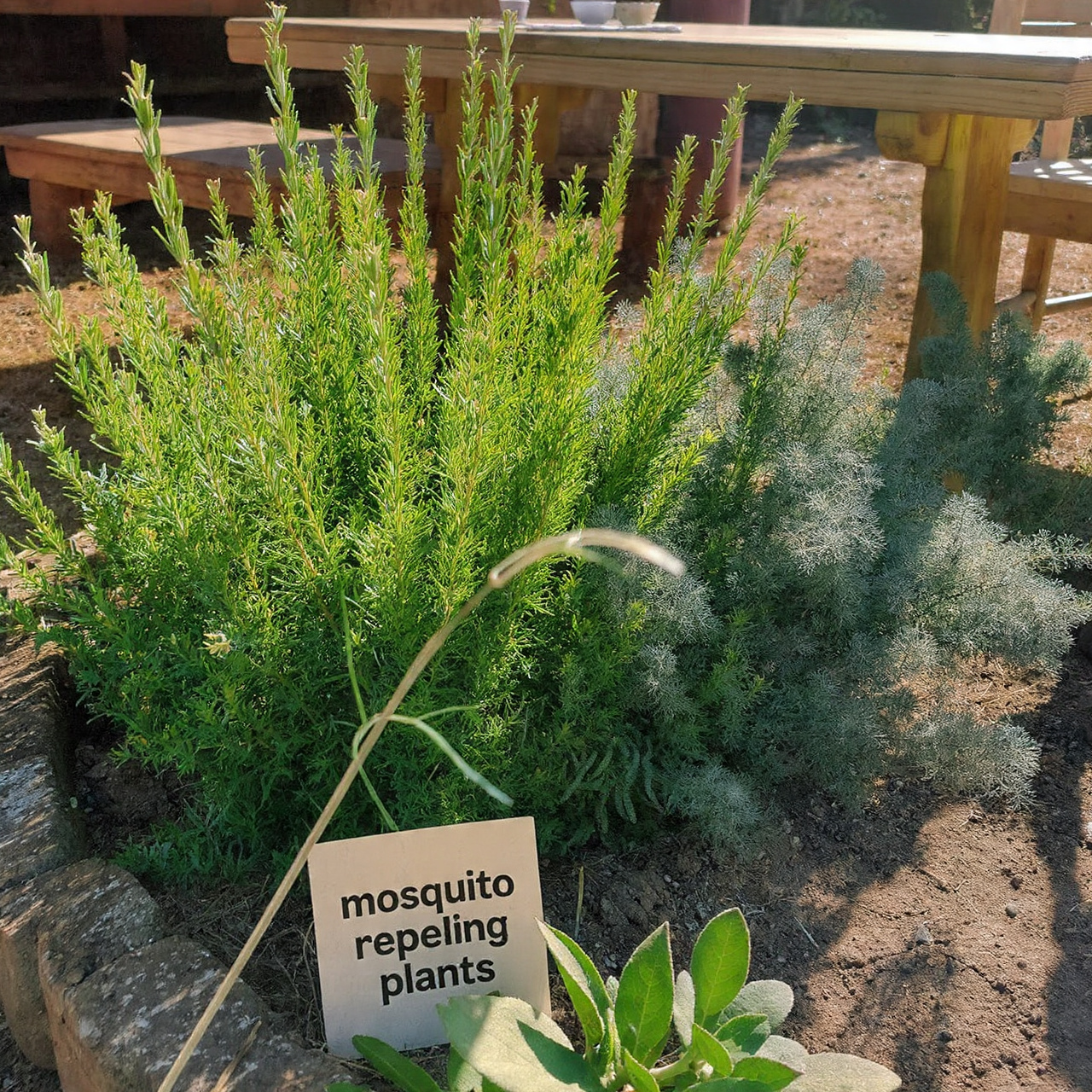
Planting these two together creates a synergistic effect—their complementary aromas form an even stronger mosquito barrier.
Combo strategy:
- Plant in alternating patterns along borders or in mixed containers
- Both are drought-tolerant and low-maintenance
- Create a Mediterranean-themed corner that works overtime
- Harvest both for cooking while they protect your space
- Their woody growth provides year-round structure
Together, they’re like Batman and Robin for your garden.
Lemon Thyme: The Compact Powerhouse
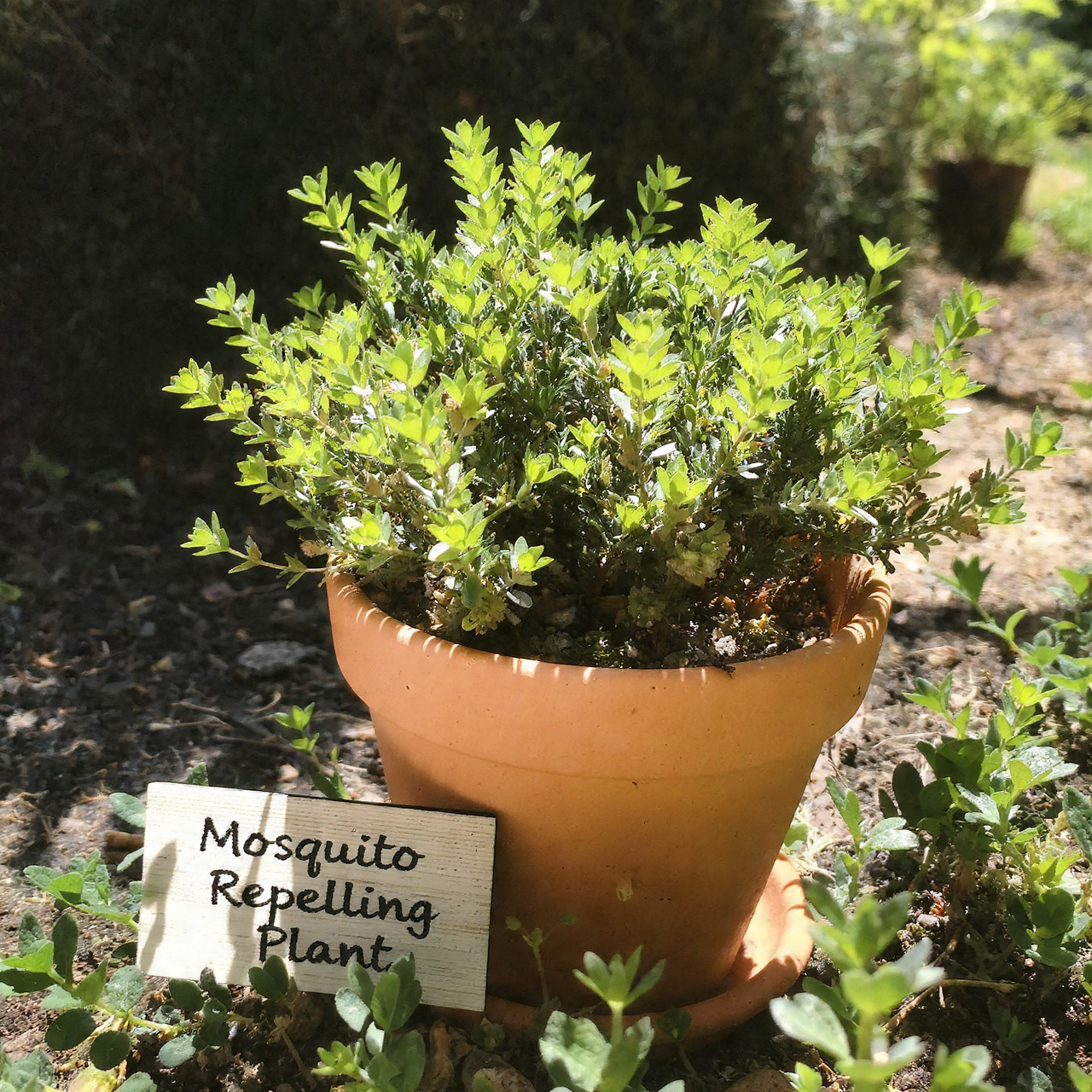
Combining the mosquito-repelling properties of both lemon and thyme, this low-growing herb is perfect for small spaces.
Best practices:
- Ideal for containers near seating areas
- Tolerates foot traffic—plant between pavers
- Crush leaves to release concentrated essential oils
- The compact growth suits balconies and small patios perfectly
- Golden varieties add visual interest beyond mosquito protection
Lemon thyme is proof that the smallest plants can pack the biggest punch.
Visit Also: Fall Sun Planter Ideas
Frequently Asked Questions (FAQs)
Q1: Can mosquito repelling plants completely eliminate mosquitoes?
While they significantly reduce mosquito activity, these plants cannot guarantee total elimination. They work best when combined with other preventive measures like removing standing water.
Q2: Which mosquito repelling plant is most effective?
Plants like citronella, catnip, and lavender are particularly effective due to their strong aromatic oils. Using a mix of these plants enhances overall protection.
Q3: Can I grow mosquito repelling plants indoors?
Yes, many herbs like basil, mint, and lavender thrive indoors in pots near windows. They provide both aesthetic value and mosquito protection.
Q4: How often should I prune these plants?
Regular pruning encourages bushier growth and increases the release of aromatic oils, which boosts their mosquito-repelling effectiveness.
Q5: Are mosquito repelling plants safe for pets and children?
Most are safe, but some, like pennyroyal, can be toxic if ingested. Always check plant safety before placing them in homes with pets or children.
Your Mosquito-Free Future Starts Now
Creating a mosquito-resistant environment doesn’t require harsh chemicals or constant vigilance. By strategically incorporating these 25 plants into your living spaces, you’re building a natural, self-sustaining defense system that actually improves your quality of life.
The beauty of this approach? Every plant serves multiple purposes—they repel pests, attract beneficial insects, provide fresh herbs, create visual interest, and fill your space with pleasant aromas. It’s environmental multitasking at its finest.
Start small if you’re new to gardening. A few pots of lavender, basil, and mint near your most-used outdoor areas can make a noticeable difference. As you gain confidence, expand your green army with more diverse varieties. Layer different plant heights, scents, and blooming periods for year-round protection.
Remember, the goal isn’t perfection—it’s improvement. Even reducing mosquito populations by 60-70% transforms your outdoor experience from frustrating to enjoyable. Combined with simple habits like eliminating standing water and timing activities wisely, you’ll reclaim your yard without sacrificing your health or the environment.
Your mosquito-free sanctuary awaits. Time to get planting!