Lemon Tree: 15 Ideas to Grow, Use, and Celebrate This Timeless Citrus
There is something quietly extraordinary about a lemon tree. Step close to one on a warm afternoon and you will understand immediately — the scent alone is enough to lift your mood, sharpen your senses, and make you want to grow one of your own. Whether it is standing tall in a sun-drenched backyard, sitting in a glazed pot on a city balcony, or tucked into a bright kitchen corner, the lemon tree has a way of making any space feel more alive.
From ancient Persian gardens to modern Mediterranean courtyards, this citrus has been cherished for centuries — not just for its fruit, but for its beauty, its fragrance, and its remarkable generosity. It gives you leaves for cooking, blossoms for fragrance, fruit for the kitchen, and greenery for the garden, all from a single plant.
This guide covers 15 practical, creative, and inspiring ideas built around the lemon tree — from how to grow it well to how to use every part of it fully. Whether you are a seasoned gardener or a curious beginner, there is something here for you.
Why the Lemon Tree Deserves a Spot in Every Garden
Before we get into the ideas, it is worth pausing to ask: why the lemon tree specifically? After all, there are plenty of fruit trees to choose from.
The honest answer is that few plants offer the same combination of beauty and function. A healthy lemon tree produces fruit almost year-round in warm climates, making it one of the most productive plants you can grow per square foot of garden space. Its glossy, deep green leaves look elegant in every season, and when the white blossoms open, the fragrance is nothing short of intoxicating.
Beyond aesthetics, the lemon tree is genuinely useful in ways that most garden plants simply are not. Chefs use its fruit and zest daily. Herbalists value its leaves. Homemakers rely on its cleaning power. Gardeners love its structure. It is, in every sense, a plant that earns its place.
Growing a Lemon Tree in a Container
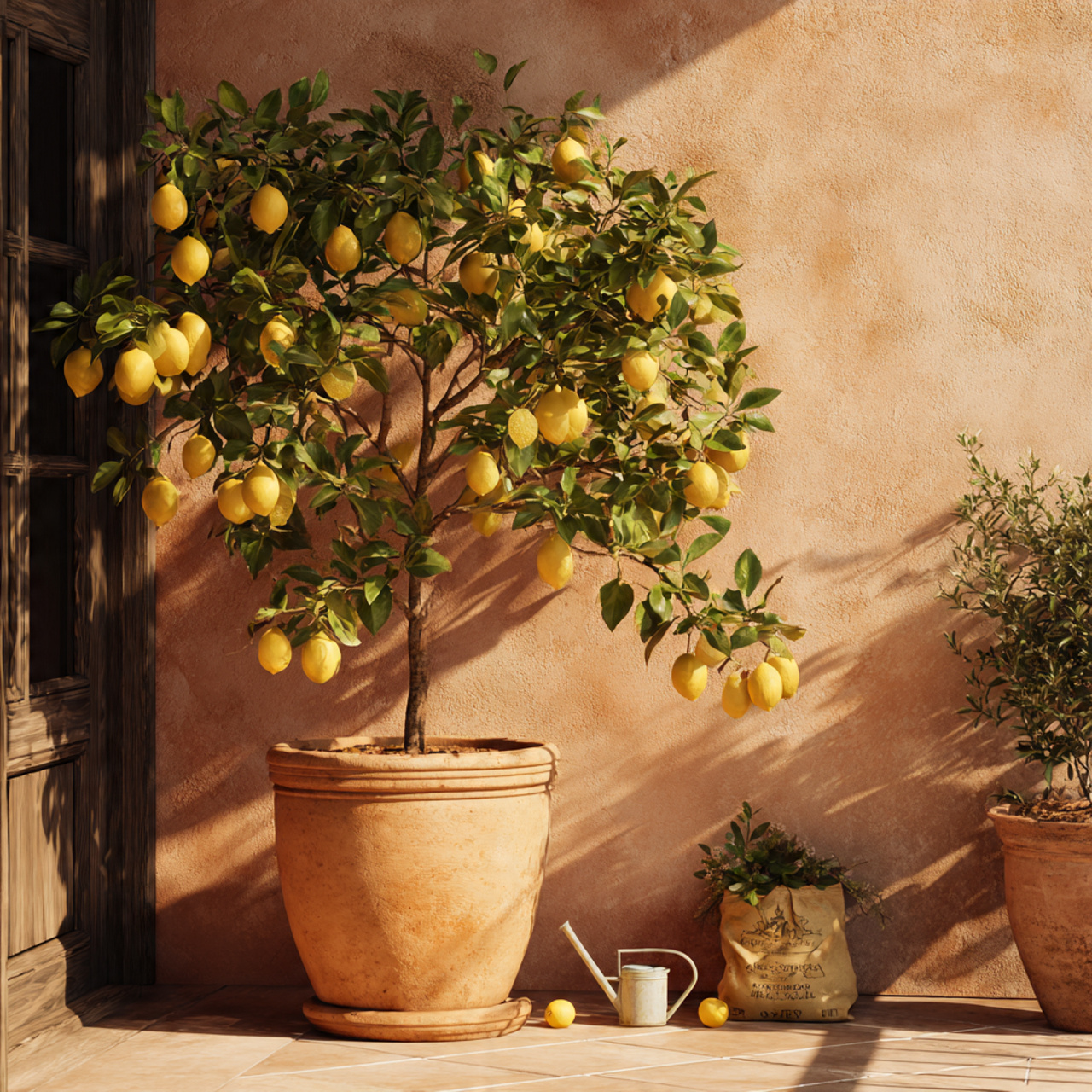
Growing a lemon tree in a pot is one of the smartest moves a home gardener can make — and one of the most underrated. Container growing gives you flexibility that in-ground planting simply cannot. You can move the tree to catch the best sun, shift it indoors when temperatures drop, and manage soil quality with complete control.
To get started on the right foot, here is what you need to know:
- Choose a large enough pot. Go for a container at least 15 to 20 inches in diameter. Lemon tree roots need room to spread, and a cramped pot leads to a stressed, underperforming tree.
- Use the right soil. A well-draining citrus potting mix is non-negotiable. Regular potting soil holds too much moisture and can cause root rot over time.
- Sunlight is everything. Position your container where it receives six to eight hours of direct sunlight daily. South or west-facing spots are usually ideal.
- Water deeply, not frequently. Let the top inch or two of soil dry out before watering again. Soggy soil is the number one enemy of container-grown citrus.
Tip: Place your pot on wheeled casters so you can easily roll it indoors during frost warnings without lifting a heavy container.
A container-grown lemon tree may stay smaller than an in-ground tree, but with good care it will produce full-sized, flavourful fruit that makes every effort worthwhile.
Choosing the Right Lemon Tree Variety
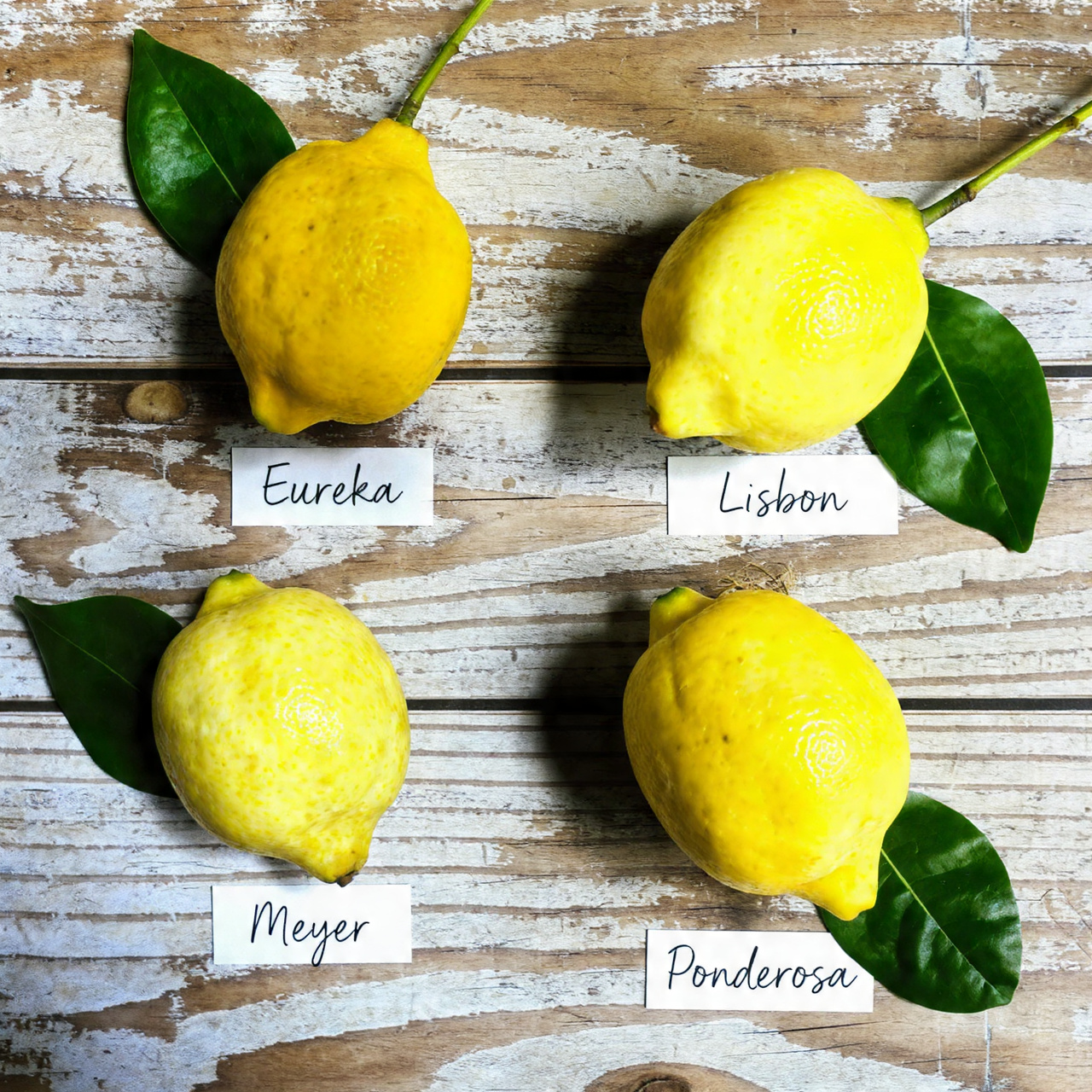
Walk into any nursery and you will likely find more than one type of lemon tree on offer. The differences between varieties matter more than most people realise, and picking the wrong one for your climate or purpose can lead to years of frustration.
Here is a simple breakdown of the most popular varieties:
- Eureka — The classic. Produces tart, juicy lemons year-round with a traditional lemon flavour. Excellent for juicing and cooking. Best in mild, frost-free climates.
- Lisbon — Similar to Eureka but slightly more cold-tolerant and thornier. A reliable producer with excellent fruit quality.
- Meyer — The home gardener’s favourite. Produces sweeter, thinner-skinned fruit with a hint of floral flavour. More forgiving in cooler conditions, making it ideal if you live somewhere with occasional frost.
- Ponderosa — Produces enormous fruit, sometimes the size of a grapefruit. Striking as a specimen plant, but sensitive to cold and lower in juice yield.
Quick Guide: Cool climate? Go Meyer. Hot, dry climate? Eureka or Lisbon. Want something unusual? Try Ponderosa in a protected spot or indoors.
Choosing the right variety from the start sets you up for a long and productive relationship with your lemon tree. It is one of those decisions that is much easier to get right at the beginning than to correct later.
Pruning Your Lemon Tree for Maximum Yield
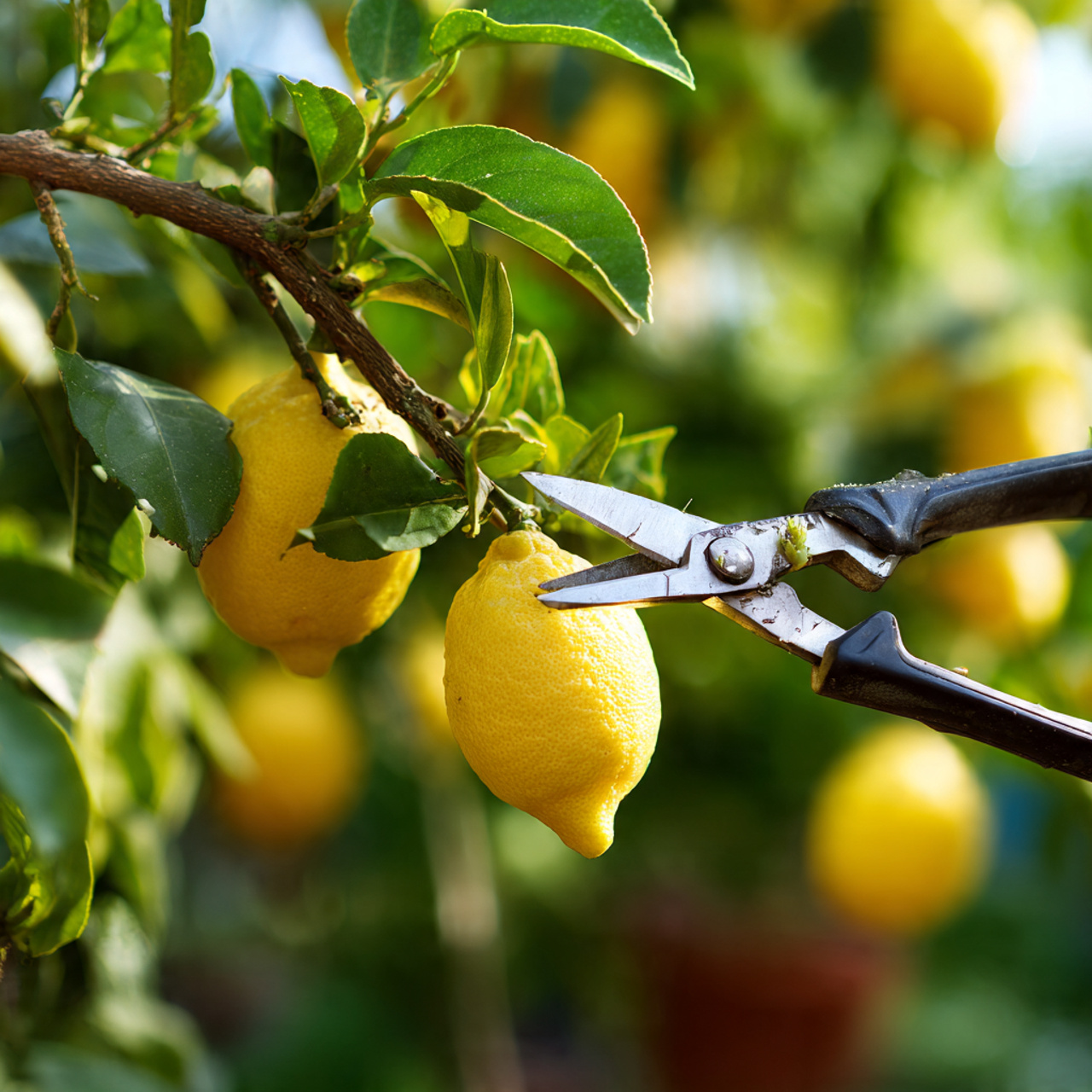
Pruning is one of the most powerful tools in your lemon tree care toolkit, yet many home gardeners either skip it entirely or do it wrong. When done properly, pruning opens up the canopy, improves airflow, reduces disease pressure, and channels the tree’s energy into producing larger, better-quality fruit.
When to prune: The best window is just after the main harvest and before new spring growth begins. Avoid pruning during cold spells or during active flowering.
What to remove:
- Dead or dying branches
- Branches that cross and rub against each other
- Shoots growing inward toward the centre of the tree
- Suckers growing from below the graft union (these will not produce desirable fruit)
Common Mistake to Avoid: Never remove more than one-third of the canopy in a single session. Over-pruning stresses the tree badly and can dramatically reduce your next harvest. Less is more — you can always go back and prune more the following season.
Always use clean, sharp tools. Wipe blades with rubbing alcohol between cuts if you suspect any disease is present. Make clean cuts just above a leaf node or lateral branch rather than leaving stubs, which invite pests and disease.
Fertilising a Lemon Tree the Right Way
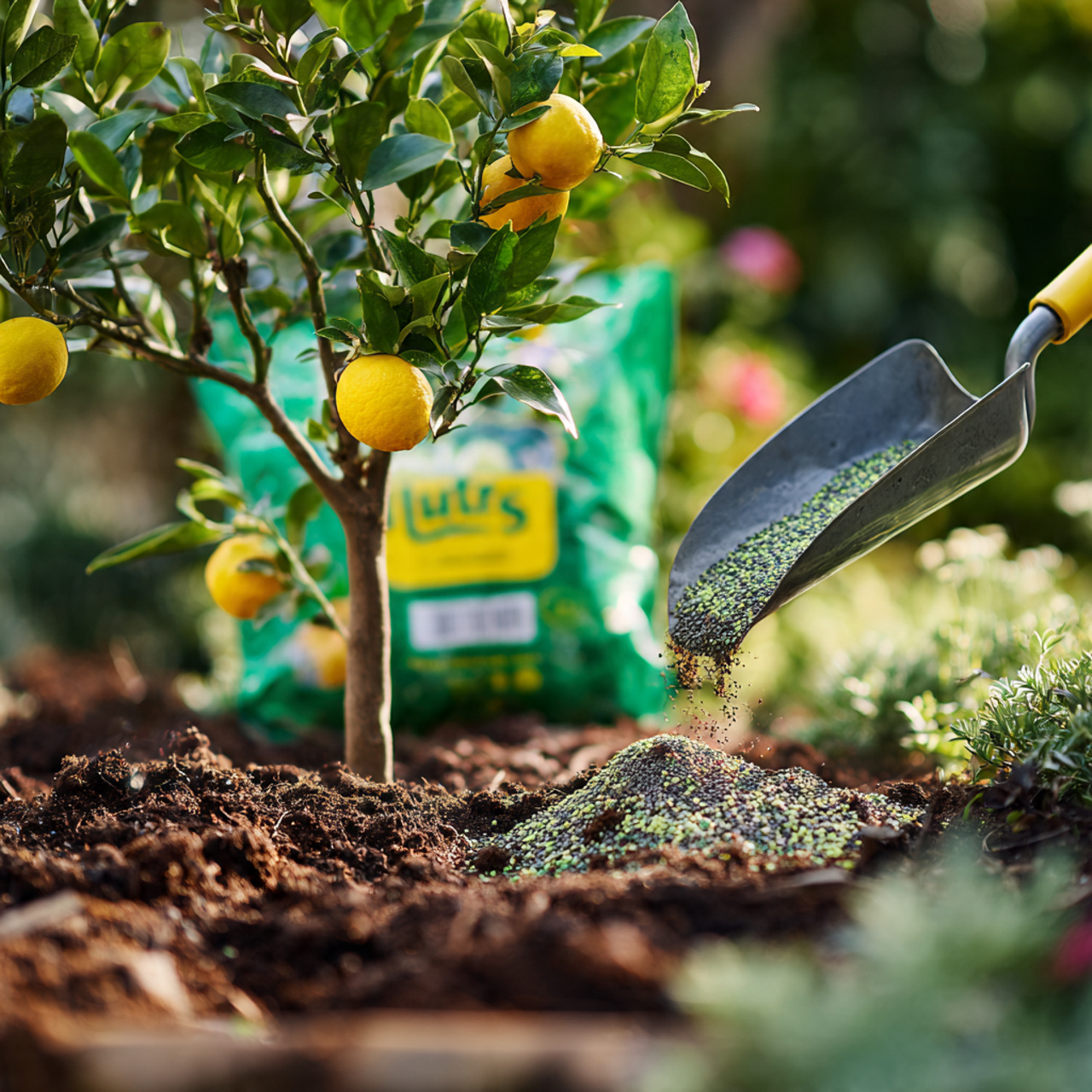
The lemon tree is a hungry plant. It grows fast, produces fruit heavily, and uses up nutrients at a pace that garden soil alone cannot always keep up with. Without regular feeding, even a well-established lemon tree will start to look tired — yellowing leaves, poor flowering, and small or sparse fruit are all signs it is running low on what it needs.
A simple fertilising schedule that works:
- Early spring: Apply a slow-release granular citrus fertiliser to kick off the growing season.
- Late spring to early summer: Follow up with a liquid citrus feed to support flowering and early fruit set.
- Midsummer: A second granular application keeps energy levels high during the main growing period.
- Early autumn: A light feeding supports fruit development as lemons reach maturity.
Look for a fertiliser specifically formulated for citrus — one with a higher nitrogen ratio and added trace elements like iron, zinc, and manganese. These micronutrients prevent deficiencies that show up as yellowing between leaf veins, a condition called chlorosis.
Important: Never fertilise a lemon tree during periods of drought stress or dormancy. Feeding a stressed tree can burn the roots and make things significantly worse. Water first, wait a few days, then feed.
Using Lemon Tree Leaves in Cooking

Here is a secret that most home cooks do not know: the leaves of your lemon tree are edible, aromatic, and genuinely useful in the kitchen. While everyone focuses on the fruit, the leaves have been used in Mediterranean and Southeast Asian cooking for generations — and for good reason.
Lemon tree leaves contain concentrated volatile oils that release beautifully when bruised or exposed to heat. The flavour is softer and more floral than lemon juice or zest, adding a subtle citrus quality without acidity.
Creative ways to use lemon tree leaves:
- Tuck several leaves under a whole roasting chicken or fish before baking for a delicate lemon perfume that infuses the meat.
- Lay leaves flat on a baking sheet and place cookies or shortbread directly on top before baking — the aroma transfers subtly into the base of the biscuit.
- Steep two or three fresh leaves in just-boiled water for five minutes to make a calming herbal tea. Add honey and a slice of ginger for a soothing evening drink.
- Use large leaves to wrap seasoned rice or minced meat parcels before steaming, similar to how banana leaves are used in Asian cooking.
- Add a leaf or two to broths, soups, and sauces in the same way you would use a bay leaf.
Tip: Always use leaves from trees that have not been treated with pesticides. If in doubt, wash thoroughly before use.
Making Natural Cleaners from Lemon Tree Fruit
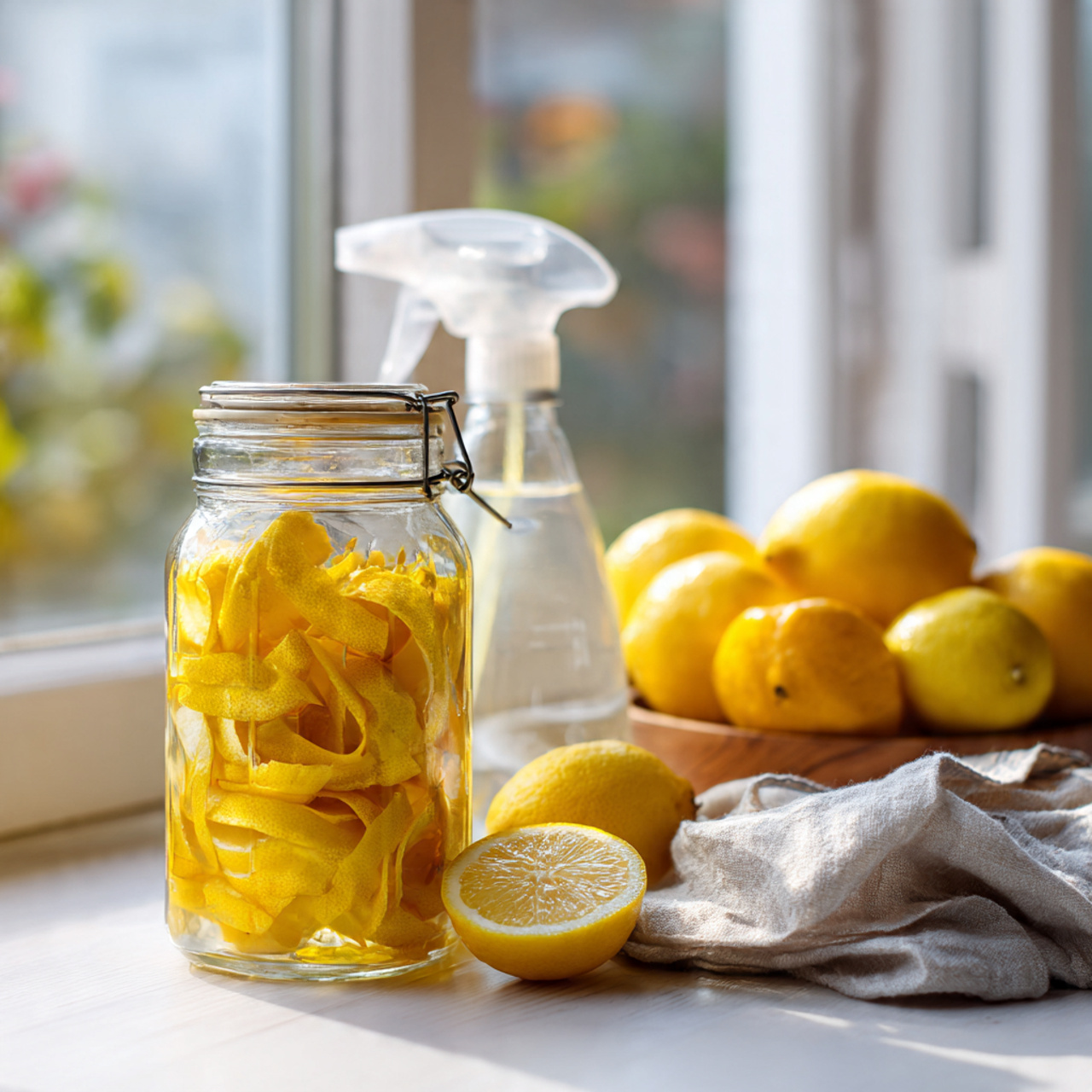
Long before chemical cleaning products filled supermarket shelves, lemon was the cleaning agent of choice in many households — and with good reason. The fruit of the lemon tree is packed with citric acid, which cuts through grease, dissolves mineral deposits, neutralises odours, and offers mild antibacterial action.
How to make your own all-purpose lemon cleaner:
- Save your lemon peels after juicing and pack them loosely into a glass jar.
- Pour white vinegar over the peels until fully submerged.
- Seal the jar and leave it in a cool, dark place for two weeks.
- Strain out the peels and dilute the infused vinegar with equal parts water.
- Transfer to a spray bottle and use on countertops, sinks, tiles, and cutting boards.
This cleaner is completely non-toxic, costs almost nothing if you already have a lemon tree, and smells infinitely better than chemical alternatives.
Other natural cleaning uses for lemon fruit:
- Rub a cut lemon over a wooden chopping board, leave for ten minutes, then rinse to deodorise and lighten stains.
- Squeeze lemon juice into your dishwasher’s rinse aid compartment for spot-free glassware.
- Mix lemon juice with baking soda to make a gentle scrub for stainless steel sinks.
Avoid: Do not use lemon-based cleaners on marble, granite, or other natural stone surfaces. The acidity can etch and dull polished stone over time.
Propagating a Lemon Tree from Cuttings
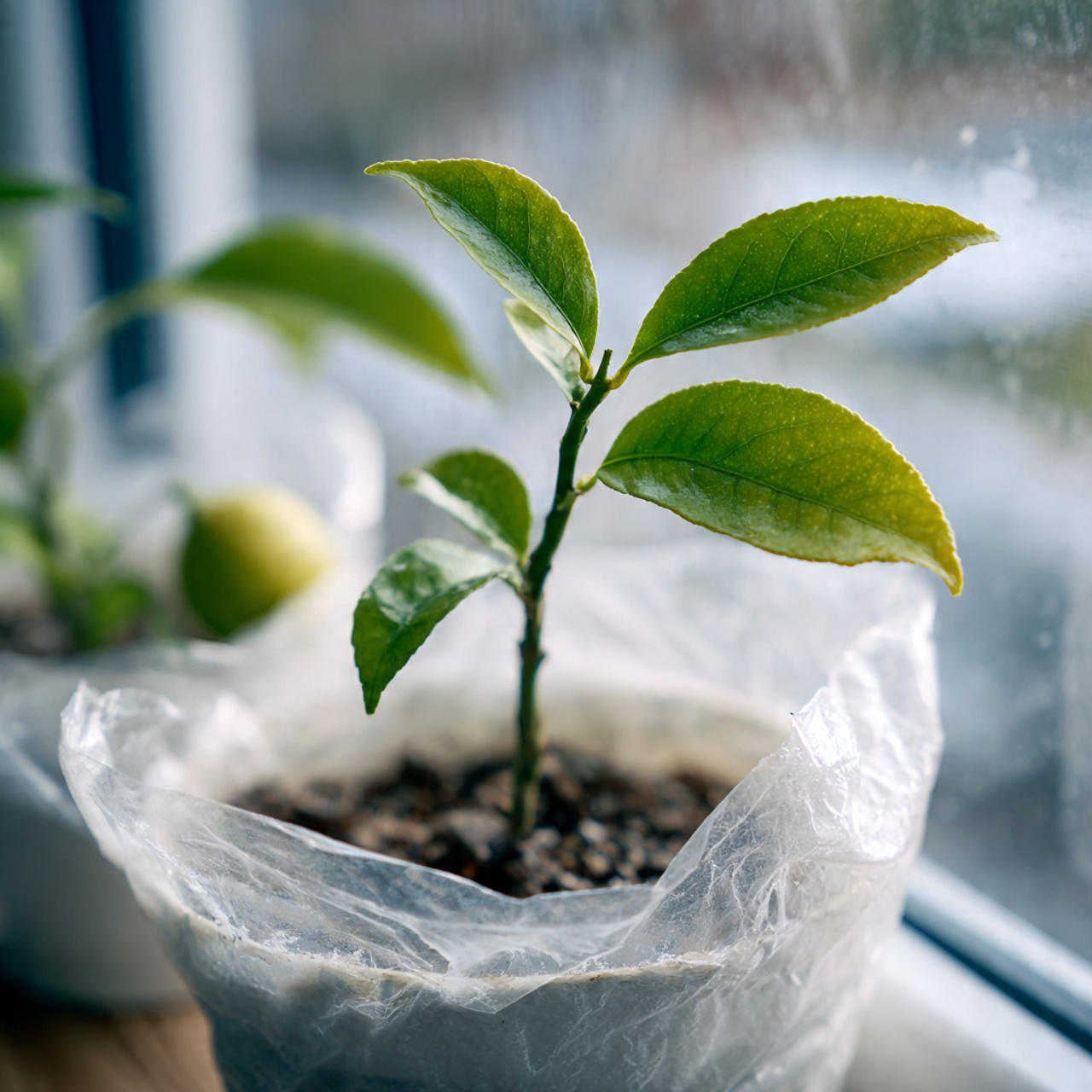
Why buy a new lemon tree when you can grow one yourself from a cutting? Propagation is one of the most satisfying gardening skills you can develop, and with a lemon tree, the process is surprisingly achievable even for beginners.
Step-by-step propagation guide:
- Select your cutting. Choose a healthy, semi-hardwood stem — not soft new growth and not fully woody old growth. A branch about as thick as a pencil is ideal. Cut a section four to six inches long.
- Prepare the cutting. Strip leaves from the lower half, leaving just two or three leaves at the tip. This reduces moisture loss while the cutting establishes.
- Apply rooting hormone. Dip the cut end into powdered or gel rooting hormone. This is not strictly essential but significantly improves success rates.
- Plant in growing medium. Insert the cutting into a pot filled with moist, sterile propagation mix or a 50/50 blend of perlite and coco coir.
- Create humidity. Place a clear plastic bag or a cut plastic bottle over the cutting to trap humidity. This mimics greenhouse conditions and prevents the cutting from drying out before roots form.
- Be patient. Roots typically develop within six to eight weeks. Resist the urge to tug at the cutting — instead, wait until you see new leaf growth, which signals that roots have taken hold.
Tip: Bottom heat dramatically speeds up rooting. If you have a propagation heat mat, use it. Set it to around 70–75°F (21–24°C) for best results.
Protecting a Lemon Tree from Frost

Of all the threats a lemon tree faces, frost is among the most serious. Even a short spell below 29°F (-1.7°C) can destroy blossoms, damage fruit, and defoliate branches. If you live anywhere that experiences winter cold, protecting your lemon tree from frost is not optional — it is essential.
Frost protection strategies that actually work:
- Frost cloth or horticultural fleece: Drape loosely over the tree on nights when frost is forecast. Always remove it during the day to allow light and airflow. Do not use plastic sheeting — it traps moisture and can cause more harm than frost itself.
- Bring potted trees indoors: This is the simplest and most effective solution for container-grown trees. Move them to a garage, porch, or bright indoor space before the first frost of the season.
- Mulch the root zone: Apply a four to six inch layer of organic mulch around the base of the tree — keeping it away from the trunk — to insulate the roots from temperature swings.
- Water before a frost: Moist soil holds heat better than dry soil. Water your lemon tree the day before an expected frost to give the roots and surrounding soil some thermal protection.
- Supplement with grow lights indoors: If you have moved a potted tree inside and natural light is limited, a full-spectrum grow light placed close to the canopy keeps the tree healthy through winter.
Safety Measure: Never wrap the trunk of a young lemon tree tightly with plastic — this can cause fungal problems and bark damage. Use breathable fabric only.
Using Lemon Tree Blossoms for Flavour and Fragrance

If you have ever stood next to a lemon tree in full bloom, you will understand why the blossoms are so prized. The scent is heady, floral, and deeply citrusy all at once — quite different from the fruit itself. What many people do not realise is that these blossoms are not just beautiful to look at. They are edible, versatile, and well worth collecting in small amounts.
Creative ways to use lemon blossoms:
- Lemon blossom honey: Pack a small jar with fresh blossoms, cover with warm runny honey, seal, and leave for three to five days. The honey absorbs the floral oils and becomes something genuinely special — perfect drizzled over yogurt, soft cheese, or warm toast.
- Blossom syrup: Simmer equal parts sugar and water, remove from heat, and steep a handful of blossoms in the warm syrup for thirty minutes. Strain and use in cocktails, lemonades, and desserts.
- Candied blossoms: Brush individual flowers with lightly beaten egg white, dust with caster sugar, and leave to dry on a wire rack. Use as elegant cake or tart decorations.
- Infused cocktails: Float fresh blossoms in gin and tonic, Champagne, or sparkling water for an aromatic, visually stunning garnish.
Important: Harvest blossoms sparingly and only from trees that have already produced several flower clusters. Removing too many blossoms reduces fruit set. Take no more than ten to fifteen percent of the open flowers at any time.
Composting Lemon Tree Waste
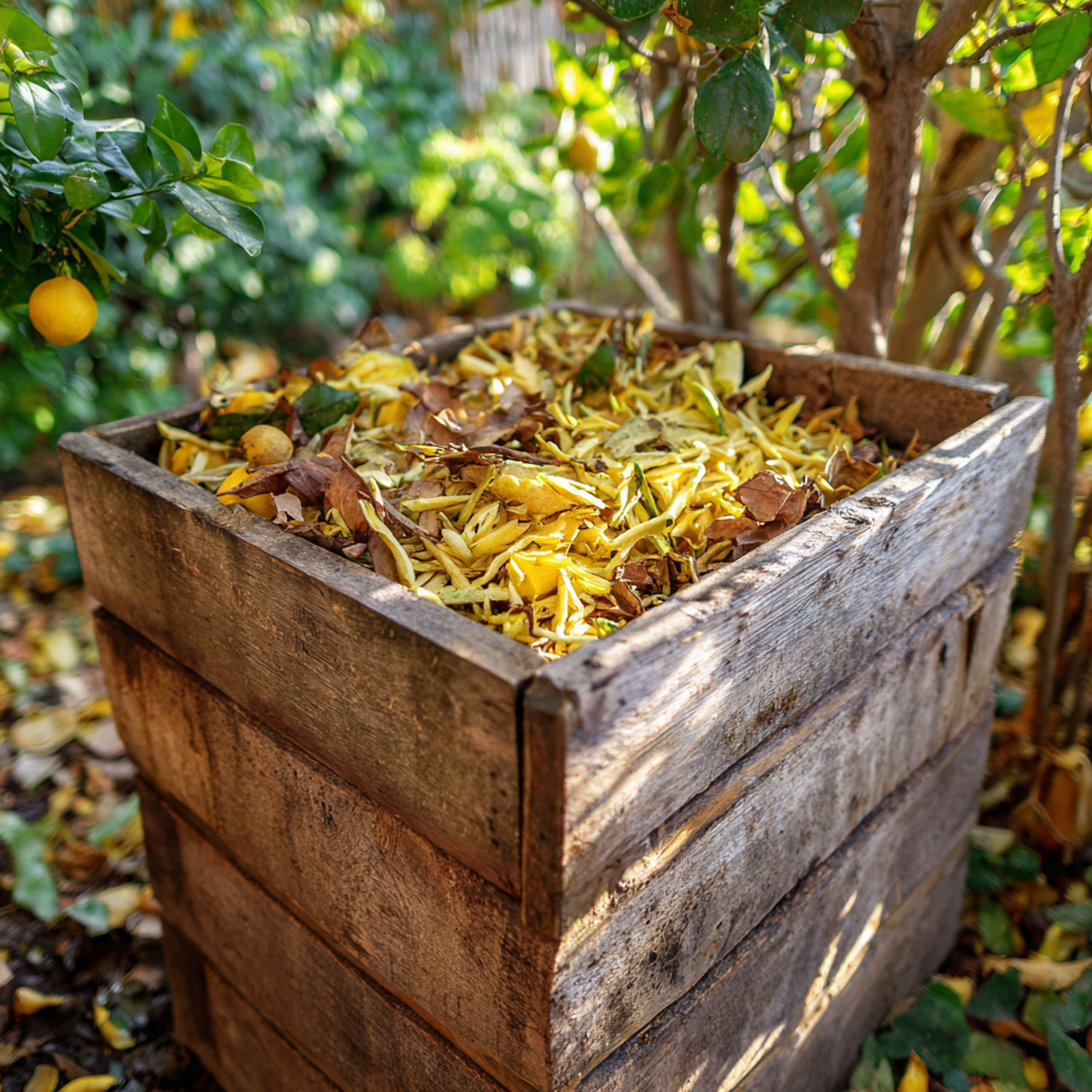
Nothing from a lemon tree should go to waste — not even the prunings, fallen leaves, and spent fruit. All of this material is excellent composting fodder, and turning lemon tree waste into rich compost that you can feed back to the tree itself is about as satisfying a gardening cycle as you can create.
There is an old myth that citrus does not belong in the compost bin because it kills worms and acidifies the pile. In moderate quantities, this simply is not true. Lemon tree material breaks down well, adds organic matter, and the citrus oils can actually deter some pests from taking up residence in your compost.
Tips for composting lemon tree waste effectively:
- Chop or shred before adding. Whole lemon peels and thick prunings take a long time to break down. Shredding or chopping accelerates decomposition significantly.
- Add in layers, not all at once. Dumping a large batch of citrus material in at once can temporarily create an overly acidic environment. Add gradually and mix well.
- Balance with brown material. For every load of lemon tree green waste, add a roughly equal volume of cardboard, straw, or dry leaves to maintain a healthy carbon-to-nitrogen ratio.
- Keep the pile moist but not wet. Turn regularly to introduce oxygen and speed up the process.
Tip: Finished compost made partly from lemon tree material is mildly acidic — perfect for feeding back to your lemon tree or to blueberries, azaleas, and other acid-loving plants.
Designing a Garden Around a Lemon Tree

A lemon tree is not just a plant. In the right setting, it becomes the anchor of an entire garden design — a structural centrepiece around which everything else is arranged. Its evergreen canopy, upright form, and year-round interest make it one of the most versatile anchor plants available to home gardeners.
Mediterranean-style planting scheme:
Plant lavender, rosemary, and thyme in a ring around the base of your lemon tree. All three thrive in the same well-drained, sunny conditions as the lemon tree, and together they create a fragrant, drought-tolerant planting that looks beautiful and smells extraordinary. Add a border of catmint or salvia for colour and pollinator appeal.
Courtyard or small-space design:
A single lemon tree in a large terracotta pot becomes an instant statement piece. Cluster smaller pots of herbs, trailing plants, and seasonal flowers around its base. Vary pot heights for visual interest. Add a simple bistro table and chairs nearby and you have a functional, beautiful outdoor room centred on the lemon tree.
Design styles that suit a lemon tree:
- Modern minimalist gardens — the clean lines and glossy foliage work beautifully against white render or steel planters
- Rustic cottage gardens — the fruit and fragrance add warmth and informality
- Formal parterre designs — a lemon tree clipped into a standard or lollipop shape suits symmetrical layouts perfectly
Tip: In hot climates, the dappled shade cast by a lemon tree canopy is ideal for growing shade-tolerant herbs like parsley, chervil, and Vietnamese mint directly underneath.
Attracting Pollinators with a Lemon Tree
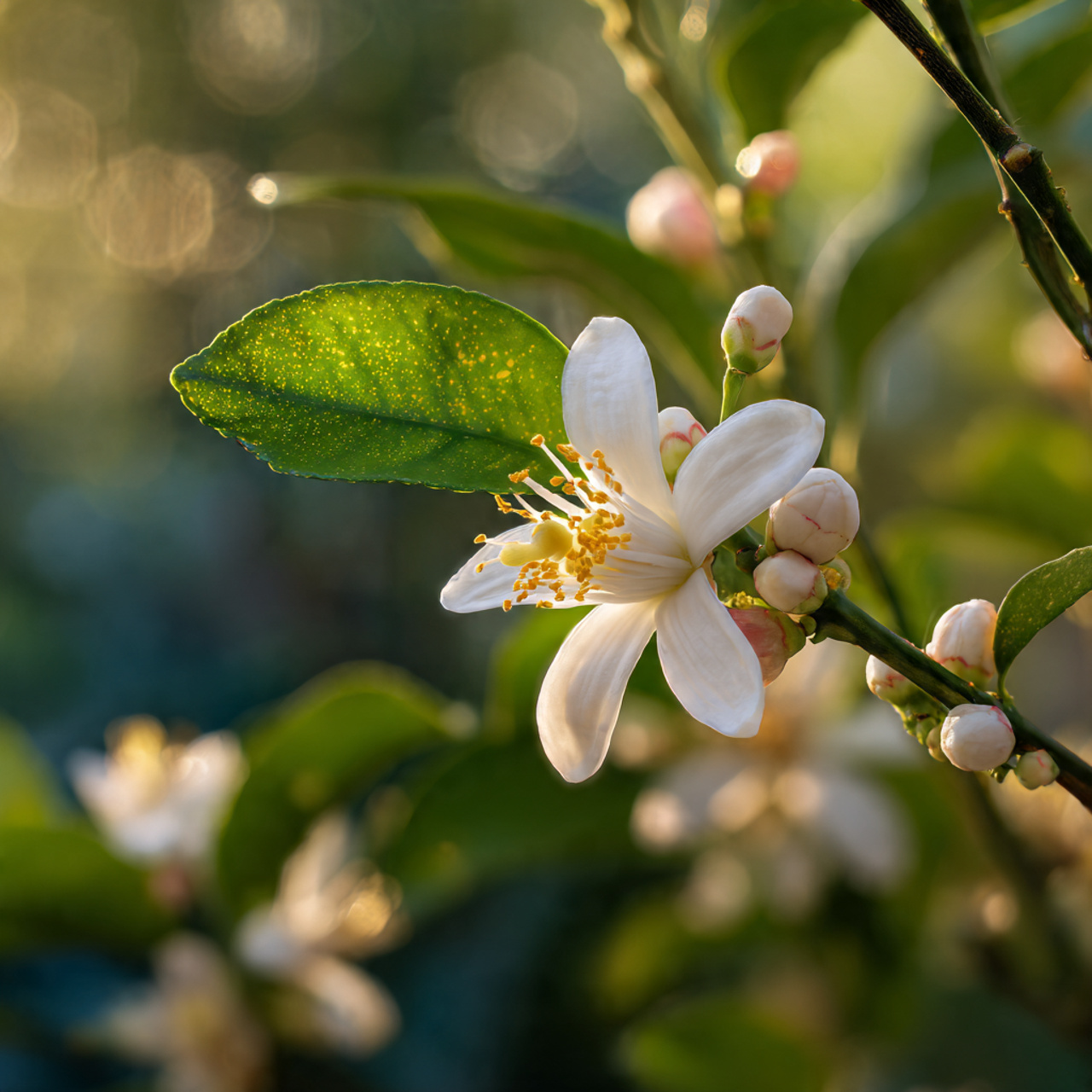
Every lemon on your tree began its life as a blossom that was visited by a pollinator. Bees, butterflies, and other beneficial insects are directly responsible for your harvest, and a lemon tree in full bloom is one of the most attractive pollinator magnets in the garden.
The nectar-rich blossoms draw honeybees, bumblebees, and solitary bee species, as well as hoverflies and certain butterfly species. The more pollinators visit your lemon tree during flowering, the better your fruit set will be — larger yields, more consistent sizing, and fewer dropped fruits.
How to maximise pollinator activity around your lemon tree:
- Plant companions that bloom alongside it. Borage, phacelia, marigolds, and sweet alyssum planted near your lemon tree extend the pollinator buffet and keep beneficial insects in the area.
- Avoid pesticide use during flowering. This is critical. Even organic pesticides can harm pollinators if applied while blossoms are open.
- If pest control is unavoidable, apply treatments in the evening when bees are least active and blossoms are partially closed.
- Provide a water source. A shallow dish of water with a few pebbles placed nearby gives pollinators a place to drink without drowning.
Tip: If your lemon tree is flowering indoors and fruit set is poor, gently transfer pollen between flowers using a soft paintbrush or cotton swab. This hand-pollination technique mimics what bees do and can dramatically improve indoor fruit production.
Harvesting Lemons at Peak Ripeness
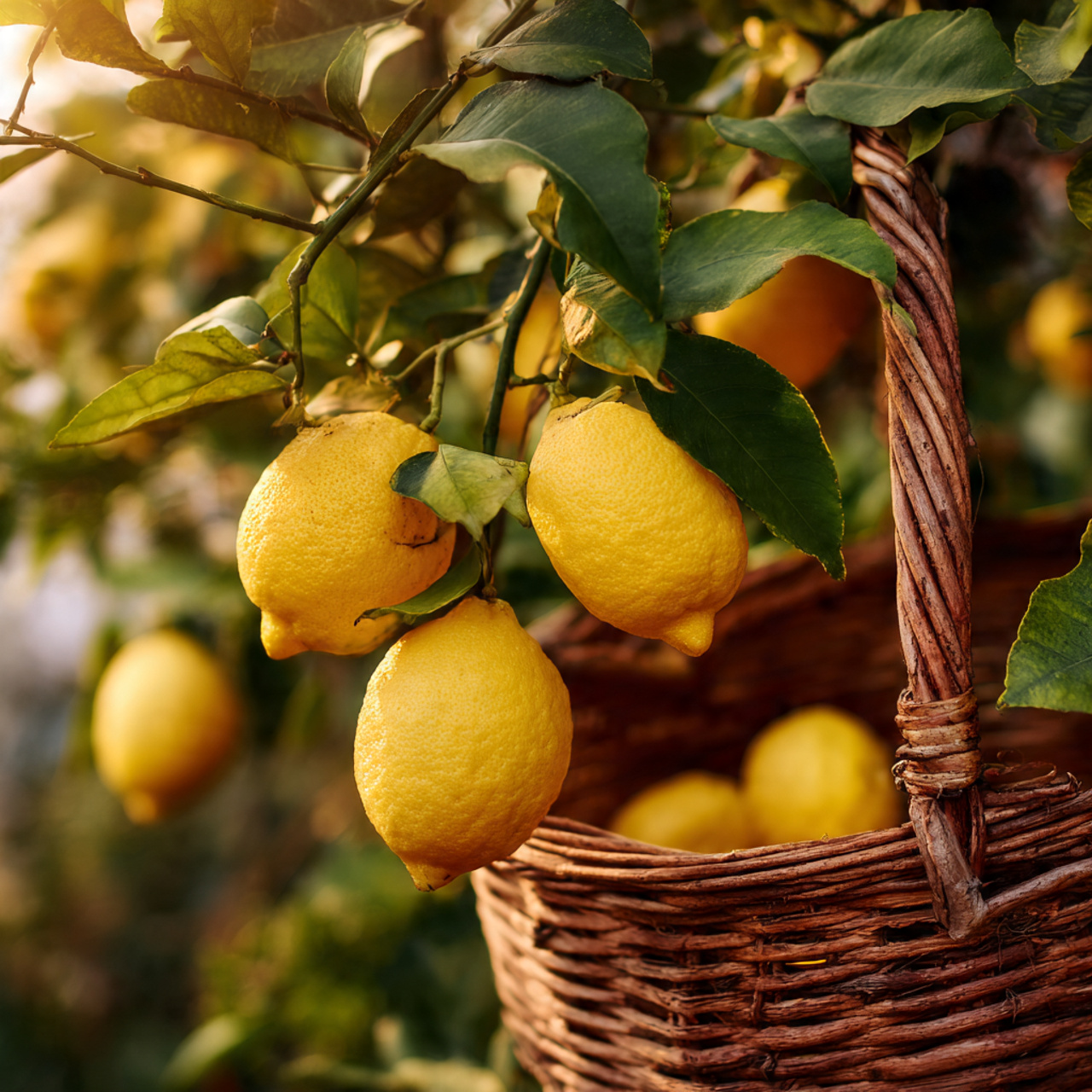
One of the most common mistakes lemon tree owners make is picking fruit at the wrong time. Unlike apples or pears, lemons do not continue to ripen once removed from the tree. What you see on the branch is what you get, which makes knowing when to pick an essential skill.
Signs that a lemon is ready to harvest:
- The skin has turned fully yellow — no traces of green remaining
- The fruit feels firm but gives very slightly under gentle thumb pressure
- It pulls away from the branch with a gentle twist, with no resistance
- The fruit feels heavy for its size, indicating good juice content
Signs to watch for that indicate you have waited too long:
- The peel is noticeably thick and puffy
- The fruit feels very soft or spongy
- Juice content seems low when you cut it open
Most lemon tree varieties take six to nine months from flower to fully ripe fruit. Keep a rough note of when your tree blooms so you can anticipate the harvest window and check regularly as it approaches.
Tip: Harvest regularly rather than all at once. Picking ripe fruit promptly signals the tree to invest energy in the next cycle of flowering and fruiting, keeping production consistent throughout the season.
Making Preserved Lemons from Your Lemon Tree Harvest
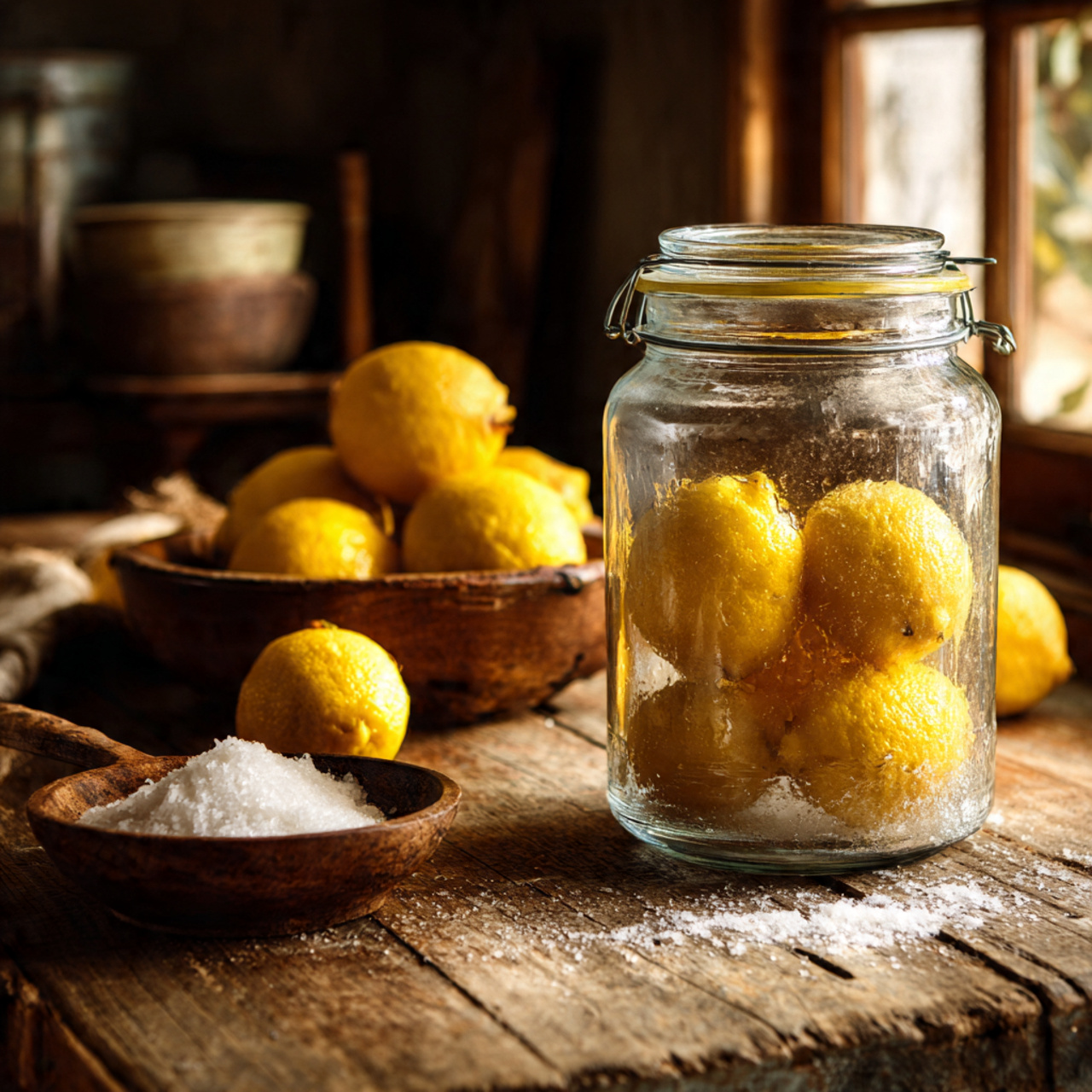
If you find yourself with more lemons than you can use fresh — a common and wonderful problem for lemon tree owners — making preserved lemons is one of the most rewarding things you can do with the surplus. This ancient technique, central to North African and Middle Eastern cooking, transforms ordinary lemons into something deeply complex and shelf-stable.
How to make preserved lemons at home:
- Wash your lemons thoroughly and quarter them from the top, stopping just before the base so they stay connected.
- Pack generous amounts of coarse sea salt into the cuts — roughly one tablespoon per lemon.
- Pack the salted lemons tightly into a sterilised glass jar, pressing down firmly as you go.
- Top with freshly squeezed lemon juice until the lemons are fully submerged.
- Seal the jar and leave at room temperature for at least four weeks, turning occasionally.
After curing, the rinds become silky-soft, intensely flavoured, and complex in a way that fresh lemon simply cannot achieve. The pulp is discarded before use — it is the rind you are after.
How to use preserved lemons:
- Chopped finely into lamb tagines and slow-cooked chicken dishes
- Stirred through grain salads like couscous, freekeh, or farro
- Blended into dressings, dips, and marinades for a punchy citrus depth
- Tucked under the skin of a whole chicken before roasting
Tip: Once opened, store preserved lemons in the fridge. They keep for up to six months and the brine itself is wonderfully salty-sour — add a teaspoon to salad dressings or Bloody Marys.
Making Preserved Lemons from Your Lemon Tree Harvest
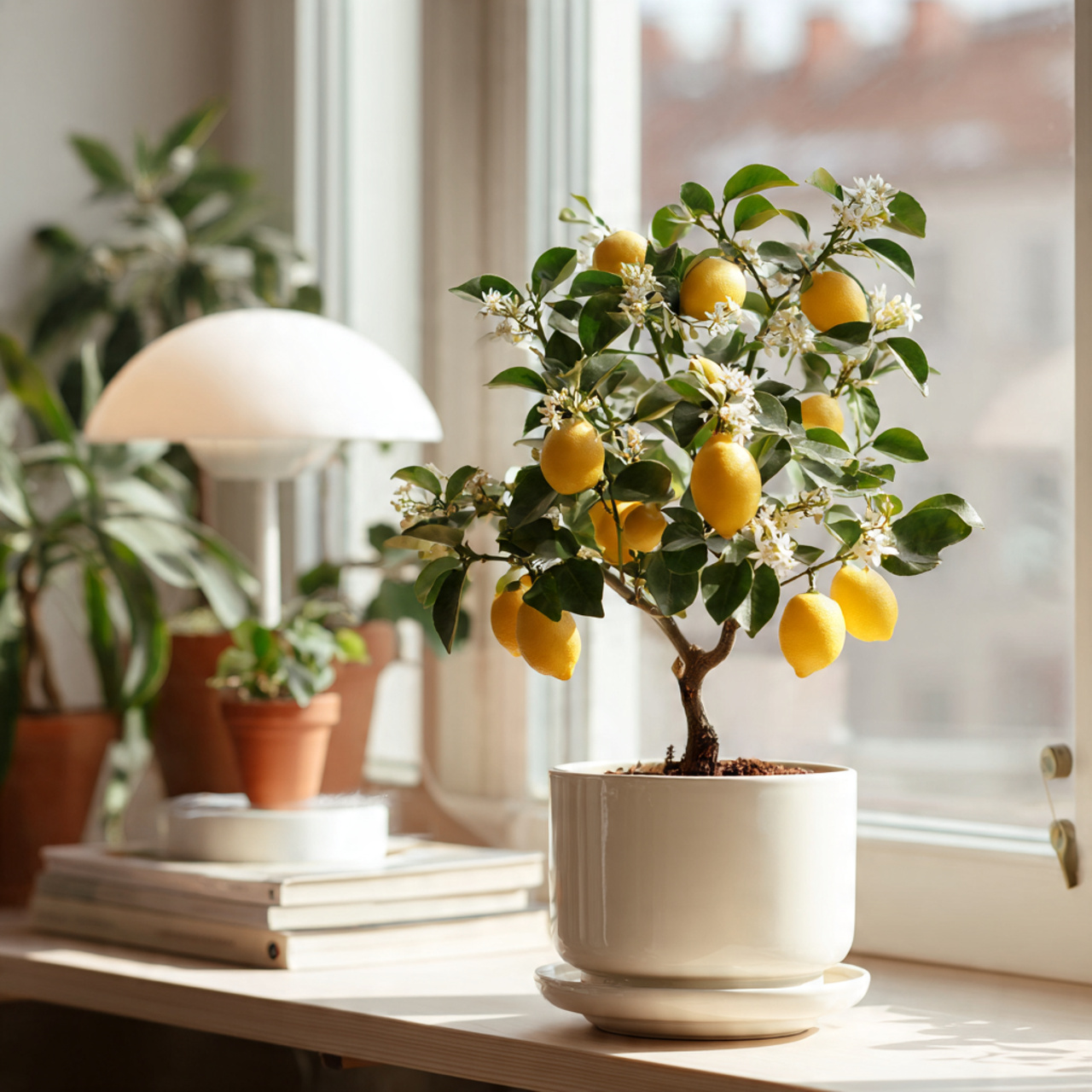
No garden? No problem. A dwarf lemon tree grown indoors is a genuine, fruit-producing alternative to an outdoor tree — and in some ways it is even more rewarding, because it brings that extraordinary citrus energy right into your living space.
Compact varieties like the Improved Meyer and Dwarf Eureka are well-suited to indoor growing. They stay manageable in size, flower reliably, and with the right conditions will produce real, full-flavoured lemons year after year.
What your indoor lemon tree needs to thrive:
- Maximum sunlight. Position the tree in the brightest spot in your home — ideally a south-facing window that receives six or more hours of direct sun daily. If natural light is limited, especially in winter, a full-spectrum LED grow light placed close to the canopy makes a significant difference.
- Humidity. Indoor air, especially in centrally heated homes, tends to be too dry for citrus. Mist the foliage lightly every few days or place the pot on a tray of pebbles filled with water.
- Regular feeding. Indoor trees cannot draw on surrounding soil nutrients the way outdoor trees can. Feed with a balanced citrus fertiliser every four to six weeks during the growing season.
- Good drainage. Use a citrus-specific potting mix and ensure the pot has drainage holes. Never let the tree sit in standing water.
Tip: Rotate your indoor lemon tree a quarter turn every week so all sides of the canopy receive equal light. This prevents the tree from growing lopsided and keeps the structure balanced.
Visit Also: Vegetable Gardening
Frequently Asked Questions
How long does it take a lemon tree to produce fruit? A grafted lemon tree — the kind you buy from a nursery — typically begins producing fruit within one to three years of planting. A lemon tree grown from seed, on the other hand, can take anywhere from five to seven years or more before it bears fruit. For home gardeners who want results reasonably soon, a grafted tree is the strongly recommended choice.
Why are the leaves on my lemon tree turning yellow? Yellowing leaves are one of the most common concerns lemon tree owners have, and the good news is that in most cases it is fixable. The most frequent causes are nitrogen deficiency, overwatering, or poor drainage. Check your soil moisture before assuming the tree needs more water — more often than not, the soil is already too wet. Yellowing between leaf veins specifically (while veins stay green) usually points to an iron or magnesium deficiency, which responds well to a foliar spray or targeted supplement.
Can a lemon tree survive winter indoors? Yes, and many do so very successfully. The key requirements are a bright location with at least six hours of light per day, slightly reduced watering compared to the growing season, and a grow light to supplement if natural light is genuinely poor. Avoid placing the tree near heating vents, which dry the air and foliage too aggressively.
How often should I water a lemon tree? An in-ground lemon tree generally needs a deep watering once a week during the growing season, tapering off in cooler months. Container trees dry out faster and may need watering every two to four days in hot weather. The most important rule is this: always check the soil before watering. Push a finger two inches into the soil — if it feels moist, wait. If it feels dry, water thoroughly until it drains from the bottom.
What pests commonly affect a lemon tree? The most frequent visitors are citrus leafminer, scale insects, spider mites, and aphids. Catching them early makes control straightforward. Inspect leaves and stems regularly — look at the undersides of leaves where most pests hide. Neem oil and insecticidal soap handle most infestations effectively without harming beneficial insects. Introducing ladybugs or lacewings to your garden provides natural long-term pest management.
Final Thoughts
The lemon tree is one of those rare things that delivers more than it promises. You plant it for the fruit and discover the blossoms. You appreciate the blossoms and start using the leaves. You use the leaves and realise the peels have value. Before long, you are composting the prunings and designing your whole garden around the tree that started everything.
It is generous, resilient, beautiful, and endlessly useful — and it asks for surprisingly little in return. Choose the right variety, give it sun, feed it well, and protect it from the cold. Do that, and your lemon tree will reward you with decades of abundance, fragrance, and flavour that no supermarket shelf can replicate.