23 Ultimate Lavender Plant Guide: Care, Harvest & Uses
There’s something magical about lavender. Maybe it’s that instantly recognizable scent that transports you to Mediterranean hillsides, or the way those purple blooms sway in the breeze. Whatever it is, lavender has captured hearts for centuries—and for good reason.
But here’s what nobody tells you when you bring home your first lavender plant: it’s not quite as foolproof as everyone claims. Sure, lavender is drought-tolerant and relatively low-maintenance, but it also has some very specific preferences. Get those right, and you’ll have a thriving, fragrant plant for years. Get them wrong, and you’ll be wondering why your lavender is brown, leggy, or refusing to bloom.
This guide shares some practical tips that will help you grow gorgeous, aromatic lavender—whether you’re a complete beginner or looking to improve your existing plants.
What Makes Lavender Different from Other Plants
Before we dive into care tips, let’s talk about where lavender comes from. This herb is native to the Mediterranean region, where summers are hot and dry, winters are mild, and soil is rocky and well-draining. Picture those sun-drenched hillsides in Provence—that’s lavender’s happy place.
This origin story explains everything about how lavender behaves in your garden. It loves heat. It craves sunshine. It wants dry conditions. Unlike your ferns or hostas that appreciate moisture and shade, lavender is essentially the opposite. It’s a sun-worshipper that thrives on benign neglect.
Understanding this Mediterranean mindset is the key to success. When you try to treat lavender like a typical houseplant or garden perennial, things go wrong. But when you give it what it naturally evolved to love, it rewards you with abundant blooms and intoxicating fragrance.
Give Your Lavender Serious Sunlight
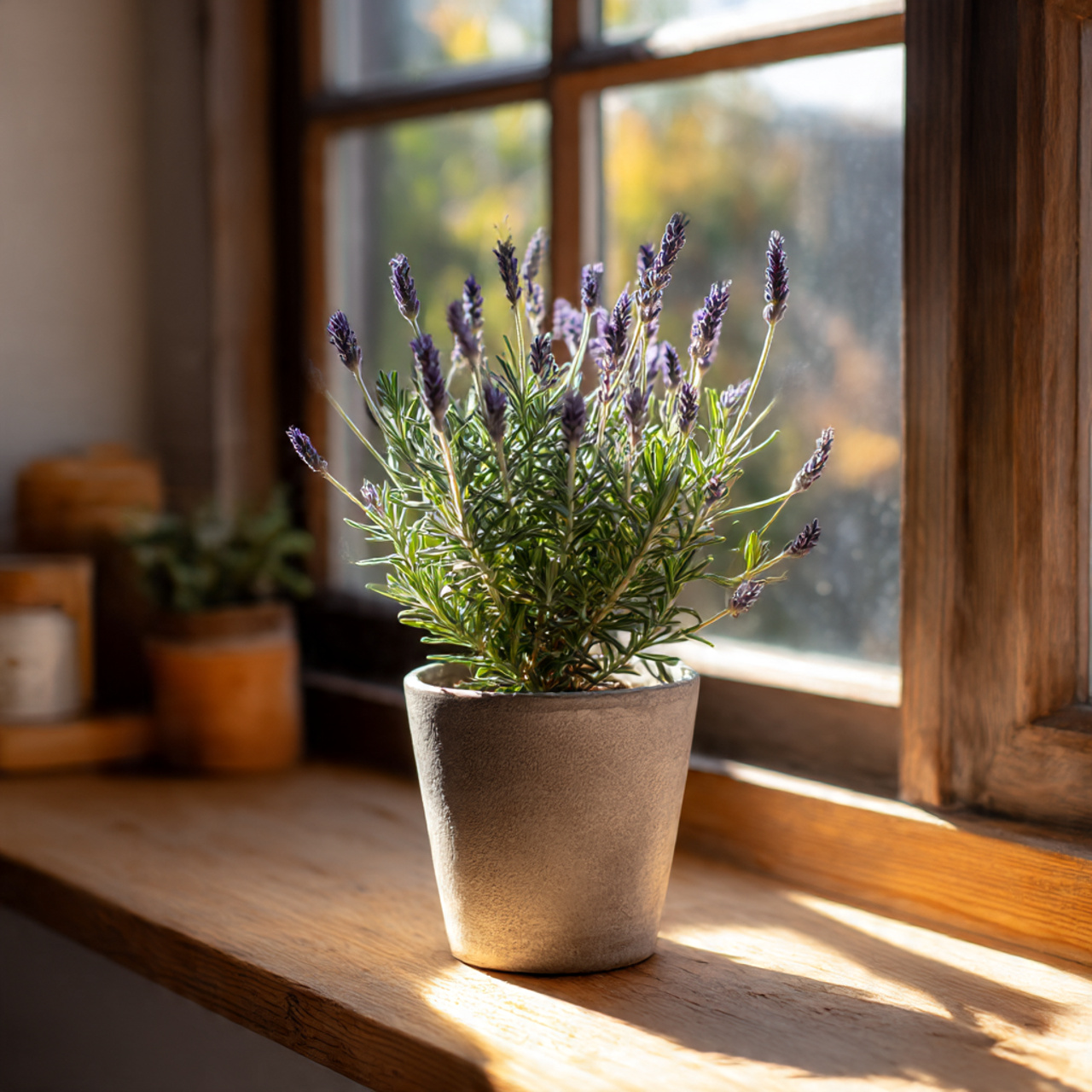
Let’s start with the most critical factor: light. Lavender needs full, direct sunlight—and I mean full. We’re talking 6-8 hours minimum of unfiltered sunshine every single day. This isn’t “bright indirect light” territory. This is “baking in the sun all day” levels of exposure.
Indoors, place your lavender right in a south-facing window where it gets maximum light. Outdoors, choose the sunniest spot in your yard—no partial shade, no dappled light under trees. Full blazing sun.
When lavender doesn’t get enough light, it becomes leggy (stretched out and weak), produces fewer flowers, and loses that concentrated fragrance it’s famous for. The essential oils that give lavender its scent are directly tied to sunlight exposure.
Real-World Tip: If you’re growing lavender indoors and don’t have a super sunny window, invest in a grow light. Regular indoor lighting won’t cut it—lavender needs that intensity.
Nail the Soil Situation
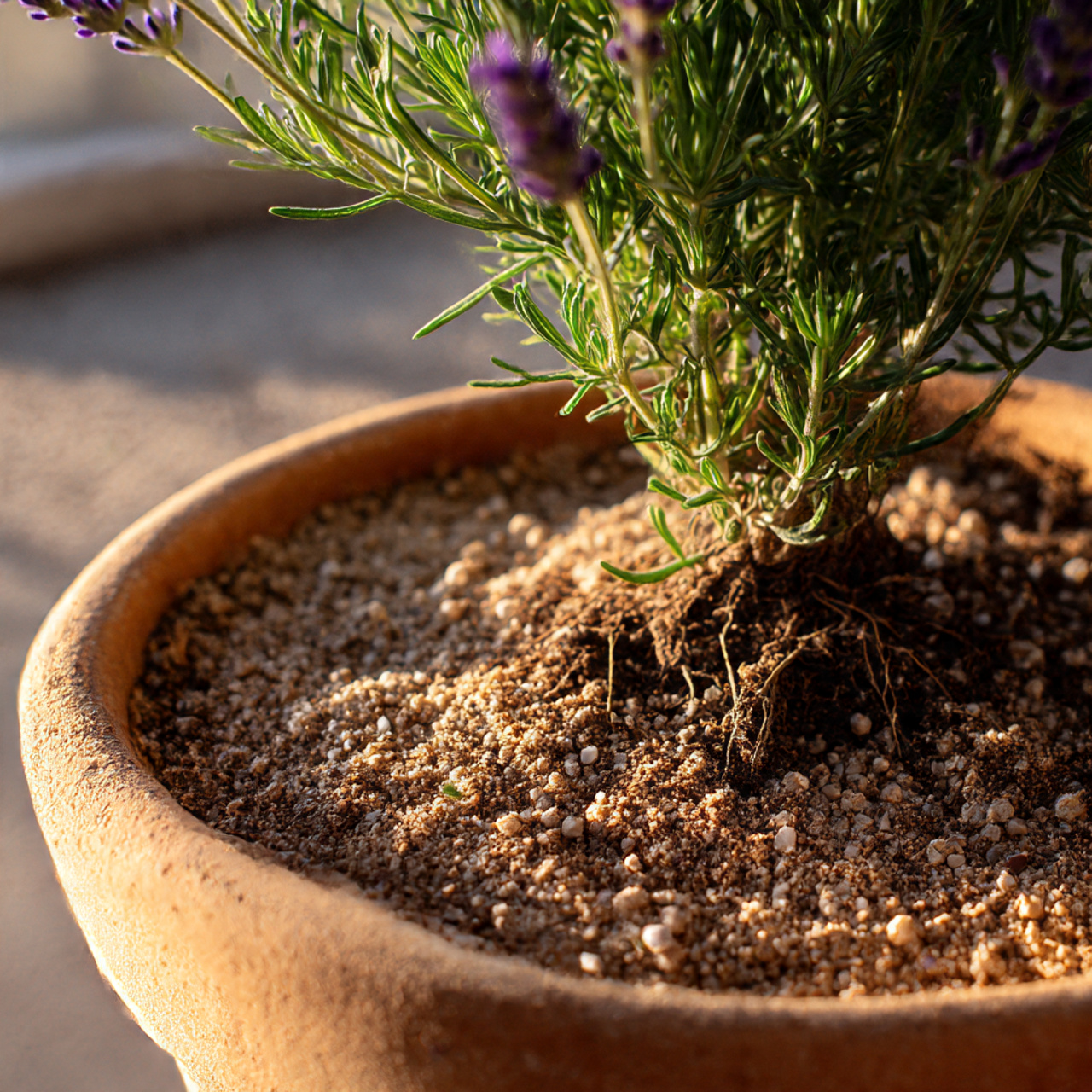
Here’s where most people mess up: they plant lavender in regular potting soil or garden soil that holds moisture. That’s a recipe for disaster. Lavender’s roots absolutely hate being wet. In nature, it grows in sandy, rocky soil that drains instantly after rain.
Create a mix that’s loose, gritty, and fast-draining. I use a combination of:
- Cactus/succulent mix (or sandy soil)
- Perlite or small gravel for extra drainage
- A bit of compost for nutrition
- Optional: a small amount of lime to increase alkalinity
The goal is soil that dries out quickly. When you water, it should drain through in seconds, not sit there in a muddy puddle. This might seem harsh, but it’s exactly what lavender prefers.
Container Growers: Never use soil straight from a bag. Always add perlite or sand to improve drainage, even if the bag says “well-draining.”
Master the Watering Balance
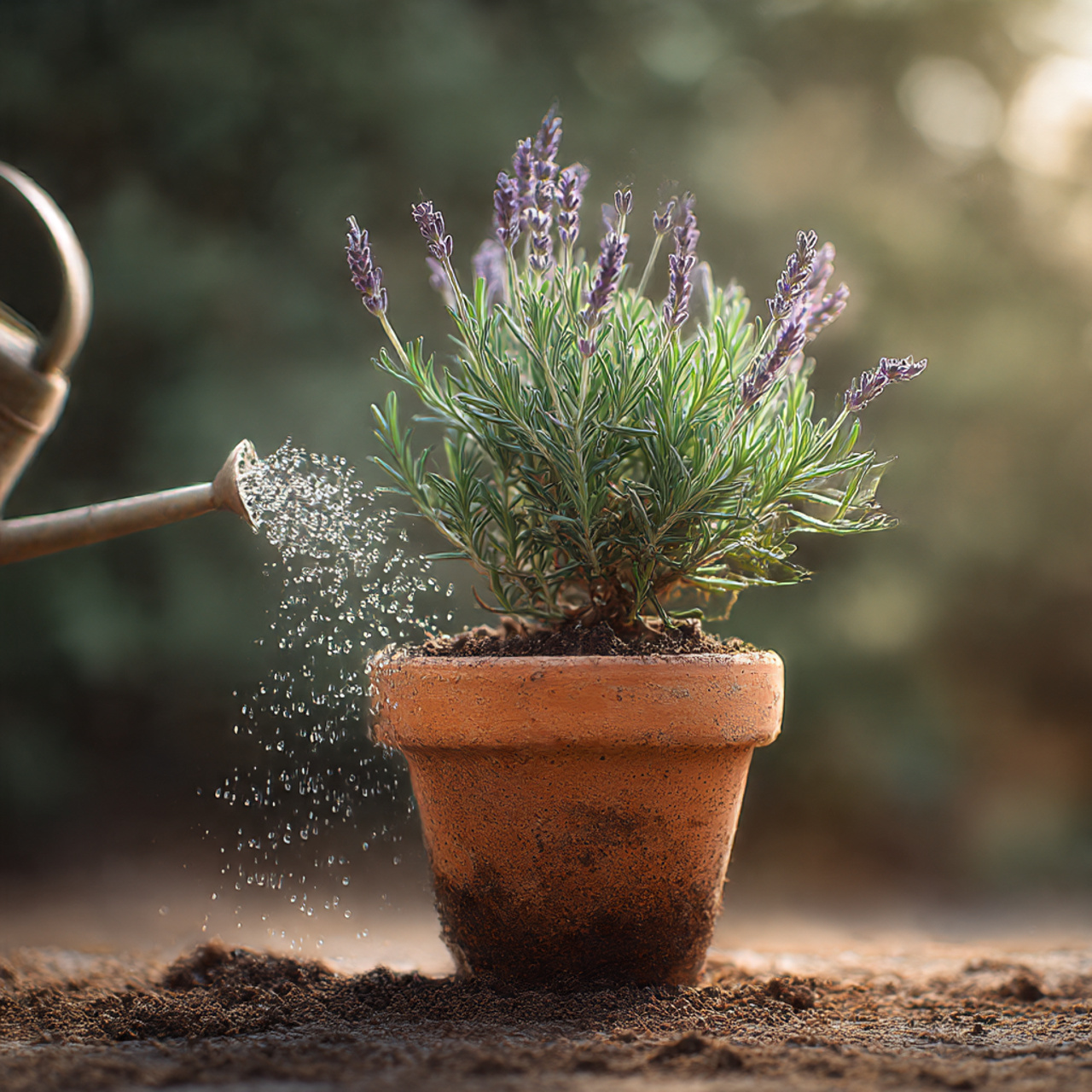
This is the trickiest part of lavender care, so pay attention. Lavender is drought-tolerant, which means it can survive dry periods much better than wet ones. In fact, overwatering is the number one killer of lavender plants.
Here’s my rule: let the top 2 inches of soil dry out completely between waterings. Stick your finger in the soil—if it feels even slightly damp, wait. When you do water, water deeply at the base of the plant, then let it drain completely.
Outdoor lavender in the ground might need watering once a week during hot summers, or not at all if you get regular rain. Container lavender needs more frequent watering since pots dry out faster, but still—let it dry between waterings.
Watch Out For: Yellow leaves, mushy stems, or a damp smell are signs of overwatering. Crispy, dry leaves usually mean underwatering, but honestly, lavender bounces back from drought way better than it recovers from soggy roots.
Find the Perfect Location (and Commit)
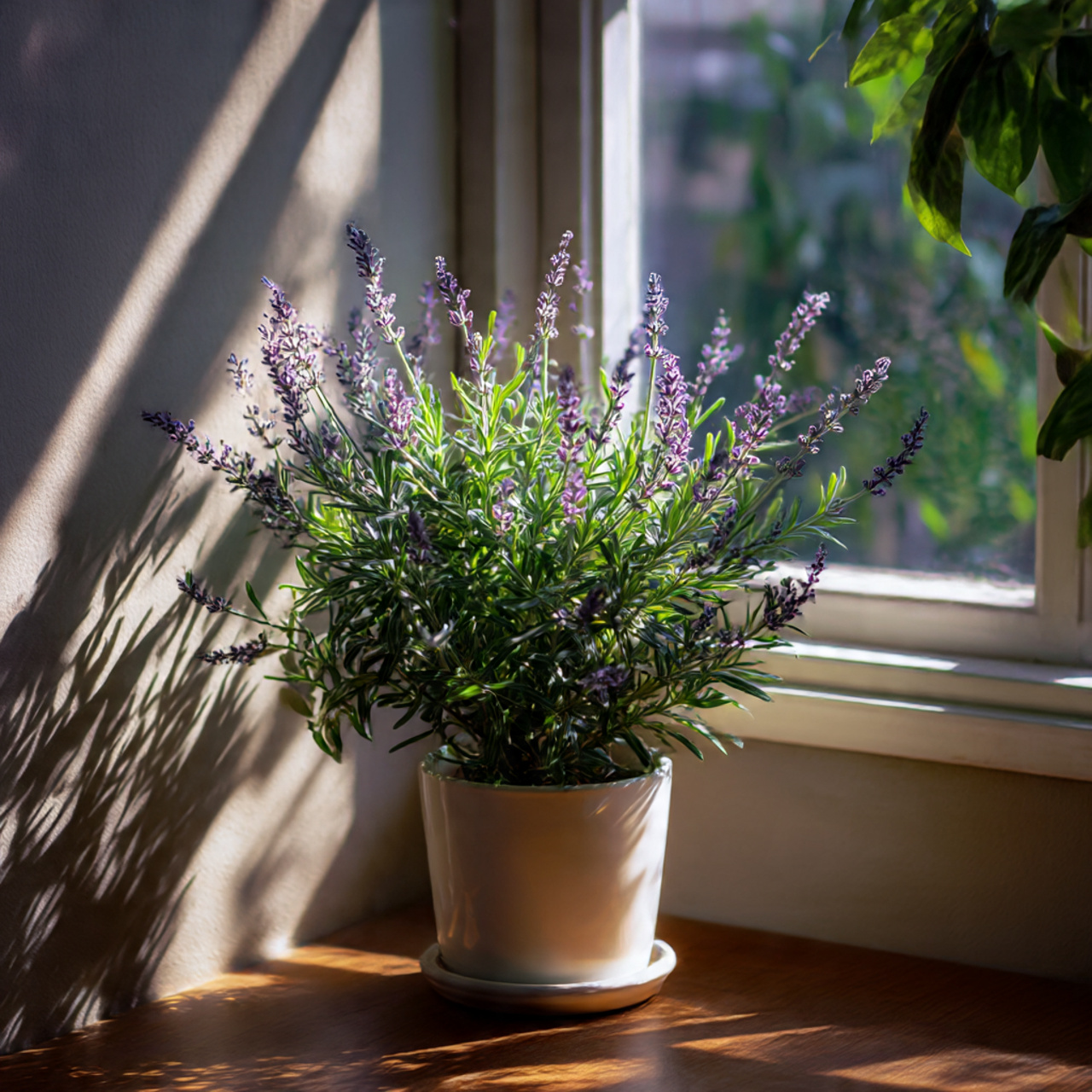
Lavender doesn’t like being moved around. Once you find a spot with great sun and good drainage, leave it there. Indoor plants should stay in the same sunny window. Outdoor plants should be planted in permanent locations.
For outdoor lavender, consider these ideal spots:
- Raised beds with excellent drainage
- Slopes or hillsides where water runs off
- Rock gardens with gritty soil
- Along sunny pathways or borders
- Never in low spots where water collects
The right location does 80% of the work for you. A well-placed lavender plant practically takes care of itself.
Location Mistake: Planting lavender in the same bed as moisture-loving plants. Lavender needs different care than most perennials, so group it with other Mediterranean herbs like rosemary and thyme.
Prune for Longevity and Beauty
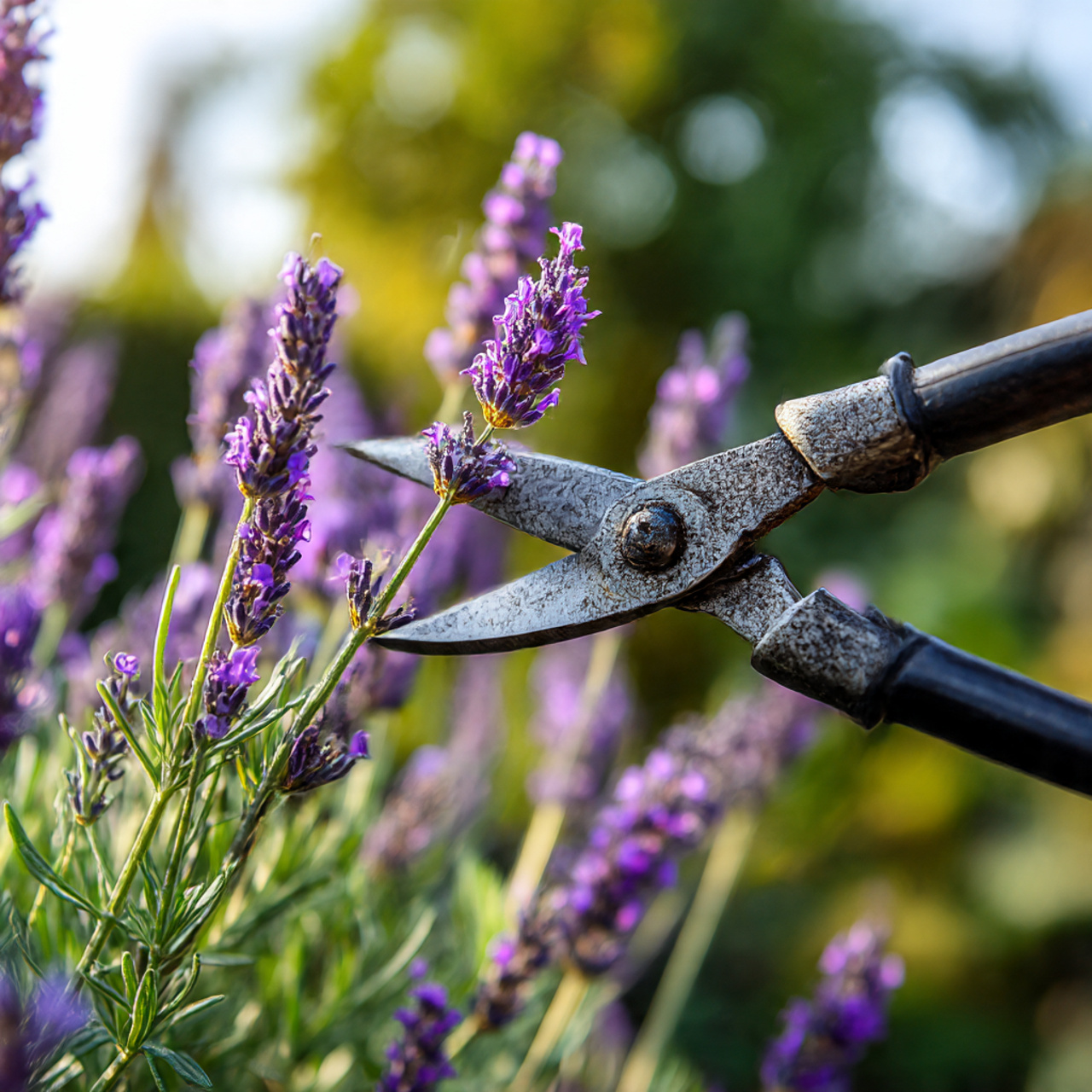
Pruning is essential—not optional—if you want your lavender to live for years instead of months. Without pruning, lavender becomes woody, stops producing new growth, and eventually dies out in the center.
The best time to prune is right after flowering ends. Cut back about one-third of the plant, shaping it into a nice mounded form. Make your cuts above the green, flexible growth—never into the old, woody stems. Lavender doesn’t regenerate well from old wood.
Do a lighter trim in early spring to remove any winter damage and encourage bushy growth. This regular pruning keeps plants compact, encourages more blooms, and extends the plant’s lifespan dramatically.
Pruning Schedule: Major prune after flowering, light shaping in spring, deadheading throughout the season if you want continuous blooms.
Go Easy on Fertilizer
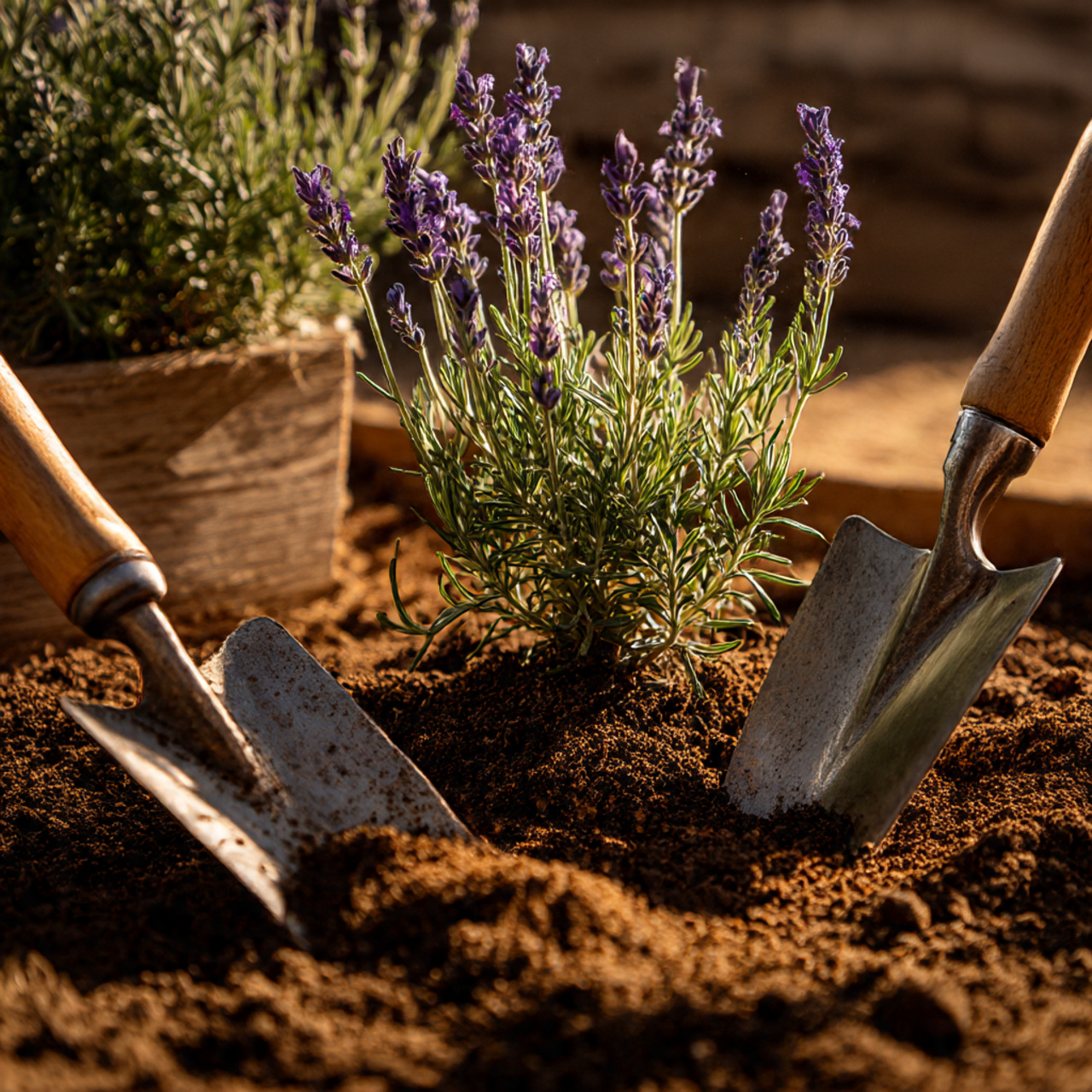
Here’s some good news: lavender doesn’t need much fertilizer. In fact, too much fertilizer—especially nitrogen—creates weak, floppy growth and reduces the concentration of those precious essential oils.
Feed your lavender once or twice a year with a light application of compost or a balanced, slow-release fertilizer. Spring is the best time, just as new growth begins. That’s it.
In poor, rocky soil (which lavender loves), you might not need to fertilize at all. The plant evolved to thrive in lean conditions. Rich, heavily fertilized soil produces lush green growth that flops over and lacks fragrance.
Fertilizer Rule: When in doubt, don’t fertilize. Lavender would rather be underfed than overfed.
Watch for (Rare) Pest Problem
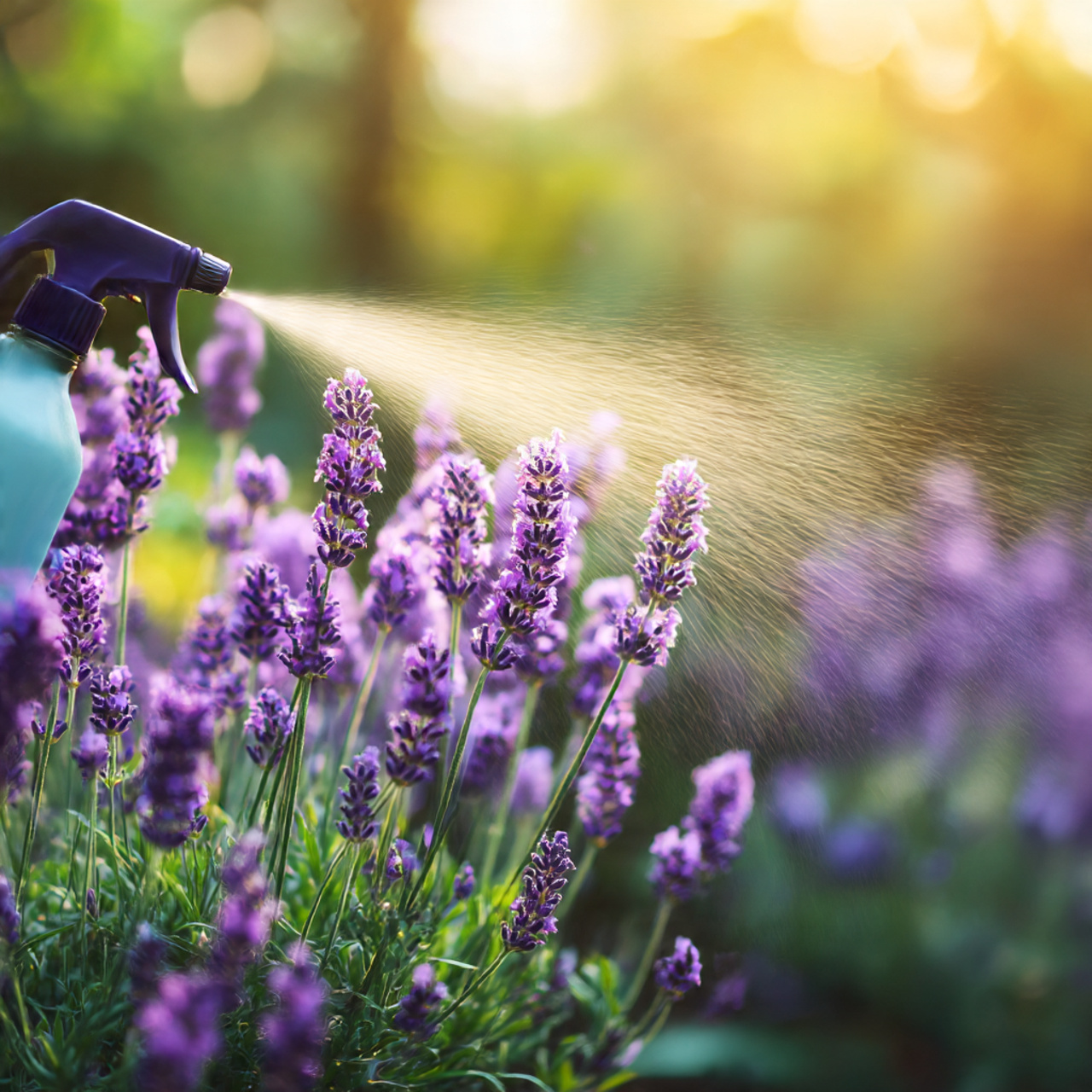
One of lavender’s superpowers is that its strong fragrance naturally repels most pests. Deer, rabbits, and many insects avoid it. But it’s not completely immune to problems.
Occasionally you might see:
- Aphids on new growth
- Whiteflies on the undersides of leaves
- Spittlebugs creating foamy masses on stems
The good news? These are easy to handle. Spray affected areas with soapy water or neem oil. Since lavender needs good airflow anyway, keeping plants properly spaced and pruned usually prevents pest issues before they start.
Prevention Tip: Remove dead foliage and flowers promptly. Keep the center of the plant open and airy. Good garden hygiene goes a long way.
Prevent Root Rot at All Costs
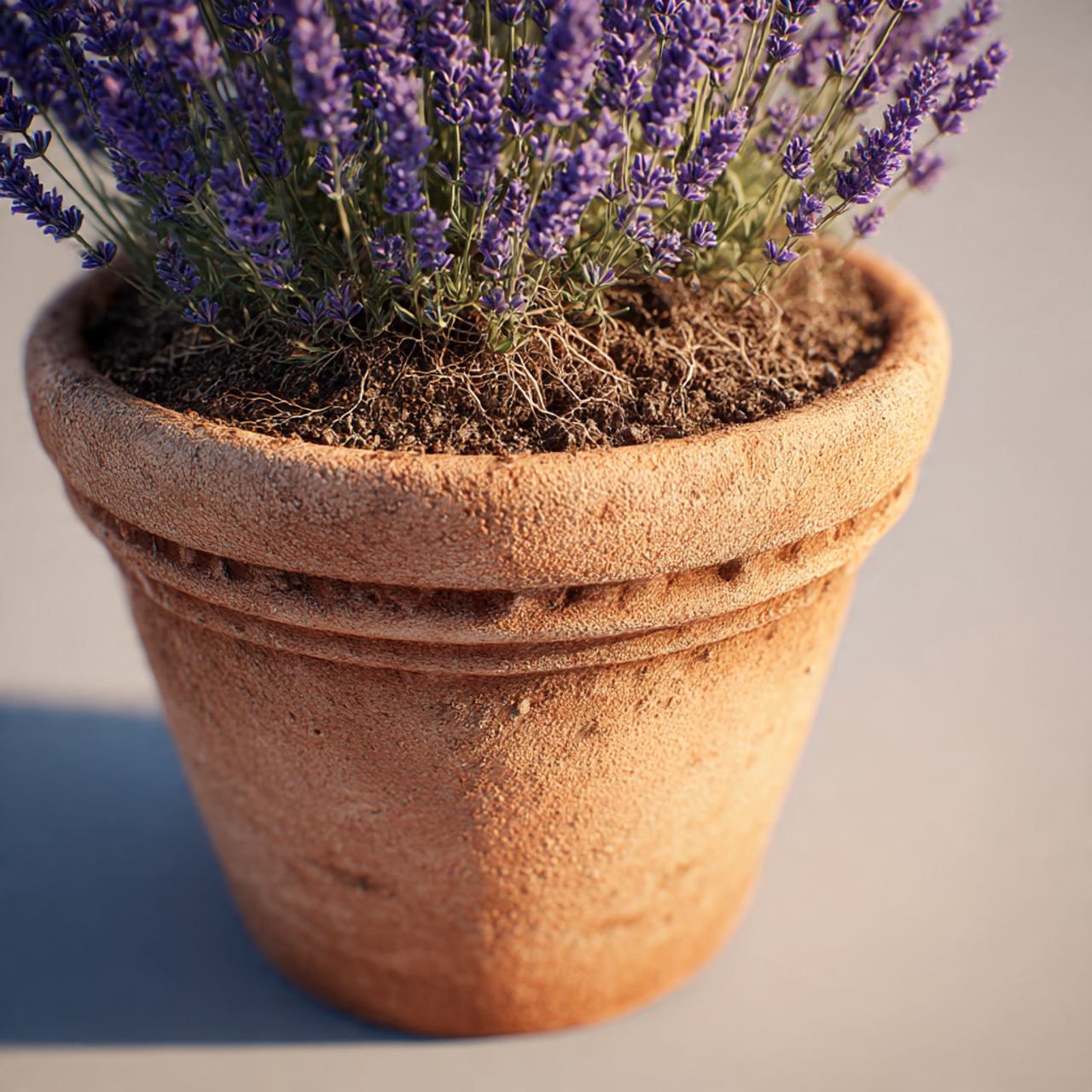
If there’s one thing that will kill your lavender fast, it’s root rot. This happens when roots sit in waterlogged soil, suffocating and turning mushy. Once it takes hold, it’s often too late to save the plant.
Prevention is everything:
- Use pots with drainage holes (non-negotiable)
- Never use saucers that hold standing water
- Improve soil drainage with sand or perlite
- Water less frequently than you think necessary
- Plant in raised beds or mounded soil outdoors
If you catch root rot early, you can sometimes save the plant by removing it from wet soil, trimming away mushy roots, and repotting in completely dry, fresh soil. But prevention is far easier than treatment.
Emergency Check: If your lavender suddenly wilts despite moist soil, root rot is likely. Pull it up and inspect the roots immediately.
Understand Temperature Preferences
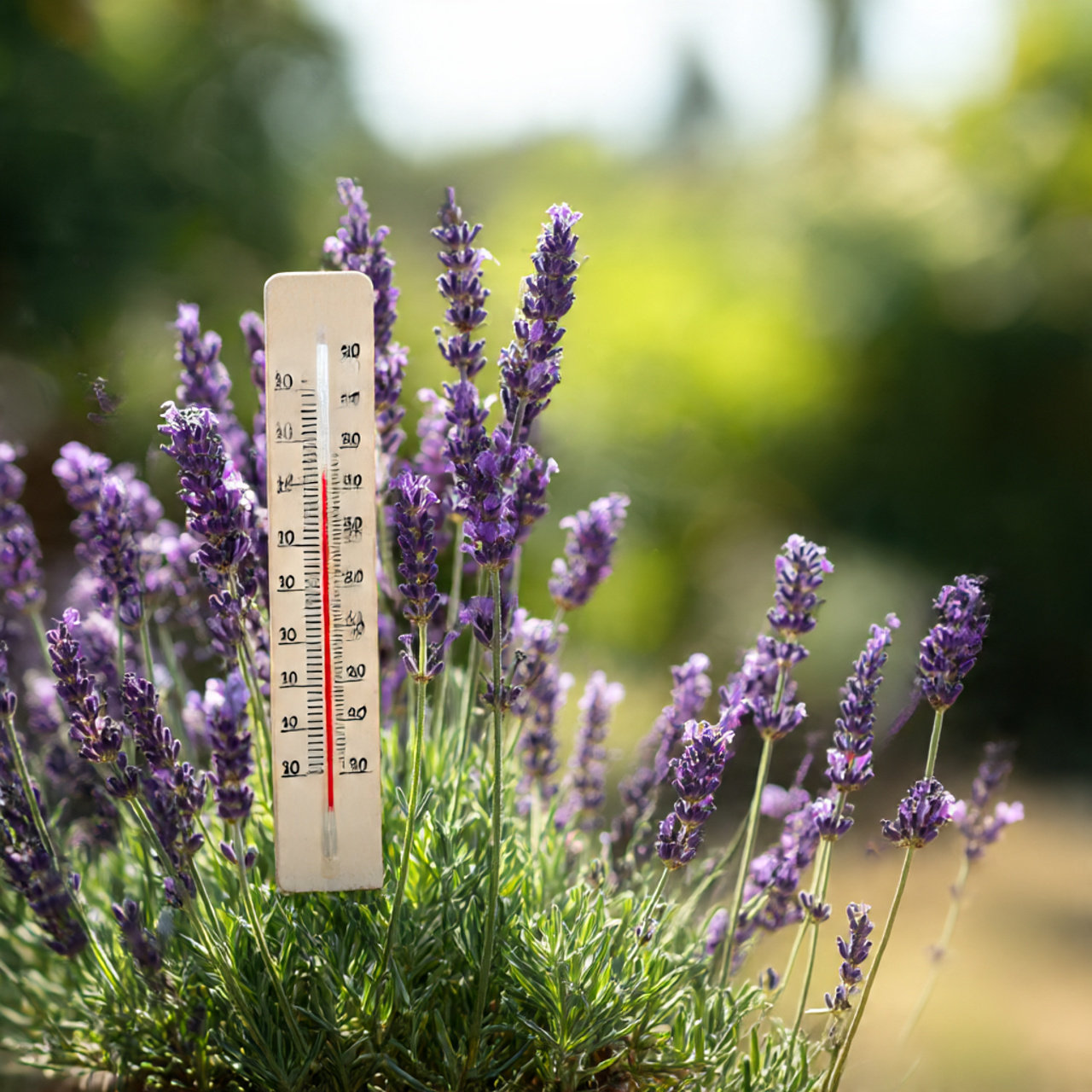
Lavender loves warmth but is more cold-tolerant than people think. Most varieties thrive in temperatures between 65-85°F. English lavender varieties can handle winter cold down to zone 5, while French and Spanish varieties are more tender.
What lavender really hates is humidity combined with heat. Hot, sticky summers with high humidity create perfect conditions for fungal problems. If you live in a humid climate, focus extra hard on soil drainage and air circulation.
Indoor lavender should be kept away from cold drafts in winter and air conditioning vents in summer. Consistent temperatures are better than wild fluctuations.
Climate Consideration: If you live in a humid area, choose English lavender varieties, which handle moisture better than French or Spanish types.
Grow Lavender Successfully Indoors
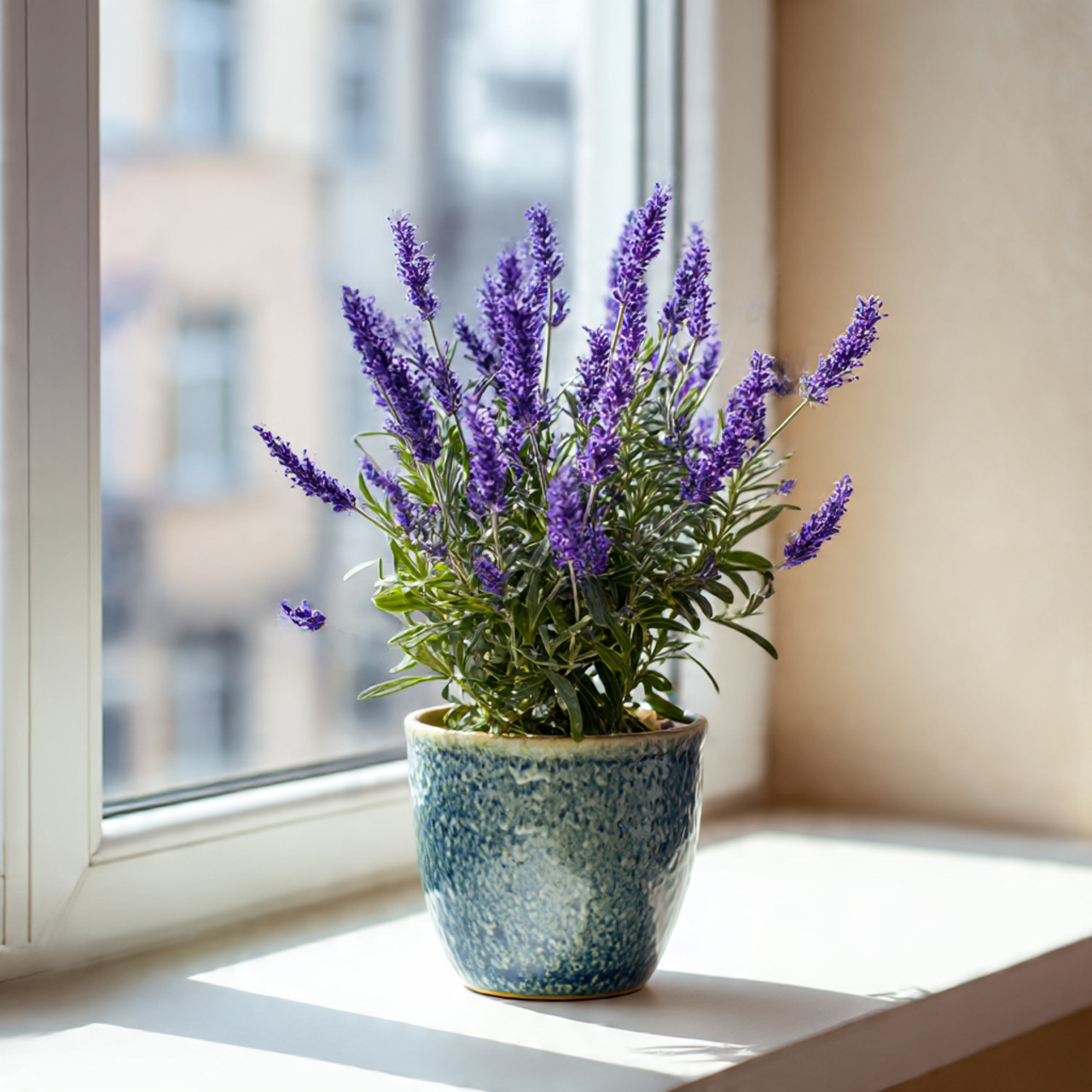
Growing lavender indoors is challenging but definitely possible. The key is compensating for the limited light and airflow that indoor environments provide.
For indoor success:
- Place in the brightest possible window (south-facing)
- Supplement with grow lights if needed
- Rotate the pot weekly for even growth
- Keep humidity low (lavender hates humid indoor air)
- Ensure excellent airflow with a small fan
- Be extra careful with watering
Indoor lavender tends to stay smaller and produce fewer blooms than outdoor plants, but it’s still beautiful and fragrant. The scent alone makes it worth the effort.
Indoor Reality Check: If you can’t provide 6+ hours of bright light, lavender probably won’t thrive indoors. Be honest about your light situation.
Optimize Outdoor Garden Growing
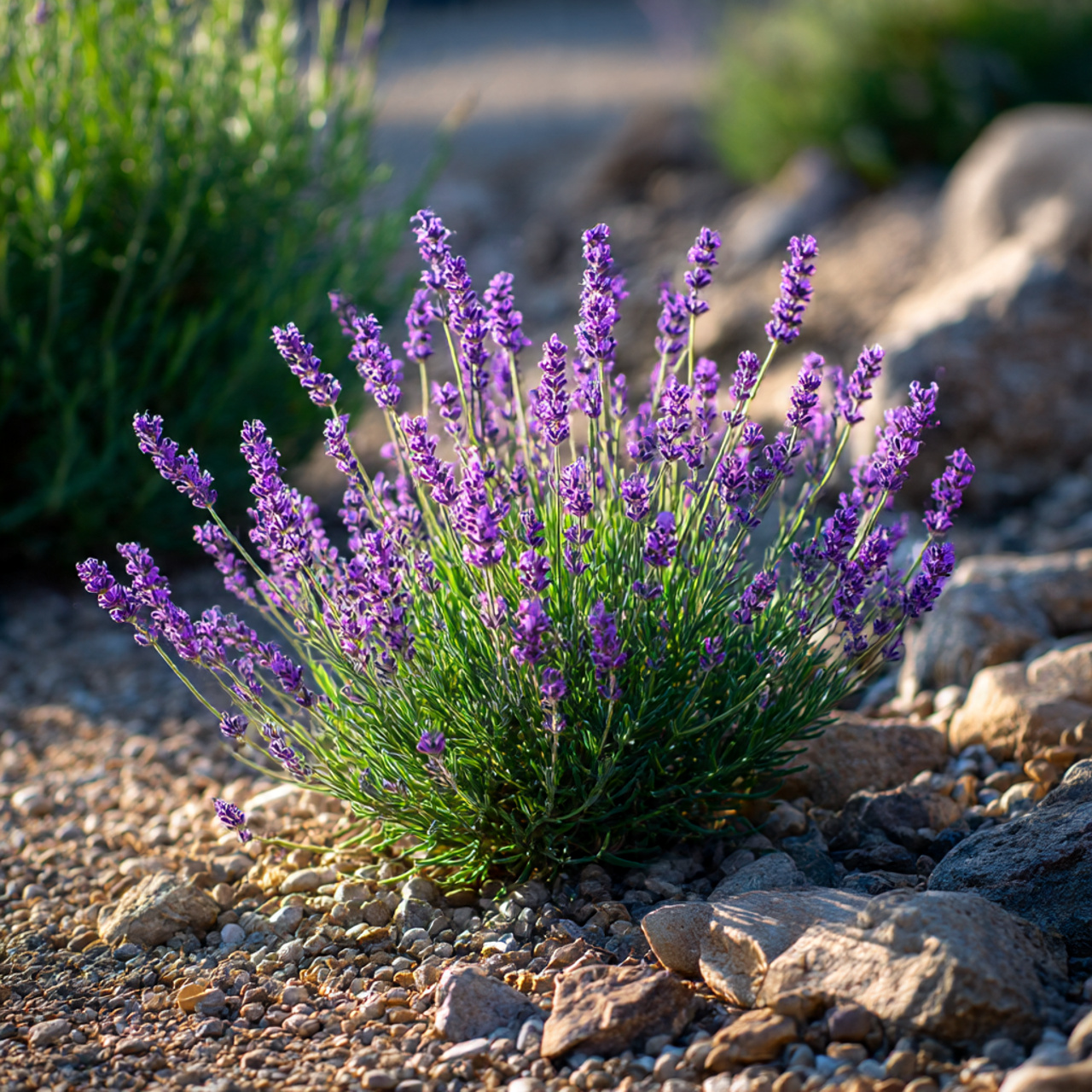
Lavender absolutely shines in outdoor garden settings where it can spread its roots deep and wide. In-ground lavender is more drought-tolerant, grows larger, and requires less attention than container plants.
Best outdoor practices:
- Plant in full sun locations
- Amend clay soil heavily with sand and compost
- Create raised mounds or beds for drainage
- Space plants 18-24 inches apart for airflow
- Mulch with gravel or small stones (not bark)
Outdoor lavender benefits from wind exposure, which naturally strengthens stems and reduces disease pressure. Don’t baby it—lavender is tougher than it looks.
Garden Design Idea: Plant lavender along pathways where you’ll brush against it and release that gorgeous scent. It’s also stunning in mass plantings.
Choose the Right Container Setup
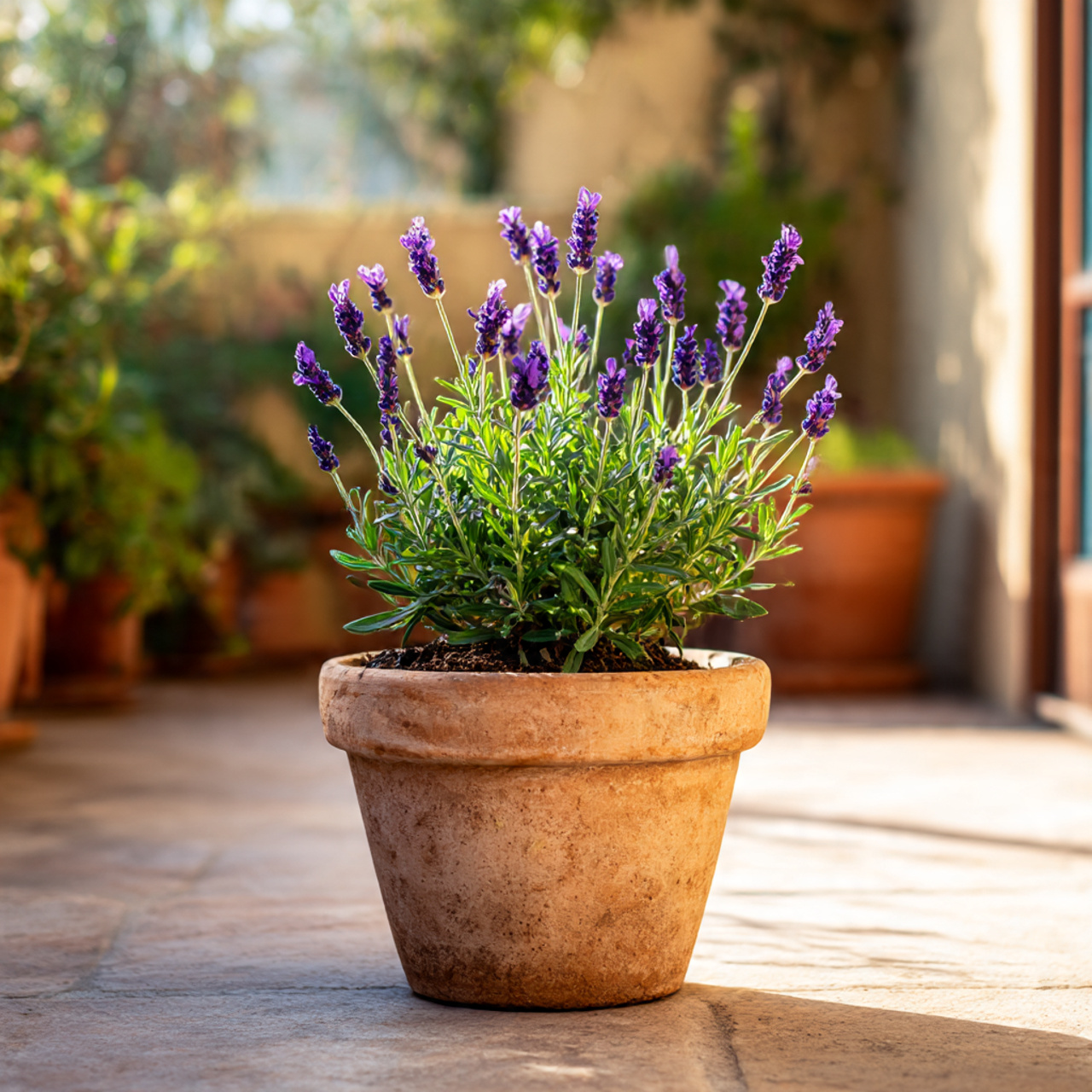
Container growing works beautifully for lavender if you follow a few key rules. The container itself matters as much as what’s inside it.
Use terracotta or unglazed ceramic pots—they’re porous and allow moisture to evaporate through the sides. This helps prevent overwatering. Avoid plastic or glazed ceramic that traps moisture.
The pot must have drainage holes. I can’t stress this enough. No drainage = dead lavender.
Size matters too. Start with a pot that’s just slightly larger than the root ball. Huge pots hold too much moisture. You can repot every 2-3 years as the plant grows.
Container Bonus: Lavender in pots can be moved to protected spots during harsh winter weather, then brought back out in spring.
Harvesting Lavender Plant for Home Use
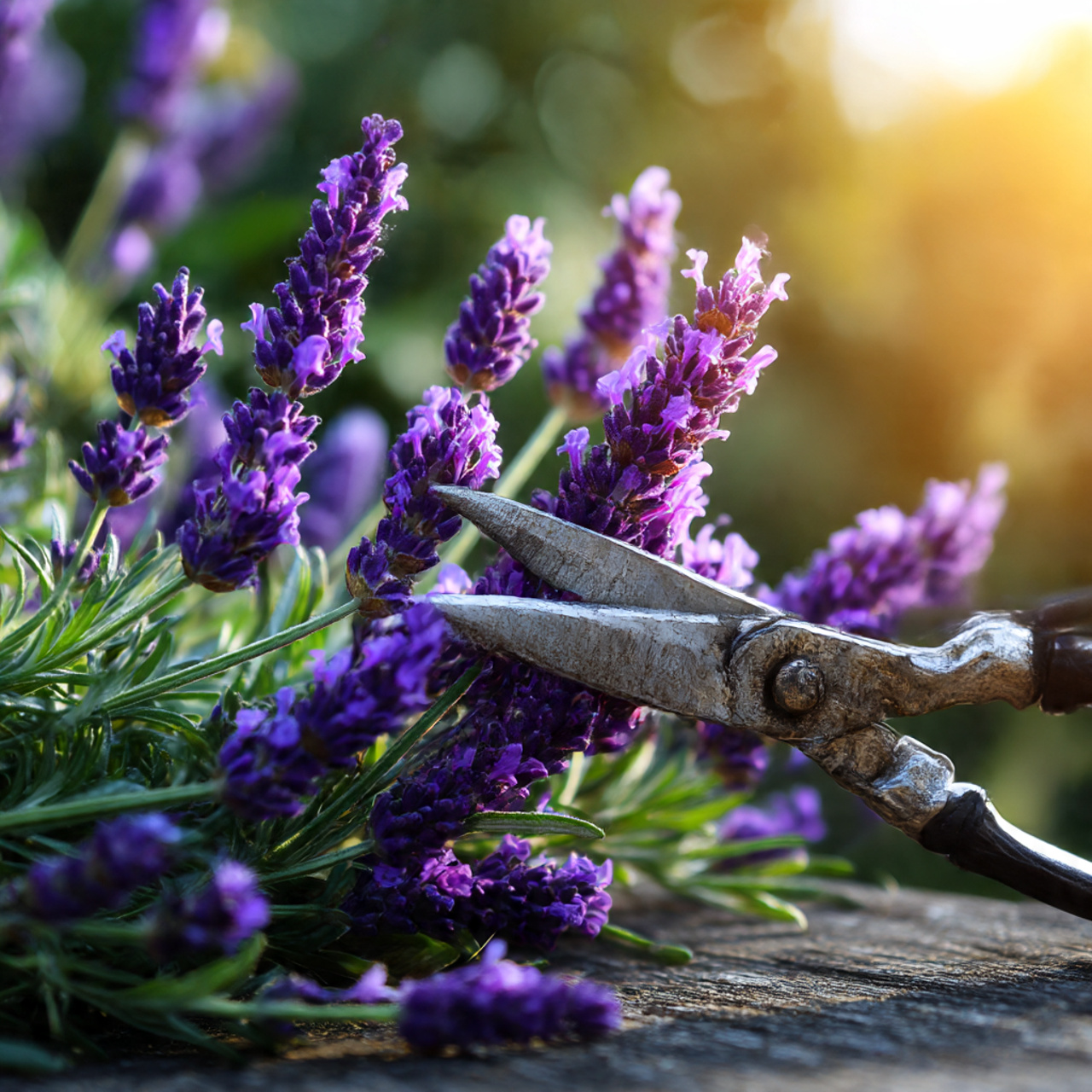
Knowing when and how to harvest lavender makes a huge difference in the quality you get. Harvest too early, and the flowers don’t have much scent. Harvest too late, and the blooms are past their prime.
The sweet spot: when about half the buds on a stem have opened. This is when the essential oil content is at its peak.
Cut stems in the morning after the dew has dried but before the heat of the day. Use sharp scissors or pruners and cut long stems—this doubles as pruning.
Bunch stems with rubber bands and hang them upside down in a dark, dry, airy place. They’ll dry in 1-2 weeks and the fragrance will intensify.
Harvesting Tip: Regular harvesting encourages the plant to produce more blooms. Cut generously—it’s good for the plant.
Using Lavender Plant for Aromatherapy
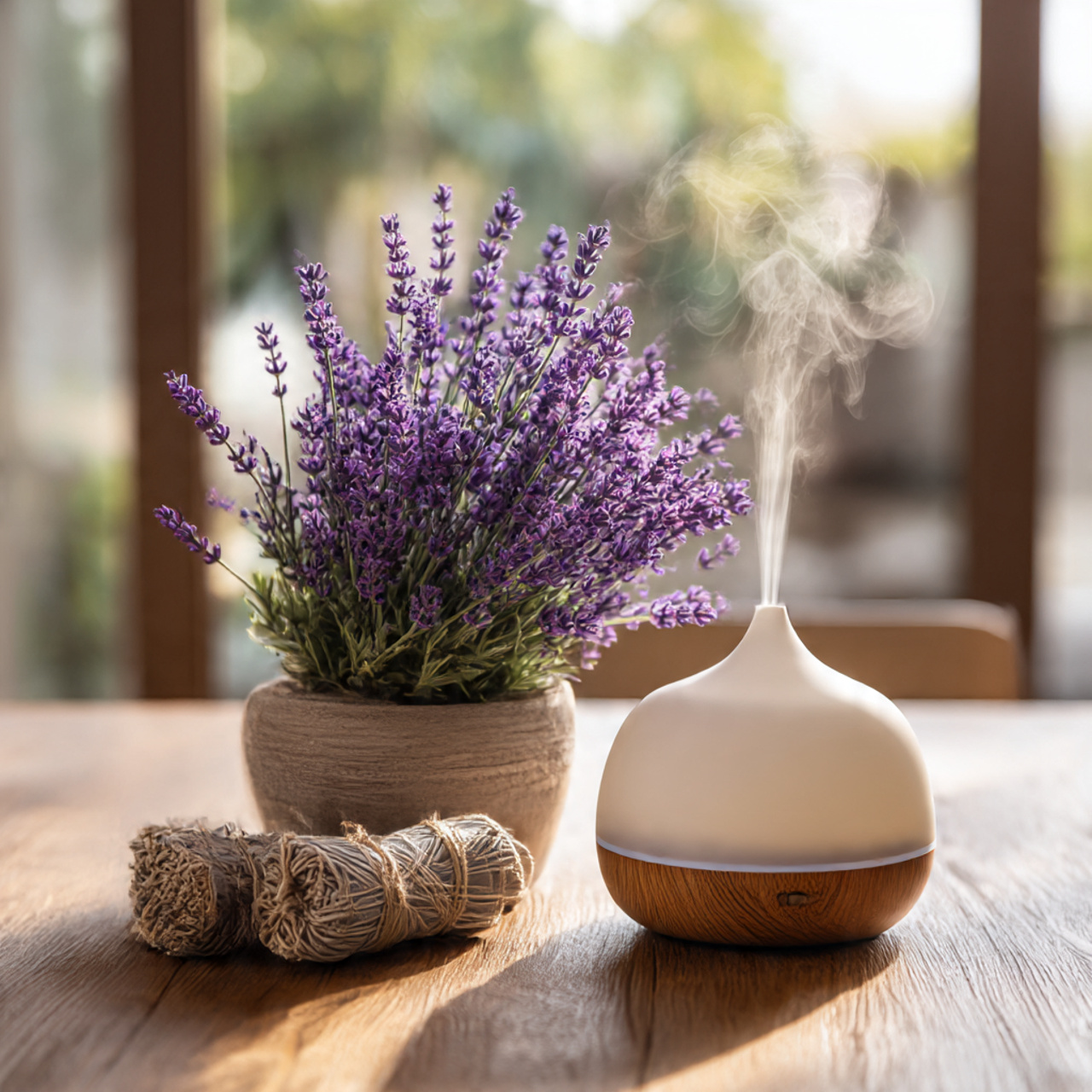
Beyond beauty, lavender offers real therapeutic benefits. The scent has been scientifically shown to reduce stress, improve sleep quality, and promote relaxation.
Ways to use your homegrown lavender:
- Make sachets for drawers and closets
- Create lavender essential oil infusions
- Brew lavender tea for evening relaxation
- Add dried flowers to bath water
- Make lavender-infused honey
Having a living lavender plant in your home provides ongoing aromatherapy. The scent is strongest in the evening, which is perfect for winding down after a long day.
Sleep Tip: Place a small lavender plant on your nightstand or hang a bundle of dried lavender near your pillow. The gentle scent promotes better sleep.
Reviving a Dying Lavender Plant
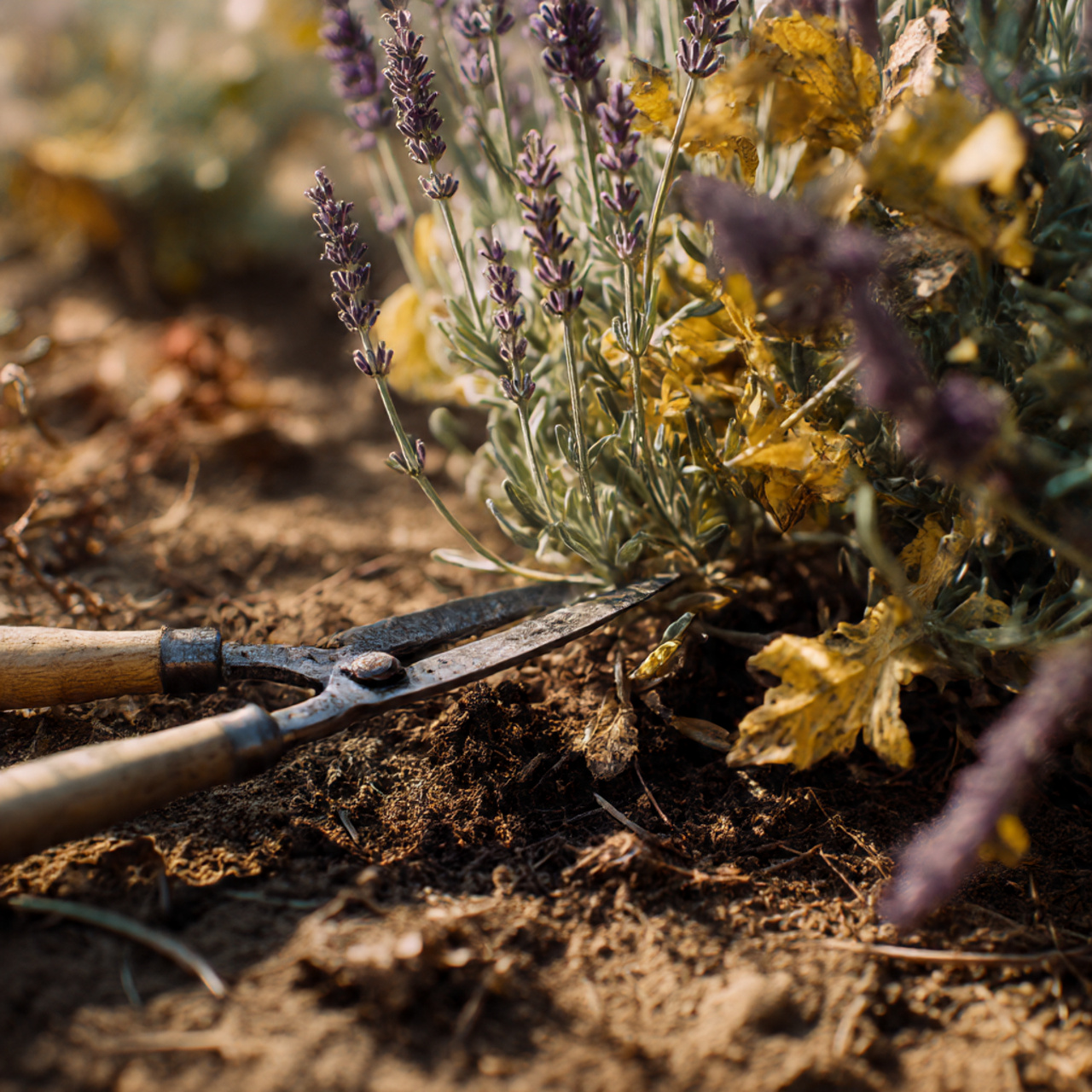
Lavender gives clear warning signs when it’s unhappy. Catching problems early makes recovery much more likely.
Yellow leaves + mushy stems = overwatering Solution: Stop watering immediately. Check for root rot. Repot in dry soil if necessary.
Brown, crispy leaves = underwatering Solution: Water deeply, then establish a more consistent (but still infrequent) schedule.
Leggy, stretched growth = insufficient light Solution: Move to a brighter location immediately. Prune back leggy growth.
No blooms = wrong fertilizer or not enough light Solution: Reduce nitrogen, increase light, and ensure you’re pruning correctly.
Most lavender problems are fixable if you act quickly. The plant is resilient and bounces back surprisingly well.
Propagate for Free Plants
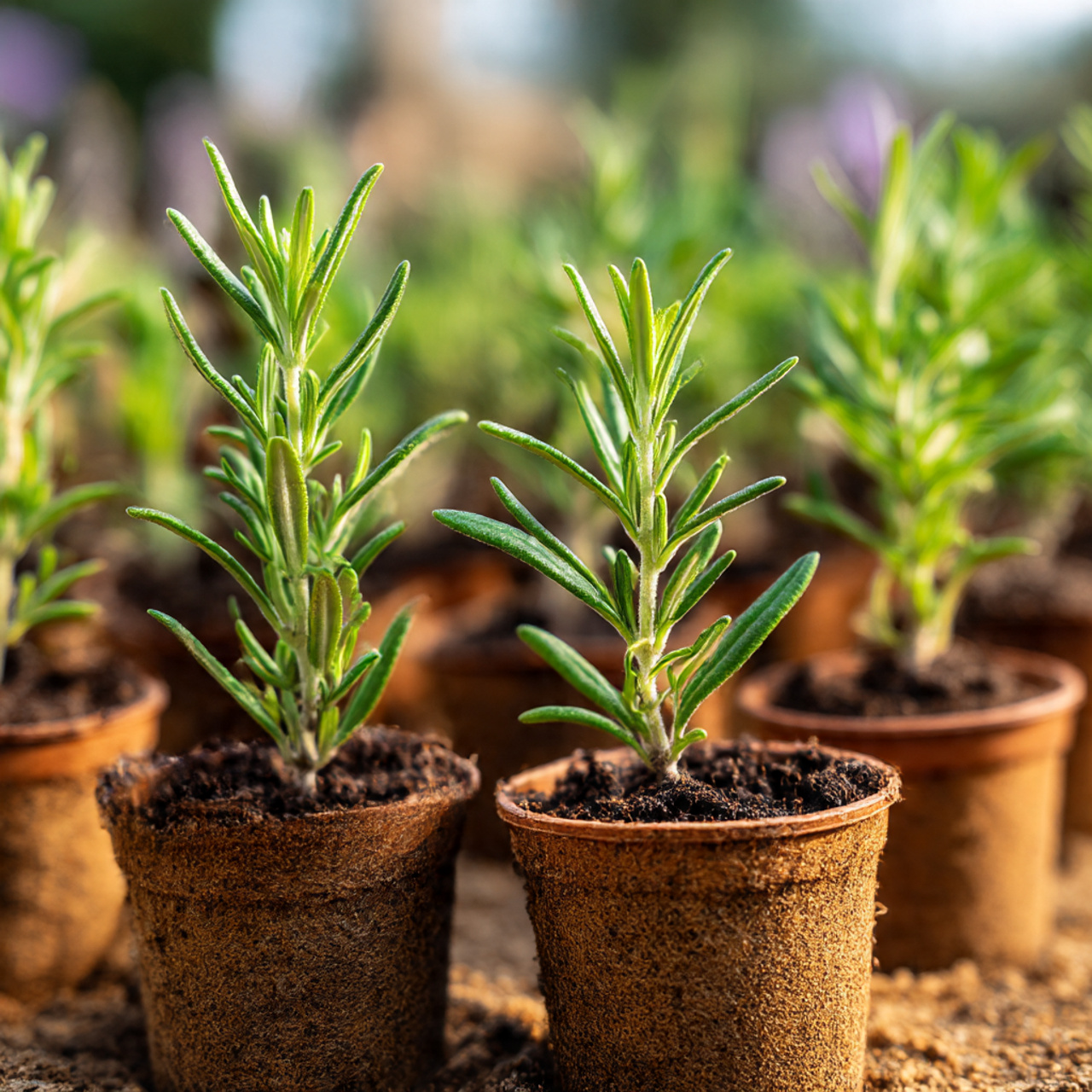
Why buy more lavender when you can make your own? Propagation is easier than you’d think and lets you expand your collection or share with friends.
Take softwood cuttings (new, flexible growth) in spring or early summer. Cut 3-4 inch sections just below a leaf node. Remove lower leaves, leaving just a few at the top.
Dip the cut end in rooting hormone (optional but helpful), then stick it in a mix of sand and perlite. Keep in bright indirect light and lightly moist.
Roots typically form in 3-4 weeks. Once you see new growth, you know roots have developed. Transplant to regular soil and care for as usual.
Propagation Success Rate: Expect about 50-70% success. Take multiple cuttings to ensure you get at least a few successful plants.
Seasonal Care for Lavender Plant
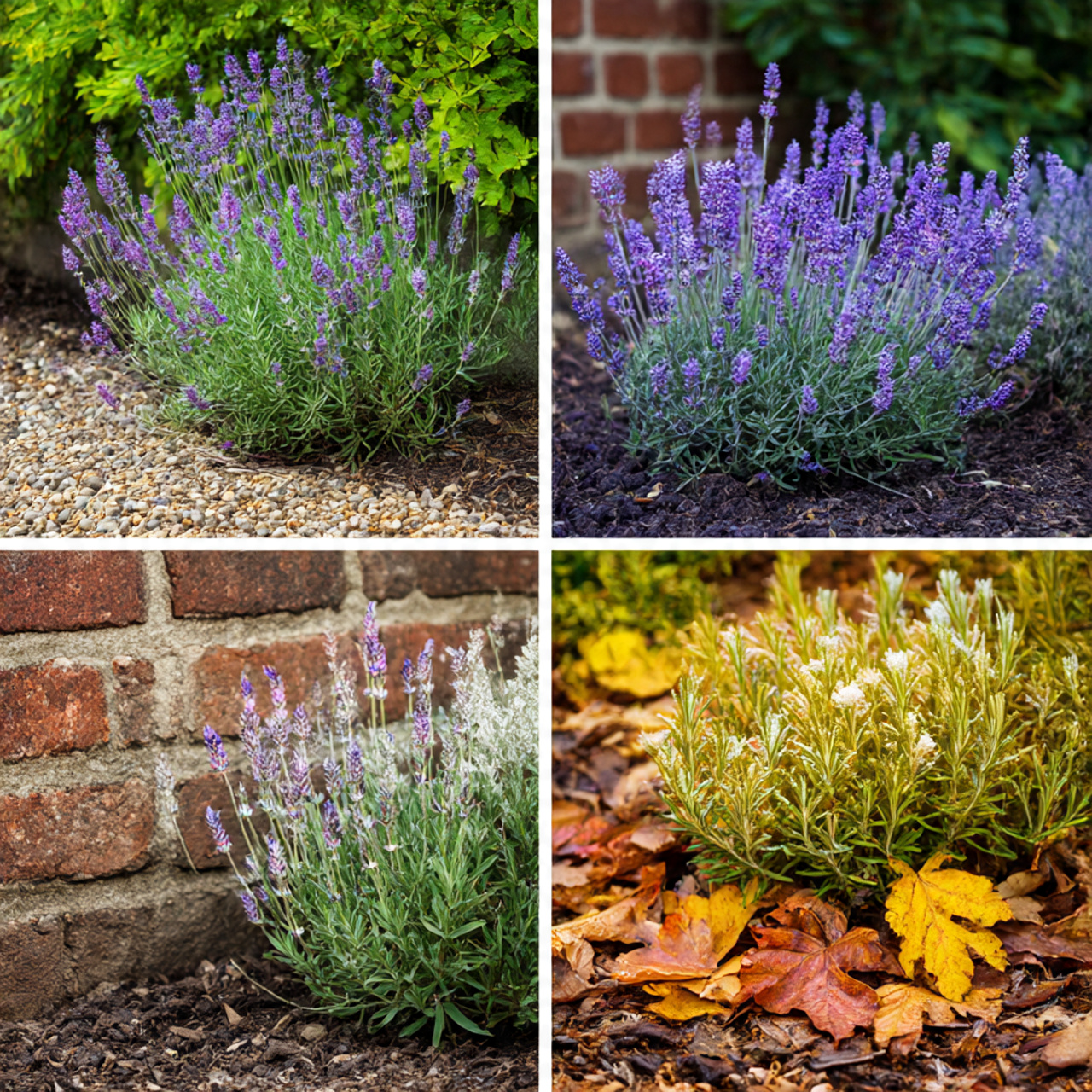
Lavender’s needs change throughout the year. Recognizing these seasonal shifts helps you provide better care.
Spring: Time for major pruning, light fertilizing, and checking for winter damage. Growth accelerates as days lengthen.
Summer: Focus on proper watering during hot spells. Harvest flowers as they bloom. Enjoy the show!
Fall: Do a light tidy-up after flowering ends. Reduce watering as temperatures drop. Prepare for dormancy.
Winter: Minimal watering, no fertilizing. Protect tender varieties from harsh cold. The plant is resting—leave it alone.
Working with these natural rhythms instead of against them creates healthier, more resilient plants.
Style Your Space with Lavender
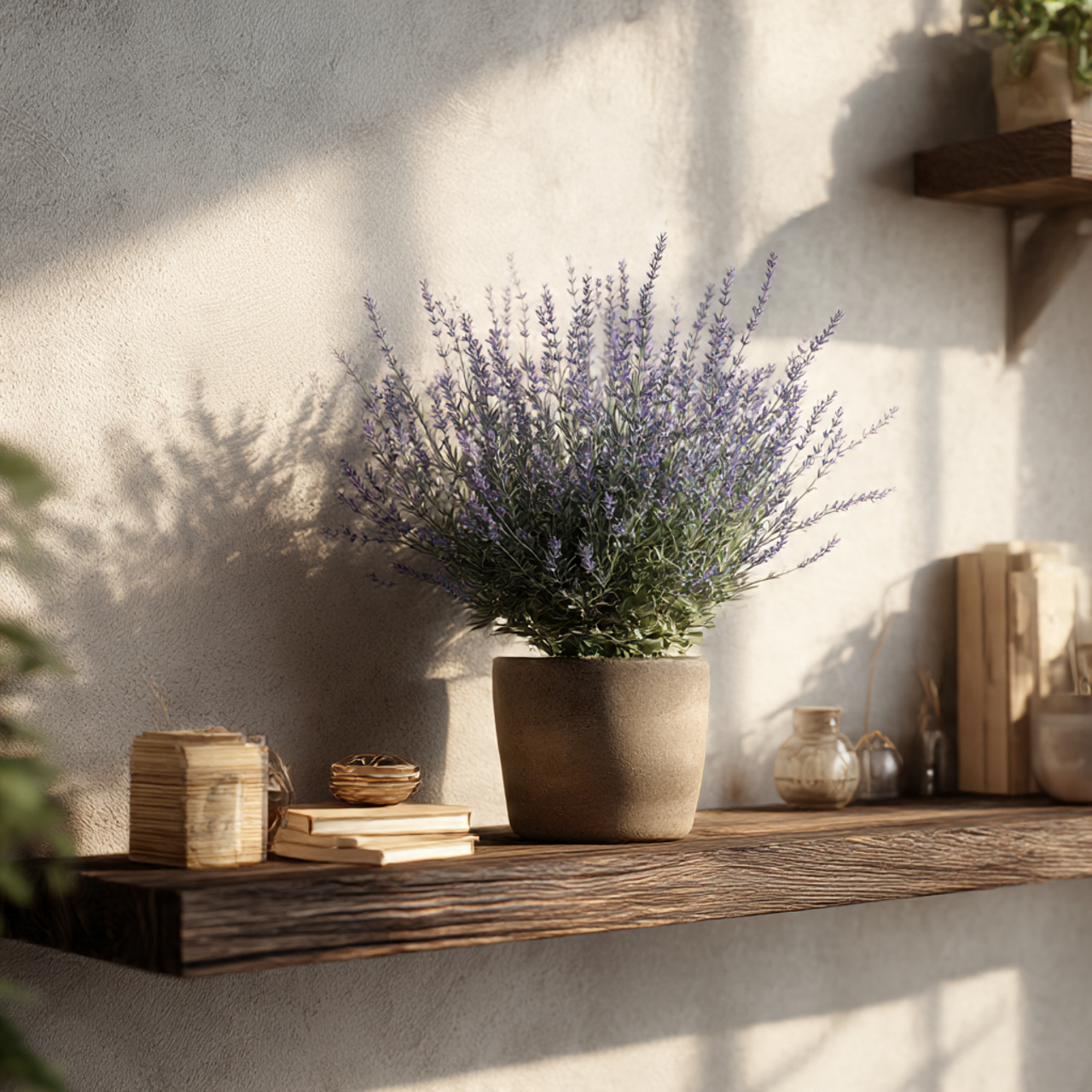
Beyond its practical uses, lavender is a stunning design element. That silvery-green foliage and purple blooms complement almost any aesthetic.
Indoor styling ideas:
- Place on sunny windowsills in simple terracotta pots
- Group with other Mediterranean herbs for a mini kitchen garden
- Use as a fragrant centerpiece for dining tables
- Add to bathroom windowsills for a spa-like feel
Outdoor design:
- Line walkways for a fragrant welcome
- Create formal hedges with uniform spacing
- Mix into cottage garden borders
- Plant in mass drifts for dramatic impact
The neutral colors of lavender work with modern, traditional, farmhouse, or Mediterranean styles. It’s beautifully versatile.
Choose the Best Lavender Variety
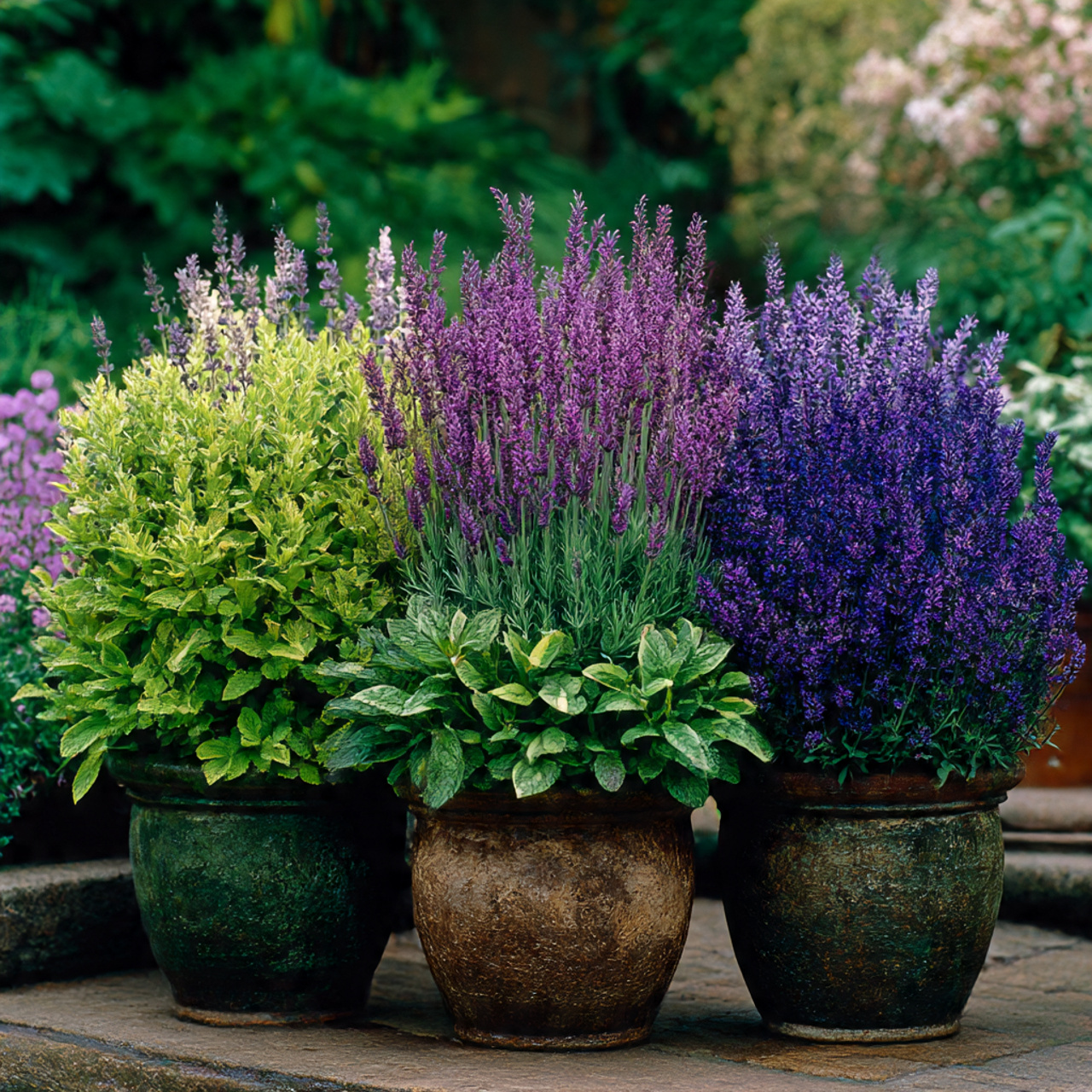
Not all lavender is created equal. Different varieties have different strengths, cold hardiness, and growth habits.
English Lavender (Lavandula angustifolia): Most cold-hardy, sweetest fragrance, best for cooking and crafts. Varieties like ‘Hidcote’ and ‘Munstead’ are classics.
French Lavender (Lavandula dentata): Serrated leaves, longer blooming period, less cold-hardy. Great for mild climates.
Spanish Lavender (Lavandula stoechas): Distinctive pineapple-shaped flowers with showy bracts. Least cold-hardy but stunning.
Choose based on your climate, intended use, and aesthetic preferences. When in doubt, English lavender is the safest bet for most gardens.
Beginner Recommendation: Start with English lavender. It’s the most forgiving and versatile variety.
Protect Lavender During Heatwaves
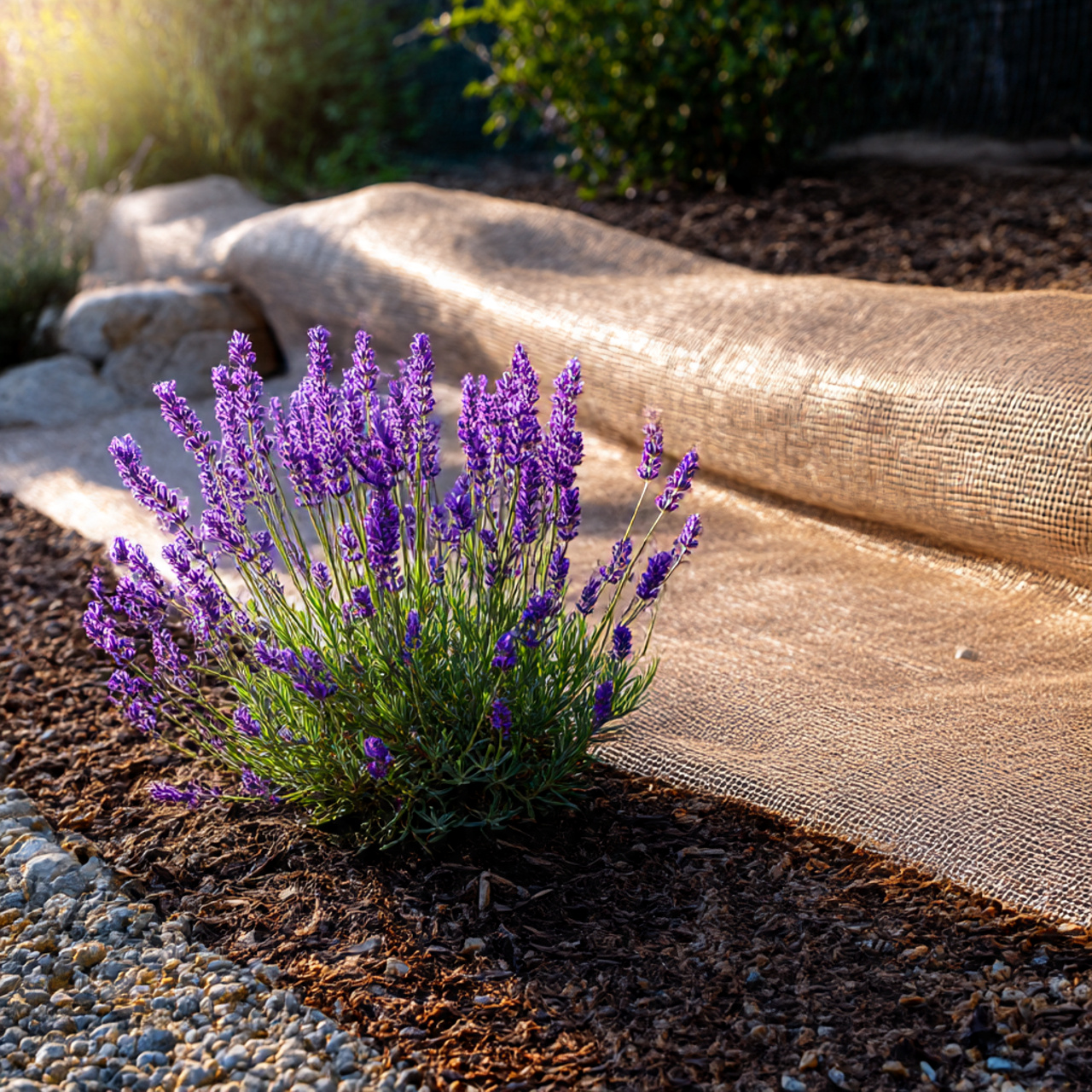
Even sun-loving lavender can struggle during extreme heat, especially when temperatures soar above 95°F for extended periods.
Help your lavender survive heatwaves:
- Water early in the morning (never midday)
- Provide temporary afternoon shade cloth if needed
- Mulch with light-colored gravel to reflect heat
- Ensure excellent drainage so roots don’t cook in hot, wet soil
Container plants suffer more during heat because pots heat up quickly. Move them to spots that get afternoon shade during extreme weather.
The good news? Lavender usually recovers quickly once temperatures moderate. A little preventive care goes a long way.
Lavender Plant and Pollinator Attraction
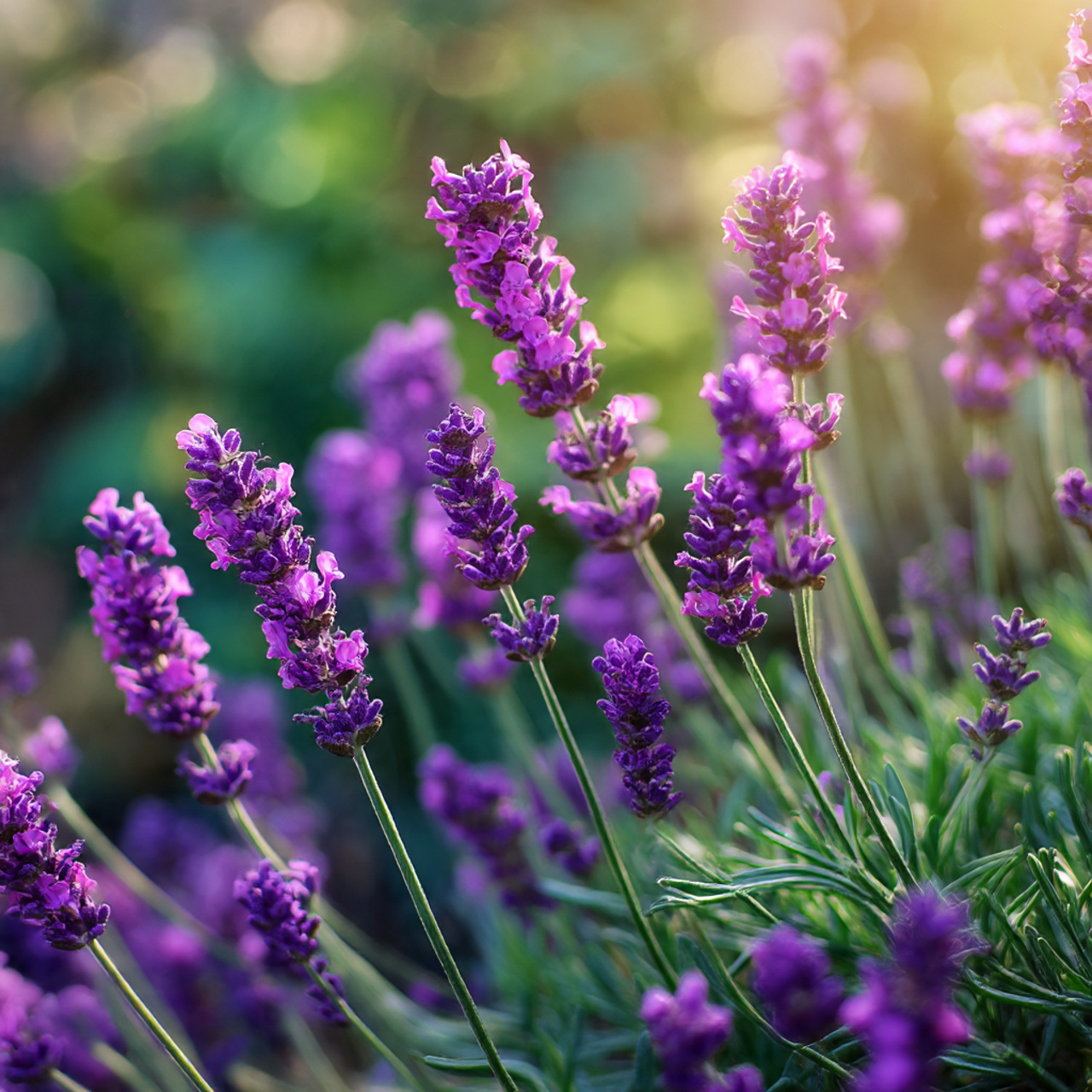
Want to see your garden buzzing with life? Plant lavender. Bees absolutely adore it, along with butterflies, hummingbirds, and other beneficial insects.
Lavender’s nectar-rich flowers provide an important food source for pollinators, especially in mid to late summer when other flowers may be fading. A healthy lavender plant can host dozens of bees on a single sunny day.
This isn’t just good for the ecosystem—it’s good for your entire garden. More pollinators mean better fruit set on vegetables, healthier flowering plants, and a more balanced garden environment.
Garden Tip: Plant lavender near your vegetable garden to attract pollinators that will also help pollinate your crops.
Stop Fungal Problems Before They Start
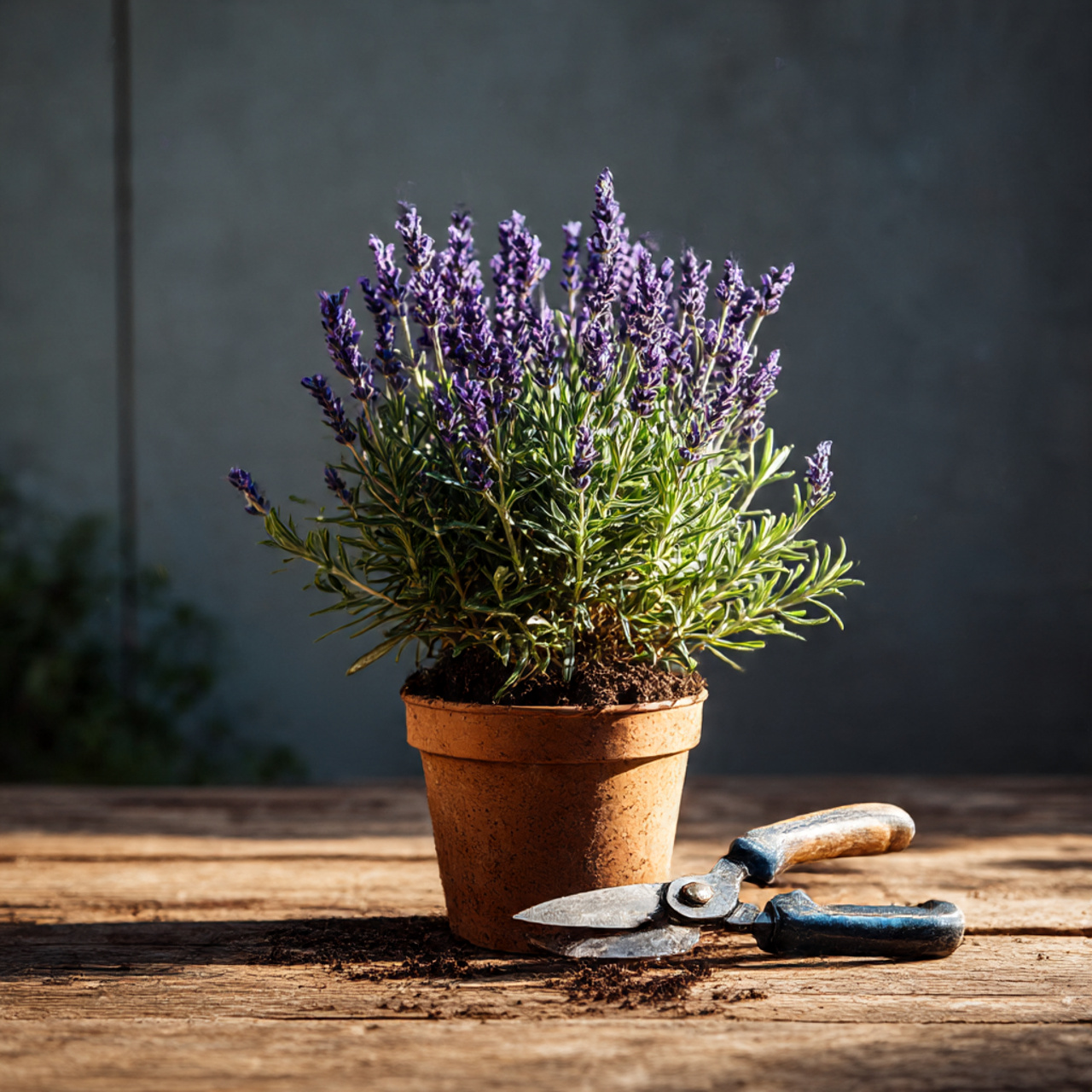
Fungal diseases—like root rot, gray mold, or leaf spot—are lavender’s main health threats. The good news? They’re almost entirely preventable with proper care.
Prevention strategies:
- Ensure excellent soil drainage
- Space plants for good airflow
- Avoid overhead watering (water at the base)
- Prune to keep the center open and airy
- Don’t overfertilize (lush growth is more susceptible)
In humid climates, fungal pressure is higher. If you see white powdery spots or brown patches on leaves, remove affected areas immediately and improve air circulation.
Once fungal issues take hold, they’re difficult to treat. Prevention through proper culture is your best defense.
Visit Also: Herbal Plants
Commit to Long-Term Maintenance
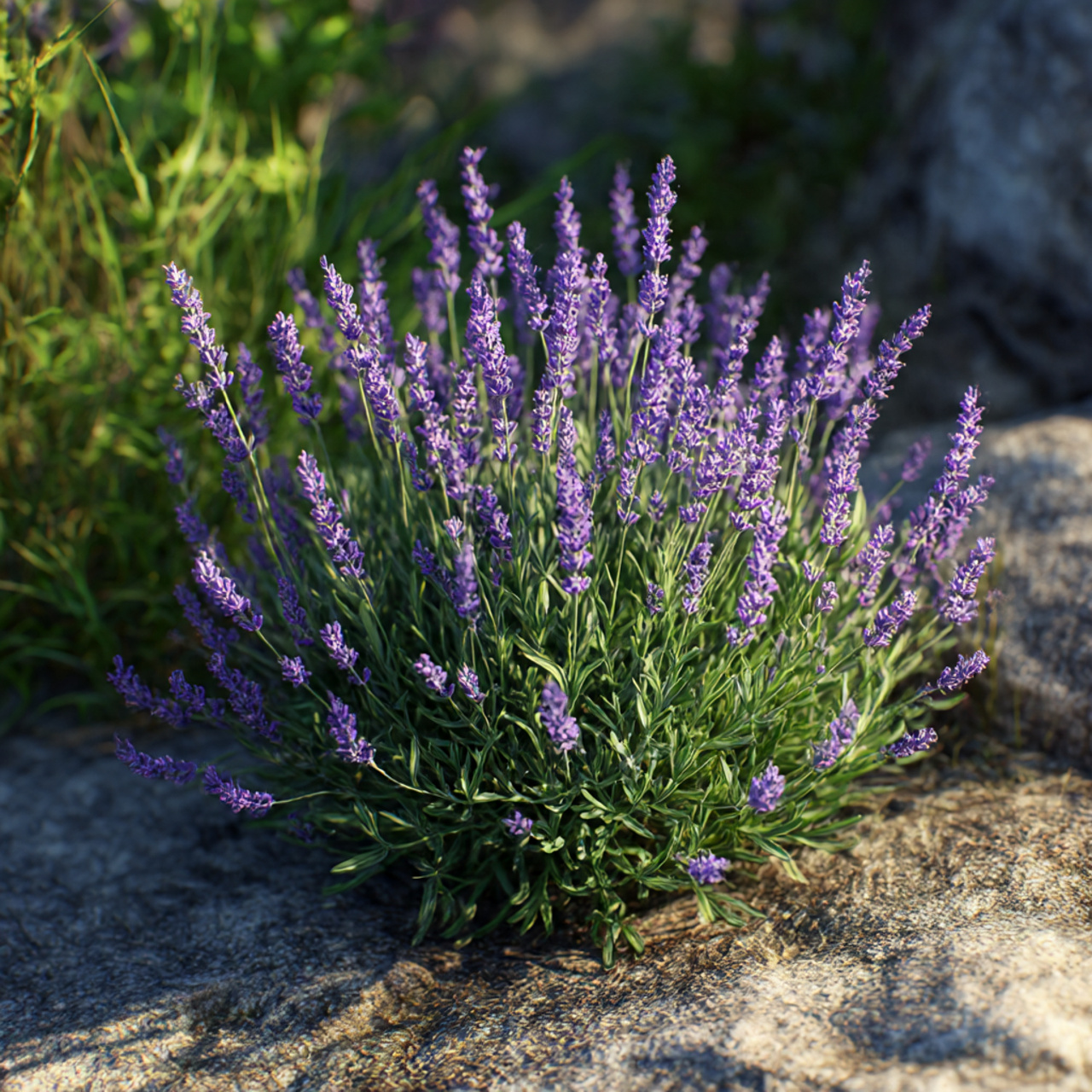
Lavender isn’t a plant you can ignore completely (despite what some people claim). It needs regular attention to stay healthy year after year.
Annual maintenance checklist:
- Prune after flowering and again in early spring
- Check and refresh soil drainage as needed
- Water consistently during establishment (first year)
- Remove dead or diseased growth promptly
- Repot container plants every 2-3 years
A well-maintained lavender plant can live 10-15 years or more. Those that receive haphazard care often decline after just 3-4 years. The difference is consistency.
Long-Term Perspective: Think of annual pruning as a non-negotiable ritual. Mark it on your calendar. This single task extends your plant’s life dramatically.
Frequently Asked Questions
1. Why is my Lavender Plant turning brown?
Often caused by overwatering or root rot. Improve drainage and reduce watering frequency.
2. Can Lavender Plant grow indoors all year?
Yes, if it receives strong sunlight or grow light support.
3. How often does Lavender Plant bloom?
Most varieties bloom once or twice a year depending on care and season.
4. What is the best pot for Lavender Plant?
Terracotta pots with drainage holes because they release moisture and prevent rot.
5. Can I use water directly from the tap for Lavender Plant?
Yes, but allow it to sit overnight so chlorine dissipates.
Final Thoughts on Growing Lavender
Growing lavender successfully comes down to understanding one simple truth: less is more. Less water, less fertilizer, less fussing. This plant thrives on benign neglect as long as you get the basics right—sun, drainage, and air circulation.
Start with the right location and soil, then practice restraint with watering. Prune annually to keep plants compact and productive. That’s really the core of it. Everything else is just details.
The beauty of lavender is that once you dial in these fundamentals, the plant practically cares for itself. You’ll be rewarded with fragrant blooms, therapeutic aromatics, and a stunning addition to your garden or home.
Whether you’re growing lavender for crafts, cooking, aromatherapy, or simply because you love how it looks, these 25 tips give you everything you need to succeed. Start with one plant, master the basics, and soon you’ll be wondering why you waited so long to grow this incredible herb.
Your lavender journey begins with a single plant and a sunny spot. The rest is just showing up, staying consistent, and letting this remarkable plant do what it does best—thrive in simplicity.