24 Indoor Plants Decor Ideas to Refresh Your Space Instantly
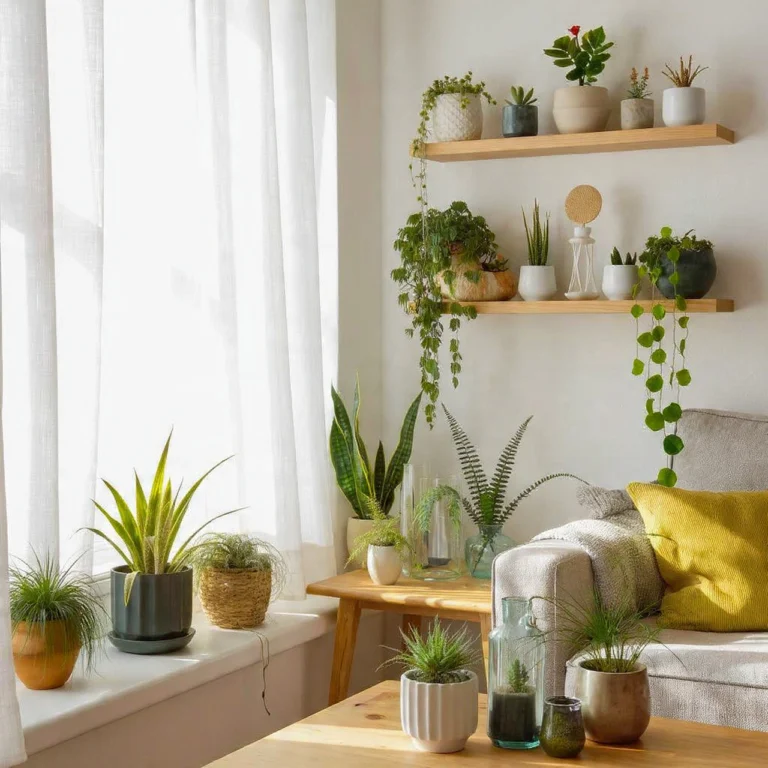
Bringing greenery indoors does something magical to your living space. It’s not merely about dropping a few potted plants around your home—it’s about creating an environment that breathes, calms, and welcomes. Indoor plant decorating blends natural beauty with thoughtful design, turning ordinary rooms into vibrant, living spaces. Whether your style leans toward sleek minimalism, cozy bohemian, or bold contemporary, the right greenery can tie everything together beautifully.
In this guide, you’ll discover practical ways to incorporate plants into your home décor. Each idea combines visual appeal with real-world functionality, helping you create spaces that look stunning and feel incredible.
The Power of Decorating with Indoor Plants
Why does decorating with houseplants matter so much? The answer is twofold: beauty and well-being.
Visually, plants act as living sculptures. They add vertical interest, soften harsh architectural lines, introduce organic color palettes, and create focal points that draw the eye. A strategically placed plant can transform an awkward corner into a design feature.
Beyond aesthetics, greenery impacts how you feel. Research shows that indoor plants can reduce stress levels, boost your mood, and create a stronger connection to the natural world. Some varieties even contribute to better indoor air quality. This makes plant decorating more than just a passing trend—it’s a thoughtful design choice that pays dividends daily.
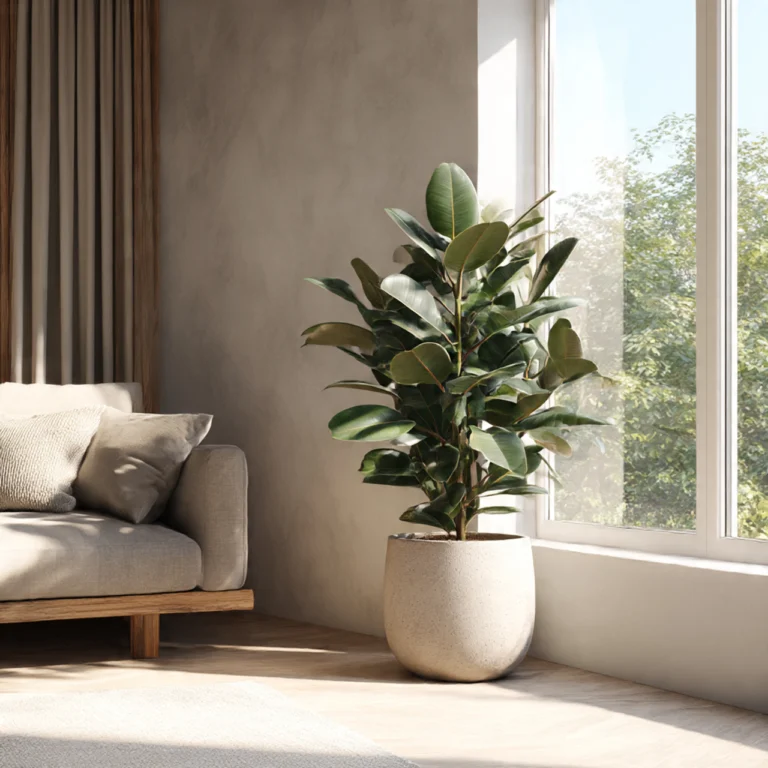
Fill Tall Corners with Statement Plants
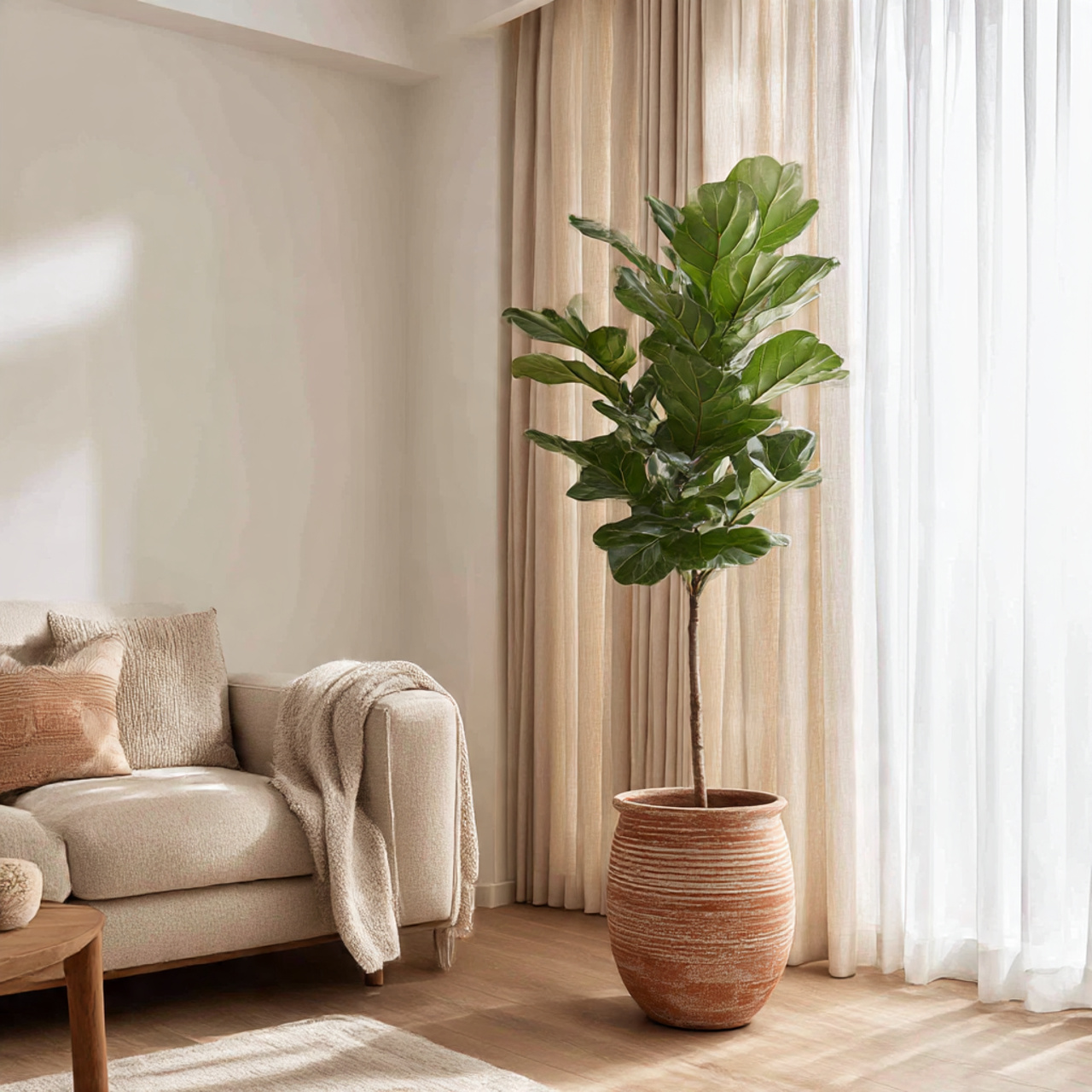
Empty vertical spaces can make rooms feel incomplete. A tall, dramatic plant solves this problem instantly while drawing the eye upward and creating the illusion of height.
Best Plants for This Approach:
- Fiddle-leaf fig (dramatic, large leaves)
- Rubber plant (glossy, bold foliage)
- Dracaena (sleek, architectural form)
Pro Tips:
- Position your plant beside furniture like sofas or at hallway ends to anchor the space
- Choose containers that complement your color scheme—matte black, textured terracotta, or neutral ceramics work beautifully
- Rotate your plant weekly to ensure even growth
Common Mistake to Avoid: Don’t push the plant flush against the wall. Leave 6-12 inches of breathing room so air can circulate and you can access it for watering.
Layer Plants on Shelves for Depth
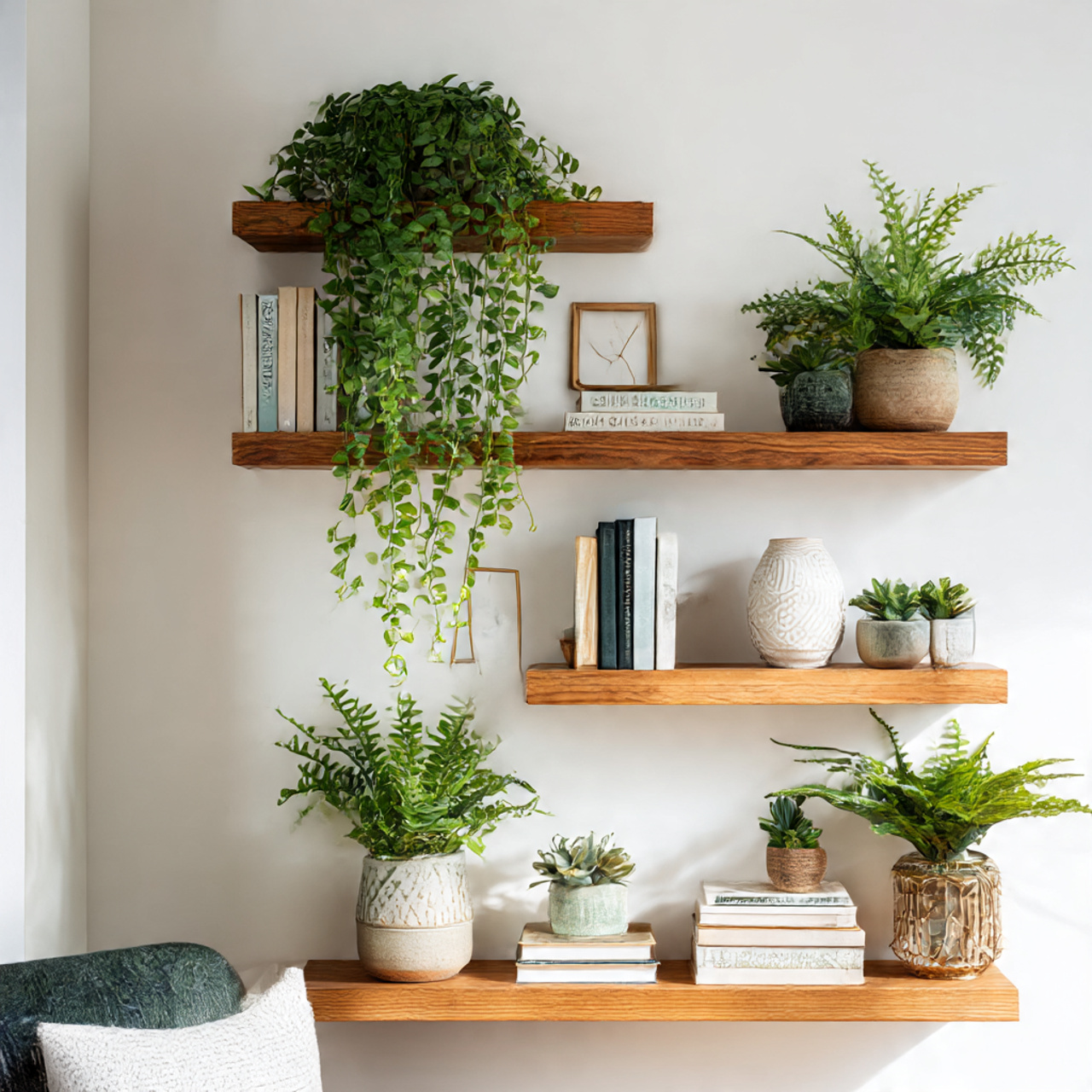
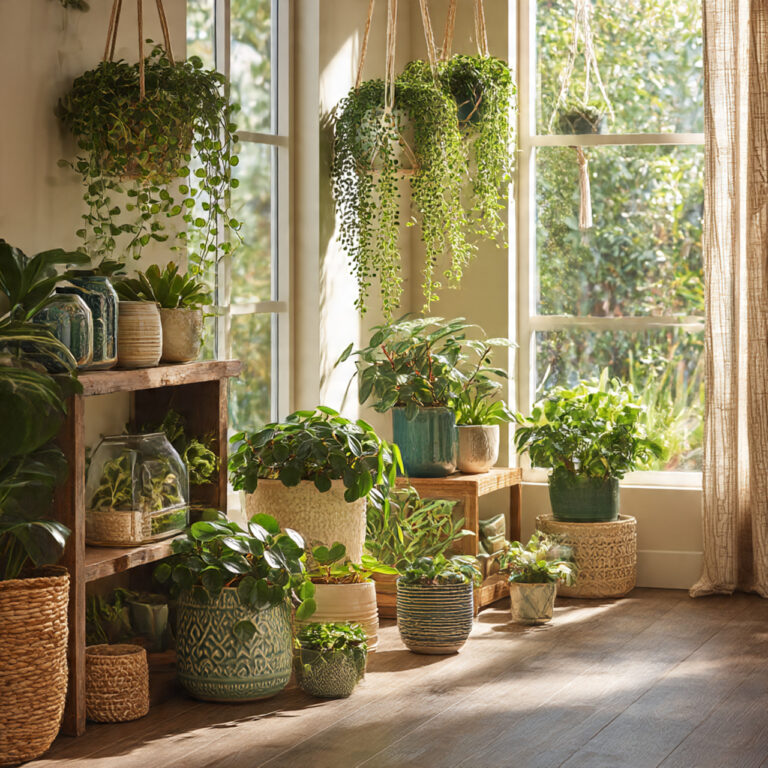
Shelving units offer incredible opportunities for creative plant displays. By mixing heights, textures, and growth patterns, you create a layered mini-garden that adds dimension without consuming floor space.
Styling Strategy:
- Place trailing plants at shelf edges to cascade downward
- Add compact upright varieties for contrast
- Integrate decorative objects between plants for visual interest
- Use different shelf levels—eye level, mid-level, and lower sections
Quick Example: Pair a trailing pothos on the top shelf with a small snake plant mid-level and a compact succulent arrangement below. This creates visual movement from top to bottom.
Safety Note: Ensure shelves can support the weight of pots when soil is wet, as this significantly increases weight.
Hang Plants for Vertical Impact
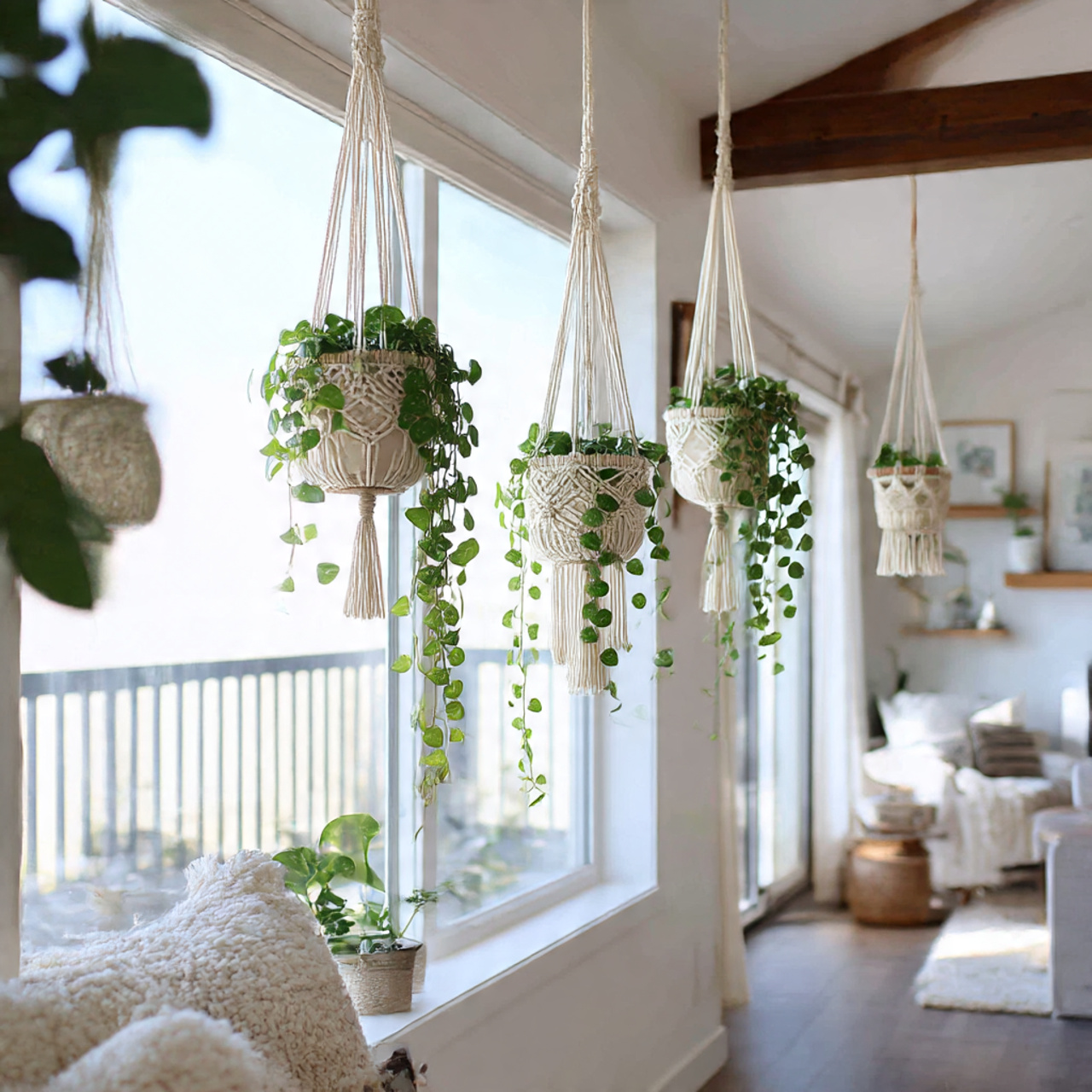
Hanging planters bring your greenery to eye level and above, creating unexpected visual flow while freeing up valuable floor space—perfect for smaller homes.
Ideal Hanging Plants:
- Pothos (low-maintenance, fast-growing)
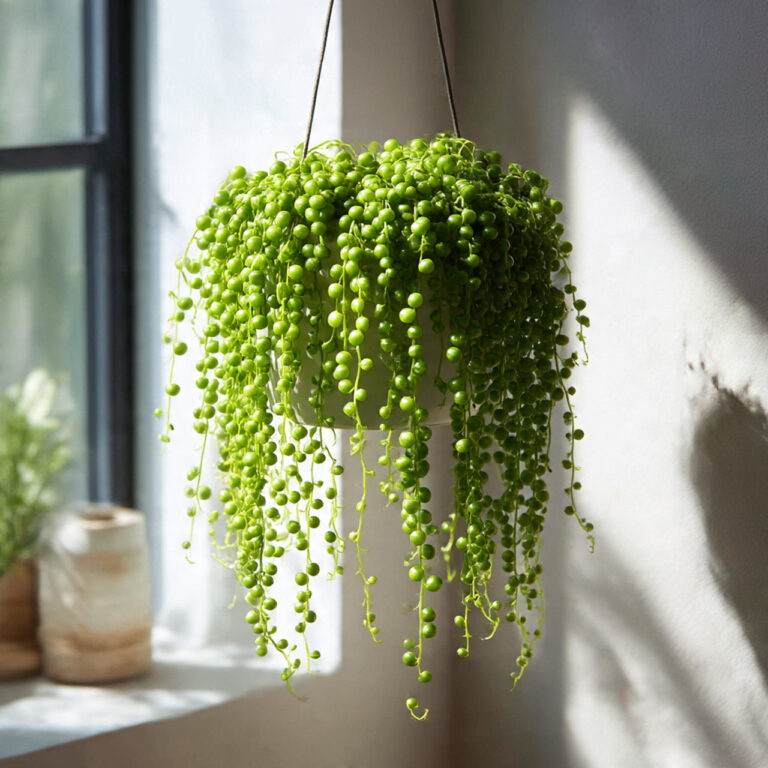
- String of hearts (delicate, romantic appearance)
- Spider plants (air-purifying, easy care)
- English ivy (classic trailing vine)
Placement Tips:
- Position near windows to maximize natural light
- Ensure hooks or brackets can support at least 10 pounds when soil is saturated
- Hang at varying heights to create rhythm
Avoid This Mistake: Don’t hang plants where you’ll bump into them when walking. Leave clear pathways, especially in high-traffic areas.
Transform Bathrooms with Humidity-Loving Plants
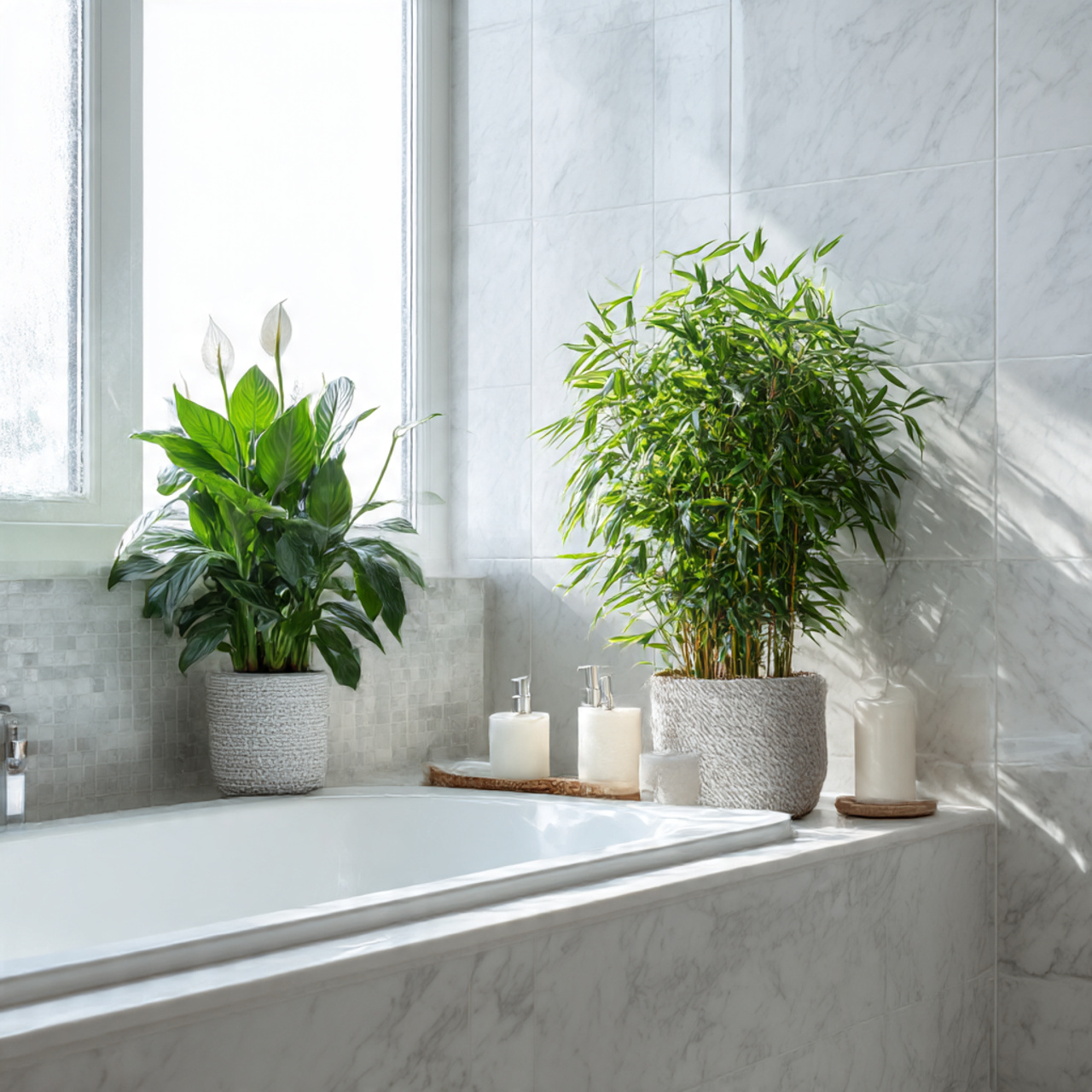
Bathrooms present a unique environment—high humidity, variable light—that many tropical plants actually love. This unexpected placement softens hard tile surfaces and creates a spa-like atmosphere.
Top Bathroom Plant Choices:
- Peace lily (tolerates low light, loves moisture)
- Lucky bamboo (thrives in humid conditions)
- Ferns (natural humidity lovers)
- Orchids (bathroom windows provide perfect indirect light)
Practical Application:
- Group 2-3 small plants on a bathroom shelf or windowsill
- Place a single statement plant on the vanity counter
- Use waterproof saucers to protect surfaces
Care Tip: Even humidity-loving plants need air circulation. Run the exhaust fan occasionally to prevent mold growth on soil.
Elevate Your Style with Sculptural Planters
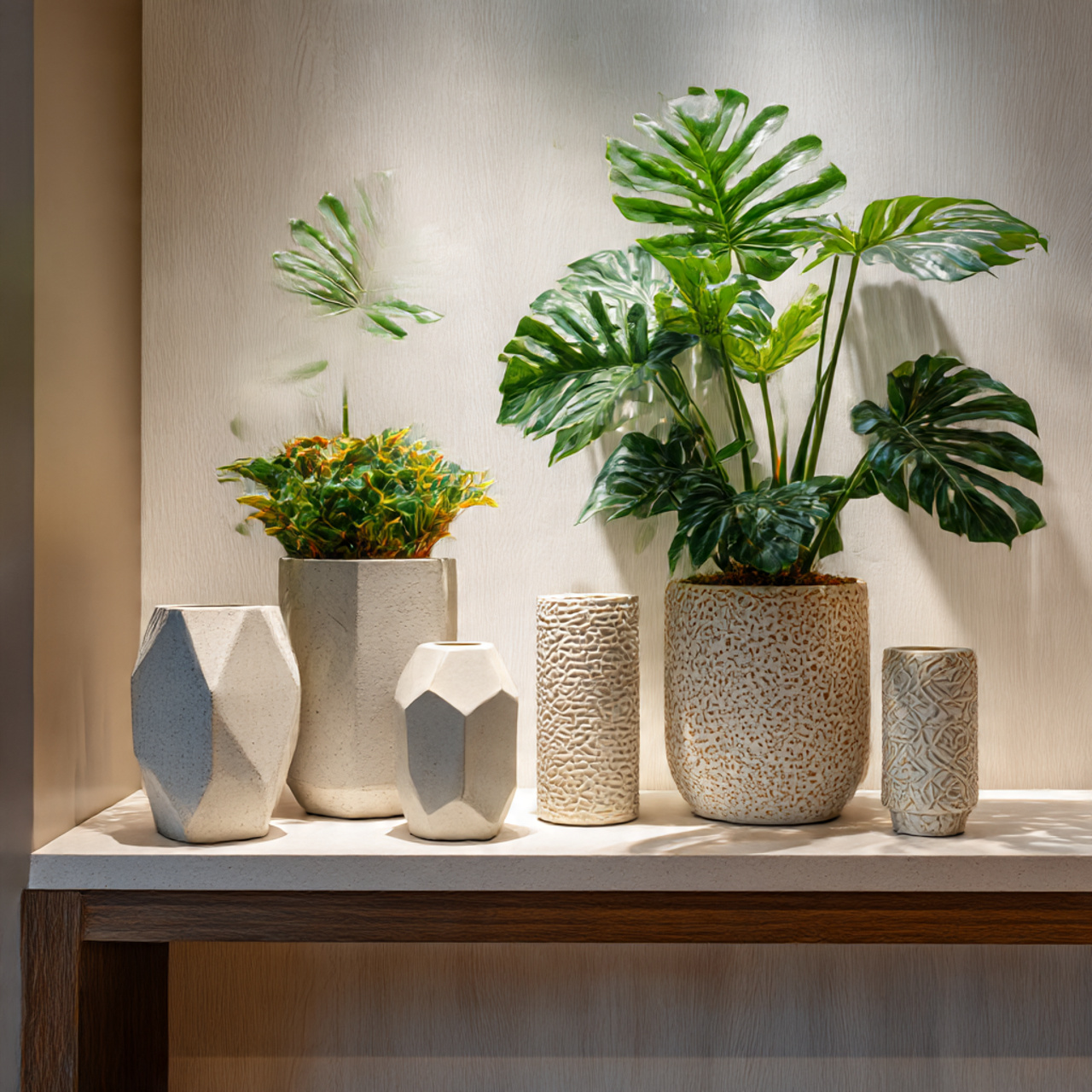
Sometimes the container steals the show—and that’s perfectly fine. Unique, artistic planters transform ordinary plants into gallery-worthy displays.
Container Ideas:
- Geometric concrete planters (modern, industrial)
- Metallic finishes like brass or copper (adds warmth and shine)
- Hand-painted ceramics (introduces personality and color)
- Woven baskets (brings texture and natural elements)
Design Principle: Create contrast between plant and pot. Pair bold, busy foliage with simple containers, or use plain-leafed plants in decorative pots.
Budget-Friendly Alternative: Transform basic terracotta pots with spray paint, rope wrapping, or decoupage for a custom look at fraction of the cost.
Maintain Minimalism with Monochrome Plants
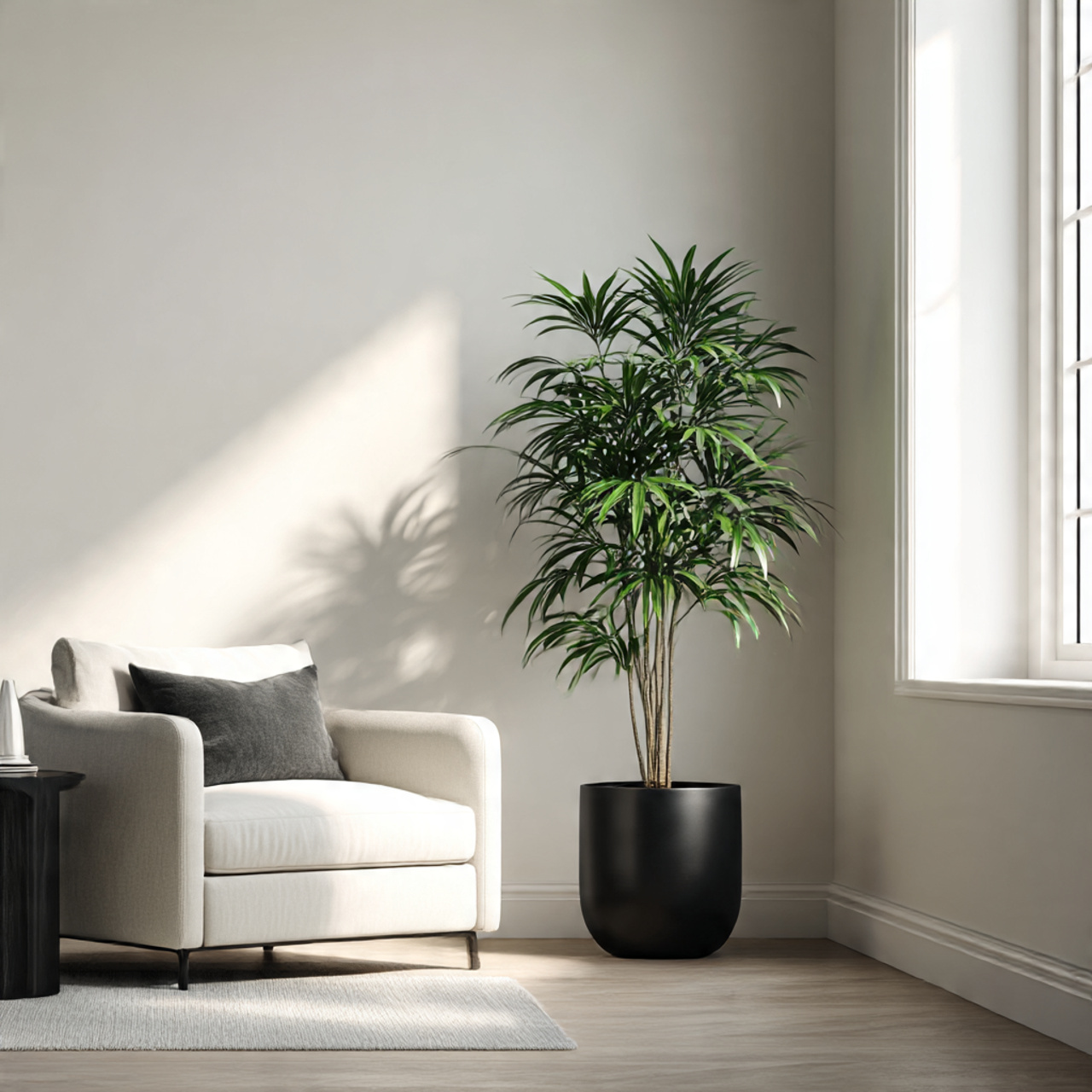
If your interior follows a minimalist or monochrome palette, you might worry that plants will disrupt your carefully curated look. The opposite is true when done correctly.
How to Keep It Cohesive:
- Select plants with strong, architectural forms (snake plants, rubber trees, ZZ plants)
- Use pots in white, black, charcoal, or cement gray
- Stick to one or two plant varieties maximum per room
- Choose simple, clean-lined containers
Example Setup: A single snake plant in a matte black cylindrical planter becomes a refined green accent that enhances rather than interrupts your aesthetic.
Refresh Your Workspace with Greenery
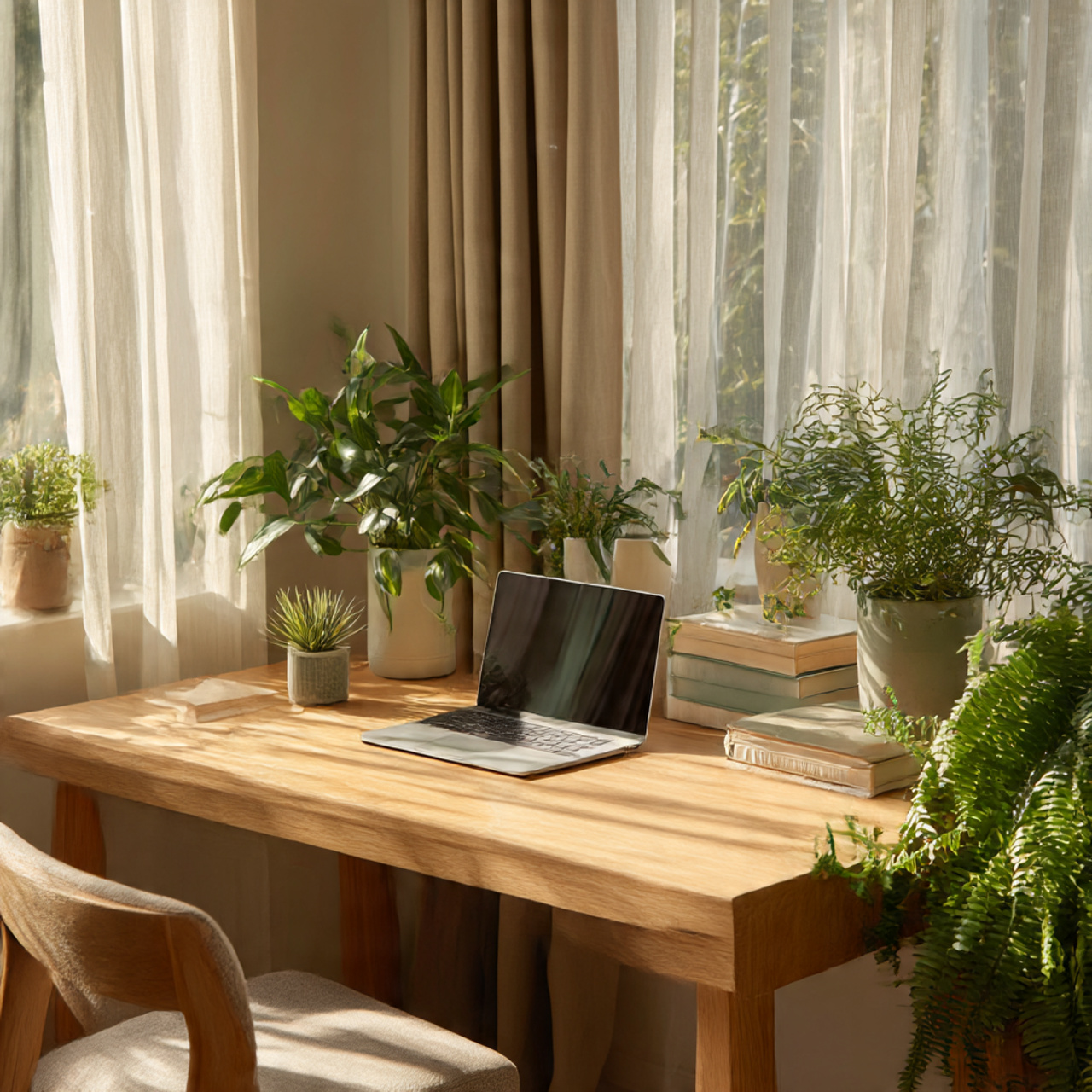
Home offices benefit enormously from plant life. Studies consistently show that having plants in your workspace reduces stress, enhances creativity, and improves focus.
Workspace Plant Strategy:
- Place 1-2 medium plants beside your desk for peripheral vision benefits
- Position a larger plant behind you if you take video calls (creates a professional backdrop)
- Keep quantities minimal to avoid visual clutter
Best Office Plants:
- Snake plant (extremely low-maintenance)
- Pothos (forgiving if you forget to water)
- ZZ plant (tolerates neglect well)
Important Reminder: Don’t place plants where they’ll crowd your actual work surface or interfere with task lighting.
Create Drama with Grouped Plant Arrangements
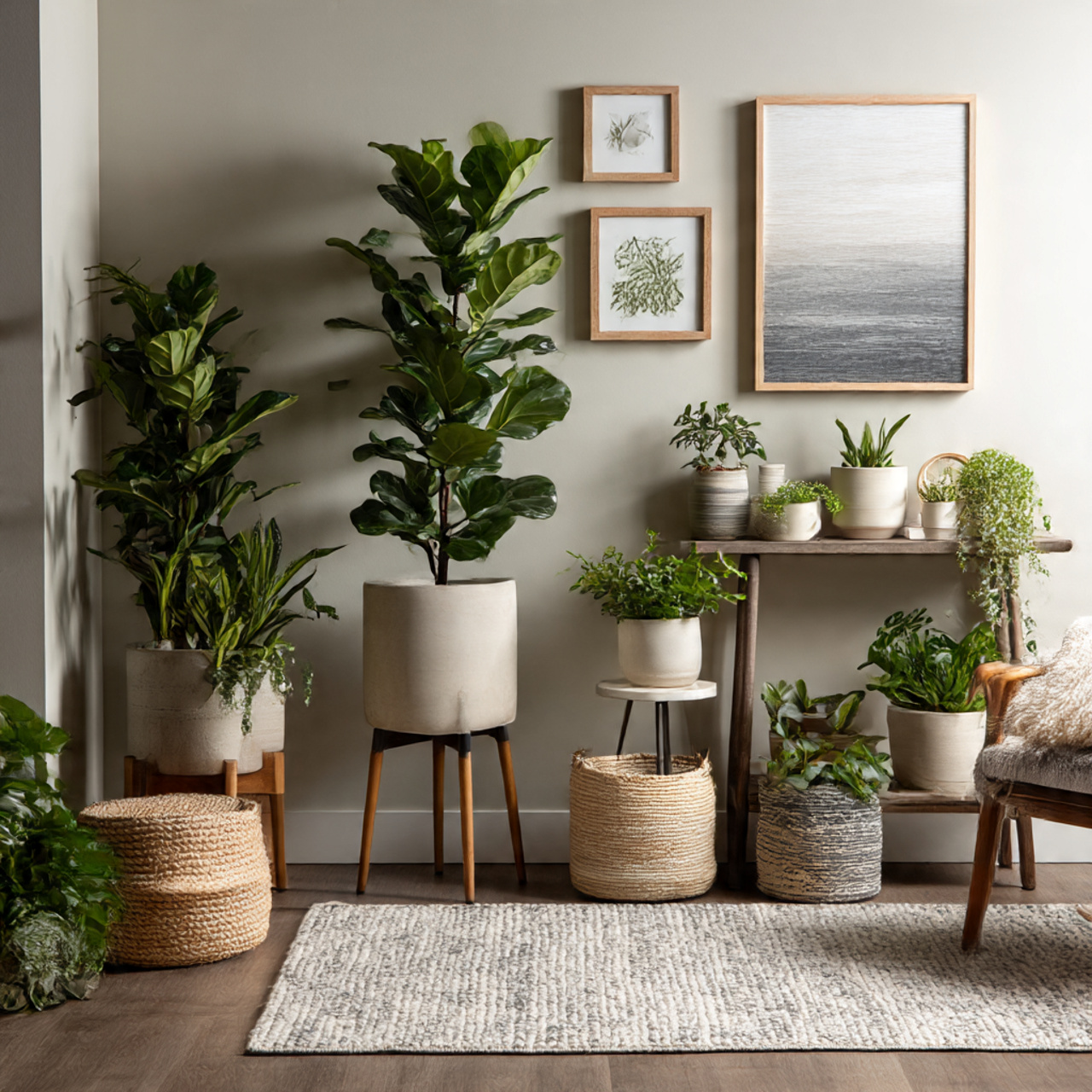
Clustering multiple plants together creates far more impact than scattering single plants throughout a room. This grouping approach mimics how plants grow in nature.
Grouping Formula:
- One tall plant (focal point)
- One medium trailing or bushy plant (filler)
- One small ground-level plant (completer)
Critical Consideration: Group only plants with similar care requirements. Mixing a water-loving fern with a drought-tolerant succulent creates maintenance headaches.
Styling Tip: Use odd numbers (3, 5, 7) for more natural-looking arrangements. Even numbers can feel too symmetrical and formal.
Turn Blank Walls into Living Features
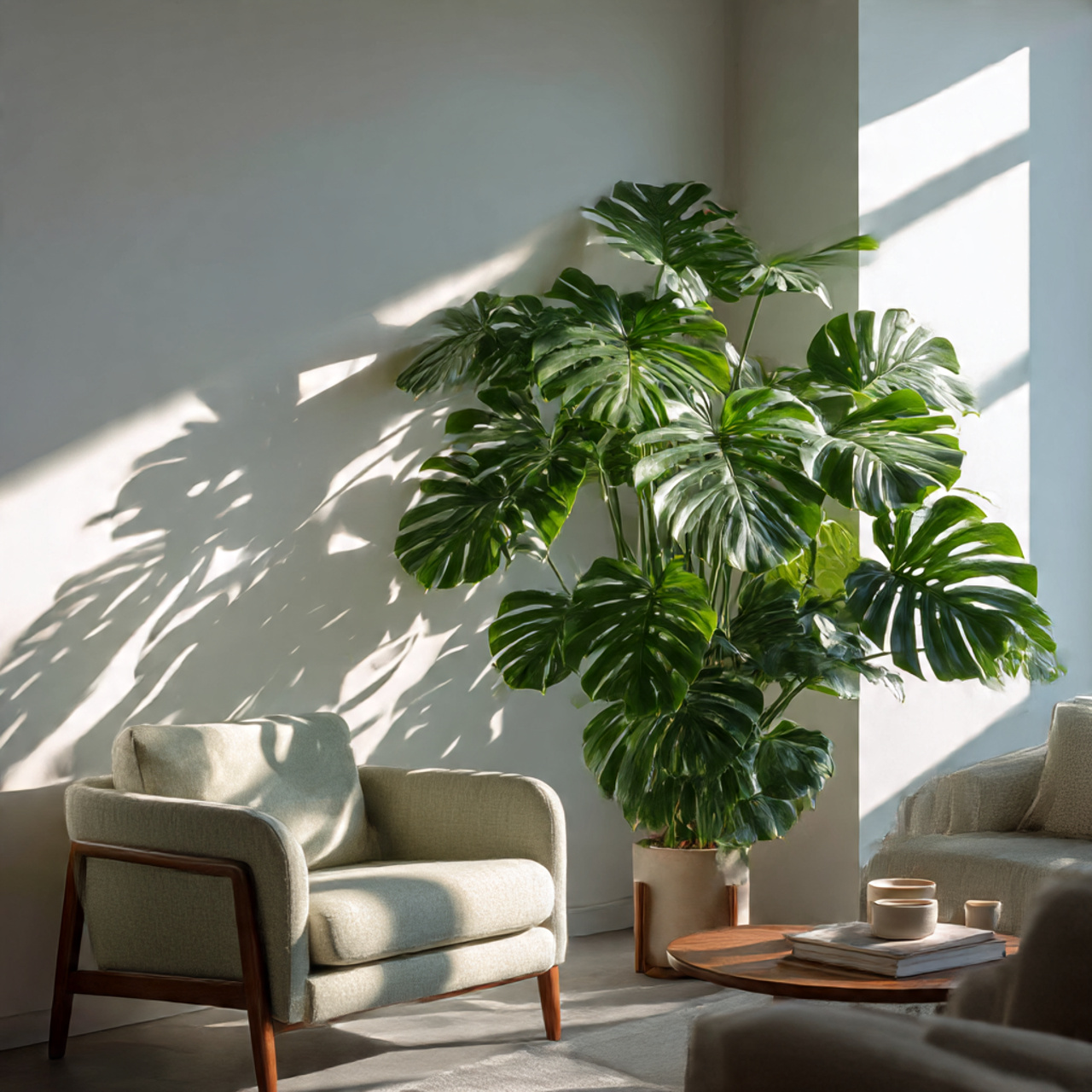
Instead of hanging art or leaning furniture against plain walls, place a substantial plant there instead. This creates a living focal point that breathes and grows.
Implementation Steps:
- Choose a large-leaved plant or small tree (monstera, bird of paradise, corn plant)
- Position it 12-18 inches from the wall
- Add a directional light to cast interesting shadows
- Consider the wall color—lighter walls make green foliage pop
Bonus Effect: The shadows and movement created by air circulation add subtle animation to your space.
Centerpiece Your Dining Table with Plants
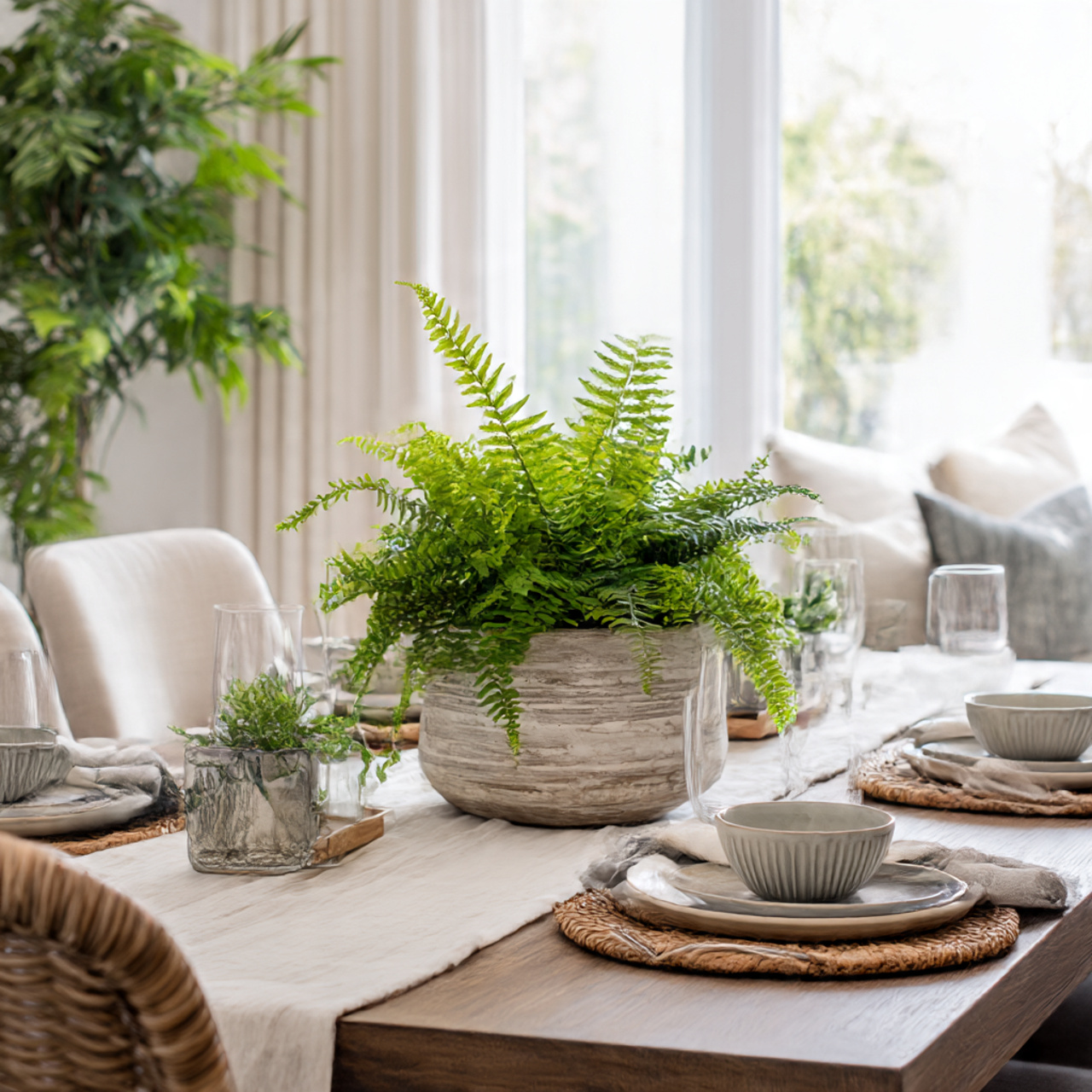
Why settle for generic table décor when a living plant can serve as your centerpiece? This brings organic beauty right where you gather to eat and connect.
Table Plant Guidelines:
- Keep height low (under 12 inches) so conversation flows easily
- Choose non-toxic varieties if you have pets or small children
- Opt for plants that don’t shed leaves or flowers constantly
- Match the pot style to your dinnerware aesthetic
Seasonal Idea: Swap plants with the seasons—bright succulents in summer, deeper greens in winter—to keep your table feeling fresh.
Add Movement with Trailing Vines
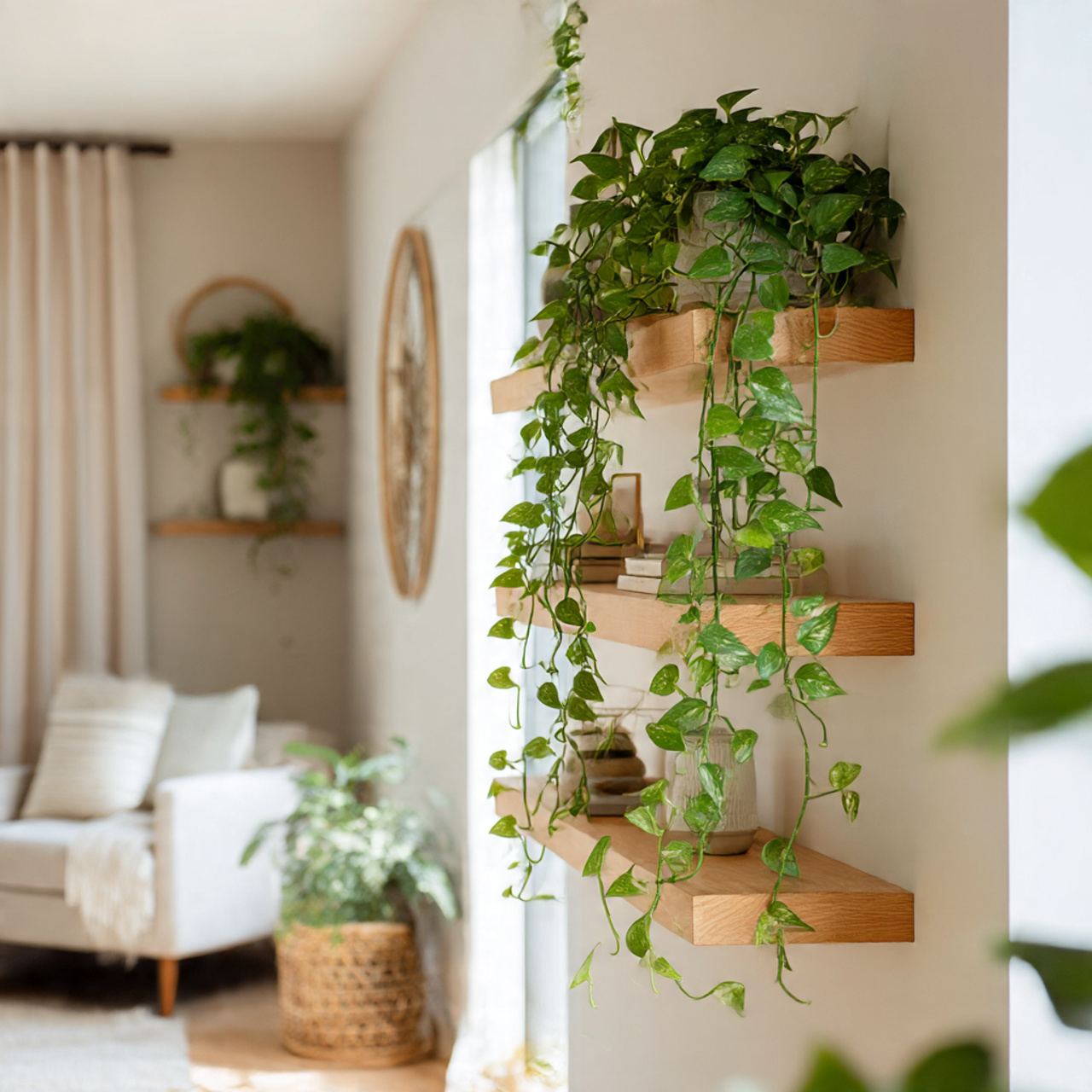
Cascading plants introduce softness and gentle movement that contrasts beautifully with rigid furniture and architecture.
Perfect Spots for Trailing Plants:
- High shelves where vines can drape downward
- Around mirrors to frame them naturally
- Atop tall furniture or cabinets
Top Trailing Varieties:
- Philodendron (heart-shaped leaves)
- String of pearls (unique bead-like foliage)
- Devil’s ivy (virtually indestructible)
Design Tip: Let the plant be the star. Keep surrounding décor minimal so the cascading foliage creates maximum impact.
Bring Minimalism to Bathrooms with Single Plants
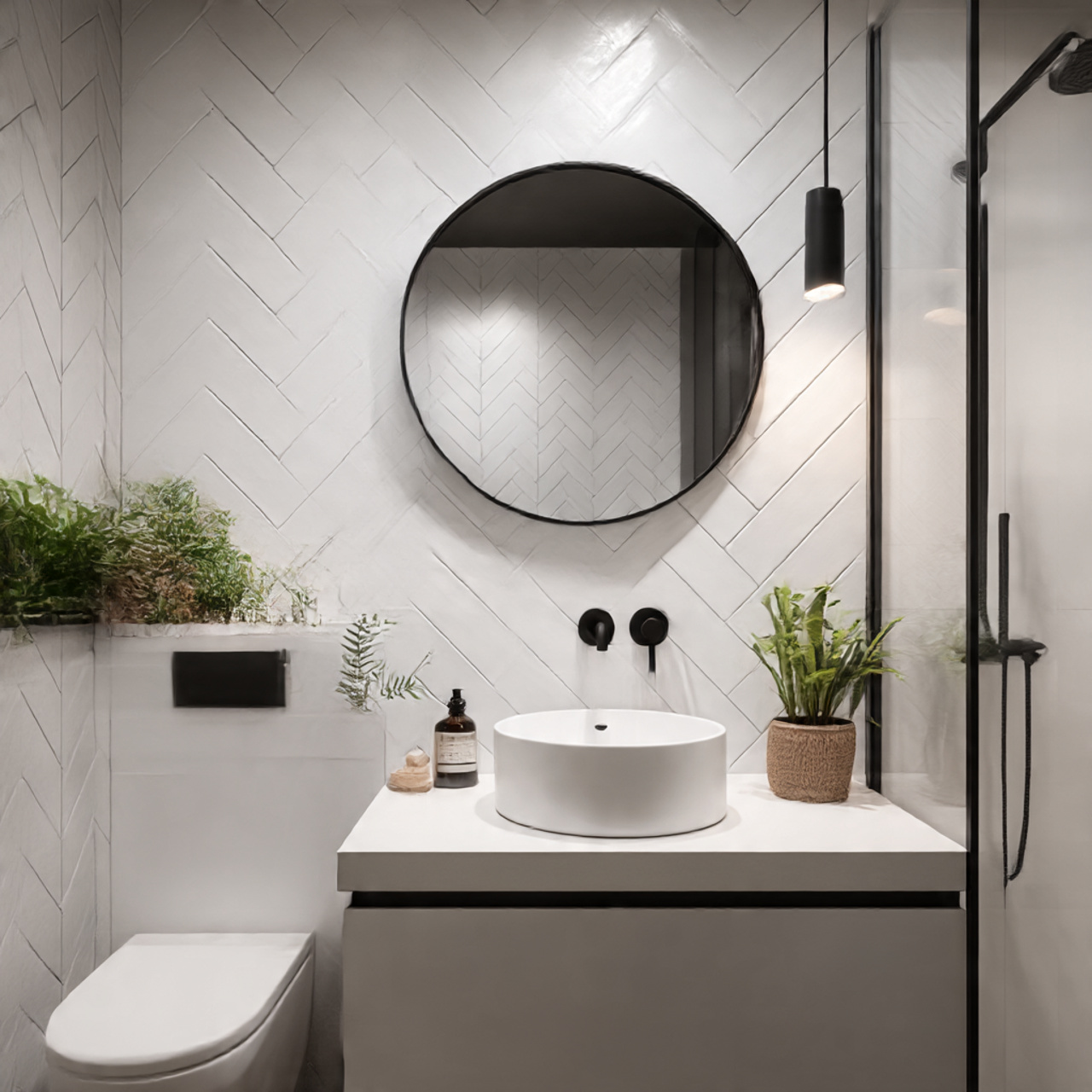
Even the tiniest bathroom can accommodate greenery. One carefully chosen plant in a sleek container maintains clean lines while adding warmth.
Minimalist Approach:
- Select one strong plant variety
- Use a simple geometric planter
- Position on the vanity, shelf, or shower corner
- Avoid cluttering with multiple small plants
Why This Works: A single statement plant feels intentional and curated, while multiple small plants can look busy in tight quarters.
Cultivate Bedroom Tranquility with Gentle Greenery
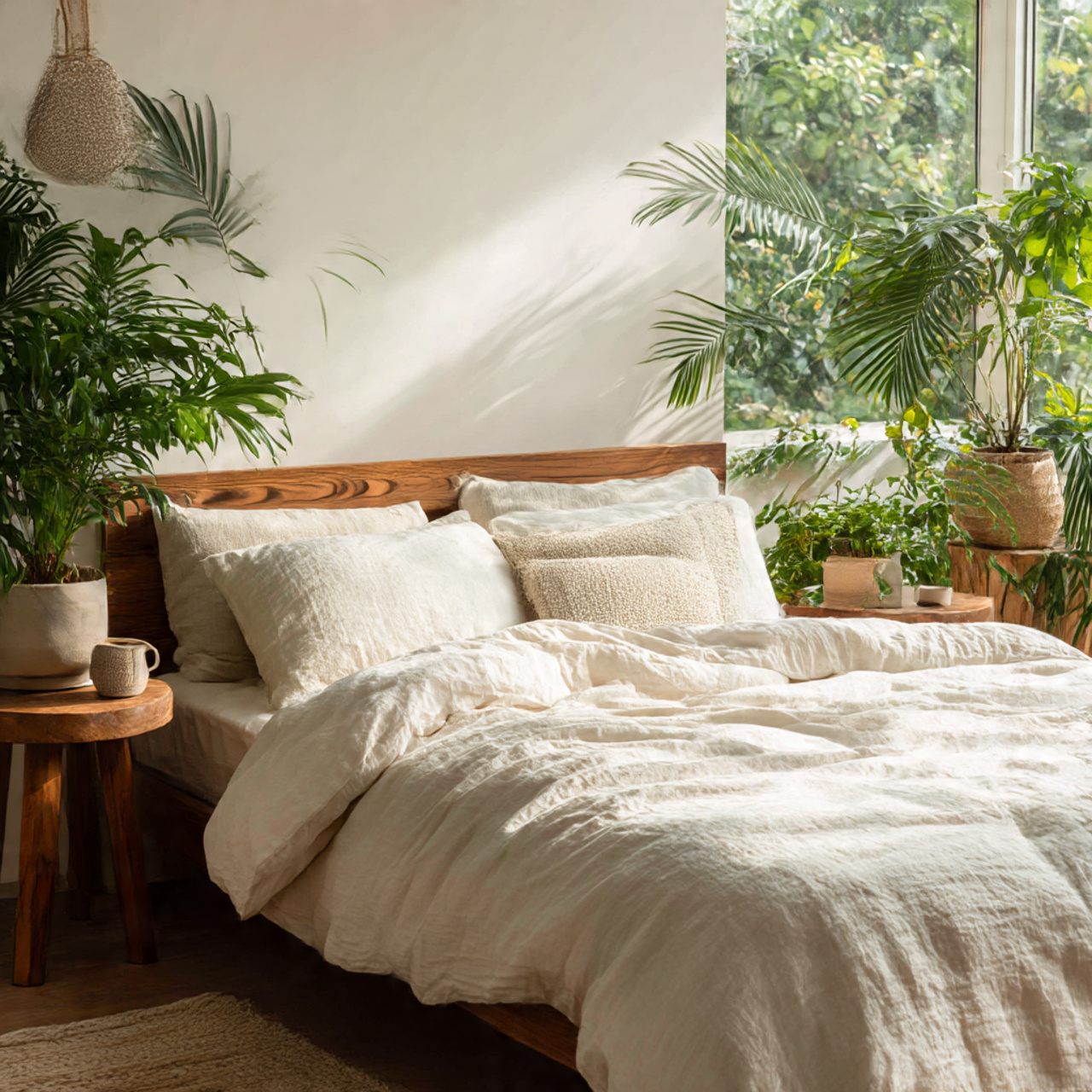
Bedrooms should feel like sanctuaries, and the right plants enhance that peaceful, restorative atmosphere.
Bedroom Plant Selection:
- Choose varieties that tolerate lower light (most bedrooms aren’t as bright as living areas)
- Avoid heavily scented flowers near your pillow
- Consider air-purifying varieties like snake plants or peace lilies
Placement Ideas:
- One plant on each nightstand (creates symmetry and balance)
- A larger plant on a dresser or in a corner
- Small plant on a windowsill
Sleep Science Note: While plants produce oxygen during the day, they release carbon dioxide at night. However, the amounts are negligible and won’t affect sleep quality.
Fill Awkward Shelving Gaps
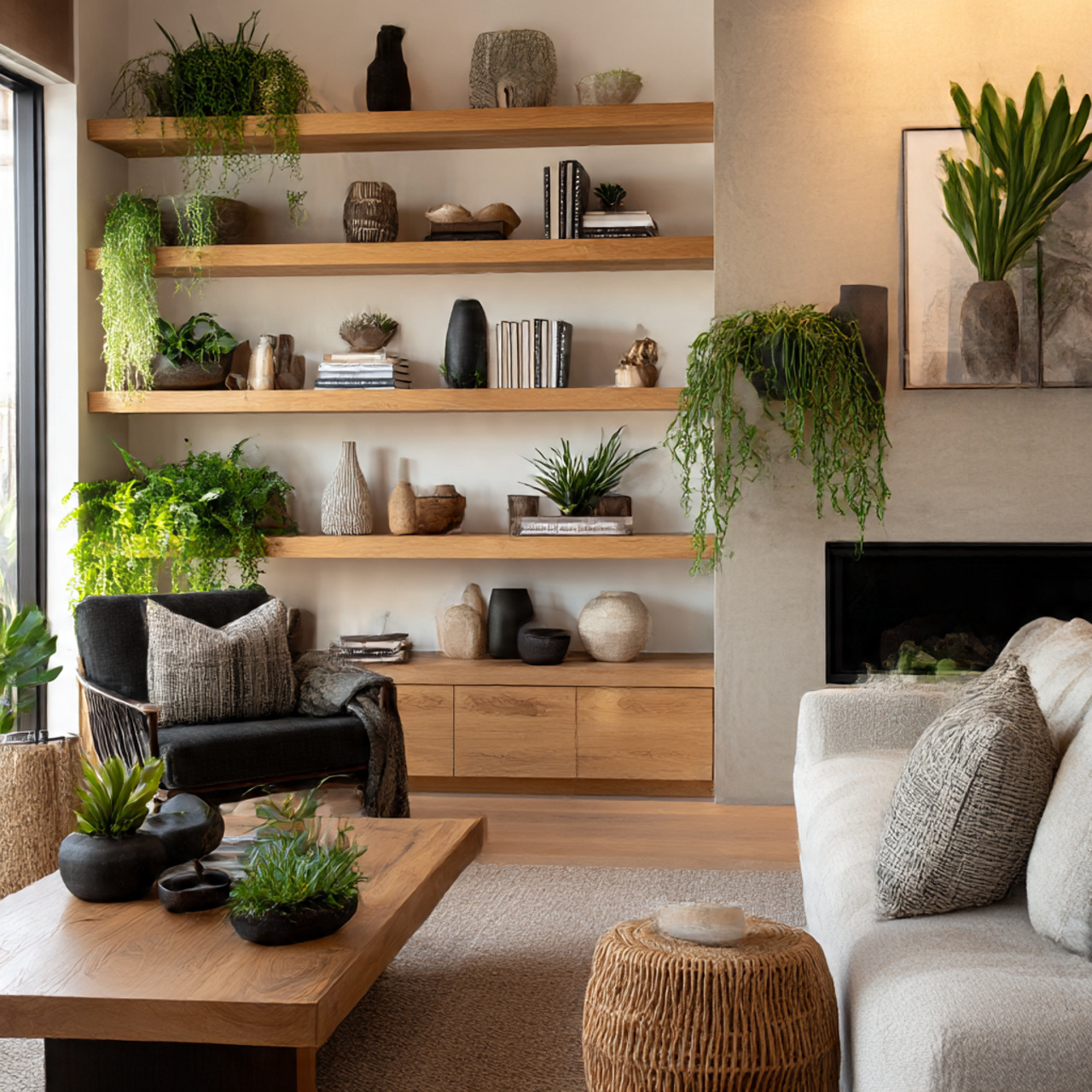
Built-in shelving or bookcases often have odd spaces that are too small for books or too awkward for typical décor. Plants solve this beautifully.
How to Use Plants in Gaps:
- Tall plants beside low cabinets bridge height differences
- Trailing plants from upper shelves soften hard edges
- Small upright plants fill narrow vertical spaces
Cohesion Tip: Match pot materials or colors to your shelving finish for an integrated, intentional look rather than an afterthought appearance.
Make Statements with Textured Foliage
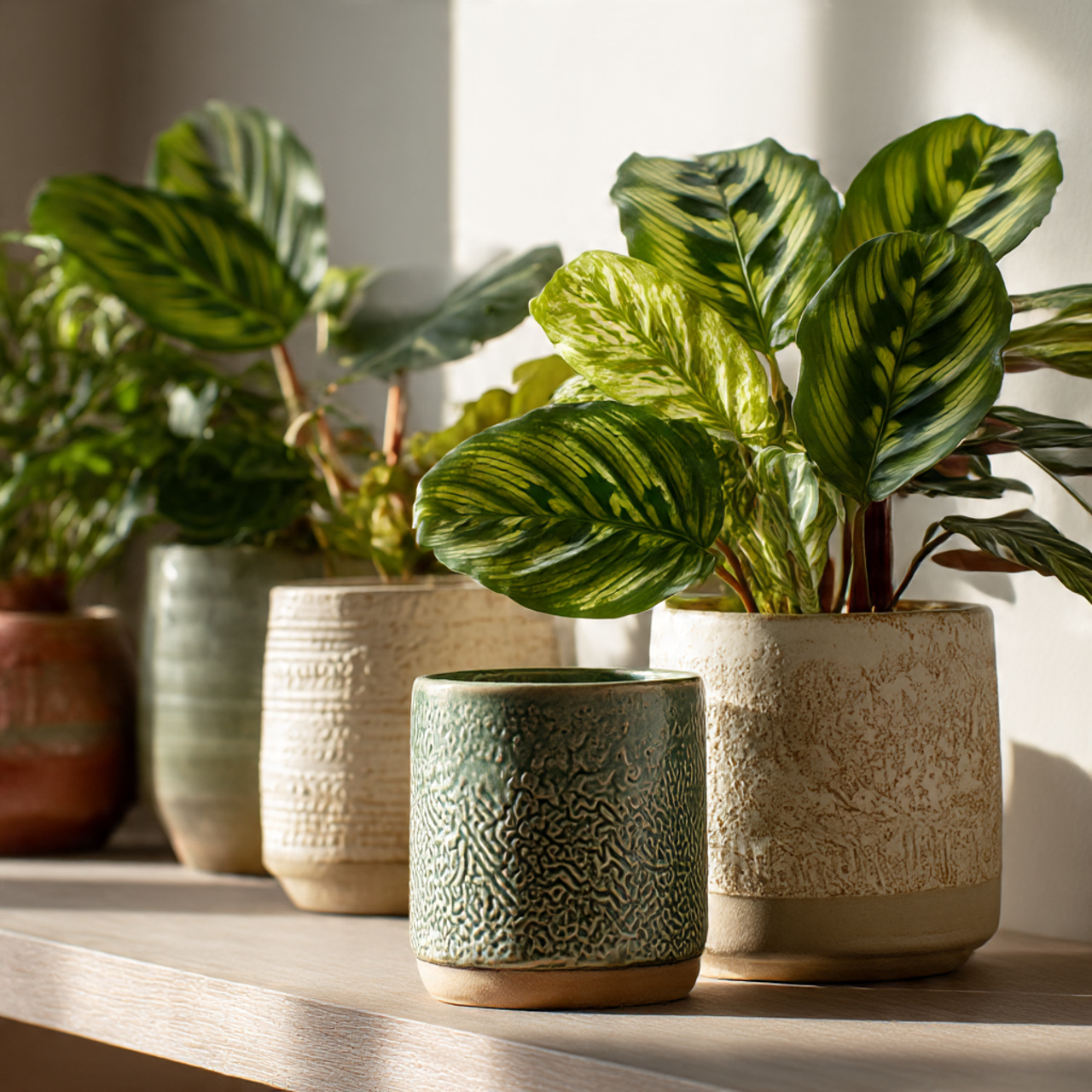
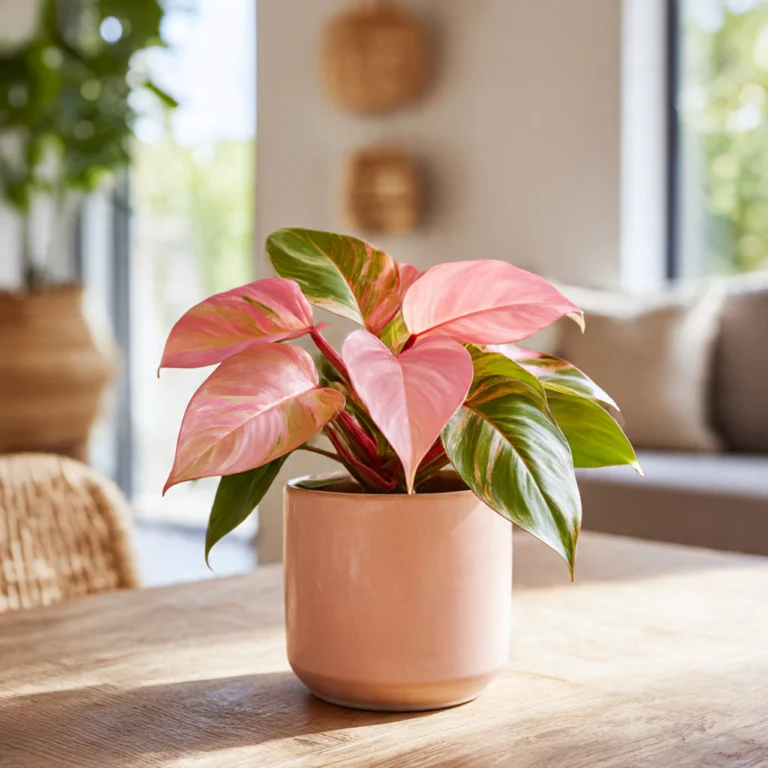
Not all leaves are created equal. Plants with interesting textures, patterns, or colors create stronger visual interest than plain green varieties.
Texture Options to Consider:
- Variegated leaves (cream, white, or yellow patterns)
- Waxy or glossy surfaces (rubber plants, peperomia)
- Deeply ridged or textured leaves (calathea, prayer plants)
- Unusual colors (burgundy, purple, or silver-toned foliage)
Contrast Principle: Pair simple containers with complex foliage, or use plain-leafed plants in decorative pots. Avoid busy-on-busy combinations.
Style Budget-Friendly Corners with Impact
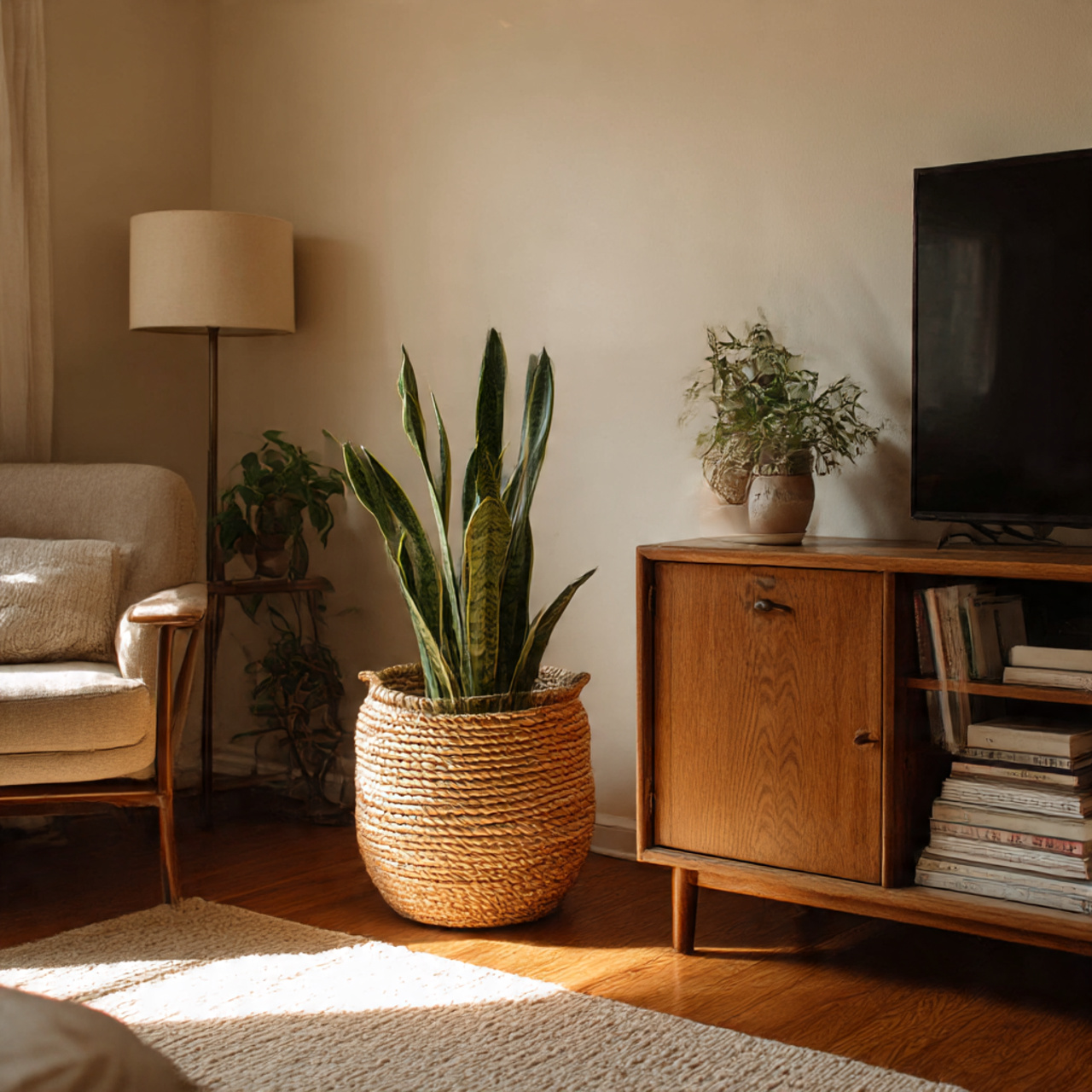
You don’t need expensive furniture or designer pots to create beautiful plant displays. Strategic placement of affordable plants creates high-impact results.
Budget Corner Solutions:
- Single well-chosen plant beside a TV stand
- Inexpensive plant in a DIY-painted pot next to a bookcase
- Propagated cuttings in simple glass containers
Smart Shopping: Many grocery stores and hardware stores sell healthy plants at a fraction of nursery prices. The container matters more than where you bought the plant.
Mistake to Avoid: Don’t buy cheap plants that don’t suit your light conditions. A $5 sun-loving plant will die in a dark corner, wasting your money.
Frame Windows with Sill Gardens
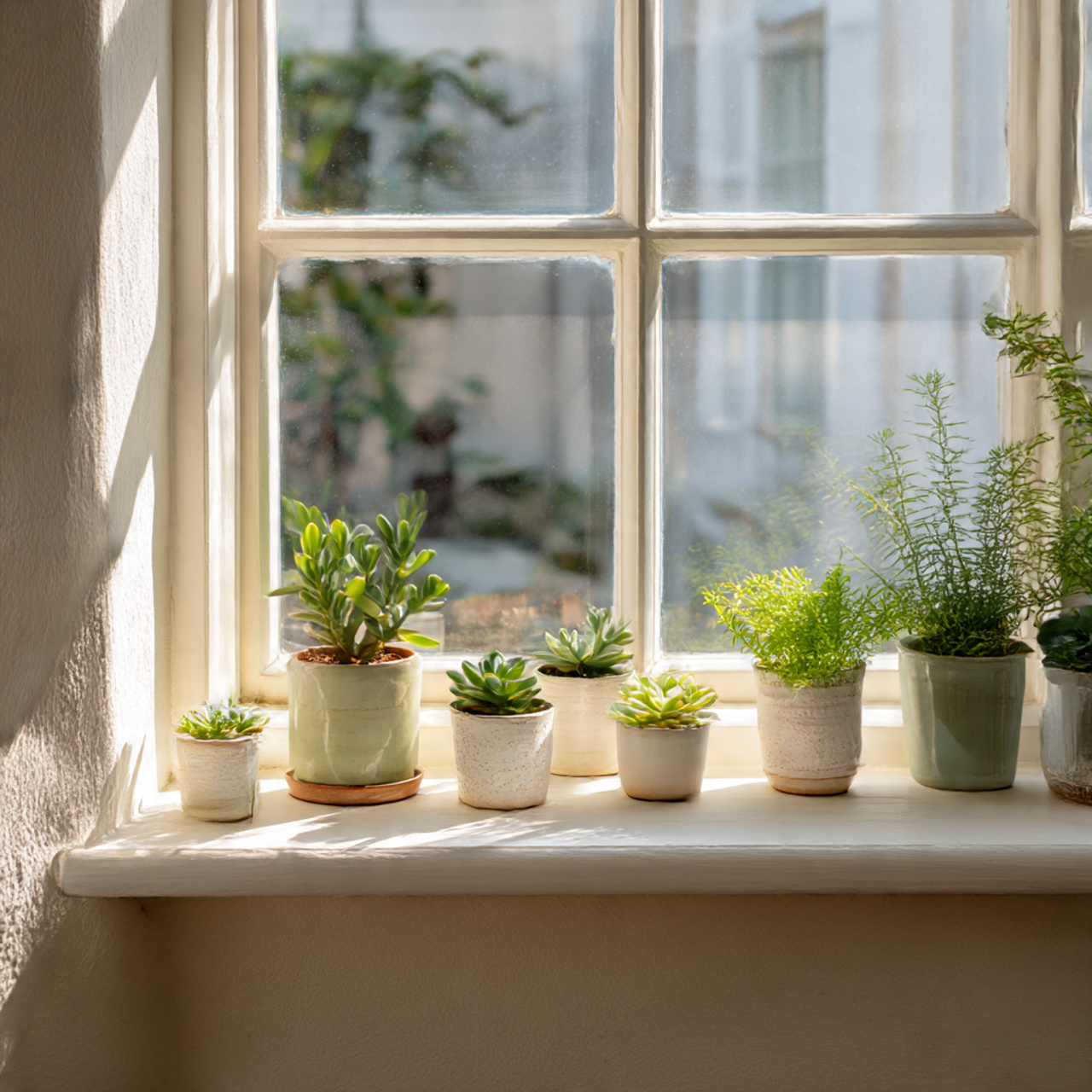
Windowsills offer perfect plant real estate because they provide abundant natural light and create a living frame for your view.
Windowsill Plant Strategy:
- Assess your light (south-facing = bright, north-facing = low)
- Match plants to light conditions
- Use uniform pots for cohesive appearance
- Consider a row of small plants or one larger specimen
Light-Appropriate Choices:
- Bright windows: succulents, cacti, herbs, jade plants
- Moderate light: pothos, philodendron, spider plants
- Low light: snake plants, ZZ plants, cast iron plants
Watering Reminder: Windowsill plants may dry out faster due to sun exposure and radiator heat. Check them more frequently than other houseplants.
Maximize Space with Wall-Mounted Planters
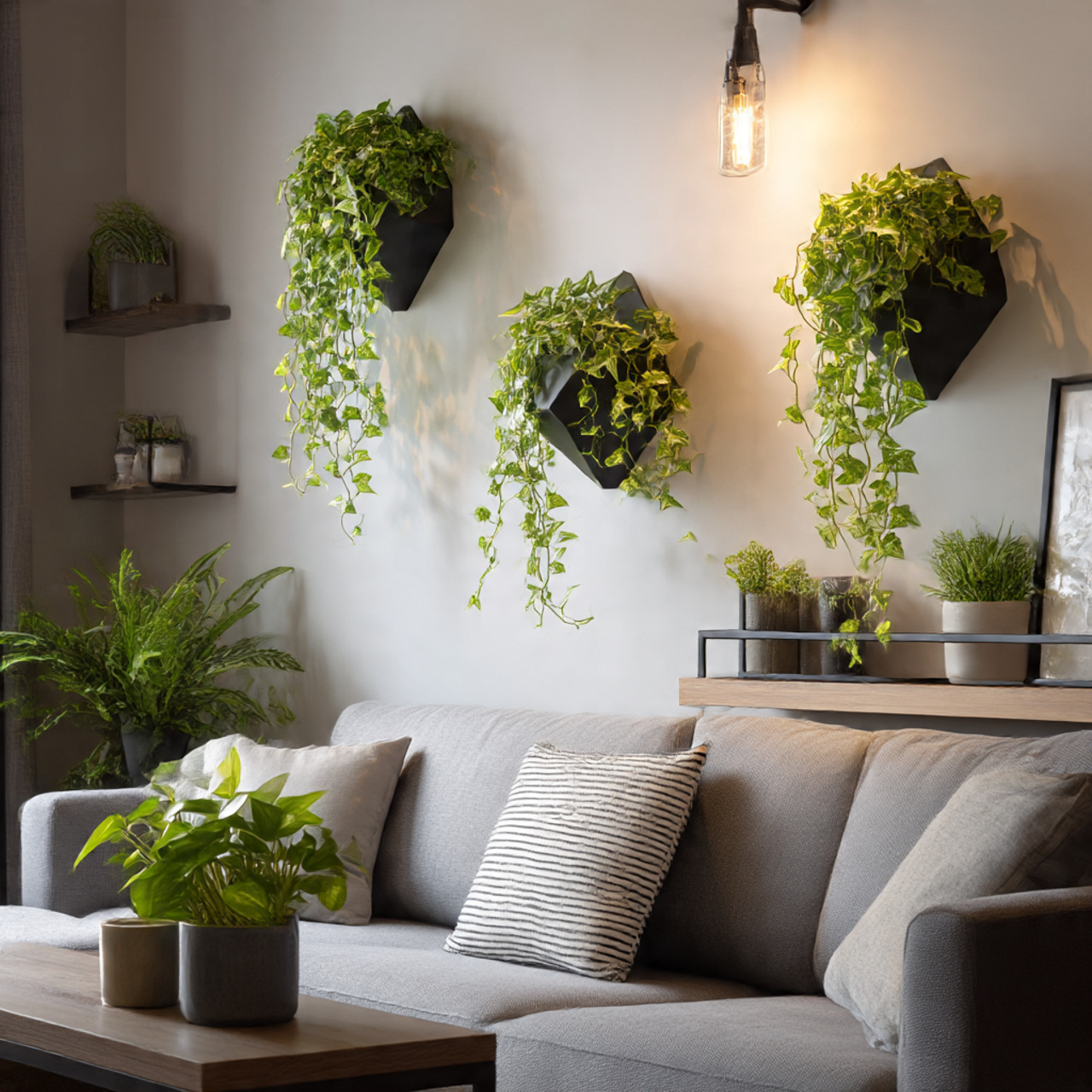
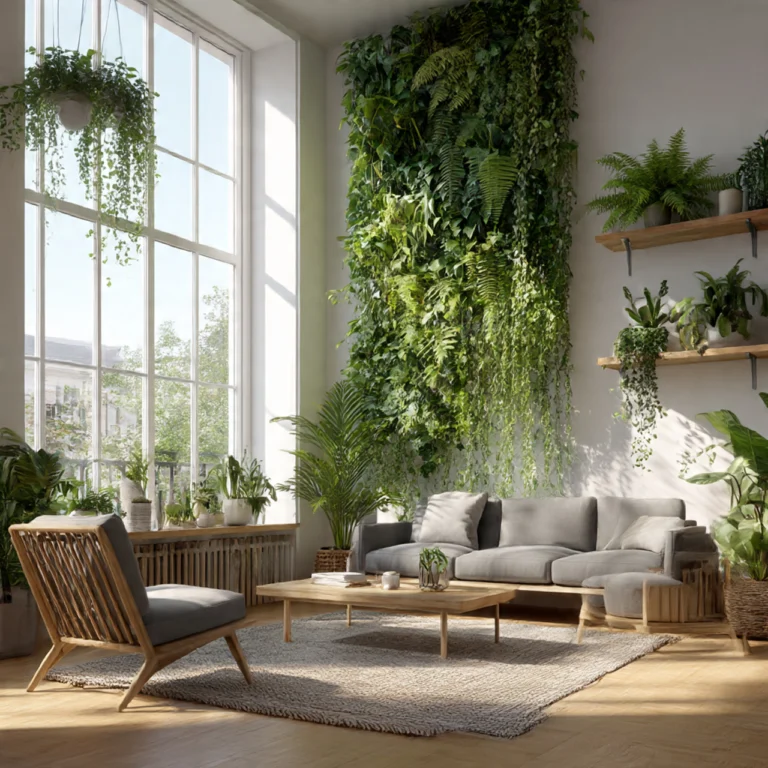
When floor space is precious, look to your walls. Vertical planters add dimension and greenery without sacrificing a single square foot.
Wall Planter Essentials:
- Ensure proper wall anchors (drywall anchors for lightweight, studs for heavier)
- Choose plants suited to the wall’s light exposure
- Install at comfortable heights for watering access
- Consider drip irrigation systems for easier maintenance
Design Consideration: Arrange multiple wall planters in geometric patterns or staggered heights for artistic impact.
Caution: Overwatering wall planters can cause water damage. Always use planters with proper drainage or built-in catch basins.
Welcome Guests with Entryway Greenery
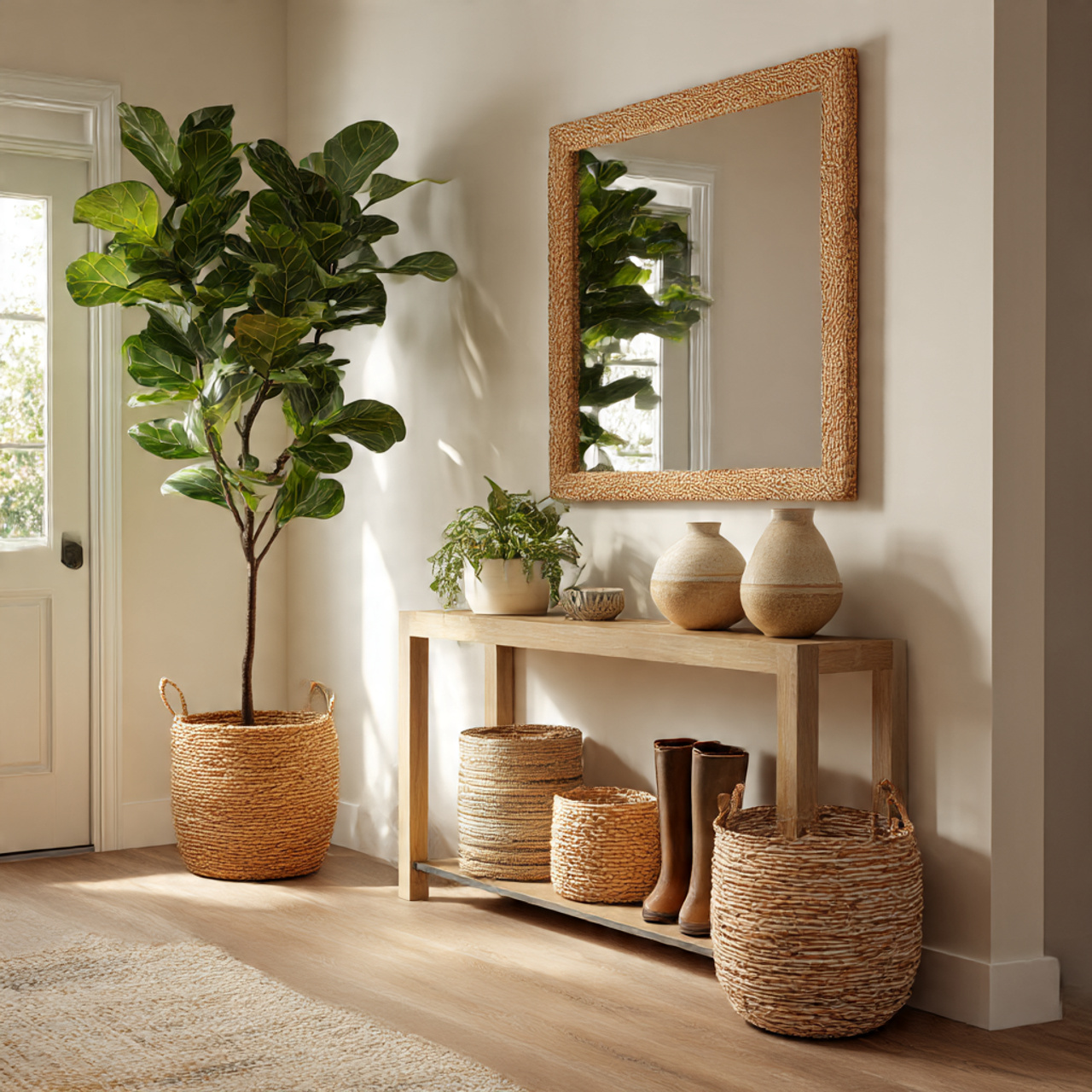
Your entryway creates first impressions. A well-placed plant immediately communicates that you care about your home’s atmosphere.
Entry Plant Requirements:
- Durability (to handle temperature changes from opening doors)
- Tolerance for variable light
- Attractive year-round (not seasonal)
Placement Options:
- Floor plant beside the door or console table
- Small plant on the entry table itself
- Wall-mounted planter near the door
Style Coordination: Match your planter to other entryway elements like your door mat, coat hooks, or console table for a pulled-together look.
Bridge Textures with Mixed Material Displays
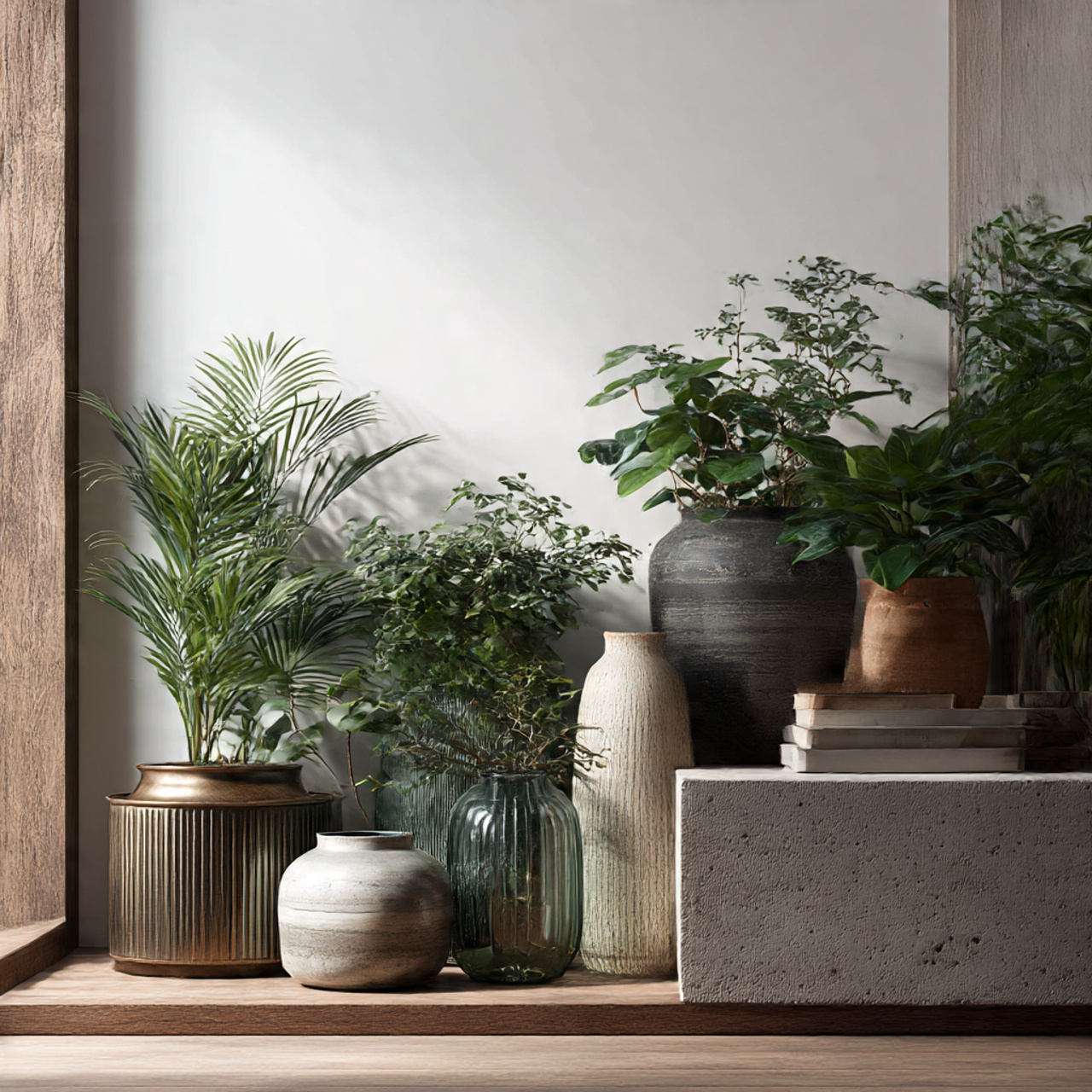
Combining plants with diverse materials—wood, metal, glass, stone—creates rich, layered interiors that feel thoughtfully designed.
Material Pairing Ideas:
- Metal planter on wooden plant stand
- Glass terrarium on marble surface
- Ceramic pot next to concrete architectural elements
- Woven basket planter near leather furniture
Why This Works: The organic softness of plants provides visual relief against hard surfaces, creating balance and preventing spaces from feeling cold or sterile.
Refresh Your Display with Seasonal Changes
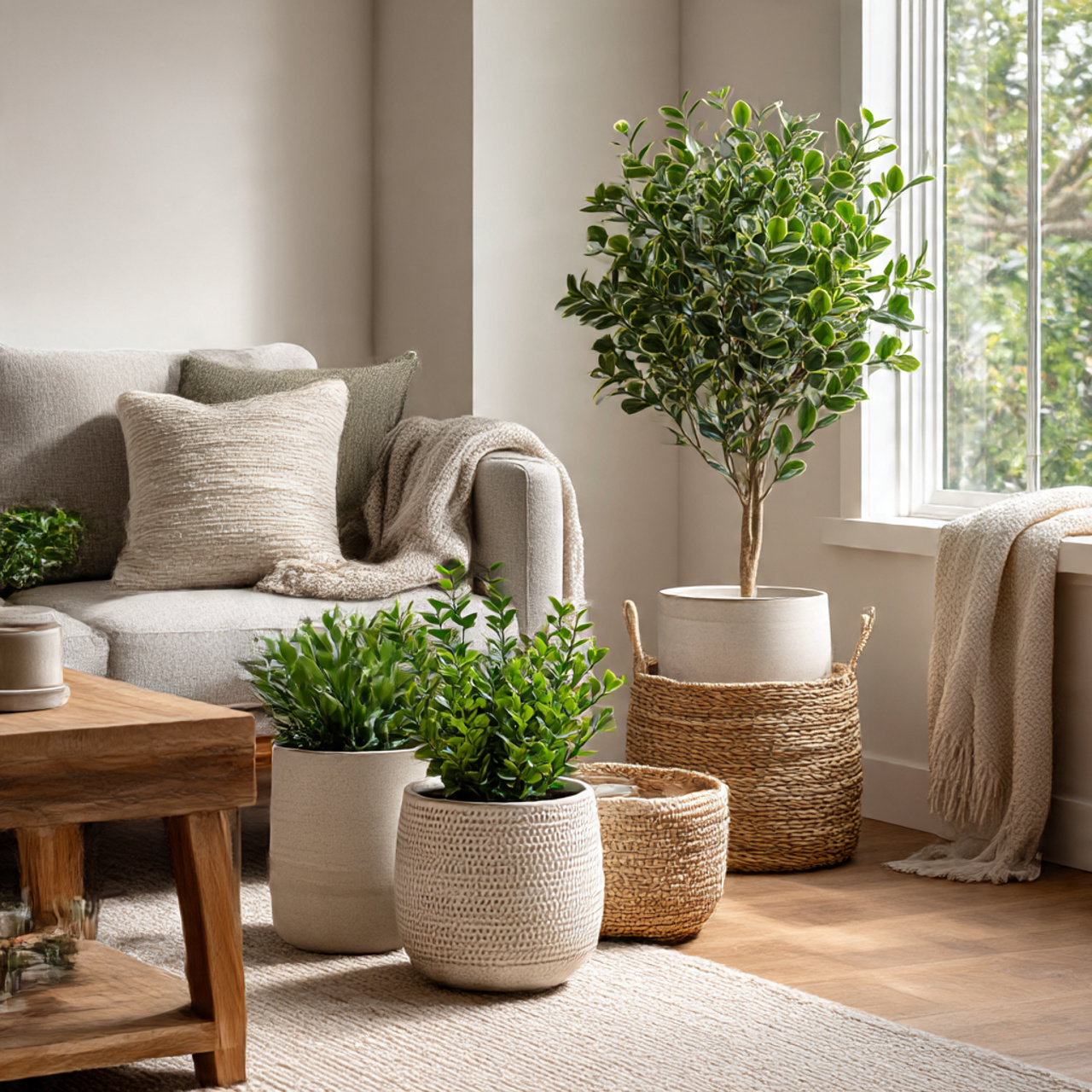
Static décor becomes invisible over time. Rotating your plant displays with the seasons keeps your home feeling alive and responsive.
Seasonal Rotation Ideas:
- Spring/Summer: Lighter pots, bushier plants, flowering varieties
- Fall/Winter: Deeper greens, rich-toned containers, architectural plants
- Add seasonal accents (pinecones in winter, shells in summer) around plant bases
Practical Benefit: Seasonal rotation gives you opportunities to deep-clean pots, refresh soil, and assess plant health.
Visit Also: Rubber Plant
Teach Responsibility in Kids’ Rooms
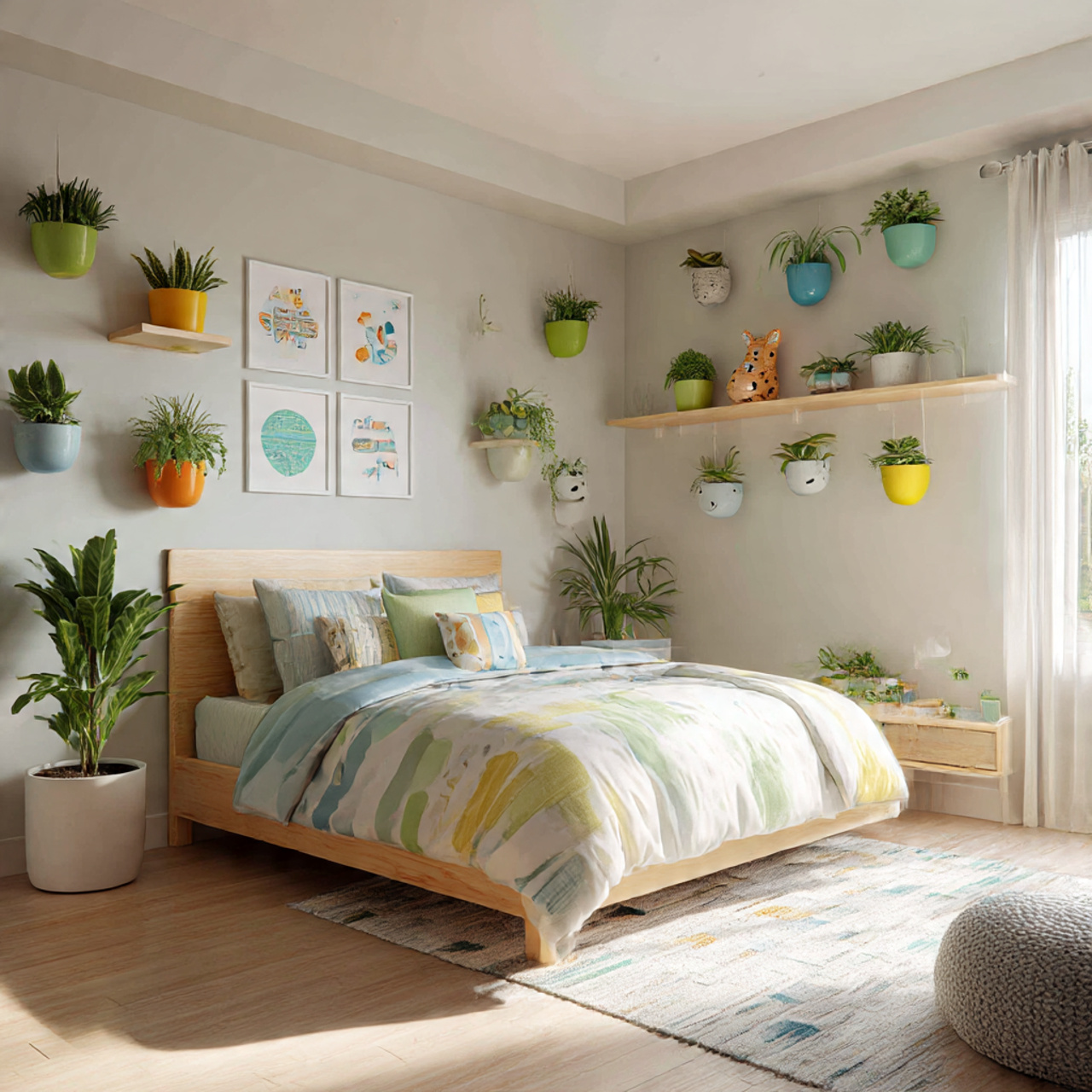
Children’s spaces benefit from greenery too. Beyond aesthetics, caring for plants teaches responsibility and connects kids with nature.
Kid-Safe Plant Choices:
- Spider plants (non-toxic, forgiving)
- Boston ferns (safe, air-purifying)
- Prayer plants (colorful, interesting movement)
- Avoid: Pothos, philodendron, snake plants (toxic if ingested)
Kid-Friendly Setup:
- Bright, fun containers that match room décor
- Plants at accessible heights so kids can participate in care
- Unbreakable pots (avoid ceramic in younger children’s rooms)
Teaching Moment: Create a simple watering chart with stickers to help children track plant care responsibilities.
Maximize Small Spaces with Strategic Placement
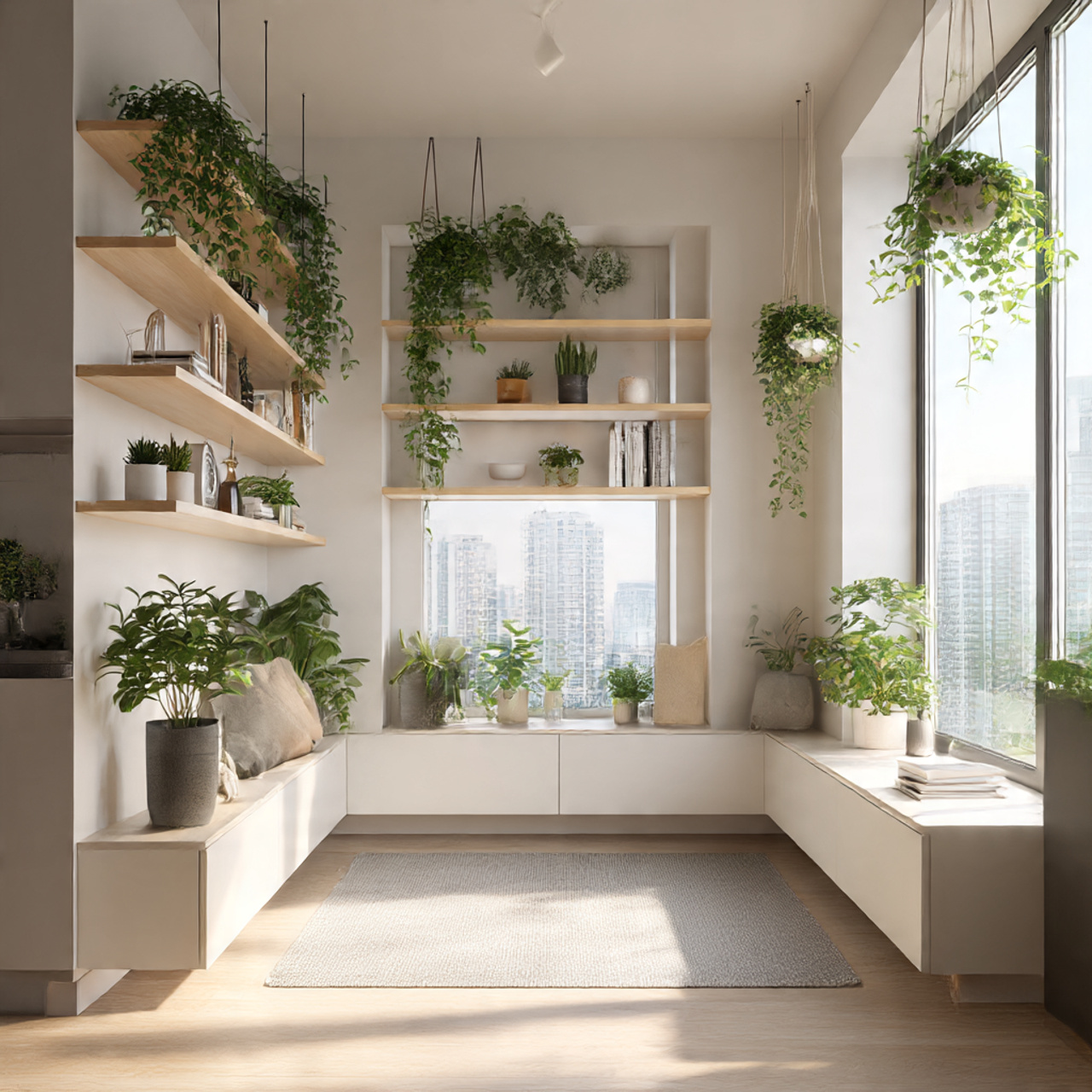
Limited square footage doesn’t mean sacrificing greenery. Thoughtful placement turns constraints into opportunities.
Small-Space Strategies:
- One high-impact plant instead of several small ones
- Vertical options (hanging, wall-mounted) over floor plants
- Corner placement to use typically wasted space
- Multi-functional furniture with built-in planters
The Power of One: A single sculptural plant near your seating area or window becomes an intentional focal point rather than clutter.
Space-Saving Plants:
- Air plants (require no pot or soil)
- Mounted staghorn ferns
- Compact snake plants
- Small succulents
Mix Pot Styles for Eclectic Character
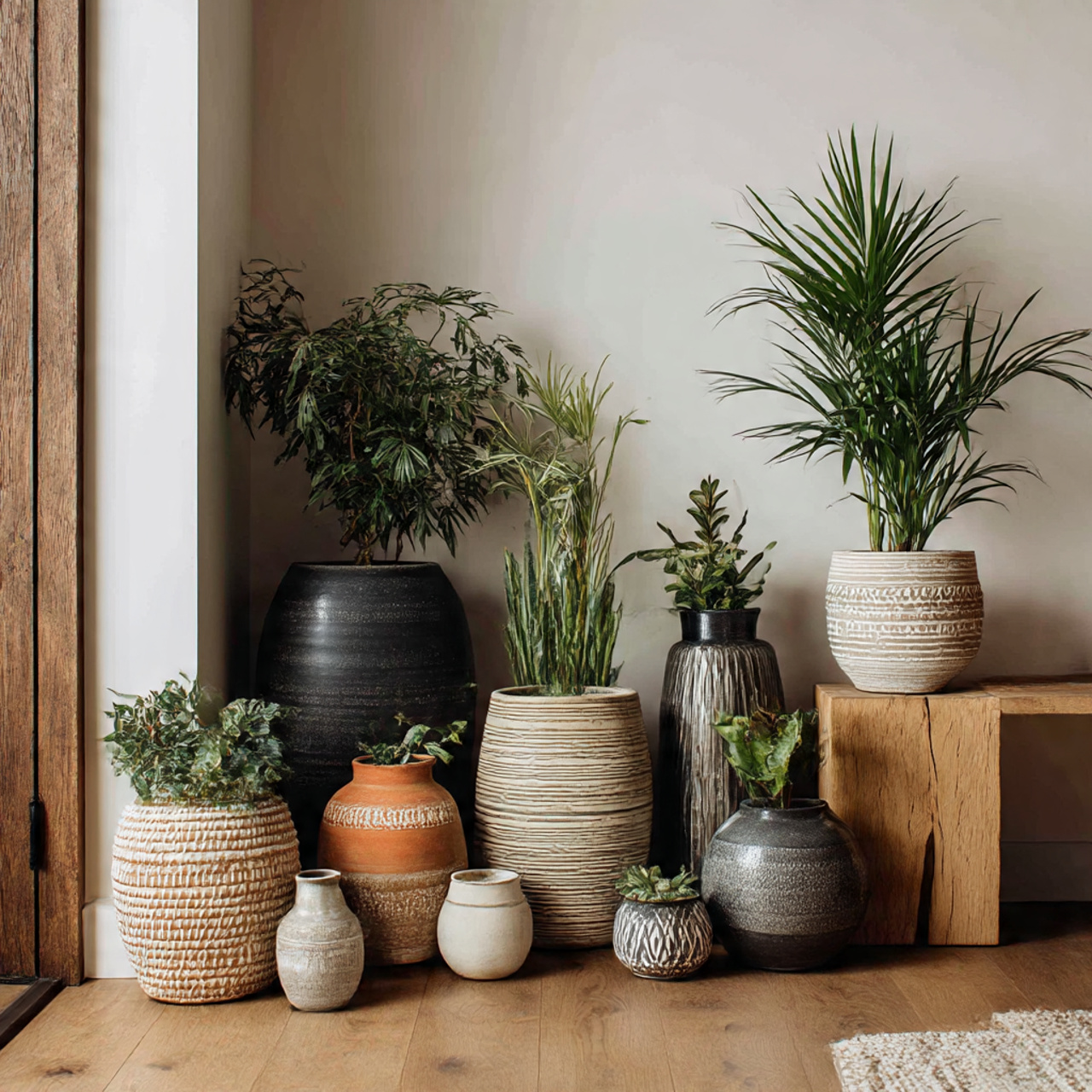
Who says all your planters must match? Mixing container styles adds personality and prevents cookie-cutter uniformity.
How to Mix Without Creating Chaos:
- Keep one unifying element (all earth tones, all glossy finishes, all similar sizes)
- Let the plants themselves provide consistency through color
- Combine eras (vintage with modern) or materials (terracotta with ceramic)
Example Combination: Pair a sleek white modern planter with a rustic terracotta pot and a woven basket—unified by the green plants they hold.
Balance Tip: If mixing wildly different styles, keep them in the same color family to maintain visual cohesion.
FAQs
Q: How often should I water plants used in my indoor plants décor?
A: It depends on species, light, pot size and room climate. A key rule for indoor plants décor is to check the top inch of soil: if dry, water. If it’s still moist, wait. Over-watering undermines the décor by harming the plant.
Q: What kind of light is best for indoor plants décor?
A: Bright, indirect light is ideal for most indoor plants décor. Direct harsh sunlight can scorch leaves; very low light limits growth. Match plant to location: if your décor space is low light, use hardy plants like snake plant or ZZ plant.
Q: Do I need special pots for indoor plants décor?
A: You don’t need luxury pots—but good drainage and suitability of the container matter. For indoor plants décor, choose pots with drainage or plan for saucers, and pick material that complements your design while keeping root health in mind.
Q: Can indoor plants décor improve air quality?
A: While plants may help with indoor air by boosting humidity and absorbing some VOCs, they’re not a replacement for ventilation. Still, using indoor plants décor contributes to a healthier, more comfortable space.
Q: How do I maintain indoor plants décor without spending too much time?
A: Choose low-maintenance plants, group them by care needs, rotate watering schedules, and use consistent pot styles. With a plan, indoor plants décor becomes effortless rather than another chore.
Final Thoughts
Decorating with indoor plants is about more than following trends—it’s about creating spaces that feel alive, balanced, and uniquely yours. Whether you’re working with a spacious home or a compact apartment, greenery adds layers of texture, color, and character that transform how a room feels.
Start with one or two ideas from this guide that resonate with your space and style. Pay attention to light conditions, choose plants that match your maintenance capacity, and don’t be afraid to experiment with placement and containers. Your plant displays will evolve as you learn what works in your specific environment.
Remember, every plant brings something different to your space—not just visually, but energetically. They grow, change, and respond to care, making them truly living design elements that evolve alongside you and your home.