25 Beautiful Indoor Plants to Refresh Any Room Naturally
There’s something magical about walking into a room filled with greenery. Indoor plants do more than just sit pretty on your shelves—they breathe life into your space, clean the air you breathe, and create a peaceful sanctuary right in your own home. Whether you’re new to plant parenting or already have a thriving green thumb, these versatile beauties can completely transform how your home looks and feels.
Think of indoor plants as nature’s interior designers. They work around the clock to soften those stark corners, add personality to bare walls, and create a connection to the outdoors even when you’re stuck inside. From tiny studio apartments to sprawling suburban homes, plants fit anywhere and everywhere, bringing calm and beauty without requiring a degree in horticulture.
Why Everyone’s Falling in Love with Indoor Plants
The indoor plant trend isn’t just a passing fad—it’s become a lifestyle choice for millions of people worldwide. These green companions have earned their spot in modern homes for good reasons that go far beyond aesthetics.
Plants are incredibly flexible when it comes to decorating. No matter what your style is—whether you love sleek minimalism, cozy bohemian vibes, rustic farmhouse charm, or classic elegance—there’s a plant that’ll fit right in. They’re the ultimate decorating chameleons.
What makes plants so special:
- They actively reduce stress levels and improve mental well-being
- Most varieties need surprisingly little attention compared to traditional gardens
- They work as living air filters, removing toxins naturally
- Plants add visual interest without cluttering your space
- They’re budget-friendly décor that keeps on giving
The best part? You don’t need endless free time to enjoy them. Unlike outdoor gardens that demand constant weeding, watering, and maintenance, indoor plants are much more forgiving roommates.
Create a Stunning Plant Corner That Steals the Show
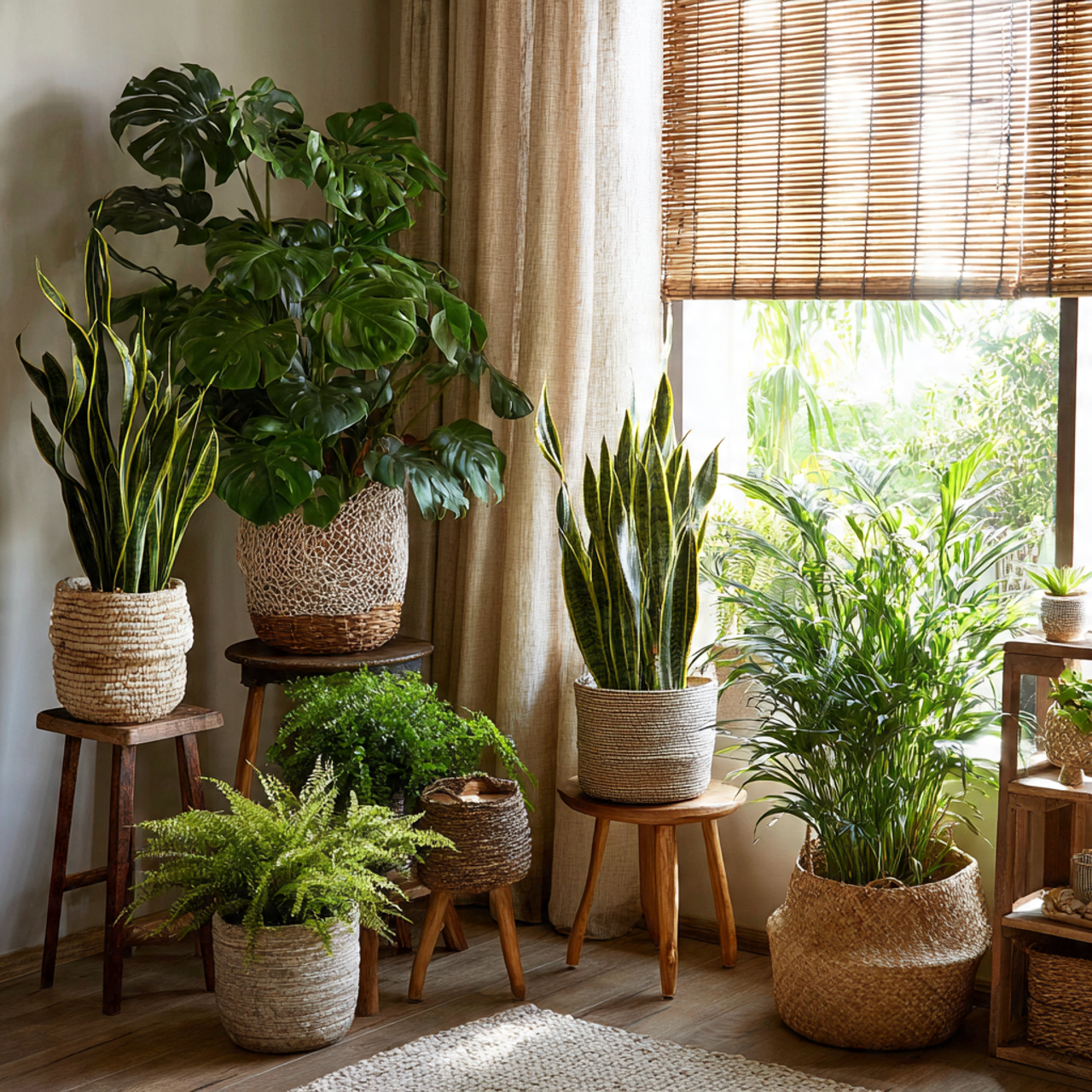
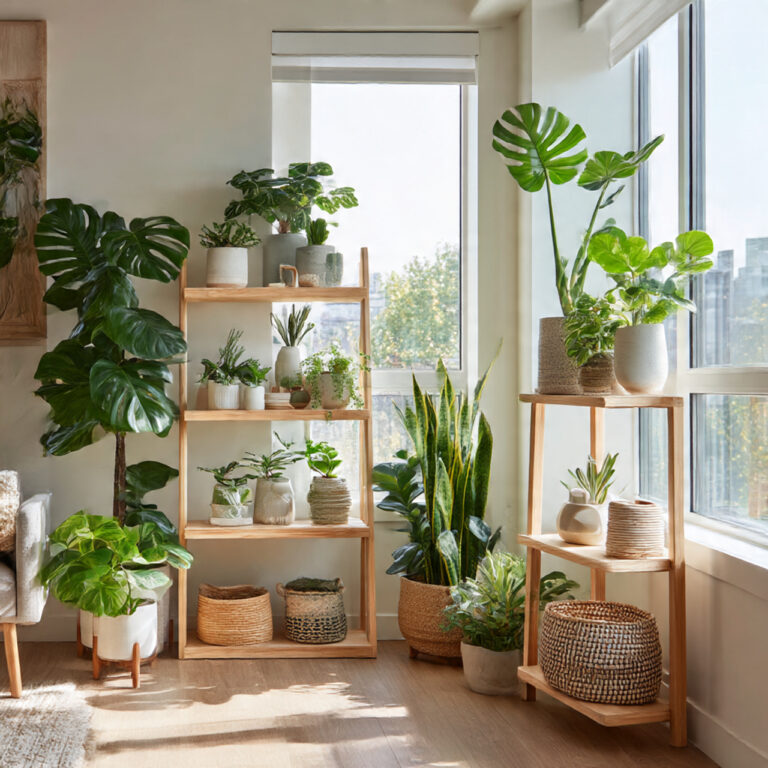
Designating one area of your home as a plant paradise instantly creates a conversation piece. This isn’t about randomly shoving plants in a corner—it’s about intentionally curating a mini indoor jungle that draws the eye.
How to nail this look:
- Mix tall statement plants (like dracaenas or bird of paradise) with smaller, bushier varieties
- Play with different heights using plant stands, stools, or stacked books
- Group plants in odd numbers (3, 5, or 7) for visual balance
- Layer textures by combining broad leaves with delicate, feathery ones
- Position your plant corner near natural light sources when possible
This setup works beautifully in living room corners, beside staircases, or in that awkward empty spot in your entryway you’ve never known what to do with.
Breathe Easier with Air-Purifying Powerhouses
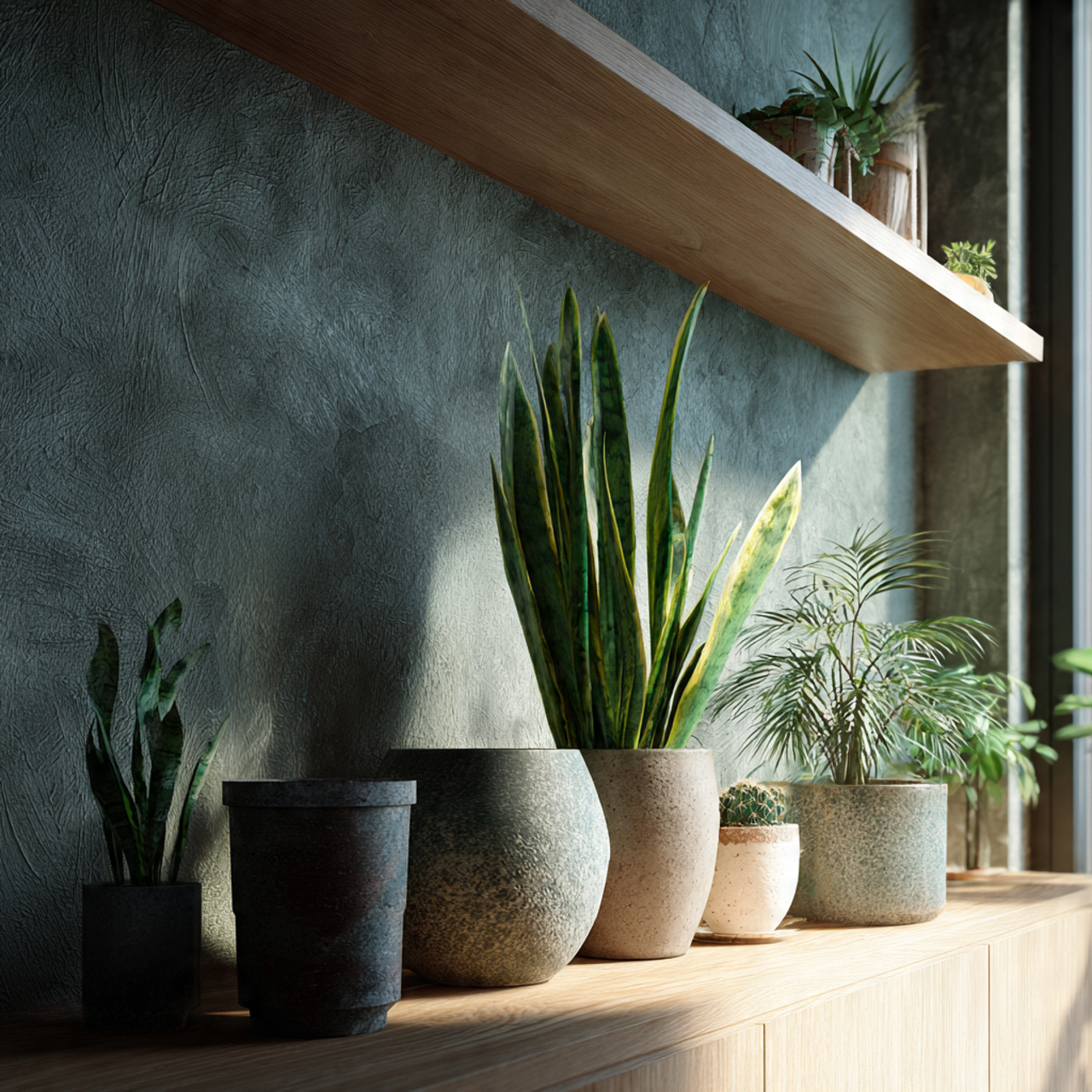
Your home might look clean, but the air inside could be harboring invisible pollutants from furniture, cleaning products, and everyday activities. Enter air-purifying plants—nature’s solution to indoor air quality.
Top air-cleaning champions:
- Snake Plants: Release oxygen at night, perfect for bedrooms
- Peace Lilies: Remove ammonia, benzene, and formaldehyde from the air
- Spider Plants: Combat carbon monoxide and xylene
- Pothos: Filters out common household toxins effortlessly
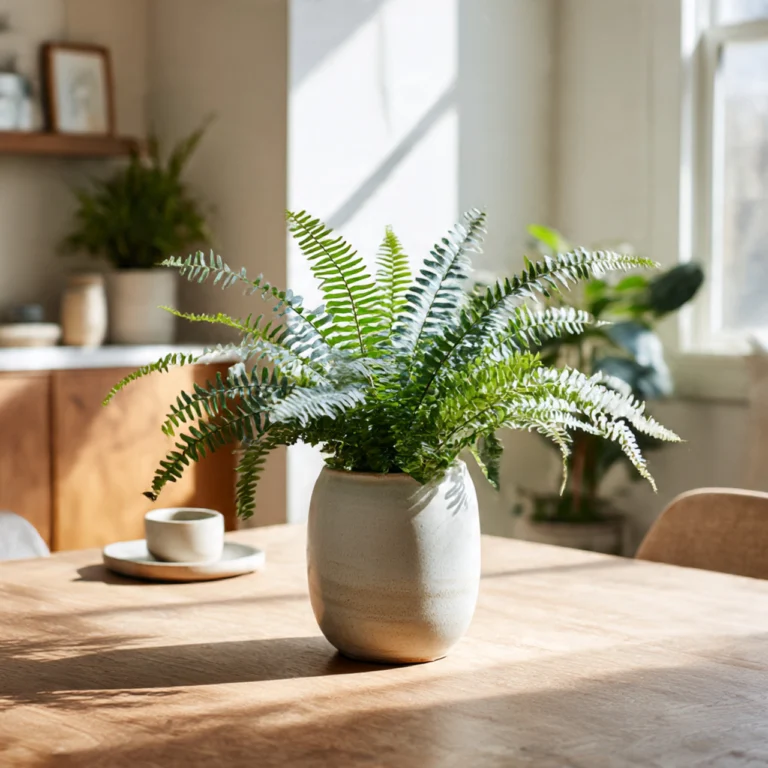
- Boston Ferns: Natural humidifiers that also purify air
Place these green cleaners in your bedroom for better sleep quality, near your home office to boost productivity, or in living areas where you spend the most time. They work silently in the background while you go about your day.
Embrace Minimalism with Sleek, Architectural Plants
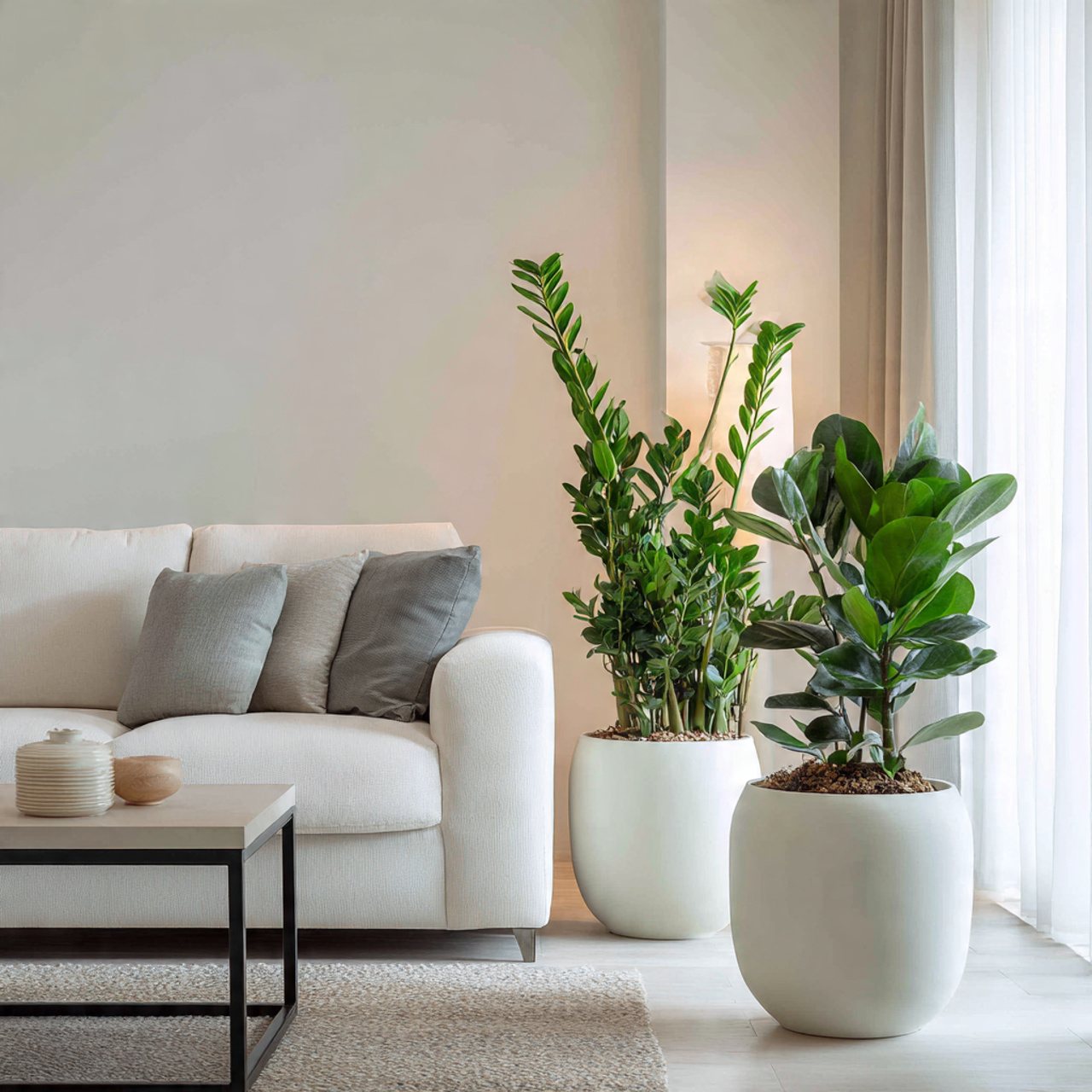
If you’re all about that “less is more” philosophy, your plants should reflect that too. Minimalist spaces thrive on clean lines, simple forms, and purposeful placement—and certain plants were practically made for this aesthetic.
Perfect minimalist plant picks:
- ZZ Plants: Glossy, symmetrical leaves that need watering only every 2-3 weeks
- Rubber Plants: Bold, architectural presence with minimal fuss
- Snake Plants: Upright, structured growth pattern
- Philodendrons: Elegant simplicity with heart-shaped leaves
Minimalist styling tips:
- Choose monochromatic pots in white, black, gray, or concrete finishes
- Limit yourself to 1-3 plants per room to avoid visual clutter
- Opt for plants with strong, geometric shapes
- Give each plant breathing room—don’t crowd your space
Brighten Those Dim Spaces with Low-Light Champions
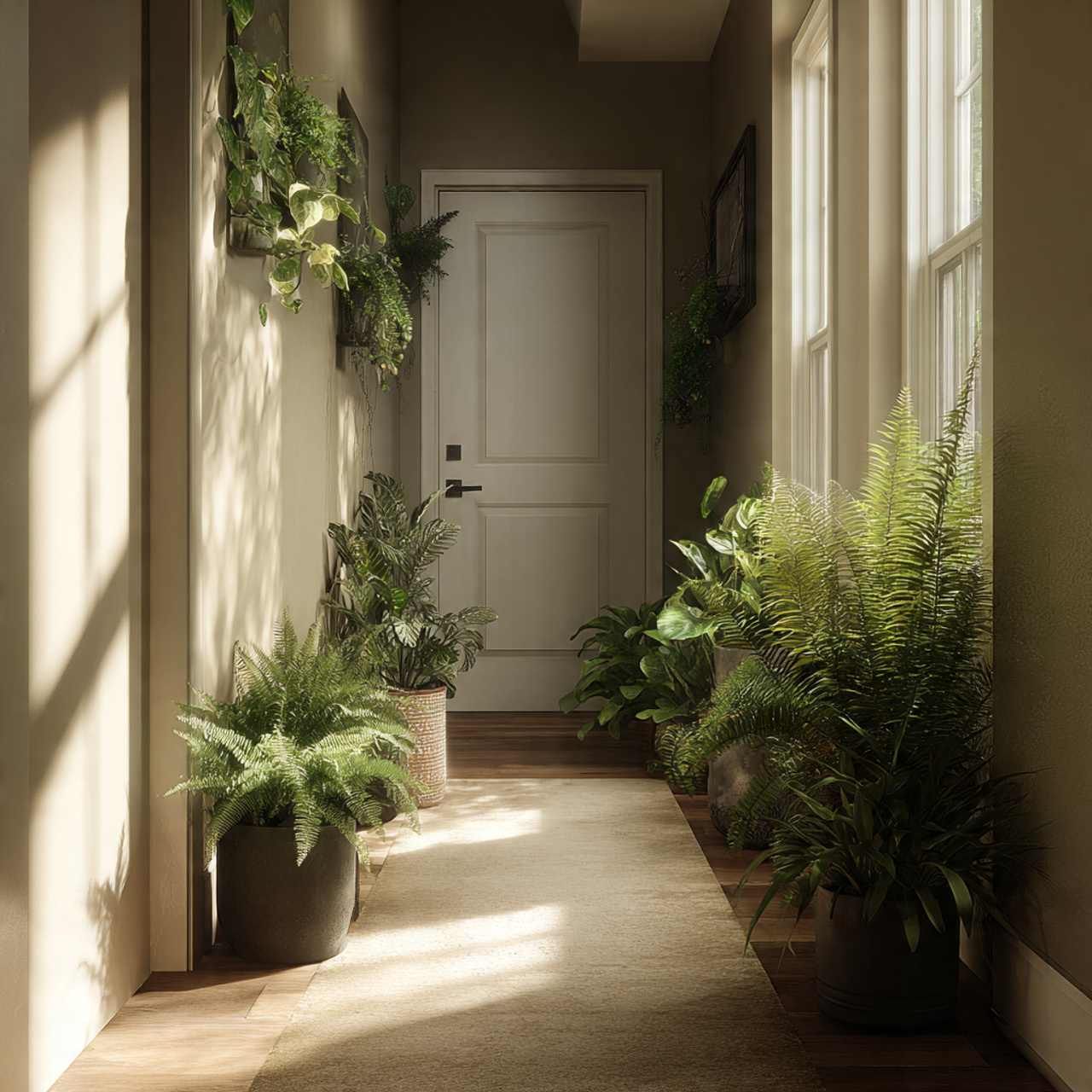
Don’t let a lack of sunshine stop you from enjoying indoor greenery. Plenty of plants actually prefer shadier conditions and will thrive in those darker corners, hallways, and north-facing rooms.
Low-light superstars that actually work:
- Pothos: Practically indestructible and grows in almost complete shade
- Cast Iron Plant: Named for its toughness, survives neglect beautifully
- Chinese Evergreen: Colorful foliage even in minimal light
- Maidenhair Fern: Delicate appearance but surprisingly shade-tolerant
- Dracaena: Tall and elegant, perfect for dim corners
These adaptable plants prove you don’t need floor-to-ceiling windows to create a green haven. They’ll stay lush and beautiful even in your windowless bathroom or that dark hallway.
Turn Floating Shelves into Living Art Galleries
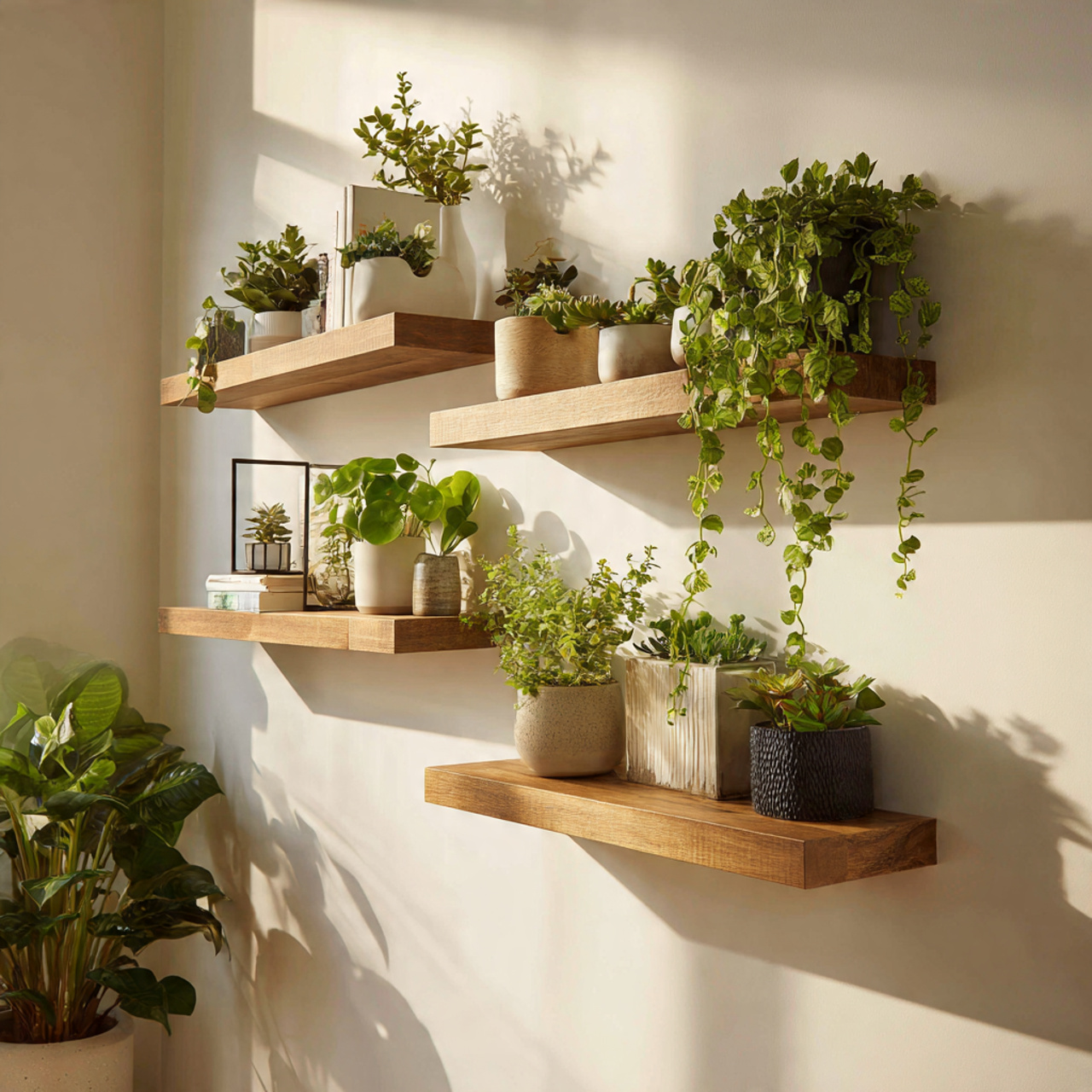
Floating shelves aren’t just for books and picture frames—they’re perfect platforms for creating cascading plant displays that add dimension to plain walls.
Shelf styling success tips:
- Mix trailing plants (like string of hearts) with upright varieties
- Vary pot sizes and materials for visual interest
- Leave some negative space—don’t overcrowd every shelf
- Position plants at different depths for a layered look
- Consider weight limits and use proper wall anchors
This approach maximizes vertical space, making it ideal for apartments or smaller homes where floor space is precious.
Boost Your Workspace with Desk-Friendly Greenery
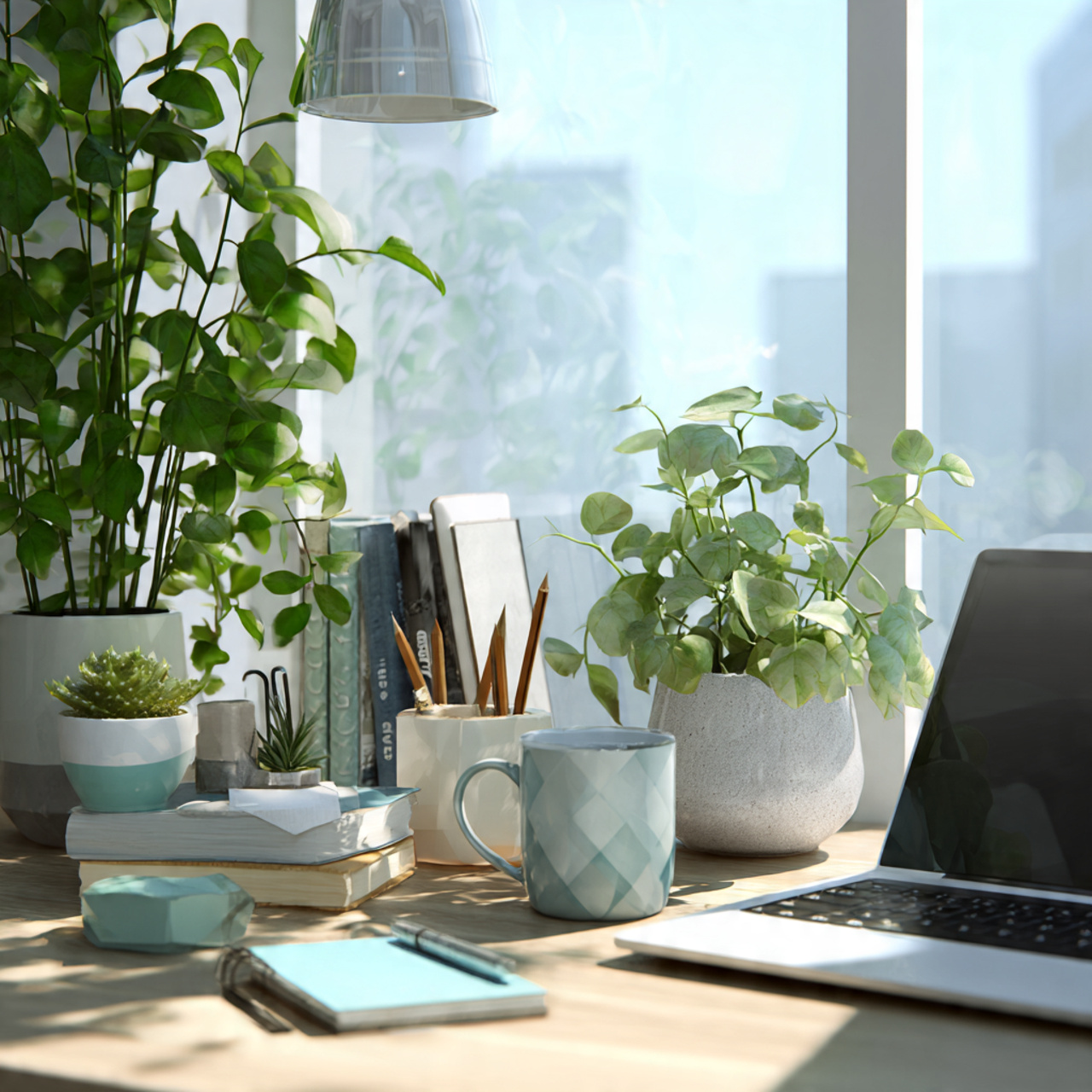
Your office or home workspace shouldn’t feel sterile and uninspiring. Adding plants to your desk area can actually improve your focus, reduce eye strain, and make those long work hours more bearable.
Best plants for office environments:
- Jade Plants: Symbolize prosperity and need minimal care
- Small Peace Lilies: Compact but powerful air purifiers
- Desk-sized ZZ Plants: Tolerate fluorescent lighting and irregular watering
- Succulents: Come in endless varieties, need watering only once a week
- Lucky Bamboo: Grows in water, adds zen vibes
Office plant perks:
- Reduce background noise levels
- Lower stress and anxiety during busy workdays
- Increase productivity and creative thinking
- Soften harsh artificial lighting
- Give your eyes a natural focal point during screen breaks
Make a Bold Statement with Oversized Beauties
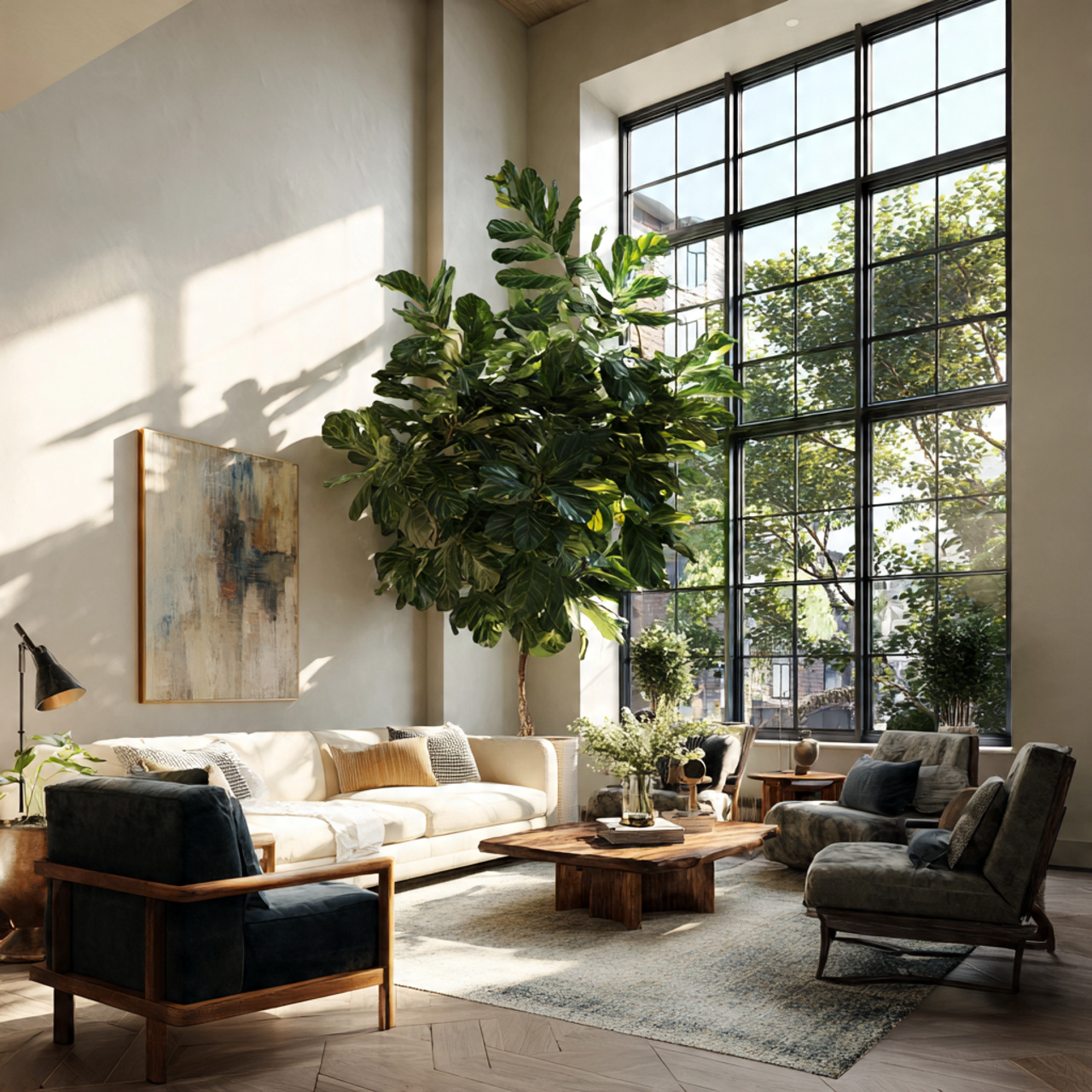
Sometimes you need a plant with serious presence—one that commands attention the moment someone enters the room. Large statement plants serve as living sculptures that anchor your entire design scheme.
Show-stopping large plant options:
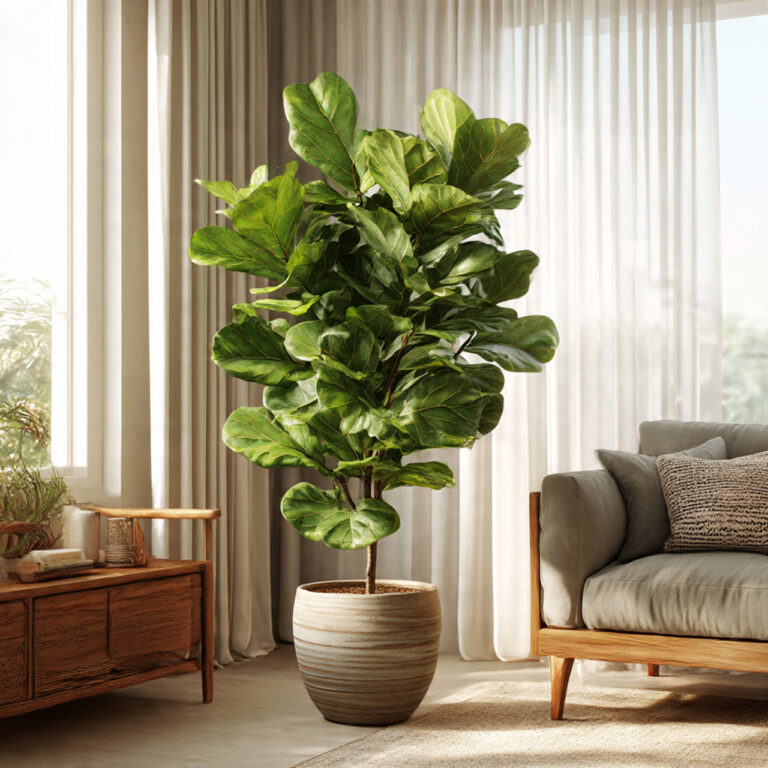
- Fiddle Leaf Fig: Dramatic, violin-shaped leaves that reach ceiling height
- Monstera Deliciosa: Iconic split leaves that scream “tropical paradise”
- Bird of Paradise: Architectural form with paddle-shaped foliage
- Majesty Palm: Instant vacation vibes in plant form
- Rubber Tree: Grows tall and full with minimal effort
Place these beauties in corners with high ceilings, beside sofas as living end tables, or flanking doorways for a grand entrance effect. Just remember—they need room to breathe and spread their leaves.
Add Whimsy with Hanging Planters
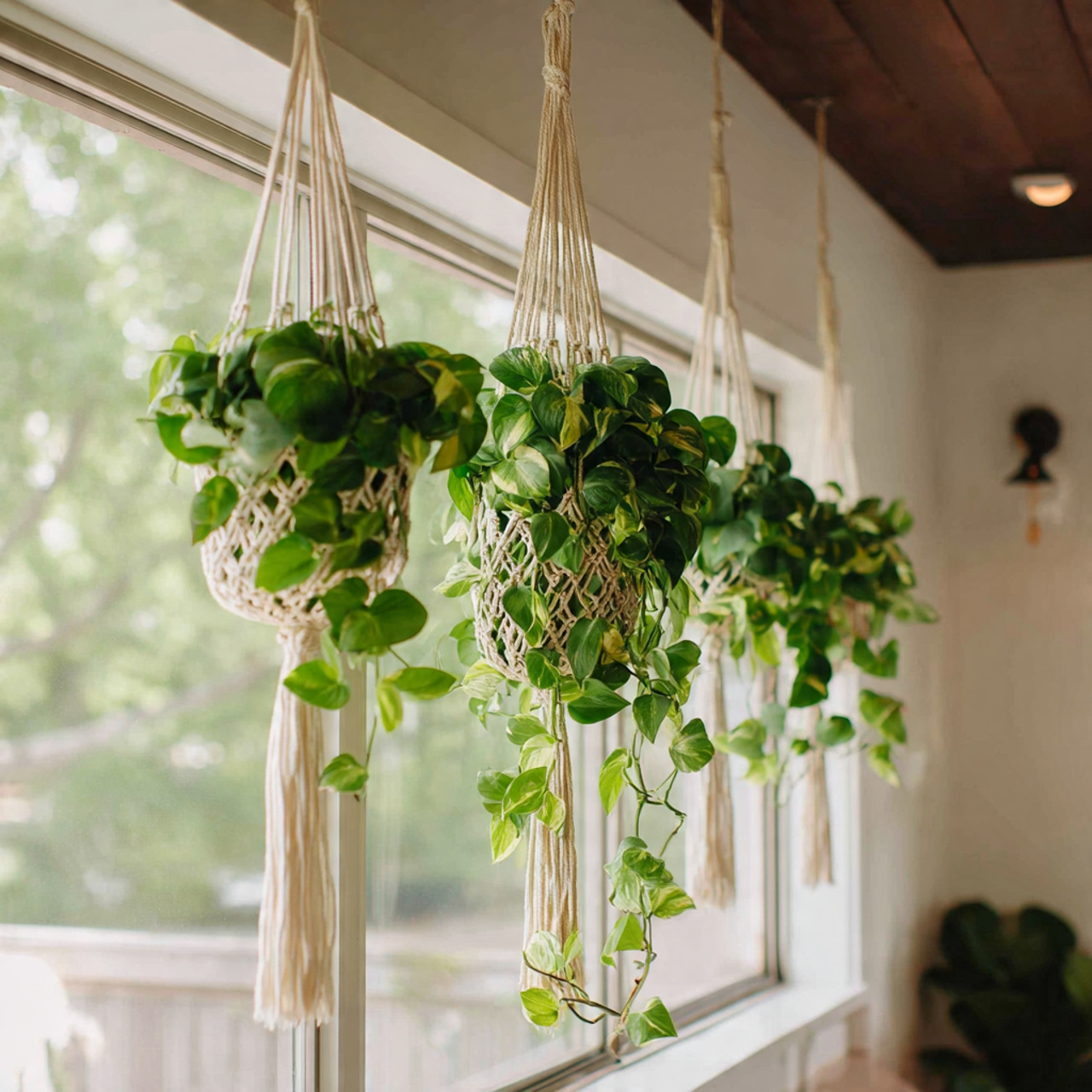
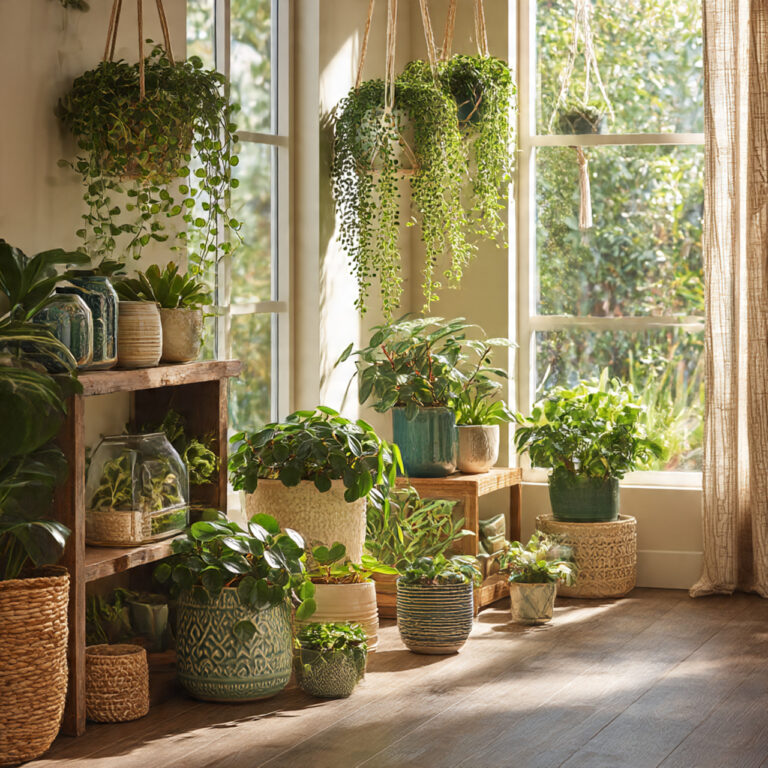
Why limit yourself to horizontal surfaces when you’ve got all that unused ceiling space? Hanging planters create dynamic, eye-level greenery that draws attention upward and makes rooms feel more spacious.
Perfect hanging plant varieties:
- English Ivy: Classic trailing vines that cascade beautifully
- String of Pearls: Quirky succulent with bead-like leaves
- Boston Fern: Lush, full growth that creates a curtain effect
- Heartleaf Philodendron: Fast-growing with romantic trailing habit
Hanging tips:
- Install ceiling hooks into studs or use toggle bolts for drywall
- Hang plants at varying heights for visual interest
- Group three planters together for maximum impact
- Choose self-watering planters or use pot saucers to catch drips
Grow Fresh Flavor in Your Kitchen
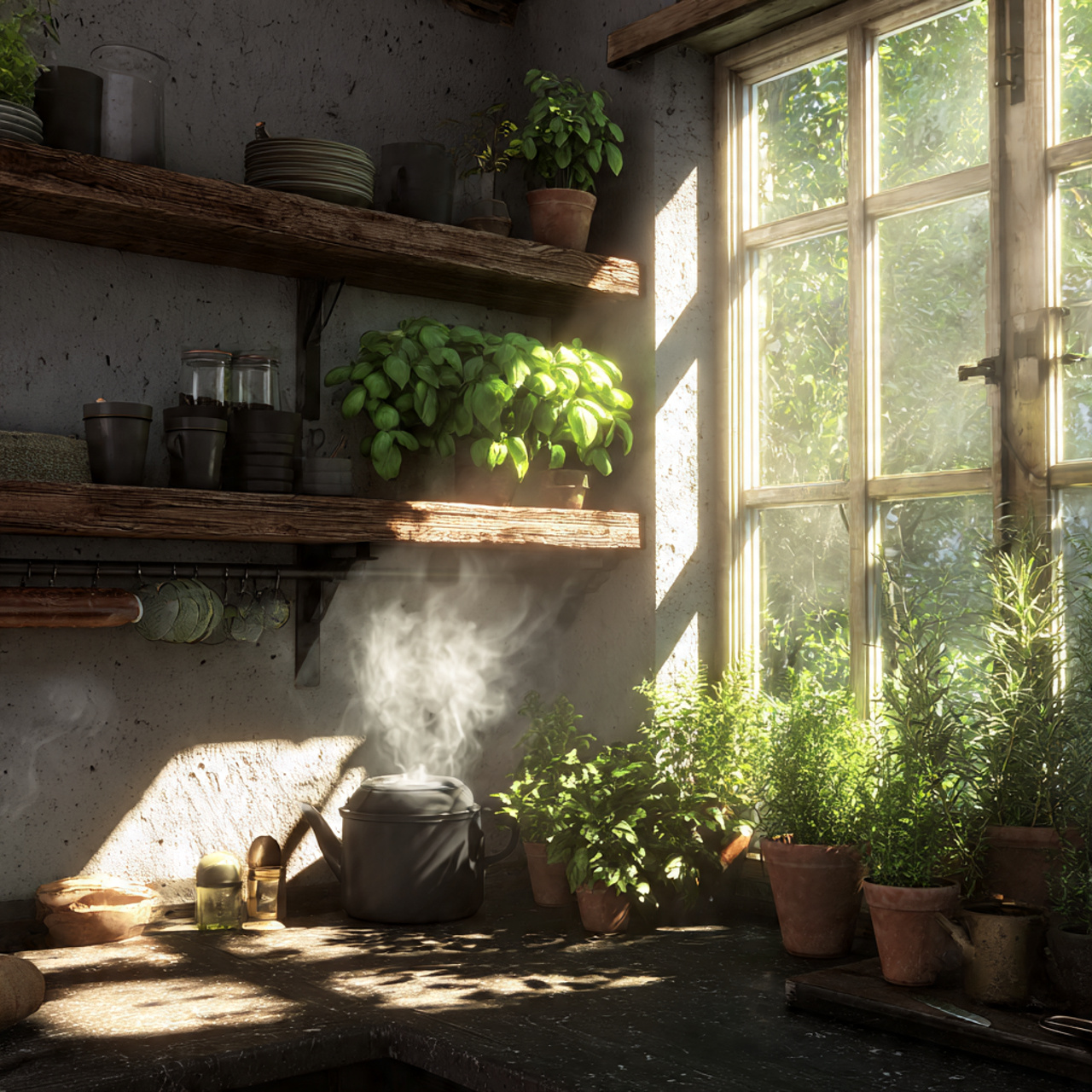
Your kitchen is more than just a cooking space—it can be a mini herb garden that provides fresh ingredients while looking absolutely charming.
Kitchen-friendly herbs and plants:
- Basil: Perfect for pasta, pizza, and pesto
- Mint: Great for drinks, desserts, and morning tea
- Rosemary: Aromatic and perfect for roasted dishes
- Thyme: Compact and flavorful
- Cherry Tomatoes: Yes, you can grow them indoors on sunny windowsills!
Kitchen plant placement ideas:
- Line them up on windowsills for maximum sunlight
- Use a tiered plant stand on countertops
- Install floating shelves above the sink
- Hang small pots on a kitchen wall rail system
The bonus? You’ll always have fresh herbs at your fingertips, and your kitchen will smell amazing.
Transform Your Bedroom into a Peaceful Retreat
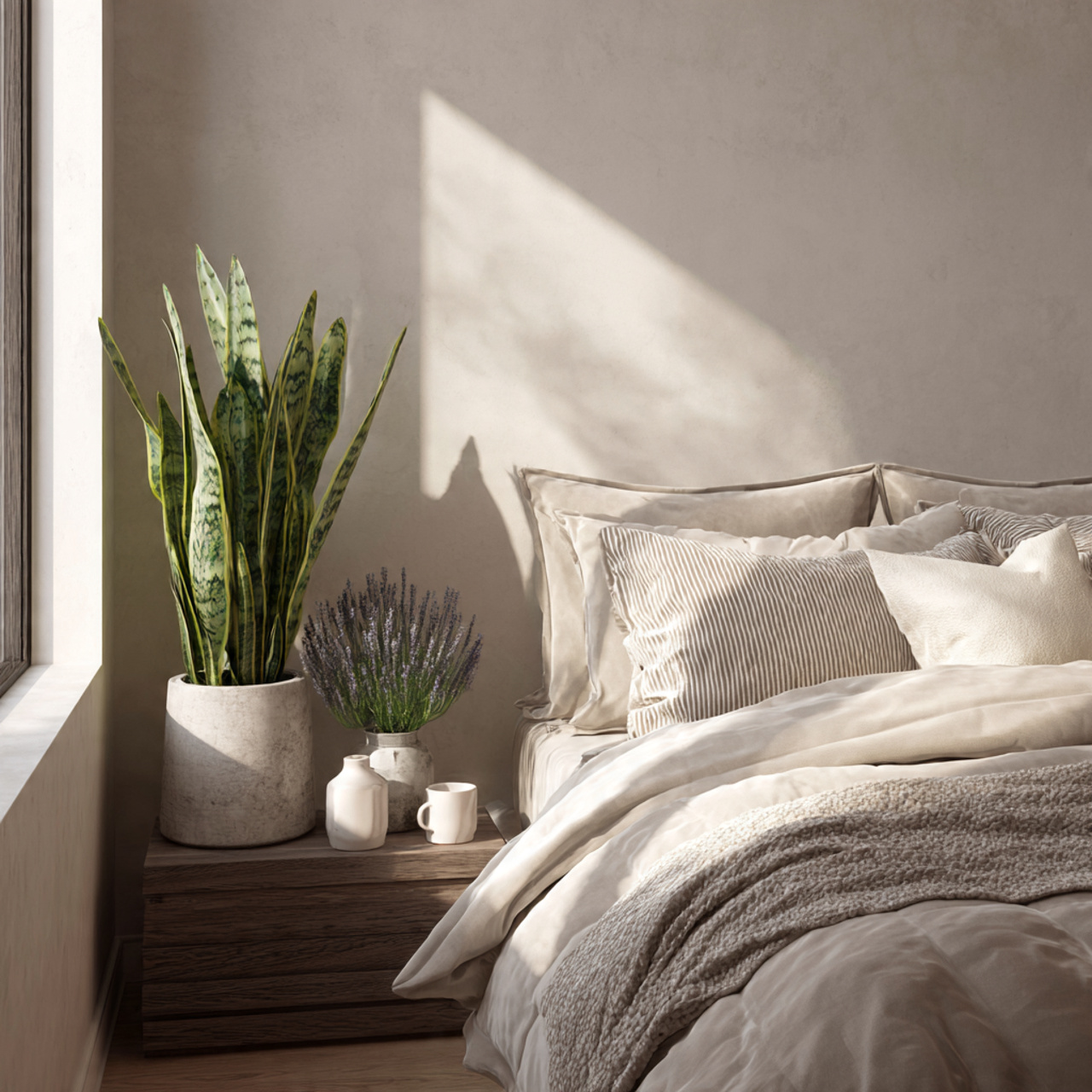
Your bedroom should be your personal sanctuary—a place where you truly relax and recharge. The right plants can enhance this peaceful atmosphere while improving the air you breathe as you sleep.
Best bedroom plant choices:
- Snake Plants: Release oxygen at night (most plants do the opposite)
- Lavender: Natural aromatherapy that promotes better sleep
- Peace Lily: Filters air and adds elegance
- Aloe Vera: Low-maintenance with air-purifying benefits
- Spider Plants: Remove toxins and are completely safe
Bedroom styling suggestions:
- Place plants on nightstands within arm’s reach
- Use floor plants in corners to soften the space
- Avoid overwatering to prevent moisture issues
- Choose plants with soft, rounded leaves for a calming effect
Better air quality plus a connection to nature equals better sleep. It’s that simple.
Frame Your Windows with Living Curtains
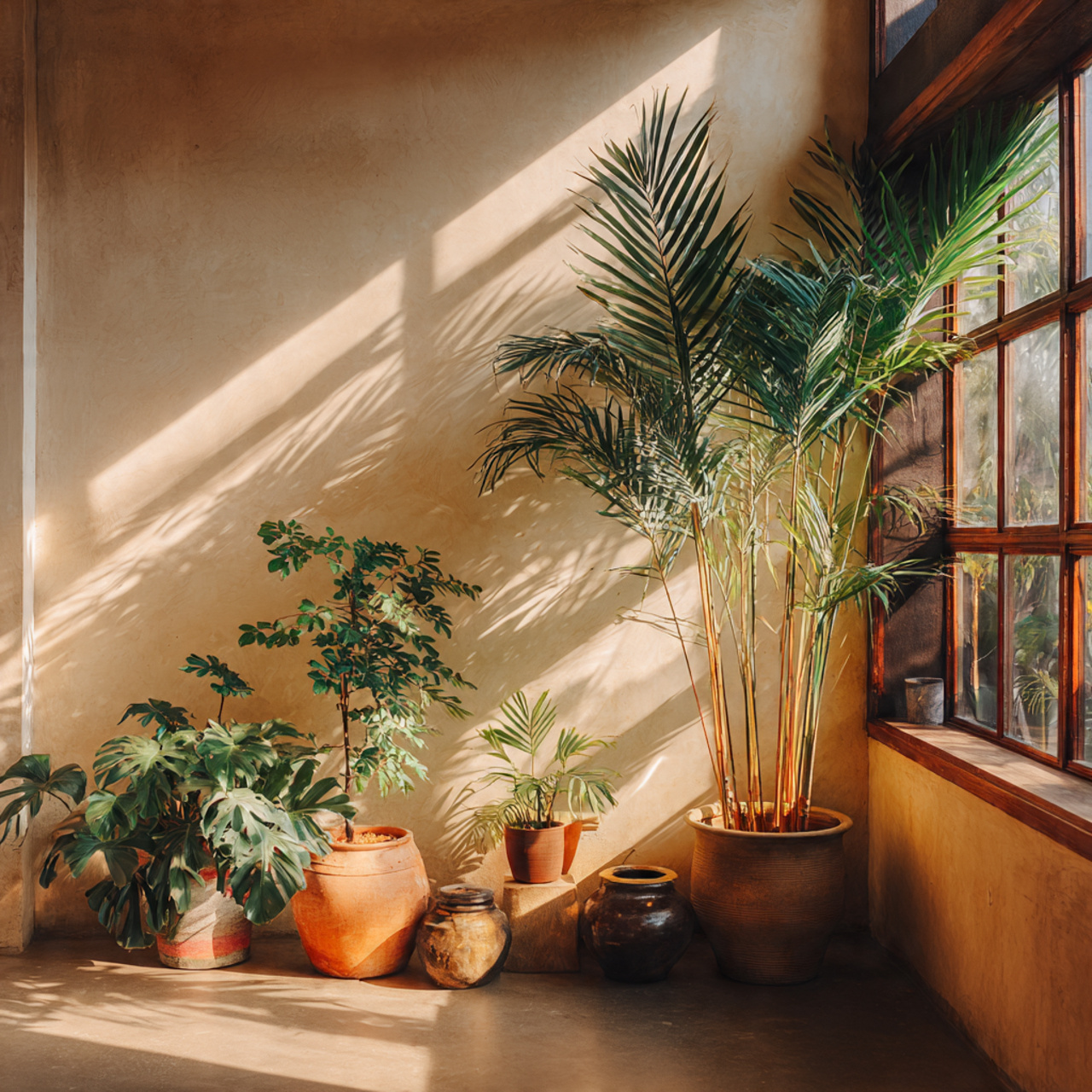
Windows are natural gathering spots for plants, and when you style them intentionally, you create a seamless blend between your indoor space and the outdoor world beyond.
Window plant strategies:
- Layer tall plants on the floor beside windows with shorter plants on the sill
- Use macramé plant hangers to suspend plants at different window heights
- Choose plants that appreciate bright, indirect light
- Create symmetry by placing matching plants on either side of the window
This approach filters harsh sunlight naturally while adding privacy without blocking your view completely.
Turn Your Bathroom into a Spa-Like Oasis
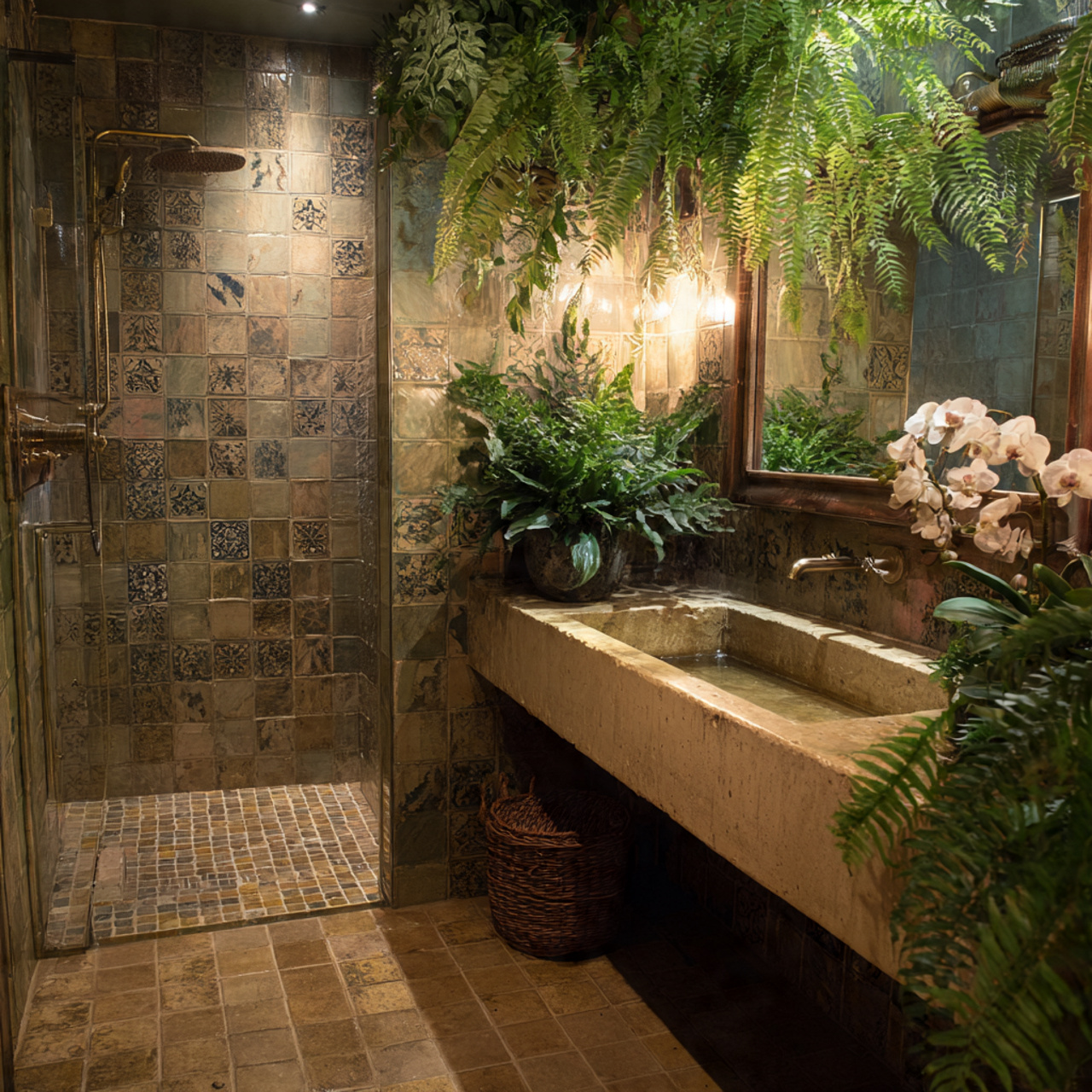
Bathrooms offer unique conditions that many plants absolutely love—warmth, humidity, and often filtered light. Taking advantage of this creates an instant spa atmosphere.
Humidity-loving bathroom plants:
- Ferns (Boston, Maidenhair, Bird’s Nest): Thrive in steamy conditions
- Orchids: Exotic beauty that loves bathroom moisture
- Pothos: Tolerates low light and high humidity
- Bamboo: Grows in water and loves warmth
- Air Plants: No soil needed, just mist them regularly
Even the smallest powder room can accommodate a plant or two on the counter, toilet tank, or a small corner shelf.
Elevate Your Look with Designer Pots
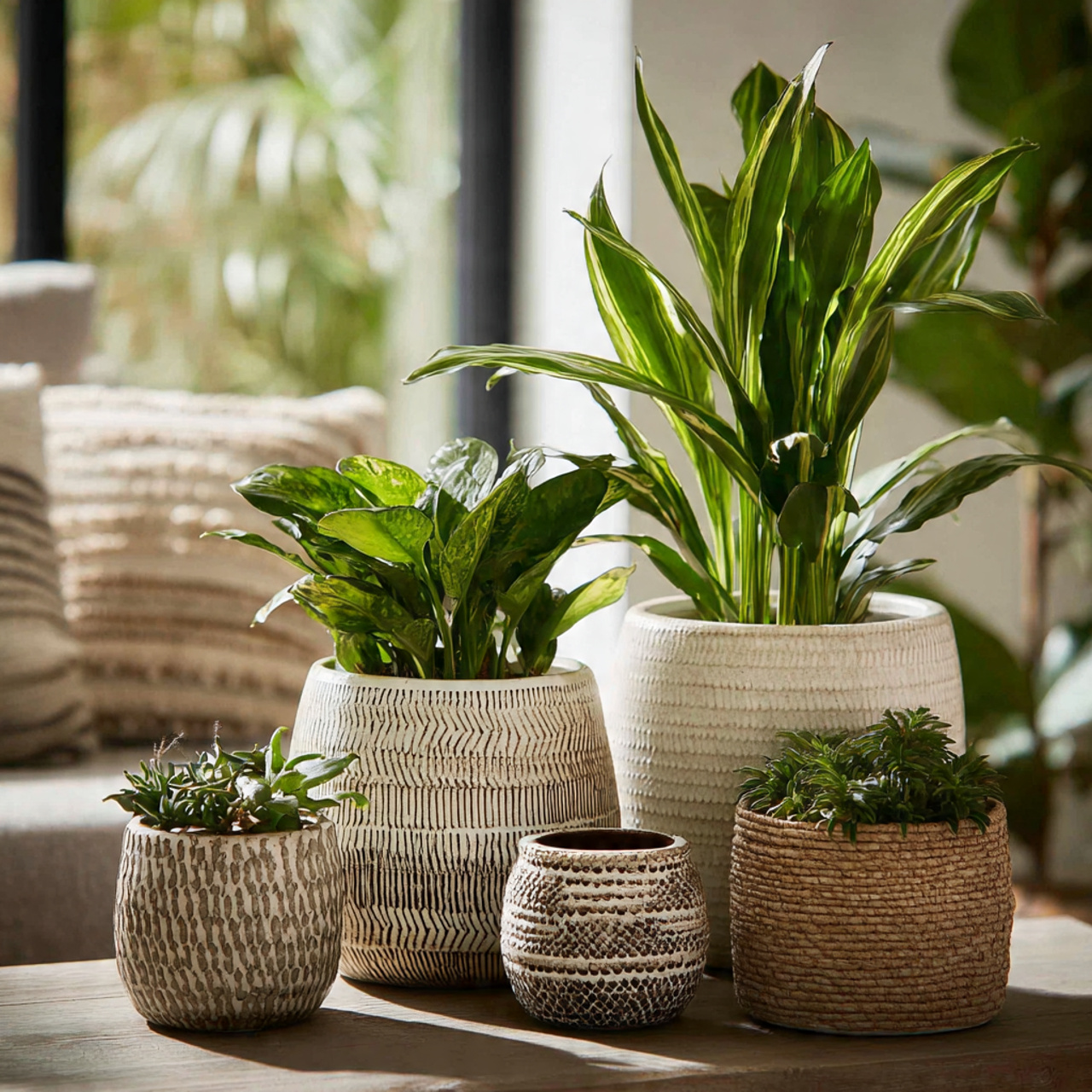
The pot you choose is just as important as the plant itself. Think of it as framing a piece of art—the right container elevates everything.
Pot style guide:
- Ceramic with drainage holes: Classic and functional
- Woven baskets: Bohemian charm with natural texture
- Concrete planters: Industrial-modern aesthetic
- Terracotta: Traditional with excellent breathability
- Geometric metallic pots: Contemporary and eye-catching
Matching pots to your style:
- Use a unified color palette (all white, all terracotta) for cohesion
- Mix materials but keep a consistent style theme
- Ensure all pots have drainage to prevent root rot
- Size up—pots slightly larger than the plant look more intentional
Welcome Guests with Entryway Greenery
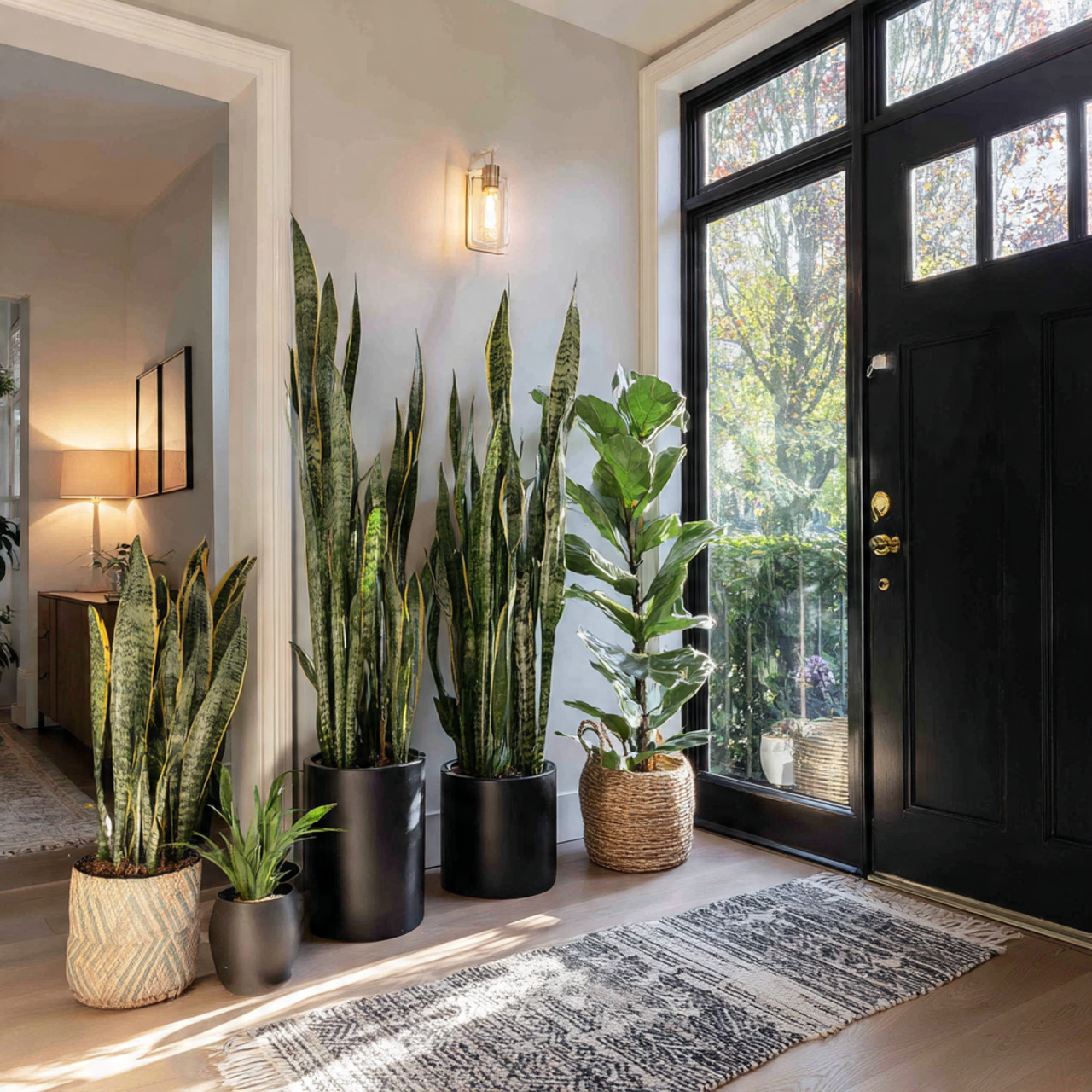
First impressions matter, and nothing says “welcome home” quite like a beautiful plant greeting you at the entrance.
Entryway plant must-haves:
- Snake Plants: Tall, sculptural, and nearly indestructible
- Rubber Plants: Make a statement without taking much space
- Fiddle Leaf Fig: Grand and impressive
- Umbrella Plant: Full, lush, and forgiving
Place your entryway plant in a decorative pot that complements your door color or foyer décor. It sets a warm, inviting tone for everything that follows.
Keep Your Furry Friends Safe with Pet-Friendly Options
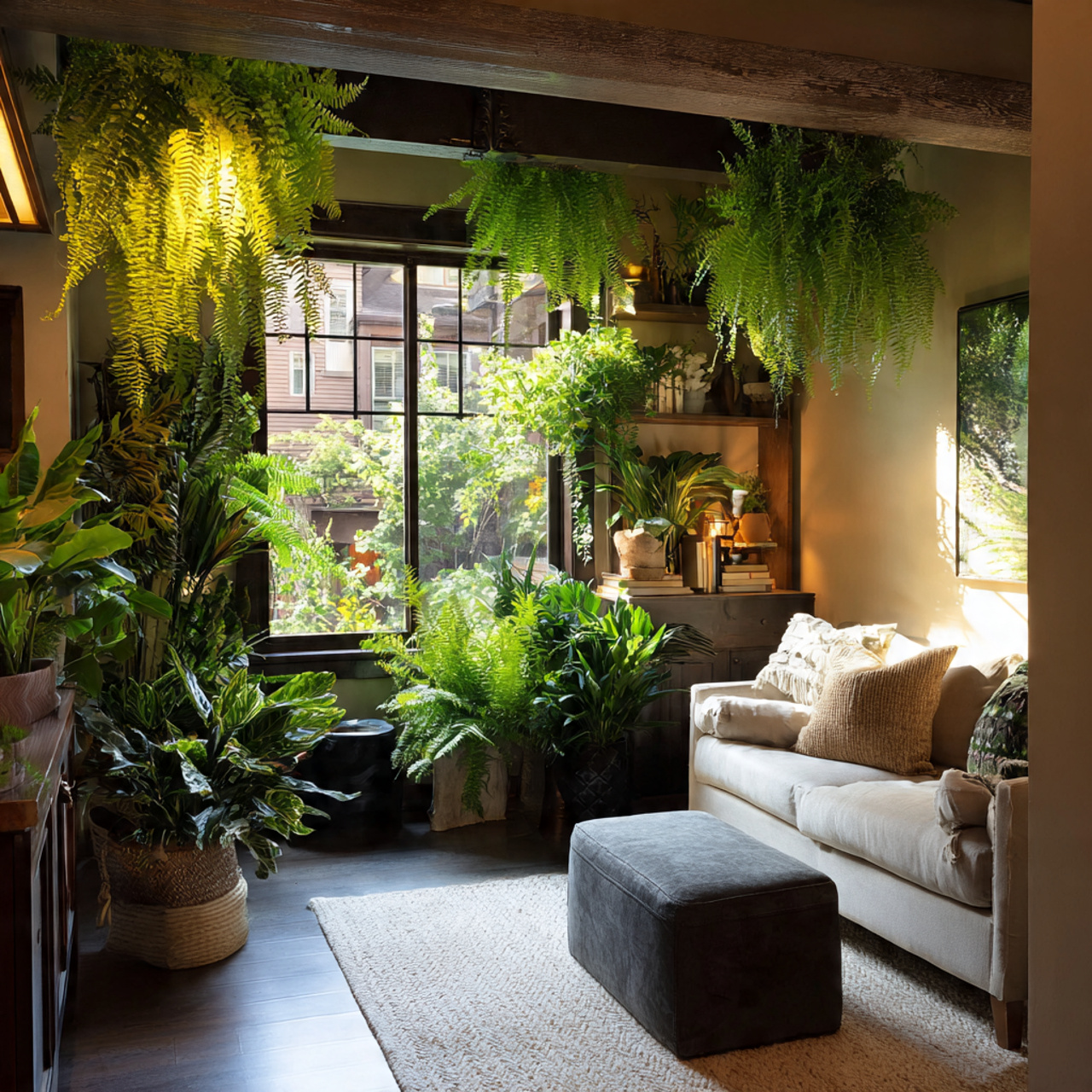
Pet owners face an extra challenge: finding plants that won’t harm curious cats or playful dogs who might nibble on leaves.
100% pet-safe plants:
- Spider Plants: Completely non-toxic and cats actually love playing with them
- Boston Ferns: Safe for both cats and dogs
- Calathea varieties: Gorgeous patterns, zero toxicity
- Parlor Palms: Elegant and pet-friendly
- Prayer Plants: Safe and beautifully patterned
Extra pet safety tips:
- Research every plant before bringing it home
- Place plants on high shelves if pets are particularly curious
- Provide cat grass as an alternative chewing option
- Monitor pets around new plants initially
Your pets and plants can absolutely coexist peacefully with the right choices.
Fuel Creativity in Your Studio or Workspace
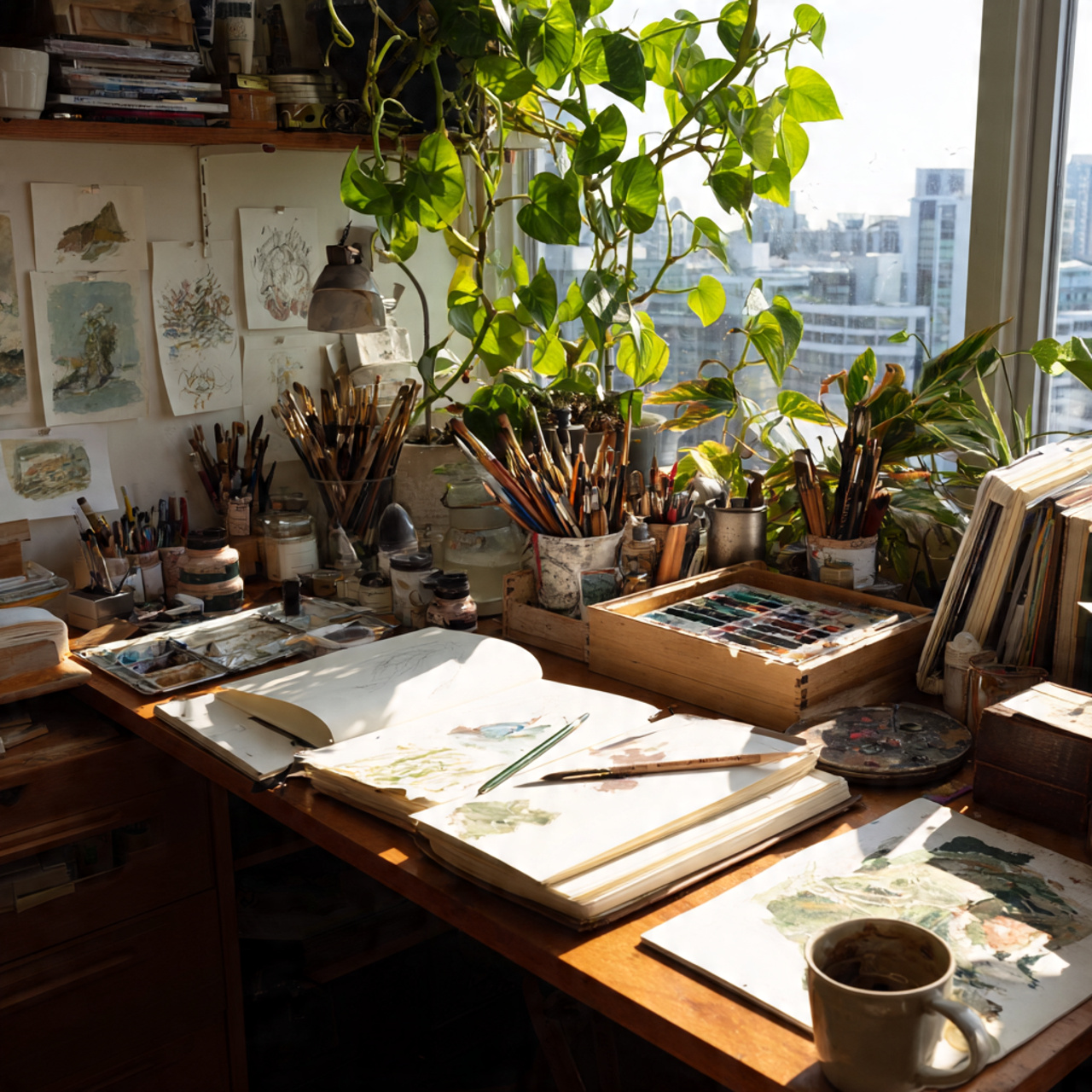
Artists, writers, crafters, and creators need environments that inspire. Plants introduce organic shapes, natural colors, and living energy that feed creative thinking.
Creative space plant ideas:
- Position plants where you can see them while working
- Choose varieties with interesting textures that inspire tactile thinking
- Use colorful foliage plants to stimulate visual creativity
- Let trailing vines create movement in your peripheral vision
The psychological benefits are real—studies show that plants in workspaces increase innovation and problem-solving abilities.
Refresh Your Décor with Seasonal Touches
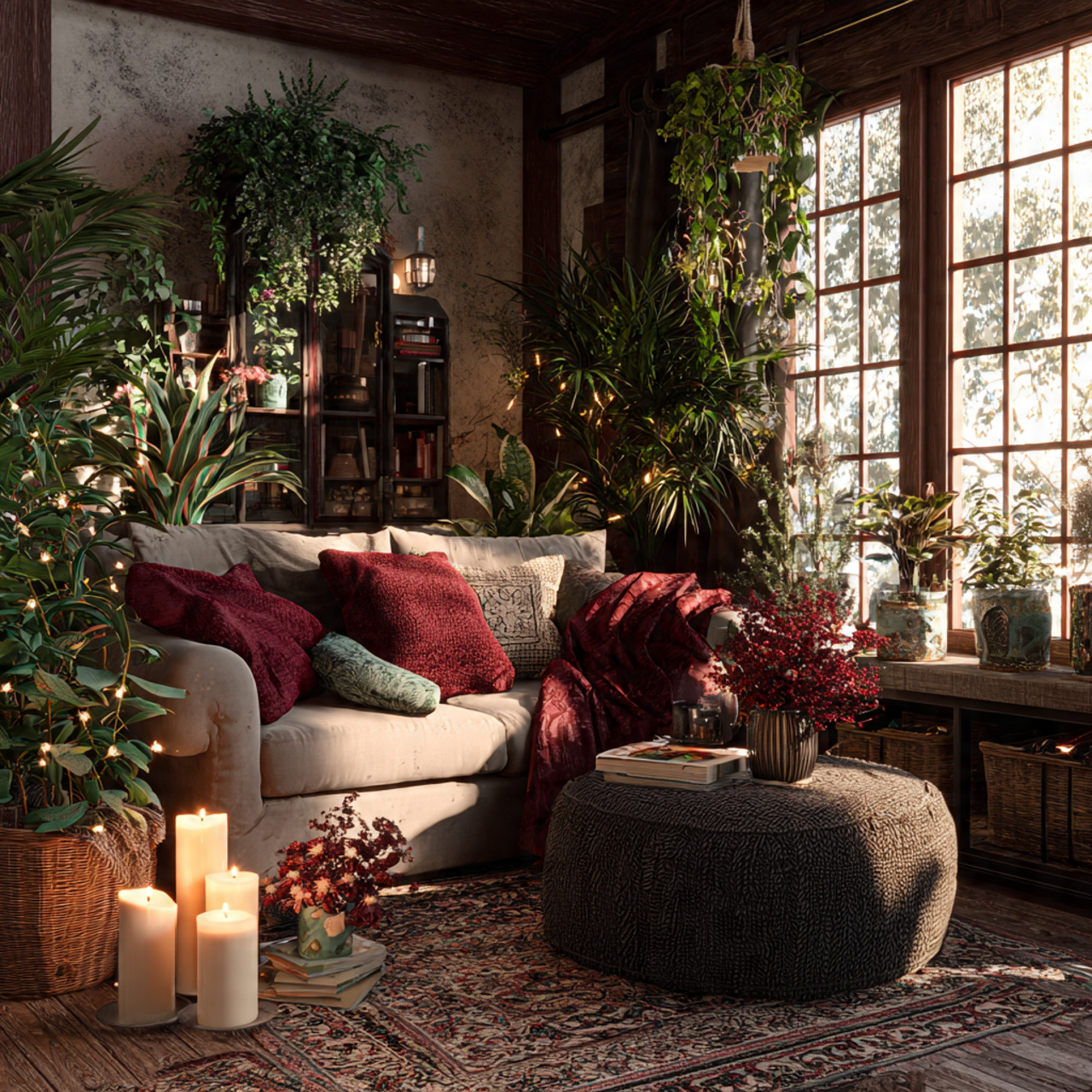
While your core plant collection might stay year-round, you can easily adapt them to celebrate different seasons.
Seasonal styling ideas:
- Spring: Add flowering plants like African violets or gerbera daisies
- Summer: Bring in bright, tropical varieties
- Fall: Decorate around plants with mini pumpkins, warm-toned pots
- Winter: Add evergreen varieties and pair with fairy lights
This keeps your space feeling fresh and connected to the world outside your windows.
Add Height and Drama with Plant Stands
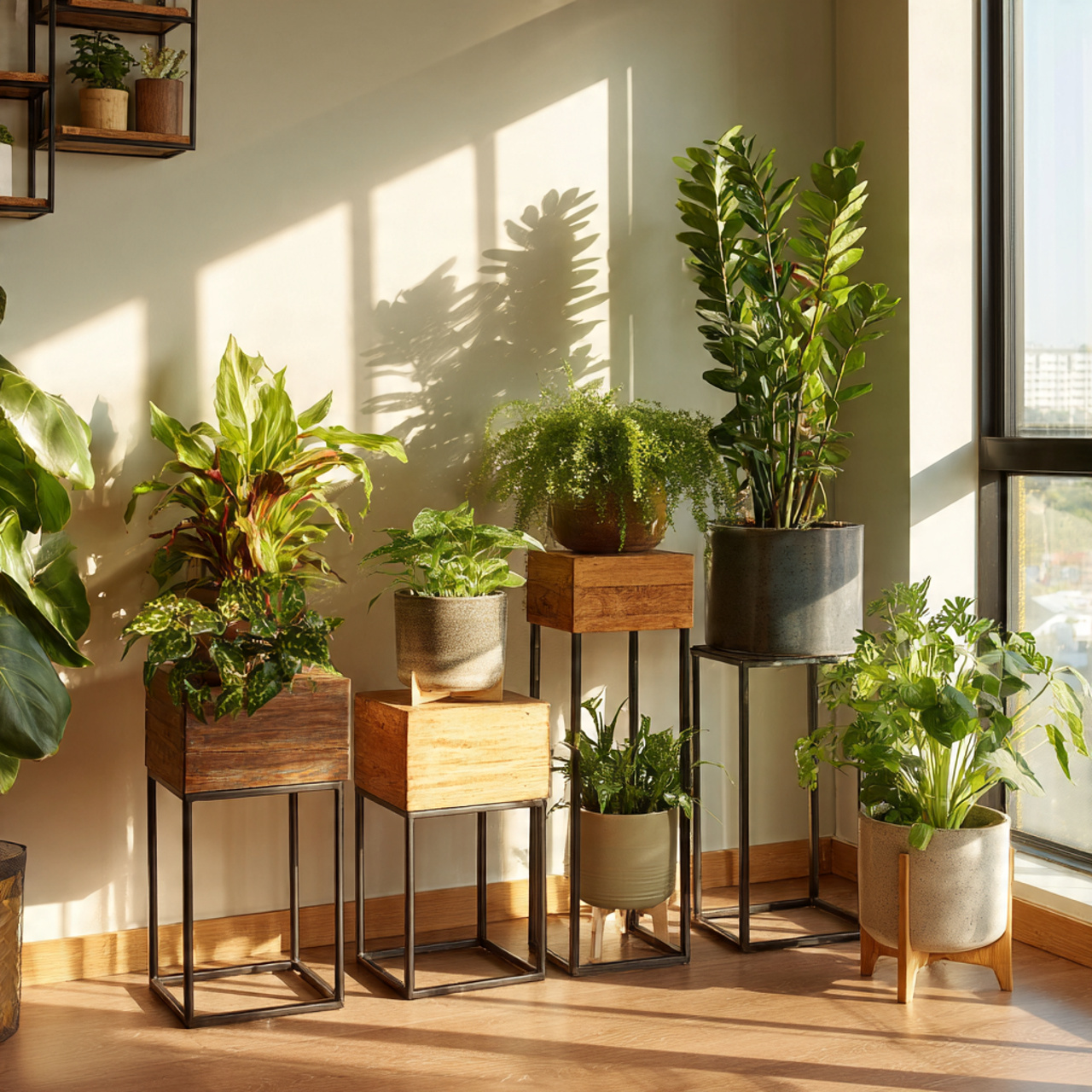
Plant stands solve multiple design challenges at once—they add height variation, create visual interest, and make plants easier to care for and appreciate.
Plant stand styles:
- Multi-tiered corner stands: Perfect for displaying 3-5 plants at once
- Individual pedestal stands: Showcase one special plant
- Rolling plant carts: Easy to move for cleaning or light rotation
- Vintage ladder stands: Rustic charm with multiple display levels
Stands work especially well for trailing plants, allowing their vines to cascade naturally downward.
Create Privacy with Room Dividers
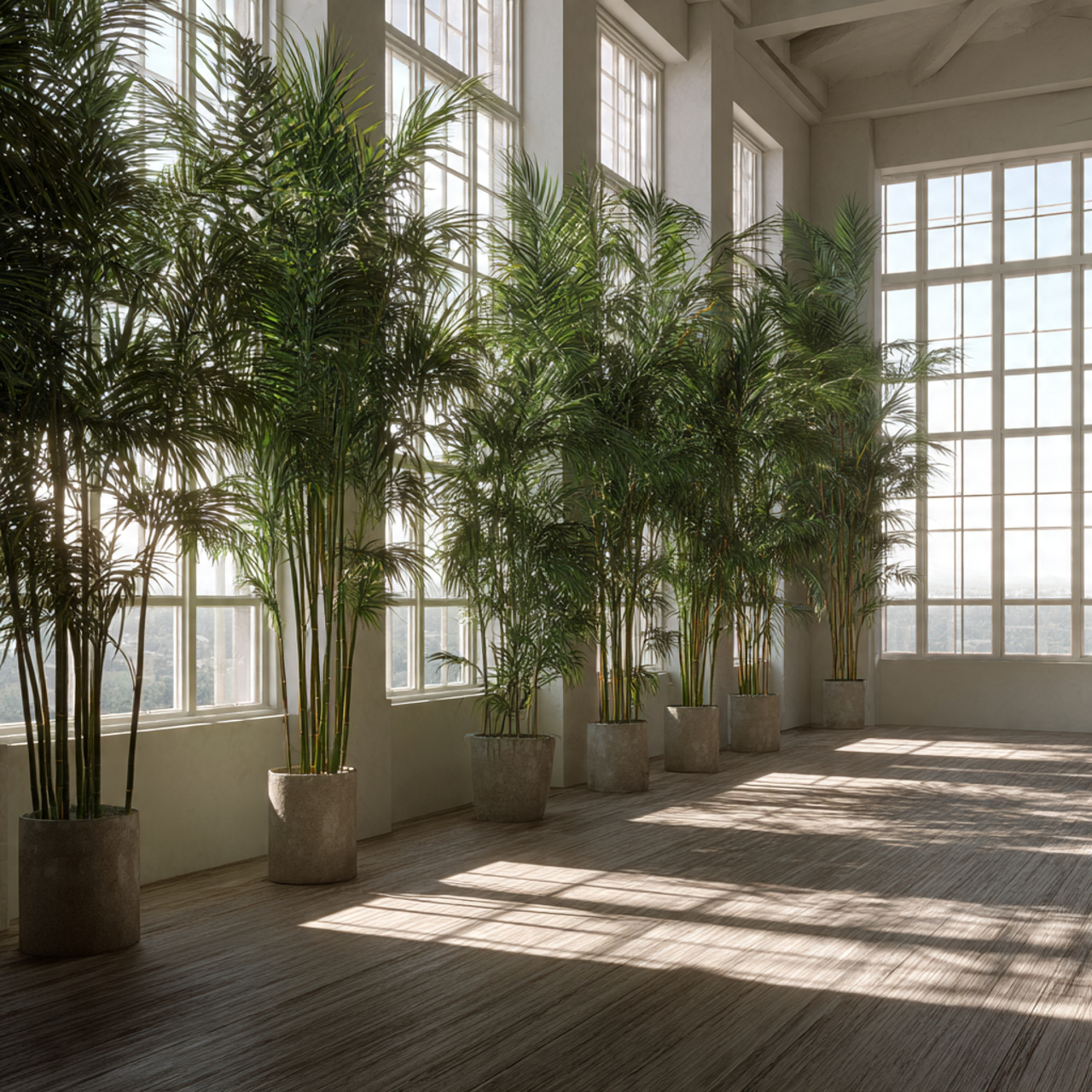
Open-floor plans are wonderful for flow and light, but sometimes you need to define different zones without building walls. Enter tall plants that serve as living screens.
Best plants for dividing spaces:
- Bamboo Palms: Tall, full, and create effective visual barriers
- Dracaena Marginata: Height with elegance
- Large Fiddle Leaf Fig: Dramatic and space-defining
- Tall Yucca: Architectural and substantial
Position these strategically between your living and dining areas, to separate your home office from your bedroom, or to create a private reading nook.
Enhance Meditation and Mindfulness Spaces
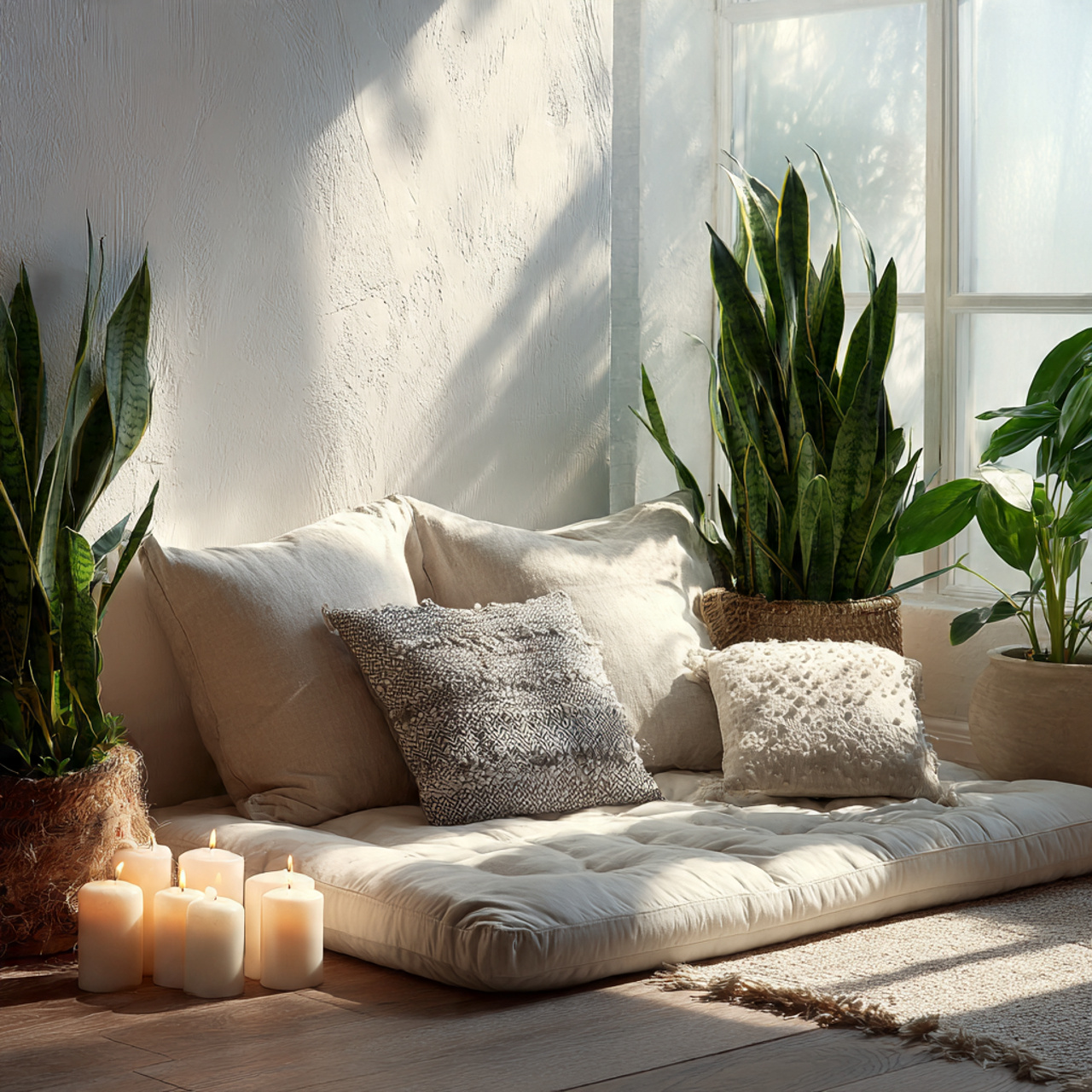
If you have a dedicated corner for yoga, meditation, or quiet reflection, plants intensify the peaceful energy of these sacred spaces.
Meditation-friendly plants:
- Peace Lily: The name says it all
- Snake Plant: Vertical, calming lines
- Ferns: Soft, non-distracting presence
- Bamboo: Zen symbolism and gentle rustling
Keep these areas simple—one or two carefully chosen plants create calm, while too many become distracting.
Add Unexpected Color Beyond Basic Green
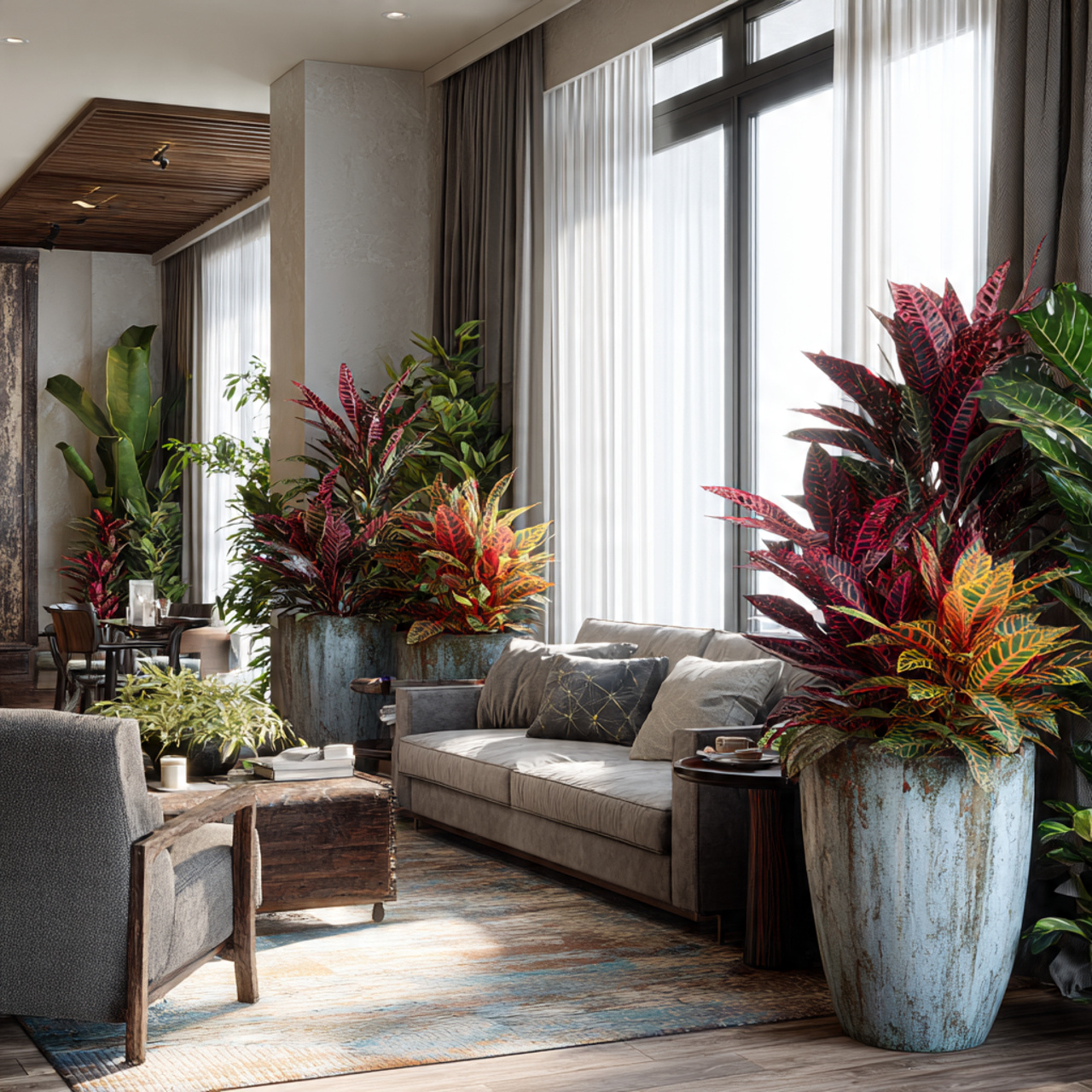
Who says all plants have to be green? Some varieties offer stunning reds, purples, pinks, and variegated patterns that add serious visual punch.
Colorful foliage plants:
- Croton: Vibrant yellows, oranges, and reds
- Calathea: Purple undersides with intricate patterns
- Coleus: Endless color combinations
- Tradescantia: Purple and pink striped leaves
- Rex Begonia: Metallic, multi-colored foliage
These colorful beauties work especially well in neutral-toned rooms where you want a pop of natural color.
Play with Texture for Visual Depth
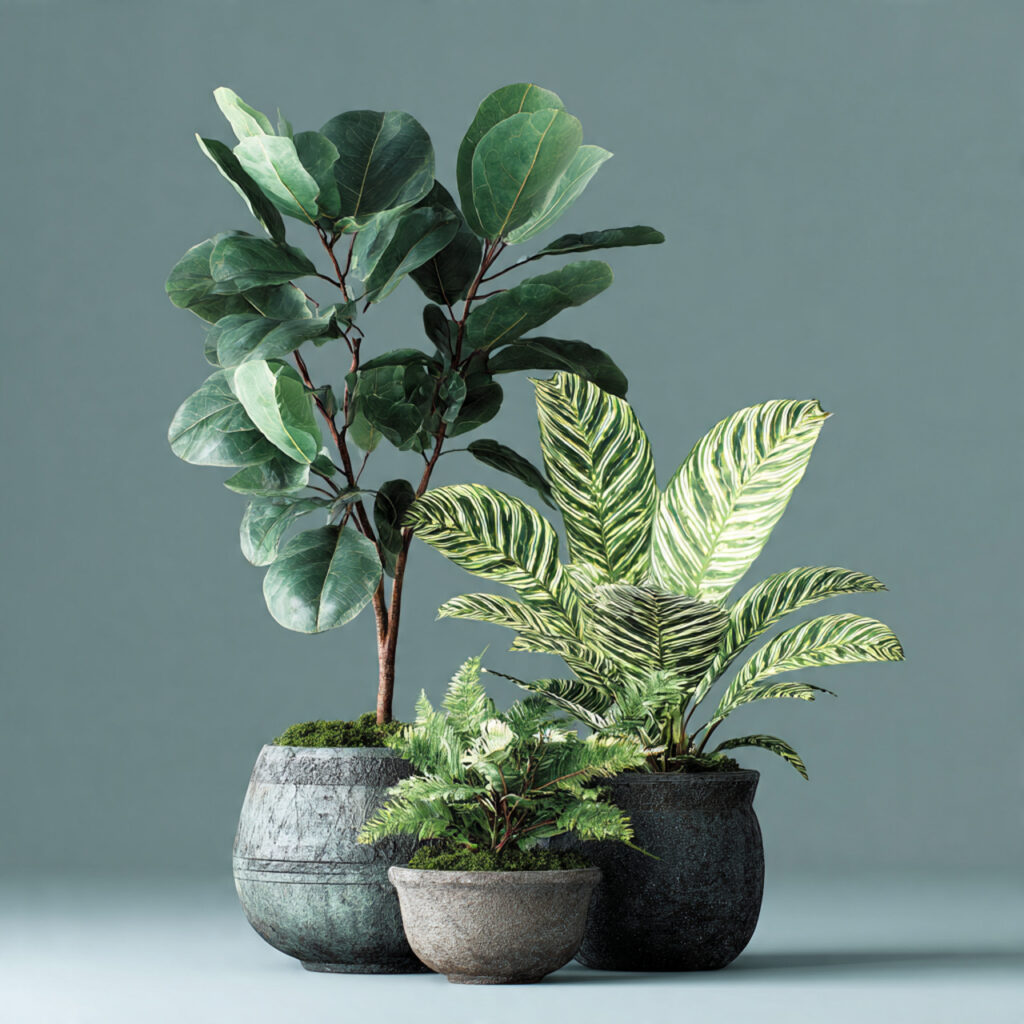
Mixing plants with different leaf textures creates a more sophisticated, designer look than using all similar varieties.
Texture combinations that work:
- Glossy rubber plant leaves + fuzzy African violet foliage
- Smooth pothos vines + rippled fern fronds
- Spiky snake plant blades + soft, rounded peperomia leaves
- Large monstera splits + delicate maidenhair fern
This layering technique adds complexity and interest without requiring more space.
Go Vertical with Climbing Varieties
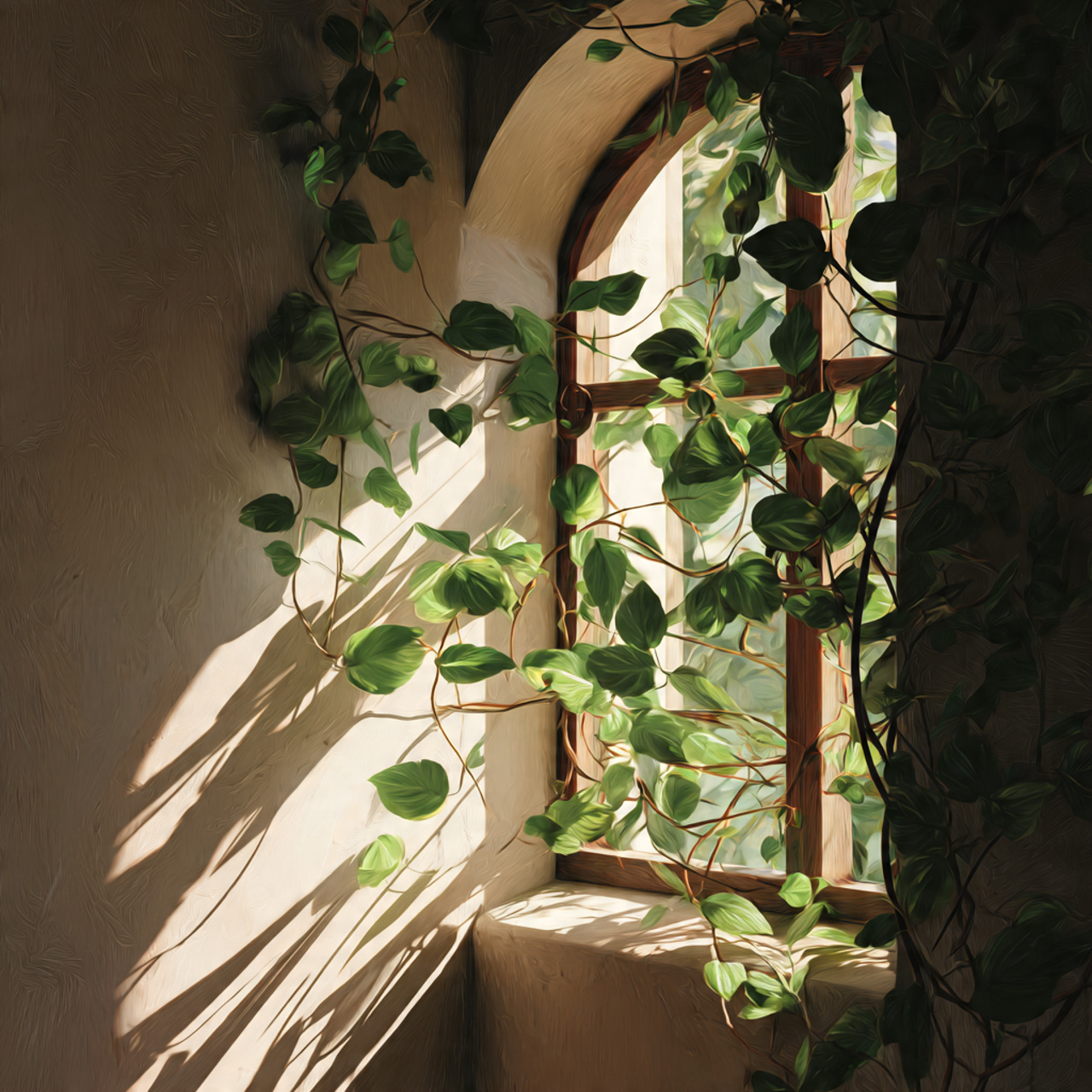
Vertical gardening isn’t just for outdoors. Climbing plants trained on trellises, moss poles, or wall-mounted grids create living walls that maximize space dramatically.
Best indoor climbers:
- Philodendron: Fast-growing and trainable
- Pothos: Climbs or trails, your choice
- English Ivy: Classic climber with dense coverage
- Monstera: Grows upward naturally in the wild
Install small trellises in pots or mount larger ones directly to walls for a bold botanical statement.
Complement Modern Architecture
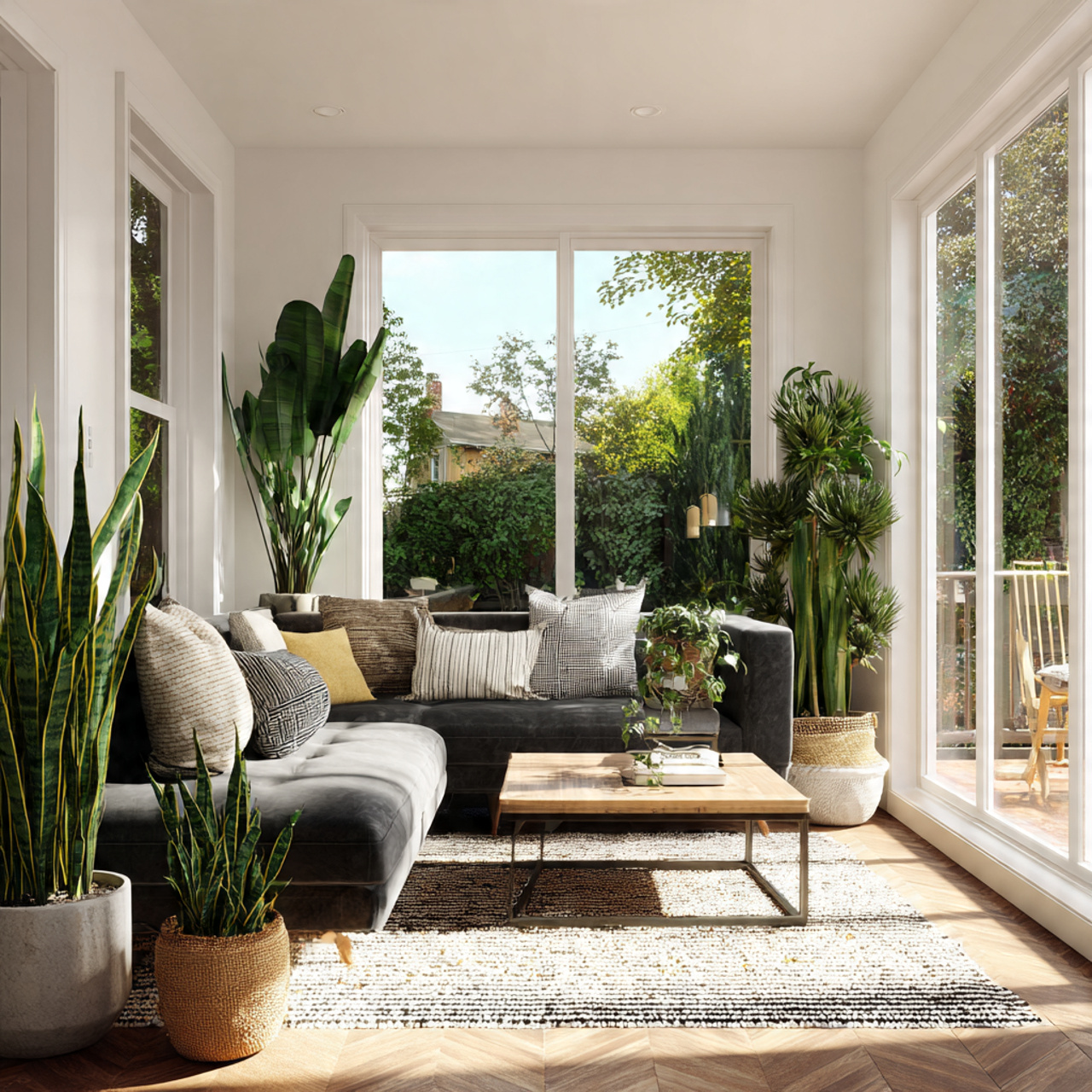
Contemporary homes with clean lines, glass, and open spaces need plants that enhance rather than compete with the architecture.
Modern home plant picks:
- Choose plants with bold, geometric shapes
- Stick to neutral or monochromatic pot colors
- Display plants in groupings of matching varieties
- Use architectural plants like snake plants or ZZ plants
The goal is harmony—plants should feel like intentional design elements, not afterthoughts.
Cozy Up Forgotten Corners
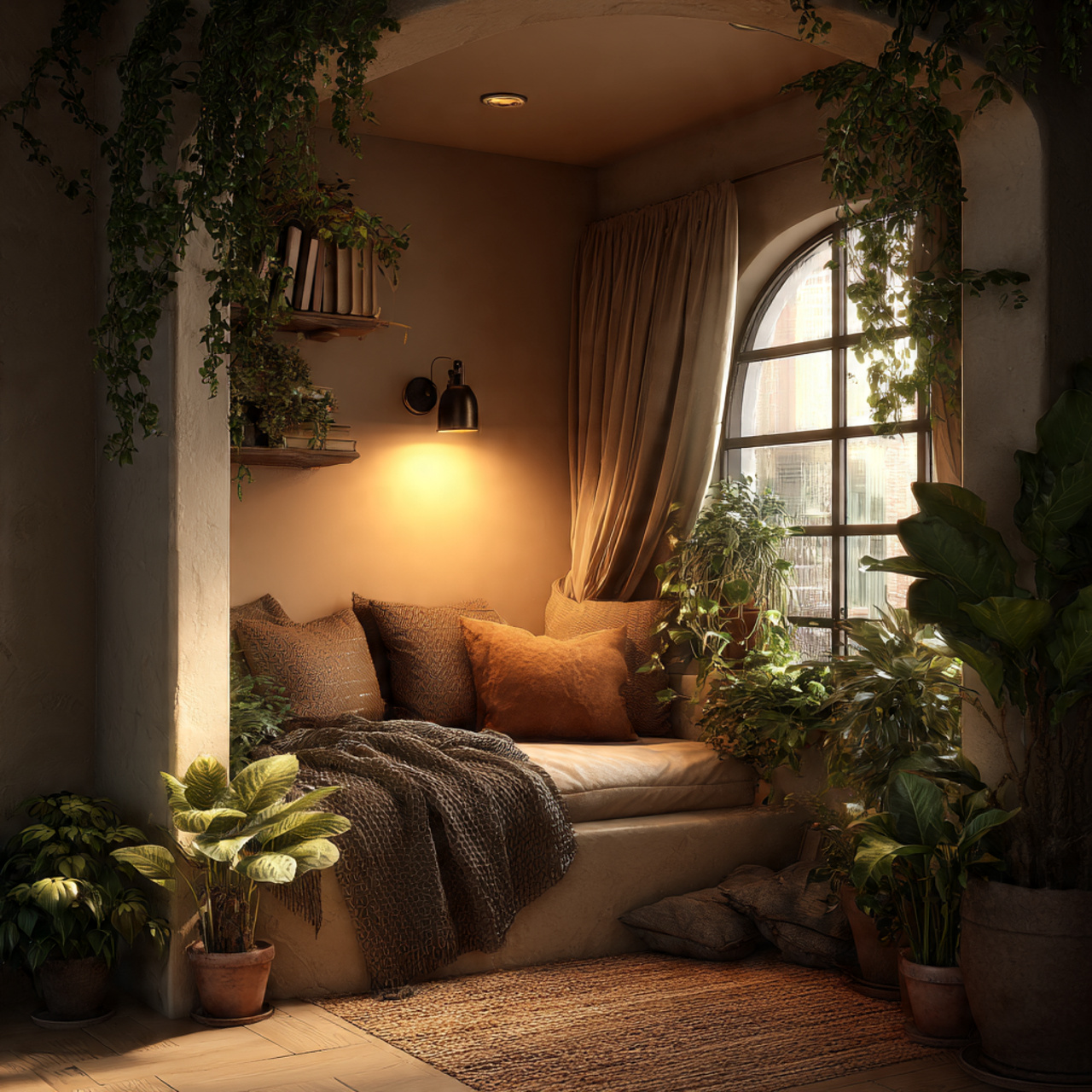
Every home has those awkward little nooks that are too small for furniture but too noticeable to ignore. A perfectly placed plant transforms these forgotten spaces into charming vignettes.
Corner transformation tips:
- Use a small stool or plant stand to add height
- Choose compact plants with interesting shapes
- Add a small lamp nearby to highlight the plant
- Layer with a stack of books or a decorative object
These tiny moments of green throughout your home create a collected, lived-in feeling that designer magazines chase.
FAQs About Indoor Plants
What are the absolute easiest plants for someone who’s never had plants before?
Start with the “unkillable” quartet: snake plants, pothos, ZZ plants, and spider plants. These champions forgive forgotten waterings, tolerate various light conditions, and actually thrive on a bit of neglect. They’re perfect confidence builders for new plant parents.
How do I know when my plants actually need water?
Stick your finger about an inch deep into the soil. If it feels dry, it’s time to water. If it’s still moist, wait a few more days. Different plants have different needs, but this finger test works for most varieties. Overwatering kills more houseplants than underwatering, so when in doubt, wait.
Can I really grow plants in rooms with no windows?
While all plants need some light to survive, certain species handle extremely low light remarkably well. Pothos, ZZ plants, snake plants, and Chinese evergreens can thrive with just artificial light from lamps or overhead fixtures. For completely windowless rooms, consider adding a small grow light on a timer.
Do plants actually help with stress and mental health?
Absolutely. Multiple scientific studies confirm that indoor plants reduce cortisol levels (the stress hormone), lower blood pressure, improve mood, and increase feelings of calm. The act of caring for plants also provides a mindful routine that many people find therapeutic. It’s not just in your head—it’s real.
How can I keep bugs away from my indoor plants naturally?
Prevention is everything. Ensure proper drainage to avoid standing water, don’t overwater (fungus gnats love wet soil), and maintain good air circulation. If pests appear, try neem oil spray, insecticidal soap, or simply wipe leaves with a damp cloth. Quarantine new plants for two weeks before placing them near your existing collection.
Bringing It All Together
Indoor plants aren’t just décor—they’re living investments in your home’s atmosphere, your air quality, and your daily well-being. Whether you start with a single snake plant on your nightstand or transform your entire living room into an urban jungle, you’re creating a healthier, more beautiful space.
The beauty of plant styling is that there’s no wrong approach. Your taste, your space, and your lifestyle all guide your choices. Start small if you’re nervous, experiment with different varieties and placements, and pay attention to what makes you happy when you walk through your door.
With a little attention and care, your indoor plants will grow alongside you, evolving with your space and becoming longtime companions in your home. They’ll clean your air while you sleep, greet you every morning with fresh growth, and remind you daily that nature belongs everywhere—even in the middle of the city.
Ready to get started? Pick one idea from this list, grab a plant, and watch how quickly it transforms not just your space, but how you feel in it.