24 Indoor Garden Ideas to Transform Your Home into a Green Sanctuary
Bringing plants indoors isn’t just about following the latest home decor trend anymore. It’s about creating a personal sanctuary where you can breathe easier, feel calmer, and enjoy the natural beauty of greenery every single day. Whether you’re working with a cozy studio apartment, a spacious family home, or rooms that don’t get much natural light, there’s always a way to welcome plants into your space.
The beauty of indoor gardening is that it works for everyone. You don’t need a green thumb or years of experience—just a little creativity and the willingness to experiment. This comprehensive guide walks you through some practical and inspiring ways to incorporate plants into your home, complete with actionable tips that make the process straightforward and enjoyable.
Why Indoor Gardens Matter More Than Ever
Your home should be more than just four walls. It should be a place where you feel energized, relaxed, and genuinely happy to spend time. Indoor gardens help create that atmosphere naturally. They purify the air you breathe, reduce stress levels, and add visual interest to even the plainest corners of your home.
What makes these ideas special is their flexibility. Each concept has been designed with real-life constraints in mind—limited space, busy schedules, varying light conditions, and different aesthetic preferences. You’ll find options that suit minimalist lovers, bohemian spirits, modern design enthusiasts, and everyone in between.
Building Your Indoor Garden with Purpose
Creating an indoor garden that truly thrives requires more than just buying a few plants and hoping for the best. You need to think about how different elements work together—the light your space receives, the colors and textures that appeal to you, and most importantly, which plants will actually flourish in your specific environment.
The following ideas aren’t just about aesthetics. They’re practical blueprints that consider plant care requirements, space optimization, and long-term maintenance. Each suggestion comes with insights on arrangement techniques, lighting solutions, and styling approaches that help you build a cohesive indoor garden that feels intentional rather than random.
Kitchen Herb Gardens That Actually Get Used
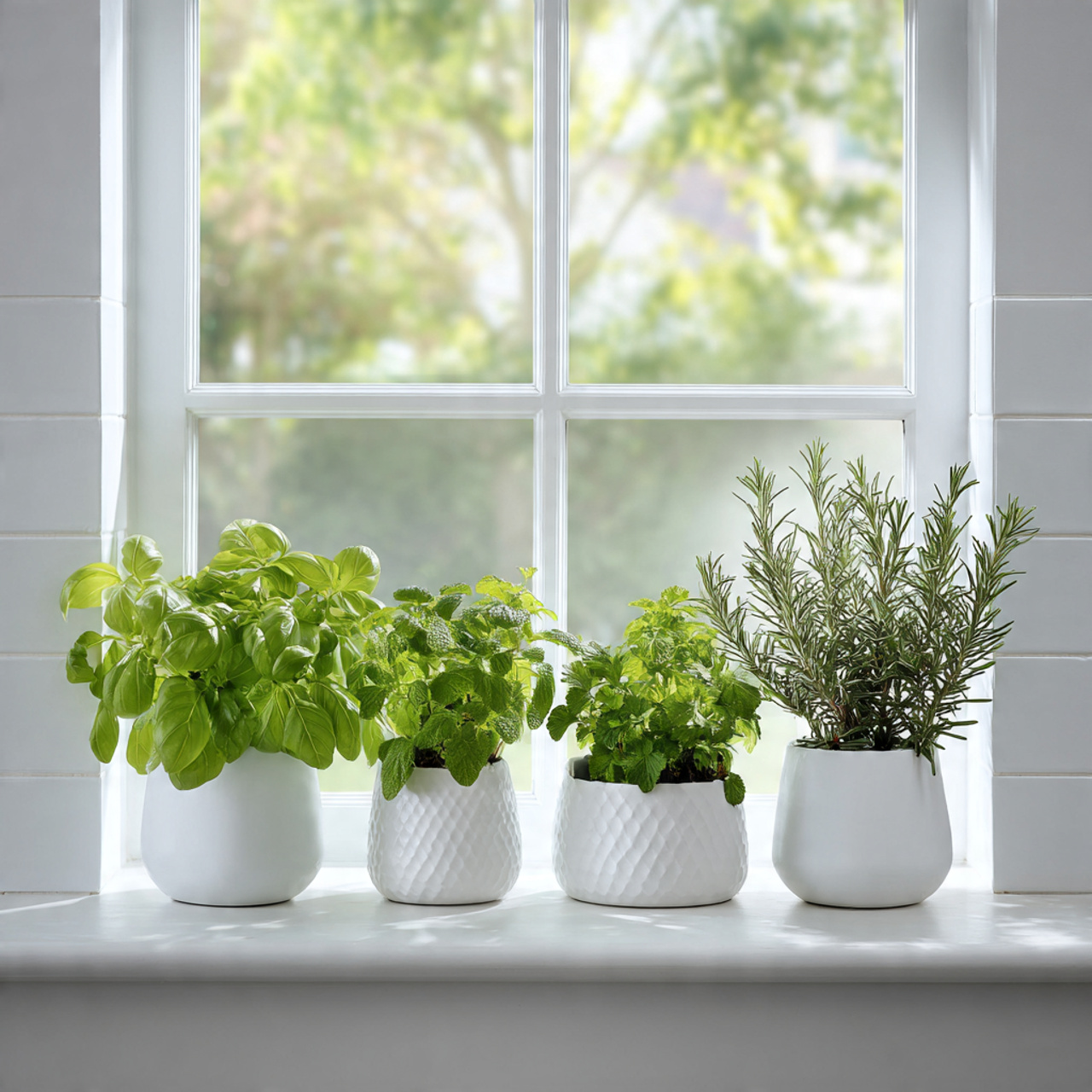
Why it works: Fresh herbs at your fingertips change how you cook—and they look beautiful doing it.
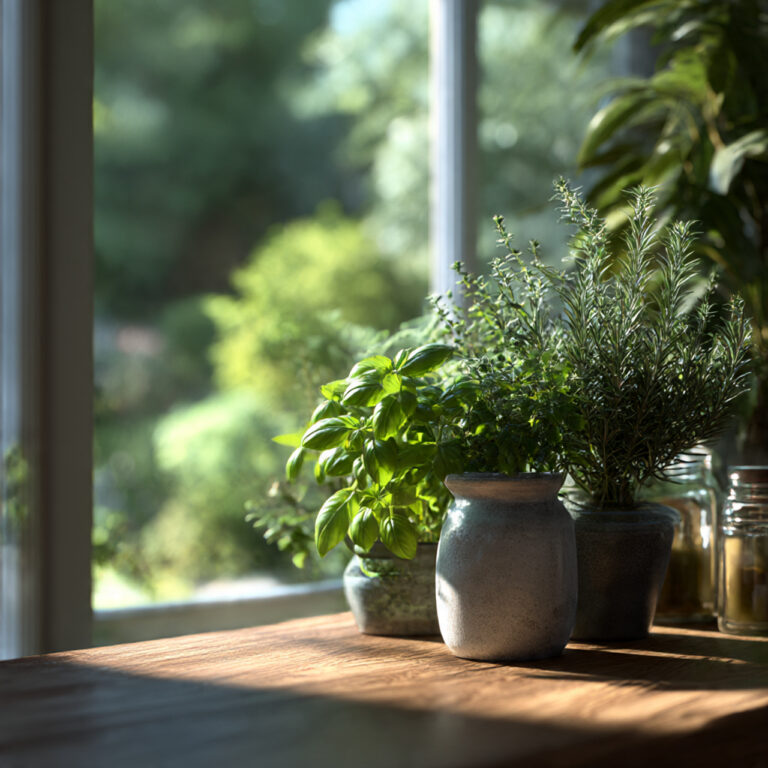
Growing your own herbs indoors means you’ll always have fresh basil for pasta, mint for drinks, and rosemary for roasting. These aren’t decorative plants that just sit there—they’re functional, flavorful additions to your daily routine.
Quick tips for success:
- Place herbs within arm’s reach of your cooking area
- Choose a south or west-facing window for maximum sunlight
- Water when the top inch of soil feels dry
- Rotate pots weekly so plants grow evenly
- Start with foolproof varieties like basil, parsley, and chives
The best part? You can get creative with containers. Mason jars with drainage holes, vintage tins, or sleek ceramic pots all work beautifully. Just make sure whatever you choose has proper drainage—herbs hate sitting in waterlogged soil.
Living Walls That Make a Statement
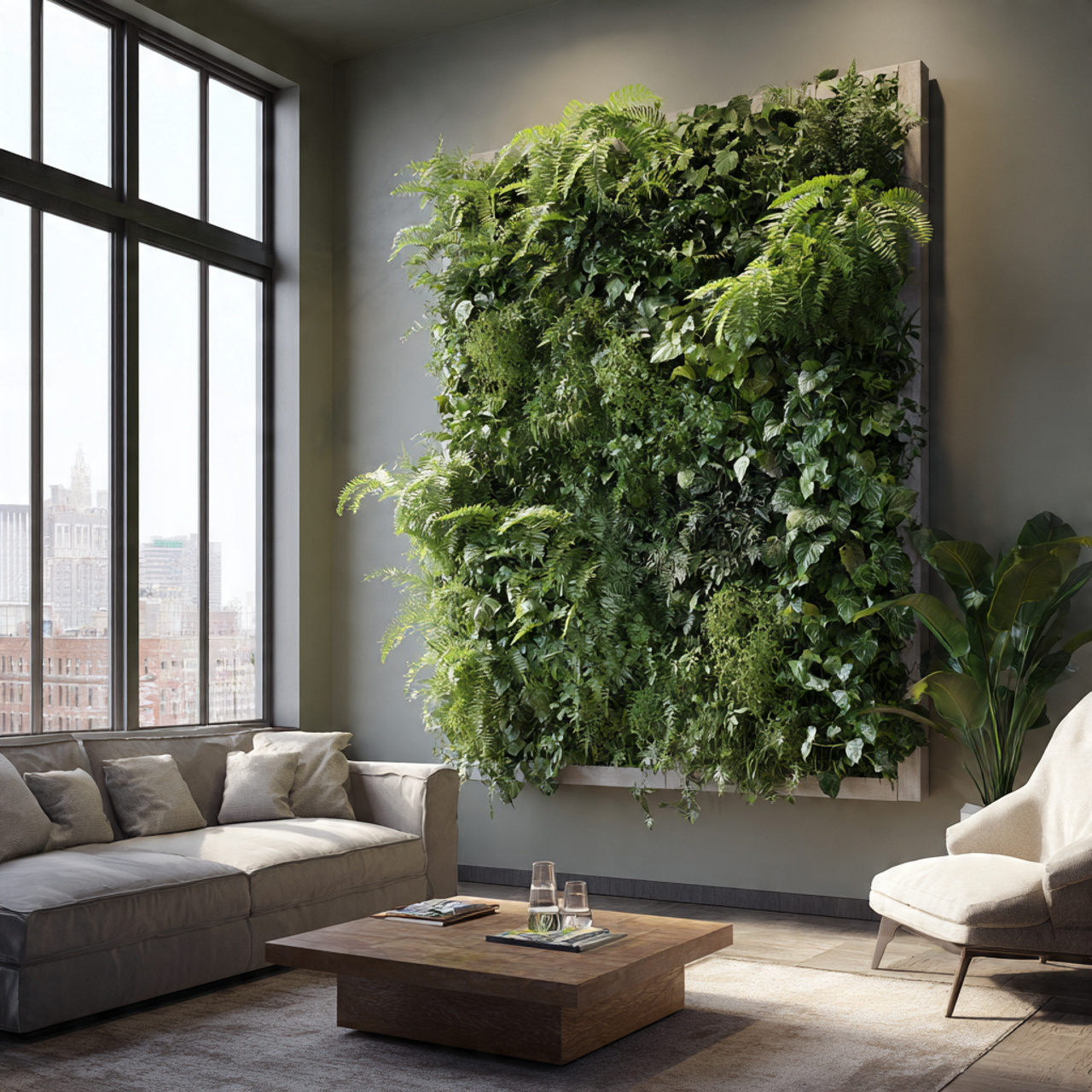
Why it works: Vertical gardens maximize your growing space without cluttering your floors.
A plant wall transforms an ordinary room into something extraordinary. These green installations work particularly well in homes where floor space is precious but wall space is abundant. Picture cascading pothos vines, delicate ferns, and vibrant philodendrons creating a living tapestry on your wall.
Implementation strategy:
- Use modular pocket planters or mounted shelf systems
- Select plants with similar water and light needs
- Install near natural light sources when possible
- Create a watering schedule to prevent overflow
- Mix different leaf shapes and shades of green for visual depth
For renters or those hesitant about permanent installations, freestanding vertical garden frames offer the same dramatic effect without drilling into walls. The key is ensuring your chosen wall gets adequate light—at least four to six hours of bright, indirect sunlight works for most common indoor plants.
Miniature Greenhouses for Plant Enthusiasts
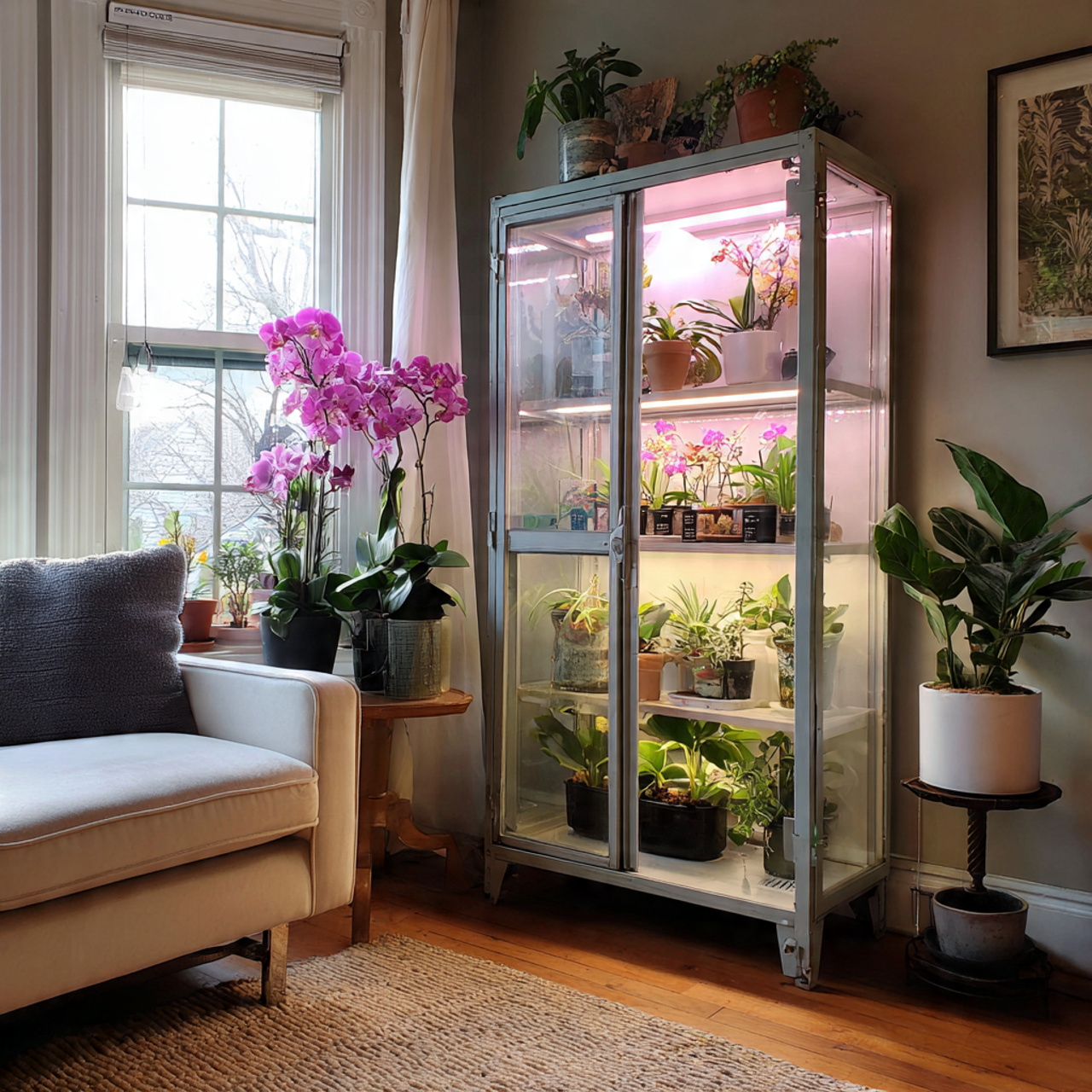
Why it works: Controlled environments help temperamental plants thrive.
Think of a mini greenhouse as a luxury hotel for your most delicate plants. These enclosed spaces maintain consistent humidity and temperature, which is exactly what tropical plants, orchids, and ferns crave. You can create one from a glass cabinet, a repurposed bookcase with added glass doors, or purchase a dedicated greenhouse cabinet.
Setup essentials:
- Add small grow lights if natural light is insufficient
- Include a small humidity tray or misting system
- Ensure some ventilation to prevent mold
- Use adjustable shelving for different plant heights
- Monitor temperature—most tropical plants prefer 65-75°F
This approach turns plant care into a curated experience. You’re not just growing plants; you’re creating a miniature ecosystem that becomes a conversation piece in your home.
Terrariums: Tiny Ecosystems in Glass
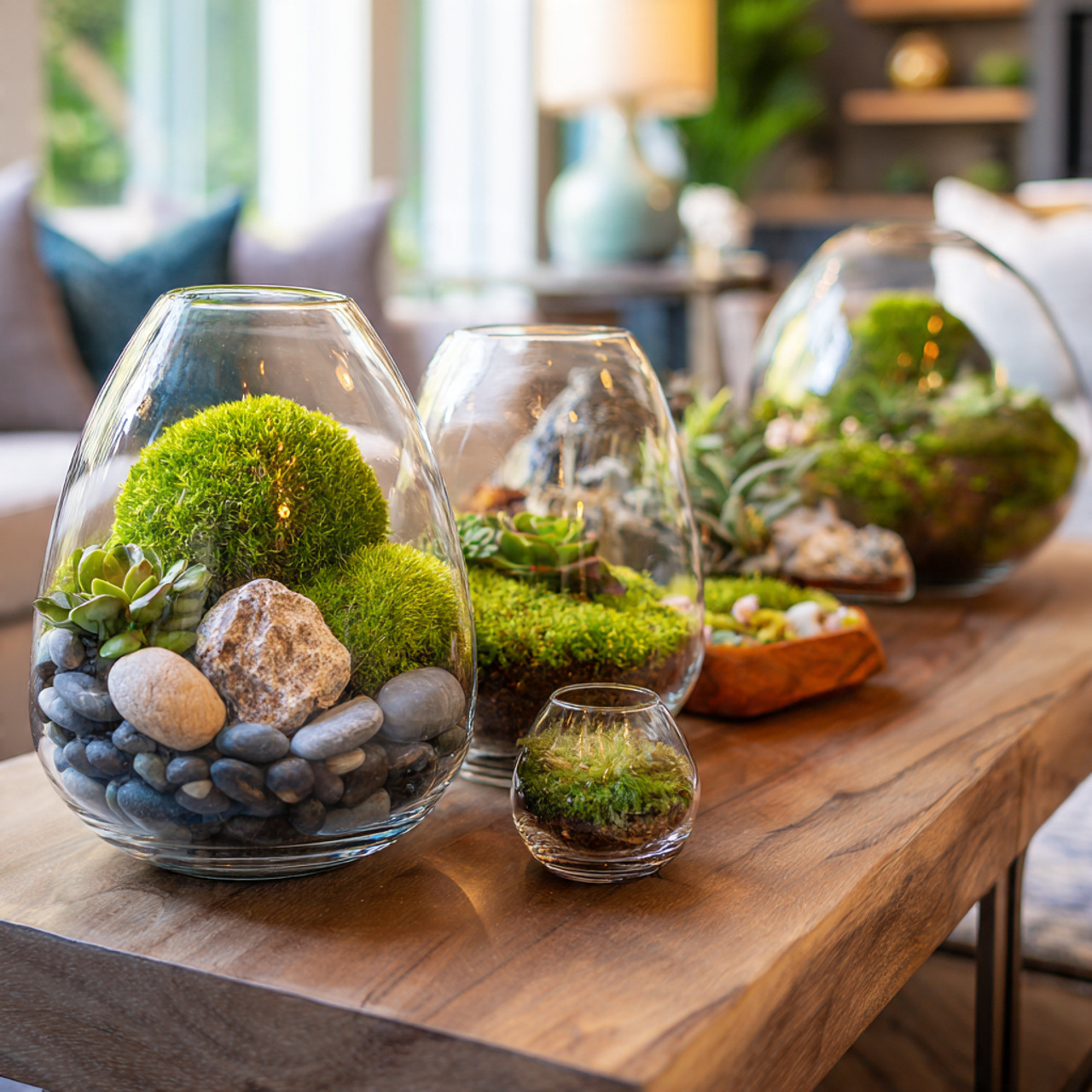
Why it works: Low-maintenance beauty that fits anywhere.
Terrariums are like tiny worlds you can hold in your hands. These self-contained gardens require minimal intervention once established, making them perfect for busy people or forgetful waterers. The layers of pebbles, activated charcoal, soil, and plants create a beautiful cross-section that’s as educational as it is decorative.
Design considerations:
- Closed terrariums work best for moisture-loving plants like fittonia and moss
- Open terrariums suit succulents and air plants
- Layer materials thoughtfully: drainage layer, charcoal, soil, then plants
- Add decorative elements like small stones or driftwood
- Place in bright, indirect light—never direct sun
You’ll find terrariums equally at home on a work desk, bathroom counter, or bedside table. The variety of available containers—from vintage apothecary jars to modern geometric shapes—means you can match any interior style.
Hanging Gardens for Vertical Interest
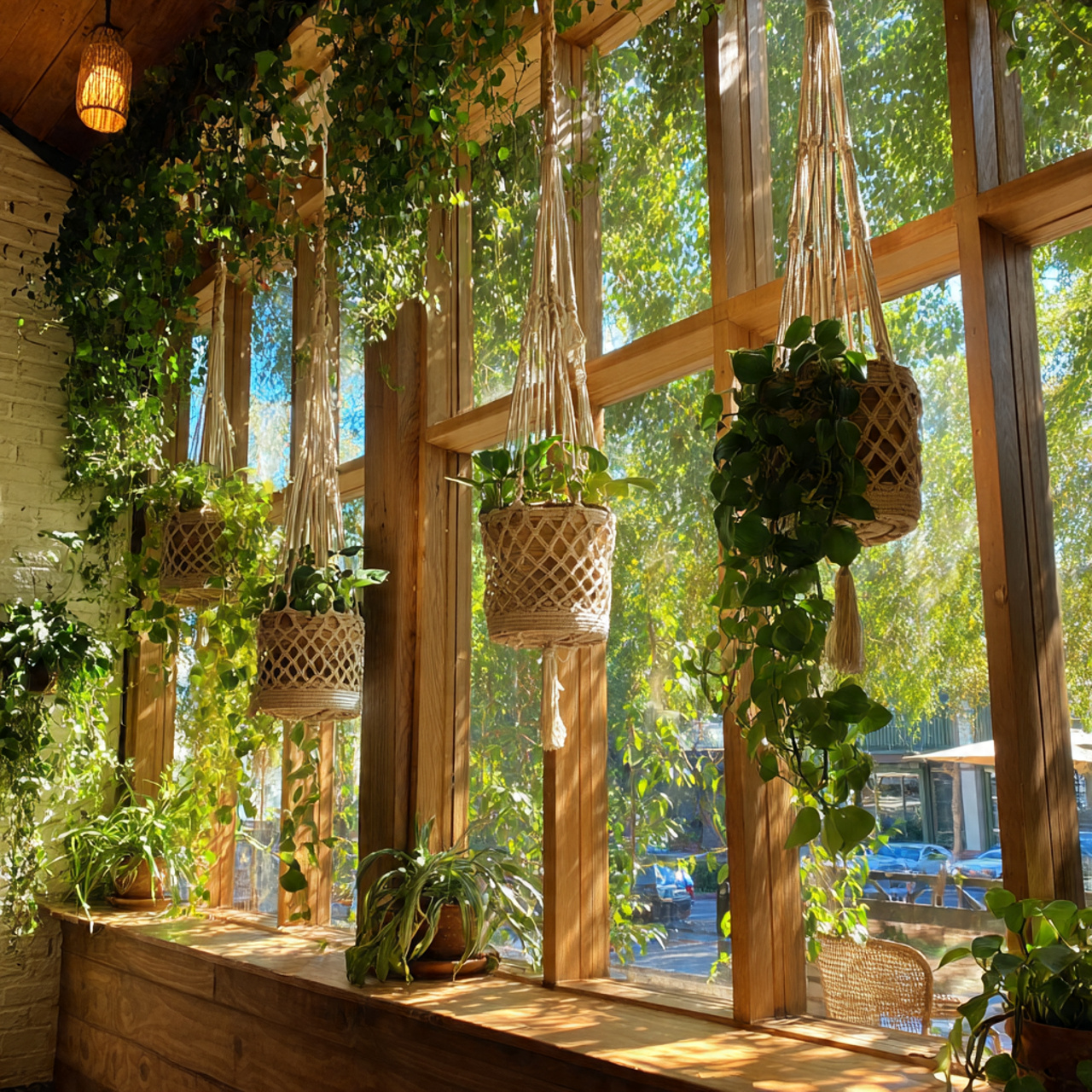
Why it works: Draws the eye upward and makes rooms feel larger.
Hanging plants add dimension to flat spaces. Trailing varieties like English ivy, string of pearls, and heartleaf philodendron create soft, flowing lines that contrast beautifully with hard furniture edges and straight walls.
Hanging success tips:
- Install ceiling hooks into studs or use toggle bolts for drywall
- Position near windows but away from heating vents
- Choose lightweight pots to reduce strain on hooks
- Rotate plants occasionally for even growth
- Use decorative hangers like macramé for added style
The right hanging plant can completely change a room’s atmosphere. In small apartments, they provide greenery without sacrificing precious floor or counter space. In larger rooms, they fill empty vertical areas and create cozy, enclosed feelings.
Zen Plant Corners for Mindful Moments
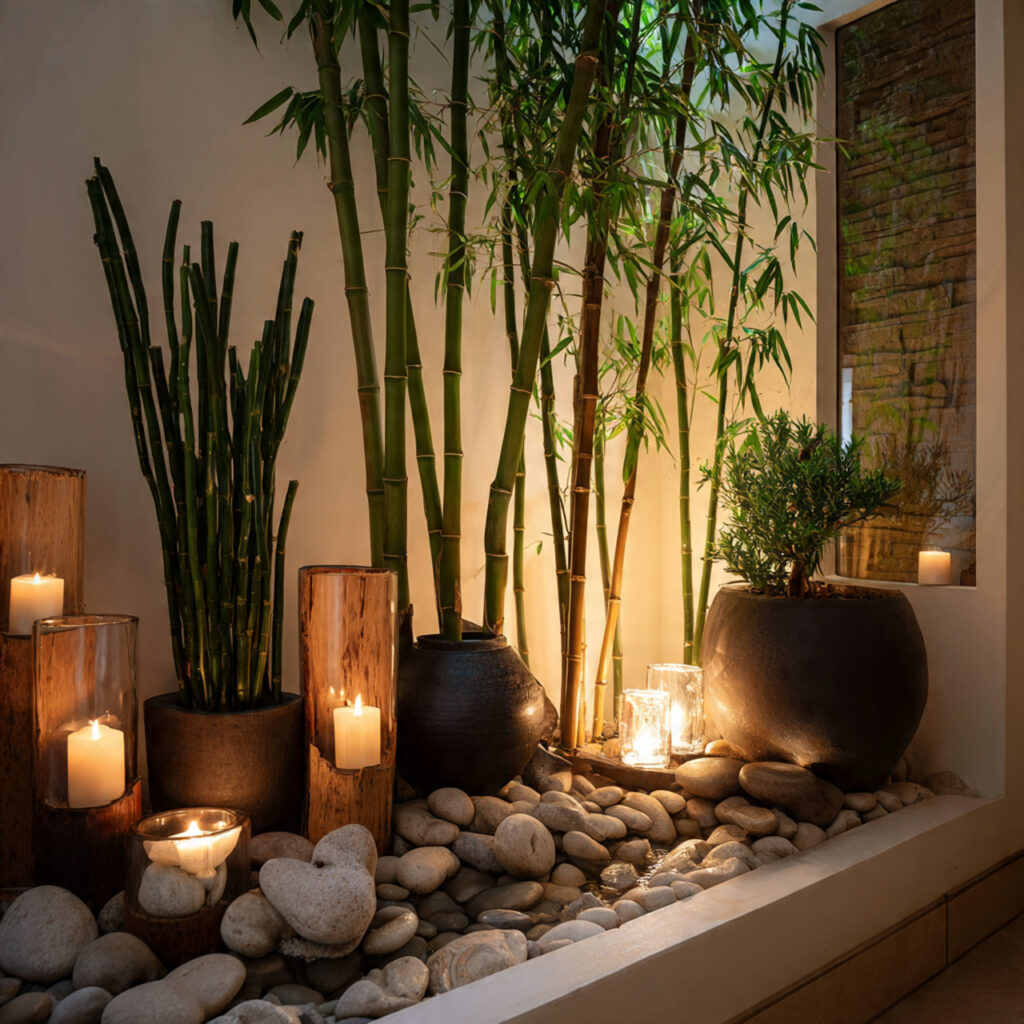
Why it works: Dedicated calm spaces improve mental well-being.
Creating a small meditation or reflection area with plants gives you a tangible spot to decompress. This isn’t about filling a corner with as many plants as possible—it’s about intentional placement that encourages stillness and mindfulness.
Creating your zen space:
- Choose plants with gentle movement like bamboo
- Incorporate bonsai for meditative pruning practices
- Add smooth river stones and natural wood elements
- Keep the color palette neutral and calming
- Include soft lighting like salt lamps or candles
The philosophy behind zen corners is “less is more.” Three well-chosen plants arranged with purpose create more impact than a dozen randomly placed pots. This approach works beautifully in bedrooms, home offices, or any space where you need a visual reminder to slow down.
Succulent Collections for Easy Care
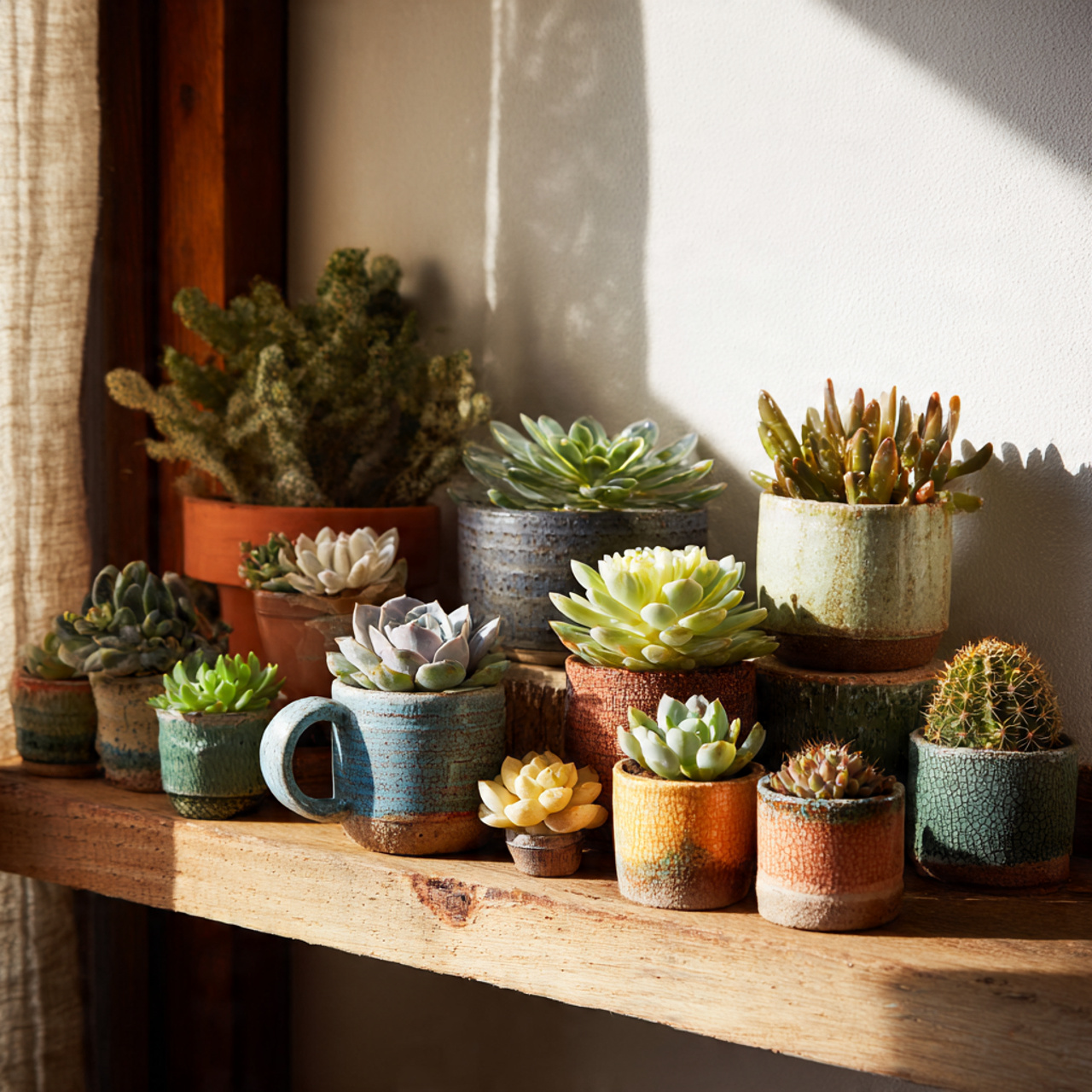
Why it works: Beautiful, sculptural, and nearly indestructible.
Succulents have earned their popularity honestly. These water-storing plants forgive occasional neglect, come in stunning varieties, and add architectural interest to any room. From powdery blue echeveria to spiky aloe and geometric haworthia, the diversity is remarkable.
Succulent care basics:
- Provide at least 4-6 hours of bright light daily
- Water only when soil is completely dry (usually every 2-3 weeks)
- Use well-draining cactus soil
- Group different heights and colors together
- Display in shallow trays or individual pots
Styling succulents gives you room to play. Arrange them in vintage tea cups, modern concrete planters, or rustic wooden boxes. Create gradient displays from light to dark greens, or mix different textures for tactile interest.
Indoor Trellises for Climbing Plants
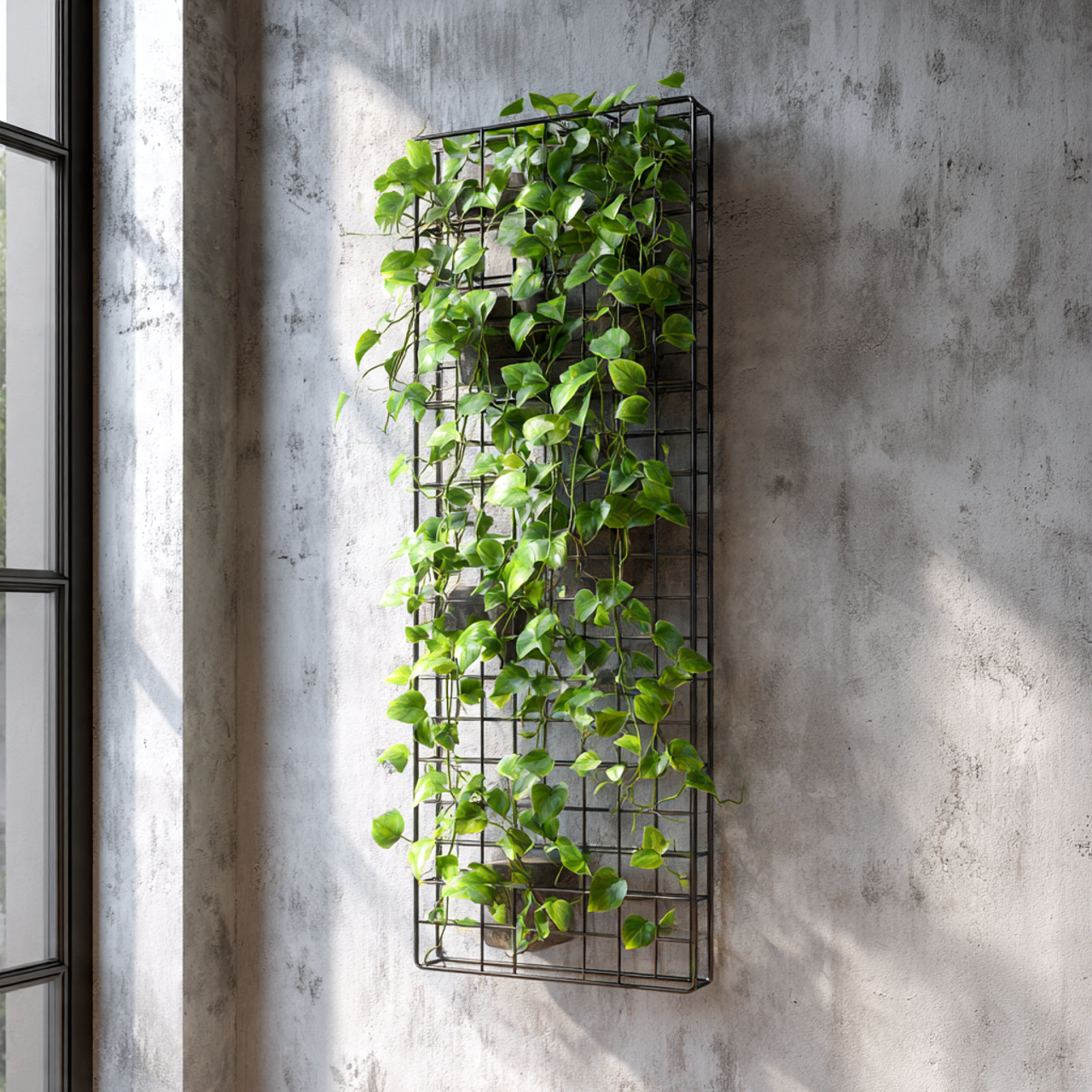
Why it works: Guides natural growth while creating living art.
Training climbing plants on indoor trellises turns blank walls into dynamic focal points. Monstera, pothos, and philodendron all love to climb, and with proper support, they’ll grow larger, healthier leaves while creating stunning vertical displays.
Trellis installation tips:
- Mount securely to wall studs
- Position near natural light sources
- Start training vines while they’re young
- Use soft plant ties to avoid damaging stems
- Prune regularly to maintain desired shape
Wall-mounted moss poles, wire grids, or wooden lattice structures all work well. As plants mature and climb, they create increasingly impressive displays that change and evolve over time—true living art that grows with you.
Windowsill Gardens for Maximum Sun
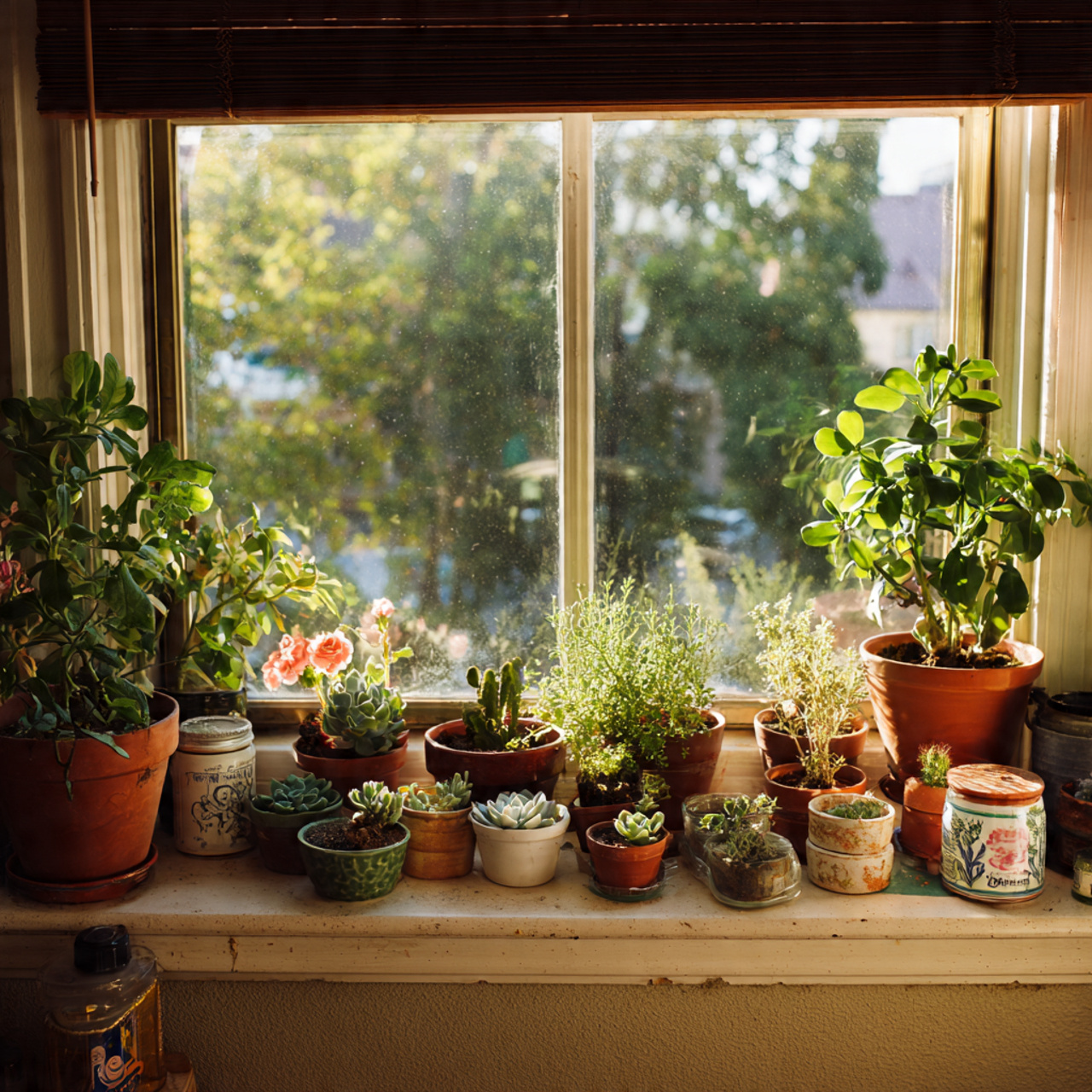
Why it works: Uses natural light without additional equipment.
Your windowsills are prime real estate for plants. These sunny spots provide the bright light that many plants crave, and grouping multiple pots along a window creates an eye-catching display that frames your view with greenery.
Windowsill optimization:
- South-facing windows get the most light (ideal for succulents and herbs)
- East-facing windows provide gentle morning light (perfect for African violets)
- West-facing windows offer strong afternoon light (good for most tropicals)
- North-facing windows suit low-light plants like pothos
- Use matching pots for cohesive look or mix styles for eclectic vibe
During winter months, windowsills can get cold at night. Pull temperature-sensitive plants back from the glass, or add a sheer curtain for insulation while maintaining light exposure.
Water Gardens for Minimalist Spaces
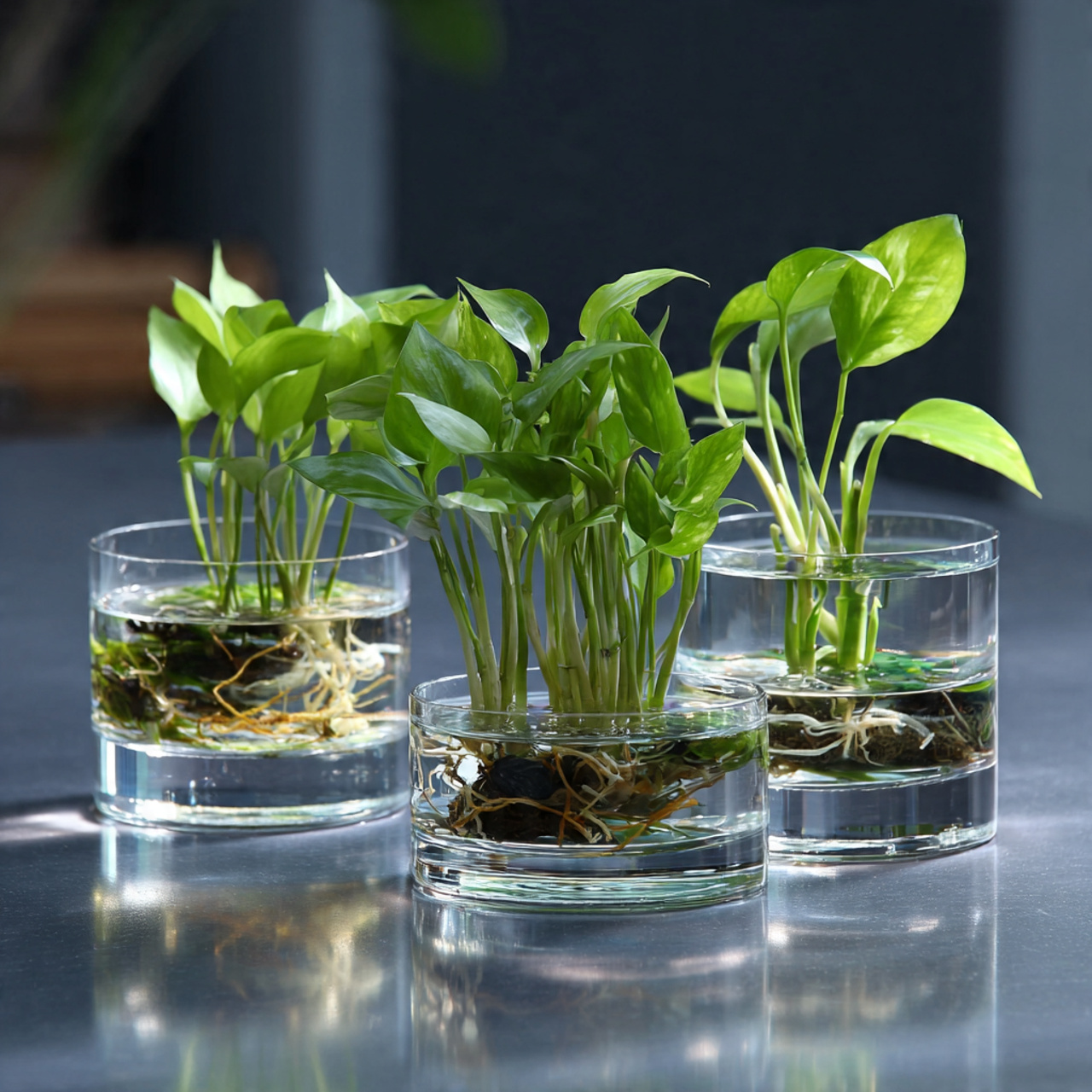
Why it works: Clean aesthetic with zero soil mess.
Water gardens bring a serene, spa-like quality to your home. Watching roots develop in clear glass containers is surprisingly meditative, and many plants actually thrive in water alone. Lucky bamboo, pothos cuttings, and even some tropical plants can live indefinitely in water.
Water gardening fundamentals:
- Change water weekly to prevent algae and bacteria
- Use filtered or distilled water for sensitive plants
- Add liquid fertilizer monthly at quarter strength
- Choose clear containers to watch root development
- Group multiple vessels in varying heights
This approach works exceptionally well in modern or minimalist homes where clean lines and simplicity reign. The transparent containers reflect light beautifully, making rooms feel brighter and more spacious.
Botanical Shelving Systems
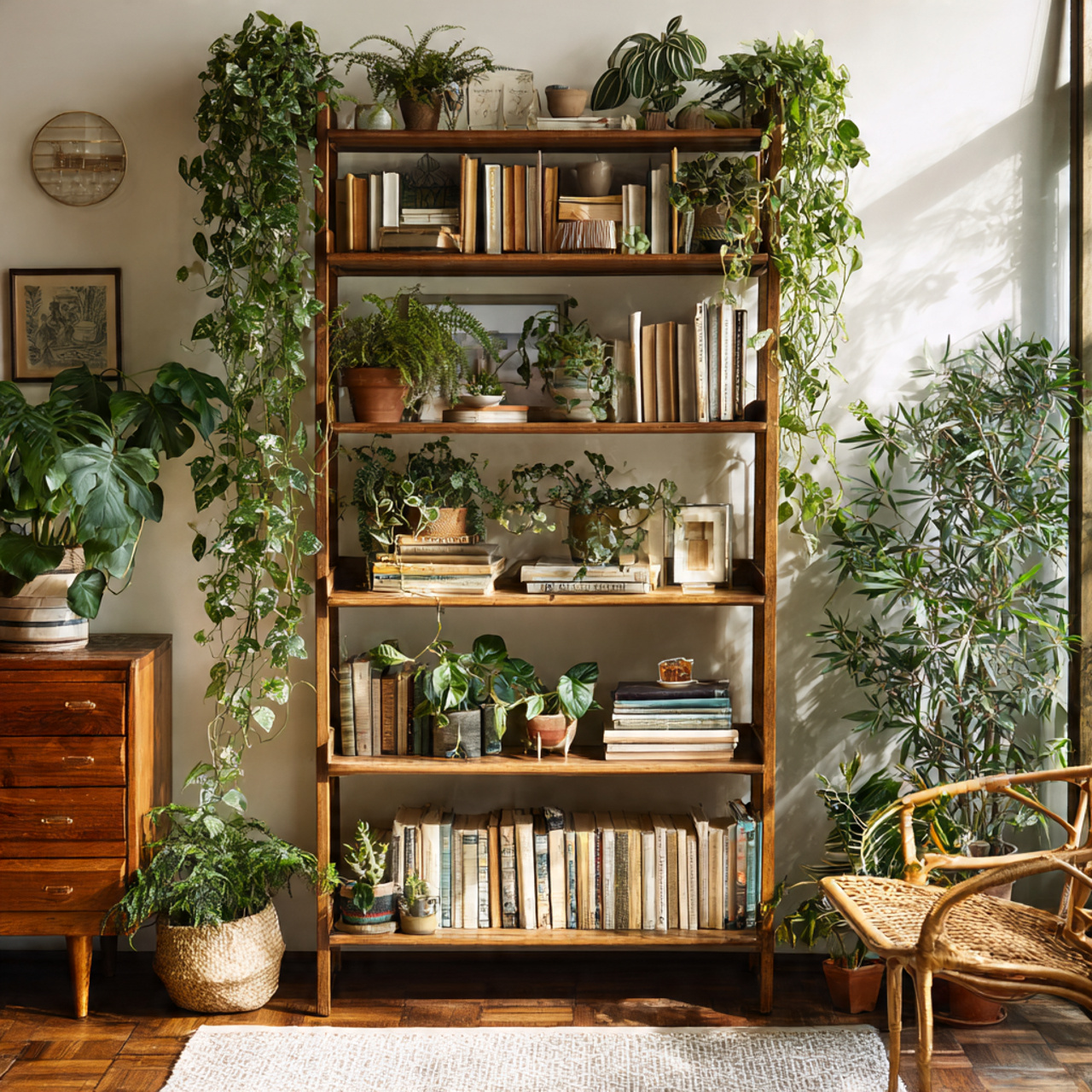
Why it works: Combines storage with living decoration.
Open shelving filled with plants serves double duty—functional storage that’s also beautiful to look at. Mixing books, decorative objects, and greenery creates collected, personalized displays that tell your story while bringing life to vertical wall space.
Styling your plant shelves:
- Vary plant heights across different shelf levels
- Include trailing plants on upper shelves
- Balance visual weight from left to right
- Leave some negative space—don’t overcrowd
- Use cohesive pot colors or materials
Floating shelves, ladder shelves, or built-in bookcases all work wonderfully. The key is treating plants as integral design elements rather than afterthoughts, giving them prominent positions alongside your favorite objects.
Whimsical Fairy Garden Displays
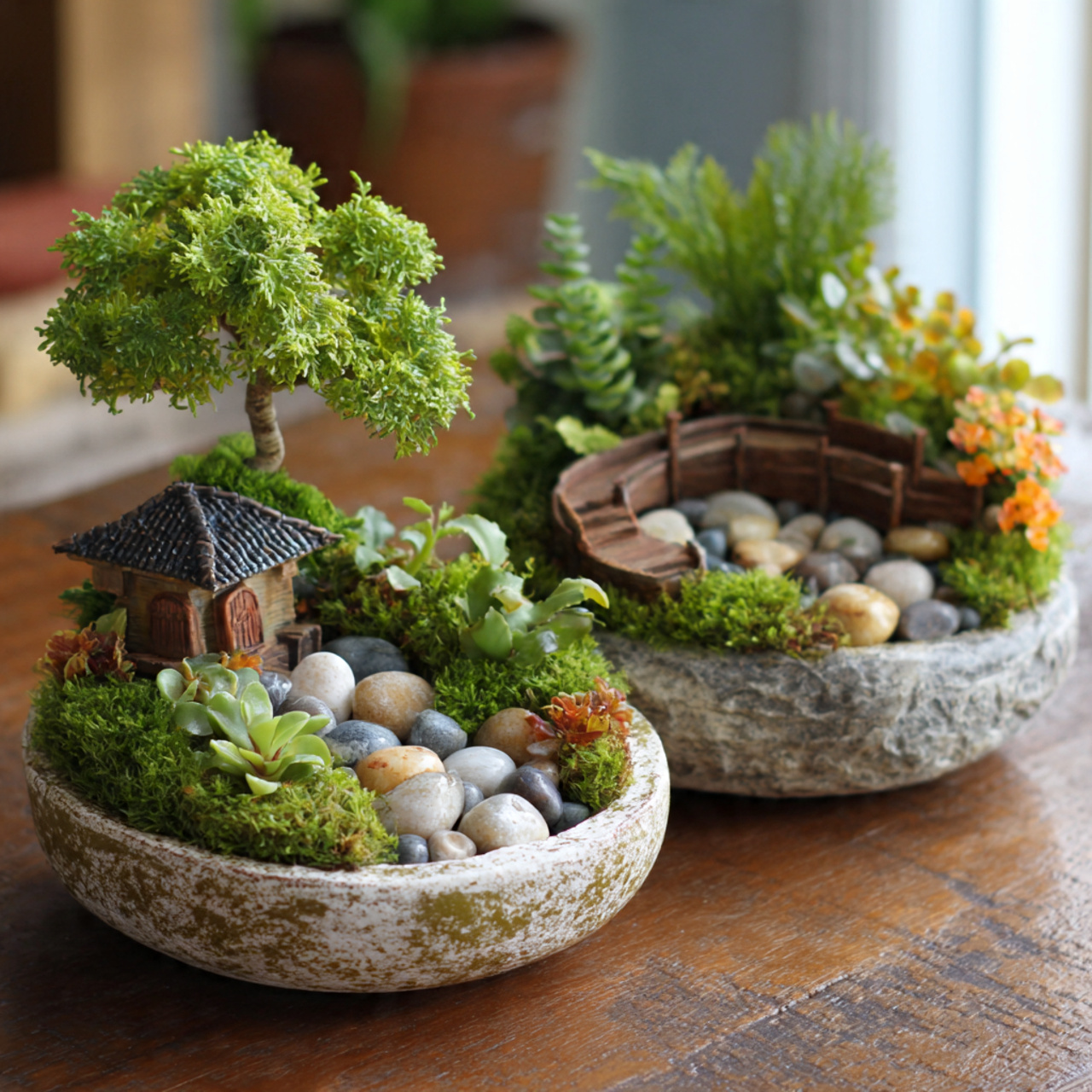
Why it works: Adds playfulness and imagination to your space.
Fairy gardens tap into our childlike wonder. These miniature landscapes featuring tiny accessories, moss, small plants, and decorative elements create enchanting vignettes that delight adults and children alike. They’re conversation starters that bring smiles to everyone who sees them.
Building your fairy garden:
- Start with a shallow, wide container
- Create “hills” and “valleys” with soil for dimension
- Use miniature furniture, figurines, or DIY elements
- Include small plants like baby’s tears or Irish moss
- Add pebble “paths” and tiny “ponds” (mirrors)
Themes are limitless—woodland cottages, beach scenes, desert oases, or fantasy villages. This is where creativity truly shines, and involving kids in the design process makes it even more special.
Statement Plants for Living Rooms
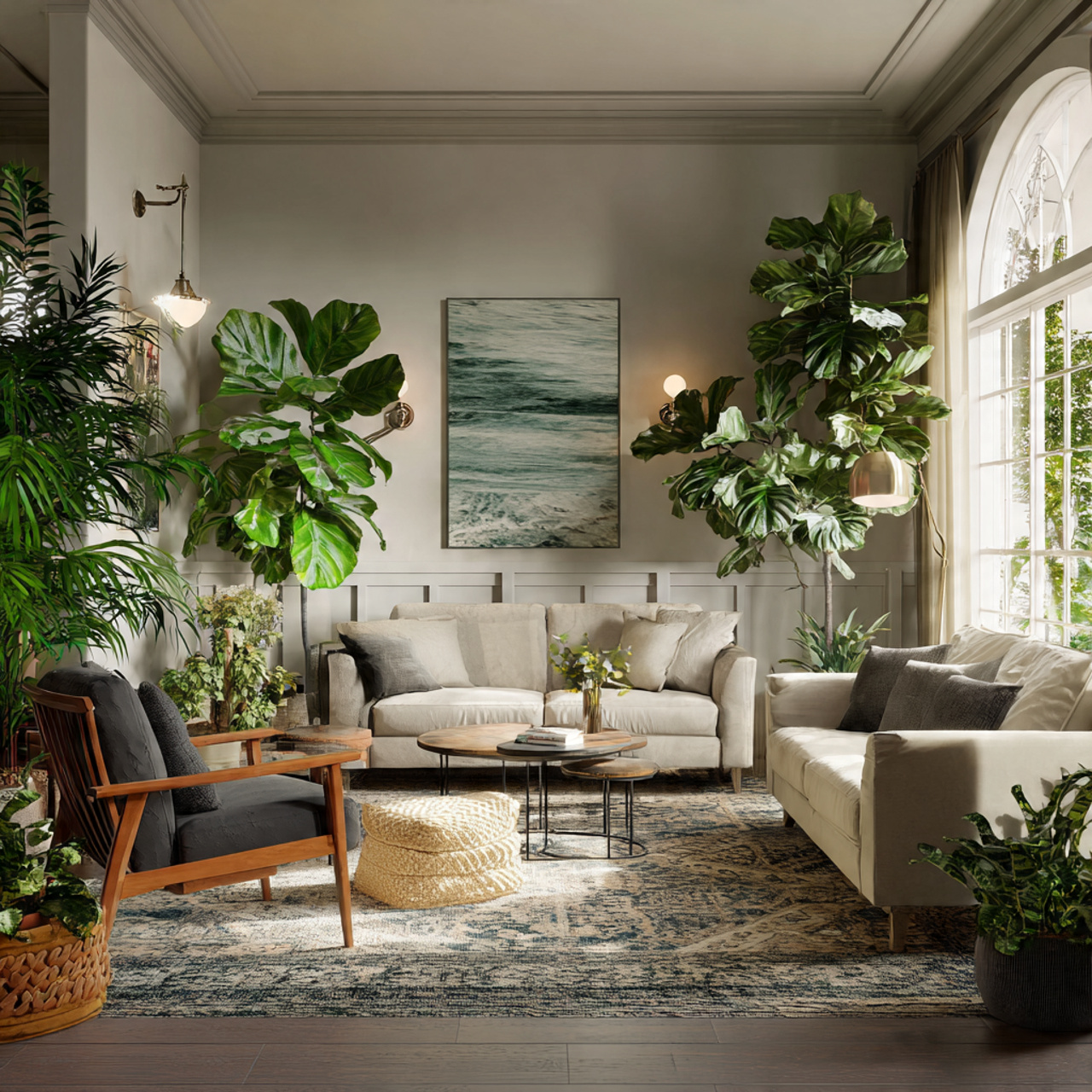
Why it works: Large plants anchor spaces and add drama.
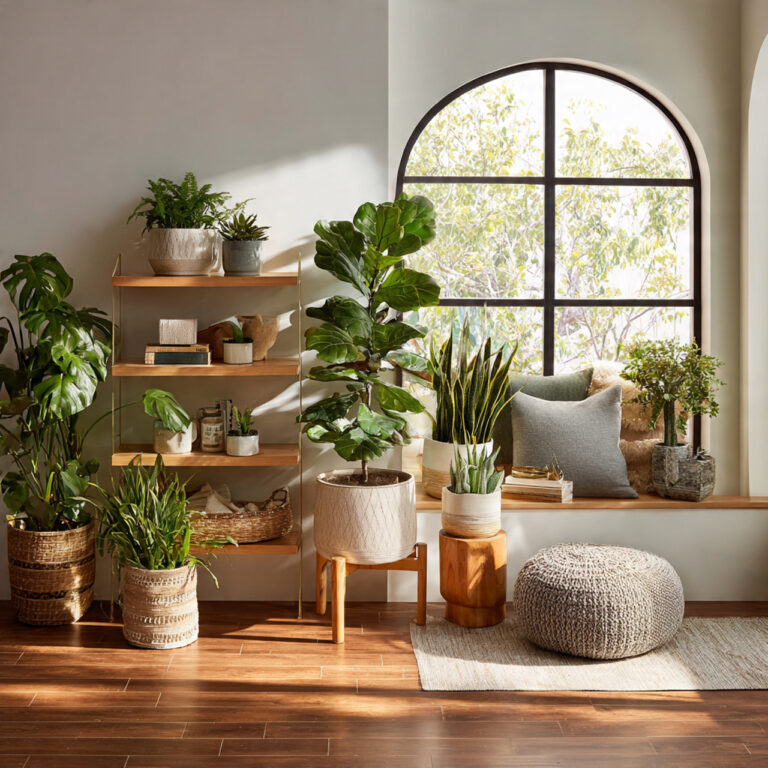
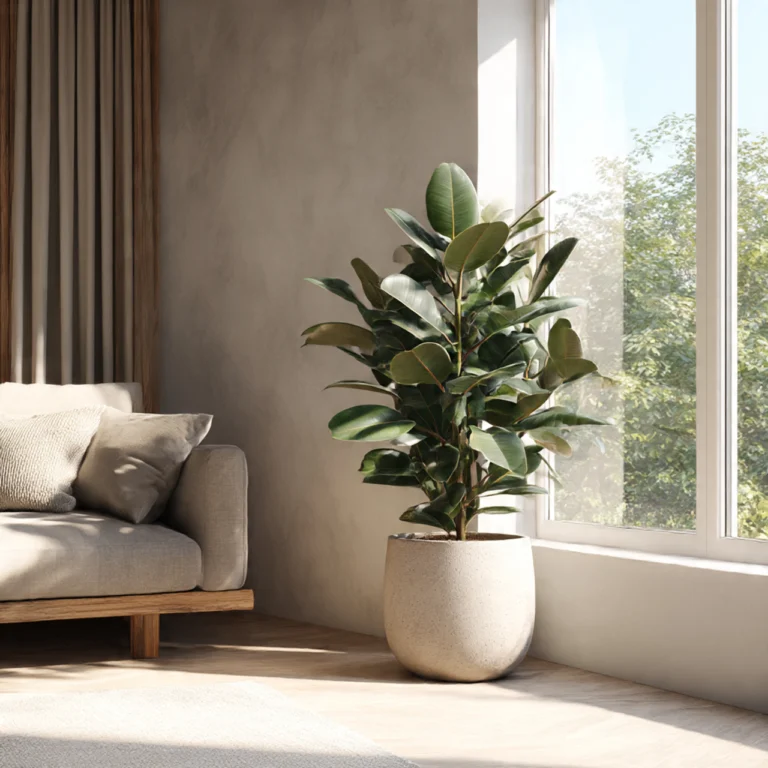
Sometimes you need one impressive plant to completely transform a room. Fiddle-leaf figs, bird of paradise, monstera deliciosa, and parlor palms all make bold statements that soften hard architecture and add life to seating areas.
Placement strategies:
- Position in corners to fill empty space
- Place beside sofas or chairs to create cozy nooks
- Use as natural room dividers in open floor plans
- Ensure adequate ceiling height for tall varieties
- Rotate weekly so all sides receive equal light
Large plants require commitment, but the payoff is substantial. They become focal points that guests notice immediately, and their presence makes rooms feel more furnished and complete—even in minimally decorated spaces.
Edible Indoor Gardens for Fresh Greens
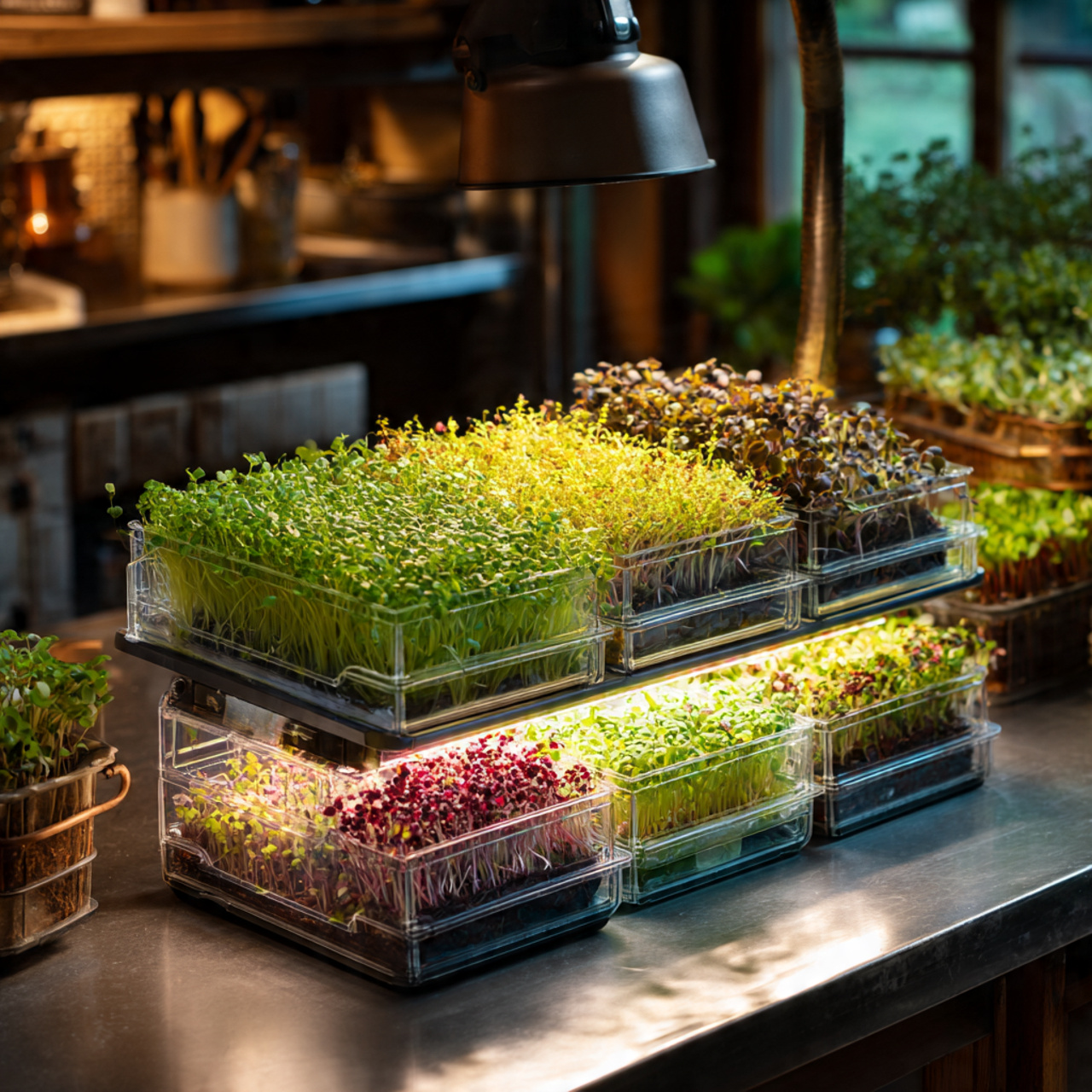
Why it works: Homegrown produce year-round, regardless of outdoor weather.
Growing your own lettuce, spinach, microgreens, and herbs indoors means fresh, nutritious greens are always available. With grow lights, you can harvest continuously even in the darkest winter months—saving money while adding functional greenery to your kitchen.
Indoor food growing essentials:
- Invest in quality full-spectrum LED grow lights
- Use nutrient-rich potting mix designed for vegetables
- Harvest regularly to encourage new growth
- Start with easy crops like lettuce, arugula, and microgreens
- Keep grow lights on 12-14 hours daily
This approach appeals to anyone interested in knowing exactly where their food comes from. There’s something deeply satisfying about snipping fresh salad greens for dinner that you’ve watched grow from seed.
Green Entryways That Welcome
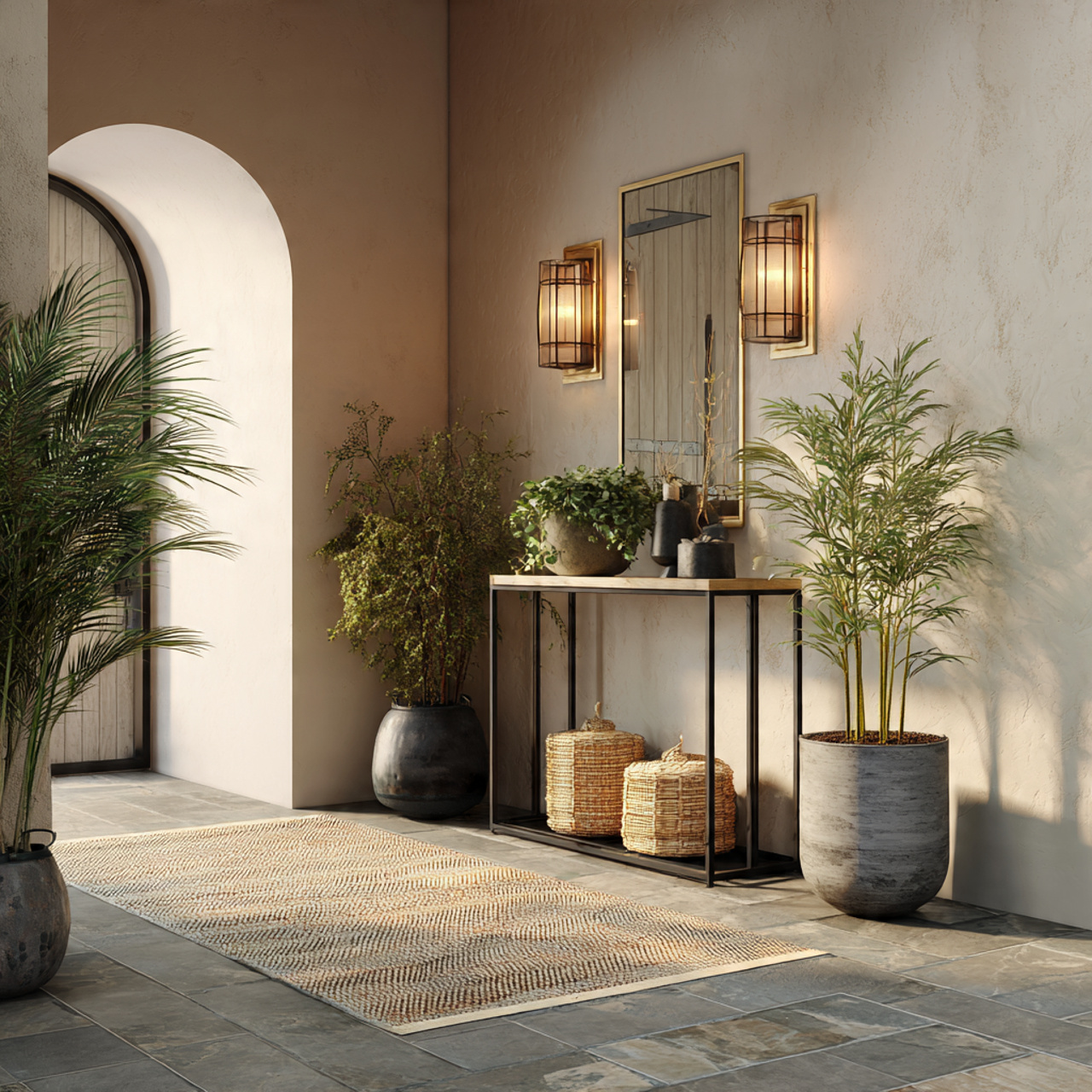
Why it works: First impressions matter, and plants make them memorable.
Your entryway sets the tone for your entire home. Thoughtfully placed plants in this transition zone create an immediate sense of warmth and care. Tall floor plants, console table arrangements, or even a small plant wall greet visitors with life and energy.
Entryway plant ideas:
- Use tall plants like snake plants or dracaena for vertical impact
- Place small potted plants on console tables or benches
- Ensure plants can handle foot traffic and door drafts
- Choose varieties that tolerate variable light
- Keep arrangements neat—entryways aren’t ideal for messy or dropping plants
Even small entryways benefit from a single well-placed plant. It softens the space, makes it feel more welcoming, and shows attention to detail throughout your home.
Bedroom Plant Sanctuaries
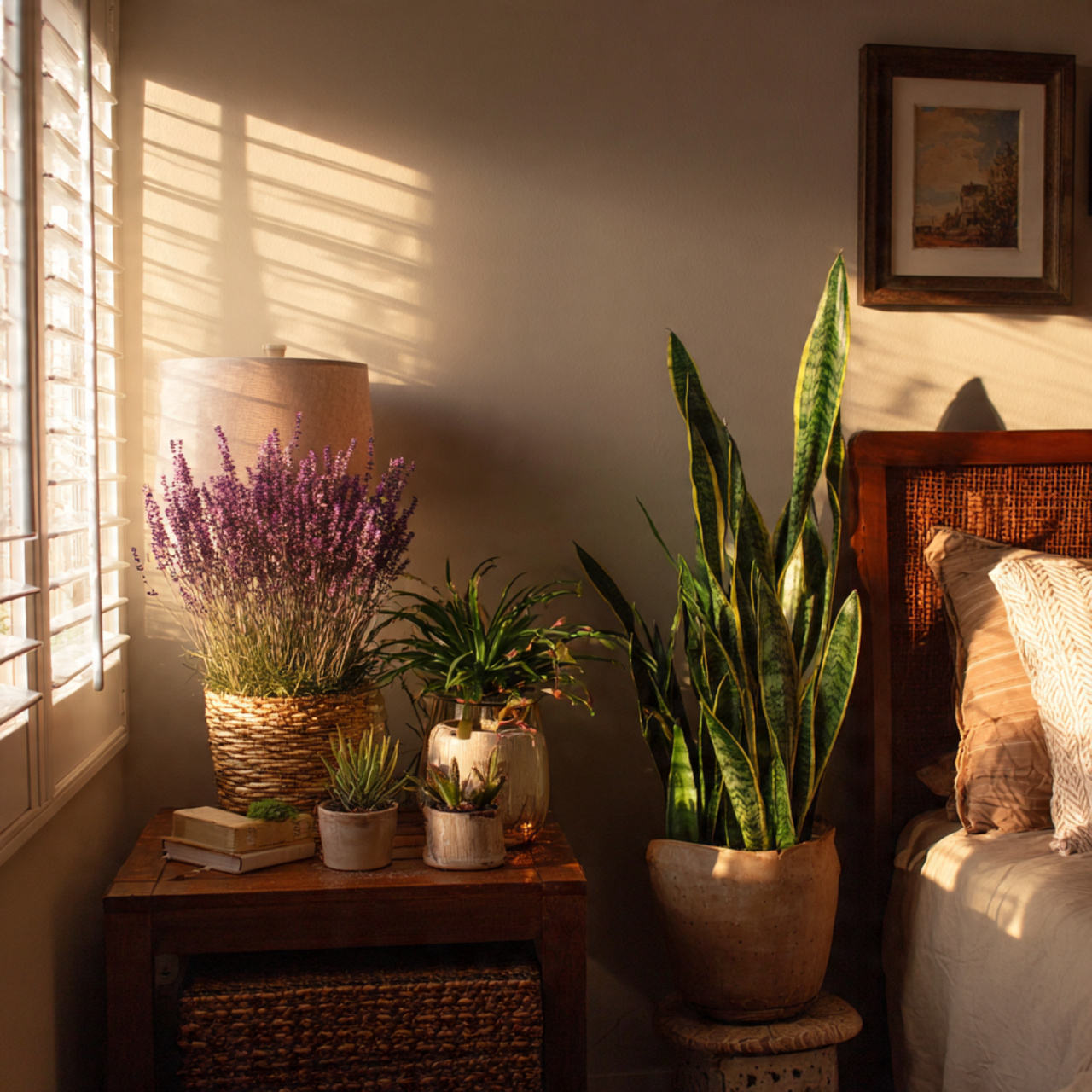
Why it works: Certain plants actually improve sleep quality.
Bedrooms should be restful retreats, and the right plants enhance that atmosphere. Snake plants and peace lilies release oxygen at night, while lavender’s scent promotes relaxation. Creating a plant-filled bedroom turns it into a personal wellness space.
Bedroom plant guidelines:
- Choose air-purifying varieties like pothos or spider plants
- Avoid strongly scented flowers if you’re sensitive
- Place larger plants in corners away from the bed
- Add small plants to nightstands or dressers
- Ensure adequate air circulation
The psychological effect of waking up surrounded by greenery shouldn’t be underestimated. It creates a gentler start to your day and makes your bedroom feel like a retreat rather than just a place to sleep.
Bathroom Spa Gardens
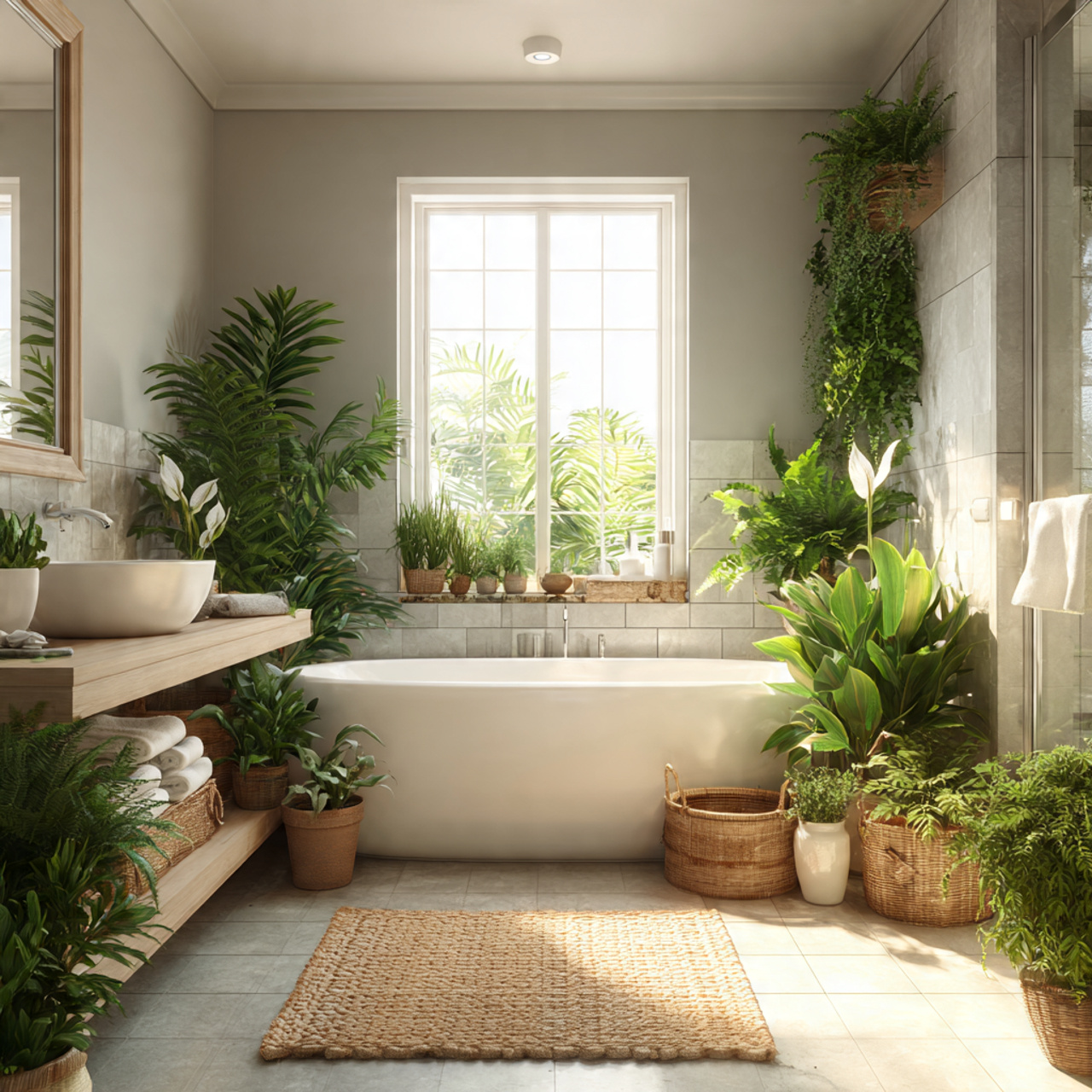
Why it works: Humidity-loving plants thrive where others struggle.
Bathrooms offer unique growing conditions—high humidity and warmth—that many tropical plants absolutely love. Ferns, orchids, and air plants flourish in these environments, turning your bathroom into a lush, spa-like retreat.
Bathroom plant selections:
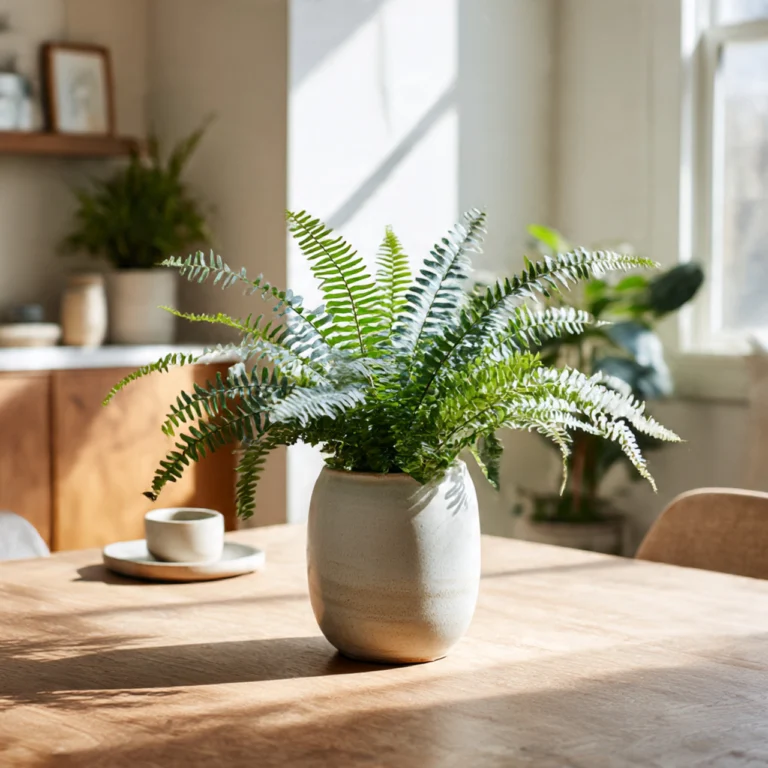
- Boston ferns love humidity and moderate light
- Pothos tolerate low light and moisture
- Air plants can attach to shower walls or hang near tubs
- Orchids appreciate steamy bathroom conditions
- ZZ plants handle windowless bathrooms
Even small bathrooms can accommodate a few well-chosen plants. The greenery improves air quality, looks beautiful, and makes daily routines feel more luxurious.
Tiered Plant Ladder Displays
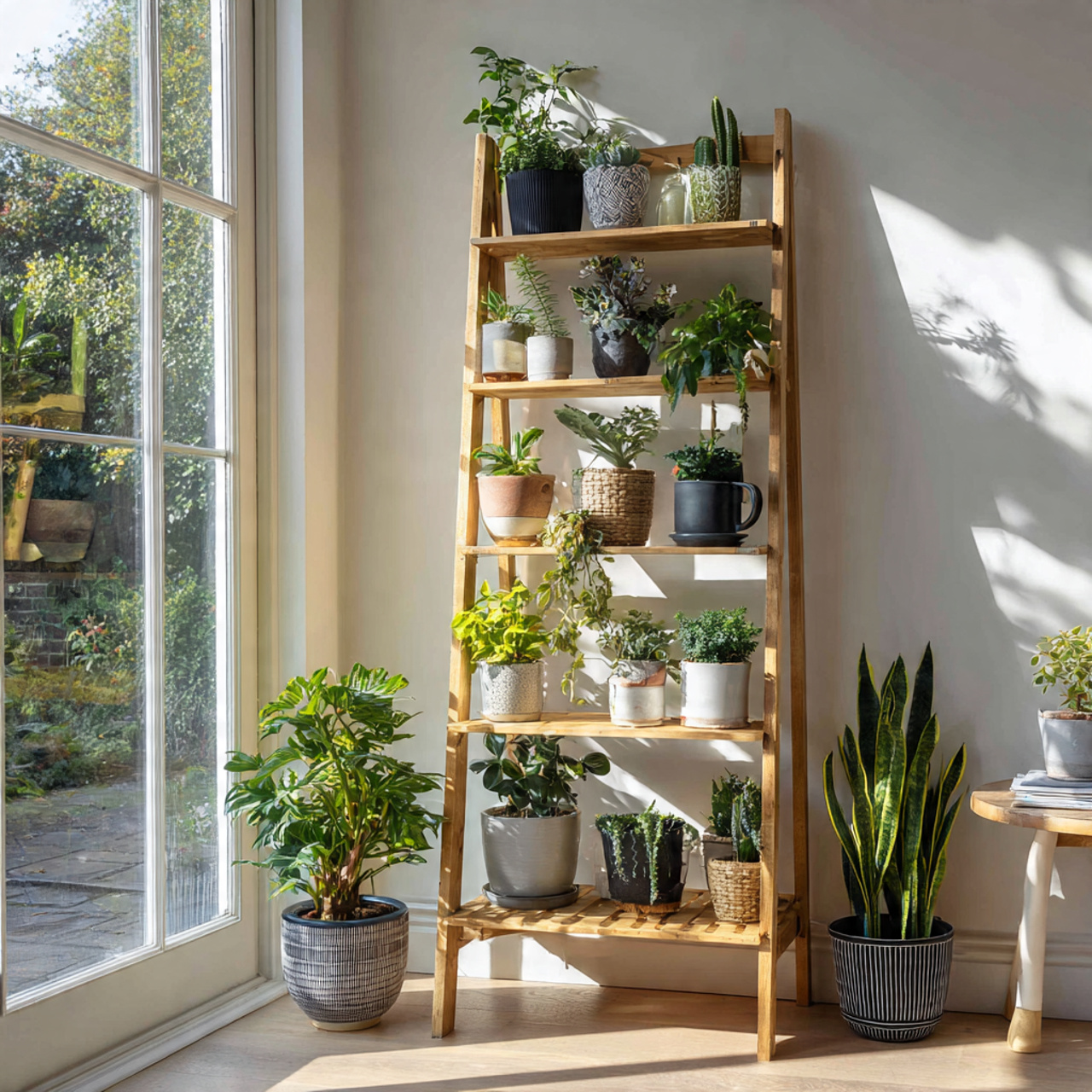
Why it works: Maximum plants in minimal floor space.
Plant ladders and tiered stands create vertical gardens that showcase multiple plants while occupying just a small footprint. These structures work beautifully in corners, beside windows, or along empty walls, bringing height variation that makes displays more interesting.
Ladder styling approaches:
- Mix plant sizes from small to large across tiers
- Include at least one trailing plant for movement
- Vary pot styles while maintaining color cohesion
- Ensure bottom tier can handle low light if needed
- Rotate plants between levels based on light needs
Wooden ladders bring warmth and natural texture, while metal options offer modern, industrial vibes. Either way, these stands become sculptural elements that look good even before you add plants.
Under-Stair Plant Nooks
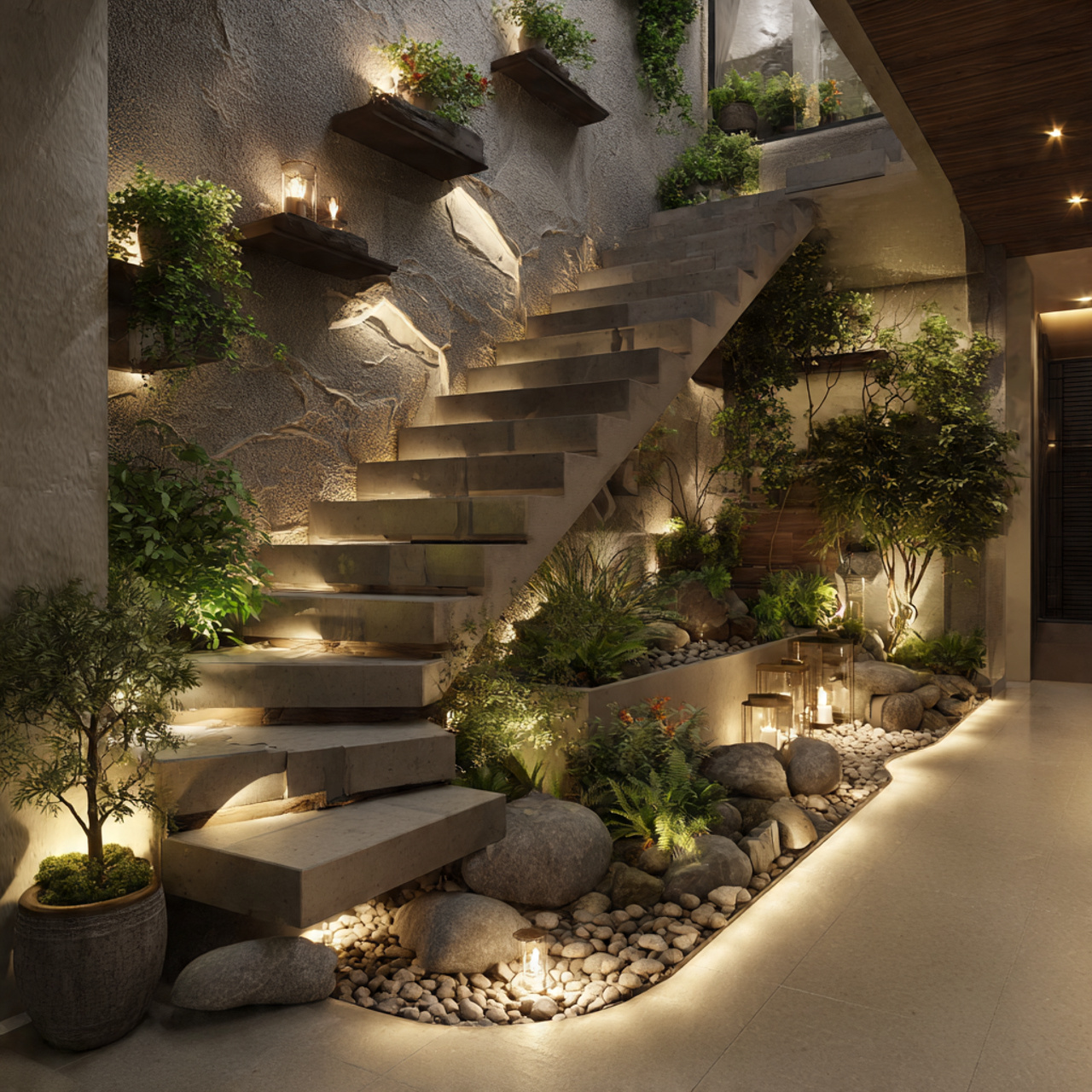
Why it works: Transforms wasted space into green focal points.
The area beneath your stairs is often overlooked, but it’s perfect for creative plant displays. With strategic lighting and proper plant selection, this awkward space becomes an unexpected garden that surprises and delights.
Maximizing under-stair areas:
- Install grow lights if natural light is lacking
- Build custom shelving or use modular systems
- Consider shade-loving plants like ferns and peace lilies
- Add decorative elements like pebbles or wood
- Ensure easy access for watering and maintenance
This approach works especially well in smaller homes where every square foot matters. Converting dead space into living displays makes your home feel more thoughtful and designed.
Overhead Hanging Bar Gardens
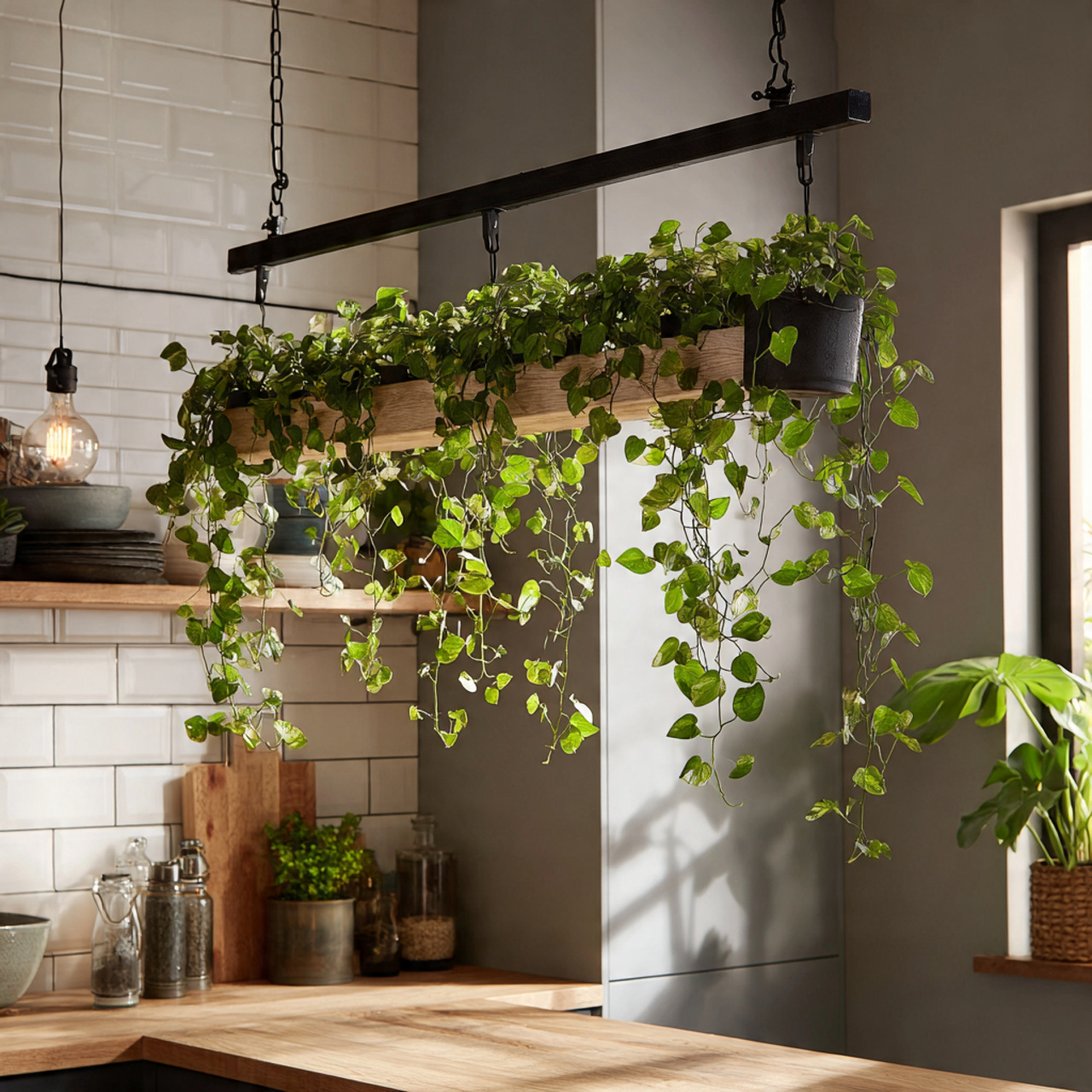
Why it works: Creates floating canopies of greenery overhead.
Mounting a rod or bar from your ceiling and hanging multiple plants creates a stunning suspended garden effect. This works beautifully over kitchen islands, in sunny corners, or near large windows, adding layers of greenery at different heights.
Installation and care:
- Secure rods into ceiling joists
- Use S-hooks for easy plant rotation
- Choose lightweight pots to prevent strain
- Select plants with similar water/light needs
- Install over easy-to-clean surfaces
The floating effect draws eyes upward, makes ceilings feel higher, and adds movement as plants sway slightly. It’s particularly effective in small apartments where vertical space is your greatest asset.
Monochromatic Plant Arrangements
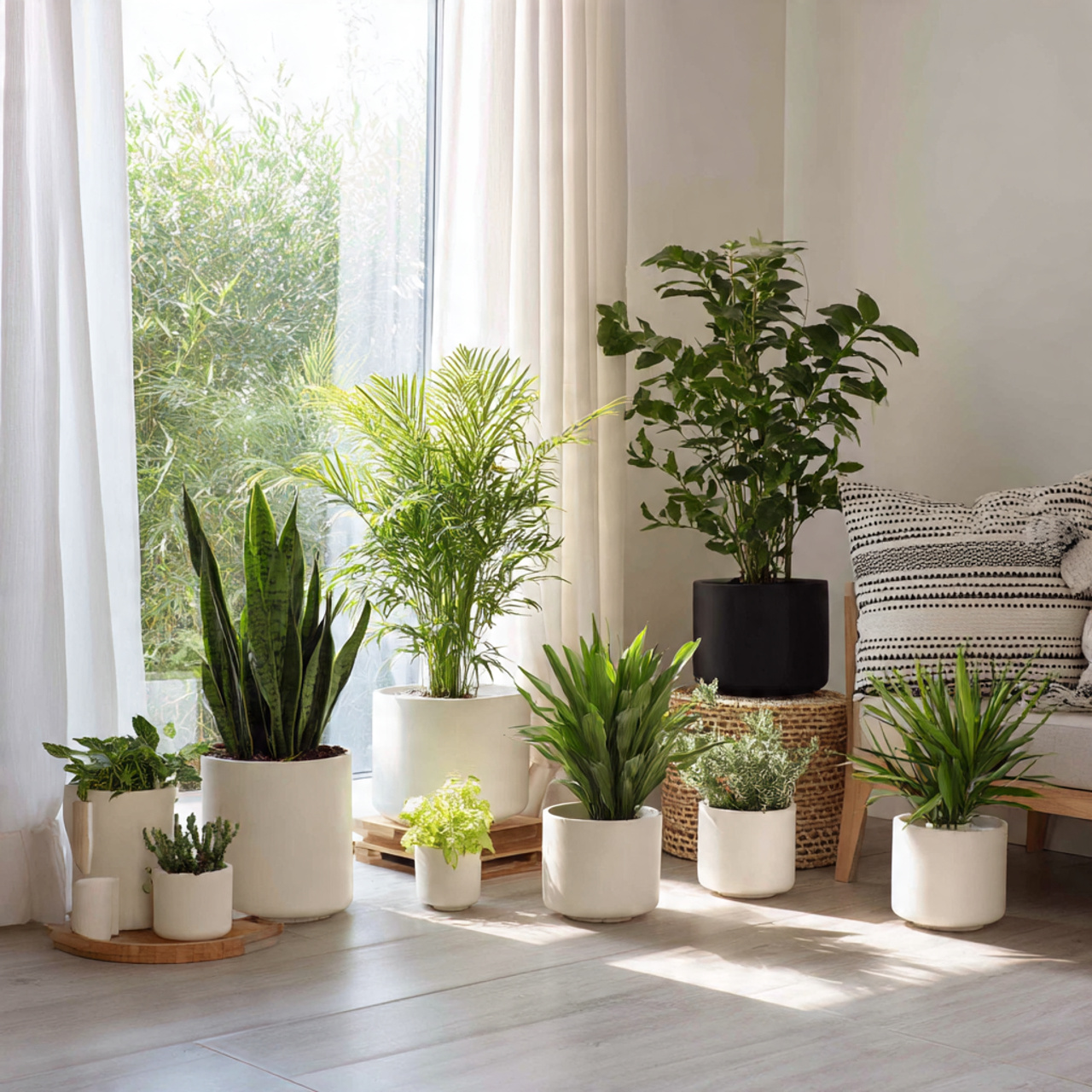
Why it works: Color discipline creates sophisticated, cohesive looks.
Limiting your color palette—all white pots with green plants, or all terracotta containers, or exclusively silver-toned planters—creates intentional, designer-quality displays. This restraint allows plant shapes and textures to become the stars.
Monochrome styling tips:
- Choose one pot color and stick with it throughout a room
- Vary pot sizes while maintaining color consistency
- Focus on plants with interesting leaf shapes
- Use different shades of green for subtle variety
- Let architectural plant forms shine
This approach particularly suits modern, minimalist, or Scandinavian-inspired interiors where simplicity and purpose drive design decisions.
Accent-Lit Plant Displays
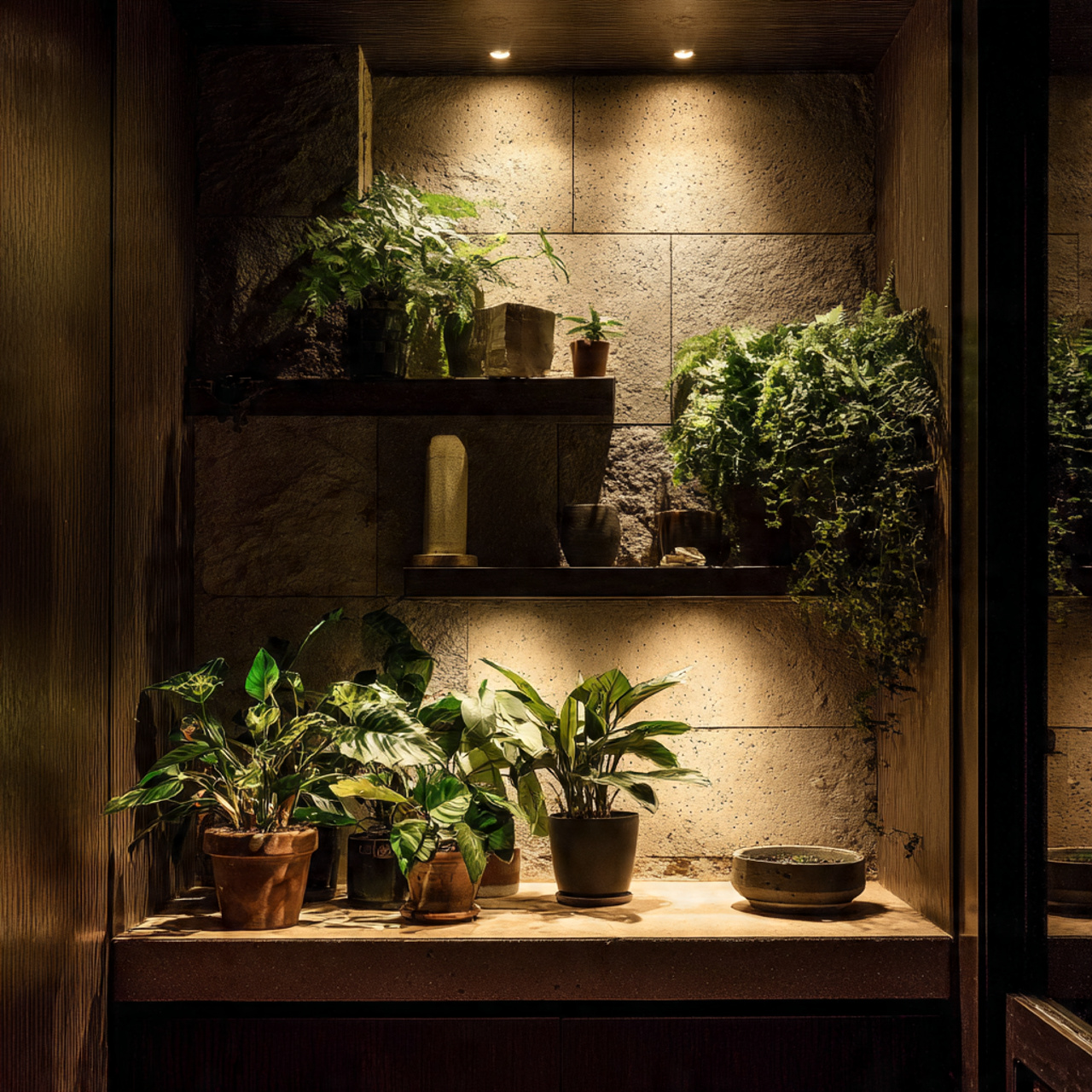
Why it works: Proper lighting transforms plants into art.
Strategic lighting—spotlights, LED strips, or warm ambient lamps—dramatically elevates your plants from simple greenery to sophisticated design elements. Uplighting a large floor plant casts dramatic shadows on walls, while backlit shelves make plants glow.
Lighting techniques:
- Use warm white LEDs for inviting ambiance
- Position spotlights to create shadow patterns
- Install under-shelf lighting for layered displays
- Try colored lights for special occasions
- Combine task and accent lighting
Evening hours are when accent lighting truly shines. Suddenly your plants become the focal point of the room, creating atmosphere that shifts the entire mood of your space.
Kids’ Learning Garden Stations
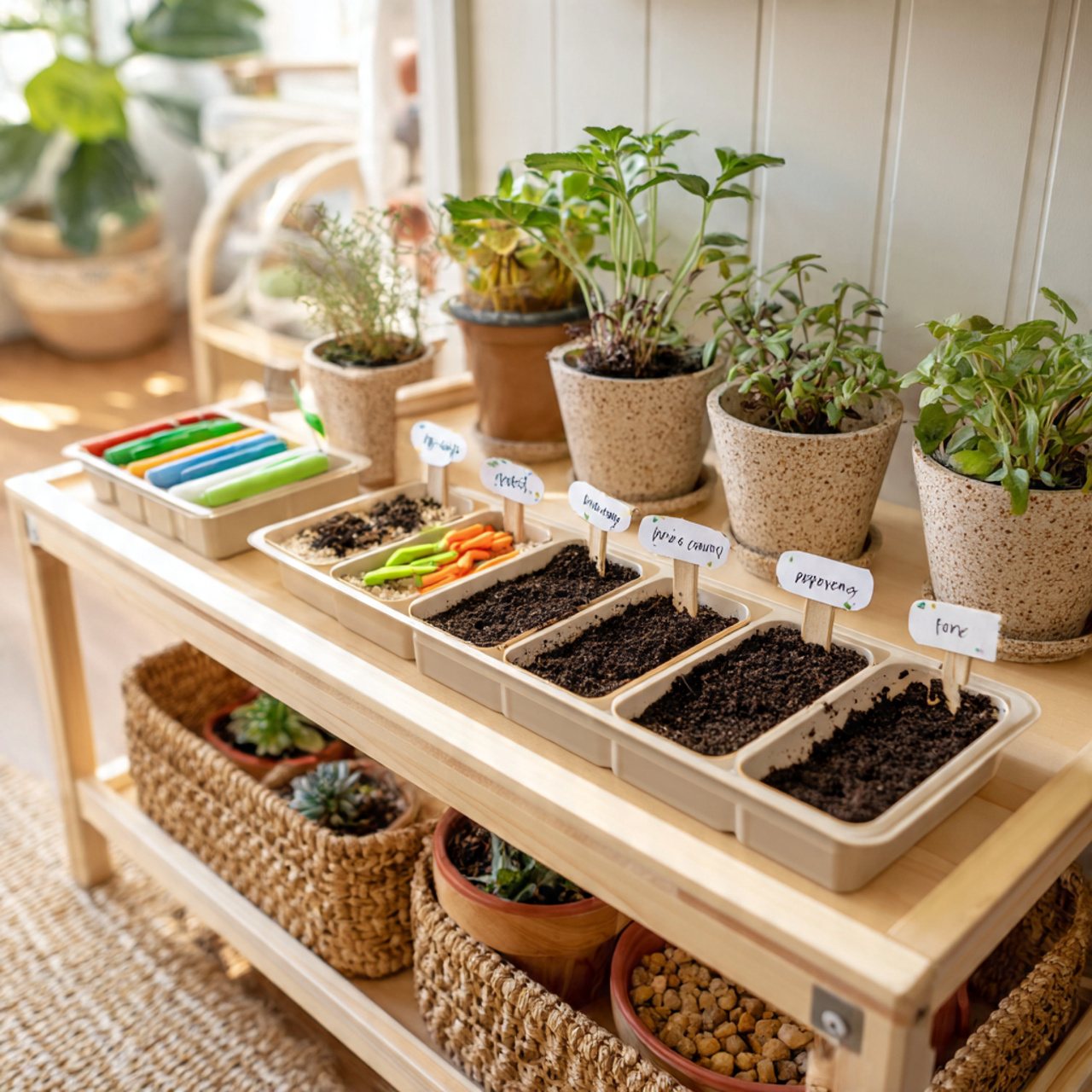
Why it works: Hands-on plant care teaches responsibility and science.
Creating a dedicated plant area where children can grow their own plants builds valuable life skills while fostering environmental awareness. Fast-growing varieties like beans, herbs, or spider plant babies show quick results that keep kids engaged.
Making it kid-friendly:
- Choose unbreakable pots in fun colors
- Provide child-sized watering cans and tools
- Select fast-growing, forgiving plants
- Create labels kids can decorate
- Establish a simple care routine together
Watching something grow from seed to mature plant is magical for children. The responsibility of caring for living things builds empathy and connection to nature, even indoors.
Visit Also: Home Garden Ideas
Scandinavian-Inspired Plant Rooms
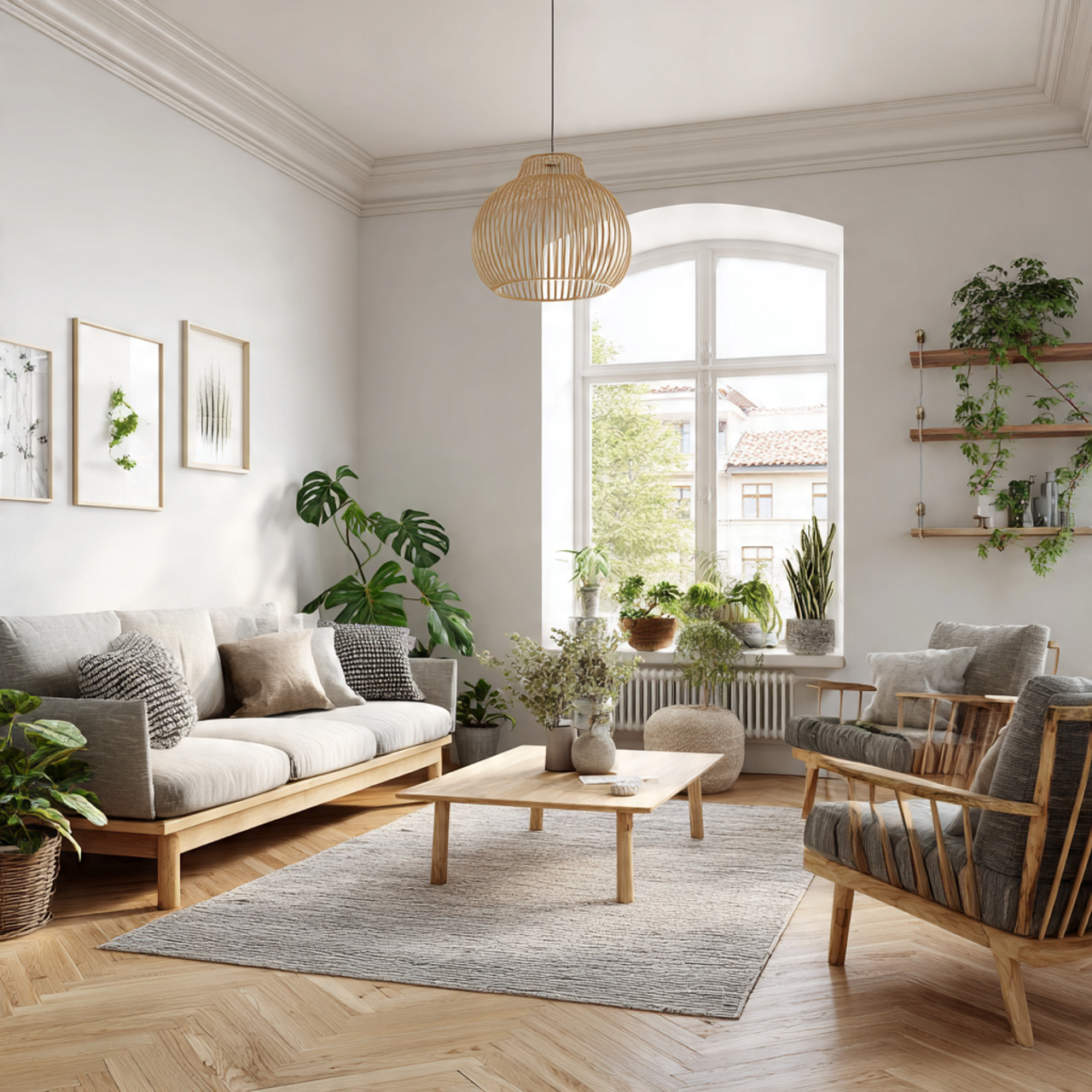
Why it works: Clean simplicity that feels calm and airy.
Scandinavian design principles—minimalism, natural materials, neutral colors, and purposeful placement—pair beautifully with indoor plants. The result is spaces that feel both modern and warm, sophisticated yet approachable.
Achieving the Scandi look:
- Use white, gray, and natural wood tones
- Choose simple, clean-lined pots
- Display plants with plenty of breathing room
- Incorporate natural textures like linen and wool
- Keep arrangements uncluttered and intentional
This aesthetic works across home styles and sizes because it’s fundamentally about quality over quantity and making every element count.
Frequently Asked Questions
1. What are the easiest plants for beginners using Indoor Garden Ideas?
Snake plants, pothos, spider plants, and ZZ plants are ideal starter choices because they tolerate low light and infrequent watering.
2. How much light do indoor gardens need?
Different indoor garden ideas require different lighting, but most indoor plants thrive with bright, indirect light or grow lights.
3. Can I create indoor garden ideas in a small apartment?
Yes, vertical gardens, shelves, and windowsill displays make it easy to create greenery in compact spaces.
4. Do indoor plants really improve air quality?
Yes, many indoor garden ideas include plants that help filter toxins and increase oxygen levels.
5. How do I maintain indoor garden ideas with a busy schedule?
Choose low-maintenance plants, use self-watering pots, and automate lighting when possible.
Bringing It All Together
Indoor gardens offer something for everyone—from low-maintenance succulents for busy professionals to elaborate vertical gardens for dedicated plant lovers. The ideas shared here aren’t rigid rules but flexible frameworks you can adapt to your unique space, style, and schedule.
Start small if you’re new to this. A few herbs on your kitchen windowsill or a single statement plant in your living room can shift how your entire home feels. As you gain confidence and see positive results, you can expand gradually, trying new arrangements and plant varieties that catch your interest.
The real magic of indoor gardening happens over time. Plants grow and change, your care skills improve, and you develop intuition about what works in your specific environment. Your indoor garden becomes a living, evolving element of your home—one that rewards attention with beauty, cleaner air, and the simple pleasure of nurturing growth.
Remember that every plant parent kills a few plants along the way. It’s part of the learning process, not a reflection of your abilities. Each mistake teaches you something valuable about watering frequency, light requirements, or humidity needs. With patience and experimentation, you’ll create an indoor garden that thrives in your home and brings you genuine joy every single day.