Hydroponic Gardening Made Easy: 25 Proven Ideas for Thriving Plants
Growing plants without soil might sound like something from a science fiction movie, but hydroponic gardening has become one of the most practical and rewarding ways to cultivate fresh produce at home. Whether you’re living in a cramped city apartment or managing a spacious greenhouse, hydroponics lets you grow more food in less space while using fewer resources than traditional gardening methods.
What makes hydroponics so appealing is its versatility. You can start small with a simple countertop herb garden or scale up to a full commercial operation. The learning curve isn’t as steep as you might think, and the rewards—faster growth, bigger harvests, and year-round fresh produce—make it worth the initial effort.
This comprehensive guide walks you through some practical hydroponic gardening ideas, from beginner-friendly setups to advanced techniques that professionals use. Each method comes with real-world tips to help you succeed, whether you’re growing leafy greens for salads or cultivating exotic flowers.
What Makes Hydroponic Gardening Different
Hydroponics flips traditional gardening on its head by delivering nutrients directly to plant roots through water instead of soil. Think of it as giving your plants an express lane to everything they need—no searching through dirt required. This direct delivery system explains why hydroponic plants often grow 30-50% faster than their soil-grown cousins.
The benefits go far beyond speed. You’re not dealing with soil-borne diseases, weeds don’t exist in your garden, and you can set up shop practically anywhere—basements, balconies, even closets with proper lighting. Urban gardeners especially love hydroponics because it turns vertical space into productive growing area.
Key advantages you’ll experience:
- Plants grow faster with direct nutrient access
- Water usage drops by up to 90% compared to soil gardening
- No weeding, tilling, or dealing with poor soil quality
- Year-round growing regardless of outdoor weather
- Cleaner harvests without dirt or soil pests
- Perfect control over what goes into your plants
The initial setup requires some investment and learning, but once you understand the basics, maintaining a hydroponic system often takes less daily effort than traditional gardening.
Nutrient Film Technique (NFT) Hydroponics
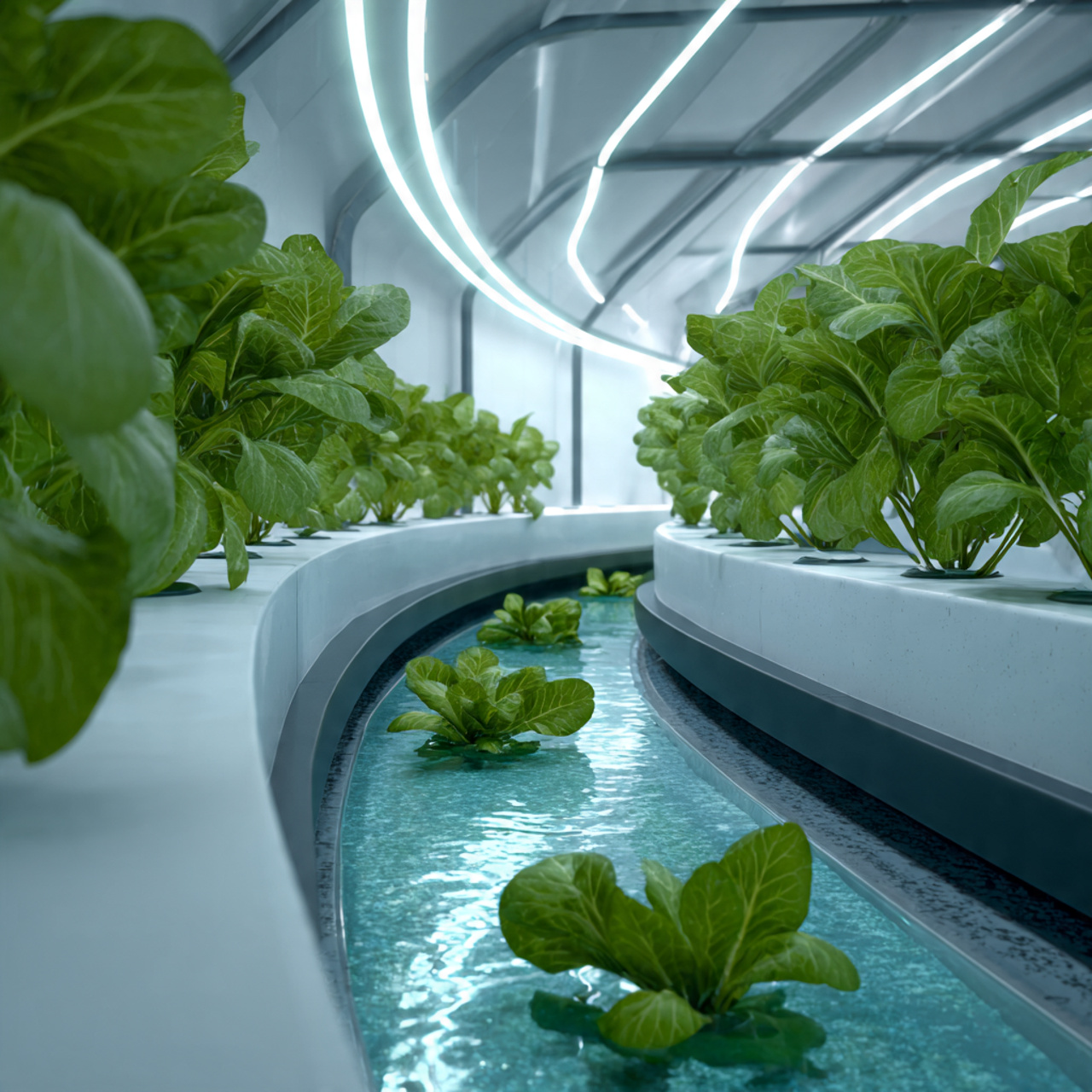
Why it works: Constant nutrient flow without drowning roots creates ideal growing conditions.
The NFT system is elegant in its simplicity. A thin stream of nutrient solution flows continuously over plant roots sitting in sloped channels, then drains back into a reservoir to recirculate. Roots get constant access to both nutrients and oxygen, which explains the impressive growth rates you’ll see.
Best practices for NFT success:
- Maintain a gentle slope (1:30 to 1:40 ratio) in your channels
- Keep water flow consistent—too fast washes away nutrients, too slow starves plants
- Monitor water temperature (65-75°F is ideal for most crops)
- Check for clogs in channels weekly
- Start with leafy greens like lettuce, spinach, or herbs before attempting larger crops
NFT works beautifully for commercial lettuce production and home herb gardens. The main drawback? It’s less forgiving of pump failures since roots can dry out quickly without that constant water film. Keep a backup pump handy if you’re running a large system.
Deep Water Culture (DWC) Systems
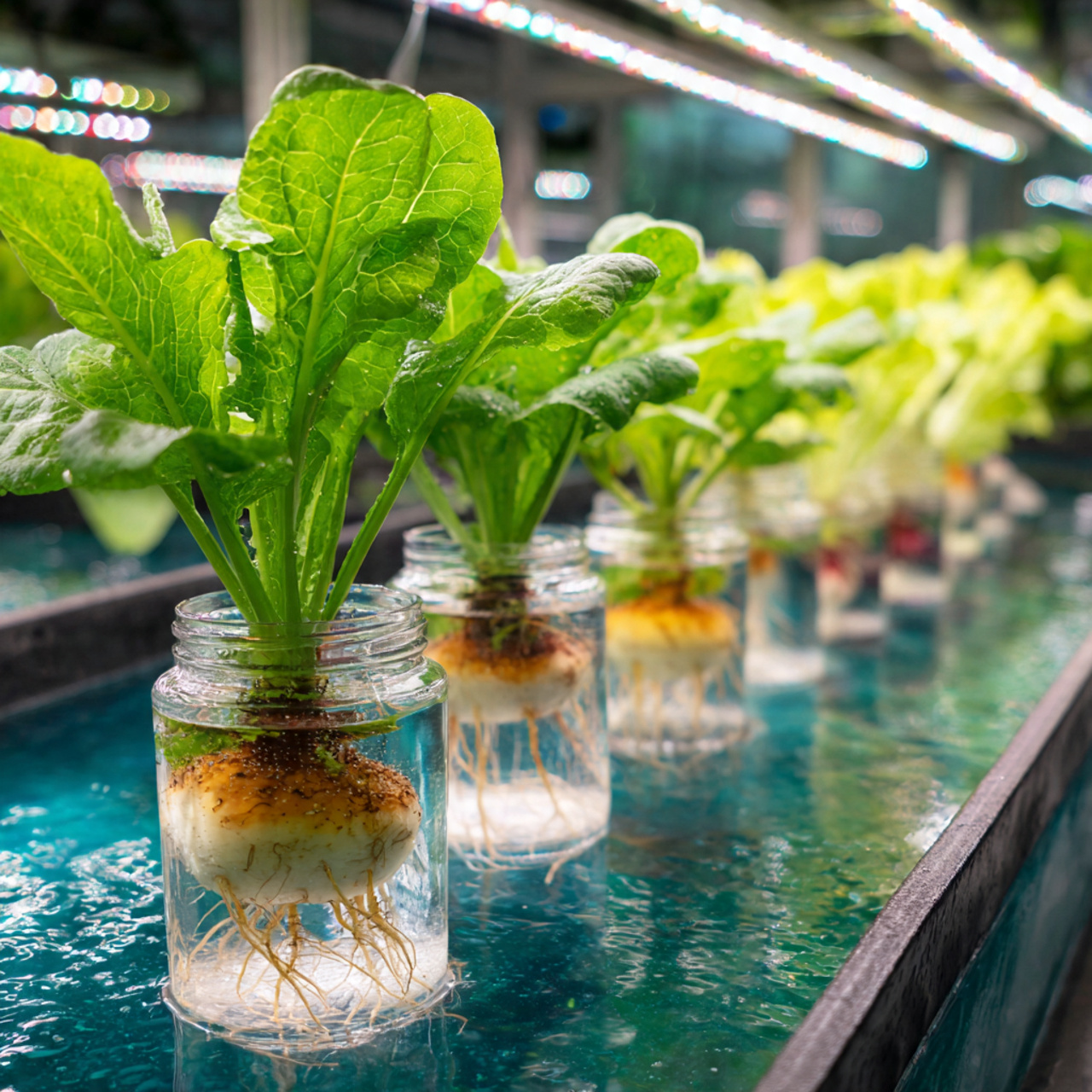
Why it works: Roots submerged in oxygenated water grow explosively fast.
Picture your plant roots suspended directly in a bucket of nutrient-rich water, with air stones bubbling oxygen throughout. That’s DWC in a nutshell, and it’s one of the most beginner-friendly systems you can build. The constant oxygen supply prevents root rot while giving plants unlimited access to nutrients.
Setting up your DWC system:
- Use food-grade buckets or containers (5-gallon size works well)
- Install air pumps with stones rated for your water volume
- Keep water levels 1-2 inches below net pots to prevent stem rot
- Change nutrient solution every 2 weeks
- Monitor and adjust pH to 5.5-6.5 range
Tomatoes, peppers, and cucumbers absolutely thrive in DWC systems. Many growers report harvesting tomatoes weeks earlier than soil-grown plants. The simplicity makes troubleshooting easy—if plants look unhappy, you’re usually dealing with pH issues or insufficient aeration.
Ebb and Flow (Flood and Drain) System
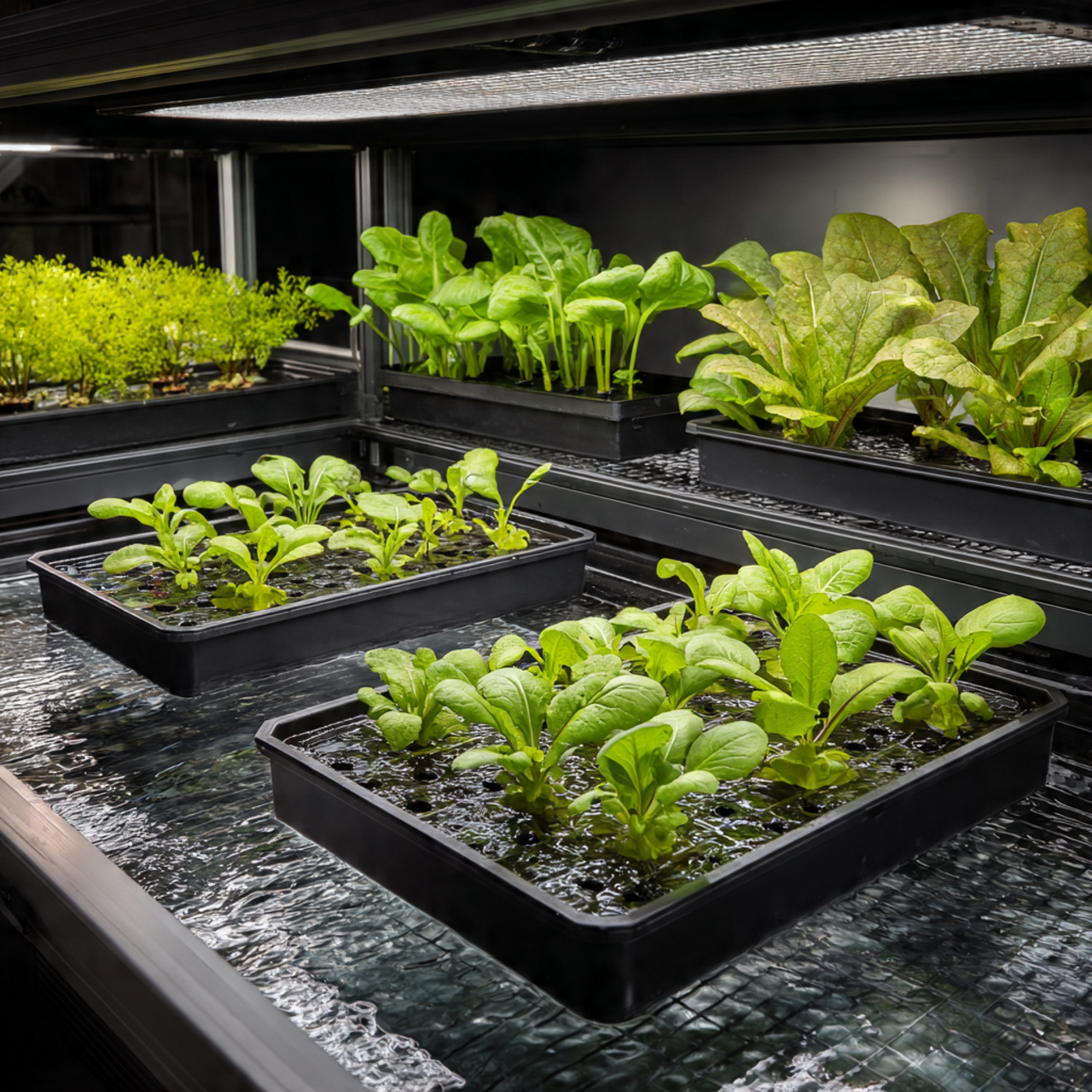
Why it works: Alternating wet and dry cycles give roots the best of both worlds.
Also called flood and drain, this system periodically floods your grow bed with nutrient solution before draining it back to a reservoir. The flooding feeds plants and saturates the growing medium, while drainage pulls fresh oxygen down to the roots. It’s like giving your plants regular, perfectly timed meals.
Timing your flood cycles:
- Seedlings: flood 2-3 times daily for 15-30 minutes
- Mature plants: flood 3-5 times daily depending on growing medium
- Hot weather: increase frequency to prevent drying out
- Use timers for consistency—manual flooding is tedious
- Ensure complete drainage between cycles
This versatility makes ebb and flow systems popular for growing a diverse range of crops simultaneously. You can grow lettuce alongside strawberries and herbs in the same bed. The main consideration is choosing a growing medium that drains well—expanded clay pellets or rockwool work excellently.
Wick Hydroponic Systems
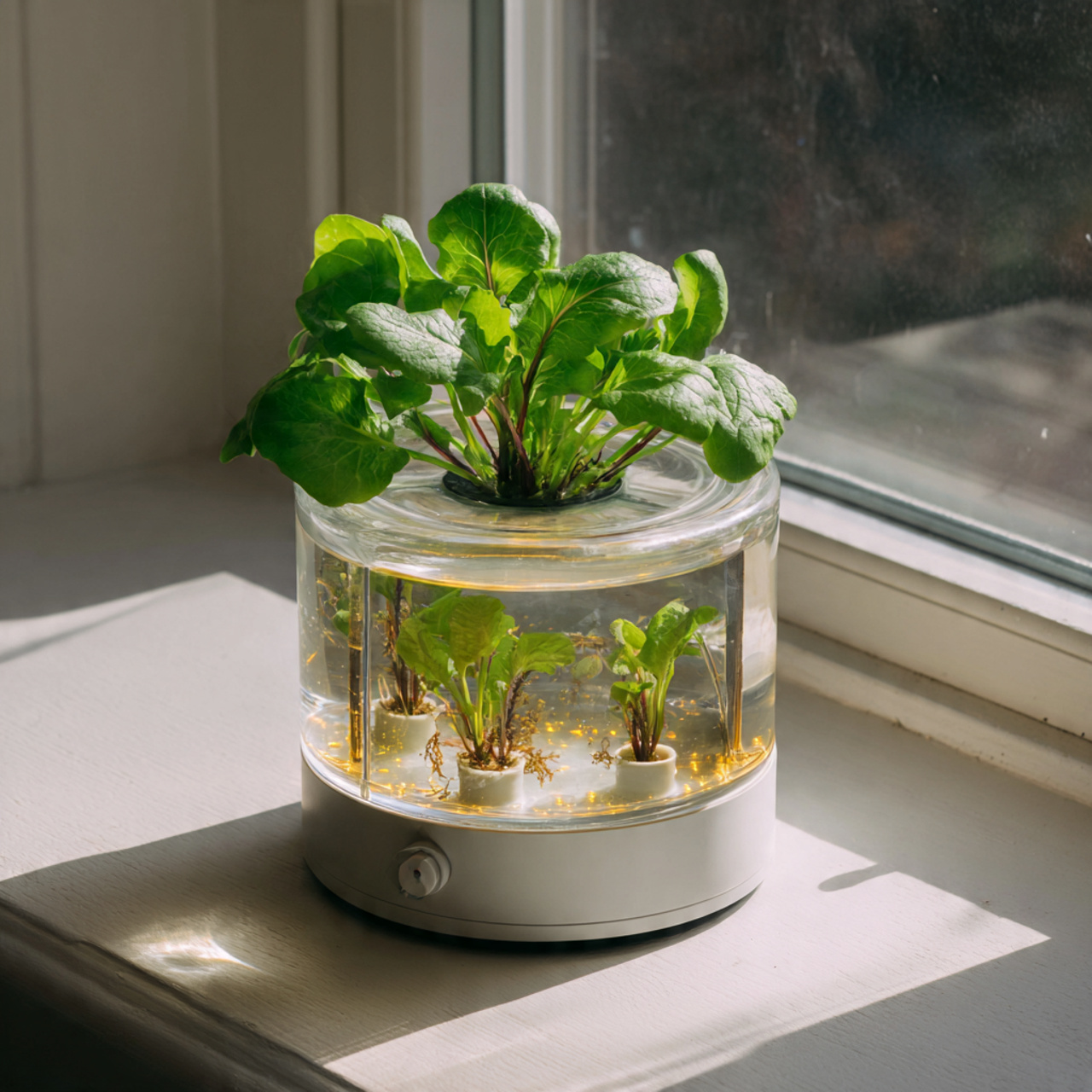
Why it works: Zero pumps, zero electricity, zero stress for newcomers.
Wick systems are the gateway drug to hydroponics. A simple absorbent wick (cotton rope or felt strips) draws nutrient solution from a reservoir up to your plants’ roots through capillary action. No moving parts means nothing to break or maintain beyond occasional reservoir refills.
Wick system essentials:
- Use lightweight growing medium (perlite, vermiculite, or coco coir)
- Multiple wicks per plant improve nutrient delivery
- Keep reservoir topped up—wicking slows as water level drops
- Best suited for small, water-efficient plants
- Not ideal for heavy feeders or large plants
Small herbs, lettuce, and decorative plants do wonderfully in wick systems. It’s perfect for testing whether hydroponics interests you before investing in more complex setups. The limitation is simple: wicks can only move so much water, so thirsty plants will struggle.
Aeroponics for Maximum Growth
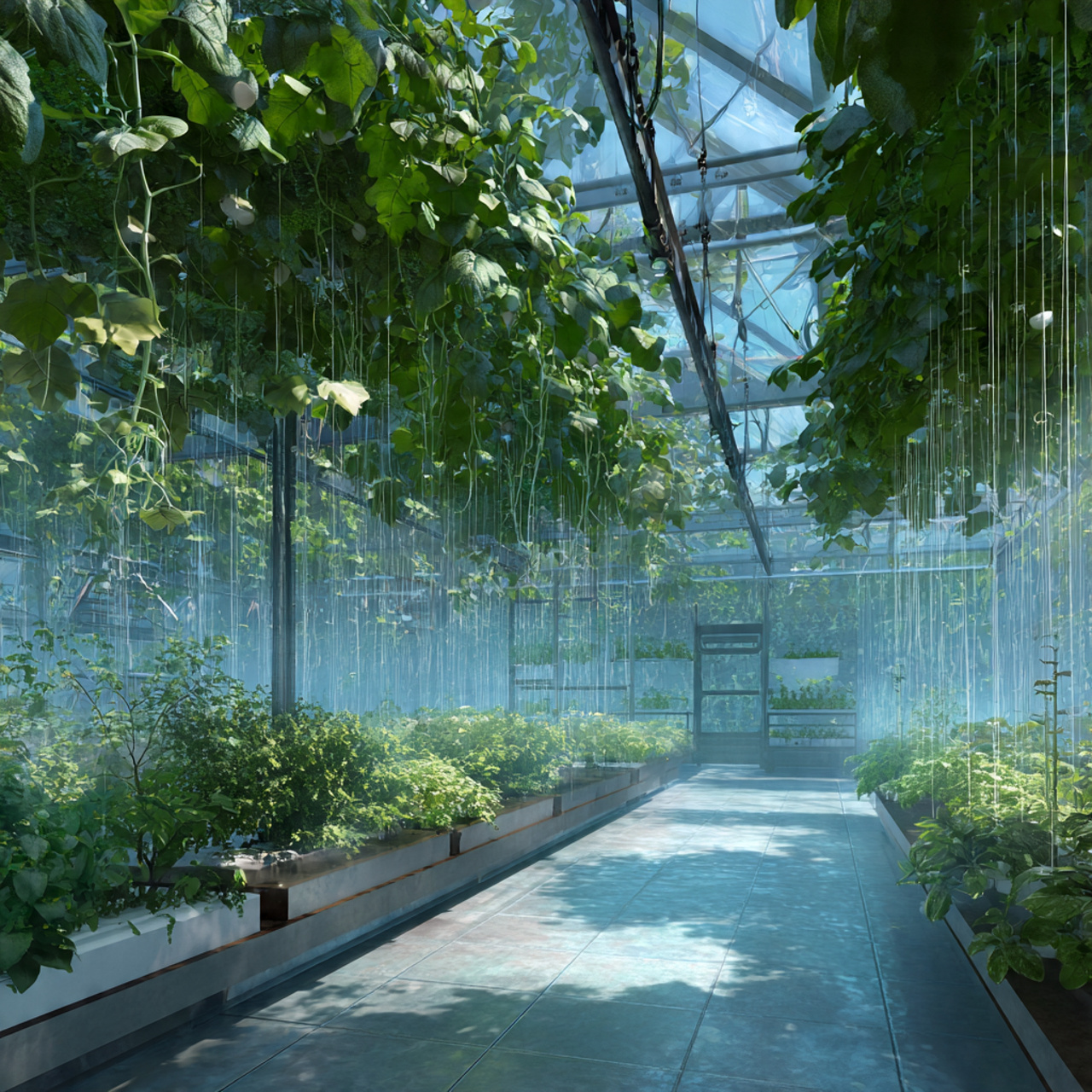
Why it works: Maximum oxygen exposure supercharges plant growth.
Aeroponics takes hydroponics to the extreme—plant roots hang in air while misters spray them with nutrient solution at regular intervals. The constant oxygen availability combined with frequent nutrient delivery produces some of the fastest growth rates in any growing system.
Aeroponic system requirements:
- High-pressure misting systems work best (80+ PSI)
- Mist every 3-5 minutes for 5-10 seconds
- Install redundant misters and pumps for reliability
- Monitor humidity levels inside growing chamber
- Clean misting nozzles regularly to prevent clogs
The results are impressive—NASA uses aeroponics for space station research because of its efficiency. However, this system demands more attention and technical knowledge. Any pump failure quickly stresses plants since roots have no water reserve. It’s best tackled after mastering simpler methods.
Vertical Hydroponic Gardening
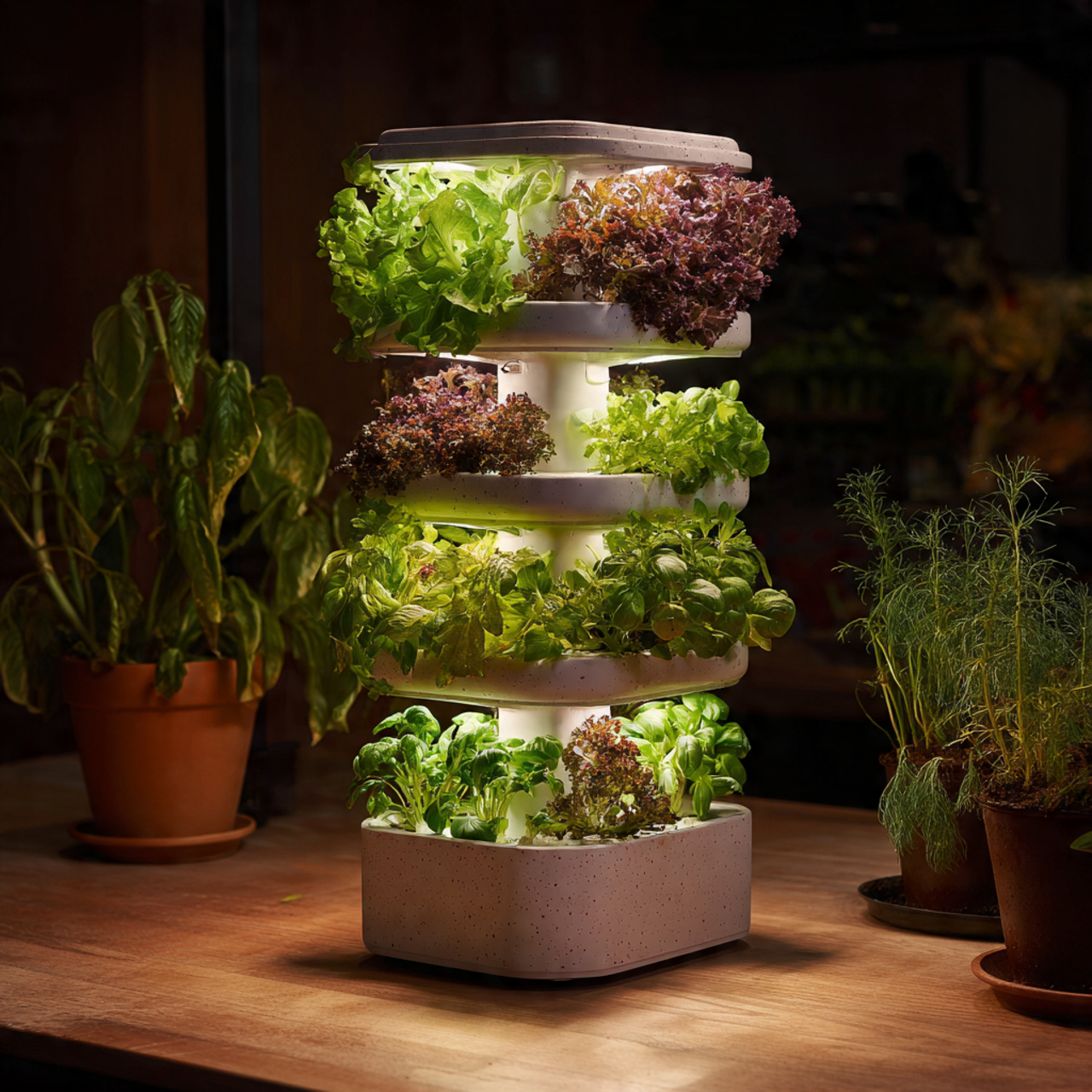
Why it works: Upward expansion means more plants per square foot.
When floor space is limited, build upward. Vertical hydroponic systems stack multiple growing levels, multiplying your productive area without expanding your footprint. Tower systems, wall-mounted units, or tiered setups all leverage vertical space efficiently.
Vertical system planning:
- Ensure adequate light reaches all levels (top plants shouldn’t shade bottom ones)
- Use gravity-fed or recirculating pumps for water distribution
- Choose compact plant varieties suited to confined spaces
- Secure structures properly—falling towers are disasters
- Start with 3-4 levels before attempting floor-to-ceiling setups
Urban balcony gardeners love vertical systems because a 2-foot by 2-foot footprint can support 20-30 plants in a tower configuration. Strawberries, herbs, and leafy greens work particularly well. Just remember that taller systems require more structural stability and careful weight distribution.
Hydroponic Greenhouse Setup
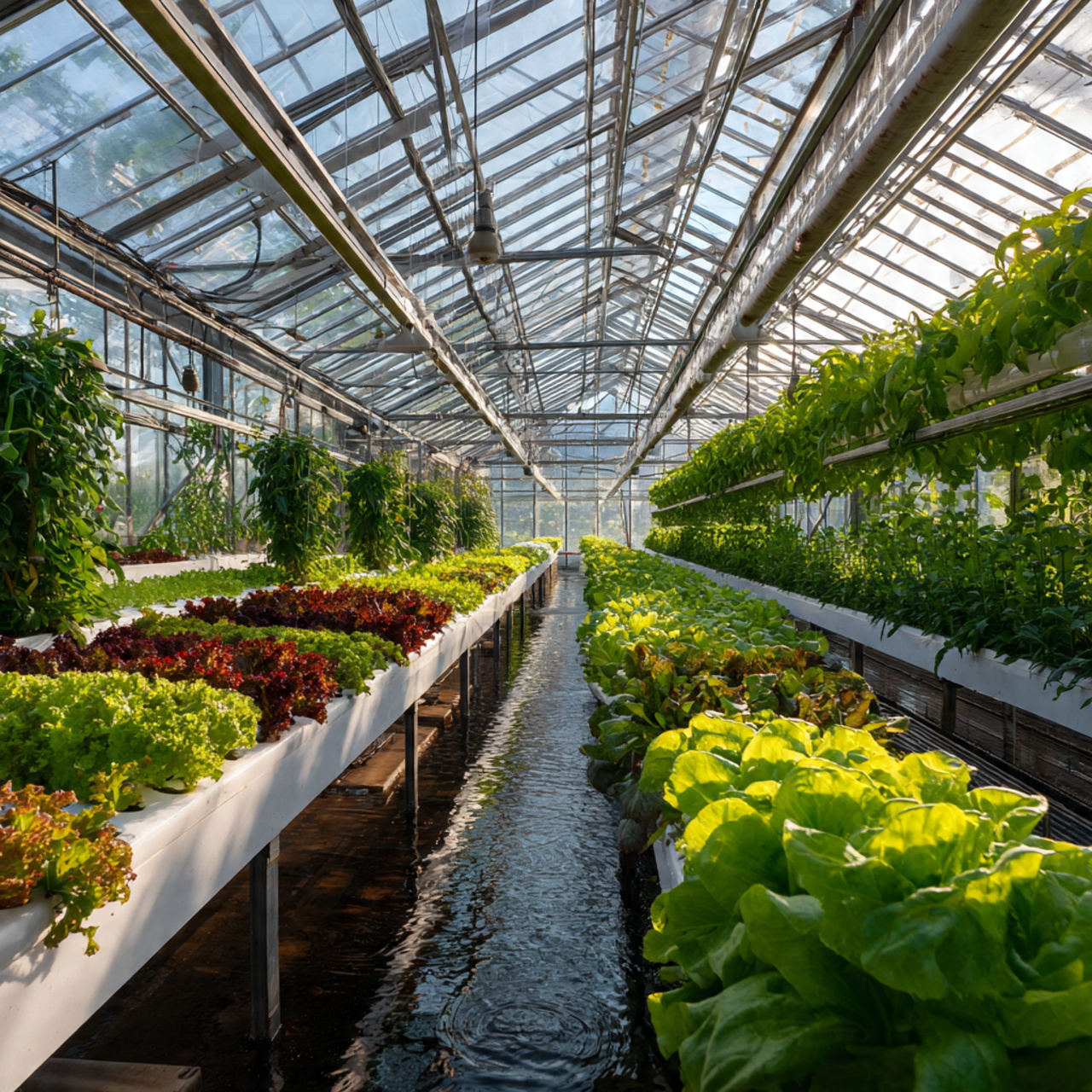
Why it works: Climate control plus hydroponics equals consistent harvests in any weather.
Pairing hydroponics with a greenhouse creates an ideal growing environment where you control temperature, humidity, and light while protecting plants from pests and extreme weather. This combination allows consistent production regardless of season or outdoor conditions.
Greenhouse hydroponic considerations:
- Install proper ventilation to prevent overheating
- Use shade cloth during intense summer sun
- Add supplemental heating for winter growing
- Implement pest exclusion measures at entry points
- Monitor humidity—greenhouses can trap excessive moisture
Even a small backyard greenhouse transforms your growing capabilities. You’ll harvest tomatoes in December and grow lettuce through July heat waves that would normally bolt plants. The protected environment also means fewer pesticide needs and healthier plants overall.
DIY Hydroponic Garden for Beginners
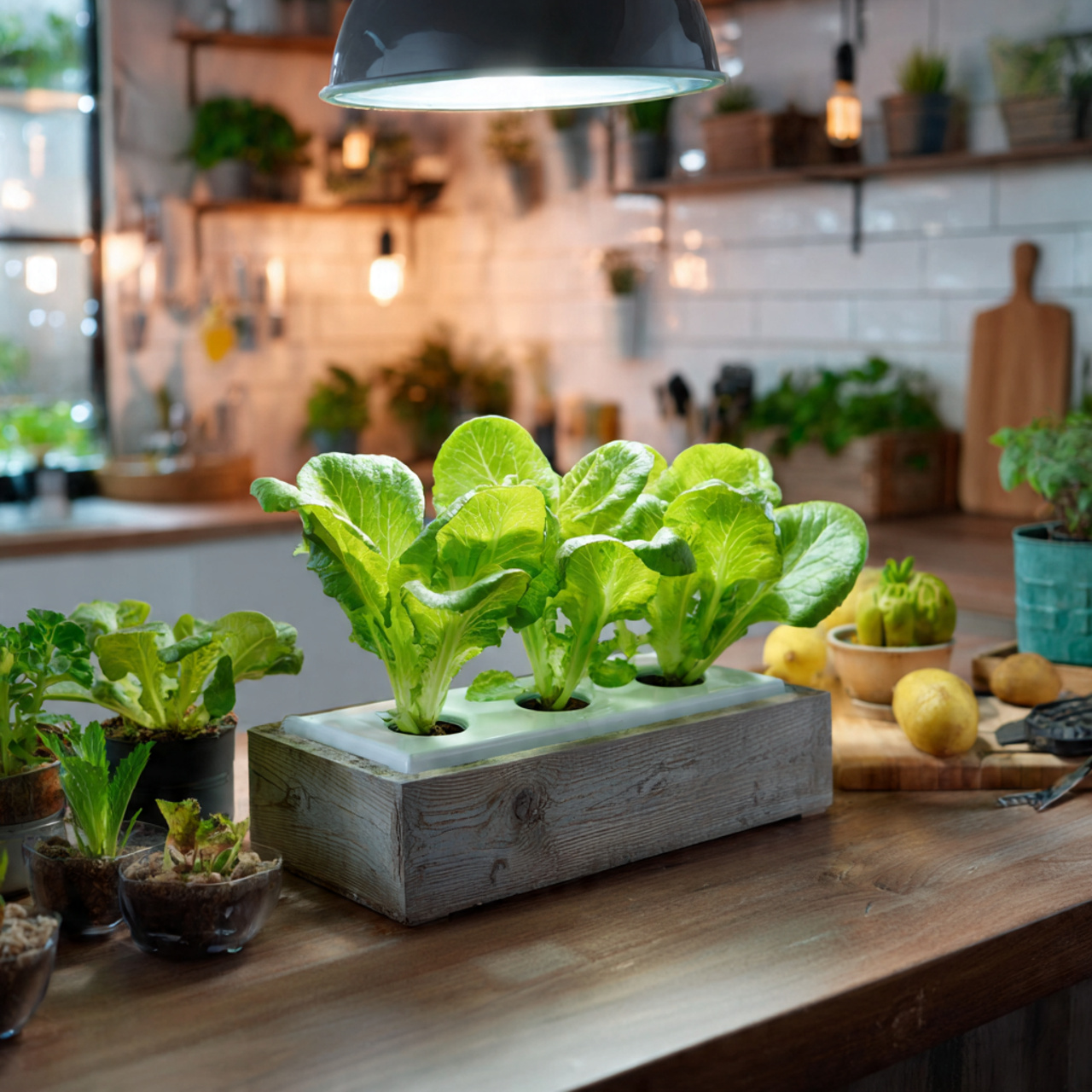
Why it works: Learning by building gives you deeper system understanding.
Starting with a DIY hydroponic project teaches you fundamental principles while keeping costs low. Simple DWC buckets built from storage containers, NFT systems made from PVC gutters, or wick setups using mason jars—all provide hands-on education without breaking the bank.
DIY starter project tips:
- Begin with a single-bucket DWC system (under $30 in materials)
- Use food-grade containers only
- Watch multiple tutorial videos before cutting materials
- Start with forgiving plants like lettuce or basil
- Document what works and what doesn’t for system improvements
The satisfaction of harvesting lettuce from a system you built yourself is unmatched. You’ll understand every component, making troubleshooting intuitive. Plus, DIY systems can be modified and expanded as your skills grow, whereas commercial systems lock you into fixed configurations.
Countertop Herb Gardens
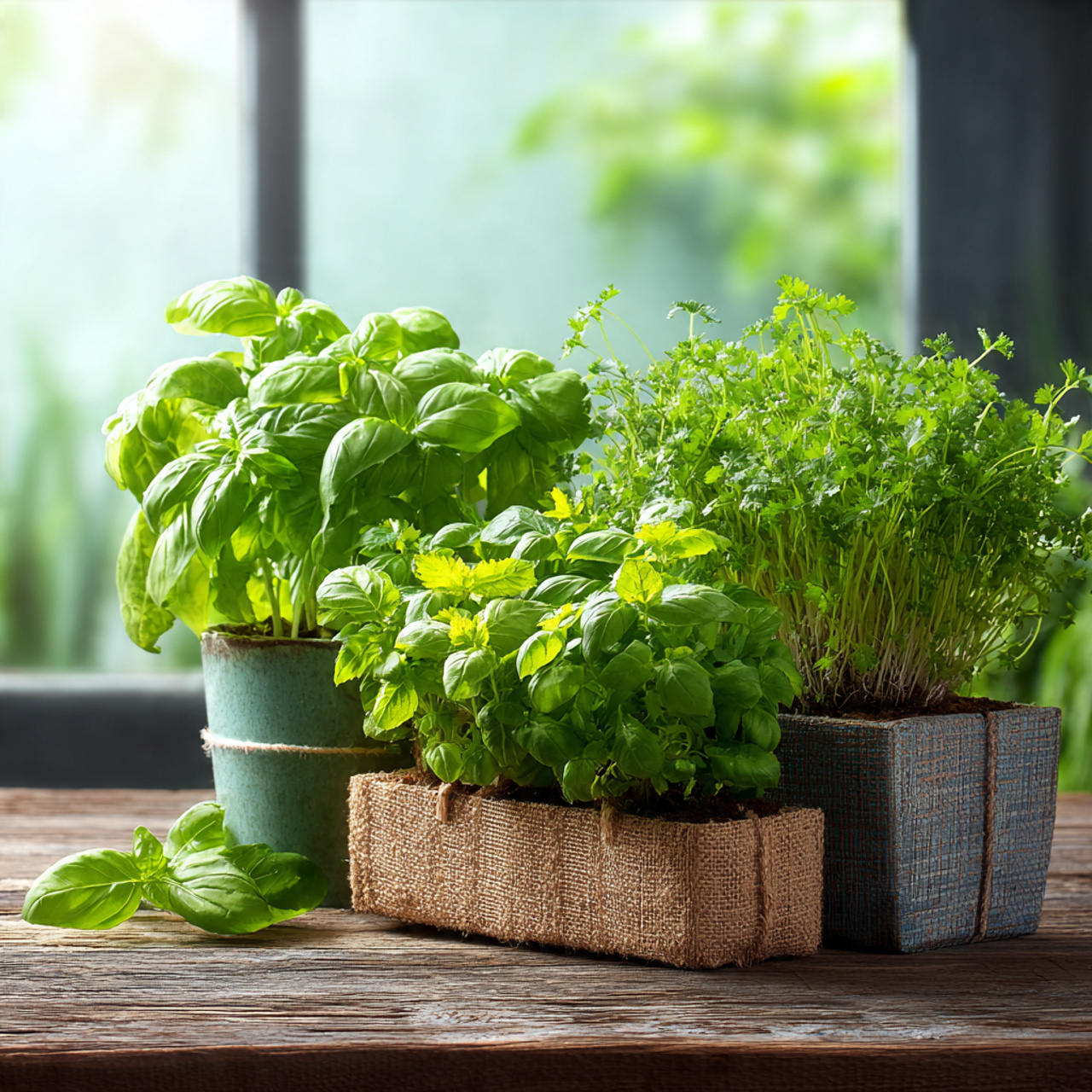
Why it works: Fresh herbs steps from your stove transform cooking.
Hydroponic herb gardens fit perfectly on kitchen counters or windowsills, providing constant access to fresh basil, cilantro, mint, parsley, and more. These compact systems look attractive while serving genuine culinary purposes.
Herb garden success strategies:
- Provide 12-14 hours of light daily (grow lights if needed)
- Harvest regularly to encourage bushy growth
- Keep pH between 5.5-6.0 for most culinary herbs
- Prune before flowering to maintain leaf production
- Rotate different herb varieties for cooking diversity
There’s something wonderful about snipping fresh basil for pasta or mint for tea without stepping outside. Hydroponic herbs grow faster and often more flavorfully than their soil counterparts, and you’ll never buy wilted grocery store herbs again.
Hydroponic Lettuce Farming
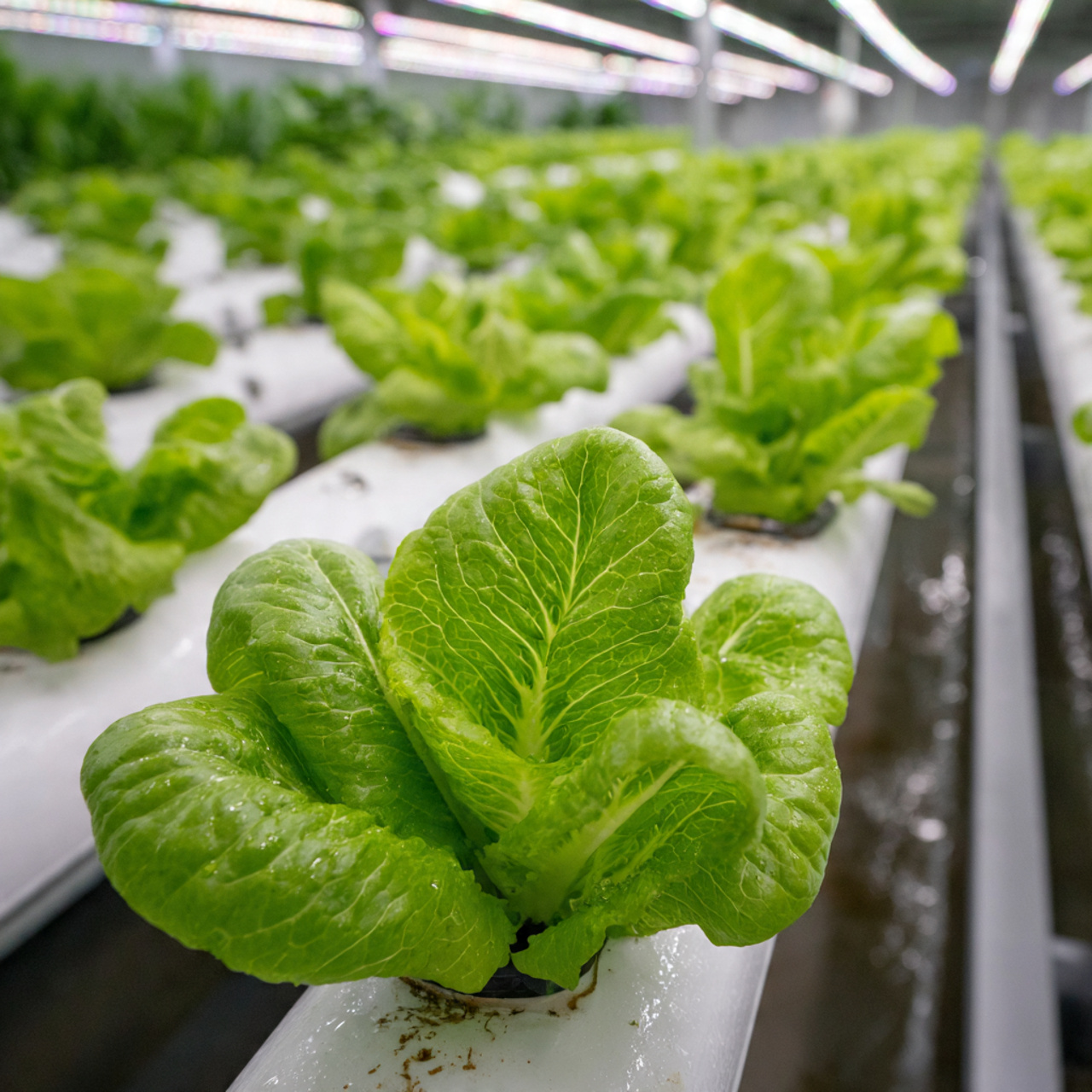
Why it works: Fast growth cycles and high demand create profitable opportunities.
Lettuce has become hydroponics’ poster child for good reason. Its shallow roots, rapid growth (harvest in 4-6 weeks), and consistent market demand make it ideal for both home gardeners and commercial operations. NFT and DWC systems produce restaurant-quality heads consistently.
Optimizing lettuce production:
- Maintain water temperature at 65-70°F to prevent tip burn
- Use balanced nutrient formulas designed for leafy greens
- Stagger plantings for continuous harvest cycles
- Harvest in morning for crispest leaves
- Popular varieties: butterhead, romaine, oakleaf
Many successful hydroponic businesses start with lettuce before diversifying. The crop’s forgiving nature and quick turnaround provide steady income while you perfect your growing skills. Local restaurants often pay premium prices for fresh, locally-grown hydroponic lettuce delivered the same day.
Strawberries in Hydroponics
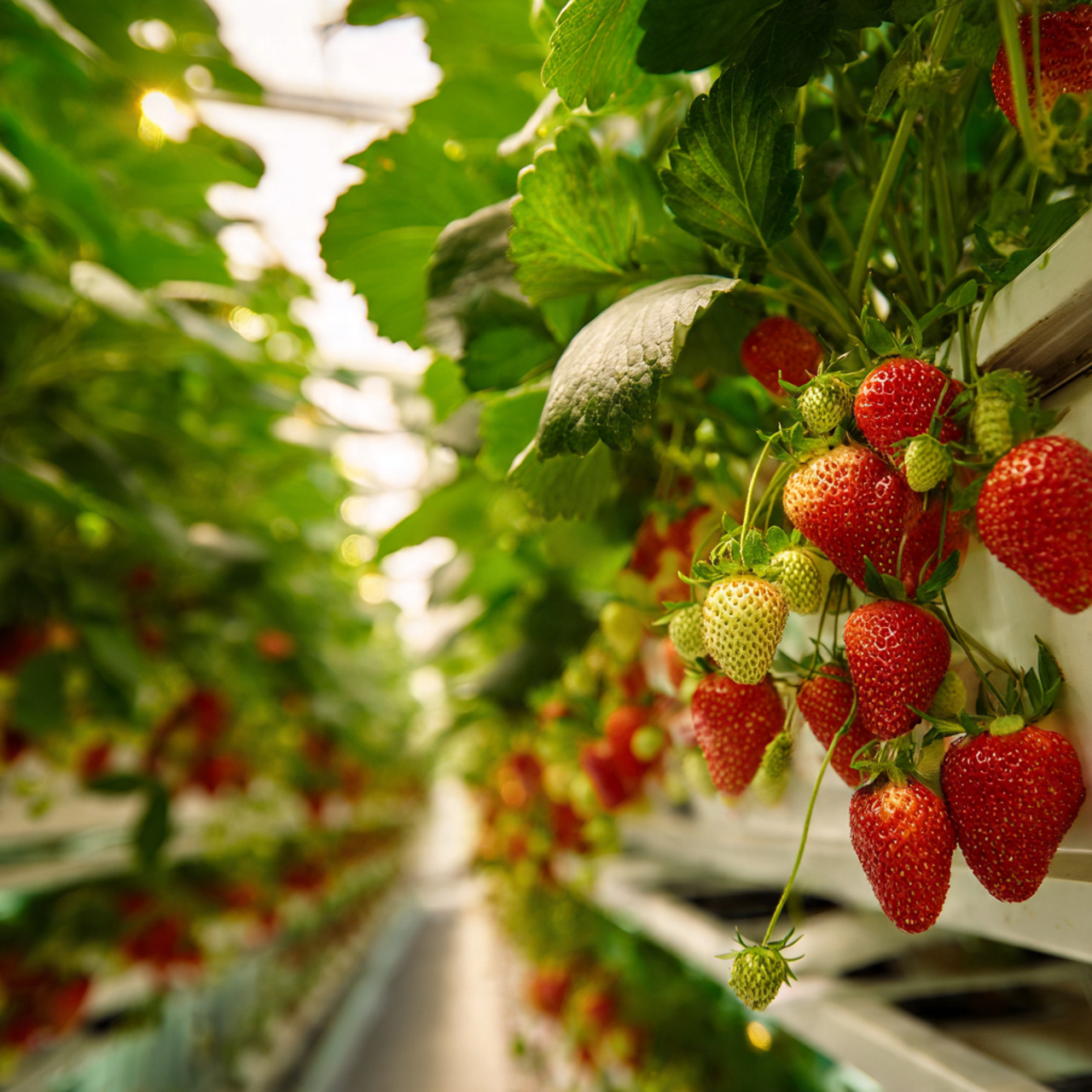
Why it works: Vertical systems and controlled environments produce cleaner, sweeter berries.
Strawberries adapt beautifully to hydroponic systems, especially vertical setups that keep fruit off surfaces and reduce pest pressure. Proper nutrient management and pollination techniques (or everbearing varieties) result in year-round berry production that tastes noticeably better than store-bought fruit.
Strawberry growing essentials:
- Choose day-neutral or everbearing varieties for continuous production
- Provide adequate calcium to prevent blossom end issues
- Hand pollinate flowers with a small brush if growing indoors
- Maintain slightly acidic pH (5.5-6.0)
- Expect 6-8 months before first harvest from transplants
The initial waiting period tests patience, but once established, strawberry plants produce for several years. The elevated growing position in vertical towers eliminates the back-breaking bending of traditional strawberry patches, and you’ll never bite into a gritty, dirt-covered berry again.
Hydroponic Tomatoes
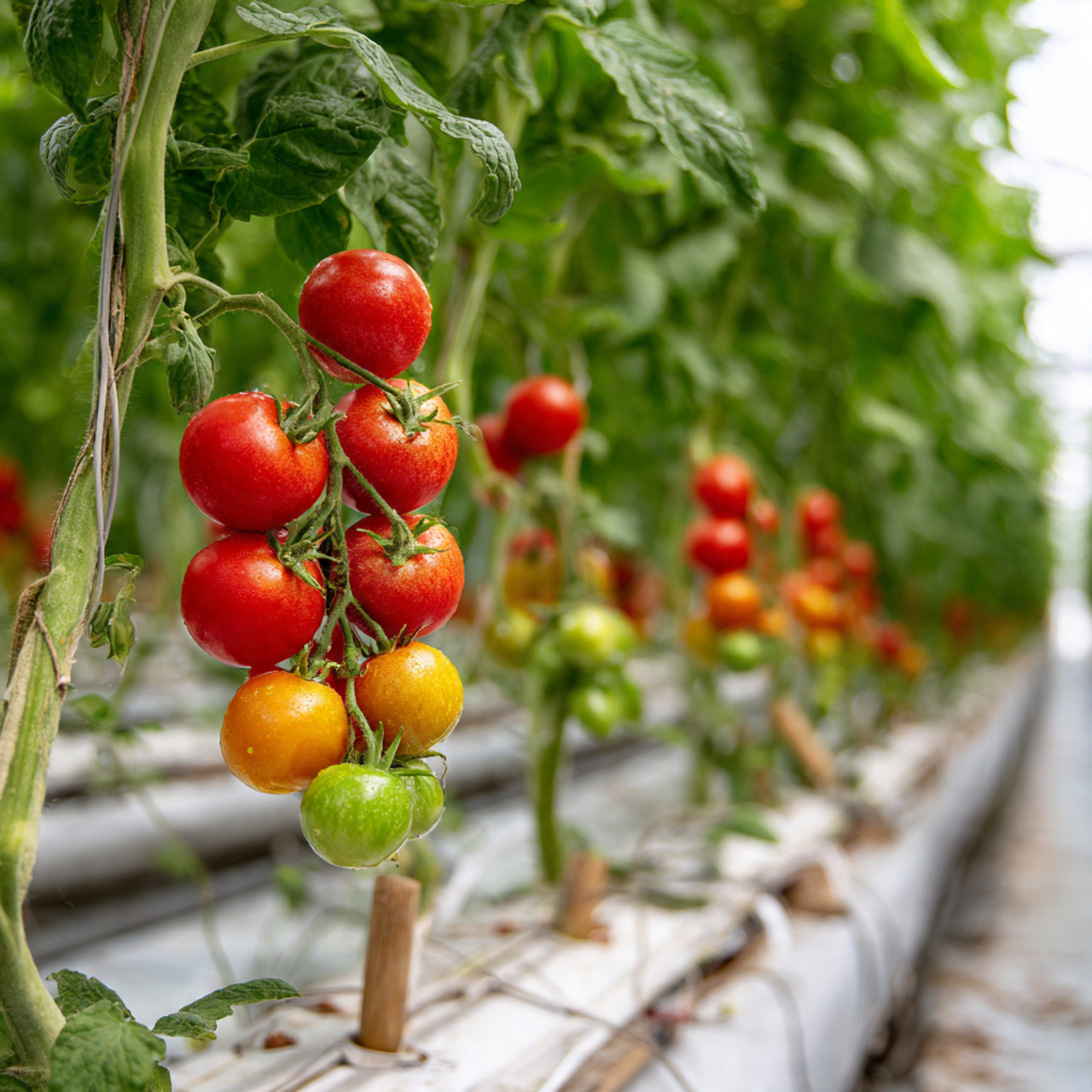
Why it works: Precise nutrient control develops more flavorful, abundant fruit.
Hydroponic tomatoes often outperform soil-grown plants in both speed and flavor. The controlled environment lets you adjust nutrients throughout the plant’s life cycle—higher nitrogen during vegetative growth, then shifting to phosphorus and potassium for fruiting.
Tomato hydroponic techniques:
- Install sturdy support structures before plants need them
- Prune suckers weekly to focus energy on fruit production
- Shake flowering plants gently to aid pollination
- Increase potassium as fruits develop for better flavor
- Maintain daytime temps around 75°F, nights around 65°F
Cherry and grape tomato varieties produce abundantly in hydroponics, while larger heirloom types reward patient growers with complex flavors. Many hydroponic tomato growers report harvests 30-40% larger than equivalent soil-grown plants.
Microgreens Hydroponic Production
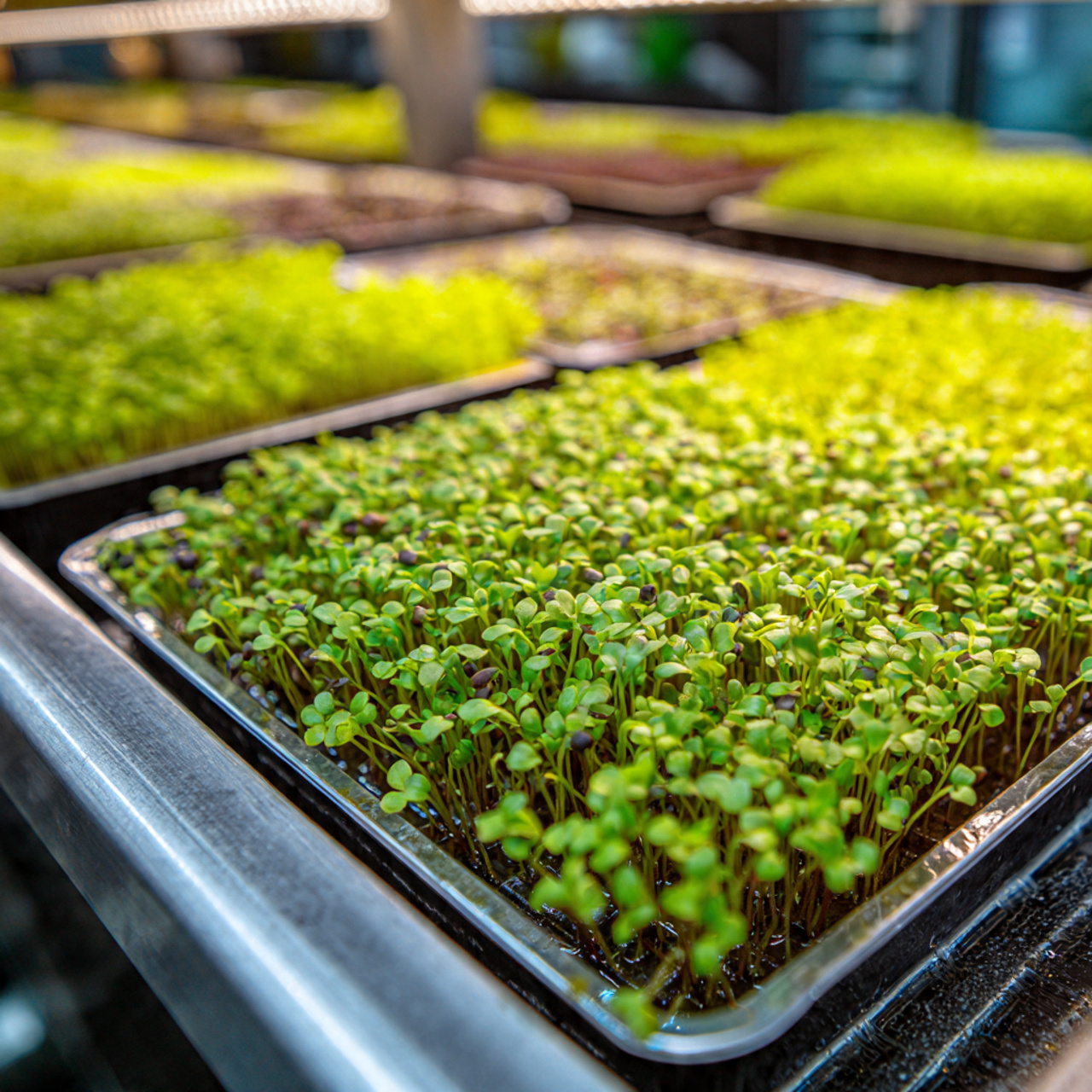
Why it works: Harvest in 7-14 days with minimal space requirements.
Microgreens represent hydroponics at its most efficient—dense plantings harvested young for concentrated flavor and nutrition. These tiny greens command premium prices at farmers markets and with restaurants, making them profitable even in small spaces.
Microgreens production system:
- Use shallow trays (1-2 inches deep)
- Plant seeds densely for thick mat growth
- Bottom-water or mist to avoid knocking over seedlings
- Harvest when first true leaves appear
- Popular varieties: radish, sunflower, pea shoots, broccoli
With multiple harvests per month possible and no waiting for full maturity, microgreens provide quick returns. A spare bedroom or basement corner can generate meaningful income. The rapid turnover also lets you experiment with varieties to find what sells best in your market.
Hydroponic Spinach Cultivation
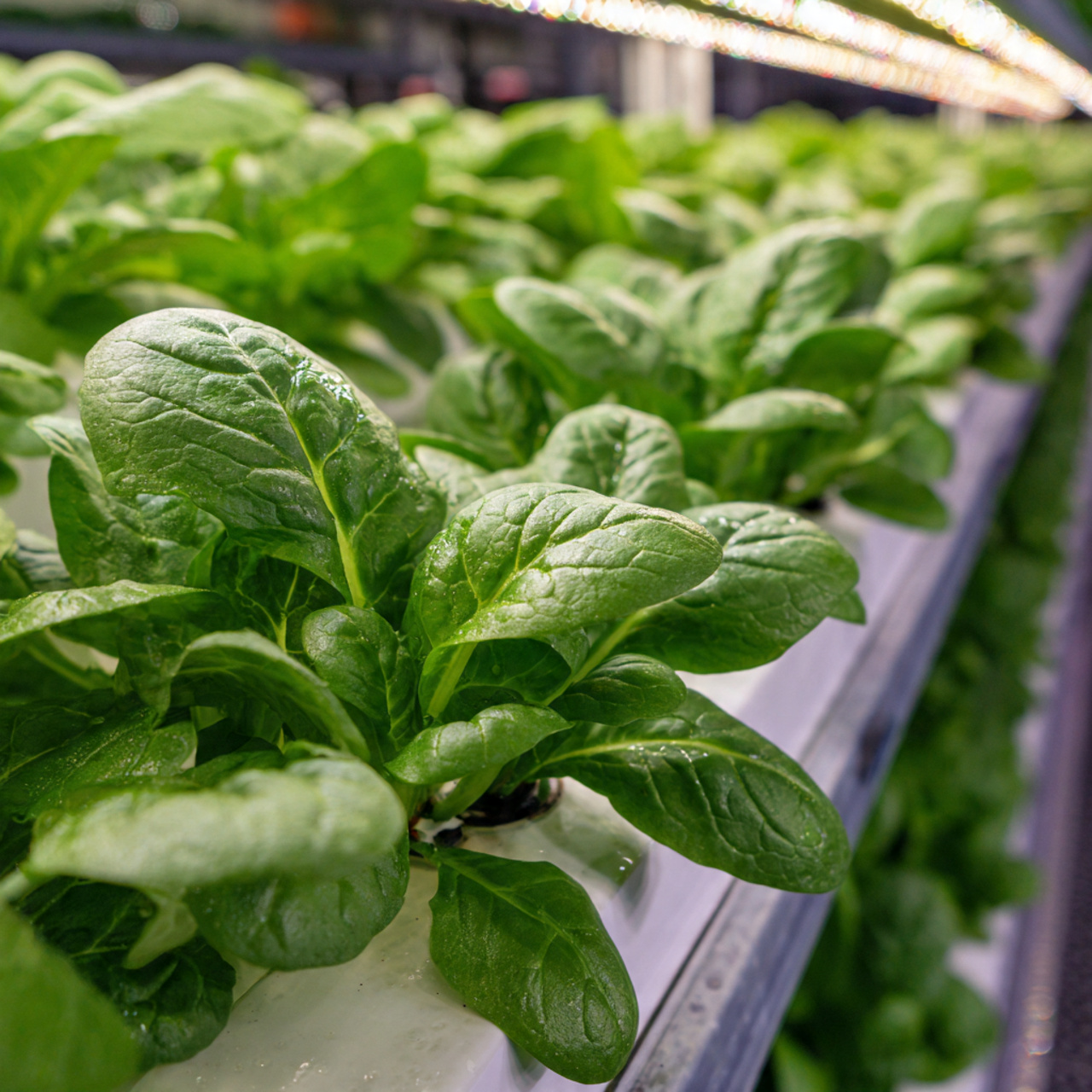
Why it works: Fast-growing superfood thrives in cool hydroponic environments.
Spinach produces tender, vitamin-rich leaves rapidly in hydroponic systems. It prefers cooler temperatures than many crops, making it ideal for basement grows or cooler seasons in greenhouses. DWC and NFT systems both produce excellent results.
Spinach cultivation tips:
- Keep water temperature below 70°F to prevent bolting
- Monitor iron levels—yellowing leaves indicate deficiency
- Harvest outer leaves continuously or cut whole plant
- Watch pH closely (6.0-6.5 optimal range)
- Try both savoy and smooth-leaf varieties
Hydroponic spinach often grows more tender than field-grown versions, with none of the grittiness from soil particles. The controlled environment also minimizes pest issues common in outdoor spinach production. You’ll enjoy fresh spinach salads and smoothies year-round.
Cucumbers in Hydroponic Systems
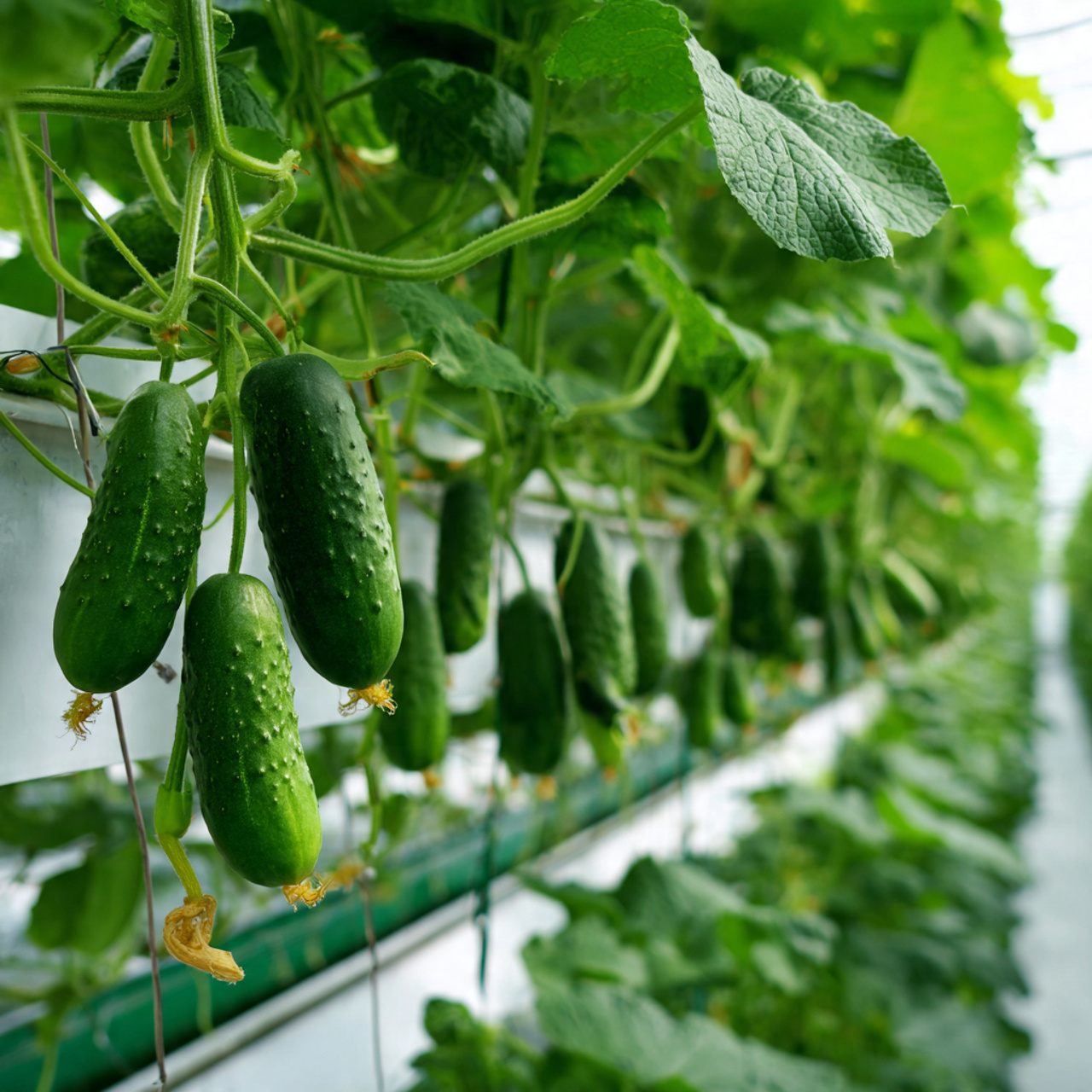
Why it works: Vertical growth maximizes space while producing straight, clean fruit.
Cucumbers’ natural climbing tendency makes them perfect for vertical hydroponic systems. Training vines up trellises keeps fruit off surfaces, prevents rotting, and produces those perfectly straight cucumbers everyone wants. The controlled environment eliminates common cucumber beetles and diseases.
Cucumber growing strategies:
- Choose greenhouse varieties bred for indoor growing
- Train main vine vertically, pruning side shoots
- Hand pollinate if growing without insects
- Harvest frequently to encourage continued production
- Maintain consistent moisture—fluctuations cause bitter fruit
The taste difference between fresh hydroponic cucumbers and waxy store-bought versions is dramatic. You’ll achieve commercial quality in your home system with proper care. Expect your first cucumbers about 50-60 days after transplanting.
Visit More: Vegetable Gardening
Hydroponic Peppers
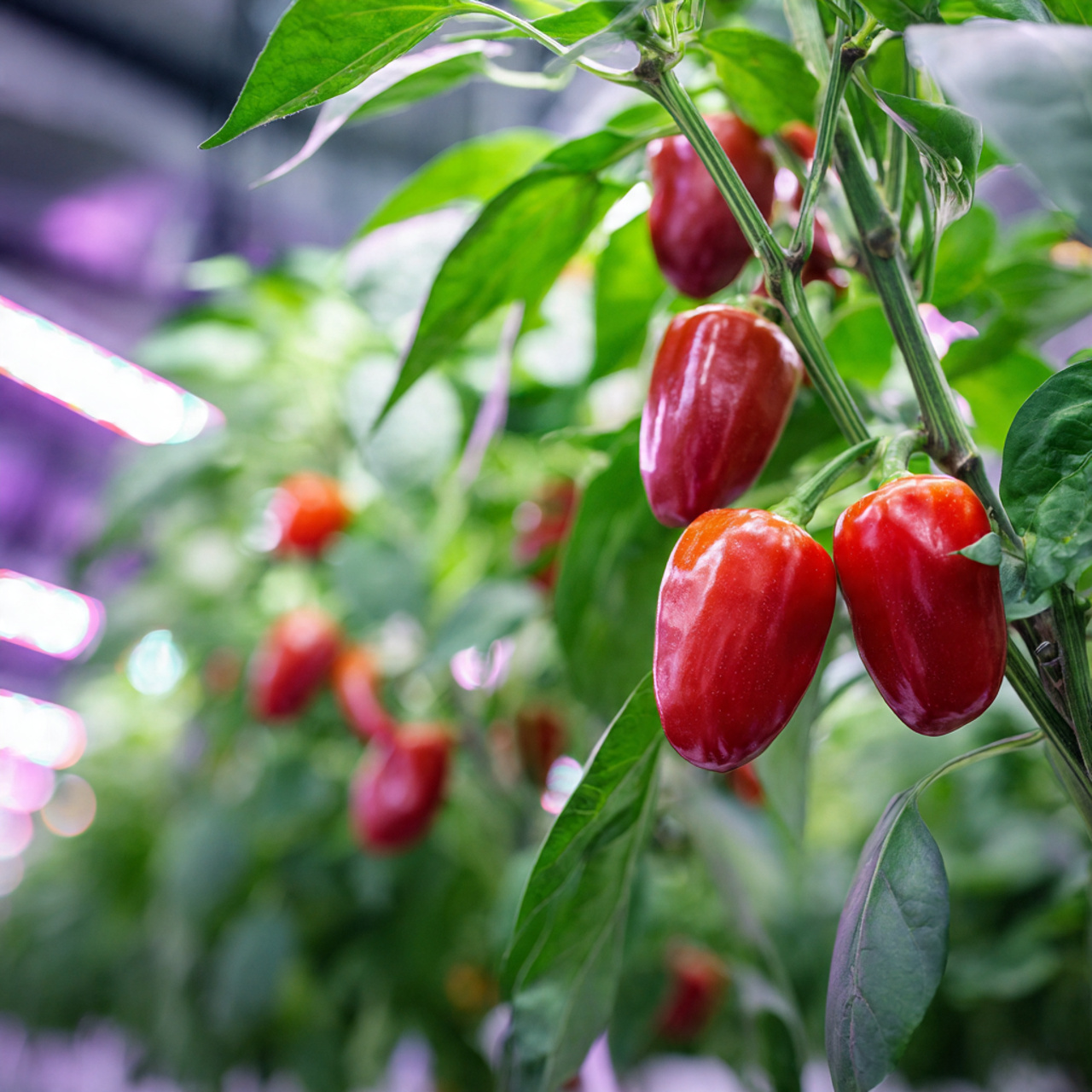
Why it works: Controlled conditions produce vibrant, flavorful peppers year-round.
Peppers love the stable environment hydroponics provides. Whether you’re growing sweet bells, spicy jalapeños, or exotic varieties, precise nutrient and temperature control results in larger, more colorful fruits with intense flavors.
Pepper growing requirements:
- Provide strong support for heavy-fruiting branches
- Maintain warmer temperatures (75-85°F) than most crops
- Prune lower branches to improve airflow
- Increase calcium and magnesium during fruiting
- Be patient—peppers take 60-90 days to mature
Hot pepper enthusiasts particularly enjoy hydroponics because heat levels can be influenced by stress factors you control. Growing superhot varieties like Carolina Reapers or Ghost Peppers becomes more predictable. The extended growing season means year-round salsa ingredients.
Hydroponic Kale Farming
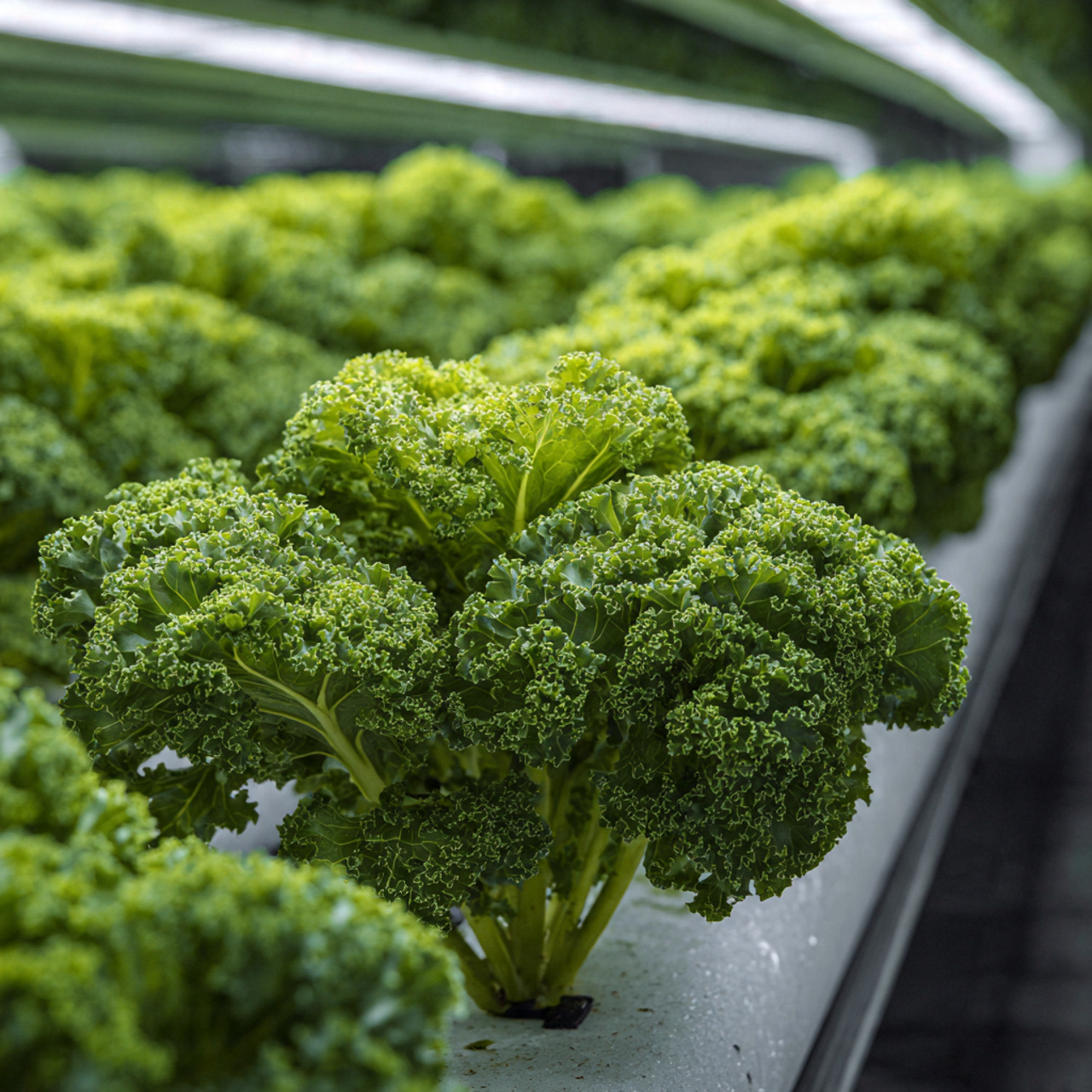
Why it works: Superfood greens that tolerate various hydroponic systems.
Kale has exploded in popularity, and hydroponic systems produce tender, sweet leaves that lack the bitterness sometimes found in stressed outdoor plants. Continuous harvesting over several months makes kale economically attractive for small-scale growers.
Kale cultivation approach:
- Start harvesting outer leaves when 6-8 inches long
- Don’t remove more than 1/3 of leaves at once
- Cooler temps (60-70°F) produce sweeter flavor
- Multiple varieties offer different textures and colors
- Monitor for aphids—they love kale even indoors
Hydroponic kale stays tender much longer than soil-grown varieties, which tend to toughen quickly. The controlled environment means you harvest exactly when you want, with leaves staying fresh on the plant until needed.
Hydroponic Basil Cultivation
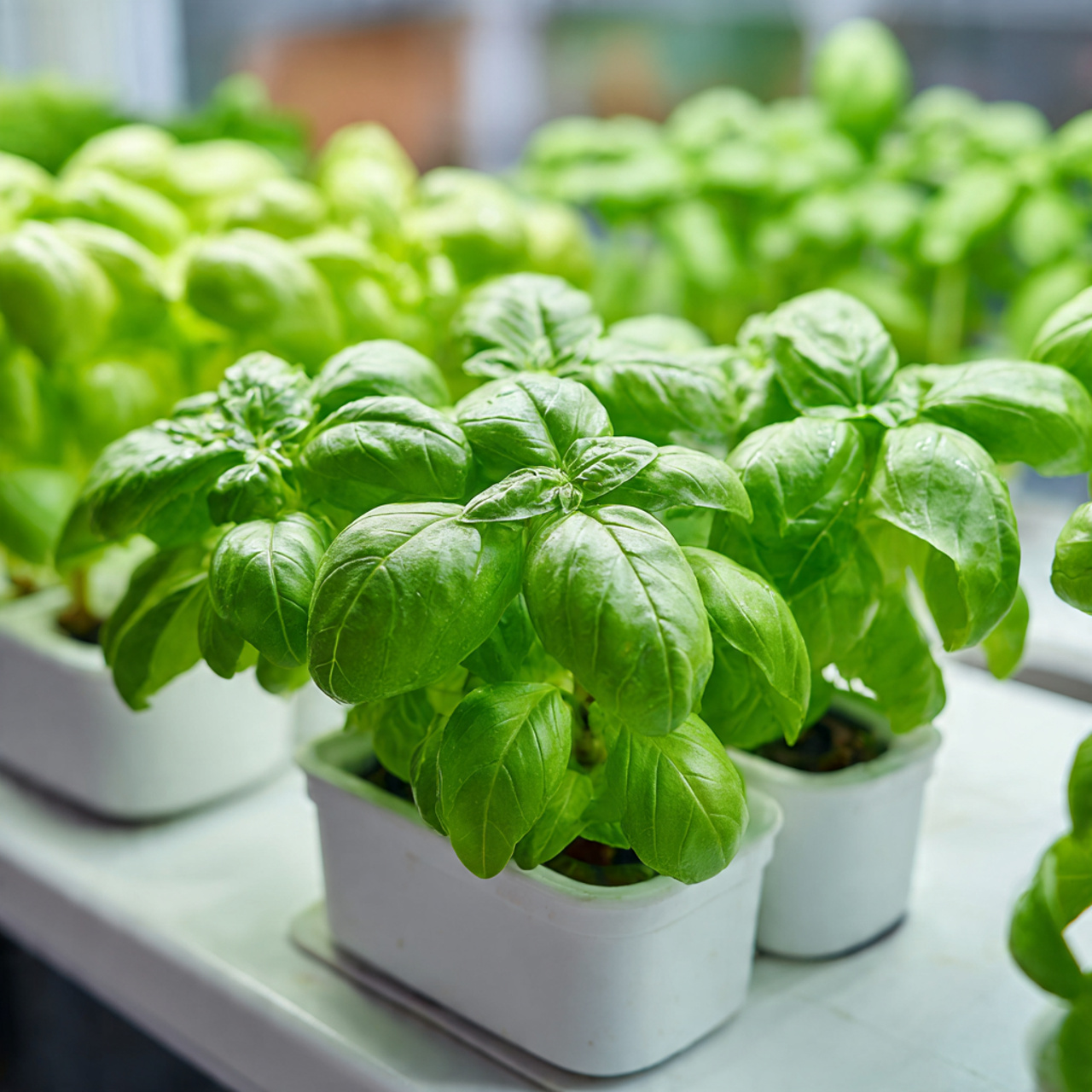
Why it works: Rapid growth and incredible aroma in compact spaces.
Basil thrives in hydroponics, producing bushier plants with more aromatic leaves than you’d typically achieve in soil. Regular pruning encourages branching, creating full plants that provide abundant harvests for pesto, caprese salads, and countless other dishes.
Basil success factors:
- Pinch off flower buds immediately to prolong leaf production
- Harvest from the top down to encourage bushy growth
- Provide 14-16 hours of light for maximum production
- Keep temperatures above 65°F—basil hates cold
- Try different varieties: Genovese, Thai, purple, lemon
Fresh basil from your hydroponic system tastes noticeably more vibrant than dried or even store-bought fresh. The convenience of growing exactly the varieties you love most transforms your cooking.
Hydroponic Indoor Gardens
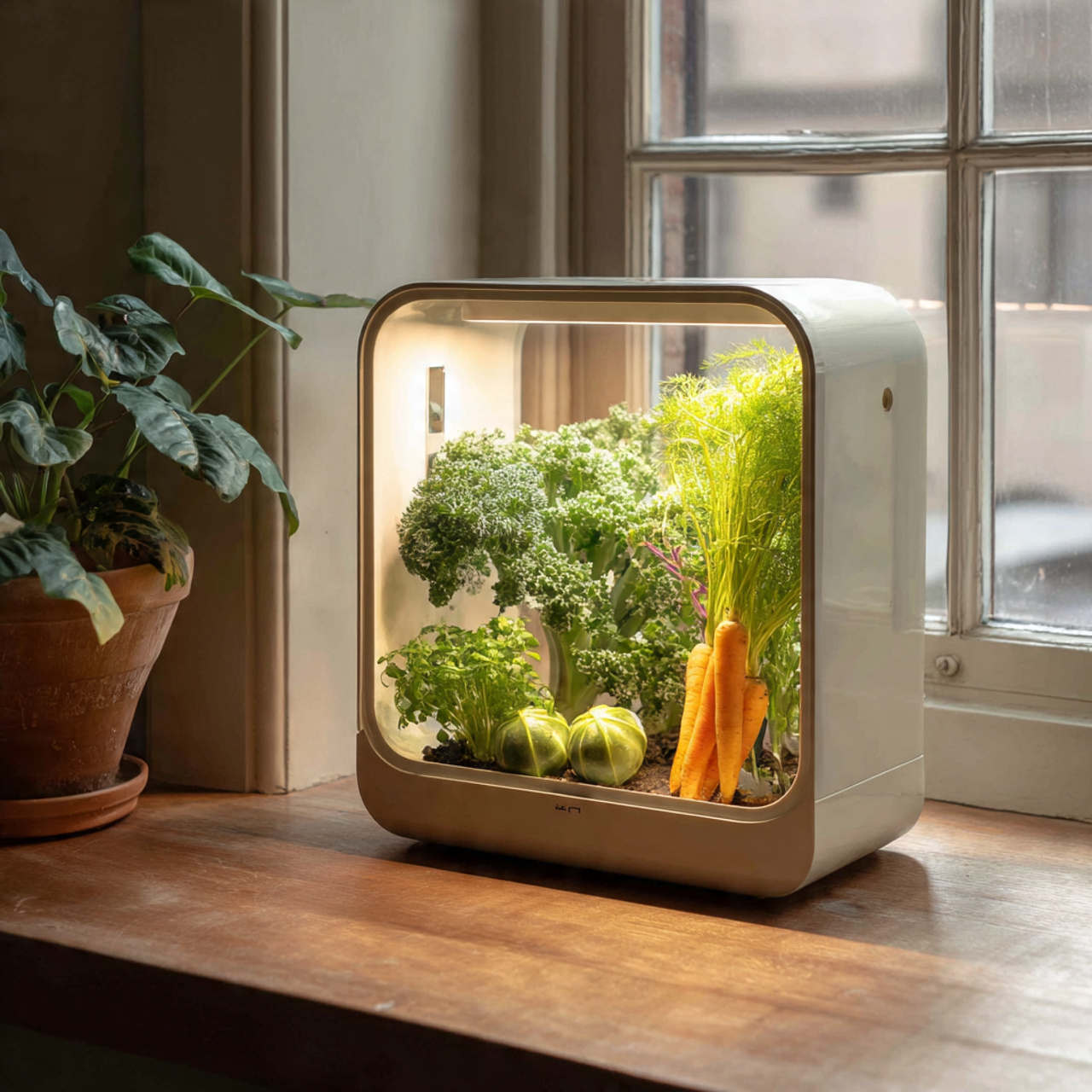
Why it works: Brings gardening to apartments and homes without yards.
Indoor hydroponic systems have been designed specifically for living spaces—quiet pumps, attractive designs, and compact footprints. LED grow lights provide necessary spectrum while consuming minimal electricity, making year-round indoor growing practical and affordable.
Indoor gardening essentials:
- Choose LED grow lights (not old fluorescent bulbs)
- Ensure adequate ventilation to prevent humidity issues
- Use timers for consistent light/dark cycles
- Keep systems accessible for daily monitoring
- Select compact plant varieties bred for indoor growing
The mental health benefits of tending plants indoors shouldn’t be underestimated. Indoor hydroponic gardens provide fresh food while also creating living spaces that feel more vibrant and connected to nature.
Hydroponic Flower Cultivation
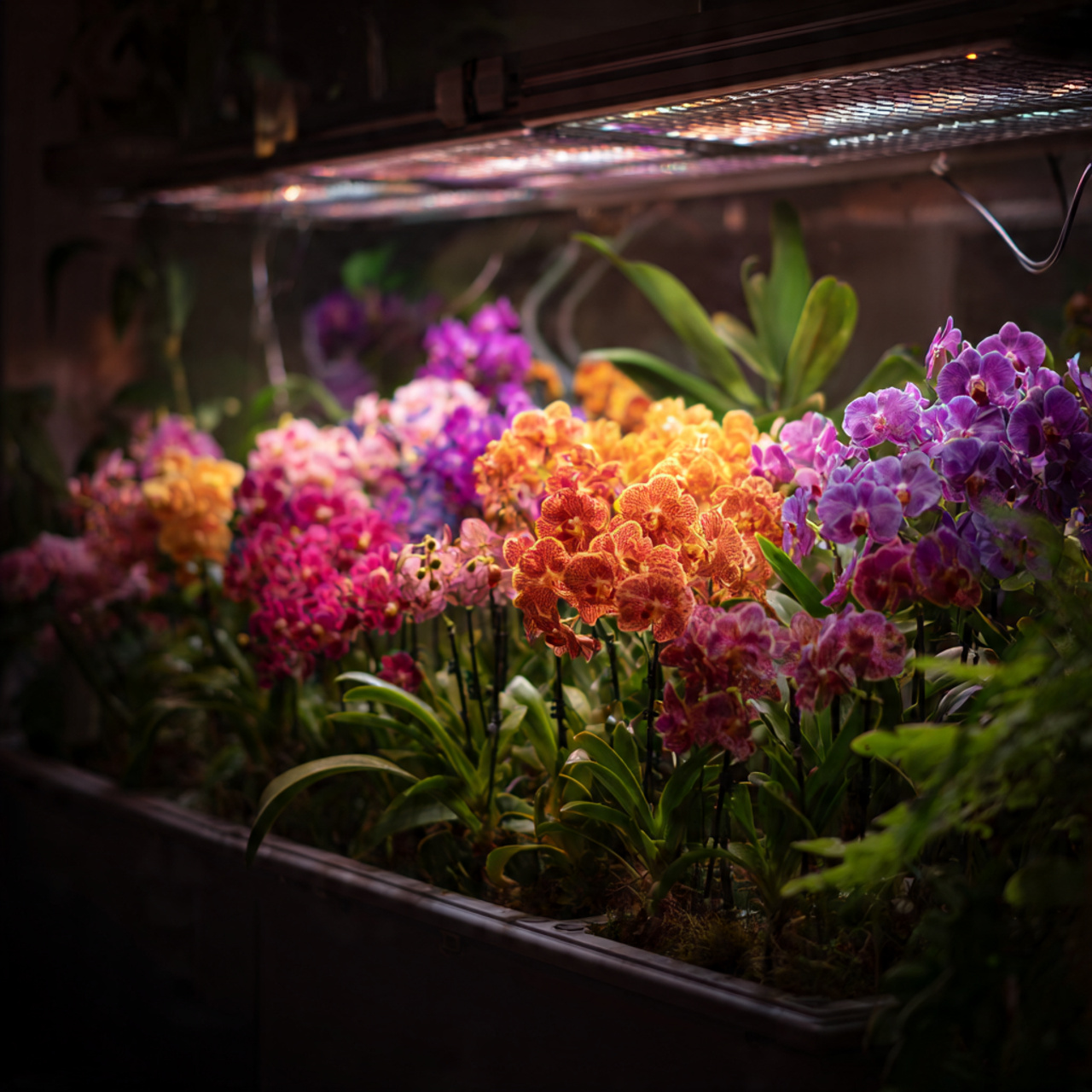
Why it works: Controlled conditions produce show-quality blooms.
Hydroponics isn’t just for vegetables—flowers like orchids, roses, and gerbera daisies produce stunning blooms when given precise nutrition and ideal growing conditions. The clean environment reduces pest pressure that often affects ornamental production.
Flower growing considerations:
- Research specific nutrient needs for each flower type
- Adjust light spectrum for blooming (more red/far-red)
- Support stems as flowers develop weight
- Consider day length requirements for flower initiation
- Cut flowers last longer from hydroponic systems
Growing high-value flowers hydroponically can be quite profitable. Wedding florists and high-end restaurants pay premium prices for locally-grown, unusual flower varieties. The controlled environment lets you produce out-of-season blooms that command top dollar.
Hydroponic Aquaponics Integration
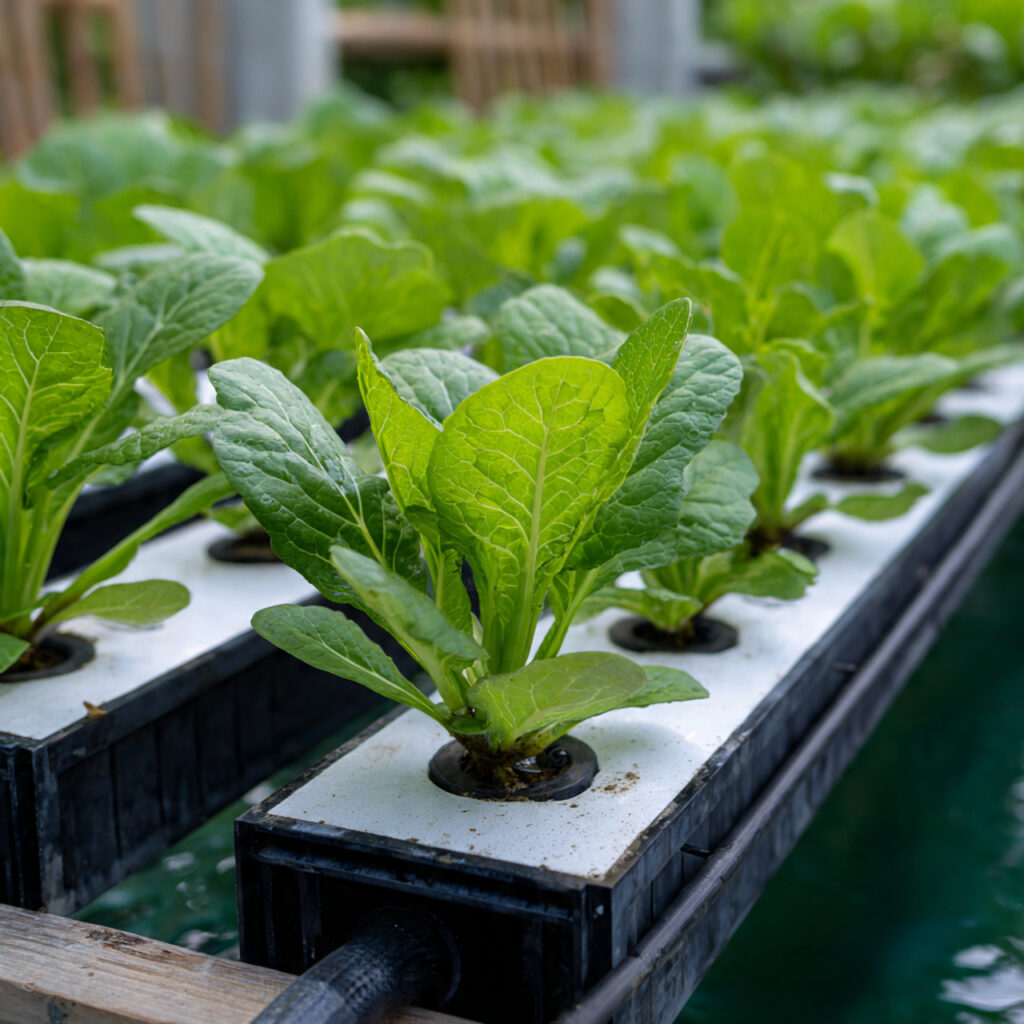
Why it works: Fish waste feeds plants, plants clean water—nature’s perfect cycle.
Aquaponics combines fish farming with hydroponics, creating a symbiotic ecosystem. Fish produce ammonia-rich waste, beneficial bacteria convert it to plant-available nutrients, and plants filter the water clean for fish. It’s sustainable, organic by nature, and fascinating to maintain.
Aquaponics setup basics:
- Start with hardy fish like tilapia or goldfish
- Cycle system for 4-6 weeks before adding fish
- Stock conservatively—more fish isn’t always better
- Monitor ammonia, nitrite, and nitrate levels weekly
- Feed fish high-quality food appropriate to species
The initial complexity might seem daunting, but established aquaponic systems require less intervention than pure hydroponics since nutrient levels self-regulate. You harvest both fish and vegetables from one integrated system.
Hydroponic System Automation
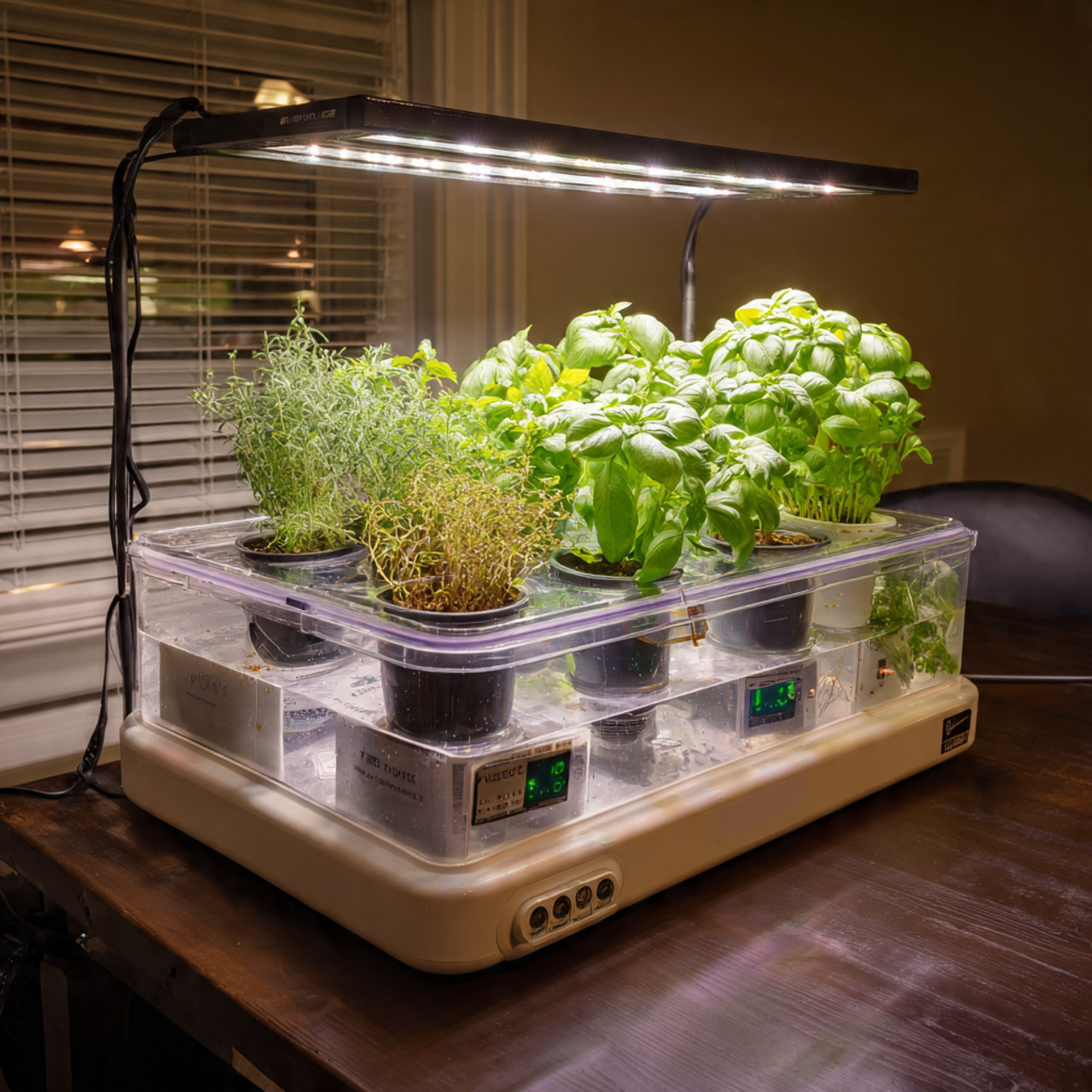
Why it works: Technology handles monitoring and adjustments while you focus on harvests.
Modern hydroponic automation includes pH controllers, nutrient dosers, automated lighting, and even smartphone monitoring systems. These technologies reduce daily labor while maintaining optimal conditions consistently—something manual management struggles to achieve.
Automation worth investing in:
- pH controllers with automatic acid/base dosing
- Timer-controlled lighting for consistent photoperiods
- Automated top-off systems for stable water levels
- Temperature monitors with alerts
- Nutrient concentration sensors
Commercial growers rely heavily on automation, but even home gardeners benefit from key automated functions. Starting with simple timers and gradually adding monitoring equipment makes sense as your system expands.
Hydroponic Gardening in Small Spaces
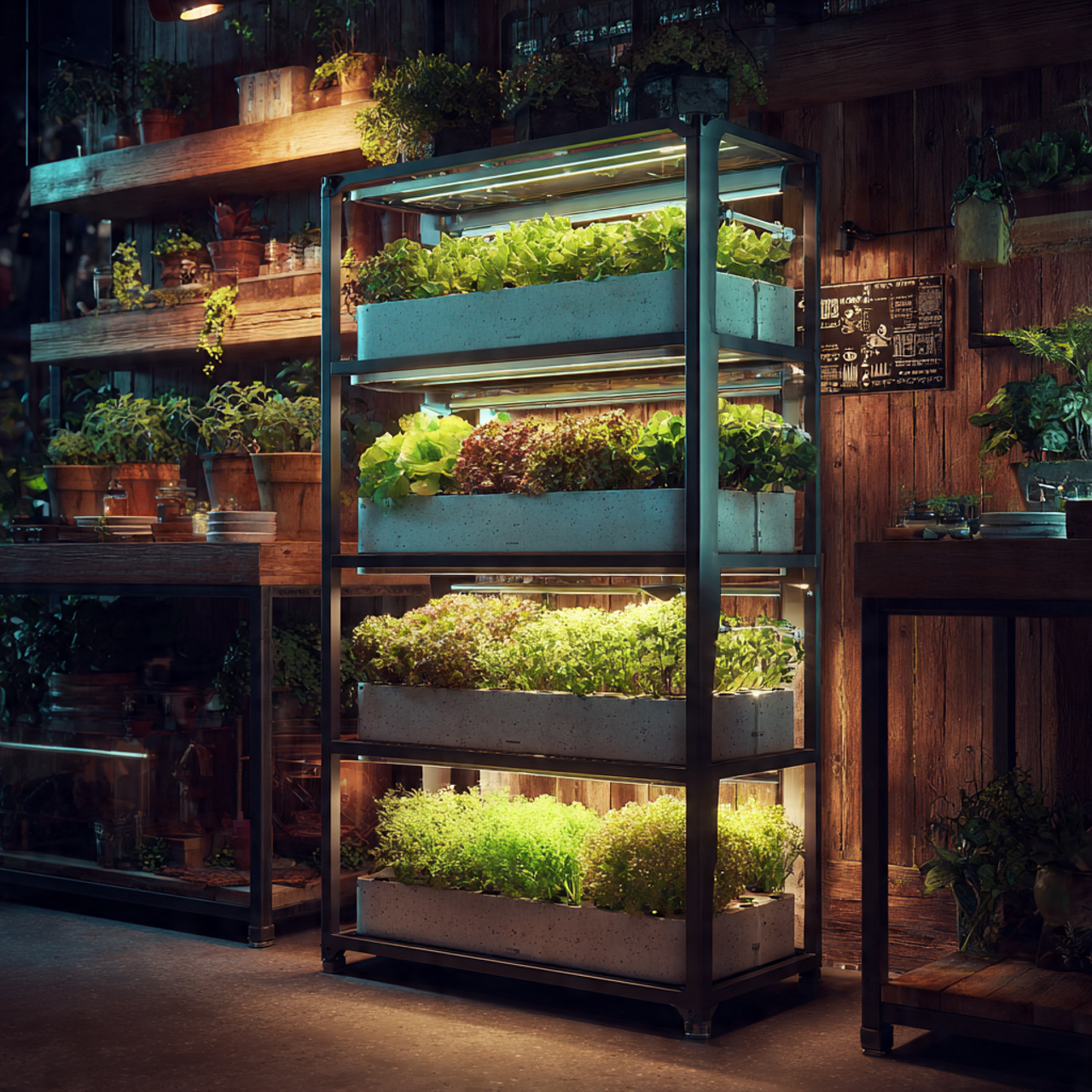
Why it works: Container-sized systems fit anywhere with adequate light.
Limited space doesn’t mean limited growing. Compact hydroponic units designed for balconies, patios, or small indoor areas make fresh produce accessible to apartment dwellers. Vertical towers and counter-height systems maximize growing capacity in minimal footprints.
Small-space strategies:
- Prioritize compact plant varieties
- Use vertical growing whenever possible
- Choose systems with built-in reservoirs
- Ensure balcony weight limits aren’t exceeded
- Protect outdoor systems from temperature extremes
Even a 2-foot square balcony can support a productive system. Combine lettuce, herbs, and cherry tomatoes for diverse harvests. The key is selecting appropriately sized systems and realistic plant quantities for your available space.
Seasonal Crop Hydroponics
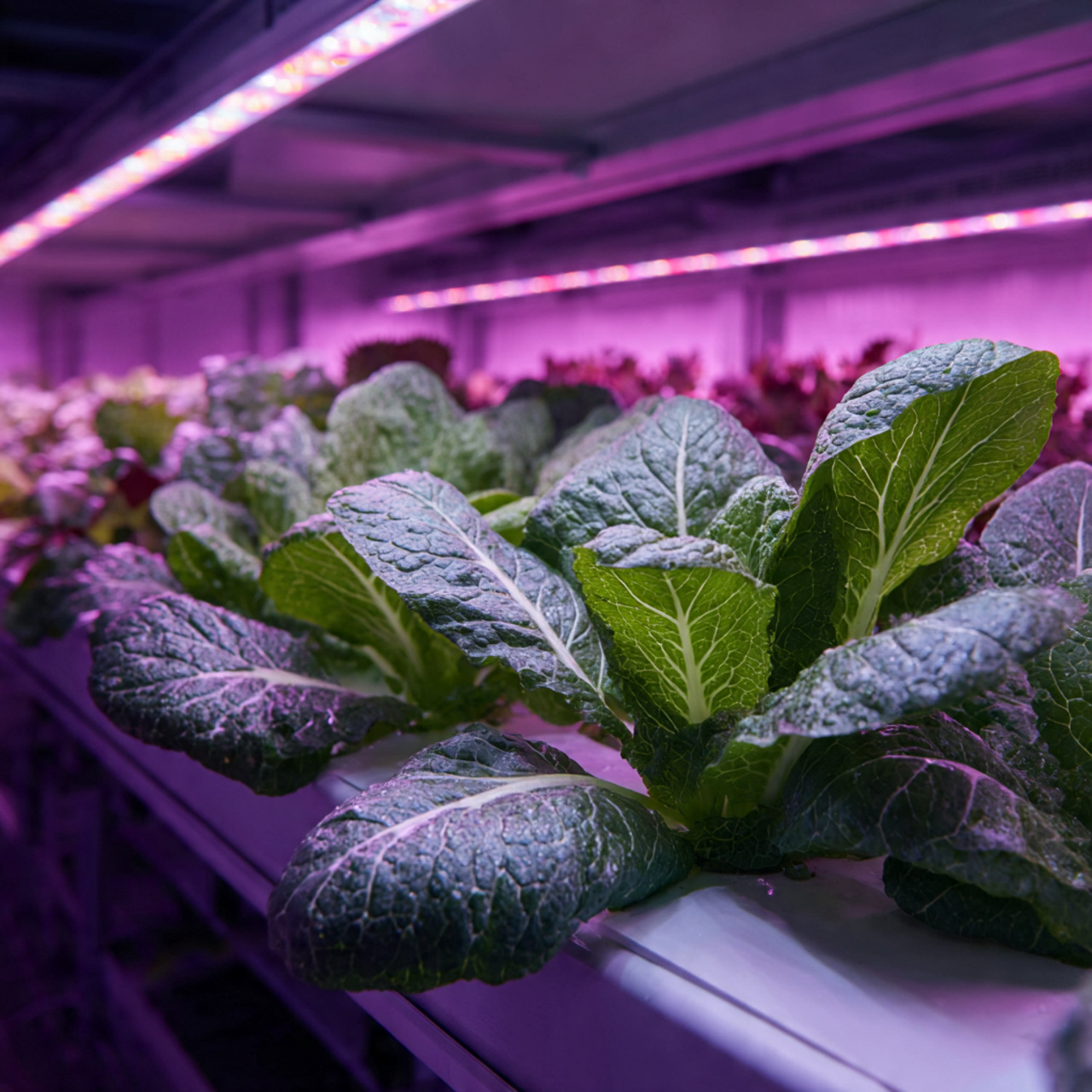
Why it works: Climate control makes every season growing season.
Hydroponics liberates you from traditional growing seasons. Want tomatoes in January? Lettuce in August? No problem. By controlling temperature, light, and nutrients, you grow summer crops year-round or produce cool-season vegetables during hot months.
Year-round growing approach:
- Adjust light duration to match crop requirements
- Control temperature actively with heating/cooling
- Plan crop rotations for continuous harvests
- Consider energy costs during extreme outdoor temps
- Enjoy food security independent of weather
This flexibility is particularly valuable in regions with harsh winters or extreme summers. You’ll maintain fresh, local food production when outdoor gardening is impossible. The food security and cost savings add up significantly over time.
Commercial Hydroponic Farming
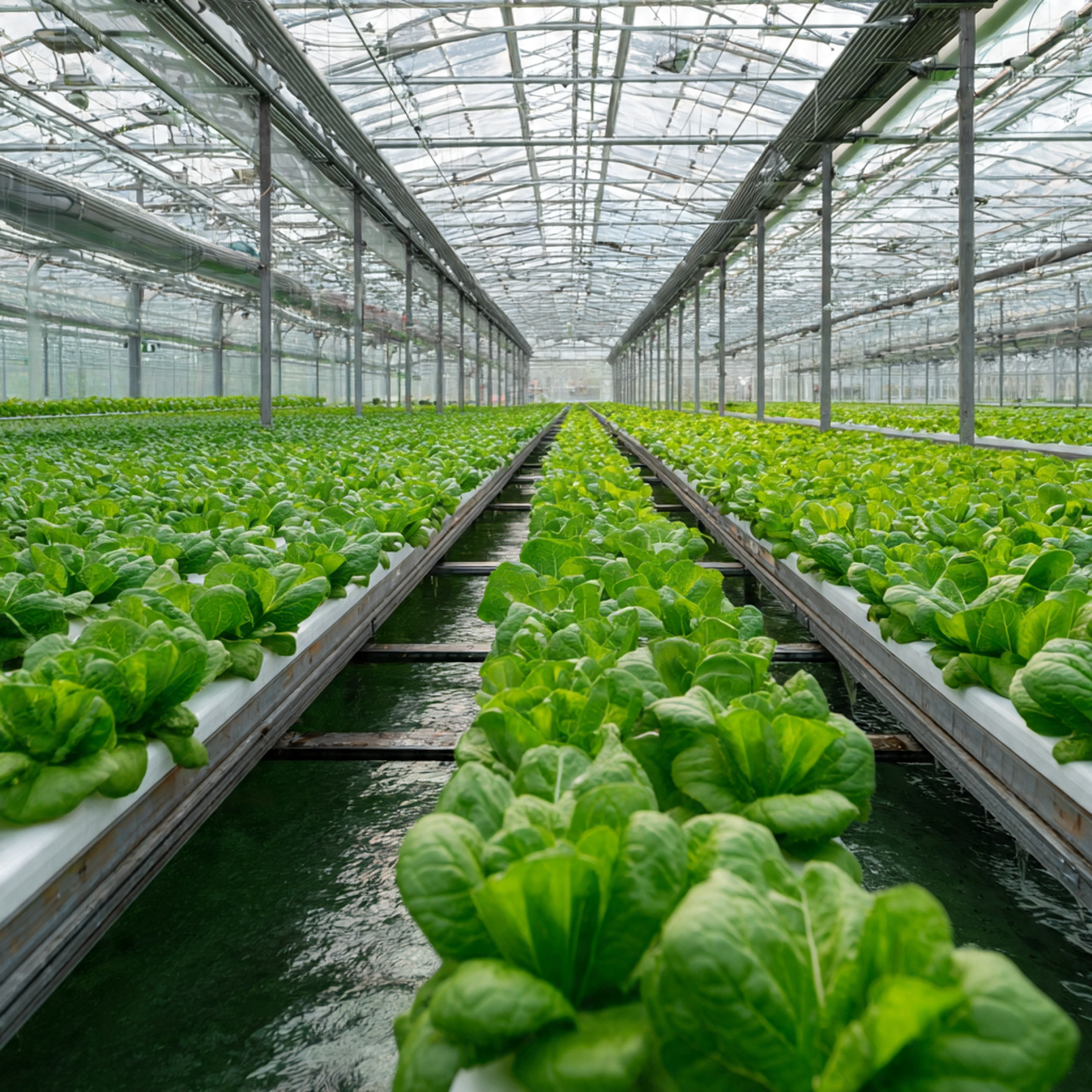
Why it works: Scalable systems meet increasing demand for local, pesticide-free produce.
Large-scale hydroponic farming supplies restaurants, grocery stores, and farmers markets with consistently high-quality produce. Automated systems, efficient layouts, and year-round production create profitable businesses that help feed communities sustainably.
Commercial operation considerations:
- Develop detailed business plan before significant investment
- Start small and prove profitability before scaling
- Build relationships with buyers before peak production
- Invest in quality equipment that scales efficiently
- Understand local regulations and food safety requirements
Many successful hydroponic businesses start as side projects that grow into full-time operations. The key is understanding both the growing science and business fundamentals. With rising consumer demand for local, sustainable food, hydroponic farming presents genuine opportunities.
FAQs About Hydroponic Gardening
Q1: Is hydroponic gardening more productive than soil gardening?
Yes, hydroponics often leads to faster growth, higher yields, and cleaner produce due to precise nutrient management and controlled conditions.
Q2: Can I grow hydroponically indoors without sunlight?
Absolutely. LED grow lights provide the necessary spectrum for photosynthesis, allowing indoor hydroponic gardens to thrive.
Q3: Which plants are easiest for beginners in hydroponics?
Leafy greens, herbs, and microgreens are ideal for beginners due to their small root systems and fast growth.
Q4: How often should I check nutrient levels in hydroponic systems?
It’s recommended to check pH and nutrient concentration at least once a week, adjusting as necessary for optimal growth.
Q5: Is hydroponic gardening environmentally friendly?
Yes, it uses less water than soil gardening, reduces pesticide use, and allows for sustainable urban agriculture.
Your Hydroponic Journey Starts Now
Hydroponic gardening opens possibilities that traditional methods simply can’t match. Whether you’re motivated by fresher food, space limitations, sustainability goals, or just curiosity about new growing techniques, there’s a hydroponic approach that fits your situation perfectly.
Don’t feel pressured to dive into complex systems immediately. Starting with a simple DWC bucket or countertop herb garden teaches fundamental principles without overwhelming complexity. As you gain confidence and see results, expanding to more sophisticated methods becomes natural progression rather than intimidating leap.
The beauty of hydroponics lies in its scalability—a single basil plant on your kitchen counter and a commercial greenhouse follow the same core principles. Master those basics, and you’re equipped to grow practically anything in any space.
Remember that every experienced hydroponic grower killed their share of plants while learning. Mistakes teach more than successes. Each crop cycle reveals new insights about nutrient timing, light requirements, or system quirks. Keep notes, experiment with variables, and don’t take failures personally.
The satisfaction of harvesting your first hydroponic lettuce or tomato justifies whatever effort it took to get there. That fresh-picked taste, the knowledge of exactly what went into growing it, and the accomplishment of making it happen yourself—those rewards compound with every harvest. Welcome to the future of gardening.