25 Sunny Windowsill Herbs Garden Ideas for Fresh Green Charm
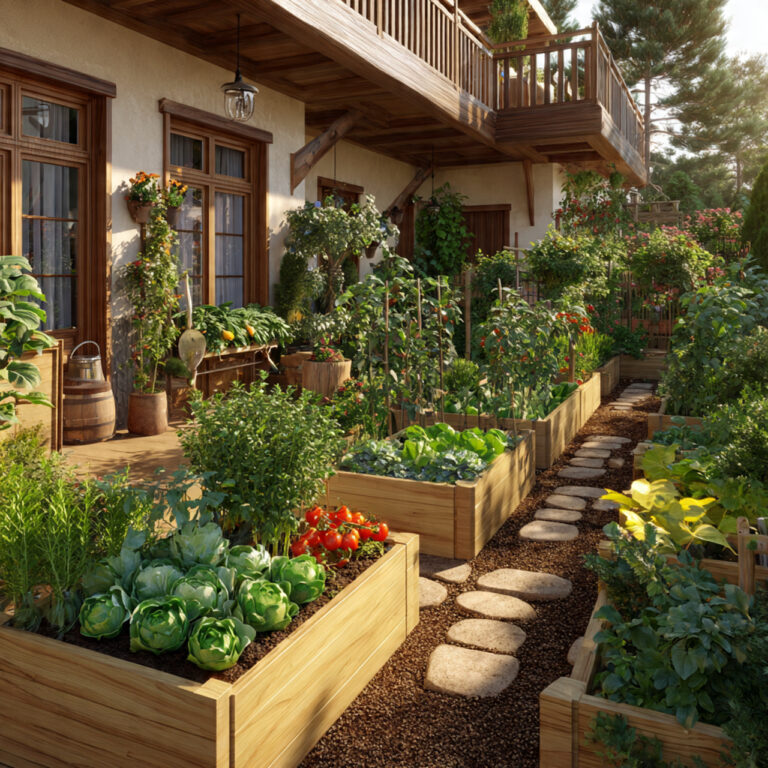
There’s magical about stepping outside and snipping fresh basil for your food or grabbing a sprig of rosemary for your roasted potatoes at midnight. A herbs garden designed thoughtfully, brings this joy right to your approach—whether that’s an actual backyard of home garden, a sunny balcony, or even a bright kitchen windowsill.
You’ll always have access to fresh culinary herbs, healing medicinal plants, fragrant aromatics and beautiful greenery by growing your own herbs garden, that fits perfectly into raised beds, companion plants, containers, or any cozy corner patches of home. The secret to success? There are some appreciative key elements which are: light exposure, smart plant spacing and proper soil drainage. Most of the herbs are joyful with well-draining soil, moderate watering and at least six hours of daily sunshine, that doesn’t leave them sitting in soggy conditions.
Planning Your Herbs Garden
Before you dig in (literally!), take a moment to assess your space. Look at which direction your garden area faces, what type of containers or beds you’ll work with, and how much sunlight that spot receives throughout the day. Here’s the good news: your herbs garden doesn’t need to be sprawling to be successful. A simple windowsill, a modest balcony, or a small raised bed can yield an impressive harvest.
Once you’ve laid this groundwork, you’re ready to explore creative ways to design, arrange, and cultivate your herbs garden. Let’s dive into 25 practical ideas that’ll help you create a thriving herb haven.
Herbs Garden on a Sunny Windowsill
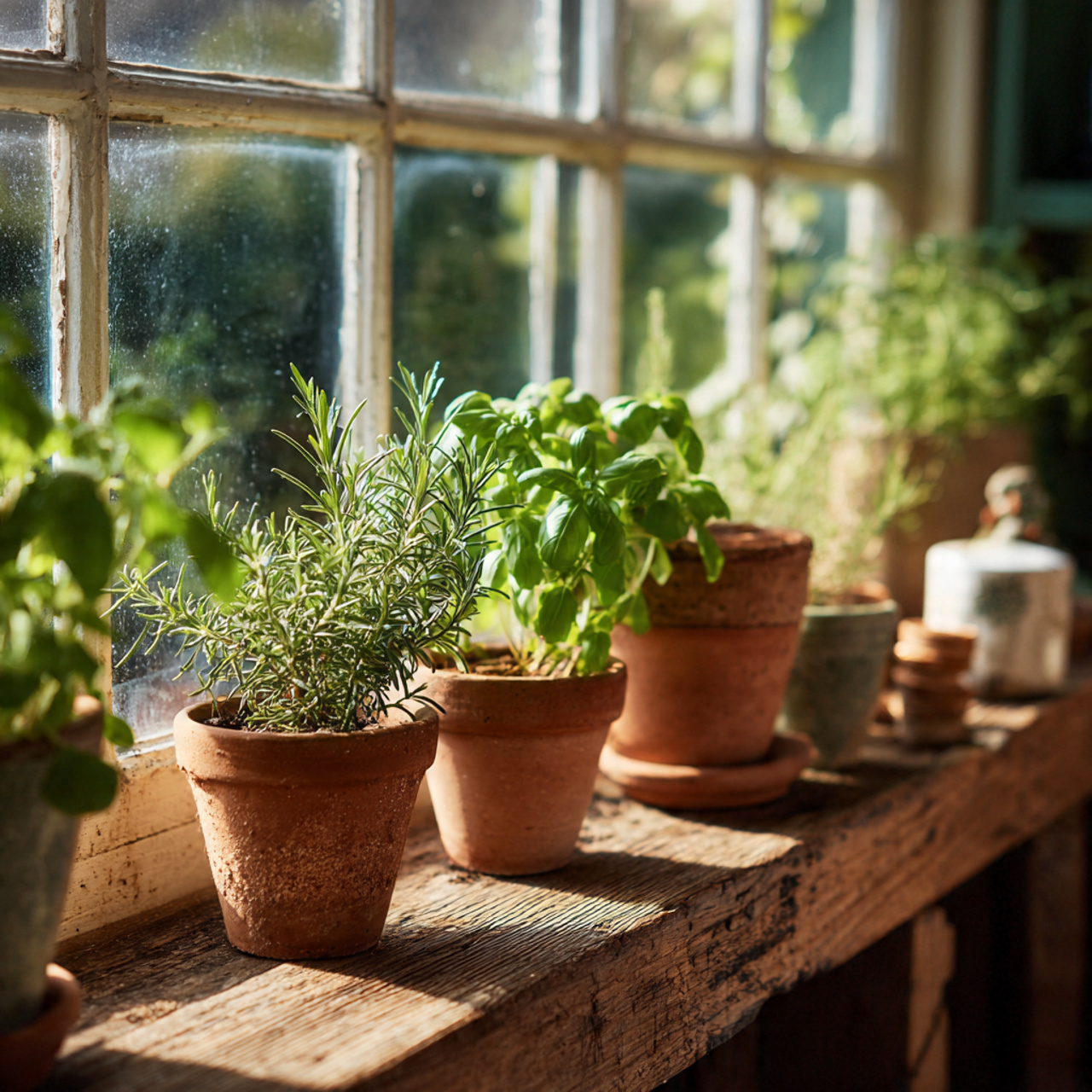
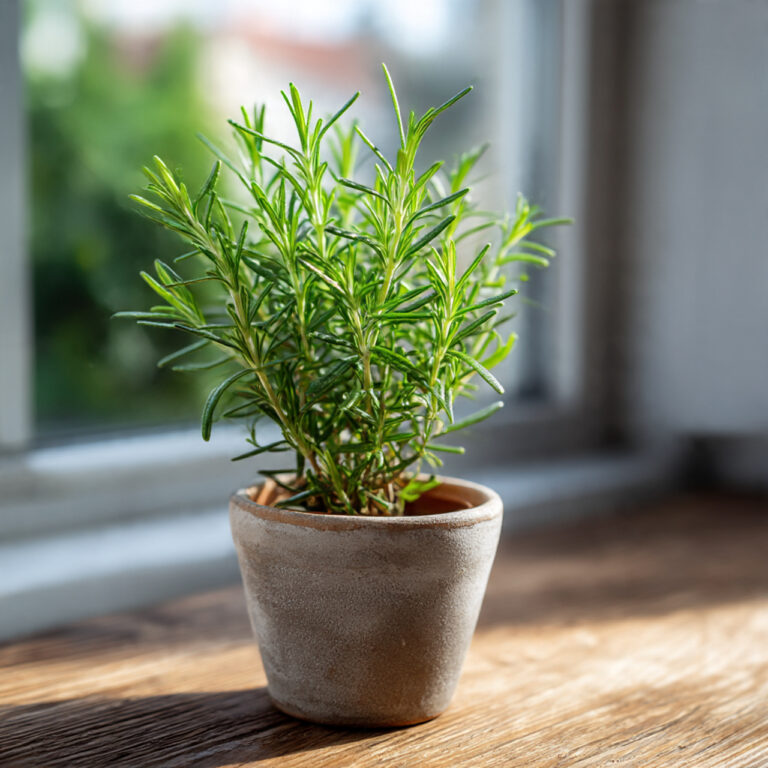
Transform a bright windowsill into your personal herb station, putting fresh flavors within arm’s reach of your cutting board. Indoor herb growing is surprisingly successful when you provide adequate light and proper drainage.
Essential Tips:
- Choose containers with drainage holes to prevent root rot
- South or west-facing windows work best for 6+ hours of daily light
- Use well-draining potting soil, not garden dirt
- Water only when the top inch of soil feels dry to the touch
- Consider grow lights during darker winter months
Common Mistakes to Avoid:
- Overwatering (the #1 killer of indoor herbs)
- Using decorative pots without drainage
- Placing herbs in low-light corners
Herbs Garden in Raised Beds
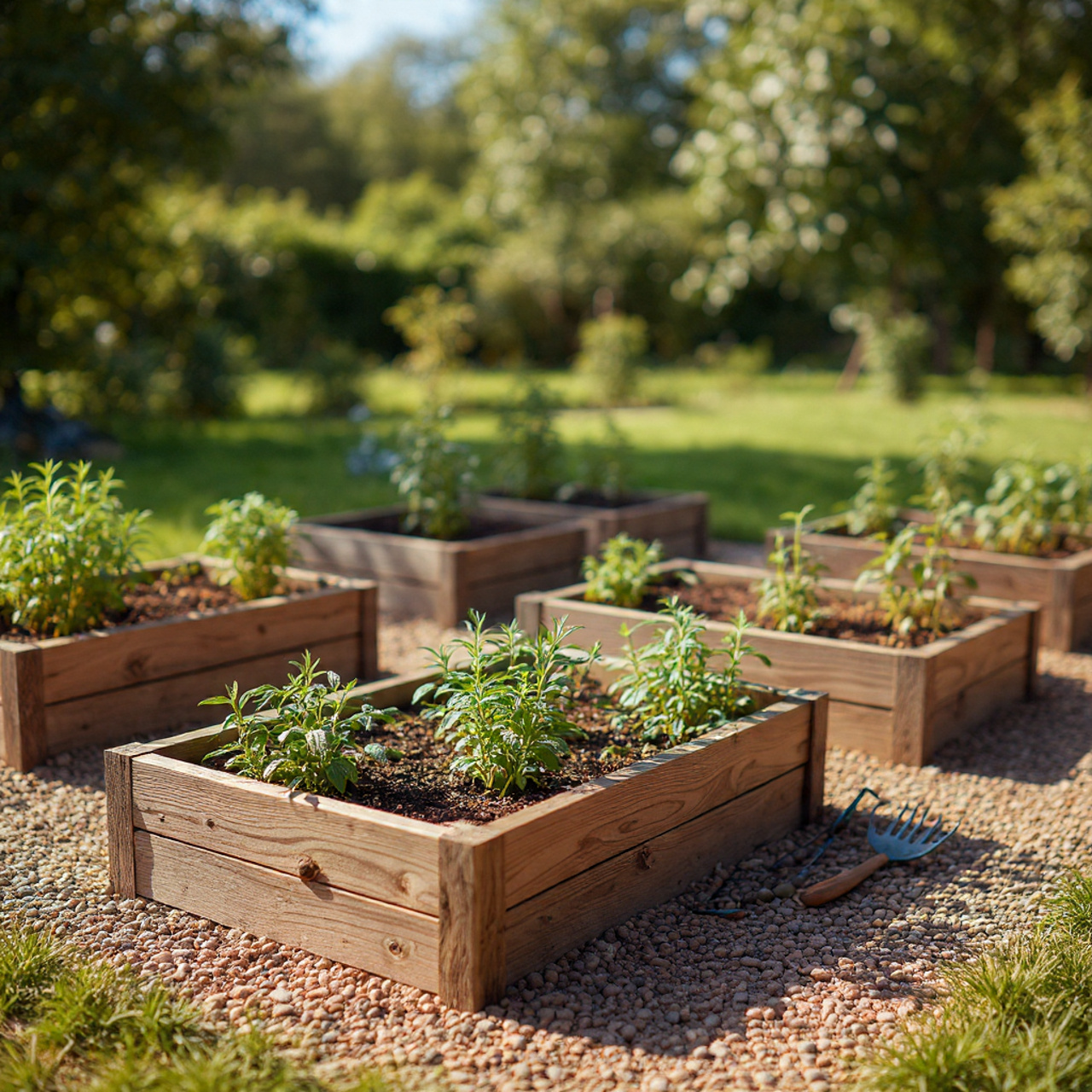
Raised beds give you complete authority over your growing environment—from soil composition to drainage control. Plus, they’re easier on your back and keep your herbs at a comfortable harvesting height.
Smart Layout Strategy:
- Position drought-loving Mediterranean herbs (rosemary, thyme, oregano) along outer edges where drainage is best
- Place moisture-loving varieties (parsley, cilantro, chives) toward the center
- Leave 12-18 inches between plants for proper air circulation
- Fill beds with a 50/50 mix of quality topsoil and compost
Tip: Build beds 18-24 inches deep for herbs with longer root systems like dill and fennel۔
Herbs Garden in Containers or Pots
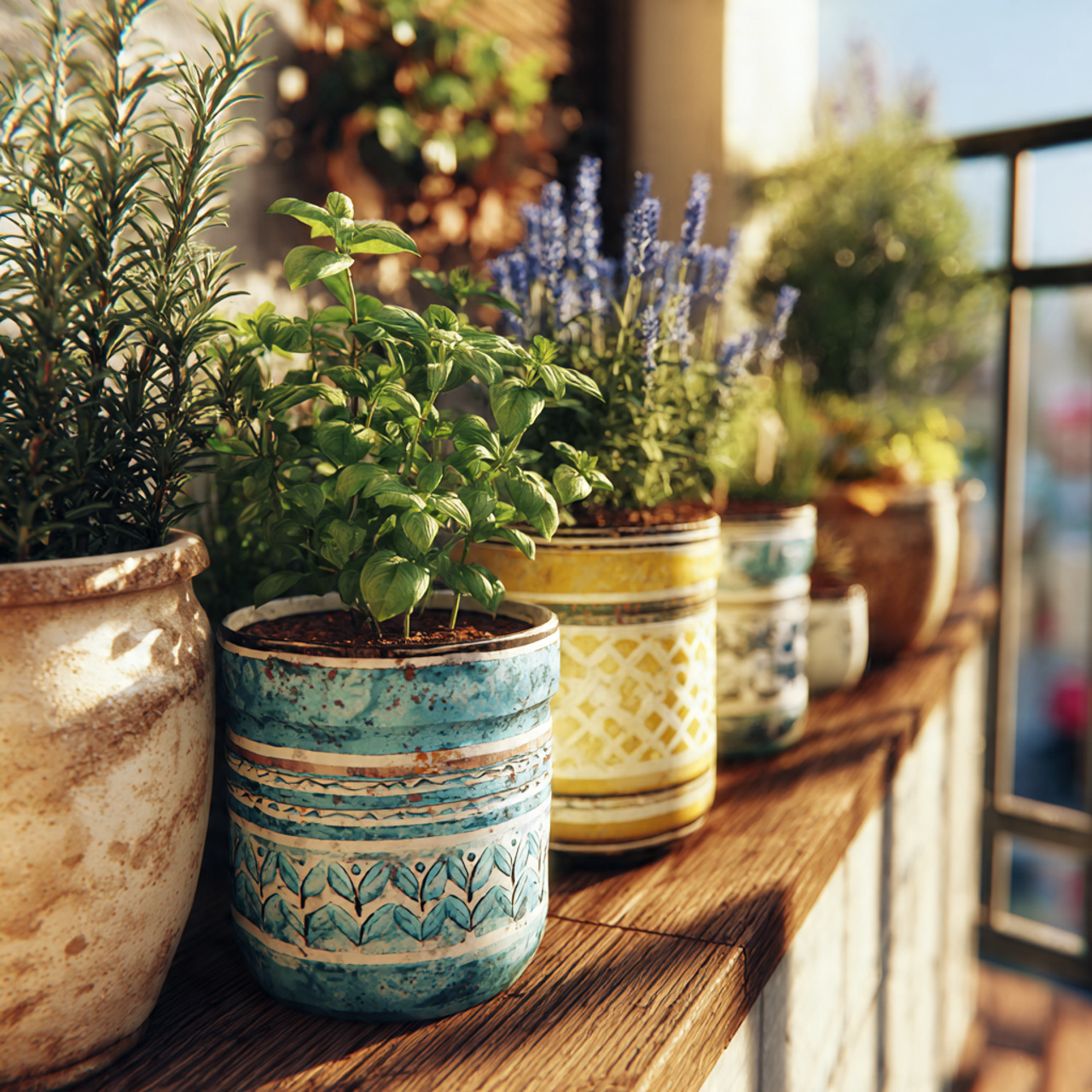
Container gardening offers unmatched flexibility—move your herbs to chase the sun, bring them indoors when frost threatens, or rearrange them for aesthetics.
Container Selection Guide:
- Use 1-gallon pots for compact herbs like thyme and oregano
- Choose 2-3 gallon containers for larger plants like basil and rosemary
- Opt for terracotta (breathable) or plastic (moisture-retentive) based on your climate
- Always verify drainage holes exist
Grouping Strategy:
- Pair similar water needs: rosemary + thyme + sage (dry lovers)
- Basil + parsley + cilantro (moderate water needs)
- Mint alone (aggressive spreader)
Herbs Garden with Companion Plantings
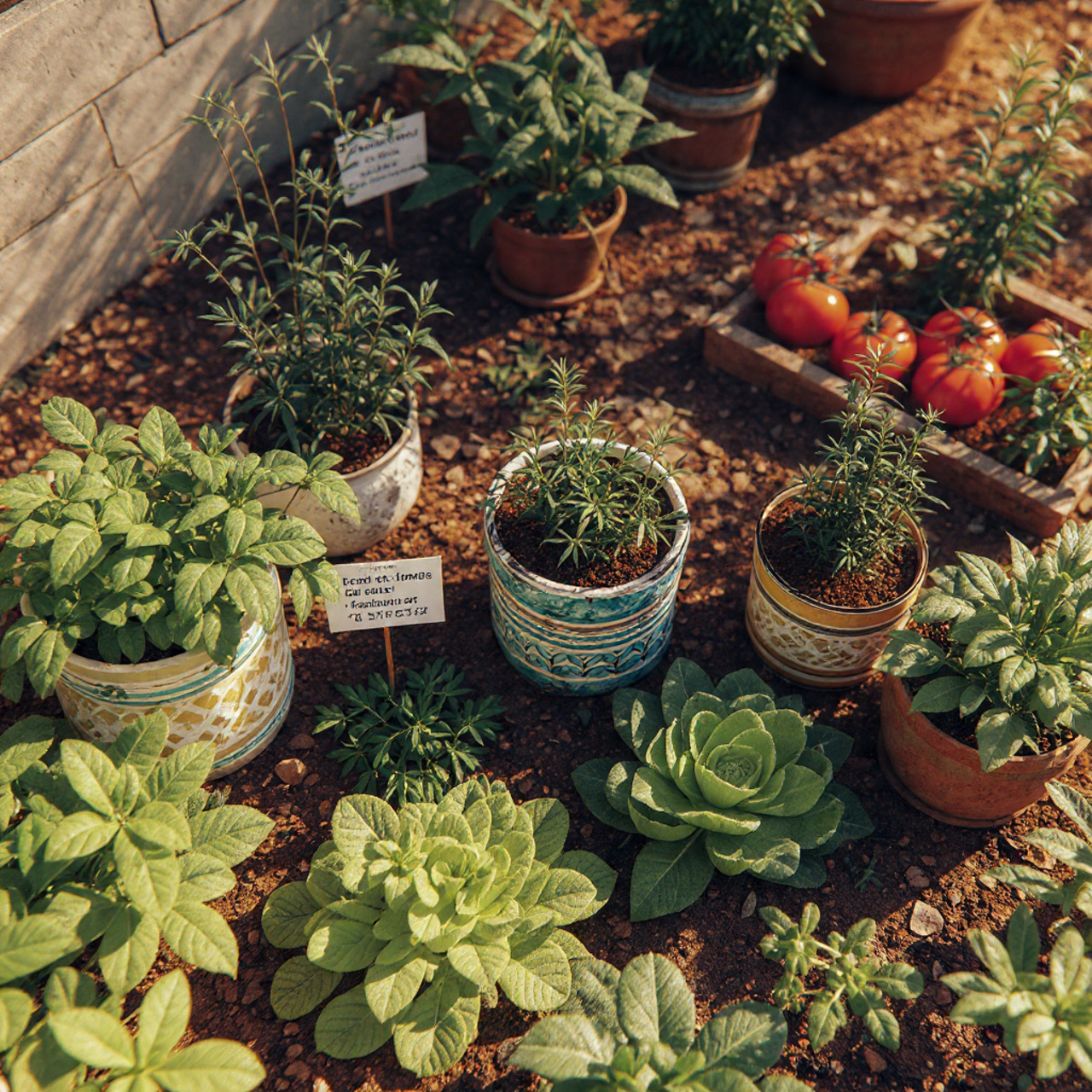
Strategic plant partnerships create a garden that’s both beautiful and productive. Companion planting means grouping herbs that support each other’s growth or share harvest schedules.
Winning Combinations:
- Basil near tomatoes (natural pest deterrent and flavor pairing)
- Low-growing thyme alongside tall rosemary (creates visual interest)
- Chives with carrots (repels carrot flies)
- Dill with cabbage (attracts beneficial insects)
Example: Create a “pizza garden” with basil, oregano, thyme, and parsley—everything you need for Italian cooking in one spot!
Herbs Garden with Vertical Elements
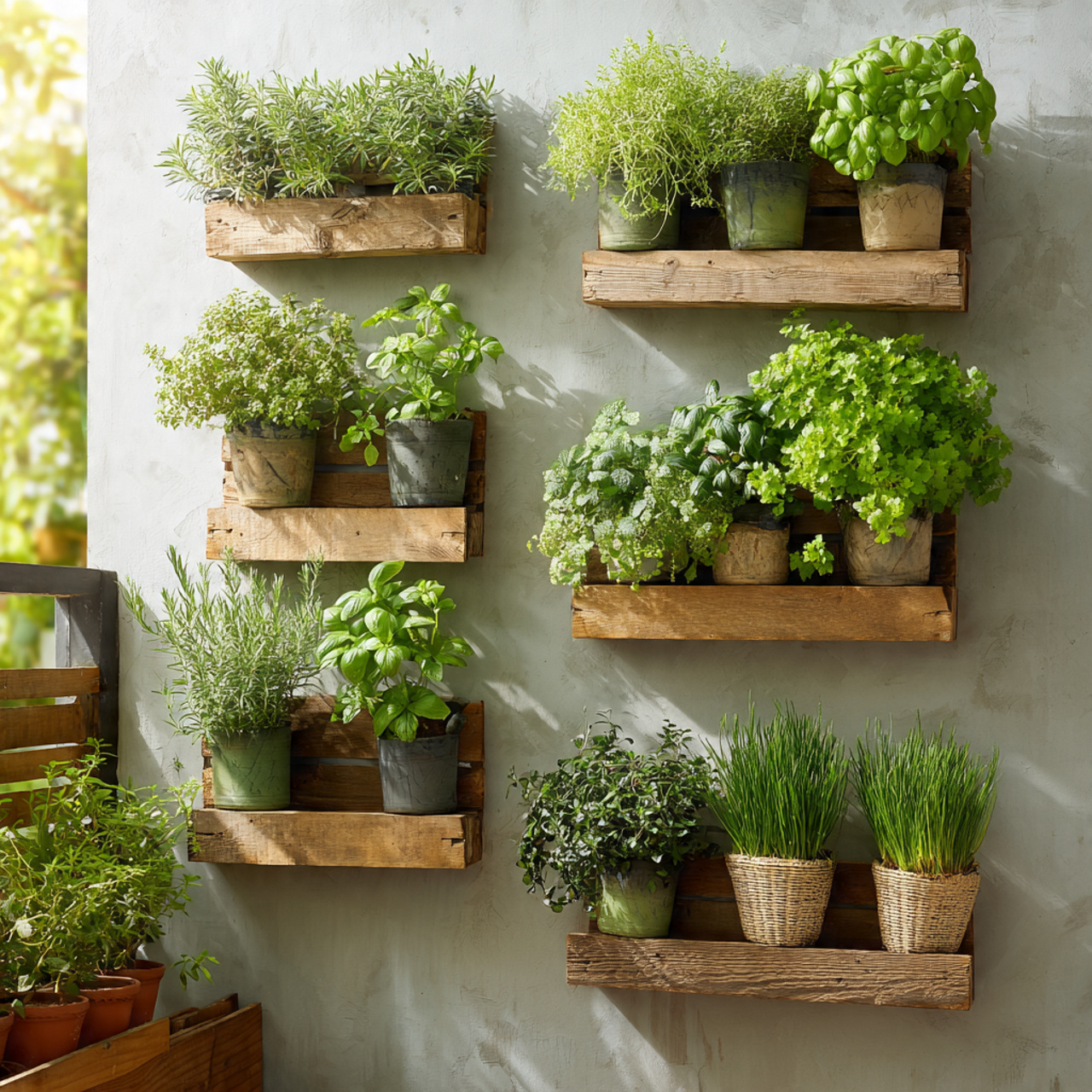
When ground space is precious, think upward! Vertical gardening multiplies your growing area without expanding your footprint.
Vertical Solutions:
- Wall-mounted pocket planters for compact herbs
- Tiered shelving units on patios or balconies
- Ladder-style plant stands with multiple levels
- Hanging baskets for trailing herbs like oregano
- Trellises for climbing nasturtiums (edible flowers and leaves)
Safety Note: Ensure vertical structures are securely anchored and won’t topple in wind or when watered (wet soil is heavy!).
Herbs Garden Divided by Use: Culinary vs. Medicinal
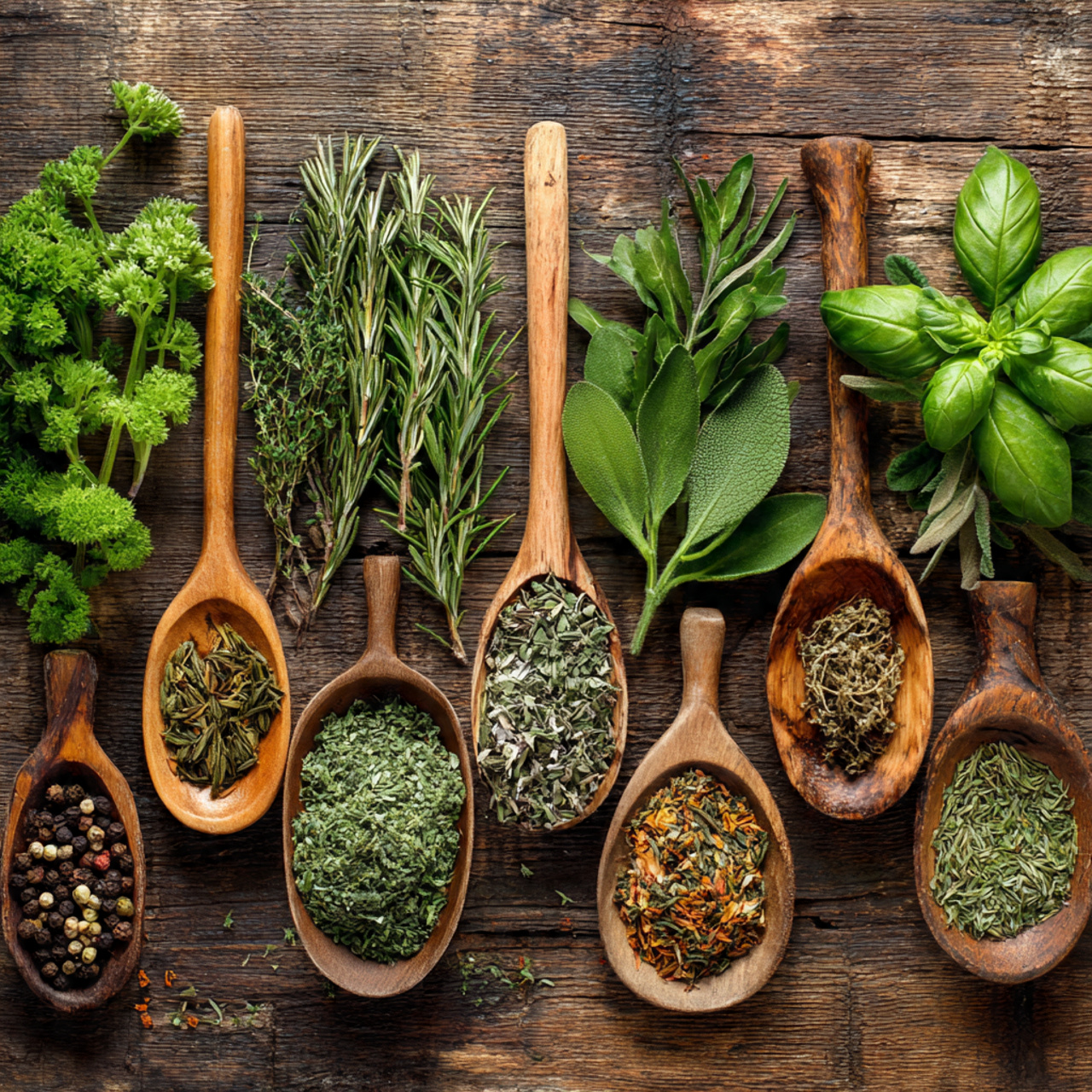
Organizing your herbs garden by purpose streamlines maintenance and harvesting. Culinary herbs often need different care than medicinal varieties.
Culinary Zone:
- Basil, oregano, thyme, rosemary, parsley, chives
- Frequent harvesting encourages bushier growth
- Position closest to kitchen for easy access
Medicinal/Aromatic Zone:
- Lavender, chamomile, echinacea, lemon balm
- Different harvesting times (often just before flowering)
- May require less frequent watering
Bonus Tip: Add labels indicating each herb’s primary use to help guests or family members identify what to pick for cooking versus tea-making.
Herbs Garden Edge-Planting or Border Style
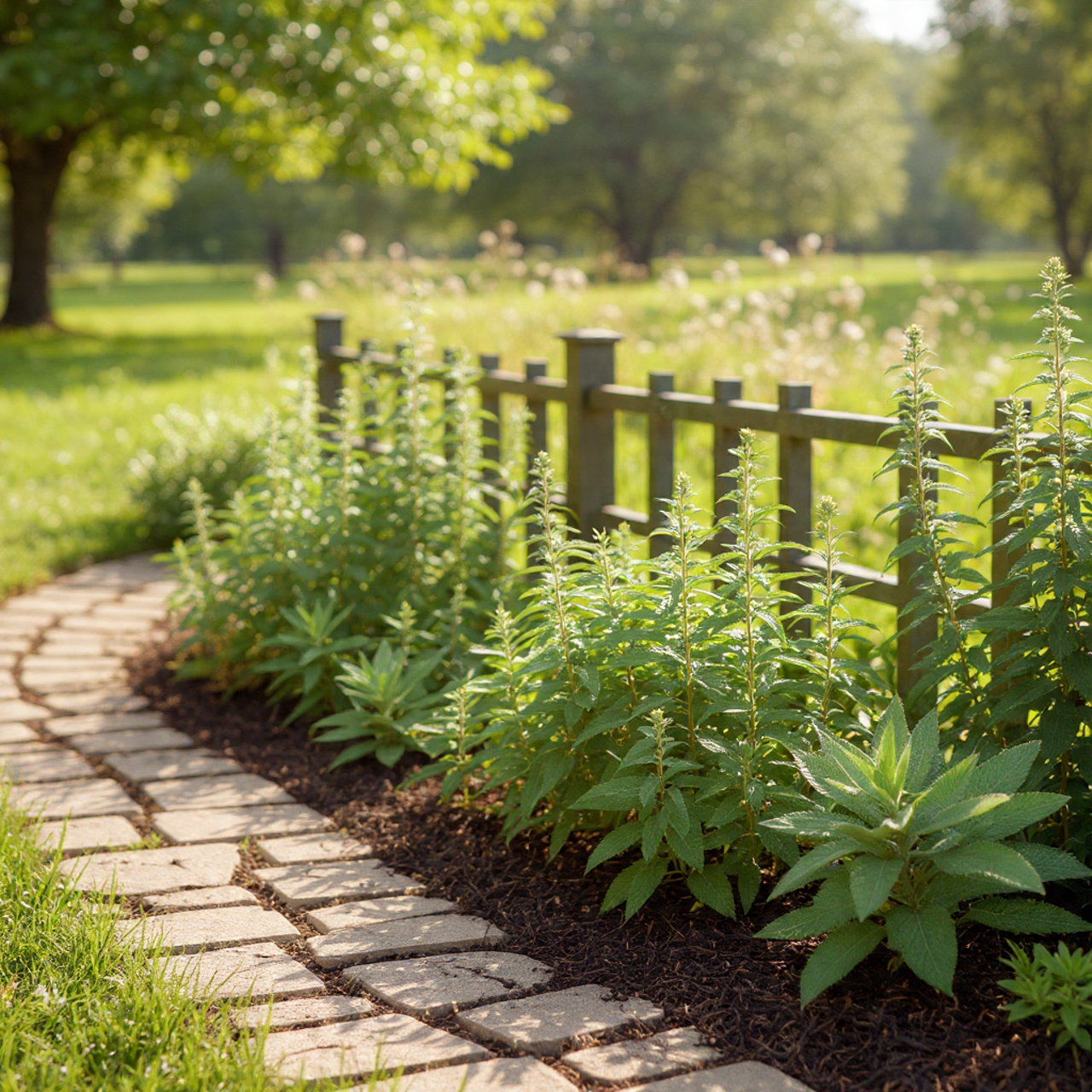
Turn the perimeter of your yard into a living, aromatic border that’s both decorative and deliciously practical.
Border Design Ideas:
- Line walkways with low-growing thyme varieties (releases fragrance when stepped on)
- Create lavender hedges along property lines
- Border vegetable beds with parsley or chives
- Frame seating areas with lemon balm or mint (contained in barriers)
Practical Benefits:
- Natural pest control for nearby plants
- Fragrant pathways enhance outdoor experiences
- Easy access from multiple garden points
Herbs Garden with Seasonal Rotations
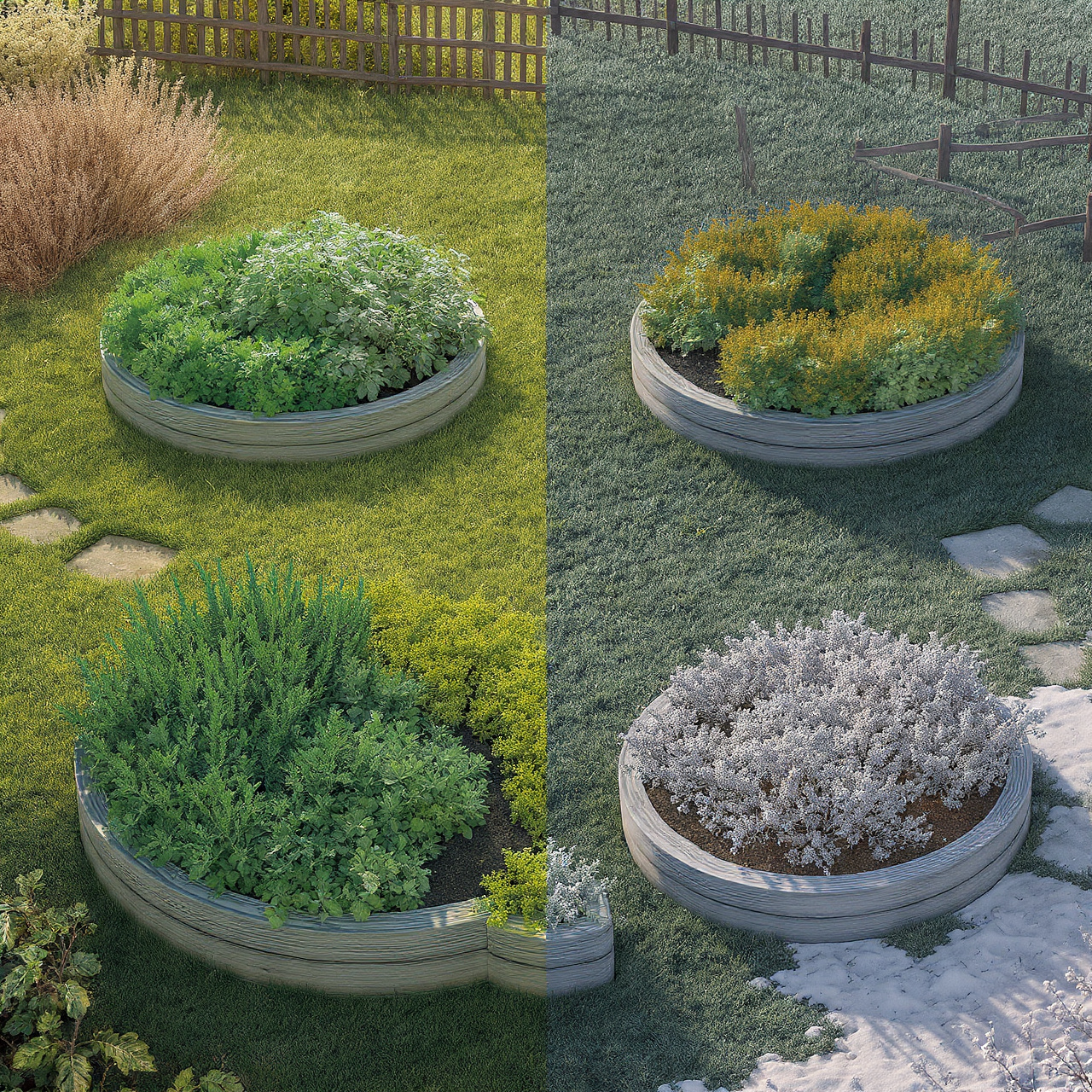
Keep your herbs garden productive year-round by matching planting schedules to each herb’s temperature preferences.
Cool-Season Herbs (Spring & Fall):
- Cilantro, parsley, chervil, dill
- Plant when temperatures are 50-70°F
- Provide afternoon shade in late spring
Warm-Season Herbs (Summer):
- Basil, rosemary, oregano, sage
- Wait until soil reaches 60°F+
- Thrive in heat but need consistent moisture
Example Schedule: Plant cilantro in March, replace with basil in June, return to cilantro in September for continuous harvest.
Herbs Garden with Themed Pots or Planters
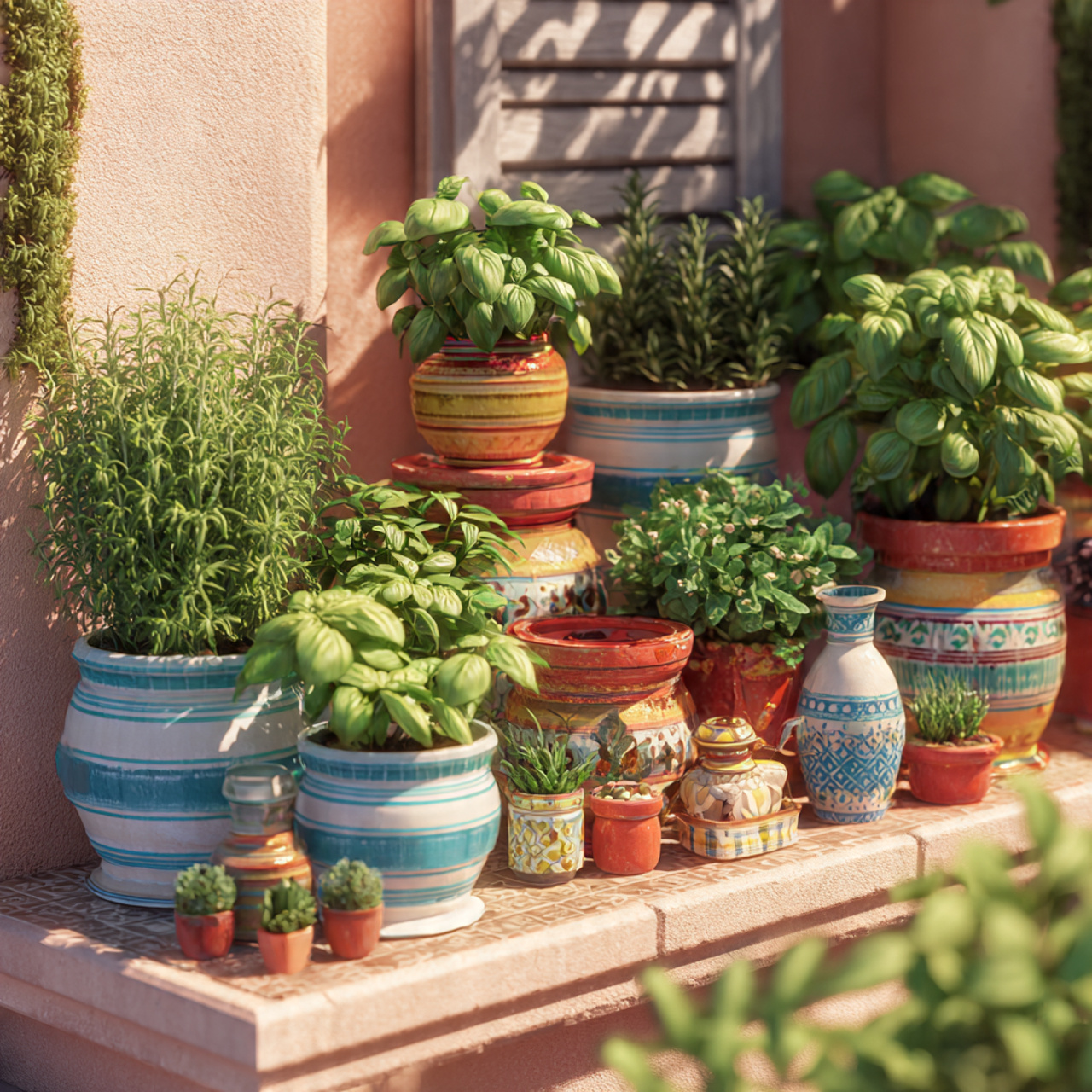
Inject personality into your garden by choosing containers that tell a story or create a cohesive aesthetic.
Theme Ideas:
- Mediterranean: Terracotta pots with rosemary, thyme, oregano
- Cottage Garden: Vintage galvanized buckets with chamomile and lavender
- Modern Minimalist: Sleek concrete planters with single-variety displays
- Colorful Fiesta: Bright ceramic pots with cilantro, peppers, and Mexican oregano
Tip: Grouping odd numbers (3, 5, 7 pots) creates more visually appealing arrangements than even numbers.
Herbs Garden with Fragrance Focus
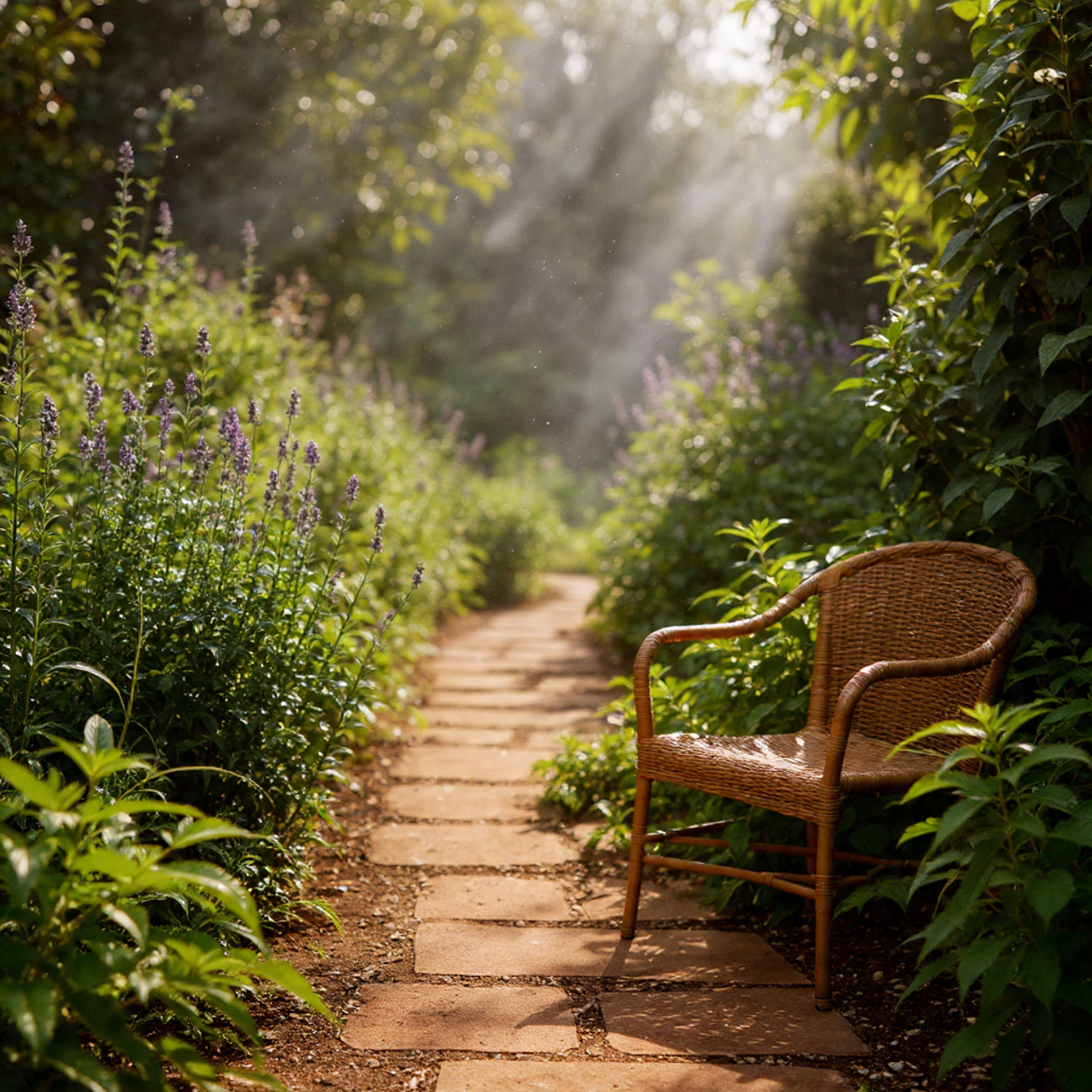
Design a sensory experience that calms the mind and delights the senses with herbs chosen specifically for their aromatic qualities.
Top Fragrant Herbs:
- Lavender (floral, relaxing)
- Lemon balm (citrusy, uplifting)
- Pineapple sage (fruity, sweet)
- Chocolate mint (dessert-like)
- Scented geraniums (rose, lemon, nutmeg varieties)
Placement Strategy:
- Position near outdoor seating areas, along pathways, or by windows
- Plant where brushing against them releases scent
- Include in evening gardens where fragrance intensifies
Herbs Garden with Low-Maintenance Design
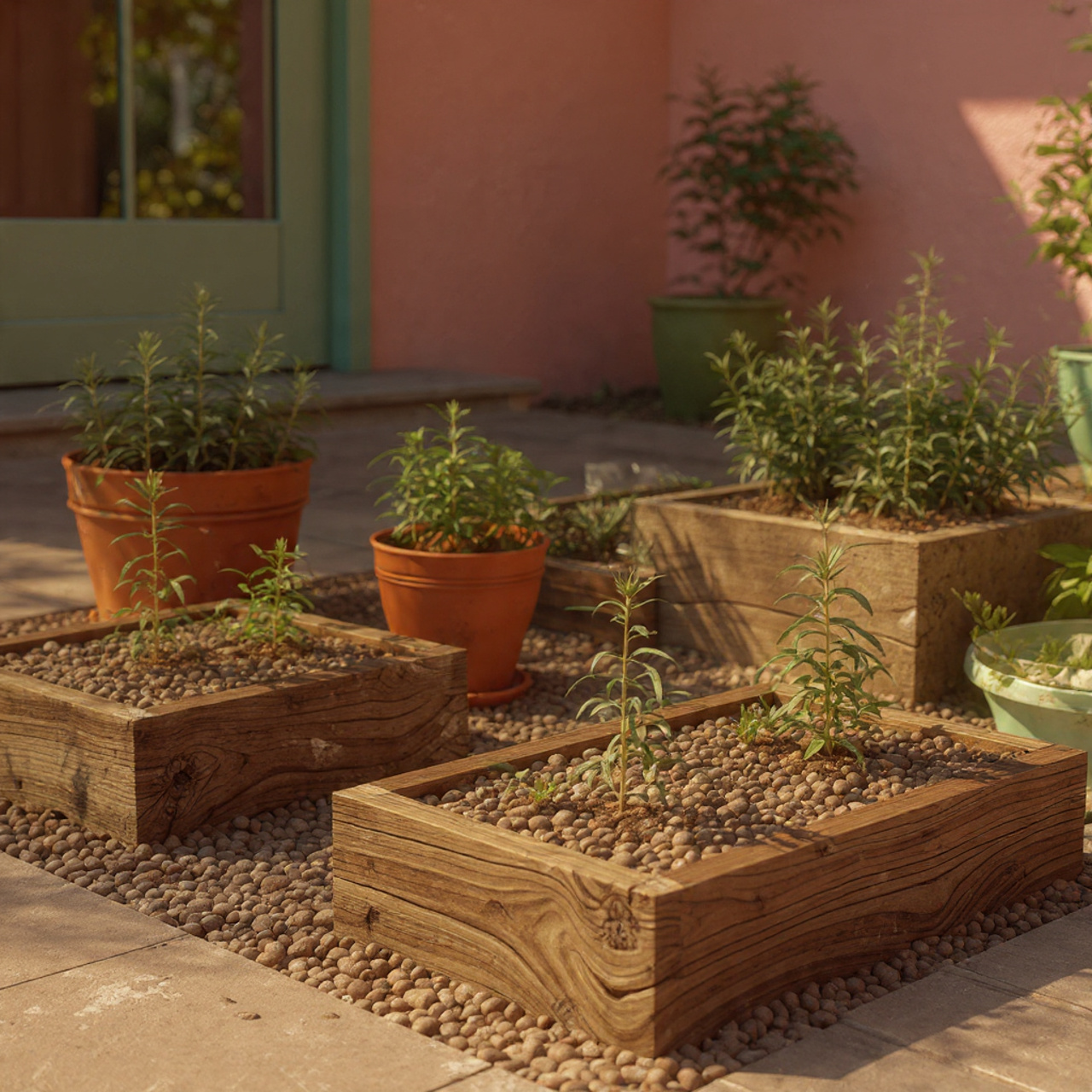
Perfect for busy lifestyles or beginner gardeners, this approach focuses on hardy, forgiving herbs that practically grow themselves.
Easiest Herbs to Grow:
- Rosemary, thyme, oregano, sage (drought-tolerant perennials)
- Mint (almost too easy—contain it!)
- Chives (returns year after year)
Low-Maintenance Setup:
- Choose perennials over annuals (plant once, harvest for years)
- Install drip irrigation or soaker hoses
- Use mulch to retain moisture and suppress weeds
- Design clear pathways for quick harvesting
Time-Saver: Plant in spring, establish a watering routine for the first month, then let nature take over!
Herbs Garden with Harvest Station
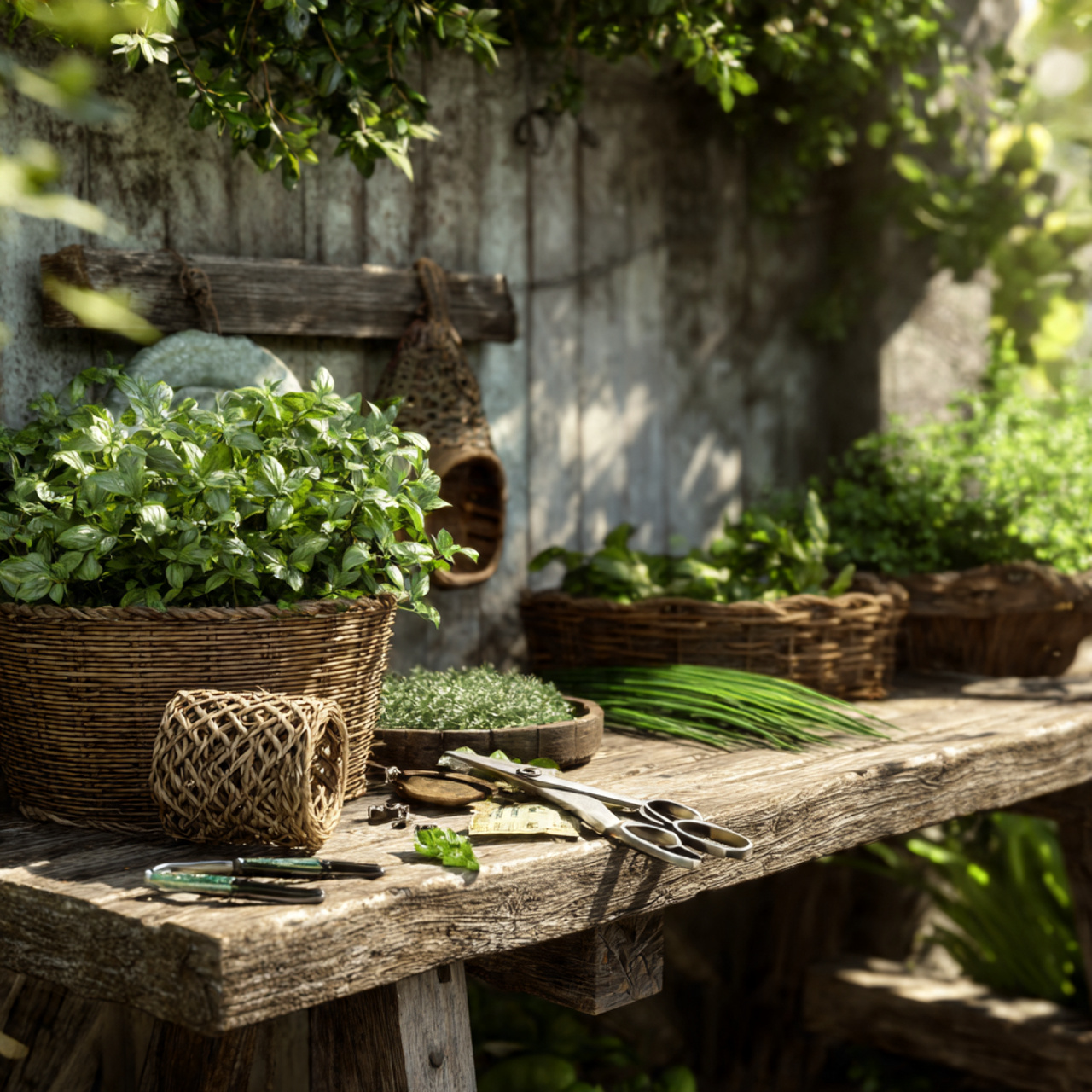
Create a convenient harvesting hub that makes clipping herbs as easy as opening your spice cabinet.
Essential Elements:
- Small bench or shelf near the kitchen door
- Hooks for hanging fresh-cut bundles
- Basket for collecting herbs
- Small scissors or pruning shears kept handy
- Collection of small jars or vases for storing cut stems
Why It Works: The easier you make harvesting, the more often you’ll use fresh herbs instead of reaching for dried versions.
Herbs Garden for Gifting or Herb Swaps
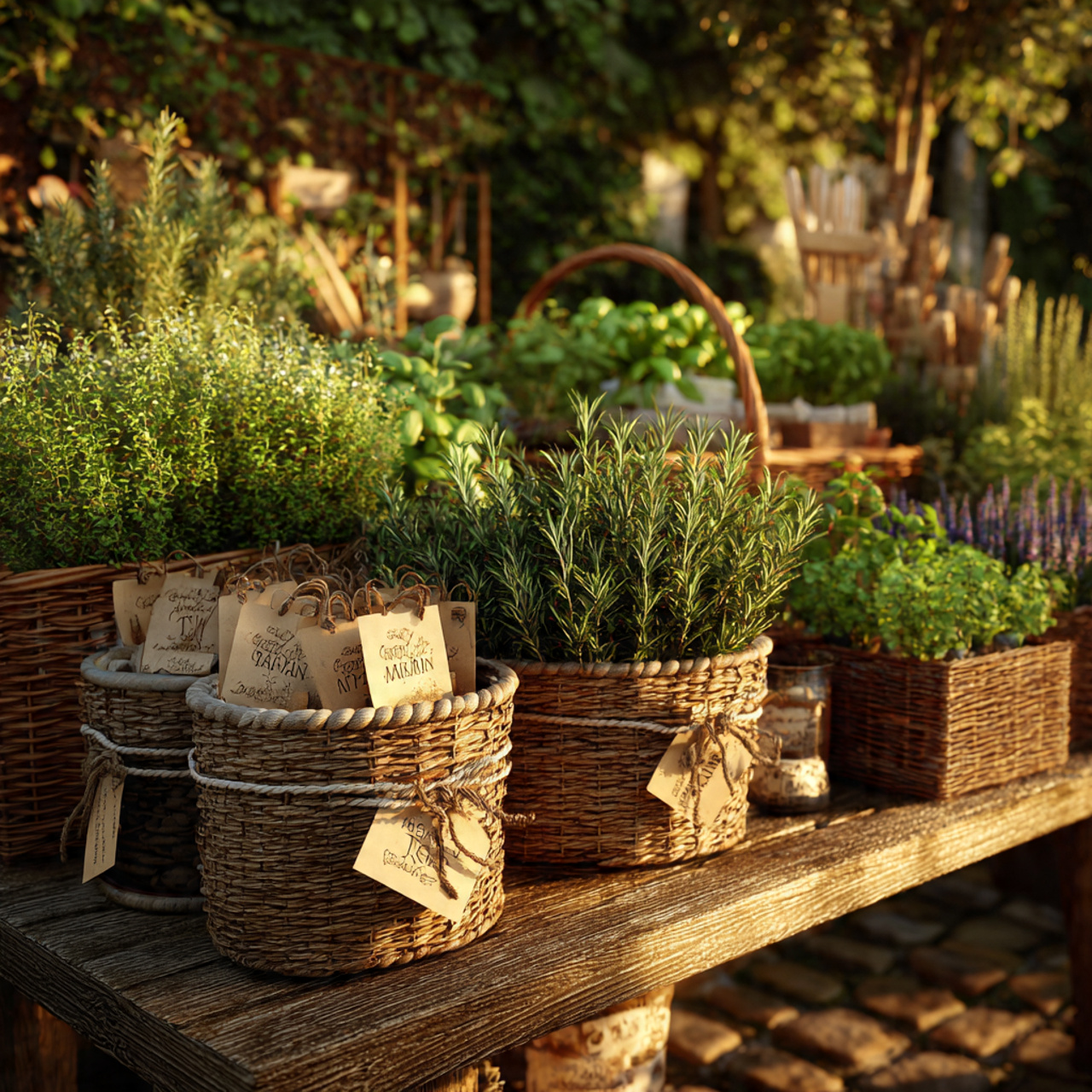
Expand your gardening joy by growing extra plants to share with your community.
Gifting Ideas:
- Pot up divisions of perennial herbs in decorative containers
- Create “recipe kits” (basil + oregano + thyme for Italian dishes)
- Share cuttings in water-filled jars with growing instructions
- Host seasonal herb swaps with neighbors
Community Building: Start a neighborhood herb exchange where everyone grows different varieties and trades surplus!
Herbs Garden with Smart Watering
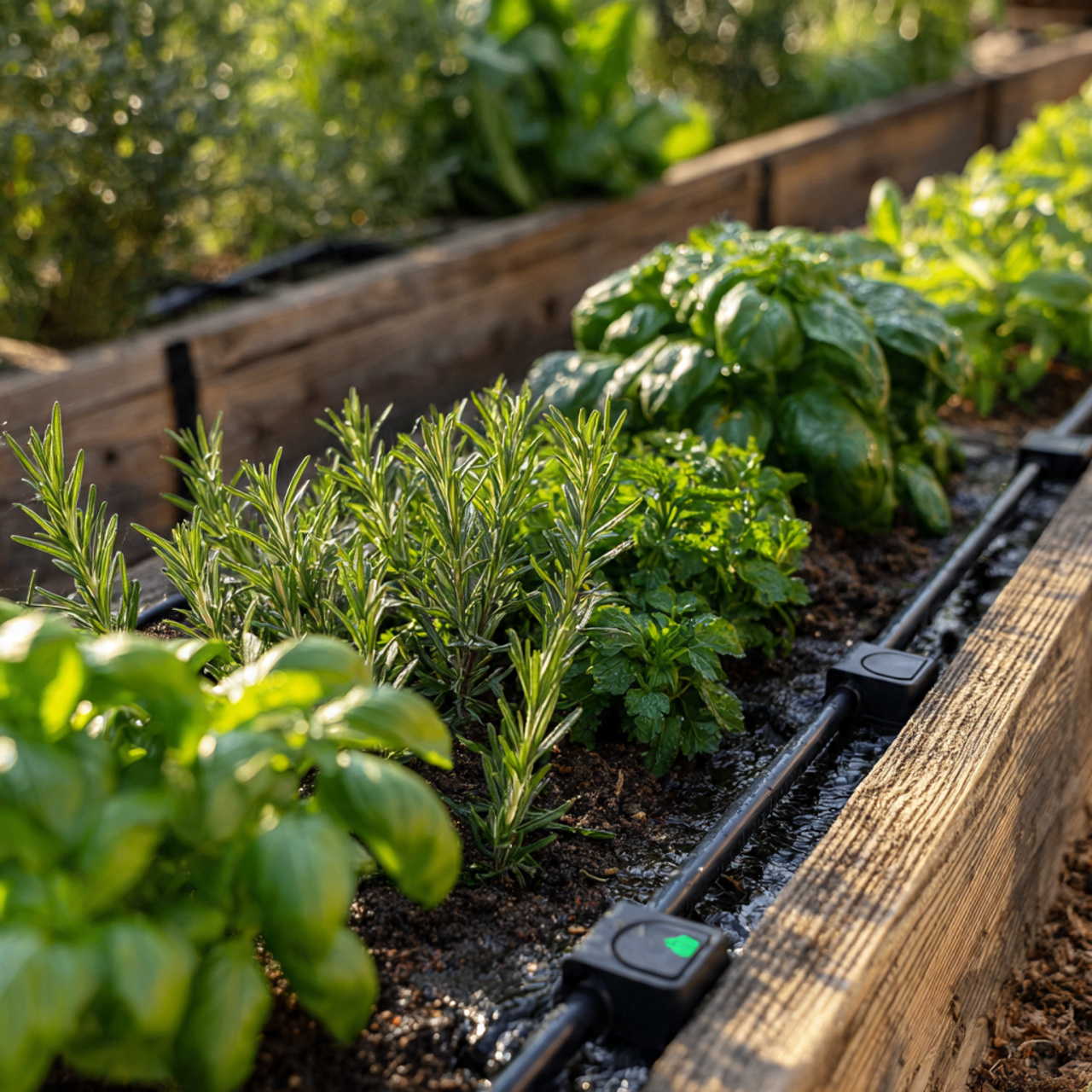
Consistent moisture without waterlogging—that’s the sweet spot for most herbs. Technology and simple systems can help you nail it.
Watering Solutions:
- Drip irrigation: Delivers water directly to roots, reduces waste
- Self-watering pots: Built-in reservoirs maintain steady moisture
- Soaker hoses: Efficient for raised beds
- Moisture meters: Takes guesswork out of when to water
Golden Rule: Herbs prefer “evenly moist, not soggy” soil. When in doubt, underwater rather than overwater.
Herbs Garden Mixed with Edibles
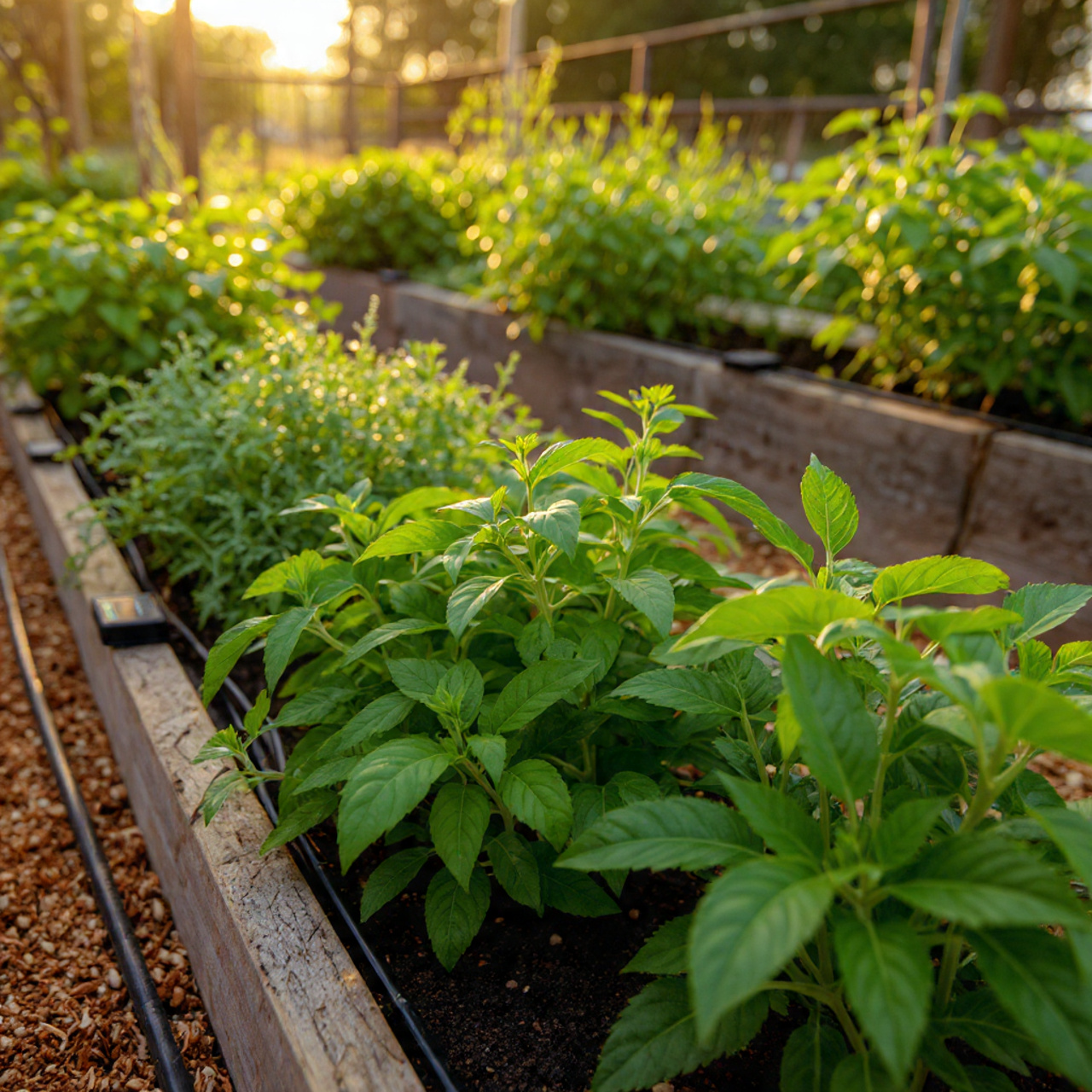
Why limit yourself? Integrate herbs directly into your vegetable garden for a productive, pest-resistant polyculture.
Perfect Pairings:
- Tomatoes + basil (classic garden and plate companions)
- Lettuce + chives (chives deter aphids)
- Cabbage + dill (attracts beneficial wasps)
- Kale + thyme (thyme’s fragrance confuses pests)
Benefits:
- Natural pest management
- Efficient use of space
- Continuous harvest of multiple crops
- Improved pollination
Herbs Garden with Drying and Craft Station
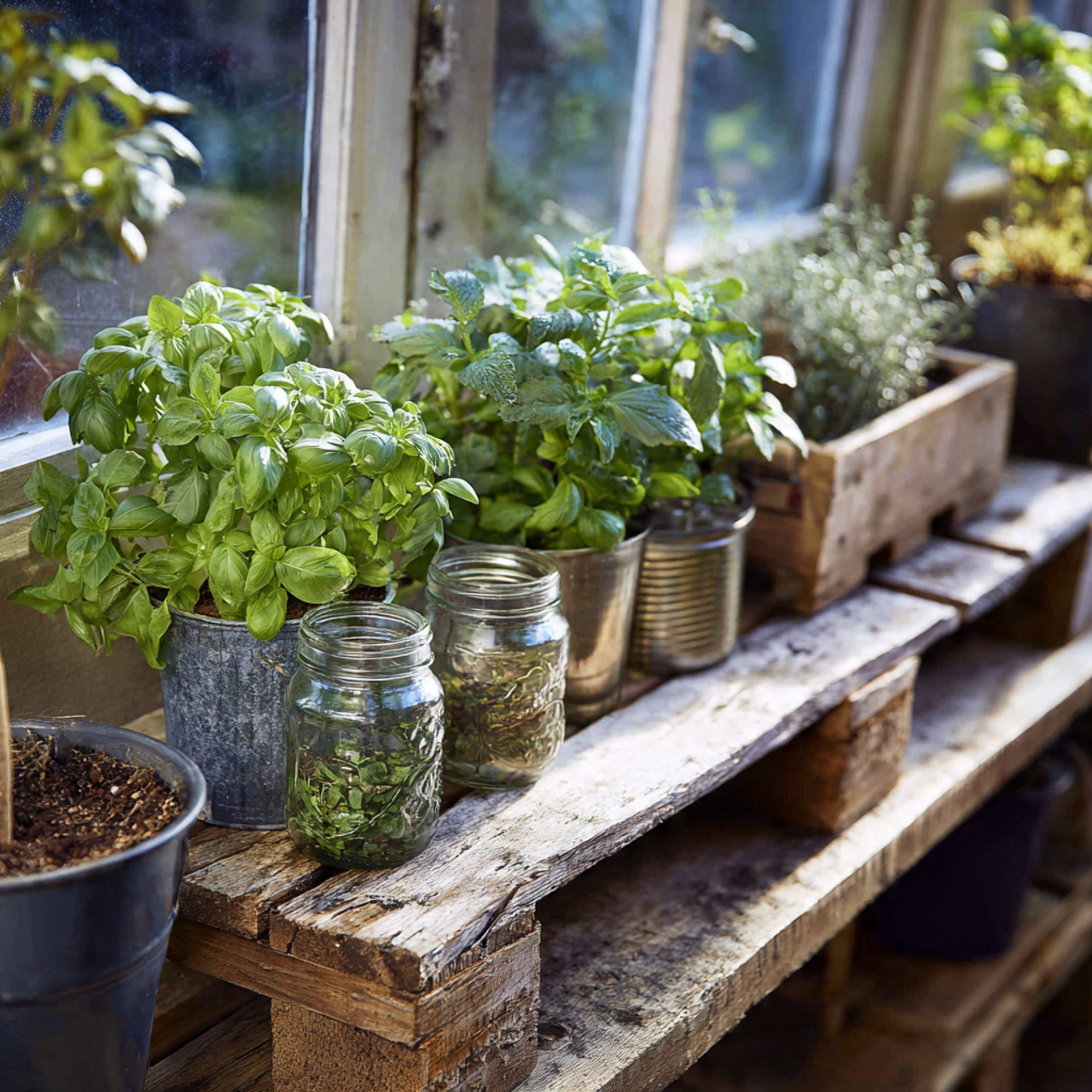
Plan ahead for preservation by dedicating space to herbs that dry beautifully for teas, crafts, and gifts.
Best Herbs for Drying:
- Lavender (sachets, potpourri)
- Chamomile (tea)
- Mint varieties (tea, crafts)
- Oregano, thyme, rosemary (culinary)
Drying Setup:
- Create bundles with twine, hang upside down in dark, well-ventilated area
- Use mesh screens for flower heads
- Store dried herbs in airtight glass jars away from light
Craft Ideas: Herbal sachets, homemade tea blends, dried herb wreaths, natural air fresheners.
Herbs Garden with Pollinator-Friendly Design
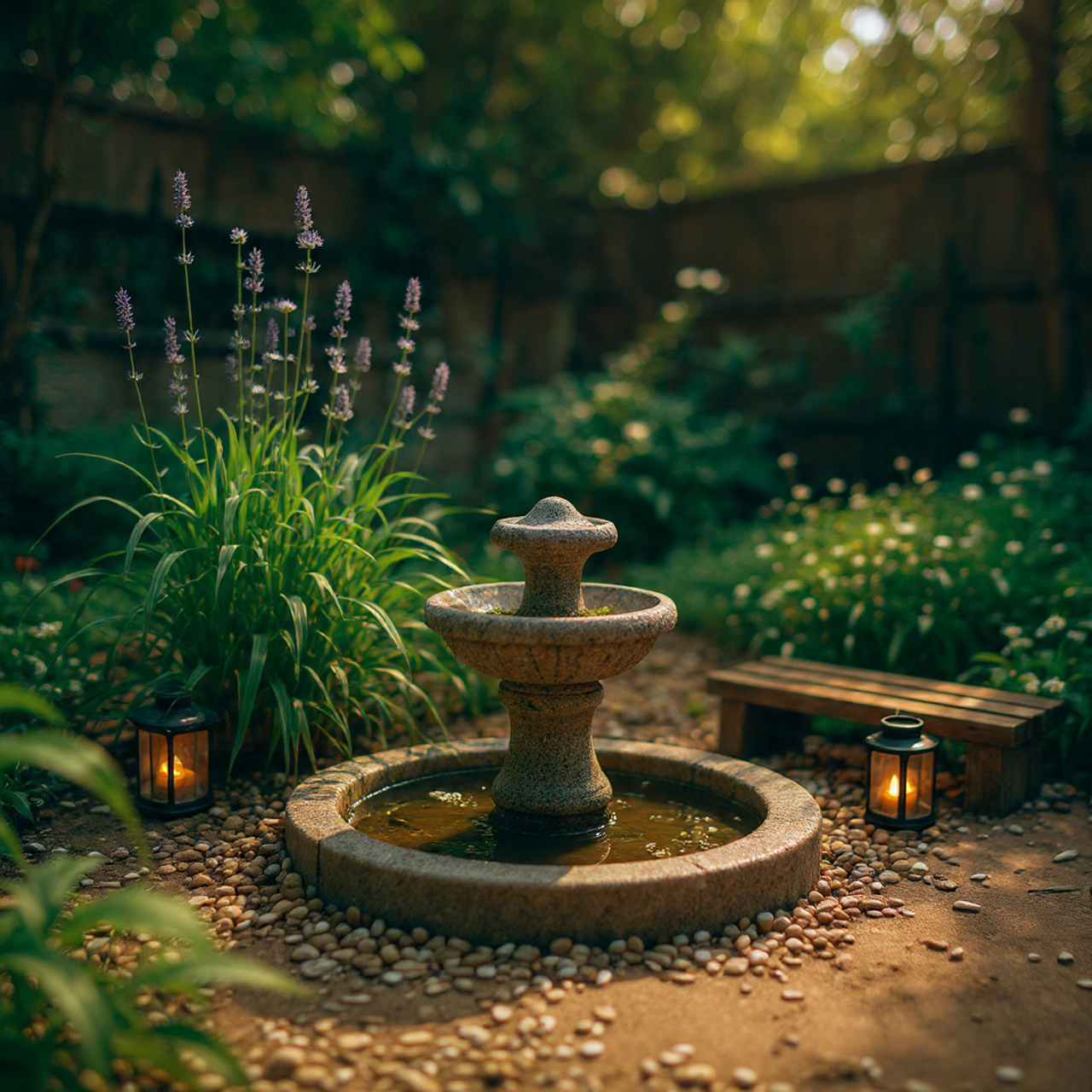
Support local ecosystems while boosting your entire garden’s productivity by including herbs that attract beneficial insects.
Pollinator Magnets:
- Chives (purple flowers beloved by bees)
- Borage (blue star-shaped flowers, edible)
- Lavender (butterflies and bees)
- Mint (when allowed to flower)
- Fennel (attracts beneficial wasps and butterflies)
Design Tip: Let some herbs bolt and flower instead of cutting them back—those blooms feed pollinators and produce seeds for next season.
Herbs Garden with Sensory Appeal
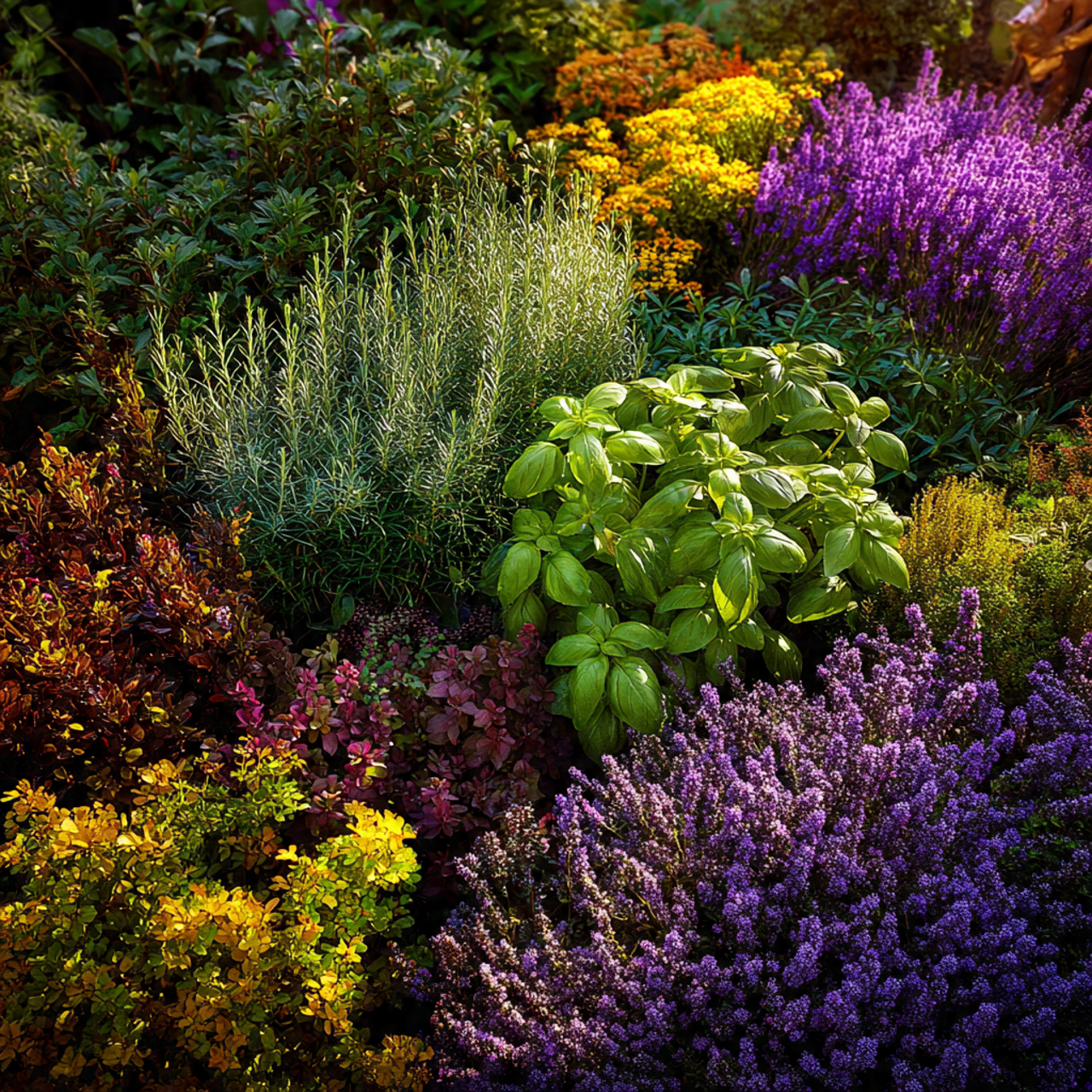
Engage all five senses by selecting herbs with varied colors, textures, shapes, and fragrances.
Sensory Elements:
- Sight: Purple basil, silver sage, bright green mint, variegated thyme
- Touch: Fuzzy lamb’s ear, soft chamomile, prickly rosemary
- Smell: Lavender, lemon balm, pineapple sage
- Taste: Sample-friendly herbs near seating areas
- Sound: Plant tall, wispy herbs like dill that rustle in breezes
Perfect For: Therapeutic gardens, children’s gardens, or meditation spaces.
Herbs Garden for Small Spaces and Balconies
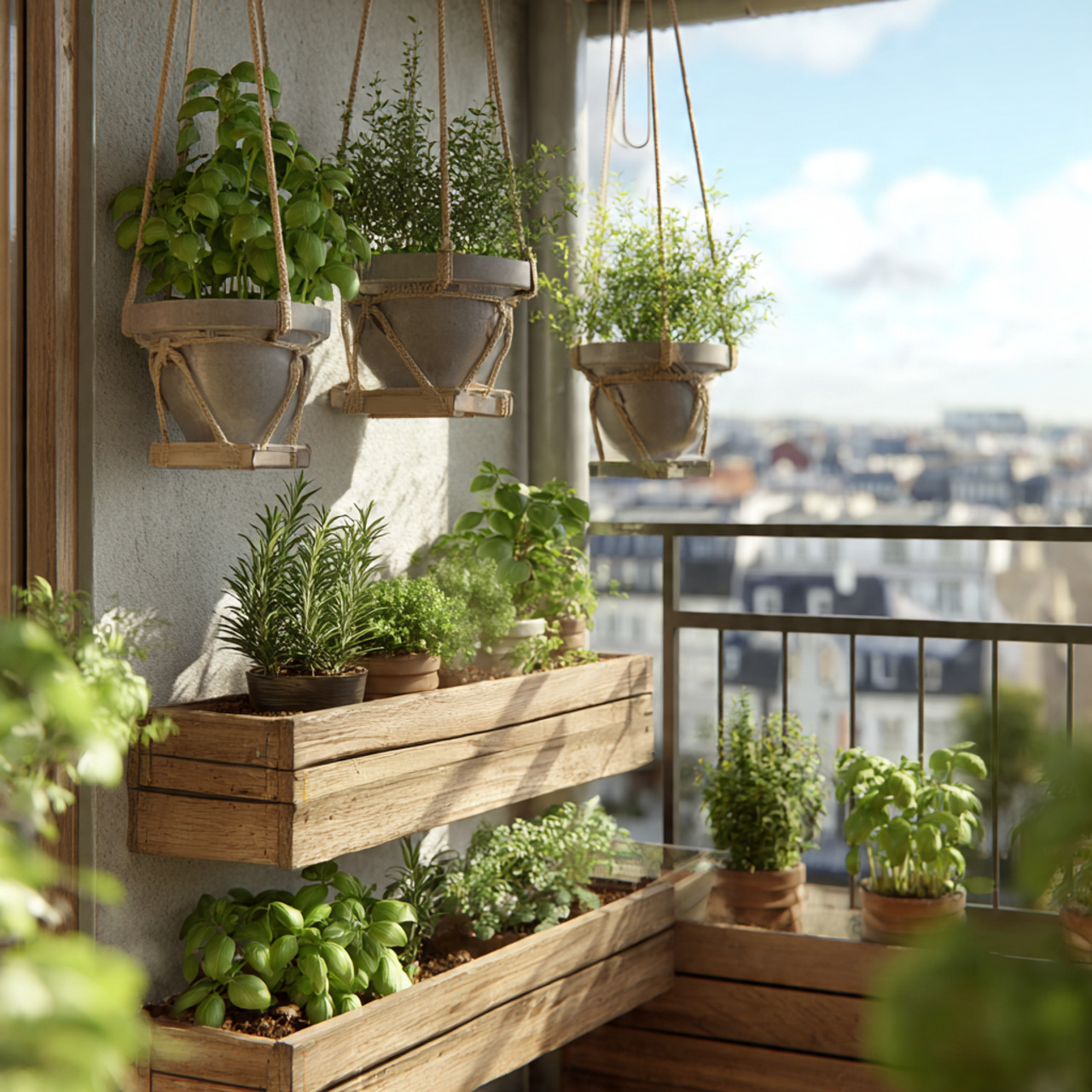
Limited square footage? No problem! Compact growing methods maximize even the tiniest areas.
Space-Saving Solutions:
- Hanging baskets (cherry tomatoes + trailing thyme)
- Railing planters (clip-on containers for balcony rails)
- Vertical pocket gardens (fabric wall planters)
- Stacked tower planters (up to 20 plants in 2 square feet)
Apartment-Friendly Herbs:
- Compact basil varieties
- Dwarf rosemary
- Chives
- Parsley
- Thyme
Pro Tip: Measure your space’s actual sun exposure before buying plants—even south-facing balconies can have shade from neighboring buildings.
Visit Also: Rosemary Plant
Herbs Garden Integrated with Landscaping
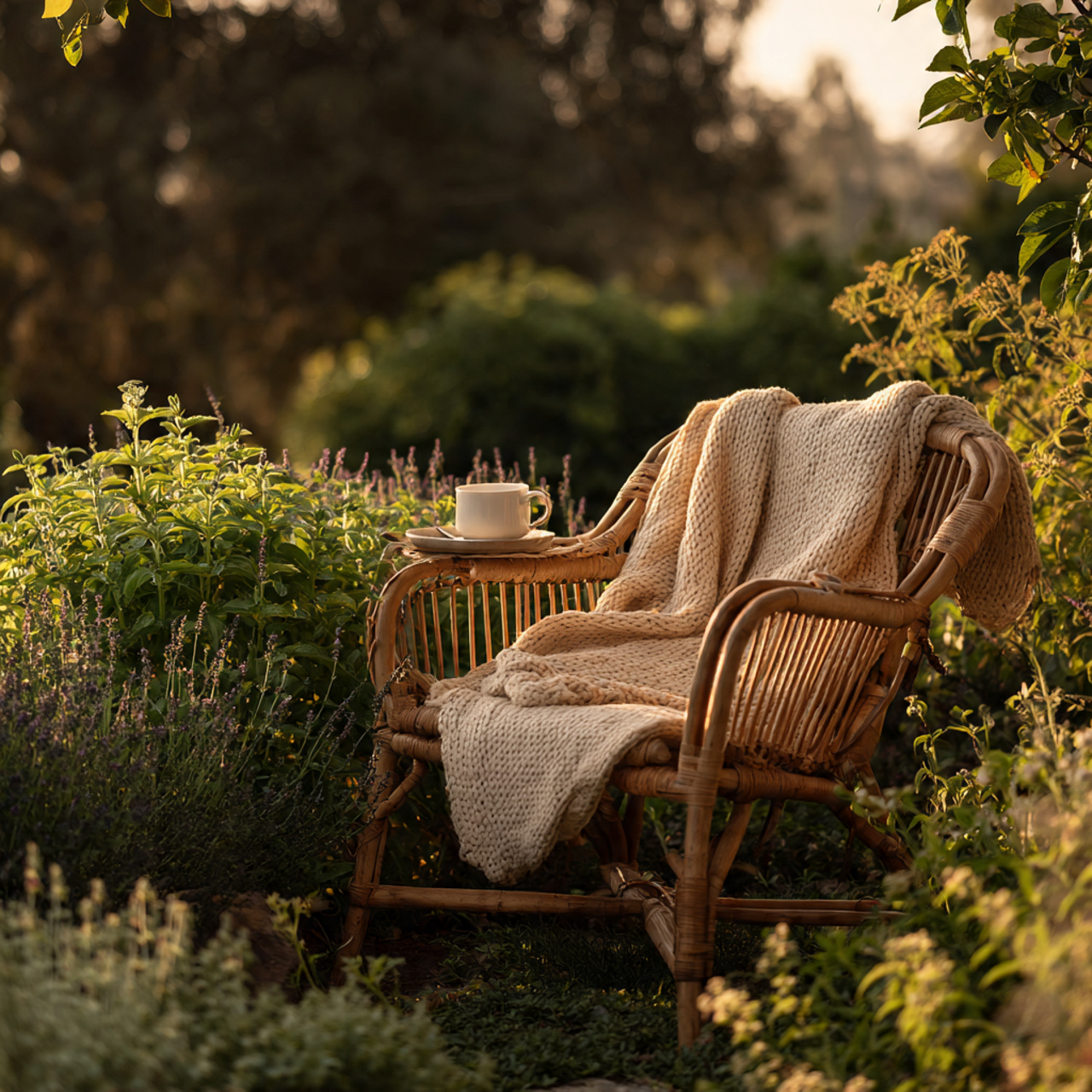
Erase the line between ornamental and edible by weaving herbs throughout your existing landscape design.
Integration Ideas:
- Use low-growing thyme as fragrant ground cover between stepping stones
- Replace boxwood hedges with lavender for edible borders
- Add height with tall dill or fennel in flower beds
- Create silver accents with sage among colorful perennials
Benefits: You get beauty AND function without dedicating separate garden space to herbs.
Herbs Garden with Educational Features

Transform your garden into an interactive learning environment for children, guests, or your own expanding knowledge.
Educational Elements:
- Waterproof plant markers with herb names and uses
- Small chalkboards listing current harvest-ready herbs
- QR codes linking to recipe suggestions
- Notebook station for observations and sketching
- “Taste safely” labels on edible flowers
Great For: Family gardens, school programs, community spaces, or simply deepening your own botanical knowledge.
Herbs Garden with Container Rotation
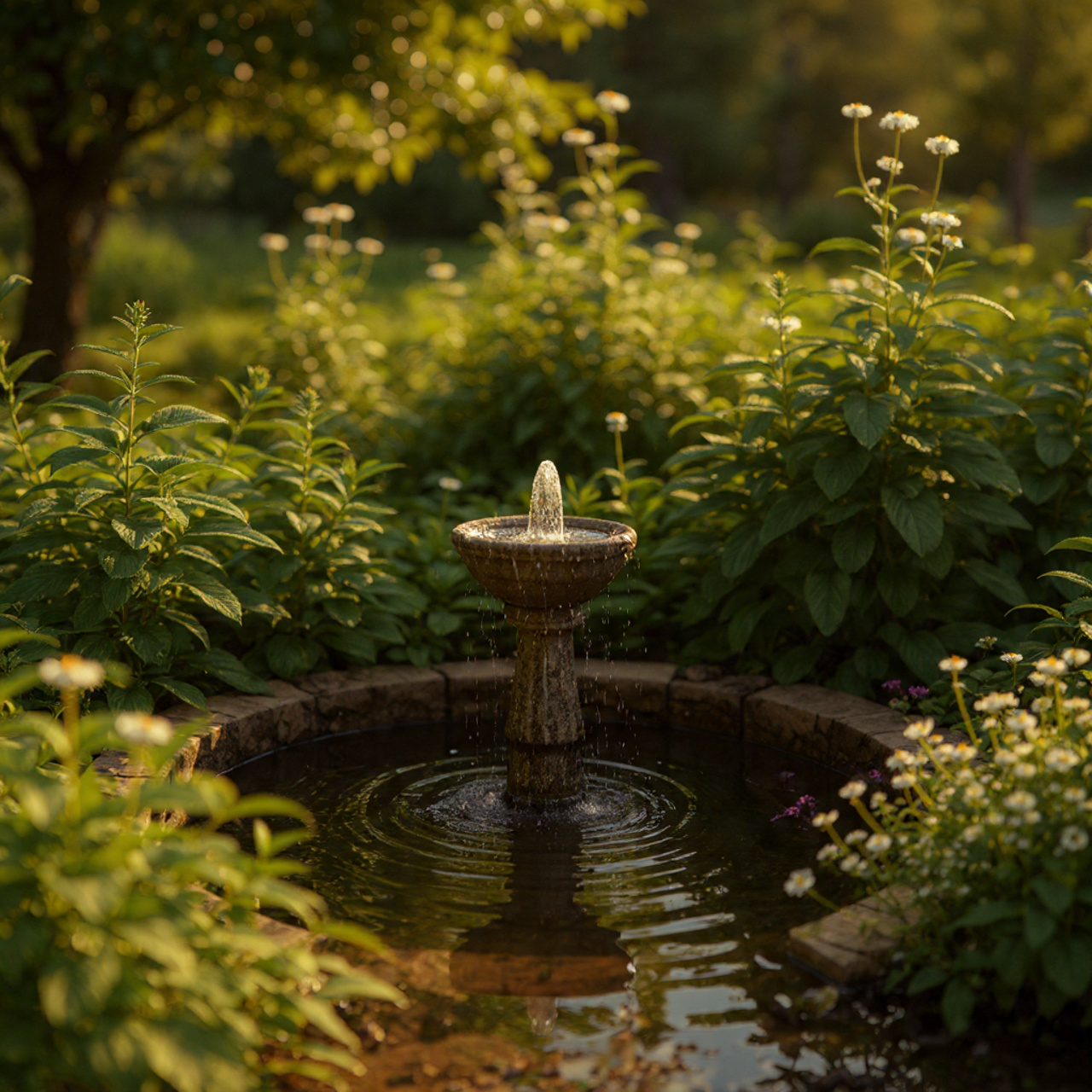
Keep your potted herbs garden vibrant year-round by strategically rotating plants based on seasonal preferences.
Seasonal Rotation Plan:
- Spring: Cilantro, parsley, chives, dill
- Summer: Basil, oregano, thyme, rosemary
- Fall: Sage, parsley, cilantro (second planting)
- Winter Indoors: Rosemary, thyme, chives
Why Rotate?
- Matches each herb’s temperature sweet spot
- Prevents garden downtime
- Keeps containers productive 365 days a year
Herbs Garden with Journaling and Tracking
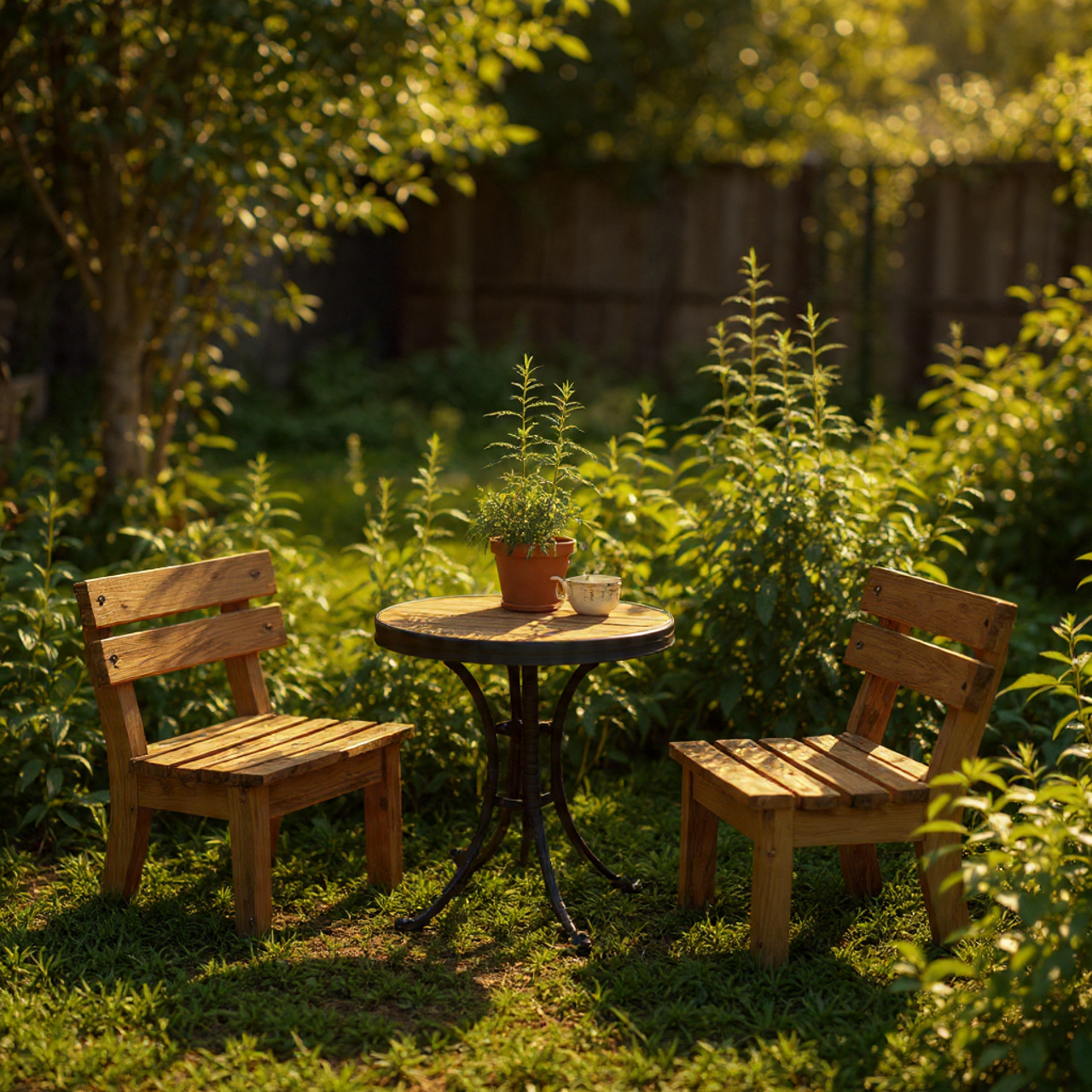
Document your growing journey to become a better gardener season after season.
What to Track:
- Planting dates and varieties
- First and last harvest dates
- Weather conditions and challenges
- Pest or disease issues and solutions
- Which herbs performed best in your specific conditions
- Favorite uses or recipes
Tools: Simple notebook, garden apps like Gardenize, or printable garden journals. Include photos to watch your herbs garden evolve!
Benefit: Your journal becomes a personalized growing guide tailored to YOUR microclimate and conditions.
Herbs Garden with Multi-Tiered Structure
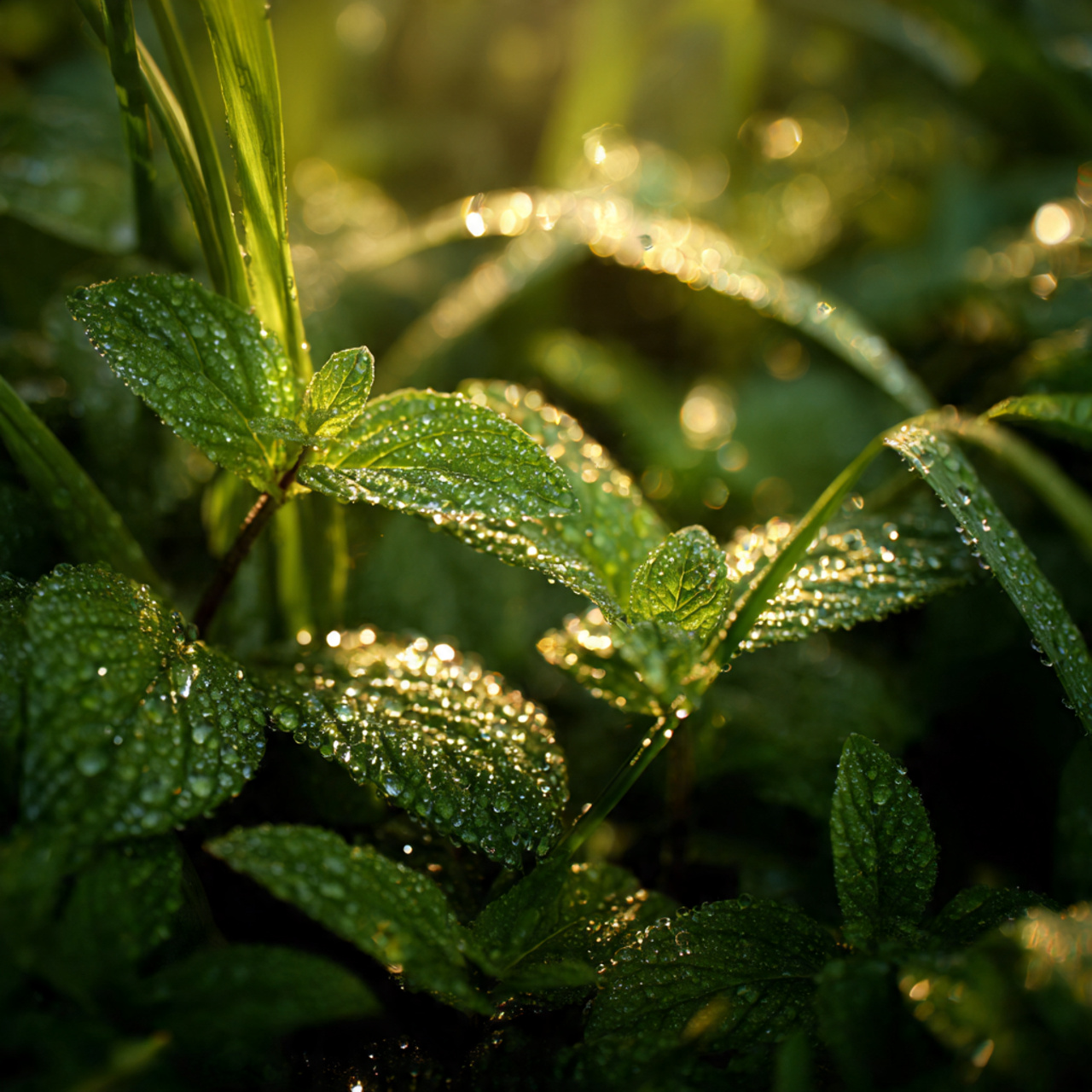
Create depth and visual drama while improving plant health through strategic height layering.
Layering Strategy:
- Back/Tallest: Rosemary, sage, tall basil varieties, dill
- Middle: Standard basil, parsley, oregano
- Front/Lowest: Creeping thyme, compact oregano, low-growing chives
Additional Benefits:
- Shorter plants aren’t shaded out
- Improved air circulation reduces disease
- Creates attractive “green wall” effect
- Easier to spot and harvest each plant
Herbs Garden in Shared Spaces
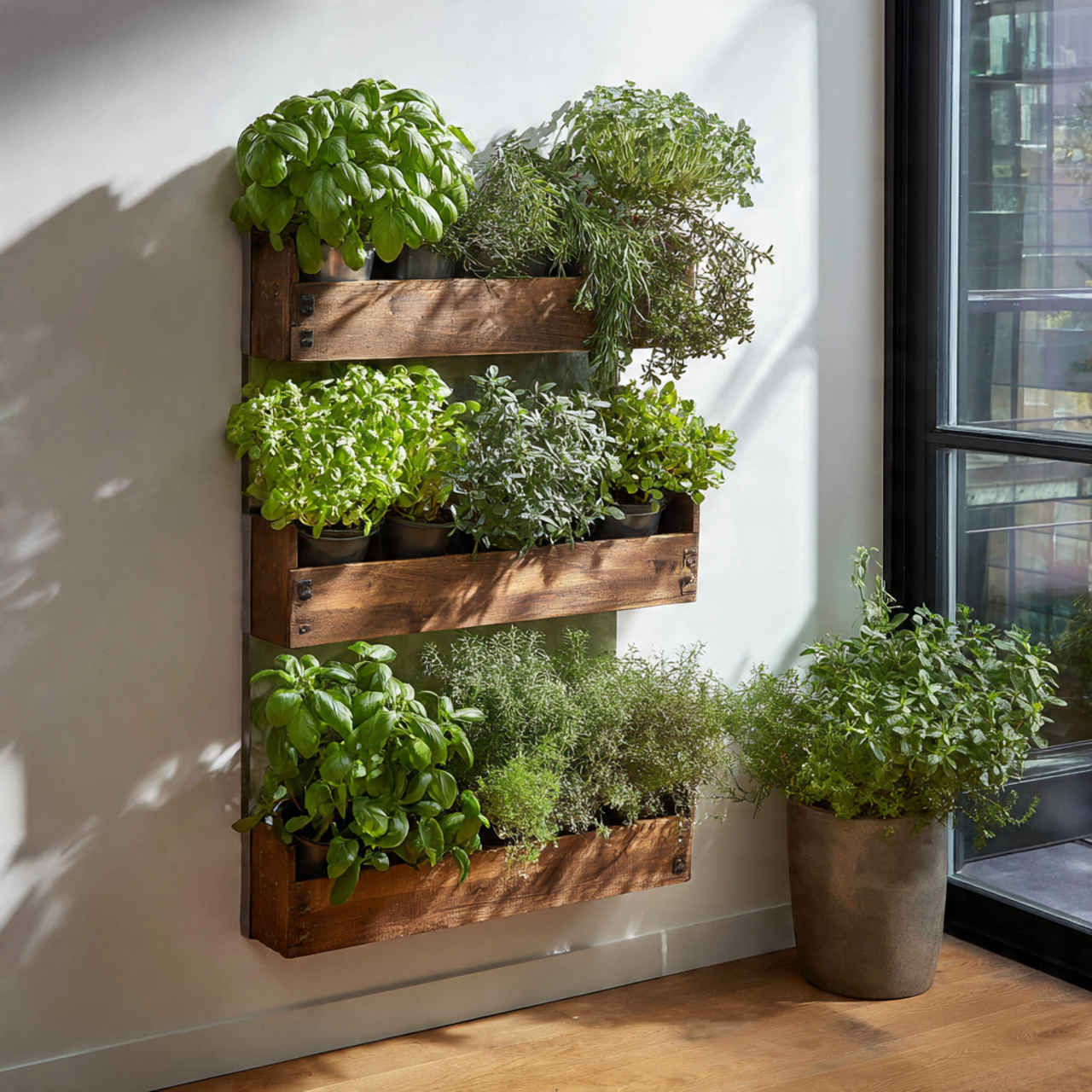
Build community connections through collaborative gardening in apartment complexes, neighborhoods, or community centers.
Shared Garden Setup:
- Designate growing areas per household or assign communal maintenance
- Create clear harvesting guidelines (take what you need, not everything)
- Organize monthly garden workdays
- Share surplus through a “free herbs” table
Community Benefits:
- Teaches collective responsibility and cooperation
- Shared knowledge exchange between experienced and novice gardeners
- Beautifies common areas
- Creates gathering spaces and social connections
FAQs
Q: Do herbs need full sun in an herbs garden? Most herbs thrive with about six hours of direct sunlight daily. Position your garden in the brightest available spot—typically south or west-facing areas. For indoor gardens, choose your sunniest windowsill or supplement with grow lights during winter months.
Q: Can I grow an herbs garden in pots? Absolutely! Container gardening is one of the most popular and successful methods for growing herbs. Just ensure your pots have drainage holes and use quality potting mix (not garden soil, which compacts in containers). Most herbs flourish in 1-3 gallon pots.
Q: How often should I water my herbs garden? Water when the top inch of soil feels dry to the touch—typically every 2-4 days depending on weather, pot size, and herb type. Mediterranean herbs (rosemary, thyme, oregano) prefer drier conditions, while basil and parsley like consistent moisture. Overwatering causes more herb deaths than underwatering!
Q: Which herbs are easiest to grow for beginners? Start with these nearly indestructible herbs: rosemary, thyme, mint, oregano, and chives. They forgive watering mistakes, tolerate various light conditions, and require minimal fertilization. Once you’ve mastered these, branch out to more temperamental varieties like basil or cilantro.
Q: Can I grow herbs year-round? Yes! Use a combination of strategies: bring containers indoors during cold months, use grow lights to supplement winter sunlight, practice seasonal rotation (cool-season herbs in spring/fall, warm-season in summer), or create a dedicated indoor windowsill garden. With planning, you’ll have fresh herbs in every season.
Final Thoughts
Your herbs garden represents more than just a collection of plants—it’s a living connection to better food, natural wellness, and the simple satisfaction of growing something with your own hands. Whether you’re starting with a single pot of basil on a windowsill or planning an elaborate raised bed system, the journey begins with that first seed or transplant.
These 25 ideas give you a roadmap, but the best herbs garden is the one that fits YOUR space, matches YOUR cooking style, and brings YOU joy. Start with one or two ideas that resonate most, experiment freely, and don’t be afraid to make mistakes (that’s how we learn!).
The beauty of herb gardening is its forgiving nature—most herbs want to grow, and they’ll reward even modest efforts with fragrant leaves and fresh flavors. So grab some soil, pick a sunny spot, and watch as your herbs garden transforms from idea to thriving reality. Happy growing!