27 Unique Herbal Plants Ideas Every Gardener Should Try
Think of herbal plants as your personal green investment—one that pays dividends in fresh flavors, natural wellness, and pure visual delight. Whether you’re nurturing a tiny basil plant on your apartment windowsill or cultivating an expansive rosemary garden outdoors, herbs are nature’s gift that keeps on giving.
The beauty of growing herbs? They’re incredibly forgiving and wonderfully versatile. You don’t need a sprawling backyard or a green thumb to get started. This comprehensive guide walks you through some practical, creative approaches to growing herbal plants that’ll transform any space—big or small, indoor or outdoor—into your own thriving herb haven.
Herbal Plants for Kitchen Windowsills
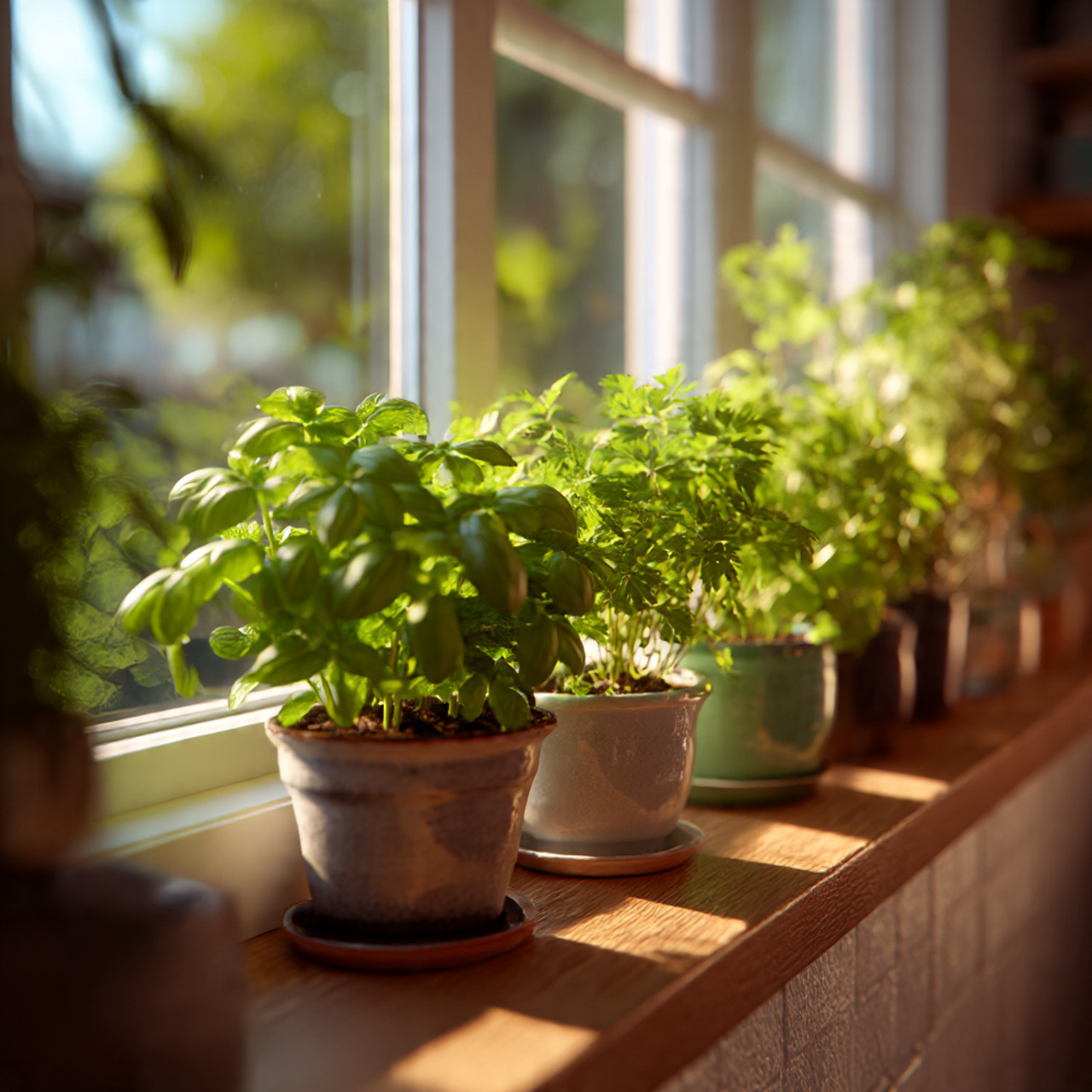
Your kitchen window isn’t just for watching the world go by—it’s prime real estate for fresh herbs! This is where convenience meets cultivation, giving you instant access to flavor-packed ingredients while you’re cooking.
Quick Success Tips:
- Start with the “big four”: basil, mint, parsley, and chives—they’re practically foolproof
- Aim for 4–6 hours of direct sunlight daily (south-facing windows work best)
- Snip herbs regularly while cooking—it actually makes them grow bushier and healthier
- Use compact containers to fit more variety without cluttering your counter
- Give pots a quarter-turn every few days so all sides get equal sun exposure
Insight: The closer your herbs are to your cooking space, the more likely you’ll actually use them. That’s the secret to keeping them healthy through regular harvesting!
Create a Balcony Herb Retreat
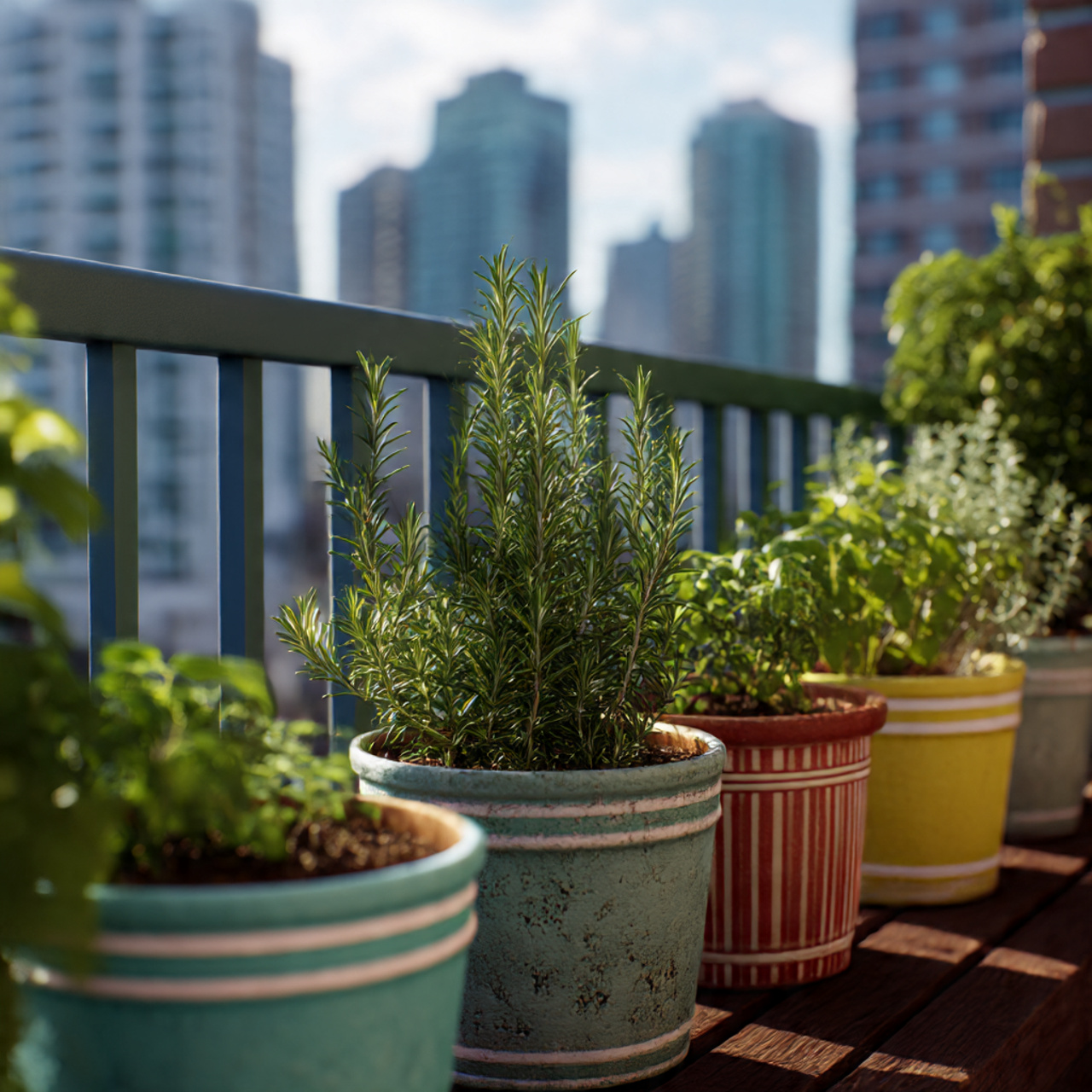
Even the smallest balcony can become a productive herb garden with smart planning. Think vertical, think creative, and watch your outdoor nook transform into a fragrant escape.
Space-Maximizing Strategies:
- Stack tiered planters against walls or railings for triple the growing space
- Hang trailing herbs like oregano and thyme from ceiling hooks
- Choose sun-loving varieties: rosemary, oregano, thyme, and tarragon thrive in outdoor light
- Color-coordinate your pots for that Instagram-worthy aesthetic
- Group herbs with similar watering needs together (makes your life easier!)
Bonus benefit: Your balcony herbs attract beneficial pollinators like bees and butterflies, plus they naturally purify the air around your outdoor space.
Build Self-Sustaining Indoor Terrariums
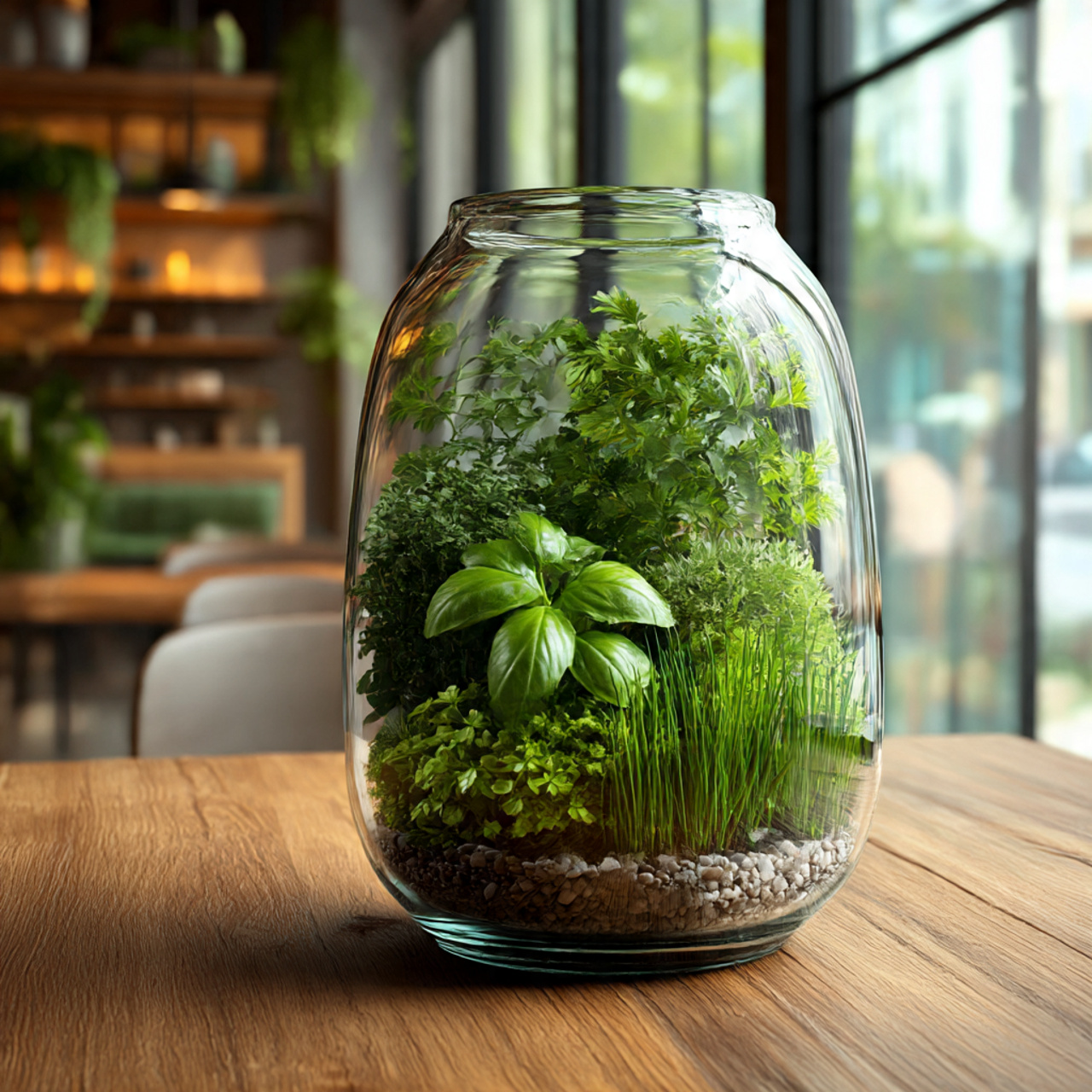
Terrariums are like tiny greenhouses that do half the work for you. These glass containers create perfect mini-ecosystems where moisture recycles naturally, cutting your watering routine dramatically.
Terrarium Setup Essentials:
- Best herb choices: basil, parsley, cilantro (they love the humidity)
- Layer small pebbles at the bottom for drainage
- Add activated charcoal to prevent mold growth
- Top with quality potting soil, then plant your herbs
- Toss in decorative moss, stones, or miniature figurines for personality
Perfect for: Studio apartments, desks, coffee tables—anywhere you want living art that’s also functional. Guests always ask about them!
Design Thriving Outdoor Herb Beds
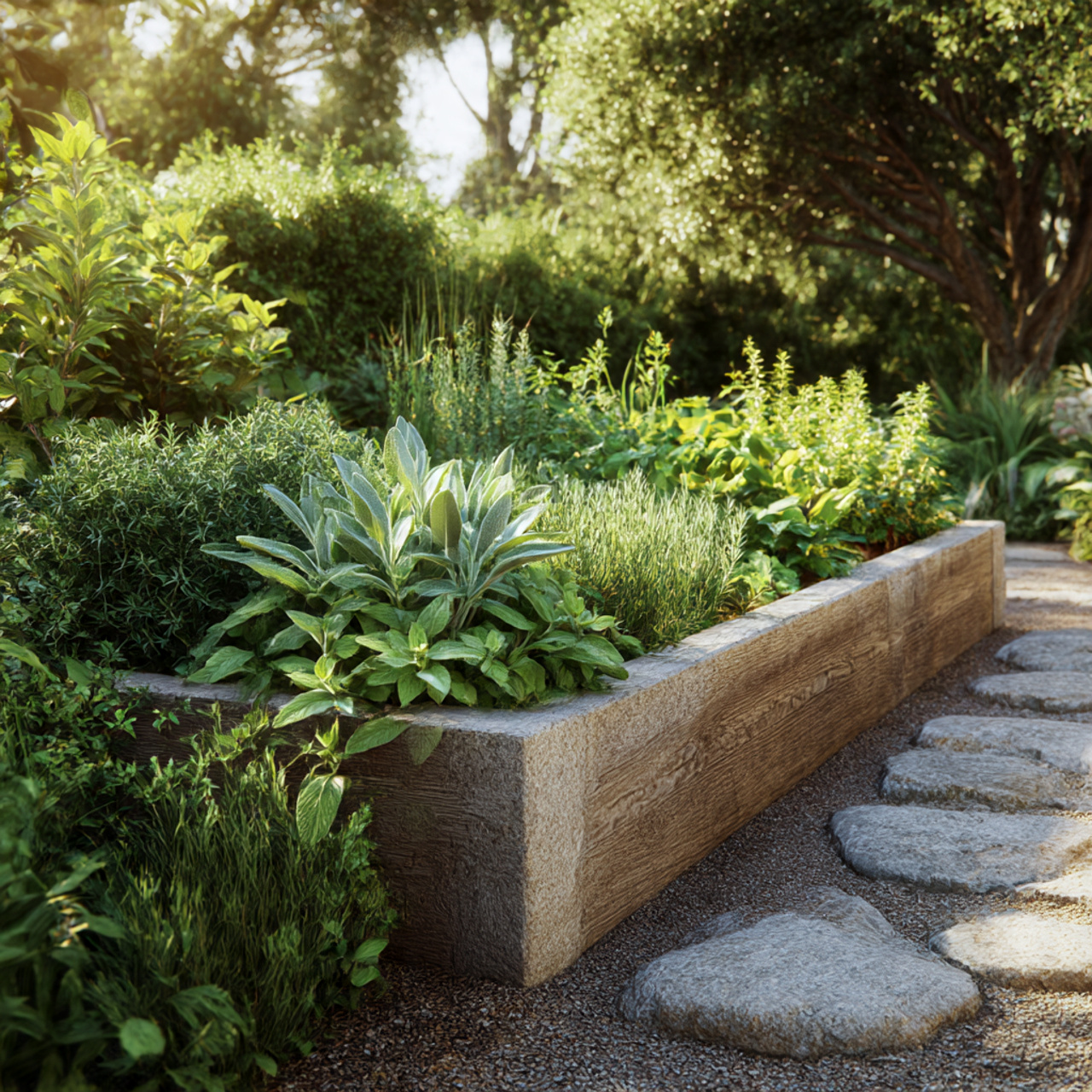
When you have yard space, traditional herb beds let your plants spread their roots and reach their full potential. There’s nothing quite like watching herbs flourish in actual soil under natural sunlight.
Building Your Bed Right:
- Choose raised beds for better drainage and easier access
- Mix in compost-rich soil before planting
- Plant Mediterranean herbs together: thyme, sage, oregano, marjoram
- Add companion vegetables like tomatoes to improve overall garden health
- Apply organic mulch to retain moisture and suppress weeds
Growing tip: Space plants properly from the start. Overcrowding invites disease and reduces air circulation.
Hanging Herbal Gardens
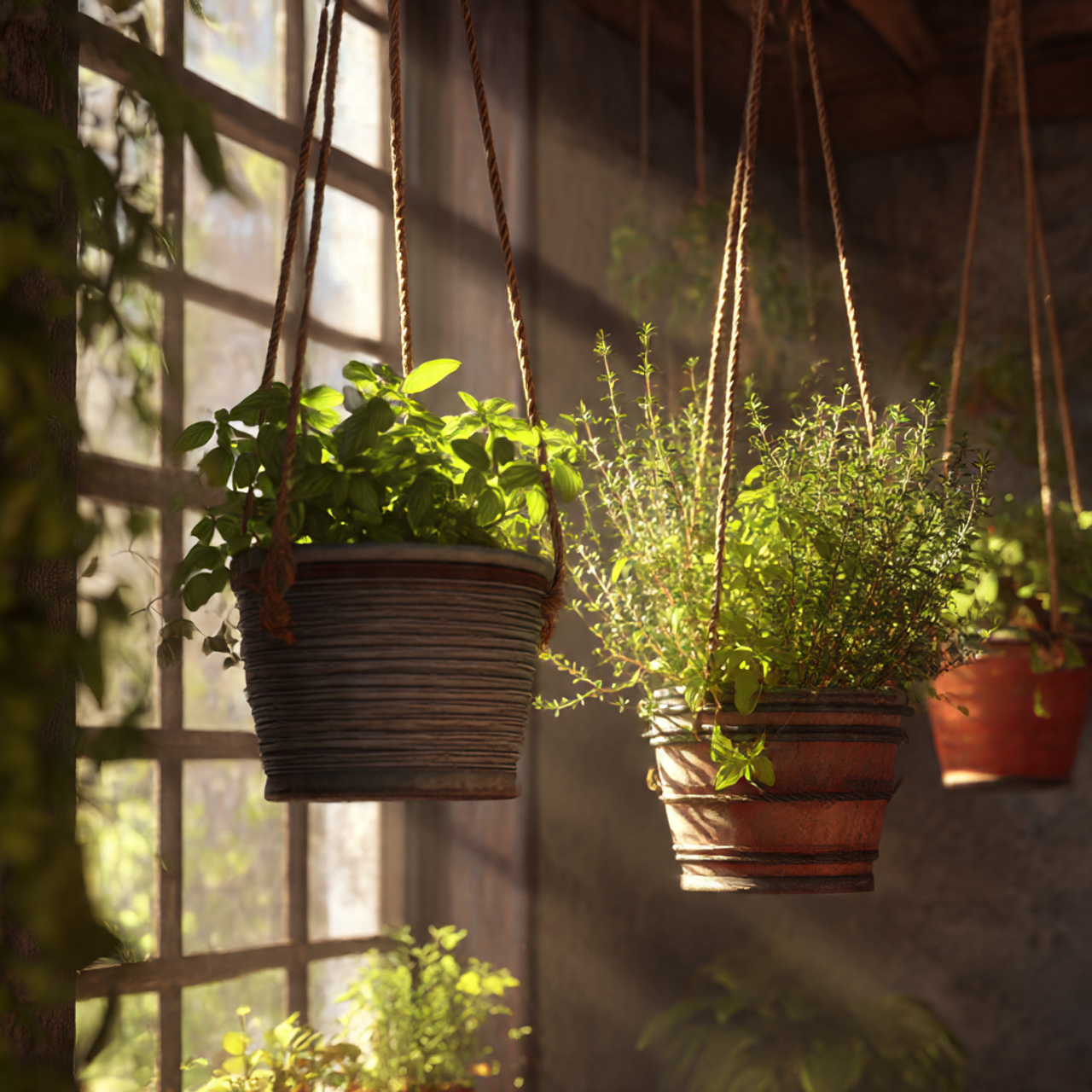
Short on floor space? Look up! Hanging baskets turn unused vertical space into productive growing zones, whether indoors by a sunny window or outdoors on your porch.
Hanging Garden Advantages:
- Keeps aggressive spreaders like mint contained (trust us, you’ll thank yourself later)
- Creates beautiful cascading greenery that draws the eye upward
- Perfect herbs for hanging: mint, oregano, thyme, trailing rosemary
- Prevents soil splash and keeps leaves cleaner
- Makes harvesting easier on your back
Maintenance must: Rotate baskets weekly and prune frequently to encourage full, bushy growth on all sides.
Start Simple with Windowsill Herb Kits
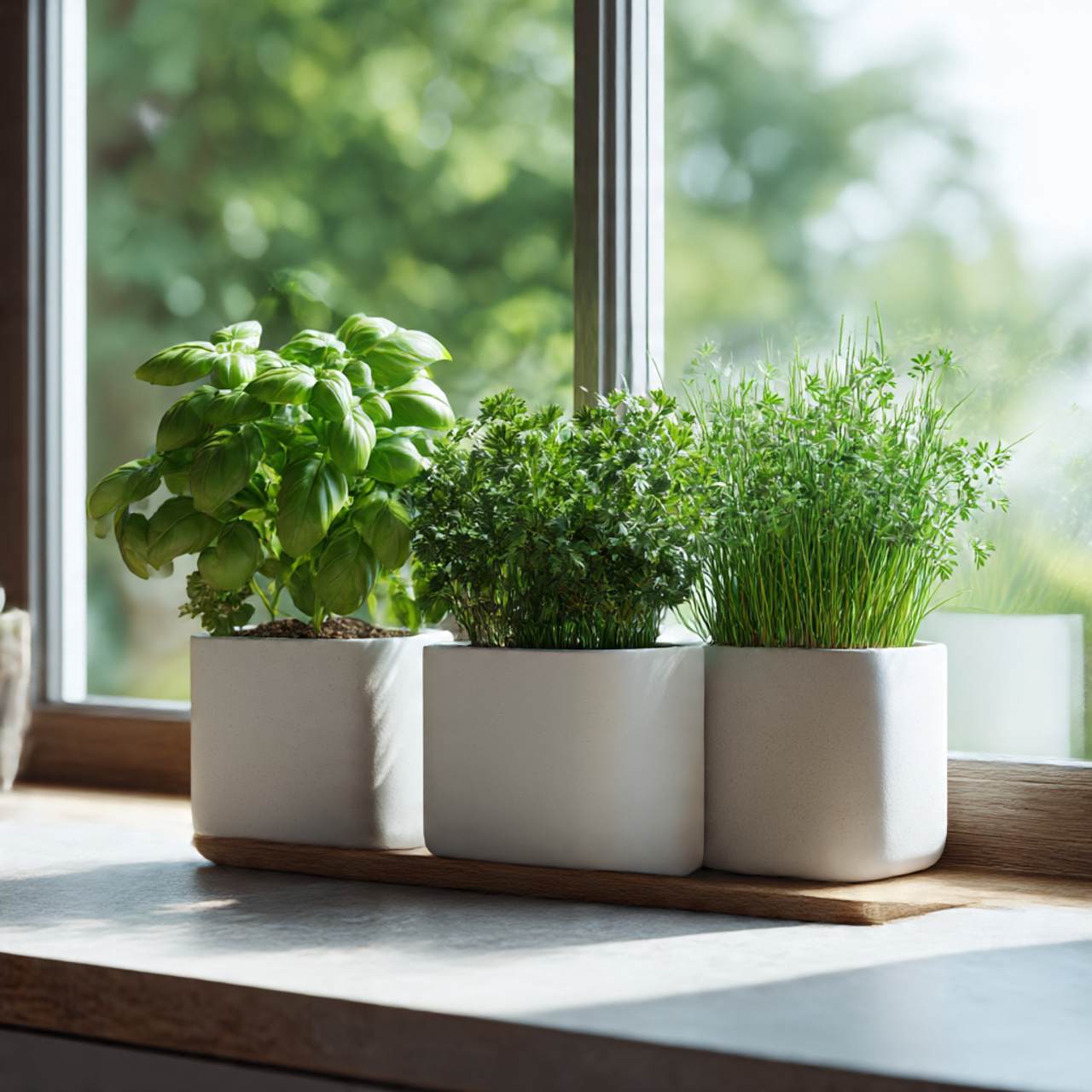
New to gardening? Herb kits eliminate the guesswork entirely. These all-in-one packages include everything you need: seeds, soil, containers, and straightforward instructions.
Why Kits Work for Beginners:
- Zero decision fatigue—everything’s chosen for you
- Pre-measured soil and seeds mean better germination rates
- Usually include fast-growing varieties like basil, parsley, chives
- Compact enough for apartment living
- Many come with self-watering features
Reality check: Think of kits as training wheels. Once you’ve had success, you’ll feel confident branching out to more advanced setups.
Indoor Hydroponic Herbal Plants
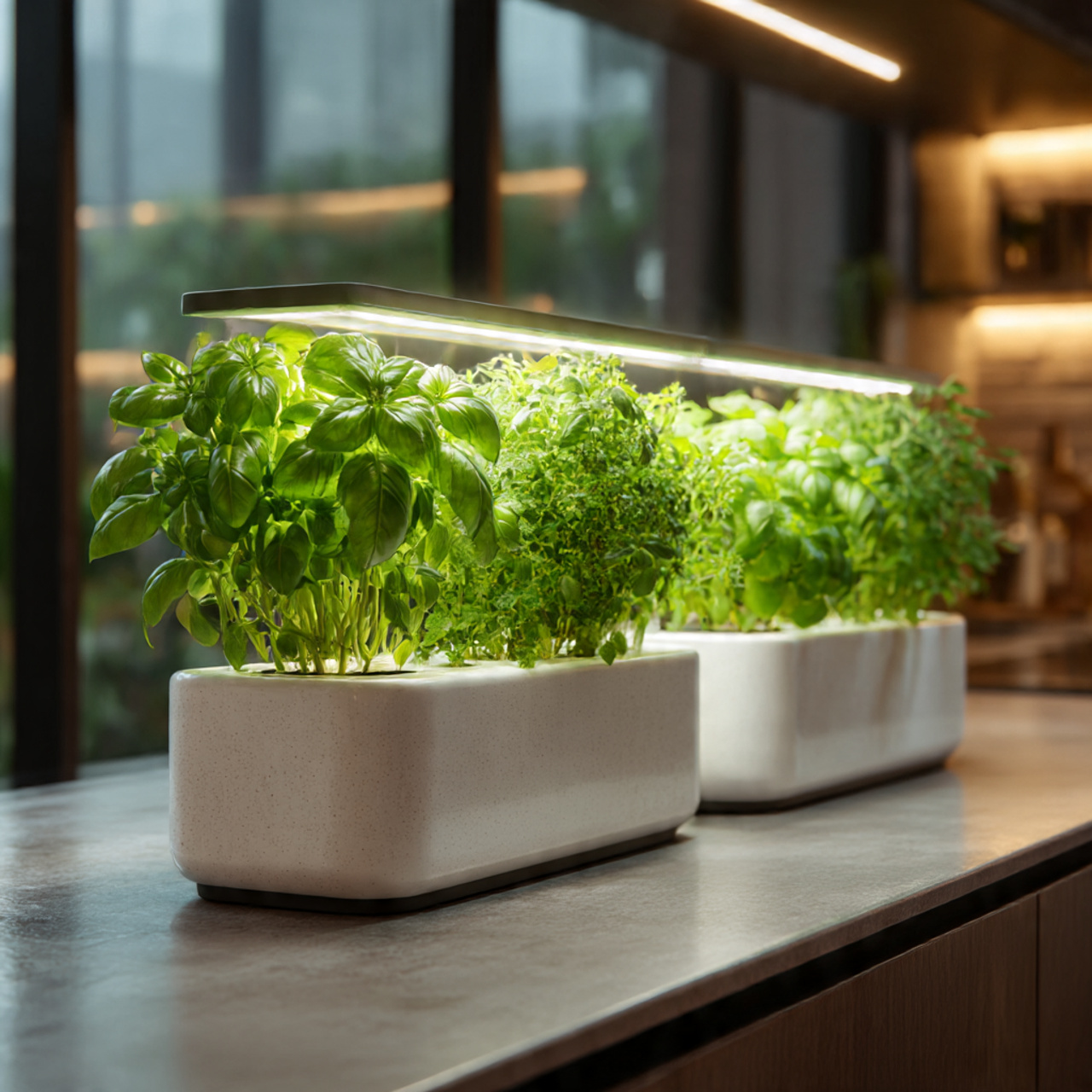
Hydroponics sounds high-tech, but modern systems make it surprisingly accessible. Your herbs grow in nutrient-rich water instead of soil, which means faster growth and zero dirt indoors.
Hydroponic Highlights:
- Herbs grow 25-50% faster than soil-based methods
- Perfect for basil, mint, oregano, cilantro
- Eliminates soil-borne pests and diseases completely
- Year-round harvests regardless of outdoor weather
- Automated systems handle watering and feeding schedules
Best for: Urban gardeners, apartment dwellers, anyone who wants consistent indoor harvests without the mess of traditional gardening.
Patio Herb Containers
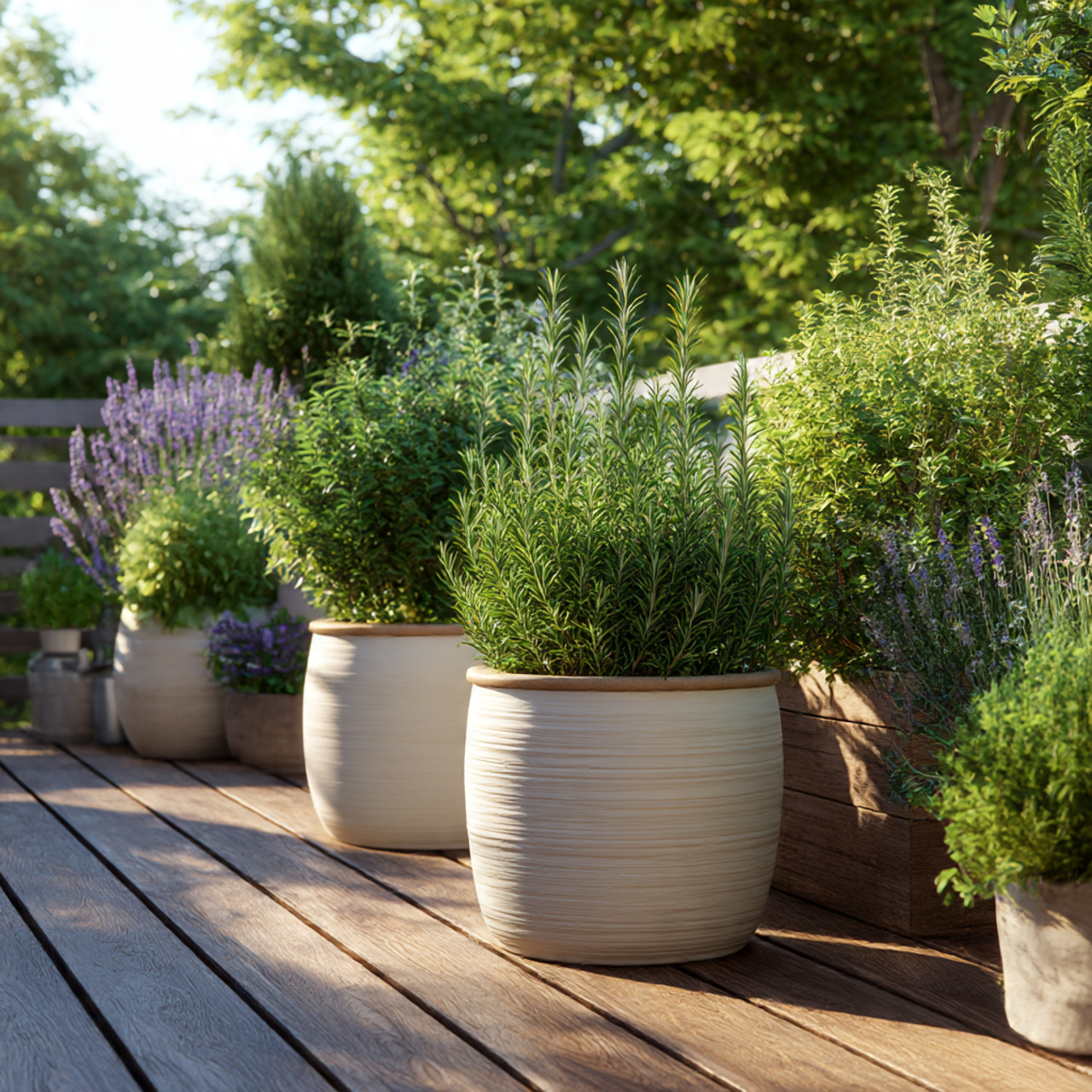
Patio container gardening gives you the best of both worlds: outdoor growing conditions with the mobility to protect plants when needed.
Container Success Formula:
- Choose Mediterranean herbs that love outdoor exposure: rosemary, lavender, sage, thyme
- Use containers with drainage holes (non-negotiable!)
- Opt for terracotta or ceramic pots—they’re breathable and stable
- Add slow-release organic fertilizer at planting time
- Move containers to sheltered spots during storms or extreme heat
Smart move: Large containers dry out slower and maintain more stable temperatures, reducing daily maintenance.
Install Raised Beds for Ergonomic Growing
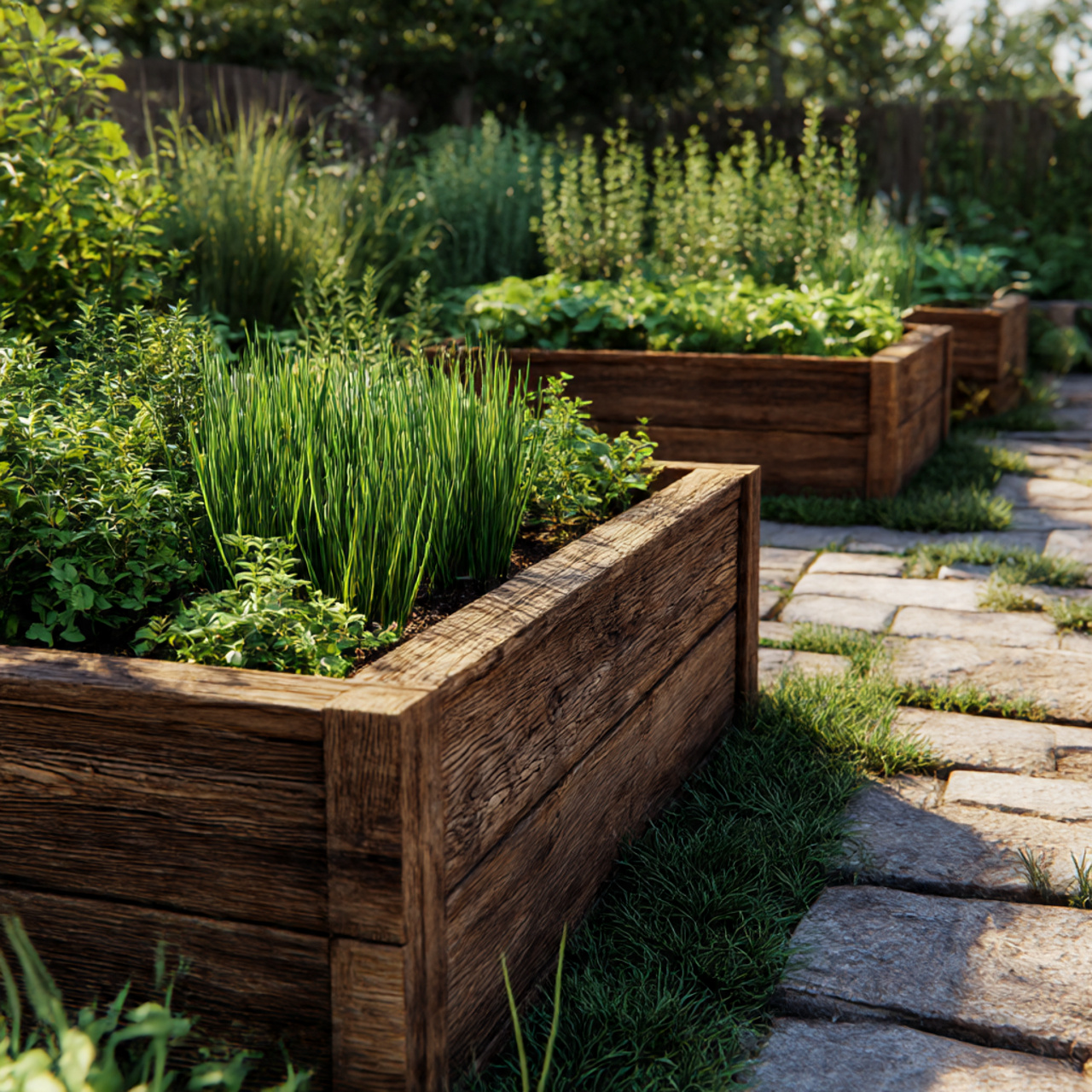
Raised beds aren’t just trendy—they solve real gardening problems. Better drainage, improved soil quality, fewer weeds, and no more backache from bending over.
Raised Bed Benefits:
- Grow tarragon, chives, thyme, oregano at waist height
- Control soil composition completely
- Extend growing season (soil warms faster in spring)
- Natural pest barrier—many ground insects can’t climb up
- Dense planting possible without root competition
Construction tip: Build beds 18-24 inches deep for optimal root development and drainage.
Indoor Aromatic Herb Corners
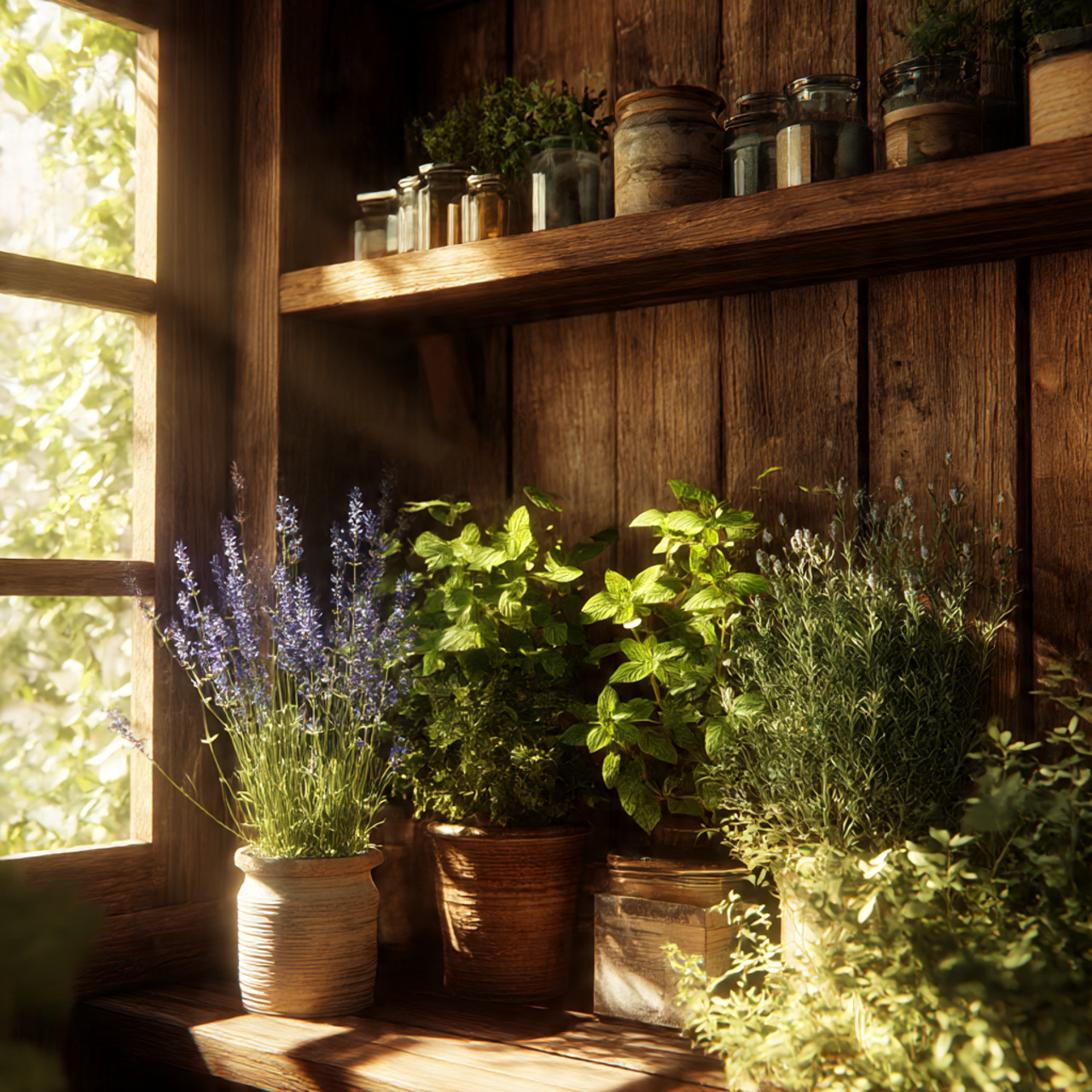
Create a sensory sanctuary in your home with fragrance-focused herbs. These natural air fresheners do more than smell amazing—they can genuinely improve your mood and air quality.
Aromatic Herb Selection:
- Lavender: calming, helps with sleep
- Lemon balm: uplifting, citrus-scented
- Mint: refreshing, energizing
- Rosemary: improves focus and concentration
Placement strategy: Position near reading nooks, home offices, or bedrooms where you’ll benefit most from the aromatherapy effects. Supplement natural light with grow lights if needed.
Balcony Vertical Gardens
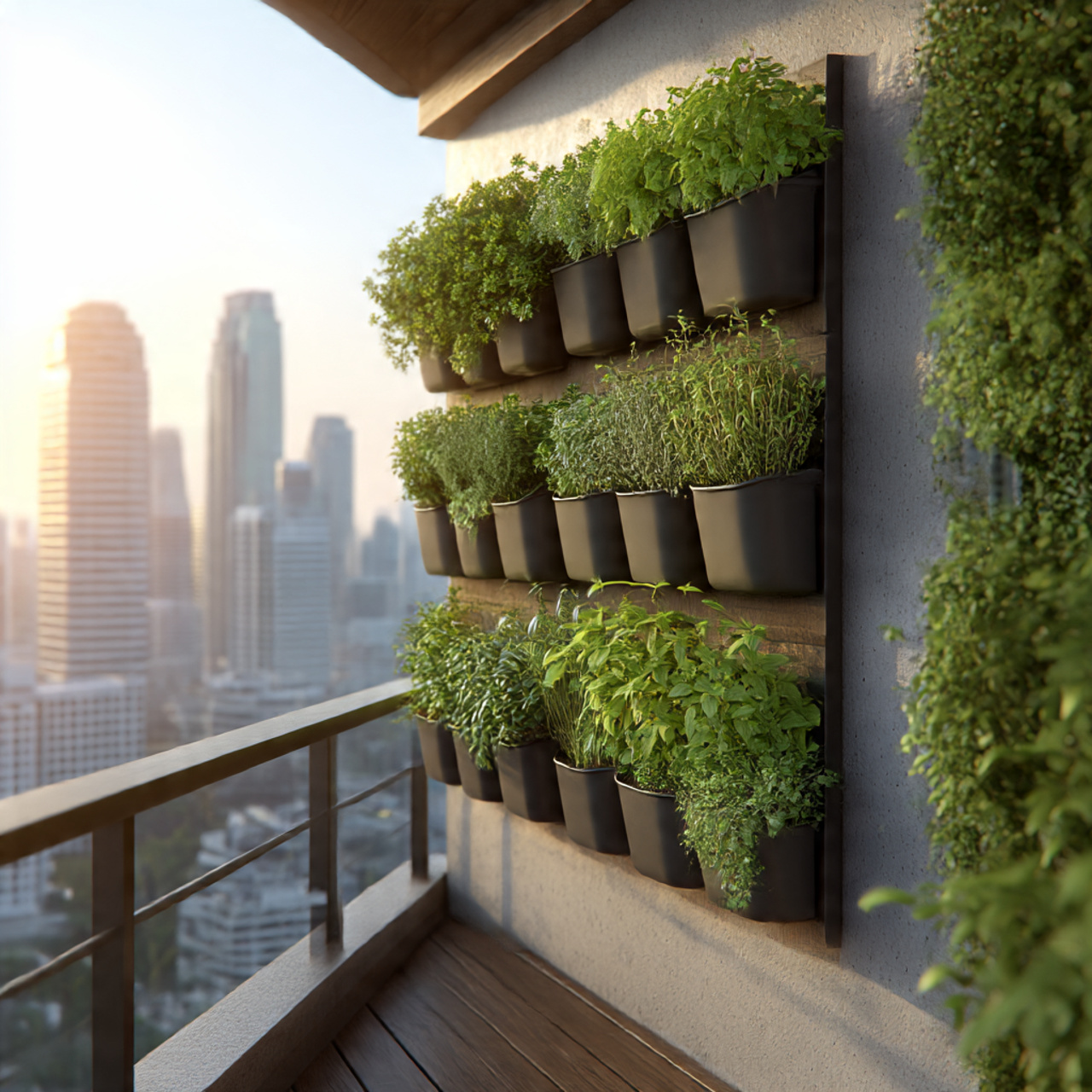
When horizontal space is limited, grow upward! Vertical gardens transform blank balcony walls into productive green tapestries that look absolutely stunning.
Vertical Growing Game Plan:
- Install wall-mounted planters or pocket gardens
- Use trellises for climbing or trailing herbs
- Best herbs: parsley, oregano, mint, trailing varieties of thyme
- Consider self-watering systems or drip irrigation
- Mix textures and colors for visual impact
Design bonus: Vertical gardens create privacy screening while producing fresh herbs—a functional living wall!
Build a Permaculture Herb Spiral
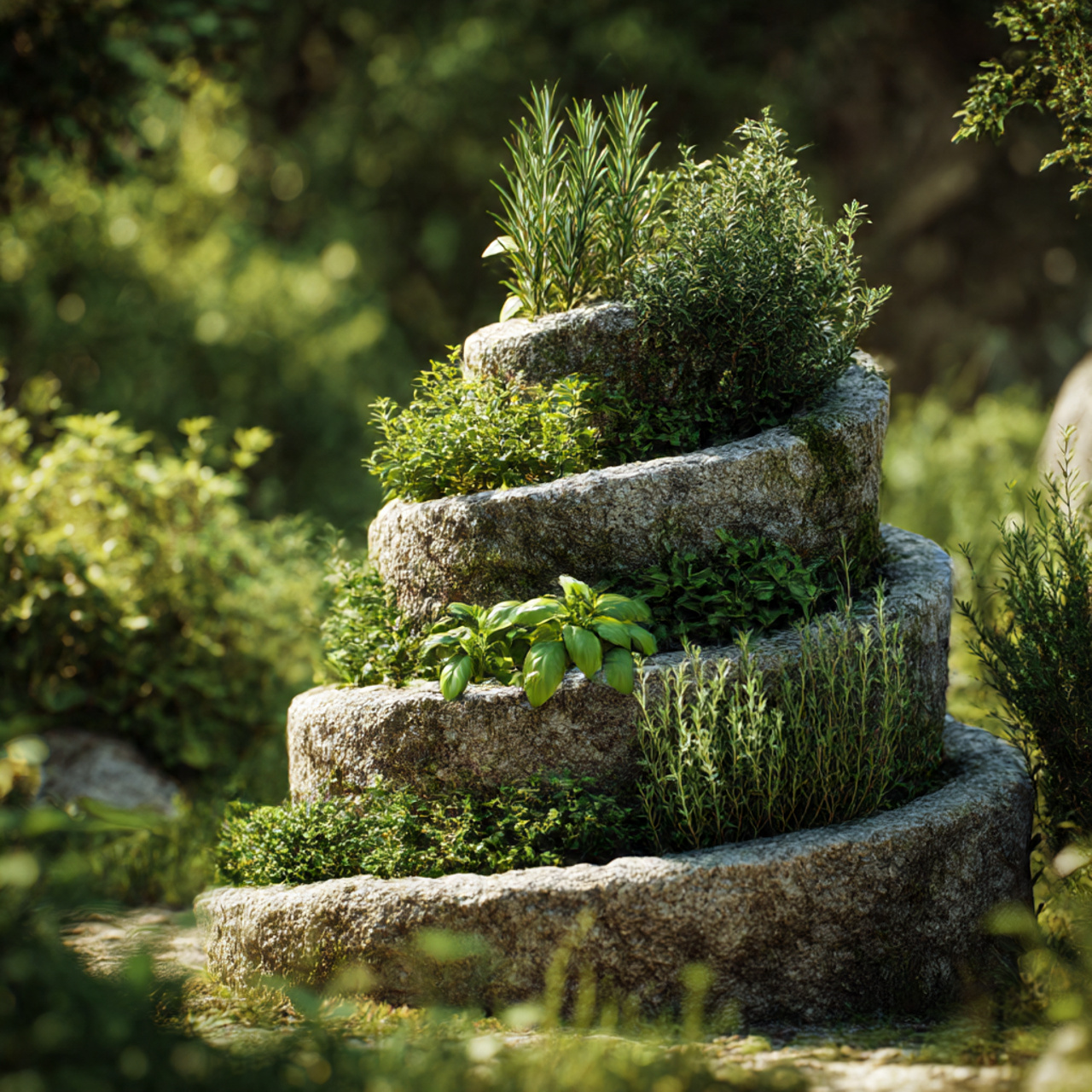
Herb spirals are gardening genius in action. This three-dimensional spiral design creates multiple microclimates in one compact structure, letting you grow diverse herbs with different needs in minimal space.
How Herb Spirals Work:
- Top (sunny, dry): Mediterranean herbs like rosemary, oregano, thyme
- Middle (moderate conditions): parsley, cilantro, chives
- Bottom (shadier, moist): mint, lemon balm
- Stone or brick construction provides thermal mass
- Water conservation through natural drainage
Why they’re brilliant: You get maximum variety in minimum space, plus they’re architectural focal points that look incredible in any garden.
Indoor Herb Windowsill Boxes
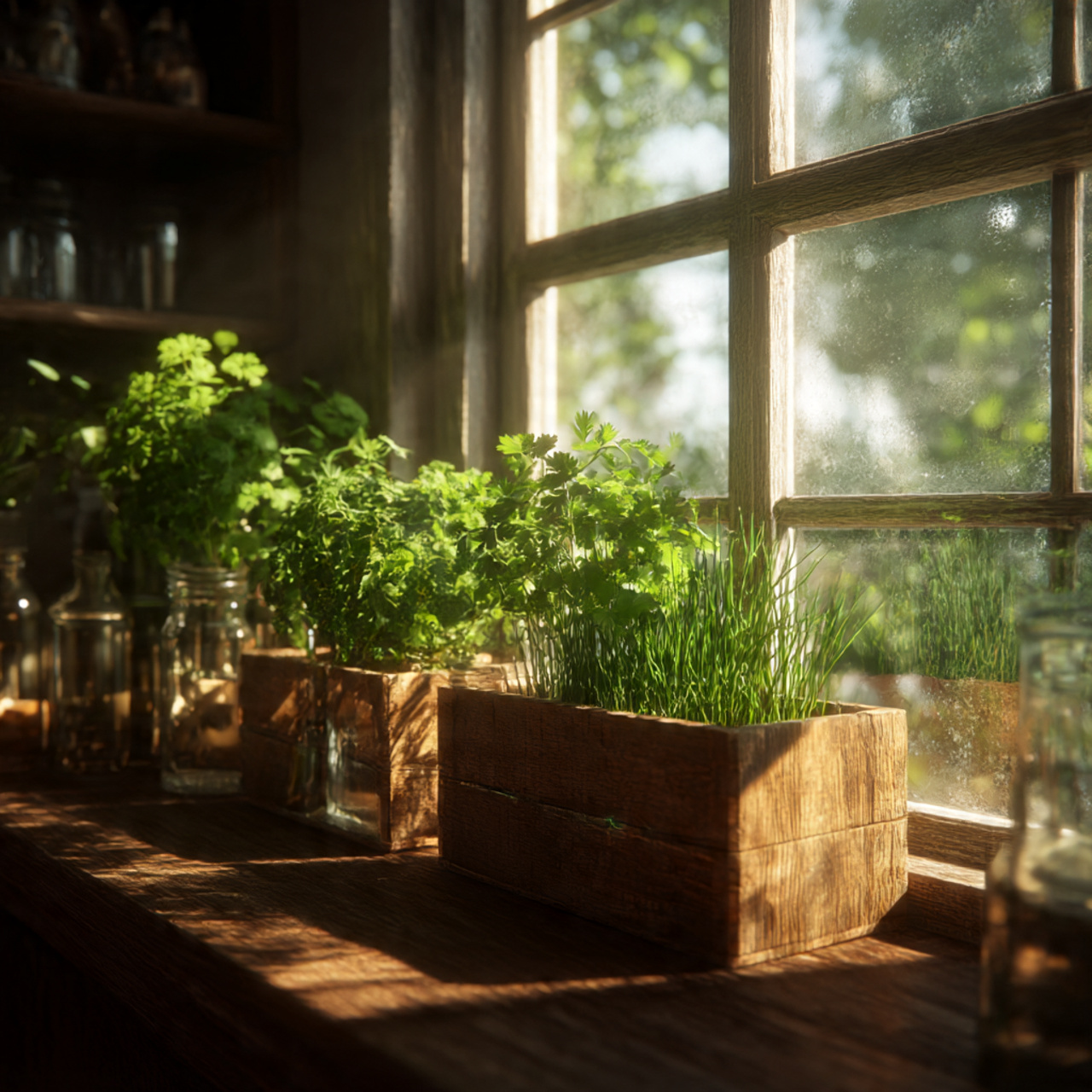
Windowsill boxes bring the outdoor window box concept inside. These shallow, elongated containers sit perfectly on interior window ledges, maximizing sunlight exposure.
Windowsill Box Setup:
- Ideal herbs: cilantro, parsley, chives (shallow-rooted varieties)
- Line bottom with pebbles or drainage mesh
- Use lightweight potting mix, not garden soil
- Rotate weekly for even growth
- Trim regularly to prevent herbs from getting leggy
Harvesting advantage: Snip exactly what you need without leaving the kitchen—meal prep has never been fresher!
Culinary Herb Gardens
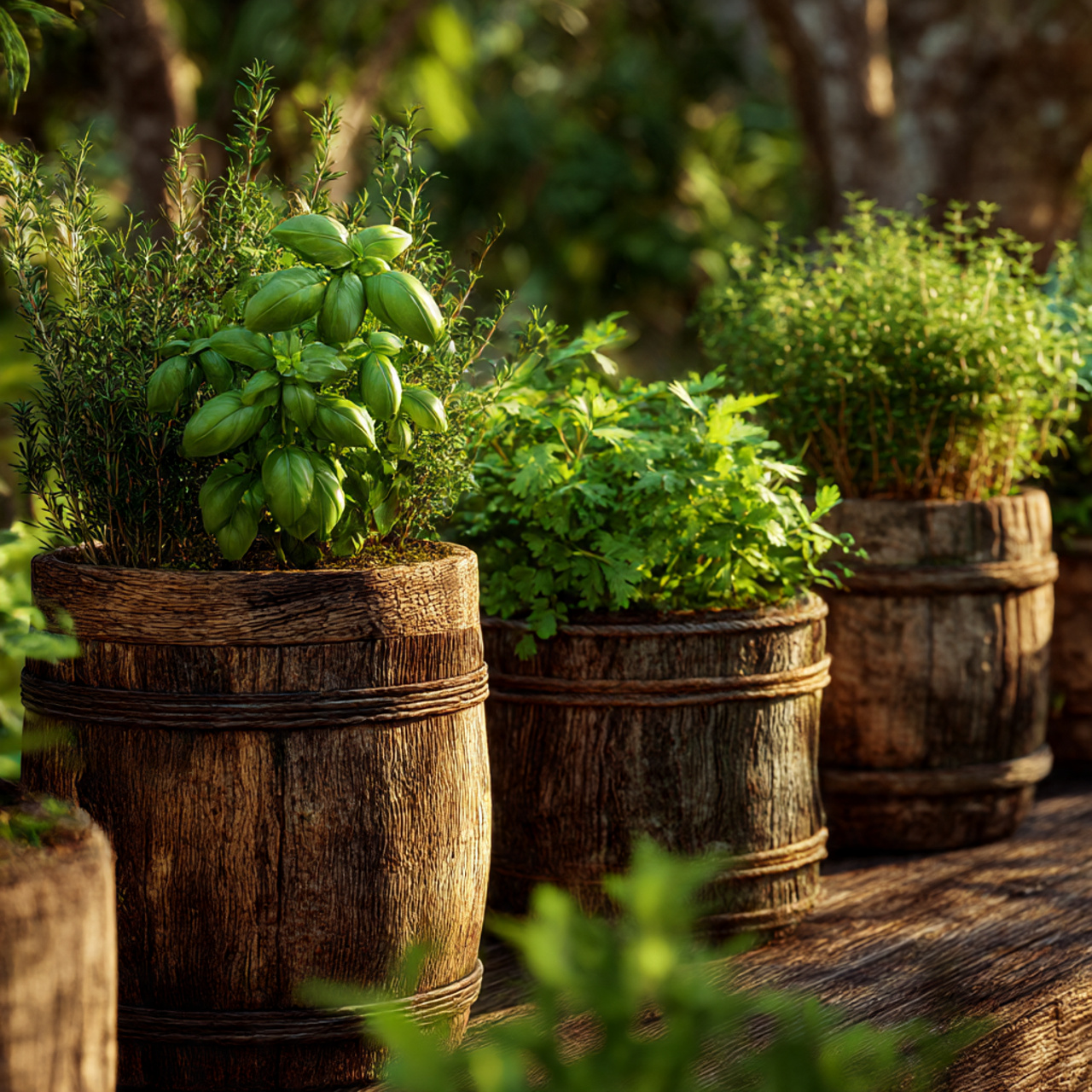
If you love cooking, a culinary-focused herb garden is game-changing. Group your most-used cooking herbs together for easy access and companion planting benefits.
Chef’s Herb Selection:
- Italian cooking: basil, oregano, rosemary, thyme, parsley
- Asian cuisine: cilantro, Thai basil, lemongrass, mint
- French classics: tarragon, chervil, thyme, parsley
Growing wisdom: Harvest in the morning after dew dries for peak flavor concentration. Pinch flowers off basil to keep leaves productive and flavorful.
Grow a Medicinal Herb Healing Garden
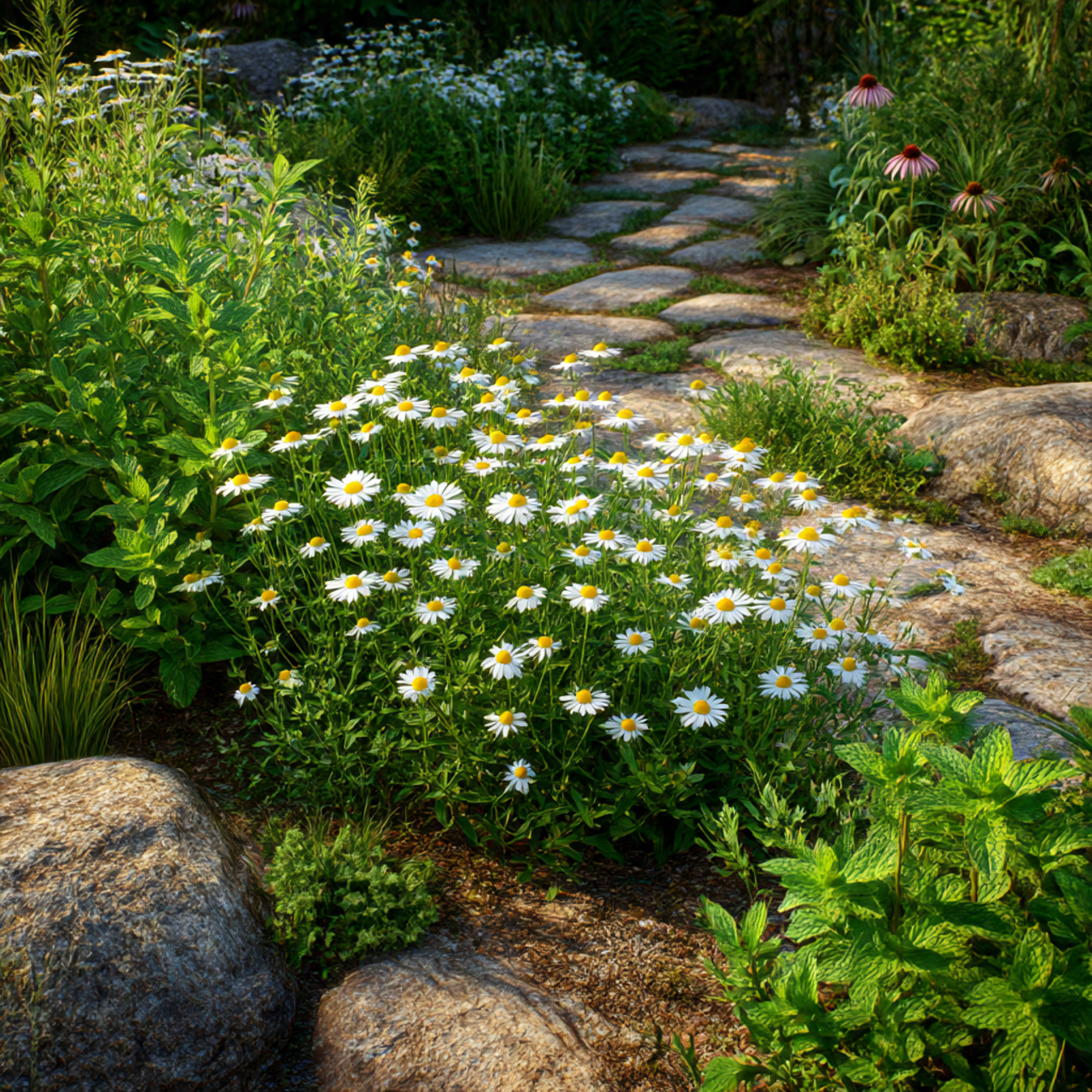
Nature’s pharmacy grows right in your home or garden. Medicinal herbs provide natural remedies for common ailments, from soothing teas to healing salves.
Therapeutic Herb Essentials:
- Chamomile: sleep aid, digestive comfort
- Peppermint: headache relief, digestive support
- Echinacea: immune system booster
- Lemon balm: stress reduction, antiviral properties
Important notes: Always use organic growing methods for medicinal herbs. Harvest at peak potency (usually mid-morning) and research proper preparation methods before consuming.
Indoor Herb Jars
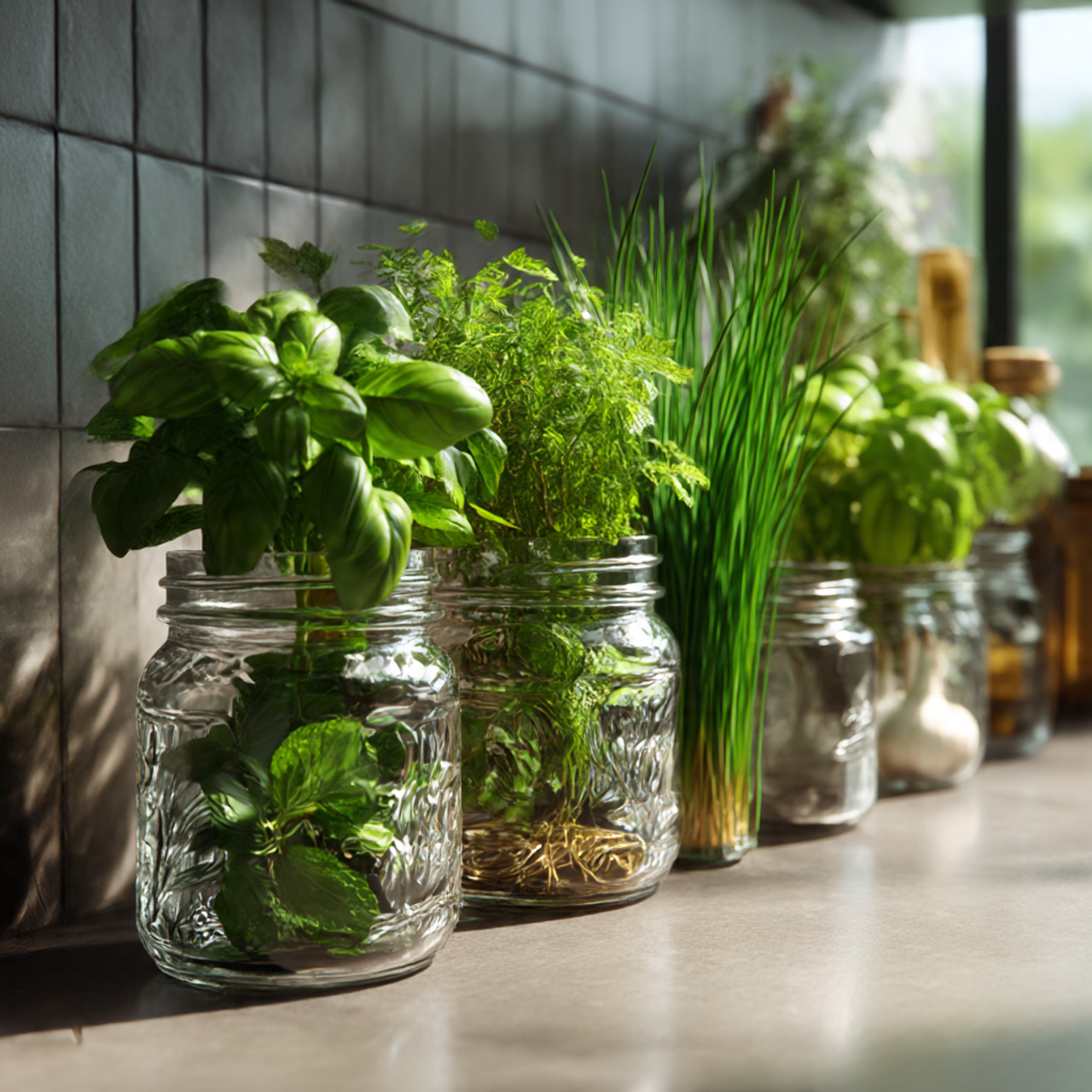
Herb jars are the ultimate space-saving solution. These simple glass containers can sit on kitchen counters, windowsills, or floating shelves—anywhere with decent light.
Jar Growing Methods:
- Water propagation: roots grow in water alone (mint, basil excel here)
- Soil in jars: use well-draining potting mix
- Mason jars, recycled food jars, decorative glass containers all work
Practical perks: No soil mess, easy to move around, visually appealing in any kitchen style from farmhouse to modern minimalist.
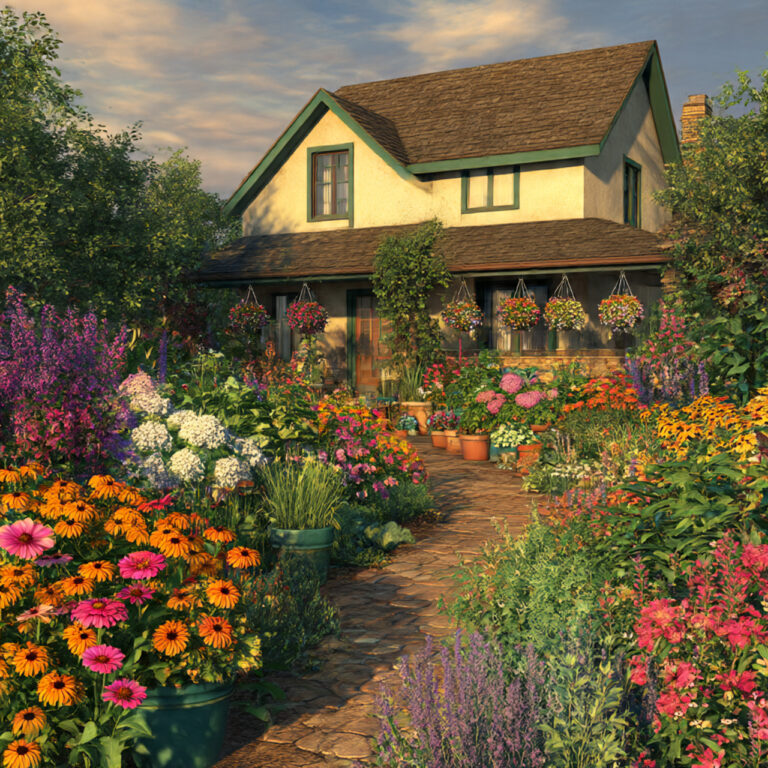
Outdoor Herb Patches
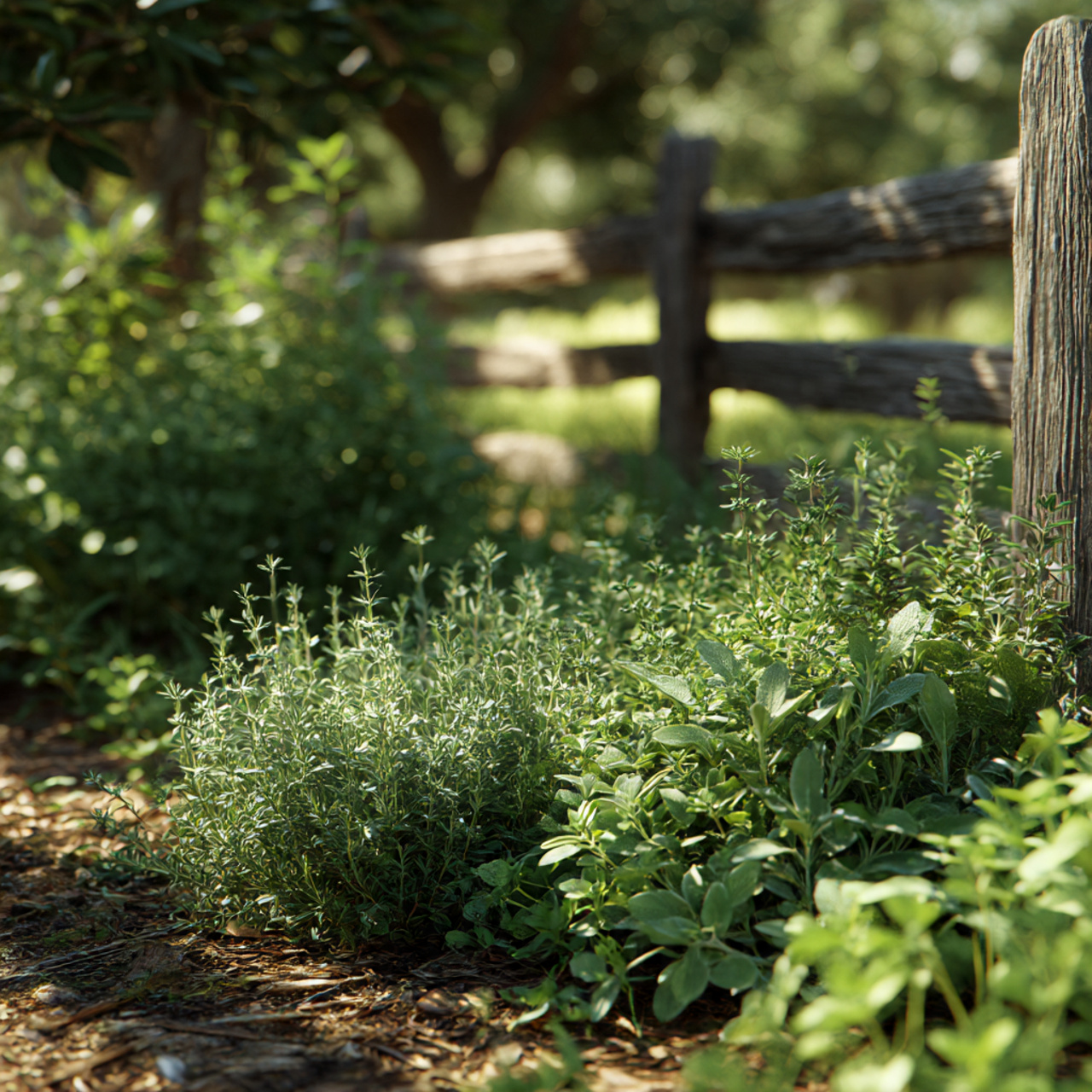
Sometimes the best gardens are the unstructured ones. Herb patches let plants grow more naturally in loose, informal clusters that mimic wild growth patterns.
Patch Planting Approach:
- Let hardy herbs like thyme, oregano, sage spread freely
- Minimal intervention, maximum flavor development
- Natural pest resistance through companion planting
- Regular harvesting keeps plants vigorous
Garden style: Perfect for cottage gardens, permaculture designs, or anyone who prefers a relaxed, naturalistic aesthetic over formal rows.
Install Space-Saving Hydroponic Towers
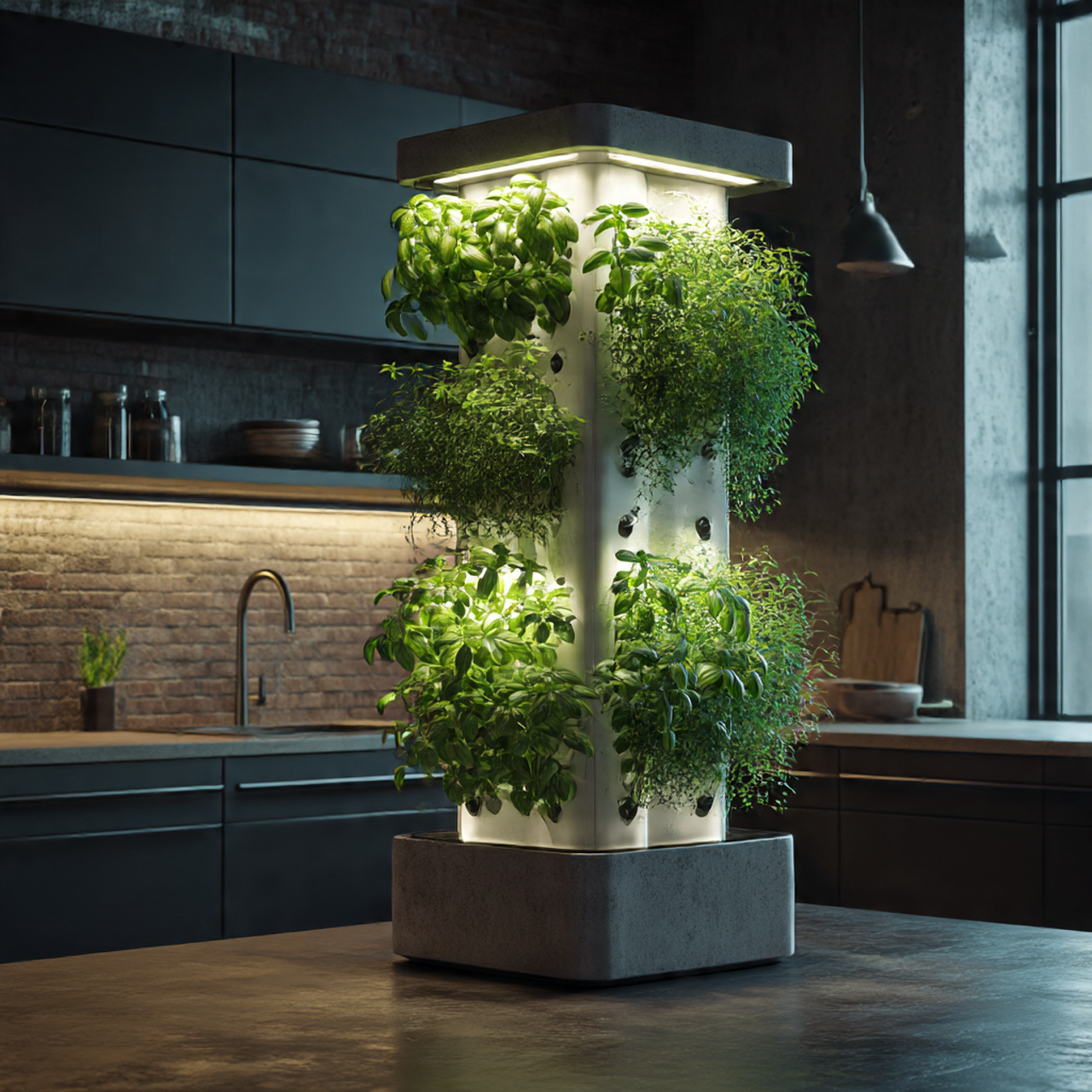
Hydroponic towers stack growing sites vertically, producing impressive yields in remarkably small footprints. They’re the skyscrapers of indoor herb gardening.
Tower System Advantages:
- Grow 20-30+ plants in just 2-3 square feet
- Automated watering and nutrient delivery
- No soil means no mess, no weeds, no soil pests
- Perfect for basil, parsley, mint, lettuce
Tech factor: Many systems connect to apps that monitor nutrient levels, pH, and lighting—gardening meets smart home technology!
Organize with Balcony Planter Boxes
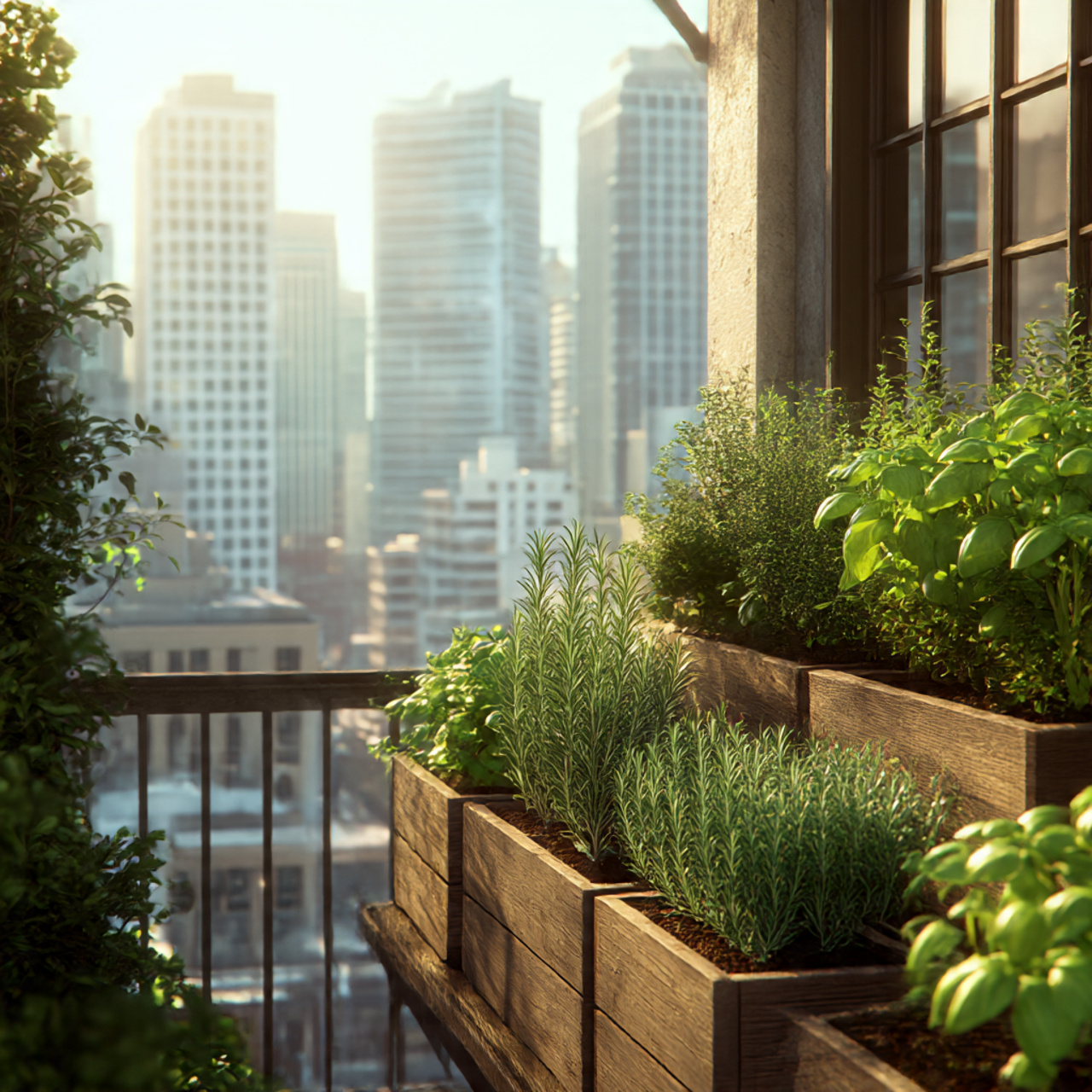
Planter boxes bring order and stability to balcony gardens. Their larger soil volume means less frequent watering and healthier root systems.
Planter Box Strategy:
- Choose boxes with built-in drainage
- Match box placement to sun patterns on your balcony
- Plant taller herbs (rosemary) at the back, shorter ones (thyme) in front
- Use quality potting mix, not garden soil (too heavy)
Weather wisdom: Secure boxes properly—wind can topple lightweight containers on upper-floor balconies.
Indoor Herb Hanging Baskets
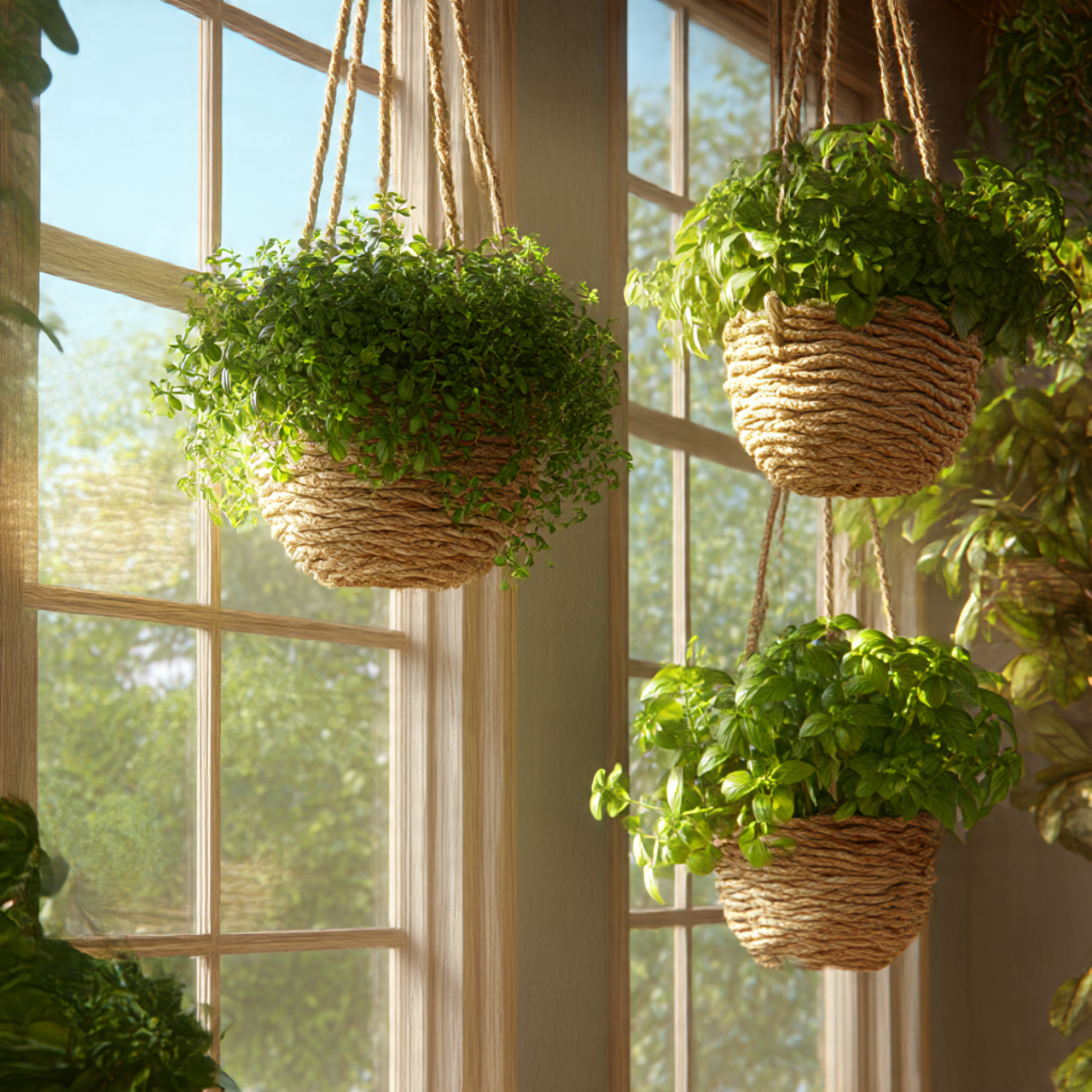
Bring your ceiling into play with indoor hanging baskets. They’re decorative, space-efficient, and put herbs right at eye level for easy harvesting.
Indoor Hanging Success:
- Choose lightweight plastic or coconut coir baskets
- Herbs that work: oregano, trailing thyme, mint, nasturtium
- Hang near bright windows but not blocking light to other plants
- Use saucers to catch drips (protect floors!)
Aesthetic tip: Vary basket heights at different levels for a dynamic, layered look that adds depth to your space.
Rooftop Herbal Gardens
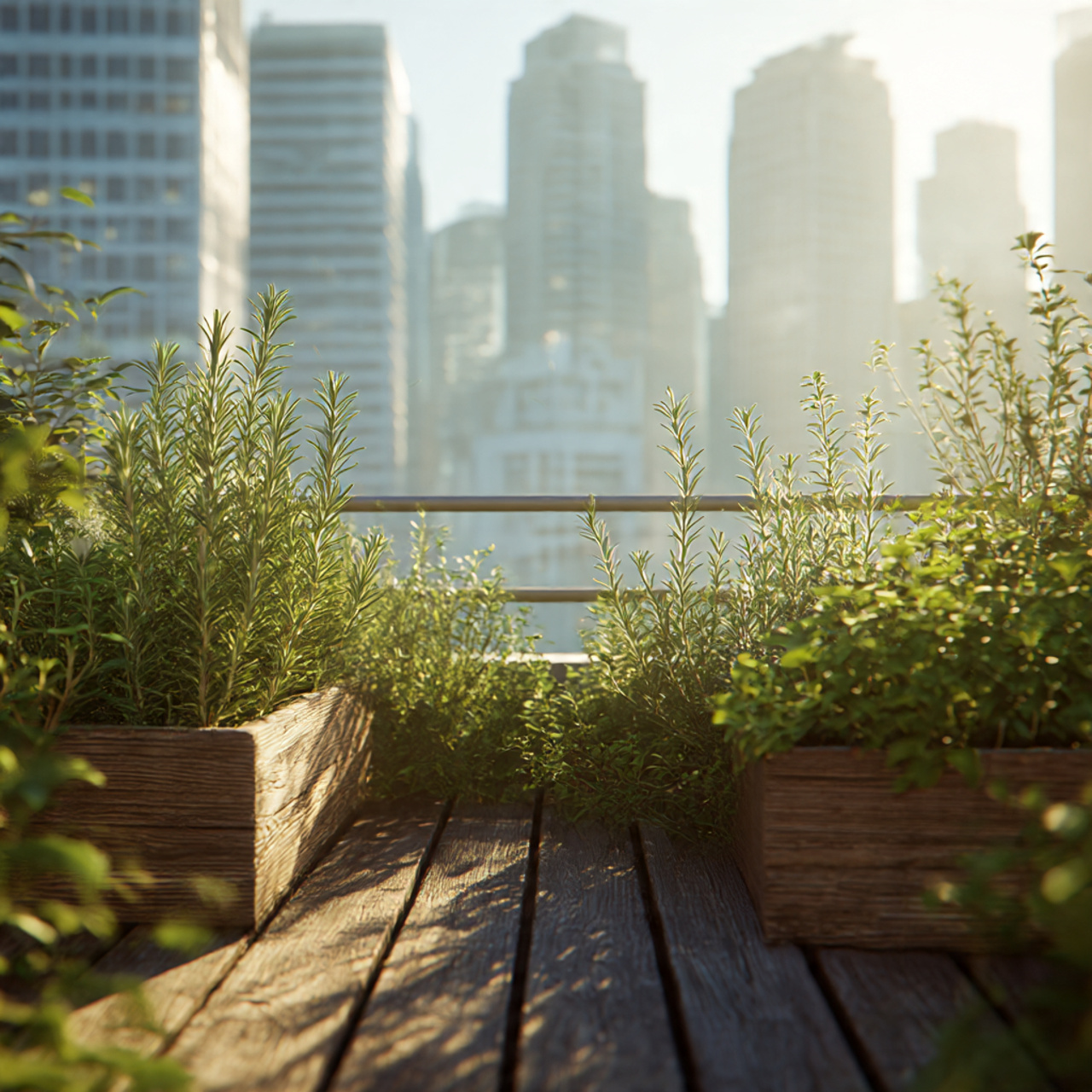
Got rooftop access? You’re sitting on premium growing real estate! Rooftops offer unobstructed sunlight and excellent drainage—herb paradise.
Rooftop Gardening Essentials:
- Sun-lovers thrive here: thyme, rosemary, oregano, lavender, sage
- Use lightweight containers or growing bags (weight matters on roofs)
- Install windbreaks for protection in exposed locations
- Set up drip irrigation or self-watering systems
- Check building weight restrictions before going big
Urban bonus: Rooftop gardens provide insulation for buildings below, reduce urban heat island effect, and create peaceful green retreats in concrete jungles.
Visit Also: Lavender Plant
Indoor Herb Windows
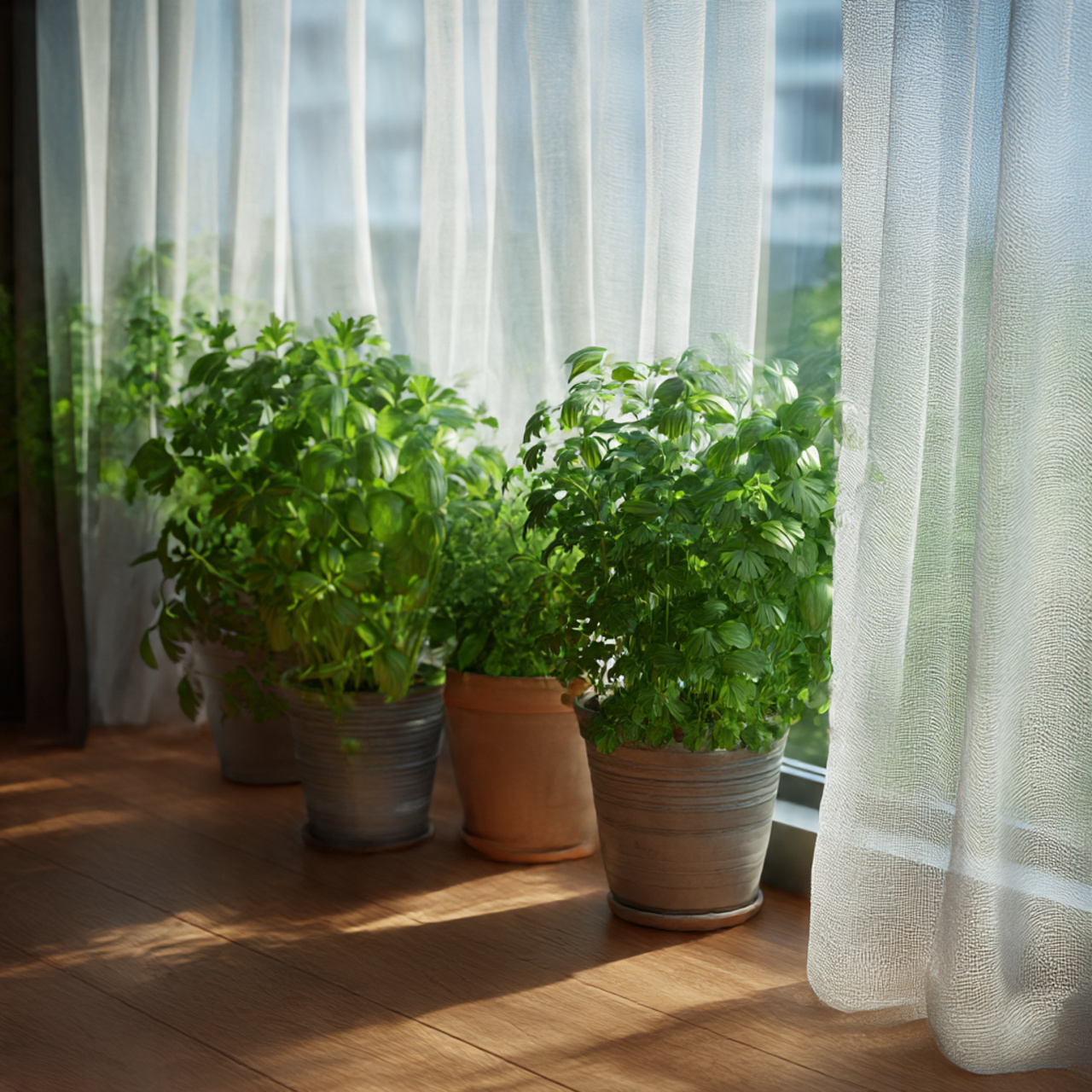
Every sunny window is a potential herb garden. Small window gardens make use of these overlooked growing zones without requiring dedicated space.
Window Growing Tips:
- Rotate pots daily for balanced growth
- Supplement with LED grow lights during winter
- Best choices: cilantro, parsley, basil, chives
- Ensure good air circulation to prevent fungal issues
Seasonal adjustment: Windows provide different light intensity through seasons—be ready to move herbs or adjust supplemental lighting.
Outdoor Herb Borders
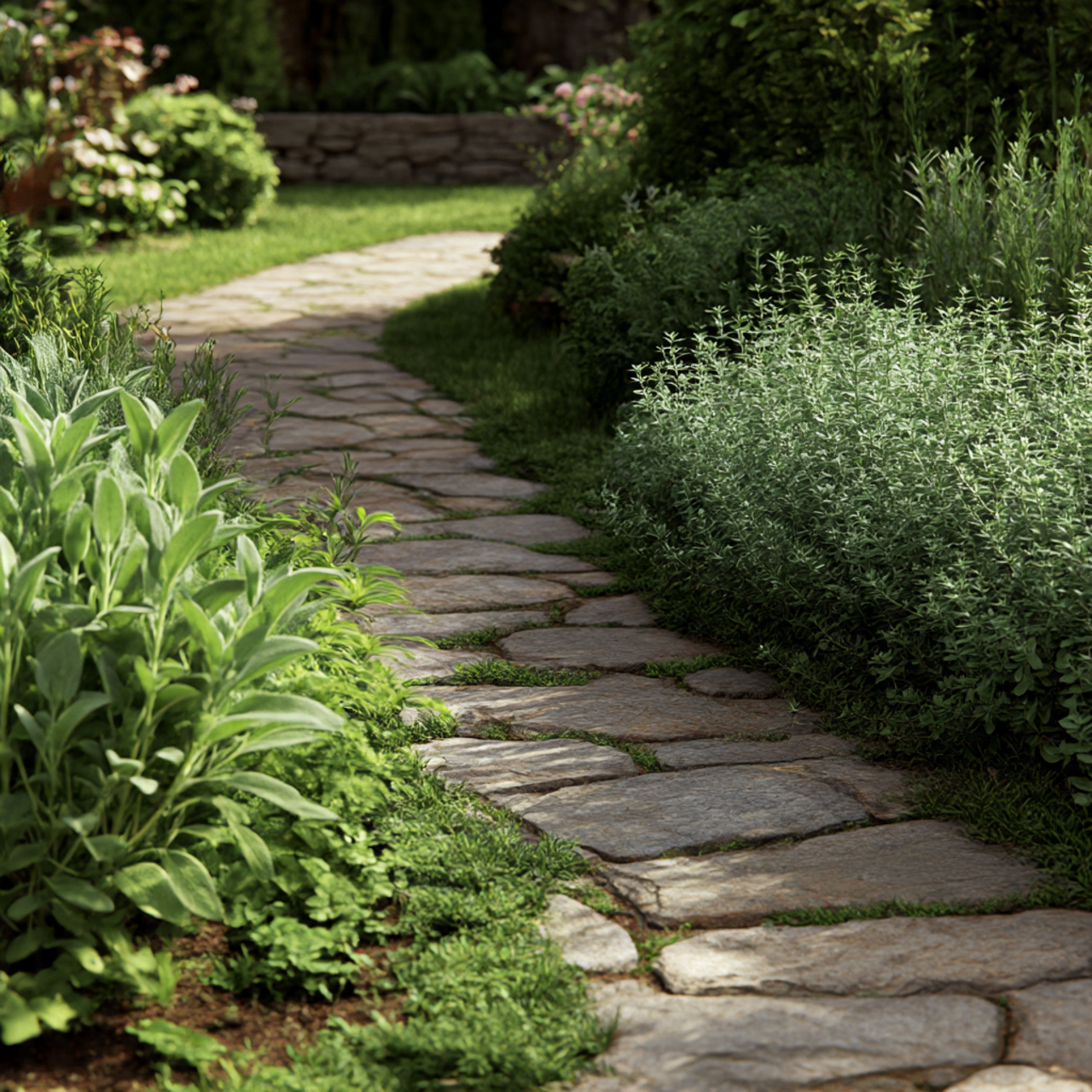
Herb borders serve double duty: they’re functional harvesting zones and beautiful landscape edging that defines garden spaces naturally.
Border Planting Ideas:
- Line pathways with low-growing thyme varieties
- Create fence-line borders with sage, rosemary, oregano
- Use contrasting foliage colors for visual interest
- Fragrant borders release scent when brushed against
Maintenance benefit: Border placement makes herbs easily accessible for harvesting and care without stepping into garden beds.
Indoor Herb Cabinets
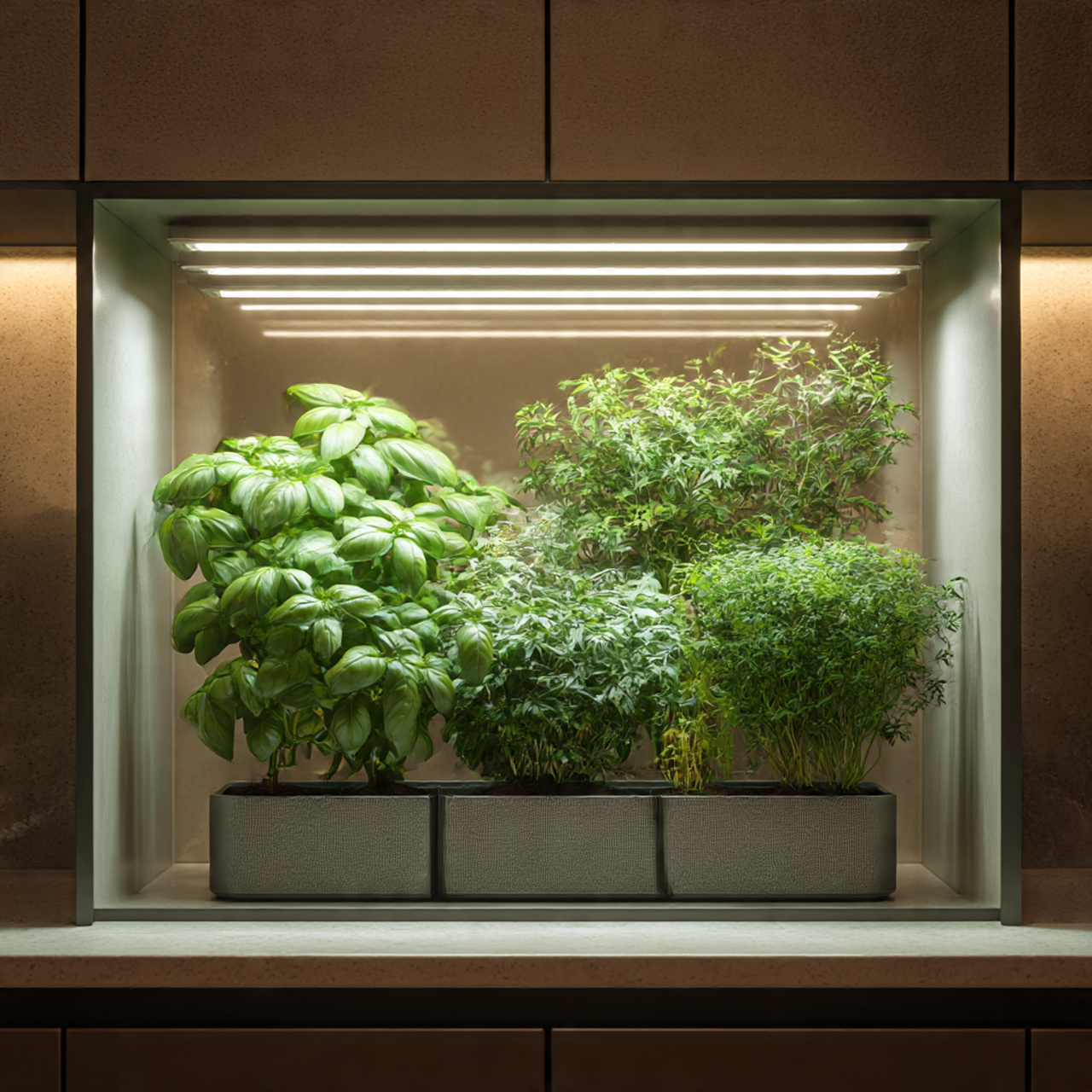
Herb cabinets are furniture-meets-garden—stylish units with built-in grow lights that let you cultivate herbs in any room, regardless of natural light.
Cabinet Growing Perks:
- Year-round production in controlled environments
- No dependency on windows or weather
- Precise control over light cycles, temperature, humidity
- Hidden growing—looks like regular furniture
- Ideal for basil, parsley, chives, mint
Perfect for: Homes with limited natural light, basements, offices, or anyone wanting guaranteed success without variables.
Indoor Mini Greenhouses
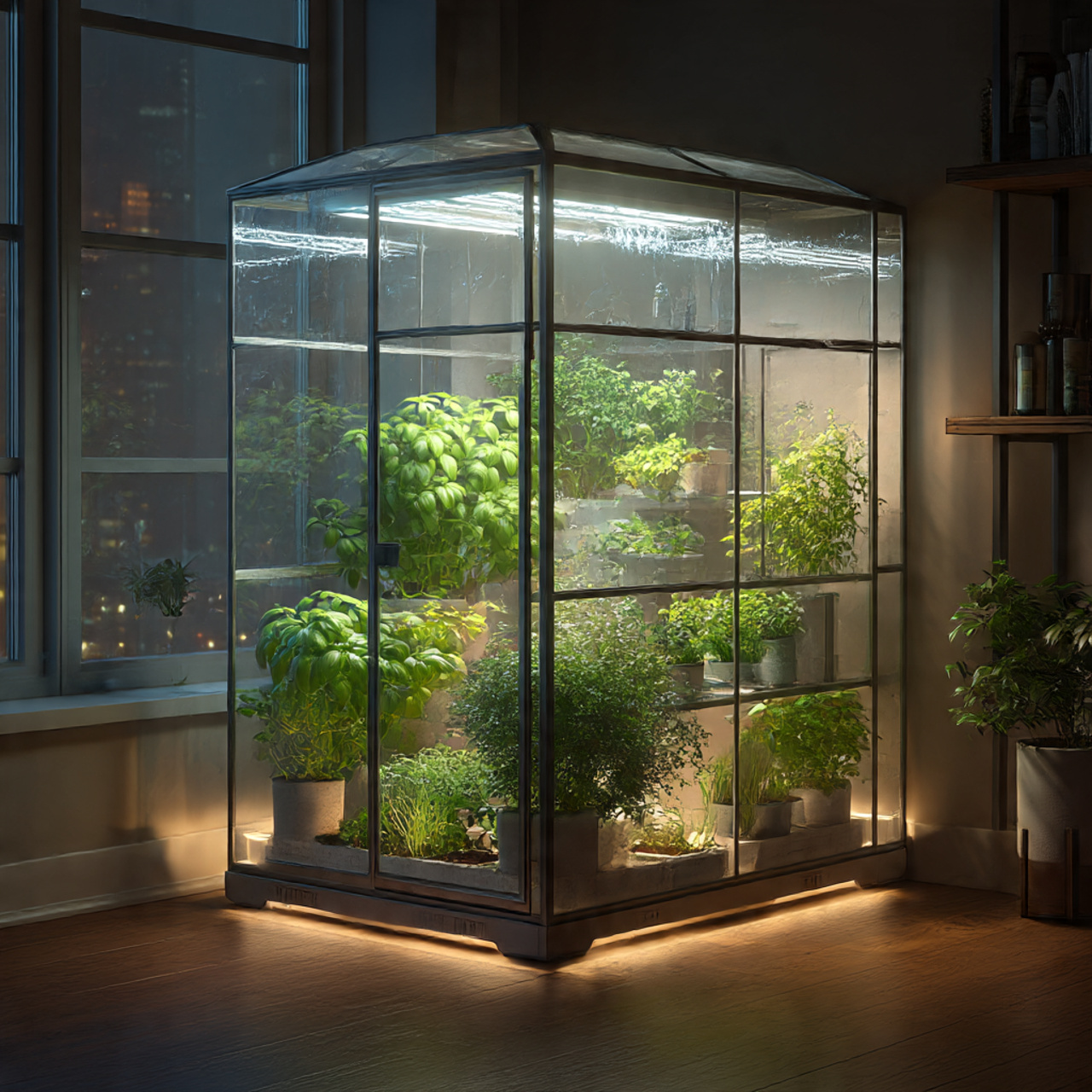
Mini greenhouses create perfect growing conditions for finicky herbs that need specific humidity and temperature ranges.
Mini Greenhouse Benefits:
- Protects tender seedlings and temperature-sensitive herbs
- Extends growing season dramatically
- Maintains optimal humidity for basil, cilantro, parsley
- Shields from drafts, dry indoor air, temperature swings
Placement strategy: Position near windows for natural light but supplement with grow lights for best results and faster growth.
Outdoor Herb Pots
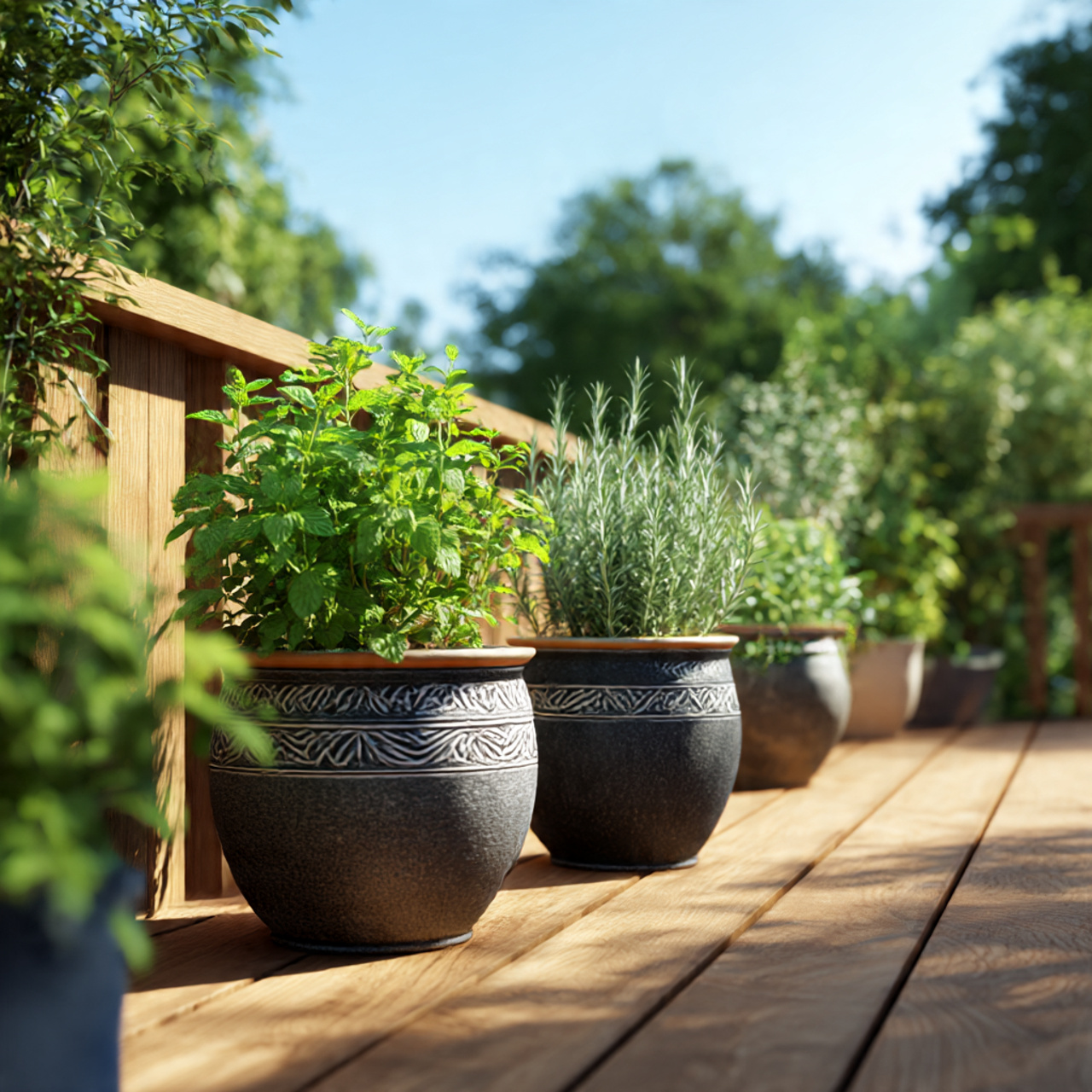
Individual outdoor pots offer ultimate flexibility—move them to chase sun, avoid storms, or redesign your space on a whim.
Container Herb Wisdom:
- Aggressive spreaders (mint!) stay contained
- Mix pot sizes for visual variety
- Terracotta breathes; plastic retains moisture longer
- Elevate pots on feet for better drainage
- Best herbs: mint, rosemary, thyme, oregano, lavender
Mobility advantage: Bring tender herbs indoors before first frost, then return them outside in spring—extend seasons effortlessly.
Indoor Herb Shelves
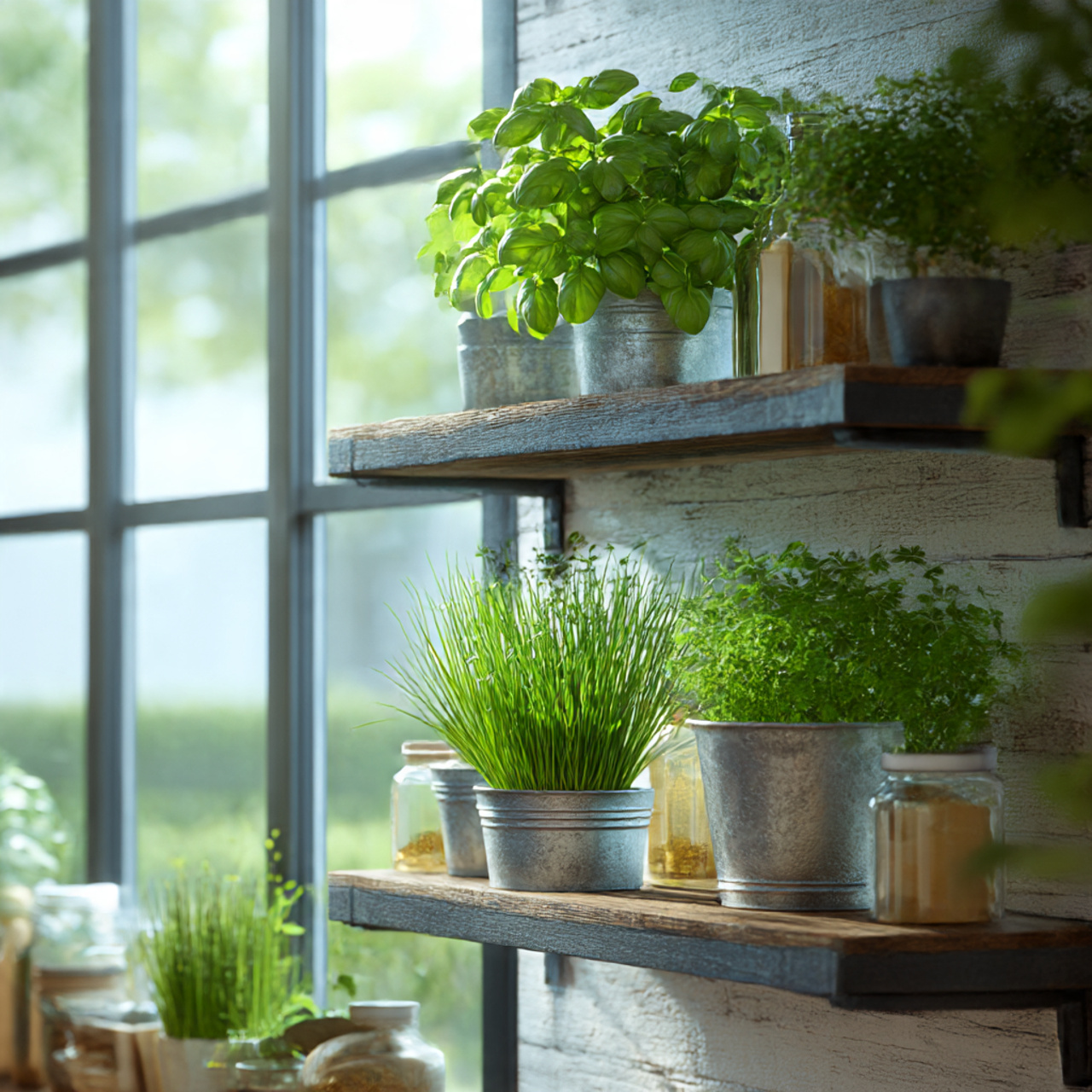
Turn empty wall space into productive herb real estate with dedicated shelving units. Shelves organize your collection while showcasing your green thumb.
Shelf Growing System:
- Install near south or west-facing windows
- Add clip-on grow lights to supplement natural light
- Rotate pots weekly for even exposure
- Use uniform containers for clean aesthetic
- Label herbs clearly for easy identification
Organization tip: Group herbs by use (culinary, medicinal, tea) or by care needs (water-loving vs. drought-tolerant) for simplified maintenance
FAQs
1. Which herbal plants are easiest for beginners?
Basil, mint, parsley, and chives are ideal for beginners due to their low maintenance, adaptability, and fast growth.
2. Can herbal plants grow indoors without sunlight?
Yes, using LED grow lights or hydroponic setups can compensate for sunlight, allowing herbs to thrive year-round indoors.
3. How often should I water indoor herbal plants?
Most indoor herbs require watering 2–3 times per week, depending on humidity, soil type, and container size. Ensure the soil stays moist but not waterlogged.
4. Are herbal plants safe for pets?
Many common herbs like basil, rosemary, and thyme are safe for pets. Some, such as mint or oregano in large quantities, may cause mild digestive upset.
5. Can medicinal herbs be grown indoors year-round?
Yes, with proper lighting, temperature control, and regular care, herbs like peppermint, chamomile, and echinacea can be grown indoors throughout the year.
Wrapping It All Up
Growing herbal plants transforms more than just your space—it changes how you interact with food, wellness, and nature itself. Whether you’re snipping fresh basil for tonight’s pasta from your kitchen windowsill or harvesting lavender from your rooftop garden, there’s profound satisfaction in growing your own herbs.
These ideas we’ve explored offer something for everyone: renters with tiny apartments, homeowners with sprawling yards, complete beginners, and experienced gardeners looking for fresh approaches. Start small if you’re new—maybe just three pots on a sunny windowsill. Success with those will naturally lead to expansion.
Remember, herbs are remarkably forgiving plants. They want to grow for you. With consistent care, thoughtful placement, and regular harvesting (which actually keeps them healthier!), you’ll enjoy fresh flavors, natural remedies, and living beauty throughout the year.
Your herbal journey starts with a single seed or seedling. Pick one idea from this guide that excites you most, and begin today. In just weeks, you’ll be harvesting your own herbs—and wondering why you didn’t start sooner. Happy growing!