25 Modern Garden Wall Ideas That Instantly Upgrade Your Backyard
When you’re looking to elevate your garden’s style and functionality, few elements make as dramatic an impact as a well-designed wall. Garden walls do so much more than mark property lines—they create structure, add visual depth, provide privacy, and set the entire tone for your outdoor living area.
Whether you’re dreaming of a lush living wall covered in greenery, a sleek modern metal installation, or a charming rustic brick backdrop, the right wall design can completely reinvent how your garden looks and feels. The beauty is that there’s no one-size-fits-all approach. Your garden wall should reflect your personal style while working harmoniously with your landscape.
In this detailed guide, we’re exploring some creative garden wall ideas that range from budget-friendly DIY projects to sophisticated architectural statements. Each concept includes practical tips and real-world applications to help you visualize what might work best for your space. Let’s dive in and discover how the perfect wall can turn your ordinary garden into an extraordinary outdoor retreat.
Why Garden Wall Ideas Matter
Before we jump into specific ideas, let’s talk about why garden walls deserve thoughtful consideration. These aren’t just functional barriers—they’re fundamental design elements that shape your entire outdoor experience.
A thoughtfully designed garden wall can:
- Define zones within your landscape, creating distinct areas for dining, lounging, or gardening
- Establish ambiance through materials and textures that evoke specific moods—calming, energetic, sophisticated, or rustic
- Provide vertical interest in gardens that might otherwise feel flat or one-dimensional
- Enhance privacy without making your space feel closed-off or claustrophobic
- Serve as a backdrop that makes your plants, furniture, and decorative elements pop
The right wall transforms your garden from a collection of plants and features into a cohesive, intentional outdoor room that feels like a natural extension of your home.
Vertical Green Walls
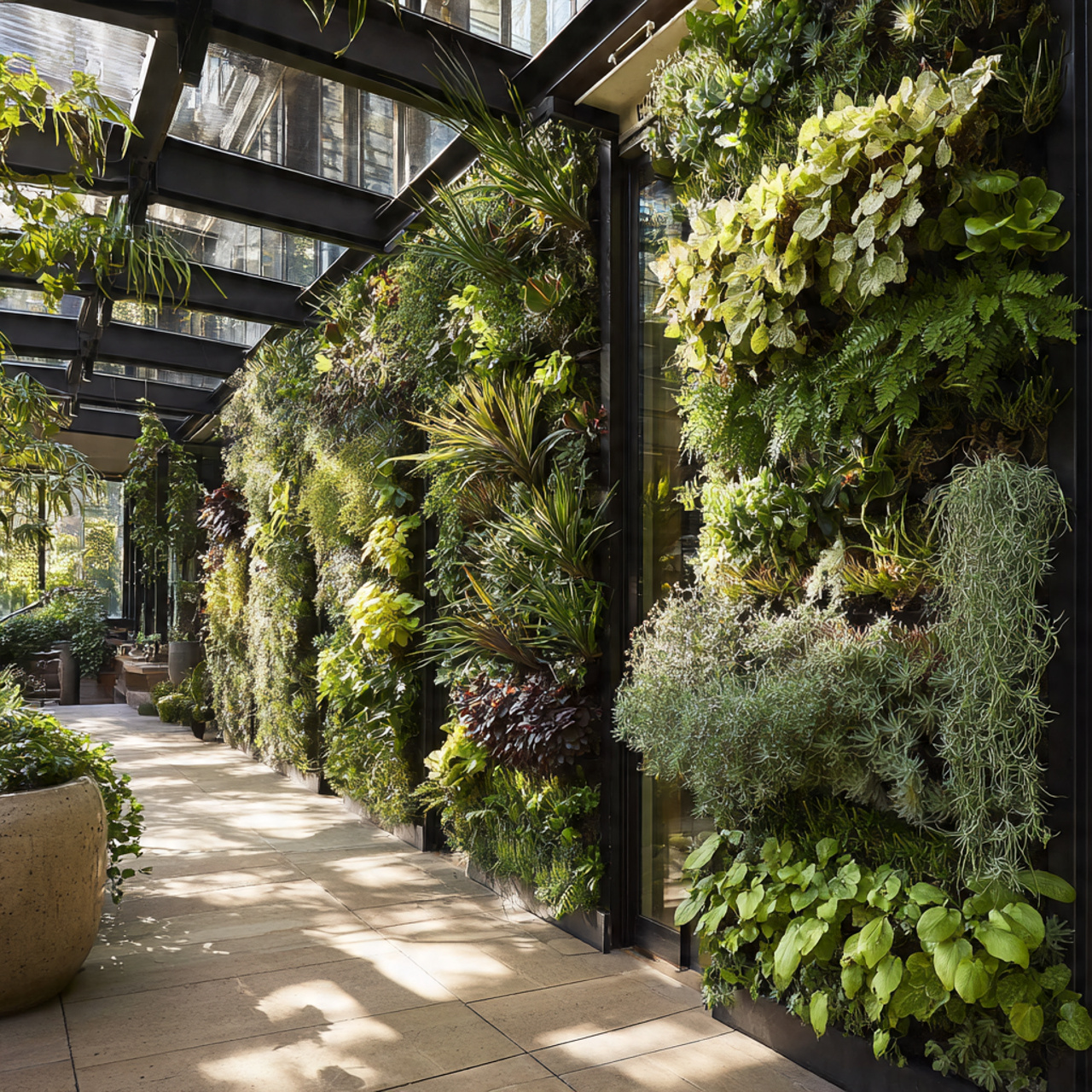
Imagine a wall completely covered in lush, vibrant plant life—that’s the magic of vertical green walls. These living installations have exploded in popularity, and for good reason. They turn blank vertical surfaces into breathtaking botanical displays that change with the seasons.
Why vertical green walls work brilliantly:
- Perfect for small spaces where ground-level planting is limited
- Improve air quality naturally while reducing ambient temperature
- Create stunning visual impact without consuming floor space
- Can be customized with herbs, succulents, ferns, or flowering varieties
- Add natural insulation to walls, helping moderate temperature
Practical installation tips:
- Use modular planting systems with built-in irrigation for easier maintenance
- Choose plants suited to your wall’s light exposure (full sun vs. shade)
- Mix textures and colors for visual depth—combine trailing plants with upright growers
- Consider edible walls with herbs like basil, mint, and thyme for functional beauty
Example: A sunny patio wall planted with Mediterranean herbs (rosemary, oregano, lavender) creates fragrance, texture, and culinary ingredients all in one vertical garden.
Stone Clad Garden Wall
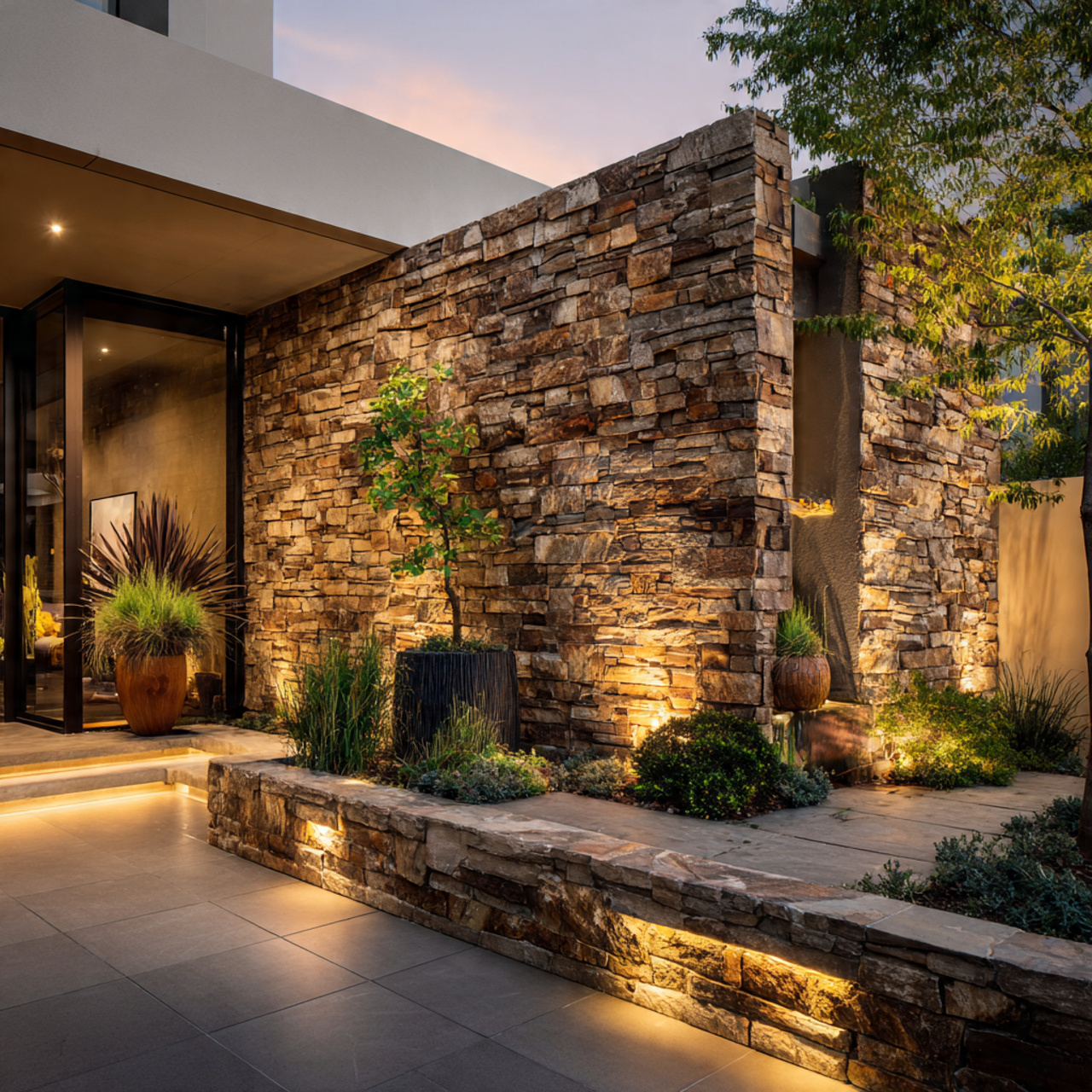
Natural stone cladding brings instant sophistication and earthy elegance to any garden. The organic textures, varied colors, and substantial presence of stone create walls that feel like they’ve been there for generations—in the best possible way.
Stone options to consider:
- Slate: Dramatic, dark tones with natural layering
- Sandstone: Warm, golden hues perfect for traditional gardens
- Limestone: Soft, neutral colors that age beautifully
- River rock: Smooth, rounded stones for organic appeal
- Stacked ledgestone: Modern linear patterns with rustic texture
Design advantages:
- Virtually maintenance-free once installed
- Weathers beautifully, developing character over time
- Provides excellent backdrop for water features and specimen plants
- Works in both contemporary and traditional garden settings
- Incredible durability against weather and temperature extremes
Styling tip: Pair stone walls with integrated uplighting to showcase texture and create dramatic nighttime ambiance.
Wooden Slat Walls
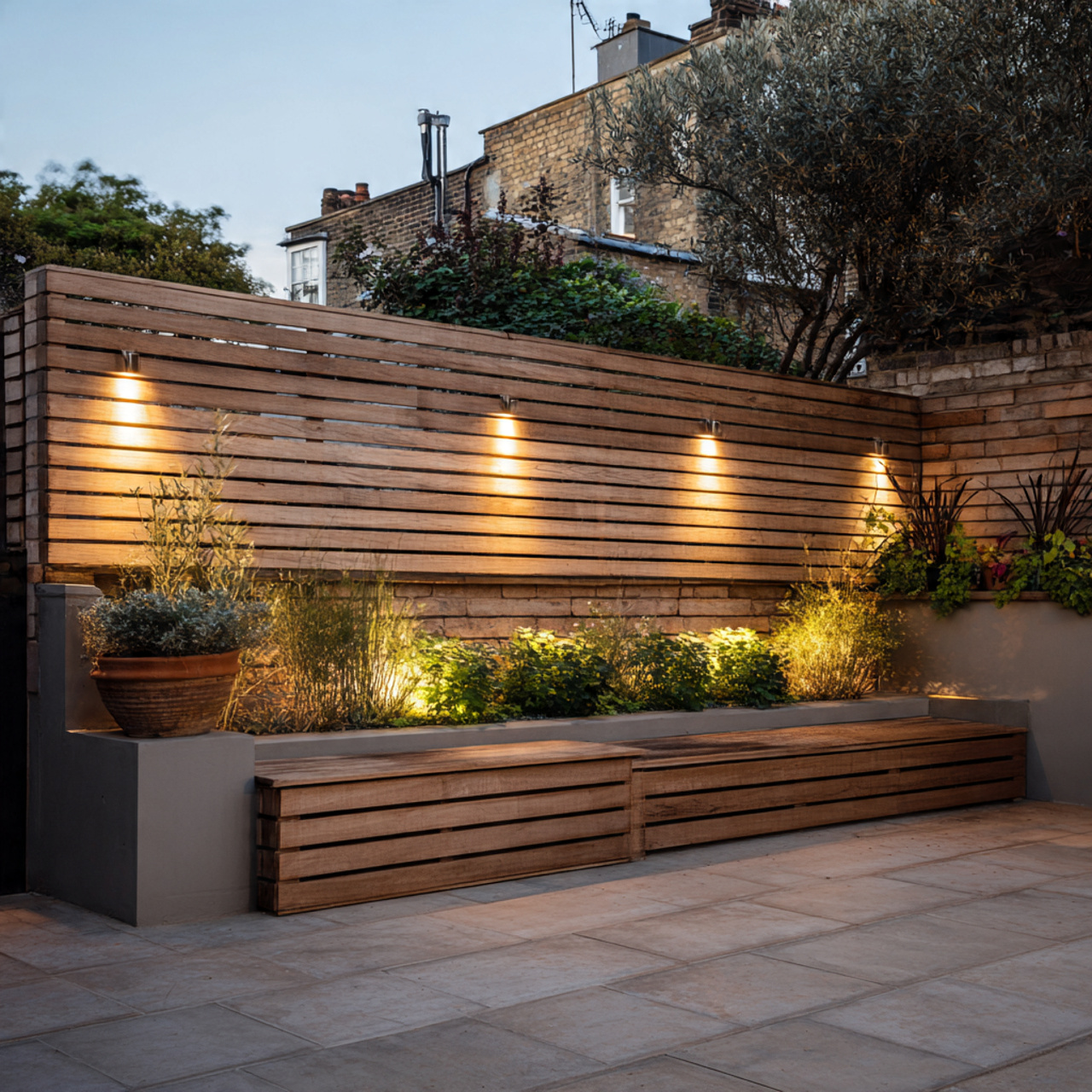
Wooden slats offer the perfect balance between contemporary design and natural warmth. Whether arranged horizontally or vertically, these walls create architectural interest while maintaining an approachable, organic feel.
Best wood choices for outdoor durability:
- Cedar: Naturally rot-resistant with beautiful aging
- Teak: Premium option with exceptional weather resistance
- Acacia: Affordable hardwood that holds up well outdoors
- Ipe: Extremely dense tropical hardwood (expensive but lasts decades)
Design applications:
- Horizontal slats create visual width, making narrow gardens feel broader
- Vertical slats add height perception to compact spaces
- Spacing between slats allows airflow while maintaining privacy
- Painted or stained finishes customize the look to match your style
Installation consideration: Leave intentional gaps between slats for ventilation and to create interesting shadow play as sunlight moves throughout the day.
Pairing suggestion: Combine wooden slat walls with modern LED strip lighting tucked between boards for a sophisticated evening glow.
Rustic Brick Walls
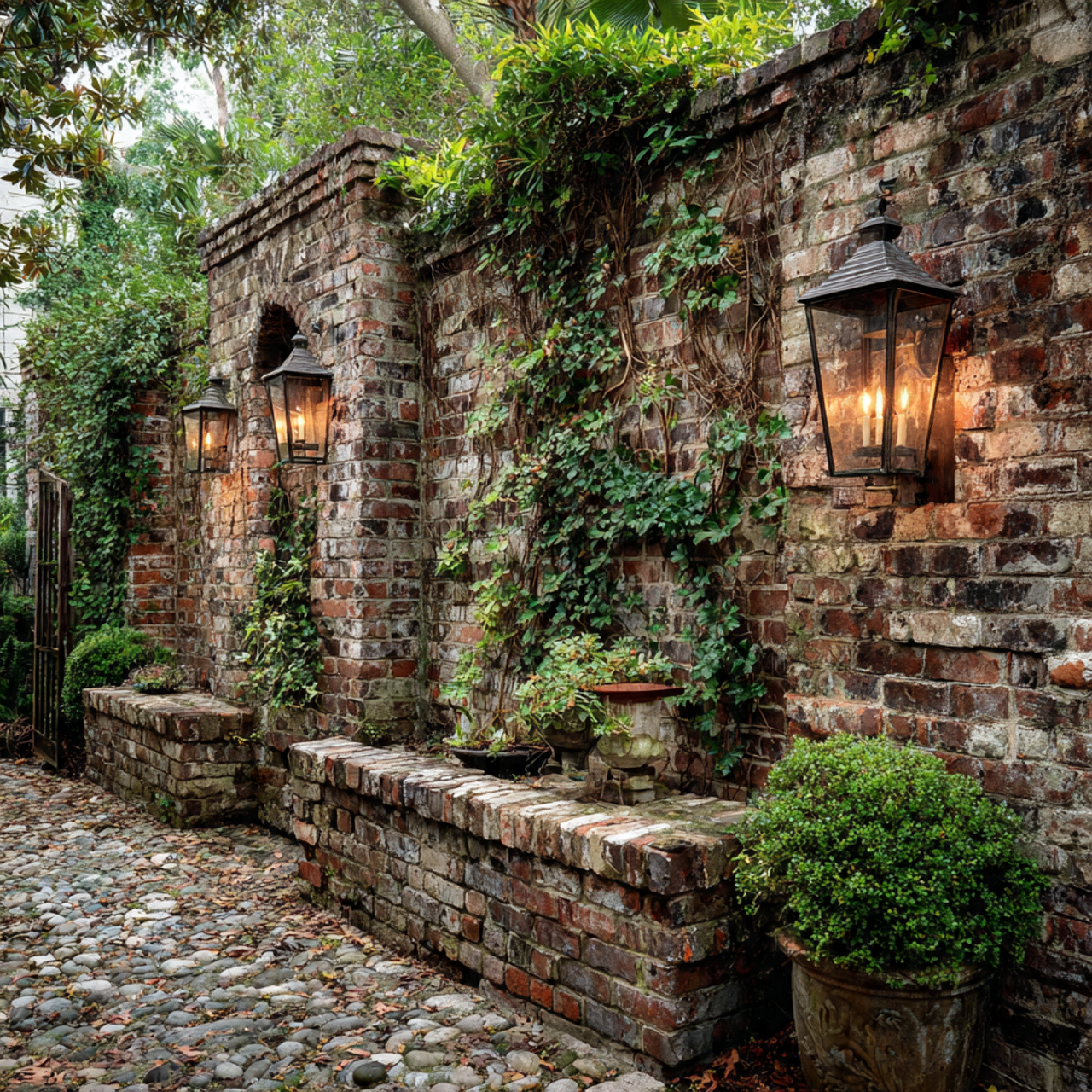
There’s something wonderfully nostalgic about exposed brick. These walls bring instant character, warmth, and a sense of history to gardens—even when they’re brand new installations.
Why brick walls remain popular:
- Earthy red and brown tones complement nearly every plant color
- Textured surface provides perfect support for climbing plants
- Incredibly strong and weather-resistant
- Develops attractive patina as it ages
- Works beautifully in cottage, traditional, and even industrial garden styles
Creative brick applications:
- Traditional running bond pattern for classic look
- Herringbone or basket weave for visual interest
- Mixed brick colors for aged, reclaimed appearance
- Painted brick in white or charcoal for modern twist
Styling idea: Train climbing roses or clematis up brick walls for that romantic English garden aesthetic, or hang vintage lanterns for cozy evening ambiance.
Budget-friendly option: Reclaimed or salvaged bricks often cost less than new ones and come with built-in character.
Climbing Plant Walls
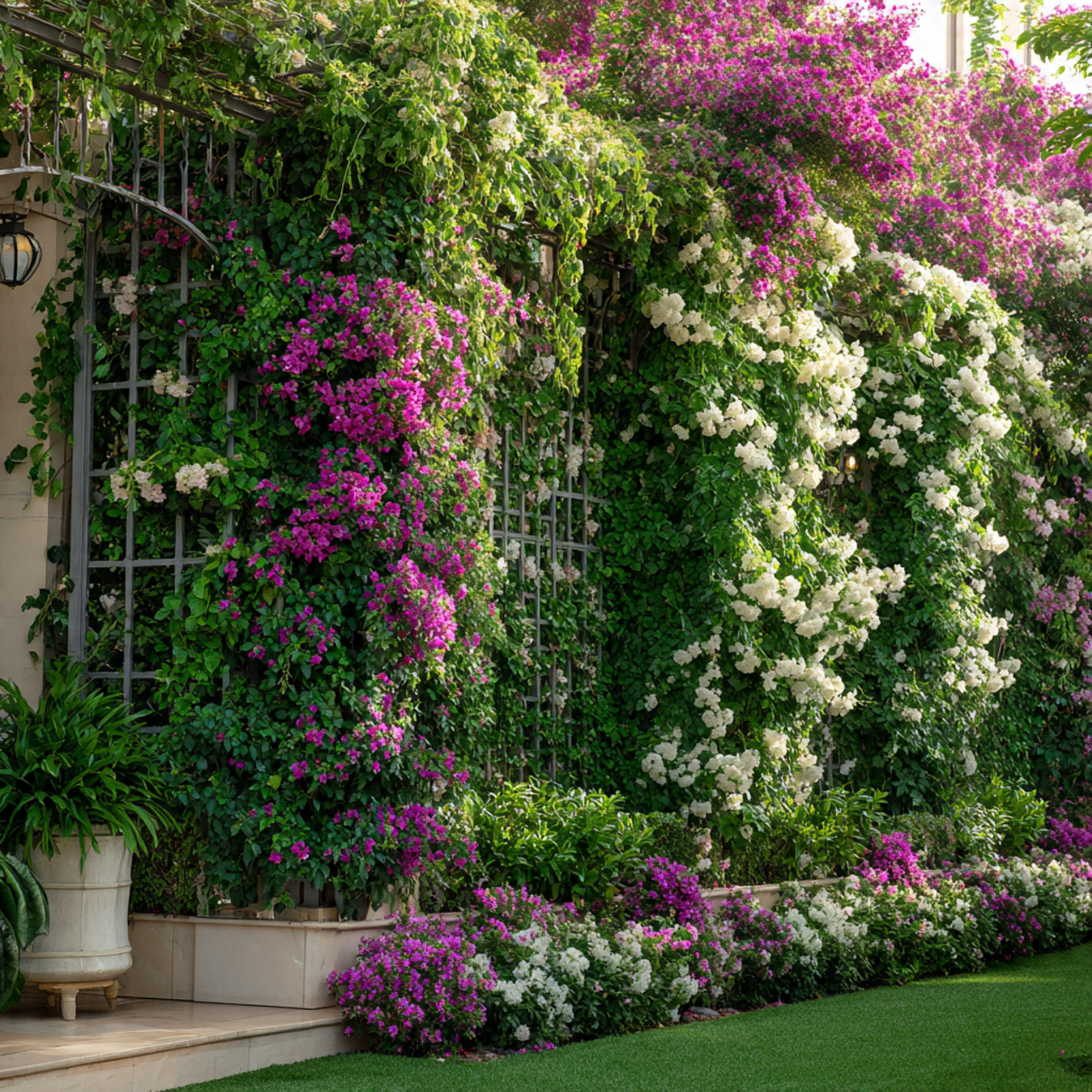
If you want romantic, lush, garden-magazine-worthy walls without breaking the bank, climbing plants are your answer. These living coverings transform plain surfaces into botanical works of art while providing fragrance, seasonal interest, and natural privacy.
Top climbing plants for wall coverage:
- Ivy: Fast-growing, evergreen, tolerates shade
- Jasmine: Intensely fragrant white flowers, semi-evergreen
- Honeysuckle: Attracts hummingbirds, sweet fragrance
- Bougainvillea: Vibrant color in warm climates, drought-tolerant
- Climbing roses: Classic beauty with seasonal blooms
- Clematis: Stunning flowers in purple, pink, white, or blue
Support structures needed:
- Wire mesh or cable systems attached to walls
- Wooden or metal trellises for structured growth
- Freestanding pergola frames for heavier vines
Maintenance reality check: Most climbers need annual pruning to control growth and maintain shape. Plan for this upkeep when choosing vining plants.
Quick coverage tip: For fastest results, plant multiple plants spaced 3-4 feet apart rather than waiting for a single plant to spread.
Gabion Walls
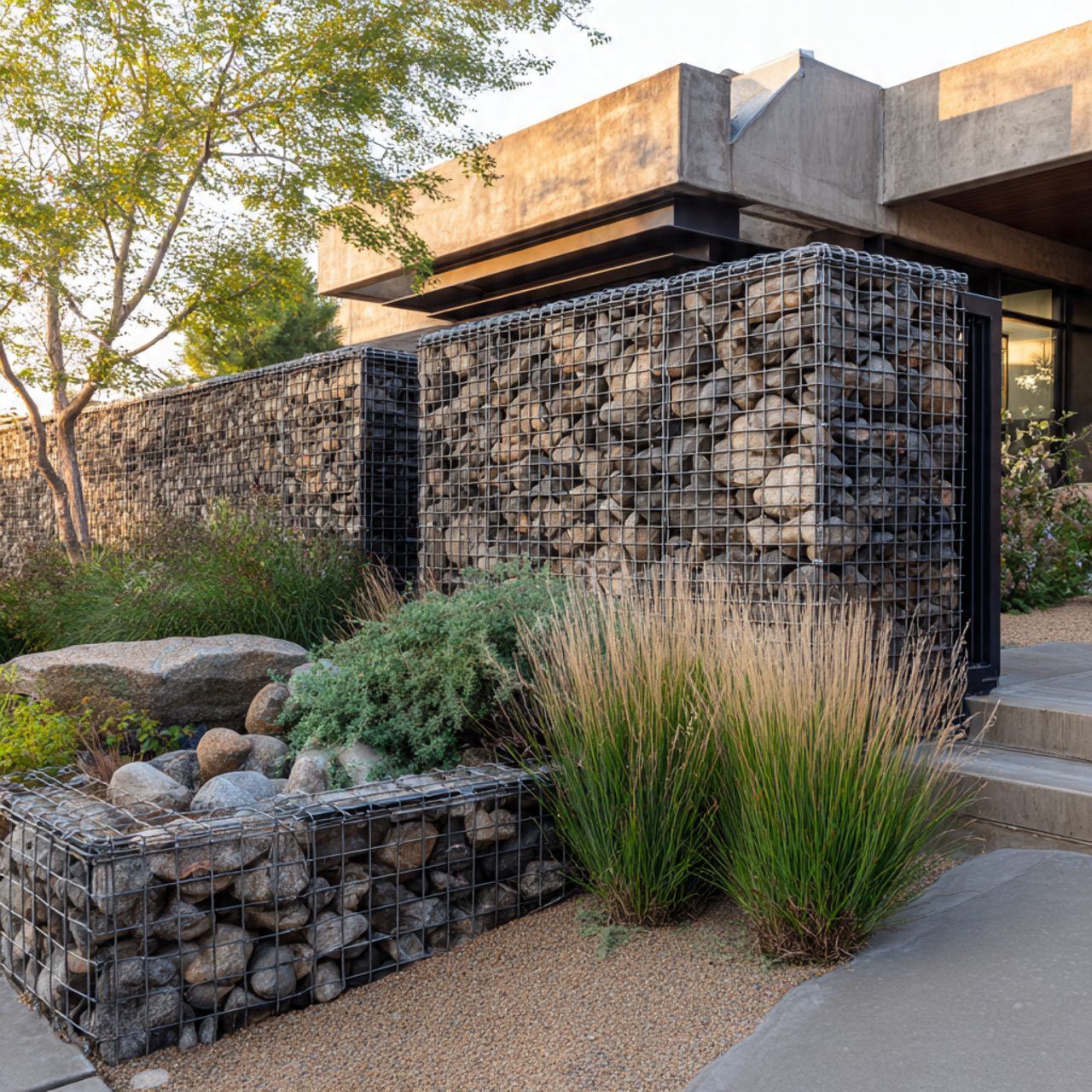
Gabion walls—those distinctive metal cages filled with stones—bring an edgy, contemporary aesthetic to gardens. They’re not just visually striking; they’re incredibly practical for managing slopes, creating boundaries, and adding textural interest.
What makes gabion walls appealing:
- Industrial-modern look that works in urban gardens
- Excellent for retaining soil on sloped properties
- Natural drainage through stone-filled structure
- DIY-friendly with readily available materials
- Can incorporate different stone types and colors for custom looks
Design possibilities:
- Use uniform river rocks for smooth, refined appearance
- Mix stone sizes and colors for organic, natural effect
- Integrate LED lighting within gabion structures
- Create seating by topping gabions with wooden caps
Plant pairings: Gabion walls look stunning alongside ornamental grasses, succulents, or gravel landscaping for a cohesive modern garden design.
Installation note: Ensure proper foundation and backfill drainage to prevent settling and water issues behind the wall.
Painted Accent Walls
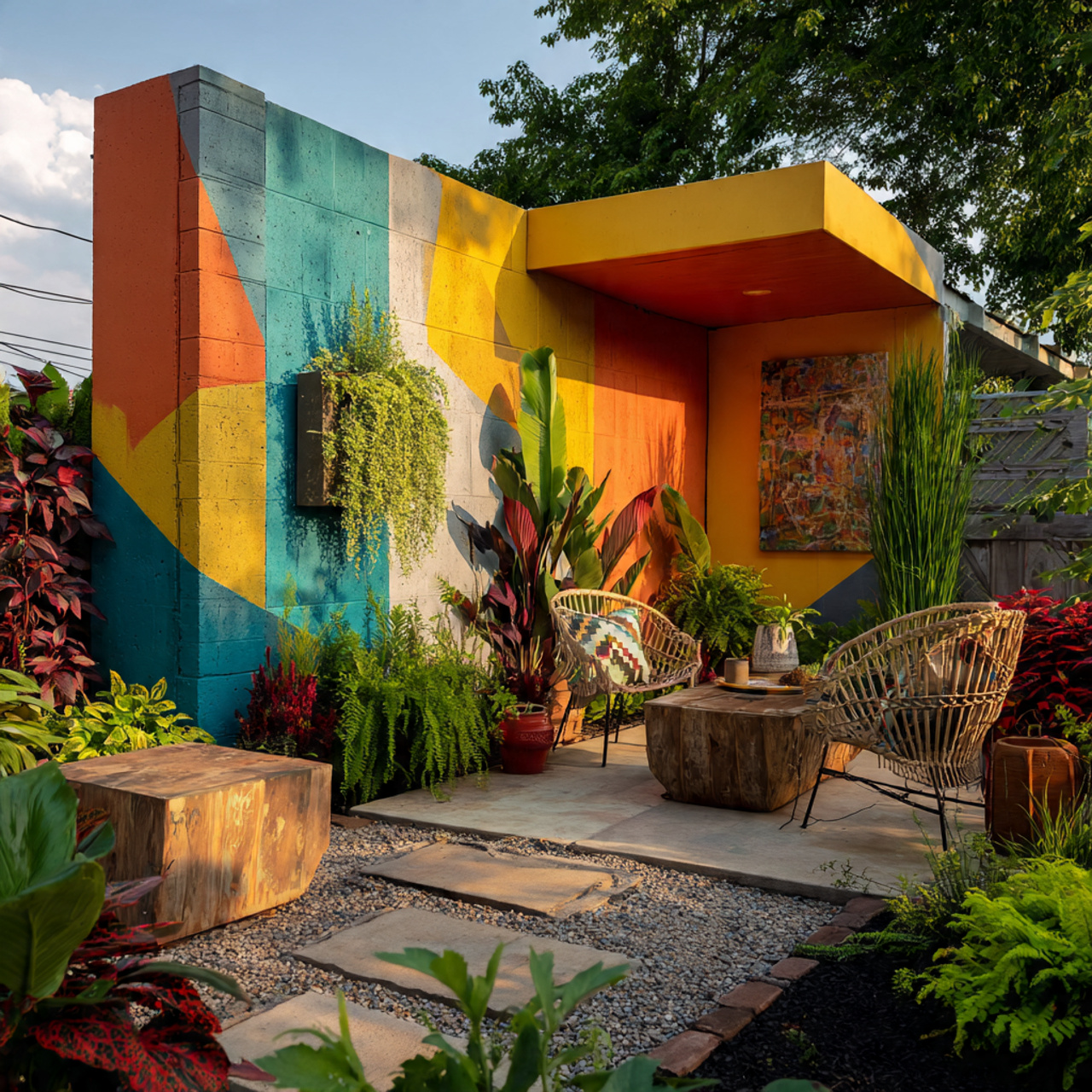
Sometimes the simplest solution creates the biggest impact. A painted accent wall can completely change your garden’s personality with just a weekend of work and minimal investment.
Color strategy for outdoor walls:
- Bold hues (deep navy, terracotta, forest green) create dramatic focal points
- Neutrals (soft gray, warm white, beige) provide elegant backdrops for plants
- Dark colors recede visually, making small gardens feel more expansive
- Light colors reflect light and brighten shaded areas
Creative painting techniques:
- Two-tone horizontal stripes for visual width
- Geometric patterns for modern artistic flair
- Ombré effects from dark to light
- Stenciled patterns for Moroccan or Mediterranean vibes
Best practices:
- Use exterior-grade paint formulated for masonry or wood
- Prime properly for better adhesion and longevity
- Consider seasonal changes—test colors in different lighting
- Refresh every 3-5 years to maintain vibrant appearance
Quick refresh idea: Change accent wall colors seasonally to match your garden’s evolving plant palette and keep the space feeling fresh.
Metal Panel Walls
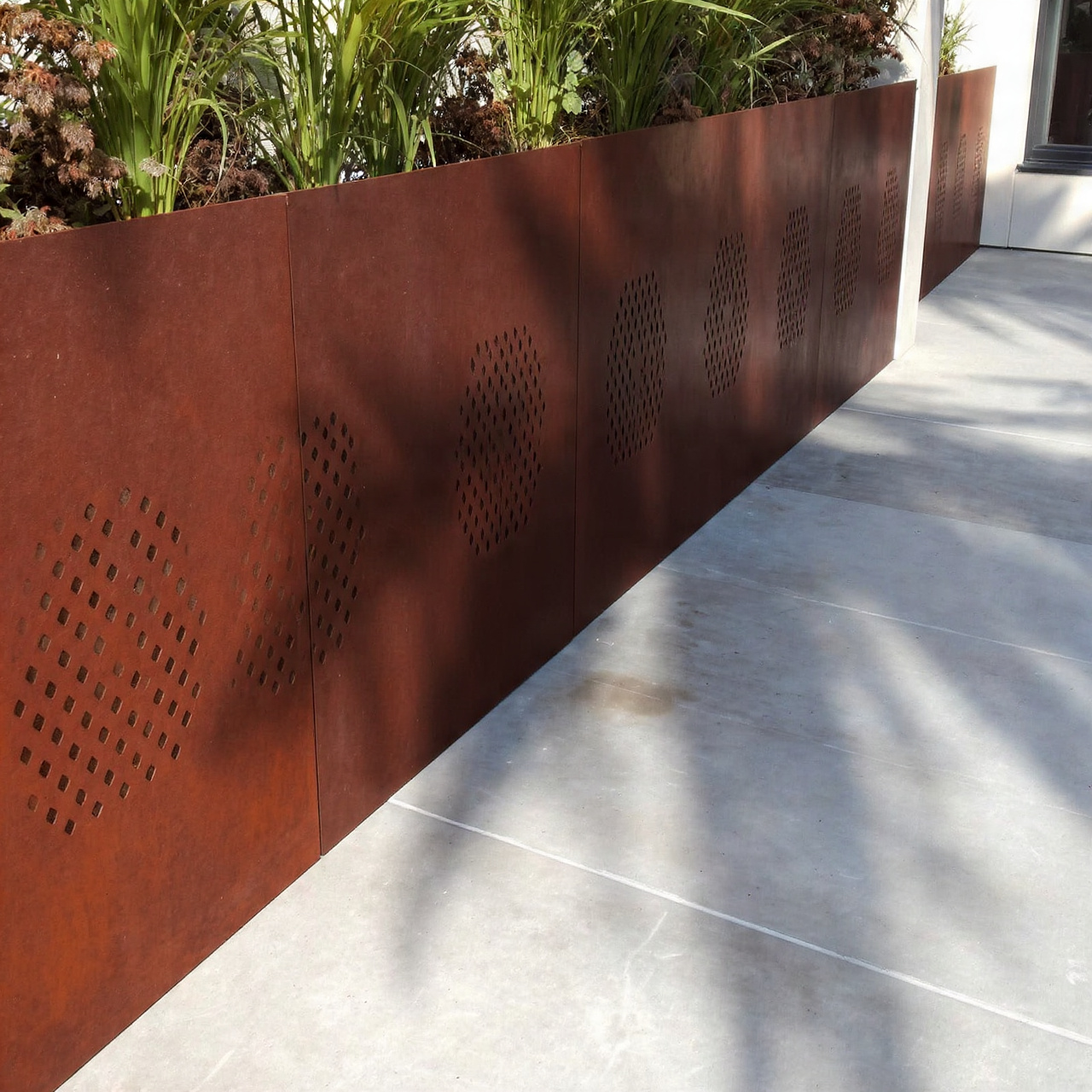
Metal walls make bold architectural statements with their clean lines, durability, and contemporary appeal. From weathering steel to laser-cut aluminum, metal brings an upscale, gallery-like quality to outdoor spaces.
Popular metal options:
- Corten steel: Develops attractive rust patina over time
- Aluminum: Lightweight, won’t rust, available in various finishes
- Stainless steel: Reflective, ultra-modern appearance
- Powder-coated steel: Custom colors, excellent durability
Decorative possibilities:
- Laser-cut patterns that cast beautiful shadows
- Perforated panels allowing filtered light through
- Textured surfaces with embossed or hammered finishes
- Mixed materials combining metal with wood or stone
Functional benefits: Metal panels require virtually no maintenance, won’t rot or warp, and stand up to severe weather conditions for decades.
Design consideration: Metal can absorb heat in full sun. Position away from seating areas or choose lighter colors to reflect rather than absorb heat.
Concrete Walls
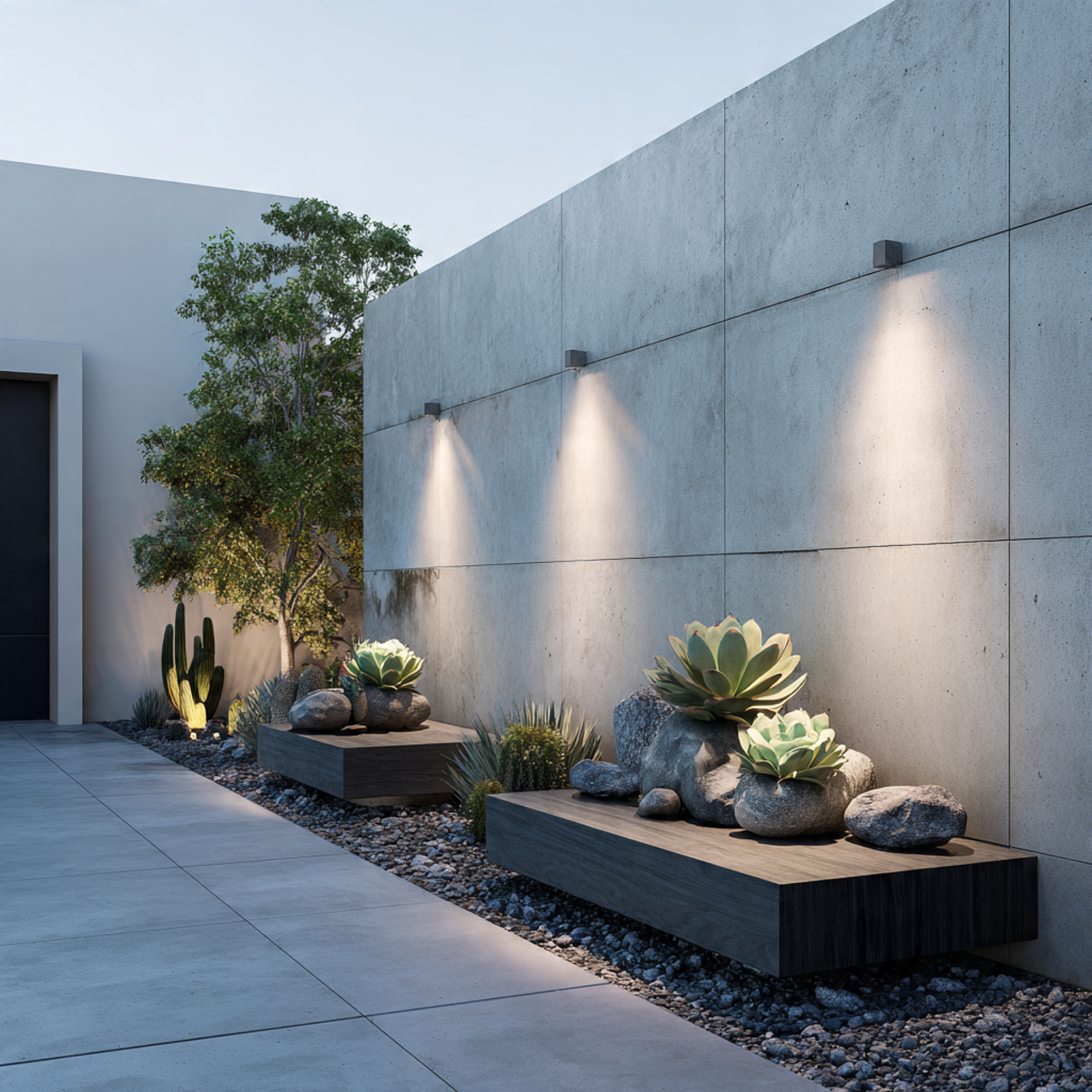
Concrete creates strikingly modern garden walls with clean lines and substantial presence. Far from boring, contemporary concrete walls serve as sophisticated canvases for dramatic plantings and architectural lighting.
Why modern designers love concrete:
- Ultimate minimalist aesthetic with smooth, uninterrupted surfaces
- Can be textured, stained, or stamped for varied appearances
- Provides solid backdrop that makes sculptural plants stand out
- Excellent for retaining walls with clean, contemporary looks
- Long-lasting with minimal maintenance required
Customization options:
- Integral color mixing for custom hues
- Board-formed texture showing wood grain imprints
- Acid-staining for variegated color effects
- Embedded lighting for dramatic nighttime display
- Polished finishes for refined, upscale appearance
Softening strategies: Balance concrete’s hardness with abundant soft plantings—ornamental grasses, ferns, or cascading succulents work beautifully.
Tip: Seal concrete walls to prevent staining and make cleaning easier over time.
Mirror Feature Walls
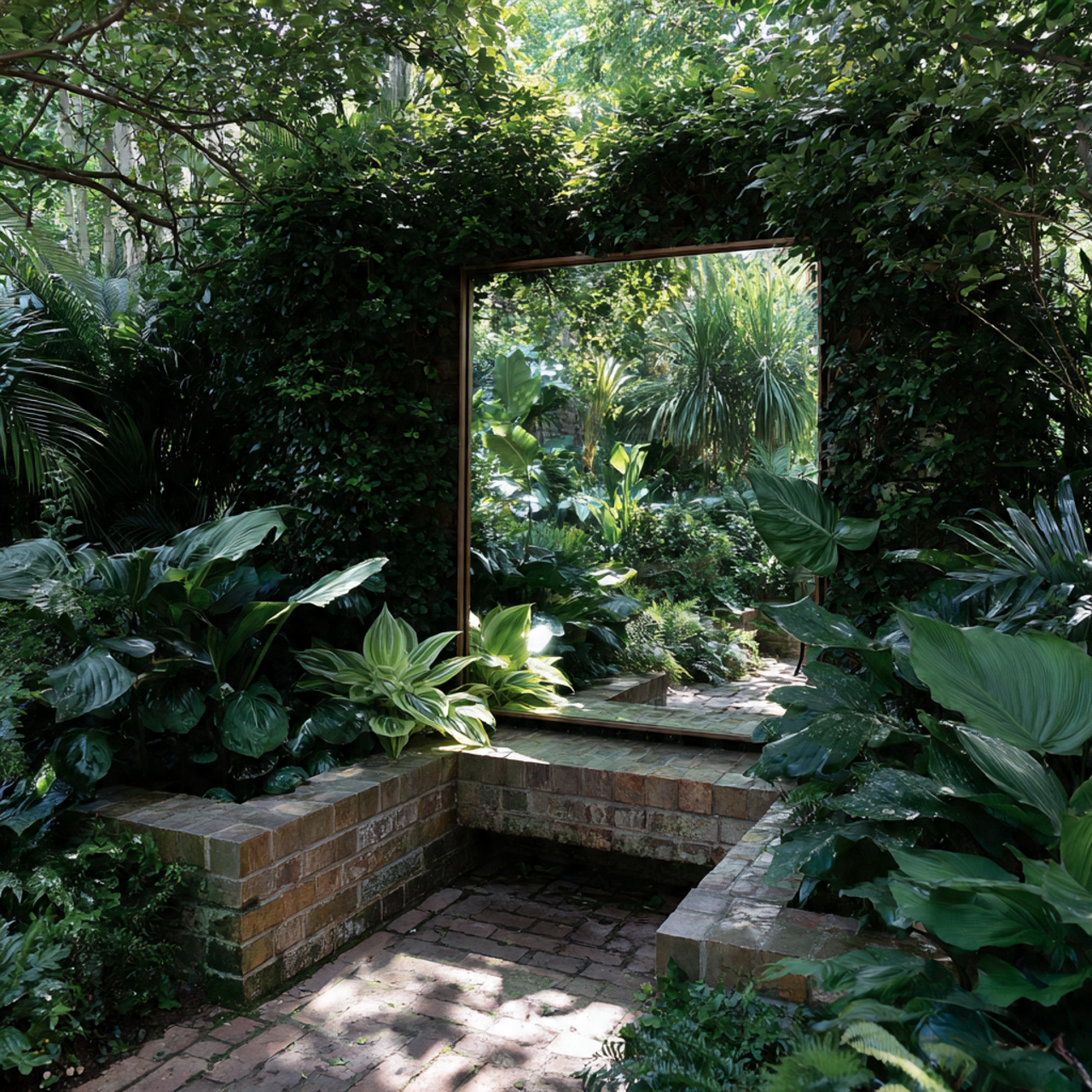
Mirrors in gardens might sound unusual, but they’re incredibly effective at making small spaces feel significantly larger. Strategic mirror placement creates the illusion of depth while bouncing light into darker corners.
How to use mirrors effectively outdoors:
- Position to reflect your most attractive plantings or features
- Angle slightly downward to avoid direct sun reflection (glare)
- Frame with weather-resistant materials (metal, treated wood)
- Partially obscure edges with climbing plants for natural integration
- Use acrylic “safety mirrors” near children’s play areas
Visual tricks mirrors create:
- Double the apparent size of small gardens
- Brighten shaded walls by reflecting available light
- Create the illusion of garden pathways continuing beyond walls
- Add artistic, unexpected elements that spark conversation
Weather considerations: Choose outdoor-rated mirrors with sealed backing to prevent moisture damage and silvering deterioration.
Design caution: Avoid placing mirrors where they might confuse or startle birds. Partially covering with plants helps prevent bird strikes.
Visit also: Plant Wall Idea Indoor
Pebble Mosaic Walls
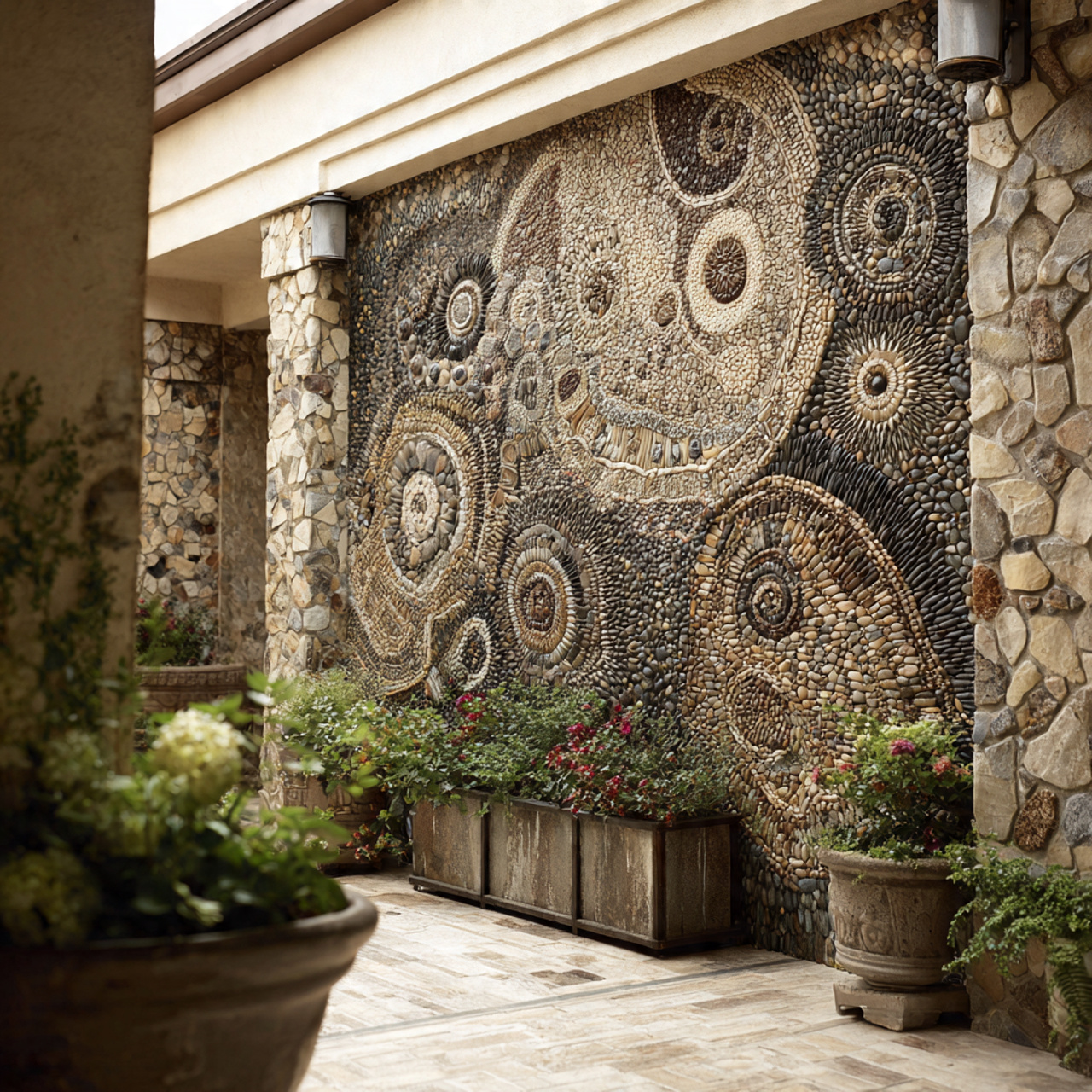
Pebble mosaics transform ordinary garden walls into unique artistic statements. These intricate designs use smooth river rocks or beach pebbles arranged in patterns that range from simple swirls to elaborate scenes.
Design approaches:
- Abstract patterns: Flowing curves, spirals, or geometric designs
- Representational images: Fish, flowers, landscapes, or cultural symbols
- Textural variations: Mix pebble sizes and colors for depth
- Border accents: Frame doorways or architectural features
Installation process basics:
- Embed pebbles in mortar or concrete while wet
- Plan patterns beforehand with paper templates
- Sort pebbles by size and color before starting
- Work in sections to prevent mortar drying before completion
Perfect locations: Pebble mosaics shine near water features, garden entrances, or as decorative panels within larger walls.
DIY consideration: While time-consuming, pebble mosaics are achievable DIY projects that add deeply personal touches to your garden.
Waterfall Walls
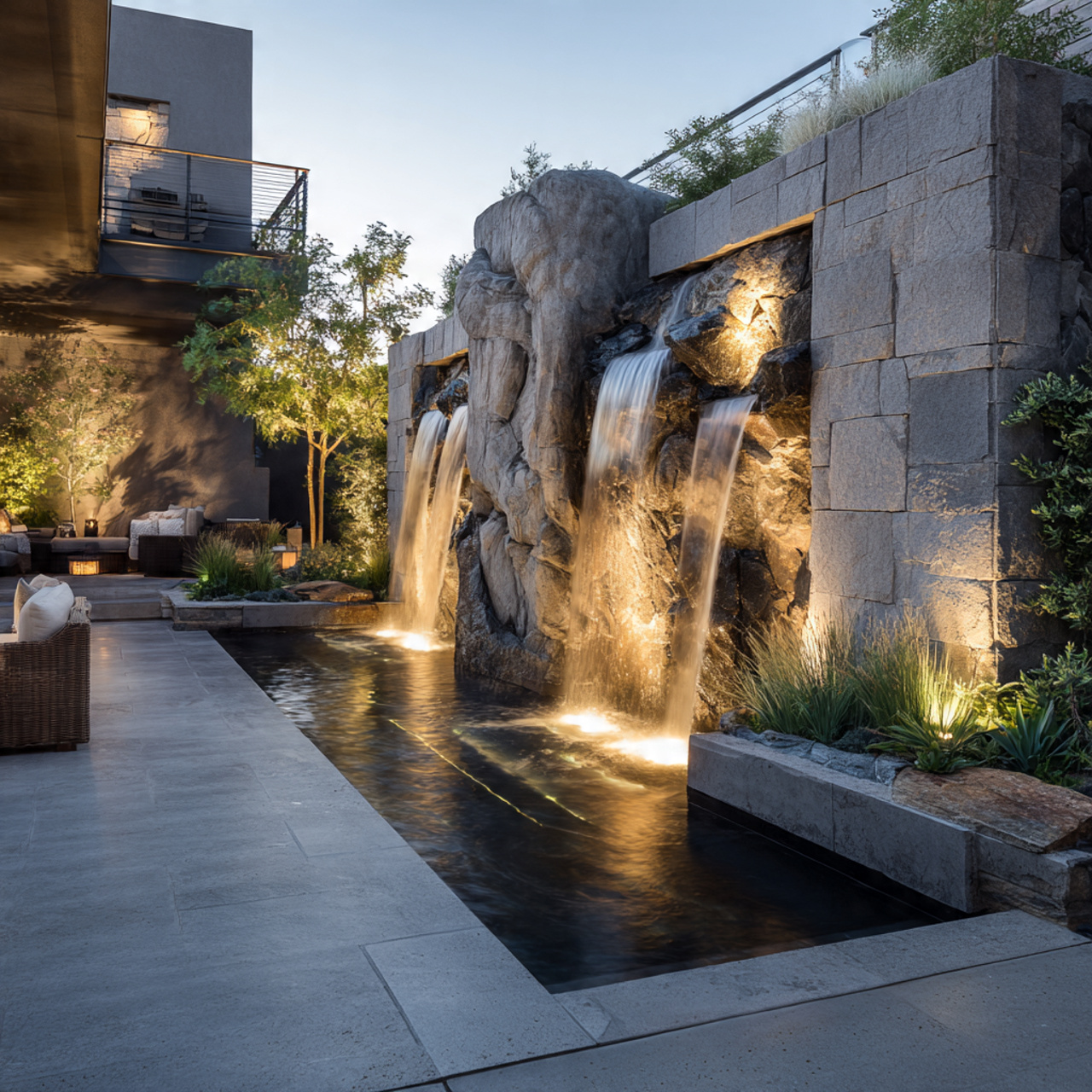
Few things transform a garden like the gentle sound of flowing water. Waterfall walls combine visual beauty with calming audio, creating spa-like retreats right in your backyard.
Waterfall wall styles:
- Sheeting falls: Water flows smoothly over flat surfaces
- Trickling stone: Water cascades over stacked rocks
- Wall-mounted spouts: Water pours from architectural features
- Rain curtains: Water descends through small openings
Materials that work well:
- Natural stone for organic, naturalistic feel
- Glass panels for contemporary elegance
- Slate tiles for linear, modern appearance
- Copper sheets that develop attractive patina
Added features to consider:
- LED lighting for nighttime drama
- Surrounding plantings of ferns and moisture-loving plants
- Catch basins with aquatic plants or fish
- Adjustable pumps to control flow rate and sound
Practical note: Water features require pumps, electricity, and regular cleaning. Factor in ongoing maintenance when planning your installation.
Bamboo Walls
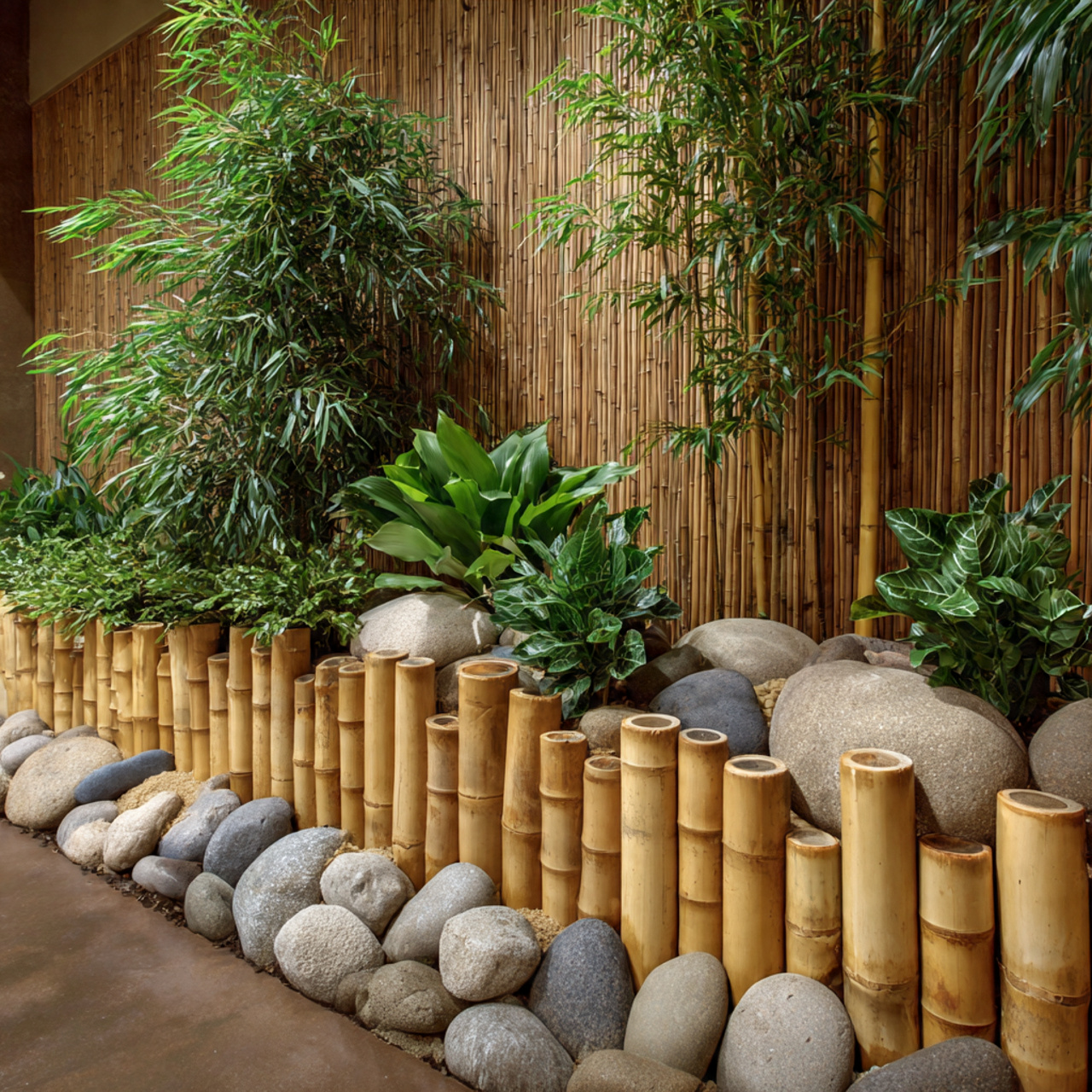
Bamboo brings instant tropical charm and sustainable style to garden walls. It’s lightweight, quick to install, and creates that resort-like atmosphere many homeowners crave in their outdoor spaces.
Bamboo wall applications:
- Rolled bamboo fencing for quick privacy screens
- Individual bamboo poles in geometric patterns
- Bamboo panels with wooden frames
- Living bamboo groves (contained in planters to prevent spreading)
Style pairings:
- Zen gardens with gravel and minimal plantings
- Tropical landscapes with palms and broad-leaf plants
- Asian-inspired gardens with stone lanterns and water features
- Modern spaces seeking organic texture contrast
Durability factors: Properly treated bamboo lasts 10-15 years outdoors. Look for bamboo that’s been heat-treated or sealed for weather resistance.
Sustainability bonus: Bamboo is one of the fastest-growing renewable resources, making it an environmentally conscious choice.
Hedge-Covered Walls
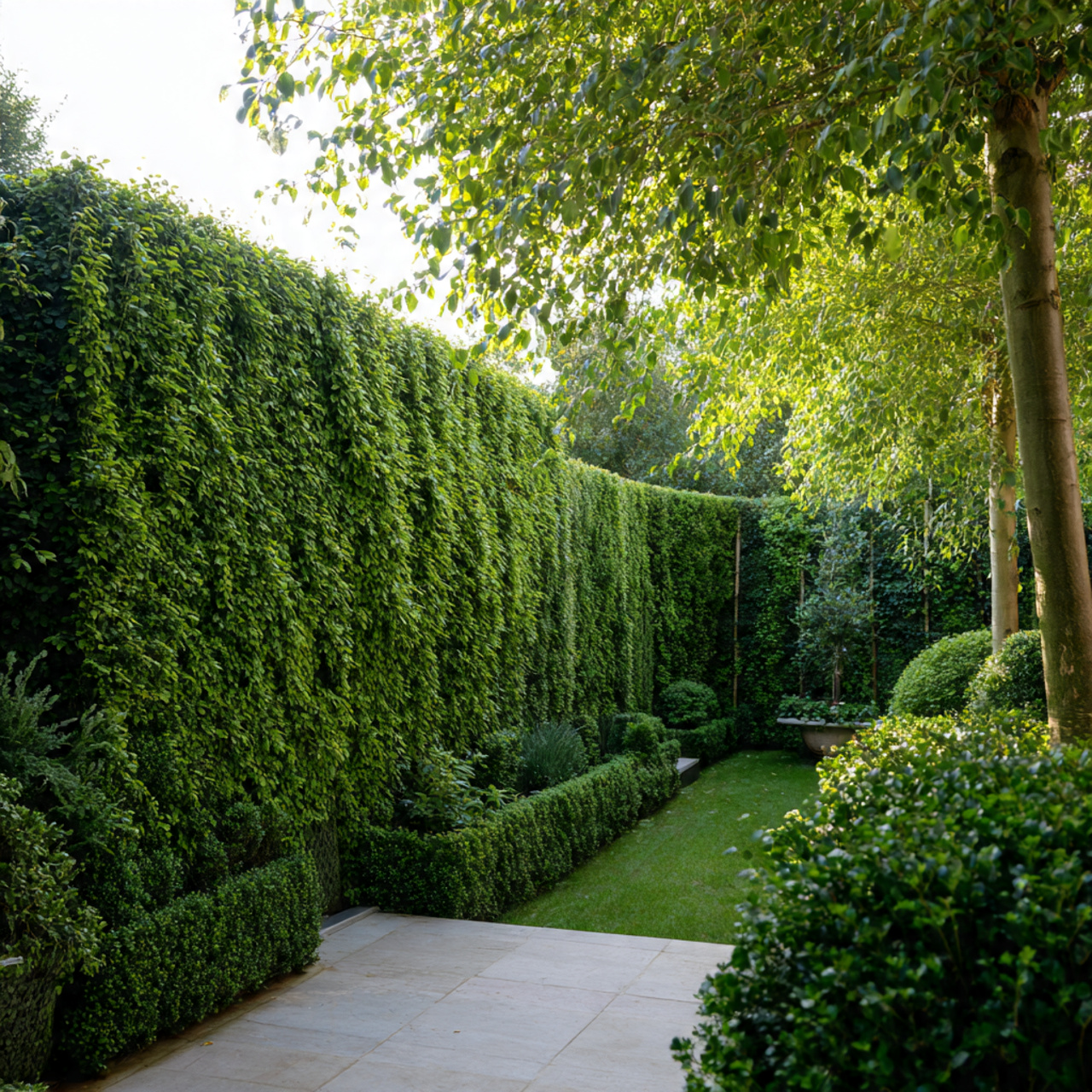
Covering hard walls with dense hedging creates the best of both worlds—the structure and permanence of constructed walls combined with the softness and living beauty of plants.
Best hedge plants for wall coverage:
- Ficus: Fast-growing, dense evergreen coverage
- Boxwood: Classic formal look, fine-textured foliage
- Privet: Affordable, fast-growing, tolerates pruning
- Yew: Deep green, elegant, long-lived
- Photinia: New growth emerges red for color interest
Maintenance requirements:
- Regular trimming 2-3 times during growing season
- Watering during dry spells
- Occasional fertilizing for healthy growth
- Monitoring for pests and diseases
Design advantages: Hedge-covered walls soften harsh boundaries, reduce noise pollution, and provide habitat for beneficial insects and birds.
Time consideration: Most hedges need 2-3 years to fully cover walls. Plant closely spaced for faster coverage.
Tiled Garden Walls
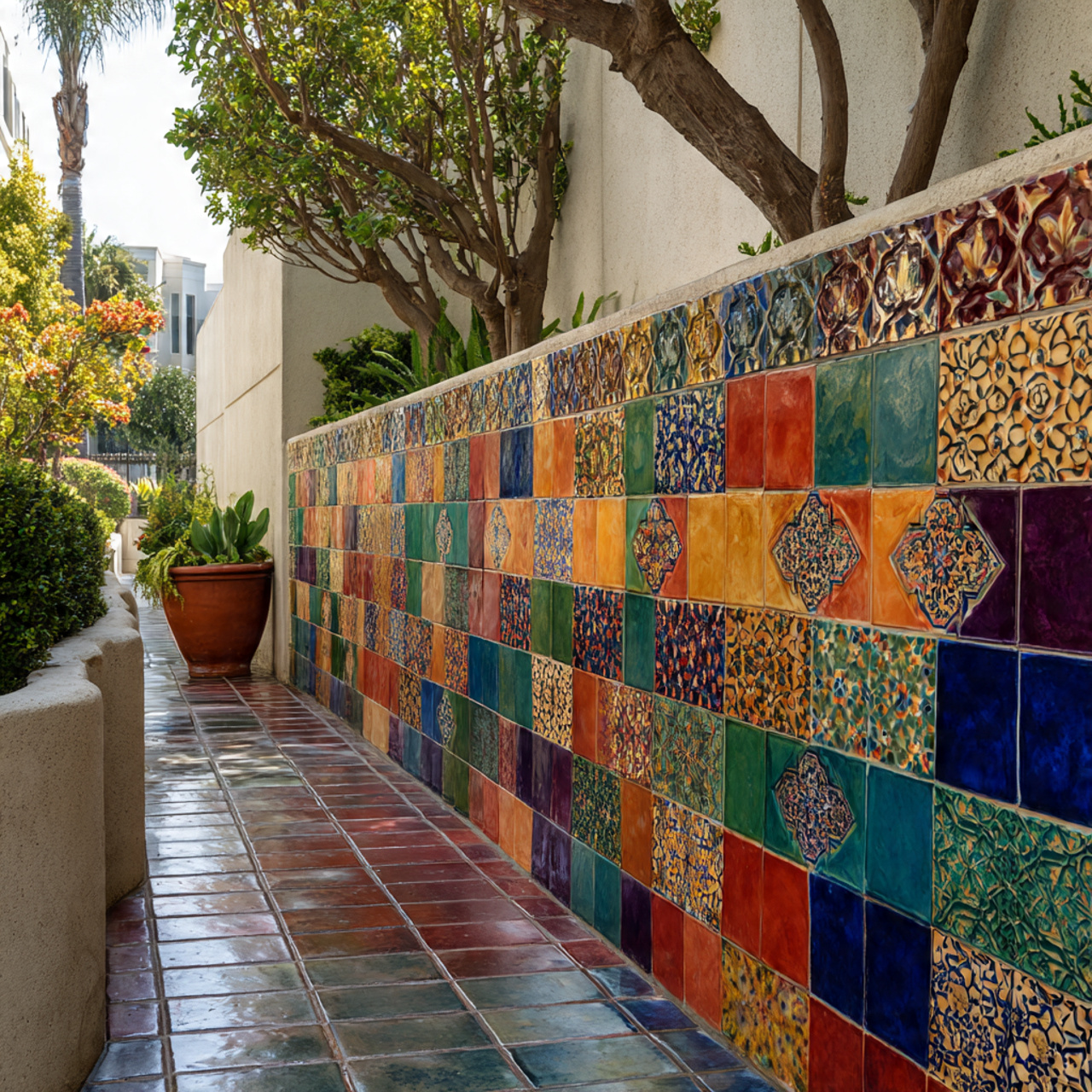
Decorative tiles bring artistic flair and vibrant color to garden walls. From intricate Moroccan patterns to bold geometric designs, tiles create focal points that resist fading and weather damage.
Popular tile styles for gardens:
- Moroccan zellige: Intricate geometric patterns in blues, greens, yellows
- Encaustic cement tiles: Bold patterns with vintage appeal
- Subway tiles: Classic, clean look in various colors
- Mosaic tiles: Small pieces creating detailed images or patterns
- Large-format porcelain: Contemporary, minimal grout lines
Ideal locations:
- Behind outdoor kitchens or grilling stations
- Surrounding pools or hot tubs
- Accent walls in covered patios
- Vertical features near water fountains
Installation tip: Use outdoor-rated, frost-proof tiles and flexible grout to accommodate temperature changes and prevent cracking.
Mix and match: Combine solid-color tiles with patterned ones for custom designs that reflect your personal style.
Log Stack Walls
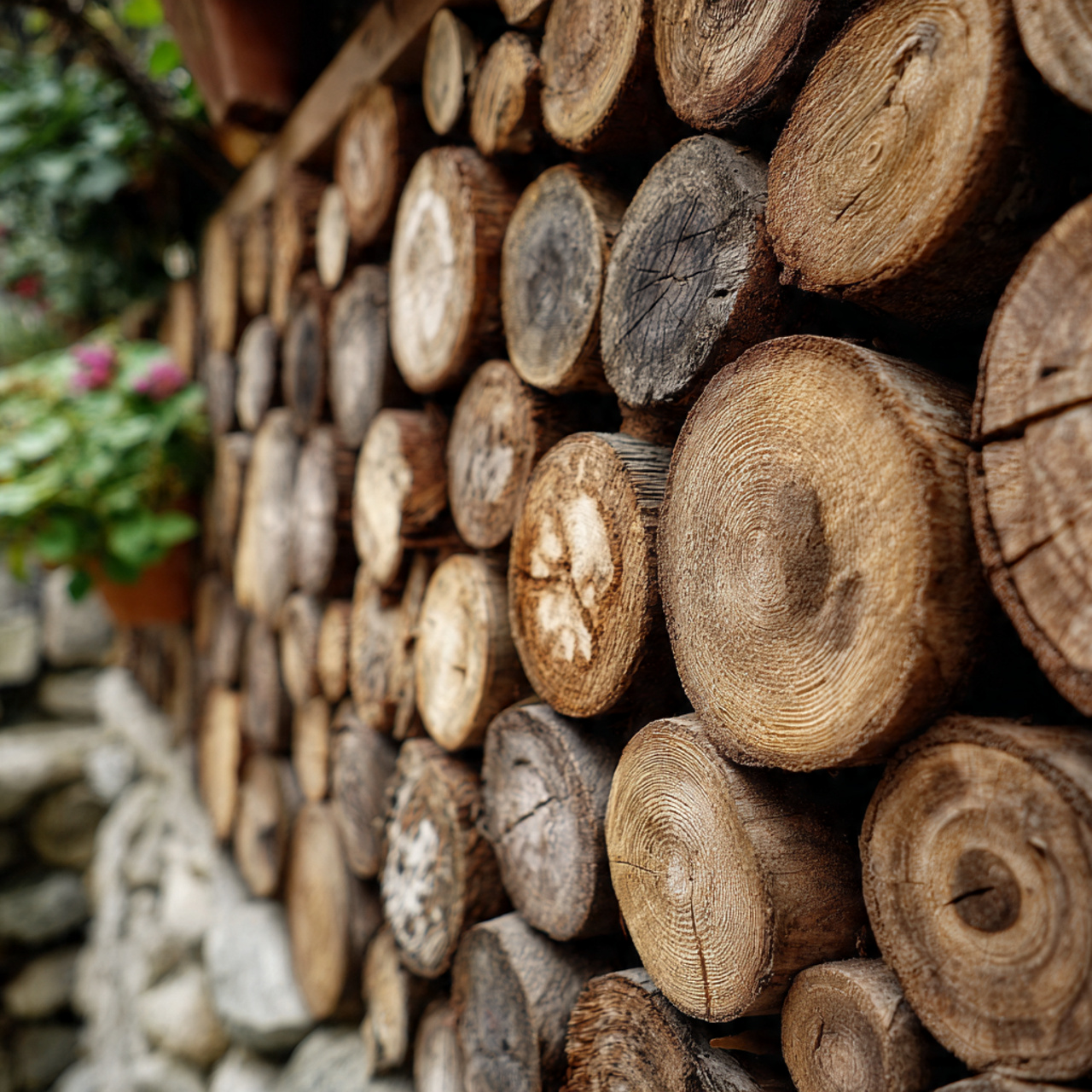
Log stack walls bring cozy, cabin-in-the-woods vibes to gardens. These walls use cut logs arranged in intentional patterns, creating functional storage that doubles as rustic decoration.
Design approaches:
- Uniform log sizes for neat, organized appearance
- Mixed sizes for organic, natural look
- Horizontal stacking in linear patterns
- Circular or curved arrangements for artistic effect
Functional benefits:
- Provides firewood storage near outdoor fire pits
- Creates habitat for beneficial insects
- Adds immediate natural texture and warmth
- Works as windbreak or privacy screen
Best wood types: Hardwoods like oak, maple, or ash stack well and weather attractively. Avoid soft woods that decay quickly.
Styling context: Log walls pair beautifully with stone pathways, country gardens, rustic furniture, and naturalistic plantings.
Arched Garden Walls
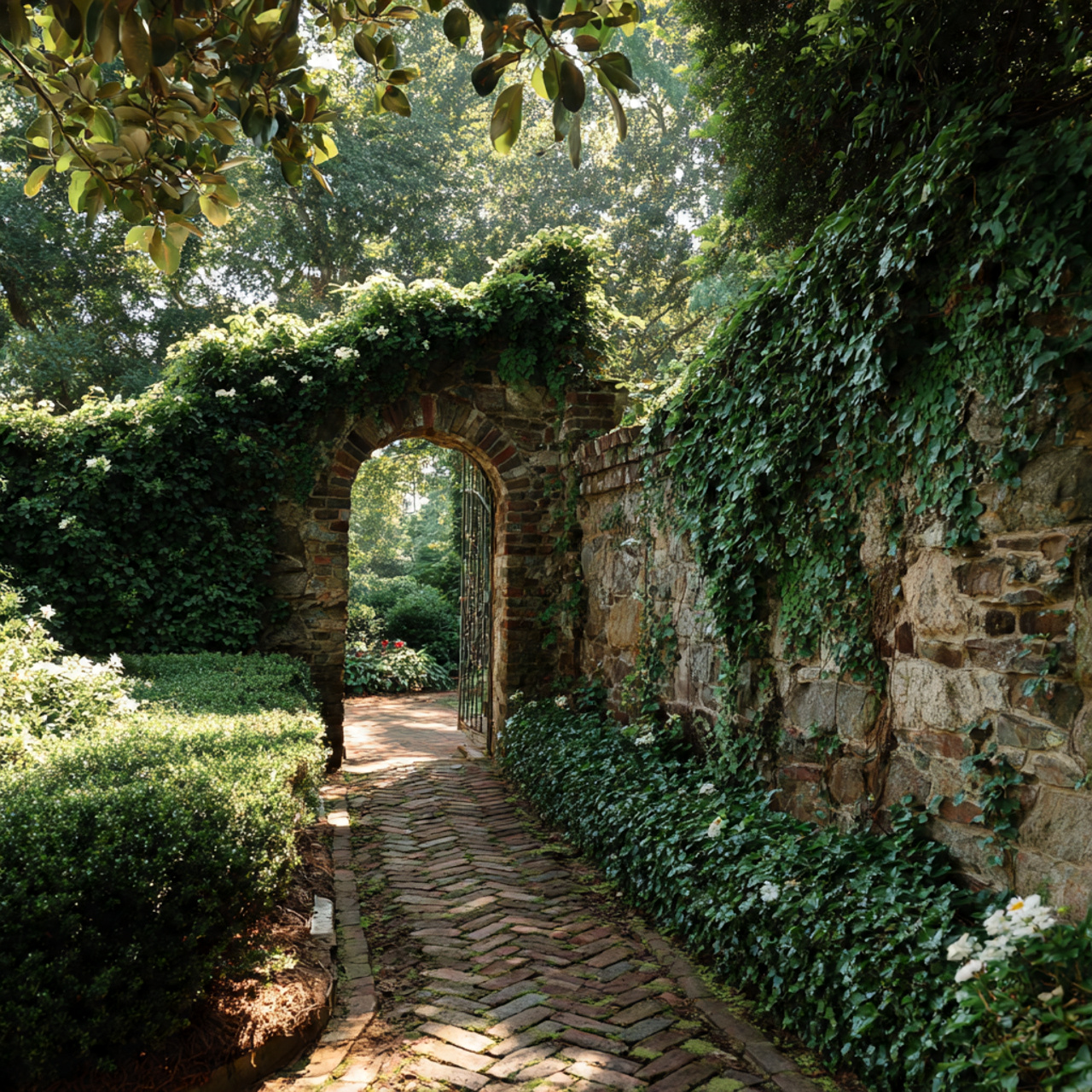
Arches have graced gardens for centuries, and their appeal remains as strong as ever. These curved openings create romantic transitions between garden spaces while adding architectural elegance.
Arch construction materials:
- Brick: Classic curved arches with traditional appeal
- Stone: Substantial, permanent structures
- Wood: Lighter, easier to construct DIY options
- Metal: Modern interpretations with industrial flair
Design uses:
- Gateways between different garden zones
- Frame beautiful views or focal points
- Support climbing plants for living archways
- Create sense of journey and discovery
Enhanced with elements:
- Climbing roses or wisteria for flowering coverage
- Hanging lanterns for evening illumination
- Iron gates for added privacy and security
- Surrounding plantings that echo the arch’s curve
Visual effect: Arches naturally draw the eye through them, creating depth perception and making gardens feel larger and more layered.
Terracotta Walls
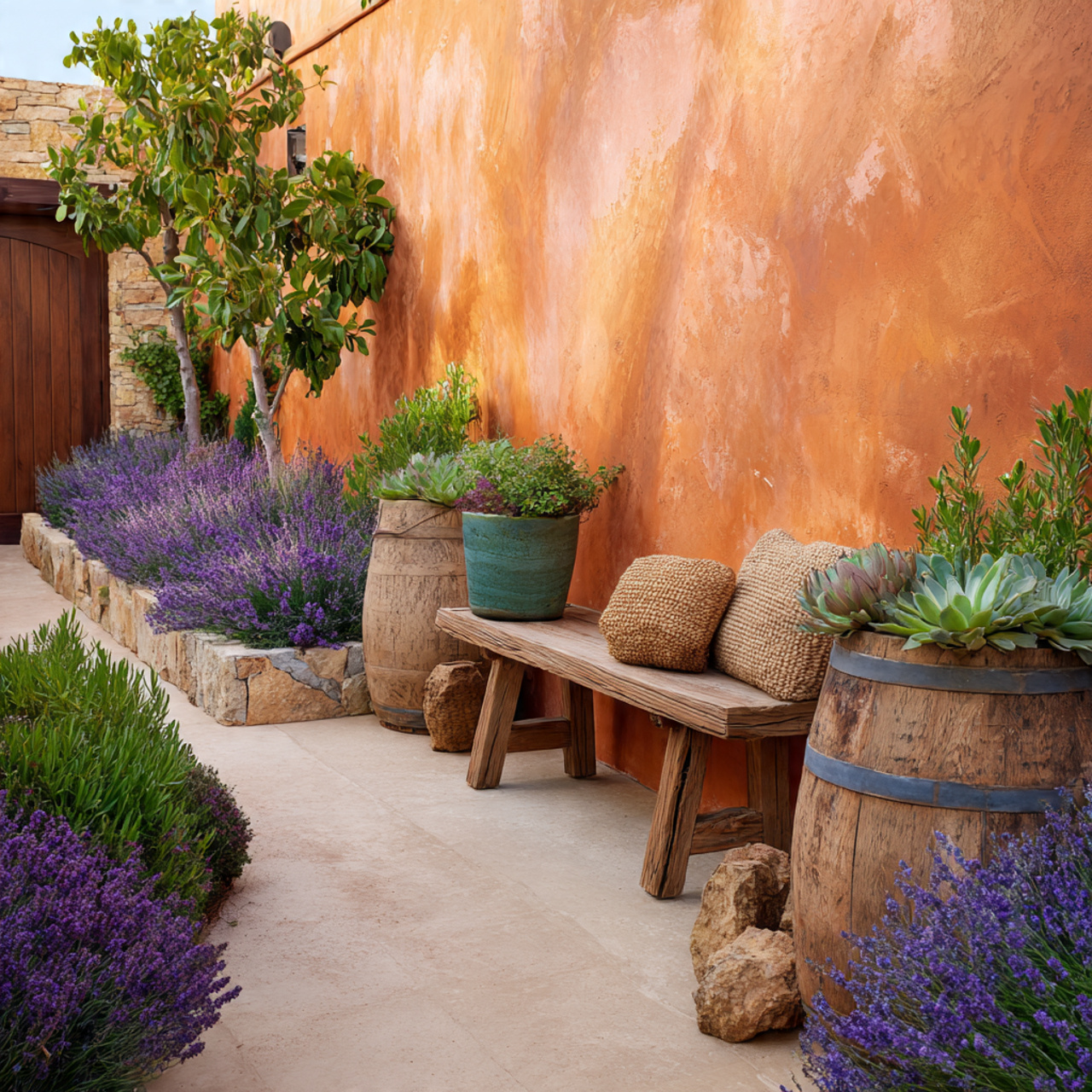
Terracotta brings sun-baked, Mediterranean beauty to gardens with its warm orange-red tones and rustic texture. These walls evoke Italian villas, Spanish courtyards, and relaxed coastal living.
Terracotta applications:
- Traditional stucco-finished walls in terracotta hues
- Terracotta tile cladding
- Terra cotta blocks in stacked patterns
- Painted walls in terracotta-inspired colors
Perfect plant companions:
- Olive trees and lavender for authentic Mediterranean feel
- Succulents and agaves for water-wise gardens
- Climbing bougainvillea for vibrant color contrast
- Herbs like rosemary, thyme, and oregano
Design flexibility: Terracotta works equally well in formal symmetrical gardens and relaxed, informal landscapes.
Color note: True terracotta complements nearly every plant color—greens, purples, silvers, and flowering plants all pop against its earthy warmth.
Privacy Screen Walls
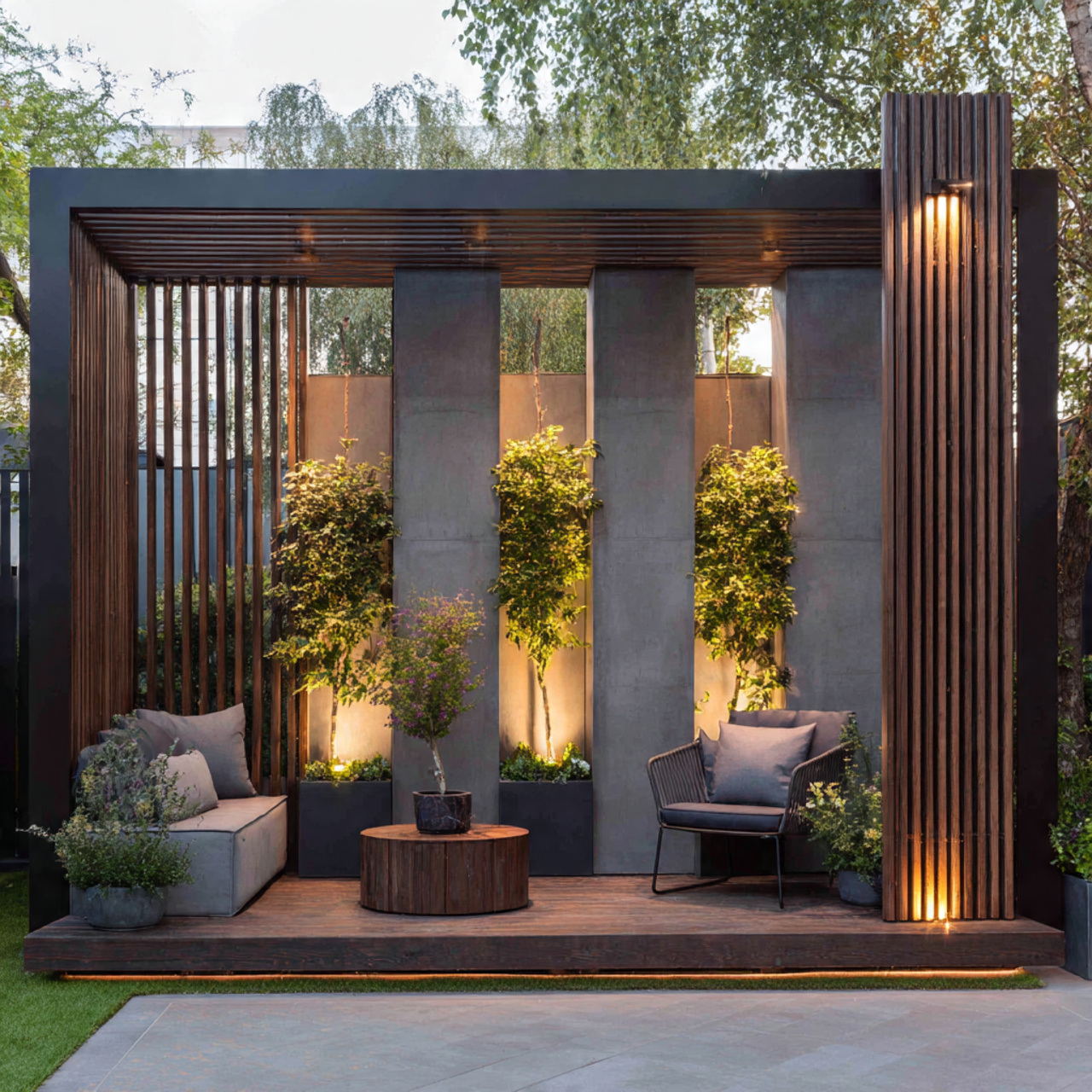
Privacy screens solve the challenge of creating personal space without building solid, imposing walls. These semi-open structures filter views while maintaining airflow and visual interest.
Privacy screen materials:
- Horizontal wood slats: Modern, warm aesthetic
- Metal louvers: Contemporary, adjustable options
- Composite panels: Low-maintenance, various styles
- Laser-cut screens: Artistic patterns with filtered light
- Vertical cable systems: Industrial minimalist look
Strategic placement:
- Between neighboring properties at eye level
- Around outdoor dining or lounging areas
- Shielding hot tubs or pools
- Creating “rooms” within larger gardens
Softening additions: Combine privacy screens with planters of tall grasses, bamboo, or climbing vines to blur the line between structure and nature.
Transparency balance: Choose screen designs that block direct sight lines while allowing light and air to pass through comfortably.
Lighting-Enhanced Walls
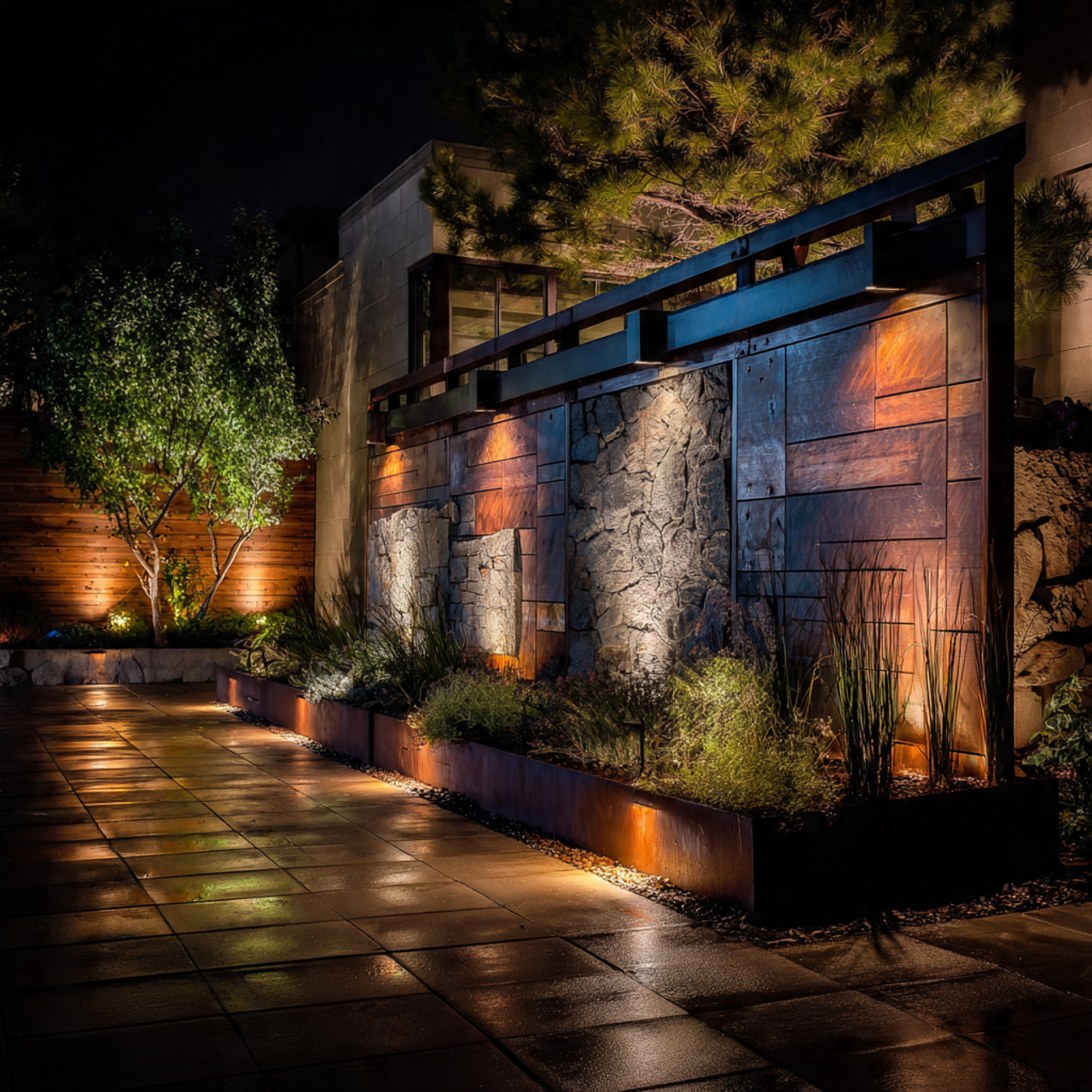
Garden walls reach their full potential when thoughtfully illuminated. Strategic lighting transforms textures, creates ambiance, and extends your garden’s usability into evening hours.
Lighting techniques for walls:
- Uplighting: Fixtures at wall base casting light upward
- Downlighting: Lights mounted on top washing down
- Grazing: Side-mounted lights highlighting texture
- Backlighting: Lights behind plants casting dramatic shadows
- LED strips: Integrated lighting within wall structure
Effects lighting creates:
- Showcases stone, brick, or wood textures dramatically
- Casts shadows of plants onto walls for living artwork
- Provides ambient illumination for outdoor entertaining
- Increases safety and security around property
Light color considerations:
- Warm white (2700-3000K) for cozy, inviting atmosphere
- Cool white (4000K+) for modern, crisp appearance
- RGB color-changing for special occasions or moods
Energy tip: Solar-powered and LED fixtures minimize electricity costs while providing years of reliable illumination.
Planter-Integrated Walls
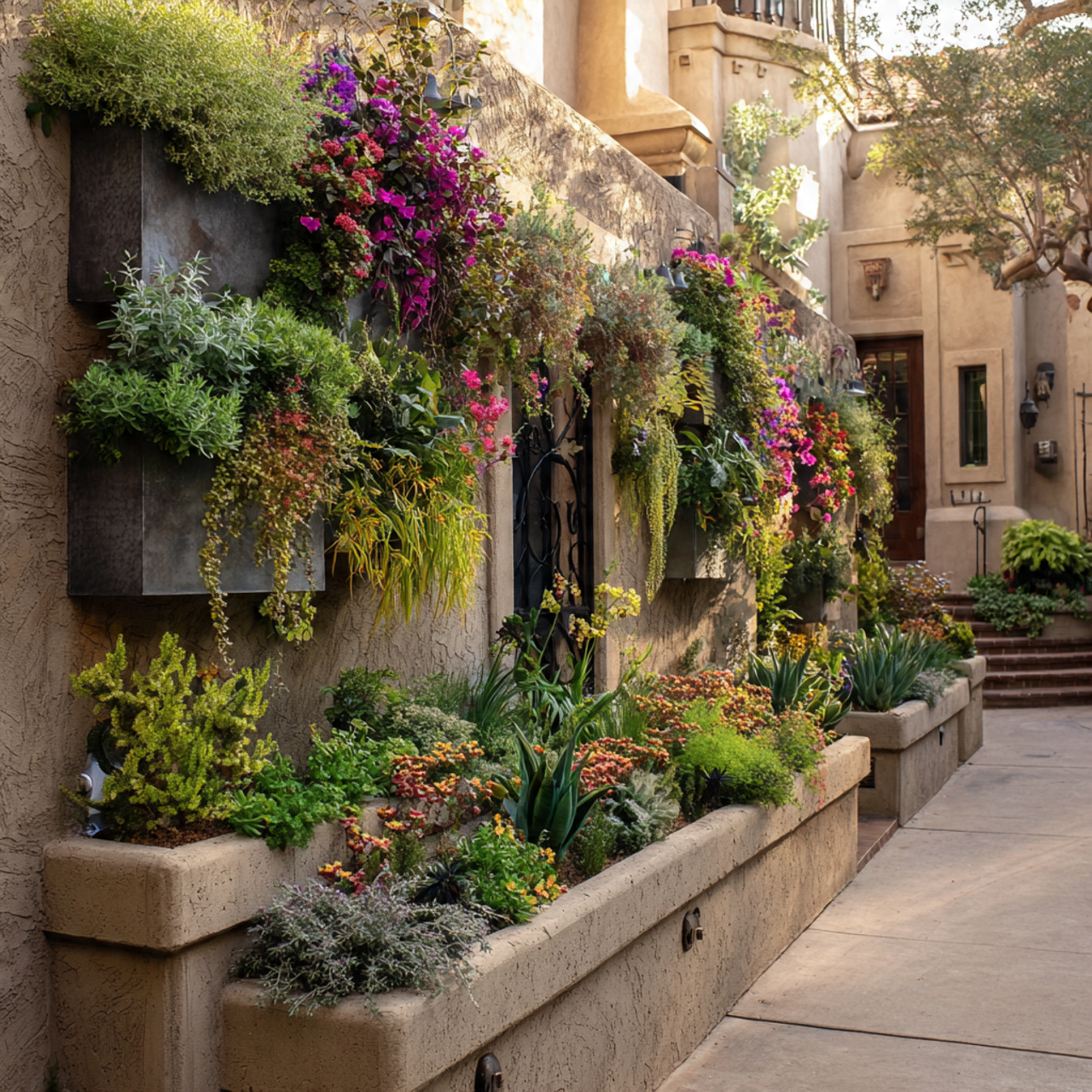
Why choose between walls and planting space when you can have both? Integrated planter walls combine structure with growing areas, maximizing your garden’s vertical potential.
Design configurations:
- Built-in planter boxes at wall base
- Stacked modular planting pockets
- Horizontal shelves for potted plants
- Recessed niches for specimen plantings
What to plant:
- Cascading succulents for low-maintenance color
- Flowering annuals for seasonal pops
- Culinary herbs for functional beauty
- Ornamental grasses for movement and texture
- Trailing plants that soften wall edges
Structural considerations: Ensure proper drainage in built-in planters to prevent water damage to walls. Include weep holes or drainage layers.
Space efficiency: Planter walls work brilliantly in small gardens where every vertical inch counts.
Modern Minimalist Walls
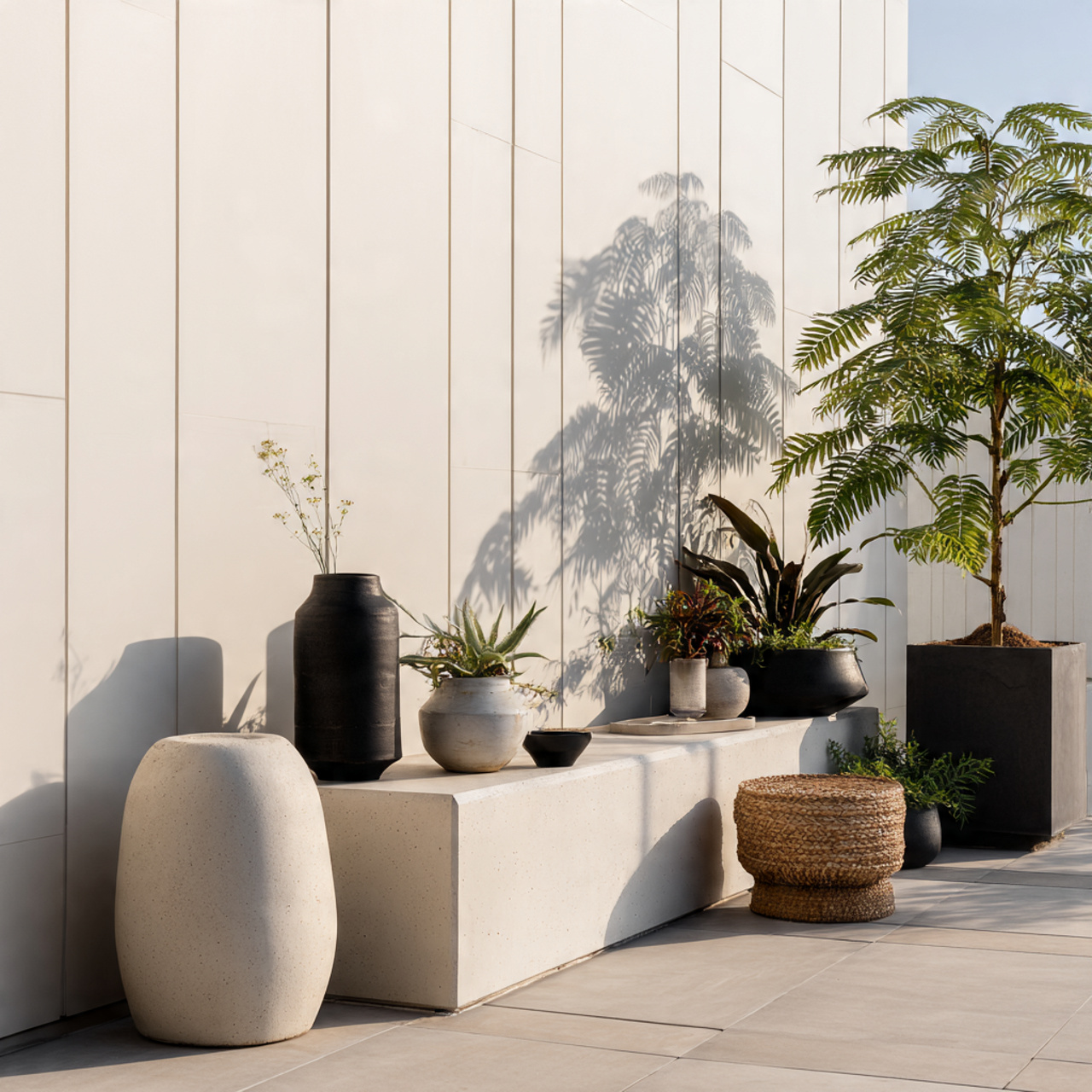
Minimalist design strips away excess, leaving only what’s essential and beautiful. Minimalist garden walls embrace clean lines, neutral palettes, and uncluttered surfaces that create calm, sophisticated spaces.
Minimalist principles:
- Limit materials to 1-2 complementary types
- Use neutral colors: grays, whites, blacks, natural tones
- Emphasize smooth, uniform surfaces
- Incorporate negative space intentionally
- Choose quality over decorative embellishment
Materials that work:
- Poured concrete with smooth finish
- Large-format panels with minimal joints
- Matte-finish composites
- Stained or sealed wood in uniform tones
Plant pairings: Architectural plants with strong forms—ornamental grasses, sculptural agaves, or clipped boxwood—complement minimalist walls perfectly.
Visual result: Minimalist walls create peaceful backdrops that let carefully chosen plants and furniture shine as focal points.
Indoor-Outdoor Continuity Walls
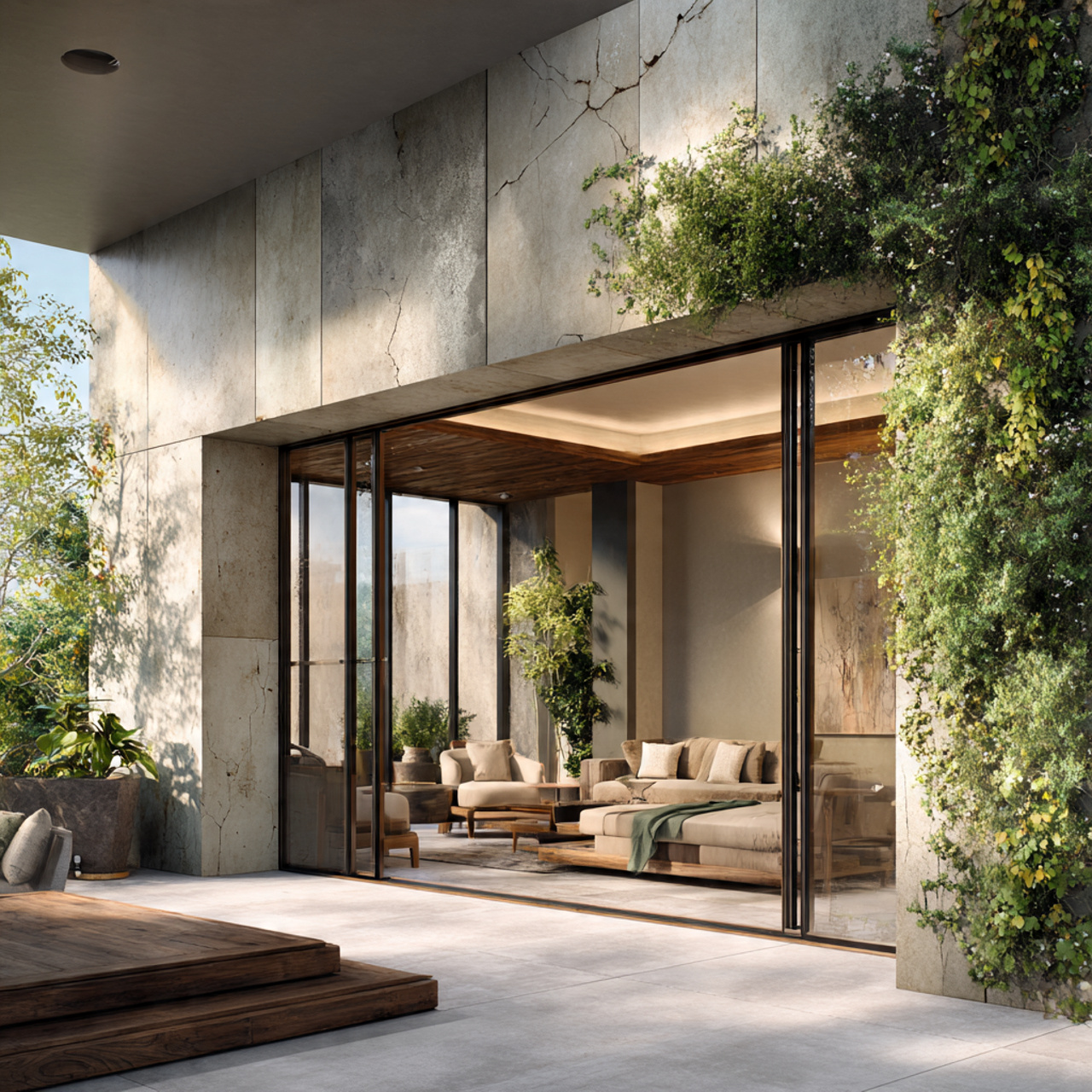
Creating visual flow between interior and exterior spaces makes both areas feel larger and more connected. Continuing wall materials from inside to outside achieves this seamless integration.
Matching materials to carry through:
- Same tile from kitchen to outdoor dining area
- Wooden cladding from interior accent wall to garden wall
- Stone veneer connecting living room to patio
- Paint colors that flow from indoor to outdoor spaces
Design benefits:
- Makes outdoor areas feel like extensions of home
- Increases perceived square footage
- Creates cohesive, intentional design
- Blurs boundaries between indoors and out
Perfect for: Modern homes with large glass doors or windows, covered patios that function as outdoor rooms, and open-concept living designs.
Implementation tip: Use weather-appropriate versions of materials—outdoor-rated tiles, sealed wood, and exterior paint—even when matching indoor aesthetics.
Sculptural Walls
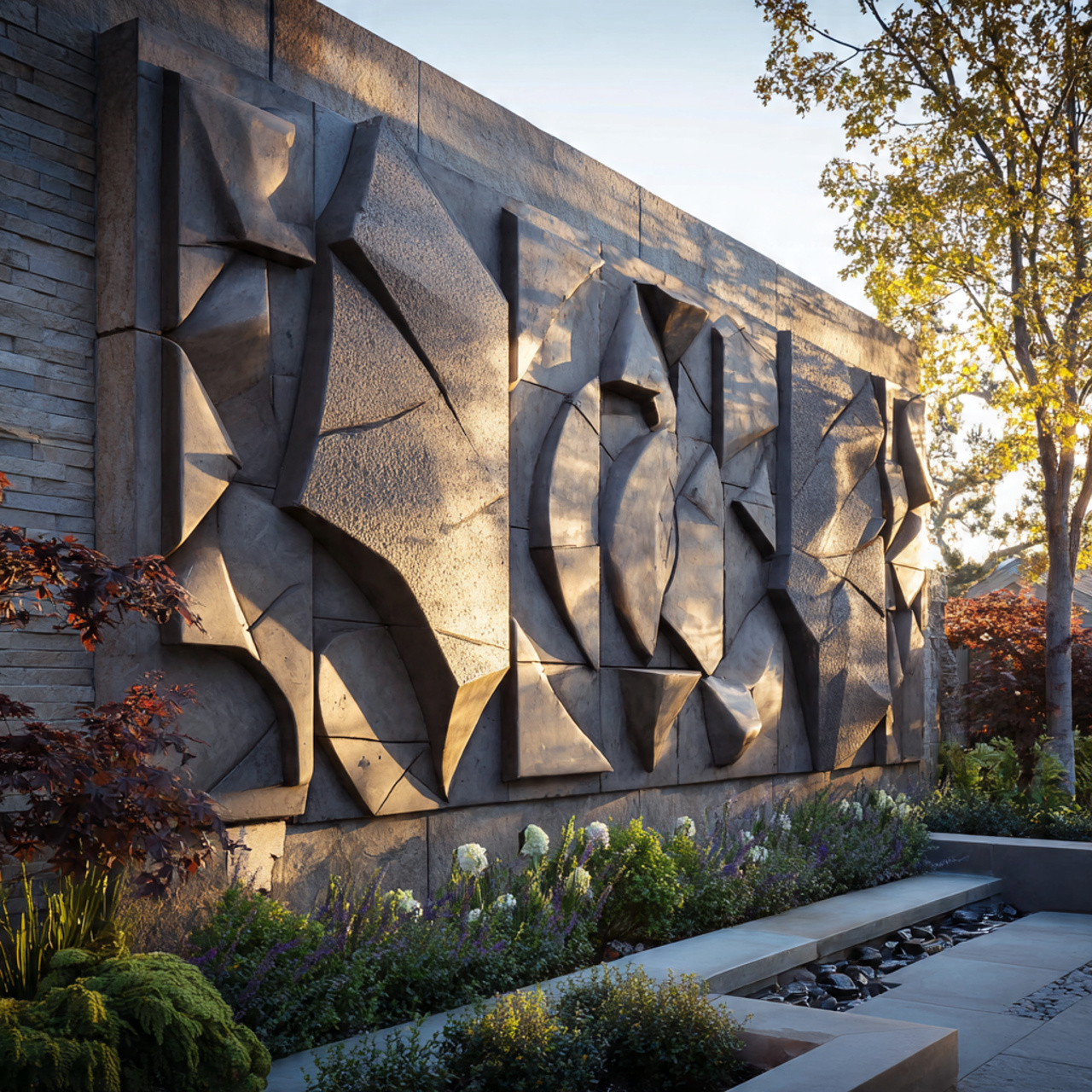
Sculptural walls transform functional boundaries into captivating art installations. These walls use three-dimensional forms, interesting shadows, and dynamic shapes to create focal points that evolve throughout the day.
Sculptural approaches:
- Undulating curved surfaces
- Protruding geometric blocks or panels
- Perforated patterns creating shadow play
- Stacked materials in offset patterns
- Mixed depths and recesses
Materials for dimension:
- Concrete cast in custom forms
- Metal panels bent or folded
- Wood arranged in three-dimensional patterns
- Stone stacked with varying depths
Lighting enhancement: Sculptural walls become even more dramatic with strategic lighting that emphasizes shadows and depth changes.
Artistic impact: These walls make statements, serving as garden centerpieces that showcase your creative vision and design confidence.
Mixed Material Walls
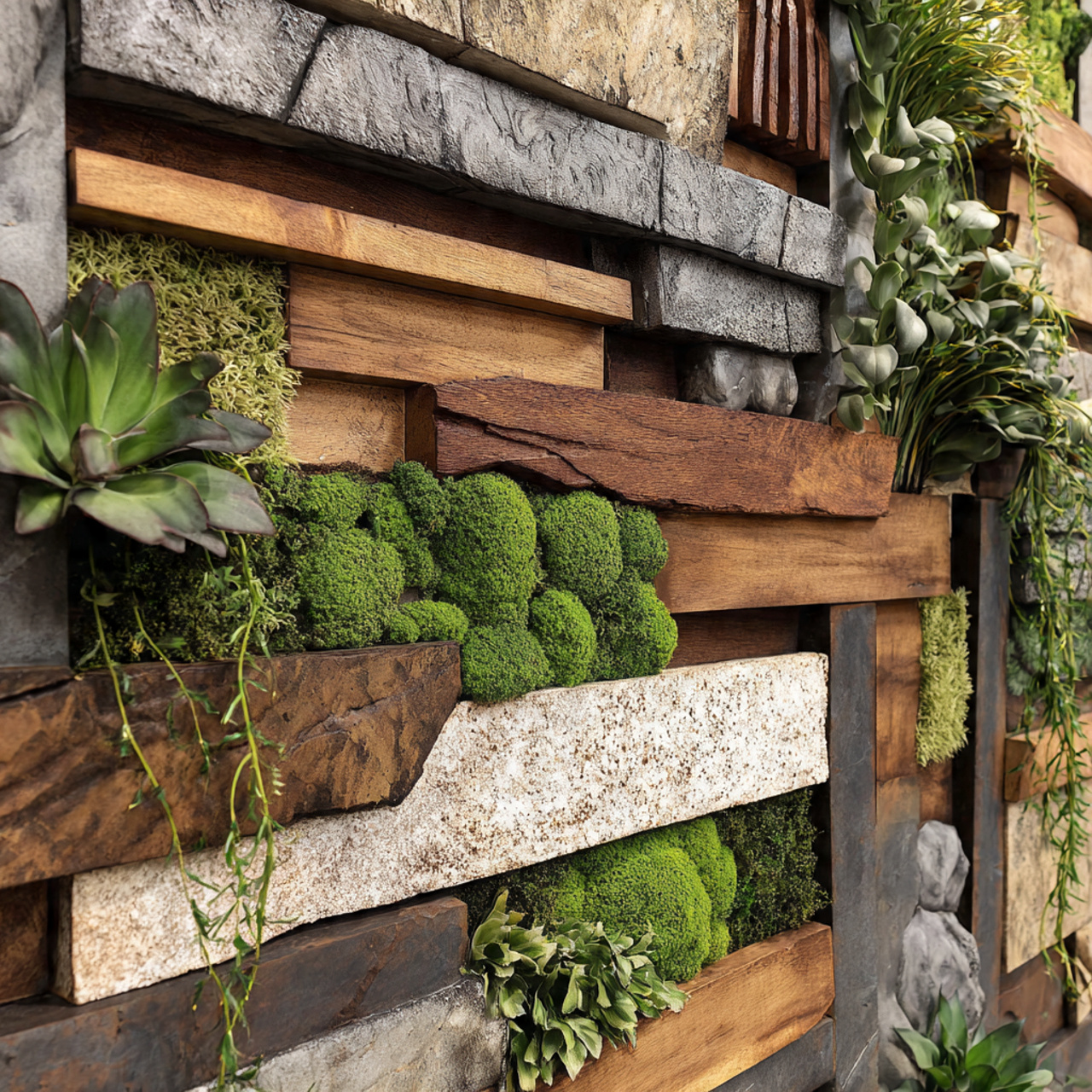
Why commit to just one material when combinations create more interesting results? Mixed material walls blend different elements—metal with wood, stone with greenery, concrete with glass—for rich, layered designs.
Successful material combinations:
- Warm wood panels with cool metal frames
- Natural stone sections alternating with planted areas
- Concrete bases topped with wooden slat screens
- Gabion sections integrated with solid wall panels
- Glass or acrylic panels within wood or metal structures
Design advantages:
- Creates visual interest through contrast
- Allows functional zoning (solid sections for privacy, open sections for light)
- Reflects personal style through custom combinations
- Adds depth and dimension
Balance principle: Choose materials with contrasting qualities—rough with smooth, light with dark, natural with industrial—for maximum impact without chaos.
Versatility: Mixed material walls adapt to both modern and transitional garden styles, offering flexibility as your design preferences evolve.
FAQs
What’s the most budget-friendly garden wall option?
Painted walls and climbing plants offer the biggest visual impact for the smallest investment. A can of exterior paint costs $30-50 and can completely transform an existing wall, while climbing plants like ivy or jasmine cost $10-20 per plant and provide coverage within 1-2 growing seasons. For new construction, concrete blocks painted or clad in affordable materials provide durability without premium costs.
Which garden wall materials require the least maintenance?
Stone, concrete, and metal panels top the low-maintenance list. Once installed, these materials need little more than occasional cleaning. Stone and concrete naturally resist weather, insects, and rot, while metal panels (especially powder-coated or corten steel) handle outdoor conditions with minimal upkeep. Painted walls need refreshing every 3-5 years, and living walls require regular watering and trimming.
How do I choose the right wall style for a small garden?
In compact spaces, prioritize walls that add function without overwhelming the area. Vertical green walls, mirrors, and minimalist designs work beautifully because they don’t visually shrink the space. Light-colored walls make small gardens feel more open, while vertical elements draw eyes upward, creating height perception. Avoid overly busy patterns or dark colors that can make tight spaces feel cramped.
Can I DIY most of these garden wall ideas?
Many garden wall projects are DIY-friendly with basic tools and skills. Painting walls, installing climbing plant supports, creating bamboo screens, building wooden slat walls, and planting hedge coverings are all achievable for motivated homeowners. However, structural walls (stone, concrete, gabion), water features, and electrical lighting typically require professional installation for safety, longevity, and local code compliance.
How important is lighting for garden walls?
Lighting transforms garden walls from daytime features into dramatic nighttime focal points. Beyond aesthetics, proper illumination extends your garden’s usability after sunset and improves safety around pathways and steps. Even simple uplights or string lights can dramatically enhance textured walls. Consider lighting essential for any wall you want to enjoy during evening hours or that serves as a major design element.
Final Thoughts: Creating Your Perfect Garden Wall
Your garden wall is more than a boundary—it’s an opportunity to define your outdoor space’s character, solve functional challenges, and express your personal style. Whether you’re drawn to the romance of climbing roses covering brick, the sleek sophistication of metal panels, or the organic beauty of living green walls, the right choice depends on your specific needs, climate, budget, and aesthetic preferences.
Start by assessing what you want your wall to accomplish. Need privacy? Consider hedge-covered walls or privacy screens. Want low maintenance? Look at stone, concrete, or metal options. Craving natural beauty? Vertical gardens and climbing plants deliver incredible results. Working with a tight budget? Painted walls and DIY wooden structures can create stunning transformations without breaking the bank.
Remember that garden design is personal and evolving. Your wall doesn’t need to be perfect immediately—gardens are living spaces that develop over time. Start with foundational structures, then layer in plants, lighting, and decorative elements as your vision clarifies and your budget allows.
The most successful garden walls balance beauty with function, complement your home’s architecture, and create outdoor spaces where you genuinely want to spend time. With the 25 ideas in this guide, you have a solid foundation for transforming your garden’s walls from basic boundaries into beautiful, purposeful design elements that elevate your entire outdoor experience.
Now it’s time to envision which wall style speaks to you, roll up your sleeves, and start creating the garden retreat you’ve been dreaming about!