24 Creative Garden Layout Tips to Elevate Your Home Landscape
Creating the perfect garden isn’t just about throwing some plants in the ground and hoping for the best. It’s about crafting a space that flows naturally, feels comfortable, and actually fits the way you live. Whether you’re working with a sprawling backyard, a cozy courtyard, or even just a small urban patch, the right garden layout can turn any outdoor area into your personal oasis.
Think of your garden layout as the blueprint for outdoor living. It’s where structure meets nature, where practical meets beautiful. And the best part? A well-planned layout doesn’t just look amazing—it makes your garden so much easier to maintain and enjoy all year long.
Getting the Basics Right: Foundation of Great Garden Design
Before you start picking out pretty plants or arranging pots, let’s talk foundation. Every successful garden starts with understanding what you’re actually working with.
Here’s what you need to know about your space:
- How much sunlight hits different areas throughout the day
- What your local climate throws at you (heat, frost, rain patterns)
- How your soil behaves (does water pool or drain too fast?)
- How you actually want to use this space (entertaining, growing food, peaceful retreat?)
Tip: The secret to a garden that looks great for years isn’t just about pretty flowers—it’s about smart planning from day one. Map out your zones, think through how people will move through the space, and get the scale right before you plant a single seed.
Open Flow Garden Layout
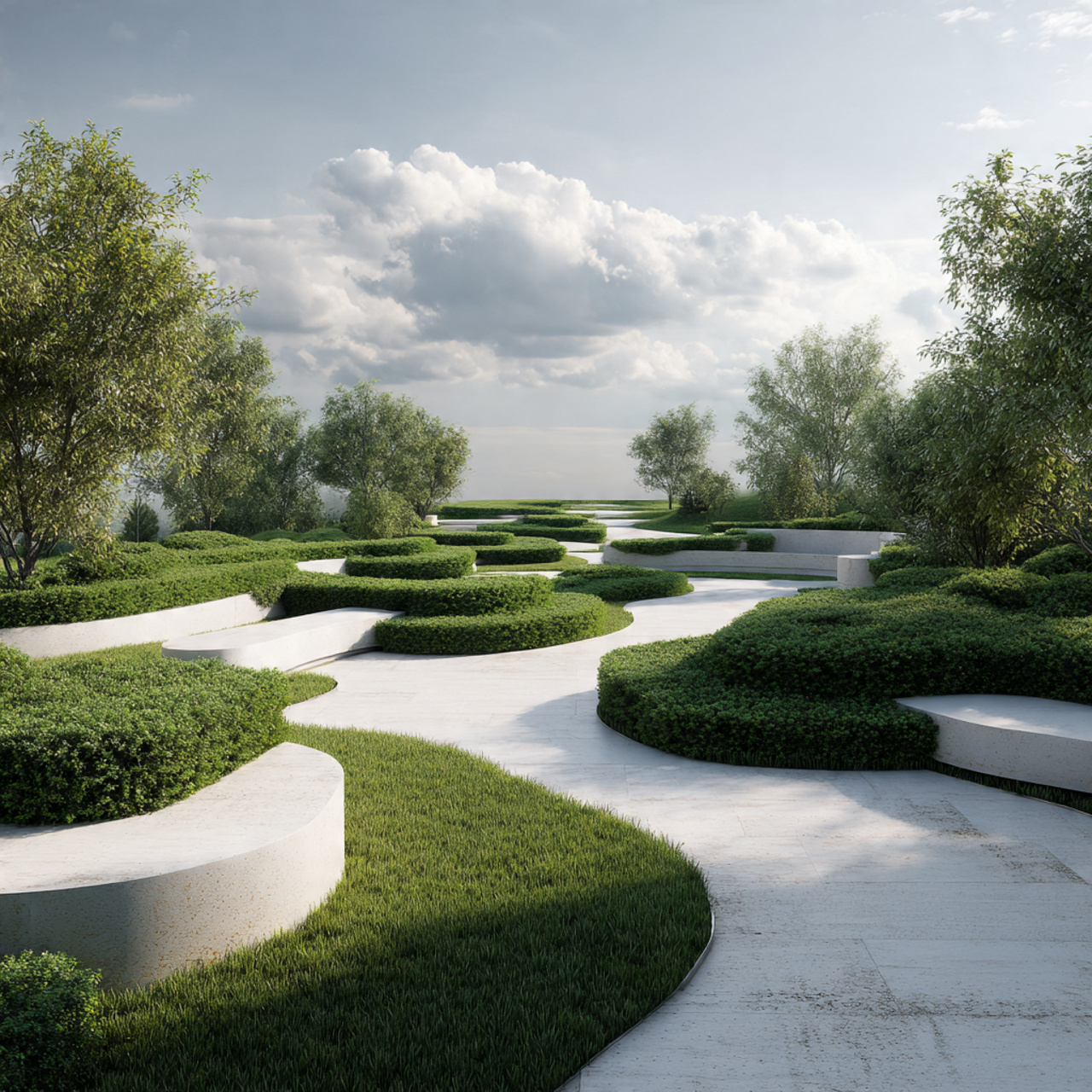
Imagine walking into a garden that just feels… easy. That’s the magic of an open flow design.
This layout uses gentle curves, wider pathways, and plenty of breathing room to create a sense of calm. There are no visual barriers choking the space—just smooth transitions that let your eyes travel freely.
Perfect for:
- Modern homes that embrace minimalism
- Small gardens where every inch of openness counts
- Anyone who finds peace in simplicity
Design elements to include:
- Low-profile plants that don’t block sightlines
- Pathways at least 3-4 feet wide
- Strategic empty spaces (yes, leaving some areas bare is intentional!)
Symmetrical Garden Layout
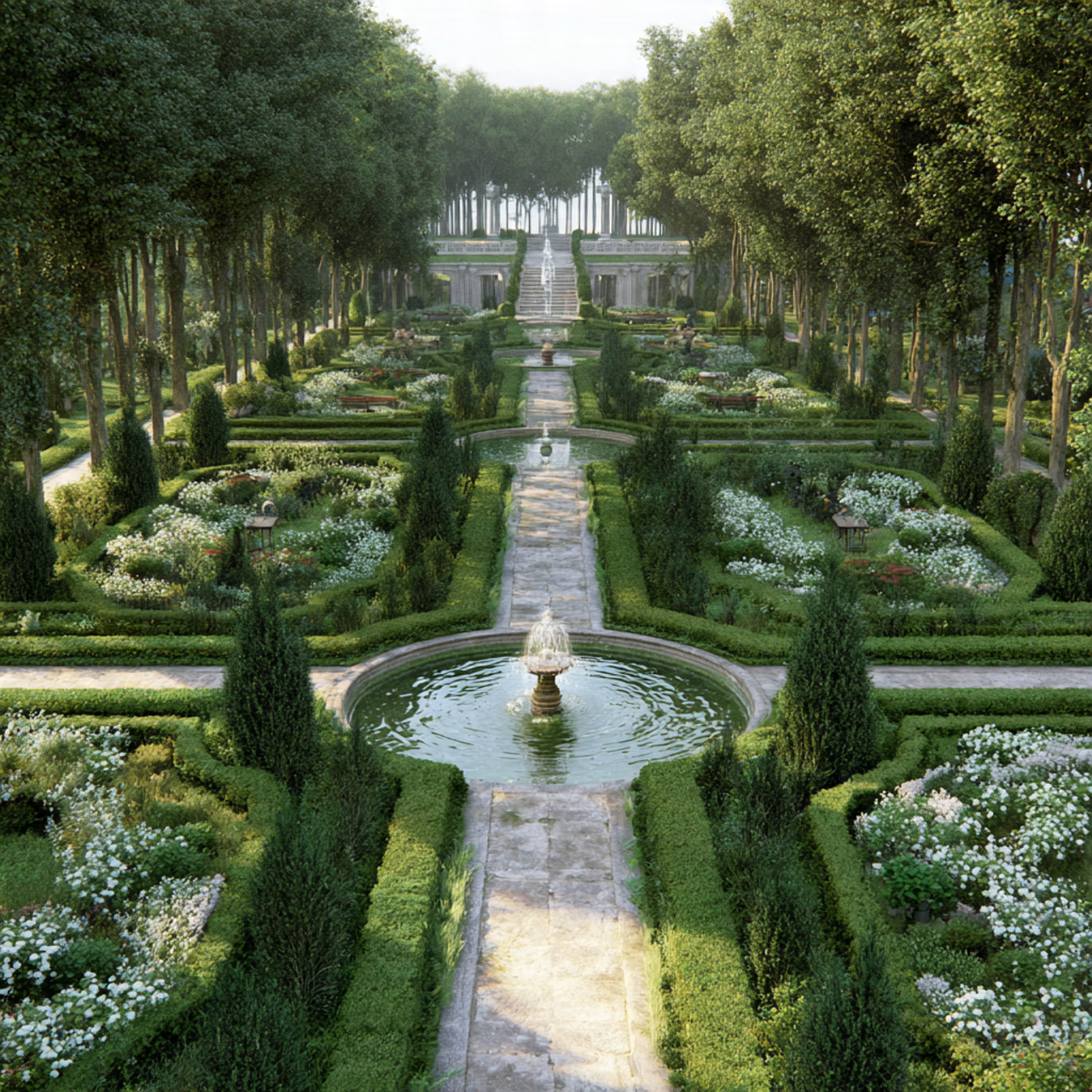
If you love order and classic elegance, symmetrical gardens speak your language. Think of those gorgeous formal gardens you see in historic estates—everything perfectly balanced, pathways that mirror each other, and a strong central focal point drawing your eye.
What makes it work:
- Paired plantings on either side of a central axis
- Straight pathways that intersect at meaningful points
- A stunning centerpiece (fountain, statue, or seating area)
Best suited for:
- Front yards that need to make a statement
- Traditional or classical home styles
- Gardeners who appreciate order and refinement
Asymmetrical Garden Layout
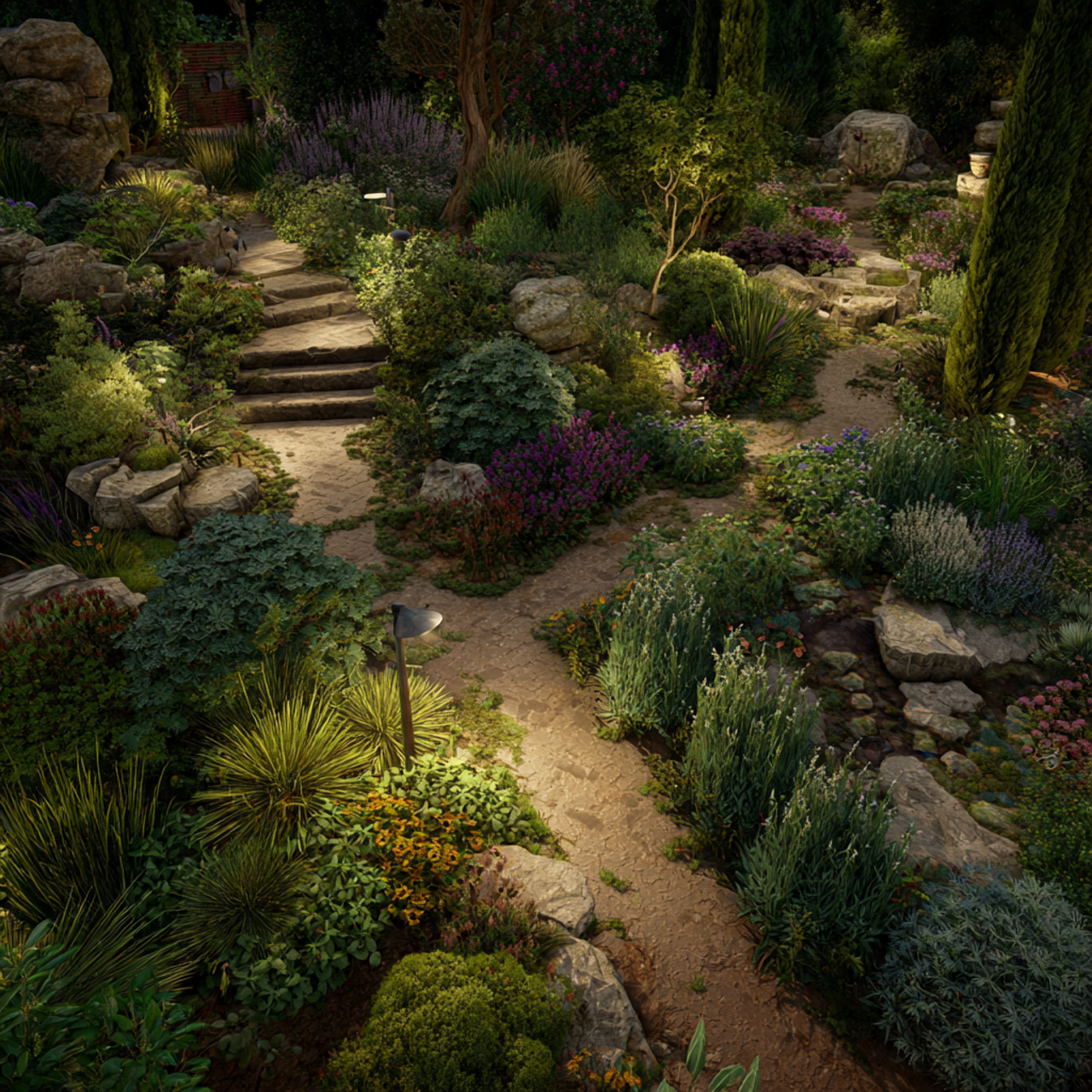
Not everything needs to match to look good. Asymmetrical layouts prove that balance can come from visual weight rather than mirror images.
This approach feels more natural and artistic. You might have a tall tree on one side balanced by a cluster of shrubs on the other, or a large boulder offset by a flowing plant bed.
Why people love it:
- More freedom in plant choices
- Natural, organic feeling
- Gardens that look intentional but not stiff
- Flexibility to work with your property’s unique features
Grid-Based Garden Layout
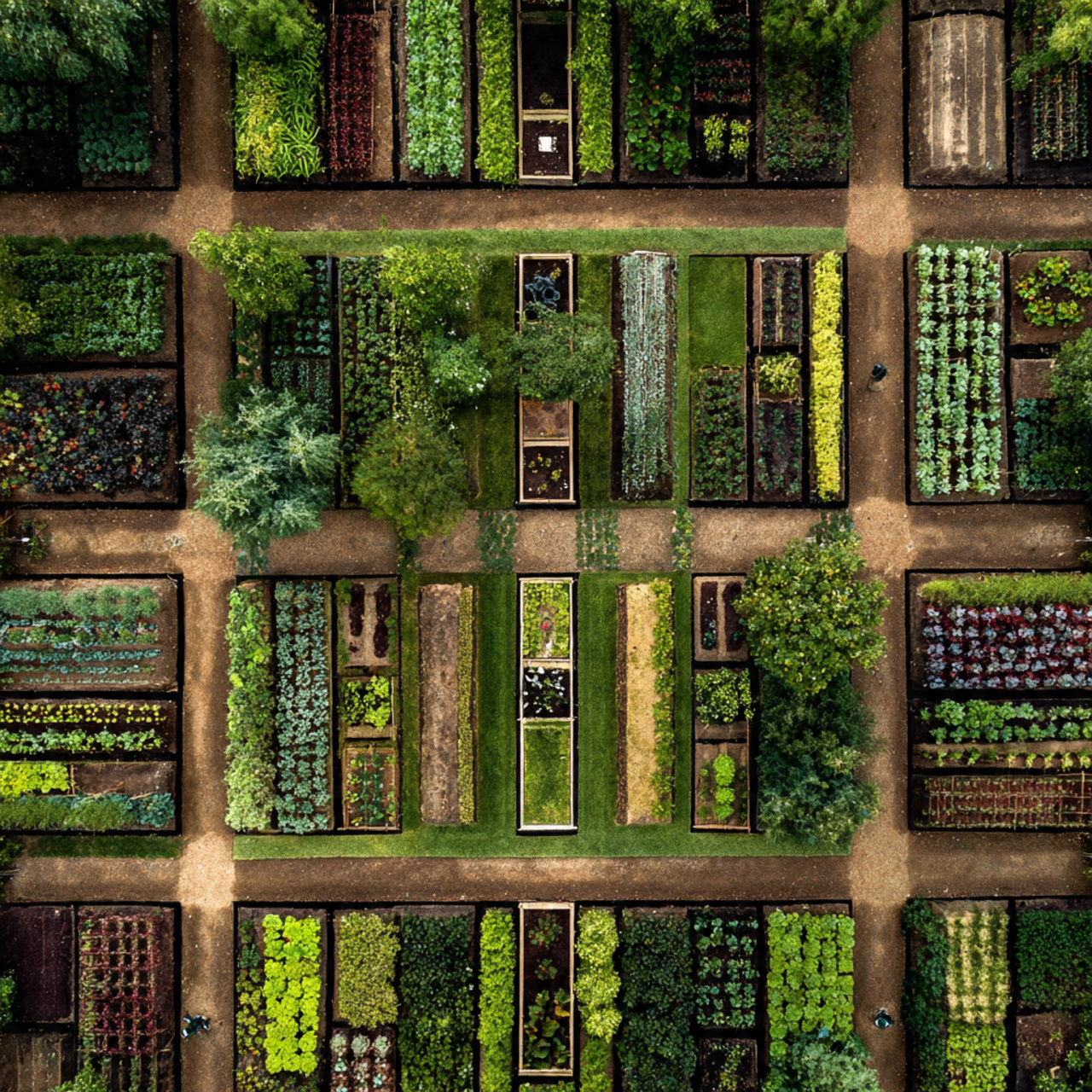
Clean, organized, and incredibly practical—grid layouts bring order to outdoor chaos.
Picture your garden divided into neat squares or rectangles, like a checkerboard. Each section has its purpose, everything has its place, and maintenance becomes wonderfully straightforward.
Ideal applications:
- Vegetable gardens where you need crop rotation
- Raised bed systems
- Urban gardens with limited space
- Anyone who loves organization
Benefits you’ll notice:
- Easy to plan watering and fertilizing schedules
- Simple to navigate and harvest
- Clean, contemporary aesthetic
- Maximizes growing space efficiently
Visit More: Grow a Garden Layout
Curved Path Garden Layout
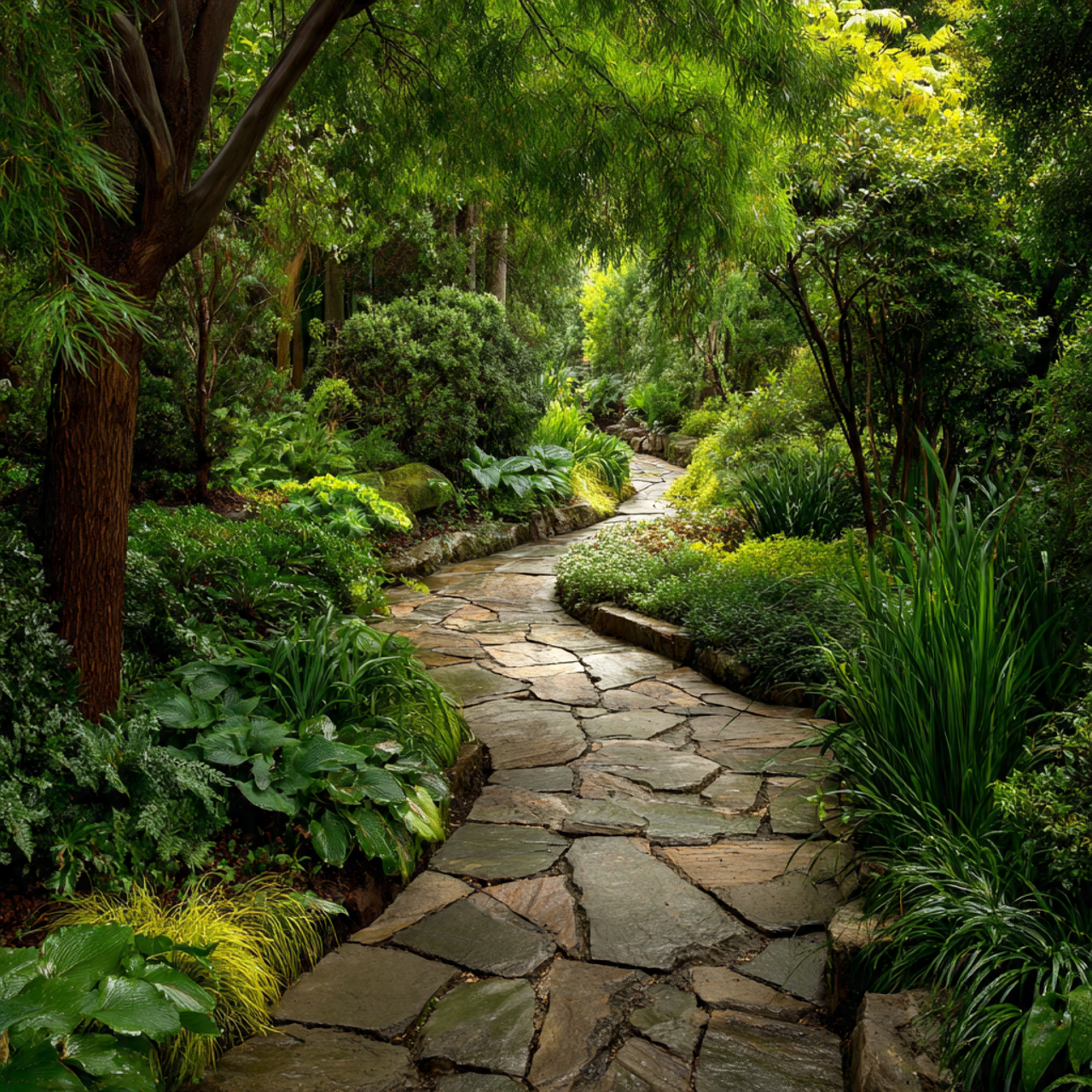
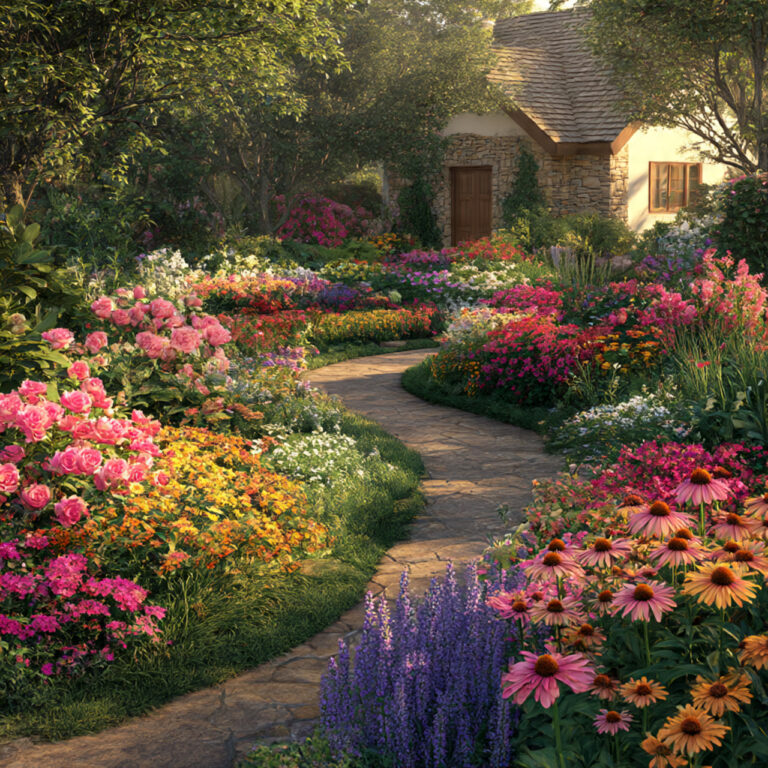
Straight lines are efficient, but curved paths? They’re enchanting.
When you guide visitors along gentle, flowing curves, something magical happens. Each bend reveals something new, creating a sense of discovery even in a small space. The soft lines feel naturally calming—almost like following a stream through the woods.
Where curved paths shine:
- Cottage gardens bursting with informal charm
- Wooded or naturalistic landscapes
- Properties with slopes or varied terrain
- Gardens designed for peaceful wandering
Zoned Garden Layout
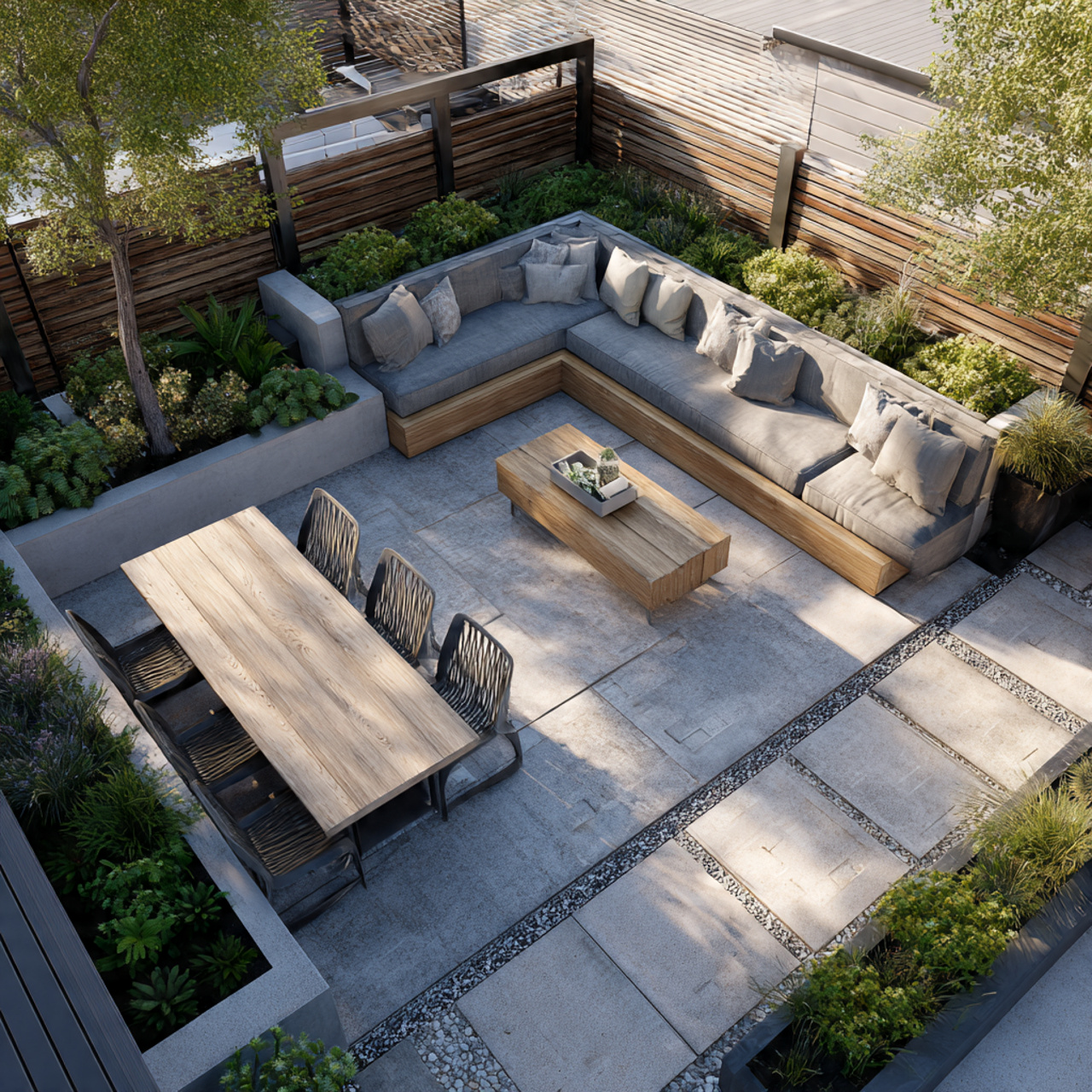
Smart garden design is all about dividing your space into purposeful areas that flow together beautifully.
Think of zones like rooms in your outdoor home. You might have a dining zone with a table and nearby herb garden, a play area for kids, a quiet reading nook, and dedicated growing beds—all in one garden.
Popular zones to consider:
- Entertainment area with seating and shade
- Kitchen garden near the house
- Play space with durable, safe plantings
- Meditation or relaxation corner
- Cut flower or pollinator garden
The beauty of zoning: Even tiny gardens feel more functional and less cluttered when thoughtfully divided.
Vertical Garden Layout
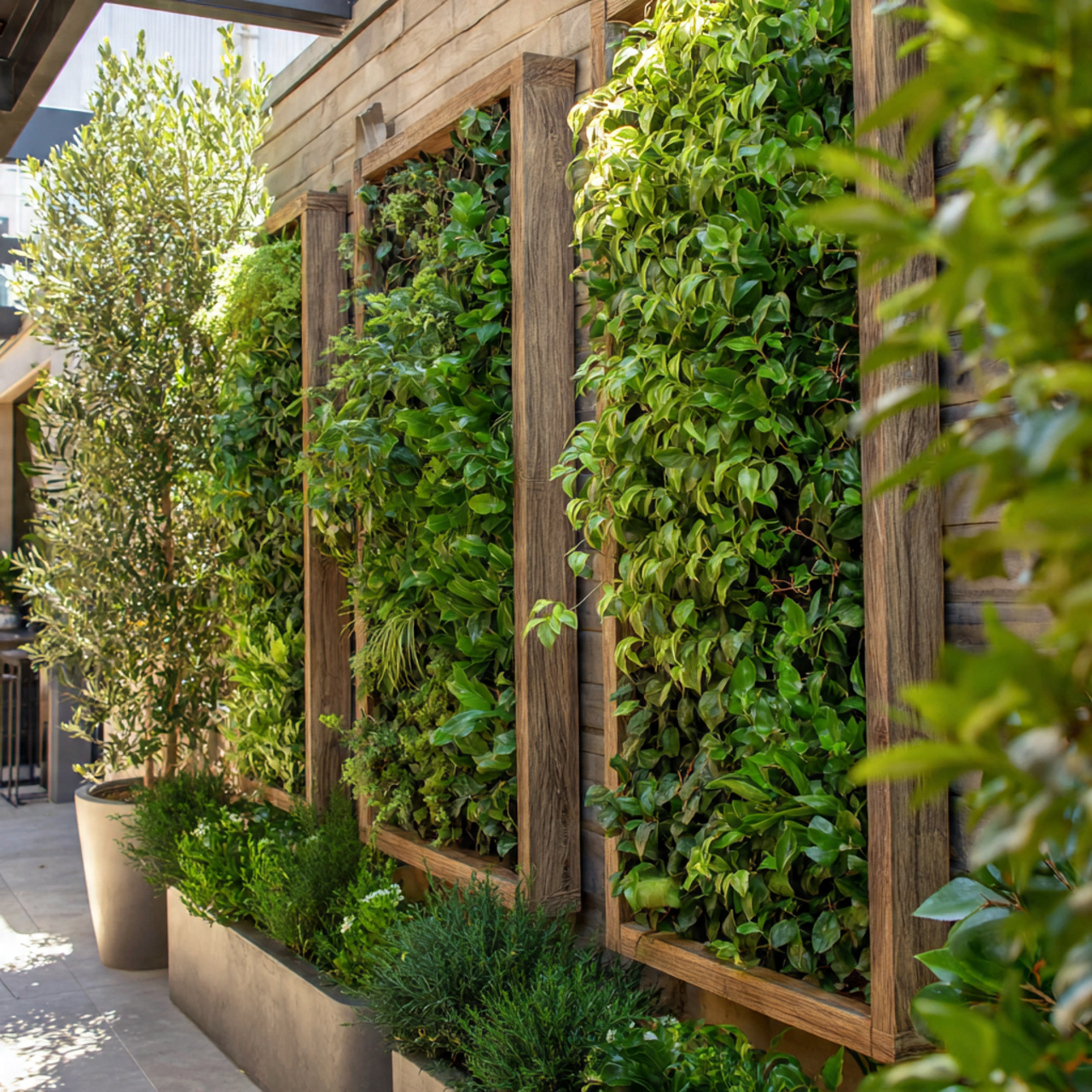
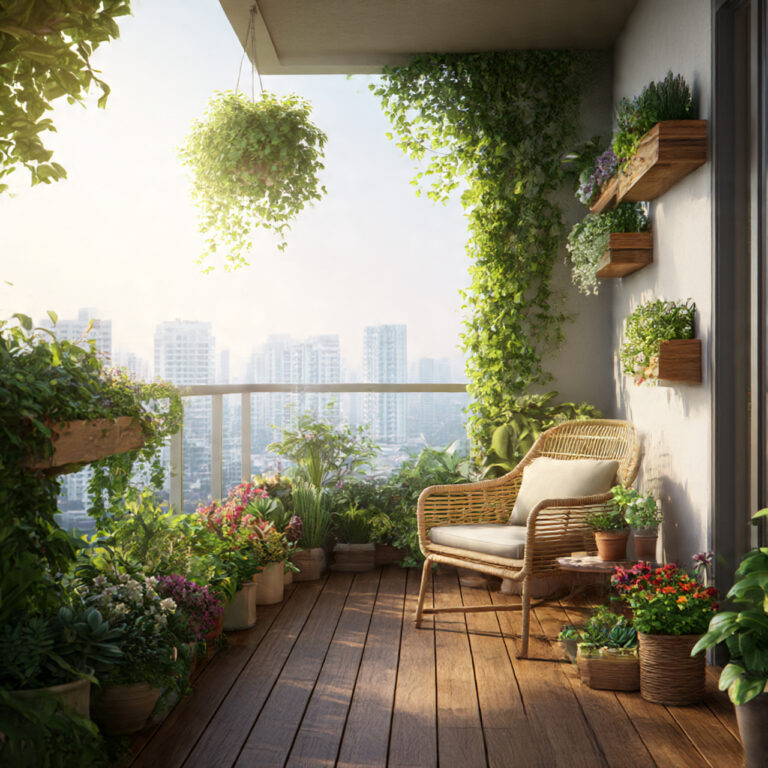
When you can’t grow out, grow up! Vertical gardening completely changes what’s possible in tight spaces.
By using walls, trellises, hanging planters, and climbing plants, you transform flat, boring surfaces into lush green walls. Suddenly, that narrow balcony or tiny courtyard feels like a jungle retreat.
Vertical solutions that work:
- Wall-mounted planters in staggered arrangements
- Trellises for climbing vines and vegetables
- Tiered shelving systems
- Pocket planters on fences
- Hanging baskets at varying heights
Bonus: Vertical gardens leave your ground space open for seating or pathways while still giving you tons of greenery.
Raised Bed Garden Layout
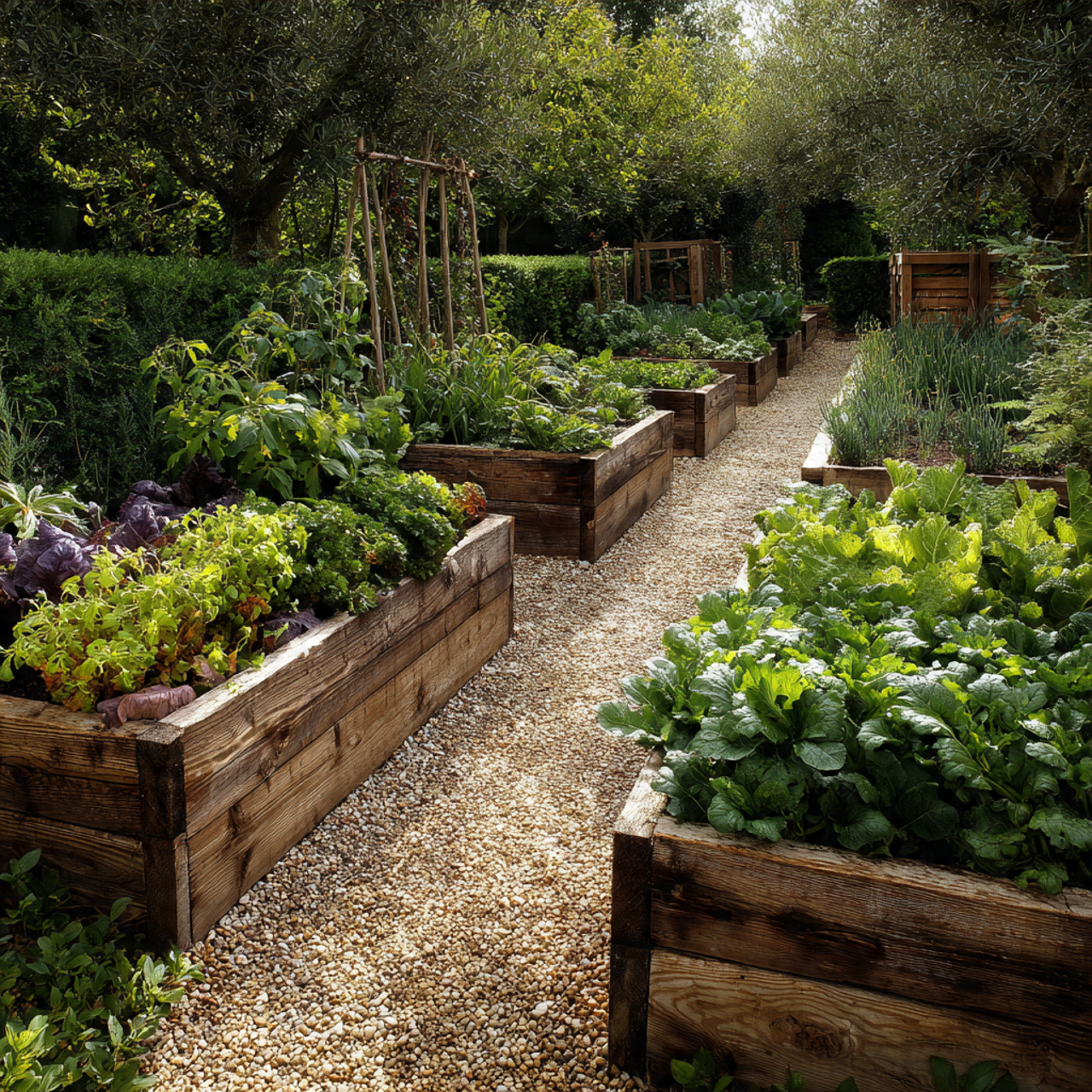
Raised beds aren’t just trendy—they’re genuinely brilliant for both beauty and function.
By elevating your planting areas, you gain better drainage, warmer soil, easier access, and cleaner organization. Plus, they look fantastic and create natural structure in your garden.
Why raised beds make sense:
- No more bending over constantly (your back will thank you)
- Better soil control and drainage
- Fewer weeds sneaking in
- Clear definition between growing areas
- Perfect for areas with poor native soil
Design tip: Mix different heights and materials (wood, stone, metal) for visual interest while keeping the overall layout cohesive.
Perimeter Garden Layout
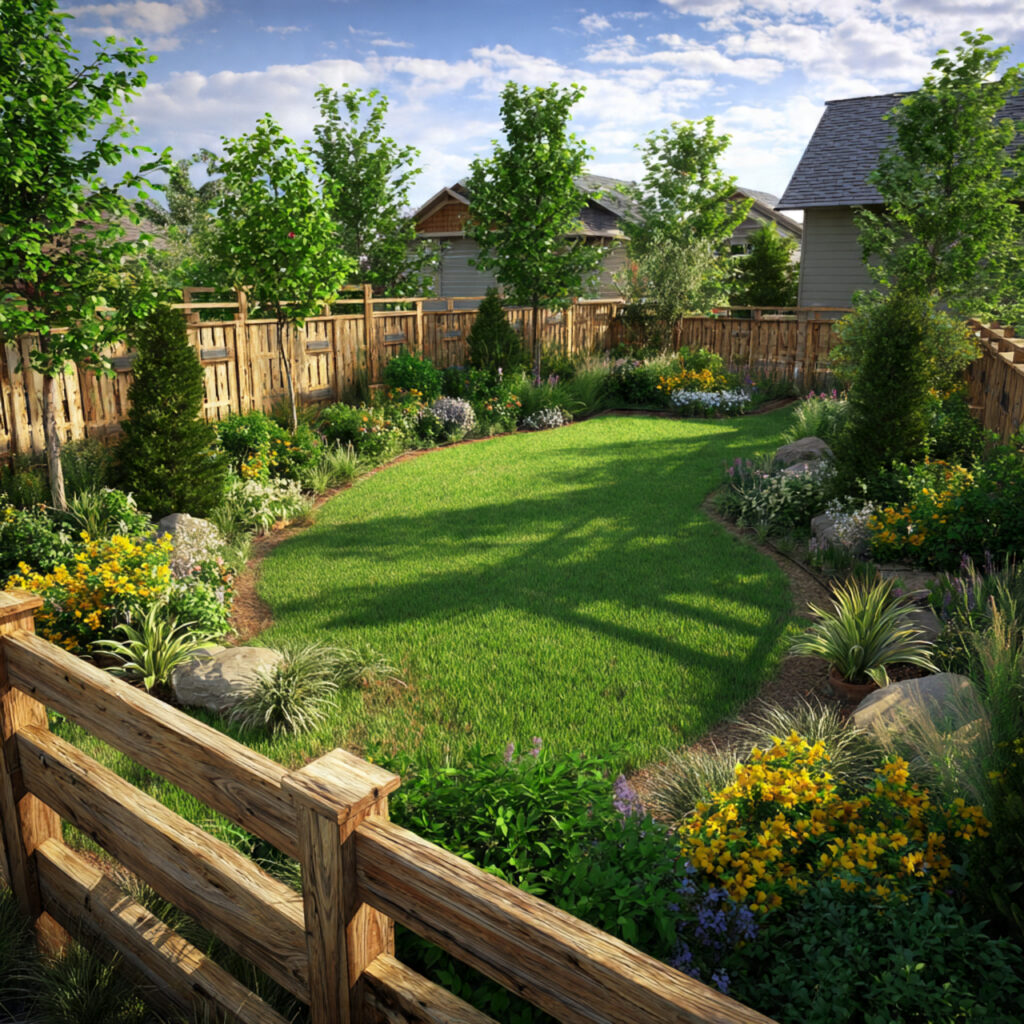
Frame your garden around the edges and watch the magic happen in the middle.
This layout creates a living border of plants, shrubs, and trees along your property lines while keeping the center open and flexible. It’s like giving your yard a beautiful picture frame.
What you gain:
- Illusion of more space in the center
- Privacy screening around boundaries
- Open middle area for lawn, patio, or activities
- Natural backdrop for central focal points
Perfect for: Small to medium yards where you want open space without sacrificing garden beauty.
Courtyard Garden Layout
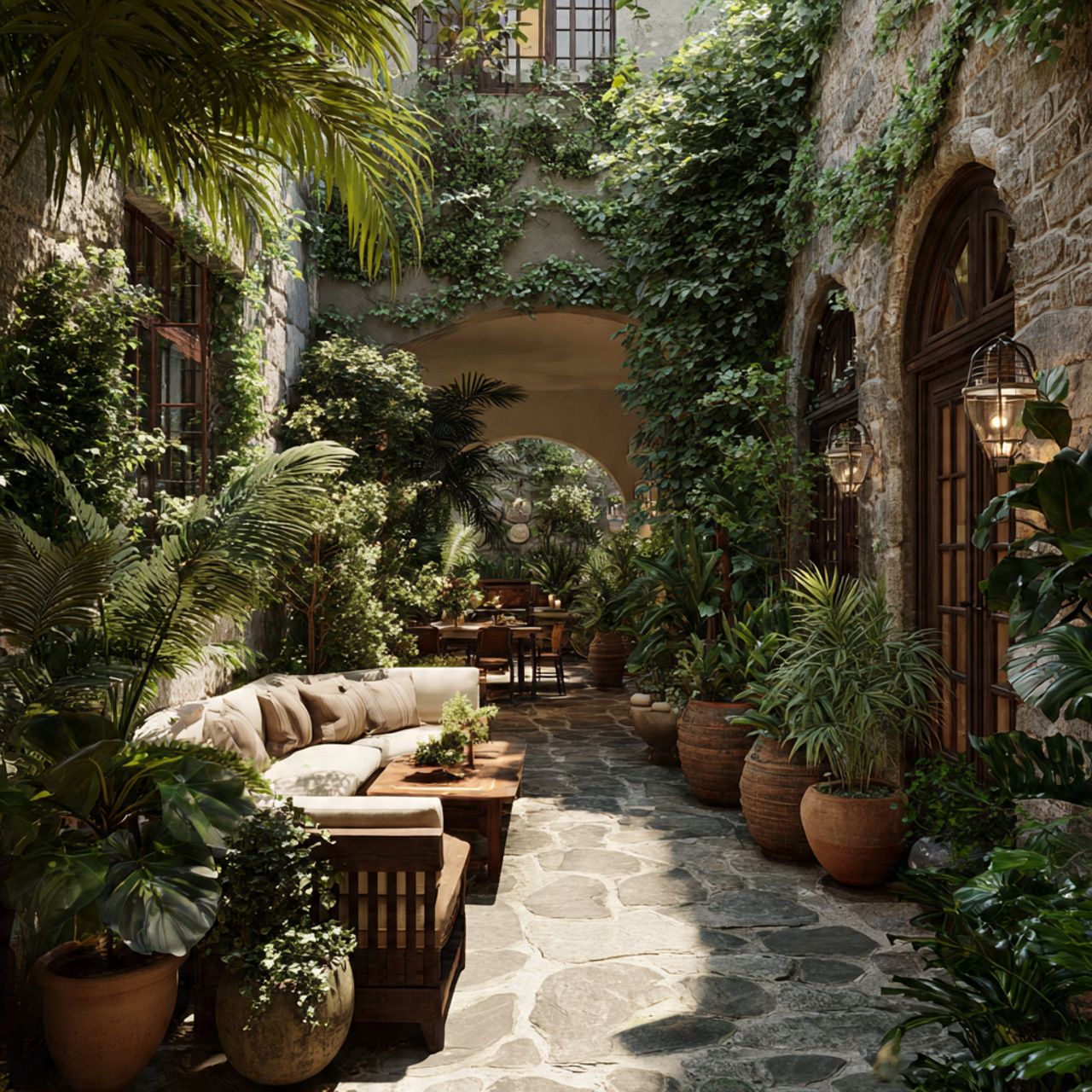
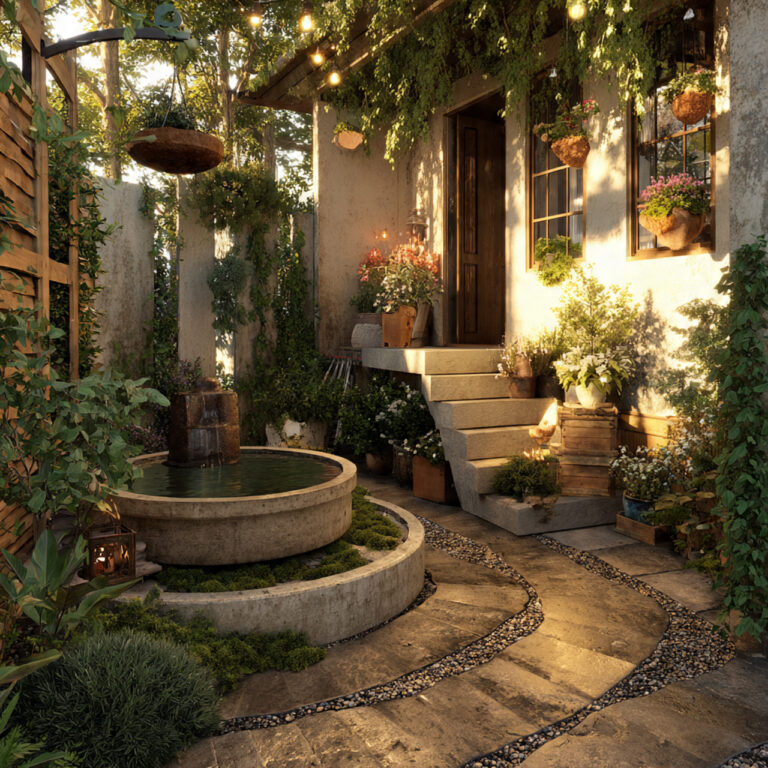
Enclosed gardens have a special kind of magic. Courtyards create intimate, controlled environments that feel like secret outdoor rooms.
Surrounded by walls, fences, or buildings, courtyard gardens develop their own microclimate. This protection often means you can grow things that might struggle in more exposed areas.
Courtyard design essentials:
- Potted plants for flexibility and easy rearranging
- Symmetrical or formal layouts that honor the enclosure
- Layered textures from ground to eye level
- Water features for soothing sound
- Seating that invites lingering
Ideal setting: Urban homes, townhouses, or anyone craving a private outdoor sanctuary.
Circular Garden Layout
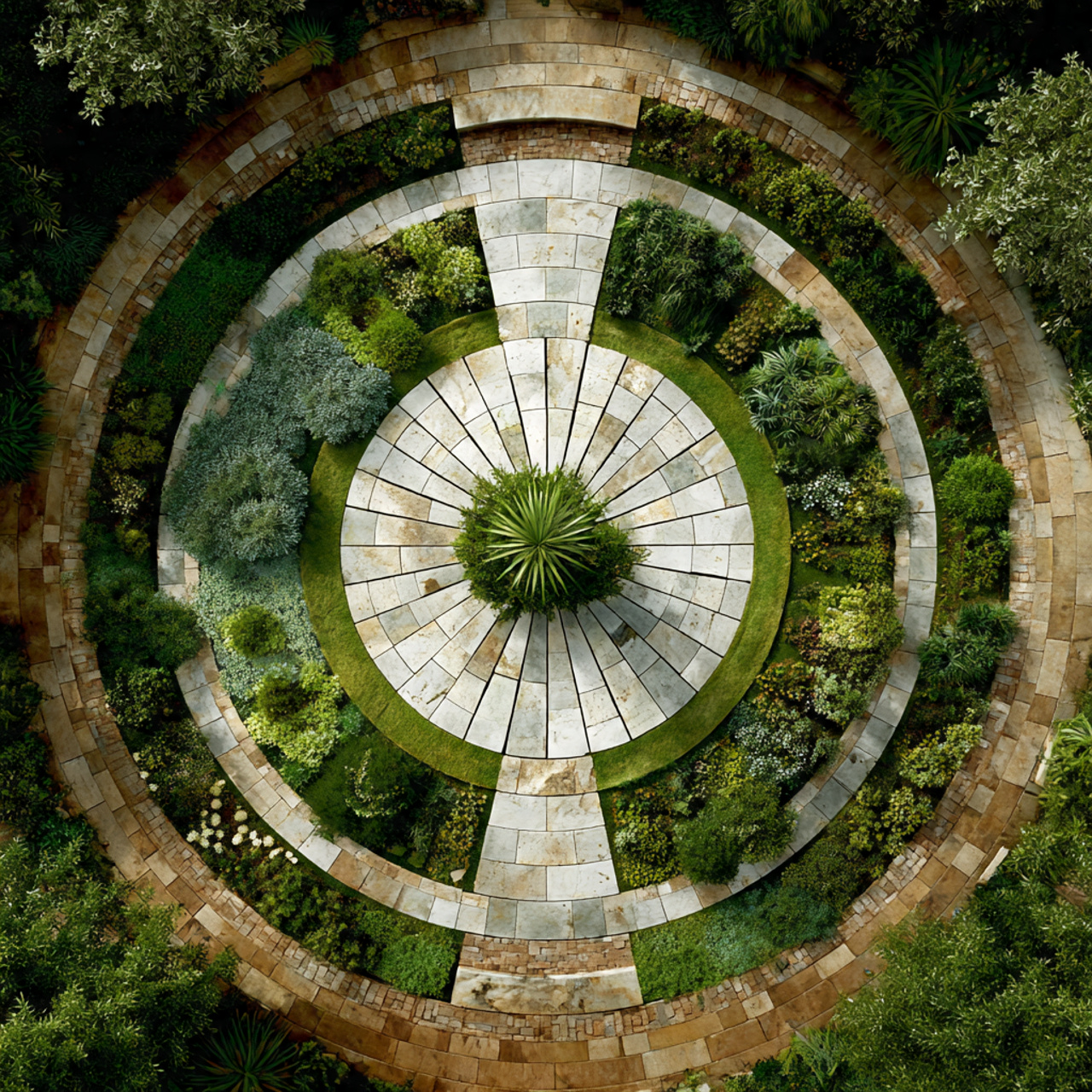
There’s something deeply satisfying about circles in garden design. They create natural focal points and bring harmony to outdoor spaces.
Whether it’s a circular path, round raised beds, or a garden radiating from a central circle, this layout draws the eye inward and makes even small gardens feel unified and complete.
Circular layouts work beautifully for:
- Meditation or contemplation gardens
- Herb spirals (functional and stunning)
- Gardens with a strong central feature
- Creating visual flow in awkward square spaces
Design note: Circles soften the hard edges of property lines and architectural elements, bringing an organic feel to structured spaces.
Wildlife-Friendly Garden Layout
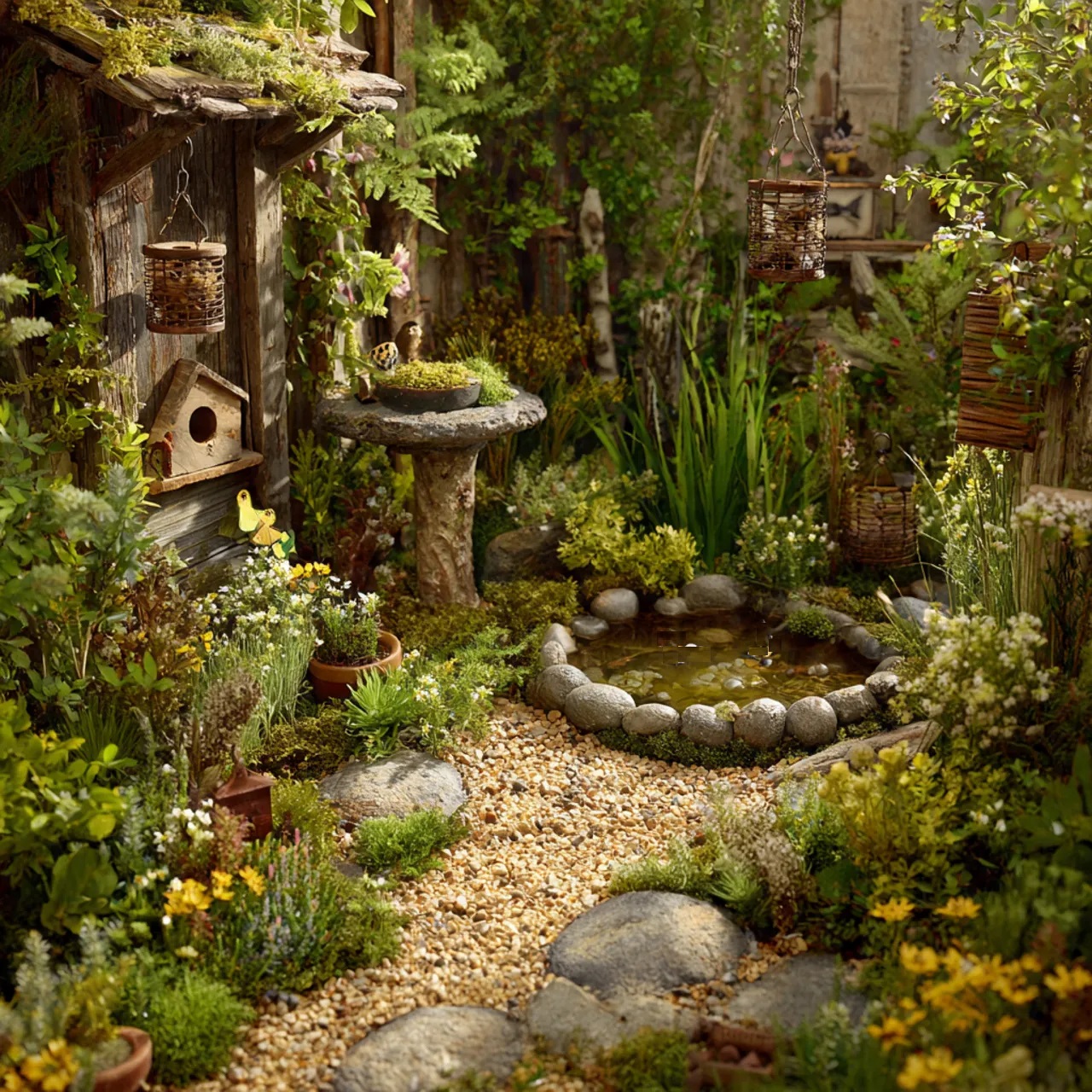
Gardens designed for wildlife aren’t just good for nature—they’re endlessly fascinating to watch and surprisingly low-maintenance once established.
By creating layers of vegetation, including native plants, and providing water sources, you’ll attract birds, butterflies, bees, and beneficial insects that bring your garden to life.
Essential elements for wildlife:
- Native plants that local species actually use
- Varying heights (groundcovers to tall shrubs)
- Water features (even small bird baths count)
- Shelter spots (dense shrubs, rock piles)
- No pesticides (let natural predators do the work)
The payoff: Free pest control, natural pollination, and the joy of watching nature thrive in your backyard.
Cottage Garden Layout
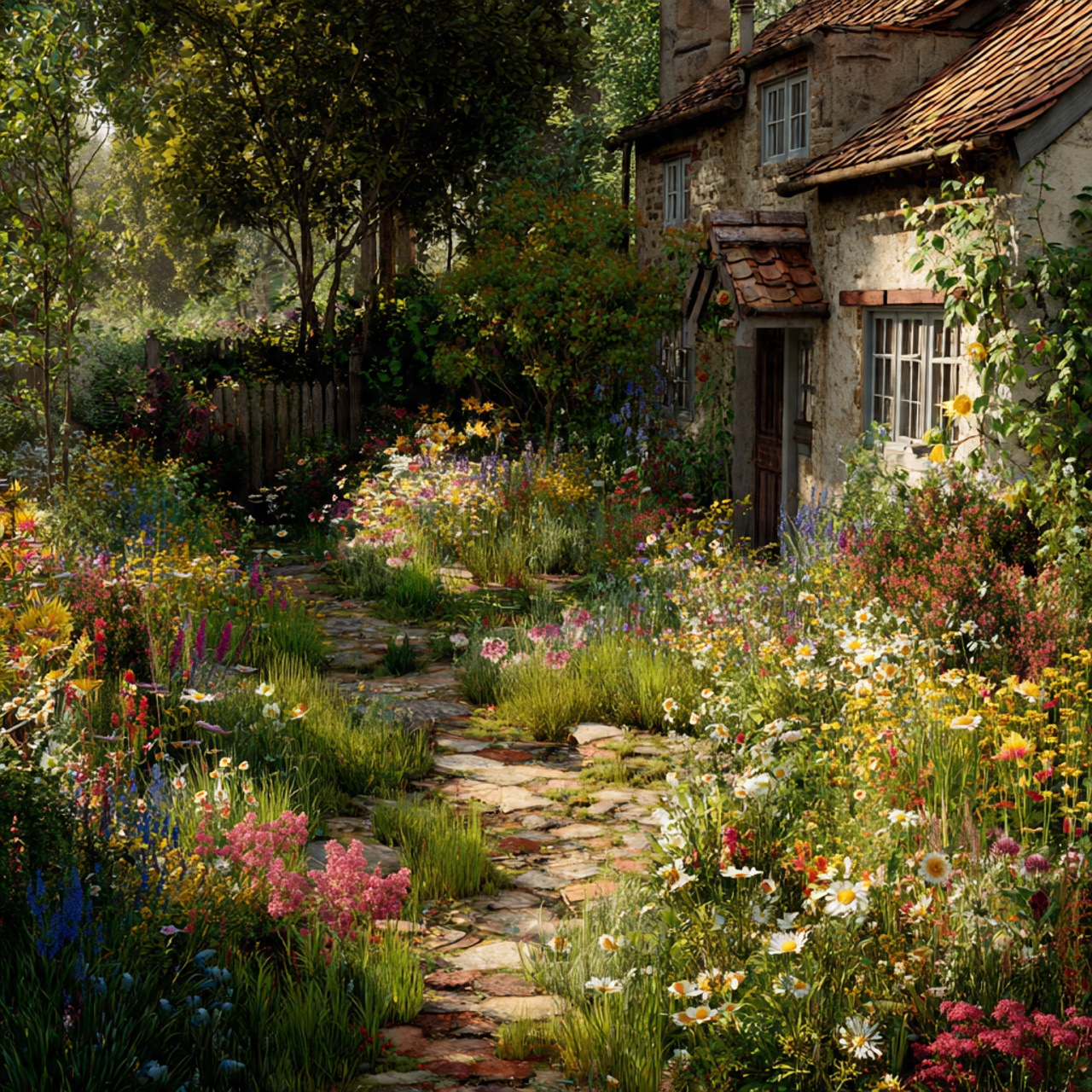
Cottage gardens look like they just happened—but the best ones have hidden structure beneath all that glorious abundance.
Picture plants spilling over edges, colors mingling freely, and pathways winding through lush beds. It’s romantic, charming, and rich with texture and scent.
Creating controlled chaos:
- Repeat key plants throughout for cohesion
- Balance heights so everything’s visible
- Define clear (even if informal) pathways
- Mix perennials with self-seeding annuals
- Layer textures and bloom times
Secret: The “messy” look only works when there’s intentional planning underneath. Random doesn’t look cottage—it just looks neglected.
Minimalist Garden Layout
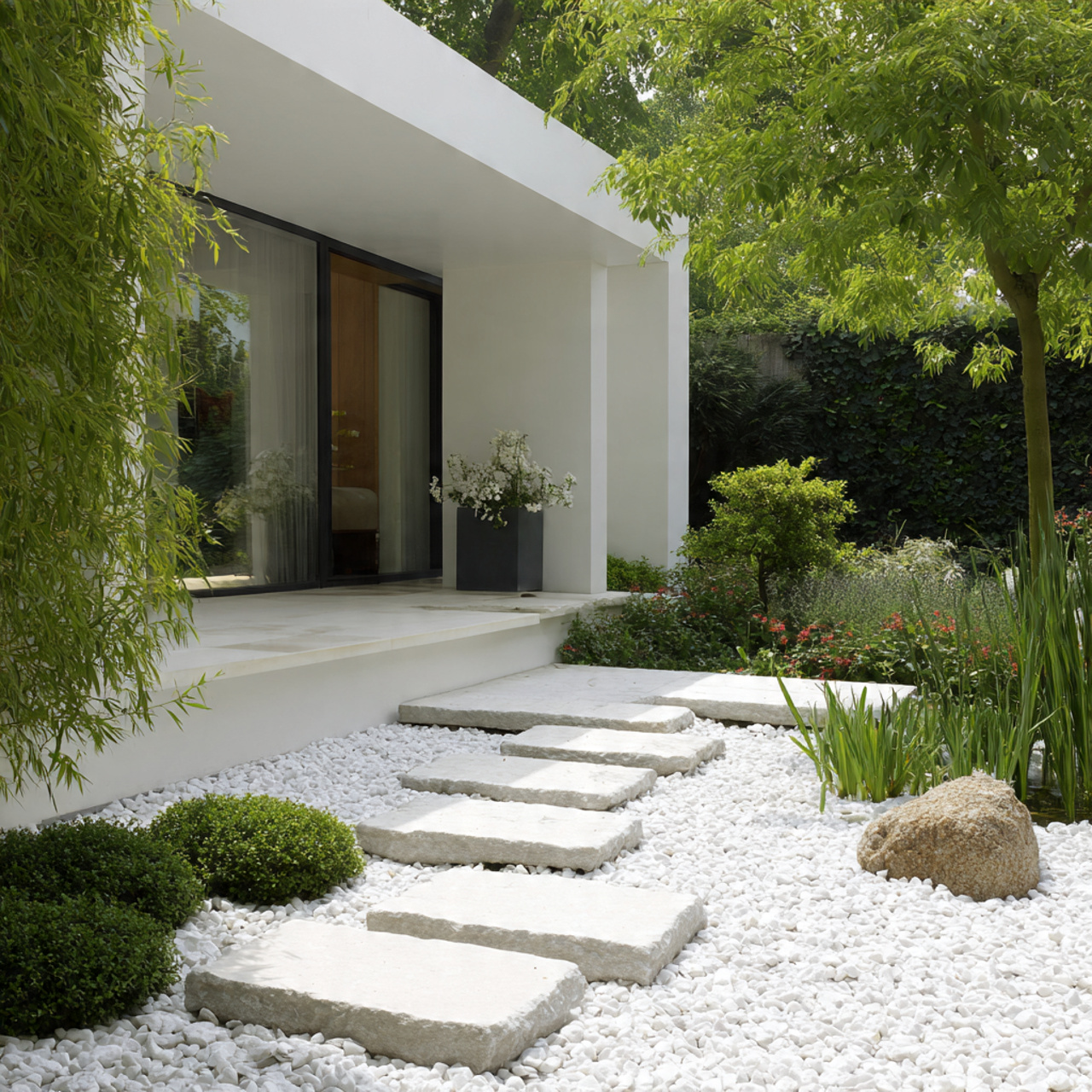
Less really can be more. Minimalist gardens embrace simplicity, using clean lines, restrained planting, and thoughtful negative space.
Every element earns its place. There’s no clutter, no unnecessary decoration—just carefully chosen plants, structures, and materials creating a calm, contemporary space.
Minimalist principles:
- Limited plant palette (3-5 species maximum)
- Strong structural elements (stone, wood, metal)
- Negative space as a design feature
- Neutral or monochromatic colors
- Geometric shapes and clean lines
Best for: Modern architecture, small spaces, and people who find peace in clarity rather than abundance.
Mediterranean Garden Layout
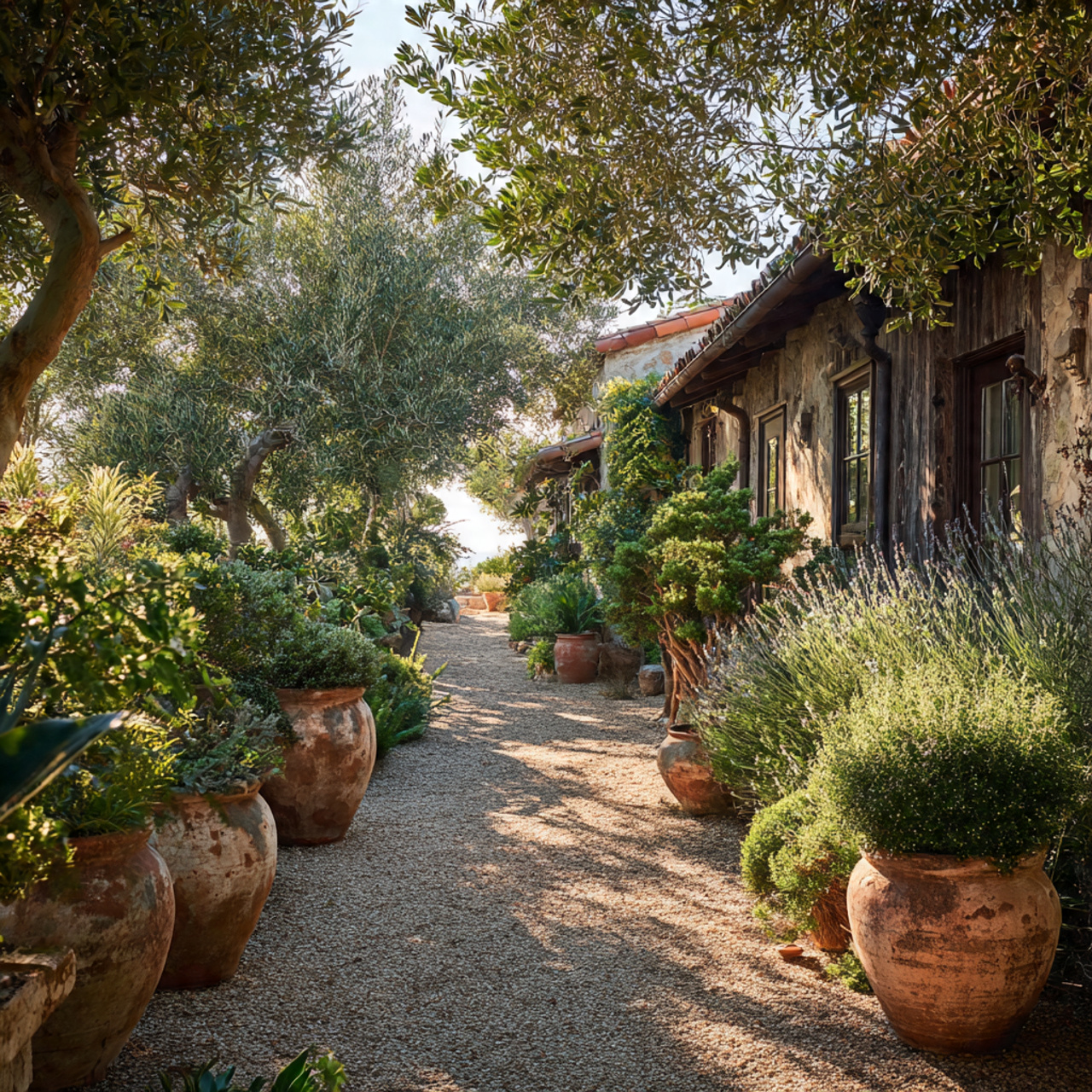
Bring the relaxed elegance of coastal Europe to your backyard with drought-tolerant plants, warm tones, and sun-baked materials.
Mediterranean gardens thrive on heat and actually prefer drier conditions. Think aromatic herbs, silvery foliage, terracotta pots, and gravel paths that crunch underfoot.
Key Mediterranean elements:
- Drought-resistant plants (lavender, rosemary, olive-type shrubs)
- Gravel or decomposed granite paths
- Terracotta and warm stone elements
- Minimal lawn or ground covers instead
- Herbs and aromatic plants
Climate note: Perfect for warm, dry regions, but elements can be adapted to other climates with proper plant selection.
Herb Garden Layout
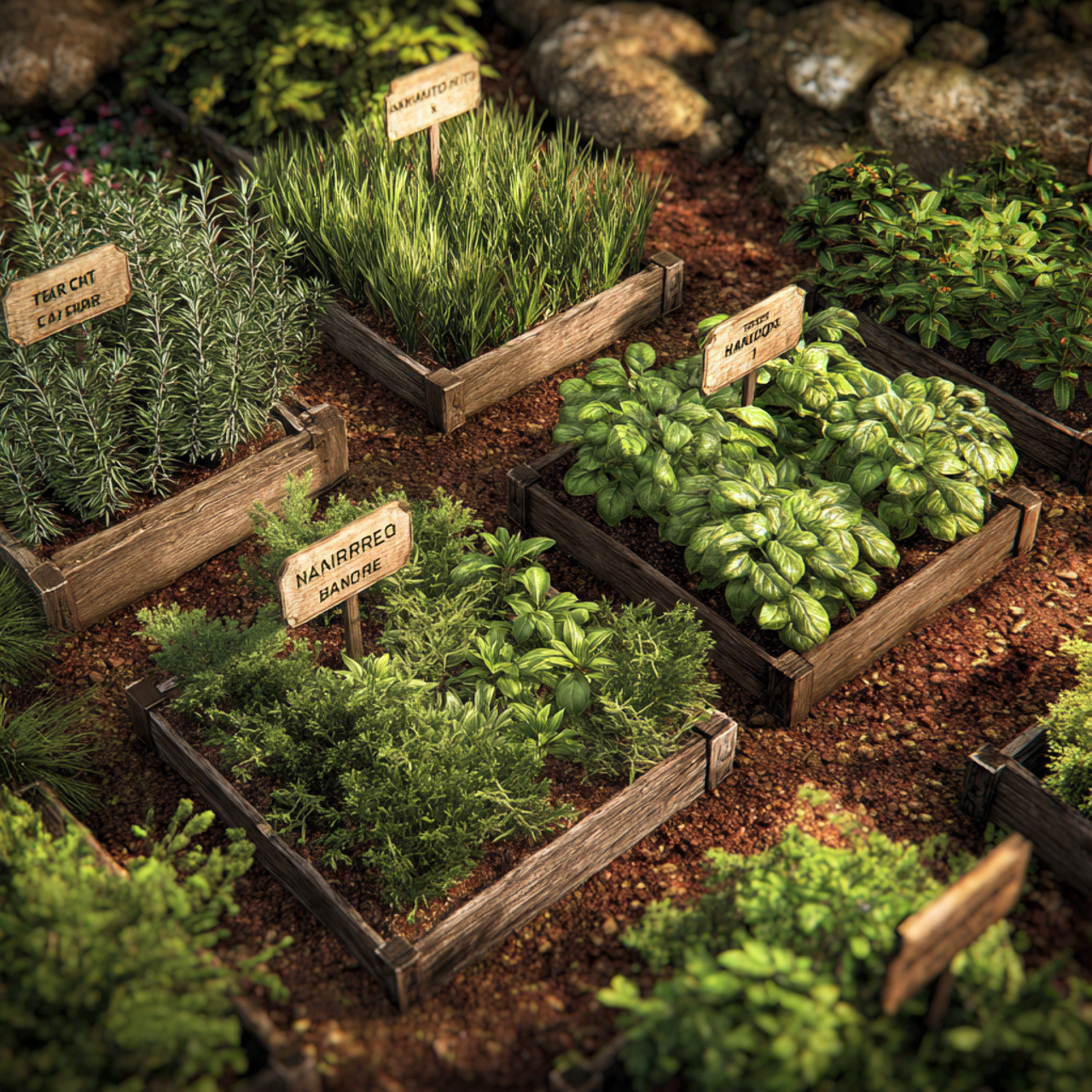
Growing herbs is one of gardening’s great pleasures—especially when they’re just steps from your kitchen door.
The best herb layouts prioritize accessibility and sunlight. Group culinary herbs together, place them near cooking areas, and ensure good drainage since most herbs hate wet feet.
Smart herb garden setup:
- Kitchen garden herbs near the back door
- Full sun locations (6+ hours daily)
- Well-draining soil or raised beds
- Easy-reach heights for frequent harvesting
- Grouping by water needs
Design bonus: Herbs look beautiful, smell amazing, and many attract beneficial pollinators.
Front Yard Garden Layout
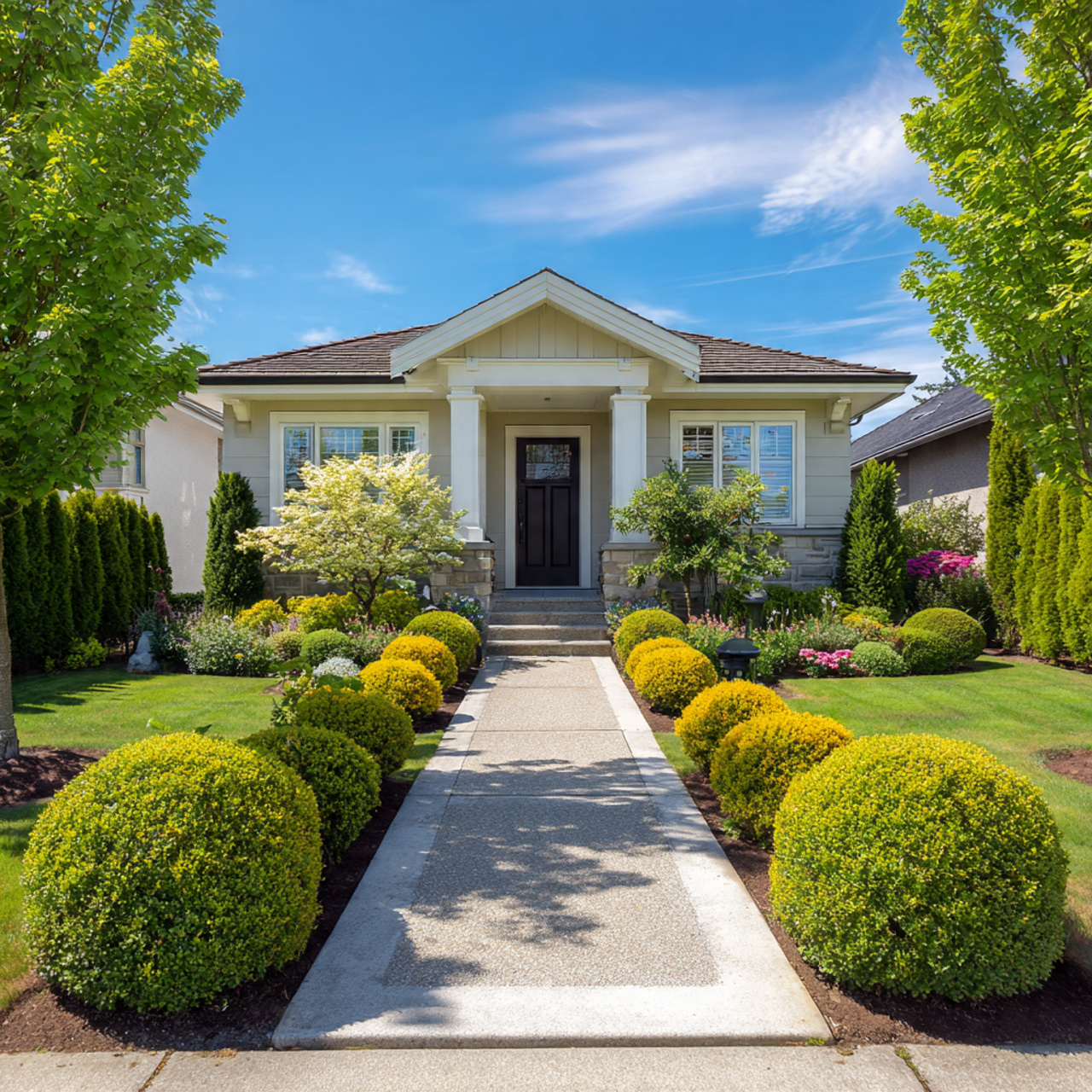
Your front yard is your home’s handshake with the world. Make it count.
Front yard layouts need to balance curb appeal with practical concerns like sight lines, pathways, and maintenance. The goal is welcoming beauty that doesn’t overwhelm.
Front yard must-haves:
- Clear path to the front door
- Symmetry or strong focal point at entry
- Low-maintenance plantings
- Good visibility (no blind spots for safety)
- Seasonal interest without constant upkeep
Design approach: Think neat, inviting, and attractive year-round rather than high-drama seasonal displays.
Backyard Retreat Garden Layout
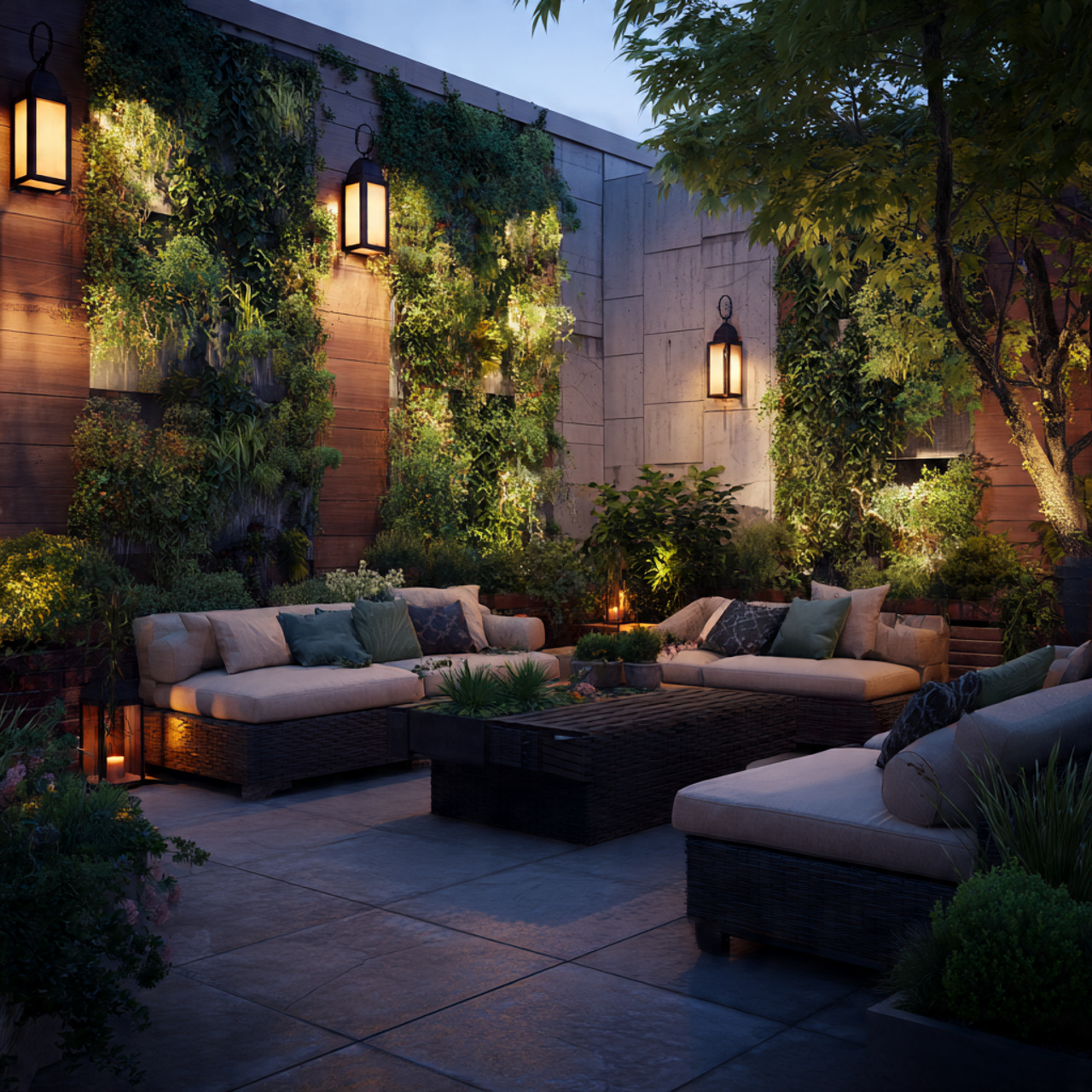
Your backyard should be your escape—a place where stress melts away and you actually want to spend time.
Retreat layouts focus on comfort, privacy, and atmosphere. Layer plantings for enclosure, create cozy seating areas, and use natural materials that age beautifully.
Creating sanctuary vibes:
- Sheltered seating with overhead elements (pergola, tree canopy)
- Layered planting for privacy without feeling boxed in
- Natural materials (wood, stone, bamboo)
- Low-maintenance plants so you relax instead of work
- Lighting for evening ambiance
Remember: This space is for you—design it around how you’ll actually use it, not magazine photos.
Water Feature Garden Layout

Water transforms gardens. The sound, the movement, the reflections—it all adds a dimension that static elements can’t match.
Whether it’s a formal fountain, natural pond, or simple bubbling urn, water features become instant focal points that draw people in.
Water feature considerations:
- Scale to your garden size (a huge fountain overwhelms a tiny yard)
- Surround with varied plant heights
- Consider wildlife benefits (birds, frogs, dragonflies)
- Plan for power and water access
- Maintenance requirements (pumps, cleaning)
Design tip: Even small water features create outsized impact—you don’t need a massive pond to get the benefits.
Rock Garden Layout

Rock gardens combine sculptural stones with tough, beautiful plants for a low-water, high-impact landscape.
The contrast between hard stone and soft plants creates year-round visual interest. Plus, once established, rock gardens need minimal maintenance.
Rock garden essentials:
- Varied boulder sizes for natural look
- Gravel or small stone groundcover
- Drought-tolerant plants (succulents, alpines, ornamental grasses)
- Good drainage (most rock garden plants hate wet soil)
- Layered heights for depth
Bonus: Rocks add permanent structure that looks good even in winter when plants die back.
Shade Garden Layout
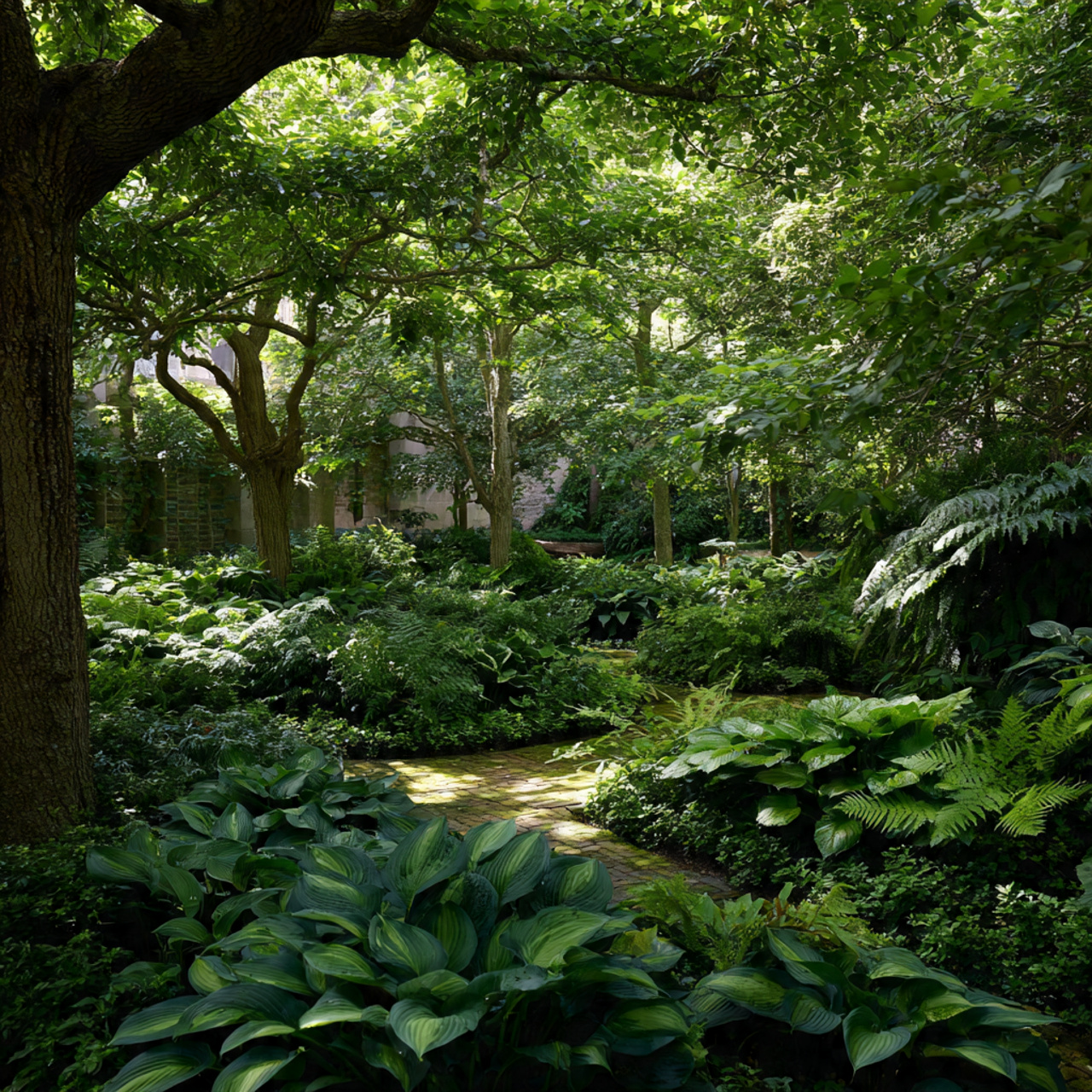
Don’t curse your shade—embrace it! Shady spots offer cooling relief and support plants with gorgeous foliage.
Shade gardens shift focus from flowers to texture, leaf color, and form. The result is often more sophisticated and easier to maintain than sun gardens.
Shade garden stars:
- Hostas for bold foliage variety
- Ferns for delicate texture
- Groundcovers that thrive without sun
- Spring bulbs before trees leaf out
- Plants with variegated or colored leaves
Design shift: Instead of fighting for blooms, celebrate the lush, layered foliage that shade plants offer.
Small Space Garden Layout
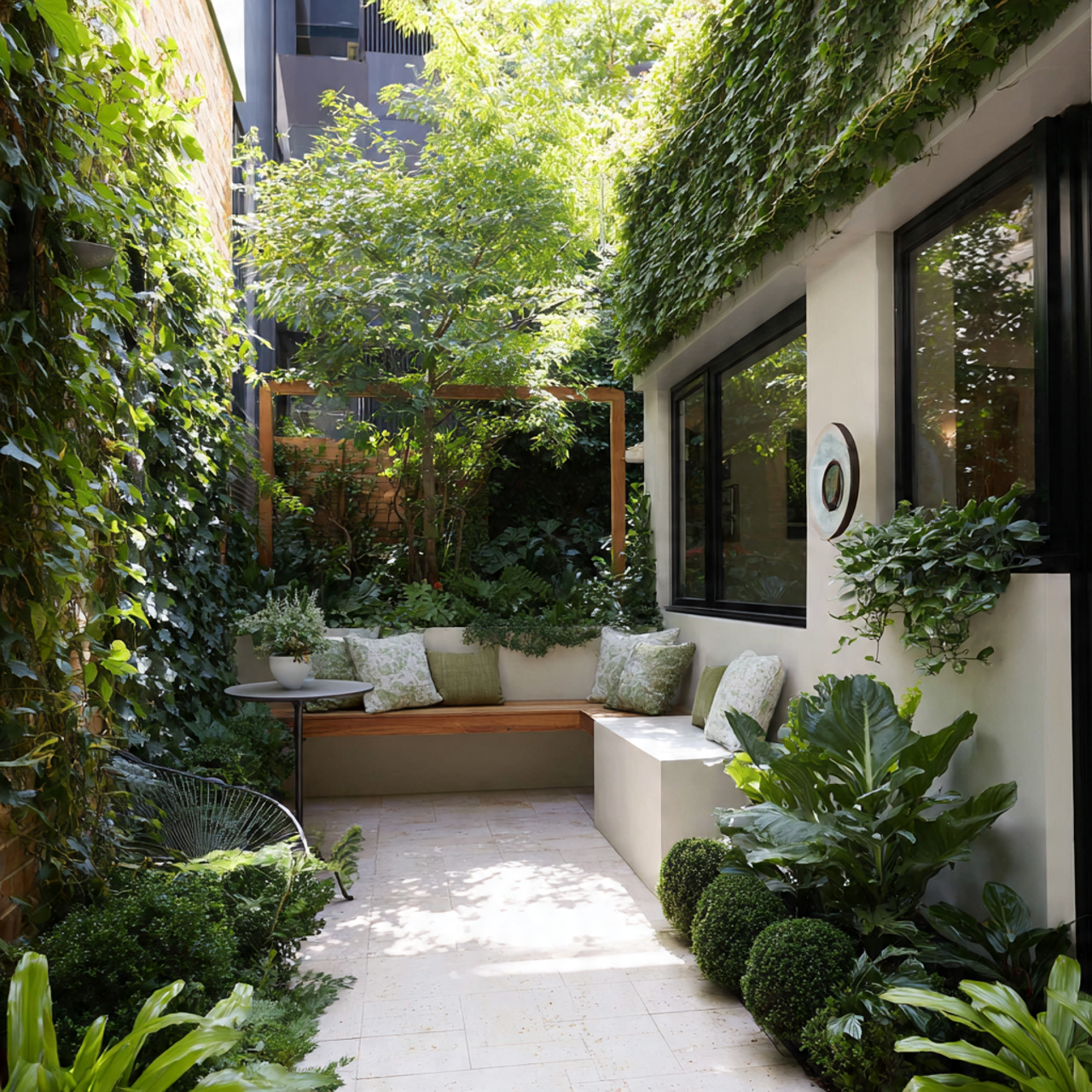
Small gardens aren’t limitations—they’re opportunities for creativity and efficiency.
When space is tight, every choice matters more. Vertical elements, multi-functional plants, and clever layering create depth and interest where square footage is limited.
Small space strategies:
- Vertical growing (walls, trellises, hanging planters)
- Multi-functional plants (edible and ornamental)
- Mirrors or light colors to create illusion of space
- Compact furniture that tucks away
- Container gardens for flexibility
Mindset shift: Think upward and inward rather than outward. Small gardens can feel incredibly lush when well-planned.
Edible Garden Layout
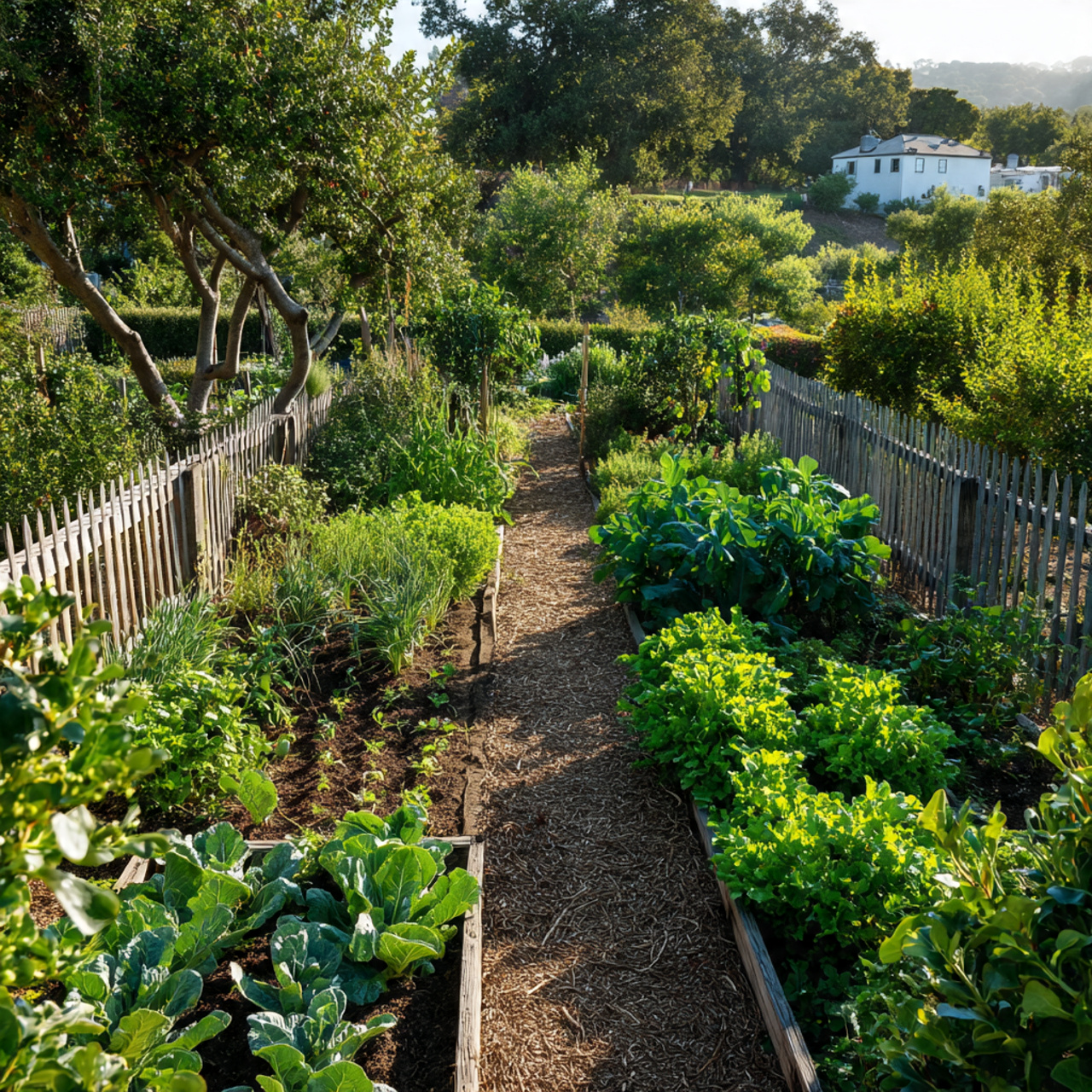
Who says vegetable gardens can’t be beautiful? Modern edible gardens blend productivity with aesthetics seamlessly.
The trick is treating vegetables, fruits, and herbs like the attractive plants they are—mixing them with ornamentals, creating attractive patterns, and focusing on color and texture.
Beautiful edible garden principles:
- Mix vegetables with flowers (marigolds with tomatoes, nasturtiums with squash)
- Use attractive edibles as focal points (artichokes, rainbow chard)
- Create structured beds with clean edges
- Consider bloom times and foliage color
- Plan for succession planting
Layout consideration: Group plants by water and sun needs while maintaining visual appeal.
Family-Friendly Garden Layout
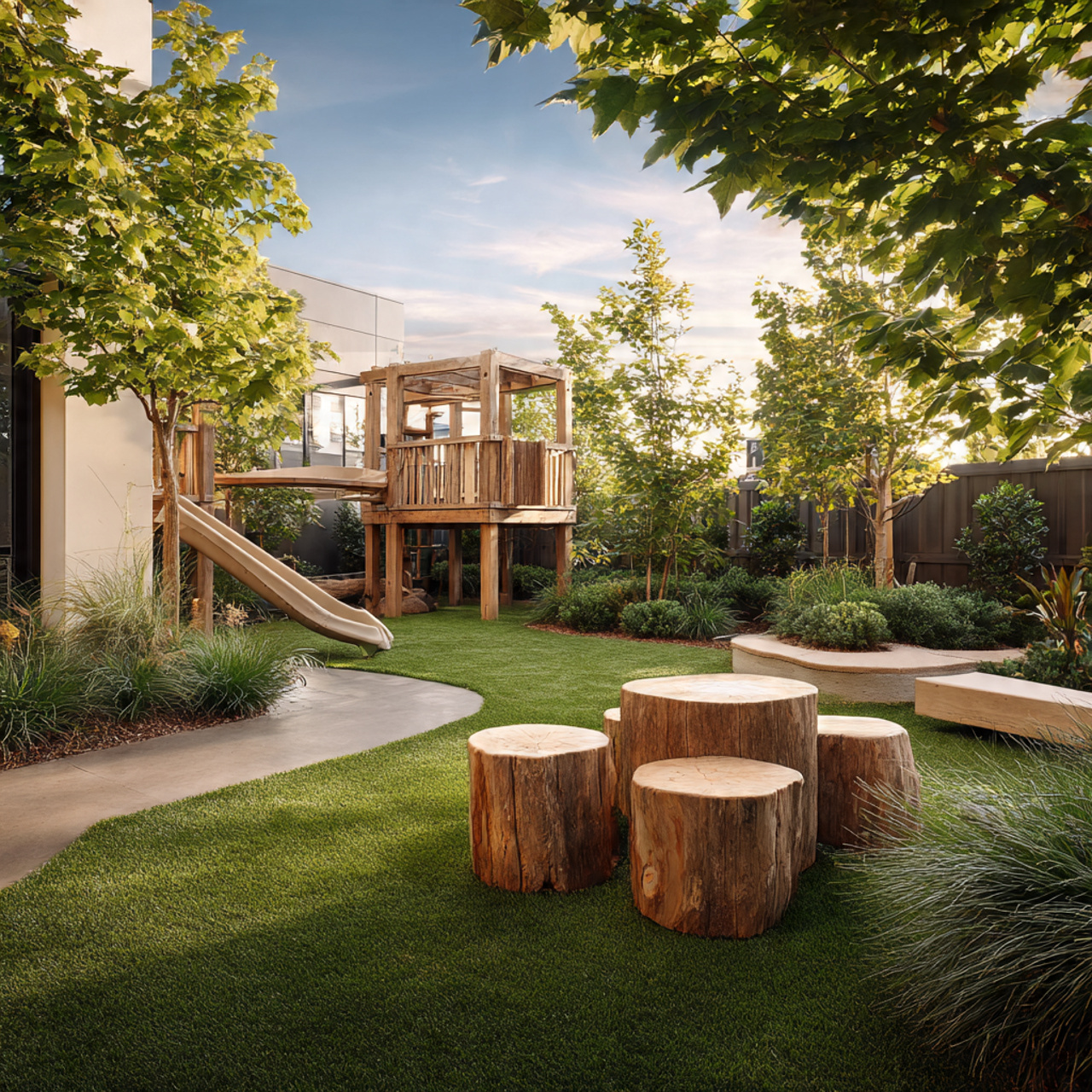
Gardens for families need to work hard—accommodating play, safety, and easy maintenance while still looking great.
The best family gardens include durable plants, open play areas, and design that evolves as kids grow.
Family garden must-haves:
- Open lawn or play area with clear sightlines from the house
- Durable, non-toxic plants
- Soft edges (avoid sharp corners or thorny plants in play zones)
- Easy-care landscaping (no fussy plants requiring constant attention)
- Defined pathways so kids know where to run
Long-term thinking: Design zones that can transition—sandboxes become garden beds, play areas become sitting areas.
Frequently Asked Questions
What’s the easiest garden layout for someone just starting out?
Grid-based or open flow layouts are your best friends as a beginner. They’re straightforward to plan, simple to maintain, and forgiving as you learn. Start with one of these, get comfortable with basic gardening, then expand or experiment later.
How do I pick the right plants for my layout?
Match your plants to reality, not dreams. Check your actual sunlight hours, know your climate zone, and test your soil. Start with foundational shrubs that suit your conditions, then add perennials and seasonal color. Native plants are often the easiest wins for beginners.
Can small gardens actually feel spacious?
Absolutely! Use these tricks: go vertical with plantings, use perimeter layouts to keep centers open, stick with lighter colors, and choose fewer but bolder design elements. Mirrors, proper lighting, and avoiding clutter also help tiny spaces feel surprisingly roomy.
How important are pathways really?
Super important—pathways define how people move through your garden, create structure, and divide zones naturally. Good paths improve both function (getting around without trampling plants) and form (visual clarity and flow). Don’t skip this step.
Should my garden be symmetrical or asymmetrical?
Depends on your vibe. Choose symmetry if you love formal, classic looks with strong structure. Go asymmetrical if you prefer natural, relaxed gardens that feel organic. Both work beautifully—it’s about matching your style and home architecture.
Bringing It All Together
Creating a garden layout that truly works isn’t about following rigid rules or copying someone else’s design. It’s about understanding your space, knowing how you’ll actually use it, and making thoughtful choices that blend structure with nature.
The perfect garden layout supports your lifestyle—whether that means growing vegetables for your kitchen, creating a peaceful retreat from daily stress, or designing a space where kids can play safely while you tend your flowers.
Start with the basics: understand your light, soil, and climate. Define your zones and think through circulation before you plant. Choose a layout style that matches both your property and personality. Then build it piece by piece, knowing that gardens are living, evolving spaces that get better with time.
Your garden isn’t just an outdoor area—it’s an extension of your home and a reflection of how you want to live. With the right layout foundation, it becomes a sanctuary you’ve built with your own hands, ready to bring you joy for years to come.