24 Beginner-Friendly Container Gardening Tips for Lush, Beautiful Plants
Have you ever dreamed of having your own garden but thought you didn’t have enough space? Container gardening might just be your answer. This increasingly popular gardening method has revolutionized how we think about growing plants, making it possible for anyone—from busy professionals to apartment dwellers—to enjoy fresh herbs, vibrant flowers, and homegrown vegetables right at their doorstep.
Why Container Gardening Makes Perfect Sense
Think of container gardening as your personal green canvas with unlimited possibilities. Unlike traditional gardening, you’re not bound by your soil quality or yard limitations. You get to be the boss of everything—from choosing the perfect soil mix to deciding exactly where each plant lives based on its sunlight needs.
Real-world benefit: Imagine rearranging your entire garden on a whim, moving sun-loving tomatoes to catch morning rays or shifting delicate flowers away from harsh afternoon heat. That’s the beauty of container gardening—flexibility meets creativity.
Growing Fresh Herbs in Small Spaces
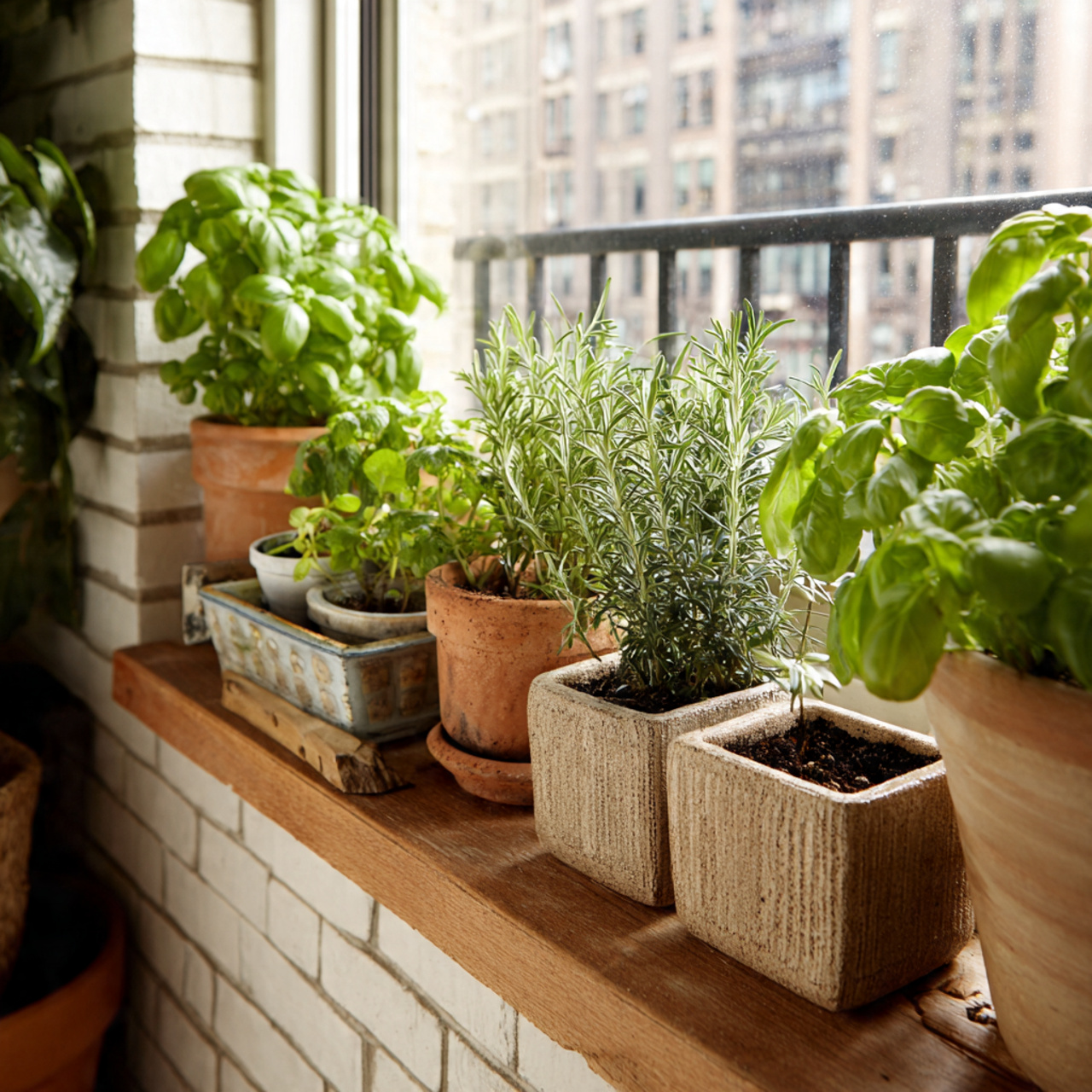
Picture this: You’re cooking dinner, and instead of reaching for dried herbs from your pantry, you step outside and snip fresh basil, cilantro, or mint from pots right by your kitchen door. That’s what herb container gardening delivers.
Tip: Start with the “easy four”—basil, parsley, mint, and chives. These hardy herbs practically grow themselves and will reward even the most inexperienced gardener with abundant harvests. Keep them within arm’s reach of your cooking space, and you’ll wonder how you ever cooked without them.
The controlled environment of containers means your herbs won’t compete with weeds or invasive roots, resulting in healthier plants and more intense flavors.
Visit Also: Container Plants
Creating Eye-Catching Flower Displays
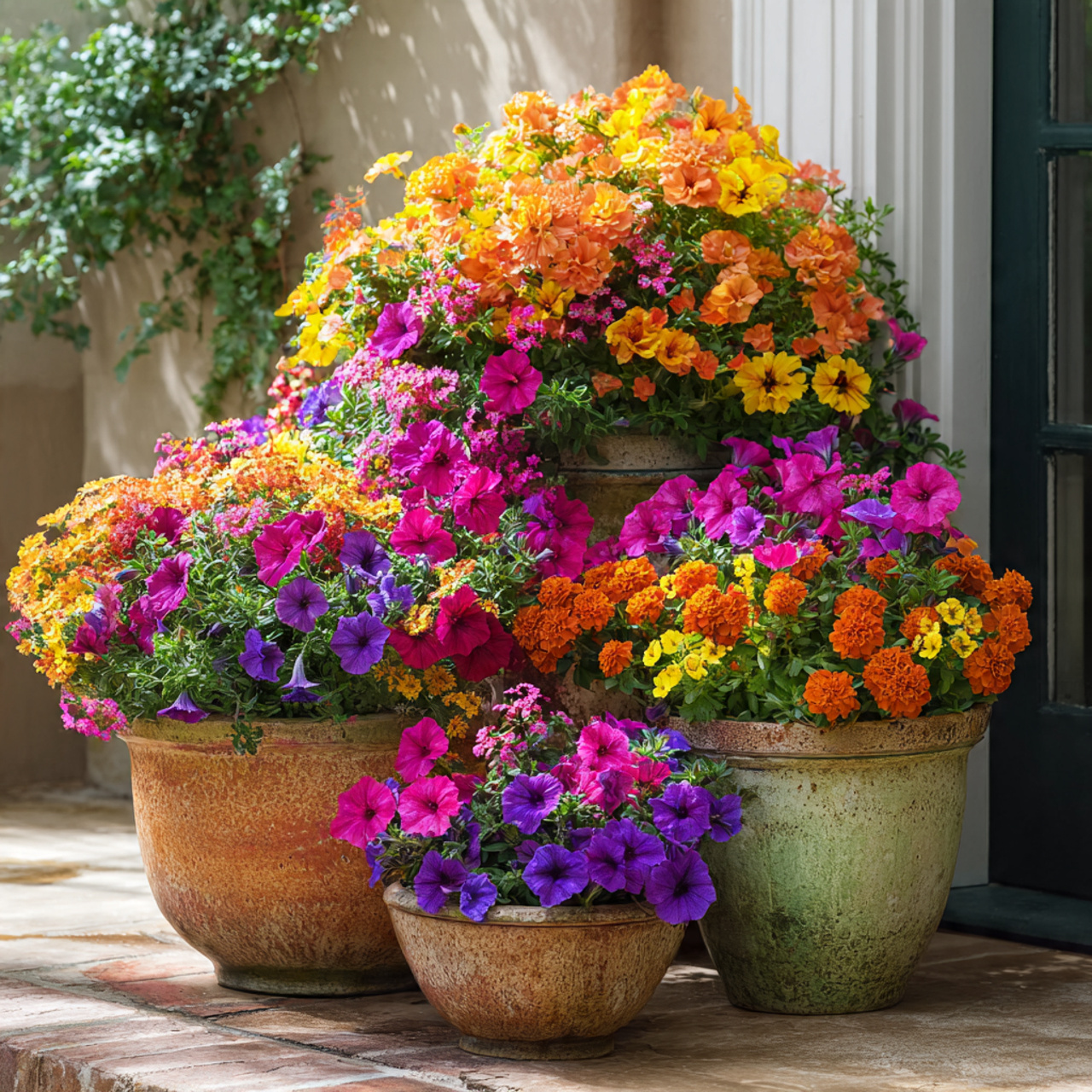
Container flower gardening is where your artistic side can truly shine. Unlike garden beds that require commitment, containers let you experiment fearlessly with color combinations and arrangements.
Design idea: Try the “thriller, filler, spiller” technique—choose one tall, dramatic plant (thriller), surround it with bushy flowers (fillers), and add trailing plants that cascade over the edges (spillers). For example, combine tall purple fountain grass with pink petunias and trailing sweet potato vine for a stunning display.
The best part? When one plant finishes blooming, you can simply swap it out for something new, keeping your space looking magazine-worthy all season long.
Maximizing Space with Vertical Container Gardens
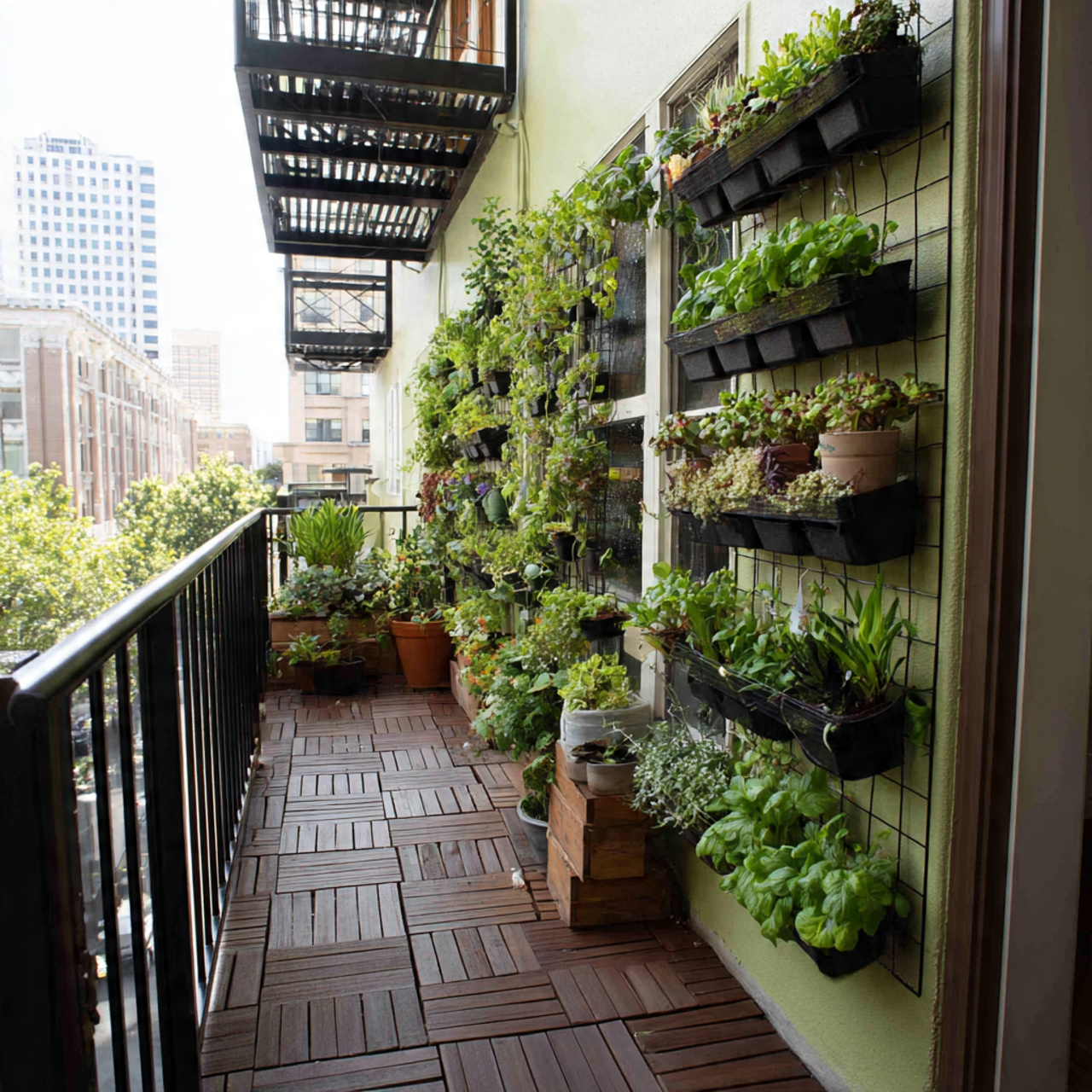
When floor space is limited, think upward. Vertical container gardening turns bare walls and fences into productive growing areas, effectively tripling your planting capacity.
Creative solution: Use pocket planters on walls, install tiered shelf systems, or hang containers at different heights to create a living wall effect. A single 4-foot wall can accommodate 15-20 small to medium plants when arranged vertically—that’s enough for a complete herb garden plus flowers.
This approach works wonders for balconies and patios where every square inch counts.
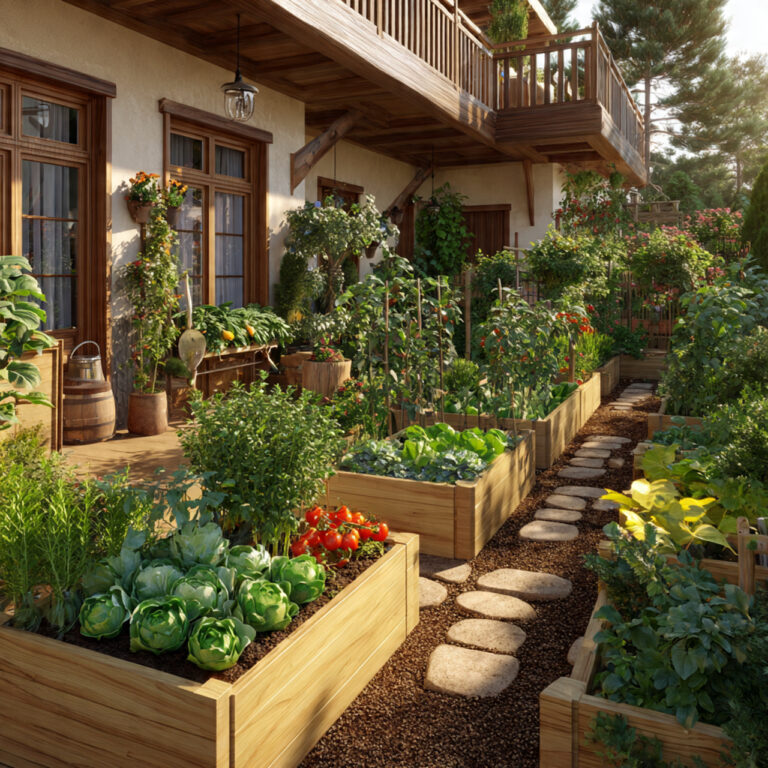
Growing Your Own Fresh Vegetables
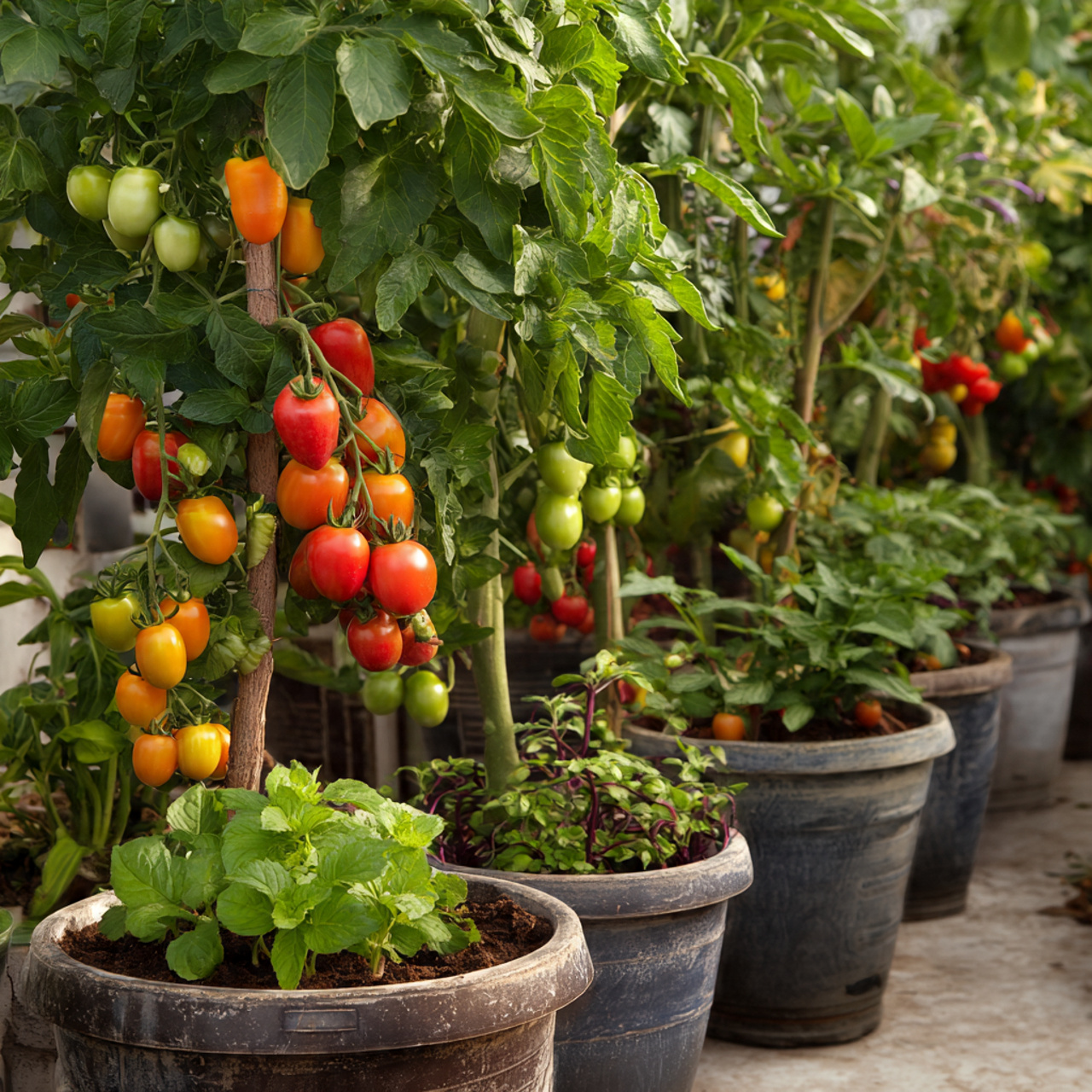
You don’t need a sprawling backyard to enjoy farm-fresh vegetables. Container gardening brings the farmers’ market experience to your doorstep.
Best vegetables for containers: Tomatoes (use 5-gallon pots minimum), bell peppers, lettuce varieties, green beans, and radishes all flourish in containers. Cherry tomatoes, in particular, are container superstars—a single plant can produce dozens of sweet tomatoes throughout the season.
Success secret: Use larger containers than you think you need. A 5-gallon bucket might seem excessive for one pepper plant, but the extra root space translates directly to bigger harvests and healthier plants.
Succulent and Cactus Container Gardening
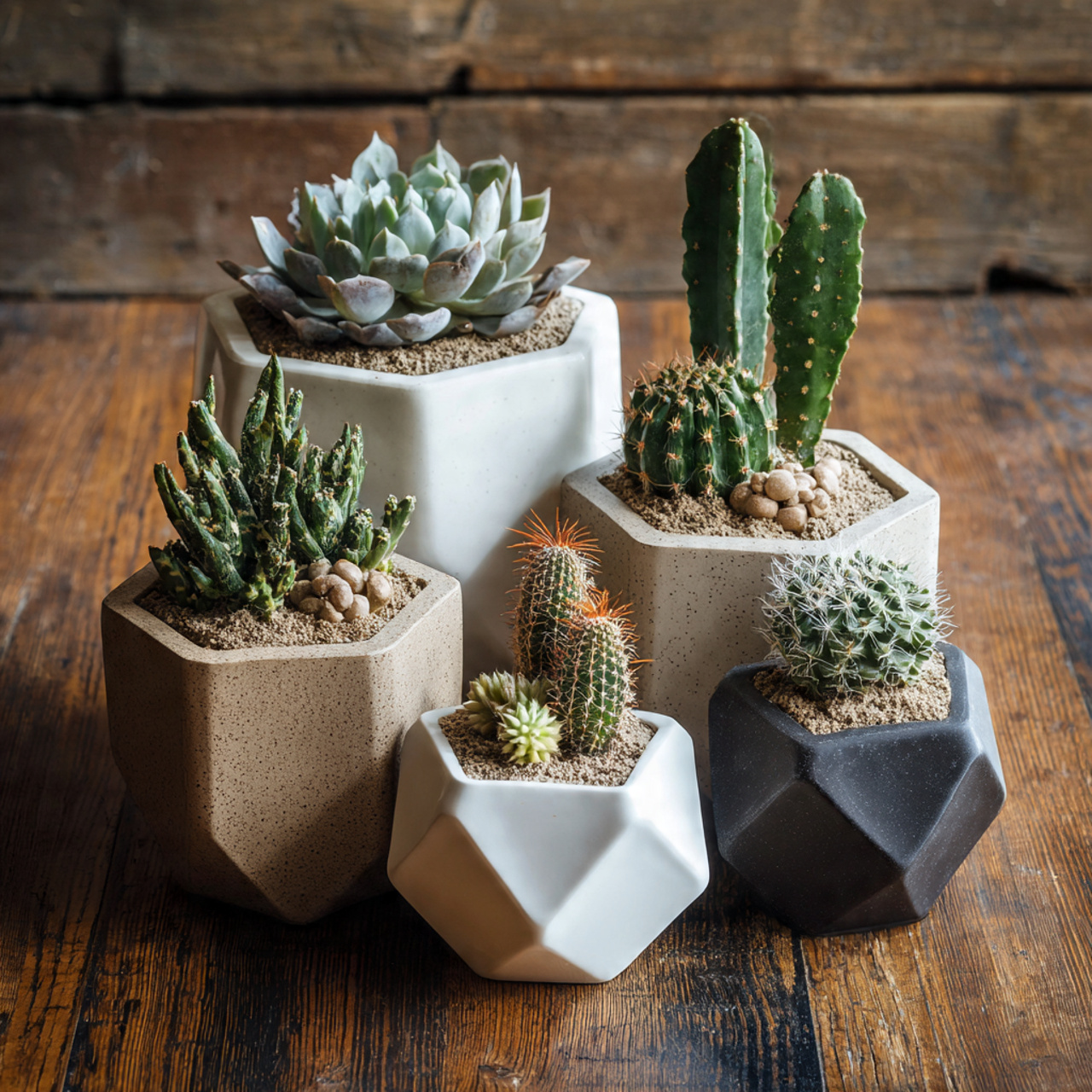
For those who want beauty without constant fussing, succulents and cacti are your perfect match. These drought-tolerant plants practically take care of themselves.
Beginner-friendly choices: Start with jade plants, echeveria varieties, or aloe vera. These forgiving plants can handle occasional neglect and still look stunning. Plus, their architectural shapes and subtle colors create modern, sophisticated displays.
Care tip: Water only when the soil is completely dry—usually every 2-3 weeks. Overwatering kills more succulents than underwatering, so when in doubt, wait another day.
Designing Themed Container Collections
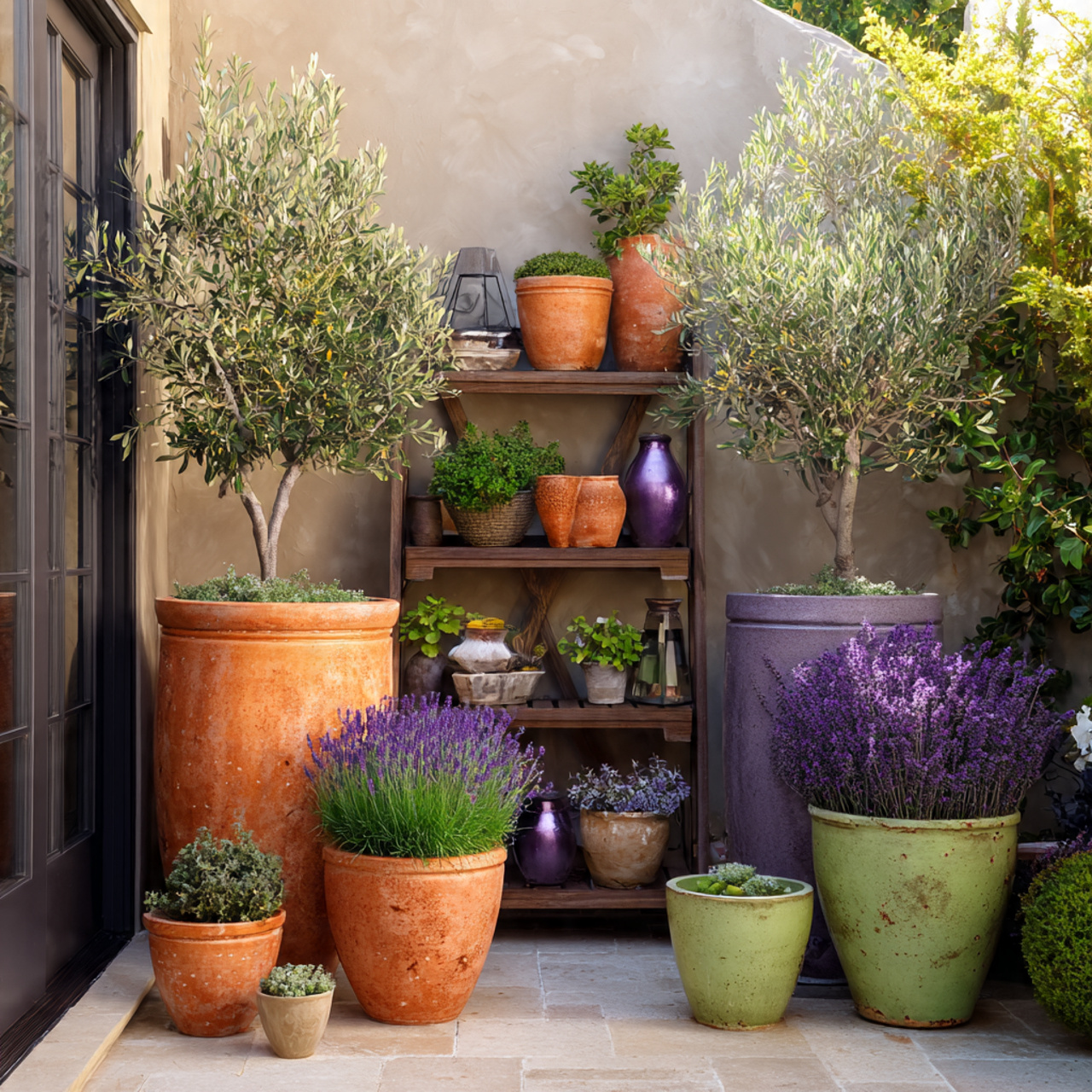
Creating a cohesive theme elevates your container garden from random pots to a designed outdoor room. Themes give you a roadmap for plant selection and create visual harmony.
Theme ideas to try:
- Mediterranean retreat: Lavender, rosemary, olive trees, and terra cotta pots
- Tropical escape: Elephant ears, coleus, caladiums in bright glazed containers
- Cottage garden: Mixed annuals in pastel shades with vintage-style planters
Planning tip: Choose your theme first, then select plants and containers that fit. This focused approach prevents impulse purchases and creates a polished look.
Sustainable Gardening with Recycled Containers
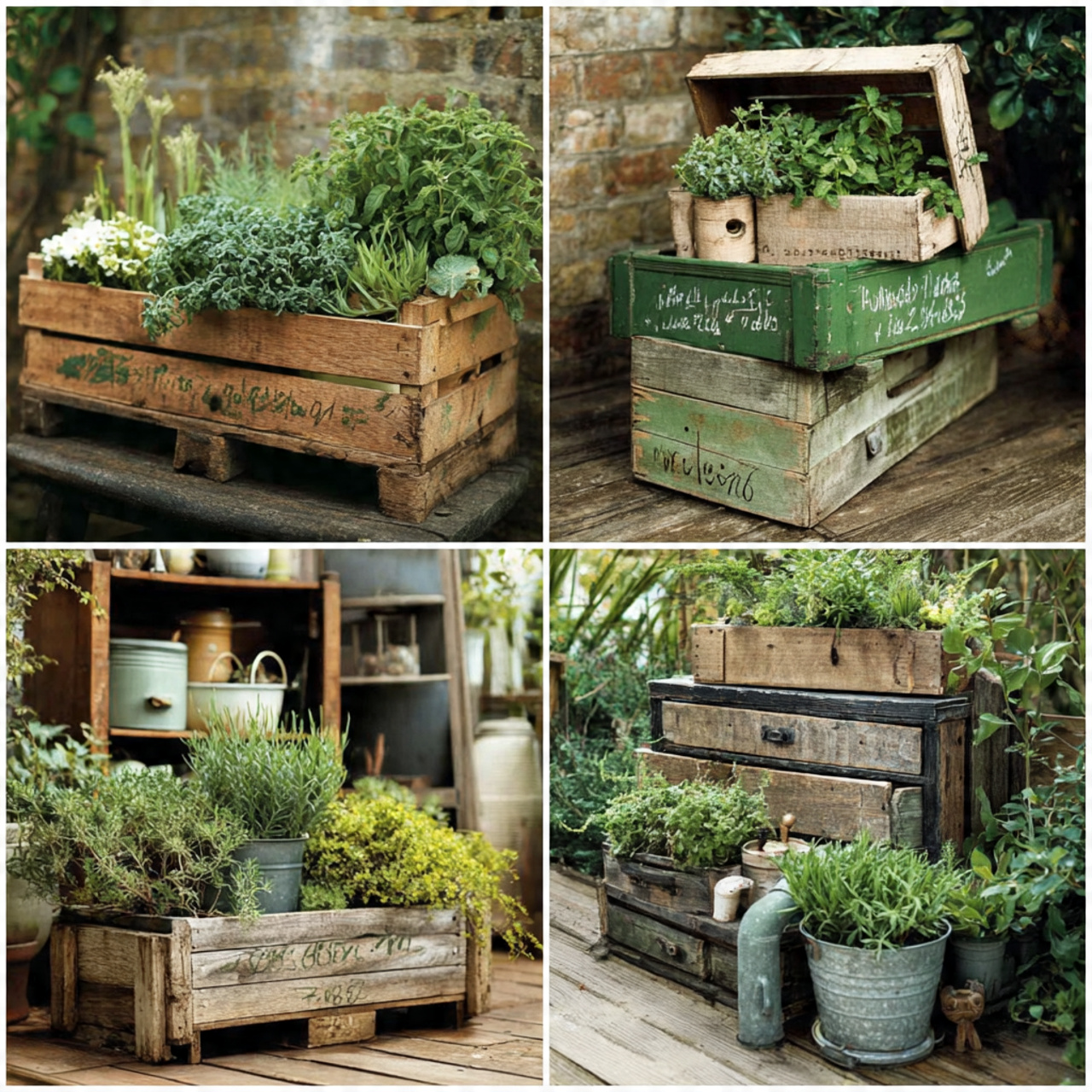
Who says containers need to be expensive? Some of the most charming gardens grow in repurposed items with character and history.
Creative container ideas: Vintage watering cans, wooden crates, old dresser drawers, tin buckets, or even rubber boots can become unique planters. An old colander makes an excellent strawberry planter with built-in drainage.
Important note: Whatever you use, drill drainage holes in the bottom if they don’t already exist. Even the most charming container will fail without proper drainage.
Adding Serenity with Water Container Gardens
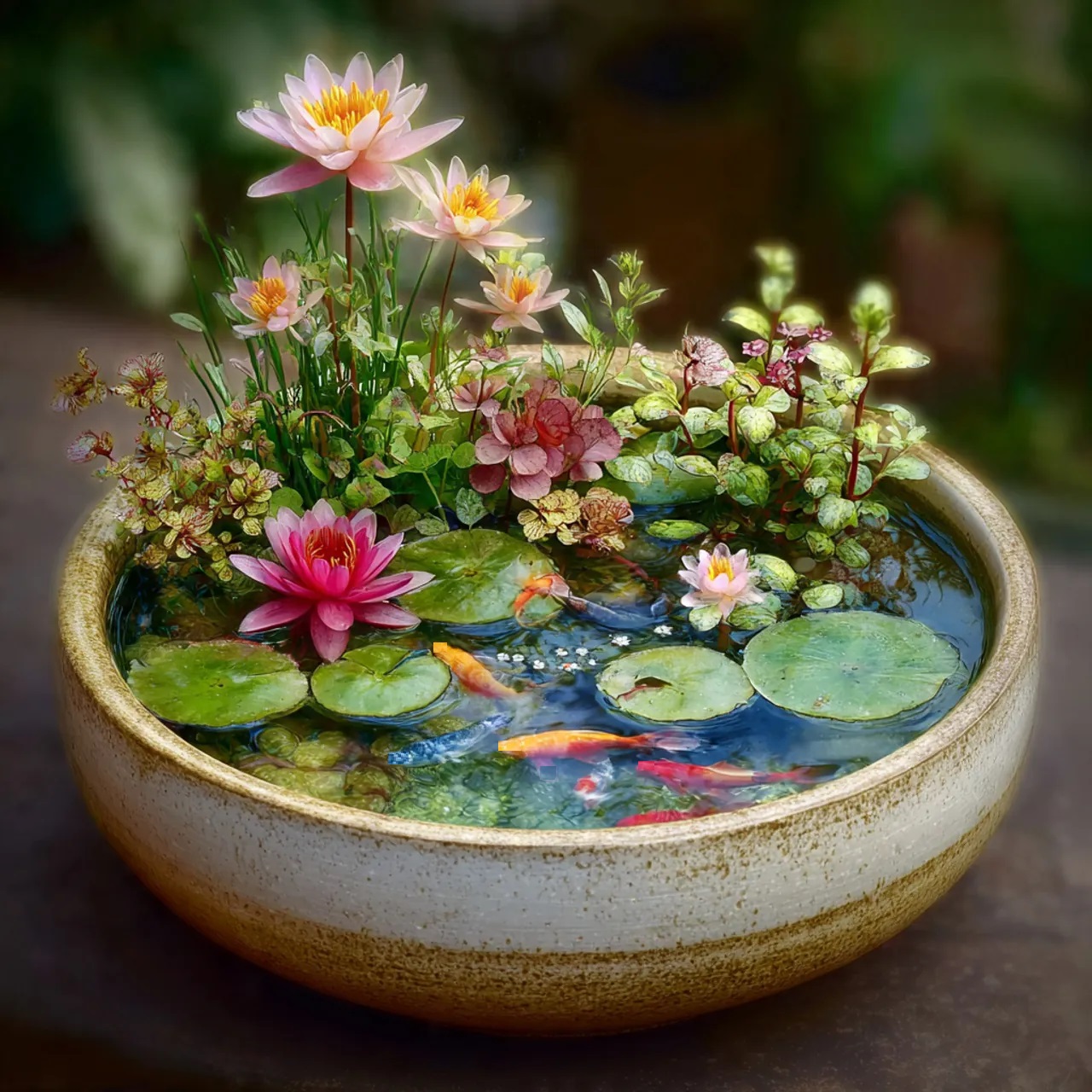
Water gardens in containers might sound complicated, but they’re surprisingly simple and add an entirely different dimension to your gardening space.
Easy setup: Fill a large glazed pot (no drainage holes needed here) or half whiskey barrel with water. Add water lettuce, dwarf water lilies, or papyrus. These miniature aquatic ecosystems attract dragonflies and create soothing visual focal points.
Bonus benefit: The sound of trickling water (if you add a small pump) creates a peaceful atmosphere that transforms your outdoor space into a retreat.
Making Shady Spots Beautiful
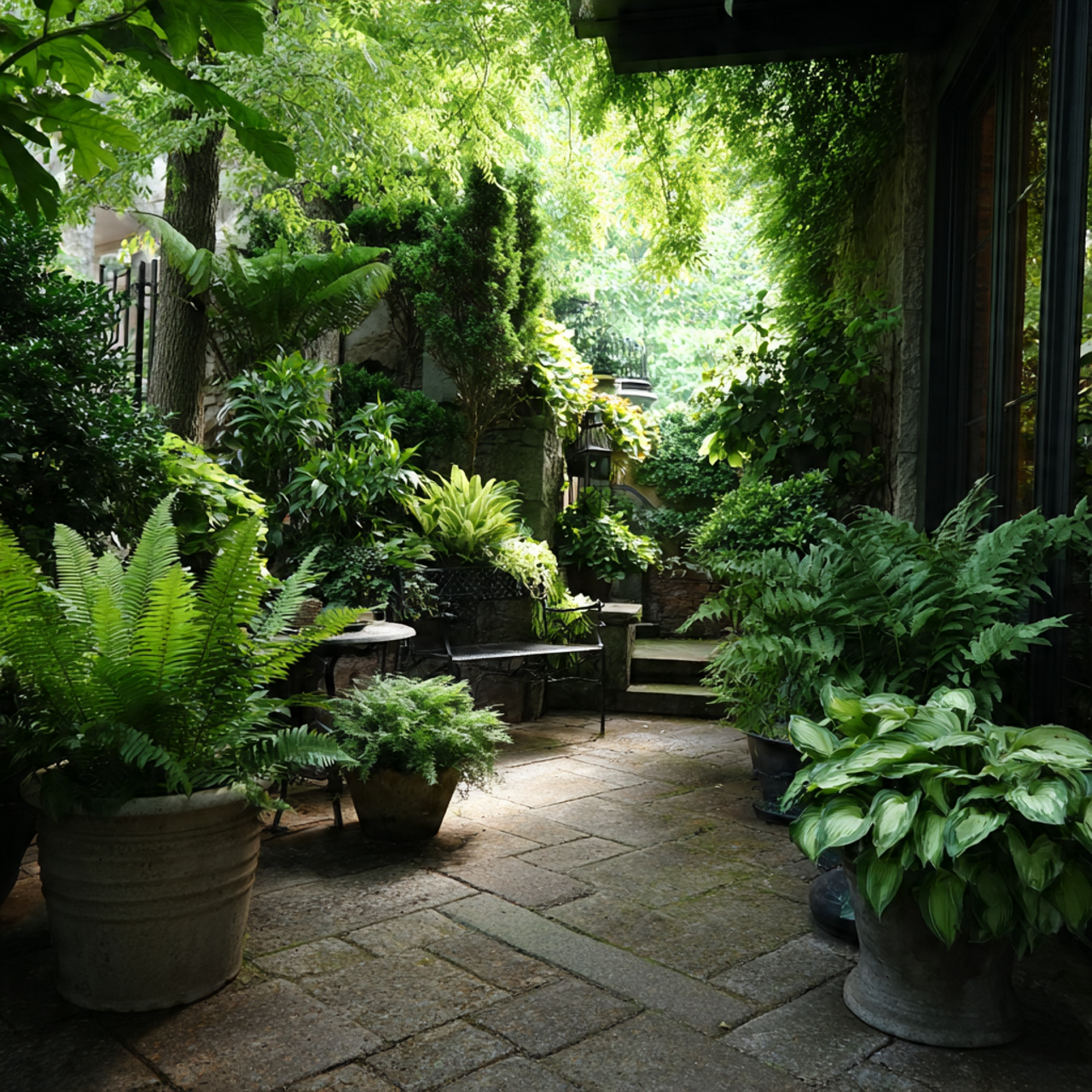
Don’t let shady areas discourage you. Many gorgeous plants actually prefer protection from harsh sun, and containers make it easy to position them perfectly.
Shade-loving stars: Ferns, hostas, impatiens, and begonias thrive without direct sunlight. Combine different foliage textures—like delicate fern fronds with bold hosta leaves—for depth and interest.
Location strategy: Place containers on north-facing balconies, under porch overhangs, or beside buildings where sun is limited. These “problem areas” become lush green showcases.
Training Climbing Plants in Containers
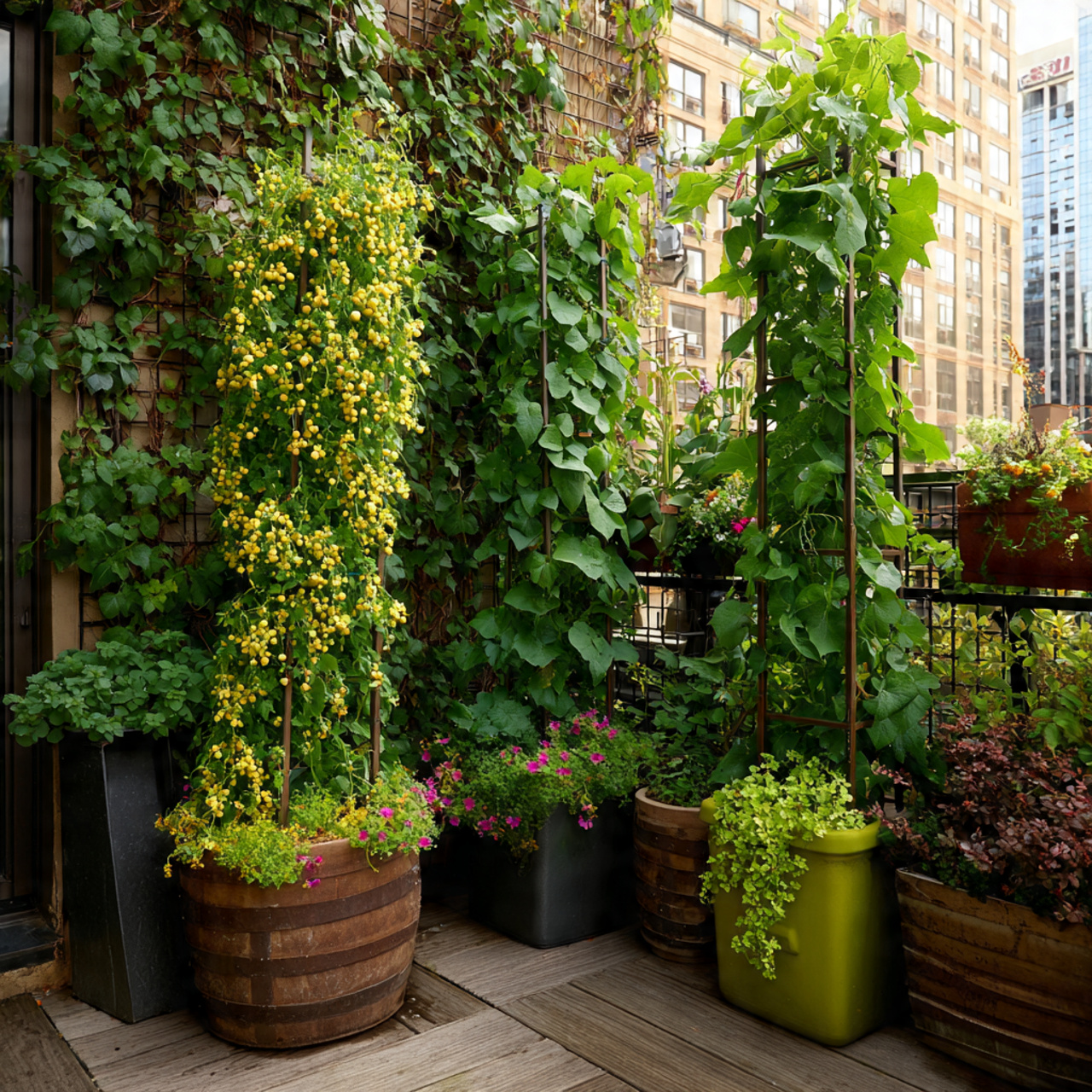
Vertical growers like beans, morning glories, and clematis double your productivity without doubling your space requirements.
Support solutions: Insert bamboo stakes, small trellises, or decorative obelisks directly into your container before planting. As vines grow, gently guide them onto supports.
Practical application: Position climbing bean containers along patio edges to create natural privacy screens that also produce food. A single pole bean plant can yield pounds of fresh beans throughout summer.
Engaging All Senses with Aromatic Plants
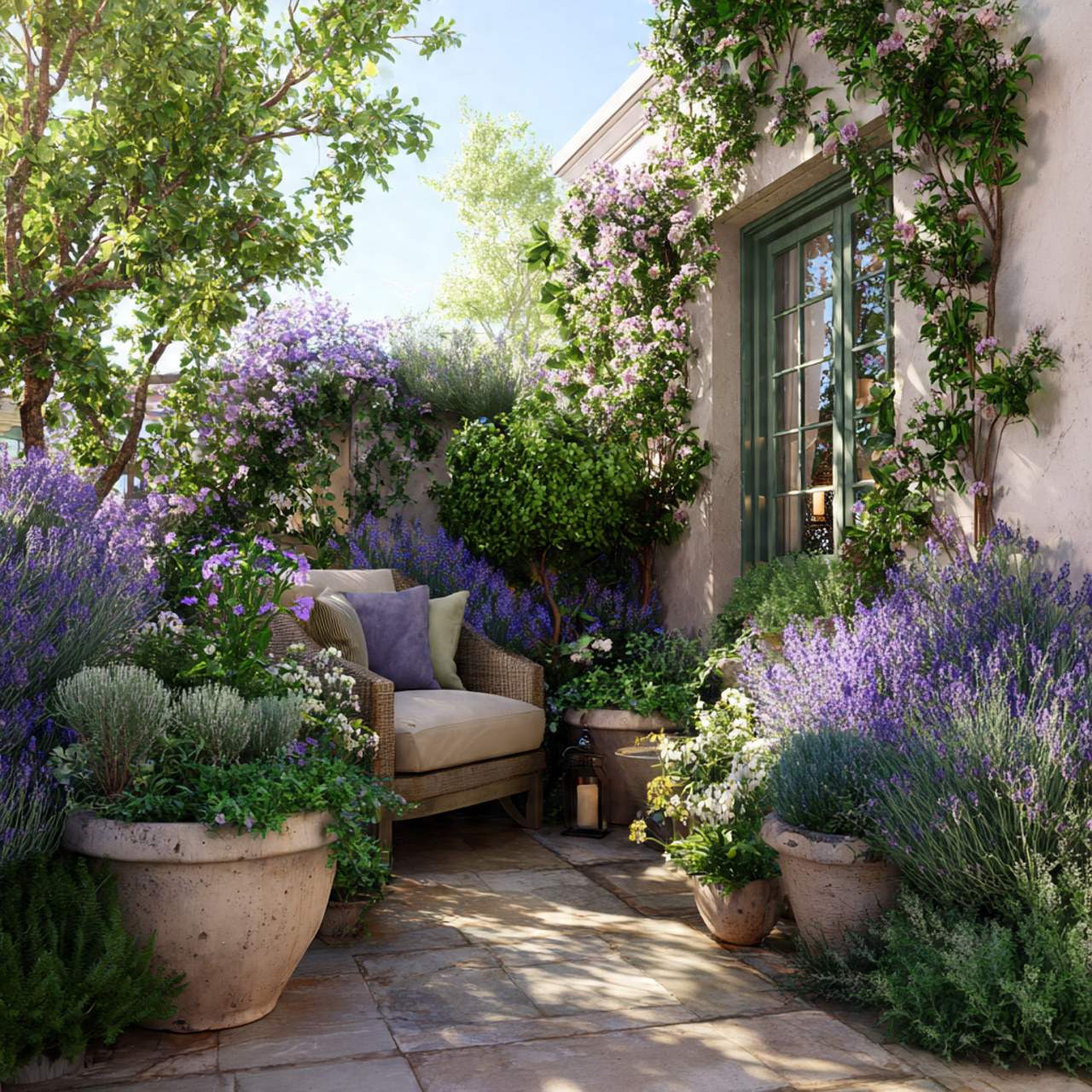
Why settle for visual beauty alone when you can add delightful fragrances to your outdoor living areas?
Fragrance favorites: Lavender offers calming floral notes, rosemary provides herbal freshness, and jasmine delivers sweet evening perfume. Scented geraniums come in varieties that smell like rose, lemon, or even chocolate mint.
Strategic placement: Position aromatic containers near seating areas, entryways, or along pathways where people will brush against them and release their scents. Imagine relaxing on your patio surrounded by the gentle fragrance of lavender—instant stress relief.
Supporting Pollinators Through Container Gardens
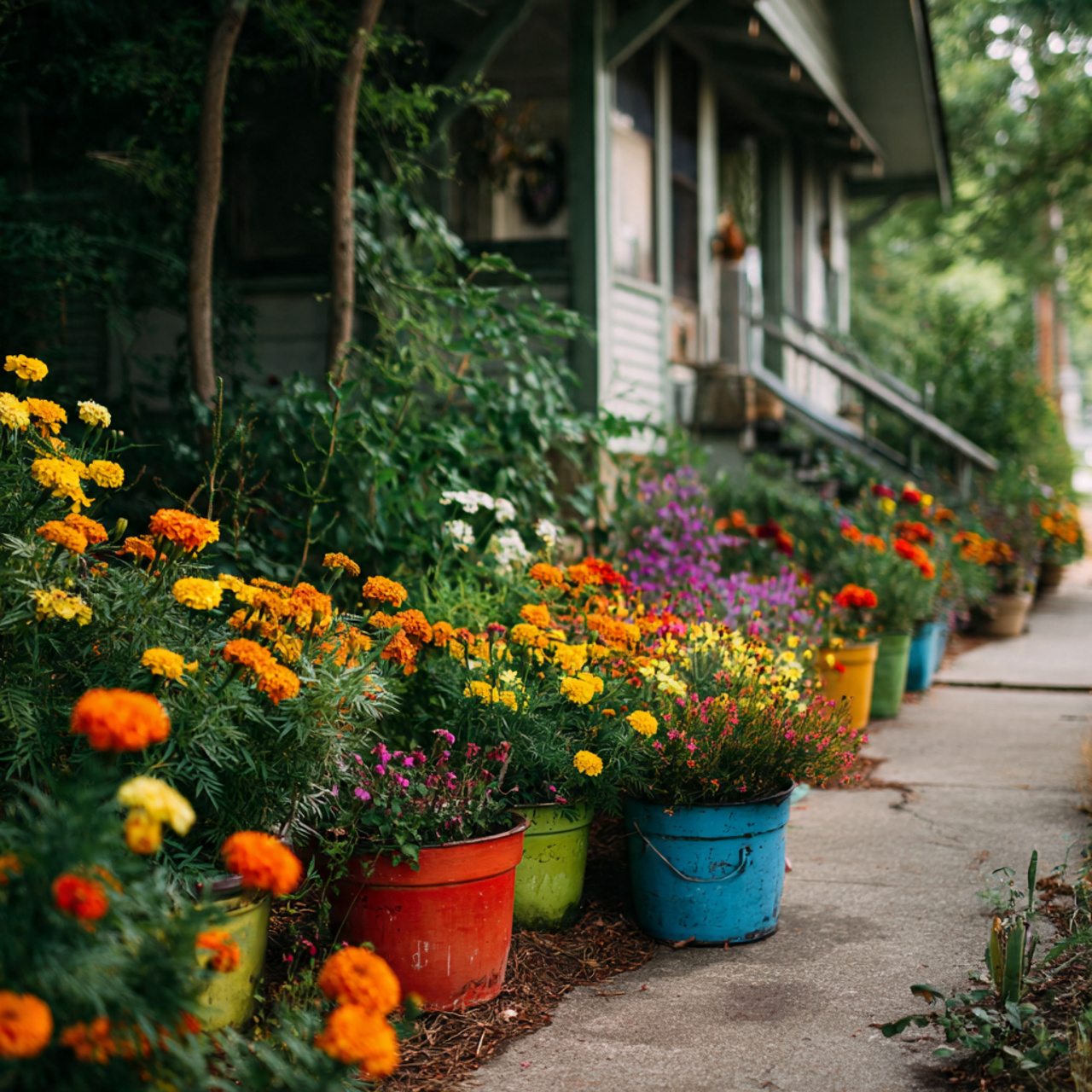
Your container garden can become a vital food source for bees, butterflies, and hummingbirds—the hardworking pollinators our ecosystem depends on.
Pollinator magnets: Plant zinnias, cosmos, lavender, or native wildflowers in containers. Group several pollinator-friendly pots together to create a “buffet” that’s easier for beneficial insects to find.
Environmental impact: Even a small balcony with a few pollinator plants contributes to local biodiversity. You’ll be rewarded with the delightful sight of butterflies visiting your flowers and the knowledge that you’re helping the environment.
Year-Round Indoor Container Gardening
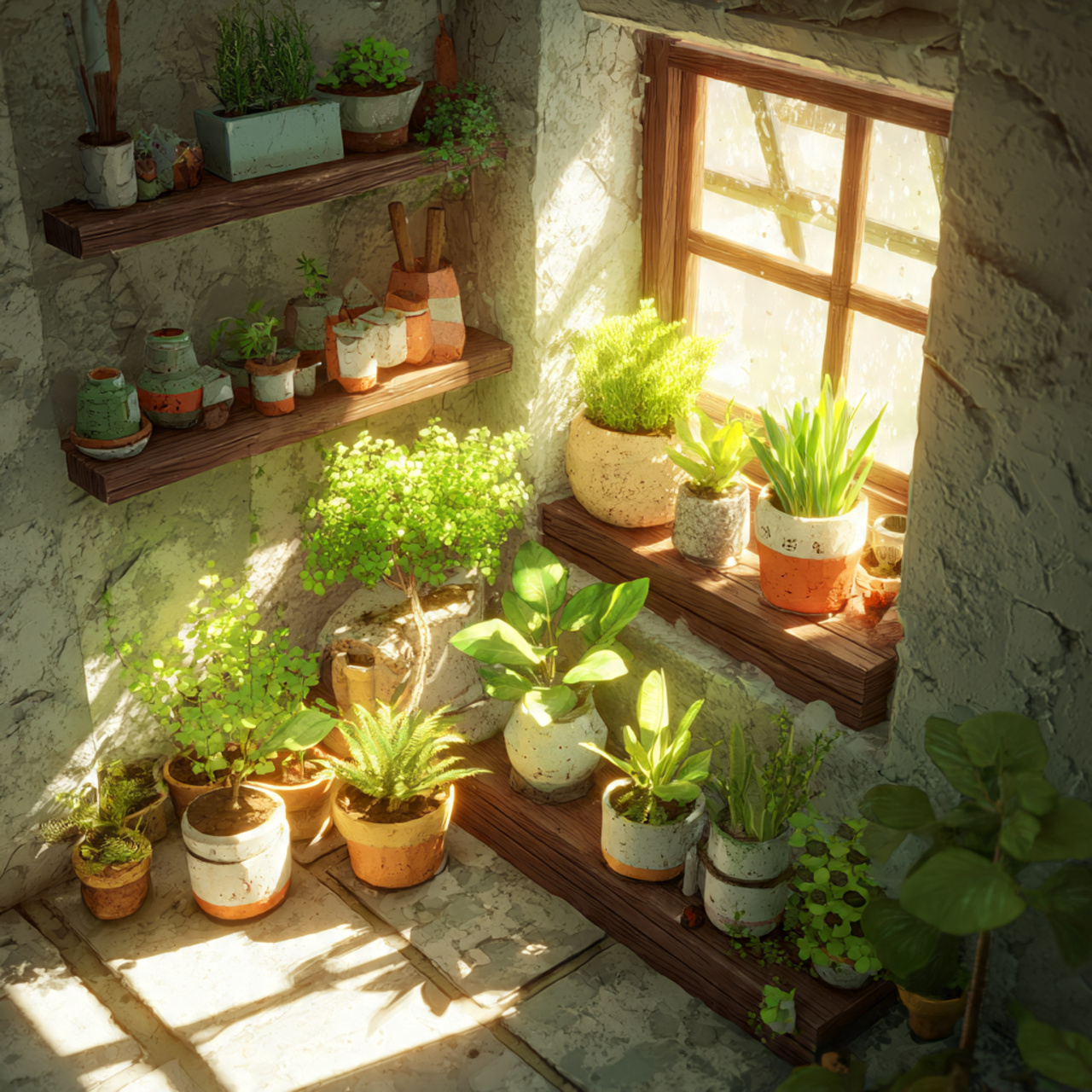
Why let winter stop your gardening? Bringing containers indoors extends your growing season indefinitely and brightens your living spaces.
Indoor success stories: Herbs like basil and cilantro thrive on sunny windowsills, while pothos and snake plants tolerate lower light conditions. Dwarf citrus trees can even produce fruit indoors with proper care.
Health bonus: Indoor plants improve air quality by filtering toxins and producing oxygen. They’re like living air purifiers that happen to look beautiful.
Making Bold Statements with Oversized Containers
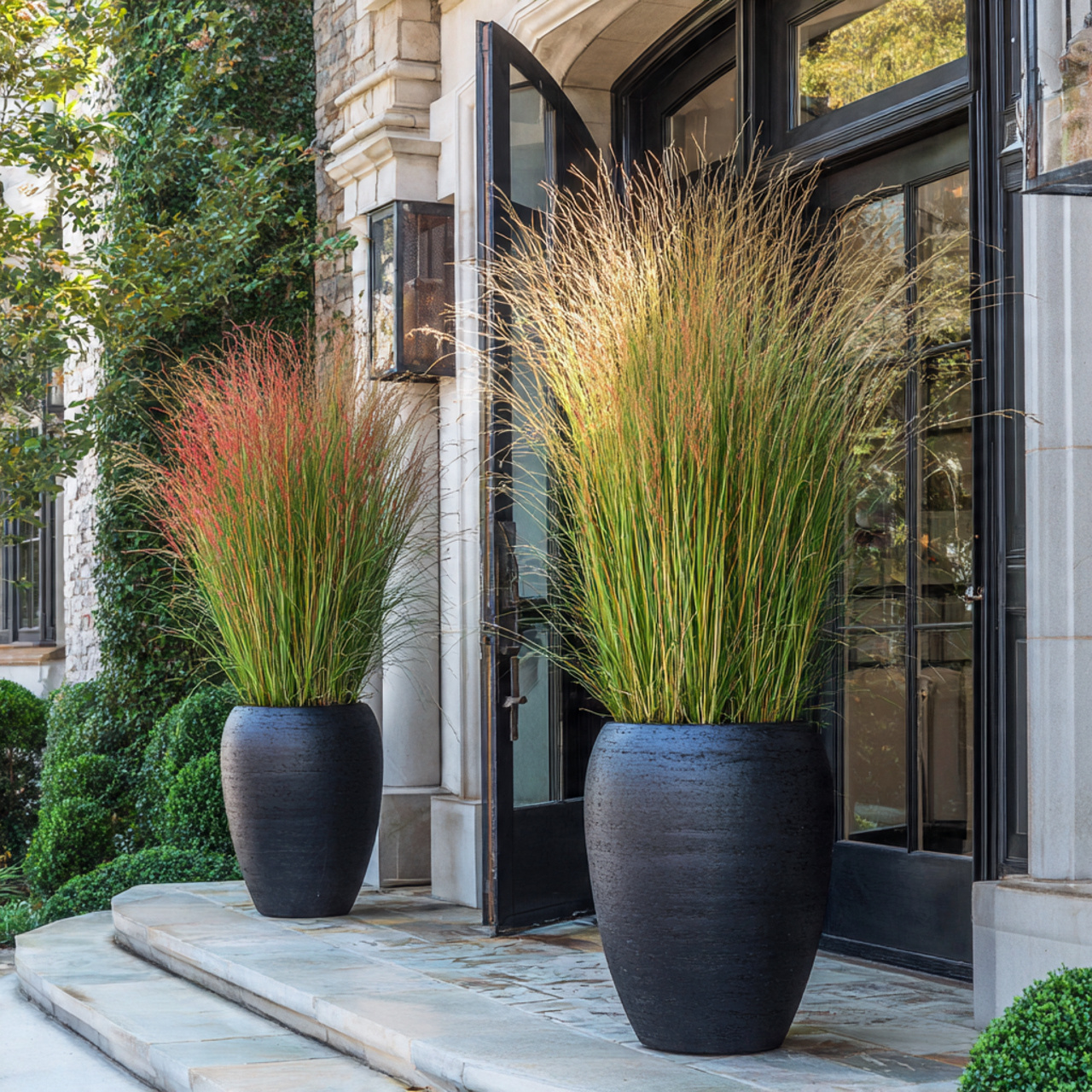
Sometimes bigger really is better. Large statement containers anchor your design and command attention in ways smaller pots simply cannot.
Design principle: Use large containers (20+ inches) as focal points at entryways, patio corners, or garden transitions. Plant them with equally bold specimens—Japanese maples, boxwood topiaries, or dramatic ornamental grasses.
Practical note: While impressive, large containers are heavy once filled with soil. Position them where you want them before filling, or use wheeled plant caddies for easier movement.
Simplifying Care with Low-Maintenance Approaches
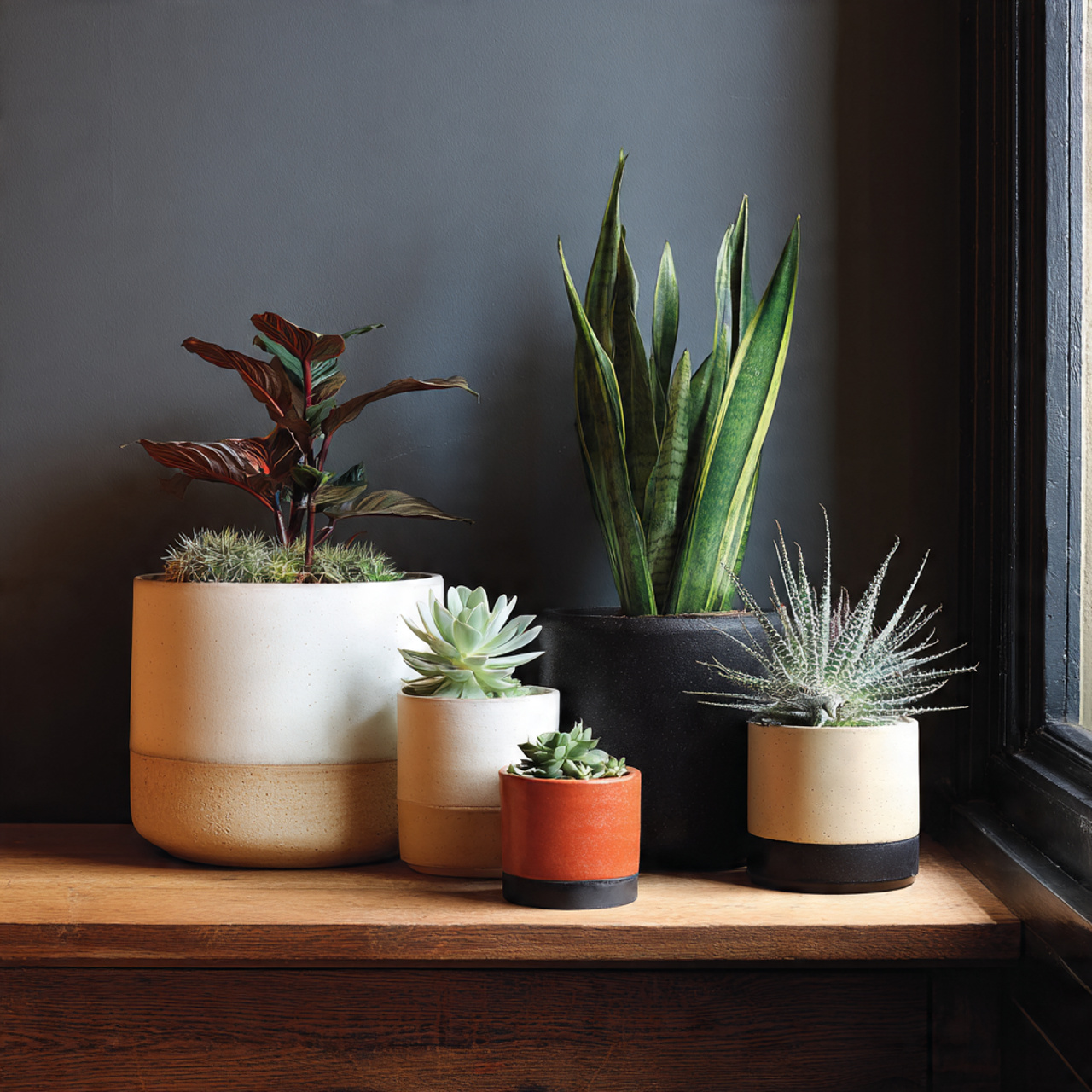
Container gardening doesn’t need to consume your weekends. Smart plant choices and modern tools create thriving gardens with minimal effort.
Time-saving strategies: Self-watering containers have built-in reservoirs that feed plants gradually, reducing daily watering to weekly checks. Pair these with resilient plants like sedum, ornamental grasses, or daylilies.
Busy person’s toolkit: Slow-release fertilizer pellets feed plants for months, mulch reduces watering frequency, and drip irrigation timers automate the entire process.
Portable Container Gardening for Flexibility
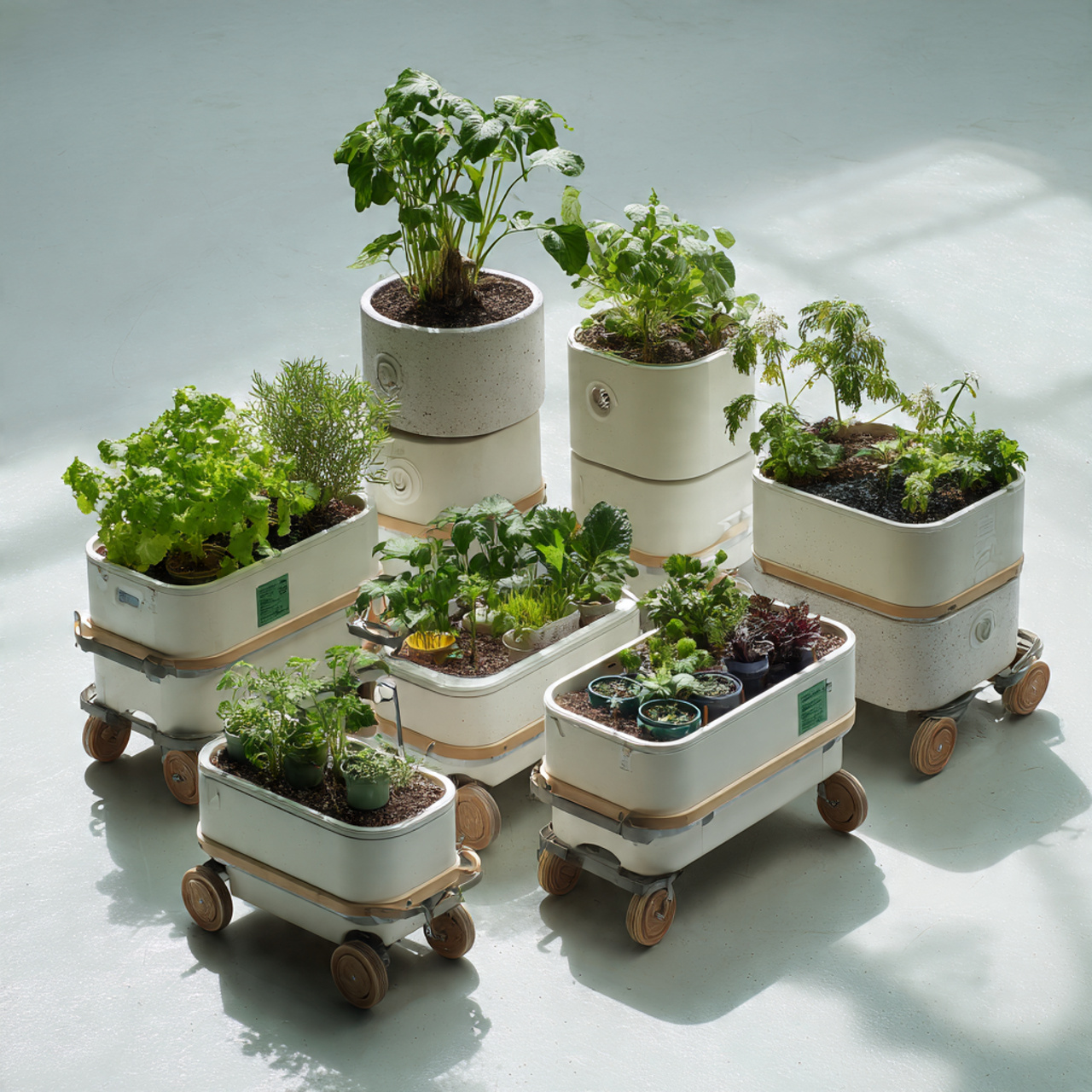
Here’s where container gardening truly outshines traditional methods—nothing is permanent. Move plants like chess pieces to optimize their growing conditions.
Mobility advantages: Follow the sun across seasons, bring frost-sensitive plants indoors before winter, rearrange for parties, or completely redesign your space without digging anything up.
Real example: Those tomatoes that flourished in morning sun during spring? When summer heat intensifies, simply relocate them to afternoon shade. This adaptability results in healthier plants and better harvests.
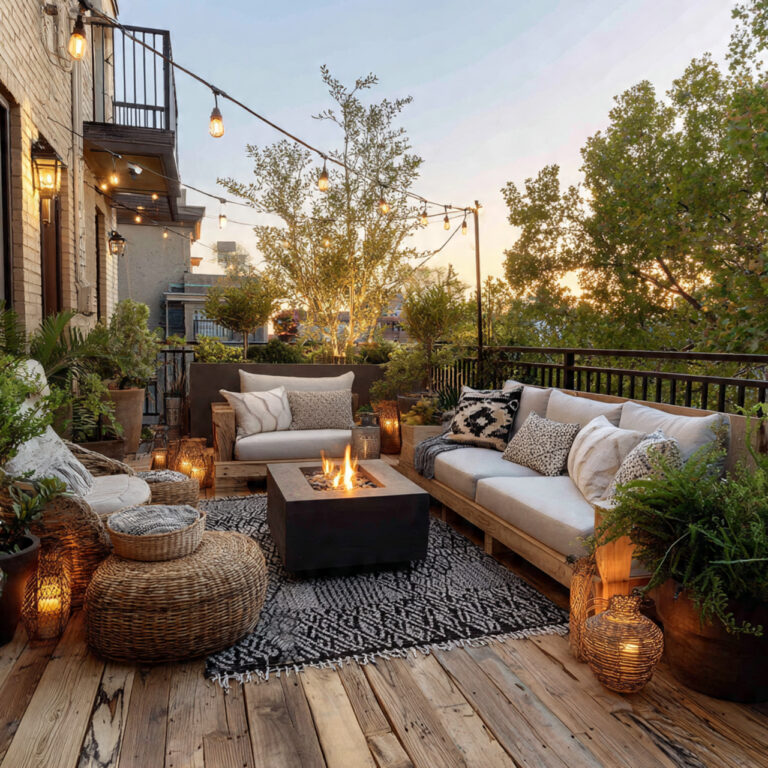
Transforming Balconies Into Garden Retreats
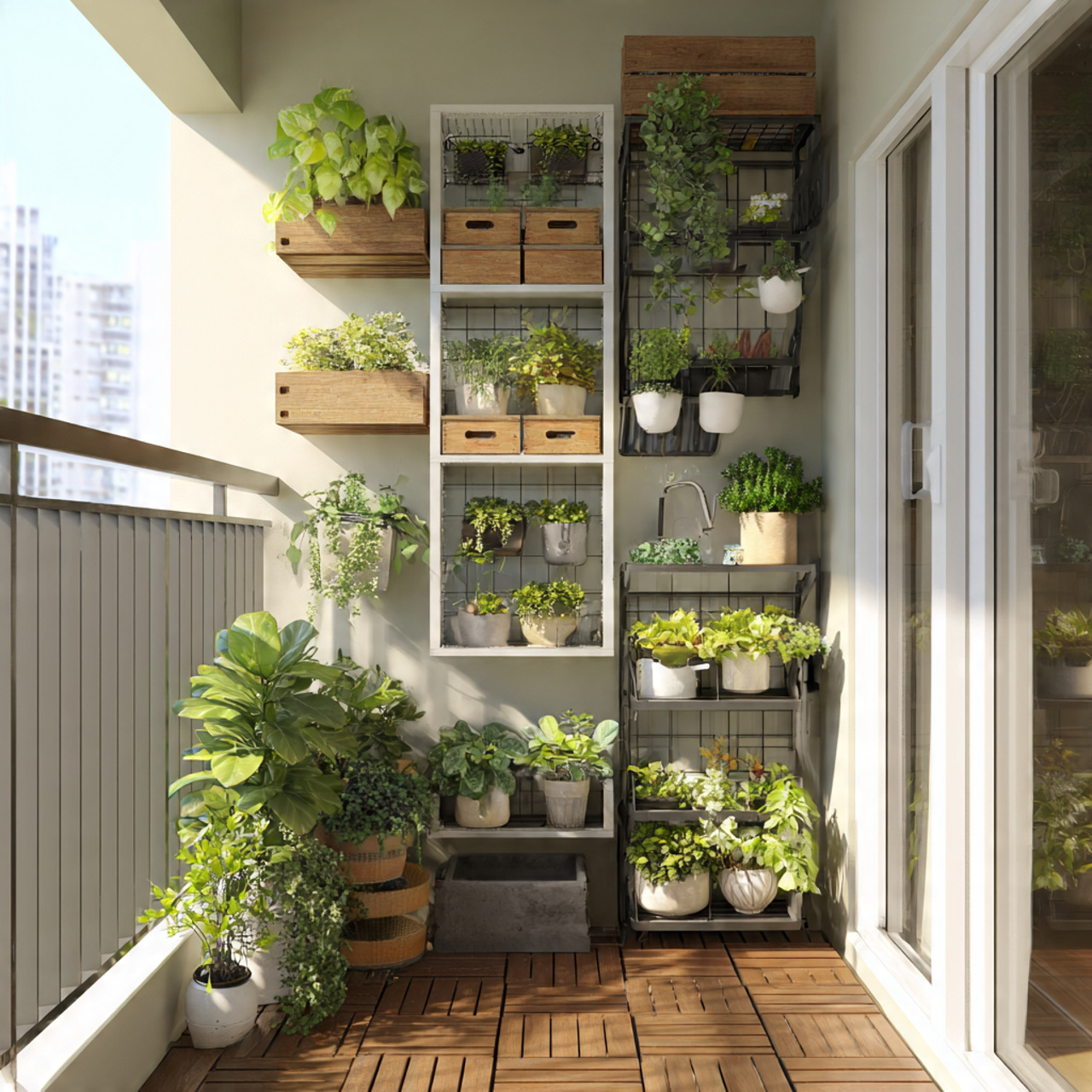
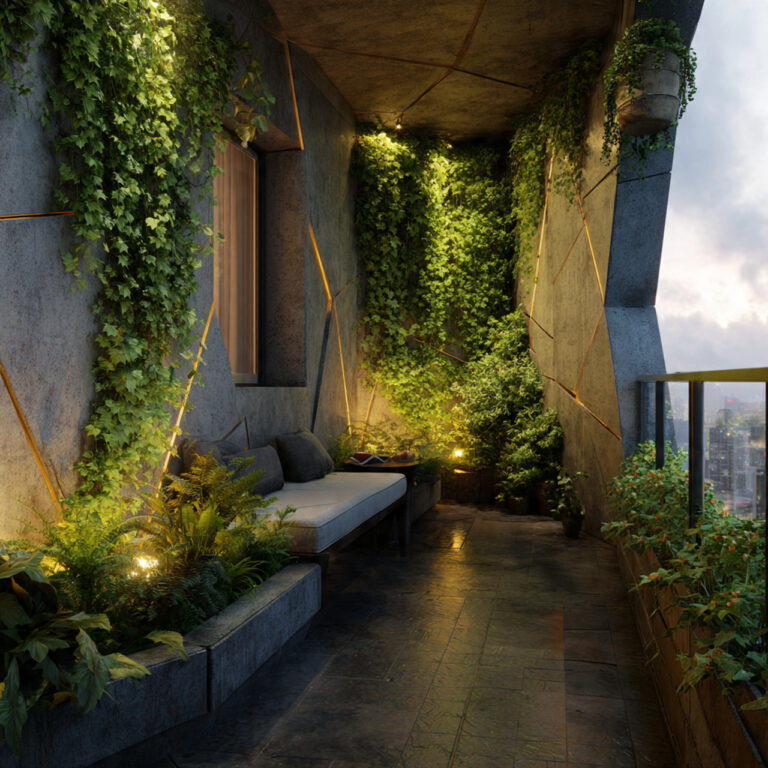
Even the smallest apartment balcony can become a personal garden sanctuary with thoughtful container arrangement.
Space maximization: Use railing planters to free up floor space, mount corner shelves to capitalize on vertical areas, and choose narrow rectangular containers that fit against walls without blocking pathways.
Wind consideration: Balconies tend to be windy. Choose sturdy containers that won’t tip, anchor tall plants with stakes, and select wind-tolerant varieties like lavender, ornamental grasses, and sedum.
Container Gardening for Apartment Living
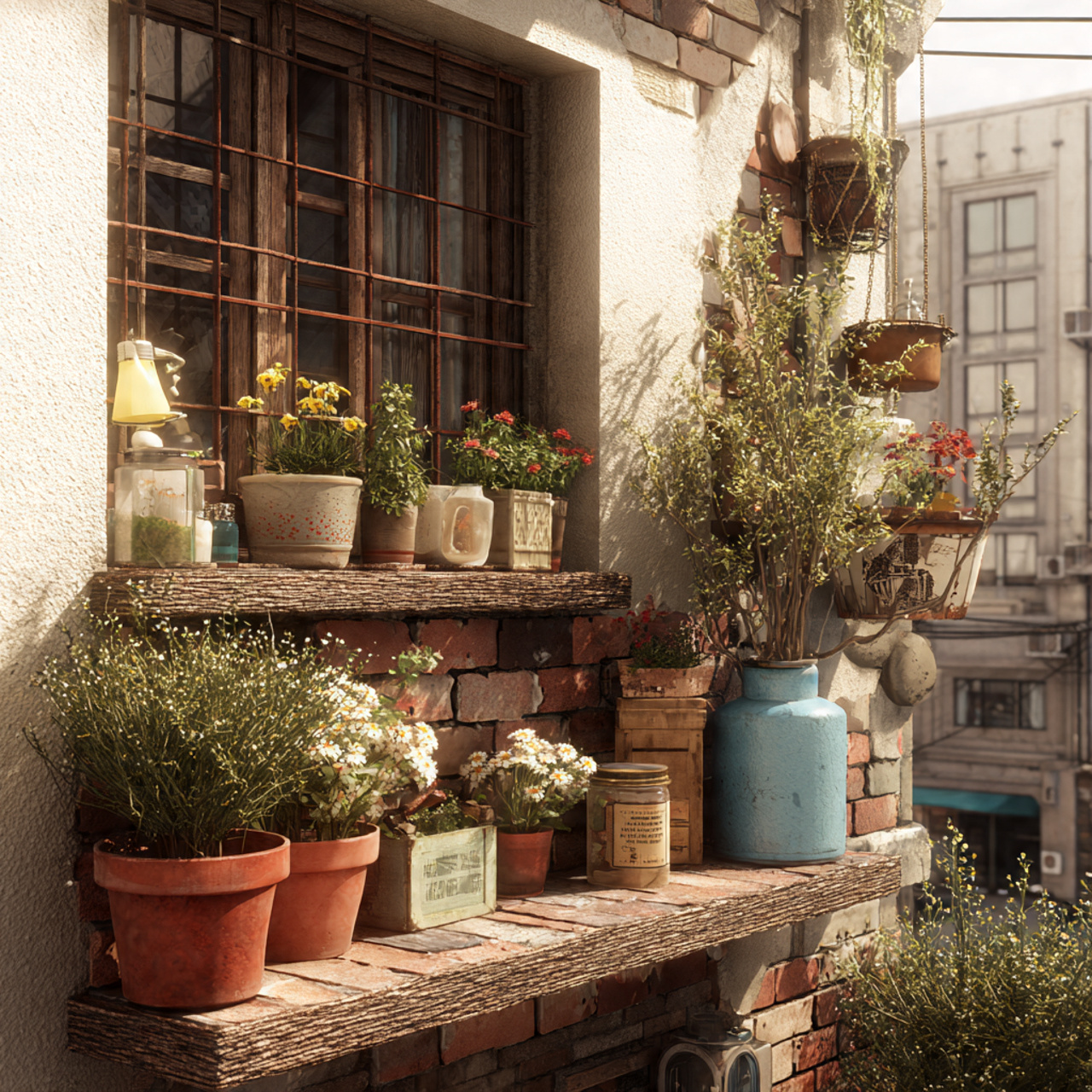
Living in an apartment shouldn’t mean sacrificing your connection to nature. Container gardening bridges the gap between urban dwelling and green living.
Apartment-friendly options: Windowsill herb gardens, countertop microgreens, hanging baskets that don’t require installation, or a small collection of houseplants in decorative pots transform rental spaces into homes.
Renter advantage: Since everything is portable, you can take your entire garden with you when you move—no heartbreaking goodbyes to established garden beds.
Designing with Color Themes
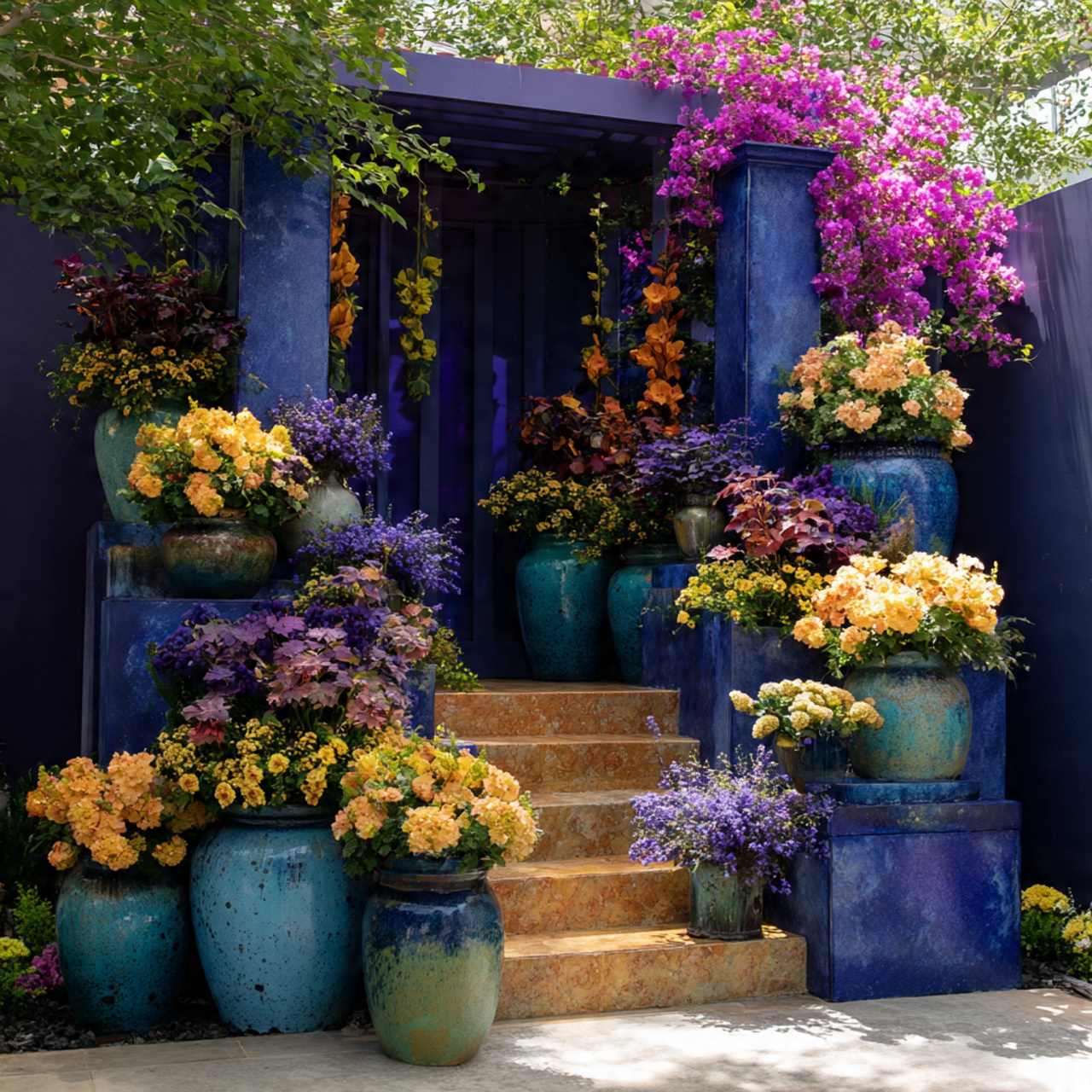
Coordinating container colors creates sophisticated designs that look professionally planned rather than randomly assembled.
Color scheme ideas:
- Monochromatic elegance: All-white flowers and silver foliage for a calming effect
- Complementary contrast: Purple and yellow pairings that make each color pop
- Seasonal shifts: Pastels for spring, bright jewel tones for summer, warm oranges and burgundies for fall
Designer tip: Repeat your chosen colors throughout your space rather than having one container of each color. Repetition creates cohesion and polish.
Embracing Modern Minimalist Style
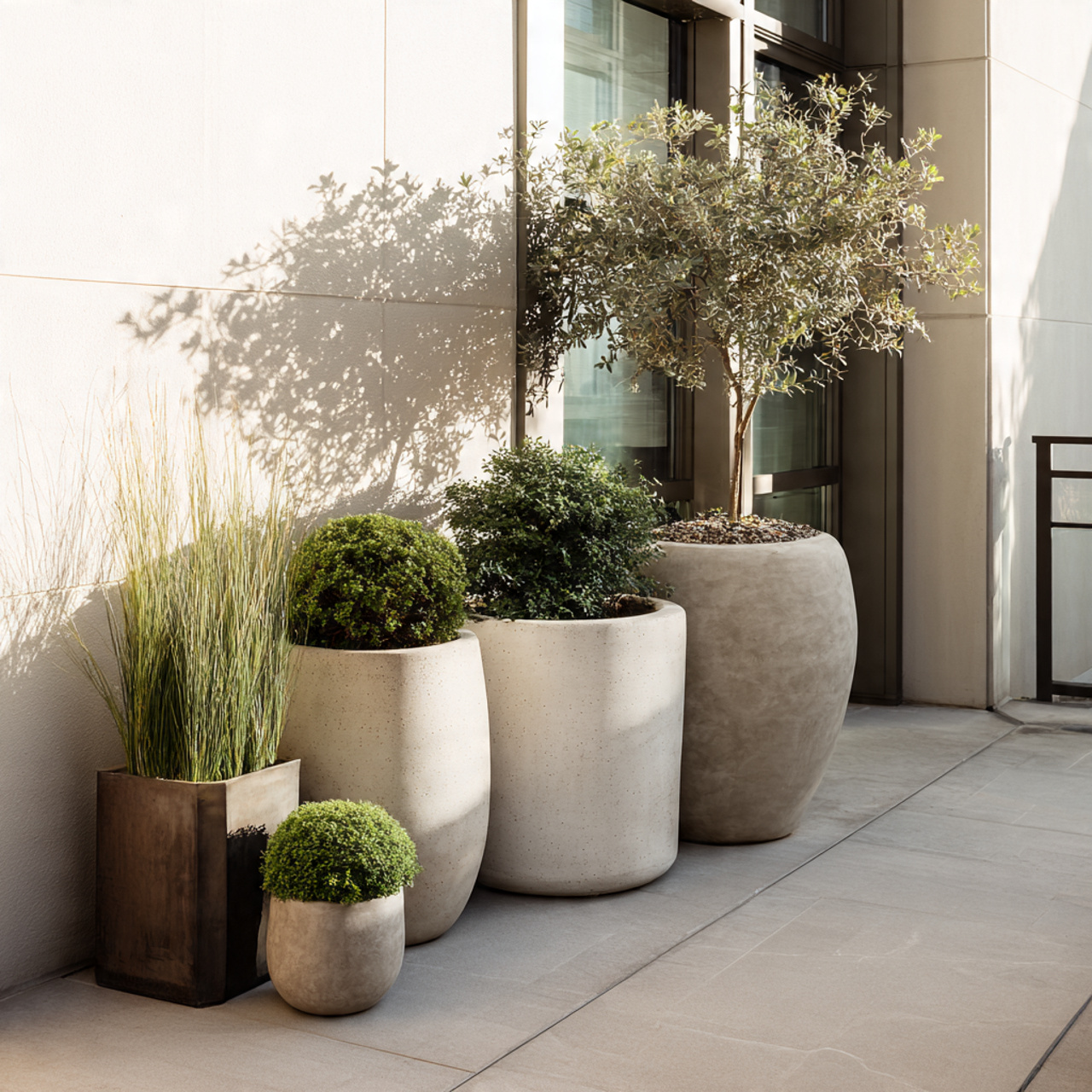
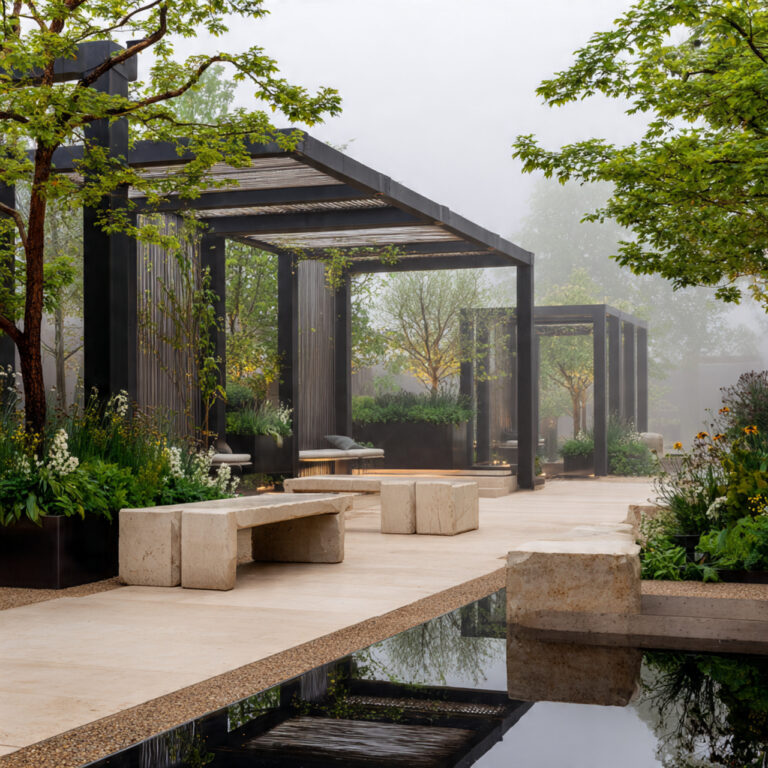
If your home aesthetic leans contemporary, your garden can match. Minimalist container gardening emphasizes clean lines and restrained beauty.
Minimalist elements: Sleek concrete or matte ceramic pots in neutral tones, architectural plants like snake plants or ZZ plants, and simple arrangements of 1-3 plant varieties per container rather than crowded mixed plantings.
Less-is-more philosophy: Each plant becomes a sculptural element. The negative space around plants is as important as the plants themselves, creating calm, uncluttered outdoor rooms.
Enhancing Outdoor Dining Experiences
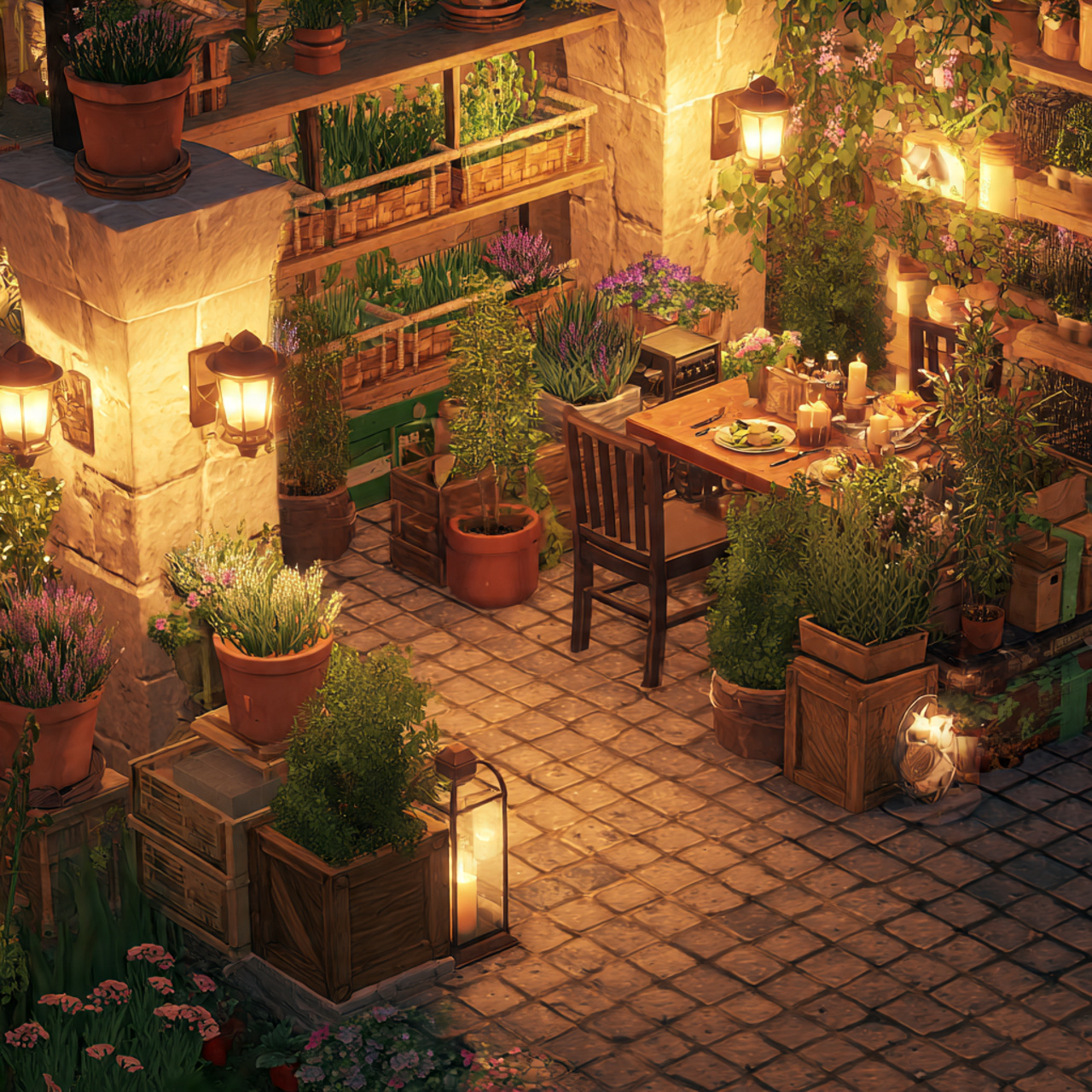
Strategic container placement around dining areas creates ambiance that makes every meal feel special.
Dining area essentials: Fragrant herbs like basil and mint add fresh flavors to meals, lavender provides pleasant scents without being overwhelming, and compact flowering plants in coordinating pots frame the dining space beautifully.
Privacy solution: Larger containers with bamboo, ornamental grasses, or tall flowering plants create natural screens between tables and neighboring spaces, making intimate conversations feel more private.
Gardening Through Winter Months
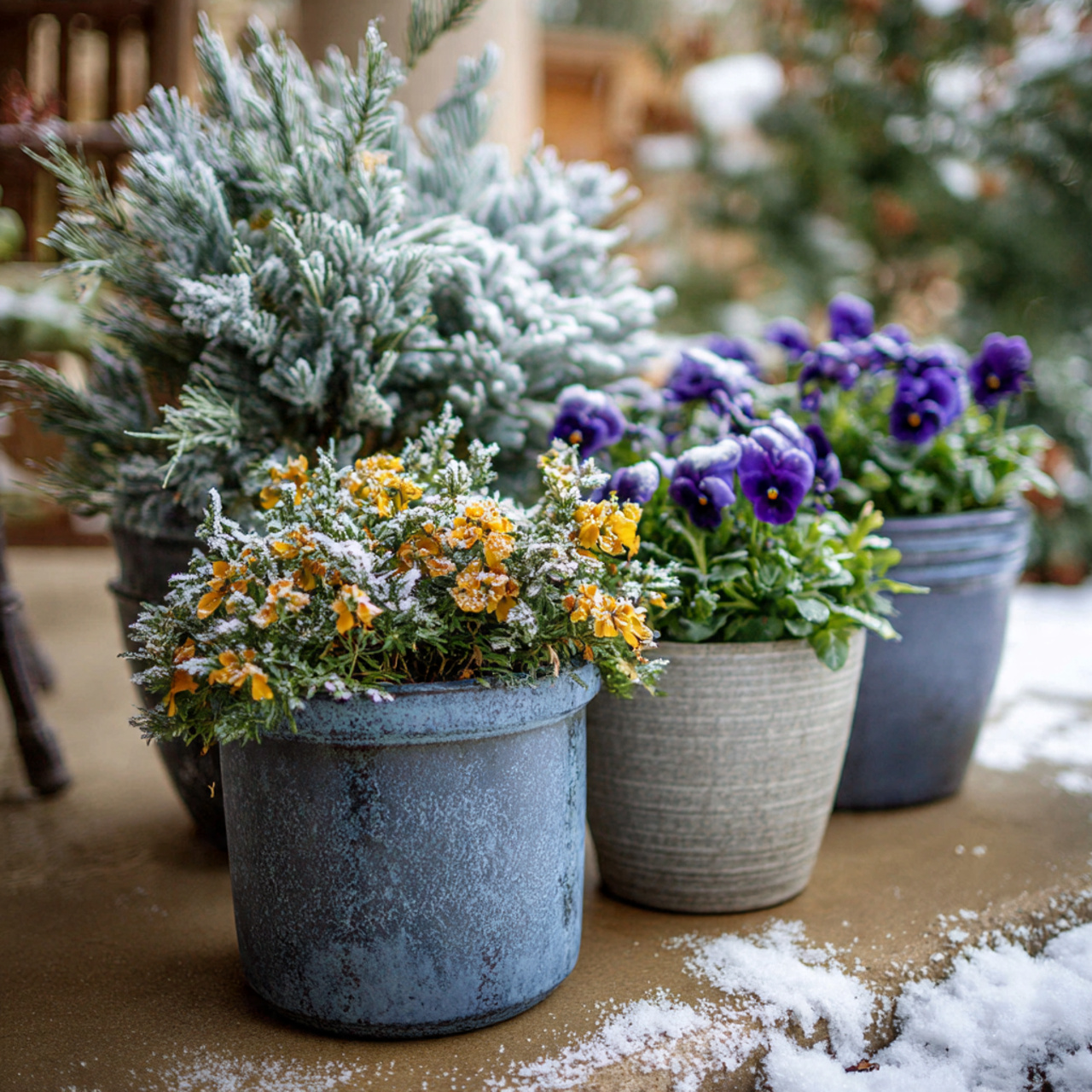
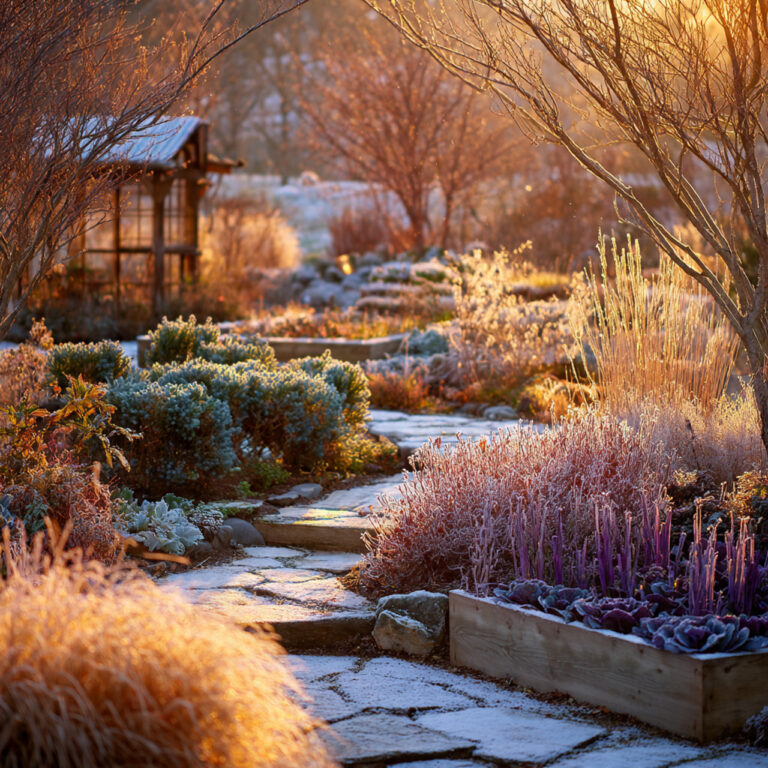
Your container garden doesn’t need to hibernate. Cold-season plants keep your outdoor spaces alive and attractive when everything else is dormant.
Winter warriors: Pansies and violas bloom through light frosts, evergreen shrubs like boxwood maintain structure, and ornamental kale offers colorful foliage that actually improves after cold snaps.
Protection tactics: Group containers together for insulation, wrap pots with burlap in extremely cold climates, and move the most delicate containers to protected areas like covered porches.
Introducing Kids and Beginners to Gardening
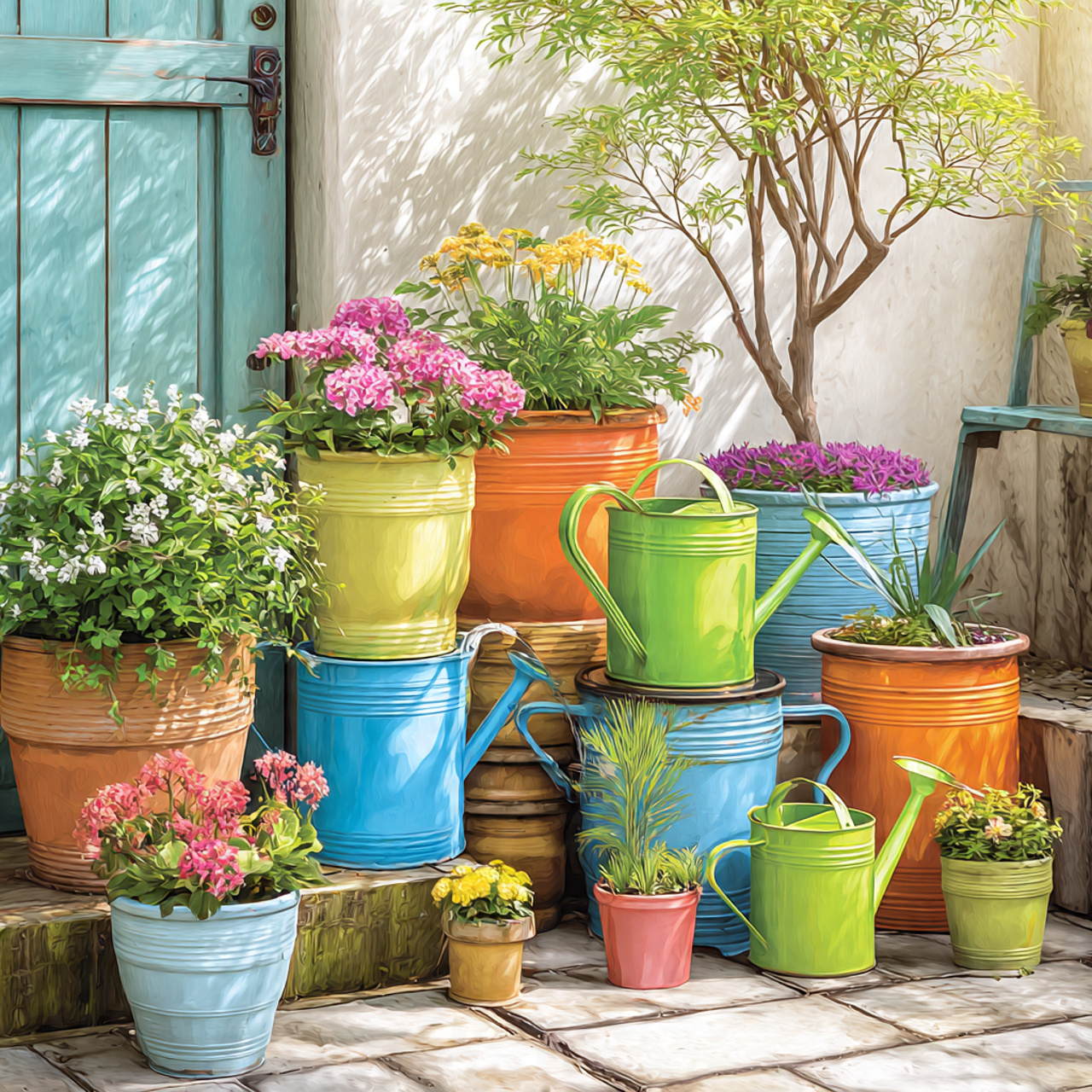
Container gardening is the perfect entry point for children and nervous first-time gardeners because success comes quickly and easily.
Kid-friendly projects: Sunflowers grow tall and dramatic, cherry tomatoes provide edible rewards, and decorating pots with paint becomes an arts-and-crafts activity before planting even begins.
Learning opportunity: Children learn responsibility through daily watering, observe the entire life cycle of plants, and develop patience waiting for seeds to sprout. Plus, they’re more likely to eat vegetables they’ve grown themselves.
Mastering Soil for Superior Results
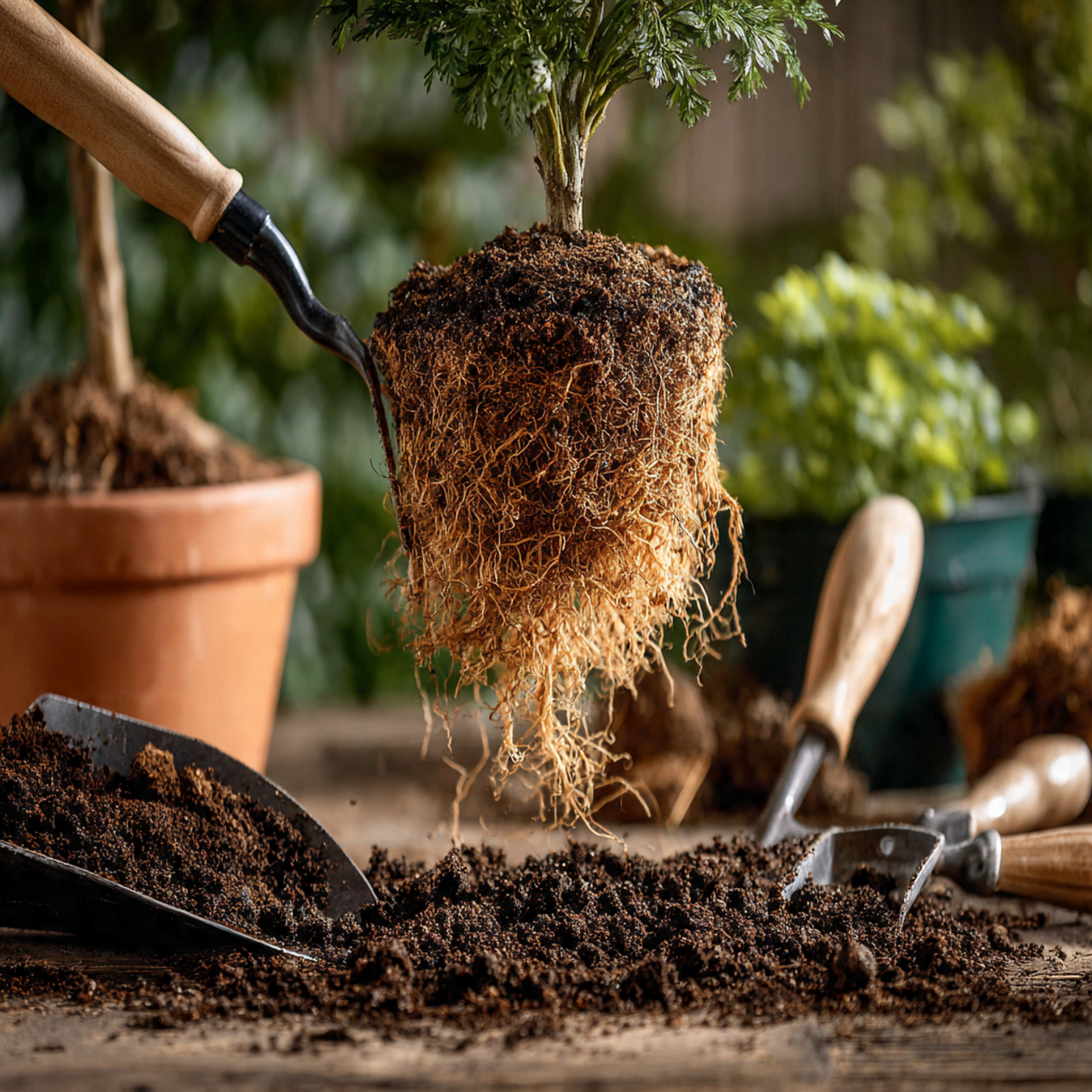
The foundation of successful container gardening literally lies in what you put in those pots. Quality soil makes the difference between surviving and thriving plants.
Soil essentials: Never use garden soil in containers—it compacts and drains poorly. Instead, choose potting mix specifically formulated for containers, which contains peat moss or coir, perlite for drainage, and starter nutrients.
Upgrade techniques: Mix in compost for added nutrition, add vermiculite to improve moisture retention, or blend in slow-release fertilizer so plants receive steady nutrition for months. These small investments yield dramatically better results.
FAQs About Container Gardening
What’s the easiest plant to start with if I’m completely new to container gardening?
Herbs are your best friends when starting out. Basil, mint, and parsley are nearly impossible to kill and grow quickly, giving you confidence. Succulents like jade plants are another foolproof choice since they thrive on neglect. Leaf lettuce is perfect if you want edible results within weeks.
How often do I really need to water my containers?
This varies widely based on plant type, container size, and weather. Generally, stick your finger an inch into the soil—if it feels dry, water thoroughly until water drains from the bottom. In hot summer weather, daily watering is common, while spring and fall might only require watering every 2-3 days. Small containers dry out faster than large ones.
Can I actually grow a meaningful amount of vegetables in containers?
Absolutely! A single tomato plant in a 5-gallon container can produce 10-15 pounds of tomatoes over a season. Three lettuce plants in a window box provide fresh salads for weeks. While you won’t replace your grocery bill entirely, you’ll enjoy incredibly fresh produce and the satisfaction of homegrown food.
Are drainage holes really that important?
Yes, they’re non-negotiable for most plants. Without drainage, excess water accumulates at the bottom, suffocating roots and causing rot. If you fall in love with a container without drainage holes, either drill holes yourself or use it as a decorative outer pot with a properly draining container nested inside.
What size container should beginners start with?
Medium pots between 10-14 inches in diameter hit the sweet spot. They’re large enough to retain moisture and provide adequate root space, but small enough to move easily and not overwhelm you. Once you gain confidence, you can graduate to larger statement containers or experiment with smaller specialty pots.
Final Thoughts: Your Container Garden Awaits
Container gardening opens up a world of possibilities regardless of where you live or how much space you have. Whether you’re growing a single basil plant on a kitchen windowsill or creating an elaborate outdoor container collection, you’re participating in the age-old joy of nurturing living things.
The beauty of this approach lies in its forgiveness and flexibility. Made a mistake? Simply dump out the pot and start fresh. Want to try something new? Add another container. Need to move? Your entire garden comes with you.
Start small, experiment freely, and don’t worry about perfection. Every experienced gardener has killed plants—it’s part of the learning process. The difference is that they kept trying, and soon you’ll find yourself checking on your plants daily, celebrating new blooms, and planning your next container creation.
Your perfect container garden is waiting to be created. All it needs is your willingness to begin. So grab a pot, some soil, and a plant that excites you, and watch the magic unfold.