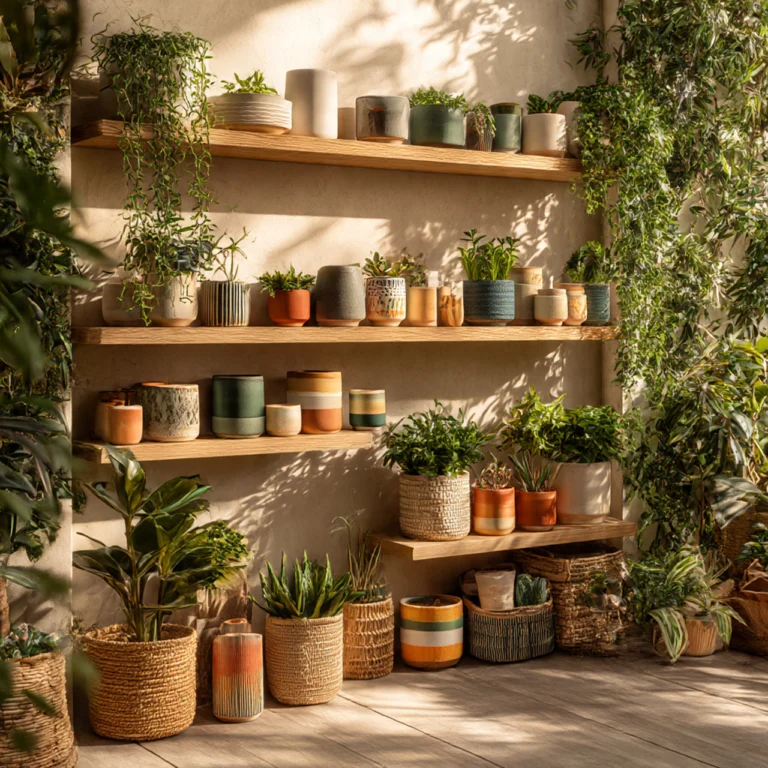
Birth Flowers Explained: Monthly Meanings, Symbolism & Beautiful Uses
For hundreds of years, people have turned to birth flowers as a way to express emotions, celebrate personalities, and tell their unique stories through nature. Much like birthstones connect us to our birth months, these special blooms carry deep meanings that touch on who we are, how we relate to others, and the journey of personal growth we’re all on.
What makes birth flowers particularly special today is how versatile they’ve become. You’ll find them thriving in backyard gardens, given as heartfelt gifts, incorporated into home décor, and even woven into personal branding. Their timeless beauty and emotional resonance never seem to fade.
When you understand birth flowers, you unlock a new way of connecting with nature. You’ll make more thoughtful choices about which flowers to grow, create gardens filled with personal meaning, and discover how plants can strengthen the bonds we share with others. Let’s explore everything you need to know about these meaningful blooms and how to bring them into your daily life.
What Exactly Are Birth Flowers?
Think of birth flowers as nature’s way of giving each month its own floral identity. These aren’t random pairings – they’ve evolved through centuries of folklore, cultural traditions, and symbolic associations passed down through generations. Each flower captures qualities that resonate with people born during that particular month.
The beauty of birth flowers lies in their intentionality. Unlike picking any pretty bloom from a catalog, choosing a birth flower means selecting something with purpose. One might represent unconditional love, another embodies resilience through tough times, while others speak to purity, joy, or inner strength.
Quick tip: Most birth flowers are surprisingly beginner-friendly when it comes to home gardening. Whether you have pots on a balcony, raised beds in your yard, or a small backyard space, you’ll find options that work for your setup.
How Birth Flowers Mirror Your Personality
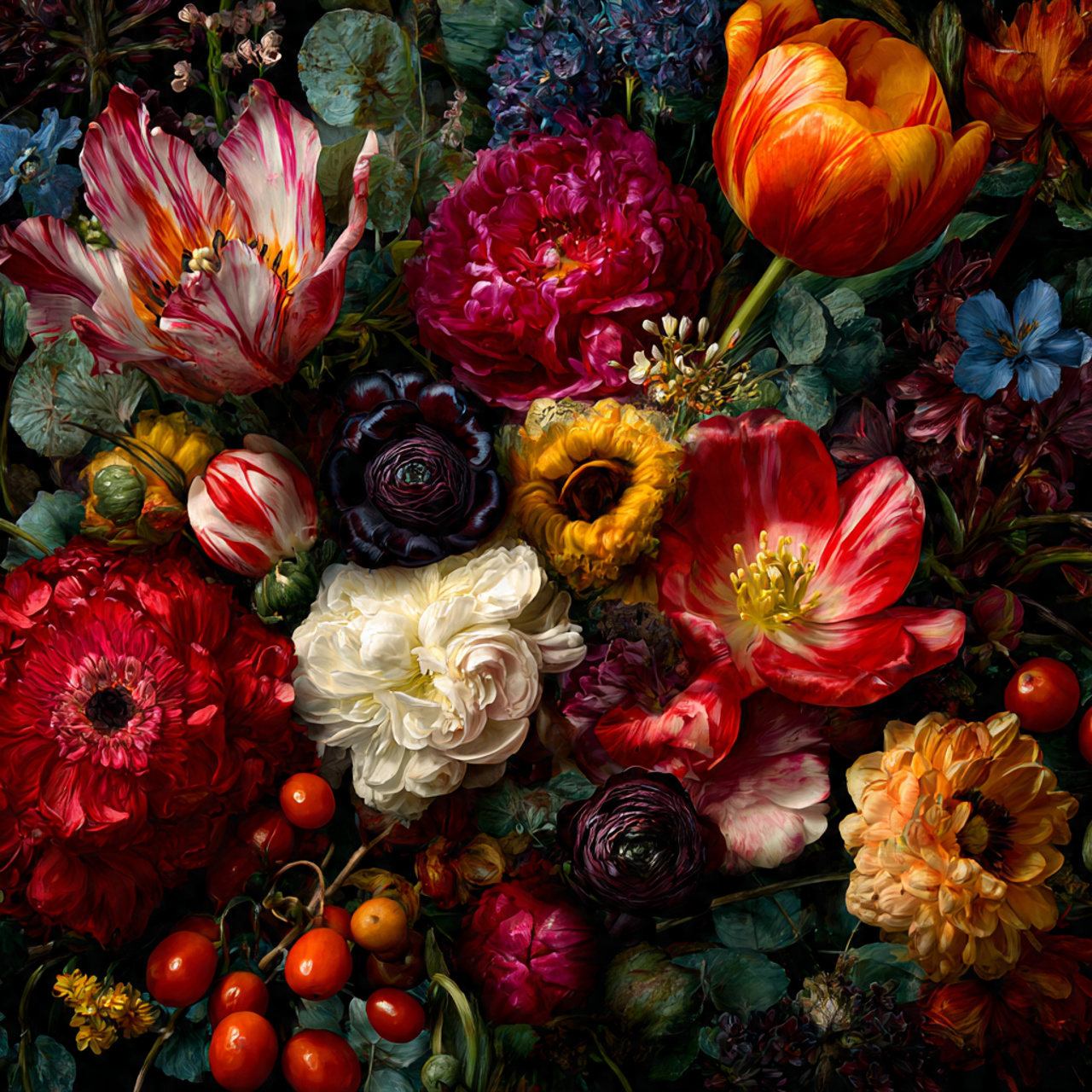
Here’s something fascinating: many people believe birth flowers actually reflect personality traits. Some blooms symbolize natural leadership qualities, while others point to a calm demeanor or creative spirit. This personal connection is what makes birth flowers so much more than just pretty plants.
When someone discovers their birth flower and learns what it represents, there’s often an instant “aha” moment. It feels personal, like the flower understands something about who they are. That’s exactly why you’ll see birth flowers featured in custom artwork, jewelry designs, tattoos, and carefully planned gardens.
How to use this: Consider adding your birth flower to your space – whether as a single potted plant on your desk or an entire flower bed in your garden. That small touch of personalization can make your environment feel more authentically “yours.”
January Birth Flowers and Their Meaning
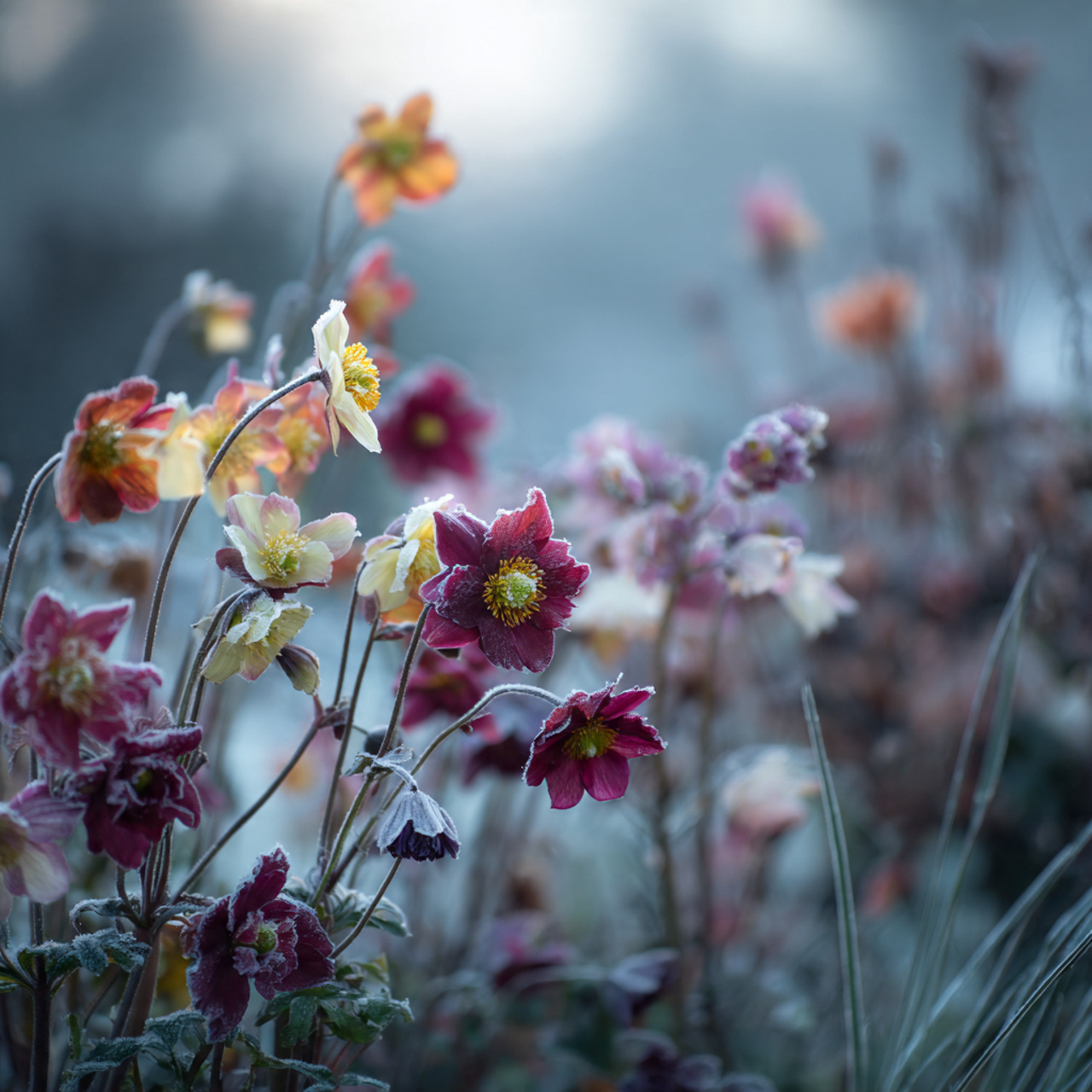
January’s flowers are the tough ones, representing strength, unwavering loyalty, and hope that persists even in the coldest months. These blooms don’t just survive winter conditions – they actually thrive in them, which perfectly symbolizes the resilience and endurance often associated with January-born individuals.
If you were born in January, you’re typically linked with determination and rock-solid stability. Your birth flowers make excellent additions to winter gardens or indoor containers, where they bring much-needed brightness to those dreary winter days.
Styling suggestion: January birth flowers look stunning in minimalist arrangements that let their simple strength shine through without overwhelming decorative elements.
February Birth Flowers and Emotional Expression

February’s blooms are all about matters of the heart – love, sincerity, and those deep emotions we sometimes struggle to put into words. Given February’s association with Valentine’s Day, it’s no surprise these flowers carry such romantic symbolism and represent genuine, heartfelt connections.
Perfect for:
- Emotional milestone gifts (anniversaries, reconciliations, first dates)
- Balcony gardens that need a touch of romance
- Window planters where you’ll see them daily
Design idea: Pair February birth flowers with soft, muted décor elements like pastel pots or natural wood planters to create an intimate, calming garden corner.
March Birth Flowers and New Beginnings
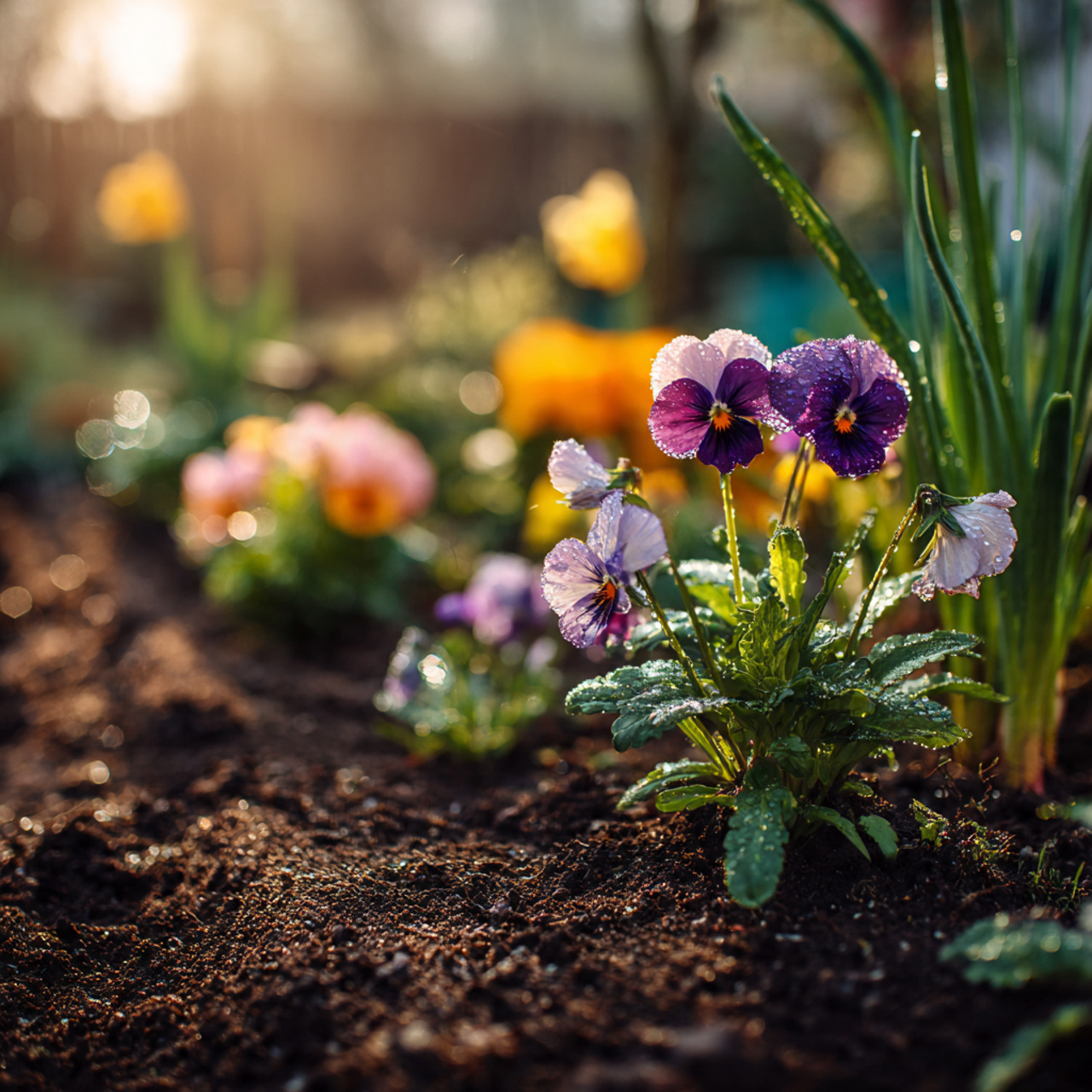
As winter finally loosens its grip and spring begins to emerge, March birth flowers perfectly capture that sense of renewal. They symbolize hope, growth, and the optimism that comes with fresh beginnings.
These flowers absolutely love the transition into spring weather, making them ideal candidates for outdoor gardens and raised beds. Landscape designers frequently feature them in seasonal designs because they handle those unpredictable March weather patterns so well.
Growing benefit: Tending to March birth flowers at home helps you reconnect with natural seasonal rhythms and reminds you that growth happens in its own time.
April Birth Flowers and Joyful Energy

If happiness had a flower, it would probably bloom in April. These birth flowers represent innocence, positive energy, and that contagious joy that makes people smile. Visually, they tend to be bright and eye-catching – the kind of blooms that stop you in your tracks.
Where they shine:
- Colorful garden layouts with mixed flower varieties
- Floral borders along pathways or property lines
- Patios and front yards that could use a pop of life
- Celebration arrangements for parties and gatherings
Tip: April flowers are natural mood boosters. Plant them where you’ll see them frequently during your daily routine.
May Birth Flowers and Natural Elegance
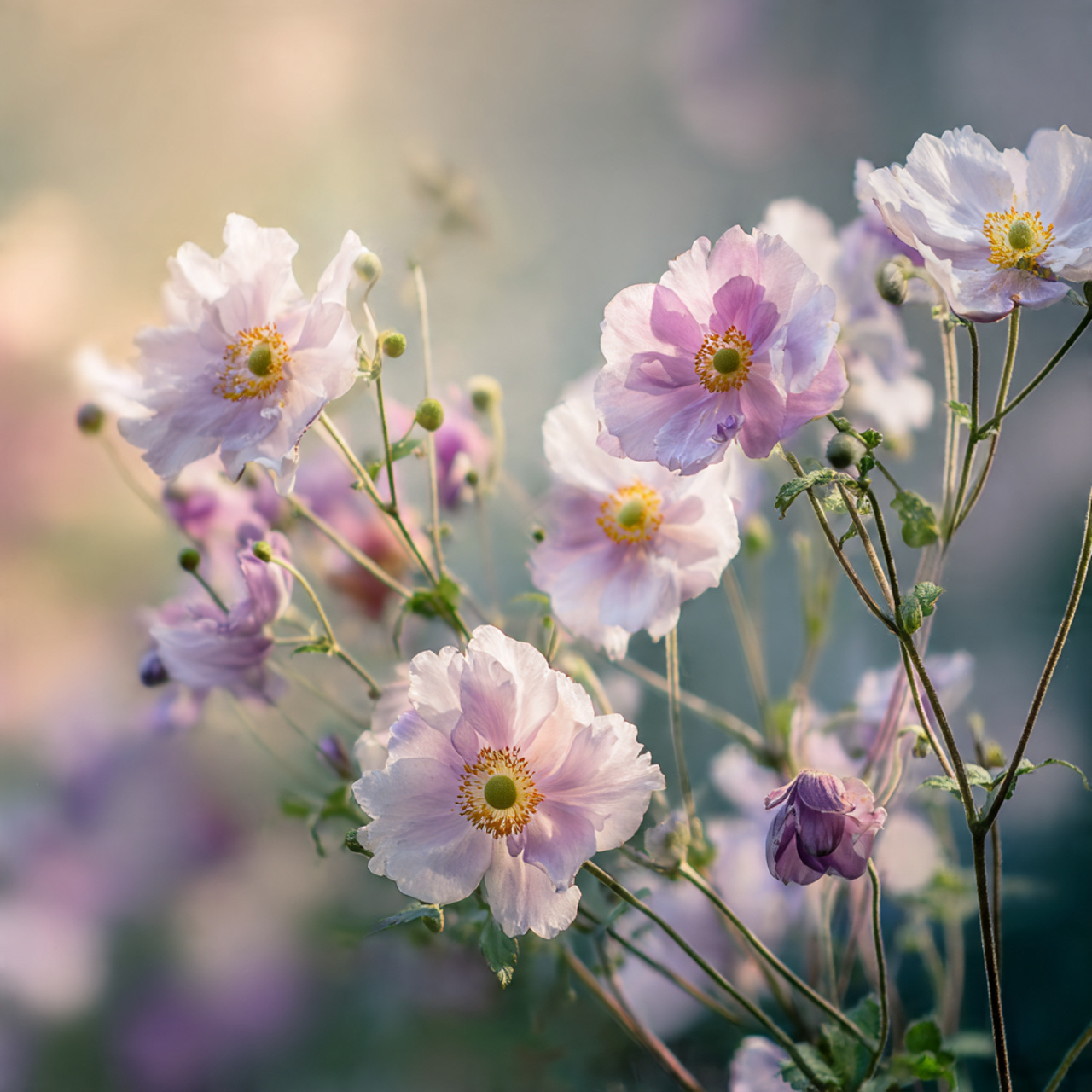
May brings flowers associated with love, beauty, and natural grace. These tend to be fragrant blooms with softer visual appeal – the kind that invite you to stop and breathe deeply, taking in their scent and delicate appearance.
Growing conditions they prefer:
- Partial shade (not full blazing sun all day)
- Moderate care – not too demanding but appreciate attention
- Cottage-style gardens with that romantic, slightly wild feel
- Decorative pots on covered porches or under tree canopies
Atmosphere they create: May birth flowers transform gardens into peaceful, elegant retreats where you can unwind after a long day.
June Birth Flowers and Romantic Charm
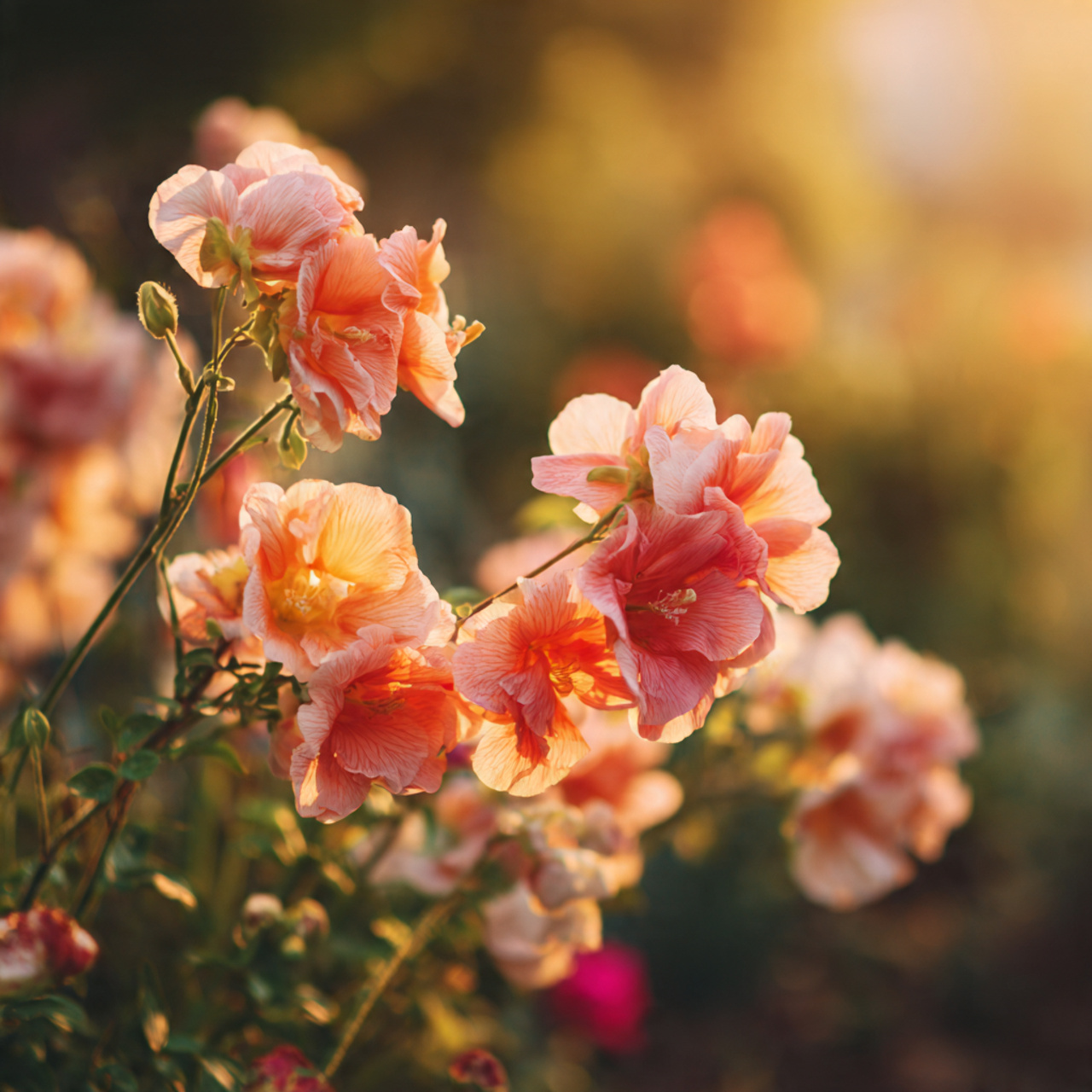
June’s flowers speak the language of affection, warmth, and devotion. There’s a reason they’re wedding favorites – they embody romantic charm and create that special atmosphere perfect for celebrations of love.
These beauties do require regular attention and care, but they reward dedicated gardeners with absolutely lush, stunning blooms. They work wonderfully in garden borders and can even adapt to vertical garden setups if you’re working with limited space.
Gift-giving idea: June birth flowers make incredibly thoughtful gifts for anniversaries, engagements, or any special occasion celebrating relationships.
July Birth Flowers and Bold Character
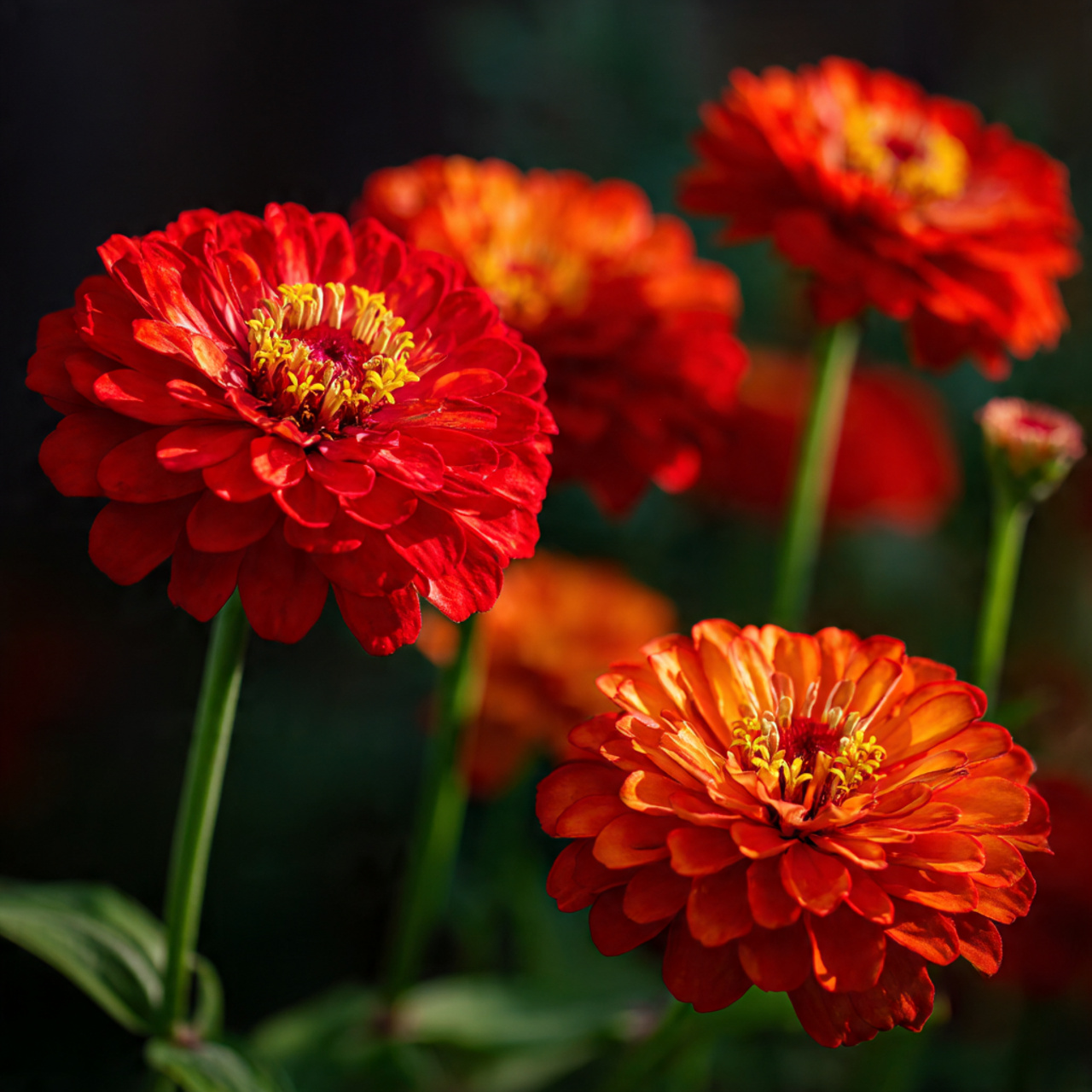
July birth flowers don’t do subtle. They represent confidence, passion, and strong emotions, with bold colors that reflect vibrant, outgoing personalities. These are statement flowers that demand attention.
What they need:
- Plenty of sunshine (they’re summer lovers)
- Well-draining soil
- Regular watering during hot months
Landscape impact: Use July birth flowers as focal points in your garden design. Their dramatic presence naturally draws the eye and creates visual interest wherever you plant them.
August Birth Flowers and Symbol of Strength
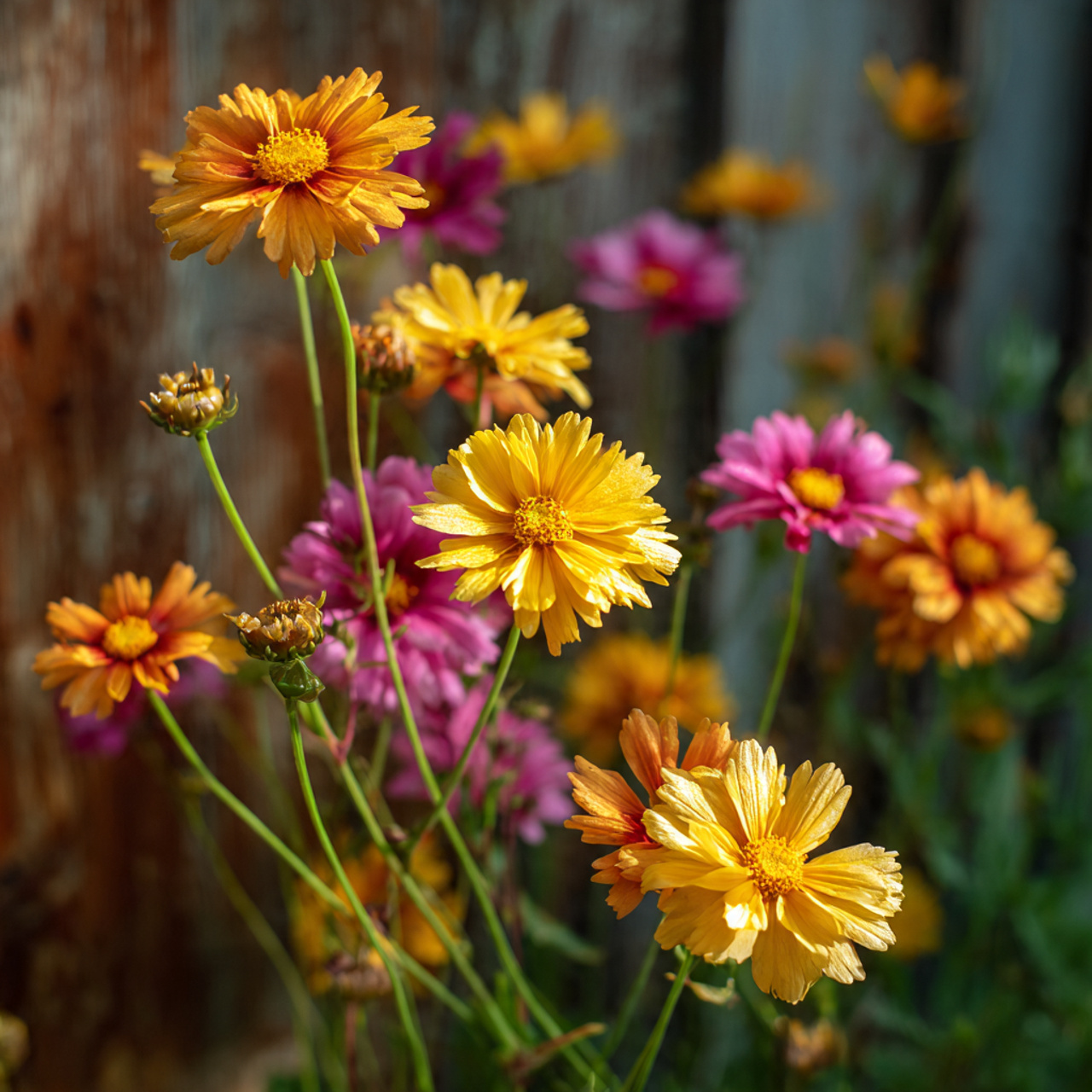
August brings flowers linked to courage, integrity, and wisdom – qualities that run deep. These are hardy plants that handle summer heat remarkably well, standing strong when other flowers might wilt.
Ideal for:
- Low-maintenance gardens (perfect for busy folks)
- Large outdoor areas that need filling
- Mixed flower beds that combine different varieties
Symbolic value: Growing August birth flowers serves as a daily reminder of inner strength and stability, making them more than just pretty additions to your garden.
September Birth Flowers and Calm Balance
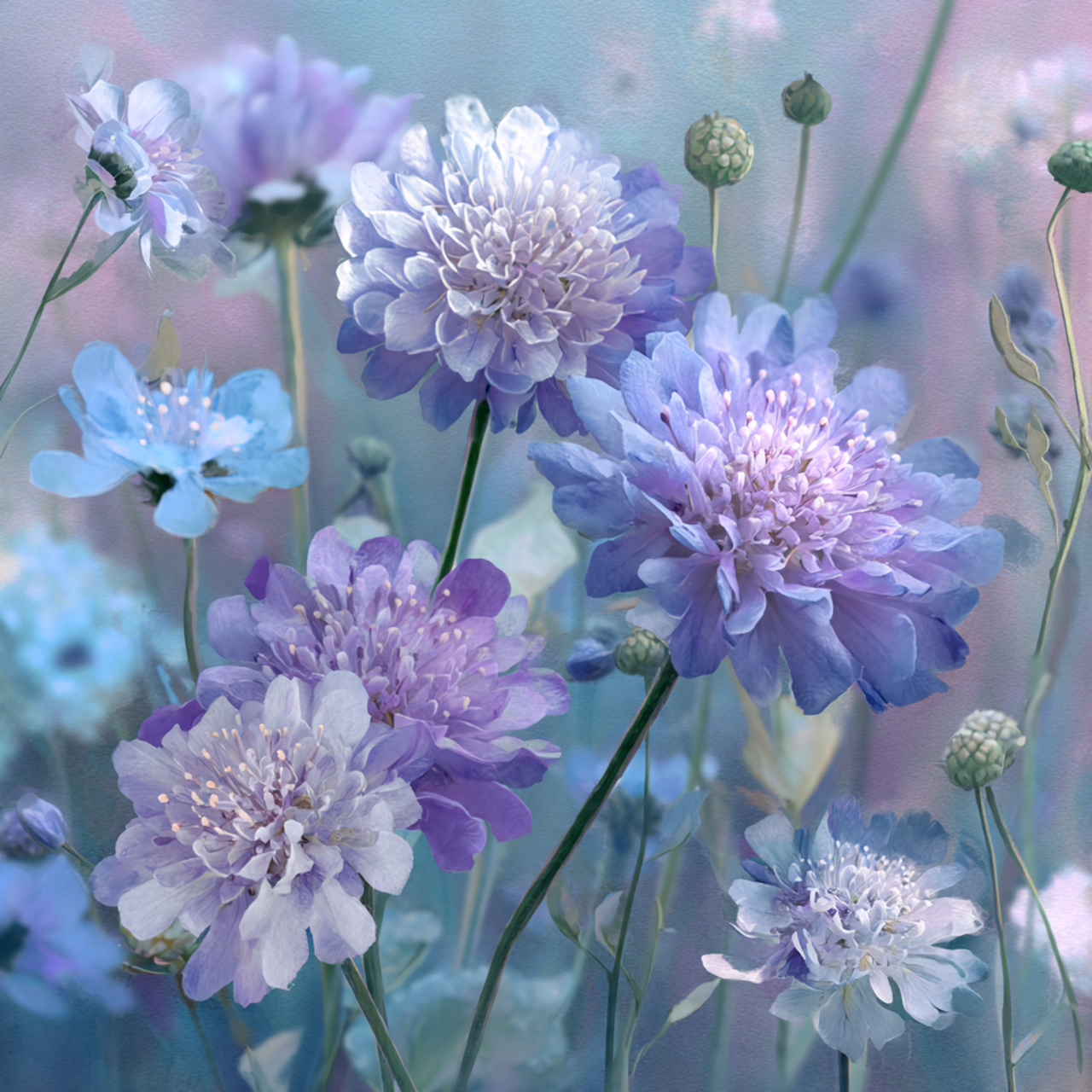
September’s blooms represent peace, trust, and clarity. Their gentle, calming appearance promotes balance and tranquility – exactly what many of us need as summer winds down and fall approaches.
Perfect placements:
- Meditation gardens or quiet reflection spaces
- Peaceful outdoor corners away from high-traffic areas
- Containers near seating areas where you relax
Atmosphere benefit: Incorporating September birth flowers into your garden design creates a naturally soothing environment that encourages mindfulness and calm.
October Birth Flowers and Creative Spirit
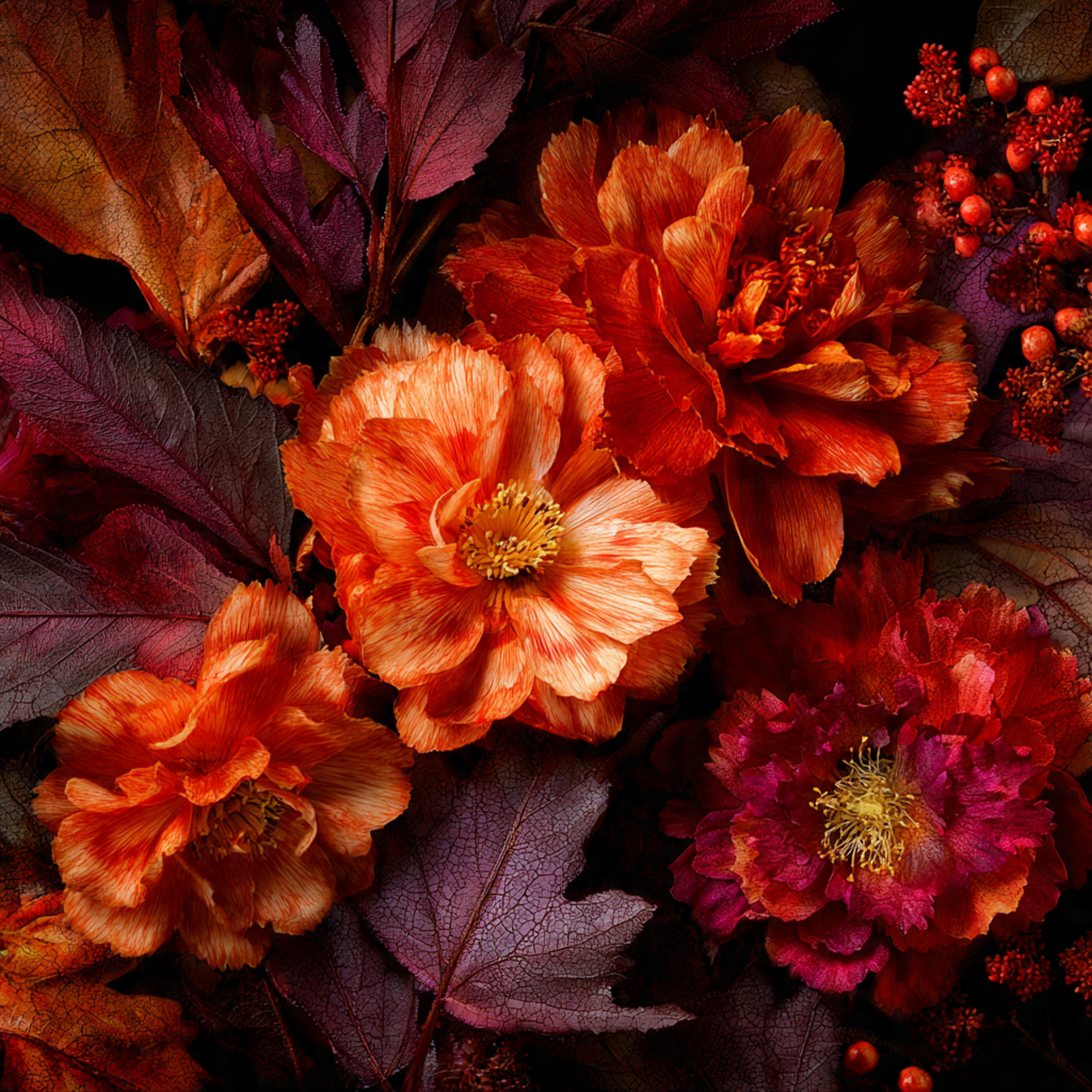
October flowers symbolize creativity, warmth, and emotional depth. They’re often rich in both color and texture, offering visual complexity that creative spirits particularly appreciate.
These blooms actually prefer cooler weather and excel during seasonal transitions. They add incredible visual interest to autumn landscapes when many other plants are fading.
Display ideas:
- Decorative planters near entryways
- Autumn-themed garden sections
- Mixed with ornamental grasses and fall foliage
November Birth Flowers and Inner Strength
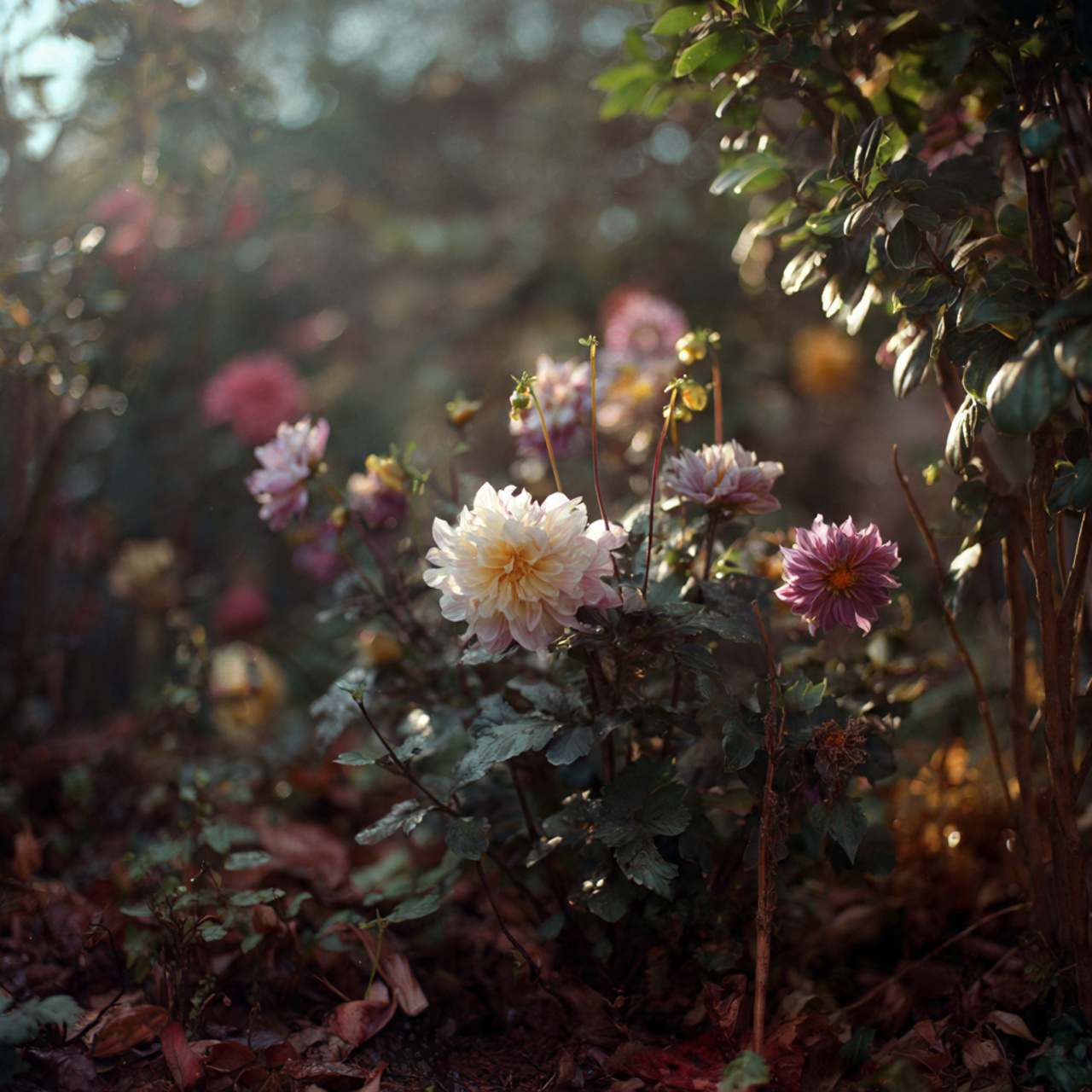
November’s flowers represent resilience, honesty, and loyalty. Here’s what makes them special: they bloom when many other plants are calling it quits for the season, symbolizing true perseverance.
Beginner-friendly features:
- Minimal care requirements
- Forgiving of occasional neglect
- Naturally hardy against cold
Seasonal impact: November birth flowers bring much-needed warmth and life to fall gardens when everything else is turning brown.
December Birth Flowers and Timeless Beauty
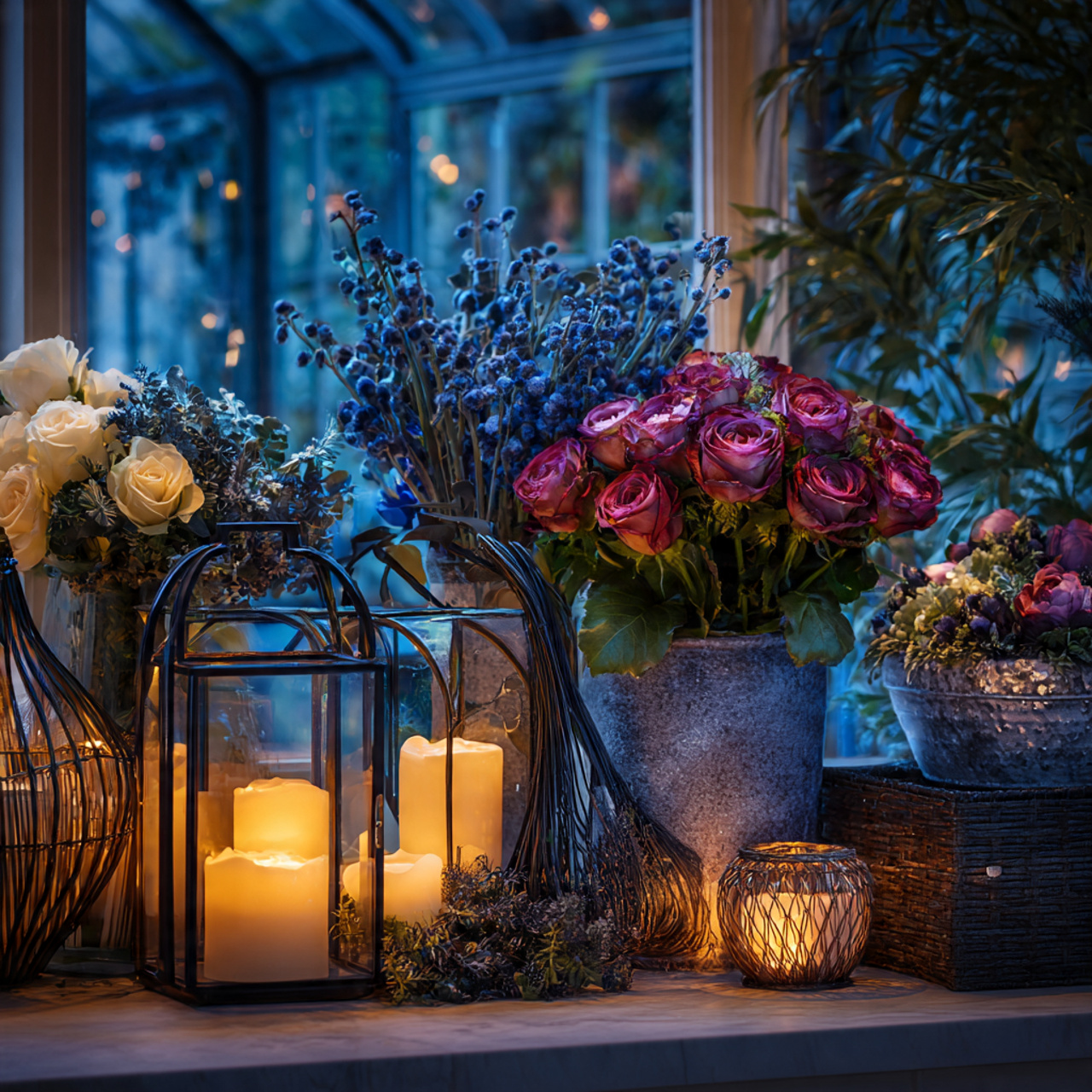
As the year draws to a close, December birth flowers symbolize hope, celebration, and lasting love. They’re frequently associated with festive holiday décor and bring meaningful beauty to year-end celebrations.
Versatility: Depending on your climate, December flowers can thrive both indoors and outdoors, making them adaptable to various growing situations.
Seasonal use: Perfect for creating winter-themed gardens that stay beautiful through the coldest months.
Birth Flowers in Home Gardening
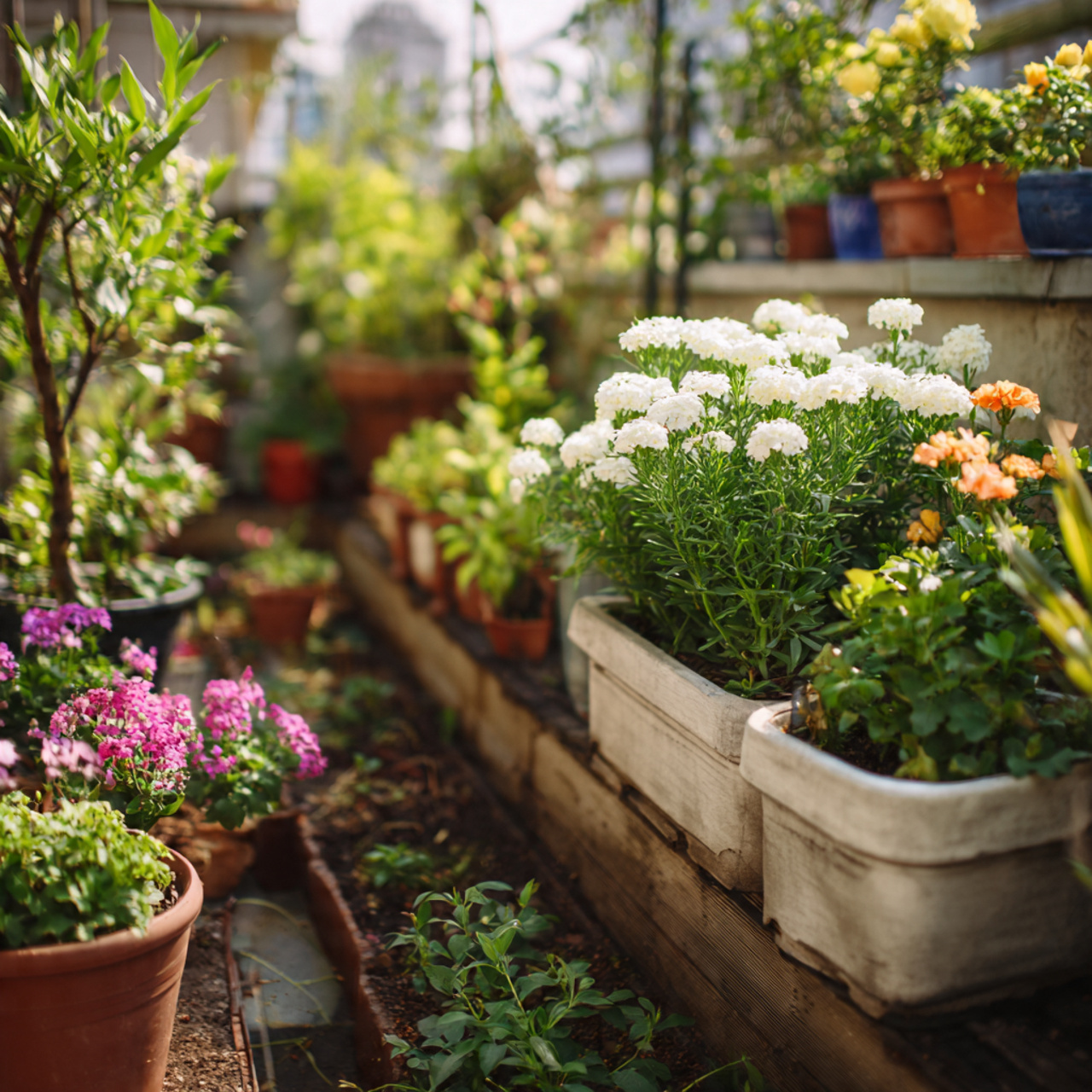
Birth flowers make exceptional choices for home gardening because they offer a perfect combination: visual beauty and personal meaning. When you grow your own birth flower, you create a living connection between yourself and nature.
What makes them practical:
- Many varieties adapt to small gardens, balconies, and indoor pots
- With basic care (proper sunlight, regular watering, decent soil), they thrive year-round
- Growing them encourages mindfulness and supports emotional well-being
Getting started tip: Choose your birth month’s flower or grow the birth flowers of family members for an extra layer of meaning in your garden.
Using Birth Flowers in Personalized Gifts
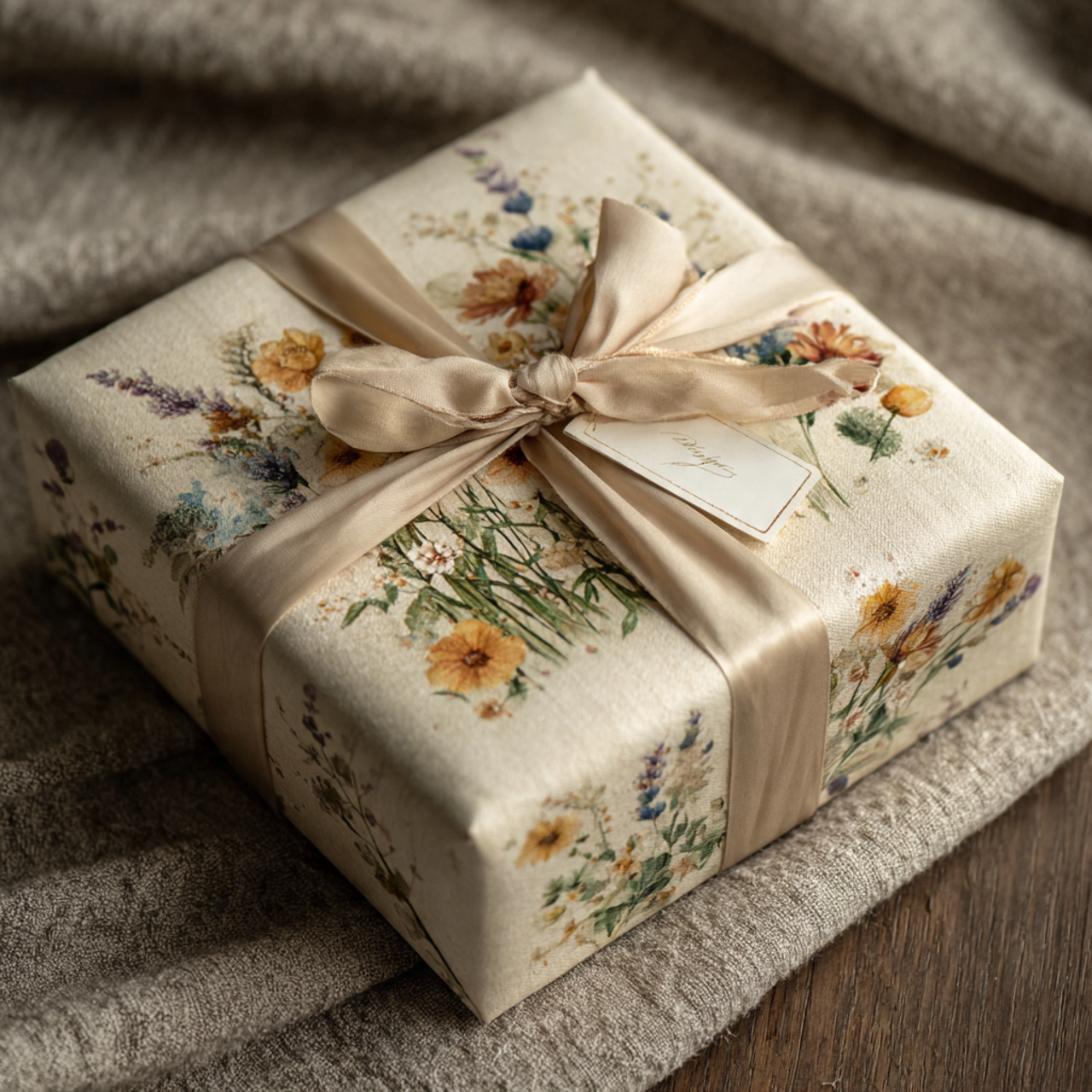
Birth flowers transform ordinary gifts into something truly special. They demonstrate that you’ve put thought into your choice and show emotional awareness that generic gifts simply can’t match.
Gift ideas:
- Fresh bouquets featuring the recipient’s birth flower
- Framed botanical art prints
- Potted plants ready for their own garden
- Dried flower arrangements in decorative frames
When to give them: Birthdays are obvious choices, but birth flower gifts also work beautifully for anniversaries, graduations, new home celebrations, and relationship milestones.
Birth Flowers in Home Decor Styling
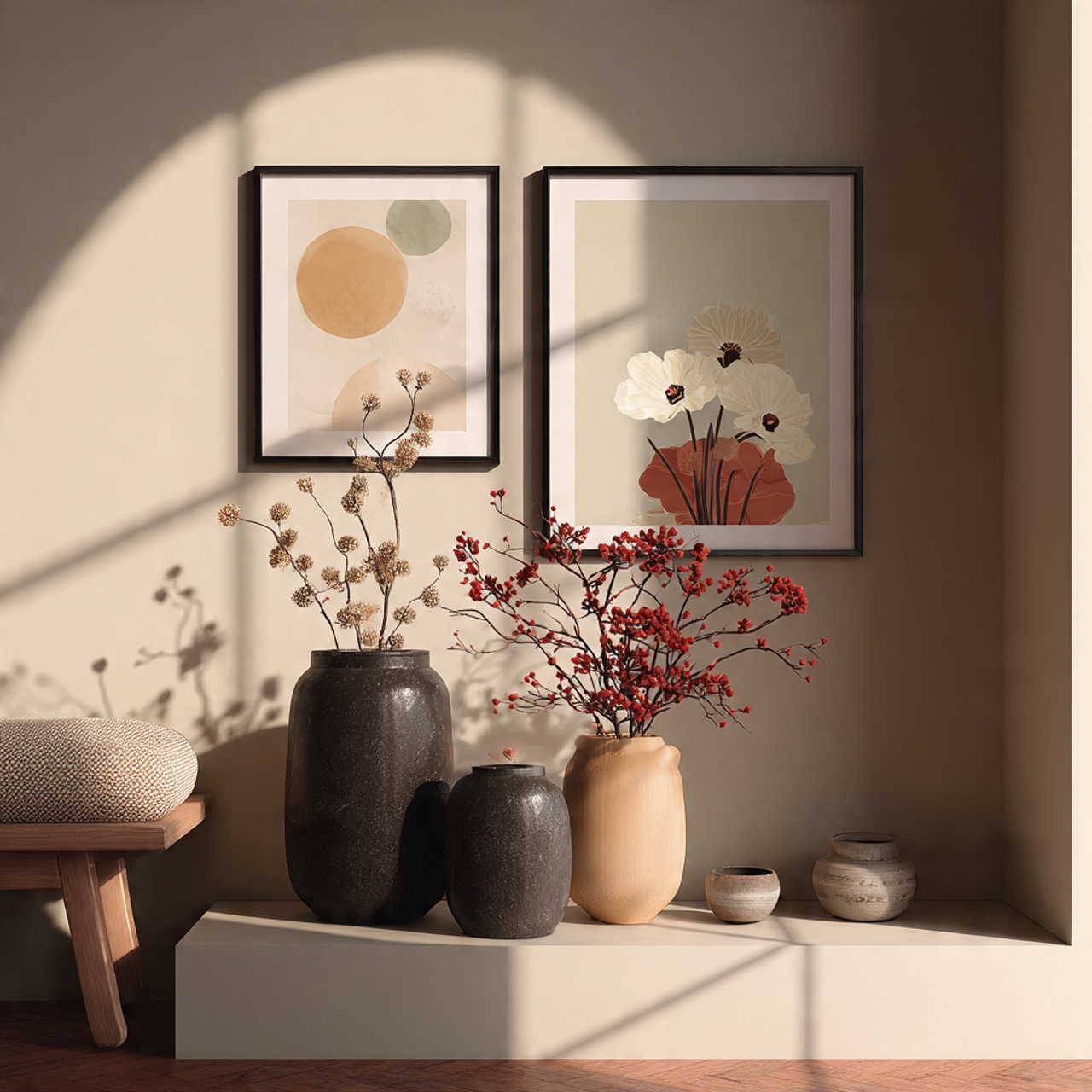
Birth flowers aren’t just for gardens – they make wonderful home décor elements that reflect personality and seasonal beauty. Both fresh and dried flowers work equally well depending on your preference and commitment level.
Display options:
- Simple vases on dining tables or coffee tables
- Pressed flowers in wall art or shadow boxes
- Table centerpieces for special dinners
- Floating blooms in decorative bowls
Design benefit: Using birth flowers in your décor creates a personalized, welcoming environment that feels intentional rather than generic.
Birth Flowers for Small Garden Spaces
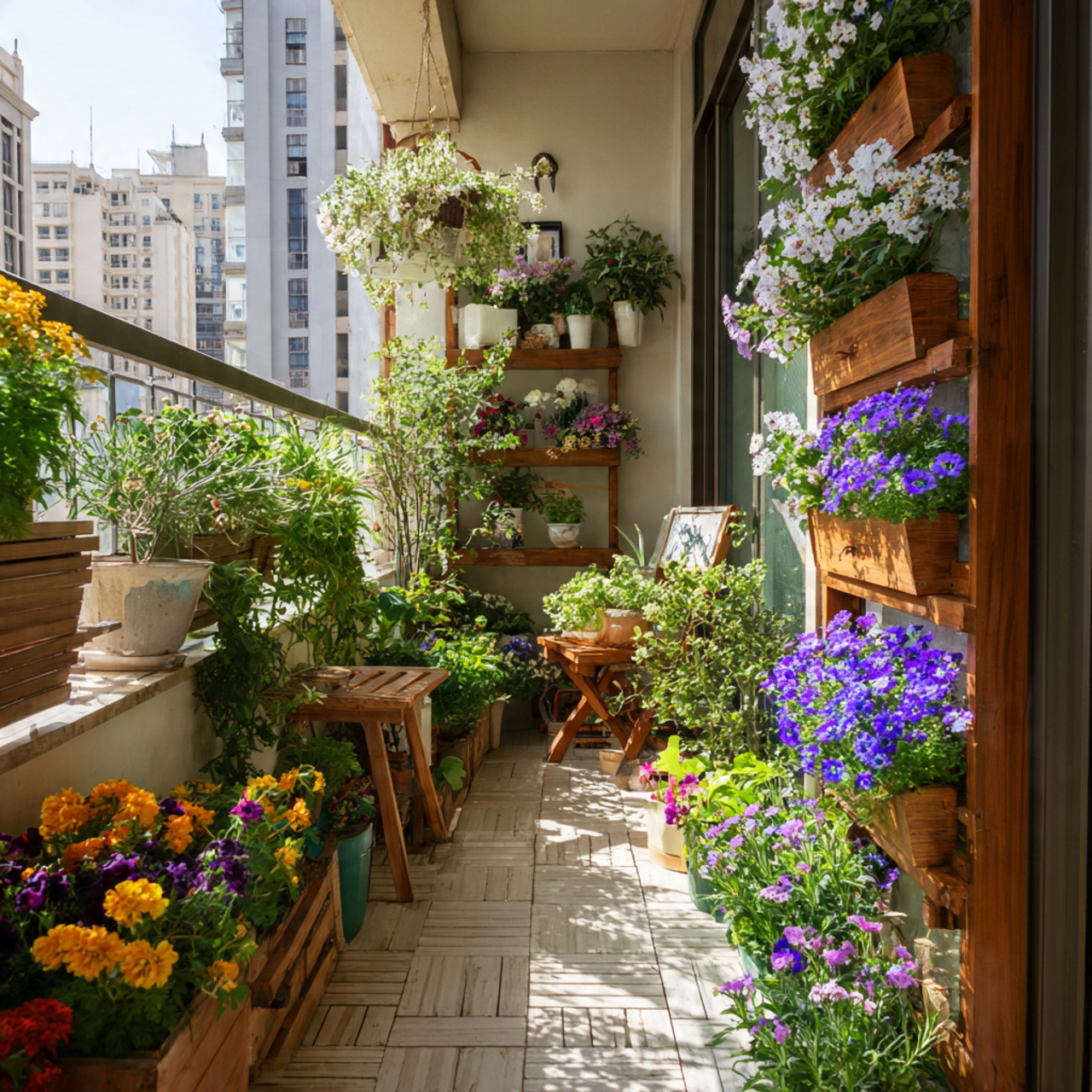
Don’t let limited space stop you from growing birth flowers. Many varieties actually thrive in containers and vertical garden setups, making them perfect for apartment dwellers and those with small yards.
Small-space solutions:
- Balcony rail planters
- Hanging baskets
- Stackable vertical garden walls
- Window sill pots
- Patio container gardens
Success requirements: Ensure proper sunlight exposure and maintain consistent care routines. Birth flowers will flourish even in compact spaces when their basic needs are met.
Birth Flowers and Seasonal Gardening
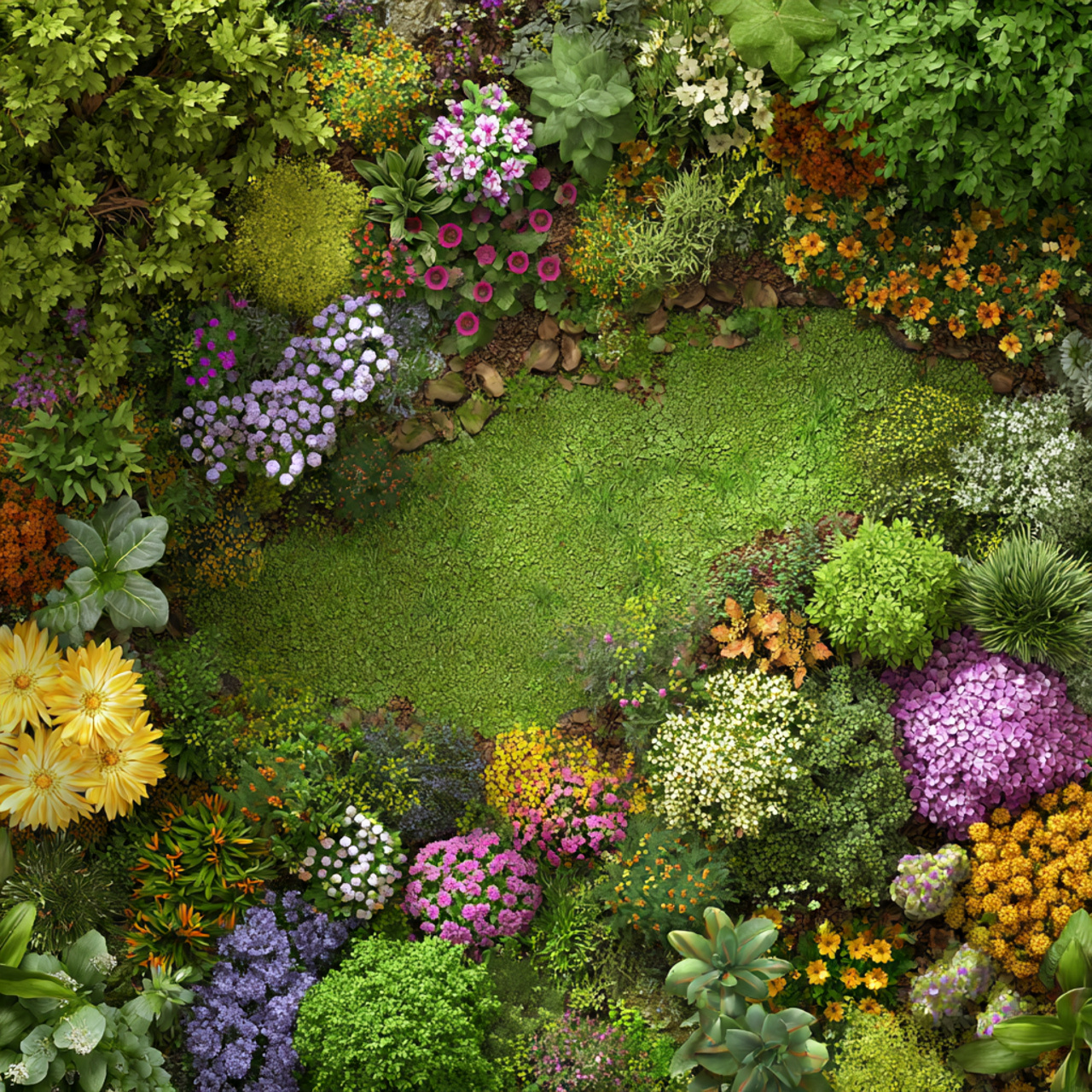
Birth flowers naturally complement seasonal gardening practices. When you plant them according to their natural blooming cycles, you set them up for healthier growth and more abundant flowers.
Benefits of seasonal alignment:
- Maintains year-round color in your garden
- Provides natural structure to garden layouts
- Reduces maintenance needs (working with nature, not against it)
- Improves overall plant health
Planning tip: Create a simple calendar noting when each birth flower blooms, then design your garden so something is always in season.
Birth Flowers in Cultural Traditions
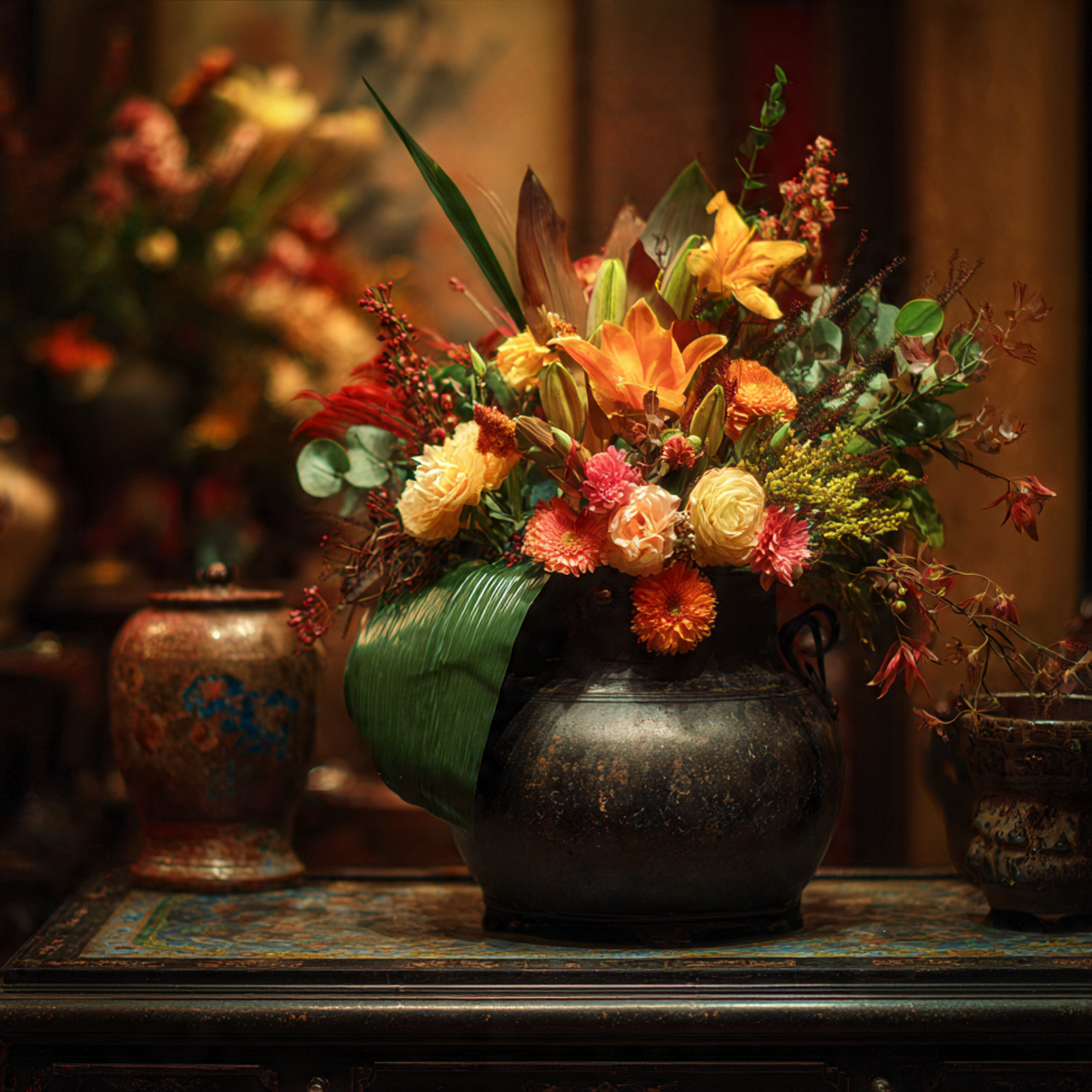
Birth flowers hold cultural significance that extends far beyond Western traditions. Various cultures around the world use them in ceremonies, festivals, and symbolic rituals, each interpreting the flowers through their unique cultural lens.
Why this matters: Understanding these diverse cultural perspectives adds depth and richness to your appreciation of birth flowers. What might symbolize one thing in your culture could carry entirely different meaning elsewhere.
Learning opportunity: Research how different cultures view your birth flower – you might discover fascinating connections you never knew existed.
Birth Flowers for Mindful Living

In our fast-paced world, birth flowers offer a pathway to more mindful, intentional living. They connect us to nature’s rhythms and encourage us to slow down and pay attention.
Mindfulness practices:
- Morning watering routines that start your day with calm
- Pruning sessions that become moving meditation
- Simply observing daily growth and changes
- Photographing blooms to notice small details
Wellness benefit: Regular interaction with your birth flowers promotes patience, awareness, and emotional balance – all crucial elements of mental well-being.
Birth Flowers and Sustainable Gardening

Many birth flowers align beautifully with sustainable gardening practices. They attract pollinators like bees and butterflies while supporting local ecosystems in measurable ways.
Sustainable choices:
- Select native birth flowers suited to your local climate
- Choose varieties that require minimal water once established
- Avoid flowers requiring heavy pesticide or fertilizer use
- Prioritize organic growing methods
Impact: Sustainable birth flower gardening benefits both environmental health and your personal well-being, creating positive ripple effects beyond your garden.
Birth Flowers for Children and Learning
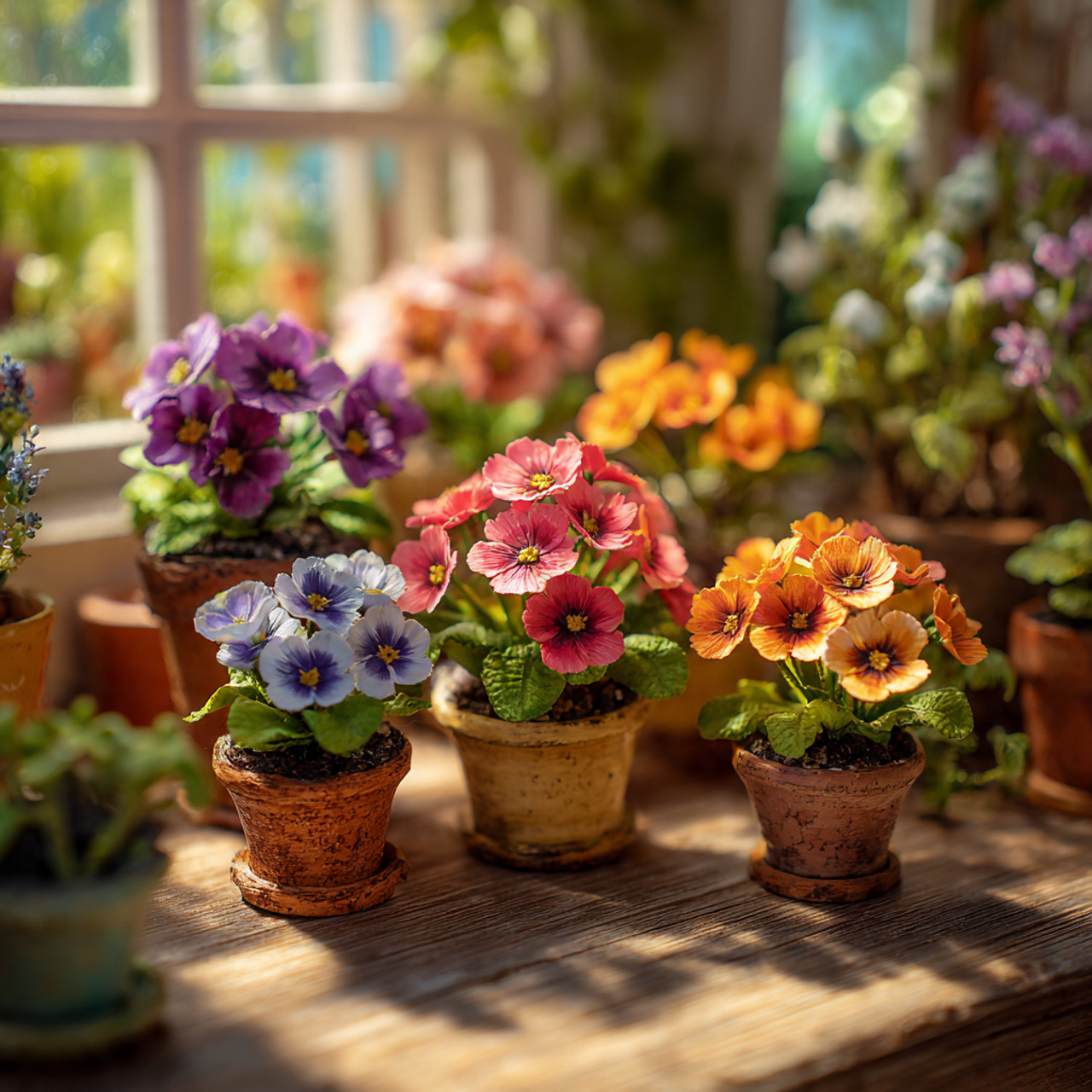
Birth flowers make excellent educational tools for children, teaching responsibility, nature awareness, and the beauty of symbolism through hands-on experience.
What kids learn:
- Plant care responsibility (watering, checking soil, removing dead leaves)
- Patience as they wait for blooms to appear
- Scientific observation skills
- Connection between symbols and meaning
Fun factor: Children genuinely enjoy growing “their” special flower and learning what it represents about them. This fosters both curiosity and respect for nature.
Birth Flowers and Emotional Connection
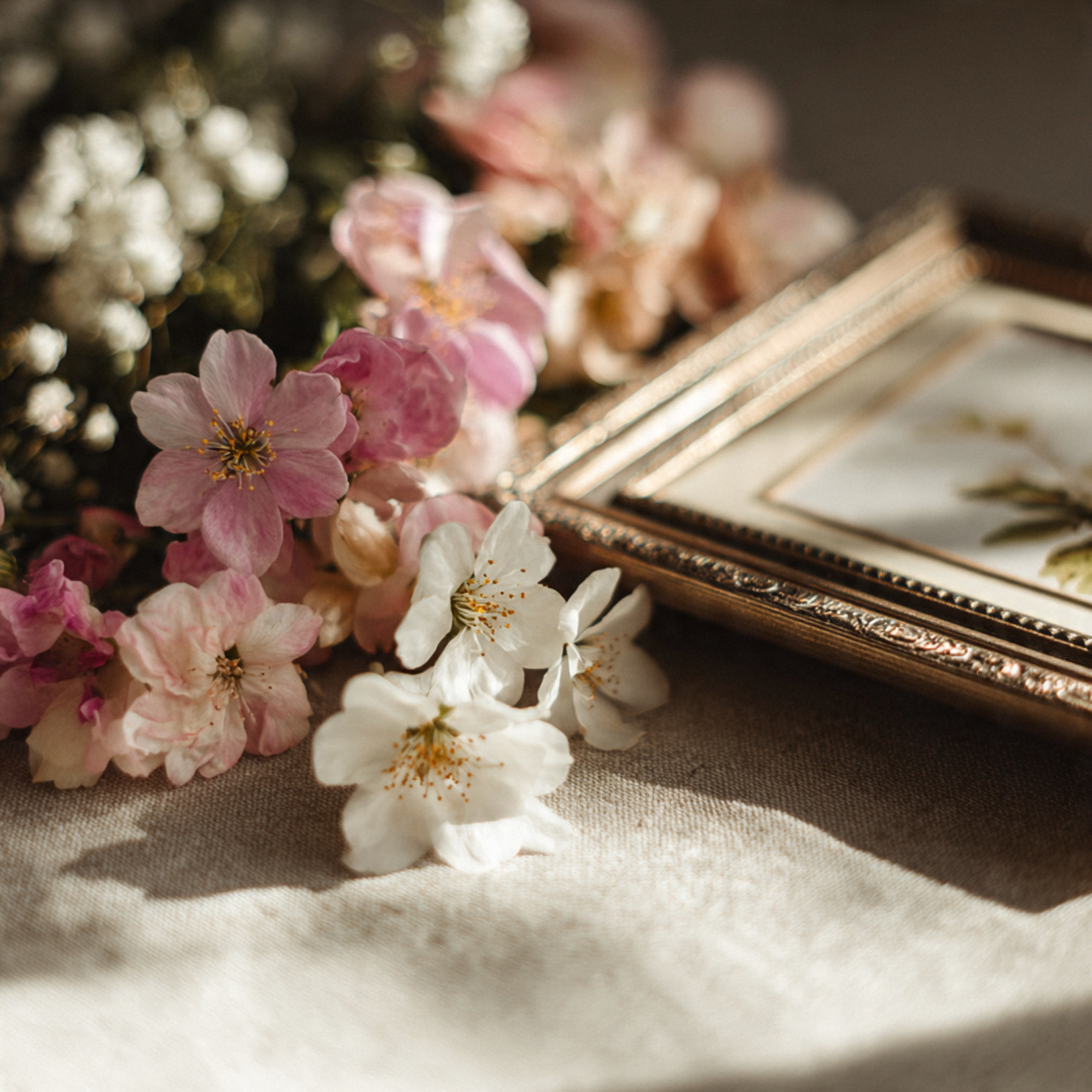
Birth flowers often become tied to our most cherished memories and emotional experiences. They remind us of loved ones, mark important life moments, and serve as living bookmarks in our personal stories.
Emotional anchoring: Keeping birth flowers at home provides comfort during difficult times and emotional grounding when life feels chaotic. They’re silent companions that offer stability simply through their presence.
Memory connections: The scent or sight of your birth flower might transport you back to childhood gardens, remind you of a special person, or commemorate a meaningful event.
Birth Flowers in Modern Lifestyle

Birth flowers fit seamlessly into modern lifestyles that prioritize personalization and meaning over mass-produced uniformity. They align perfectly with current trends emphasizing mindful living, natural décor, and authentic self-expression.
Modern applications:
- Digital art and graphic design
- Instagram-worthy garden aesthetics
- Minimalist home styling
- Personal branding for businesses and creators
- Wedding and event themes
Timeless appeal: Despite changing trends, birth flowers continue resonating across generations because their core symbolism remains relevant regardless of era.
Birth Flowers as a Symbol of Identity
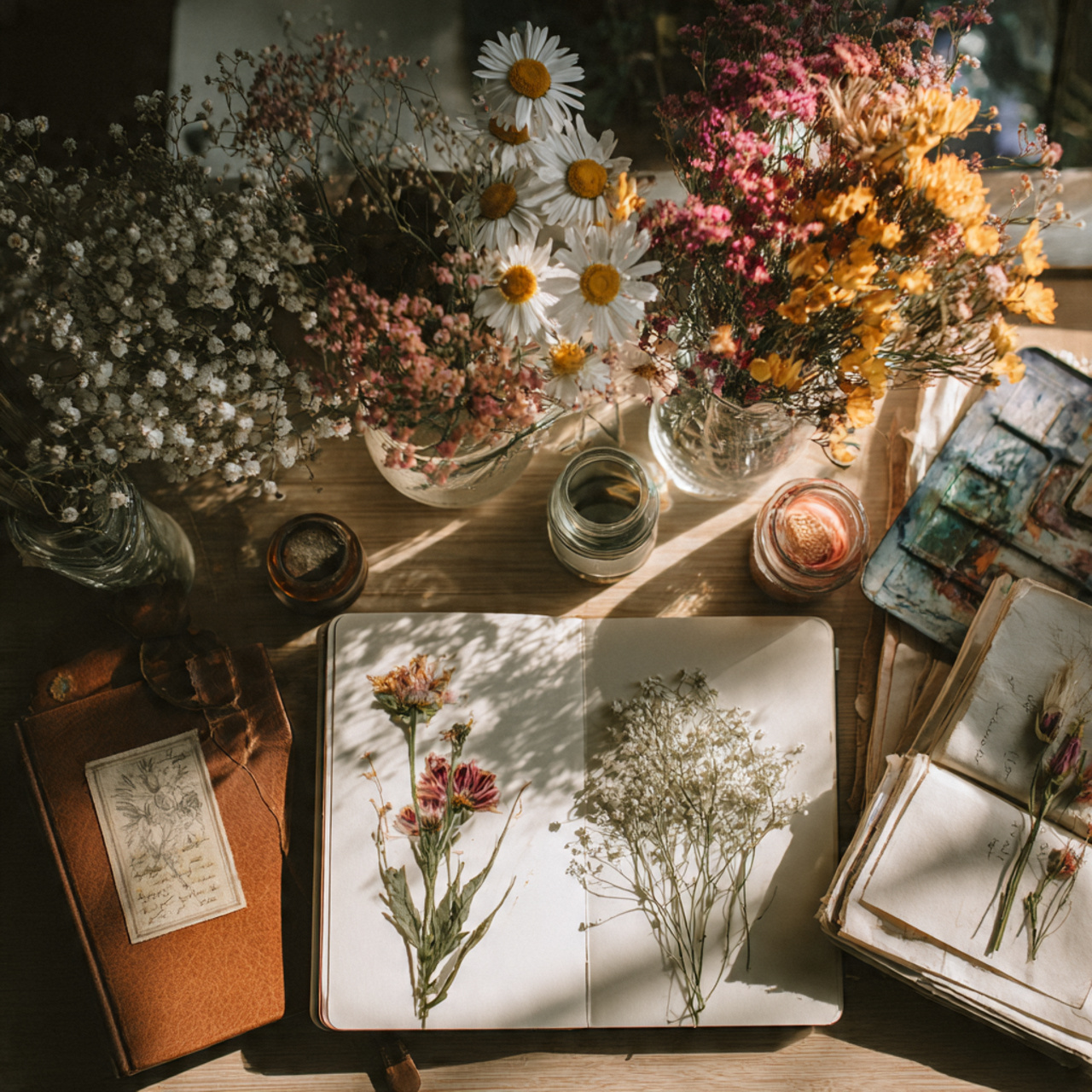
Birth flowers offer a subtle yet powerful way to represent your identity without saying a word. They reflect individuality through nature’s language rather than direct statements.
Popular uses:
- Tattoo designs with personal significance
- Logo elements for personal brands or businesses
- Profile pictures and social media branding
- Custom jewelry incorporating birth flower imagery
- Signature scents based on flower fragrances
Why it works: Birth flowers communicate something essential about who you are while maintaining an air of mystery and sophistication.
Birth Flowers and Long-Term Gardening Goals
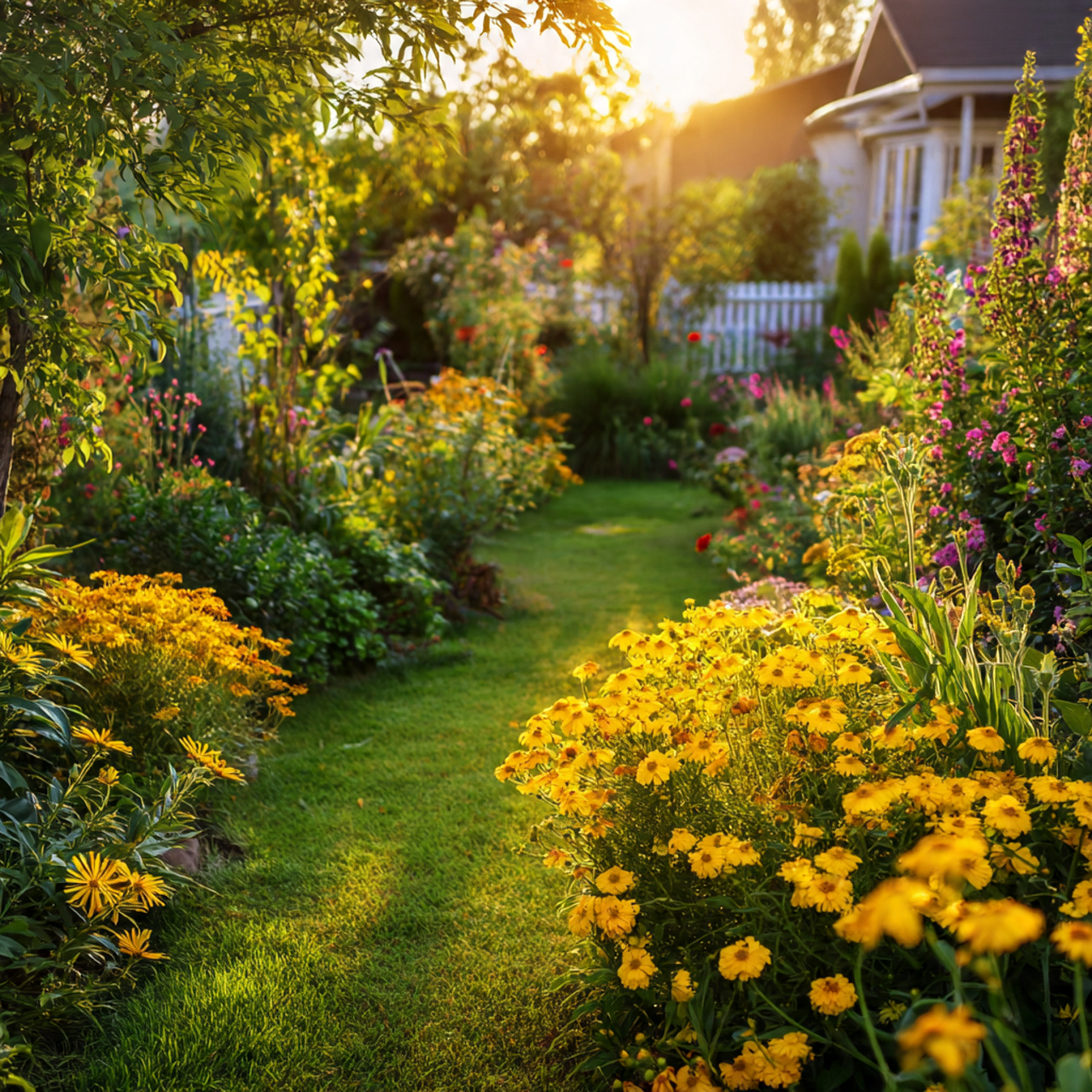
Growing birth flowers encourages sustained commitment to gardening. Watching the same plants bloom year after year, season after season, creates deep satisfaction and a sense of continuity.
Long-term benefits:
- Birth flowers become permanent, beloved features in your garden
- They support consistent gardening habits through emotional attachment
- Annual blooming cycles create anticipated moments of joy
- Perennial varieties reduce replanting work over time
Emotional fulfillment: There’s something profoundly satisfying about nurturing the same plants through multiple seasons and witnessing their reliable return each year.
Visit Also: Floral Arrangements
Frequently Asked Questions About Birth Flowers
What exactly are birth flowers? Birth flowers are specific blooms associated with each calendar month, representing personality traits, emotions, and characteristics linked to people born during that time.
Can I actually grow birth flowers at home? Absolutely! Most birth flowers adapt well to home gardens, container pots, or even indoor environments with appropriate care tailored to each variety.
Are birth flowers the same everywhere in the world? While some variations exist across different cultures, most monthly birth flower associations are widely recognized and consistent internationally.
Why are birth flowers good gift choices? They demonstrate thoughtfulness and personalization that generic bouquets can’t match, showing you’ve considered the recipient’s unique identity and birth month.
Do birth flowers need special or complicated care? Care requirements vary by specific flower type, but most need only basic gardening fundamentals: adequate sunlight, regular watering, and healthy soil conditions.
Final Thoughts
Birth flowers beautifully weave together visual appeal, symbolic meaning, and personal significance in ways few other plants can match. Whether you’re cultivating them in home gardens, incorporating them into interior décor, giving them as meaningful gifts, or using them for creative self-expression, birth flowers create emotional connections that transcend mere aesthetics.
By taking time to understand and grow your birth flowers, you invite intention, mindfulness, and the healing power of nature into your everyday existence. Their timeless charm and deep symbolism make birth flowers a genuinely meaningful choice for anyone seeking beauty with authentic purpose.
Start with just one – your birth month’s flower – and watch how that simple addition transforms not just your space, but your relationship with the natural world around you.