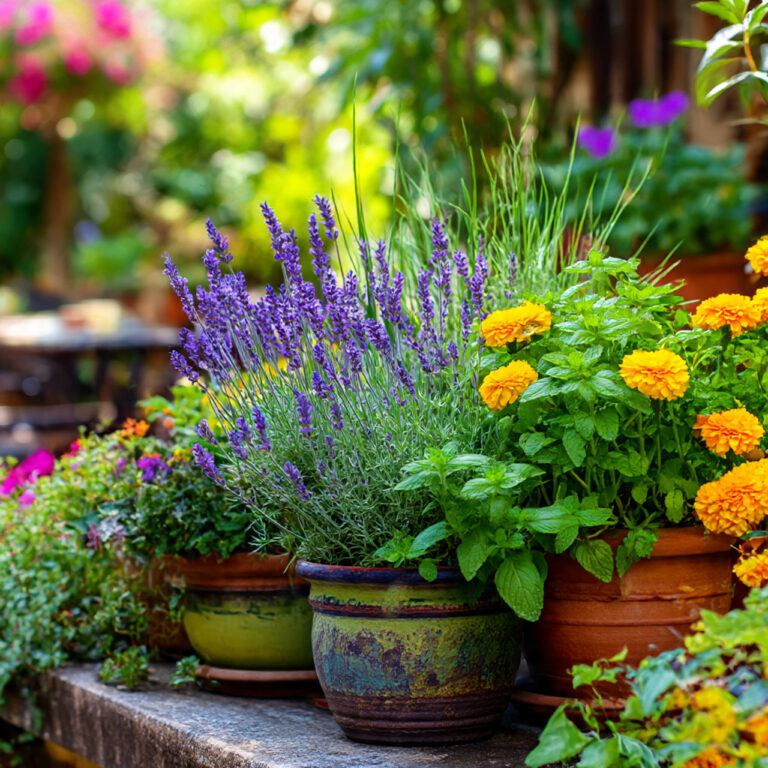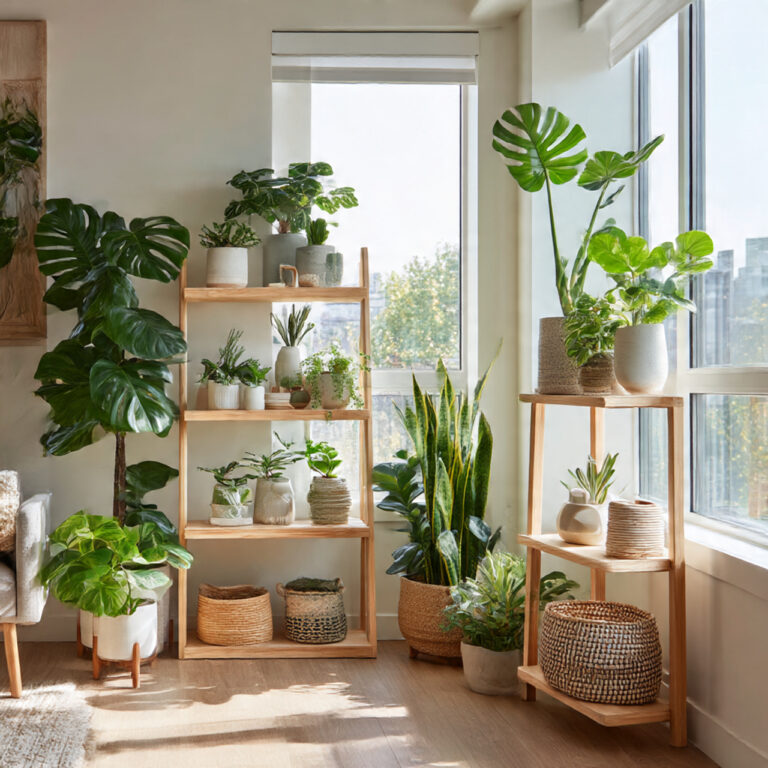
17 Best Bedroom Plants for Better Sleep & Clean Air
Have you ever walked into a room filled with plants and immediately felt calmer? That’s not just your imagination. Bringing plants into your bedroom isn’t just about making it look nice—it’s about creating a space where you can truly rest and recharge.
When you spend roughly a third of your life sleeping, the quality of your bedroom environment matters more than you might think. The right plants can purify the air you breathe all night, help you fall asleep faster, and even boost your mood when you wake up. But here’s the thing: not every plant belongs in a bedroom, and choosing the wrong ones can leave you frustrated or, worse, with a collection of wilted stems.
Let me walk you through everything you need to know about selecting, caring for, and benefiting from bedroom plants that actually work.
The Real Reasons Your Bedroom Needs Plants
Beyond making your Instagram feed look better, plants in your bedroom serve some genuinely impressive purposes. Research has shown that specific plant species can remove nasty chemicals from the air in your room—things like formaldehyde from furniture, benzene from synthetic materials, and other toxins that build up in enclosed spaces.
But the benefits go deeper than just clean air. Having plants nearby reduces stress hormones, can lower your blood pressure, and helps your mind shift from “go mode” to “rest mode” more easily. There’s something about the presence of living greenery that speaks to our brains at a fundamental level, reminding us to slow down and breathe.
Practical Tip: Start with just one or two plants to see how you like caring for them before investing in a whole indoor garden. It’s better to have two thriving plants than ten struggling ones.
The Tough-as-Nails Snake Plant
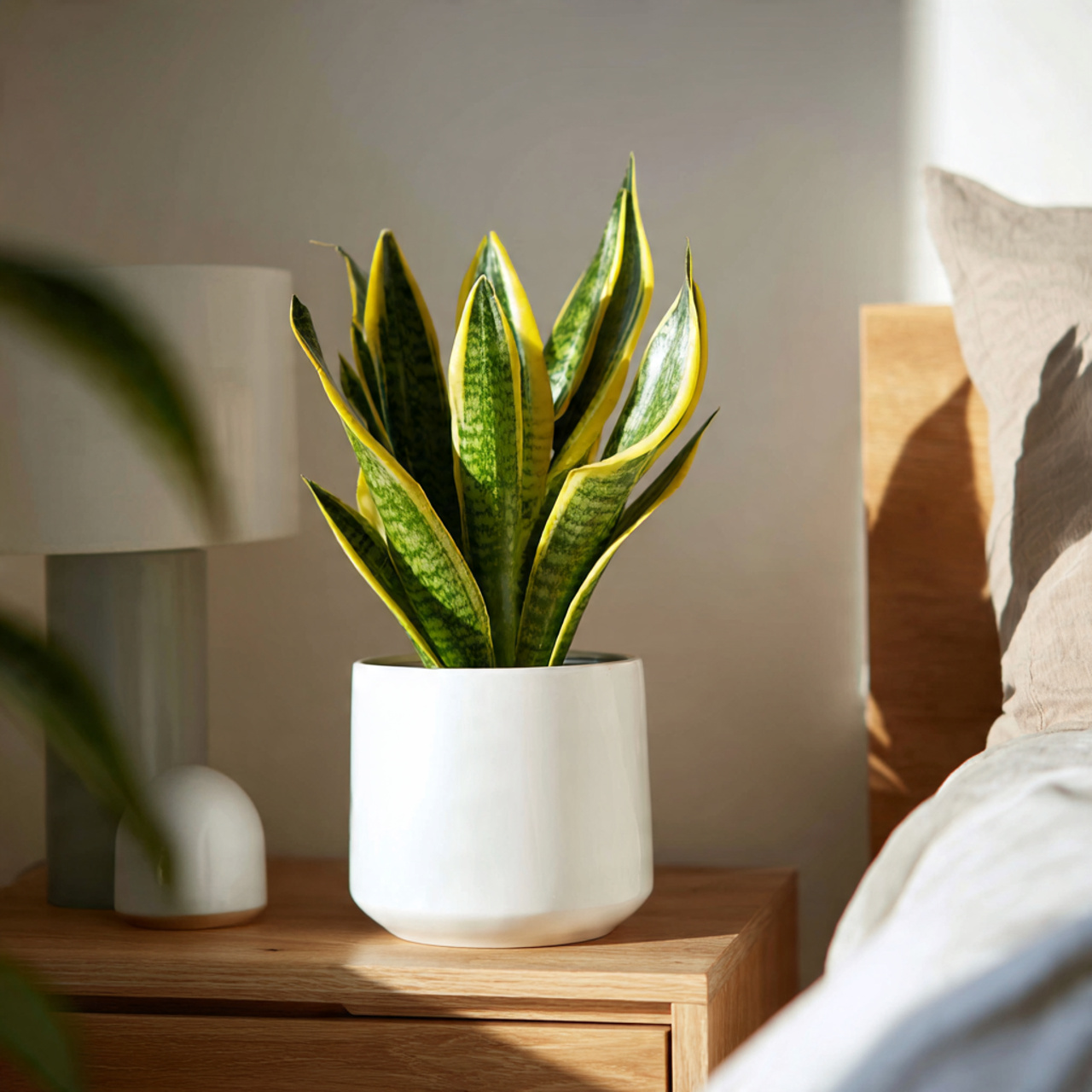
If you’ve killed every plant you’ve ever owned, the snake plant (also called mother-in-law’s tongue) is your redemption story. This plant practically thrives on neglect, handles dim lighting like a champ, and doesn’t throw a fit if you forget to water it for weeks.
What makes snake plants particularly special for bedrooms is their nighttime superpower: unlike most plants, they release oxygen after the sun goes down. This means fresher air while you sleep, which is exactly when you need it most.
Care Tips:
- Water only when the soil is completely dry (every 2-3 weeks usually)
- Place in indirect light—near a window works great, but not in direct harsh sunlight
- Use well-draining soil to prevent root rot
- Wipe the leaves occasionally with a damp cloth to remove dust
Common Mistake to Avoid: Overwatering is the number one snake plant killer. When in doubt, wait another few days before watering.
Tip: Snake plants are mildly toxic to pets, so keep them out of reach if you have curious cats or dogs.
The Easy-Going Pothos Vine
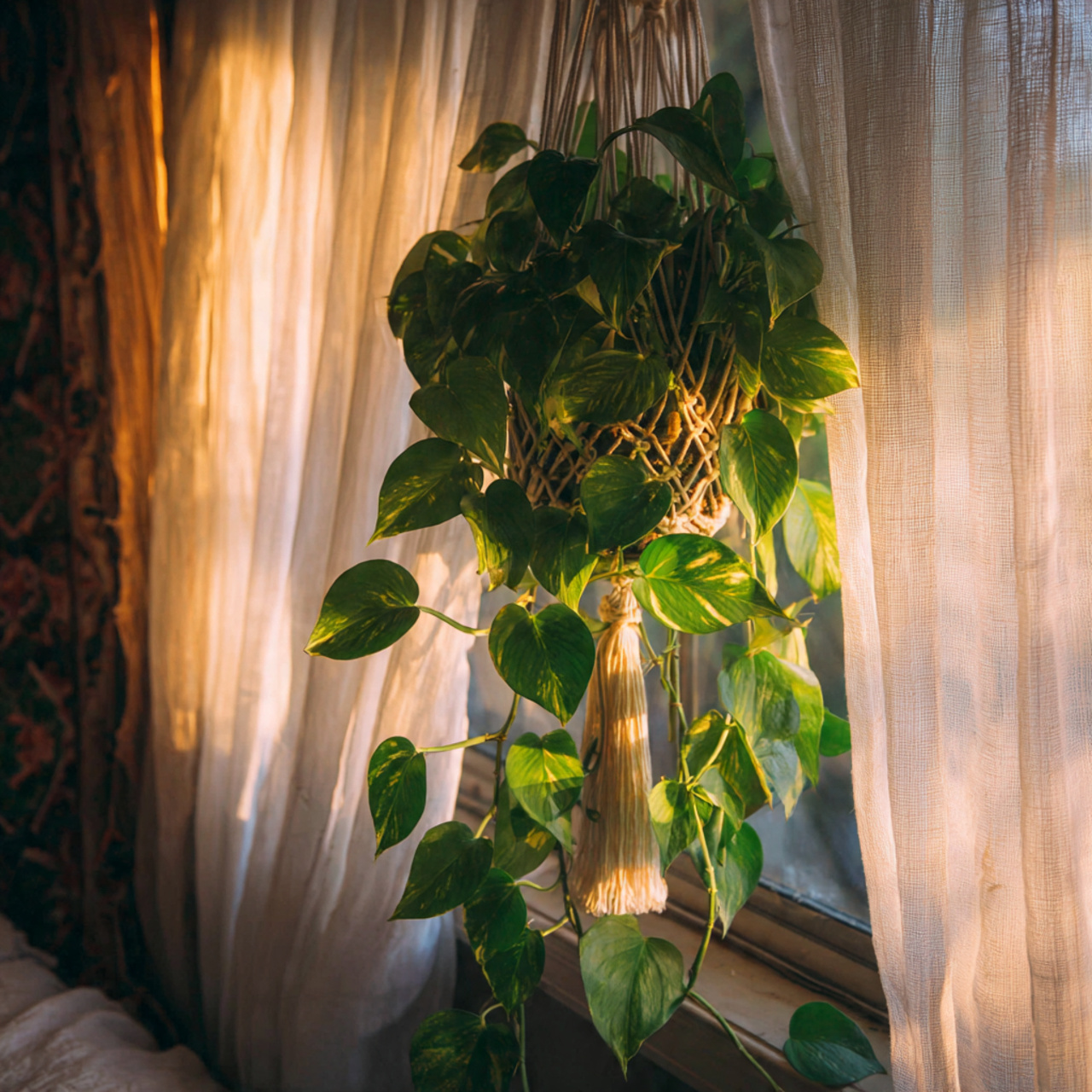
Pothos is like that friend who gets along with everyone—adaptable, forgiving, and always looking good. These trailing plants with heart-shaped leaves can grow almost anywhere, from bright corners to shadier spots, making them incredibly versatile.
Their cascading vines look beautiful draping from shelves, climbing up walls, or spilling out of hanging planters. Plus, they’re excellent at filtering out common indoor air pollutants.
Care Tips:
- Water when the top inch of soil feels dry to the touch
- Provide bright, indirect light for best growth (though they tolerate low light)
- Trim back long vines to encourage bushier growth
- Propagate cuttings in water to create new plants for free
Safety Note: Pothos is toxic if ingested, so keep it away from pets and small children.
Example: Try placing a pothos on a high shelf or bookcase and let the vines trail down—it creates instant visual drama without taking up floor space.
The Communicative Peace Lily
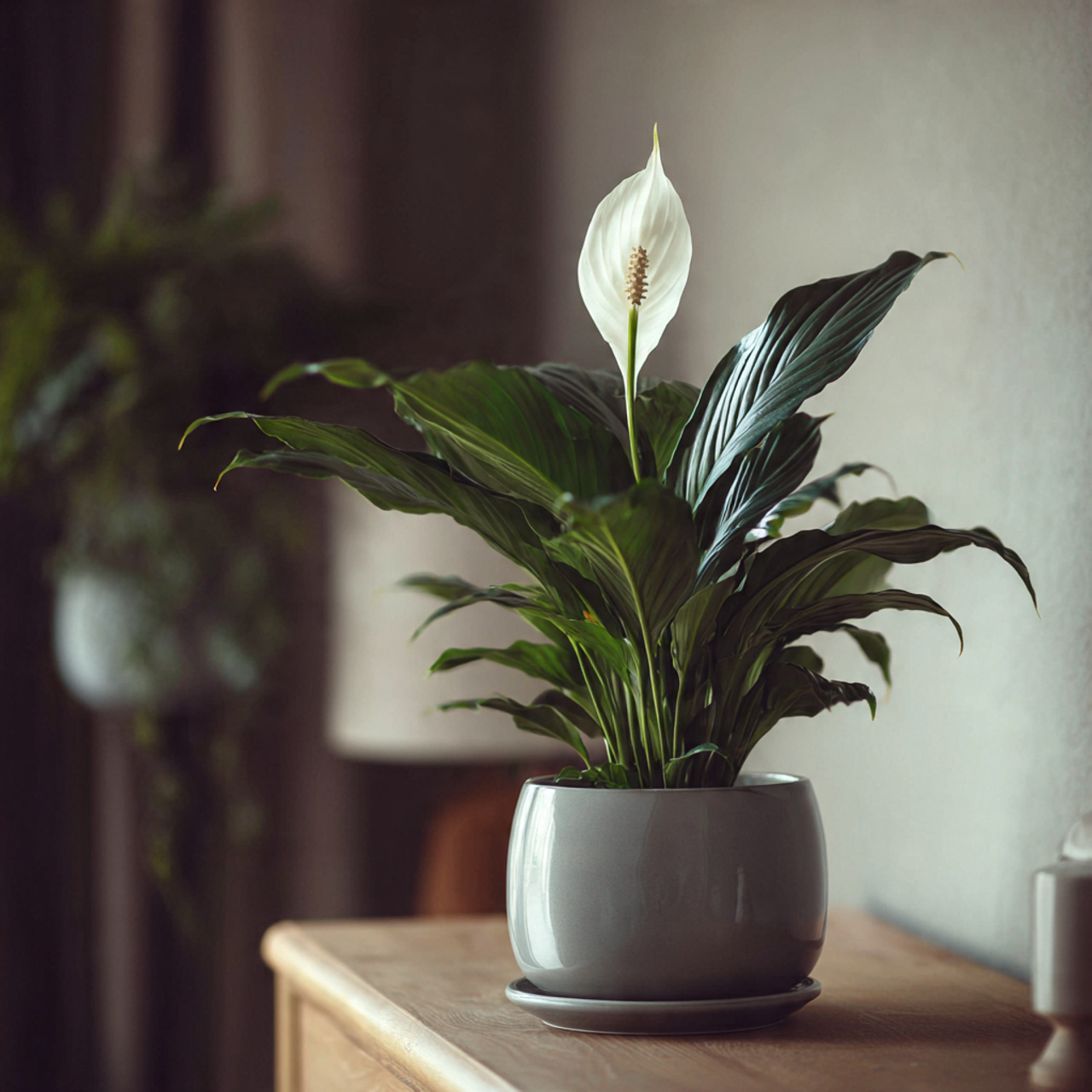
Peace lilies are the drama queens of the plant world, but in the best way possible. When they need water, they droop dramatically, making it crystal clear what they need. Give them a drink, and within hours, they perk right back up.
These elegant plants with their distinctive white flowers are particularly good at removing mold spores from the air, making them valuable if anyone in your household deals with allergies.
Care Tips:
- Keep soil consistently moist but never waterlogged
- Place in low to medium indirect light
- Mist leaves occasionally to increase humidity
- Remove spent flowers and yellow leaves promptly
Watering Schedule Tip: Water when you notice the first signs of drooping—this prevents stress on the plant while making it easy to remember when to water.
Important: Peace lilies contain calcium oxalate crystals, which can irritate mouths and throats if chewed. Keep away from pets and children.
The Self-Propagating Spider Plant
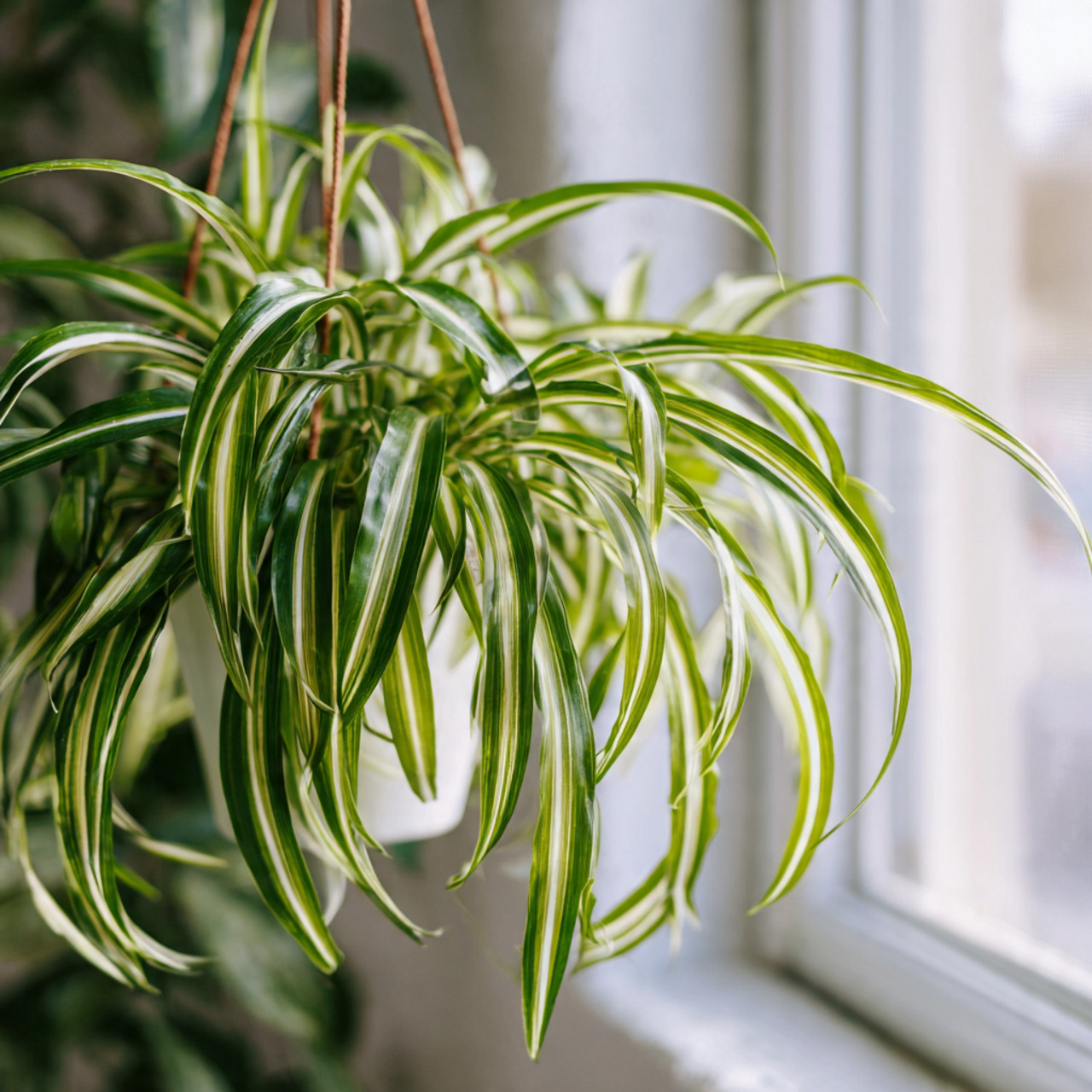
Spider plants are the gift that keeps on giving. These cheerful plants with arching striped leaves produce little “babies” (plantlets) that dangle from the mother plant like natural decorations. Eventually, you’ll have enough to share with every friend and family member.
They’re nearly impossible to kill and bounce back from almost any mistreatment, making them perfect for beginners or forgetful plant parents.
Care Tips:
- Water regularly during spring and summer, less in winter
- Provide bright, indirect light for the best leaf color
- Trim brown tips with scissors if they develop
- Let the baby plants develop roots before separating them
Propagation Made Easy:
- Wait until baby plants have small roots developing
- Cut them from the mother plant
- Place in water or directly in soil
- Within weeks, you’ll have a new plant
Avoid This Mistake: Brown leaf tips usually mean tap water with too much fluoride or chlorine. Use filtered water or let tap water sit overnight before using.
The Healing Aloe Vera
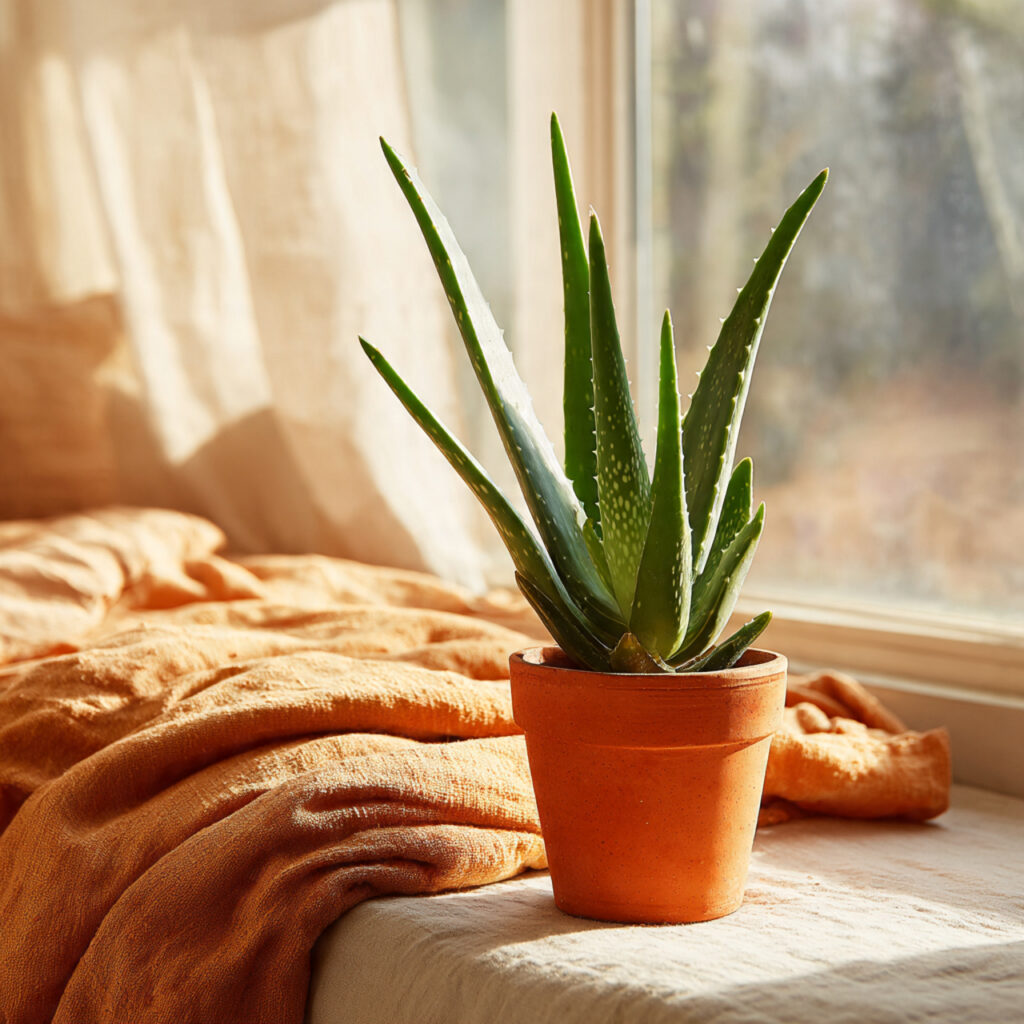
Aloe vera is the ultimate multitasker—it cleans your air, produces oxygen at night, and provides natural first aid whenever you need it. Got a minor burn or cut? Just snap off a leaf and apply the gel. It’s like having a pharmacy and an air purifier in one pot.
As a succulent, aloe stores water in its thick leaves, so it actually prefers being left alone between waterings.
Care Tips:
- Water deeply but infrequently—let soil dry completely between waterings
- Place on a sunny windowsill (they love direct light)
- Use cactus or succulent soil mix for proper drainage
- Watch for pups (baby plants) growing around the base
Usage Tip: To use the gel, cut a lower leaf close to the base, slice it lengthwise, and scoop out the clear gel. Refrigerate unused portions.
Warning Sign: Brown, mushy leaves mean overwatering. Let the soil dry out completely before watering again.
The Statement-Making Rubber Plant
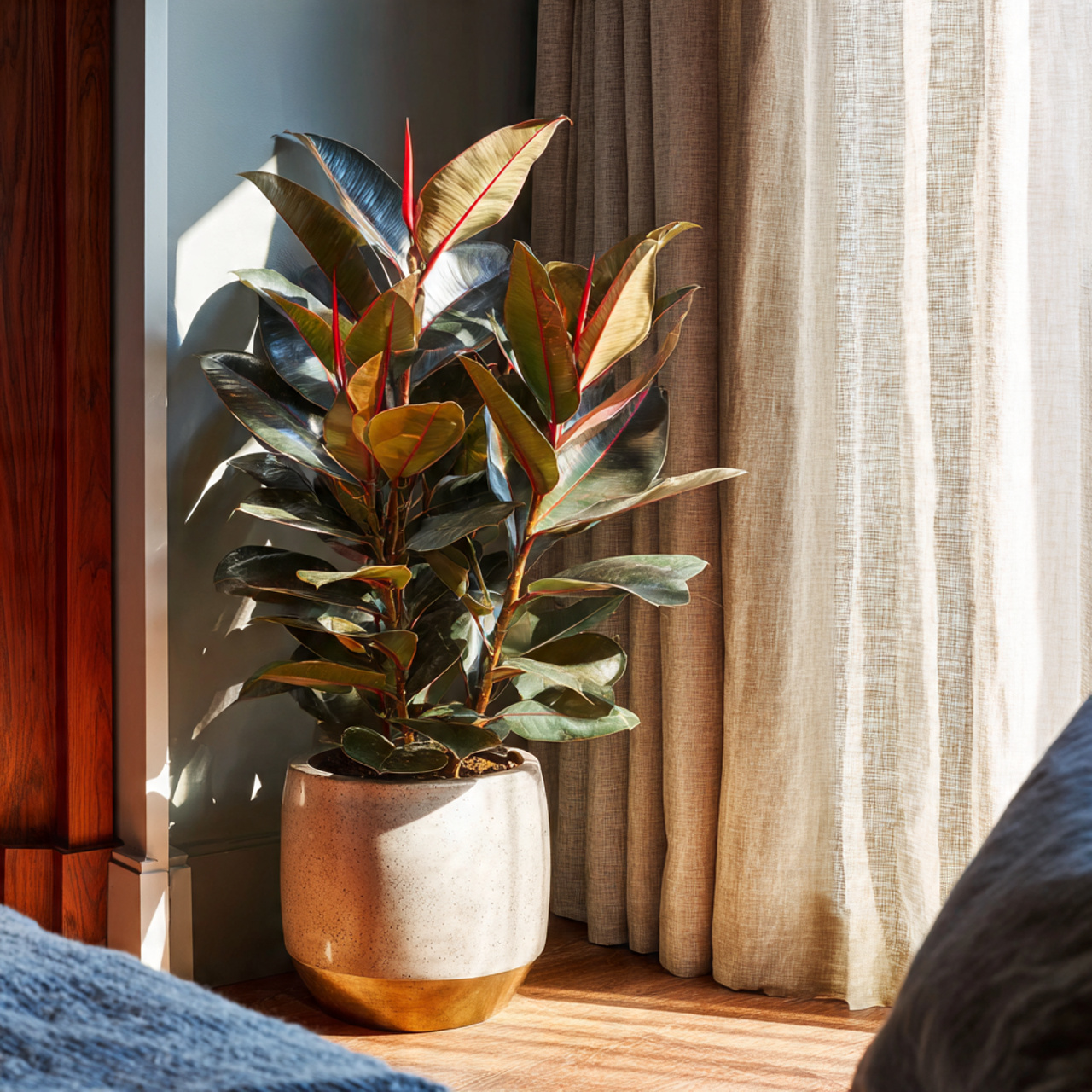
If you want a plant that commands attention, the rubber plant delivers. With large, glossy leaves that can have burgundy tints, these plants become focal points in any bedroom. They start small but can eventually grow into impressive floor plants that anchor your room design.
Rubber plants are also workhorses when it comes to air purification, efficiently removing airborne bacteria and various toxins.
Care Tips:
- Water when the top 2 inches of soil are dry
- Provide bright, indirect light (can adapt to medium light)
- Wipe leaves monthly with a damp cloth to remove dust
- Rotate the plant every few weeks for even growth
Styling Example: Place a rubber plant in a corner near a window with a decorative pot that complements your bedding—instant bedroom upgrade.
Space Planning: These plants need room to grow. Allow at least 2-3 feet of space around the plant for future expansion.
The Versatile English Ivy
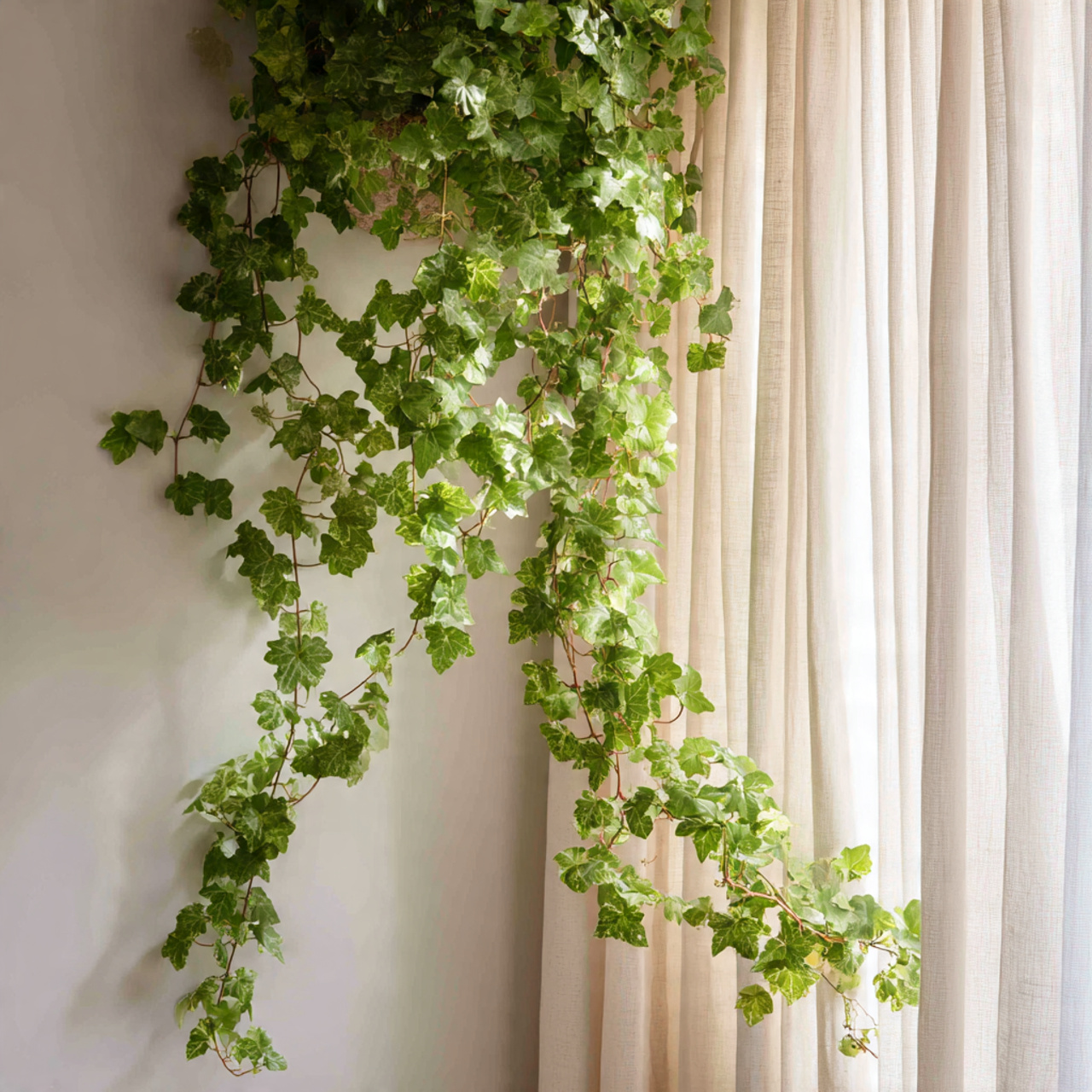
English ivy brings a cottage garden feel indoors with its ability to climb, trail, or create living walls. This plant is particularly impressive at reducing airborne mold, making it valuable for anyone with respiratory sensitivities.
The small leaves create dense, lush coverage that adds privacy to windows without blocking natural light.
Care Tips:
- Keep soil consistently moist but not soggy
- Provide bright, indirect light
- Mist regularly in dry environments
- Prune regularly to control growth and encourage bushiness
Creative Display Ideas:
- Train ivy along a headboard using small hooks
- Let it trail from a hanging basket near a window
- Create a living wall on a blank section of wall
Pest Prevention: Check regularly for spider mites (tiny webs between leaves). If found, spray with water or insecticidal soap.
The Humidity-Loving Boston Fern
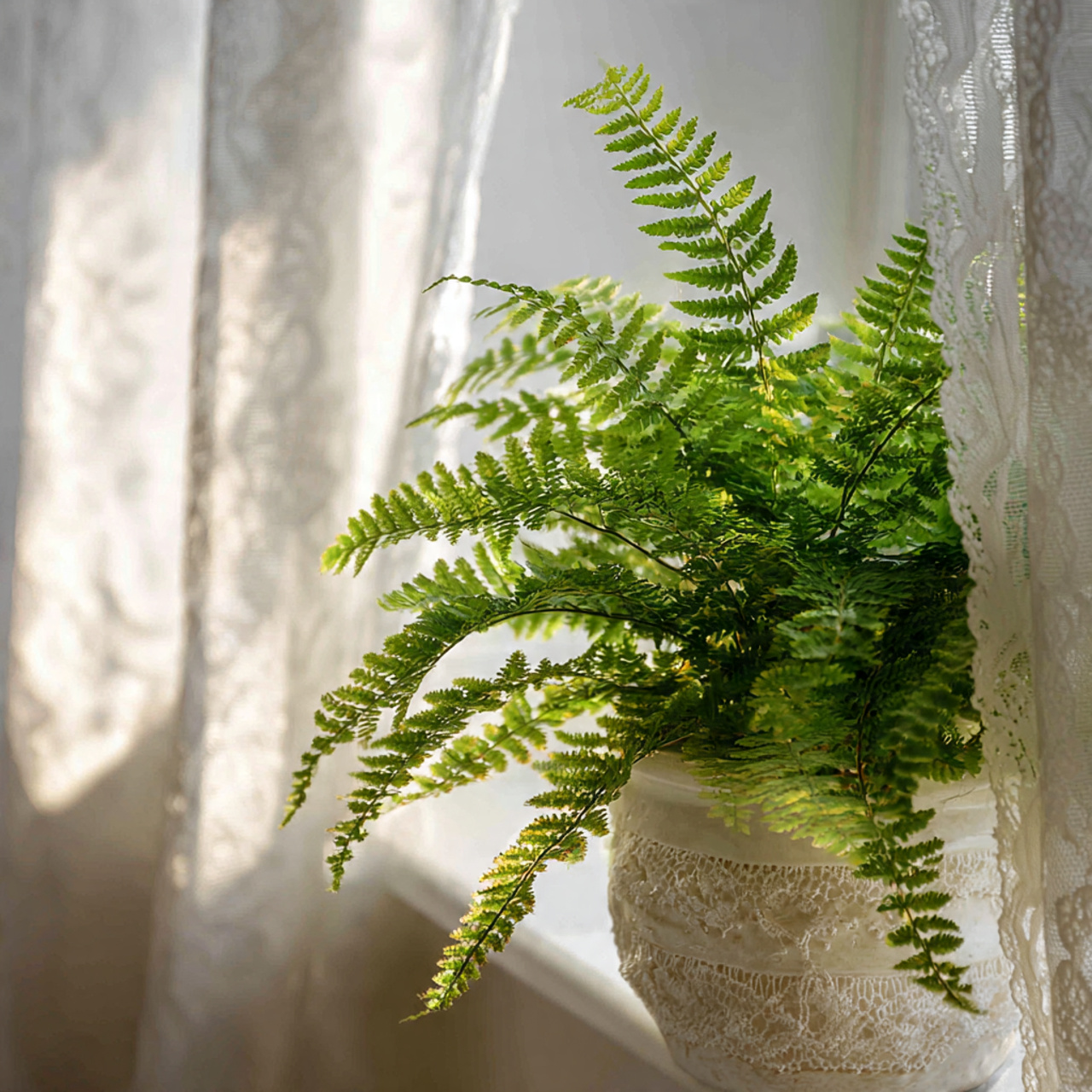
Boston ferns are like natural humidifiers, releasing moisture into the air as they breathe. If you struggle with dry skin or wake up with a scratchy throat, this plant might be exactly what your bedroom needs.
The delicate, lacy fronds add a soft, romantic touch that contrasts beautifully with harder surfaces in modern bedrooms.
Care Tips:
- Keep soil consistently moist—these ferns hate drying out
- Provide indirect light (they’ll scorch in direct sun)
- Mist several times per week or place on a pebble tray
- Trim brown or dead fronds at the base
Humidity Hack: Place your fern on a tray filled with pebbles and water. As water evaporates, it creates a humid microclimate around the plant.
Warning Signs:
- Brown, crispy fronds = too dry
- Yellow, droopy fronds = overwatering or too much direct light
Best Location: Bedrooms with attached bathrooms are ideal, as ferns love the extra humidity from showers.
The Sleep-Inducing Lavender
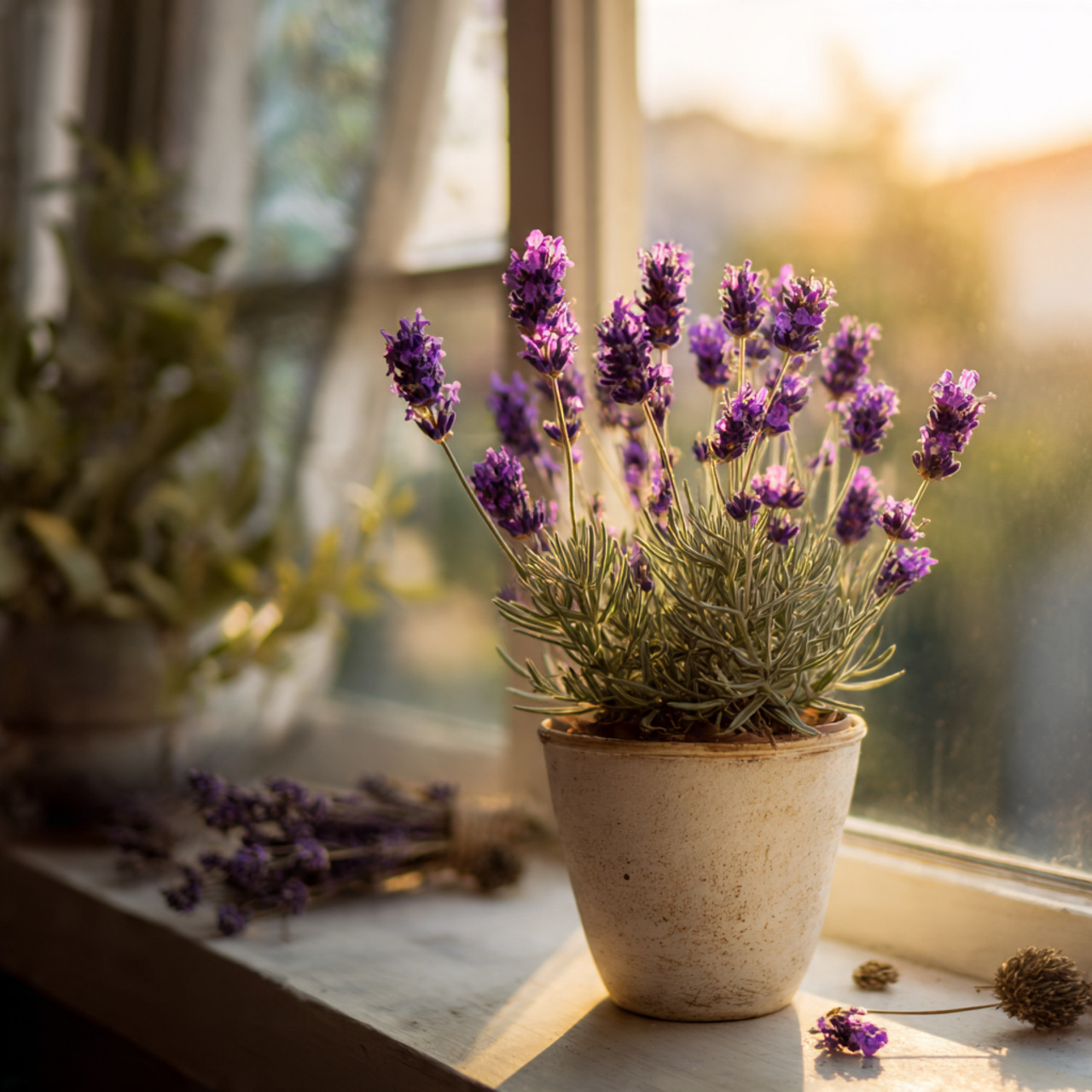
Lavender isn’t just a pretty plant—it’s backed by science as a sleep aid. The scent has been proven to reduce anxiety, slow heart rate, and improve sleep quality. Having fresh lavender in your bedroom is like having aromatherapy on tap.
While slightly more demanding than other options, the sleep benefits make lavender worth the extra effort.
Care Tips:
- Provide at least 6 hours of direct sunlight daily
- Water infrequently—let soil dry between waterings
- Use well-draining soil to prevent root rot
- Prune after flowering to maintain shape
Harvesting Tips:
- Cut stems when flowers are just opening
- Hang upside down in bundles to dry
- Use dried flowers in sachets under your pillow
Common Mistake: Most people kill lavender by overwatering. When in doubt, don’t water—this Mediterranean plant prefers being too dry over too wet.
Alternative: If you can’t provide enough sunlight, consider a lavender essential oil diffuser instead.
The Jungle-Vibes Monstera
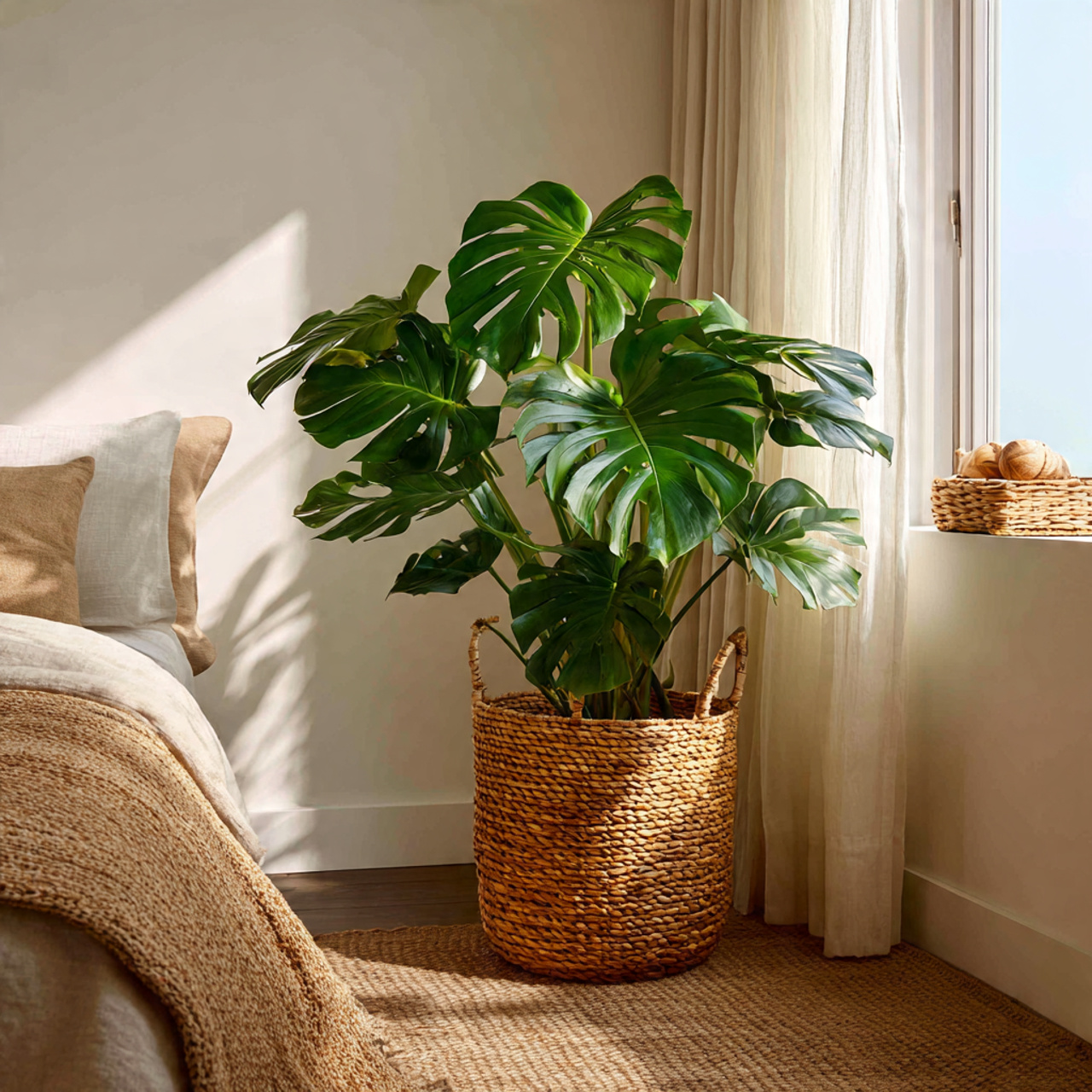
Want to transform your bedroom into a tropical retreat? Monstera deliciosa (also called Swiss cheese plant) creates instant jungle energy with its iconic split leaves and dramatic presence.
As these plants mature, their leaves develop more and more splits and holes, becoming living art pieces that grow more interesting over time.
Care Tips:
- Water when the top inch of soil dries out
- Provide bright, indirect light (can tolerate some shade)
- Support with a moss pole or stake as it grows
- Wipe leaves regularly to maintain their glossy appearance
Growth Support: Install a moss pole when the plant is young and train stems to climb it—this encourages larger leaves with more dramatic splits.
Design Tip: Monsteras work best in bedrooms with high ceilings and empty corners that can accommodate their size.
Size Management: If your monstera grows too large, you can prune it back. Use cuttings to propagate new plants.
The Forgiving Philodendron
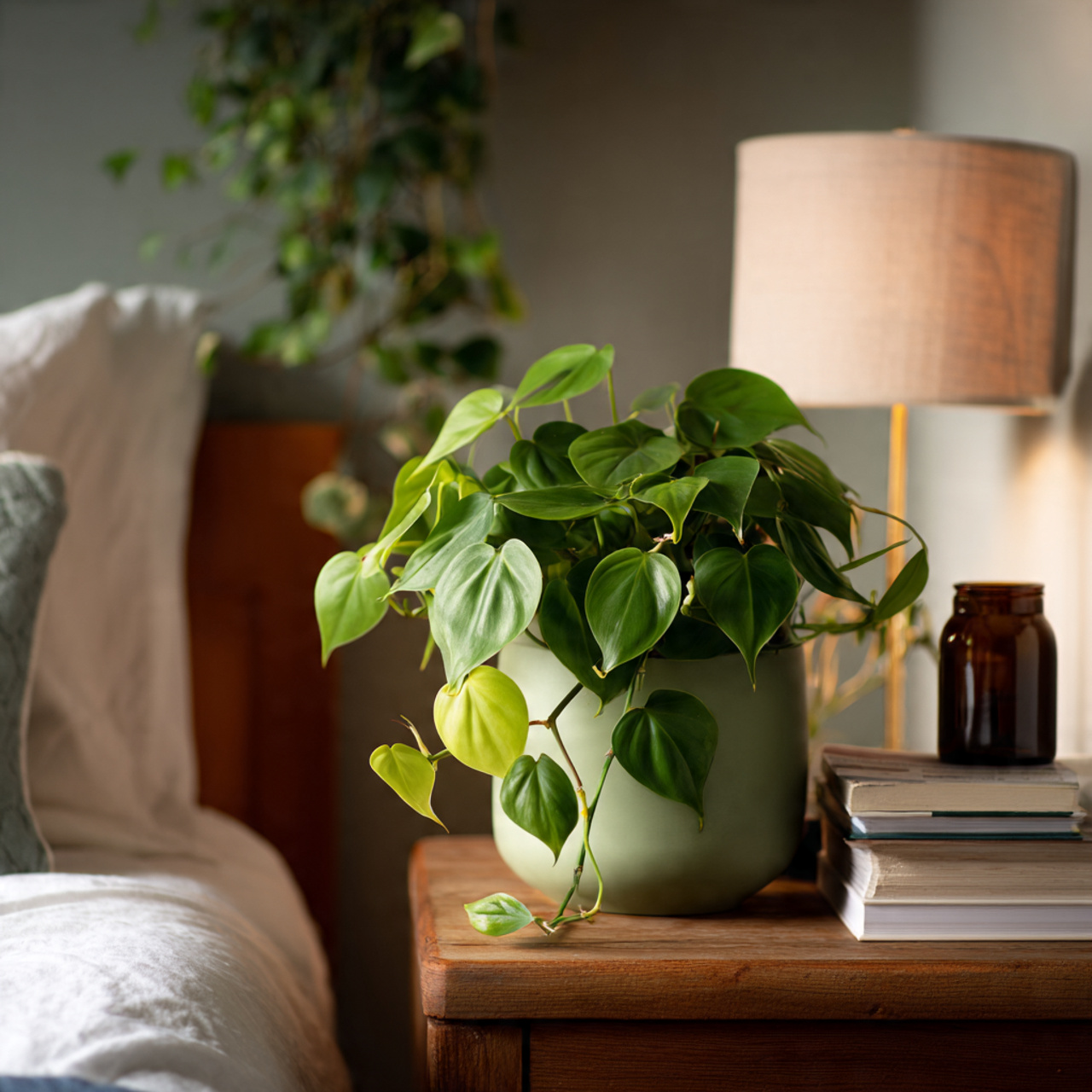
Philodendrons are the ultimate “set it and forget it” plants. Miss a watering? They’ll forgive you. Not enough light? They’ll adapt. Forgot to fertilize? They’ll keep growing anyway.
With varieties ranging from heart-leaf to split-leaf types, there’s a philodendron to match any aesthetic preference.
Care Tips:
- Water when soil feels dry 1 inch down
- Provide indirect light (tolerates low light)
- Fertilize monthly during growing season (optional)
- Wipe leaves occasionally to remove dust
Variety Recommendations:
- Heartleaf philodendron: Perfect for beginners, compact and trailing
- Brasil philodendron: Variegated leaves with yellow stripes
- Prince of Orange: Colorful new growth in orange and red tones
Pet Safety: Like many common houseplants, philodendrons are toxic if ingested. Place out of reach of pets.
The Diverse Dracaena Family
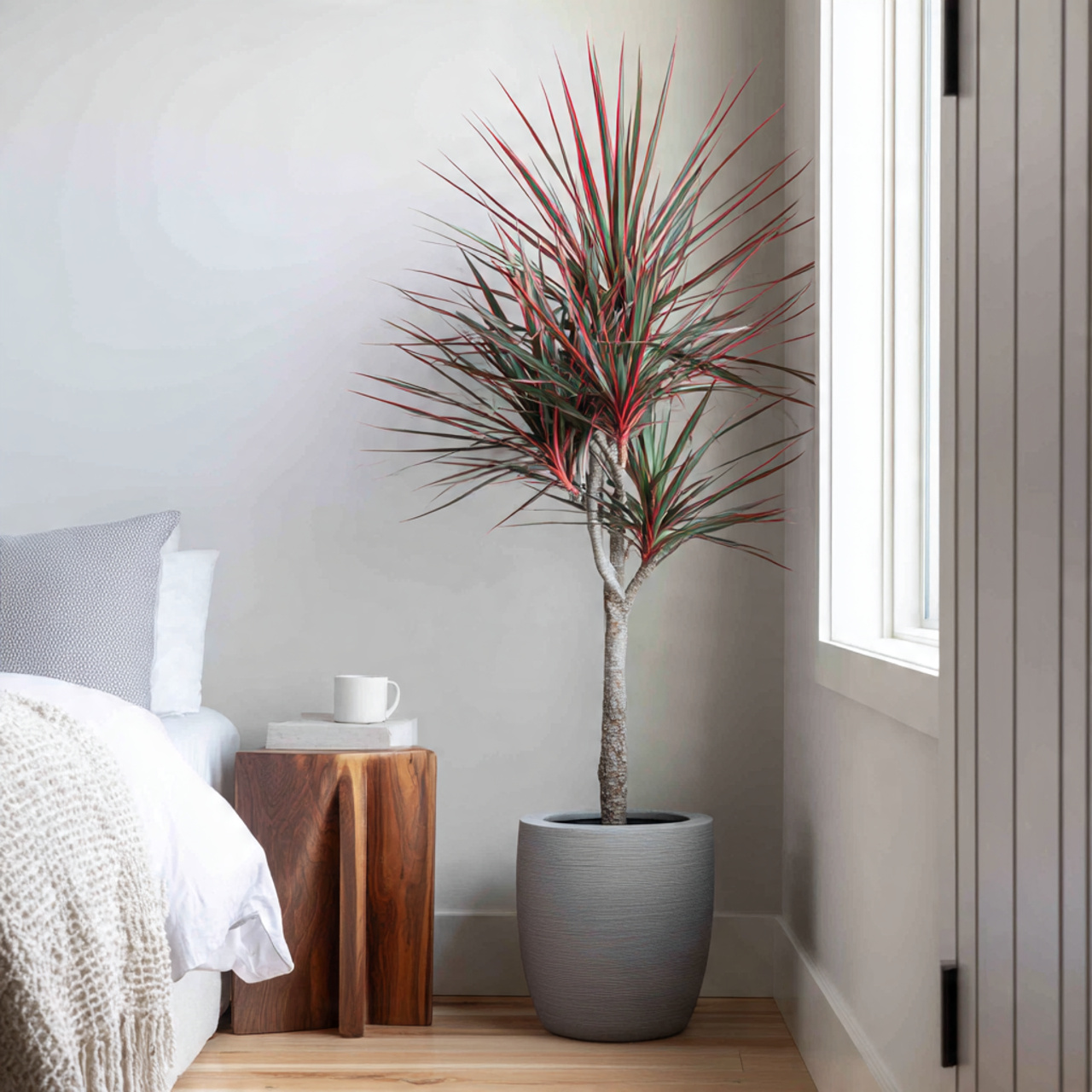
The dracaena family offers something for everyone, from spiky dragon trees to broad-leafed corn plants. These architectural plants add height and structure while quietly filtering toxins from your bedroom air.
Different varieties provide different looks, so you can choose based on your style preferences and space constraints.
Care Tips:
- Water when the top inch of soil is dry
- Provide medium, indirect light
- Wipe leaves to prevent dust buildup
- Rotate periodically for even growth
Popular Varieties:
- Dracaena marginata: Thin, spiky leaves with red edges
- Dracaena fragrans: Broad leaves, grows upright
- Dracaena compacta: Shorter, denser variety for small spaces
Troubleshooting: Brown leaf tips often indicate fluoride sensitivity. Use distilled or filtered water to prevent this.
Space-Saving Tip: Dracaenas grow vertically rather than spreading, making them perfect for tight corners or narrow spaces between furniture.
The Indestructible ZZ Plant
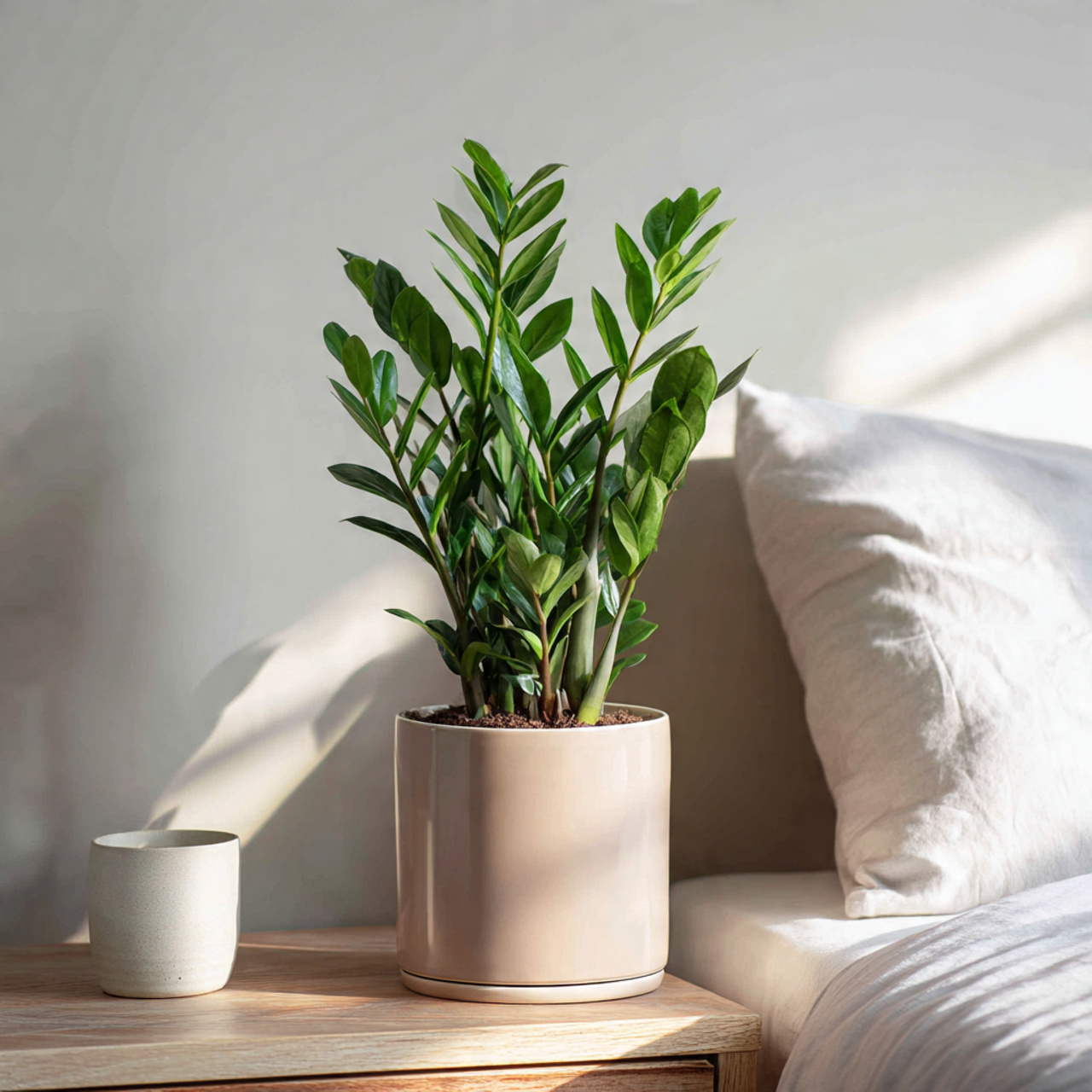
If there were a “Plant Most Likely to Survive a Zombie Apocalypse” award, the ZZ plant would win. These glossy-leaved beauties tolerate neglect, low light, irregular watering, and general forgetfulness better than almost any other plant.
Perfect for frequent travelers, people with demanding schedules, or anyone who wants greenery without the commitment.
Care Tips:
- Water only when soil is completely dry (every 2-3 weeks)
- Place anywhere from bright to low light
- Use well-draining soil
- Clean leaves monthly with a damp cloth
Warning: ZZ plants store water in their rhizomes (bulbous roots), so overwatering is the only real way to kill them. The plant should feel lightweight when it needs water.
Growth Pattern: ZZ plants grow slowly but steadily. Don’t expect rapid growth—instead, appreciate their consistent, reliable presence.
Bonus: The waxy coating on leaves repels most pests naturally.
The Heirloom Jade Plant
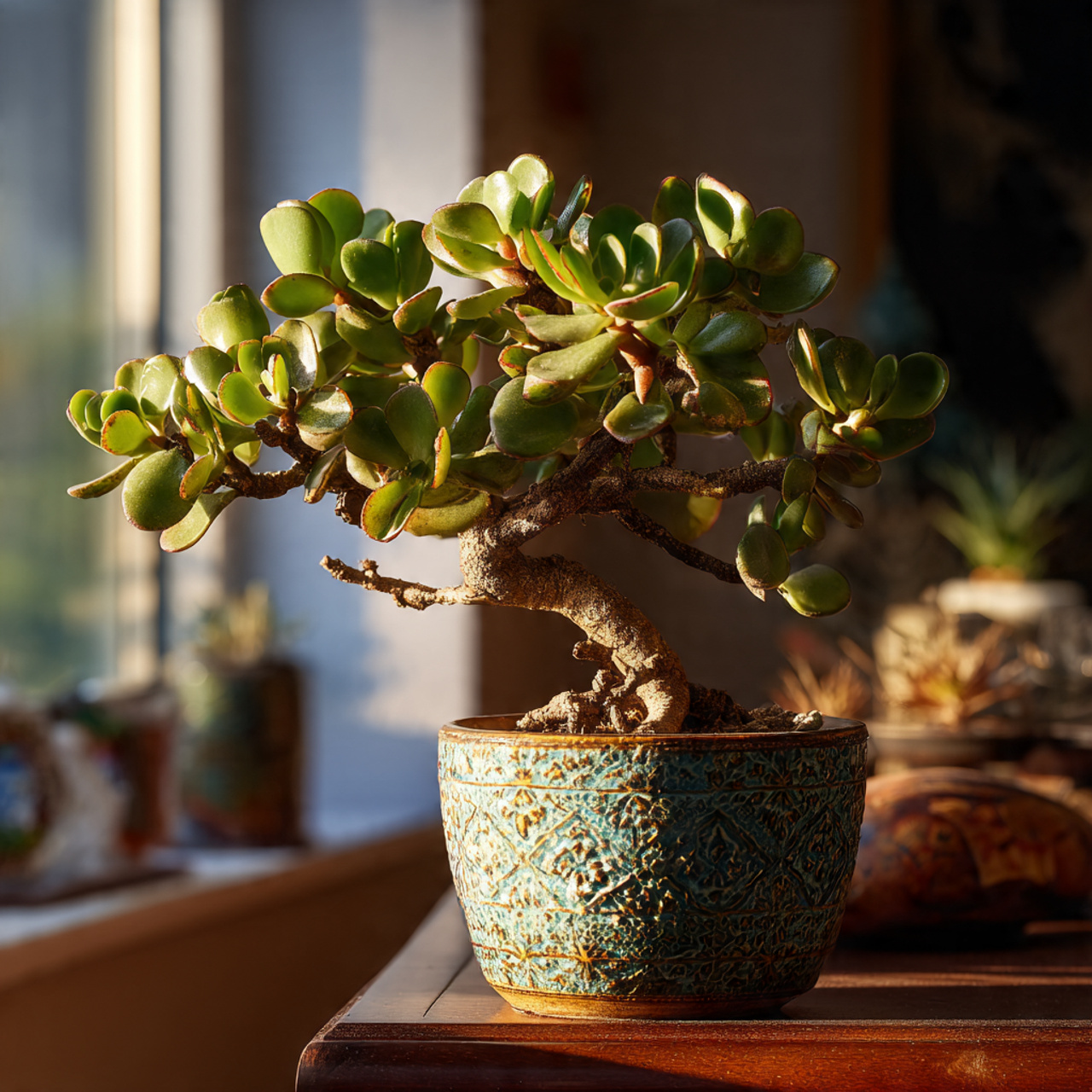
Jade plants are the gifts that last a lifetime—literally. With proper care, these succulent beauties can live for decades, becoming family heirlooms passed down through generations.
Their thick, coin-shaped leaves store water, and over time, they develop woody trunks that make them look like miniature trees.
Care Tips:
- Water only when soil is completely dry
- Provide bright light (they love sunny windowsills)
- Use cactus soil mix for proper drainage
- Fertilize sparingly (2-3 times per year)
Cultural Note: In many Asian cultures, jade plants symbolize good luck and prosperity, making them meaningful gifts.
Pruning for Shape: Trim back leggy growth to encourage bushier development. Use clean, sharp scissors or pruning shears.
Patience Pays: Jade plants grow slowly but reward patient caretakers with impressive size and structure over years.
The Colorful Chinese Evergreen
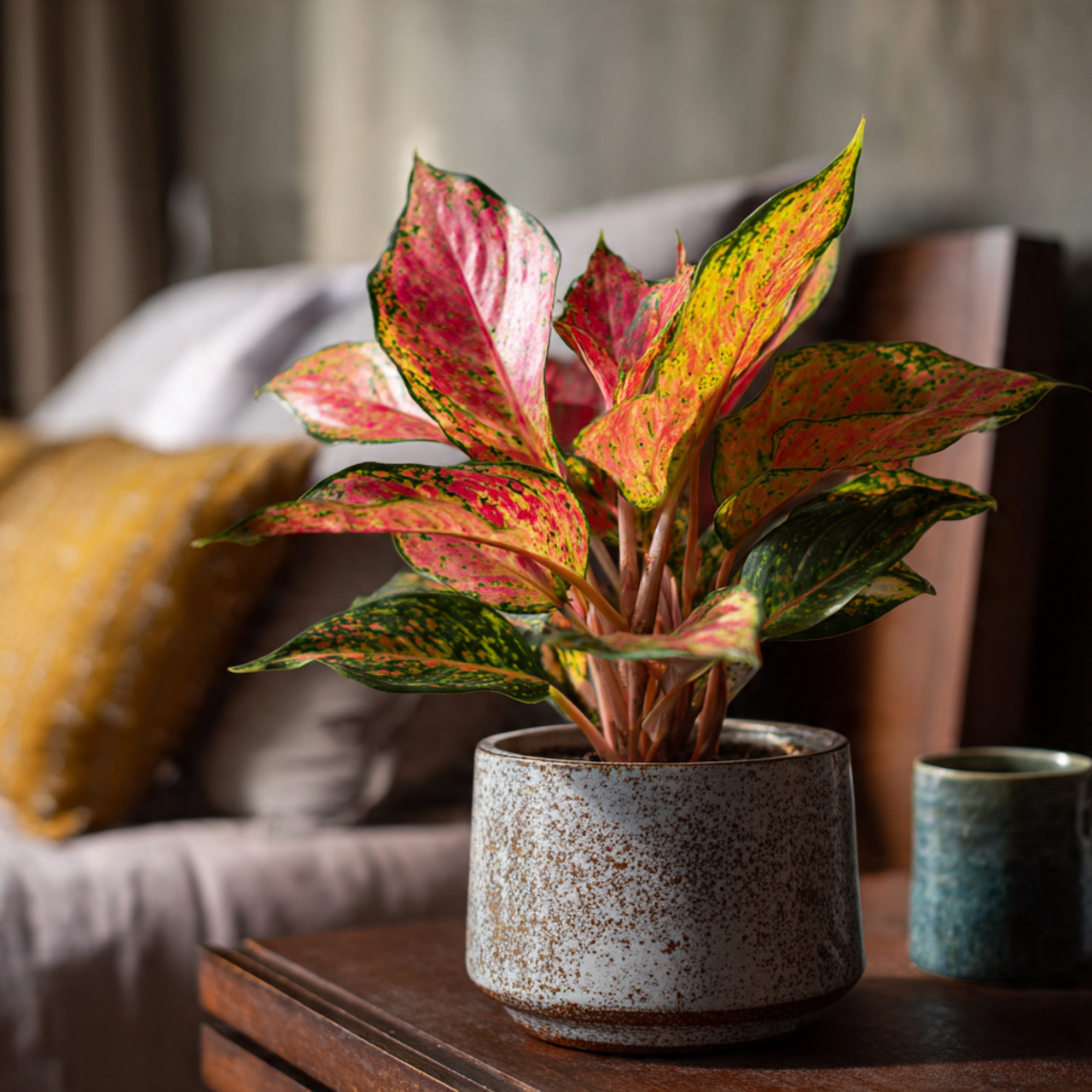
Tired of plain green plants? Chinese evergreens bring the color with leaves featuring combinations of green, silver, pink, and red. They’re like living artwork that also cleans your air.
These plants excel in low-light conditions where other plants struggle, making them perfect for bedrooms with limited windows.
Care Tips:
- Water when topsoil is dry
- Provide low to medium indirect light
- Maintain warm temperatures (they hate cold drafts)
- Remove yellow or brown leaves promptly
Color Varieties:
- ‘Red Anjamani’: Deep red and green leaves
- ‘Silver Bay’: Silver and green variegation
- ‘Maria’: Dark green with silver patterns
Growth Habit: Chinese evergreens stay relatively compact, making them ideal for nightstands or dressers without overwhelming the space.
Air Quality Bonus: Particularly effective at filtering benzene and formaldehyde from indoor air.
The Top-Rated Bamboo Palm
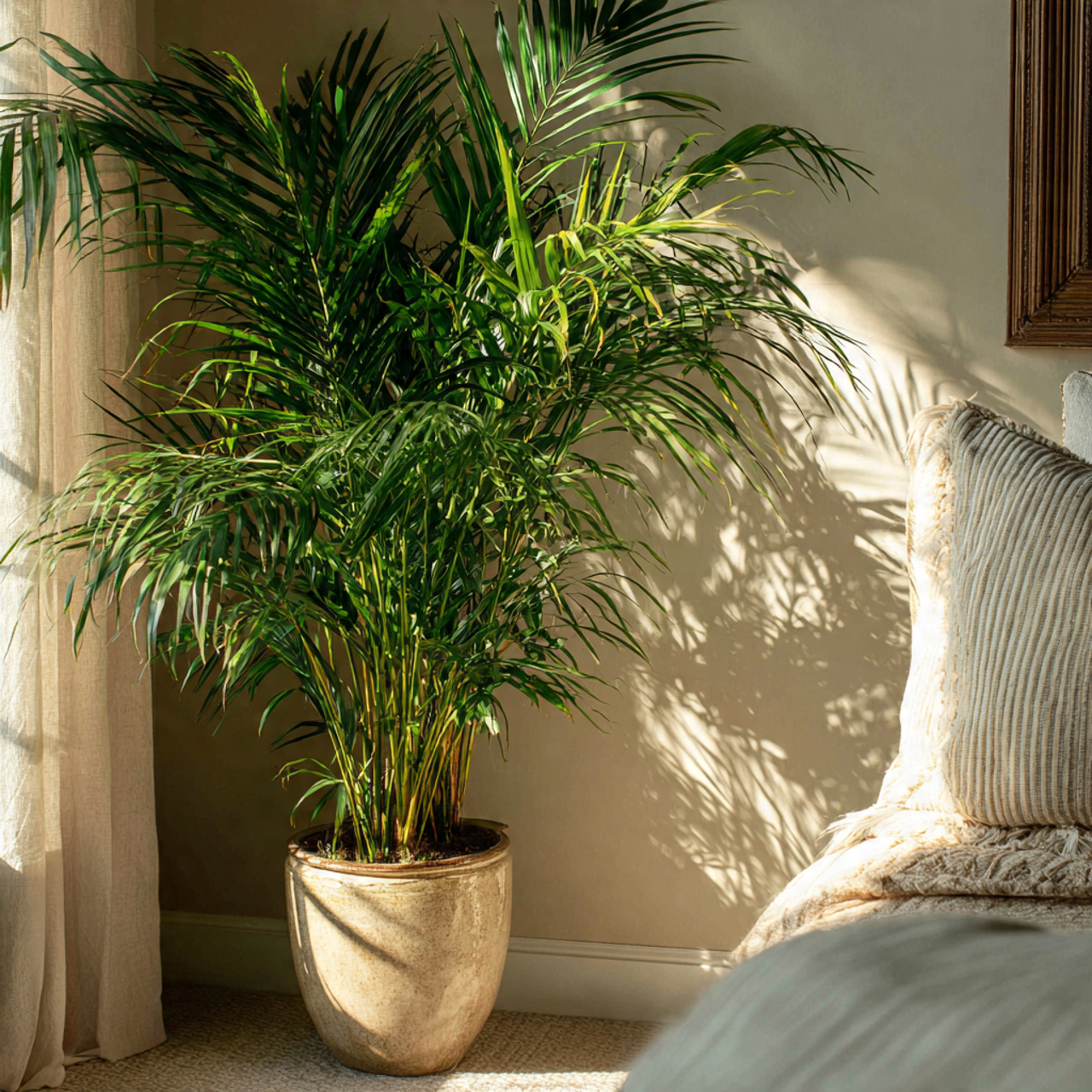
According to NASA’s famous clean air study, bamboo palms rank among the absolute best plants for air purification. They filter formaldehyde, benzene, and trichloroethylene while adding elegant, tropical vibes to your sleep space.
The feathery fronds create softness and movement that contrasts beautifully with angular furniture and straight lines.
Care Tips:
- Keep soil consistently moist but not waterlogged
- Provide bright, indirect light
- Mist occasionally in dry environments
- Remove brown fronds at the base
Sizing Expectations: Bamboo palms grow slowly indoors but can eventually reach 4-6 feet, so plan your placement accordingly.
Humidity Tip: These palms appreciate humid environments. Consider grouping plants together to create a microclimate with higher humidity.
Troubleshooting Brown Tips:
- Usually indicates low humidity or fluoride in tap water
- Use filtered water and increase misting frequency
- Trim brown tips at an angle for a neat appearance
The Fast-Growing Golden Pothos
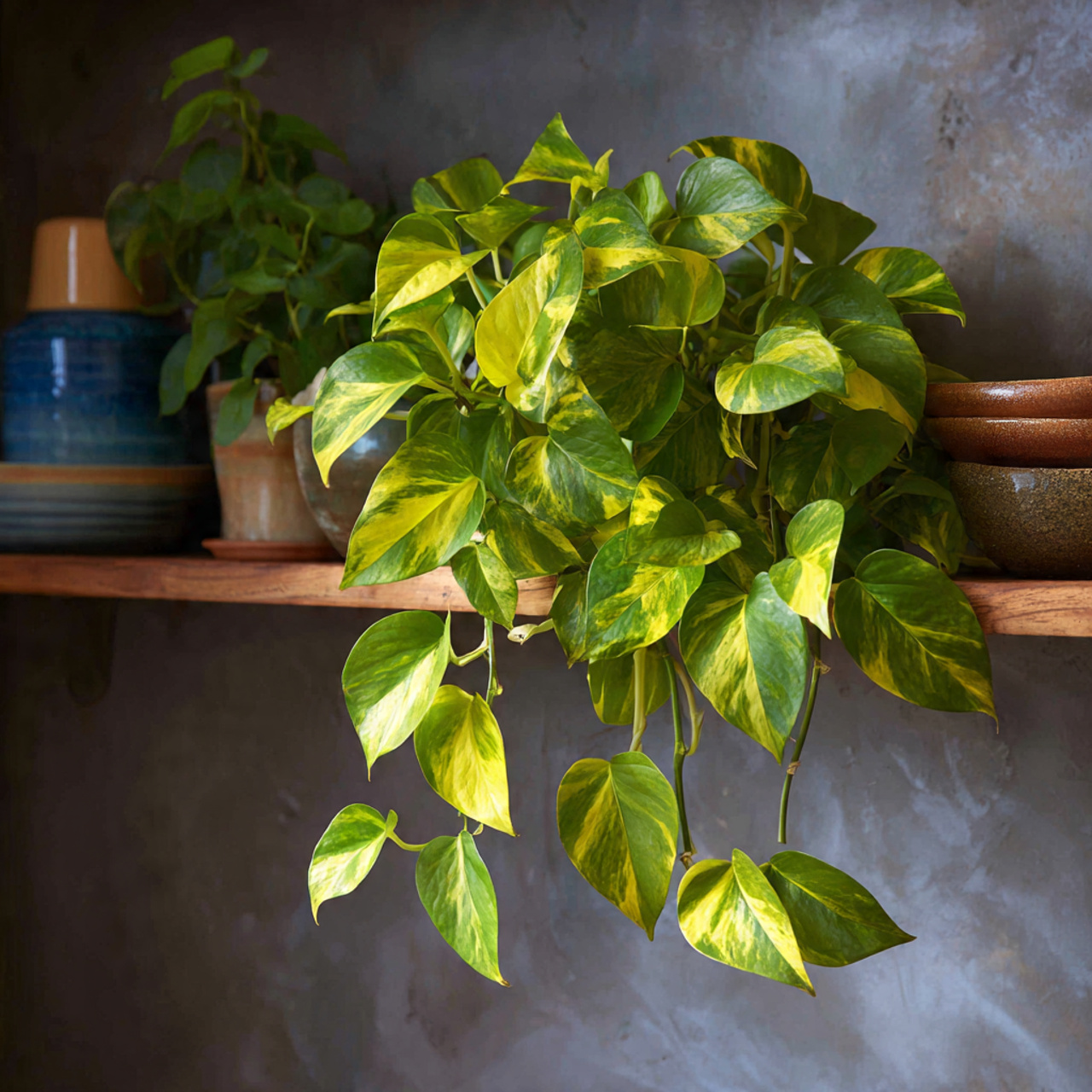
Want instant results? Golden pothos grows faster than its solid green cousin, quickly creating lush, trailing greenery that fills empty spaces. The yellow-splashed leaves brighten darker corners while cleaning the air you breathe.
These vigorous growers offer maximum impact for minimum effort.
Care Tips:
- Water when topsoil dries out
- Provide bright, indirect light for best variegation
- Prune regularly to control growth and encourage bushiness
- Propagate cuttings to expand your collection
Propagation Tutorial:
- Cut a stem just below a leaf node (the bump where leaves grow)
- Remove lower leaves, leaving 2-3 at the top
- Place in water, ensuring no leaves are submerged
- Wait 2-3 weeks for roots to develop
- Plant in soil once roots are 2-3 inches long
Training Options:
- Let vines trail down from hanging baskets
- Train up a moss pole for upward growth
- Drape across shelves or window frames
Light and Color: More light = more yellow variegation; less light = more green leaves.
Visit More: Indoor Plants
Your Questions About Bedroom Plants Answered
Will plants in my bedroom really help me sleep better?
Yes. Certain plants like snake plants and aloe vera release oxygen at night while removing air pollutants. The presence of greenery also reduces stress hormones, making it easier to relax and fall asleep. Studies show people with bedroom plants report better sleep quality.
How many plants should I actually have in my bedroom?
Start with 2-3 plants and adjust based on your care capacity. A typical bedroom benefits from two medium-sized plants or several smaller ones. Focus on quality care over quantity—a good rule is one plant per 100 square feet of space.
I’m worried about bugs. Do bedroom plants attract pests?
Healthy plants rarely attract bugs. Most pest problems come from overwatering or poor air circulation. Prevent issues by watering only when needed, ensuring good drainage, and cleaning leaves regularly. Catch problems early with weekly inspections.
What if I have allergies? Are bedroom plants safe for me?
Most foliage plants are allergy-friendly and actually improve air quality. Avoid flowering plants if you have pollen allergies. Peace lilies, ferns, snake plants, and palms are generally safe. Start with one plant and monitor your symptoms before adding more.
Do bedroom plants need different care than plants in other rooms?
Yes. Bedrooms have lower light, less air circulation, and cooler temperatures. Choose plants that tolerate these conditions and water less frequently since evaporation rates are lower. Grouping plants together helps create a favorable microclimate.
Your Next Steps to a Greener Bedroom
Transforming your bedroom with plants isn’t complicated, but it does require choosing the right species for your specific situation. The plants I’ve covered here aren’t just attractive—they’re proven performers that improve air quality, promote better sleep, and bring a sense of calm to your most personal space.
If you’re new to this, start with one or two bulletproof options like snake plants or pothos. These will build your confidence while showing you real results. As you get comfortable with basic plant care, gradually expand your collection with varieties that appeal to your aesthetic preferences and lifestyle.
Remember, the goal isn’t to create an Instagram-worthy jungle overnight. It’s to build a sustainable, thriving green space that genuinely makes you feel better every time you walk into your room. With the right plants chosen for your light, lifestyle, and care capacity, your bedroom becomes more than just a place to sleep—it transforms into a true sanctuary that supports your health and wellbeing night after night.
Start small, stay consistent, and watch how adding a little nature to your bedroom changes everything about how you rest and recharge.