Anthurium Clarinervium: 25 Ultimate Guide to Care, Propagation & Styling
If you’ve ever fallen in love with a plant at first sight, chances are it was an Anthurium Clarinervium. With its luxurious velvet-textured leaves and those mesmerizing white veins that look like nature’s own artwork, this tropical beauty has captured the hearts of plant lovers everywhere. The best part? It’s surprisingly forgiving for beginners while still offering enough intrigue to keep experienced gardeners engaged.
In this comprehensive guide, I’ll walk you through some practical, tried-and-tested tips that’ll help your Anthurium Clarinervium not just survive, but absolutely thrive. Whether you’re bringing one home for the first time or looking to level up your care routine, these insights will set you up for success.
Why Plant Lovers Can’t Get Enough of Anthurium Clarinervium
There’s something almost magical about Anthurium Clarinervium. Those thick, velvety leaves with their dramatic white veining create an instant focal point wherever you place them. But here’s what really makes this plant special: unlike some high-maintenance tropical divas, this one actually plays nice with busy lifestyles.
What sets it apart from other houseplants is its perfect balance of visual impact and reasonable care requirements. It brings that lush, tropical resort feeling into your home without demanding constant attention. The heart-shaped leaves can grow quite large under the right conditions, making each new leaf unfurling feel like opening a gift.
Tip: Place your Anthurium Clarinervium where you’ll see it daily. These plants respond remarkably well to regular observation, and you’ll catch potential issues before they become problems.
Getting the Lighting Just Right
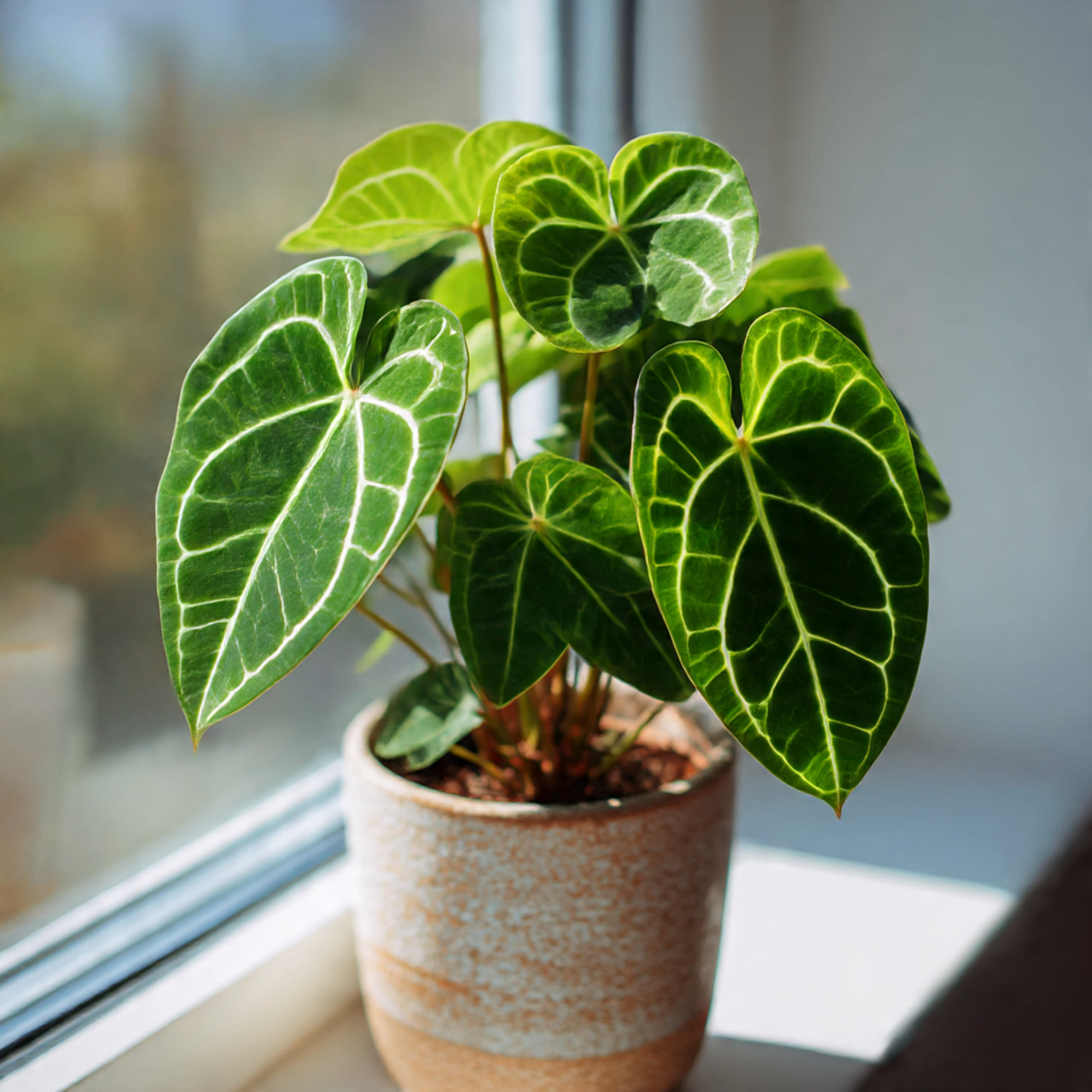
Light makes or breaks your Anthurium Clarinervium experience. Think of it this way: in its native tropical forest habitat, this plant grows under a canopy where sunlight filters through gently. You’re aiming to recreate that same dappled, soft lighting indoors.
Bright, indirect light is your sweet spot. A north or east-facing window works beautifully, giving your plant plenty of gentle illumination without the harsh afternoon rays. Direct sunlight acts like a magnifying glass on those delicate leaves, causing unsightly brown scorch marks that won’t heal.
Not blessed with perfect natural light? No worries. LED grow lights positioned 12-18 inches above your plant work wonderfully. Run them for 10-12 hours daily, and your Anthurium won’t know the difference.
Quick light check: Pale, washed-out leaves signal “I need more light,” while brown crispy spots scream “Too much direct sun!” Your plant literally tells you what it needs.
The Perfect Soil Recipe
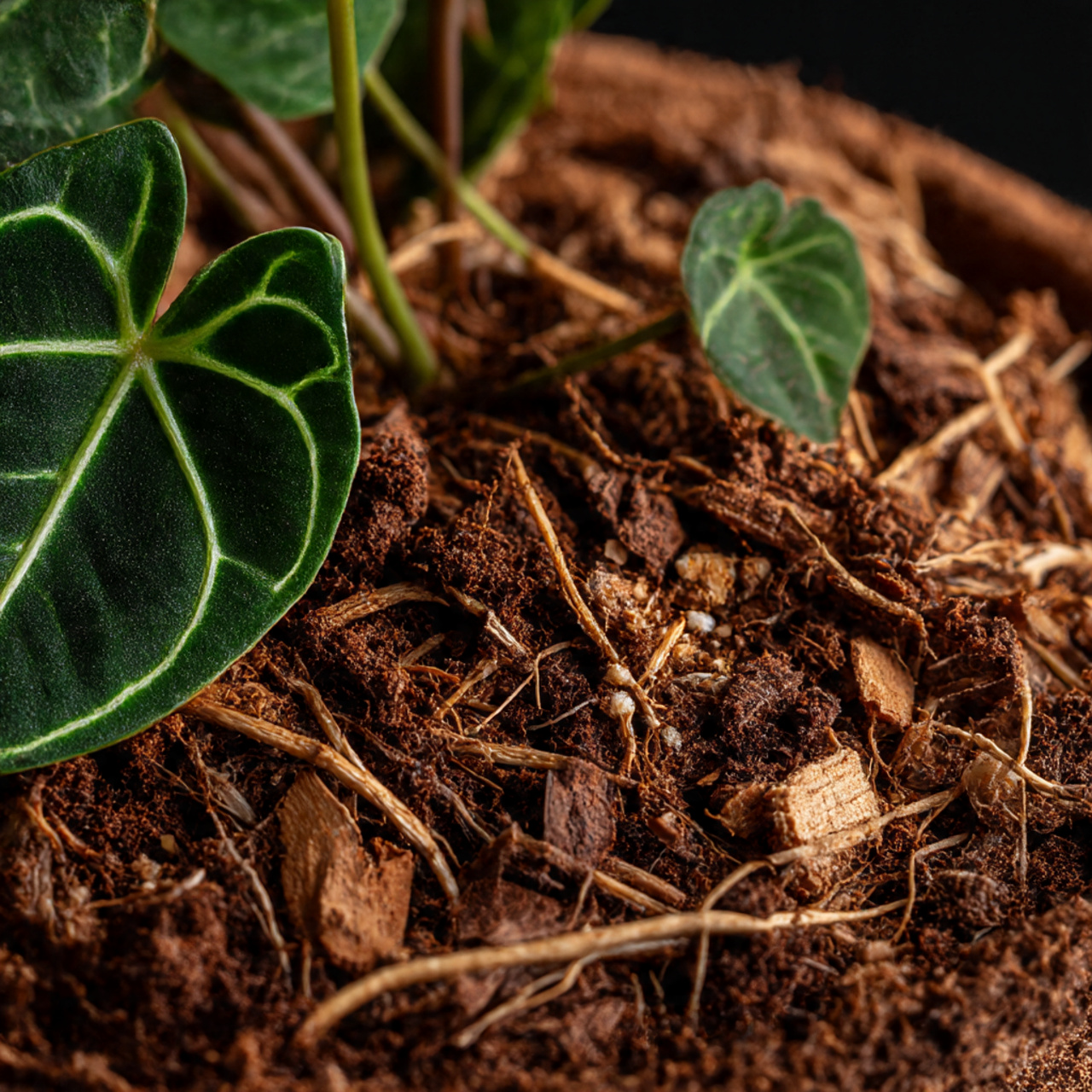
Soil might seem boring, but it’s actually where the magic happens. Anthurium Clarinervium roots need to breathe, so forget that dense potting soil from the garden center. You’re creating an airy, well-draining mix that prevents water from pooling around the roots.
Here’s my go-to mix that works every time: combine equal parts orchid bark (provides structure and airflow), peat moss or coco coir (retains just enough moisture), and perlite (ensures drainage). This creates the chunky, breathable medium these plants crave.
The goal is soil that stays lightly moist but never soggy. When you water, excess should drain through within seconds, not pool on top. This simple adjustment prevents the number one killer of Anthuriums: root rot.
Insider tip: Before repotting, soak your soil mix slightly. This prevents the initial watering from just running straight through without actually hydrating the plant.
Mastering the Watering Balance
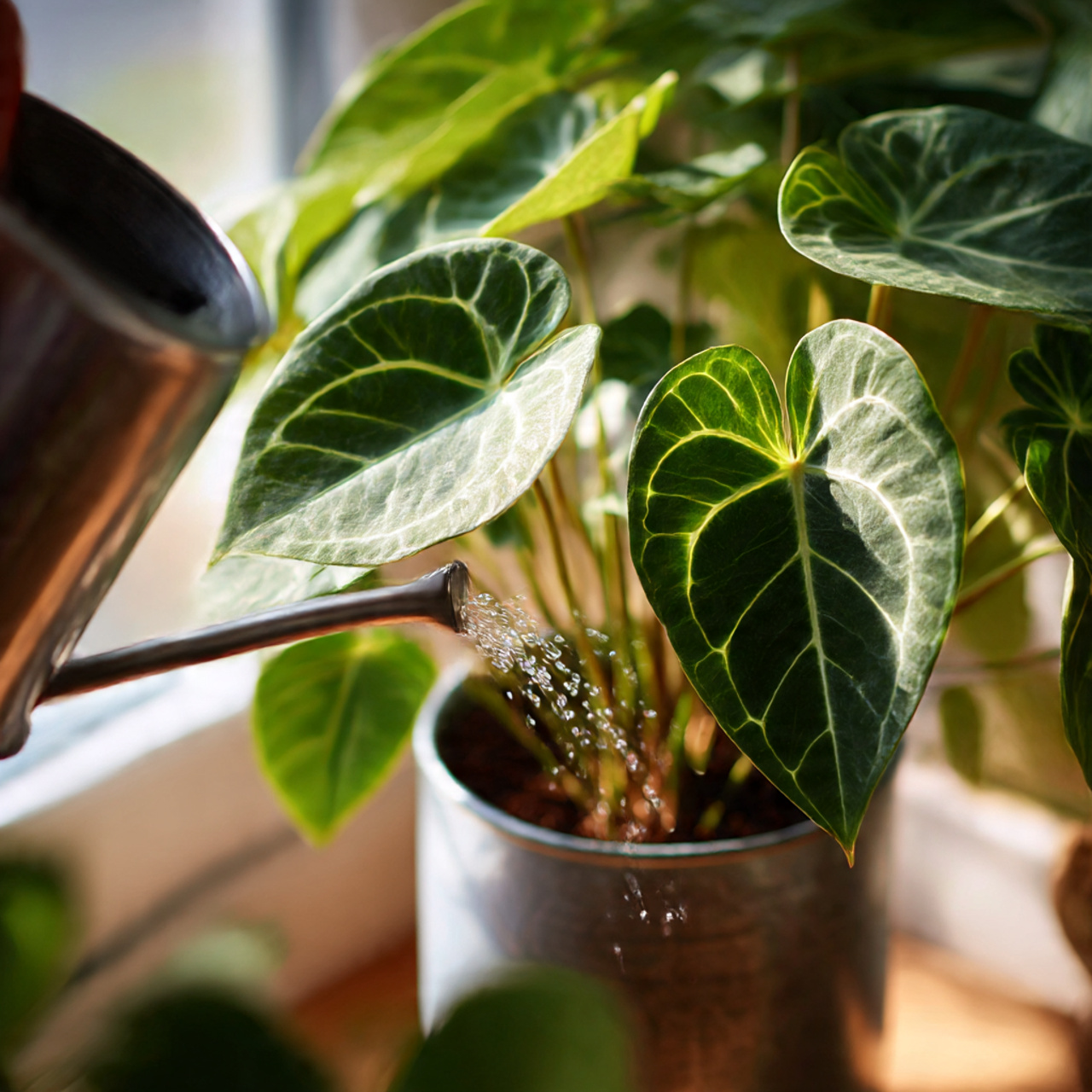
Watering causes more plant deaths than any other factor, but it doesn’t have to be complicated. The trick with Anthurium Clarinervium is consistency, not frequency. These plants like their soil evenly moist during growing season, drying slightly between waterings.
Here’s your foolproof method: stick your finger about an inch deep into the soil. If it feels dry, water thoroughly until liquid drains from the bottom holes. If it’s still damp, wait another day or two. During winter, when growth slows, cut back watering by about half.
Always use room-temperature water. Cold water shocks the roots, while hot water can damage them. If your tap water is heavily chlorinated or hard, let it sit overnight before using, or switch to filtered water. Those white crusty deposits on leaves? That’s mineral buildup from hard water.
Warning signs: Droopy, curling leaves often mean thirsty plant. Yellowing leaves and mushy stems? You’re overdoing it. Adjust accordingly.
Maintaining Proper Humidity
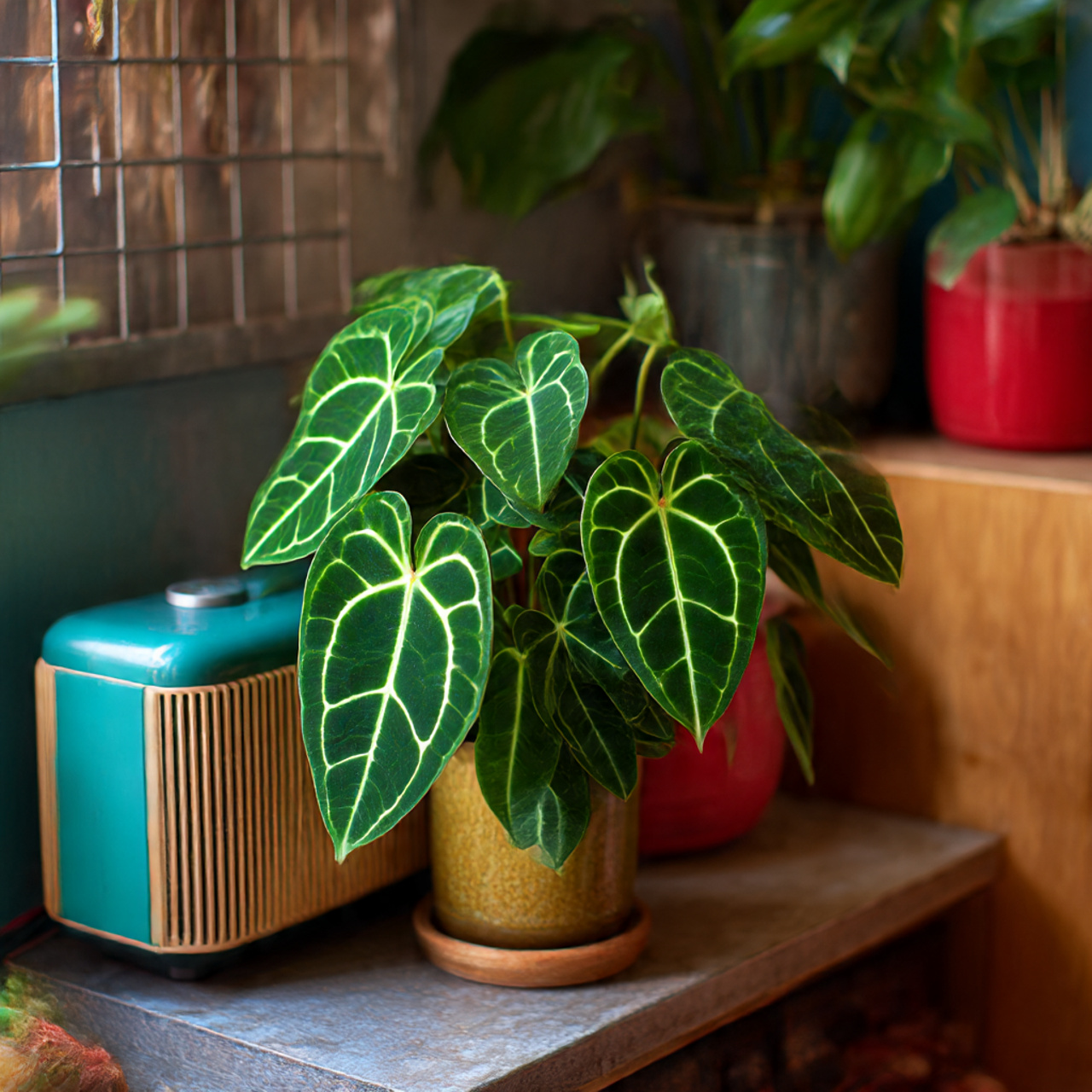
Anthurium Clarinervium doesn’t just prefer humidity—it genuinely thrives in it. We’re talking 60-80% relative humidity, which is higher than most homes naturally maintain. But don’t panic; there are easy ways to boost moisture levels without turning your home into a sauna.
A humidifier near your plant is the gold standard solution. Run it during the day, especially in winter when indoor heating dries everything out. No humidifier? Place your pot on a pebble tray filled with water (pot sitting on pebbles, not in water). As water evaporates, it creates a micro-humid environment.
Grouping your Anthurium with other tropical plants creates a humidity bubble as they all transpire together. It’s like they’re helping each other out. You can mist the leaves occasionally, but this provides only temporary relief and shouldn’t be your primary humidity strategy.
Reality check: Brown, crispy leaf edges are your plant’s way of begging for more humidity. Address this quickly before it affects overall health.
Fertilizing Anthurium Clarinervium
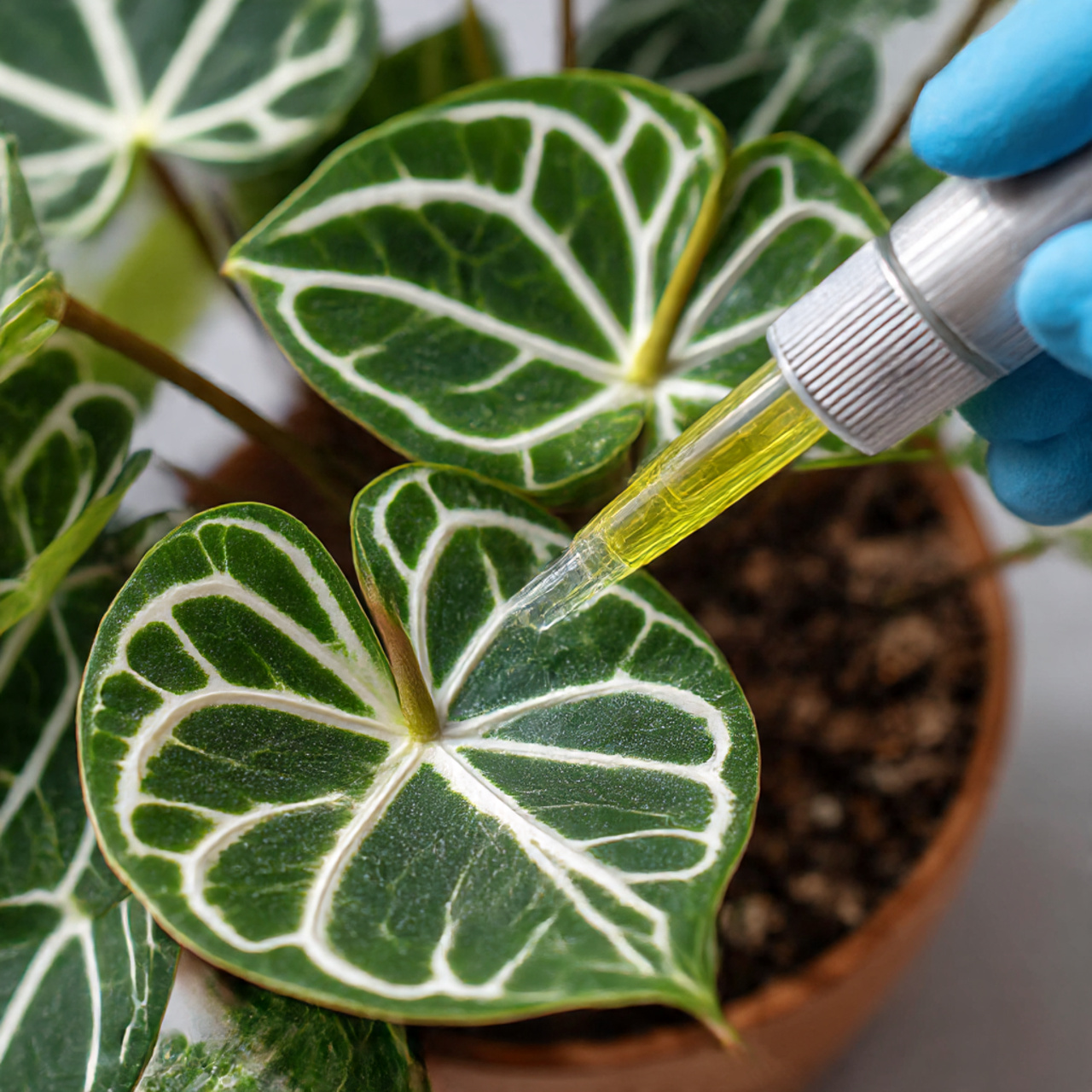
Think of fertilizer as vitamins for your Anthurium Clarinervium—helpful in the right amounts, harmful when overdone. During the active growing season (spring through early fall), your plant benefits from regular feeding that supports those gorgeous new leaves.
Use a balanced, water-soluble fertilizer diluted to half the recommended strength every 6-8 weeks. Why half strength? Anthuriums are sensitive to fertilizer salts, and it’s better to underfeed slightly than risk burning the roots. Apply fertilizer to damp soil, never dry, to prevent root damage.
Organic options like diluted fish emulsion or worm casting tea work beautifully and reduce the risk of chemical buildup. During winter dormancy, skip fertilizing entirely—your plant isn’t actively growing and won’t use the nutrients anyway.
Smart move: Flush the soil every few months by running plain water through until it drains clear. This prevents salt accumulation that can damage roots over time.
Pruning and Leaf Care
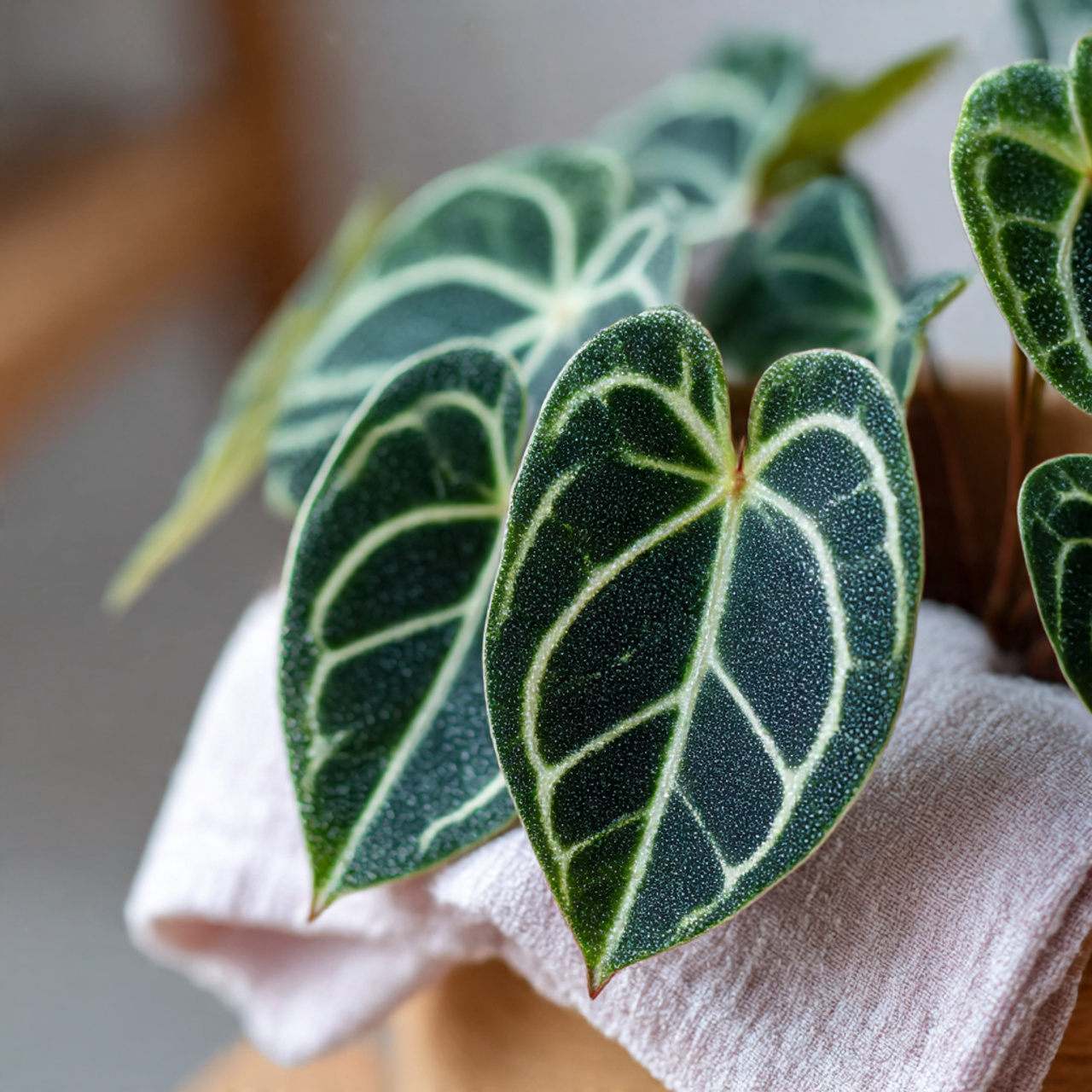
Pruning isn’t just about aesthetics; it’s about plant health. When leaves yellow, brown, or get damaged, they become energy drains and potential disease entry points. Removing them redirects that energy into healthy growth.
Use clean, sharp scissors or pruning shears (sterilize with rubbing alcohol first). Cut damaged leaves at the base where they meet the stem. Don’t leave stubs—they can rot. If only the leaf tip is brown, you can trim just that section at an angle for a natural look.
Regular dusting matters too. Those beautiful velvety leaves collect dust that blocks light absorption. Gently wipe them with a soft, damp cloth every couple of weeks. Skip commercial leaf shine products—they clog the stomata (leaf pores) and do more harm than good.
Approach: Make a weekly plant check-up part of your routine. Catching issues early means easier fixes and healthier plants.
When and How to Repot
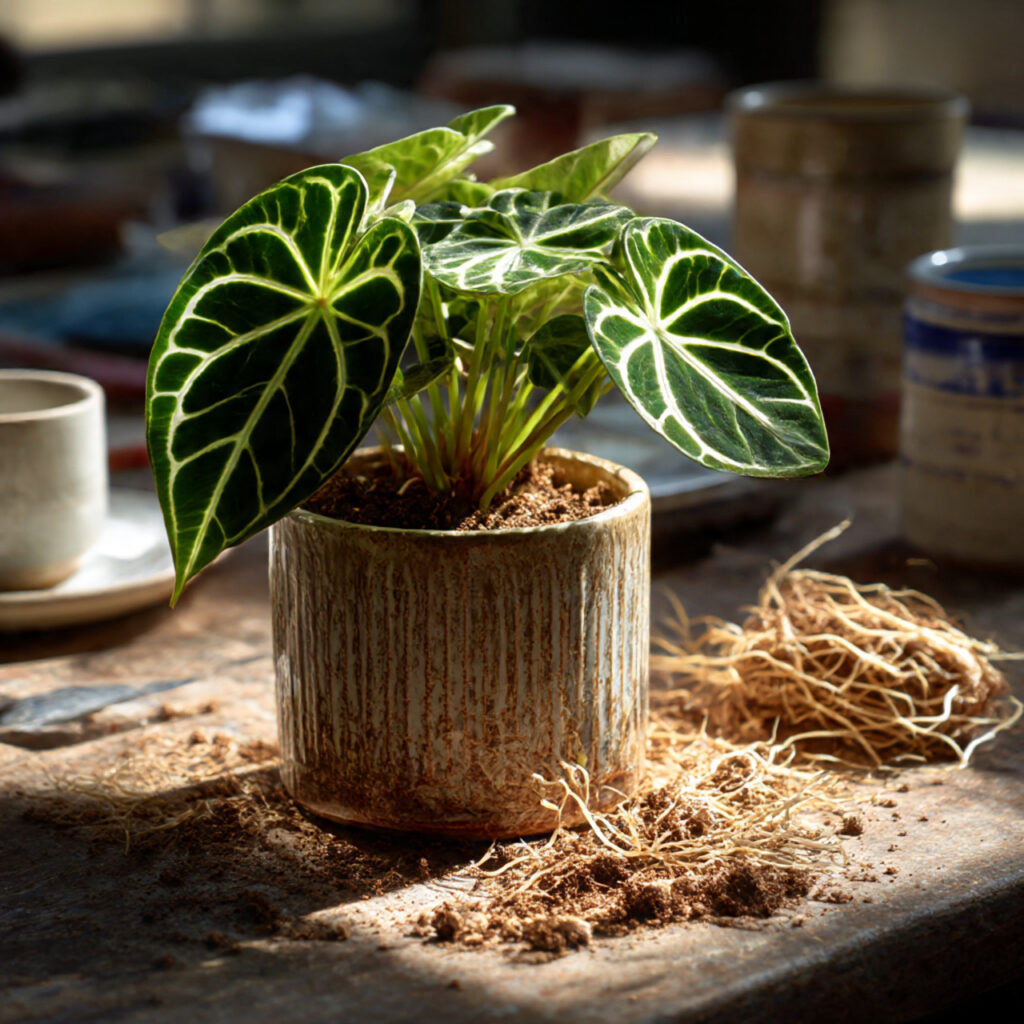
Repotting might seem daunting, but it’s actually quite straightforward. Your Anthurium Clarinervium needs a new home every 2-3 years, or when roots start circling the drainage holes or emerging from the soil surface.
Spring is the ideal repotting time when growth is ramping up. Choose a pot only 1-2 inches larger than the current one—too much extra space holds excess water and can lead to root problems. Ensure your new pot has drainage holes (non-negotiable).
Gently remove the plant, loosening the root ball if it’s tight. Shake off old soil and inspect roots for any mushy, dark sections (trim these away). Place fresh soil in the new pot, position your plant at the same depth it was before, and fill around the sides. Water thoroughly to settle everything in.
Timing tip: Skip fertilizer for 4-6 weeks after repotting. Fresh soil contains nutrients, and roots need time to recover from the transition before handling fertilizer salts.
Controlling Pests and Diseases
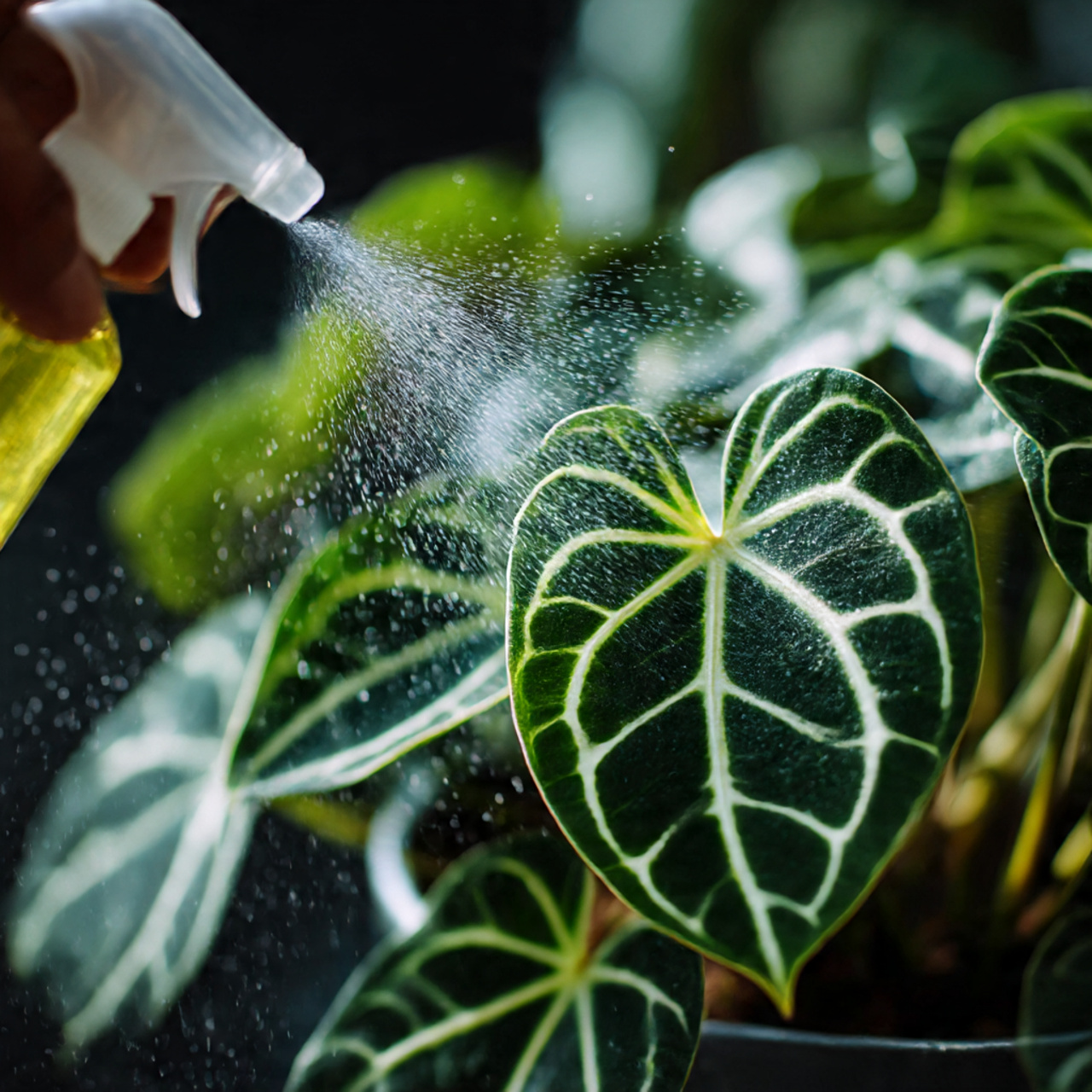
Even well-cared-for Anthuriums can attract unwanted visitors. Spider mites, aphids, and mealybugs find these plants particularly appealing. The key is early detection through regular inspection—check under leaves and along stems weekly.
Spider mites leave fine webbing and cause stippled, discolored leaves. Aphids cluster on new growth, leaving sticky residue. Mealybugs look like tiny cotton balls hiding in leaf crevices. For all three, neem oil spray (mixed according to package directions) or insecticidal soap works effectively and safely.
Disease prevention is mostly about cultural care. Root rot and leaf blight typically stem from overwatering and poor air circulation. Water properly, ensure good drainage, and maintain airflow around your plant. If you spot mushy stems or spreading dark spots on leaves, trim affected parts immediately and adjust watering.
Prevention strategy: Quarantine any new plants for 2-3 weeks before introducing them to your collection. This catches hitchhiking pests before they spread.
Propagating Anthurium Clarinervium
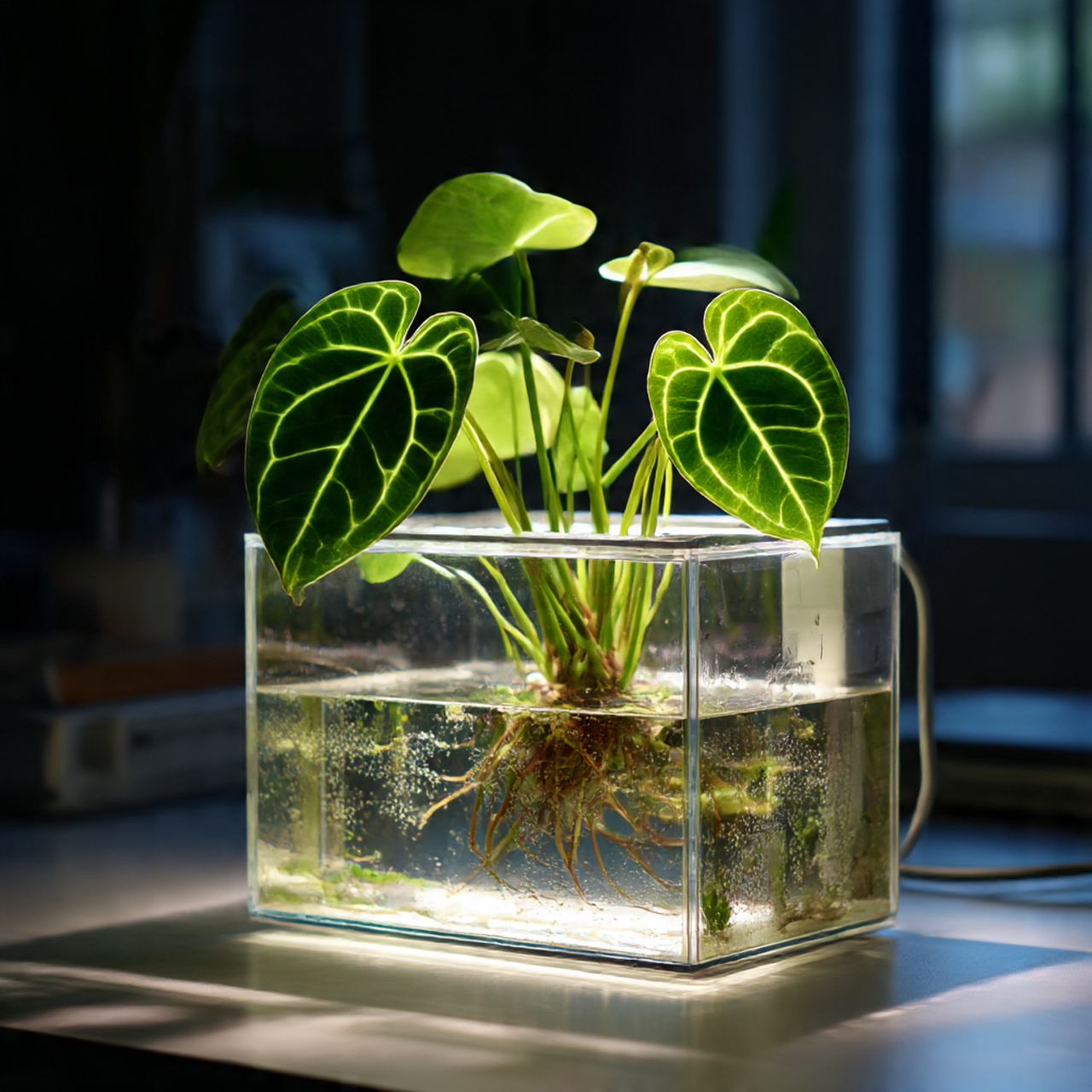
Want more Anthuriums without spending more money? Propagation is your answer. These plants propagate most reliably through division or stem cuttings, both reasonably straightforward once you understand the basics.
For division (easiest method), wait until repotting time. Gently separate the root ball into sections, ensuring each has healthy roots and at least 2-3 leaves. Plant each division in its own pot with fresh soil mix. Keep humidity high and soil lightly moist while new roots establish.
Stem cuttings require a bit more patience. Cut just below a node (the bump where leaves emerge) with a clean, sharp blade. Place in moist sphagnum moss or well-draining soil, covering with a clear plastic bag to maintain humidity. Keep warm and bright (not direct sun) until roots develop in 4-8 weeks.
Success secret: Don’t disturb the cutting constantly to check for roots. Patience wins here—each time you dig it up, you damage delicate emerging roots.
Styling Your Anthurium Indoors
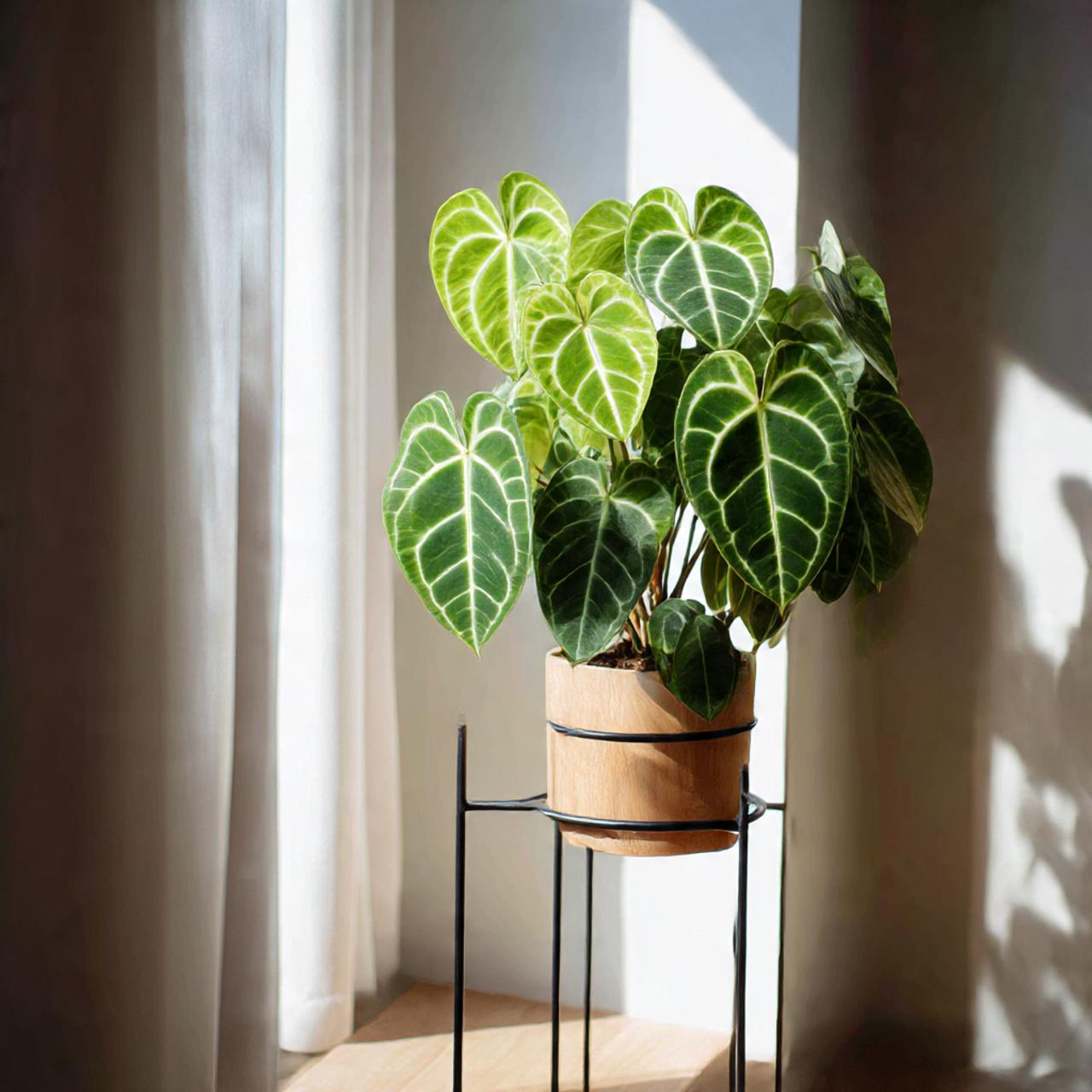
Anthurium Clarinervium is a natural showstopper that deserves thoughtful placement. Its dramatic foliage works beautifully as a standalone statement piece on a minimalist plant stand or coffee table. The bold leaf patterns draw the eye, so less is more when it comes to surrounding décor.
In modern or contemporary spaces, pair your Anthurium with neutral-toned pots—matte white, concrete gray, or natural terracotta let the plant shine without competition. For bohemian or tropical-themed rooms, mix it with other large-leafed plants like Monstera or Bird of Paradise to create that lush jungle vibe.
Consider height variation when displaying multiple plants. Put your Anthurium at eye level where those intricate leaf veins can be properly appreciated. Avoid high shelves where its beauty gets lost, or low floors where it might not get adequate light.
Designer trick: Use the “rule of three” when grouping plants. Odd numbers create more visually interesting arrangements than even numbers.
Terrarium Growing Tips
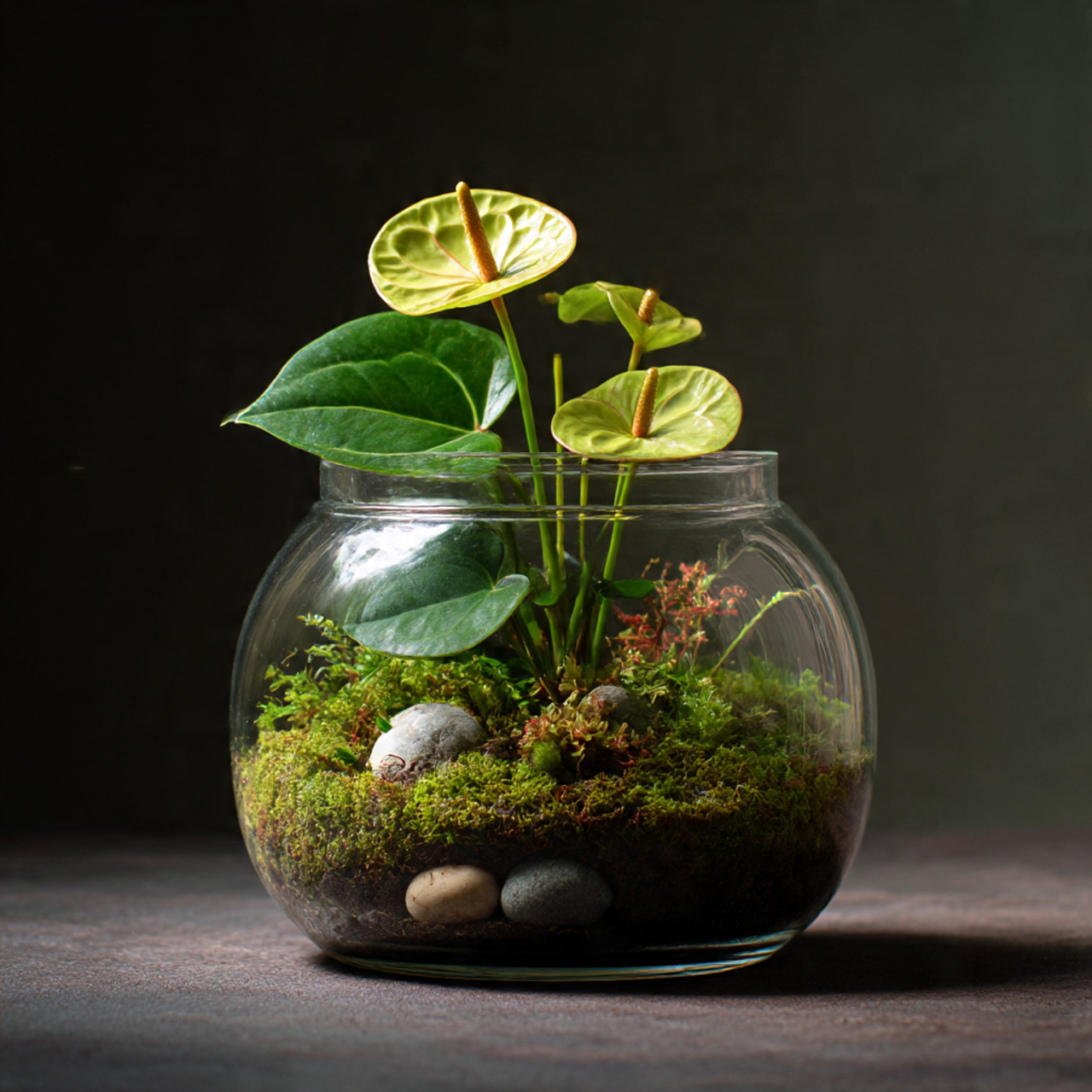
Miniature or young Anthurium Clarinervium specimens can thrive in large, open terrariums that maintain consistent humidity. The enclosed environment mimics their natural tropical habitat beautifully, creating a self-sustaining mini-ecosystem.
Choose a terrarium large enough to allow air circulation—completely sealed containers trap too much moisture and encourage fungal growth. Add a drainage layer of pebbles, activated charcoal (to filter air), then your chunky soil mix. Position your Anthurium where it gets bright, indirect light without the terrarium acting as a greenhouse.
Monitor moisture carefully in terrariums. The glass walls trap humidity, so you’ll water far less frequently than potted plants. If condensation constantly fogs the glass, crack the lid open for better air exchange. Add decorative moss, small stones, or miniature ferns to complete the landscape.
Creative addition: LED fairy lights on a timer can provide supplemental lighting while creating a magical nighttime display.
Adjusting Care Through the Seasons
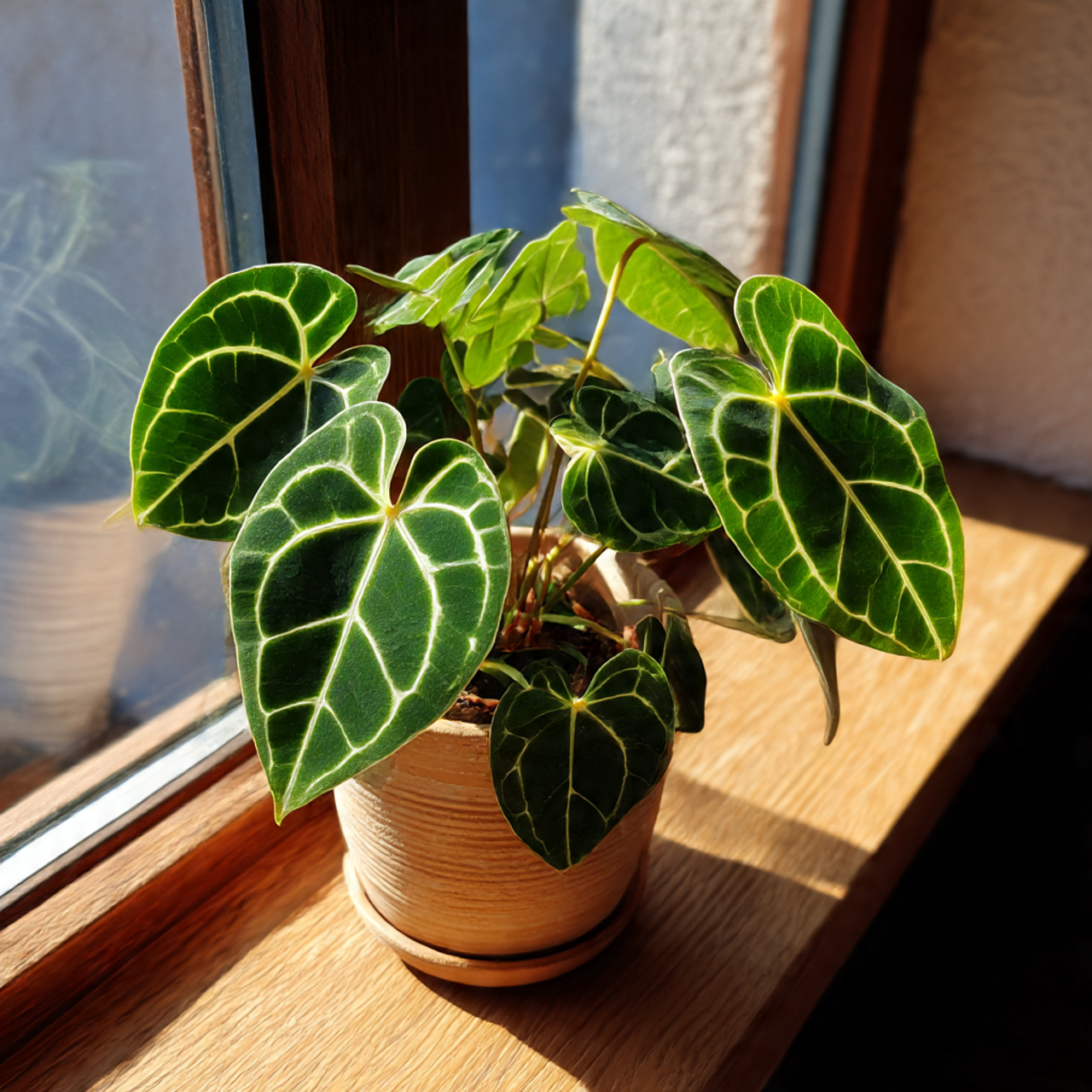
Your Anthurium Clarinervium’s needs shift with the seasons, and adjusting your care routine accordingly keeps it healthy year-round. During spring and summer growing seasons, ramp up watering frequency, resume fertilizing, and expect new leaves every few weeks.
As fall approaches and daylight decreases, growth naturally slows. Reduce watering by about one-third to one-half, stop fertilizing until spring, and ensure your plant stays away from cold drafts or heating vents. Indoor heating dramatically drops humidity, so boost moisture levels with a humidifier.
Winter dormancy is normal—don’t panic if growth pauses completely. Maintain temperatures above 60°F (15°C) and keep light levels consistent with grow lights if needed. This rest period actually benefits the plant, preparing it for vigorous spring growth.
Temperature alert: Sudden temperature swings stress tropical plants. Keep your Anthurium in a stable environment, avoiding placement near exterior doors or drafty windows.
Health Benefits Beyond Beauty
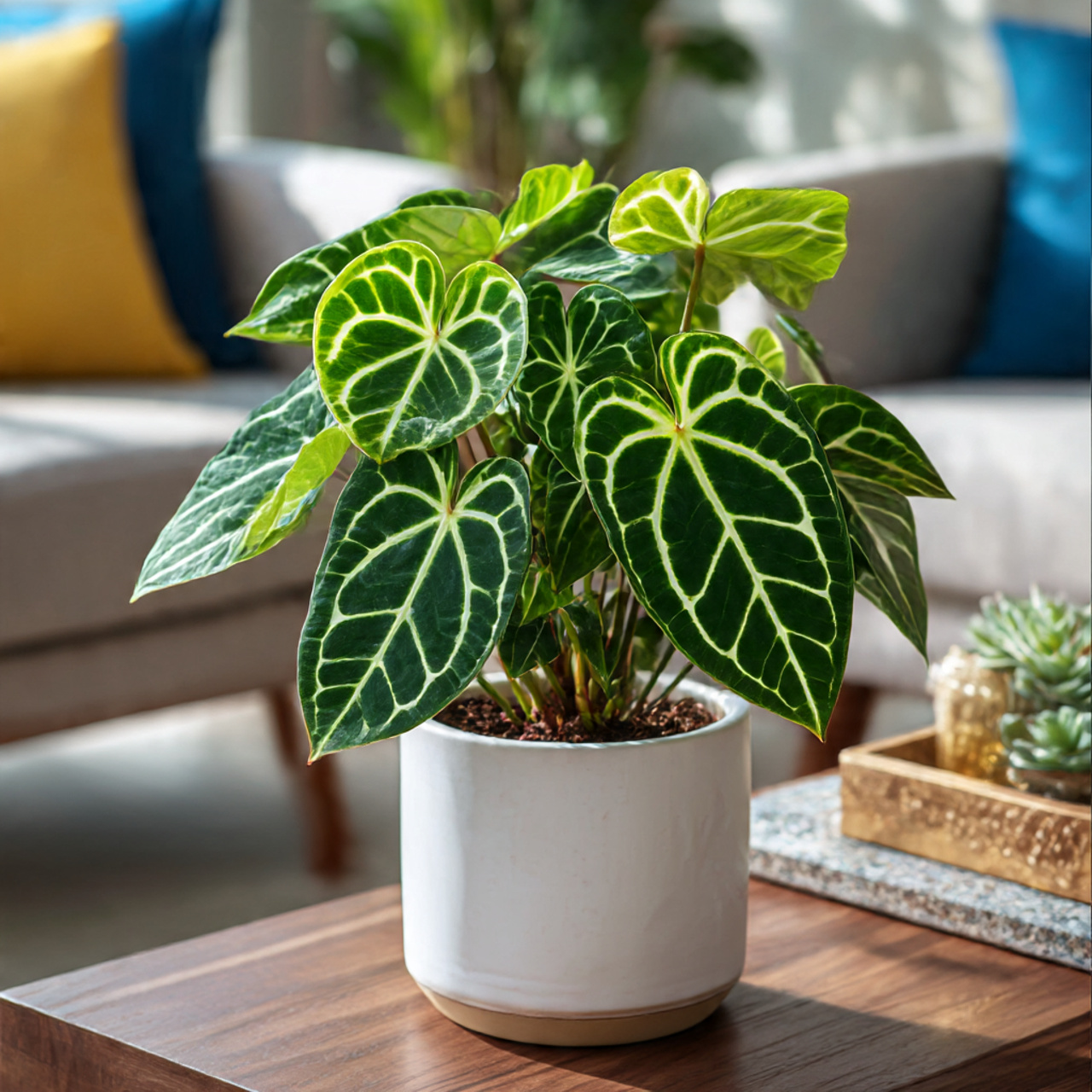
Anthurium Clarinervium offers more than just visual appeal—it actively improves your indoor environment. Like many tropical plants, it filters common household toxins like formaldehyde and ammonia from the air, creating a healthier breathing space.
There’s also the psychological benefit. Studies consistently show that indoor plants reduce stress, improve mood, and boost productivity. The simple act of caring for a living thing provides a mindful break from screens and daily pressures. Watching new leaves unfurl offers genuine joy and connection to nature’s rhythms.
Incorporating plants into your living or workspace creates a calming atmosphere that benefits everyone. The tropical vibe of Anthurium Clarinervium brings vacation-like relaxation into everyday life, making your space feel more inviting and peaceful.
Wellness tip: Place your Anthurium in a frequently used space where you’ll interact with it daily. This maximizes both air-quality benefits and mental health advantages.
Common Care Mistakes to Avoid
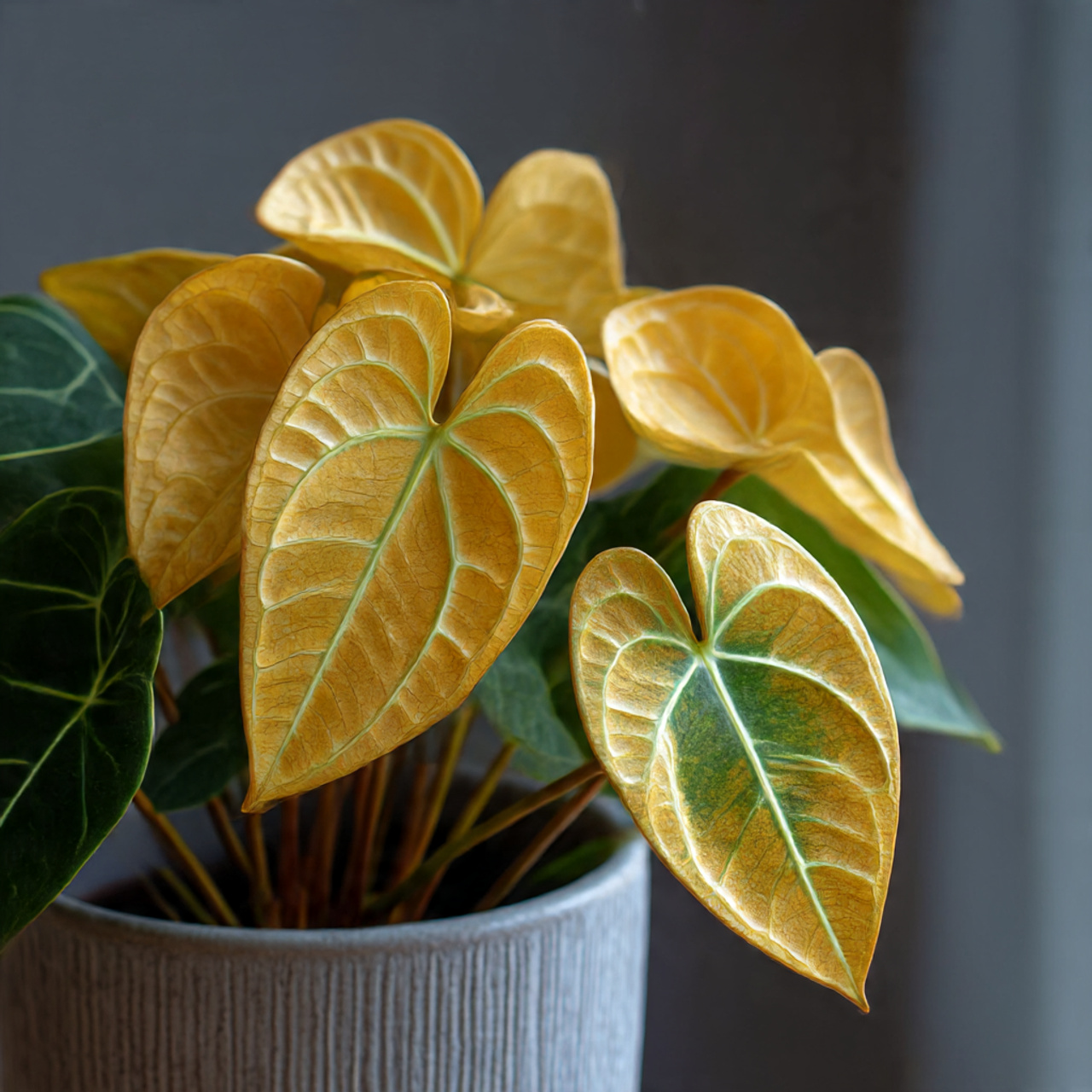
Even experienced plant parents make mistakes. The most common? Overwatering from “killing with kindness.” More Anthuriums die from too much water than too little. Always check soil moisture before watering, and when in doubt, wait another day.
Insufficient light is another frequent issue. “Low light tolerant” doesn’t mean dark corners. Your Anthurium needs bright, indirect light to maintain those vibrant leaves and healthy growth. If it’s reaching toward the window or producing smaller leaves, it needs more light.
Using heavy garden soil creates a suffocating environment for roots that need oxygen. Always use a chunky, well-draining mix designed for aroids or orchids. Similarly, avoid placing your plant near heating vents, air conditioners, or drafty areas—temperature fluctuations cause stress.
Learning mindset: Mistakes happen to everyone. Watch your plant’s signals, adjust care accordingly, and you’ll learn what works in your specific environment.
Leaf Propagation Techniques
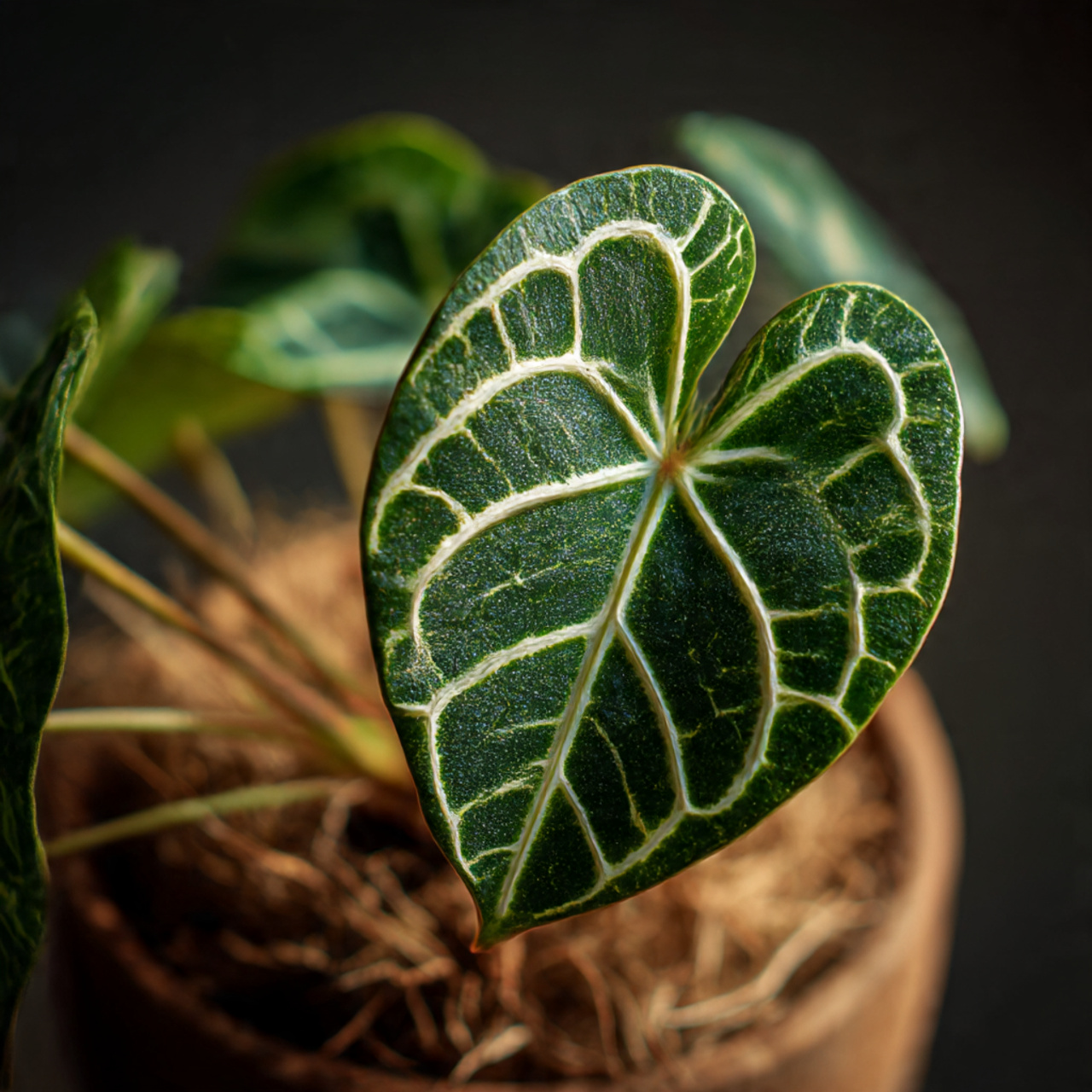
While division is more reliable, adventurous plant parents sometimes experiment with leaf propagation. This method has lower success rates but can work with patience and perfect conditions.
Select a healthy, mature leaf with a substantial petiole (leaf stem). Make a clean cut where the petiole meets the main stem. Plant the petiole in moist sphagnum moss or a well-draining mix, burying it about an inch deep. Create a mini greenhouse by covering with a clear plastic bag or placing in a propagation box.
Maintain high humidity (70-80%) and bright, indirect light. Keep the medium consistently moist but not waterlogged. Roots may develop in 6-12 weeks, but new plant growth takes several months. Success rates vary, so don’t be discouraged if it doesn’t work every time.
Experimental fun: Try propagating multiple leaves at once. This increases your odds of success and makes the waiting period more exciting.
Choosing the Perfect Pot
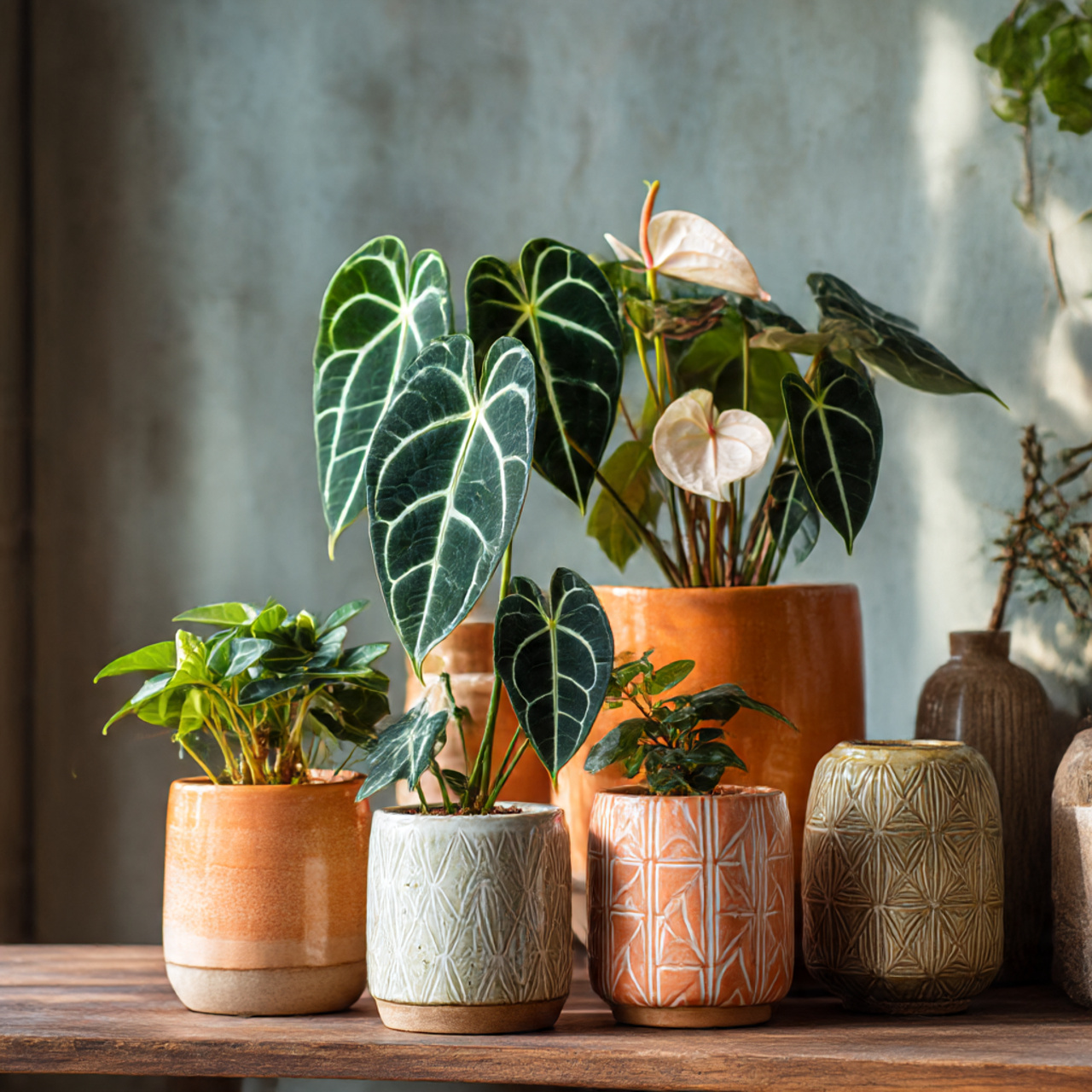
Pot selection impacts your Anthurium’s health more than you might think. Drainage holes are absolutely essential—without them, you’re setting up for root rot no matter how carefully you water. If you fall in love with a pot without holes, use it as a decorative cachepot with a properly draining inner pot.
Material matters for watering frequency. Terracotta breathes, allowing soil to dry faster (good if you tend to overwater). Plastic and glazed ceramic retain moisture longer (better if you forget to water occasionally). Match pot material to your watering habits for easier care.
Size-wise, your Anthurium prefers being slightly snug rather than swimming in excess soil. Choose a pot 1-2 inches larger in diameter than the root ball. Too much extra space holds excess moisture that roots can’t use, creating anaerobic conditions where rot-causing bacteria thrive.
Style meets function: Neutral pots showcase the plant’s dramatic foliage. Save colorful or patterned pots for less visually striking plants.
Bringing Tropical Vibes to Your Office
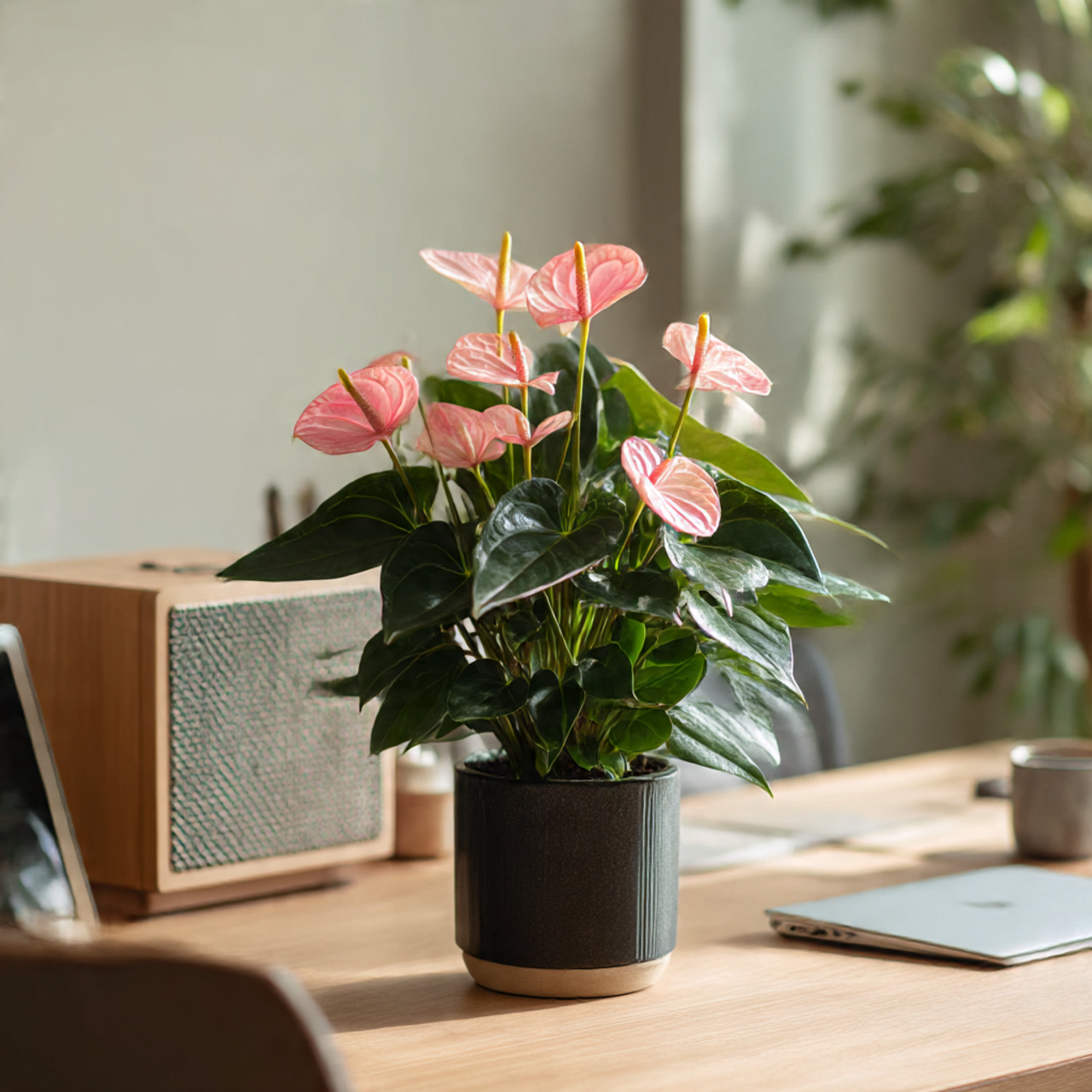
Office spaces desperately need the life that Anthurium Clarinervium provides. Its air-purifying qualities improve indoor air quality in spaces that often lack proper ventilation, while its presence reduces stress and boosts mood—critical for productivity.
These plants adapt well to office conditions if given proper light. A desk near a window or under grow lights works perfectly. Their moderate water needs (checking weekly) fit well with business schedules. The velvety leaves create visual interest without being distracting, making them ideal desk companions.
Consider placing larger specimens in conference rooms or common areas where multiple people benefit from their presence. They spark conversations and create a more welcoming, human-centered environment than stark, plant-free spaces.
Office reality: Weekends mean no watering. Check soil Fridays—if borderline dry, water before leaving. Your plant will be fine until Monday.
Seasonal Flowering Tips
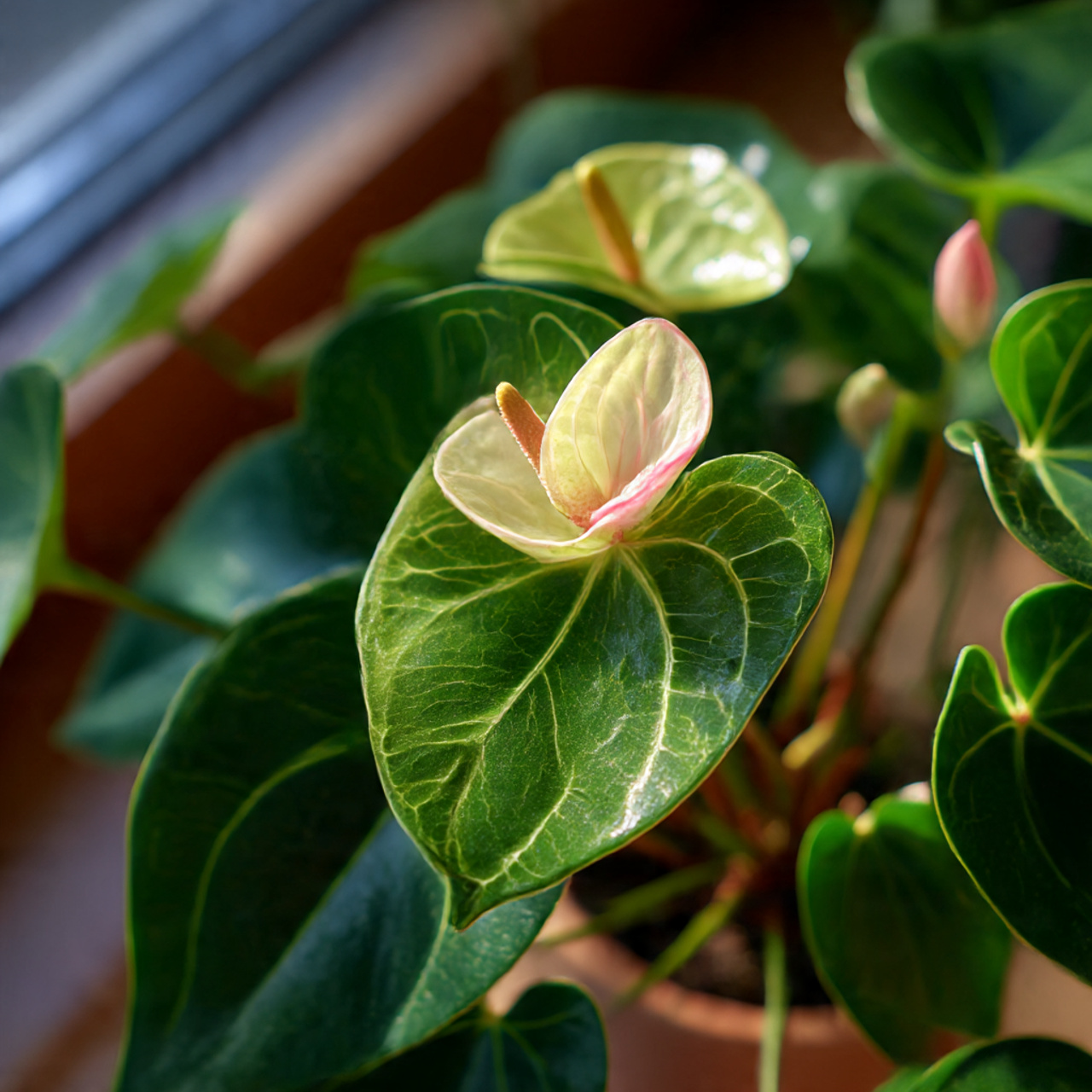
While Anthurium Clarinervium is primarily grown for foliage, it can produce modest flowers (spadix and spathe) when conditions are absolutely perfect. Don’t expect the showy blooms of Anthurium andraeanum—these flowers are subtler but still rewarding.
Flowering requires optimal care across the board: bright indirect light (but not too bright), consistent moisture without overwatering, high humidity, regular fertilization during growing season, and stable temperatures between 65-80°F (18-27°C). Essentially, if your plant is thriving, it might occasionally flower.
When blooms appear, enjoy them but remove them once they fade. Seed production drains energy from foliage growth. Most growers cut flower stalks once the bloom finishes, redirecting energy back to those stunning leaves.
Realistic expectation: Flowering is a bonus, not a goal. Focus on leaf health, and if flowers happen, consider it your plant saying “thank you.”
Pairing with Other Plants
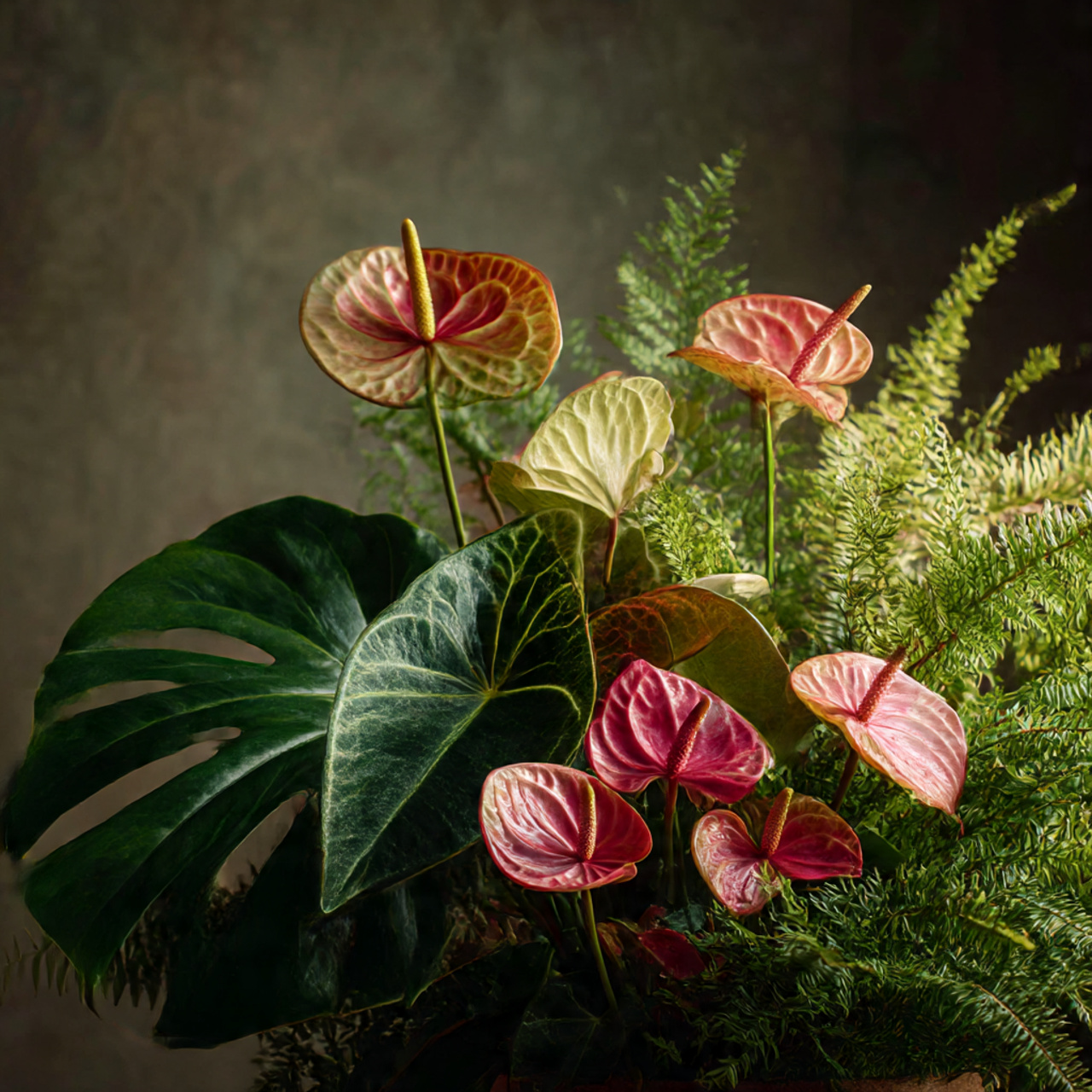
Creating a cohesive tropical display means pairing your Anthurium Clarinervium with plants sharing similar care requirements. Ferns (Boston, Maidenhair), Philodendrons, Monsteras, Calatheas, and Alocasias make excellent companions with matching humidity and light preferences.
Grouping plants with similar needs simplifies care routines—one misting session or humidifier benefits everyone. The varied leaf shapes and textures create visual interest while the shared environment helps maintain humidity levels that benefit all plants.
Consider varying heights and leaf sizes when designing your plant grouping. Large Monstera leaves contrast beautifully with Anthurium’s heart-shaped foliage, while delicate ferns add texture. This layered approach mimics natural tropical forests and creates professional-looking displays.
Design principle: Stick to similar care requirements rather than just aesthetic appeal. Beautiful groupings fail when plants need conflicting conditions.
Troubleshooting Common Issues
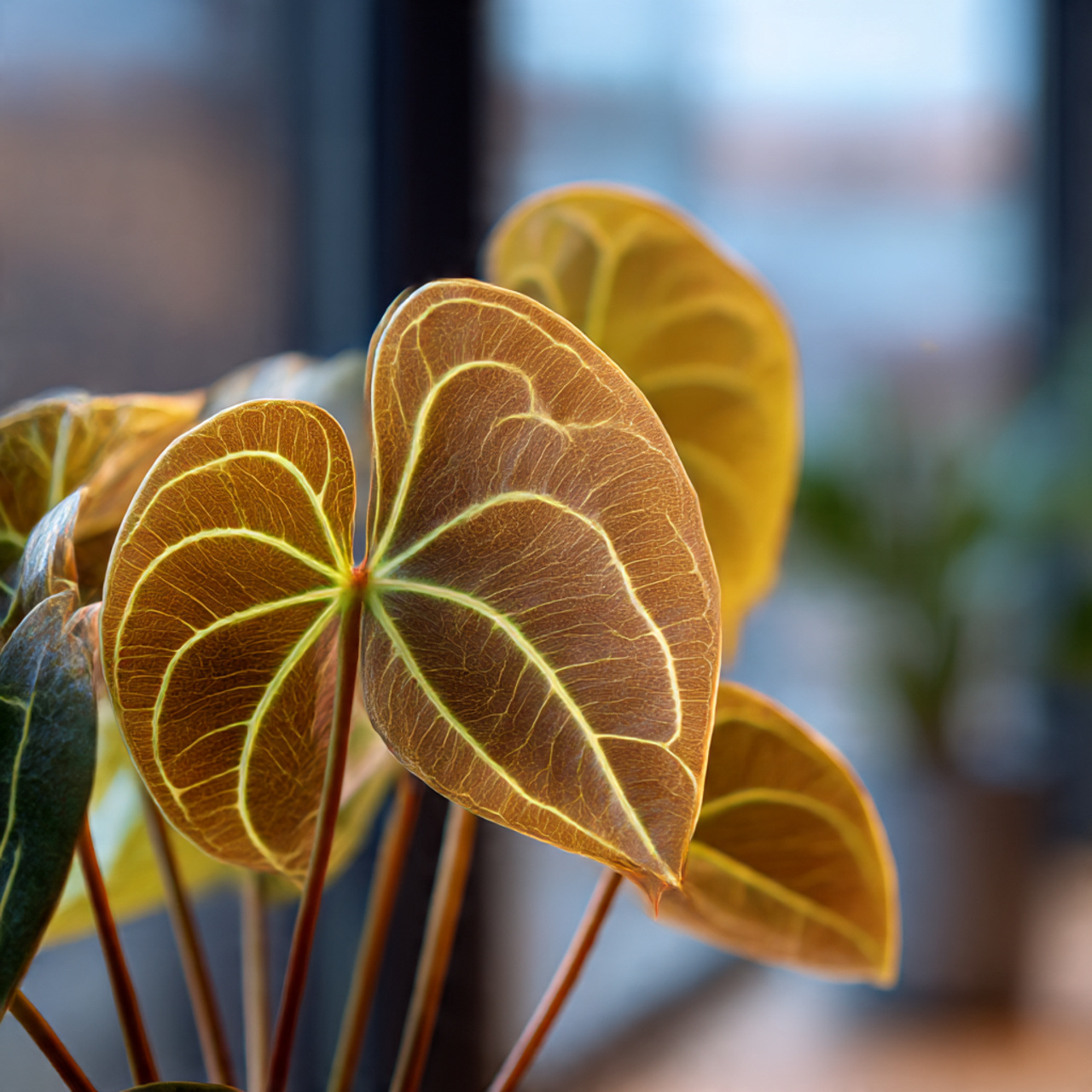
Yellow leaves usually indicate watering issues—either too much or too little. Check soil moisture and adjust frequency. If soil is constantly wet, reduce watering. If bone dry, increase. Also consider light levels; insufficient light causes pale, yellowing leaves too.
Brown leaf tips point to low humidity or mineral buildup from hard water. Boost humidity with a humidifier and switch to filtered or distilled water. Trim brown tips at an angle to maintain aesthetic appeal.
Slow or stunted growth suggests insufficient light, nutrient deficiency, or being rootbound. Move to brighter location, resume fertilizing if you’ve skipped it, or check if roots are circling the pot (time to repot).
Diagnostic approach: Change one variable at a time and observe for 2-3 weeks. Multiple simultaneous changes make it impossible to identify what actually helped.
Propagation Through Division
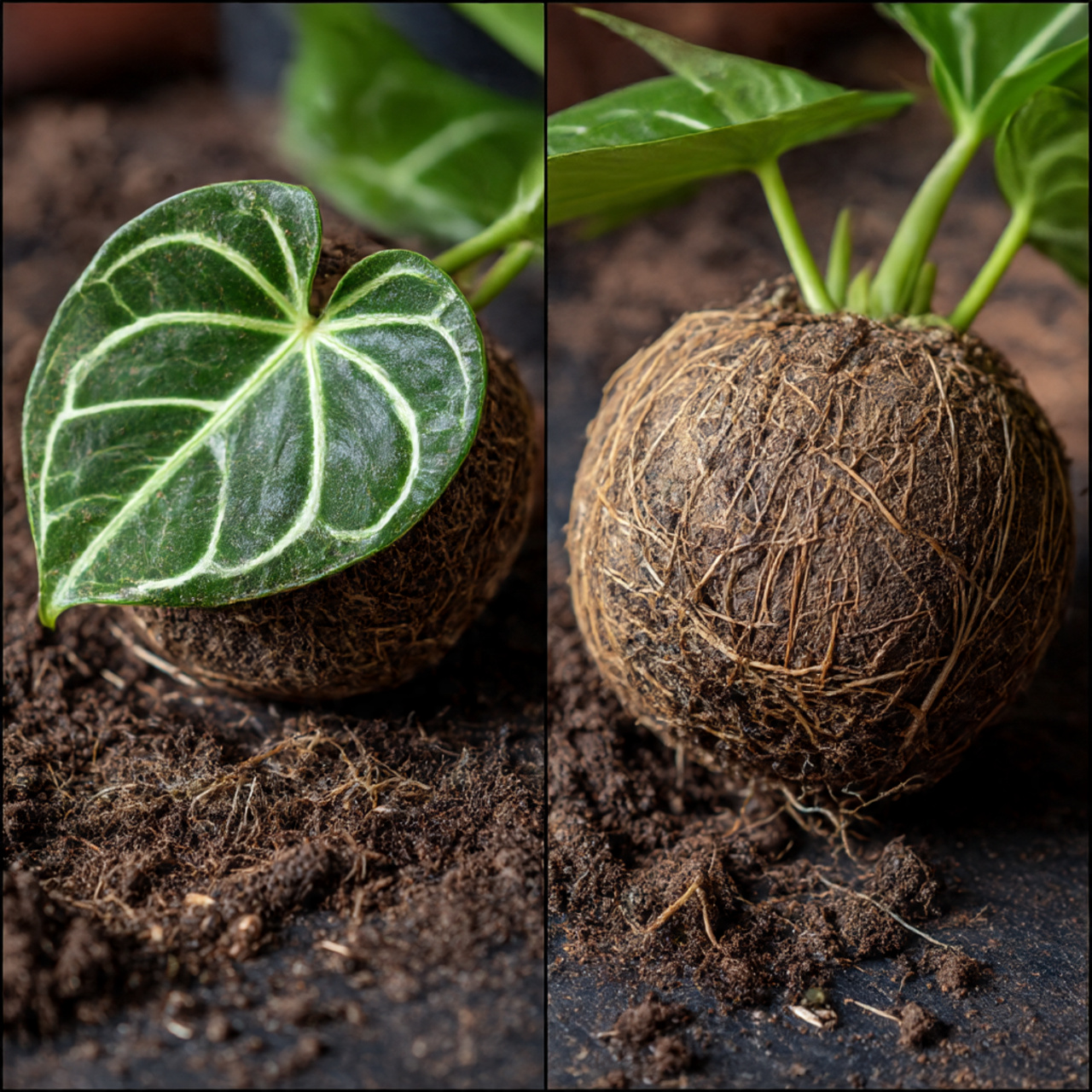
Division is the most reliable propagation method, yielding mature plants that establish quickly. The best time is during repotting when you’ve already exposed the root system and caused minimal extra stress.
Carefully examine the root ball for natural separation points—places where the plant has formed distinct growing points with their own root systems. Gently tease these apart with your fingers or cut with sterilized shears if necessary. Each division needs healthy roots and 2-3 leaves minimum to thrive independently.
Plant each division in an appropriately sized pot with fresh soil mix. Water thoroughly and keep humidity high for the first month while roots re-establish. Expect divisions to focus on root growth before pushing new leaves—this is completely normal.
Success indicator: New leaf growth within 6-8 weeks signals successful establishment. No new growth for three months might indicate problems—check roots and conditions.
Enhancing Leaf Color and Texture
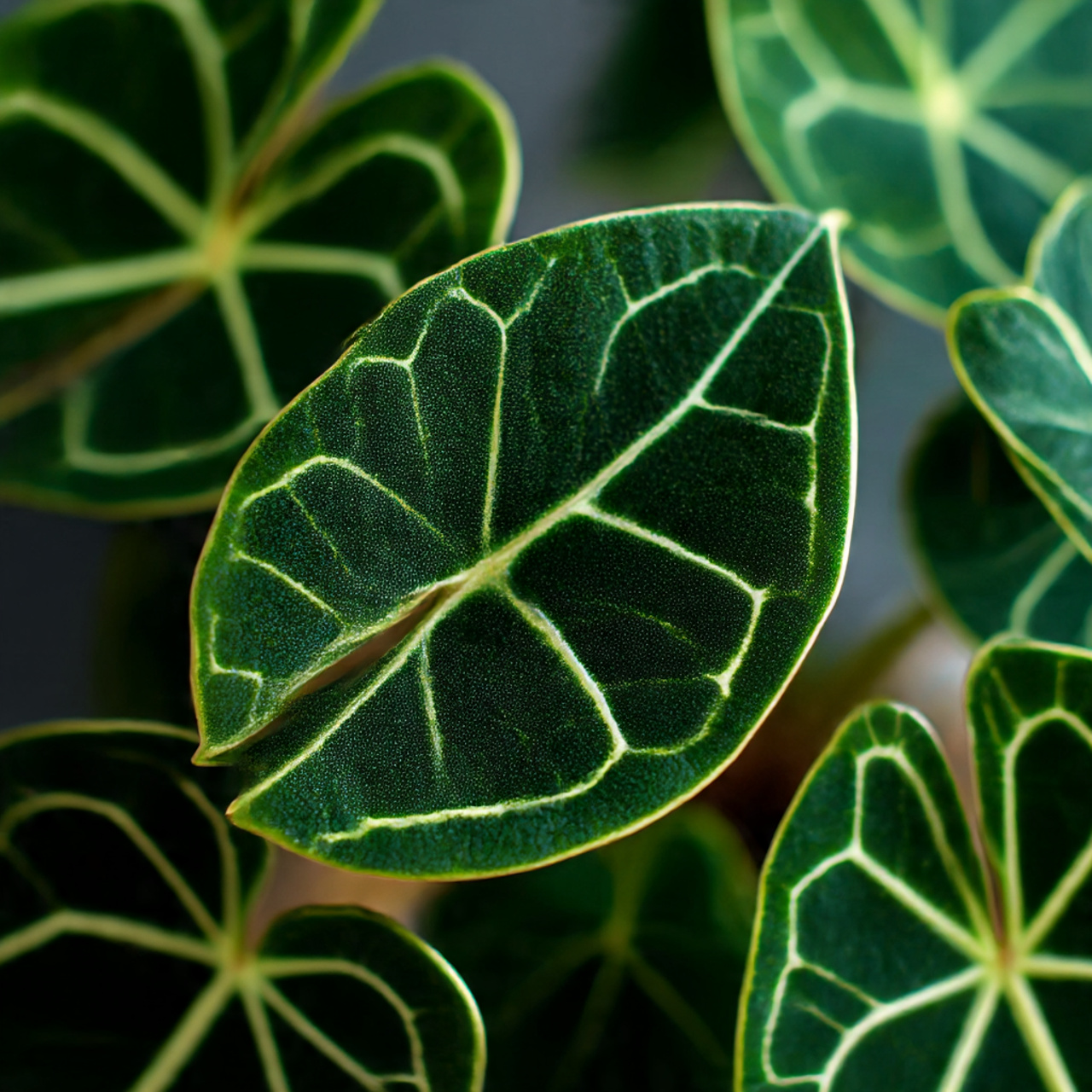
Those deep green, velvety leaves with brilliant white veins represent peak health. Maintaining this stunning appearance requires consistent attention to fundamentals: proper watering, adequate indirect light, high humidity, and regular fertilization during growing season.
Light intensity directly affects leaf color—too little creates pale, washed-out leaves while too much causes bleaching and scorching. Humidity impacts that characteristic velvety texture; low humidity makes leaves feel papery and develops brown edges. Water quality matters too; hard water leaves mineral deposits that dull leaf surfaces.
Temperature stability also affects appearance. Keep your Anthurium away from cold drafts, heating vents, and temperature swings. Consistent conditions of 65-80°F (18-27°C) support optimal leaf development and coloration.
Tip: After cleaning leaves, inspect them in bright light to catch any pest issues early. Prevention is always easier than treatment.
Air Quality Improvement Benefits
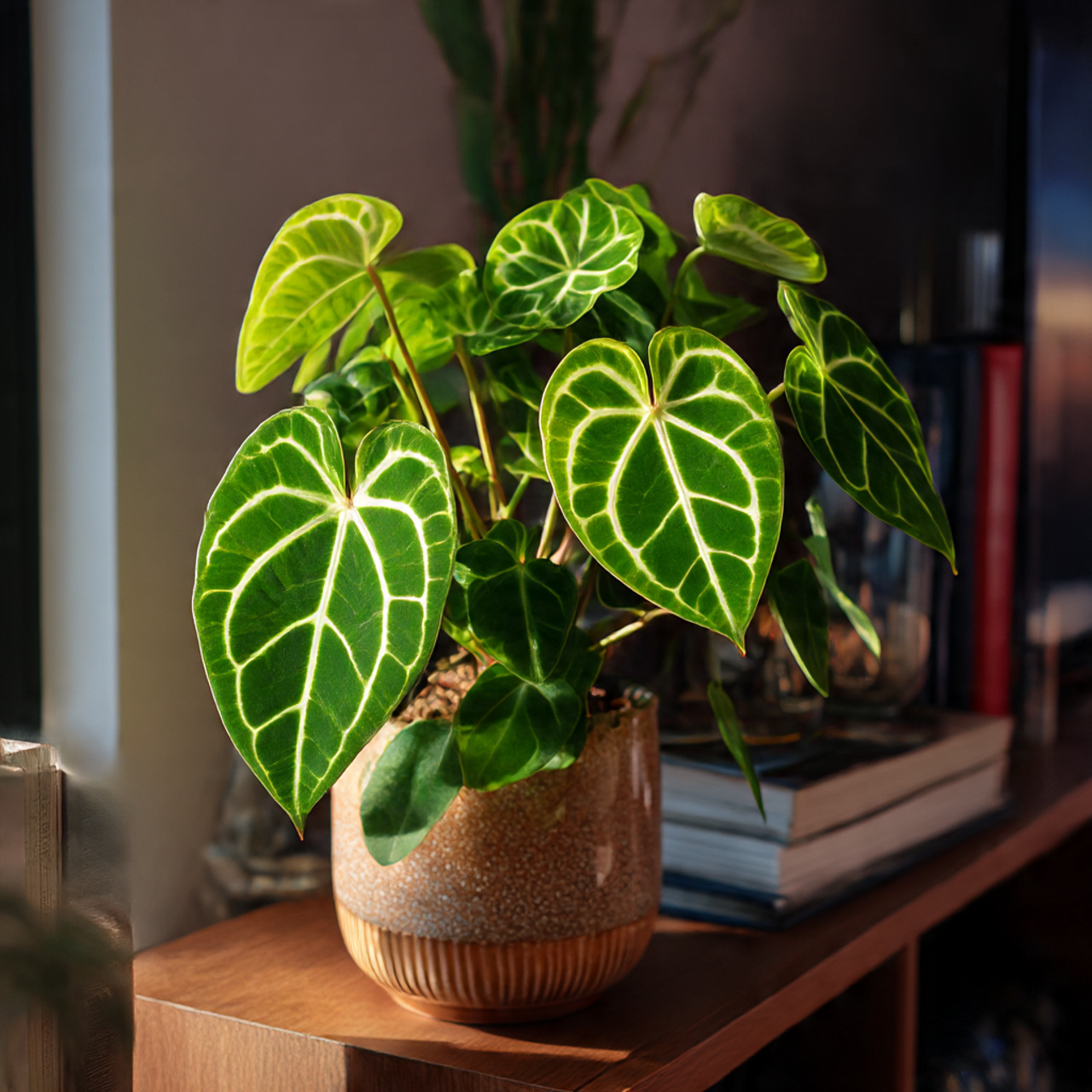
NASA’s Clean Air Study famously highlighted houseplants’ air-purifying capabilities, and Anthuriums made the list. While one plant won’t transform your entire home’s air quality, multiple plants collectively make measurable differences in reducing volatile organic compounds (VOCs).
Anthurium Clarinervium filters formaldehyde (from furniture and building materials), ammonia (from cleaning products), and xylene (from paints). Their large leaf surface area provides ample space for air filtration processes that occur through normal plant respiration.
Combine your Anthurium with other proven air purifiers like Snake Plants, Pothos, Spider Plants, and Peace Lilies for maximum benefit. Position plants in bedrooms, home offices, and living areas where you spend the most time breathing that filtered air.
Reality check: Plants improve air quality but aren’t replacements for proper ventilation. Open windows regularly and use air purifiers in addition to plants.
Creative Display Ideas
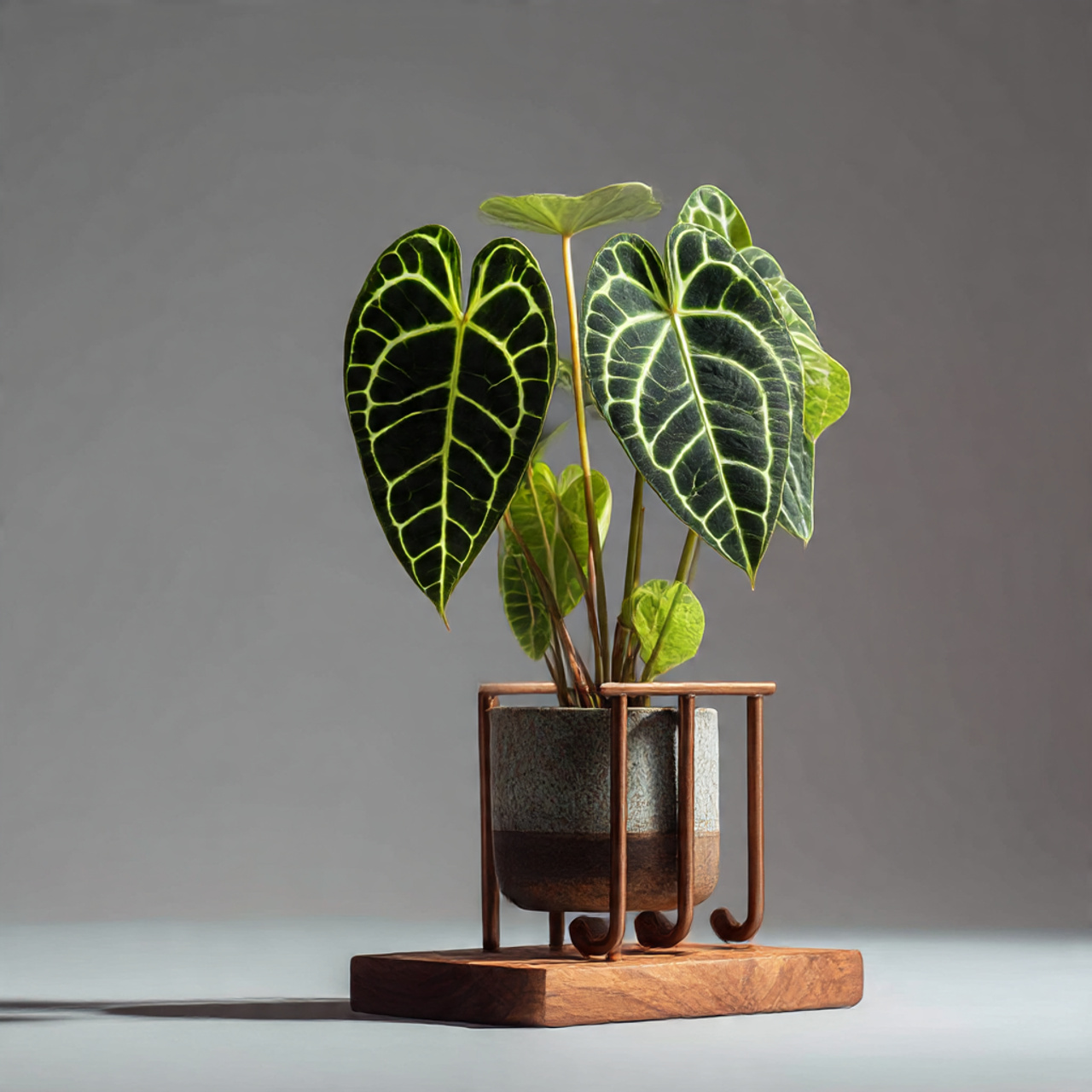
Think beyond basic pots on shelves. Hanging planters work beautifully for Anthuriums, allowing those large leaves to cascade elegantly. Choose sturdy hangers since mature plants gain considerable weight.
Multi-tiered plant stands create vertical gardens that maximize space in smaller homes. Place your Anthurium on a mid-level shelf where its foliage can be appreciated at eye level. Combine with trailing plants above and lower-growing species below for dynamic displays.
For bold statements, use oversized decorative pots that complement your interior style—mid-century modern stands, industrial metal containers, or handcrafted ceramic pieces. The contrast between pot style and tropical foliage creates intentional design tension that elevates both elements.
Photography tip: Anthurium Clarinervium photographs beautifully. Position near a bright window (not direct sun) and capture those veins in natural light for Instagram-worthy plant portraits.
Long-Term Success Strategies
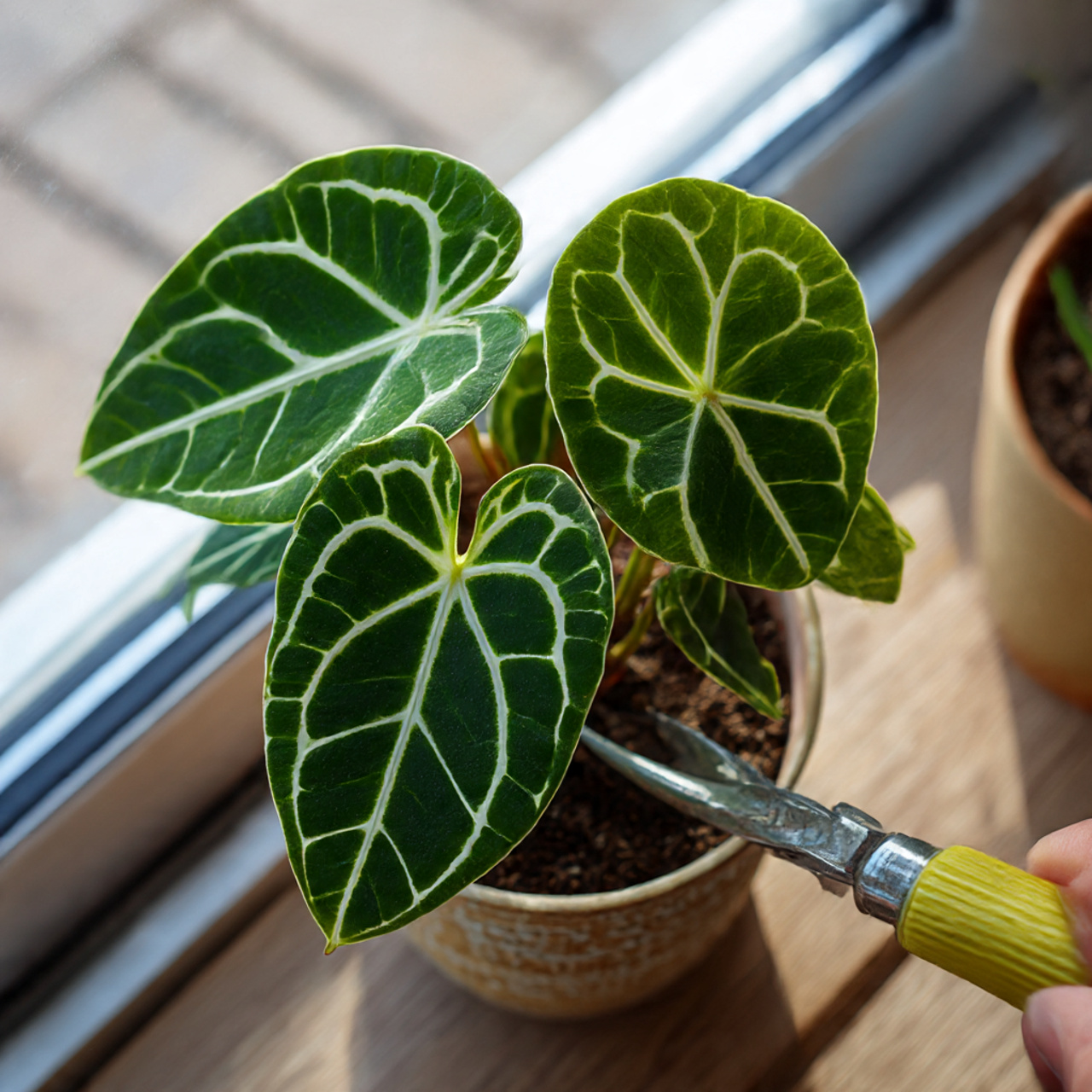
Consistency is everything with Anthurium Clarinervium. Establish a care routine and stick with it—weekly watering checks, monthly fertilizing during growing season, seasonal care adjustments, and annual repotting assessments.
Keep records if you’re serious about plant care. Note watering dates, fertilizer applications, new leaf appearances, and any problems encountered. Patterns emerge that help you optimize care specifically for your environment and conditions.
Most importantly, observe your plant regularly. Those weekly check-ins catch problems early when they’re easily fixed. A quick inspection while watering becomes second nature and ensures your Anthurium stays healthy for years.
With attention and care, Anthurium Clarinervium becomes a long-term companion rather than a temporary decoration. These plants can live for decades when given proper conditions, rewarding you with endless stunning foliage and the satisfaction of mastering tropical plant care.
Final wisdom: Plants teach patience. They grow on their schedule, not yours. Embrace the journey, learn from mistakes, and celebrate each new leaf like the victory it is.
Visit Also: Alocasia Plant
Frequently Asked Questions (FAQs)
Q1: How often should I water my Anthurium Clarinervium?
Water when the top inch of soil feels dry to the touch, typically every 5-7 days during active growth. In winter, reduce to every 10-14 days. Your specific environment (humidity, temperature, pot type) affects this timing, so soil checking matters more than strict schedules.
Q2: Can Anthurium Clarinervium survive in low light?
It tolerates lower light temporarily but won’t thrive long-term. Growth slows dramatically, leaves become smaller and less vibrant, and the plant becomes more susceptible to pests and diseases. Bright, indirect light is essential for healthy development.
Q3: How do I increase humidity for my Anthurium Clarinervium?
Use a humidifier (most effective), place on a pebble-filled water tray, group with other tropical plants, or keep in naturally humid rooms like bathrooms (if they have adequate light). Regular misting provides temporary relief but isn’t a long-term humidity solution.
Q4: Why are the leaves turning yellow?
Yellow leaves typically indicate watering issues—either overwatering (most common) or underwatering. Check soil moisture and drainage. Other causes include insufficient light, nutrient deficiency, or natural aging of older leaves. Adjust care based on other symptoms present.
Q5: How long does it take for Anthurium Clarinervium to grow new leaves?
Under optimal conditions, expect new leaves every 4-6 weeks during active growing season (spring through early fall). Growth slows or stops during winter dormancy. Newly acquired plants or those recovering from stress may pause growth for several months while adjusting.
Final Thoughts
Anthurium Clarinervium proves that stunning beauty doesn’t require impossible care demands. This remarkable plant brings tropical elegance into any space while teaching valuable lessons about patience, observation, and the rewards of consistent care. Those velvety, white-veined leaves are living art that constantly evolves, making each day with this plant a new experience.
Whether you’re creating an indoor jungle, adding a statement piece to minimalist décor, or simply bringing more nature into your daily life, Anthurium Clarinervium delivers on every level. It purifies your air, calms your mind, and sparks joy every time a new leaf unfurls to reveal those incredible veins.
Start with the basics—proper light, well-draining soil, consistent watering, and adequate humidity. Master these fundamentals, and your Anthurium will flourish for years, becoming a cherished part of your home that connects you to the lush tropical forests it calls home. The journey with this plant isn’t just about growing greenery; it’s about cultivating patience, developing observation skills, and finding peace in caring for something beautiful.
Your Anthurium Clarinervium adventure starts now. Give it the care it deserves, and it’ll reward you with years of stunning foliage that never stops amazing.