25 Alocasia Plant Secrets: Grow the Most Stunning Foliage in Your Home
If you’ve ever wanted to bring a slice of the tropics into your home, the Alocasia plant is your ticket there. With leaves so dramatic they could steal the show in any room, this tropical beauty has become a favorite among plant enthusiasts worldwide. Often called “Elephant Ear” plants, Alocasias feature over 70 stunning varieties native to the rainforests of Asia and the Pacific islands.
What makes these plants so irresistible? Their sculptural leaves come in mesmerizing patterns—some look like elephant ears, others resemble arrowheads, and a few even mimic dragon scales. Whether you’re just starting your plant journey or you’re a seasoned green thumb looking for your next challenge, Alocasias offer the perfect blend of visual drama and rewarding care.
In this comprehensive guide, some practical, tried-and-true tips to help you grow, style, and maintain your Alocasia plant like a pro.
What Makes the Alocasia Plant So Special?
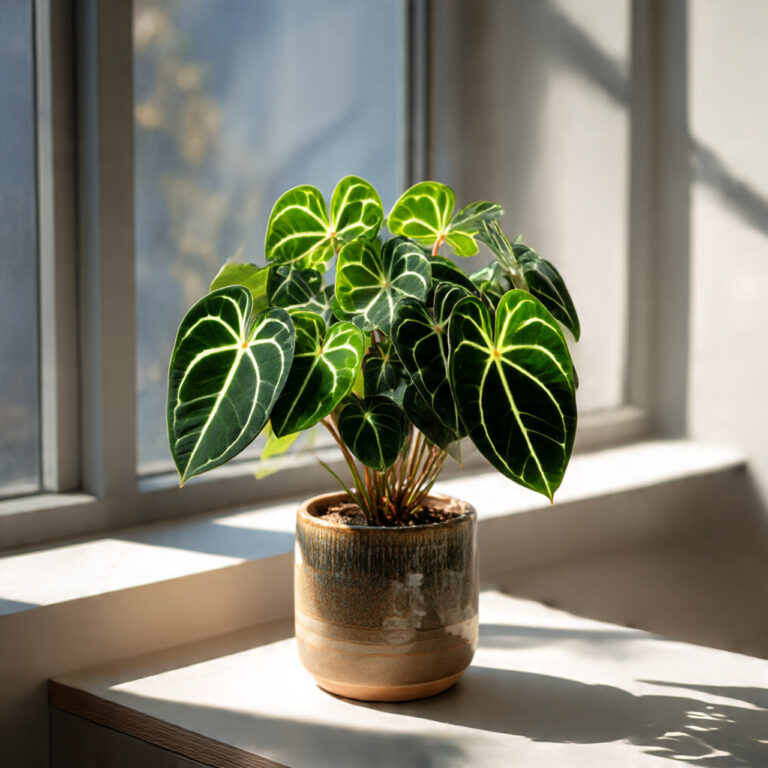
Here’s the thing about Alocasias—they’re bold, unapologetic, and absolutely gorgeous. Each variety brings its own personality to your space. Take the Alocasia macrorrhizos with its massive, show-stopping leaves, or the Alocasia ‘Black Velvet’ with its deep, velvety texture that feels like luxury fabric.
These tropical natives have specific needs: they love warmth, crave humidity, and thrive under bright but indirect light. Their signature heart-shaped or arrow-pointed leaves often feature stunning silver veins that look like nature’s own artwork.
Picking Your Perfect Alocasia Variety
Not all Alocasias are created equal, and that’s the beauty of it. Your choice should match both your space and your lifestyle.
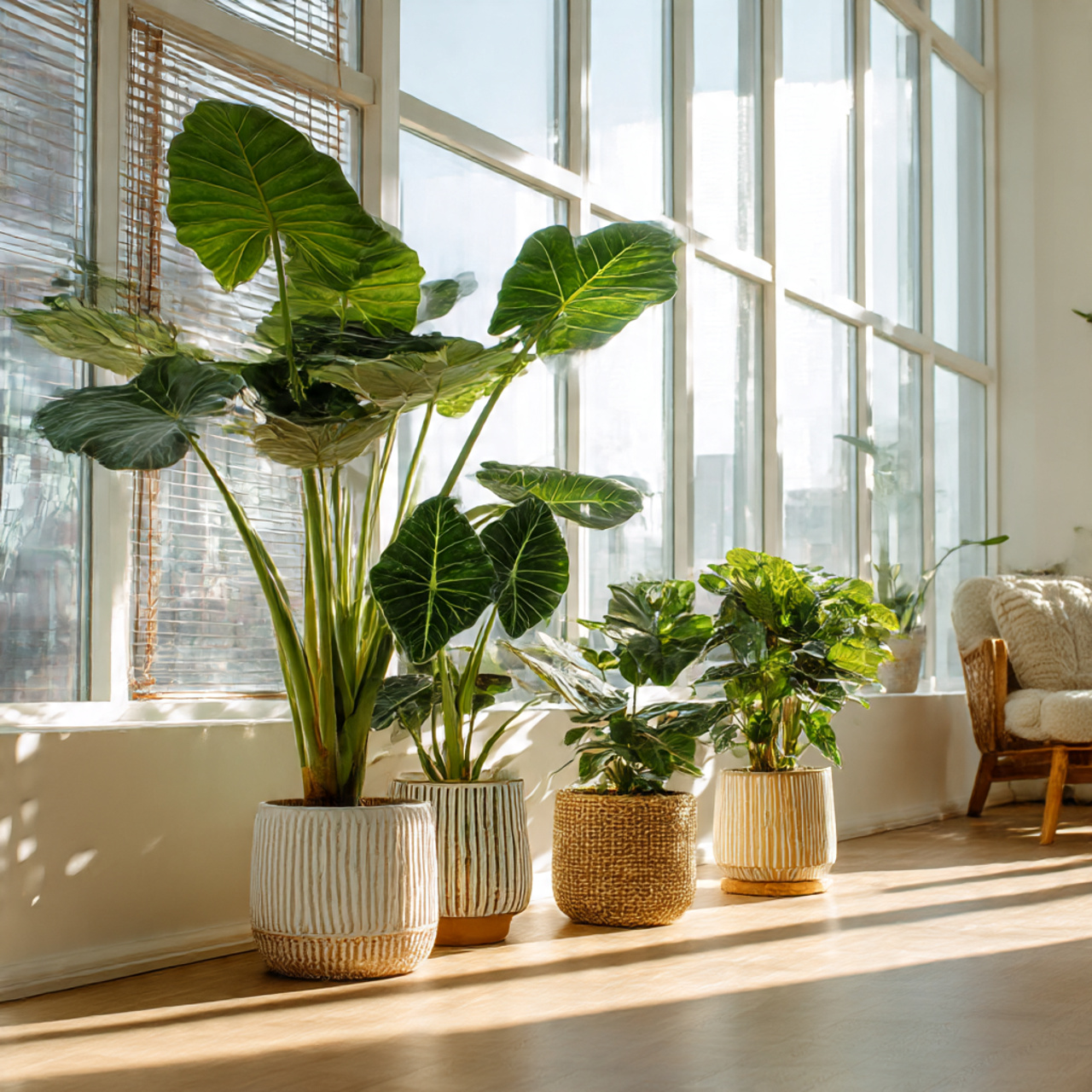
For compact spaces or beginners, consider the Alocasia ‘Polly’ (also called Alocasia amazonica) or the petite Alocasia ‘Black Velvet’—both stay manageable on desks or shelves. Got a spacious living room or a covered patio? Go bold with Alocasia macrorrhizos or Alocasia odora, which can grow impressively large.
Quick Selection Guide:
- Small spaces: Alocasia ‘Polly’, ‘Black Velvet’, or ‘Bambino’
- Medium spaces: Alocasia zebrina, Alocasia ‘Dragon Scale’
- Large spaces: Alocasia macrorrhizos, Alocasia odora
Important: Before buying, honestly assess your home’s lighting and humidity levels. Matching the right plant to your environment is half the battle won.
Creating the Perfect Indoor Environment
Let’s talk about what your Alocasia really wants. In the wild, these plants grow under the rainforest canopy, getting filtered sunlight and tons of humidity. We need to recreate that indoors.
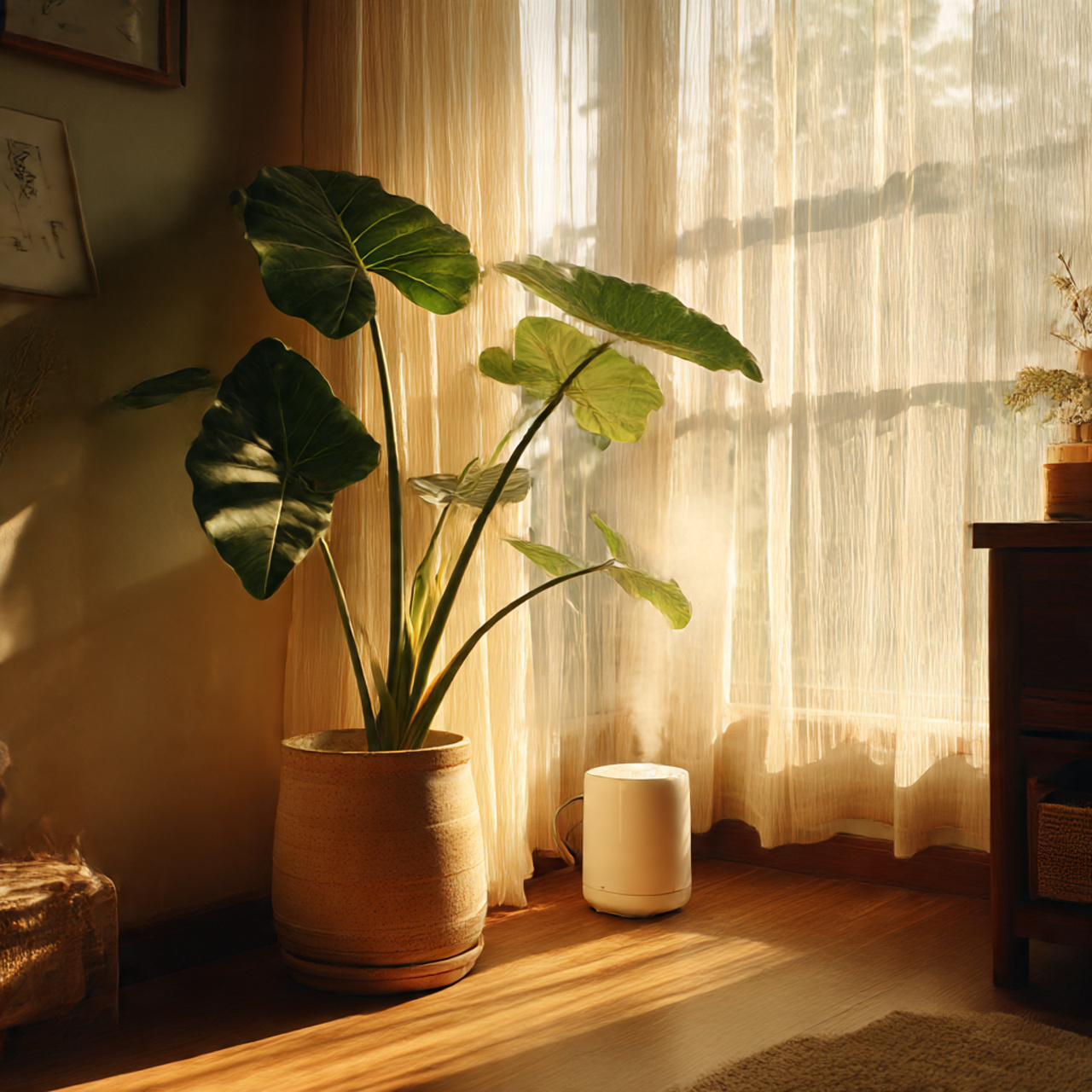
Position your Alocasia near a north or east-facing window where it gets plenty of bright, indirect light. Direct sun? That’s a no-go—it’ll scorch those beautiful leaves faster than you can say “sunburn.”
Humidity is non-negotiable. Aim for 60-80% if possible. Dry air causes those telltale brown, crispy edges that nobody wants to see.
Easy Humidity Tips:
- Run a humidifier nearby (especially in winter)
- Place your pot on a pebble tray filled with water
- Group plants together to create a mini humid microclimate
- Keep it in naturally humid rooms like bathrooms (if there’s enough light)
Temperature-wise, keep things between 65°F and 80°F. Avoid placing your plant near heating vents, AC units, or drafty windows—sudden temperature swings stress these tropical beauties out.
The Secret to Perfect Alocasia Soil
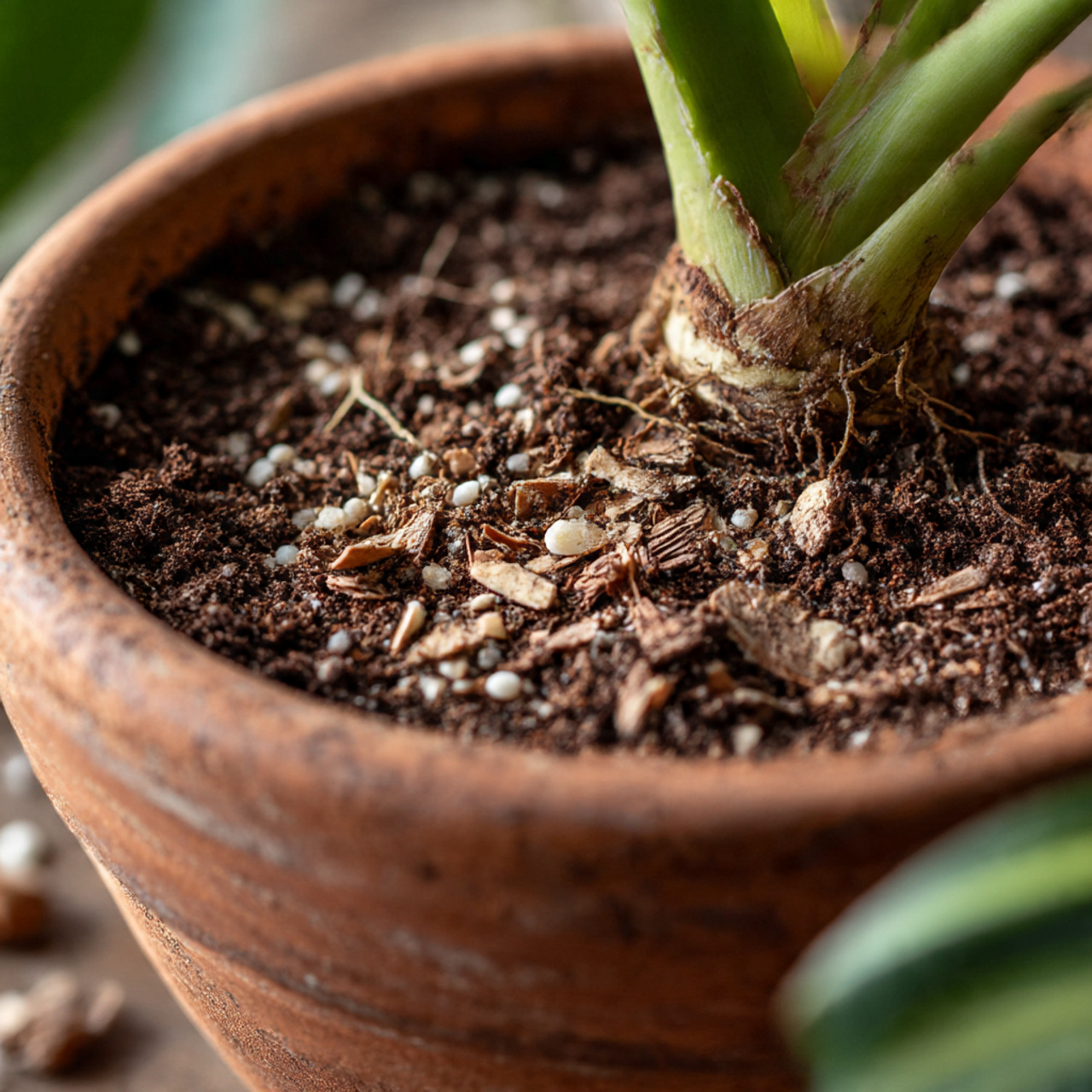
Here’s where many people get tripped up: Alocasias are picky about their soil. They need a mix that’s light, airy, and drains like a dream while still holding some moisture.
The Winning Recipe:
- 40% quality potting soil
- 30% perlite or pumice (for drainage)
- 20% orchid bark (for aeration)
- 10% coco coir or peat moss (for moisture retention)
This combination prevents the dreaded root rot while keeping roots happy and breathing easy. Avoid heavy, compacted soils at all costs—they’re a death sentence for Alocasia roots.
Tip: When repotting, always inspect the roots. Healthy roots are white or light tan and firm. Dark, mushy roots mean trouble and should be trimmed away.
Mastering the Watering Balance
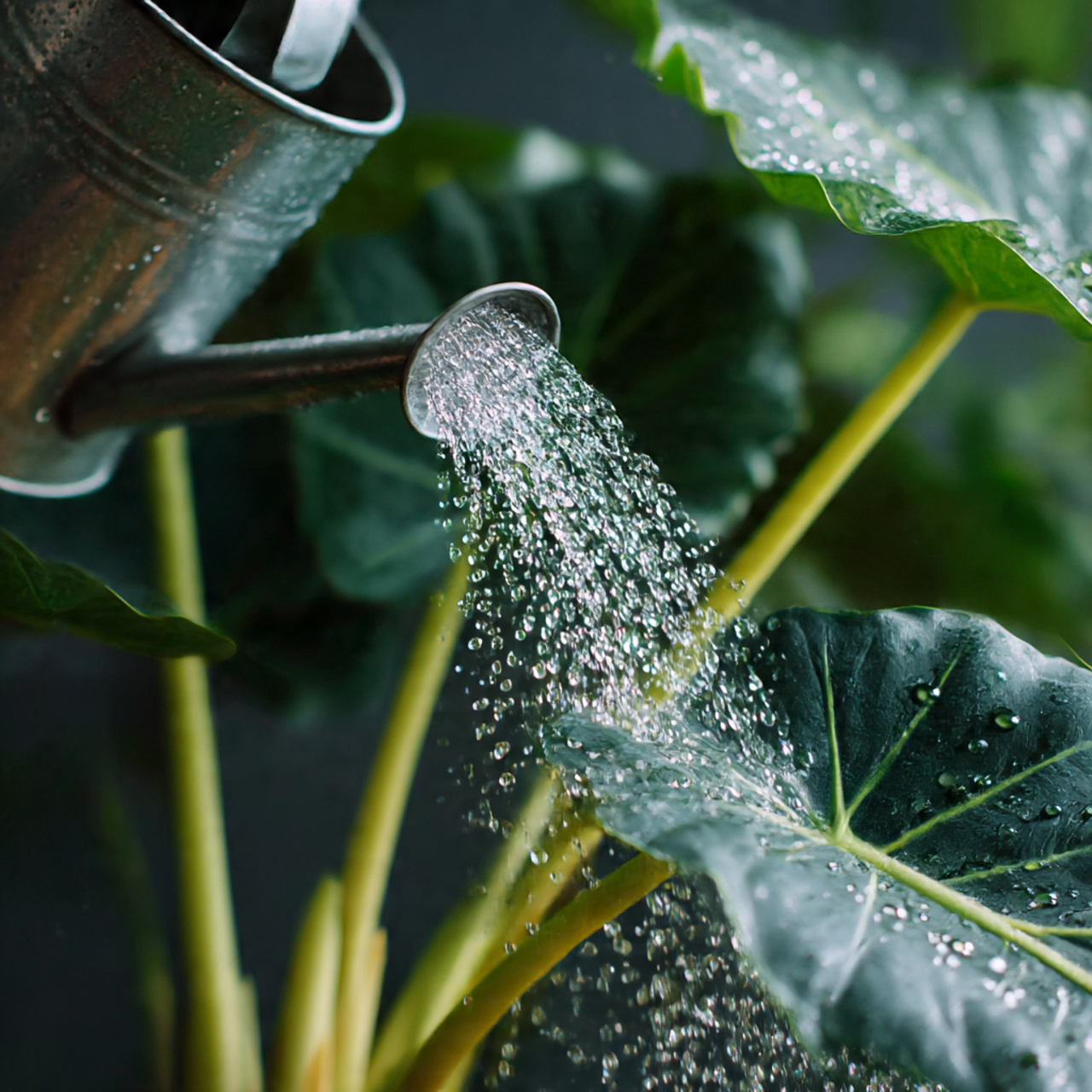
If there’s one thing that stumps new Alocasia owners, it’s watering. Too much causes root rot; too little leads to sad, droopy leaves. So what’s the sweet spot?
Water when the top inch of soil feels dry to the touch. Stick your finger in—if it comes out dry, it’s time to water. If it’s still moist, wait another day or two.
Seasonal Watering Guide:
- Spring/Summer (active growth): Every 3-5 days, depending on conditions
- Fall/Winter (dormancy): Every 7-10 days, allowing more soil to dry
Always water thoroughly until it drains from the bottom holes, then empty the saucer. Never let your plant sit in standing water—that’s asking for root problems.
Warning Sign: If leaves start yellowing and the soil smells musty, you’re overwatering. If leaves droop and soil pulls away from the pot sides, you’re underwatering.
Feeding Your Alocasia for Maximum Growth
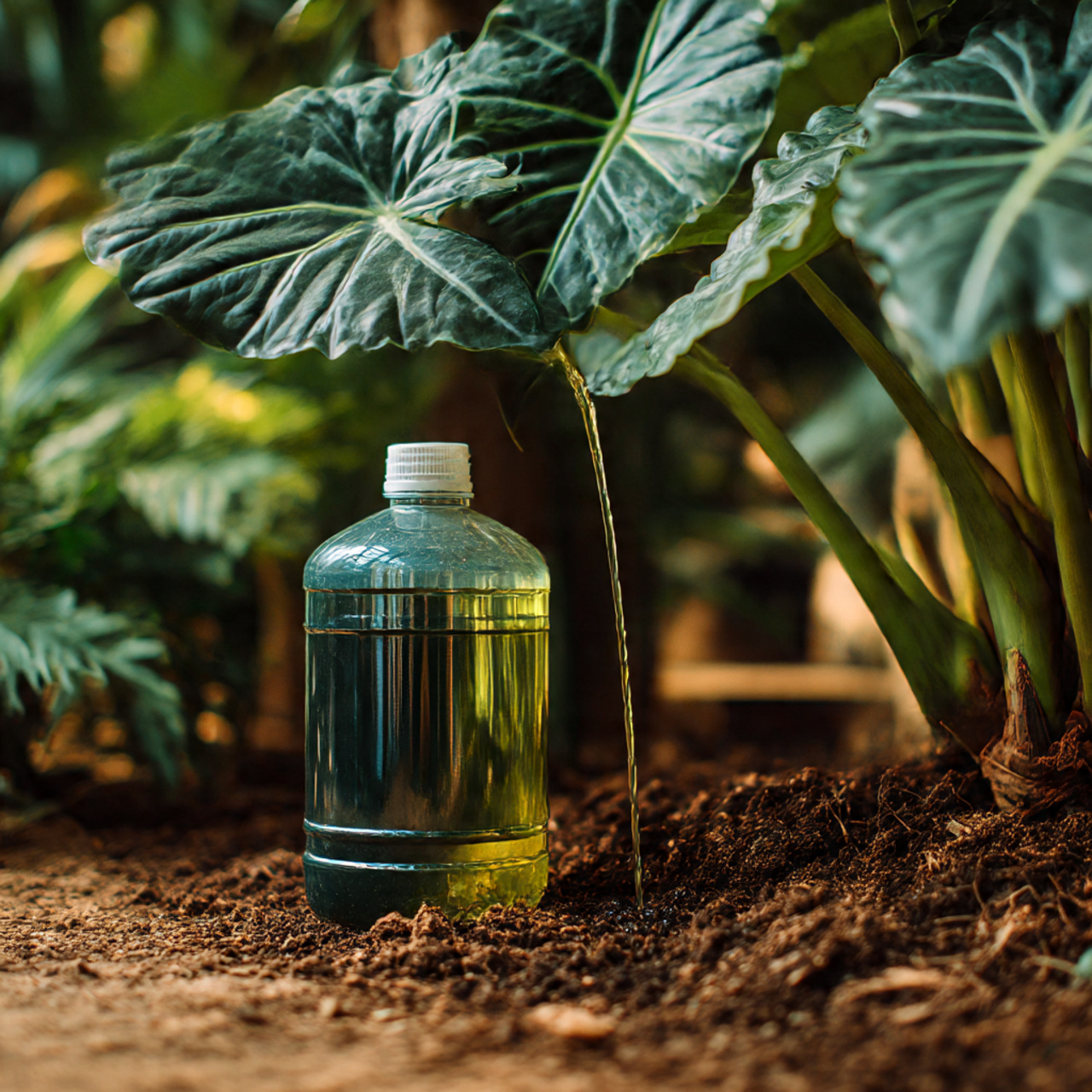
Think of fertilizer as vitamins for your plant. During the growing season (spring through early fall), your Alocasia is actively pushing out new growth and needs extra nutrients.
Use a balanced liquid fertilizer (20-20-20 works great) diluted to half strength every 3-4 weeks. This keeps those leaves lush and that green vibrant without overwhelming the plant.
Golden Rules:
- Only fertilize during active growth periods
- Skip fertilizing completely during winter dormancy
- Always apply to moist soil, never dry (prevents root burn)
- If you see white crusty buildup on soil surface, you’re overdoing it—flush with plain water
When and How to Repot Your Alocasia
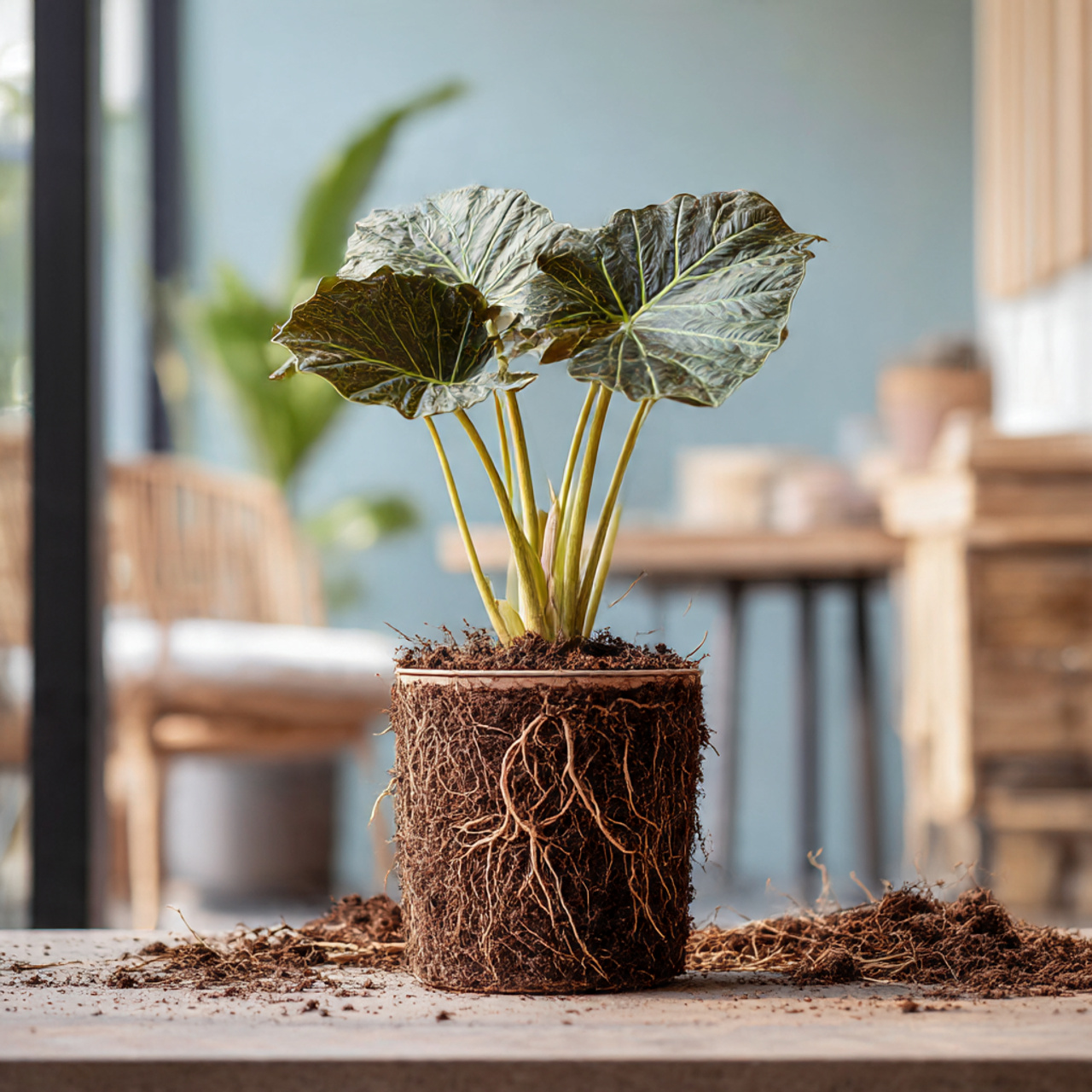
Alocasias grow surprisingly fast when happy, and those roots can quickly outgrow their home. Plan to repot every 1-2 years, ideally in early spring when the plant is gearing up for growth season.
Signs It’s Repotting Time:
- Roots growing through drainage holes
- Water running straight through without absorbing
- Plant becoming top-heavy and tipping over
- Visible roots circling the soil surface
Choose a pot only 1-2 inches larger than the current one—too much space leads to overwatering issues. Always use containers with drainage holes.
Repotting Steps:
- Water thoroughly a day before to minimize shock
- Gently remove plant and shake off old soil
- Inspect and trim any rotted or damaged roots
- Fill new pot 1/3 with fresh soil mix
- Position plant and fill around with more soil
- Water lightly and place in indirect light for a week
Dealing with Dormancy in Alocasia Plant
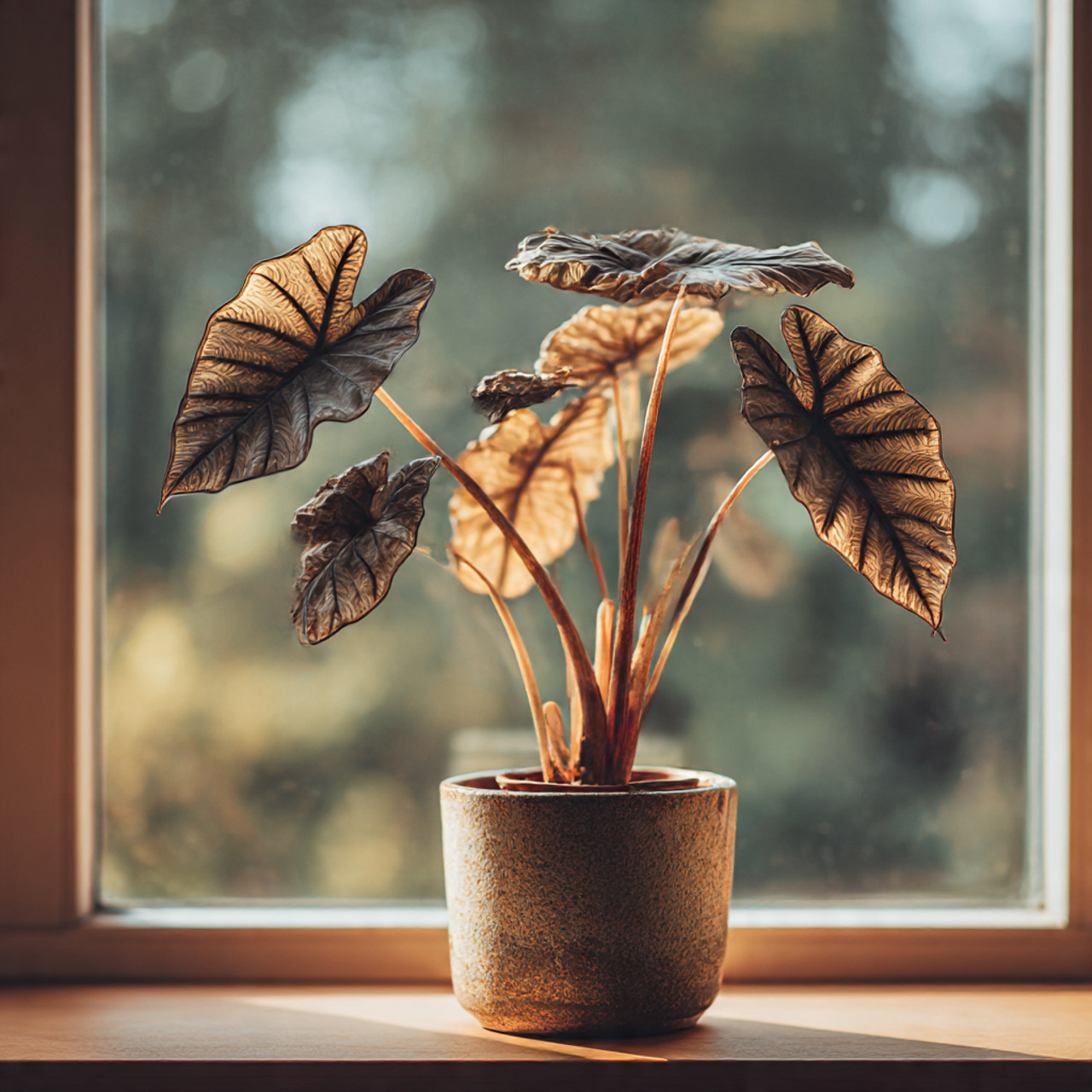
Don’t panic if your Alocasia starts looking a bit sad come winter—it’s likely entering dormancy, which is completely natural. In their native habitat, these plants experience seasonal changes too.
During dormancy, you might notice slower growth, or some varieties may even lose leaves entirely. This is the plant’s way of conserving energy during less favorable conditions.
Dormancy Care Checklist:
- Reduce watering significantly (every 10-14 days)
- Stop all fertilizing
- Maintain warmth (don’t go below 60°F)
- Keep humidity steady
- Don’t repot during this time
Come spring, resume normal care and you’ll see fresh shoots emerging from the soil. It’s like your plant hitting the reset button!
Battling Common Alocasia Pests
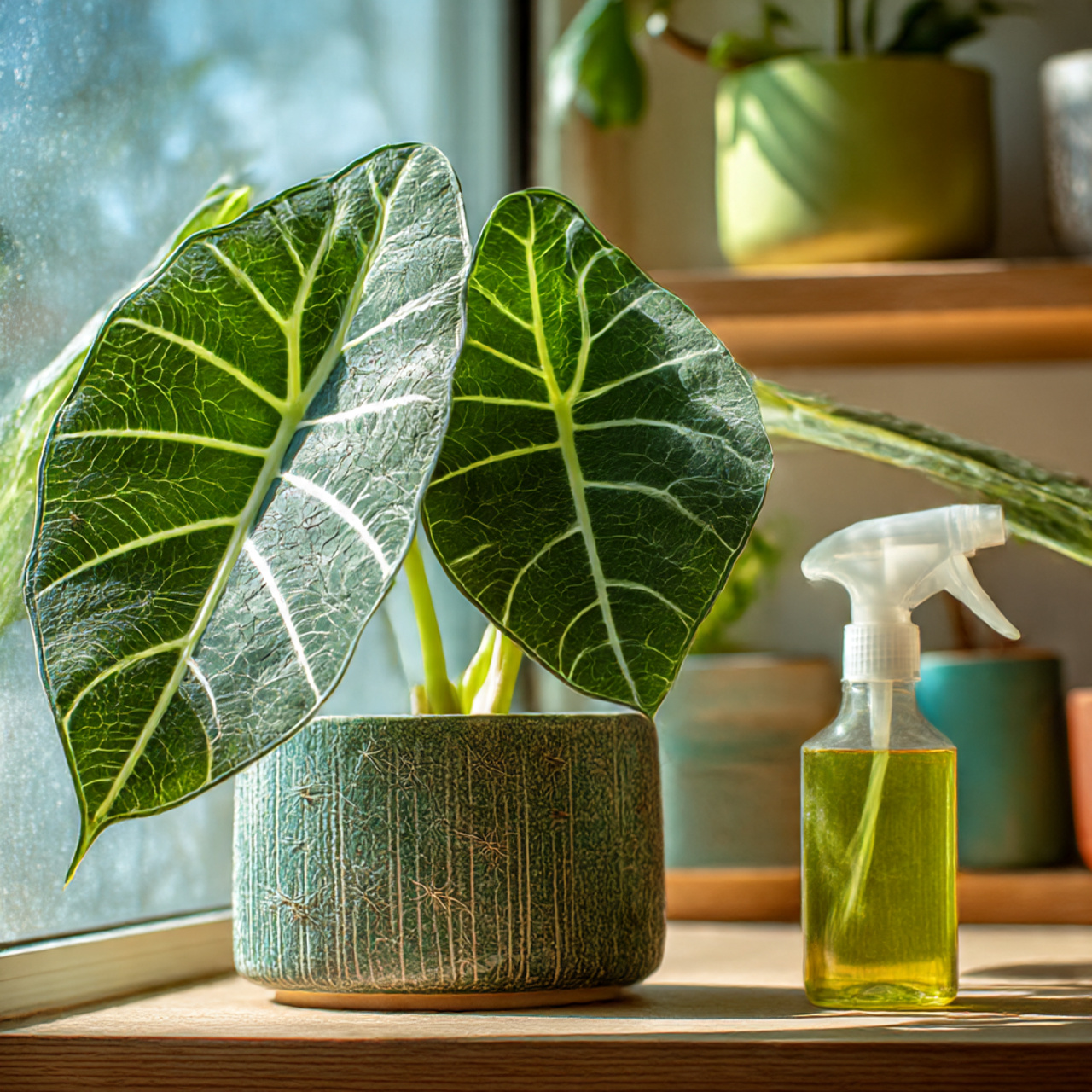
Even with perfect care, pests can show up uninvited. Spider mites, aphids, and mealybugs love the tender foliage of Alocasias.
Pest Prevention Strategy:
- Inspect leaves weekly, especially undersides
- Wipe leaves down monthly with damp cloth
- Maintain proper humidity (pests love dry conditions)
- Isolate new plants for 2 weeks before introducing them
If you spot pests, act fast:
- Isolate the affected plant immediately
- Spray thoroughly with neem oil solution or insecticidal soap
- Repeat treatment every 5-7 days for 3 weeks
- Wipe leaves daily to physically remove pests
Recipe Tip: Mix 1 teaspoon neem oil, 1/4 teaspoon mild dish soap, and 1 quart water in a spray bottle. Shake well before each use.
Reviving a Dying Alocasia Plant
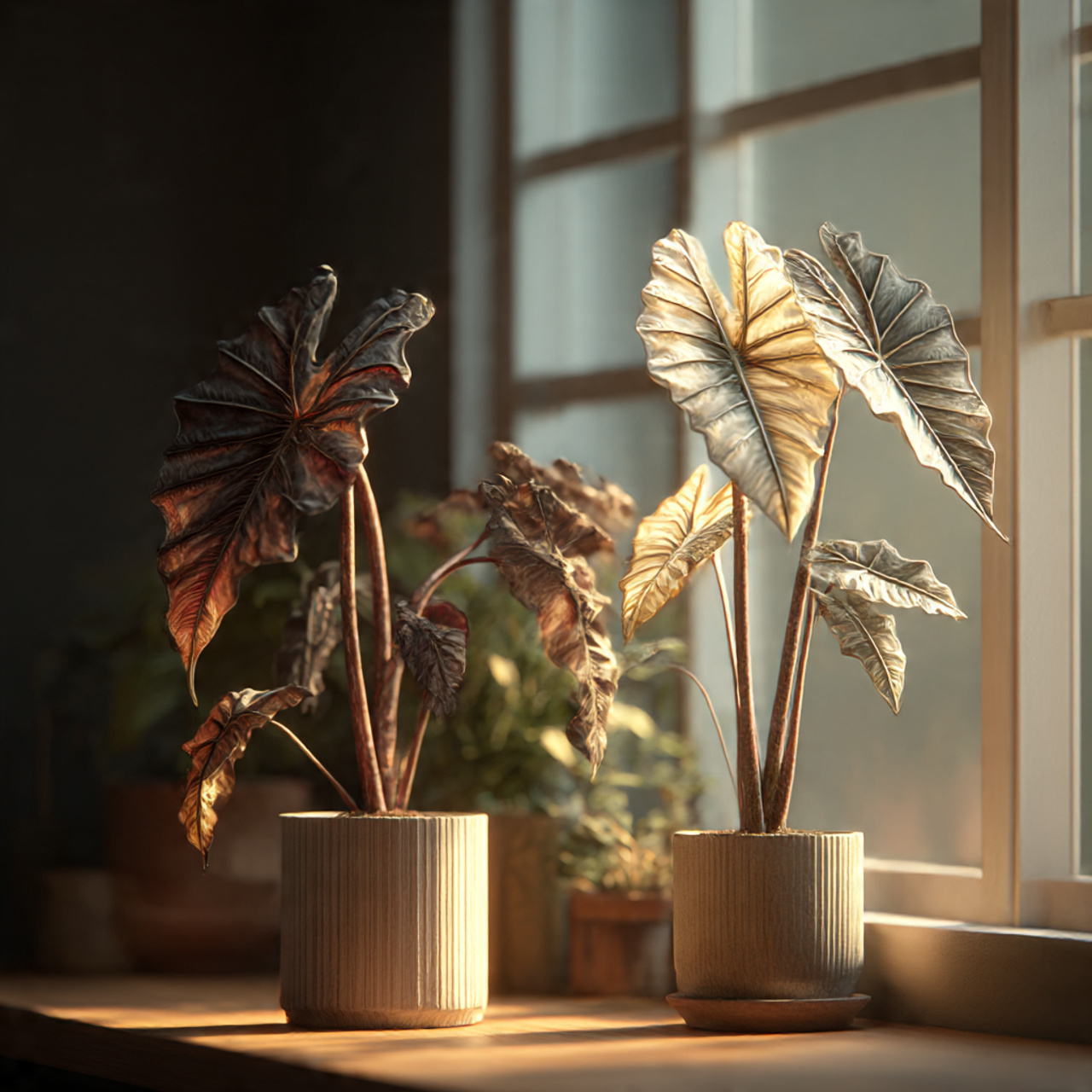
Found your Alocasia looking lifeless? Don’t toss it just yet—these plants are surprisingly resilient if you catch problems early.
Revival Steps:
- Assess the damage: Check roots by gently removing from pot
- Trim dead material: Cut off any yellow, brown, or mushy leaves
- Address root rot: Trim black or mushy roots back to healthy tissue
- Repot if needed: Use fresh, well-draining soil
- Adjust environment: Ensure proper light, humidity, and temperature
- Be patient: Recovery takes 4-8 weeks
Real Talk: Sometimes the plant has dropped all leaves but the rhizome (underground bulb) is still alive. Keep the soil barely moist, maintain warmth, and wait. New shoots often emerge when conditions improve.
Multiplying Your Alocasia Collection
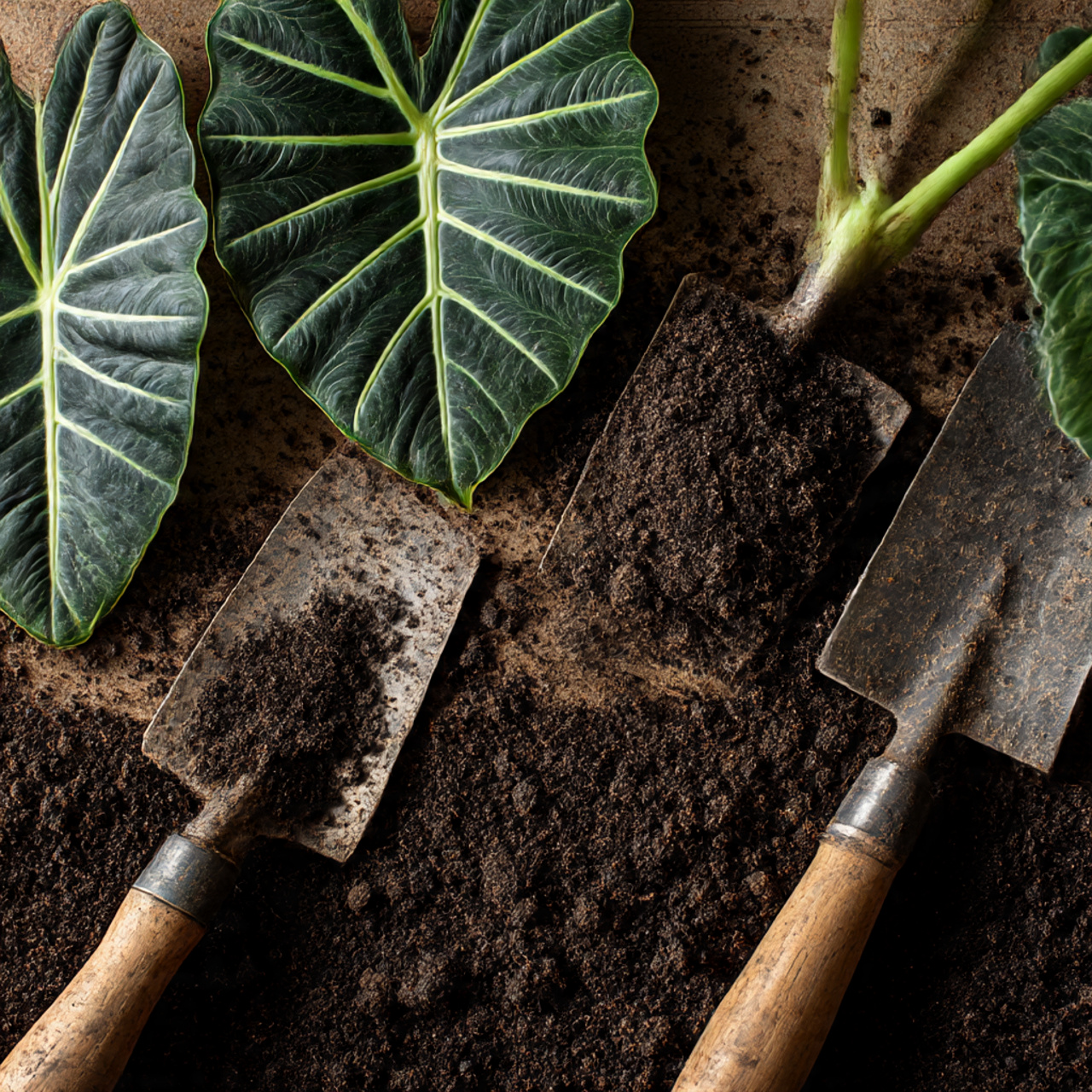
Good news—once you’ve mastered one Alocasia, you can easily create more through propagation. It’s like getting free plants!
The easiest method is division. When repotting, look for natural separations where baby plants (offsets) have formed around the mother plant.
Division Method:
- Wait until plant is actively growing (spring is ideal)
- Remove plant from pot and gently shake off soil
- Identify natural divisions with their own roots
- Use clean, sharp scissors to separate sections
- Plant each division in its own pot with fresh soil
- Keep warm, humid, and in bright indirect light
- Don’t expect growth immediately—give it 3-4 weeks
Success Tip: Each division should have at least 2-3 leaves and a healthy root system. Smaller divisions take longer to establish but usually succeed with patience.
Styling Your Space with Alocasias
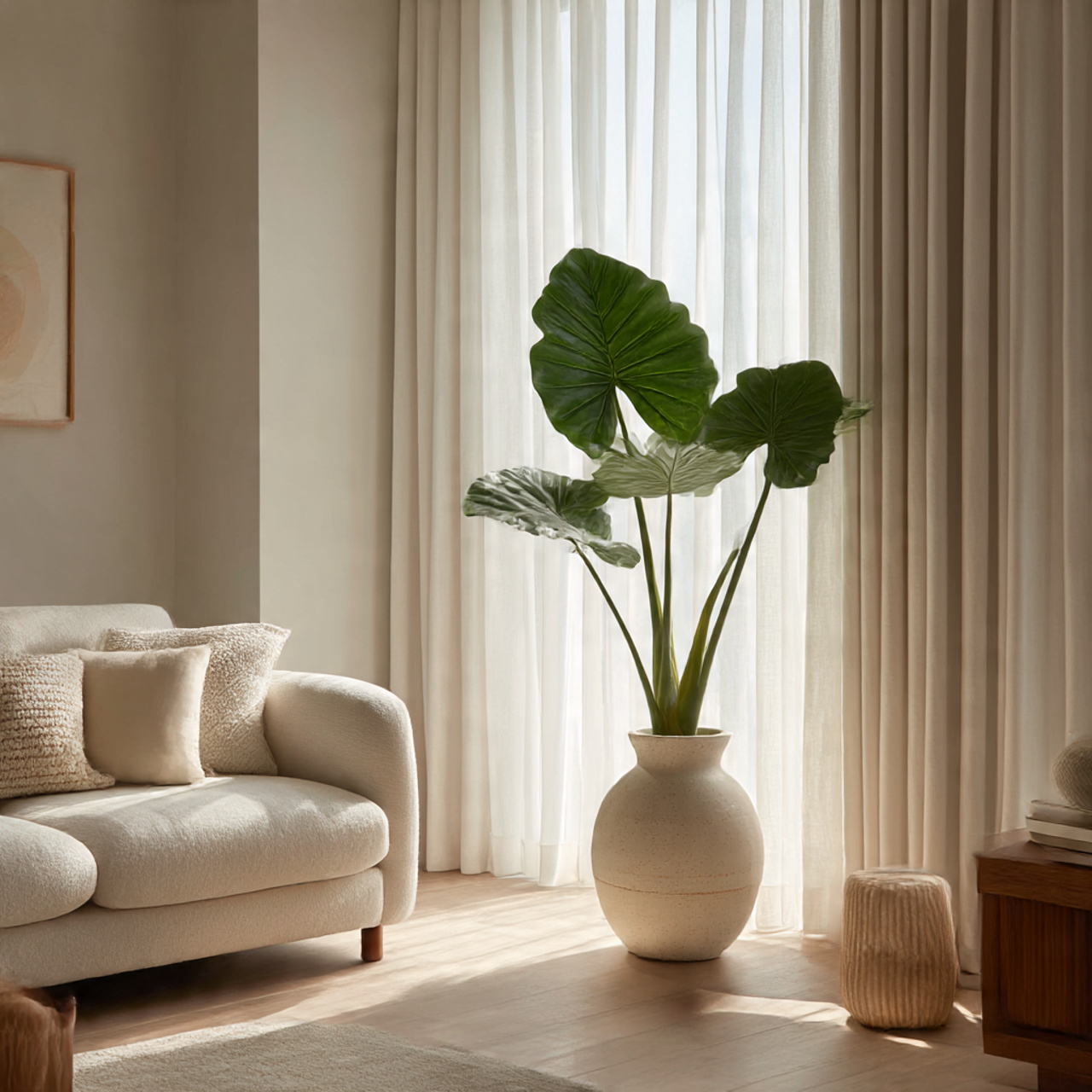
Beyond care, let’s talk aesthetics. Alocasias are architectural plants that deserve thoughtful placement.
These statement-makers look incredible when positioned as focal points against minimalist backgrounds. Think white walls, natural wood furniture, or neutral-toned decor that lets those dramatic leaves take center stage.
Design Ideas:
- Modern minimalist: Single large Alocasia in sleek white or concrete planter
- Boho jungle: Group with other tropicals in woven baskets
- Contemporary: Pair with geometric planters in matte black or terracotta
- Scandinavian: Simple ceramic pot on wooden plant stand
The key is contrast—the bold, organic shapes of Alocasia leaves pop beautifully against clean lines and simple designs.
Taking Your Alocasia Outdoors
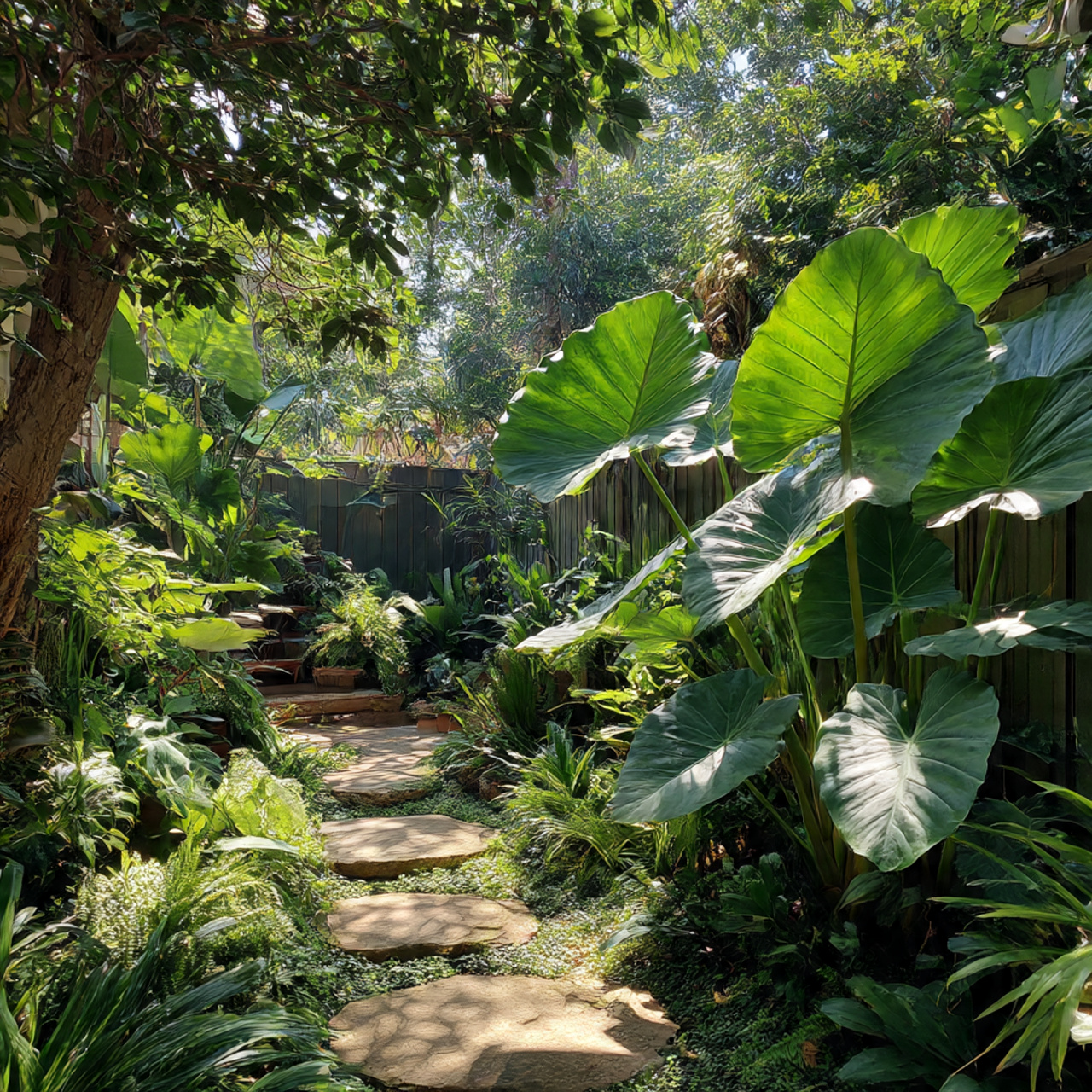
Live in a warm climate? Your Alocasia will absolutely thrive outdoors during the warmer months. Outdoor Alocasias often grow faster and develop more impressive foliage.
Outdoor Success Tips:
- Choose locations with filtered light (under trees or covered patios)
- Avoid full afternoon sun—it’s too intense
- Ensure excellent drainage in planting area
- Water more frequently (outdoor conditions dry faster)
- Bring indoors when nighttime temps drop below 60°F
Partners: Combine with ferns, hostas, caladiums, and coleus for a lush tropical garden corner.
Creating the Perfect Plant Grouping
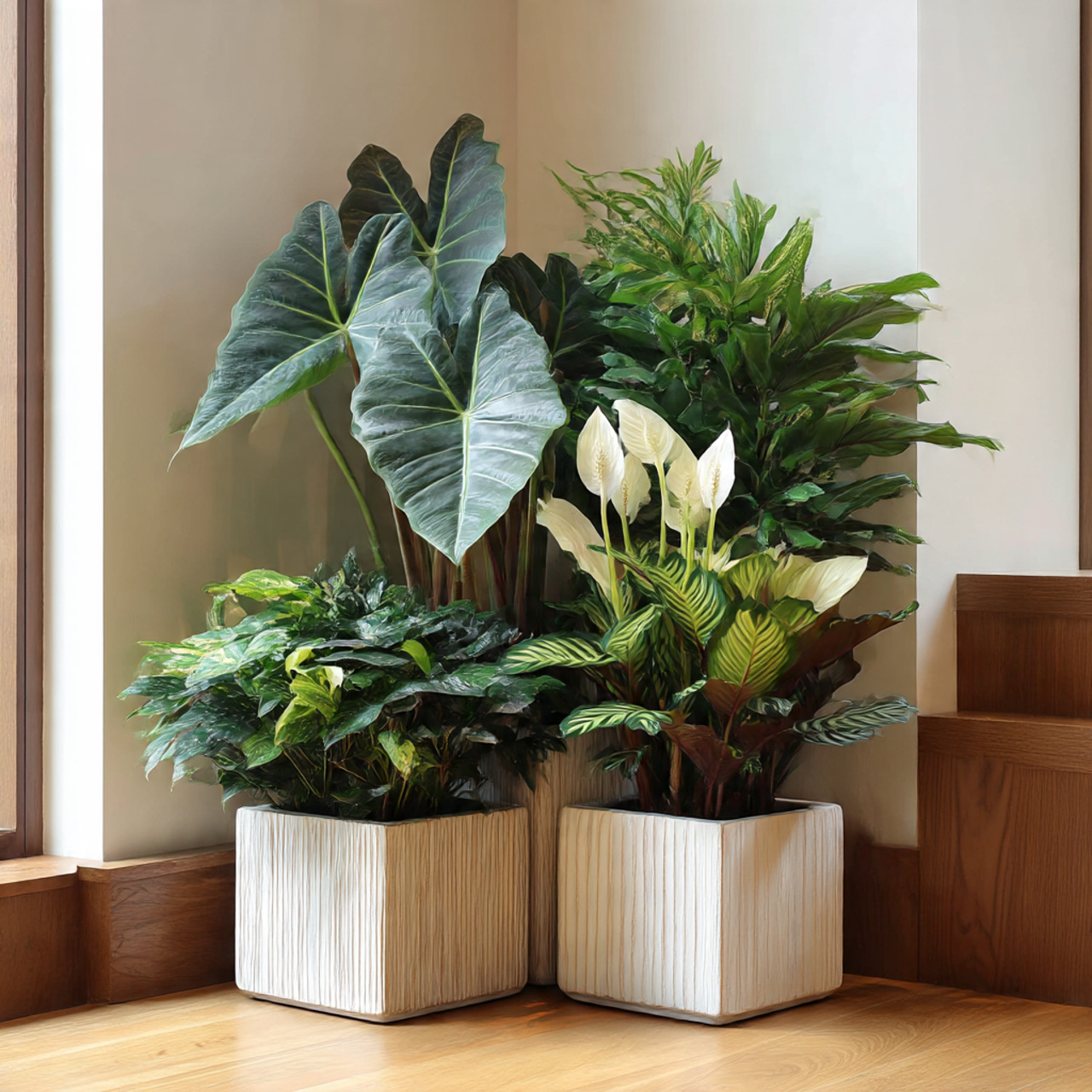
Alocasias look even better with friends—specifically, plants with similar care requirements.
Ideal Companion Plants:
- Peace Lily: Similar humidity and light needs
- Calathea: Loves the same tropical conditions
- Philodendron: Easy-going with matching requirements
- Monstera: Creates great texture contrast
- Pothos: Trailing option for visual variety
Grouping plants with similar needs makes care easier while creating that coveted “urban jungle” look. The varied leaf shapes and textures create visual interest while maintaining harmony.
Solving the Yellow Leaf Mystery
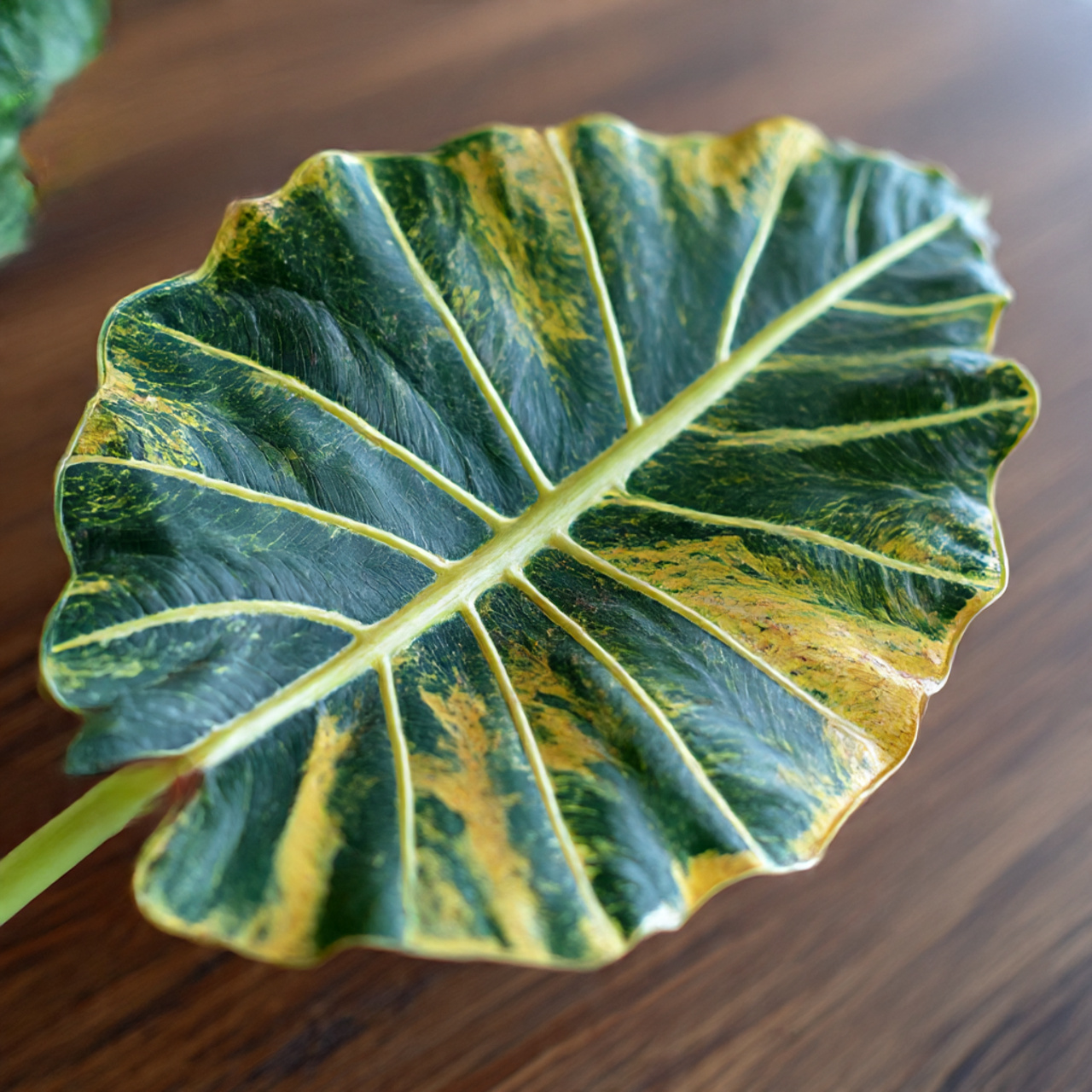
Yellow leaves are your Alocasia’s way of waving a red flag. Let’s decode what it’s trying to tell you.
Common Causes:
- Overwatering: Most common culprit—check if soil is soggy
- Nutrient deficiency: Older bottom leaves yellow first
- Low humidity: Combined with brown crispy edges
- Natural aging: Single older leaf yellowing is normal
- Poor drainage: Water sits too long around roots
Action Plan:
- Feel the soil—adjust watering if too wet or dry
- Check humidity levels and increase if needed
- Ensure good drainage and air circulation
- Feed if you haven’t fertilized recently
- Trim yellow leaves once fully yellowed (they won’t recover)
Tip: One or two yellow leaves occasionally? Normal. Multiple leaves yellowing rapidly? You have a problem that needs immediate attention.
Fixing Curling Leaves
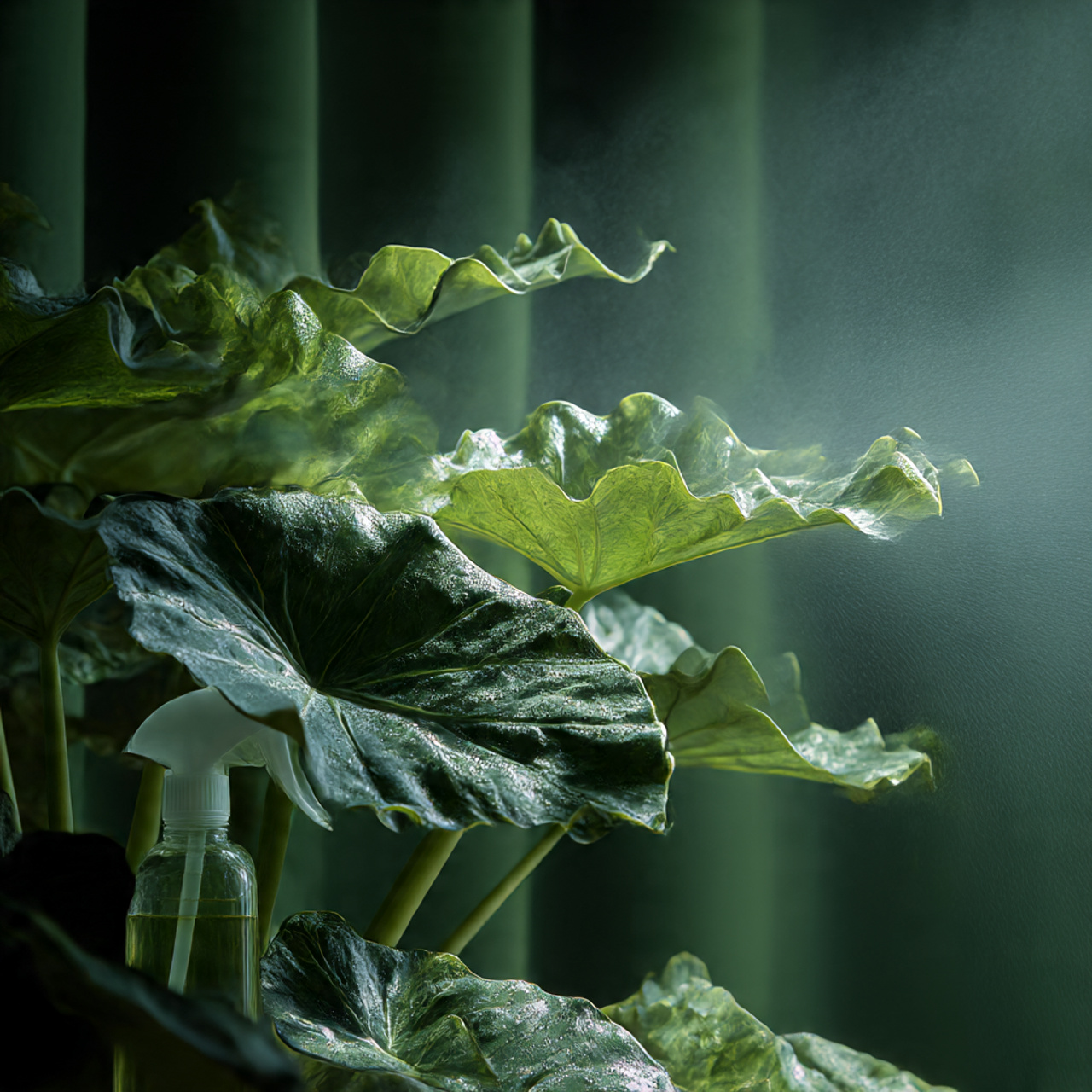
Curled leaves are stress signals. Your plant is literally trying to protect itself.
Why Leaves Curl:
- Underwatering: Plant conserving moisture
- Temperature stress: Too cold or sudden changes
- Direct sunlight: Leaves curling to reduce exposure
- Low humidity: Trying to minimize water loss
- Pest damage: Check undersides carefully
Quick Fix Checklist:
- ☐ Water if soil is dry
- ☐ Move away from direct sun
- ☐ Increase humidity around plant
- ☐ Check for stable temperature (65-80°F)
- ☐ Inspect for pests
New leaves that emerge after fixing the issue will grow normally—existing curled leaves usually stay that way.
How to Maintain Leaf Shine
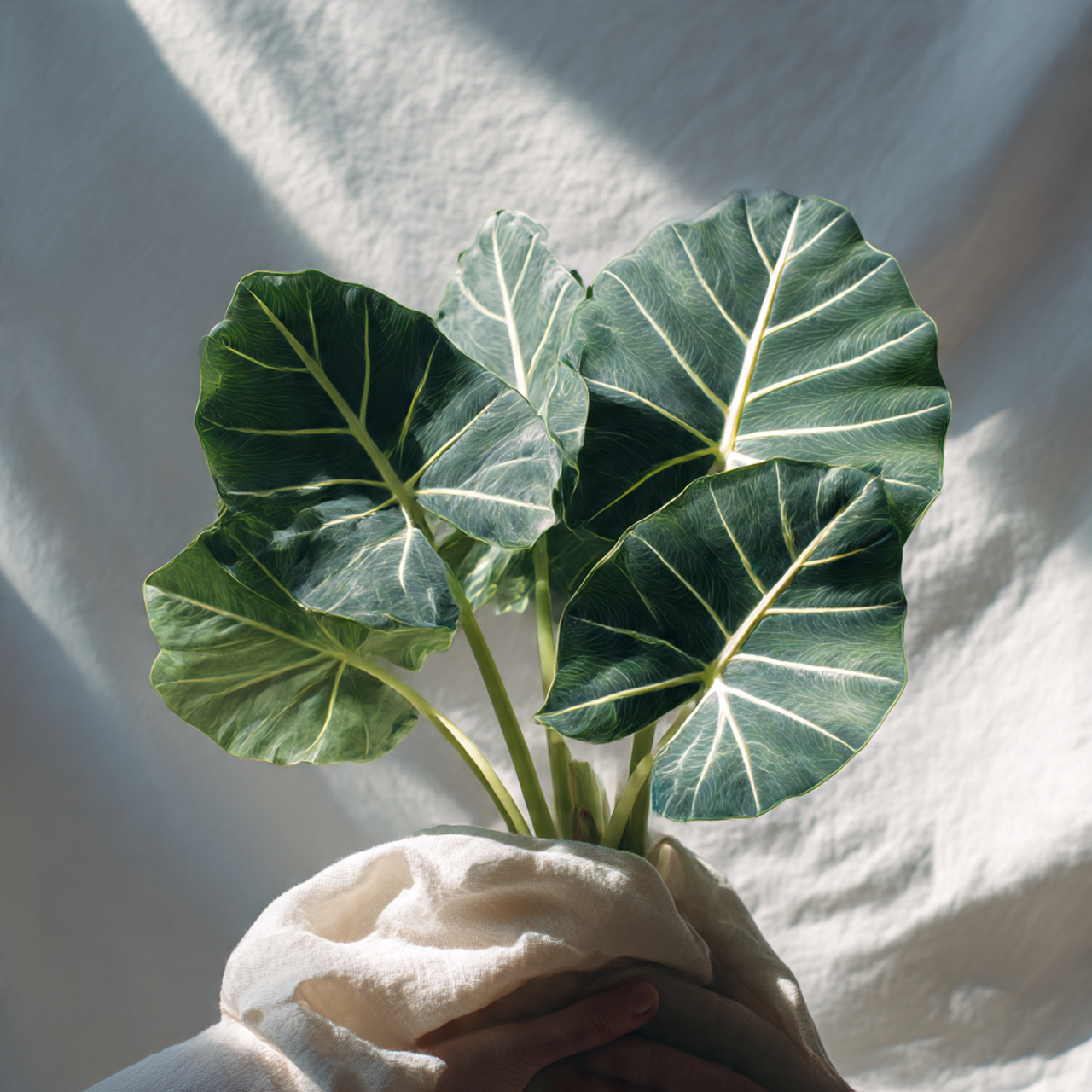
Those stunning Alocasia leaves are like solar panels—they need to be clean to function properly. Dust blocks light and reduces photosynthesis.
Weekly Cleaning Routine:
- Mix lukewarm water with a drop of mild soap
- Dampen a soft microfiber cloth
- Gently wipe each leaf, supporting from underneath
- Pay attention to both top and bottom surfaces
- Use plain water to remove any soap residue
- Let air dry in normal spot
Bonus Benefits:
- Reveals pest problems early
- Improves light absorption
- Maintains that gorgeous glossy finish
- Prevents dust from clogging leaf pores
Avoid: Commercial leaf shine products—they can clog pores and attract dust. Natural shine from clean, healthy leaves looks better anyway.
Creating a Humidity Zone
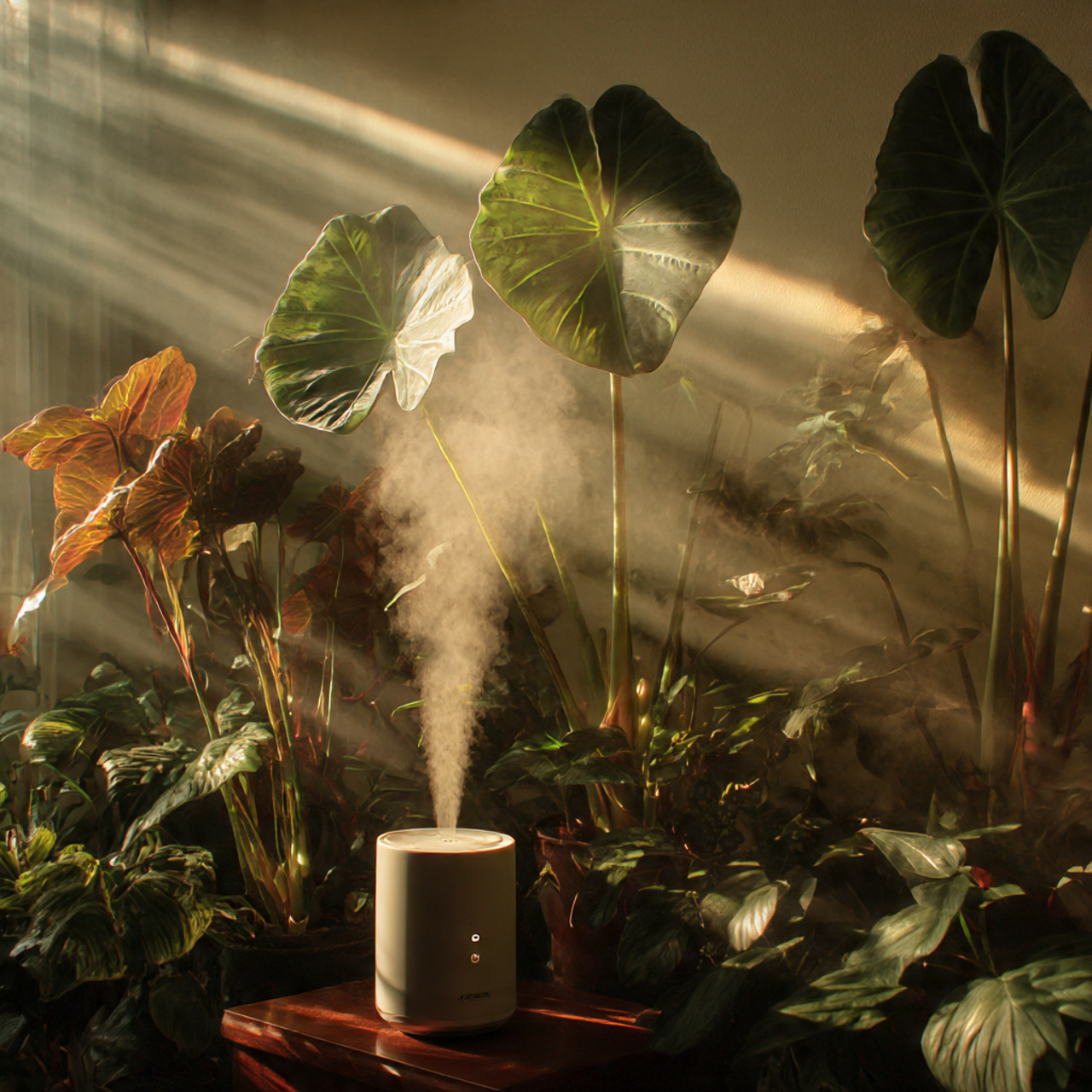
I’ve mentioned humidity several times, but it’s so important for Alocasias that it deserves its own section.
The Humidity Toolkit:
Method 1: Humidifier (Best option)
- Place within 3-6 feet of plants
- Run during dry months or when heating is on
- Aim for 60-75% humidity
Method 2: Pebble Tray (Budget-friendly)
- Fill tray with pebbles
- Add water just below pebble surface
- Set pot on top (not touching water)
- Refill weekly as water evaporates
Method 3: Group Plants (No equipment needed)
- Plants release moisture through transpiration
- Group 3-5 plants together
- Creates a natural humidity bubble
Method 4: Strategic Placement
- Bathrooms with windows are ideal
- Kitchens have natural humidity from cooking
- Near aquariums (bonus humidity!)
Monitor It: Grab an inexpensive hygrometer to track humidity levels. They’re game-changers for tropical plant care.
Avoiding Lighting Mistakes
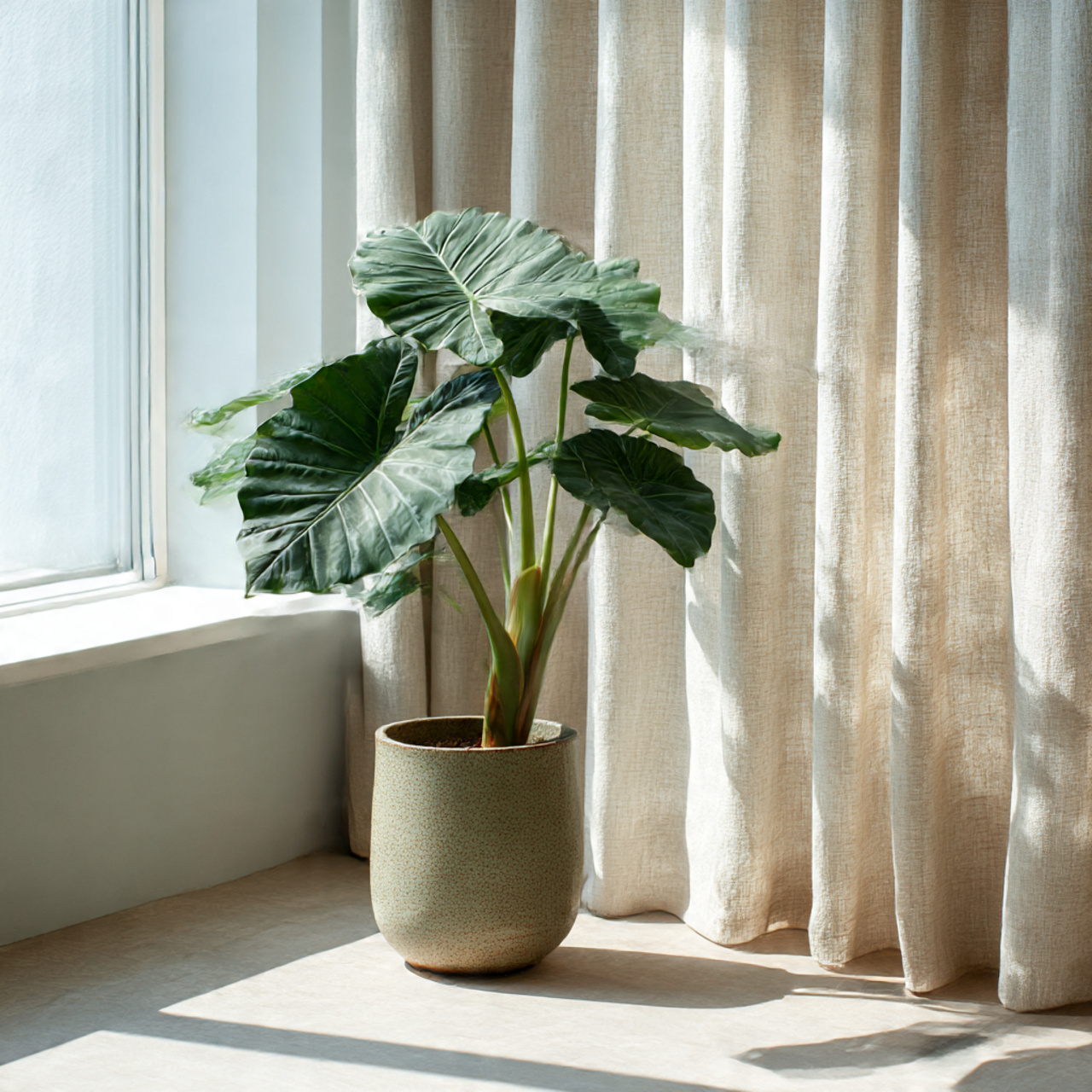
Lighting is one of those things people either overthink or underthink. Let’s get it right.
The Goldilocks Zone: Bright, indirect light. Not too much, not too little, just right.
Too Much Light Signs:
- Brown, crispy patches on leaves
- Faded or bleached-looking foliage
- Leaves curling inward
- Rapid soil drying
Too Little Light Signs:
- Leggy, stretched growth reaching for light
- Smaller new leaves than older ones
- Loss of variegation in patterned varieties
- Slow or no growth
Right Placement:
- 3-6 feet from east or north windows
- Behind sheer curtains on bright windows
- Near (not in front of) south or west windows
- Under grow lights if natural light is limited
Rotate Regularly: Turn your plant 1/4 turn every week so all sides get equal light exposure. This prevents lopsided growth.
Making Your Alocasia the Star of Your Interior
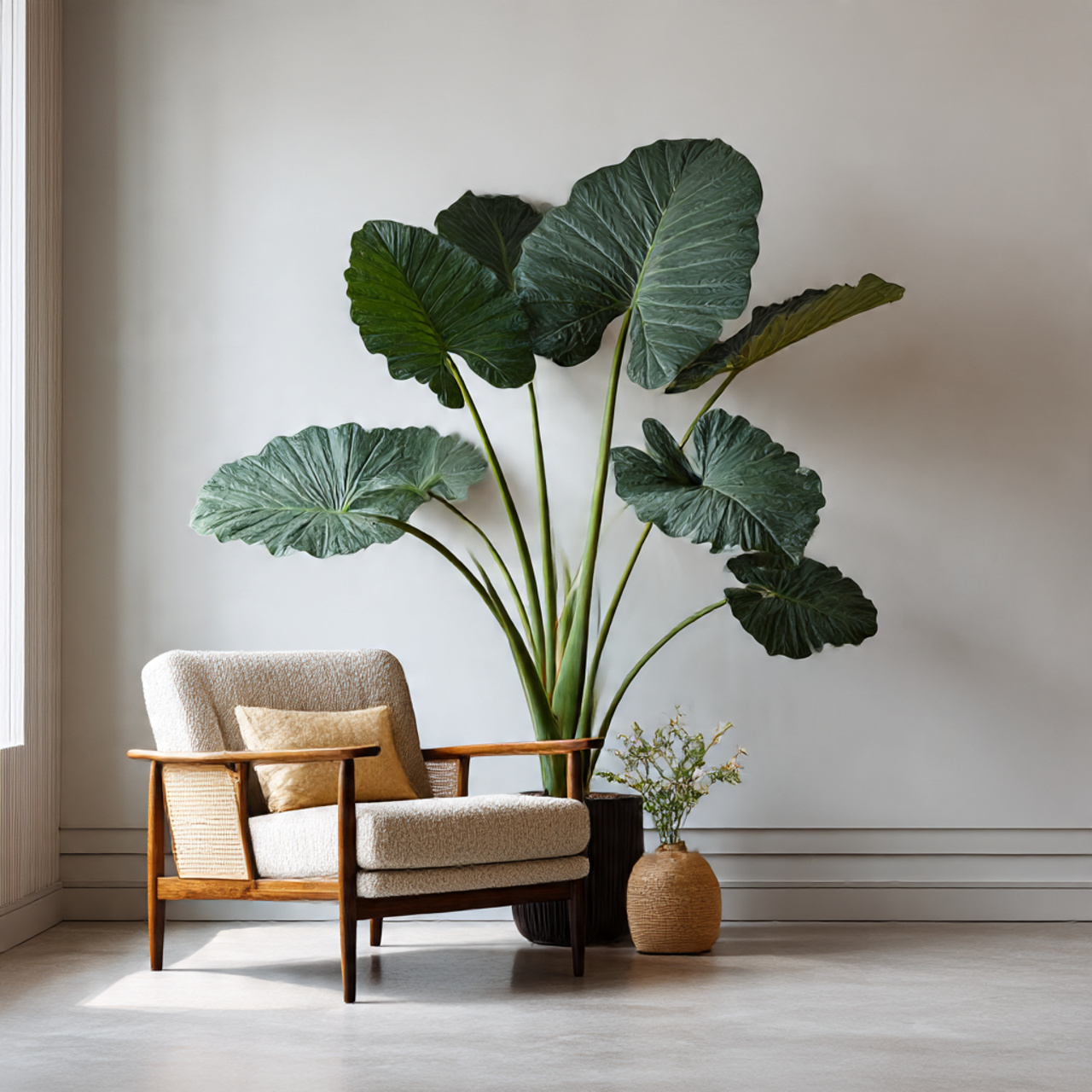
An Alocasia isn’t just a plant—it’s a design statement. With proper placement, it becomes the focal point that ties a room together.
Placement Psychology:
- Living room corner: Fills empty vertical space dramatically
- Entryway: Creates impressive first impression
- Behind seating: Adds depth and interest
- Near artwork: Complements rather than competes
- Floor level: Shows off mature plants’ full height
Height Matters: Use plant stands to bring smaller varieties to eye level. This makes them more visible and easier to appreciate.
Style Cohesion: Match your planter to your decor style—rustic terracotta for farmhouse, sleek ceramic for modern, woven baskets for boho.
Bringing Alocasias to Your Workspace
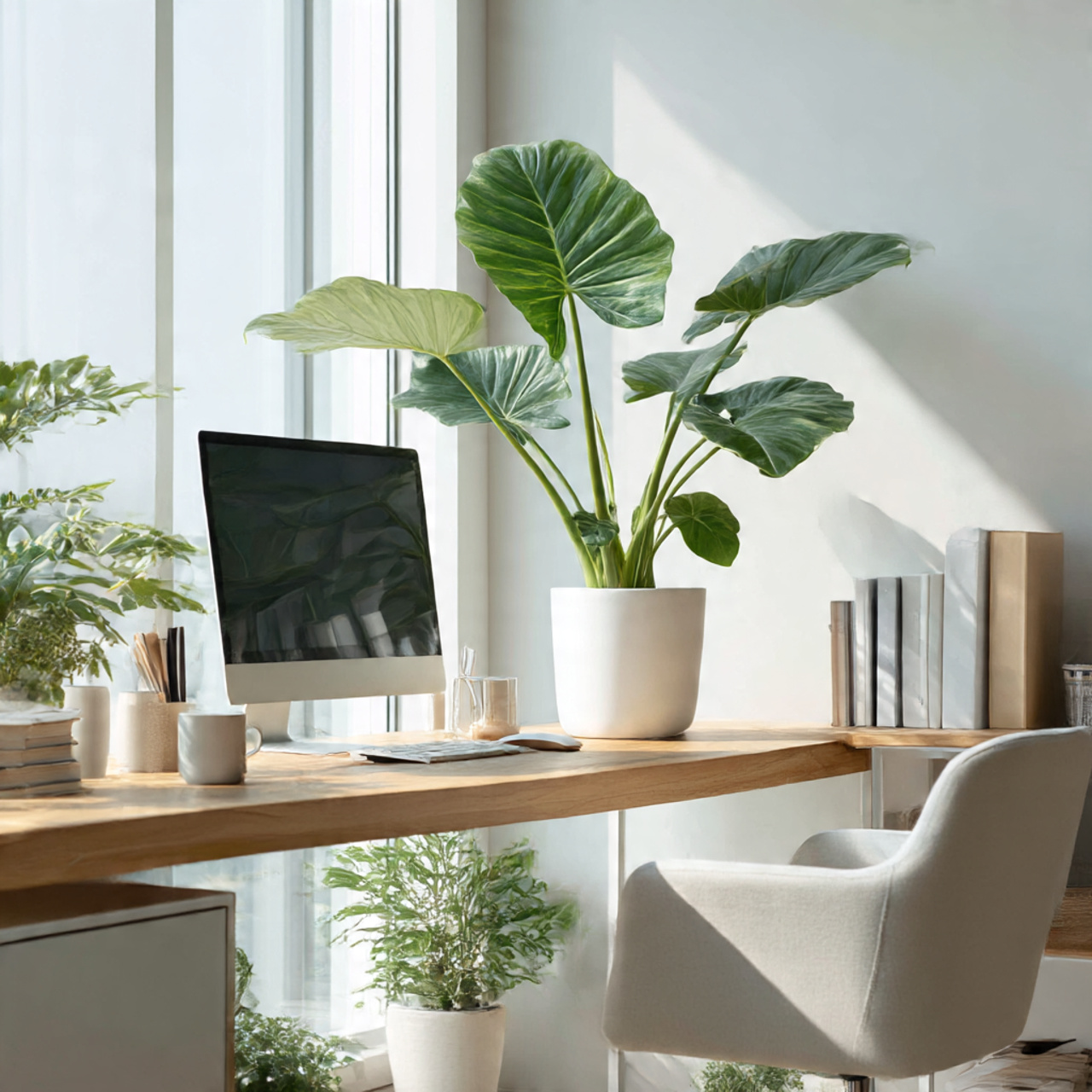
Who says offices have to be boring? Alocasias make excellent office companions with real benefits.
Workplace Benefits:
- Air purification: Filters toxins from indoor air
- Stress reduction: Greenery lowers cortisol levels
- Productivity boost: Studies show plants improve focus
- Humidity control: Adds moisture to dry office air
- Noise reduction: Large leaves help absorb sound
Office Placement Tips:
- Choose compact varieties like Alocasia ‘Polly’
- Position near windows with adjustable blinds
- Keep a pebble tray underneath (humidifiers might not be office-appropriate)
- Water on Fridays so it doesn’t sit wet all weekend
Weekend Warrior: If your office gets cold or dry on weekends, move your plant away from vents and water lightly on Friday mornings.
Seasonal Care Adjustments
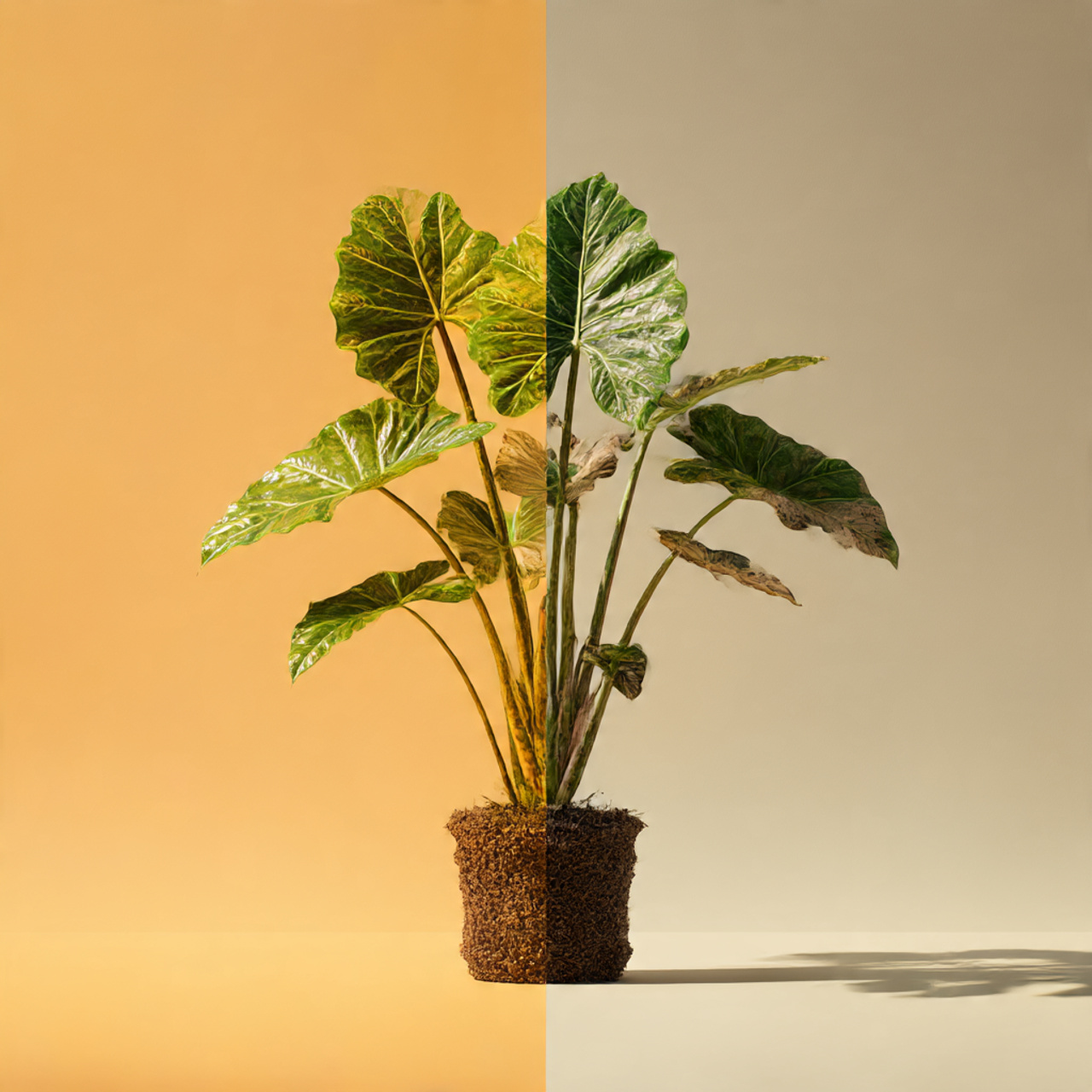
Your Alocasia’s needs change with the seasons. Adapting your care routine ensures year-round health.
Spring (Growth Ramp-Up):
- Resume regular fertilizing
- Increase watering frequency
- Repot if needed
- Watch for new growth
- Check for pests (they wake up too!)
Summer (Peak Growing Season):
- Water more frequently
- Fertilize every 3-4 weeks
- Mist daily if humidity drops
- Rotate weekly for even growth
- Monitor for sunburn if outdoors
Fall (Slowing Down):
- Reduce fertilizing frequency
- Slightly decrease watering
- Move outdoor plants inside before cold
- Prepare for dormancy
- Clean and inspect thoroughly
Winter (Dormancy):
- Water sparingly
- Stop fertilizing completely
- Maintain warmth and humidity
- Provide consistent conditions
- Accept slower/no growth as normal
Calendar Reminder: Set phone reminders for seasonal care changes so you don’t forget to adjust your routine.
Pot Selection for Alocasia Plant
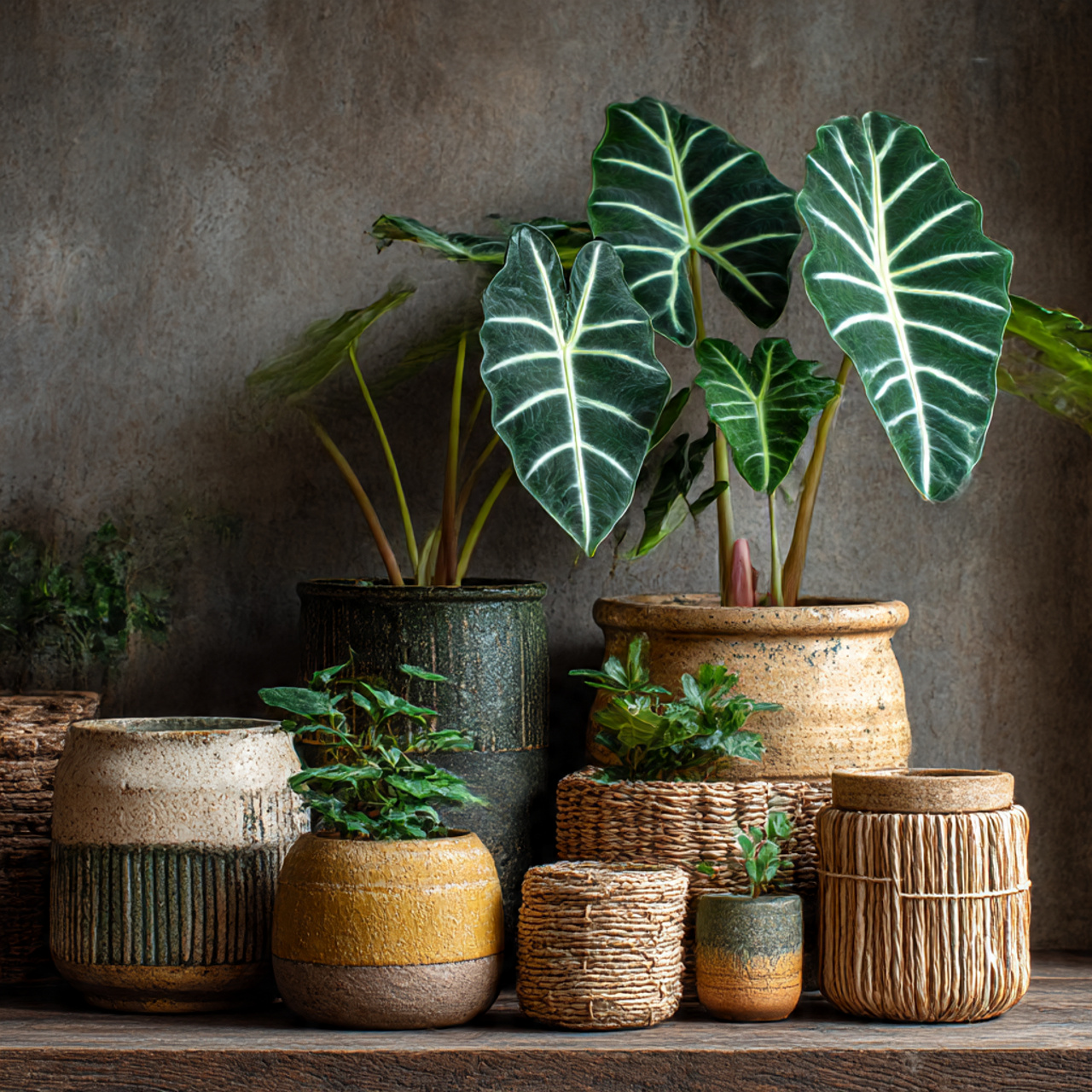
The pot matters more than you might think. It affects drainage, temperature, root health, and overall plant happiness.
Material Options:
Terracotta/Clay (Best for beginners)
- Allows air exchange through walls
- Wicks away excess moisture
- Prevents overwatering
- Affordable and classic look
Ceramic/Glazed (Best for aesthetics)
- Holds moisture longer
- Beautiful variety of designs
- Heavier (more stable for tall plants)
- Ensure drainage holes exist
Plastic (Best for humidity)
- Retains moisture well
- Lightweight and affordable
- Easy to drill drainage holes
- Less breathable than clay
Size Wisdom: Go only 1-2 inches larger when repotting. Too much extra space equals too much water retention and potential root rot.
Must-Have Feature: Drainage holes are non-negotiable. No holes = no Alocasia happiness. If you love a pot without holes, use it as a decorative outer cover with a properly draining inner pot.
Preventing and Treating Fungal Problems
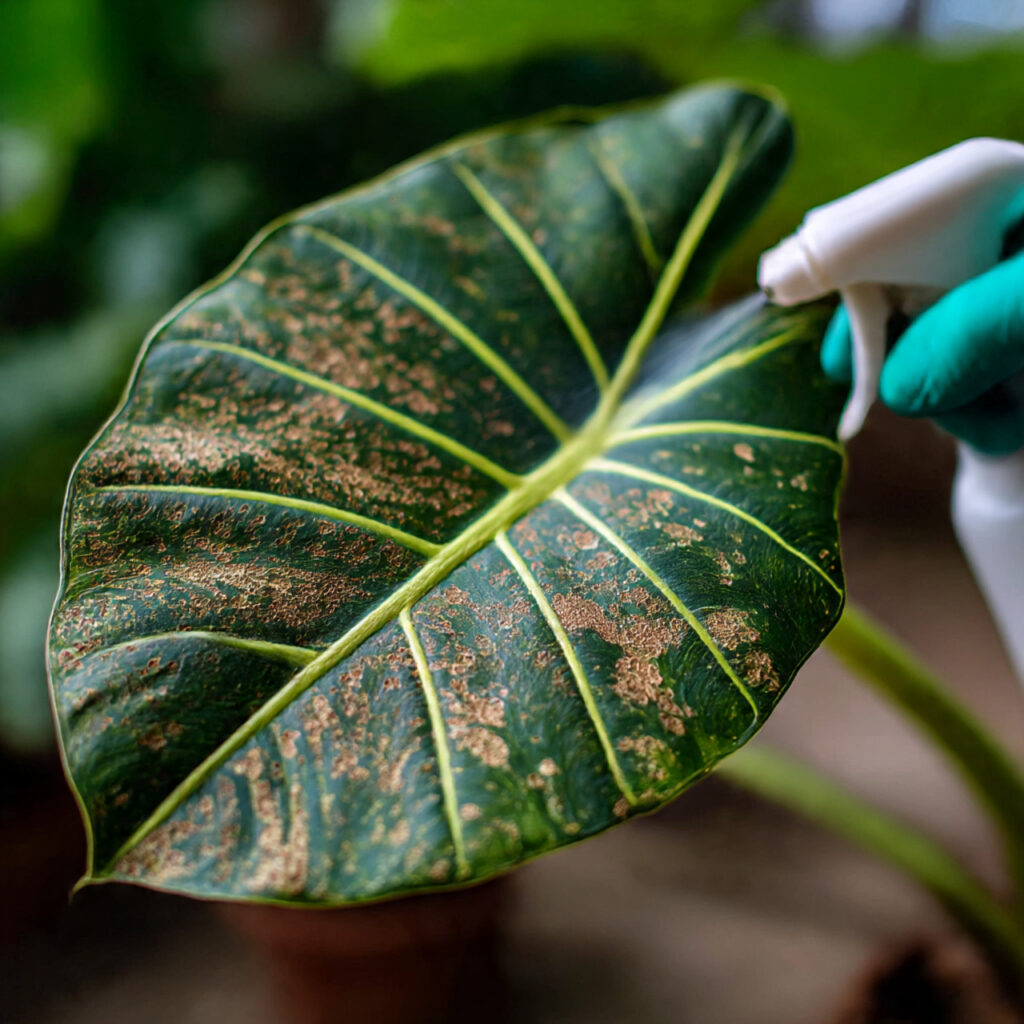
Excess moisture plus poor airflow equals fungal party. And fungi are definitely not the fun guys for your Alocasia.
Common Fungal Issues:
- Root rot: Mushy, black roots and yellowing leaves
- Leaf spot: Brown spots with yellow halos
- Powdery mildew: White dusty coating on leaves
- Stem rot: Soft, collapsing stems at soil level
Prevention Strategy:
- Water soil only, not leaves
- Ensure excellent air circulation
- Don’t overcrowd plants
- Remove dead leaves promptly
- Use well-draining soil
- Don’t overwater (biggest cause)
Treatment Protocol:
- Remove all affected leaves immediately
- Improve air circulation around plant
- Reduce watering frequency
- Apply appropriate fungicide if severe
- For root rot: repot in fresh, dry soil after trimming bad roots
Fungicide Options: Neem oil works for mild cases. For serious infections, use copper-based fungicide following label directions.
Decorating Corners with Alocasia Plant
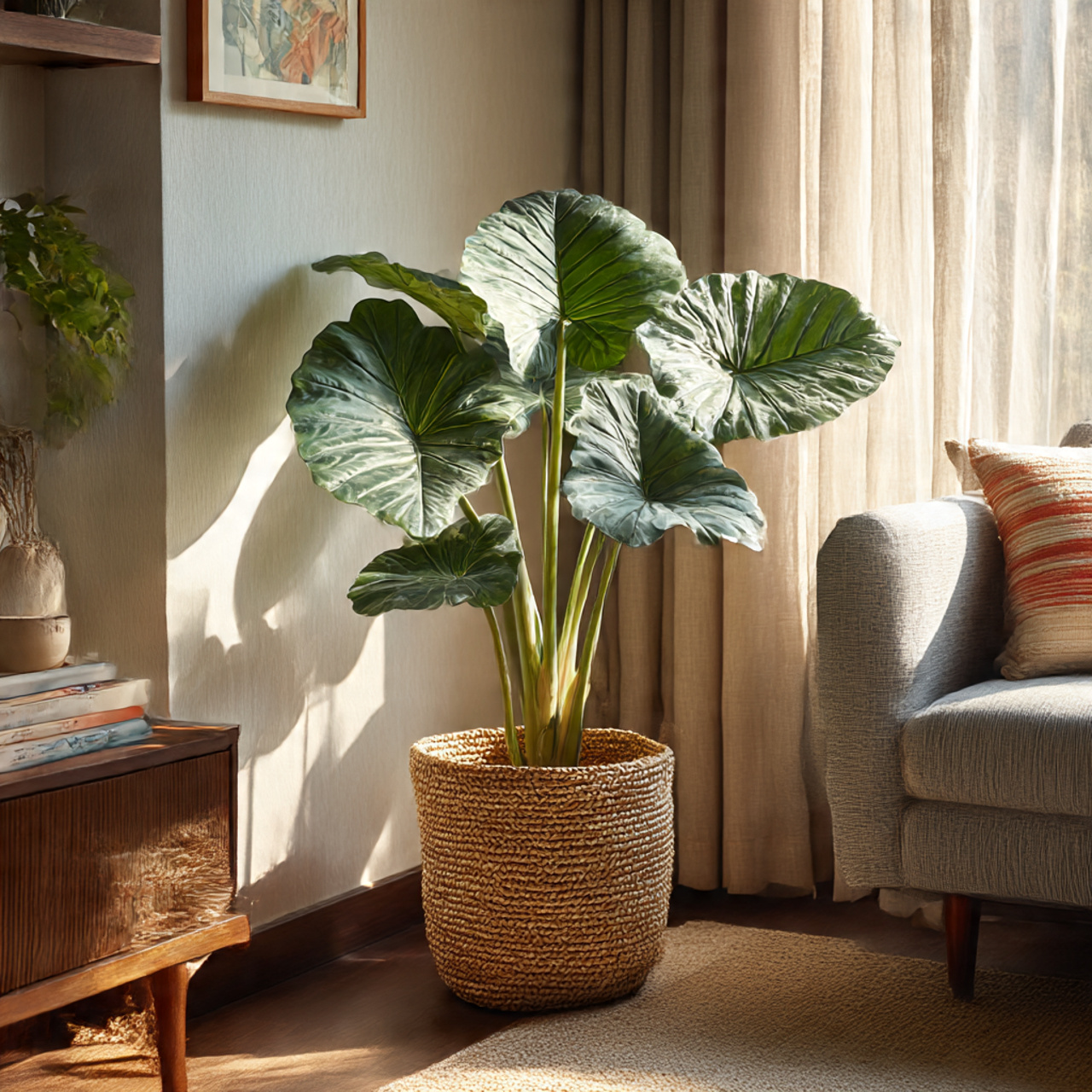
That awkward corner in your living room? Your Alocasia’s new home.
Empty corners often lack personality and feel unfinished. A well-placed Alocasia instantly transforms that dead space into a living, breathing focal point.
Corner Styling Formula:
- Choose a tall variety or elevate with plant stand
- Add complementary underlighting for drama (optional but stunning)
- Use a decorative basket or textured planter
- Layer with smaller plants at base if space allows
- Hang artwork or mirror above to create vertical interest
Lighting Challenge: Corners often get less light. If natural light is limited, supplement with a grow light positioned 12-18 inches above the plant. Modern LED grow lights look sleek and blend with home decor.
Design Trick: Place a mirror adjacent to the corner to reflect light and make the space feel larger while showcasing your plant from multiple angles.
Embracing the Tropical Lifestyle
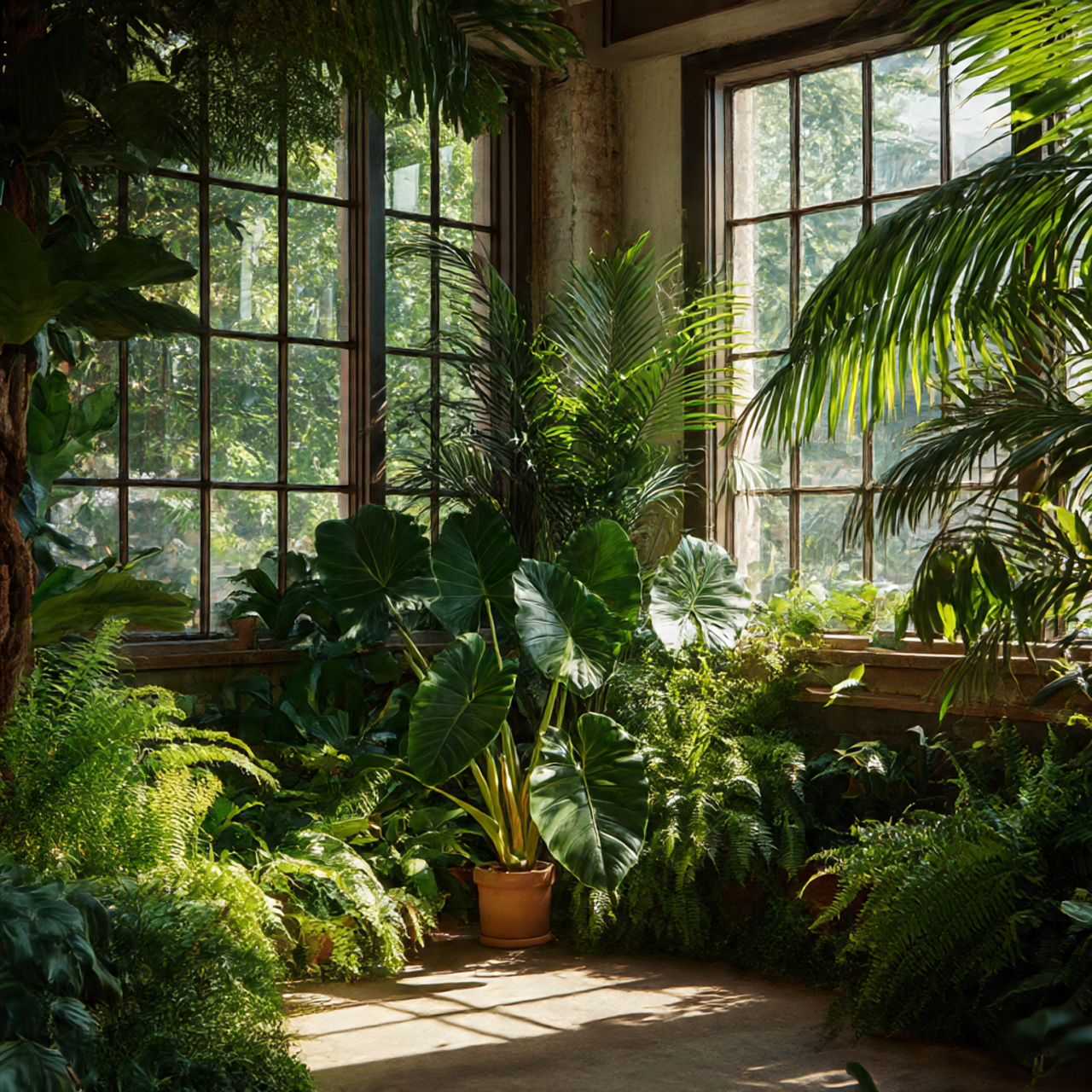
At the end of the day, keeping an Alocasia isn’t just about plant care—it’s about creating an environment that feels alive, vibrant, and connected to nature.
There’s something almost meditative about caring for these plants. The daily ritual of checking soil moisture, misting leaves, and watching for new growth creates a mindful practice. In our busy, screen-filled lives, Alocasias give us permission to slow down and appreciate living beauty.
The Bigger Picture:
- Creates a healthier indoor environment
- Reduces stress and anxiety
- Provides a rewarding hobby
- Connects you with nature indoors
- Teaches patience and observation
Your Alocasia is more than decoration—it’s a living relationship. Some days it’ll challenge you, but the reward of seeing new leaves unfurl makes every effort worthwhile.
Visit Also: Mosquito Repelling Plants
Frequently Asked Questions
1. Why are my Alocasia’s leaves drooping even though I water regularly?
Drooping leaves usually signal either overwatering (most common) or environmental stress. Check if your soil stays soggy between waterings—if so, cut back and ensure good drainage. Also check humidity levels (should be 60%+) and temperature (avoid cold drafts or temps below 65°F). Sometimes drooping happens during the plant’s adjustment period after bringing it home. Give it 1-2 weeks to acclimate while maintaining consistent care.
2. How often should I repot my Alocasia?
Plan to repot every 1-2 years, ideally in early spring when the plant exits dormancy and begins active growth. Signs it’s time include: roots growing through drainage holes, water draining immediately without absorbing, or the plant becoming top-heavy. Always use a pot only 1-2 inches larger than the current one and refresh the soil completely. Young, fast-growing plants may need annual repotting, while mature plants can go 2 years between repots.
3. Can I keep my Alocasia outdoors year-round?
Only if you live in USDA zones 9-11 where temperatures rarely drop below 60°F. Alocasias are tropical plants that suffer damage below 50°F and can die if exposed to frost. In cooler climates, bring your plant indoors when nighttime temperatures consistently drop below 60°F. Many gardeners successfully keep Alocasias outdoors during summer months (May-September) then transition them indoors for fall and winter.
4. What fertilizer works best for Alocasias?
Use a balanced, water-soluble fertilizer with an NPK ratio of 20-20-20 or similar. Dilute to half the recommended strength and apply every 3-4 weeks during the growing season (spring through early fall). Always fertilize when soil is already moist to prevent root burn. Skip fertilizing completely during winter dormancy when the plant isn’t actively growing. Organic options like diluted fish emulsion or compost tea also work well.
5. Are Alocasia plants dangerous to pets?
Yes, Alocasias contain calcium oxalate crystals that are toxic to cats, dogs, and other pets if ingested. Symptoms include mouth irritation, excessive drooling, difficulty swallowing, and vomiting. The sap can also irritate skin. Keep plants on high shelves or in rooms pets don’t access. If your pet chews on your Alocasia, contact your veterinarian immediately. The same toxicity applies to young children, so place plants out of reach if you have curious toddlers.
Final Thoughts
The Alocasia isn’t just another houseplant you water and forget—it’s a commitment to creating a little tropical paradise in your own home. Yes, these plants have specific needs and yes, they’ll keep you on your toes. But that’s exactly what makes them so rewarding.
Every new leaf that unfurls feels like a personal victory. Every season you successfully navigate together strengthens your understanding of what this living sculpture needs to thrive. The dramatic foliage, the architectural presence, the air-purifying benefits—these are all bonuses on top of the simple joy of nurturing something beautiful.
Remember: plant care isn’t about perfection. It’s about observation, adjustment, and patience. Your Alocasia will communicate with you through its leaves. Learn to read those signals, respond with appropriate care, and you’ll have a stunning centerpiece that grows along with your confidence as a plant parent.
So go ahead—bring home that gorgeous Alocasia you’ve been eyeing. Set up its perfect spot, dial in your care routine, and watch as this tropical beauty transforms not just your space, but your entire relationship with indoor gardening. Your living room has never looked more like paradise.