Peperomia Plant: 26 Creative Ways to Care and Display
If you’re searching for a houseplant that combines stunning looks with effortless care, peperomia plants might just become your new obsession. These charming little beauties have captured the hearts of plant enthusiasts everywhere, and it’s easy to see why. With their eye-catching foliage, petite size, and forgiving nature, they’re the perfect companions for busy plant lovers.
What makes peperomias truly special is their incredible variety. From cascading vines to upright rosettes, there’s a peperomia for every style and space. Their textured leaves come in mesmerizing patterns—think rippled surfaces, watermelon stripes, and silvery accents that catch the light beautifully. Whether you’re working with a cozy apartment or a spacious home, these adaptable plants fit right in.
In this comprehensive guide, we’ll explore some inspiring ways to incorporate peperomia plants into your living spaces. You’ll discover creative display ideas, practical care tips, and clever uses that will help you make the most of these delightful plants.
Why Peperomias Are the Perfect Houseplant Choice
Let’s talk about what makes peperomias such crowd-pleasers. First off, they’re incredibly adaptable. While many houseplants throw a tantrum in less-than-perfect conditions, peperomias roll with the punches. They tolerate lower light levels better than most, though they’ll reward you with more vibrant growth in bright, indirect light.
Their compact size is another major advantage. Unlike that fiddle leaf fig that’s slowly taking over your living room, peperomias know how to stay in their lane. This makes them perfect for small spaces where every square inch counts. You can easily create a diverse collection without feeling like you’re living in a jungle.
Here’s a bonus: peperomias are natural air purifiers. While they won’t replace your HVAC system, they do help reduce indoor pollutants, contributing to a healthier home environment. Plus, their thick, succulent-like leaves store water, making them more forgiving if you occasionally forget watering day.
Tip: Start with 2-3 different varieties to discover which growing conditions work best in your space, then expand your collection from there.
Trailing Peperomia Plant for Hanging Baskets
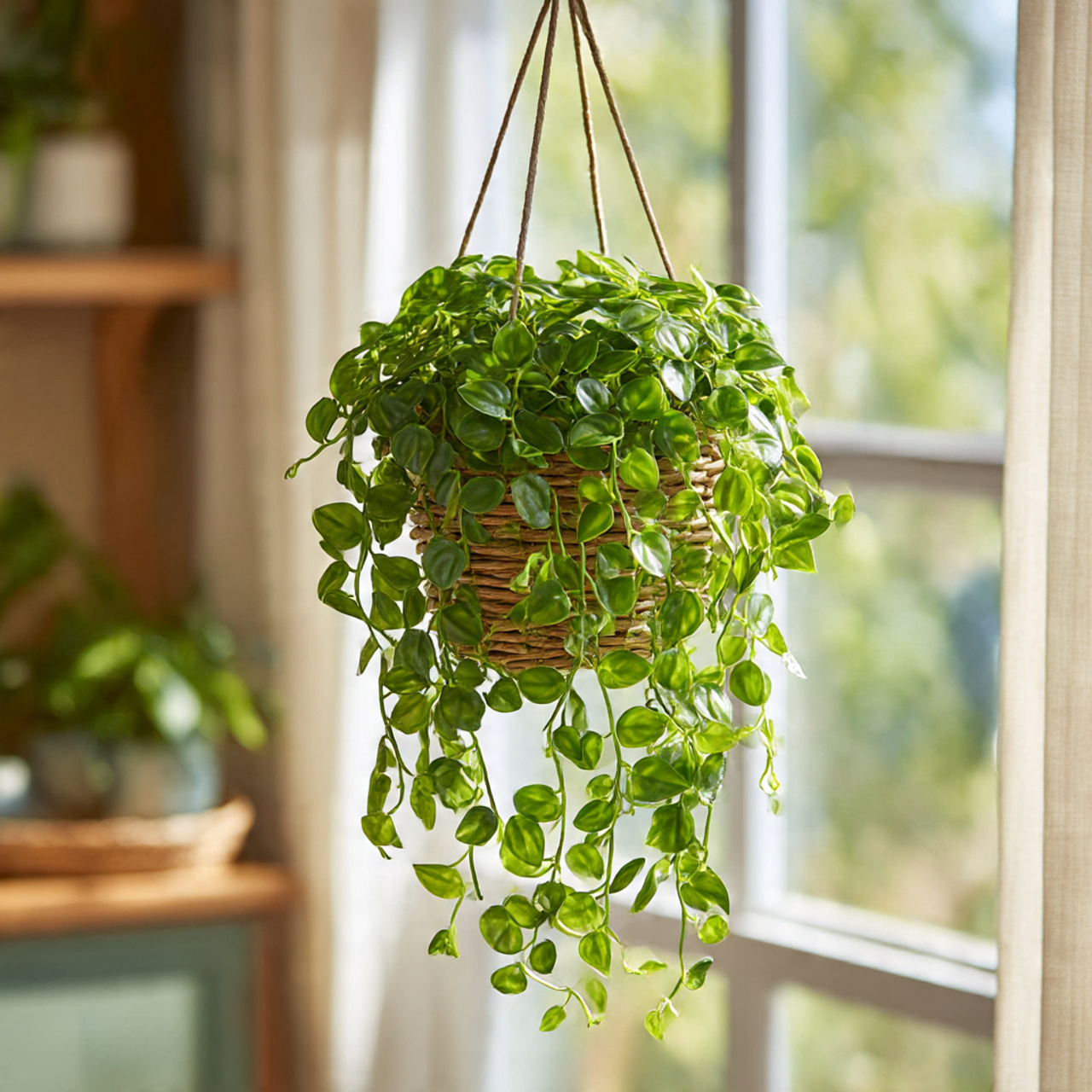
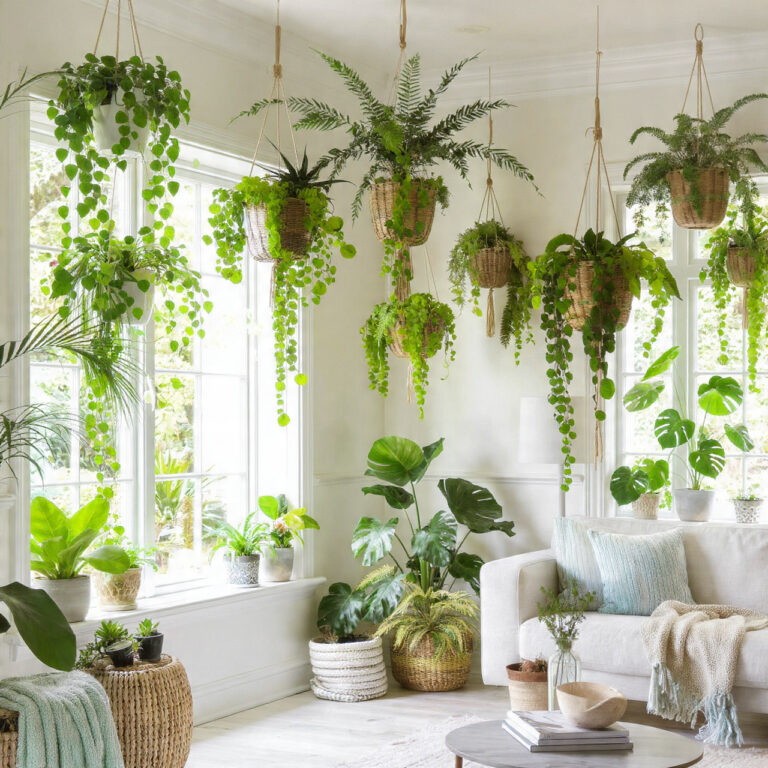
Trailing varieties like Peperomia prostrata (String of Turtles) are absolute showstoppers in hanging baskets. Their cascading stems create a living waterfall of foliage that draws the eye upward and adds dimension to any room. Place them near a corner or above a reading nook to create a cozy, plant-filled retreat.
The elevated position also serves a practical purpose—it keeps your plants safely out of reach from curious pets and toddlers. Choose a basket with good drainage and pair it with a stylish macramé hanger or modern metal holder to complement your décor.
Quick tip: Rotate your hanging basket every few weeks to ensure even growth on all sides, preventing that one-sided look.
Compact Peperomia Plant for Desks
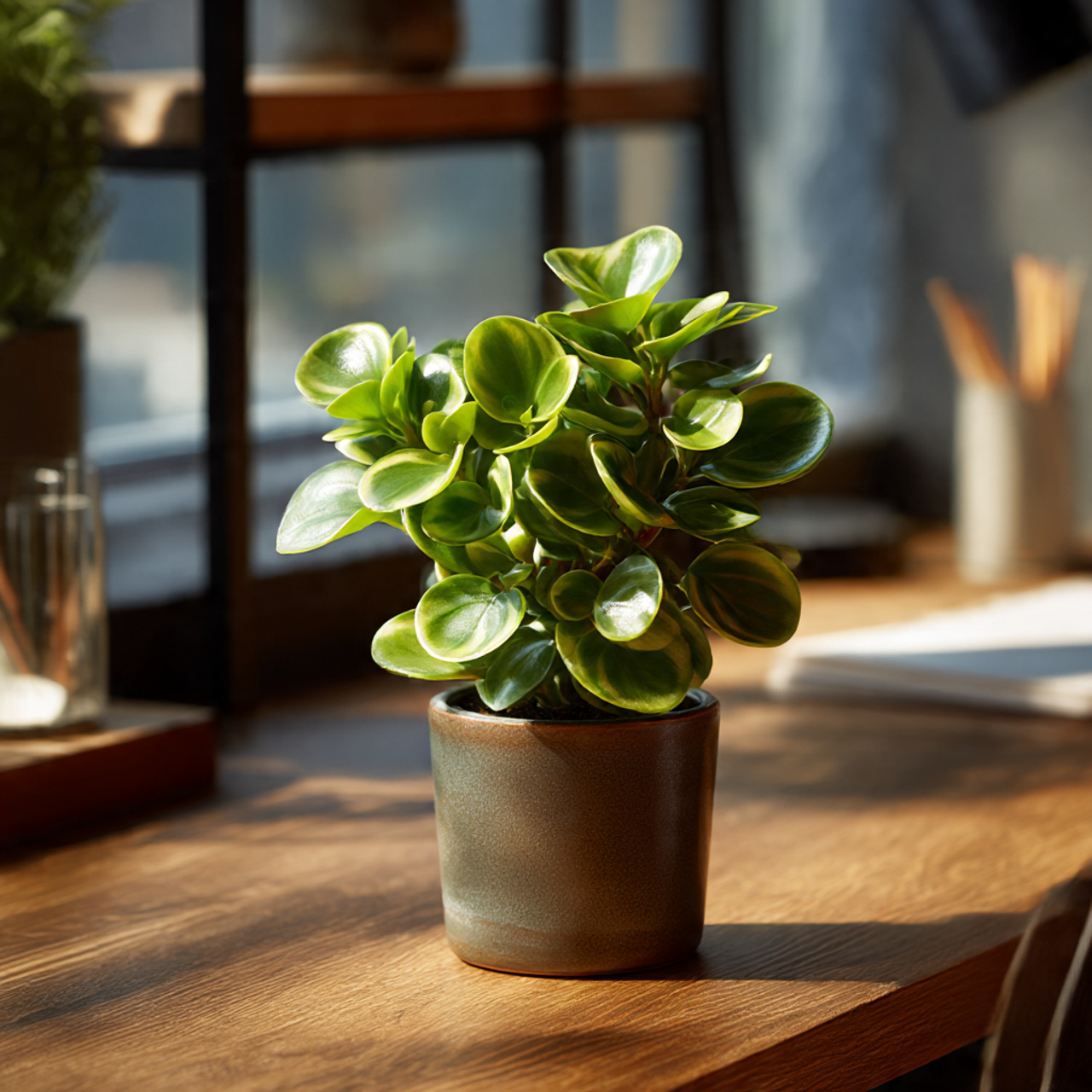
Transform your desk from drab to fab with a compact peperomia like Peperomia obtusifolia (Baby Rubber Plant). These desk-sized darlings require minimal fussing, so you can focus on work instead of plant maintenance. Studies have shown that having plants in your workspace can boost productivity and reduce stress levels—talk about a win-win!
Position your peperomia within arm’s reach where you can enjoy its presence during those long video calls or intense work sessions. The key is finding a spot with indirect light, such as near a window with sheer curtains or a few feet away from a bright window.
Smart move: Use a pot with a built-in saucer to prevent water damage to your desk, and keep a spray bottle nearby for occasional misting.
Peperomia Plant in Terrariums
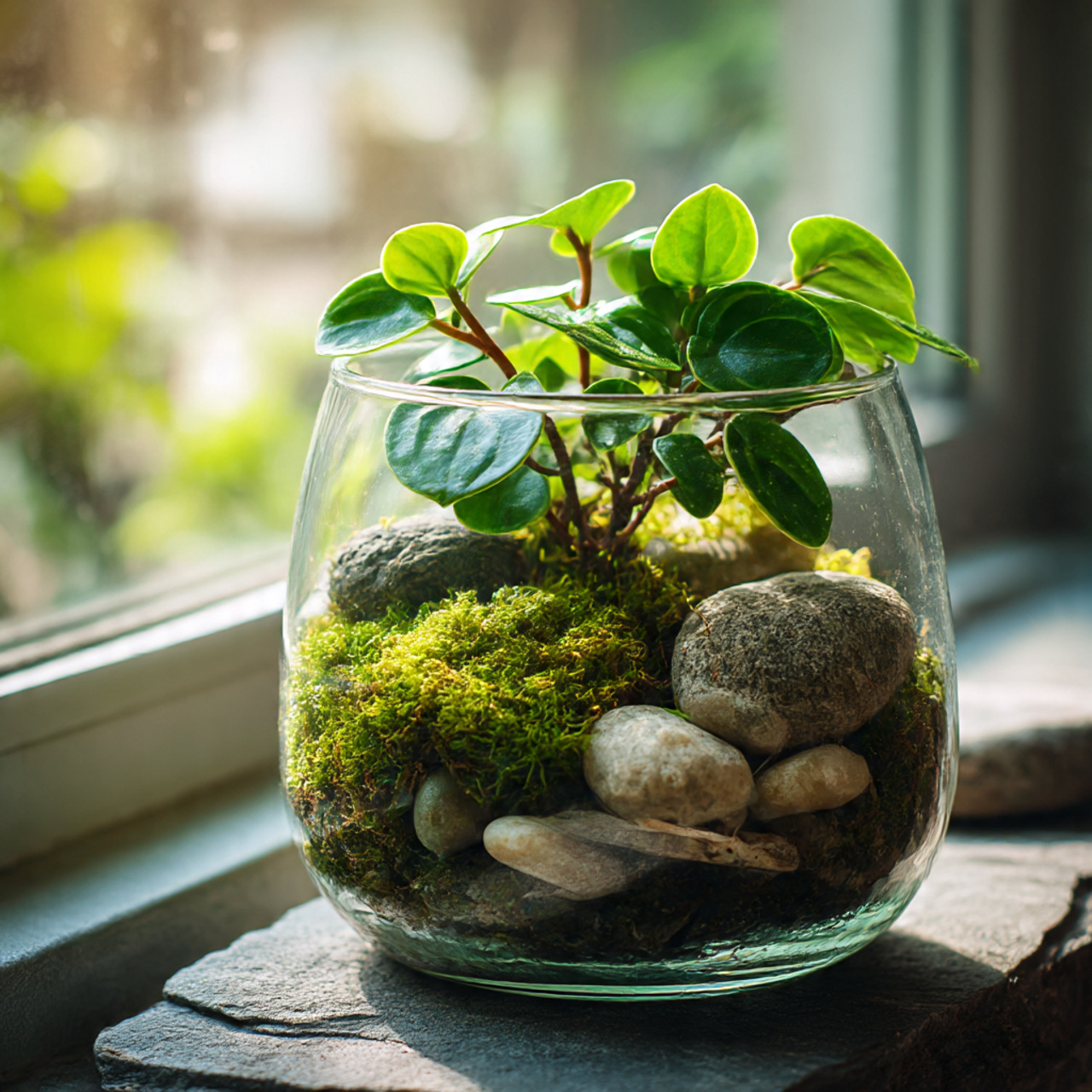
Terrariums and peperomias are a match made in plant heaven. The enclosed environment provides consistent humidity, which most peperomias appreciate, while their slow growth rate means they won’t quickly outgrow their glass home. Varieties like Peperomia caperata (Ripple Peperomia) with their textured leaves create stunning focal points in terrarium designs.
Start with a glass container that has either drainage holes or a thick layer of pebbles at the bottom to prevent root rot. Add activated charcoal to keep things fresh, then layer in well-draining potting mix. The transparent walls showcase your peperomia’s unique foliage from every angle.
Advice: Open terrariums work better for peperomias than sealed ones, as they prefer less humidity than true tropical plants.
Decorative Peperomia Plant Pots
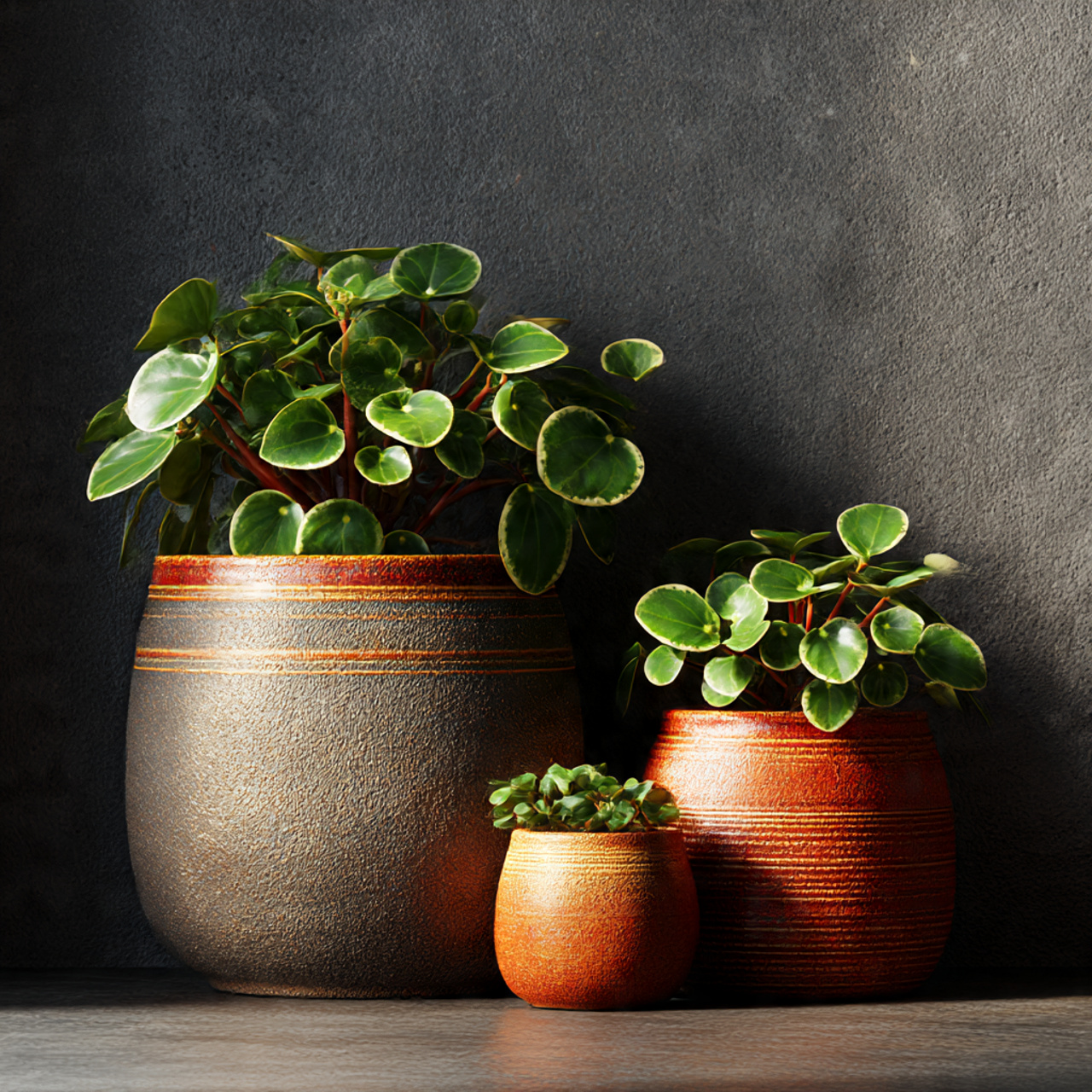
The right pot can transform your peperomia from pretty to absolutely stunning. Ceramic pots with drainage holes are ideal—they’re heavy enough to prevent tipping and porous enough to allow roots to breathe. For a modern look, try concrete or geometric planters. Traditional terracotta works beautifully too, especially if you tend to overwater, as it wicks away excess moisture.
Consider the color psychology here: neutral pots highlight the plant’s foliage, while colored containers can create striking contrasts. A variegated peperomia looks amazing in a matte black pot, while silver-leafed varieties pop against terracotta tones.
Design trick: Group three pots of varying heights in odd numbers for a more visually appealing arrangement that feels intentional rather than random.
Peperomia Plant Shelf Display
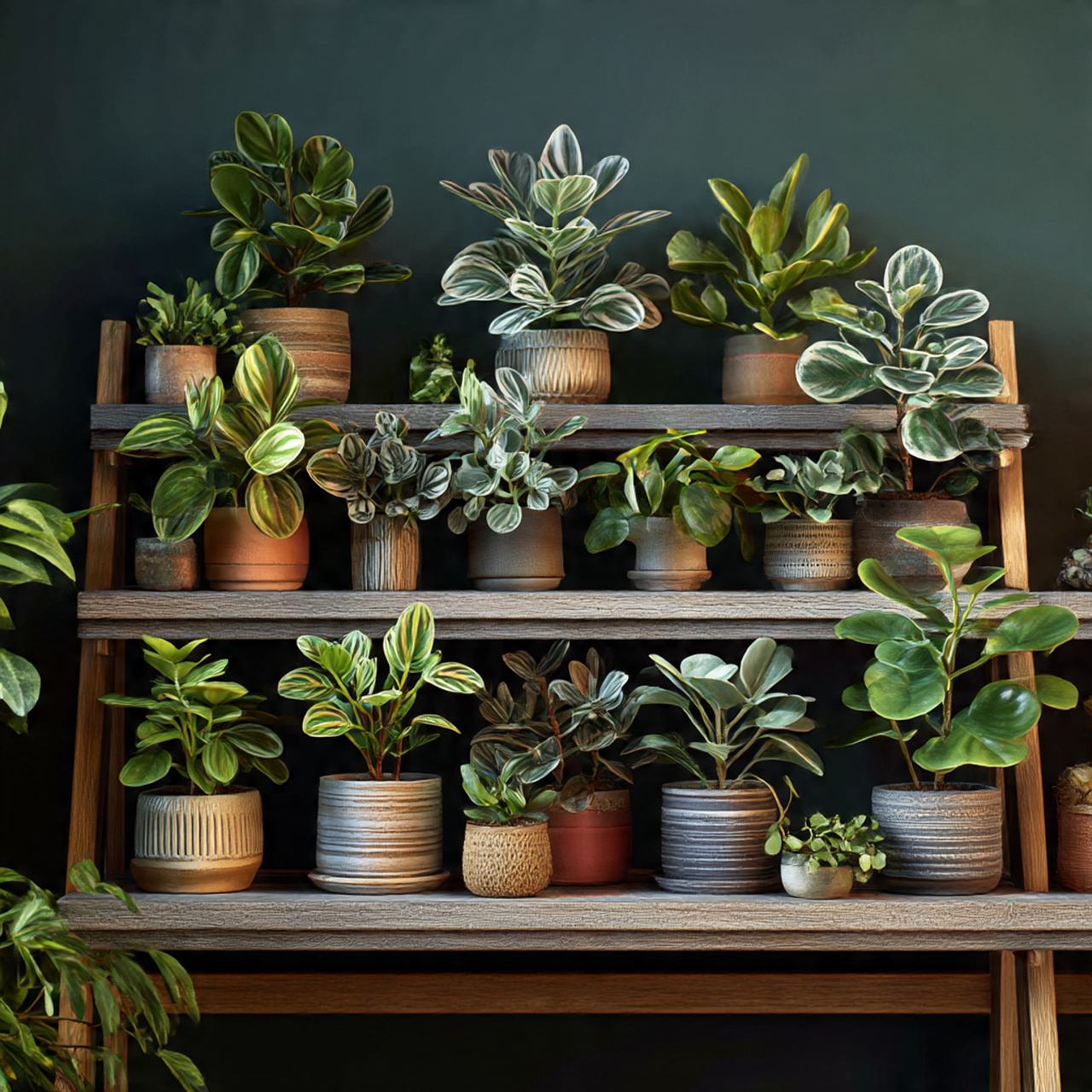
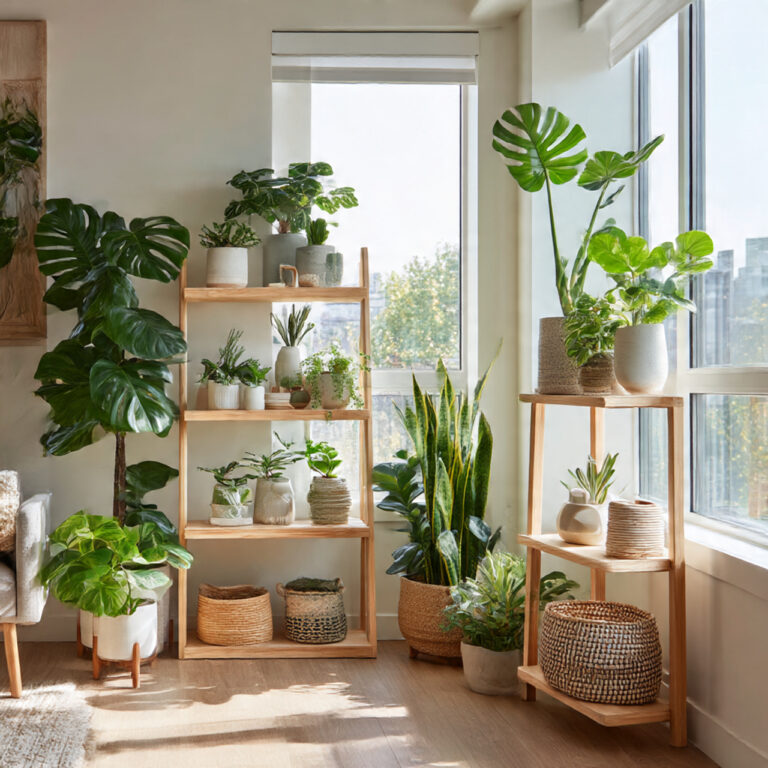
Transform an ordinary bookshelf into a thriving vertical garden by incorporating multiple peperomia varieties. Mix trailing types that spill over the edges with upright growers for visual variety. This layered approach creates depth and interest while maximizing your growing space.
Arrange plants strategically based on their light needs—place varieties that prefer brighter conditions on higher shelves closer to windows, and more shade-tolerant types lower down. This creates a gradient effect while ensuring each plant gets what it needs.
Styling secret: Leave some breathing room between plants and books or décor items. Overcrowding makes the display feel cluttered rather than curated.
Colorful Foliage Varieties of Peperomia Plant
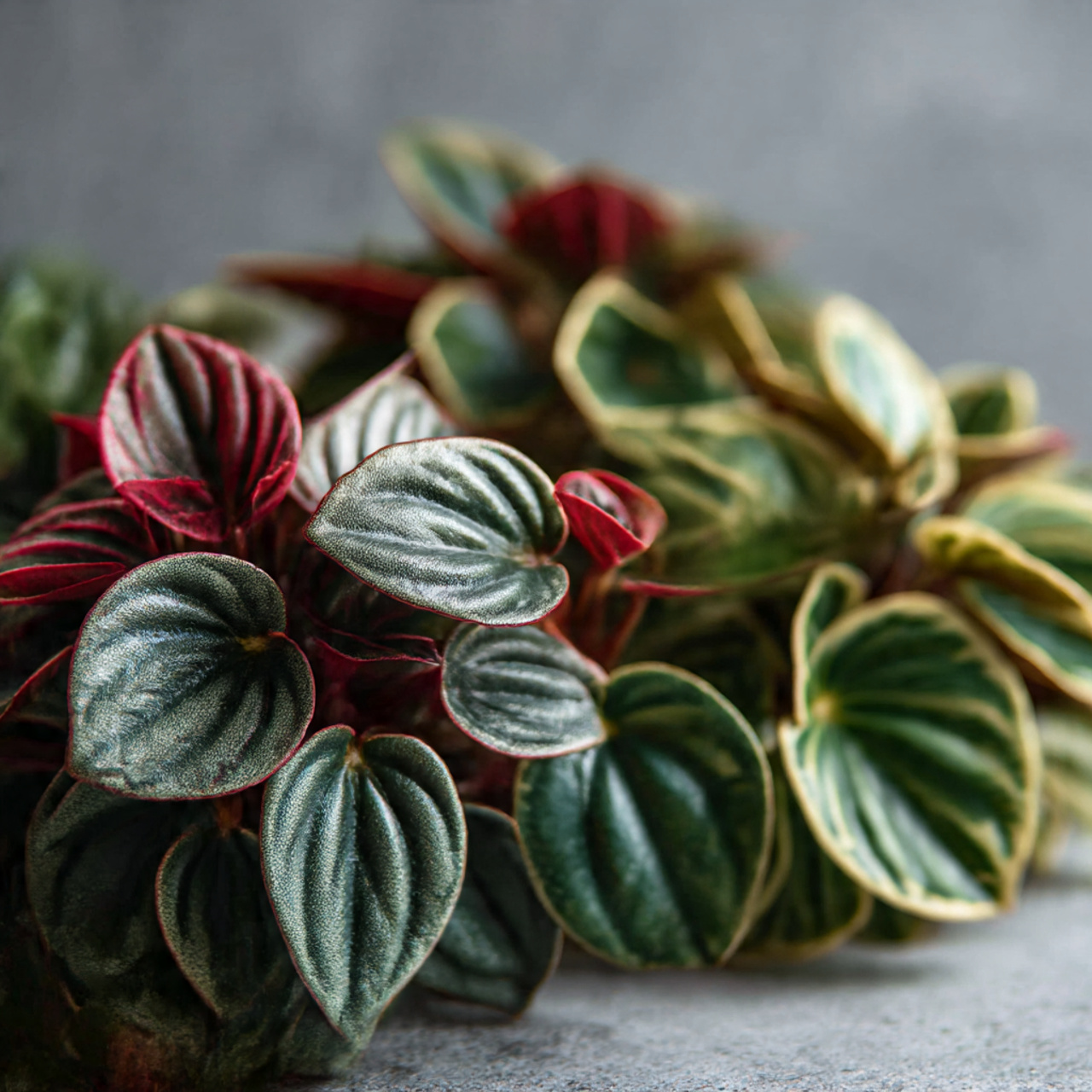
One of the most exciting things about peperomias is their stunning color range. Peperomia caperata ‘Rosso’ flaunts deep burgundy undersides, while Peperomia argyreia (Watermelon Peperomia) sports silvery stripes that actually resemble watermelon rinds. Create a living color palette by grouping varieties with complementary or contrasting tones.
This approach works particularly well in monochromatic rooms where you want to inject personality without overwhelming the space. A collection featuring green, silver, and purple-toned peperomias can tie together different design elements in your room.
Color coordination tip: Take a photo of your room, then bring it to the plant shop to select peperomias that harmonize with your existing color scheme.
Peperomia Plant as a Table Centerpiece
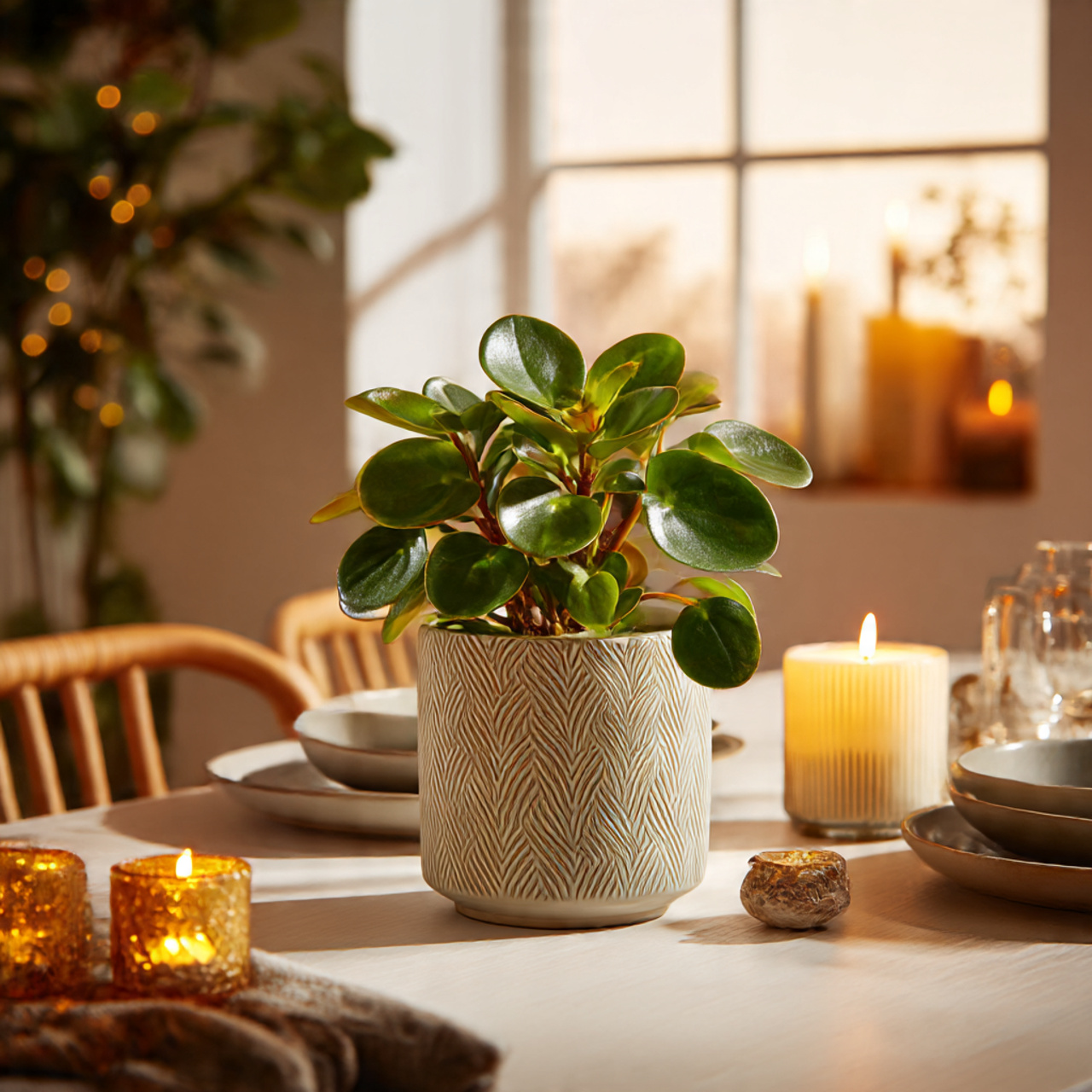
Forget fussy flower arrangements that wilt in days—a peperomia centerpiece offers lasting beauty with zero stress. Their compact footprint means guests can easily see and chat across the table, while their interesting textures spark conversation. Peperomia polybotrya (Raindrop Peperomia) with its glossy, heart-shaped leaves makes an especially charming centerpiece.
Create a more complex arrangement by pairing your peperomia with pillar candles, small succulents, or decorative river stones. This adds layers of interest while keeping the look cohesive and intentional.
Entertaining: Choose a peperomia with particularly striking foliage that becomes a natural conversation starter during dinner parties.
Peperomia Plant in Windowsills
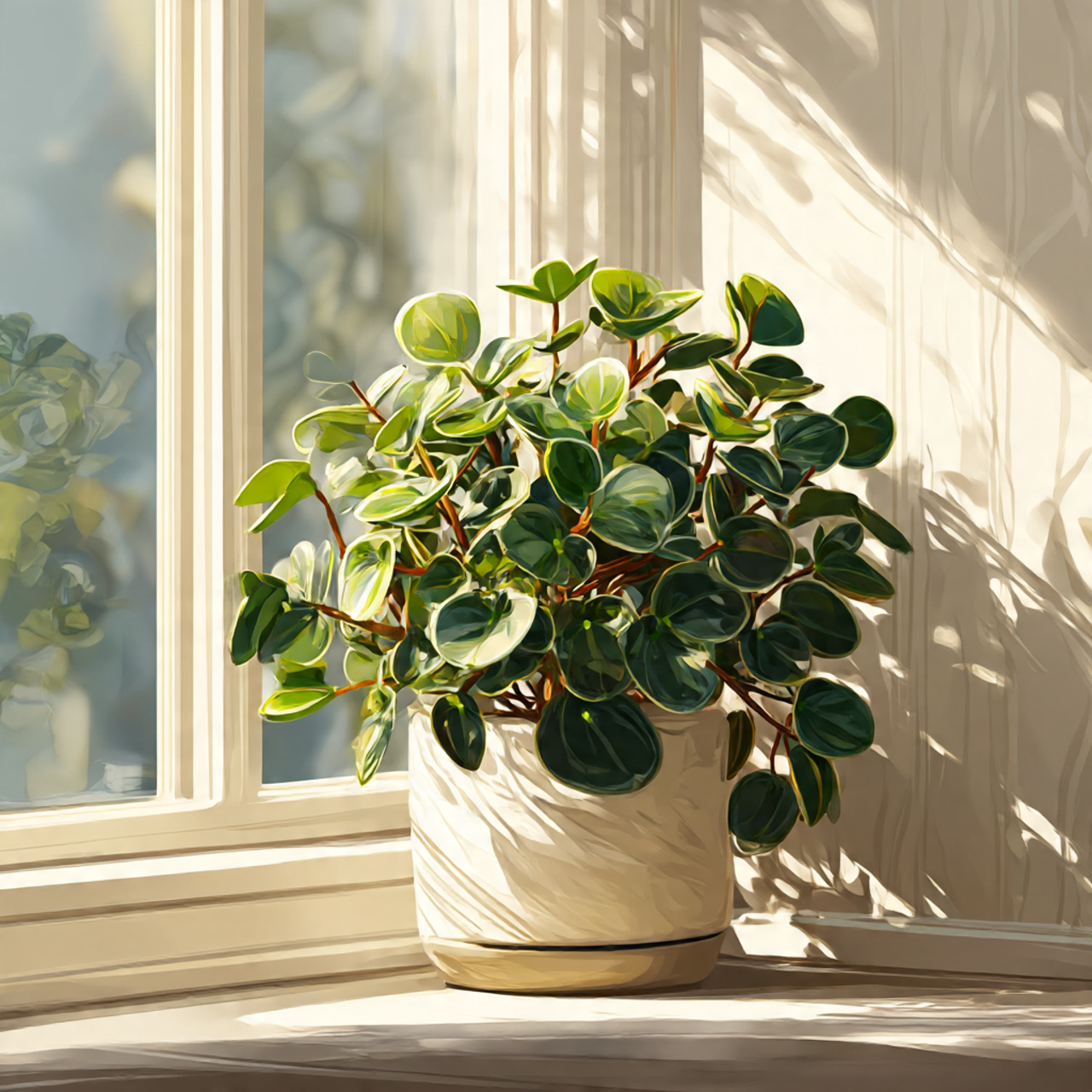
Windowsills are prime real estate for peperomias, but placement matters. East or north-facing windows provide that sweet spot of bright, indirect light without the harsh afternoon sun that can scorch delicate leaves. South and west windows work too if you position plants a few feet back or use sheer curtains to filter the light.
Creating a windowsill garden brings the outdoors in and provides an ever-changing view as your plants grow and seasons shift. The natural light in these spots typically results in more compact, vibrant growth.
Rotation reminder: Give your plant a quarter turn each week to promote balanced growth and prevent it from leaning dramatically toward the light source.
Peperomia Plant for Small Apartments
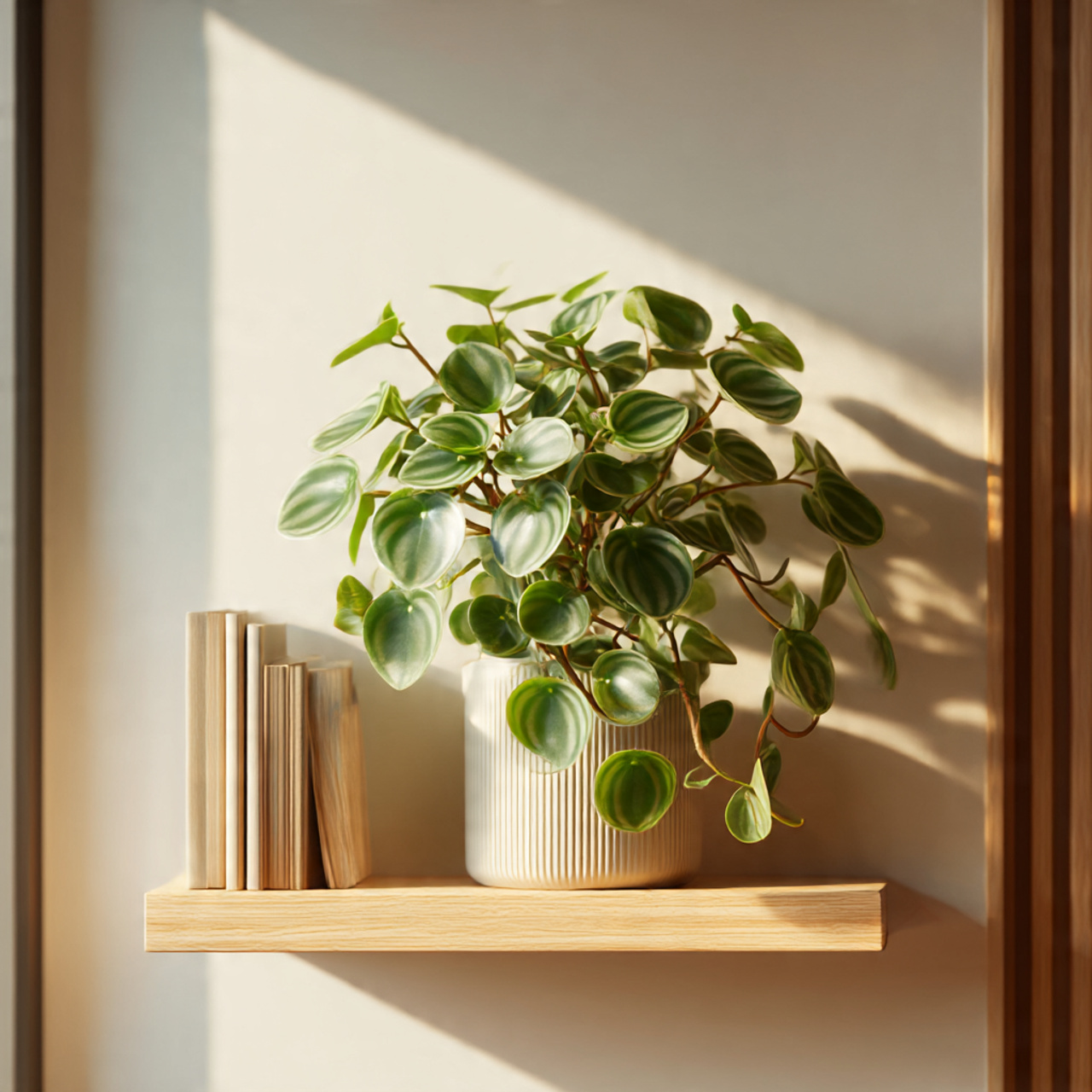
Living in a small apartment doesn’t mean sacrificing your plant dreams. Peperomias are the ultimate space-saving plants—their modest size and slow growth rate make them perfect for urban dwellers. A single shelf can accommodate several varieties without feeling cramped.
Get creative with vertical space by using wall-mounted shelves, hanging planters, or even a small plant ladder. These solutions keep surfaces clear while still surrounding you with greenery. The psychological benefits of having plants in small spaces are particularly noticeable—they make cramped quarters feel more open and alive.
Space-saving strategy: Use corner shelves and wall space that would otherwise go unused to create plant displays without sacrificing floor space.
Peperomia Plant in Mixed Plant Arrangements
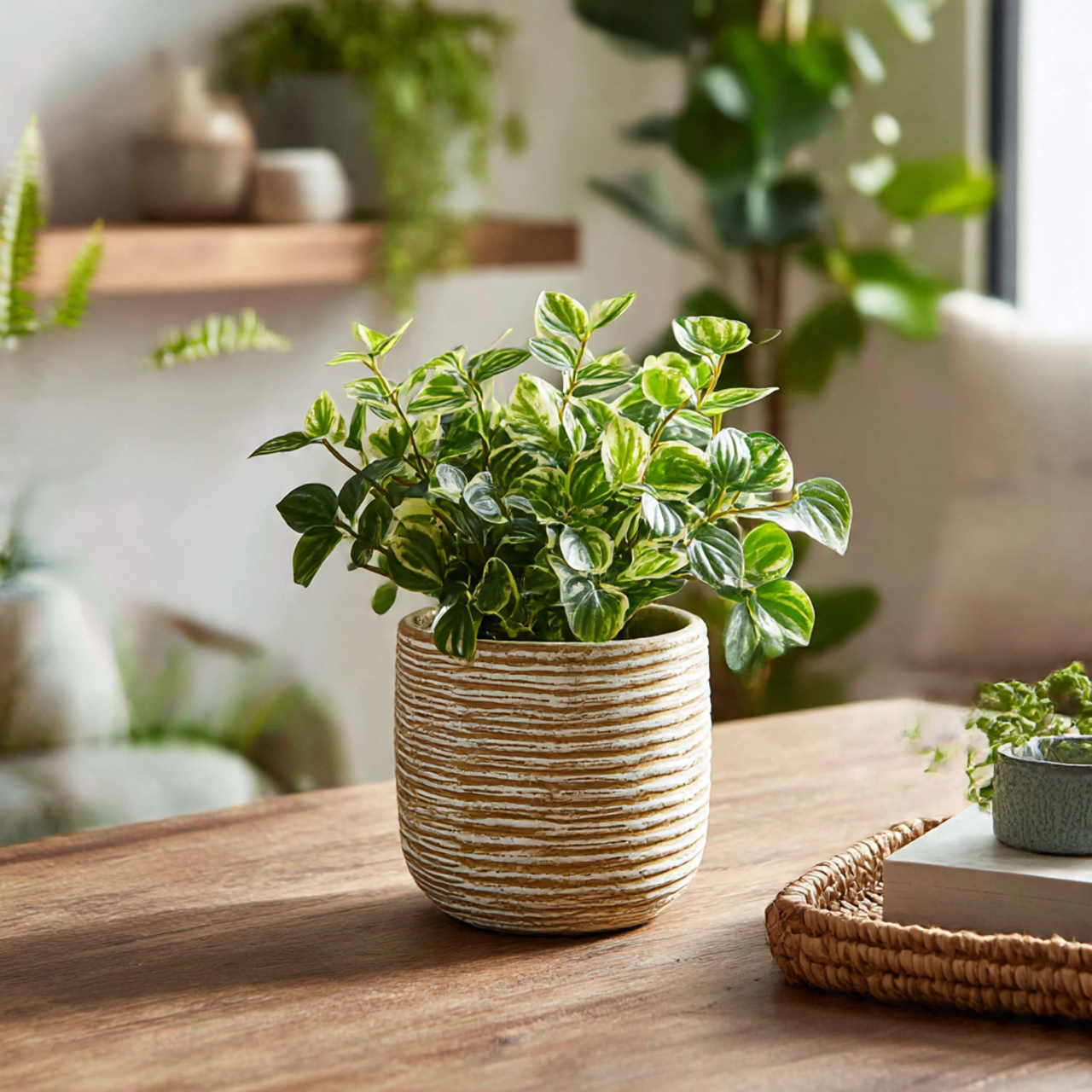
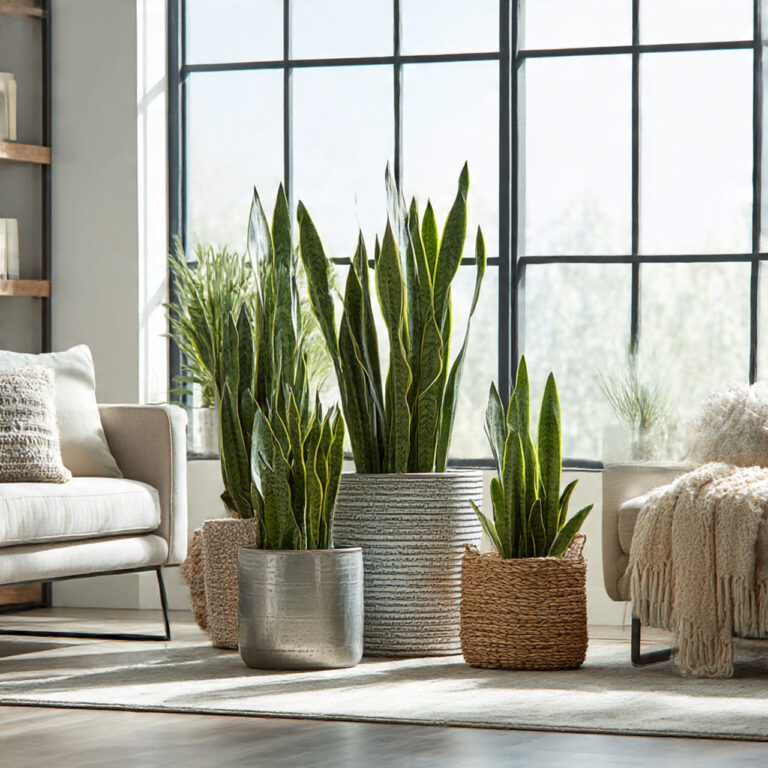
Peperomias play well with others, making them excellent candidates for mixed plantings. Pair them with plants that have similar care requirements but different textures—think delicate ferns, trailing pothos, or spiky snake plants. The key is creating contrast in leaf shape, size, and growth habit.
These mixed arrangements work beautifully in large shallow bowls or vintage containers. The combination of different plants creates a mini ecosystem that’s more visually dynamic than individual pots scattered around.
Pairing guide: Match watering schedules when combining plants. Peperomias pair best with other moderate-water plants rather than thirsty tropicals or drought-tolerant succulents.
Peperomia Plant for Terraces and Balconies
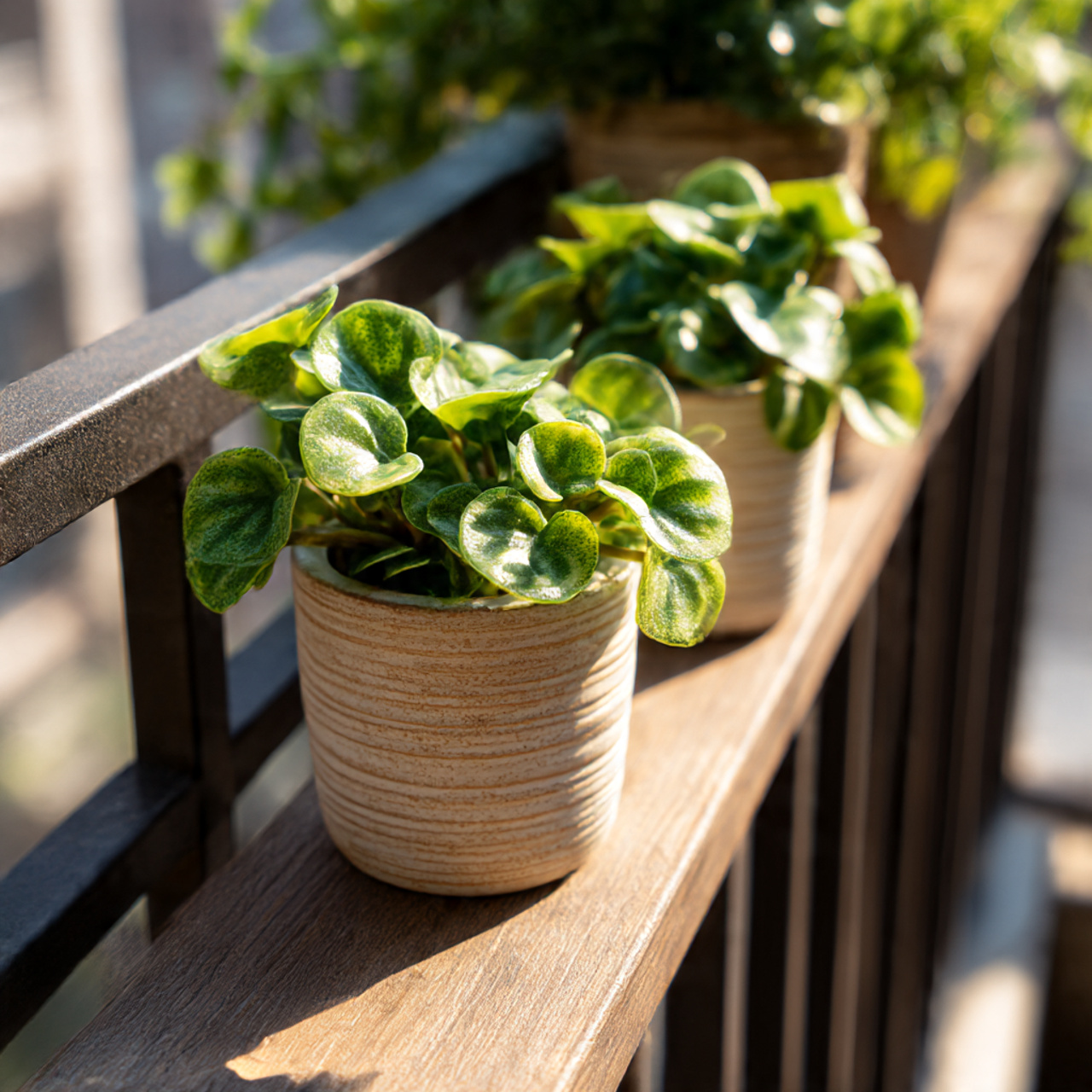
Don’t let your outdoor spaces go to waste! Balconies and terraces can become stunning plant sanctuaries with the help of peperomias. While they’re typically grown indoors, many varieties tolerate outdoor conditions during warm months, as long as they’re protected from direct sun and strong winds.
Use railing planters or hanging baskets to create privacy screens while adding greenery. This vertical approach maximizes limited balcony space while creating a lush, cozy atmosphere perfect for morning coffee or evening relaxation.
Weather watch: Bring tender peperomias indoors if temperatures drop below 50°F (10°C) or during heavy rain periods that could lead to overwatering.
Peperomia Plant in Bathroom Décor
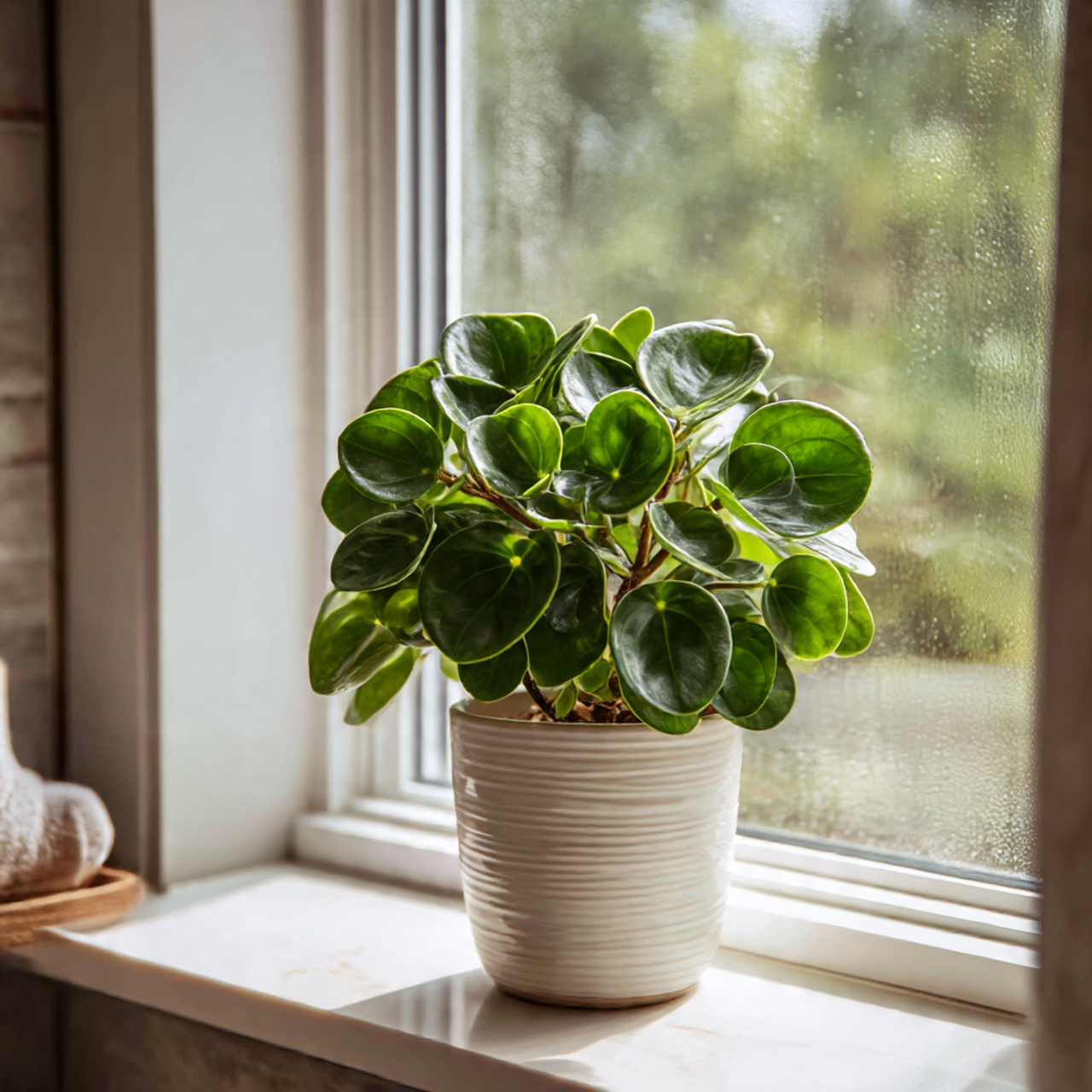
Bathrooms with windows are underutilized plant spaces. The natural humidity from showers creates a spa-like environment that peperomias appreciate. A small peperomia on the bathroom counter or windowsill adds life to this often-overlooked room while thriving in the ambient moisture.
The presence of plants in bathrooms creates a more serene, nature-connected experience. It’s like bringing a slice of a tropical retreat into your daily routine.
Humidity bonus: If your bathroom gets steamy from hot showers, your peperomia will love the occasional humidity boost, though good air circulation is still important to prevent mold.
Introduce Kids to Plant Care Safely
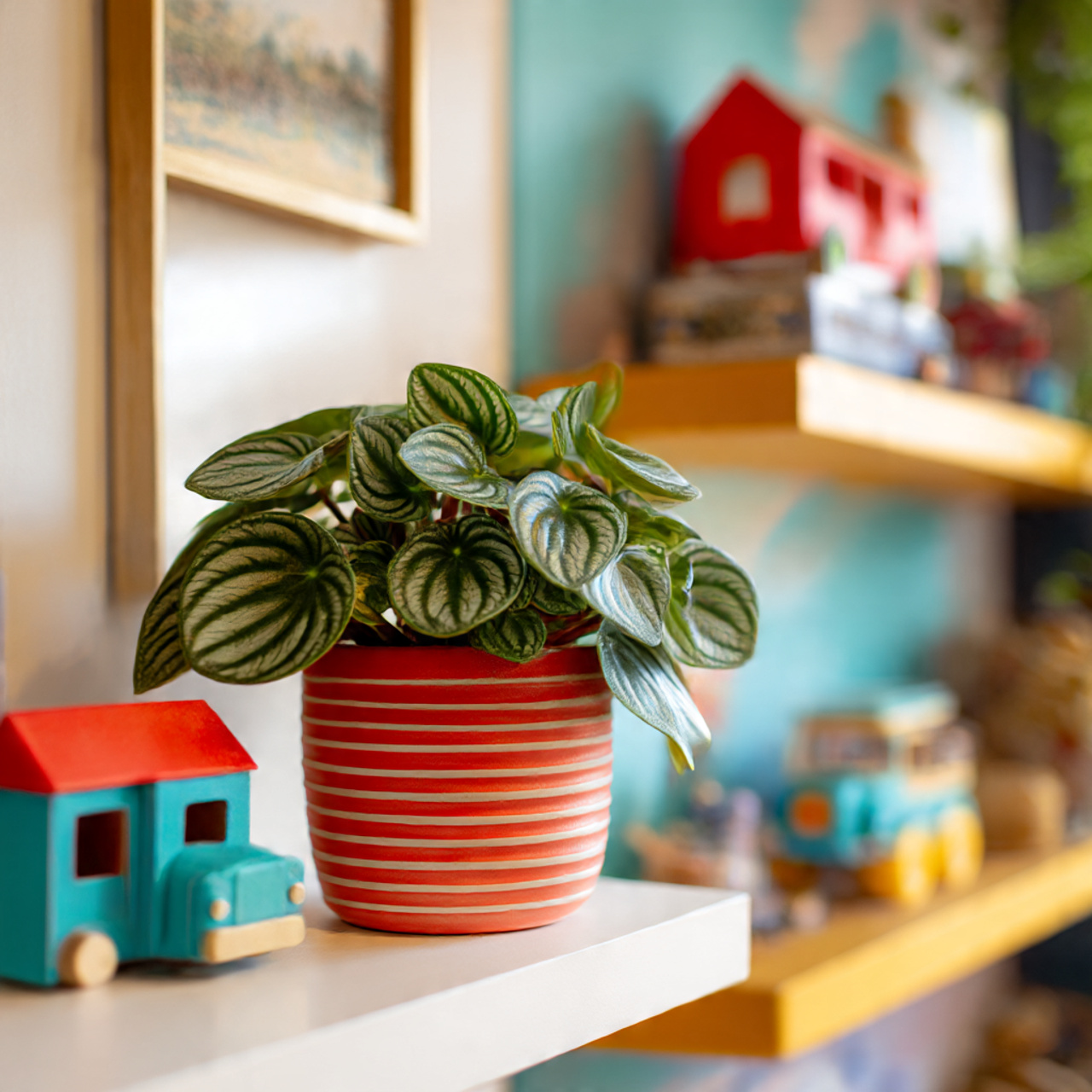
Teaching children about plant care is easier with peperomias because most varieties are non-toxic to humans and pets. Their interesting leaf textures—from rippled to glossy to fuzzy—engage young children’s curiosity and make plant care feel like an adventure rather than a chore.
Start with sturdy varieties like Peperomia obtusifolia that can tolerate a little neglect or occasional overenthusiastic watering. Create a simple care routine that kids can follow: checking soil moisture, watering on specific days, and removing dead leaves.
Teaching moment: Use a moisture meter to help kids learn when plants actually need water, turning plant care into a hands-on science lesson.
Design Living Art with Wall Gardens
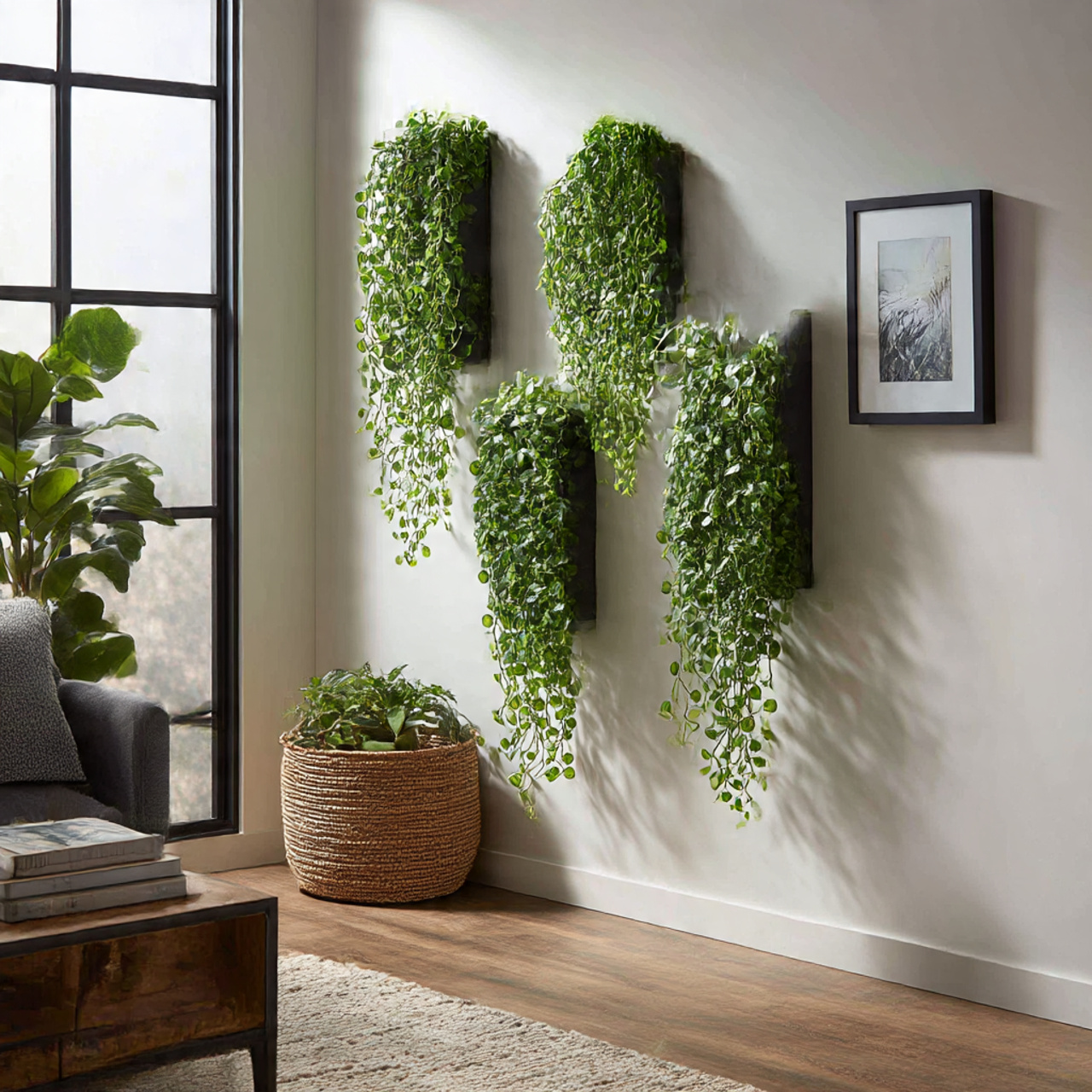
Wall-mounted planters create living artwork that maximizes vertical space in spectacular fashion. Trailing peperomias work particularly well here, as their cascading growth creates natural movement and flow. This approach turns blank walls into stunning focal points while freeing up valuable floor and surface space.
Start with a vertical planter system designed for indoor use, ensuring it includes proper drainage to prevent water damage. Mix different peperomia varieties for textural interest, creating a tapestry of shapes and colors.
Installation tip: Place wall gardens where you can easily access them for watering and maintenance—above furniture that can be moved works better than over fixed cabinets.
Adjust Care with the Changing Seasons
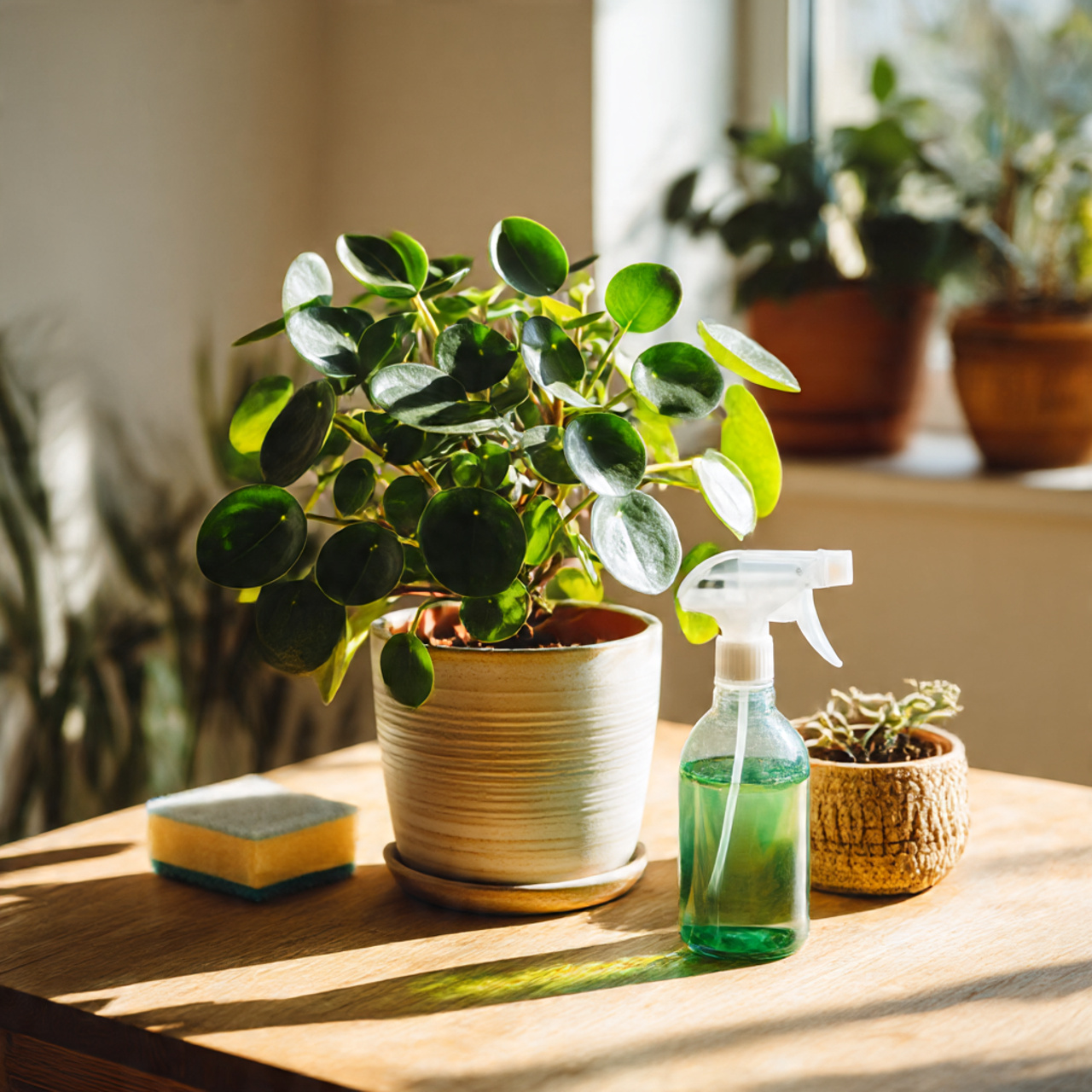
Peperomias may be low-maintenance, but they still respond to seasonal changes. During winter’s shorter days, growth naturally slows, so reduce watering frequency—once every two weeks may be plenty. Keep plants away from cold drafts near windows or heating vents that create temperature fluctuations.
As spring arrives and days lengthen, you’ll notice new growth emerging. This is the time to increase watering slightly and consider fertilizing monthly with a diluted, balanced fertilizer. Summer brings peak growing season, though you’ll still want to maintain that “less is more” watering approach.
Seasonal checklist: Spring is the ideal time for repotting if your peperomia has outgrown its container, as the plant is actively growing and will recover quickly.
Propagate Plants in Water for Visual Interest
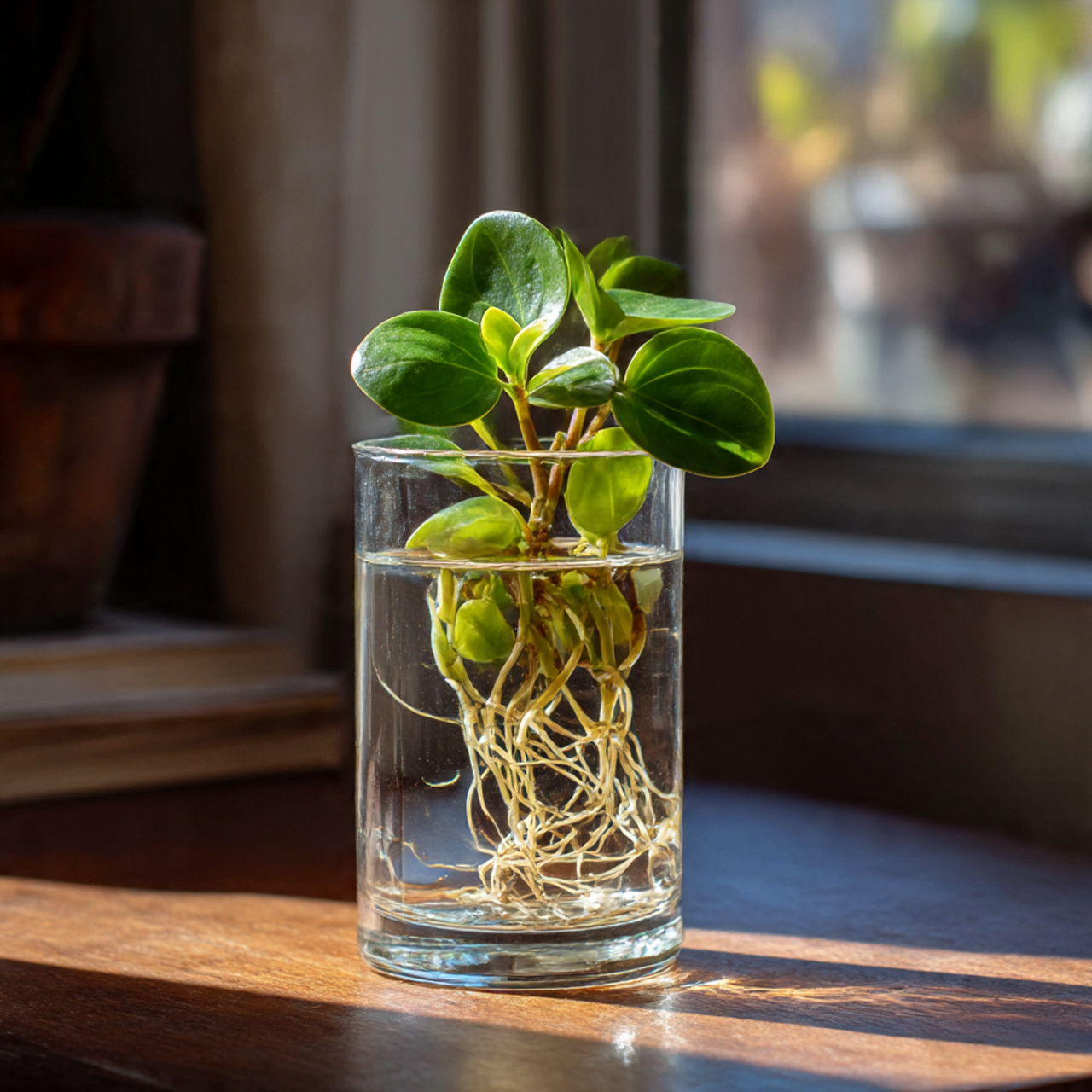
Watching roots develop in water is surprisingly addictive—it’s like having a front-row seat to nature’s magic. Some peperomia varieties propagate beautifully in water. Simply take a healthy leaf or stem cutting, place it in a clear glass of water, and position it in bright, indirect light.
Within a few weeks, you’ll see tiny roots beginning to form. Once roots reach about an inch long, you can transfer the cutting to soil. Keep several propagation glasses on a sunny windowsill to create an ever-evolving display.
Propagation tip: Change the water every few days to prevent bacterial growth and keep things fresh for developing roots.
Enhance Office Environments with Greenery
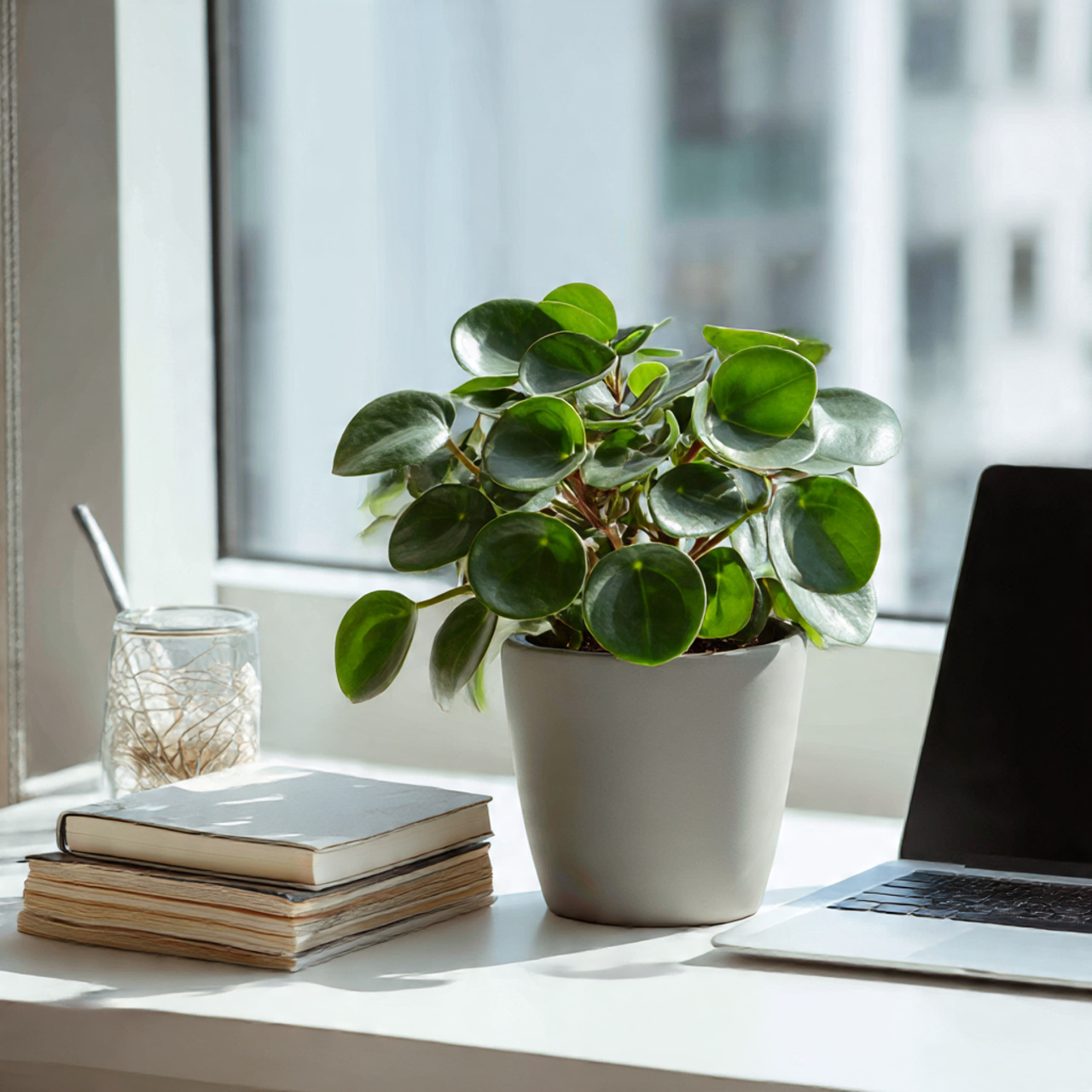
Corporate spaces desperately need the softening touch of plants, and peperomias deliver without demanding constant attention. Place them in reception areas, conference rooms, or individual workstations to create a more welcoming atmosphere. Research consistently shows that offices with plants see improved employee satisfaction and reduced stress levels.
The compact size of peperomias makes them ideal for shared workspaces where floor space is limited but surface areas abound. They’re professional-looking without being stuffy, and their variety means you can match plants to different office aesthetics.
Office placement: Avoid putting peperomias directly on top of computer monitors or heat-producing equipment, as the excess warmth can dry them out faster.
Give Meaningful, Low-Maintenance Gifts
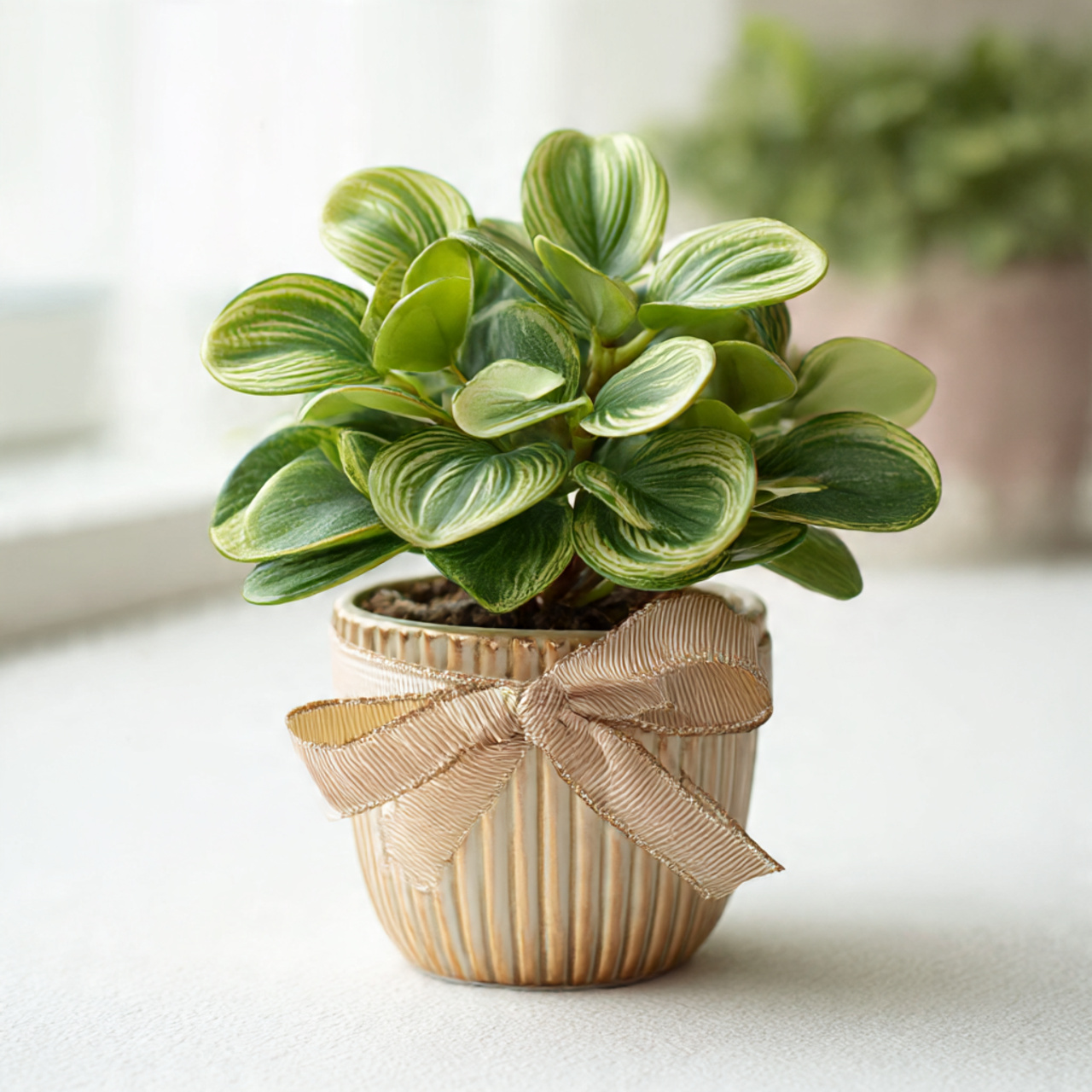
A peperomia makes a thoughtful gift that keeps on giving. Unlike cut flowers that fade within days, a healthy peperomia can thrive for years with minimal care. Package it in a decorative pot with care instructions attached, or create a gift set with a small watering can and plant food.
This gift works beautifully for new homeowners, college students, or anyone who appreciates greenery but lacks a green thumb. It shows you’ve put thought into selecting something personal and lasting.
Gift presentation: Add a handwritten note with basic care tips so even complete beginners feel confident caring for their new plant.
Complement Minimalist Interior Design
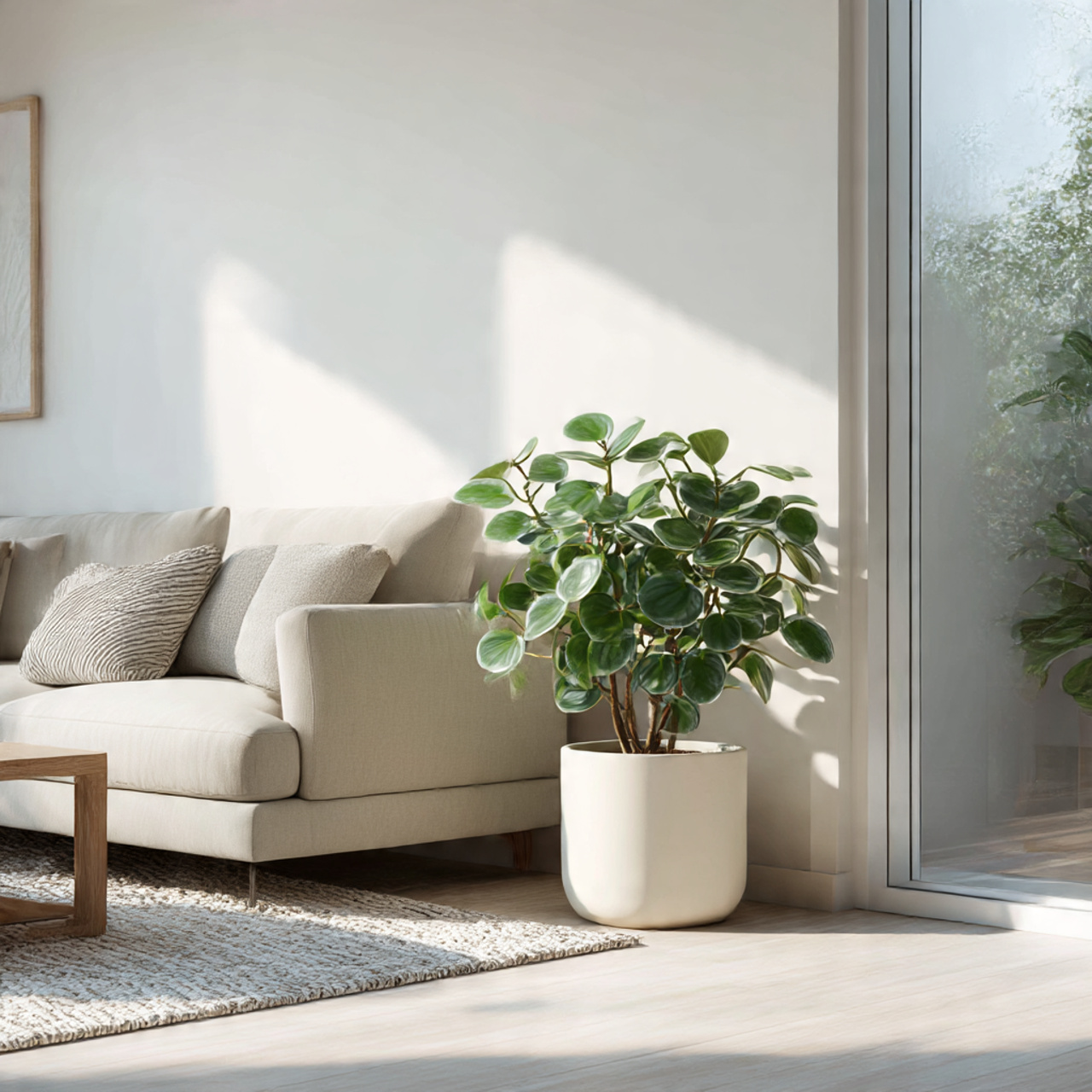
Minimalist spaces thrive on intentional choices, and a well-placed peperomia provides organic interest without cluttering clean lines. Choose varieties with architectural form, like Peperomia graveolens (Ruby Glow) with its upright, sculptural growth habit.
Pair peperomias with simple, monochromatic pots—white ceramic, matte black, or natural concrete—to maintain the minimalist aesthetic while adding life to the space. The plant becomes a living sculpture rather than just another object.
Minimalist rule: In pared-down spaces, fewer high-quality plants make more impact than numerous small specimens scattered everywhere.
Build Multi-Level Terrarium Landscapes
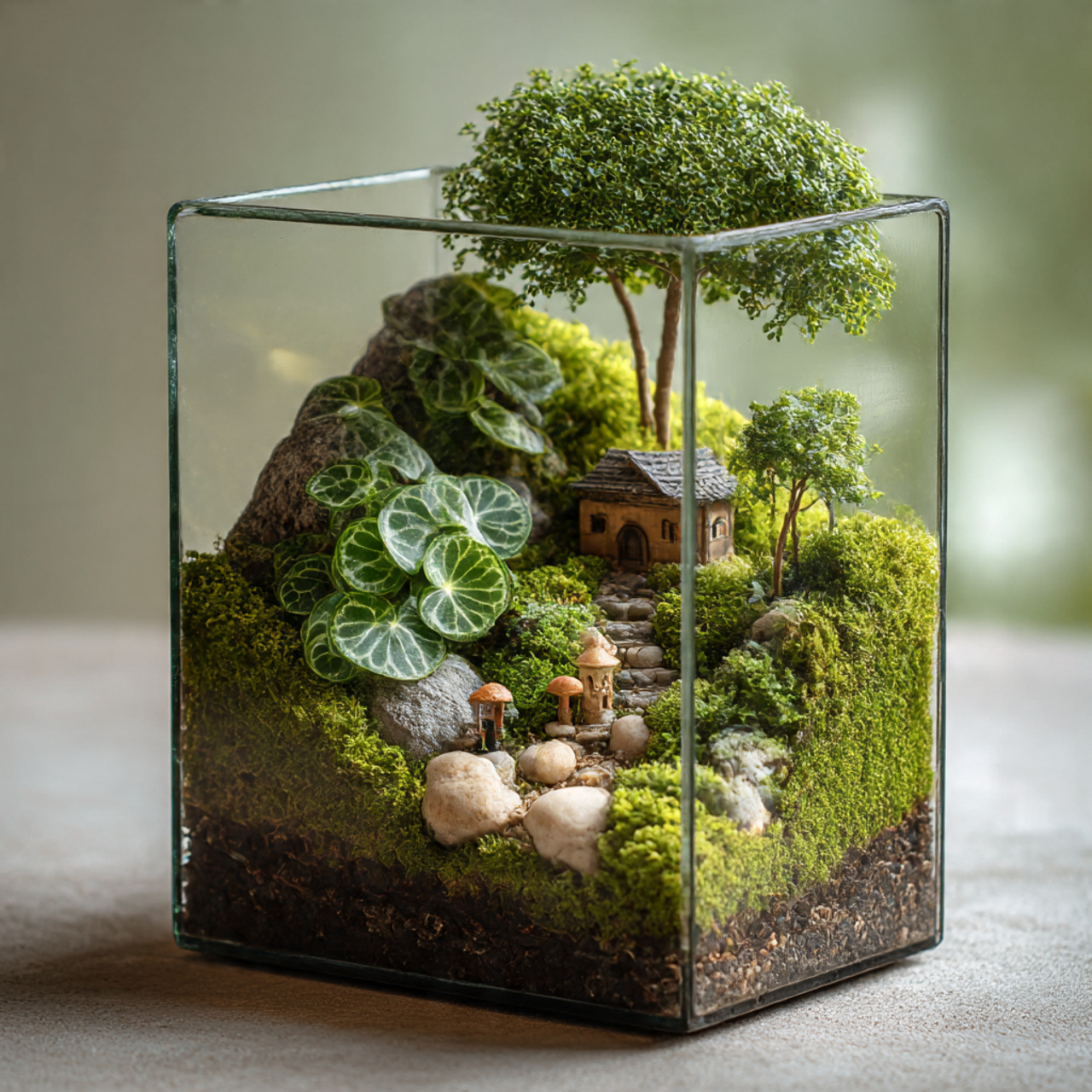
Advanced terrarium designs incorporate multiple levels using rocks, driftwood, and varying soil heights to create miniature landscapes. Peperomias with different growth habits can represent different “zones” in these tiny ecosystems—upright varieties become “trees” while tiny trailing types create “ground cover.”
Add decorative elements like small crystals, moss, or miniature figurines to complete the scene. The result is a living diorama that showcases your creativity while providing ideal growing conditions for your peperomias.
Design principle: Create depth by placing taller elements toward the back and shorter ones in front, just like arranging a traditional garden bed.
Package Eco-Friendly Plant Gifts Beautifully
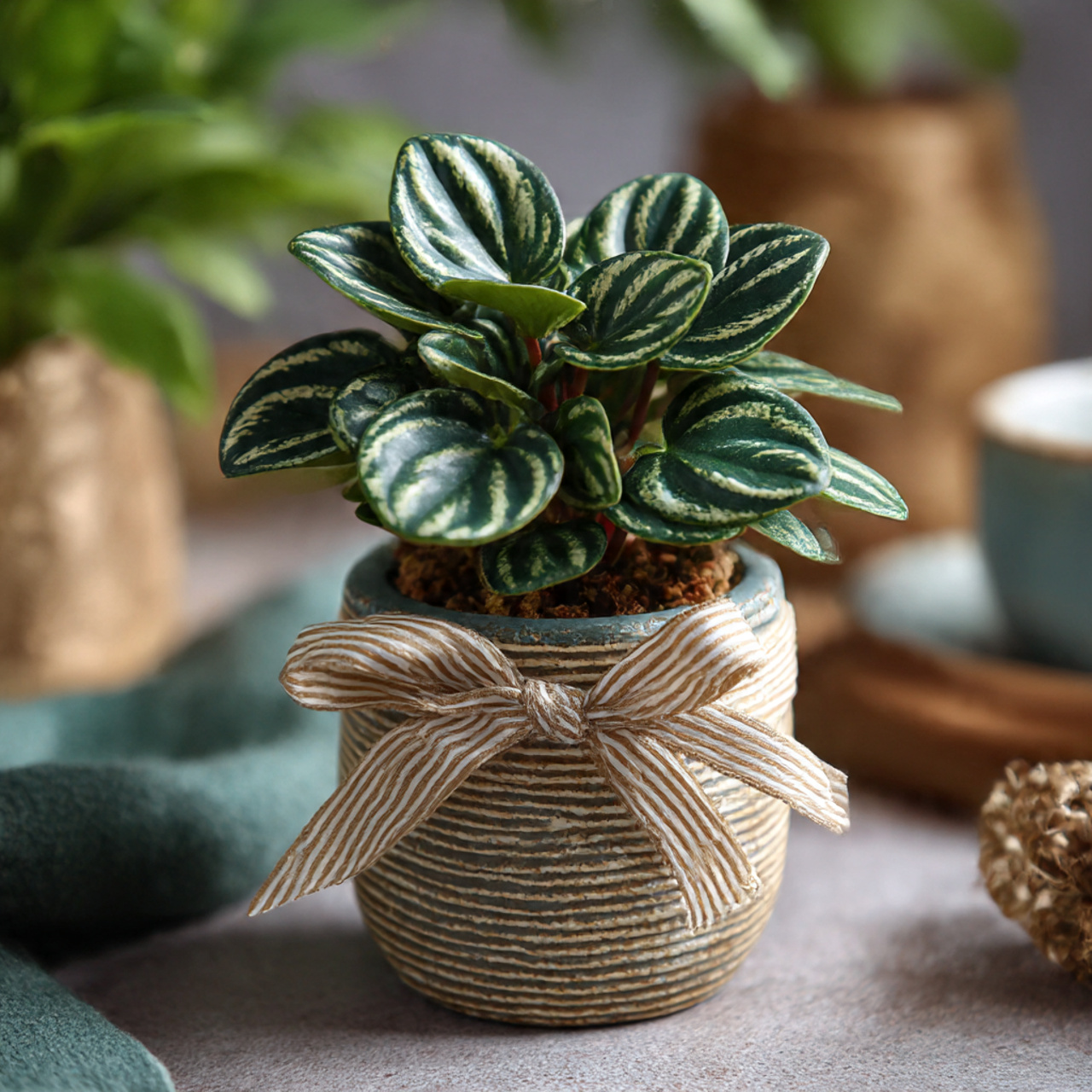
Take your plant gifting to the next level by creating complete gift packages. Combine a healthy peperomia with sustainable wrapping, natural fiber ribbon, and thoughtful extras like organic fertilizer or a small bamboo plant stake. The presentation shows care and attention while promoting environmental consciousness.
This approach works wonderfully for hostess gifts, thank-you presents, or holiday gifts for the eco-conscious people in your life. The reusable pot and living plant make it a gift that avoids contributing to waste.
Wrapping idea: Use fabric wraps or recyclable kraft paper instead of plastic gift wrap to keep the entire package eco-friendly.
Designate Cozy Plant Corners
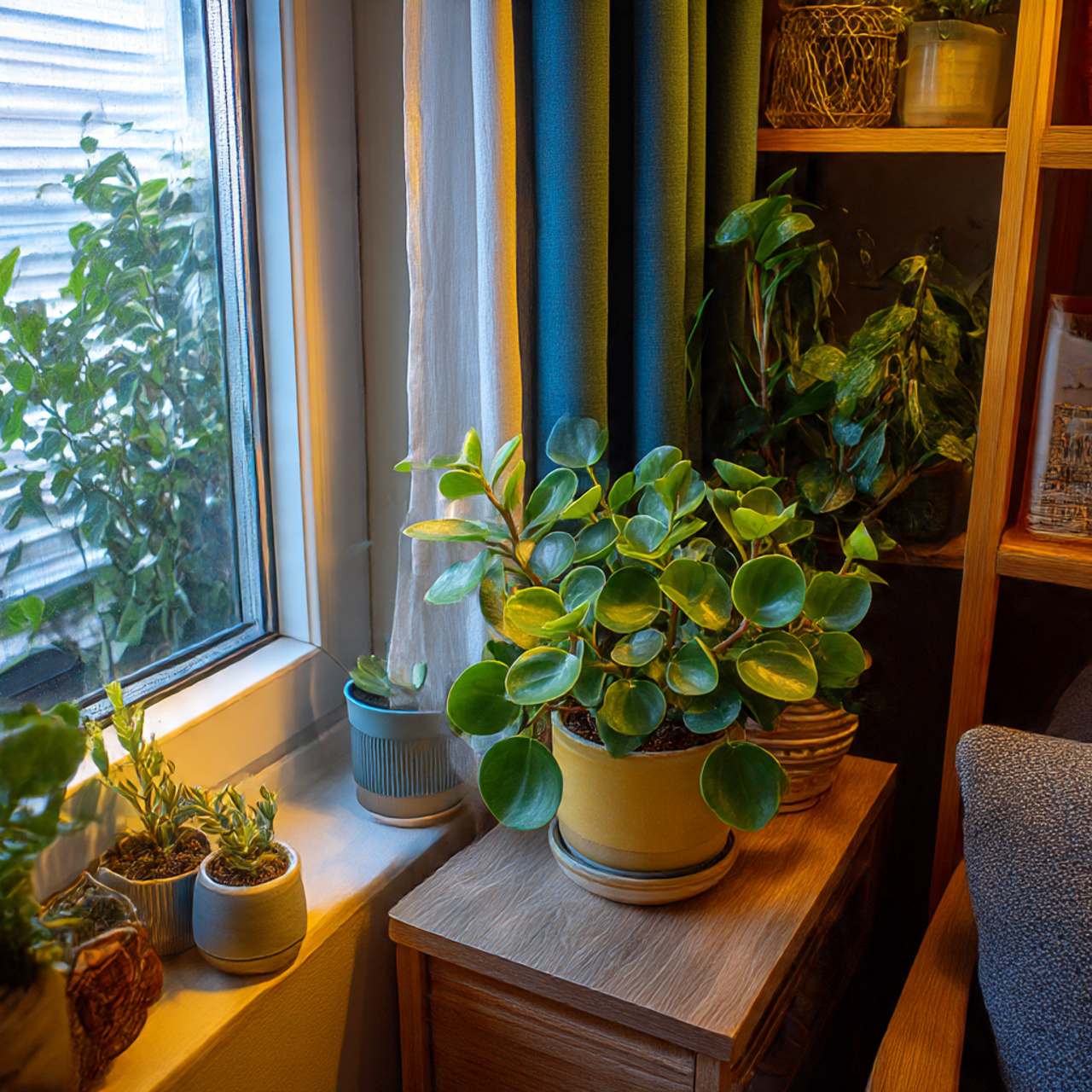
Transform an unused corner into a dedicated plant sanctuary by making peperomias the centerpiece. Layer plants at different heights using plant stands, stools, or stacked books. Combine your peperomias with taller floor plants like dracaenas or palms to create vertical interest.
This dedicated plant zone becomes a focal point that draws attention and creates a sense of intentional design. It’s also easier to maintain plants when they’re grouped together—you can water them all during one session.
Lighting solution: If your chosen corner lacks natural light, add a stylish grow light overhead to ensure your plants receive adequate illumination.
Highlight Foliage with Small Decorative Containers
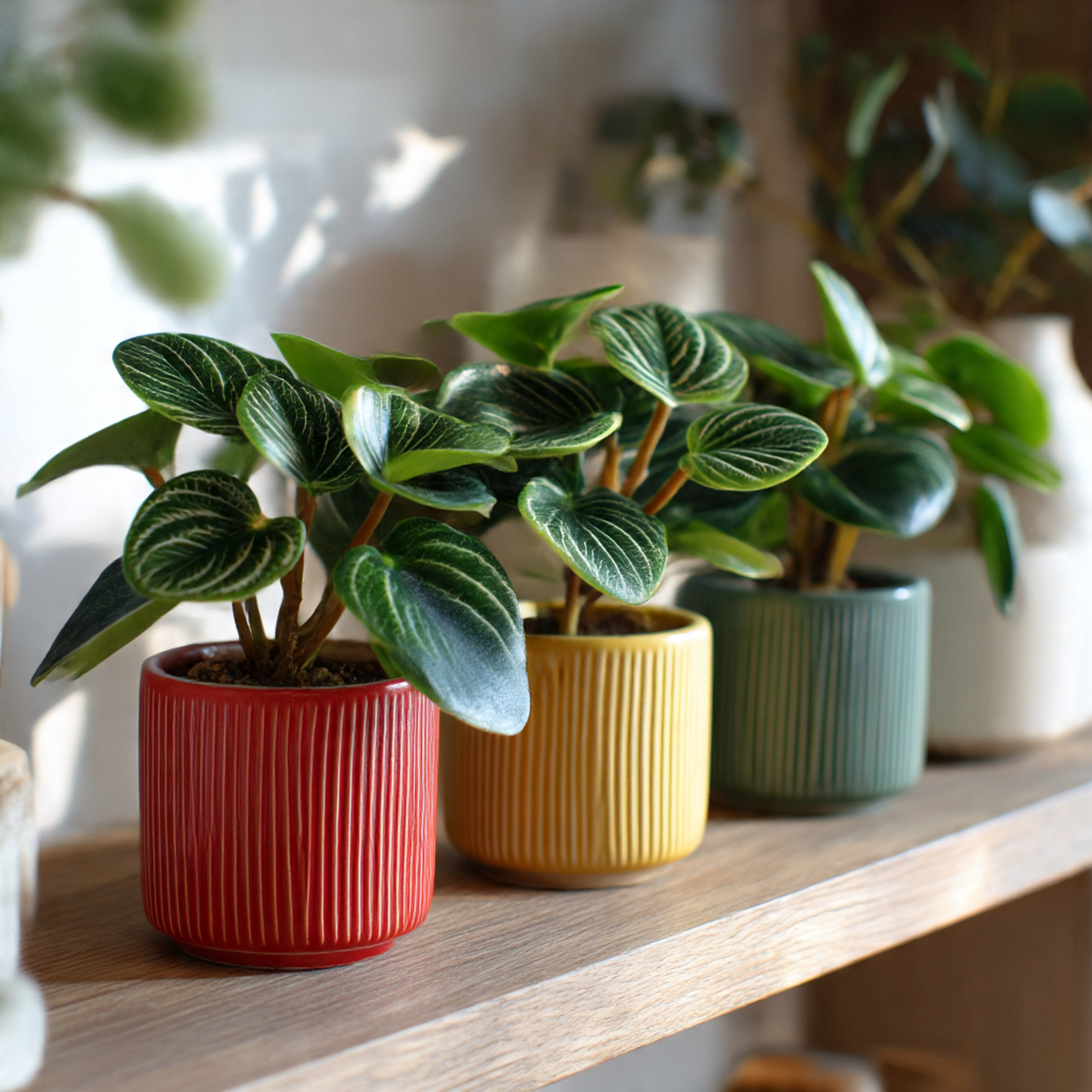
Sometimes the smallest details make the biggest impact. Tiny peperomias in 2-3 inch decorative pots become jewelbox plants that can be placed anywhere—on side tables, bathroom shelves, or even kitchen windowsills. Look for pots with unique glazes, interesting shapes, or artisanal details that complement the plant.
These mini displays are perfect for trying out new varieties without committing significant space. They’re also ideal for propagation graduates that you’ve grown from cuttings.
Pot selection: Ensure even tiny pots have drainage holes, or use them as decorative cache pots with a plastic grower’s pot inside.
Make Bold Statements with Vertical Wall Installations
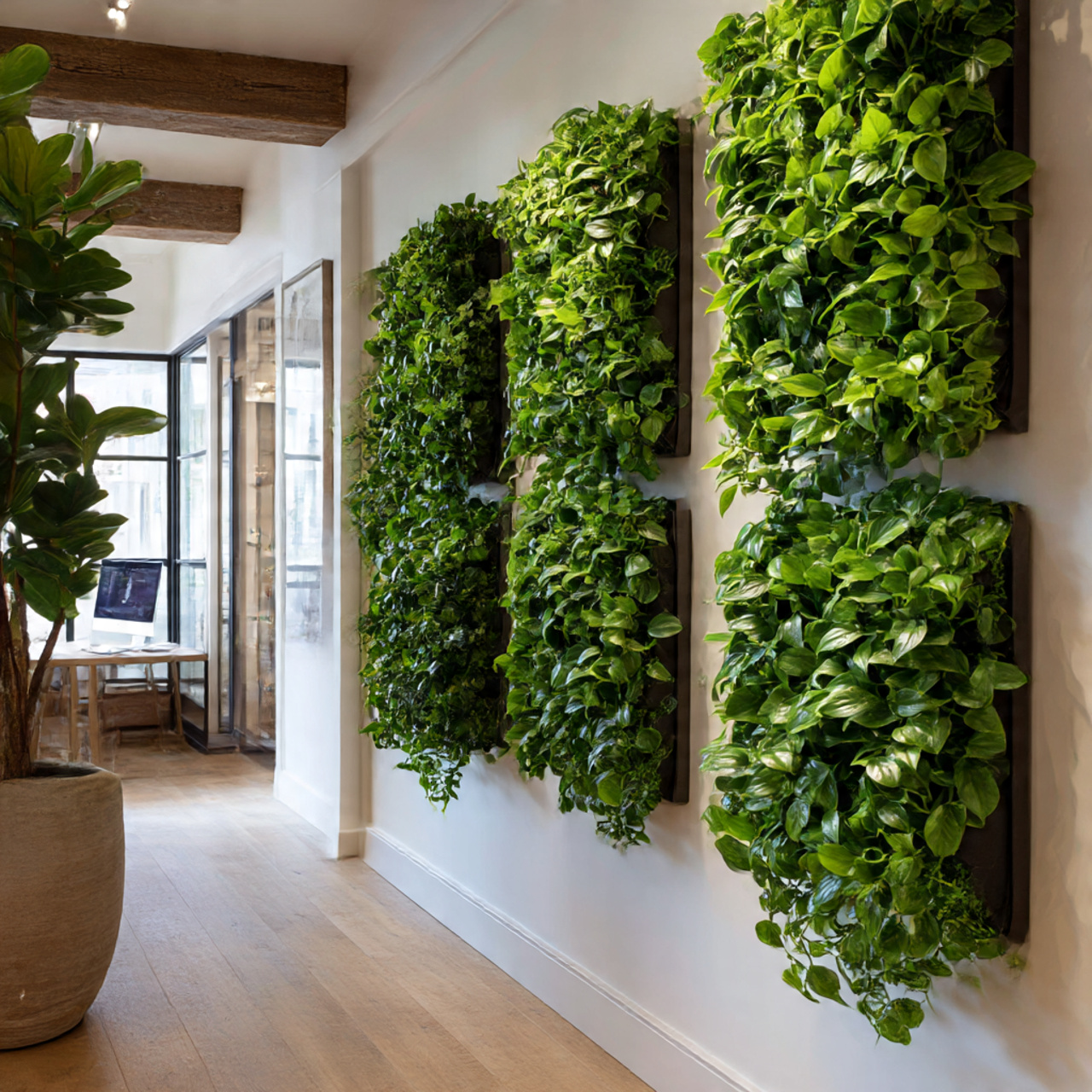
For the ultimate plant project, create a full vertical garden installation using modular wall panels designed specifically for plants. These systems allow you to cover significant wall space with living greenery, creating a stunning living wall feature. Peperomias work beautifully in these installations because their root systems are relatively shallow and compact.
This approach works best in homes with good natural light or where you can install supplemental grow lighting. The result is a dramatic, Instagram-worthy feature wall that purifies air and adds natural beauty.
Tip: Start small with a test panel before committing to an entire wall—this lets you work out watering logistics and light requirements.
Master Essential Care Basics for Long-Term Success
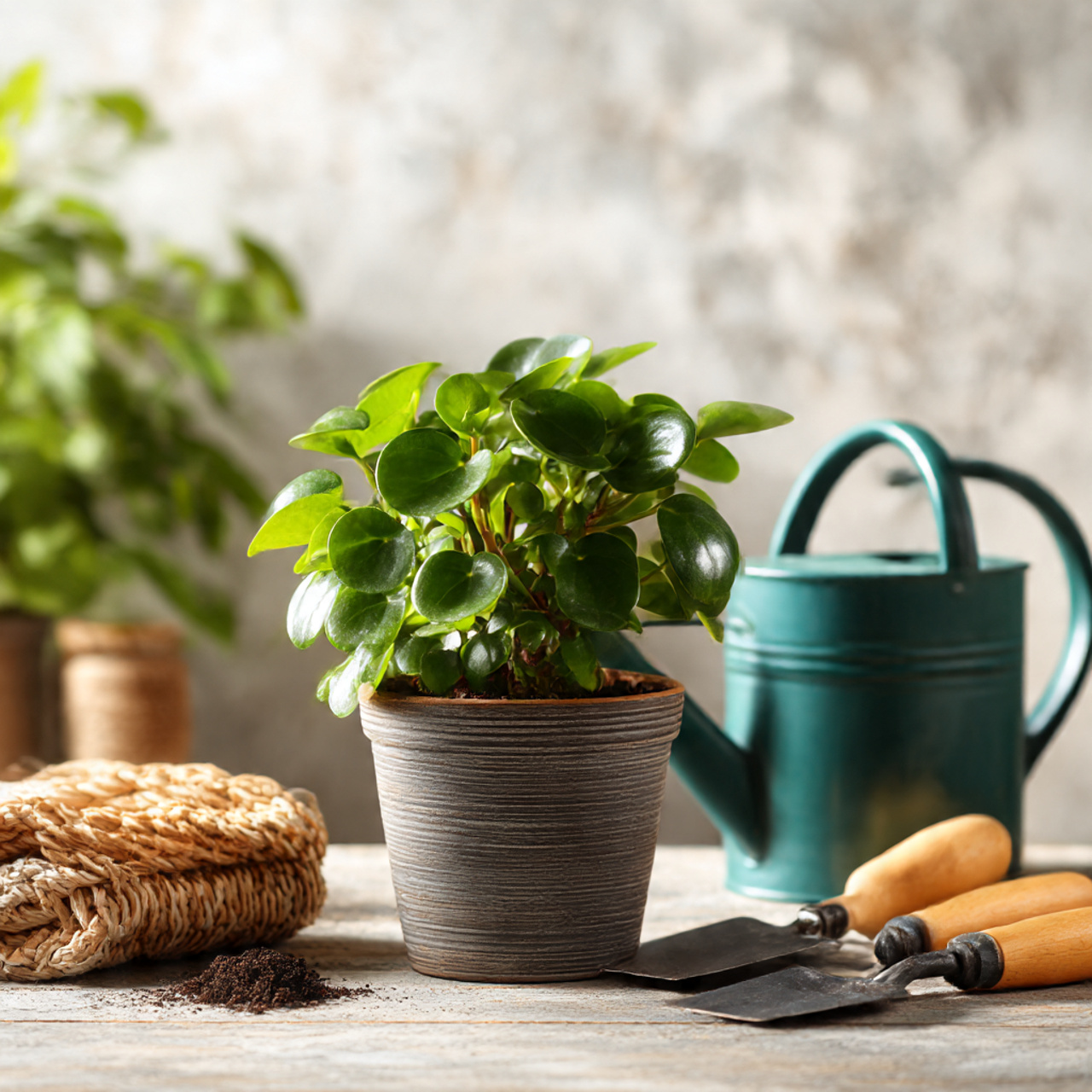
Success with peperomias comes down to understanding a few key principles. First, embrace the “less is more” watering philosophy—their thick leaves store water, so they prefer to dry out slightly between waterings. Stick your finger an inch into the soil; if it feels dry, it’s time to water.
Second, provide bright, indirect light. A spot near a window with filtered light is perfect. Direct sun can scorch leaves, while too little light leads to leggy, sparse growth. Third, use well-draining soil. A mix designed for succulents or orchids works well, or amend regular potting soil with perlite.
Troubleshooting guide: Yellow leaves usually indicate overwatering, while brown crispy edges suggest underwatering or low humidity. Adjust accordingly.
Propagating Peperomia Plant via Leaf Cuttings
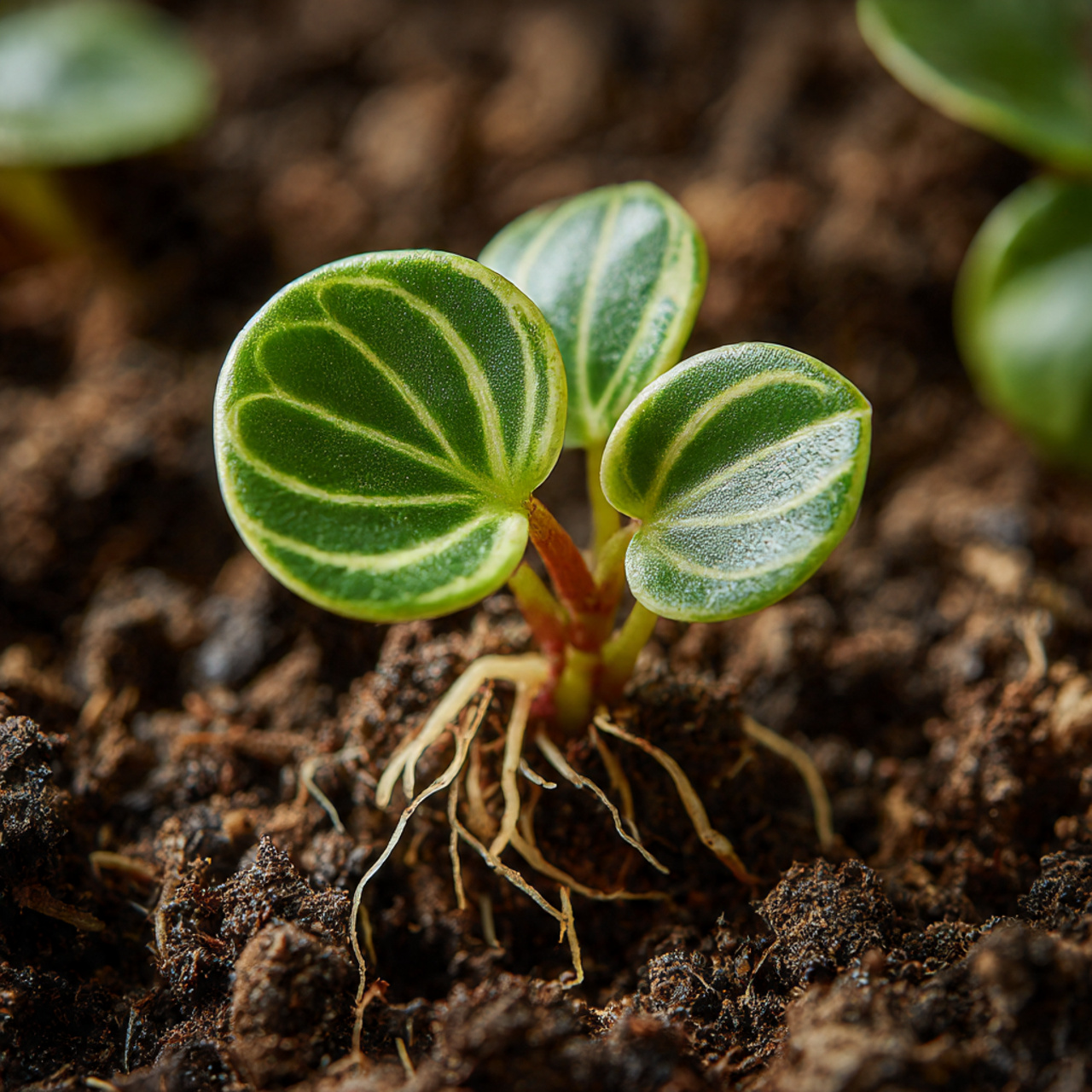
Propagation is incredibly satisfying and practically free. For most peperomias, you can propagate from a single leaf. Select a healthy, mature leaf and cut it at the base where it meets the stem. Plant it in moist, well-draining soil with about half the leaf buried, or place it in water until roots form.
Keep the soil consistently moist (not soggy) and provide bright, indirect light. In 4-6 weeks, you’ll notice new growth emerging—baby leaves sprouting from the base. Each successful propagation feels like a small victory and gives you plants to share with friends.
Success booster: Use a clear plastic bag or cloche over your propagation to maintain humidity, removing it once daily for air circulation.
Visit More: Watermelon Peperomia
Frequently Asked Questions
Q1: How often should I water my Peperomia Plant?
A: Water moderately, allowing the top inch of soil to dry between waterings. Overwatering can lead to root rot.
Q2: Can Peperomia Plants grow in low light?
A: Yes, they tolerate low light but grow best in bright, indirect sunlight. Avoid harsh direct sunlight to prevent leaf burn.
Q3: How do I propagate Peperomia Plant?
A: Peperomia can be propagated via leaf or stem cuttings, either in soil or water, taking 2–4 weeks for roots to develop.
Q4: Are Peperomia Plants safe for pets?
A: Most Peperomia varieties are non-toxic to cats and dogs, making them safe for households with pets.
Q5: What soil is best for Peperomia Plant?
A: Well-draining potting soil with perlite or sand works best, preventing waterlogging and promoting healthy roots.
Final Thoughts
Peperomias truly deserve their reputation as ideal houseplants. Their adaptability, compact size, and stunning foliage make them suitable for virtually any space or skill level. Whether you’re creating an elaborate living wall, adding a single plant to your desk, or building a diverse collection, these versatile plants deliver beauty without demanding perfection.
These ideas we’ve explored demonstrate just how flexible peperomias can be in your home. Start with one or two varieties that speak to you, experiment with different display methods, and watch your confidence grow along with your plants. Before long, you’ll understand why plant enthusiasts can’t stop collecting these charming little beauties.
Remember, the best way to learn about peperomias is through hands-on experience. Don’t be afraid to try new things, and view any setbacks as learning opportunities rather than failures. Your peperomia journey is uniquely yours—embrace it, enjoy it, and watch your spaces transform with natural beauty.