24 Creative Flower Garden Ideas That Will Make Your Garden Bloom
Your flower garden is more than just dirt and petals—it’s your personal outdoor sanctuary where creativity blooms alongside nature. Whether you’re working with a spacious backyard or a cozy balcony, the right design approach can turn any space into a stunning floral retreat that reflects your unique style.
In this guide, we’ll explore innovative and practical flower garden ideas that work for everyone, from first-time gardeners to green-thumbed enthusiasts. Let’s dive into transforming your outdoor space into something truly special.
Why Creative Flower Garden Design Matters
Think of your flower garden as a living canvas. The magic happens when you thoughtfully combine colors, textures, and plant structures to create visual harmony. A well-planned garden doesn’t just look beautiful—it attracts butterflies and bees, provides a peaceful escape from daily stress, and gives you a rewarding hobby that connects you with nature.
The best part? You don’t need expensive materials or professional help to create something amazing. With the right ideas and a bit of planning, you can design a garden that makes your neighbors stop and stare.
Build Depth with Layered Flower Beds
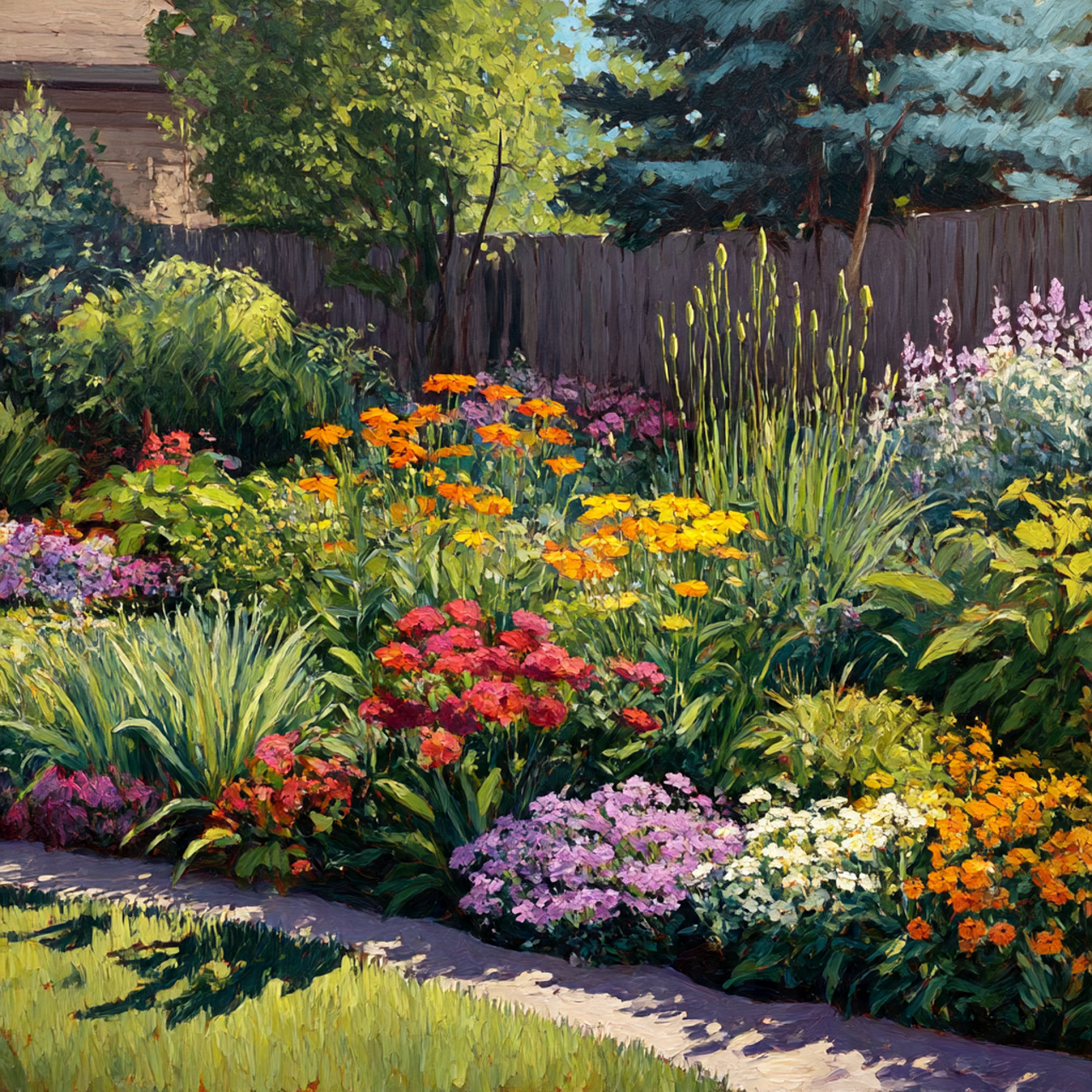
The Strategy: Place your tallest flowers at the back and gradually work down to shorter blooms in front. This simple technique creates incredible visual depth that makes even small gardens look expansive and professionally designed.
Tip: Mix perennials (plants that come back year after year) with annuals (one-season bloomers) to ensure constant color throughout the growing season. Try pairing tall hollyhocks or delphiniums in the back row with medium-height coneflowers in the middle, finishing with low-growing petunias or sweet alyssum up front.
Why It Works: Layering prevents taller plants from hiding shorter ones, ensures every plant gets appropriate sunlight, and creates natural pathways through your garden that make maintenance easier.
Vertical Flower Gardens for Small Spaces
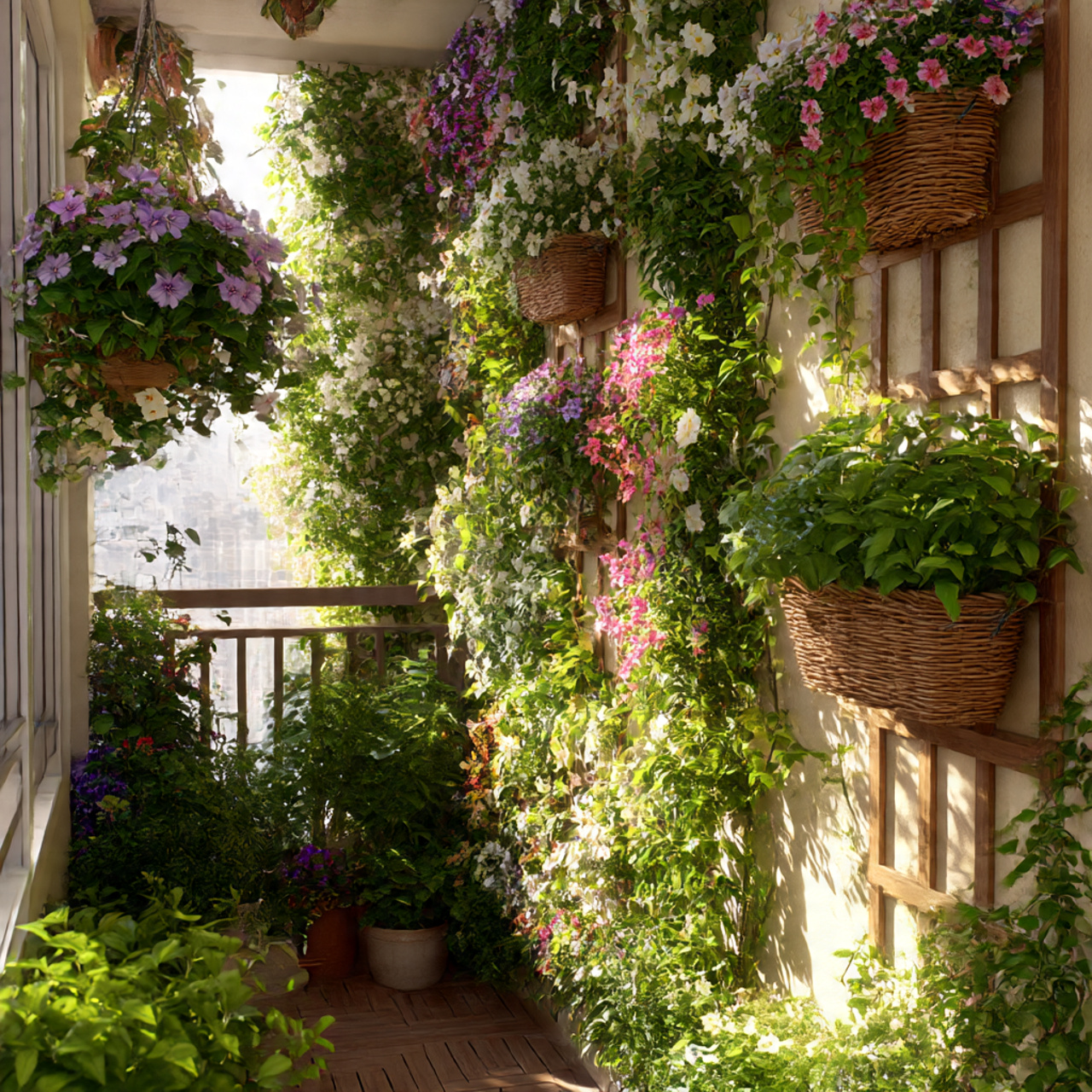
Perfect For: Apartment balconies, small patios, and urban gardens where ground space is precious.
The Approach: Use wall-mounted planters, sturdy trellises, or hanging baskets to grow flowers upward instead of outward. This technique lets you pack in plenty of blooms without sacrificing floor space.
Smart Plant Choices: Climbing roses, morning glories, and clematis work beautifully on trellises, while trailing petunias, lobelia, and ivy geraniums cascade gorgeously from hanging baskets.
Design: Create a living wall by arranging multiple wall planters in an artistic pattern—mix different colors and flower types at varying heights for a stunning vertical display that becomes an instant conversation starter.
Create Drama with Color-Themed Gardens
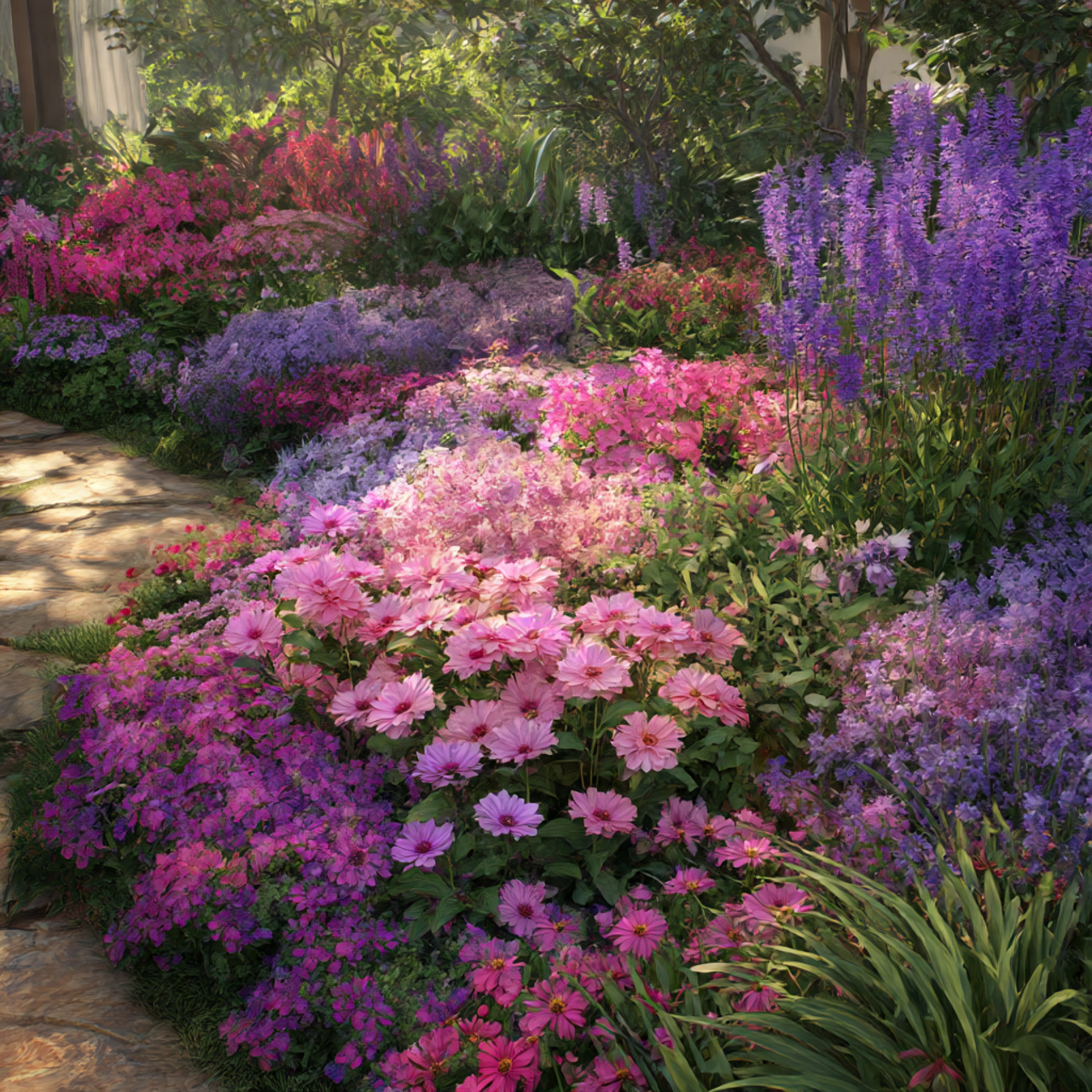
The Concept: Design your entire garden around a single color palette or complementary color combinations for a cohesive, magazine-worthy look.
Popular Themes:
- All-White Garden: Creates an elegant, sophisticated feel using white roses, daisies, and gardenias
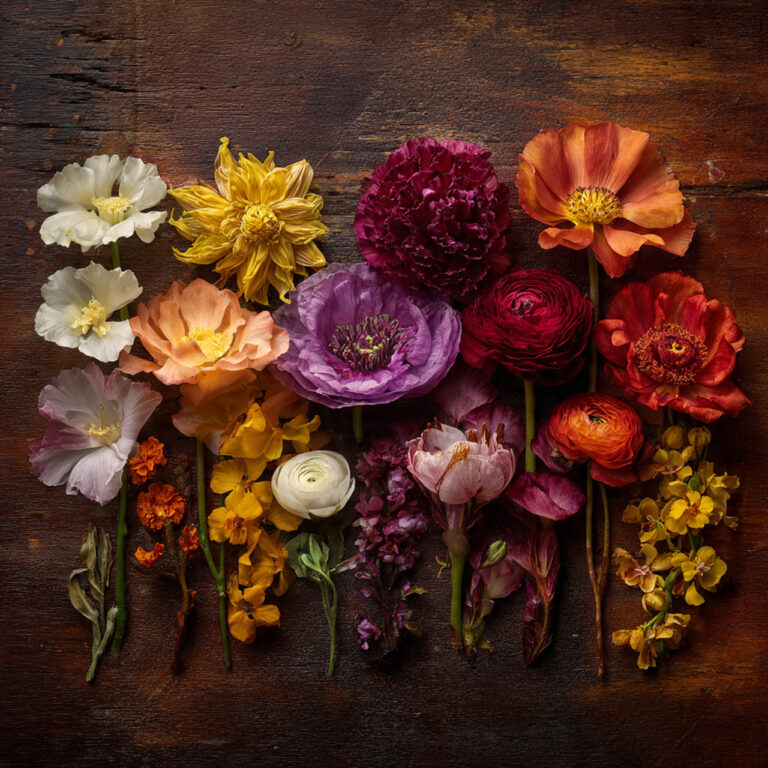
- Sunset Garden: Combines warm oranges, reds, and yellows with marigolds, zinnias, and dahlias
- Cool Blues and Purples: Features lavender, delphiniums, and salvia for a calming atmosphere
- Hot Pink Paradise: Uses petunias, cosmos, and phlox for bold, energetic vibes
Insider Tip: Add plants with contrasting foliage colors (like silver dusty miller or dark purple heuchera) to make your chosen flower colors pop even more dramatically. Rotate seasonal blooms to keep your color theme fresh year-round.
Welcome Nature with Butterfly and Pollinator Gardens
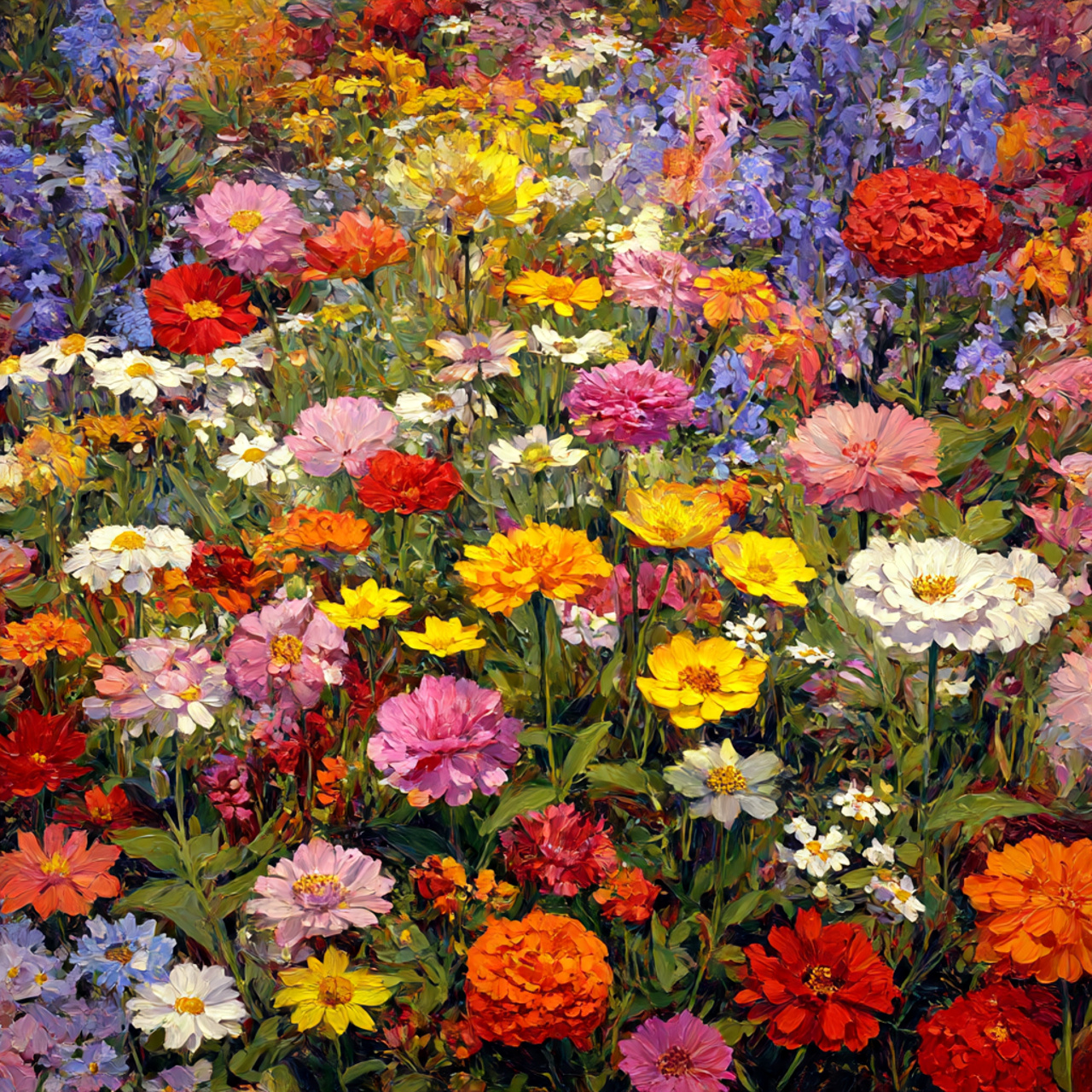
Why This Matters: Pollinators like bees and butterflies are essential for healthy ecosystems, and creating a garden that welcomes them benefits both nature and your own flower production.
Must-Have Plants: Include nectar-rich flowers like purple coneflowers, black-eyed Susans, bee balm, zinnias, and native milkweed. Herbs like basil, oregano, and mint double as pollinator magnets and kitchen ingredients.
Special Addition: Place a shallow dish with pebbles and water to give butterflies and bees a safe drinking spot.
The Reward: You’ll enjoy watching colorful butterflies dance through your garden while knowing you’re supporting local wildlife. Plus, pollinator-friendly gardens require less maintenance since these beneficial insects help keep pest populations in check naturally.
Embrace Charm with Cottage-Style Gardens
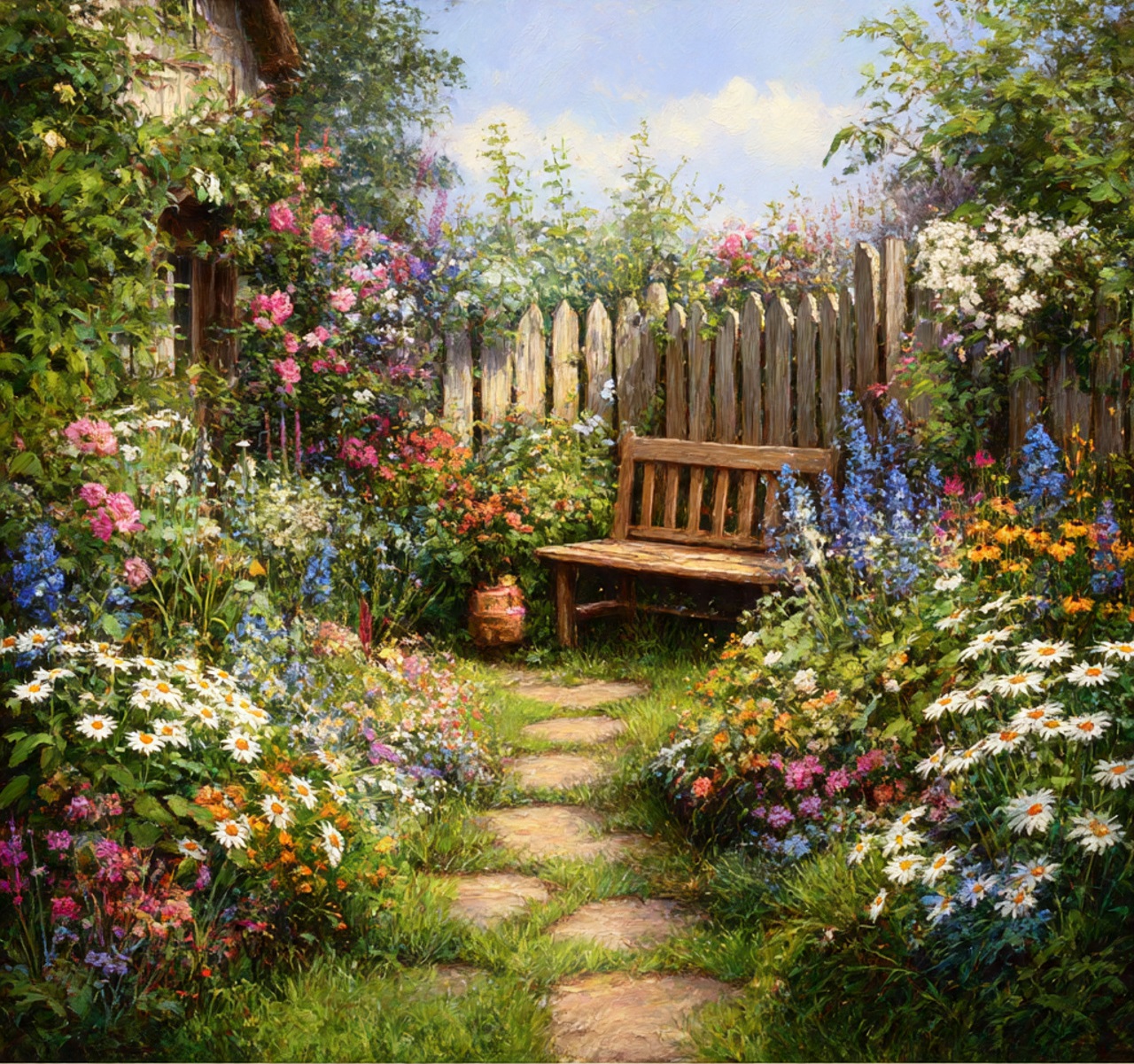
The Vibe: Think romantic, slightly wild, and absolutely enchanting—like stepping into a storybook illustration.
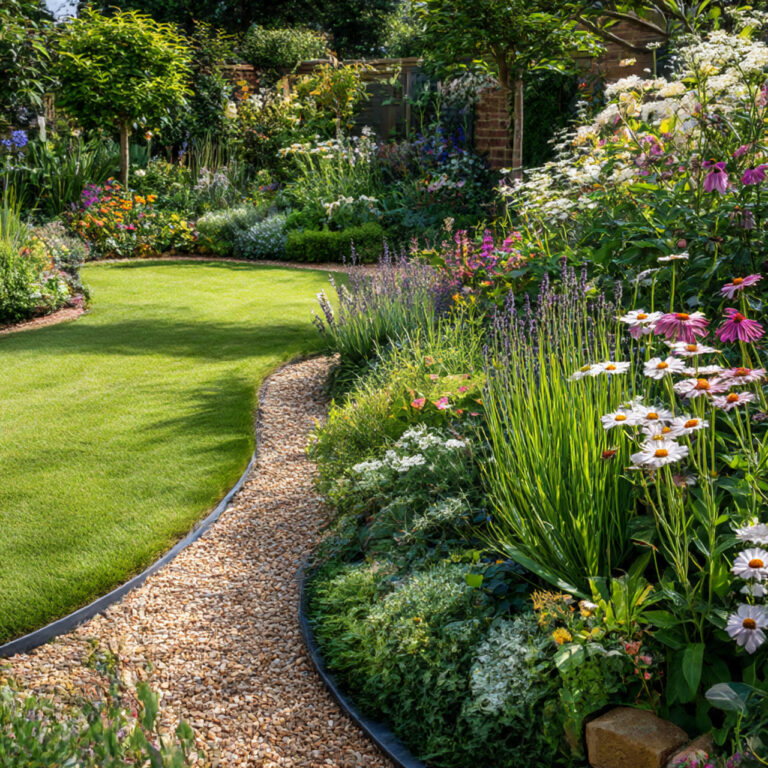
Signature Elements: Mix traditional favorites like roses, lavender, delphiniums, foxgloves, and daisies in seemingly random (but actually thoughtful) combinations. Let plants spill over pathways and intertwine naturally.
Decorative Touches: Add weathered wooden benches, vintage watering cans, rustic birdhouses, and charming garden signs to enhance the nostalgic appeal.
Freedom Factor: The beauty of cottage gardens is that there are no strict rules—imperfection is part of the charm. Experiment with plant combinations, let some self-seed naturally, and enjoy the relaxed, abundant feel.
Add Structure with Rock and Alpine Gardens
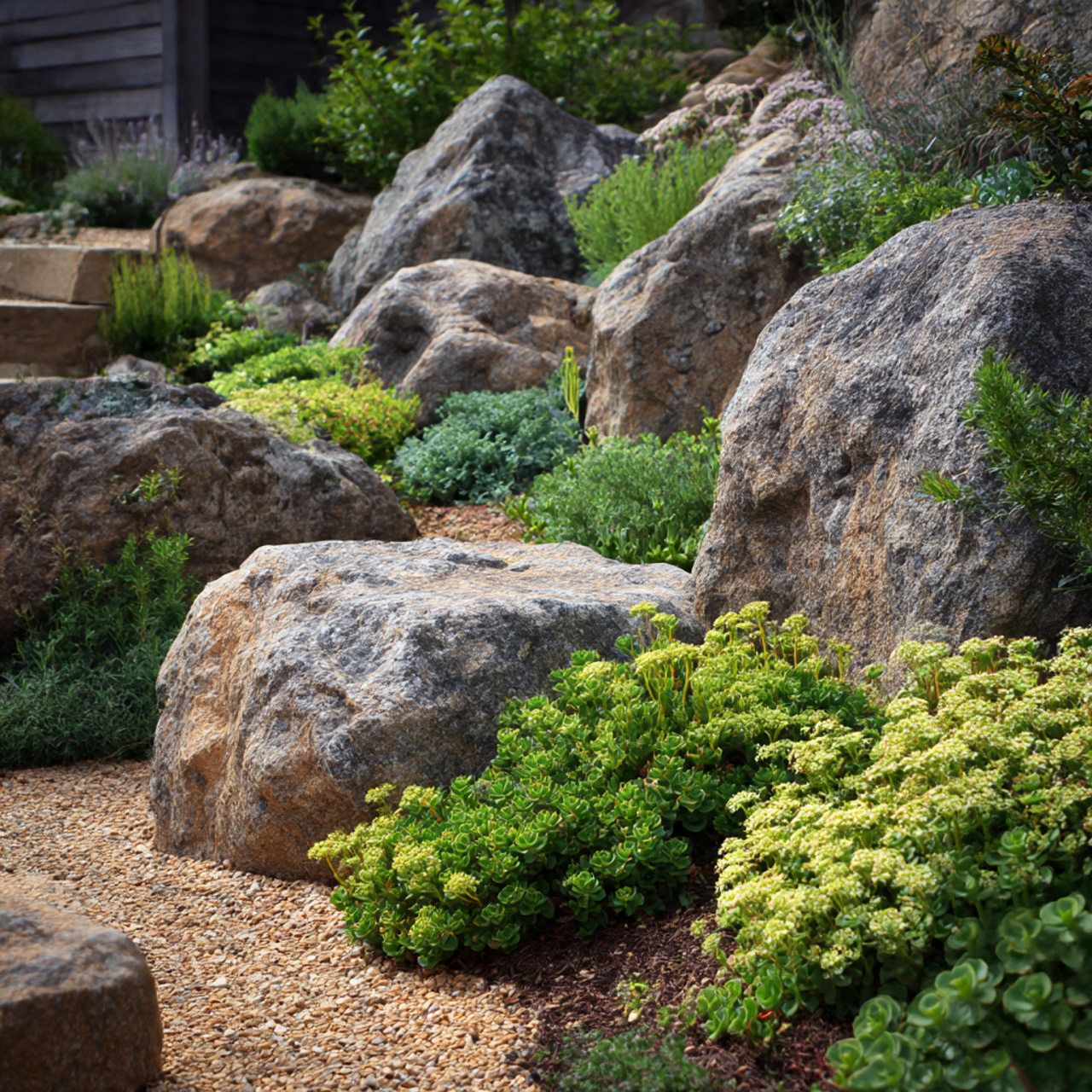
Best For: Sloped yards, areas with poor soil, or gardeners who love low-maintenance landscaping with architectural interest.
Design Elements: Arrange various sizes of rocks, stones, and gravel to create microhabitats that provide excellent drainage. Tuck small, hardy flowers between and around the stones.
Ideal Plants: Alpine flowers like creeping phlox, sedums, hen-and-chicks, saxifrage, and rock cress thrive in these conditions and require minimal water once established.
Visual Impact: The contrast between rugged stone textures and delicate blooms creates striking visual balance. This style works exceptionally well in modern or minimalist landscape designs.
Embrace Flexibility with Container Gardens
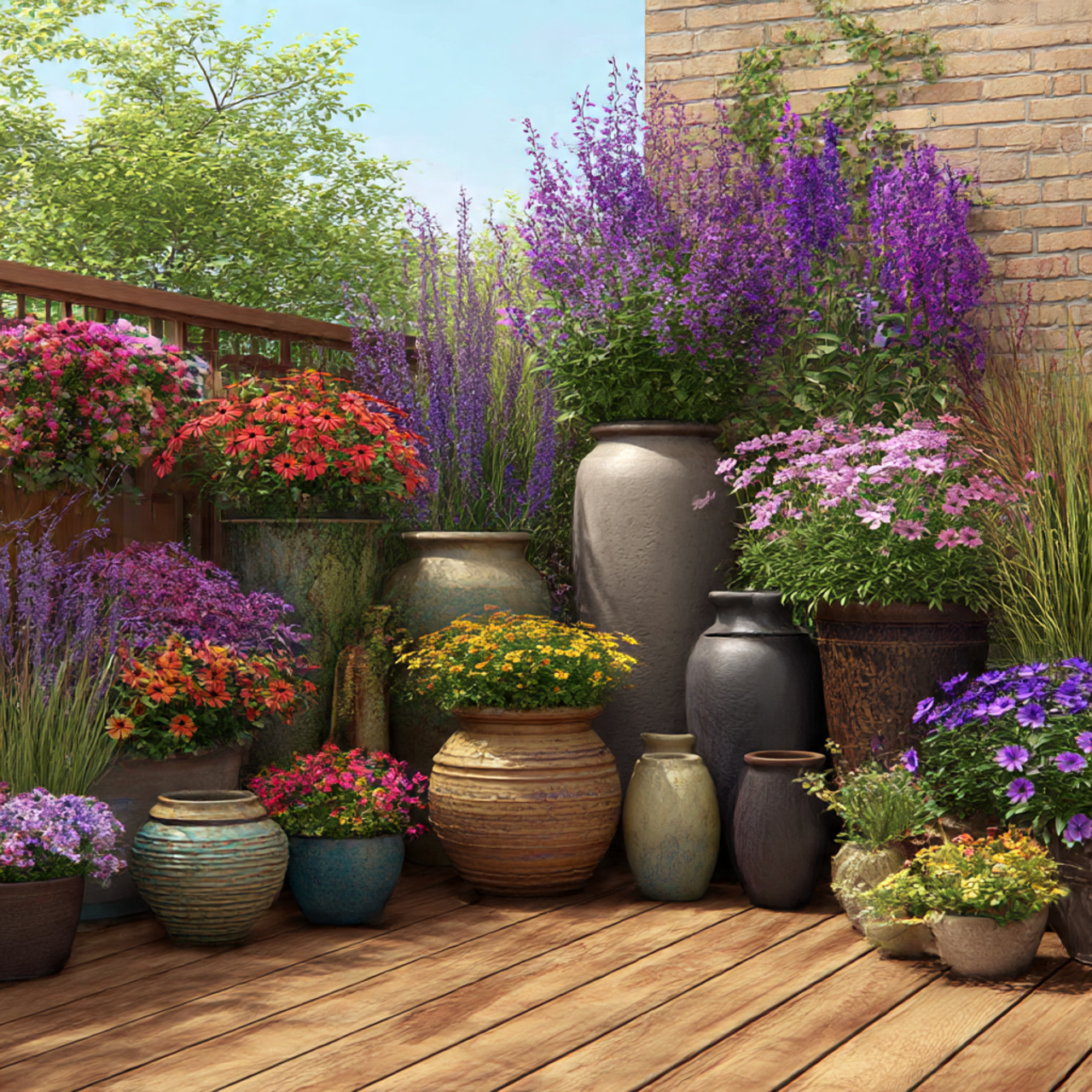
Why Container Gardening Rocks: You can rearrange your entire garden layout whenever inspiration strikes, move plants to follow the sun, and bring tender plants indoors before frost.
Container Creativity: Mix and match pot sizes, materials, and heights. Try clustering three or five containers of different sizes together for a professional designer look. Use vintage buckets, wooden crates, ceramic pots, or even repurposed items for unique character.
Planting Strategy: Combine flowers with different growth habits in each container—use the “thriller, filler, spiller” method with one tall centerpiece plant, medium-height filler flowers, and trailing plants that cascade over the edges.
Beginner Bonus: Containers are forgiving since you control the soil quality, drainage, and placement. They’re also easier to weed and maintain than traditional garden beds.
Invite Tranquility with Water Feature Gardens
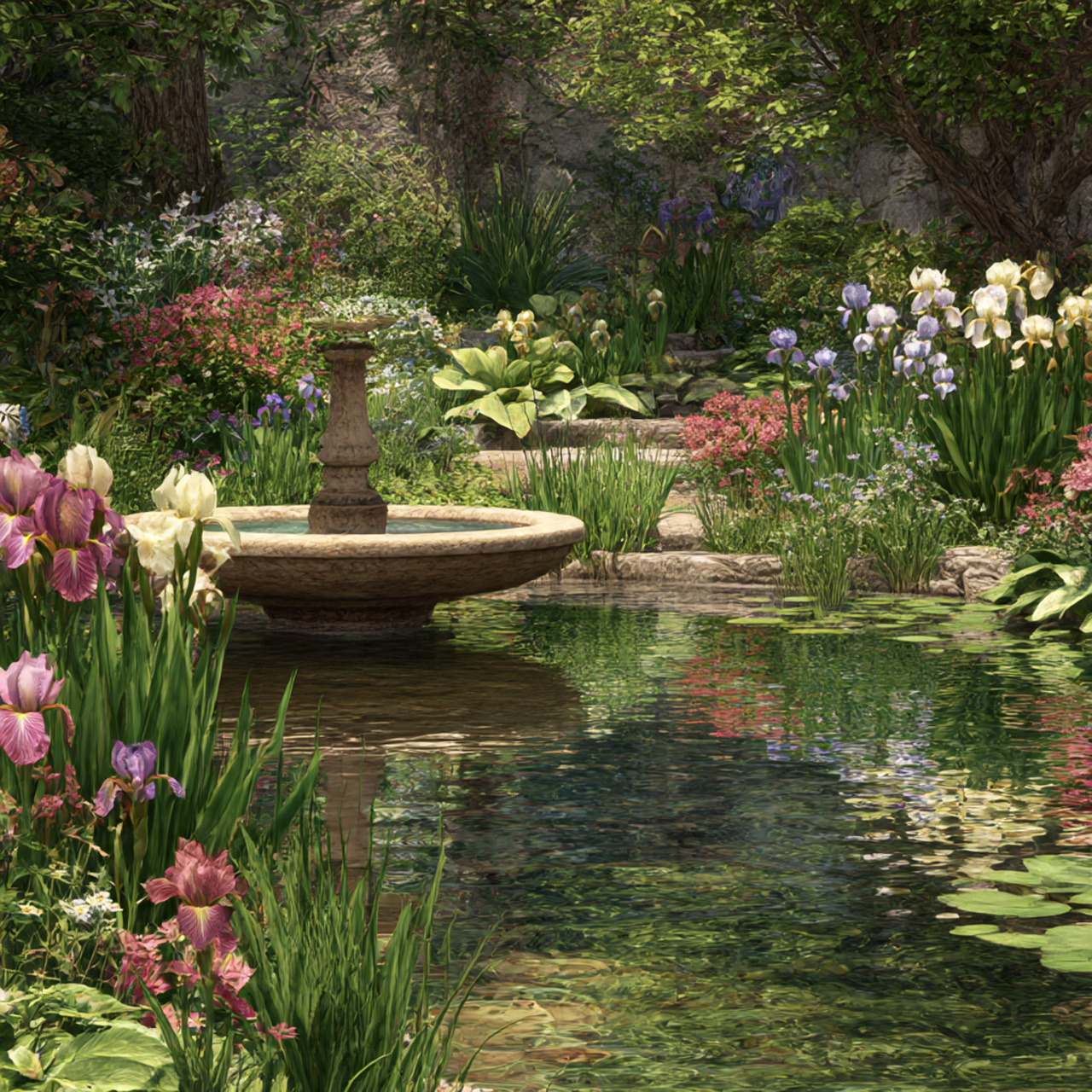
The Enhancement: Adding a fountain, small pond, or even a simple birdbath surrounded by flowers creates a multisensory experience that transforms your garden into a peaceful retreat.
Water-Loving Plants: Surround your water feature with moisture-loving beauties like Japanese iris, cardinal flower, marsh marigolds, and hostas. These plants naturally thrive in damper conditions.
Added Benefits: Water features attract birds for natural entertainment, the sound of trickling water masks urban noise, and reflective surfaces make surrounding flowers look even more vibrant.
Maintenance Note: Start small with a self-contained fountain that requires minimal upkeep before committing to larger water installations.
Find Peace with Zen-Inspired Gardens
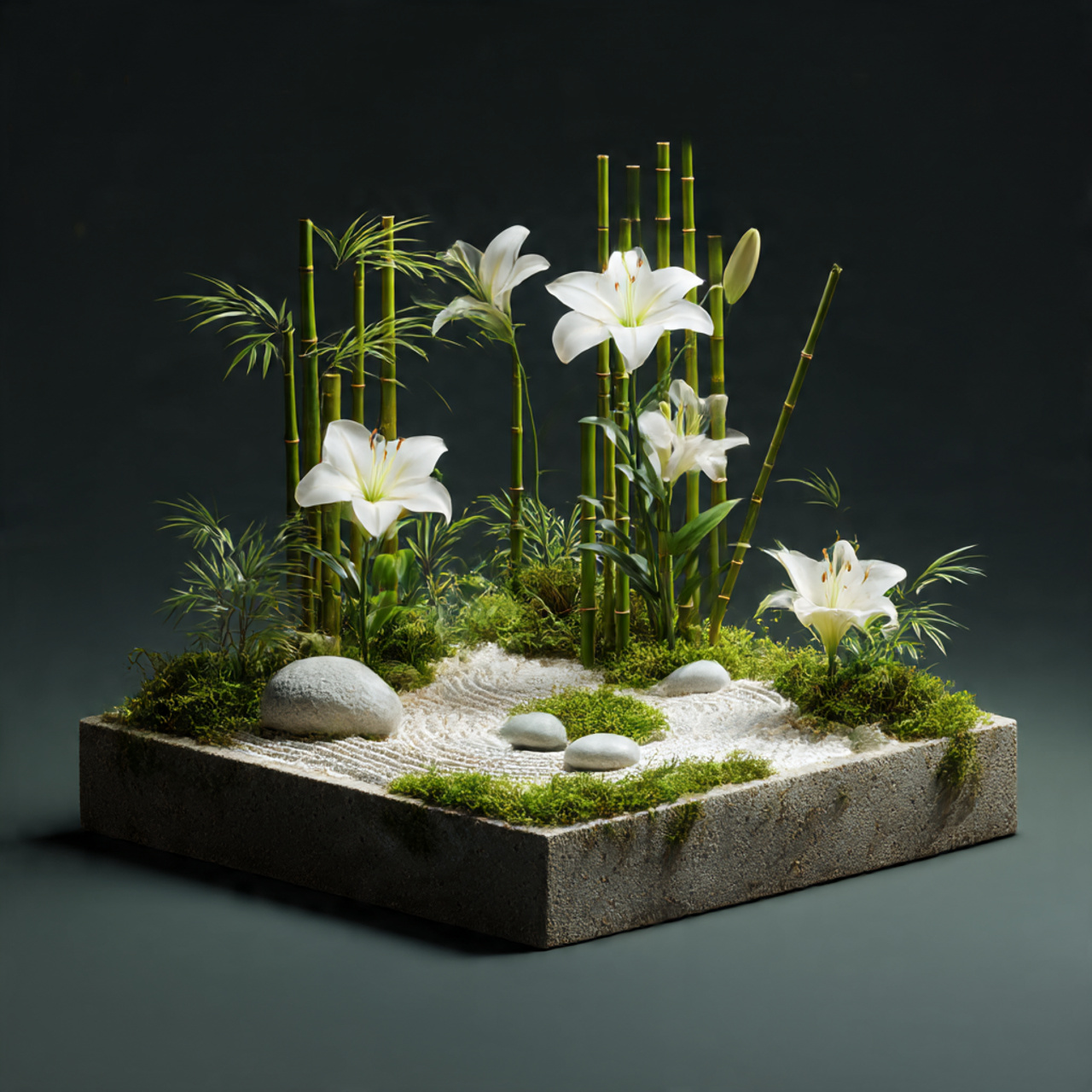
The Philosophy: Less is more. Zen gardens focus on simplicity, balance, and creating space for meditation and mindfulness.
Design Principles: Use minimalist flower arrangements with plenty of negative space. Incorporate gravel, carefully placed rocks, bamboo elements, and a limited color palette—think whites, soft pastels, and greens.
Flower Choices: White lilies, cherry blossoms, Japanese anemones, and mossy ground covers work beautifully. Keep plantings understated and intentional.
The Purpose: This garden style offers a calming counterbalance to our busy lives—a place where you can sit, breathe, and simply be present.
Plan Smart with Seasonal Flower Rotations
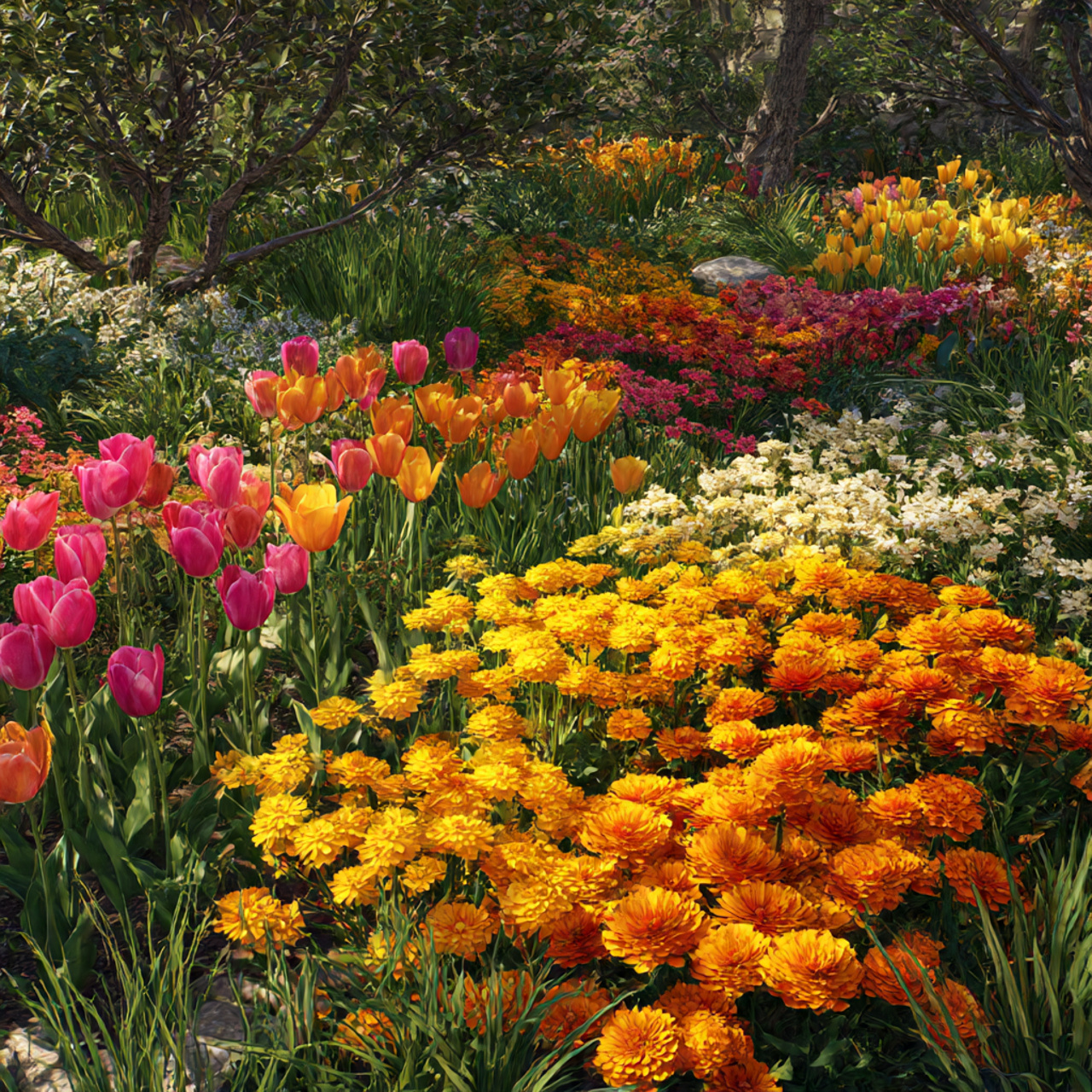
The Strategy: Design your garden so something is always blooming by planning for flowers that peak in different seasons.
Seasonal Lineup:
- Spring: Tulips, daffodils, crocuses, and hyacinths
- Summer: Petunias, marigolds, zinnias, and sunflowers
- Fall: Chrysanthemums, asters, and ornamental kale
- Winter: Pansies, hellebores, and evergreen shrubs for structure
Smart Planning: Map out your garden on paper first, noting which plants bloom when. This prevents color gaps and ensures year-round interest.
The Payoff: Instead of a garden that looks amazing for six weeks then fades, you’ll enjoy continuous color, fragrance, and visual appeal from early spring through late fall (or year-round in milder climates).
Go Natural with Wildflower Meadows
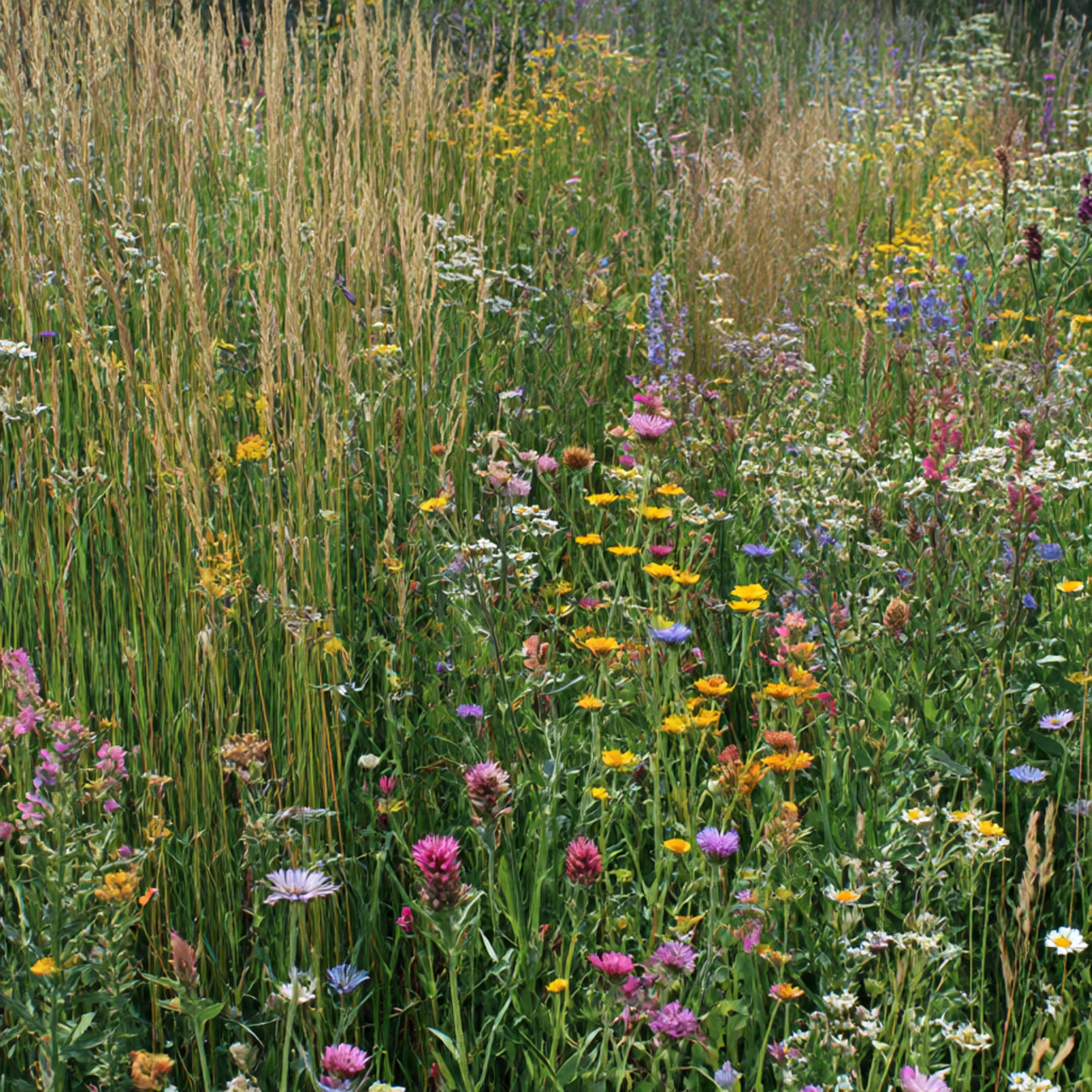
The Appeal: Wildflower meadows offer maximum beauty with minimum effort—perfect for larger areas or gardeners seeking a more natural, ecological approach.
How to Create One: Choose a sunny spot, remove existing grass, scatter native wildflower seeds suited to your region, and let nature do most of the work. Popular choices include poppies, cornflowers, black-eyed Susans, and cosmos.
Environmental Benefits: Wildflower meadows support diverse wildlife, require no fertilizers or pesticides, need infrequent mowing, and help prevent soil erosion.
The Look: You’ll get a romantic, free-flowing appearance that changes slightly each year as different species take turns dominating—like having a new garden annually with almost no effort.
Gain Control with Raised Bed Gardens
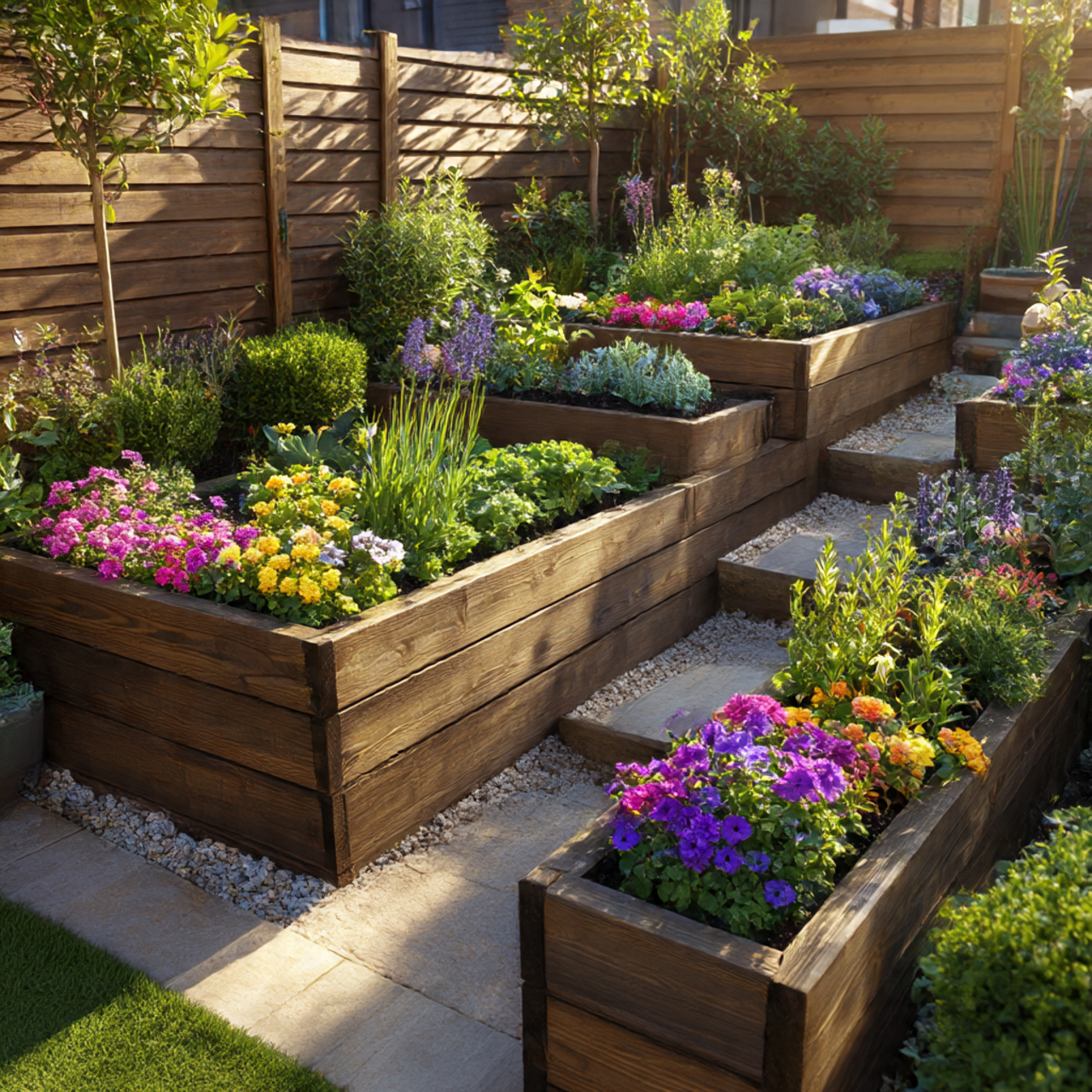
Why Raise Your Beds: Elevated planting areas make gardening easier on your back and knees, provide better drainage, warm up faster in spring, and let you control soil quality completely.
Construction Options: Build with cedar or redwood lumber, stack landscape stones, use corrugated metal for a modern look, or repurpose materials like concrete blocks.
Design Advantage: Create tiered raised beds at different heights for a terraced effect that adds architectural interest while showcasing flowers at multiple levels.
Problem Solver: Raised beds work wonders in yards with heavy clay soil, poor drainage, or contaminated ground—you simply fill them with premium soil mix.
Combine Beauty and Flavor with Edible Flower Gardens
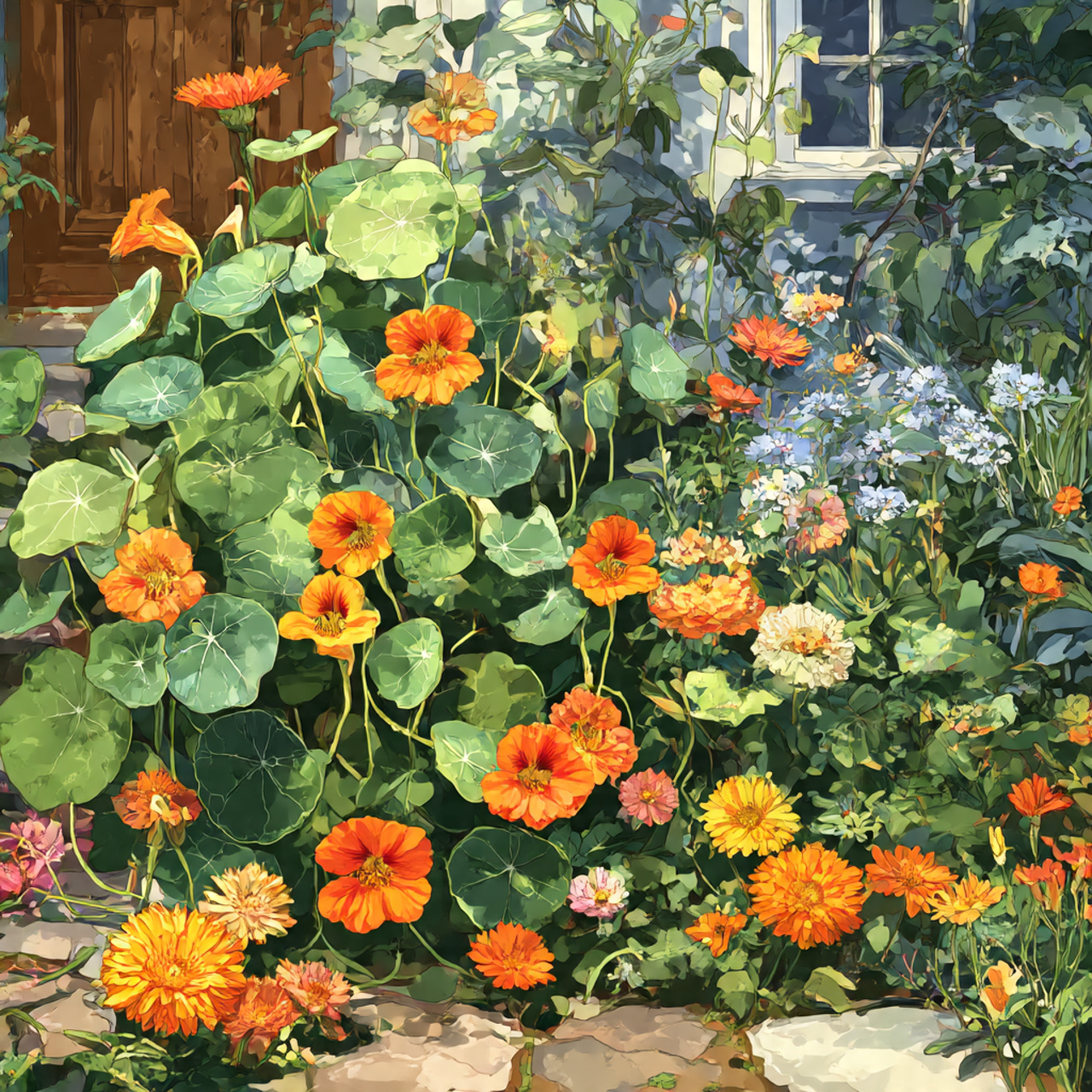
Double Duty Plants: Why not grow flowers you can actually eat? Edible blooms add vibrant color to your garden and unique flavors to your cooking.
Safe to Eat: Nasturtiums (peppery kick), pansies (mild and colorful), calendula (saffron-like), violets (sweet), and borage (cucumber flavor) are all edible and beautiful.
Culinary Uses: Toss colorful petals in salads, freeze in ice cubes for fancy drinks, decorate cakes, or infuse into vinegars and syrups.
Important Note: Only eat flowers specifically identified as edible, grow them organically without pesticides, and harvest from your own garden—never eat flowers from florists or garden centers as they may be treated with chemicals.
Transform Shade into Beauty
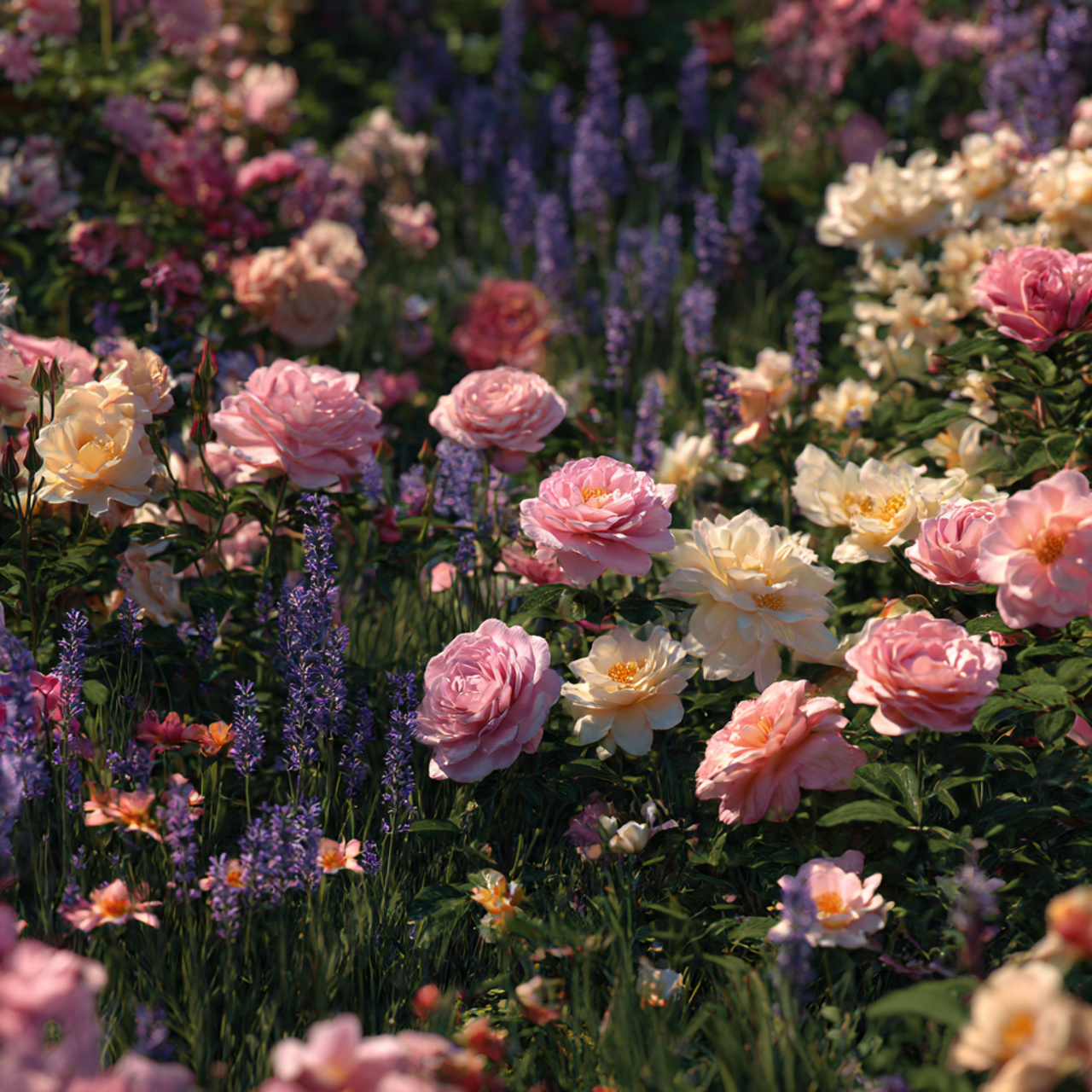
The Challenge Solved: Don’t let shady spots go to waste—many gorgeous flowers actually prefer less sun and will struggle in bright light.
Shade Champions: Hostas (amazing foliage varieties), impatiens (continuous blooms), begonias (vibrant colors), ferns (elegant texture), astilbe (feathery plumes), and bleeding hearts (romantic shape).
Design Strategy: Layer shade plants by height and leaf texture since flowers may be less abundant than in sunny gardens. Mix in plants with variegated or colorful foliage to maintain visual interest.
Lighting Enhancement: Add outdoor string lights or solar path lights to brighten shady garden corners in the evening and create a magical ambiance.
Engage All Senses with Fragrant Gardens
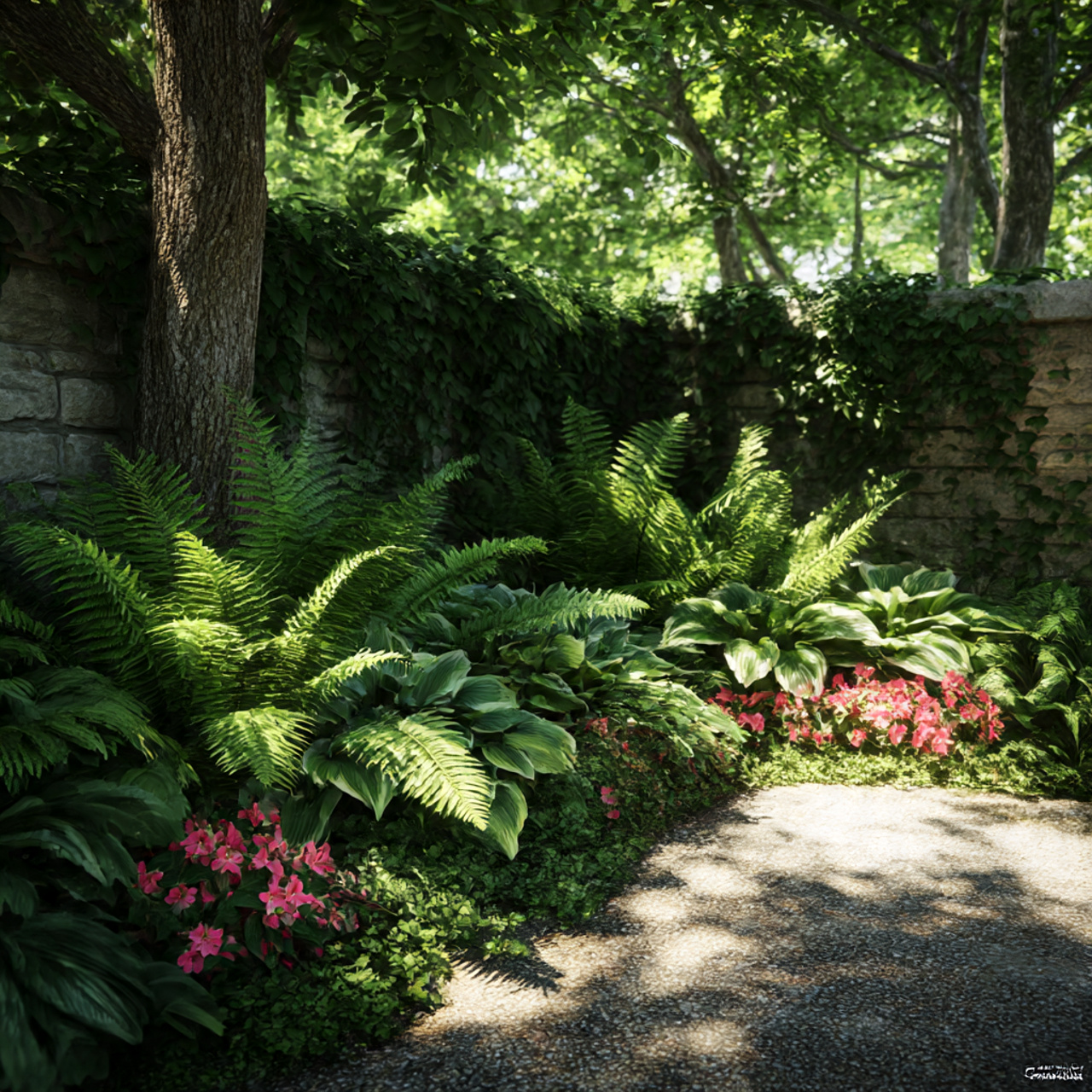
Beyond Visual Beauty: Scented flowers create immersive experiences that trigger memories and emotions while attracting beneficial pollinators.
Powerfully Fragrant Flowers: Roses (classic), gardenias (intoxicating), lavender (calming), jasmine (exotic), sweet peas (nostalgic), and lilacs (spring essence).
Strategic Placement: Plant fragrant flowers near seating areas, along frequently used pathways, around doorways, or beneath windows so you enjoy the scent both inside and out.
Timing Matters: Some flowers smell strongest at specific times—jasmine and nicotiana often release more fragrance in the evening, while roses peak midday. Layer different bloomers for continuous scent throughout the season.
Create Habitats with Butterfly Garden Corners
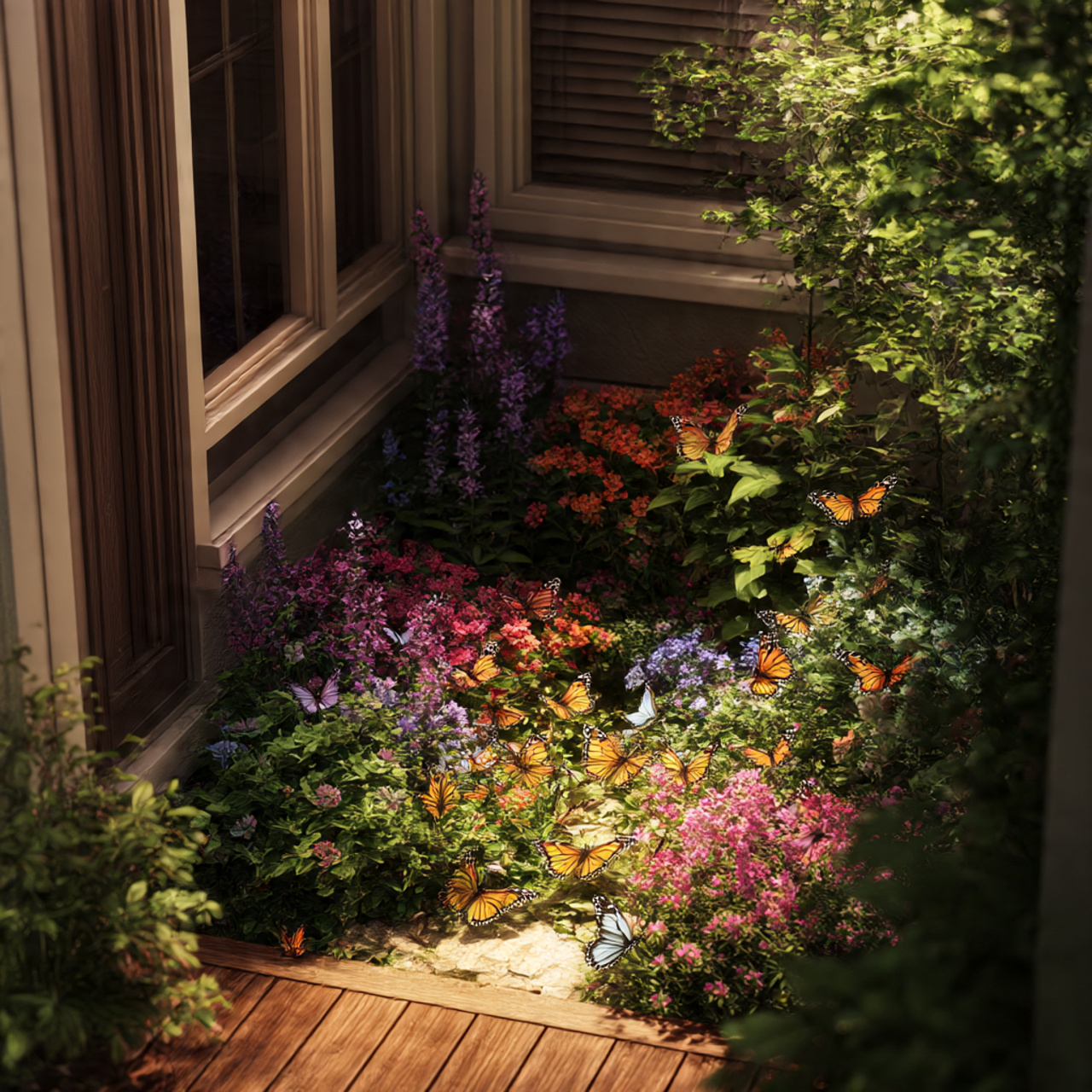
Dedicated Space: Set aside even a small corner specifically designed to attract and support butterflies through their entire lifecycle.
Essential Elements: Provide nectar flowers for adults (zinnias, lantana, butterfly bush), host plants for caterpillars (milkweed for monarchs, parsley for swallowtails), shallow water sources, and sunny basking spots.
Observation Opportunity: Place a small bench nearby where you can sit quietly and watch these beautiful insects—it’s surprisingly relaxing and educational, especially for children.
Conservation Impact: With butterfly populations declining, your small garden corner makes a real difference in supporting these important pollinators.
Add Drama with Hanging Flower Displays
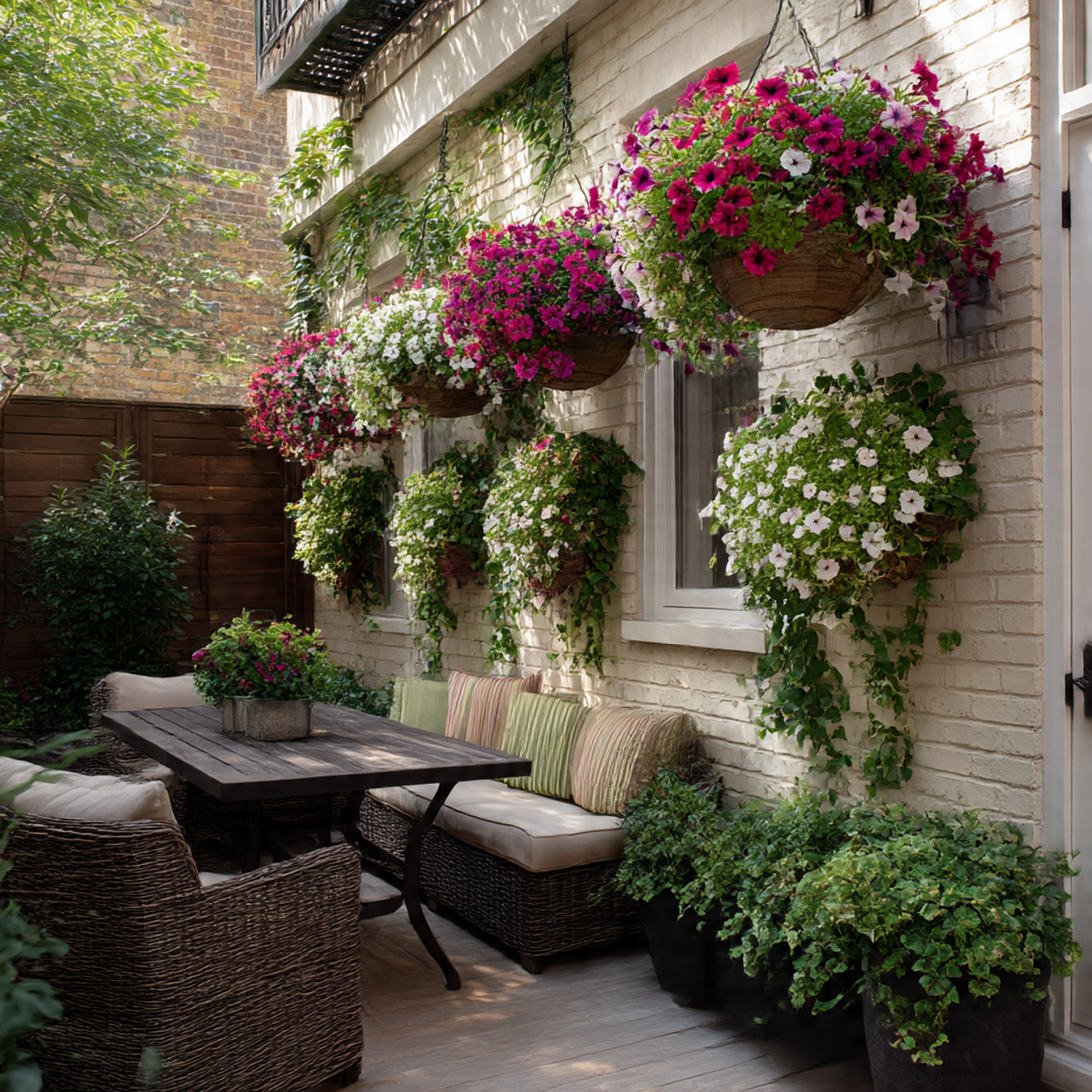
Vertical Interest: Hanging baskets draw the eye upward and make creative use of overhead space on porches, pergolas, and balconies.
Best Trailing Flowers: Petunias, lobelia, calibrachoa (million bells), ivy geraniums, and bacopa create stunning cascading displays that get fuller and more dramatic as the season progresses.
Hanging Tips: Use large baskets (at least 12-14 inches) for better moisture retention, install sturdy hooks that support the weight when soil is wet, and group baskets at varying heights for layered impact.
Maintenance: Hanging baskets dry out quickly—add water-retaining crystals to soil and check moisture daily during hot weather.
Guide with Garden Pathway Flowers
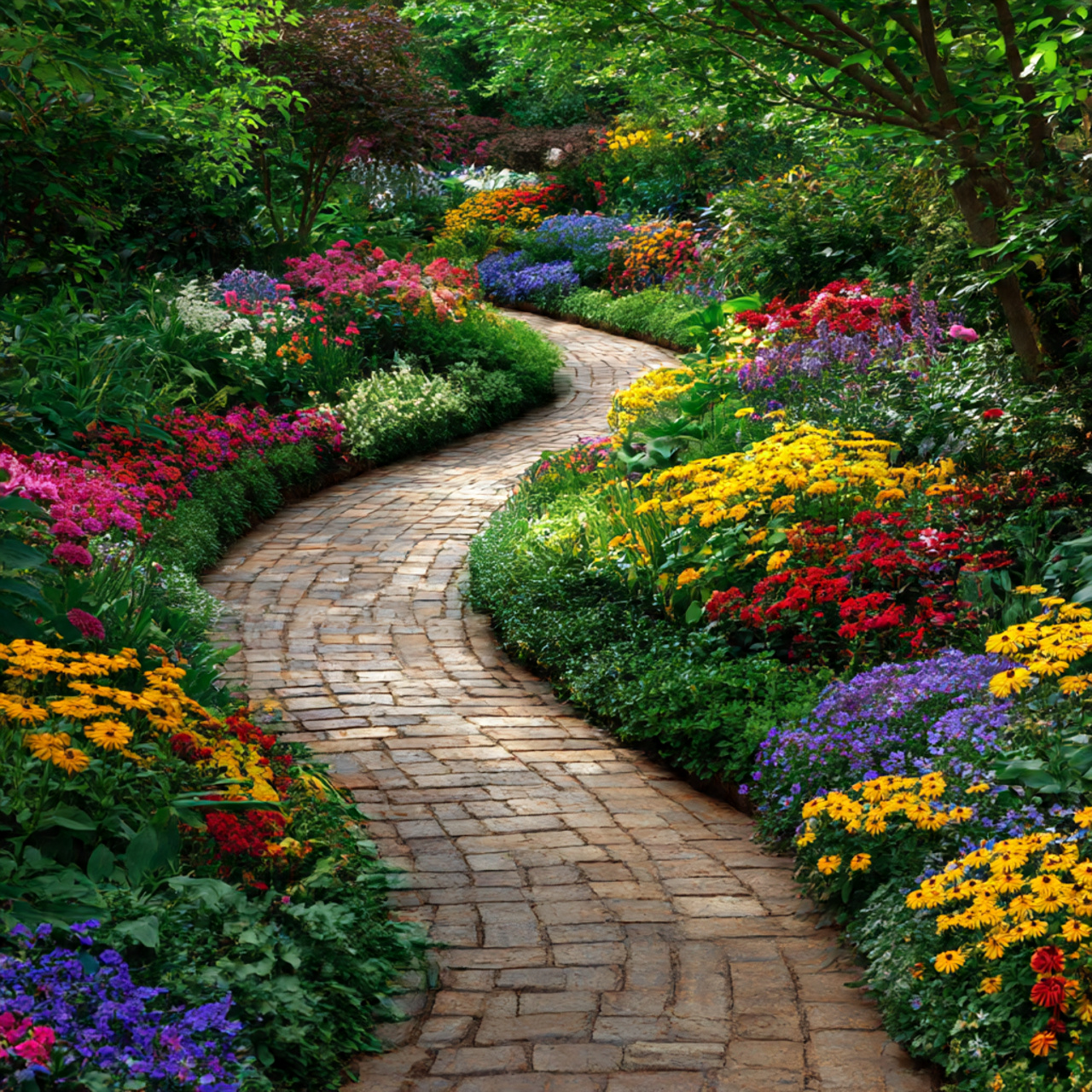
Dual Purpose Design: Lining walkways with flowers serves both practical and aesthetic purposes—guiding foot traffic while creating a beautiful journey through your garden.
Border Plants: Choose compact, resilient flowers that tolerate occasional brushing—try alyssum, dianthus, dwarf marigolds, or creeping thyme. For more formal looks, use boxwood or lavender for neat edges.
Design Flow: Pathway flowers create visual rhythm that leads visitors naturally through your garden, highlighting focal points and transitioning between different garden zones.
Practical Benefit: Well-defined flower borders keep people on paths and protect your main garden beds from accidental trampling.
Create Mystery with Woodland Gardens
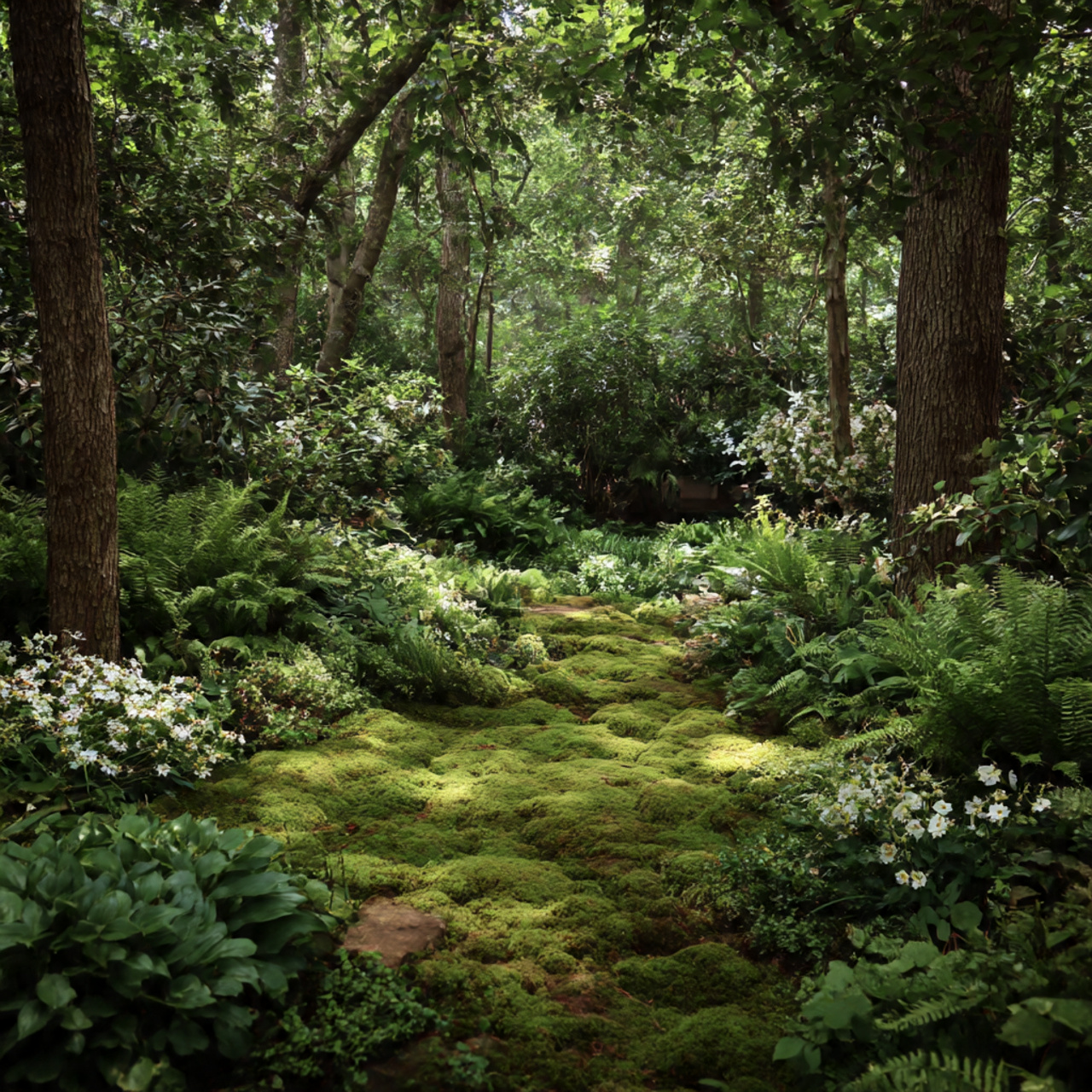
The Concept: Mimic natural forest floors with shade-tolerant plants, layered textures, and an intentionally wild appearance that feels like discovering a hidden woodland clearing.
Woodland Plants: Ferns, trilliums, Solomon’s seal, bloodroot, Virginia bluebells, and moss create authentic woodland atmosphere. Add in early spring bulbs that bloom before trees fully leaf out.
Natural Materials: Use fallen logs, tree stumps, and stone arrangements to create natural-looking features. Mulch with shredded bark or leaf mold to mimic forest floors.
Wildlife: Woodland gardens naturally attract birds, beneficial insects, and small mammals, creating a mini-ecosystem in your backyard.
Mix Textures with Succulent and Flower Combinations
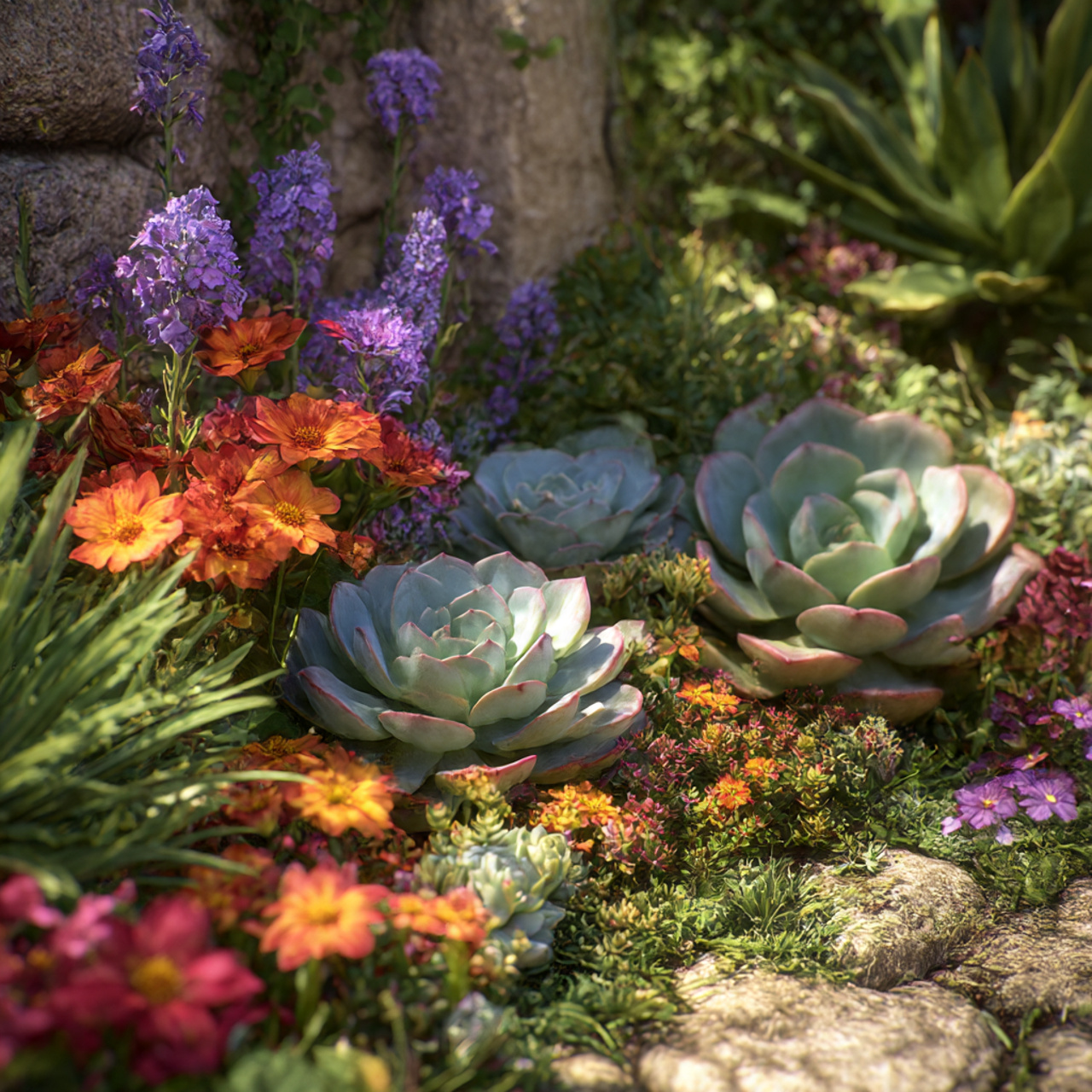
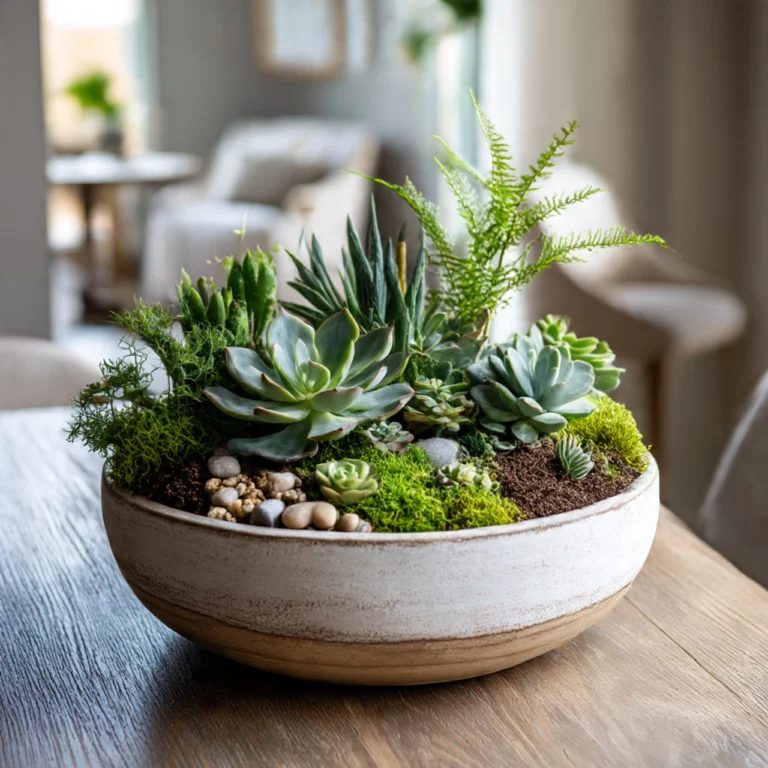
Textural Contrast: Pair soft, delicate flower petals with the sculptural, architectural forms of succulents for gardens with exceptional visual interest and modern appeal.
Design Balance: Use succulents like echeveria, sempervivum, or agave as structural anchors, then soften with flowering plants like diascia, gazania, or ice plants.
Practical Advantage: This combination is ideal for drought-prone areas since succulents store water efficiently. The mixed planting approach also extends the season—when flowers fade, interesting succulent shapes maintain visual appeal.
Container Perfect: This pairing works exceptionally well in container gardens where you can create miniature landscapes mixing heights, colors, and textures.
Express Creativity with Recycled Garden Displays
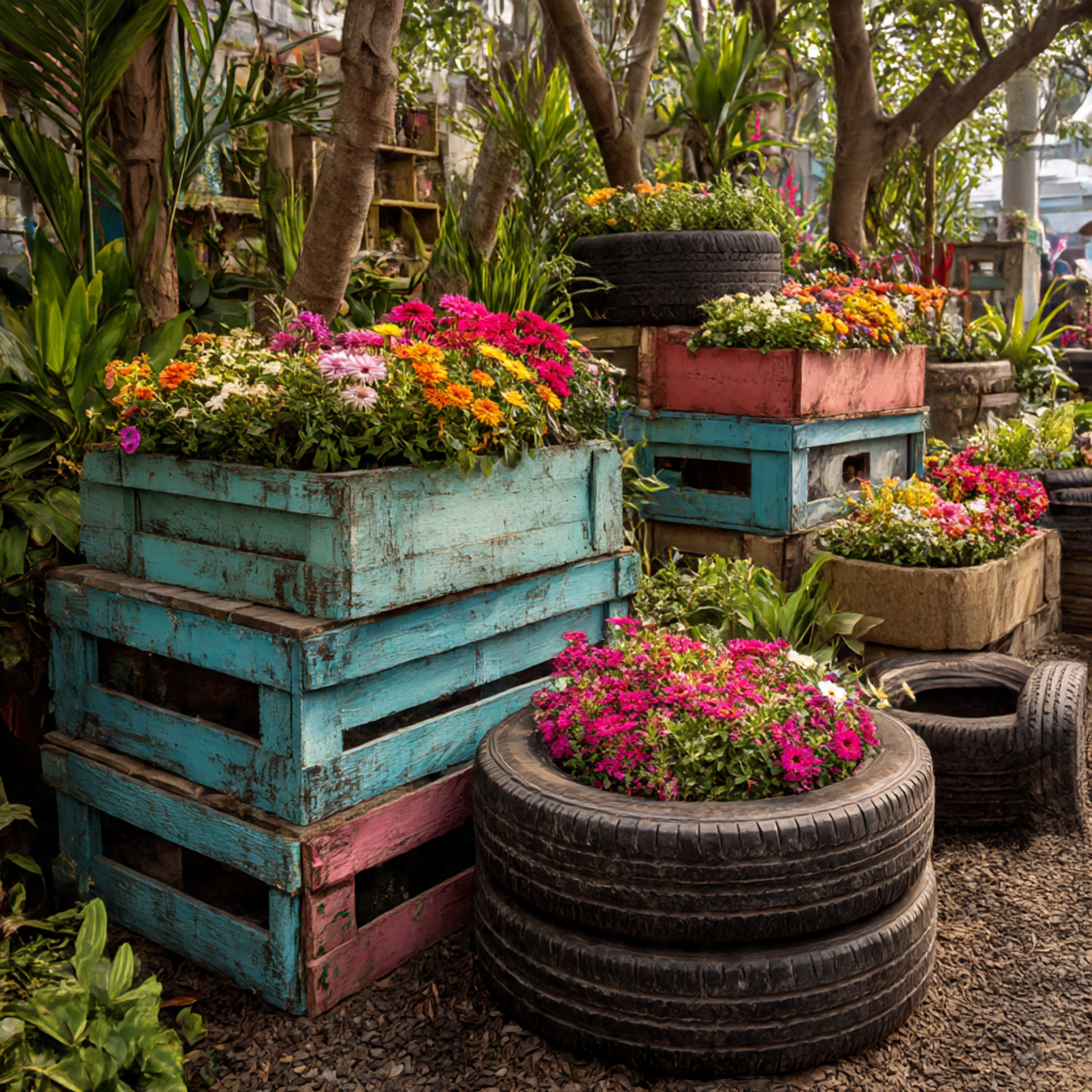
Eco-Friendly Approach: Transform discarded items into unique planters—old boots, vintage teapots, wooden drawers, tires, broken wheelbarrows, or tin cans all gain new life as charming flower containers.
Artistic Freedom: Paint, stencil, or decoupage containers to match your garden’s personality. Arrange upcycled planters in creative groupings for whimsical focal points.
Budget Bonus: Recycled containers cost little to nothing while adding character that expensive new planters can’t match. Each piece tells a story and showcases your creative personality.
Sustainability Statement: Reusing materials reduces waste and demonstrates environmental consciousness while creating conversation-starting garden features.
Design Wellness Spaces with Meditation Flower Corners
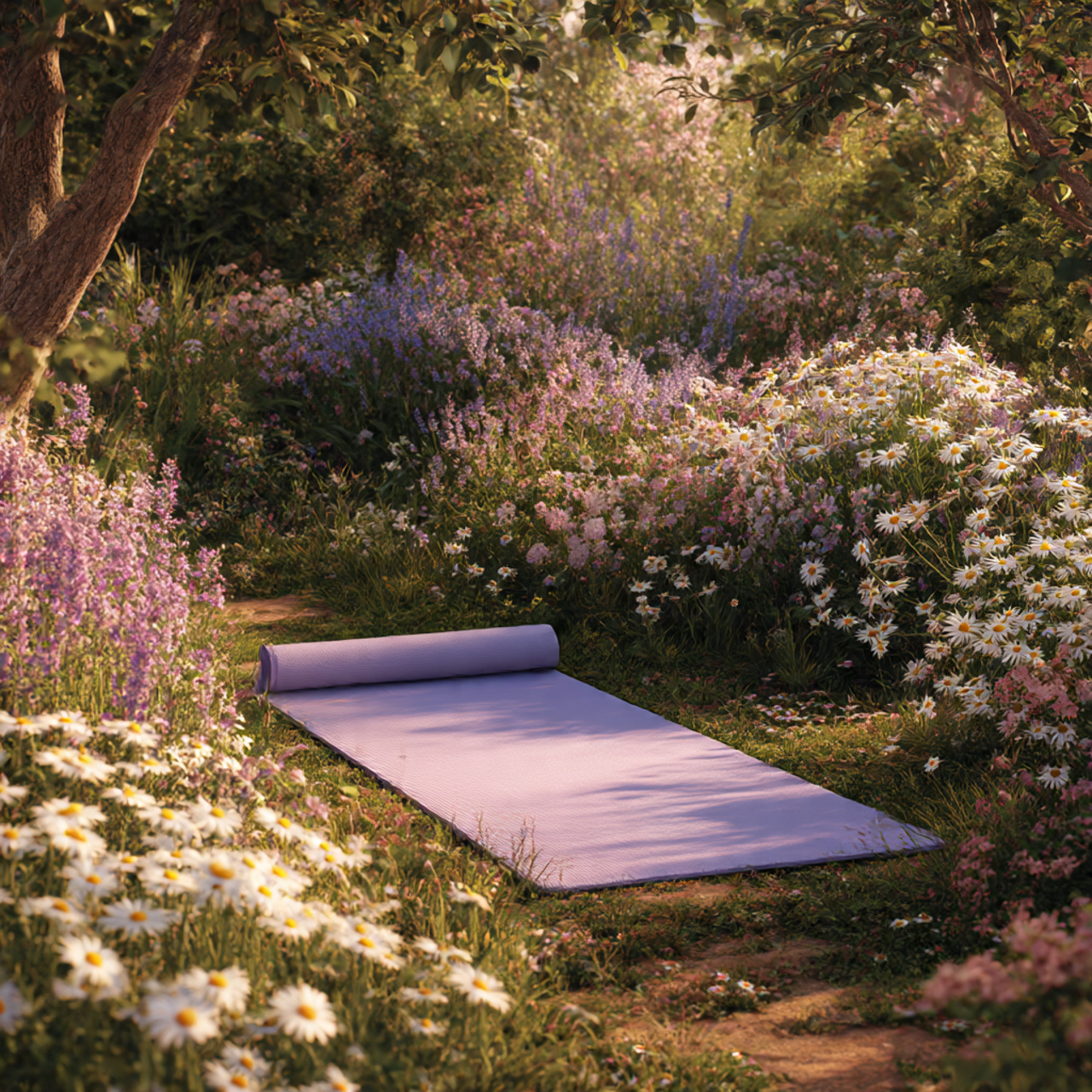
Intentional Sanctuary: Create a dedicated spot specifically for meditation, yoga, or quiet reflection by surrounding it with calming, aromatic flowers.
Peaceful Plants: Choose flowers known for relaxation—lavender (stress relief), chamomile (calming), jasmine (mood-lifting), and white roses (peaceful). Avoid bright, stimulating colors in favor of soft pastels and whites.
Comfort Elements: Add a comfortable cushion, yoga mat, or bench surrounded by these gentle blooms. Consider adding wind chimes, small water features, or soft solar lighting for evening use.
Mental Health Benefits: Regular time in your meditation flower corner reduces stress, improves focus, and provides a healthy escape from digital overwhelm—all while surrounded by natural beauty.
Blur Boundaries with Indoor-Outdoor Container Flow
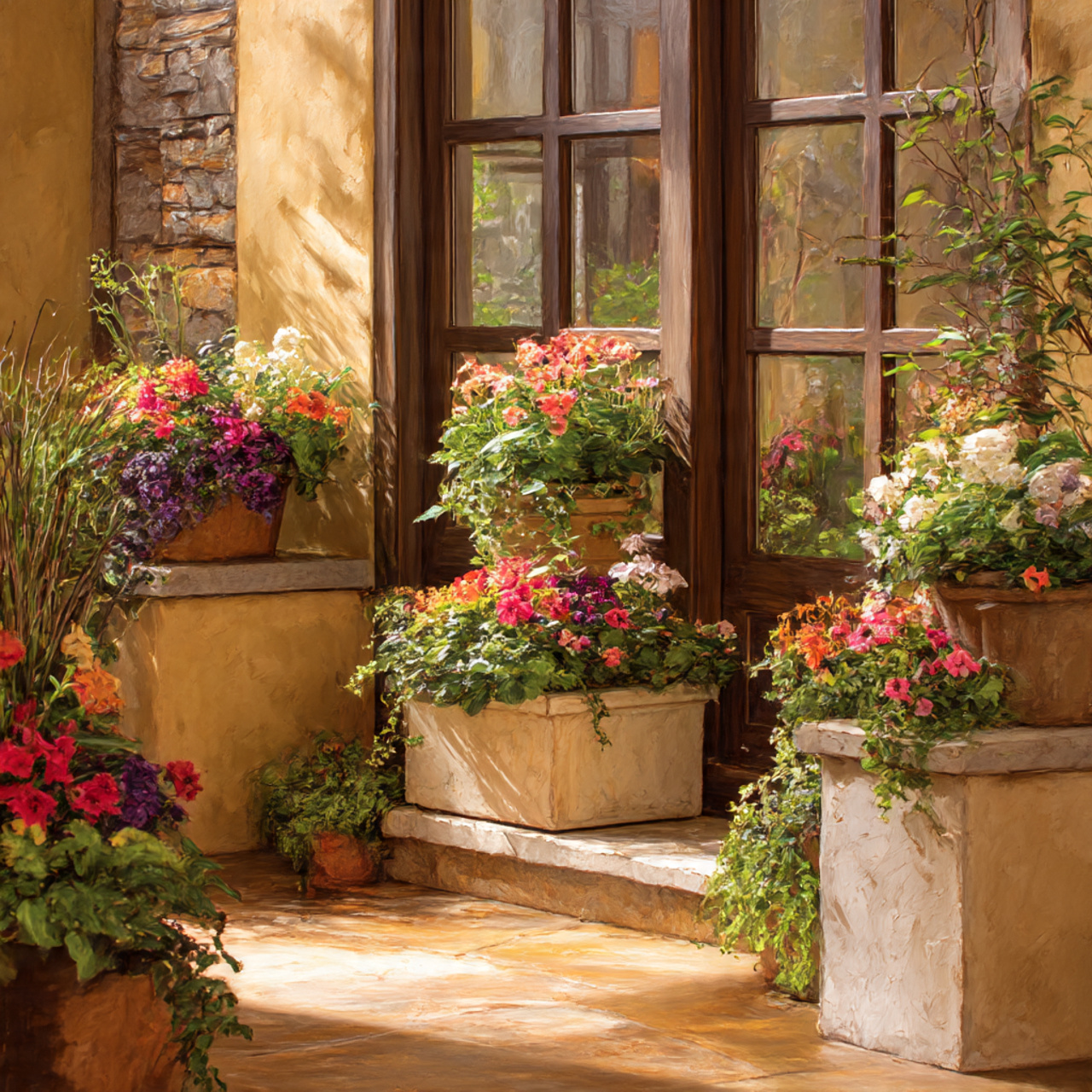
Seamless Transition: Place matching or complementary containers both inside near windows and outside on patios to create visual continuity that makes spaces feel larger and more connected.
Design Consistency: Use the same container style, color palette, or flower types both indoors and out. This technique works especially well with sliding glass doors or large windows.
Practical Benefits: You can easily move containers between spaces—bring tender plants indoors before frost, or move indoor plants outside for summer rejuvenation.
Year-Round Enjoyment: This approach lets you enjoy your flower garden from inside during bad weather while creating a seamless flow during pleasant days when indoor-outdoor living shines.
Add Architecture with Pergola and Trellis Flowers
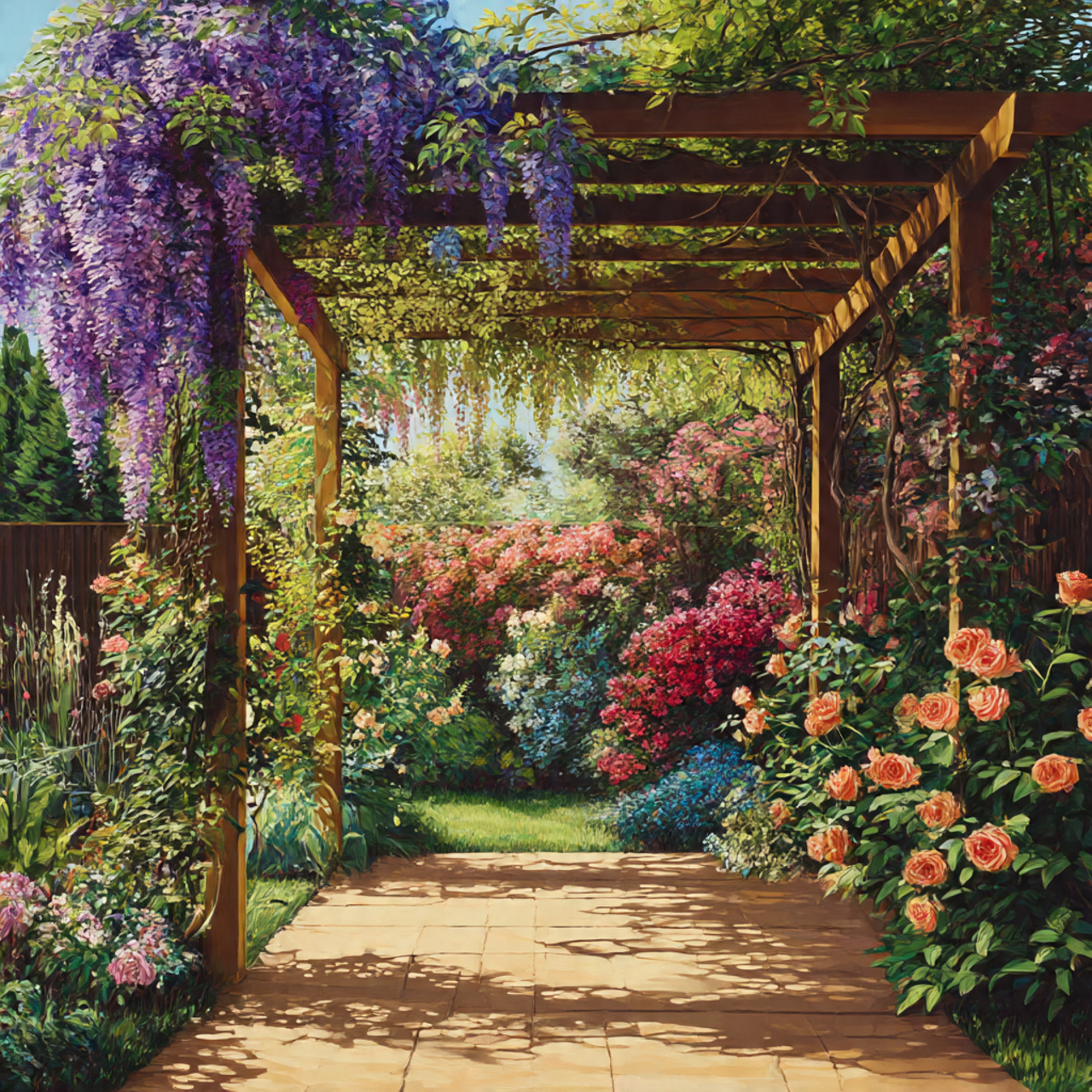
Vertical Drama: Train climbing flowers up pergolas, arbors, and trellises to create living architecture that defines outdoor spaces while providing shade and privacy.
Climbing Stars: Wisteria (spectacular cascading blooms), climbing roses (romantic and fragrant), clematis (diverse colors), honeysuckle (sweet scent), or morning glories (fast-growing) all create stunning vertical displays.
Functional Beauty: Flower-covered structures create shaded seating areas, frame garden entrances, provide privacy screening, or define property boundaries—all while looking absolutely gorgeous.
Installation Tip: Ensure structures are sturdy enough to support mature plant weight, especially for vigorous climbers like wisteria. Install before planting so you don’t disturb roots later.
FAQs About Creative Flower Garden Ideas
Q1: How do I start a flower garden with limited space?
Focus on vertical solutions like wall planters and hanging baskets, use container gardening to maximize flexibility, and choose compact or trailing plant varieties. Even a small balcony can become a lush flower garden with smart planning—think upward, not just outward.
Q2: Which flowers bloom year-round?
Create year-round color by mixing seasonal bloomers: spring bulbs like tulips, summer annuals like petunias, fall perennials like mums, and winter-hardy pansies or hellebores. In milder climates, rotate cool-season and warm-season flowers for continuous blooms.
Q3: How can I make my flower garden eco-friendly?
Choose native plants suited to your region, welcome pollinators with nectar-rich flowers, compost kitchen scraps for natural fertilizer, collect rainwater for irrigation, use organic mulch, avoid chemical pesticides, and let some areas grow a bit wild to support beneficial insects.
Q4: Can I mix edible and decorative flowers together?
Absolutely! Flowers like nasturtiums, pansies, calendula, and violets are both beautiful and edible. Just ensure you’re growing them organically without pesticides, and only eat varieties specifically identified as safe—never consume flowers from florists or garden centers that may be chemically treated.
Q5: What’s the easiest way to maintain a flower garden?
Start with low-maintenance perennials that return yearly, choose plants suited to your climate and soil, use mulch to suppress weeds and retain moisture, install drip irrigation or soaker hoses for efficient watering, and select disease-resistant varieties. Container gardens and raised beds also simplify maintenance significantly.
Your Garden Journey Begins Now
Creating your dream flower garden isn’t about perfection—it’s about expressing yourself, connecting with nature, and enjoying the process of watching something beautiful grow from your efforts. Whether you start with a single container on your balcony or transform your entire backyard, these creative flower garden ideas give you the inspiration and practical knowledge to begin.
Remember, every expert gardener started as a beginner with a simple idea and a few seeds. Your flower garden will evolve over seasons and years, changing as you learn what works in your specific space and discover new plants you love. Start small if needed, experiment boldly, and most importantly, enjoy every moment of your gardening journey.
The beauty you create will reward you with color, fragrance, wildlife visits, and a peaceful retreat that’s uniquely yours. So grab your gardening gloves, choose an idea that excites you, and start transforming your outdoor space today—your future blooming oasis is waiting.