Watermelon Peperomia – How to Grow, 25 Style to Keep It Thriving Indoors
There’s something absolutely charming about the Watermelon Peperomia (Peperomia argyreia) that makes plant lovers fall head over heels. Those distinctive silver-striped leaves that mirror a watermelon’s rind? Pure magic. This compact houseplant doesn’t just look amazing—it’s surprisingly forgiving, making it perfect whether you’re just starting your plant journey or you’re already a seasoned green thumb.
What makes this tropical stunner truly special is how it adapts to different spaces and styles. You can tuck it on a shelf, hang it from the ceiling, or make it the star of your desk setup. The Watermelon Peperomia asks for very little but gives so much in return—lush, eye-catching foliage that stays beautiful all year long.
Ready to discover fresh ways to showcase this gorgeous plant? Let’s dive into some inspiring ideas that’ll help you make the most of your Watermelon Peperomia.
What Makes Watermelon Peperomia a Must-Have Indoor Plant?
Let’s be honest—not every houseplant is worth the hype. But the Watermelon Peperomia? It absolutely deserves its popularity. This plant checks all the boxes: stunning appearance, minimal fuss, and incredible versatility.
Unlike those finicky tropical plants that demand constant attention, the Watermelon Peperomia is refreshingly easygoing. It handles moderate light like a champ, doesn’t throw tantrums about humidity levels, and fits beautifully in tight spaces. Those bold green-and-silver striped leaves instantly add personality to any corner, turning ordinary spaces into conversation starters.
Watermelon Peperomia Tabletop Display
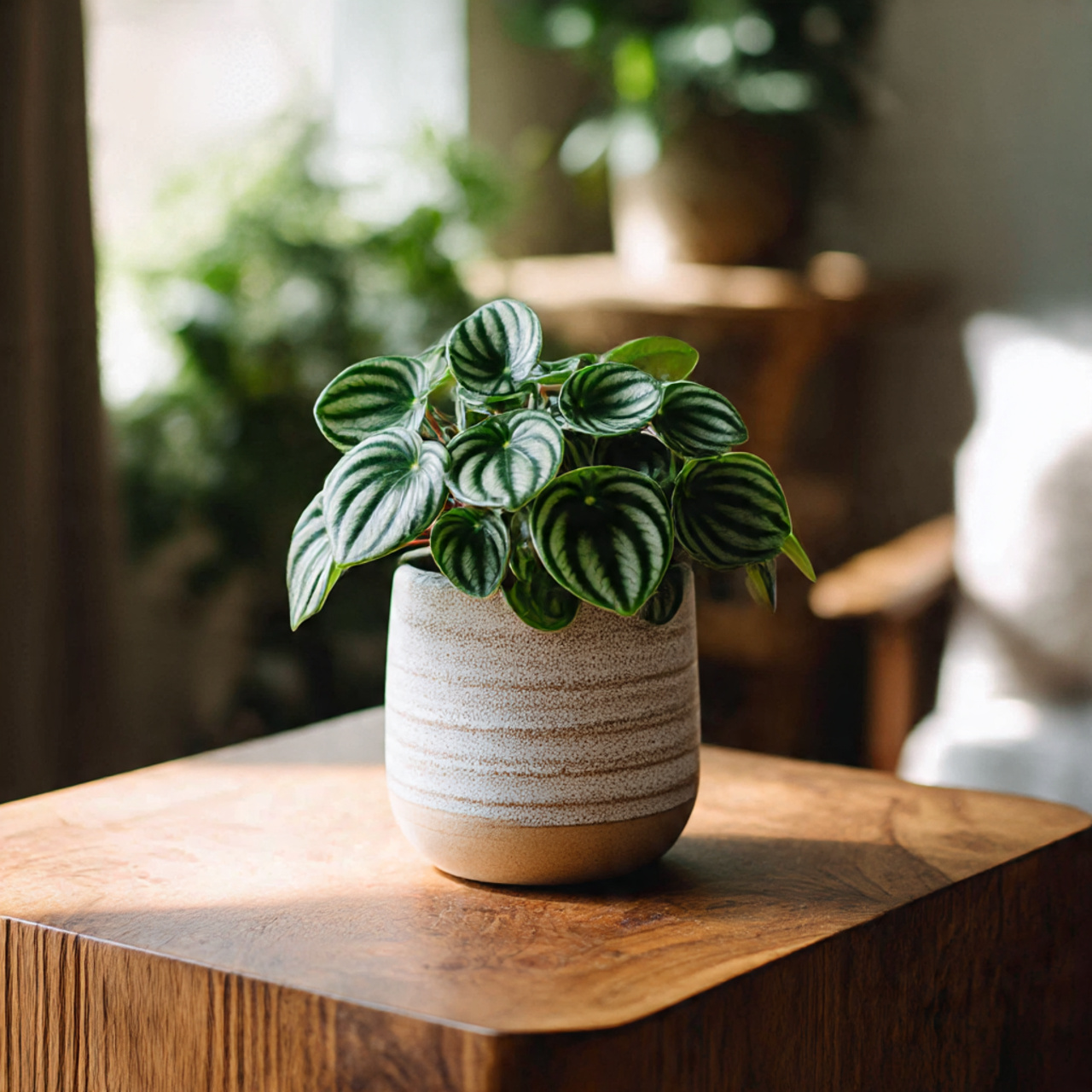
Transform any surface into a design moment with a well-styled Watermelon Peperomia. The plant’s perfectly rounded leaves create natural balance, making it ideal for minimalist setups where every piece counts.
Styling tip: Choose ceramic or matte-finish pots in white, gray, or soft pastels—they make those silver leaf stripes absolutely pop. Keep the surrounding décor neutral and simple, letting your plant take center stage. A clean coffee table, entryway console, or dining table becomes instantly more inviting with this leafy accent.
Think of it as functional art that also happens to clean your air.
Elevate Your Space with Hanging Planters
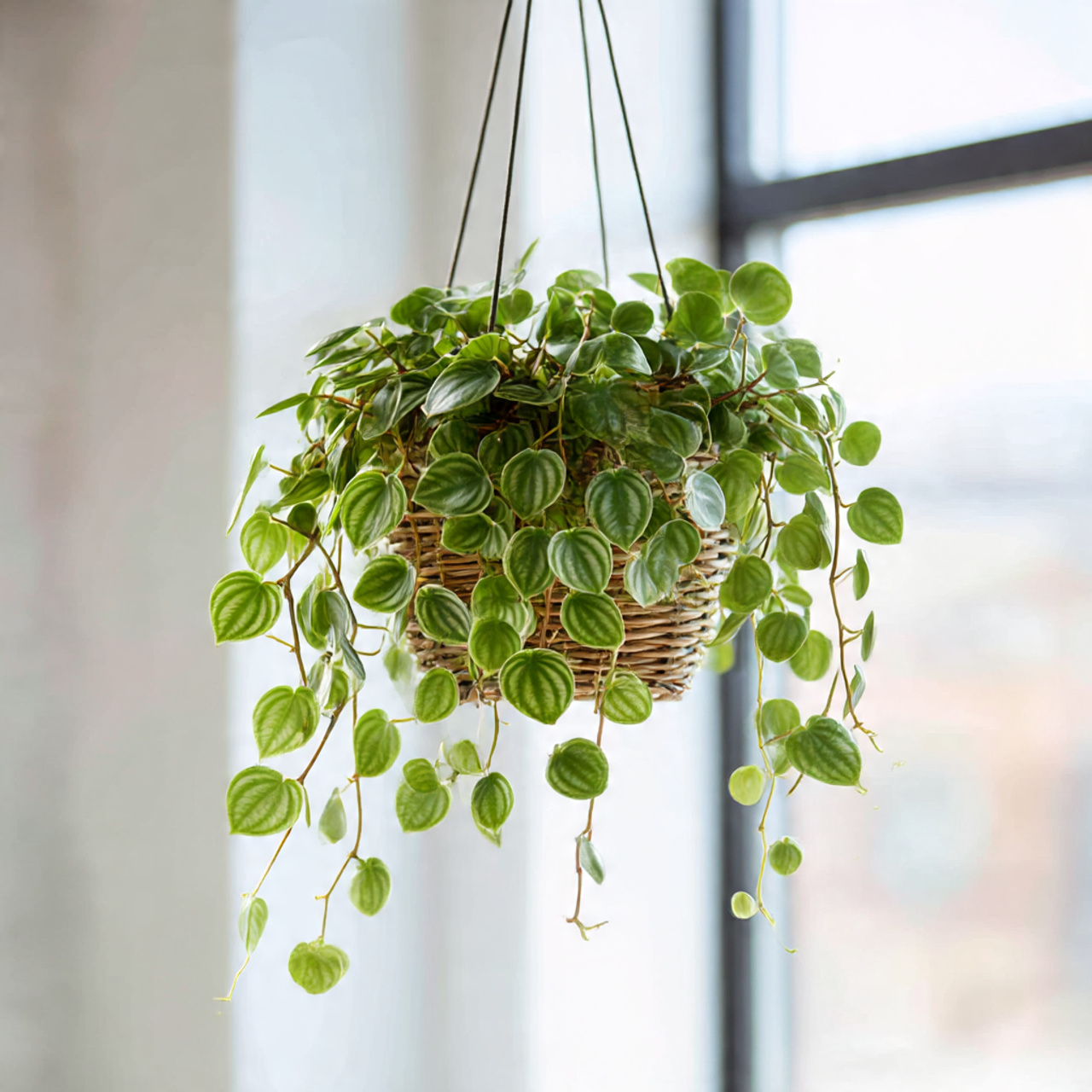
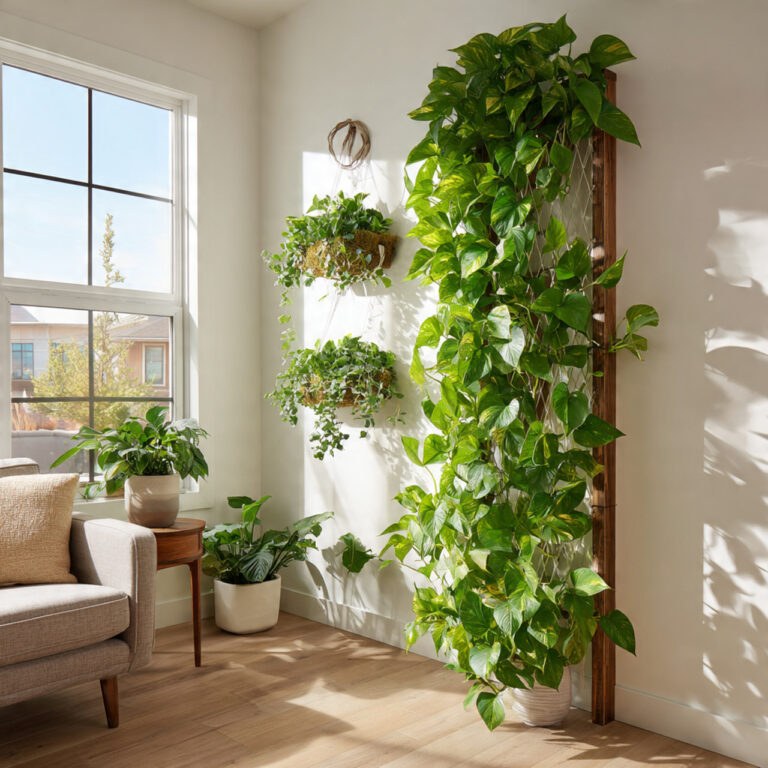
Give your Watermelon Peperomia room to breathe (literally) by displaying it in a hanging planter. While this plant doesn’t trail dramatically like pothos, its graceful stems create a lovely cascading effect that adds vertical interest to any room.
Must-know: Drainage is non-negotiable here. Watermelon Peperomias hate sitting in water, so make sure your hanging planter has proper drainage holes. Position it near a bright window where it gets plenty of indirect light—think of it as finding a cozy spot where the sun filters through curtains.
Macramé hangers work beautifully with this plant, adding bohemian charm while saving precious floor and counter space.
Watermelon Peperomia for Office Desks
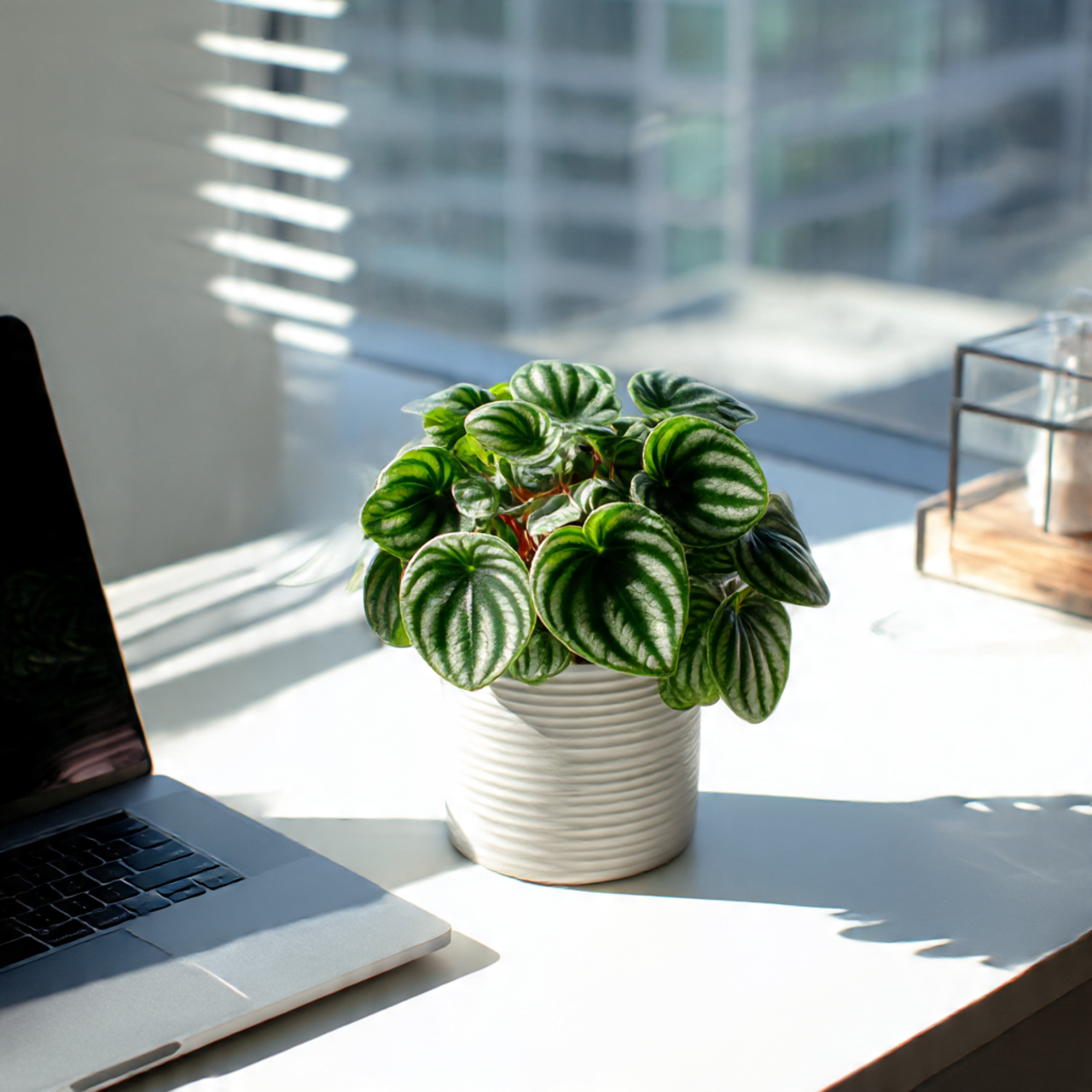
If your workspace feels sterile and uninspiring, a Watermelon Peperomia might be exactly what you need. This desk-friendly plant thrives under office fluorescent lights and won’t guilt-trip you if you forget about it during busy workweeks.
Productivity boost: Studies show that having plants at your desk reduces stress and sharpens focus. Those watermelon-patterned leaves create a calming visual break from screens and paperwork. Place it in a small decorative pot next to your laptop or monitor—close enough to admire, but not so close it crowds your workspace.
Plus, it’s a natural conversation starter during video calls. “Oh, that plant? Thanks for noticing!”
Watermelon Peperomia in Terrariums
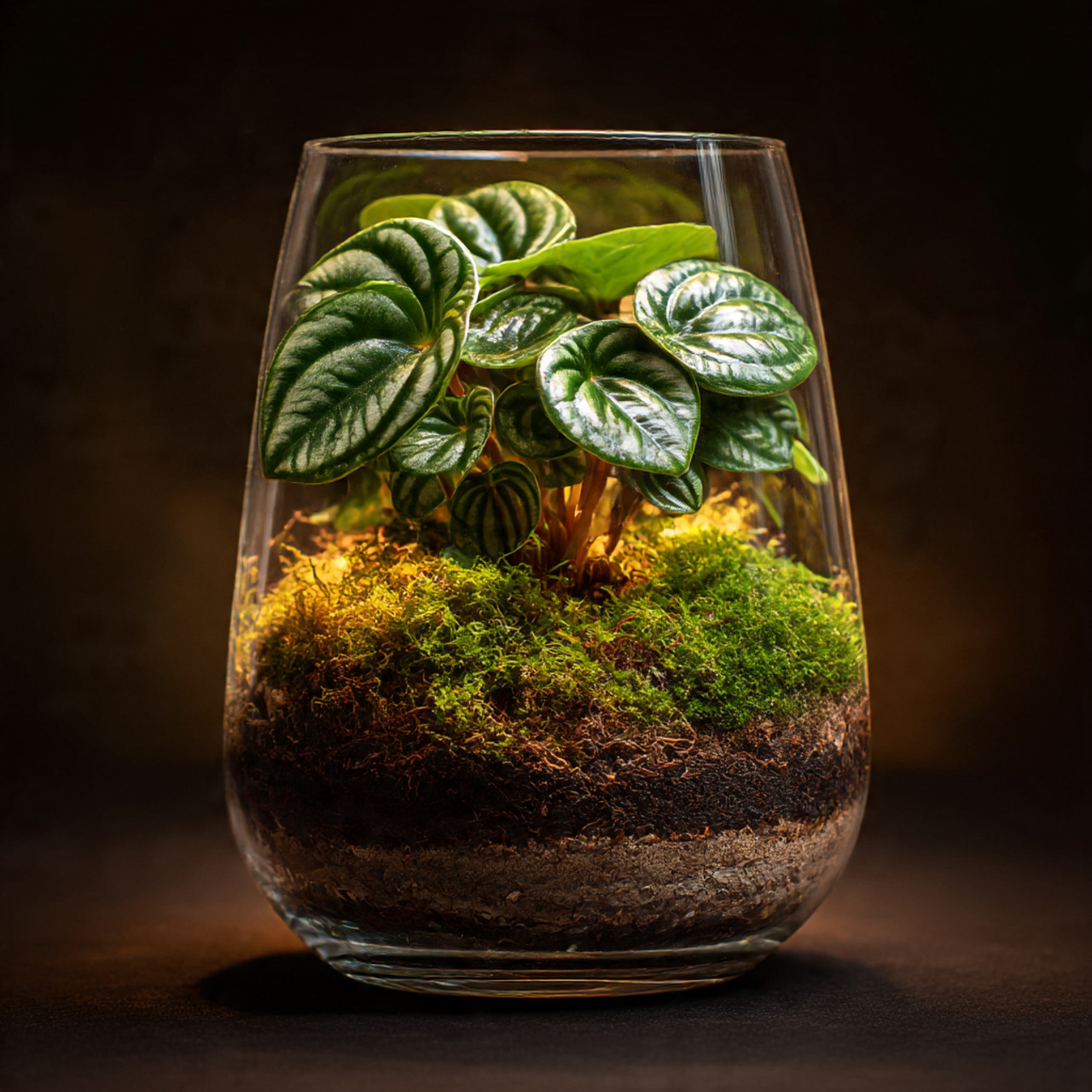
Glass terrariums and Watermelon Peperomias are a match made in plant heaven. The compact growth habit fits perfectly inside enclosed glass containers, creating a self-contained tropical world right on your shelf.
Terrarium success formula: Start with a layer of small pebbles for drainage, add activated charcoal to keep things fresh, then top with well-draining soil. Plant your peperomia, then mist lightly. Here’s the key—less is more with water. These plants prefer slightly dry conditions, so don’t turn your terrarium into a swamp.
The result? A low-maintenance living sculpture that looks expensive but costs next to nothing to maintain.
Watermelon Peperomia on Floating Shelves
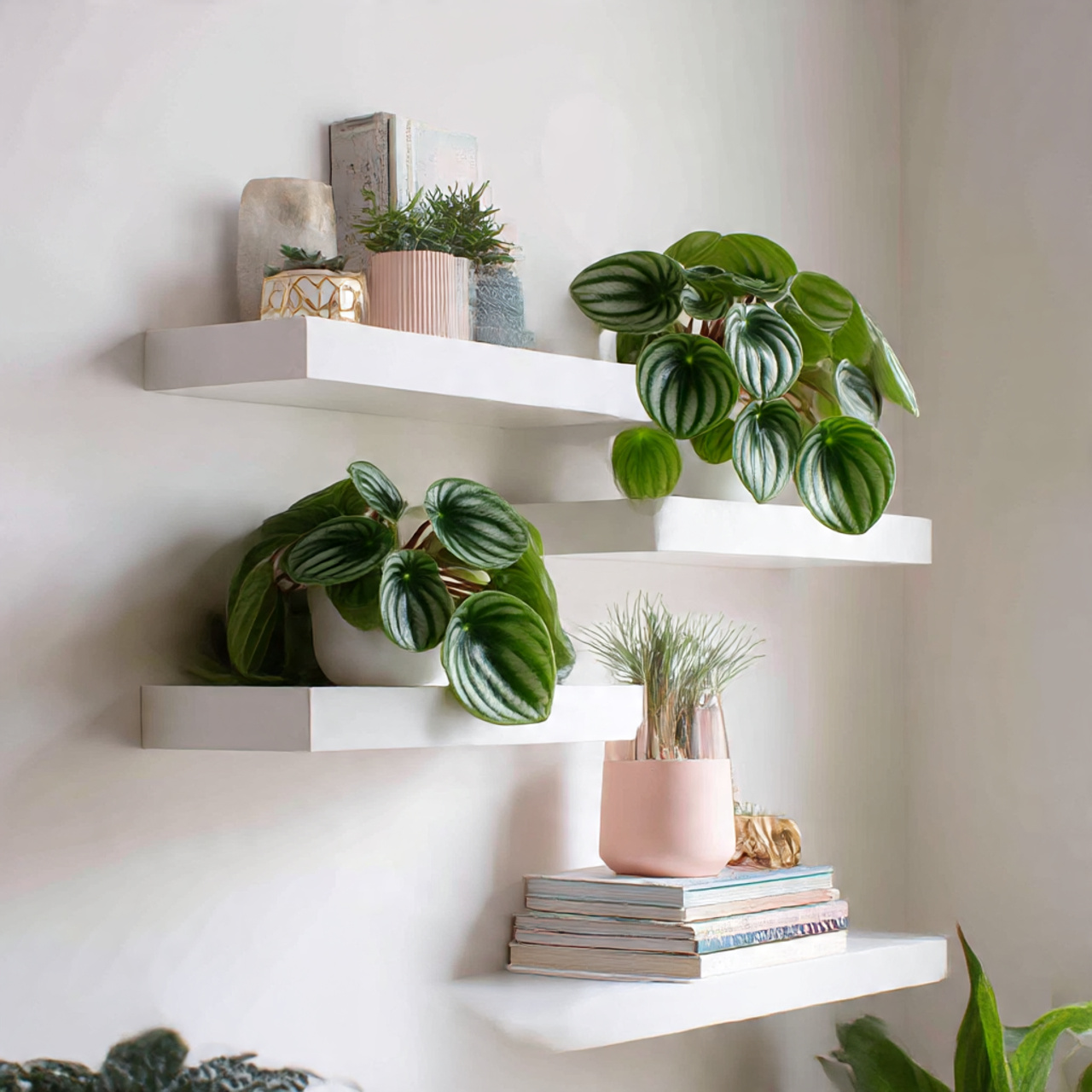
Floating shelves practically beg for plants, and Watermelon Peperomias deliver exactly the right vibe. Their silver-green foliage creates stunning contrast against white or natural wood shelves, adding depth and life to blank walls.
Design: Mix your Watermelon Peperomia with other compact plants like pothos, string of hearts, or small succulents. Vary the heights and pot styles to create a curated “plant shelf” that looks professionally designed. This living gallery wall approach brings nature indoors without overwhelming your space.
Just remember to rotate your plants occasionally so all sides get equal light exposure.
Embrace Traditional Clay Pot Charm
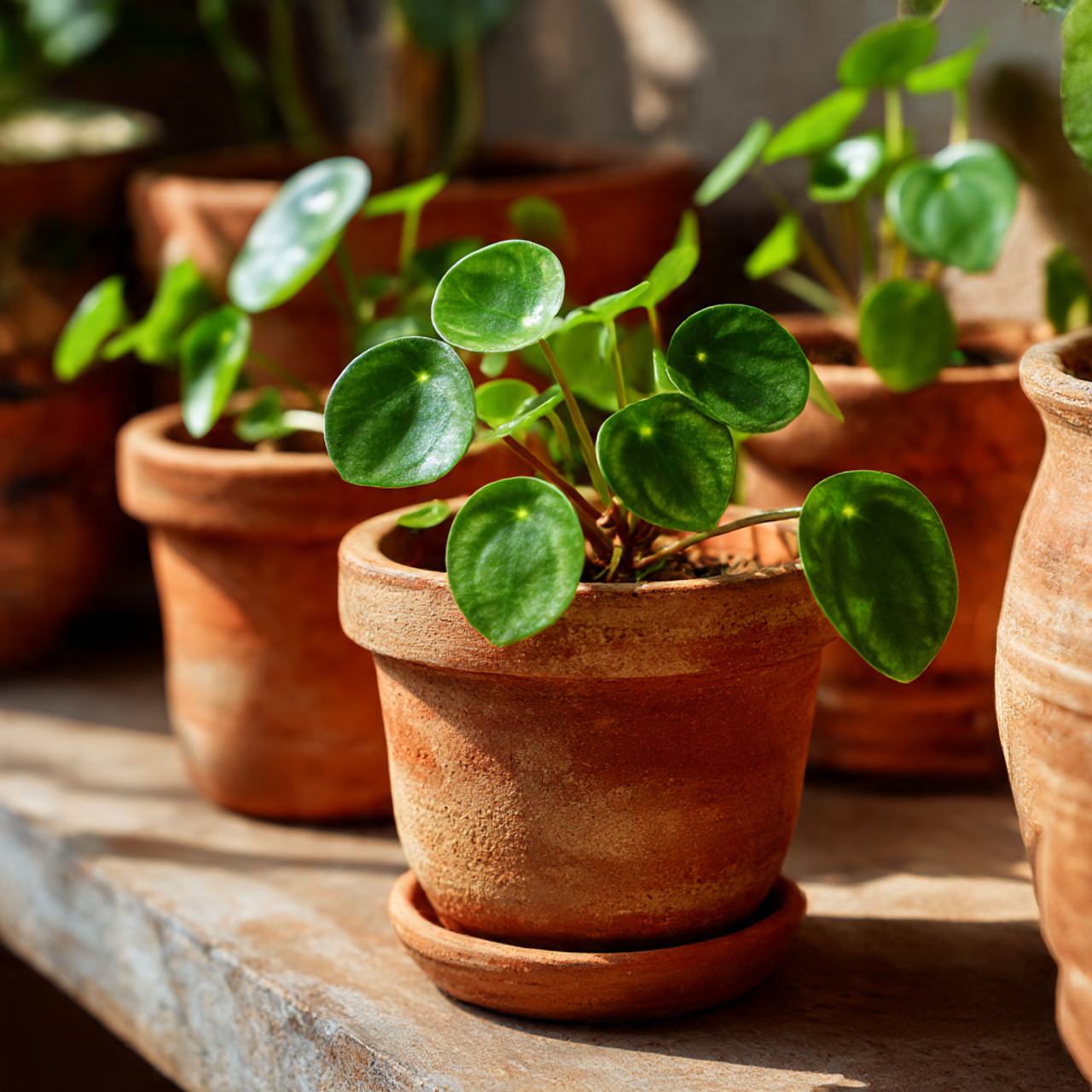
Sometimes old-school methods work best. Traditional terracotta clay pots are actually perfect for Watermelon Peperomias because they’re naturally porous—they let roots breathe and help regulate moisture.
Watering advantage: Clay pots prevent one of the biggest peperomia killers: overwatering. The porous material wicks away excess moisture, so even if you’re a bit heavy-handed with the watering can, your plant has a built-in safety net.
The rustic, earthy look of terracotta also beautifully complements the vibrant foliage. For a finished touch, add a thin layer of decorative gravel on top of the soil—it looks polished and helps prevent fungus gnats.
Create Plant Groupings with Compatible Companions
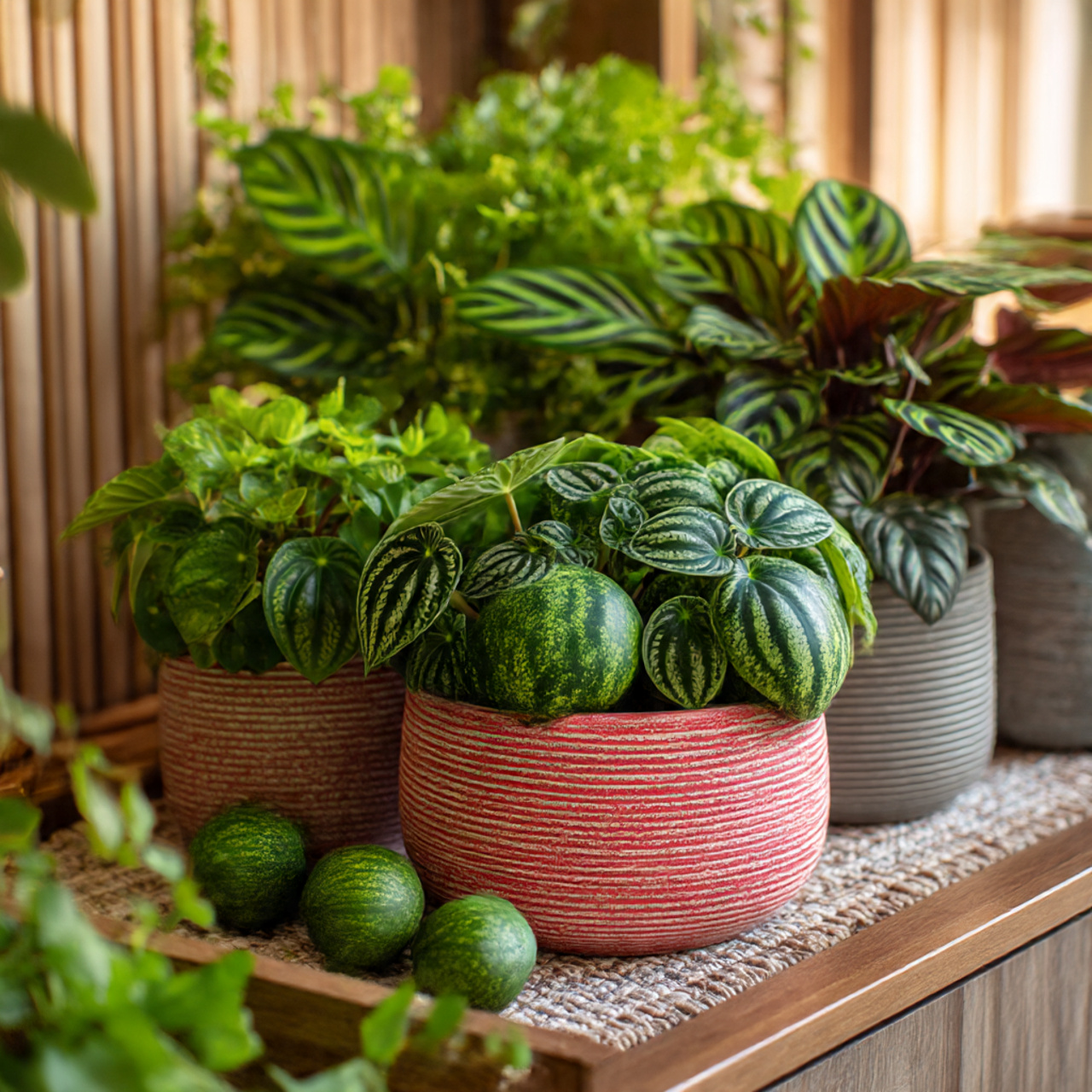
Why have one beautiful plant when you can create an entire indoor jungle? Watermelon Peperomias play well with others, especially plants that share similar care needs.
Pairings: Try grouping your peperomia with Fittonia (nerve plant), Calathea, or small philodendrons. The different leaf shapes and patterns create visual interest while all the plants benefit from similar light and watering schedules.
Care tip: When you group plants together, they naturally create a more humid microclimate—perfect for tropical varieties. Just make sure each plant has proper drainage and doesn’t sit in standing water. This mini indoor garden brings lush, jungle vibes to even the smallest apartment.
Gift a Plant That Keeps on Giving
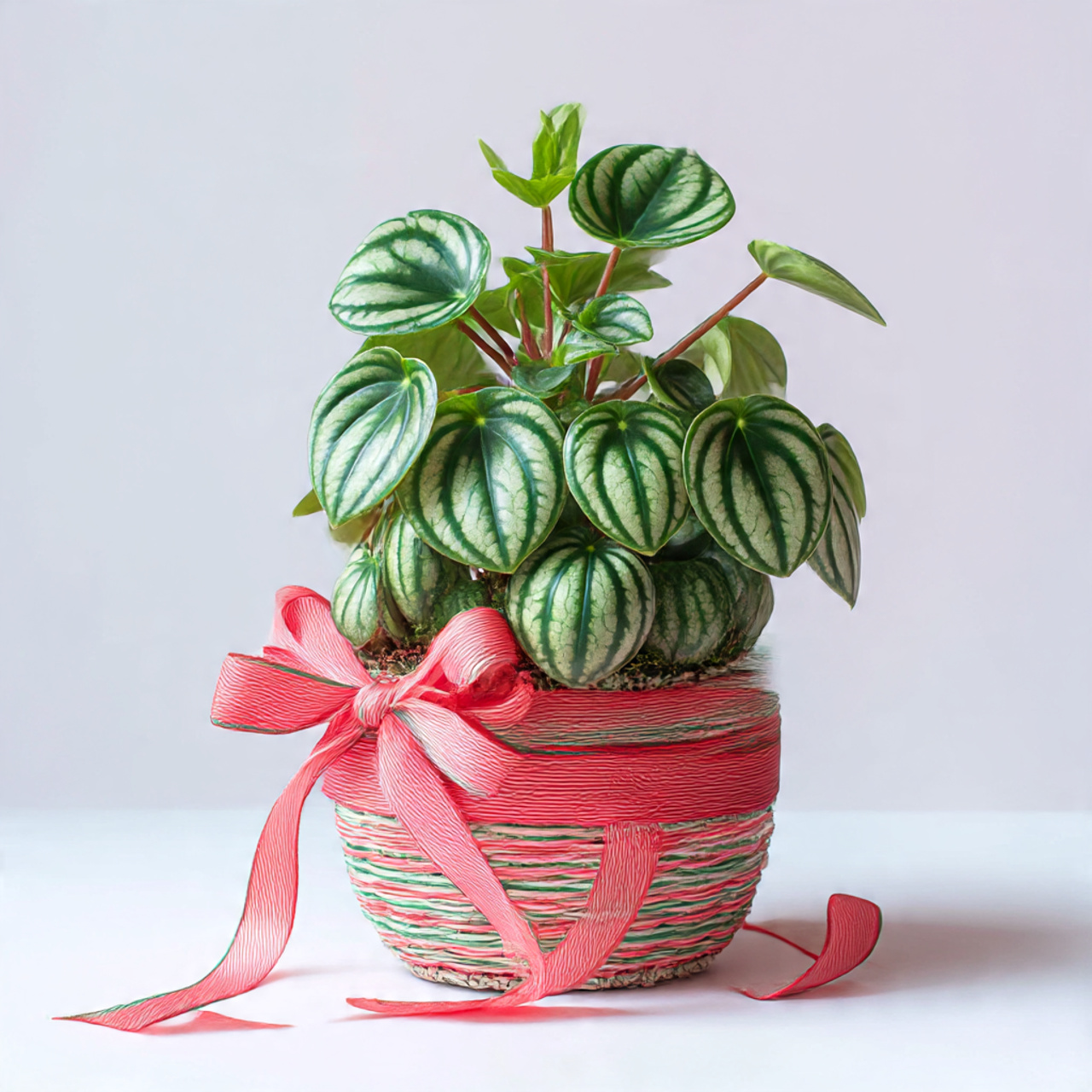
Forget generic gift baskets—a Watermelon Peperomia makes a thoughtful, memorable present that actually means something. This plant symbolizes growth, positivity, and balance, making it perfect for housewarmings, birthdays, or “just because” moments.
Gift presentation ideas: Wrap the pot in burlap or jute for rustic charm, or place it in a decorative basket with a care card attached. Unlike flowers that wilt in days, this living gift continues growing and brightening spaces for years to come.
It’s especially perfect for new plant parents since it’s so forgiving. You’re basically giving someone a confidence boost along with a beautiful plant.
Multiply Your Collection Through Propagation
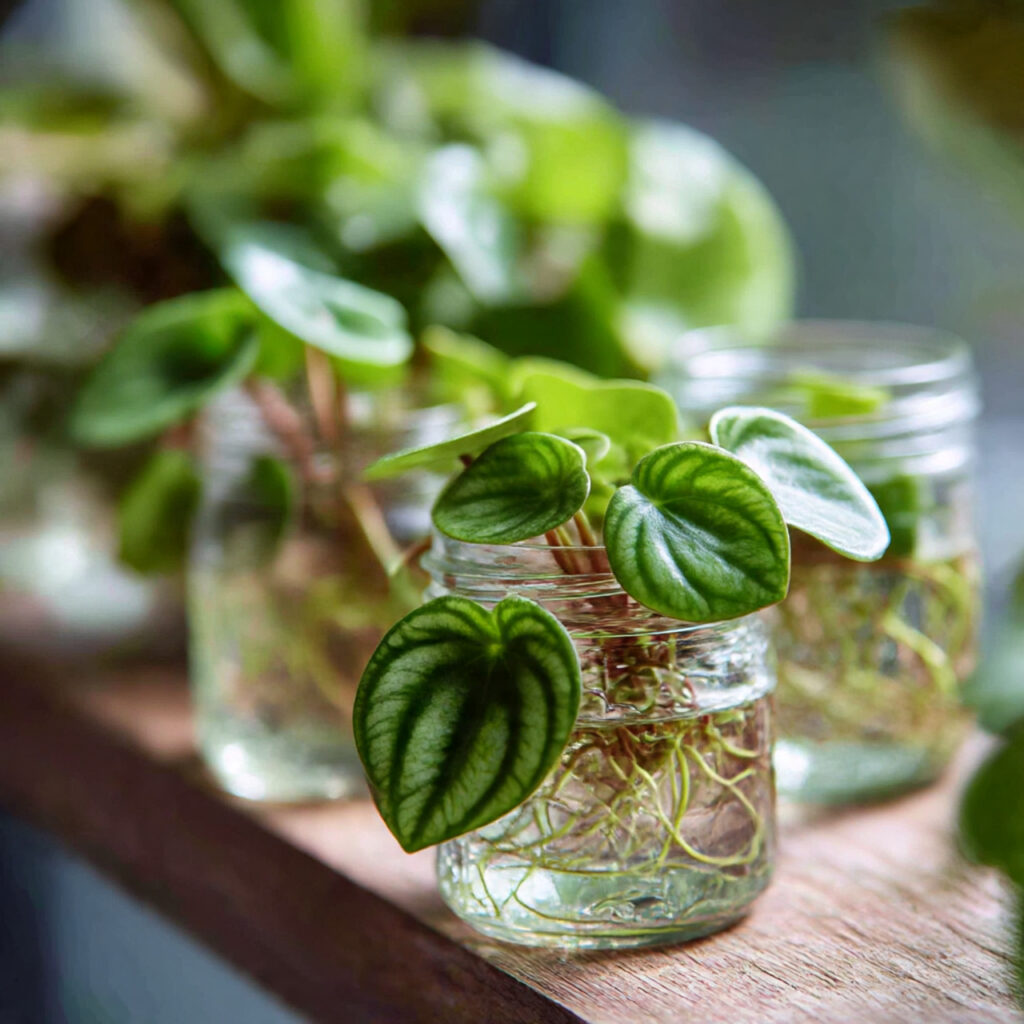
Here’s where things get exciting: you can easily create new Watermelon Peperomias from your existing plant. Propagation sounds technical, but it’s actually incredibly simple and satisfying.
How to propagate: Cut a healthy leaf with a bit of stem attached, or take a stem cutting with a few leaves. Place it in water or directly into moist soil. Keep it in bright, indirect light, and within 3-4 weeks, you’ll see tiny roots forming.
Why this matters: Once you master propagation, you’ll never need to buy another Watermelon Peperomia. Make babies for every room, share with friends, or trade with other plant enthusiasts. It’s like printing your own plant money.
Visit More: Peperomia Plant
Transform Bedroom Corners into Green Retreats
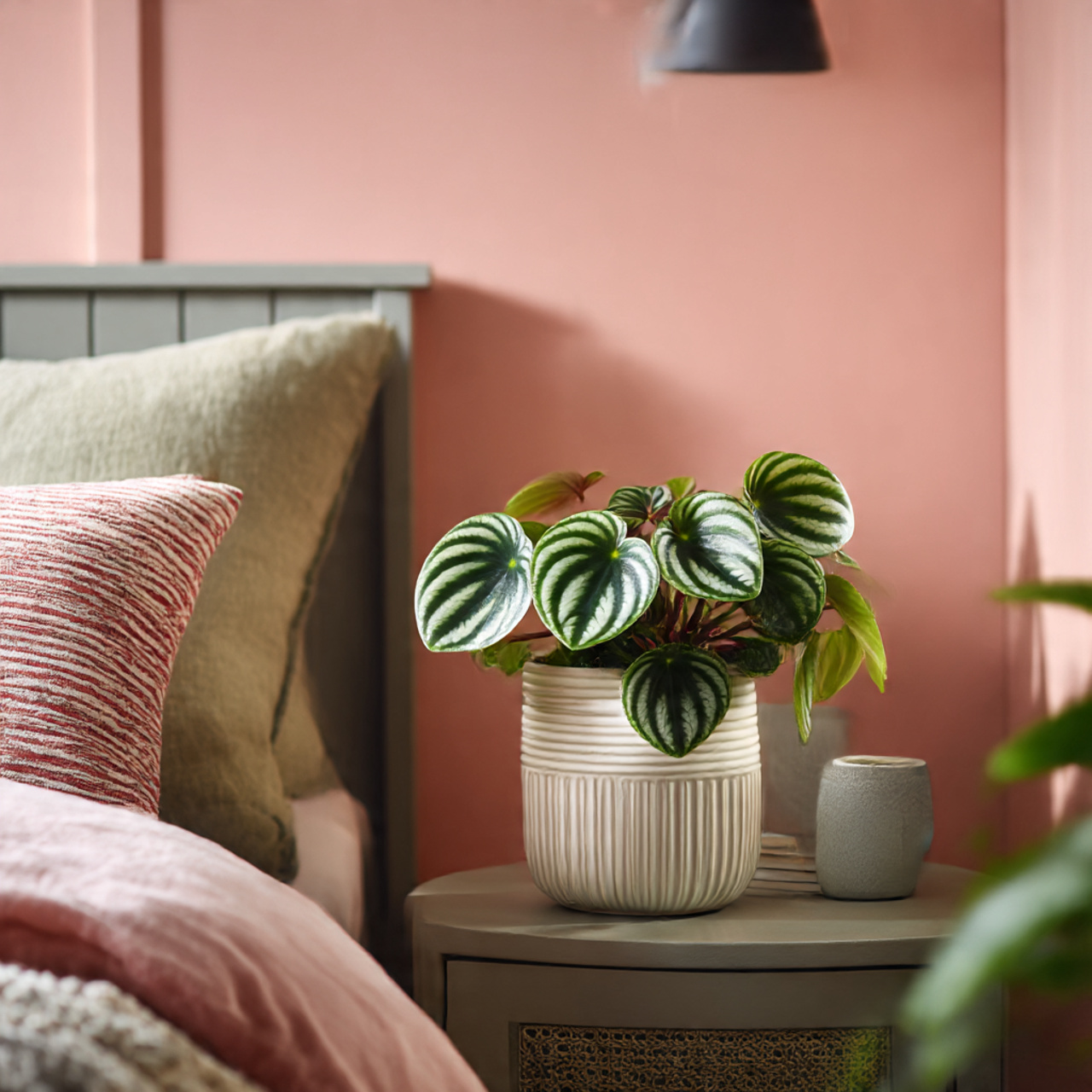
That awkward, empty corner in your bedroom? It’s begging for a Watermelon Peperomia. This plant brings life to overlooked spaces, creating a peaceful, nature-inspired sanctuary.
Bedroom styling tip: Use a decorative plant stand or small side table to elevate your peperomia to eye level. The soothing green tones naturally promote relaxation and better sleep—it’s like having a tiny piece of forest in your personal space.
Position it near (but not directly in) a window so it gets gentle morning light. Waking up to those gorgeous striped leaves is honestly the best alarm clock.
Add Polish with Decorative Stone Top Dressing
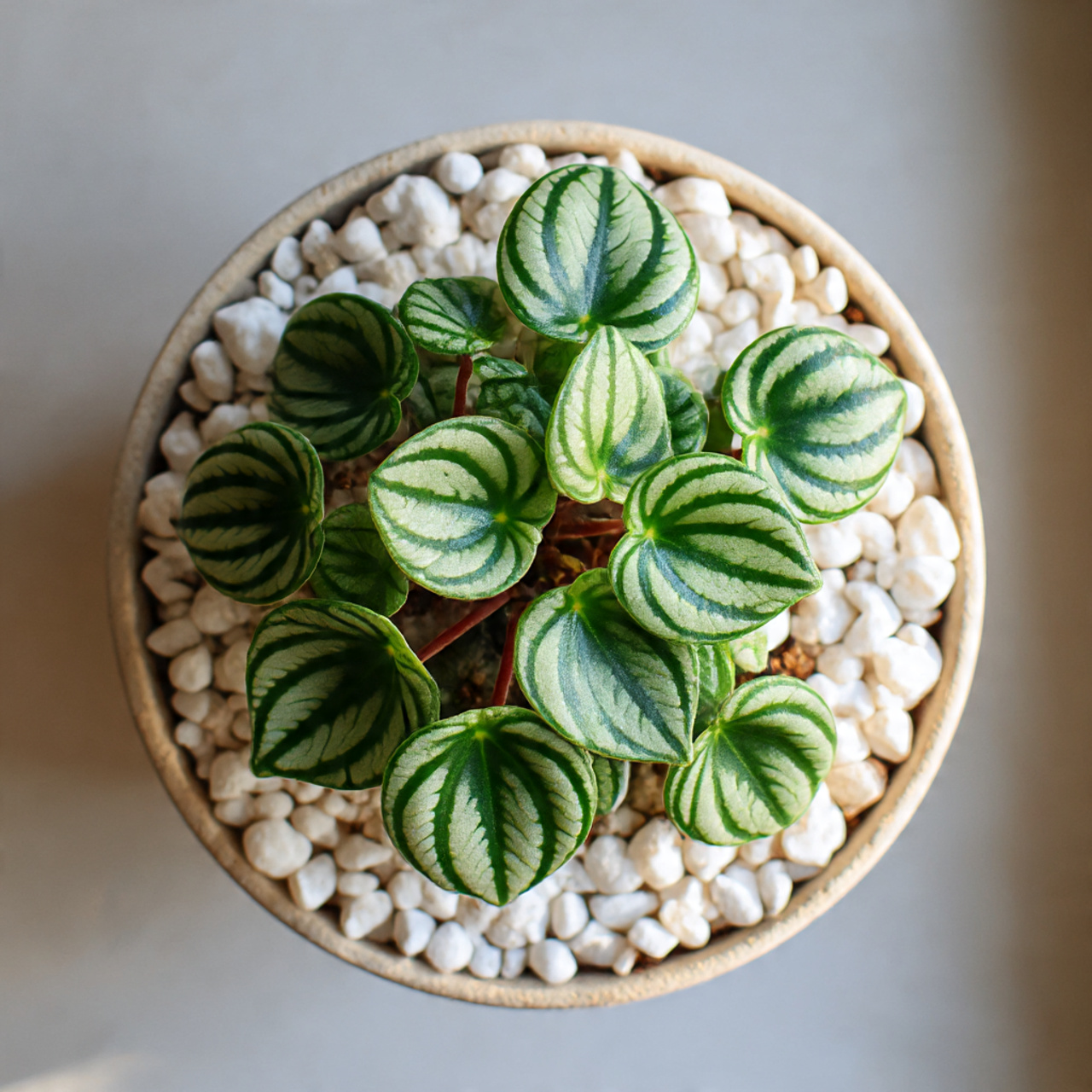
A simple layer of decorative pebbles or stones on top of your soil takes your Watermelon Peperomia from “nice plant” to “professionally styled display.” It’s such an easy upgrade that makes a huge difference.
Practical benefits: Beyond looking polished, top dressing actually helps prevent fungus gnats—those annoying little flies that love moist soil. The stones create a barrier that disrupts their breeding cycle.
Color choices: White or light-colored pebbles create beautiful contrast with the dark soil and make those watermelon-striped leaves pop even more. River stones, polished quartz, or even decorative aquarium rocks all work wonderfully.
Master the Perfect Light Balance
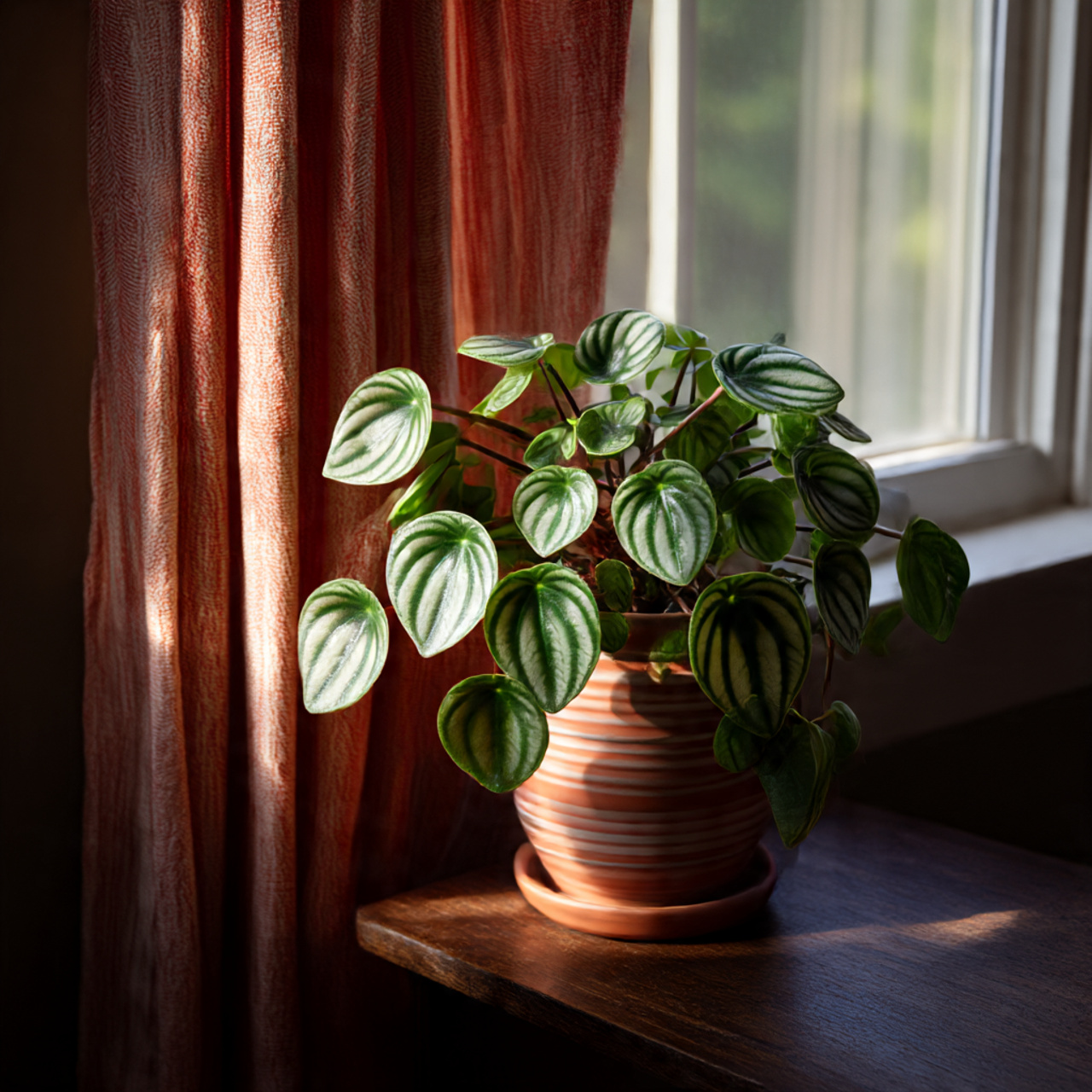
Light is probably the most important factor for keeping your Watermelon Peperomia happy. Too much sun? Scorched leaves. Too little? Faded patterns and leggy growth. The sweet spot is bright, indirect light.
Window placement guide: East or north-facing windows are ideal—they provide consistent, gentle light without harsh afternoon rays. If you only have south or west-facing windows, place your plant a few feet back from the glass or use sheer curtains to filter the light.
The color test: If your plant’s signature silver stripes start fading, it’s not getting enough light. If leaves develop brown, crispy edges, it’s getting too much direct sun. Adjust placement until you find that goldilocks zone.
Watermelon Peperomia in Modern Minimalist Homes
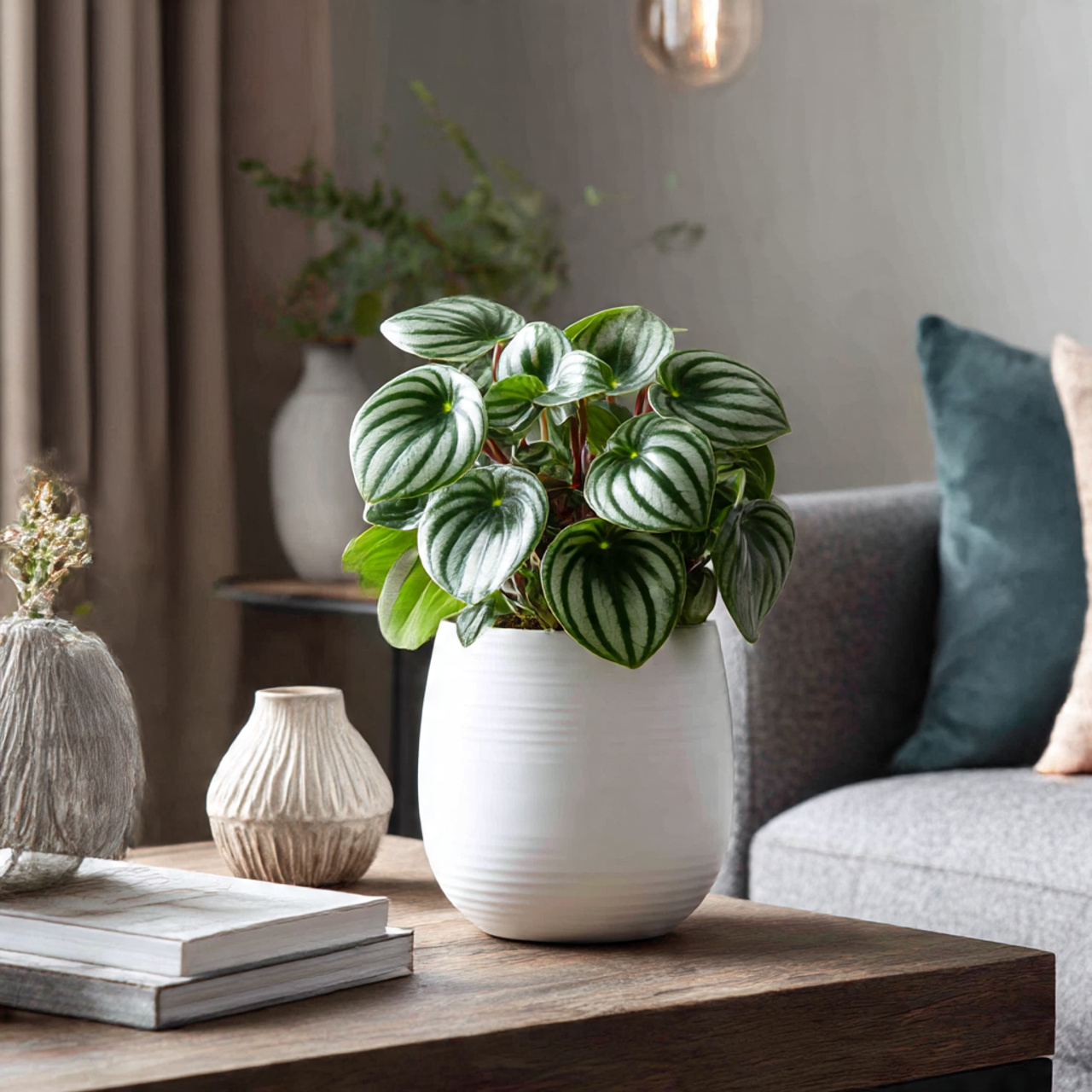
Minimalist design is all about intentional choices and uncluttered spaces. The Watermelon Peperomia fits this philosophy perfectly—it adds life and texture without visual noise.
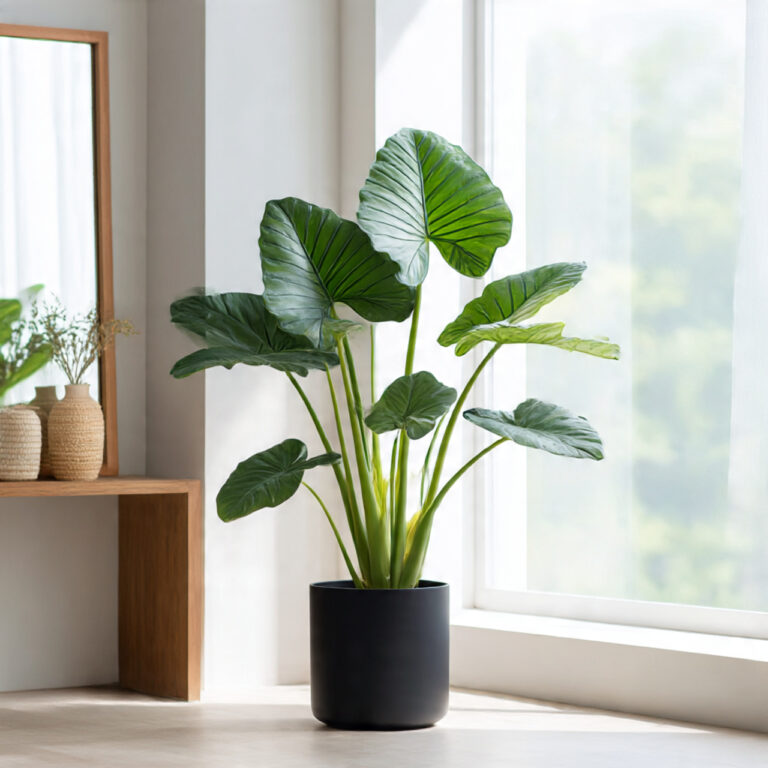
Minimalist styling approach: Choose sleek pots in concrete, matte white, or simple black finishes. The plant’s natural pattern provides all the visual interest needed, so keep everything else clean and simple.
One well-placed Watermelon Peperomia speaks volumes in a minimalist room. It proves you don’t need dozens of plants to create impact—sometimes one perfect specimen is all you need.
Maximize Small Apartment Living
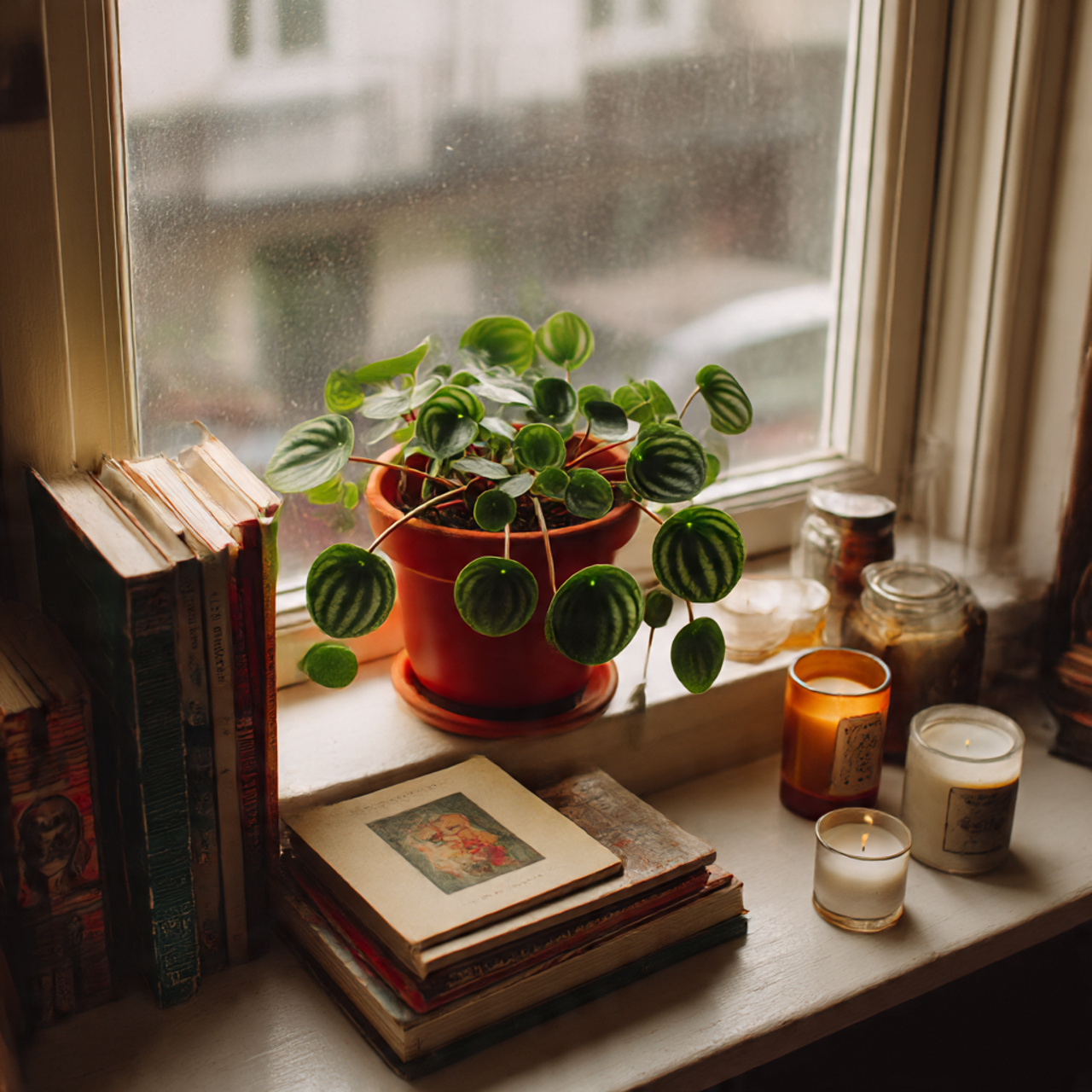
Living in a tiny apartment or studio? The Watermelon Peperomia is your new best friend. Its compact growth habit means it fits literally everywhere while still making a big visual impact.
Small space solutions: Window sills, bookshelf corners, kitchen counters, bathroom shelves—this plant works in all these spots. Its vertical growth (not sprawling) means it won’t slowly take over your limited square footage.
Small apartment tip: Use matching pots in different sizes throughout your space to create cohesion. Even three or four small Watermelon Peperomias can make your apartment feel more designed and intentional.
Adjust Care with Changing Seasons
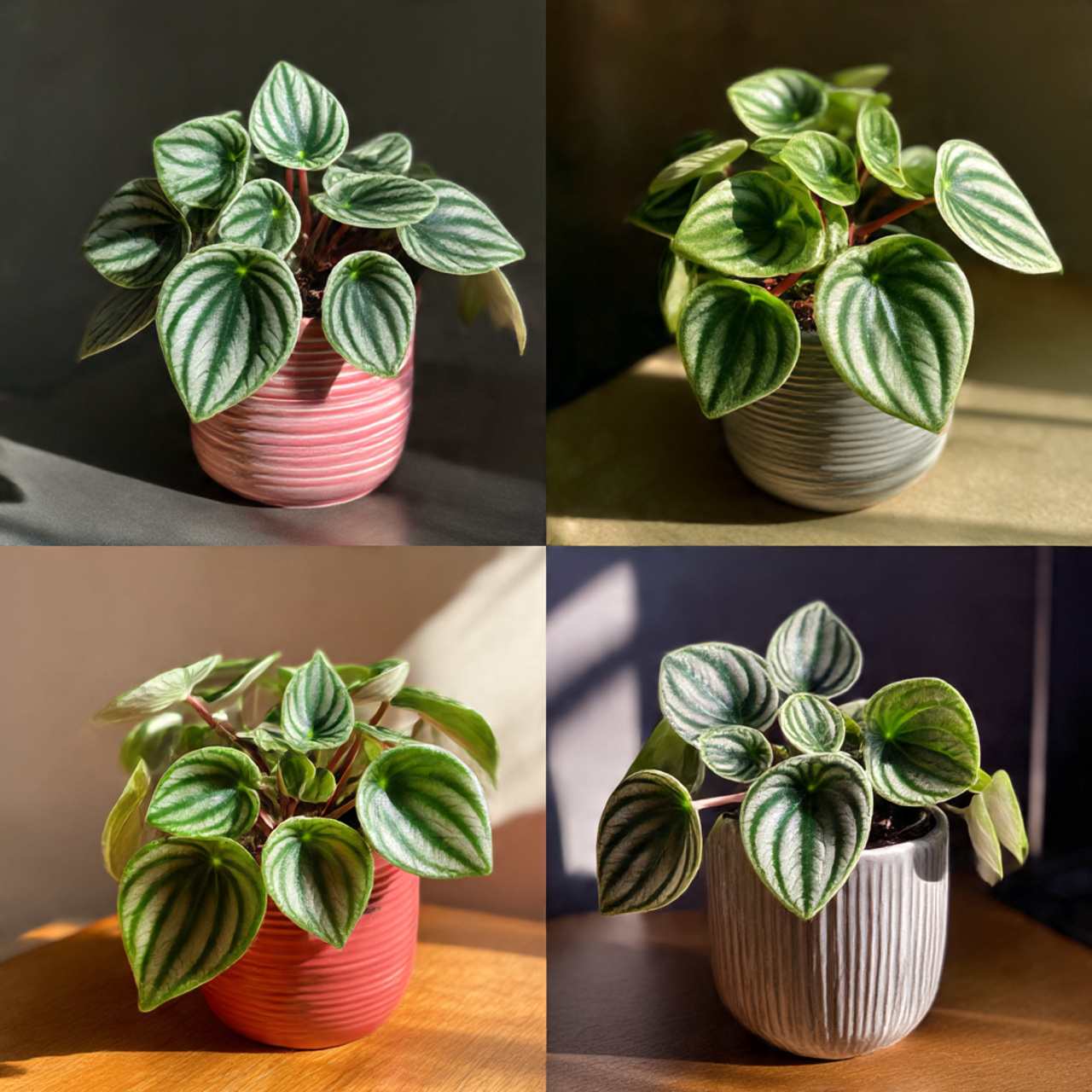
Your Watermelon Peperomia’s needs shift throughout the year, and adjusting your care routine accordingly keeps it thriving. It’s not complicated—just pay attention to what your plant is telling you.
Seasonal watering guide:
- Spring/Summer: Water when the top inch of soil feels dry. Your plant is actively growing and using more water.
- Fall/Winter: Cut back significantly. Water only when the top two inches are dry. Growth slows, so water needs drop dramatically.
Temperature note: Keep your plant away from heating vents in winter and AC blasts in summer. Sudden temperature changes stress plants out just like they stress us out.
Repot at the Right Time for Continued Growth
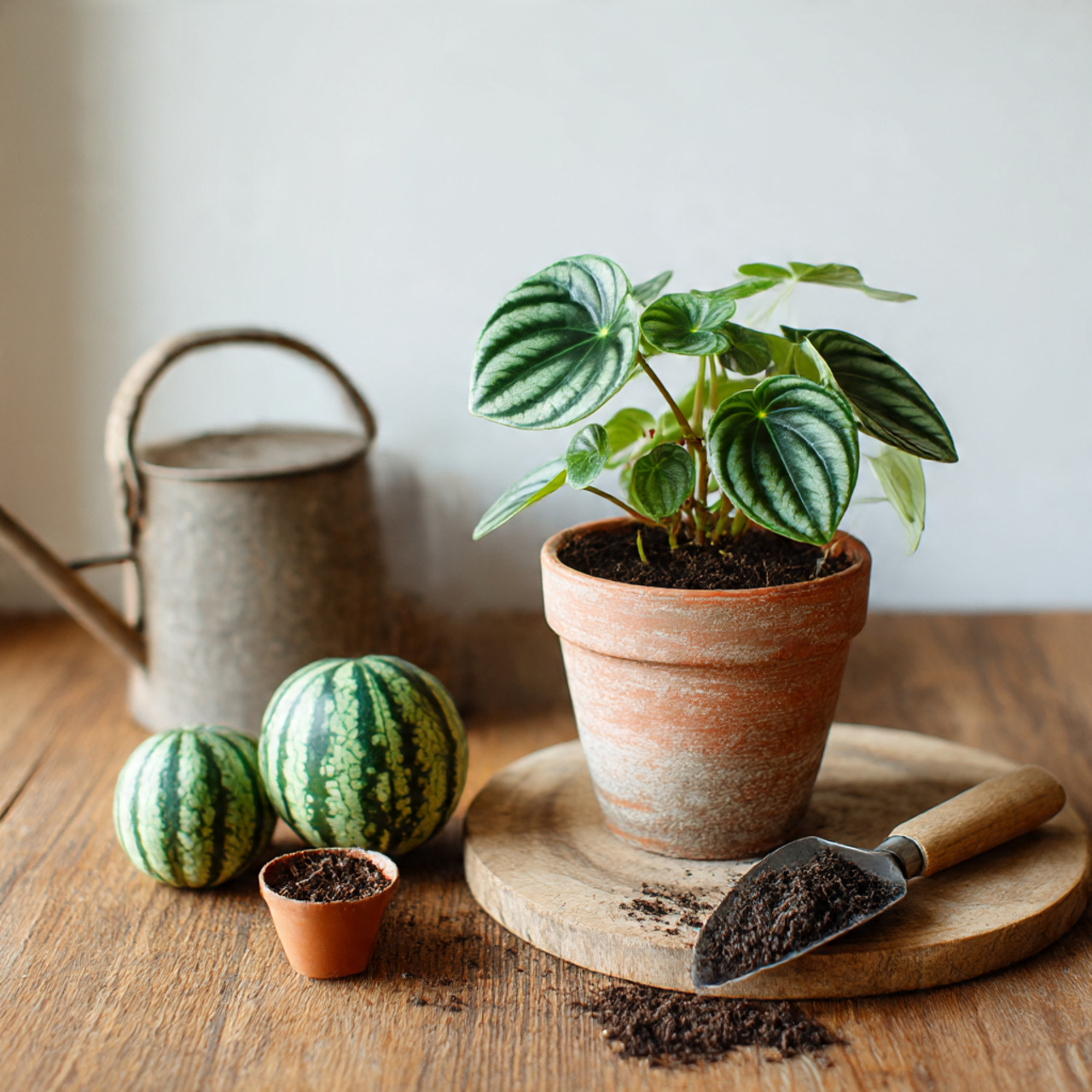
Watermelon Peperomias are slow growers, so they don’t need frequent repotting. Every 2-3 years is usually plenty, or when you notice roots growing out of drainage holes.
Repotting best practices: Choose a pot only one size larger—going too big can lead to overwatering issues. Spring is the ideal time to repot when your plant enters its active growth phase.
Soil recipe for success: Mix peat moss, perlite, and a bit of coco coir. This combination drains well while retaining just enough moisture. Good drainage is absolutely critical—it’s the difference between thriving and dying for these plants.
Handle Humidity Without Overthinking It
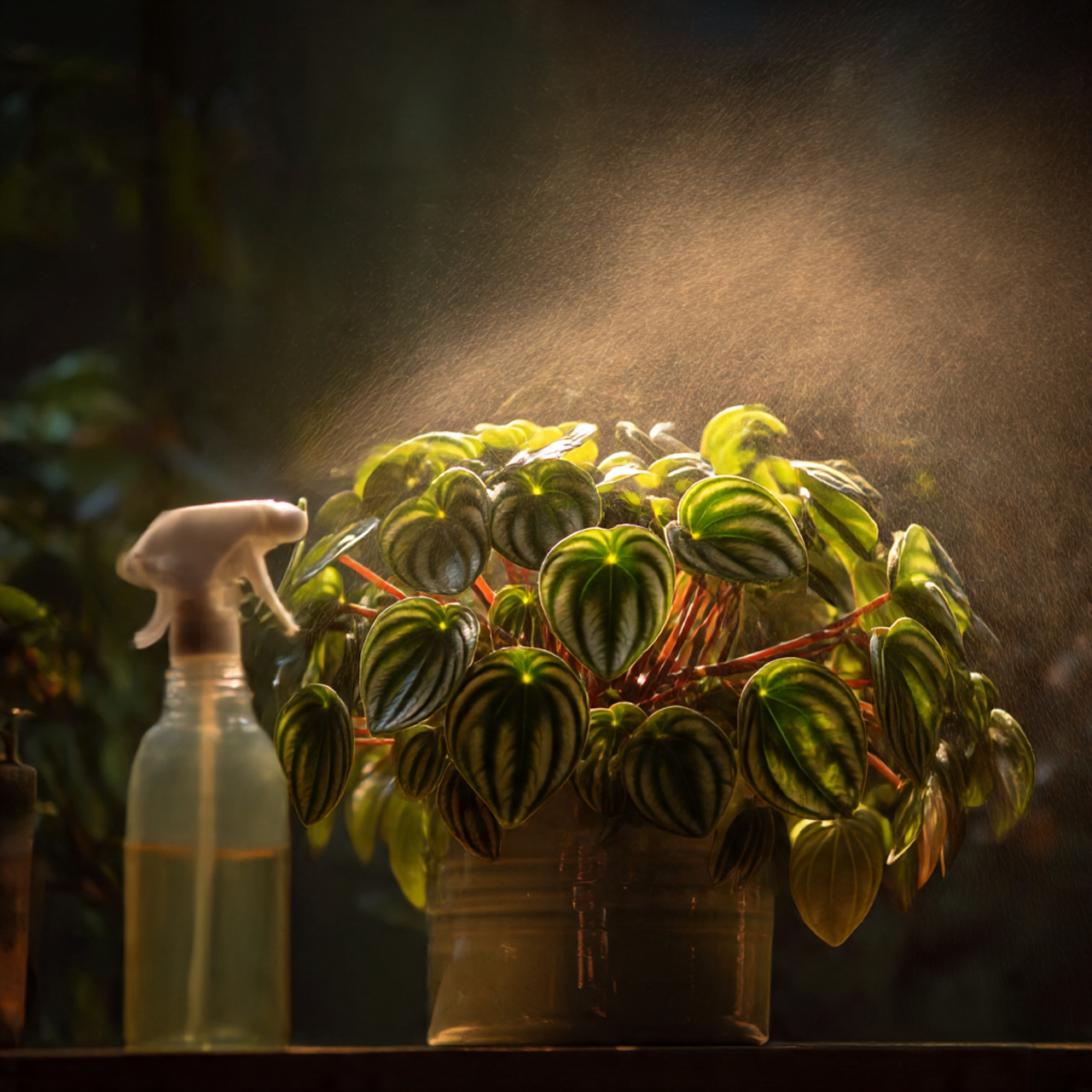
Good news: Watermelon Peperomias don’t need rainforest-level humidity. They adapt well to average indoor conditions, which makes them perfect for homes without humidifiers.
When to add humidity: If you live in a particularly dry climate or run the heater constantly in winter, your plant will appreciate occasional misting. Once a week with a spray bottle is plenty.
Warning signs of humidity issues: Brown, crispy leaf edges mean the air is too dry. Yellow leaves or spots? You’re probably overdoing the humidity or misting too frequently. Find that comfortable middle ground.
Use the Right Soil for Healthy Roots
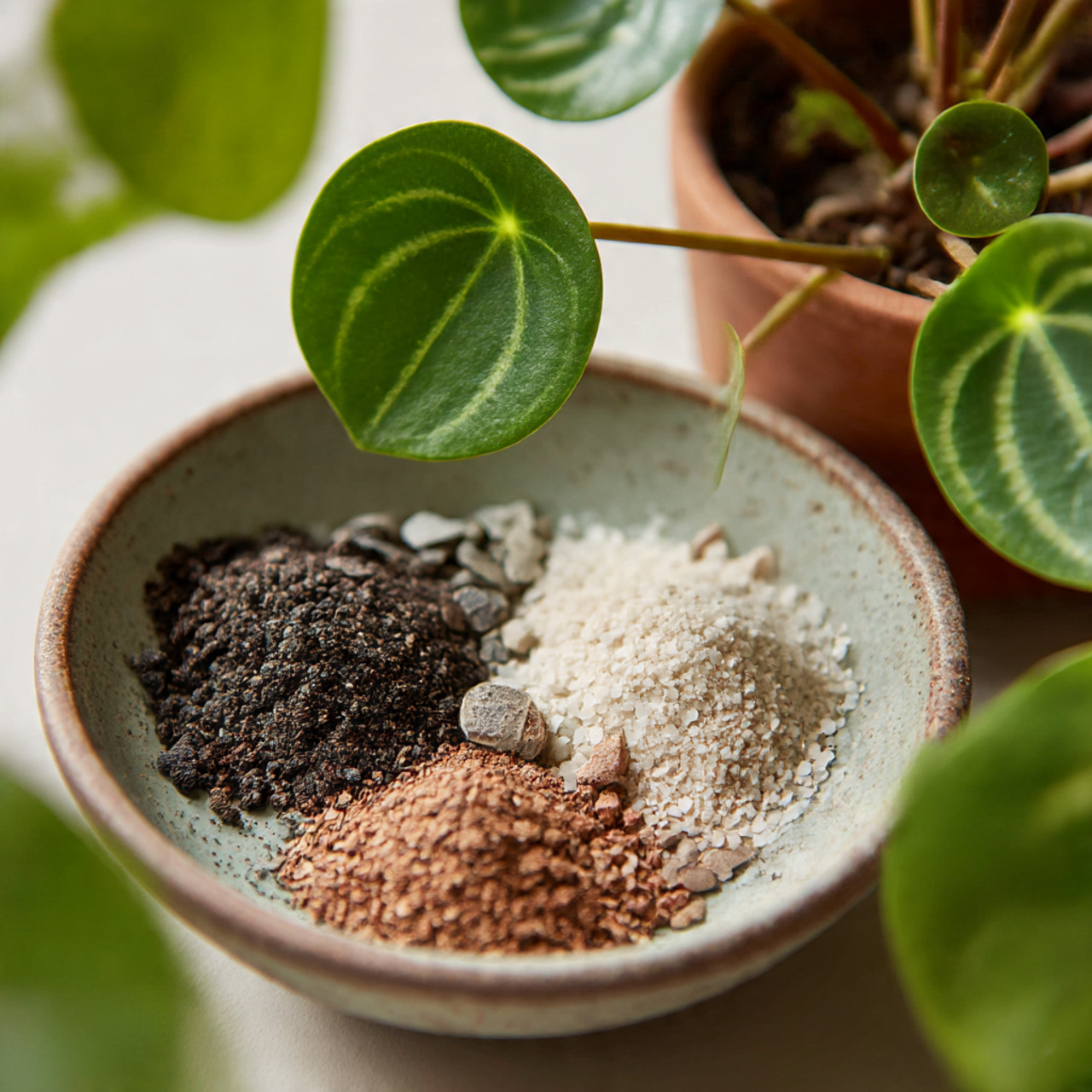
The soil you choose directly impacts your Watermelon Peperomia’s health. These plants need well-draining soil that doesn’t stay soggy—their roots need air circulation to thrive.
Ideal soil mix: Combine equal parts peat moss, perlite, and coco coir. This creates perfect drainage while still holding enough moisture for healthy growth. You can also use a commercial African violet mix, which has similar properties.
Why it matters: Root rot is the number one killer of Watermelon Peperomias, and it almost always traces back to poorly draining soil. Invest in good soil from the start, and you’ll avoid heartbreak later.
Enjoy Peace of Mind with Pet-Safe Greenery
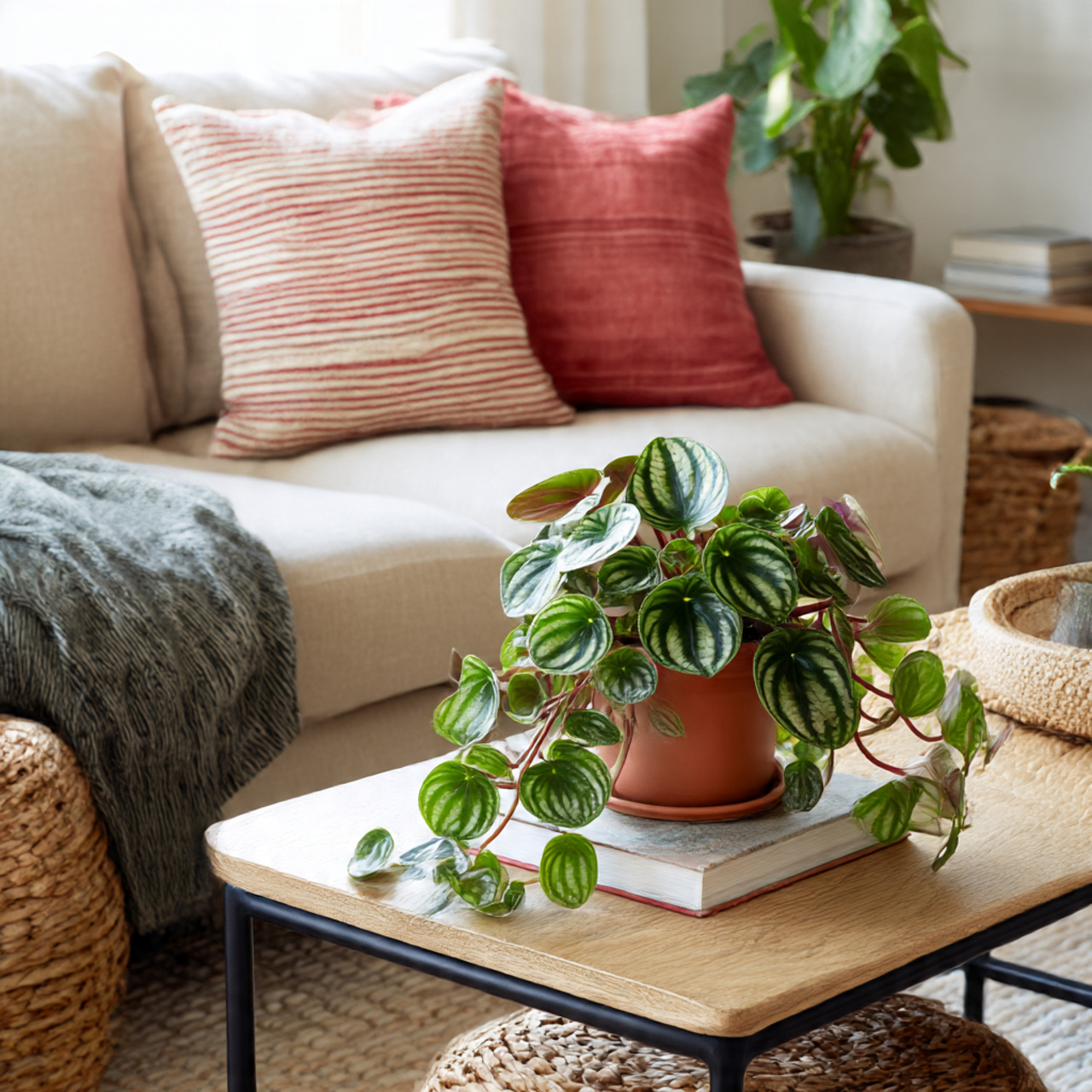
Pet parents, rejoice! Watermelon Peperomia is completely non-toxic to cats and dogs. You can decorate freely without worrying about emergency vet visits.
Pet household tip: While the plant won’t hurt your furry friends, some cats still enjoy nibbling leaves or digging in soil. If your cat is particularly curious, place your peperomia on a higher shelf or use deterrent sprays around the base.
This pet-safe status makes Watermelon Peperomia one of the few plants you can confidently recommend to literally anyone, regardless of their household situation.
Style Shallow Decorative Bowls for Impact
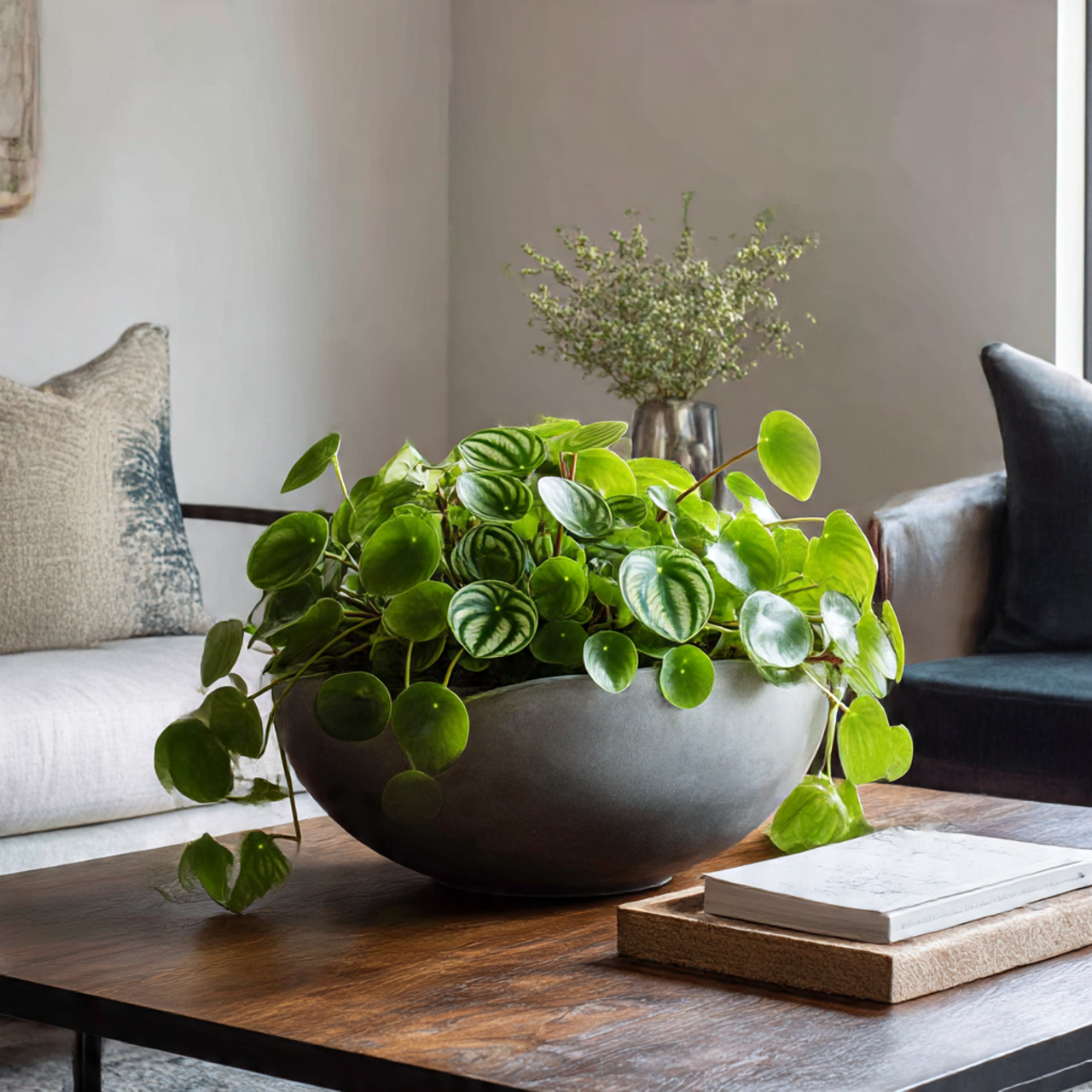
Wide, shallow bowls create a completely different aesthetic than traditional pots. They showcase the Watermelon Peperomia’s leaf pattern like living art, making the plant the absolute focal point.
Styling strategy: Look for ceramic bowls with a subtle glaze or matte finish. The low profile works beautifully on coffee tables, console tables, or wide bookshelves where height might be an issue.
Tip: Make absolutely sure your decorative bowl has drainage holes, or use it as a cache pot (decorative outer pot) with a plastic nursery pot inside that drains properly.
Nail the Watering Routine
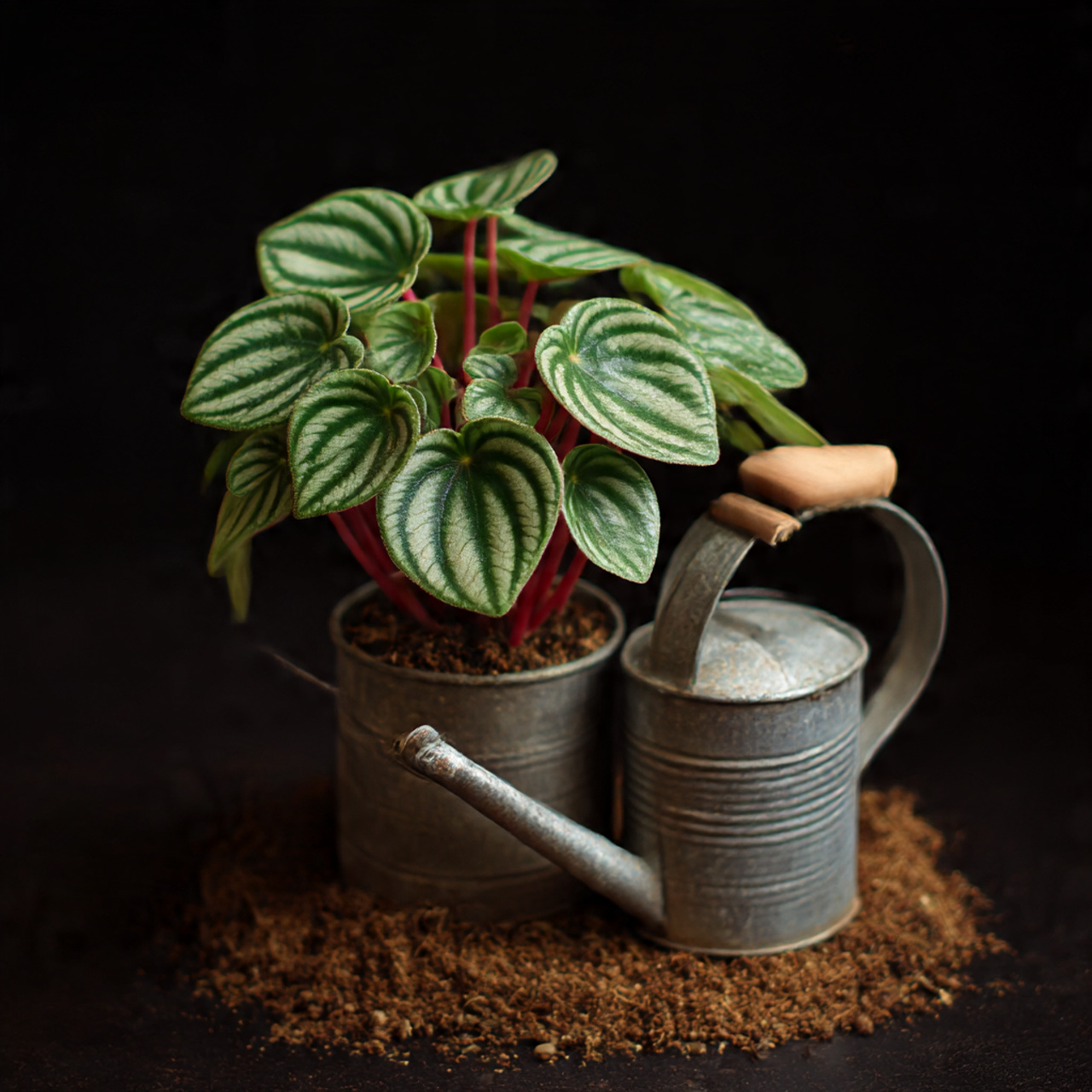
Here’s the truth: overwatering kills more Watermelon Peperomias than anything else. These plants evolved in environments with distinct wet and dry periods, so they actually prefer to dry out a bit between waterings.
The finger test: Stick your finger about an inch into the soil. If it feels moist, wait. If it’s dry, water thoroughly until water runs out the drainage holes, then let it drain completely.
Moisture meter option: If you’re nervous about overwatering, a cheap moisture meter takes the guesswork out. Wait until it reads “dry” before watering again.
Common mistake: Those succulent-like leaves store water, so the plant can handle drought way better than soggy soil. When in doubt, wait another day.
Feed Appropriately for Lush Growth
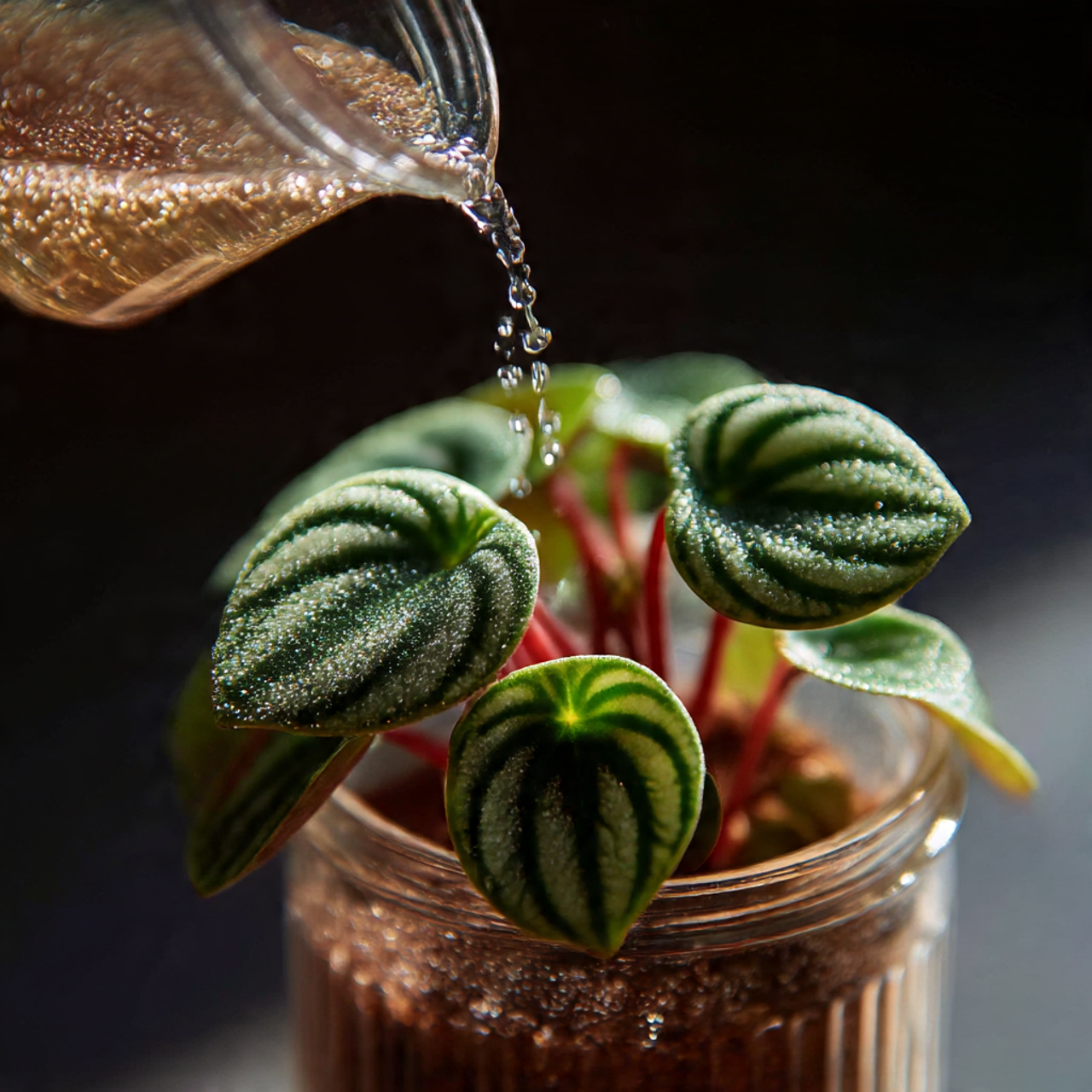
Watermelon Peperomias aren’t heavy feeders, but they do appreciate occasional nutrition during their growing season. The key word? Moderation.
Fertilizing schedule: Feed once monthly from spring through early fall using a balanced, water-soluble fertilizer diluted to half strength. In winter, skip fertilizing entirely since growth naturally slows.
Avoid overfertilizing: Too much fertilizer causes more problems than too little. You’ll see brown leaf tips or edges, salt buildup on soil surface, or even burned roots. Less is definitely more with these plants.
Showcase in Naturally Bright Rooms
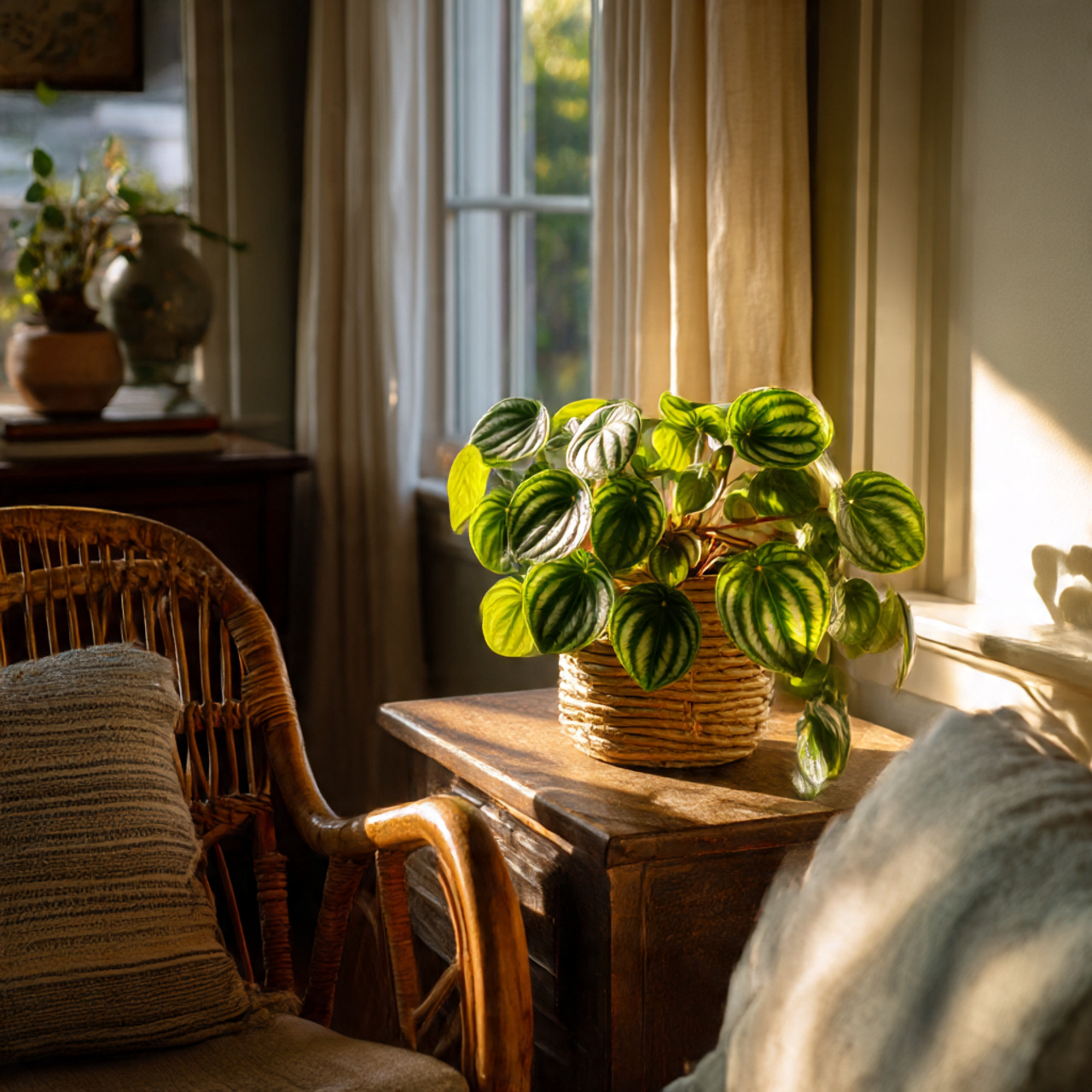
If you’re lucky enough to have a room flooded with soft, natural light, your Watermelon Peperomia will absolutely thrive there. This is where the plant shows its true potential.
The shimmer effect: In diffused natural light, those silver leaf stripes catch and reflect light beautifully. It’s almost like the plant is glowing—seriously stunning and worth finding the perfect spot.
Best rooms: Living rooms with large windows, bright bathrooms with frosted glass, or sunrooms with filtered light all provide ideal conditions. Just avoid placing the plant directly in harsh sunbeams.
Keep Leaves Clean and Happy
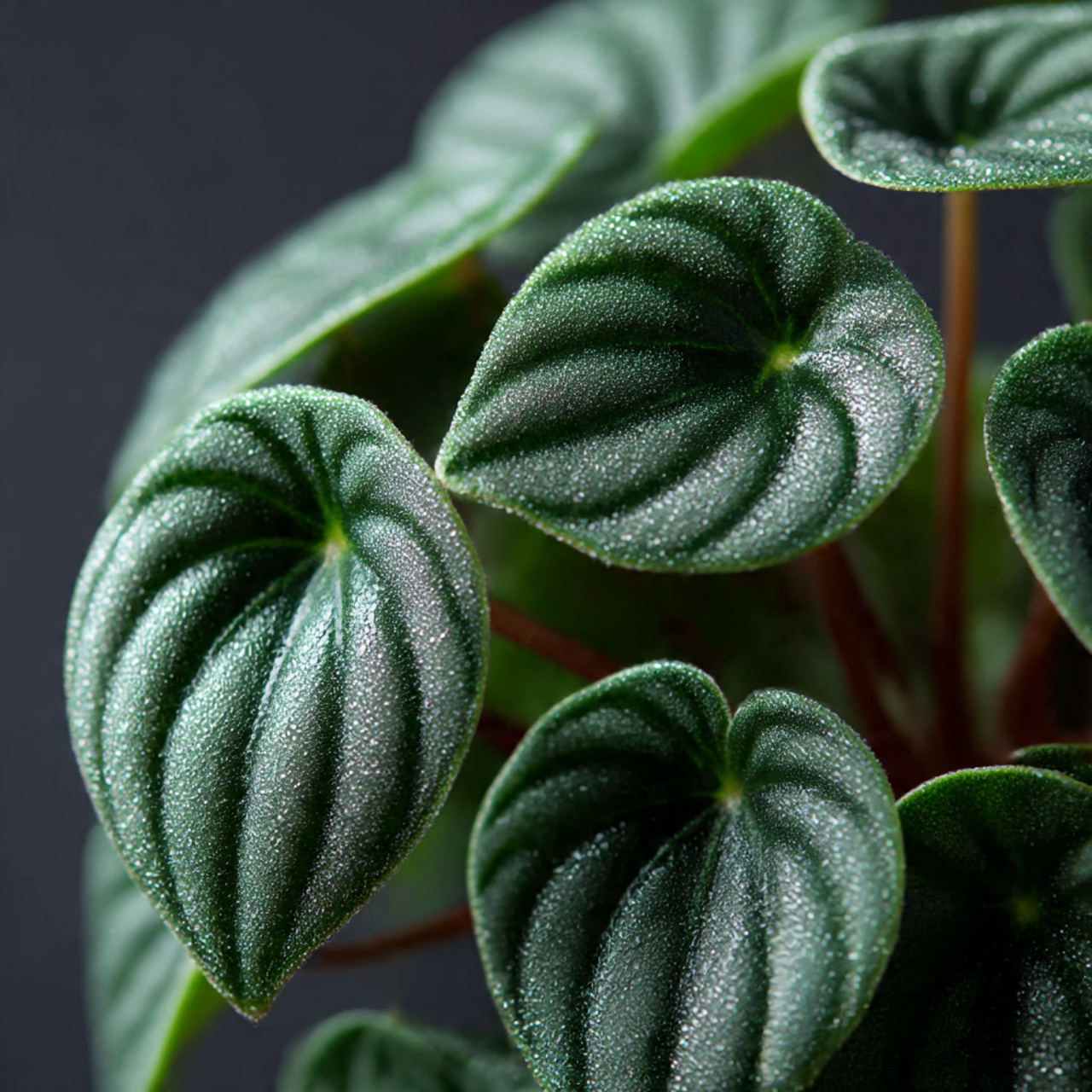
Dust buildup on leaves isn’t just unsightly—it actually blocks light absorption and can attract pests. Regular cleaning keeps your Watermelon Peperomia looking glossy and functioning properly.
Easy cleaning method: Every 2-3 weeks, gently wipe each leaf with a soft, damp cloth. Support the leaf from underneath to avoid tearing. Skip commercial leaf shine products—they can clog pores and cause more harm than good.
Bonus benefit: This regular attention helps you spot potential pest problems early. A quick weekly inspection during cleaning prevents small issues from becoming plant disasters.
Make a Welcoming First Impression
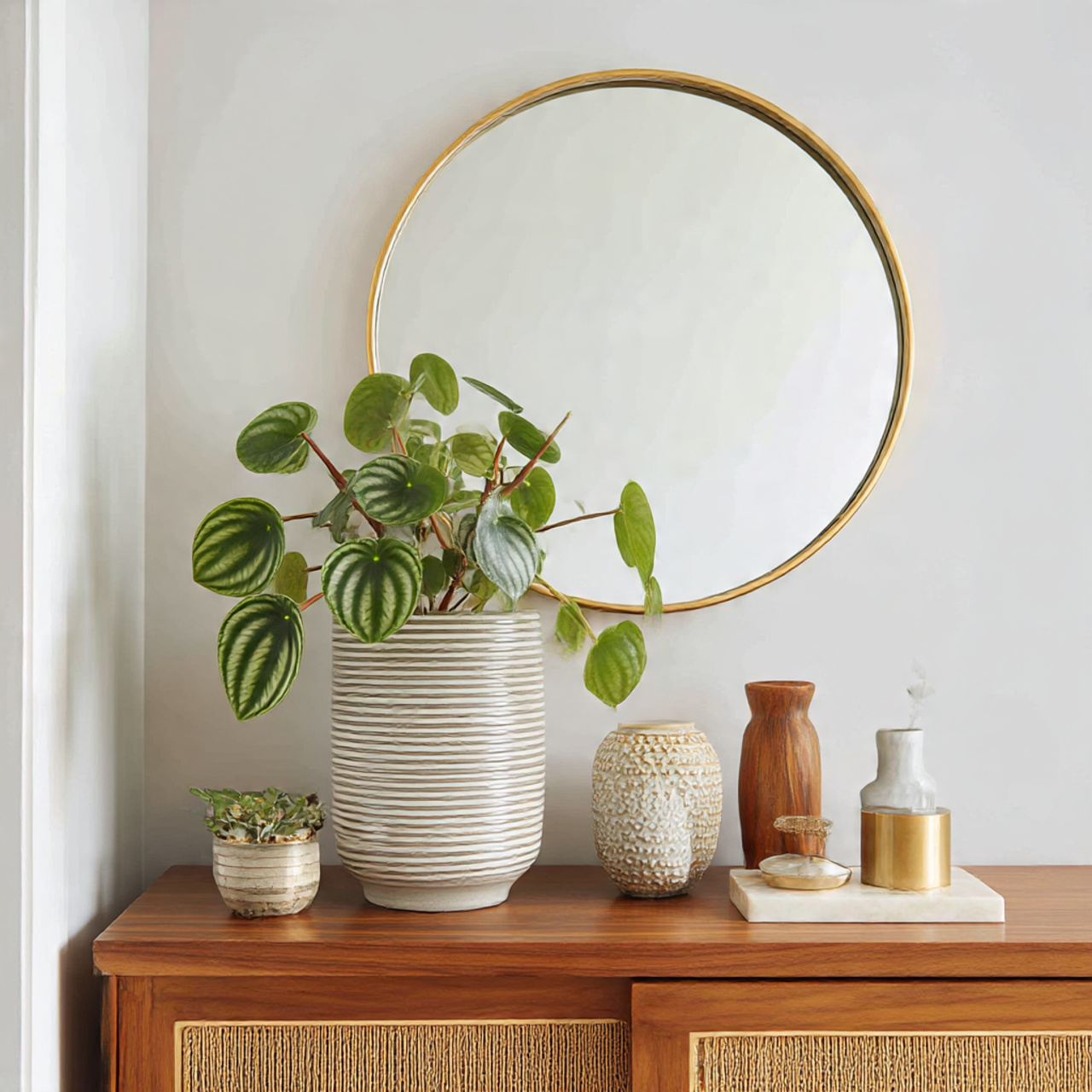
Your entryway sets the tone for your entire home, and a vibrant Watermelon Peperomia creates an instantly welcoming atmosphere. It’s the perfect greeter—compact, gorgeous, and cheerful.
Entryway placement ideas: Console tables, narrow shelving, or small plant stands all work beautifully. The plant’s bold pattern catches the eye immediately without overwhelming a typically small space.
Lighting consideration: Most entryways don’t have perfect light, but Watermelon Peperomias tolerate lower light better than many houseplants. Just make sure it gets some natural light during the day, even if indirect.
FAQs About Watermelon Peperomia
1. Why are my Watermelon Peperomia leaves drooping and looking sad?
Drooping usually signals overwatering or drainage issues. Check if your soil feels soggy—if yes, let it dry out completely before watering again. Make sure your pot has drainage holes. If the soil is dry and leaves still droop, it might actually need water (less common). These plants are more drought-tolerant than people think.
2. Can Watermelon Peperomia survive in low light conditions?
It can survive in lower light, but it won’t thrive. You’ll notice the silver stripes fade and growth becomes leggy as the plant stretches toward light. For the best results, provide bright, indirect light. If you only have low-light spots, consider supplementing with a grow light.
3. How often should I fertilize my Watermelon Peperomia?
Once monthly during spring and summer with diluted liquid fertilizer is perfect. Skip fertilizing completely in fall and winter when growth naturally slows. These plants are light feeders—overdoing it causes more problems than underfertilizing.
4. Is Watermelon Peperomia actually safe around my curious cats and dogs?
Yes, absolutely! This plant is completely non-toxic to both cats and dogs, making it one of the safest choices for pet-friendly homes. That said, discourage excessive nibbling since it’s not great for the plant’s appearance.
5. How big will my Watermelon Peperomia eventually get?
Expect a mature size of about 6-8 inches tall and equally wide—super compact and perfect for small spaces. It’s a naturally slow grower, so you won’t wake up one day to find it’s taken over your apartment. This predictable size makes it ideal for desks, shelves, and tight spaces.
Final Thoughts: Why Watermelon Peperomia Deserves a Spot in Your Home
The Watermelon Peperomia proves that you don’t need complicated care routines or a green thumb to enjoy stunning houseplants. With its eye-catching striped leaves and easygoing personality, this plant fits seamlessly into any lifestyle—whether you’re a busy professional, a plant enthusiast, or somewhere in between.
From terrariums to hanging planters, office desks to bedroom corners, this versatile beauty transforms ordinary spaces into something special. It asks for very little—just proper light, occasional watering, and well-draining soil—but delivers non-stop visual interest year-round.
Start with one Watermelon Peperomia, master the basics, and you’ll likely find yourself propagating more to fill every corner of your home. That’s the magic of this plant: it grows on you just as beautifully as it grows in your space. Give it the simple care it deserves, and it’ll reward you with years of lush, effortless beauty.