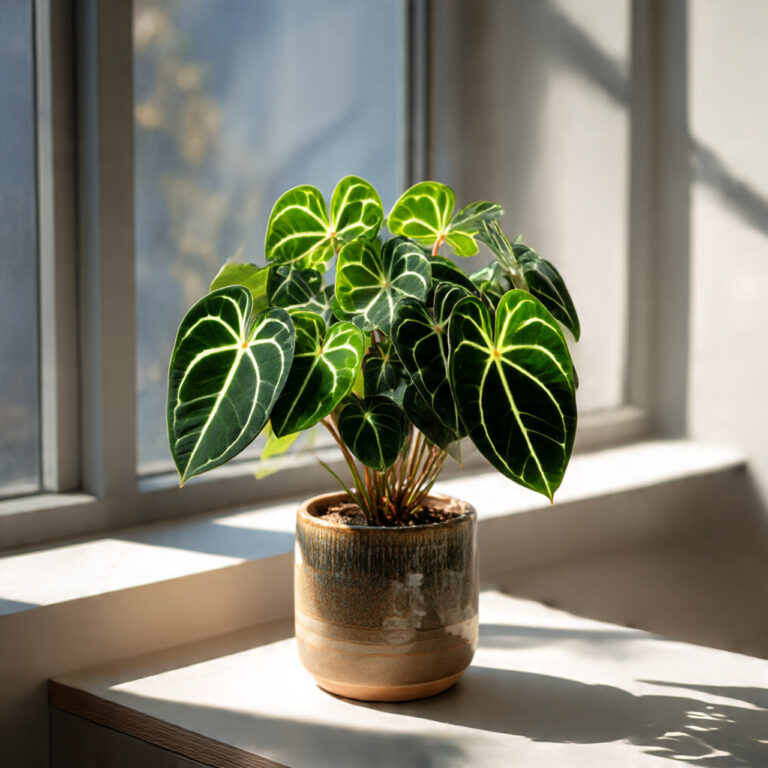
26 Blue Star Fern Care & Styling Ideas That Will Instantly Elevate Your Space
There’s something special about the Blue Star Fern that makes plant lovers stop and take notice. With its gorgeous blue-green fronds and surprisingly forgiving nature, this beauty has earned its place as a favorite among indoor plant enthusiasts. Unlike its fussier fern cousins, this one actually thrives in typical home conditions without making you feel like you need a degree in botany.
If you’re looking for a plant that brings a touch of tropical elegance to your space without the drama, you’ve found it. Let’s explore everything you need to know about styling, growing, and caring for this stunning fern.
What Makes Blue Star Fern Special
The Blue Star Fern (Phlebodium aureum) isn’t your garden-variety fern. Originally from the tropical forests of South America, this plant has a cool trick up its sleeve—it grows on trees rather than in the ground. This epiphytic lifestyle means it’s naturally adapted to survive with less fussing than most ferns demand.
Here’s why plant parents love it: It handles lower light better than most ferns, doesn’t throw a tantrum when humidity drops slightly, and won’t wilt if you forget to water it for a few days. Whether you’re just starting your plant journey or you’ve got a collection that’s taking over your home, this fern fits right in.
Now, let’s dive into some practical ways you can show off and care for your Blue Star Fern.
Blue Star Fern in Hanging Baskets
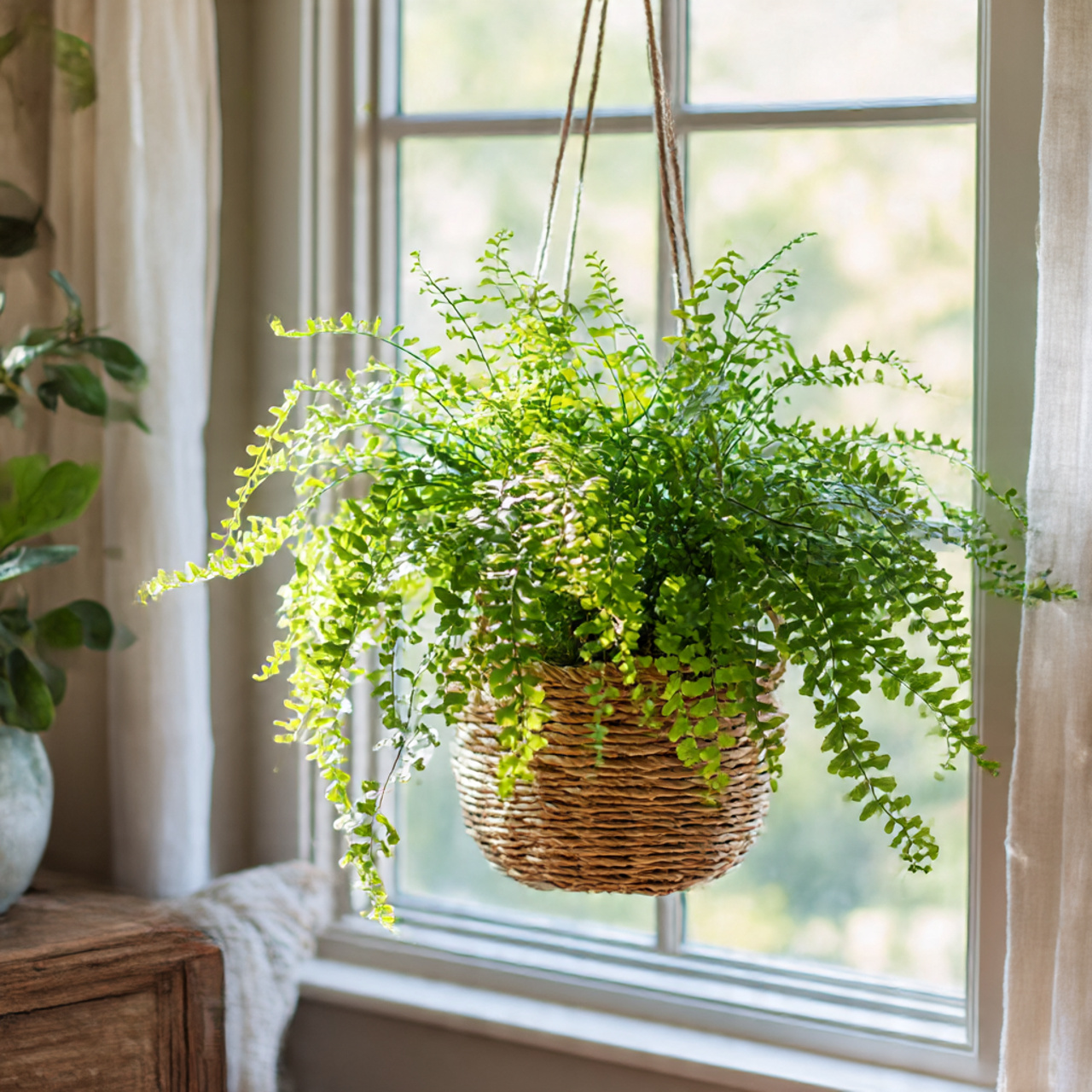
Hanging baskets are perfect for showing off those graceful, arching fronds. When your Blue Star Fern cascades down from above, it creates this beautiful waterfall effect that instantly adds life to any room.
Practical tip: Use a lightweight potting mix made for epiphytic plants—think orchid bark mixed with peat moss. Make sure your basket has drainage holes so water flows through freely. For example, hang it near a bright window in your living room where the fronds can drape naturally without touching furniture. The elevated position also keeps floor space clear, which is a lifesaver in smaller apartments.
Blue Star Fern on Wooden Wall Shelves
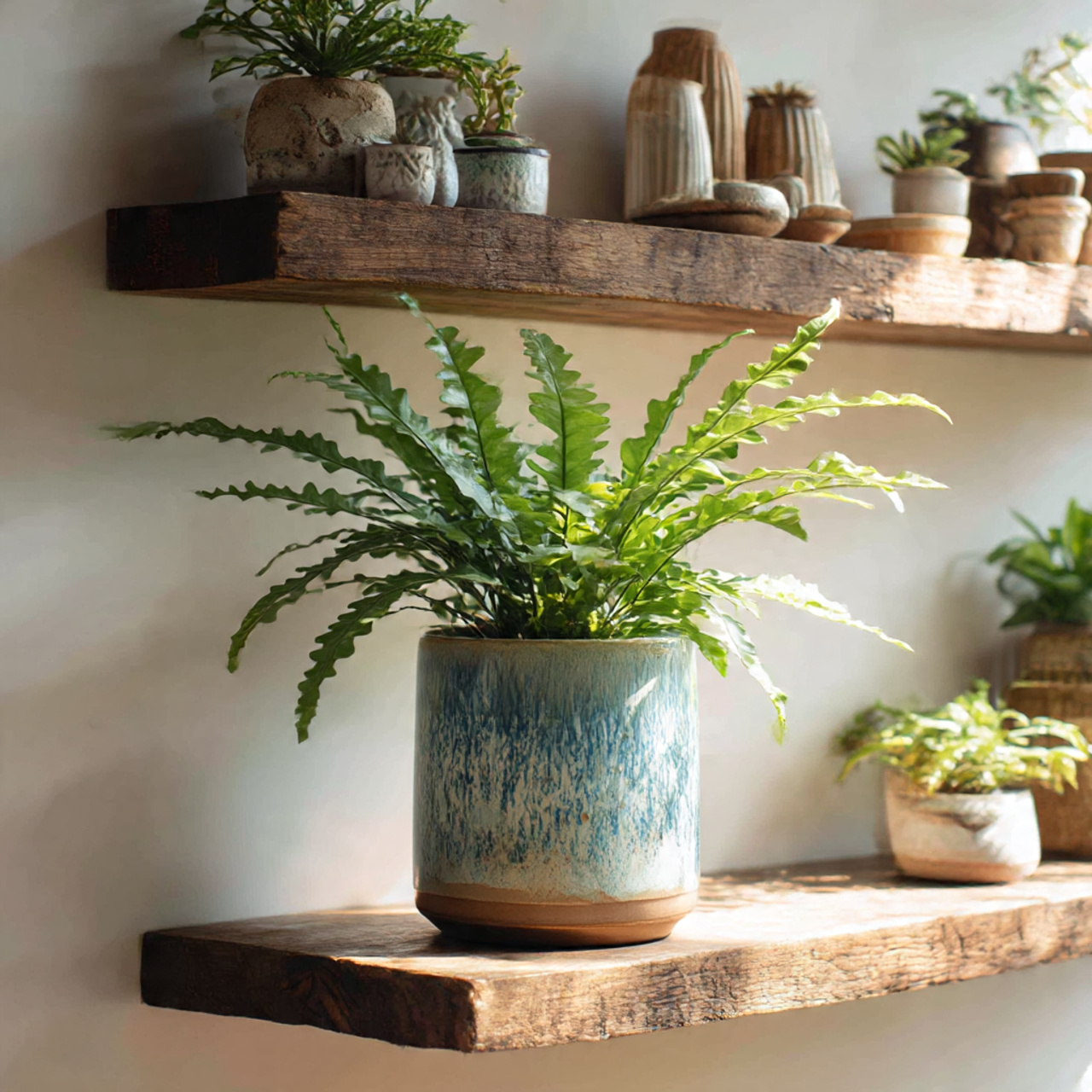
Open wooden shelving becomes instantly more interesting when you add a Blue Star Fern to the mix. The cool blue-green color looks amazing against warm wood tones, creating a contrast that feels both natural and designed.
Styling example: Place your fern on a middle shelf alongside a few books and a ceramic vase. The broad, finger-like fronds add movement and dimension to what might otherwise be a flat display. Rotate your plant every two weeks so all sides get equal light—this prevents it from growing lopsided and keeps it looking balanced from every angle.
Bathroom Sanctuary with Blue Star Fern
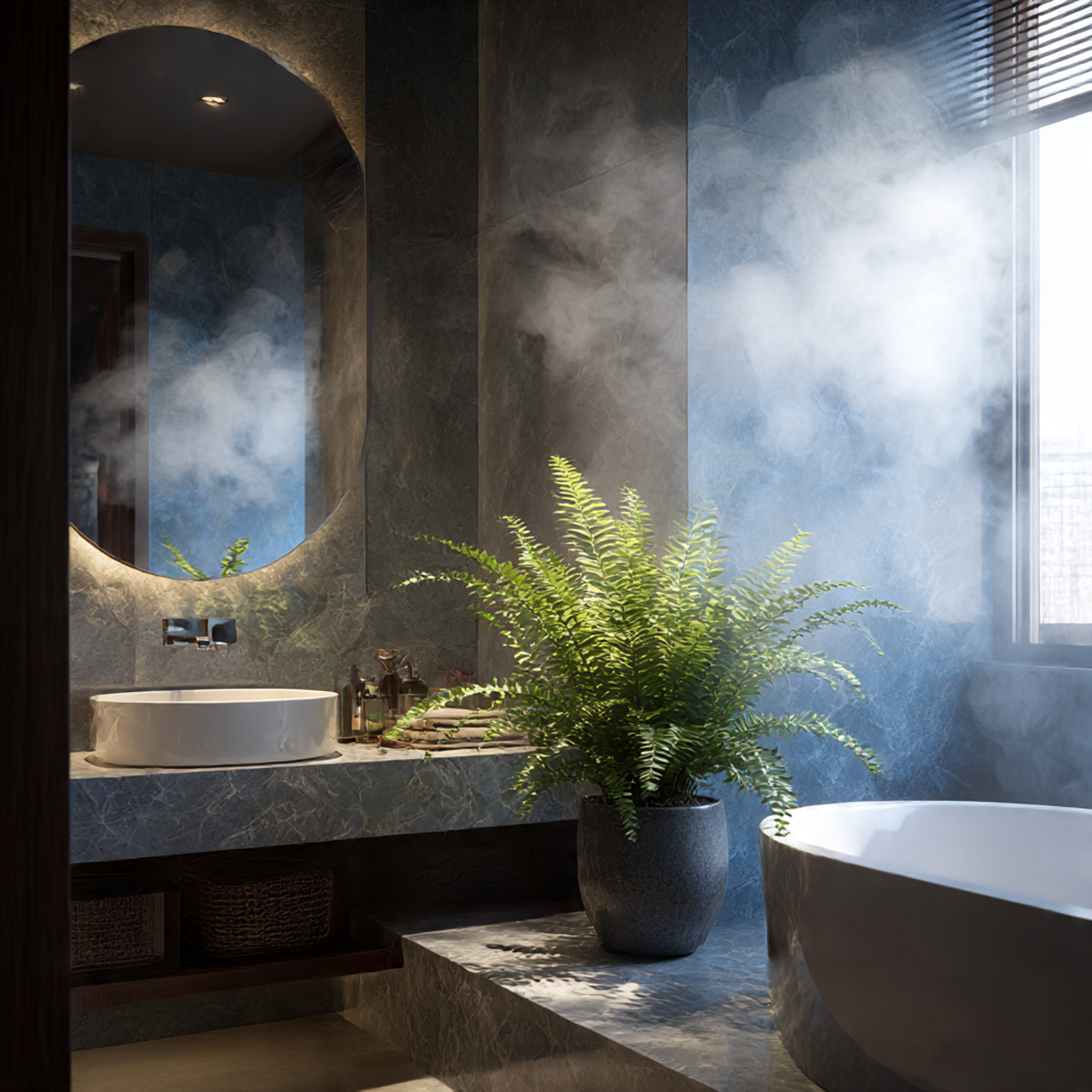
Your bathroom might just be the perfect home for a Blue Star Fern. The natural humidity from showers mimics the tropical environment this plant loves, and the typically softer light is exactly what it prefers.
Real-world application: Set it on a window sill, on top of a toilet tank, or even on a bathroom shelf near a frosted window. The daily steam from your morning shower acts like a natural humidifier. One plant parent shared that their bathroom Blue Star Fern has become the lushest plant in their entire collection, growing fuller and more vibrant than any other room could achieve.
Blue Star Fern as Desk Companion
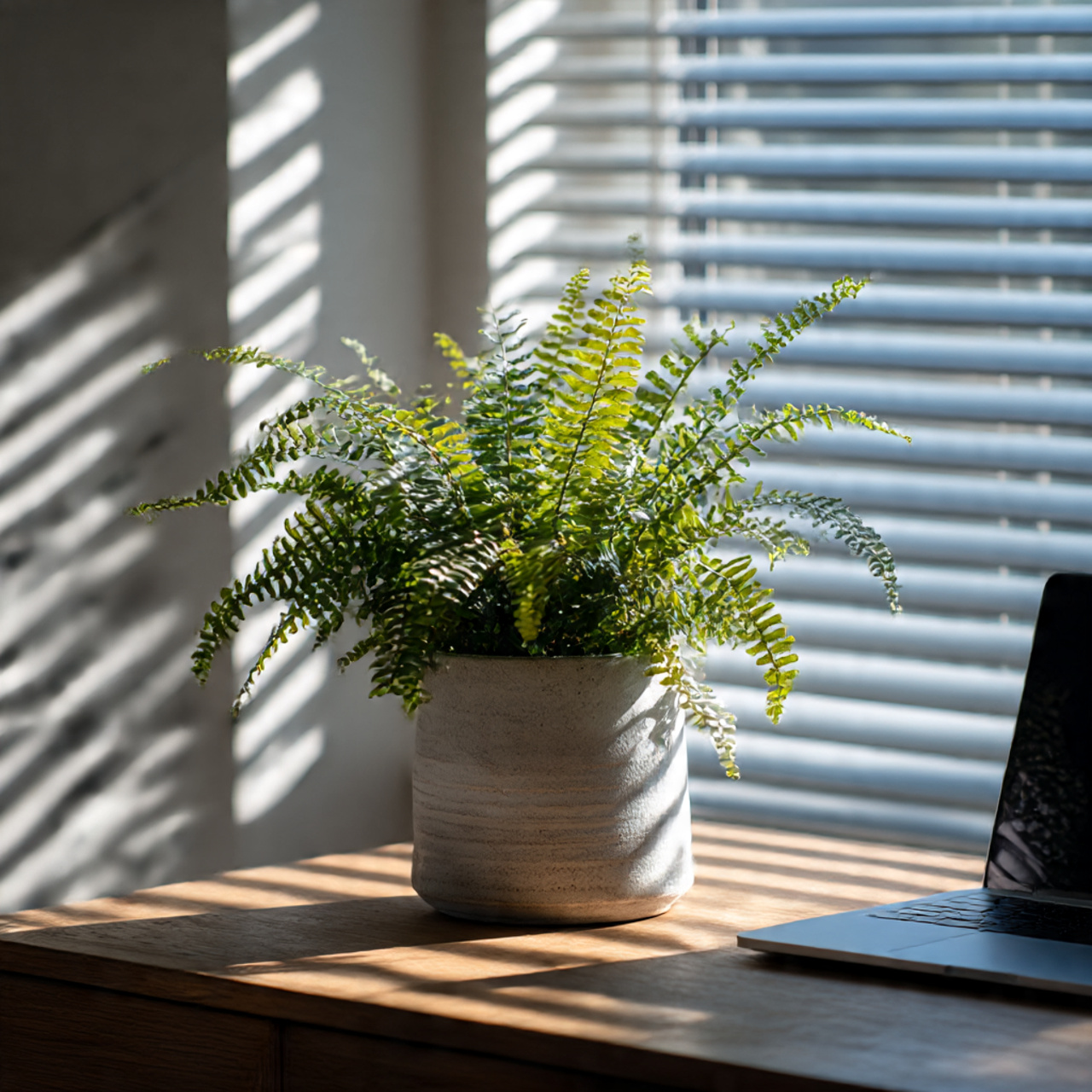
A small Blue Star Fern on your desk does more than just look pretty. The soft blue-green color is actually calming to look at, which helps when you’re deep in work mode and need something to rest your eyes on.
Office setup tip: Choose a matte ceramic pot in white or gray for a clean, professional look. Place it within view but not directly in your workspace—maybe on a corner of your desk or on a nearby shelf. Water it lightly once a week (set a phone reminder if needed), and make sure there’s some air circulation. Unlike tropical ferns that need constant moisture, this one prefers to dry out slightly between watering.
Styling Blue Star Fern in Ceramic Pots
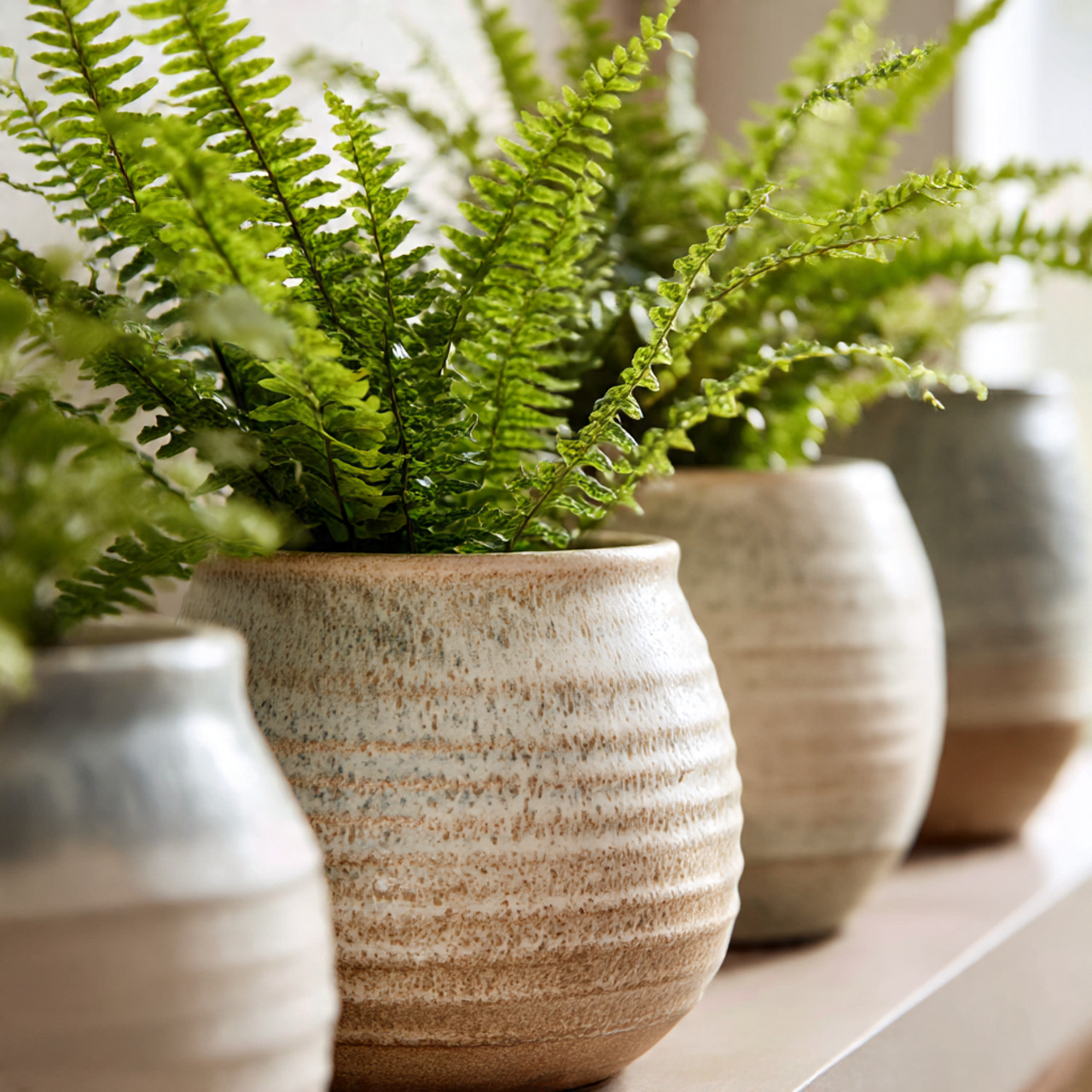
Handcrafted ceramic pots aren’t just Instagram-worthy—they actually complement your Blue Star Fern’s natural beauty while keeping it healthy. Neutral, earthy tones enhance those blue-green fronds without competing for attention.
Example: Always pick a pot with drainage holes. Even the most beautiful pot becomes a death trap if water pools at the bottom. If you fall in love with a pot that doesn’t have drainage, use it as an outer decorative cover with a properly draining nursery pot inside. This way, you get the aesthetic you want while keeping your fern’s roots healthy and rot-free.
Blue Star Fern in Terracotta Planters
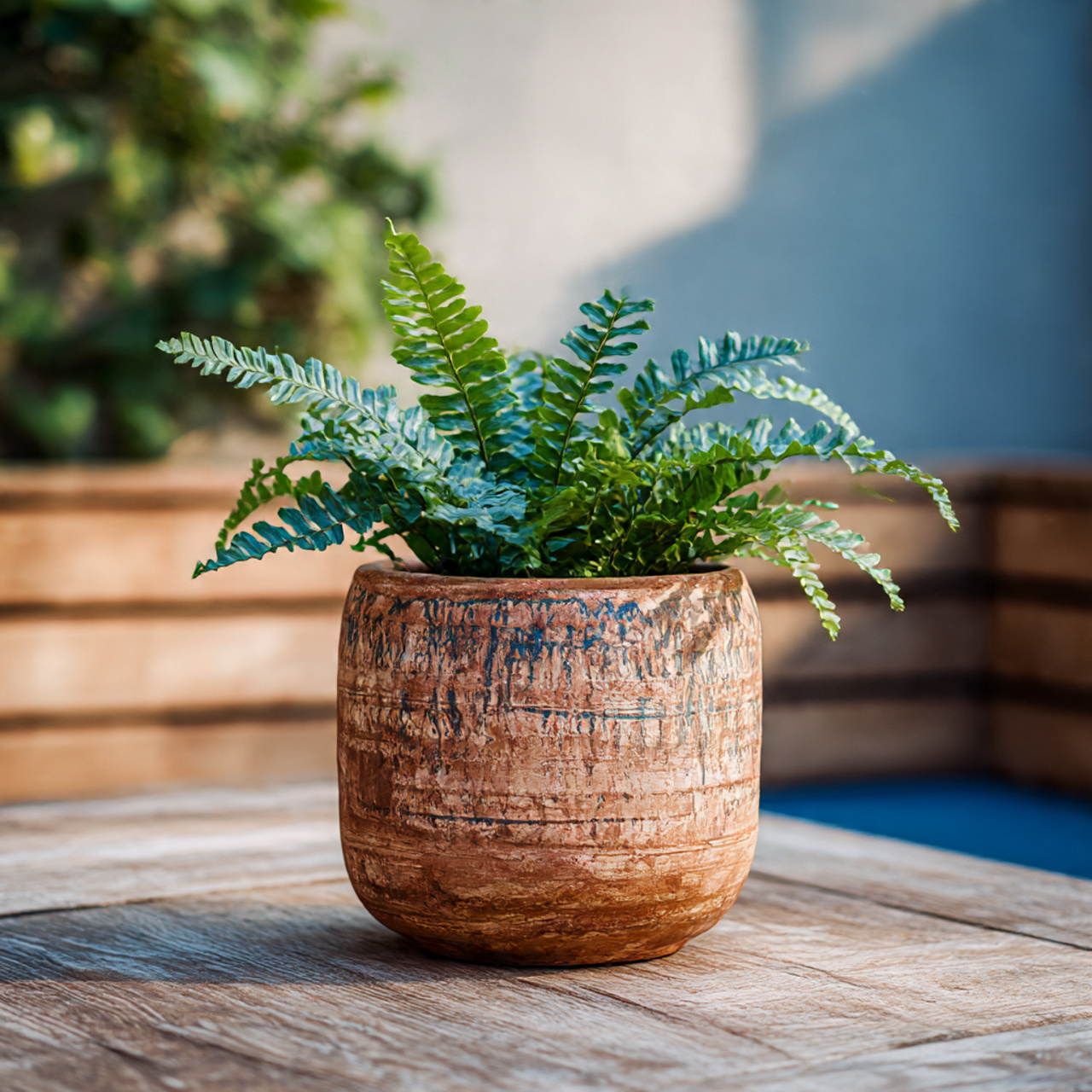
There’s a reason terracotta never goes out of style. The porous clay naturally wicks away excess moisture, which is perfect for preventing the soggy soil Blue Star Ferns hate. Plus, that rustic orange color looks fantastic against cool-toned foliage.
Placement tip: Position your terracotta-potted fern where its wavy fronds have room to spread out—maybe on a plant stand in a corner or on a side table. The visual combination of earthy orange clay and soft blue-green creates a timeless look that works with almost any decor style. Over time, terracotta develops a weathered patina that only adds to its charm.
Low-Light Corners with Blue Star Fern
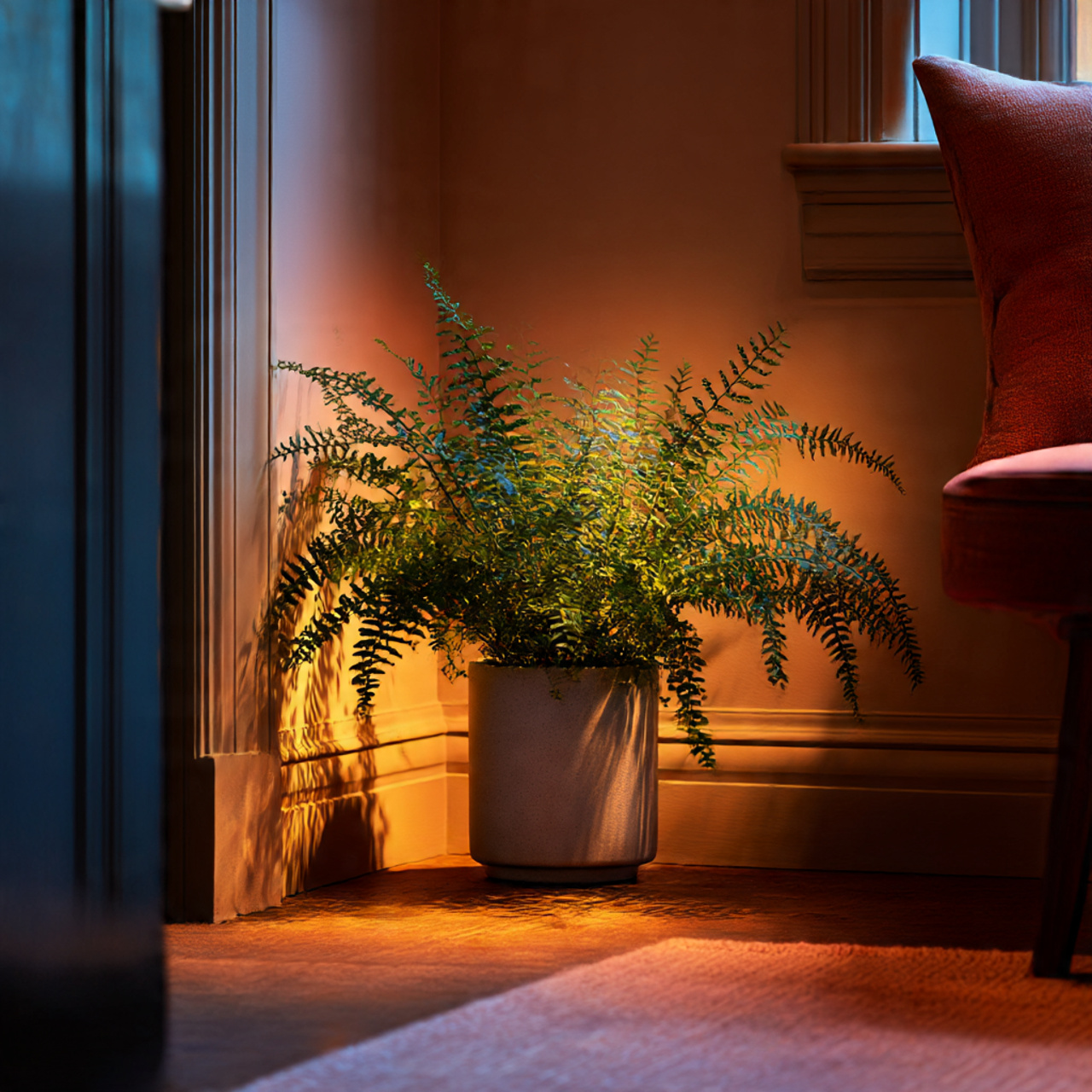
Got a corner that never seems to get quite enough light? The Blue Star Fern can handle it. While many ferns demand bright indirect light, this one tolerates shadier spots better than most.
Low-light example: That hallway corner, the space beside your bookshelf, or a bedroom area away from windows can all work. Just remember that “low light” doesn’t mean “no light”—it still needs some ambient brightness to stay healthy. You’ll know it’s getting enough light if new fronds keep emerging and the existing ones maintain their color. If growth stops completely, try moving it slightly closer to a light source.
Blue Star Fern in Living Room Displays
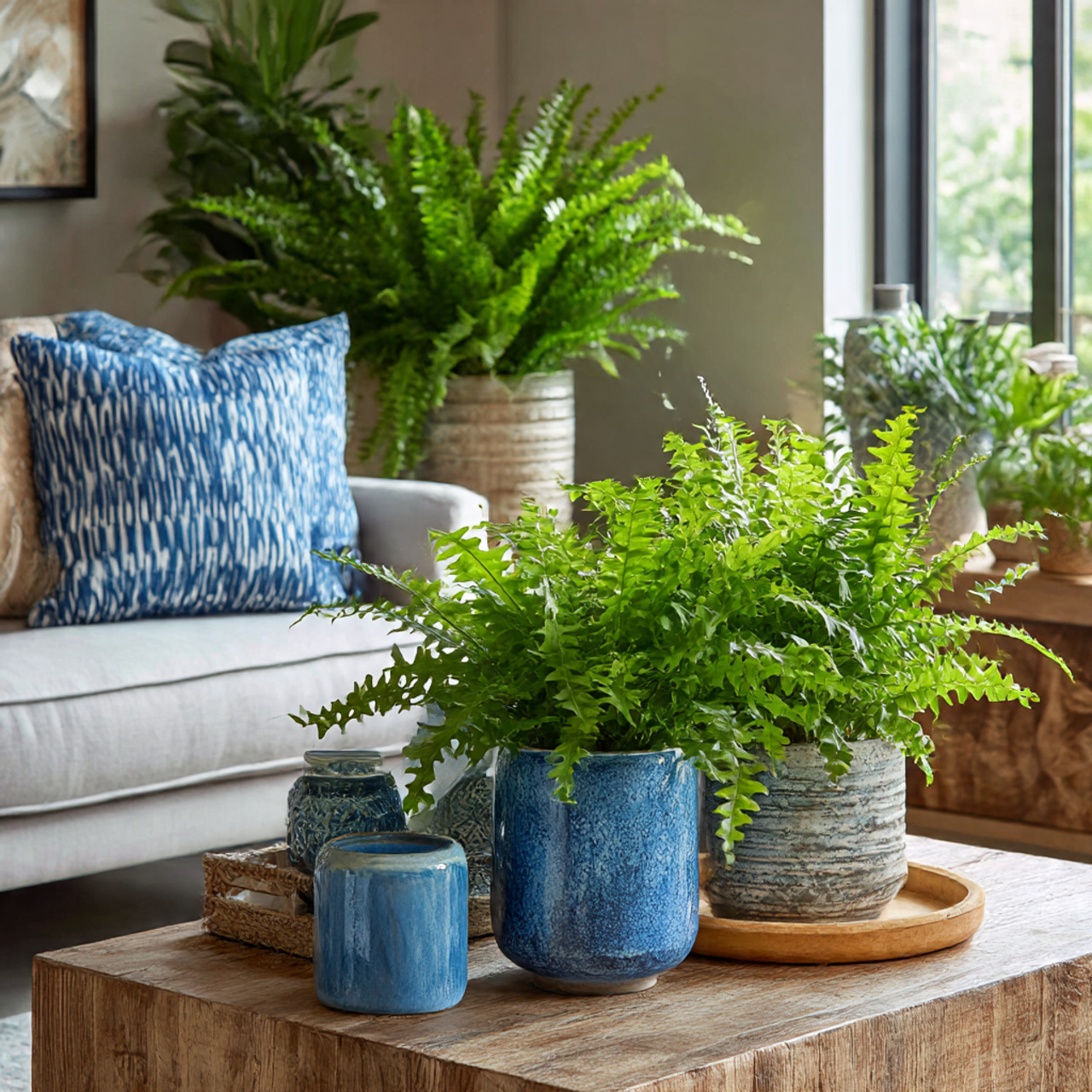
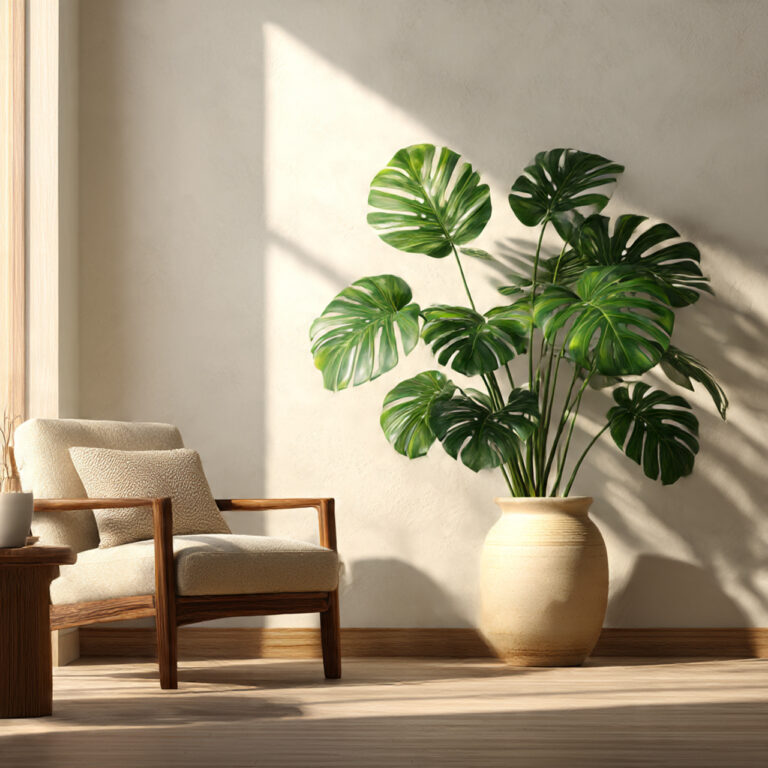
Grouping plants together creates more impact than scattering them around randomly. Add your Blue Star Fern to a collection with larger-leafed plants like Monstera or Peace Lily, and suddenly you’ve got a mini indoor jungle.
Design approach: The Blue Star Fern’s unique blue tint breaks up the sea of standard green, adding visual interest without clashing. Use pots of different heights and materials—maybe a tall floor planter for your Monstera, a medium ceramic for your Peace Lily, and a smaller decorative pot for your fern. This layered approach looks intentional and curated while still feeling natural and relaxed.
Blue Star Fern on Floating Shelves
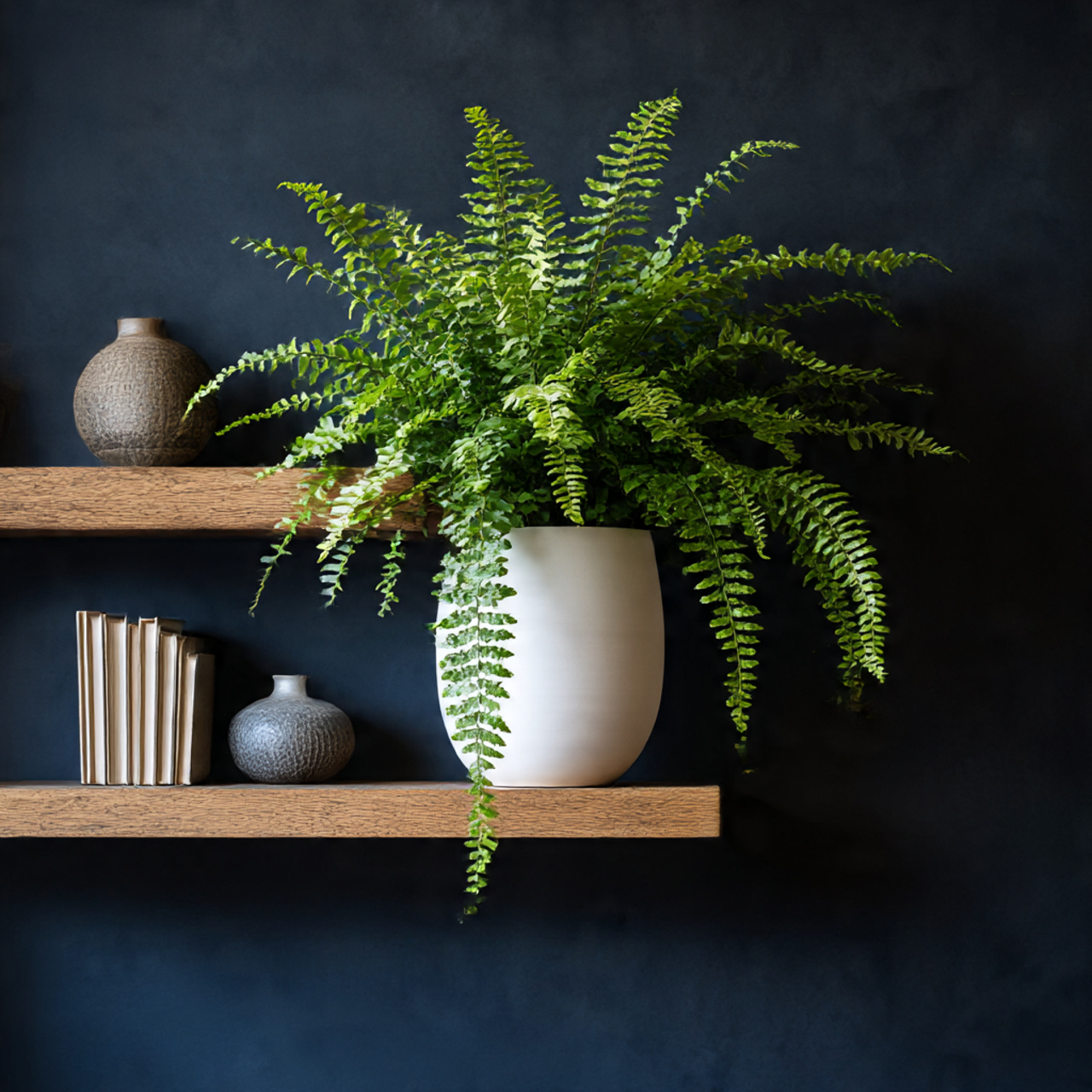
Floating shelves make your Blue Star Fern look like living artwork. The airy fronds hang down beautifully, filling that awkward vertical space between furniture and ceiling that’s hard to decorate.
Visual enhancement tip: Dark-colored shelves create dramatic contrast, making the silvery-green sheen of the fronds pop even more. For example, a matte black floating or wooden shelf with a Blue Star Fern becomes an instant focal point. Mist the leaves every few days if your home’s air is particularly dry—this prevents those crispy brown edges that can develop in low humidity.
Blue Star Fern in Glass Terrariums
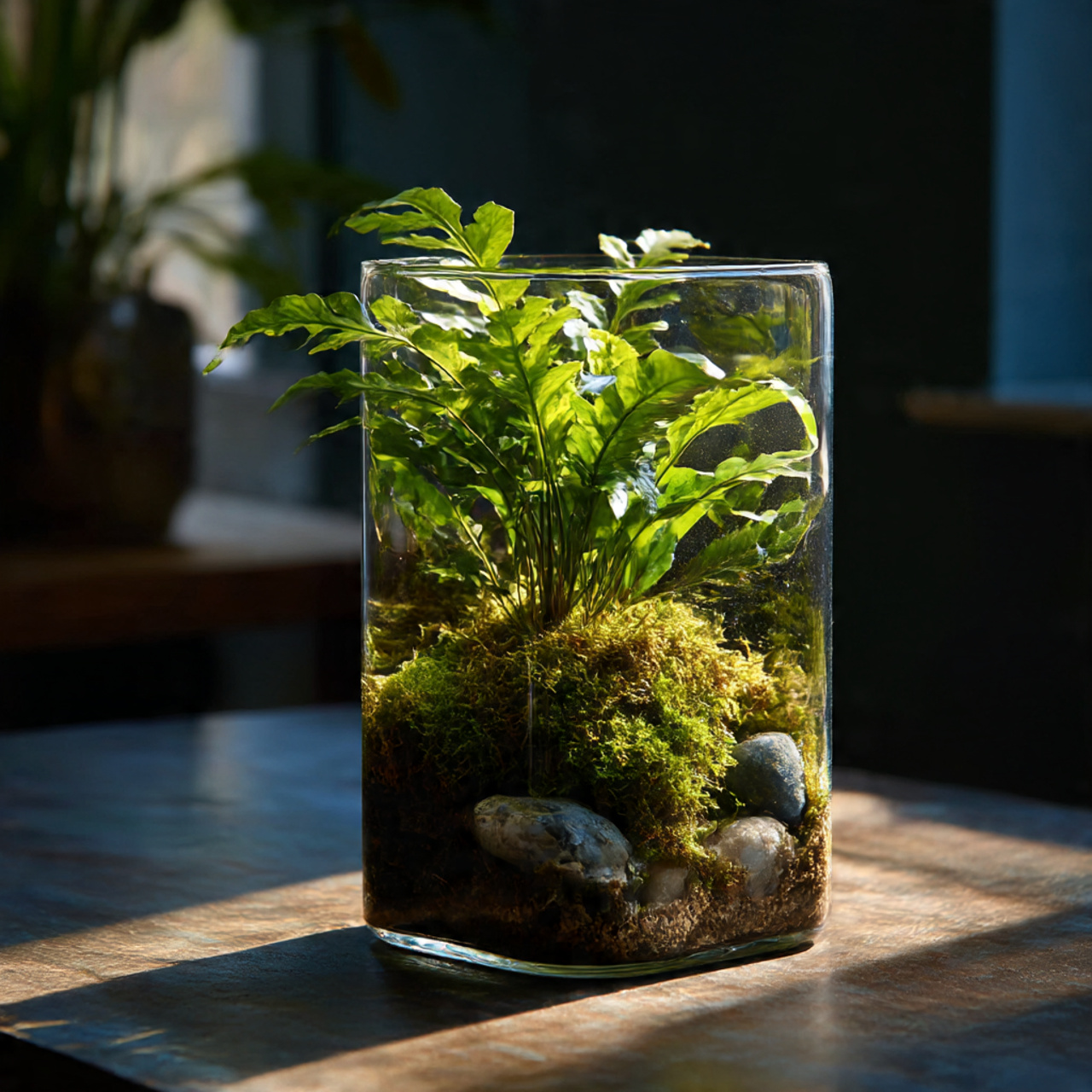
Open glass terrariums let you create a miniature world, and the Blue Star Fern’s slow growth makes it ideal for contained spaces. Its soft, sculptural shape looks stunning when viewed through clear glass.
Layering method: Start with a layer of small stones at the bottom for drainage, add activated charcoal to filter water and prevent odors, then top with a well-draining potting mix and a layer of moss. Plant your fern in the center, and you’ve created a self-contained ecosystem that’s both beautiful and low-maintenance. The glass magnifies every curve and detail of those gorgeous fronds.
Blue Star Fern for Bedroom Calm
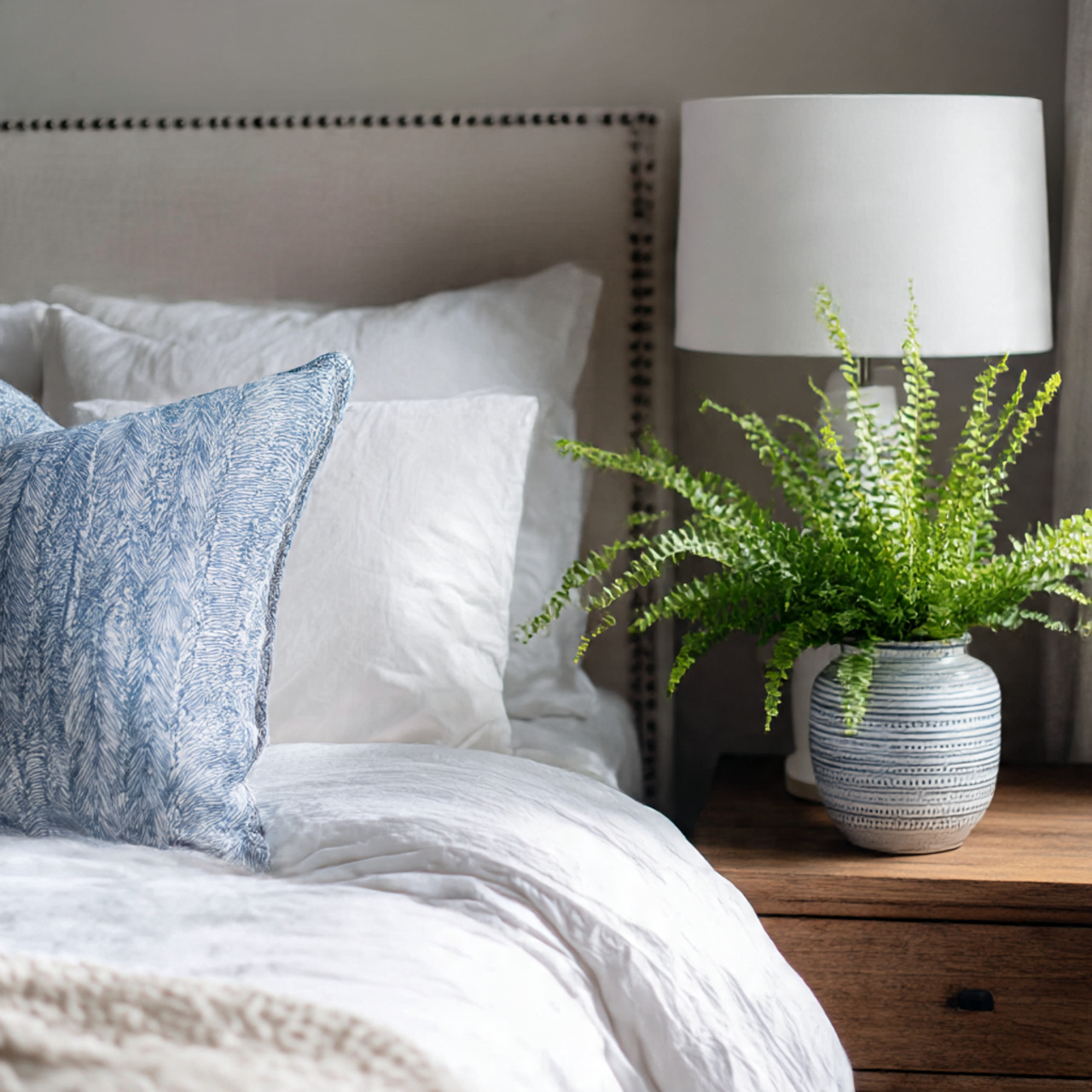
Your bedroom should be a peaceful retreat, and the Blue Star Fern fits that vibe perfectly. Those muted blue-green tones have a naturally calming effect that promotes relaxation and better sleep.
Bedroom placement: Try it on your nightstand or on a dresser near a window with sheer curtains. Morning light filtered through curtains gives it the gentle brightness it loves. Some people find that having living plants in the bedroom improves their mood and air quality—starting their day by seeing healthy, thriving greenery sets a positive tone.
Blue Star Fern as Coffee Table Accent
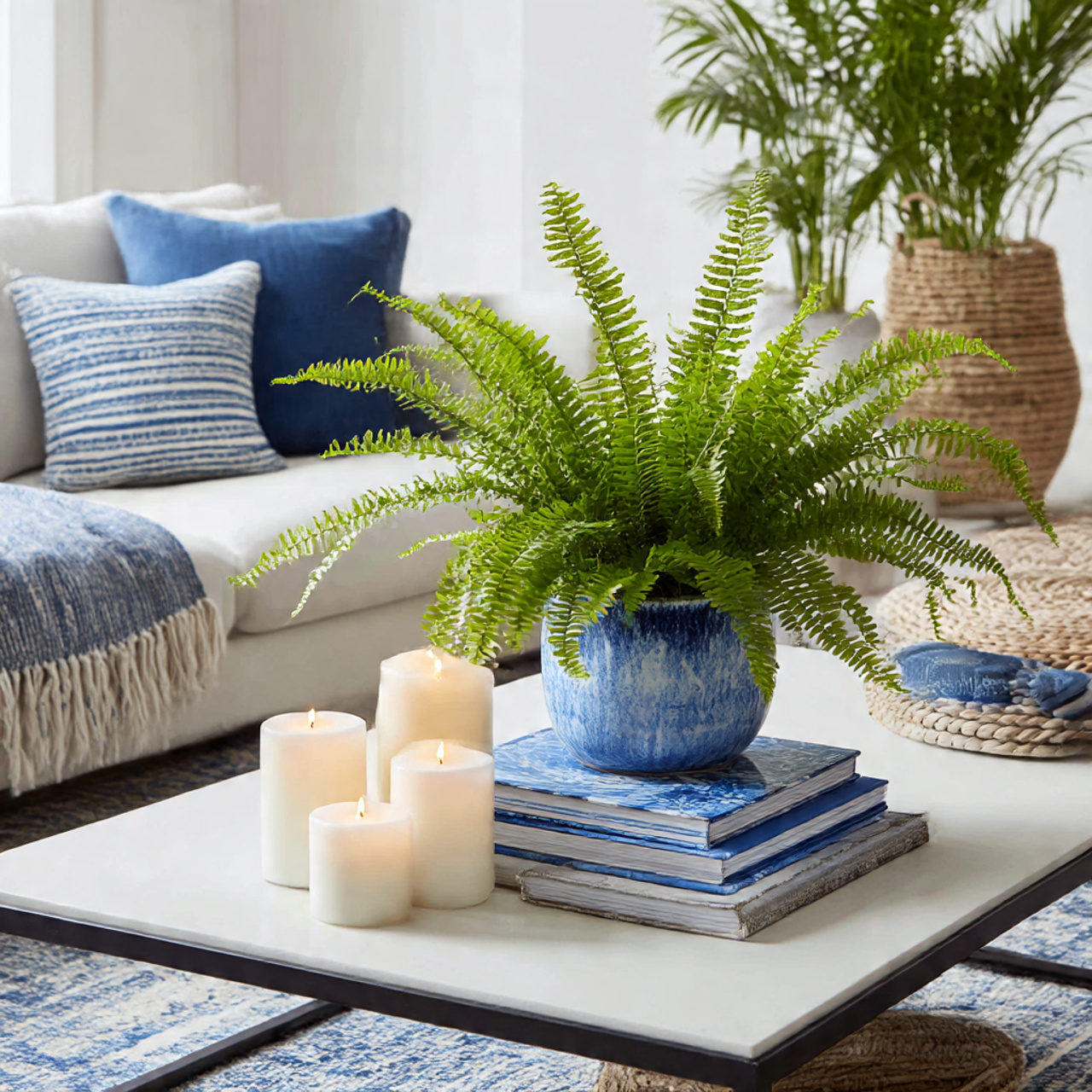
A medium-sized Blue Star Fern makes an excellent coffee table centerpiece. It adds organic freshness without taking up too much space or blocking conversation across the table.
Styling example: Place it in a shallow, wide pot in the center of your coffee table. Surround it with simple décor like a wooden tray, a couple of books, or a linen table runner. The key is keeping things minimal—let the fern be the star. This creates an effortlessly sophisticated look that feels put-together without being stuffy.
Blue Star Fern in Entryway Corners
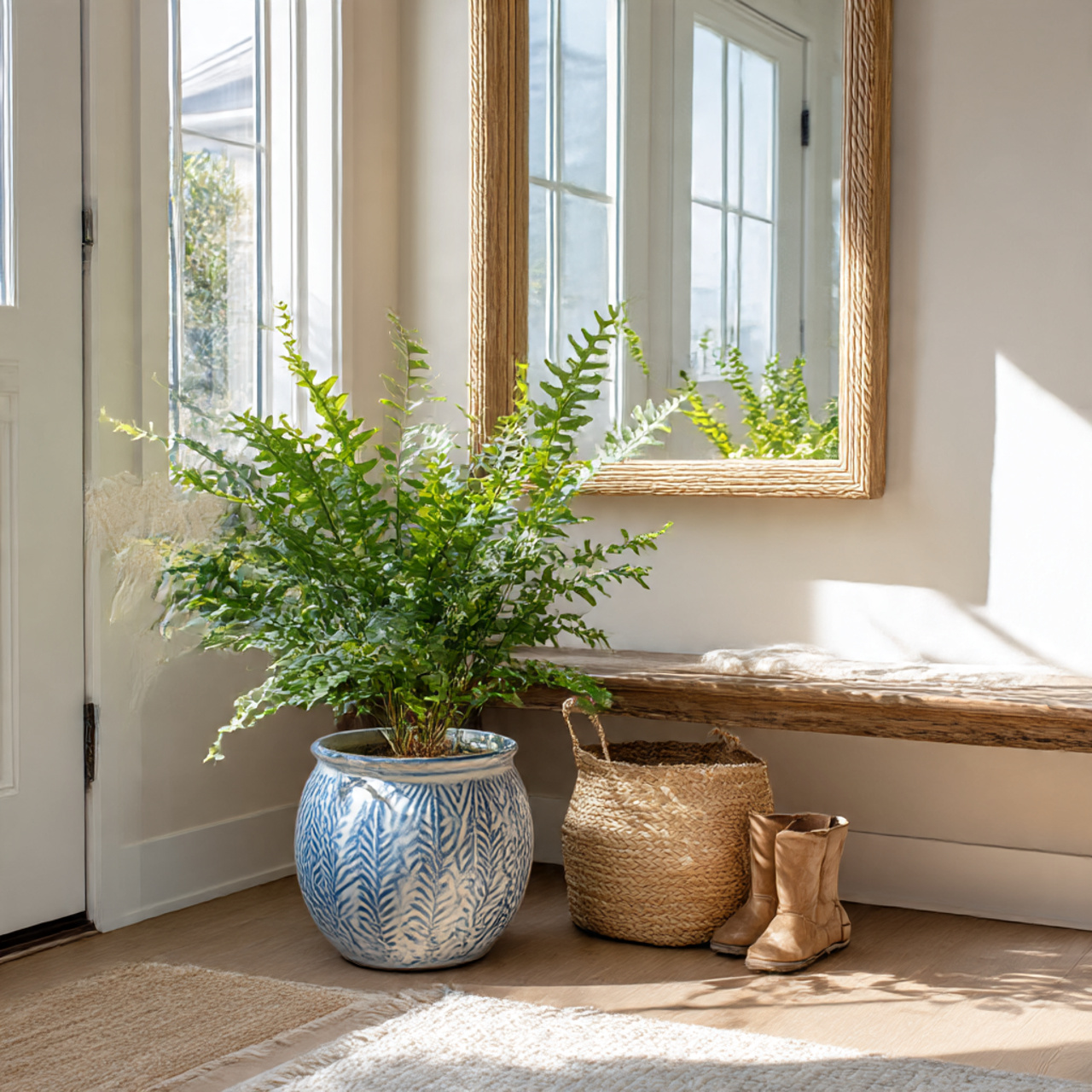
First impressions matter, and greeting guests with the soft fronds of a Blue Star Fern in your entryway signals that they’re entering a thoughtfully designed, welcoming home.
Entryway idea: Choose a pot that matches your entry décor—modern concrete for contemporary homes, classic ceramic for traditional spaces, or woven baskets for bohemian vibes. Keep the leaves dust-free by gently wiping them with a damp cloth every couple of weeks. This not only maintains their vibrant appearance but also helps the plant photosynthesize more efficiently.
Blue Star Fern for Minimalist Interiors
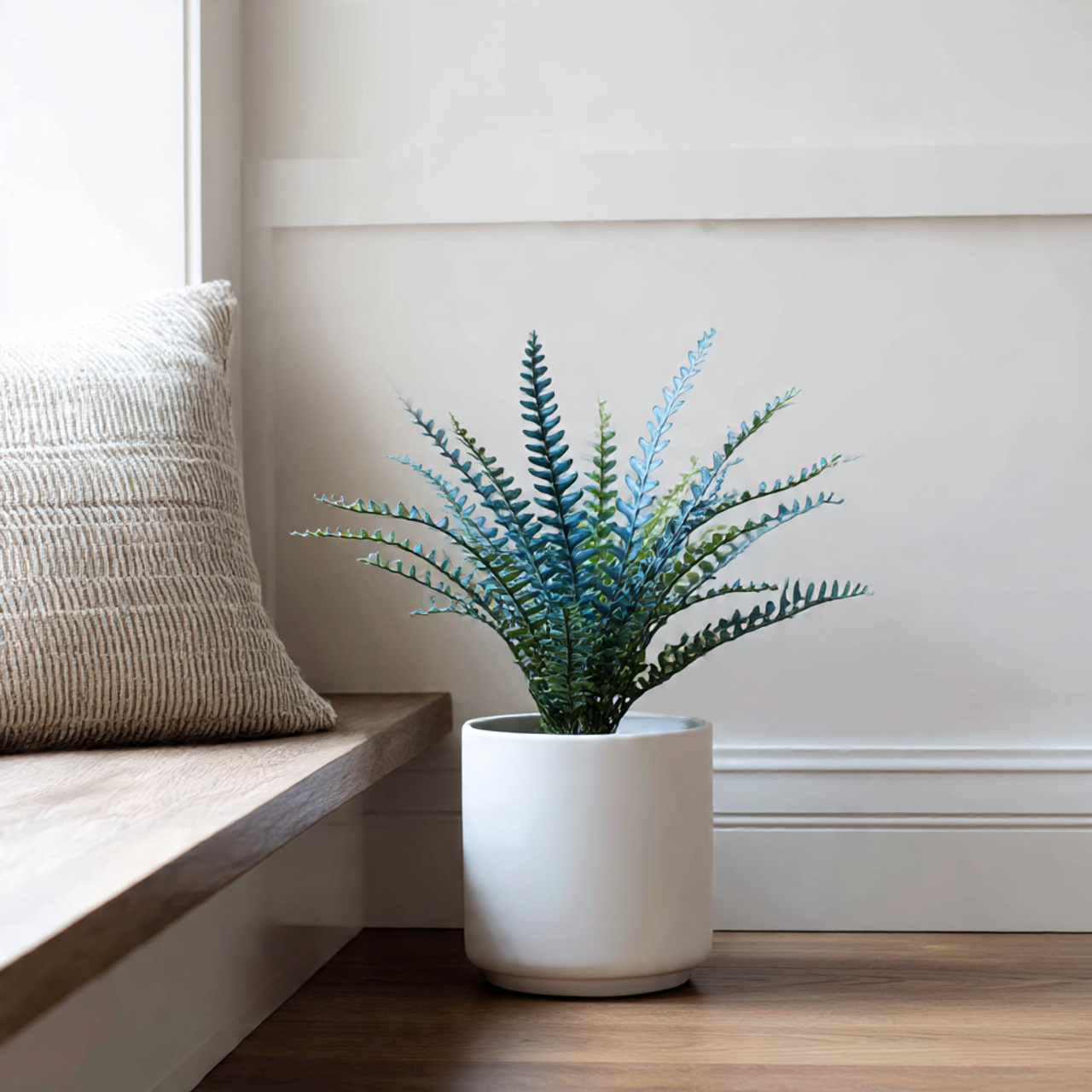
Minimalism doesn’t mean empty—it means intentional. A single, well-placed Blue Star Fern brings life and energy to clean, simple interiors without adding visual clutter.
Minimalist approach: One fern in a neutral pot on an otherwise empty surface creates more impact than a crowded display ever could. The unique color and architectural shape of the fronds become sculptural elements in their own right. This restraint actually enhances the plant’s natural beauty, making it a focal point rather than just another object in the room.
Blue Star Fern Paired with Modern Decor
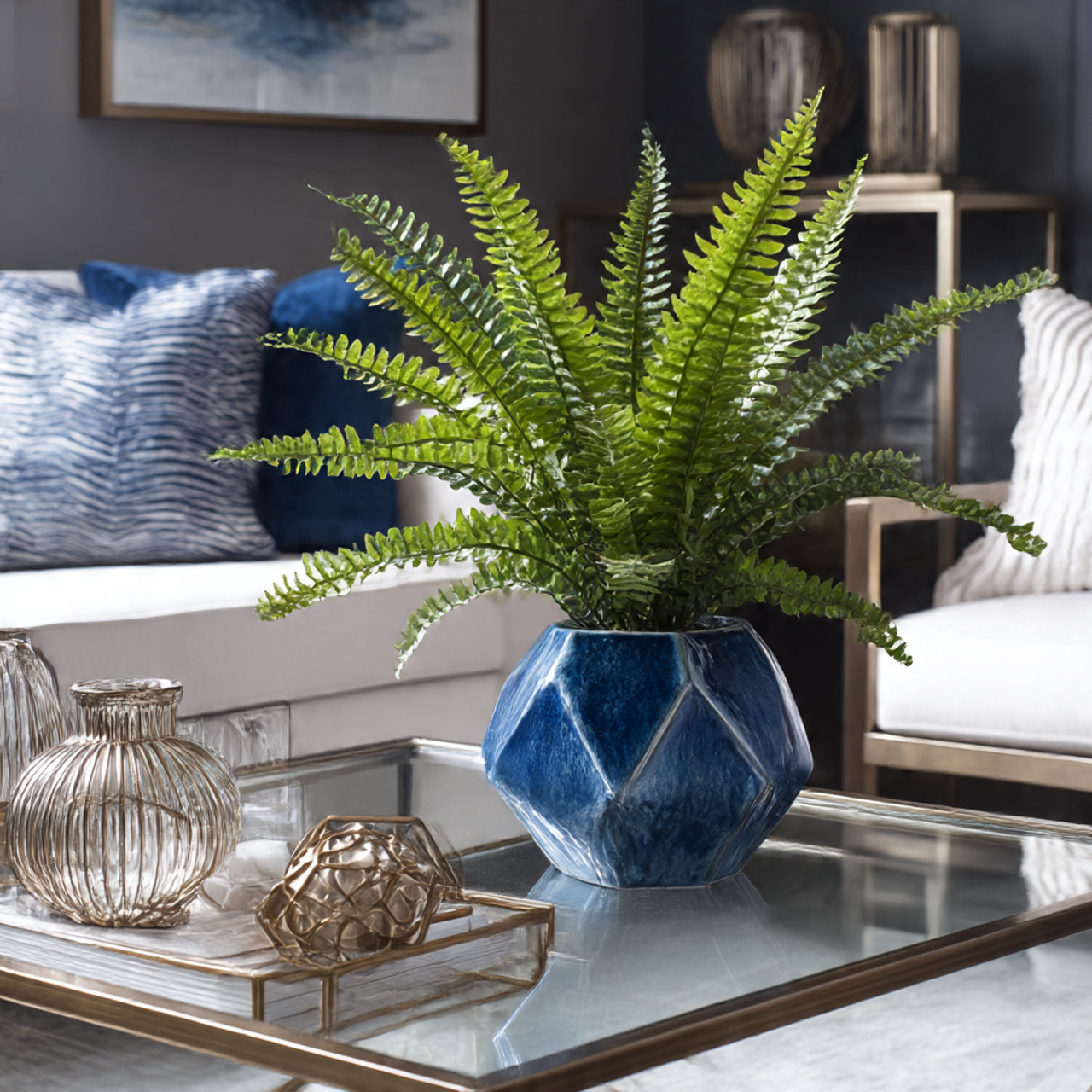
The organic, flowing nature of Blue Star Fern fronds provides beautiful contrast to the clean lines of modern furniture. Hard surfaces like glass, steel, and stone become softer and more inviting when paired with living plants.
Modern styling tip: Use geometric planters—think hexagonal ceramics or angular concrete pots—to bridge the gap between natural and manufactured. For example, a sleek white geometric planter on a glass coffee table creates visual interest through the interplay of shapes and textures. The soft fronds soften the hard edges, creating perfect visual balance.
Blue Star Fern in Natural Light Spots
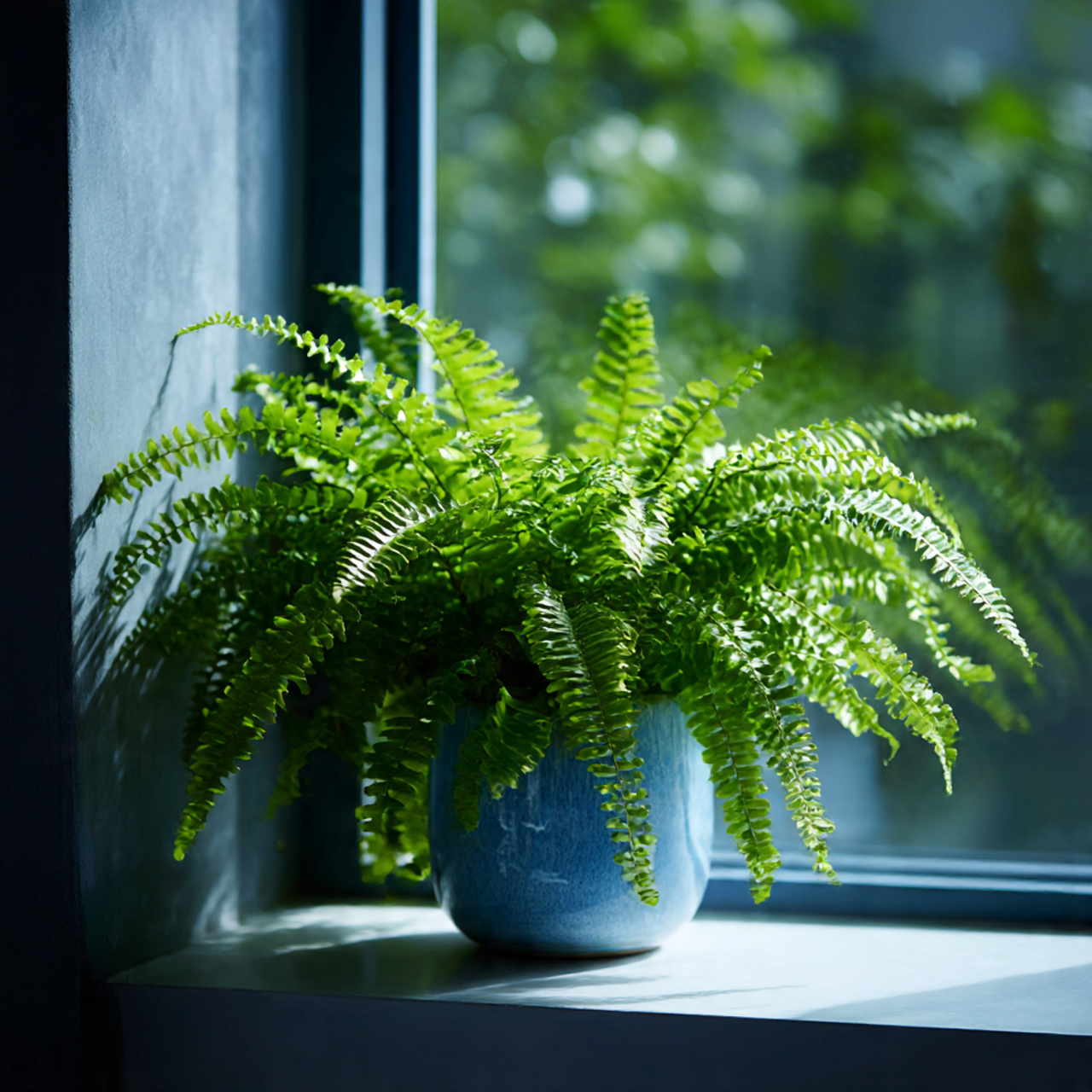
Blue Star Ferns love gentle, filtered sunlight—bright but not harsh. East-facing windows are ideal because they get that lovely morning sun without the intense afternoon heat.
Light management: If your brightest window faces south or west, hang a sheer curtain to diffuse the light. Rotate your plant about a quarter turn every month so all sides get equal exposure. You’ll notice the fronds gradually orient themselves toward the light source, creating this beautiful, natural movement in your display that changes subtly over time.
Outdoor Patio Styling with Blue Star Fern
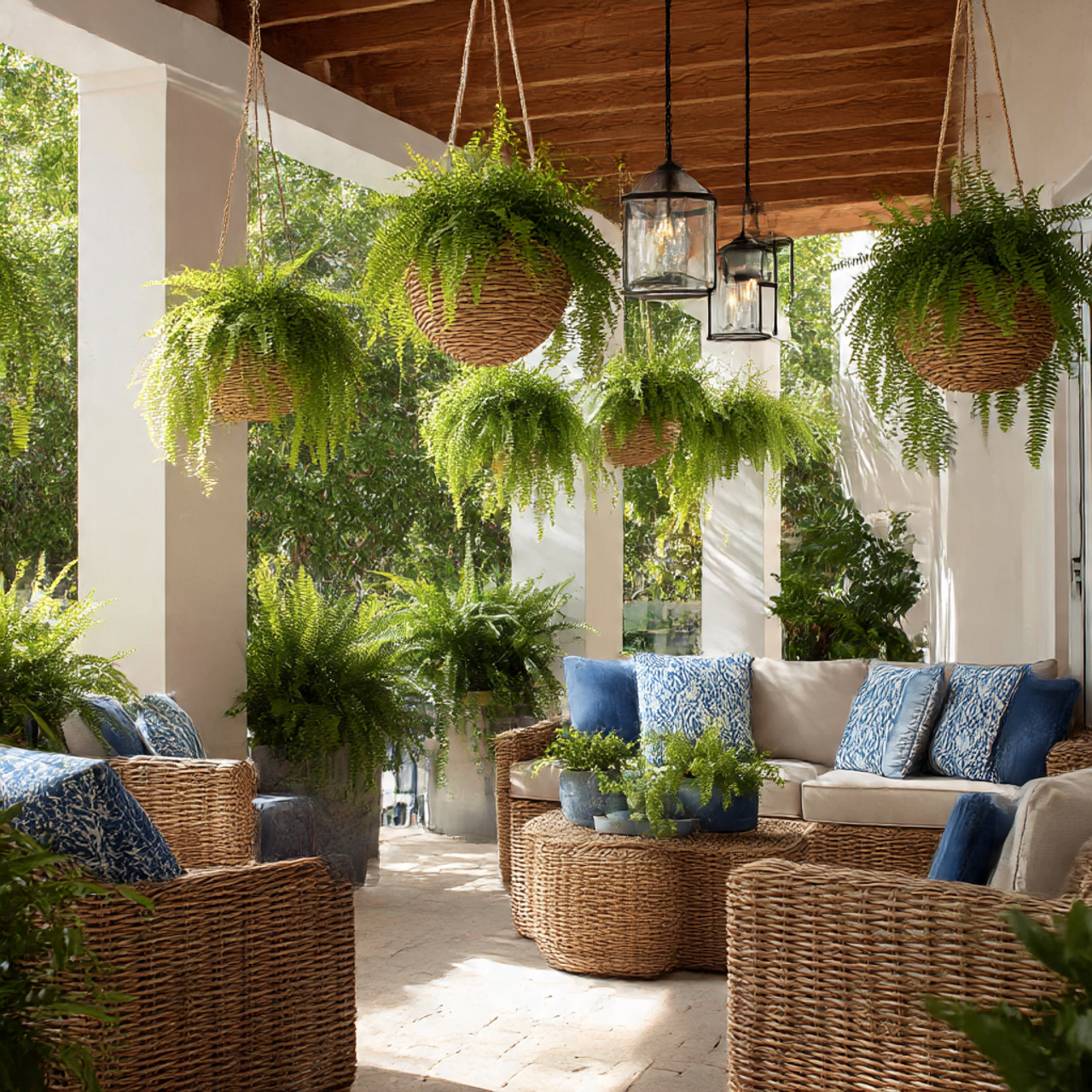
If you have a shaded patio, balcony, or covered porch, your Blue Star Fern will absolutely thrive outdoors during warm months. The natural airflow and ambient humidity keep it healthy and pest-resistant.
Outdoor setup: Use hanging planters or wall-mounted baskets to create a cascading display of multiple ferns. The gentle breeze keeps air circulating around the fronds, preventing fungal issues. Just remember to bring them inside if temperatures drop below 50°F or during heavy storms—they’re tropical plants and won’t tolerate frost or extreme weather conditions.
Blue Star Fern as a Gift Idea
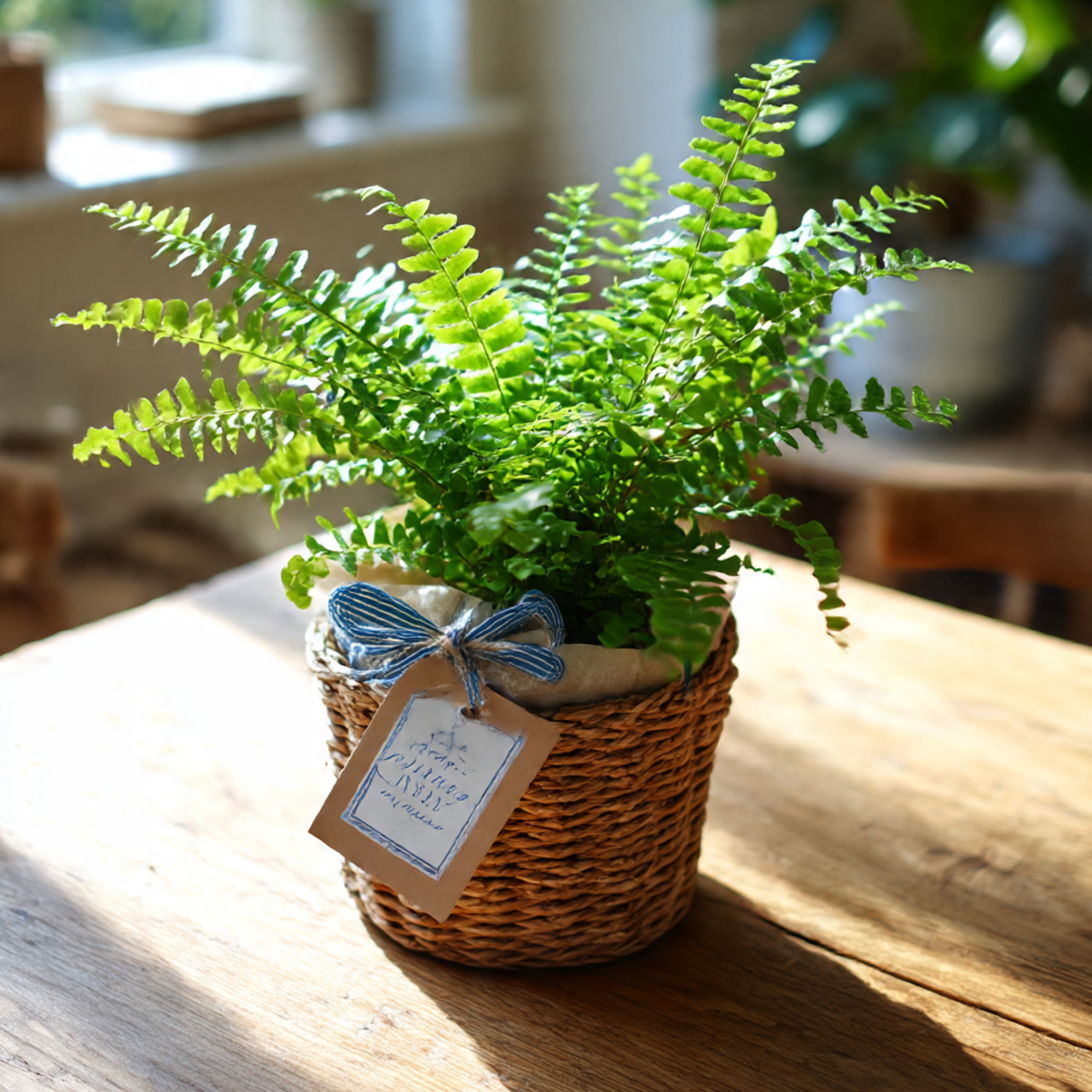
A Blue Star Fern makes a thoughtful gift that keeps giving. It’s perfect for new homeowners, plant enthusiasts, or anyone who appreciates beauty without high maintenance.
Gift presentation idea: Present it in a woven basket wrapped with natural twine and a handwritten care card. Unlike cut flowers that die in a week, this living gift will grow and thrive for years, improving air quality and adding beauty to their space. It’s a present that shows you put thought into choosing something lasting and meaningful.
Blue Star Fern in Modern Bathrooms
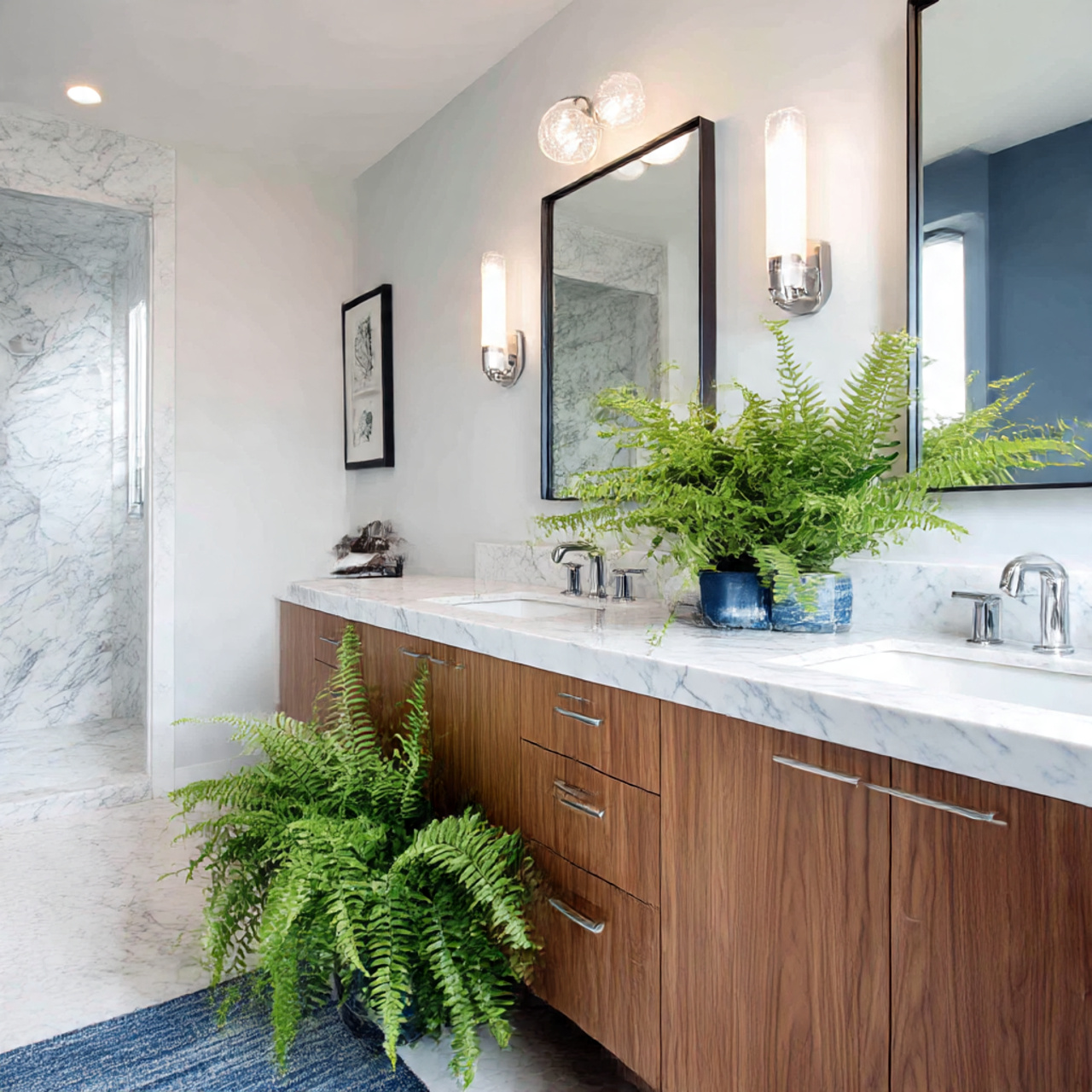
Contemporary bathrooms with marble countertops, concrete walls, or minimalist fixtures benefit enormously from the organic texture of a Blue Star Fern. The contrast makes cold materials feel warmer and more inviting.
Modern bathroom placement: Set it on a floating vanity, tuck it into a wall niche, or place it on open shelving near the shower. The high humidity environment means you barely have to think about misting or humidity levels—your daily routine naturally provides what the plant needs. It’s practically self-care for your fern.
Propagating Blue Star Fern at Home
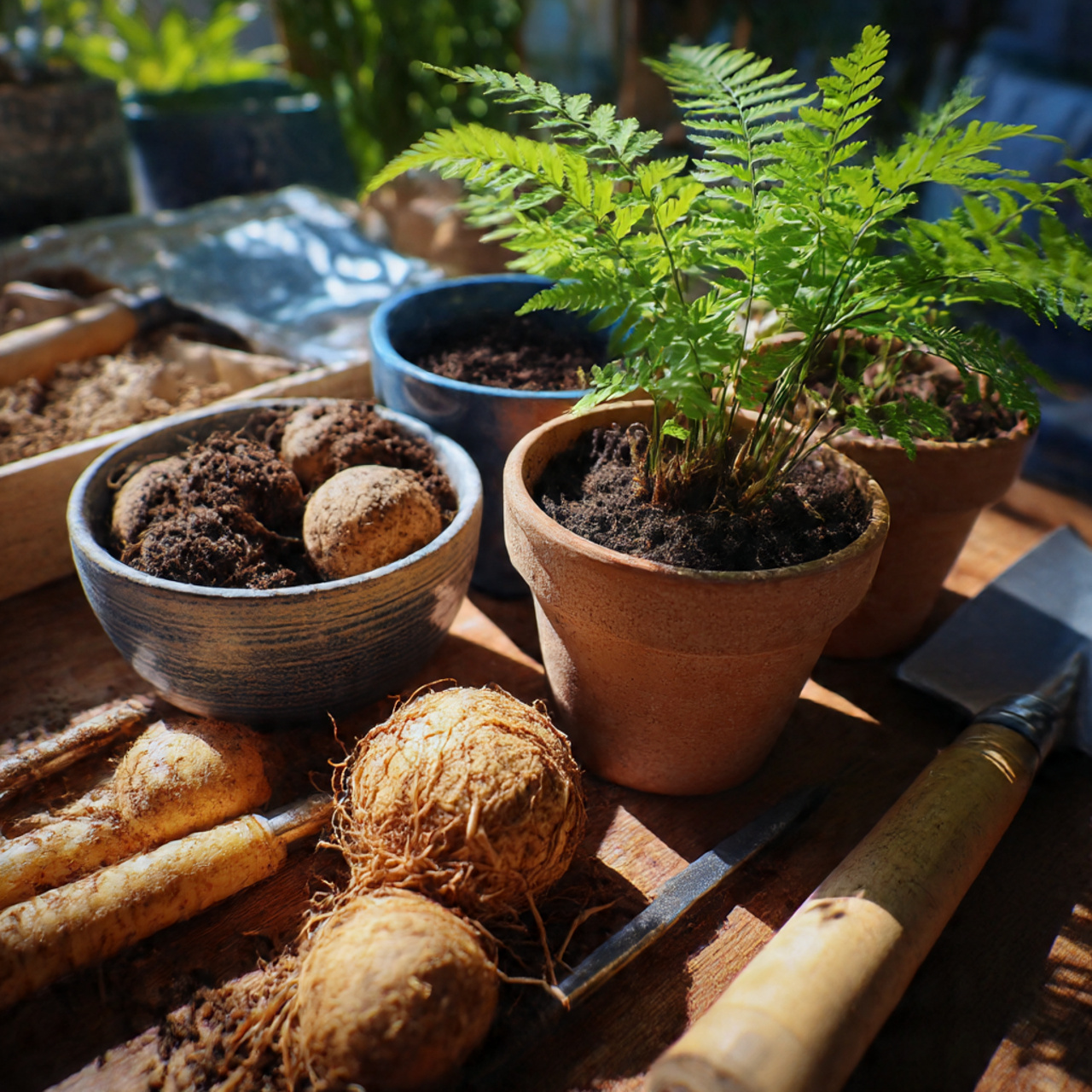
Growing new Blue Star Ferns from your existing plant is surprisingly simple and incredibly rewarding. Propagation happens through rhizome division—basically separating the underground stem that produces new growth.
Step-by-step example: When repotting, look for natural divisions in the rhizome (the fuzzy, horizontal stem at the soil surface). Gently separate sections that have at least 2-3 fronds and healthy roots attached. Plant each division in fresh, well-draining mix, water lightly, and keep humidity moderate. Within 3-4 weeks, you’ll see new fronds beginning to unfurl—it’s like watching magic happen in slow motion. Share the new plants with friends or expand your own collection.
Watering Routine for Blue Star Fern
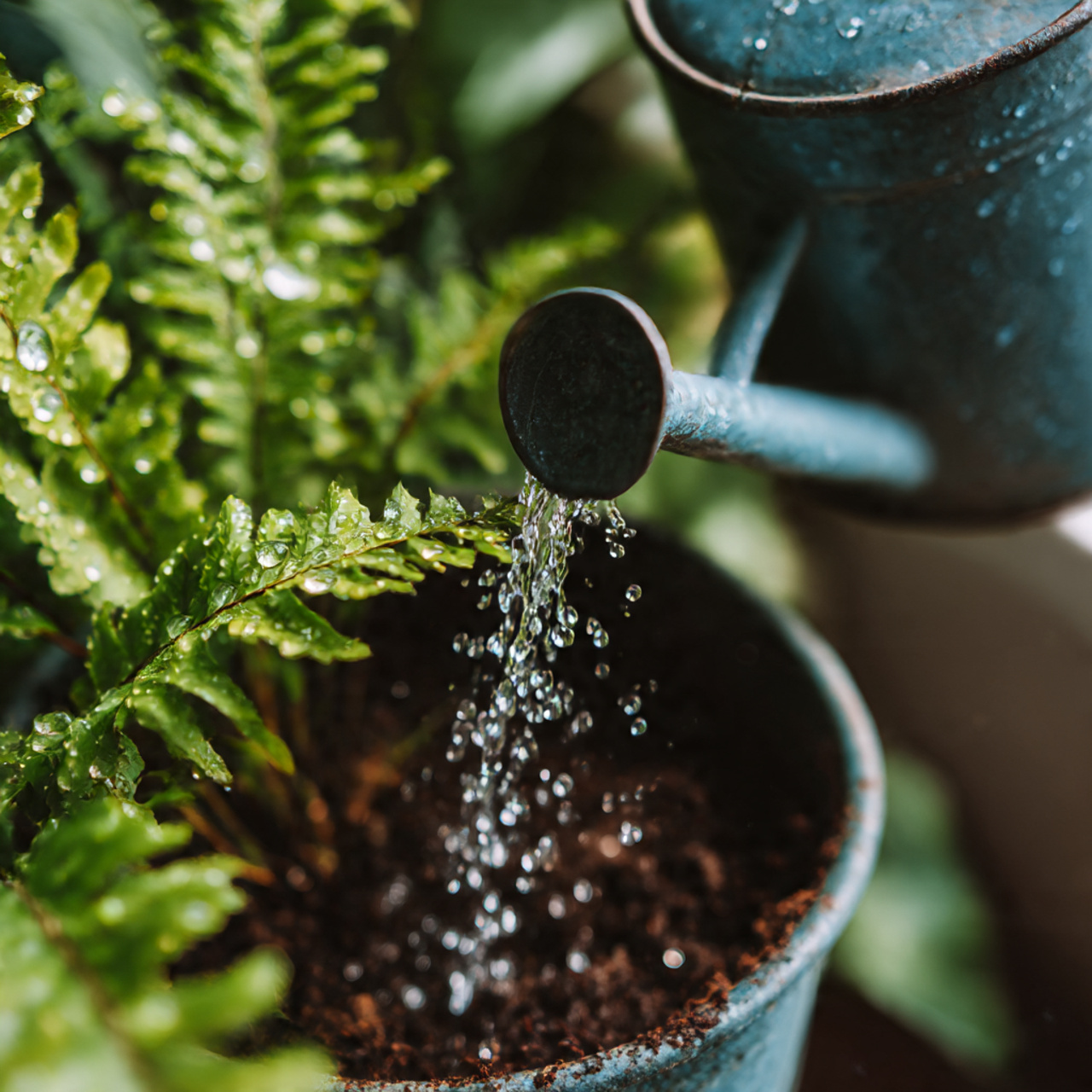
Consistency is your friend when watering Blue Star Ferns. They don’t like to be soaked constantly, but they also don’t want to completely dry out.
Practical watering schedule: Check the top inch of soil with your finger. When it feels dry to the touch, it’s time to water. For most homes, this works out to about once a week, but it depends on your specific conditions—temperature, humidity, pot size all play a role. Use room-temperature water to avoid shocking the roots. If you notice leaf tips browning, increase humidity by misting or setting the pot on a pebble tray filled with water (just make sure the pot sits above the water line, not in it).
Fertilizing Blue Star Fern Naturally
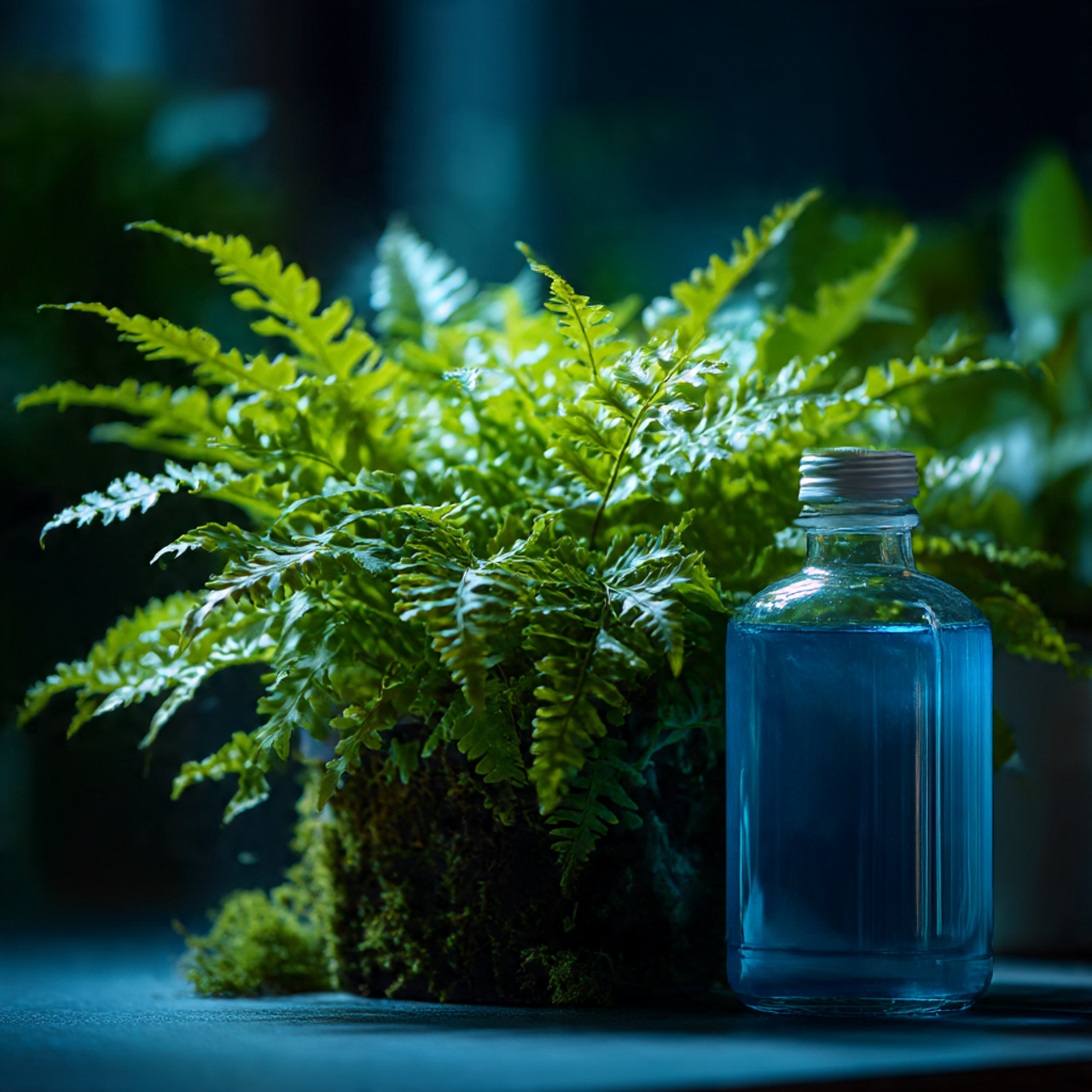
Blue Star Ferns don’t need heavy feeding. During their active growing season (spring and summer), a light monthly feeding keeps them happy without overwhelming their system.
Fertilizing example: Dilute a balanced liquid fertilizer to half the recommended strength and apply it after watering. An organic option like fish emulsion or seaweed extract works beautifully. Skip fertilizing completely in fall and winter when growth naturally slows. Overfeeding causes salt buildup in the soil, which damages roots—with ferns, less is definitely more. If you see white crusty deposits on the soil surface, flush the pot with clean water to remove excess salts.
Blue Star Fern for Pet Safety
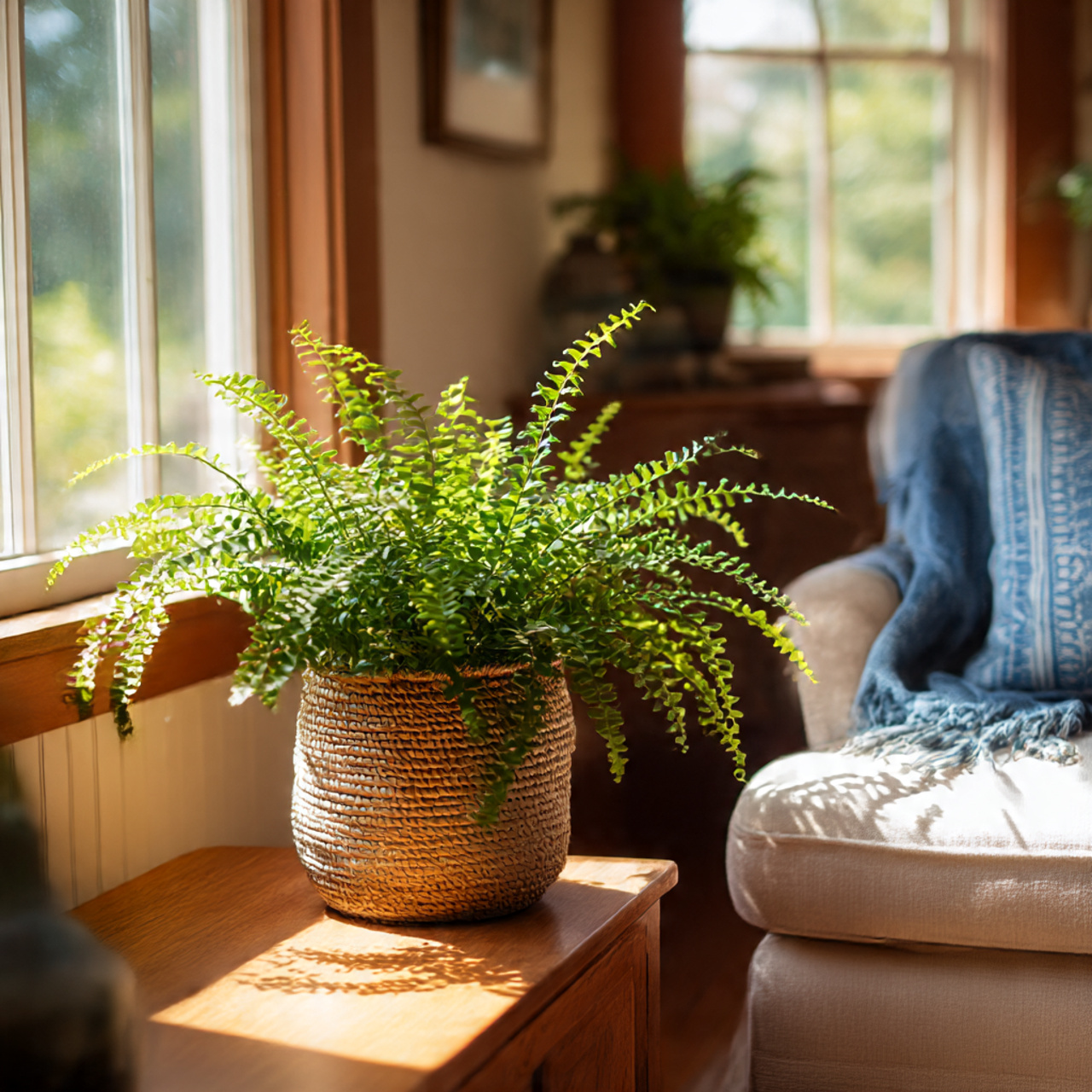
Good news for pet owners: the Blue Star Fern is generally considered non-toxic to cats and dogs. While it’s always smart to discourage pets from munching on any houseplant (ingestion can still cause minor stomach upset), you don’t have to worry about serious toxicity.
Pet-safe placement: Even though it’s safe, playful cats might bat at those tempting fronds or knock over the pot. Elevating it on a shelf or plant stand keeps it out of reach of curious paws while still letting you enjoy its beauty. This small precaution protects both your plant’s delicate fronds and your pet’s digestion.
Troubleshooting Common Blue Star Fern Problems
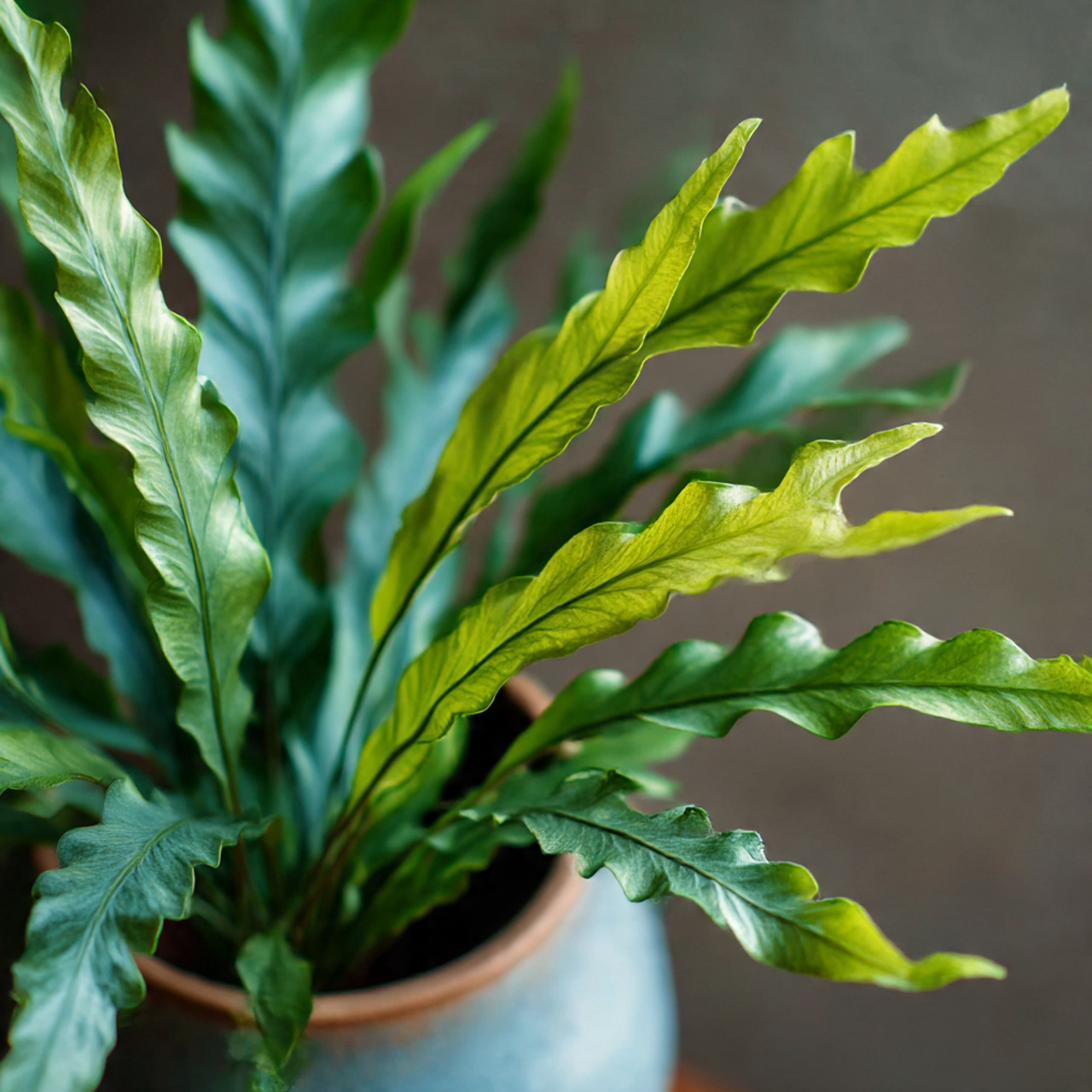
Even low-maintenance plants can have off days. Knowing what’s wrong helps you fix problems quickly.
Yellow fronds: This usually signals overwatering or poor drainage. Check that your pot has holes and water is draining completely. If the soil stays soggy, you may need to repot in a better-draining mix. Cut back on watering frequency—let the soil dry out more between waterings.
Brown, crispy edges: This points to low humidity or inconsistent watering. Increase misting frequency, group plants together to raise ambient humidity, or use a small humidifier nearby. Also check that your fern isn’t near heating vents or air conditioners, which create dry, moving air that ferns dislike.
Slow or no growth: Usually means insufficient light or it’s just in its winter dormancy. Move it slightly closer to a light source, but avoid direct sun. Remember that growth naturally slows in fall and winter—this is normal and nothing to worry about.
Repotting Blue Star Fern for Healthy Growth
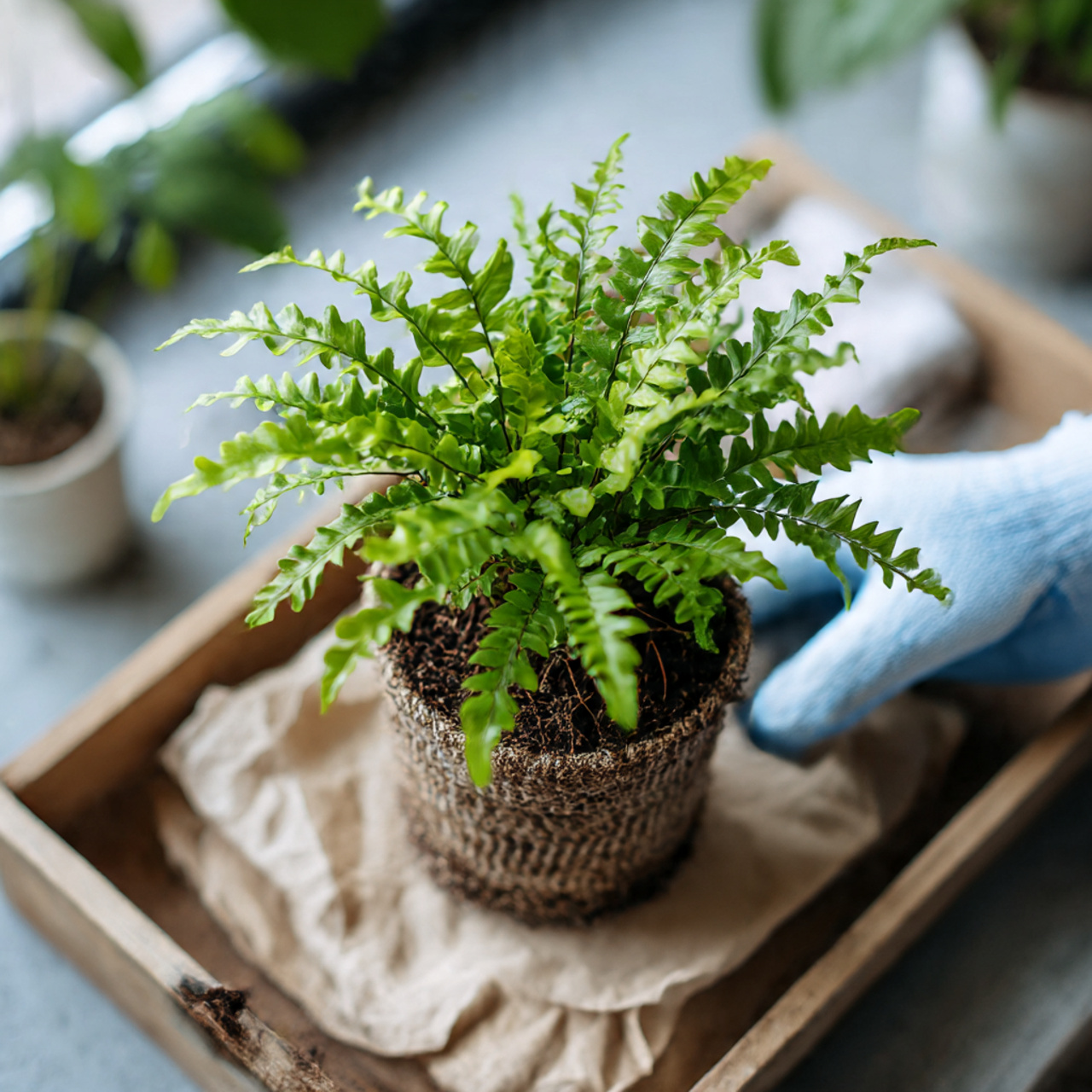
Every two years or so, your Blue Star Fern will appreciate fresh soil and a slightly larger home. Spring is the ideal time since the plant is entering its active growth phase.
Repotting process: Choose a pot just one size larger than the current one—too much extra space can lead to overwatering issues. Use a well-draining mix of peat moss, orchid bark, and perlite (roughly equal parts). Gently loosen the root ball, remove any dead roots, and settle it into the new pot at the same depth it was growing before. Water lightly after repotting and hold off on fertilizing for about a month while it adjusts to its new home.
Styling Blue Star Fern in Plant Clusters
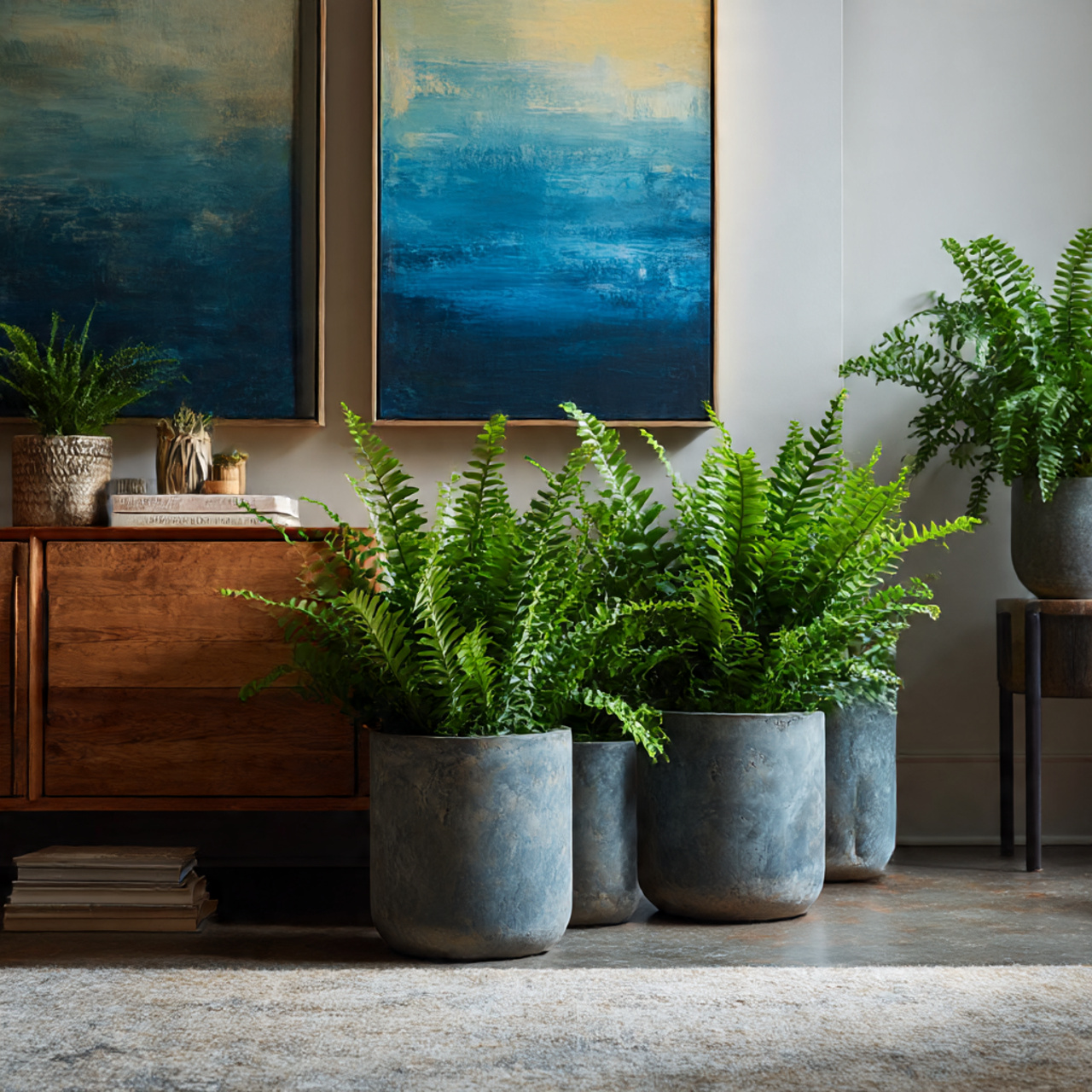
Grouping your Blue Star Fern with other texture-rich plants creates a stunning display and actually benefits the plants themselves. The combined transpiration raises humidity levels around all the plants in the cluster.
Clustering example: Pair your Blue Star Fern with plants like Calathea (for patterned leaves), Pothos (for trailing vines. Use pots of varying sizes and heights to create depth. This arrangement isn’t just visually appealing—the plants create a microclimate that benefits everyone in the group. Your space gains a lush, layered look that feels like a curated indoor garden.
Visit Also: Fiddle Leaf Tree
FAQs About Blue Star Fern
How often should I water my Blue Star Fern? Water when the top inch of soil feels dry, which typically works out to once per week. The key is consistent moisture without letting it sit in soggy soil. Think “slightly moist like a wrung-out sponge” rather than “wet like a swamp.”
Can Blue Star Fern survive in low light? Yes, it tolerates low to medium indirect light better than most ferns, though growth will slow in darker spots. Just keep it away from direct sunlight, which can scorch those beautiful fronds and fade their distinctive blue-green color.
Why are my Blue Star Fern leaves curling? Curling leaves usually indicate low humidity, underwatering, or inconsistent watering. Increase humidity through misting or a pebble tray, and establish a more regular watering schedule. The plant should perk up within a week or two.
Does Blue Star Fern need fertilizer? Monthly feeding during spring and summer with half-strength liquid fertilizer helps maintain healthy growth, but it’s not absolutely necessary. These ferns are light feeders—overdoing it causes more harm than underdoing it.
Is Blue Star Fern safe for pets? Yes, the Blue Star Fern is generally considered non-toxic to both cats and dogs, making it a great choice for pet-friendly homes. While it won’t poison your furry friends, it’s still best to discourage chewing since any plant material can cause minor digestive upset.
Final Thoughts: Why Blue Star Fern Deserves a Spot in Your Home
The Blue Star Fern brings something special to indoor spaces—a quiet elegance that doesn’t demand attention but definitely deserves it. Its forgiving nature makes it accessible for beginners, while its unique color and sculptural form keep experienced plant collectors interested.
Whether you tuck it into a bathroom corner, display it prominently in your living room, or let it trail from a hanging basket, this fern adapts to your space and lifestyle. With simple care—consistent watering, moderate light, and occasional feeding—it rewards you with lush, blue-green fronds that add texture and tranquility wherever they grow.
In a world of high-maintenance houseplants, the Blue Star Fern stands out by being beautifully low-key. It’s proof that sometimes the best things in life really are the simplest.