Pink Hydrangeas for Home: Easy Growing, Care Tips & Display
There’s something magical about pink hydrangeas that captures the heart of every gardener. These showstopping shrubs produce generous clouds of blooms that paint your garden in soft, romantic hues from late spring all the way through fall. What makes them even better? They’re surprisingly easy to grow once you get them settled in.
If you’re dreaming of adding these beautiful bloomers to your yard, you’re in good company. Gardeners everywhere love pink hydrangeas because they’re incredibly adaptable—they’ll work with different soil types and light conditions without too much fuss. The flower clusters shift through gorgeous shades of pink, from barely-there blush to rich, deep rose, giving you a constantly evolving display that never gets boring. Whether you’re creating a cozy cottage garden, building a natural privacy screen, or just want stunning focal points in your landscape, pink hydrangeas deliver both visual wow-factor and practical benefits.
Why Your Garden Needs Pink Hydrangeas
Pink hydrangeas have earned their spot as garden favorites for good reason. These deciduous shrubs keep on giving—producing masses of flowers while handling various growing conditions like champs. Even when the blooms fade, you’ll appreciate their attractive leaves and branching structure that looks good all year long.
Unlike flowers that show up for a week and disappear, pink hydrangeas stick around for the long haul. Those impressive flower heads (we’re talking 6 to 12 inches across!) make a serious statement without taking over smaller spaces. The best part? These plants get better with age, producing more flowers each year, which makes them a smart investment in your landscape’s future.
Quick Benefits:
- Extended bloom time spanning multiple months
- Flowers grow larger and more abundant as plants mature
- Year-round visual interest beyond just blooming season
- Low maintenance requirements once established
Picking the Perfect Variety for Your Yard
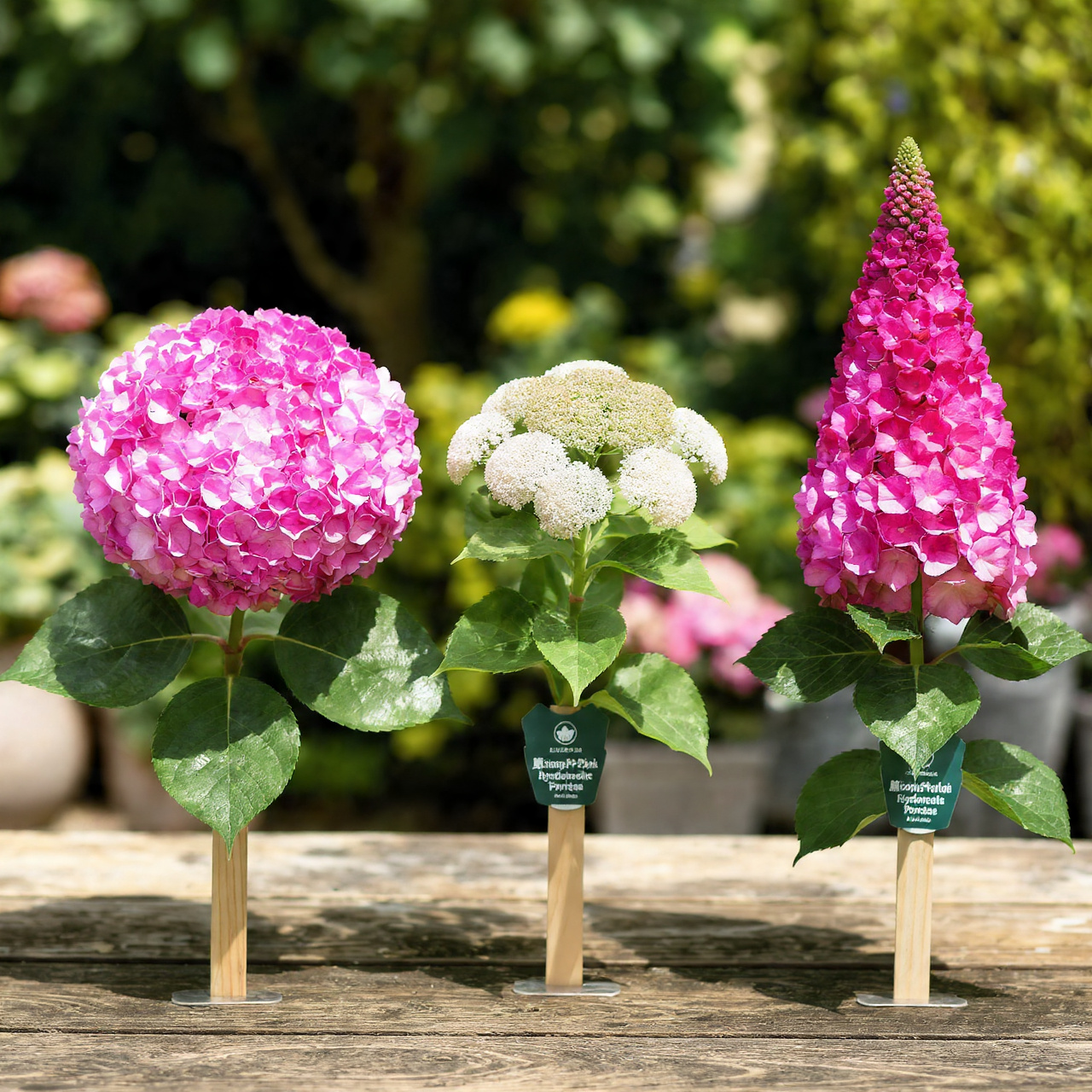
Not all pink hydrangeas are created equal, so choosing the right one matters. Here’s what you need to know:
Bigleaf Hydrangeas (Hydrangea macrophylla) produce those classic rounded mophead flowers most people picture when they think “hydrangea.” These prefer some afternoon shade and consistent watering. They’re perfect for zones 5-9.
Smooth Hydrangeas (Hydrangea arborescens) like ‘Invincibelle Spirit’ bloom on new wood, making them great for colder regions where harsh winters might damage old wood. These are your cold-hardy heroes.
Panicle Hydrangeas (Hydrangea paniculata) such as ‘Pinky Winkie’ start white and gradually turn pink, giving you months of color-changing drama. They love full sun and tolerate colder temps.
Tips for Selection:
- Match the variety to your climate zone—bigleaf types need protection in harsh conditions
- Consider mature size (3 feet for dwarf varieties vs. 8 feet for large cultivars)
- Choose dwarf varieties like ‘Mini Penny’ for containers or small spaces
- Pick larger types for statement pieces or natural hedges
Common Mistake to Avoid: Don’t assume all hydrangeas need shade. Panicle varieties actually prefer full sun, while bigleaf types need afternoon protection.
The Secret to Keeping Flowers Pink
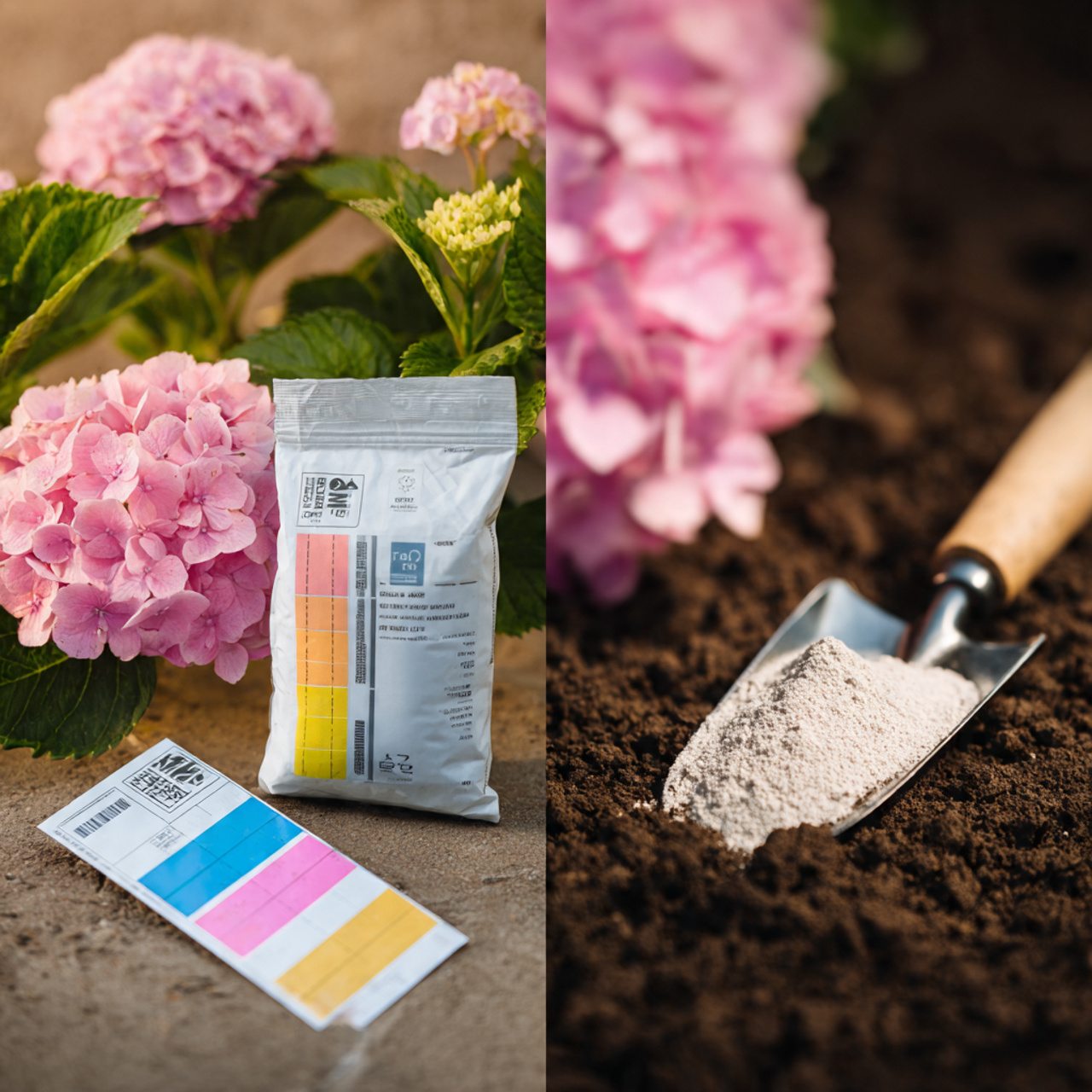
Here’s something fascinating: your soil chemistry directly controls whether your hydrangeas bloom pink, blue, or somewhere in between. For pink flowers, you need alkaline soil with a pH between 6.0 and 6.5. In these conditions, aluminum in the soil stays locked up, and your hydrangeas express their natural pink color.
How to Maintain Pink Blooms:
- Test your soil pH every year (simple test kits are available at garden centers)
- Add garden lime or dolomitic limestone in fall or early spring to increase pH
- Work lime into the soil around the drip line where feeder roots live
- Wood ash also raises pH while adding beneficial potassium
- Avoid acidifying materials like pine needle mulch
Safety Note: Apply lime according to package directions—more isn’t better and can harm plants. Gradual adjustments work best.
What to Skip: High-nitrogen fertilizers and acidifying mulches will push your flowers toward blue or purple, so steer clear if you want pink blooms.
Finding the Perfect Spot
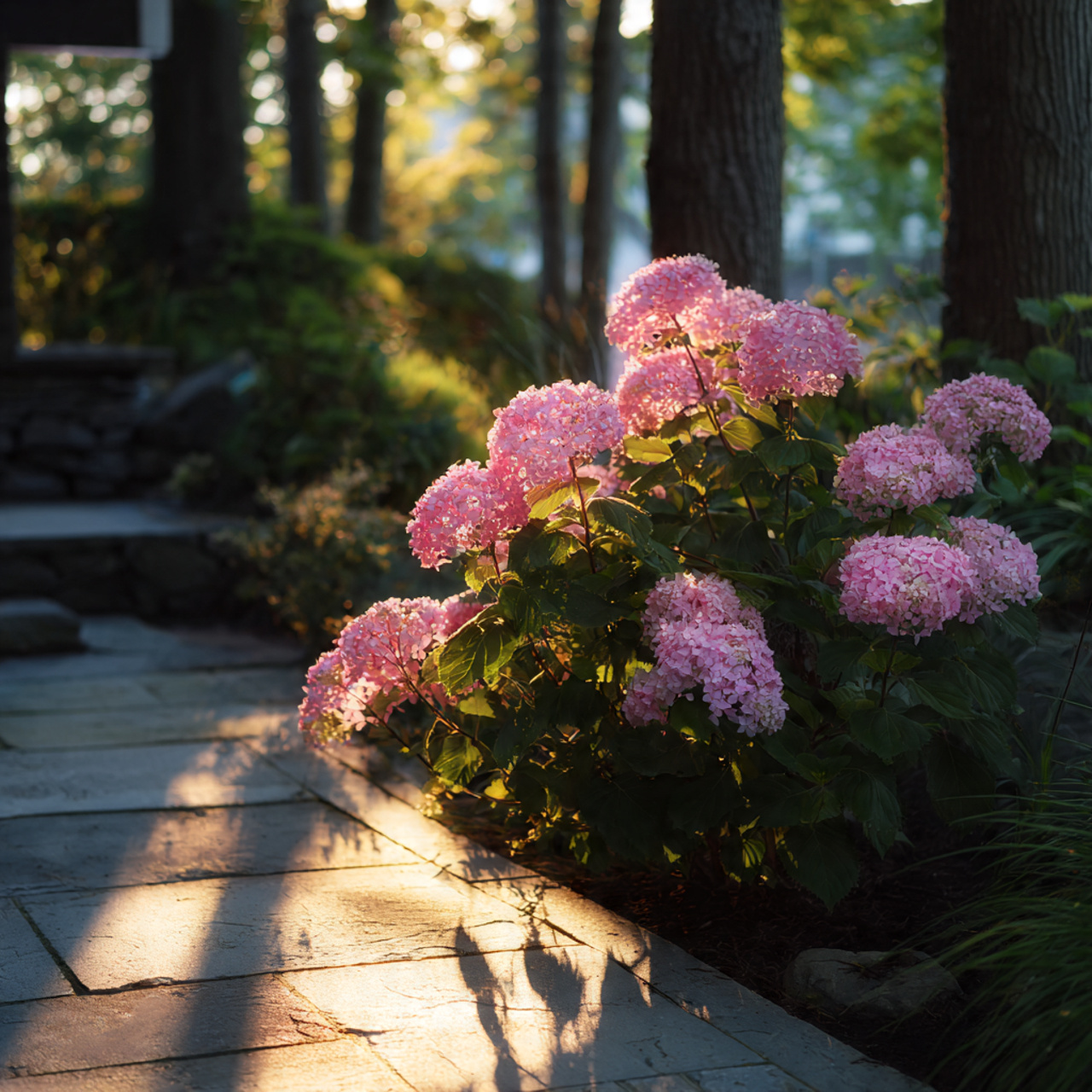
Location makes all the difference. Most pink hydrangeas thrive with morning sun and afternoon shade—aim for 4-6 hours of direct sunlight daily. East-facing spots work beautifully, giving gentle morning light while protecting plants from scorching afternoon heat.
Location Guidelines by Region:
- Northern gardens: More sun tolerance (up to 6+ hours)
- Southern gardens: Need more shade protection (4 hours max)
- Ideal placement: Under high-canopied trees for dappled light
Places to Avoid:
- Deep shade (causes leggy growth and sparse blooms)
- Full blazing sun all day (wilted leaves, faded flowers)
- Poorly drained low spots where water pools
Smart Spacing Tip: Consider mature size when planting. Proper spacing ensures good air circulation, which prevents fungal diseases. As a rule, space plants at least 3-4 feet apart.
Getting Your Hydrangeas Off to a Strong Start
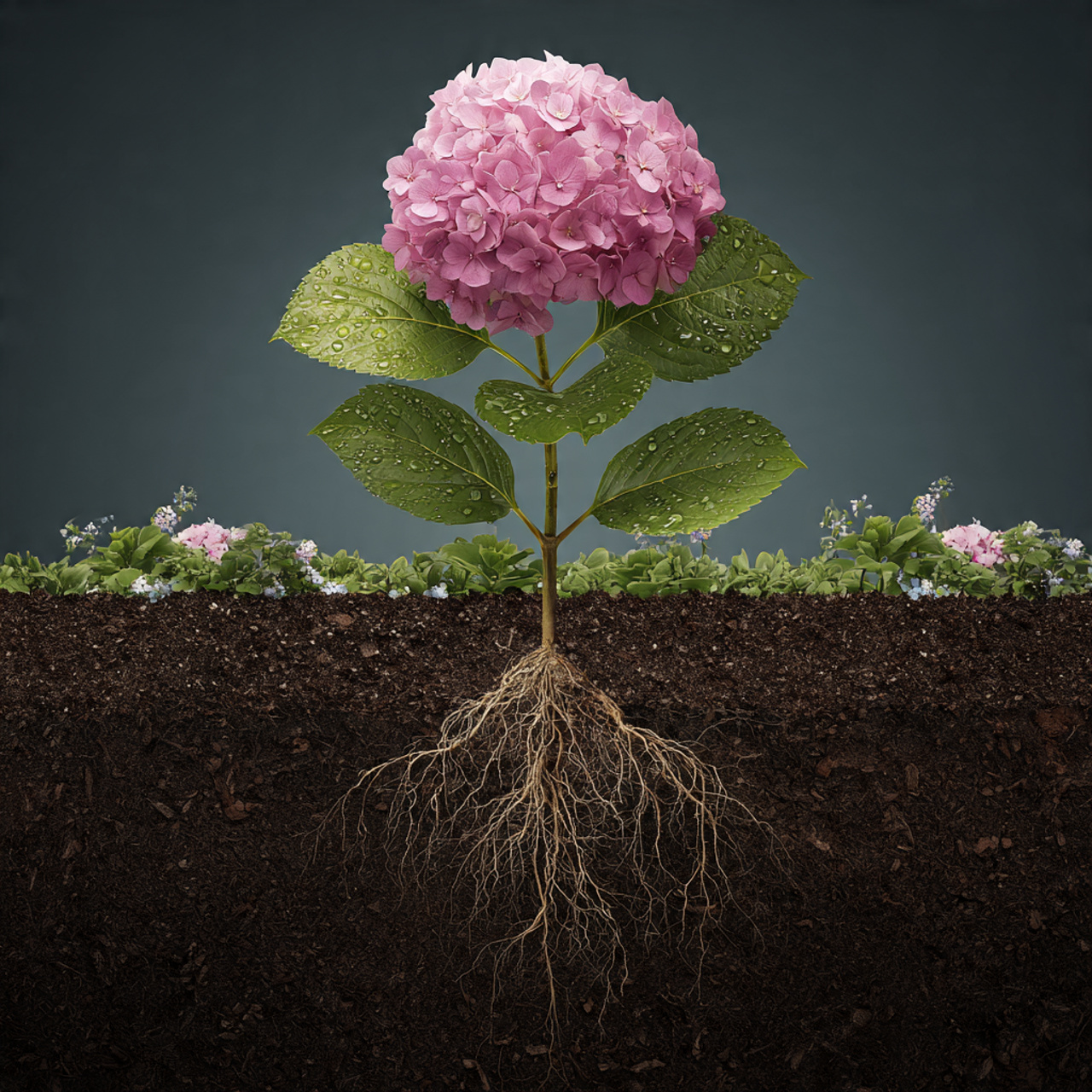
The first year determines your hydrangea’s long-term success. Here’s how to plant correctly:
Planting Steps:
- Dig holes twice as wide as the root ball but not deeper
- Keep the root crown at or slightly above ground level (never buried)
- Mix compost into the excavated soil for better drainage
- Set the plant, backfill carefully, and water thoroughly
First-Year Care Essentials:
- Water deeply 1-2 times weekly depending on rainfall
- Apply 3 inches of organic mulch around the base (keep away from stems)
- Skip fertilizer the first year—let plants focus on roots, not leaves
Critical First-Year Rule: Consistent moisture without waterlogging is key. The goal is establishing deep roots that’ll make your plant drought-resistant down the road.
Watering the Right Way
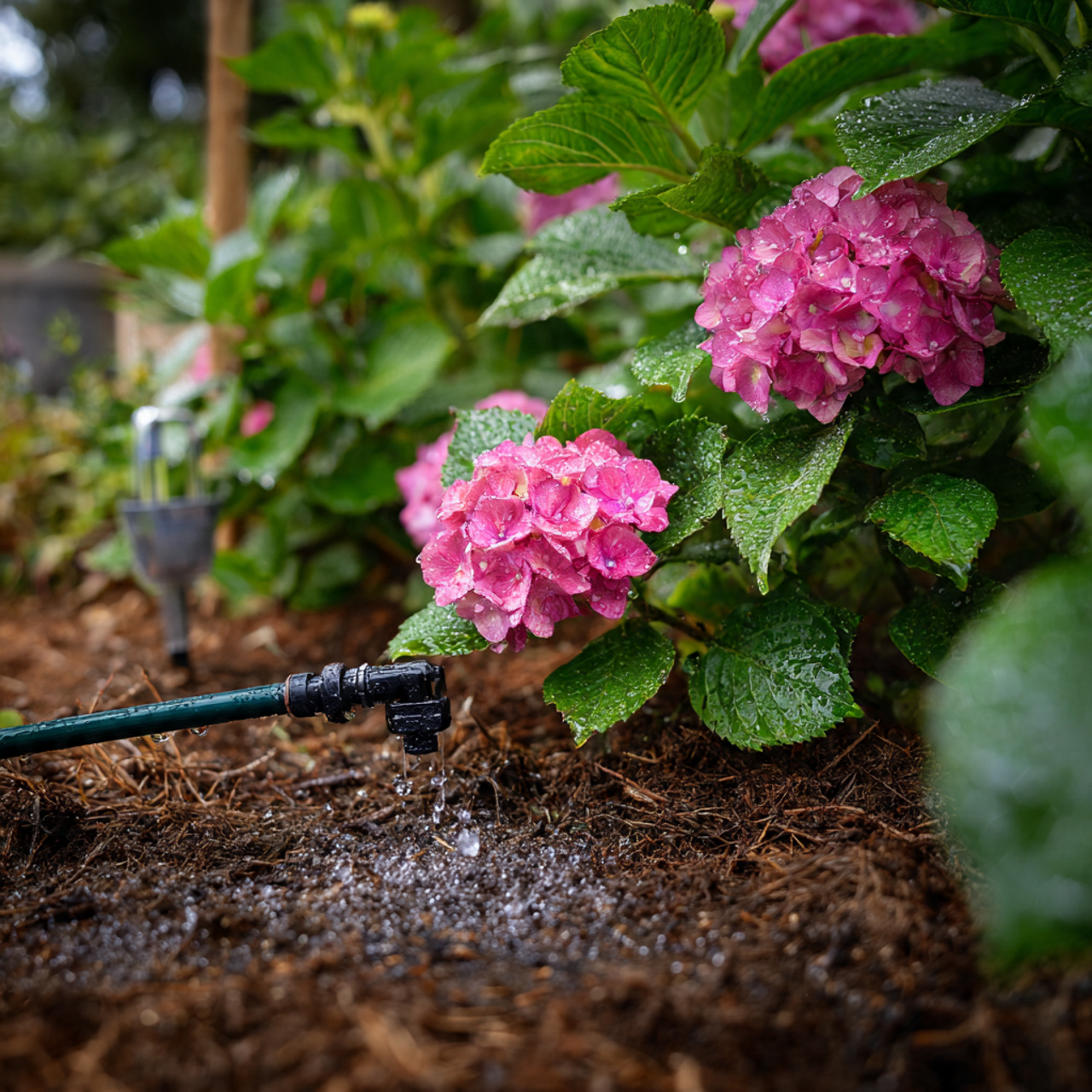
Hydrangeas aren’t called “water vessels” for nothing—they’re thirsty plants! During active growth and blooming, provide 1-2 inches of water weekly through rain or irrigation.
Best Watering Practices:
- Water in the morning so leaves dry before nightfall (reduces disease risk)
- Use drip irrigation or soaker hoses for efficient, targeted watering
- Deep watering encourages downward root growth
- Watch for wilting during heat waves—this means immediate water stress
Seasonal Adjustments:
- Summer: Increase frequency during hot spells
- Fall: Reduce watering as plants enter dormancy
- Dry autumn periods: Continue providing moisture even when plants look dormant
Water-Saving Tip: Established plants develop drought tolerance, but consistent moisture produces the most spectacular flower shows.
Pruning Without Panic
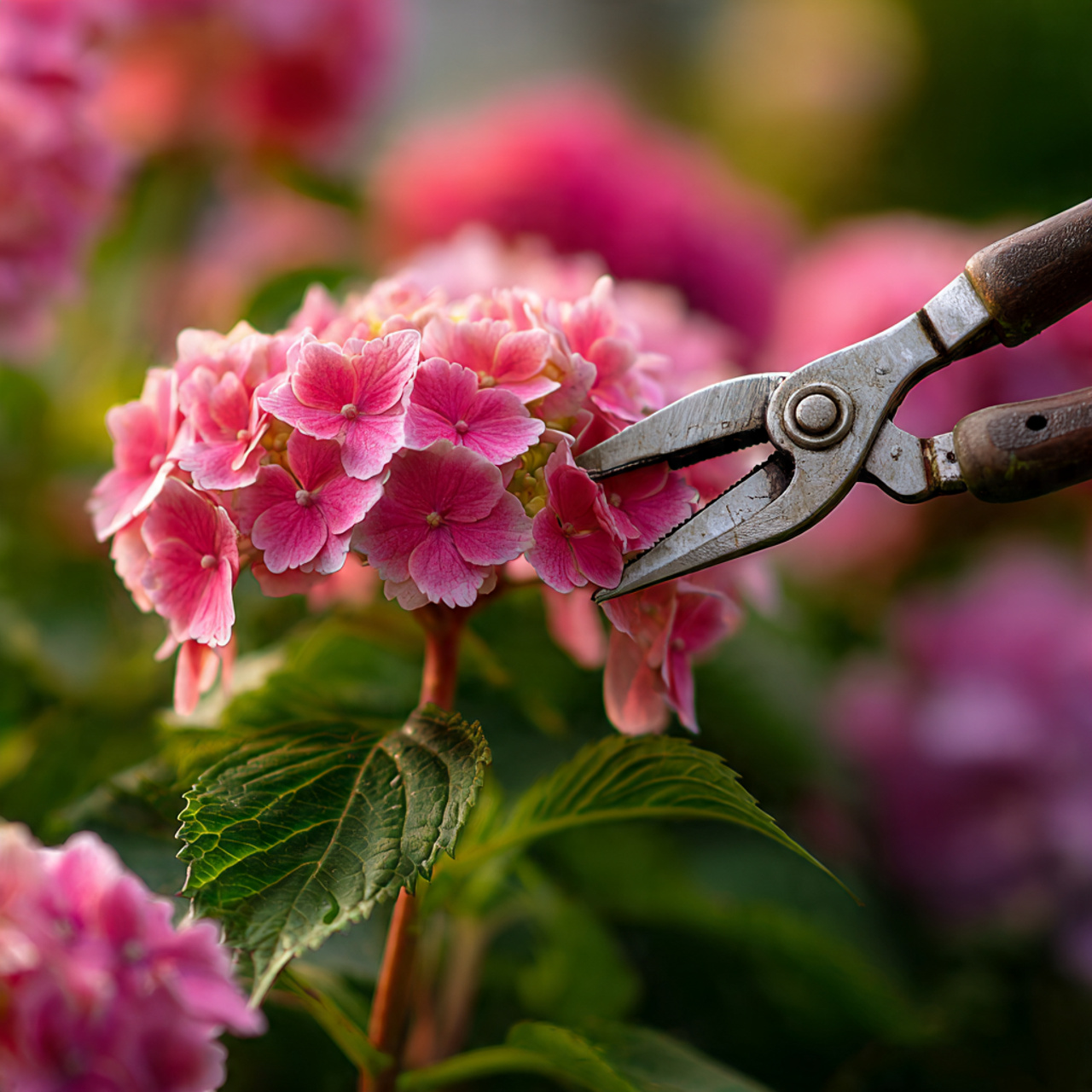
Wrong-time pruning is the number one reason hydrangeas don’t bloom. The trick is knowing what type you have:
Bigleaf Hydrangeas (Bloom on Old Wood):
- Prune immediately after flowering ends
- Only remove dead wood and spent flower heads
- Never prune in fall or early spring—you’ll cut off next year’s blooms
- Remove only thin, weak stems for better air flow
Smooth & Panicle Hydrangeas (Bloom on New Wood):
- Prune in late winter or early spring before growth starts
- Cut back up to one-third of plant height for bushier growth
- This timing encourages larger flower clusters
Deadheading Throughout Summer:
- Optional but creates a tidier look
- Directs energy toward new flowers instead of seeds
Rejuvenation for Overgrown Plants: Remove the oldest canes at ground level over three years. This gradual approach restores vigor without sacrificing all your blooms at once.
Feeding Your Hydrangeas Right
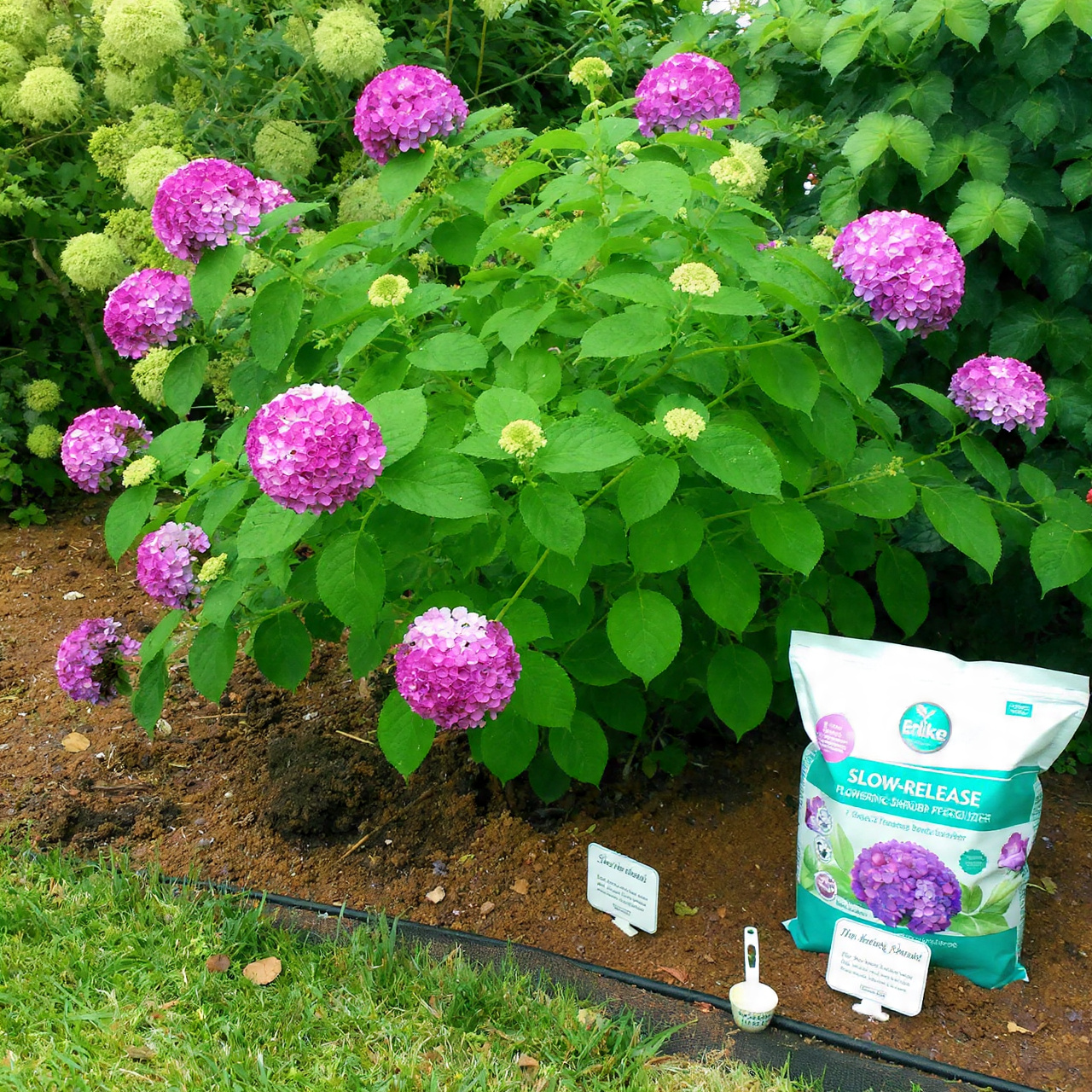
Balanced nutrition keeps plants healthy without pushing too much leafy growth at the expense of flowers.
Fertilization Schedule:
- Early spring: Apply slow-release fertilizer as new growth emerges
- Choose formulas with equal or higher middle numbers (phosphorus promotes blooming)
- Avoid high-nitrogen products that create leaves instead of flowers
- Stop feeding by midsummer so plants can prepare for winter
Organic Boosters:
- Add compost or well-rotted manure to enrich soil
- These improve soil structure and moisture retention
- Feed beneficial microorganisms that help nutrient absorption
Common Mistake: Over-fertilizing produces gorgeous foliage with disappointing blooms. Less is often more with hydrangeas.
Smart Practice: Test soil every few years to know exactly what your plants need rather than guessing.
Creating Beautiful Plant Combinations
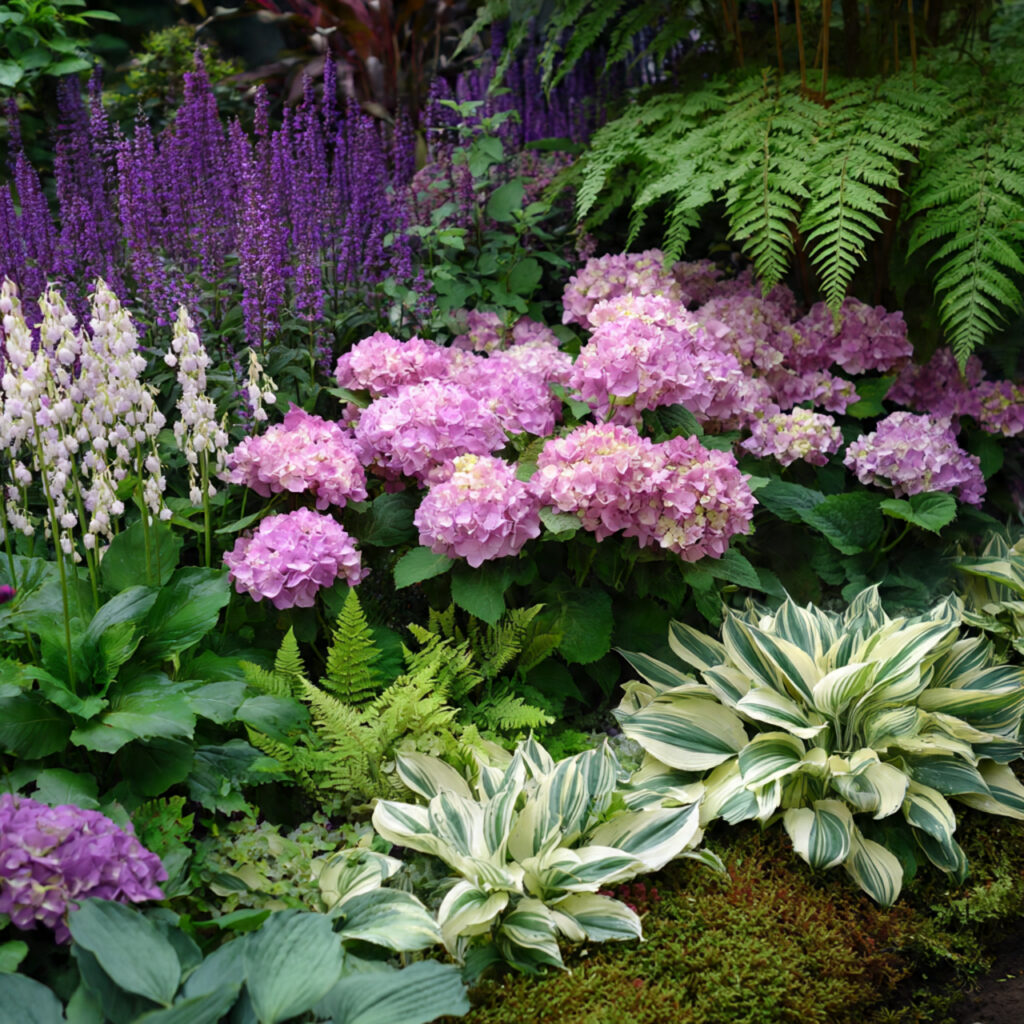
Hydrangeas look even better with the right companions. Think of it as creating a supporting cast that makes your star shine brighter.
Perfect Understory Plants:
- Hostas (contrasting leaf textures)
- Ferns (delicate, feathery foliage)
- Astilbes (similar moisture needs)
- Spring bulbs like daffodils and tulips (early season color)
Color Companions That Pop:
- Purple salvia (creates stunning contrast)
- Blue catmint (cool-toned complement)
- White bleeding hearts (soft, harmonious pairing)
- Evergreen boxwood or dwarf conifers (year-round structure)
Design Tips:
- Choose plants with different bloom times for continuous color
- Mass plantings create dramatic hedges or borders
- Single specimens work as focal points with perennial surrounds
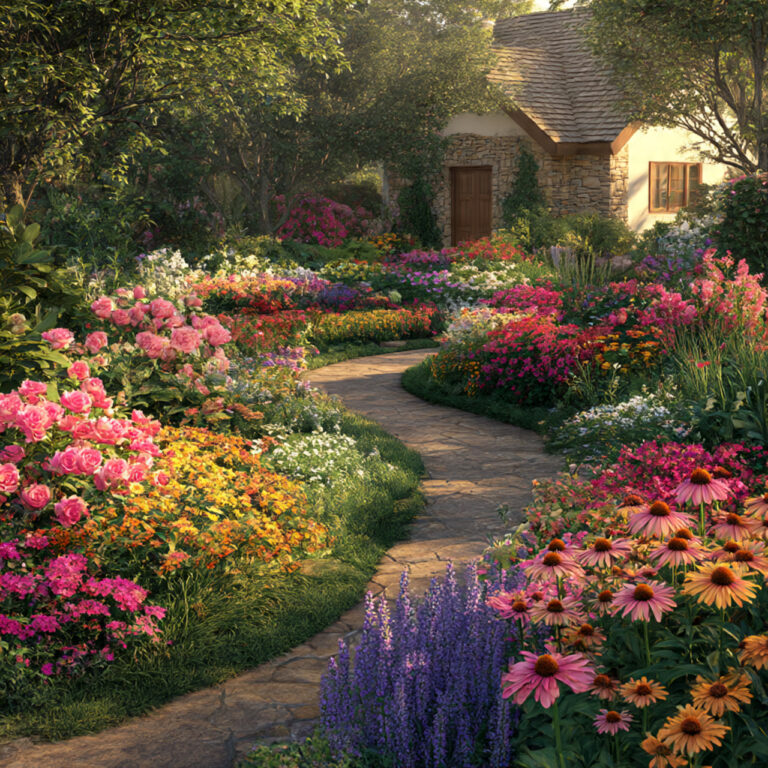
Example Combination: Plant pink hydrangeas with purple coneflowers, white daisies, and blue Russian sage for a cottage garden that blooms from spring through fall.
Growing in Containers
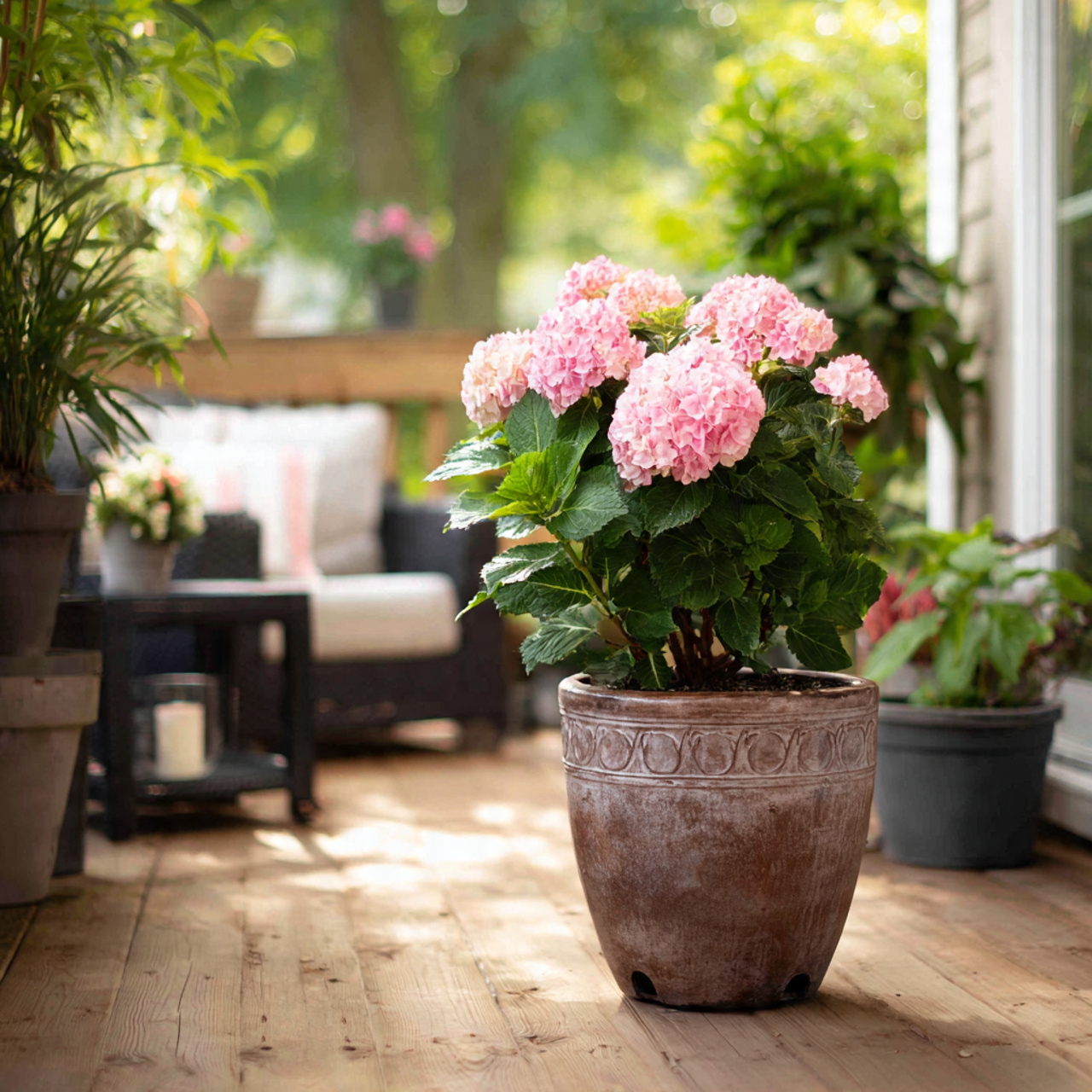
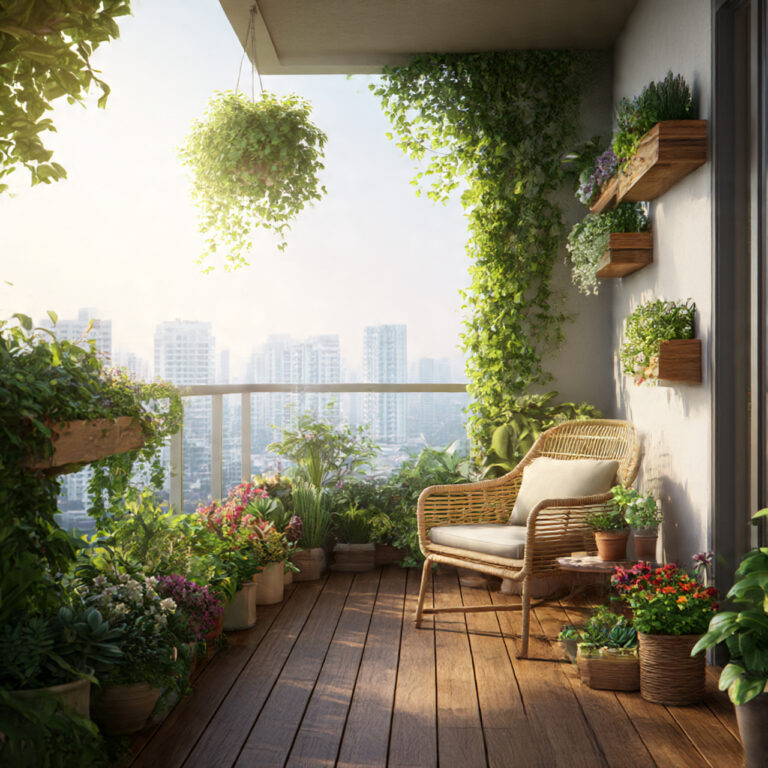
No yard? No problem! Many pink hydrangeas thrive in pots on patios, decks, and balconies.
Container Growing Essentials:
- Use containers at least 18 inches in diameter
- Ensure adequate drainage holes
- Choose quality potting mix (never garden soil, which compacts)
- Select dwarf varieties like ‘Little Lime’ or ‘Bobo’
Container Care Differences:
- Water daily during summer (pots dry out faster)
- Fertilize every two weeks with diluted liquid fertilizer
- Check moisture by feeling the top inch of soil
Winter Protection for Pots:
- Move to sheltered locations during cold months
- Wrap containers with bubble wrap or burlap
- Roots are more vulnerable to freezing than in-ground plants
Tip: Group several containers together for visual impact and easier watering.
Enjoying Changing Colors Through Seasons
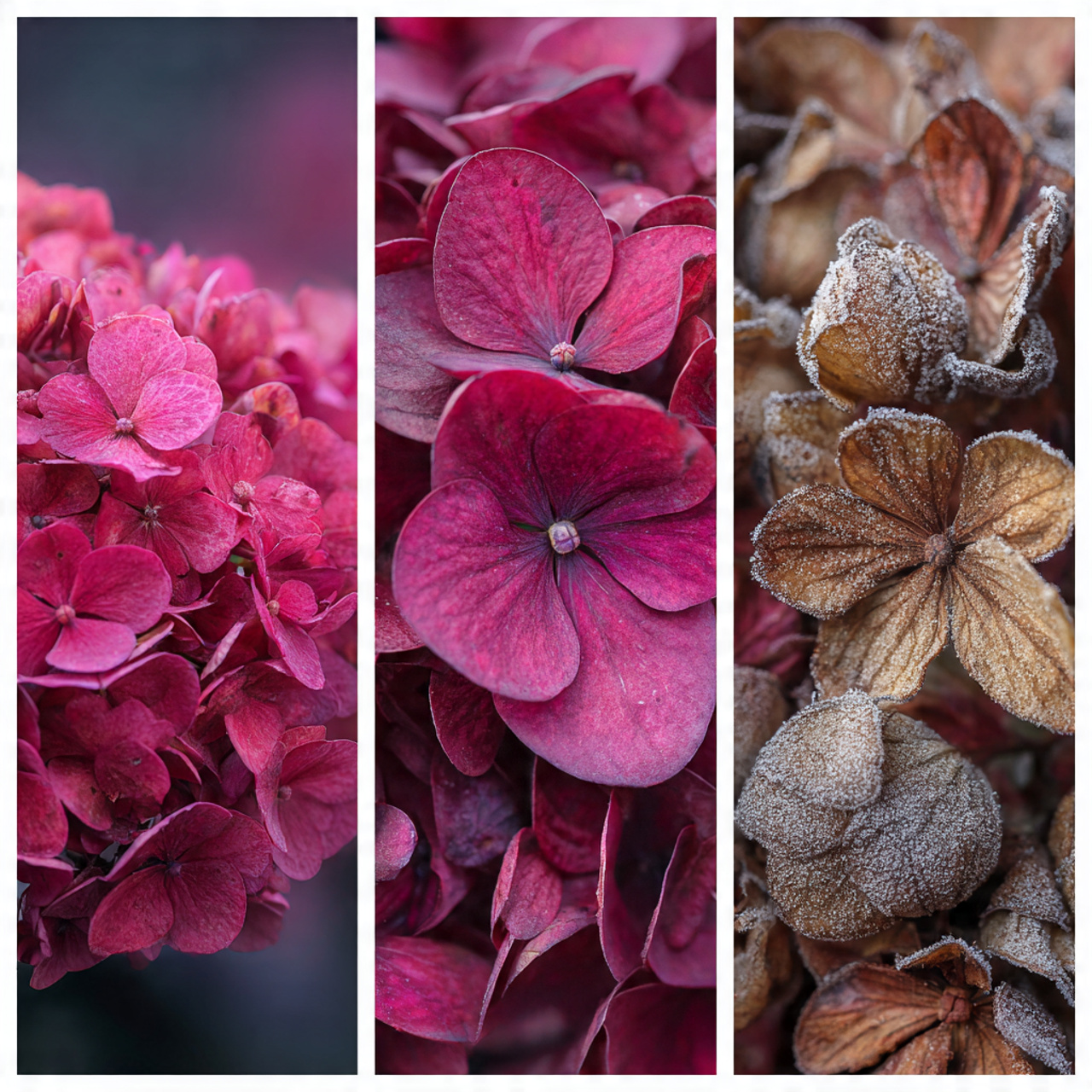
Pink hydrangeas offer way more than one-note color. Fresh blooms start greenish before developing pink hues that intensify as they mature. As summer transitions to fall, many develop deeper rose tones or vintage burgundy and green shades that create stunning antique charm.
Seasonal Color Journey:
- Early summer: Fresh pink blooms
- Mid-summer: Deepening, intense pinks
- Late summer/fall: Burgundy, mauve, and antique green tones
- Winter: Papery blooms provide architectural interest
Harvesting for Dried Arrangements:
- Cut when flowers reach the papery stage in late summer or fall
- These natural transitions add depth to your garden design
- Aged blooms maintain beauty well into winter
Embrace the Change: These color shifts are part of the plant’s natural beauty, not signs of problems. Each stage offers something special.
Handling Pests and Diseases
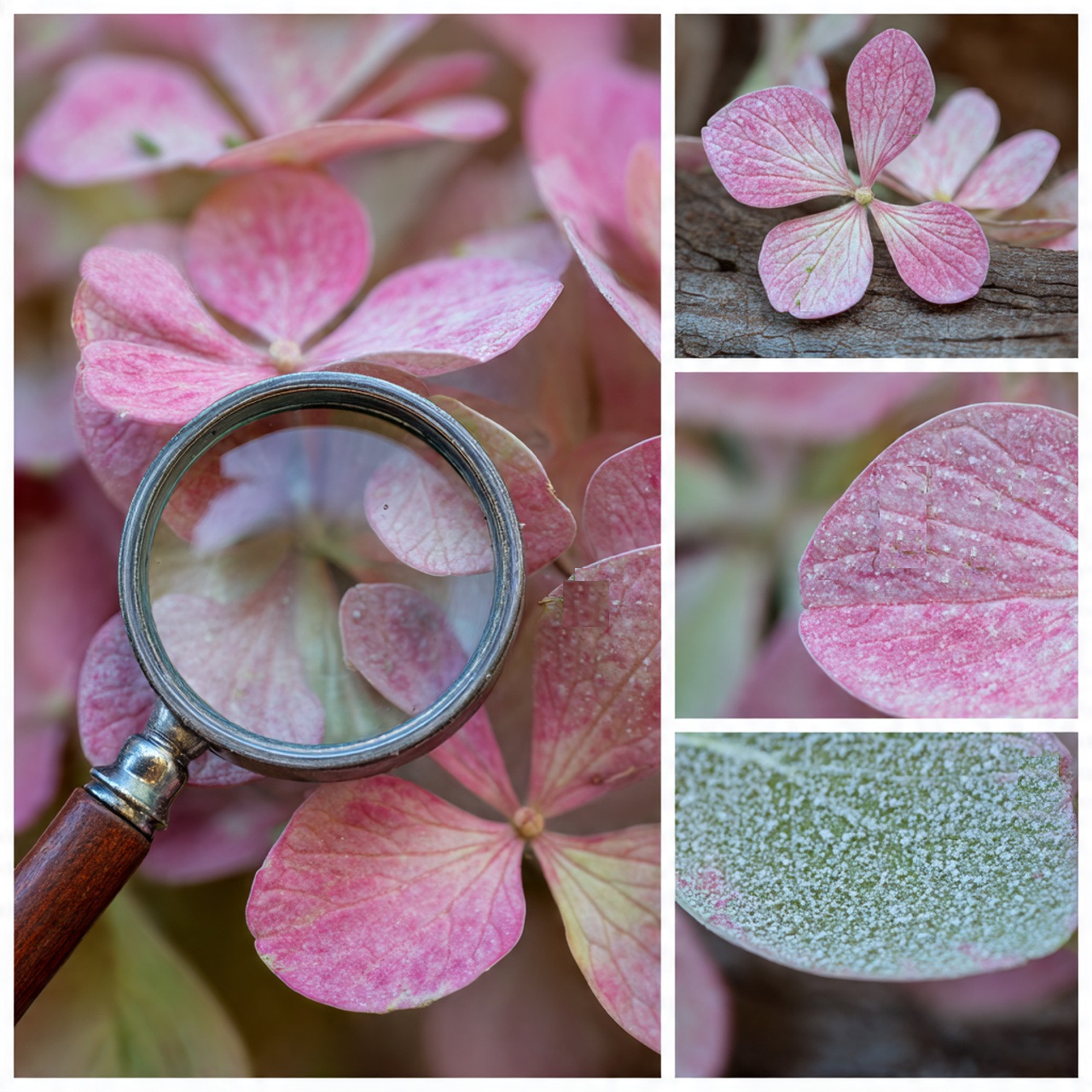
The good news? Pink hydrangeas are generally tough. But occasionally you’ll spot some issues:
Common Pests:
- Aphids: Cluster on new growth. Blast with water or use insecticidal soap
- Spider mites: Appear in hot, dry weather. Increase humidity and use miticide if needed
Disease Issues:
- Powdery mildew: White coating on leaves during humid weather. Improve air circulation through pruning and spacing
- Leaf spot: Brown or purple spots (rarely serious). Remove affected leaves
Prevention Strategies:
- Space plants properly for air circulation
- Water at ground level, not overhead
- Avoid working around plants when foliage is wet
- Remove fallen leaves and debris
Best Defense: Good cultural practices prevent most problems without chemicals. Healthy plants resist pests and diseases naturally.
Preparing for Winter
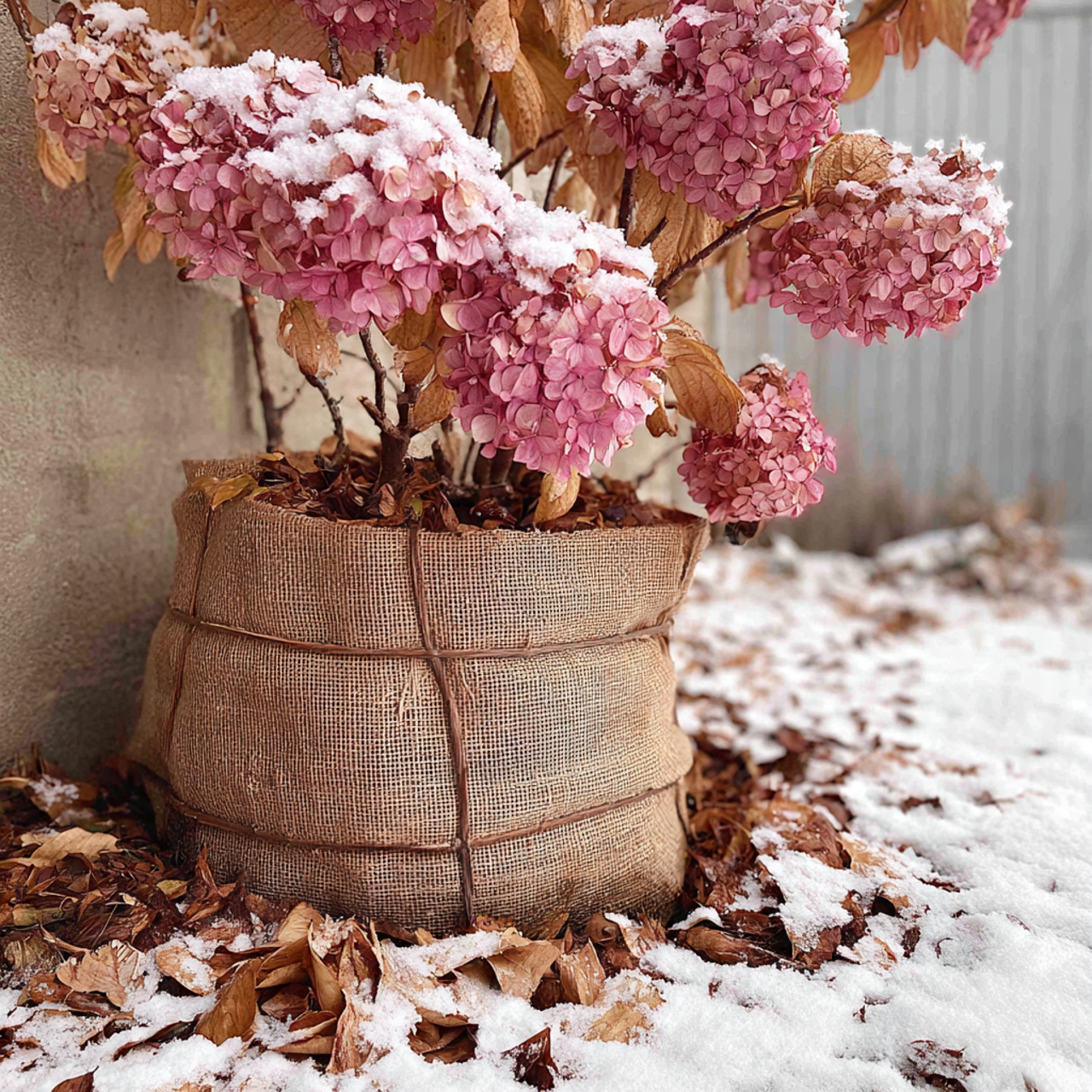
Proper fall prep ensures your hydrangeas bounce back strong in spring.
Fall To-Do List:
- Stop fertilizing by midsummer
- Reduce watering frequency in fall
- Leave faded flower heads on plants (they provide insulation)
- Mulch around bases after ground freezes (use shredded leaves or straw)
Extra Protection for Cold Regions:
- Create burlap screens or protective cages
- Fill cages with leaves for insulation
- Shield from harsh winds and temperature swings
- Remove protection gradually in spring
Container Plant Winter Care:
- Move to unheated garages
- Wrap pots with insulating materials
- Roots in containers are more vulnerable than in-ground plants
Timing Tip: Wait until after the first hard freeze to mulch. Mulching too early can keep soil warm and delay dormancy.
Growing More Plants from What You Have
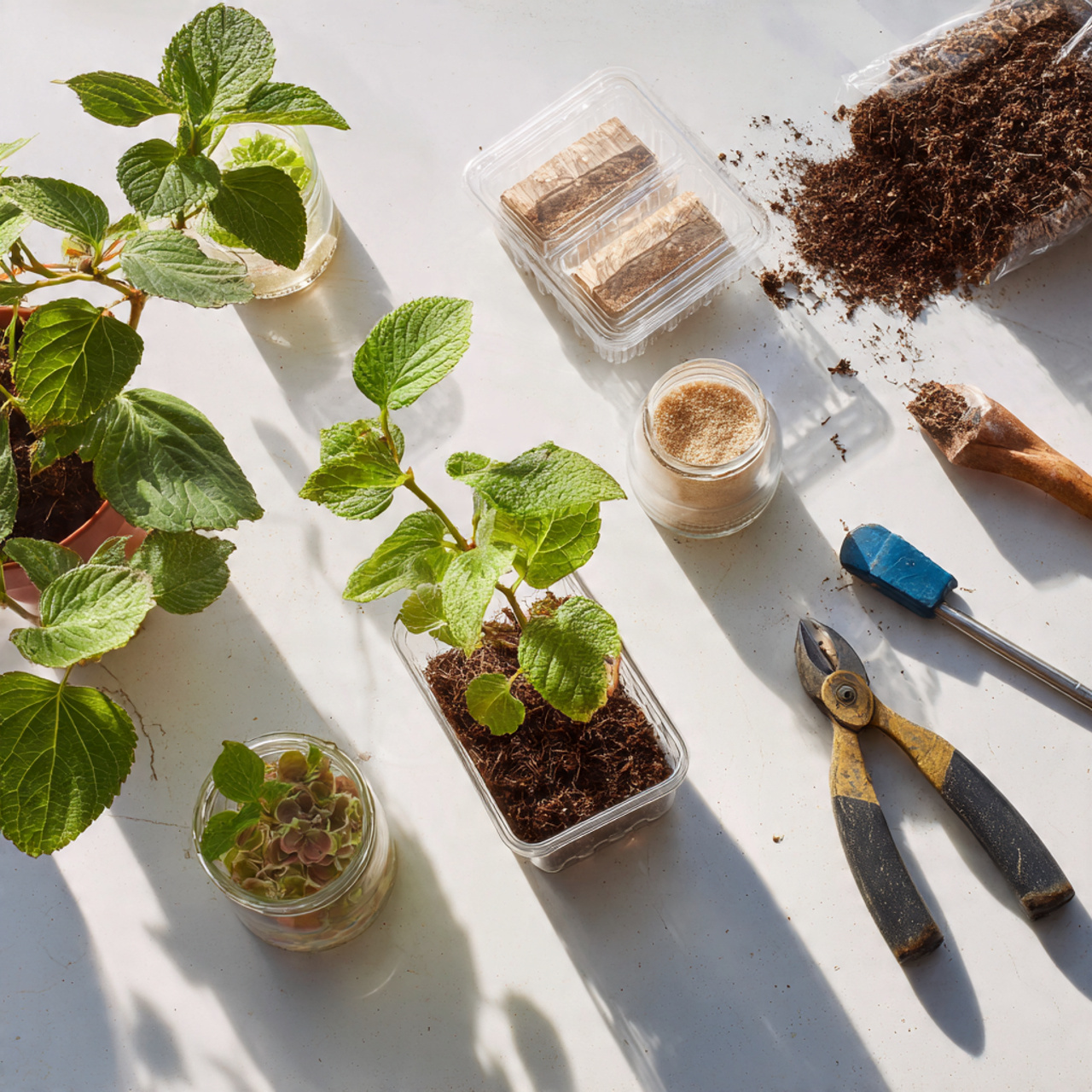
Want more hydrangeas? You can easily propagate your own.
Softwood Cuttings (Easiest Method):
- Take 4-6 inch stem cuttings in early summer
- Remove lower leaves
- Dip in rooting hormone
- Plant in moistened perlite or seed mix
- Cover with plastic to maintain humidity
Layering (Foolproof Technique):
- Bend low branches to the ground
- Cover a section with soil while still attached to parent plant
- Roots develop over several months
- Separate and transplant once rooted
Division:
- Works for clump-forming varieties
- Dig and separate in early spring
- Each division needs roots and shoots
Money-Saving Benefit: Propagating creates free plants while maintaining your favorite varieties with proven performance.
Bringing Blooms Indoors
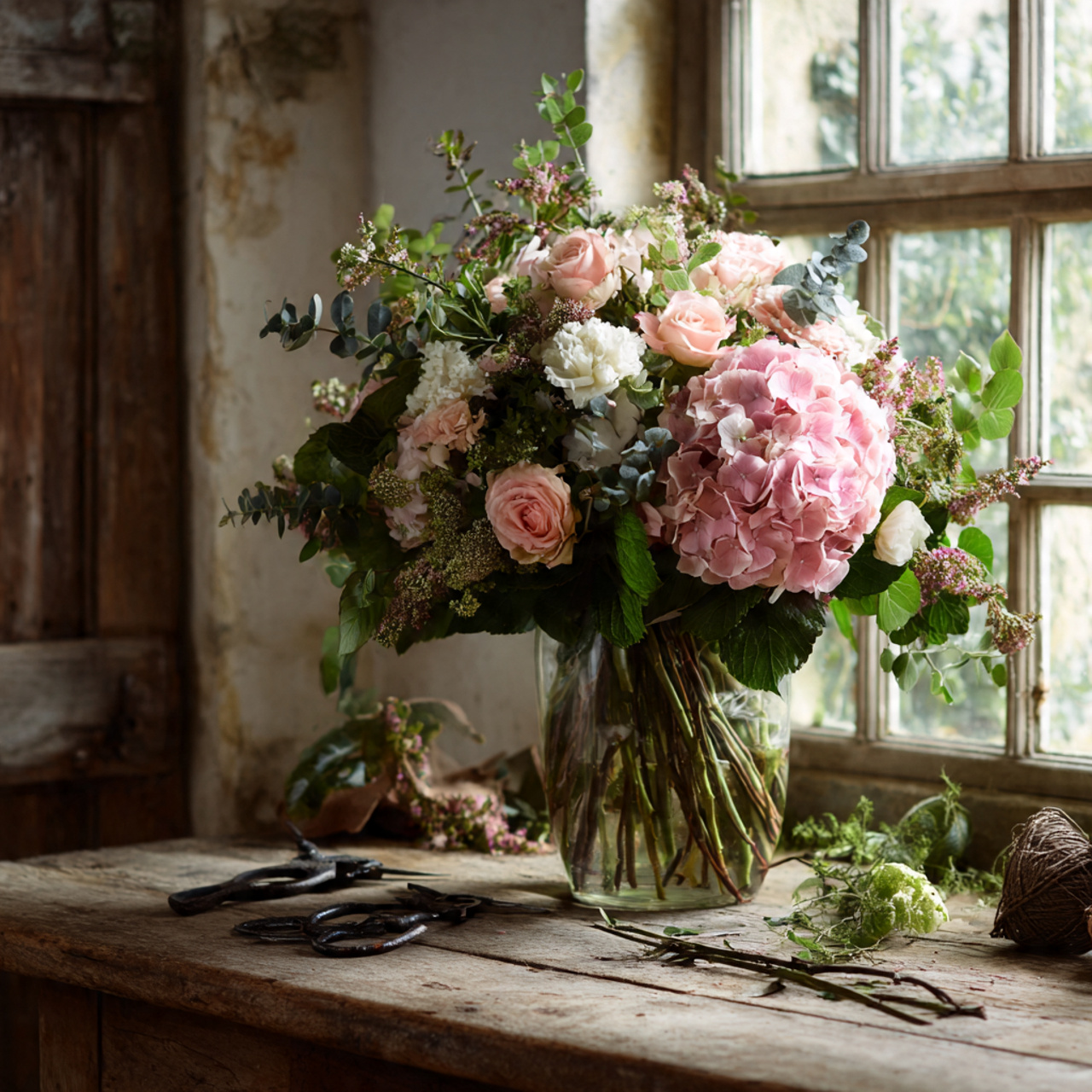
Extend your enjoyment by cutting flowers for arrangements.
Best Cutting Practices:
- Harvest in morning after dew dries
- Choose stems at peak color (mature blooms last longer)
- Cut immediately into water
- Remove leaves below the water line
Conditioning for Longevity:
- Re-cut stems underwater
- Place in deep containers of lukewarm water for several hours
- Change water daily or add flower preservative
Arrangement Ideas:
- Pair with roses and peonies for romantic bouquets
- Combine with garden greenery for texture
- Use alone for simple, dramatic statements
Drying Flowers:
- Harvest when blooms feel papery
- Hang upside down in dark, dry location
- Or simply place in empty vases to air-dry naturally
Solving Common Problems
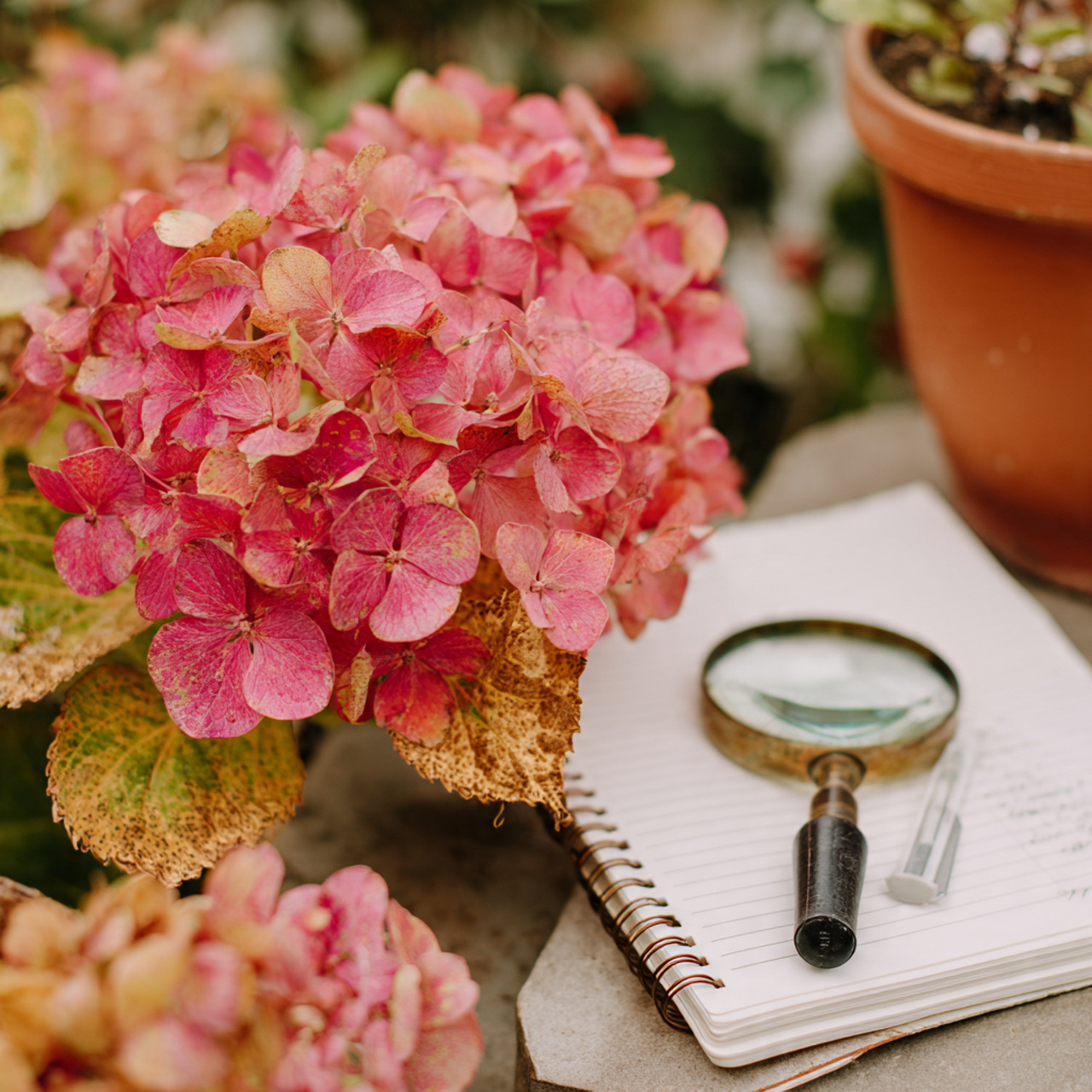
When things aren’t going quite right, here’s how to troubleshoot:
Wilting Despite Wet Soil:
- Indicates root problems from overwatering or poor drainage
- Solution: Improve drainage or relocate plant
Brown, Crispy Leaf Edges:
- Causes: Insufficient water, too much sun, or over-fertilization
- Solution: Adjust watering, provide shade, or reduce fertilizer
No Blooms:
- Wrong pruning timing (most common cause)
- Late spring frost damage to buds
- Too much shade or nitrogen-heavy fertilizer
- Plant too young (may need 2-3 years to mature)
- Solution: Evaluate all possibilities before assuming disease
Tip: Keep notes about your care routine to identify patterns causing problems.
Planning for Long-Term Success
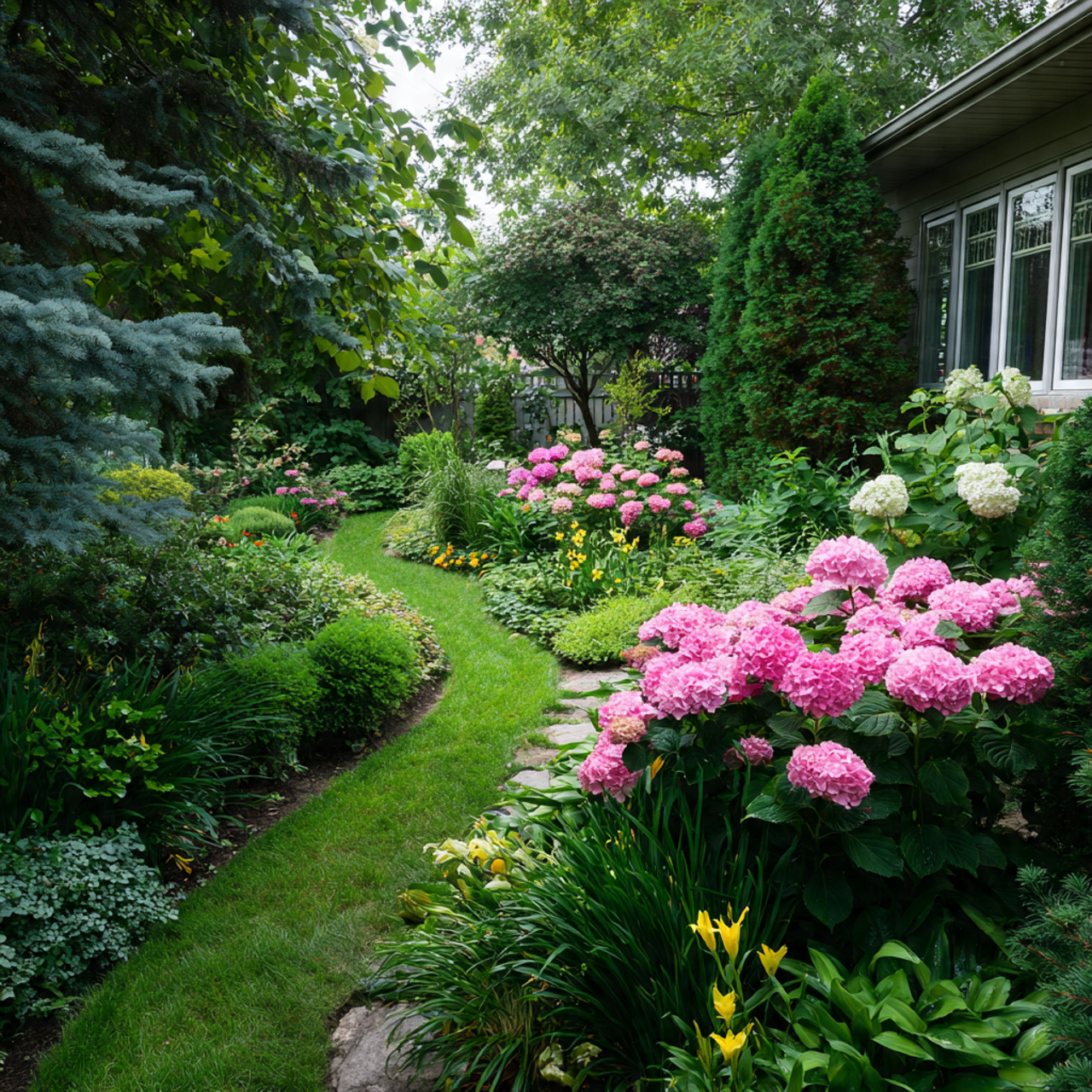
Think beyond this season when placing hydrangeas in your landscape.
Smart Design Considerations:
- Position plants where mature size creates impact without overwhelming
- Use as anchor plants in mixed borders
- Plant in repetition along paths for rhythm and unity
- Consider seasonal progression with early bulbs and late-season perennials
Five-Year Vision:
- Think about how plants will look at full size
- Plan for garden evolution as your style preferences shift
- Frame hydrangeas with evergreens for winter interest
- Allow adequate space for mature spread
Versatile Styling: Pink hydrangeas adapt to formal gardens, cottage gardens, and naturalistic landscapes—making them excellent long-term investments.
Visit More: Plumeria Flowers
Your Questions Answered
How quickly do pink hydrangeas reach full size? Most varieties hit mature size within 3-5 years after planting, though they’ll start flowering in years 2-3. Panicle types grow faster than bigleaf varieties. Proper watering and fertilization speed things up, but patience in early years pays off with increasingly spectacular displays.
Will pink hydrangeas survive in full shade? They’ll survive but won’t thrive. Full shade produces sparse foliage and minimal to zero blooms. These plants need at least 4 hours of sunlight daily—preferably morning sun with afternoon shade. For truly shady spots, choose shade-lovers like hostas or ferns instead.
Why did my pink flowers turn blue? Your soil became too acidic (pH below 6.0), allowing aluminum uptake that creates blue blooms. This happens with bigleaf varieties. Test your soil and add lime to raise pH back to 6.0-6.5 range. Consistent pH management keeps flowers pink year after year.
Can I save a hydrangea that hasn’t bloomed in years? Usually yes! Start by testing soil pH and improving drainage if needed. Thin overgrown plants through selective pruning, removing dead wood. Fertilize appropriately in spring. Use gradual renewal pruning over several years rather than drastic cutting. With proper care, most respond within 1-2 growing seasons.
Should I remove faded flowers during summer? It’s optional—unlike some flowers, hydrangeas don’t significantly increase blooming from deadheading. Many gardeners leave spent blooms for visual interest and winter structure. However, removing them creates a tidier look and prevents energy going to seed production. For bigleaf types, just avoid cutting below flower heads to protect next year’s buds.
Your Pink Hydrangea Journey Begins
Growing pink hydrangeas in your home garden combines stunning beauty with surprising resilience. Success boils down to choosing the right variety for your climate, understanding soil pH needs for maintaining those gorgeous pink tones, and providing consistent care through the growing season.
These rewarding shrubs deliver months of spectacular blooms while asking for only moderate maintenance once they’re established. Whether you plant them as standout specimens, casual hedges, or patio containers, pink hydrangeas create romantic garden focal points that become more magnificent with each passing year.
Start with the strategies we’ve covered here, and you’ll soon have thriving pink hydrangeas that transform your outdoor space with their generous, long-lasting displays. Your garden will thank you—and so will everyone who stops to admire those glorious blooms.