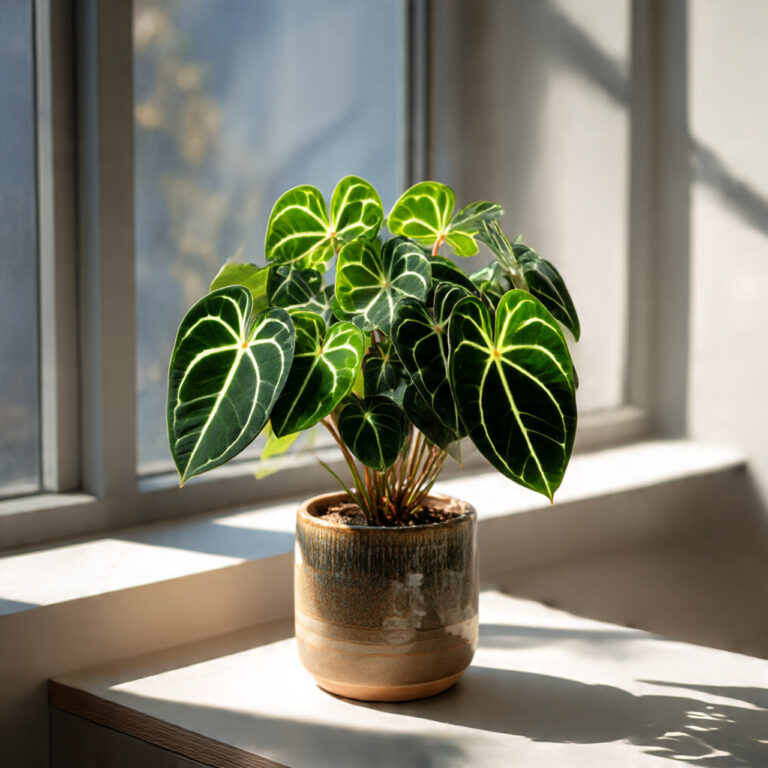
25 Spider Plant Care Secrets: How to Keep This Gorgeous Houseplant Thriving All Year
If you’re looking for a houseplant that’s practically indestructible, spider plants are your best friend. With their graceful arching leaves and adorable baby plantlets dangling like tiny green chandeliers, these plants have won hearts for generations. They’re perfect whether you’re a complete beginner or someone who’s been growing plants for years.
The best part? Spider plants are incredibly forgiving. Miss a watering? They’ll bounce back. Forgot to fertilize? They’ll still grow. In this guide, I’ll walk you through 25 practical care tips that’ll help your spider plant not just survive, but absolutely thrive.
Getting to Know Your Spider Plant
Let me start with the basics. Spider plants originally come from South Africa, which tells us a lot about what they need. They’re naturally adapted to bright but filtered light, occasional rainfall, and well-draining soil. Think of them as the “goldilocks” of houseplants—they want everything just right, but they’re not fussy about it.
When you give your spider plant what it needs, it’ll reward you big time. You’ll see fresh green growth, delicate white flowers, and those cute little baby plants (called spiderettes) that you can share with friends or expand your own collection.
Choosing the Right Pot for Spider Plant Care
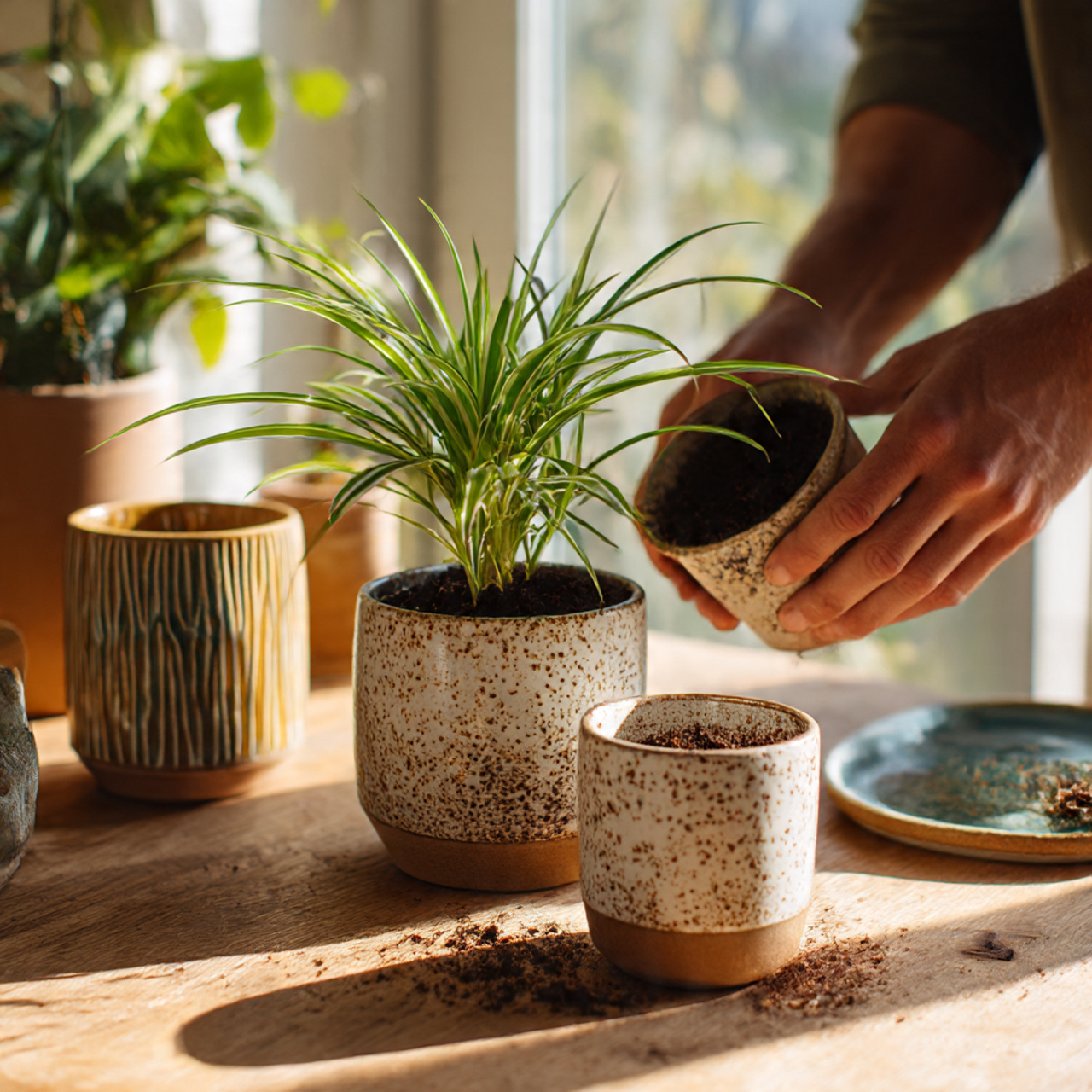
Choosing the right container makes all the difference in keeping your spider plant healthy.
Here’s what you need to know:
- Always select pots with drainage holes at the bottom to let excess water escape
- Root rot is the number one killer of spider plants, and good drainage prevents it
- Ceramic or terracotta pots work beautifully because they allow air to reach the roots
- Go for a medium-sized container since spider plants grow quickly and need room to spread
- Avoid pots that are too large, as excess soil can hold too much moisture
Quick Tip: If you fall in love with a pot without drainage holes, use it as a decorative outer cover and keep your spider plant in a plastic pot with drainage inside.
Best Soil Mix
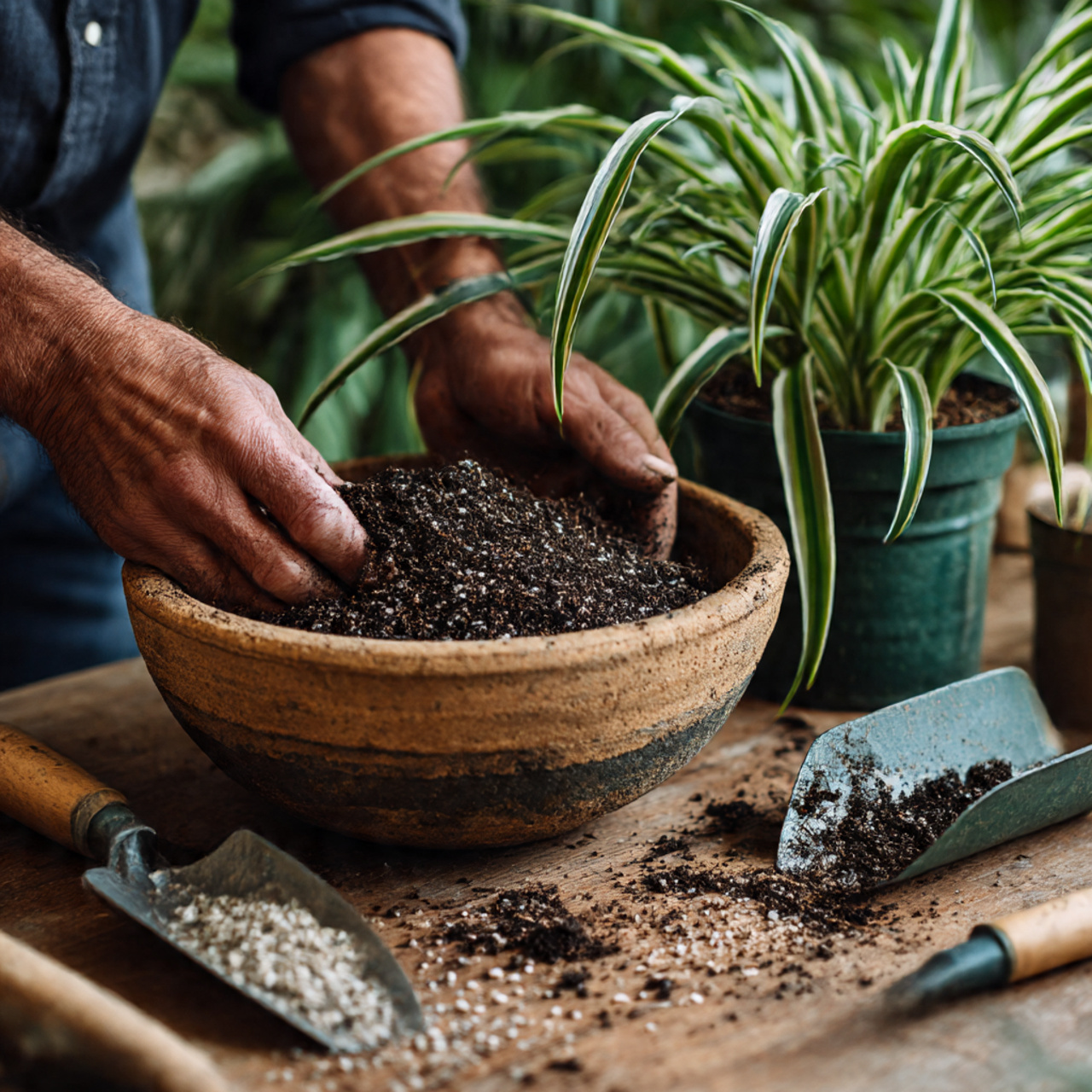
Your spider plant’s soil is like its foundation—get this right, and everything else becomes easier.
The ideal soil mix includes:
- Standard potting soil as your base ingredient
- Perlite to improve drainage and prevent compaction
- Peat moss or coco coir to retain just enough moisture without waterlogging
- A handful of compost for added nutrients (optional but beneficial)
- The mixture should feel light and fluffy, not heavy or dense
Quick Tip: Test your soil mix by watering it—if water drains through in a few seconds, you’ve got the perfect blend. If it pools on top, add more perlite.
Ideal Light Conditions
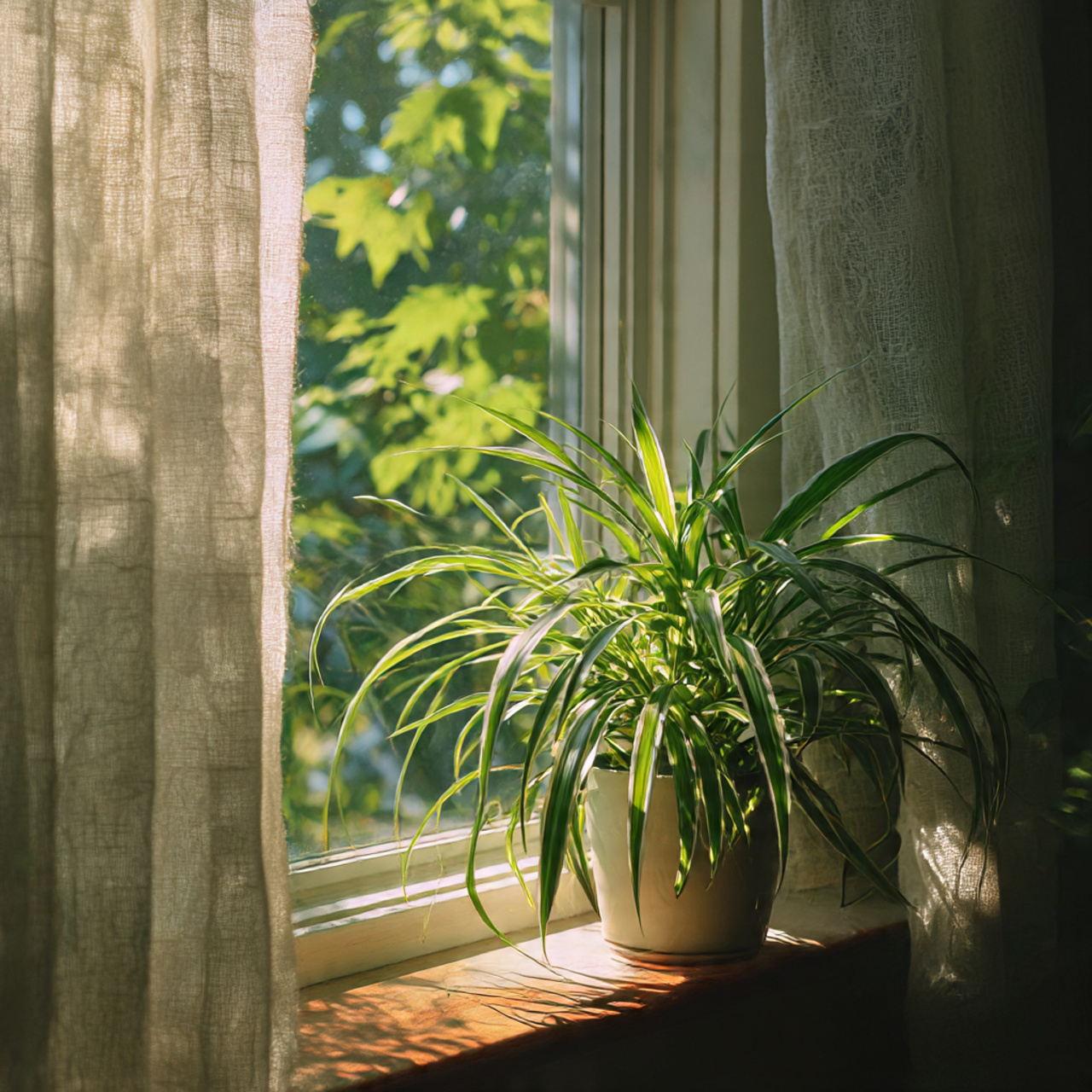
Light is crucial, but spider plants are pretty flexible about their lighting conditions.
Follow these lighting guidelines:
- Bright, indirect sunlight is the ideal situation for maximum growth
- North or east-facing windows provide gentle, consistent light throughout the day
- Direct afternoon sun can scorch the leaves, causing brown, crispy patches
- Too little light makes leaves look pale and slows down growth dramatically
- Rotate your plant weekly so all sides get equal light exposure
Quick Tip: If your spider plant’s leaves are losing their vibrant color or the white stripes are fading, it’s telling you it needs more light. Move it closer to a window.
Watering Schedule
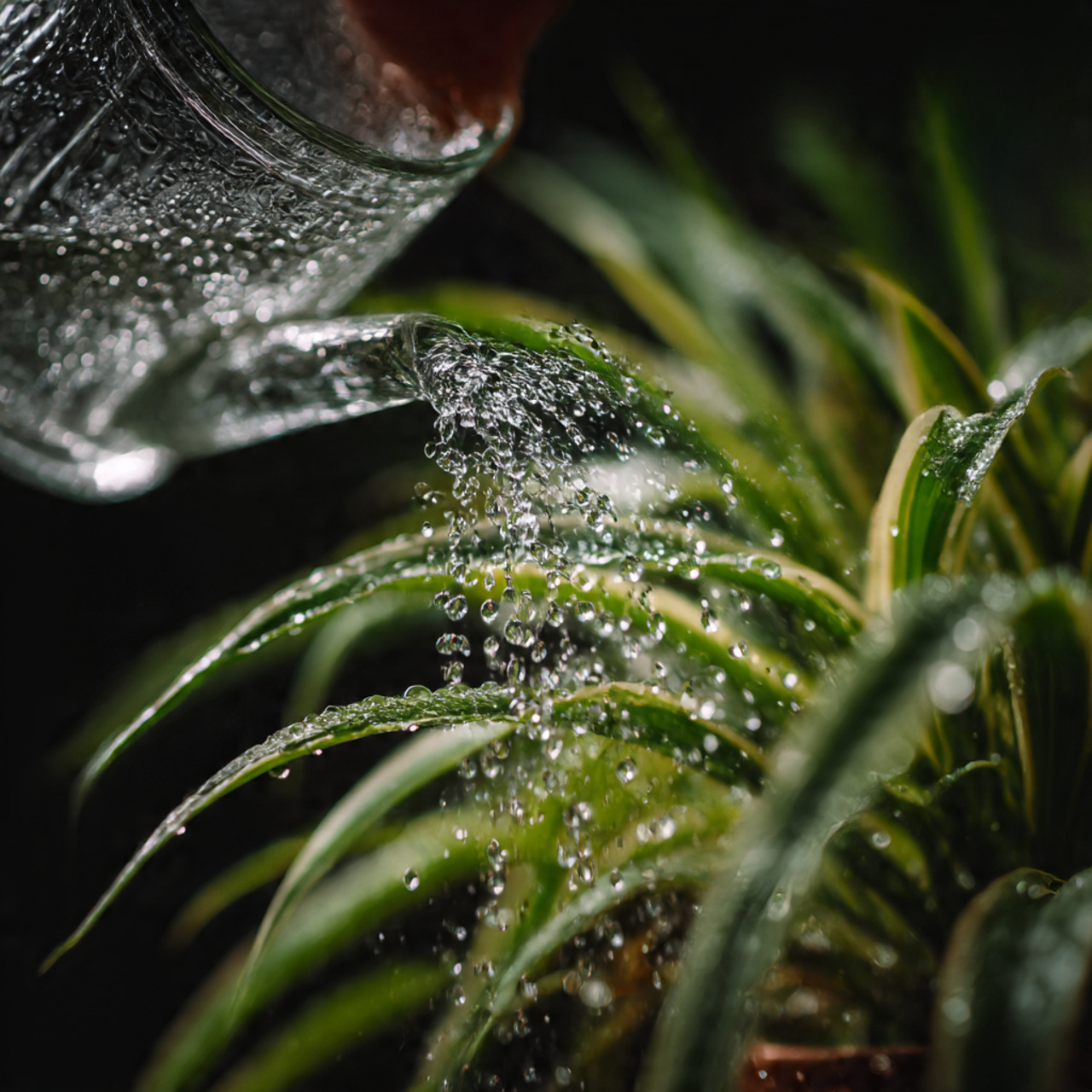
Watering is where most people either over-love or under-love their plants. Let’s get it right.
Here’s your watering game plan:
- Check the top inch of soil with your finger before watering
- Water thoroughly when the top inch feels dry to the touch
- In active growing months (spring and summer), water every 7-10 days
- During winter, reduce watering since growth slows down
- Always water until it drains from the bottom, then empty the saucer
Quick Tip: Set a weekly reminder on your phone to check your plant’s soil. Consistency beats perfection every time.
Managing Humidity in Spider Plant Care
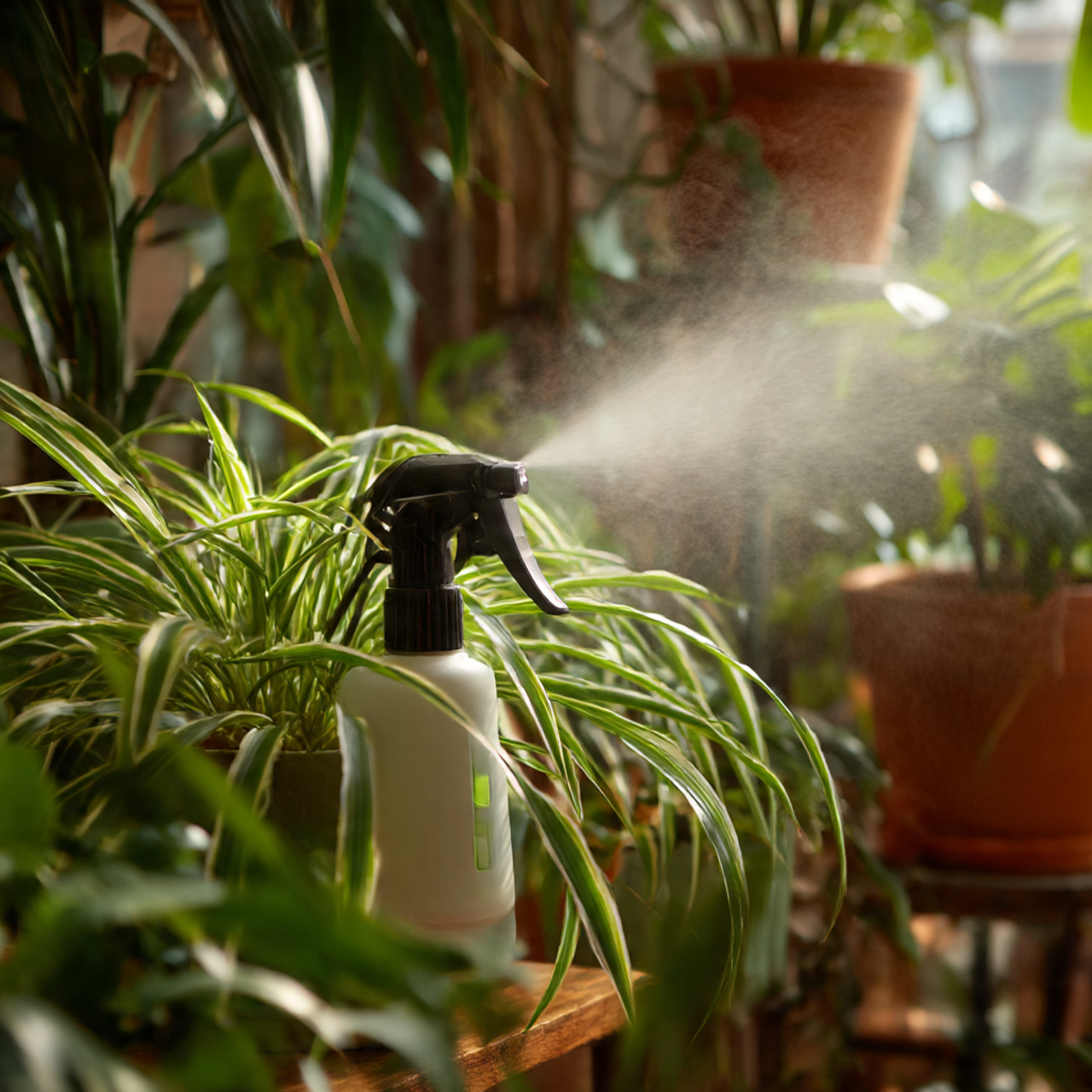
Spider plants aren’t humidity snobs, but they do appreciate some moisture in the air.
Boost humidity with these methods:
- Mist your plant lightly once or twice a week with a spray bottle
- Place the pot on a tray filled with pebbles and water (pot shouldn’t touch water)
- Group multiple plants together to create a micro-humid environment
- Keep spider plants in naturally humid rooms like bathrooms or kitchens
- Use a small humidifier nearby if you live in a very dry climate
Quick Tip: Brown leaf tips are your plant’s way of saying “I need more humidity!” Increase moisture levels and trim those crispy tips with clean scissors.
Temperature Needs
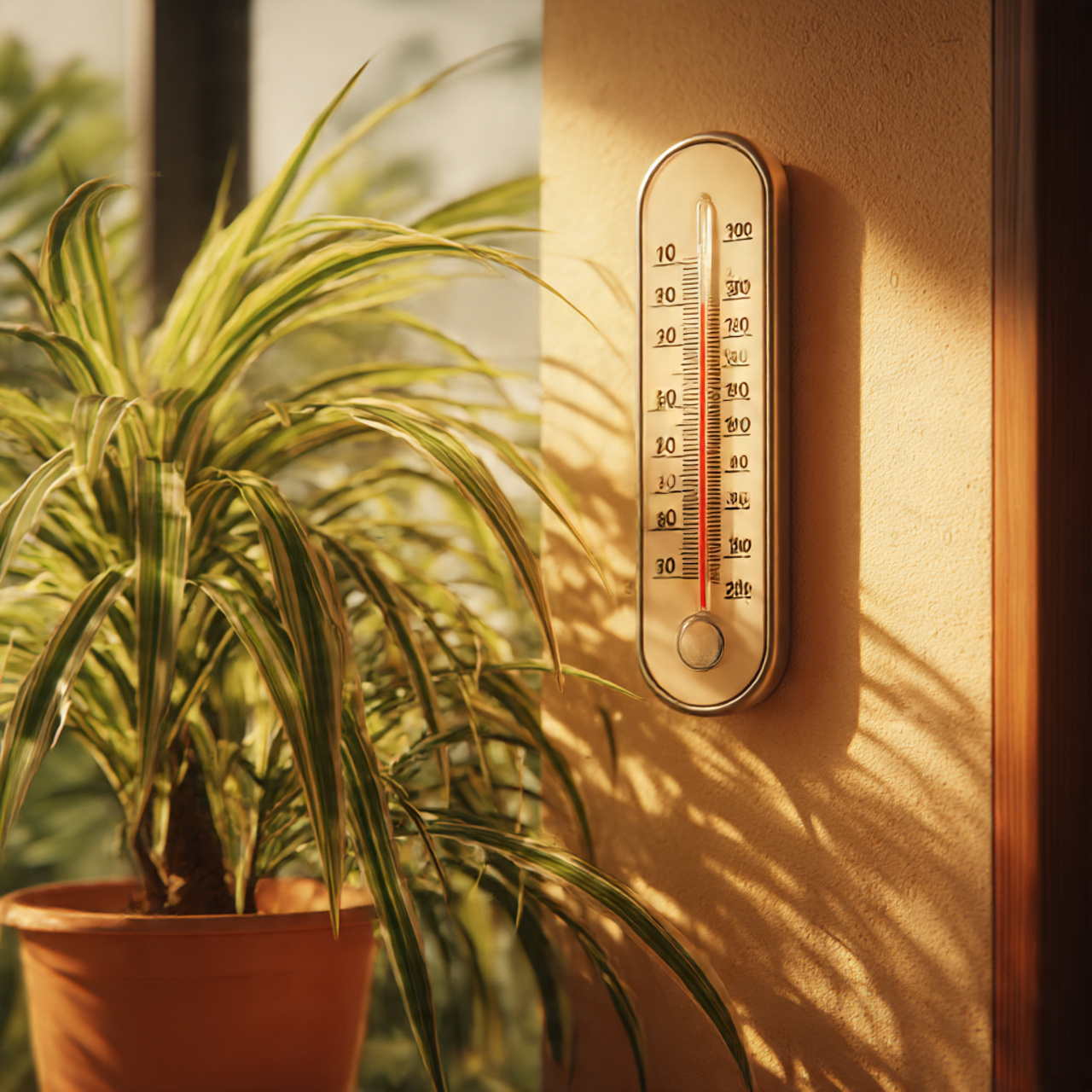
Temperature stability makes spider plants happy and healthy.
Keep these temperature rules in mind:
- The comfort zone is between 60°F and 80°F (15°C to 27°C)
- Room temperature is generally perfect for spider plants
- Keep them away from heating vents, air conditioning units, and drafty windows
- Sudden temperature drops can cause leaves to curl or turn brown
- Avoid placing them near frequently opened exterior doors in winter
Quick Tip: If you’re comfortable in a room wearing a t-shirt, your spider plant is probably comfortable too. They like what we like.
Feeding and Fertilizing
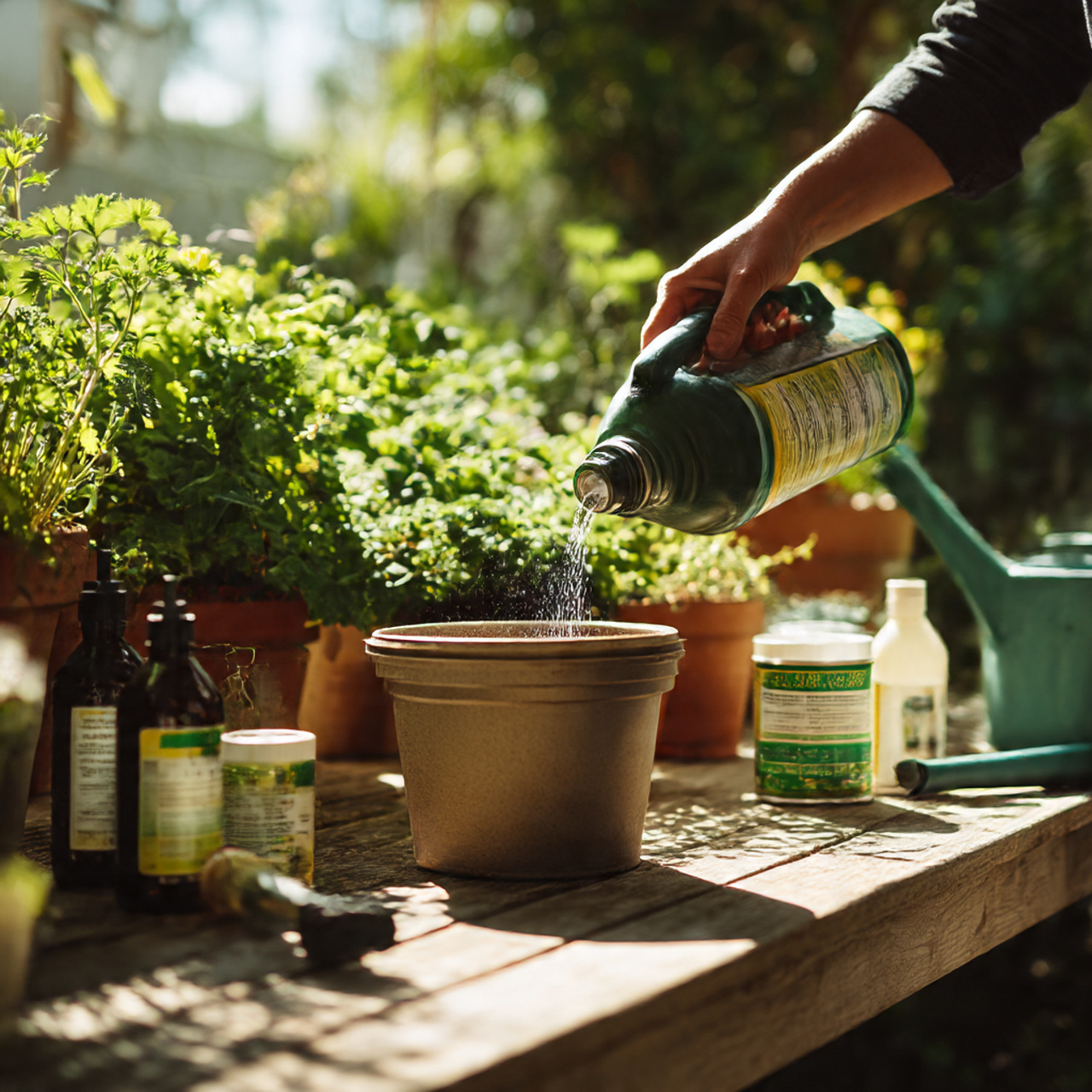
Feeding your spider plant gives it the nutrients needed for vibrant growth, but less is definitely more.
Here’s your fertilizing strategy:
- Use a balanced, water-soluble fertilizer (like 10-10-10 or 20-20-20)
- Dilute the fertilizer to half the strength recommended on the package
- Feed once a month during spring and summer growing seasons
- Skip fertilizing completely in fall and winter when growth slows
- Overfeeding causes brown leaf tips and salt buildup in soil
Quick Tip: If you notice white crusty buildup on the soil surface, flush the pot with plain water to remove excess fertilizer salts. Let it drain completely.
Propagating Baby Spider Plants
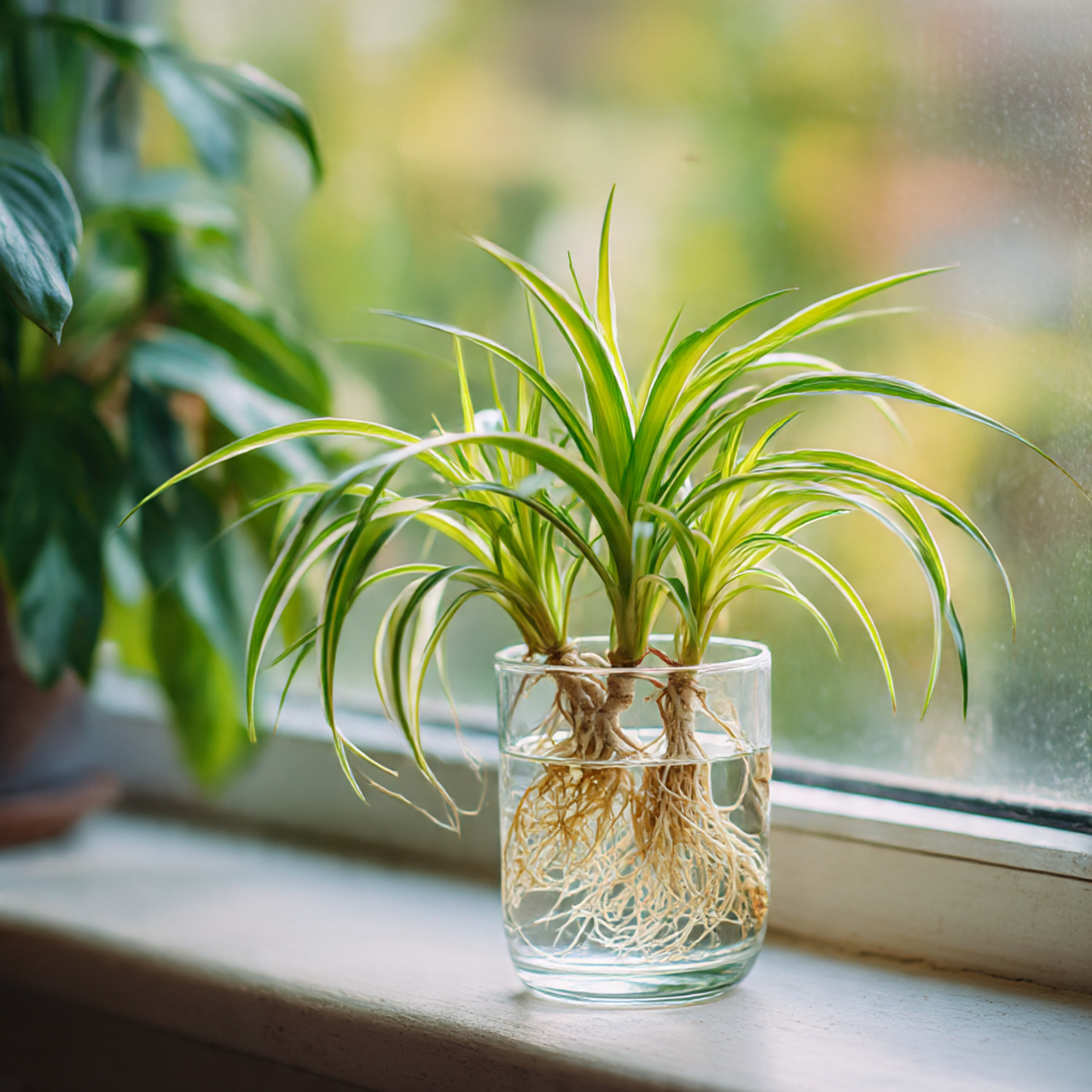
One of the most exciting parts of owning a spider plant is watching it make babies that you can turn into new plants.
Propagation is super easy:
- Wait until the baby plantlets have small root nubs forming underneath
- Cut the spiderette from the mother plant with clean scissors
- Place it in a glass of water and watch roots develop over 1-2 weeks
- Once roots are 1-2 inches long, plant in fresh potting soil
- You can also plant spiderettes directly in moist soil without water rooting
Quick Tip: Leave spiderettes attached to the mother plant and place a small pot of soil beneath them. They’ll root while still connected, which gives them extra support during establishment.
Pruning for Healthier Spider Plant Care
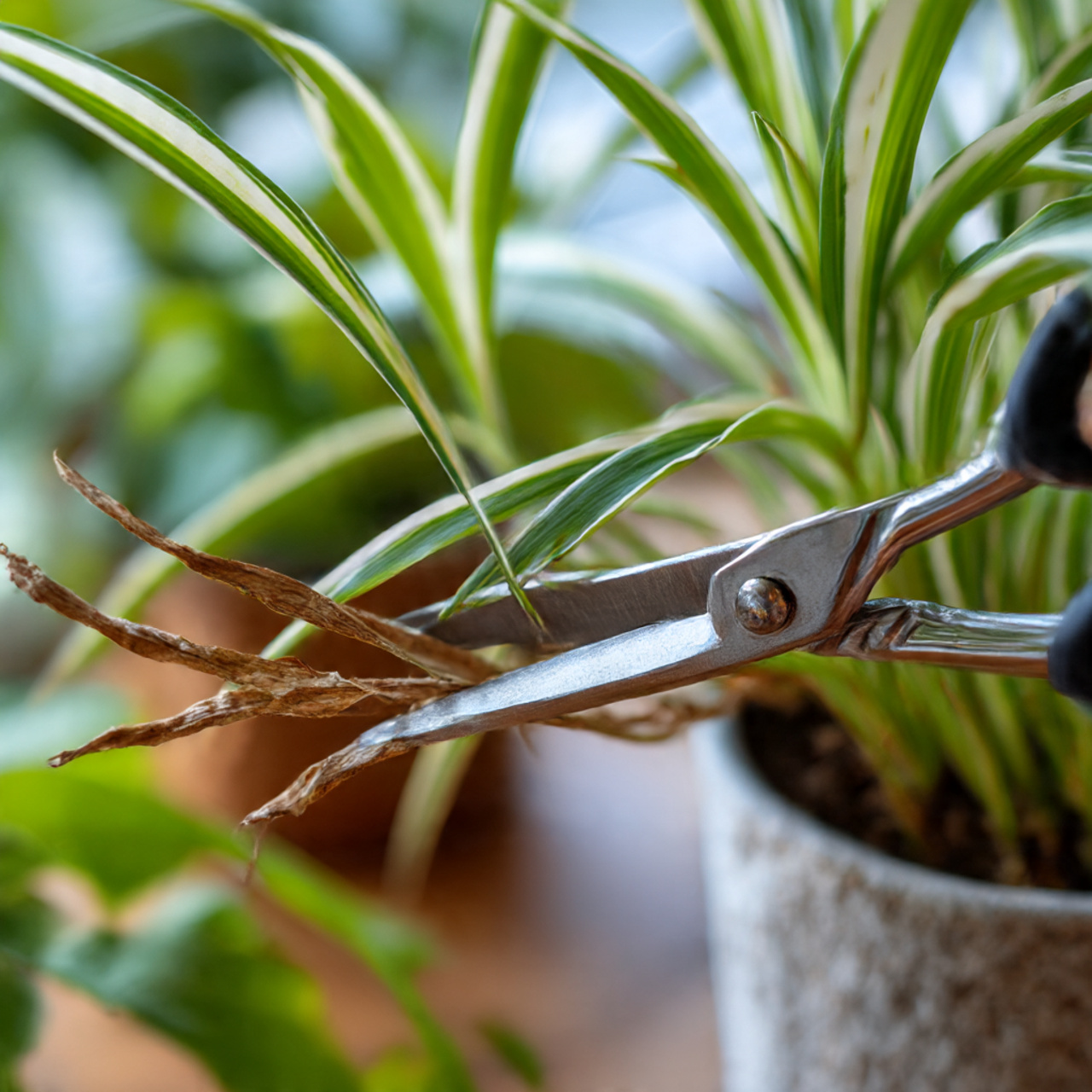
Regular trimming keeps your spider plant looking fresh and encourages new growth.
Pruning basics include:
- Remove yellow, brown, or damaged leaves at the base with clean scissors
- Cut back long, straggly stems to maintain a compact shape
- Remove dried flower stalks after blooming finishes
- Trim brown leaf tips at an angle to maintain a natural appearance
- Sterilize your scissors with rubbing alcohol between cuts
Quick Tip: Save healthy clippings and propagate them instead of throwing them away. You’ll have free plants to give as gifts or expand your collection.
Preventing Pests
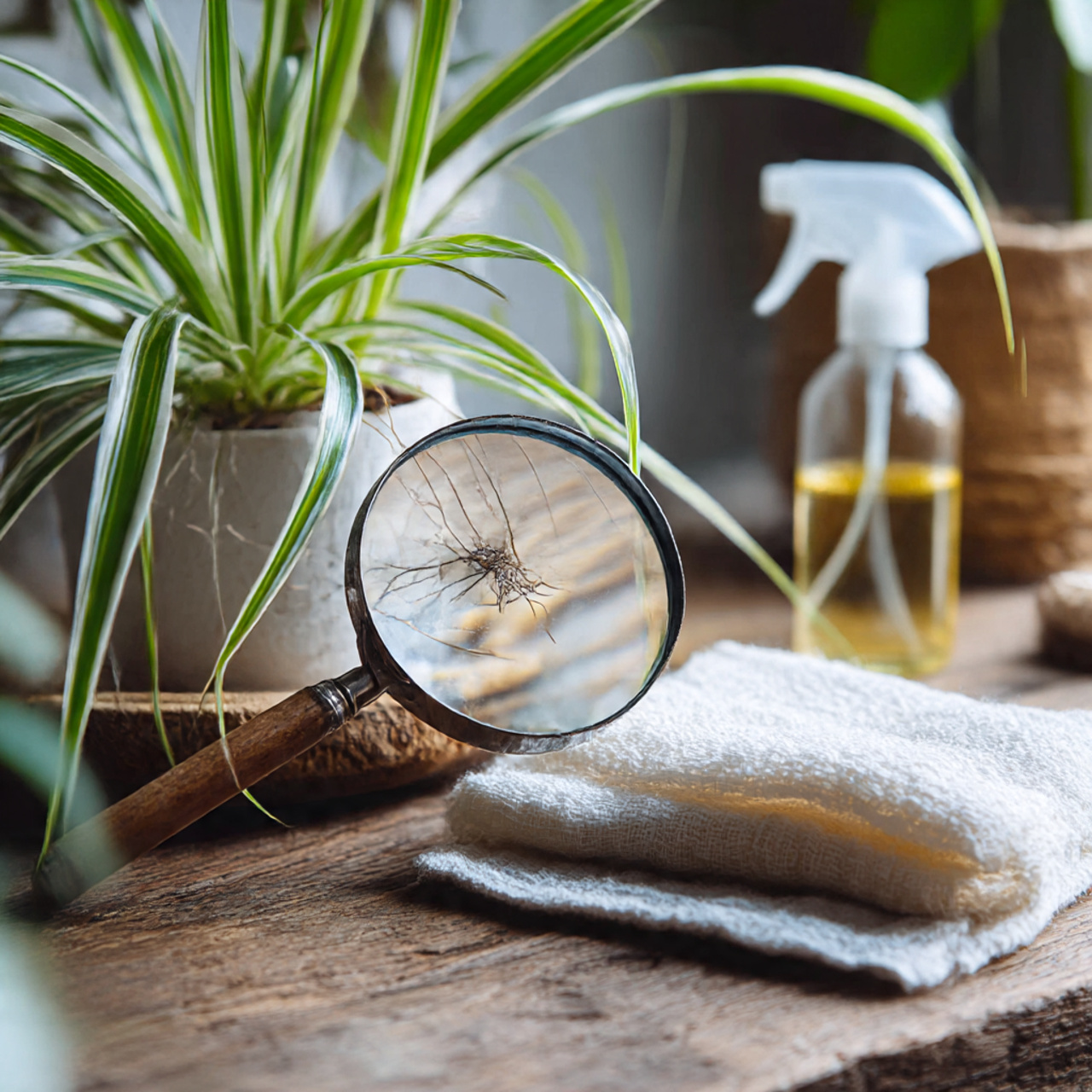
Spider plants are naturally pest-resistant, but occasionally unwanted visitors show up.
Pest prevention and treatment:
- Inspect leaves weekly, especially undersides where pests hide
- Wipe leaves with a damp cloth regularly to prevent dust and pest buildup
- Spray with diluted neem oil solution if you spot aphids or spider mites
- Isolate infested plants immediately to prevent spread to other houseplants
- A gentle shower in the sink or bathtub can knock off many pests
Quick Tip: Mix a few drops of dish soap with water in a spray bottle for a gentle, effective pest spray. Apply weekly until pests are completely gone.
Reviving a Drooping Spider Plant
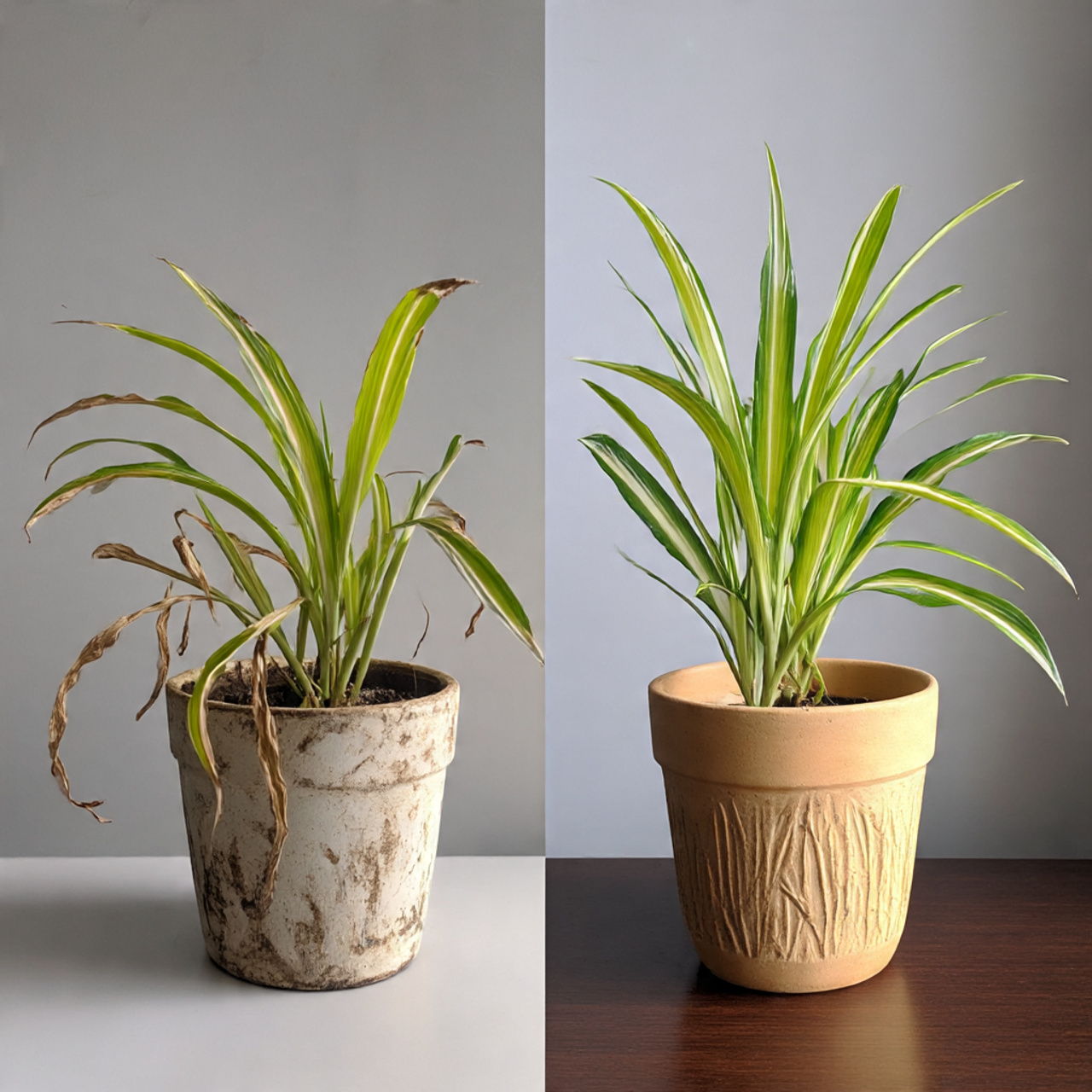
A sad, droopy spider plant is trying to tell you something—let’s figure out what.
Diagnosis and revival steps:
- Check if the soil is bone dry (underwatering) or soggy (overwatering)
- For underwatered plants, soak the entire pot in water for 10-15 minutes
- For overwatered plants, check roots for mushiness and rot
- Trim any black or mushy roots and repot in fresh, dry soil
- Move the plant to a spot with better light and air circulation
Quick Tip: Most drooping is caused by inconsistent watering. Set a regular schedule and stick to it—your plant will perk up within days.
Dealing with Brown Tips
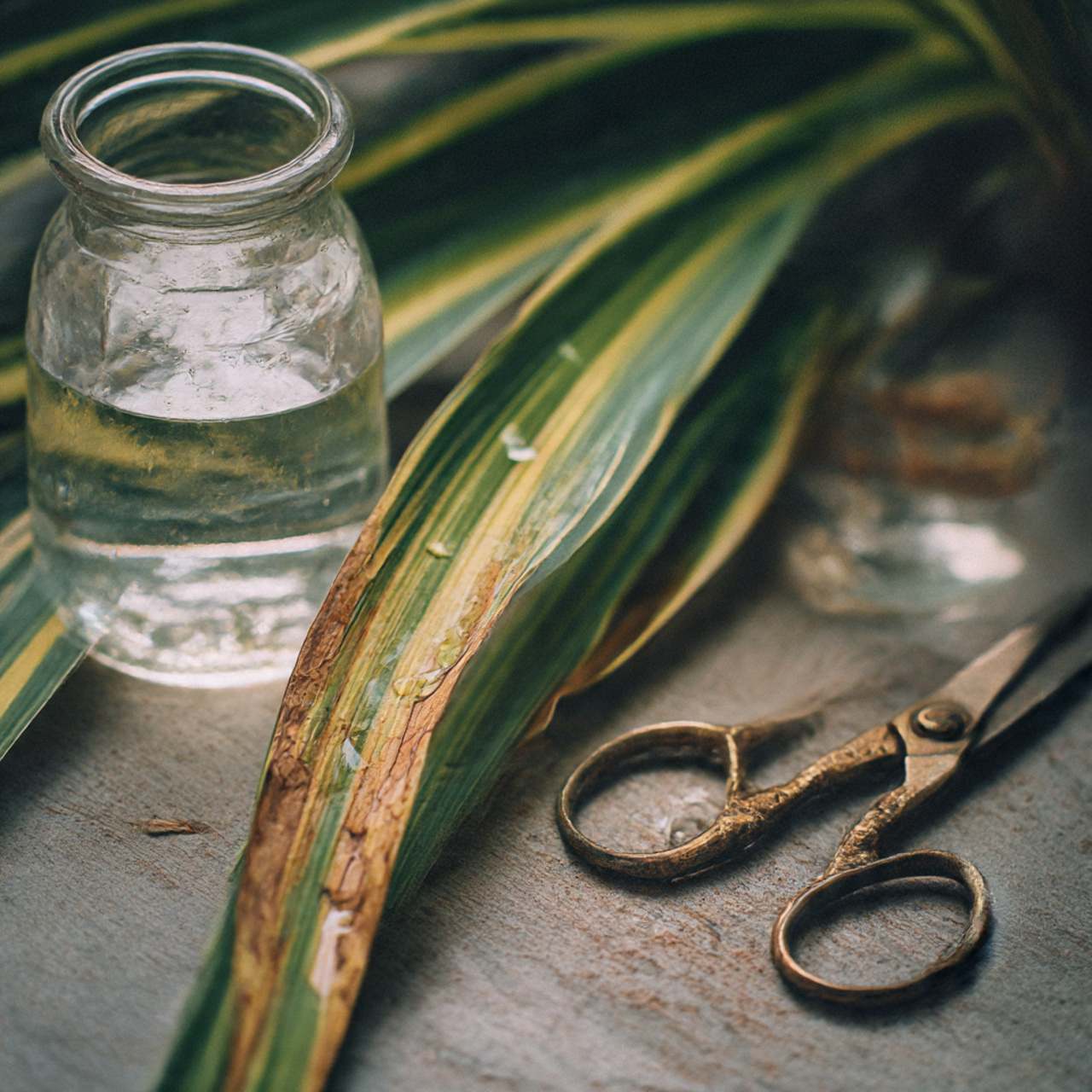
Those crispy brown tips are annoying, but they’re fixable once you know the cause.
Common causes and solutions:
- Tap water contains fluoride and chlorine that cause browning
- Switch to filtered, distilled, or rainwater for better results
- Low humidity is another major culprit for brown tips
- Too much fertilizer causes salt buildup that burns leaf edges
- Trim brown tips with scissors at an angle for a natural look
Quick Tip: Let tap water sit out overnight in an open container before using it on your plants. This allows chlorine to evaporate naturally.
Repotting for Long-Term
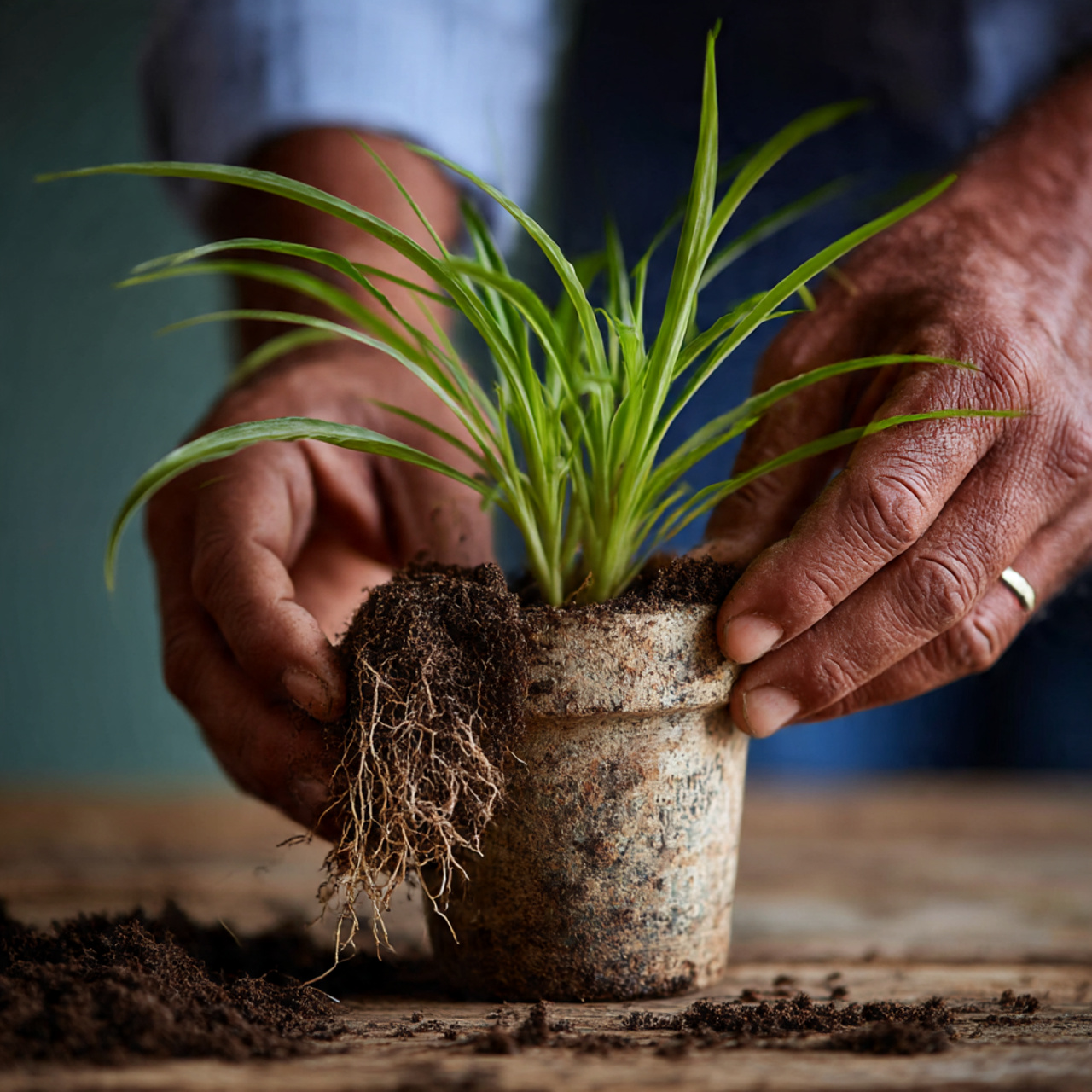
Spider plants grow fast, and eventually they need a bigger home to keep thriving.
Repotting guidelines:
- Repot every 1-2 years or when roots start circling the pot bottom
- Choose a pot that’s only 1-2 inches larger than the current one
- Spring is the best time to repot when plants are actively growing
- Gently loosen the root ball and remove old, compacted soil
- Water thoroughly after repotting and place in a shaded spot for a few days
Quick Tip: If you see roots growing out of drainage holes or the plant becomes top-heavy and tips over easily, it’s definitely time to repot.
Cleaning Leaves for Better Spider Plant Care
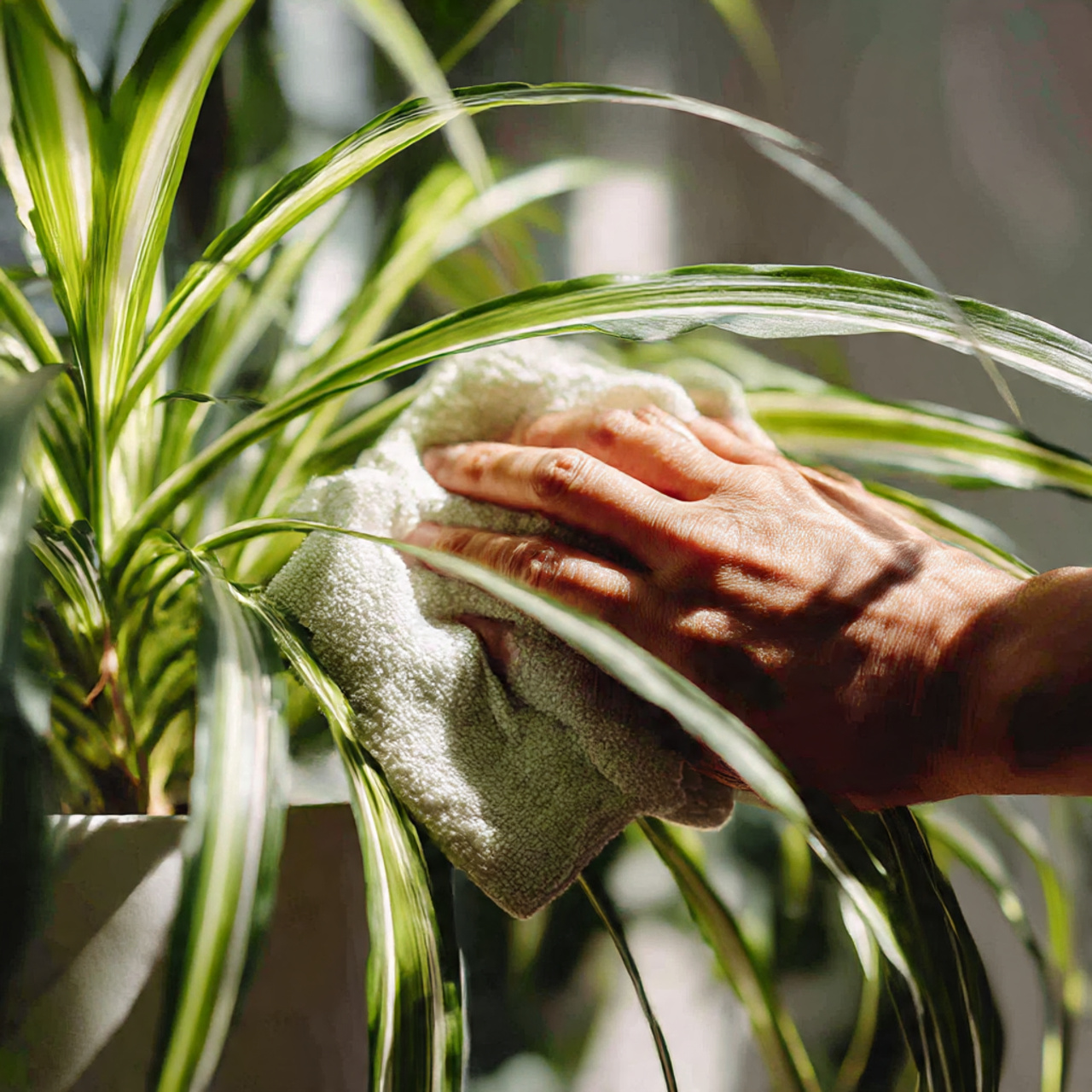
Dust on leaves blocks light and slows down your plant’s ability to photosynthesize.
Leaf cleaning routine:
- Wipe leaves gently with a soft, damp cloth every two weeks
- Support each leaf from underneath while cleaning to avoid breaking
- Use room temperature water, never cold water which can shock the plant
- Clean leaves help prevent pest infestations by removing hiding spots
- Skip leaf shine products—they can clog leaf pores
Quick Tip: Give your spider plant an occasional shower in the bathroom sink or tub. The water pressure removes dust and pests while giving it a humidity boost.
Seasonal Adjustments
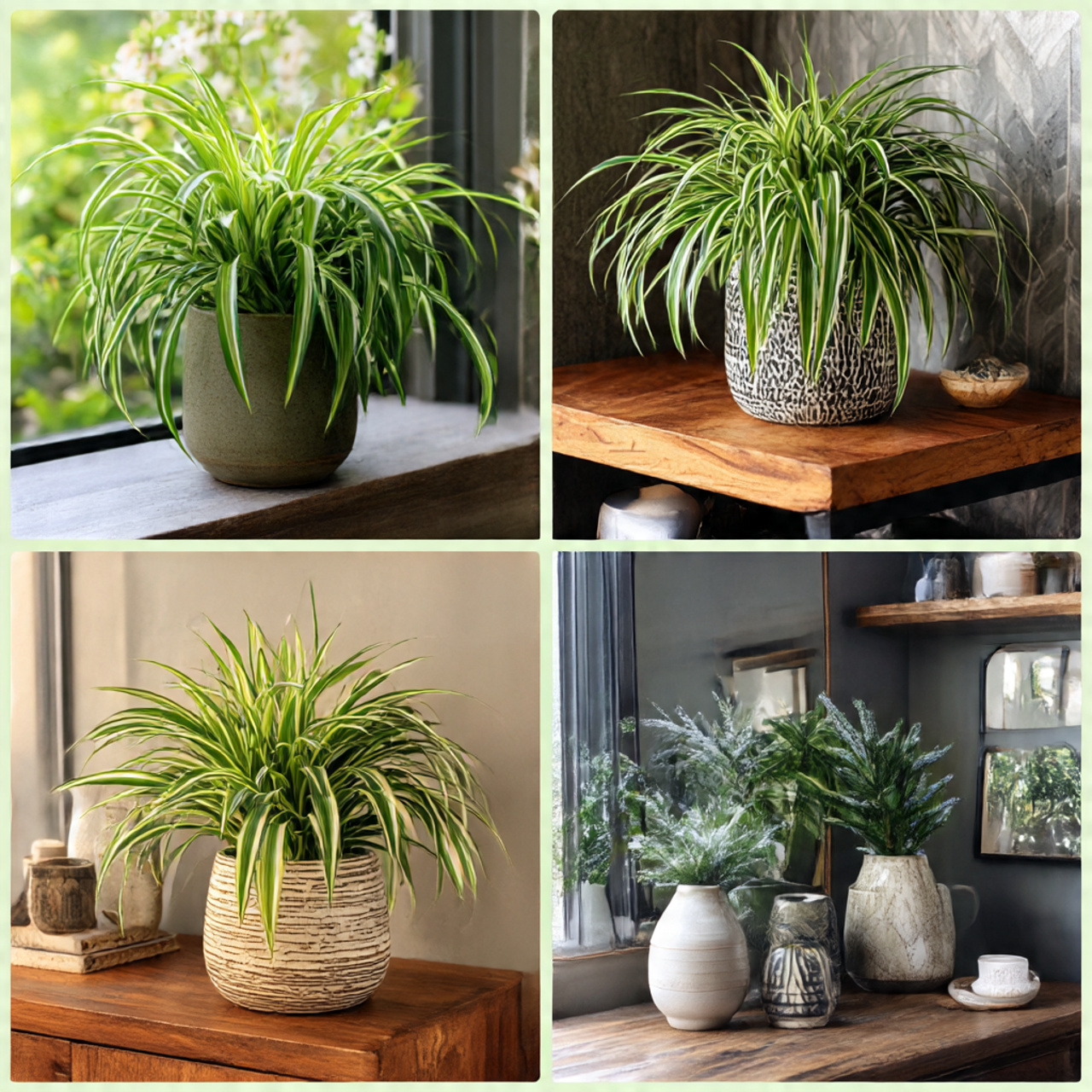
Spider plants don’t need the same care year-round—they have different needs depending on the season.
Seasonal care adjustments:
- Spring and summer are active growing periods requiring more water and fertilizer
- Fall and winter are rest periods when growth slows dramatically
- Reduce watering frequency in winter but don’t let soil dry completely
- Stop fertilizing from October through February
- Provide extra light during darker winter months with grow lights if needed
Quick Tip: Think of winter as your plant’s vacation time. It needs less attention, not more. Resist the urge to fuss over it too much.
Using Spider Plants in Home Décor
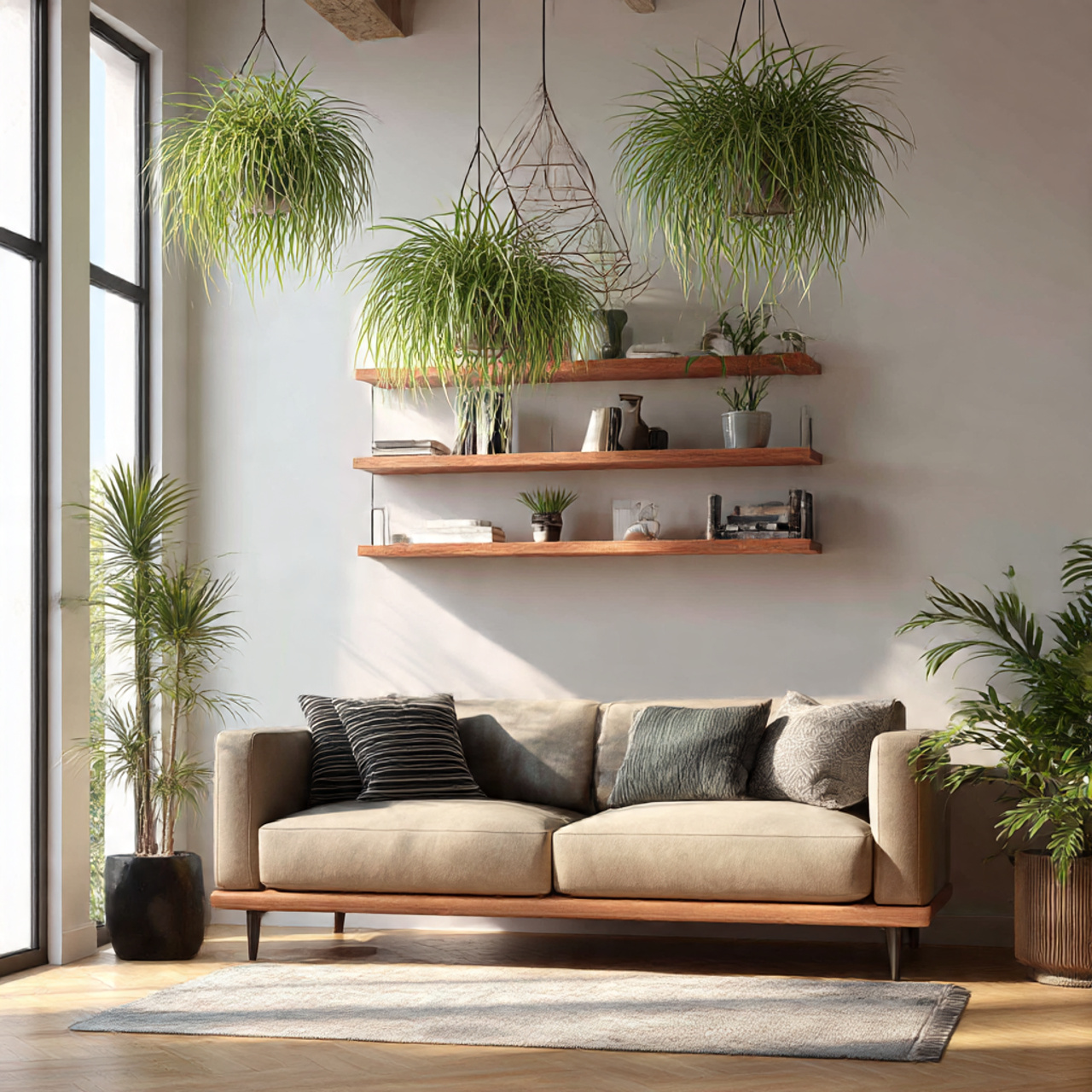
Beyond being easy to care for, spider plants are stunning decorative elements.
Decorating ideas:
- Hanging baskets showcase the cascading leaves and dangling baby plants beautifully
- Place them on high shelves where their foliage can drape elegantly downward
- Use them in corner planters to fill empty, awkward spaces
- Mix different varieties (solid green and variegated) for visual interest
- Create a plant wall by grouping multiple spider plants together
Quick Tip: Spider plants look especially stunning in macramé hangers or woven baskets that complement their natural, organic aesthetic.
Spider Plant Care in Bathrooms
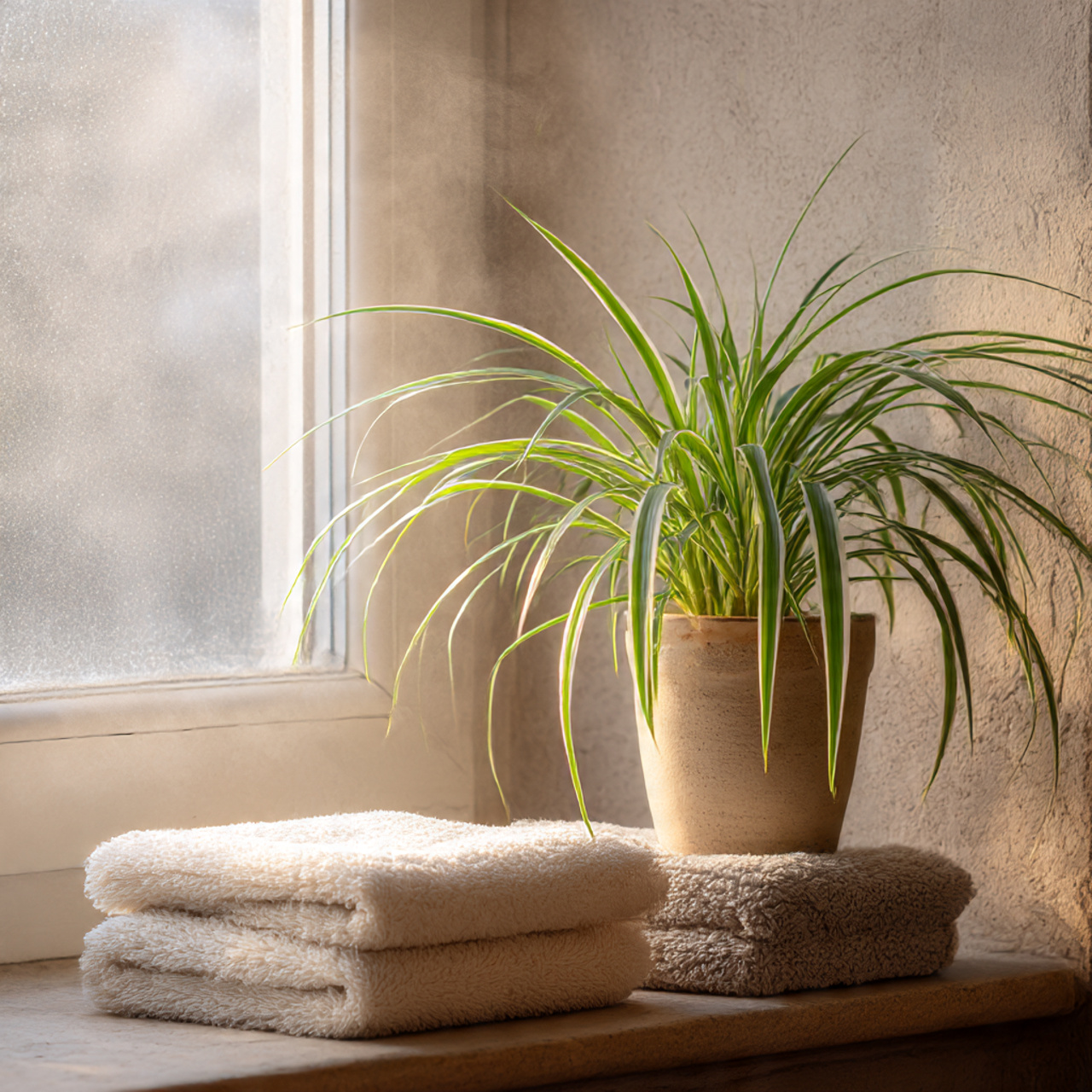
Bathrooms are actually ideal environments for spider plants due to the natural humidity.
Bathroom growing benefits:
- Steam from showers provides the humidity spider plants love
- Indirect light from bathroom windows is usually perfect
- They help purify air in a room that can trap odors
- Ensures proper air circulation by keeping exhaust fans working properly
- Adds a spa-like, relaxing atmosphere to your bathroom space
Quick Tip: If your bathroom has no windows, install a small LED grow light. Many decorative options are available that don’t look clinical.
Spider Plant Care for Beginners
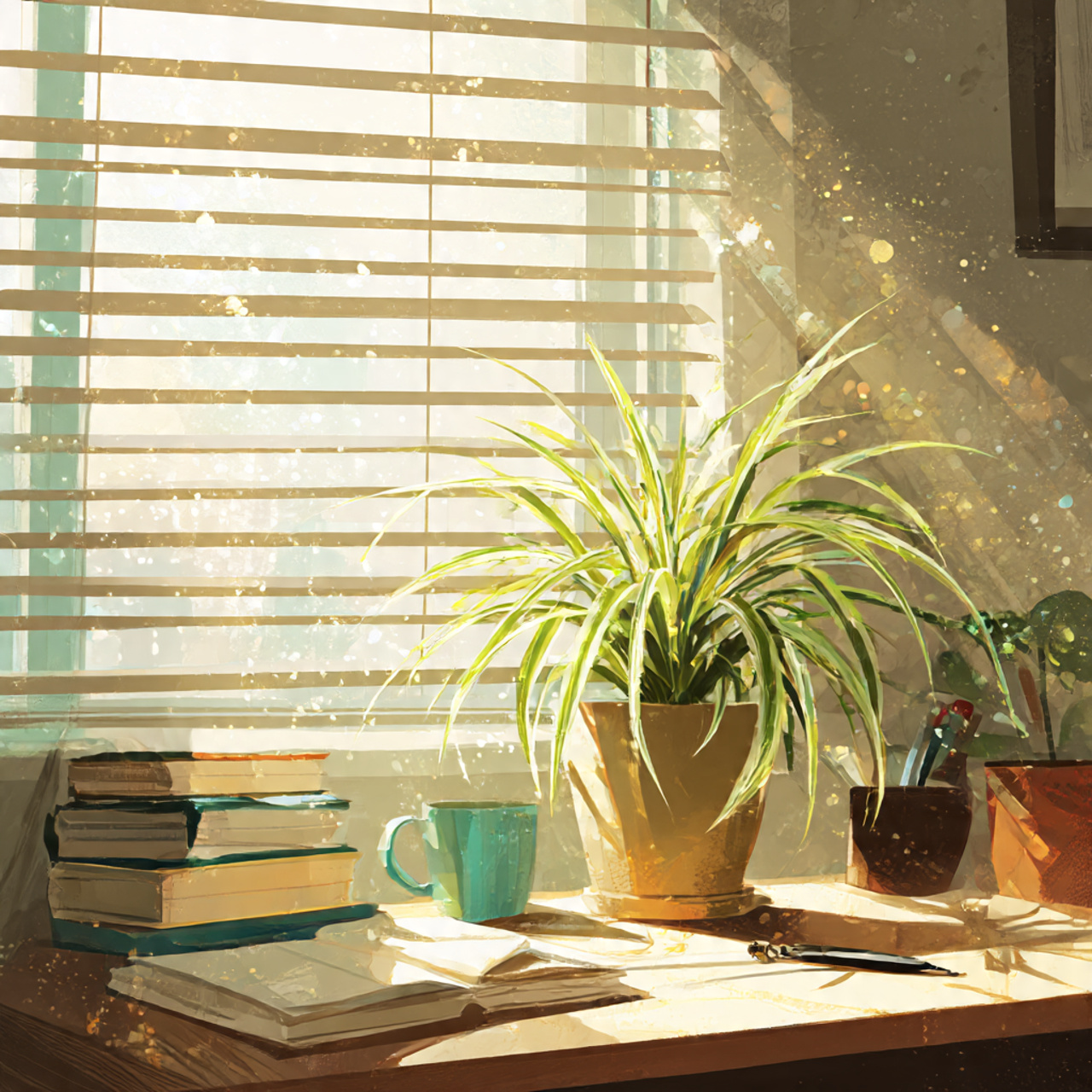
If you’re new to houseplants and worried about killing everything you touch, start with spider plants.
Why they’re beginner-friendly:
- They tolerate occasional neglect and irregular watering without dying
- Forgiving of most common mistakes like too much or too little water
- Visual cues (drooping, browning) clearly tell you what’s wrong
- Fast-growing so you see results quickly which builds confidence
- Inexpensive to buy so you won’t feel bad if learning involves some failures
Quick Tip: Consider spider plants as your “training wheels” for houseplant care. The skills you learn apply to many other indoor plants.
Hydroponic Spider Plant Care
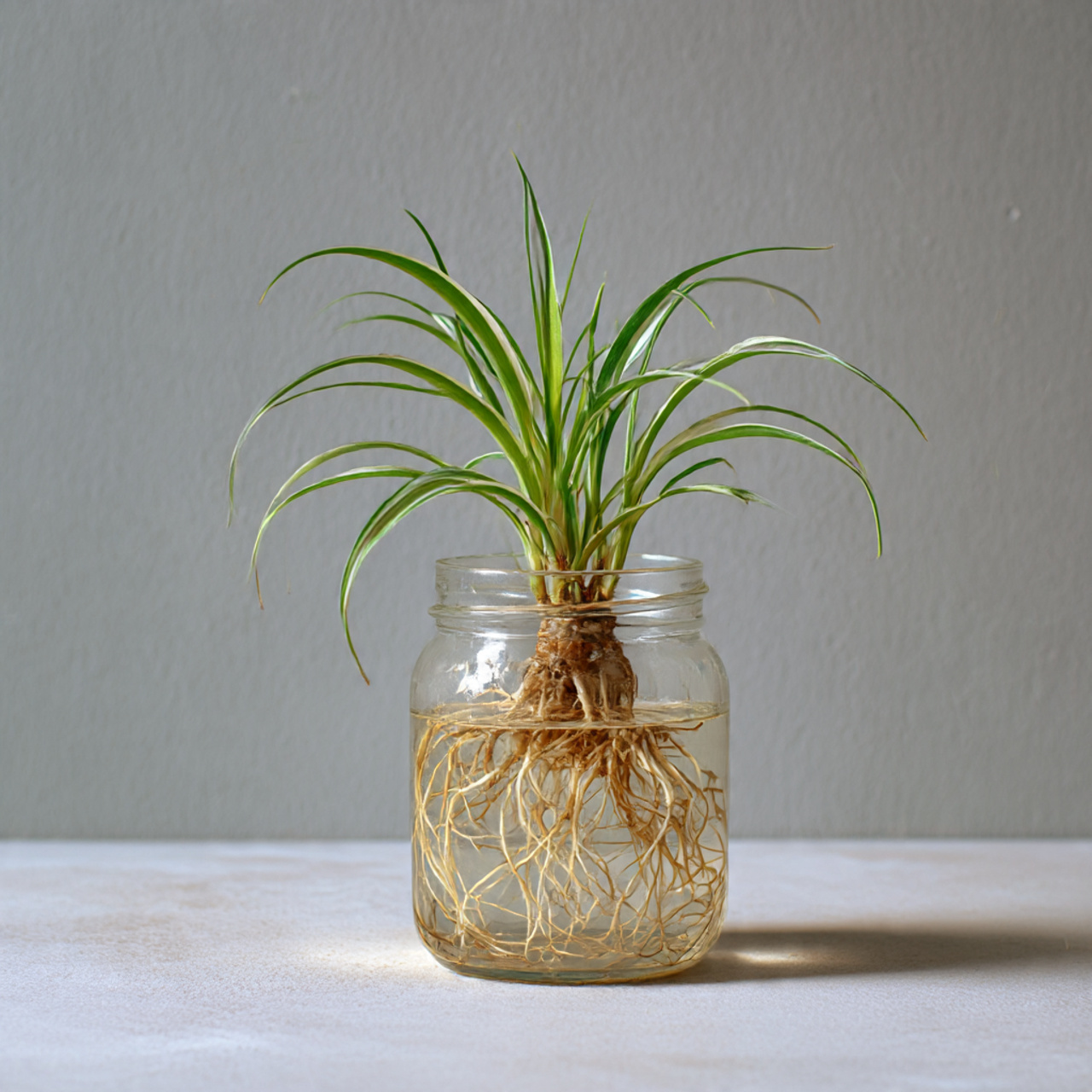
You can grow spider plants in water alone without any soil at all.
Hydroponic setup instructions:
- Place trimmed roots in a clear glass jar filled with water
- Change the water weekly to prevent algae growth and stagnation
- Add a few drops of liquid fertilizer monthly for nutrients
- Keep the water level consistent, covering the roots completely
- Clean the jar every few weeks to prevent mineral buildup
Quick Tip: Use clear glass containers so you can easily monitor root health and water levels. Plus, watching roots grow is surprisingly fascinating!
Spider Plant Care During Travel
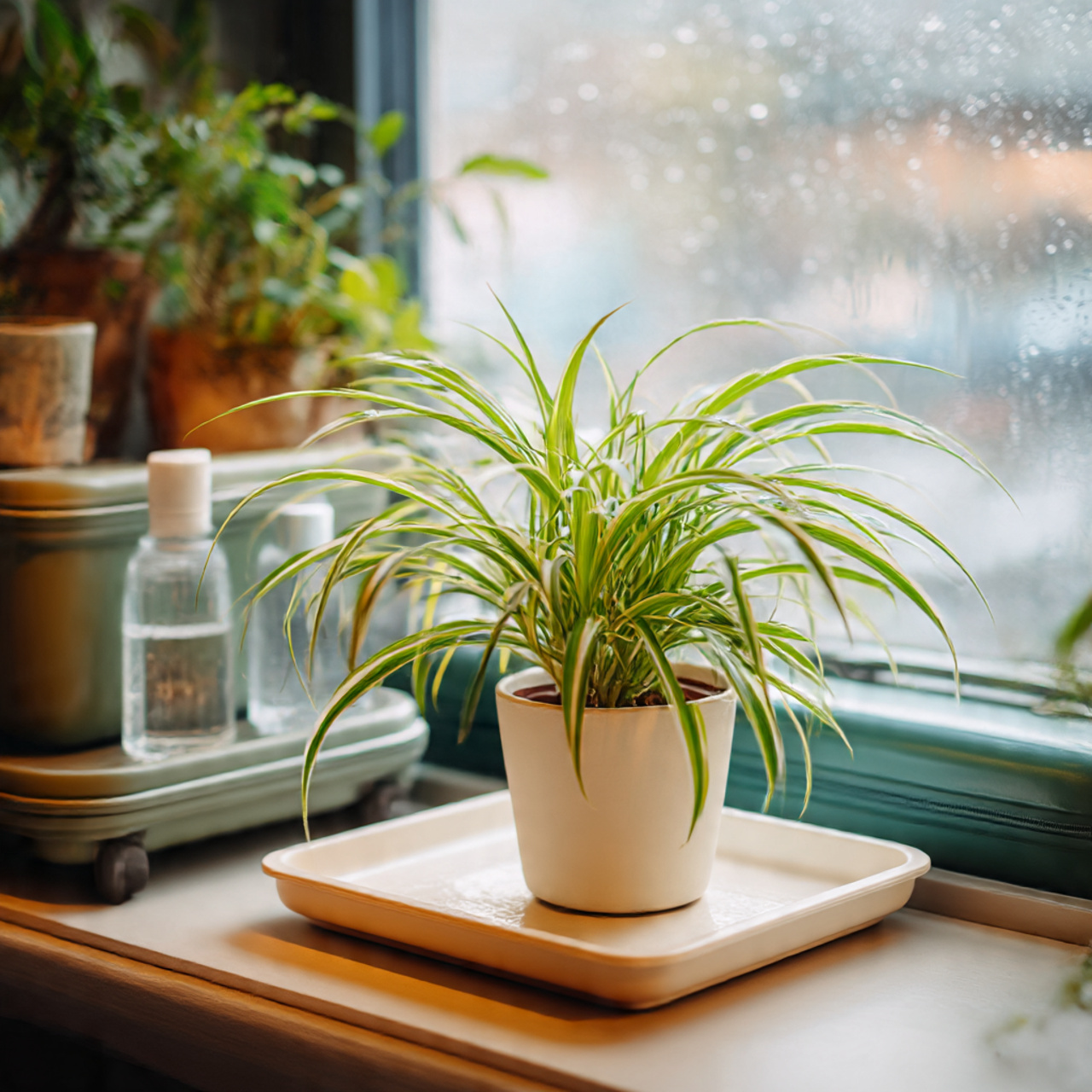
Going on vacation doesn’t mean your spider plant has to suffer.
Pre-travel preparation:
- Water thoroughly the day before you leave
- Move the plant away from direct sunlight to reduce water consumption
- Place it on a humidity tray to provide extra moisture
- Group plants together so they create a humid microclimate
- Use self-watering pots or water globes for trips longer than a week
Quick Tip: Ask a friend to check on your plant if you’ll be gone more than two weeks. Show them exactly how to check soil moisture before you leave.
Using Natural Light Alternatives
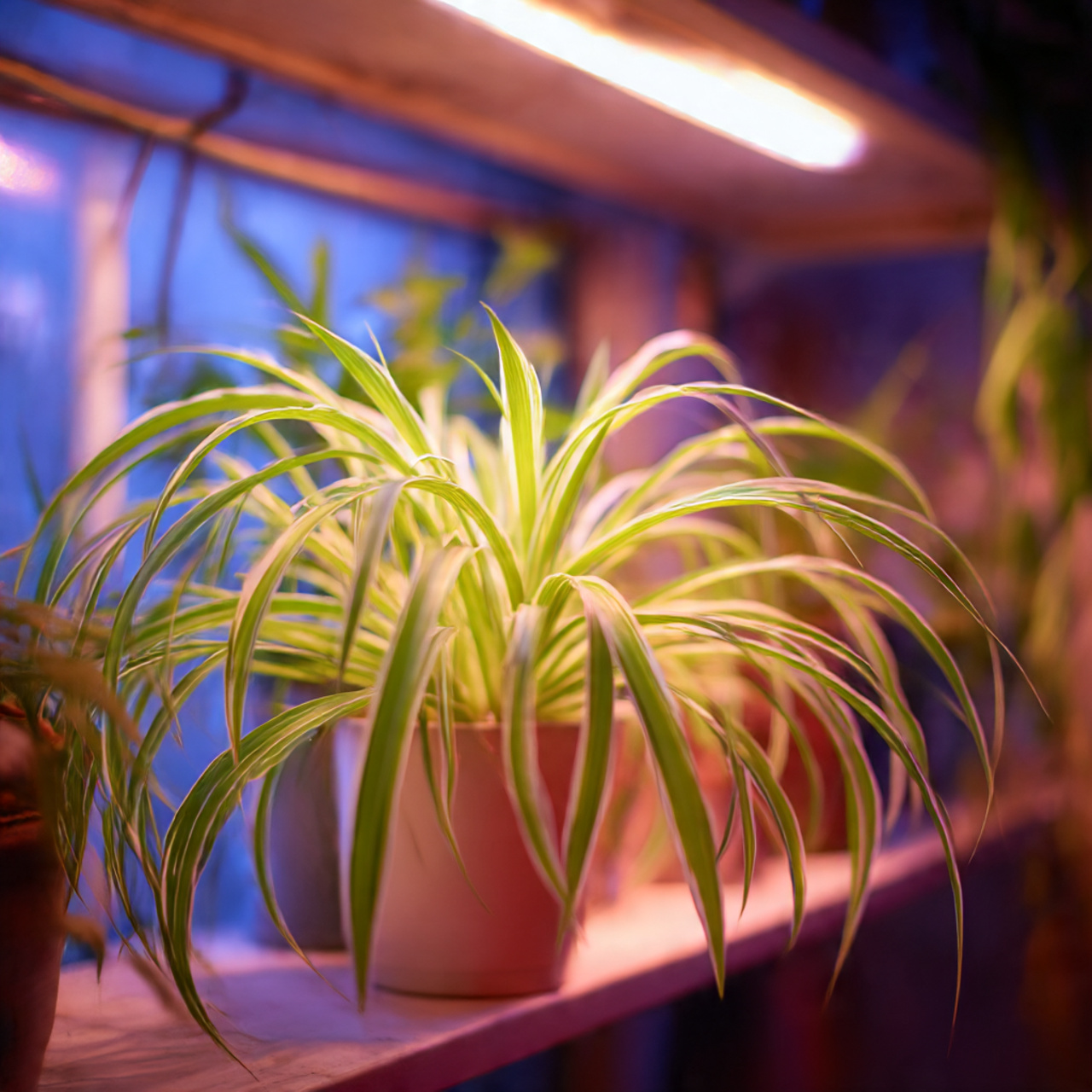
Not everyone has bright windows, but that doesn’t mean you can’t grow spider plants successfully.
Artificial lighting guidelines:
- LED grow lights are energy-efficient and don’t produce heat
- Position lights 12-18 inches above the plant’s foliage
- Run lights for 10-12 hours daily to simulate natural daylight
- Full-spectrum bulbs provide the complete light range plants need
- Timer plugs automate lighting so you don’t have to remember
Quick Tip: You don’t need expensive specialized grow lights. Regular LED bulbs in the 5000K-6500K range work well for spider plants.
Enjoy Air Purification Benefits
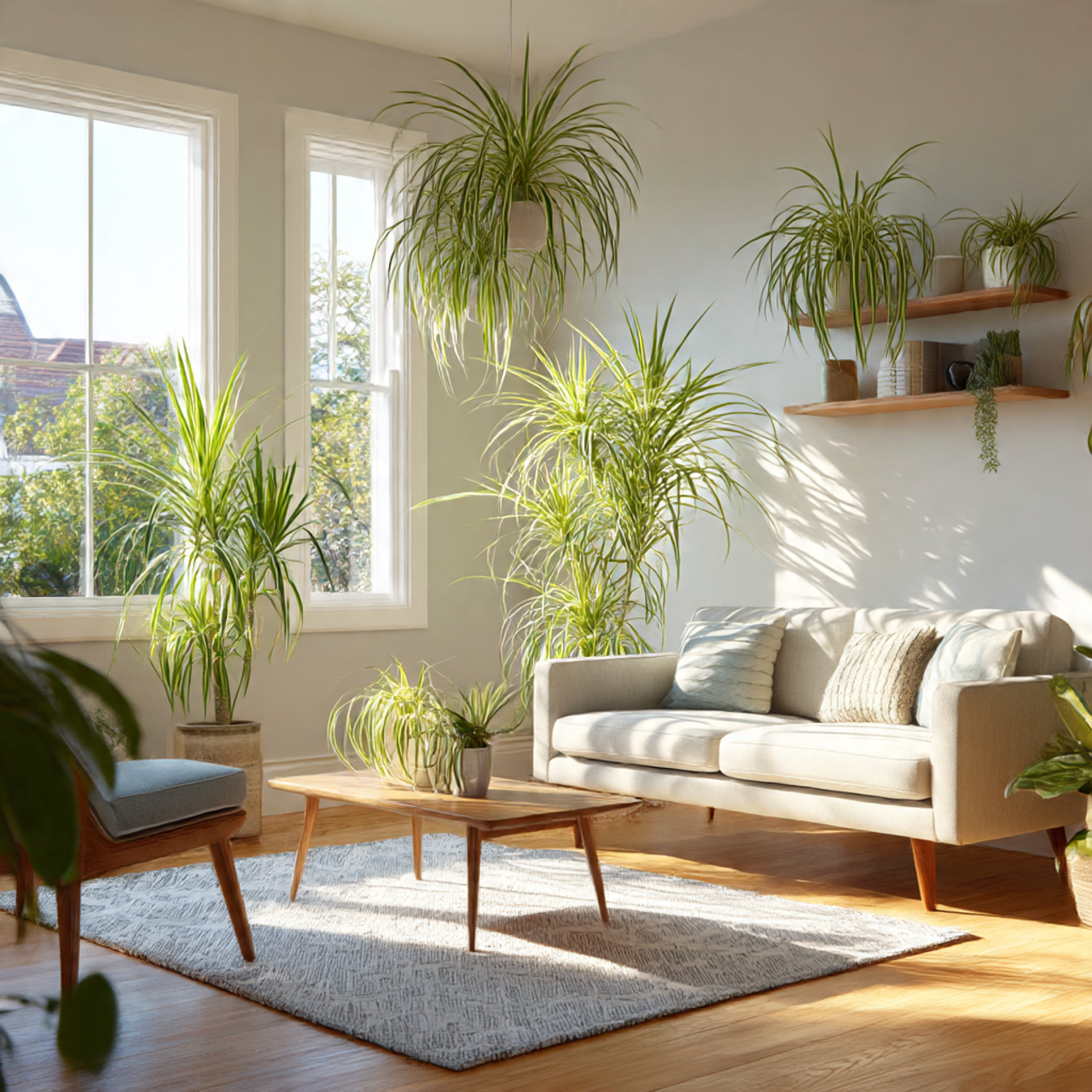
Your spider plant isn’t just pretty—it’s actively improving your home’s air quality.
Air cleaning capabilities:
- NASA studies confirmed spider plants remove harmful toxins from air
- They filter out carbon monoxide, formaldehyde, and xylene effectively
- One plant can purify air in approximately 100 square feet
- They release oxygen and increase humidity through transpiration
- Natural air purification with zero electricity or filters needed
Quick Tip: Place spider plants in bedrooms for cleaner air while you sleep. Just avoid overwatering which can lead to mold in soil.
Combining Spider Plant Care with Other Indoor Plants
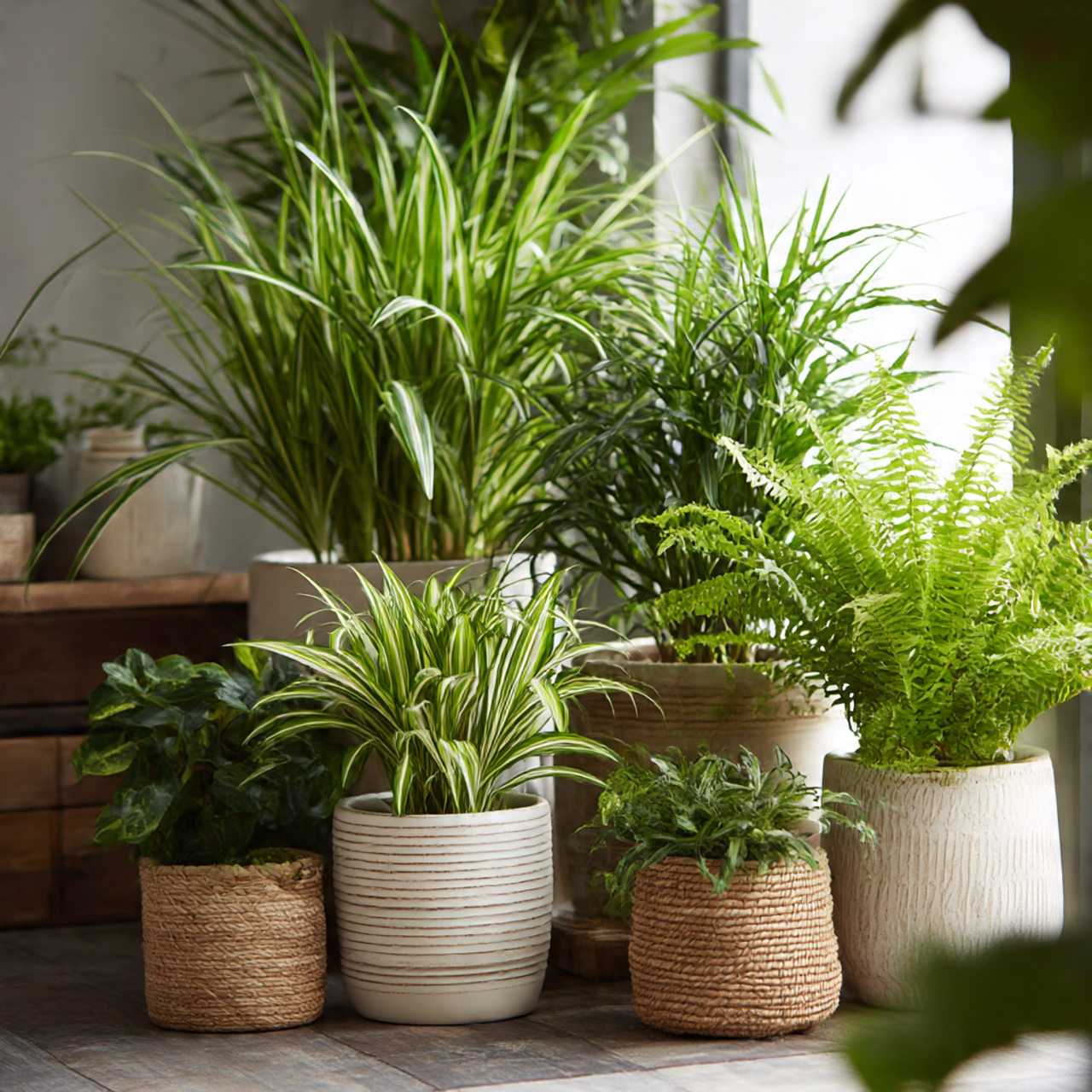
Spider plants play well with others and look beautiful in plant groupings.
Compatible plant companions:
- Pothos shares similar light and water requirements
- Peace lilies thrive in the same conditions and add white blooms
- Ferns enjoy the humidity created by grouping multiple plants
- Snake plants provide contrasting upright form against cascading spider plants
- Philodendrons have similar care needs and complementary foliage
Quick Tip: Grouping plants together increases humidity naturally and simplifies watering routines since you can care for them all at once.
Avoiding Common Mistakes
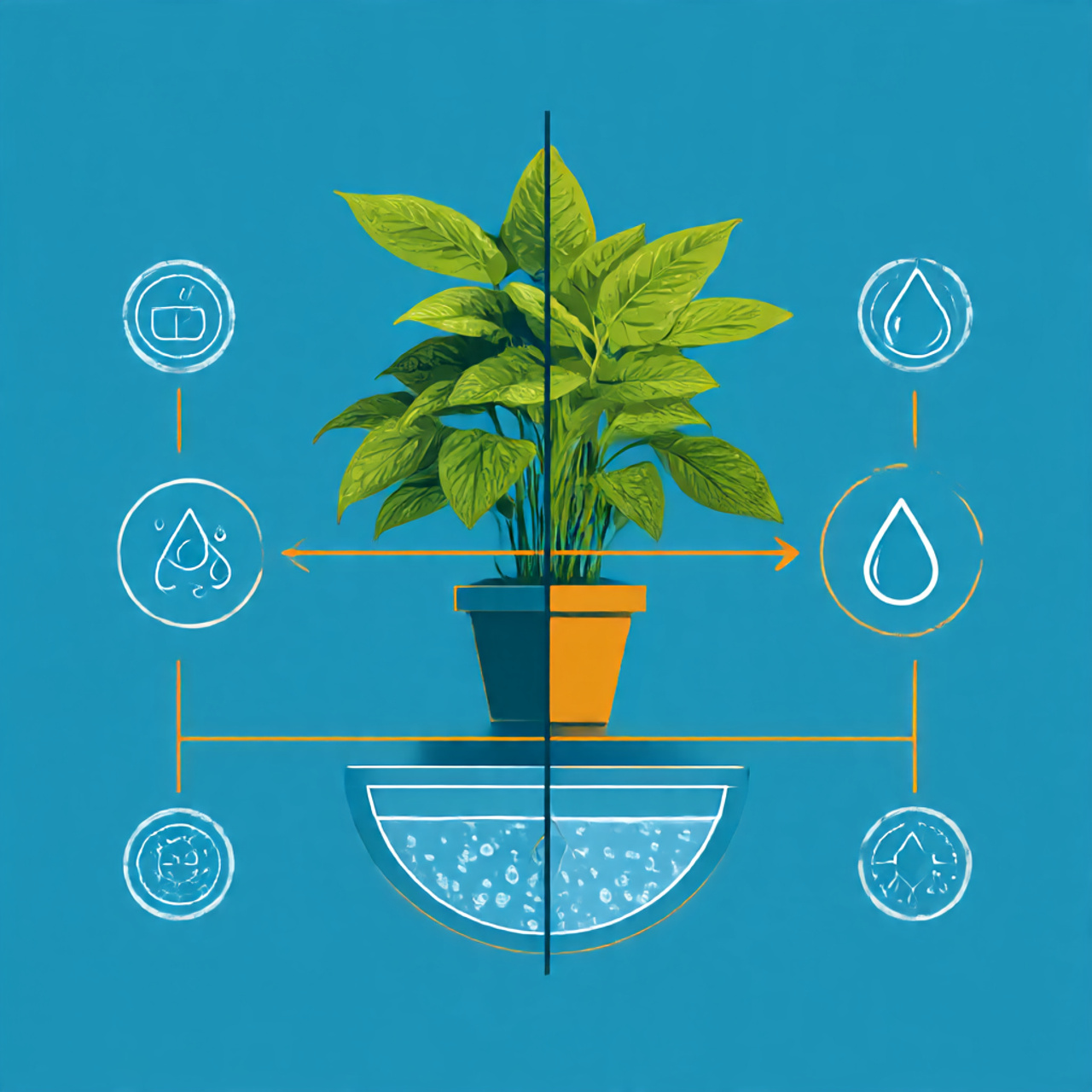
Learning from typical errors will save you time, money, and heartbreak.
Most frequent mistakes to avoid:
- Overwatering is the single biggest killer of spider plants
- Using heavy, water-retaining soil that causes root rot
- Placing plants in direct afternoon sunlight which scorches leaves
- Over-fertilizing which causes brown tips and salt buildup
- Ignoring early warning signs like yellowing or drooping leaves
Quick Tip: When in doubt, underwater rather than overwater. Spider plants recover much faster from too little water than too much.
Longevity Secrets
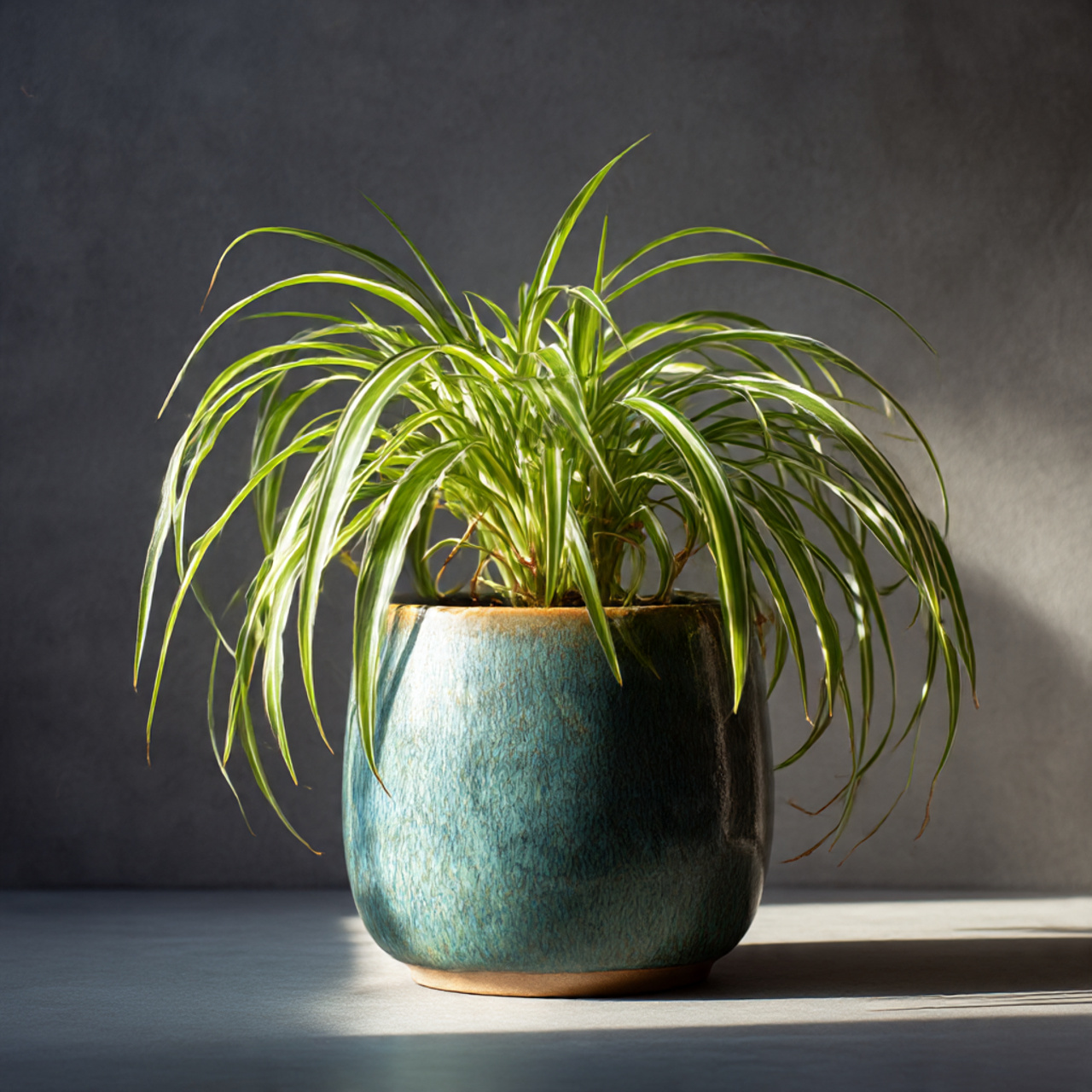
With proper care, spider plants can be long-term companions that last for decades.
Longevity secrets:
- Consistent care beats perfect care—develop a regular routine
- Repot regularly to refresh soil and prevent root crowding
- Prune damaged growth promptly to redirect energy to healthy leaves
- Monitor for pests and problems early before they become serious
- Propagate babies to create backup plants and share with friends
Quick Tip: Take monthly photos of your spider plant to track growth and catch problems early. Looking back at progress is incredibly rewarding!
Visit More: Tradescantia Nanouk Care
FAQs About Spider Plant Care
How often should I water my spider plant? Generally every 7-10 days, but always check the soil first. Stick your finger one inch into the soil—if it feels dry, water thoroughly until it drains from the bottom. If it’s still moist, wait a few more days.
Why are my spider plant’s leaves turning brown? Brown tips usually signal one of three issues: chemicals in tap water (especially fluoride), low humidity, or too much fertilizer. Switch to filtered or distilled water, increase humidity, and reduce fertilizing frequency.
Can spider plants survive in low light? Yes, they’re surprisingly tolerant of lower light, but growth will slow considerably and leaves may lose their vibrant color. Consider adding a simple grow light to maintain healthy, robust growth.
When should I repot my spider plant? Repot every 1-2 years or whenever you see roots growing out of the drainage holes. Spring is the ideal time since plants are entering their active growing season and recover quickly from the stress.
Are spider plants safe for pets? Absolutely! Spider plants are completely non-toxic to cats and dogs, making them perfect for pet-friendly homes. However, some cats are attracted to the dangling leaves and may chew them for fun.
Final Thoughts
Spider plants are genuinely one of the easiest and most rewarding houseplants you can grow. They don’t demand perfection—they just need consistency, balance, and a little bit of attention. Whether you’re growing your very first houseplant or you’re a seasoned indoor gardener, spider plants bring beauty, clean air, and endless propagation possibilities into your home.
The 25 tips I’ve shared here give you everything you need to keep your spider plant healthy, happy, and thriving for years to come. Remember that observation is your best tool—your plant will tell you what it needs through its leaves, growth patterns, and overall appearance. Pay attention, make small adjustments, and enjoy watching your spider plant flourish.
Now grab a pot, some soil, and a spider plant, and start your green thumb journey. You’ve got this!