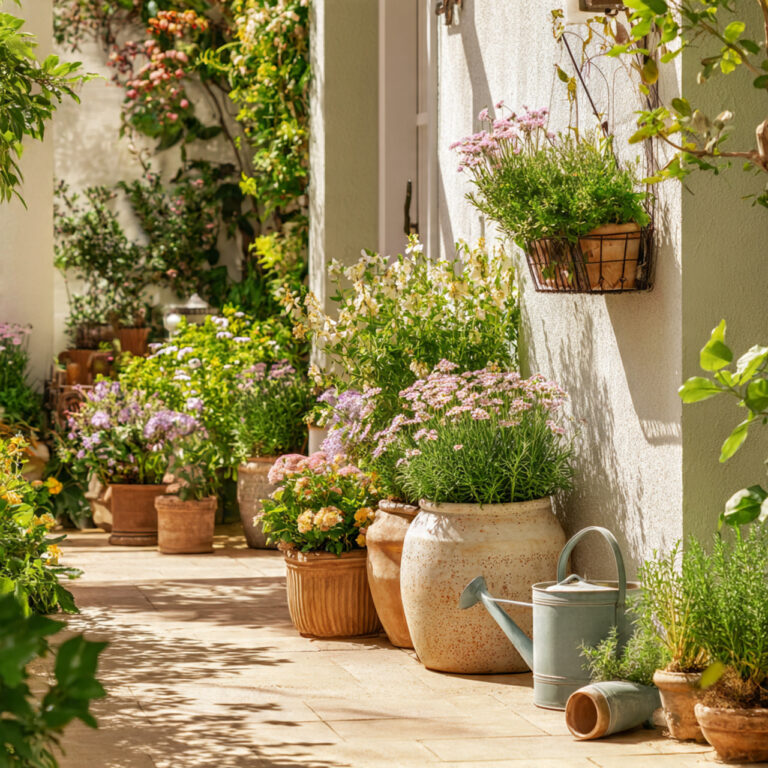
Mini Garden: 17 Creative Ideas for Small Space Gardening
Think you need a big backyard to enjoy gardening? Think again. A mini garden is your ticket to growing plants, herbs, and even fresh veggies—no matter how small your space. Whether you’re living in a cramped apartment, working with a tiny balcony, or just have a sunny windowsill, you can create your own thriving green oasis.
The best part? Mini gardens pack a serious punch without hogging space. They’ve changed the game for city dwellers who thought gardening was off-limits. You don’t need fancy tools, a green thumb, or deep pockets to get started. Just a bit of creativity, some basic containers, and you’re good to go.
From kitchen counters to bathroom shelves, mini gardens fit anywhere. They clean your air, boost your mood, and give you the satisfaction of growing something with your own hands. Plus, they’re totally flexible—customize them to fit your lifestyle, budget, and what you want to grow.
Why You’ll Love Having a Mini Garden
Mini gardens aren’t just pretty to look at—they’re seriously good for you. Plants naturally filter the air in your home, removing nasty toxins and pumping out fresh oxygen. Studies show that spending time with plants actually lowers stress, drops blood pressure, and makes you feel happier. It’s like therapy, but cheaper.
Health Benefits at a Glance:
- Cleaner indoor air with fewer pollutants
- Lower stress hormones from regular plant care
- Improved focus and mental clarity
- Better mood and emotional wellbeing
Practical Perks:
- Use way less water than traditional gardens
- Spend less on soil, fertilizer, and supplies
- Minimal maintenance time required
- Perfect for people with mobility issues or busy schedules
- Great hands-on learning for kids about nature and responsibility
- Grow your own fresh herbs and veggies year-round
Money-Saving Tip: Start small with 2-3 plants and expand gradually. This prevents overwhelm and lets you learn what works before investing more.
Picking the Right Containers for Your Mini Garden
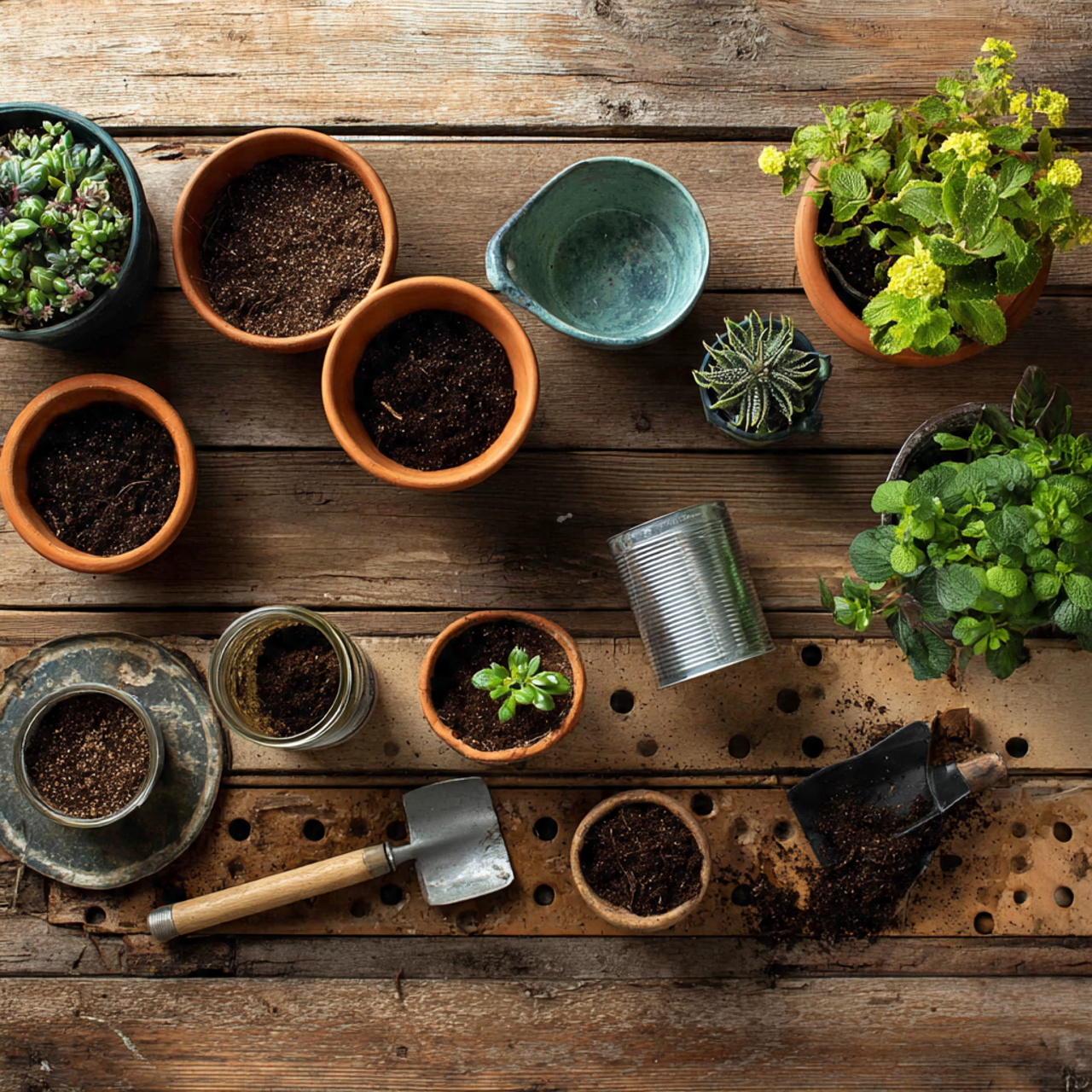
Your container choice makes or breaks your mini garden. You’ve got tons of options: traditional clay pots, wooden boxes, ceramic bowls, plastic planters—even quirky finds like old teacups, mason jars, or colanders.
The One Rule You Can’t Break: Drainage holes are mandatory. Without them, water sits at the bottom, drowns your roots, and kills your plants. If you fall in love with a container without holes, drill some yourself.
Container Selection Guide:
- Shallow containers (4-6 inches deep): Perfect for lettuce, herbs, and succulents
- Medium containers (8-12 inches deep): Great for peppers, small tomatoes, and flowers
- Deep containers (12+ inches deep): Needed for root vegetables and dwarf fruit trees
Material Matters:
- Terracotta: Breathes well but dries out fast—water more frequently
- Plastic: Holds moisture longer, lightweight, budget-friendly
- Wood: Natural insulation, ages beautifully, needs waterproof liner
- Ceramic: Stylish and heavy (stays put in wind), retains moisture well
Design Tip: Mix different heights and sizes to create visual drama. Stack smaller pots on plant stands or group them at varying levels for eye-catching displays.
Common Mistake to Avoid: Oversized pots for small plants hold excess wet soil that causes root rot. Match pot size to your plant’s root system.
Going Vertical: Maximize Every Inch of Space
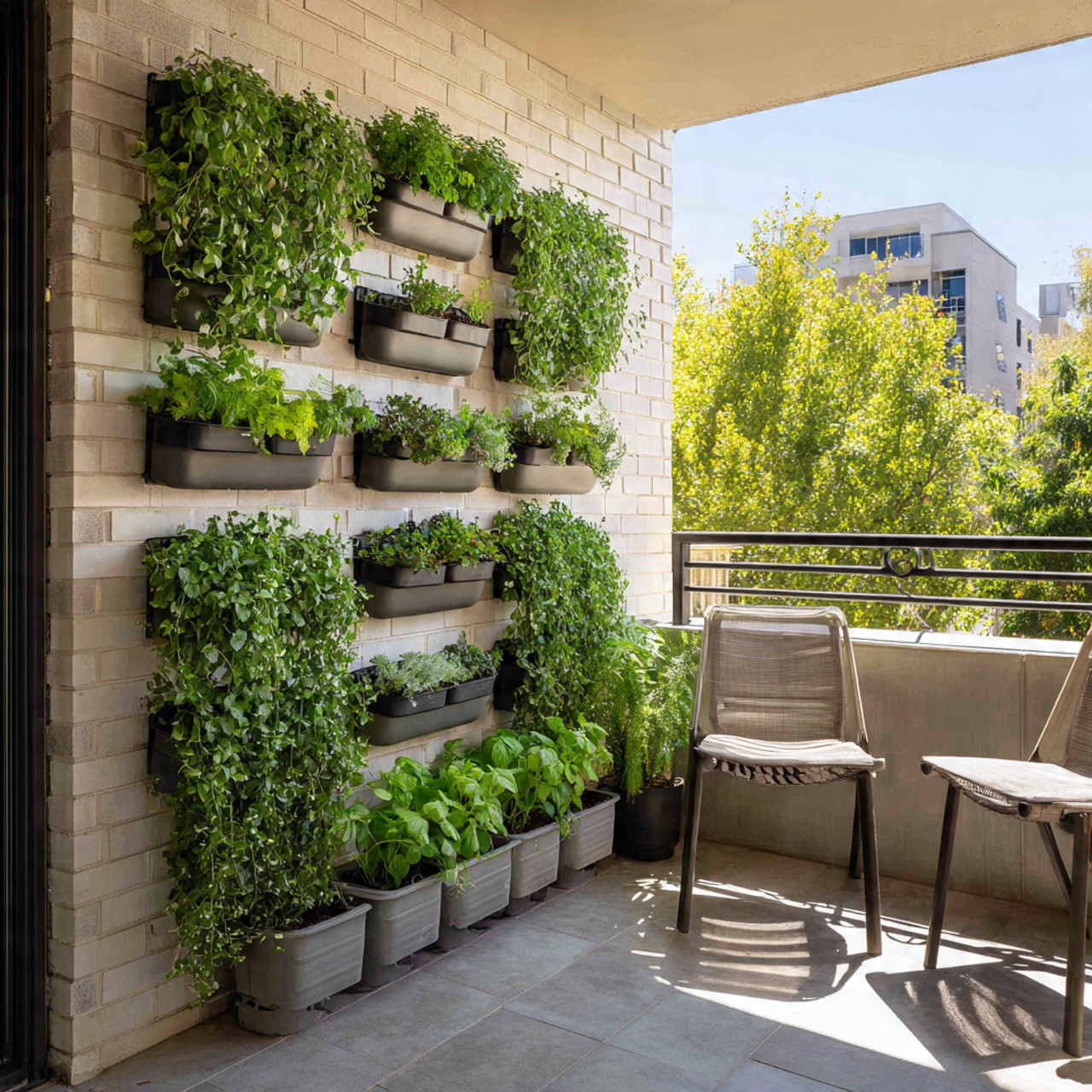
When floor space is tight, grow up instead of out. Vertical gardening is a game-changer for mini gardens, letting you multiply your growing area without expanding your footprint.
Vertical Growing Options:
- Wall-mounted pocket planters or modular panels
- Hanging baskets from ceiling hooks
- Tiered plant stands or ladder shelves
- Trellises for climbing plants
- Repurposed wooden pallets (super affordable DIY option)
Best Plants for Vertical Growing:
- Climbing vegetables: peas, pole beans, cucumbers, cherry tomatoes
- Trailing flowers: petunias, nasturtiums, string of pearls
- Vining herbs: climbing nasturtiums (edible flowers!)
- Strawberries in stacked planters
Safety First: Secure all vertical structures properly. Wet soil is heavy—make sure wall anchors can handle the weight. Use proper hardware, not just adhesive hooks.
Tip: Upper shelves get more light while lower levels stay shadier. Place sun-loving plants high and shade-tolerant varieties below.
Bonus Benefit: Better air circulation around plants means fewer fungal diseases and easier harvesting at eye level.
Fresh Herbs Right at Your Fingertips
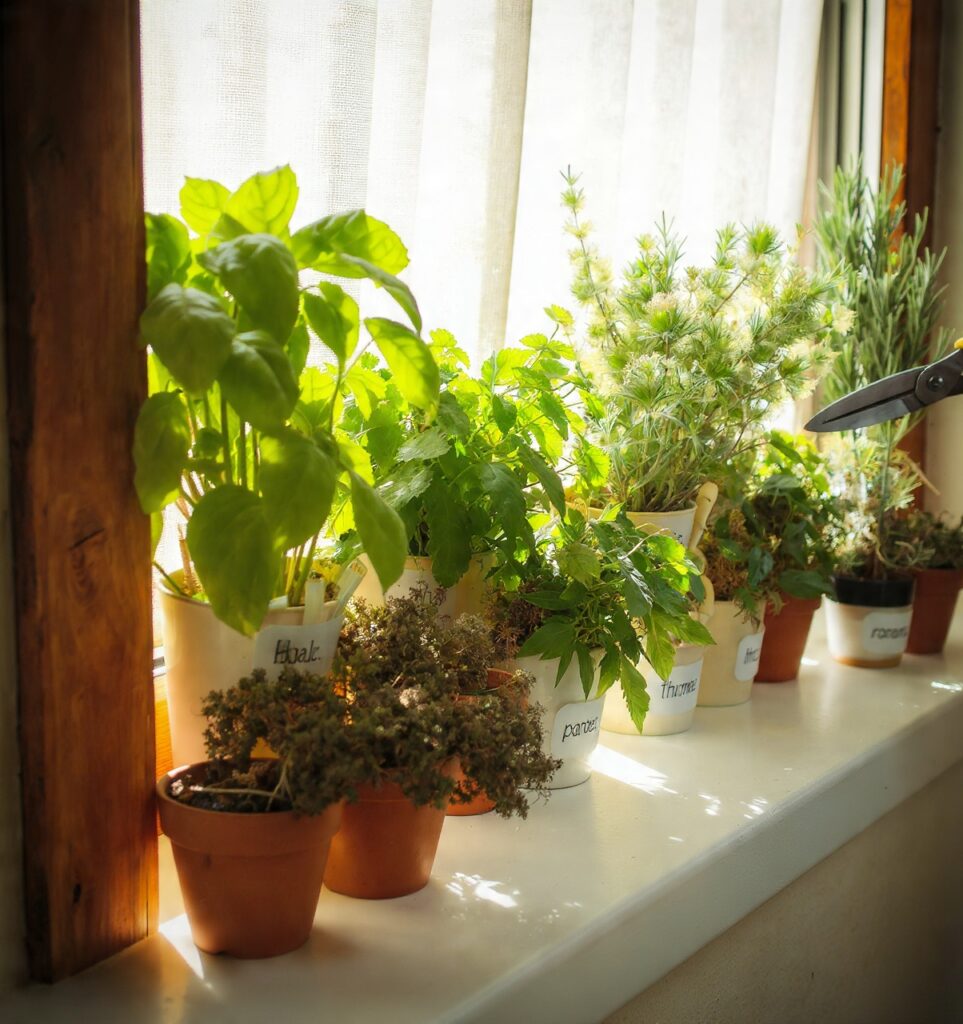
Herbs are mini garden superstars. They’re compact, grow fast, and transform your cooking with fresh flavors you can snip anytime.
Easy-to-Grow Herbs for Beginners:
- Basil (loves warmth and sun)
- Parsley (tolerates partial shade)
- Cilantro (prefers cooler weather)
- Mint (grows like crazy—keep it contained!)
- Thyme (drought-tolerant)
- Rosemary (Mediterranean tough guy)
- Oregano (low-maintenance perennial)
Quick Setup Tips:
- Use well-draining potting mix (not garden soil)
- Provide at least 6 hours of sunlight daily
- Water when top inch of soil feels dry
- Place near your kitchen for convenient snipping
Harvesting Hack: Pinch off the top growth regularly—this makes plants bushier and produces more leaves. Never harvest more than one-third of the plant at once.
Smart Grouping:
- Dry-lovers together: Rosemary, thyme, sage, oregano
- Moisture-lovers together: Basil, parsley, cilantro, chives
Avoid This Mistake: Planting mint directly with other herbs. It’s aggressive and will take over. Give mint its own container.
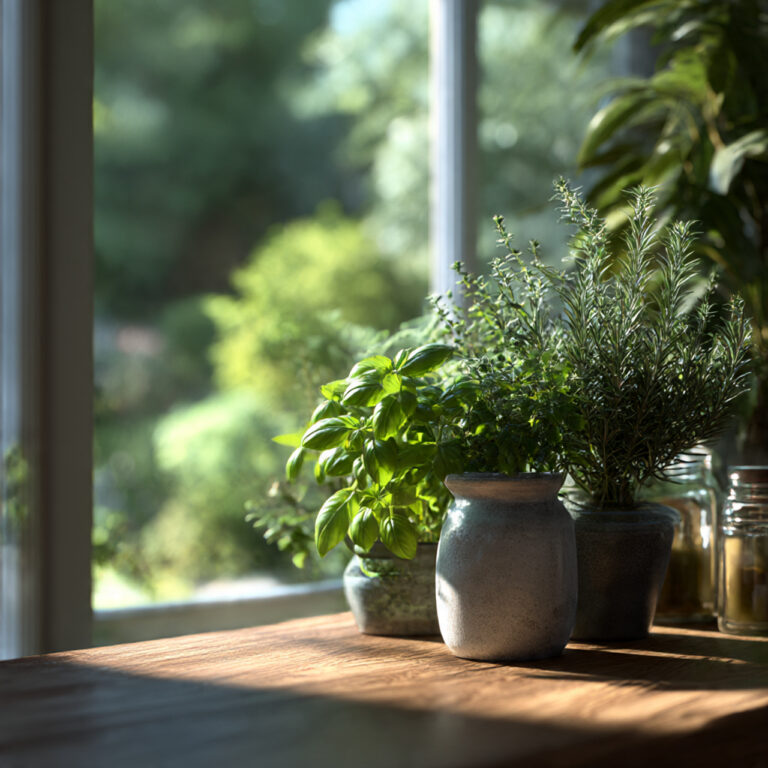
Example Setup: A sunny windowsill with 3-4 small pots of your favorite cooking herbs means no more buying wilted grocery store bunches.
Visit Also: Herbs Garden
Succulent Mini Gardens for Busy People
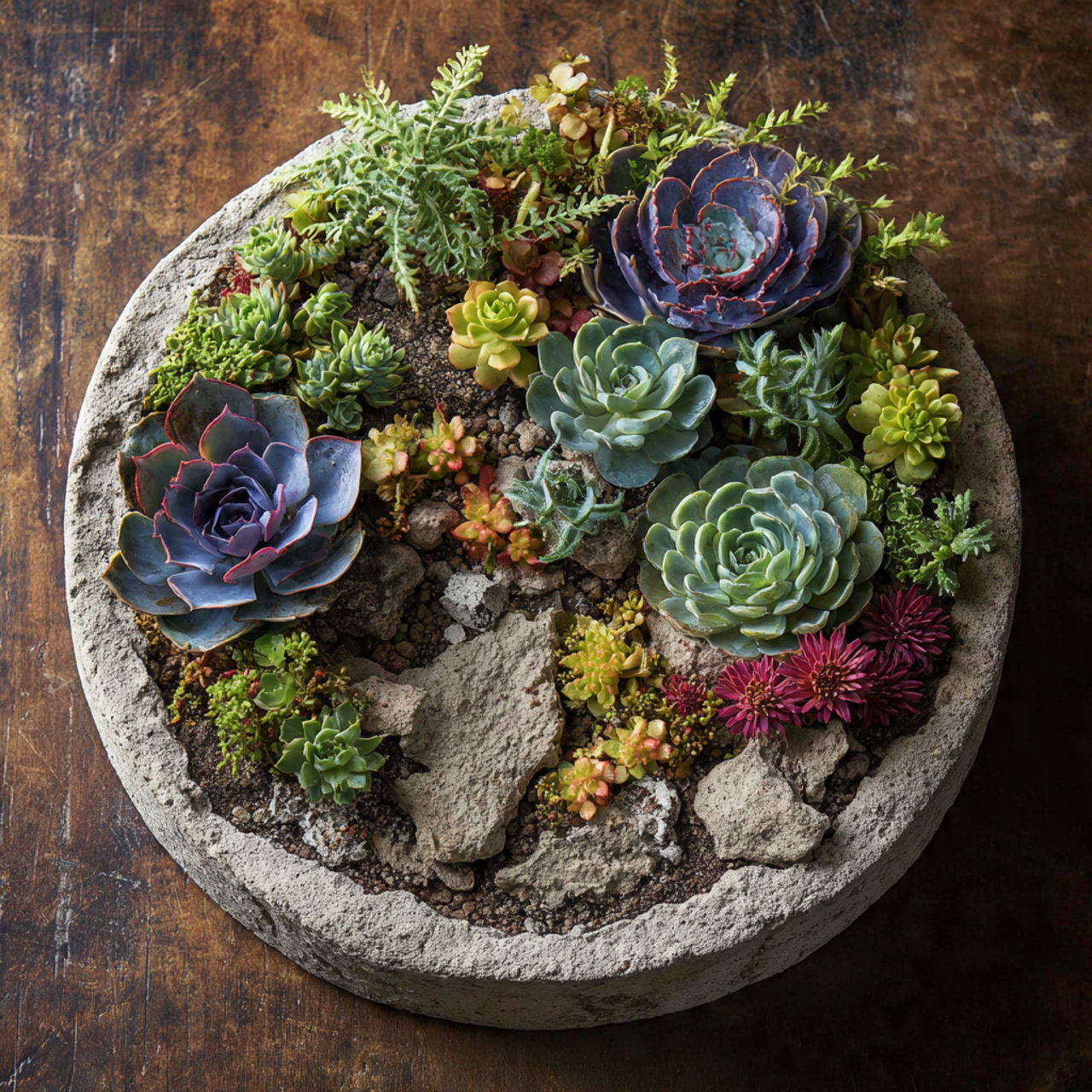
If you tend to forget about plants (we’ve all been there), succulents are your best friends. These drought-tolerant beauties store water in their thick leaves and can survive weeks without a drink.
Top Succulent Choices:
- Echeveria (rosette-shaped stunners)
- Jade plants (tree-like structure)
- Aloe vera (plus it soothes burns!)
- Sedum varieties (tons of colors and textures)
- Haworthia (tolerates lower light)
Succulent Care Basics:
- Use cactus/succulent potting mix (critical for drainage)
- Shallow containers work great—roots don’t go deep
- Bright, indirect light is ideal (some tolerate direct sun)
- Water only when soil is bone dry—every 2-3 weeks typically
- Less is more with watering
The #1 Killer: Overwatering. When in doubt, skip watering. Succulents handle drought way better than soggy soil.
Creative Display Ideas:
- Arrange multiple varieties in a shallow bowl for a desert landscape
- Create color gradients from green to purple
- Mix textures—spiky with smooth, trailing with upright
- Add decorative rocks or sand for visual interest
Maintenance Benefit: Slow growth means your arrangement stays looking good for months without constant replanting or trimming.
Growing Your Own Veggies in Containers
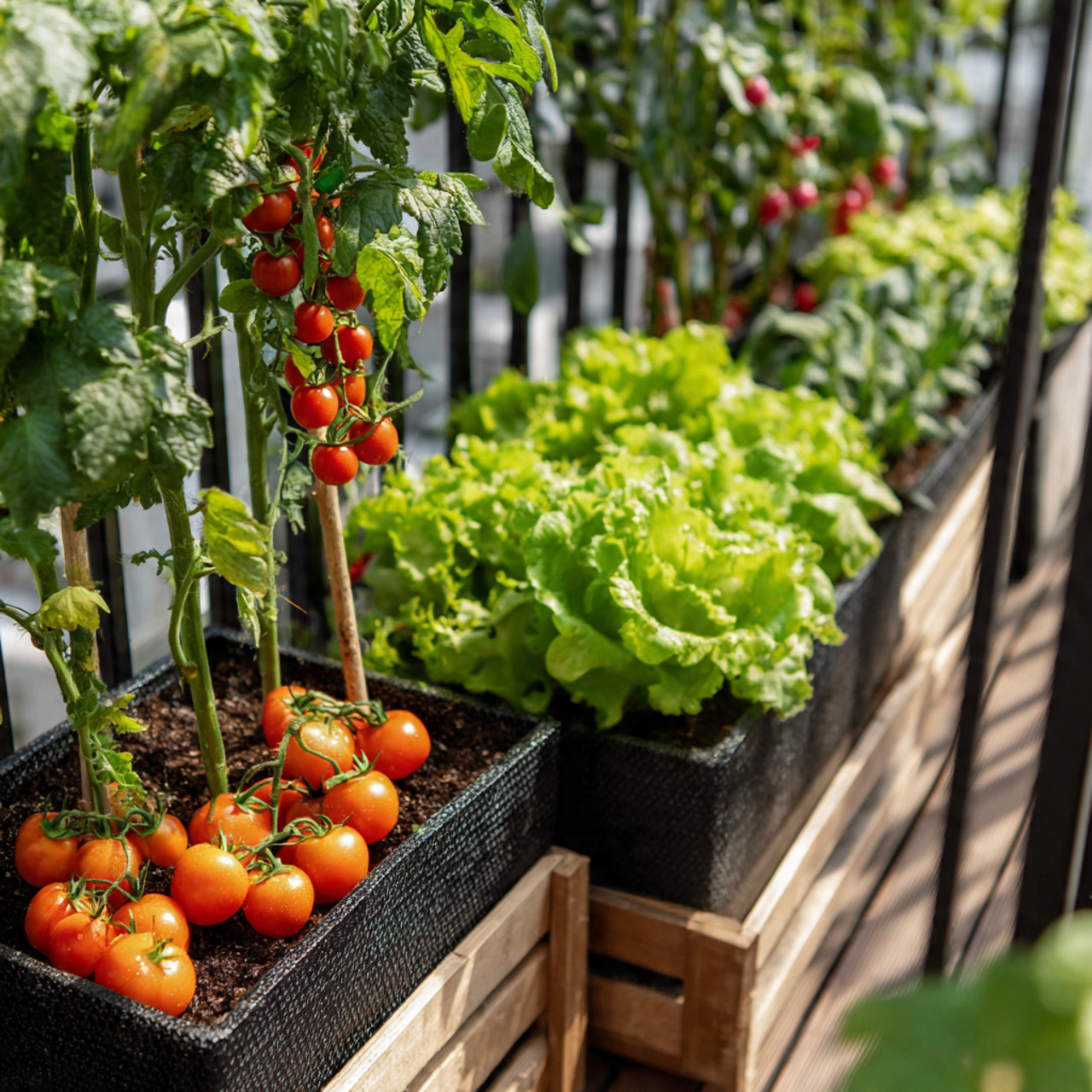
Fresh, organic produce from your mini garden? Absolutely possible. You don’t need a big yard to enjoy homegrown tomatoes or crispy lettuce.
Container-Friendly Vegetables:
- Cherry tomatoes (choose patio or dwarf varieties)
- Lettuce and salad greens (harvest continuously)
- Radishes (ready in 3-4 weeks!)
- Bell peppers (compact varieties available)
- Green onions (regrow from grocery store scraps)
- Bush cucumbers (bred for containers)
Success Requirements:
- Deep containers—minimum 12 inches for most veggies
- Nutrient-rich potting soil with added compost
- 6-8 hours of direct sunlight daily
- Consistent watering (no extreme wet-dry cycles)
Feeding Schedule: Apply balanced organic fertilizer every 2 weeks during growing season. Container soil runs out of nutrients faster than ground beds.
Succession Planting Trick: Sow new lettuce or radish seeds every 2 weeks for continuous harvests instead of one big crop.
Common Mistakes to Avoid:
- Choosing full-size varieties instead of compact types
- Inconsistent watering causing blossom-end rot in tomatoes
- Not providing support stakes for tomato plants
- Planting too many plants per container (follow spacing guidelines)
Example: A 5-gallon bucket with drainage holes can grow one cherry tomato plant that produces pounds of fruit all summer.
Creating an Indoor Mini Garden Oasis
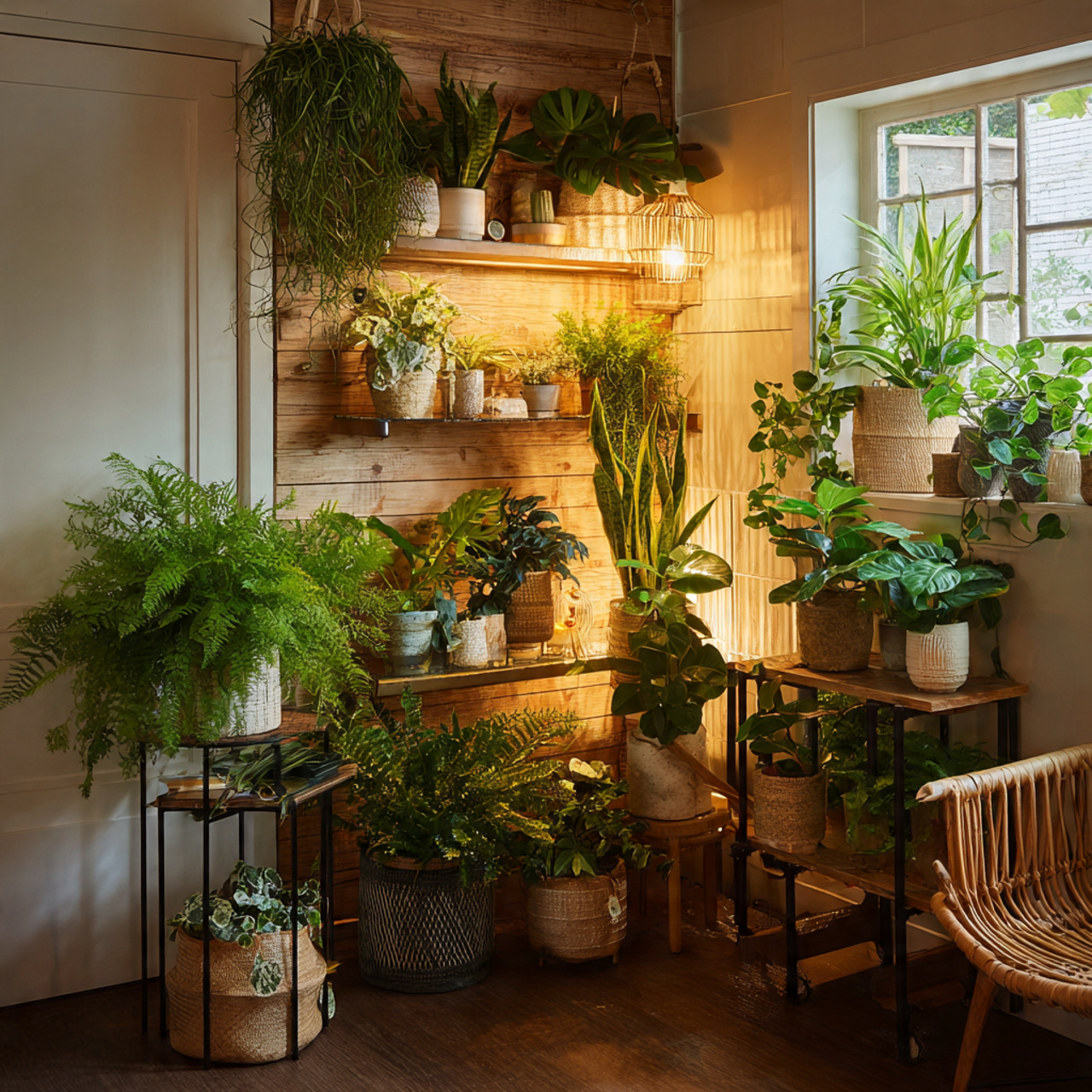
Bring nature inside and enjoy greenery year-round, no matter the weather. Indoor mini gardens purify your air while making your space feel more alive and inviting.
Best Indoor Plants:
- Pothos (nearly indestructible, low light tolerant)
- Snake plant (releases oxygen at night!)
- Peace lily (blooms indoors, air-purifying)
- Ferns (love humidity, great for bathrooms)
- Spider plant (produces cute baby plants)
Indoor Growing Tips:
- Group plants with similar needs together
- Maintain consistent temperatures (most houseplants like 65-75°F)
- Protect from heating/cooling vents (causes stress)
- Wipe dust off leaves monthly for better photosynthesis
- Rotate plants quarterly for even growth
Lighting Solutions:
- South-facing windows: Brightest, best for most plants
- East windows: Gentle morning sun, ideal for many varieties
- West windows: Intense afternoon heat, can be too much
- North windows: Lowest light, choose shade-lovers
- No good windows? Add inexpensive LED grow lights
Humidity Helpers:
- Mist tropical plants occasionally
- Group plants together (they create their own microclimate)
- Place pots on pebble trays with water
- Run a humidifier during dry winter months
Critical Rule: Always use saucers under pots to protect furniture and floors from water damage.
Avoid This: Overwatering because you can’t see wet soil. Stick your finger in—if the top 2 inches are dry, then water.
Whimsical Fairy Garden Magic
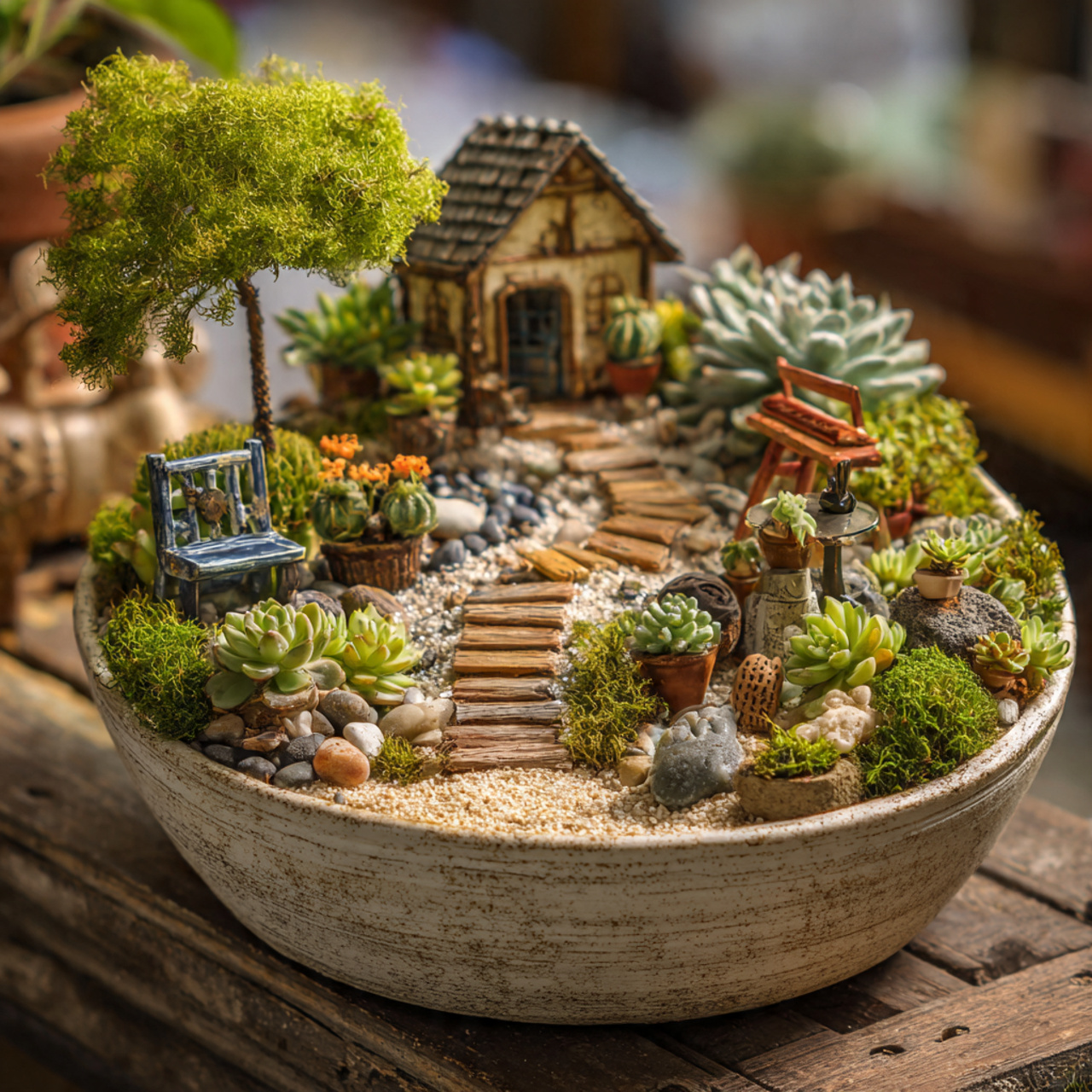
Transform your mini garden into an enchanting miniature world that sparks imagination. Fairy gardens combine tiny plants with decorative accessories for storytelling displays that delight all ages.
How to Build a Fairy Garden:
- Choose your container: Shallow bowls, broken pottery, wooden crates, or even an old wheelbarrow
- Add drainage layer: Gravel or pebbles at the bottom
- Fill with potting soil: Leave room for plants and accessories
- Plant your landscape: Use miniature varieties as the foundation
- Add accessories: Tiny furniture, pathways, figurines, miniature houses
Perfect Tiny Plants:
- Baby tears (creates a lawn effect)
- Irish moss (soft, green groundcover)
- Miniature hostas (tiny leaves)
- Small succulents (trees and shrubs)
- Creeping thyme (fragrant groundcover)
Accessory Ideas:
- Miniature benches and chairs
- Tiny garden tools
- Small bridges over “streams” (blue glass beads)
- Pebble pathways
- Fairy figurines or gnomes
- Miniature birdhouses
Theme Suggestions:
- Beach scene with sand and shells
- Woodland cottage with moss and twigs
- Zen garden with raked sand patterns
- Seasonal themes (winter wonderland, autumn harvest)
Maintenance Tip: Care for fairy gardens just like regular containers, but update accessories seasonally to keep the display fresh without replanting.
Maximizing Your Balcony Space
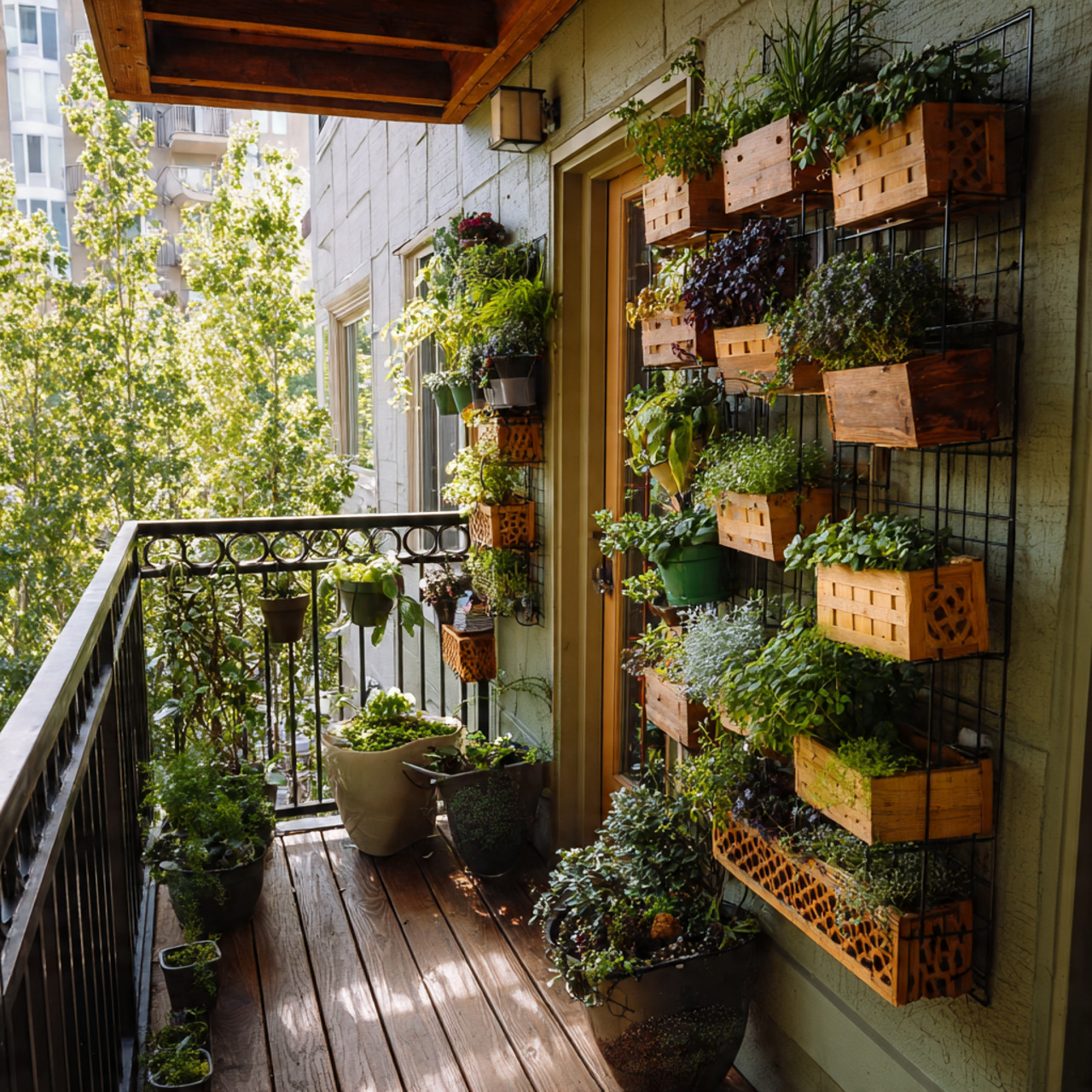
Balconies offer prime mini garden real estate if you use every available surface smartly. Think beyond floor space to railings, walls, and vertical areas.
Space-Saving Strategies:
- Hang planters from railings
- Mount wall planters or pocket systems
- Use corner stacking planters
- Install overhead hanging baskets
- Add tiered plant stands
Important Safety Checks:
- Know your weight limit: Wet soil is heavy—don’t overload your balcony
- Distribute weight evenly: Spread containers around, not all in one spot
- Secure everything: Wind can knock things over or off railings
- Check building rules: Some apartments have container restrictions
Wind Management:
- Choose sturdy, wind-tolerant plants
- Use heavier containers that won’t tip
- Create windbreaks with taller plants or trellises
- Avoid top-heavy arrangements
Sun Exposure Guide:
- South-facing: Most sun—perfect for vegetables, herbs, sun-lovers
- North-facing: Mostly shade—stick with ferns, shade plants
- East-facing: Morning sun, afternoon shade—ideal for most plants
- West-facing: Hot afternoon sun—can stress sensitive plants
Privacy Bonus: Train climbing plants on trellises to create a living privacy screen while adding vertical growing space.
Avoid: Overwatering to compensate for wind. Check soil moisture—wind dries it fast, but don’t water on autopilot.
Making the Most of Windowsill Gardens
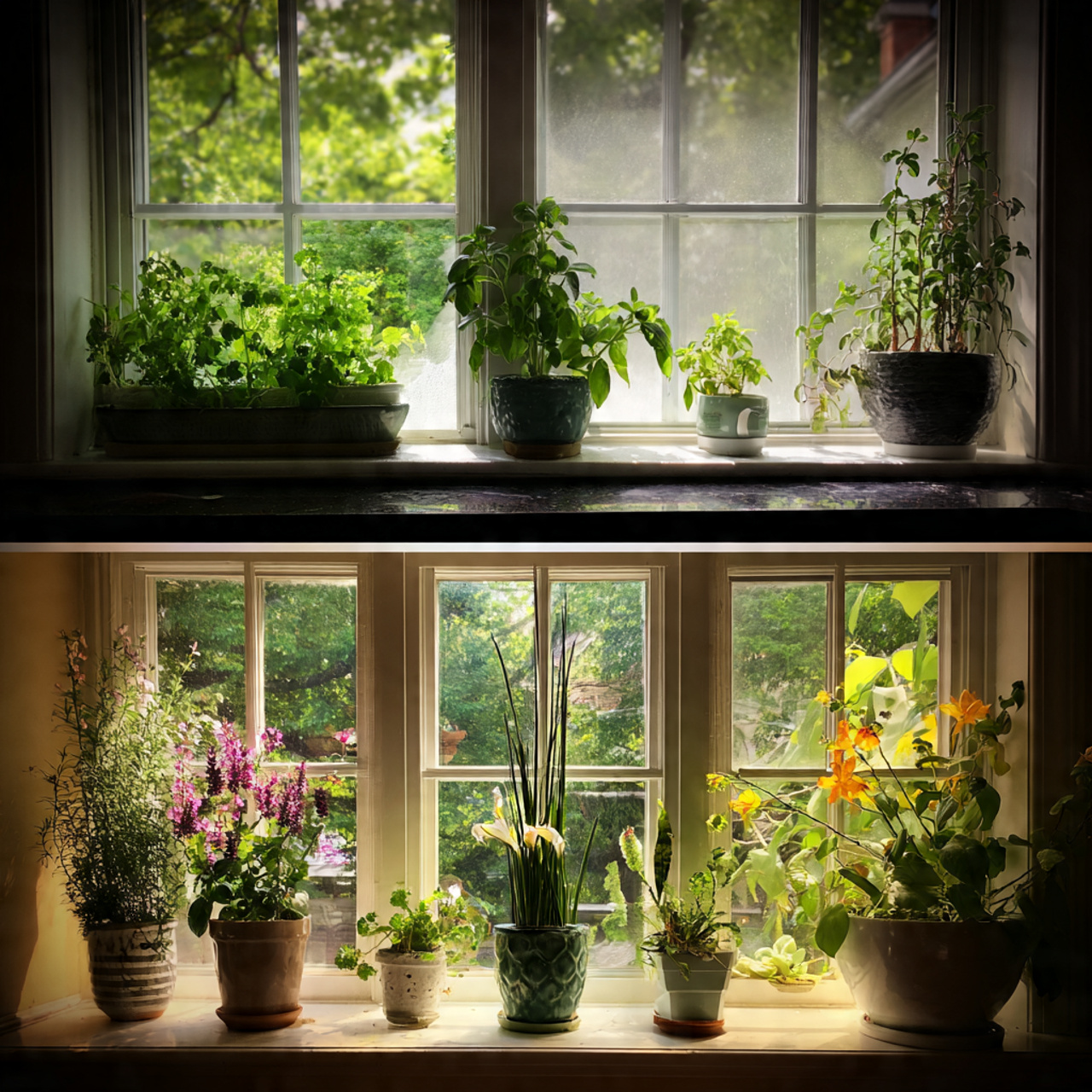
Windowsills are perfect mini garden spots with built-in lighting and easy access for daily care.
Windowsill-Perfect Plants:
- Herbs (basil, parsley, chives)
- Small succulents
- African violets
- Compact flowering plants
- Microgreens for salads
Container Requirements:
- Must fit securely without wobbling
- Shallow enough not to block window function
- Waterproof saucers mandatory (protect sills from damage)
- Not too heavy (older sills may not support much weight)
Light Optimization by Window Direction:
- South windows: 6-8 hours direct sun—your veggie and herb spot
- North windows: Indirect light only—peace lilies, pothos work here
- East windows: Gentle morning sun—most herbs thrive
- West windows: Strong afternoon heat—monitor closely for stress
Temperature Challenges:
- Winter: Cold drafts and windowpane chill can shock plants
- Summer: Intense heat can cook plants against glass
- Solution: Move sensitive plants back from glass during extremes
Tip: Rotate pots weekly so all sides get light exposure. This prevents lopsided, leaning growth.
Common Mistake: Forgetting that heat rises—upper windowsill sections get hotter than lower ones.
Seasonal Planting for Year-Round Enjoyment
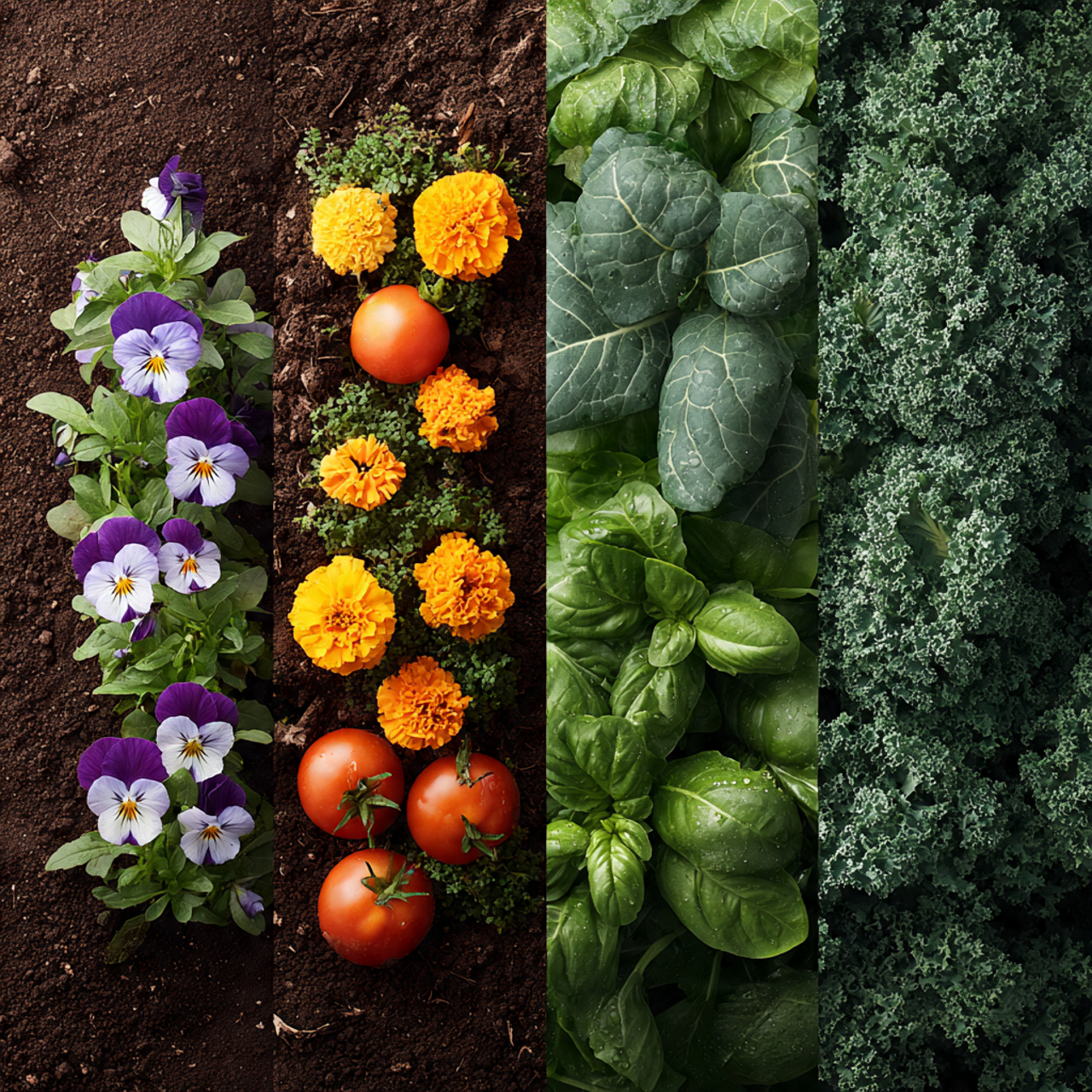
Keep your mini garden productive and beautiful through all four seasons by rotating plants strategically.
Spring Planting (March-May):
- Cool-season lettuce, spinach, peas
- Pansies and violas for color
- Start warm-season seedlings indoors
- Herbs begin active growth
Summer Growing (June-August):
- Tomatoes, peppers, cucumbers peak
- Basil, oregano, cilantro produce heavily
- Zinnias, petunias, marigolds bloom
- Heat-tolerant succulents shine
Fall Transition (September-November):
- Plant cool-season crops again
- Kale and chard tolerate frost
- Mums add autumn color
- Reduce fertilizer as growth slows
Winter Maintenance (December-February):
- Hardy herbs like rosemary continue
- Ornamental kale handles cold
- Evergreen plants provide structure
- Plan and order seeds for spring
Rotation Strategy: Start new plants 2-3 weeks before current ones finish so you never have empty containers.
Example: As summer basil declines, plant fall lettuce in the same pot for seamless transition.
Bonus Benefit: Rotating plant families prevents soil depletion and breaks pest cycles naturally.
Smart Companion Planting Combinations
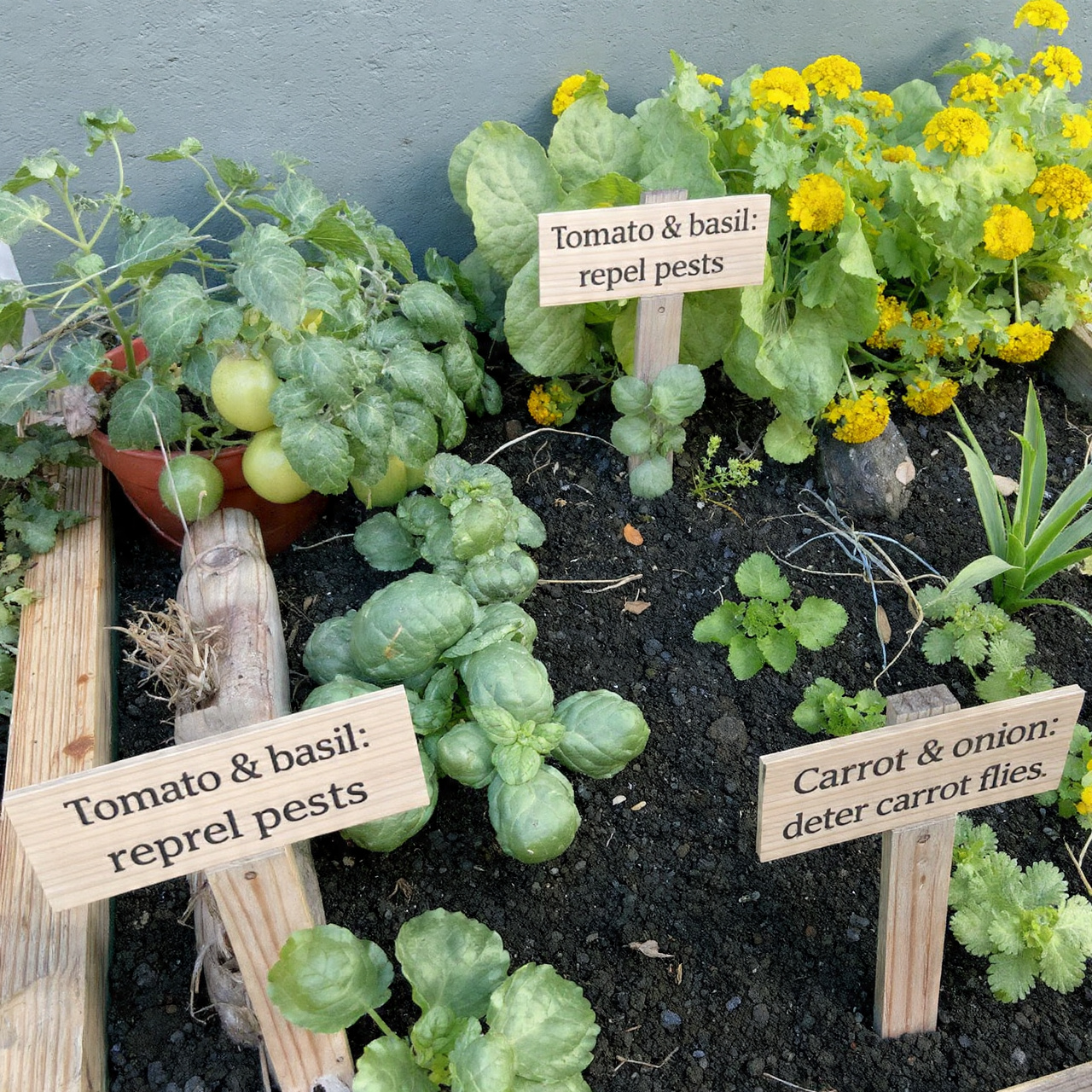
Pair plants strategically to boost growth, improve flavor, and naturally repel pests in your mini garden.
Classic Winning Combos:
- Tomatoes + Basil: Enhanced flavor, pest deterrent
- Carrots + Onions: Confuse pests, use space efficiently
- Lettuce + Radishes: Radishes harvest first, lettuce fills in
- Marigolds + Anything: Natural pest repellent for vegetables
How Companion Planting Works:
- Tall plants shade heat-sensitive neighbors below
- Deep roots don’t compete with shallow-rooted plants
- Strong scents confuse and deter insect pests
- Nitrogen-fixers (beans, peas) feed heavy feeders nearby
Space-Saving Strategy: Combine fast-maturing plants with slow growers. Harvest quick crops before slower ones need the room.
What NOT to Plant Together:
- Fennel inhibits most vegetables—give it solo space
- Onions and beans compete poorly
- Tomatoes and potatoes attract same diseases
Mini Garden Example: One large container with a tomato plant (center), basil plants (around edges), and marigolds (front)—all benefit each other.
Research Tip: Look up companion planting charts for your specific plants before finalizing your layout.
Watering Without Drowning or Drought
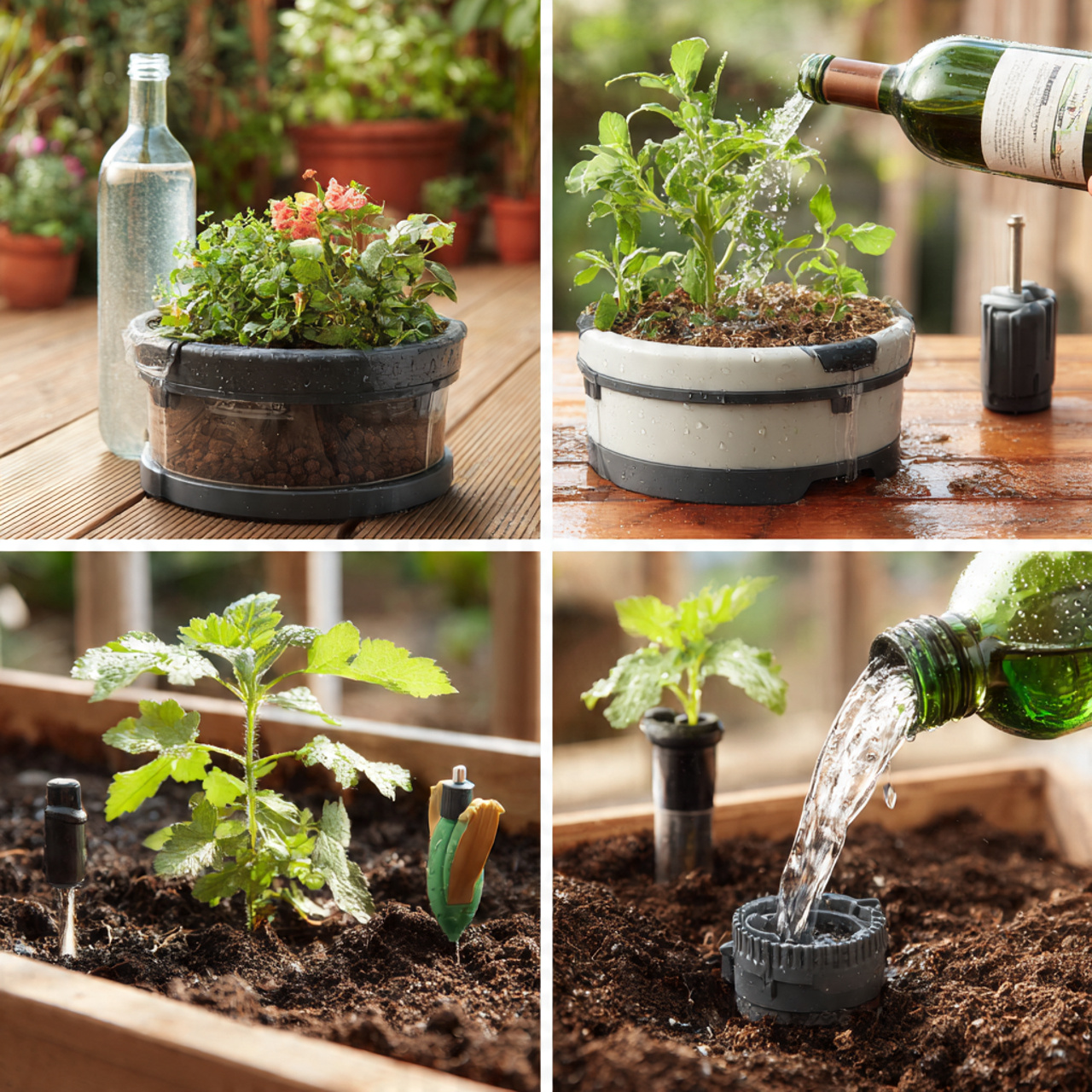
Get watering right, and your mini garden thrives. Get it wrong, and plants suffer fast.
The Finger Test: Stick your finger 2 inches into the soil. Dry? Water thoroughly until it drains out the bottom. Still moist? Wait another day.
General Guidelines:
- Hot weather: Daily watering often needed
- Cool weather: Every 2-3 days typically sufficient
- Small containers: Dry faster than large ones
- Terracotta pots: Require more frequent watering than plastic
Smart Watering Systems:
- Self-watering containers: Built-in reservoirs provide steady moisture
- Drip irrigation: Automated system for multiple containers
- Wine bottle reservoirs: DIY—fill bottles and insert upside-down in soil
- Wicking systems: Fabric strips draw water from reservoir as needed
Best Practices:
- Water in the morning (foliage dries during day, prevents fungus)
- Water soil directly, not leaves
- Give a thorough soaking rather than frequent sprinkles
- Group plants with similar water needs together
Mulch Magic: Add a layer of bark chips, gravel, or decorative stones on soil surface to slow evaporation and reduce watering frequency.
Avoid This Mistake: Watering on a fixed schedule regardless of actual soil moisture. Check before watering every single time.
Building Healthy Soil and Feeding Your Plants
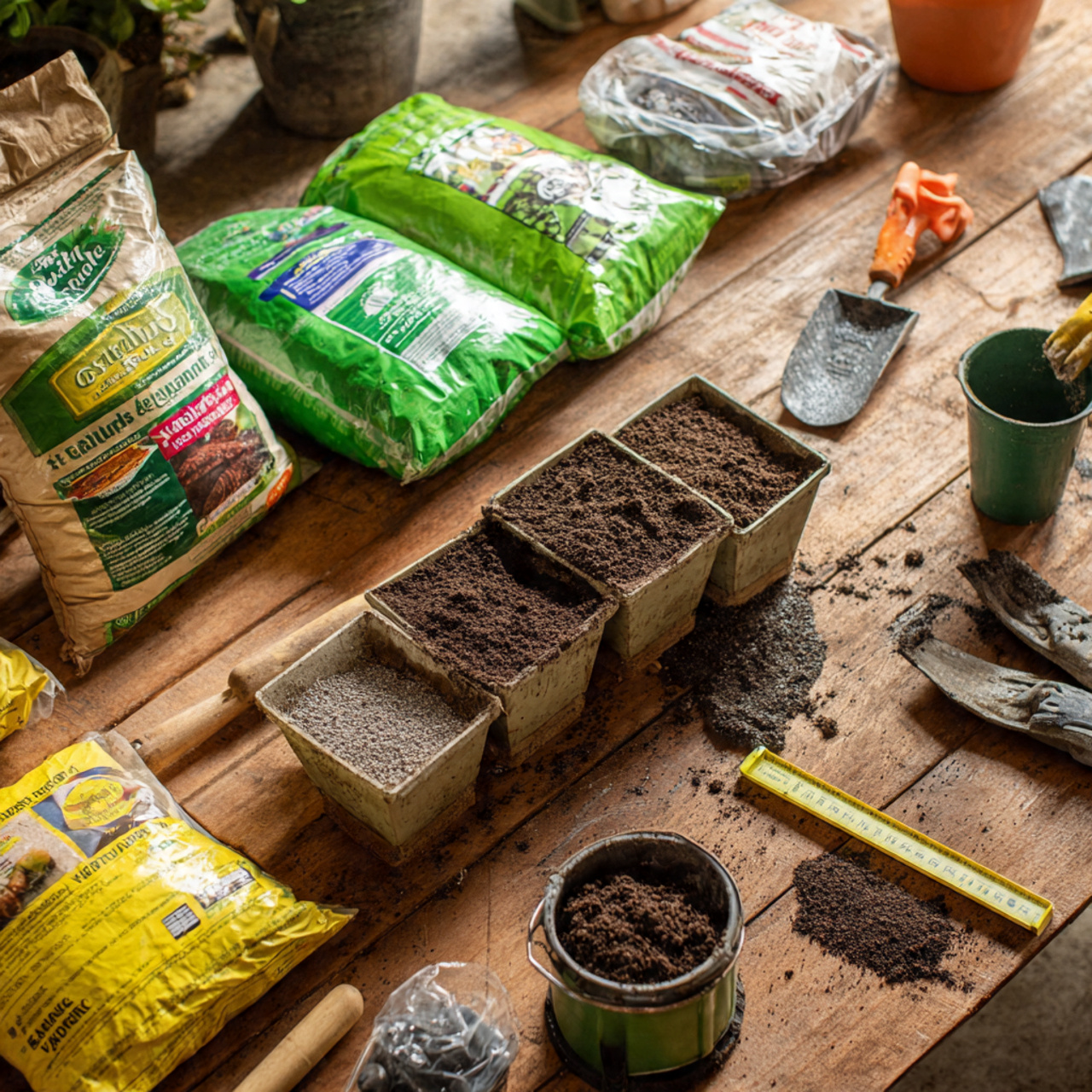
Container plants depend entirely on you for nutrition—the soil is all they’ve got.
Soil Basics:
- Never use garden soil: It compacts in pots and drains poorly
- Buy potting mix: Specifically formulated for containers with proper aeration
- Check ingredients: Should contain peat moss (or coir), perlite, vermiculite
Why Container Soil Depletes Faster:
- Frequent watering washes nutrients out drainage holes
- Limited soil volume means limited nutrient reserves
- Plants can’t send roots deeper like in-ground gardens
Fertilizing Schedule:
- Apply balanced fertilizer (10-10-10) every 2 weeks during active growth
- Reduce to monthly in fall/winter
- Stop fertilizing dormant plants completely
Organic Options:
- Compost tea (gentle, slow-release)
- Fish emulsion (nitrogen-rich for leafy growth)
- Worm castings (complete nutrition, improves soil structure)
Avoid Over-Fertilizing:
- Causes salt buildup that burns roots
- Creates weak, leggy growth
- Attracts more pests
Monthly Flush: Pour plain water through containers until it runs clear from bottom. This removes accumulated fertilizer salts.
Annual Refresh: Replace potting mix yearly, or at minimum, remove top few inches and add fresh compost.
Keeping Pests Under Control Naturally
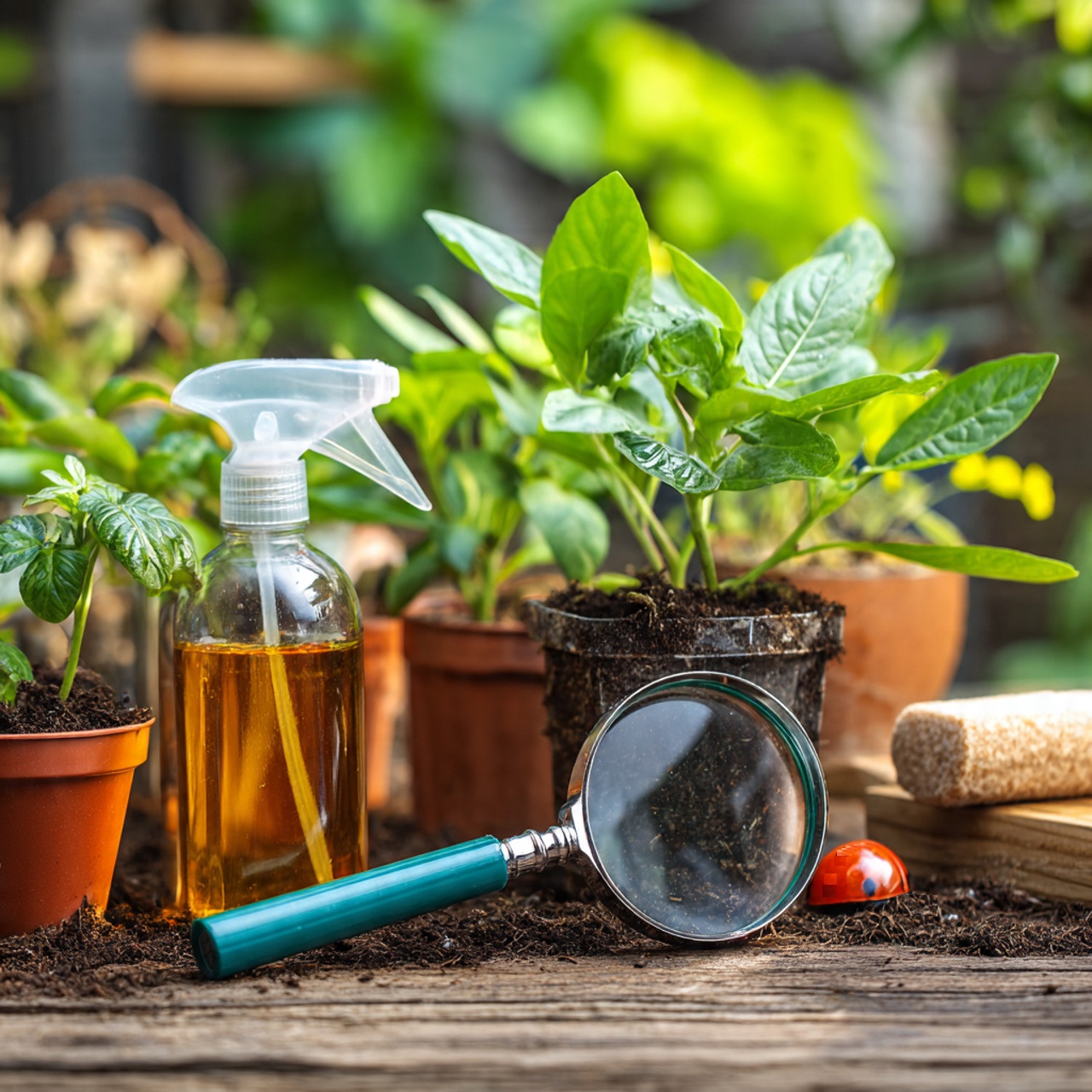
Small-scale gardens make pest management easier—you can spot problems early and handle them quickly.
Common Mini Garden Pests:
- Aphids (tiny green/black insects on new growth)
- Spider mites (fine webbing, stippled leaves)
- Whiteflies (tiny white insects under leaves)
- Fungus gnats (small flies in soil)
Weekly Inspection Routine:
- Check undersides of leaves
- Look for holes, discoloration, or webbing
- Examine new growth closely
- Monitor soil surface for pests
Organic Control Methods:
- Water blast: Spray pests off with strong stream
- Neem oil: Natural insecticide and fungicide
- Insecticidal soap: Safe for edibles, kills soft-bodied pests
- Diatomaceous earth: Sprinkle on soil for crawling insects
- Beneficial insects: Release ladybugs to eat aphids
Prevention Strategies:
- Proper spacing for good airflow
- Avoid overwatering (prevents fungus gnats)
- Remove dead leaves promptly
- Companion plant with pest-deterring herbs and flowers
Quarantine Protocol: New plants stay isolated for 2 weeks before joining your existing mini garden. This prevents spreading hidden pests or diseases.
Avoid This: Ignoring small pest populations. They multiply fast in confined spaces—tackle them immediately.
Getting Creative with Repurposed Containers
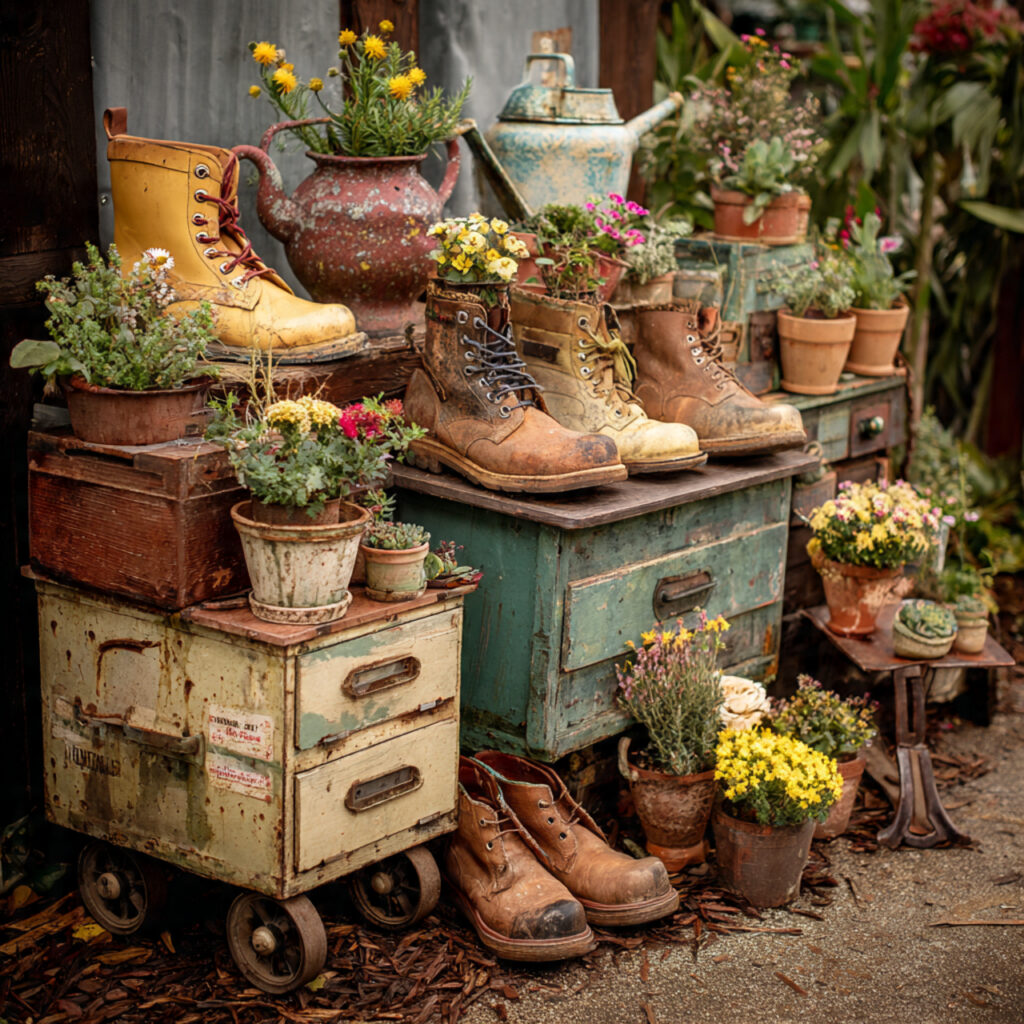
Why buy expensive planters when unique containers are hiding in your closets and thrift stores?
Clever Container Ideas:
- Old boots or shoes (drainage holes required!)
- Vintage teapots and teacups
- Metal colanders (built-in drainage)
- Wooden tool boxes or crates
- Dresser drawers lined with plastic
- Retired wheelbarrows
- Enamel cookware
- Wicker baskets (needs liner)
Before You Plant:
- Safety check: Ensure non-toxic if growing edibles (no lead paint, chemical residues)
- Add drainage: Drill holes in anything waterproof
- Line porous containers: Use plastic liner to prevent soil leaking
- Weatherproof wood: Apply non-toxic sealant for outdoor use
Creative Styling Tips:
- Group odd containers together for eclectic charm
- Mix vintage finds with modern pots
- Use unexpected colors for personality
- Display at different heights for visual interest
Sustainability Win: Repurposing reduces waste and saves money while making your mini garden truly one-of-a-kind.
Example: An old enamel colander with built-in drainage makes a perfect herb garden with vintage farmhouse vibes.
Growing Fruit in Surprisingly Small Spaces
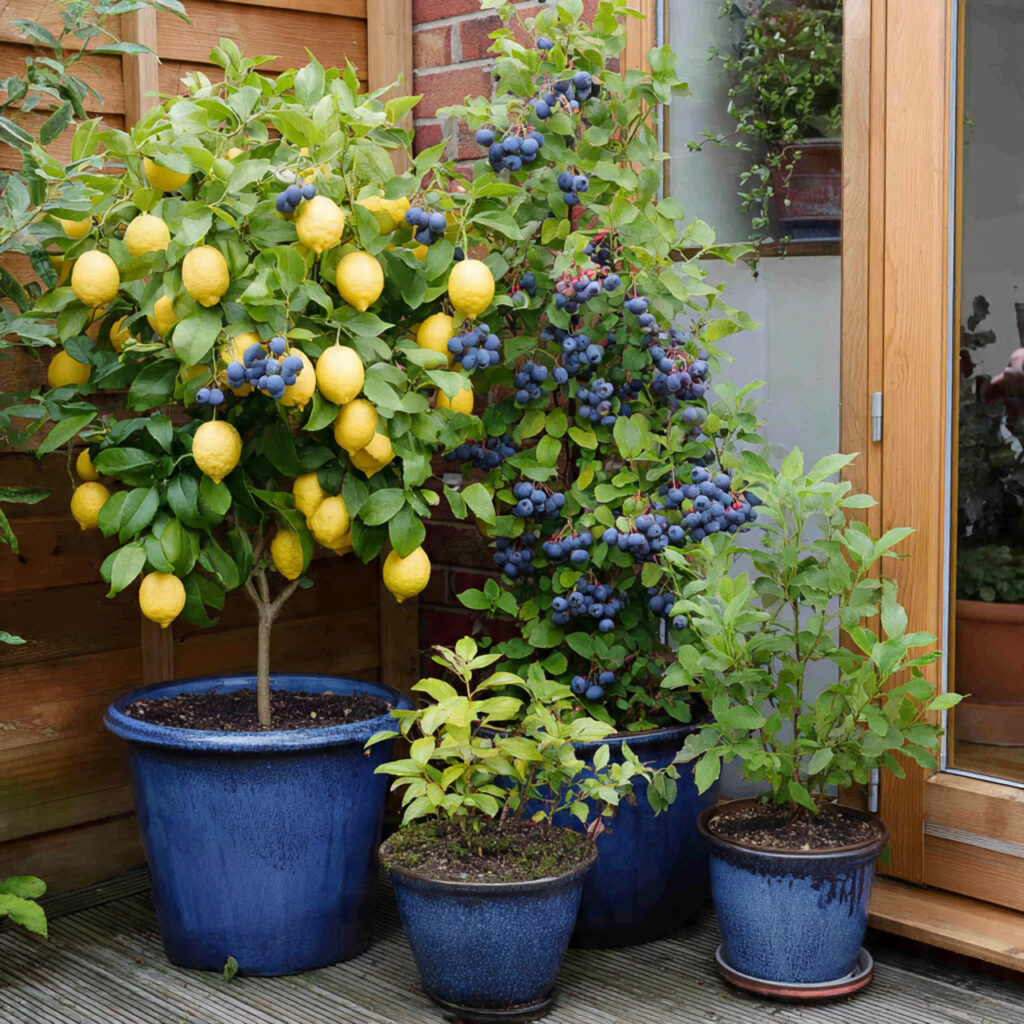
Yes, you can grow real fruit in containers. Dwarf and patio varieties are bred specifically for compact growing.
Container-Friendly Fruits:
- Strawberries: Perfect for hanging baskets, produce quickly
- Blueberries: Dwarf varieties in large pots, need acidic soil
- Dwarf citrus: Meyer lemons, kumquats thrive indoors/outdoors
- Compact apples: Columnar varieties stay narrow
- Figs: Naturally suited to container growing
Container Size Requirements:
- Minimum 15-20 gallon pots for fruit trees
- 5-gallon containers for strawberries and blueberries
- Bigger is better for long-term health and production
Special Care Needs:
- Full sun: 6-8 hours minimum for fruiting
- Acidic soil: Blueberries need pH 4.5-5.5 (use ericaceous compost)
- Consistent moisture: Fruit development requires steady water
- Regular feeding: Fruit production demands heavy nutrition
Strawberry Shortcuts:
- Hanging baskets let berries cascade beautifully
- Tiered planters maximize vertical space
- Runners produce baby plants for future harvests
Temperature Protection: Move containers indoors or to protected areas during frost or extreme heat to extend growing season.
Patience Pays: Most fruit plants need 1-2 years to establish before heavy production begins.
Year-Round Care Keeps Gardens Thriving
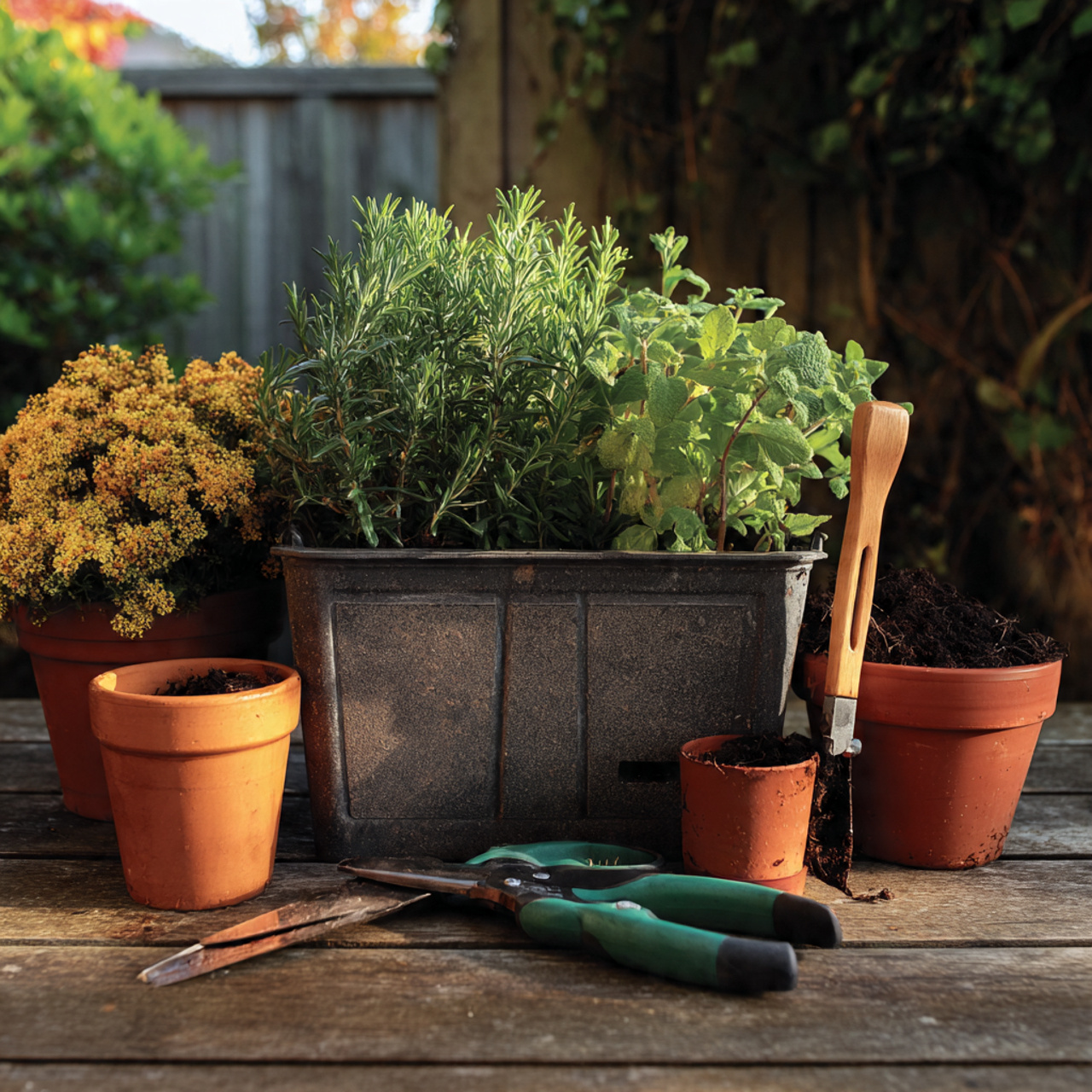
Consistent attention prevents problems and keeps your mini garden looking its best through every season.
Weekly Tasks:
- Check soil moisture and water as needed
- Inspect for pests and diseases
- Deadhead spent flowers to encourage more blooms
- Harvest ripe produce and herbs
- Remove yellowing or dead leaves
Monthly Maintenance:
- Wipe dust off indoor plant leaves
- Flush containers with plain water to remove salt buildup
- Prune overgrown plants to maintain shape
- Turn/rotate plants for even growth
- Check for root-bound plants that need repotting
Seasonal Checklist:
Spring:
- Plant new seedlings and transplants
- Increase watering frequency
- Begin regular fertilizing schedule
- Prune winter damage
Summer:
- Water daily during heat waves
- Monitor for pests (they thrive in warmth)
- Harvest continuously
- Provide shade for heat-stressed plants
Fall:
- Plant cool-season crops
- Reduce fertilizer applications
- Prepare tender plants for indoor move
- Clean up spent summer plants
Winter:
- Reduce watering dramatically
- Stop fertilizing dormant plants
- Protect outdoor containers from freezing
- Plan next year’s garden layout
Keep Records: Note what works and what fails in your mini garden. Next year, you’ll know exactly what to plant and avoid.
Tool Care: Keep pruners sharp and clean, store fertilizers properly, and organize supplies for easy access.
Common Questions About Mini Gardens
How much space do I actually need to get started?
You can start with just one square foot of space. A windowsill, balcony corner, or countertop works perfectly. Vertical growing techniques let you expand upward, fitting dozens of plants in minimal areas.
Which plants should beginners try first?
Herbs like basil, mint, and parsley are foolproof choices. Succulents require minimal care and tolerate neglect well. Lettuce and radishes provide quick results within weeks, keeping beginners motivated.
How do I know when to water my mini garden?
Use the finger test: insert your finger 2 inches into the soil. Water thoroughly if dry; wait if still moist. Most mini gardens need watering every 1-3 days in warm weather, less in cooler seasons.
Can I actually grow vegetables indoors?
Yes, with adequate light. Leafy greens tolerate lower light best. Tomatoes and peppers need intense light from south-facing windows or grow lights. Herbs thrive indoors with moderate sunlight.
How can I deal with pests without using chemicals?
Inspect plants weekly and catch problems early. Remove affected leaves, spray pests with water, or use organic solutions like neem oil. Plant marigolds and herbs nearby—they naturally deter most common pests.
Ready to Start Your Mini Garden Journey?
Creating a mini garden changes your space and your life more than you’d expect. These compact green spots clean your air, calm your mind, provide fresh food, and reconnect you with nature—even in the heart of the city. The flexibility is unbeatable: customize everything to match your space, your budget, and what you want to grow.
Getting started is simple. Grab some containers with drainage holes, pick plants that match your available light, fill them with quality potting soil, and commit to regular care. Whether you’re growing herbs on a kitchen windowsill, vegetables on a balcony, or succulents on your desk, your mini garden will reward your attention and patience.
The skills you learn translate to bigger projects down the road if you get more space. But right now, the immediate benefits enhance your everyday life. So transform that neglected corner, empty windowsill, or boring balcony into a productive, beautiful mini garden. You don’t need acres of land—just a little space and the willingness to start growing.