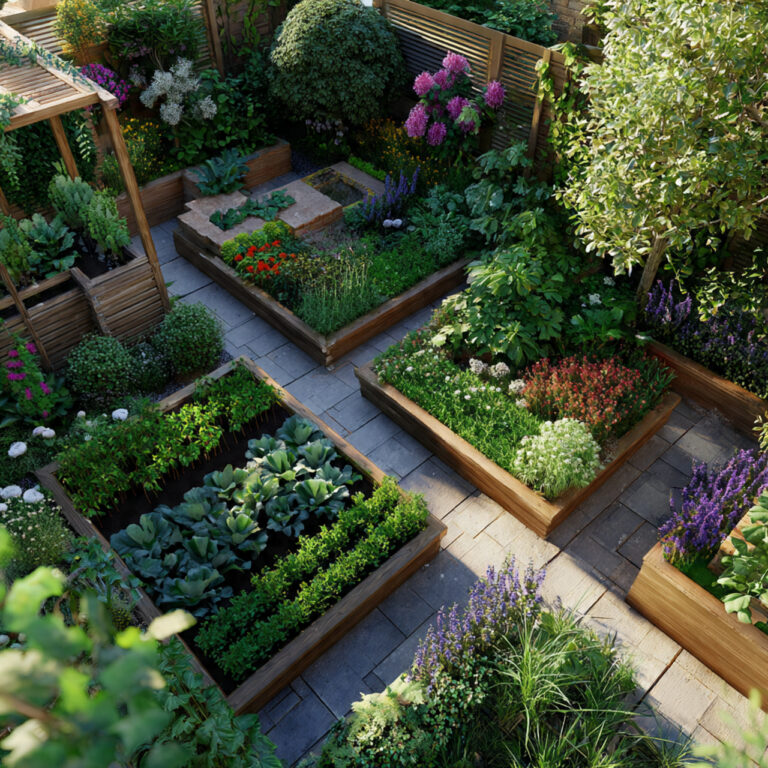
26 Inspiring Plant Wall Idea Indoor Styles for Modern Homes
Interior design has evolved beyond placing a few potted plants on windowsills. Today, vertical gardens have become statement pieces that completely transform how we experience indoor spaces. If you’re wondering how to bring nature into your home in a bold, functional way, creating an indoor plant wall might be exactly what your space needs.
These vertical gardens do much more than look beautiful. They purify the air naturally, balance humidity levels, and create peaceful environments that genuinely boost your mood and reduce stress. Whether you’re living in a cozy studio apartment or a spacious house, there’s a plant wall solution that fits your space perfectly.
This comprehensive guide explores creative, achievable plant wall ideas you can implement right now. From sleek modern designs to lush jungle-inspired walls, you’ll discover styling techniques, maintenance strategies, and customization tips to create a thriving vertical garden that reflects your personal style.
The Real Benefits of Indoor Living Walls
Think of living walls as mini ecosystems thriving right inside your home. They’re not following trends—they’re answering our deep-rooted need to connect with nature, especially when we’re surrounded by concrete and glass.
These vertical gardens add incredible texture and visual depth that painted walls simply can’t match. They become natural conversation starters and architectural focal points without overwhelming your space. Need to define different areas in an open-plan home without blocking light? A strategically placed plant wall creates visual separation while maintaining that airy, flowing atmosphere.
Why This Matters for City Dwellers:
- Limited outdoor space makes indoor greenery essential, not optional
- Natural elements counterbalance the urban concrete jungle outside your windows
- Biophilic design (incorporating nature indoors) significantly improves mental health
- Vertical gardens maximize growing space when floor space is precious
Common Benefits You’ll Notice:
- Cleaner, fresher indoor air quality
- Natural humidity regulation (especially beneficial during dry winter months)
- Noticeable reduction in stress and anxiety levels
- Enhanced creativity and productivity in work-from-home spaces
Living Room Feature Wall Behind Your Sofa
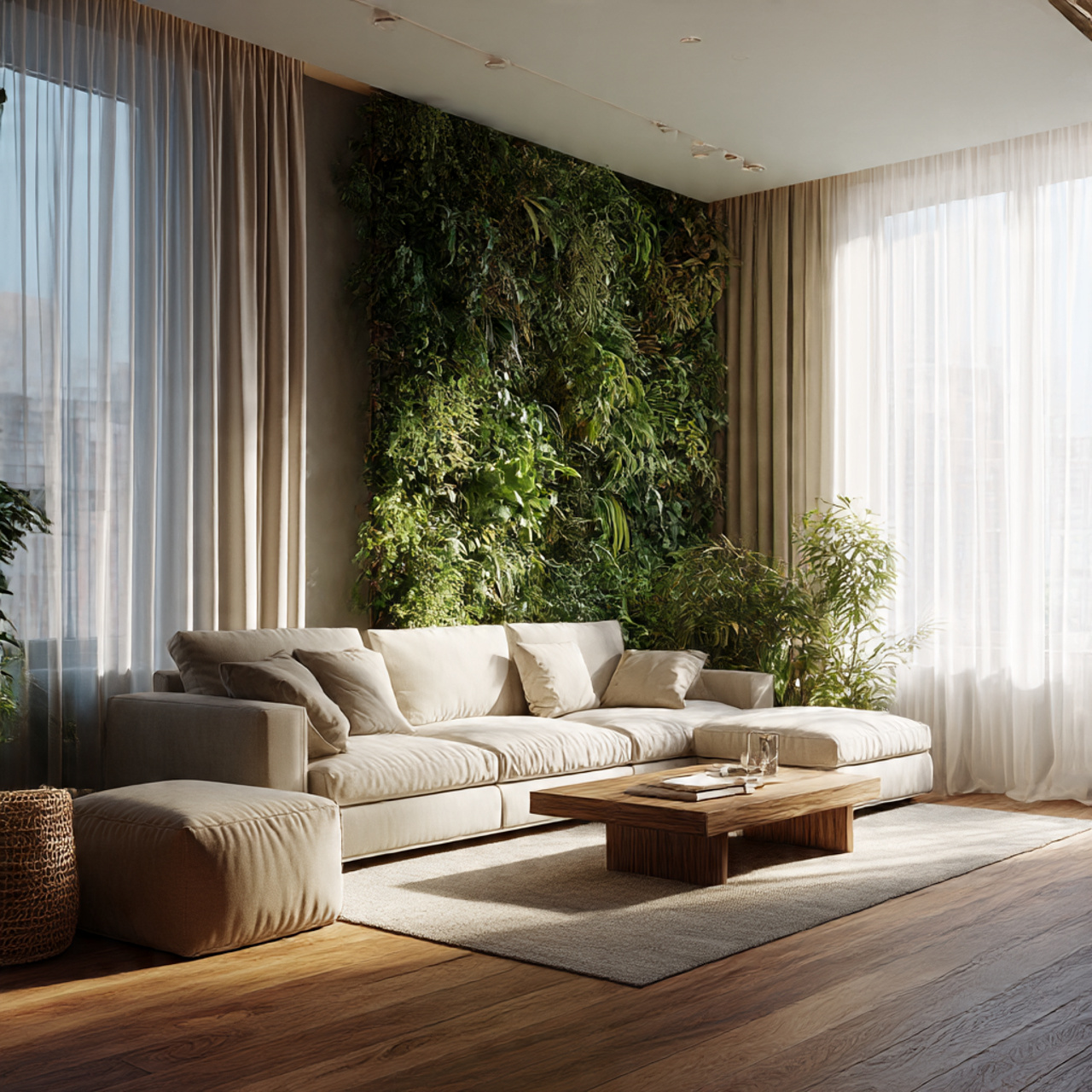
That empty wall behind your couch is begging for transformation. Instead of generic artwork, imagine a living, breathing backdrop that evolves throughout the seasons.
Best Plant Choices:
- Pothos (Devil’s Ivy): Nearly indestructible, thrives in low to medium light
- Ferns: Add feathery texture and love indirect lighting
- Philodendrons: Heart-shaped leaves that cascade beautifully
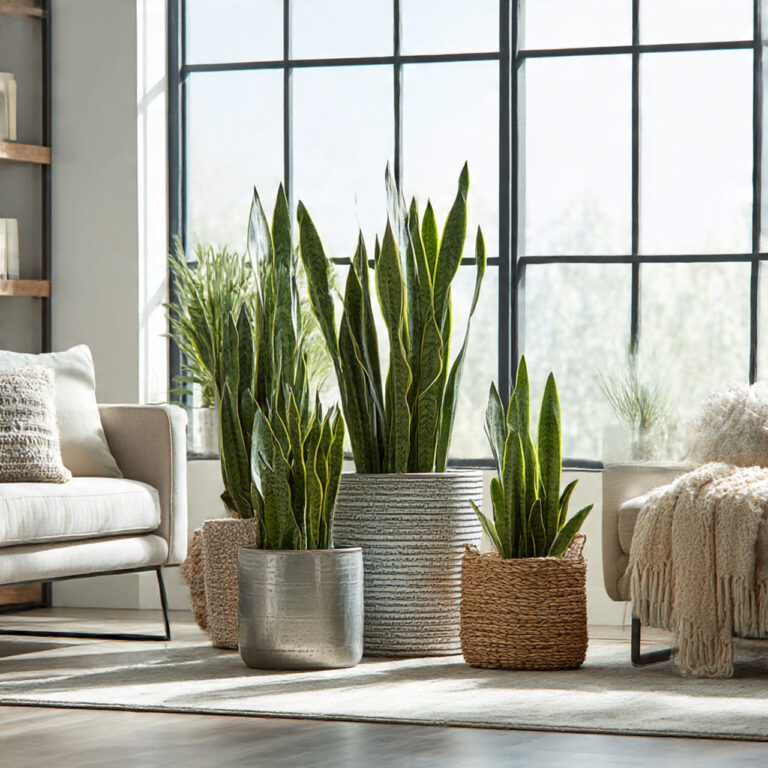
- Snake Plants: Architectural, upright growth for structured designs
Design Tips:
- Frame your plant wall with natural wood for warmth or matte black metal for contemporary edge
- Position away from direct TV screen glare to prevent plant stress
- Use the wall as a backdrop for minimalist furniture arrangements
- Mix different leaf sizes for visual interest—large monstera leaves paired with delicate ferns
Avoid These Mistakes:
- Placing light-hungry plants in dim corners behind furniture
- Overwatering because you can’t easily check soil moisture
- Choosing high-maintenance varieties if you travel frequently
Kitchen Herb Wall
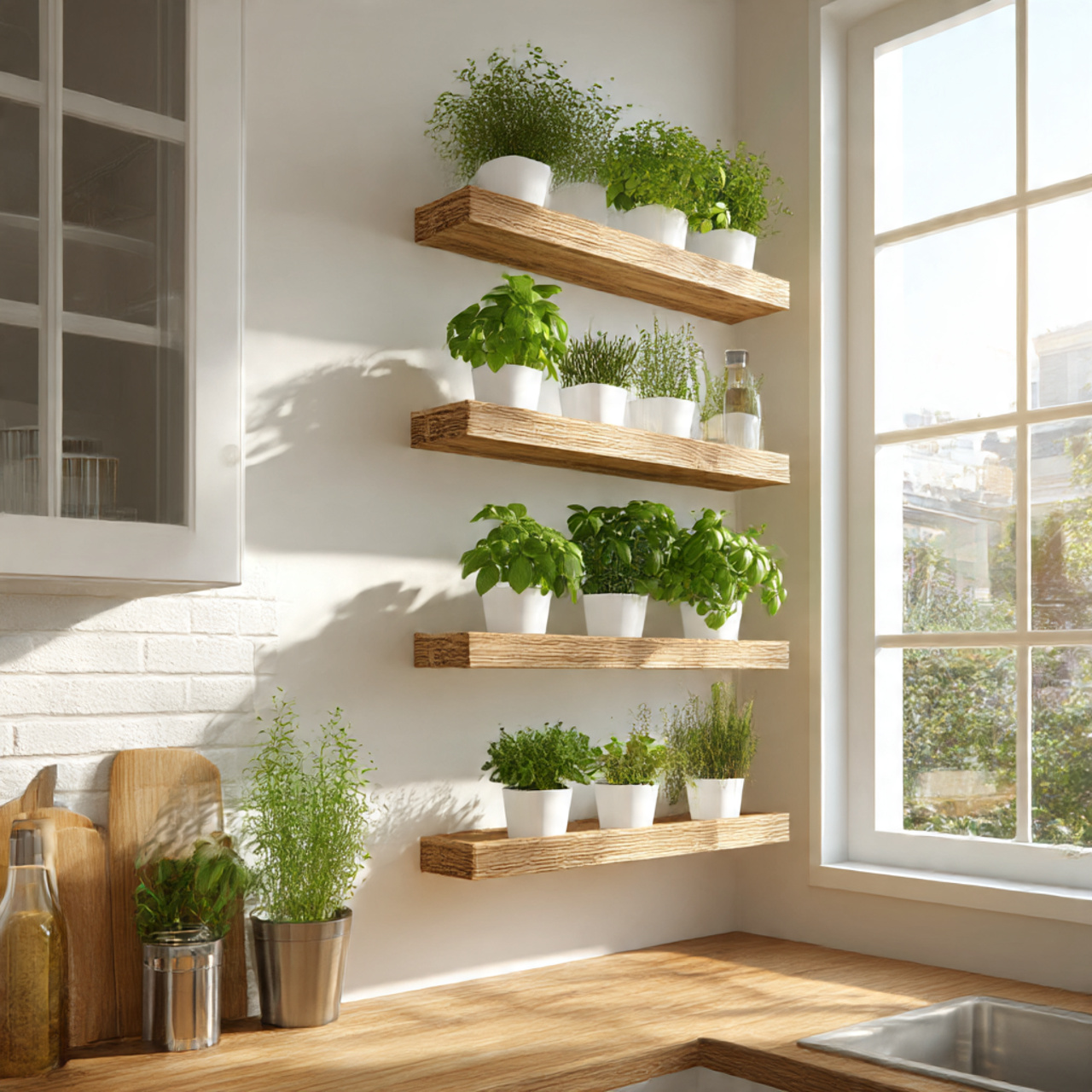
Your kitchen already has what herbs love—warmth from cooking, humidity from boiling water, and plenty of natural light near windows.
Top Herbs to Grow Vertically:
- Basil: Perfect for Italian dishes, needs consistent warmth
- Mint: Aggressive grower, keep contained separately
- Thyme: Drought-tolerant, great for beginners
- Rosemary: Loves bright light, aromatic addition
- Parsley: Steady producer, prefers cooler conditions
Installation Must-Knows:
- Use containers with proper drainage holes to prevent root rot
- Position near a window that gets 4-6 hours of sunlight daily
- Install a small catch tray or waterproof backing to protect walls
- Consider magnetic planters on metal backsplash areas for easy rearrangement
Tips:
- Harvest regularly to encourage bushier growth
- Rotate pots weekly so all sides receive equal light
- Group herbs with similar water needs together
- The fragrance alone transforms your cooking experience—no more dried herbs from jars
Safety Note: Ensure proper ventilation to prevent mold growth in humid kitchen environments.
Bedroom Plant Wall for Calm
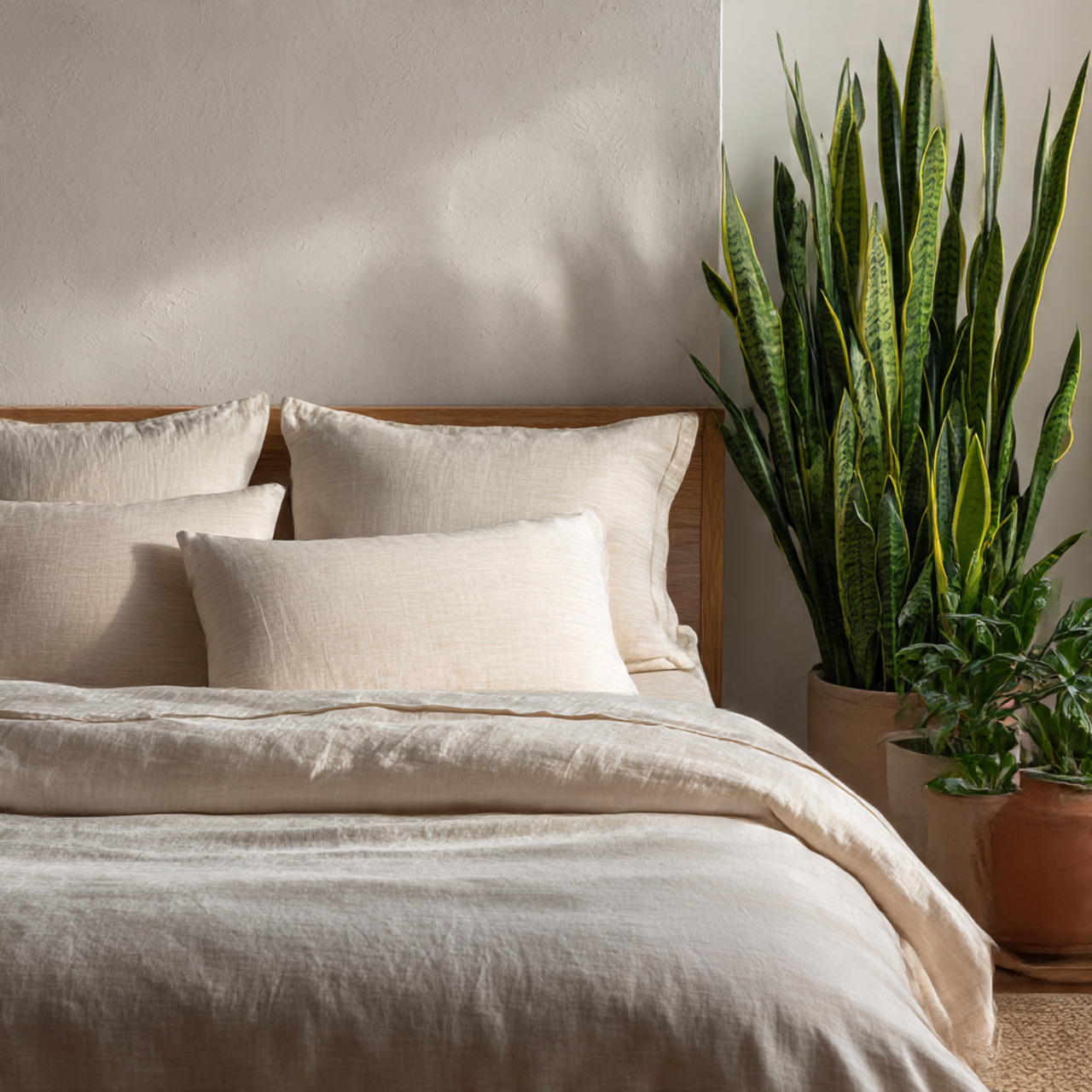
Creating a plant wall in your bedroom might be the sleep hack you didn’t know you needed. Certain plants actively improve overnight air quality, helping you breathe easier while you rest.
Best Bedroom Plants (NASA-Approved for Air Purification):
- Snake Plants: Release oxygen at night, unlike most plants
- Peace Lilies: Filter toxins, thrive in low light
- Spider Plants: Non-toxic, safe around pets
- Aloe Vera: Produces oxygen nocturnally, requires minimal care
Aesthetic Mounting Options:
- Reclaimed wood shelving for rustic, cozy vibes
- Ceramic white planters for Scandinavian minimalism
- Woven baskets for bohemian bedrooms
- Floating shelves in natural oak for mid-century modern spaces
The Sleep Science: Research shows that viewing greenery before sleep reduces cortisol (stress hormone) levels. The repetitive, organic patterns of leaves create visual calm that helps racing minds settle into rest mode naturally.
Important Consideration: Avoid overwatering bedroom plants. Excess moisture can promote mold growth, which counteracts the health benefits you’re seeking.
Bathroom Moisture Wall
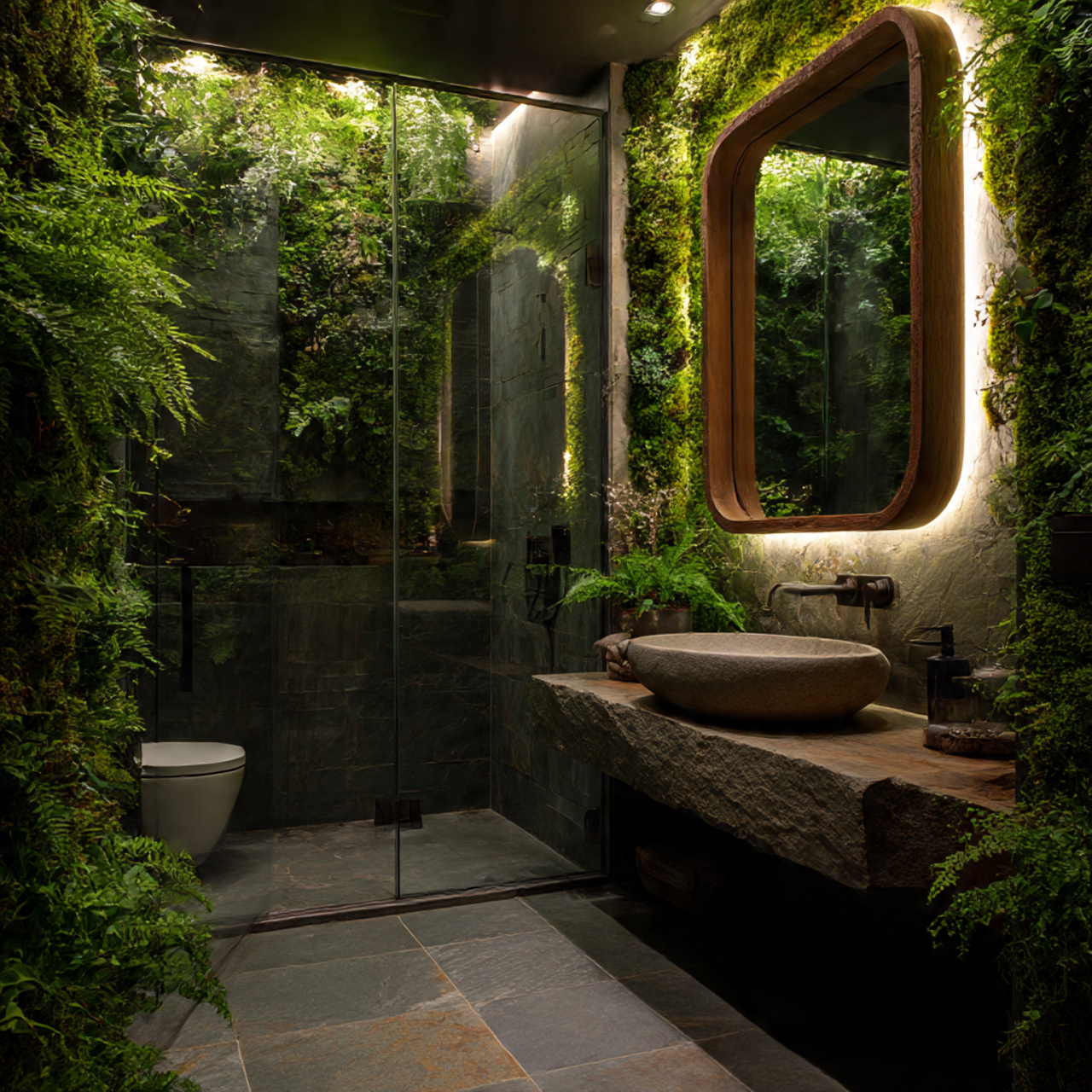
Most people think bathrooms are bad for plants. The opposite is true—certain varieties absolutely thrive in steamy, humid conditions.
Humidity-Loving Champions:
- Boston Ferns: Adore moisture, create lush cascading effects
- English Ivy: Tolerates low light, purifies air effectively
- Philodendrons: Handle humidity fluctuations beautifully
- Orchids: Bloom spectacularly in bathroom conditions
- Air Plants: No soil needed, absorb moisture from steam
Critical Installation Steps:
- Install waterproof backing panels before mounting planters
- Ensure adequate ventilation to prevent stagnant moisture
- Use rust-resistant hardware (stainless steel or brass)
- Leave space between wall and planters for air circulation
Moss Wall Magic: Preserved or living moss behind your bathroom mirror creates an instant spa atmosphere. The consistent moisture maintains that velvety texture without daily misting. It’s like bringing a forest glade into your morning routine.
Maintenance Tip: Wipe leaves monthly to remove soap residue and mineral deposits from hard water steam.
Home Office Productivity Wall
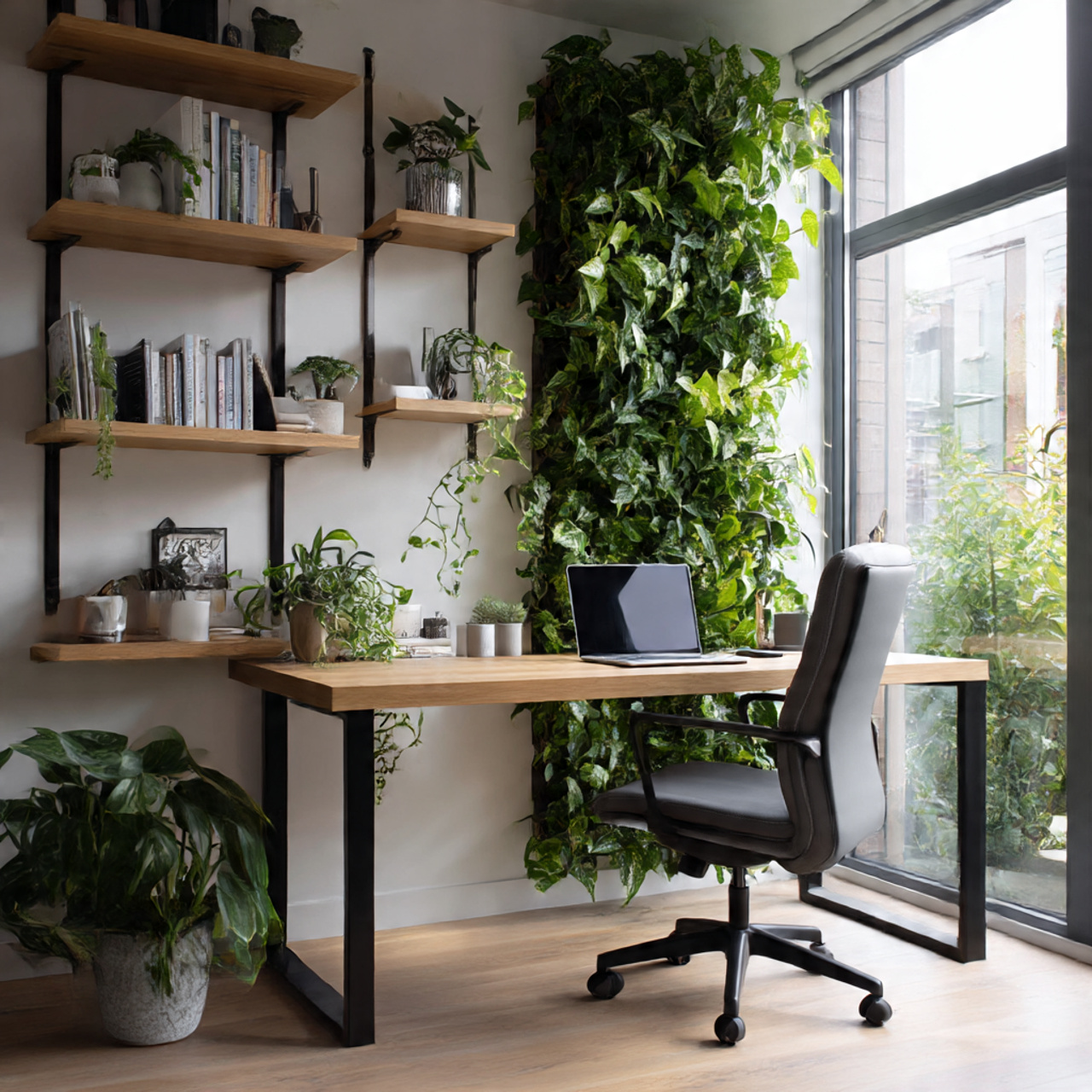
Your workspace profoundly affects your mental state. Studies prove that visible greenery reduces workplace stress by up to 37% while boosting concentration and creative problem-solving.
Best Low-Maintenance Office Plants:
- ZZ Plants (Zamioculcas zamiifolia): Survive weeks without water
- Golden Pothos: Thrive under fluorescent office lighting
- Rubber Plants: Bold, architectural presence
- Dracaena: Tall, columnar growth for dramatic effect
Placement Strategy: Position your plant wall within your peripheral vision while working. You don’t want it directly in front of your screen (distraction), but having greenery in your side view provides subconscious stress relief throughout the day.
For Windowless Offices:
- Invest in full-spectrum grow lights on timers
- Choose plants specifically bred for low-light tolerance
- Consider artificial options if no natural light exists
Productivity Boost: Your brain processes natural patterns differently than blank walls. The organic shapes and varying shades of green stimulate the parts of your brain responsible for creative thinking without demanding active attention.
Succulent Frame Wall
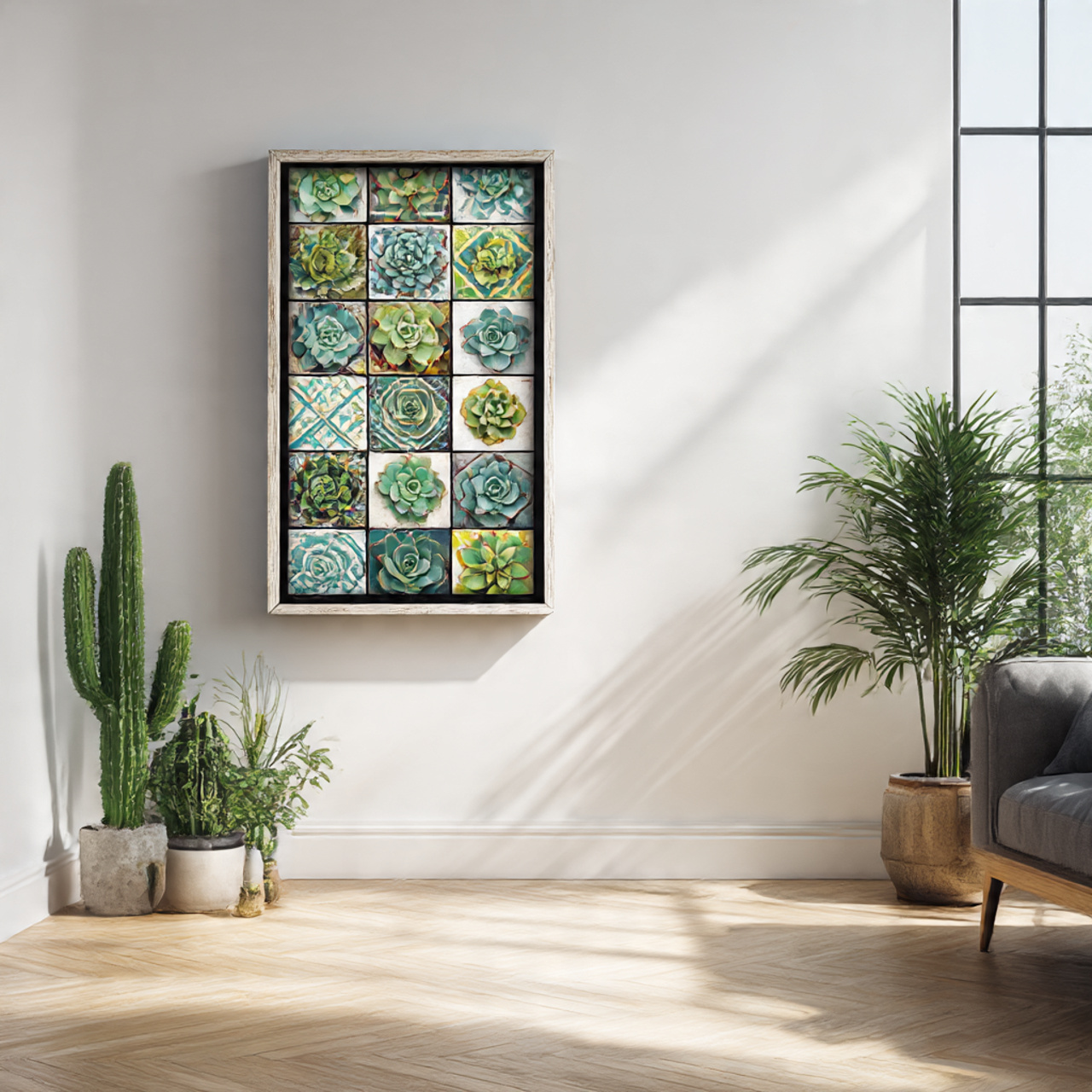
For the plant lover who travels frequently or simply prefers low-maintenance greenery, succulent frames are perfect living art pieces.
Why Succulents Work:
- Water requirements: Once every 2-3 weeks
- Light needs: Bright, direct sunlight (south-facing walls ideal)
- Drought tolerance: Store water in leaves, forgive neglect
- Color variety: Blues, purples, greens, pinks, silvers
Frame Material Options & Styles:
- Driftwood: Coastal, natural, beach-house aesthetic
- Black Metal Grids: Industrial, modern, gallery-like
- Reclaimed Barn Wood: Farmhouse, rustic charm
- Copper Piping: Warm metallic, trendy accent
Design Pattern Ideas:
- Geometric arrangements (triangles, hexagons, spirals)
- Color gradients from light to dark
- Mixed textures (rosettes paired with trailing varieties)
- Symmetrical layouts for formal spaces
Tip: Let succulent cuttings callus over for 24-48 hours before planting. This prevents rot and increases survival rates dramatically.
Floating Shelf Garden
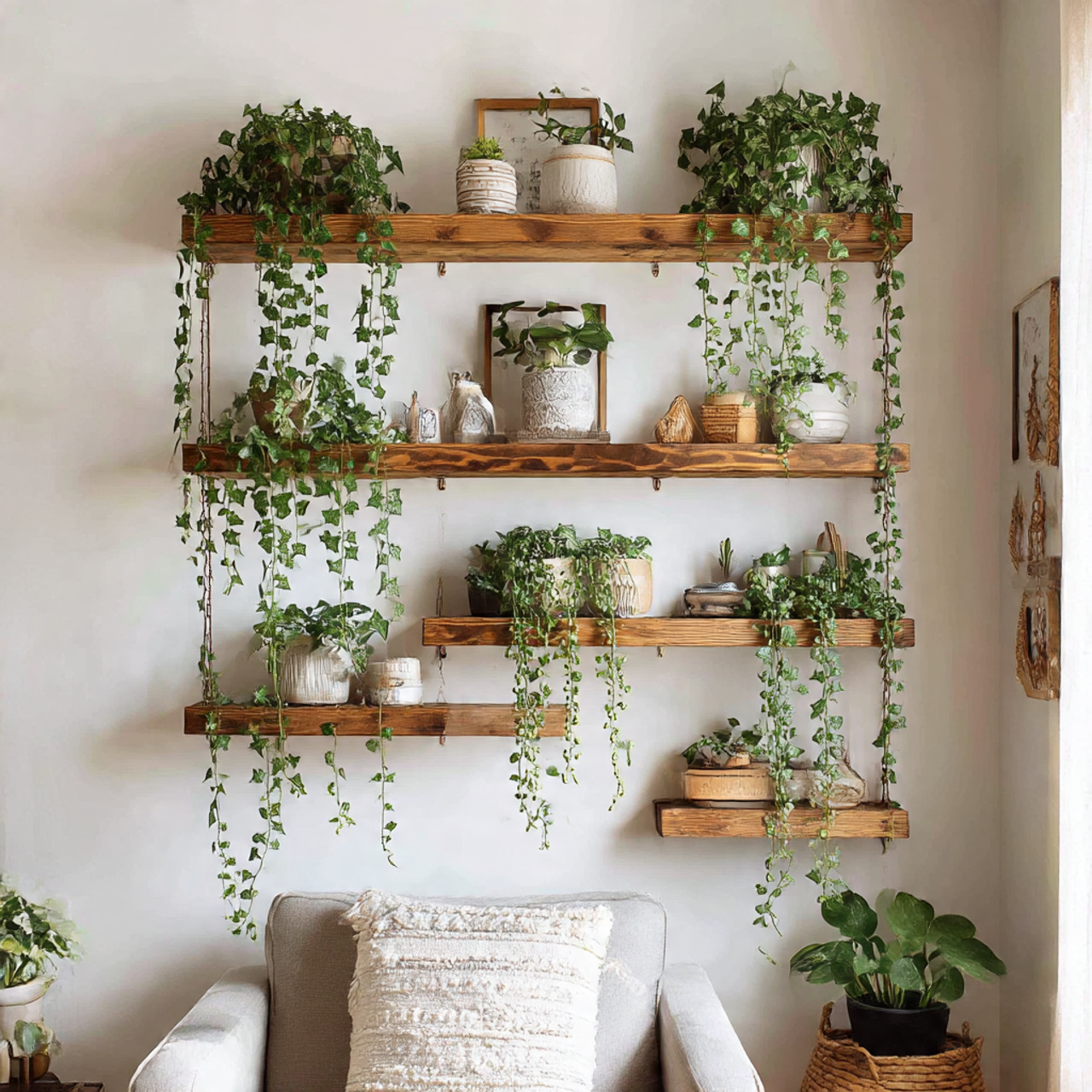
If you’re commitment-phobic about permanent installations, floating shelves offer maximum flexibility with minimal risk.
Perfect Trailing Plants for Shelves:
- String of Pearls: Cascading beads, conversation starter
- English Ivy: Classic, elegant draping
- Pothos Varieties: Heart-leaf, marble queen, neon
- String of Hearts: Delicate, romantic trailing vines
Shelf Arrangement Secrets:
- Stagger heights to create visual rhythm (not uniform spacing)
- Place tallest plants on lower shelves for balanced proportions
- Mix upright plants with trailing varieties for depth
- Leave intentional empty space—not every shelf needs plants
The Renter’s Dream: No specialized irrigation systems, no wall damage, complete flexibility. When you move, your entire plant wall moves with you. As your plants grow, adjust spacing. When design tastes change, reconfigure everything in an afternoon.
Styling Tip: Incorporate non-plant objects (books, candles, ceramics) on 20-30% of shelf space to prevent overwhelming greenery.
Mounted Terrarium Wall
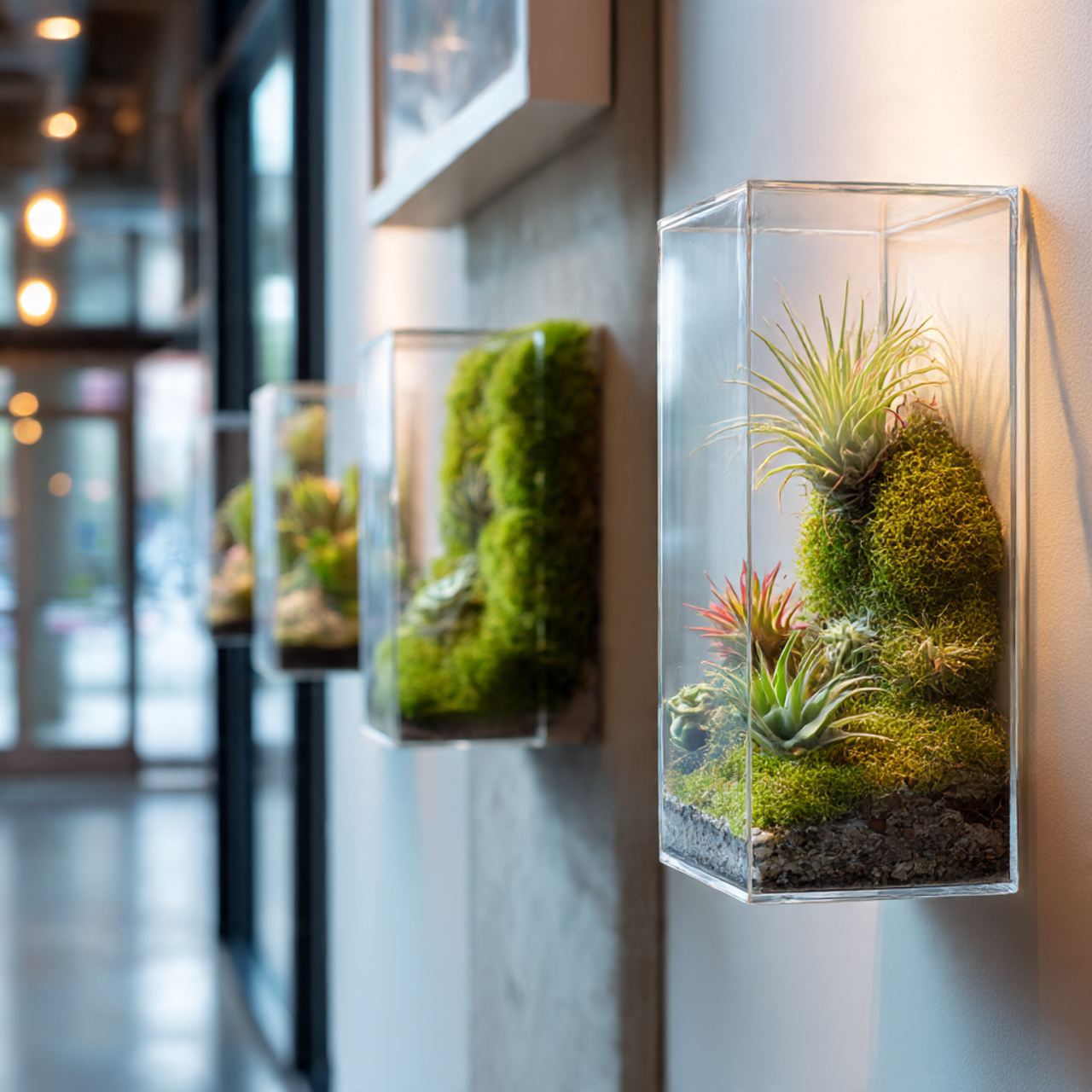
Terrariums bring an entirely different dimension to vertical gardening—miniature glass worlds you can admire from every angle.
Best Terrarium Plants:
- Sheet Moss: Creates lush ground cover
- Miniature Ferns: Add height variation
- Small Succulents: Provide focal points
- Peperomia: Compact growth, interesting textures
Container Shape Options:
- Geometric (hexagons, triangles, diamonds) for modern spaces
- Hanging orbs for whimsical, floating effect
- Wall-mounted cylinders for gallery-style displays
- Vintage apothecary jars for eclectic charm
The Science Behind Enclosed Ecosystems: Sealed or semi-sealed terrariums create self-sustaining moisture cycles. Water evaporates, condenses on glass, drips back to soil—mini rain forests requiring minimal intervention.
Maintenance Reality:
- Open terrariums: Mist weekly, more airflow needed
- Closed terrariums: Water monthly or less, monitor condensation
- Trim overgrowth before it touches glass sides
- Remove any yellowing leaves immediately to prevent mold
Design Impact: The transparency creates visual lightness perfect for small spaces. You’re displaying the entire ecosystem—roots, soil layers, decorative elements—not just the plant.
Hanging Pocket Planters
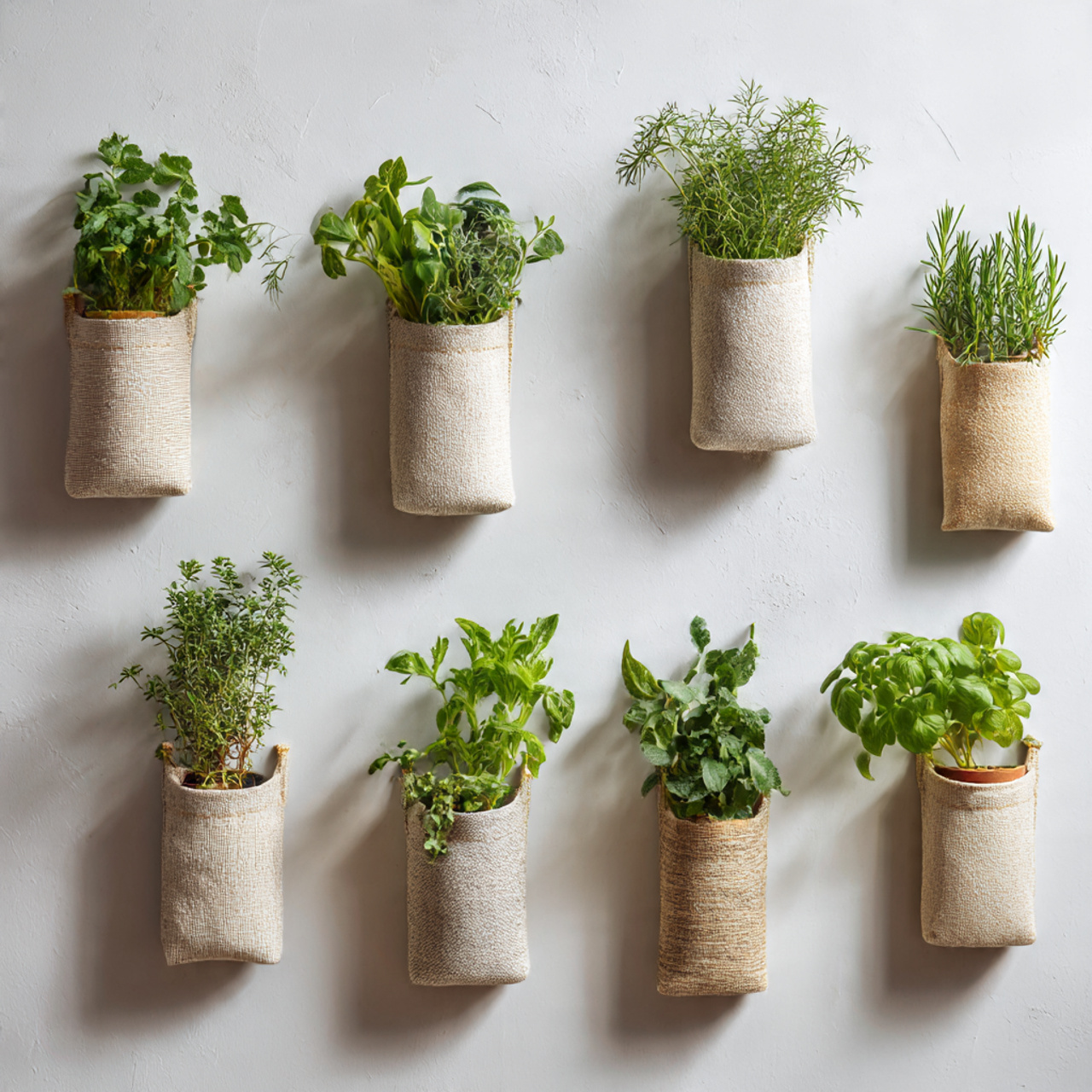
Budget-friendly, damage-free, and incredibly versatile—fabric wall planters check every box for apartment dwellers.
Material Benefits:
- Breathable fabric promotes healthier root systems
- Lightweight (important for temporary wall mounts)
- Affordable compared to ceramic or metal planters
- Machine washable (remove plants first!)
Best Plants for Pocket Planters:
- Herbs: Basil, parsley, cilantro (kitchen applications)
- Compact Ferns: Boston, maidenhair varieties
- Small Pothos: Before they grow too large
- Lettuce/Greens: Yes, you can grow salad on your wall!
Installation Without Wall Damage:
- Command strips rated for weight capacity
- Tension rods between doorframes
- Mounted on freestanding wooden frames
- Hung from picture rails or crown molding hooks
Modular Advantage: Individual pocket failure doesn’t doom the entire system. Replace, replant, or leave empty while troubleshooting without disturbing neighboring plants.
Recycled Pallet Green Wall
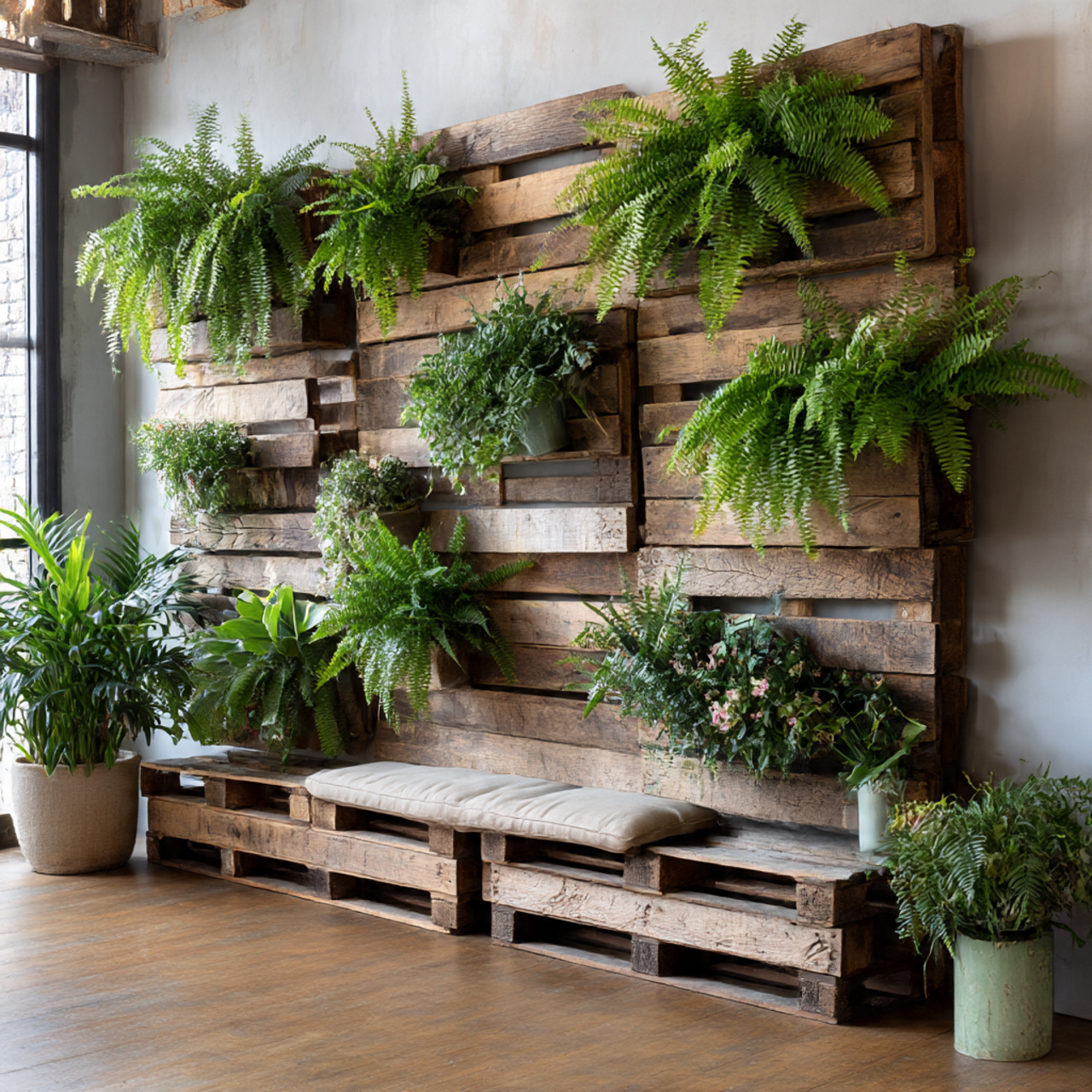
Shipping pallets transform into stunning vertical gardens with minimal effort and maximum character.
Pallet Preparation Steps:
- Source safely: Use heat-treated (HT) pallets, never chemically treated (MB)
- Clean thoroughly: Scrub, sand rough edges, remove splinters
- Seal or paint: Protect wood from moisture damage
- Add landscape fabric: Line back and bottom to hold soil
Finish Options:
- Raw/Weathered: Authentic industrial aesthetic, no treatment needed
- Whitewashed: Cottage farmhouse charm
- Dark Stain: Sophisticated, gallery-worthy finish
- Bright Colors: Playful, eclectic gardens
Plant Combinations That Shine:
- Bold Foliage: Coleus, caladium for vibrant color
- Flowering Varieties: Petunias, begonias for seasonal blooms
- Edibles: Strawberries, lettuce, herbs for functional beauty
- Mixed Textures: Combine spiky, rounded, and trailing forms
Tip: Pallets work vertically or horizontally. Lean them against walls for easy seasonal rotation or mount permanently for commitment.
Artistic Moss Wall
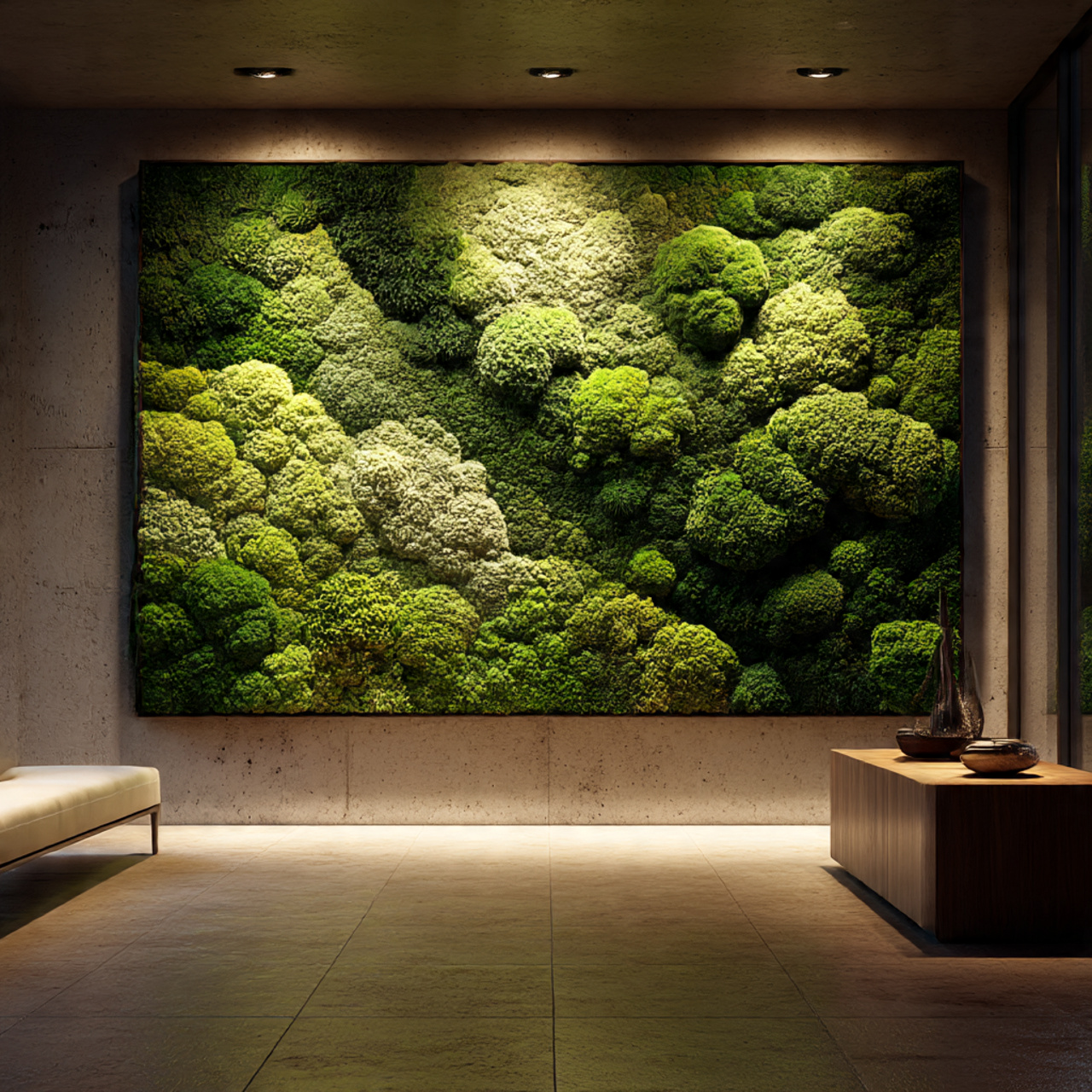
Moss walls function as acoustic panels, art installations, and living sculptures simultaneously.
Two Moss Approaches:
Preserved Moss (Zero Maintenance):
- Chemically treated to maintain appearance indefinitely
- No water, light, or pruning required
- Soft, touchable texture
- Lasts 5-10 years with proper care
- Ideal for commercial spaces or busy households
Living Moss (Active Ecosystem):
- Requires 70%+ humidity consistently
- Needs indirect light and occasional misting
- Authentic living quality
- Best for bathrooms or climate-controlled environments
Acoustic Benefits: Dense moss surfaces absorb sound frequencies, reducing echo in spaces with hardwood floors, high ceilings, or minimal fabric furnishings. It’s particularly valuable in:
- Open-concept lofts
- Home recording studios
- Noisy urban apartments
Artistic Pattern Ideas:
- Swirling wave patterns
- Ombre color transitions (mixing moss varieties)
- Geometric shapes (circles, stripes, chevrons)
- Logo recreations for businesses
Installation Tip: Work with professionals for large-scale moss walls. Proper backing, moisture barriers, and frame construction prevent future structural issues.
Staircase Plant Wall
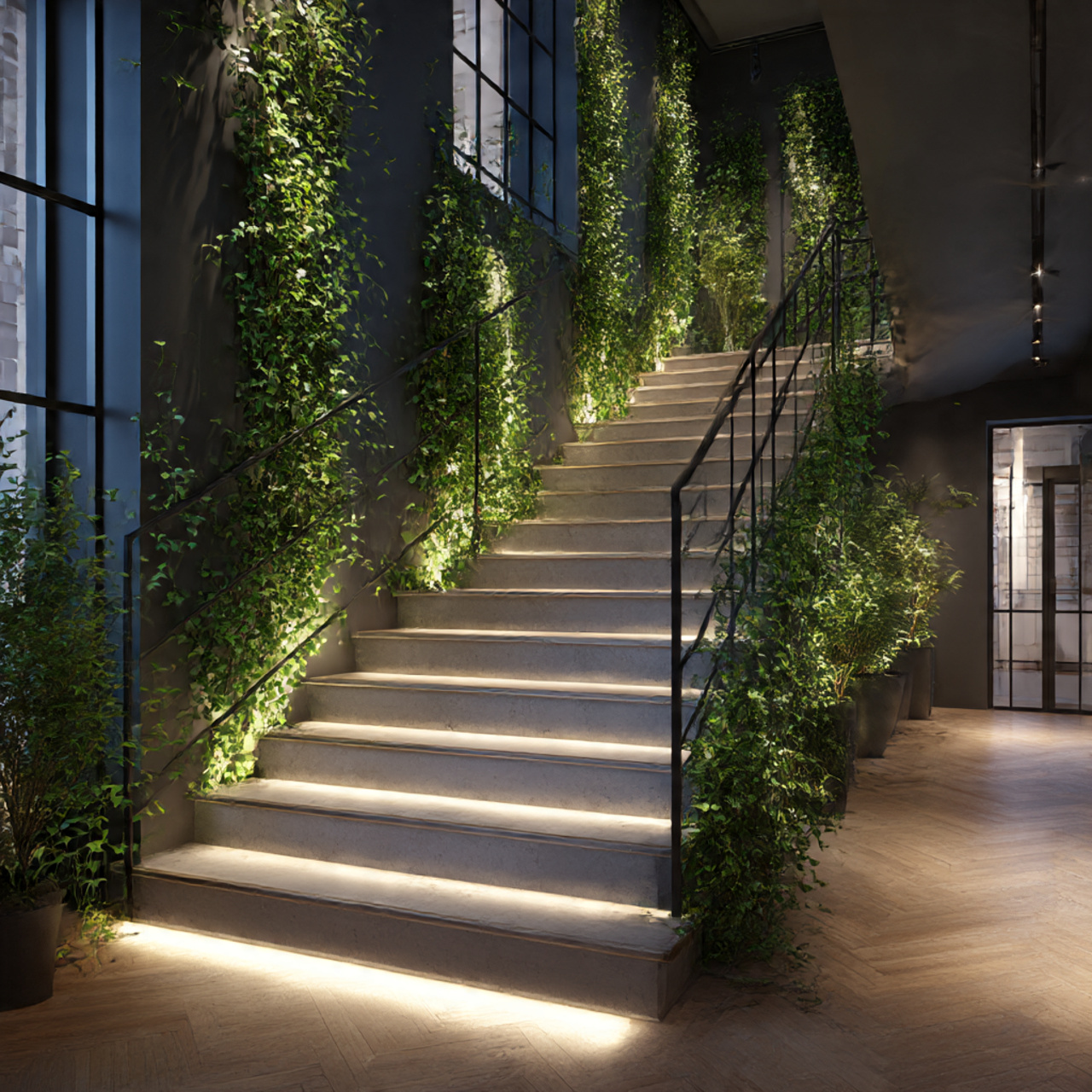
Transform your staircase from forgotten passageway to intentional design experience.
Layering Techniques:
- Hanging planters at varying heights along the wall
- Climbing vines trained up banisters and railings
- Recessed shelving built into stairwell walls
- Strategically placed uplighting to create drama
Plant Selection for Stairwells: Choose varieties tolerating fluctuating light conditions as you move between floors:
- Pothos: Adapts to varying light beautifully
- Philodendron: Handles shade to bright indirect equally well
- Spider Plants: Forgiving, produce cascading babies
- Ferns: Add softness to angular staircase architecture
Safety Considerations:
- Keep trailing vines away from foot traffic zones
- Secure all hanging planters with proper anchors (stairs vibrate with use)
- Ensure adequate lighting for safe navigation
- Choose non-toxic plants if children or pets use stairs
The Psychological Shift: Instead of rushing through transitional space, stairs become moments of pause. The changing perspective as you ascend or descend reveals new angles of your greenery—dynamic rather than static.
Dining Area Green Backdrop
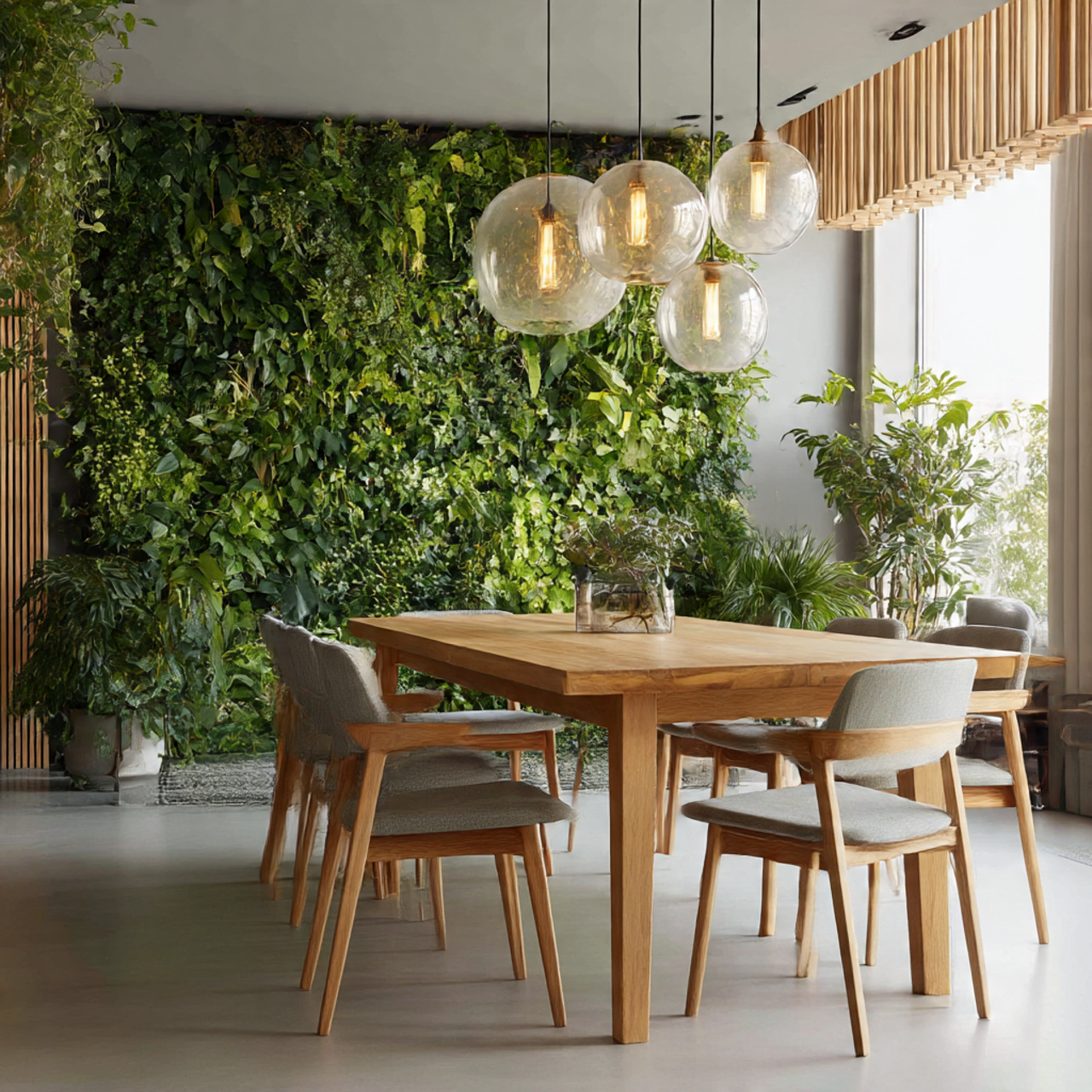
Meals taste different when you’re surrounded by living things. It’s not imagination—it’s psychology.
Lighting for Maximum Impact:
- Dimmable LED strips: Graze upward from below to highlight texture
- Warm color temperature (2700-3000K): Creates intimate ambiance
- Spotlight individual specimens: Add drama during dinner parties
- Smart bulbs: Program different scenes for breakfast vs. dinner
Plant Choices by Dining Style:
- Formal Dining: Structured ferns, elegant peace lilies
- Rustic/Farmhouse: Herbs, flowering plants, mixed textures
- Modern/Contemporary: Architectural snake plants, single-species walls
- Bohemian: Wild mix of trailing vines, colorful foliage
The Dining Experience Transformation: Morning coffee catches sunrise filtering through leaves. Evening wine glows under intentional lighting. The living wall slows time naturally, encouraging lingering conversations over unhurried meals.
Design Harmony: Greenery complements all table materials—it warms marble, softens glass, enriches wood grain. Unlike static artwork that might clash with seasonal table settings, plants adapt visually to changing décor.
Entryway Vertical Garden
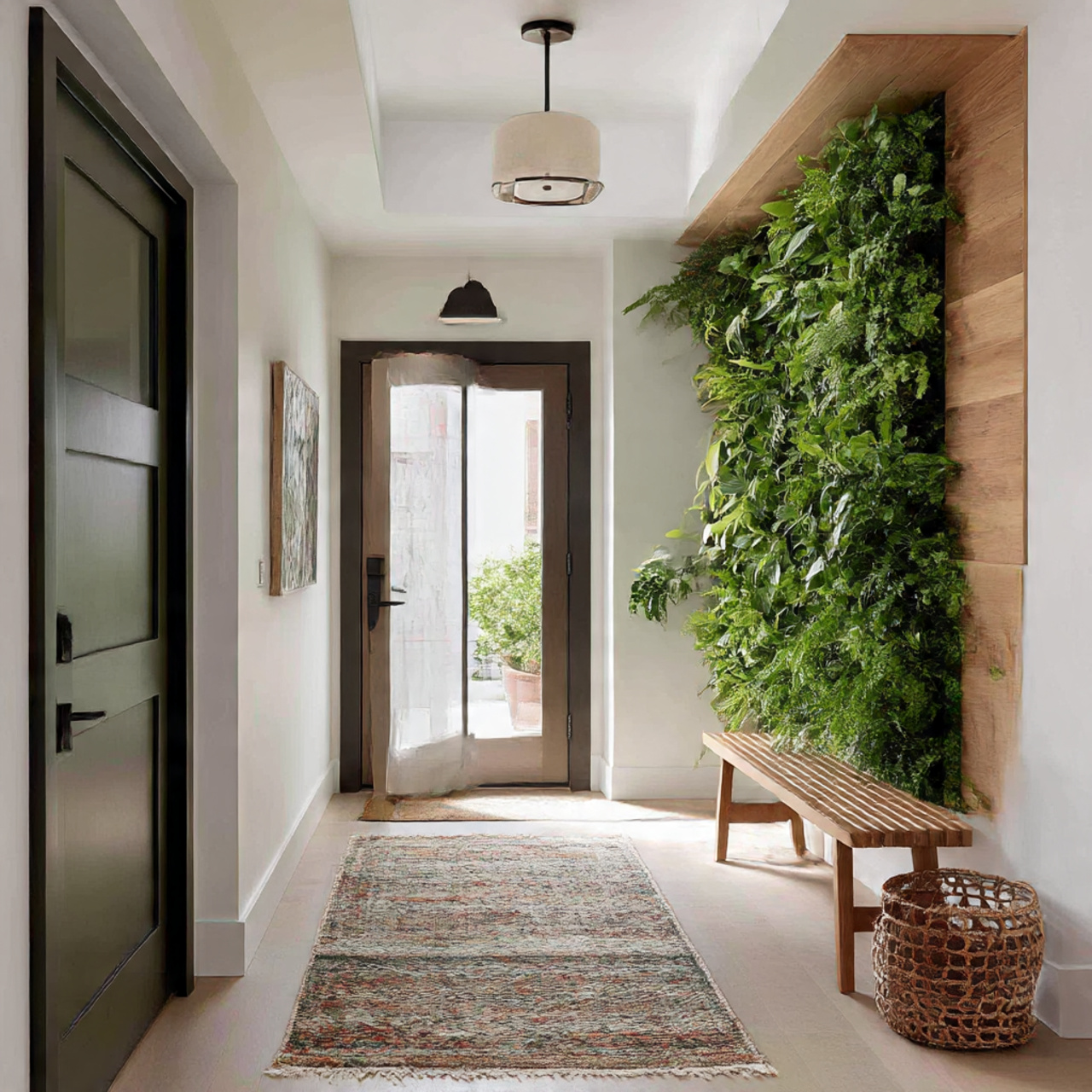
Your entryway sets the tone before anyone speaks a word. A living wall says: “This home celebrates beauty, life, and thoughtful design.”
First Impression Impact:
- Immediate sensory engagement (sight, smell, fresh air)
- Memorable visual that guests photograph and discuss
- Natural air purification right where outdoor pollutants enter
- Psychological transition from urban exterior to natural sanctuary
Plants for Challenging Entryway Conditions: Many entryways lack windows or suffer from temperature fluctuations from opening doors:
- Cast Iron Plants: Virtually indestructible in low light
- Pothos: Tolerates neglect and inconsistent conditions
- ZZ Plants: Survives low light and irregular watering
- Ferns: Adapt if humidity stays reasonable
Grounding Elements: Complete your entryway wall with:
- River stones arranged at the base
- Bamboo stakes leaning casually for vertical interest
- Driftwood pieces adding natural sculpture
- Ceramic catchalls for keys that complement planters
Practical Tip: Install a small ledge or console beneath your plant wall for mail, keys, and everyday essentials. Functional meets beautiful.
Indoor Ivy Climber Wall
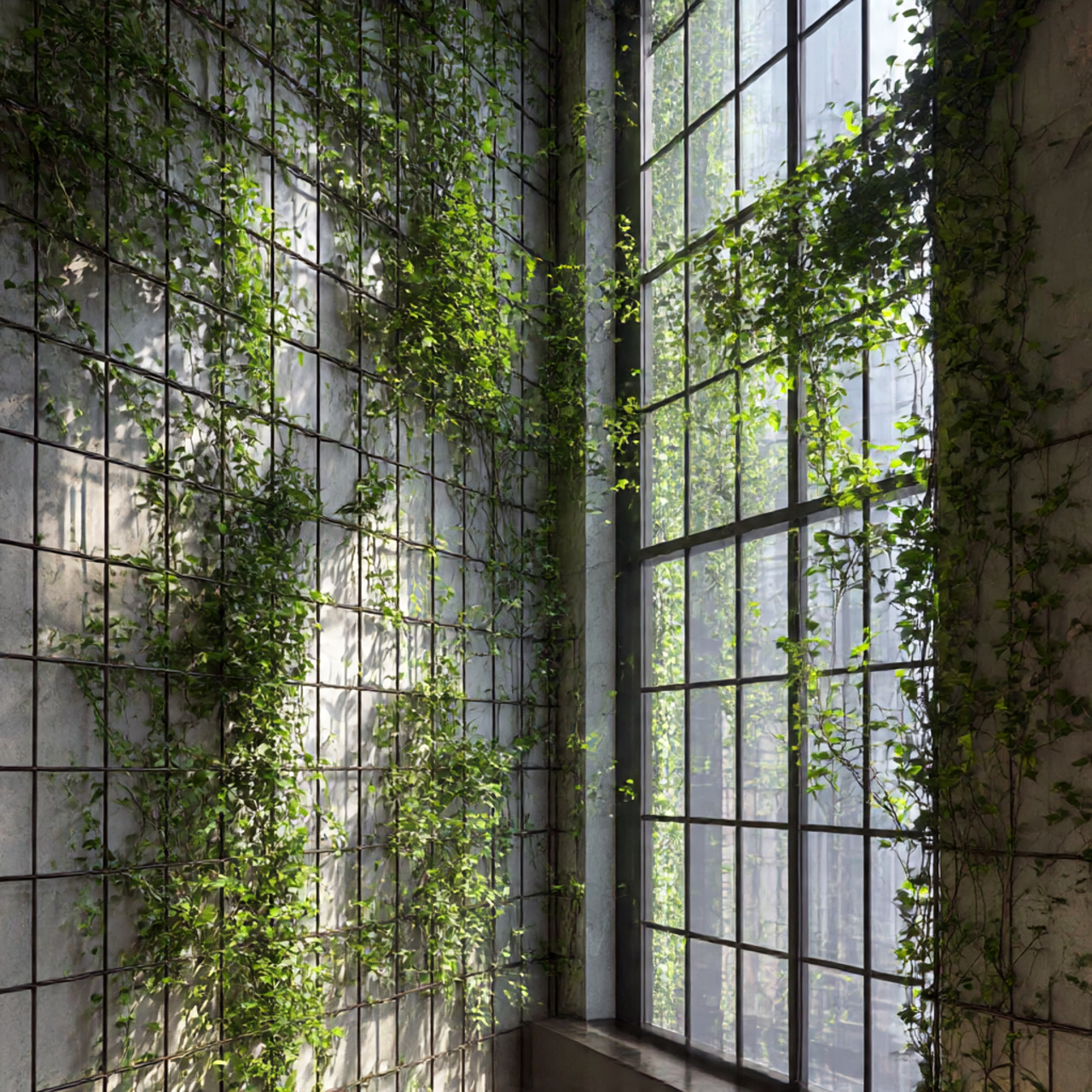
The most captivating plant walls aren’t installed overnight—they’re cultivated patiently over months.
Best Climbing Varieties:
- English Ivy: Classic, tolerates low light
- Philodendron: Heart-shaped leaves, rapid growth
- Pothos: Multiple color variations available
- Monstera: Dramatic fenestrated leaves as it matures
Support Structure Options:
- Wire grid panels: Invisible support, plants take center stage
- Wooden lattice: Adds rustic charm while guiding growth
- Clear fishing line: Completely disappears, modern aesthetic
- Metal cables: Industrial, architectural statement
The Art of Training: This becomes meditative practice, not chore:
- Gently weave new growth through grid openings weekly
- Redirect wandering tendrils toward desired areas
- Prune excess to maintain shape and encourage density
- Watch your vision slowly materialize through collaboration with nature
Timeline Reality:
- Month 1-3: Sparse, establishing root systems
- Month 4-8: Noticeable coverage, filling in gaps
- Month 9-12: Lush, intentional-looking density
- Year 2+: Fully mature, requires only maintenance pruning
The Reward: You’re sculpting with life. What begins as hope becomes a living testament to patience and care.
Shelf Divider Green Wall
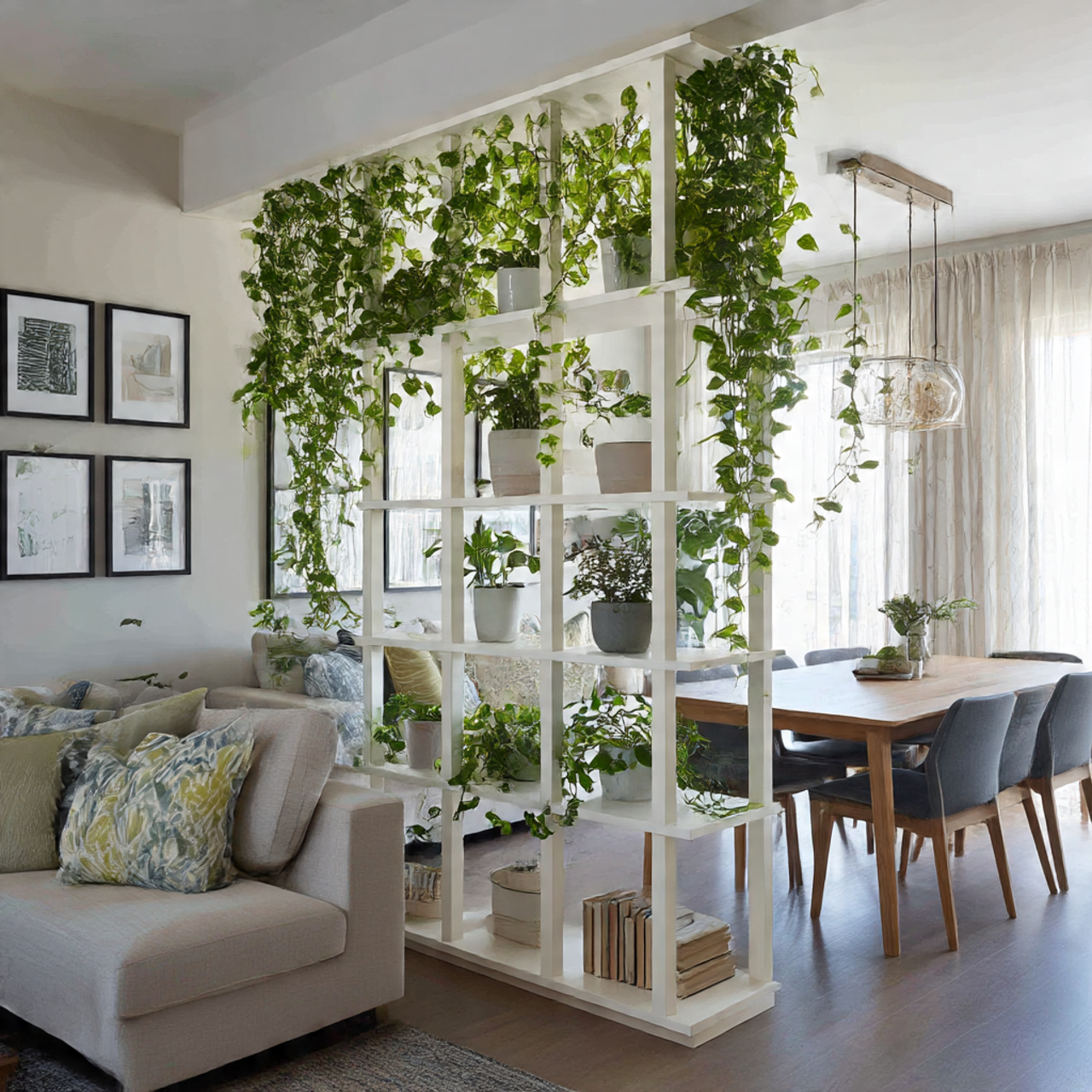
Walls create separation. Plants create definition while maintaining connection.
Perfect for Open-Plan Spaces:
- Studios needing bedroom separation without closing off space
- Lofts defining living and dining zones
- Home offices requiring visual boundaries from living areas
- Kids’ playrooms separating activity zones
Shelf Configuration Strategy:
- Varying heights: Creates visual interest, not uniformity
- Open backs: Allows light penetration from both sides
- Sturdy construction: Plants add significant weight
- Multiple depths: Accommodates different pot sizes
Plant Placement for Division:
- Taller plants on lower shelves (eye-level visual barrier)
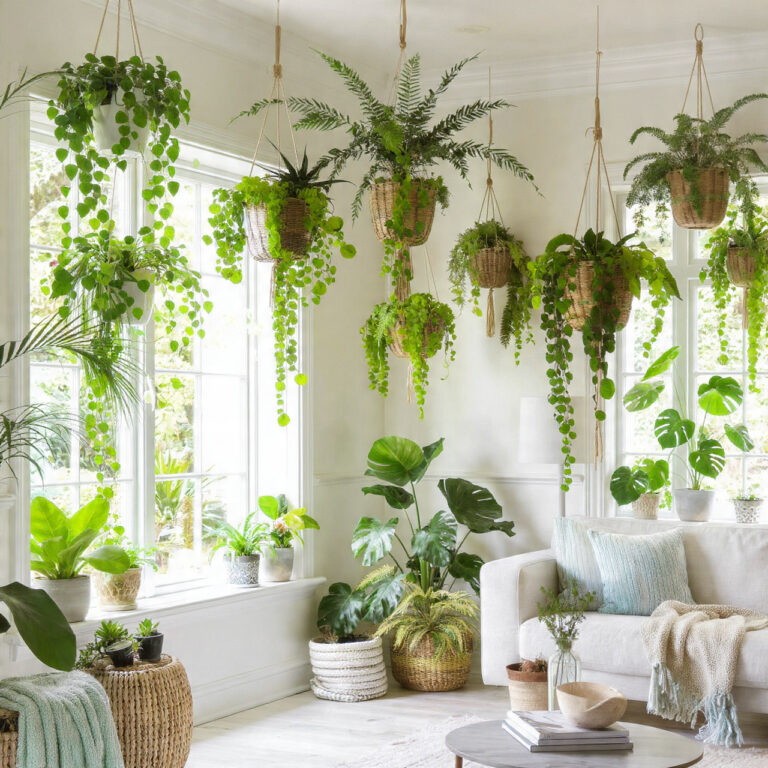
- Trailing varieties on upper shelves (cascading softness)
- Dense foliage for maximum privacy
- Strategic gaps to maintain sightlines where wanted
Psychological Benefit: Your brain recognizes distinct zones without feeling confined. It’s spatial intelligence through greenery instead of drywall.
Indoor Bamboo Screen
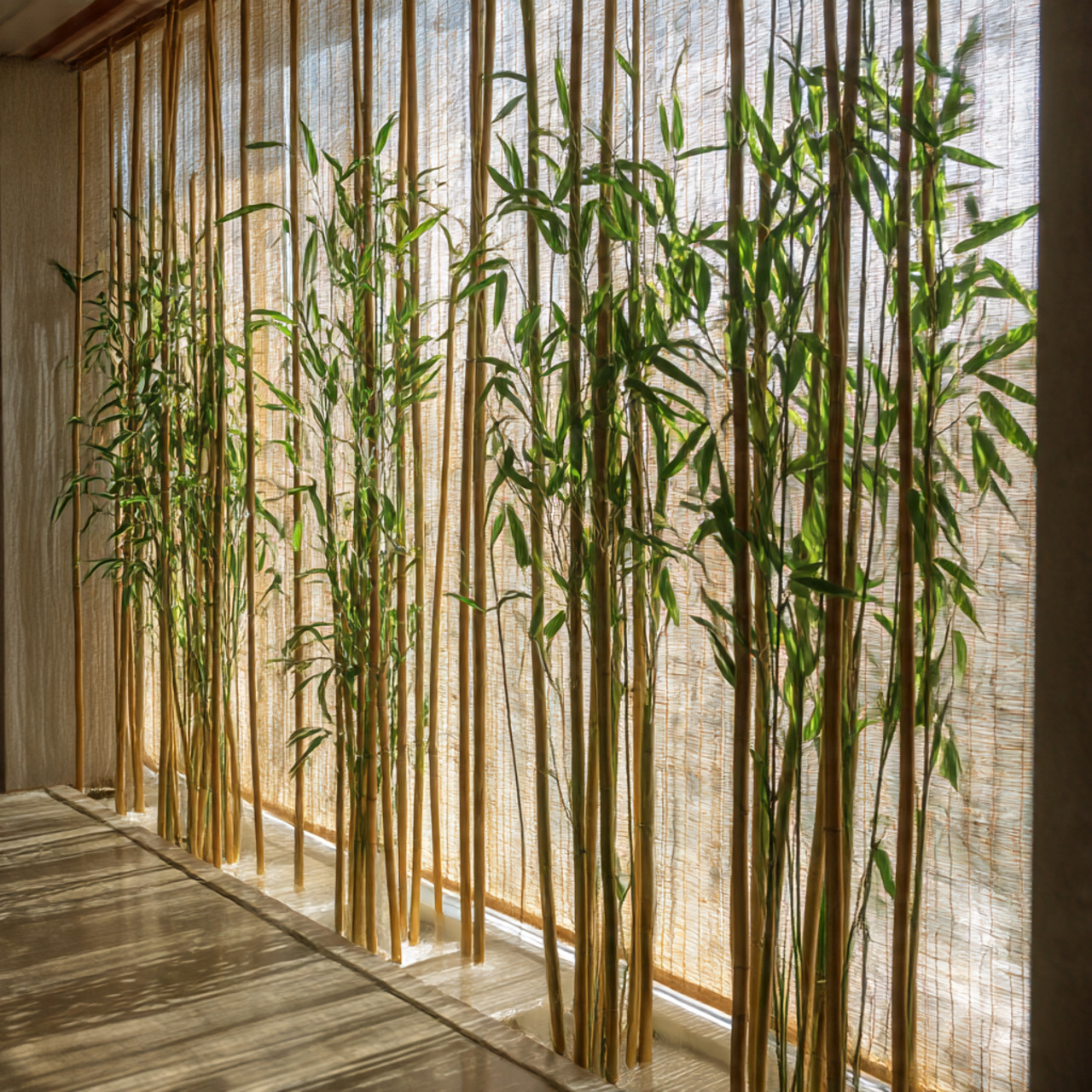
Few plants create instant tranquility like bamboo. Its vertical lines draw eyes upward while creating rhythmic, calming repetition.
Bamboo Varieties for Indoor Walls:
- Lucky Bamboo: Not true bamboo, grows in water, low-maintenance
- Bamboo Palms: Tropical appearance, air-purifying powerhouse
- Hedge Bamboo: Dense growth, excellent for screening
Container Considerations:
- Shallow trough planters: Accommodate bamboo’s spreading root systems
- River rock filling: Stabilizes stalks, adds decorative element
- Water-tight construction: Prevent floor damage from drainage
Cultural Symbolism: In Asian design philosophy, bamboo represents:
- Resilience: Bends without breaking in storms
- Prosperity: Rapid growth symbolizes abundance
- Peace: Gentle rustling creates meditative soundscape
The Energy Shift: Notice how your breathing slows near bamboo walls. The upward lines guide eyes toward light while the repeating stalks create visual rhythm that naturally calms chaotic thoughts.
LED-Integrated Plant Wall Lighting
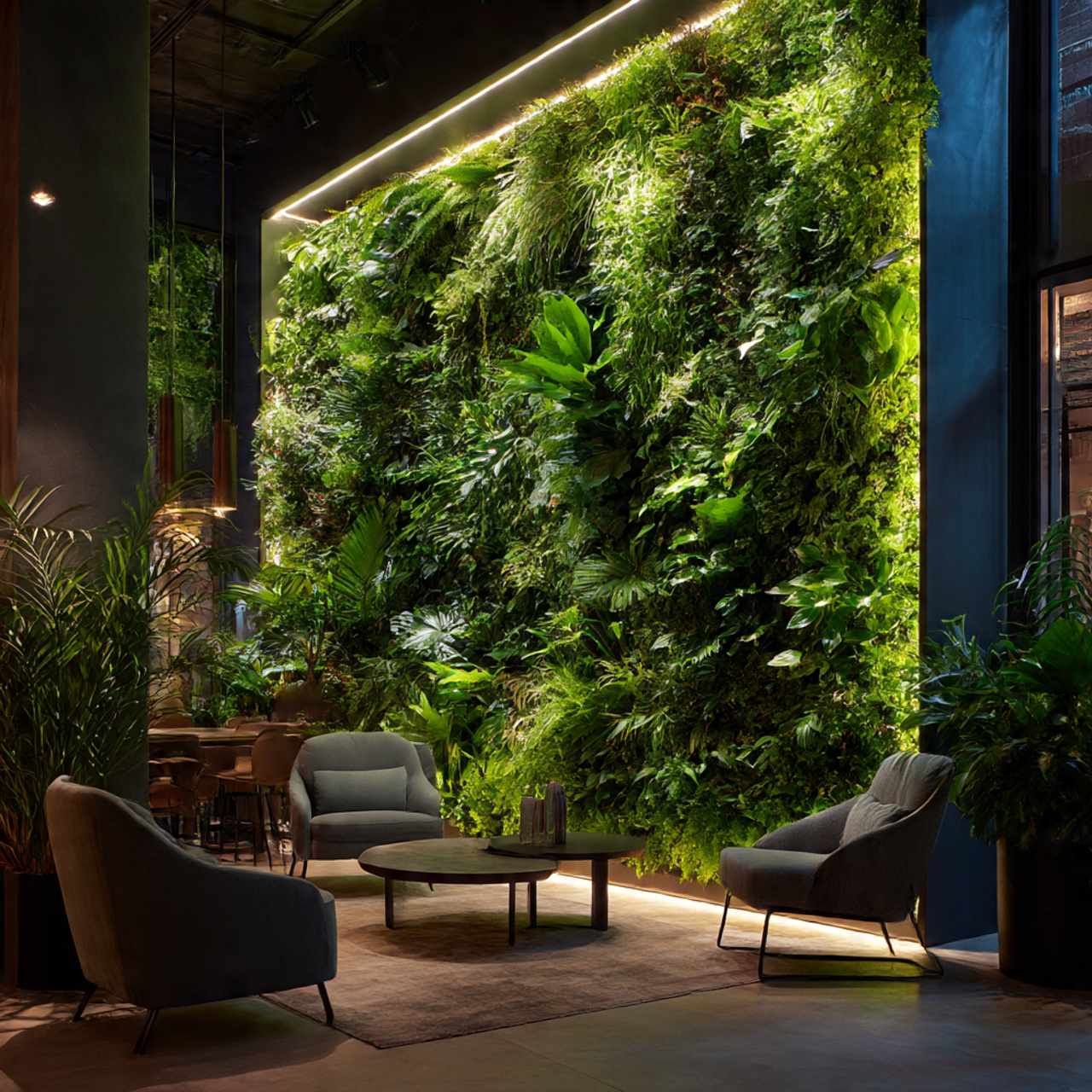
Lighting transforms ordinary greenery into nighttime sculpture.
Lighting Techniques:
- Uplighting: Position LEDs at base, wash light upward across foliage
- Backlighting: Place strips behind plants for silhouette effect
- Spotlighting: Highlight individual specimen plants
- Edge lighting: Run LEDs along frame perimeters for halo effect
Color Temperature Psychology:
- Warm White (2700-3000K): Intimate, cozy, perfect for bedrooms
- Neutral White (3500-4100K): Crisp, clean, ideal for kitchens
- Cool White (5000-6500K): Modern, architectural, office spaces
- RGB Color-Changing: Playful, customizable mood setting
Smart Lighting Features:
- Programmable timers: Automatic dawn/dusk simulation
- Dimming capability: Adjust intensity for different occasions
- Voice control: “Alexa, dim the plant wall to 30%”
- App-based scenes: Save favorite lighting combinations
The Nighttime Transformation: As natural daylight fades, your plant wall awakens differently. Shadows deepen, textures emerge, and leaves seem to glow from within. What existed as background during daytime becomes the starring feature after dark.
Energy Tip: LED strips consume minimal electricity (often under 10 watts per meter) while lasting 50,000+ hours.
Floating Pot Grid
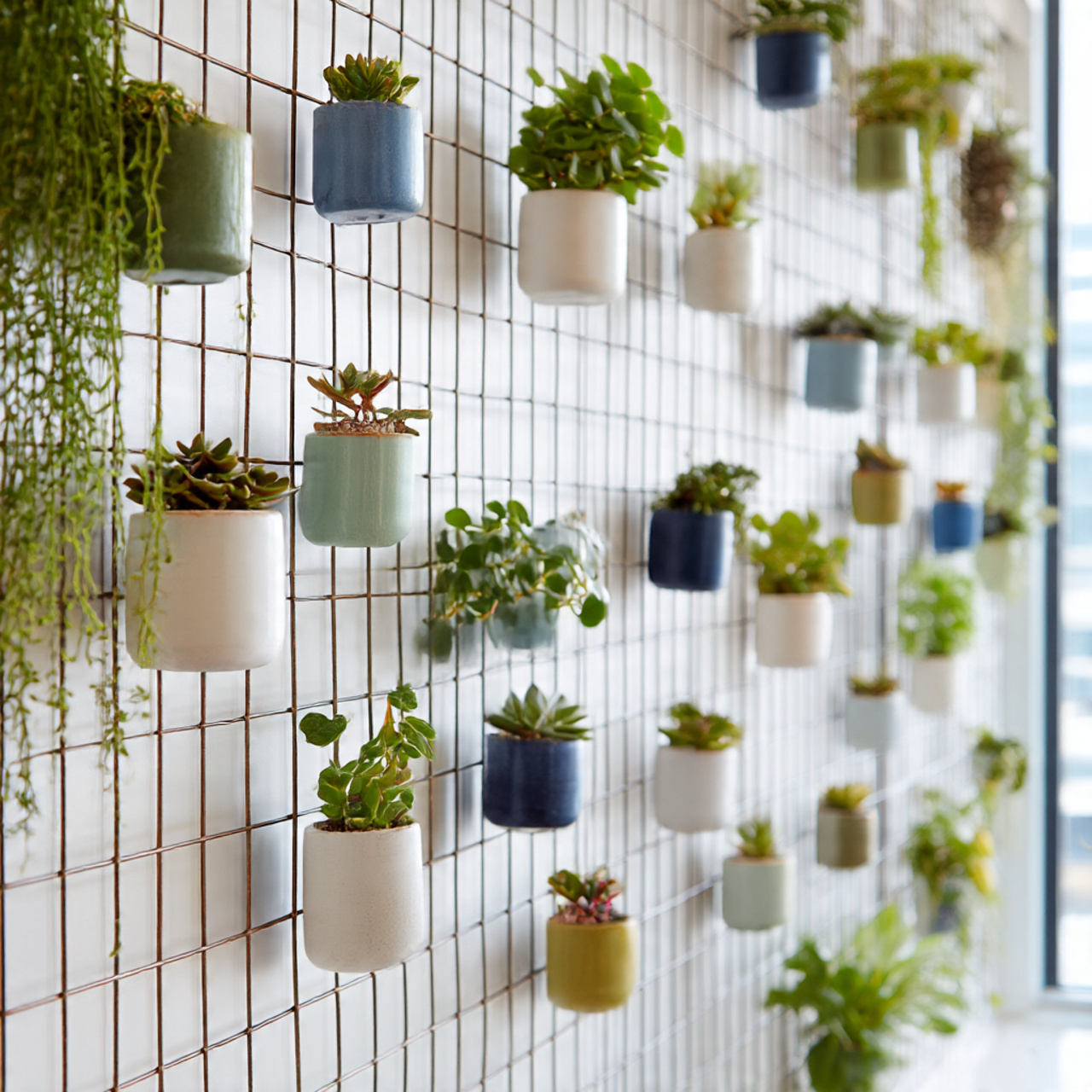
Structure meets spontaneity when plants hang from customizable wall grids.
Grid Material Options:
- Black metal mesh: Industrial, modern aesthetic
- Natural wood frames: Warm, organic feel
- Brass/Copper: Luxurious, develops beautiful patina
- White-coated steel: Clean, Scandinavian minimalism
The Beauty of Flexibility: Nothing’s permanent except the grid framework itself. Seasonal mood shift? Rearrange in minutes. Plant outgrowing its spot? Move it higher or lower. New variety joining the collection? Hook it anywhere with open space.
Balanced Composition Tips:
- Asymmetry feels natural: Avoid perfect symmetry
- Vary pot sizes: Mix small, medium, large
- Height variation: Stagger vertical placement
- Color distribution: Spread vibrant hues throughout, not clustered
Plant Combinations That Work:
- Top row: Trailing vines (string of pearls, pothos)
- Middle sections: Medium upright plants (ferns, prayer plants)
- Lower zones: Statement pieces (monstera, rubber plants)
Beginner Advantage: Experiment risk-free. If an arrangement doesn’t work, change it. This forgiving system encourages creativity over perfection.
Glass Partition Plant Wall
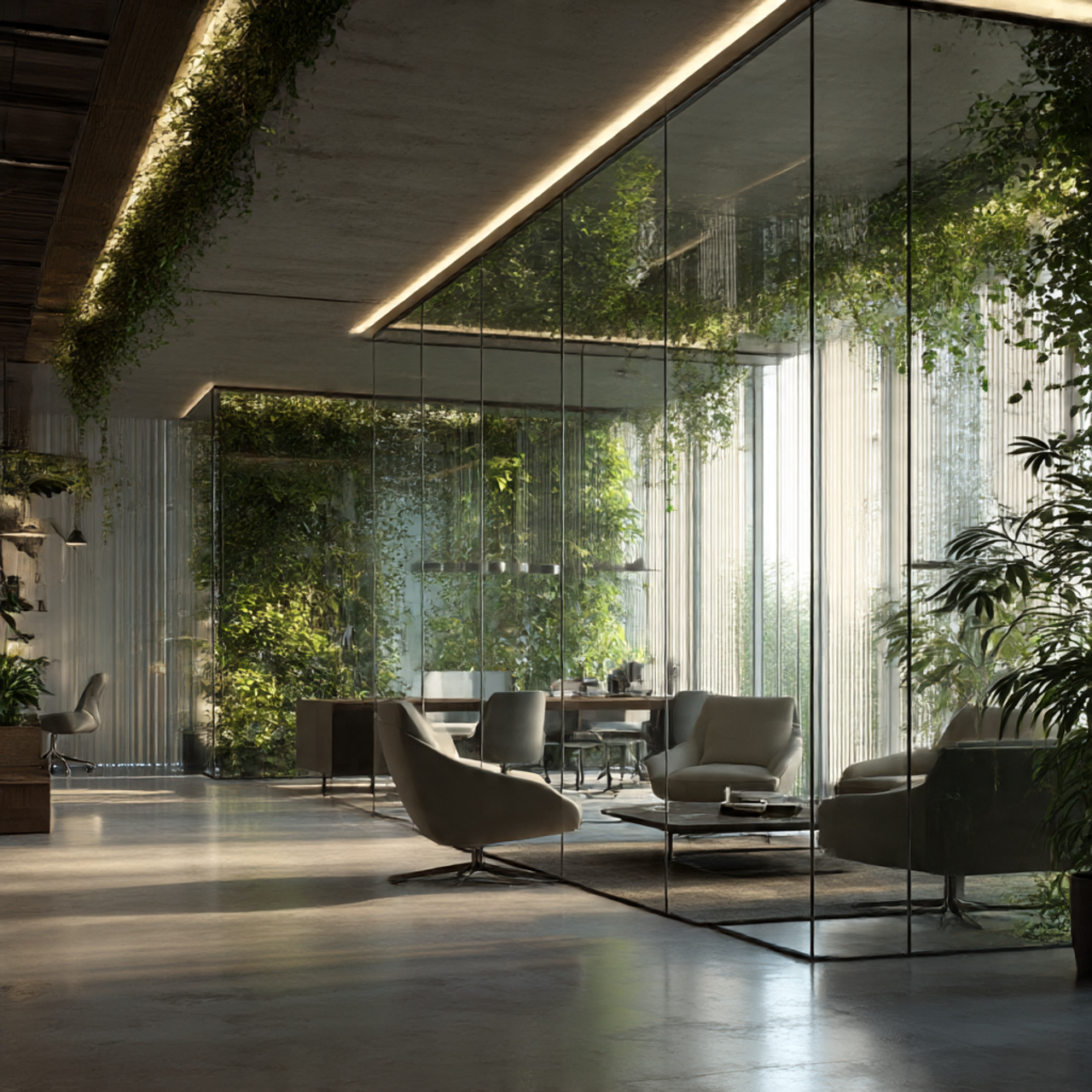
This architectural approach suspends greenery between transparent panels—visible from both sides, dividing space without diminishing light.
Where This Works Best:
- Between kitchen and dining areas
- Separating home office from living room
- Defining entry from main living space
- Creating privacy in glass-walled bathrooms
Technical Requirements:
- Tempered safety glass: Panels must support weight safely
- Hidden irrigation systems: Water circulation happens invisibly
- Professional installation: Requires structural engineering
- Drainage management: Prevents water accumulation between panels
Plant Selection for Enclosed Systems:
- Ferns: Thrive in consistent humidity
- Moss: Creates lush, even coverage
- Air plants: No soil needed, minimal root space
- Small tropical varieties: Love enclosed moisture
The Mirror Effect: Glass reflections multiply your greenery. What might be a modest plant collection appears twice as abundant. In tight urban apartments, this illusion creates breathing room where none physically exists.
Maintenance Reality: Initial investment is significant, but hidden irrigation means low ongoing effort. Water reservoir refills happen monthly, not daily.
Ceiling-Connected Green Drop
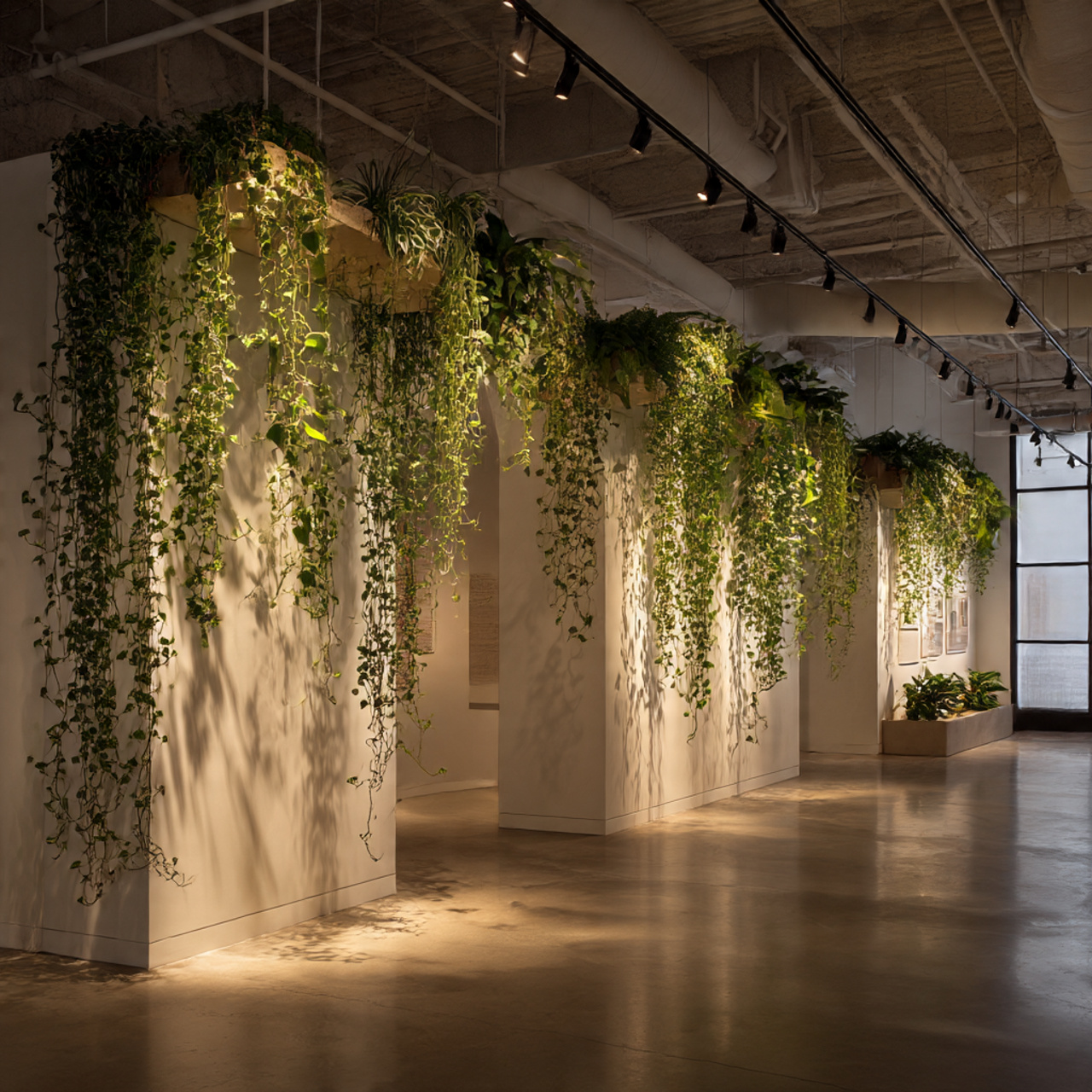
Forget walls that grow upward—imagine curtains of greenery cascading from ceiling mounts.
Best Descending Plants:
- String of Pearls: Delicate beaded strands
- Donkey Tail Sedum: Thick, trailing succulent ropes
- Spider Plants: Produce dangling baby plantlets
- Tradescantia: Purple and green variegated cascades
Ceiling Mount Options:
- Individual hooks: Scattered, organic placement
- Mounted rods: Linear curtains of greenery
- Pulley systems: Adjustable height for watering
- Track lighting with integrated hooks: Functional lighting + plant support
The Movement Factor: Air currents create gentle swaying. Shadows dance across floors as plants shift with ventilation. Nothing feels static—it’s ongoing organic motion mirroring nature’s constant flux.
Ideal Spaces:
- High ceilings: Utilize vertical space often wasted
- Lofts: Create zones without building walls
- Artistic studios: Blur boundaries between architecture and nature
- Yoga/meditation rooms: Enhance mindfulness atmosphere
Watering Tip: Use pulley systems allowing you to lower plants to sink level, water thoroughly, let drain, then raise back to display height.
Minimalist Frame Wall
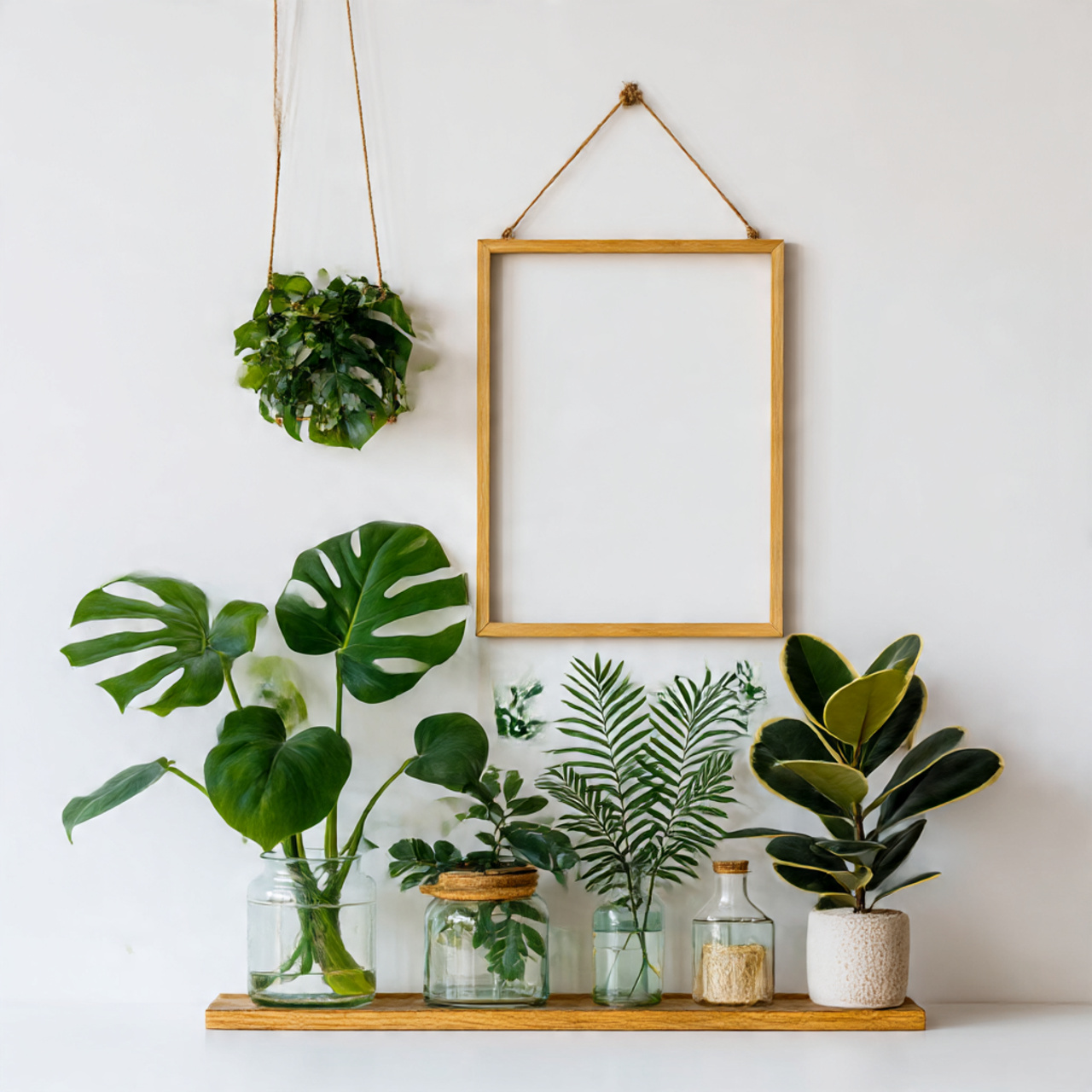
Contemporary design doesn’t need abundance—it needs precision.
The Rule of Three: Limit yourself to three plants maximum within one frame. Each specimen must earn its place through dramatic presence.
Show-Stopping Plant Choices:
- Monstera Deliciosa: Iconic split leaves, instantly recognizable
- Fiddle Leaf Fig: Sculptural, architectural silhouette
- Rubber Plant: Glossy, bold foliage
- Bird of Paradise: Tropical drama, striking form
Frame Material Impact:
- Powder-coated steel: Gallery-quality presentation
- Natural oak: Adds warmth without competing
- Concrete: Brutalist, industrial statement
- Acrylic: Disappears visually, plants float
The Power of Negative Space: Empty space isn’t wasted—it’s essential. It gives each plant room to breathe visually, makes every leaf count, and prevents visual overwhelm. Minimalism isn’t about having less; it’s about making every element significant.
Placement Strategy: Position your minimalist frame where it receives focused attention—above a console table, facing the entryway, or as dining room focal point.
Indoor Flowering Wall
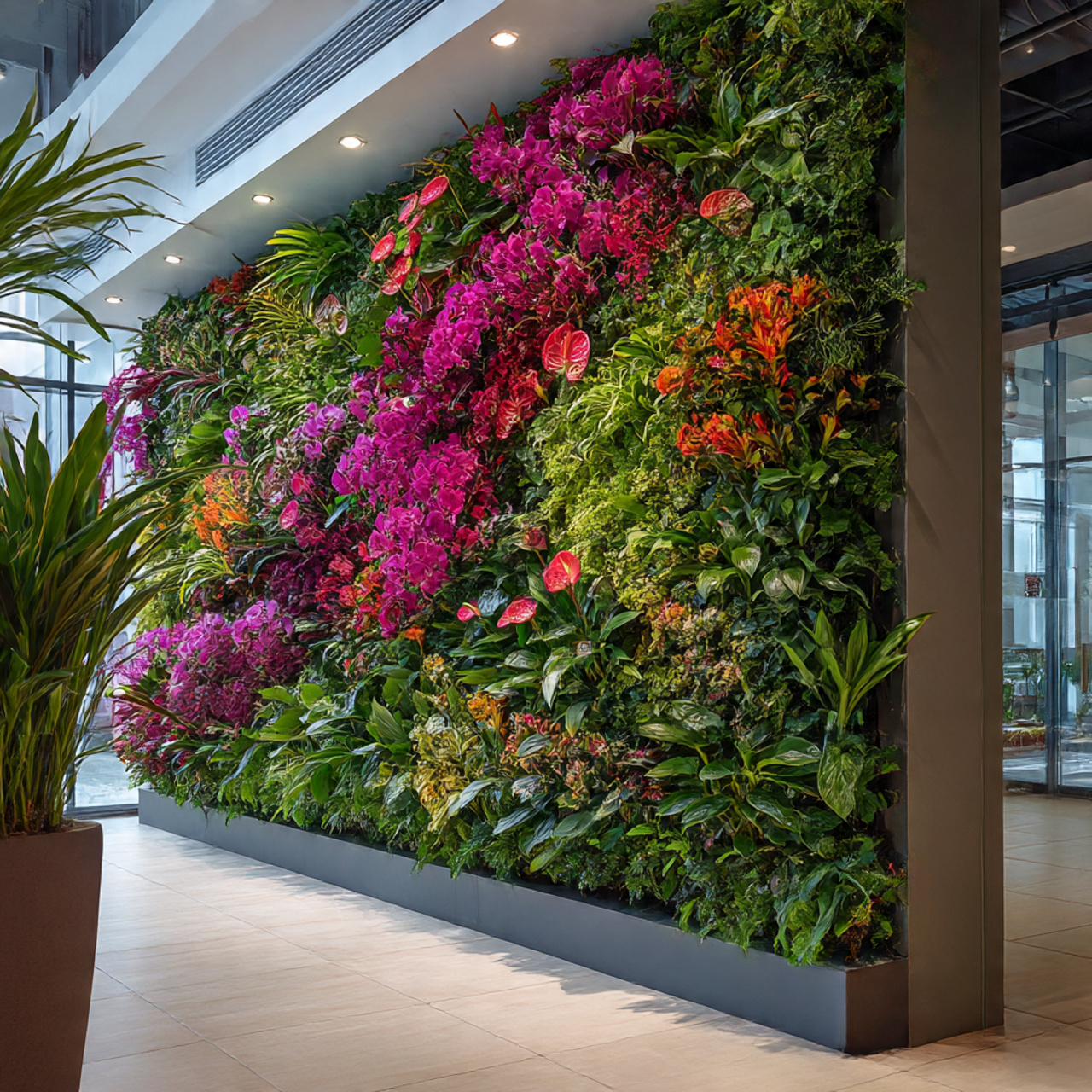
Not all living walls stay green. Strategic flowering plants inject seasonal color preventing visual stagnation.
Continuous Bloomers for Indoor Walls:
- Anthuriums: Glossy red, pink, or white hearts
- Begonias: Clusters of coral, pink, orange, yellow
- African Violets: Delicate purples, pinks, whites
- Orchids: Elegant, long-lasting blooms
- Kalanchoe: Succulent with vibrant flower clusters
Color Theory Application:
- Warm tones (reds, oranges, yellows): Energize spaces, perfect for kitchens, living rooms
- Cool tones (purples, blues, whites): Calm environments, ideal for bedrooms, bathrooms
- Monochromatic: All pink varieties for sophisticated cohesion
- Complementary: Purple and yellow for vibrant contrast
Seasonal Rotation:
- Spring: Bright pastels, fresh new growth
- Summer: Bold tropical colors, lush foliage
- Fall: Warm oranges, burgundies, rich tones
- Winter: Elegant whites, deep greens, amaryllis
The Living Calendar: Your wall becomes a natural seasonal marker. March blooms differ entirely from September’s display. This constant evolution keeps the installation feeling alive and prevents design fatigue.
Deadheading Tip: Remove spent blooms promptly to encourage continuous flowering and maintain clean appearance.
Artificial Green Wall Alternative
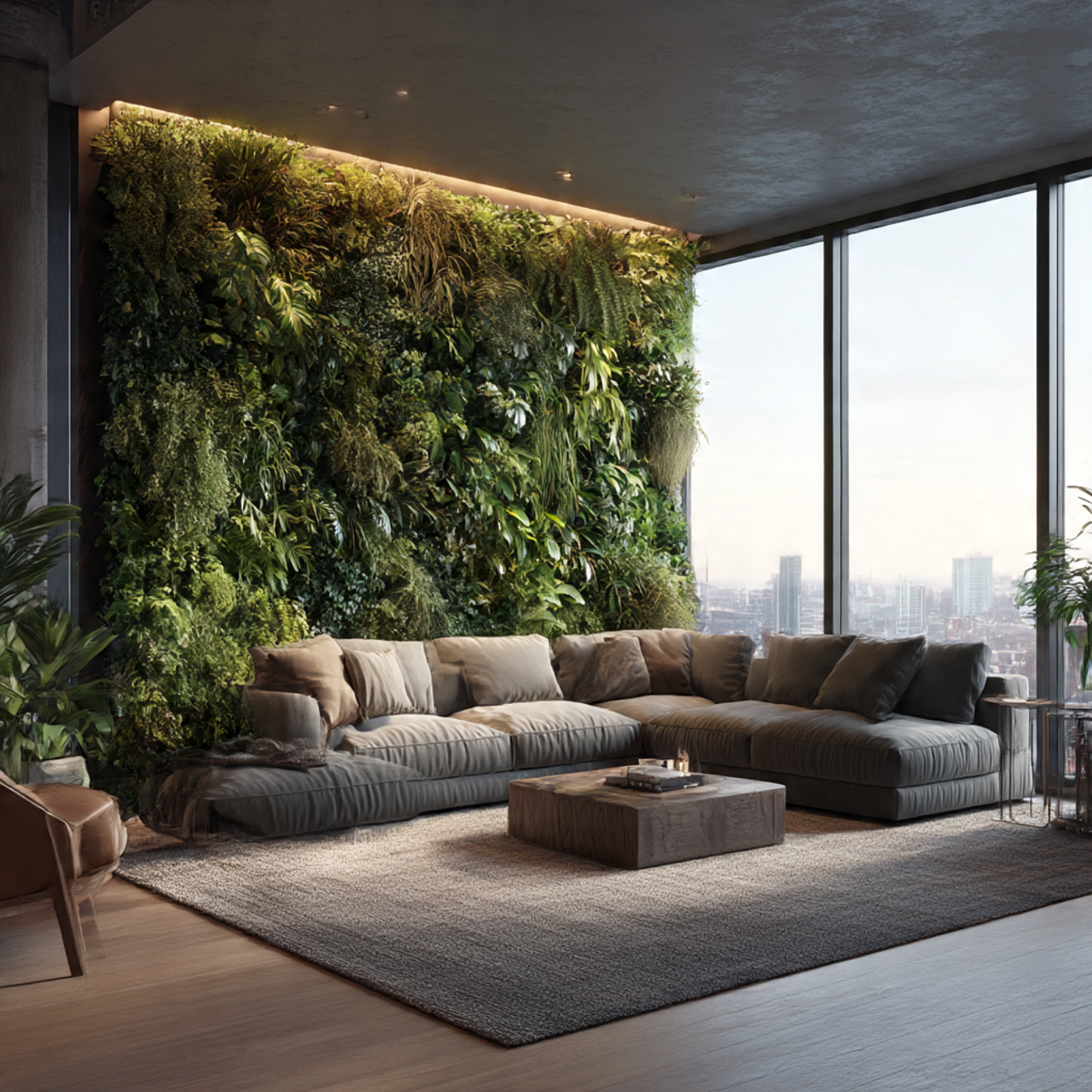
Some spaces simply cannot sustain living plants—period. That doesn’t mean they should stay bare.
Where Artificial Makes Sense:
- Windowless interior offices or conference rooms
- Commercial lobbies with minimal climate control
- Vacation homes occupied seasonally
- Restaurants and retail needing zero-maintenance solutions
- Basements and spaces with absolutely no natural light
Quality Indicators:
- UV-resistant materials: Won’t fade over time
- Varied leaf colors: Mix of shades, not uniform green
- Realistic textures: Multiple finishes (matte, glossy, textured)
- Proper weight: Quality faux greenery has substance
- Attention to detail: Leaf veining, natural imperfections
The Price-Quality Gap: Cheap artificial plants scream “fake” from across rooms. Premium options require close inspection to detect. This is one area where investing significantly more delivers exponentially better results.
Hybrid Approach: Combine artificial wall with a few strategically placed real potted plants nearby. The living specimens lend authenticity while the faux wall handles heavy visual lifting.
Maintenance:
- Dust monthly with microfiber cloth or compressed air
- Occasional rinse outdoors with garden hose
- UV spray every few years to maintain color
- Zero watering, pruning, or worrying
Smart Irrigation Living Wall
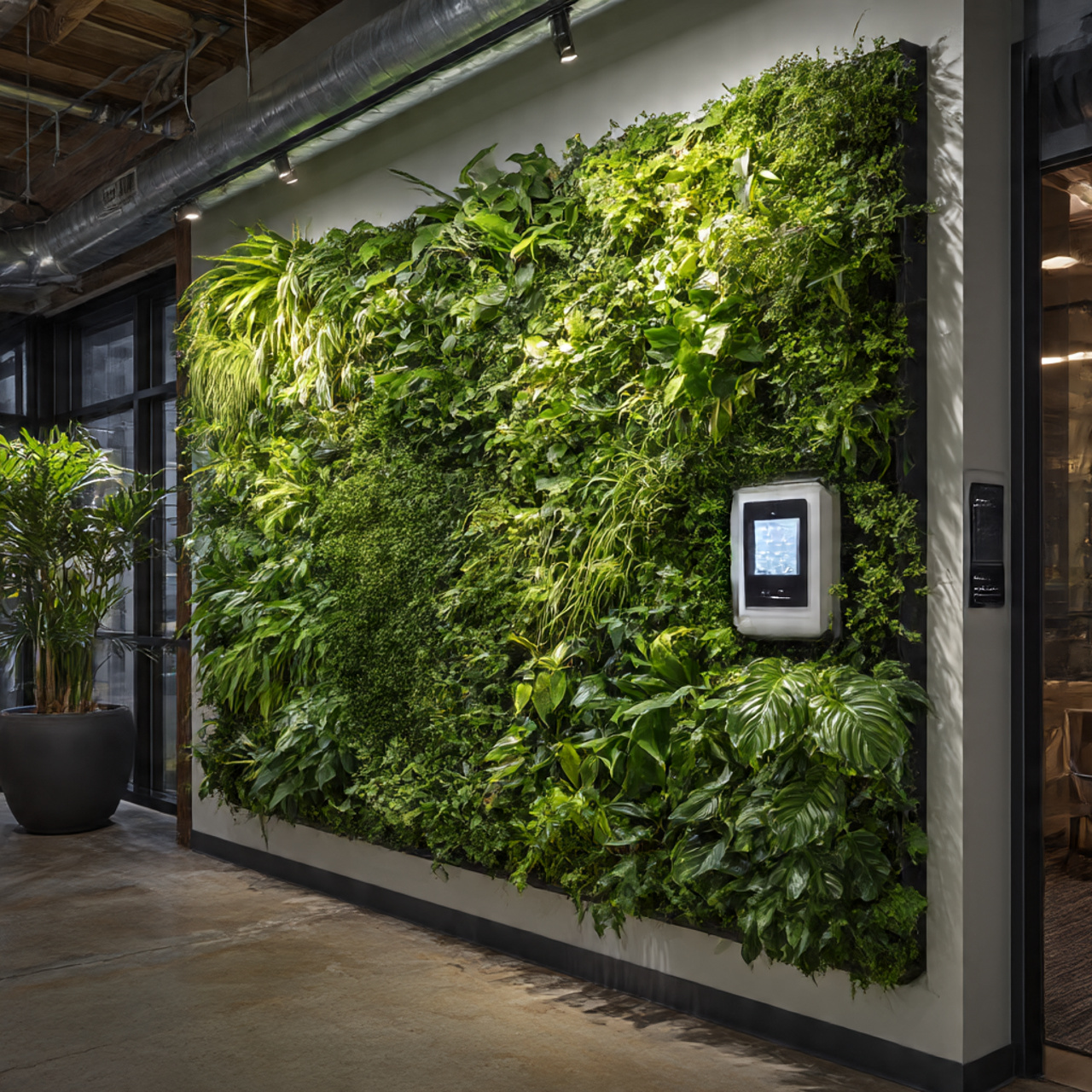
Technology solves the biggest plant wall failure point—inconsistent care.
System Components:
- Moisture sensors: Monitor soil conditions in real-time
- Programmable timers: Customize watering schedules per plant type
- Automatic pumps: Deliver precise water amounts
- Grow lights: Adjust spectrum and intensity automatically
- Smartphone apps: Monitor and control remotely
Who Benefits Most:
- Frequent travelers unable to water regularly
- Busy professionals working long hours
- Multiple plant wall installations needing synchronized care
- Beginners lacking experience reading plant needs
Cost-Benefit Analysis:
- Initial investment: $200-$1,000+ depending on scale
- Ongoing savings: No plant replacement from neglect
- Time savings: Hours of weekly maintenance eliminated
- Peace of mind: Priceless
The Freedom: Travel for weeks without plant-sitting guilt. Work late without emergency waterings. Your wall stays lush whether you’re present daily or absent frequently.
Setup Tip: Start with a simple system and expand as you learn. Over-engineering from day one often creates more complexity than necessary.
Visit More: Garden Wall Ideas
Seasonal Plant Rotation Wall
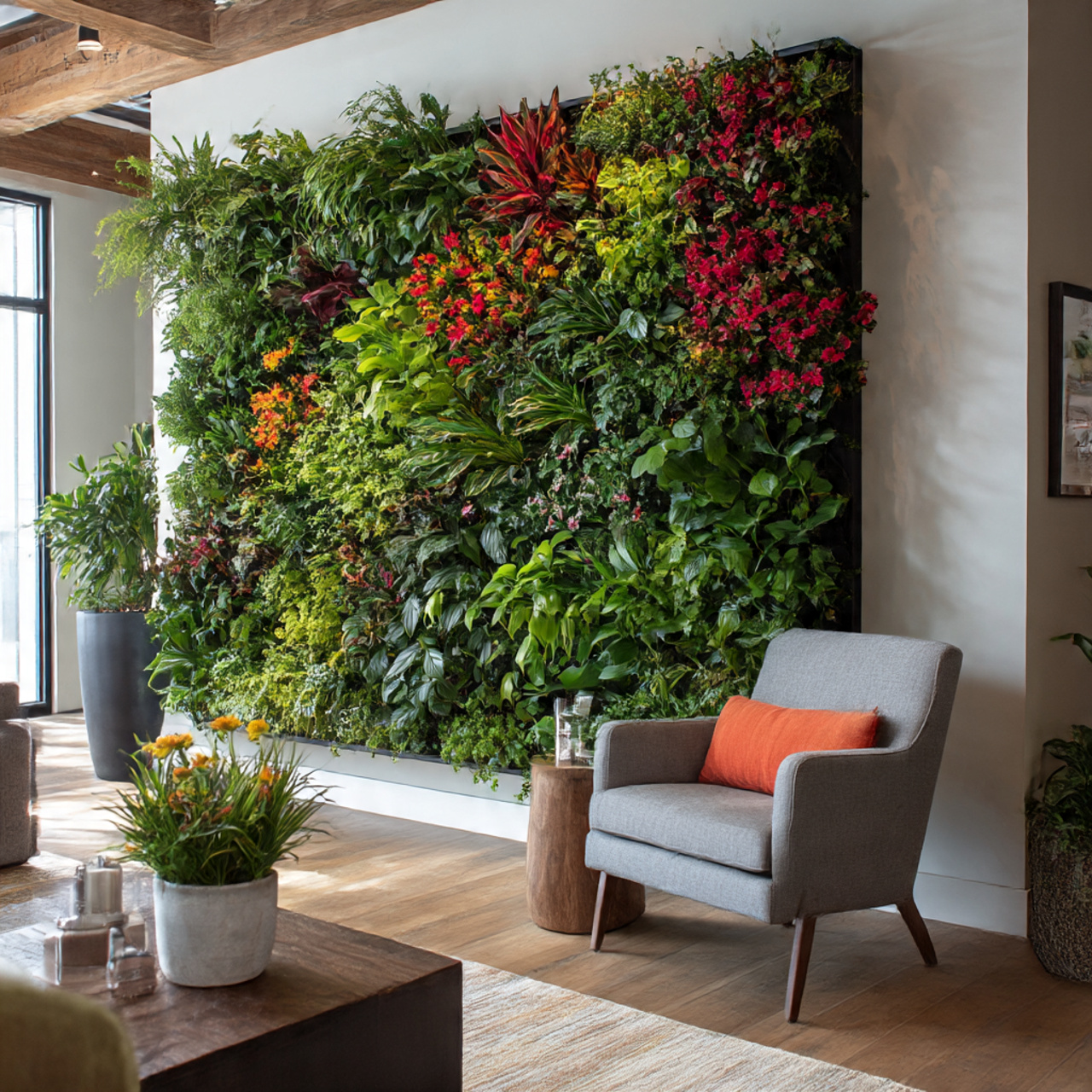
Static walls bore over time. Strategic seasonal rotation keeps your vertical garden feeling fresh and optimized.
Summer Plants (High Light & Heat):
- Crotons: Vibrant yellows, reds, oranges
- Calatheas: Bold patterns, tropical feel
- Anthuriums: Love warmth and humidity
- Tropical Ferns: Thrive in summer moisture
Winter Plants (Low Light & Cool Temps):
- Snake Plants: Tolerate cooler conditions
- Pothos: Adapts to shorter daylight hours
- Spider Plants: Hardy through seasonal shifts
- Peace Lilies: Bloom even in winter darkness
The Rotation Benefits:
- Optimal growth: Plants receive conditions they naturally prefer
- Visual refresh: Completely different mood every season
- Extended plant life: Species aren’t fighting unfavorable conditions year-round
- Learning opportunity: Understand which plants perform when
Storage Solution: Rotate plants to different rooms matching their off-season preferences rather than discarding. Summer tropicals move to warm bathrooms during winter. Cool-loving varieties retreat to shaded bedrooms during hot months.
Practical Timeline:
- Spring (March-May): Transition to growing season varieties
- Summer (June-August): Peak tropical displays
- Fall (September-November): Gradual shift to hardy species
- Winter (December-February): Evergreens and low-light champions
FAQs About Plant Wall Idea Indoor
Q1: Are indoor plant walls difficult to maintain?
Not necessarily. Choose hardy species and ensure good drainage. With automated irrigation or scheduled misting, upkeep becomes minimal.
Q2: What are the best plants for indoor plant walls?
Pothos, philodendrons, ferns, spider plants, peace lilies, and succulents are excellent choices. They thrive in low to medium light and tolerate indoor conditions.
Q3: Can I create a plant wall without drilling my wall?
Yes. Use freestanding frames, leaning ladders, or hanging systems that distribute weight without damaging walls.
Q4: Do indoor plant walls help improve air quality?
Absolutely. Plants absorb toxins and release oxygen. A well-maintained plant wall idea indoor significantly enhances indoor air quality.
Q5: How much does a plant wall cost to install?
DIY versions can cost as little as $50–$100. Professional installations with irrigation systems may range from $300 to $1,000 depending on size and complexity.
Conclusion
Plant walls transcend decoration. They represent a fundamental shift—choosing living environments over sterile ones, prioritizing air quality and mental wellbeing alongside aesthetics. Each installation, whether simple floating shelves or sophisticated automated systems, becomes deeply personal. Your plant selections, arrangement choices, and maintenance rhythms reflect how you inhabit space.
The relationship goes both directions. You water, prune, and tend. In return, the wall filters toxins, regulates humidity, reduces stress, and provides daily reminders that growth happens slowly, patiently, beautifully. Architecture becomes ecosystem. Walls become lungs.
Start anywhere—a single shelf, three pots, one trailing vine. The complexity matters less than the commitment to bring nature inside and keep it thriving. When you care for living walls, they care right back.