24 Modern & Aesthetic Plant Pot Design Ideas You’ll Fall in Love With
Looking to breathe new life into your home or garden? The secret lies in selecting planters that do more than just hold dirt. The right container can completely transform any area, whether you’re aiming for contemporary elegance, countryside charm, or vibrant eclectic energy.
Here’s something exciting: your containers can steal the show just as much as the greenery they hold. With some imagination and smart material choices, you’ll create displays that genuinely reflect your personality.
This comprehensive guide walks you through innovative container ideas that’ll inject style, personality, and visual harmony into every corner of your property. Ready to get started?
Why Plant Pot Design Matters
Container selection goes far beyond matching colors to your furniture. These choices directly impact how well your greenery thrives, how efficiently water drains, and how cohesive your overall design feels. Smart container choices highlight the natural beauty of foliage while elevating your interior or exterior aesthetic. Whether you’re working with repurposed items or investing in artisan pieces, your containers make a statement about who you are.
Strategic container design also establishes visual flow throughout your property, creating seamless transitions between indoor jungles and outdoor landscapes or unifying different species under one design language. Let’s explore innovative approaches that’ll completely change how you think about plant containers.
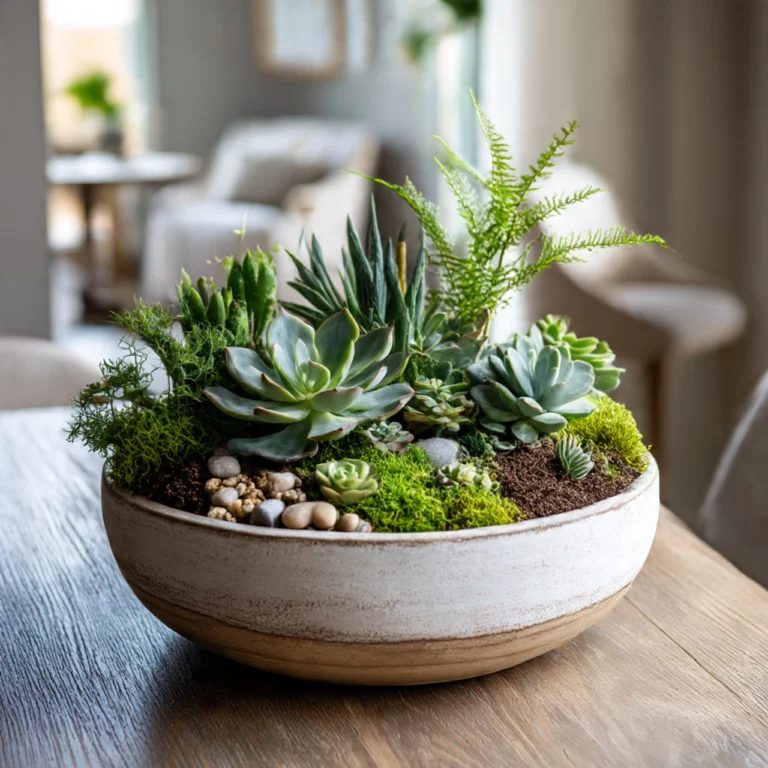
Minimalist Ceramic Plant Pot Design
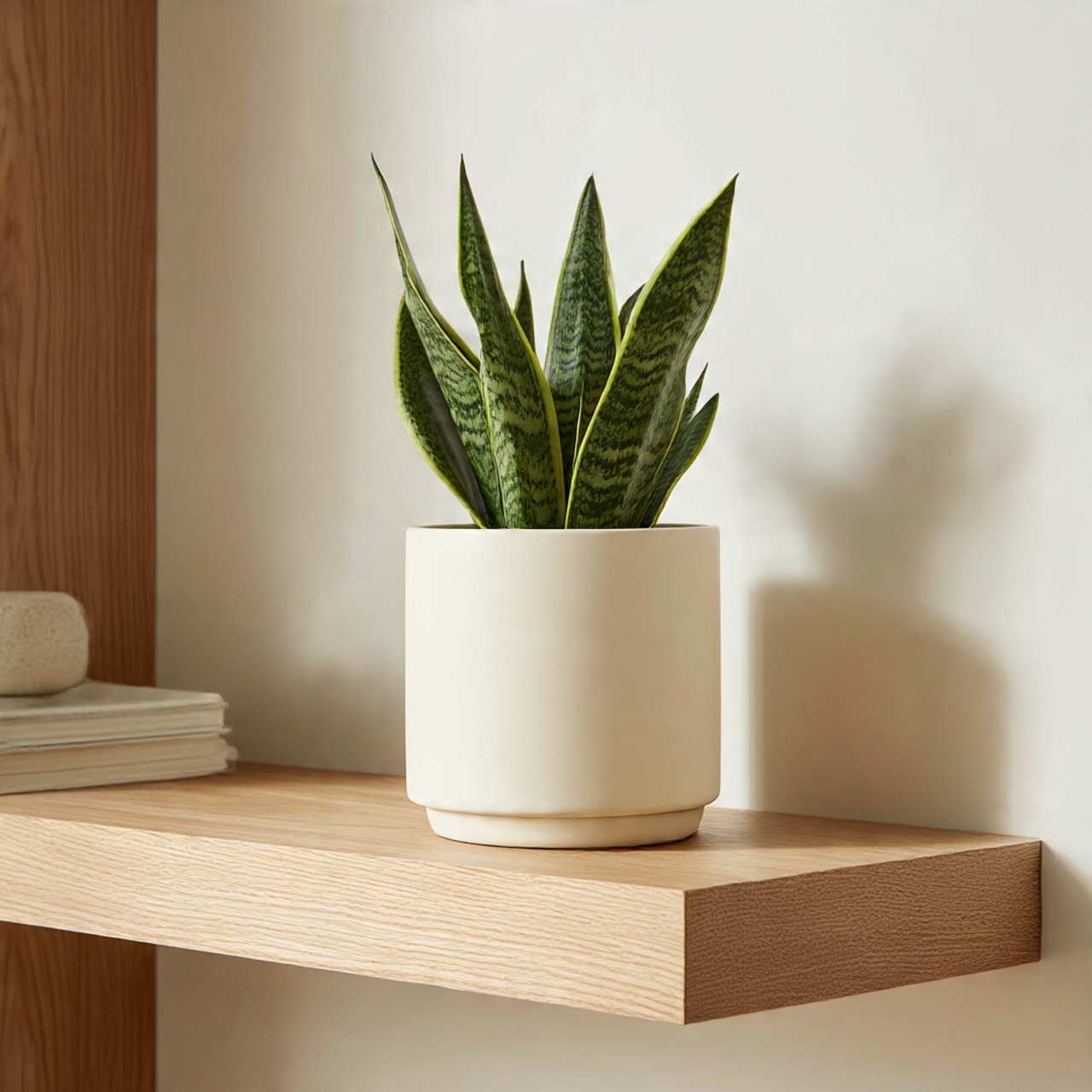
Minimalist ceramic containers never go out of style. Their timeless appeal and incredible versatility make them suitable anywhere, from downtown lofts to eclectic artist studios. These containers typically feature smooth, unglazed surfaces or subtle glazing that allows vibrant foliage to truly pop.
Best Plant Pairings:
- Snake plants for vertical interest
- ZZ plants for glossy texture
- Succulent varieties for geometric forms
Design Tip: The understated aesthetic emphasizes form and texture, creating perfect harmony between container and greenery without competing for attention.
Common Mistake to Avoid: Don’t overcrowd ceramic containers with busy patterns or accessories—their beauty lies in simplicity.
Rustic Terracotta Plant Pot Design
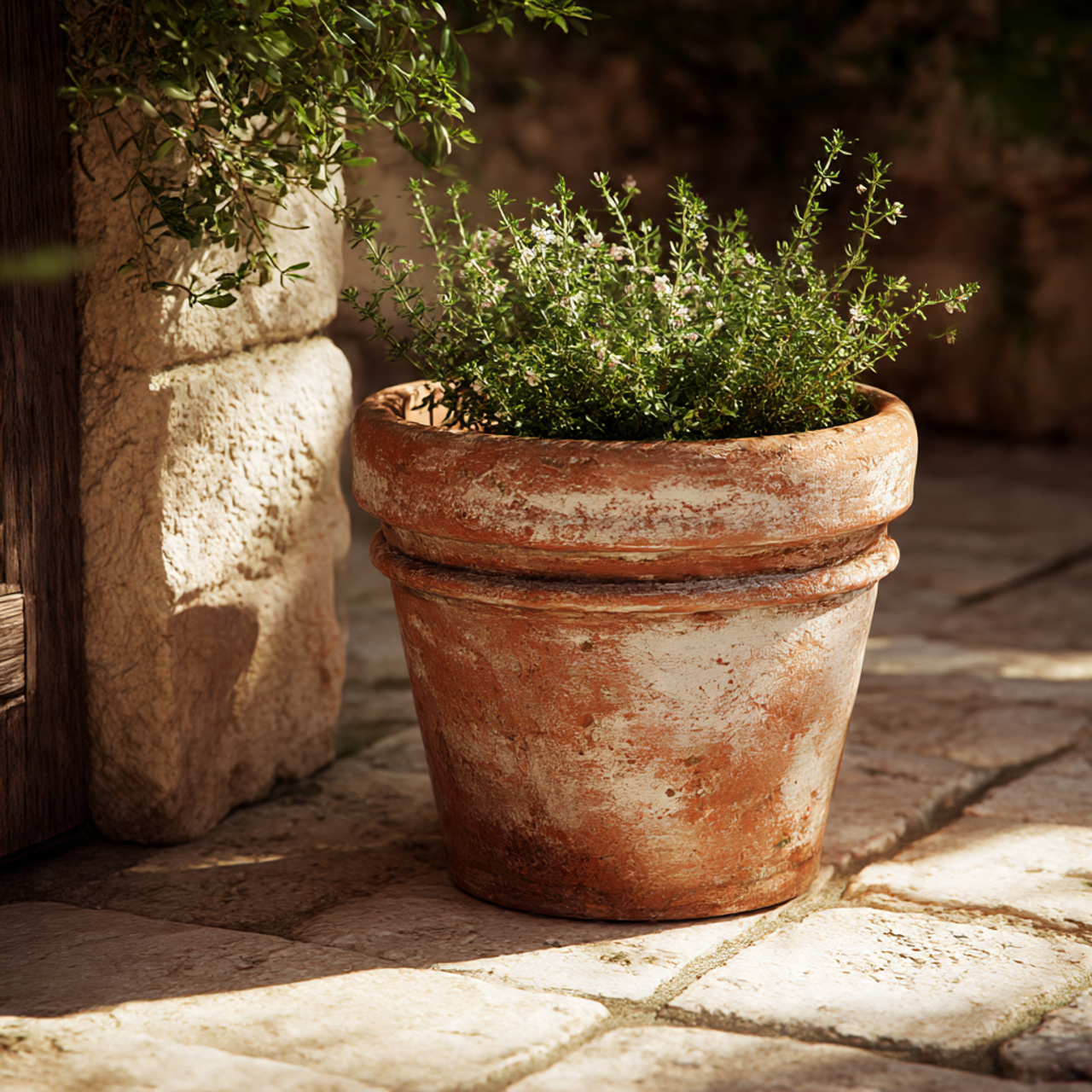
Craving that sun-baked, Mediterranean atmosphere? Clay containers deliver authentic warmth while providing genuine benefits for root health. The porous nature of fired clay allows oxygen to penetrate soil while helping excess moisture evaporate, promoting robust root development.
Ideal For:
- Culinary herb gardens
- Blooming annuals and perennials
- Desert plants like cacti
Customization Ideas:
- Wind natural jute rope around the rim
- Apply diluted white paint for shabby-chic appeal
- Group various sizes for dynamic displays
Tip: Terracotta dries soil faster than glazed containers, so adjust your watering schedule accordingly—especially during hot summer months.
Modern Geometric Plant Pot Design
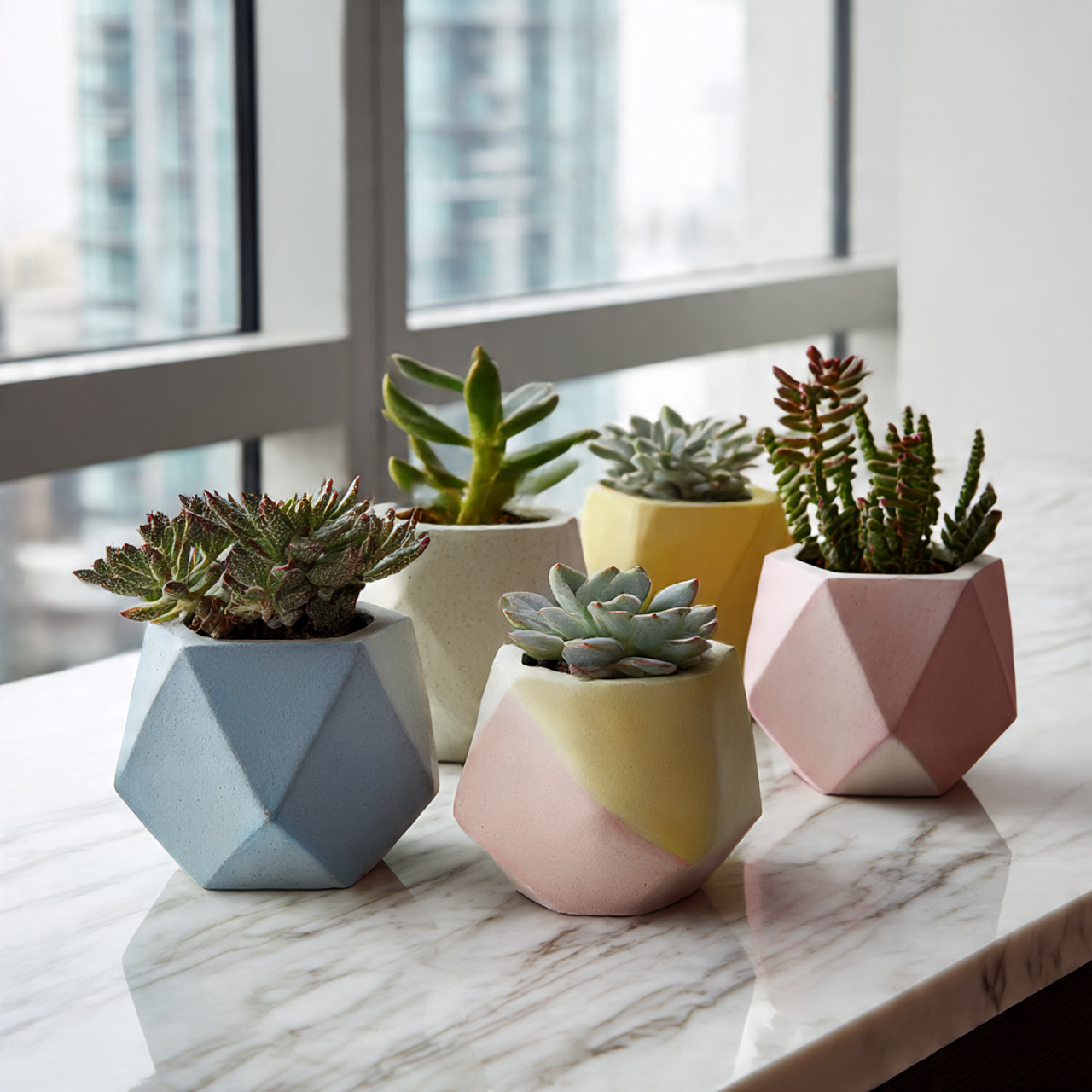
Ready to make visitors stop and stare? Angular containers with sharp edges and unexpected silhouettes create instant visual drama. These contemporary pieces arrive in intriguing forms—hexagonal towers, triangular wedges, or multi-faceted sculptures—crafted from concrete, brushed metal, or painted composite materials.
Perfect Plant Matches:
- Aloe vera for spiky contrast
- Agave for architectural presence
- Fiddle leaf figs for bold statements
Styling Insight: The angular geometry echoes current architectural trends, instantly modernizing any environment with gallery-worthy sophistication.
Safety Note: Concrete and metal containers can be quite heavy—ensure shelves and tables can support the combined weight before positioning.
Hanging Macrame Plant Pot Design
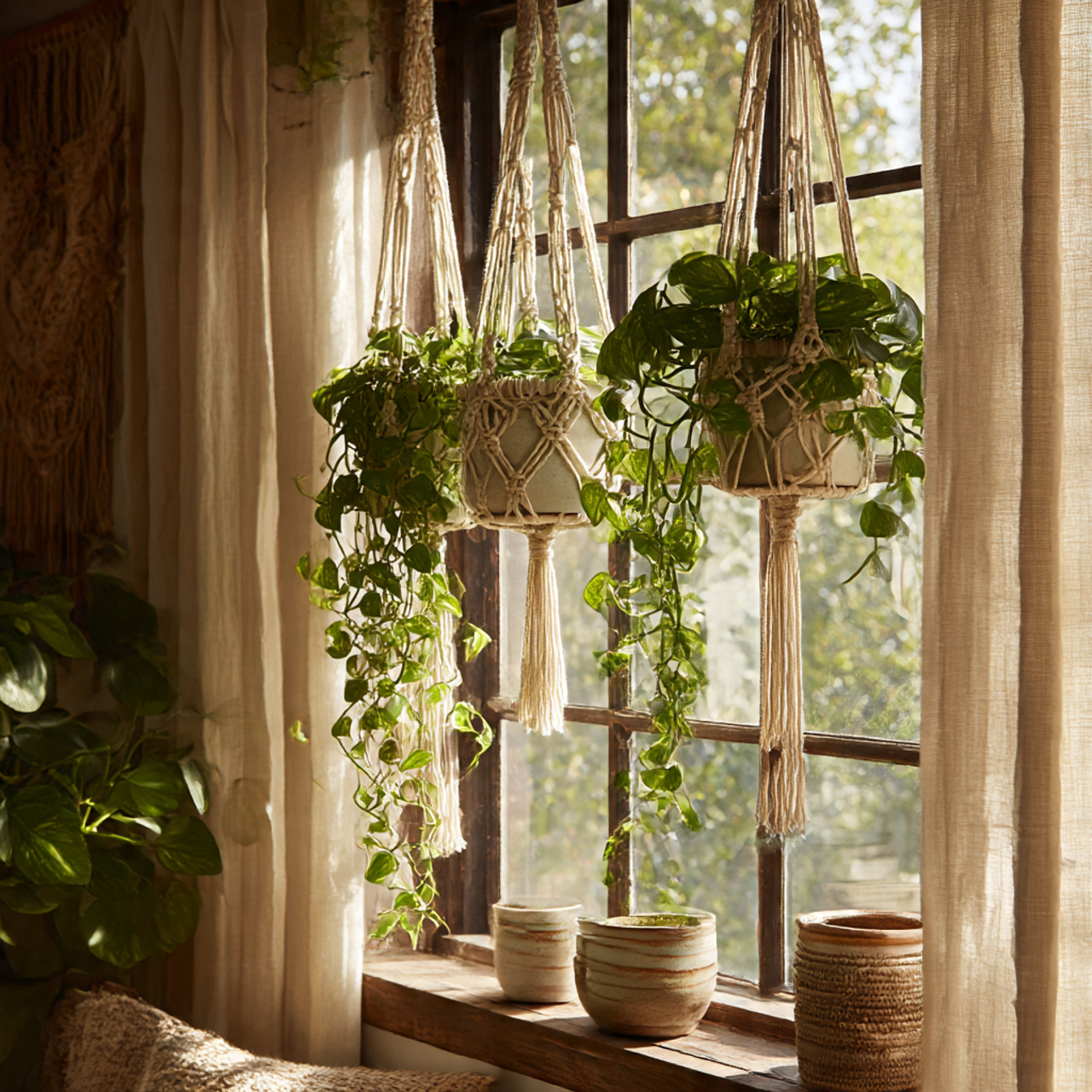
Suspended planters secured with macrame holders merge artistic expression with practical space management. This free-spirited approach preserves precious floor real estate while introducing visual dimension at varying elevations throughout your room.
Creative Approach:
- Mix materials (ceramic, metal, woven) within the same hanging display
- Vary cord lengths for cascading levels
- Use different macrame patterns for textural variety
Best Suited For:
- Pothos with cascading vines
- String of pearls for delicate trails
- Spider plants with arching foliage
Installation Tip: Always mount hangers into ceiling studs or use heavy-duty toggle bolts—falling planters can cause serious damage and injury.
Recycled Plastic Plant Pot Design
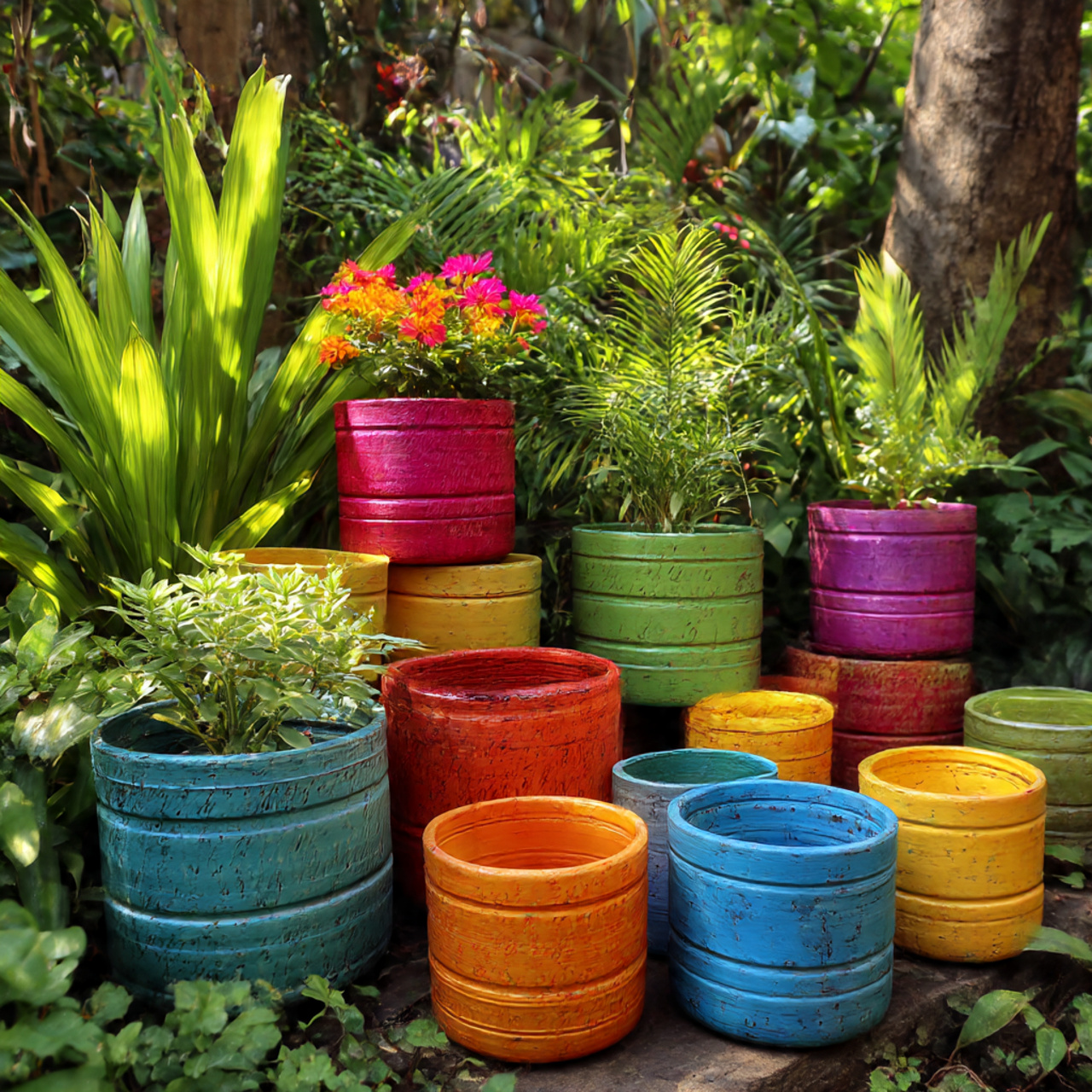
Environmental consciousness meets creative expression through upcycled plastic containers. This eco-forward approach diverts waste from landfills while creating colorful, durable homes for your greenery at minimal cost.
Creative Sources:
- Large detergent bottles (cut and shaped)
- Commercial food buckets from restaurants
- Yogurt containers for seedlings
- Plastic storage bins
Customization Methods:
- Apply weather-resistant outdoor paint
- Create geometric patterns with painter’s tape
- Attach decorative mosaic pieces with strong adhesive
- Drill adequate drainage holes (crucial!)
Environmental Win: Each repurposed container means one less item in the waste stream while creating something uniquely yours.
Visit more: Plant Pot Design
Wooden Crate Plant Pot Design
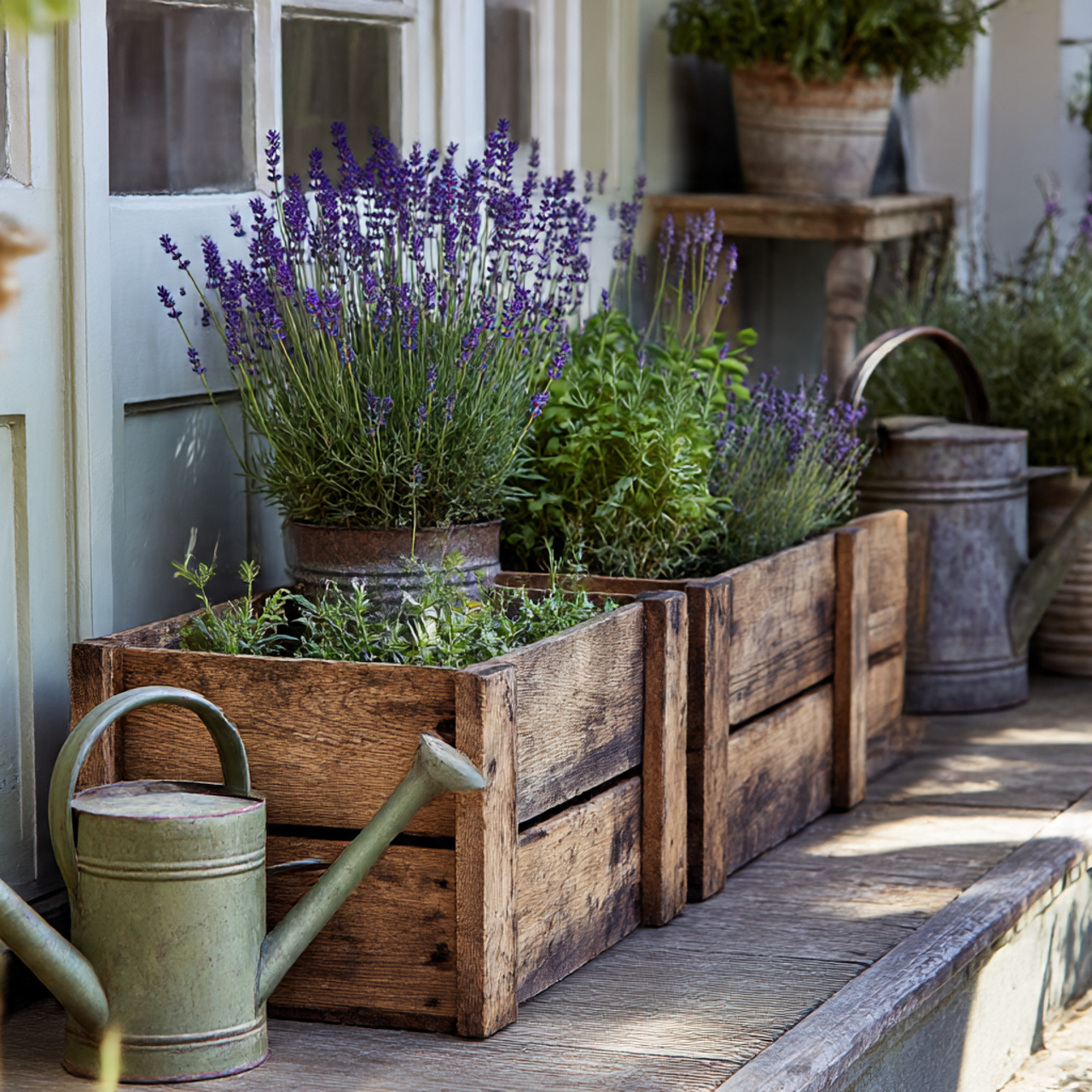
Seeking authentic countryside ambiance? Wooden crates offer incredible rustic appeal with maximum flexibility. Salvaged fruit boxes, reclaimed pallet wood, or antique wine crates all create charming displays bursting with character.
Essential Preparation Steps:
- Line interior with heavy-duty plastic sheeting
- Staple waterproof landscape fabric along seams
- Drill drainage holes through bottom
- Add a layer of gravel before soil
Ideal Plant Companions:
- Fresh culinary herbs (basil, thyme, oregano)
- Cheerful flowering annuals
- Trailing plants that soften edges
Longevity Tip: Treating wood with food-safe sealant extends lifespan significantly while maintaining that weathered aesthetic.
Concrete Plant Pot Design
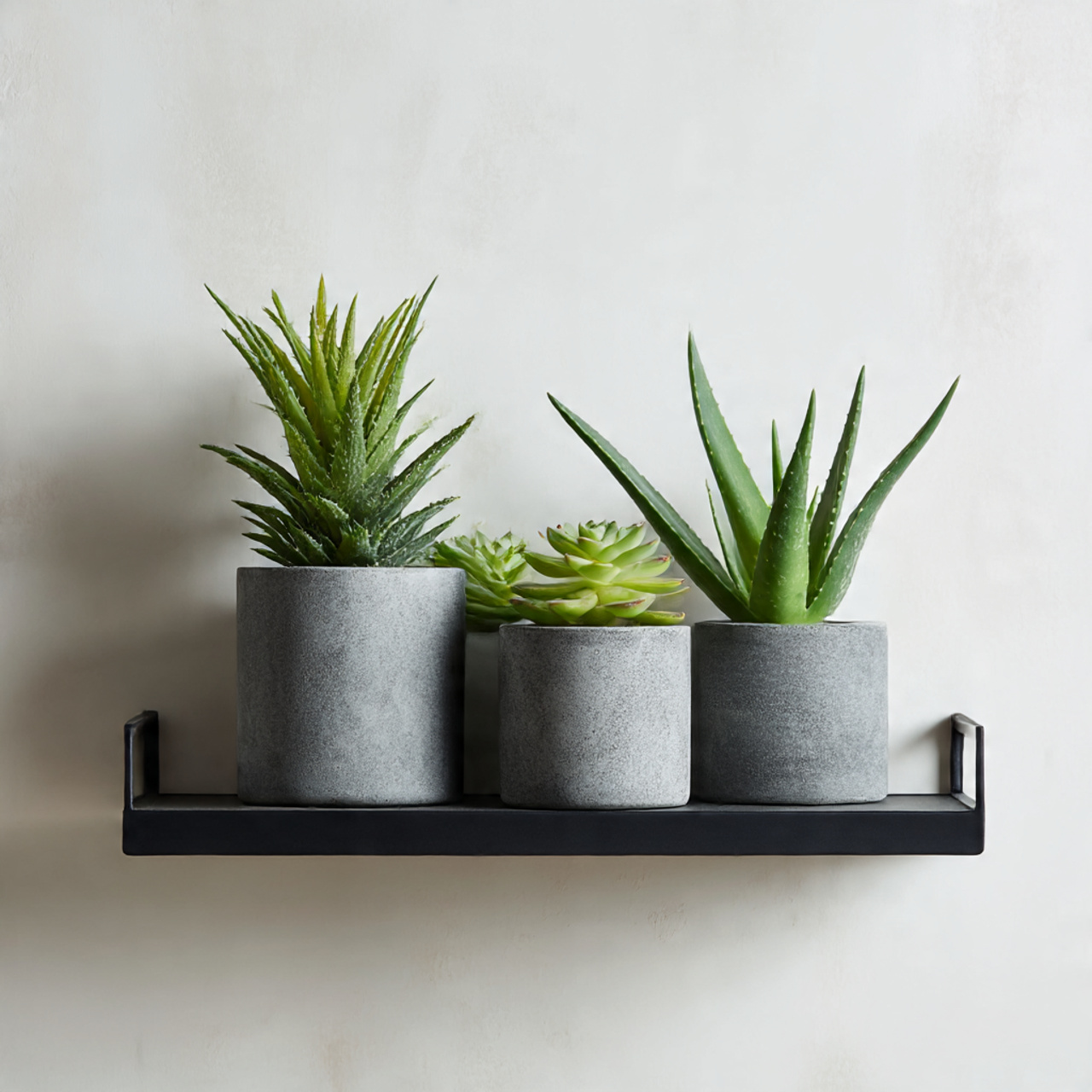
Concrete containers have conquered contemporary design spaces worldwide. Their raw, industrial character pairs beautifully with drought-tolerant plants and streamlined decor. Beyond aesthetics, these containers offer exceptional durability and weather resistance for long-term value.
Personalization Options:
- Mix in color pigments before pouring
- Carve patterns while partially cured
- Apply metallic paint for modern flair
- Leave natural for authentic brutalist style
Where They Shine:
- Modern apartments with exposed brick
- Minimalist outdoor patios
- Contemporary office environments
Weight Consideration: Concrete containers become extremely heavy when filled—position them where they’ll stay permanently to avoid back strain.
Glass Terrarium Plant Pot Design
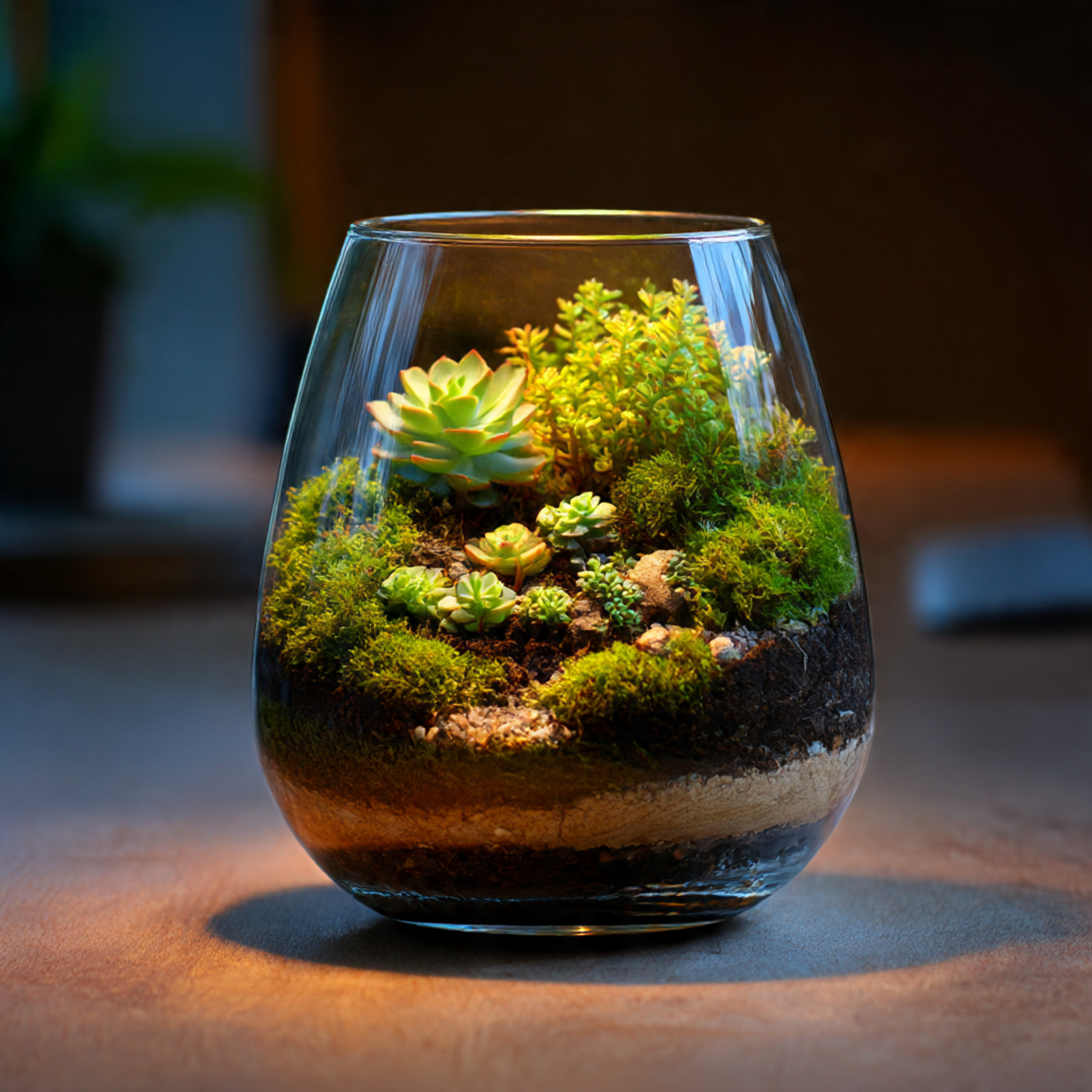
Glass terrariums transform tiny ecosystems into captivating focal points you can enjoy from every angle. These transparent containers perfectly showcase miniature succulents, air plants, or delicate moss arrangements while revealing the fascinating layers beneath the surface.
What Makes Them Special:
- Complete visibility of root development
- Decorative soil layering possibilities
- Humidity control for tropical species
- Light reflection creates sparkle
Display Locations:
- Sunny windowsills with filtered light
- Coffee tables as conversation pieces
- Floating shelves at eye level
- Bathroom counters (humidity-loving plants)
Maintenance Reminder: Glass terrariums require different watering approaches—too much moisture creates mold, so water sparingly and monitor condensation levels.
Metallic Plant Pot Design
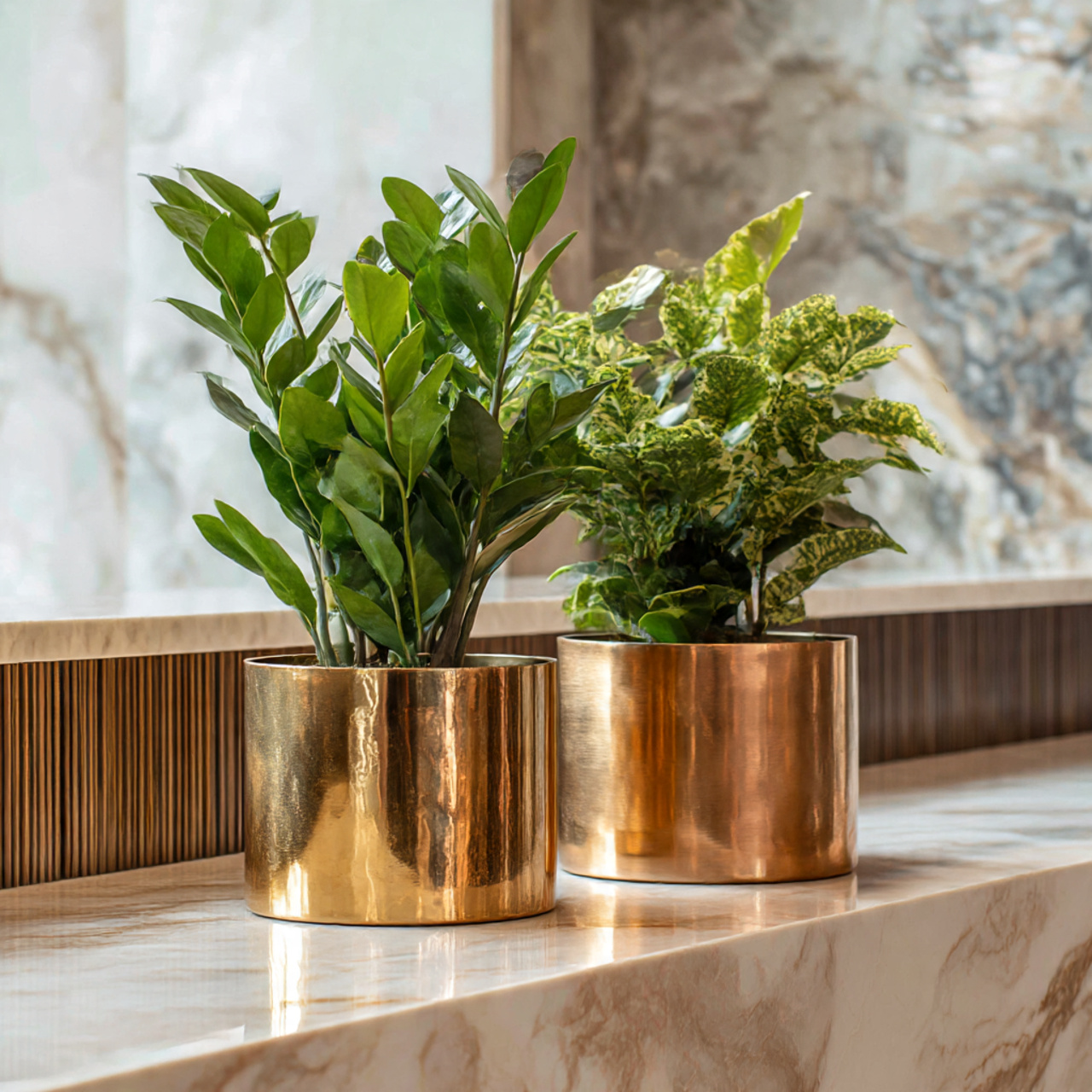
Want instant sophistication? Metallic containers in gold tones, copper finishes, or brushed aluminum create glamorous displays that catch and reflect ambient light throughout your space, enhancing brightness while spotlighting your greenery.
Stunning Combinations:
- Deep burgundy rubber plants against gold
- Dark green trailing vines with copper
- Silver-brushed aluminum with variegated foliage
Finish Options:
- High-gloss polish for maximum reflection
- Brushed matte for subtle elegance
- Antiqued patina for vintage appeal
Design Strategy: Use metallic containers as strategic accents rather than overwhelming your space—two or three well-placed pieces create more impact than a dozen scattered randomly.
Boho Patterned Plant Pot Design
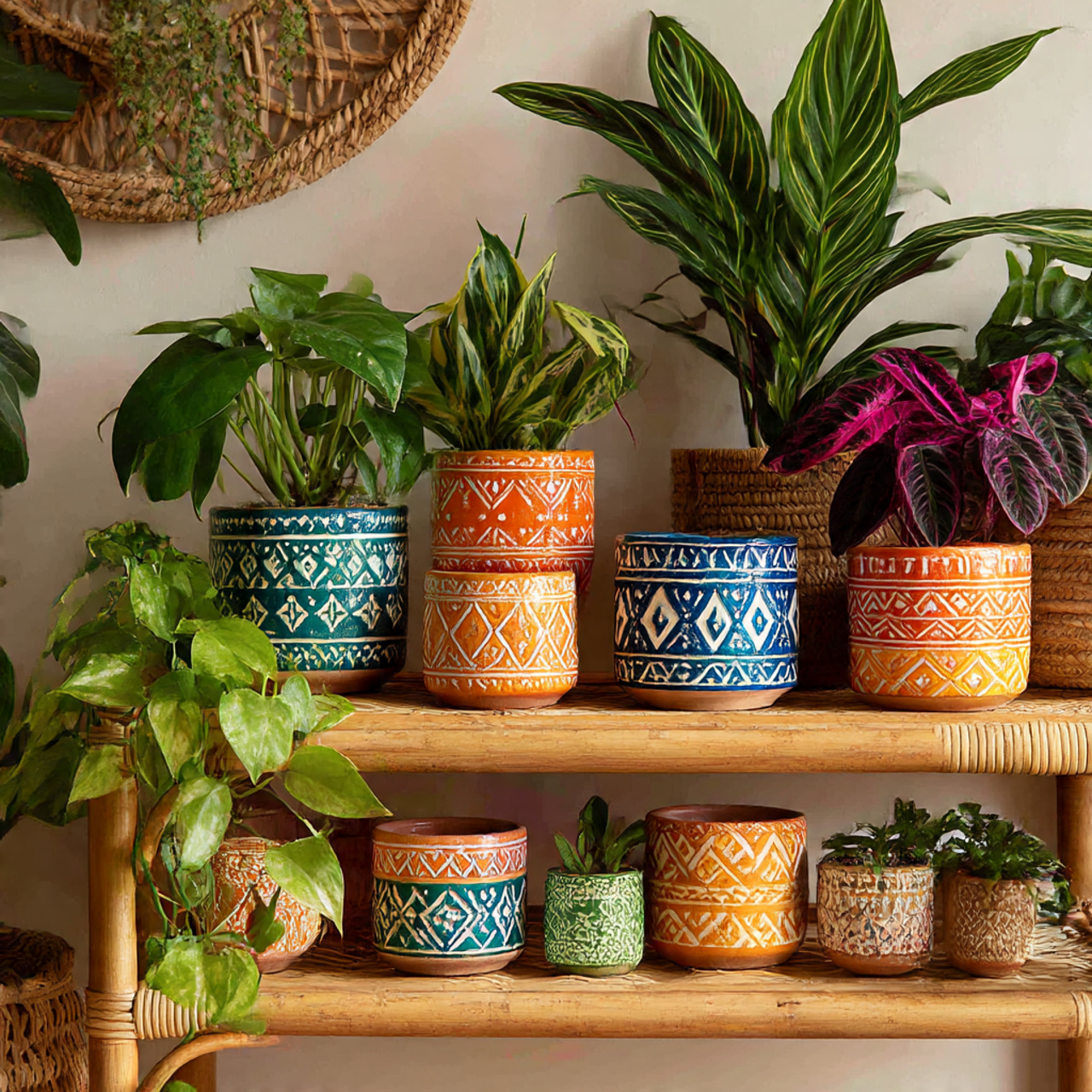
Love color explosions and global inspiration? Bohemian containers celebrate artistic freedom through tribal motifs, globally-influenced designs, and fearless color combinations that energize any environment.
Pattern Inspiration:
- Moroccan geometric tiles
- Indian paisley designs
- African mudcloth patterns
- Latin American folk art
Perfect Settings:
- Neutral-toned rooms needing personality
- Eclectic gallery walls
- Outdoor entertaining areas
Plant Pairings:
- Tropical philodendrons for lush contrast
- Bird of paradise for dramatic scale
- Colorful croton for pattern echo
Styling Balance: Pair ornate containers with simpler surroundings so the patterns shine without creating visual chaos.
Woven Basket Plant Pot Design
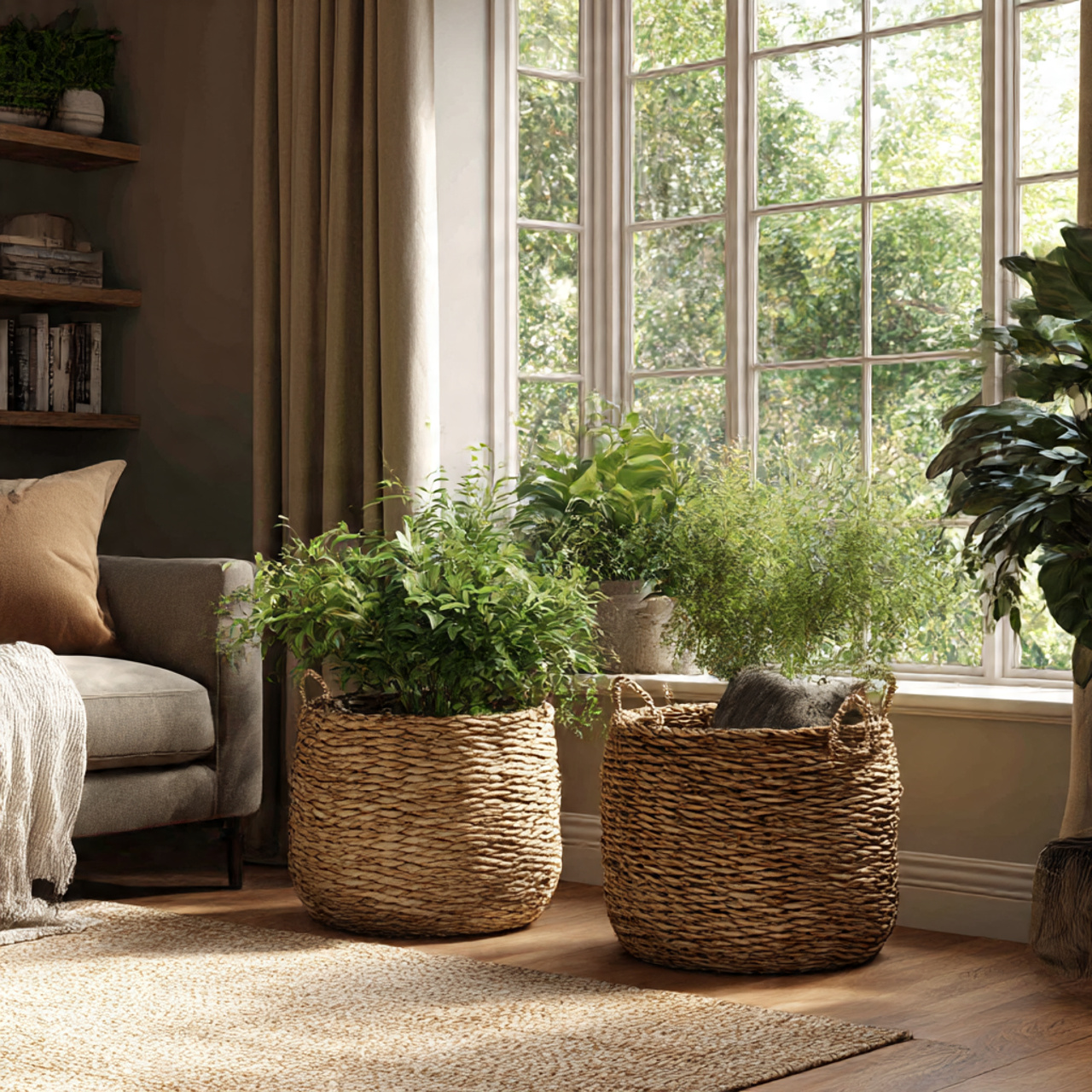
Natural fiber baskets introduce organic warmth and tactile dimension that synthetic materials simply cannot replicate. These woven containers enhance bohemian, coastal, or organic modern aesthetics with effortless appeal.
Critical Preparation:
- Always insert waterproof plastic liner
- Elevate with a saucer to prevent water damage
- Choose tightly woven baskets for durability
- Inspect regularly for moisture deterioration
Textural Contrasts:
- Smooth woven seagrass with ruffled ferns
- Chunky jute against delicate peace lily leaves
- Fine rattan with bold monstera foliage
Care Tip: If your basket develops mildew smell, remove the plant, let the basket dry completely in sunlight, and ensure better drainage going forward.
Marble Effect Plant Pot Design
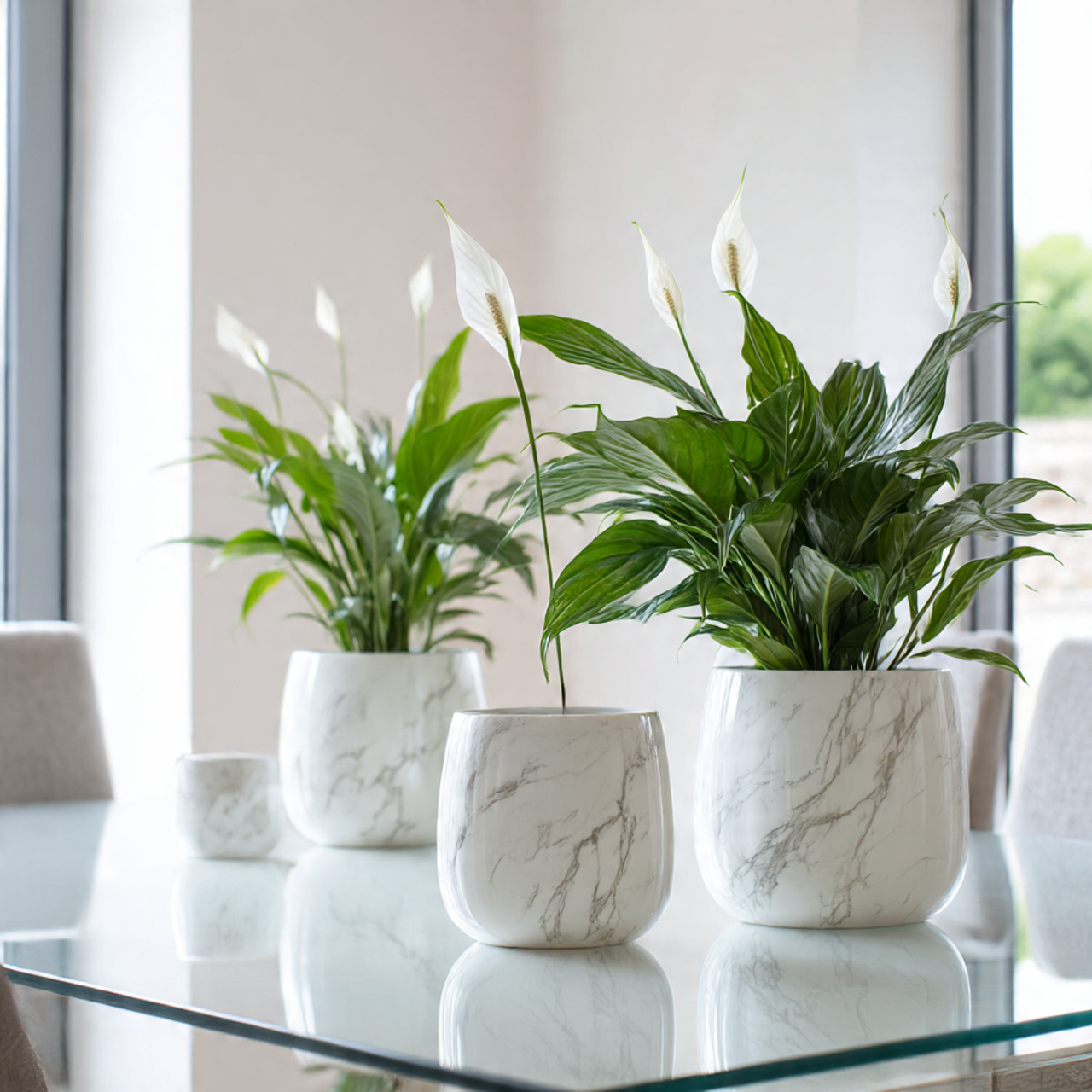
Marble-style containers inject timeless elegance and luxury aesthetics without the premium price tag associated with genuine stone. Specialized painting techniques or resin applications recreate authentic veining patterns with stunning realism.
Best Applications:
- Graceful orchid displays
- Elegant peace lily presentations
- Sophisticated fern arrangements
Color Options:
- Classic white with grey veining
- Dramatic black with gold accents
- Soft blush with rose-gold highlights
- Sage green with cream swirls
Design Context: These containers elevate minimalist spaces instantly, adding refinement without overwhelming clean-lined aesthetics.
Budget Tip: DIY marble effects using acrylic paints and feathers cost a fraction of purchasing pre-made versions.
Hand-Painted Artistic Plant Pot Design
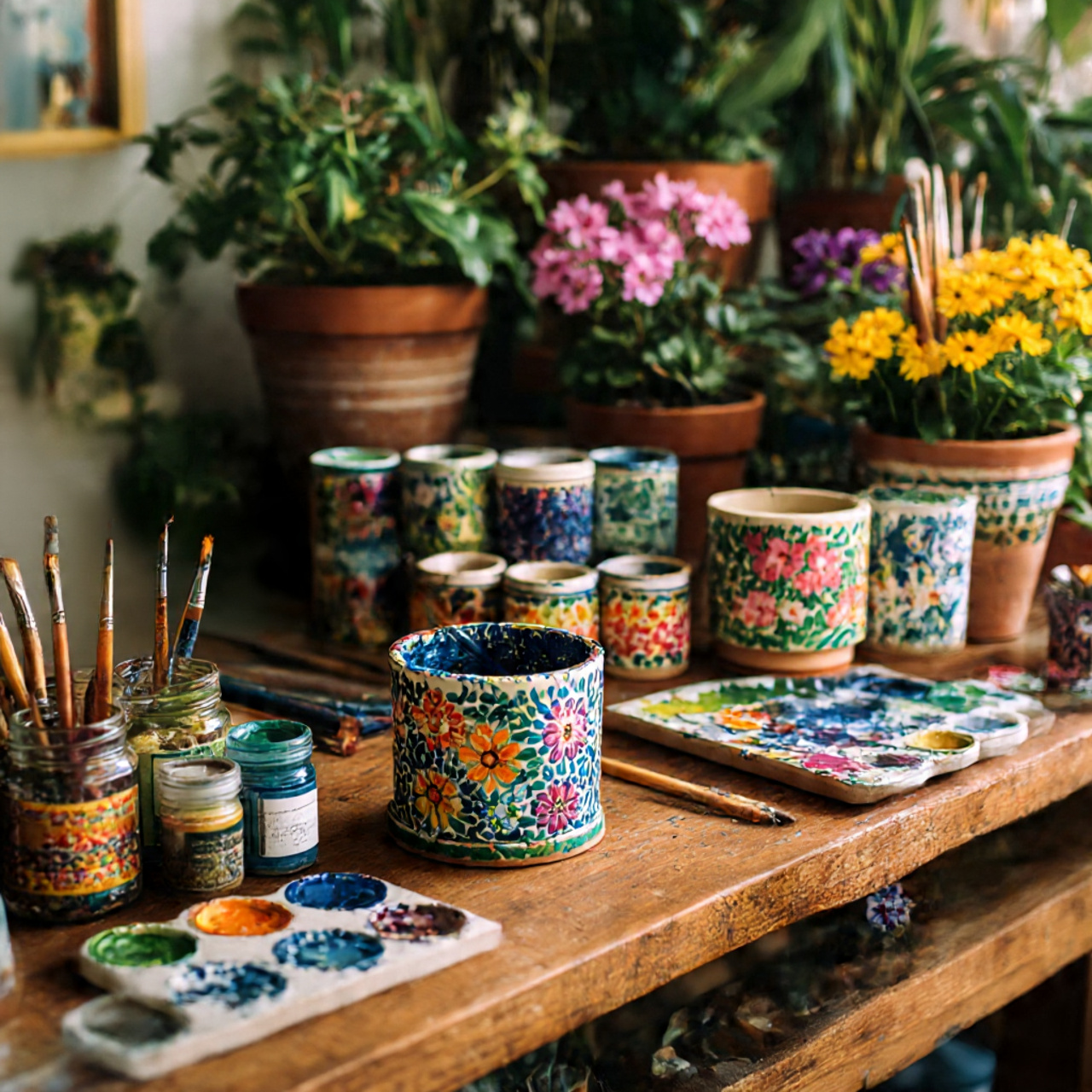
Nothing captures individuality quite like hand-painted containers. This creative outlet allows complete freedom—delicate botanical illustrations, motivational phrases, geometric precision, or abstract spontaneity. Your imagination sets the only boundaries.
Design Approaches:
- Nature-inspired florals and leaves
- Meaningful quotes in beautiful typography
- Color-blocked geometric sections
- Free-flowing abstract expressions
- Cultural symbols with personal meaning
Technical Steps:
- Clean surface thoroughly with rubbing alcohol
- Apply primer for better paint adhesion
- Sketch design lightly with pencil
- Paint using quality acrylic paints
- Seal with waterproof clear varnish (2-3 coats)
Gift-Worthy: Custom painted containers make thoughtful, memorable presents that recipients genuinely treasure—far more meaningful than generic store-bought options.
Upcycled Tin Can Plant Pot Design
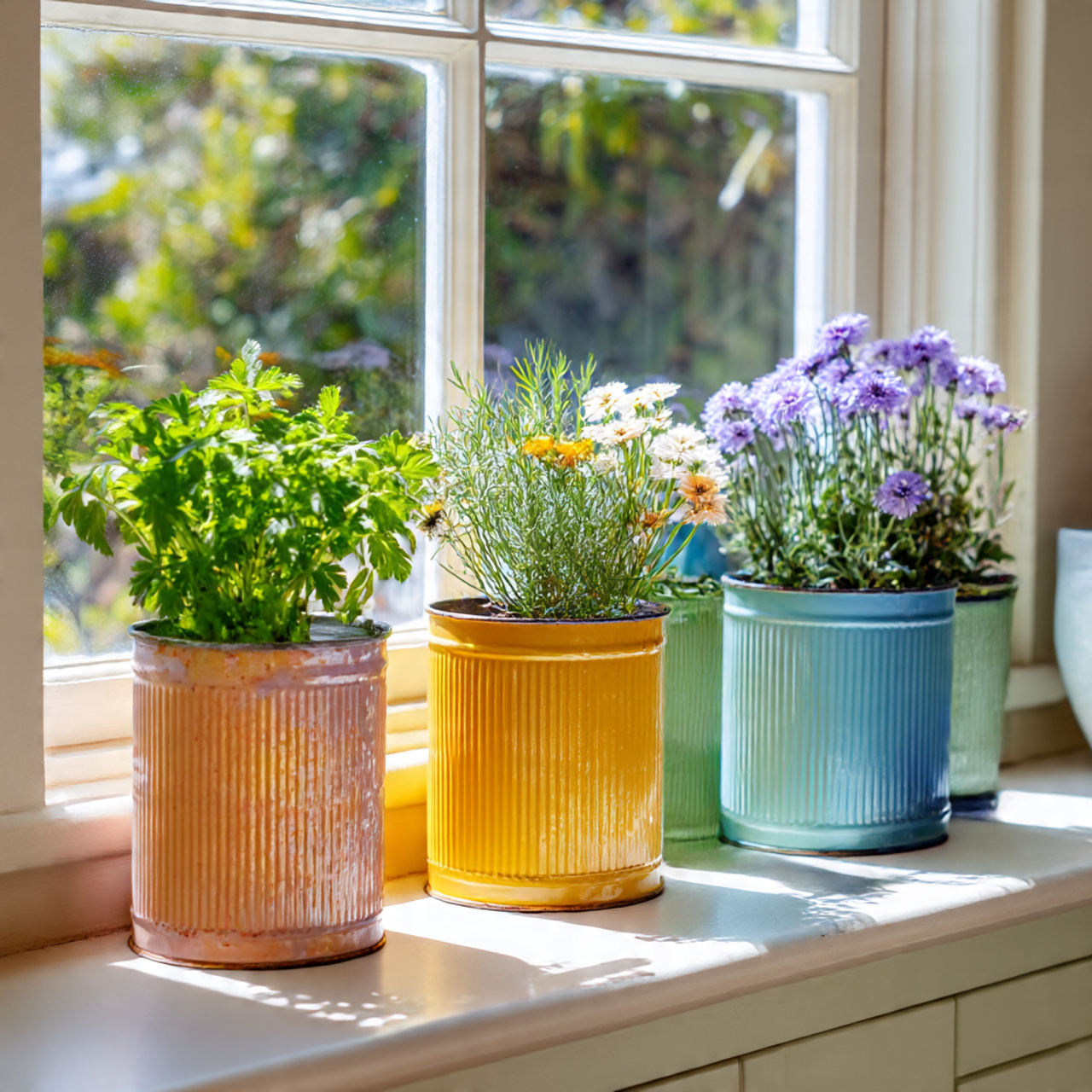
Before recycling those empty cans, consider transforming them into charming containers! This incredibly affordable project reduces household waste while creating adorable homes for small plants at essentially zero cost.
Transformation Ideas:
- Paint in coordinating color schemes
- Wrap with natural burlap and twine
- Apply chalkboard paint for labeling
- Decoupage with decorative paper
Perfect Uses:
- Kitchen windowsill herb gardens
- Desk-sized succulents and cacti
- Children’s gardening projects
- Propagation stations
Safety First: Always smooth sharp edges with sandpaper or pliers after opening to prevent cuts during handling.
Vintage Ceramic Plant Pot Design
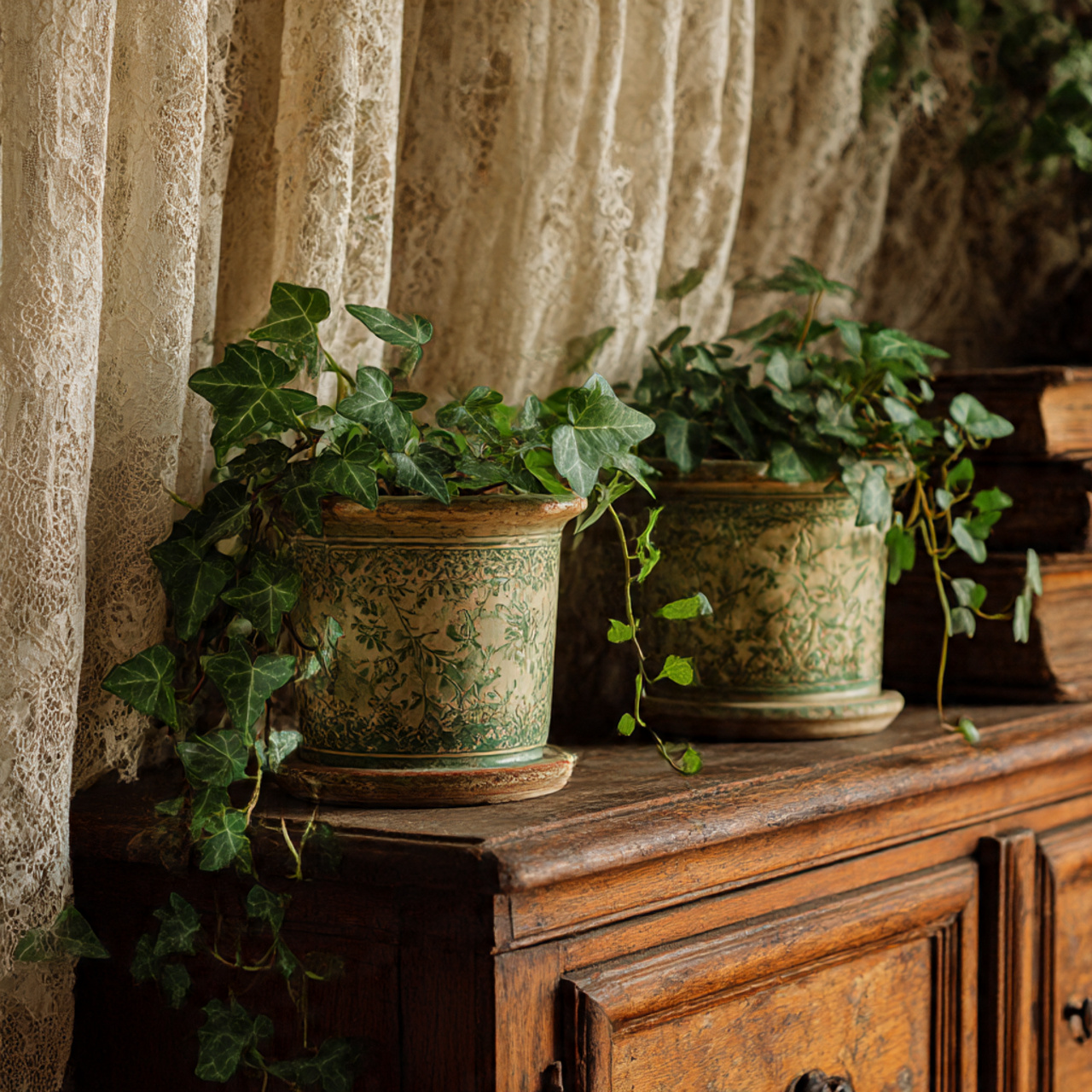
Vintage ceramic containers transport you to simpler times with their delicate floral motifs, soft pastel palettes, and classic silhouettes reminiscent of grandmother’s cherished garden collections.
Where to Find Them:
- Estate sales and antique shops
- Thrift stores and flea markets
- Online vintage marketplaces
- Family attics and basements
Classic Pairings:
- Trailing ivy for timeless elegance
- Spider plants with graceful arching
- Traditional English ivy
Display Enhancement:
- Arrange on distressed wooden shelves
- Group with antique plant stands
- Style alongside vintage garden tools
Collector’s Note: Check vintage ceramics carefully for cracks before purchasing—damaged pieces won’t hold water without proper sealing.
Self-Watering Plant Pot Design
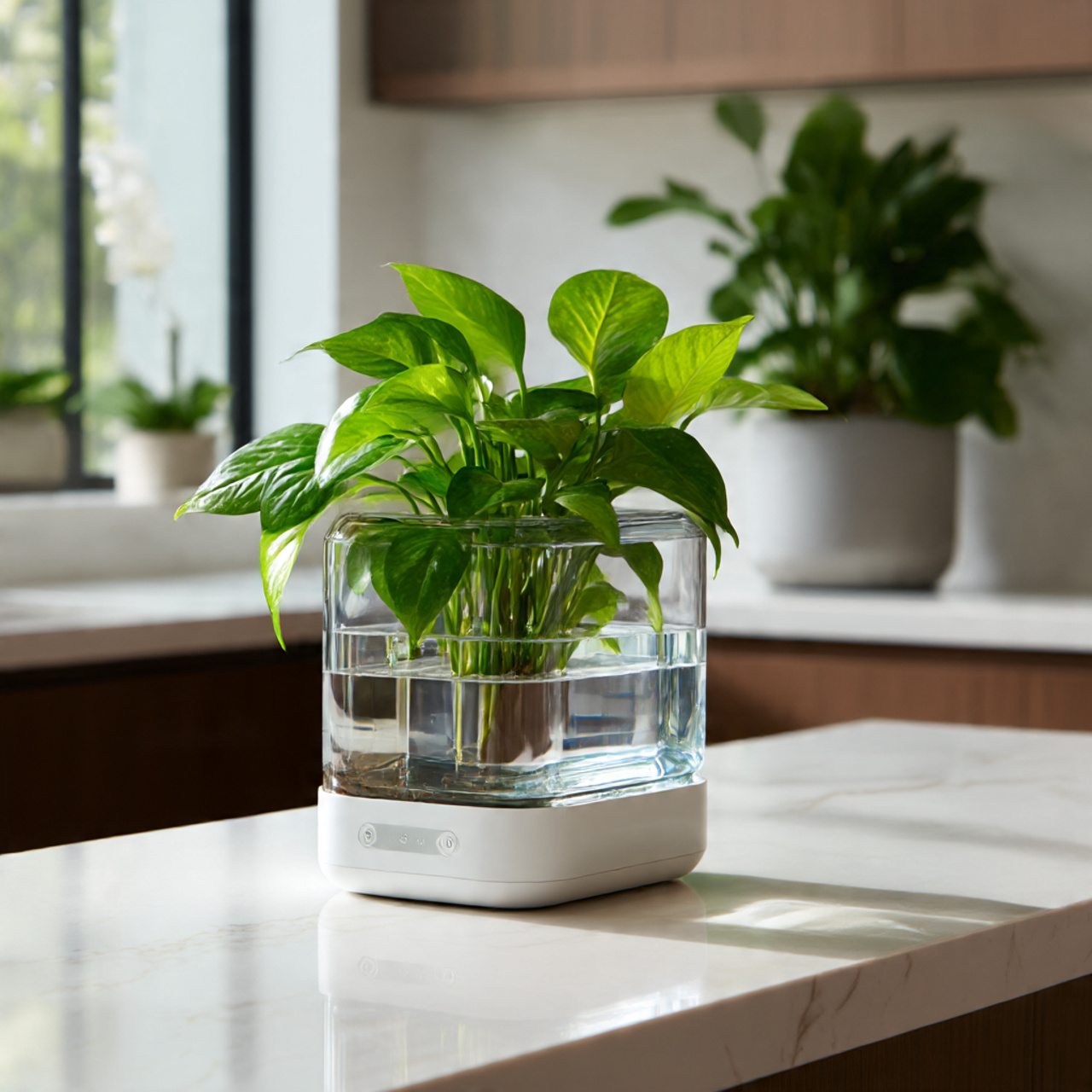
Busy schedule but love plants? Self-watering containers revolutionize plant care through integrated reservoir systems that maintain consistent soil moisture automatically, eliminating daily watering concerns during hectic weeks or travel periods.
Ideal Plant Types:
- Moisture-loving ferns
- Tropical calatheas
- Water-thirsty pothos
- Peace lilies
- African violets
How They Work:
- Built-in water reservoir at base
- Wicking system draws moisture upward
- Indicator shows water level
- Refill every 1-2 weeks instead of daily
Modern Aesthetics: Contemporary self-watering designs have evolved far beyond utilitarian plastic—sleek finishes now complement any decor style beautifully.
Avoid This Mistake: Don’t use self-watering containers for cacti, succulents, or other drought-preferring plants—they’ll develop root rot.
Mosaic Tile Plant Pot Design
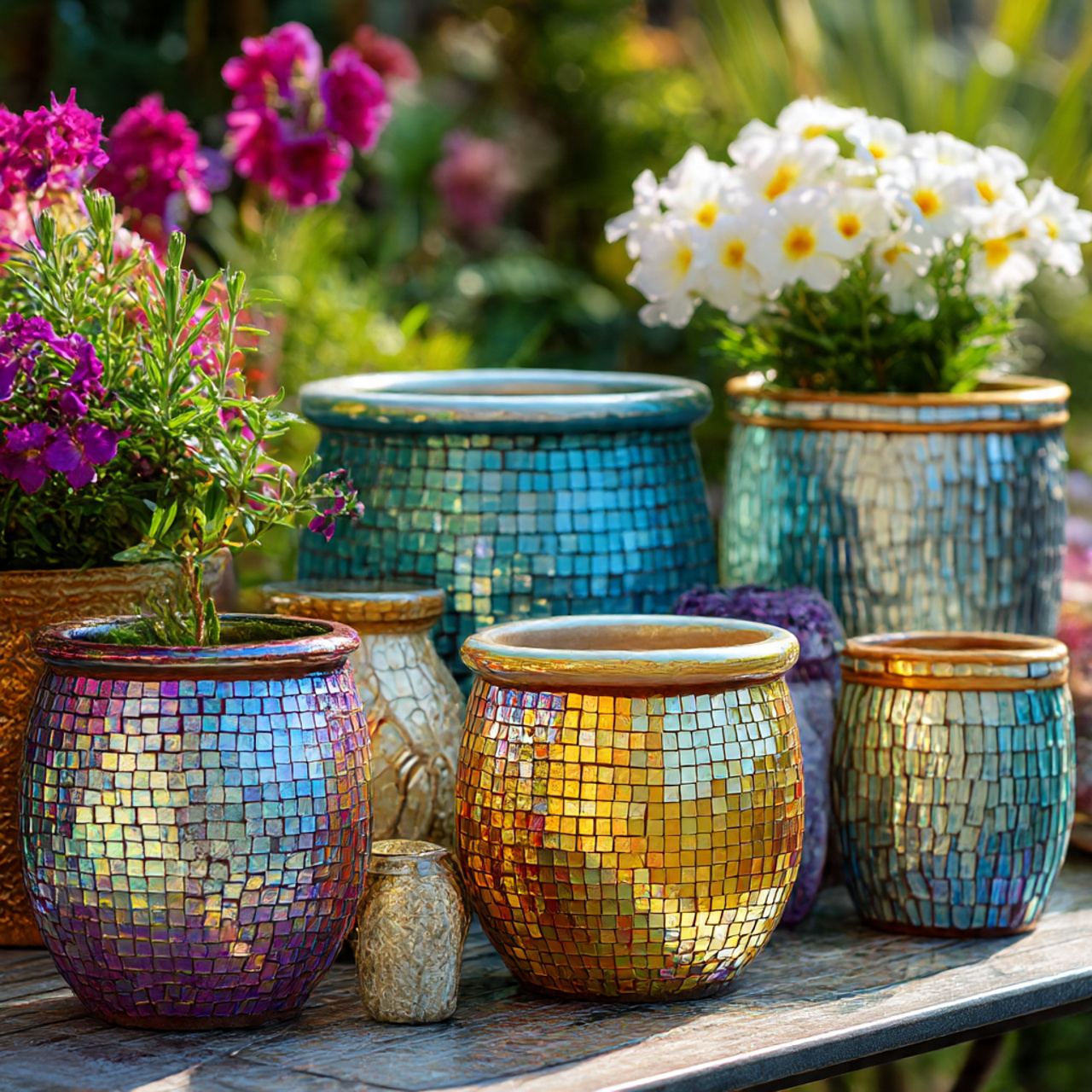
Mosaic containers transform ordinary clay vessels into dazzling artistic statements. This satisfying craft project decorates plain surfaces with colorful glass or ceramic tile fragments arranged in eye-catching patterns.
Materials Needed:
- Broken tile pieces or glass mosaic squares
- Tile adhesive suitable for outdoor use
- Grout in complementary colors
- Sealer for weather protection
Design Possibilities:
- Ocean-inspired blues and aquas
- Sunset gradients of warm hues
- Geometric repeating patterns
- Random abstract compositions
Display Benefits:
- Catches sunlight beautifully
- Adds sparkle to patios and balconies
- Creates unique color accents
- Becomes outdoor garden focal point
Safety Tip: Wear safety glasses when breaking tiles and handle sharp edges carefully during application.
Rattan Wrapped Plant Pot Design
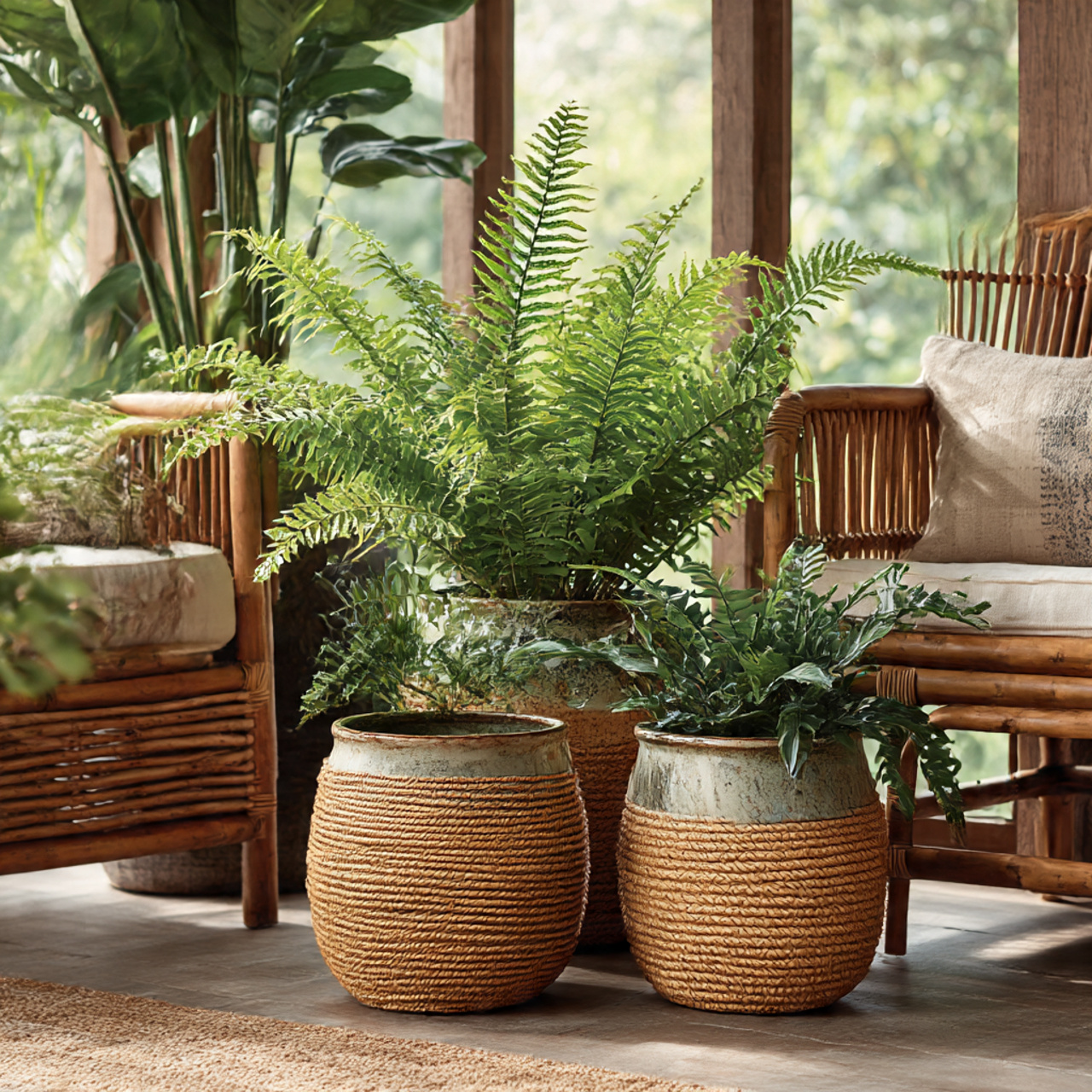
Rattan-wrapped containers marry structural durability with tropical aesthetic appeal. These designs feature sturdy ceramic or metal cores enveloped in woven natural rattan, delivering the best characteristics of both materials.
Perfect Settings:
- Indoor tropical-themed rooms
- Covered porches and verandas
- Sunrooms and conservatories
- Beachy coastal decor schemes
Plant Synergy:
- Graceful fern varieties
- Tall tropical palms
- Broad-leafed philodendrons
- Flowering peace lilies
Atmosphere Creation: These containers instantly evoke resort-style relaxation—pair with natural fiber rugs and light linens for complete vacation vibes at home.
Maintenance: Wipe rattan regularly with dry cloth to prevent dust buildup; avoid placing in areas with excessive moisture exposure.
Cement and Wood Hybrid Plant Pot Design
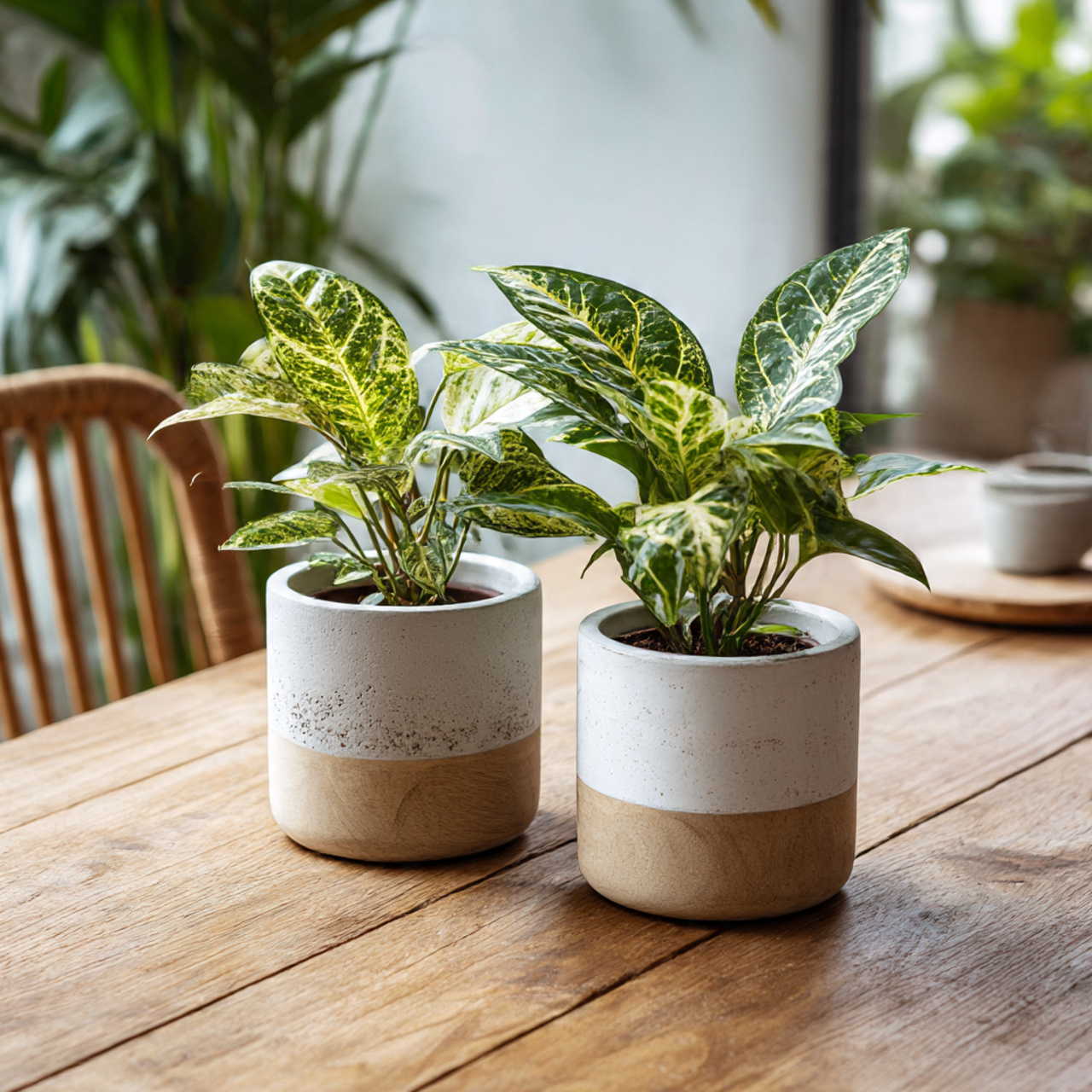
Combining industrial cement with warm wood accents creates compelling visual tension—rugged meets refined in containers that feel both grounded and sophisticated simultaneously.
Design Aesthetic:
- Scandinavian minimalism
- Modern rustic farmhouse
- Industrial loft spaces
- Contemporary organic interiors
Visual Interest:
- Rough concrete texture contrasts smooth wood grain
- Cool grey tones balanced by warm brown hues
- Hard geometric forms softened by natural elements
Styling Approach: These containers anchor plant displays with intentional design that appears effortlessly curated rather than accidentally assembled.
DIY Option: Create your own using wood molds and quick-setting cement mixed with wood inserts before curing.
Color Block Plant Pot Design
Here’s the rewritten version:
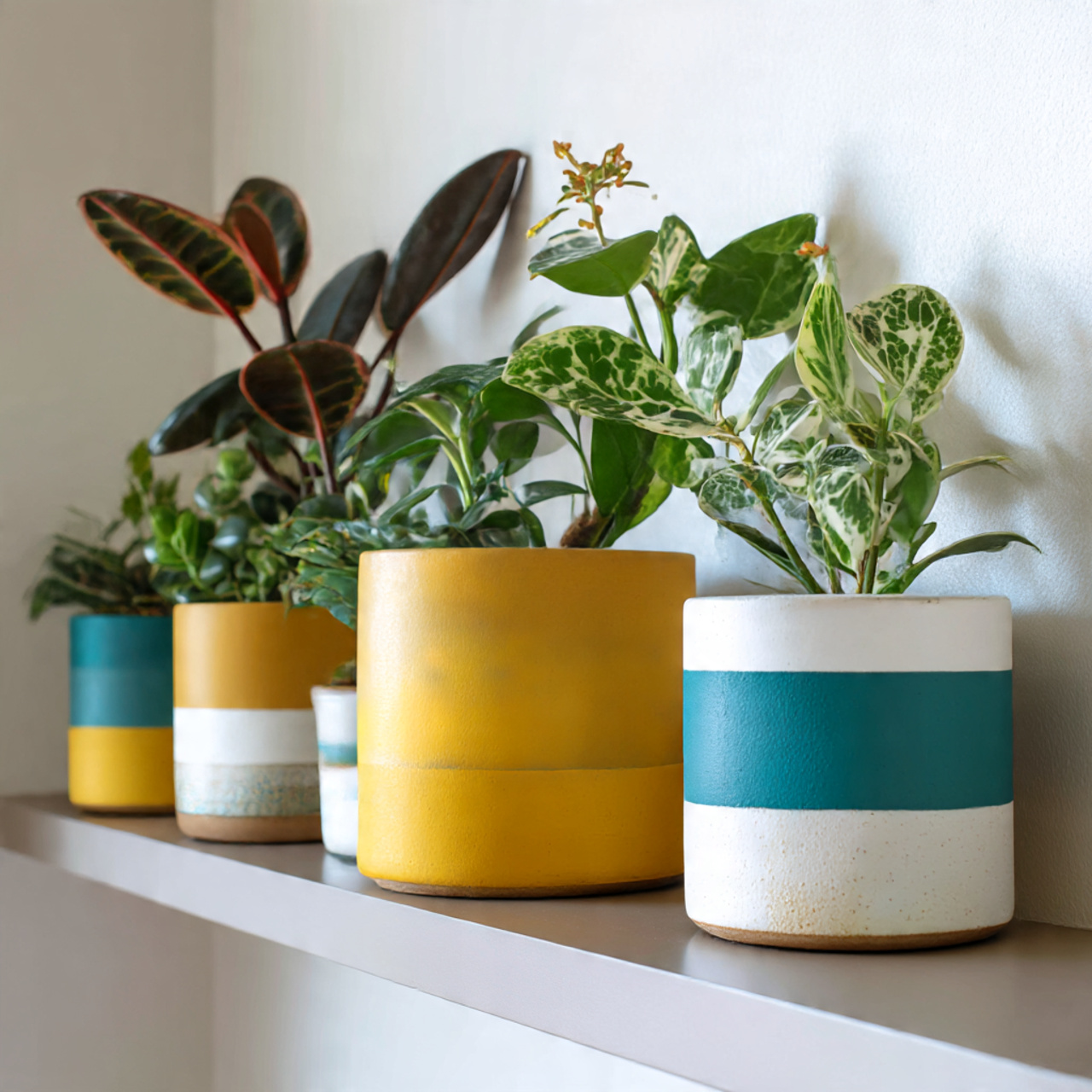
Color-blocked containers make fearless statements through contrasting paint sections that create dynamic visual interest. This graphic design approach brings instant energy to contemporary spaces through deliberate color relationships.
Winning Combinations:
- Mustard yellow + crisp white
- Vibrant teal + soft grey
- Coral pink + charcoal black
- Emerald green + cream
- Navy blue + blush pink
DIY Process:
- Apply base coat in lighter color
- Let dry completely (24 hours)
- Tape off sections with painter’s tape
- Paint contrasting color carefully
- Remove tape while slightly wet for clean lines
Perfect For:
- Modern apartments needing personality
- Minimalist spaces requiring color injection
- Studio living with limited decor budget
Quick Weekend Project: Transform plain containers in one afternoon for immediately noticeable impact.
Textured Clay Plant Pot Design
Embossed or hand-carved clay containers showcase skilled craftsmanship through raised patterns and tactile surface treatments. These artisan pieces bring handmade authenticity that mass-produced containers simply cannot match.
Pattern Types:
- Geometric stamped designs
- Organic leaf impressions
- Cultural symbolic motifs
- Abstract carved textures
- Repeating tribal patterns
Ideal Companions:
- Lush indoor tropicals (monstera, philodendron)
- Dramatic bird of paradise
- Broad-leafed elephant ears
Versatile Styling:
- Ethnic-inspired interiors
- Bohemian eclectic spaces
- Rustic farmhouse settings
- Global traveler aesthetics
Authenticity Factor: Each hand-carved container becomes a unique piece—no two exactly alike, adding genuine artisan value to your collection.
Transparent Acrylic Plant Pot Design
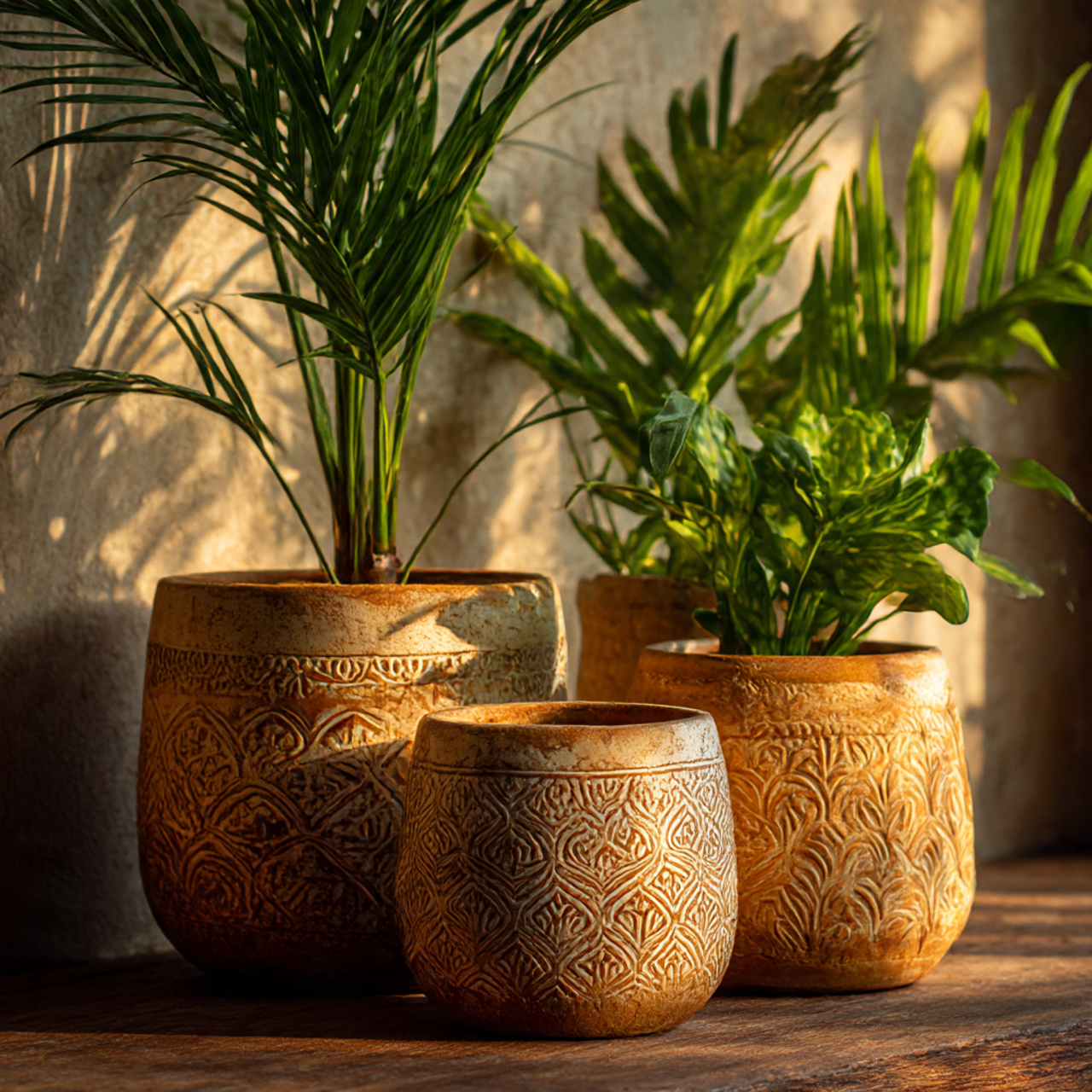
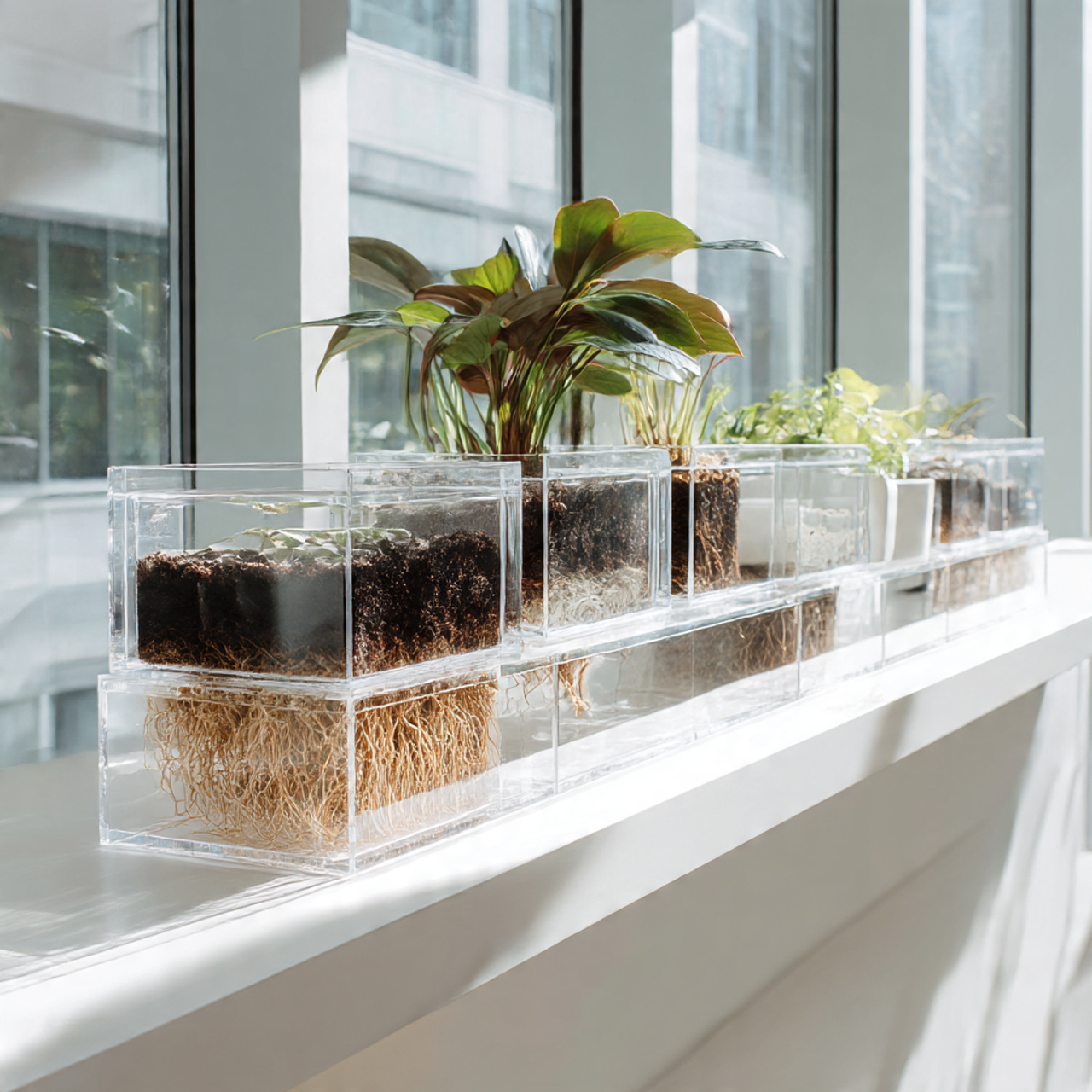
Clear acrylic containers bring futuristic sophistication to plant displays through complete transparency that transforms greenery into living sculptures. These innovative vessels reveal typically hidden elements, creating fascinating educational displays.
What You’ll See:
- Complete root system development
- Colorful soil layer stratification
- Decorative stone arrangements
- Water level in hydroponic setups
Ideal Applications:
- Hydroponic growing systems
- Water-rooted plants (pothos, lucky bamboo)
- Succulent arrangements with decorative layers
- Modern minimalist displays
Design Benefits:
- Lightweight and portable
- Won’t break like glass
- Clean, contemporary aesthetic
- Creates visual lightness in small spaces
Maintenance Note: Acrylic scratches more easily than glass—clean with soft cloths only and avoid abrasive cleaners.
Outdoor Large Plant Pot Design
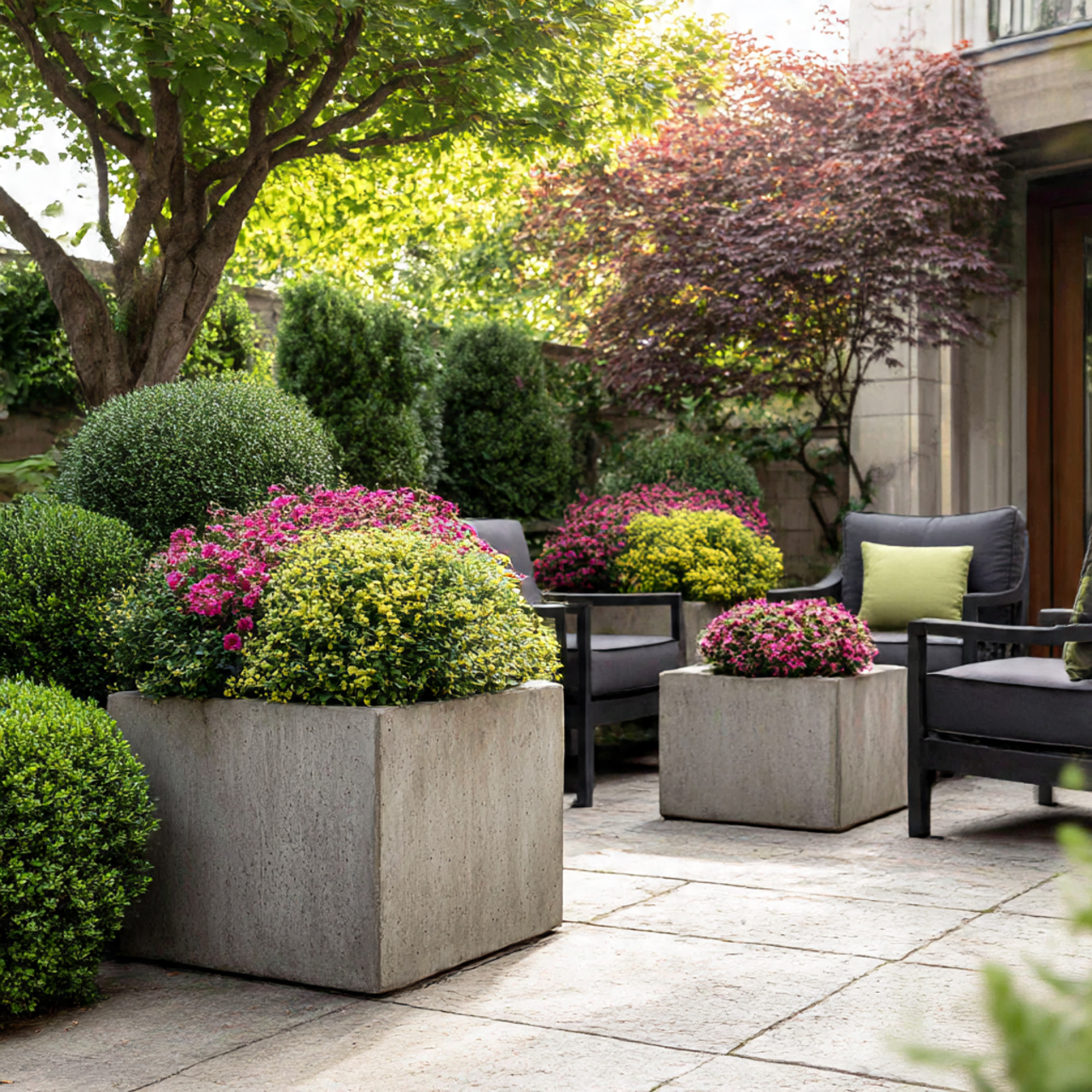
Oversized containers create commanding presence in outdoor environments while providing practical benefits beyond mere visual impact. These substantial vessels anchor landscape designs and define distinct zones throughout your exterior spaces.
Material Recommendations:
- Weather-resistant fiberglass (lightweight, durable)
- Reinforced concrete (extremely sturdy)
- High-grade resin (affordable, versatile)
- Galvanized metal (industrial aesthetic)
Design Functions:
- Define entrance areas
- Frame outdoor seating zones
- Create privacy screening with tall plants
- Balance architectural elements
Plant Suggestions:
- Ornamental grasses for movement
- Structured evergreen shrubs
- Flowering perennials for seasonal color
- Small ornamental trees
Practical Tip: Fill the bottom third of very large containers with lightweight packing peanuts or plastic bottles to reduce soil volume, weight, and cost.
Seasonal Decorative Plant Pot Design
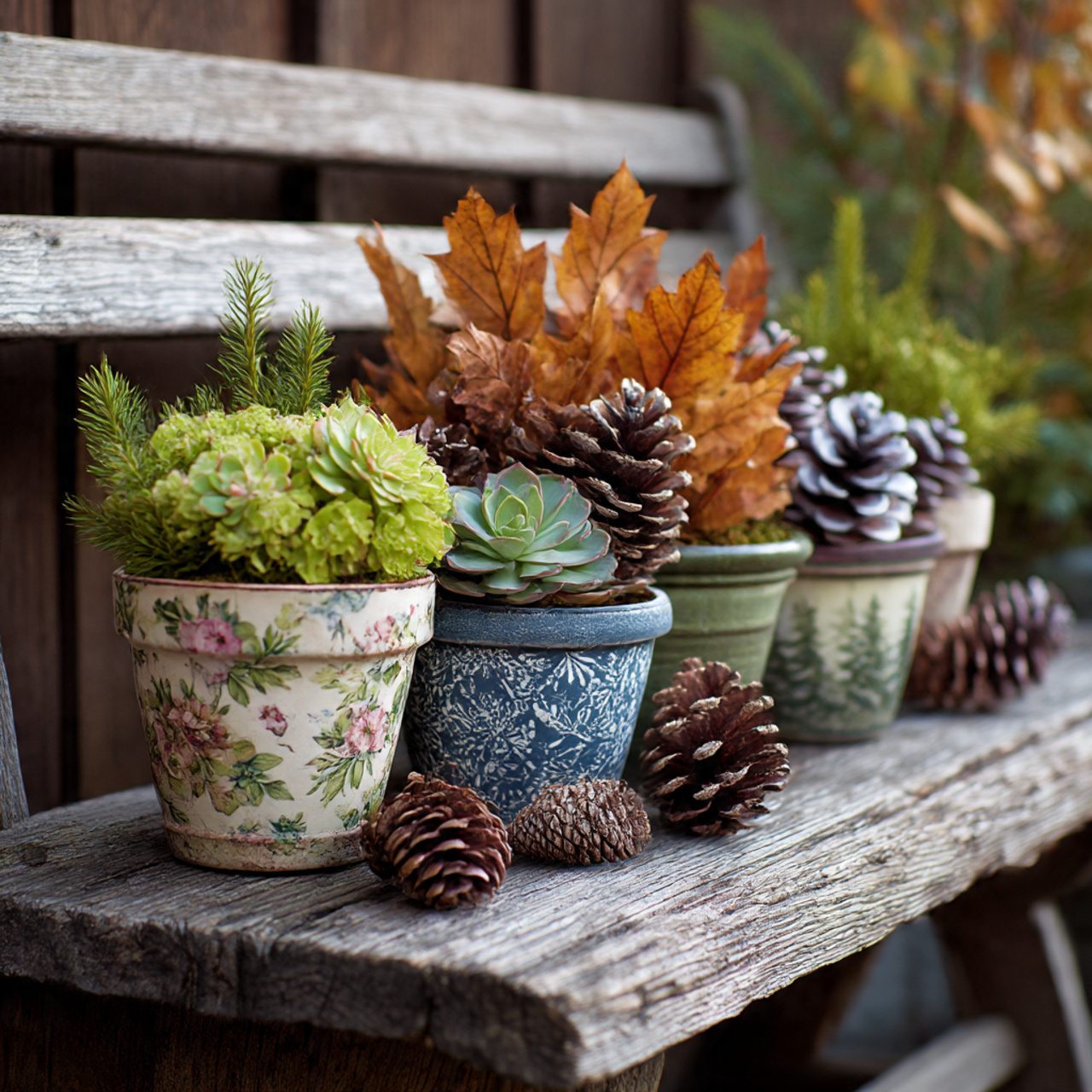
Rotating decorative elements with changing seasons keeps your displays feeling fresh, current, and connected to nature’s rhythms throughout the year. This flexible approach requires minimal investment while delivering maximum visual refreshment.
Spring Refresh:
- Pastel ribbon accents
- Cheerful floral stickers
- Nest and egg embellishments
- Fresh bright paint colors
Summer Styling:
- Coastal shells and starfish
- Nautical rope wrapping
- Bright tropical colors
- Beach-themed accessories
Autumn Ambiance:
- Burlap and plaid ribbons
- Preserved autumn leaves
- Miniature pumpkins
- Warm earth-tone paints
Winter Wonderland:
- Evergreen sprigs and pinecones
- Metallic spray paint accents
- Festive berry branches
- Cozy plaid fabric wraps
Creative Benefit: This approach lets you update aesthetics constantly without purchasing entirely new containers—economical and environmentally conscious.
FAQs About Plant Pot Design
1. What materials are best for plant pot design?
Terracotta, ceramic, concrete, metal, and wood are top choices depending on style and function. Ceramic gives elegance, while terracotta promotes breathability.
2. How can I choose the right size for a plant pot design?
Select pots with at least one to two inches of space around the plant’s root ball to allow proper growth and drainage.
3. Are self-watering plant pot designs good for all plants?
They’re ideal for moisture-loving plants but not for succulents or cacti that prefer dry soil.
4. Can I paint my own plant pot design at home?
Absolutely. Use acrylic paints and seal with waterproof varnish for long-lasting color and protection.
5. How can I mix different plant pot designs together?
Stick to a unified color palette or texture family to maintain harmony while showcasing varied shapes and materials.
Conclusion: Redefine Your Space with Thoughtful Plant Pot Design
Each container you choose tells its own story—reflecting your creativity, values, and unique aesthetic sensibility. The perfect vessel transcends its basic function, transforming ordinary plants into compelling design statements that unite your entire space while showcasing your individual personality.
Whether sleek concrete appeals to your minimalist soul, vibrant mosaics match your artistic spirit, weathered wooden crates speak to your rustic heart, or any other style calls to you, there’s an approach that aligns perfectly with your vision.
View your containers as more than simple plant holders. They’re canvases for self-expression, reflections of your imagination, and representations of the lifestyle you’re cultivating. Select designs that genuinely inspire you, then watch as they introduce growth, harmony, and beauty throughout every corner of your environment. Your greenery—and your surroundings—will flourish beautifully.