25 Unique Floral Arrangements: Seasonal, Rustic, Minimalist & More
There’s something magical about flowers that instantly brighten a room, lift spirits, and turn ordinary moments into extraordinary memories. Whether you’re jazzing up your living room, planning the wedding of your dreams, or looking for the perfect way to say “I’m thinking of you,” knowing how to arrange flowers is like having a creative superpower.
The beauty of floral design lies in its versatility—play with colors, experiment with textures, mix different styles, and choose blooms based on the season. The possibilities? Absolutely endless.
Why Floral Arrangements Are More Than Just Pretty Decorations
Let’s be real—flowers do way more than just sit there looking gorgeous. They’re silent communicators, mood boosters, and atmosphere creators all rolled into one. A thoughtfully designed bouquet can warm up a cold space, make your anniversary unforgettable, or say things that even the perfect words can’t capture.
When you master the art of flower arranging, you’re not just sticking stems in a vase. You’re creating visual poetry that speaks to the heart and pleases the eye.
Why it matters:
- Sets the emotional tone of any space
- Creates lasting memories for special occasions
- Offers a creative outlet for personal expression
- Connects us with nature’s beauty in our daily lives
Seasonal Flower Arrangements
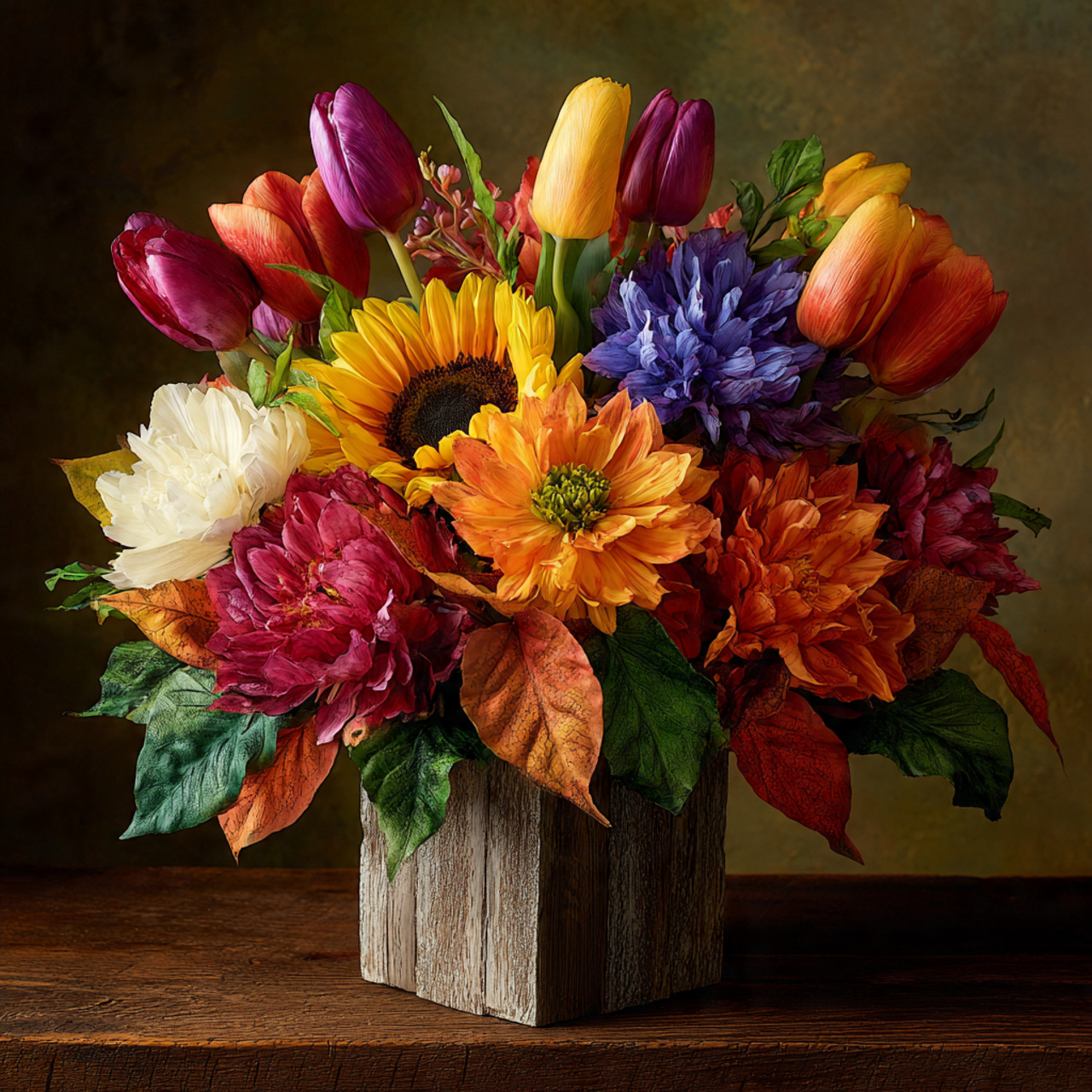
Shopping for flowers that are currently in season is hands-down one of the smartest moves you can make. You’ll get fresher blooms, more vibrant colors, and your wallet will thank you too.
Spring brings cheerful tulips and sunny daffodils that practically scream “new beginnings!” Summer delivers bold sunflowers and romantic roses that add warmth to any setting. When fall rolls around, chrysanthemums and marigolds bring those rich, earthy tones we all love. Winter? Think elegant poinsettias and aromatic evergreens that smell like the holidays.
Pro tip: Don’t stop at just flowers—throw in some seasonal extras like fallen leaves, interesting branches, or clusters of berries for that extra wow factor.
Why choose seasonal:
- Flowers are at peak freshness and beauty
- More budget-friendly than imported out-of-season blooms
- Supports local growers and reduces carbon footprint
- Naturally complements the current vibe and celebrations
Quick seasonal picks:
- Spring: Tulips, daffodils, hyacinths, peonies
- Summer: Sunflowers, roses, dahlias, zinnias
- Fall: Chrysanthemums, marigolds, asters, celosia
- Winter: Poinsettias, amaryllis, evergreens, holly
Visit More: Birth Flowers
Minimalist Floral Arrangements
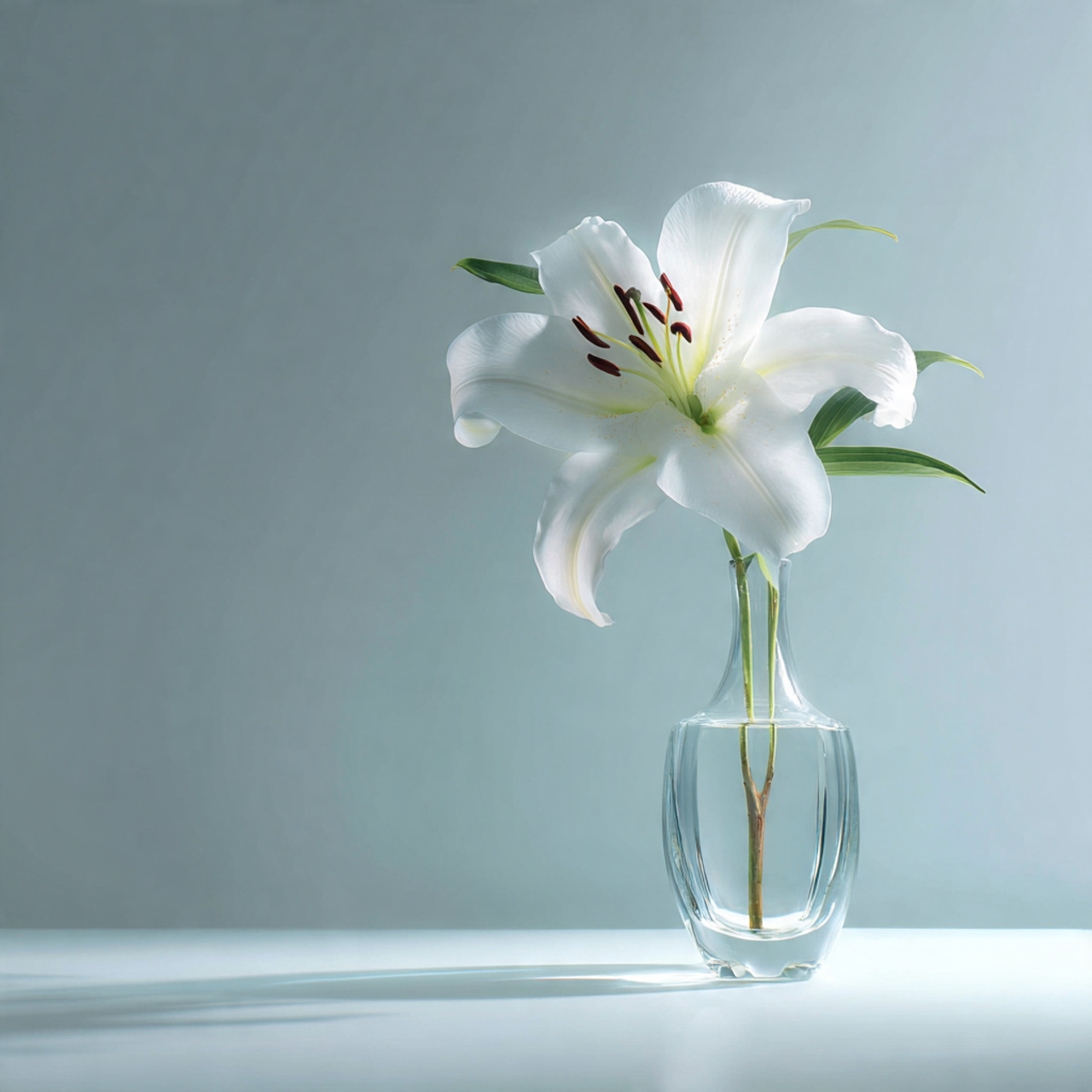
Sometimes the most impactful statement comes from keeping things simple. Minimalist flower arrangements are all about clean lines, breathing room, and letting each bloom truly shine.
Picture this: a single pristine white lily standing tall in a sleek, modern vase. No clutter, no competition—just pure elegance. This approach puts quality front and center instead of overwhelming viewers with quantity.
Perfect for:
- Modern homes with contemporary decor
- Professional office spaces
- Anyone who appreciates “less but better” philosophy
- Small spaces that can’t handle large arrangements
Minimalist arrangement tips:
- Stick to one or two flower types maximum
- Choose neutral-colored vessels (white, black, grey, clear glass)
- Leave plenty of negative space around flowers
- Focus on the natural form and lines of each stem
Example: Three white calla lilies in a tall cylindrical vase create more impact than a dozen mixed flowers crammed together.
Rustic Floral Arrangements
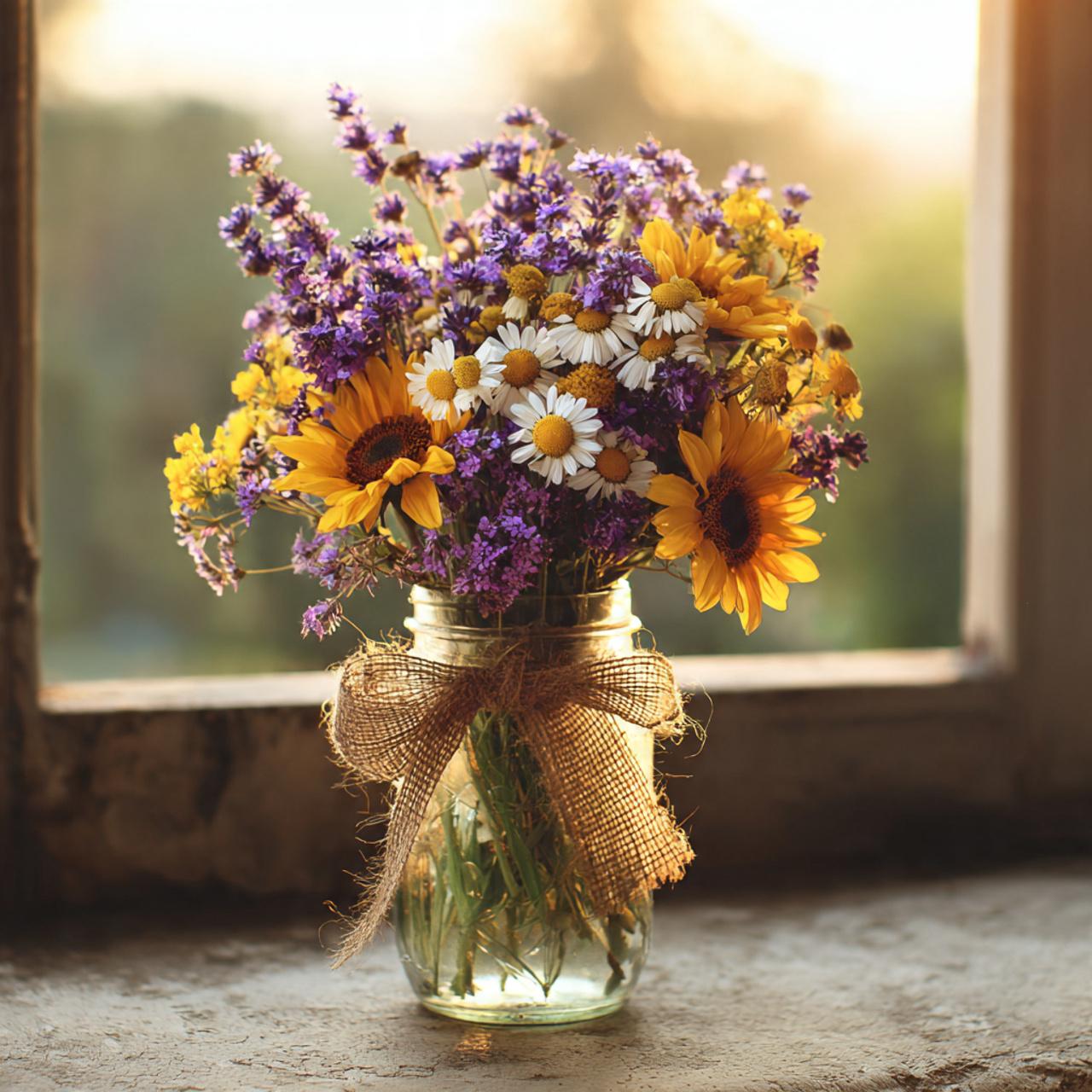
Want that cozy, farm-fresh feeling? Rustic arrangements nail that effortlessly charming vibe that makes everyone feel at home. We’re talking wildflowers, natural textures, and colors pulled straight from nature’s palette.
Combine lavender, cheerful daisies, and sunny sunflowers, then place them in mason jars, wooden boxes, or anything wrapped in burlap. Instant countryside magic.
Where rustic arrangements shine:
- Barn weddings or outdoor ceremonies
- Farmhouse-style home decor
- Casual backyard gatherings
- Any space needing warmth and nostalgia
Rustic styling secrets:
- Mix cultivated flowers with actual wildflowers
- Use weathered or vintage-looking containers
- Add texture with twine, lace, or natural fiber ribbons
- Include wheat stalks, dried grasses, or seed pods
- Don’t aim for perfection—embrace the “just-picked” look
Modern Geometric Arrangements
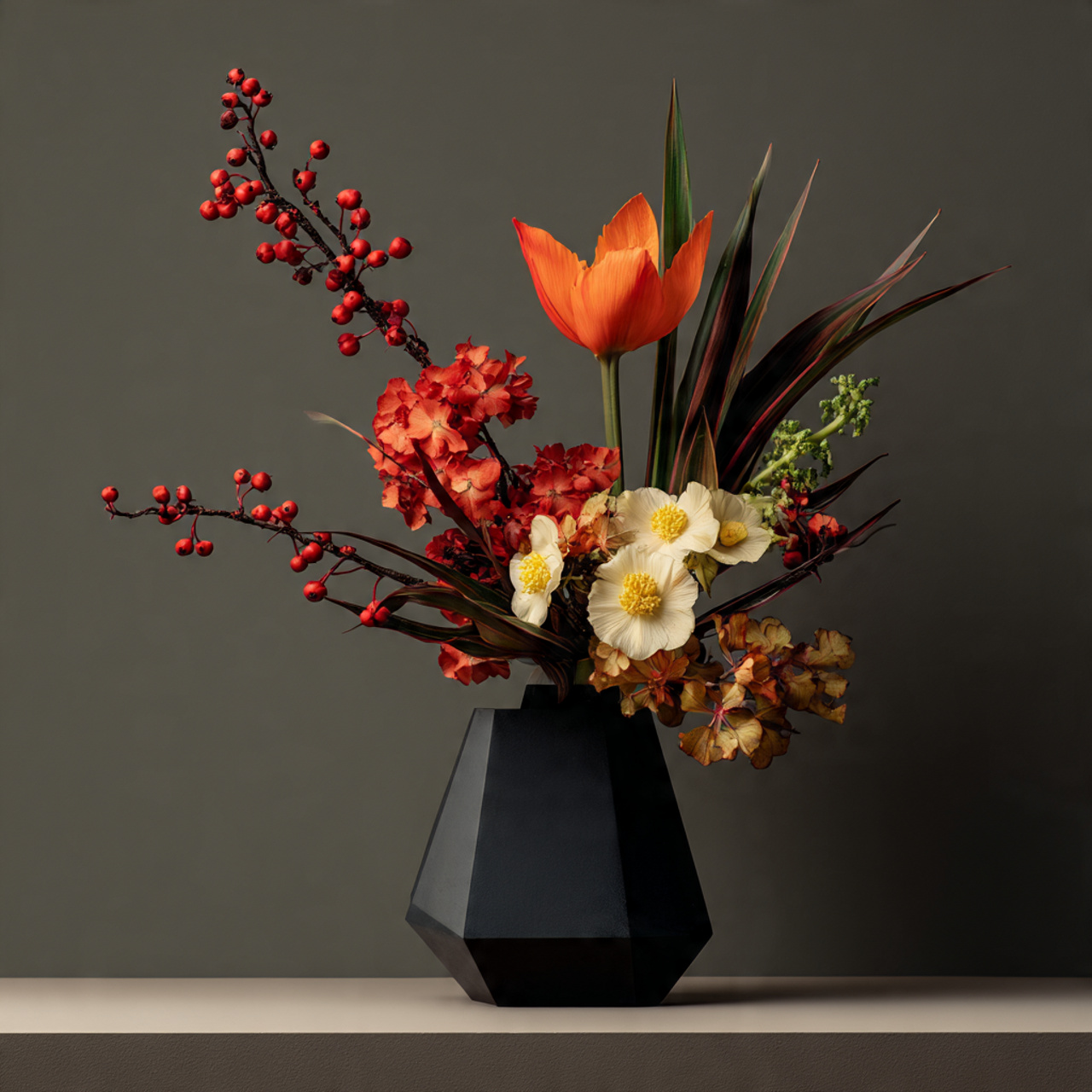
If you’re tired of traditional round bouquets, geometric arrangements are your new best friend. These designs play with angles, asymmetry, and unexpected placements that challenge what we think flower arrangements should look like.
Think bold lines, striking shapes, and flowers chosen as much for their architectural quality as their color. It’s floral art meets sculpture.
Ideal settings:
- Art galleries and creative spaces
- Urban lofts and modern offices
- Trendy events and photoshoots
- Anywhere that celebrates contemporary design
Geometric arrangement tricks:
- Use triangular or linear formations instead of circular
- Create asymmetrical balance rather than mirror symmetry
- Choose flowers with strong structural elements
- Pair with angular, modern vases
- Think of each stem as a line in a composition
Example: Arrange bird of paradise and anthurium in a cube vase, positioning each flower at different heights and angles for a bold, architectural look.
Monochromatic Floral Arrangements
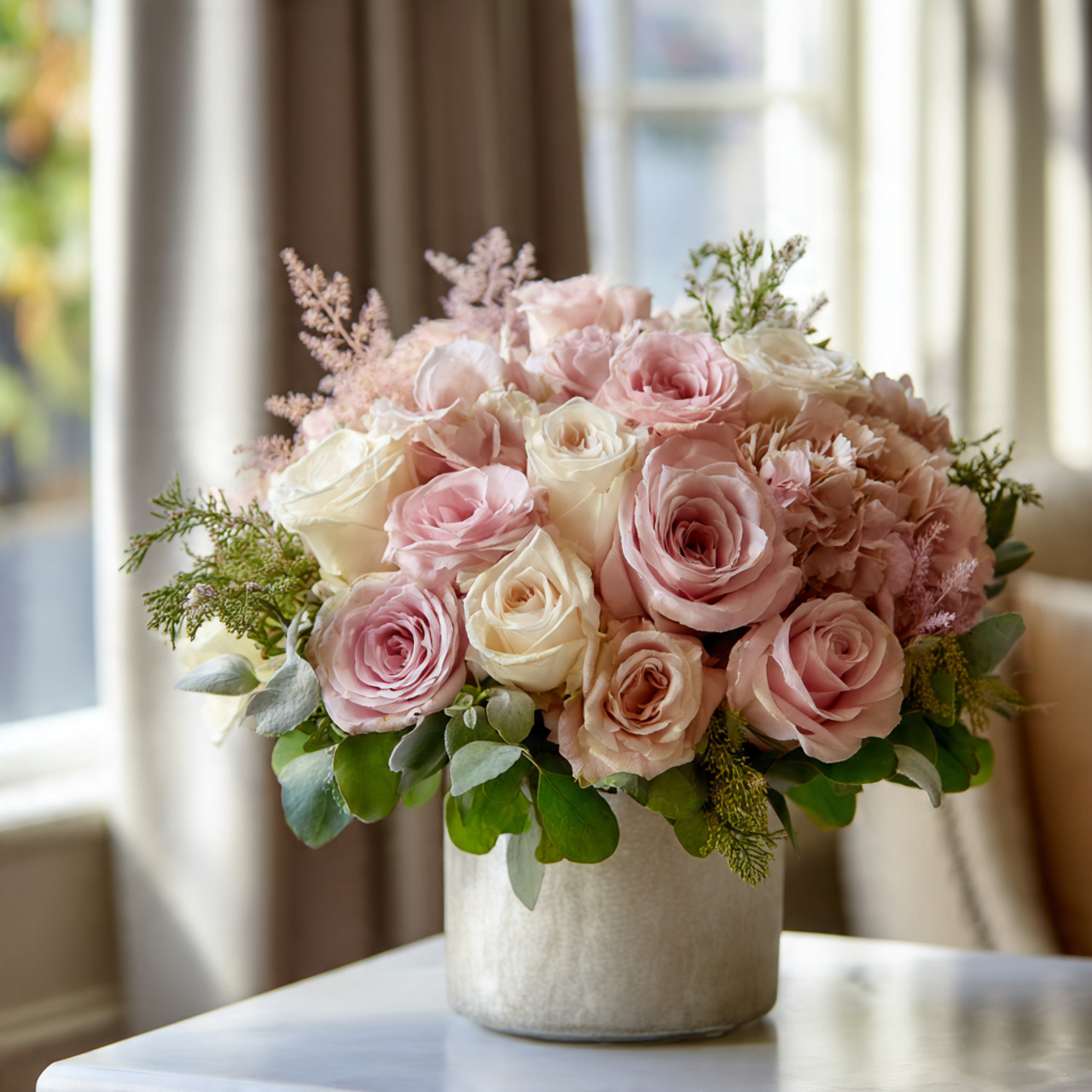
Here’s a secret weapon for sophisticated arrangements: stick to one color but use every shade of it you can find. This technique creates incredible depth while maintaining a calm, unified look that’s seriously elegant.
Imagine various shades of pink roses—from pale blush to deep magenta—accented with soft greenery. Or picture an all-white arrangement featuring different textures and flower types that create visual interest without color competition.
Perfect occasions:
- Weddings with specific color schemes
- Corporate events needing polish
- Minimalist home decor
- Situations requiring understated elegance
Monochromatic mastery:
- Choose 3-5 different shades of your chosen color
- Vary flower sizes and shapes for texture
- Add greenery to prevent flatness
- Consider the container as part of the color story
- Use the darkest shades as focal points
Color psychology bonus:
- Blues: Calming, peaceful, professional
- Pinks: Romantic, gentle, playful
- Whites: Pure, elegant, timeless
- Yellows: Cheerful, energetic, optimistic
Vertical Floral Arrangements
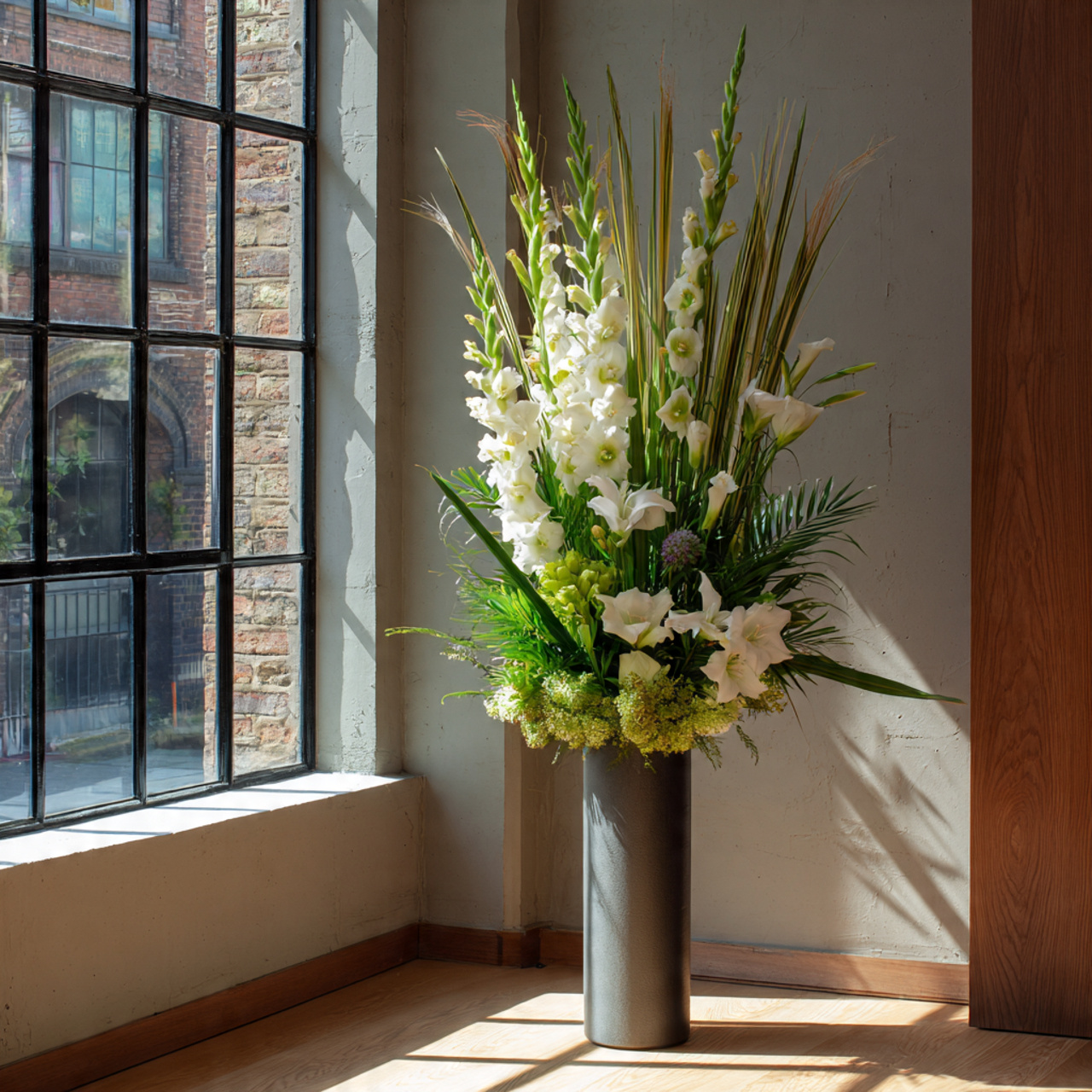
Want to add drama and height to your space? Vertical arrangements are the answer. These tall, elegant designs draw the eye upward and create a sense of grandeur that horizontal arrangements simply can’t match.
Flowers like gladiolus, towering delphiniums, and stately lilies were practically born for this style. Pair them with elongated vases, and you’ve got instant sophistication.
Where vertical works best:
- Grand entryways or foyers
- Formal events and ceremonies
- Altar arrangements
- Spaces with high ceilings
- Narrow console tables or pedestals
Vertical arrangement essentials:
- Start with your tallest flowers as the foundation
- Graduate heights downward for visual flow
- Ensure the vase is heavy enough to prevent tipping
- Use floral foam or tall narrow grids for support
- Keep the base arrangement narrow to emphasize height
Tip: For extra stability, place small stones or marbles at the bottom of the vase before adding water.
Floating Flower Arrangements
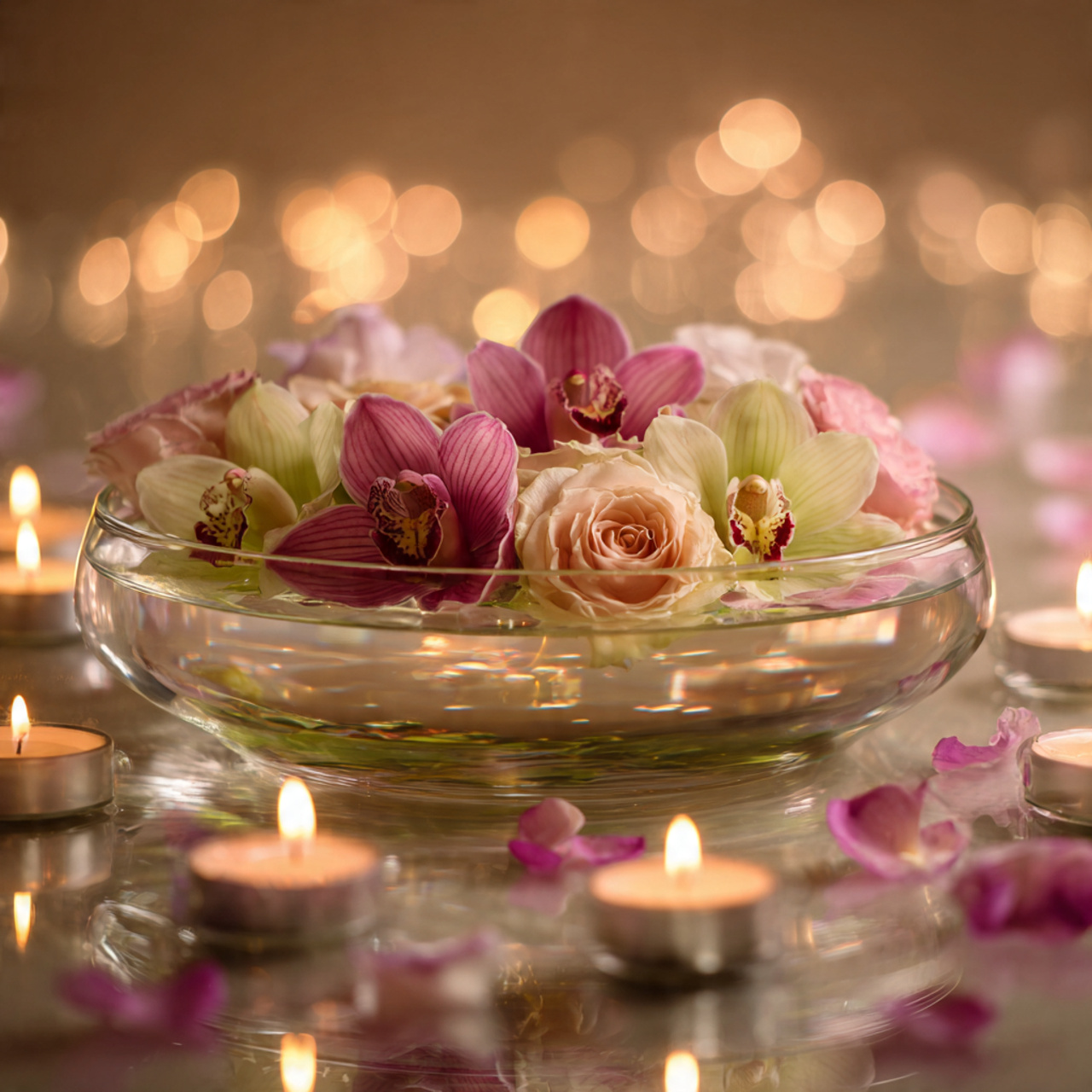
There’s something undeniably zen about watching flowers float peacefully in water. These arrangements transform simple blooms into mesmerizing focal points that bring instant tranquility to any space.
Orchids, roses, or water lilies placed in shallow bowls or clear glass containers create a serene display. Add floating candles or submerged greenery for extra ambiance.
Floating arrangements work wonderfully for:
- Wedding receptions and romantic dinners
- Spa environments or bathrooms
- Meditation spaces
- Pool or outdoor water features
Floating flower how-to:
- Choose flowers with naturally buoyant blooms
- Cut stems very short (1-2 inches maximum)
- Use distilled water to prevent cloudiness
- Change water every 2-3 days for freshness
- Add floating candles after sunset for magical lighting
- Consider adding river rocks or decorative stones to the bottom
Safety note: If using candles, never leave them unattended and keep away from flammable materials.
Ikebana-Inspired Arrangements
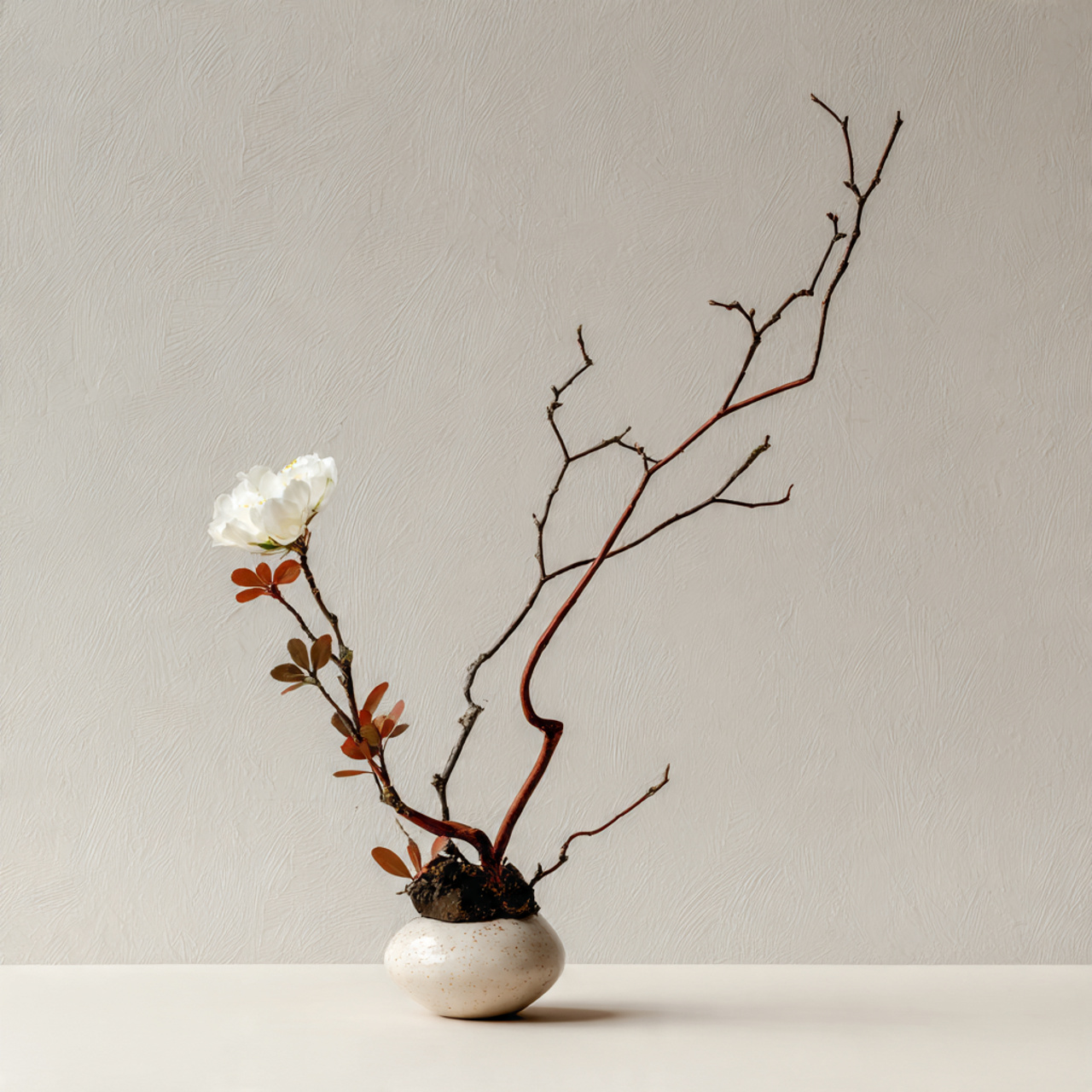
The Japanese art of Ikebana teaches us that every stem, every leaf, and every bit of empty space matters. These arrangements aren’t about stuffing vases full—they’re about intentional placement, balance, and letting each element breathe.
This minimalist approach celebrates natural lines, the beauty of negative space, and the harmony between all components. It’s meditation meets art.
Ikebana principles for modern arrangers:
- Less is always more
- Consider the space between flowers as important as the flowers themselves
- Arrange in odd numbers (3, 5, 7)
- Create a sense of movement and natural growth
- Use branches and leaves as prominently as blooms
Ideal for:
- Meditation rooms or yoga studios
- Zen gardens or peaceful corners
- Art displays requiring contemplative pieces
- Anyone seeking a refined, mindful aesthetic
Simple Ikebana exercise: Start with just three elements—one tall branch, one medium flower, and one piece of greenery. Position them to create a triangle, paying attention to the space around each element.
Mixed Wildflower Arrangements
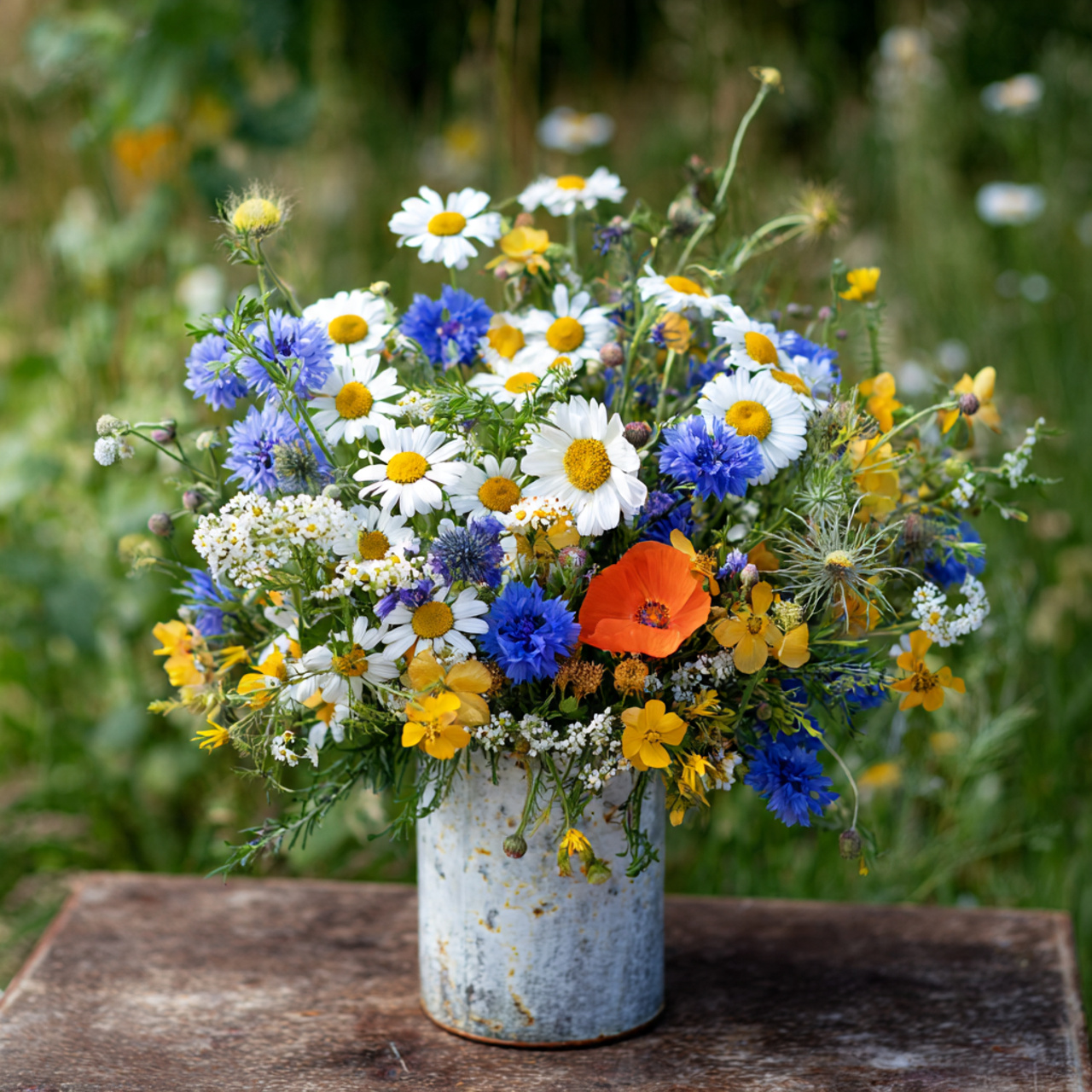
If you want arrangements that feel like you just walked through a sunny meadow and gathered whatever caught your eye, wildflower mixes are your jam. These casual, colorful bouquets burst with personality and charm.
Combine daisies, cornflowers, cheerful poppies, natural grasses, and whatever foliage looks interesting. The result? Pure, unfiltered joy in floral form.
Why wildflowers win:
- Affordable and often available locally
- Create an instantly cheerful, relaxed vibe
- Perfect for the “just picked” aesthetic
- Incredibly forgiving for beginners
Wildflower arrangement tips:
- Don’t worry about perfect placement—embrace the chaos
- Mix different heights and textures freely
- Include seed heads and grasses for authenticity
- Use mason jars, pitchers, or vintage containers
- Pick or buy in the morning when flowers are freshest
Perfect for:
- Spring and summer celebrations
- Casual home decor that needs a pop of color
- Gift bouquets with personality
- Outdoor picnics or garden parties
Budget tip: Many “wildflowers” grow freely along roadsides and in fields (where legal to pick). Always ask permission on private property and never take from protected areas.
Tropical Floral Arrangements
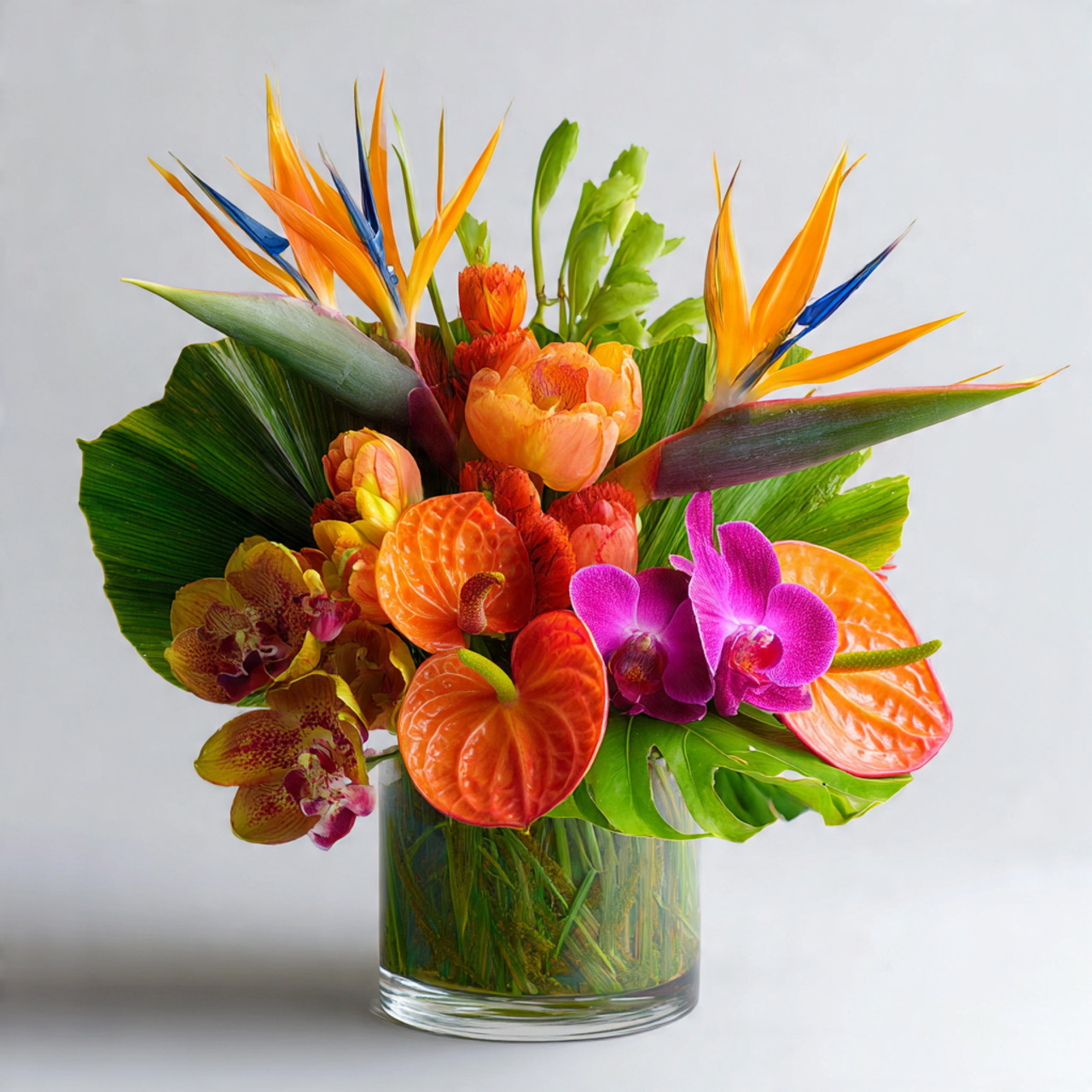
Ready to make a statement? Tropical arrangements don’t do subtle—they bring exotic drama, vibrant colors, and wow-factor energy that commands attention.
Think exotic orchids, striking anthuriums, and the unmistakable bird-of-paradise paired with large, glossy green leaves. These aren’t your grandmother’s roses.
Tropical arrangement characteristics:
- Bold, saturated colors (orange, fuchsia, red, purple)
- Large, architectural blooms
- Dramatic foliage like monstera or banana leaves
- Long-lasting flowers (many tropical blooms are remarkably durable)
Perfect settings:
- Summer parties and poolside events
- Tropical-themed weddings
- Modern homes needing color impact
- Resort or vacation rental decor
Tropical styling tips:
- Go big with scale—tropical flowers can handle it
- Mix high-contrast colors fearlessly
- Include exotic foliage as a major design element
- Consider unconventional containers like wooden bowls
- Layer different heights for jungle-like depth
Care note: Many tropical flowers prefer warm environments and will last longer away from air conditioning drafts.
Wedding Floral Arrangements
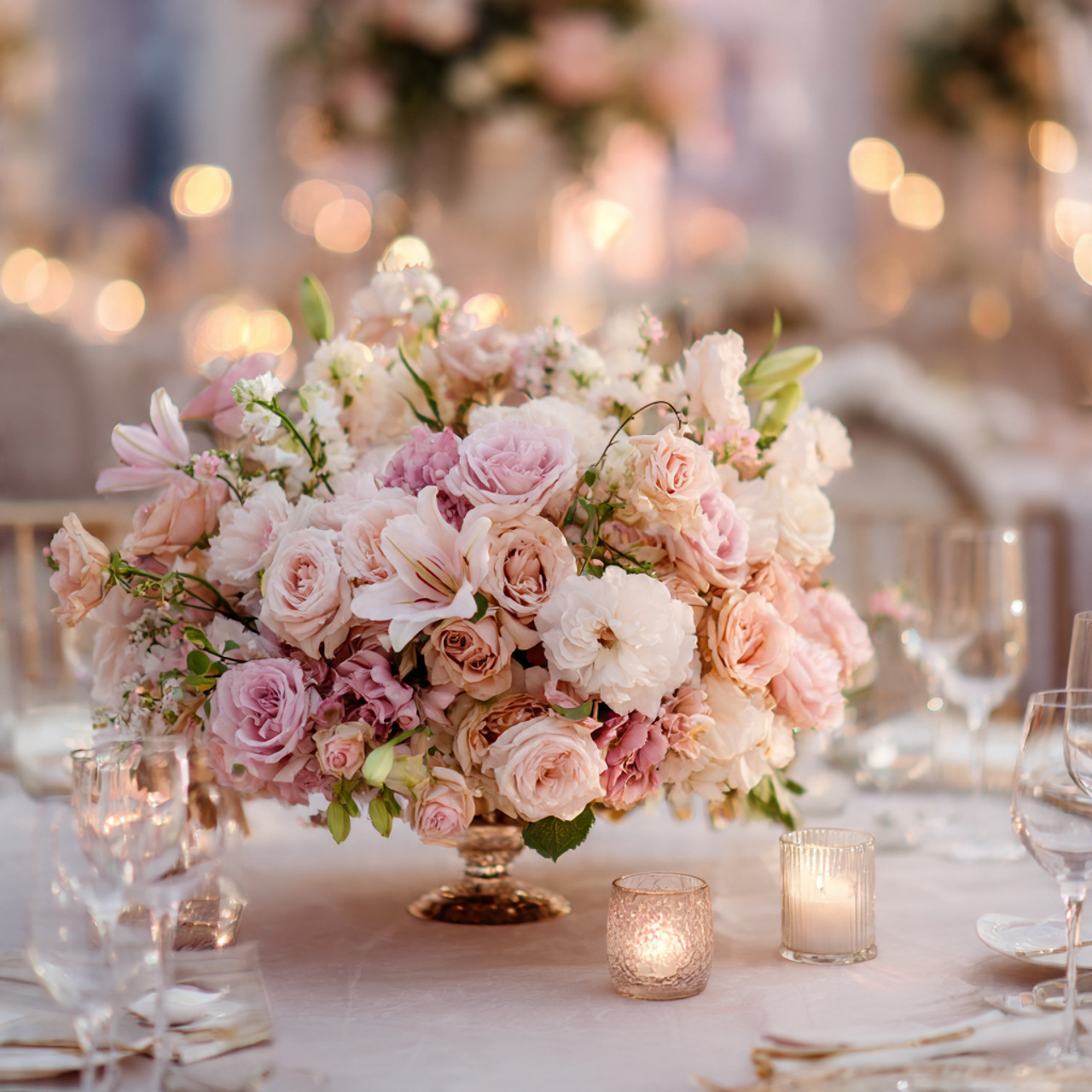
Wedding flowers deserve their own category because they’re doing some serious heavy lifting—setting the romantic mood, complementing the venue, matching the color scheme, and creating photo-worthy moments.
From the bridal bouquet to table centerpieces to ceremony arches, every floral element needs careful thought. Roses, dreamy peonies, and elegant lilies in soft pastels remain timeless favorites.
Wedding flower considerations:
- Longevity: Flowers must last through the entire event
- Scent: Avoid overpowering fragrances in enclosed spaces
- Color coordination: Match or complement wedding palette
- Seasonal availability: Choose blooms in season for best quality
- Personal meaning: Include flowers significant to the couple
Wedding arrangement types:
- Bridal bouquets: Hand-tied or cascading styles
- Bridesmaids’ bouquets: Smaller, complementary designs
- Boutonnieres: Simplified single blooms for lapels
- Centerpieces: Varied heights for visual interest
- Ceremony arrangements: Large-scale statement pieces
Budget-savvy wedding tip: Focus your budget on highly visible arrangements (bride’s bouquet, ceremony backdrop, head table) and simplify secondary arrangements with more greenery and fewer flowers.
Office Floral Arrangements
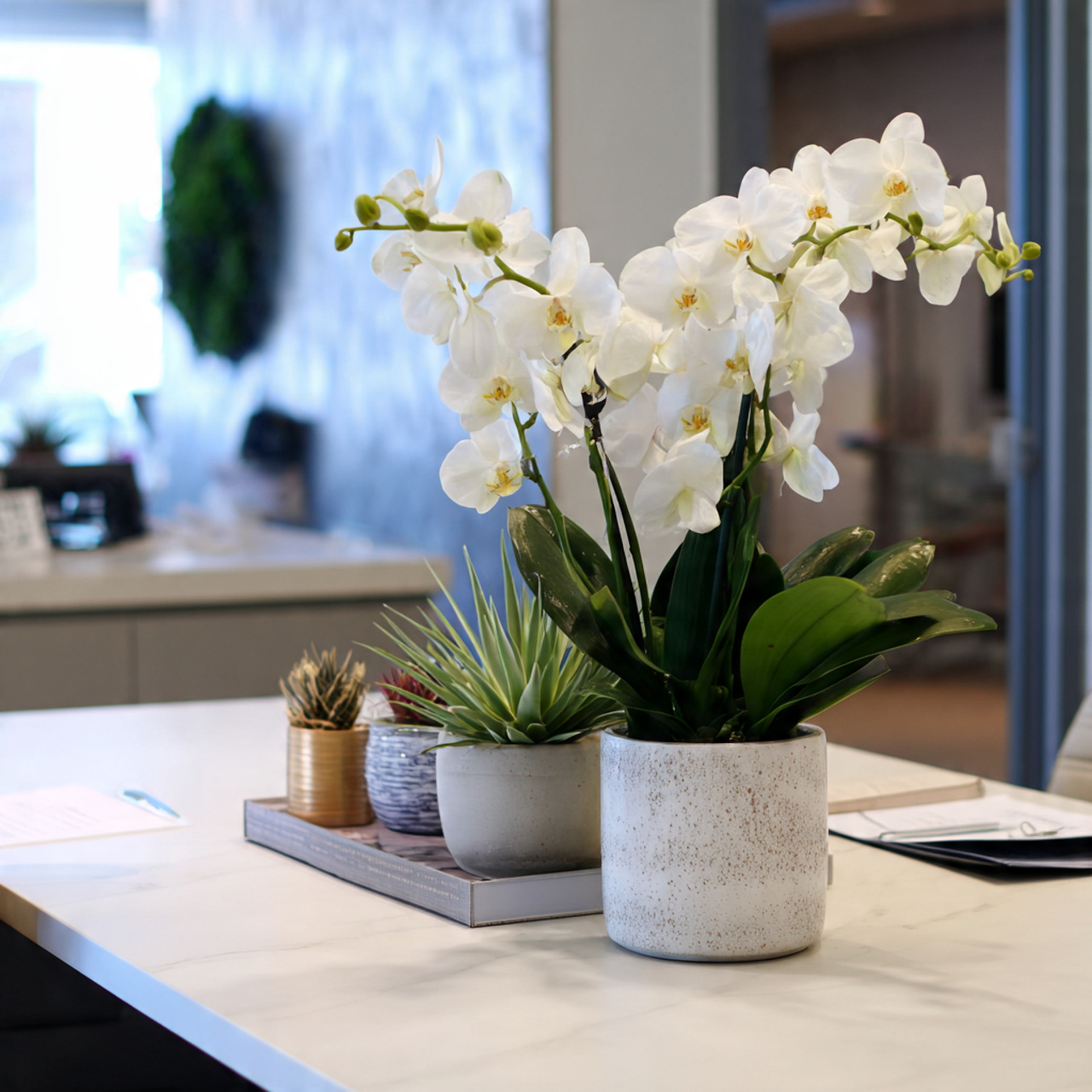
Office flowers walk a fine line—they need to add life and color without creating maintenance headaches or overpowering professional spaces.
Low-maintenance champions like orchids, hardy succulents, and small potted plants deliver color and freshness without demanding daily attention. Balance flowers with plenty of greenery to promote calm and focus.
Office-friendly characteristics:
- Low or no fragrance (strong scents can trigger sensitivities)
- Long-lasting varieties
- Compact size that doesn’t crowd desks
- Professional appearance
- Minimal water changes needed
Best office flowers:
- Orchids: Last weeks with minimal care
- Succulents: Nearly indestructible
- Snake plants: Tolerant of neglect and low light
- Pothos: Air-purifying and easy
- Peace lilies: Elegant and forgiving
Office arrangement benefits:
- Improves air quality
- Reduces stress and increases productivity
- Creates welcoming atmosphere for clients
- Adds natural beauty to sterile environments
- Provides conversation starters
Tip: Place arrangements away from heating vents, air conditioning units, and direct harsh sunlight to maximize longevity.
Aromatic Floral Arrangements
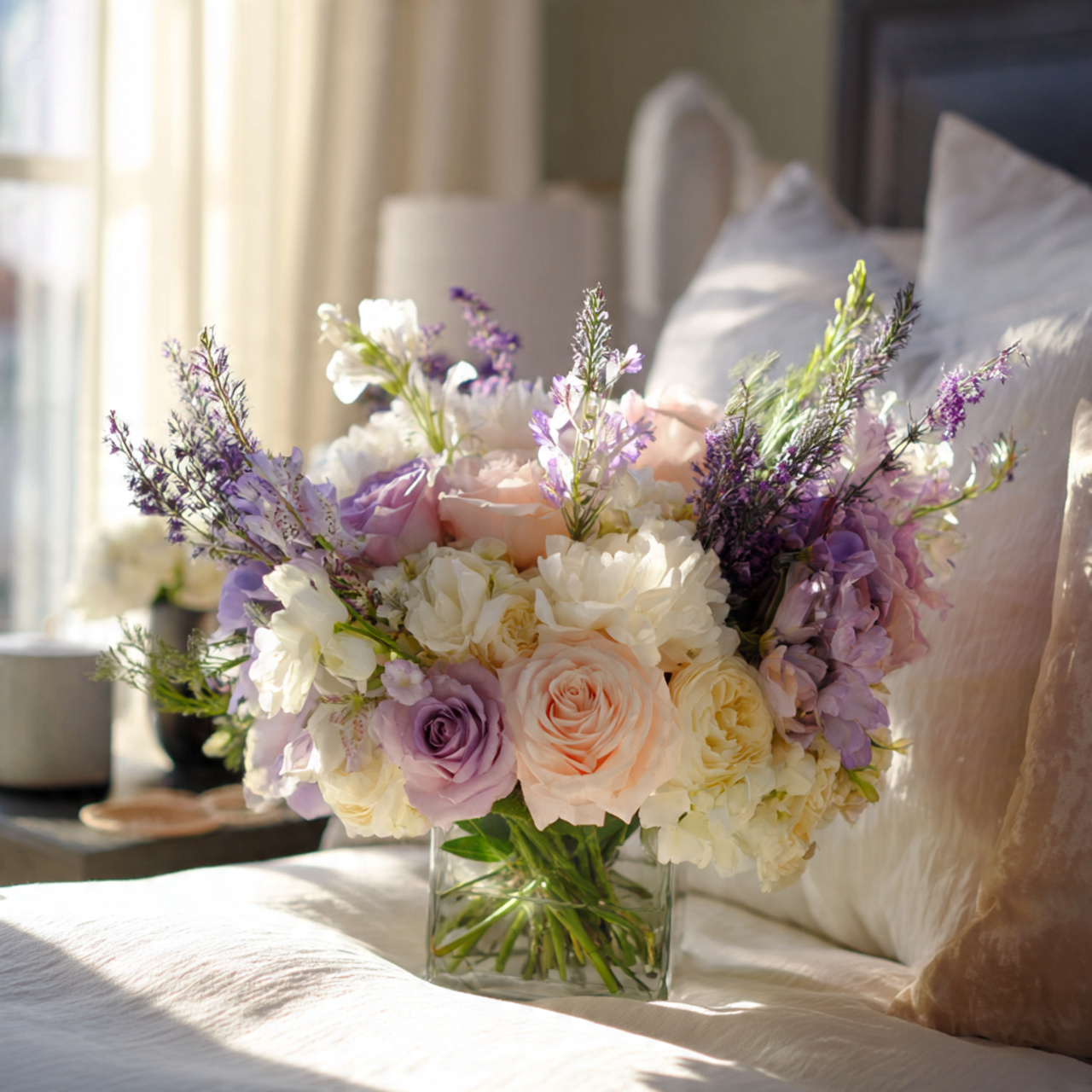
Why settle for just looking at flowers when they can also fill your space with incredible fragrance? Aromatic arrangements engage multiple senses, creating immersive experiences that linger in memory.
Lavender brings relaxation, gardenias offer intoxicating sweetness, and roses deliver classic romantic scent. Strategic placement amplifies their impact.
Best fragrant flowers:
- Lavender: Calming, sleep-promoting
- Gardenias: Sweet, tropical, luxurious
- Roses: Classic, romantic (especially garden roses)
- Jasmine: Exotic, evening-blooming
- Freesia: Fresh, citrusy notes
- Lilacs: Spring nostalgia
- Hyacinths: Sweet, powerful fragrance
Ideal locations for scented arrangements:
- Bedrooms (choose calming scents)
- Bathrooms (spa-like experience)
- Entryways (welcoming first impression)
- Meditation or reading nooks
Scent placement strategy:
- Use lighter scents in small rooms
- Place near (but not on) bedside tables for gentle sleep aid
- Avoid strong fragrances in kitchens where they compete with food
- Consider allergies and sensitivities of household members
Warning: Avoid heavily scented arrangements in dining areas as they can interfere with the enjoyment of food and wine.
Eco-Friendly Floral Arrangements
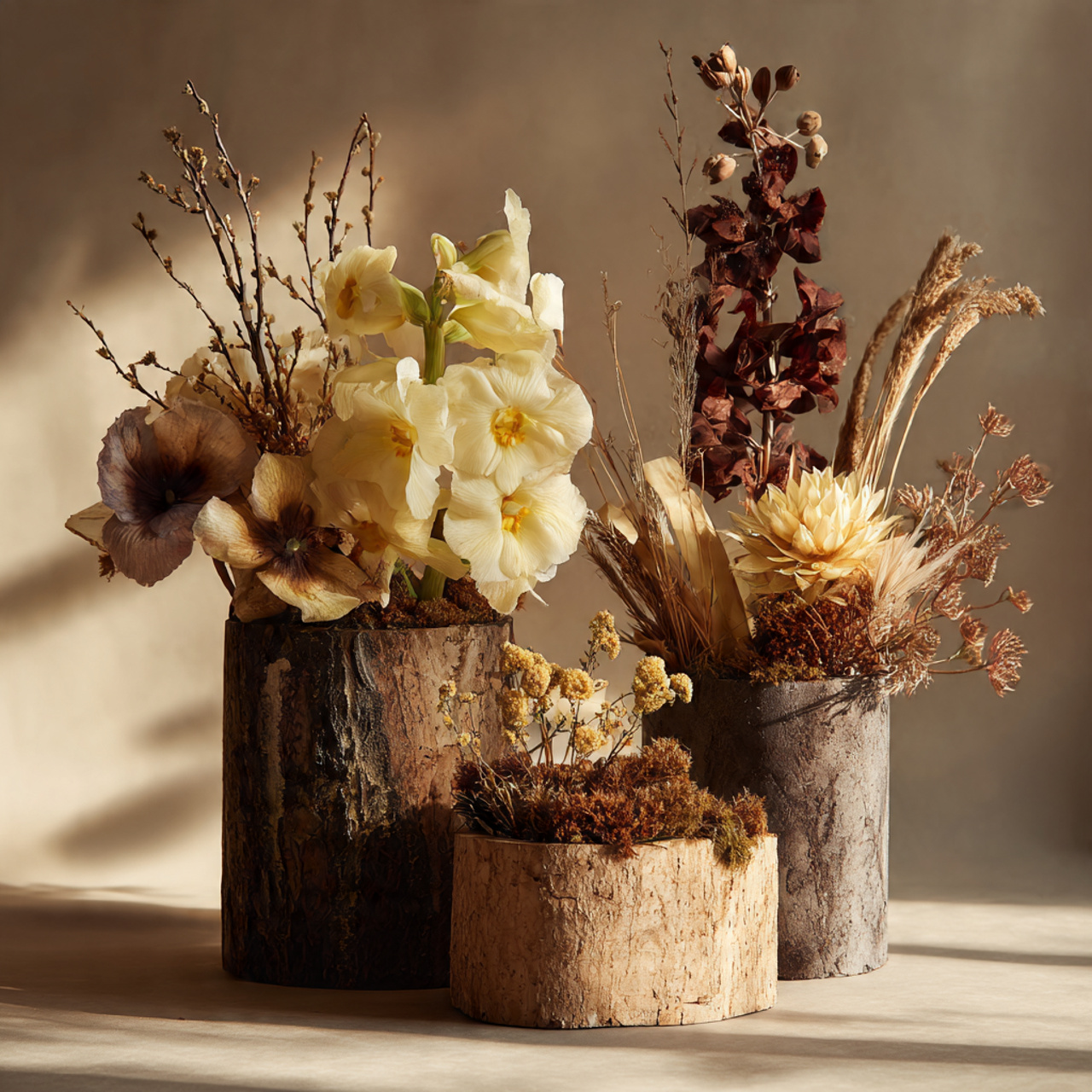
Loving flowers and loving the planet aren’t mutually exclusive. Eco-friendly arrangements prove you can create stunning designs while treading lightly on the earth.
Choose locally-sourced, seasonal flowers grown without harmful pesticides. Opt for biodegradable containers or reusable vessels. Skip the floral foam (it never biodegrades) and use sustainable alternatives.
Sustainable arrangement practices:
- Buy local: Support nearby growers, reduce transport emissions
- Choose seasonal: Avoids energy-intensive greenhouse growing
- Skip floral foam: Use chicken wire, tape grids, or natural supports instead
- Reusable containers: Glass, ceramic, or repurposed items
- Organic flowers: Grown without harmful pesticides
- Minimal waste: Compost flower waste, reuse ribbons
Eco-friendly styling options:
- Incorporate dried flowers (last indefinitely, zero water needed)
- Use foraged elements like branches, moss, or leaves
- Choose potted plants that can be transplanted after events
- Create arrangements with garden clippings
- Select flowers with natural, undyed colors
Green bonus: Many eco-friendly practices also save money—seasonal local flowers cost less, reusable containers eliminate buying new ones, and longer-lasting dried elements require no replacements.
Tabletop Centerpiece Arrangements
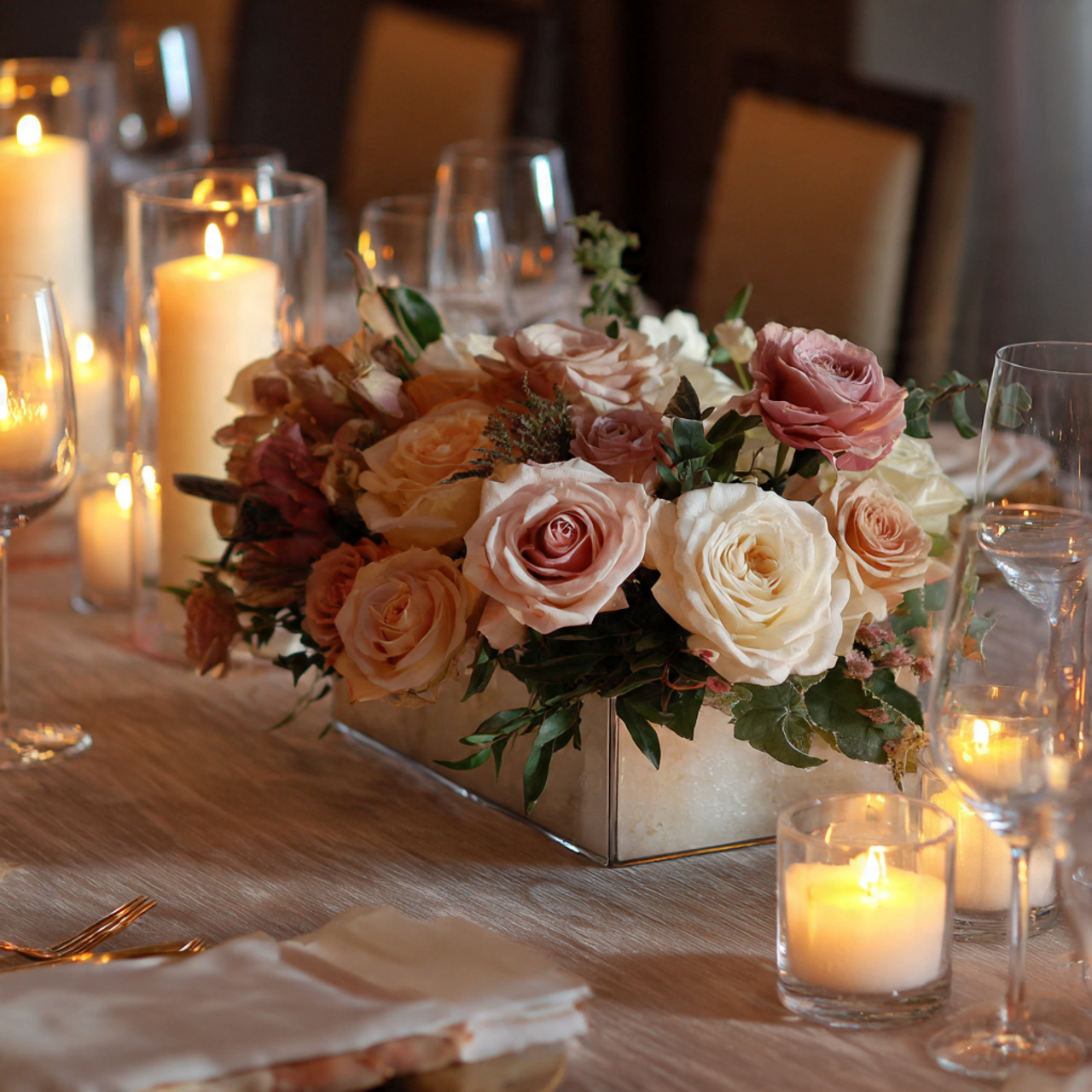
Table centerpieces serve double duty—they’re both functional and decorative. The golden rule? Keep them low and wide so guests can actually see and talk to each other across the table.
Combining flowers with candles, interesting containers, and subtle decorative touches creates cohesion that ties the whole table together beautifully.
Centerpiece design rules:
- Height: Keep below eye level (12-14 inches max) or go very tall (24+ inches) so guests can see underneath
- Width: Proportional to table size
- Fragrance: Minimal or none for dining
- Stability: Must be secure and not tip easily
Centerpiece styles for different occasions:
- Formal dinners: Symmetrical, elegant, refined color palettes
- Casual gatherings: Relaxed, mixed flowers, fun containers
- Holiday meals: Incorporate seasonal elements and colors
- Outdoor dining: Secure arrangements that handle breeze
Centerpiece enhancement ideas:
- Surround with votive candles for evening ambiance
- Add scattered flower petals on table surface
- Incorporate table number cards for events
- Use mirrors underneath to amplify beauty
- Layer different heights with risers
Cost-effective trick: Create multiple small arrangements down the table length instead of one large centerpiece—same impact, less expense.
Dried Flower Arrangements
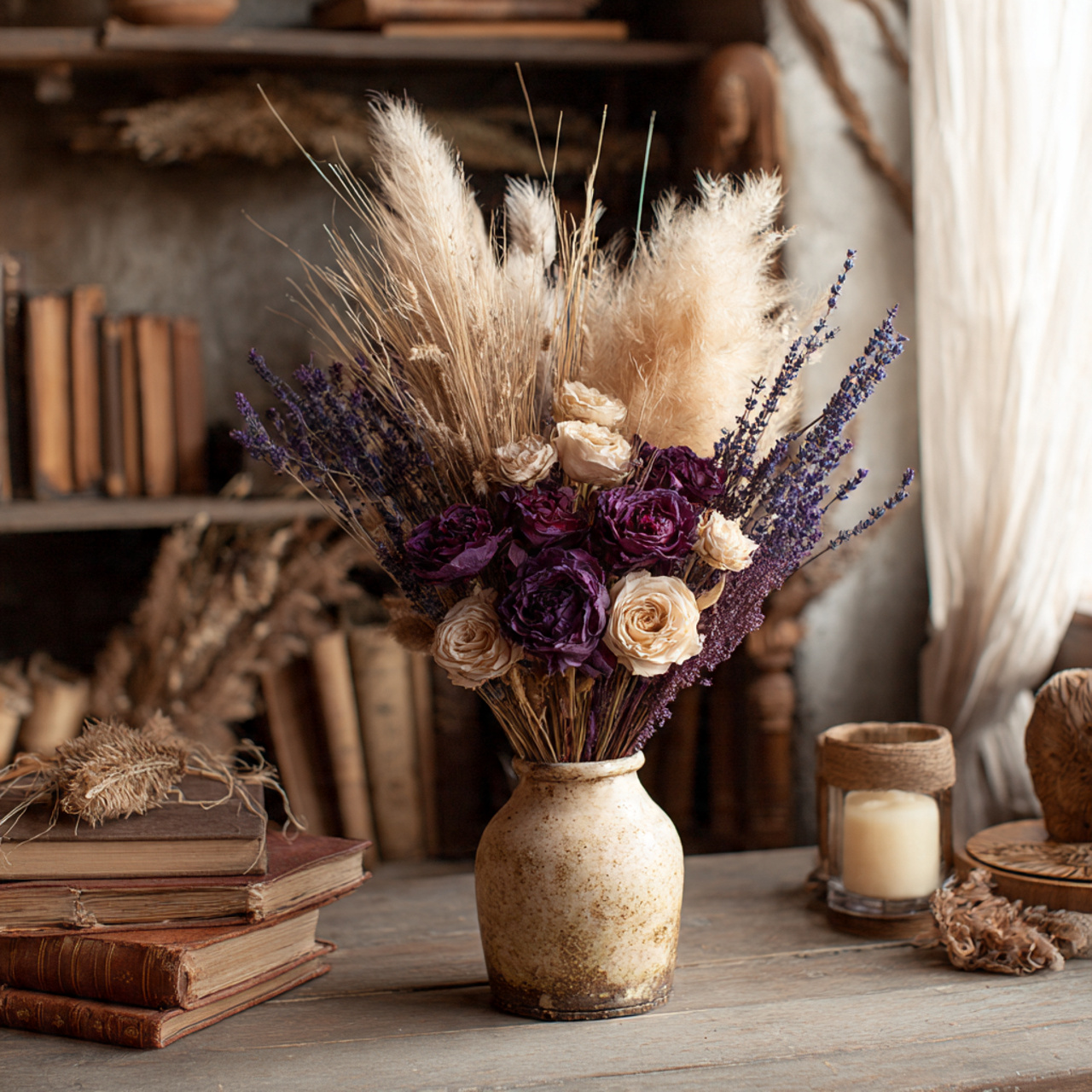
Dried flowers are having a major moment, and for good reason. They deliver long-lasting beauty, work with virtually any style, and require zero maintenance once arranged.
Pampas grass brings those trendy neutral vibes, dried lavender adds rustic charm, and preserved roses maintain their beauty indefinitely.
Popular dried flowers:
- Pampas grass: Fluffy, boho, neutral
- Lavender: Fragrant, purple tones, rustic
- Baby’s breath: Delicate, romantic (dries beautifully)
- Eucalyptus: Silvery green, aromatic
- Strawflowers: Papery texture, bright colors
- Statice: Purple, pink, white clusters
- Wheat stalks: Golden, harvest vibes
Benefits of dried arrangements:
- Last months to years with proper care
- Zero watering or maintenance needed
- Allergy-friendly (no pollen)
- Budget-friendly over time
- Sustainable choice
Drying your own flowers:
- Hang flowers upside down in dark, dry, ventilated space
- Wait 2-3 weeks for complete drying
- Handle gently (dried flowers are fragile)
- Spray with hairspray for preservation and reduced dust accumulation
Styling dried arrangements:
- Works beautifully with vintage or farmhouse decor
- Mix with fresh greenery for contrast
- Use in wreaths, wall hangings, or vases
- Perfect for gifts that keep giving
Care tip: Keep dried flowers out of direct sunlight and humid environments to prevent fading and deterioration.
Seasonal Holiday Arrangements
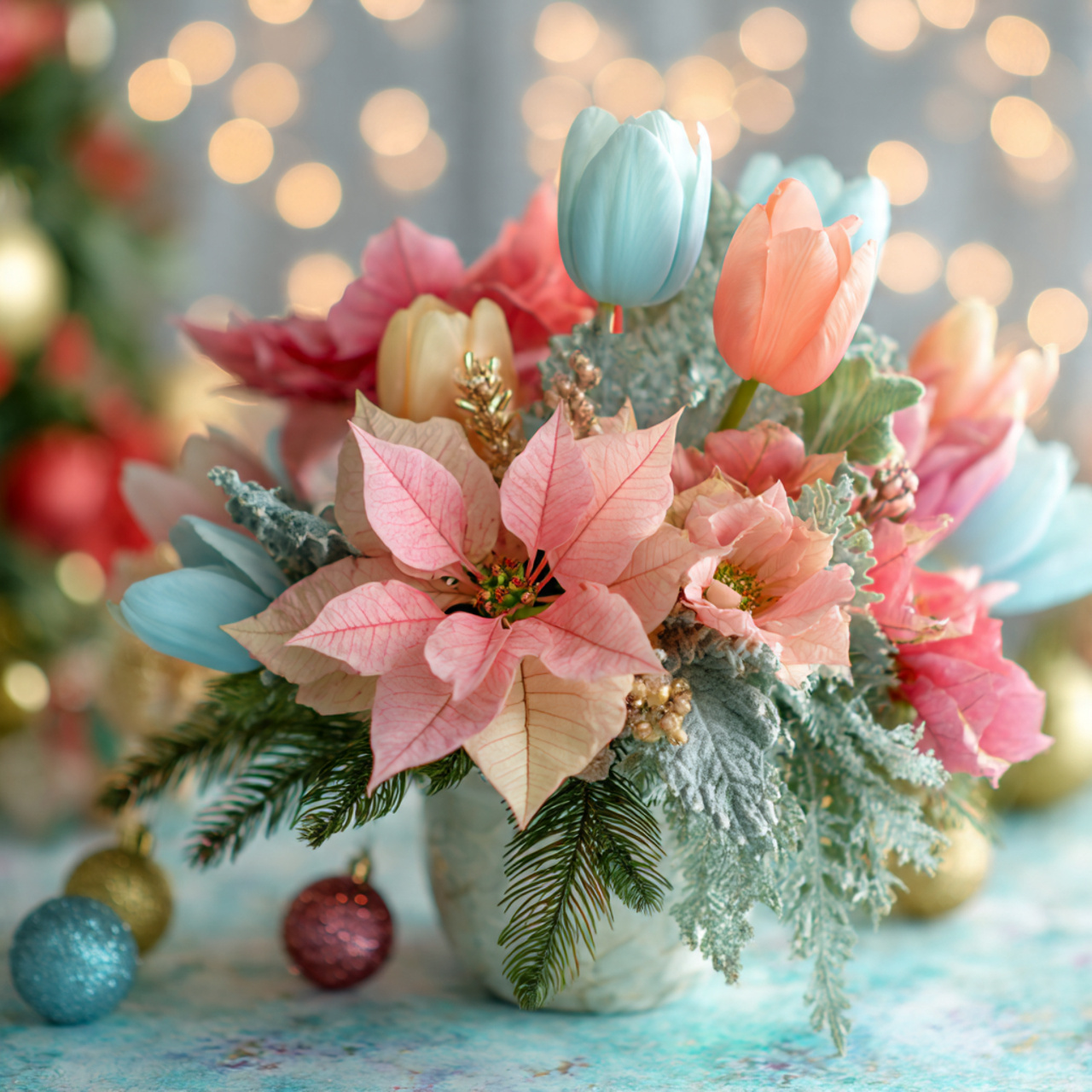
Holidays practically demand special floral attention. Each celebration has its signature blooms and colors that instantly evoke the festive spirit.
Christmas brings iconic poinsettias and aromatic evergreens with red berries. Easter showcases pastel tulips and cheerful spring blooms. Thanksgiving features warm autumn tones with chrysanthemums and fall foliage.
Holiday-specific flowers:
- Christmas: Poinsettias, amaryllis, evergreens, holly, red roses
- Easter: Tulips, lilies, daffodils, hyacinths in pastels
- Thanksgiving: Chrysanthemums, sunflowers, marigolds, autumn foliage
- Valentine’s Day: Red roses, carnations, tulips
- Mother’s Day: Peonies, roses, mixed spring bouquets
- Halloween: Orange roses, black calla lilies, dark dahlias
Holiday arrangement enhancements:
- Add themed decorative elements (ornaments, ribbons, seasonal picks)
- Incorporate natural elements (pinecones, cinnamon sticks, berries)
- Use holiday-colored containers
- Include ambient lighting with candles or fairy lights
- Layer textures with fabric, garland, or seasonal foliage
Planning tip: Order holiday flowers early—popular blooms sell out quickly during peak celebration times.
Color-Blocked Floral Arrangements
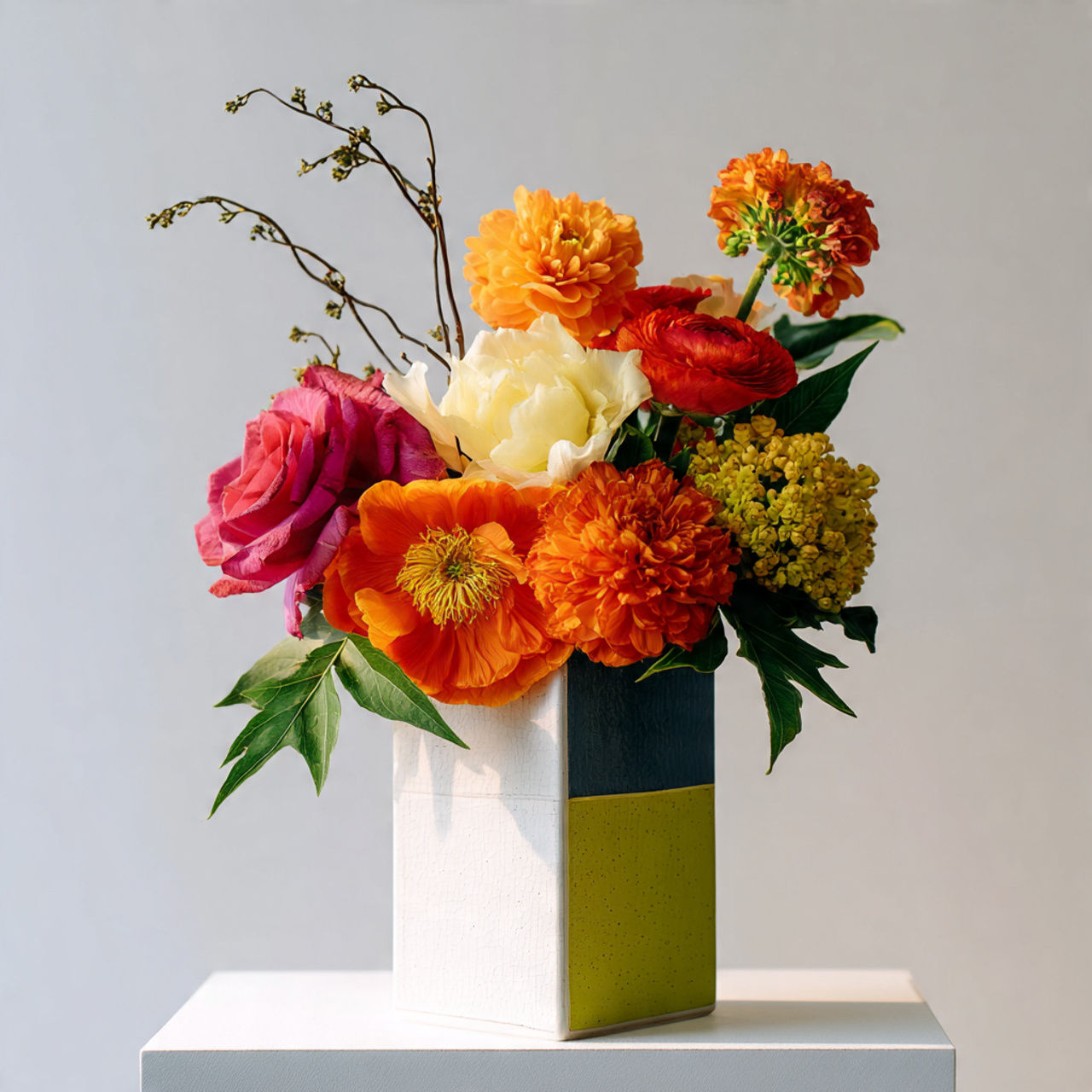
Color-blocking takes the idea of organized chaos and turns it into art. Instead of mixing colors throughout, you group flowers by vibrant hues within a single arrangement for maximum visual punch.
Imagine bold red roses on one side, bright orange gerberas in the middle, and sunny yellow sunflowers on the other—separated but united in one stunning design.
Color-blocking techniques:
- Keep each color section distinct (no blending)
- Use contrasting colors for drama
- Choose analogous colors (next to each other on color wheel) for harmony
- Balance color proportions thoughtfully
- Include greenery as a neutral separator
Best settings for color-blocked arrangements:
- Modern galleries and creative spaces
- Vibrant parties and celebrations
- Photography backdrops
- Spaces needing energetic focal points
Color combinations that pop:
- Bold contrast: Red + yellow + blue (primary colors)
- Tropical vibes: Orange + pink + magenta
- Modern elegance: Purple + lavender + white
- Sunset palette: Red + orange + coral
- Cool serenity: Blue + purple + green
Design tip: Use odd numbers of color sections (3 or 5) for more visually pleasing balance than even numbers.
Bouquet-Style Arrangements
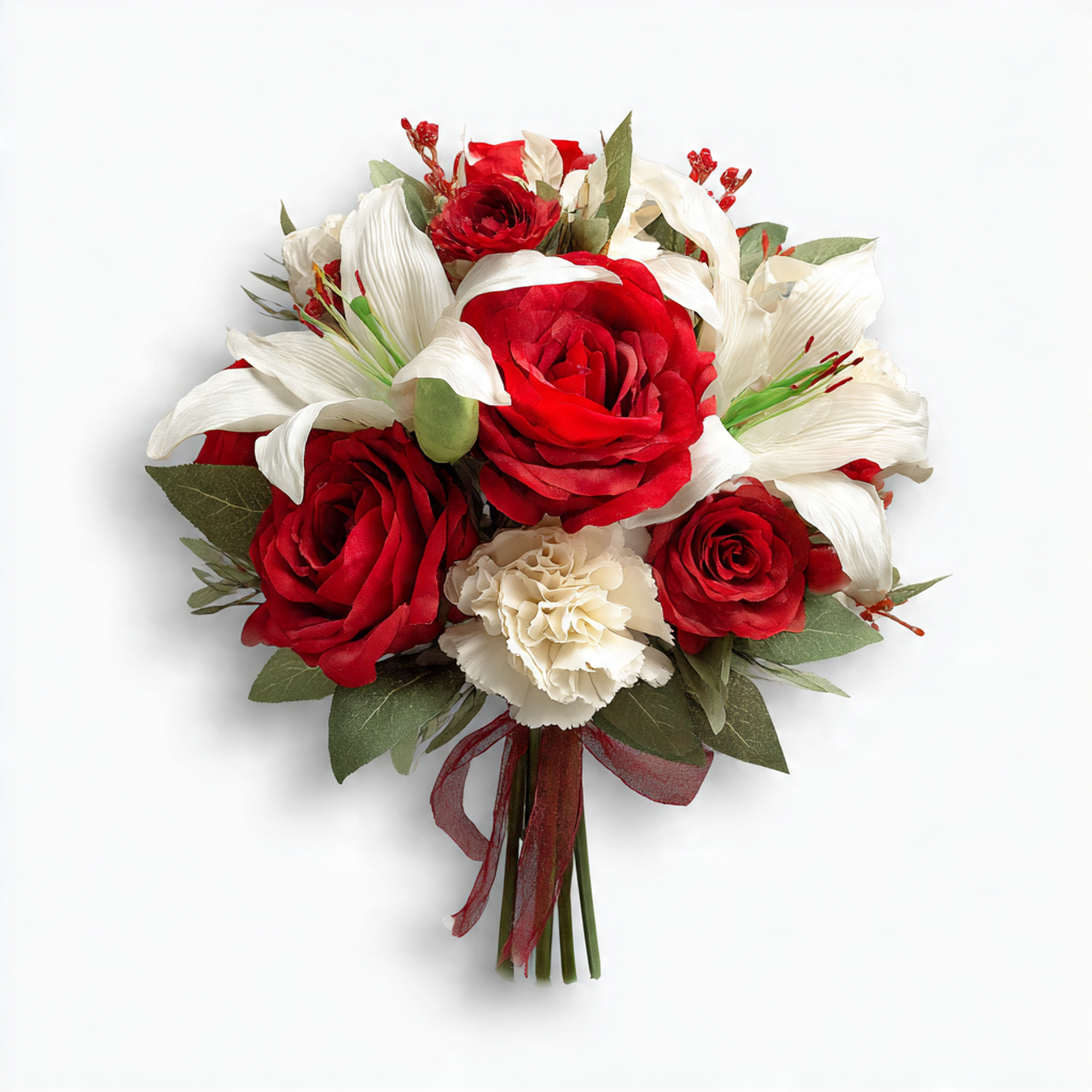
Sometimes you can’t beat a classic hand-tied bouquet. These are the arrangements we give, receive, and treasure—tied with beautiful ribbons or natural twine, ready to be placed in any vase.
Roses say romance, lilies convey elegance, and carnations offer budget-friendly beauty. The presentation and quality of flowers make all the difference between a good bouquet and an unforgettable one.
Bouquet occasions:
- Anniversaries and romantic gestures
- Birthday celebrations
- Thank you gifts
- Apologies and reconciliations
- Congratulations
- Just because moments
Hand-tied bouquet technique:
- Remove lower leaves from all stems
- Start with focal flowers in center
- Add flowers in circular pattern, rotating bouquet
- Hold tight at binding point
- Secure with raffia, twine, or ribbon
- Trim stems to even length
- Wrap stems with decorative material if gifting
Presentation matters:
- Use quality wrapping paper or cellophane
- Add complementary ribbon or bow
- Include care instructions card
- Consider the recipient’s favorite colors
- Keep size appropriate for the occasion
Flower meaning guide:
- Red roses: Deep love and romance
- Yellow roses: Friendship and joy
- White lilies: Purity and sympathy
- Sunflowers: Adoration and loyalty
- Tulips: Perfect love
- Carnations: Admiration
Contemporary Minimalism with Greenery
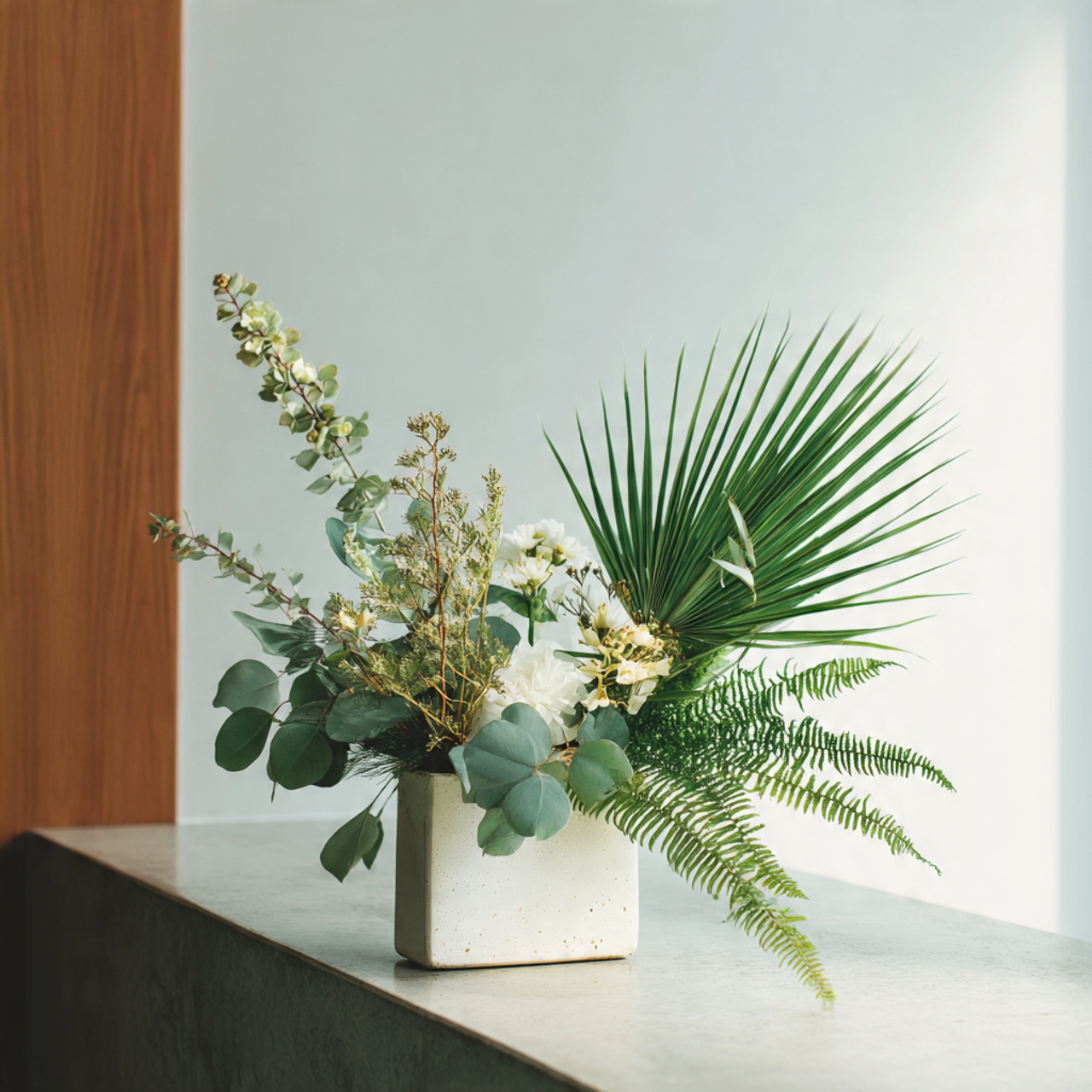
Sometimes the most striking arrangements barely include flowers at all. Contemporary minimalist designs put lush greenery in the spotlight—eucalyptus, ferns, and palm fronds create texture and freshness with just a hint of floral color.
This approach feels organic, modern, and incredibly calming—perfect for spaces that need a breath of fresh air without overwhelming color.
Popular greenery choices:
- Eucalyptus: Silvery-blue tones, aromatic
- Ferns: Delicate, feathery texture
- Palm leaves: Bold, architectural statements
- Monstera: Dramatic split leaves
- Olive branches: Mediterranean elegance
- Ruscus: Hardy, long-lasting filler
- Seeded eucalyptus: Textured, organic look
Minimalist greenery arrangements work for:
- Modern urban apartments
- Scandinavian-style interiors
- Professional offices
- Spa-like bathrooms
- Anyone preferring subtle, organic aesthetics
Design approach:
- Focus on varied leaf shapes and sizes
- Use 80% greenery, 20% flowers (or less)
- Choose architectural vessels that complement organic materials
- Create movement with different stem lengths
- Layer textures from delicate to bold
Longevity bonus: Most greenery lasts longer than flowers, meaning your arrangement stays fresh-looking for weeks instead of days.
Hanging Floral Arrangements
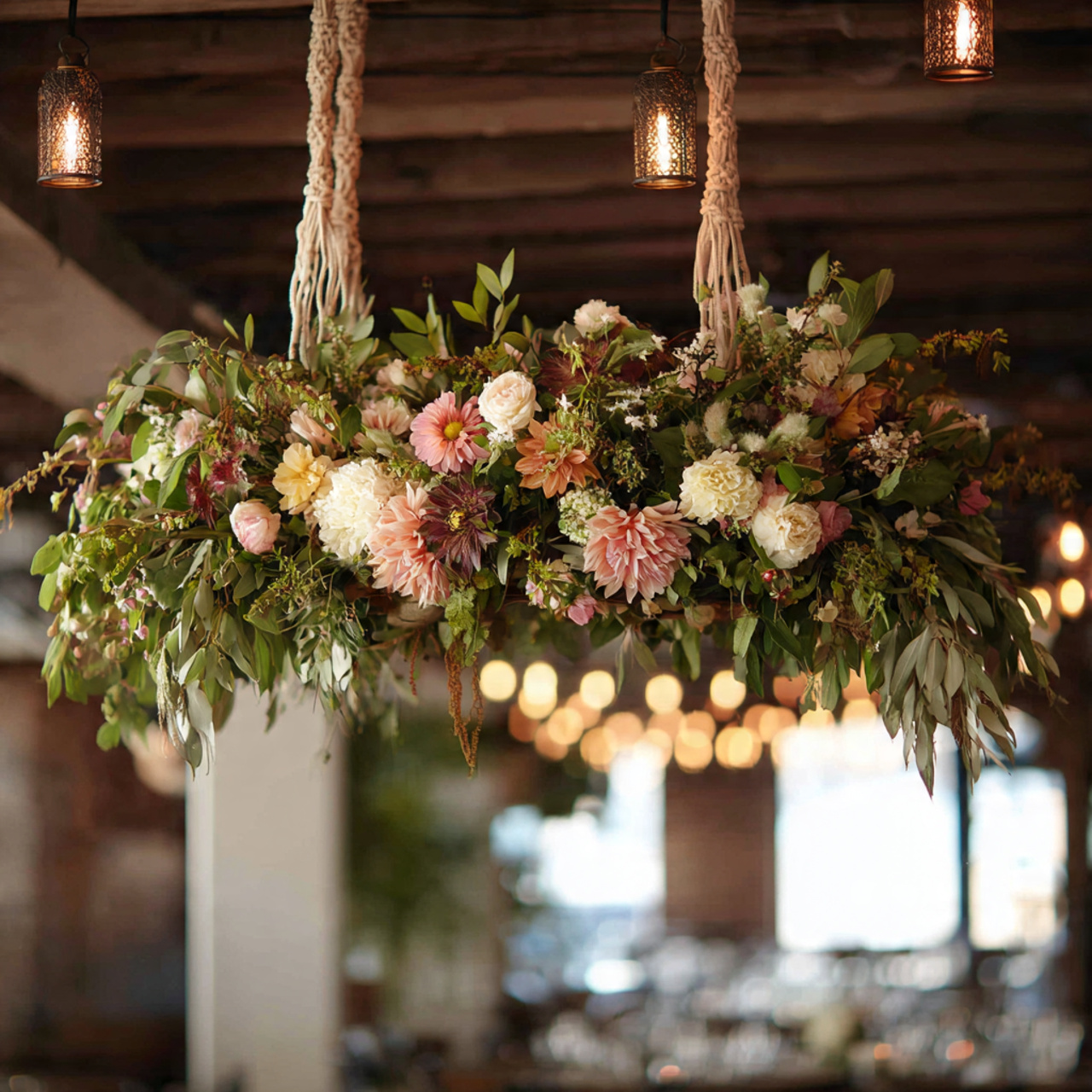
Want to create jaw-dropping visual impact? Look up. Hanging arrangements add an unexpected dimension that ground-level designs can’t touch.
Suspend flowers and foliage from macramé holders, decorative hoops, or chandelier frames to create stunning overhead displays that transform any space into something magical.
Hanging arrangement structures:
- Macramé hangers: Boho, textural, perfect for single plants
- Metal hoops: Modern, clean lines, versatile sizing
- Floral chandeliers: Dramatic, event-worthy, cascading
- Wire grids: Industrial, geometric, customizable
- Branch structures: Rustic, natural, organic
Perfect hanging locations:
- Wedding ceremony arches or above head tables
- Party venues needing ceiling decor
- Covered patios or porches
- Corners with boring ceilings
- Entryways for welcoming impact
Installation considerations:
- Ensure ceiling can support weight (especially when flowers are fresh and heavy)
- Use proper hanging hardware rated for the weight
- Account for water drainage if using fresh flowers
- Keep high enough for tall guests to walk under comfortably
- Consider how arrangement looks from all angles, especially below
Safety first: Never hang arrangements above candles or heat sources, and secure all components firmly to prevent falling.
Edible Flower Arrangements
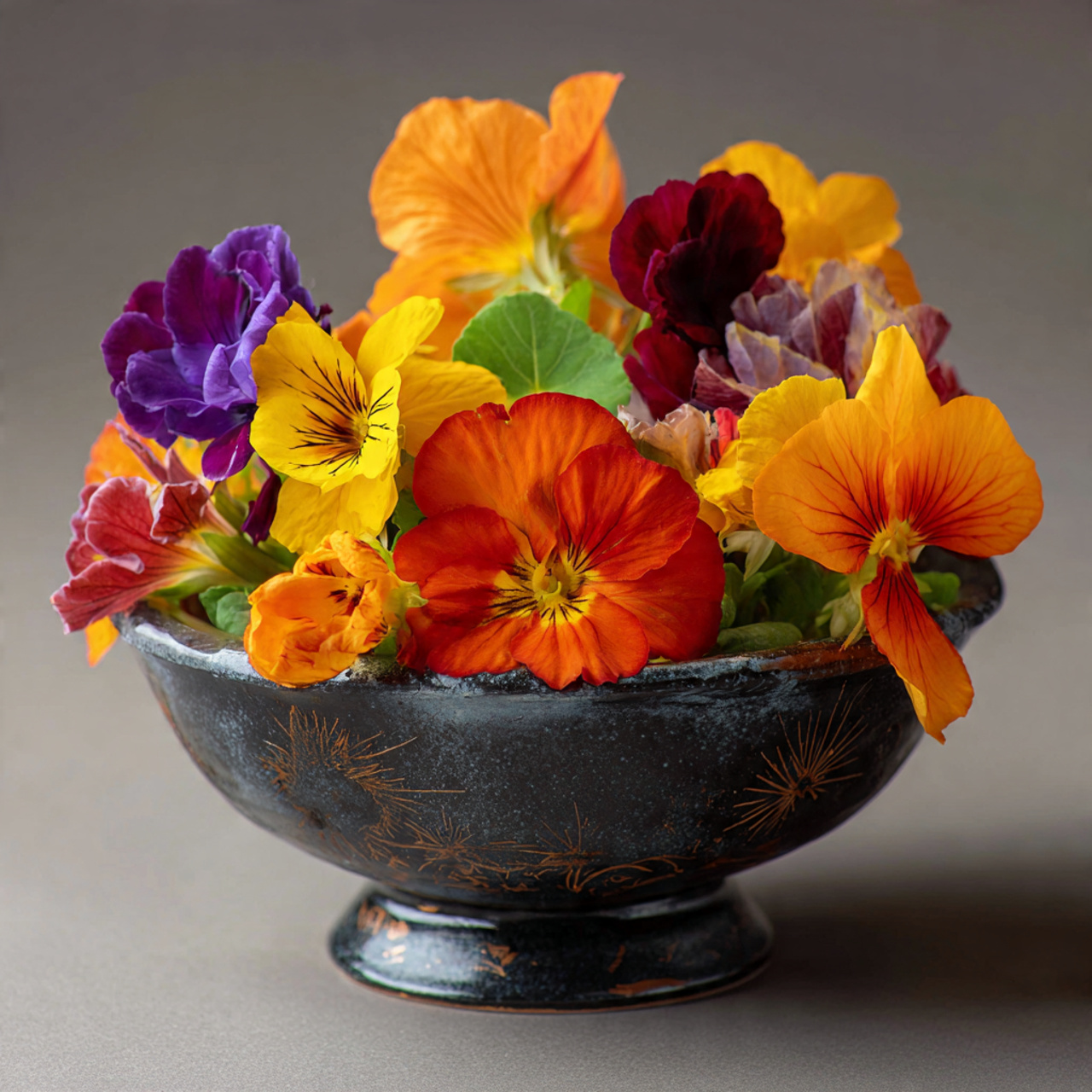
Here’s where floral design meets culinary creativity. Edible flower arrangements combine visual beauty with actual flavor, creating conversation pieces that guests can literally taste.
Pansies, nasturtiums, and marigolds aren’t just pretty—they’re delicious additions to salads, desserts, and drinks when sourced properly.
Common edible flowers:
- Pansies: Mild, slightly sweet
- Nasturtiums: Peppery, watercress-like
- Marigolds: Citrusy, slightly bitter
- Violets: Sweet, floral
- Roses: Fragrant, sweet (remove bitter white base)
- Lavender: Aromatic, floral (use sparingly)
- Calendula: Slightly tangy, saffron substitute
Edible arrangement ideas:
- Table centerpieces for garden parties
- Cake and dessert decorations
- Floating in drinks or punch bowls
- Garnishing cheese boards
- Mixed into salads
CRITICAL safety rules:
- Only use flowers specifically grown for eating (never use florist flowers—they’re treated with chemicals)
- Confirm species is actually edible (some look-alikes are toxic)
- Remove stamens, stems, and sepals (usually bitter)
- Wash gently before use
- Know your guests’ allergies
- Source from reputable growers or grow your own
Tip: Freeze small edible flowers in ice cubes for stunning drink presentations that keep beverages cold without diluting them.
Monstera and Tropical Leaf Arrangements
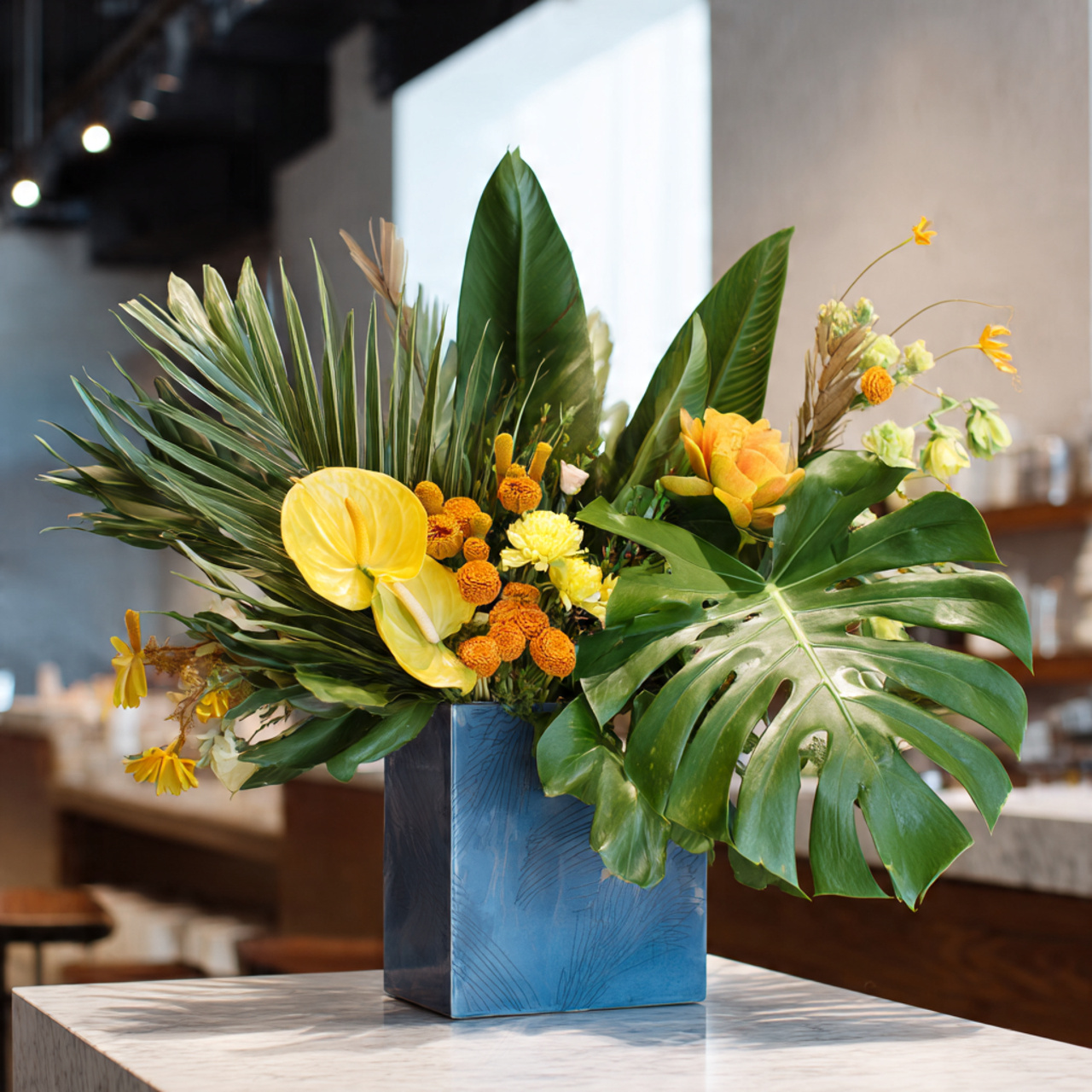
Sometimes the most dramatic arrangements barely use flowers at all. Large tropical leaves like monstera, banana leaves, or palm fronds create bold architectural statements that flowers alone can’t achieve.
These arrangements emphasize shapes, lines, and structure over traditional blooming beauty—think more sculpture, less garden.
Tropical foliage stars:
- Monstera deliciosa: Iconic split leaves
- Banana leaves: Massive, jungle vibes
- Palm fronds: Fan or feather varieties
- Ti leaves: Burgundy or green, glossy
- Anthurium leaves: Heart-shaped, structural
- Bird of paradise leaves: Paddle-shaped, dramatic
Design applications:
- Modern interior design requiring bold statements
- Tropical or destination wedding themes
- Restaurant or hotel lobby decor
- Photography backdrops
- Minimalist arrangements needing maximum impact
Styling with tropical leaves:
- Use as dramatic backdrop for minimal flowers
- Create geometric patterns with leaf placement
- Layer different leaf sizes for depth
- Pair with sleek, modern containers
- Keep supporting flowers simple to avoid competing
Care note: Wipe large leaves with damp cloth to keep them glossy and dust-free, extending their fresh appearance significantly.
Mixed Media Floral Arrangements
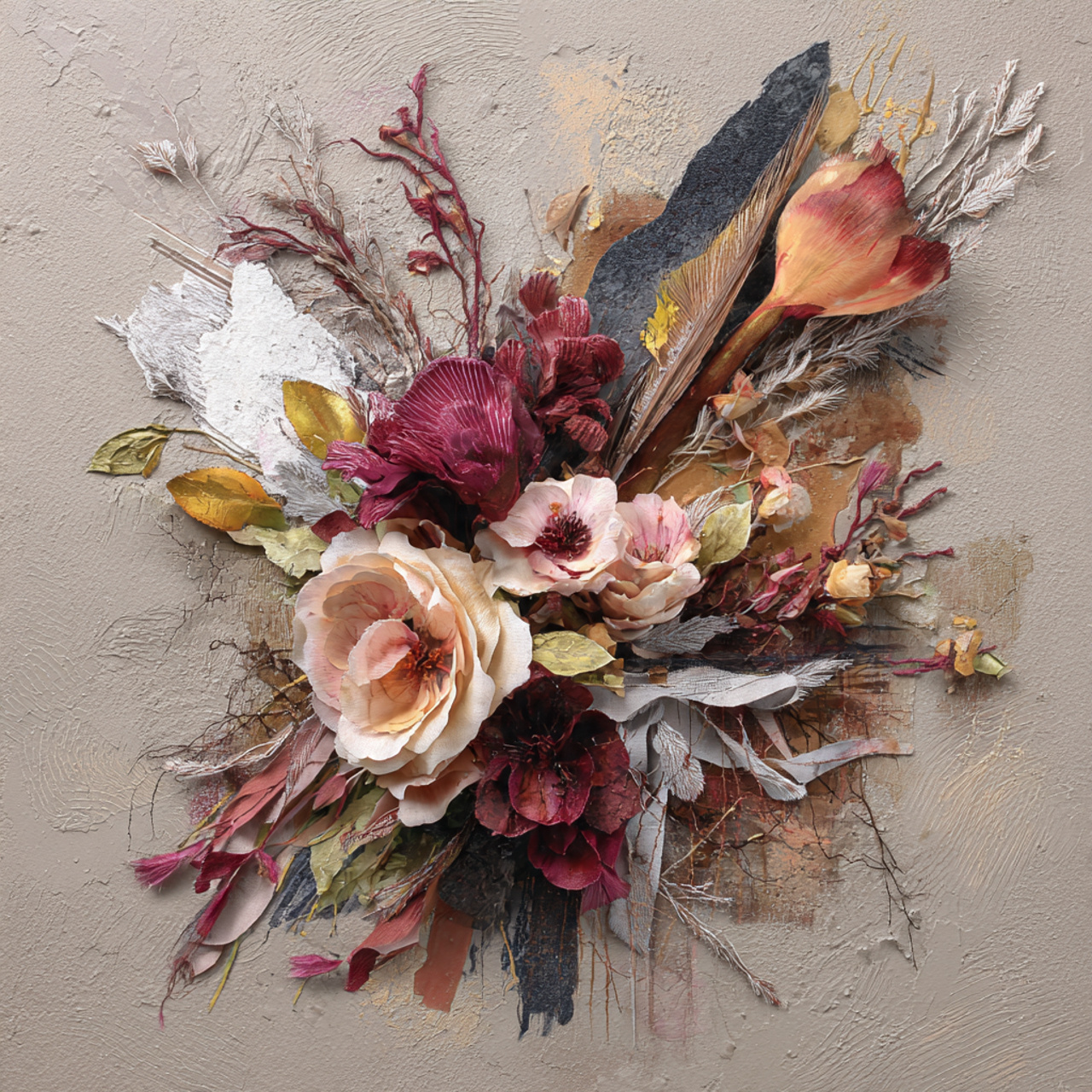
Who says flower arrangements can only include flowers? Mixed media designs incorporate ribbons, feathers, interesting branches, decorative elements, and anything else that adds texture, depth, and personality.
This approach treats floral design as true art—every component matters, and the whole becomes greater than the sum of its parts.
Mixed media elements to try:
- Ribbons: Flowing, adds movement and color
- Feathers: Soft texture, dramatic flair
- Branches: Structure, height, natural lines
- Crystals or beads: Sparkle and elegance
- Fabric: Draping, texture, softness
- Wire or metal elements: Industrial edge
- Preserved moss: Organic texture
- Decorative picks: Themed additions
When mixed media works best:
- Artistic events or gallery displays
- Fashion photoshoots or editorial work
- Themed parties requiring specific aesthetics
- Experimental home decor
- Gift arrangements needing unique personality
Balance is key:
- Don’t let accessories overpower flowers
- Maintain cohesive color story throughout
- Vary textures without creating chaos
- Ensure all elements serve the design purpose
- Keep some visual breathing room
Inspiration tip: Visit art museums, fashion shows, or nature itself for unexpected combinations that translate beautifully into floral design.
DIY Floral Arrangements
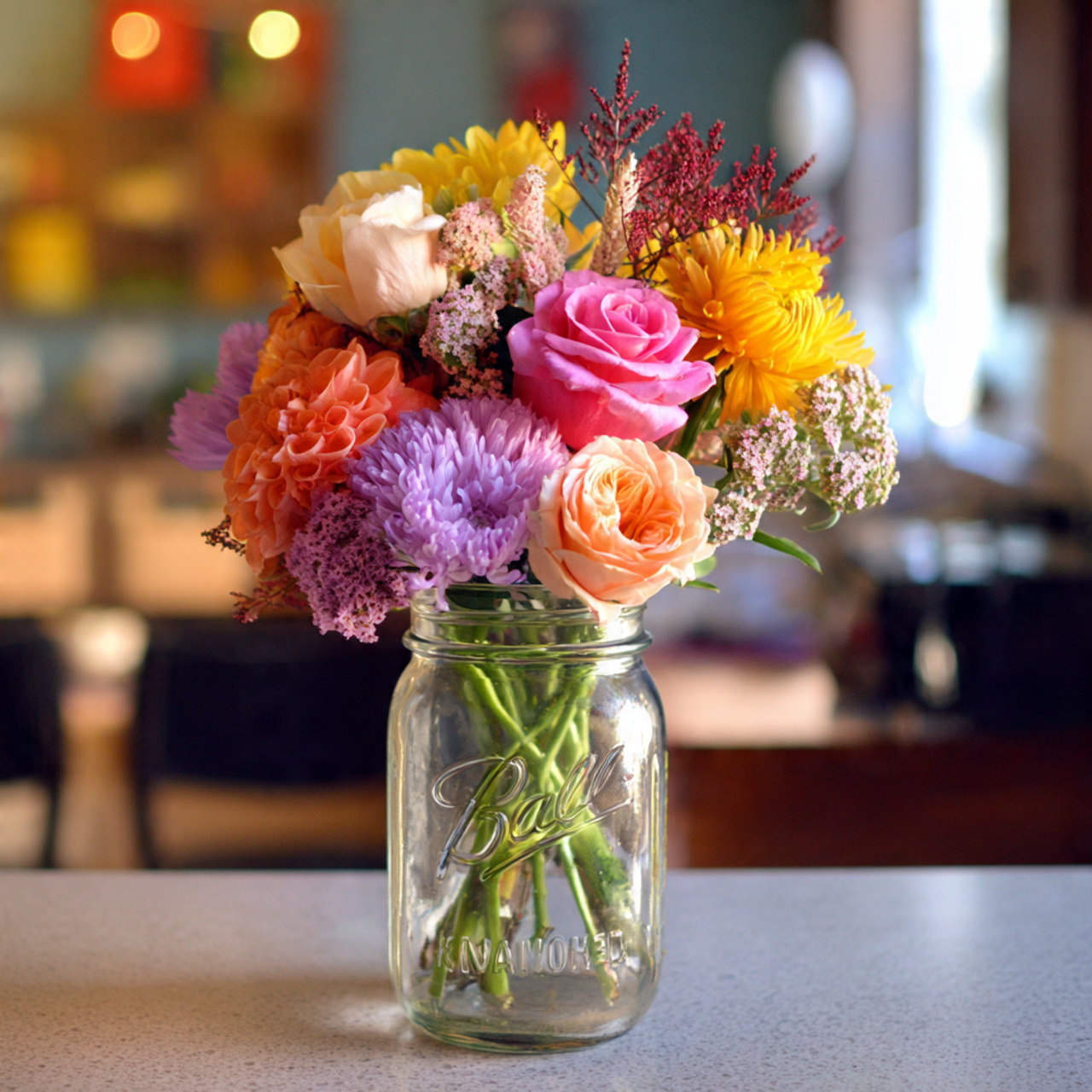
Here’s the beautiful truth: you don’t need formal training to create stunning arrangements. DIY floral design lets you choose exactly what you love, work within your budget, and add personal touches no professional could replicate.
Plus, there’s something deeply satisfying about stepping back and thinking, “I made that.”
DIY arrangement benefits:
- Complete creative control
- Budget-friendly (especially when using garden flowers)
- Therapeutic and relaxing process
- Perfect for gifts with personal meaning
- Develops a valuable, impressive skill
Getting started with DIY:
- Gather tools: Sharp scissors or floral shears, clean vase, flower food
- Choose your flowers: Start with easy varieties (roses, carnations, chrysanthemums)
- Prep stems: Remove lower leaves, cut at 45-degree angle under water
- Create structure: Start with greenery to form base
- Add focal flowers: Place largest blooms first
- Fill gaps: Use smaller flowers and filler
- Rotate and adjust: View from all angles, make adjustments
Beginner-friendly flowers:
- Carnations: Long-lasting, affordable, forgiving
- Chrysanthemums: Hardy, variety of colors
- Alstroemeria: Durable, minimal care needed
- Stock: Fragrant, good filler
- Roses: Classic, widely available
Money-saving DIY tips:
- Shop farmers markets for seasonal deals
- Use clippings from your garden
- Repurpose interesting containers from thrift stores
- Buy in bulk and create multiple arrangements
- Preserve and reuse greenery from previous arrangements
Practice makes perfect: Don’t expect magazine-worthy results immediately. Each arrangement teaches you something new about balance, color, and technique.
FAQs About Floral Arrangements
1. How long do floral arrangements last?
Lifespan depends on the flower type, water, and care. Fresh cut flowers generally last 5–10 days, while dried arrangements can last months or years.
2. How do I choose flowers for different occasions?
Select flowers based on the event, color symbolism, and recipient preference. For example, roses for romance, lilies for sympathy, or sunflowers for celebration.
3. Can I make floral arrangements last longer?
Yes, by trimming stems, changing water regularly, using floral preservatives, and keeping flowers away from heat or direct sunlight.
4. What are some budget-friendly floral arrangement tips?
Use seasonal flowers, mix in greenery, or repurpose containers. DIY arrangements also reduce cost while allowing customization.
5. Are artificial flowers suitable for arrangements?
Artificial flowers provide longevity and low maintenance. High-quality silk flowers can closely mimic natural blooms and are suitable for decor or events.
Bringing It All Together
The wonderful world of floral design has something for everyone—whether you’re drawn to minimalist elegance, rustic charm, tropical drama, or traditional beauty. Each arrangement style offers unique ways to express personality, celebrate moments, and transform spaces.
The magic happens when you understand that there’s no single “right way” to arrange flowers. Some days call for bold, geometric designs that challenge convention. Other times, a simple handful of wildflowers captures exactly the right feeling. Your mood, space, occasion, and personal taste all guide what works best.
Start exploring different techniques, experiment with color combinations, play with textures, and don’t be afraid to break traditional rules. The most memorable arrangements often come from following your instincts and having fun with the process.
Whether you’re creating arrangements for your home, gifting flowers to someone special, planning an event, or simply enjoying flowers for their own sake, you’re participating in a timeless art form that brings beauty and joy to everyday life.
Remember:
- There’s an arrangement style for every personality and space
- Seasonal choices offer the best value and freshness
- Simple techniques can create professional-looking results
- Personal touches make arrangements meaningful
- Practice improves your skills and confidence
So grab some flowers, choose a vase, and start creating. Your perfect arrangement is waiting to bloom.