25 Garden Path and Walkways Designs That Instantly Upgrade Your Backyard
There’s something magical about a well-designed garden path. It’s not just about getting from point A to point B—it’s about creating an experience, telling a story, and bringing your entire outdoor space to life.
Think of garden paths as the sentences in your garden’s visual story. Without them, your landscape might feel like a jumbled paragraph with no clear direction. But with thoughtfully designed walkways? Your garden becomes a page-turner that invites exploration and discovery at every turn.
Whether you’re dreaming of a peaceful backyard sanctuary, a charming cottage garden, or a sleek modern landscape, the paths you choose will set the tone for everything else. They create flow, connect different areas, and add character through the materials, textures, and patterns you select. Let’s explore how to make your garden paths work beautifully for you.
Why Garden Path Design Actually Matters
You might wonder: “Can’t I just throw down some stones and call it a day?” Well, you could—but you’d be missing out on so much potential.
A well-thought-out path system brings harmony to your garden. It creates natural routes that make sense, eliminating that awkward “where do I walk?” moment guests often experience. Clear pathways encourage people to wander and explore without trampling your prized plants.
Here’s what smart path design does for you:
- Protects delicate plants from foot traffic damage
- Provides stable footing on uneven or sloped terrain
- Prevents muddy messes and soil erosion
- Makes your garden accessible for everyone
- Adds visual structure that ties everything together
The best part? When done right, your paths become beautiful features themselves—not just functional necessities.
Natural Stone Paths for a Timeless Look
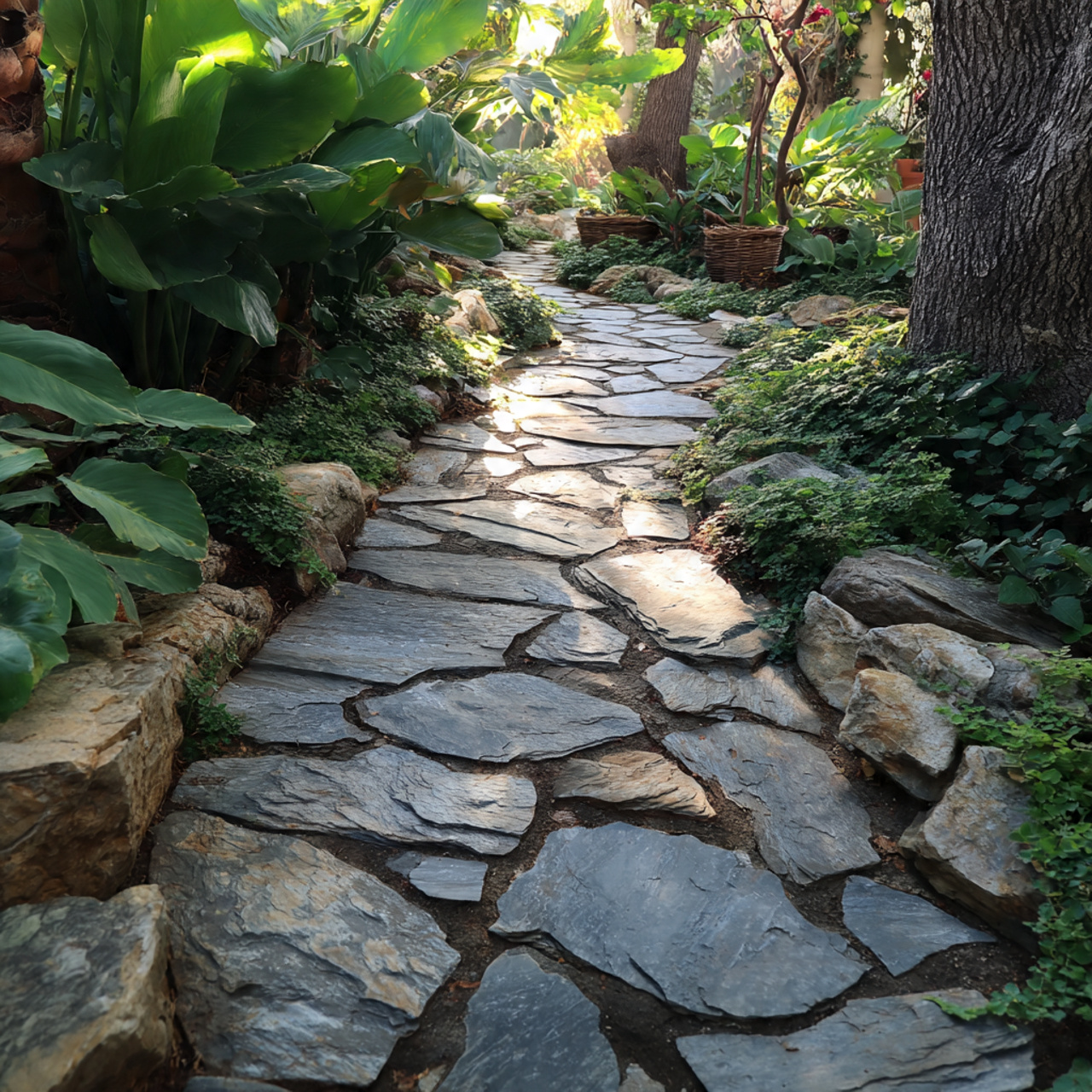
Natural stone brings an authentic, handcrafted feel that’s hard to beat. Those irregular shapes and earthy tones create a pathway that looks like it’s always belonged there, nestled perfectly among your plants.
This classic choice shines in woodland gardens, rustic landscapes, and cottage-style settings where you want that lived-in, organic vibe.
Why gardeners love natural stone:
- Ages beautifully—looks better with time, not worse
- Weather-resistant and incredibly durable
- Blends seamlessly with any greenery
- Each stone is unique, creating one-of-a-kind patterns
- Works in traditional and contemporary designs
The beauty of stone is that it becomes part of your garden’s ecosystem, developing character through every season.
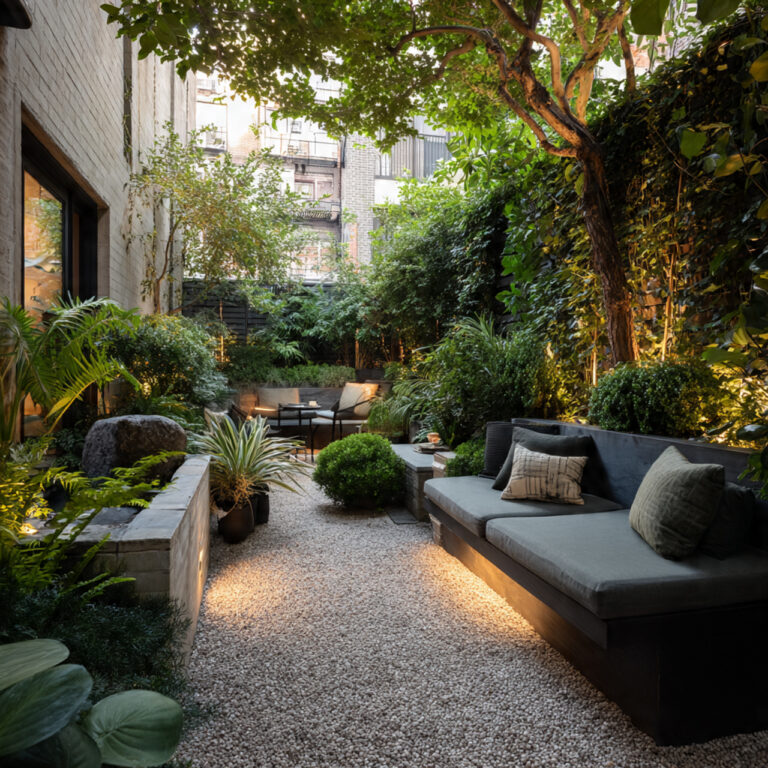
Gravel Walkways for Easy Maintenance
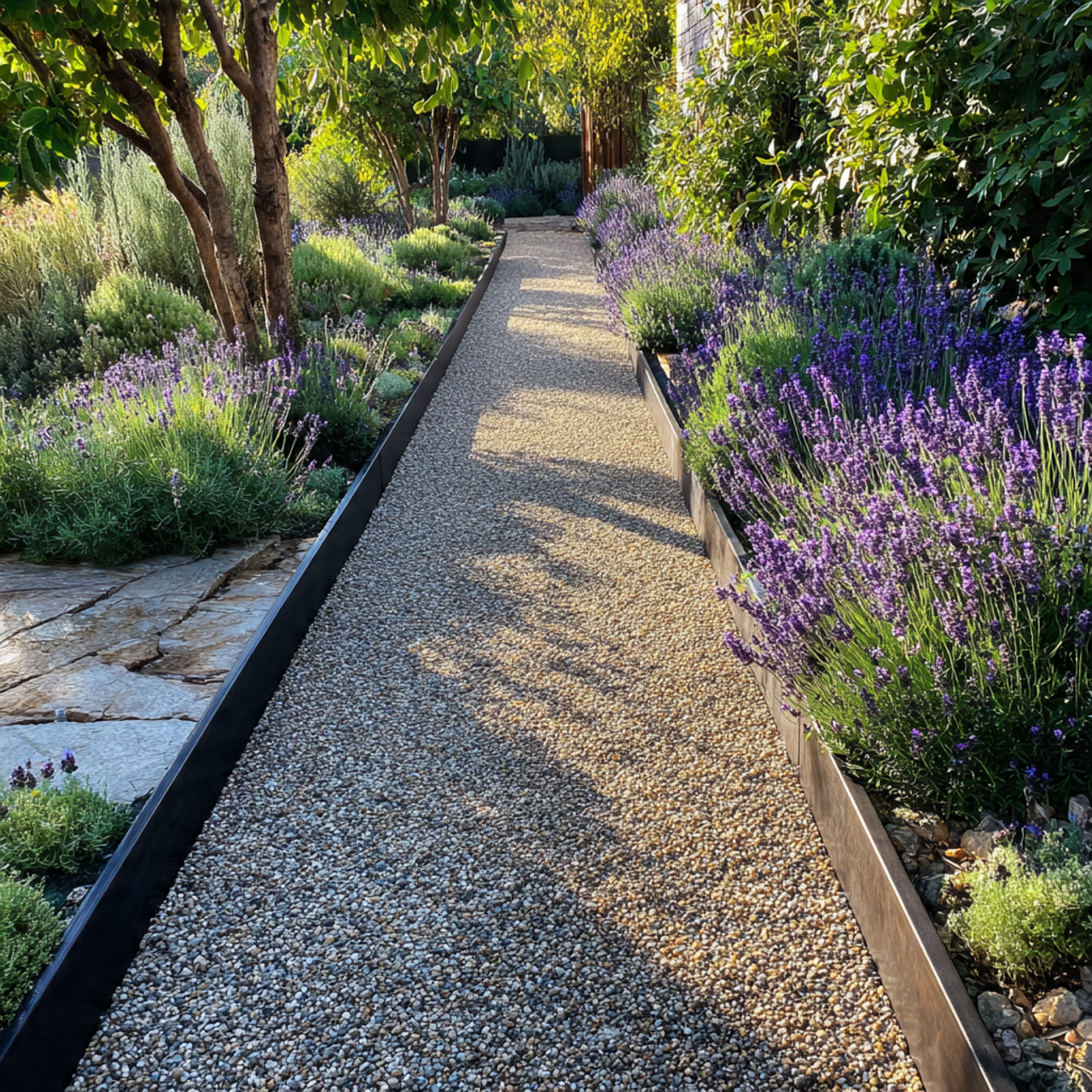
If you’re looking for a budget-friendly option that doesn’t skimp on charm, gravel might be your answer. It’s surprisingly versatile, easy to install, and requires minimal upkeep—perfect for busy gardeners.
Plus, there’s that satisfying crunch underfoot that adds a sensory dimension to your garden experience.
Gravel walkway benefits:
- Excellent drainage prevents water pooling
- Keeps mud at bay during rainy weather
- Ideal for Mediterranean or xeriscape designs
- Easy to refresh and reshape as needed
- Define edges with borders to keep it neat and tidy
Gravel works especially well when you want a casual, relaxed atmosphere without the formality of structured pavers.
Visit More: Lawn Edging
Brick Paths for Classic Structure
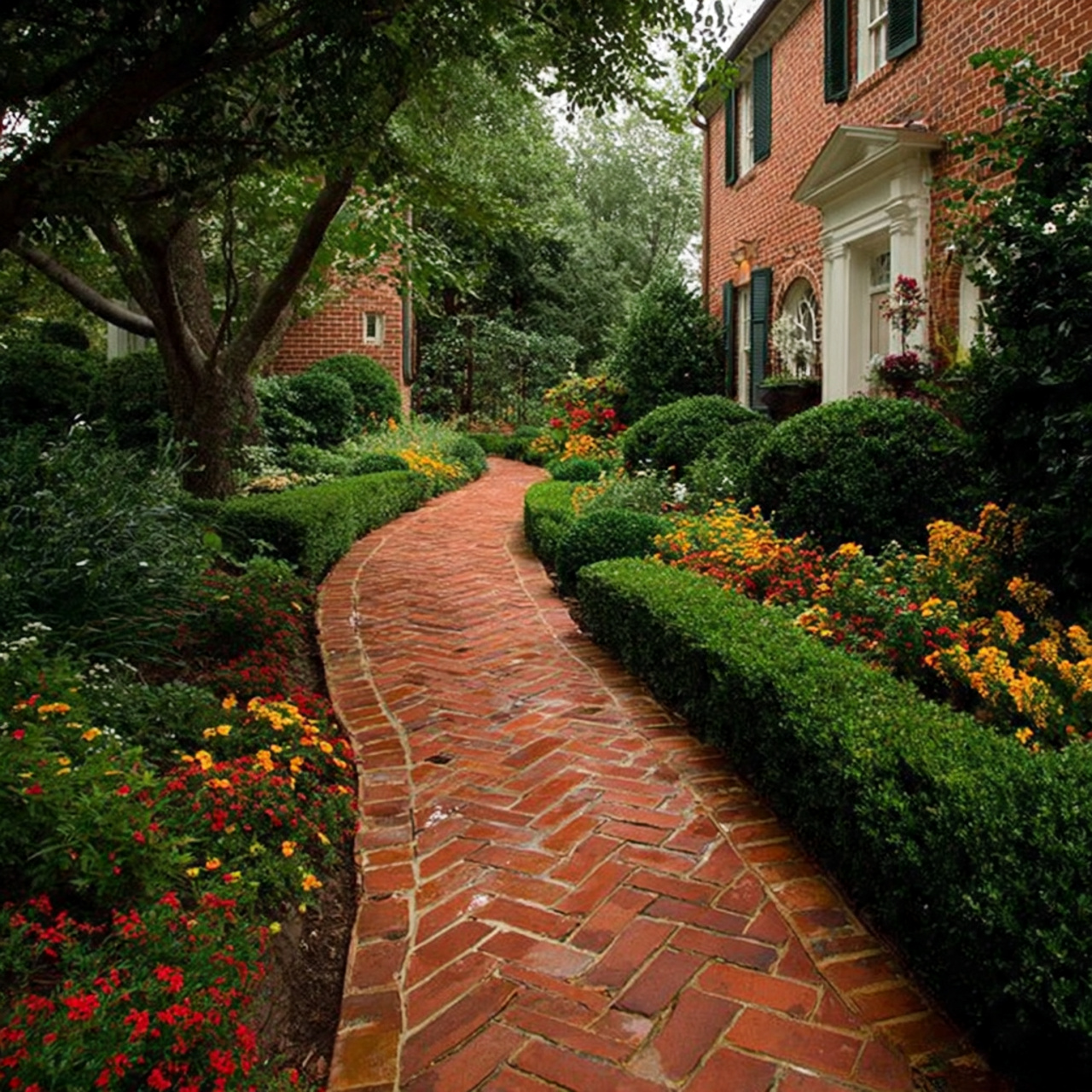
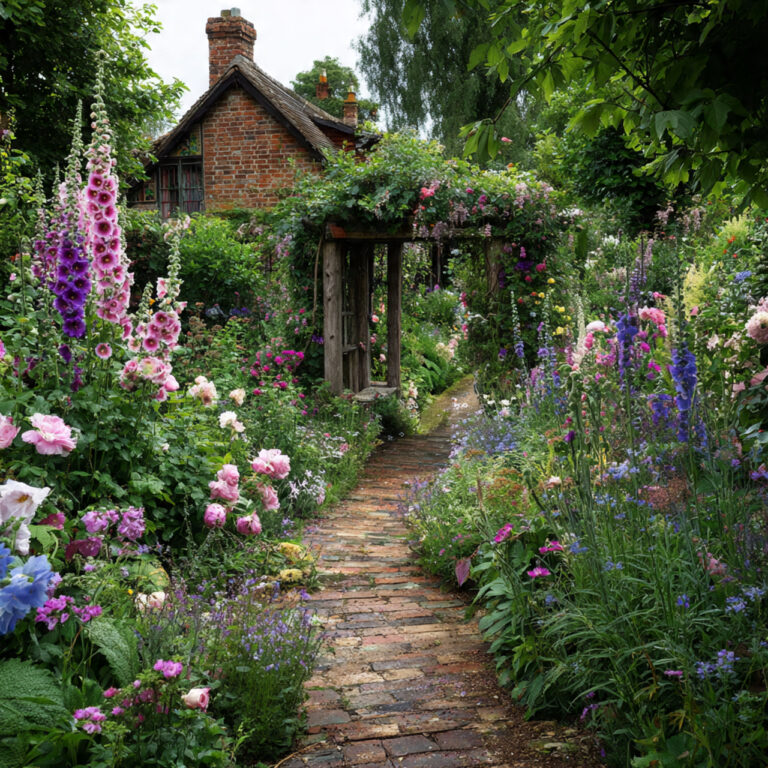
There’s a reason brick pathways have stood the test of time. Those warm red and earth tones create stunning contrast against lush greenery, while different laying patterns—herringbone, basket weave, running bond—add visual interest and movement.
Brick paths feel both welcoming and sophisticated, making them perfect for colonial-style homes and formal garden layouts.
What makes brick special:
- Durable enough to last decades
- Versatile pattern options create custom looks
- Timeless aesthetic never goes out of style
- Natural slip resistance for safety
- Uniform sizing makes installation predictable
The structured beauty of brick brings order and elegance without feeling stuffy or overly formal.
Wooden Boardwalks for Natural Terrain
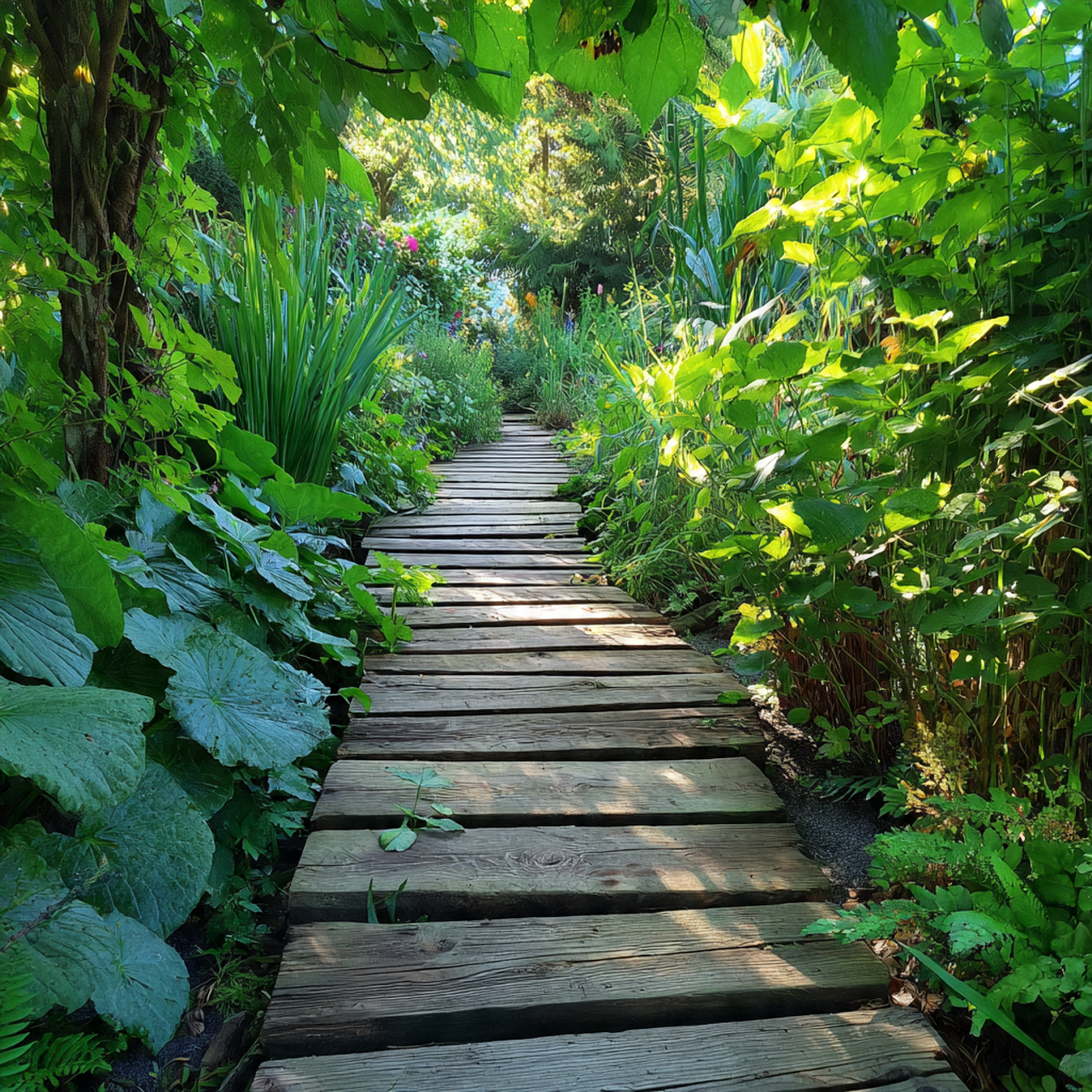
When you’re dealing with wet areas, slopes, or gardens near water features, wooden boardwalks offer the perfect solution. They bring a soft, organic feeling that grounds your space with natural warmth.
Wood has this calming quality that makes your garden feel like a peaceful retreat from the everyday hustle.
Boardwalk advantages:
- Elevates paths above uneven or damp ground
- Creates accessible routes through difficult terrain
- Linear design guides movement naturally
- Complements water features beautifully
- Adds architectural interest with horizontal lines
Choose weather-resistant woods or treated lumber to ensure your boardwalk stands up to the elements year after year.
Flagstone Walkways for Rustic Beauty
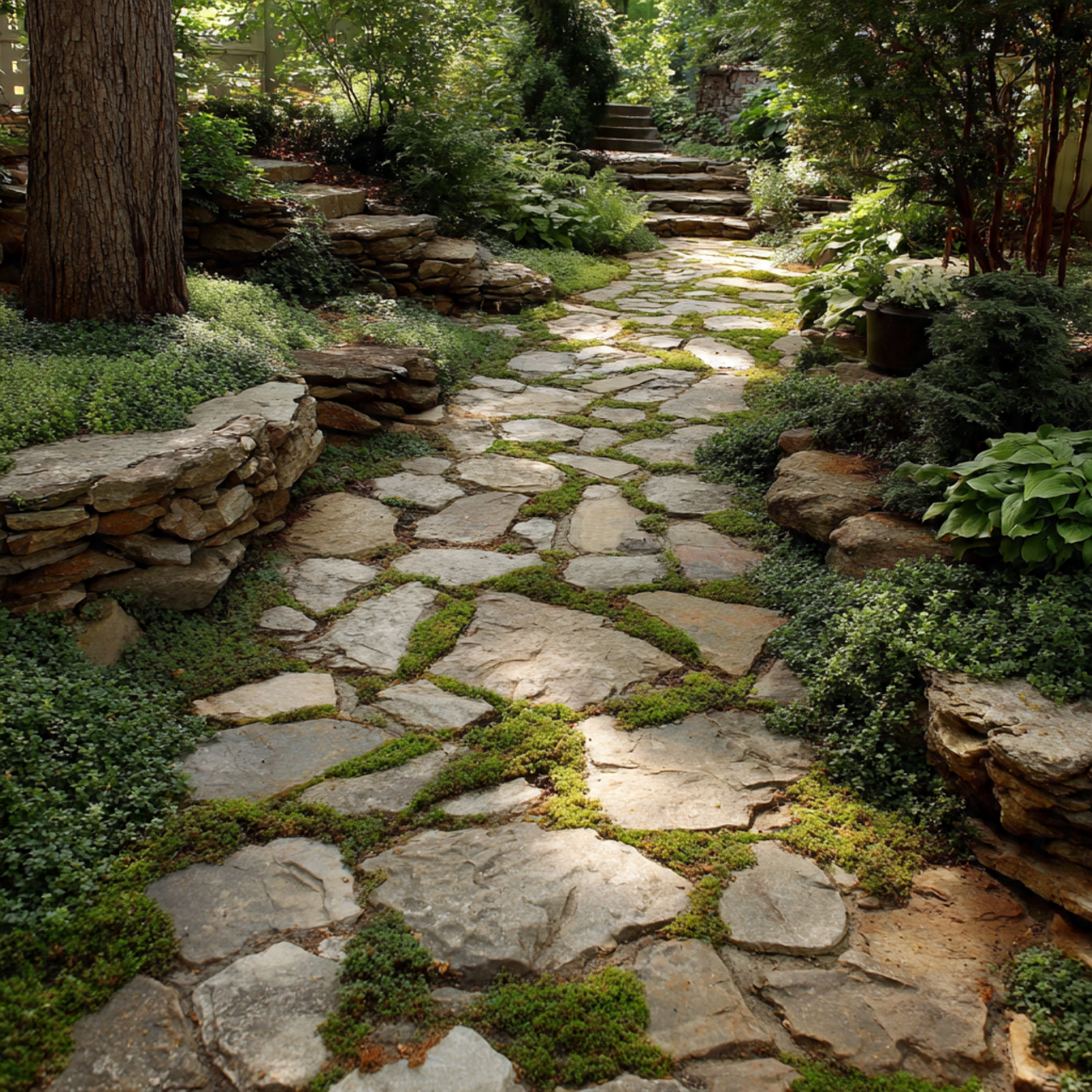
Flagstone hits that sweet spot between informal charm and intentional design. Each piece tells its own story, and when laid with slight spacing between stones, you get this beautiful, flowing visual rhythm.
The textured surface provides excellent traction—even when wet—making it both practical and pretty.
Flagstone highlights:
- Works in modern and traditional settings equally well
- Natural texture prevents slipping
- Allows creative spacing for unique patterns
- Perfect companion for creeping plants like moss or thyme
- Irregular shapes create organic, less rigid pathways
Plant low-growing herbs between the stones to create a living, fragrant path that releases scent with every step.
Stepping Stone Trails for Organic Movement
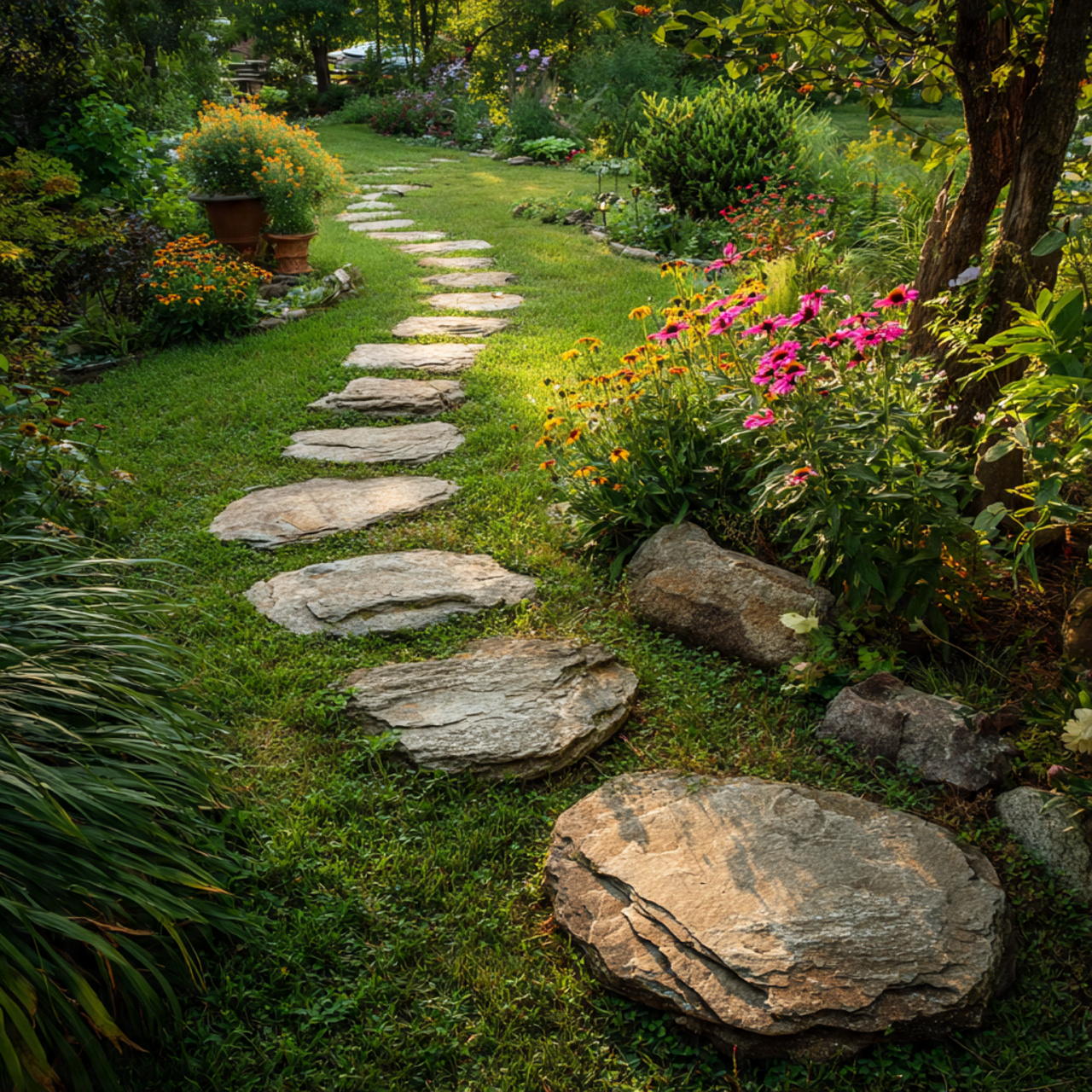
Stepping stones bring a sense of adventure to your garden. They’re like breadcrumbs leading visitors through your landscape, creating a rhythm that feels exploratory and fun.
This approach works wonderfully when you want to direct traffic without creating a heavy-handed, obvious path.
Stepping stone perks:
- Blends naturally with lawns and groundcover
- Flexible placement allows creative routing
- Perfect for creating gentle curves
- Less intrusive than solid pathways
- Encourages mindful, present walking
Space them comfortably for your natural stride—typically 18 to 24 inches apart—so walking feels effortless and natural.
Concrete Slab Walkways for Modern Gardens
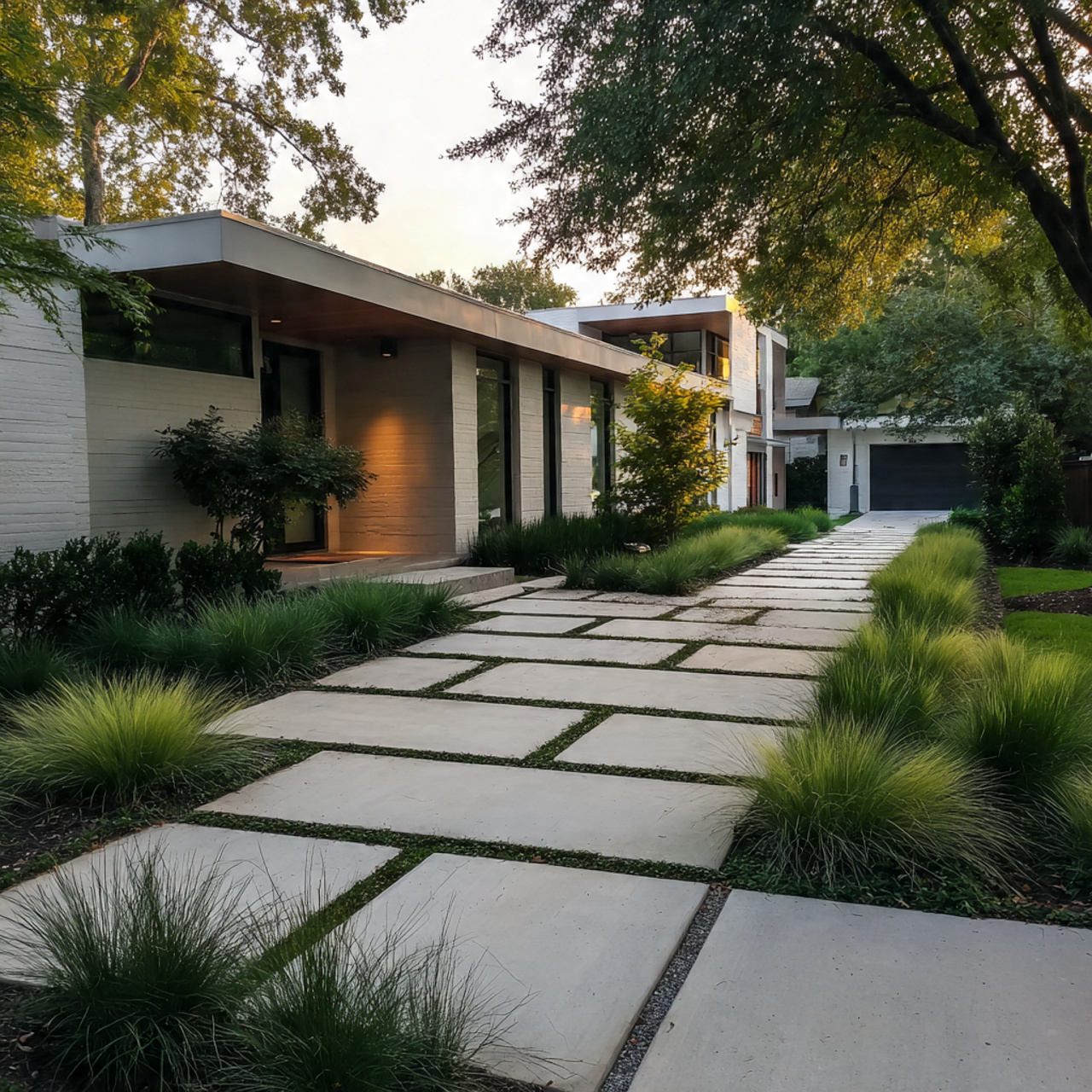
For contemporary gardens, concrete slabs deliver that clean, minimalist aesthetic you’re after. Smooth textures and crisp edges create striking visual impact without competing with your plantings.
Modern doesn’t have to mean boring—concrete can be poured in various shapes, stamped with patterns, or even colored to match your vision.
Concrete advantages:
- Extremely durable and long-lasting
- Low maintenance requirements
- Handles high foot traffic beautifully
- Customizable in shape, size, and finish
- Provides stable, even walking surface
Concrete works especially well in urban gardens or spaces where you want strong architectural elements to define the design.
Mulch Paths for Soft and Natural Appeal
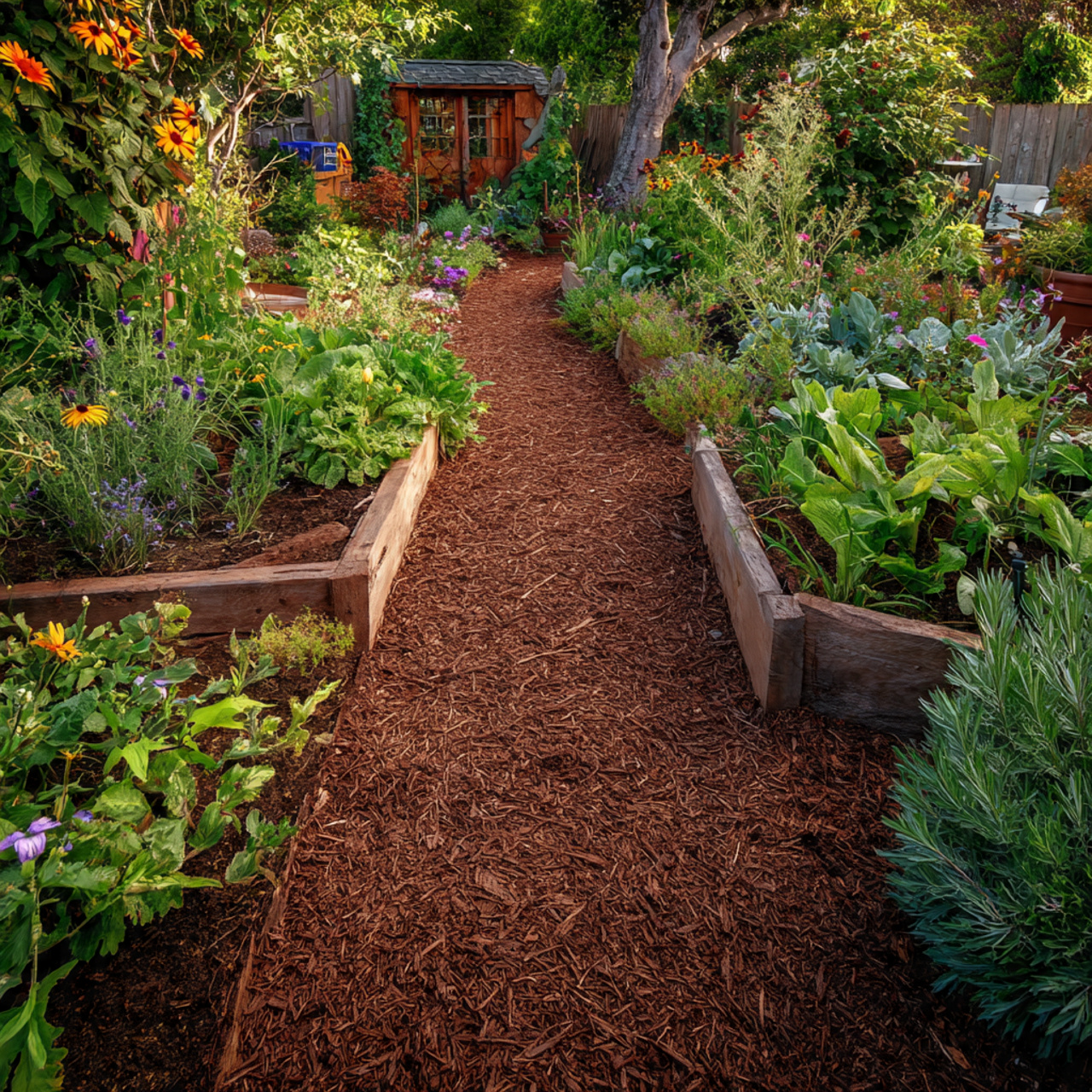
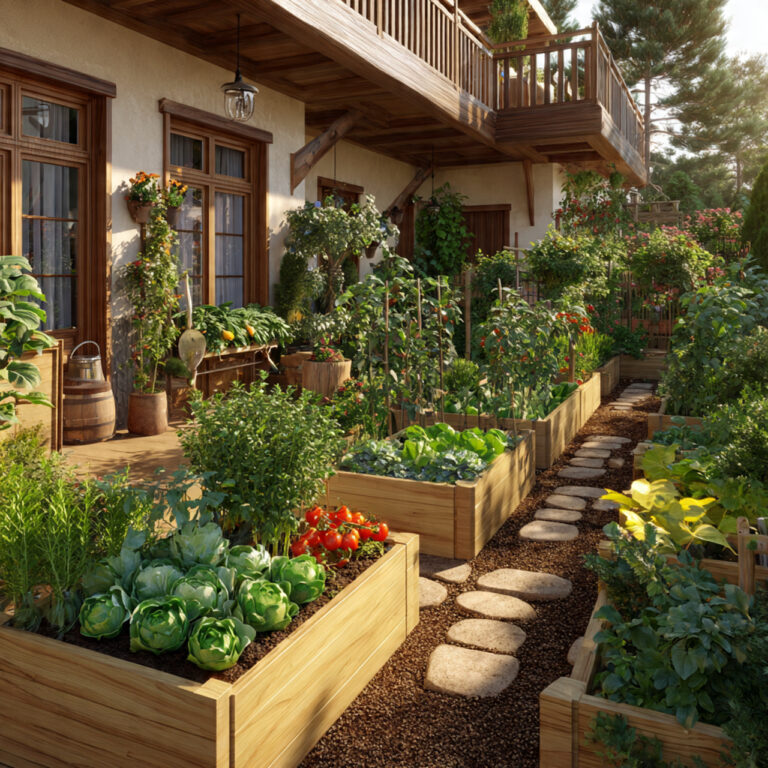
Mulch creates that soft, woodland feel that blends effortlessly with surrounding plants. It’s one of the most budget-conscious options available, making it perfect for expansive vegetable gardens or informal landscapes.
The natural, earthy look feels right at home in casual garden settings where perfection isn’t the goal—authentic beauty is.
Mulch pathway benefits:
- Cost-effective for large areas
- Biodegradable—enriches soil over time
- Soft underfoot, gentle on knees when kneeling
- Easy to refresh seasonally
- Suppresses weeds naturally
Just add fresh mulch yearly to maintain depth and appearance, and edge with something solid to keep it contained.
Pebble Mosaic Paths for Artistic Flair
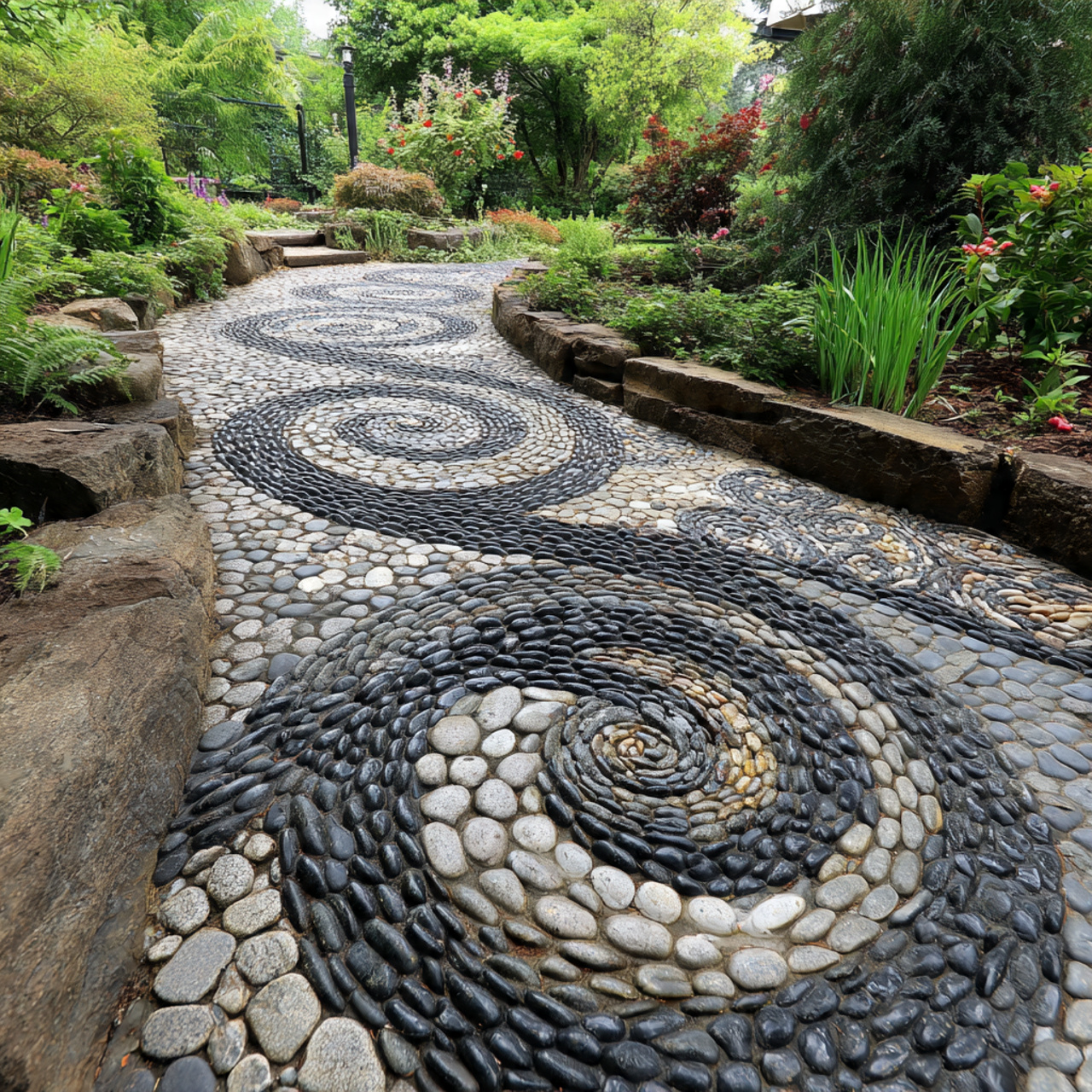
If you want your pathway to be a conversation starter, pebble mosaics deliver artistic flair in spades. Smooth stones arranged in swirling patterns, geometric designs, or custom images turn your walkway into functional sculpture.
Yes, they require more effort to create, but the stunning, handcrafted result becomes a garden centerpiece.
Pebble mosaic features:
- Unique, personalized design possibilities
- Extremely durable when properly installed
- Textured surface provides good traction
- Creates an unforgettable focal point
- Reflects your personal style and creativity
Consider starting with a small section to test your design skills before committing to an entire pathway.
Grass and Paver Combinations for Soft Geometry
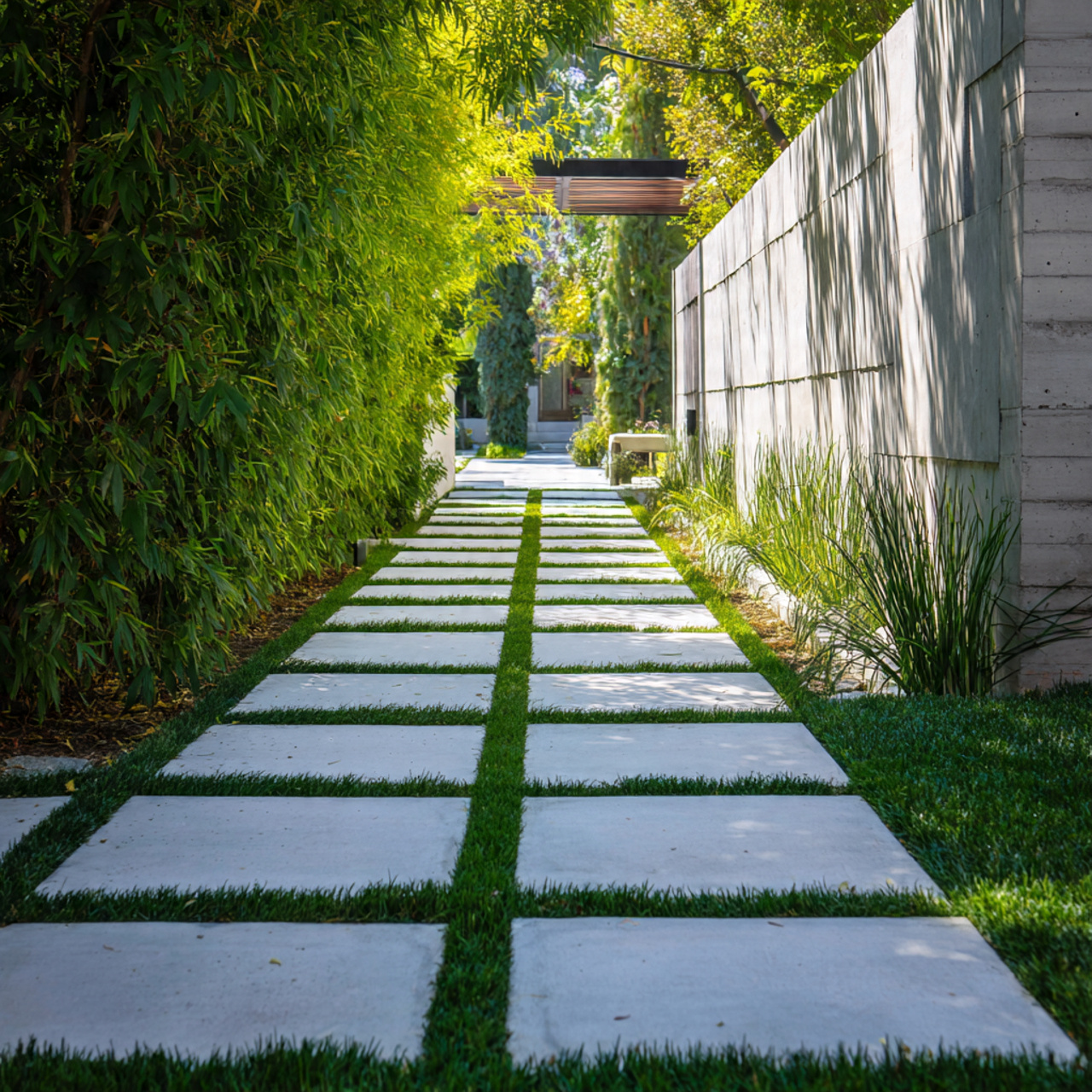
Why choose between hardscaping and softscaping when you can have both? Combining pavers with grass creates dynamic contrast—geometric precision meets organic softness.
This hybrid approach feels fresh and alive, perfect for modern courtyards, patios, and contemporary garden designs.
Combo path benefits:
- Reduces heat absorption from solid surfaces
- Keeps walking areas cooler in summer
- Visually integrates with surrounding lawn
- Creates interesting geometric patterns
- Allows rainwater infiltration naturally
Maintain the grass sections regularly to keep the overall look polished and intentional, not neglected.
Cobblestone Paths for Old-World Charm
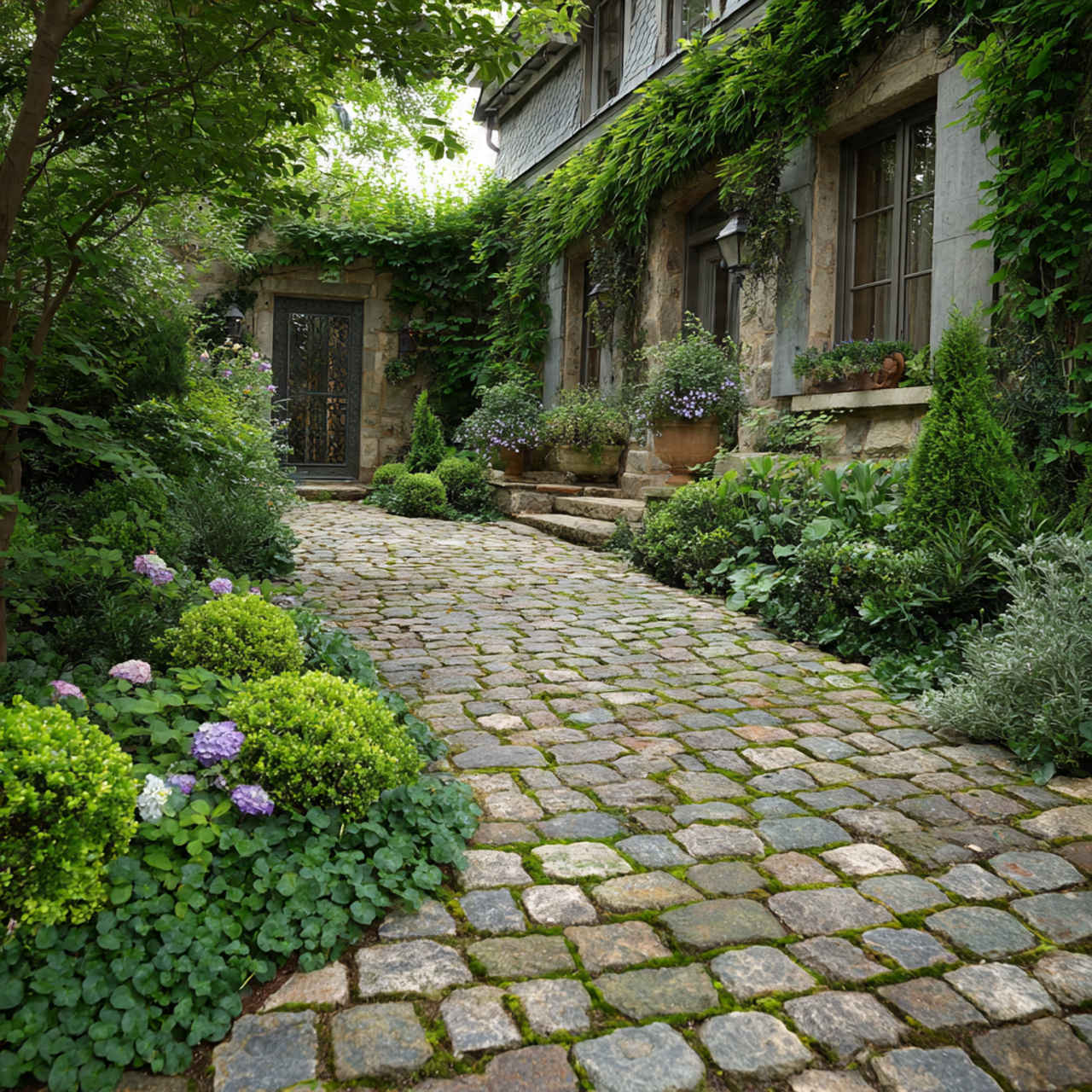
Cobblestones transport your garden straight to a European village street. Those rounded, slightly uneven shapes create wonderful texture and a tactile walking experience that modern materials just can’t replicate.
Perfect for cottage gardens or traditional landscapes where you want that historic, weathered charm.
Cobblestone characteristics:
- Incredibly durable—lasts generations
- Heavy traffic resistant
- Improves with age, developing patina
- Adds historic character instantly
- Unique texture enhances sensory experience
The slight unevenness adds character but may not be ideal for those with mobility concerns—consider your household’s needs.
Slate Walkways for Elegant Depth
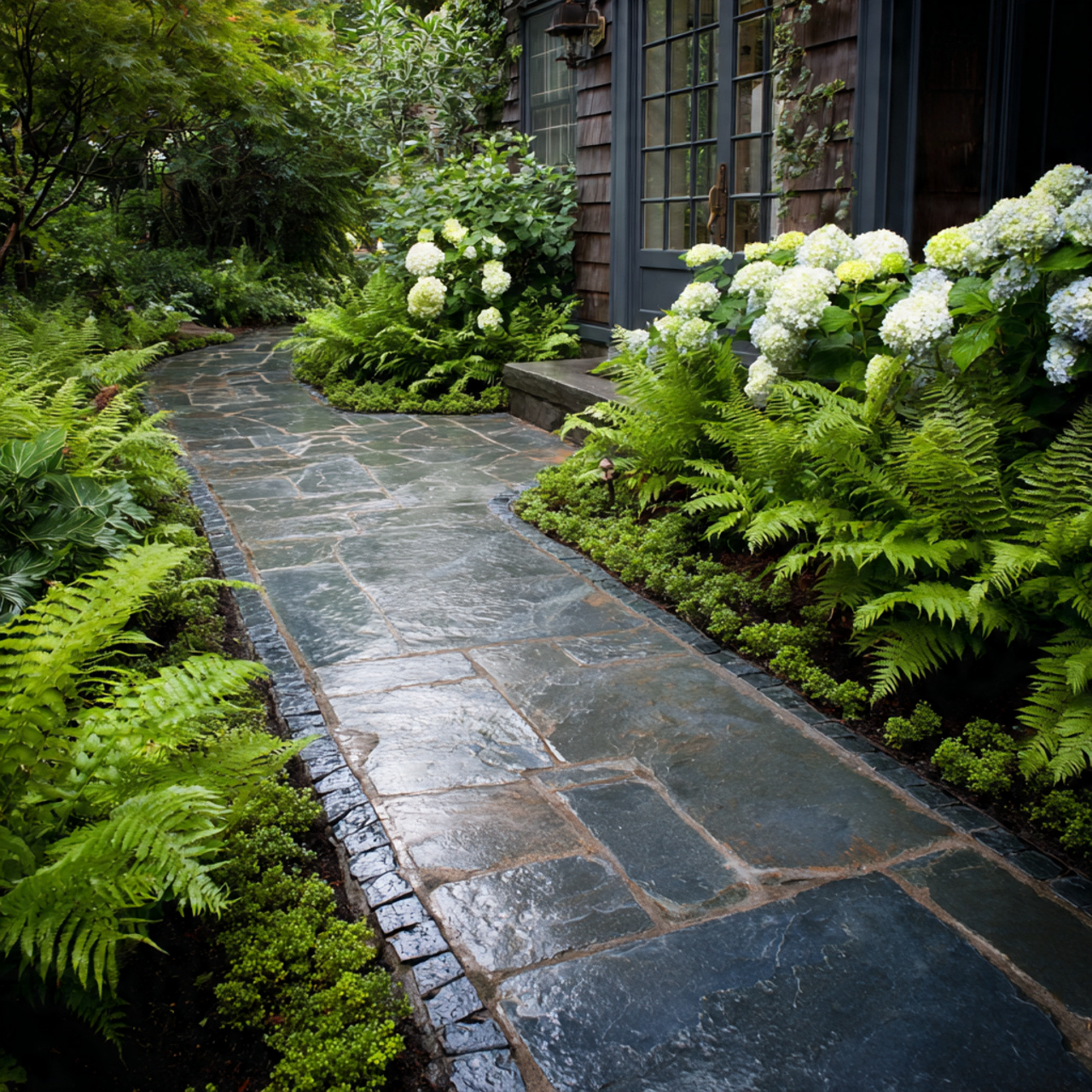
Slate brings elegant, moody tones to your garden—deep blues, grays, and purples that add sophistication and depth. This material works beautifully whether cut into uniform tiles or left in natural, rustic shapes.
Its refined appearance complements both classic formal gardens and sleek modern landscapes.
Slate advantages:
- Highly resistant to cracking and wear
- Non-slip surface when properly finished
- Rich color variations create visual interest
- Works in formal and informal settings
- Maintains appearance through weather changes
Seal slate periodically to enhance its natural colors and protect it from staining.
Arched Path Entrances for Dramatic Impact
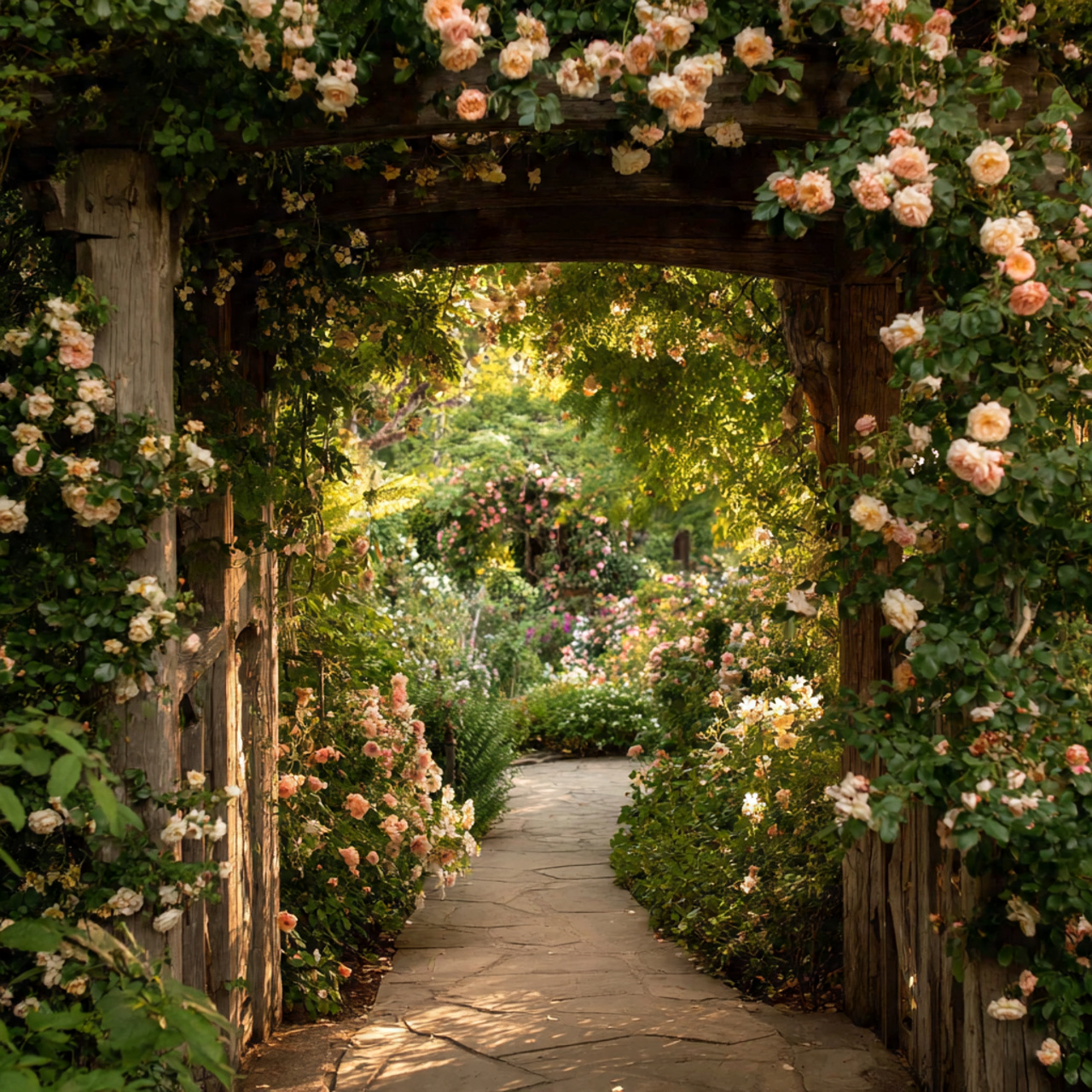
An archway transforms an ordinary path entrance into a moment of anticipation. Whether crafted from metal, wood, or living vines on a trellis, arches signal “you’re entering somewhere special.”
They add vertical interest and create natural frames for garden views beyond.
Archway benefits:
- Defines transitions between garden zones
- Supports climbing plants beautifully
- Adds height to flat landscapes
- Creates Instagram-worthy moments
- Frames views and focal points
Cover your arch with climbing roses, jasmine, wisteria, or clematis for an enchanting, flower-framed passageway.
Curved Walkways for Natural Movement
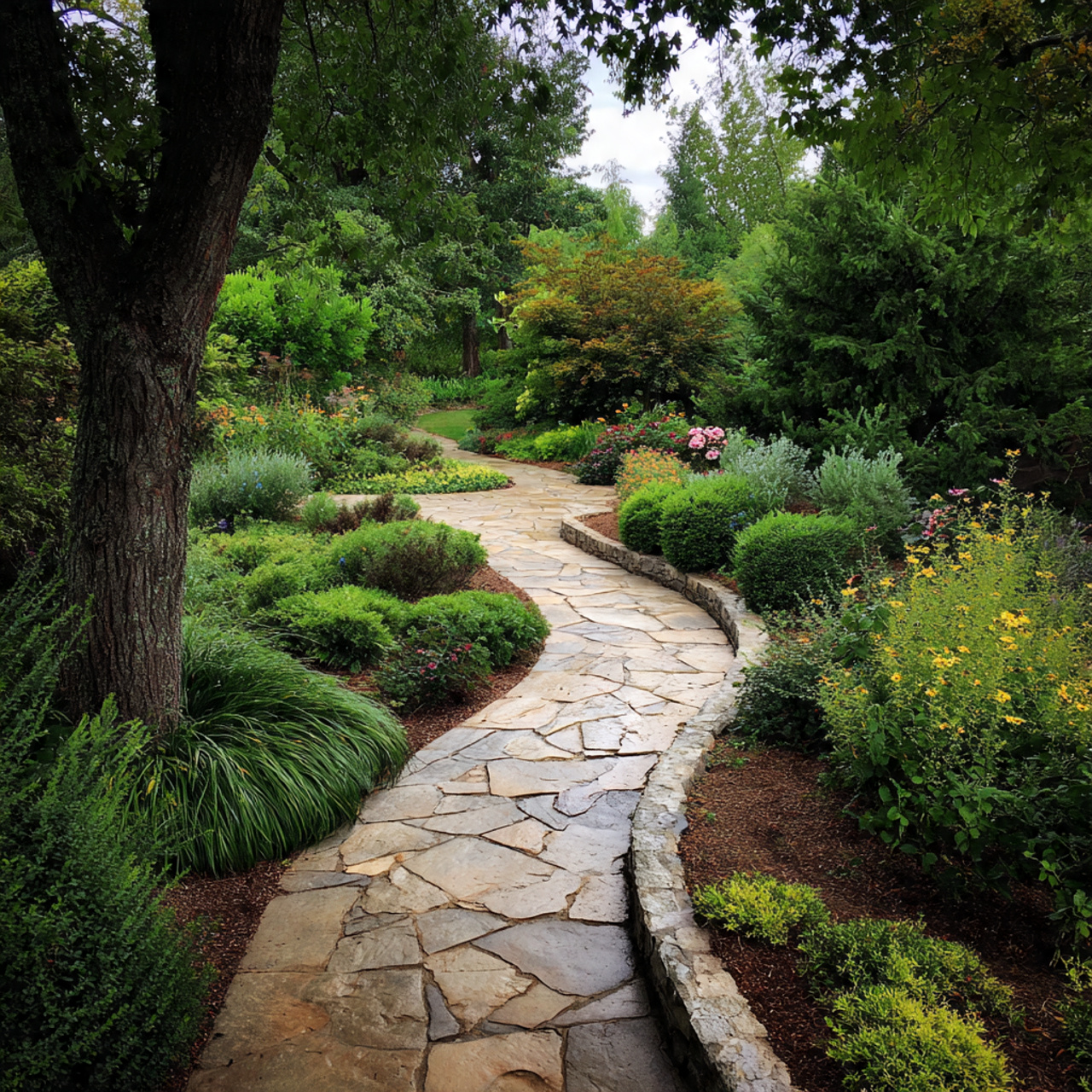
Curves mimic how we naturally want to move through space. They create gentle, meandering routes that invite leisurely strolls and make gardens feel larger than they actually are.
Curved paths add sophistication while softening rigid, boxy layouts that can feel too controlled.
Why curves work:
- Create mystery—you can’t see what’s around the bend
- Make spaces feel more expansive
- Encourage slower, more mindful walking
- Feel organic and naturalistic
- Soften formal or angular architecture
Design curves with purpose—they should lead somewhere or around something, not curve randomly without reason.
Straight Walkways for Clean Structure
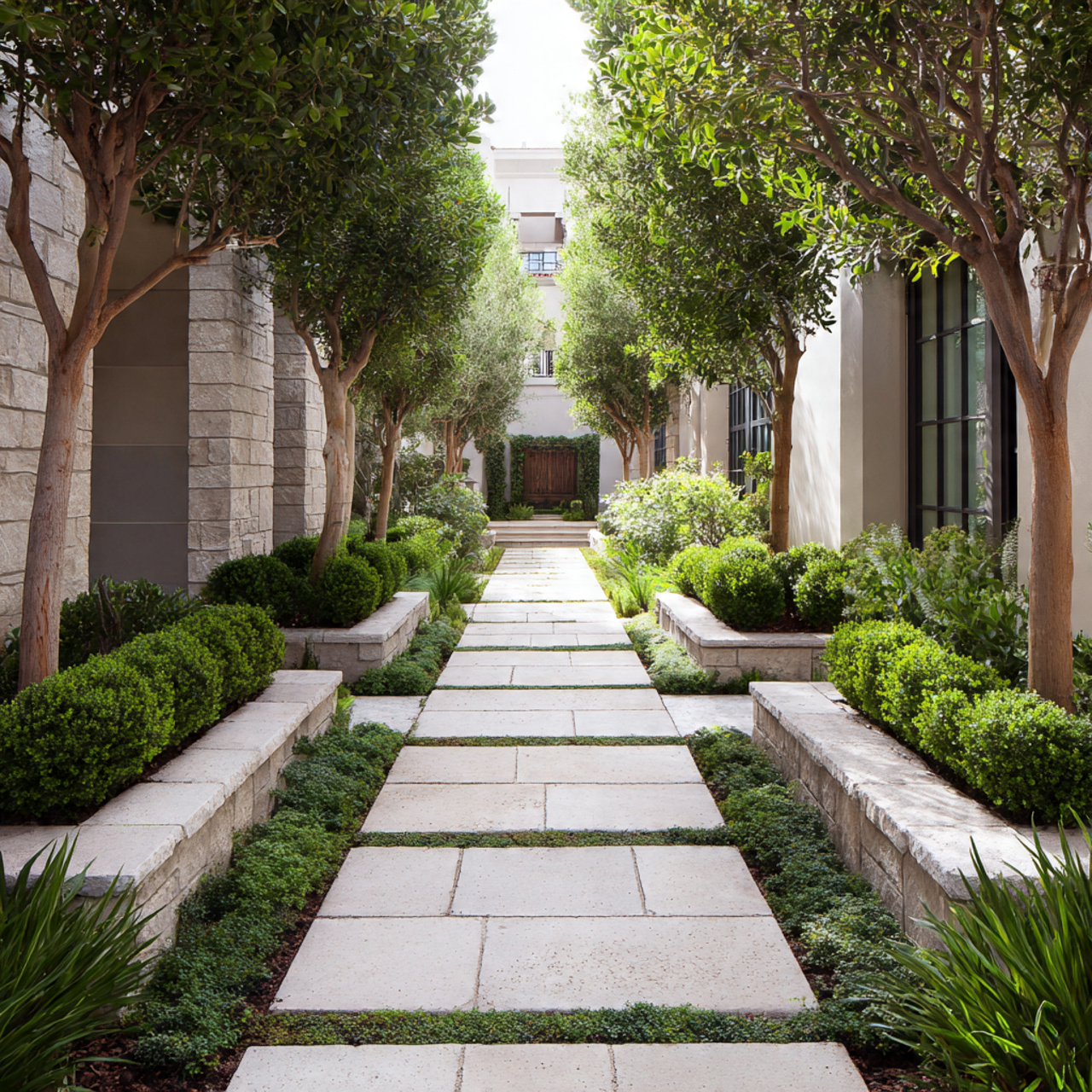
Sometimes the most powerful design choice is a strong, straight line. Straight paths bring order, clarity, and purposeful direction to your garden layout.
They’re ideal for formal gardens, symmetrical designs, or when you want to create a strong visual axis from one point to another.
Straight path strengths:
- Creates immediate visual impact
- Simplifies navigation
- Emphasizes symmetry and formality
- Works well with architectural landscapes
- Makes small spaces feel more organized
Flank straight paths with matching plantings on both sides to enhance the formal, intentional appearance.
Bordered Paths for Polished Edges
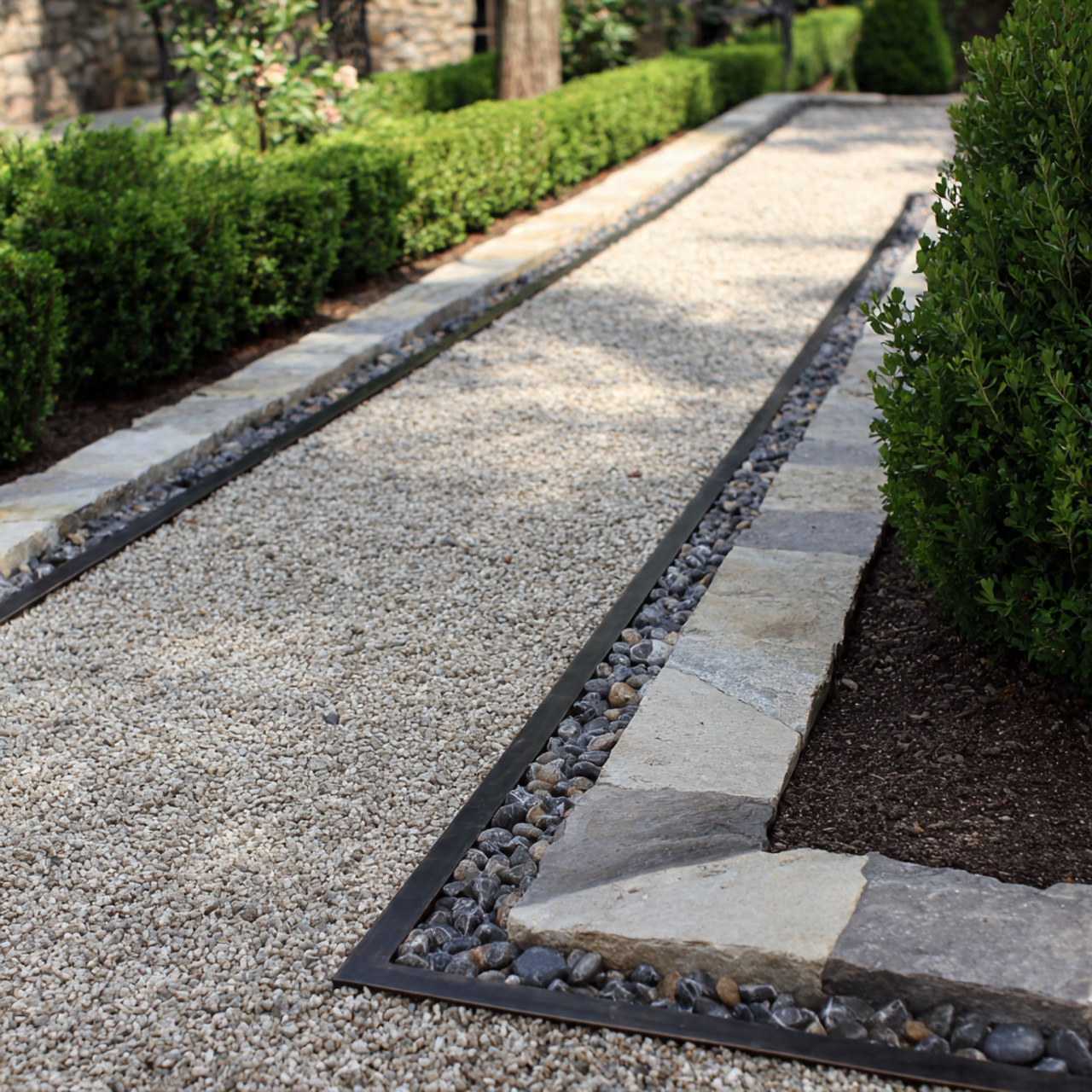
Adding borders to your pathways is like framing a painting—it elevates everything. Whether you use brick, metal edging, timber, or stone, borders define edges clearly and keep materials contained.
They transform simple walkways into polished, professional-looking garden features.
Border benefits:
- Prevents material migration and mess
- Creates clean, defined lines
- Enhances visibility and navigation
- Adds color and texture contrast
- Makes maintenance easier long-term
Choose border materials that complement your path—contrasting colors create drama, while matching tones offer subtle sophistication.
Illuminated Walkways for Nighttime Beauty
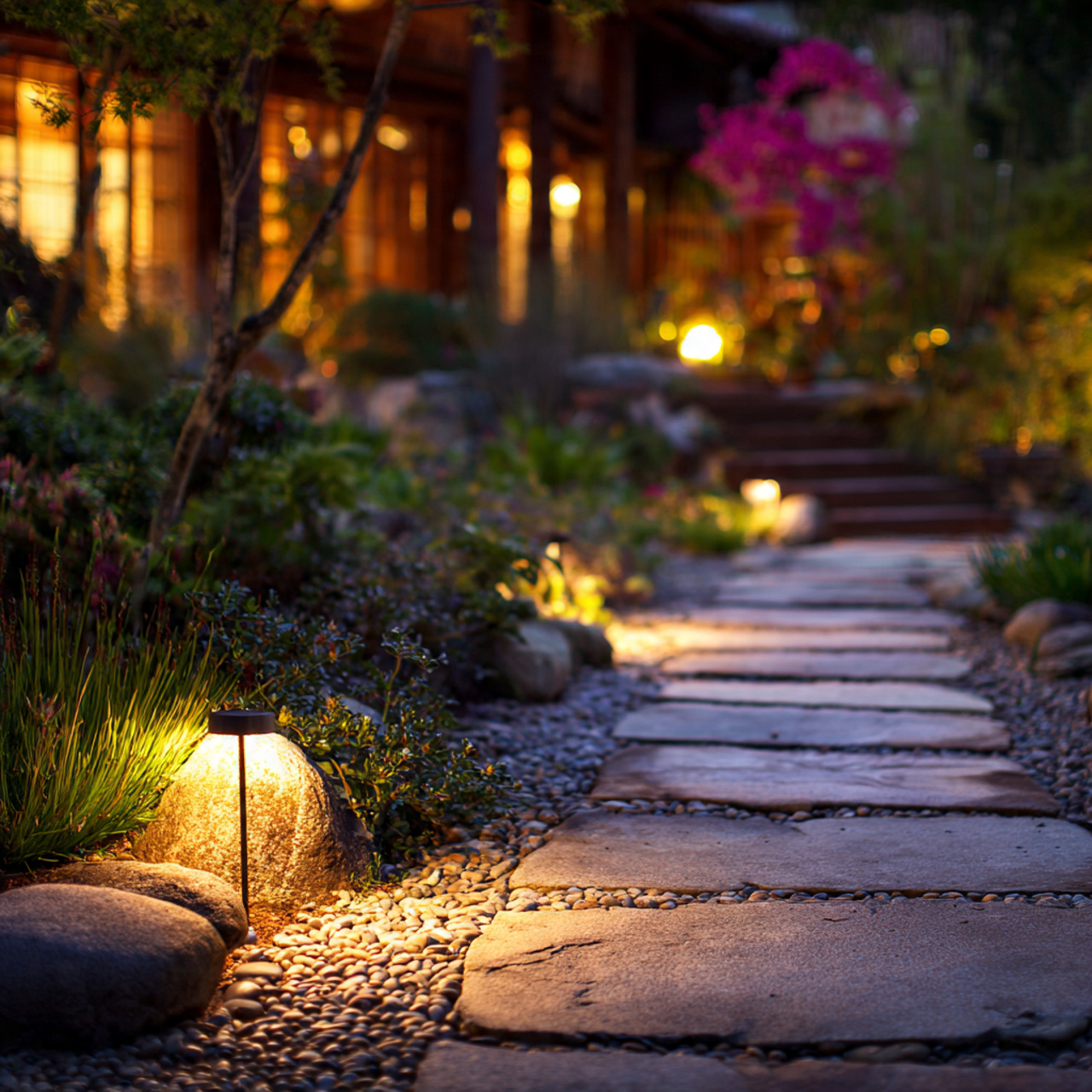
When the sun sets, proper lighting transforms your pathways into glowing routes that make your garden usable and magical after dark. Solar stakes, LED strips, or embedded step lights do double duty—guiding movement while creating ambiance.
Evening lighting turns your garden from a daytime-only space into an enchanting nighttime retreat.
Lighting advantages:
- Improves safety by illuminating trip hazards
- Extends usable hours into evening
- Highlights textures and plantings dramatically
- Creates romantic, welcoming atmosphere
- Solar options require no wiring or electricity
Place lights strategically along edges rather than directly in the middle to avoid harsh, runway-style lighting.
Water-Side Walkways for Serenity
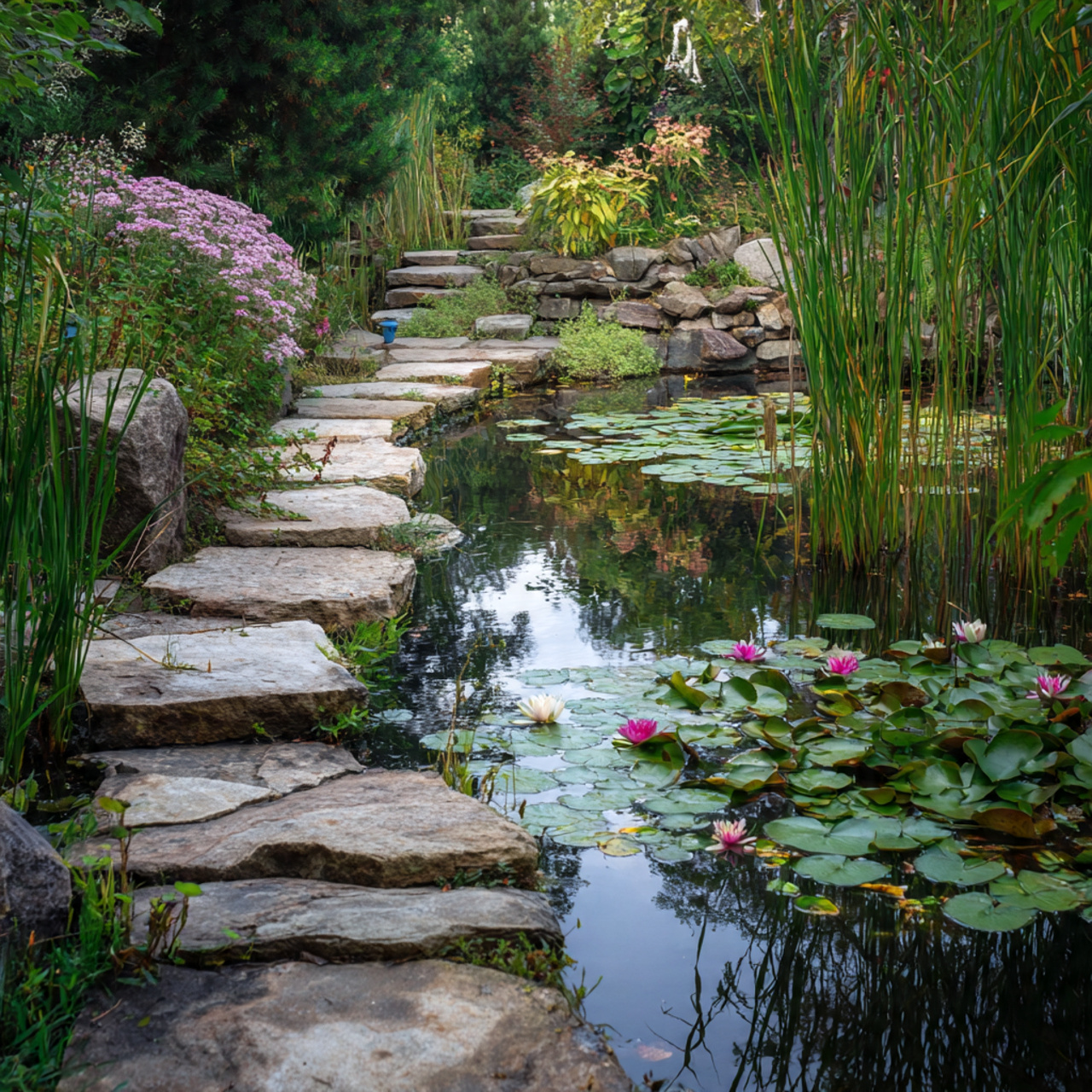
Paths running alongside water features create some of the most serene moments in any garden. The combination of flowing water sounds and visual reflections makes walking these paths meditative and calming.
Position walkways beside ponds, streams, or fountains to maximize these sensory experiences.
Waterside path benefits:
- Enhances peaceful atmosphere significantly
- Provides viewing platforms for aquatic life
- Creates opportunities for reflection (literally and figuratively)
- Adds another layer to garden’s sensory experience
- Encourages slower, more mindful movement
Use materials that complement water—smooth stones, dark pavers, or wooden decking all work beautifully.
Raised Garden Paths for Clear Navigation
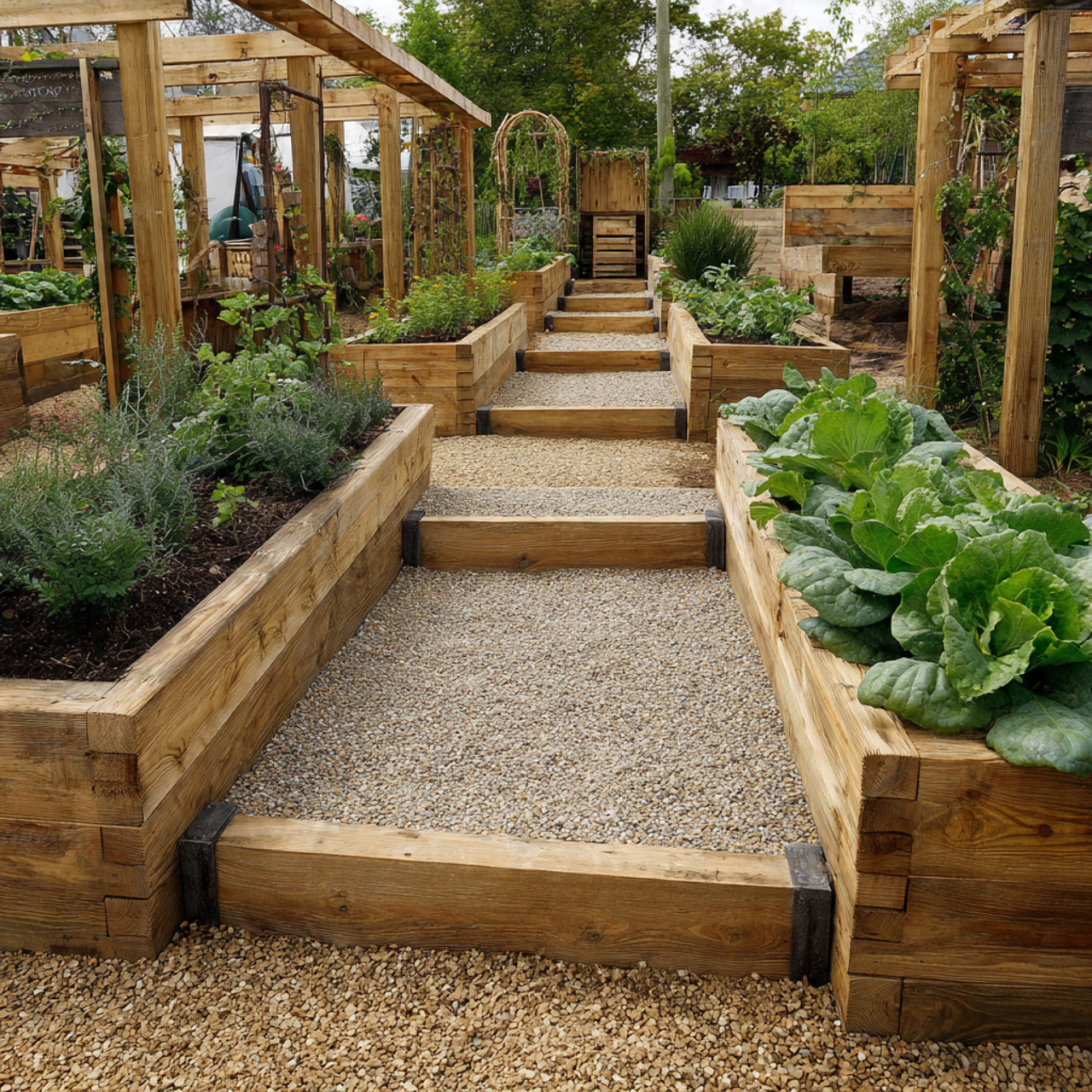
Raised pathways sit above ground level, creating clean lines and structured guidance through your garden. They’re practical solutions for uneven terrain while adding architectural interest.
These elevated routes protect plant roots below and keep your feet dry during wet weather.
Raised path advantages:
- Manages slopes and uneven ground easily
- Improves drainage naturally
- Creates visual separation between zones
- Protects delicate plant roots
- Adds dimension to flat landscapes
Build with retaining walls or use gravel-filled frames to create these elevated walking surfaces.
Herb-Lined Walkways for Fragrance
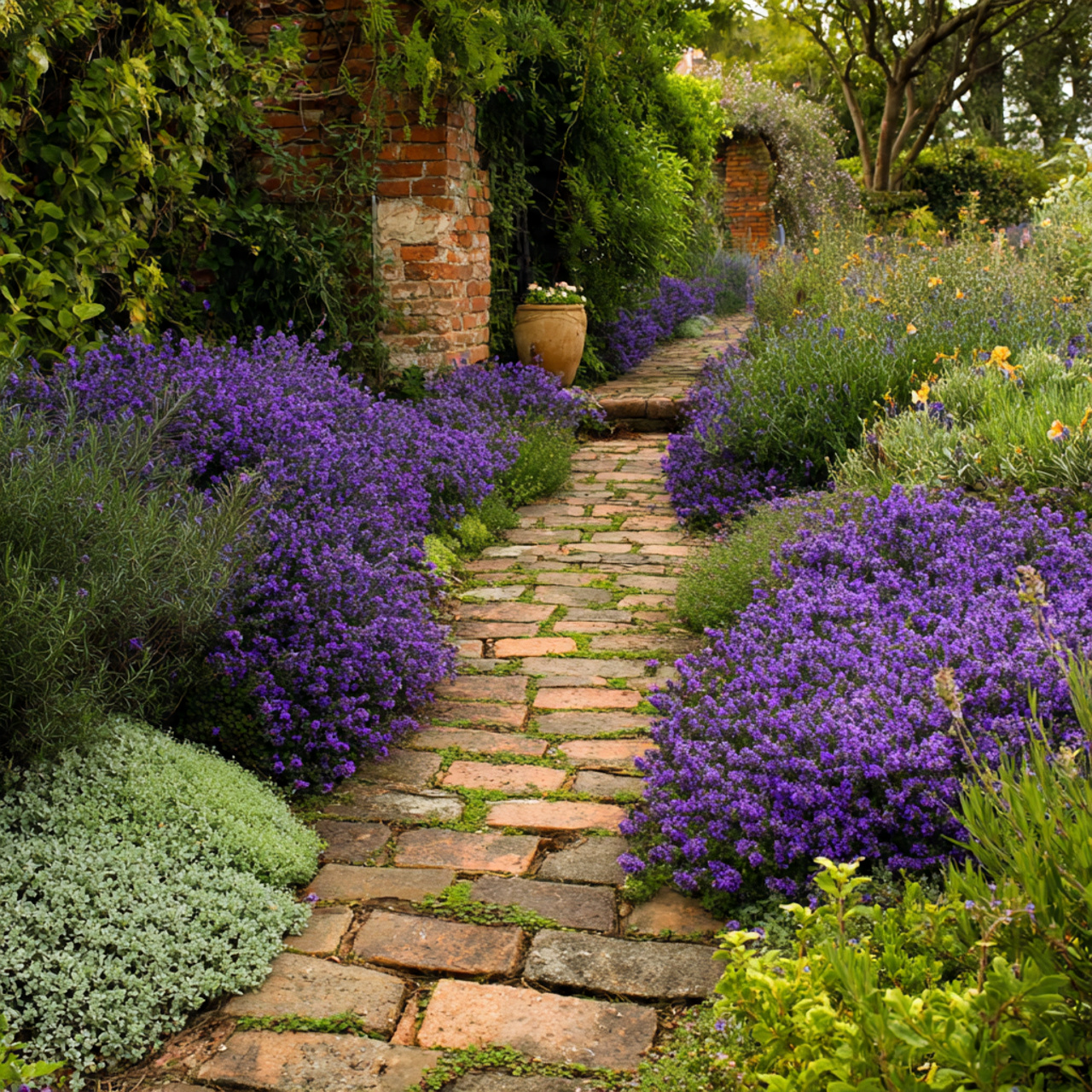
Plant fragrant herbs like lavender, thyme, or rosemary along your pathway edges, and every walk becomes an aromatherapy session. When brushed against or warmed by the sun, these plants release natural scents that transform the entire experience.
Herb borders also attract beneficial pollinators, adding life and movement to your pathways.
Herb-lined benefits:
- Natural fragrance with every passing
- Edible options double as walking garden and kitchen resource
- Attracts bees, butterflies, and beneficial insects
- Provides texture and color variation
- Often drought-tolerant once established
Choose herbs suited to your climate and the amount of foot traffic the area receives—hardy varieties work best.
Perennial-Edged Paths for Seasonal Color
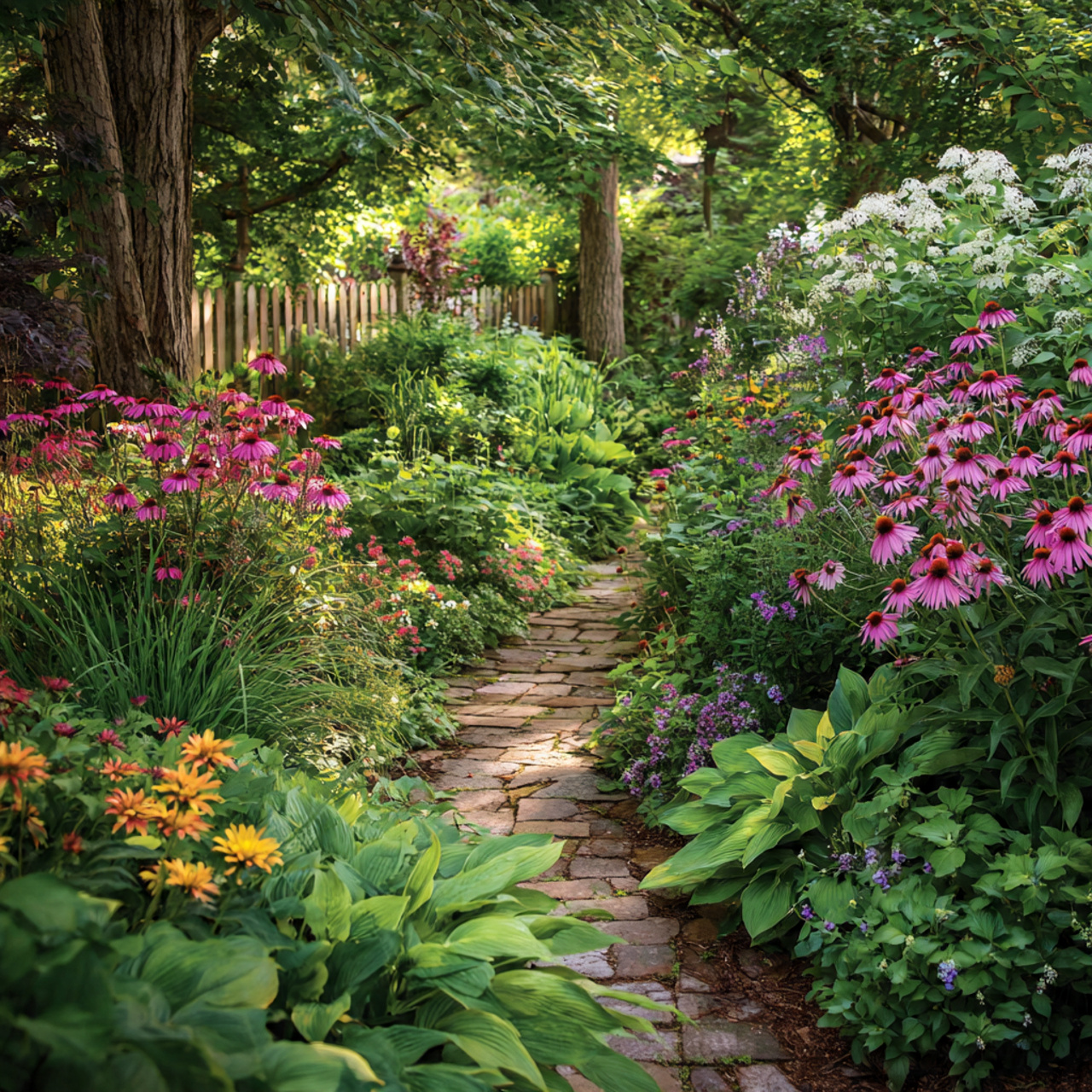
Edge your walkways with perennials, and you get a garden that changes personality with each season. Spring bulbs give way to summer blooms, which transition into fall colors and winter interest.
These living borders soften hard pathway materials with lush textures and ever-changing scenery.
Perennial edging perks:
- Low-maintenance once established
- Provides year-round interest with proper selection
- Softens hard material edges beautifully
- Creates natural, flowing appearance
- Reduces need for annual replanting
Layer perennials by height—shorter in front, taller behind—for depth and fuller appearance.
Minimalist Concrete Paths for Modern Aesthetics
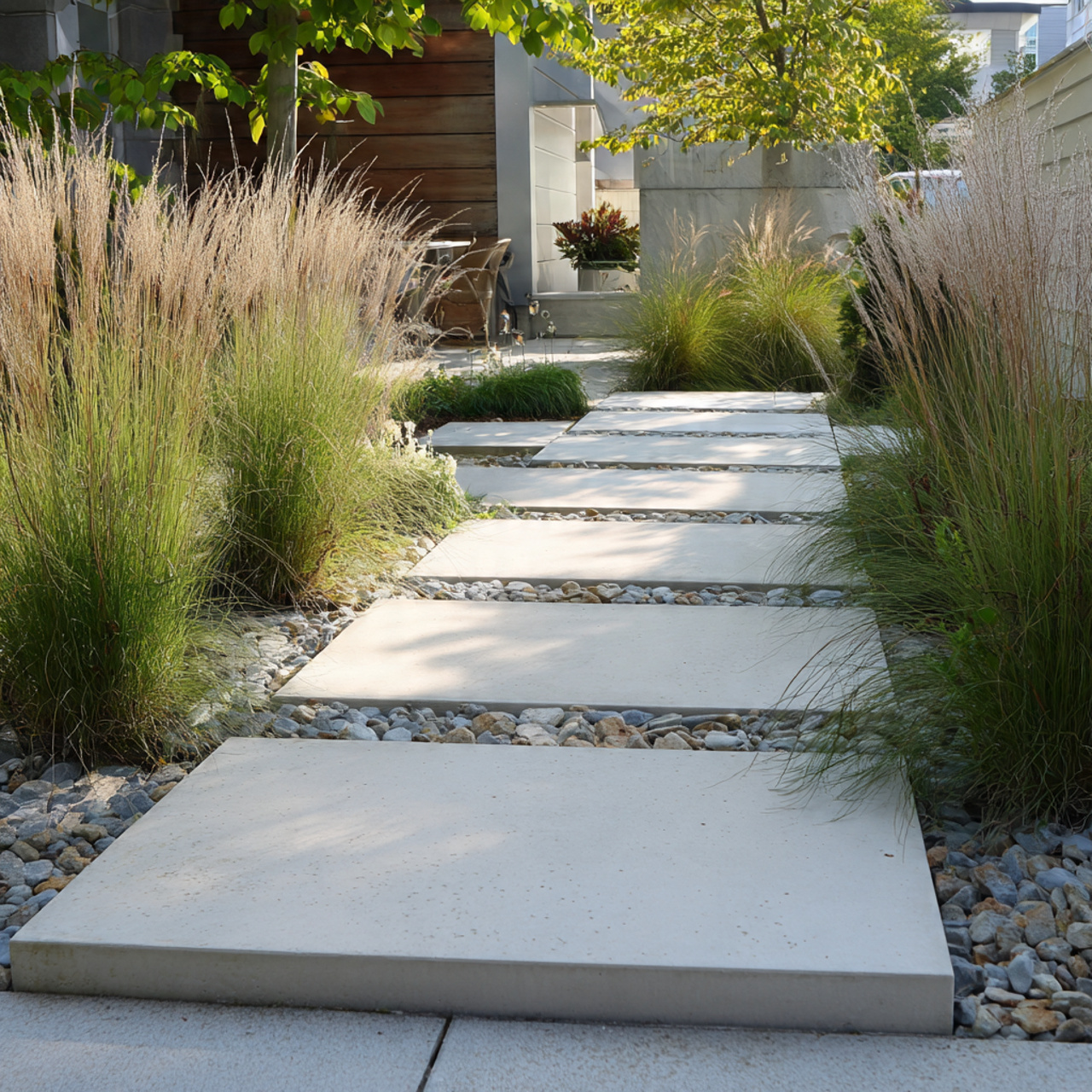
Minimalist design embraces simplicity and clean lines. Smooth concrete slabs in subtle tones with geometric spacing create sophisticated pathways that don’t compete for attention.
This style shines in contemporary landscapes where the goal is spaciousness and calm, not visual clutter.
Minimalist features:
- Emphasizes clarity and open space
- Creates modern, sophisticated aesthetic
- Easy to maintain and keep clean
- Focuses attention on plantings, not paths
- Works beautifully with architectural homes
Keep plantings equally restrained and intentional to maintain the minimalist vision throughout.
Rustic Timber Paths for Warmth
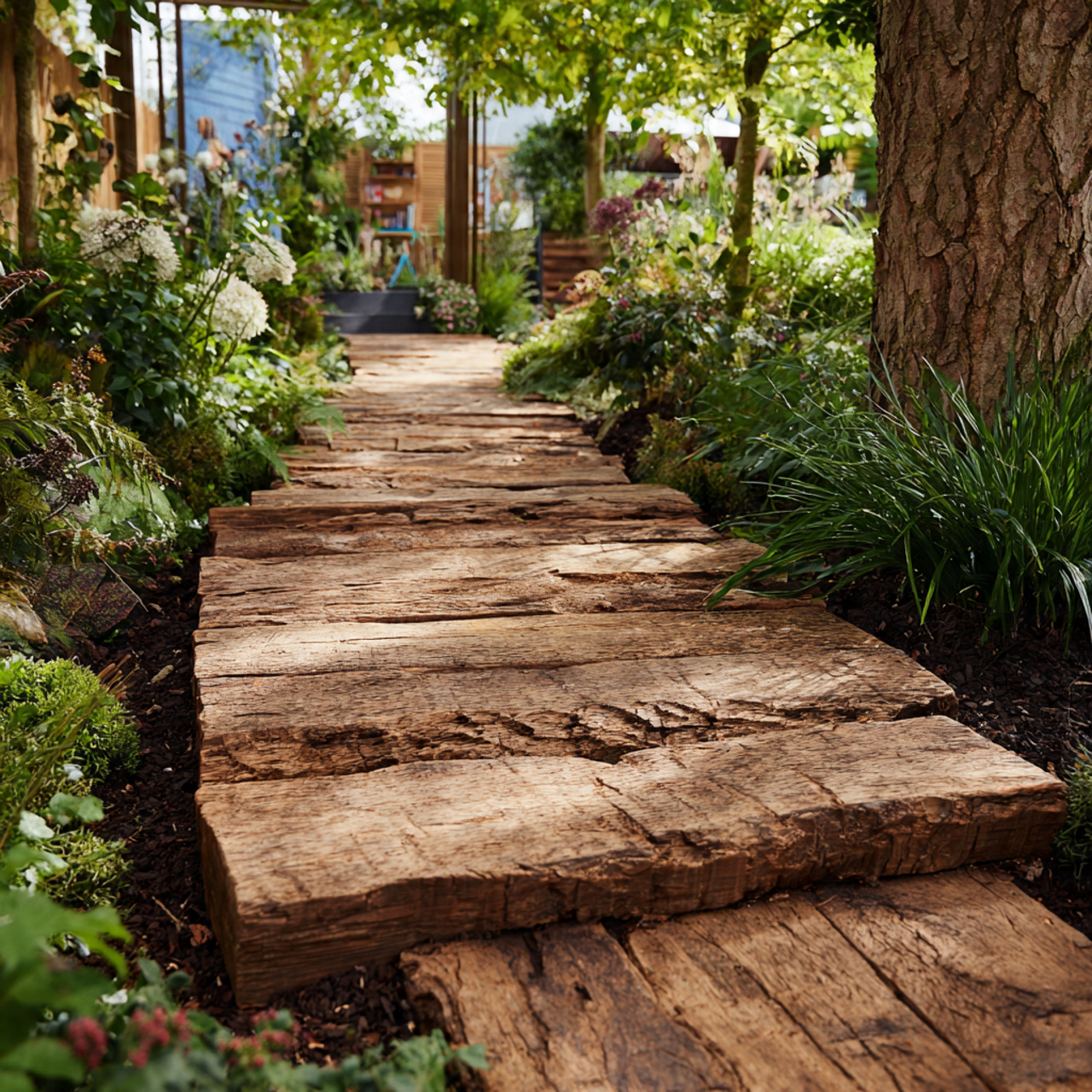
Timber walkways bring immediate warmth to your garden with natural wood tones and organic textures. They feel grounded and comfortable, perfect for forest-inspired or naturalistic landscapes.
On slopes, timber provides excellent grip and stability while adding horizontal visual interest.
Timber path benefits:
- Natural appearance blends with surroundings
- Provides good traction on slopes
- Warmer underfoot than stone or concrete
- Creates cozy, inviting atmosphere
- Can be sourced sustainably
Use naturally rot-resistant woods like cedar or redwood, or choose pressure-treated lumber for longevity.
Winding Woodland Walkways for Immersion
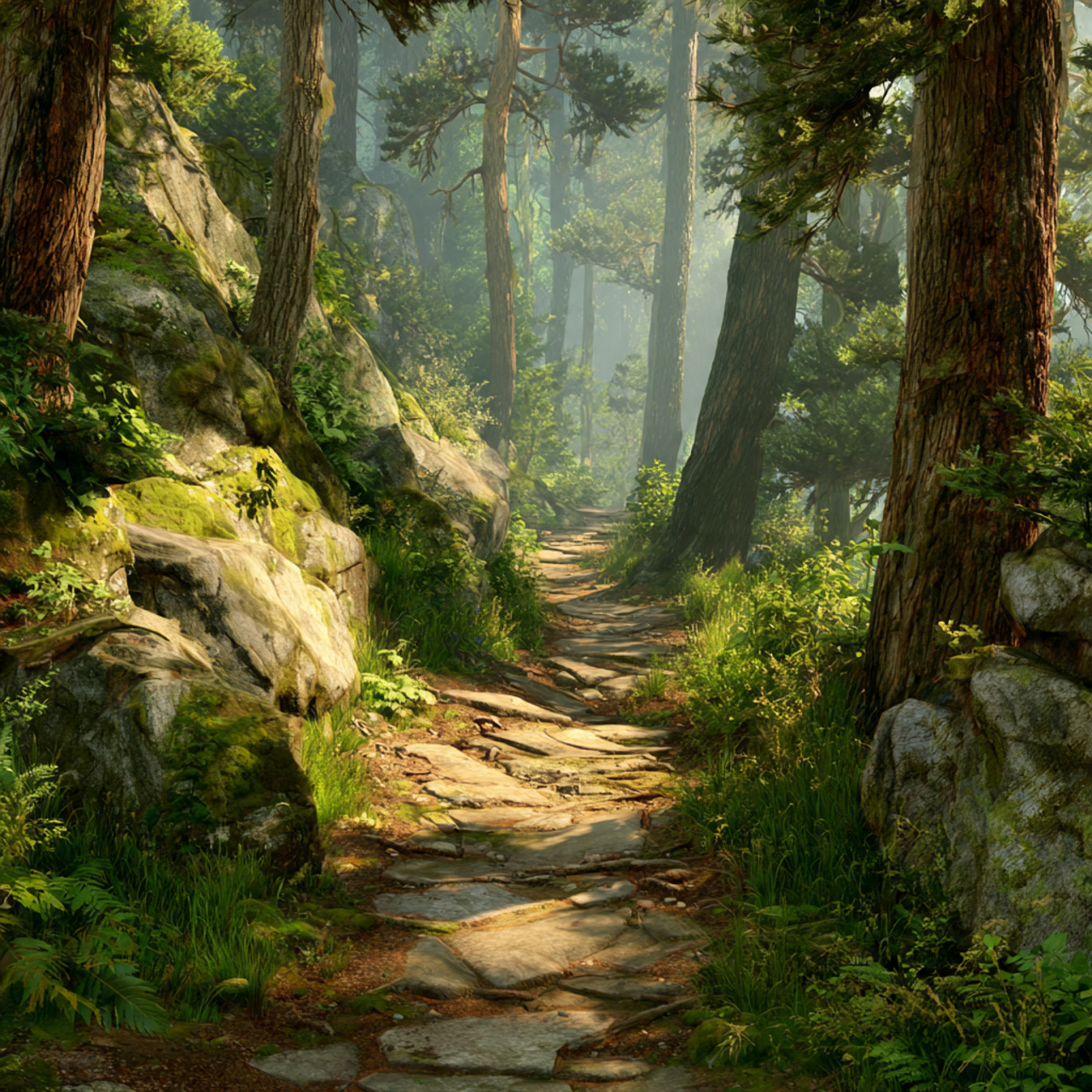
Paths that wind through wooded areas create intimate, immersive experiences. They invite slow exploration, revealing new views and hidden corners gradually rather than all at once.
These meandering routes make even compact gardens feel expansive and full of possibilities.
Woodland path qualities:
- Creates sense of mystery and anticipation
- Highlights natural tree beauty
- Encourages exploration and discovery
- Makes small spaces feel larger
- Provides cool, shaded walking routes
Let the existing landscape guide your path—work with natural features rather than against them.
Decorative Patterned Pavers for Style
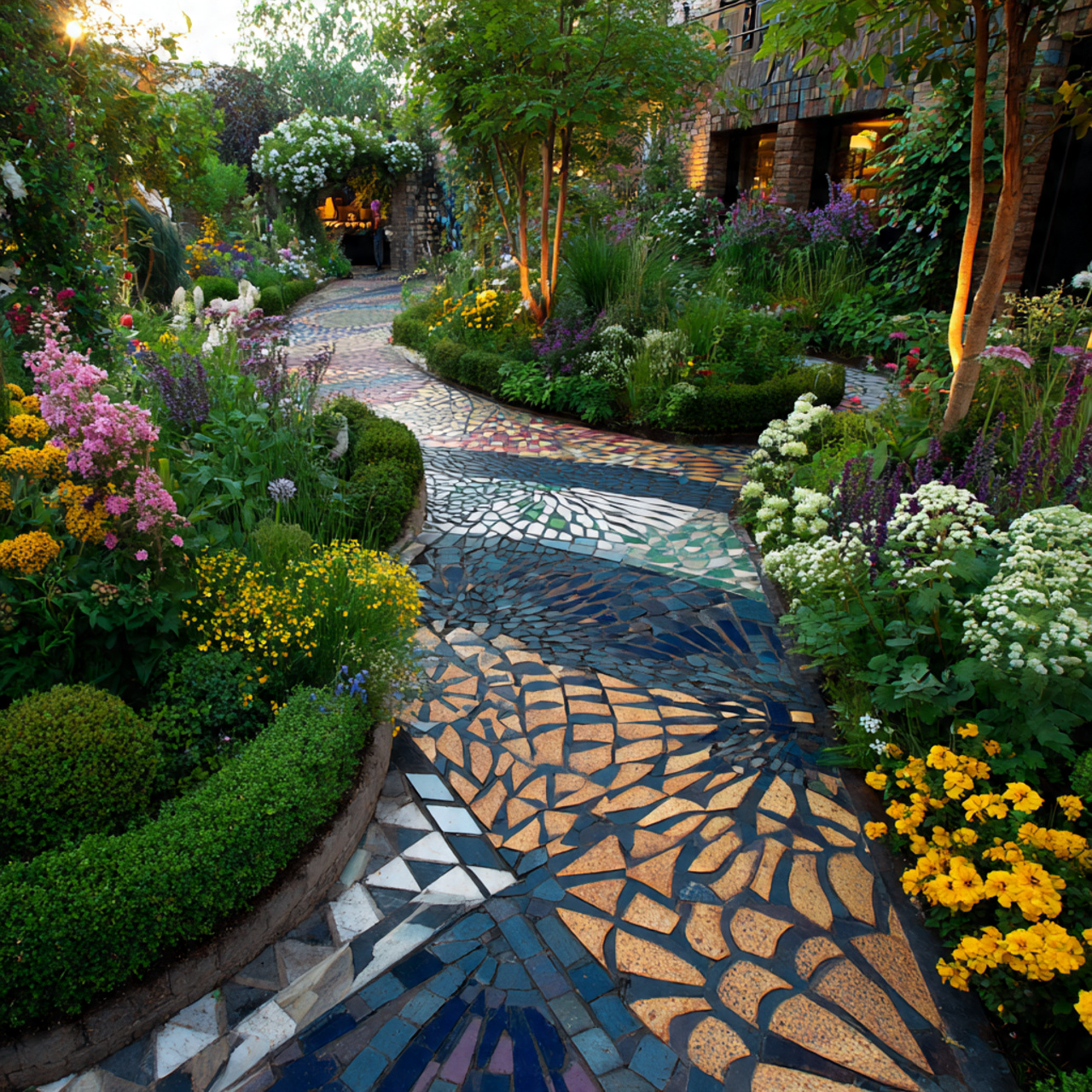
Patterned pavers turn functional walkways into artistic statements. Geometric designs, alternating colors, checkerboard layouts, or custom patterns create visual rhythm that draws the eye.
These paths become focal points themselves, adding personality and flair to your overall garden design.
Patterned paver advantages:
- Unlimited design possibilities
- Creates strong visual interest
- Can direct eye movement through space
- Reflects personal style boldly
- Works in various garden styles
Plan patterns carefully before installation—lay them out dry first to ensure the design works as intended.
FAQs
1. What is the best material for garden path and walkways?
The best material depends on your style, climate, and maintenance preferences. Stone offers durability, gravel provides flexibility, and concrete suits modern landscapes.
2. How wide should garden path and walkways be?
A comfortable width is 3–4 feet for main paths and 2–3 feet for secondary walkways. This ensures easy movement.
3. How do I prevent weeds from growing on walkways?
Use landscape fabric, proper edging, and regular maintenance. Gravel and mulch paths need occasional refreshing.
4. Should walkways be straight or curved?
Both work well—straight paths offer structure, while curved paths create natural flow. Choose based on your garden’s style.
5. How do I make walkways safe at night?
Add solar lights, low-voltage LEDs, or step lighting along the edges for visibility and ambiance.
Bringing It All Together: Your Garden Path Journey
Garden pathways are so much more than functional necessities—they’re opportunities to express creativity, guide experiences, and shape how people interact with your outdoor space.
The right combination of materials, patterns, and routing transforms scattered plantings into cohesive landscapes. Whether you choose timeless natural stone, budget-friendly gravel, artistic pebble mosaics, or sleek modern concrete, each option tells a different story about your garden’s personality.
Start by considering how you actually use your space. Where do people naturally walk? Which areas get wet and muddy? What views or features deserve highlighting? Your answers will guide material selection and routing decisions.
Remember, you don’t need to complete everything at once. Gardens evolve beautifully over time. Start with a main pathway connecting key areas, then add secondary routes as your landscape develops. This approach lets you refine ideas and spread costs over several seasons.
With thoughtful planning and the right pathway choices, your garden transforms from a collection of plants into a welcoming, functional retreat that invites exploration and brings joy every time you step outside.