25 Home Garden Ideas to Transform Your Space into a Lush Retreat
There’s something deeply satisfying about stepping into your own space and being greeted by thriving plants, fresh air, and natural beauty. Creating a home garden isn’t just about making things look pretty—though that’s certainly a wonderful bonus. It’s about crafting a personal retreat where you can breathe easier, think clearer, and reconnect with the simple pleasure of watching something grow.
Whether you’re working with a sprawling backyard, a tiny apartment balcony, or just a sunny windowsill, there’s a gardening approach that fits your situation perfectly. The beauty of home gardening is its flexibility—you can start small and expand gradually, or dive into an ambitious project that transforms your entire outdoor space.
This guide shares some practical and inspiring home garden ideas that work in real life, not just in magazines. Each concept includes specific tips to help you actually implement it, whether you’re a complete beginner or someone with years of gardening experience looking for fresh inspiration.
Why Home Gardens Matter More Than You Think
Beyond the obvious visual appeal, home gardens offer tangible benefits that improve your daily life in surprising ways. Studies consistently show that spending time around plants reduces stress hormones, lowers blood pressure, and improves overall mood. The simple act of watering plants or pruning leaves becomes a form of active meditation—your hands are busy, your mind relaxes, and worries fade into the background.
There’s also something deeply satisfying about the cyclical nature of gardening. You plant seeds, watch them sprout, nurture their growth, and eventually harvest or enjoy the blooms. This process reconnects you with natural rhythms that modern life often obscures. In a world of instant gratification, plants teach patience and reward consistent care.
Practical benefits you’ll experience:
- Improved air quality, especially with indoor plants
- Fresh herbs and vegetables steps from your kitchen
- Increased property value and curb appeal
- Natural cooling effect from strategically placed plants
- Wildlife attraction that brings gardens to life
- Creative outlet that produces tangible results
The emotional impact shouldn’t be underestimated either. Many people find that their garden becomes the favorite part of their home—the place they naturally gravitate toward when they need a moment of peace or a burst of inspiration.
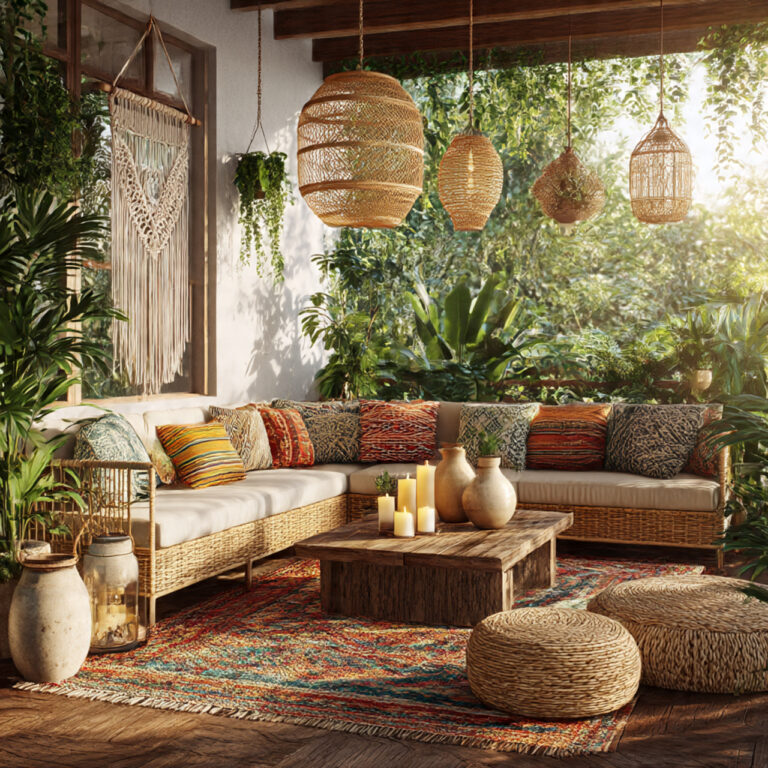
Cozy Corner Garden Setup
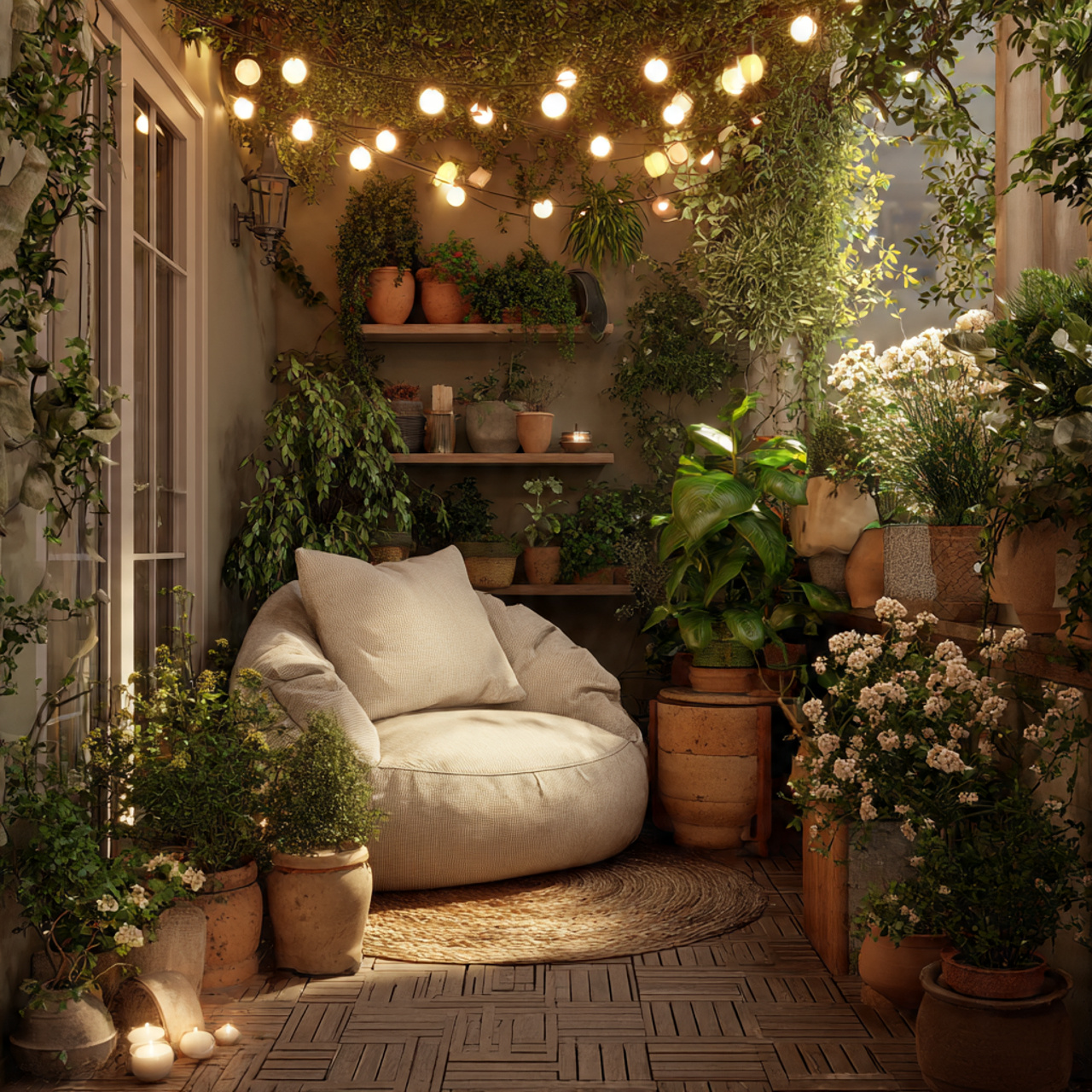
Why it works: Even small spaces can become powerful retreats with the right arrangement.
Everyone needs a spot where they can truly unwind, and a thoughtfully designed garden corner provides exactly that. The key is creating layers that make the space feel enclosed and intimate without being cramped. Think of it as building a nest—comfortable, protected, and uniquely yours.
Building your corner retreat:
- Start with a comfortable seat as your anchor piece
- Place tall plants (3-5 feet) behind and beside the seating for enclosure
- Add medium plants (1-3 feet) at eye level for greenery without blocking views
- Include trailing plants in hanging baskets or on stands for movement
- Layer in soft lighting with solar lanterns or string lights
- Use natural materials like bamboo, wood, and woven textiles
The magic happens when you combine different plant textures—feathery ferns next to bold hostas, smooth leaves contrasting with spiky grasses. This variety keeps your eye moving and prevents the space from feeling flat or boring. Visit your corner at different times of day to see how light changes the mood, then adjust plantings accordingly.
Container Gardening for Any Space
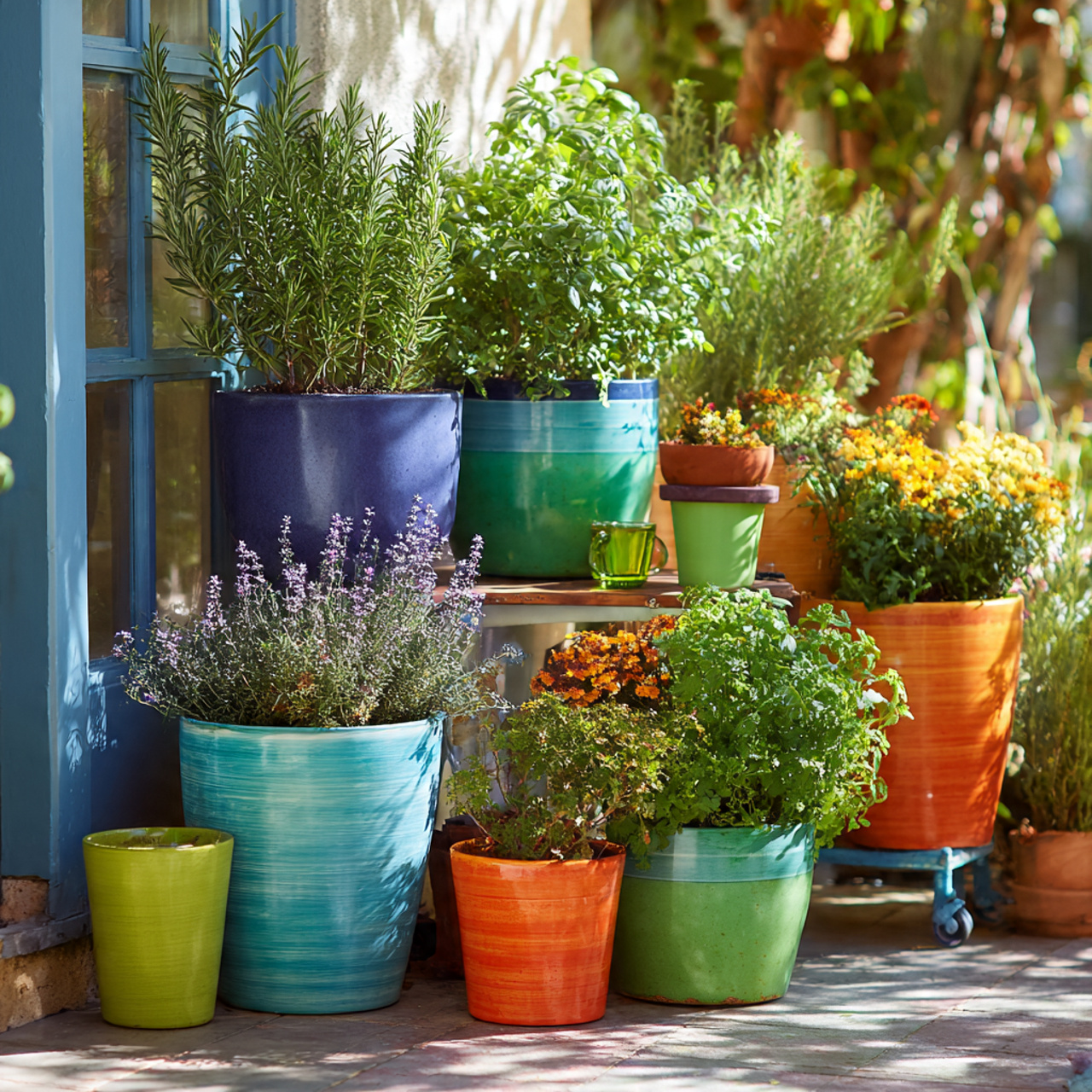
Why it works: Containers let you garden anywhere while maintaining complete control.
Container gardening solves so many common problems—poor soil, limited space, rental restrictions, or simply wanting the freedom to rearrange things on a whim. You’re not stuck with whatever soil nature provided; instead, you fill each pot with exactly what that particular plant needs.
Container gardening essentials:
- Choose pots with drainage holes (absolutely non-negotiable)
- Size up—bigger containers hold moisture longer and support larger root systems
- Use quality potting mix, not garden soil (it compacts in containers)
- Group containers in odd numbers (3, 5, 7) for visual appeal
- Mix pot materials—terracotta, ceramic, metal—for eclectic charm
- Consider weight if placing containers on balconies or decks
The beauty of containers is their adaptability. Tomatoes thriving in full sun? Great. Now it’s July and those lettuce plants are bolting in the heat? Move them to a shadier spot. This flexibility lets you optimize growing conditions throughout the season. You can also create seasonal displays, swapping out tired summer plants for autumn mums or spring bulbs.
Vertical Green Wall for Small Homes
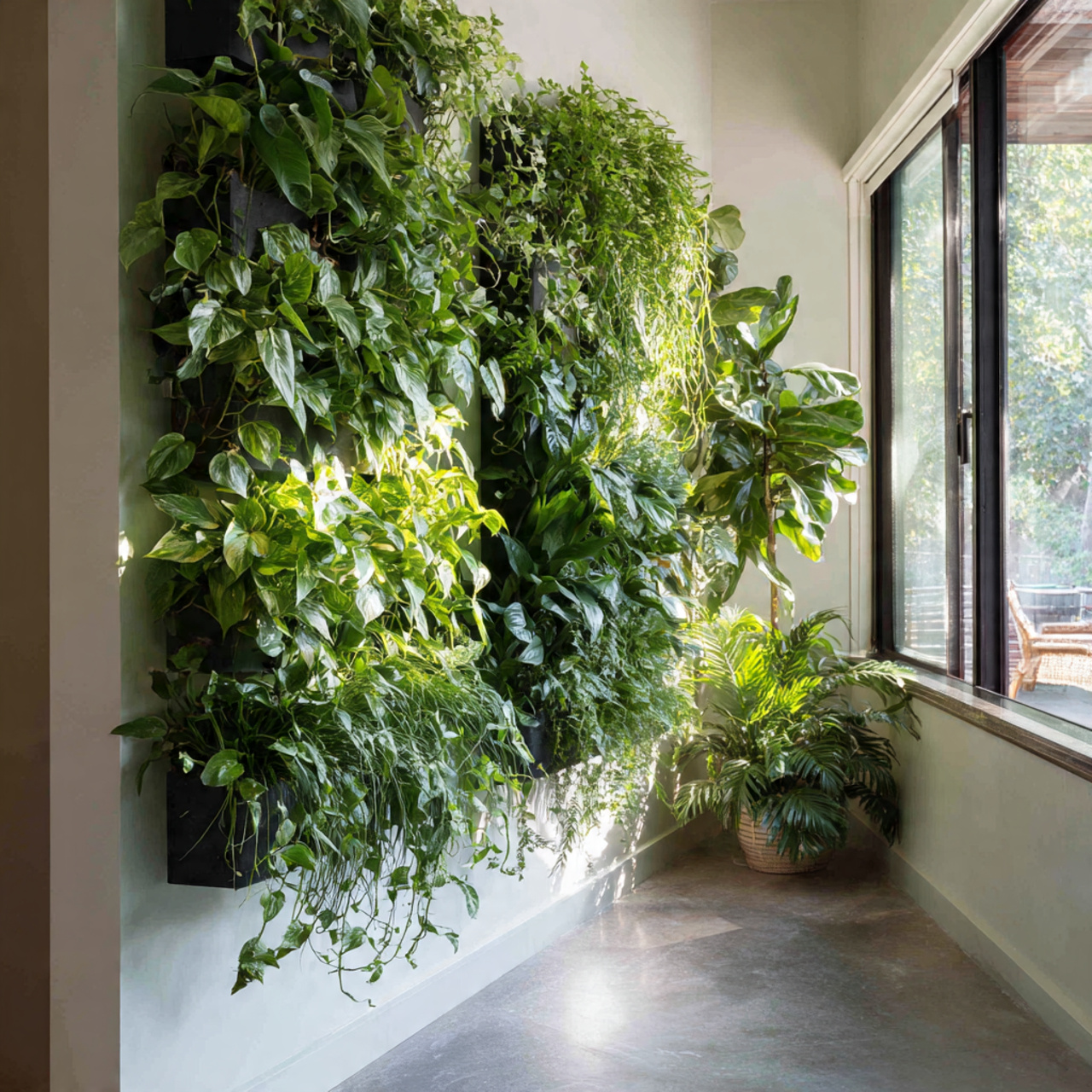
Why it works: When you can’t grow out, grow up—walls are untapped potential.
Vertical gardens completely change the game for small-space dwellers. A bare wall becomes a living tapestry that draws the eye upward, making rooms feel larger while actually adding square footage to your growing area. The visual impact is immediate and dramatic.
Creating your vertical garden:
- Install wall-mounted planters with individual water reservoirs
- Use felt pocket systems for herbs and small flowering plants
- Build a wooden frame with shelves at varying heights
- Train climbing plants on trellises or wire grids
- Ensure structural support—wet soil is heavy
- Group plants with similar water needs together
Start with proven performers like pothos, philodendron, ferns, and spider plants—they tolerate various conditions and grow vigorously. As you gain confidence, experiment with more demanding species. The key is proper irrigation; vertical gardens can dry out quickly, so consider drip systems or self-watering planters for higher sections that are harder to reach.
Indoor Herb Garden for Fresh Cooking
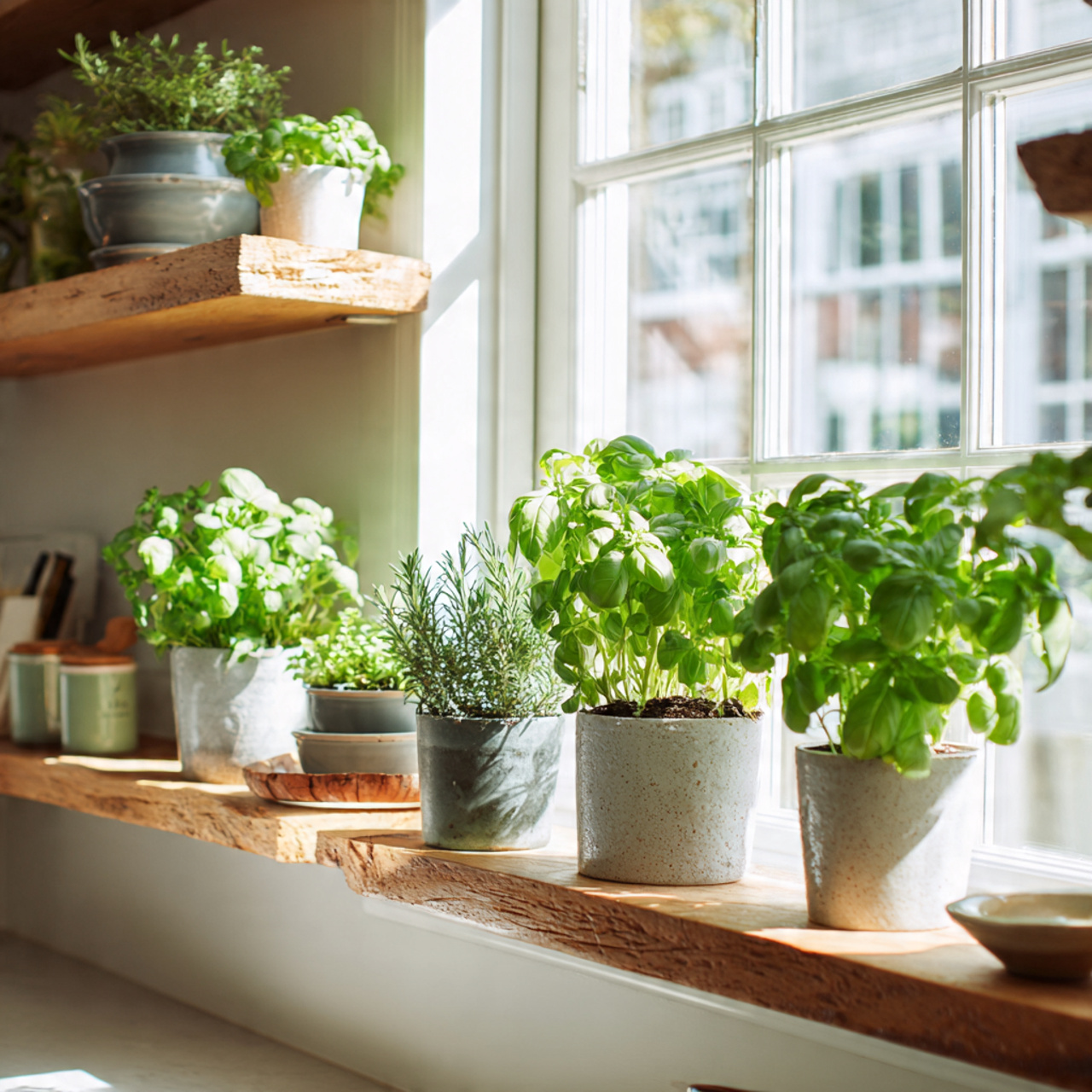
Why it works: Fresh herbs transform cooking and they’re easier to grow than most vegetables.
Having herbs growing in your kitchen changes how you cook. Instead of planning meals around the dried herbs in your cupboard, you create dishes inspired by what’s thriving on your windowsill. That shift from scarcity to abundance makes cooking more creative and enjoyable.
Herb growing success tips:
- South-facing windows provide ideal light for most herbs
- Use well-draining soil—herbs hate wet feet
- Pinch back regularly to encourage bushy growth
- Start with foolproof varieties: basil, mint, chives, parsley
- Water when top inch of soil feels dry
- Feed monthly with diluted liquid fertilizer
Presentation matters too. Matching pots create a cohesive look, while vintage containers add personality. Consider a three-tiered stand to maximize window space, or install a simple shelf that puts herbs at eye level where you’ll actually notice and use them. The scent of fresh basil or rosemary in your kitchen is an underrated pleasure.
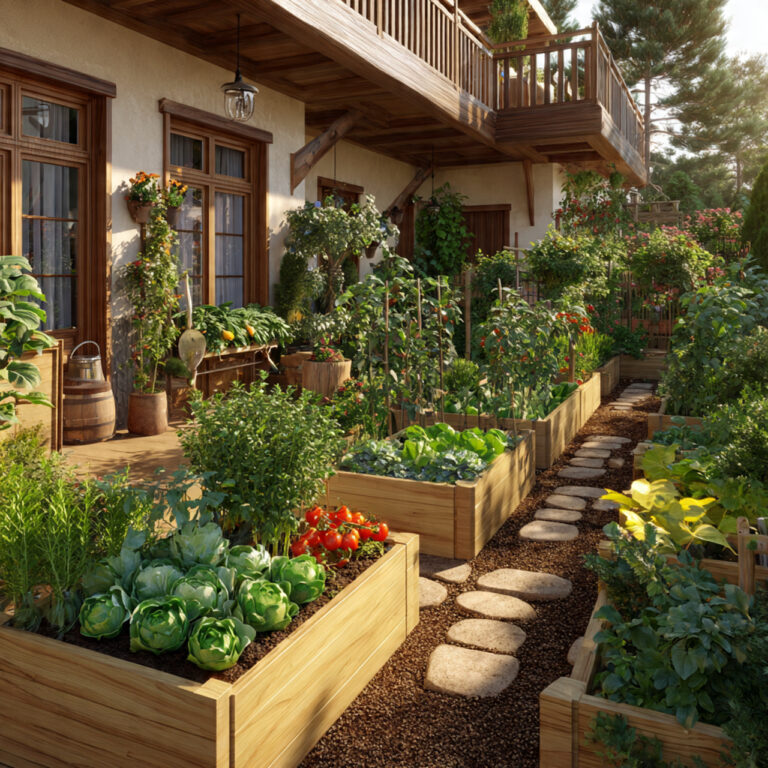
Raised Bed Gardening for Better Growth
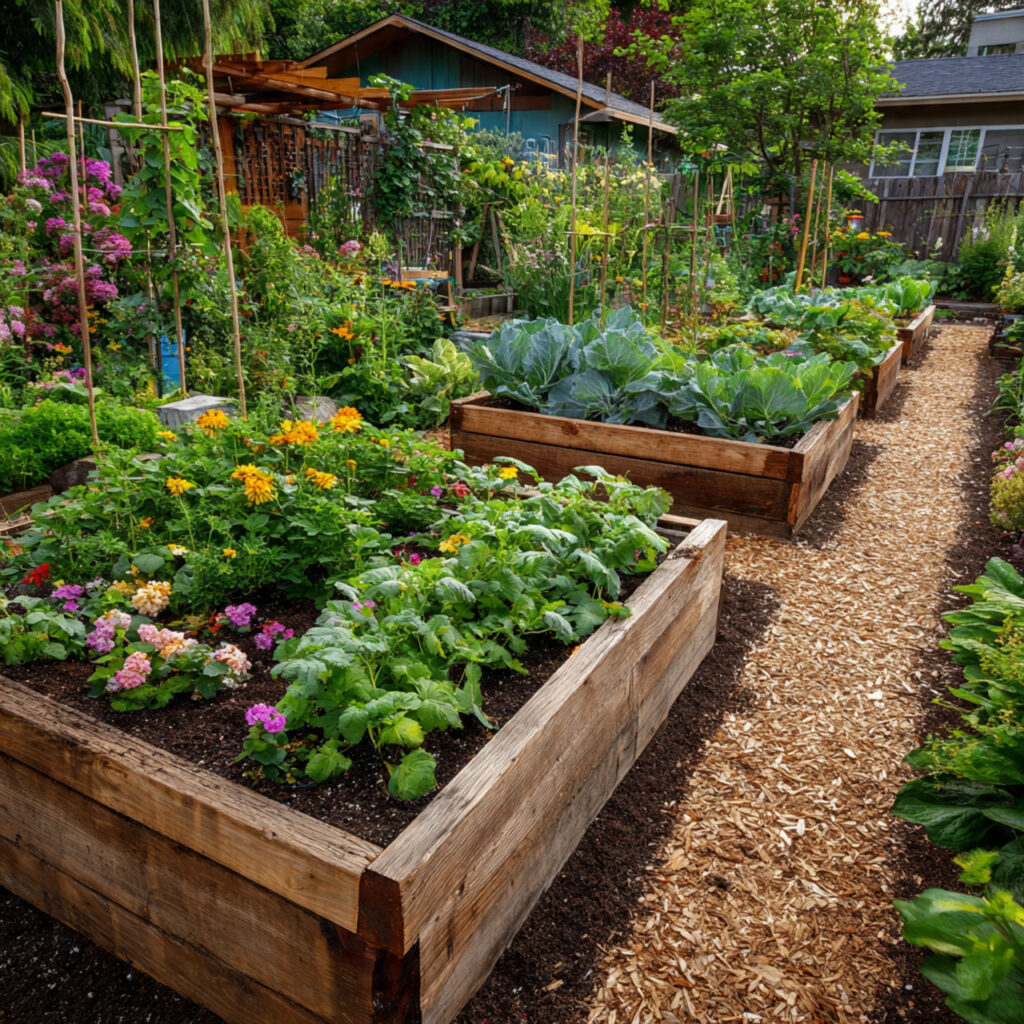
Why it works: Better drainage, warmer soil, and easier access make raised beds productivity powerhouses.
If you’re serious about growing food or want to tackle problematic soil, raised beds are worth every bit of the initial effort. They warm up faster in spring, drain better after rain, and let you create perfect growing conditions regardless of what’s underneath.
Raised bed fundamentals:
- Build 12-18 inches deep for most vegetables
- Make beds no wider than 4 feet so you can reach the center
- Use untreated wood, composite materials, or stone
- Fill with a blend of compost, peat moss, and vermiculite
- Plan pathways between beds (24-36 inches wide)
- Consider adding bottom hardware cloth to deter burrowing pests
The elevated height makes gardening more comfortable—less bending and kneeling means you can work longer without strain. Raised beds also extend your growing season since the soil warms earlier in spring and stays warmer longer in fall. Many gardeners report significantly higher yields per square foot compared to traditional in-ground planting.
Minimalist Stone and Plant Garden
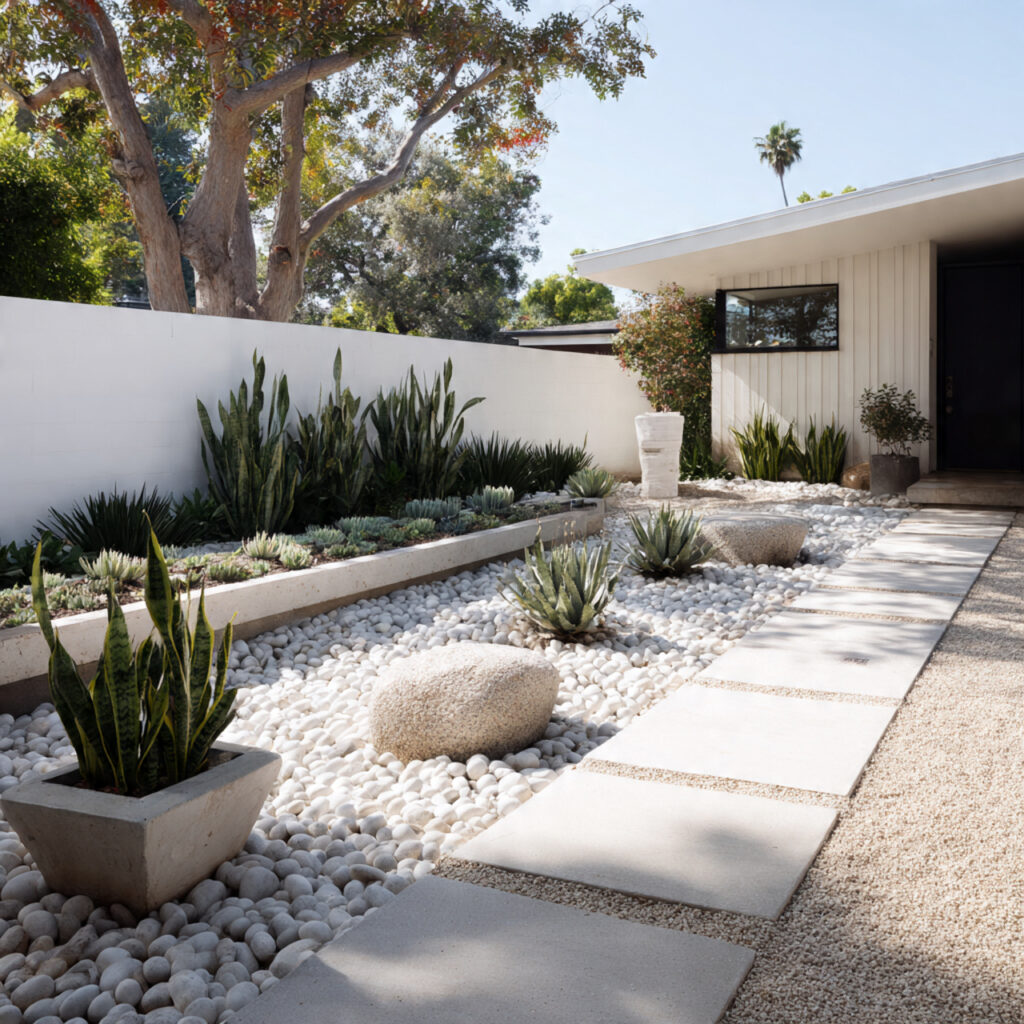
Why it works: Simplicity creates impact when every element is intentional.
Minimalist gardens embrace the “less is more” philosophy. By limiting plant variety and incorporating clean hardscaping like stones and gravel, you create spaces that feel modern, calm, and almost meditative. These gardens work beautifully with contemporary architecture.
Designing your minimalist garden:
- Select 3-5 plant species maximum
- Use repetition—plant multiples of the same species
- Incorporate smooth river stones or angular granite
- Add gravel or decomposed granite for ground cover
- Include one sculptural focal point (large rock, single tree)
- Embrace negative space—empty areas have purpose
This approach drastically reduces maintenance since you’re working with fewer plants that are carefully chosen for durability and low water needs. Succulents, ornamental grasses, bamboo, and architectural plants like agave fit perfectly. The result is sophisticated, peaceful, and remarkably easy to maintain once established.
Color-Themed Flower Beds
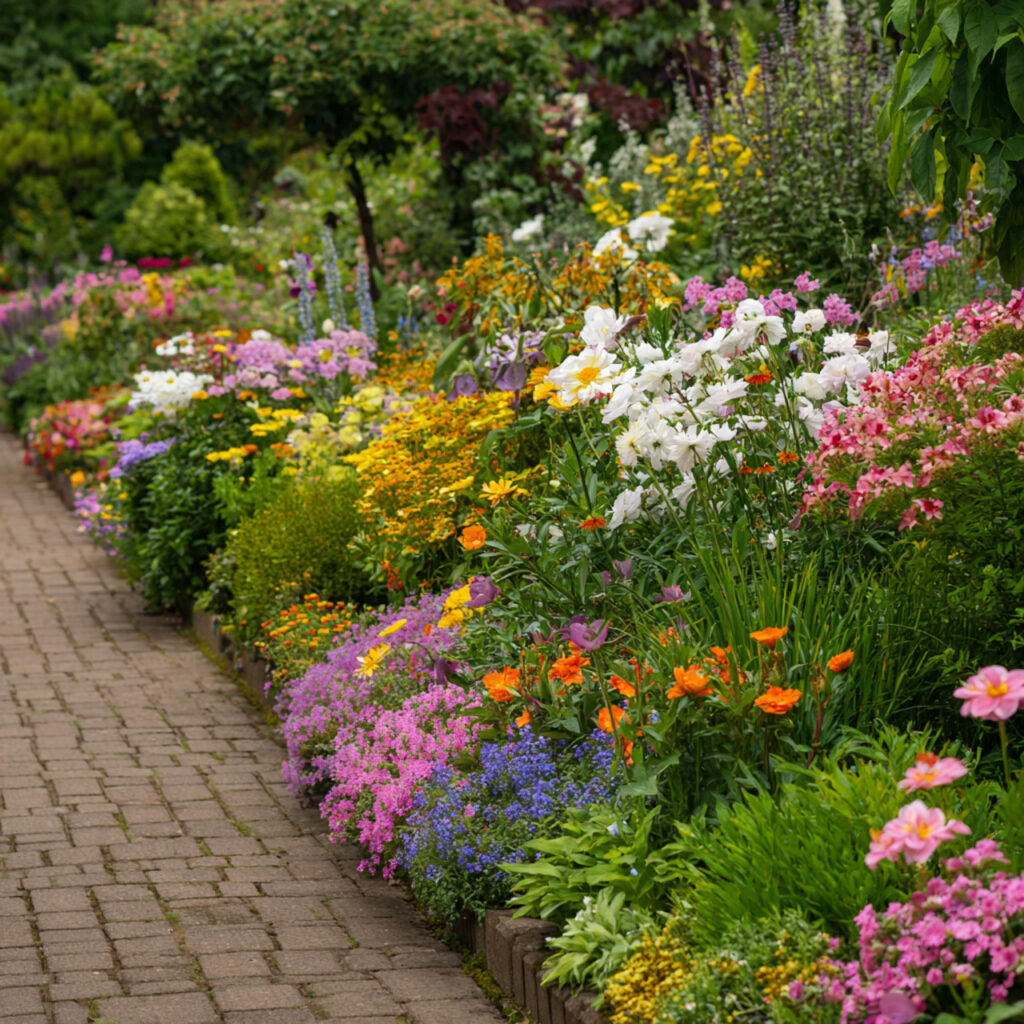
Why it works: Unified color schemes create professional-looking gardens that photograph beautifully.
Random color combinations can create visual chaos, but intentional color themes transform flower beds into cohesive artworks. Restricting your palette forces you to focus on form, texture, and layering—which ultimately creates more interesting gardens than throwing every color together.
Color scheme strategies:
- Monochromatic: shades of one color (all purples from lavender to deep violet)
- Analogous: neighboring colors on the wheel (blues, purples, and pinks)
- Complementary: opposite colors (orange and blue, purple and yellow)
- Cool tones: blues, purples, whites for calming effects
- Warm tones: reds, oranges, yellows for energizing spaces
Consider bloom times too. A color-themed bed that peaks all at once creates dramatic impact, while staggered blooming extends interest throughout the season. Add foliage plants in your chosen color family to maintain the theme even when flowers fade.
DIY Hanging Basket Garden
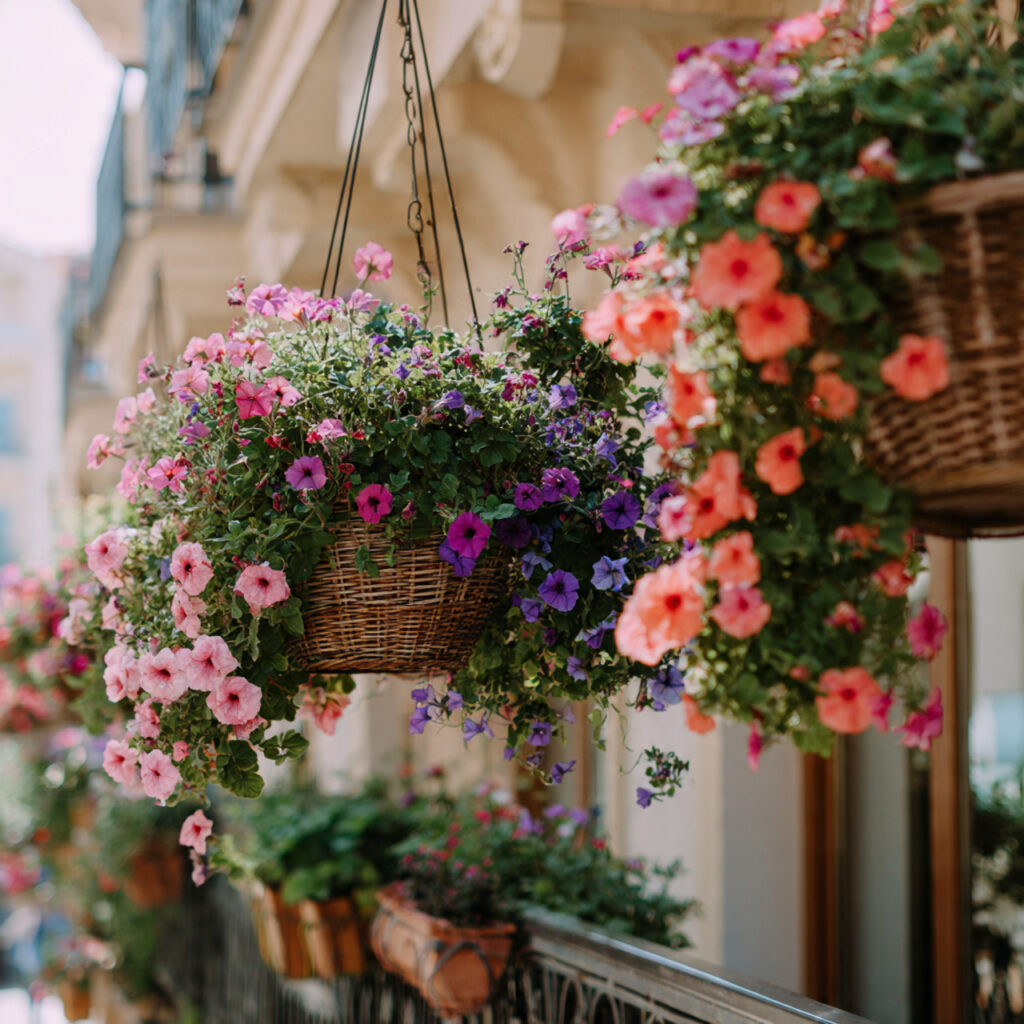
Why it works: Suspended plants add dimension without consuming valuable surface space.
Hanging baskets bring life to eye level and above, creating layers that make spaces feel fuller and more established. The cascading effect of trailing plants softens hard architecture and adds movement as they sway gently in the breeze.
Hanging basket success factors:
- Use lightweight potting mix to reduce weight
- Install heavy-duty hooks rated for wet weight (pots get heavy when watered)
- Choose naturally trailing plants: ivy, petunias, fuchsias, string of pearls
- Hang at varying heights for visual interest
- Water frequently—elevated pots dry out faster
- Add water-retaining crystals to soil for less frequent watering
Position baskets where you’ll enjoy them most—flanking doorways, over patios, in corners that need softening. Morning sun with afternoon shade often produces the best results for flowering baskets, while shade-loving ferns thrive in protected north-facing spots.
Small Water Fountain Feature
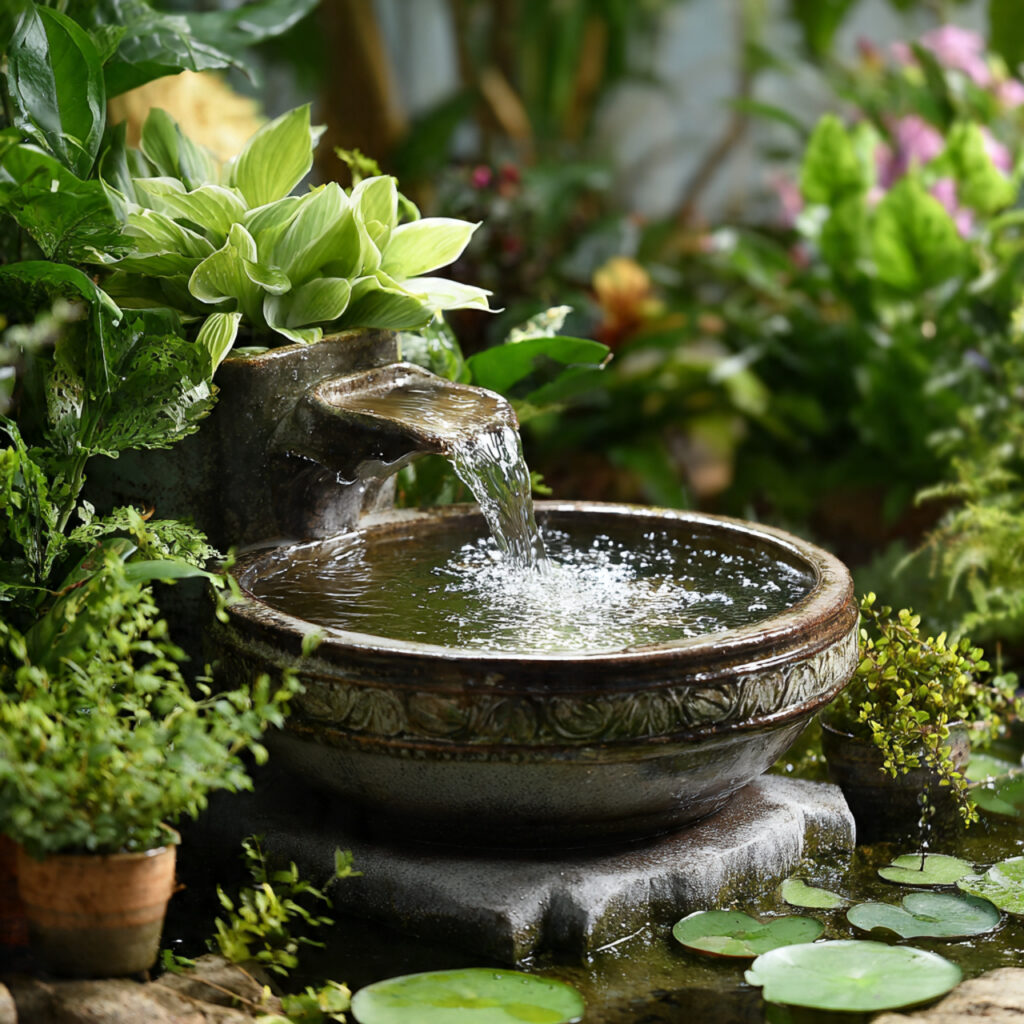
Why it works: Running water masks unwanted noise and creates immediate calm.
The sound of trickling water has an almost magical ability to transform atmosphere. Even small water features create focal points that draw attention and provide soothing background sound that masks traffic or neighborhood noise.
Water feature options:
- Tabletop fountains for patios or balconies
- Wall-mounted spouts for vertical spaces
- Small pond features with aquatic plants
- Ceramic pot fountains with recirculating pumps
- Solar-powered options for areas without outlets
Maintenance is simpler than you might think—most features need weekly water top-offs and monthly cleaning to prevent algae buildup. Adding aquatic plants helps keep water clearer naturally. The movement attracts birds and butterflies, adding another layer of life to your garden.
Visit Also: Garden Ideas
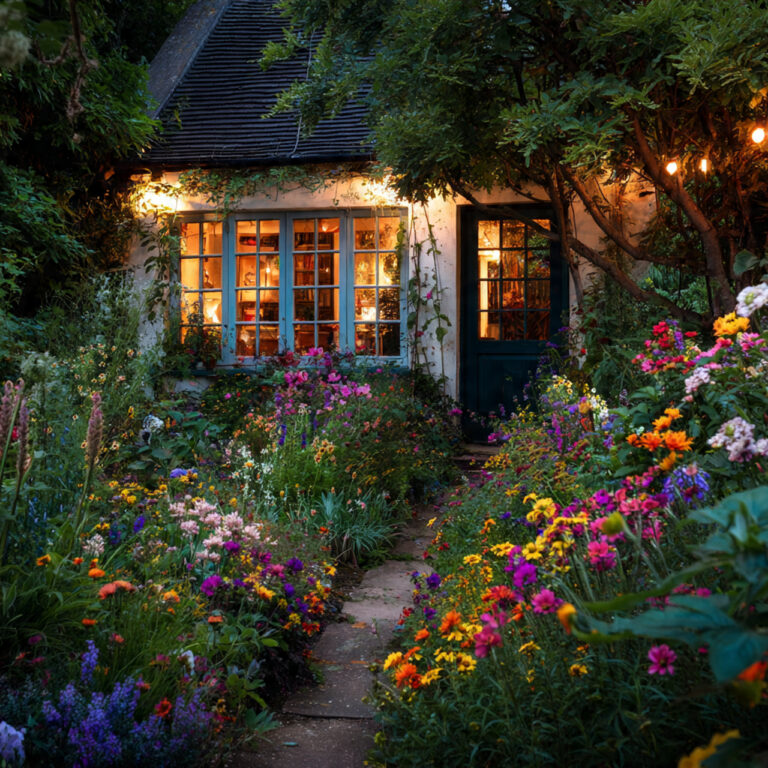
Pathway Garden with Lights
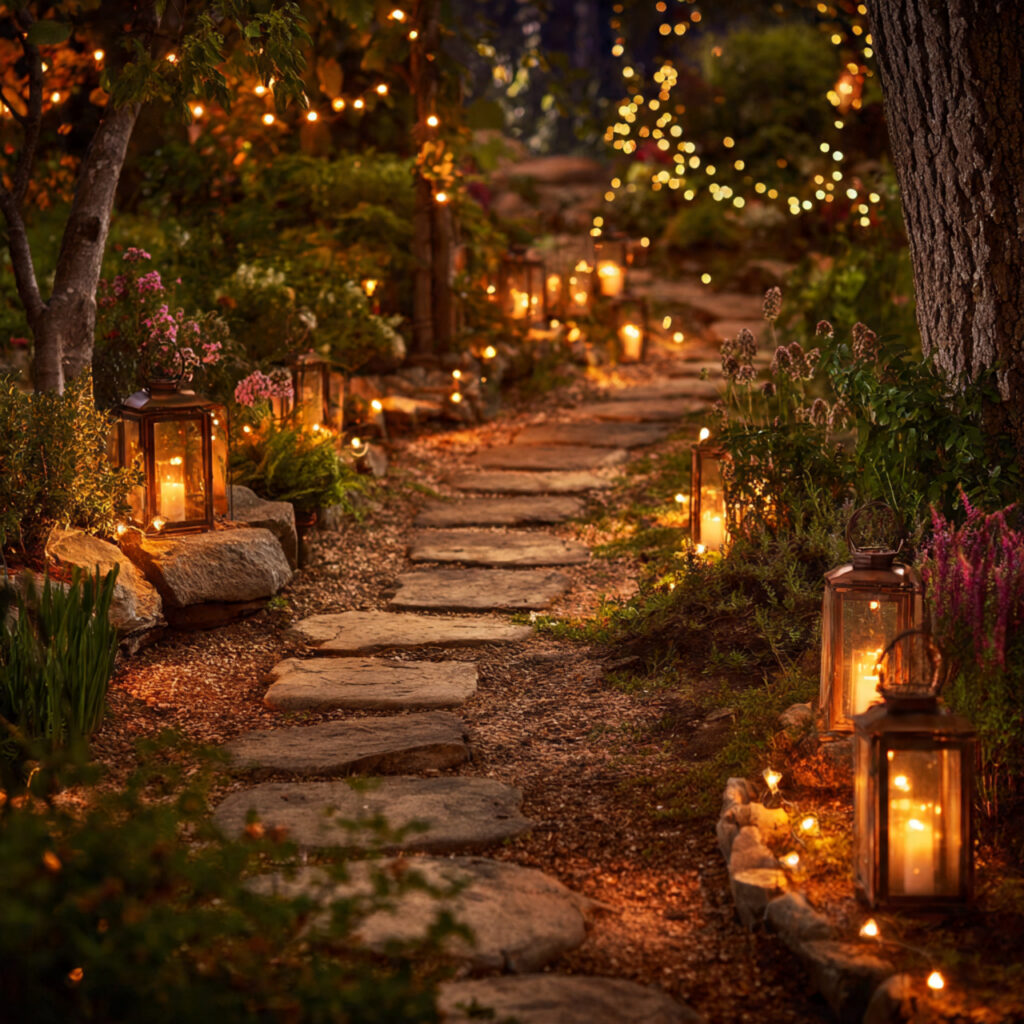
Why it works: Lighting extends garden enjoyment into evening hours while improving safety.
Garden paths serve practical purposes during the day, but thoughtful lighting transforms them into enchanting features after dark. The right illumination creates ambiance, highlights plantings, and makes outdoor spaces usable long after sunset.
Pathway lighting approaches:
- Solar stake lights along edges (no wiring required)
- Low-voltage LED strips for consistent glow
- Lanterns or candles for warm, flickering light
- Uplighting to cast dramatic shadows from nearby plants
- Moonlighting—downward lights mounted in trees for natural effect
Path materials matter too. Stepping stones separated by low-growing groundcovers like thyme or moss create a softer look than continuous pavement. The gaps also allow water infiltration and add texture. Edge paths with small shrubs, ornamental grasses, or flowering perennials to frame the journey.
Shaded Garden Seating Area
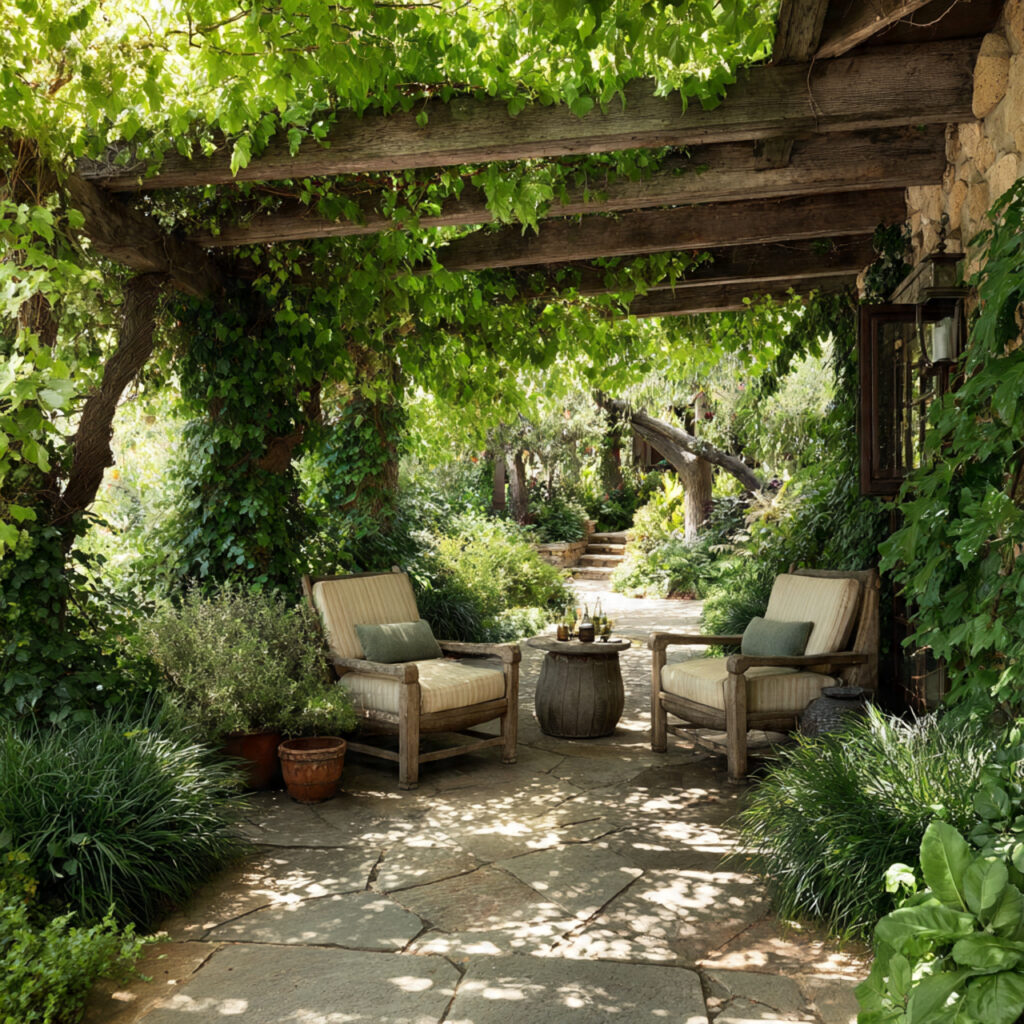
Why it works: Comfortable outdoor living requires protection from harsh sun.
In warm climates, shade isn’t a limitation—it’s a necessity. Creating shaded garden areas lets you enjoy outdoor spaces even during peak summer heat. These become your favorite spots during the months when unshaded areas are simply too hot to use comfortably.
Shade creation methods:
- Pergolas with climbing vines (wisteria, grape, jasmine)
- Shade sails in modern geometric shapes
- Large umbrellas positioned strategically
- Deciduous trees that provide summer shade, winter sun
- Lattice panels covered with fast-growing climbers
Fill shaded areas with plants that thrive without direct sun: hostas, ferns, astilbe, heuchera, and bleeding heart. Add comfortable seating and you’ve created an outdoor room that extends your living space. String lights overhead for magical evening ambiance.
Indoor Jungle Corner
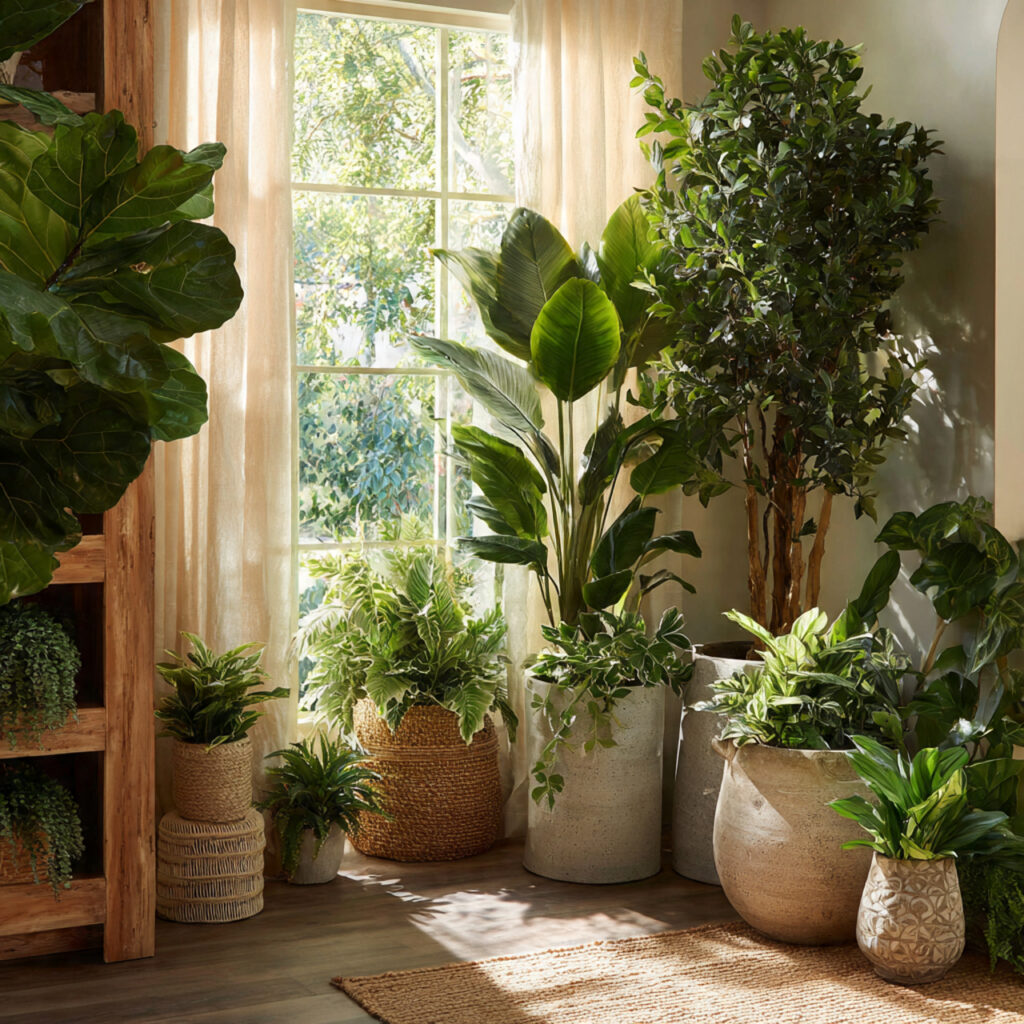
Why it works: Dense plantings create immersive, nature-rich environments indoors.
If you love plants, why stop at a few scattered specimens? Creating an indoor jungle corner makes a bold statement that transforms a room’s entire character. The lush, layered look feels transported from a tropical greenhouse.
Building your jungle:
- Start with large statement plants (6-8 feet): fiddle leaf fig, bird of paradise, monstera
- Add medium plants (3-5 feet): philodendrons, dracaena, rubber plants
- Layer in small plants (under 3 feet): pothos, ferns, calatheas
- Include trailing plants on stands or shelves
- Use plant stands at different heights for dimension
- Group plants with similar water and light needs
Humidity becomes important with multiple tropical plants. Group them together to create a microclimate, run a humidifier, or place pots on pebble trays filled with water. The dense arrangement actually helps maintain moisture levels—plants create their own humid environment.
Herb Spiral Garden
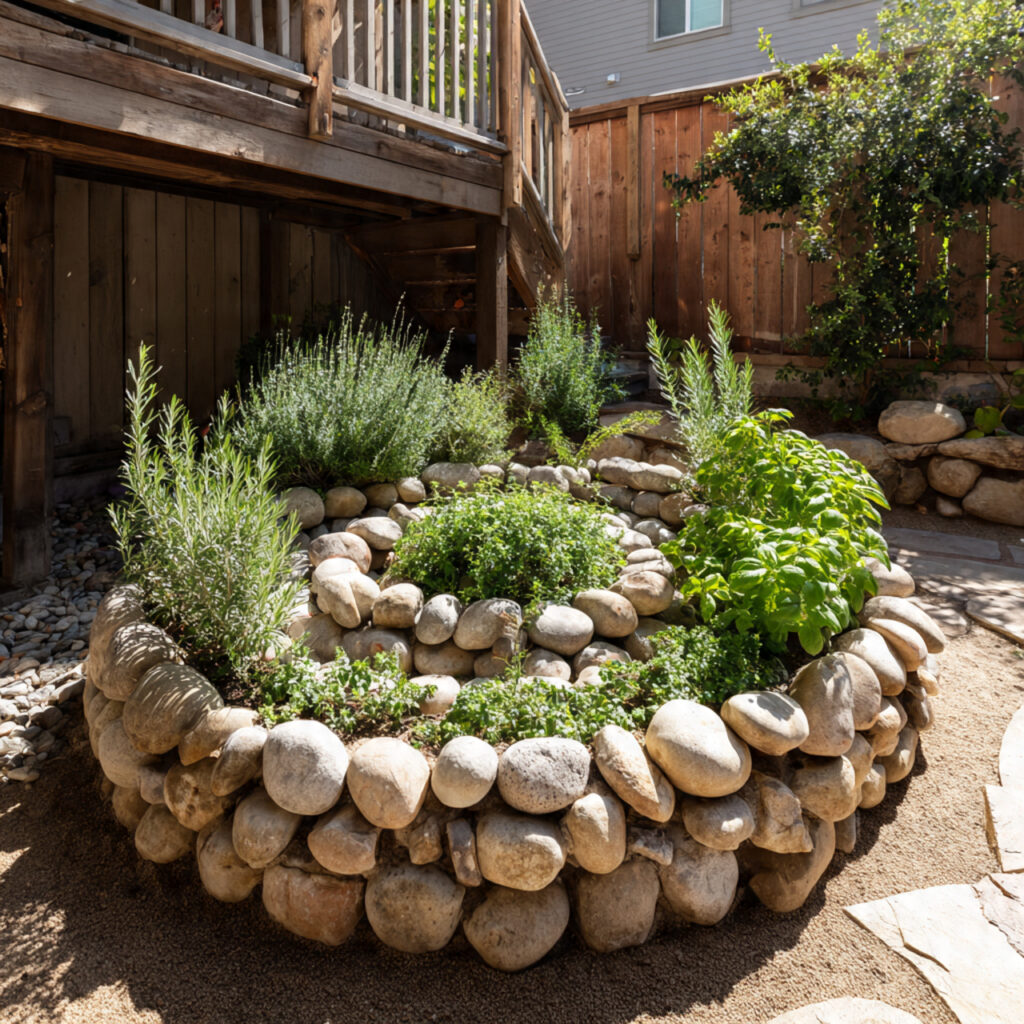
Why it works: Vertical spiral design creates multiple microclimates in one structure.
Herb spirals are both functional and beautiful—a raised spiral mound that provides different growing conditions at various heights. The top drains quickly and receives maximum sun (perfect for Mediterranean herbs), while the bottom stays moister and shadier (ideal for parsley and cilantro).
Constructing your spiral:
- Build circular base about 5-6 feet in diameter
- Use stones, bricks, or concrete blocks
- Spiral upward to 3-4 feet height
- Fill with quality soil mixed with compost
- Plant dry-loving herbs (rosemary, thyme) at top
- Place moisture-lovers (mint, parsley) at bottom
The spiral creates visual interest from all angles and makes harvesting easy—you can walk around the entire structure. It’s also a conversation starter that demonstrates permaculture principles in action. The design naturally warms up early in spring and extends your growing season.
Fruit Tree Pots for Patios
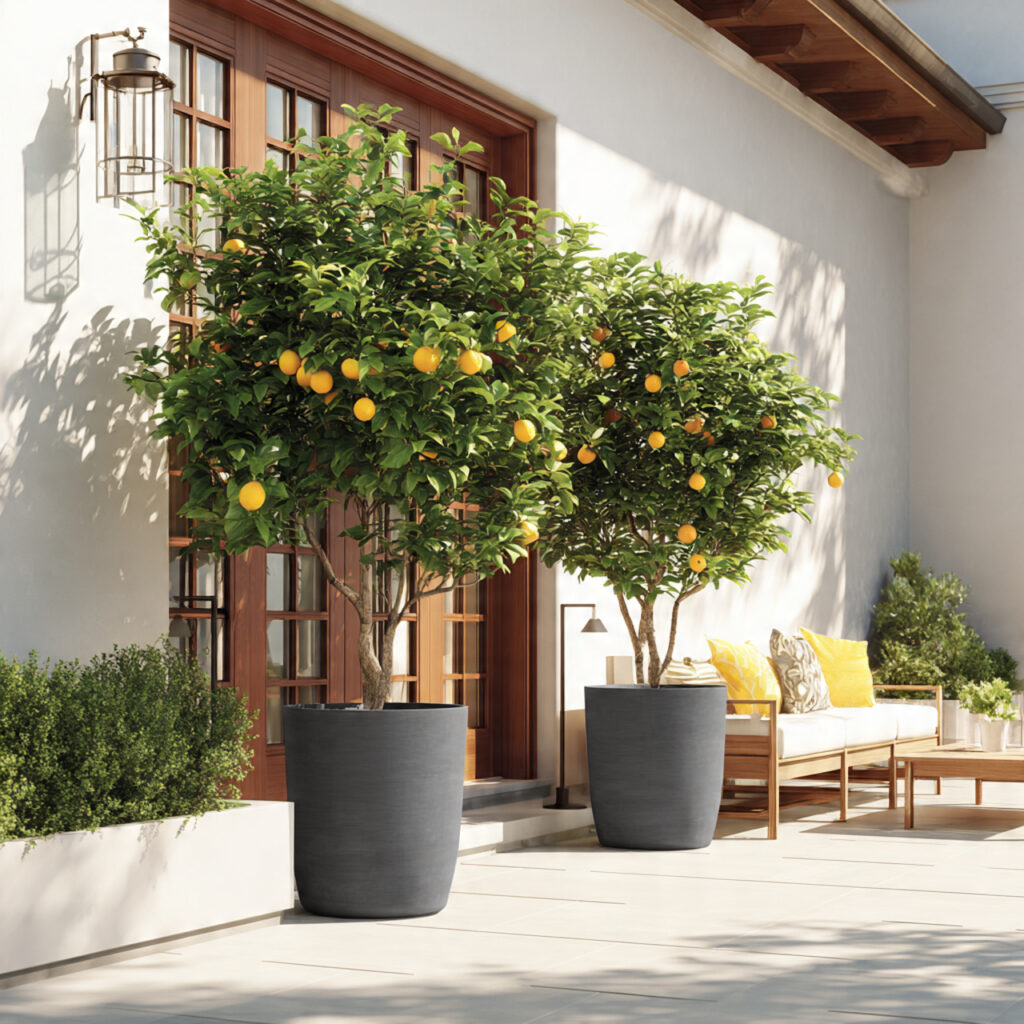
Why it works: Dwarf varieties produce real fruit in surprisingly small spaces.
Growing fruit trees in containers once seemed impossible, but modern dwarf rootstocks make it entirely practical. Imagine stepping onto your patio to pick fresh lemons, figs, or peaches—it’s achievable even on apartment balconies.
Container fruit tree essentials:
- Choose dwarf or patio varieties bred for containers
- Use large pots (20+ gallons) with excellent drainage
- Select sunny locations (6-8 hours minimum)
- Water consistently—container trees can’t seek deep moisture
- Feed regularly during growing season
- Prune annually to maintain size and shape
Popular container fruit varieties include Meyer lemons, Brown Turkey figs, Improved Meyer lime, and patio peaches. Most need a few years to establish before heavy fruiting, but even young trees provide attractive foliage and amazing fragrance. The mobility of containers lets you protect trees during cold snaps or move them to follow seasonal sun.
Balcony Garden with Multi-Level Stands
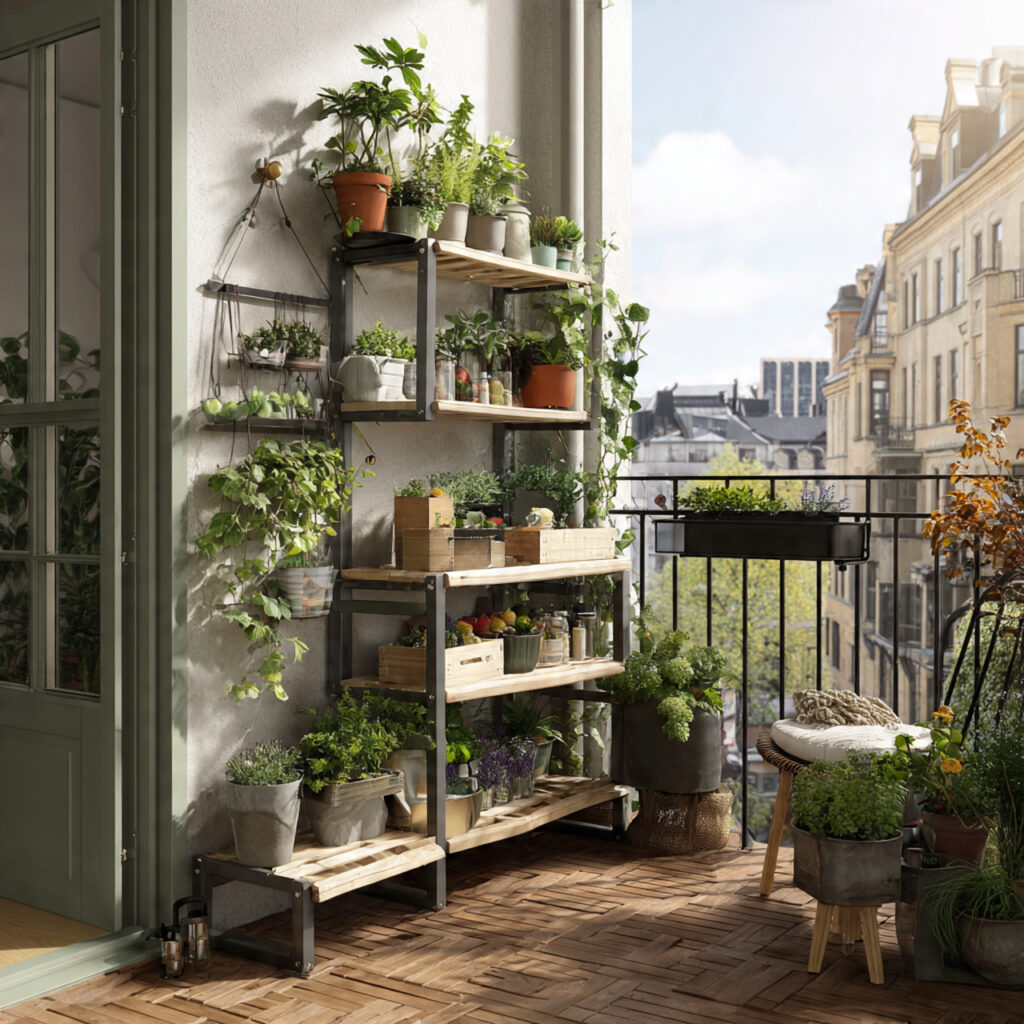
Why it works: Vertical organization maximizes limited balcony space.
Balcony gardens face unique challenges—limited floor space, weight restrictions, and often challenging light conditions. Multi-level plant stands solve these issues by creating vertical growing space without overloading any single point.
Balcony garden strategies:
- Use tiered corner shelving to maximize awkward spaces
- Install railing planters that don’t consume floor space
- Hang plants from overhead hooks or ceiling-mounted bars
- Choose lightweight containers and soil mixes
- Verify weight limits before heavy plantings
- Consider wind exposure—stake or secure taller plants
Mix practical and pretty—herbs and salad greens alongside flowering plants. The vertical arrangement creates privacy screening while keeping everything accessible. Remember that elevated plants dry out faster, so consider self-watering containers or plan for daily watering during hot weather.
Zen-Inspired Rock Garden
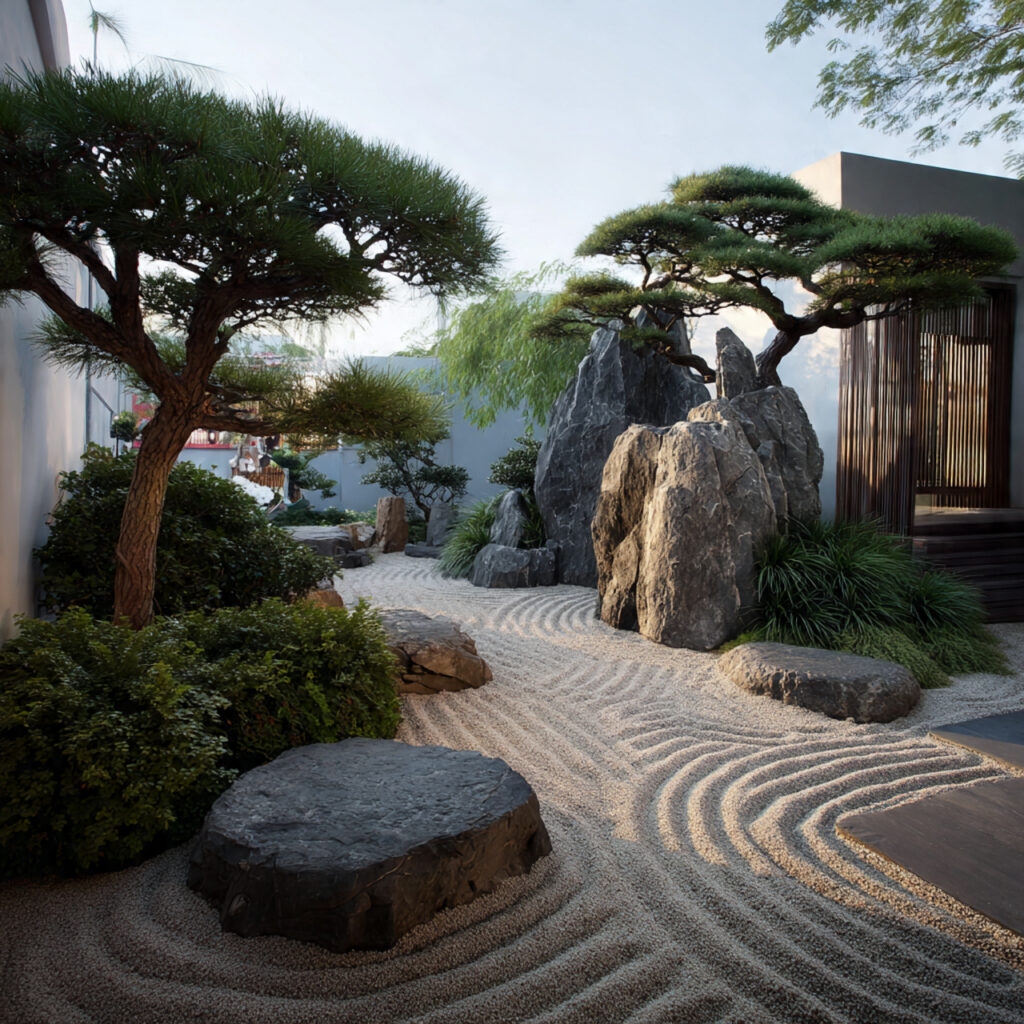
Why it works: Minimalist design promotes mindfulness and calm.
Zen gardens strip away excess to reveal essential beauty. The carefully raked gravel patterns, strategically placed stones, and sparse plantings create contemplative spaces that encourage slowing down and breathing deeply.
Creating your zen garden:
- Use fine gravel or sand as primary surface
- Place larger stones in asymmetrical groups (odd numbers)
- Rake parallel lines or circular patterns around stones
- Include minimal plants: Japanese maple, bamboo, moss
- Add a small water feature or tsukubai (stone basin)
- Keep maintenance simple—rake weekly, remove debris
The act of maintaining a zen garden becomes meditative practice. Raking patterns, removing fallen leaves, and positioning elements mindfully forces presence and attention. These gardens work beautifully in small spaces since simplicity is the goal, not abundance.
Blooming Window Box Garden
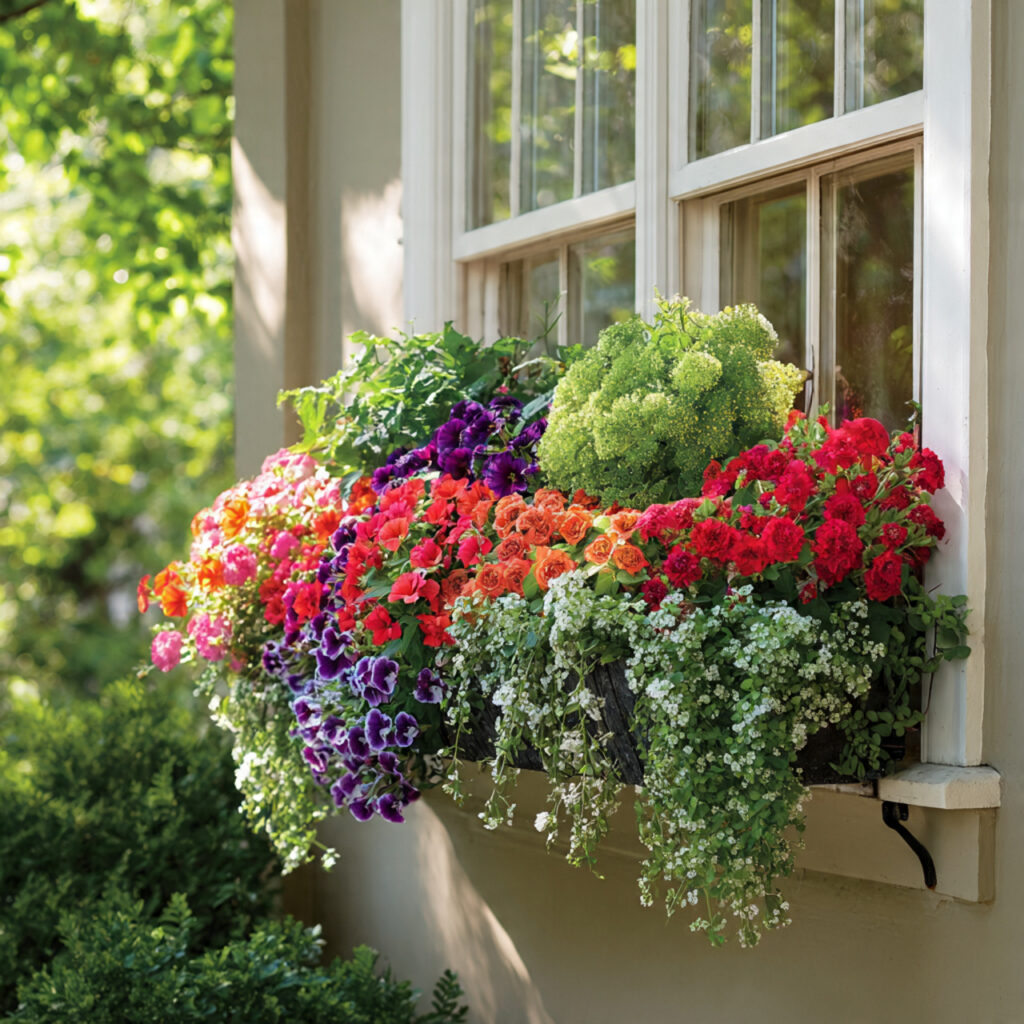
Why it works: External plantings beautify your home from both inside and outside views.
Window boxes add cottage-style charm to any home while being remarkably simple to maintain. They’re perfect for renters who can’t plant in-ground gardens or homeowners wanting to add color to plain facades.
Window box success:
- Secure boxes properly—they’re heavy when wet
- Ensure drainage holes prevent waterlogging
- Use trailing plants at front, upright in back, fillers in middle
- Choose sun-appropriate plants for each exposure
- Water frequently—small soil volume dries quickly
- Deadhead regularly for continuous blooms
Classic combinations include trailing ivy with upright geraniums and filler lobelia, or herbs like rosemary with cascading thyme and upright basil. The key is proper watering since window boxes have limited soil volume that dries quickly, especially on sunny south-facing walls.
Shade-Loving Home Garden Corner
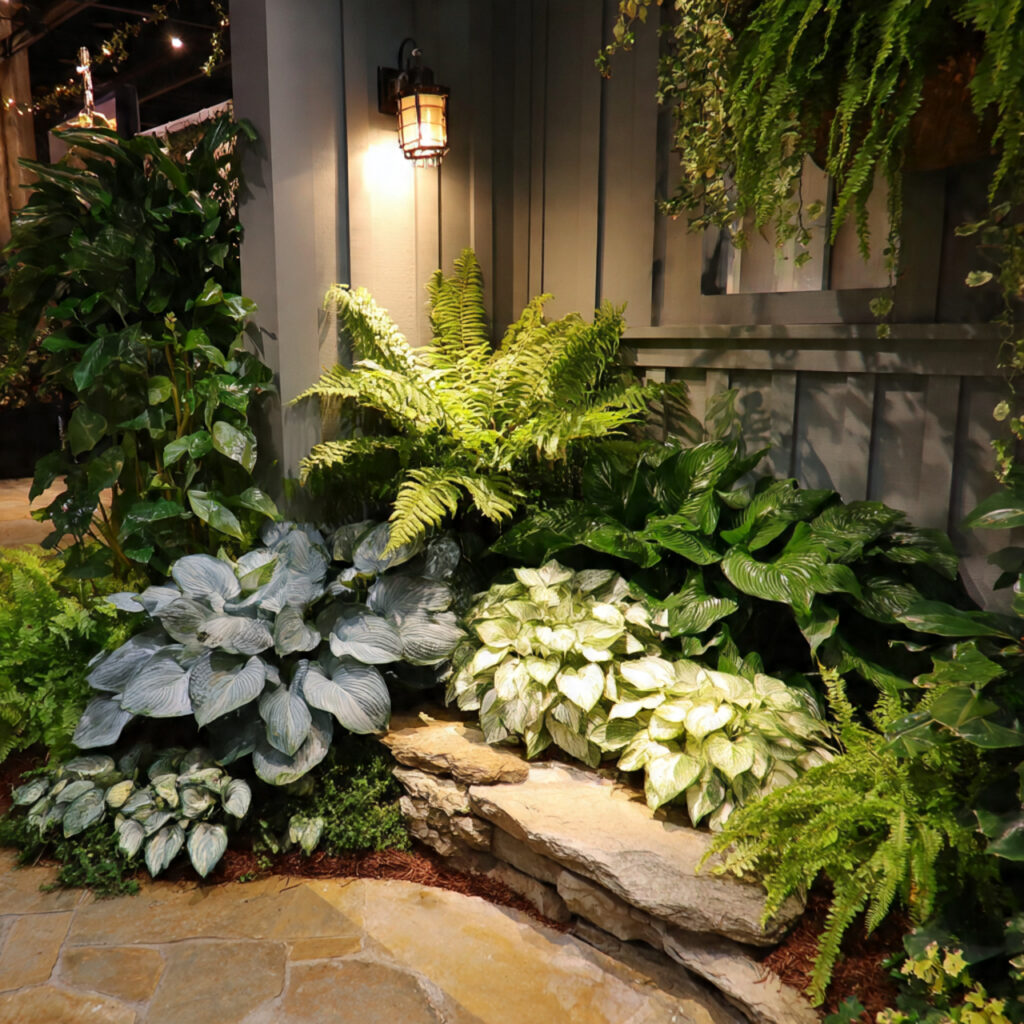
Why it works: Turns challenging shady spots into lush garden features.
Many homeowners view shade as a gardening problem, but it’s actually an opportunity to grow plants that would scorch in full sun. Shade gardens offer cooler retreat areas and support a different palette of plants with unique textures and forms.
Shade gardening principles:
- Assess shade type—dappled, partial, or full
- Choose appropriate plants: hostas, ferns, heuchera, astilbe
- Add light-colored elements to brighten dark areas
- Incorporate texture since flower color may be limited
- Amend soil with compost—shade areas often have tree root competition
- Use containers to avoid root competition from trees
Shade gardens often need less watering and weeding than sunny areas. They stay cooler during summer heat and provide peaceful retreats during the hottest months. The challenge is designing for interest when showy flowers are limited—focus on foliage color, texture, and form.
DIY Pallet Garden Wall
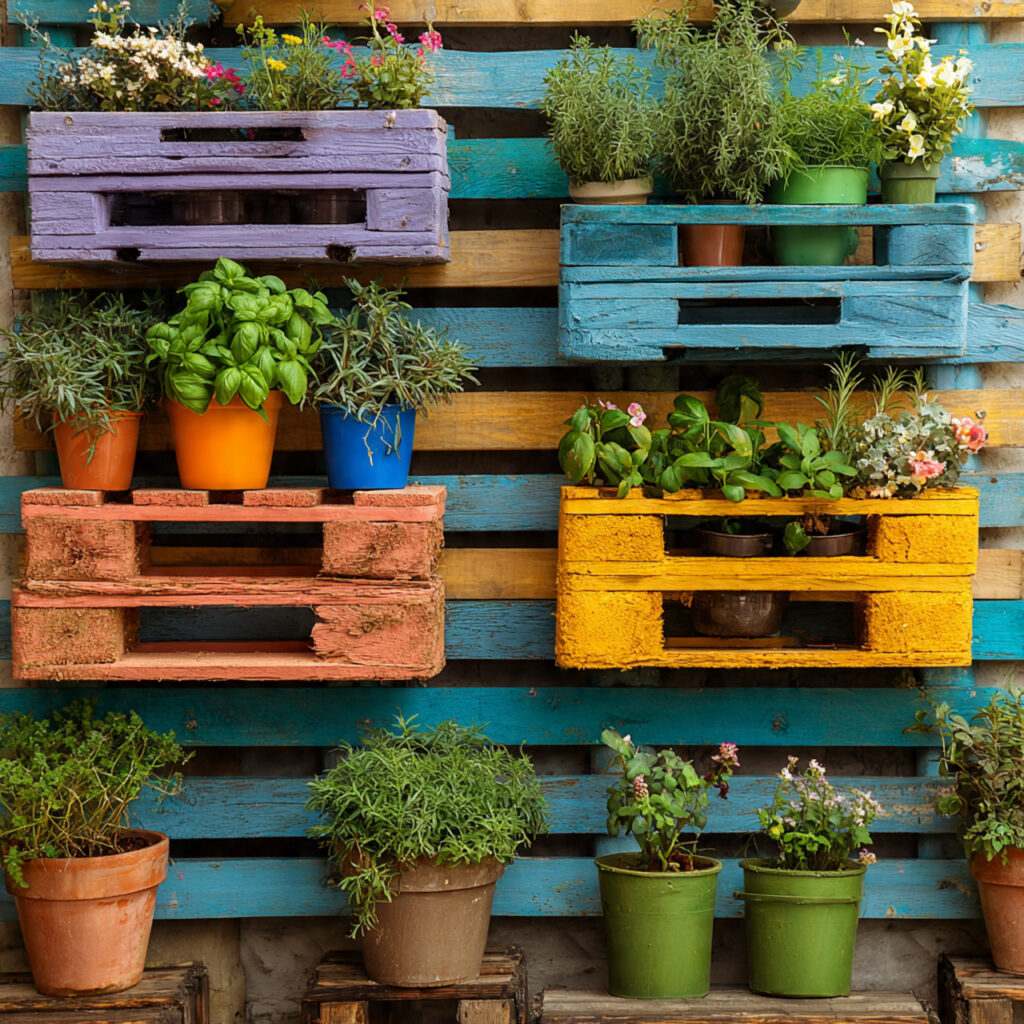
Why it works: Free or cheap materials create functional, trendy vertical gardens.
Wooden pallet gardens have become popular for good reason—they’re affordable, customizable, and give new life to materials otherwise destined for landfills. A single pallet can support dozens of plants while taking up minimal floor space.
Pallet garden construction:
- Use heat-treated (HT) pallets, not chemically treated (MB)
- Sand rough surfaces to prevent splinters
- Staple landscape fabric to back and bottom
- Fill pockets with potting soil
- Lay flat for 2 weeks before standing vertical
- Paint or stain for weather protection and aesthetics
Plant herbs, succulents, strawberries, or flowering annuals in the pockets. The vertical orientation provides excellent drainage and creates living art that’s both functional and beautiful. Lean against walls or mount securely for permanent installations.
Flower Archway Entrance
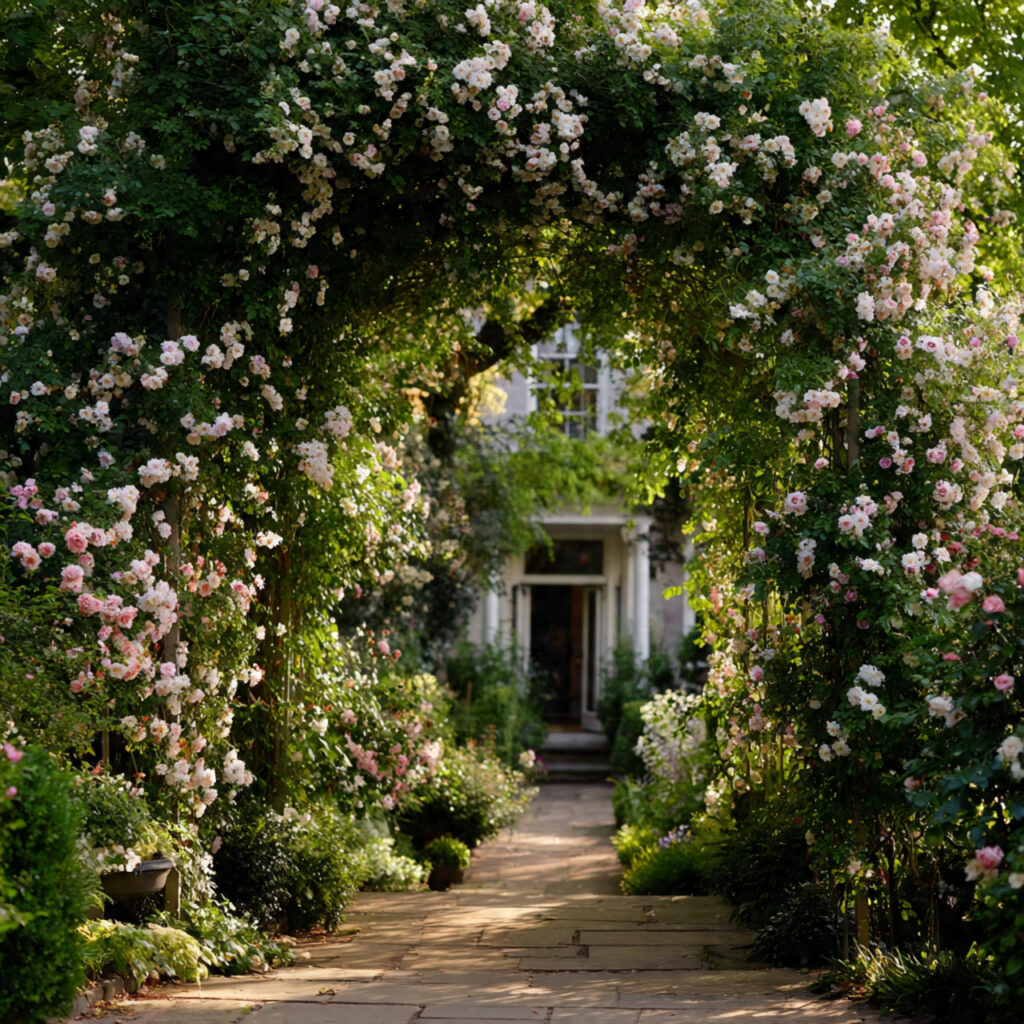
Why it works: Overhead blooms create magical transitions between garden spaces.
A flower-covered archway transforms ordinary walkways into enchanted passages. The overhead blooms frame views, create shade, and provide intoxicating fragrance as you pass underneath—it’s garden drama at its finest.
Archway plant selections:
- Climbing roses (repeat bloomers like ‘New Dawn’)
- Clematis (mix varieties for extended bloom)
- Jasmine (amazing evening fragrance)
- Wisteria (stunning but needs strong support)
- Honeysuckle (attracts hummingbirds)
Install sturdy metal or wooden arches that can support mature plant weight. Train young vines by tying them loosely to the structure—they’ll eventually climb independently. Prune annually to maintain shape and encourage flowering. The first couple of years require patience, but established archways become garden highlights.
Wildflower Patch for Natural Beauty
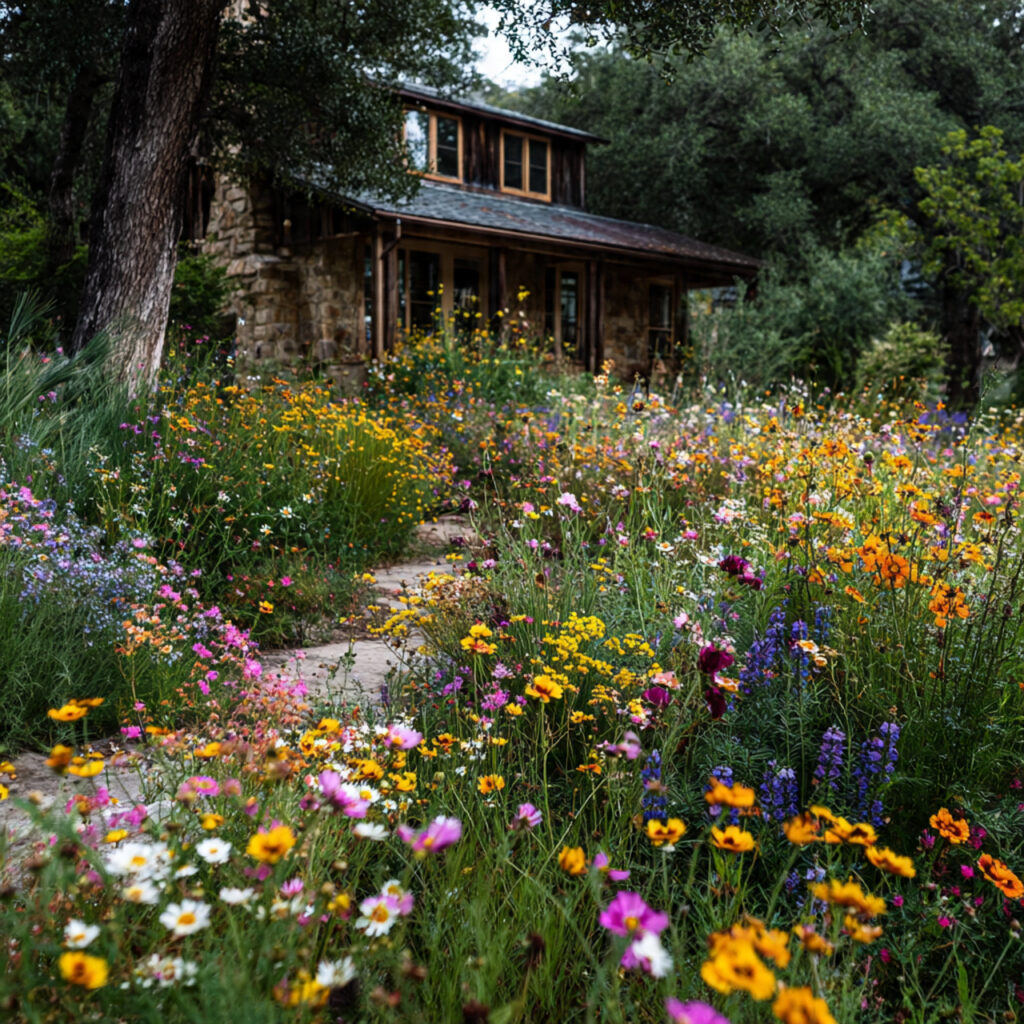
Why it works: Natural beauty with minimal intervention—perfect for large areas.
If manicured lawns aren’t your style, consider transforming some turf into wildflower meadows. These naturalized areas support pollinators, require minimal maintenance, and provide changing displays throughout the growing season.
Establishing a wildflower meadow:
- Choose native species adapted to your climate
- Prepare soil by removing existing vegetation
- Scatter seed in fall or early spring
- Mow once annually (late fall or early spring)
- Allow self-seeding for sustainable displays
- Resist the urge to tidy—messy is the goal
The initial establishment takes patience, but established meadows essentially care for themselves. They support beneficial insects, birds, and pollinators while reducing mowing time and lawn care costs. The casual, organic look suits cottage and country-style properties perfectly.
Succulent Garden for Modern Homes
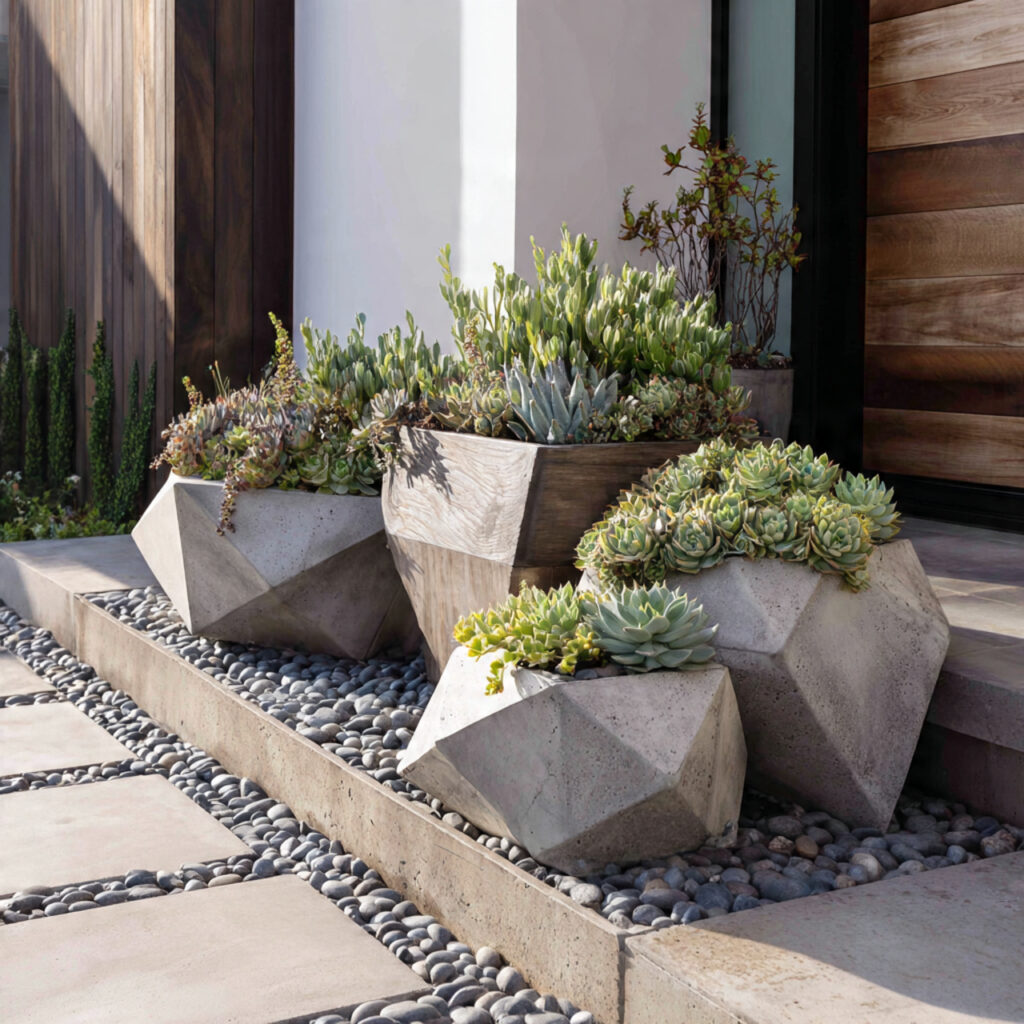
Why it works: Sculptural plants require minimal water and offer unique design possibilities.
Succulents bring geometric precision and modern elegance to gardens. Their diverse forms—rosettes, spikes, trailing strands, and geometric patterns—create living sculptures that thrive on benign neglect.
Designing with succulents:
- Group varieties with similar water needs
- Use shallow, wide containers for display gardens
- Mix sizes and textures for visual interest
- Top-dress with decorative gravel or sand
- Provide excellent drainage—succulents hate soggy soil
- Place in bright light locations
Popular combinations include echeveria rosettes with trailing string of pearls and upright euphorbia. The restricted color palette (mostly greens with some purples and grays) creates cohesive, sophisticated displays. Succulents also propagate easily—many varieties root from fallen leaves, giving you endless free plants.
Garden Bed Edged with Bricks
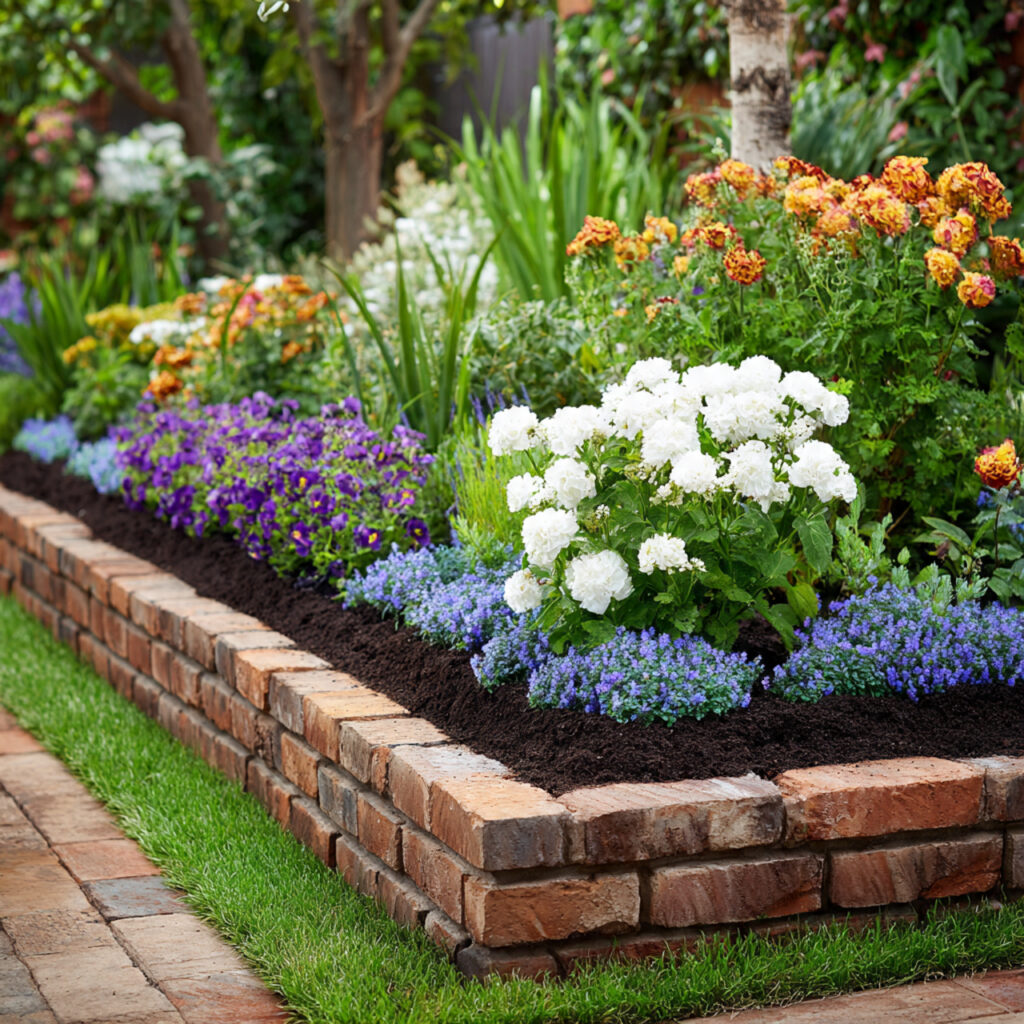
Why it works: Defined edges create structure and simplify lawn maintenance.
Clean edges distinguish gardening from random plant chaos. Brick edging provides permanent, attractive boundaries that separate lawn from beds while preventing grass invasion and creating neat, professional-looking gardens.
Installing brick edging:
- Dig shallow trench (4-6 inches) along bed edges
- Add sand base for drainage and leveling
- Set bricks at ground level or slightly raised
- Use rubber mallet to ensure even height
- Fill gaps with sand or stone dust
- Consider patterns—straight, angled, or curved
Red clay bricks suit traditional gardens, while gray pavers complement modern landscapes. The permanent edging eliminates repeated edge-trimming and creates clear boundaries that guide mowing and define spaces. Properly installed brick edging lasts decades.
Outdoor Dining Area with Plants
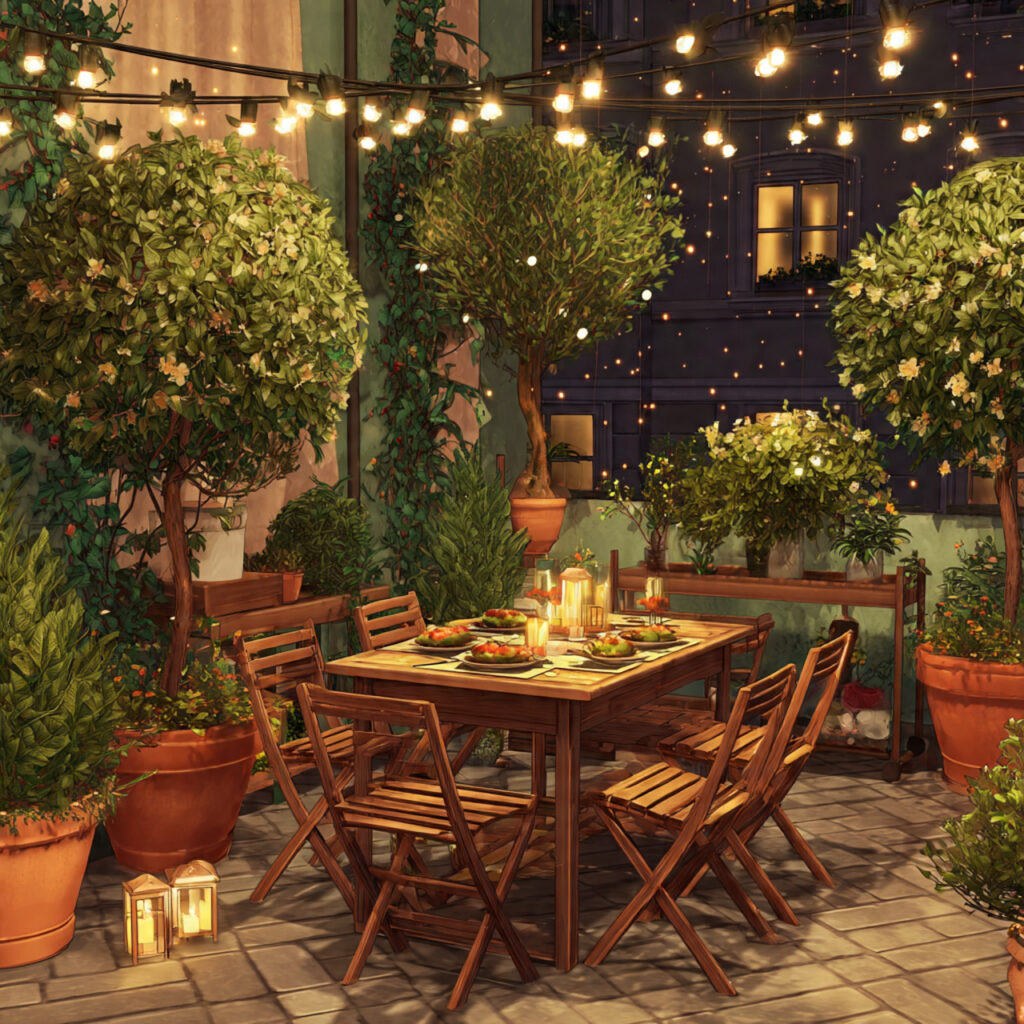
Why it works: Combining eating spaces with gardens creates memorable experiences.
Dining surrounded by plants transforms meals into events. The combination of good food, fresh air, and natural beauty creates experiences that indoor dining simply can’t match. This turns your garden from something to look at into something to live in.
Creating your garden dining space:
- Choose level ground for stable table placement
- Provide shade with umbrellas, pergolas, or natural canopy
- Surround area with fragrant plants (jasmine, herbs, roses)
- Add lighting for evening ambiance
- Consider weather-resistant furniture
- Include potted herbs within reach of the table
Position your dining area to capture best views or sunset light. Surround with potted lemon trees, fragrant herbs, or flowering borders. String lights overhead create magical evening atmosphere. The goal is making this space so appealing that you naturally eat outside whenever weather permits.
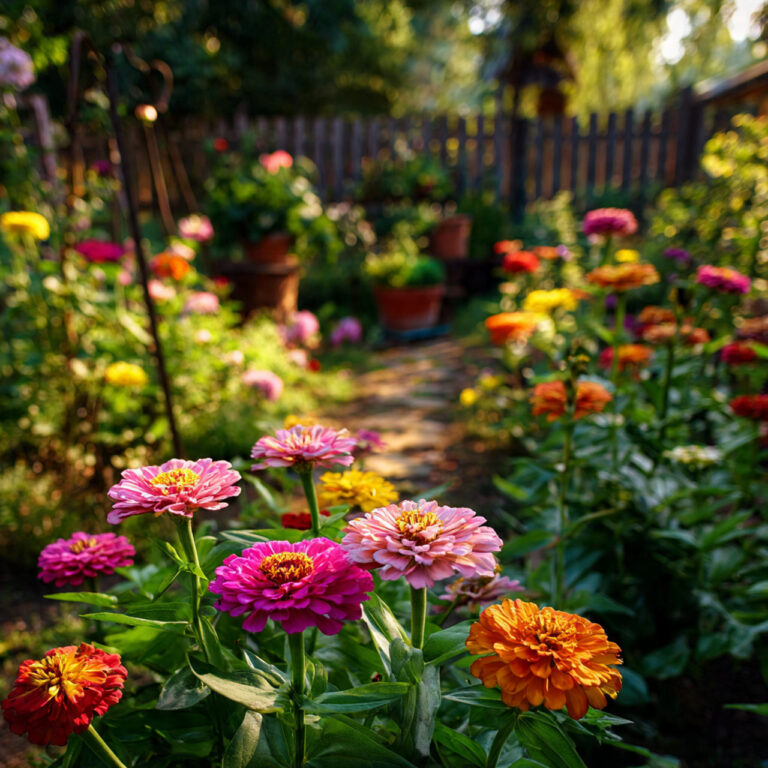
Butterfly-Friendly Home Garden
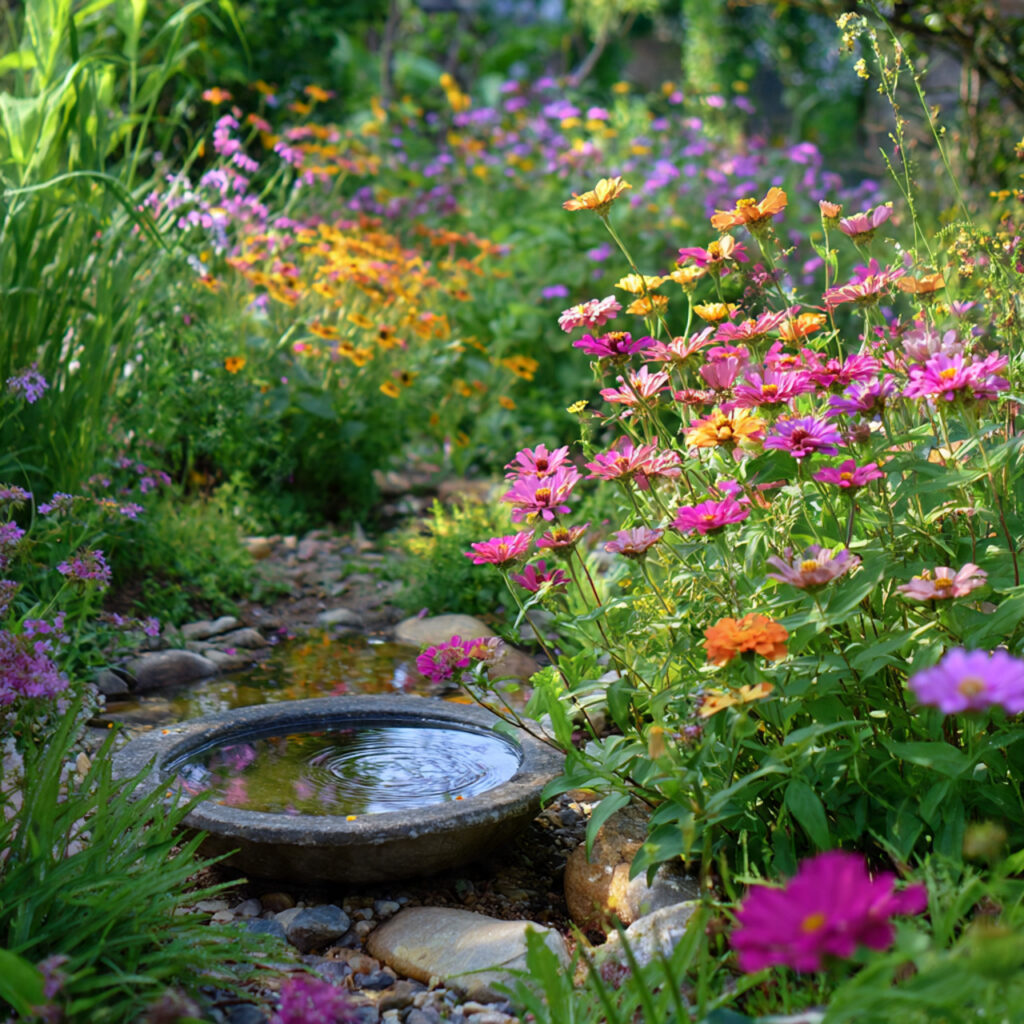
Why it works: Nectar-rich plantings attract beautiful pollinators that add life to gardens.
Butterfly gardens bring motion, color, and purpose to plantings while supporting important pollinators. Watching butterflies flit between flowers adds a magical quality that static gardens lack—it’s gardening that gives back to nature.
Attracting butterflies successfully:
- Plant native species butterflies recognize
- Include host plants for caterpillars (milkweed for monarchs)
- Provide nectar sources: coneflowers, zinnias, lantana, butterfly bush
- Create sunny areas—butterflies are cold-blooded and need warmth
- Add shallow water sources (saucers with pebbles)
- Avoid pesticides completely
Group similar flowers together rather than scattering—butterflies find larger patches more easily. Include plants with different bloom times to provide nectar throughout the season. The payoff is a garden that feels alive with movement and serves ecological purposes beyond aesthetics.
FAQs
What home garden style works best for small spaces?
Vertical gardens and container gardening are your best allies in tight spaces. Focus on growing upward rather than outward—wall-mounted planters, hanging baskets, and tiered stands multiply your growing area without expanding your footprint. Choose compact varieties and plants that serve multiple purposes, like herbs that look beautiful while providing culinary value. Even a 2×2 foot area can support a surprising number of plants with creative vertical arrangement.
Which plants survive best for beginning gardeners?
Start with forgiving species that tolerate occasional neglect and varying conditions. Pothos and spider plants thrive indoors with minimal fuss. For outdoor gardens, try marigolds, zinnias, and petunias for flowers, or mint, basil, and chives for herbs. Succulents survive dry periods, while snake plants tolerate low light. The key is choosing plants that match your available light and your actual watering habits—not aspirational routines you might not maintain.
How much time does garden maintenance realistically require?
This varies dramatically based on garden type and size. A windowsill herb garden needs 5-10 minutes twice weekly—watering and harvesting. A balcony container garden requires 15-30 minutes several times weekly. Full outdoor gardens might need 2-5 hours weekly during growing season for watering, weeding, deadheading, and harvesting. Start small and expand only when you genuinely enjoy the time investment—forced gardening becomes a chore rather than pleasure.
Can I create beautiful gardens without spending much money?
Absolutely—some of the best gardens grow from creativity rather than cash. Start plants from seeds (pennies each) instead of buying transplants. Propagate cuttings from friend’s plants. Use recycled containers creatively. Trade plants with neighbors. Buy perennials that return yearly rather than replanting annuals. Hit end-of-season sales for plants (they often recover beautifully). Request manure from local farms or stables for free soil amendment. Gardening on a budget often produces more interesting results than unlimited spending.
How do I keep plants alive in extreme weather conditions?
Extreme heat: Water deeply in early morning, mulch heavily to retain moisture, provide afternoon shade with shade cloth or strategic plant placement, group containers together to create humid microclimates. Extreme cold: Bring tender plants indoors, mulch heavily around roots, wrap containers with burlap, water well before freezes (hydrated plants tolerate cold better), use cold frames or cloches for season extension. Both extremes: Choose plants naturally adapted to your climate rather than fighting nature constantly.
Conclusion
Home gardens represent one of the most rewarding investments of time and effort you can make. Unlike most home improvements that remain static once complete, gardens evolve continuously—growing, changing, surprising you with unexpected blooms or creative solutions to challenges.
The ideas shared here aren’t rigid rules but flexible frameworks you can adapt to your unique situation. Maybe you’ll combine several concepts—a corner retreat featuring a water fountain, surrounded by container plants, with a vertical garden as backdrop. Or perhaps one simple approach captures your imagination completely. Trust your instincts about what appeals to you.
Start where you are with what you have. A single thriving plant teaches more than a dozen struggling ones. Success builds confidence and enthusiasm, naturally leading to expansion. Many passionate gardeners started with one neglected houseplant or a few herbs on a windowsill.
Remember that gardening is fundamentally forgiving. Plants want to grow—it’s literally their purpose. Your job is simply providing reasonable conditions and paying attention to what they’re telling you through their leaves, growth patterns, and overall vigor. Mistakes are learning opportunities, not failures.
The most important step is beginning. Choose one idea from this guide that resonates with your space and situation. Gather materials, select appropriate plants, and start creating. Your future self—the one relaxing in a lush garden corner or cooking with fresh-picked herbs—will thank you for taking that first step today.