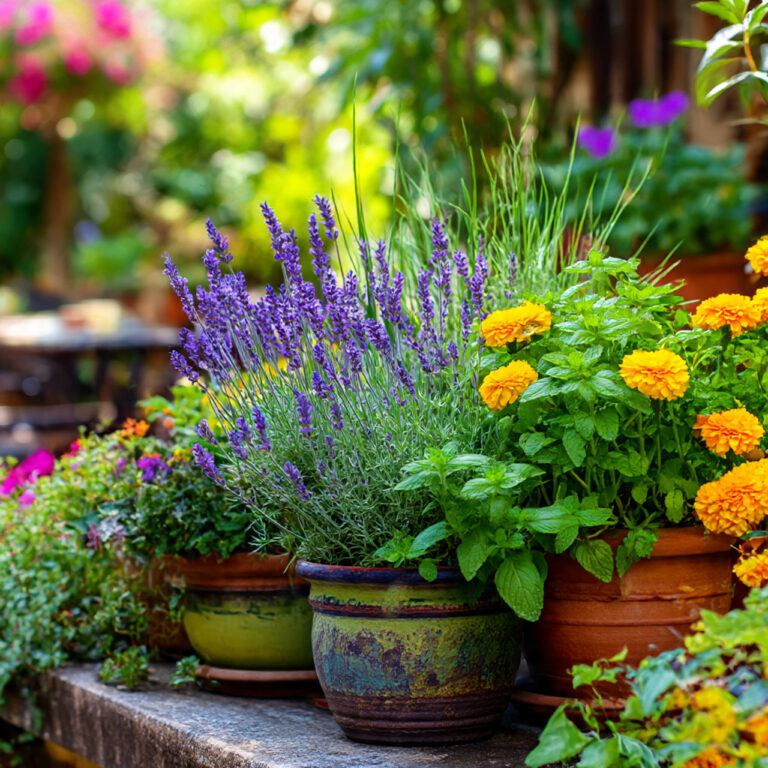
Grow a Garden Layout: 25 Creative Ideas for a Thriving Outdoor Space
Gardening isn’t just about throwing some seeds in the dirt and hoping for the best. It’s about creating a space that actually works—one that’s organized, productive, and honestly, just nice to look at. Whether you’re working with a tiny apartment balcony or a sprawling backyard, learning how to grow a garden layout properly makes all the difference between a chaotic mess and a flourishing retreat.
Why Your Garden Layout Actually Matters
Here’s the thing: a good garden layout isn’t just pretty to look at. It’s the backbone of everything your garden will become. When you take time to plan things out, you’re setting yourself up for healthier plants, easier upkeep, and way less frustration down the road.
Think about it like this—when you understand where sunlight hits, how much space each plant needs, and where your water source is, you’re basically giving your plants the best shot at success. Plus, you’ll save yourself from that awkward moment when your tomatoes are fighting for space with your squash.
Companion Planting for Your Garden Layout
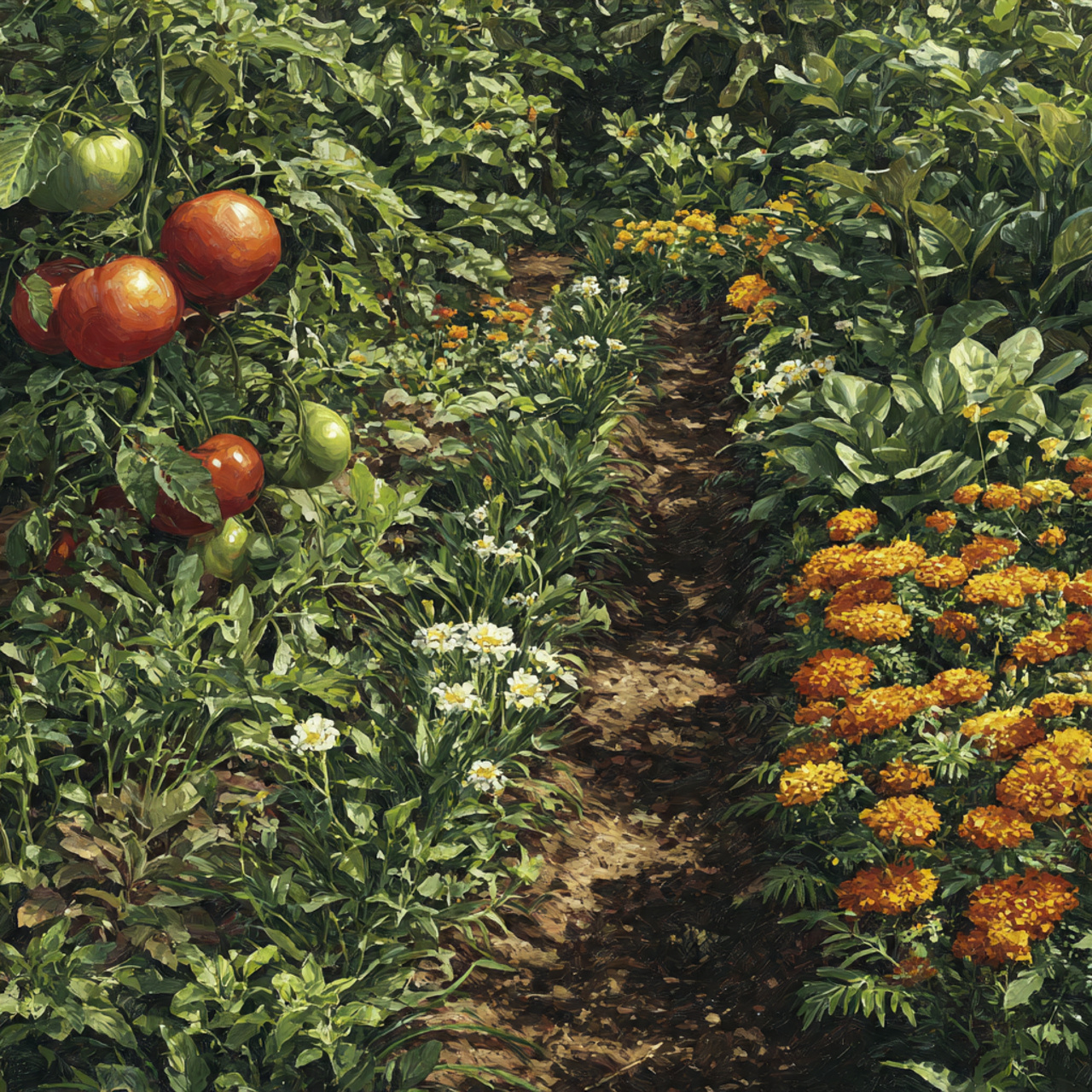
Want a garden hack that feels almost like magic? Try companion planting. This is where you pair plants that naturally help each other out—kind of like the perfect roommates.
Quick companion planting wins:
- Tomatoes + basil = better flavor and fewer pests
- Carrots + onions = keeps carrot flies away
- Marigolds + vegetables = natural pest deterrent
- Lettuce + tall plants = welcome shade for leafy greens
The beauty of this approach is that you can pack more into smaller spaces without your plants competing. Your herbs, veggies, and flowers all work together, making every inch count while keeping things chemical-free.
Raised Beds to Grow a Garden Layout
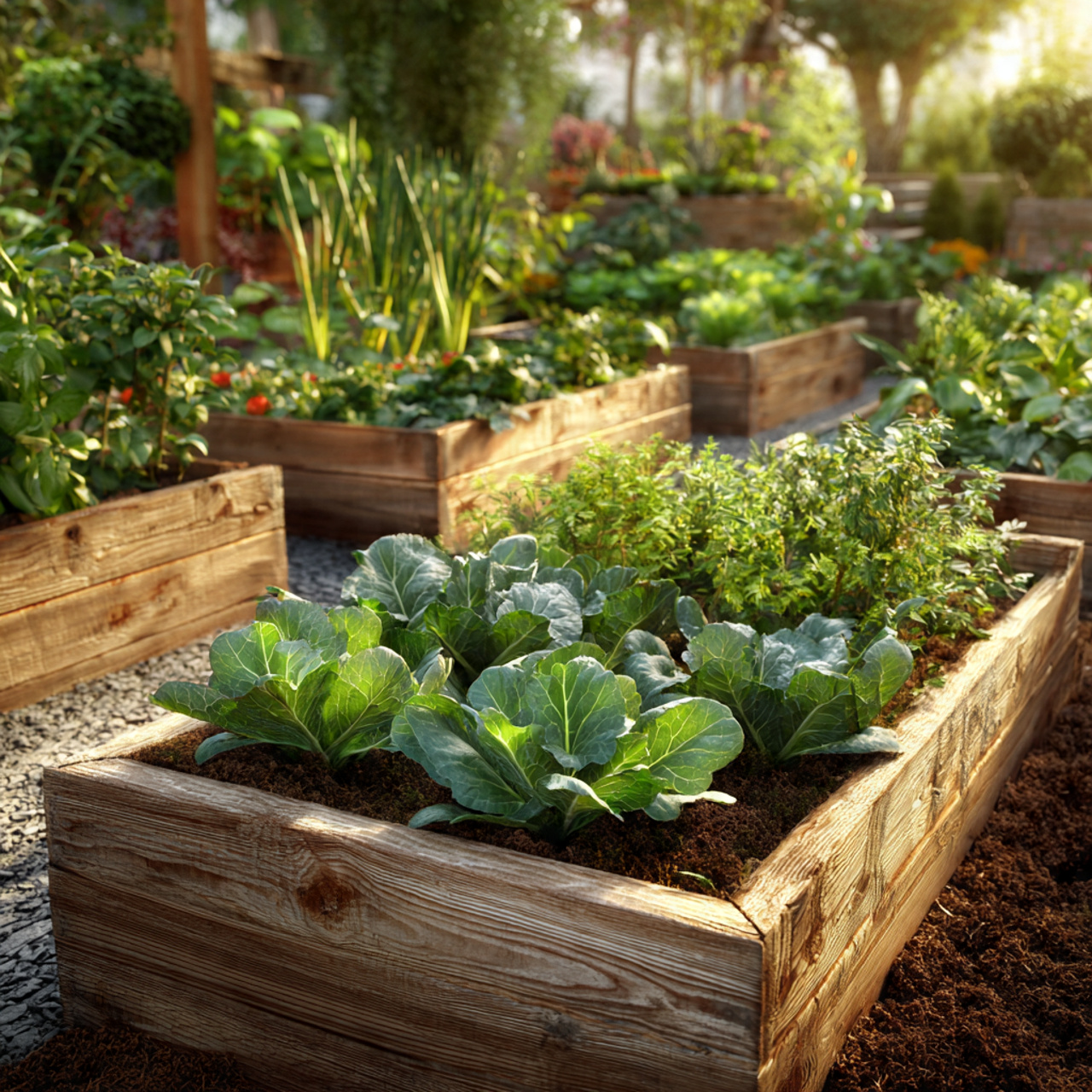
If there’s one game-changer in modern gardening, it’s raised beds. Seriously, they solve so many problems at once.
Why raised beds rock:
- Better drainage (no more waterlogged roots)
- You control the soil quality completely
- Less bending and kneeling (your back will thank you)
- Keeps plants organized and looking sharp
- Easier to rotate crops season after season
You can build them from wood, metal, or even repurposed materials. Once you’ve got them set up, managing your garden becomes so much simpler. Want to amend the soil in one bed? Go for it, without affecting the rest of your garden.
Vertical Gardening for Small Spaces
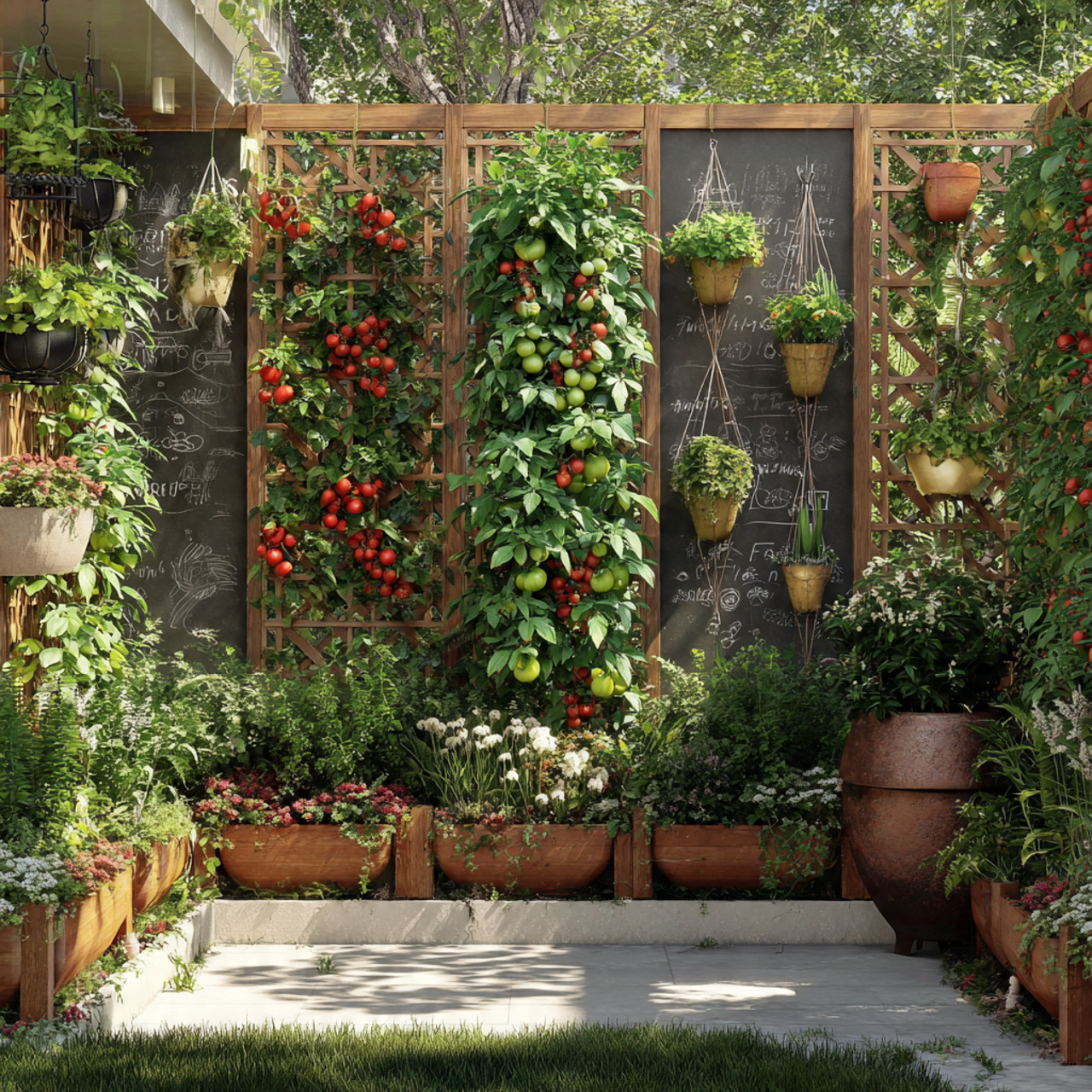
Running out of horizontal space? Go vertical. This is where you start thinking upward instead of outward.
Vertical gardening options:
- Wall-mounted planters for herbs and flowers
- Trellises for beans, peas, and cucumbers
- Hanging baskets for strawberries or trailing plants
- Ladder-style plant stands for tiered displays
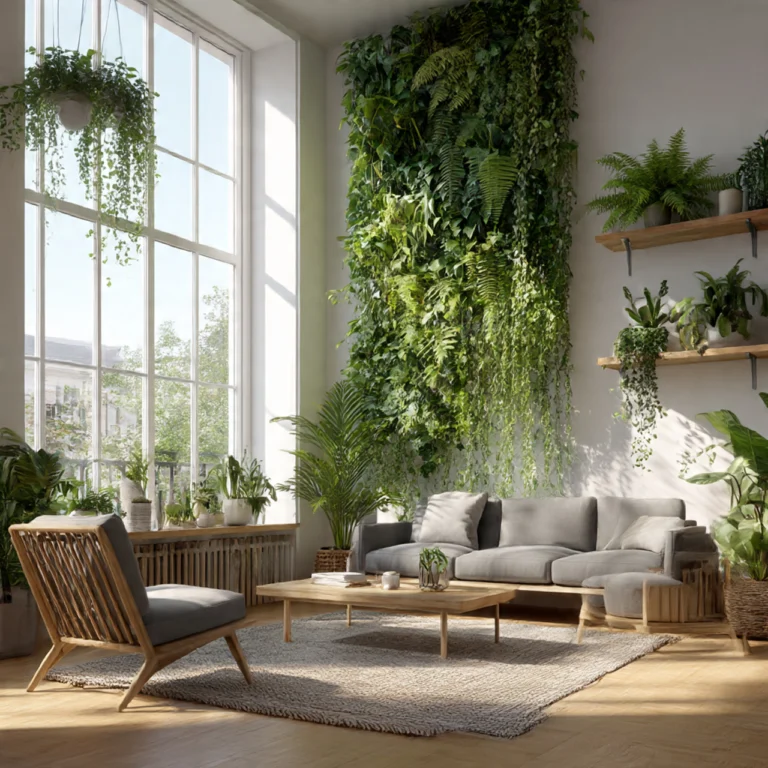
Not only does this free up ground space, but it also keeps plants healthier by improving air circulation and reducing disease. Plus, there’s something really cool about turning a boring fence into a living wall of greenery.
Square Foot Gardening
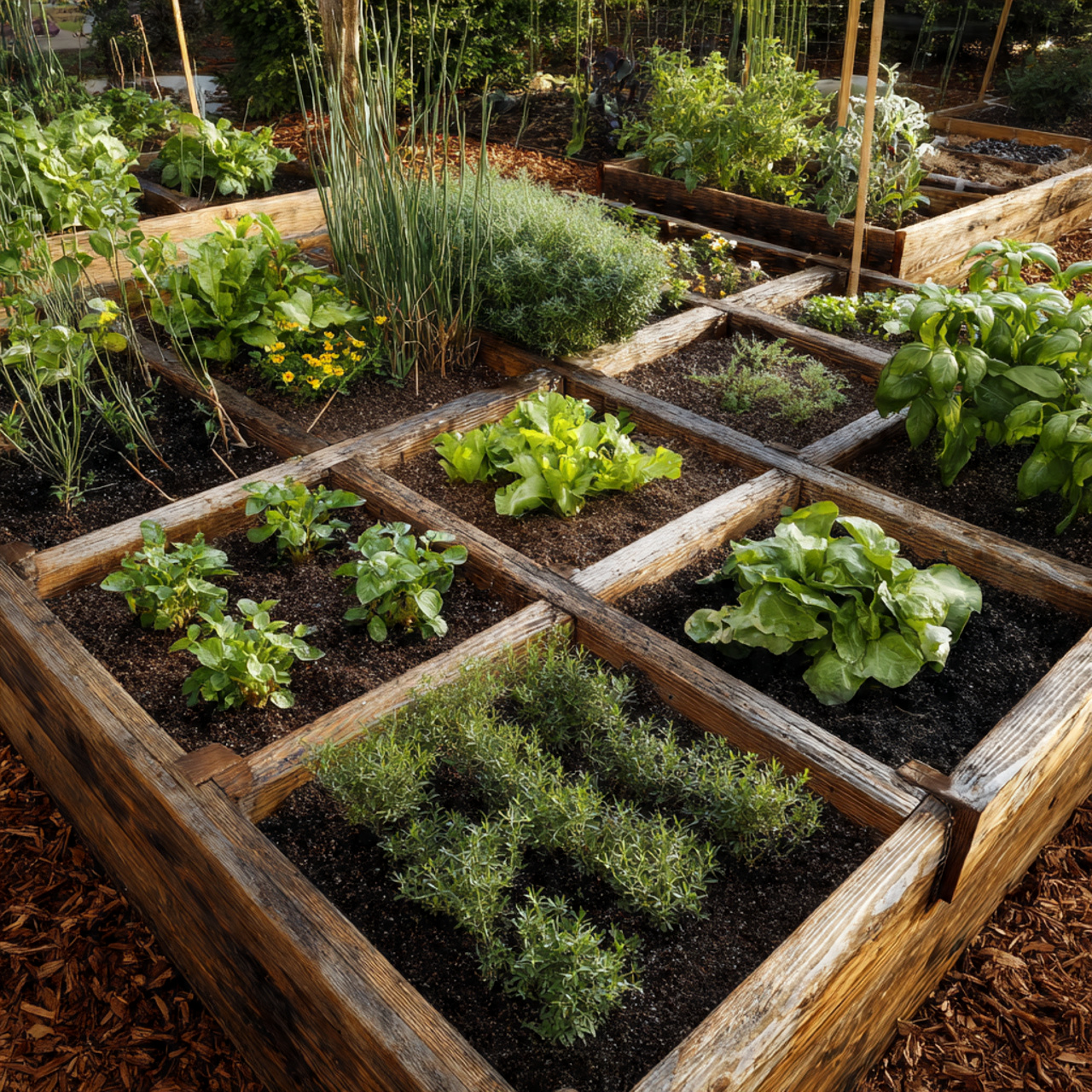
This method is perfect if you like things neat and organized. The idea is simple: divide your garden bed into one-foot squares and dedicate each square to a specific crop.
Benefits you’ll love:
- No guesswork on plant spacing
- Maximizes every bit of space
- Makes watering and harvesting a breeze
- Perfect for beginners who feel overwhelmed
For example, one square might hold 16 radishes, while another holds just one tomato plant. It’s gardening by the numbers, and it works beautifully.
Visit More: Garden Layout
Incorporating Pathways in Your Garden Layout
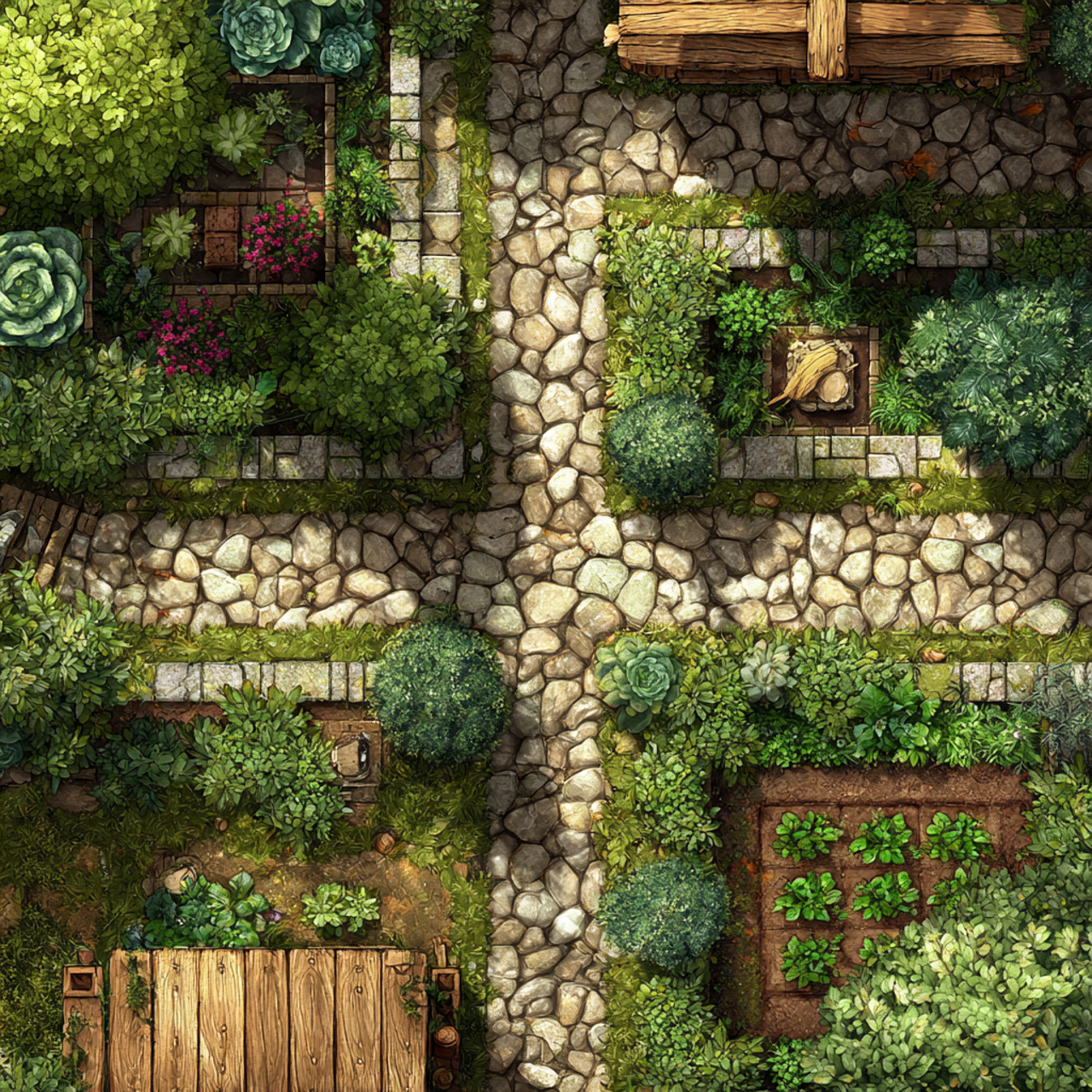
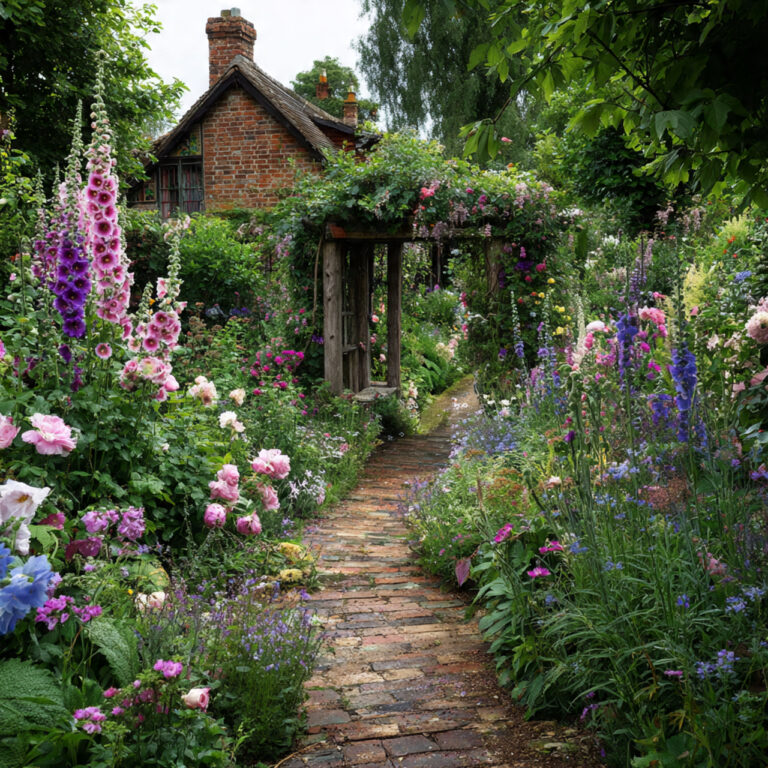
Pathways might seem like a small detail, but they’re actually crucial. They give you access to your plants without stepping on soil and compacting it.
Pathway tips:
- Use mulch, gravel, or stepping stones
- Make them wide enough for a wheelbarrow
- Keep them clear of overhanging plants
- Design curved paths for visual interest in larger gardens
Good pathways protect your plants, make harvesting easier, and honestly just make your garden feel more intentional and welcoming.
Using Raised Planter Boxes for Herbs
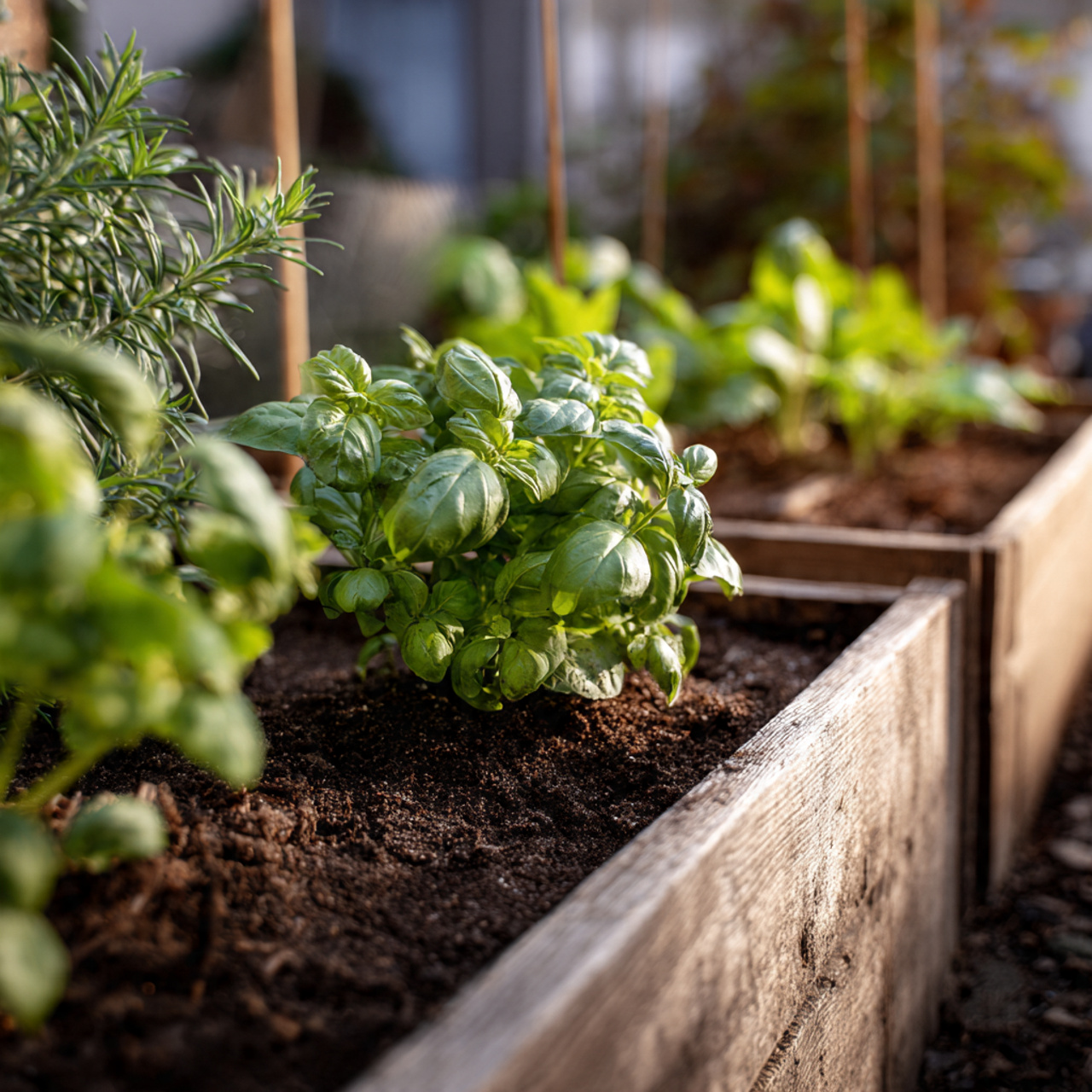
Herbs are the perfect candidates for their own dedicated space. Raised planter boxes keep them contained, accessible, and thriving.
Why this works for herbs:
- Excellent drainage prevents root rot
- Easy to control soil mix for specific herbs
- Keeps aggressive spreaders (like mint) in check
- Perfect height for quick harvesting while cooking
Position these near your kitchen door, and you’ll actually use your fresh herbs instead of letting them go to waste.
Zoning Your Garden by Plant Type
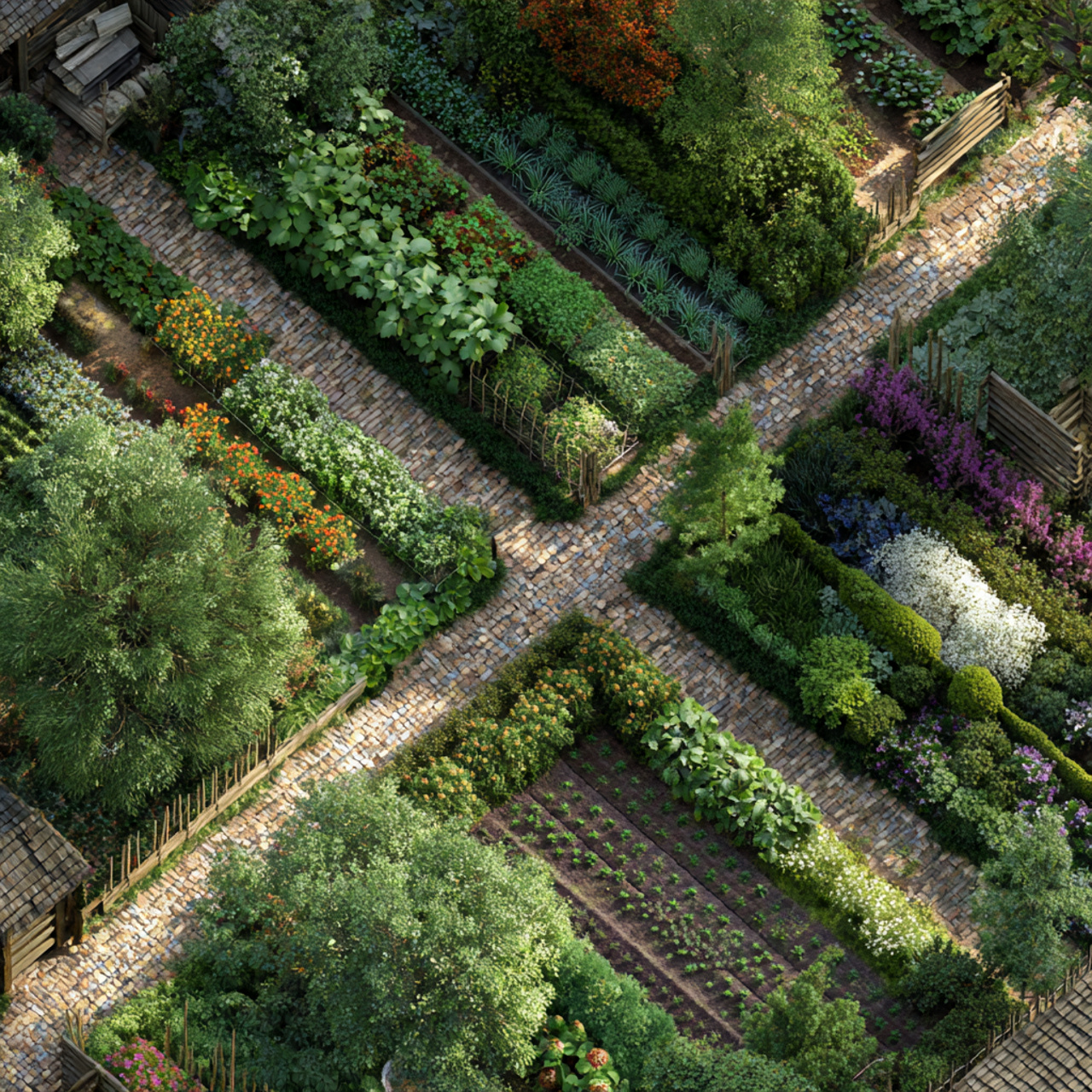
Think of your garden as having different neighborhoods. Vegetables go here, flowers there, herbs in another spot. This zoning approach makes everything run smoother.
Smart zoning strategies:
- Group plants with similar water needs together
- Put shade-lovers under taller plants
- Keep high-maintenance crops in easily accessible areas
- Place perennials where they won’t be disturbed by annual planting
When everything has its place, you’re not overwatering some plants while underwatering others, and maintenance becomes almost intuitive.
Using Companion Color Schemes
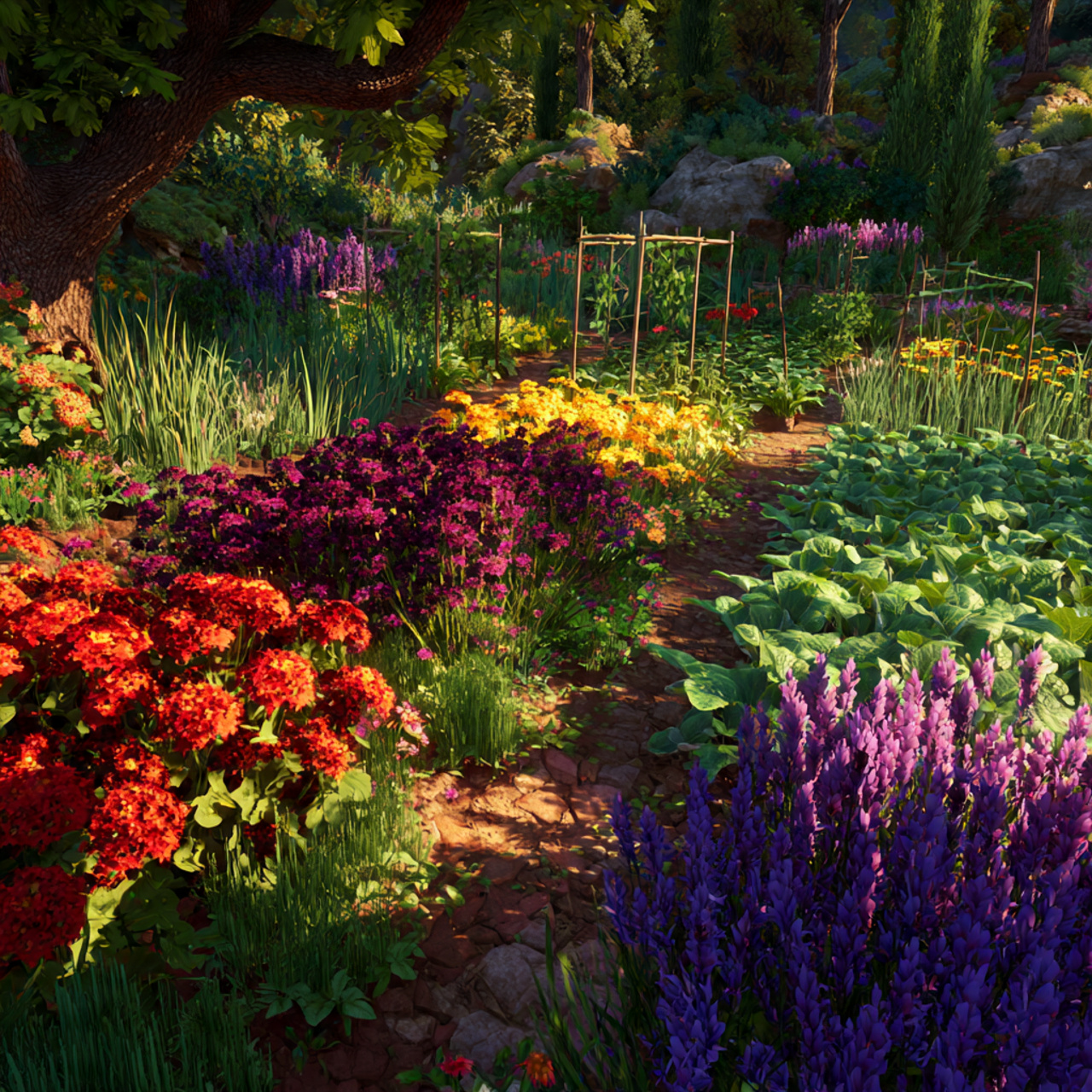
Beyond just function, your garden should make you happy to look at. Strategic color planning creates those “wow” moments.
Color scheme ideas:
- Cool blues and purples for a calming vibe
- Hot reds, oranges, and yellows for energy
- Monochromatic greens with varied textures
- Complementary colors (purple and yellow) for contrast
You don’t need to be a designer—just think about what colors you’re drawn to and group similar tones together for impact.
Installing a Drip Irrigation System
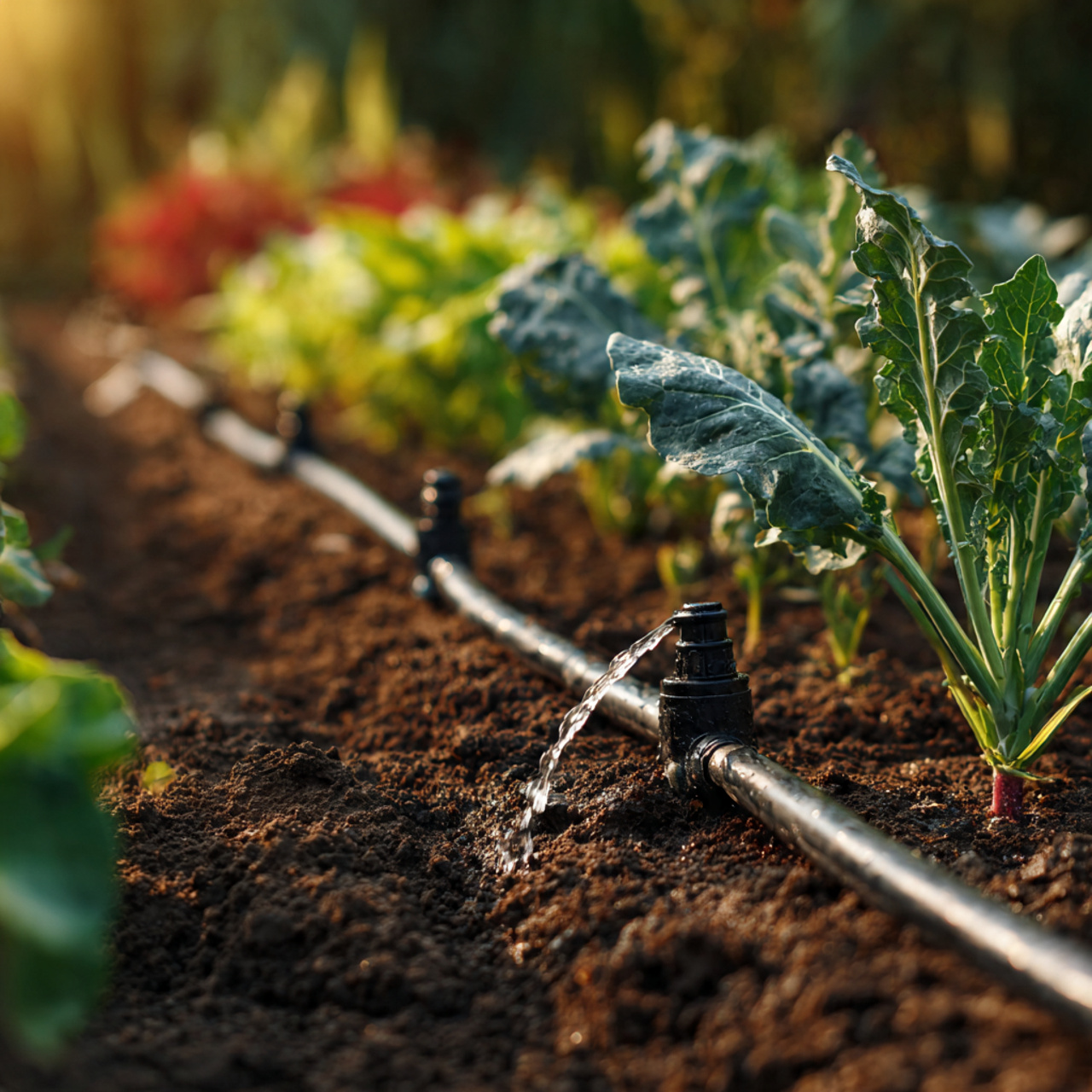
Let’s be real: hand-watering gets old fast. Drip irrigation delivers water right where it’s needed—at the roots.
Drip irrigation advantages:
- Reduces water waste by up to 50%
- Prevents fungal diseases from wet foliage
- Saves you time every single day
- Maintains consistent soil moisture
You can set it up on a timer and basically automate one of gardening’s most time-consuming tasks. Future you will be grateful.
Garden Edging for Clean Layouts
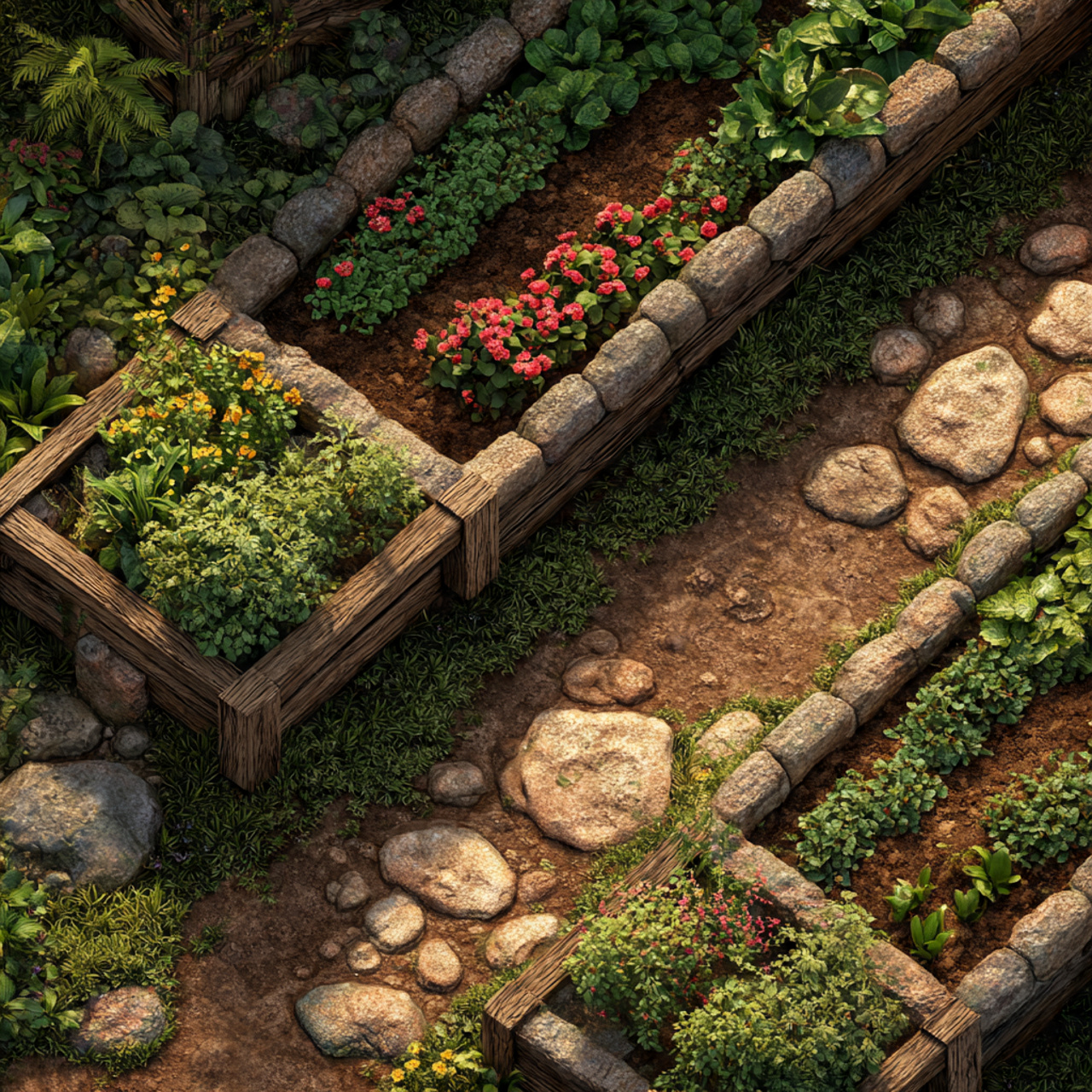
Clean edges make your garden look intentional and polished. They also create a barrier that keeps grass and weeds from invading your beds.
Edging material options:
- Natural stone for a rustic look
- Metal for modern, clean lines
- Wood for traditional charm
- Plastic (hidden) for budget-friendly functionality
It’s a small touch that makes a surprisingly big visual difference. Plus, it makes mowing and trimming much easier.
Crop Rotation to Improve Soil Health
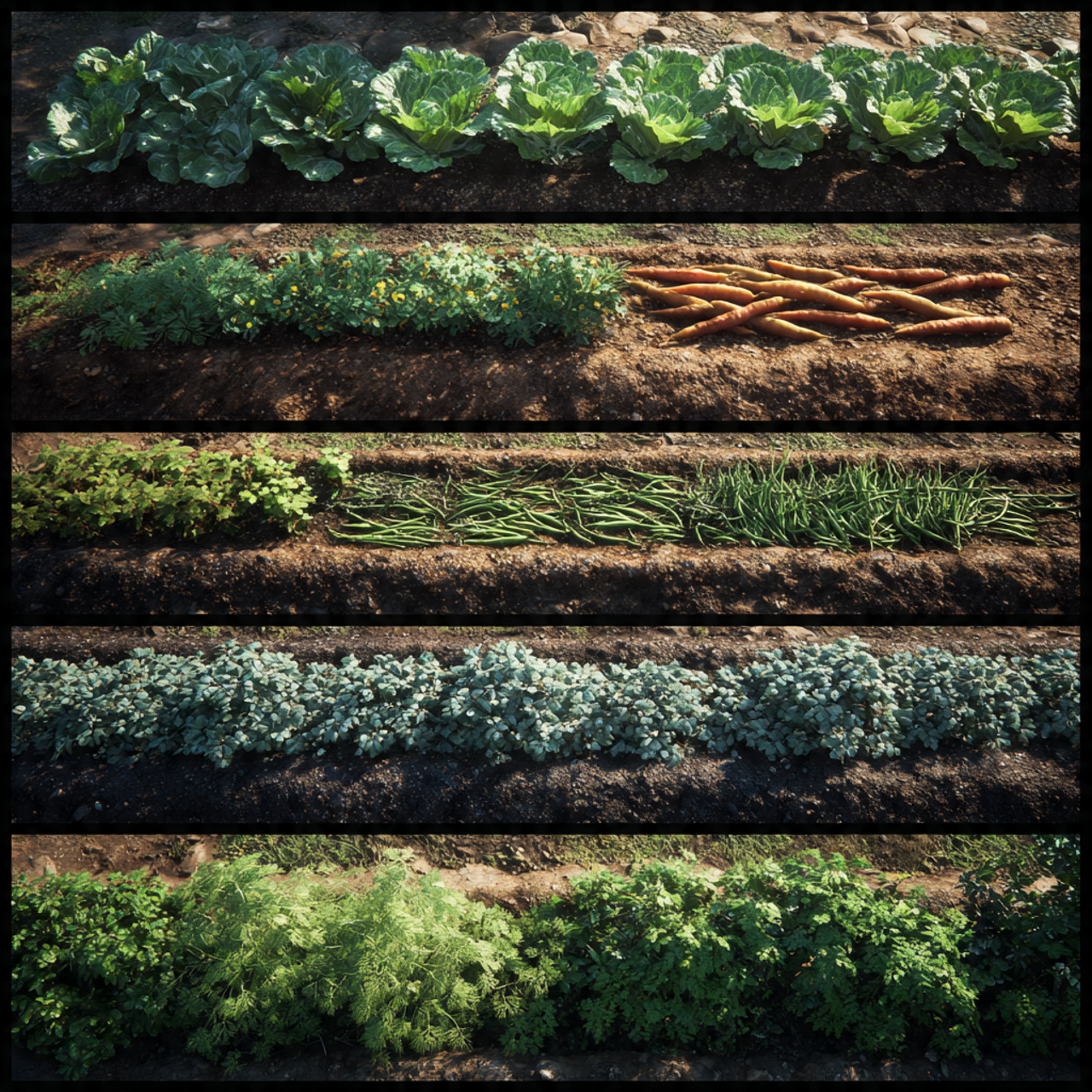
Don’t plant the same thing in the same spot year after year. Rotating crops prevents nutrient depletion and breaks pest and disease cycles.
Simple rotation plan:
- Year 1: Tomatoes in bed A
- Year 2: Beans in bed A (nitrogen fixers)
- Year 3: Leafy greens in bed A (light feeders)
- Year 4: Root vegetables in bed A
This keeps your soil balanced and productive without constantly adding fertilizers.
Companion Trees for Shade and Structure
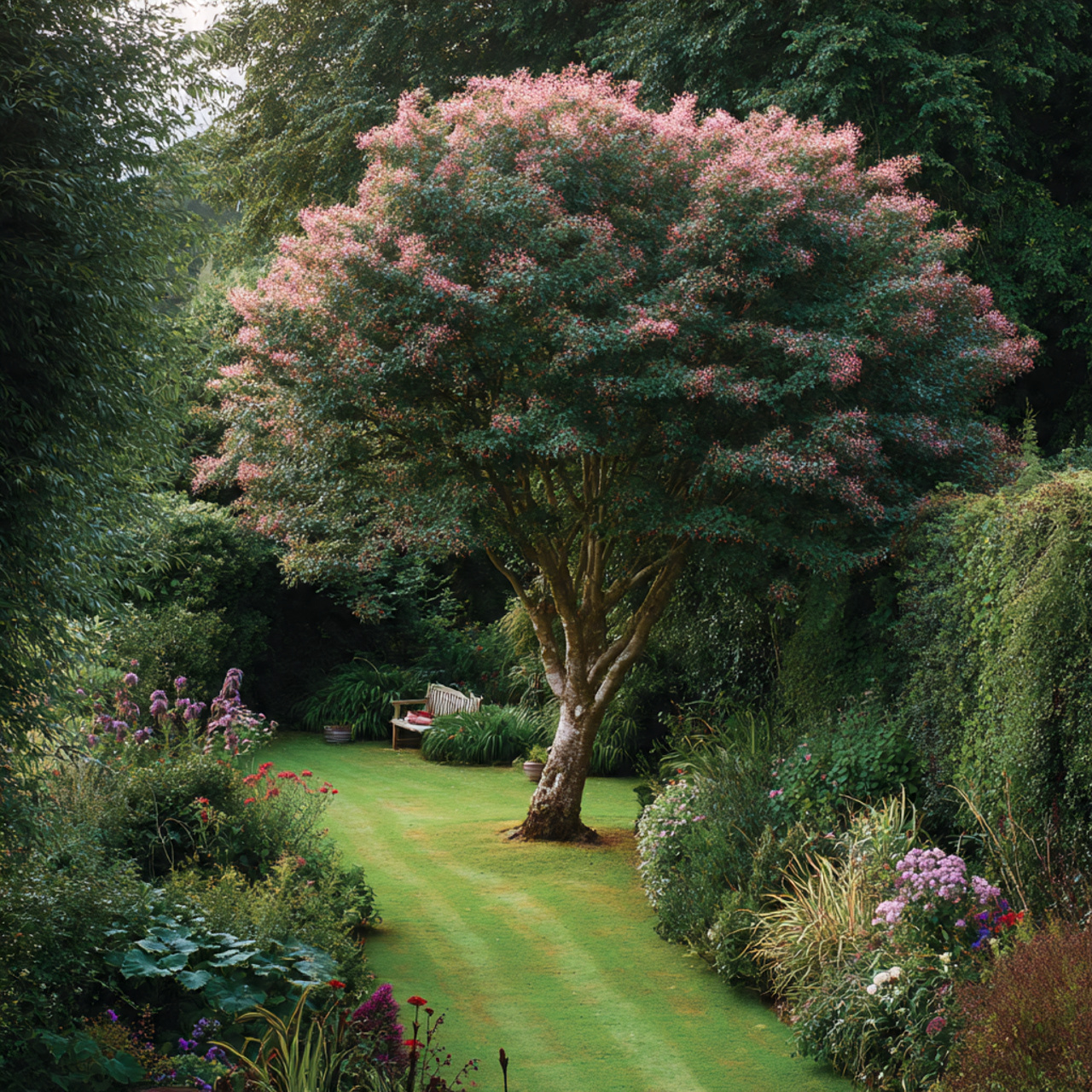
Strategic tree placement can protect delicate plants from harsh afternoon sun and add dimension to your space.
Trees that work well:
- Fruit trees for shade and harvest
- Deciduous trees for summer shade, winter sun
- Small ornamentals for structure without overwhelming space
Just remember to account for root zones and future growth when planning your garden layout around trees.
Seasonal Planning for Year-Round Growth
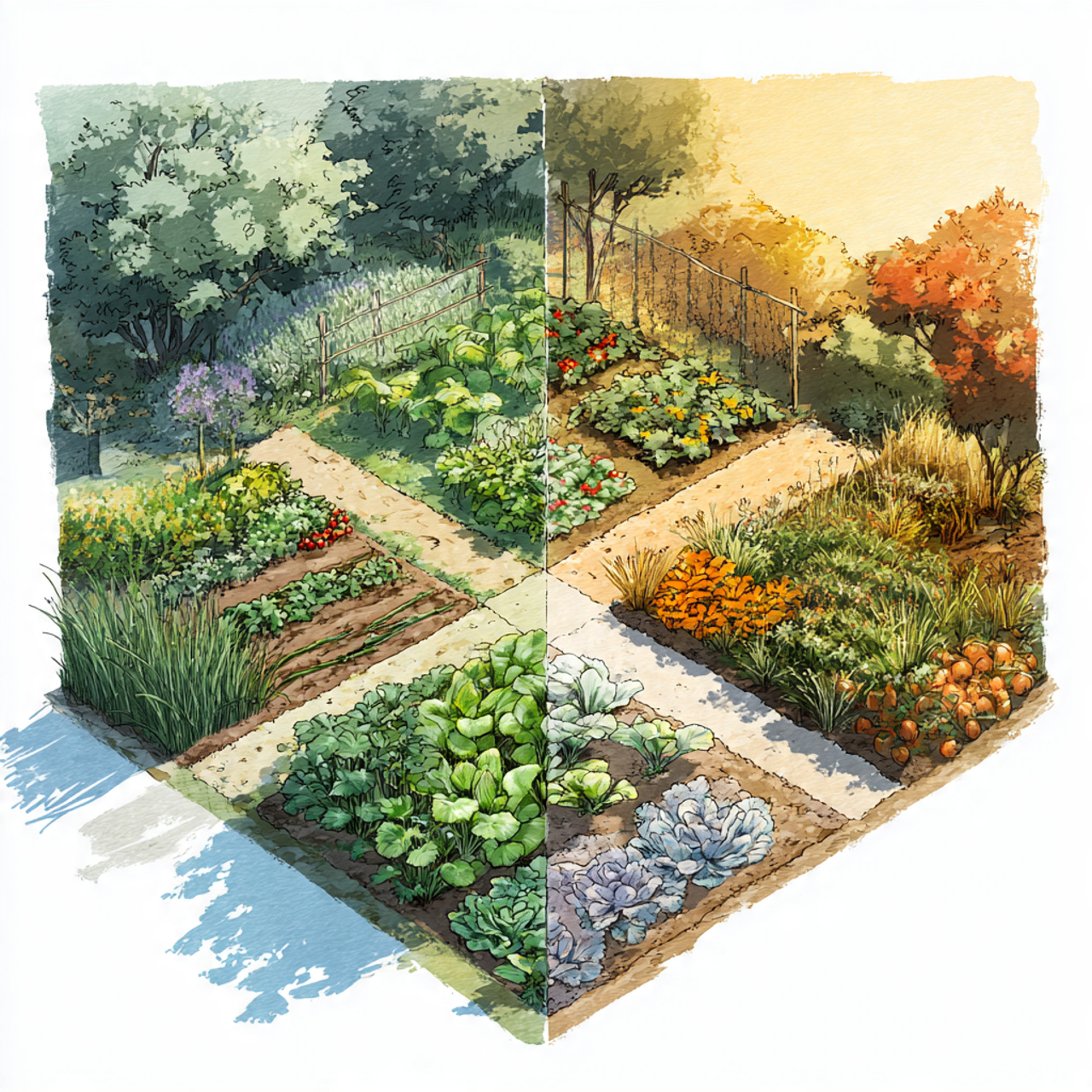
The best gardens have something happening every season. Planning what grows when keeps your garden productive and interesting all year.
Seasonal planting approach:
- Spring: Cool-season crops like lettuce, peas
- Summer: Heat-lovers like tomatoes, peppers
- Fall: Second planting of cool crops, root vegetables
- Winter: Hardy greens, cover crops in mild climates
This way, you’re never looking at an empty, boring garden. There’s always something growing or about to bloom.
Composting and Soil Enrichment
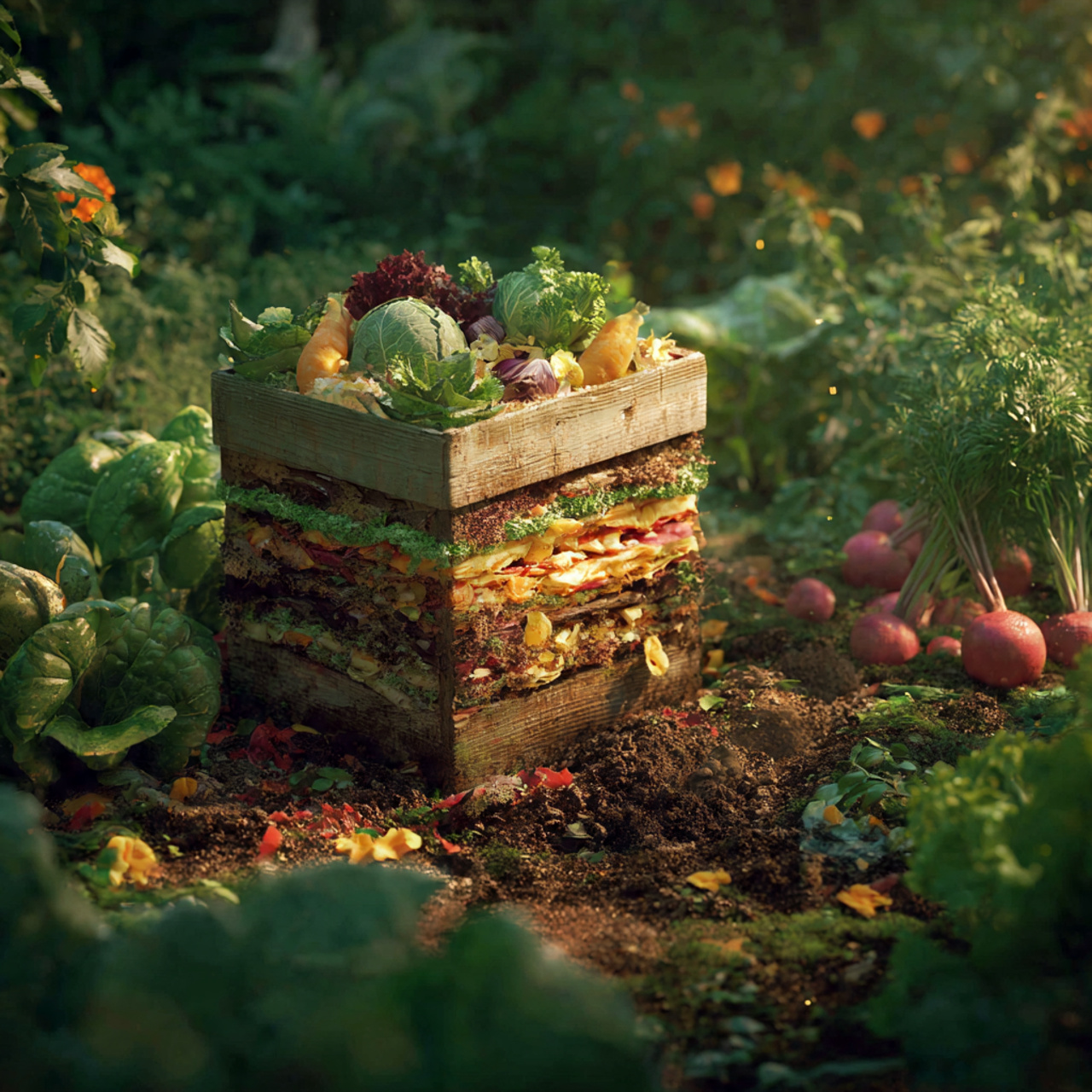
Your soil is everything. Healthy soil equals healthy plants, and composting is the easiest way to build that soil up.
Composting basics:
- Kitchen scraps (no meat or dairy)
- Yard waste like leaves and grass clippings
- Coffee grounds and eggshells
- Shredded newspaper or cardboard
Turn it occasionally, keep it moist, and in a few months you’ll have black gold to feed your garden naturally.
Mulching for Moisture and Weed Control
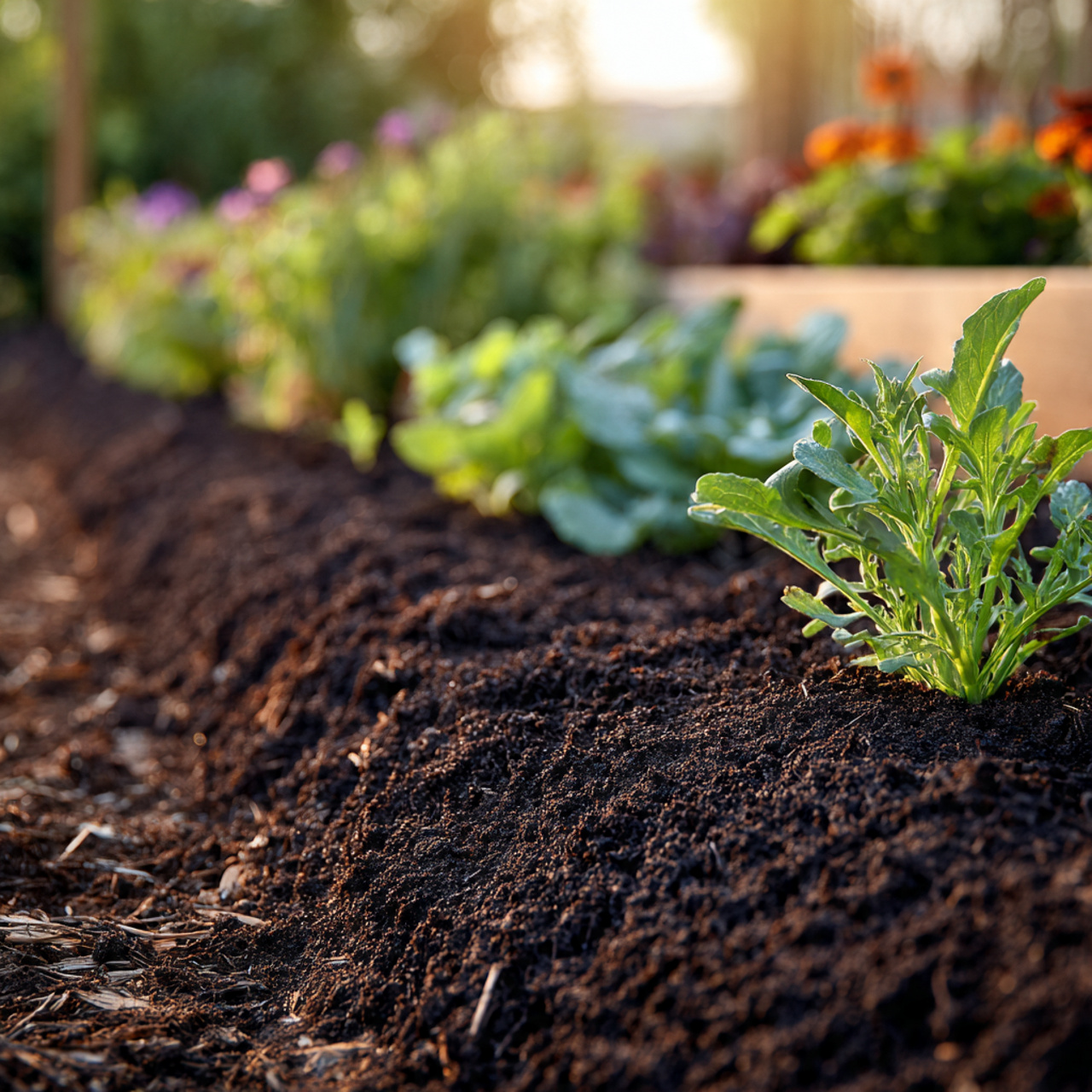
Mulch is like a blanket for your soil. It keeps moisture in, weeds down, and temperatures stable.
Best mulch materials:
- Wood chips for pathways and perennials
- Straw for vegetable beds
- Shredded leaves (free!)
- Compost as a nutrient-rich option
Apply 2-3 inches around plants, keeping it away from stems to prevent rot. You’ll water less and weed less—that’s a win-win.
Smart Plant Spacing
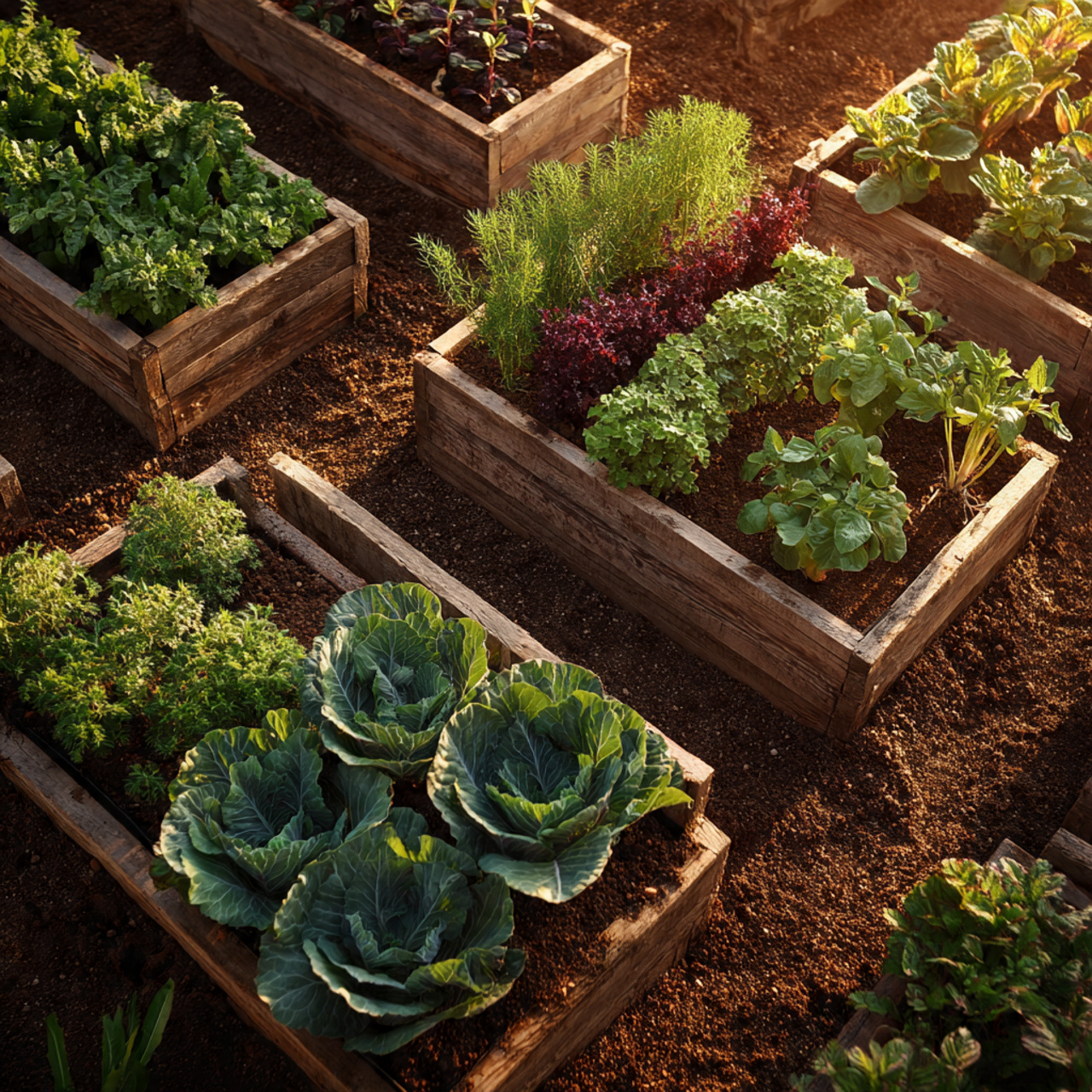
Overcrowding is one of the most common beginner mistakes. Plants need room to breathe, literally.
Spacing guidelines:
- Check seed packets for specific recommendations
- Thin seedlings even if it feels wasteful
- Consider mature size, not just seedling size
- Allow for airflow to prevent disease
Proper spacing means healthier plants, bigger yields, and fewer pest problems. Sometimes less really is more.
Creating Microclimates
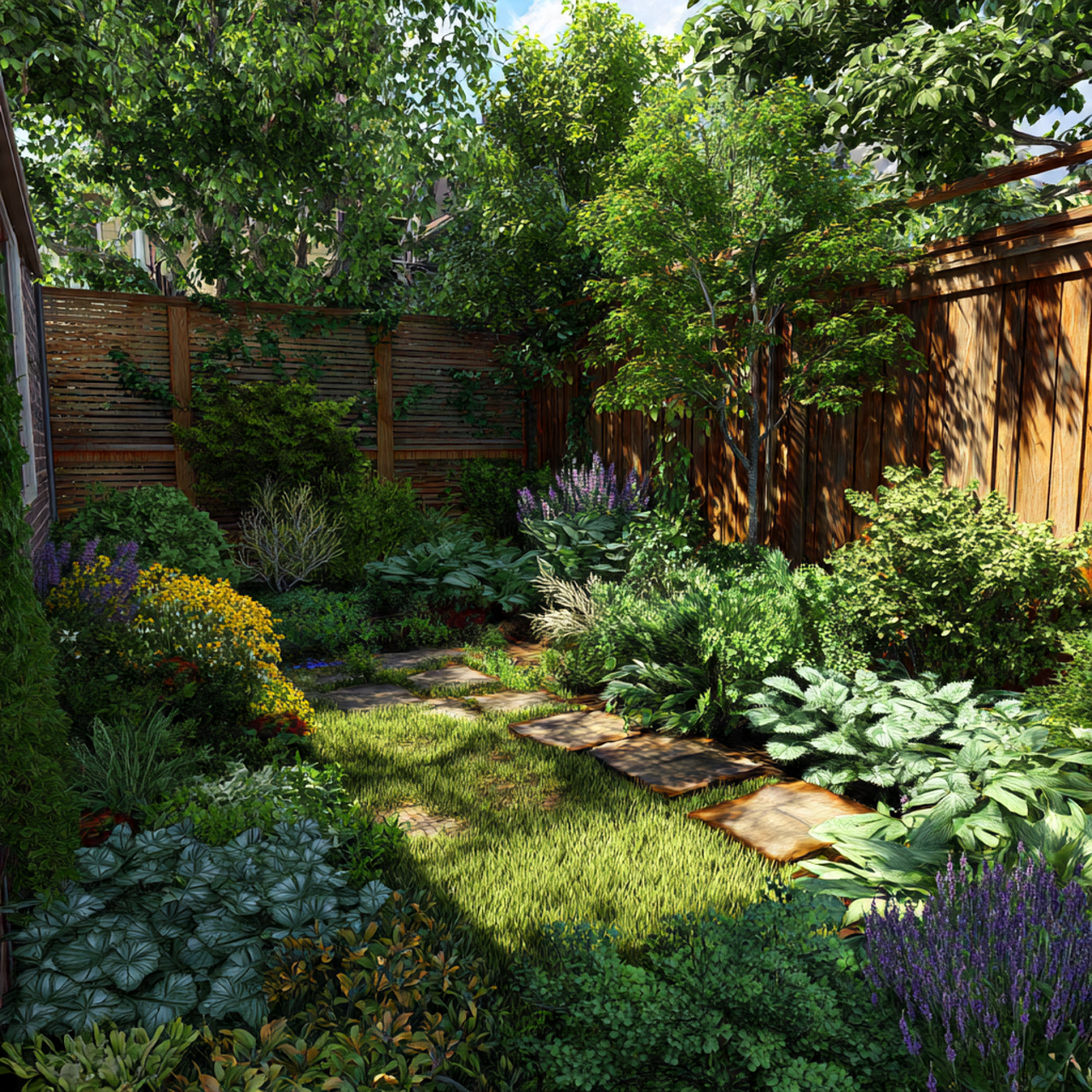
You can create different environmental conditions within your garden using strategic placement and structures.
Microclimate ideas:
- South-facing wall = extra warmth for heat-lovers
- Under eaves = drier spot for drought-tolerant plants
- Behind shrubs = wind protection for delicate plants
- Near water features = higher humidity for moisture-lovers
This lets you grow a wider variety of plants than your general climate zone might suggest.
Integrating Pollinator-Friendly Plants
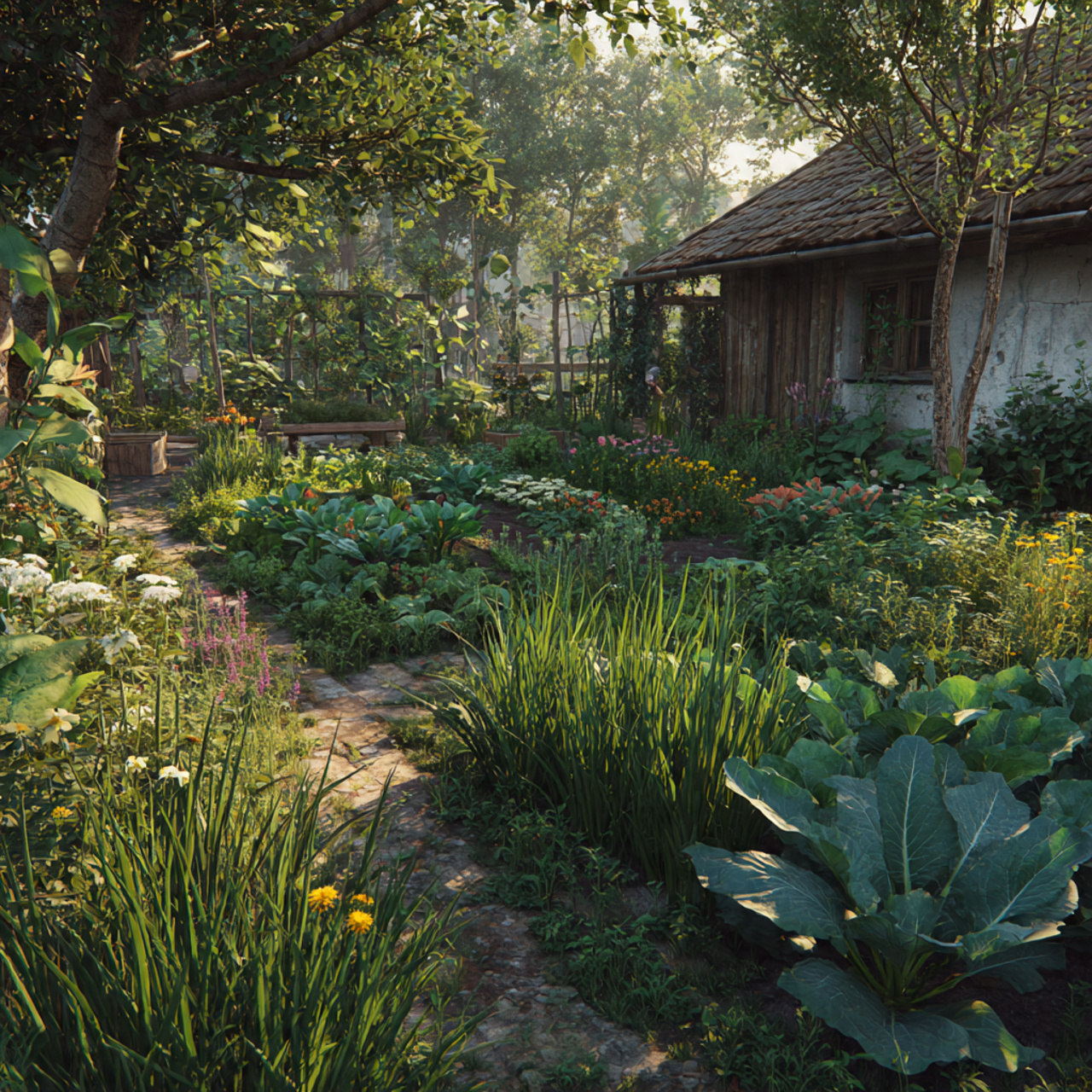
Bees, butterflies, and other pollinators are your garden’s best friends. Make them want to stick around.
Pollinator magnets:
- Native wildflowers
- Herbs like lavender, oregano, thyme
- Sunflowers and zinnias
- Leave some areas a little wild
More pollinators mean better fruit and vegetable yields. Plus, watching butterflies is just nice.
Installing Garden Furniture Thoughtfully
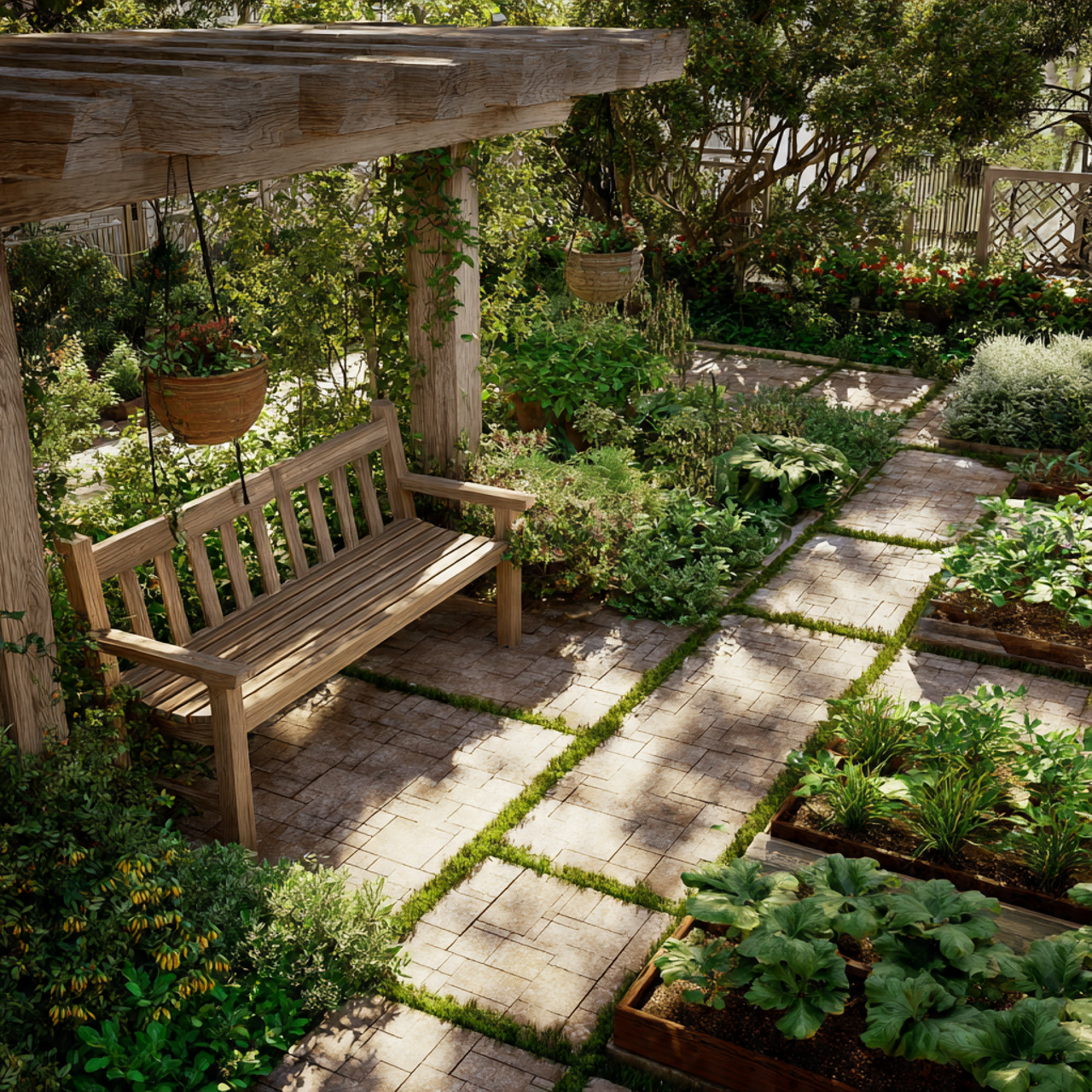
Your garden should be a place you actually want to spend time. A well-placed bench or chair makes all the difference.
Furniture placement tips:
- Morning sun spots for coffee
- Shade areas for afternoon relaxation
- Views of focal points or blooms
- Near fragrant plants for sensory enjoyment
Don’t treat furniture as an afterthought—build it into your layout from the start.
Incorporating Water Features
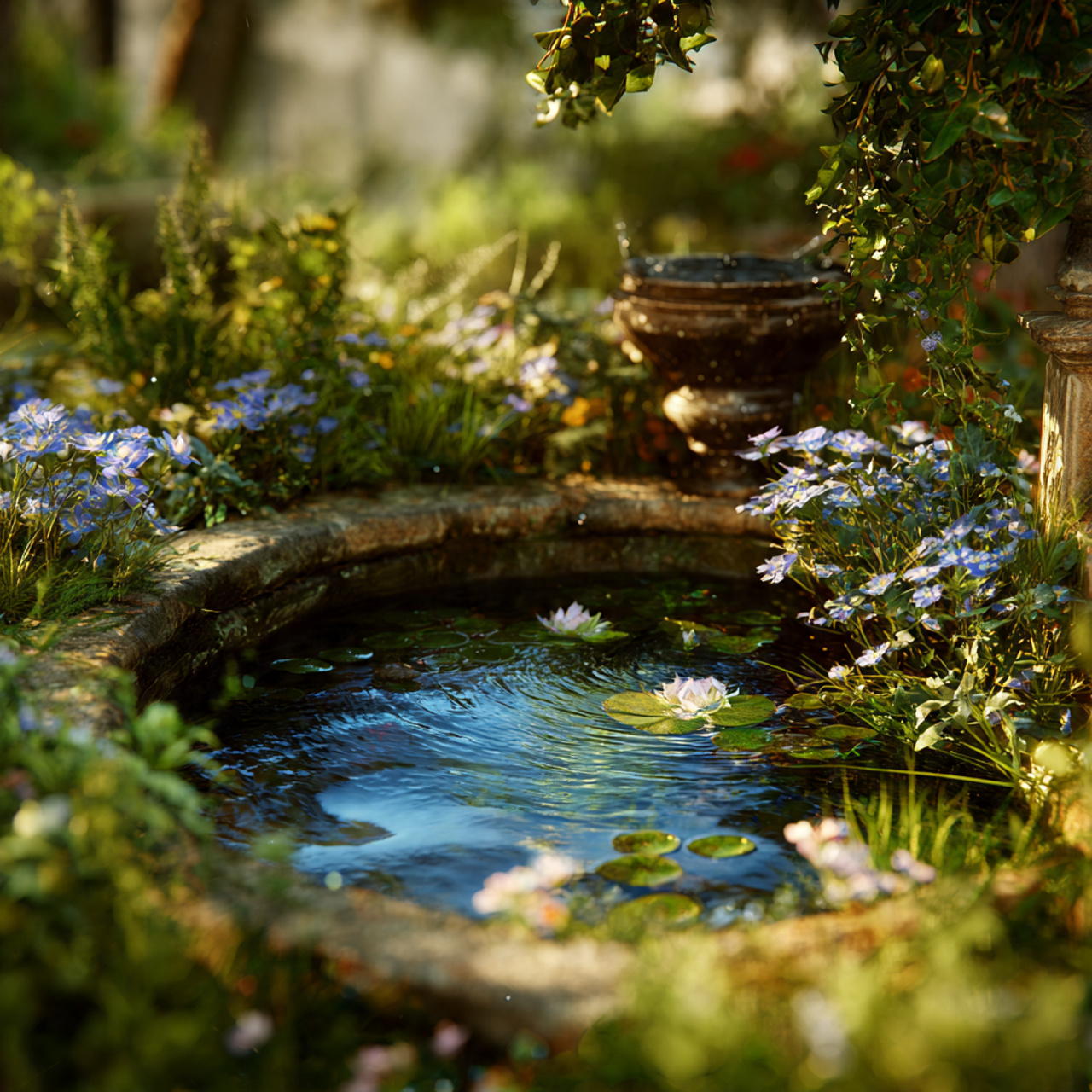
The sound of moving water is incredibly calming. Even a small fountain can transform your garden’s atmosphere.
Water feature benefits:
- Attracts birds and beneficial wildlife
- Creates a focal point
- Masks neighborhood noise
- Adds humidity for nearby plants
You don’t need anything fancy—a simple birdbath counts and is easy to maintain.
Succulent and Rock Garden Zones
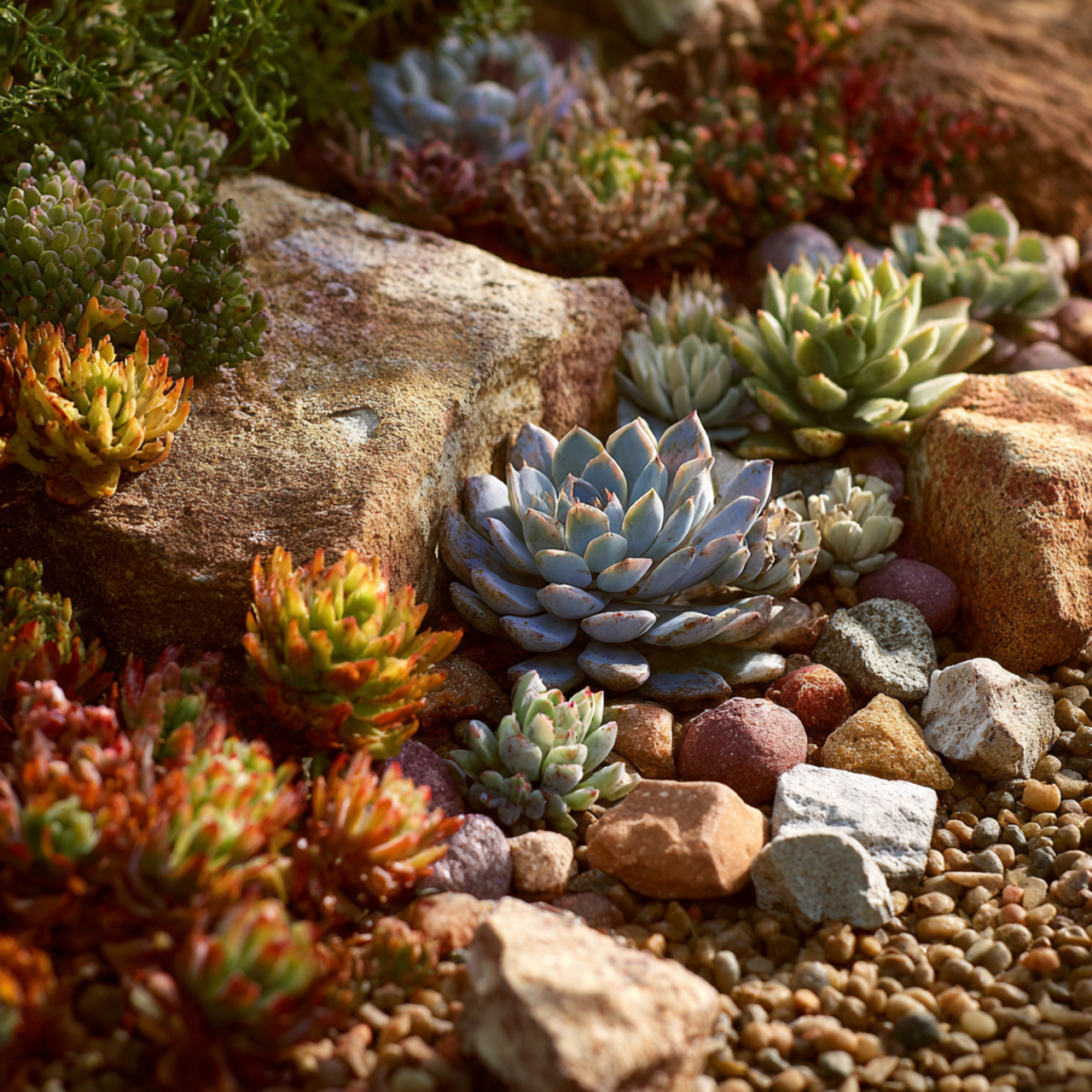
Not every spot needs high-maintenance plants. Dry, poor-soil areas are perfect for succulents and rock gardens.
Low-water zone ideas:
- Succulent collections in containers
- Rock garden with alpine plants
- Gravel areas with drought-tolerant perennials
- Mediterranean-style herb sections
These areas give your garden visual variety without adding to your workload.
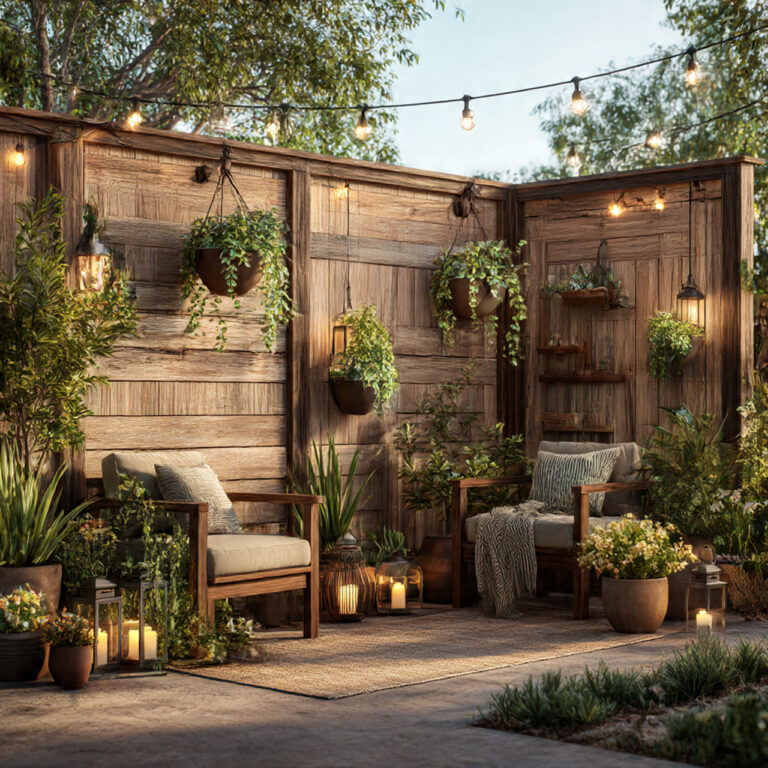
Lighting for Nighttime Enjoyment
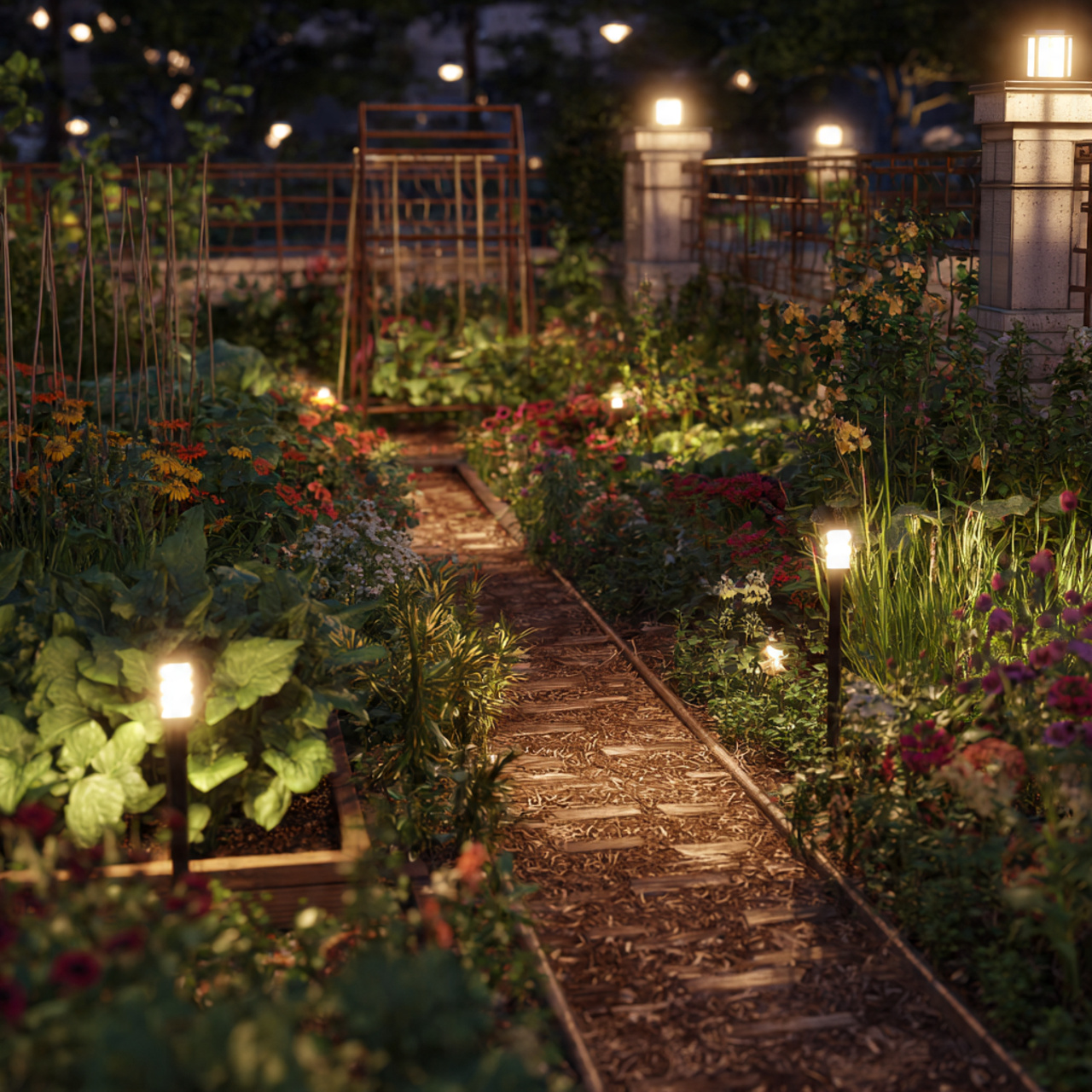
Don’t let your garden disappear when the sun goes down. Strategic lighting extends your enjoyment into the evening.
Lighting options:
- Solar path lights (no wiring needed)
- String lights for ambiance
- Uplighting for trees and focal points
- Motion-sensor lights for safety
Good lighting also makes evening harvesting or watering possible when needed.
Container Gardening Flexibility
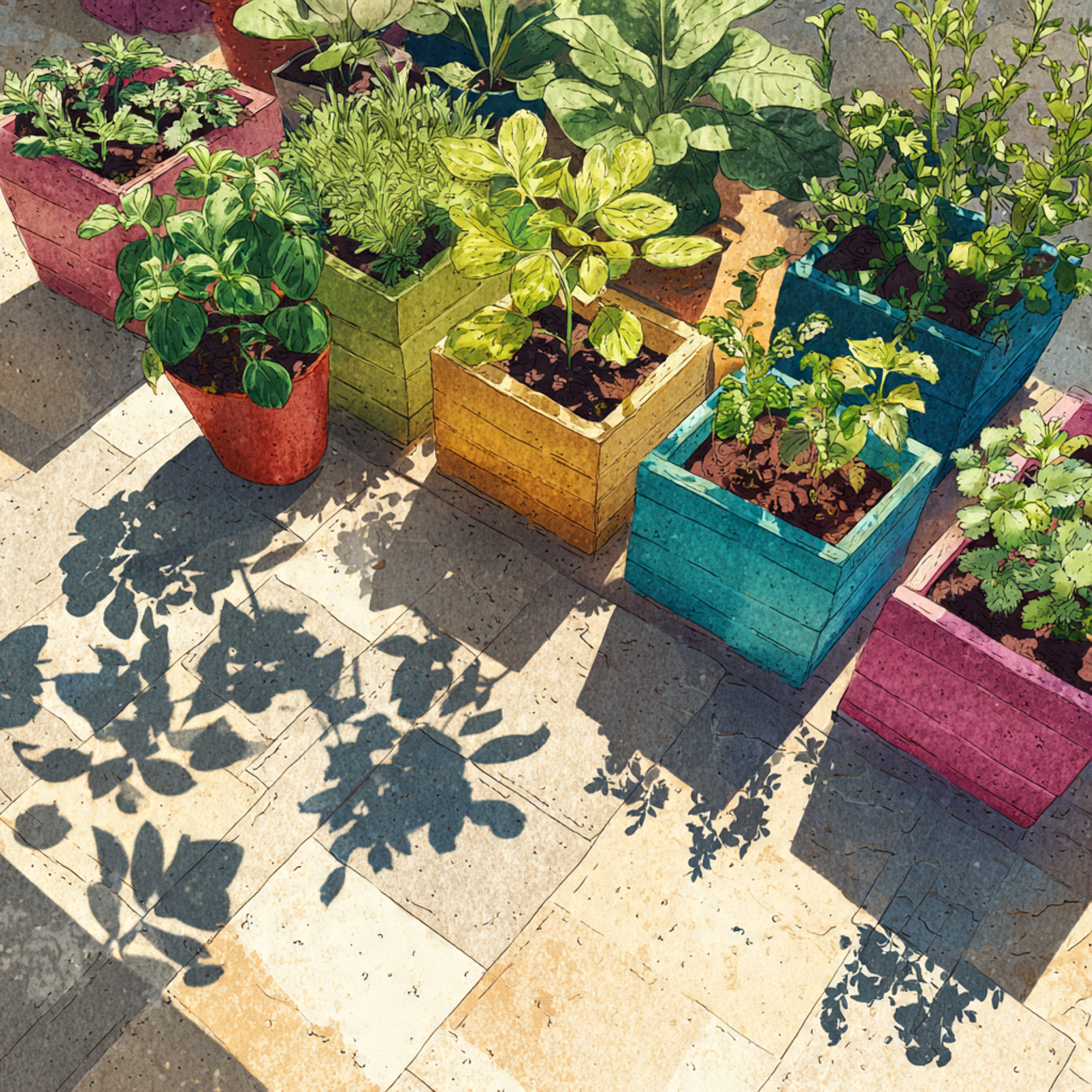
Containers are the ultimate flexible solution. Move them, swap them out, or bring tender plants indoors when weather turns.
Container advantages:
- Perfect for renters
- Ideal for patios and balconies
- Easy soil control
- Portable for sun tracking
Group containers at different heights for visual interest, and don’t be afraid to mix edibles with ornamentals.
Using Trellises for Climbing Plants
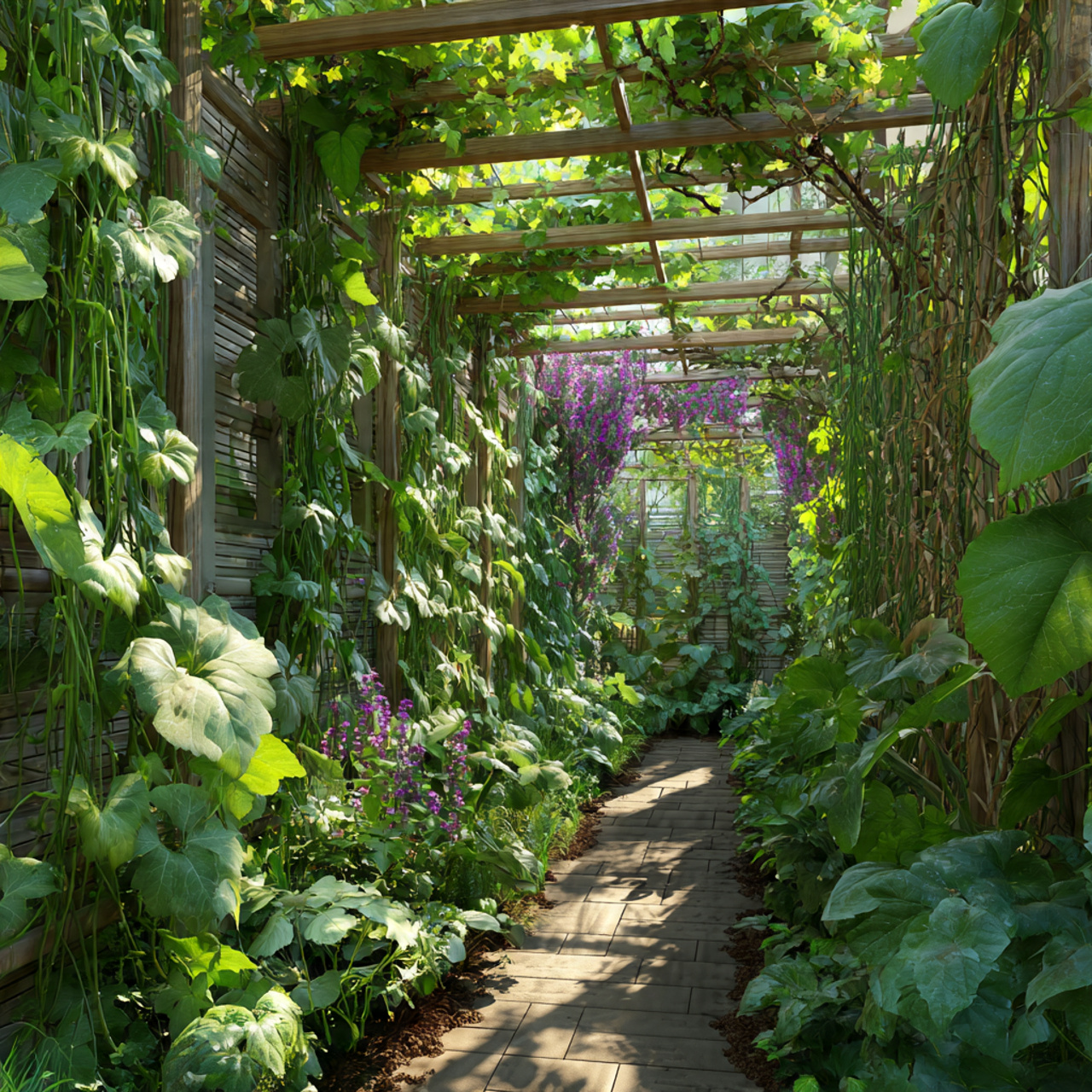
Vertical supports aren’t just space-savers—they also improve plant health by getting vines off the ground.
Great trellis candidates:
- Pole beans and peas
- Cucumbers and squash
- Climbing roses and clematis
- Indeterminate tomatoes
Better air circulation means fewer diseases and easier harvesting. Plus, climbing plants just look cool.
Wildlife-Friendly Garden Corners
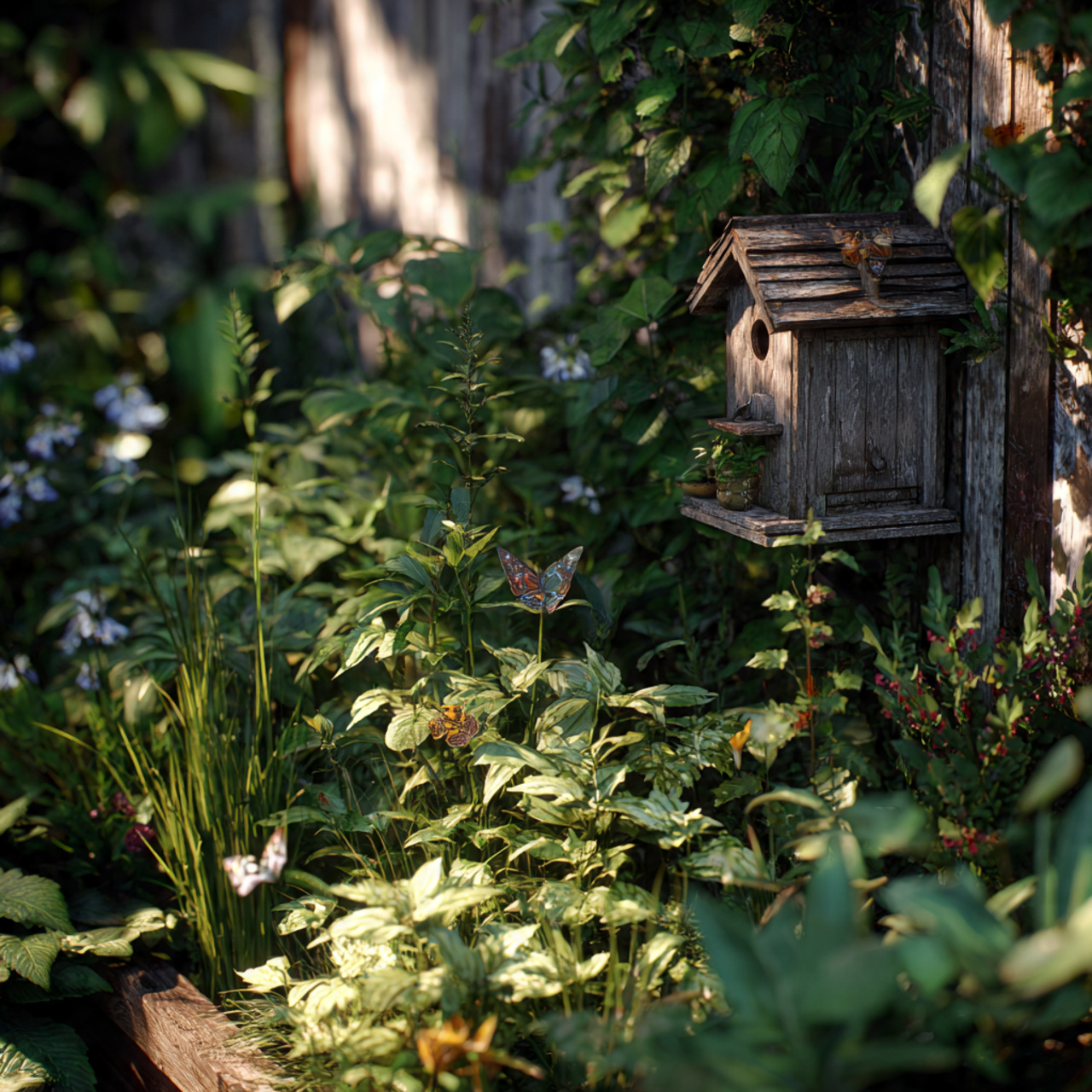
Leave a little wildness in one corner. Native plants and natural areas support local ecosystems.
Wildlife corner features:
- Native plant clusters
- Brush pile for beneficial insects
- Seed heads left standing in fall
- Small water source
You’ll be amazed at the birds, butterflies, and helpful bugs that show up when you give them habitat.
Garden Journals and Record-Keeping
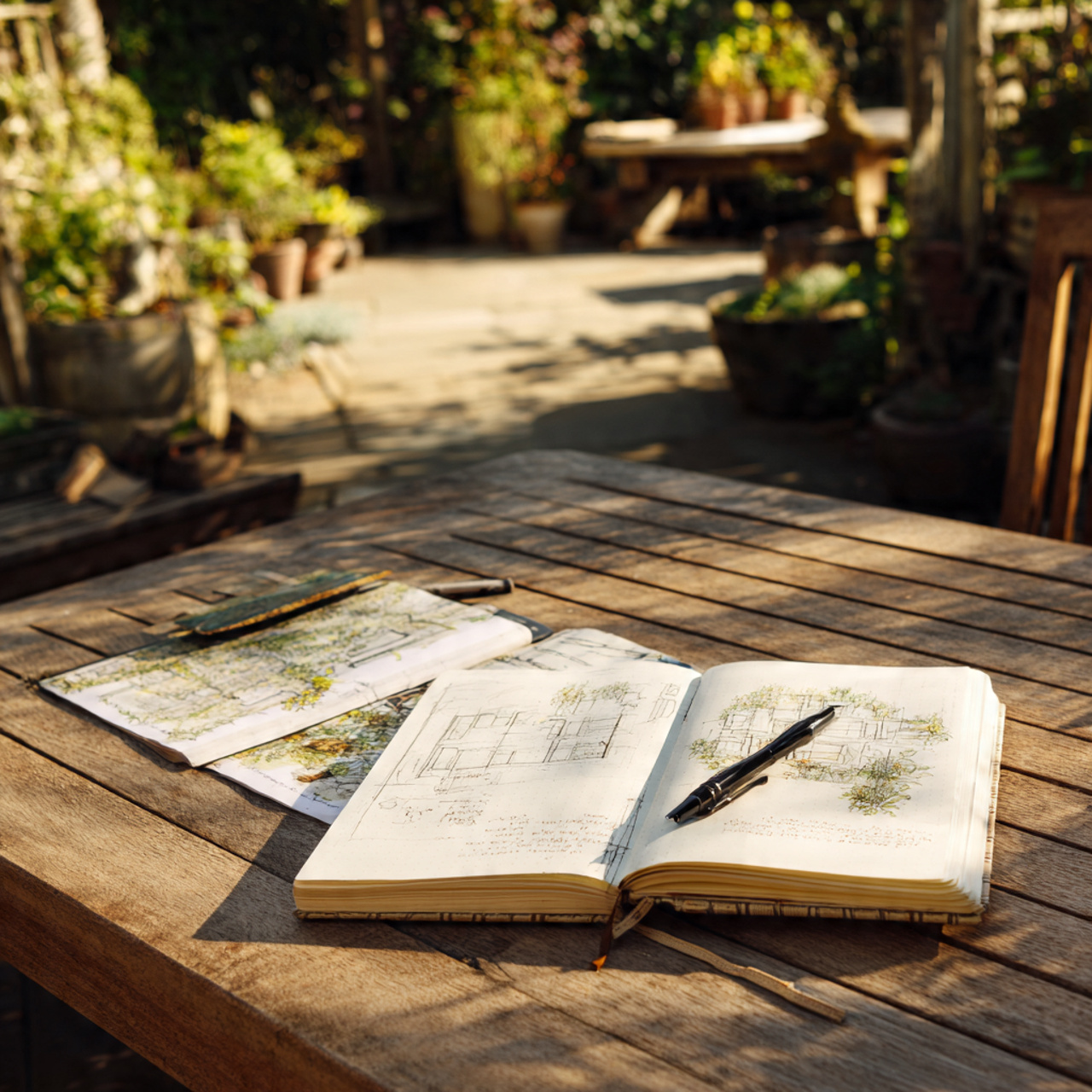
Your memory isn’t as good as you think. Write stuff down.
What to track:
- Planting dates and varieties
- Harvest amounts and quality
- What worked and what flopped
- Weather patterns and pest issues
Next year, you’ll have actual data to work from instead of vague memories. It’s incredibly helpful.
Easy-to-Maintain Low-Growth Plants
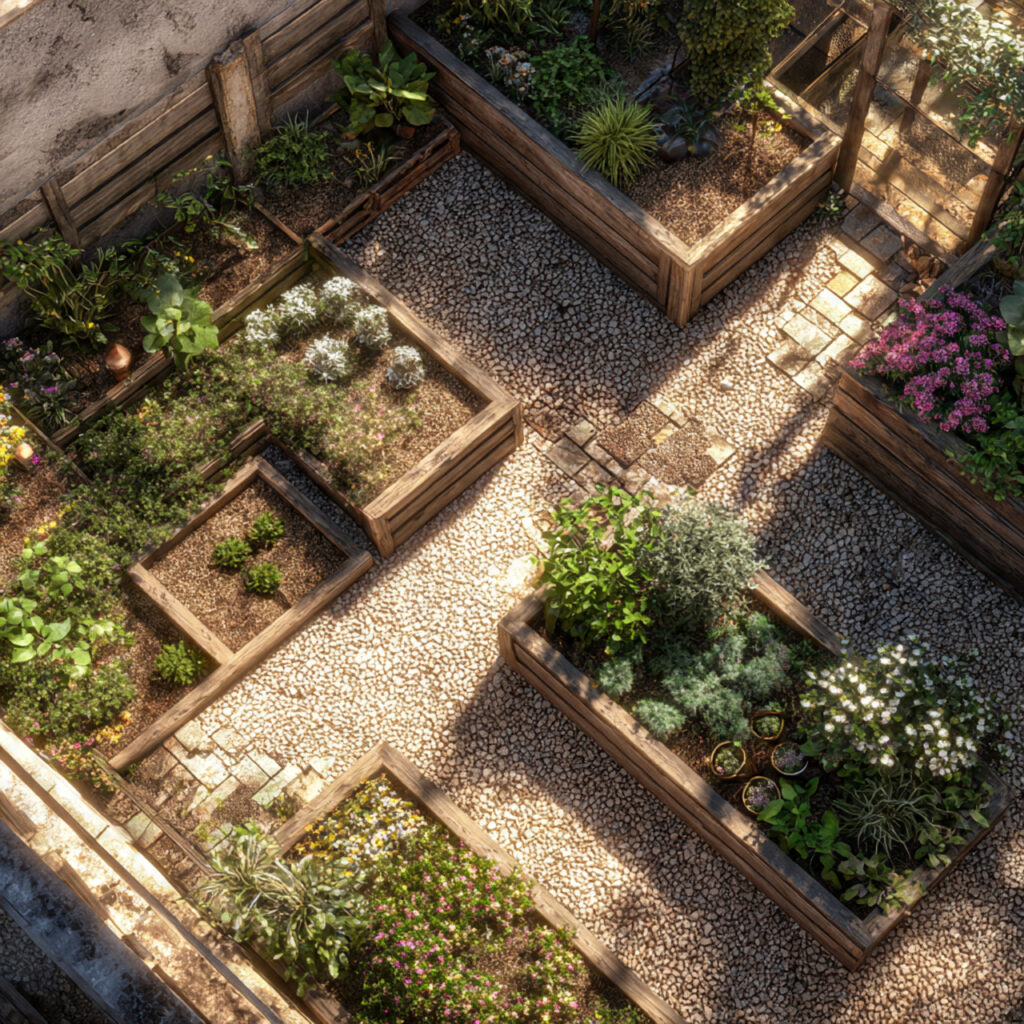
Not everything needs to be high-drama. Fill in with reliable, low-maintenance plants that just do their thing.
Low-maintenance favorites:
- Hostas for shade
- Sedums for sun
- Daylilies (nearly indestructible)
- Ornamental grasses
These plants hold the garden together while you focus energy on the plants that need more attention.
Frequently Asked Questions (FAQs)
What’s the best way to start a garden layout from scratch? Measure your space, note where sun hits throughout the day, then sketch zones for different plant types. Start small with raised beds or containers.
How much space do I need between plants? Check the seed packet or plant tag—spacing varies widely. Generally, give more space than you think you need for airflow and growth.
Can I mix flowers and vegetables together? Absolutely! Companion planting actually encourages this. Flowers attract pollinators and beneficial insects that help your vegetables thrive.
How do I maintain soil fertility long-term? Add compost regularly, rotate crops annually, use mulch, and consider cover crops in off-seasons. Healthy soil is built over time.
How can I grow a garden in a really small space? Go vertical with trellises, use containers, try square-foot gardening, and choose compact varieties. Small spaces can be incredibly productive with smart planning.
Conclusion
Creating a garden layout that actually works doesn’t have to be complicated. Start with the basics—good soil, proper spacing, and thoughtful placement—then layer in the techniques that fit your space and lifestyle. Whether you’re incorporating raised beds, companion planting, vertical solutions, or just trying to keep things simple and low-maintenance, the key is planning ahead and staying consistent.
Your garden will evolve over time, and that’s okay. Each season teaches you something new. Keep notes, adjust your approach, and don’t be afraid to experiment. With patience and these practical strategies, any space—no matter how small—can become a productive, beautiful garden you’re proud to spend time in.