26 Sage Plant Secrets: Grow, Heal & Thrive Naturally
Sage is far more than a pretty herb tucked into your garden corner. This tough-as-nails shrub has captured hearts and kitchens for generations, offering everything from bold culinary flavors to time-honored healing properties. Whether you’re dreaming of fragrant garden borders or seeking fresh herbs for your next roast chicken, sage delivers on all fronts.
In this comprehensive guide, we’ll walk through some practical ways to grow, harvest, and enjoy sage in your daily life. You’ll discover tips that work whether you’re a first-time gardener or someone who’s been digging in the dirt for decades.
Why Sage Deserves a Spot in Your Garden
Sage (primarily Salvia officinalis and its cousins) belongs to the mint family and carries a name rooted in healing—the Latin word salvare literally means “to save” or “to heal.” That’s quite a legacy for one humble plant!
What makes sage special? It produces wonderfully aromatic leaves, charming flowers that pollinators adore, and maintains a hardy constitution that forgives beginner mistakes. Beyond its garden-worthiness, sage packs a nutritional punch with impressive antioxidant levels.
Quick Benefits Overview:
- Provides both fresh and dried herb options
- Thrives with minimal fuss in most climates
- Offers year-round harvest potential in mild regions
- Attracts beneficial insects while deterring pests
Starting Sage from Seed Successfully

Growing sage from seed gives you complete control over variety selection and lets you start multiple plants affordably. The process requires patience but rewards you with vigorous plants adapted to your specific growing conditions.
Step-by-Step Seed Starting:
Begin indoors 6-8 weeks before your last frost date, or sow directly outdoors once soil temperatures reach 65°F. Choose well-draining seed-starting mix and scatter seeds lightly on the surface—they need light to germinate.
Pro Tips for Success:
- Use light, sandy-loam soil that won’t compact
- Keep soil consistently moist (not soggy) during germination
- Expect sprouting in 10-21 days at 65-70°F
- Thin seedlings to the strongest once they develop 2-3 true leaves
- Provide 6+ hours of direct sunlight daily
Common Mistake to Avoid: Burying seeds too deep. Sage seeds are small and need surface contact with light to trigger germination. Simply press them gently into moist soil without covering.
Choosing the Perfect Location for Your Sage
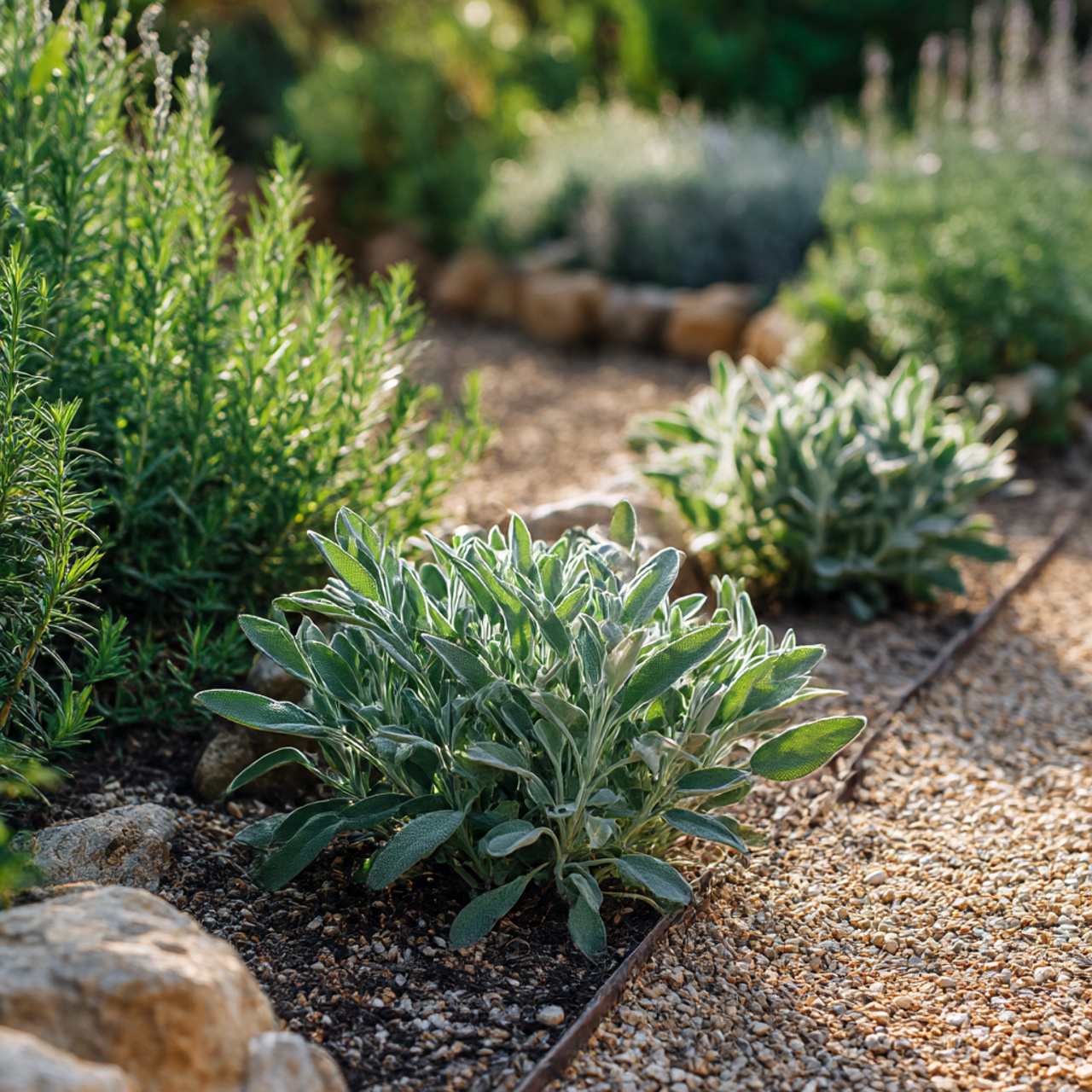
Location can make or break your sage growing experience. This Mediterranean native has specific preferences that, when met, result in robust growth and intense flavor.
Ideal Site Conditions:
Select a spot receiving at least 6 hours of full sun daily. Sage genuinely loves sunshine and develops its strongest essential oils in bright conditions. Well-drained soil is non-negotiable—sage roots absolutely hate sitting in water.
Placement Strategy:
- South-facing garden beds work beautifully
- Slightly elevated areas prevent water pooling
- Near patios or walkways lets you enjoy the fragrance
- In humid climates, ensure good air circulation
Safety Note: If you garden in particularly hot regions (zones 9-10), afternoon shade can prevent leaf scorch during peak summer heat. Monitor your plants and adjust accordingly.
Proper Pruning and Plant Maintenance

Keeping sage productive means understanding its growth patterns. Without regular maintenance, plants become leggy, woody, and less flavorful after 3-4 years.
Maintenance Schedule:
Remove spent flower stems immediately after blooming to redirect energy into leaf production. Prune back about one-third of the plant after major harvests to encourage bushier growth and prevent that lanky, bare-stemmed look.
Timing Matters:
- Light pruning: anytime during growing season
- Hard pruning: early spring before new growth
- Never prune after late summer in cold climates (limits winter hardiness)
Example Renovation: For a four-year-old sage showing woody stems and sparse leaves, cut back to 4-6 inches from the ground in early spring. This aggressive renewal often produces vigorous new growth, extending the plant’s productive life another year or two.
Harvesting at Peak Flavor
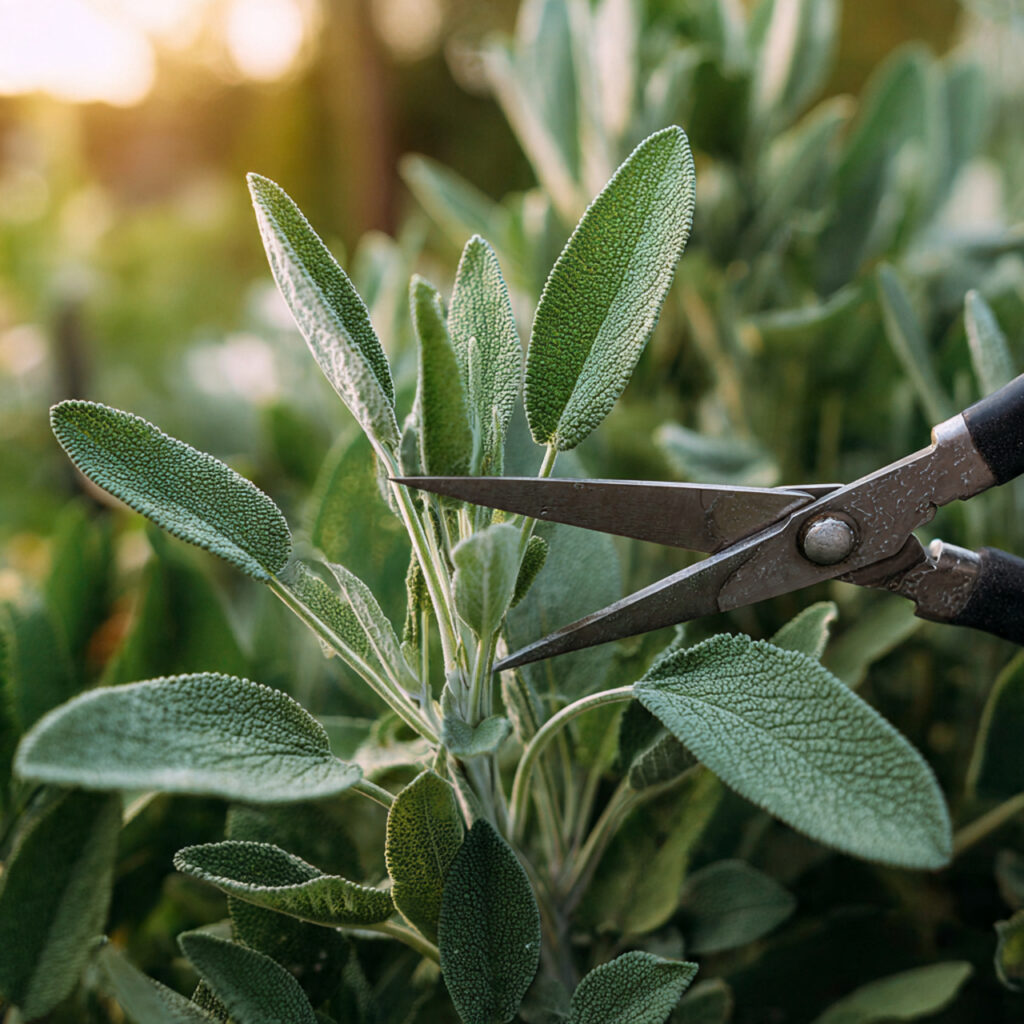
Timing transforms good sage into exceptional sage. Harvest strategically, and you’ll capture maximum flavor and aroma in every leaf.
Best Harvesting Practices:
Pick leaves in mid-morning after dew evaporates but before the day’s heat intensifies. This window captures essential oils at their most concentrated. Choose mature leaves from the middle sections of stems—they offer the best flavor balance.
Harvest Guidelines:
- First-year plants: Light harvesting only (builds root strength)
- Established plants: Remove up to one-third at a time
- Avoid harvesting during flowering for best leaf quality
- Use clean, sharp scissors or pruners
Pro Tip: Gently bruise a leaf before harvesting. The immediate fragrance tells you exactly how aromatic your final harvest will be. If the scent is weak, wait another week or two.
Drying and Storing for Long-Term Use
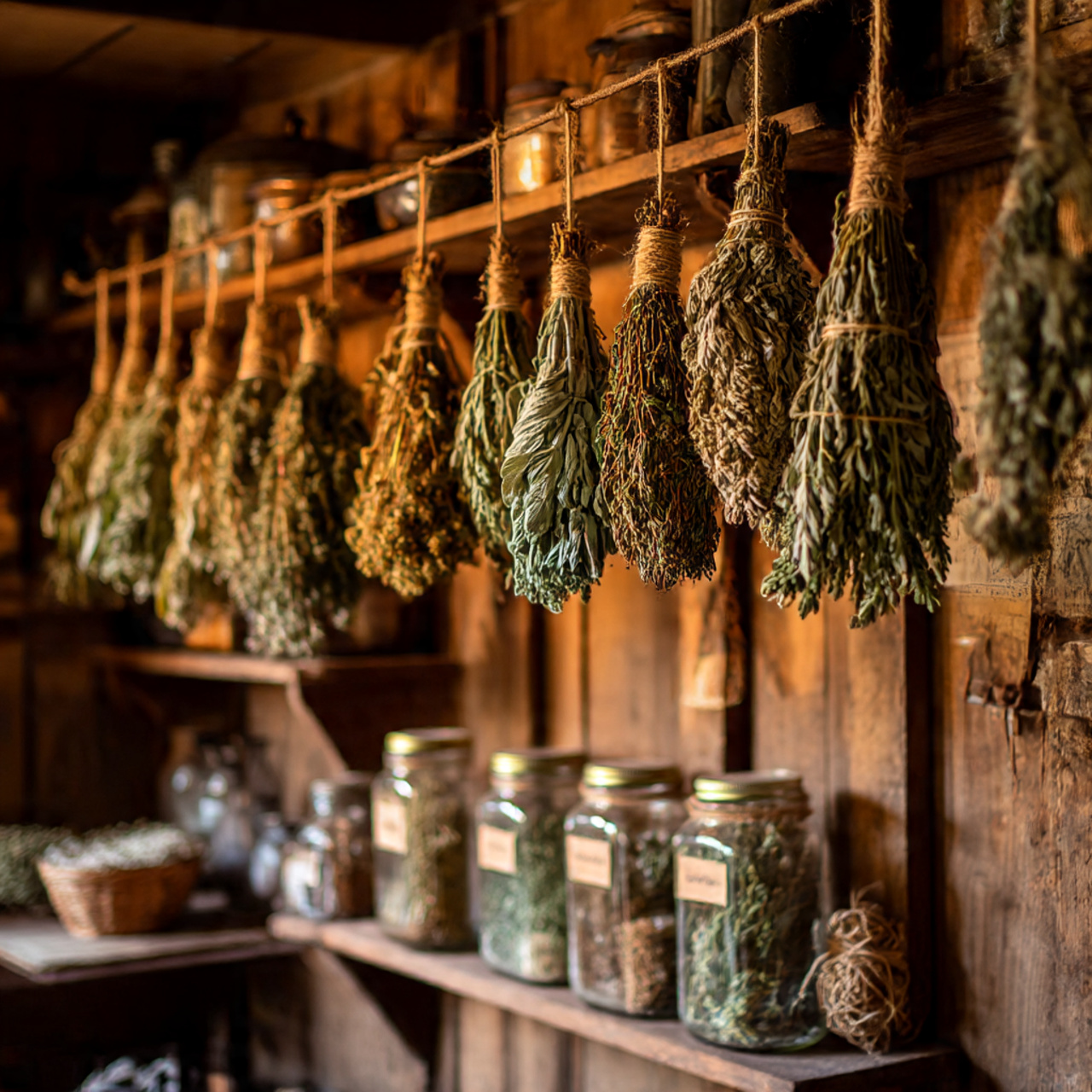
Properly dried sage retains flavor for months, giving you homegrown herbs even in winter. The key lies in drying quickly enough to prevent mold while preserving those precious volatile oils.
Drying Methods:
Bundle 5-7 stems together with twine and hang upside down in a warm, dark, well-ventilated space. A spare closet, attic, or covered porch works perfectly. Leaves should crumble easily when fully dry (typically 1-2 weeks).
Storage Best Practices:
- Strip dried leaves from stems before storing
- Use airtight glass jars or containers
- Store away from direct light and heat
- Label with variety and date
- Properly stored sage lasts 12-18 months
Avoid This Mistake: Don’t rush drying with high heat (ovens, direct sun). Temperatures above 95°F destroy essential oils, leaving you with hay-flavored sage instead of aromatic herbs.
Culinary Applications That Shine
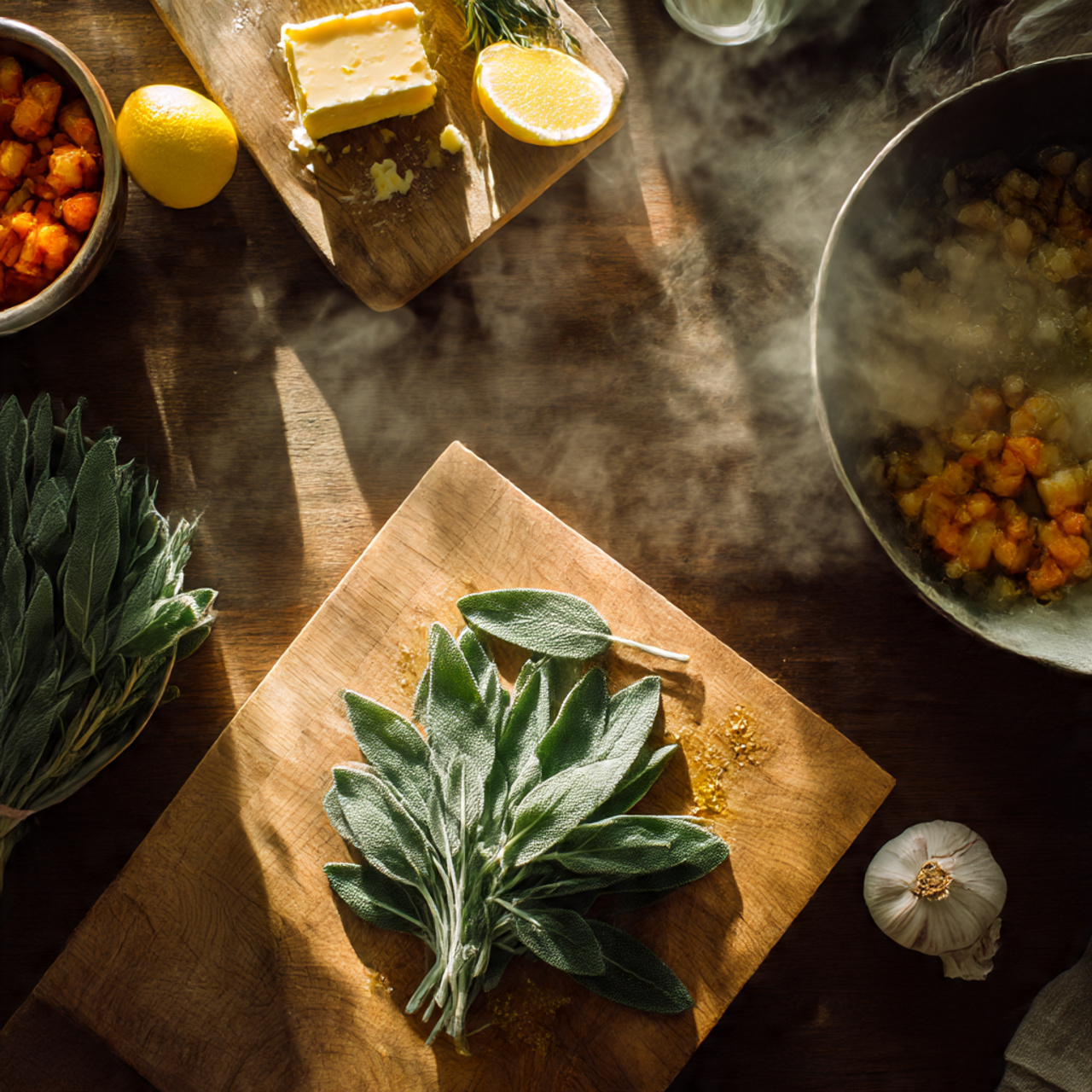
Sage brings a distinctive earthy, slightly peppery flavor with woody undertones to countless dishes. Its robust nature means a little goes a long way in the kitchen.
Classic Culinary Uses:
Brown sage leaves in butter until crispy for a traditional pasta sauce. Add whole leaves to roasting pans with chicken, pork, or root vegetables. Incorporate finely chopped fresh sage into bread doughs, stuffings, or savory scones.
Cooking Tips:
- Fresh sage: Milder, use 2-3 leaves per serving
- Dried sage: Concentrated, use 1/3 the amount of fresh
- Pairs beautifully with: butternut squash, mushrooms, white beans, pork
- Add late in cooking to preserve delicate flavor notes
Example Recipe Idea: Crispy sage and brown butter gnocchi—simply brown 15-20 sage leaves in butter until they curl and crisp, toss with cooked gnocchi, add parmesan and cracked pepper.
Understanding Health Benefits
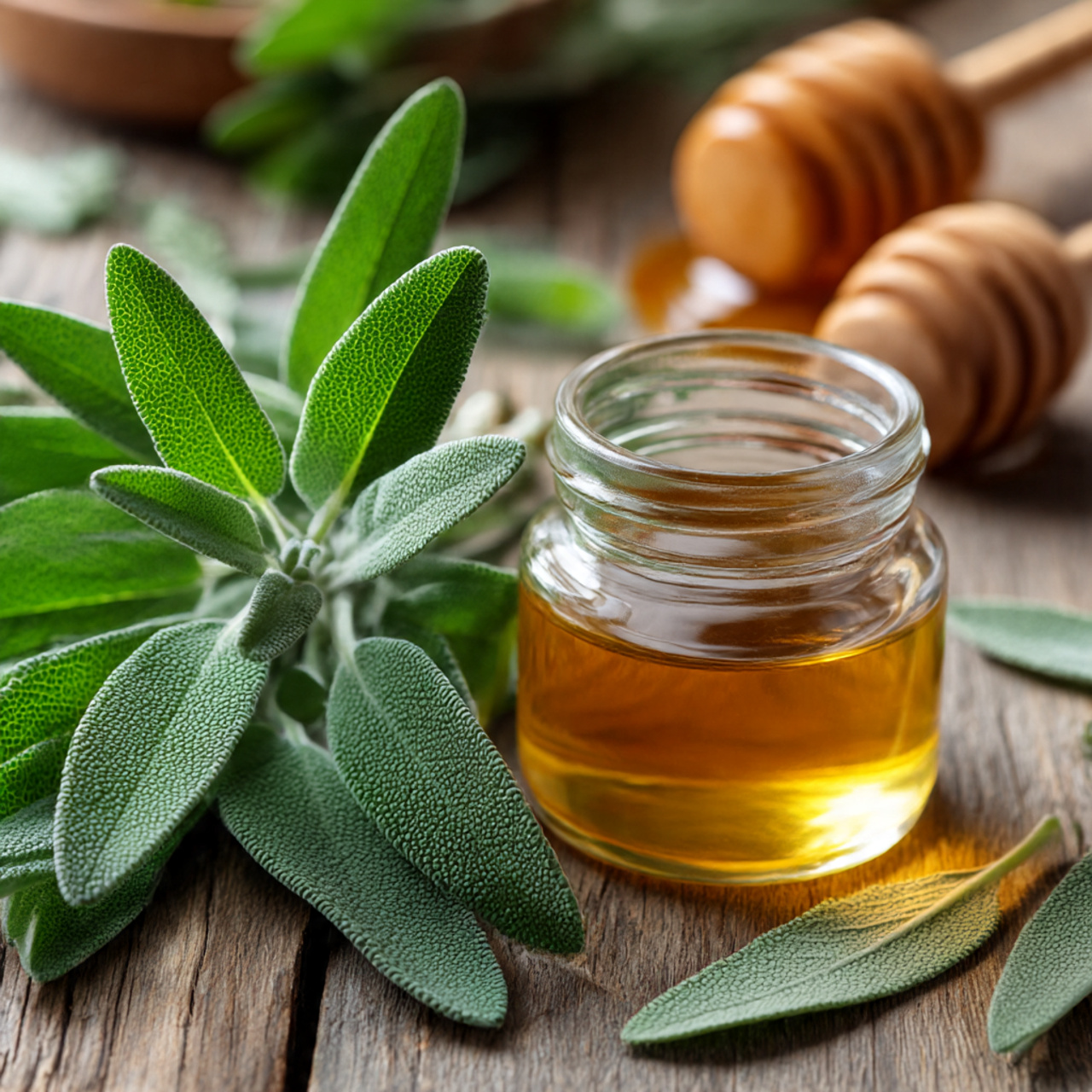
Sage has earned its reputation as a healing herb through centuries of traditional use, now supported by modern research exploring its bioactive compounds.
Science-Backed Properties:
Studies indicate sage contains powerful antioxidants, anti-inflammatory compounds, and antimicrobial properties. The polyphenols and flavonoids in sage may support cognitive function, oral health, and blood sugar management.
Important Health Considerations:
- Research shows promise but human clinical trials remain limited
- Should complement, never replace, medical treatment
- Essential oil is highly concentrated—use cautiously
- Not recommended during pregnancy or while nursing
- Always consult healthcare providers before therapeutic use
Tip: If exploring sage for health purposes, start with culinary amounts in food or gentle tea preparations rather than concentrated supplements.
Ornamental Garden Appeal
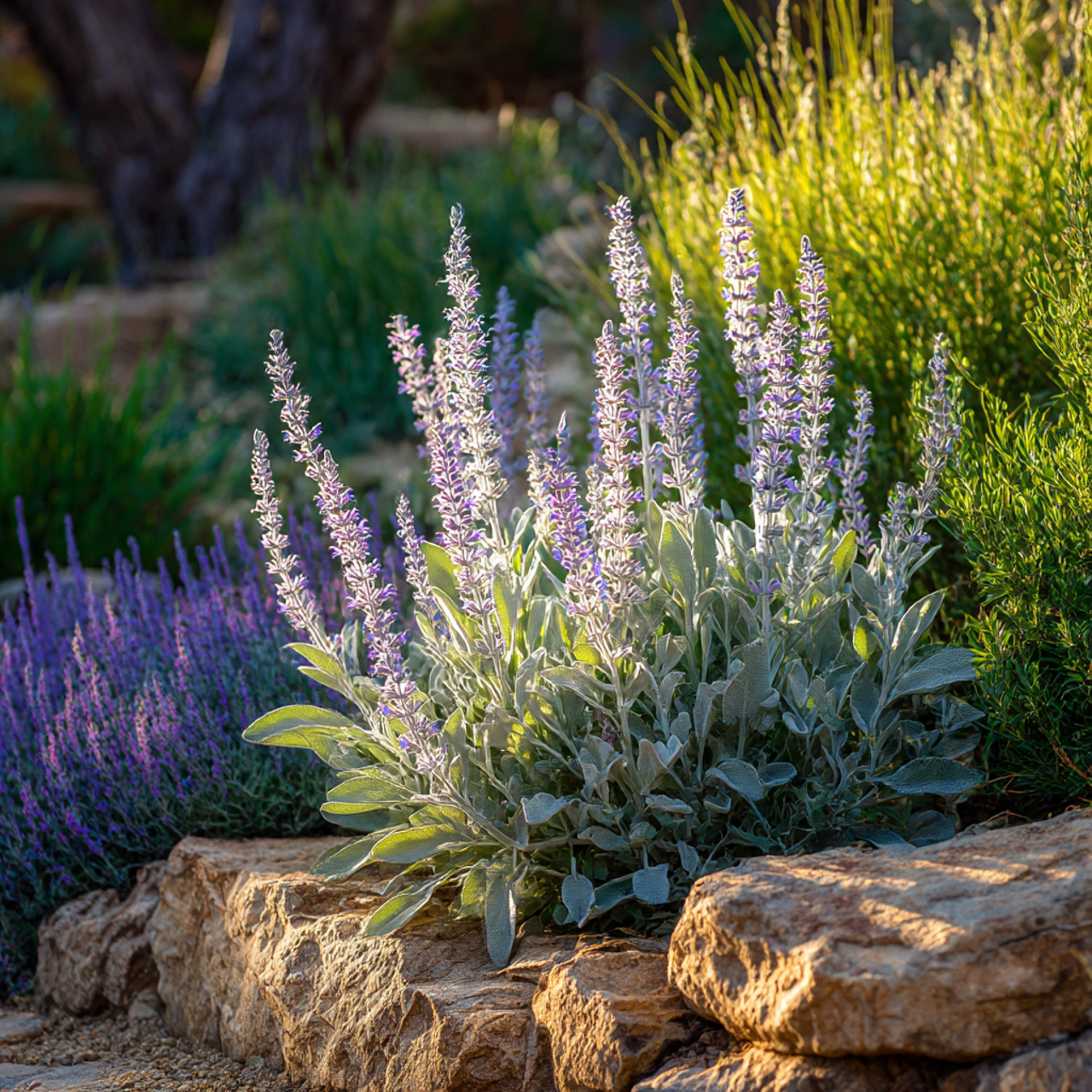
Beyond utility, sage earns its place as a stunning ornamental plant. The silvery-green foliage and purple-blue flower spikes create textural interest from spring through fall.
Design Applications:
Sage’s mounded form and soft foliage color provide perfect contrast against bold flowering perennials. The plant maintains structure even in winter in mild climates, offering year-round visual interest.
Garden Pairing Ideas:
- Combine with yellow coreopsis or black-eyed Susans
- Edge pathways with compact varieties
- Mix into rock gardens with sedums and lavender
- Use in cottage gardens alongside roses and catmint
Design Tip: Plant sage in groups of 3 or 5 for greater visual impact. Single specimens can look lost, while clusters create purposeful focal points.
Companion Planting Strategies
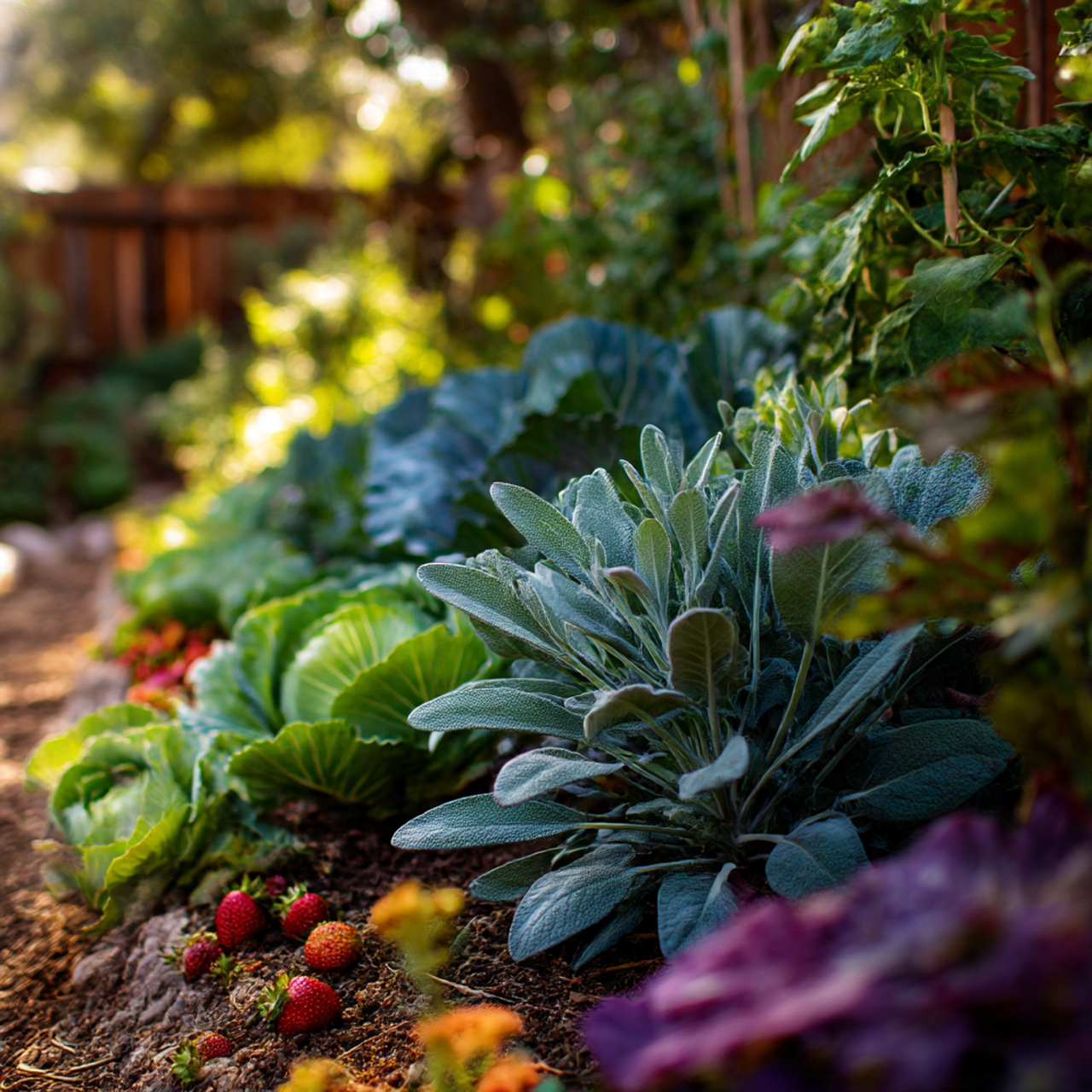
Sage makes an excellent garden neighbor, offering pest protection while attracting beneficial insects. Strategic placement amplifies these effects throughout your growing space.
Smart Companion Combinations:
Plant sage near brassicas (cabbage, broccoli, kale) to deter cabbage moths. Position near strawberry patches to reduce slug damage. Interplant with carrots to repel carrot flies.
Companion Planting Benefits:
- Fragrant oils confuse pest insects
- Flowers attract predatory wasps and bees
- Provides living mulch around taller vegetables
- Shared water requirements simplify irrigation
Avoid These Pairings: Don’t plant sage near moisture-loving herbs like basil or cilantro. The conflicting water needs stress both plants and create maintenance headaches.
Propagating Through Cuttings
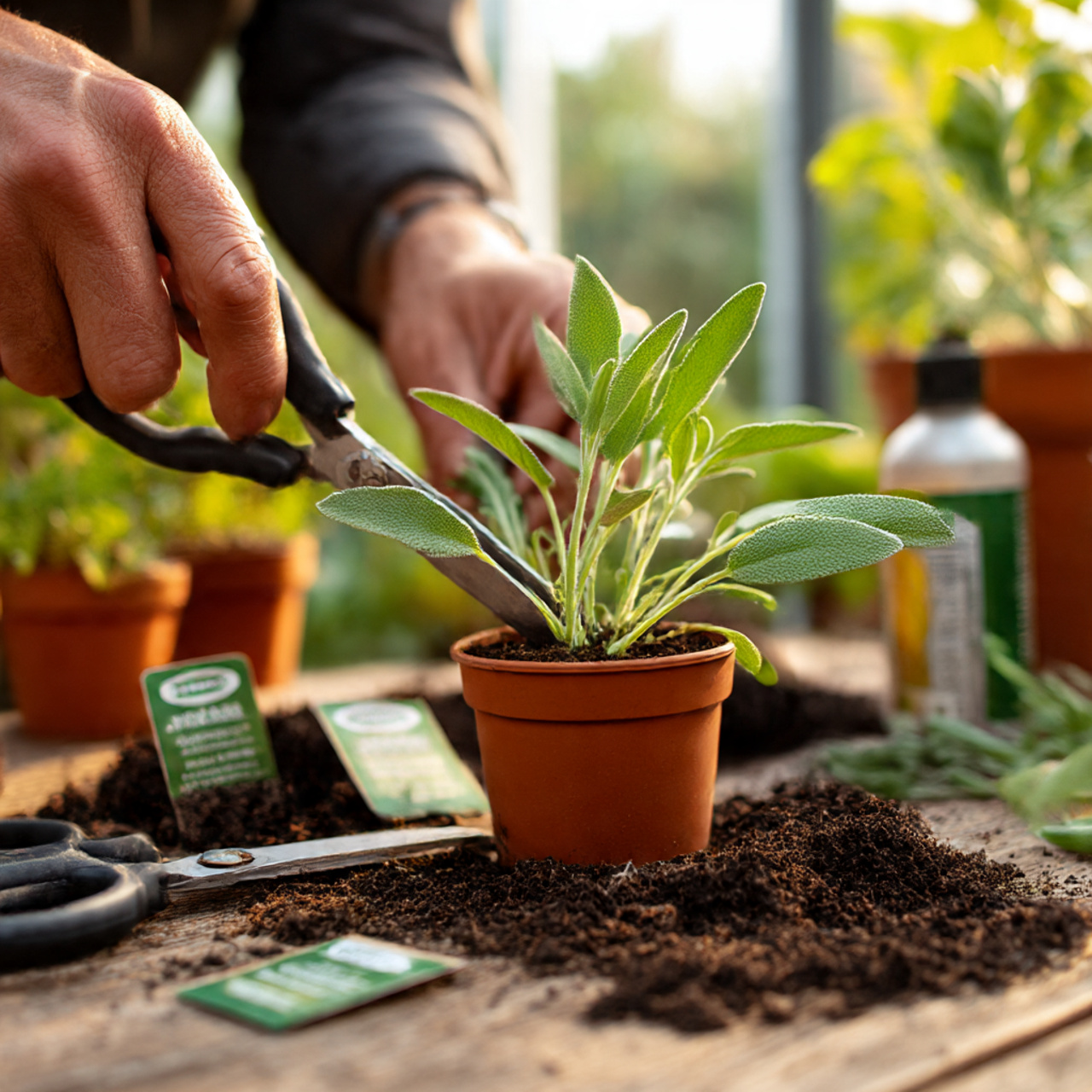
Stem cuttings offer the fastest, most reliable way to multiply your sage collection. You’ll create genetic clones that maintain all the parent plant’s desirable characteristics.
Propagation Process:
Select healthy, non-flowering stems in late spring or early summer. Cut 4-6 inch sections just below a leaf node. Remove lower leaves, leaving just 2-3 at the tip. Insert into moist vermiculite, perlite, or seed-starting mix.
Success Steps:
- Keep medium consistently moist but not waterlogged
- Provide bright, indirect light (no direct sun)
- Expect root formation in 3-4 weeks
- Transplant once roots reach 1-2 inches long
Tip: Dip cutting ends in rooting hormone powder to increase success rates, especially with woody sage varieties that root more slowly.
Preventing Common Growing Problems
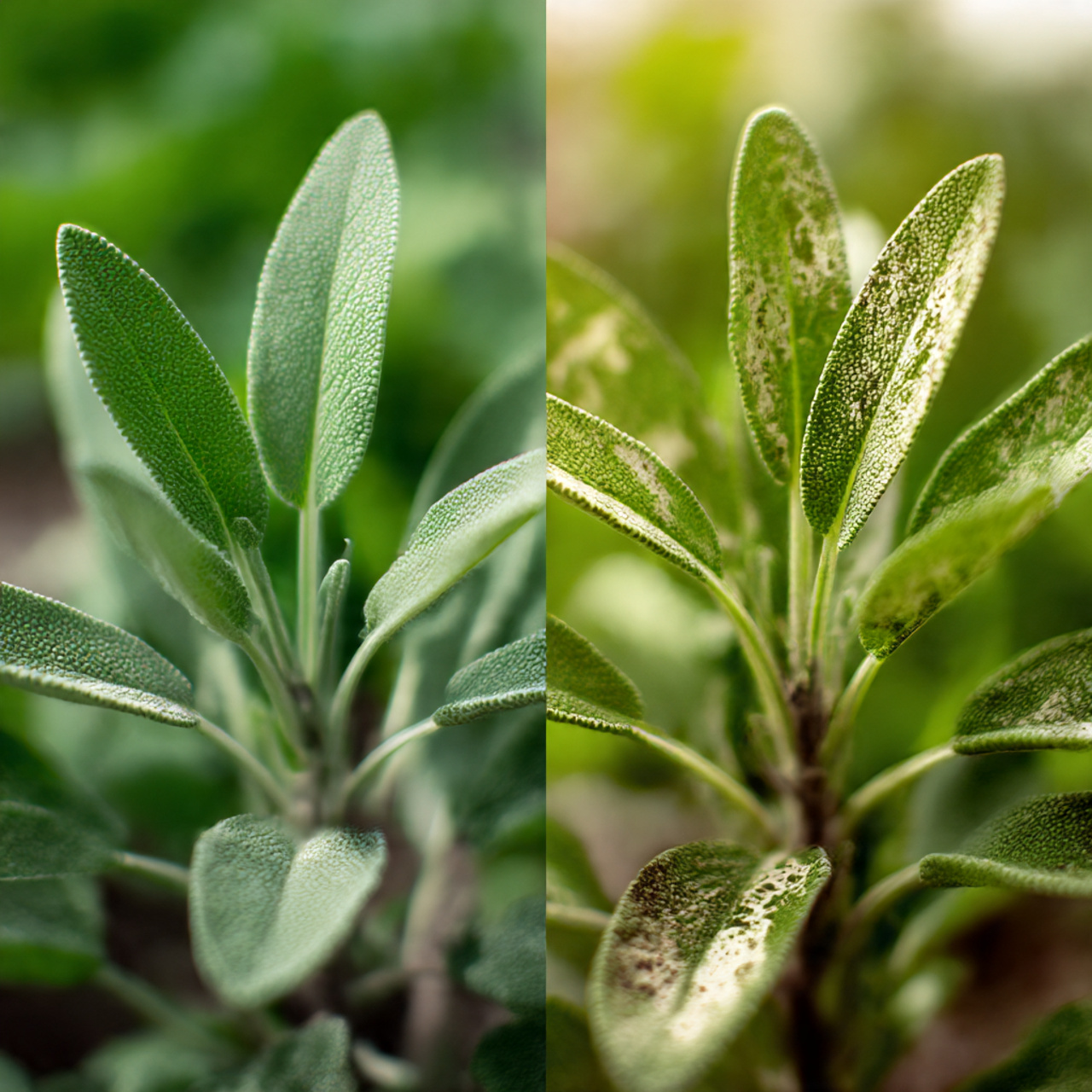
While sage tolerates neglect better than most herbs, certain issues can derail even established plants. Prevention beats treatment every time.
Top Problems and Solutions:
Overwatering causes root rot and fungal diseases more than any other issue. Sage evolved in dry Mediterranean climates—honor those origins. Ensure soil dries between waterings and never let plants sit in saucers of water.
Preventive Measures:
- Inspect weekly for powdery mildew or rust
- Ensure 12-18 inch spacing for airflow
- Avoid overhead watering (wets foliage)
- Remove dead leaves promptly
- Replace plants every 3-4 years for vigor
Warning Sign: If stems turn brown and soft at soil level, root rot has likely started. Remove affected plants immediately to prevent spread to neighbors.
Creating Essential Oils and Aromatics

Sage’s aromatic compounds make it valuable beyond the kitchen. While commercial essential oil production requires specialized equipment, you can create infusions and potpourri at home.
Home Extraction Options:
Harvest leaves just before flowering when oil content peaks. Create infused oils by covering fresh sage leaves with carrier oil (olive, jojoba) and letting steep for 4-6 weeks in a cool, dark place. Strain and use in homemade soaps, salves, or room sprays.
Aromatic Uses:
- Add dried leaves to sachets for drawers
- Include in homemade potpourri blends
- Steep in witch hazel for facial toner
- Bundle dried stems for natural air fresheners
Safety Reminder: Never ingest essential oils. Topical applications should always be diluted—undiluted sage oil can irritate skin.
Crafting Herb Blends and Rubs
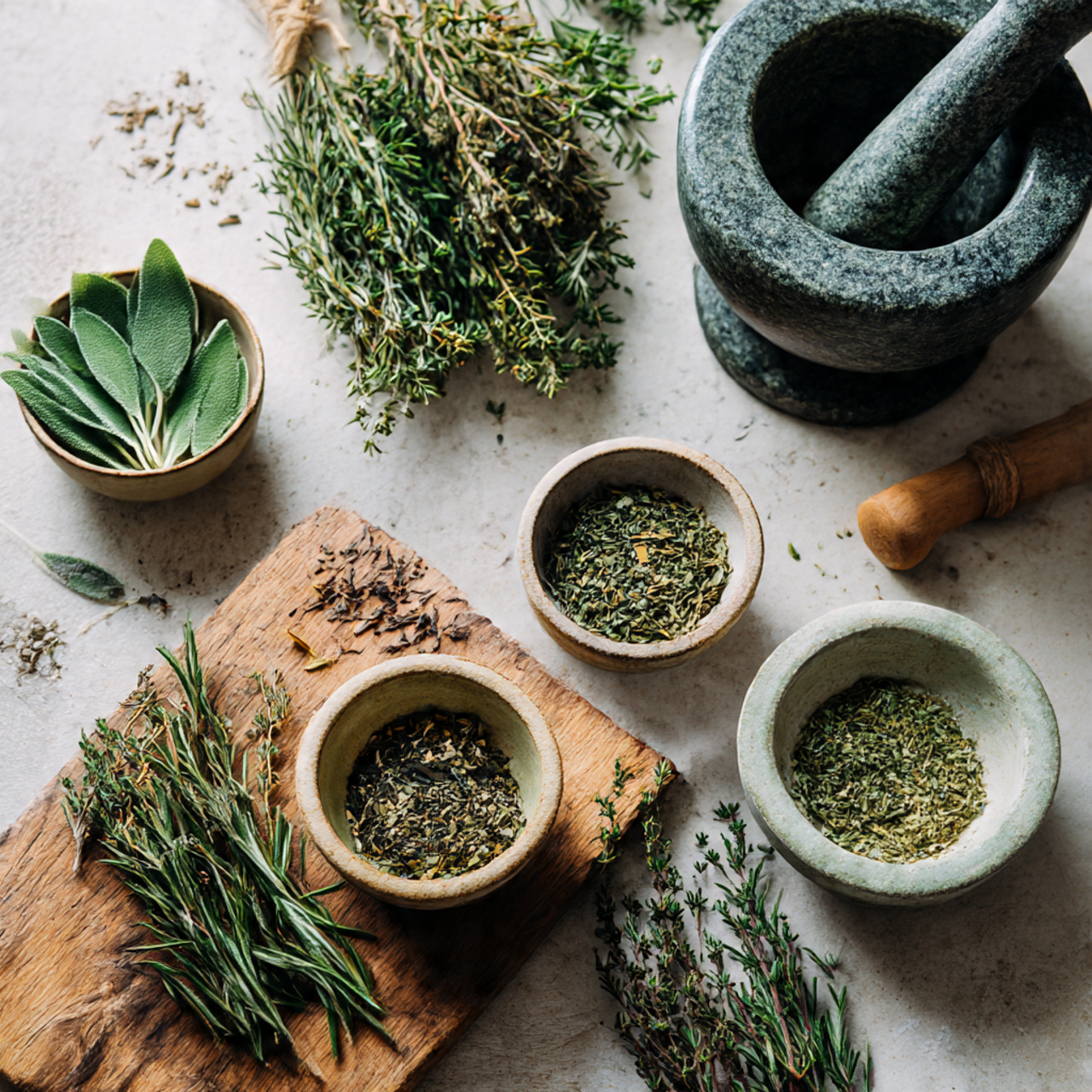
Sage’s assertive personality makes it a star player in seasoning blends. Combining it thoughtfully with complementary herbs creates signature flavors.
Blend Inspiration:
Mix finely chopped sage with softened butter, minced garlic, and lemon zest for compound butter. Combine dried sage with thyme, rosemary, and marjoram for poultry seasoning. Blend with fennel seeds and black pepper for pork rubs.
Blending Guidelines:
- Sage dominates—use sparingly (10-20% of total blend)
- Pairs with: rosemary, thyme, oregano, marjoram
- Contrasts nicely with: lemon, garlic, onion
- Works in both wet marinades and dry rubs
Example Blend: Classic Thanksgiving stuffing seasoning—2 parts sage, 1 part thyme, 1 part marjoram, ½ part black pepper. Store in airtight containers for up to 6 months.
Preservation Methods Beyond Drying
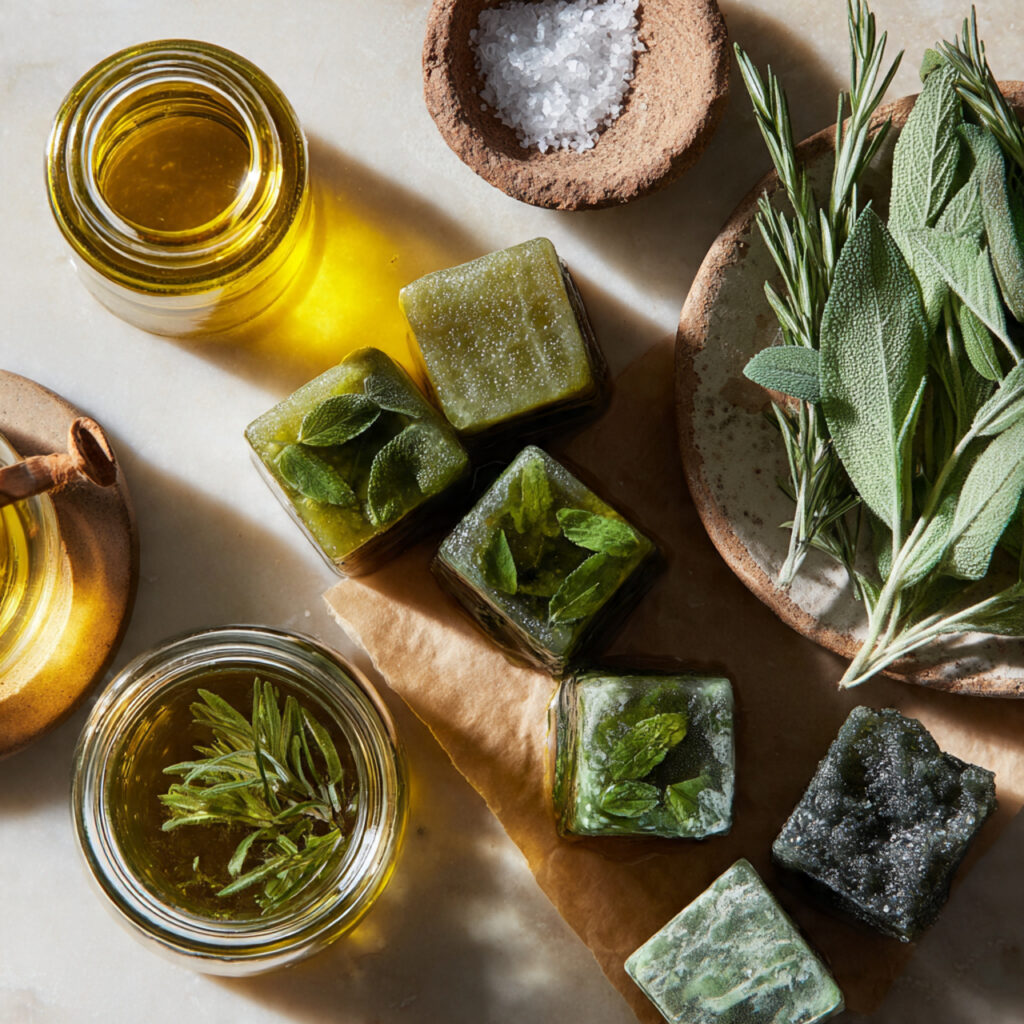
Maximize your sage harvest with multiple preservation techniques. Each method suits different culinary applications.
Freezing for Fresh Flavor:
Chop fresh sage leaves and pack into ice cube trays. Cover with olive oil or melted butter and freeze. Pop out cubes as needed for sautés and sauces—they maintain fresh flavor better than dried sage for cooked applications.
Alternative Preservation:
- Freeze whole leaves on parchment, then bag
- Layer leaves in salt for salt-preserved sage
- Make sage-infused vinegar
- Create herb pastes with oil and garlic
Labeling Tip: Always note the preservation date and method. Frozen sage maintains quality for 6-8 months, while dried lasts 12-18 months.
Brewing Herbal Tea and Infusions
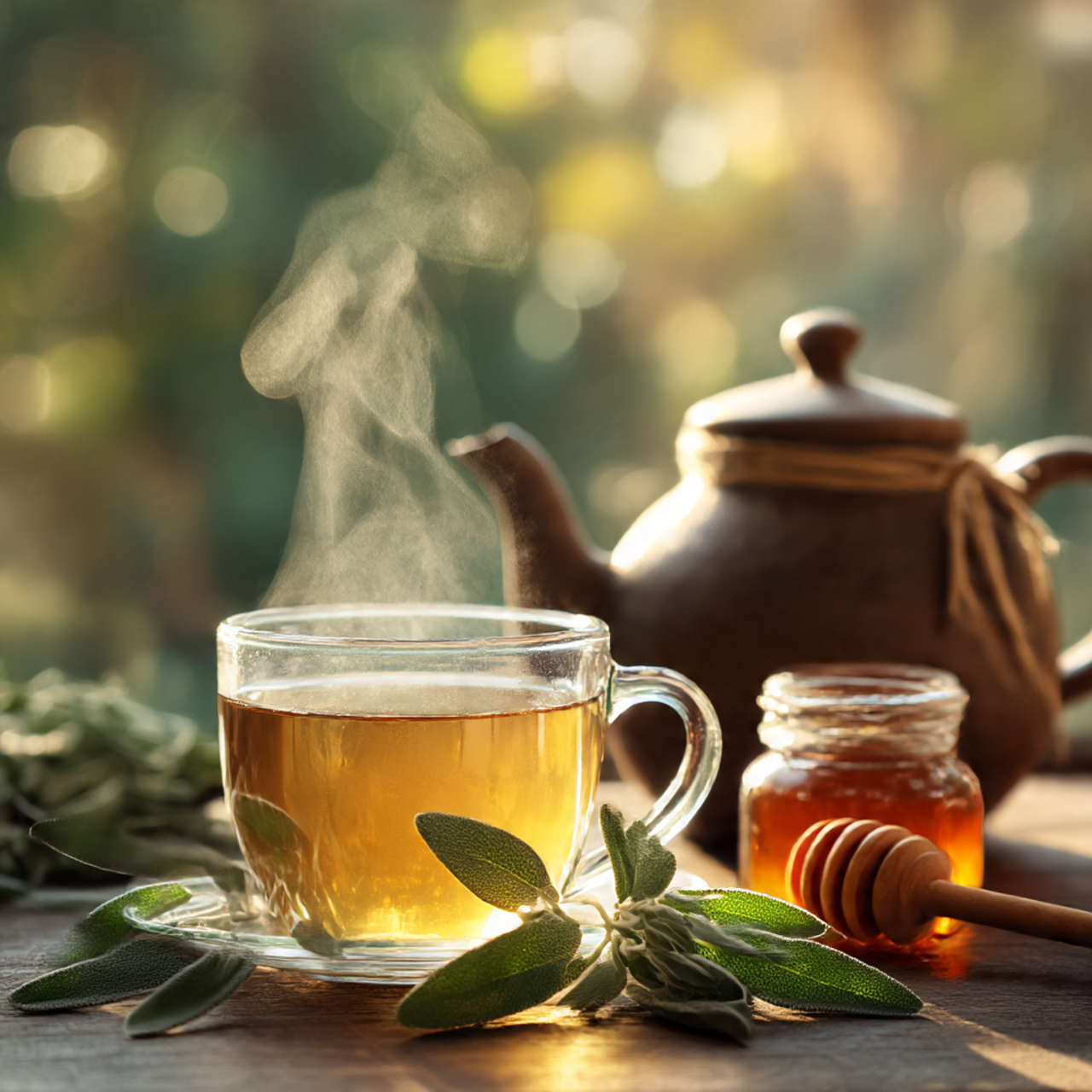
Sage tea offers soothing aromatherapy benefits and may ease minor throat discomfort or digestive upset. The ritual of preparing herbal tea also provides mindful moments in busy days.
Tea Preparation:
Use 1 teaspoon dried sage leaves or 2-3 fresh leaves per 8-ounce cup. Pour just-boiled water over leaves and steep covered for 5-7 minutes. Strain and enjoy plain or with honey and lemon.
Tea Tips:
- Don’t over-steep—bitterness increases after 10 minutes
- Blend with peppermint or lemon balm for variety
- Sweeten with raw honey to soothe throats
- Serve warm or iced depending on season
Caution: Limit sage tea to 1-2 cups daily. Excessive consumption of concentrated sage preparations may have side effects due to thujone content.
Historical and Cultural Significance
Sage carries deep cultural roots extending back millennia. Understanding this heritage adds meaning to every plant you grow.
Traditional Reverence:
Medieval monks cultivated sage in monastery gardens, believing it promoted longevity. Ancient Romans used it ceremonially and medicinally. Various cultures burned sage for purification rituals (though culinary Salvia officinalis differs from ceremonial white sage).
Cultural Connections:
- Greek physicians prescribed it for various ailments
- English proverb: “He who would live for aye, must eat sage in May”
- Associated with wisdom, protection, and healing
- Featured in traditional wedding ceremonies
Modern Meaning: Growing sage today connects you to centuries of gardeners who valued this plant’s gifts. You’re continuing a living tradition that spans continents and generations.
Skincare and Bath Applications
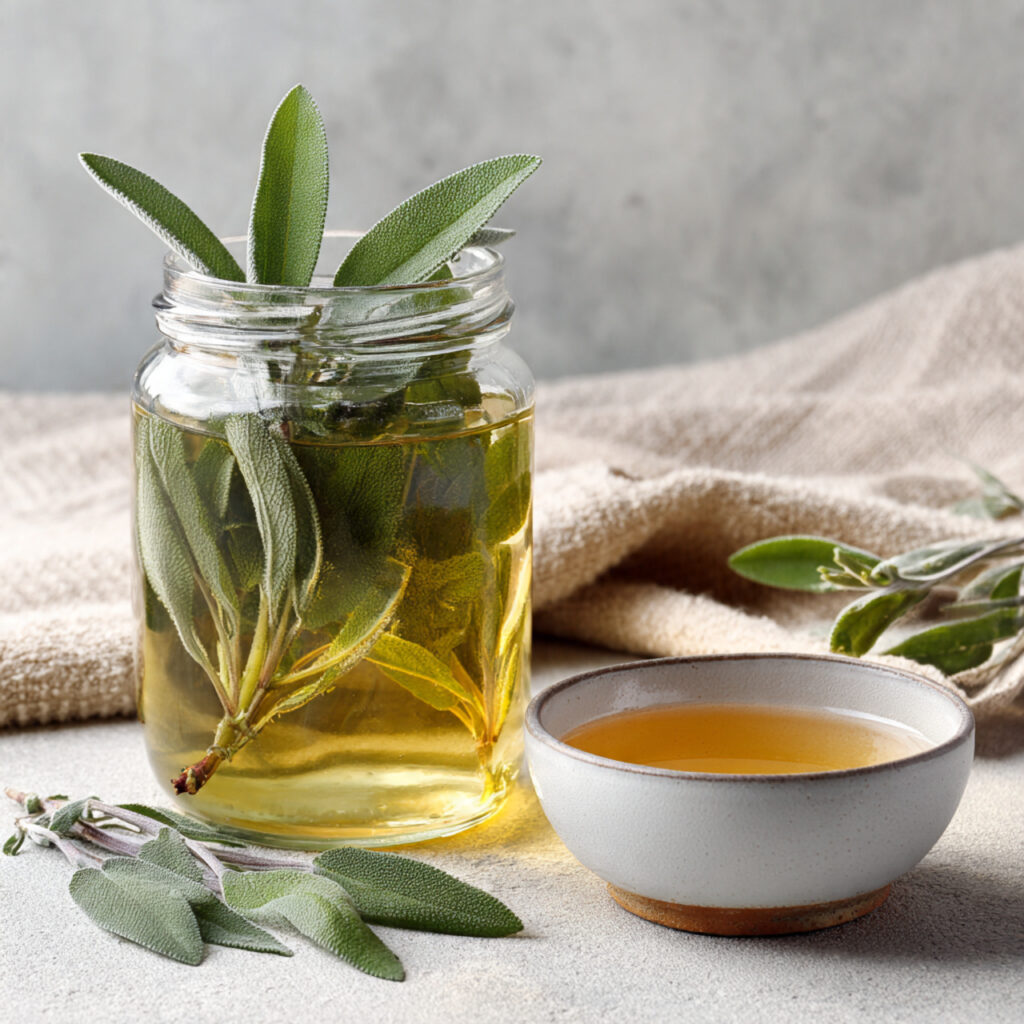
Sage’s astringent properties and antioxidant content make it useful for natural skincare, particularly for oily or acne-prone skin.
DIY Skincare Uses:
Steep a handful of fresh sage leaves in 2 cups of just-boiled water. Cool completely and use as a toning facial rinse. Add strong sage tea to bathwater for an aromatic, skin-refreshing soak. Create hair rinses to address oily scalp issues.
Application Guidelines:
- Always patch test before full application
- Dilute appropriately—never apply essential oil directly
- Discontinue if irritation occurs
- Best suited for oily skin types
Safety Measure: Those with sensitive skin should skip topical sage applications or dilute heavily. The potent oils can trigger reactions in some individuals.
Winter Garden Interest
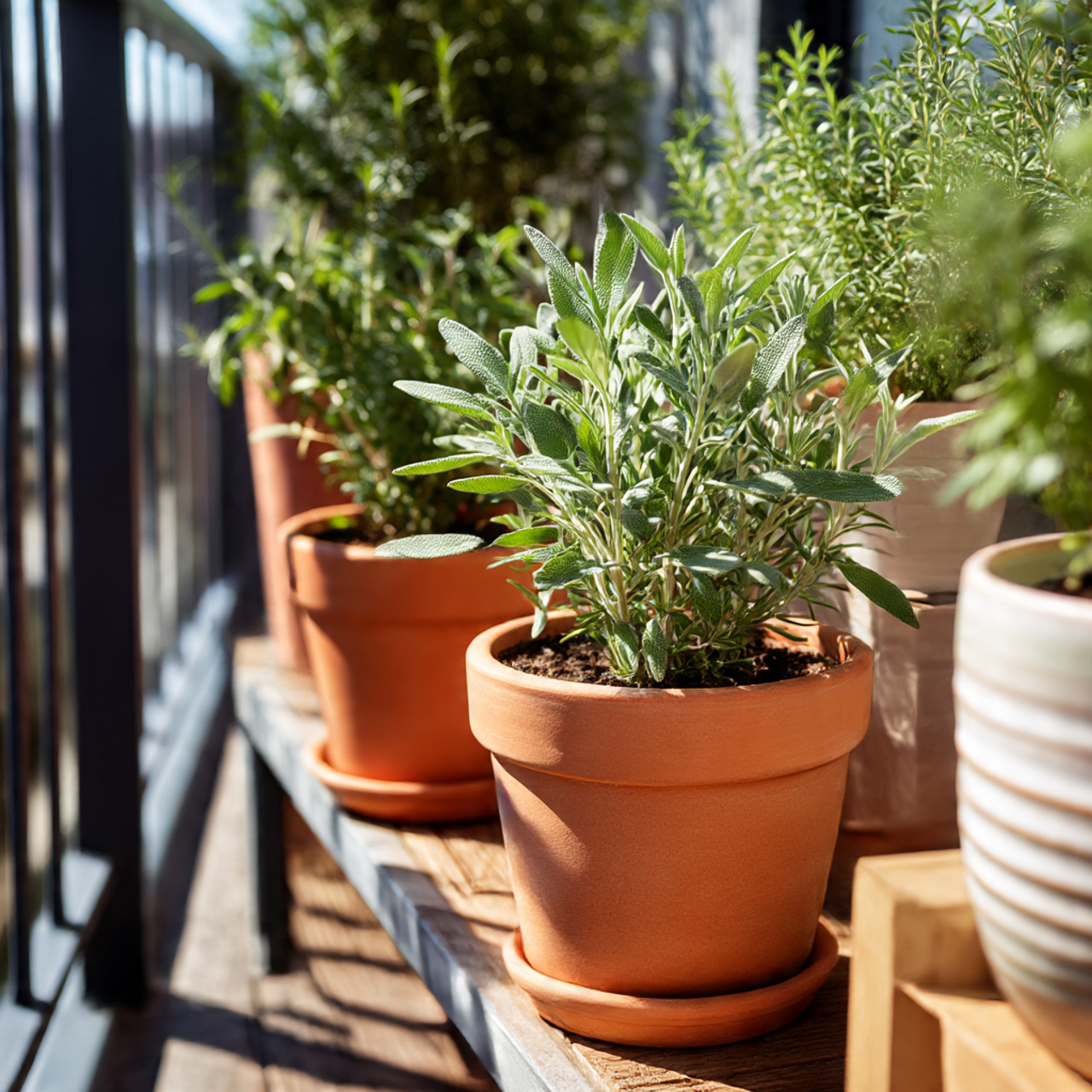
Sage earns its keep in winter landscapes when many herbs have disappeared completely. Its evergreen to semi-evergreen nature provides structure during dormant months.
Cold Season Value:
In zones 5-8, sage may maintain foliage through mild winters, offering silvery color against snow or bare earth. Even when top growth dies back, the woody framework creates interesting silhouettes.
Winter Garden Tips:
- Leave seed heads for bird food
- Mulch lightly in severe cold zones
- Avoid heavy pruning before winter
- In zone 9+, harvest continues year-round
Design Advantage: Sage’s muted tones complement winter bloomers like hellebores and contrast beautifully with evergreen conifers.
Container Growing Success
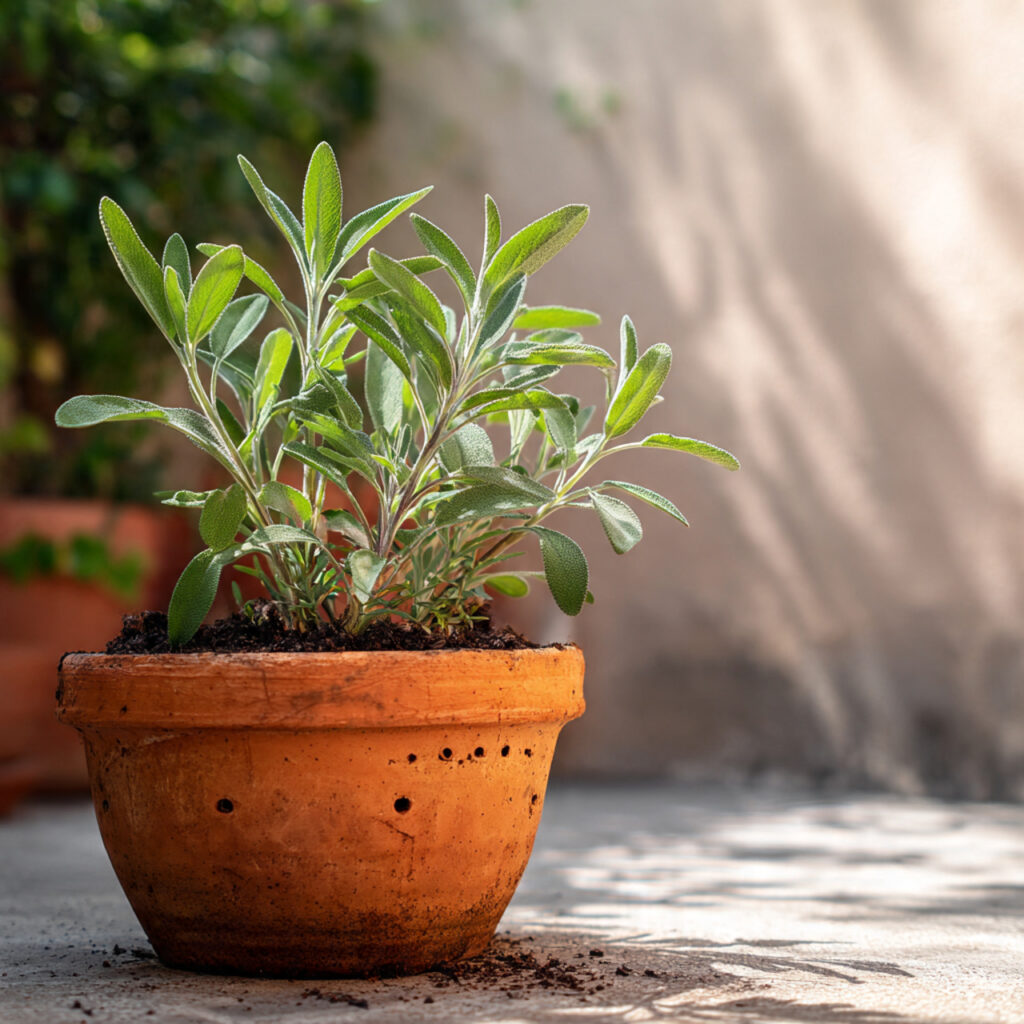
Limited space? No problem. Sage thrives in containers when you meet its basic requirements of excellent drainage and ample sunlight.
Container Specifications:
Choose pots at least 12 inches deep and wide with multiple drainage holes. Use quality potting mix amended with perlite or sand for extra drainage. Terra cotta pots work wonderfully as they breathe and prevent overwatering.
Container Care:
- Water only when top 2 inches of soil dry out
- Fertilize monthly during growing season (half-strength)
- Move indoors before first frost in cold climates
- Repot every 2-3 years to refresh soil
Mobility Advantage: Containers let you chase the sun, move plants to protected areas during weather extremes, or bring them indoors for winter harvesting.
Enhancing Plant-Based Cooking
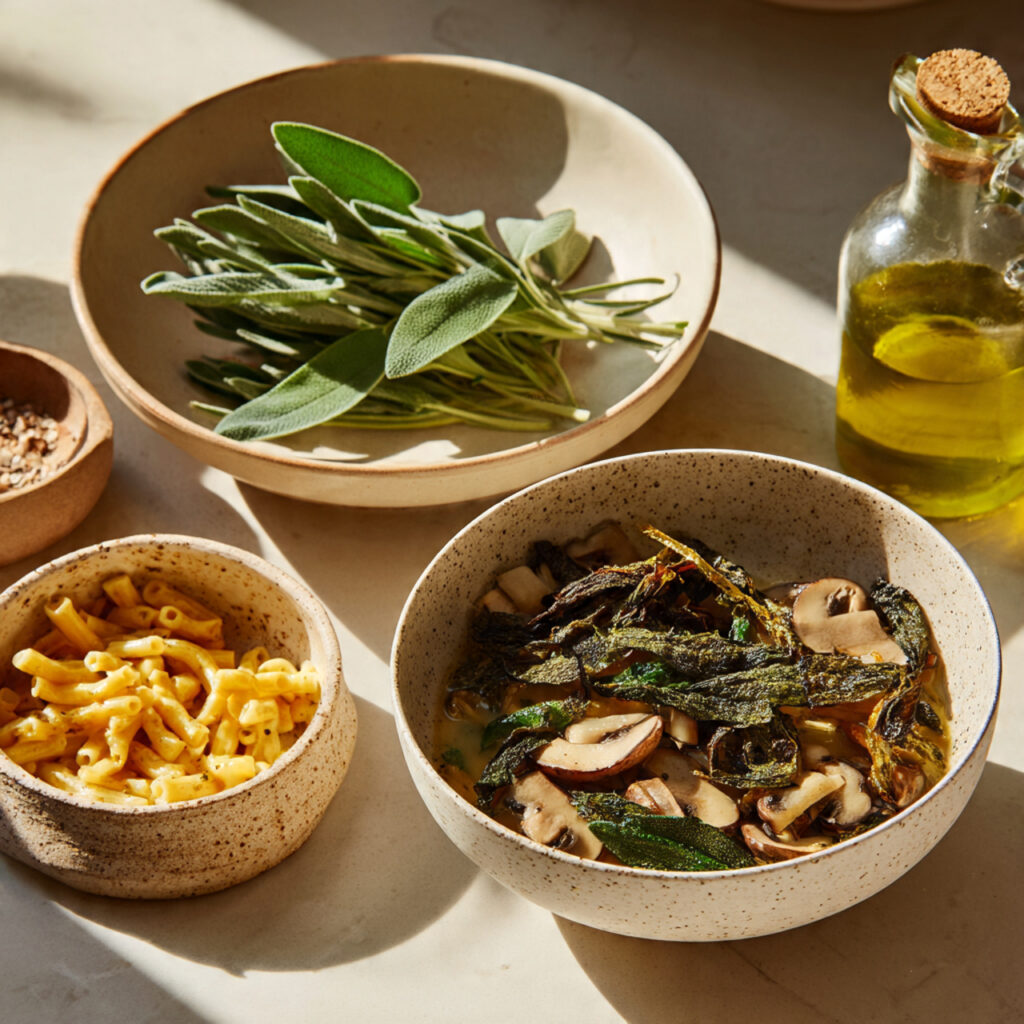
Sage brings incredible depth to vegetarian and vegan dishes, adding savory complexity that makes meatless meals supremely satisfying.
Vegetarian Applications:
Fry whole sage leaves until crispy as a crunchy garnish for grain bowls. Infuse olive oil with sage for pasta dishes. Add to white bean soups, lentil stews, or mushroom risottos for earthy richness.
Flavor Pairing Ideas:
- Roasted butternut squash with browned sage butter
- Mushroom and sage galette
- White bean and sage soup
- Sage pesto with walnuts and nutritional yeast
Cooking Tip: Sage’s robust flavor complements umami-rich ingredients like mushrooms, miso, and nutritional yeast—making it perfect for building flavor in plant-forward cooking.
Managing Overgrown Plants
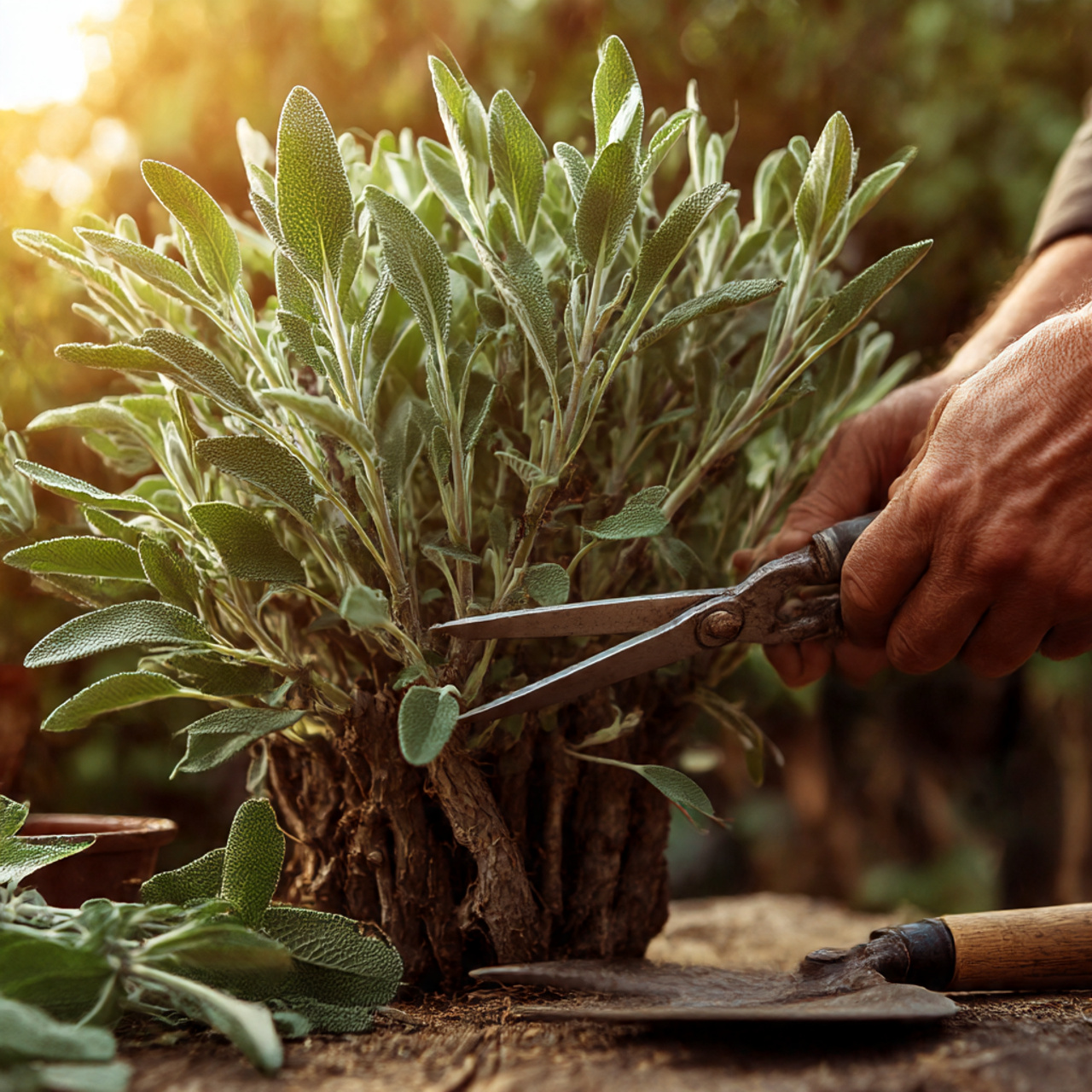
Even the best-kept sage eventually becomes woody and less productive. Recognizing when to rejuvenate or replace ensures continuous harvests.
Renewal Strategies:
For plants showing bare, woody stems and sparse foliage, try hard pruning in early spring—cut back to 4-6 inches. This often stimulates fresh growth. If plants don’t respond or are 4+ years old, replacement makes more sense than rehabilitation.
Replacement Timing:
- Best done in spring or early fall
- Take cuttings from old plant before removal
- Amend soil with compost before replanting
- Consider a different variety for interest
Smart Move: Keep young plants coming through regular propagation. This way, you always have vigorous replacements ready when older specimens decline.
Visit Also: Indoor plants decor
Natural Pest Deterrent Properties
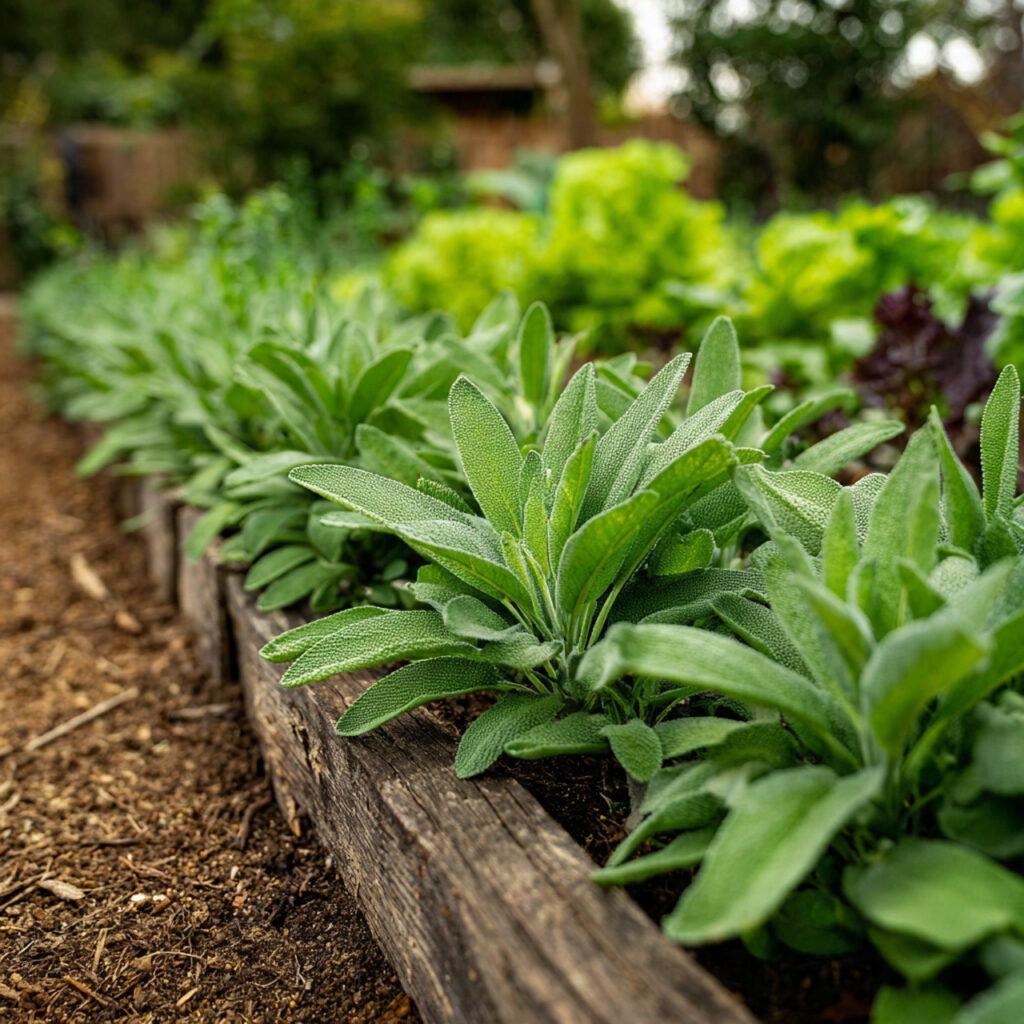
Sage’s aromatic oils don’t just smell wonderful to us—many garden pests find them genuinely repellent. This makes sage a valuable protective plant.
Pest Protection Strategy:
Position sage around vegetable beds, rose gardens, or other pest-prone areas. The scent creates an invisible barrier that confuses and deters insects like cabbage moths, carrot flies, and aphids.
Protection Benefits:
- Works passively without intervention
- Doesn’t harm beneficial insects
- Attracts predatory insects that eat pests
- Adds beauty while protecting neighbors
Placement Tip: Create sage borders around vegetable beds for maximum protective effect. Space plants 18-24 inches apart for continuous scent coverage.
Optimal Herb and Vegetable Pairings
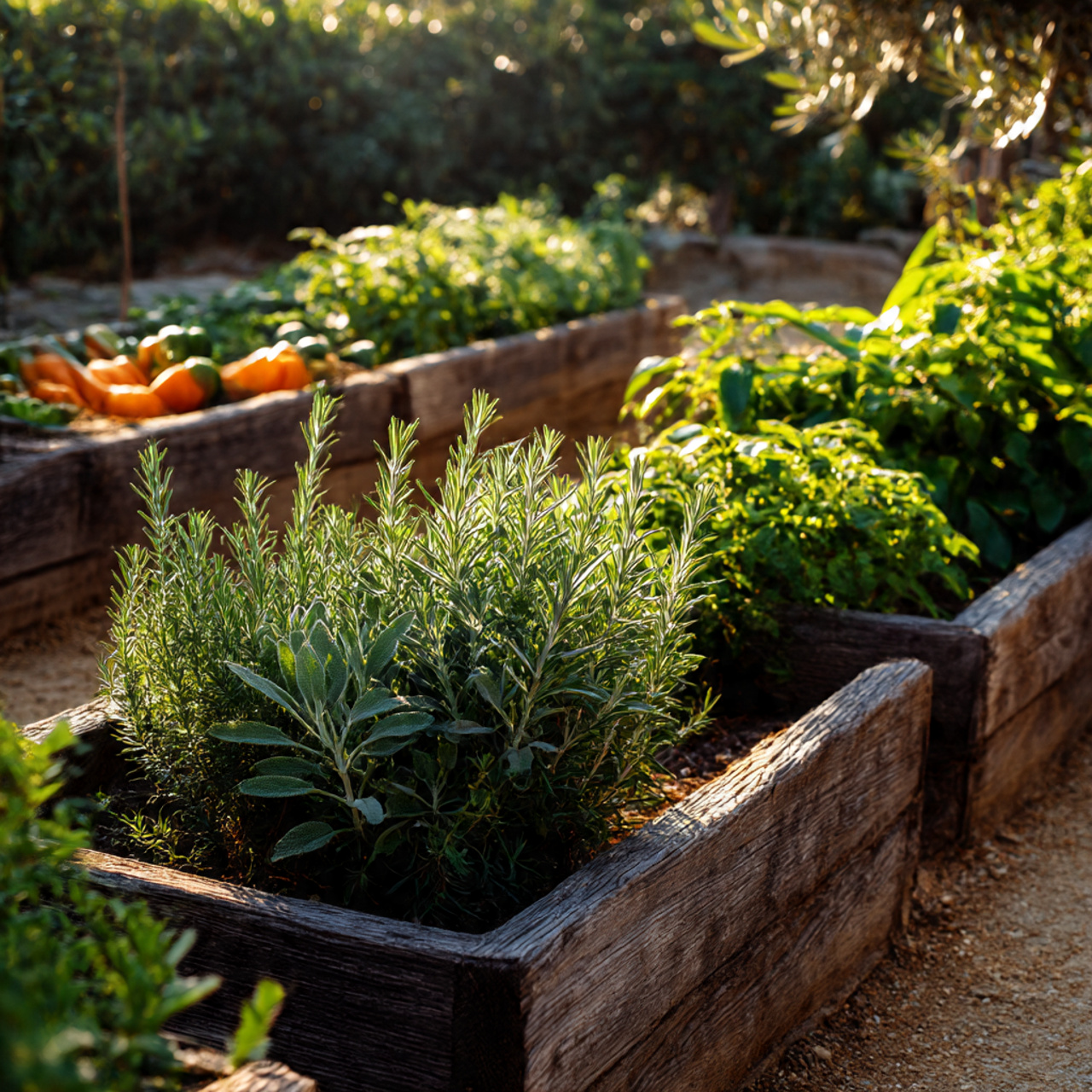
Matching sage with compatible plant neighbors creates thriving garden communities where everyone benefits from shared growing conditions.
Compatible Partners:
Sage thrives alongside rosemary, thyme, oregano, and lavender—all Mediterranean natives sharing similar sun and water requirements. Pair with vegetables like cabbage, carrots, and tomatoes for mutual pest protection.
Pairing Principles:
- Match water requirements (low to moderate)
- Ensure all prefer full sun
- Maintain proper spacing (18-24 inches)
- Avoid moisture-loving herbs like basil or cilantro
Avoid This Mistake: Don’t crowd sage with plants needing different care. Conflicting watering schedules lead to over or under-watering someone in the grouping.
Indoor and Windowsill Growing
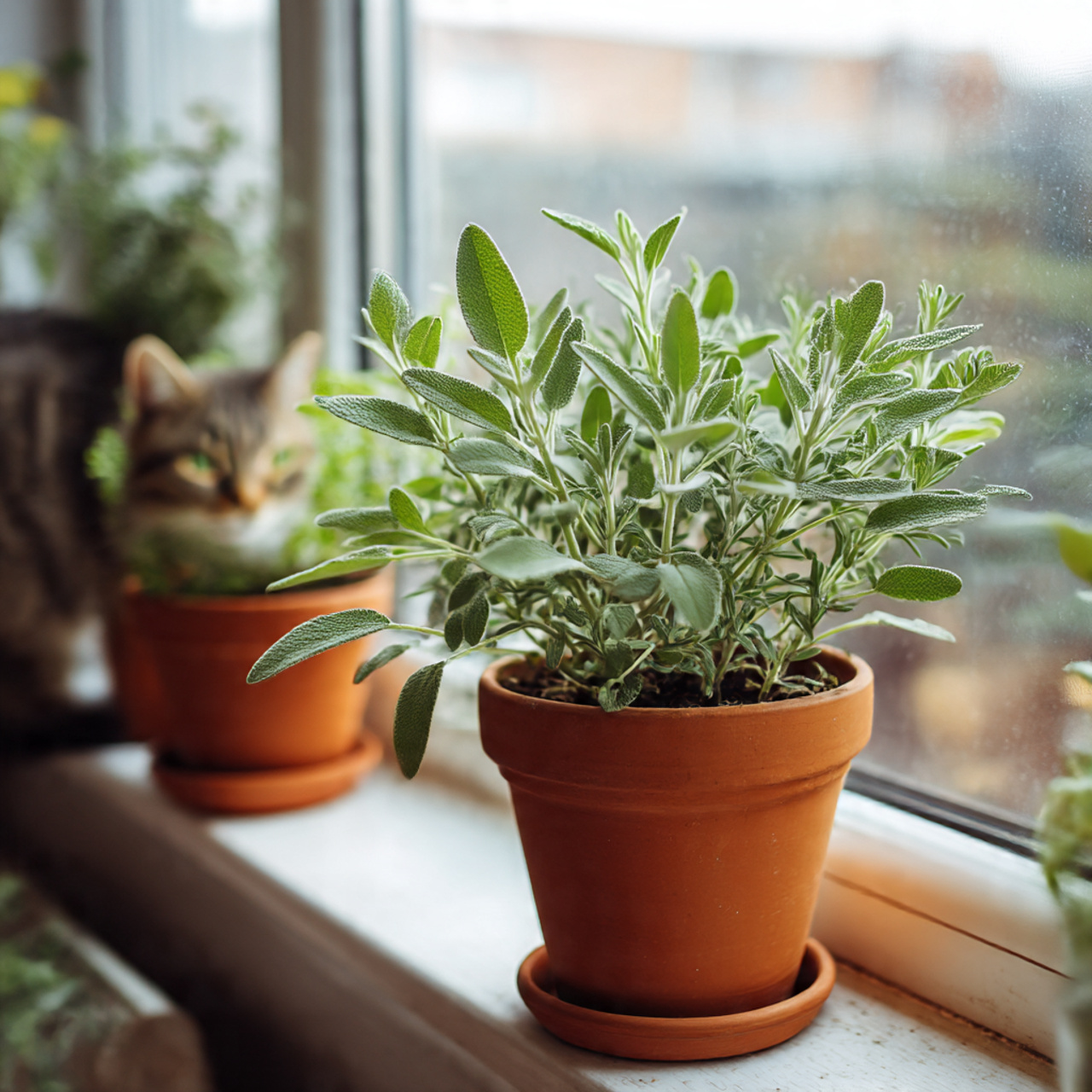
Fresh sage year-round? Absolutely possible with indoor cultivation. Success depends on replicating outdoor conditions as closely as possible.
Indoor Growing Essentials:
Place in the sunniest window available—south or west-facing works best. Provide 6-8 hours of direct light or supplement with grow lights. Use well-draining potty mix and water sparingly, letting soil dry between waterings.
Indoor Success Tips:
- Rotate pots weekly for even growth
- Avoid overwatering (biggest indoor killer)
- Ensure good air circulation
- Harvest regularly to encourage bushiness
- Watch for spider mites in dry indoor air
Year-Round Harvest: Regular leaf harvesting keeps indoor sage productive and compact. Pinch off flowers to maintain leaf production.
Environmental and Sustainability Benefits
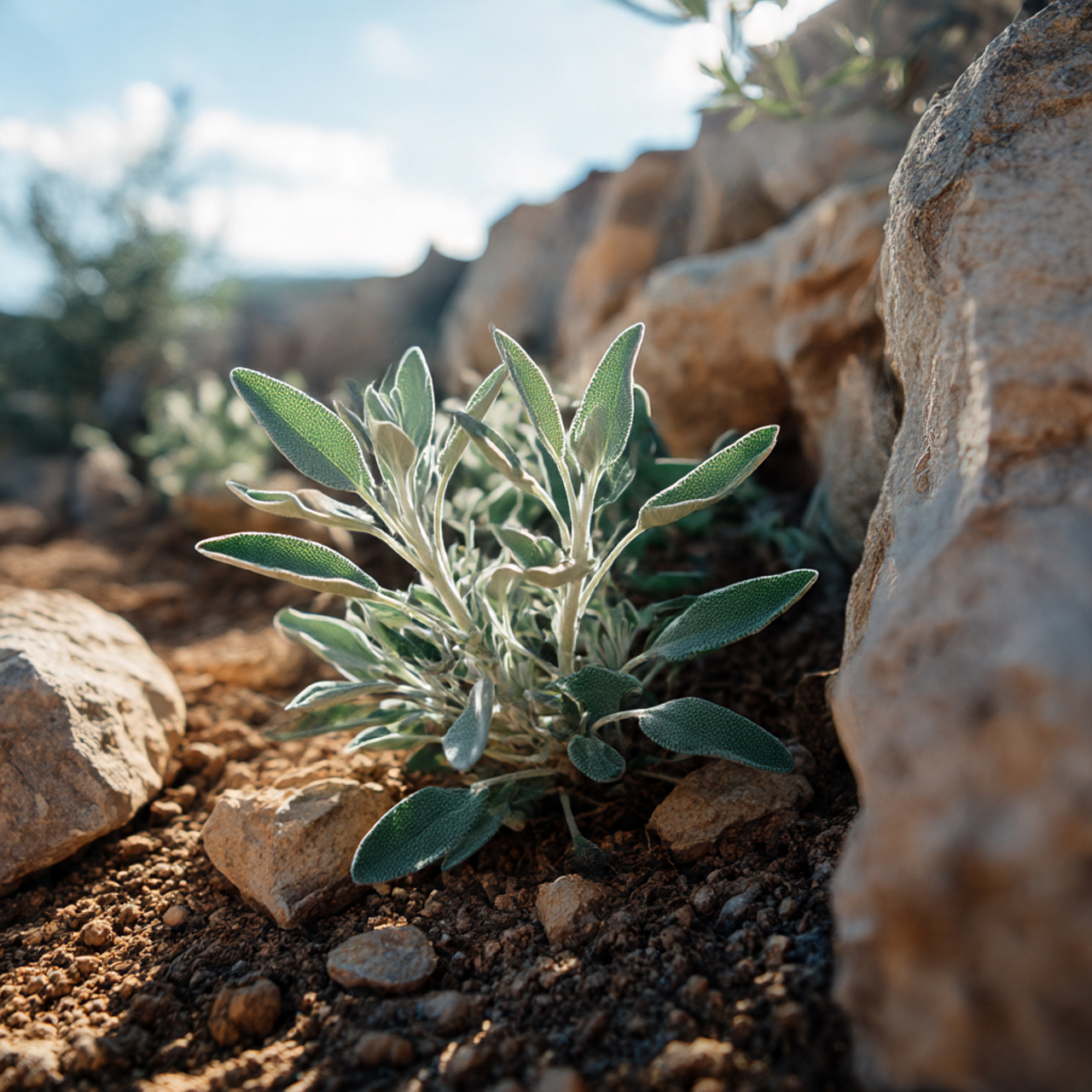
Sage’s drought tolerance and low-maintenance nature make it an environmentally responsible garden choice, especially in water-conscious regions.
Sustainability Advantages:
Once established, sage requires minimal supplemental water, reducing irrigation needs significantly. It thrives in poor to moderately fertile soil, eliminating fertilizer requirements. Its perennial nature means less replanting effort and resources.
Eco-Friendly Features:
- Supports pollinators with nectar-rich flowers
- Requires no pesticides when properly sited
- Tolerates heat, drought, and poor soil
- Perennial growth reduces annual plant waste
- Minimal carbon footprint compared to tropical herbs
Water-Wise Tip: In drought-prone areas, sage can replace thirstier ornamentals while still providing beauty, fragrance, and harvest potential.
Modern Landscape Design Integration
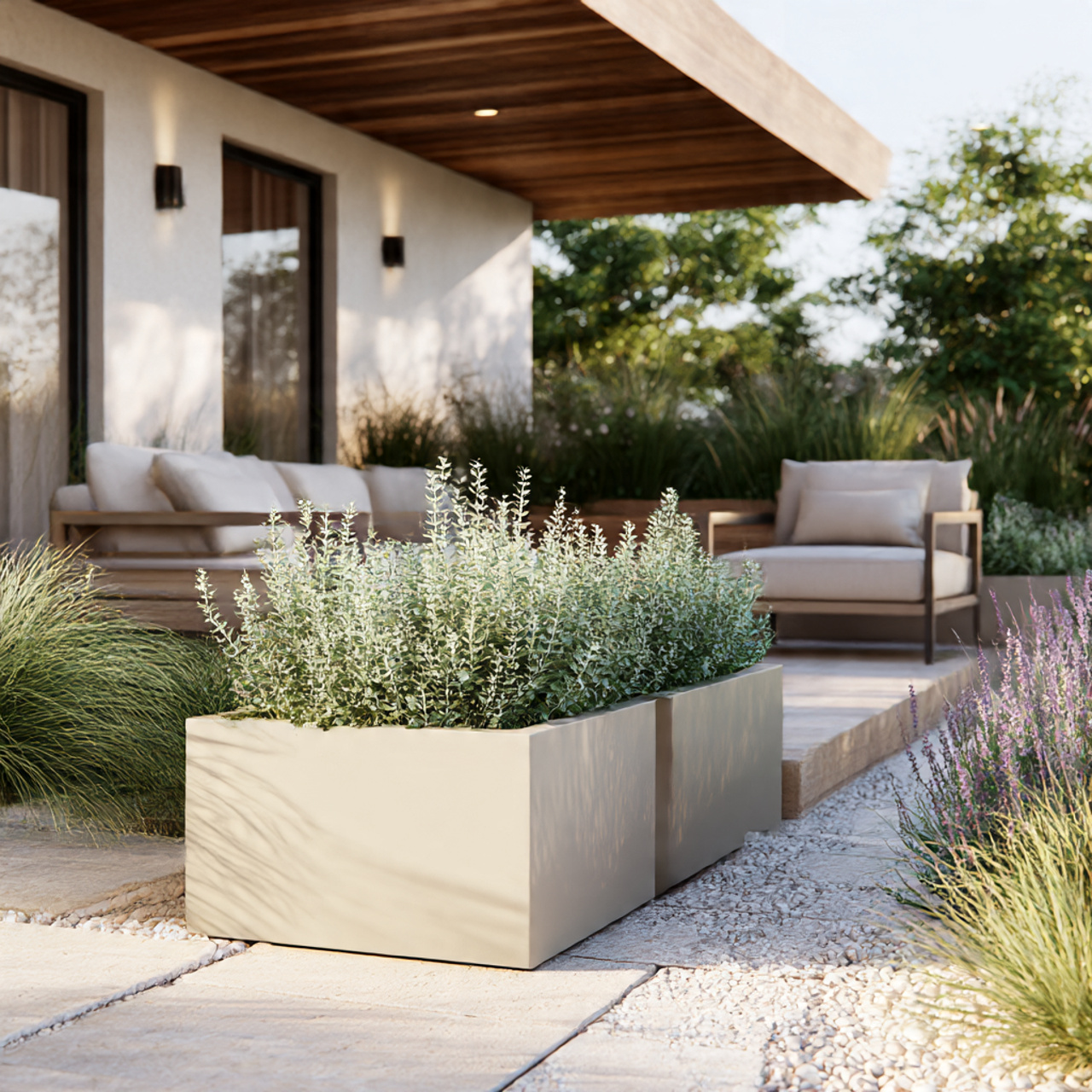
Contemporary garden design embraces sage’s architectural qualities and sophisticated color palette. Its versatility suits both minimalist and abundant planting styles.
Design Applications:
Use sage’s silvery foliage as a neutral backdrop for vibrant flowering perennials. Incorporate into modern prairie-style plantings or Mediterranean-inspired schemes. Plant in geometric patterns for formal herb gardens or mass in naturalistic drifts.
Contemporary Styling:
- Contrast with dark-leaved heucheras or sedums
- Echo tones with other silver-foliaged plants
- Use as textural element in gravel gardens
- Incorporate into edible landscape designs
Design Philosophy: Sage bridges the gap between purely ornamental and strictly functional plantings—it beautifies while producing. This dual-purpose approach epitomizes modern sustainable landscape design.
FAQs
Q1: How often should I harvest leaves from my sage plant?
You can harvest from the sage plant regularly once it is established; however, do not remove more than one-third of the plant at any one time to avoid stressing it. The sage plant remains productive when lightly harvested throughout the season.
Q2: Can the sage plant survive winter outside?
Yes, many varieties of the sage plant are perennial and will survive winter in zones where the soil drains well and the plant is protected. In colder regions the sage plant may die back to the soil but will regrow come spring.
Q3: Is the sage plant safe to use as a medicinal herb?
While the sage plant has many promising benefits, it should be used with caution. Human clinical evidence is limited and essential oil extracts of the sage plant may have side-effects in high doses. Always consult a healthcare professional regarding the sage plant.
Q4: What soil conditions does the sage plant need?
The sage plant prefers well-drained, light soils, moderate fertility and full sun. Overly rich or wet soils can lead to weak growth and flavor loss. Aim for conditions similar to dry Mediterranean gardens for best results with the sage plant.
Q5: How do I know when leaves of the sage plant are best for harvest?
Harvest leaves from the sage plant when they are firm, full-sized, and before flowering. For maximum aroma, harvest in the morning after de-wisping, as the essential oils in the sage plant are at their peak.
Final Thoughts
Sage stands out as one of those rare plants that genuinely does it all—flavoring your favorite dishes, supporting garden health, attracting pollinators, and adding beauty to landscapes. Its forgiving nature welcomes beginners while its versatility keeps experienced gardeners engaged year after year.
Whether you start with a single plant on a sunny windowsill or dedicate an entire garden bed to various sage varieties, you’re cultivating more than just an herb. You’re growing a connection to centuries of tradition, a practical tool for your kitchen, and a resilient companion that asks little while giving abundantly.
Start small if you’re new to sage cultivation. Plant one, learn its rhythms, and discover firsthand why this aromatic herb has maintained its popularity across cultures and centuries. With proper care and attention to its simple needs, your sage will reward you season after season with fragrant harvests and garden beauty.
The best time to plant sage? That would’ve been last spring. The second-best time? Right now. Your future self will thank you when you’re snipping fresh leaves for that perfect autumn dinner.