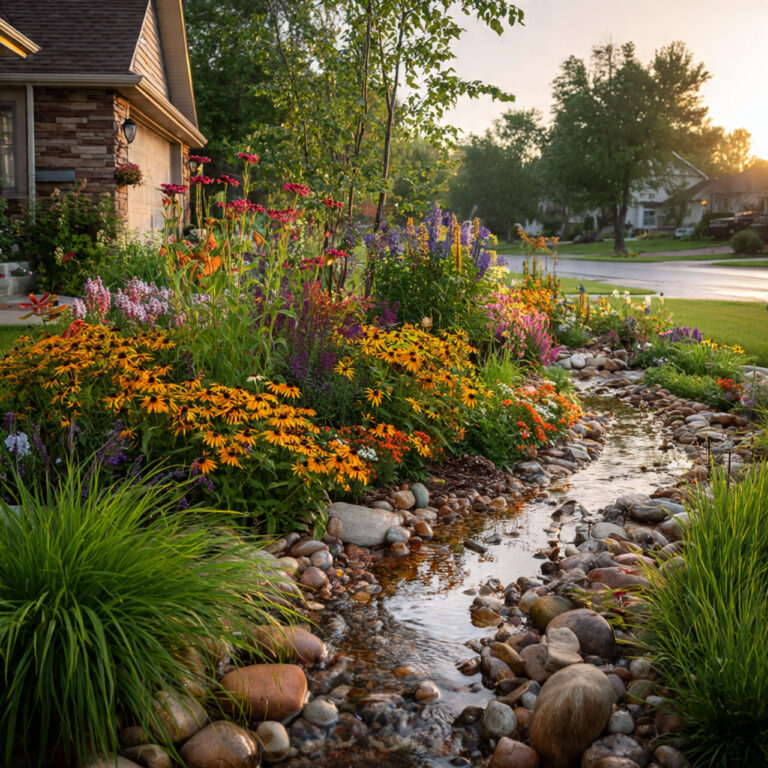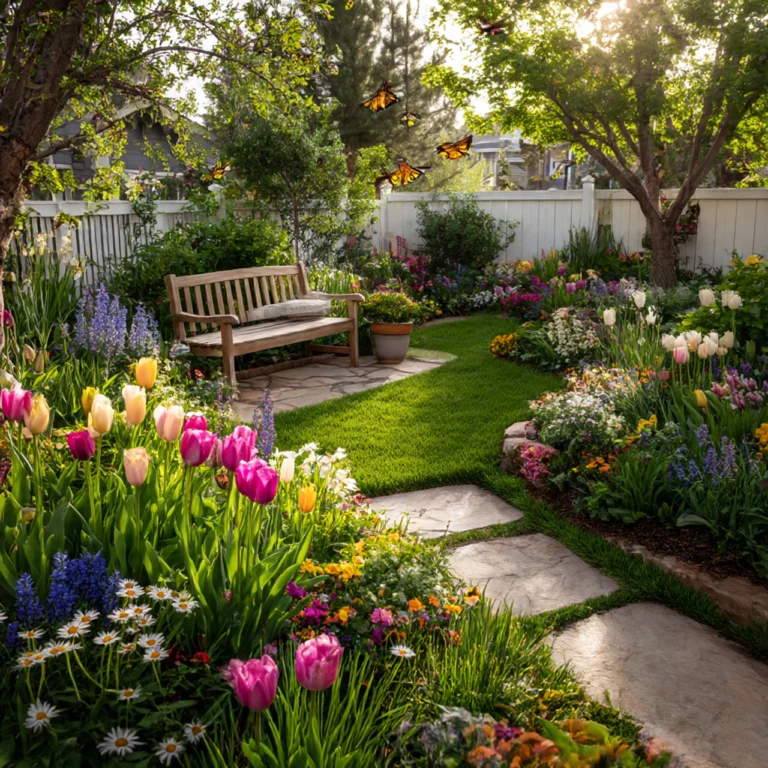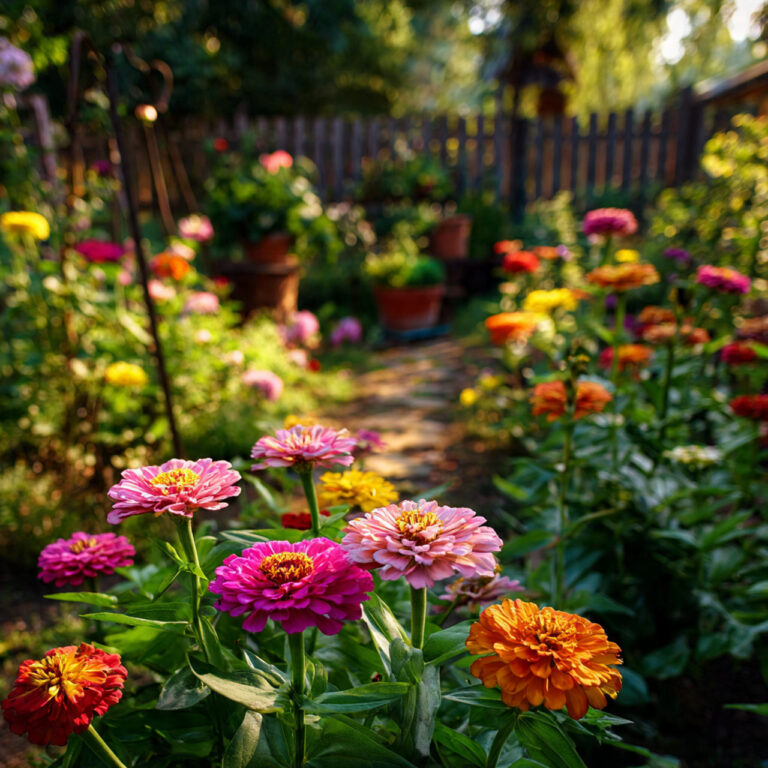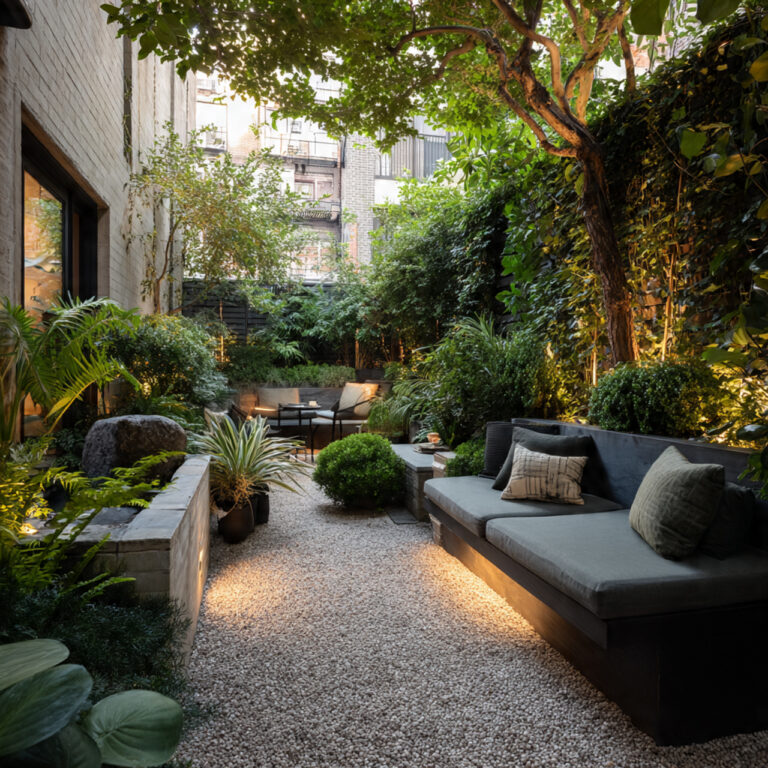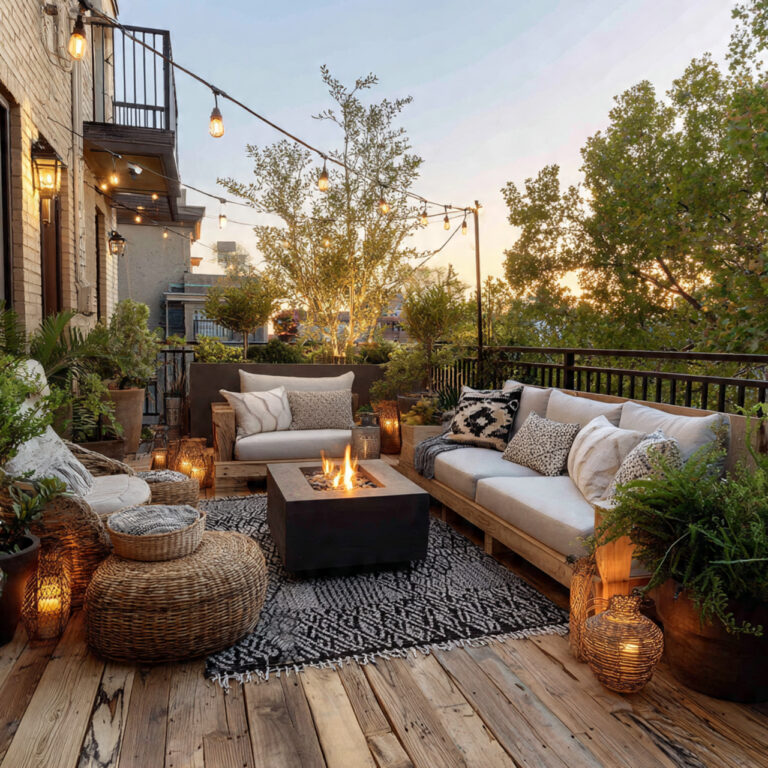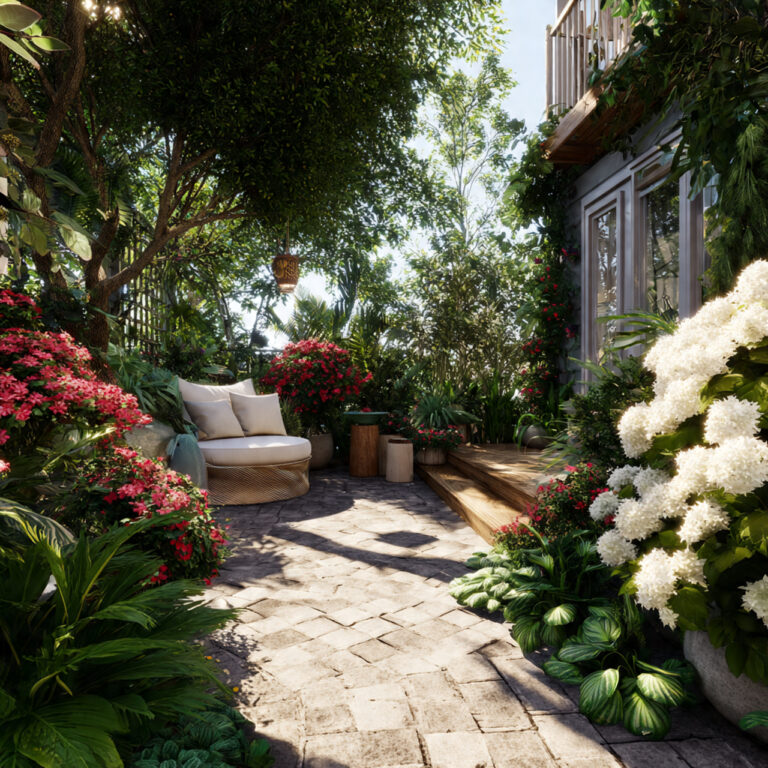
25 Stunning Small Flower Garden Ideas to Transform Tiny Spaces
Beauty doesn’t need acres to flourish. A small flower garden proves that even the most modest corner of your yard can burst with life, color, and charm. Whether you’re working with a narrow strip along your fence, a tiny patio, or just a few square feet of soil, the right approach transforms limitations into stunning opportunities.
The secret isn’t about how much space you have—it’s about how thoughtfully you use it. Smart planning, carefully chosen plants, and creative design strategies can turn your compact area into a floral masterpiece that rivals gardens ten times its size. Your small flower garden becomes a personal retreat filled with fragrance, vibrant colors, buzzing pollinators, and peaceful moments.
Why Small Flower Gardens Excel in Compact Spaces
Limited space actually works in your favor. When you can’t spread out endlessly, you’re forced to make intentional choices—and that’s where magic happens. Every single plant must justify its place, which means you end up with a curated collection rather than random clutter.
Small gardens encourage you to focus on what truly matters: complementary colors, interesting textures, and plants that shine across different seasons. This deliberate approach creates visual harmony and depth that larger gardens sometimes lack. The result? A perfectly balanced outdoor space where nature and design work together seamlessly.
Key advantages of compact gardens:
- More control over your overall design
- Lower maintenance requirements
- Easier to experiment with new ideas
- Budget-friendly plant purchases
- Immediate visual impact
Vertical Layers: Growing Upward When You Can’t Grow Outward
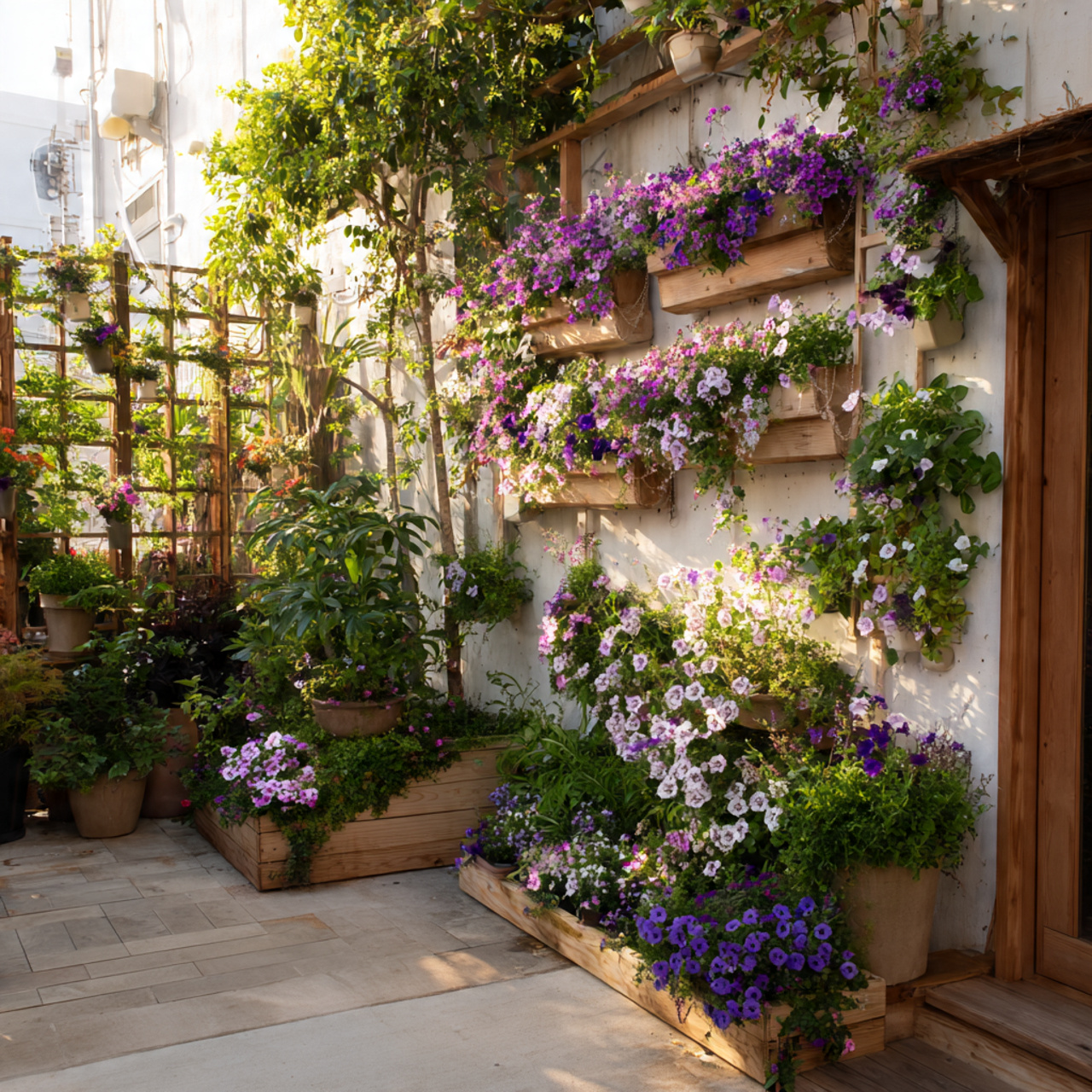
Why limit yourself to ground level when you have vertical space waiting to be used? Vertical gardening multiplies your planting area without claiming a single extra inch of floor space. This technique adds dimension and makes your garden feel surprisingly spacious.
Smart vertical solutions:
- Install trellises along walls or fences for climbing flowers
- Hang baskets at varying heights for cascading blooms
- Mount wall planters in attractive patterns
- Use tiered plant stands to create stair-step displays
- Add climbing structures for vining varieties
Climbers like clematis, morning glory, and compact climbing roses bring height, wonderful scents, and eye-catching blooms. They draw visitors’ gazes upward, creating the illusion of a much larger garden while leaving precious ground space for low-growing flowers.
Color-Themed Design: Creating Visual Harmony
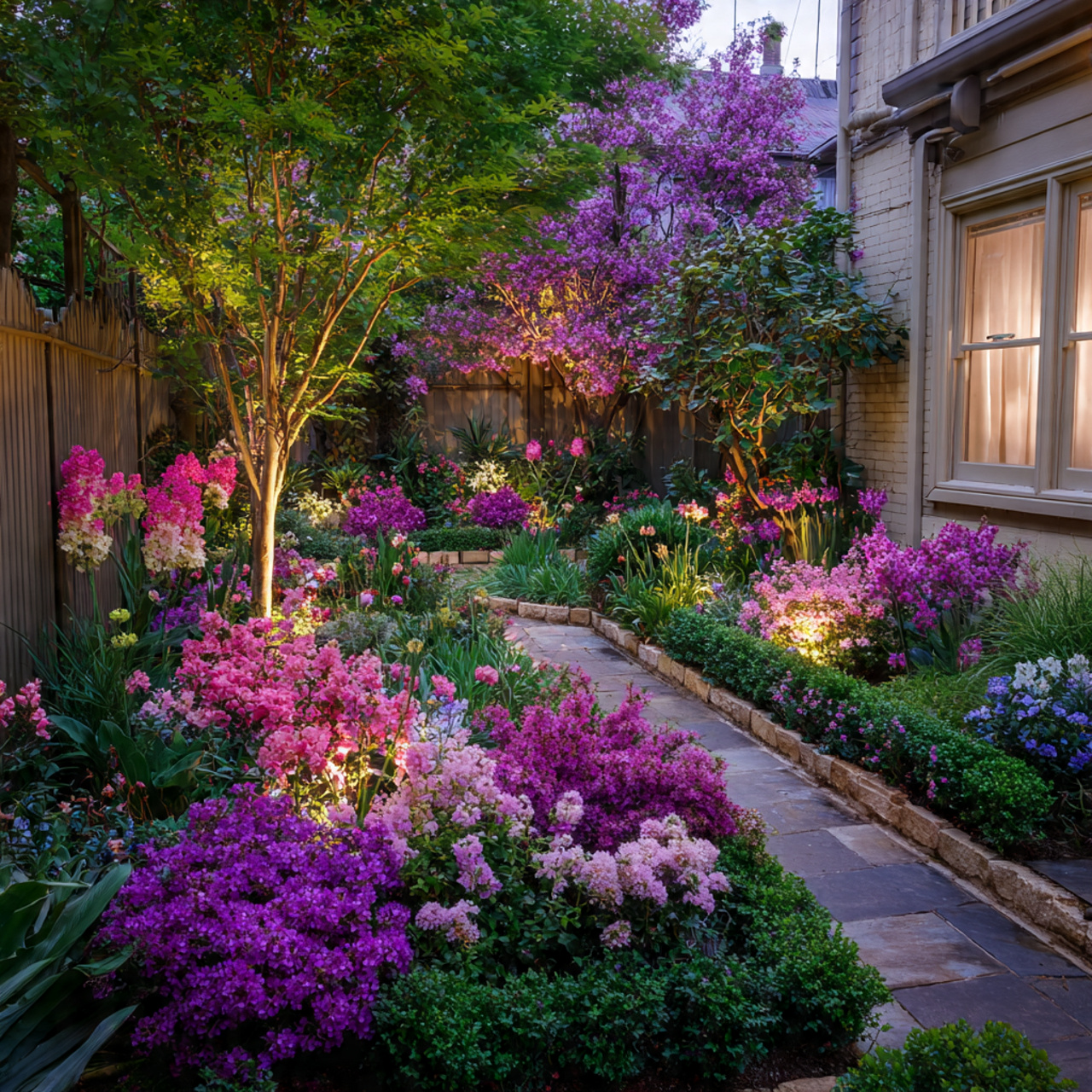
Choosing a consistent color scheme instantly elevates your small garden from random to refined. When you limit your palette to one or two main colors, everything feels intentional and professionally designed rather than chaotic.
Popular color combinations:
- Pink and purple for romantic charm
- White and yellow for cheerful brightness
- Blue and silver for calming elegance
- Orange and red for energetic warmth
Cool tones like lavender, soft blue, and white actually make small spaces feel more open and airy. This visual trick helps your garden breathe, creating a sense of spaciousness that warm, bold colors might compress.
Tip: Stick to your chosen palette for at least one full season to see the full effect before switching things up.
Cottage-Style Charm: Dense Beauty in Small Packages
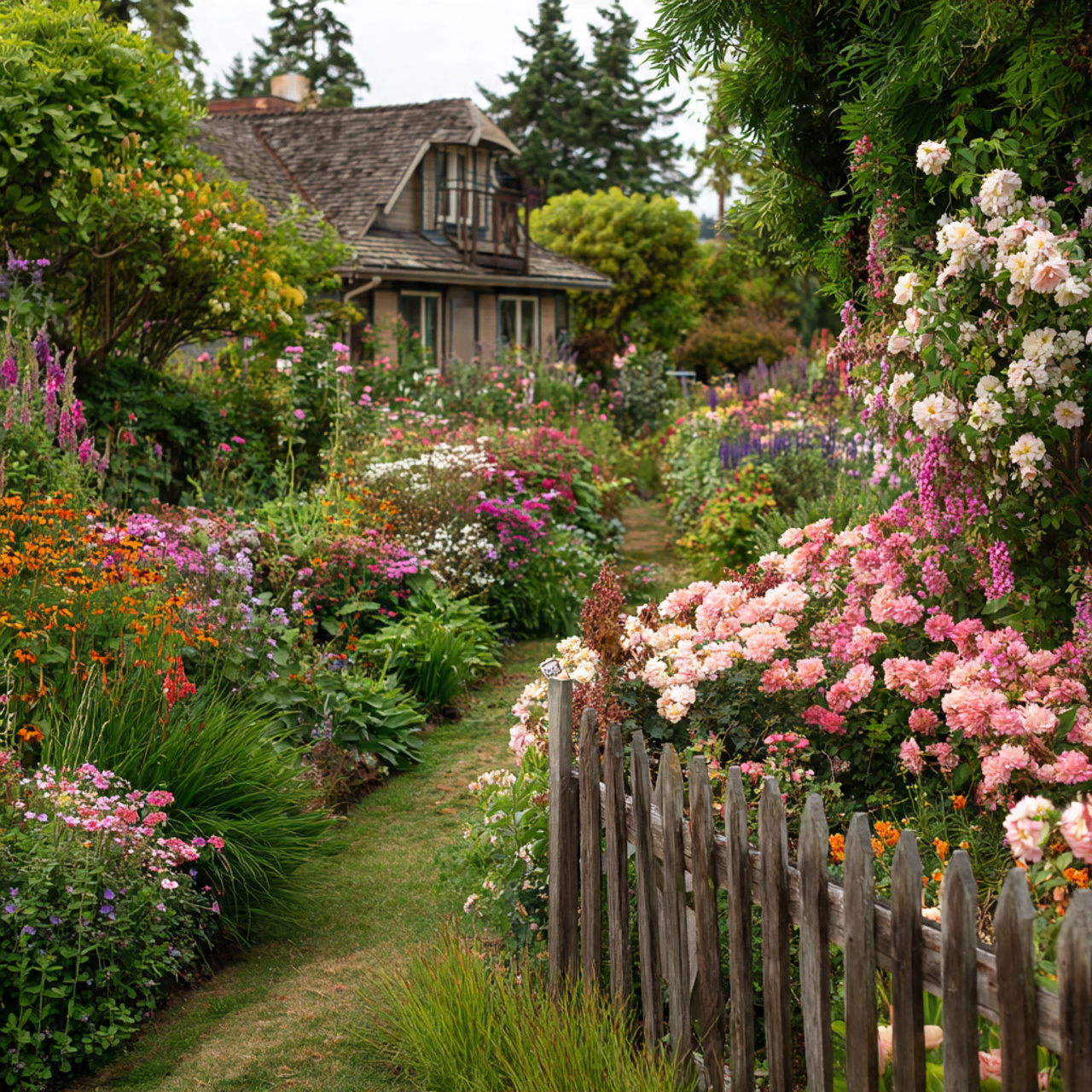
Cottage gardens aren’t just for sprawling countryside estates. This beloved style translates beautifully to compact spaces, bringing old-world romance and abundant blooms to even the tiniest plots.
The cottage approach embraces slightly wild, layered plantings with soft edges and charming disorder. Think flowers spilling over one another, mixing heights freely, and creating that effortlessly beautiful “English garden” look.
Perfect cottage garden flowers for small spaces:
- Dianthus for sweet fragrance and delicate blooms
- Compact salvias for vertical spikes of color
- Miniature hollyhocks for cottage authenticity
- Sweet alyssum for ground-covering carpets
- Lavender for structure and scent
This style proves you don’t need vast acreage to capture storybook garden magic—just the right plants packed with personality.
Fragrance-Focused Gardens: Engaging Your Senses
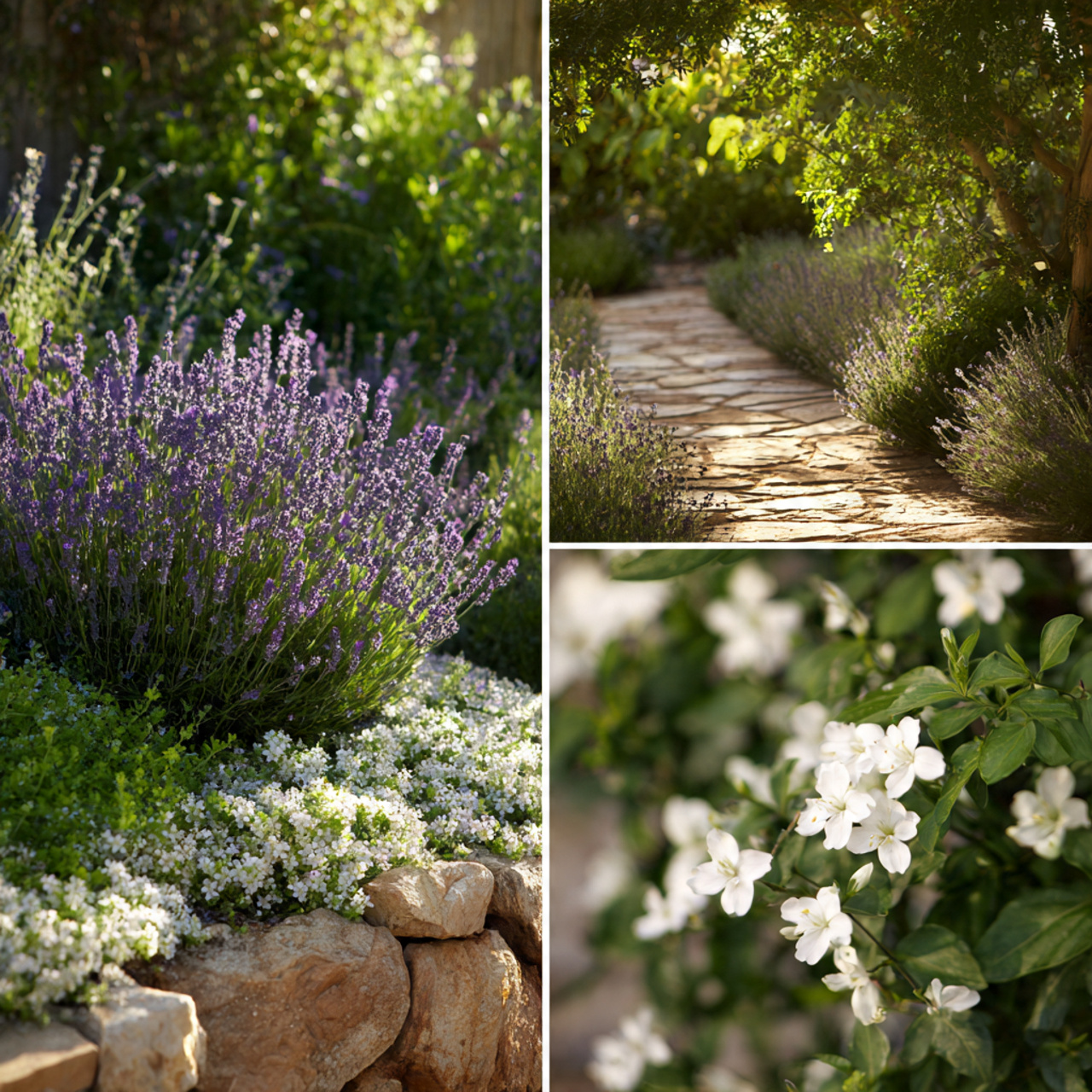
In a small garden, scent becomes incredibly powerful. Without acres to dilute fragrances, every sweet-smelling bloom creates an immersive sensory experience that greets you the moment you step outside.
Top fragrant flowers for compact spaces:
- Lavender: Calming, classic, and drought-tolerant
- Sweet alyssum: Honey-scented and perfect for edges
- Jasmine: Evening-fragrant and climbing
- Stock: Spicy-sweet and cottage-perfect
- Night-scented stock: Releases fragrance after sunset
Building your garden around fragrance transforms it into a therapeutic escape. The combined scents create a welcoming atmosphere that elevates your entire outdoor living experience and even wafts through open windows into your home.
Pollinator-Friendly Paradise: Supporting Nature’s Helpers
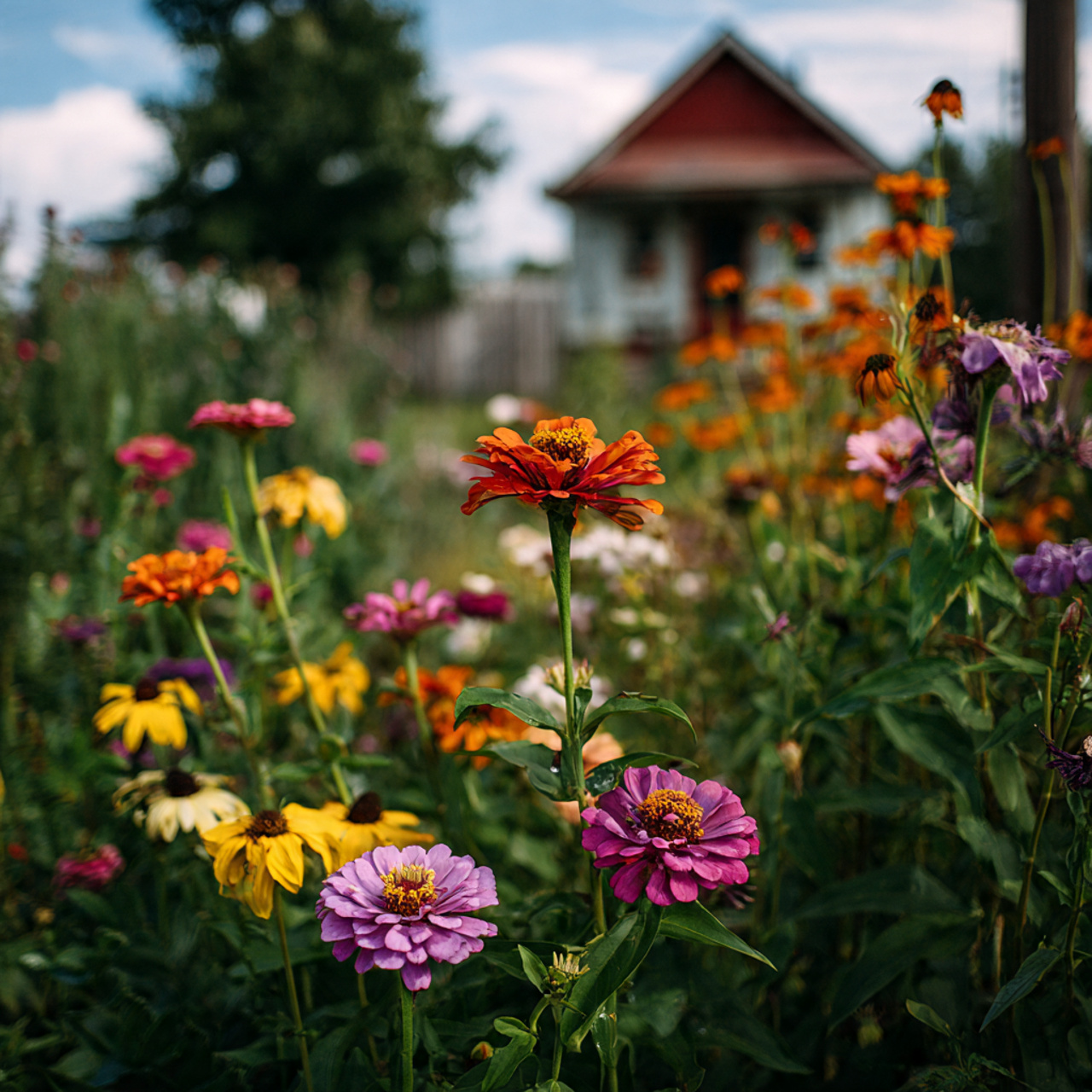
Even the smallest garden can make a big environmental impact. Planting pollinator-friendly flowers creates a buzzing, fluttering habitat that supports bees, butterflies, and hummingbirds while bringing delightful movement to your space.
Pollinator magnets for small gardens:
- Cosmos: Easy, colorful, and bee-loved
- Zinnias: Bright, long-blooming butterfly favorites
- Coneflowers: Sturdy perennials with lasting appeal
- Marigolds: Sunny, pest-deterring, and pollinator-friendly
- Catmint: Purple spikes that bees adore
Watching pollinators work among your flowers adds dynamic life to your garden. You’re not just creating beauty—you’re supporting local ecosystems and contributing to environmental health, proving that small spaces can deliver significant ecological benefits.
Container Clusters: Flexibility Meets Beauty
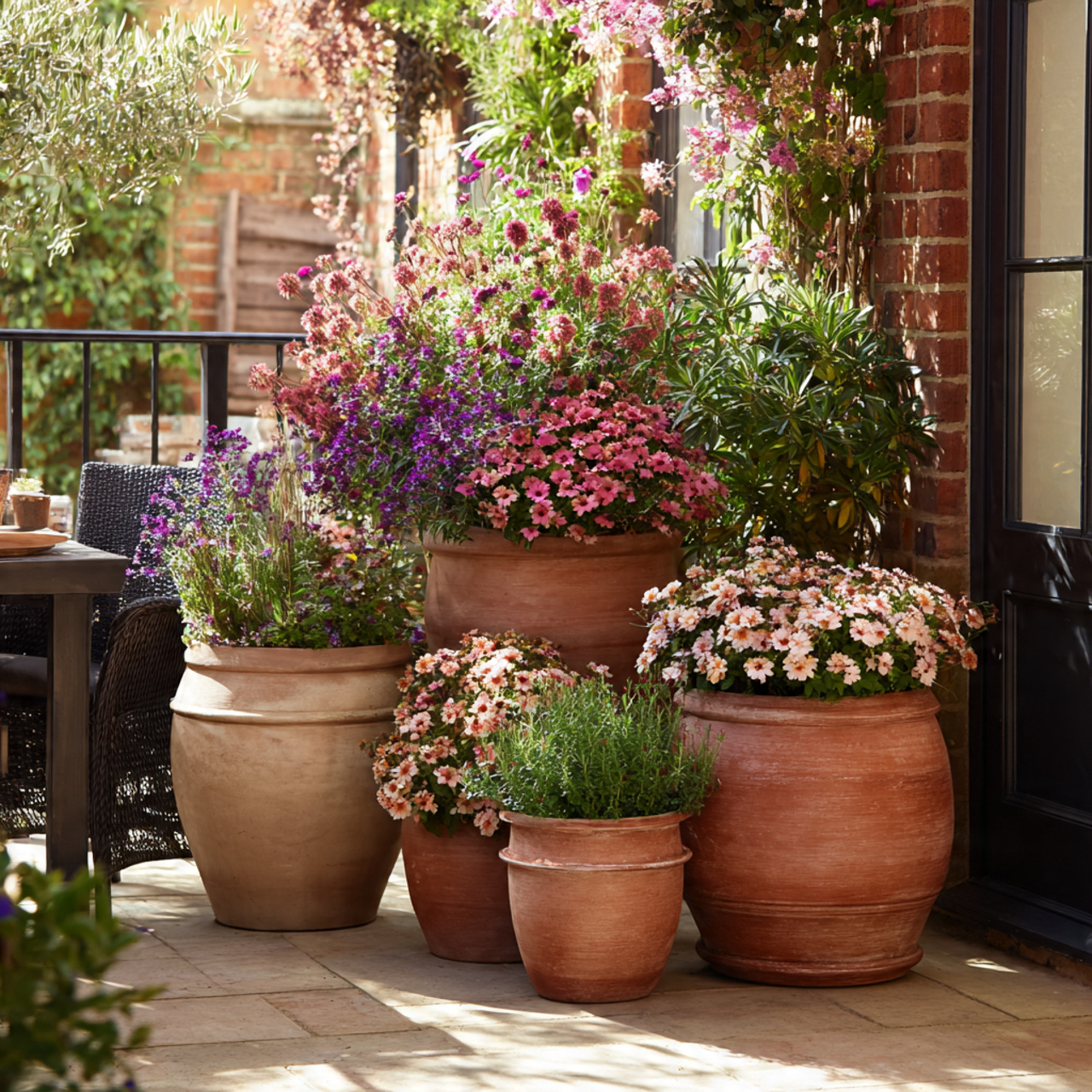
Grouping containers of different sizes creates instant structure and visual interest without requiring in-ground planting. This approach works brilliantly for renters, patio gardeners, or anyone wanting complete creative control.
Container clustering tips:
- Mix heights for dimensional appeal
- Vary pot shapes while keeping a cohesive style
- Group odd numbers (3, 5, 7) for natural-looking arrangements
- Use different textures and colors within your theme
- Ensure all containers have drainage holes
The beauty of container gardens lies in their flexibility. Rearrange your display seasonally, move underperforming plants to better light, or completely refresh your look whenever inspiration strikes. This adaptability makes containers perfect for experimenting and evolving your garden’s personality.
Border-Style Gardens: Maximizing Narrow Spaces
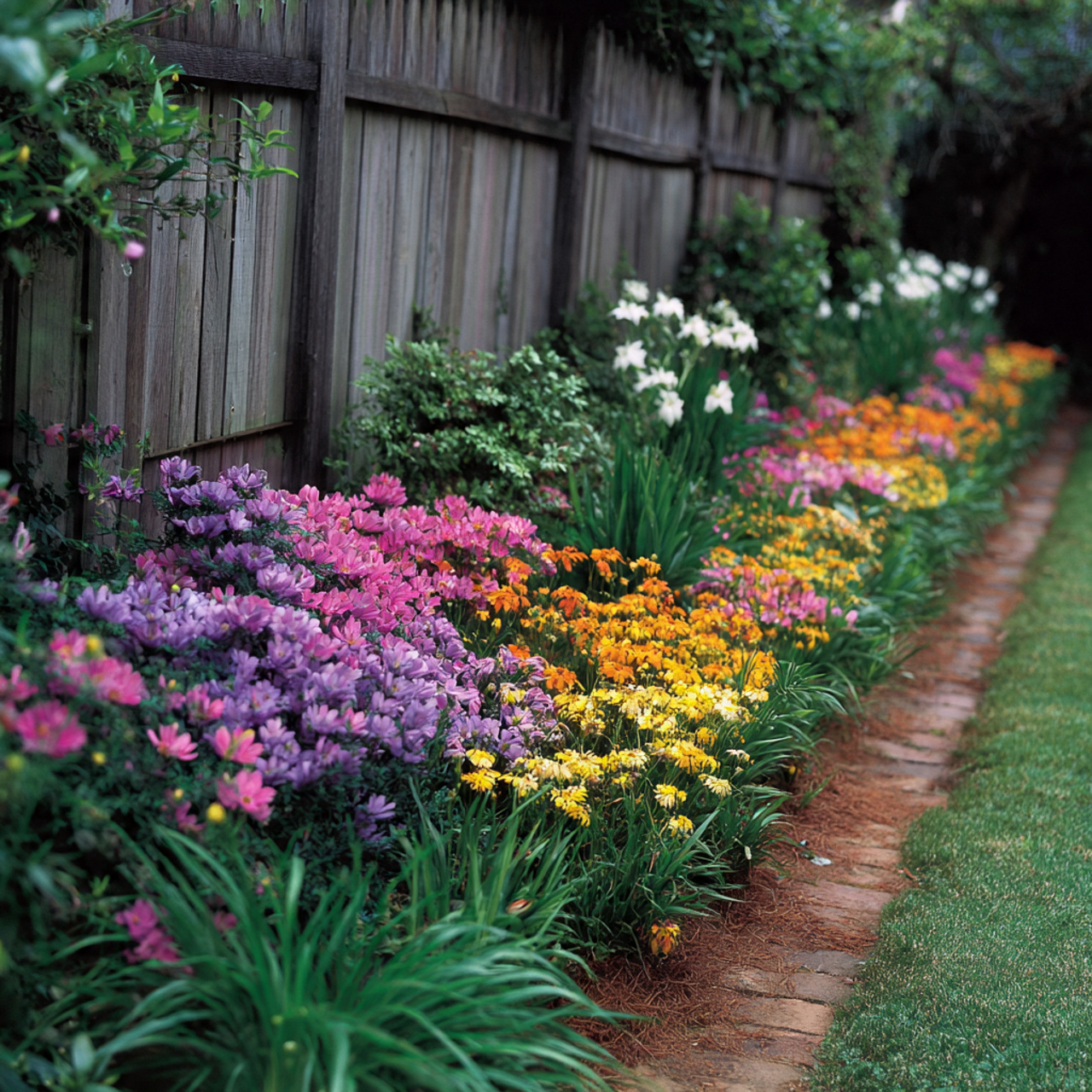
Have a slim strip along your fence, walkway, or house foundation? Border gardens turn these challenging narrow areas into stunning floral ribbons that frame and define your outdoor space beautifully.
Border garden success strategies:
- Repeat the same plants at intervals for rhythm
- Use a consistent color scheme for flow
- Place taller plants toward the back
- Edge with compact, mounding varieties
- Keep maintenance access in mind
Border layouts look organized and intentional while maximizing every inch of limited horizontal space. They transform otherwise overlooked edges into vibrant, eye-catching features that enhance your entire yard.
Mini Raised Beds: Structure in Small Packages
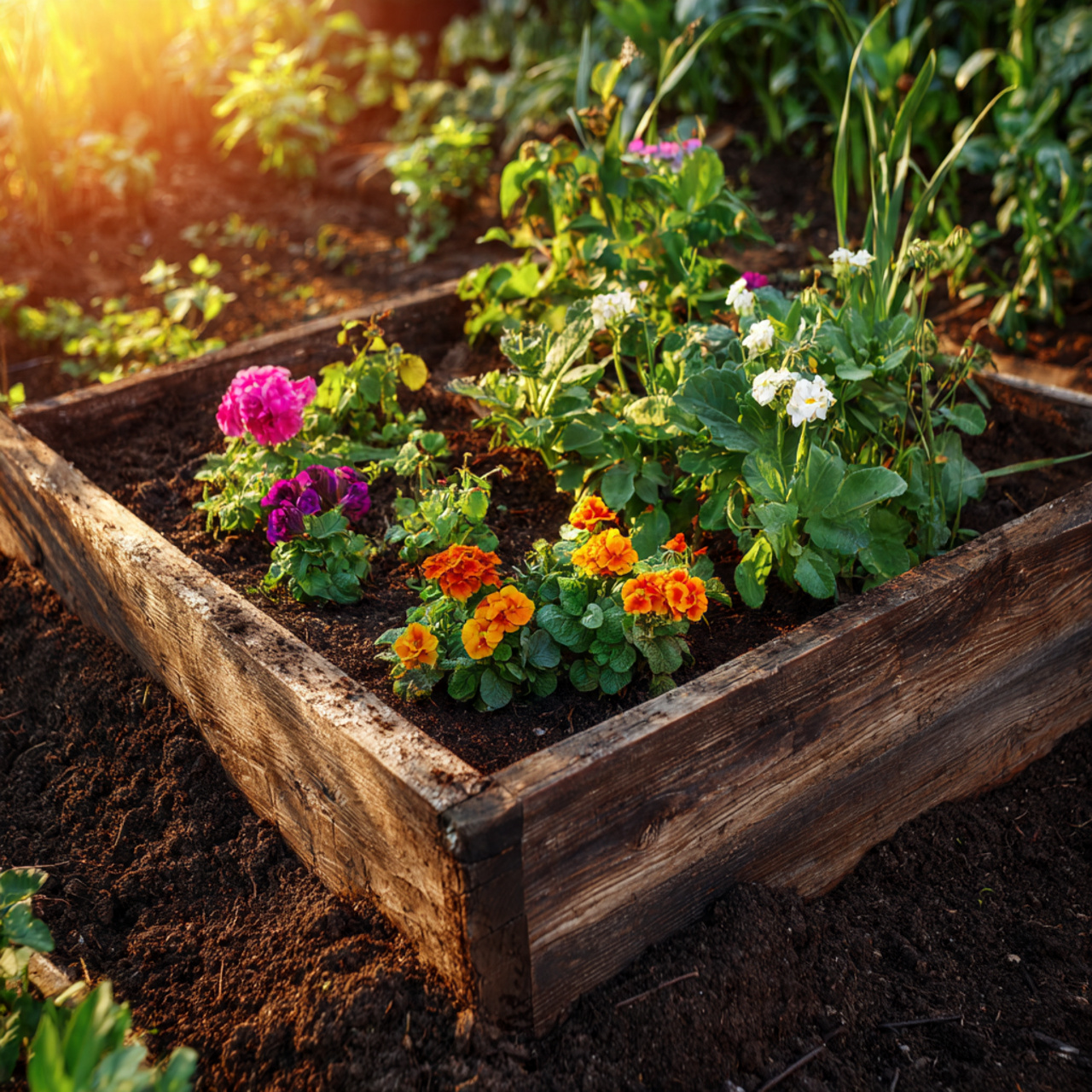
Even a single compact raised bed transforms your small garden into a defined, organized feature. Raised beds bring flowers up to a more visible level while improving growing conditions significantly.
Raised bed advantages:
- Better drainage prevents root problems
- Control soil quality completely
- Easier access reduces back strain
- Clean, modern aesthetic
- Warms up earlier in spring
Perfect compact flowers for raised beds include pansies, violas, dwarf dahlias, verbena, and petunias. The contained space keeps everything tidy while the elevated position makes your blooms impossible to miss.
Rock Gardens: Low-Maintenance Beauty
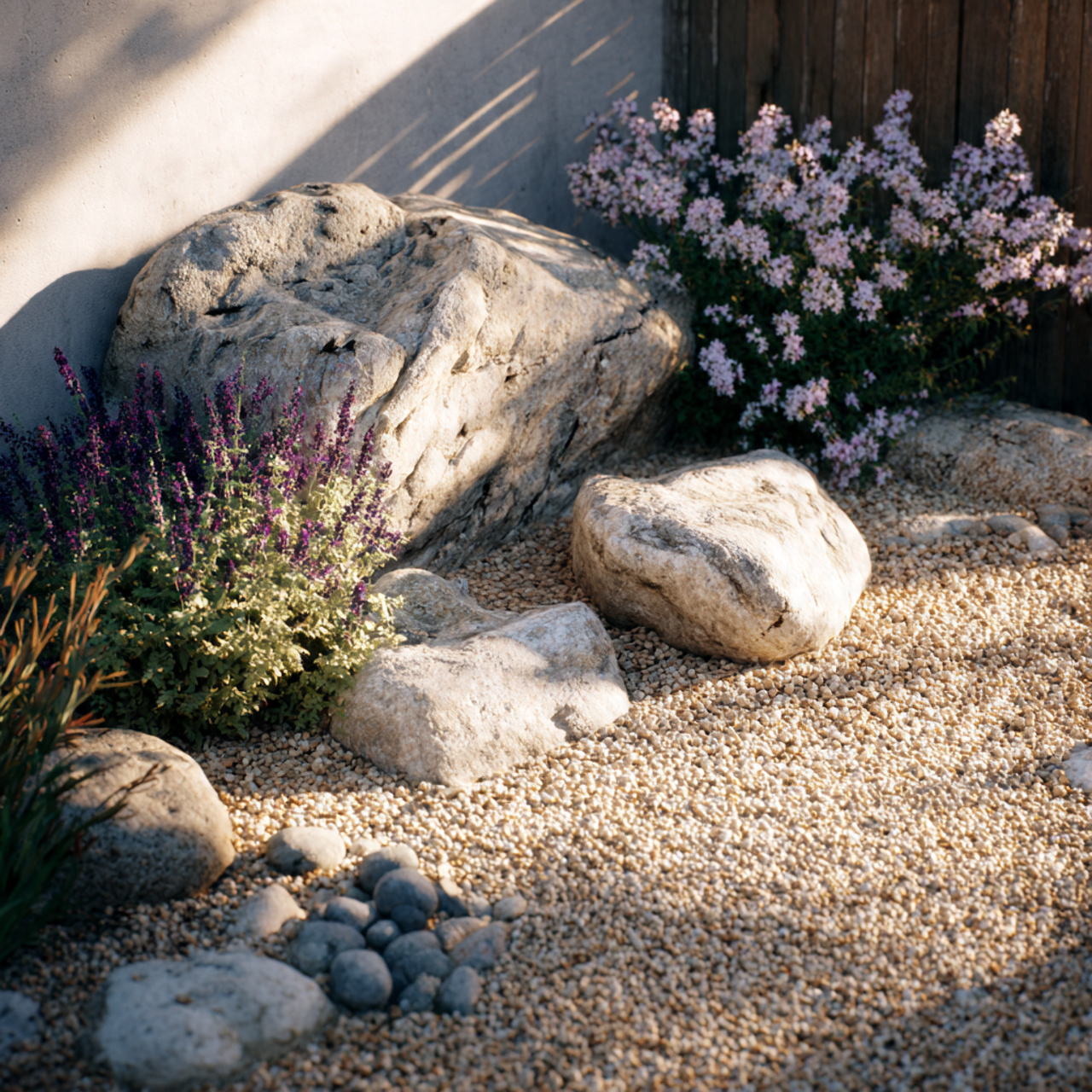
Incorporating stones, gravel, and rocks creates interesting texture while reducing upkeep. Rock gardens pair perfectly with drought-tolerant flowers, making them ideal for busy gardeners or water-conscious regions.
Great rock garden flowers:
- Sedum varieties for succulent interest
- Ice plant for vibrant ground cover
- Creeping phlox for spring carpets
- Hens and chicks for architectural appeal
- Thyme for fragrant, walkable patches
Rocks add permanent structure and visual weight, making your garden feel established and grounded. The contrast between stone and soft blooms creates compelling visual interest in minimal space.
Edible Blooms: Beauty You Can Taste
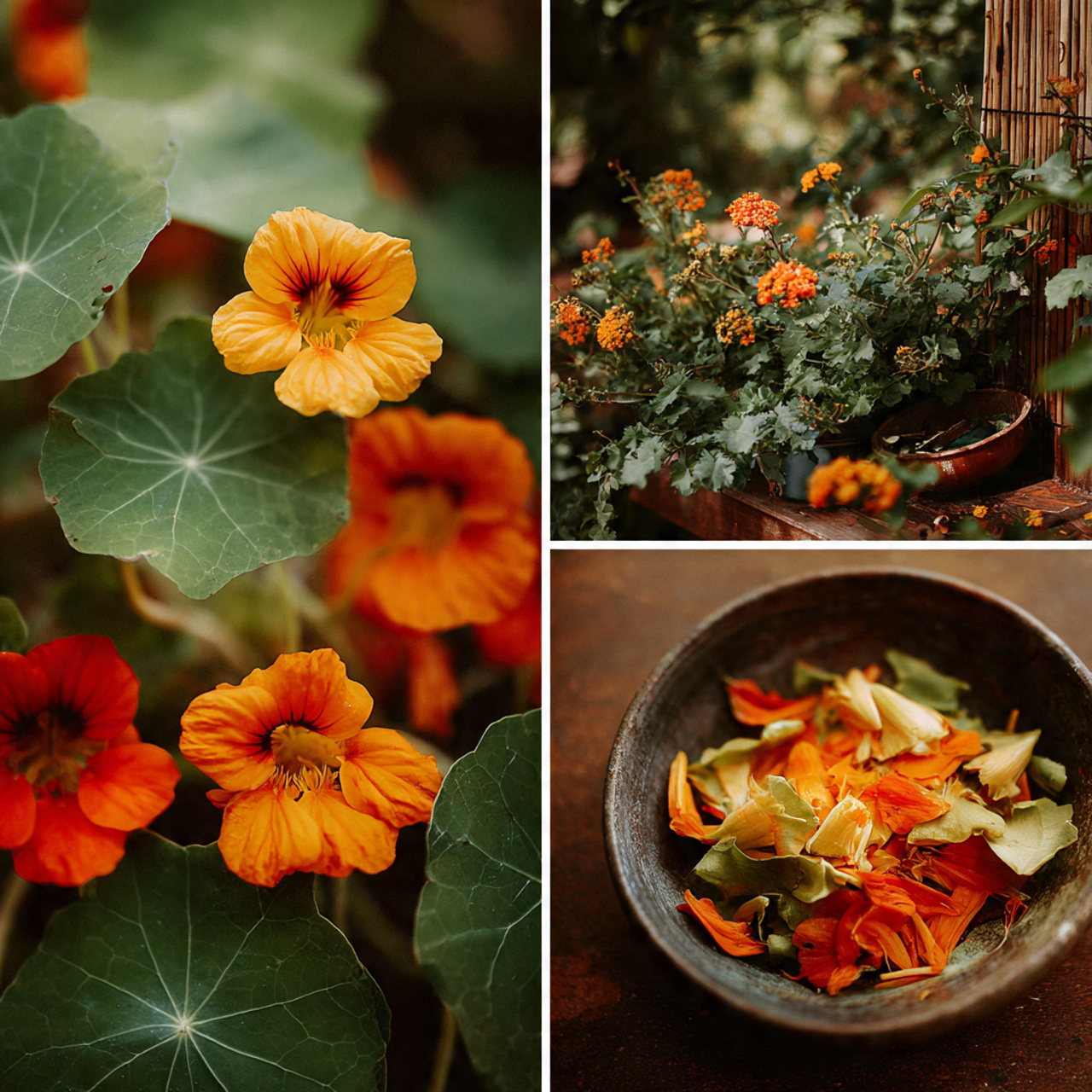
Why choose between flowers and function? Edible blooms deliver gorgeous color plus culinary uses, making your small garden work double-duty in the most delightful way.
Delicious and decorative flowers:
- Nasturtiums: Peppery leaves and vibrant blooms
- Calendula: Bright petals for teas and salads
- Violas: Delicate additions to desserts
- Marigolds: Citrusy petals for garnishes
- Borage: Cucumber-flavored blue stars
This practical approach adds unique enjoyment to your garden. Imagine stepping outside to snip fresh flowers for your dinner salad or evening tea—it transforms gardening from hobby to integrated lifestyle.
Shady-Space Solutions: Thriving Without Full Sun
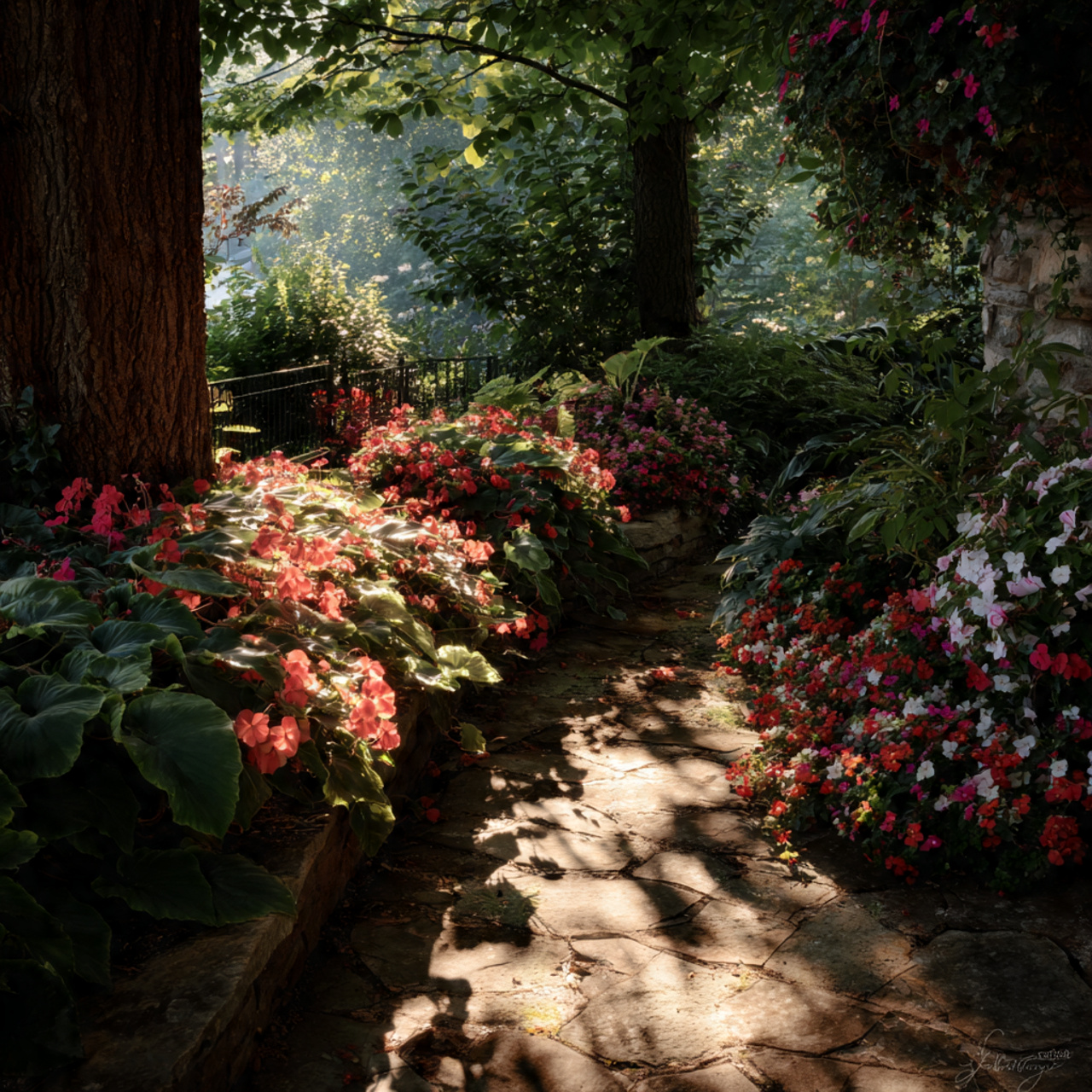
Not blessed with blazing sunshine? Many beautiful flowers actually prefer shade, meaning your dim corner can become just as colorful as sun-drenched spots.
Shade-loving flower stars:
- Begonias: Bright blooms in limited light
- Impatiens: Continuous color all summer
- Coleus: Stunning foliage that rivals flowers
- Toad lilies: Unique speckled blooms
- Bleeding heart: Romantic spring flowers
Shady gardens feel naturally cool and serene—a refreshing retreat on hot days. With thoughtful plant selection, your low-light small garden becomes a peaceful, blooming sanctuary that thrives in conditions where sun-lovers would struggle.
Perennial-Focused Gardens: Plant Once, Enjoy for Years
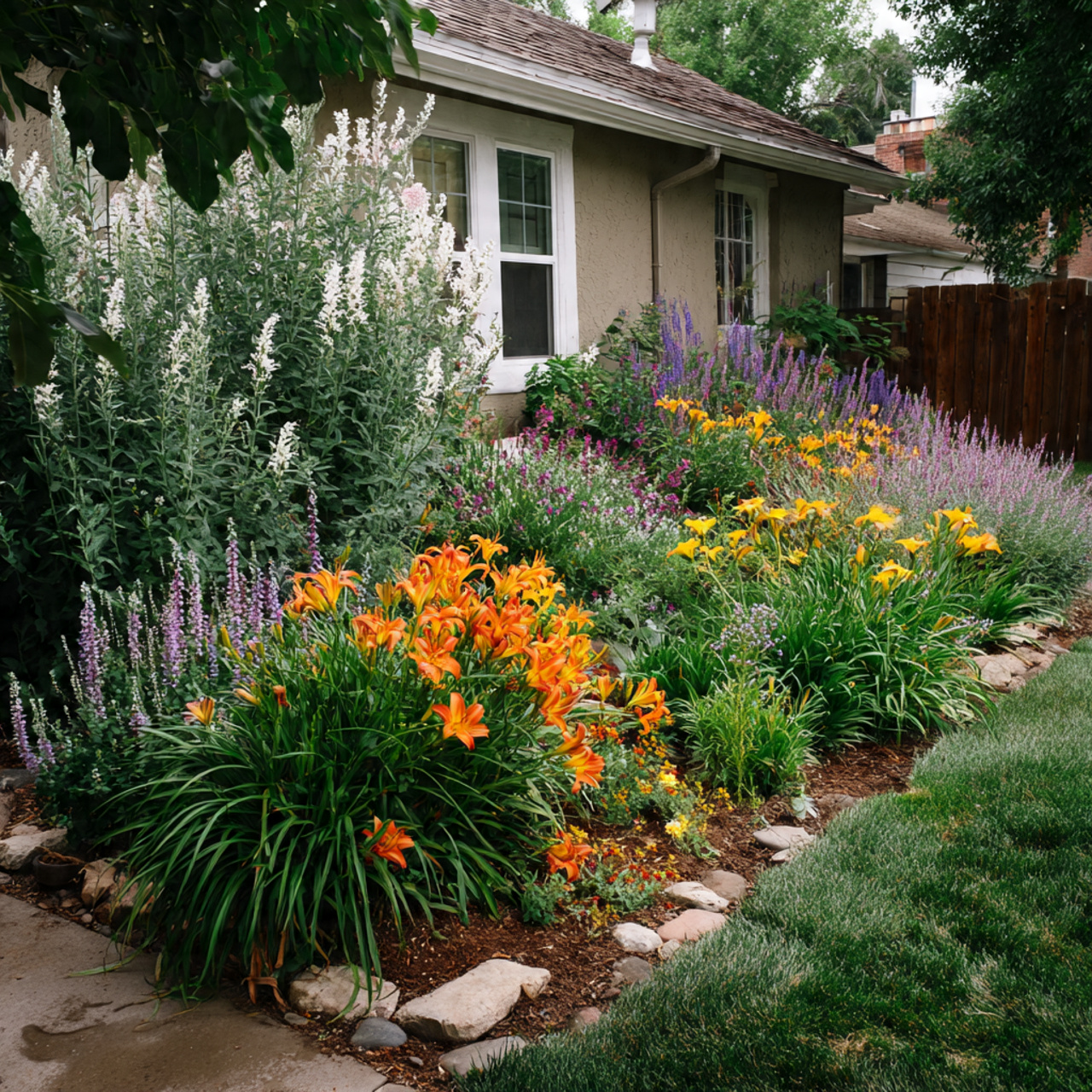
Perennials are the gift that keeps giving. In small gardens, these reliable returners provide structure, consistency, and color year after year with minimal effort on your part.
Easy-care perennials for compact spaces:
- Coreopsis: Cheerful yellow daisies
- Salvia: Purple spikes with long bloom time
- Daylilies: Dwarf varieties in rainbow colors
- Hardy geraniums: Ground-covering blooms
- Catmint: Lavender-like purple flowers
Building your small garden around perennials creates a stable foundation. You’ll spend less time replanting and more time enjoying established plants that improve with age, getting fuller and more floriferous each season.
Annuals-Only Gardens: Instant, Bold Impact
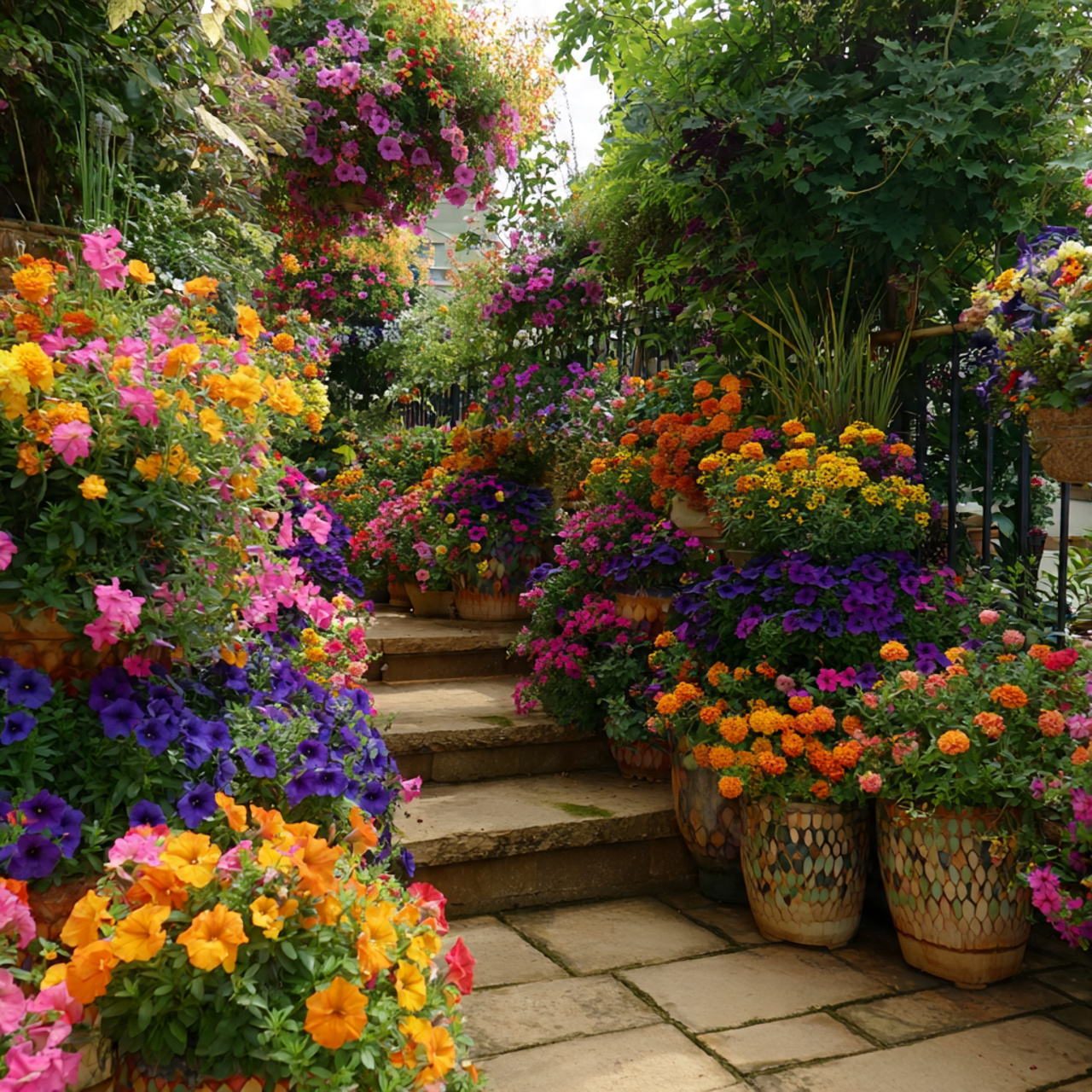
Annuals offer something perennials can’t match: immediate, intense color and the freedom to completely reinvent your garden each season. They’re perfect when you want maximum visual punch right away.
Top-performing annuals:
- Petunias: Endless color variations
- Marigolds: Foolproof and cheerful
- Snapdragons: Vertical interest and charm
- Zinnias: Cut-flower champions
- Cosmos: Delicate, abundant blooms
With annuals, your small garden becomes a rotating exhibition. Plant bold oranges and reds this year, soft pastels next season—the possibilities keep your garden fresh and exciting without long-term commitment.
Monochrome Magic: Single-Color Sophistication
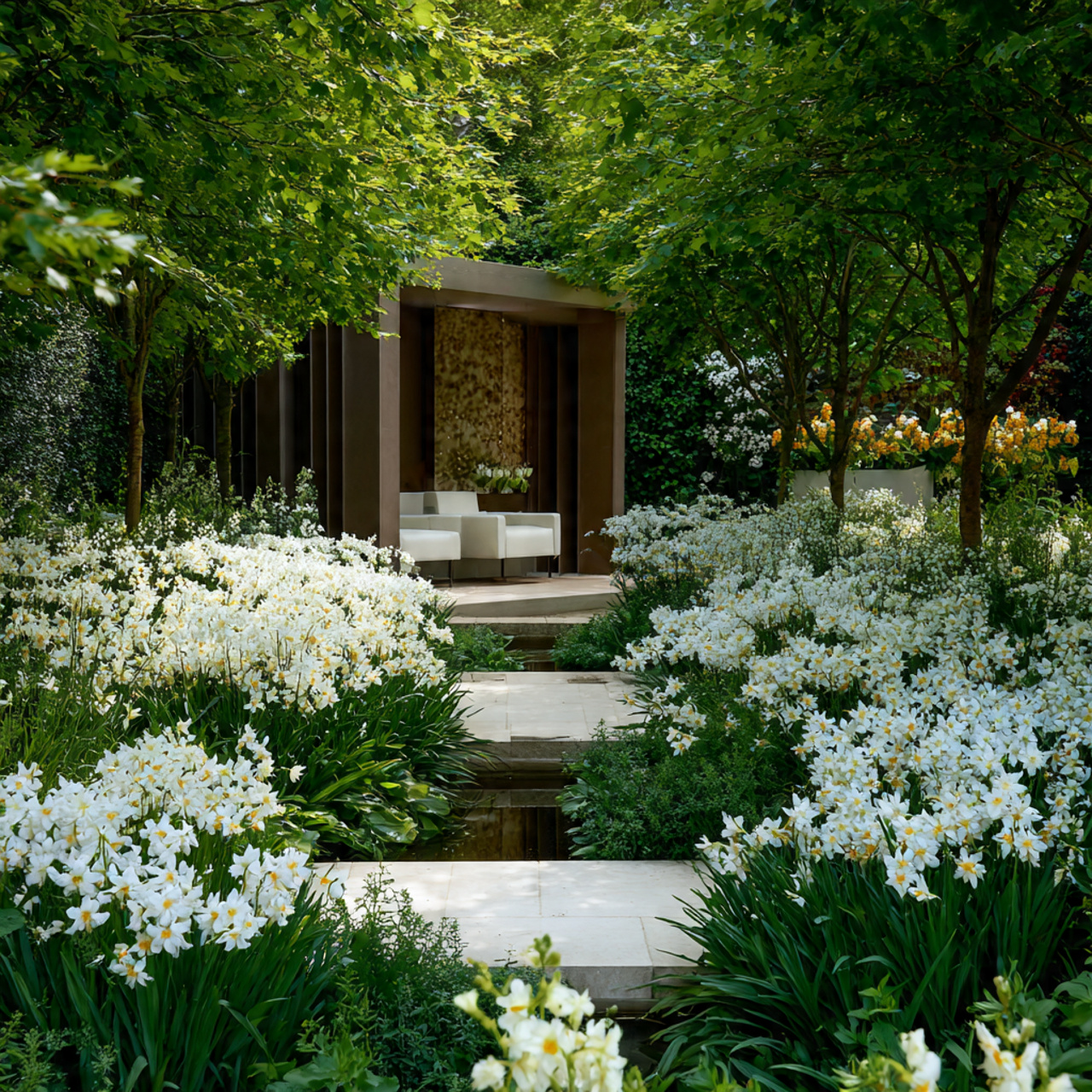
Limiting yourself to one color might sound restrictive, but it actually creates striking sophistication. Monochrome gardens feel intentionally designed and visually calming—elegant simplicity at its finest.
Stunning single-color themes:
- All-white gardens: Classic elegance, night-visible blooms
- Yellow gardens: Cheerful, sunny disposition
- Purple gardens: Royal, calming presence
- Pink gardens: Soft, romantic atmosphere
This unified palette makes your small garden appear thoughtfully curated rather than randomly planted. The simplicity lets flower forms and textures shine without color competition creating visual noise.
Mixed Light Gardens: Adapting to Varied Conditions
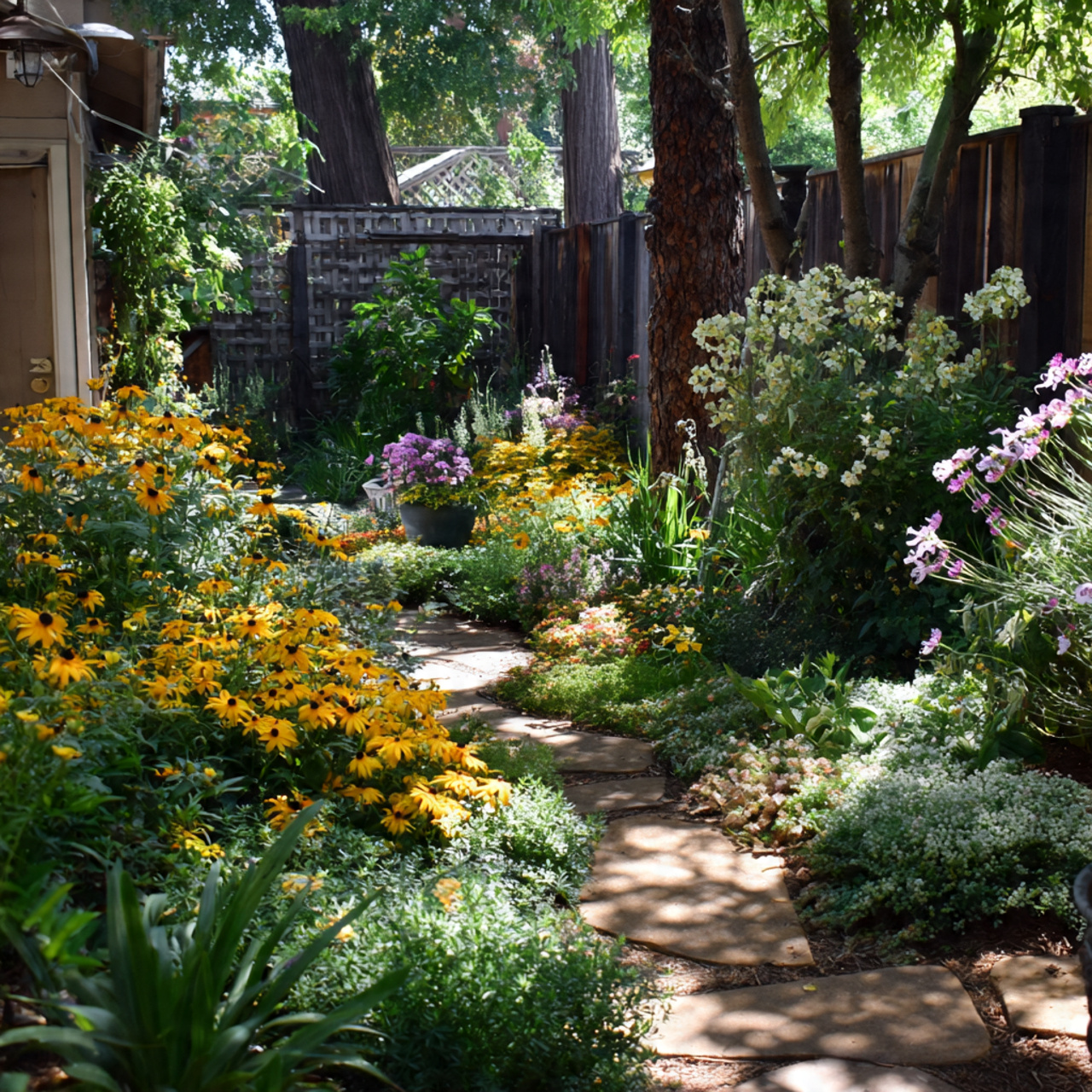
Many compact yards have uneven lighting—part sun, part shade, with changing patterns throughout the day. Instead of fighting this, embrace it by choosing diverse plants suited to each microclimate.
Smart mixed-light strategy:
- Plant sun-lovers where light lingers longest
- Tuck shade plants under tree canopies or building shadows
- Use transitional plants that tolerate both conditions
- Observe light patterns before finalizing your plan
- Adjust throughout the season as needed
This adaptive approach eliminates bare spots and keeps every inch productive. Your small garden stays balanced and consistently blooming regardless of lighting challenges that would frustrate single-zone designs.
Butterfly Shelters: Wings and Wonder
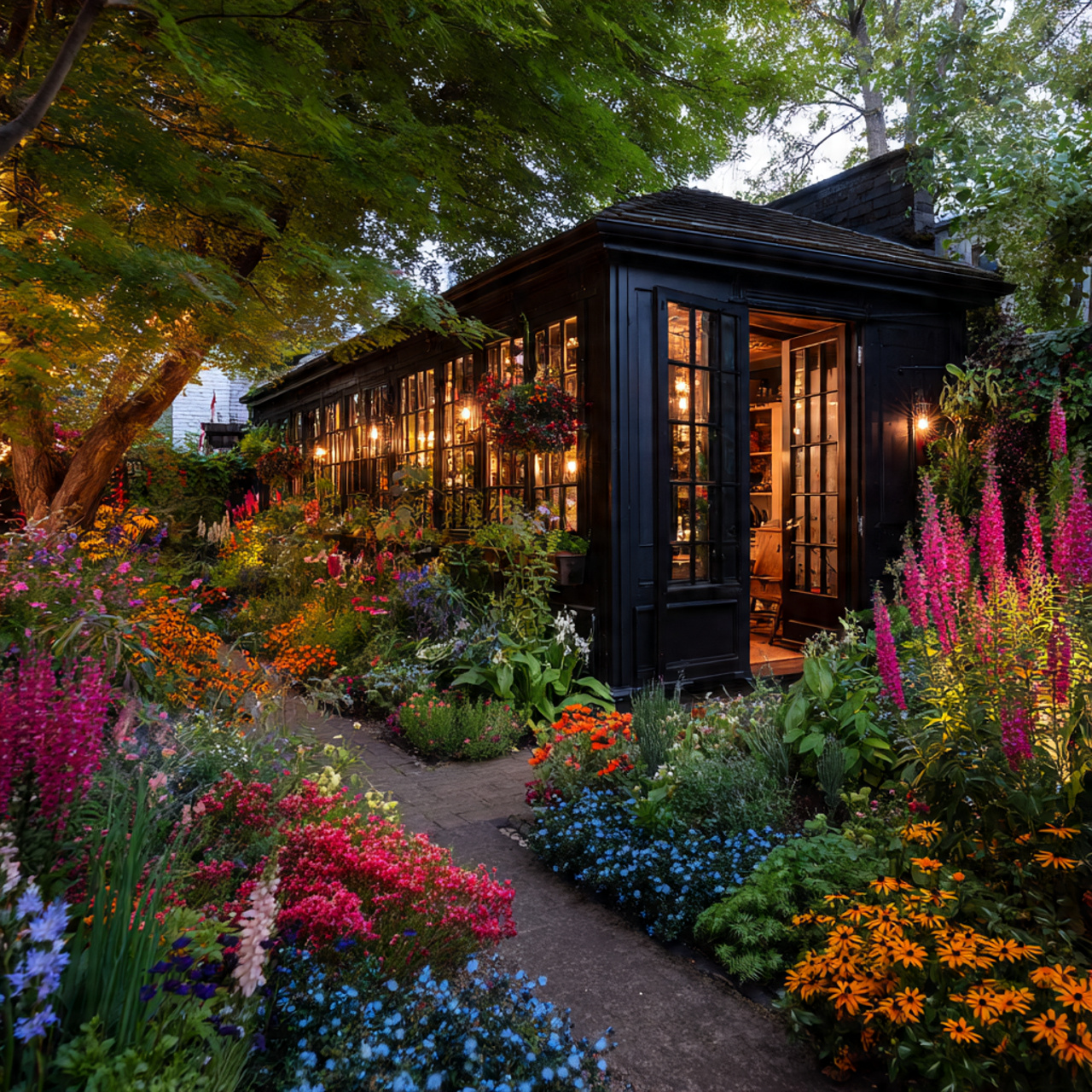
Butterfly-friendly gardens feel magical. The constant flutter of colorful wings adds movement, life, and childlike wonder to even the smallest spaces.
Butterfly magnets:
- Lantana: Clusters of nectar-rich blooms
- Milkweed: Essential for monarch caterpillars
- Pentas: Star-shaped butterfly favorites
- Butterfly bush (dwarf varieties): Named for good reason
- Asters: Late-season butterfly lifeline
By including both nectar sources and host plants where butterflies lay eggs, your tiny garden becomes a complete butterfly sanctuary. You’re not just growing flowers—you’re supporting these beautiful pollinators through their entire lifecycle.
Herb and Flower Blends: Function Meets Beauty
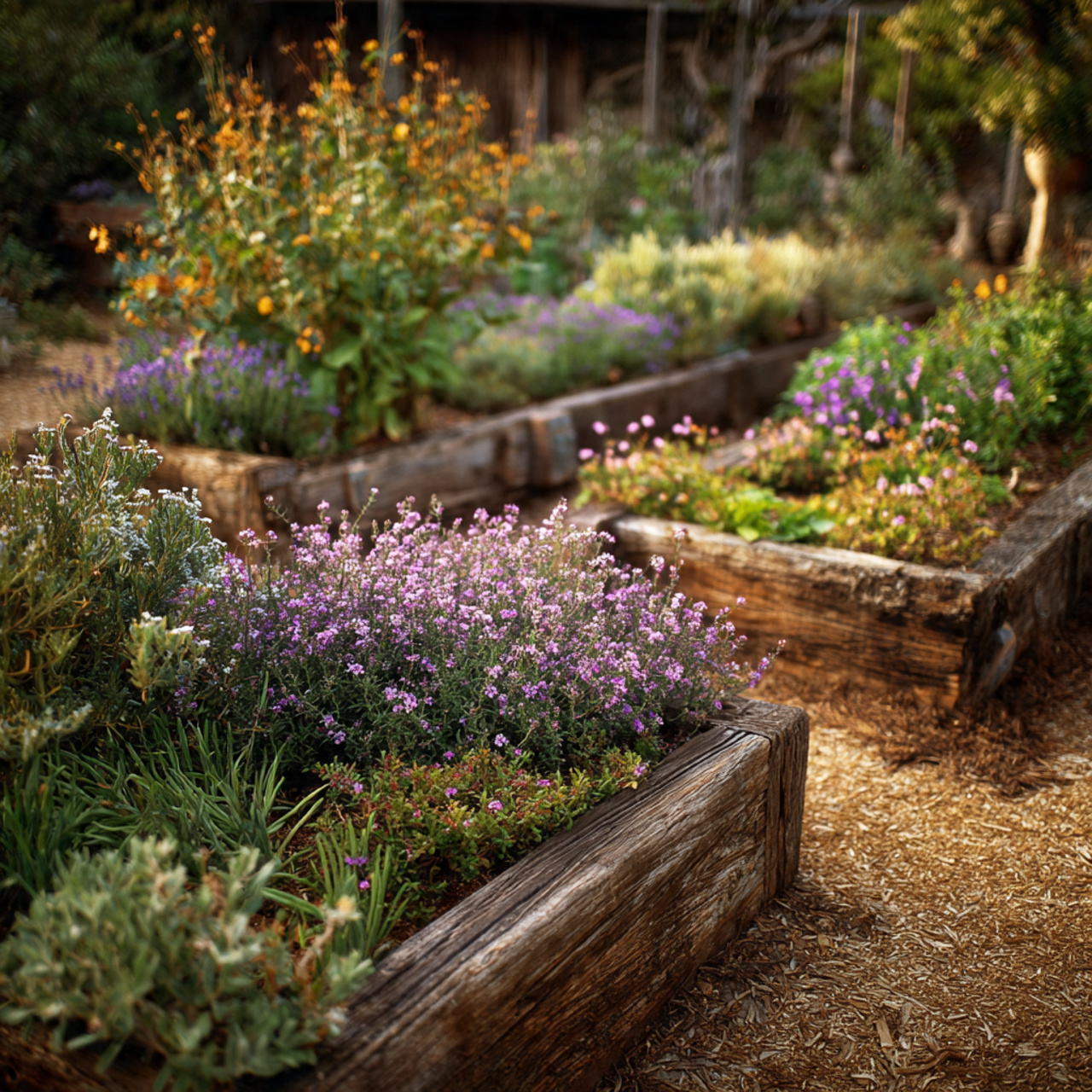
Why separate your herbs from your flowers? Mixing them creates textural contrast, useful harvests, and delightful fragrances in one integrated design.
Perfect herb-flower pairings:
- Thyme with low-growing flowers for fragrant carpets
- Rosemary’s blue blooms alongside salvias
- Sage’s purple flowers among coneflowers
- Basil’s leaf texture contrasting with petunias
- Chives’ purple pompoms among spring bulbs
This combination garden delivers multi-sensory appeal—visual beauty, touchable textures, culinary usefulness, and wonderful scents. Your small garden becomes genuinely multi-purpose without feeling cluttered or confused.
Pathway-Lined Gardens: Creating Journey in Small Spaces
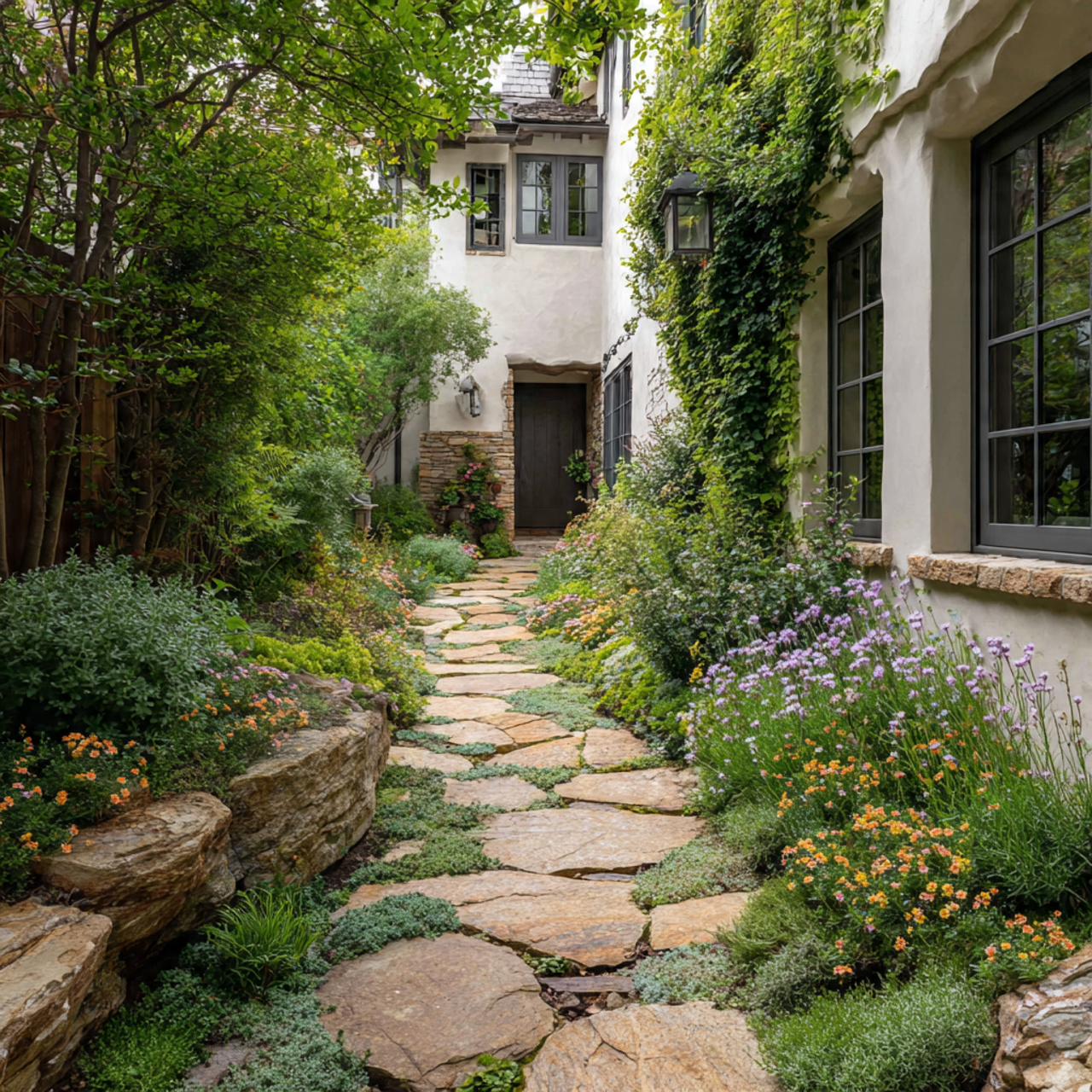
Even a modest path gives your small garden structure and purpose. A simple stone or gravel walkway creates movement and organization, making your compact area feel designed and intentional.
Pathway enhancement ideas:
- Edge with compact, mounding flowers
- Add creeping plants between pavers
- Light the path with solar stakes
- Vary materials for visual interest
- Create a destination—a small bench or focal point
Lining your path with flowers adds continuous color and guides visitors through your space. This creates a sense of exploration and discovery, making your small garden feel like a journey rather than just a static view.
Minimalist Gardens: Less is More
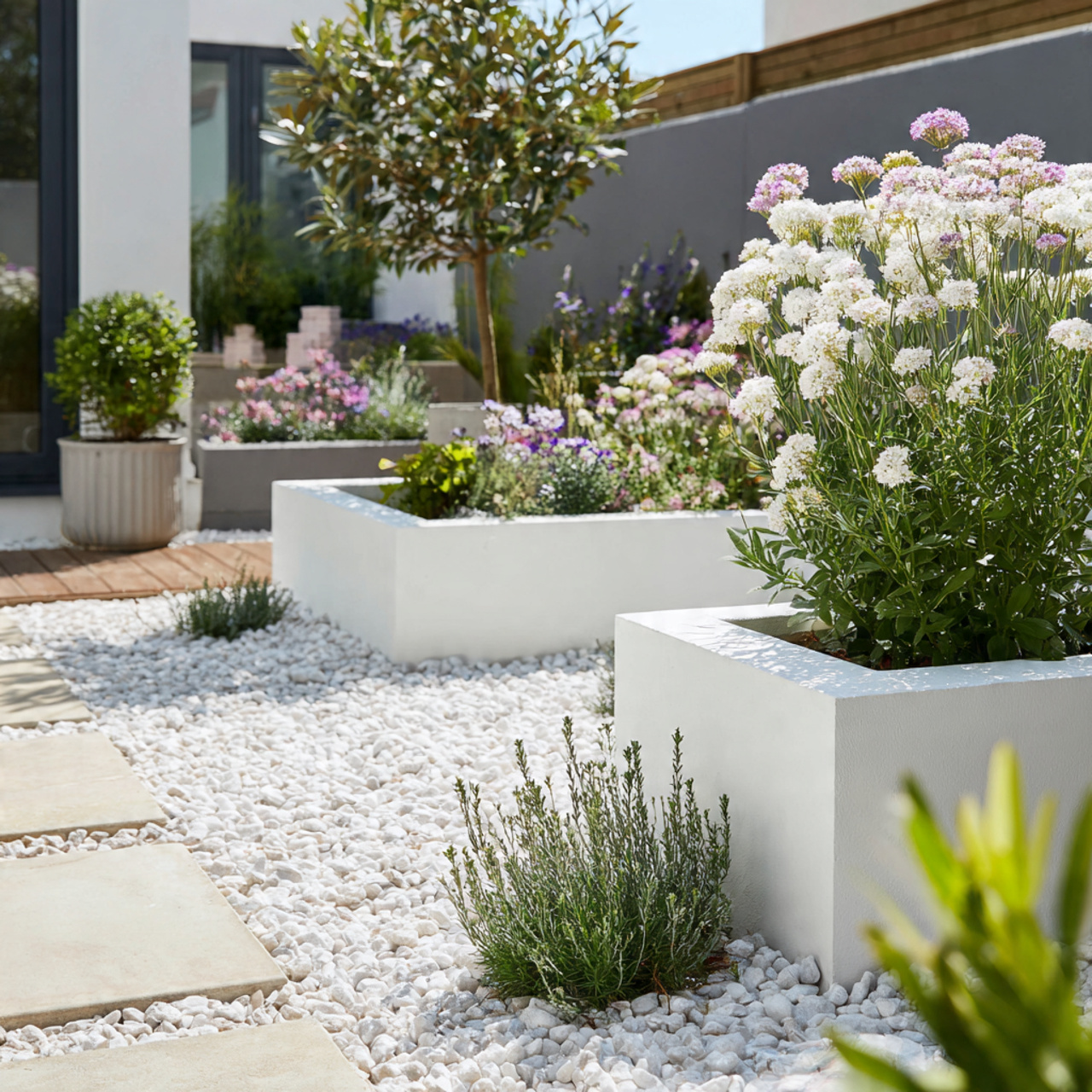
Minimalism celebrates restraint. This approach uses fewer plants with strong architectural forms, creating calm, uncluttered spaces that feel surprisingly spacious.
Minimalist principles:
- Choose plants with bold, sculptural shapes
- Leave intentional empty space
- Use clean lines and geometric arrangements
- Limit your color palette severely
- Focus on quality over quantity
A minimalist small garden feels modern, serene, and breathable. The strategic spacing and careful plant selection create visual quietness—a peaceful retreat from our overstimulated world.
Zen-Inspired Gardens: Cultivating Tranquility
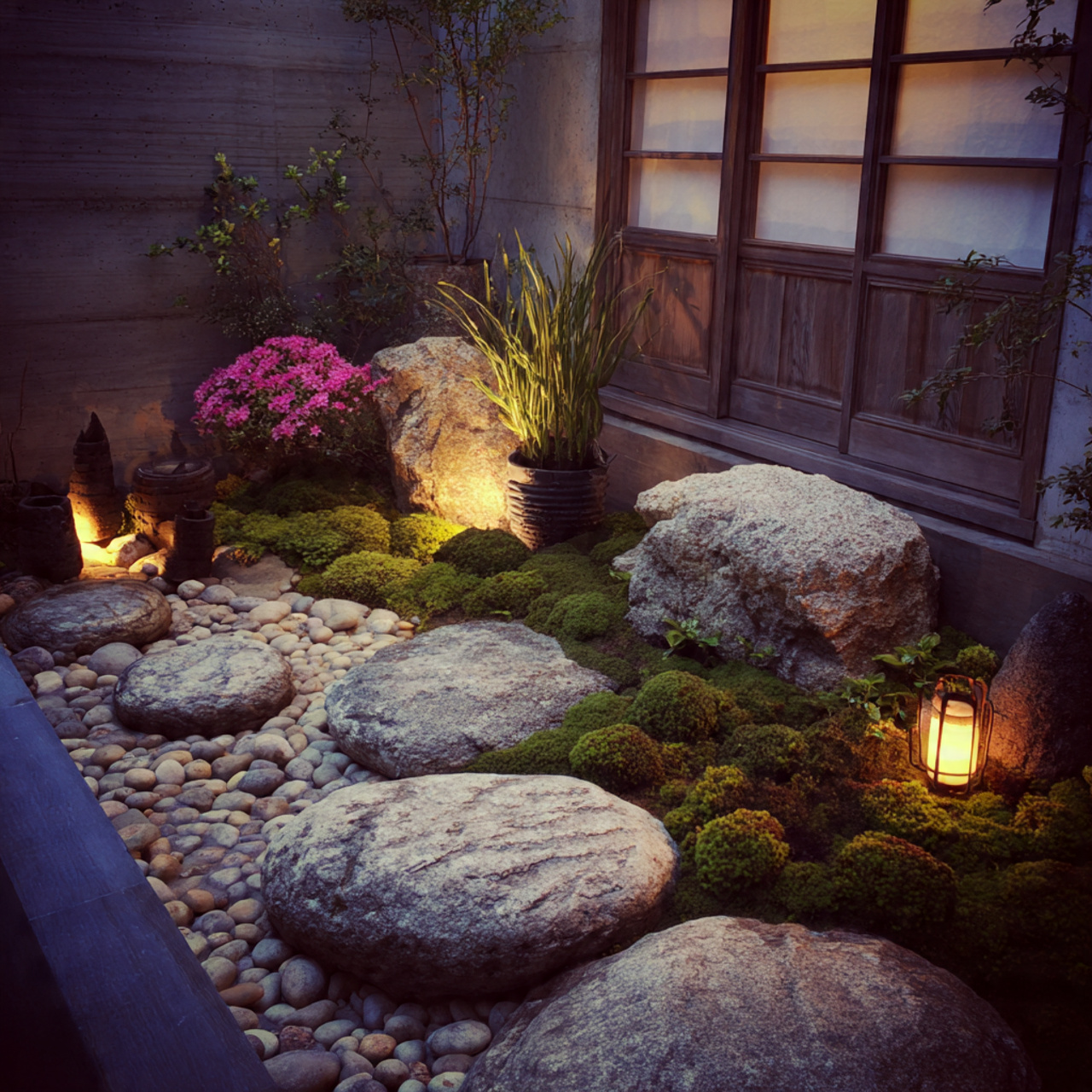
Zen gardens prioritize peace over abundance. Simple blooms, carefully placed stones, and mindful design create meditative spaces where every element has purpose.
Zen garden elements:
- Minimal plant varieties, thoughtfully placed
- Smooth stones or raked gravel
- Symmetry or intentional asymmetry
- Single specimen plants as focal points
- Empty space as a design element
This approach transforms your small garden into a contemplative refuge. It’s not about how many flowers you can fit—it’s about creating harmony, balance, and a space that calms your mind the moment you enter.
Wildflower Gardens: Natural Beauty Unleashed
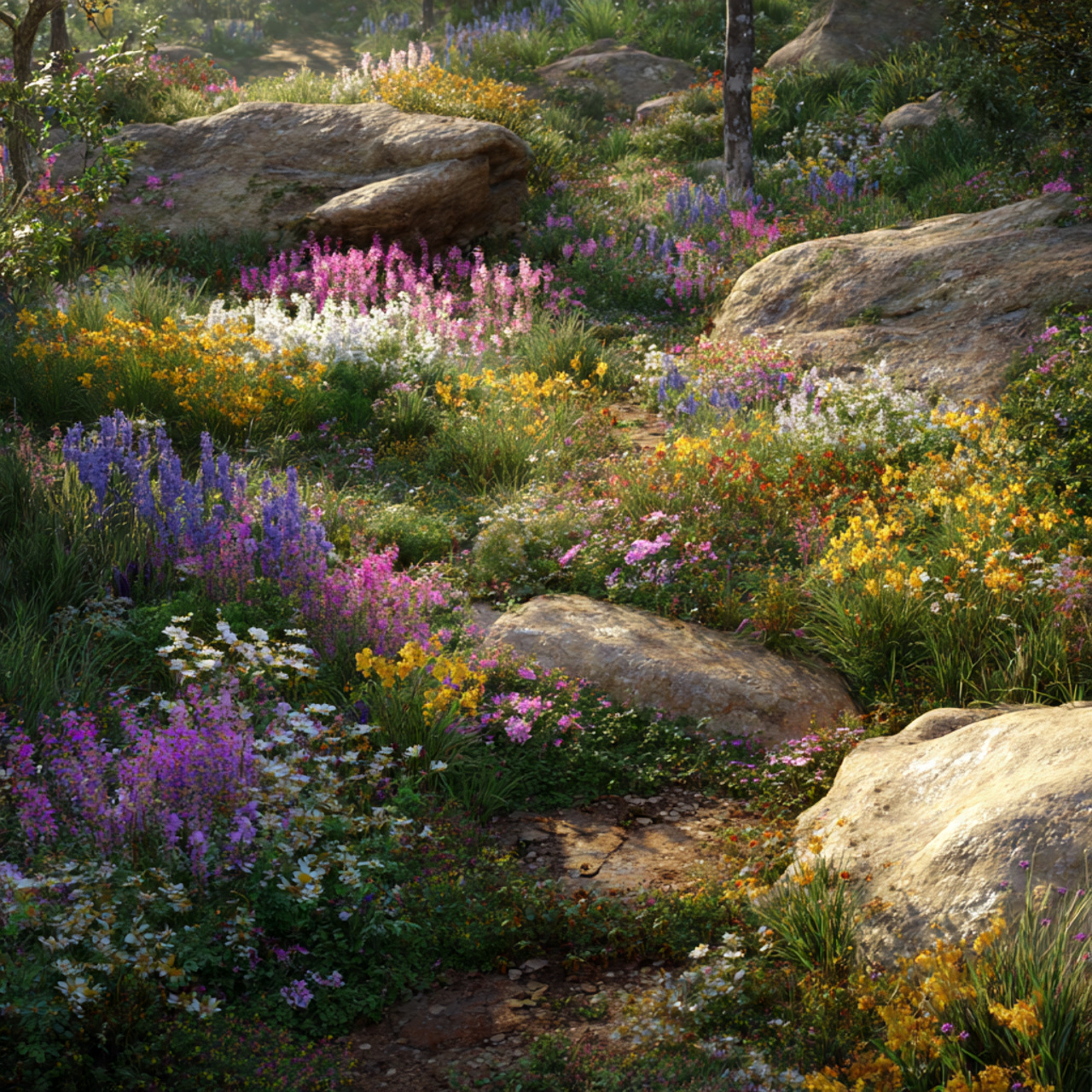
Wildflowers bring spontaneous, organic beauty to small spaces. They look relaxed and natural while requiring minimal maintenance once established.
Easy wildflower choices:
- Black-eyed Susans: Cheerful natives
- Poppies: Papery, vibrant blooms
- Cornflowers: True blue beauties
- Coreopsis: Native and tough
- Blanket flowers: Long-blooming and heat-loving
Wildflower gardens feel free and movement-filled, with flowers swaying naturally in breezes. They attract abundant pollinators while giving your small garden an effortless, meadow-like quality that’s refreshingly low-maintenance.
Balcony Gardens: Elevated Blooms
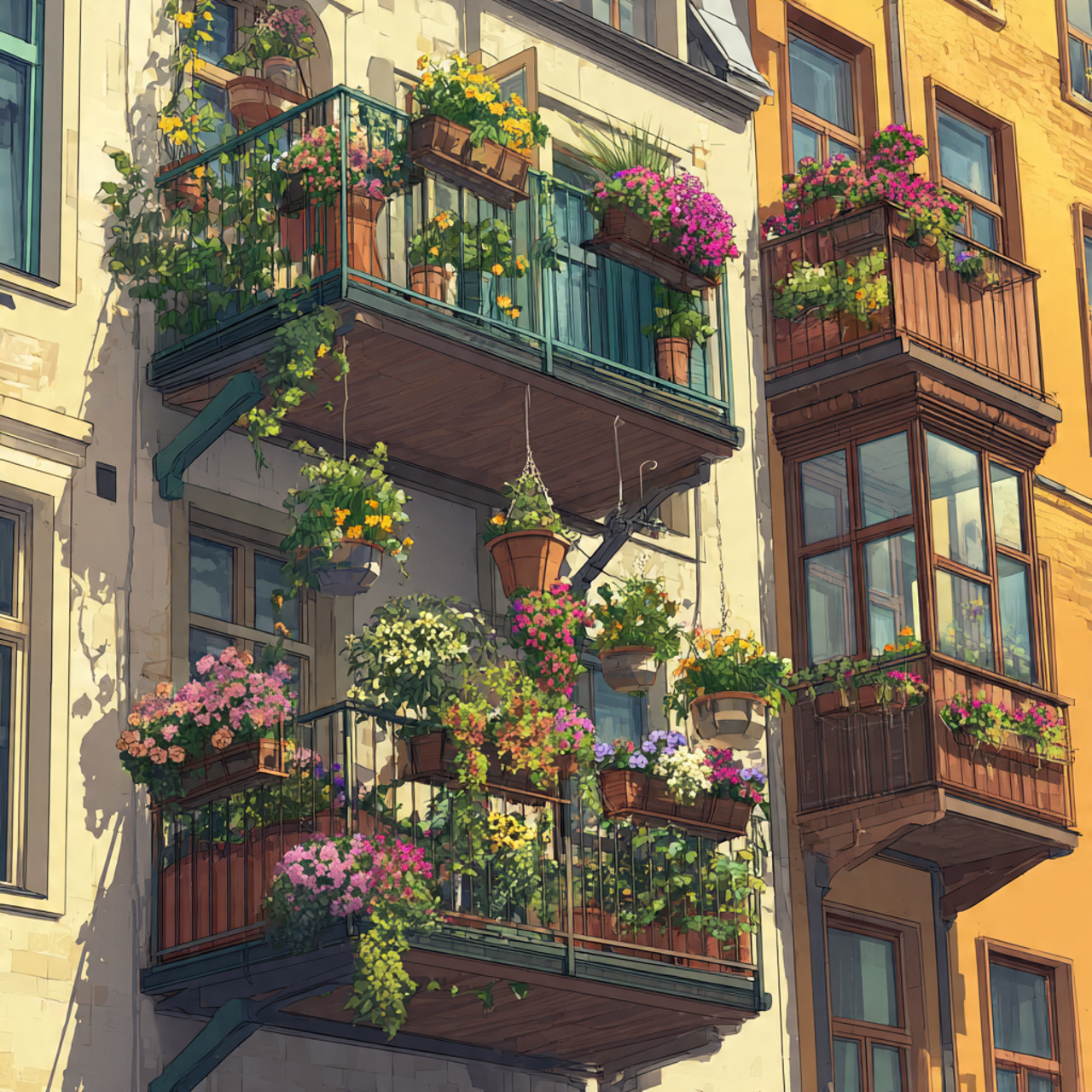
No ground-level space? No problem. Balconies offer unique opportunities for creative flower gardening using railings, walls, and clever vertical arrangements.
Balcony garden strategies:
- Mount railing planters for perimeter blooms
- Use corner plant stands for tiered displays
- Hang baskets from overhead hooks
- Install vertical wall gardens
- Choose wind-tolerant varieties
Your balcony transforms from empty outdoor space into a cozy, bloom-filled retreat. The elevated position often provides excellent light while protecting plants from ground-level pests—unexpected advantages of high-rise gardening.
Patio Corner Gardens: Unused Space Transformed
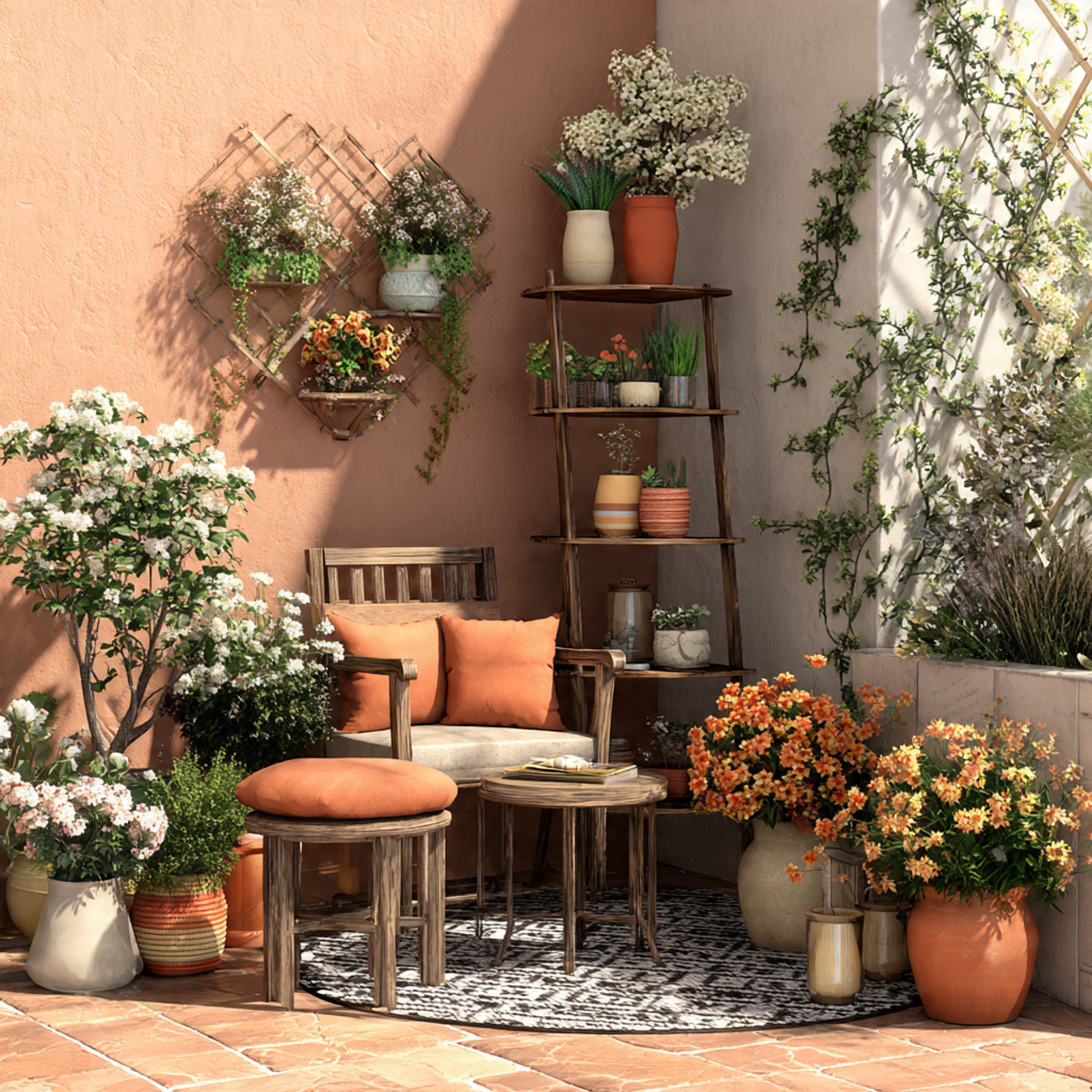
That empty patio corner is prime real estate waiting to bloom. Tiered stands, clustered pots, and compact plants turn forgotten corners into floral focal points.
Corner garden tips:
- Use corner shelving units for vertical display
- Stack different pot sizes for dimension
- Anchor with one larger statement plant
- Keep walkways clear for functionality
- Add a small solar light for evening ambiance
This approach lets you enjoy flowers without sacrificing seating or entertainment areas. Your patio gains beauty and character while remaining completely functional for outdoor living.
Window-Lined Gardens: Indoor-Outdoor Beauty
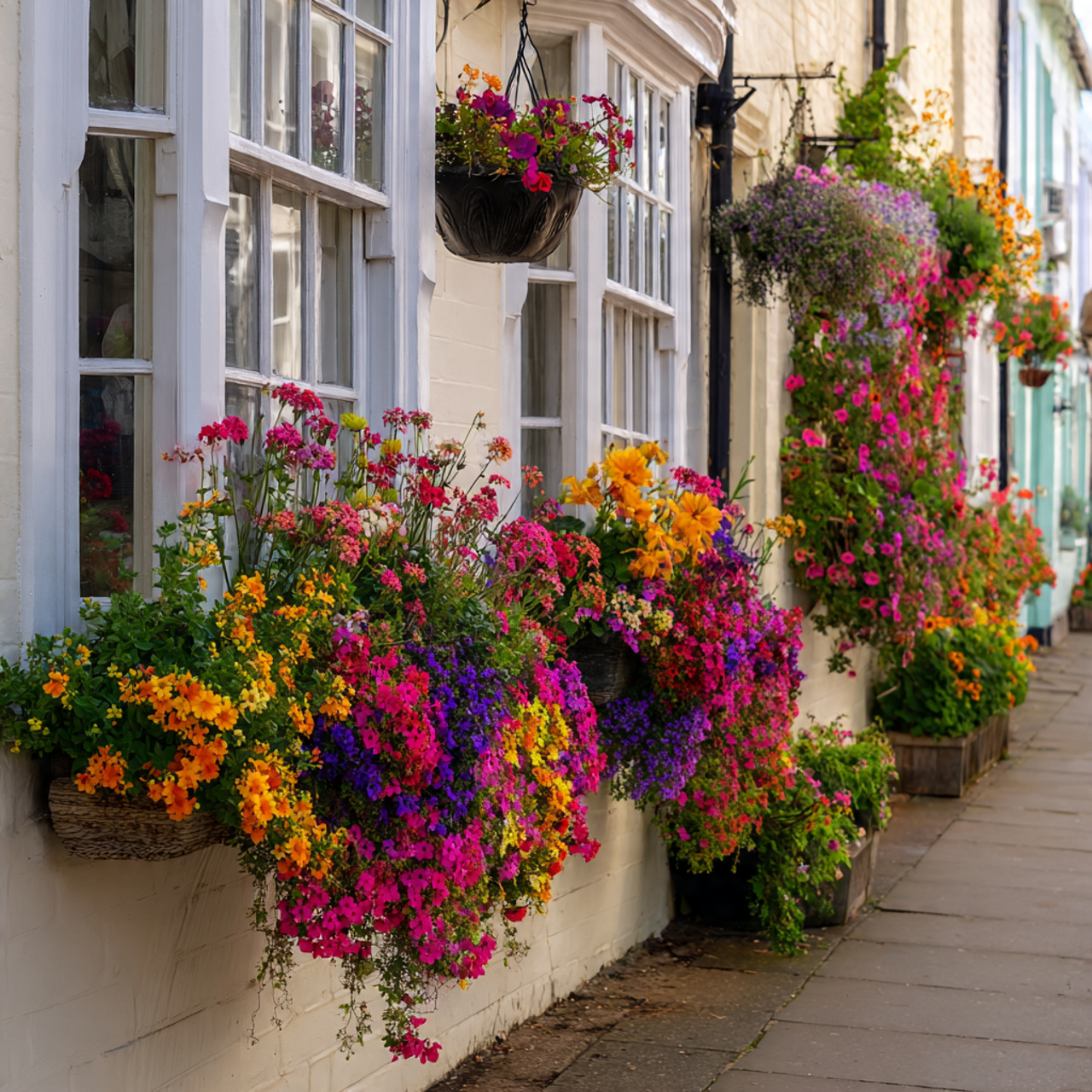
Windowsills and exterior ledges become extensions of your garden with well-placed planters. These elevated flower displays provide color visible from both inside and outside your home.
Window garden advantages:
- Enjoy blooms from indoors during bad weather
- No ground space required
- Easy watering access from inside
- Creates charming curb appeal
- Expands your garden vertically
Long rectangular window boxes maximize these narrow spaces perfectly. You’re essentially adding garden real estate without claiming a single square foot of yard space.
Seasonal Rotation Gardens: Year-Round Interest
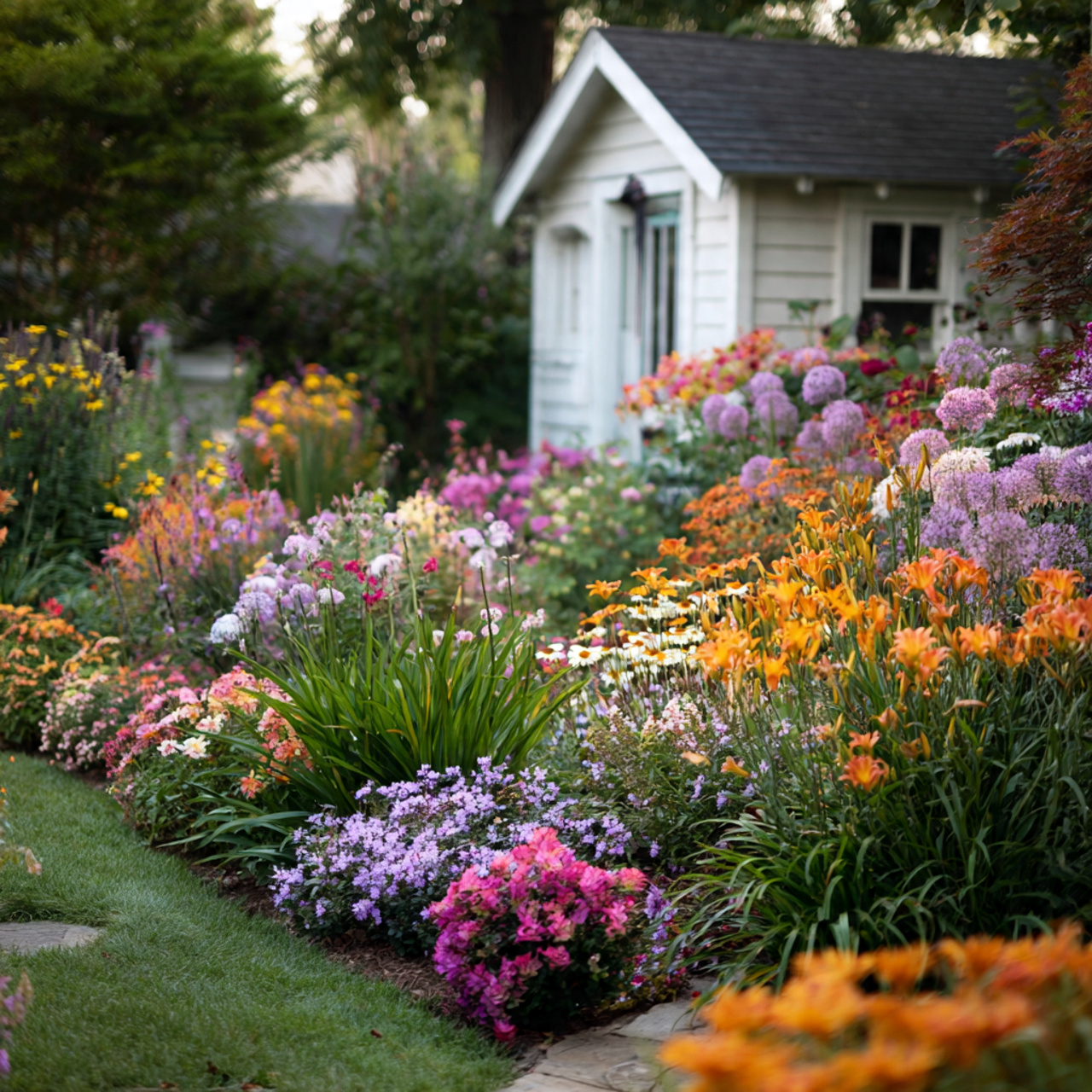
Keep your small garden dynamic by rotating plants seasonally. Spring bulbs give way to summer annuals, which transition to fall mums and ornamental cabbage—your garden constantly evolves.
Seasonal rotation plan:
- Spring: Tulips, daffodils, pansies, primrose
- Summer: Petunias, marigolds, zinnias, cosmos
- Fall: Mums, asters, ornamental kale, sedums
- Winter: Evergreen boughs, winter pansies (in mild climates)
This strategy prevents garden fatigue and gives you something to look forward to throughout the year. Your small flower garden becomes a living calendar, marking seasons with fresh colors and renewed beauty.
Visit Also: Cut Flower Garden
FAQs About a Small Flower Garden
1. What flowers grow best in a Small Flower Garden?
Compact varieties like petunias, pansies, dianthus, lavender, and marigolds thrive because they require little space yet offer high visual payoff.
2. How do I make a Small Flower Garden look bigger?
Using vertical structures, light-colored flowers, mirrors, slim pathways, and layered pots visually expands tight spaces.
3. Can I grow perennials in a Small Flower Garden?
Yes. Perennials like salvia, daylilies, and coneflowers provide long-term structure and reduce yearly replanting.
4. How much sunlight does a Small Flower Garden need?
Most flowers prefer 6 hours of sun, though many shade-loving blooms can thrive with less. Choose plants suited to your light conditions.
5. Is a Small Flower Garden high maintenance?
No. With smart plant selection and efficient layouts, it can remain low-maintenance while still looking vibrant.
Final Thoughts: Small Spaces, Unlimited Possibilities
Your small flower garden holds incredible potential regardless of its modest size. Through creative design, strategic plant choices, and intentional planning, even the tiniest outdoor area transforms into a rich, colorful sanctuary that rivals gardens many times larger.
Whether you gravitate toward wild, natural looks, structured minimalism, pollinator-friendly plantings, romantic cottage charm, or practical edible blooms, your small garden offers endless opportunities for personal expression. These ideas provide proven starting points, but your imagination and individual style will make your garden truly unique.
The beauty of small-scale gardening is that changes come easily—experiment freely, adjust boldly, and let your garden evolve with your tastes. With these practical strategies in hand, you’re ready to create a powerful, personality-filled garden that brings daily joy, delightful fragrances, and natural beauty right outside your door, proving definitively that great gardens aren’t measured in square footage—they’re measured in heart, creativity, and the happiness they bring.