24 Flower Garden Ideas That Instantly Transform Your Outdoor Space
There’s something magical about stepping into a garden bursting with colorful blooms. A well-planned flower garden doesn’t just add beauty—it creates an outdoor escape where you can unwind, watch butterflies dance, and enjoy nature’s ever-changing display. The best part? You don’t need a green thumb or acres of land to make it happen.
Creating a stunning flower garden starts with understanding what works for your space, climate, and lifestyle. Whether you’re working with a sprawling backyard or a compact balcony, the right approach can transform any area into a blooming paradise that reflects your personal style while staying manageable throughout the seasons.
Understanding What Makes a Flower Garden Thrive
Think of garden design like decorating a room—you need balance, focal points, and elements that work together harmoniously. Successful gardens combine plants with varying heights, bloom schedules, and textures to create visual interest that lasts beyond a single season.
Key elements to consider:
- How colors interact and complement each other
- Staggering bloom times for continuous color
- Mixing soft petals with bold foliage
- Creating natural sight lines that guide the eye
- Matching plants to your soil type and sun exposure
The smartest gardens work with nature rather than against it. Selecting plants suited to your local conditions means less frustration and more time enjoying your garden instead of fighting to keep struggling plants alive.
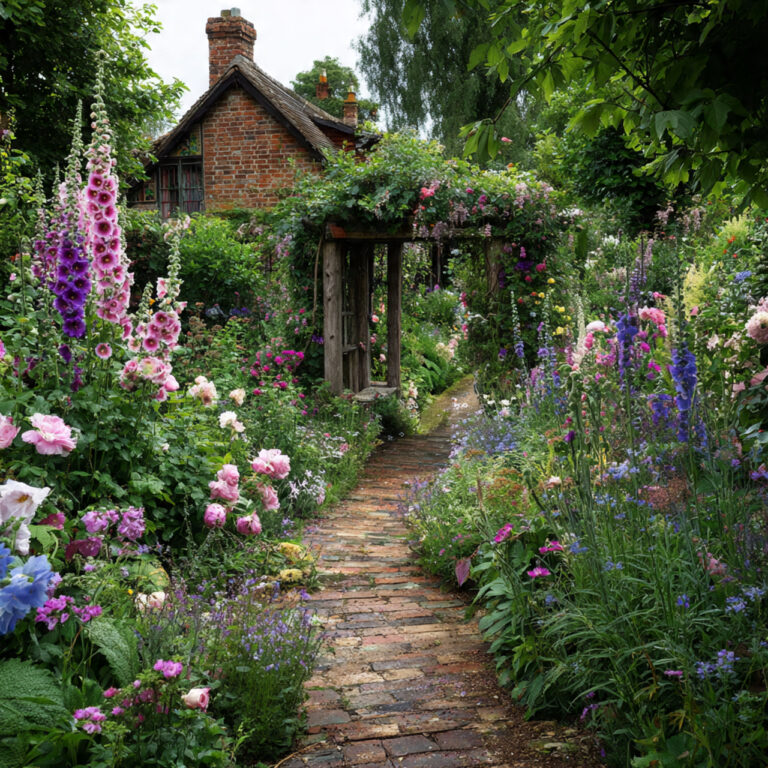
Embrace the Romance of Cottage Gardens
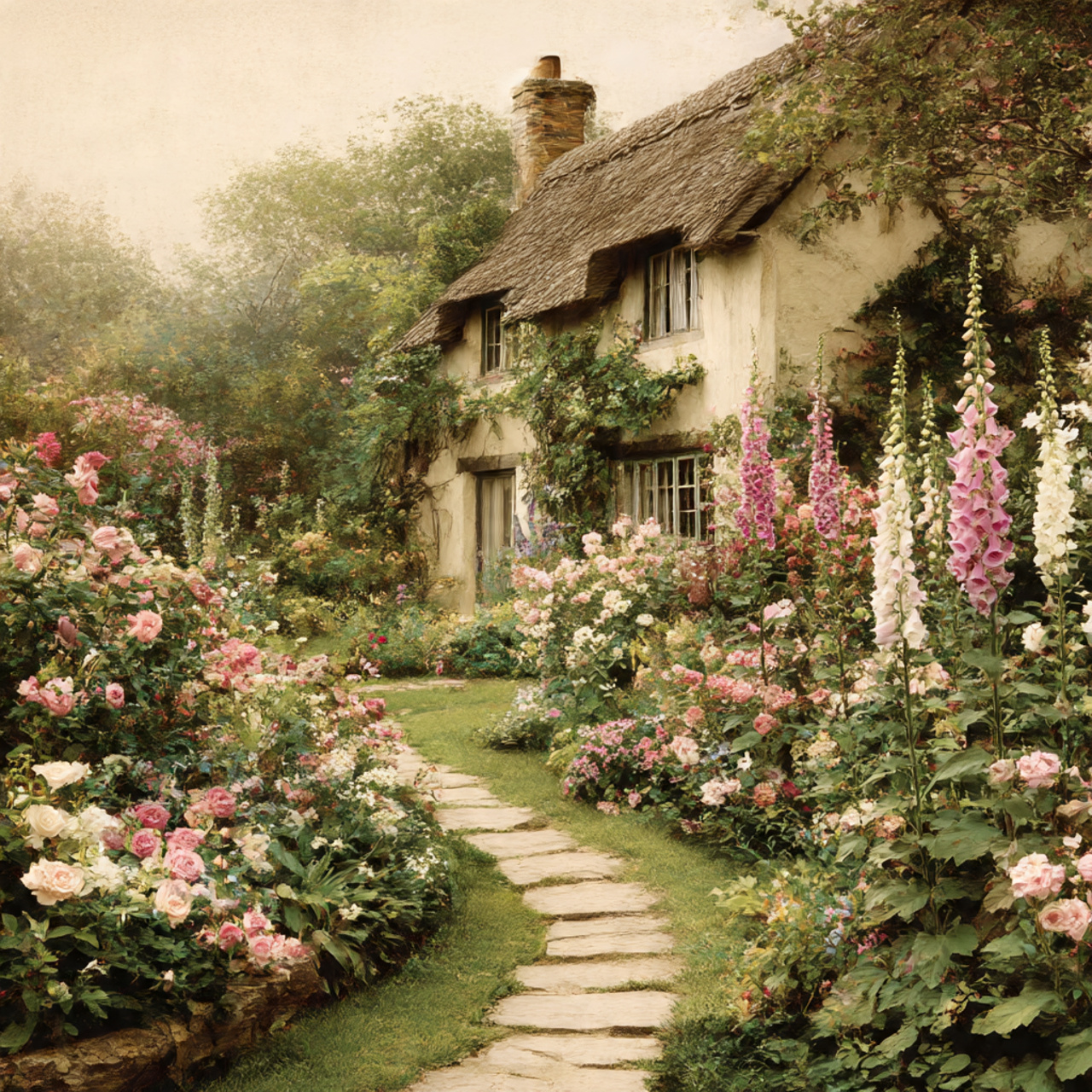
Picture an English countryside garden overflowing with flowers at every turn—that’s the cottage garden aesthetic. This style celebrates abundance over perfection, mixing traditional favorites like roses, foxgloves, and hollyhocks in seemingly carefree arrangements that hide their thoughtful planning.
The beauty of this approach lies in its forgiving nature. Packed plantings naturally crowd out weeds, and the varied heights create depth that makes small spaces feel larger. Winding gravel paths or weathered stepping stones add just enough structure to prevent chaos while maintaining that effortless, romantic vibe.
What makes cottage gardens work:
- Dense layering eliminates gaps and bare soil
- Soft color palettes (think pastels and creams) create cohesion
- Self-seeding plants like forget-me-nots fill unexpected spaces
- Vertical elements (climbing roses, tall delphiniums) add drama
- Imperfections become charming rather than problematic
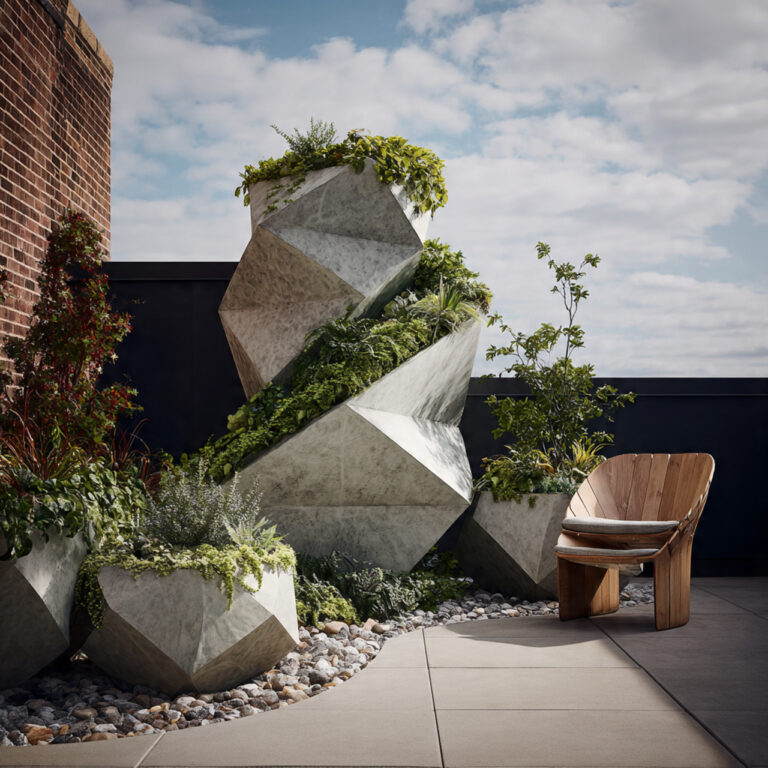
Clean Lines for Contemporary Spaces
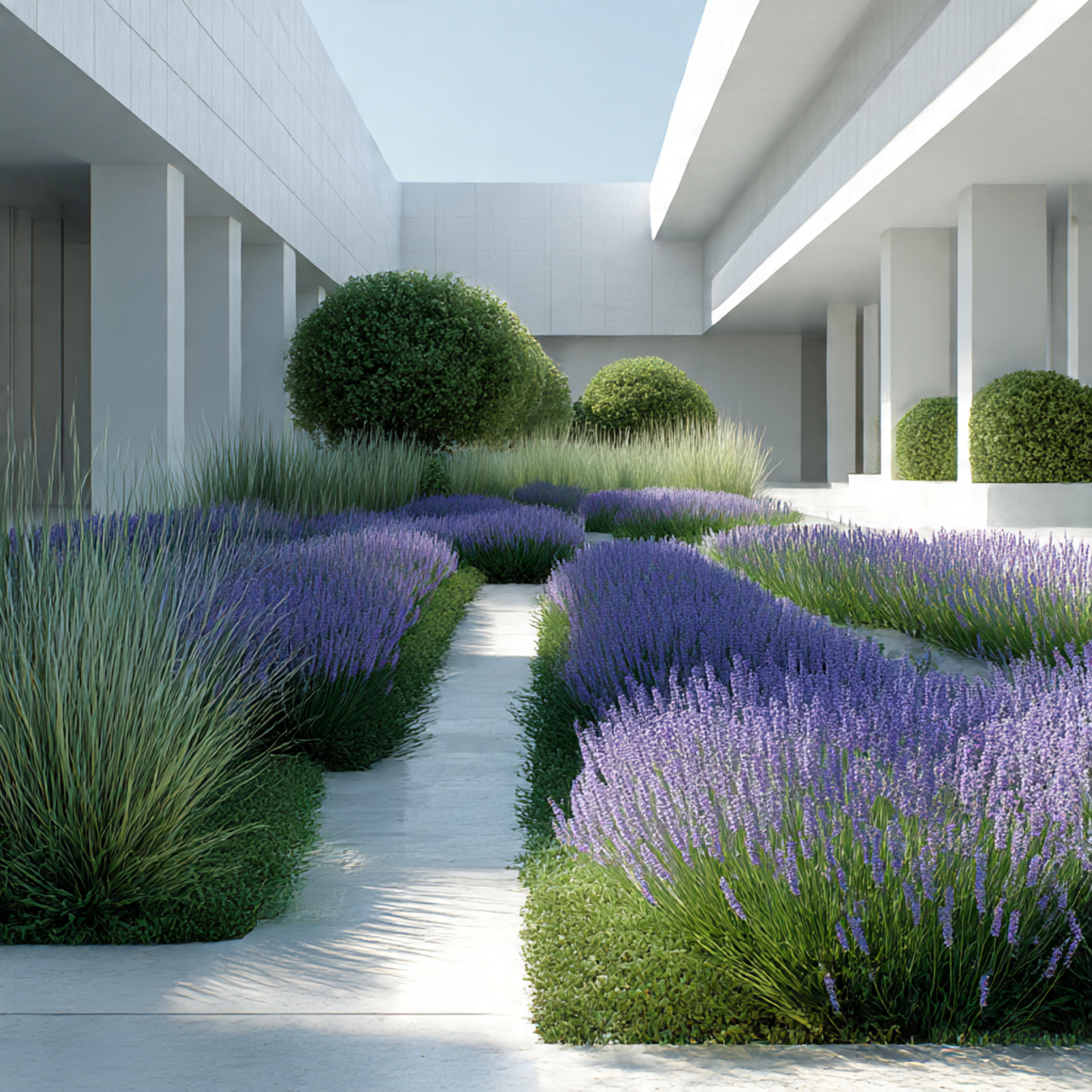
Not everyone loves wild abundance—some prefer gardens that feel calm, orderly, and intentionally curated. Modern minimalist gardens use repetition and restraint to create striking visual impact with surprisingly little maintenance.
Choose three to five plant varieties and repeat them throughout the space. Ornamental grasses paired with architectural plants like hydrangeas or sleek lavender blocks create rhythm without monotony. Geometric raised beds, metal edging, and gravel mulch reinforce the contemporary aesthetic while reducing watering needs.
Why this style works for busy people:
- Fewer plant types mean simpler care routines
- Drought-tolerant selections reduce irrigation demands
- Clean edges and mulch suppress weeds naturally
- The structured look complements modern architecture beautifully
Create a Oasis for Pollinators
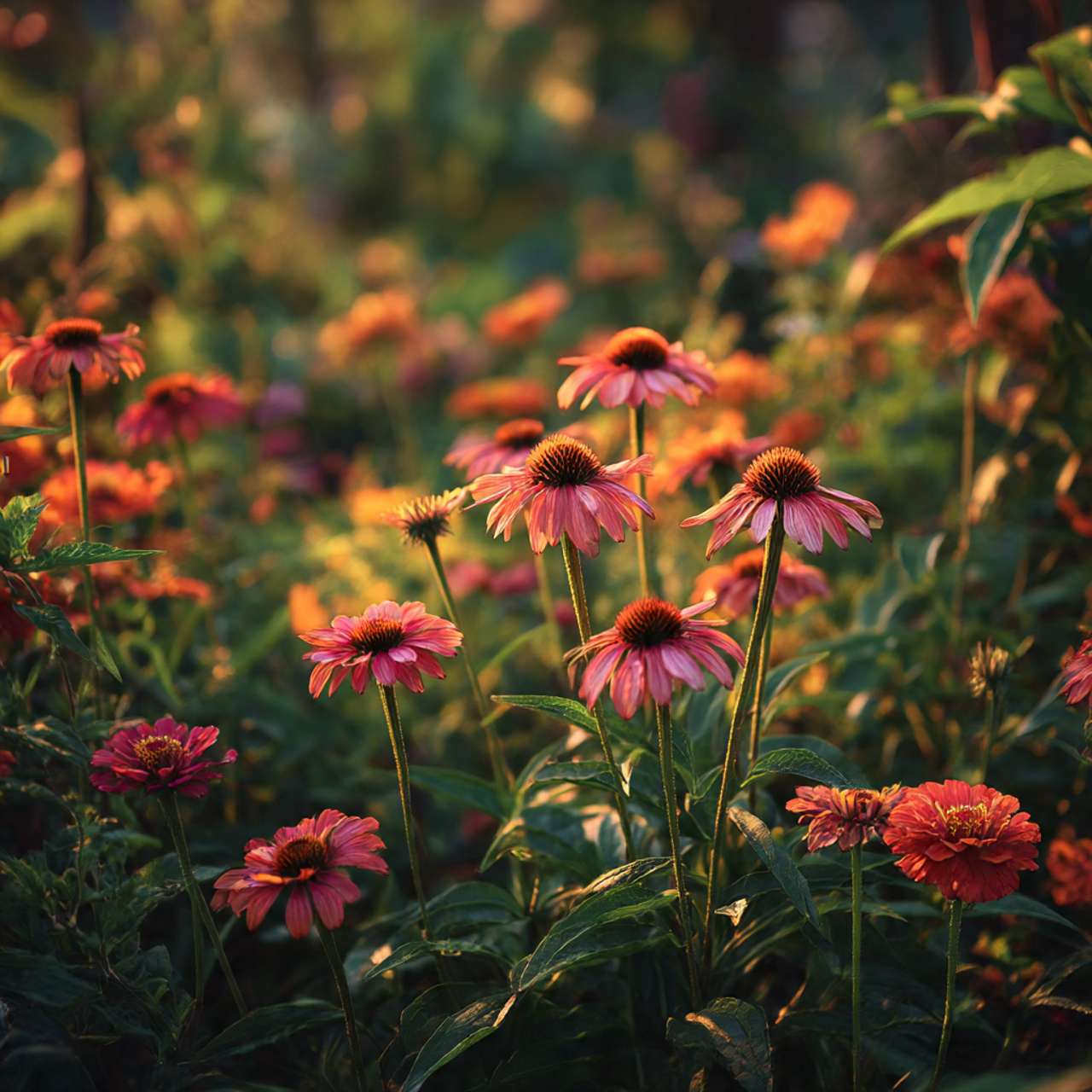
Watching butterflies float between blooms and hearing bees hum through flowers adds life to any garden. Pollinator gardens serve a purpose beyond aesthetics—they support struggling bee populations and create balanced ecosystems right in your yard.
Focus on nectar-rich natives like coneflowers, asters, and black-eyed Susans that provide food from early spring through fall. Cluster the same plants together so pollinators can easily spot them, and skip pesticides that harm beneficial insects along with pests.
Benefits beyond beauty:
- Native plants require less water and fertilizer
- Supports local ecosystem health
- Attracts hummingbirds for added entertainment
- Creates a living classroom for kids to observe nature
- Reduces reliance on chemical treatments
Invest in Plants That Return Year After Year
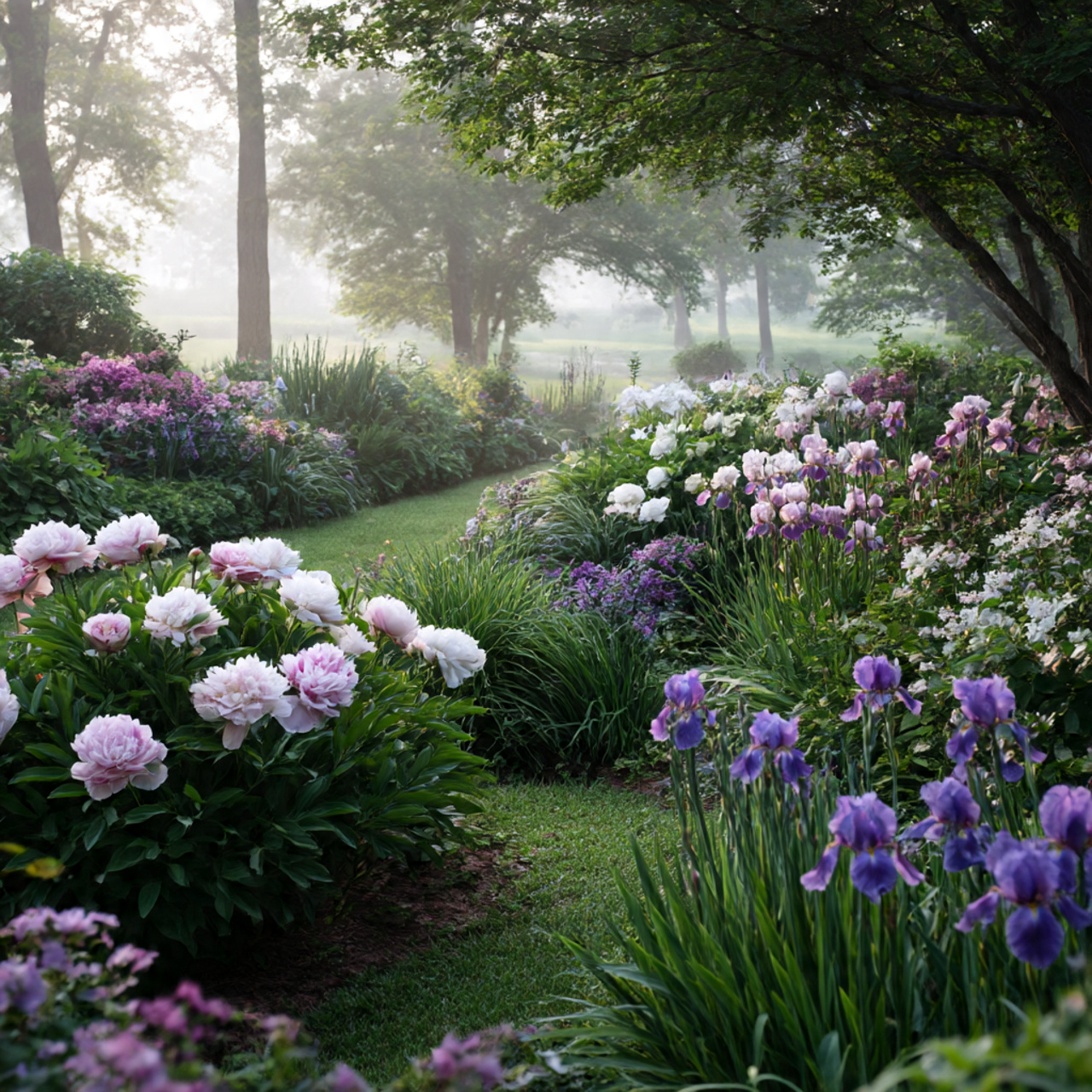
Tired of replanting every spring? Perennial gardens deliver long-term value with plants that emerge reliably each season, often growing larger and more spectacular over time. Classics like peonies, daylilies, and sedums form the backbone of low-maintenance landscapes.
The secret to keeping perennial beds interesting lies in choosing varieties that bloom at different times. Pair spring irises with summer phlox and fall asters so something is always flowering. As plants mature, they fill in gaps and develop the established look that takes years to achieve with annuals.
Smart perennial strategies:
- Divide clumps every few years to multiply plants for free
- Mix heights—tall Joe Pye weed behind compact sedum
- Include evergreen options for winter structure
- Leave seed heads for winter interest and bird food
Make Shady Spots Shine
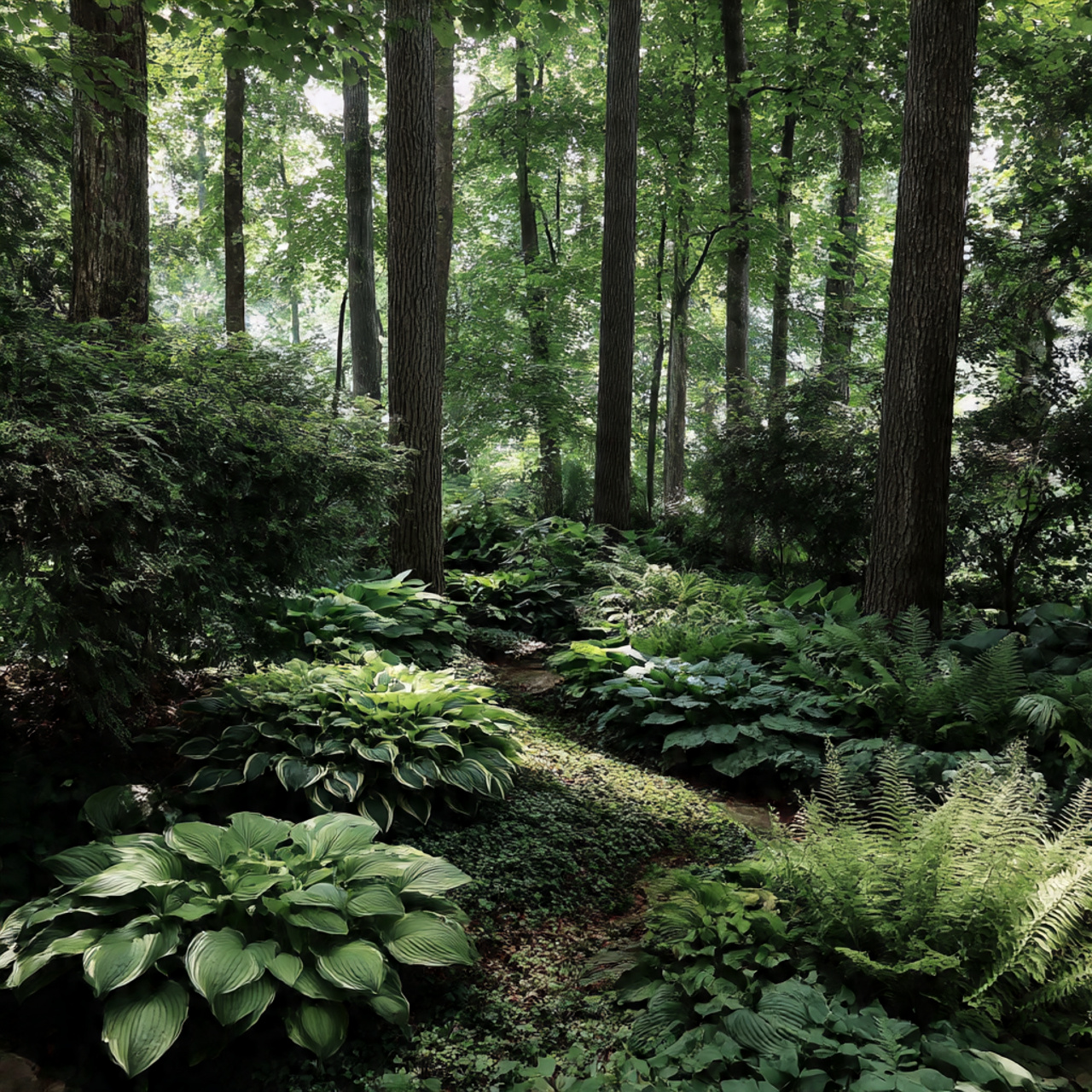
That dark corner under the trees doesn’t have to stay barren. Shade-loving plants like hostas, astilbes, and coral bells transform dim areas into lush retreats with their rich foliage and delicate blooms.
Rather than fighting for sun, embrace what shade offers—cooler temperatures, moisture retention, and the opportunity to create serene spaces perfect for morning coffee or quiet reading. Layer different leaf textures and variegated patterns to add dimension even when flowers aren’t present.
Shade garden essentials:
- Foliage becomes the star—choose varied leaf shapes
- Lighter colors (white, chartreuse) glow in low light
- Ferns add graceful movement and texture
- Mulch generously to retain moisture
- Consider fragrant woodland plants like lily of the valley
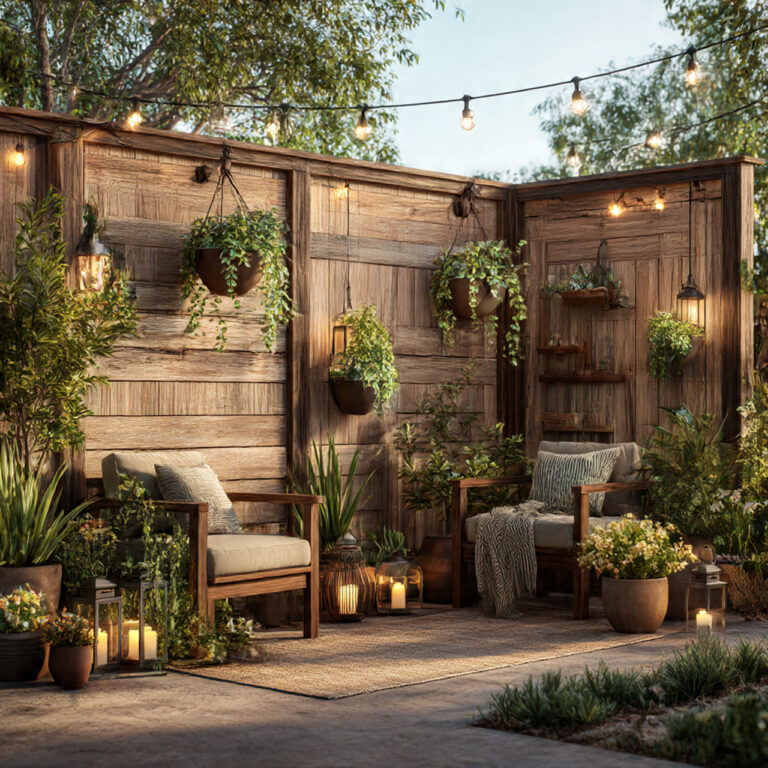
Vertical Flower Garden Ideas
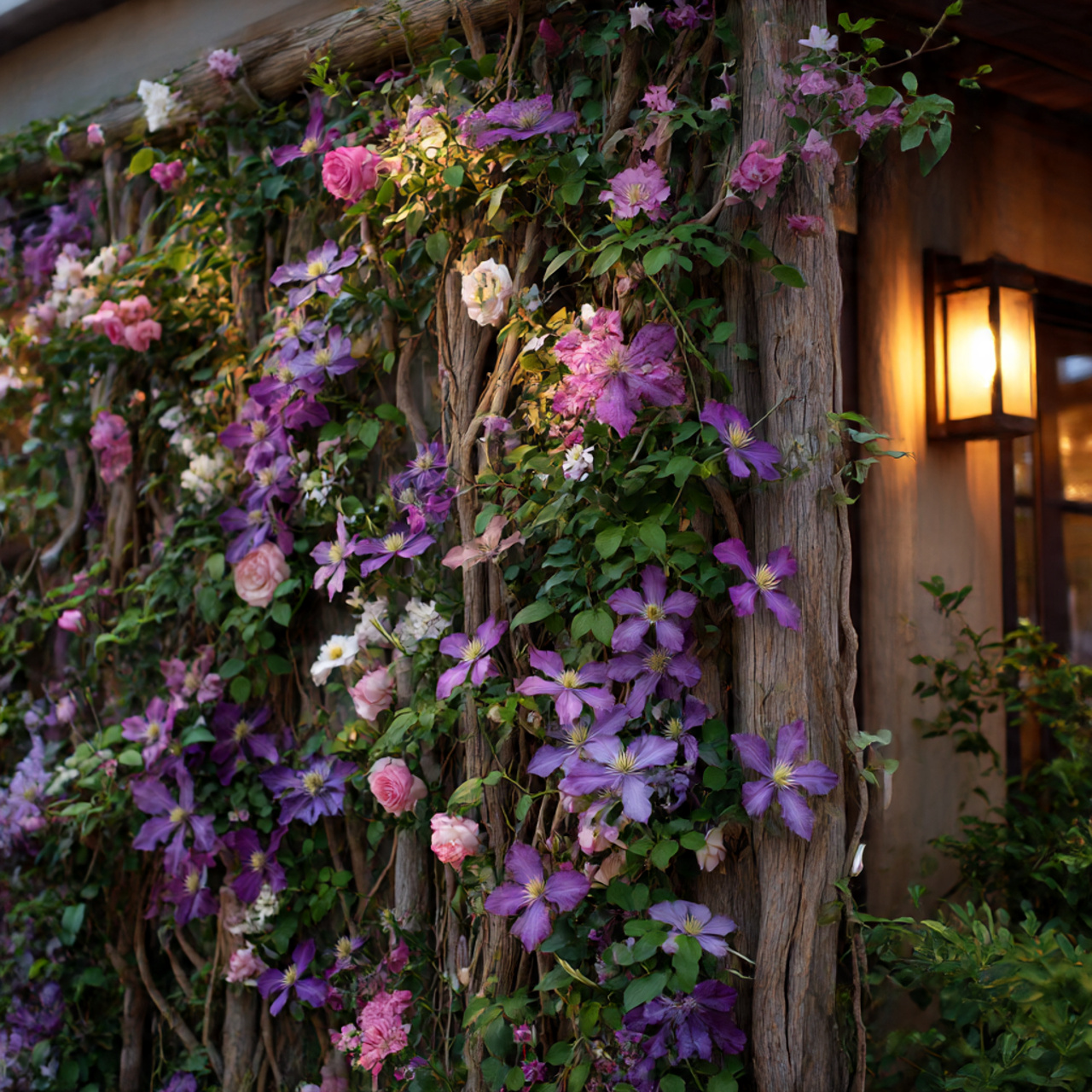
When you can’t expand outward, build upward. Vertical gardens use trellises, arbors, and wall-mounted planters to create floral displays that maximize every square foot while adding privacy and softening hard surfaces.
Climbing roses, sweet-scented clematis, and fast-growing morning glories turn fences into living walls. Hanging baskets cascading with petunias or trailing verbena add height variation that makes compact areas feel more dynamic and less cramped.
Vertical garden advantages:
- Creates privacy screens naturally
- Makes small spaces feel larger
- Adds architectural interest year-round
- Provides shade for plants below
- Keeps flowers at eye level for better enjoyment
Raised-Bed Flower Garden Ideas
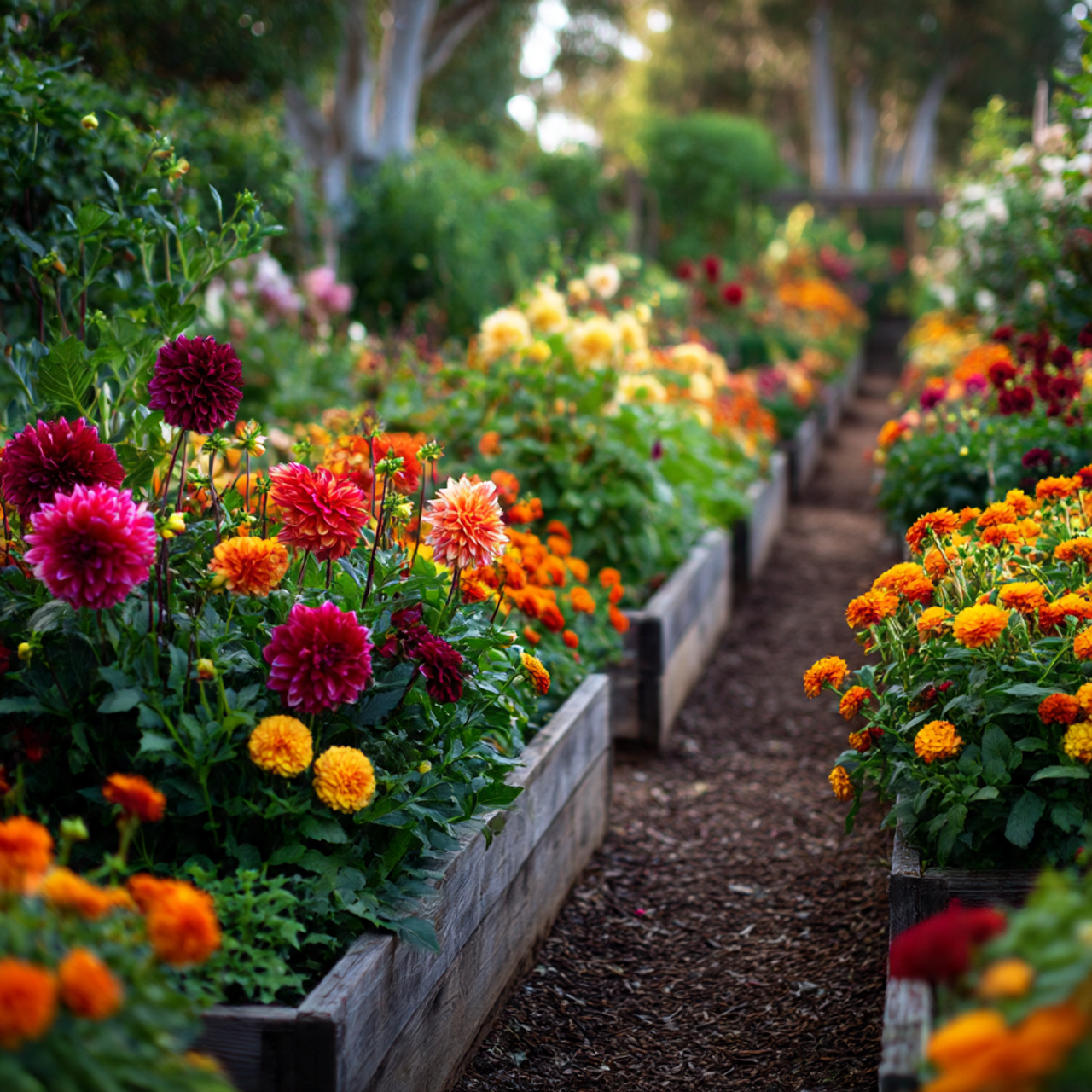
Raised beds solve multiple problems at once—they improve drainage, prevent soil compaction, warm up faster in spring, and make gardening easier on your back and knees. Whether you build them from wood, stone, or metal, elevated beds bring organization and definition to any landscape.
Fill raised beds with customized soil blends perfect for your chosen plants. Tulips and daffodils, dahlias, or wildflower mixes all thrive in the controlled environment. The clear boundaries keep grass from invading and make maintenance straightforward.
Raised bed benefits:
- Extend the growing season by warming earlier
- Control soil quality completely
- Reduce bending and kneeling
- Define spaces clearly in open yards
- Prevent soil from washing away on slopes
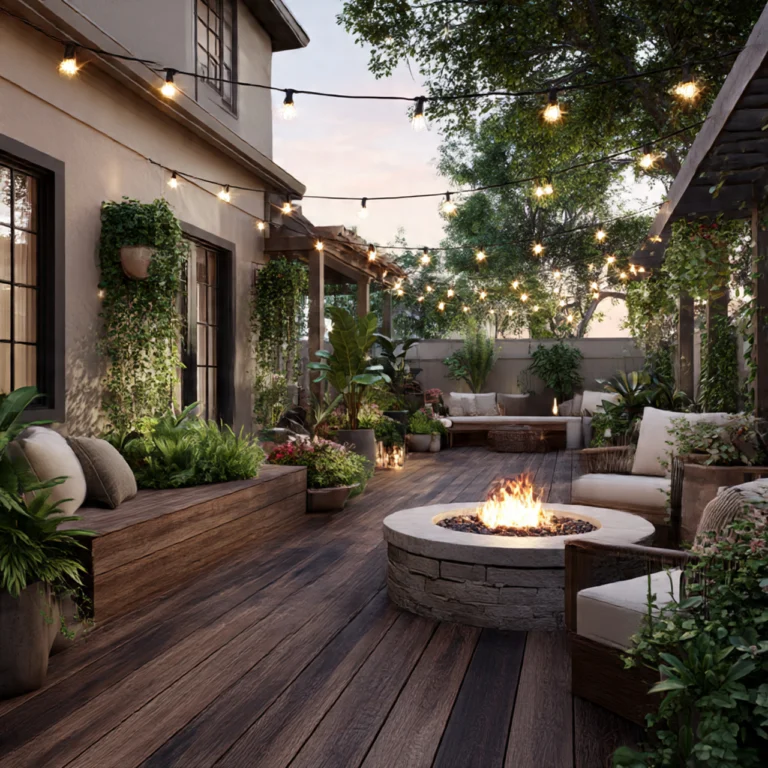
Design for Moonlit Evenings
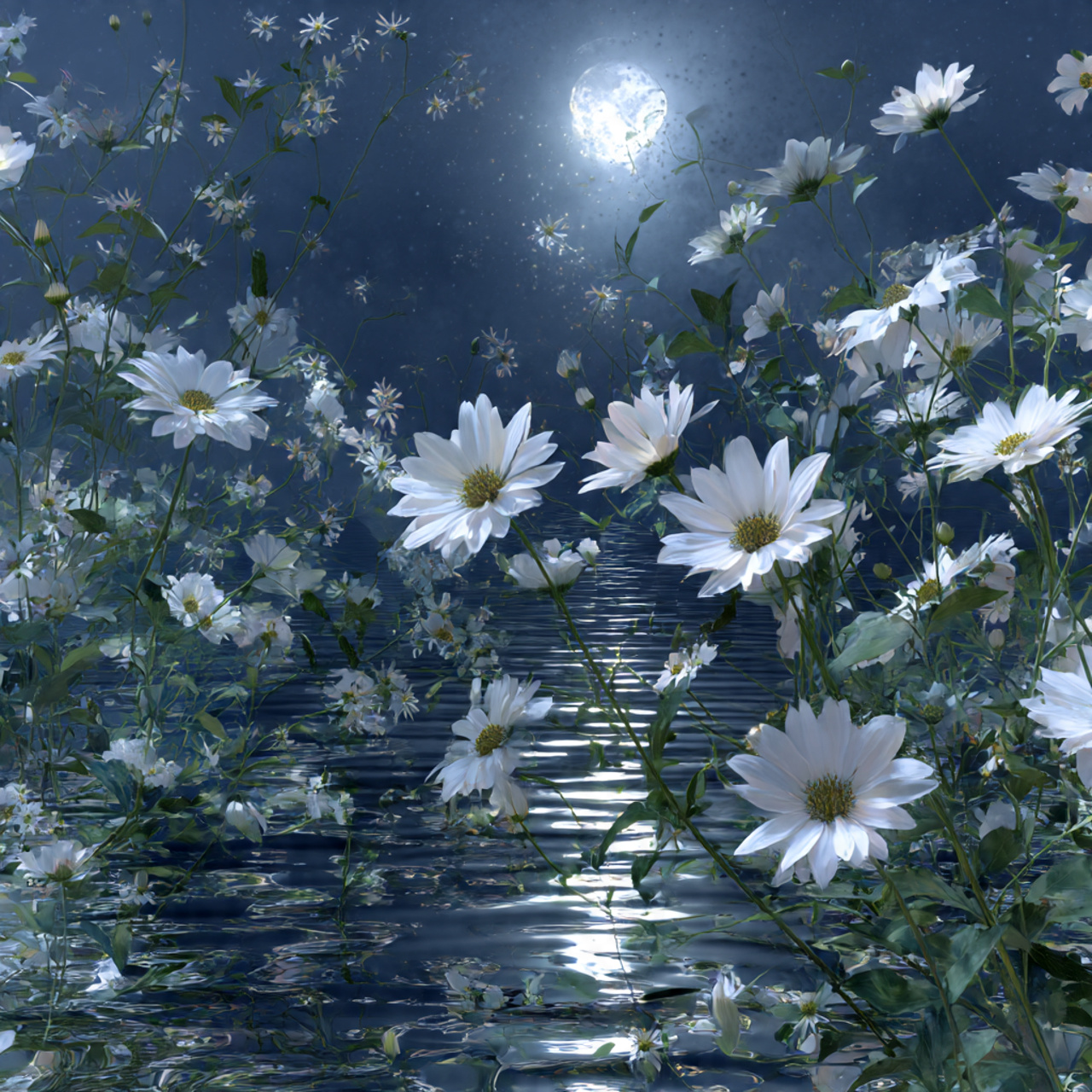
Gardens don’t close at sunset. White and pale-flowering plants reflect moonlight, creating an ethereal atmosphere perfect for warm summer nights. Moonflowers, white phlox, and night-blooming jasmine release intense fragrances after dark.
Position these gardens near patios, decks, or seating areas where you’ll actually experience them during evening hours. Add subtle solar lighting along paths and incorporate rustling grasses for gentle sound that enhances the nighttime ambiance.
Night garden features:
- Pale colors glow in darkness
- Fragrance intensifies in cool evening air
- Attracts night-pollinating moths
- Creates romantic outdoor entertaining spaces
- Extends garden enjoyment beyond daylight hours
Let Wildflowers Run Free
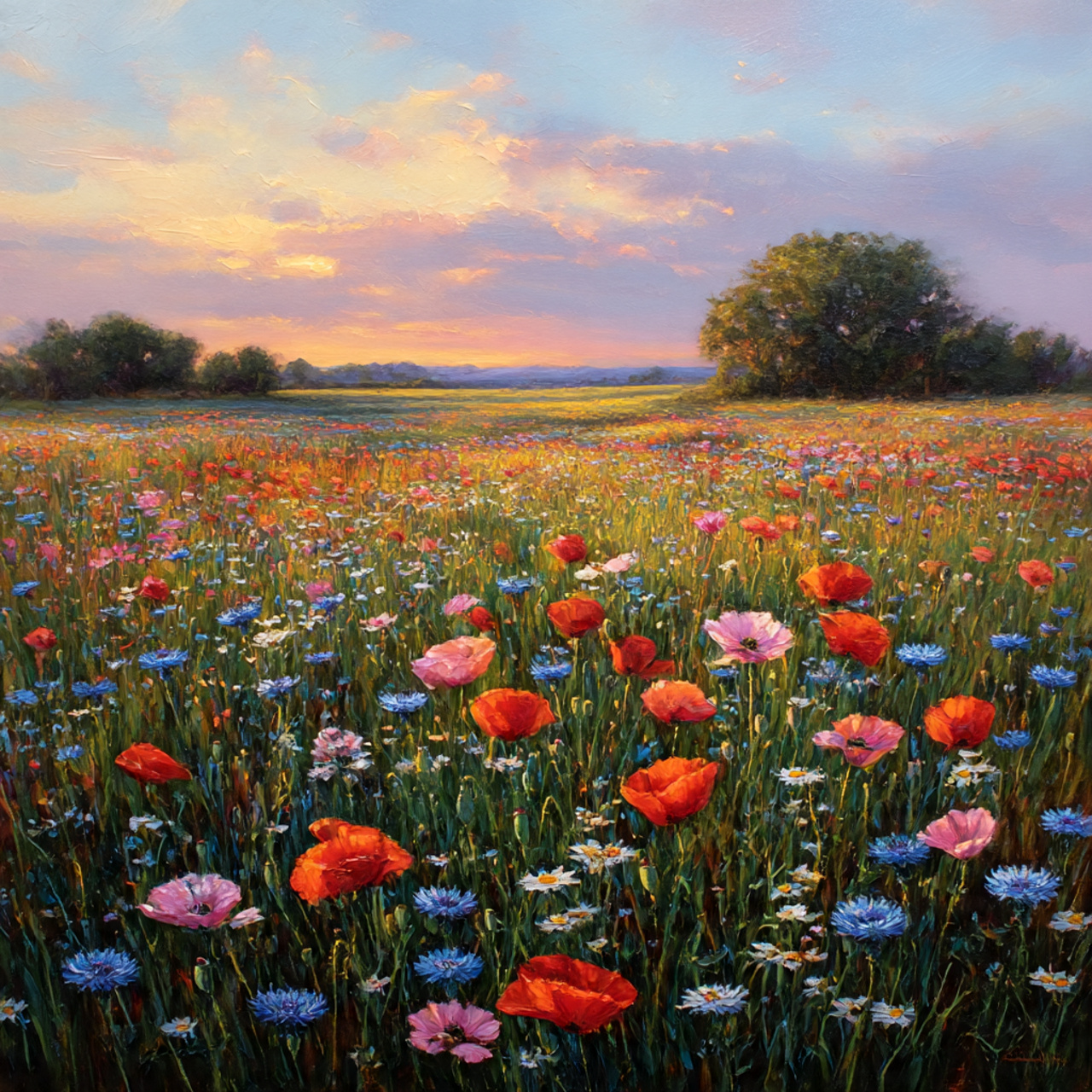
Wildflower meadows bring the beauty of natural landscapes to your property with minimal fussing. Mixes of poppies, cosmos, bachelor’s buttons, and native species create sweeping drifts of color that shift with the seasons and support incredible biodiversity.
Perfect for larger properties or neglected areas, meadows need little beyond an annual mowing after seeds drop. They handle poor soil, drought, and general neglect while providing crucial habitat for insects, birds, and small wildlife.
Meadow garden perks:
- Requires almost no maintenance
- Handles difficult growing conditions
- Self-seeds for continual renewal
- Supports entire ecosystems
- Delivers maximum impact with minimal cost
Get Creative with Containers
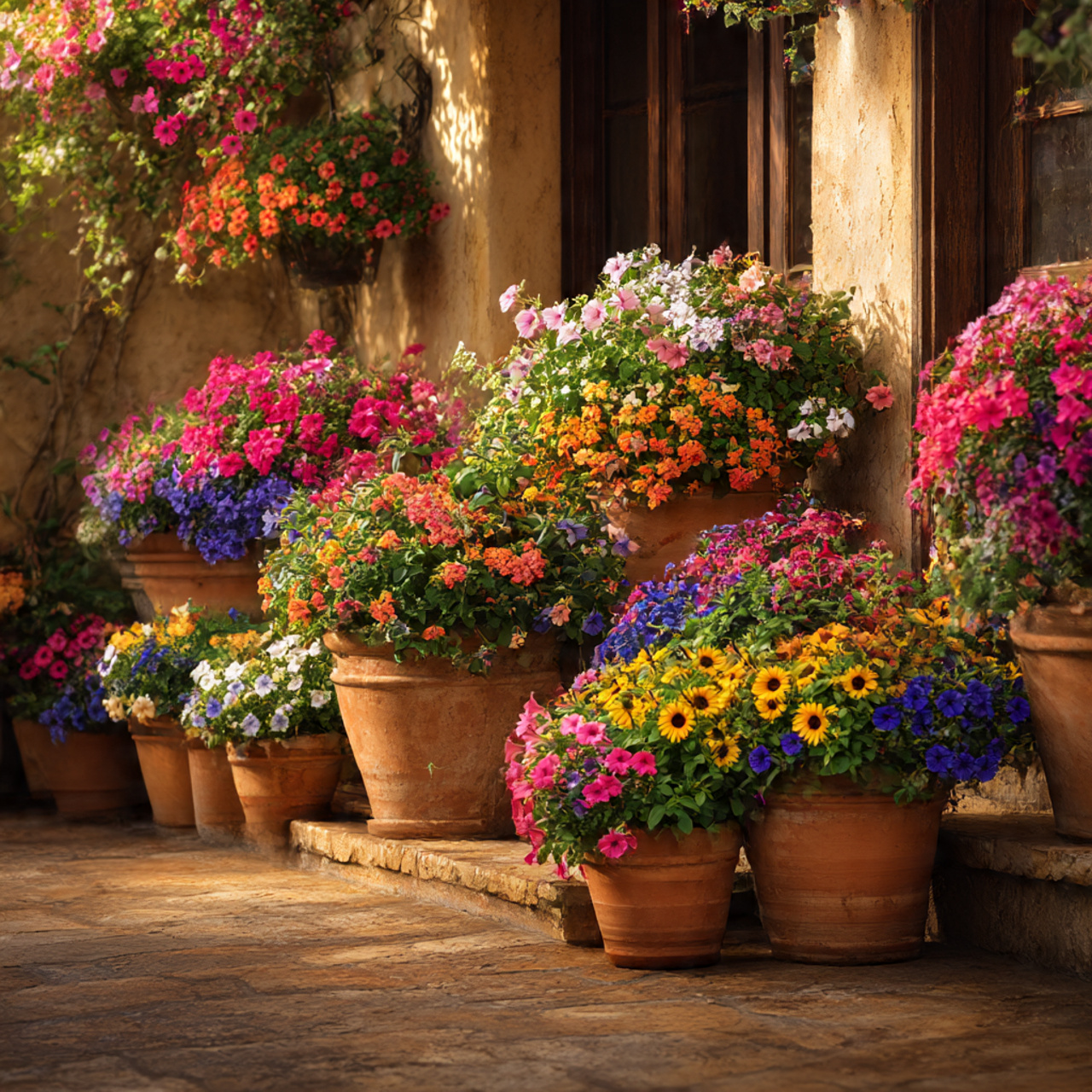
Don’t have a yard? No problem. Container gardens bring flowers to balconies, doorsteps, patios, and staircases with complete flexibility. Geraniums, petunias, and dwarf sunflowers adapt beautifully to pot life when given proper drainage and regular feeding.
Experiment freely with container gardens—try bold color combinations, group pots of varying heights, or change out seasonal displays as inspiration strikes. Containers let you move the garden around, refresh tired arrangements, and garden anywhere you have a few square feet of space.
Container gardening tips:
- Use quality potting mix, not garden soil
- Ensure drainage holes prevent root rot
- Group odd numbers of pots for visual appeal
- Mix thrillers (tall), fillers (medium), and spillers (trailing)
- Water more frequently than in-ground gardens
Frame Your Beds with Purpose
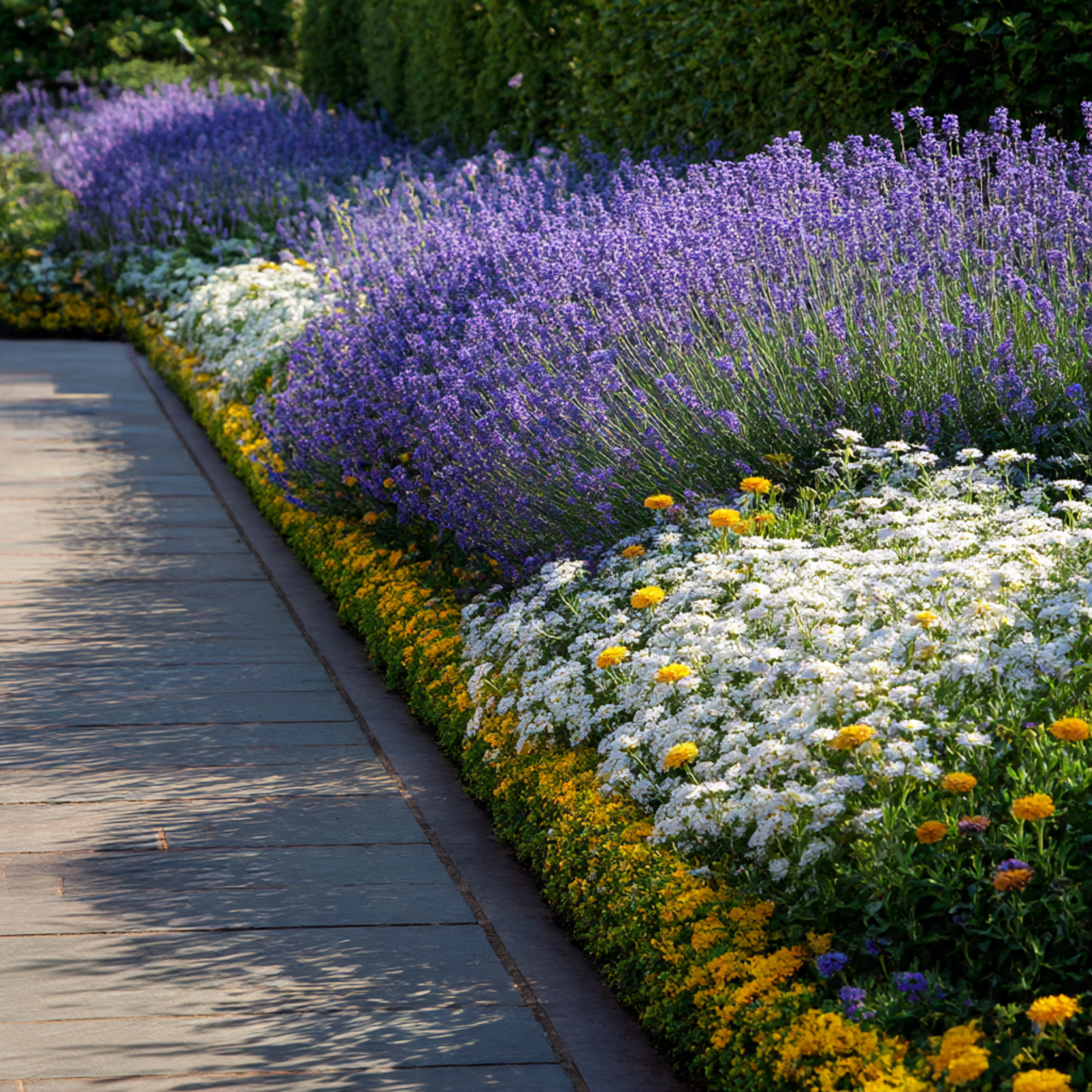
Edging transforms flower beds from casual to intentional. Low-growing plants like sweet alyssum, compact lavender, or dwarf marigolds create defined borders that frame taller blooms and give the garden professional polish.
Beyond aesthetics, borders serve practical purposes—they prevent mulch from washing away, keep grass from creeping into beds, and provide clear guidance for mowing. Even simple plantings gain sophistication when thoughtfully edged.
Effective edging approaches:
- Repeat the same plant for continuity
- Choose colors that complement interior plantings
- Maintain a consistent height for clean lines
- Use evergreen options for year-round definition
- Keep edging plants trimmed for neatness
Thrive in Dry Conditions
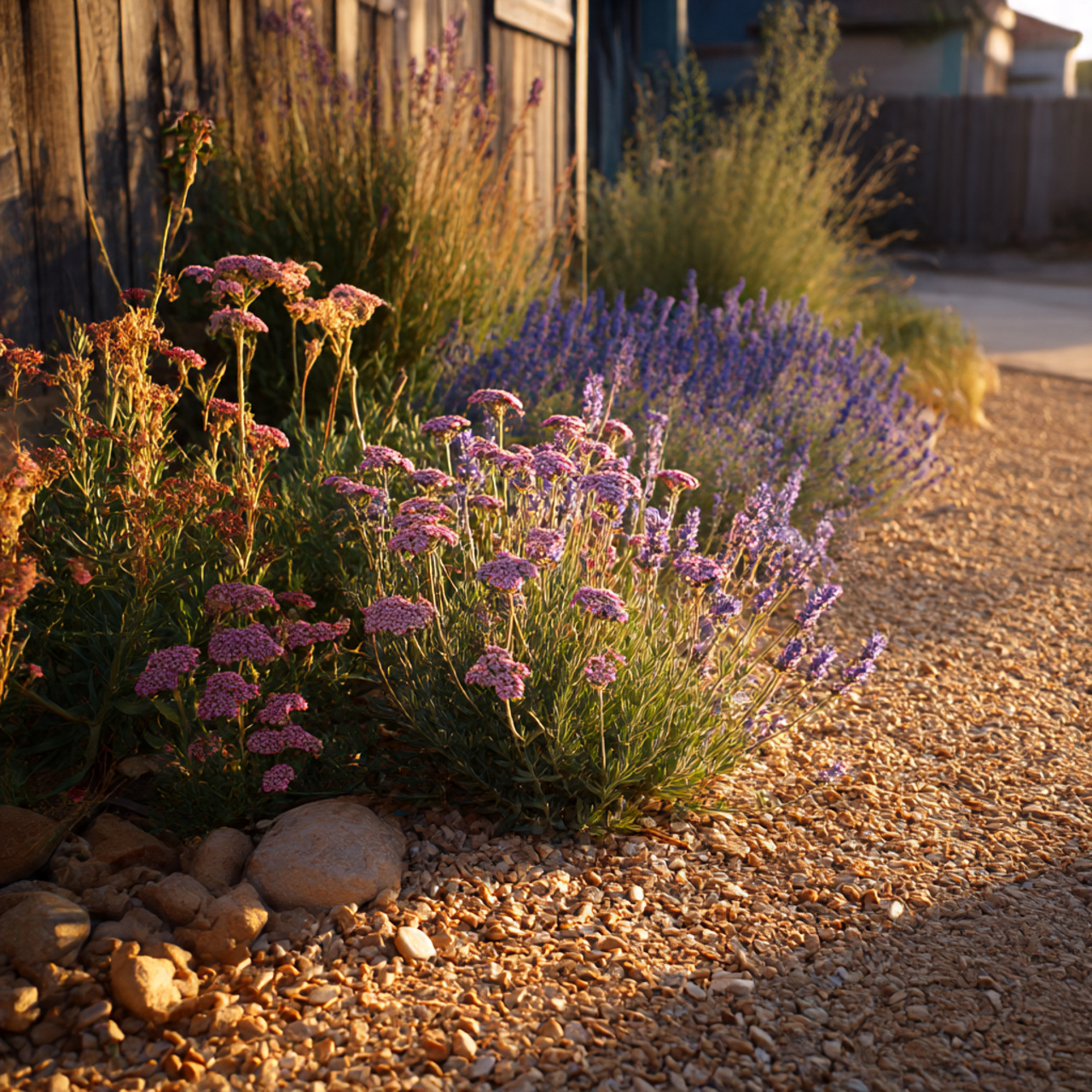
Water restrictions or naturally arid climates call for drought-tolerant gardens that look intentional, not neglected. Mediterranean-style plantings featuring lavender, Russian sage, yarrow, and blanket flowers deliver beauty while sipping water.
Once established, these tough plants handle heat waves and dry spells without complaint. Gravel mulch (rather than organic) prevents moisture loss while adding texture and color that complements silver-blue foliage.
Drought-smart choices:
- Group plants with similar water needs
- Water deeply but infrequently to encourage deep roots
- Choose natives adapted to your rainfall patterns
- Apply 3-4 inches of mulch
- Avoid lawn areas that demand constant irrigation
Bring Tropical Drama Home

Bold foliage and vibrant blooms create instant vacation vibes. Cannas, hibiscus, elephant ears, and bird of paradise transform ordinary yards into lush tropical getaways perfect for outdoor entertaining.
While true tropicals demand warmth and moisture, container growing lets cold-climate gardeners enjoy seasonal displays. Move tender plants indoors when frost threatens, or treat them as annuals for maximum summer impact without winter concerns.
Tropical garden elements:
- Layer different leaf sizes for jungle density
- Add water features to increase humidity
- Use bamboo or teak accents
- Plant in clusters for immersive effect
- Incorporate exotic fragrance like gardenia
Work with Rocks and Stones
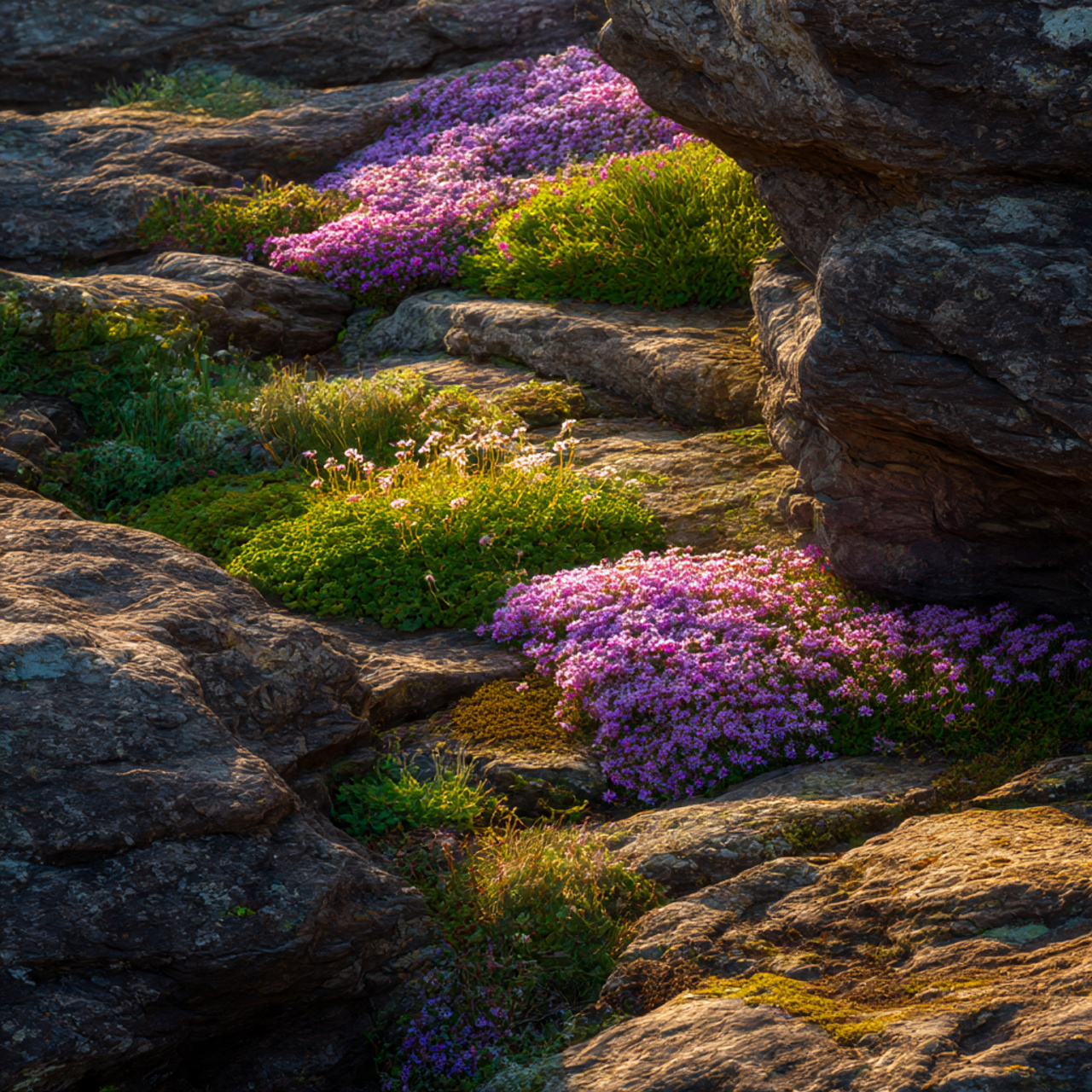
Rocky terrain isn’t a limitation—it’s an opportunity for alpine-style gardens. Low-growing sedums, creeping phlox, dianthus, and rock cress nestle between stones, creating natural-looking displays that handle poor soil and steep slopes.
Rock gardens need minimal water once established and thrive in the fast drainage that other plants find challenging. The combination of stone textures and delicate flowers creates striking contrasts that feel both rugged and refined.
Rock garden strategies:
- Use local stone for natural integration
- Plant in crevices where roots stay cool
- Choose compact varieties that won’t overwhelm
- Arrange rocks to create planting pockets
- Embrace the natural terrain rather than fighting it
Plan for Every Season
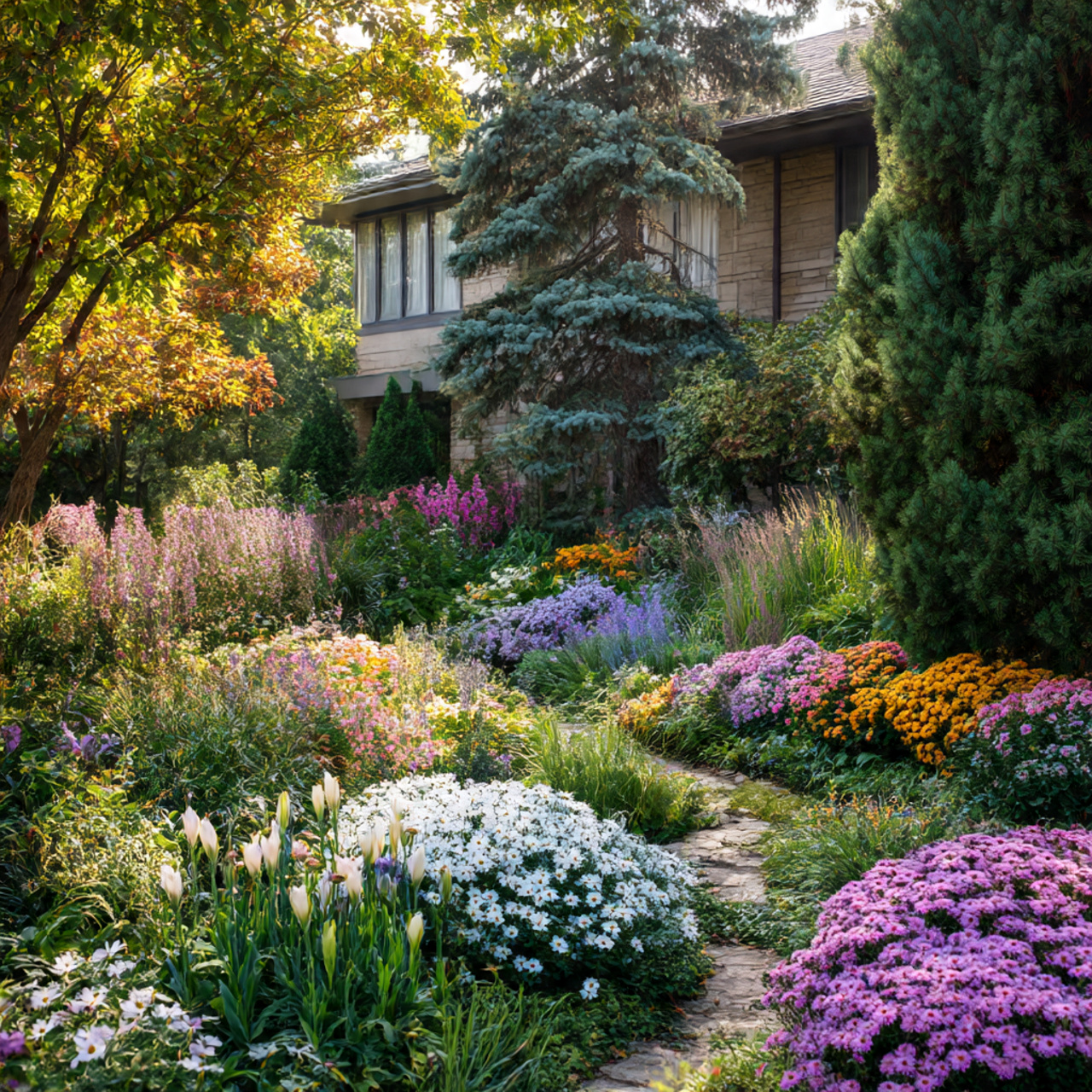
The best gardens offer something beautiful regardless of when you look. Spring bulbs give way to summer perennials, followed by fall chrysanthemums and winter ornamental grasses. Planning bloom succession prevents the “feast or famine” look many gardens suffer.
Track when plants bloom in your area and select varieties that fill gaps. Early daffodils overlap with late tulips, which transition into summer daylilies, creating continuous waves of color without bare spots.
Year-round interest tactics:
- Plant spring bulbs in clusters, not rows
- Include evergreens for winter structure
- Choose plants with attractive seed heads
- Consider bark color and branch architecture
- Add ornamental grasses that shine in fall
Stick to a Color Story
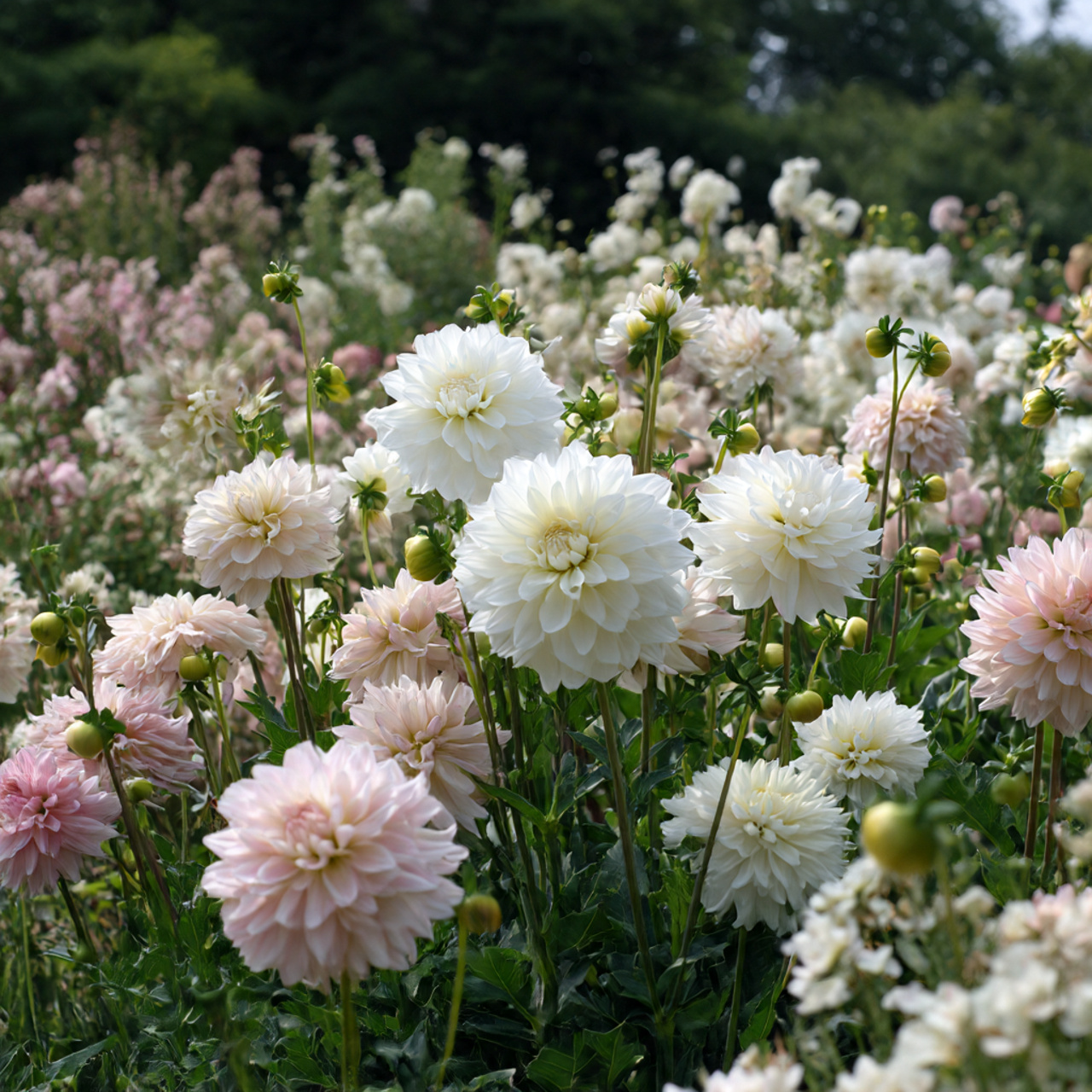
Themed color palettes bring sophisticated cohesion to gardens. All-white schemes feel elegant and formal. Soft pastels create romantic, cottage-like atmospheres. Hot colors (reds, oranges, yellows) energize spaces with vibrant warmth.
Working within a color family simplifies plant selection and prevents the “everything everywhere all at once” look that can feel chaotic. Even mixed gardens benefit from considering how colors interact across the space.
Color planning approaches:
- Monochromatic (shades of one color) for drama
- Analogous (neighboring colors) for harmony
- Complementary (opposites) for vibrant contrast
- Cool tones (blues, purples) for calming effects
- Warm tones (reds, yellows) for energy and excitement
Mix Beauty with Function

Why choose between pretty and practical? Herb-flower combinations deliver gorgeous blooms alongside culinary ingredients. Lavender pairs beautifully with roses, while rosemary complements echinacea for gardens that smell incredible and support pollinators.
Many herbs naturally repel pests, reducing the need for treatments. Their fragrant foliage adds sensory dimension, and harvesting for cooking becomes part of garden maintenance rather than a separate chore.
Dual-purpose pairings:
- Basil with marigolds (pest control plus color)
- Thyme between stepping stones (fragrance when walked on)
- Rosemary as structural element with blooming companions
- Chives with spring bulbs (edible flowers, too!)
- Sage with late-summer perennials
Guide the Journey with Blooms
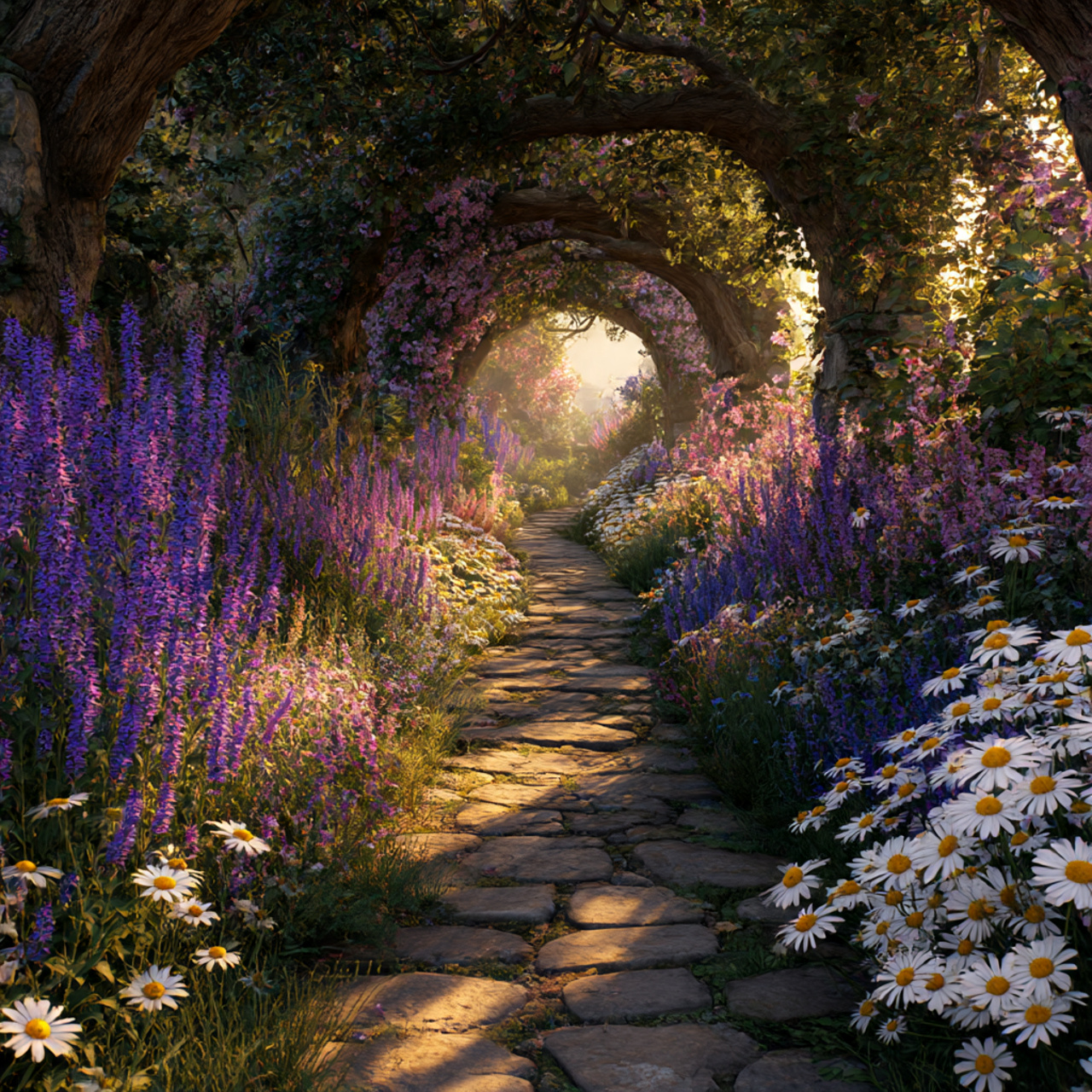
Garden paths become destinations when lined with flowers. Salvias, daisies, or catmint along walkways create welcoming corridors that guide movement and reward exploration. Arched trellises covered in climbing roses turn simple paths into memorable experiences.
Even short walks feel special when softened with color and scent. This approach works particularly well in larger gardens where you want to encourage strolling rather than rushing through.
Pathway planting ideas:
- Choose fragrant plants that release scent when brushed
- Vary heights for visual interest
- Repeat plantings for rhythm
- Include solar lights among flowers for evening navigation
- Let some plants spill onto paths for casual charm
Incorporate Water Elements
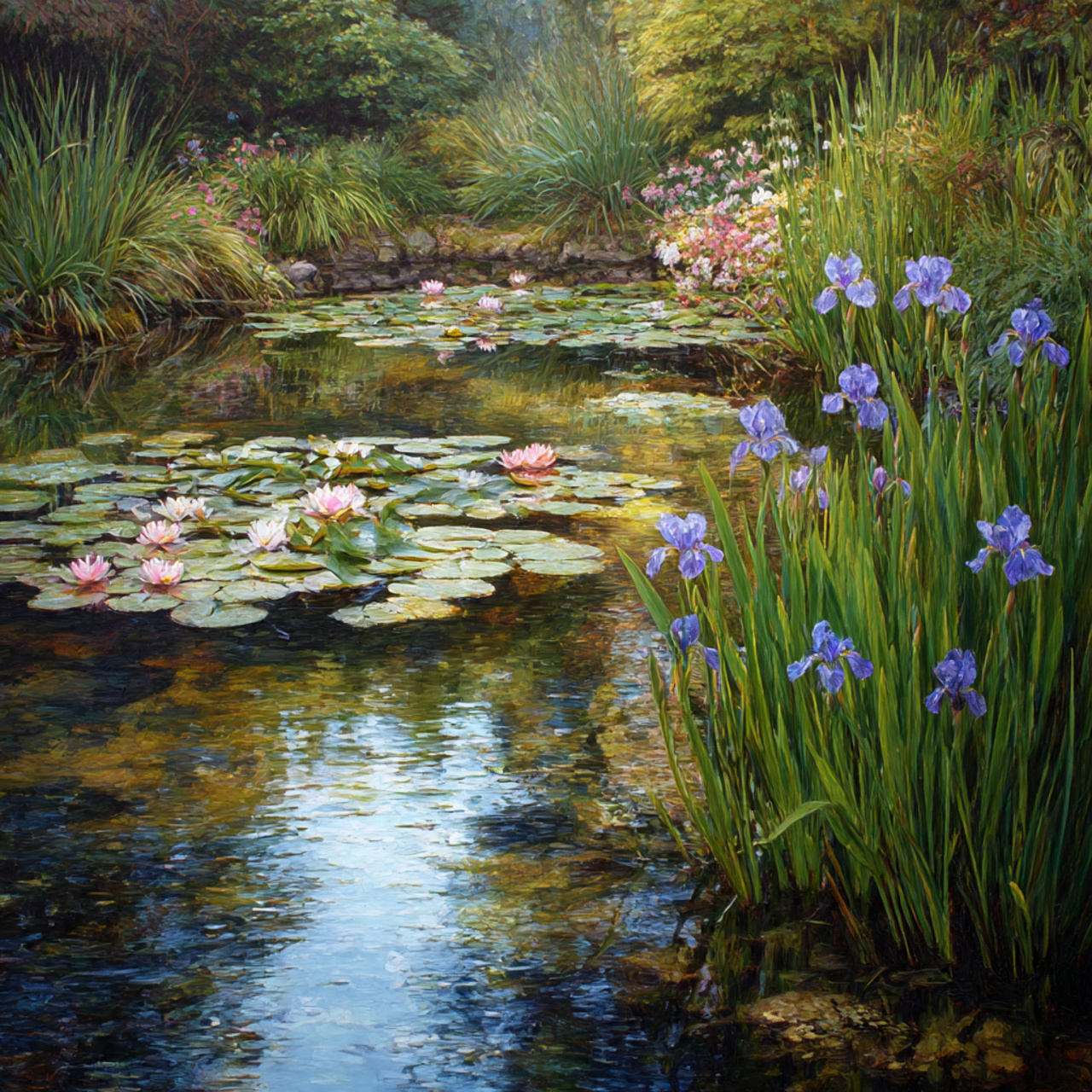
Ponds, fountains, or simple birdbaths become garden focal points that add sound, movement, and reflections. Water-loving plants like marsh marigolds, irises, and water lilies complete aquatic settings while attracting birds and beneficial insects.
Water features create calming atmospheres that mask neighborhood noise. Even a small bubbling fountain surrounded by moisture-loving flowers transforms corners into peaceful retreats.
Water garden considerations:
- Start small with container water gardens
- Include submerged plants for ecosystem balance
- Add rocks for birds to perch and bathe
- Position where you’ll see and hear it daily
- Choose solar pumps for energy-free operation
Grow Your Own Bouquets
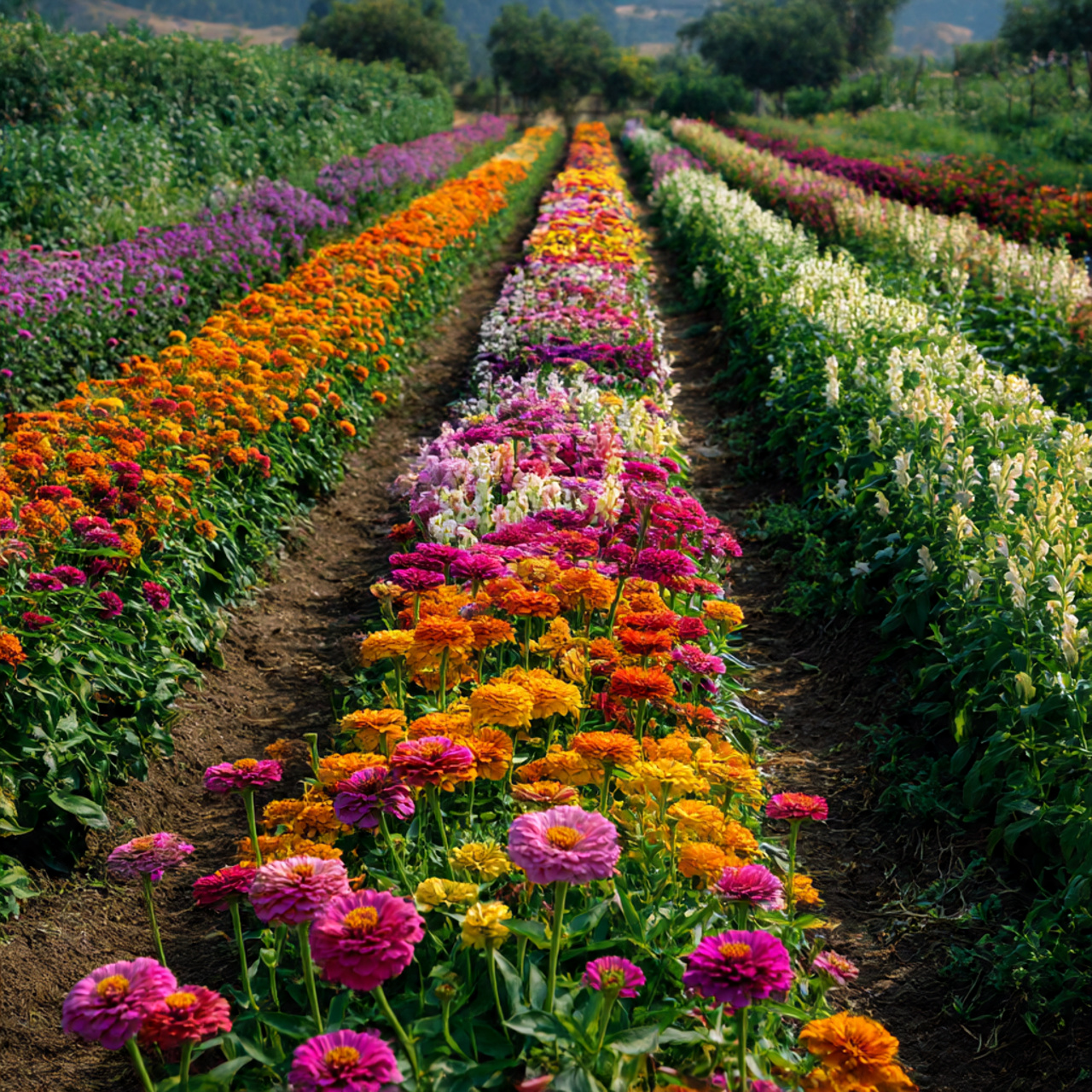
Cut-flower gardens prioritize varieties with long stems and vase life. Dahlias, zinnias, sunflowers, and snapdragons planted in straight rows allow easy harvesting without disrupting ornamental beds.
Succession planting (sowing new seeds every few weeks) extends the cutting season from late spring through fall. There’s something deeply satisfying about walking into your garden with scissors and leaving with fresh flowers for the dining table.
Cut garden essentials:
- Plant in dedicated rows or beds
- Choose varieties specifically bred for cutting
- Harvest in morning when stems are hydrated
- Strip lower leaves before arranging
- Plant extras since you’ll be removing blooms
Let Fragrance Lead the Way
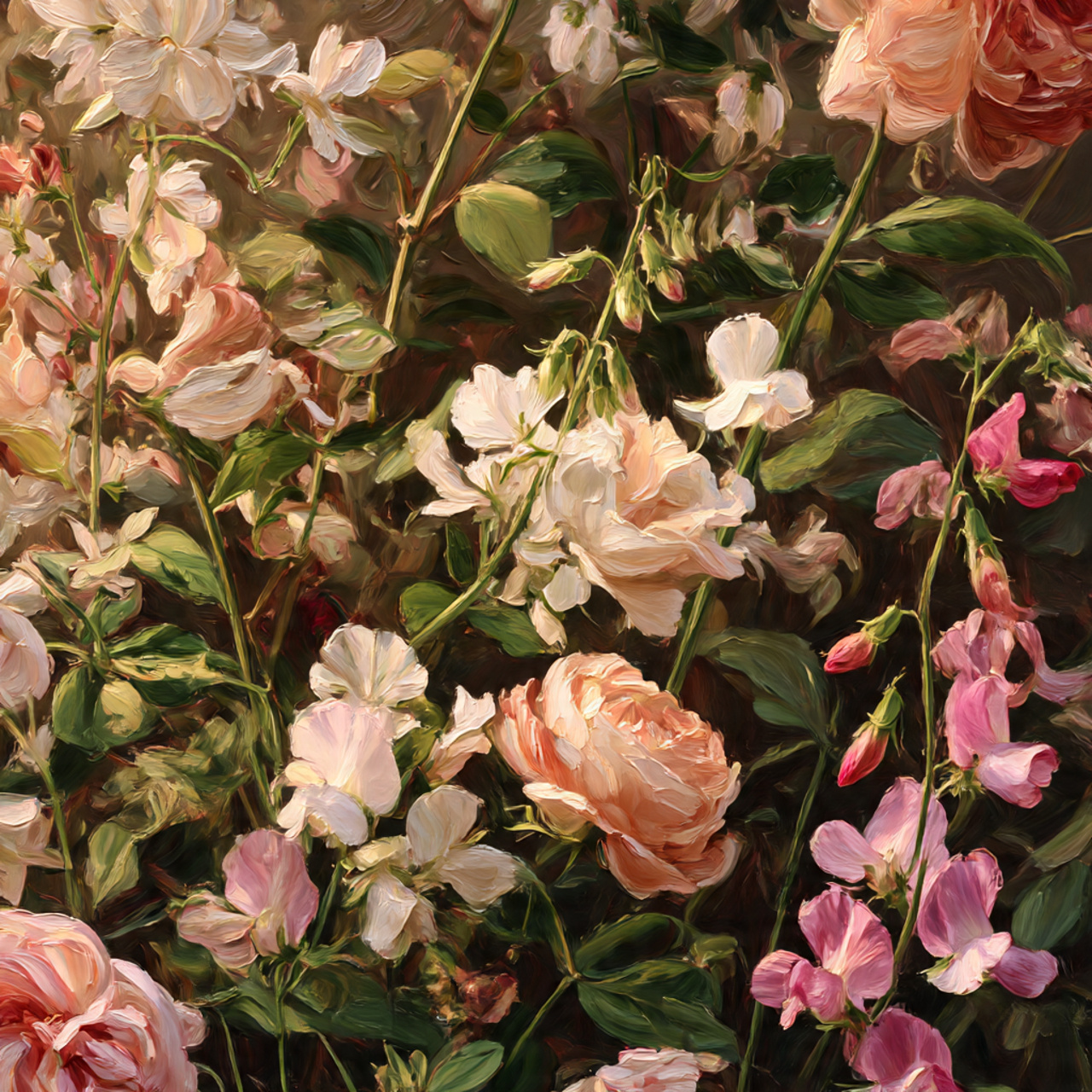
Scent creates powerful memories and emotional connections. Position jasmine, gardenia, roses, and sweet peas near windows, patios, or entryways where you’ll encounter their perfume daily.
Fragrant gardens feel more immersive and engaging than purely visual displays. The invisible dimension of scent adds depth that makes time spent outdoors more restorative and memorable.
Fragrance garden placement:
- Near seating areas for maximum enjoyment
- Along paths where brushing releases scent
- Under bedroom windows for morning pleasure
- Sheltered spots where fragrance concentrates
- In containers that can move with the seasons
Welcome Wildlife
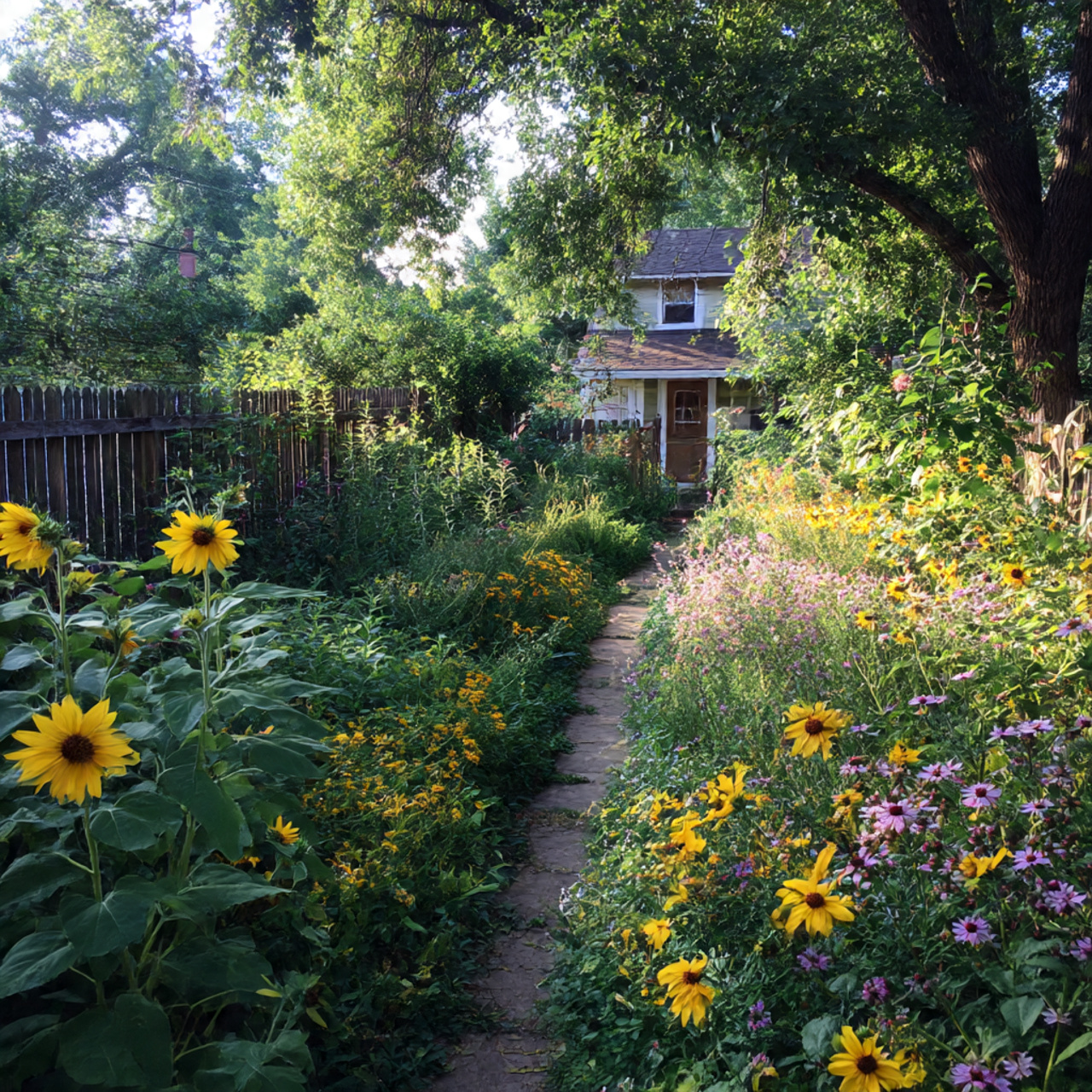
Gardens become ecosystems when designed to support birds, butterflies, and beneficial insects. Sunflowers provide seeds for finches, coneflowers feed pollinators, and dense shrubs offer nesting sites and shelter.
Creating wildlife-friendly spaces means accepting some nibbled leaves and learning to coexist with nature’s creatures. The rewards—birdsong at dawn, butterflies in summer—far outweigh any minor imperfections.
Wildlife-supporting features:
- Leave seed heads standing through winter
- Provide water sources at varying heights
- Include native plants insects recognize
- Create brush piles for small animal shelter
- Avoid chemicals that harm beneficial species
Maximize Limited Square Footage
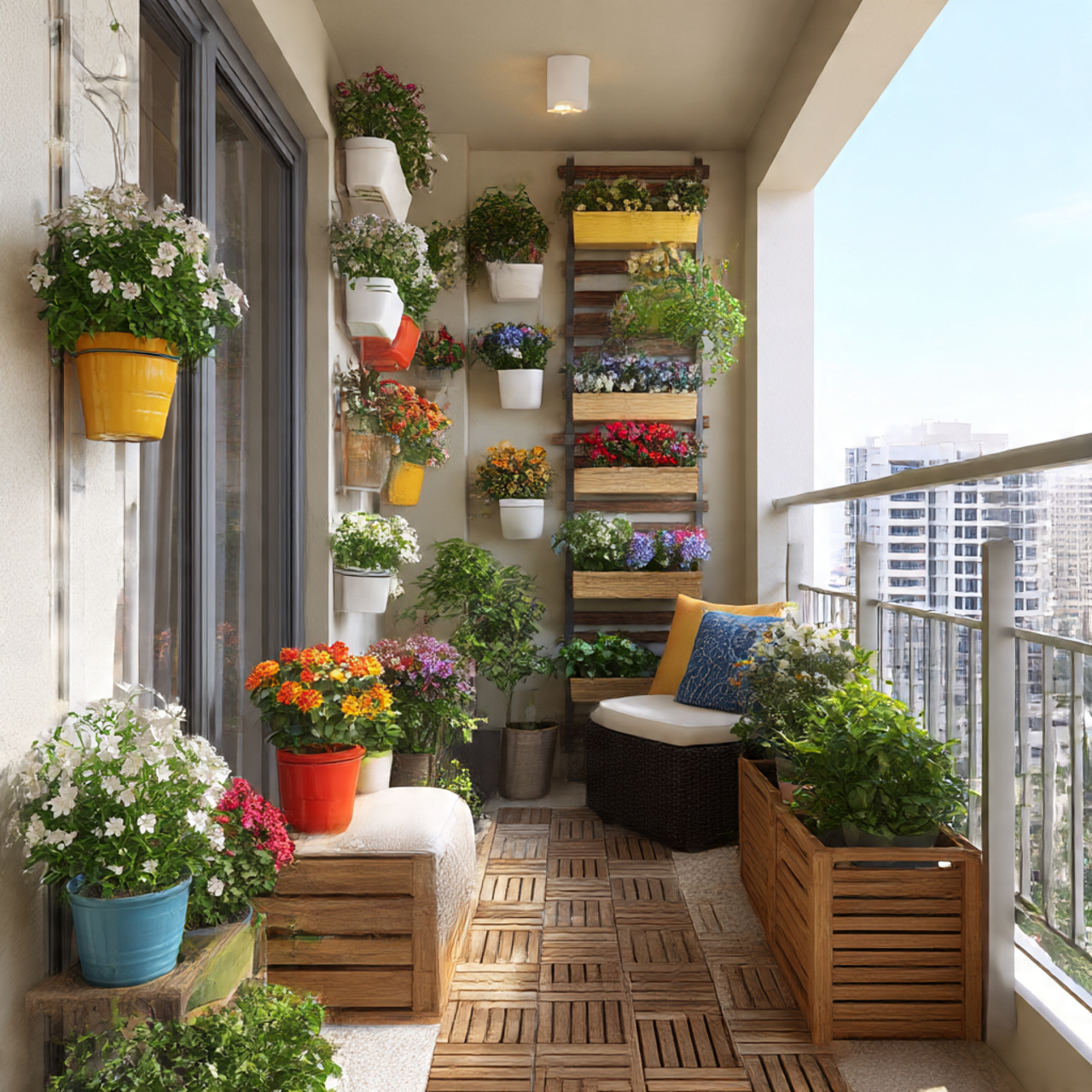
Small spaces demand smart strategies—vertical growing, compact plant varieties, and layered containers. Dwarf flowers, trailing plants, and multi-season performers ensure every inch contributes to the overall display.
Tiny gardens often have more impact per square foot than sprawling landscapes because every plant choice matters. Thoughtful design proves that square footage doesn’t limit creativity or beauty.
Small-space solutions:
- Choose plants that bloom for months
- Use mirrors to create illusion of depth
- Paint walls light colors to reflect light
- Select multi-functional plants
- Embrace vertical surfaces completely
Make a Memorable First Impression
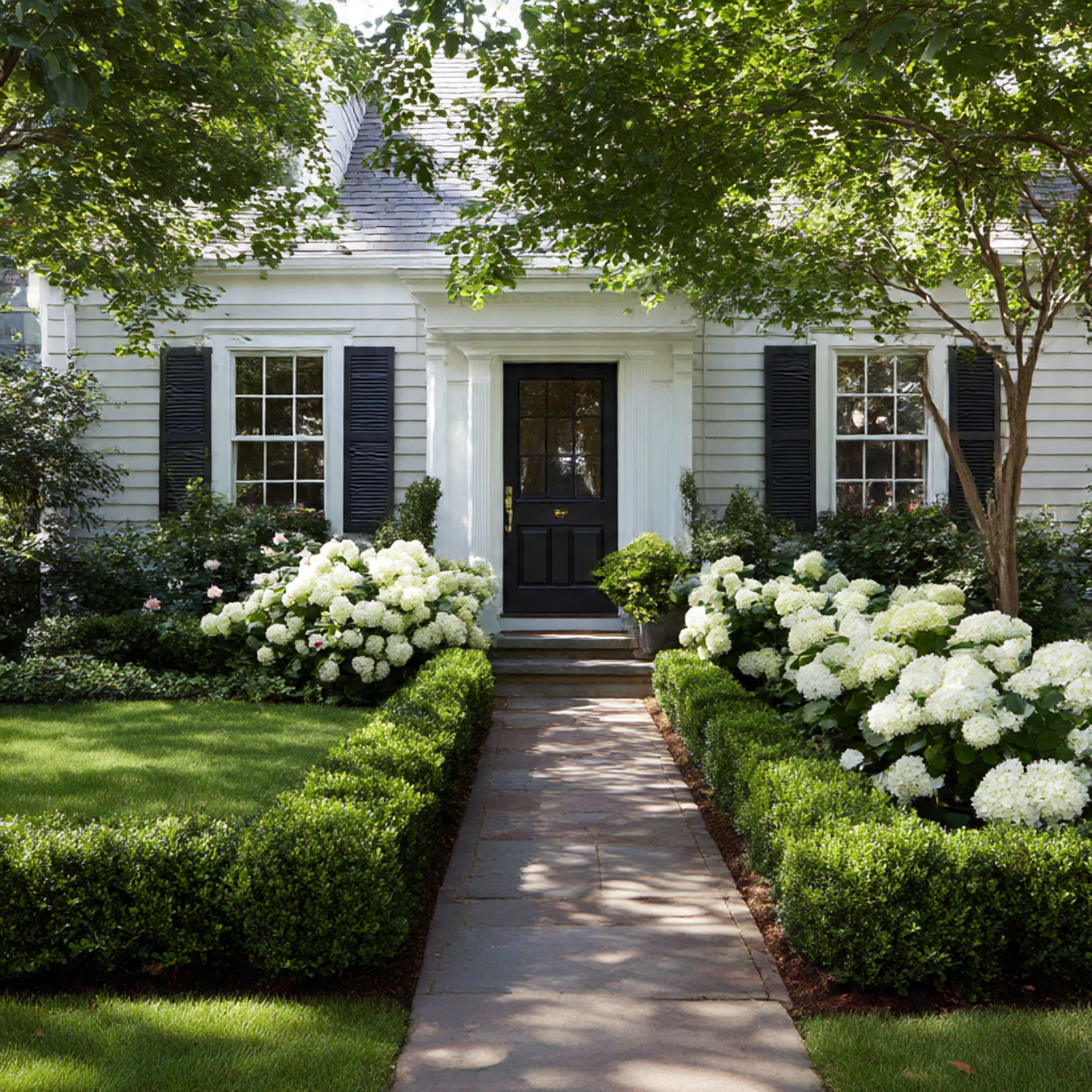
Front yard gardens set the tone for your entire home. Symmetrical plantings flanking entries, structured beds with year-round interest, and classic combinations like roses with boxwood create welcoming, polished curb appeal.
Unlike backyard gardens meant for personal enjoyment, front yards balance aesthetics with neighborhood context. They should look maintained without appearing fussy, inviting without overwhelming the architecture.
Front yard priorities:
- Keep sightlines to doors and windows clear
- Choose plants proportional to house scale
- Repeat elements for cohesion
- Maintain edges and mulch religiously
- Include lighting for nighttime visibility
Visit More: Flower Garden Design
Realistic FAQs About Flower Garden Ideas
What’s the first step for complete beginners? Start by observing your space for a full day, noting where sun and shade fall at different times. Choose plants rated for your hardiness zone and begin with easy-care perennials that tolerate mistakes while you learn.
How much should I budget for a new flower garden? Costs vary dramatically based on size and plant choices. Starting from seed or buying perennials in small pots saves money, while instant impact from mature plants costs more. Budget $100-500 for a modest first-time garden.
Can flowers grow in mostly shady yards? Absolutely. Hostas, astilbes, bleeding hearts, and impatiens thrive in shade. Focus on foliage textures and variegation since shade gardens offer fewer blooms but lush greenery.
How often do flowers need watering? Depends on plant type, weather, and soil. New plantings need consistent moisture while establishing. Mature drought-tolerant gardens might need water only during extended dry spells, while containers often need daily watering in summer.
What prevents weeds without using chemicals? Dense plantings shade out weeds, while 2-3 inches of mulch blocks light that weed seeds need to sprout. Pull weeds when small before they set seed, and consider landscape fabric under mulch in problem areas.
Your Garden Awaits
Every gardener started exactly where you are now—looking at an empty space and wondering where to begin. The beauty of flower gardening lies in its flexibility; there’s no single “correct” approach, only what works for your specific situation and brings you joy.
Start with one bed, one container, or one corner. Choose plants you love and watch how they respond to your care. Gardens evolve over seasons and years, improving as you learn what thrives in your unique conditions. The most important step is simply beginning—your outdoor sanctuary is waiting to bloom.