25 Cut Flower Garden Ideas: Transform Your Backyard into a Blooming
Imagine stepping into your backyard and gathering an armful of fresh, fragrant blooms whenever you want. That’s the magic of having your own cut flower garden! It’s not just about growing flowers—it’s about creating a living canvas that brings color, fragrance, and pure joy into your everyday life.
Whether you’re a seasoned gardener with dirt permanently under your fingernails or someone who’s just discovering their green thumb, this guide will walk you through everything you need to know. We’re diving into 25 practical, tried-and-true ideas that’ll help you design a garden bursting with blooms you can harvest all season long.
The beauty of a cut flower garden is its versatility. You get to play with colors, experiment with different textures, and create stunning arrangements that reflect your personal style. Plus, there’s something incredibly satisfying about cutting your own flowers instead of buying them from the store. Ready to get started? Let’s dig in!
Start with Smart Planning
Here’s the truth: a little planning upfront saves you tons of headaches later. Before you buy a single seed packet, take time to understand your space.
Key factors to consider:
- Sunlight patterns – Track where the sun hits your yard throughout the day
- Soil quality – Test your soil’s pH and nutrient levels (simple kits are available at garden centers)
- Spacing requirements – Crowded plants compete for resources and are more prone to disease
- Bloom timing – Plan for staggered flowering so you’re never without bouquet material
Think of planning as creating a roadmap. When you know what you’re working with, you can choose plants that’ll actually thrive instead of just survive. This preparation makes the difference between a struggling garden and one that flourishes effortlessly.
Pick Flowers That Last
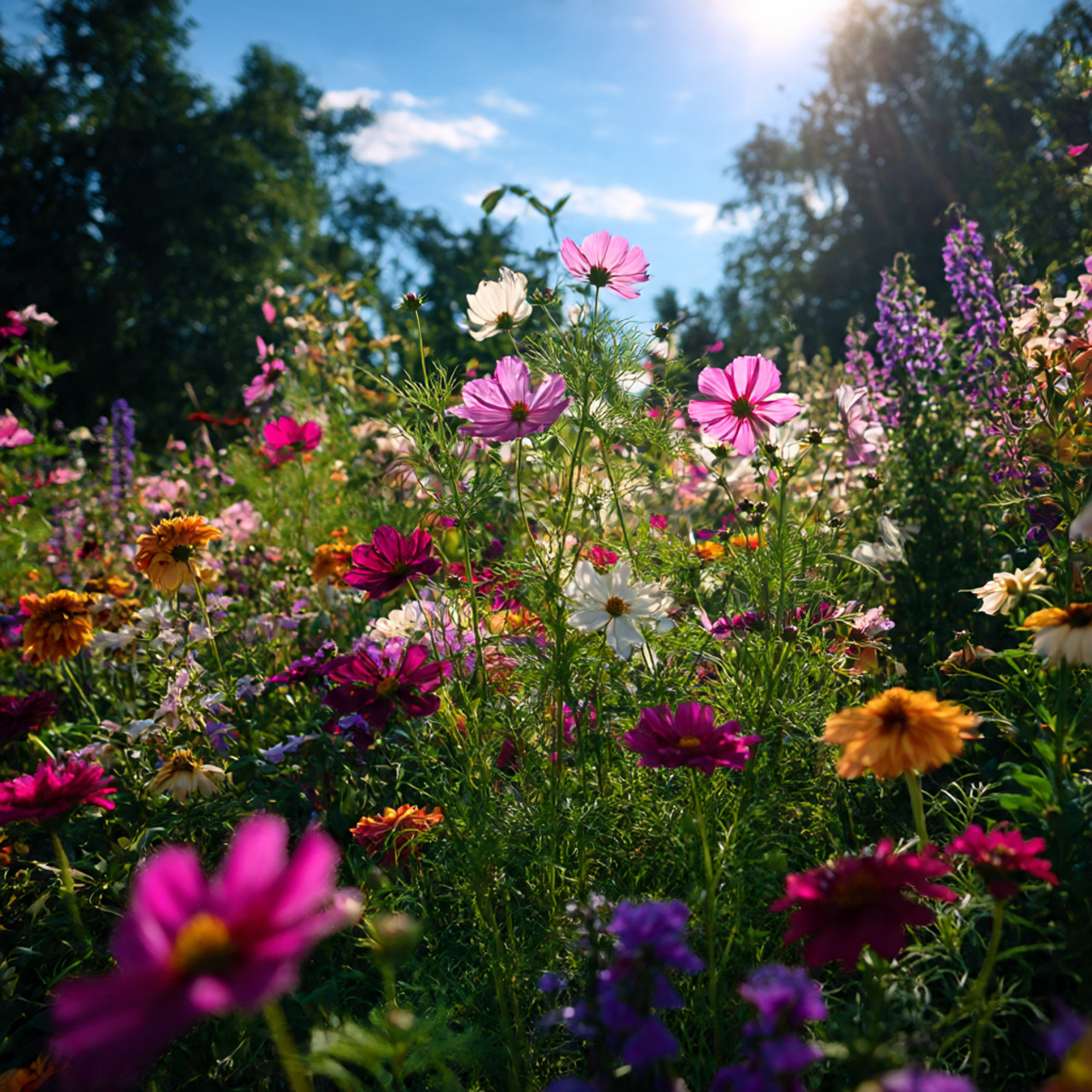
Not all flowers are created equal when it comes to cutting. Some wilt within hours, while others stay fresh for weeks in a vase.
Top performers for your cutting garden:
- Roses – Classic beauties that come in every color imaginable
- Zinnias – Cheerful, easy to grow, and incredibly productive
- Sunflowers – Bold statement flowers that also attract beneficial wildlife
- Lilies – Elegant blooms with an intoxicating fragrance
- Cosmos – Delicate appearance but surprisingly hardy
Tip: Don’t overlook native flowers! They’re adapted to your local climate, which means less fussing with watering and fertilizing. As a bonus, they’re magnets for pollinators like bees and butterflies.
Mix perennials (plants that come back year after year) with annuals (one-season wonders) to create a garden that’s both sustainable and exciting. Perennials give you reliable structure, while annuals let you experiment with new varieties each season.
Create a Color Story
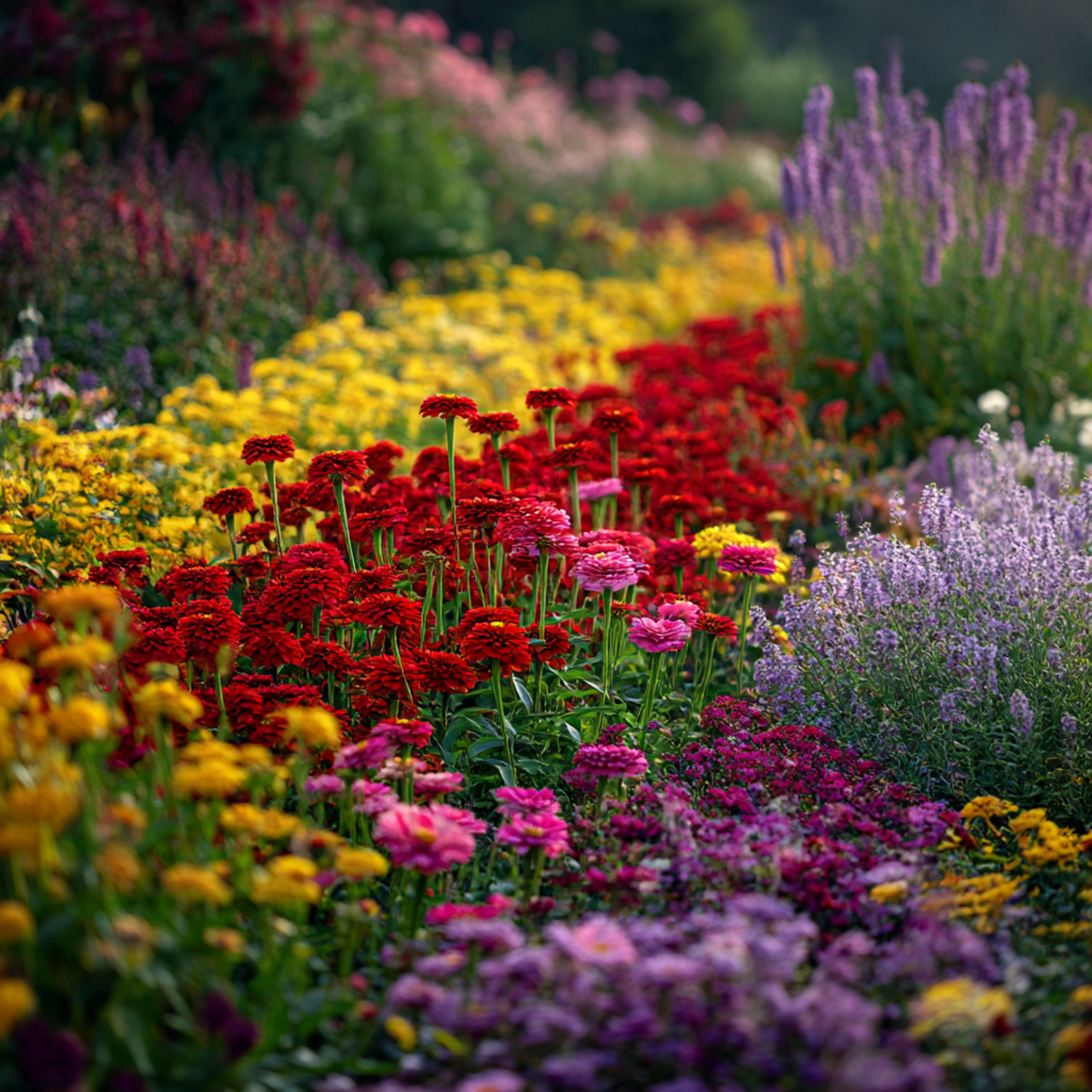
Color is where the magic happens. A well-designed color scheme makes your garden Instagram-worthy and your bouquets absolutely breathtaking.
Color planning strategies:
- Harmonious groupings – Plant complementary colors together (like purple and yellow)
- Bold contrasts – Create drama with opposing colors (think orange and blue)
- Color blocking – Plant large swaths of single colors for maximum impact
- Soft pastels – Use gentle pinks, lavenders, and creams for a romantic feel
- Vibrant brights – Go bold with reds, oranges, and hot pinks for energizing spaces
Remember, you’re not just designing for the garden itself. Consider how these colors will look together when you bring them indoors. A garden planned with bouquets in mind gives you endless arrangement possibilities.
Go Vertical for More Blooms
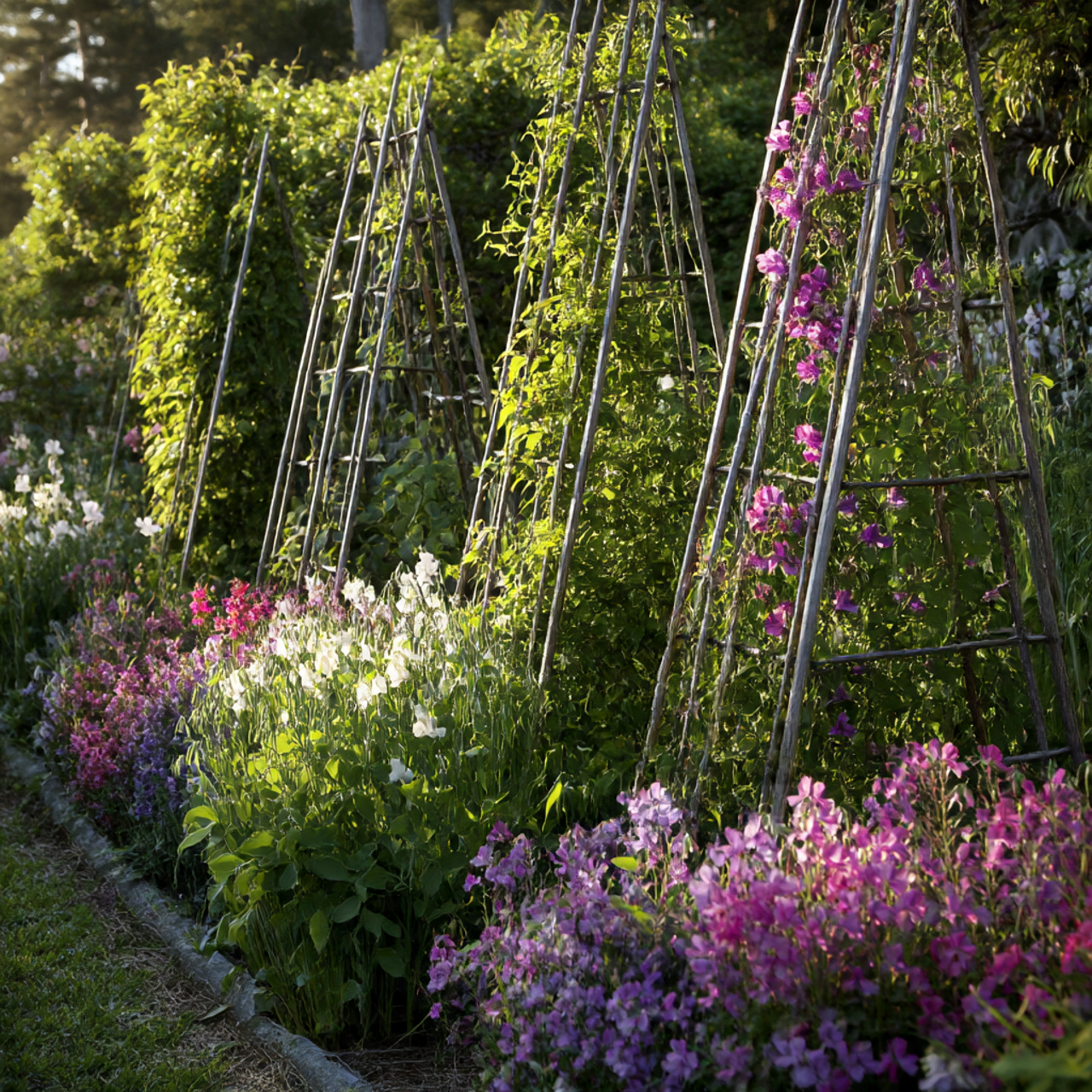
When you’re short on ground space but big on flower dreams, think upward! Vertical gardening is a game-changer.
Vertical growing options:
- Install sturdy trellises for climbing varieties
- Use decorative obelisks as focal points
- Try wall-mounted planters for small spaces
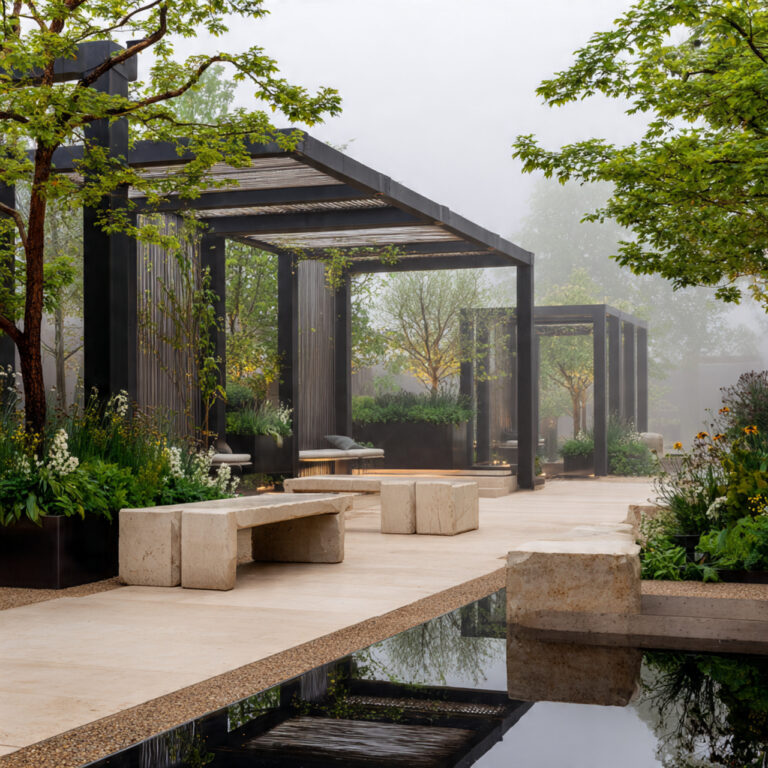
- Add arbors or pergolas for dramatic overhead blooms
Best climbers for cutting:
- Sweet peas (incredible fragrance!)
- Clematis (showy, long-lasting flowers)
- Morning glories (fast-growing and prolific)
- Climbing roses (elegance meets productivity)
The practical benefits are huge too. When flowers grow vertically, they’re easier to harvest, stems stay cleaner, and you’ll spot pests or diseases more quickly. Plus, it just looks stunning!
Design Pathways That Work
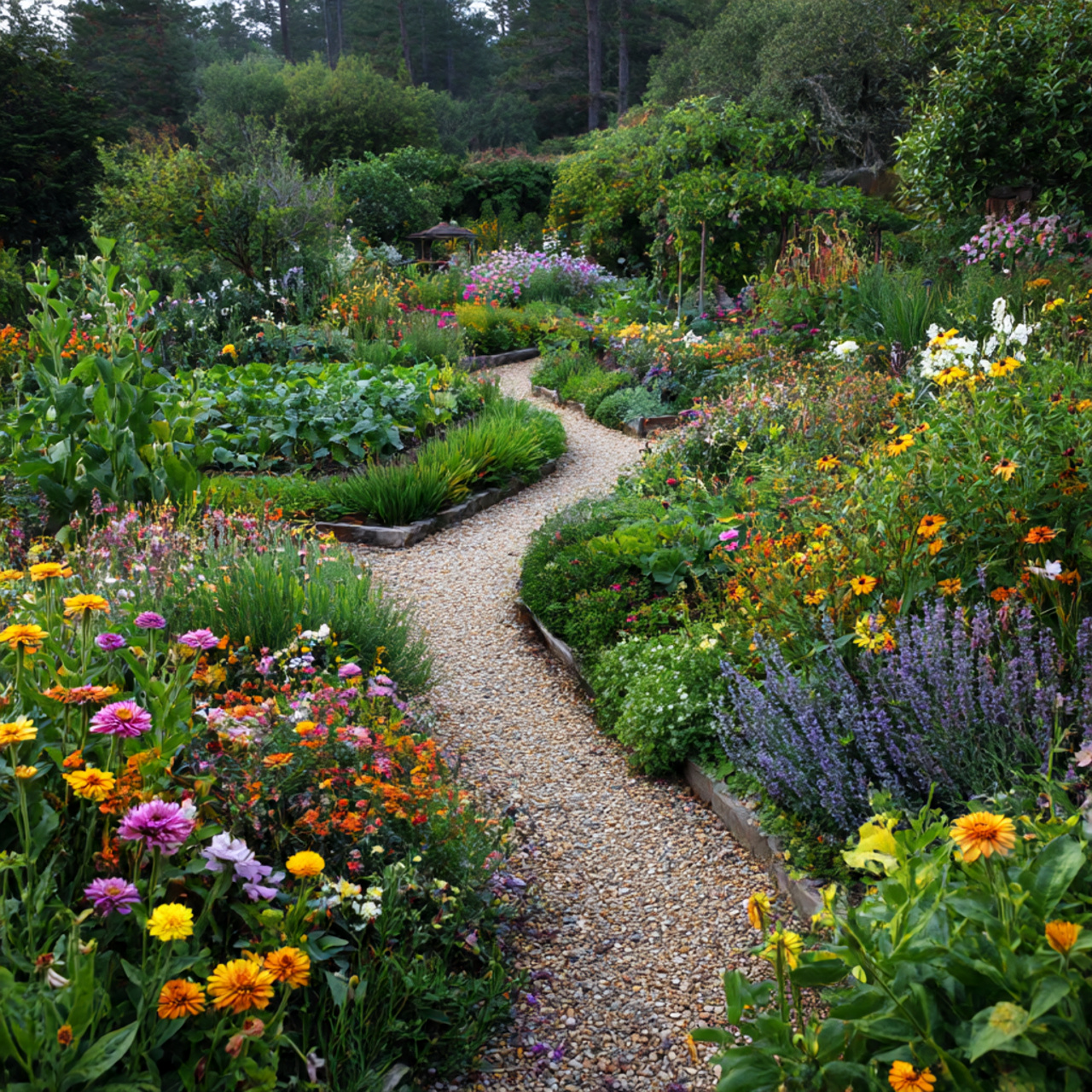
Ever tried to harvest flowers and ended up trampling other plants in the process? Proper pathways solve this problem while making your garden look professionally designed.
Pathway material options:
- Gravel – Affordable, good drainage, pleasant crunching sound
- Mulch – Natural look, adds nutrients as it breaks down
- Stepping stones – Artistic and functional
- Brick or pavers – Permanent, clean look
Make your paths wide enough to comfortably walk through with a harvest basket (at least 2 feet). This small detail transforms your gardening experience from frustrating to enjoyable.
Master Succession Planting
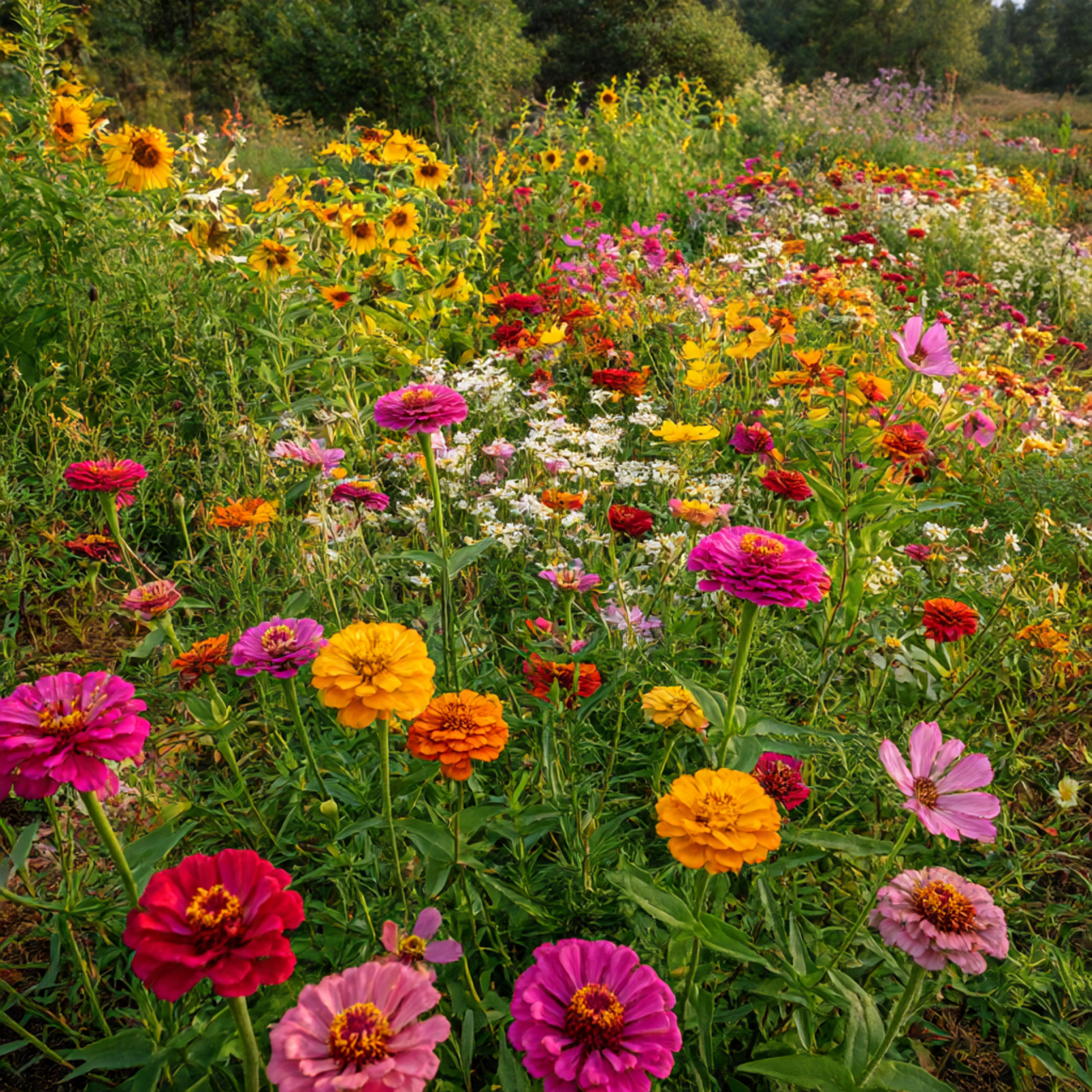
Want fresh flowers from spring through fall? Succession planting is your secret weapon.
How it works:
- Sow seeds every 2-3 weeks instead of all at once
- Choose varieties with different bloom times (early, mid, late season)
- Replace spent plants with new ones throughout the season
- Keep a planting calendar to track timing
Example succession schedule:
- Week 1: Plant first batch of zinnias
- Week 3: Plant second batch of zinnias
- Week 5: Plant third batch of zinnias
- Result: Continuous blooms instead of one big flush followed by nothing!
This approach also maximizes your garden’s productivity. While some plants are blooming, others are growing, and you’re starting the next generation.
Use Companion Planting Wisely
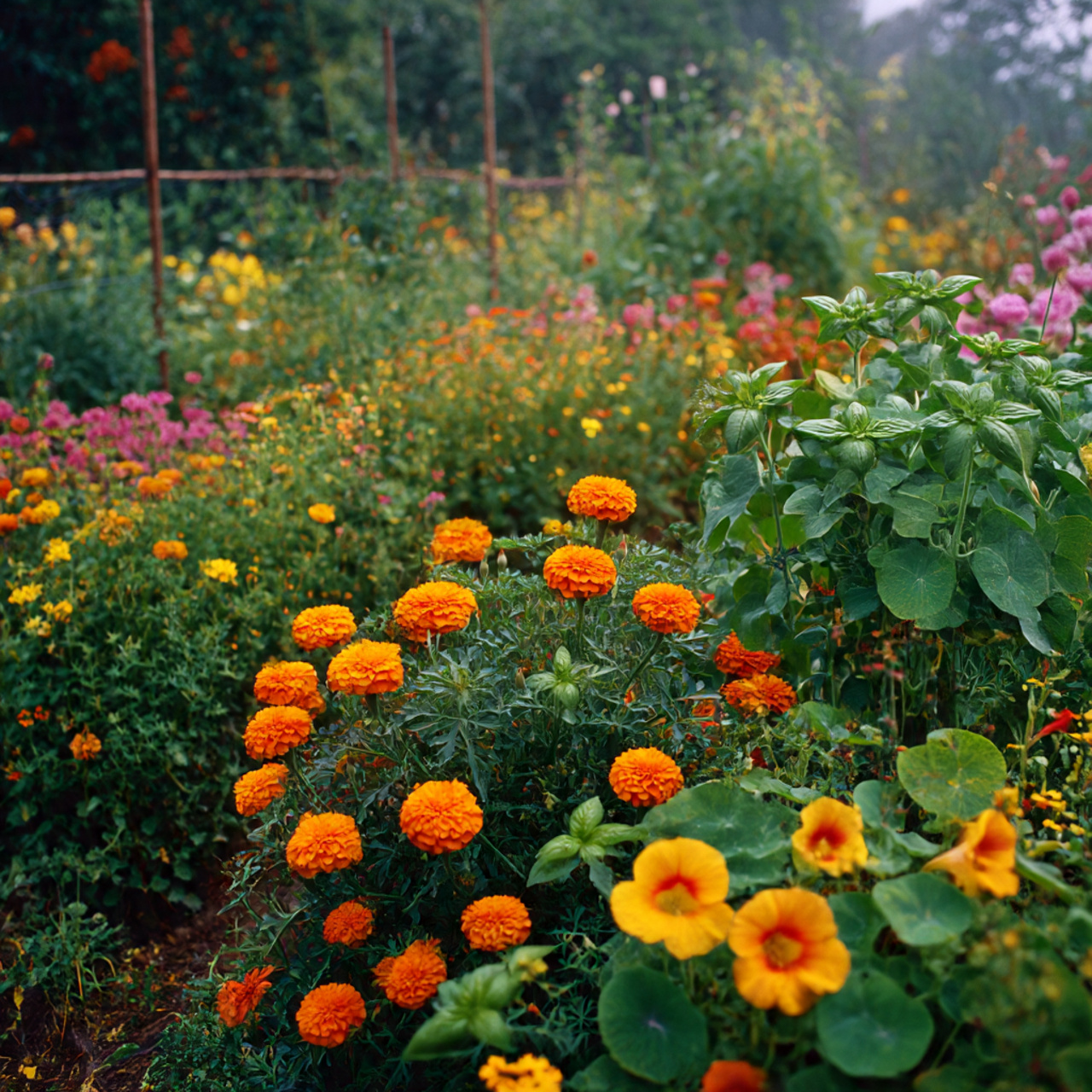
Nature has its own pest control system—you just need to tap into it!
Powerful companion plants:
- Marigolds – Repel aphids, mosquitoes, and other common pests
- Nasturtiums – Act as “trap crops” that lure aphids away from your prized blooms
- Basil – Deters thrips and improves soil health
- Garlic or chives – Natural fungicide properties
Beyond pest control, companion planting creates a balanced ecosystem. You’ll rely less on sprays and chemicals while supporting beneficial insects. It’s gardening that works with nature instead of against it.
Add Fragrant Flowers for the Senses
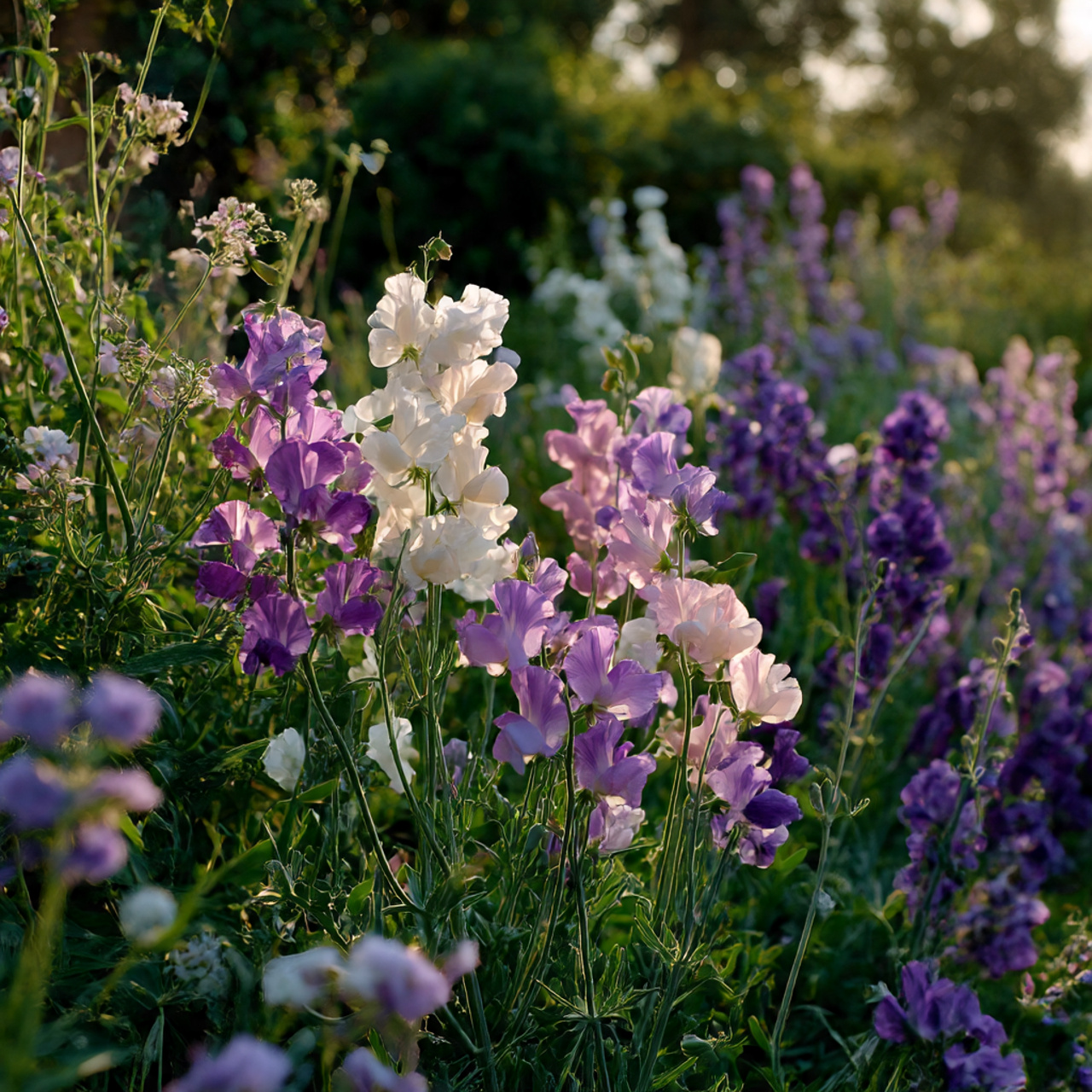
A garden should delight your nose as much as your eyes. Fragrant flowers elevate every bouquet and make garden time even more enjoyable.
Heavenly scented options:
- Lavender – Calming, versatile, and drought-tolerant once established
- Sweet peas – Old-fashioned charm with modern varieties available
- Stock – Spicy-sweet fragrance, especially strong in the evening
- Garden phlox – Honey-like scent that attracts butterflies
- Oriental lilies – Powerful perfume that fills entire rooms
Strategic placement tip: Plant fragrant varieties near seating areas, along frequently used paths, or under windows. You’ll enjoy their perfume every time you pass by!
Welcome Pollinators
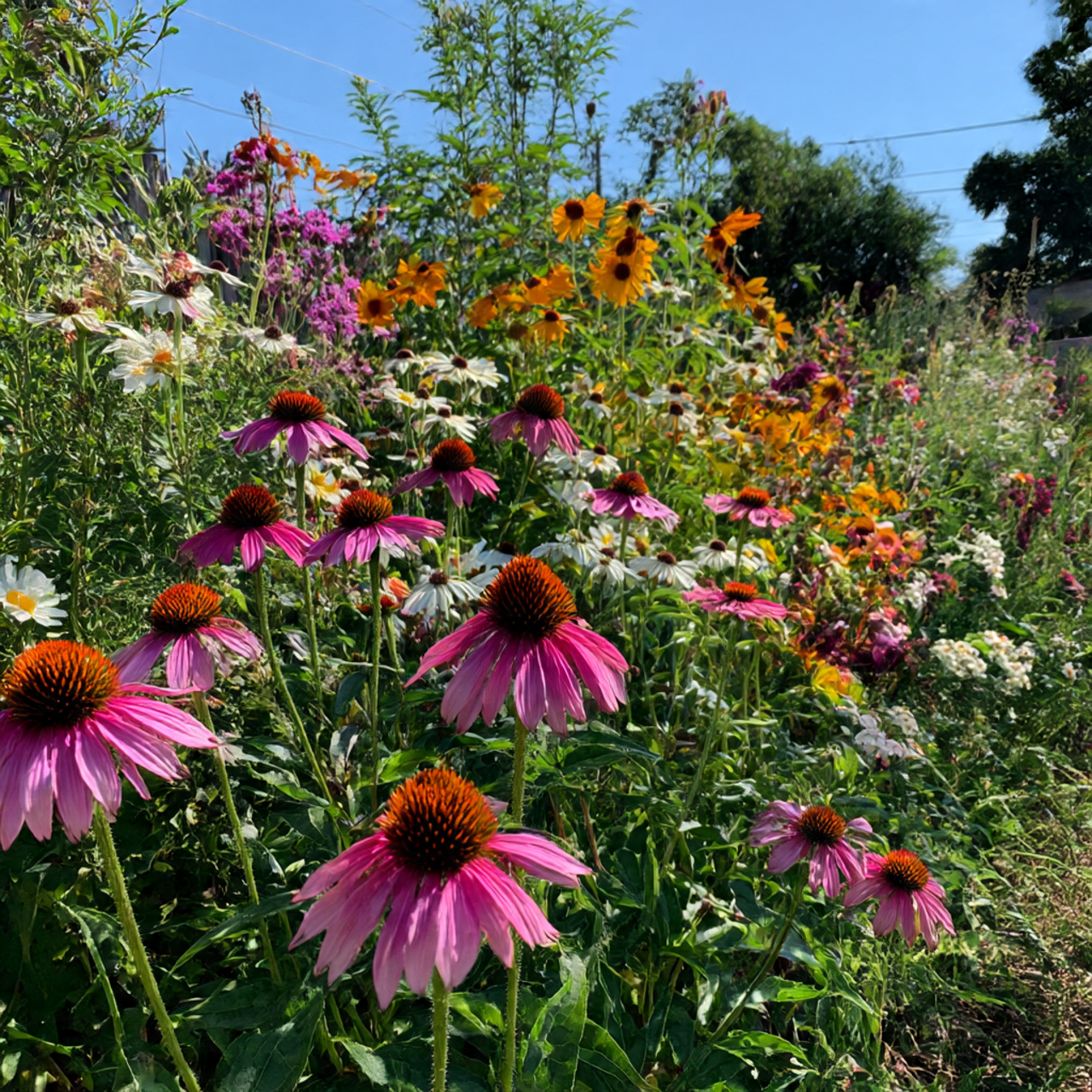
Pollinators aren’t just nice to have—they’re essential for a thriving garden. More pollinators mean more flowers and better seed production.
Top pollinator magnets:
- Echinacea (coneflowers) – Favorites of bees and butterflies
- Sunflowers – Provide pollen and attract dozens of beneficial insects
- Zinnias – Butterfly landing pads
- Bee balm – The name says it all!
- Salvia – Hummingbird heaven
Create a pollinator paradise:
- Plant in clusters rather than single specimens
- Provide water sources (shallow dishes with stones)
- Avoid pesticides, especially during blooming
- Include native plants adapted to local pollinators
A pollinator-friendly garden is a more productive garden. It’s a win-win situation!
Designate Cutting Zones
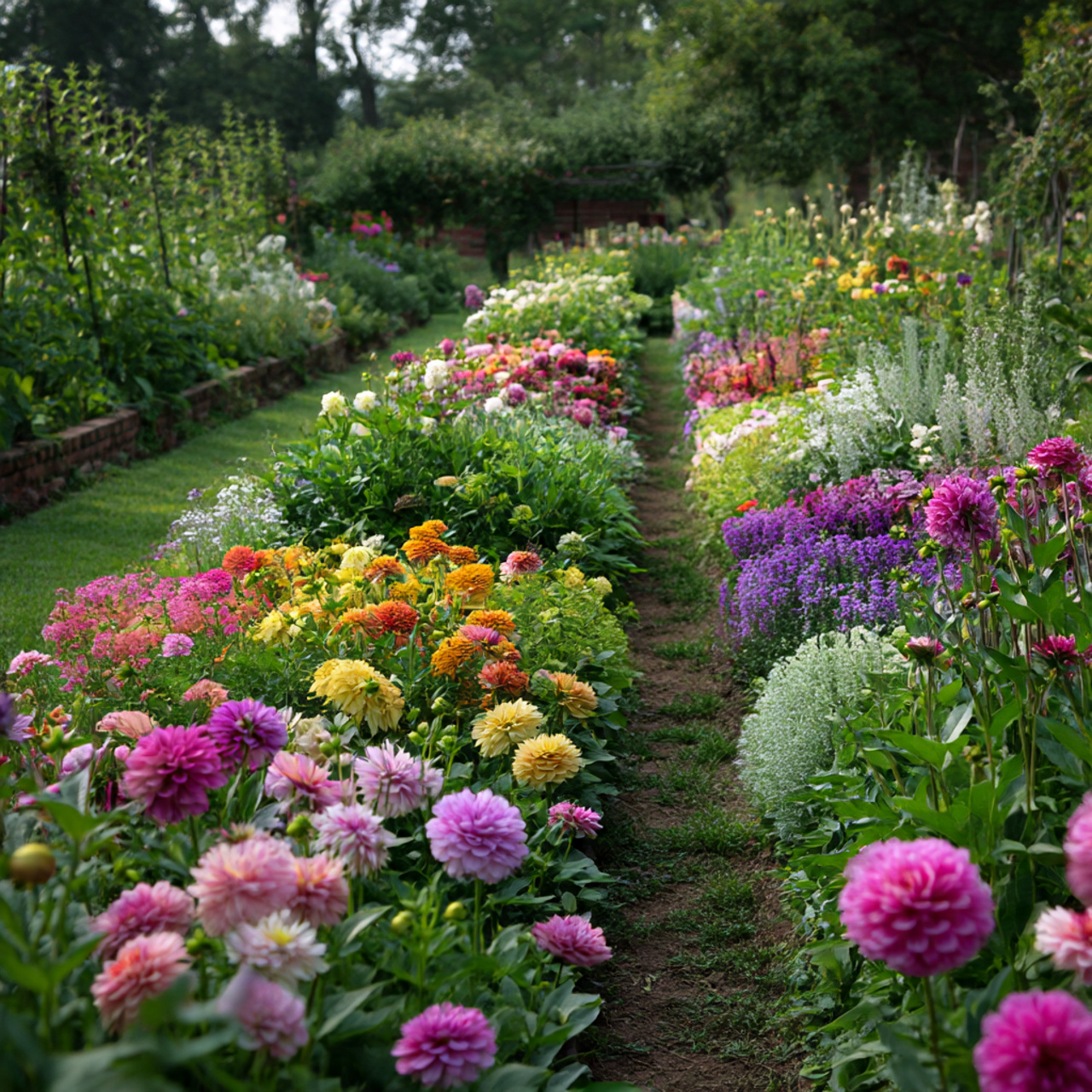
Here’s a pro move: create specific areas just for harvesting. This preserves the beauty of display areas while giving you plenty to cut.
How to organize cutting zones:
- Mark sections clearly (even just mentally)
- Keep heavy-producing varieties in cutting zones
- Place decorative, specimen plants in display areas
- Rotate cutting areas to give plants recovery time
Think of it like having a vegetable garden versus an ornamental landscape. Both serve different purposes, and separating them makes everything more efficient.
Mix Annuals and Perennials
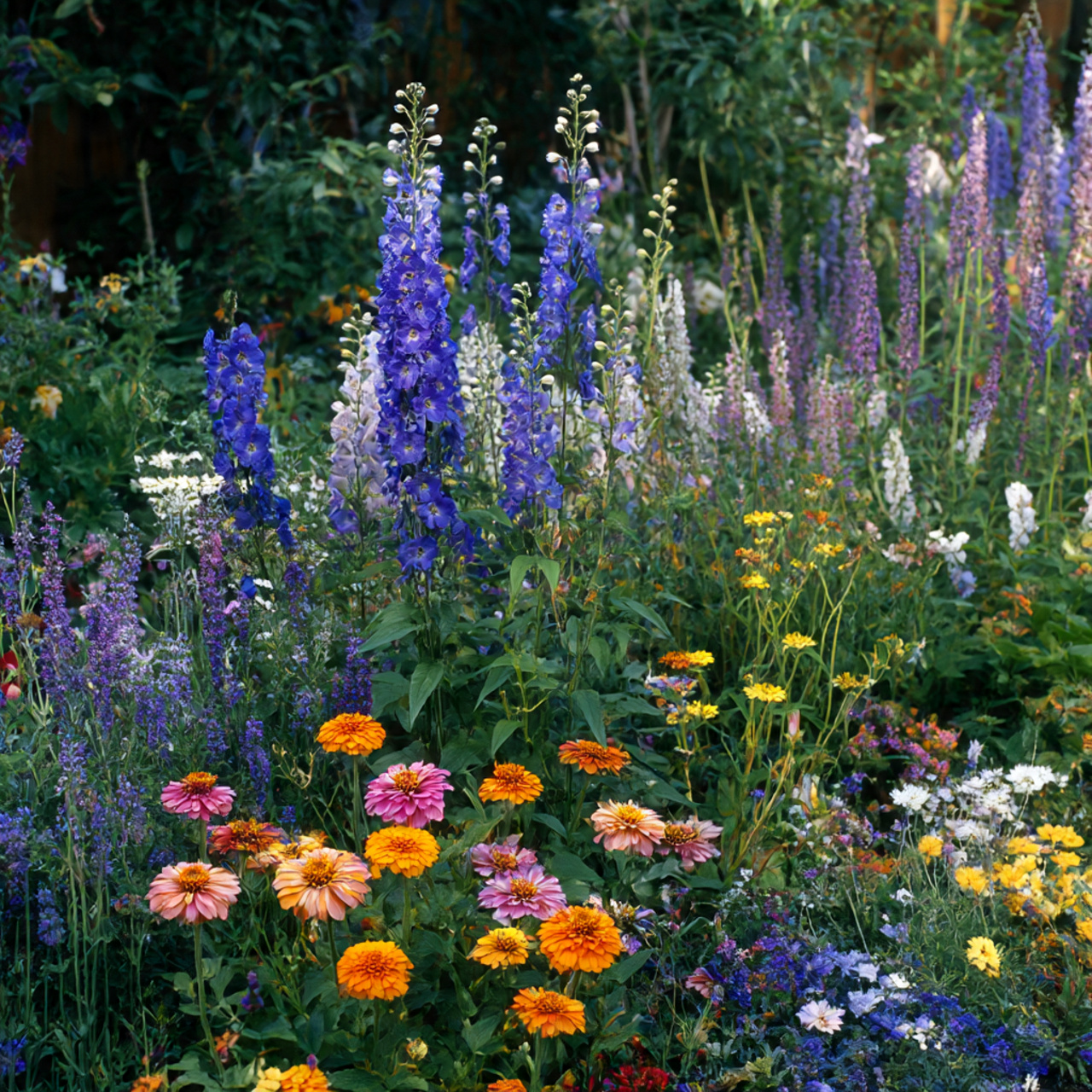
The dream team! Annuals bring the party with non-stop blooms, while perennials provide the reliable foundation.
Annual advantages:
- Bloom continuously from planting until frost
- Easy to change varieties each year
- Generally more prolific flower producers
- Great for filling gaps
Perennial benefits:
- Come back every year (less work, less expense)
- Develop stronger root systems over time
- Provide garden structure
- Often more drought-tolerant once established
Perfect combinations:
- Perennial delphiniums with annual cosmos
- Perennial peonies with annual zinnias
- Perennial roses with annual sweet peas
This strategy keeps your garden interesting year after year while ensuring you always have something to cut.
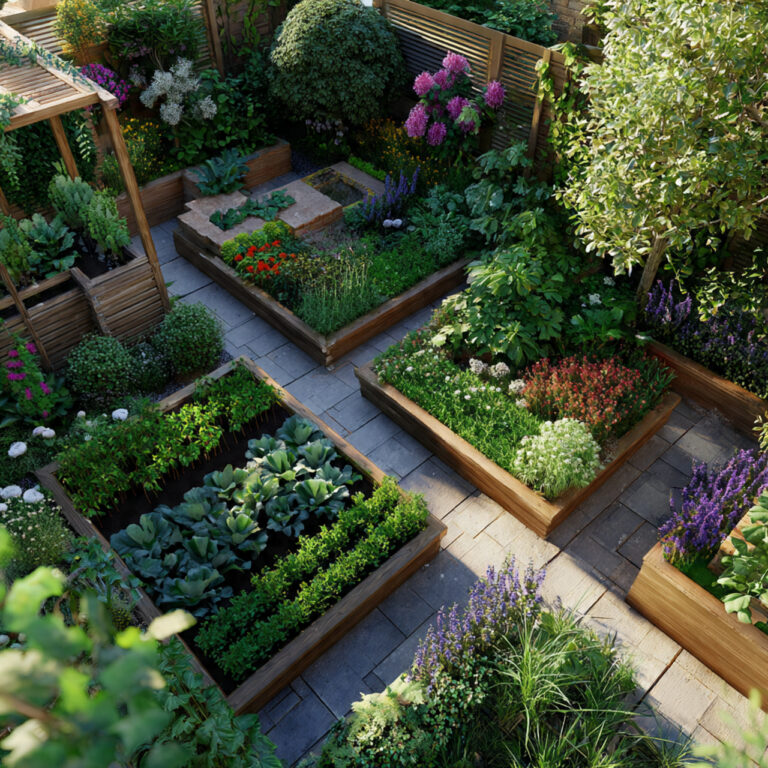
Try Raised Beds
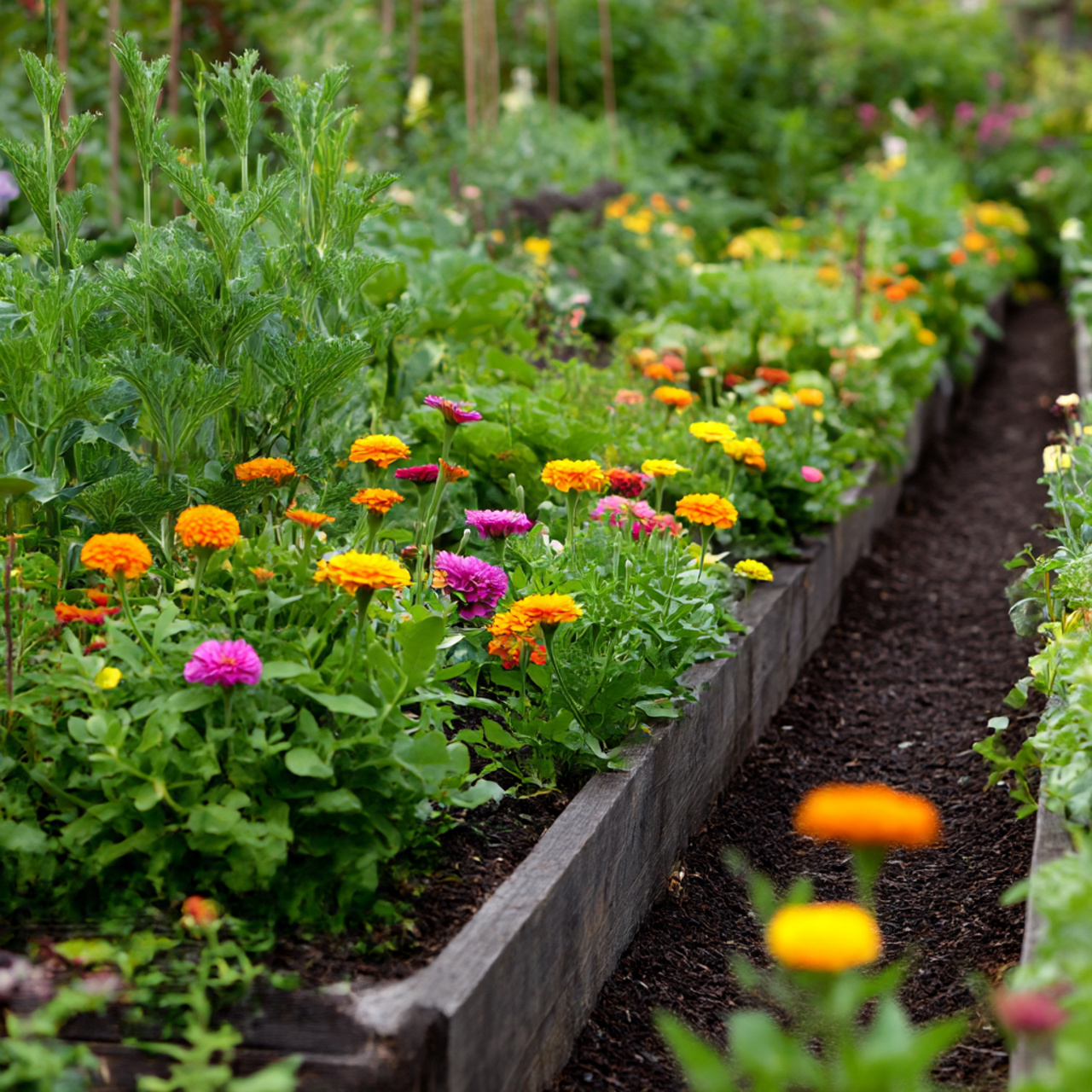
Raised beds are like giving your flowers a VIP upgrade. They solve so many common gardening challenges!
Major benefits:
- Better drainage – Prevents root rot and fungal issues
- Warmer soil – Earlier planting in spring, extended fall season
- Easier access – Less bending and strain on your back
- Superior soil control – Fill with perfect growing medium
- Fewer weeds – Physical barrier reduces weed infiltration
Quick setup tips:
- Build beds 10-12 inches deep minimum
- Use untreated wood, stone, or composite materials
- Fill with quality soil mix (compost, topsoil, and amendments)
- Consider drip irrigation for easy watering
Even one or two raised beds can dramatically increase your flower production and quality.
Go Organic with Fertilizers
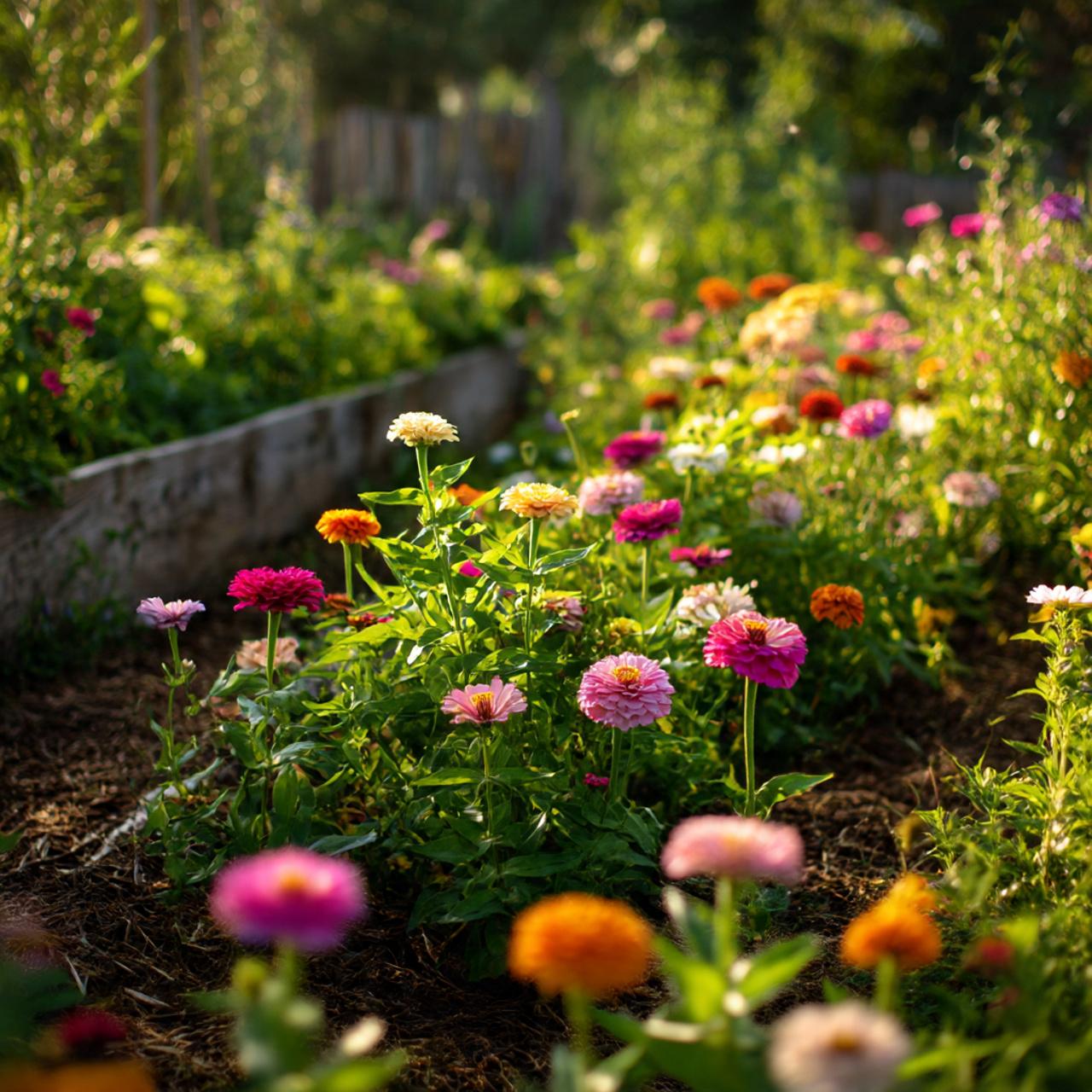
Chemical fertilizers might give quick results, but organic options build long-term soil health.
Best organic fertilizers for flowers:
- Compost – The gold standard, adds nutrients and improves soil structure
- Worm castings – Gentle but powerful, excellent for seedlings
- Fish emulsion – Fast-acting nitrogen boost
- Bone meal – Promotes strong root development and blooms
- Kelp meal – Trace minerals and growth hormones
Application strategy:
- Work compost into beds before planting
- Side-dress established plants monthly
- Use liquid fertilizers for container plants
- Follow package instructions (more isn’t better!)
Organic practices create living soil teeming with beneficial microorganisms. This ecosystem supports healthier plants that resist pests and diseases naturally.
Water Like a Pro
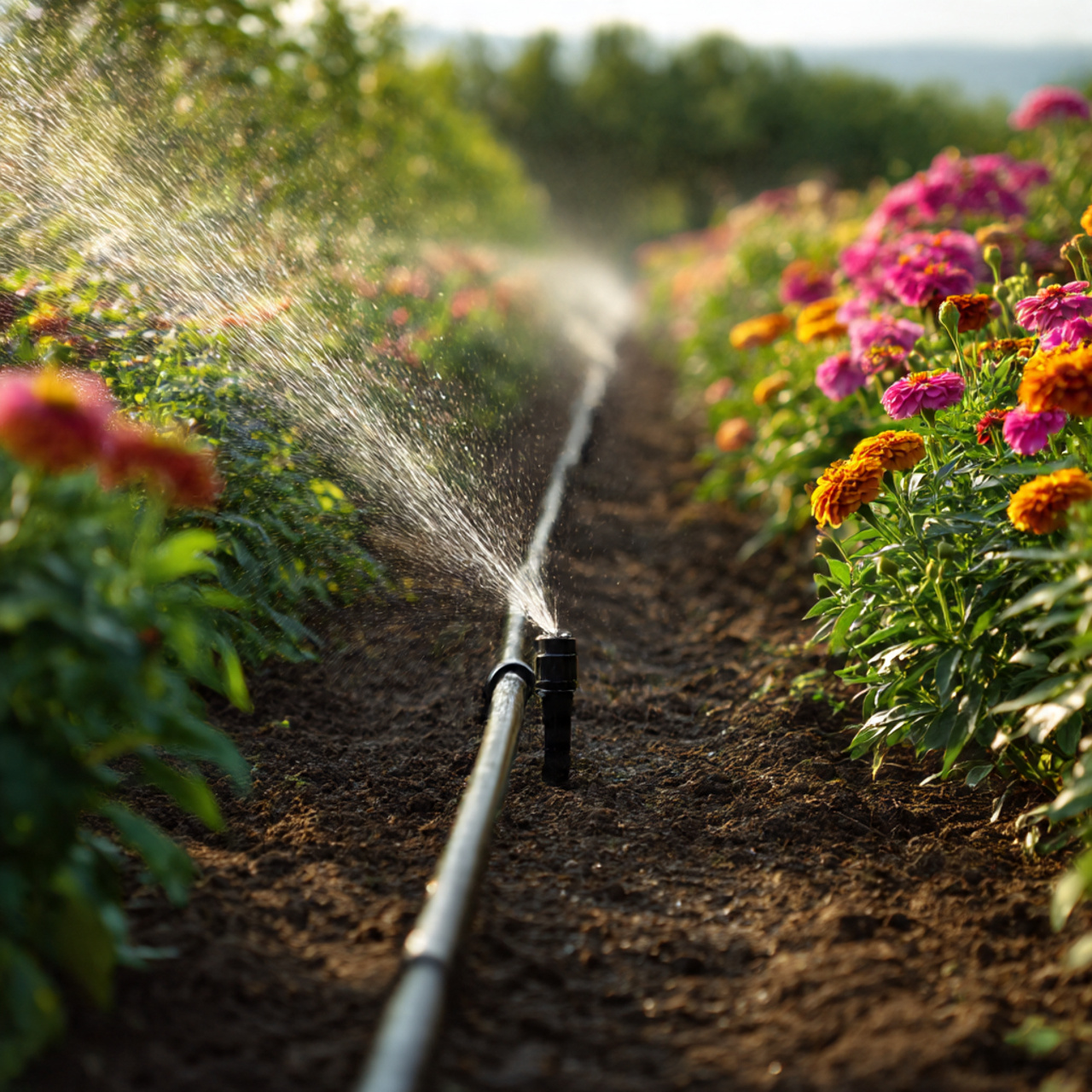
Watering seems simple, but doing it right makes a huge difference in flower quality and disease prevention.
Best watering practices:
- Deep, infrequent watering – Encourages deep root growth
- Morning watering – Foliage dries quickly, reducing disease
- At soil level – Keep water off flowers and leaves when possible
- Consistent schedule – Plants stressed by irregular watering produce fewer blooms
Irrigation options:
- Drip irrigation – Delivers water directly to roots, minimal waste
- Soaker hoses – Affordable alternative to drip systems
- Watering wands – Good for containers and spot watering
- Automatic timers – Set it and forget it
Finger test: Stick your finger 2 inches into soil. If it’s dry, water. If it’s moist, wait. This simple test prevents both over and under-watering.
Visit More: Small Flower Garden
Mulch for Success
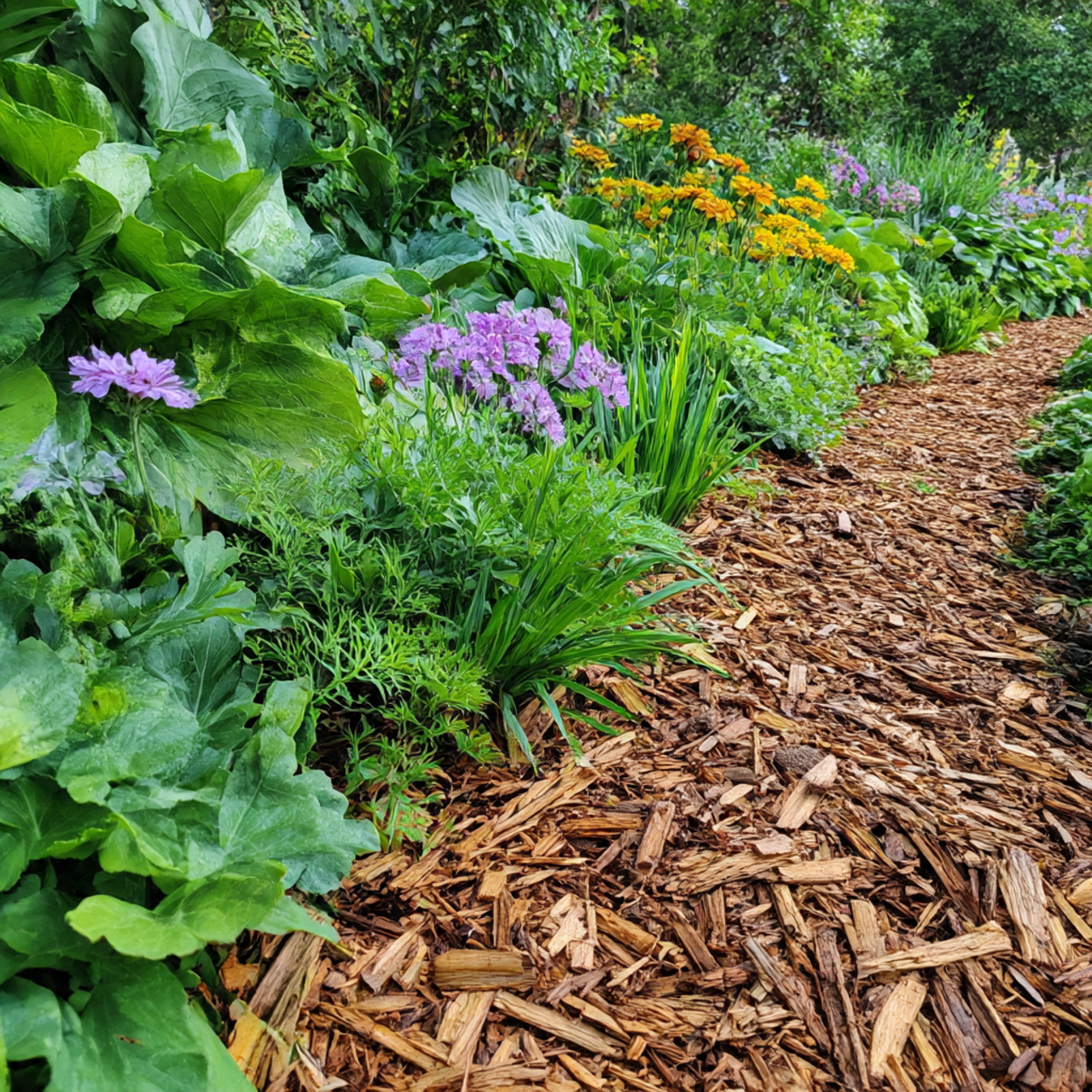
Mulch is the unsung hero of gardening. This one step saves you time, water, and money.
Why mulch matters:
- Retains soil moisture (less watering!)
- Suppresses weeds (less time pulling!)
- Regulates soil temperature (protects roots)
- Adds organic matter as it decomposes
- Gives gardens a finished, professional look
Best mulching materials:
- Shredded leaves – Free if you have trees, breaks down quickly
- Straw – Clean appearance, excellent for annual beds
- Compost – Double duty as mulch and fertilizer
- Wood chips – Long-lasting, good for paths
Application technique:
- Apply 2-4 inches deep
- Keep mulch away from plant stems (prevents rot)
- Refresh annually or as needed
Those few inches of mulch work 24/7 to create better growing conditions.
Include Foliage Plants
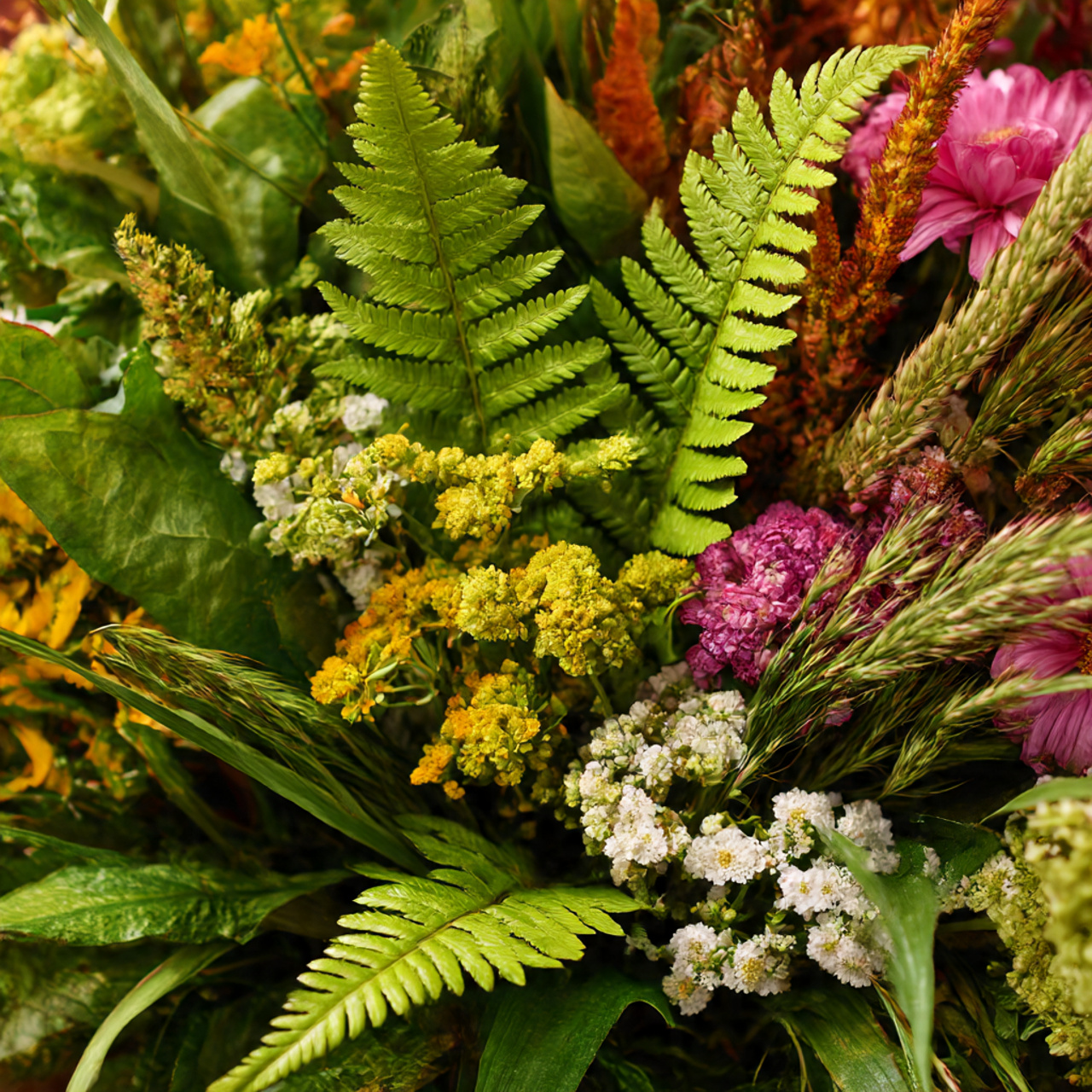
Flowers get all the glory, but foliage makes bouquets look professional and complete.
Essential foliage plants:
- Eucalyptus – Gorgeous silvery-blue leaves, long vase life
- Ferns – Delicate, elegant texture
- Ornamental grasses – Movement and airiness
- Hostas – Large, dramatic leaves for focal points
- Dusty miller – Soft, silvery texture
Why foliage matters:
- Provides structure and framework for arrangements
- Fills space between flowers
- Often lasts longer than blooms in vases
- Adds visual interest when flowers are scarce
Cutting tip: Harvest foliage in the morning when stems are most hydrated. Strip lower leaves that would sit below the waterline.
Experiment with Edible Flowers
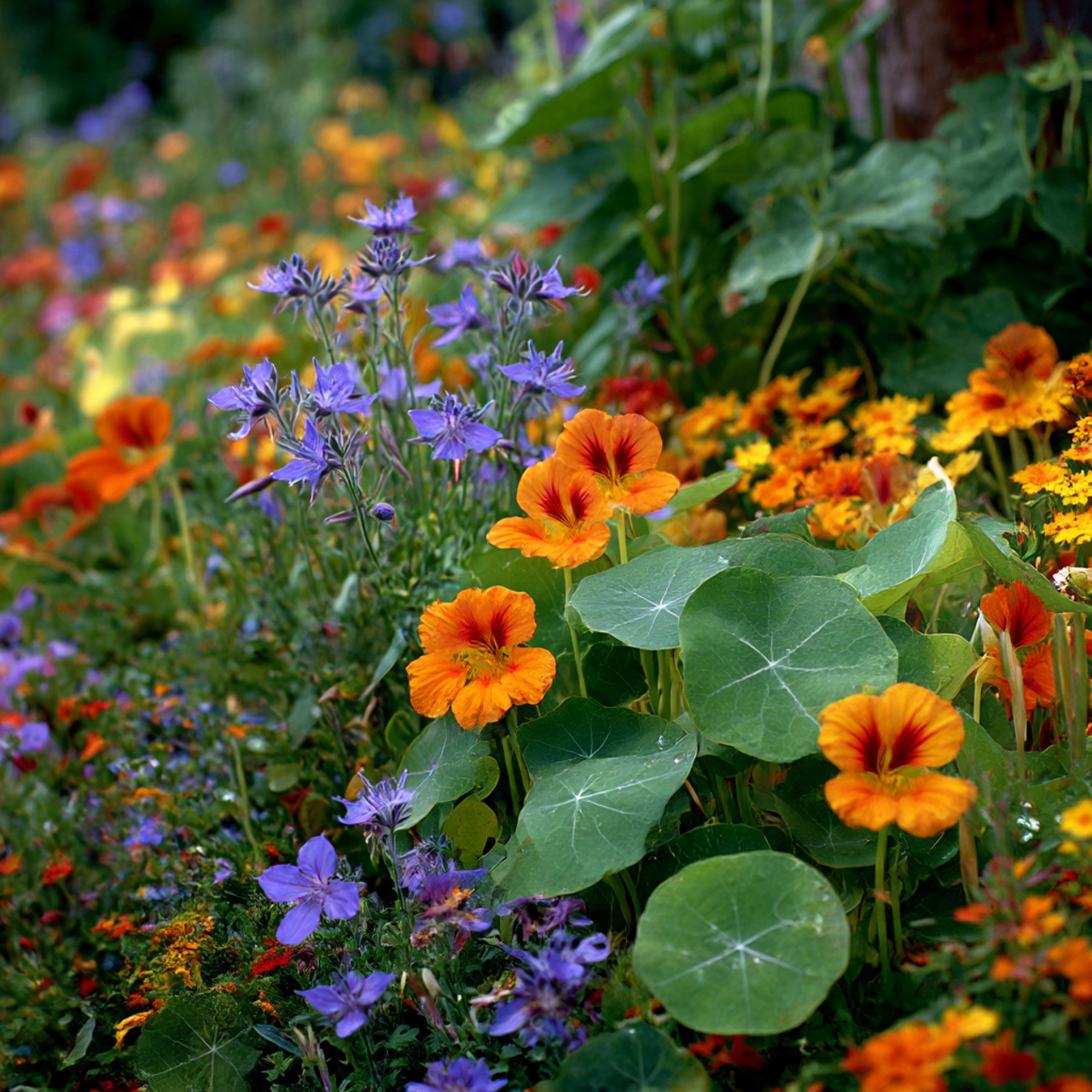
Why choose between beauty and function? Edible flowers give you both!
Safe and tasty options:
- Nasturtiums – Peppery flavor, stunning colors
- Calendula – Mild, slightly tangy, gorgeous petals
- Borage – Cucumber-like taste, beautiful blue stars
- Pansies – Mild, wintergreen flavor
- Violets – Sweet and delicate
Creative uses:
- Float in drinks for wow factor
- Garnish salads and appetizers
- Freeze in ice cubes
- Decorate cakes and desserts
- Add to herb butters or oils
Safety note: Only eat flowers grown without chemicals, and positively identify species before consuming. Not all flowers are edible!
Protect Against Pests
Pest problems are inevitable, but chemical warfare isn’t your only option.
Natural pest control methods:
- Beneficial insects – Ladybugs, lacewings, and praying mantises eat bad bugs
- Neem oil – Organic spray that disrupts pest life cycles
- Insecticidal soap – Safe for plants, deadly for soft-bodied pests
- Diatomaceous earth – Mechanical pest control for crawling insects
- Hand-picking – Old-fashioned but effective for larger pests
Prevention strategies:
- Inspect plants regularly (catch problems early)
- Remove diseased plant material immediately
- Encourage birds (natural pest predators)
- Rotate crops annually
- Maintain plant health (stressed plants attract pests)
Healthy plants from pest-free gardens produce the most beautiful, long-lasting cut flowers.
Plan for All Seasons
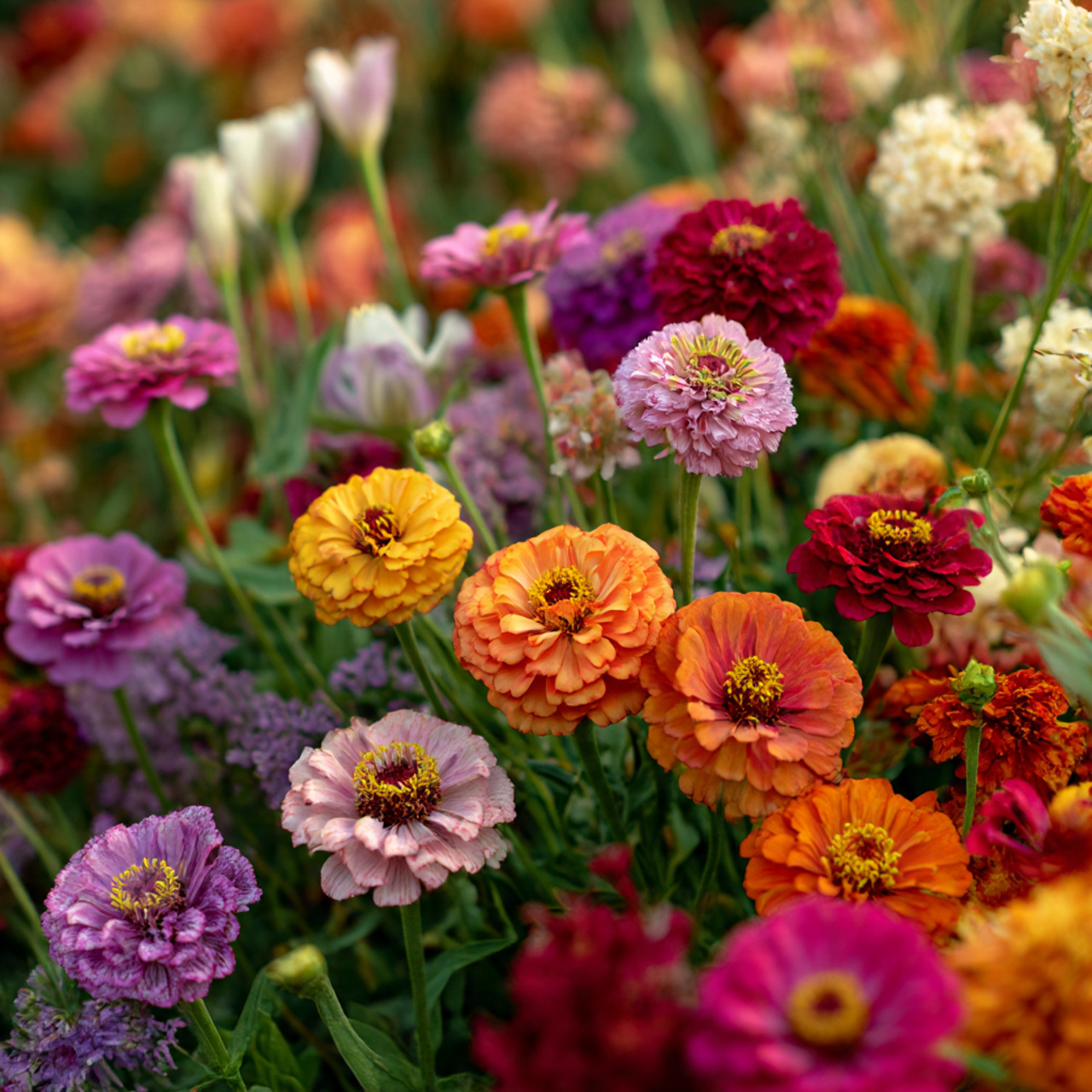
Don’t limit yourself to summer blooms! A well-planned garden provides flowers spring through fall (and winter in mild climates).
Seasonal planning guide:
Spring:
- Tulips, daffodils, hyacinths
- Early peonies and bleeding hearts
- Sweet peas and ranunculus
Summer:
- Zinnias, sunflowers, cosmos
- Dahlias, gladiolus, lilies
- Roses at peak performance
Fall:
- Chrysanthemums, asters, sedum
- Late-blooming dahlias
- Ornamental grasses with seed heads
Bonus tip: Plant spring bulbs in fall, start summer annuals indoors in early spring, and direct-sow fall bloomers in mid-summer. This rotation keeps flowers coming!
Establish a Cutting Schedule
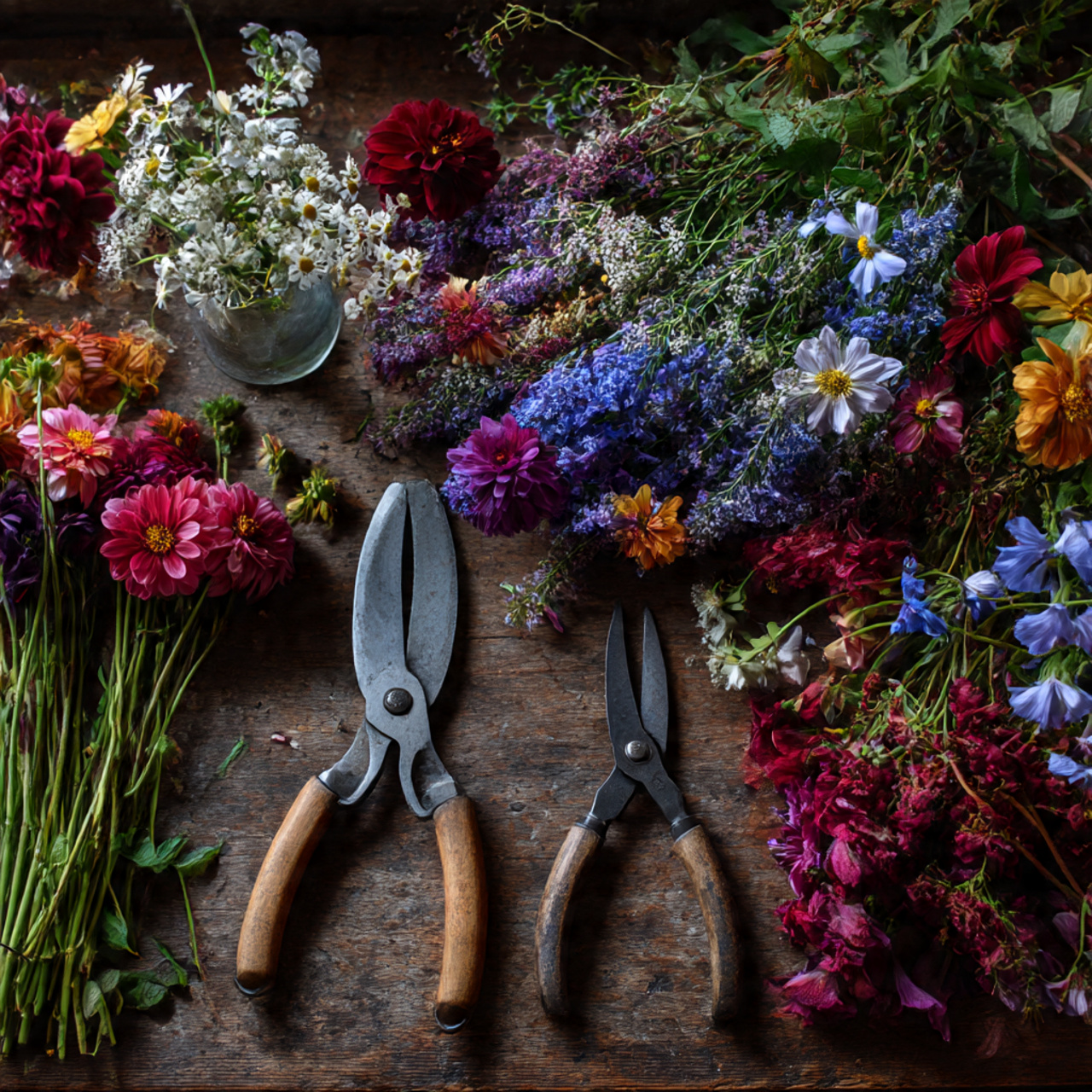
Regular cutting isn’t just beneficial—it’s essential for keeping flowers producing.
Why consistent cutting works:
- Removes flowers before they go to seed
- Signals plants to produce more blooms
- Maintains energy for new growth
- Prevents plants from looking tired and spent
Ideal cutting routine:
- Cut flowers every 2-3 days during peak season
- Use sharp, clean shears or scissors
- Make cuts at a 45-degree angle
- Cut stems in the cool morning hours
- Place immediately in water
The more you cut, the more you get – it sounds counterintuitive, but it’s absolutely true with most flowering plants!
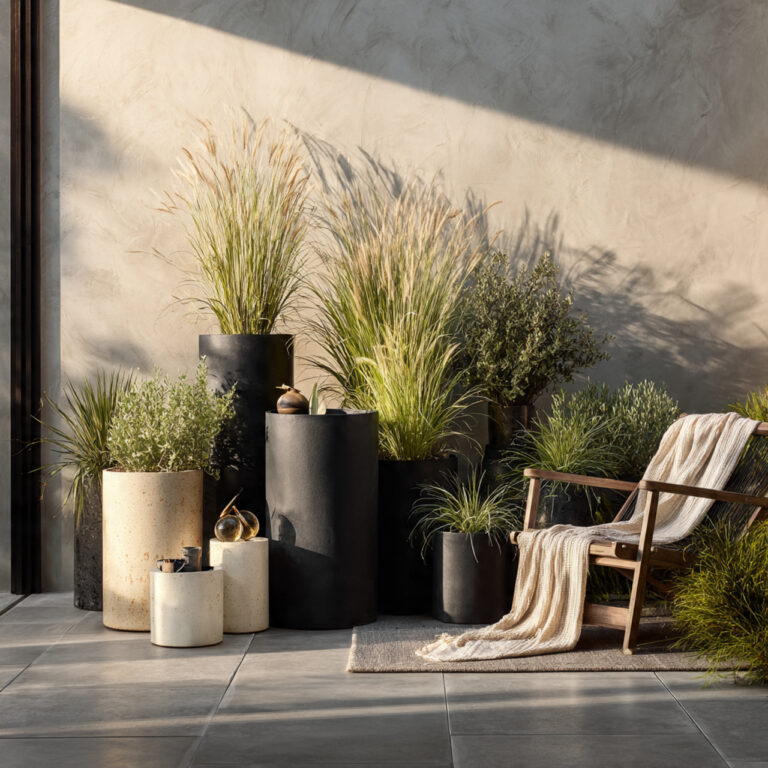
Utilize Containers and Pots
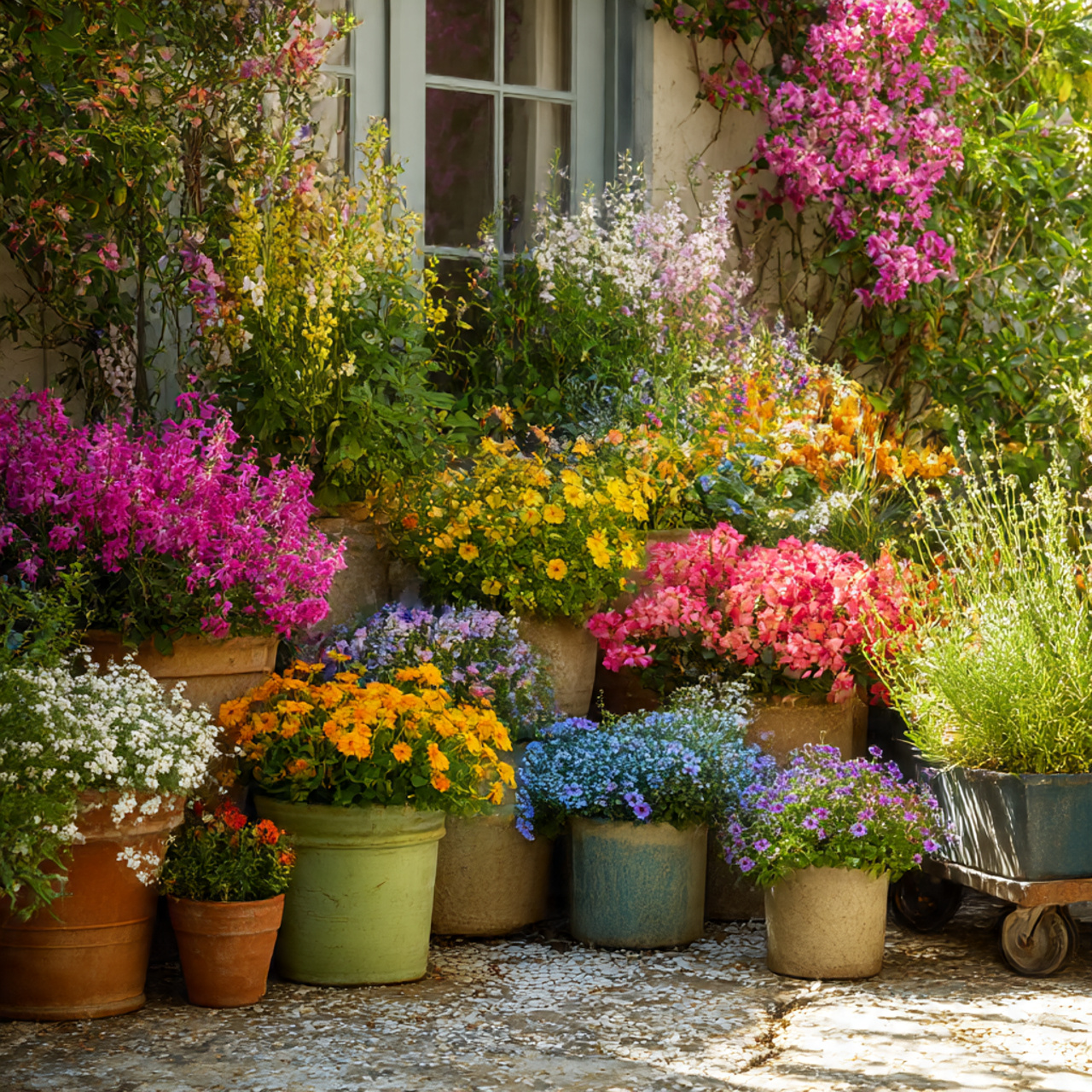
Don’t have space for in-ground beds? Containers open up endless possibilities!
Container advantages:
- Move plants to follow the sun
- Protect tender plants from frost
- Garden on patios, balconies, or decks
- Change arrangements seasonally
- Elevate plants for easier cutting
Container success tips:
- Use quality potting mix (not garden soil)
- Ensure adequate drainage holes
- Choose containers at least 12 inches deep
- Fertilize regularly (nutrients wash out faster)
- Group containers for visual impact
Great container flowers:
- Zinnias, cosmos, and marigolds
- Petunias and calibrachoa
- Dwarf sunflowers
- Snapdragons and stock
Even a few well-placed containers can significantly boost your flower output!
Play with Flower Shapes
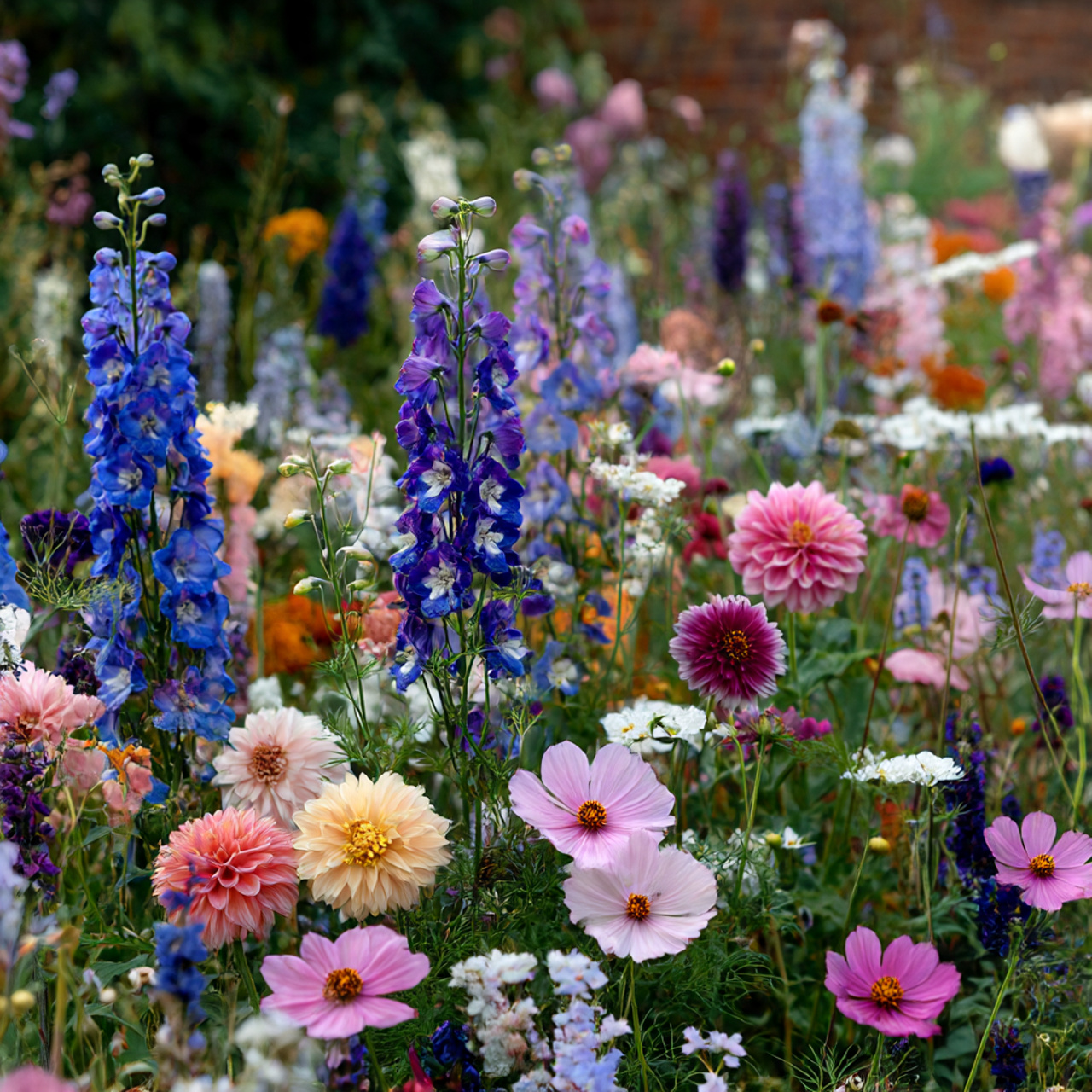
Variety in form creates dynamic, professional-looking bouquets.
Essential flower shapes to include:
- Spikes – Vertical interest (snapdragons, larkspur, salvia)
- Rounds – Focal points (dahlias, zinnias, sunflowers)
- Sprays – Airy fillers (baby’s breath, statice, yarrow)
- Bells or trumpets – Unique forms (foxgloves, datura, bells of Ireland)
- Flat clusters – Textural elements (Queen Anne’s lace, achillea, sedum)
Design principle: Every great arrangement includes at least three different shapes. This creates visual interest and professional polish.
Think about shape when planning your garden beds too—combining different forms creates a more interesting landscape!
Preserve Your Blooms
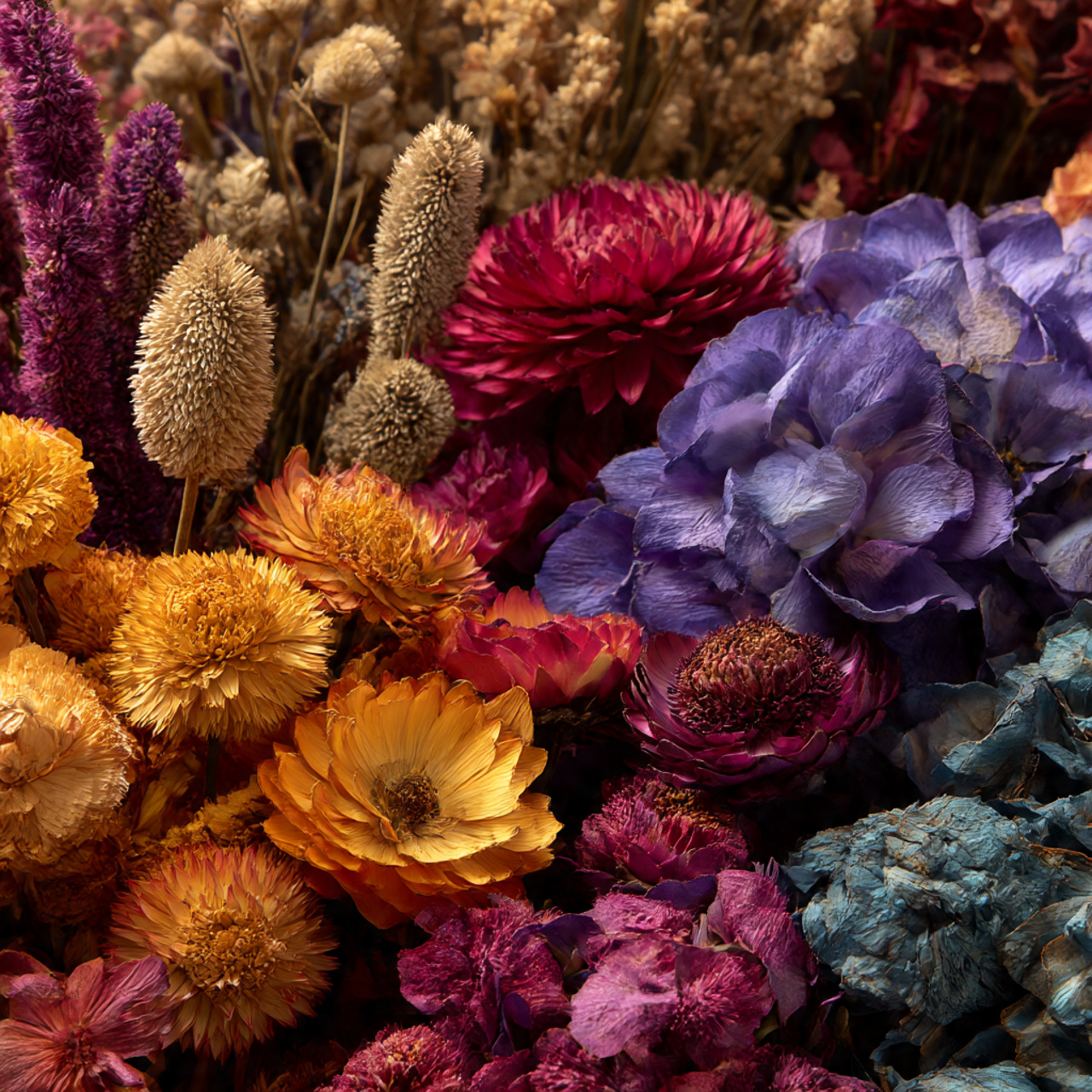
Extend the life of your garden’s beauty beyond fresh arrangements.
Preservation methods:
Air drying:
- Bundle stems and hang upside down in dark, dry location
- Works best: strawflowers, statice, lavender, celosia
- Ready in 2-3 weeks
Pressing:
- Place flowers between absorbent paper with weight on top
- Perfect for: pansies, cosmos, single-layer blooms
- Use for cards, bookmarks, and framed art
Silica gel drying:
- Bury flowers in silica gel crystals
- Preserves shape and color better than air drying
- Ideal for: roses, peonies, 3D flower heads
Creative uses for preserved flowers:
- Homemade potpourri
- Resin jewelry and crafts
- Seasonal wreaths and swags
- Shadow box displays
Preservation lets you enjoy your garden’s bounty year-round!
Create a Garden Retreat
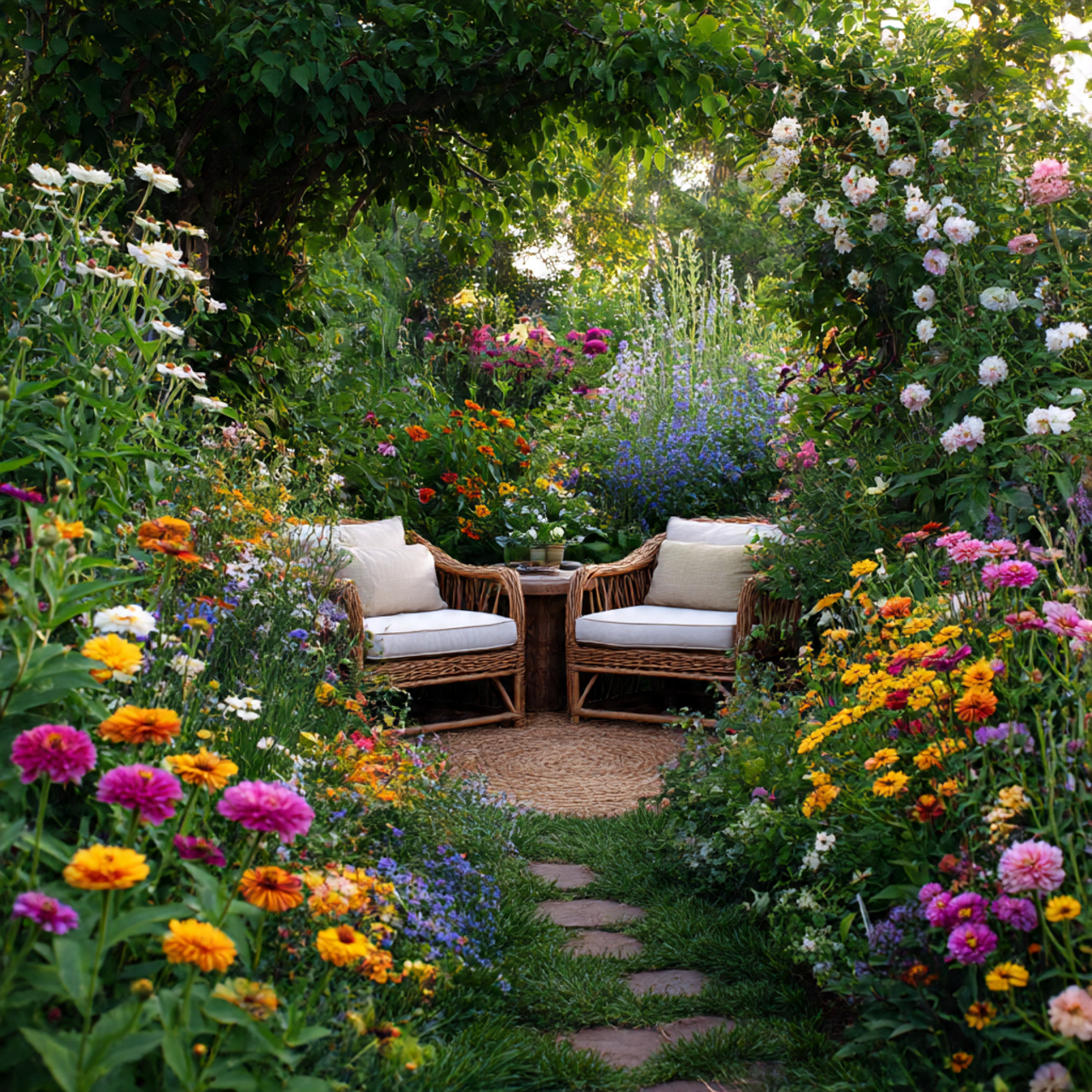
Your flower garden should be a place to recharge, not just work.
Elements of a garden sanctuary:
- Comfortable seating (bench, chairs, or hammock)
- Shade structure if needed (umbrella, pergola)
- Small table for morning coffee or journaling
- Bird bath or water feature (soothing sounds)
- Solar lighting for evening enjoyment
Benefits of garden seating:
- Observe plants and notice what needs attention
- Enjoy the fruits of your labor
- Find inspiration for your next arrangement
- Reduce stress and practice mindfulness
Some of the best gardening happens when you’re simply sitting and observing. You’ll notice bloom timing, pest issues, and color combinations you might otherwise miss.
Track Your Progress
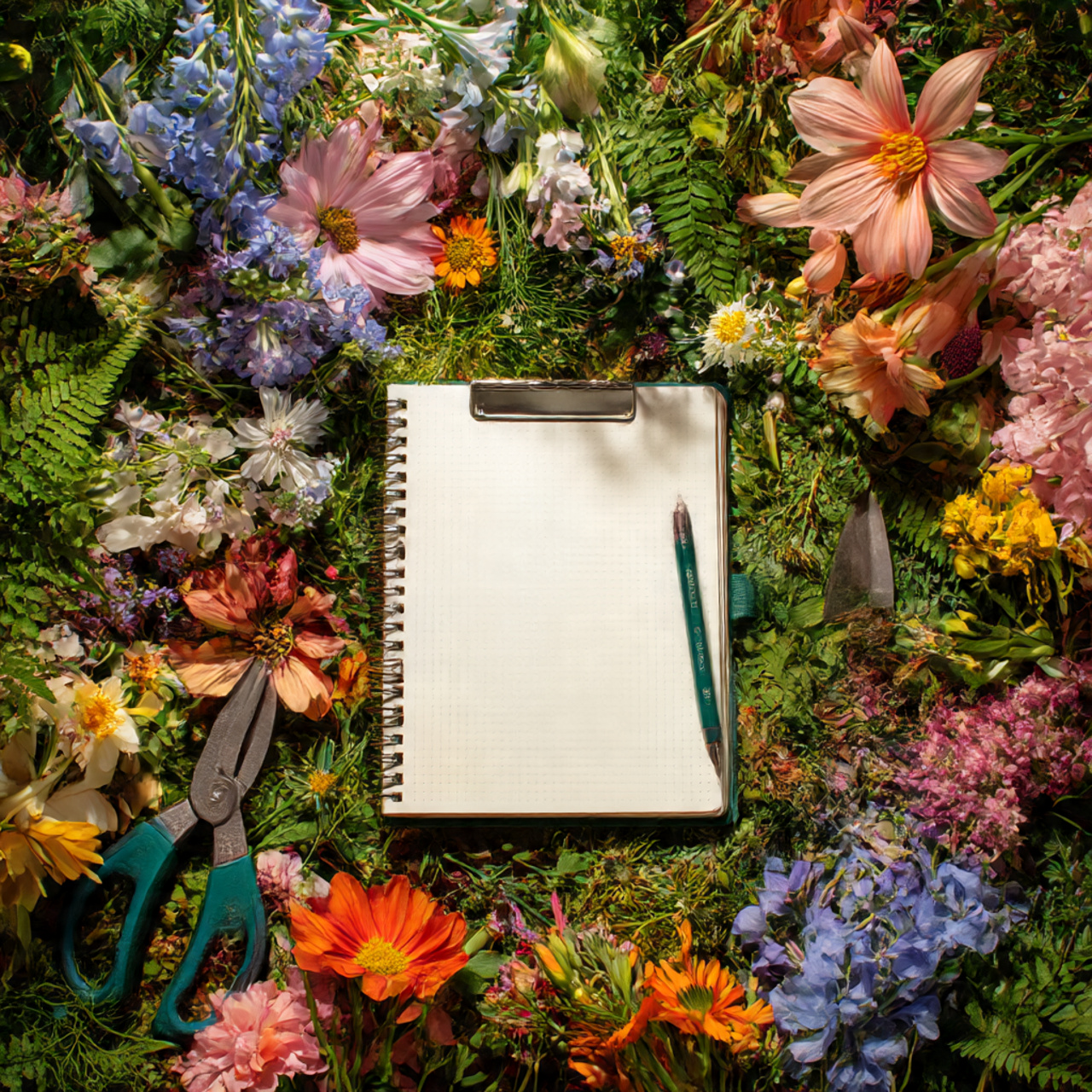
A garden journal transforms you from casual gardener to skilled grower.
What to record:
- Planting dates and seed sources
- First bloom dates
- Weather patterns and temperatures
- Pest or disease issues and solutions
- Harvest quantities
- What worked and what didn’t
Journal benefits:
- Repeat successes and avoid past mistakes
- Remember variety names you loved (or hated)
- Plan next year’s garden improvements
- Track spending and value
- Create your own personalized growing guide
Digital or paper? Either works! Use a notebook, spreadsheet, or garden planning app—whatever you’ll actually use consistently.
Over the years, your journal becomes an invaluable reference customized to your specific garden and climate.
Share the Joy
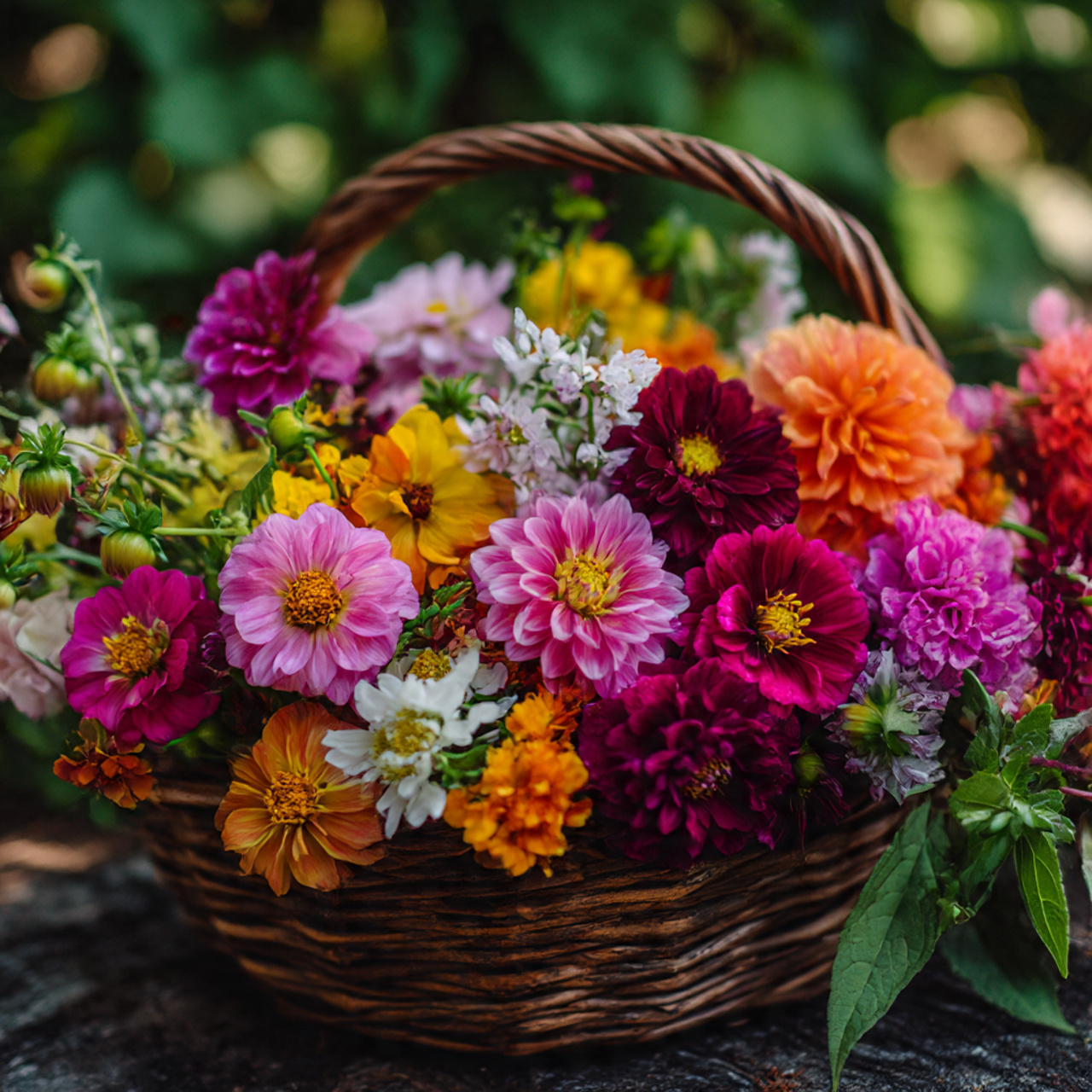
Flowers are meant to be shared! Spreading blooms from your garden creates community and spreads happiness.
Ways to share your harvest:
- Deliver surprise bouquets to neighbors
- Donate to nursing homes or hospitals
- Bring arrangements to community events
- Trade with other gardeners (expand your variety!)
- Host a “cut your own bouquet” party
The ripple effect:
- Inspires others to start gardening
- Builds community connections
- Motivates you to keep your garden productive
- Creates opportunities to teach and share knowledge
Plus, there’s something deeply satisfying about giving away beauty you’ve created with your own hands!
FAQs About Cut Flower Garden
1. How much sunlight does a cut flower garden need?
Most cut flowers thrive in full sun, ideally 6–8 hours per day. Some varieties, like ferns and certain perennials, prefer partial shade.
2. Can I grow a cut flower garden in small spaces?
Yes! Use vertical gardening, containers, or small raised beds to maximize blooms in limited spaces.
3. How often should I water my cut flower garden?
Water deeply 2–3 times per week, adjusting based on rainfall and soil type. Consistent watering encourages healthy blooms.
4. Which flowers are best for cutting?
Roses, zinnias, lilies, sunflowers, cosmos, and snapdragons are popular for long-lasting cut blooms.
5. How do I extend the vase life of cut flowers?
Cut flowers early in the morning, trim stems at an angle, and use clean water with floral preservative to extend freshness.
Final Thoughts
Creating a cut flower garden is one of the most rewarding gardening projects you can undertake. It combines the joy of growing with the creativity of arranging, the satisfaction of harvesting with the pleasure of sharing.
Above given ideas we’ve covered give you a solid foundation, but remember—gardening is as much art as science. Don’t be afraid to experiment, make mistakes, and discover what works best in your unique space and climate. Start small if you need to, learn as you go, and let your garden evolve with your growing skills and changing tastes.
Your future self will thank you every time you walk outside with scissors in hand, ready to create something beautiful from your own backyard. Here’s to fresh flowers on your table, the therapeutic joy of gardening, and the simple pleasure of watching things grow.
Now get out there and start planting—your cutting garden awaits!