23 Genius Flower Garden Design Ideas to Transform Your Outdoor Space
There’s something magical about stepping into a beautifully designed flower garden. It’s more than just pretty plants arranged in soil—it’s a living canvas that brings joy, peace, and character to your outdoor space. When you invest time in thoughtful flower garden planning, you’re not just planting flowers; you’re creating an experience that welcomes guests, supports local wildlife, and gives you a personal retreat right outside your door.
The beauty of garden design is that it doesn’t require perfection. Even if you’ve never gardened before, understanding a few key concepts can help you create a stunning outdoor space that feels uniquely yours. Your garden should reflect your personality, work with your lifestyle, and adapt to your specific growing conditions.
Before you rush to the nursery with excitement, take a moment to assess what you’re working with. Look at how much sunlight different areas receive throughout the day. Check your soil quality—is it clay-heavy, sandy, or rich and loamy? Consider your climate zone and which plants naturally thrive in your region. This groundwork saves you frustration later and helps ensure your garden flourishes instead of struggles.
Understanding the Building Blocks of Great Garden Design
Every stunning garden you’ve admired follows certain timeless principles, even if the gardener wasn’t consciously aware of them. These aren’t strict rules—think of them as helpful guidelines that make your design decisions easier and your results more satisfying.
Key design elements to consider:
- Balance – Distributing visual weight evenly across your space
- Repetition – Using similar plants or colors in multiple spots to create rhythm
- Scale – Choosing plant sizes that match your garden’s dimensions
- Color harmony – Selecting hues that complement rather than clash
The secret isn’t creating a perfectly manicured showpiece. Instead, aim for a garden that feels cohesive and intentional, where each plant seems like it belongs exactly where you’ve placed it. When someone walks through your garden, they should sense that natural flow, even if they can’t quite put their finger on what makes it work so well.
Cottage Garden Style: Romantic Abundance at Its Finest
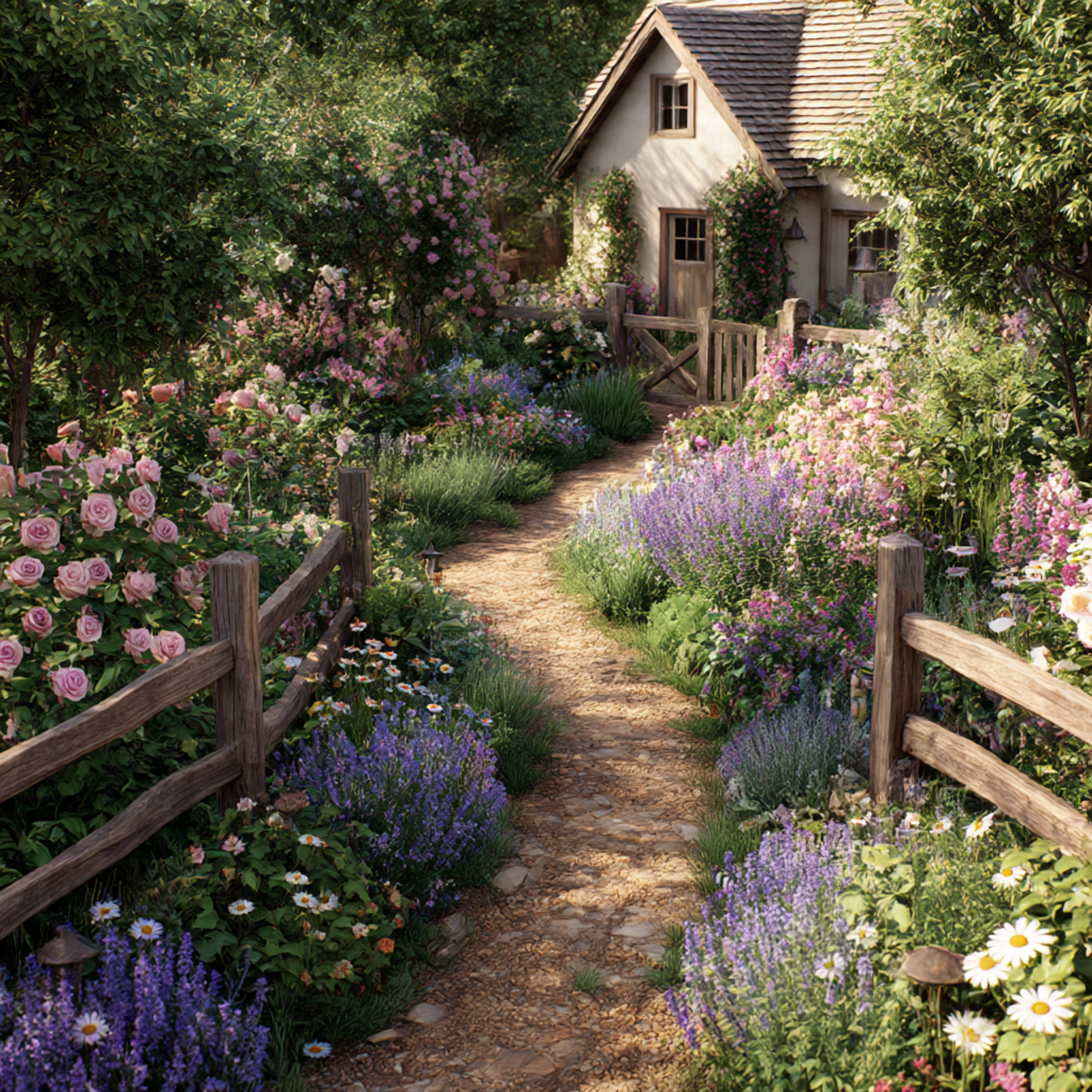
Imagine walking down a garden path where flowers spill generously over borders, fragrances mingle in the air, and everything feels wonderfully unstructured yet somehow perfect. That’s the essence of cottage garden design—a style that looks effortlessly abundant but actually benefits from careful planning behind the scenes.
What makes cottage gardens special:
- Dense, layered plantings that create fullness and texture
- Mixing traditional flowers with edible herbs for both beauty and function
- Soft, flowing borders rather than rigid, formal edges
- A romantic, lived-in feeling that welcomes rather than intimidates
Top plant choices for this style:
- Classic climbing roses draped over arbors or fences
- Tall spikes of delphiniums reaching toward the sky
- Cheerful clusters of daisies scattered throughout
- Fragrant lavender and rosemary along pathways
- Trailing sweet peas adding vertical interest
Tip: While cottage gardens appear casual, they work best when you plant in generous groups rather than single specimens. This creates that signature lush, overflowing look that defines the style.
Modern Minimalist Gardens: Less Really Is More
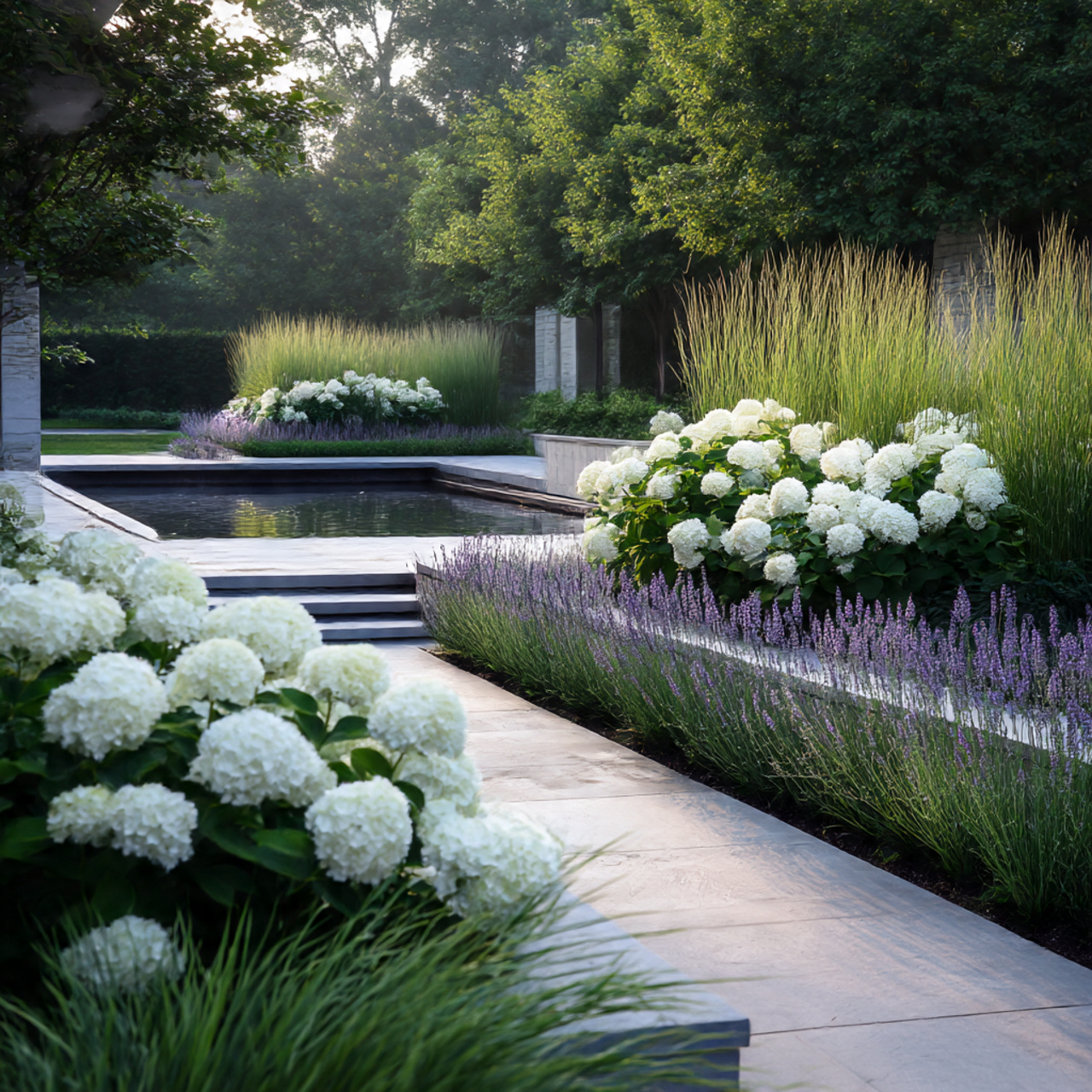
If you’re drawn to clean lines, uncluttered spaces, and contemporary architecture, a minimalist approach might speak to your sensibilities. This design philosophy proves that you don’t need dozens of plant varieties to make a powerful visual statement. Instead, restraint and repetition create sophisticated impact.
Core principles of minimalist design:
- Limiting your plant palette to just a few carefully chosen species
- Emphasizing architectural plant forms and structural interest
- Incorporating generous negative space (areas intentionally left empty)
- Using hardscaping elements like gravel, concrete, or steel as design features
Perfect plants for minimalist gardens:
- Ornamental grasses that sway gracefully in the breeze
- Pure white hydrangeas creating elegant focal points
- Silver-gray lavender in geometric blocks
- Spherical alliums adding sculptural drama
Styling tip: Pair your simplified plantings with modern hardscape materials. Think smooth river rocks, steel edging, or contemporary pavers. The contrast between organic plant forms and man-made materials creates that signature minimalist aesthetic.
Pollinator Gardens: Beauty That Gives Back
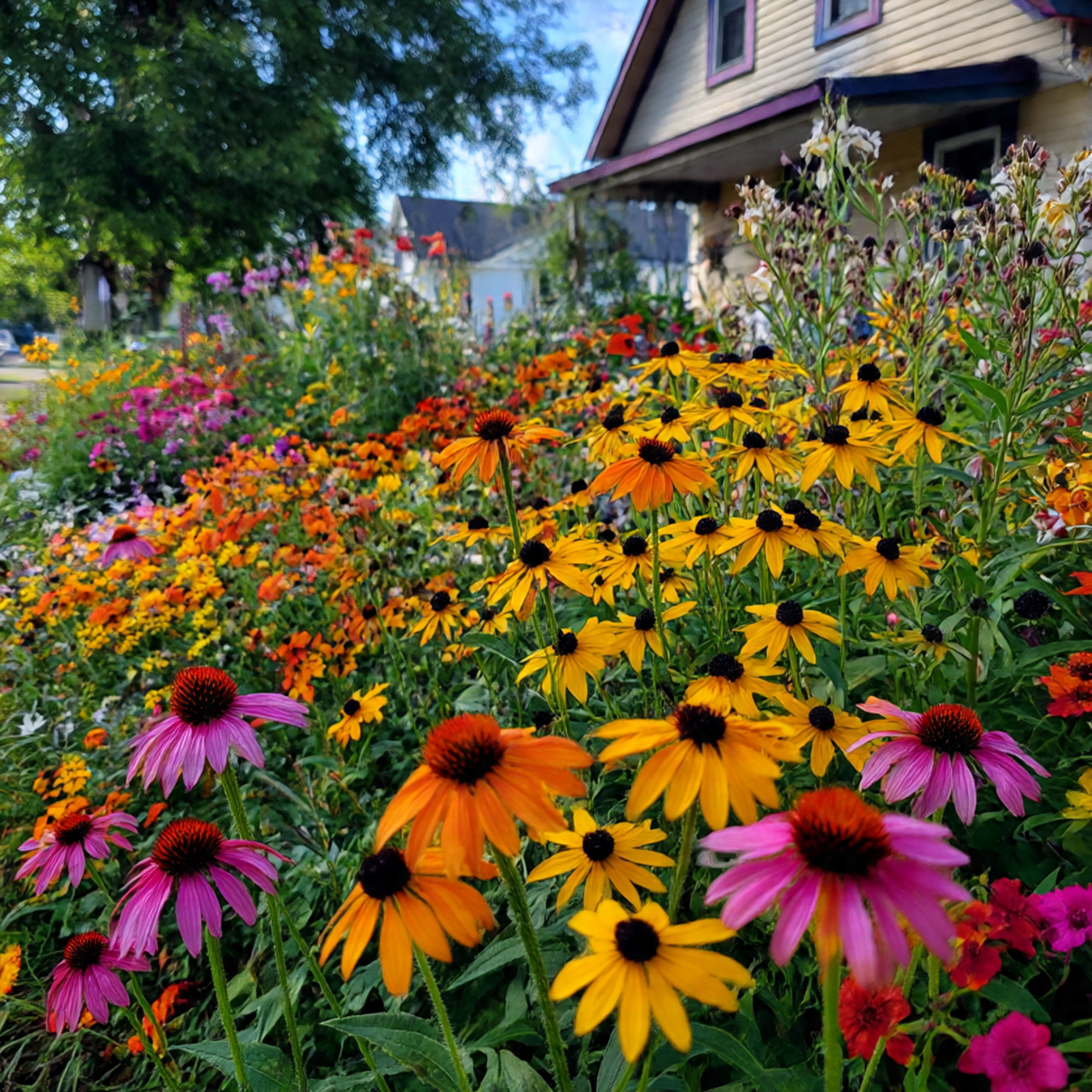
Creating a garden that supports bees, butterflies, hummingbirds, and other pollinators is one of the most rewarding design choices you can make. Not only do you get a vibrant, constantly active garden, but you’re also contributing to the health of your local ecosystem. It’s landscaping with purpose.
Why pollinators will love your garden:
- Continuous bloom sequence providing food from spring through fall
- Nectar-rich flowers that offer high-quality nutrition
- Varied flower shapes accommodating different pollinator types
- Chemical-free growing practices creating a safe habitat
Essential pollinator plants:
- Purple coneflowers (echinacea) that bloom reliably for months
- Native asters providing crucial late-season nectar
- Cheerful black-eyed Susans attracting numerous butterfly species
- Milkweed plants supporting monarch butterfly reproduction
- Catmint creating a continuous buffet for bees
Important note: Plant in clusters of at least three to five of the same species. Pollinators are much more likely to notice and visit grouped plantings than scattered individual flowers.
Wildflower Meadows: Nature’s Effortless Elegance
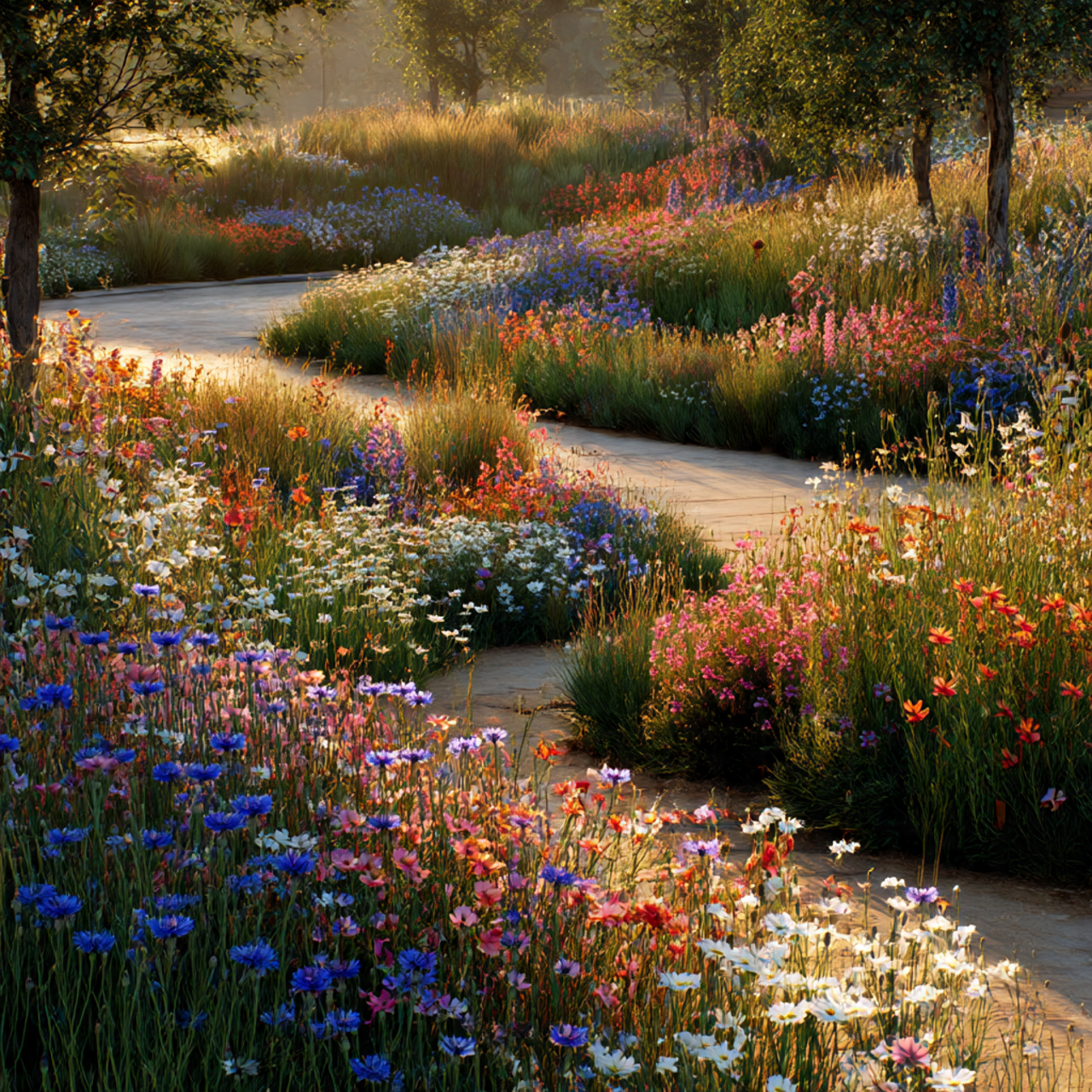
If you’ve ever driven past a field of wildflowers and wished you could recreate that casual beauty at home, you’re not alone. Wildflower gardens bring that naturalistic meadow aesthetic to residential landscapes while requiring surprisingly little maintenance once established.
Benefits of wildflower plantings:
- Native species adapted to your local conditions
- Minimal watering needs after the first season
- Constantly changing display as different flowers bloom
- Low-cost option for covering larger areas
Beautiful wildflower selections:
- Vibrant red poppies dancing in the breeze
- Blue cornflowers (bachelor’s buttons) adding cool tones
- Yellow and pink yarrow creating flat-topped clusters
- Colorful lupines sending up dramatic flower spikes
Success strategy: Prepare your soil well before sowing wildflower seeds. Remove existing grass, rake the surface lightly, scatter seeds in fall or early spring, and then be patient. The first year they sleep, the second year they creep, the third year they leap!
Tropical Paradise: Bold and Unapologetically Vibrant
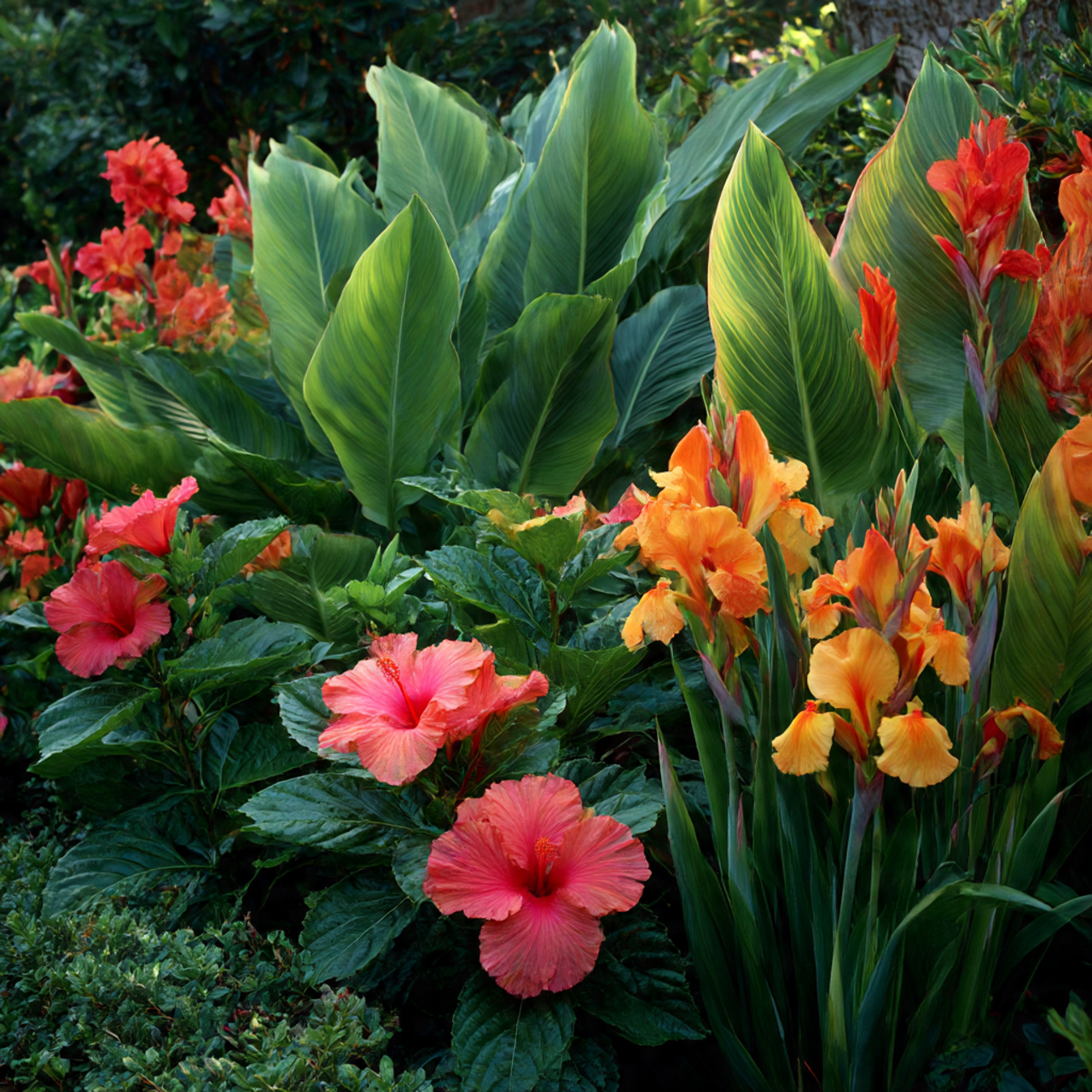
Even if you don’t live in the tropics, you can create a lush, resort-like atmosphere in your own backyard. Tropical-style gardens embrace drama, using oversized foliage, intense colors, and exotic textures to transport you mentally to a vacation destination.
Characteristics of tropical design:
- Large, bold leaves creating instant visual impact
- Saturated flower colors in reds, oranges, pinks, and purples
- Layered plantings that create a jungle-like density
- Incorporation of water features for humidity and ambiance
Show-stopping tropical plants:
- Hibiscus flowers in eye-catching tropical hues
- Canna lilies with both spectacular blooms and foliage
- Dramatic birds of paradise creating architectural interest
- Elephant ears (colocasia) with massive, heart-shaped leaves
Climate consideration: If you experience frost, grow tropical plants in containers that can be moved indoors during winter, or treat them as annuals and replant each spring. The dramatic impact is worth the extra effort.
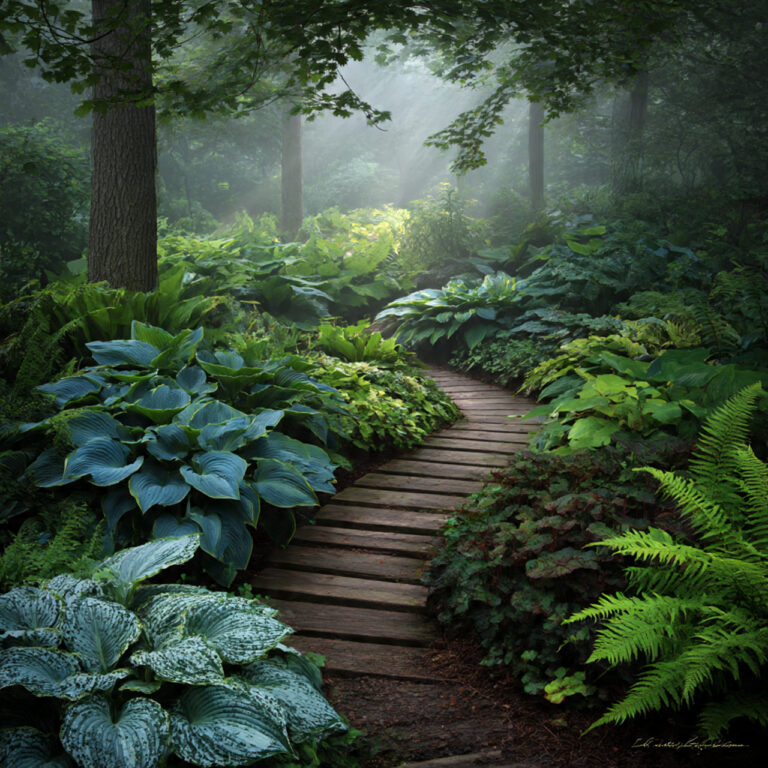
Shade Gardens: Finding Beauty in the Shadows
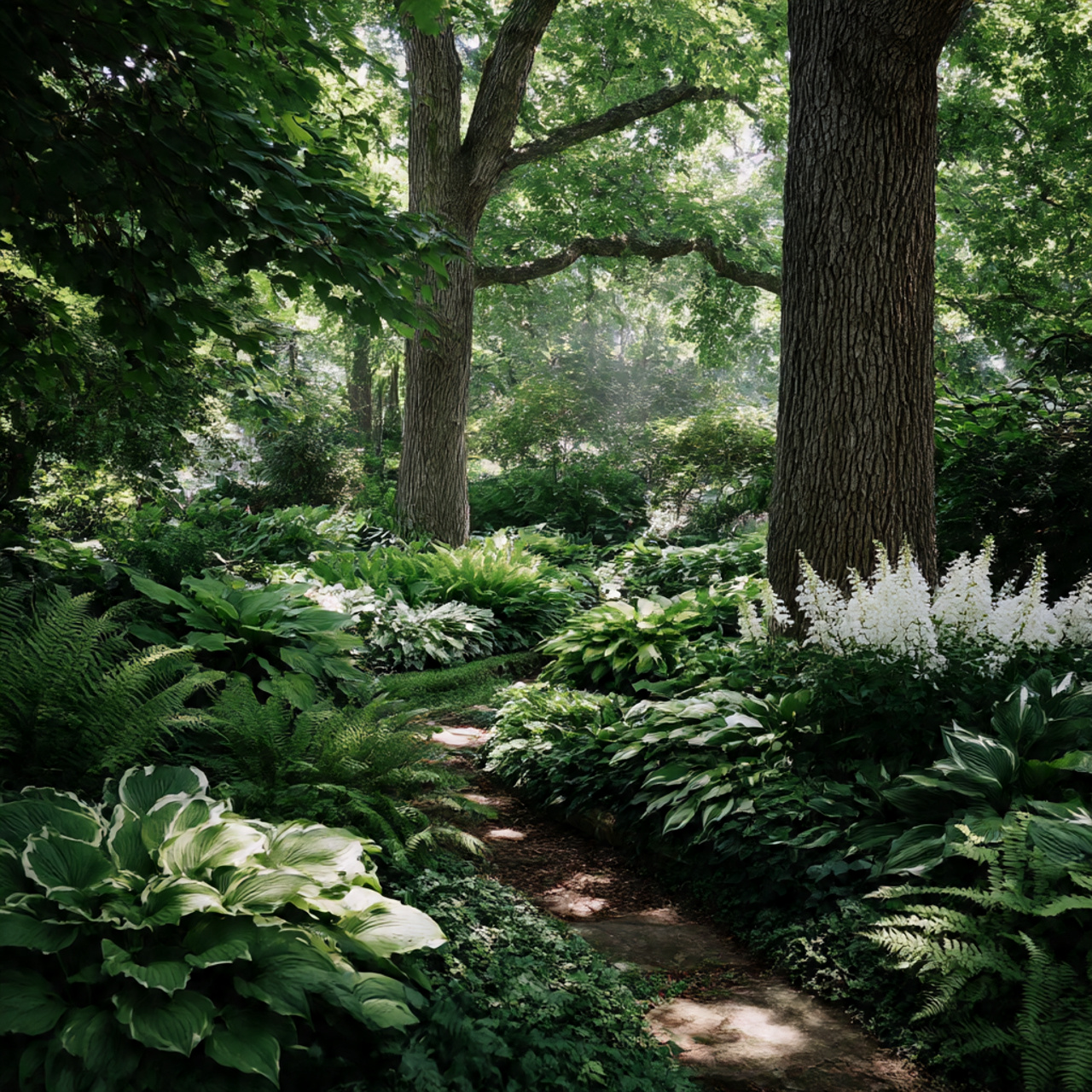
Many gardeners view shady areas as problem spots, but shade gardens offer unique opportunities for creating peaceful, textured retreats. These gardens rely less on flashy flowers and more on foliage variations, subtle blooms, and layered greenery.
Why shade gardens work:
- Lower maintenance with reduced watering needs
- Cooler microclimates perfect for relaxation
- Opportunities to grow unique plants that can’t tolerate sun
- Natural solutions for challenging spaces under trees
Shade-loving superstars:
- Hostas in dozens of leaf colors, patterns, and sizes
- Delicate ferns adding feathery texture
- Astilbes with fluffy plume-like flowers
- Impatiens providing reliable color in deep shade
Design Tip: In shade gardens, pay special attention to leaf shape, size, and color. The interplay of large hosta leaves against fine-textured ferns, or chartreuse foliage next to deep green, creates visual interest without relying on flowers.
Sun-Drenched Gardens: Celebrating Full Light
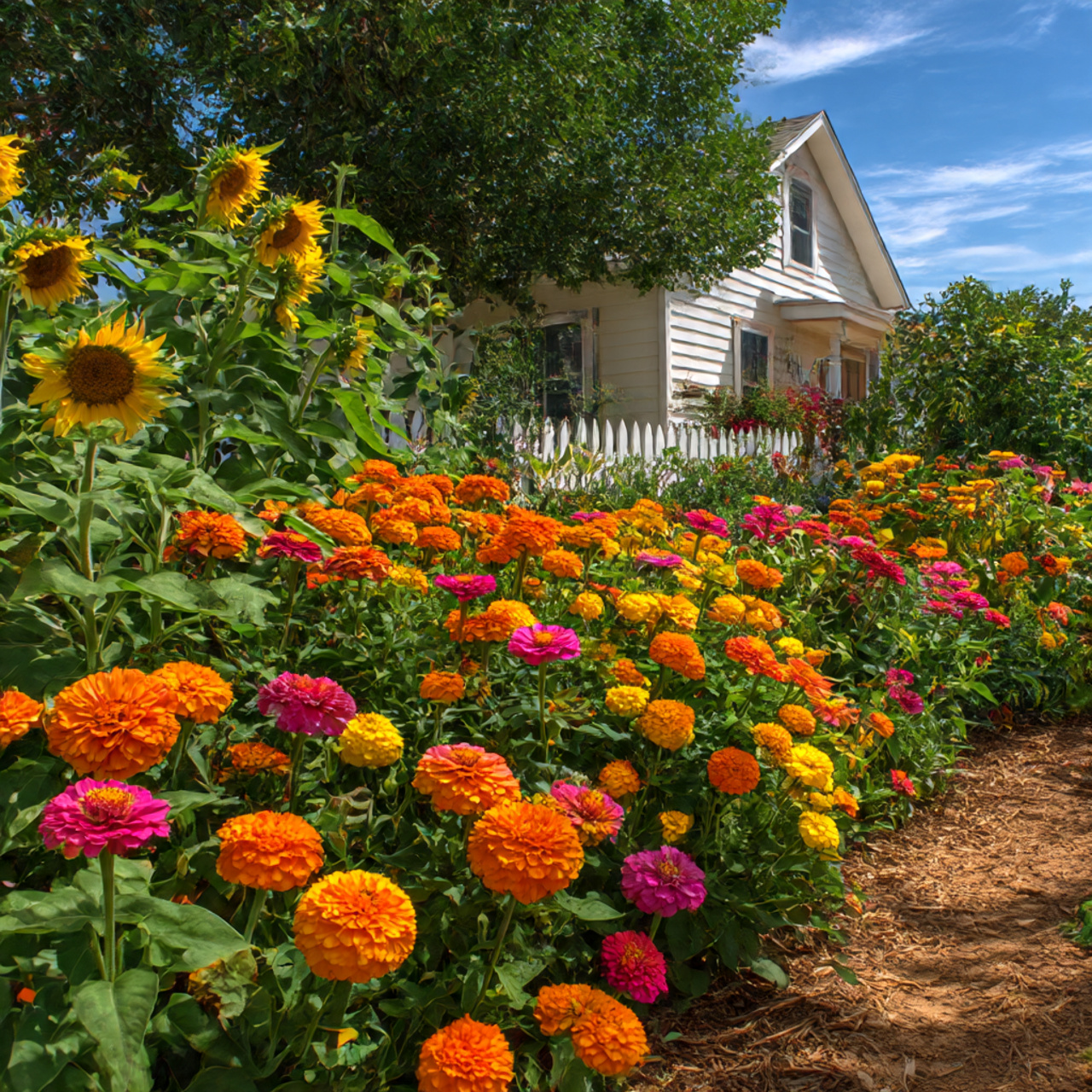
If you’re blessed with areas that receive six or more hours of direct sunlight daily, you have the perfect canvas for vibrant, continuously blooming gardens. Sun-loving plants tend to produce the most prolific displays when given the bright conditions they crave.
Advantages of full-sun gardens:
- Widest selection of flowering plants available
- Longest bloom periods throughout the season
- Boldest, most saturated flower colors
- Opportunity for high-impact visual displays
Heat-tolerant champions:
- Cheerful marigolds blooming reliably all summer
- Towering sunflowers creating focal points
- Zinnias in every color imaginable
- Drought-tolerant lantana attracting butterflies
- Heat-loving salvias with extended bloom times
Care essential: Even sun-loving plants appreciate consistent moisture and benefit from a thick layer of mulch to keep roots cool and conserve water during peak summer heat.
Perennial Gardens: The Gift That Keeps Giving
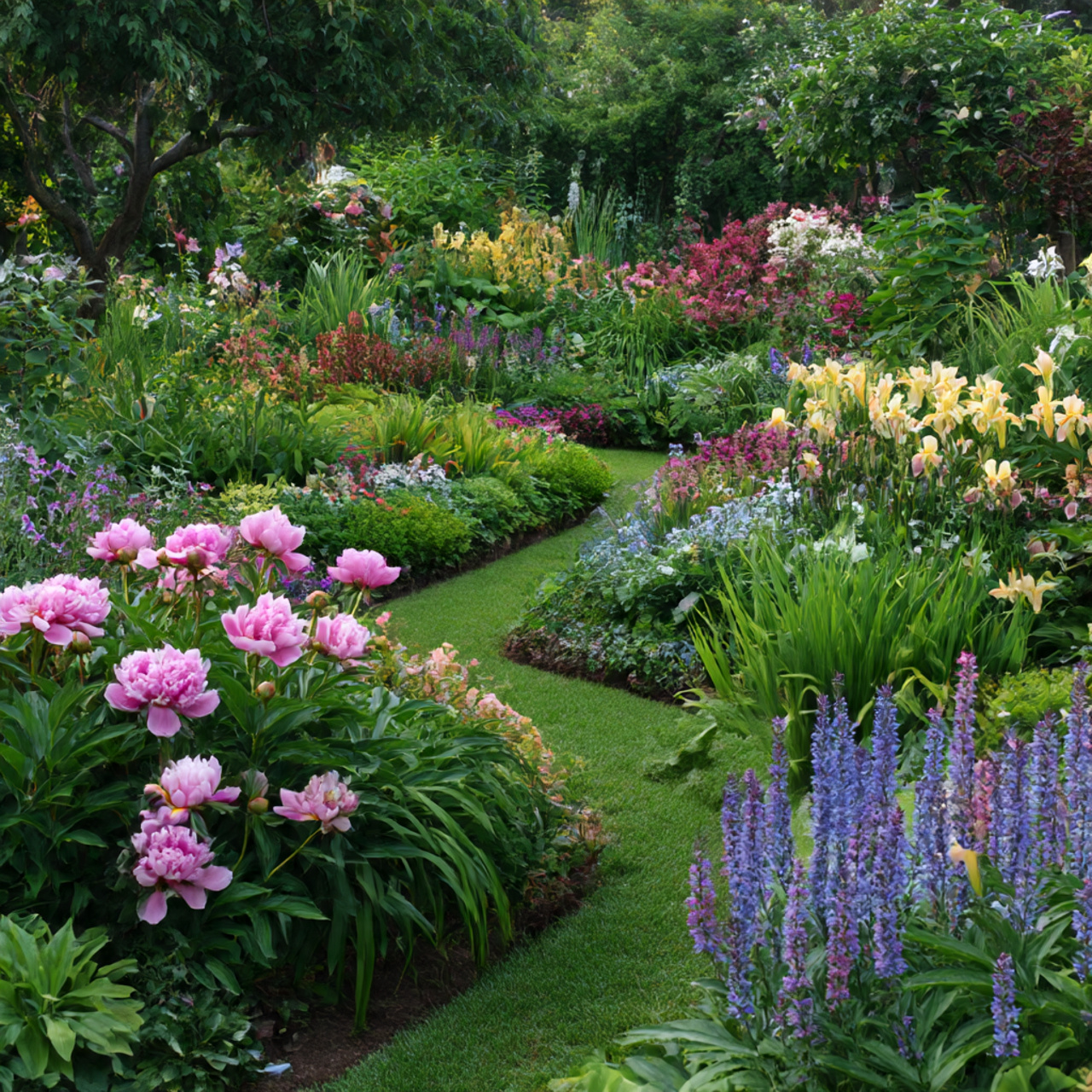
There’s something deeply satisfying about planting a garden that returns year after year, growing fuller and more established with each season. Perennial-focused gardens reward patience with reduced replanting work and increasing beauty over time.
Why perennials make sense:
- One-time investment that pays dividends for years
- Increasing in size and bloom production annually
- Reduced spring planting workload
- Often more drought-tolerant once established
Reliable perennial favorites:
- Fragrant peonies with dinner-plate-sized blooms
- Versatile daylilies in countless colors
- Aromatic catmint blooming for months
- Salvias providing vertical interest and pollinator support
Planning strategy: Create a planting plan that includes early, mid, and late-season bloomers. This succession ensures your garden looks attractive from spring’s first flowers through fall’s final displays.
Annual Gardens: Fresh Canvas Every Season
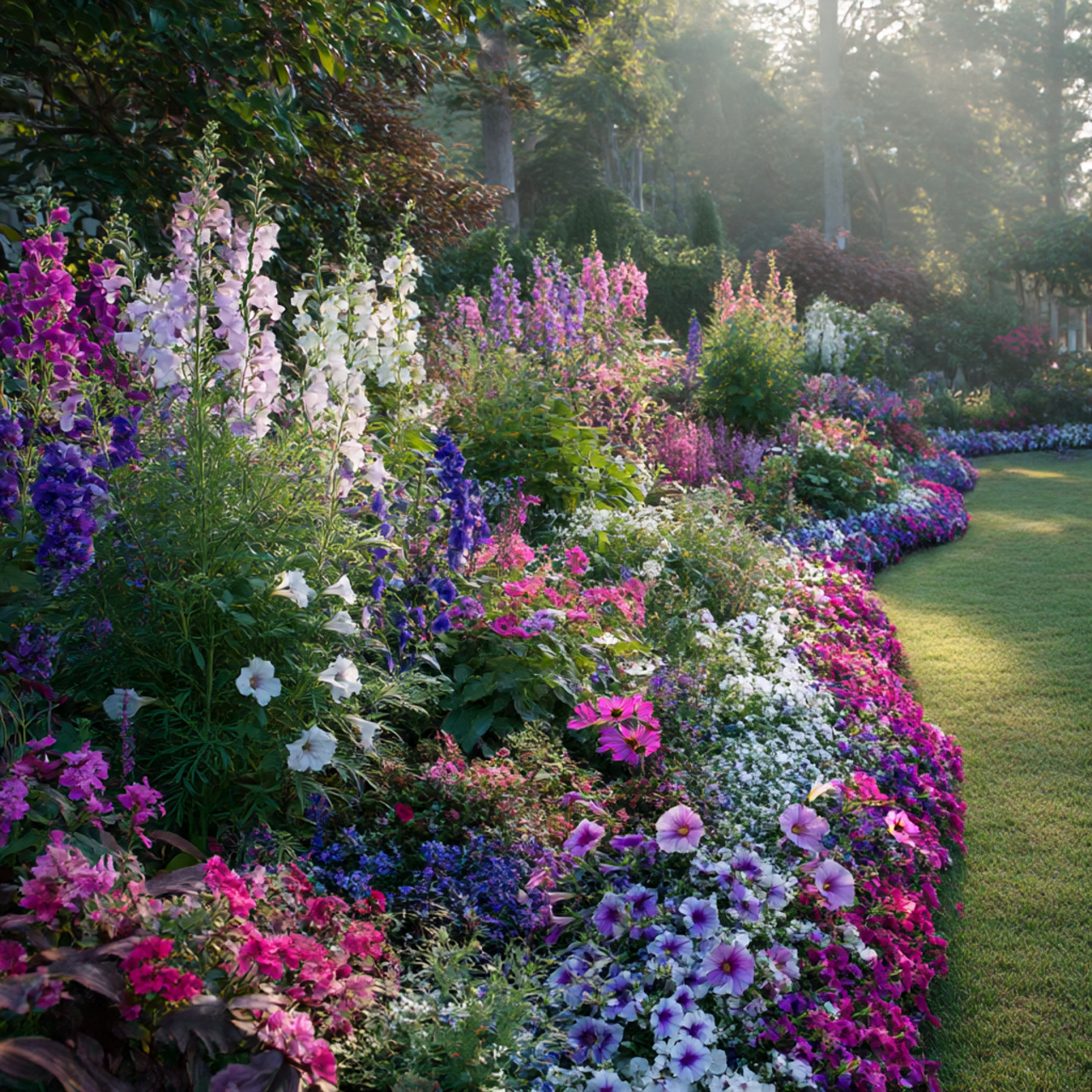
If you love change and enjoy the creative process of designing new color schemes each year, annual-focused gardens let you reinvent your space seasonally. Annuals bloom continuously from planting until frost, delivering nonstop color for months.
Benefits of annual plantings:
- Experiment with new colors and combinations yearly
- Constant blooms without the “gap” periods perennials sometimes have
- Quick results—often blooming within weeks of planting
- Flexibility to adapt your design based on what’s working
Top-performing annuals:
- Petunias in trailing or upright varieties
- Airy cosmos dancing on tall stems
- Shade-tolerant begonias perfect for containers
- Snapdragons adding vertical spikes of color
Budget-friendly approach: Start annuals from seed indoors to save money, or buy small starter plants and let them grow to full size in your garden. Many annuals self-seed, giving you free plants the following year.
Mixed Borders: Best of All Worlds
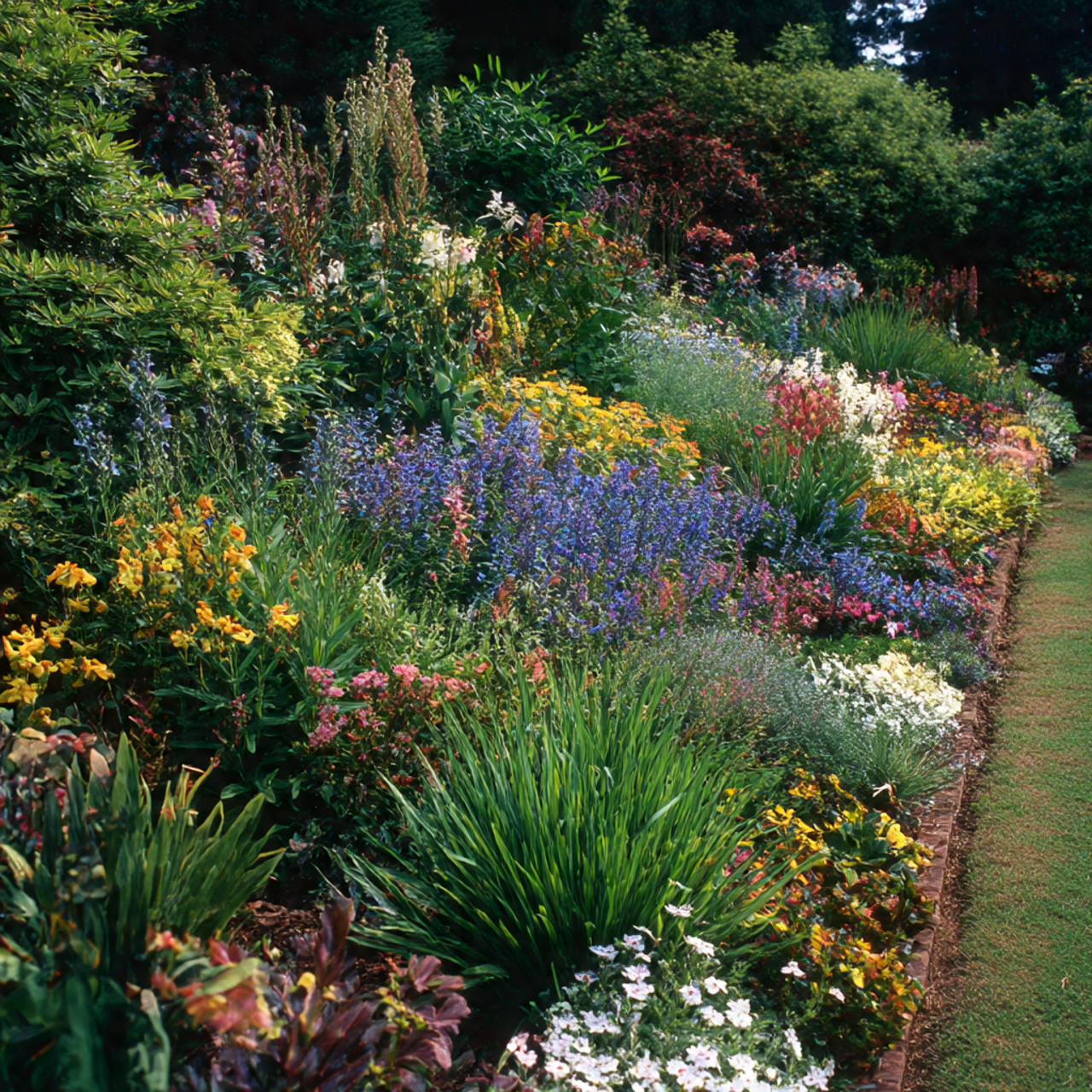
Why choose between annuals, perennials, and shrubs when you can have them all? Mixed border gardens combine different plant types to create dynamic displays that offer something special every month of the year.
Layering strategy for mixed borders:
- Back layer: Tall shrubs and large perennials (4-6 feet)
- Middle layer: Medium perennials and grasses (2-4 feet)
- Front edge: Low-growing perennials and annuals (6-18 inches)
What mixed borders deliver:
- Year-round structure from evergreen or deciduous shrubs
- Seasonal highlights from rotating perennial blooms
- Continuous color from strategically placed annuals
- Visual depth and professional-looking composition
Insight: This versatile style works beautifully along fences, property lines, or anywhere you want to create a substantial planting that looks intentional and complete.
Formal Gardens: Timeless Elegance and Order
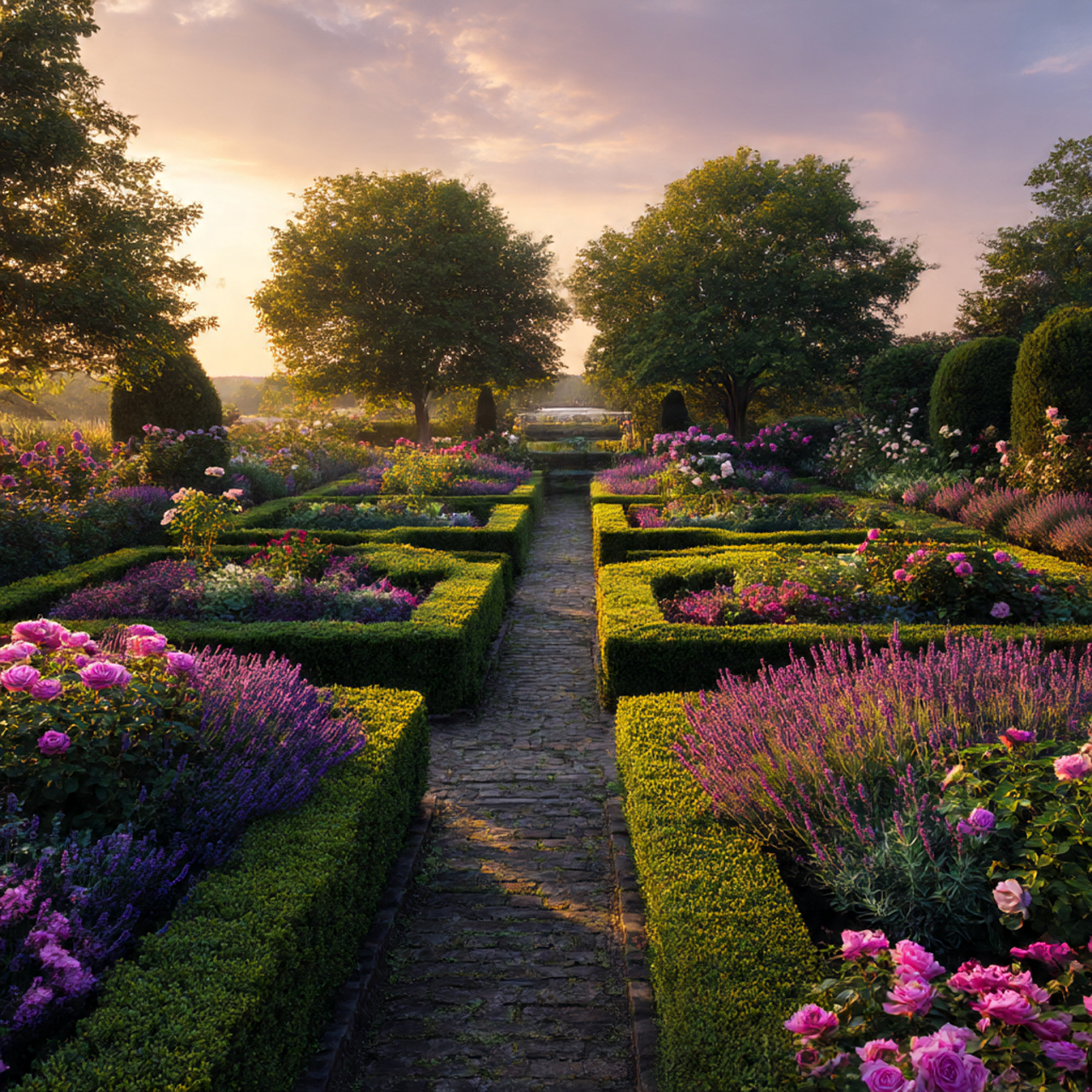
Formal garden design draws inspiration from classic European estates, where symmetry, geometry, and refined plant choices create sophisticated outdoor spaces. This style suits traditional architecture and gardeners who appreciate order and precision.
Hallmarks of formal design:
- Perfect bilateral symmetry—what’s on one side mirrors the other
- Geometric shapes like circles, squares, and rectangles
- Clipped hedges defining spaces and creating structure
- Restrained color palette focusing on classic combinations
Classic formal garden plants:
- Boxwood hedges trimmed into neat edges
- Hybrid tea roses planted in organized rows
- Lavender borders lining pathways
- Formal topiaries creating focal points
Maintenance reality: Formal gardens require regular upkeep to maintain their crisp appearance. Hedge trimming, deadheading, and general tidying are part of preserving the polished look.
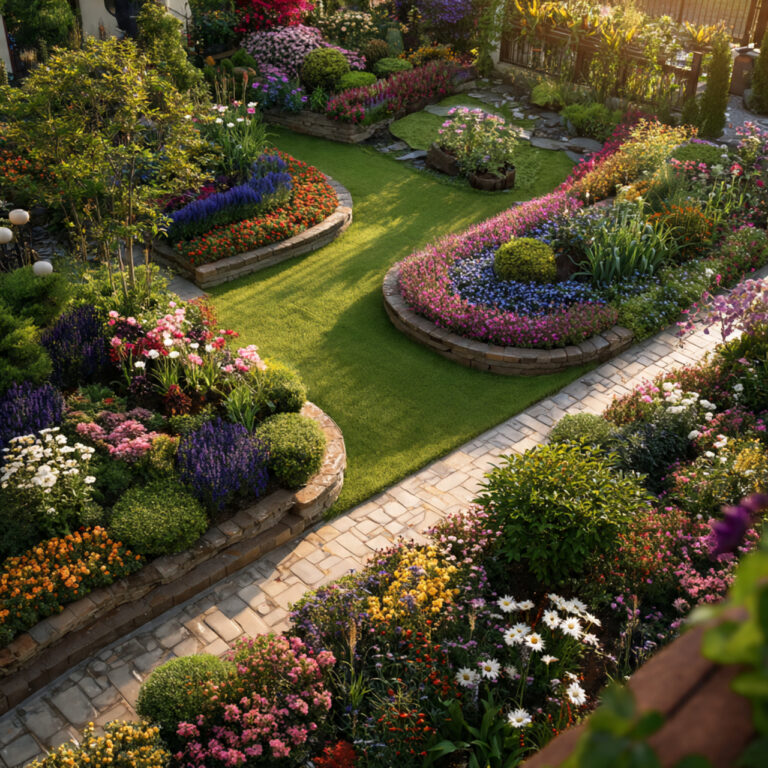
Raised Bed Gardens: Control and Accessibility
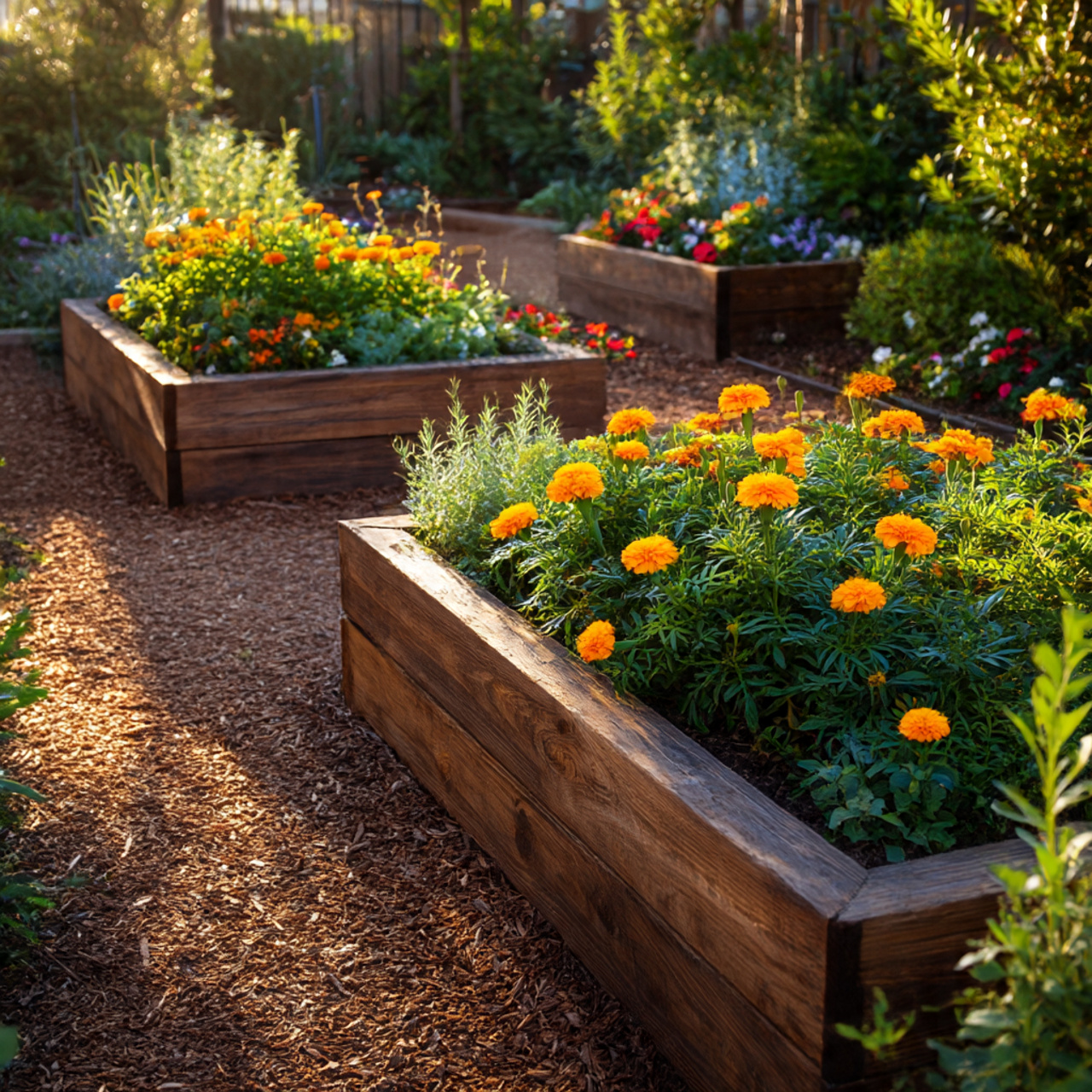
Raised beds solve multiple gardening challenges simultaneously—poor native soil, drainage issues, accessibility concerns, and organization needs. They’re especially valuable for gardeners dealing with difficult growing conditions.
Advantages of raised beds:
- Complete control over soil quality and composition
- Improved drainage preventing root rot
- Earlier spring planting as soil warms faster
- Reduced bending for easier maintenance
- Clear organization keeping plants contained
Building and filling tips:
- Construct beds 6-12 inches deep for most flowers
- Fill with quality compost mixed with topsoil
- Leave paths between beds for easy access
- Consider adding drip irrigation for efficient watering
Design flexibility: Raised beds can be formal (matching rectangular boxes in geometric layouts) or casual (rustic wood or stone in organic shapes). Choose the style that complements your overall landscape aesthetic.
Container Gardens: Portable Beauty
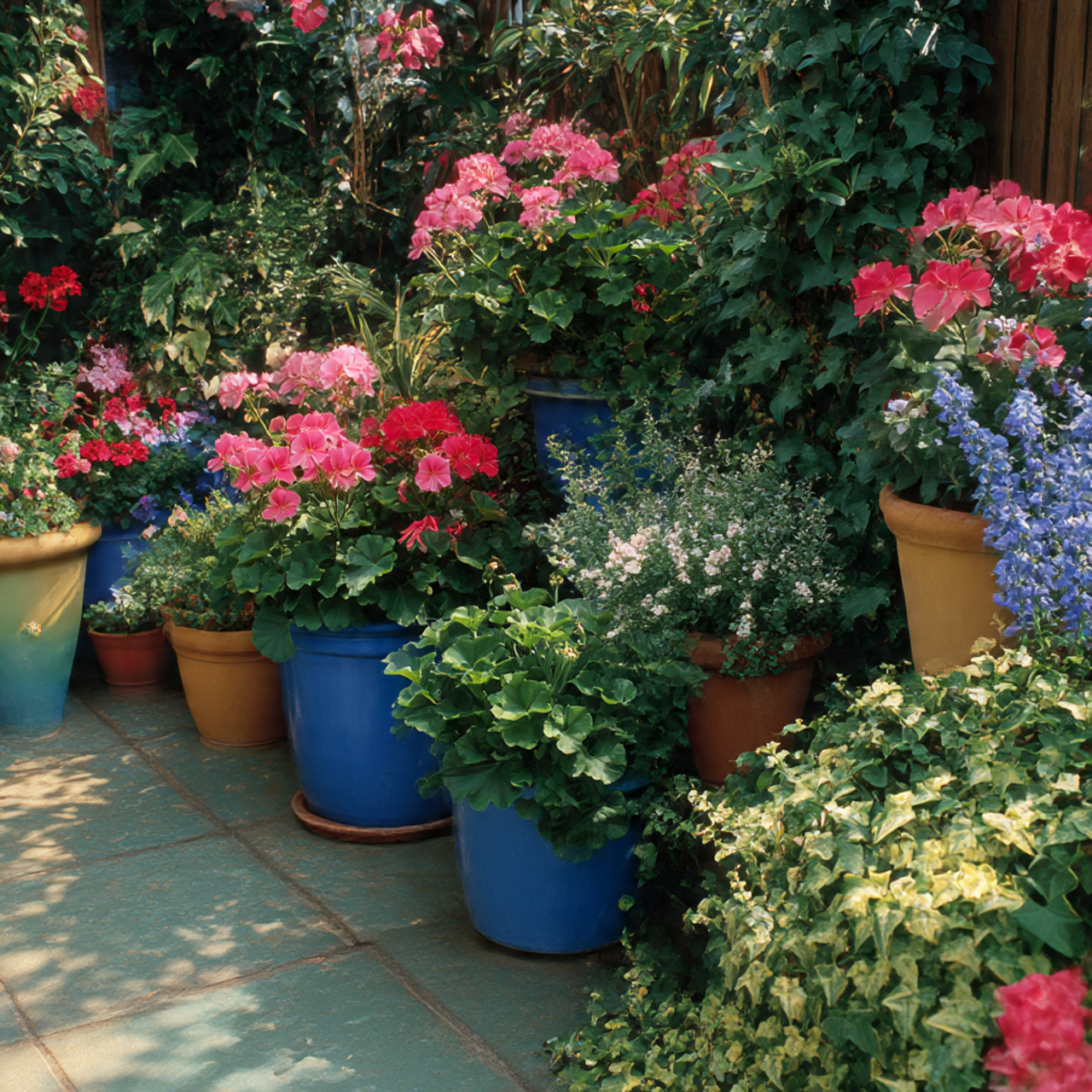
Container gardening opens possibilities for renters, apartment dwellers, and anyone wanting flexibility in their garden design. Containers let you garden anywhere there’s a bit of space and sunlight—porches, patios, balconies, or even front steps.
Why containers work wonderfully:
- Move plants to follow sunlight or protect from weather
- Change displays seasonally without replanting beds
- Grow plants that need different soil than your ground provides
- Create instant focal points exactly where needed
Container success formula:
- Thriller: One tall, dramatic plant for height
- Filler: Medium plants filling the middle
- Spiller: Trailing plants cascading over edges
Popular container combinations:
- Upright geraniums, mounding petunias, and trailing ivy
- Tall spike plant, bright zinnias, and flowing sweet potato vine
- Ornamental grass, pink verbena, and silver licorice plant
Critical tip: Containers dry out much faster than garden beds. Check moisture daily during hot weather and consider self-watering containers for easier maintenance.
Rock Gardens: Rugged Beauty with Less Water
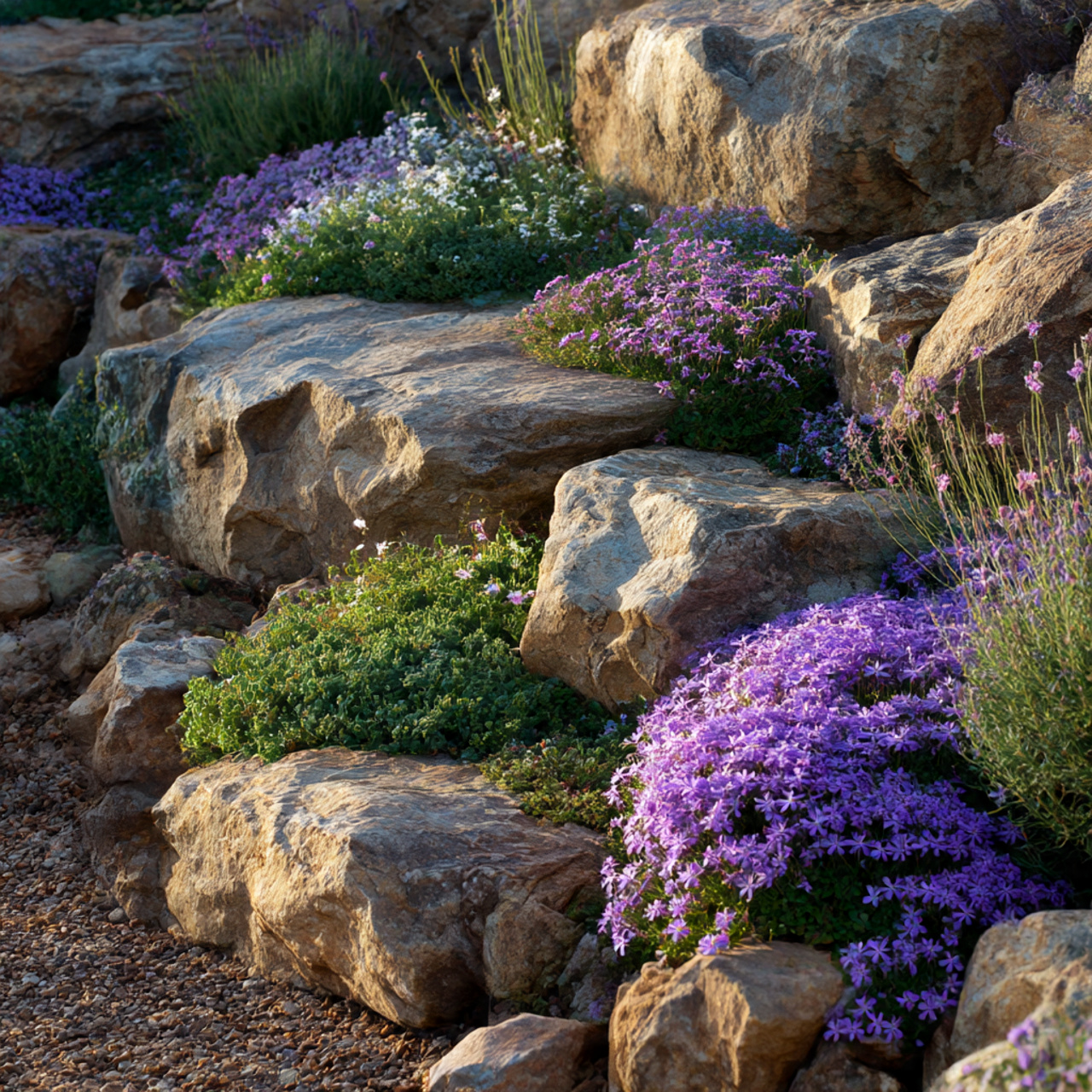
Rock gardens suit dry climates, sloped terrain, and gardeners seeking low-water landscaping solutions. These gardens embrace the natural beauty of stone while showcasing tough, drought-tolerant plants that thrive in challenging conditions.
Where rock gardens excel:
- Slopes where traditional planting is difficult
- Areas with poor, thin soil
- Hot, dry microclimates near pavement or south-facing walls
- Water-conscious landscapes prioritizing conservation
Perfect rock garden plants:
- Sedums creating colorful, succulent mats
- Alpine plants adapted to harsh conditions
- Creeping phlox cascading over stones
- Hens and chicks (sempervivums) forming intricate rosettes
Design approach: Position rocks first to create the structure, leaving planting pockets between stones. Choose varied rock sizes and partially bury larger stones for a natural, established appearance.
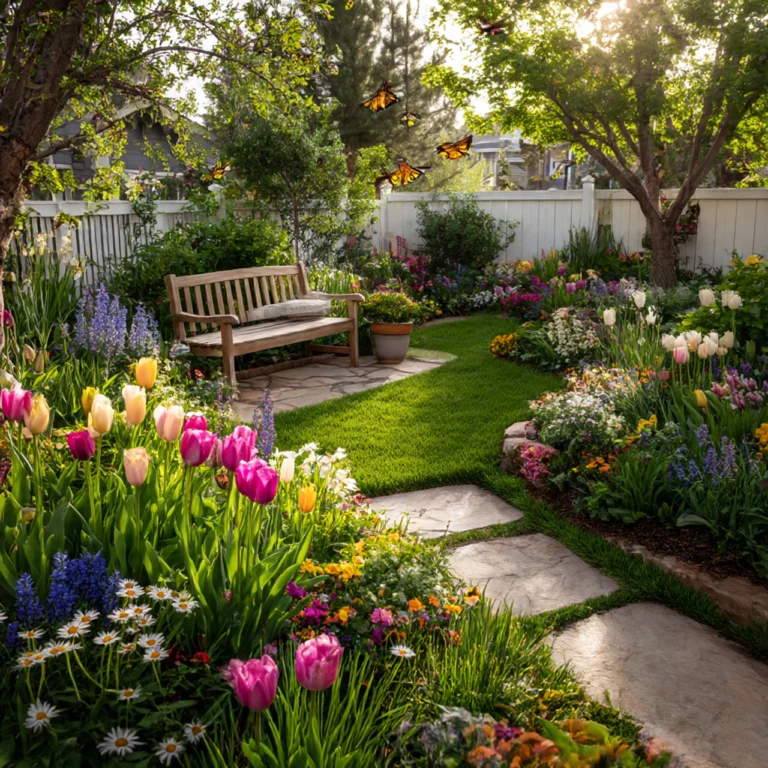
Butterfly Gardens: Living Color in Motion
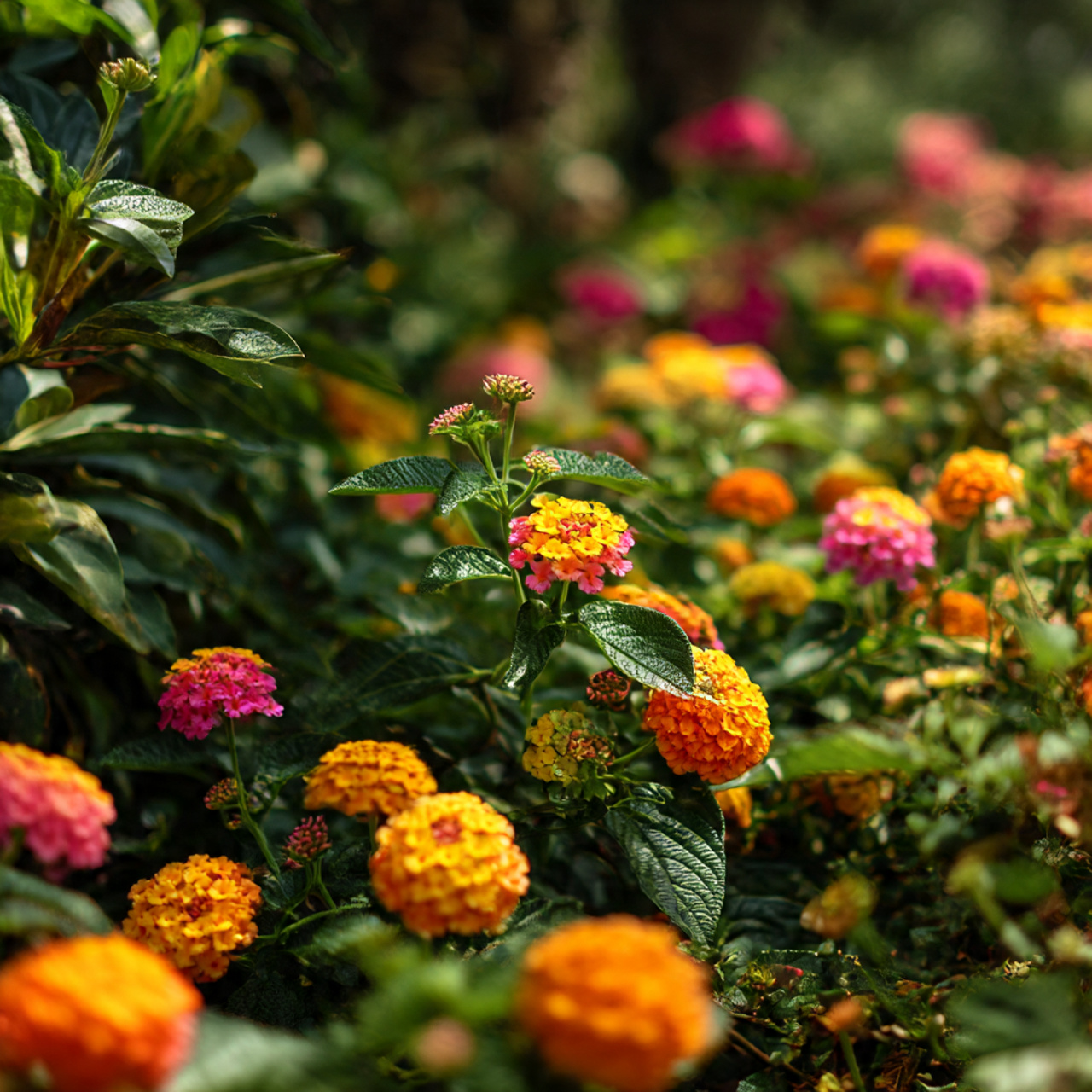
Designing specifically for butterflies creates gardens that feel alive with movement and activity. Beyond the visual appeal, you’re providing essential habitat for species facing population declines due to habitat loss.
Creating butterfly-friendly spaces:
- Plant in sunny locations where butterflies prefer to feed
- Include host plants where butterflies lay eggs and caterpillars develop
- Provide shallow water sources (puddling stations)
- Avoid pesticides that harm butterflies at all life stages
Butterfly magnets:
- Bright lantana clusters in yellow, orange, and pink
- Butterfly bush (buddleia) living up to its name
- Fragrant phlox in pink, white, and purple
- Colorful zinnias in single or double forms
Bonus benefit: Most plants that attract butterflies also appeal to hummingbirds and beneficial insects, creating a dynamic ecosystem in your yard.
Fragrance Gardens: Scent-Sational Design
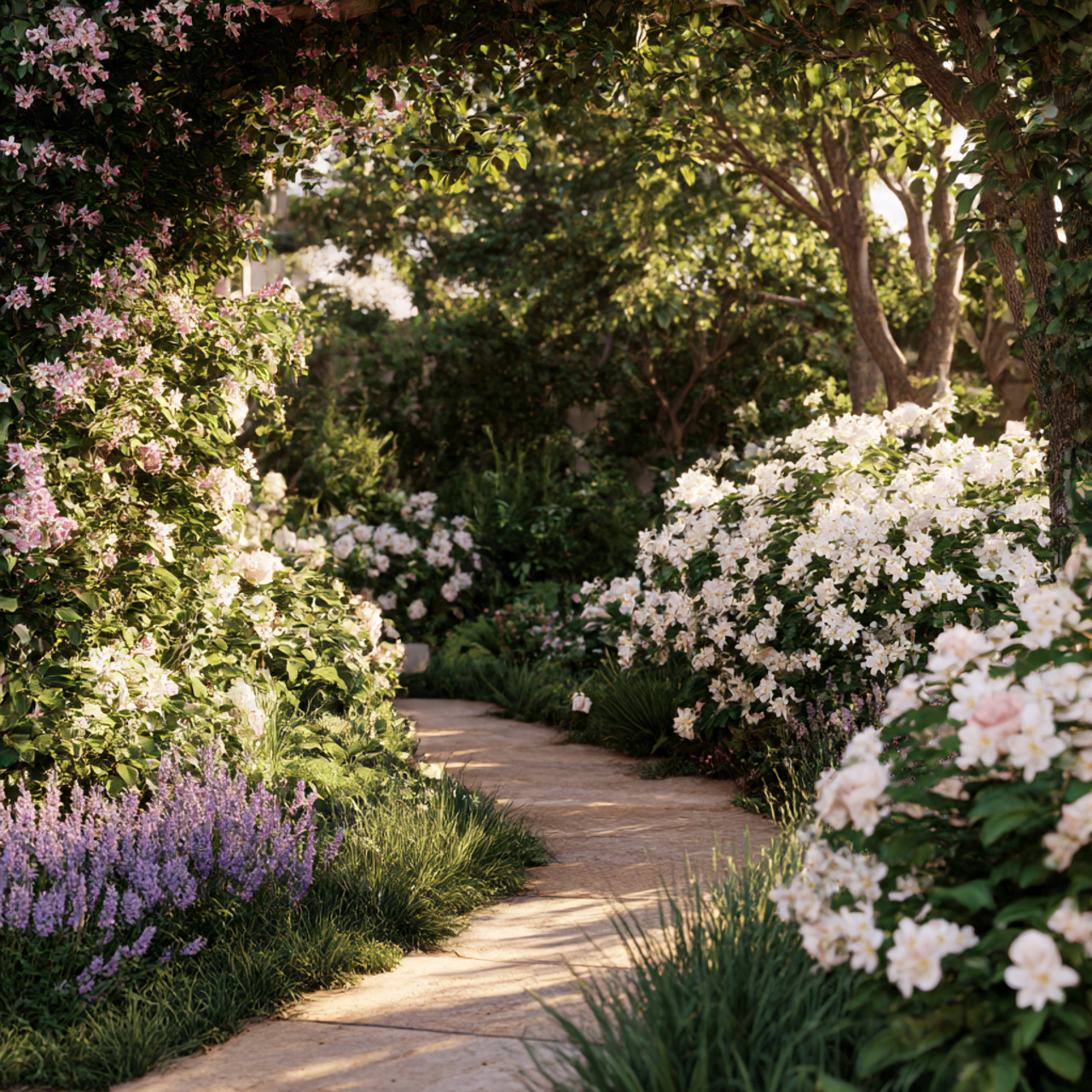
While we often focus on visual appeal, scent creates equally powerful garden experiences. Fragrance-focused gardens engage additional senses and create memorable outdoor spaces that feel luxurious and inviting.
Strategic placement for fragrance:
- Near outdoor seating areas where you’ll linger
- Along pathways where you’ll brush against plants
- By windows that open to carry scent indoors
- Around entryways to welcome visitors
Wonderfully fragrant selections:
- Sweet jasmine vining over arbors
- Intoxicating garden roses in classic varieties
- Calming lavender releasing scent when touched
- Heady gardenias perfuming summer evenings
- Nicotiana (flowering tobacco) strongest at dusk
Scent tip: Fragrance is often strongest in the evening or when flowers are slightly enclosed spaces. Consider this when placing fragrant plants in your landscape.
Color-Themed Gardens: Cohesive Visual Impact
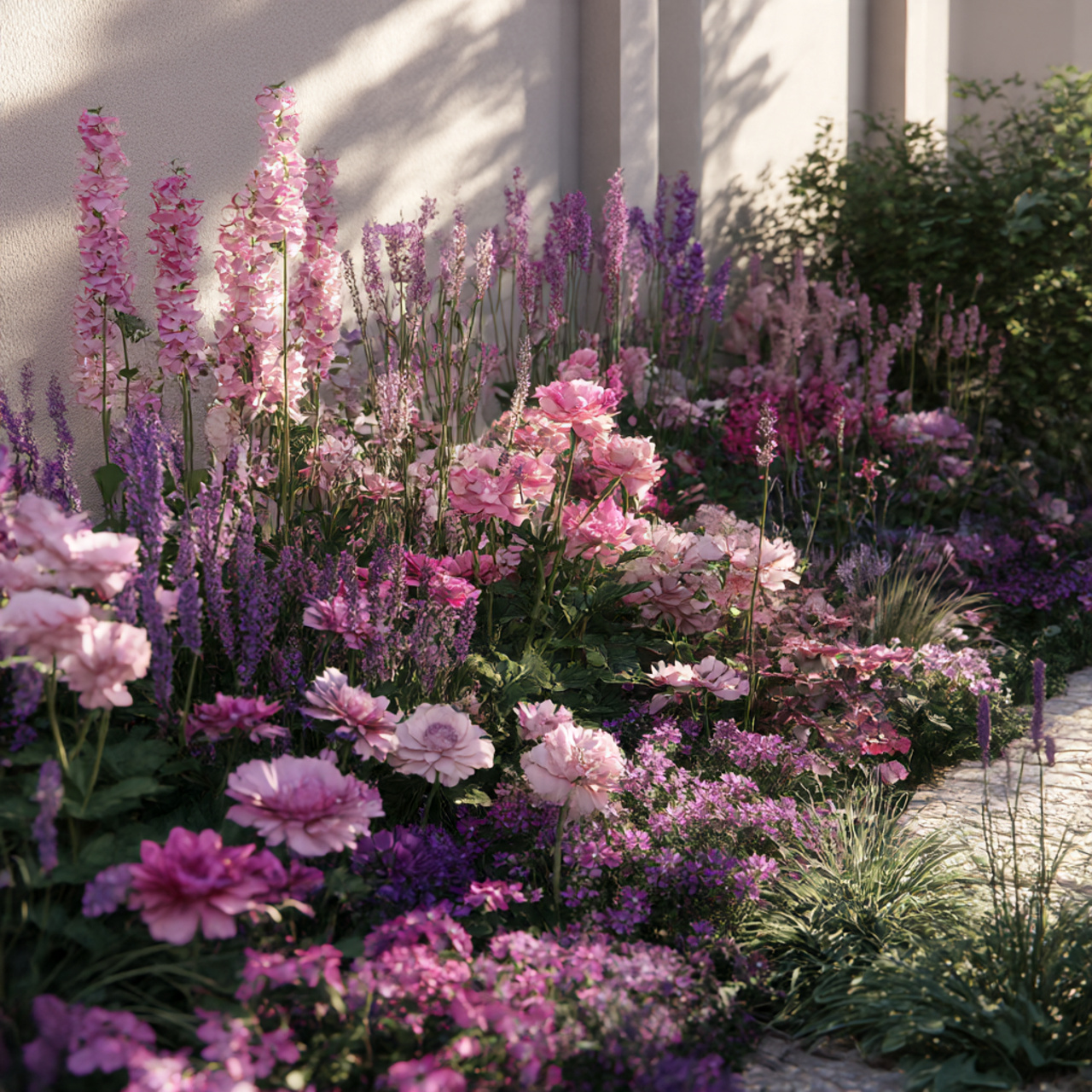
Committing to a specific color palette creates surprisingly powerful results. Instead of using every color available, limiting your choices generates sophisticated, intentional-looking gardens that feel professionally designed.
Popular color schemes:
- All-white gardens: Peaceful, elegant, glowing at dusk
- Hot colors: Energizing reds, oranges, and yellows
- Cool palette: Calming blues, purples, and silvers
- Pastel theme: Soft pinks, lavenders, and creams
Making monochrome work:
- Vary flower shapes to prevent monotony
- Include different shades of your chosen color
- Add foliage in complementary tones
- Use texture variation to create interest
Designer secret: Even in single-color gardens, include touches of green foliage and perhaps white flowers as neutrals. These don’t disrupt the color theme but prevent it from feeling overwhelming.
Four-Season Gardens: Year-Round Interest
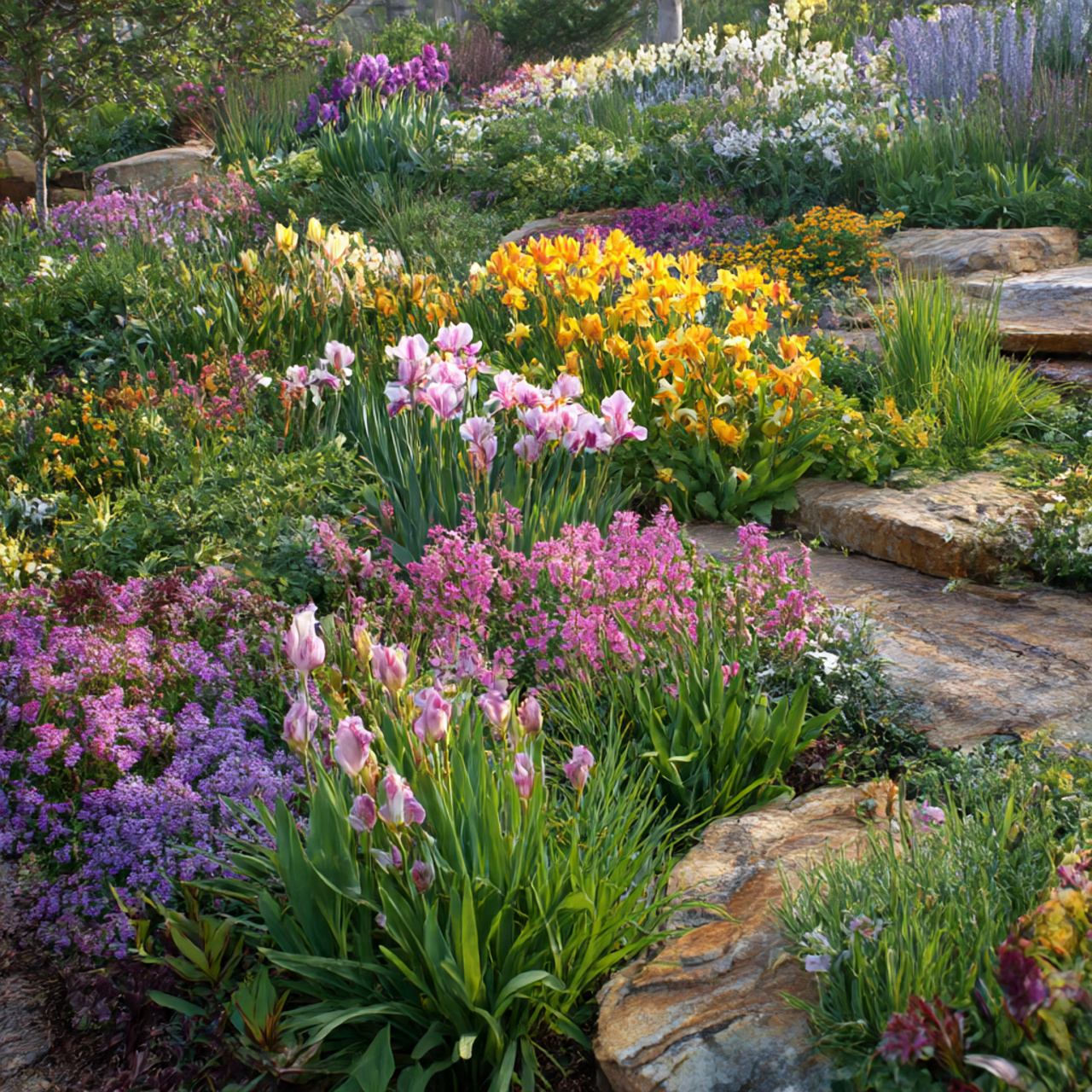
The best gardens offer something special in every season rather than looking spectacular for six weeks then fading into obscurity. Strategic plant selection ensures your garden remains attractive and engaging throughout the entire year.
Seasonal succession strategy:
- Spring: Bulbs, early perennials, flowering shrubs
- Summer: Peak perennial blooms, abundant annuals
- Fall: Late-blooming perennials, ornamental grasses, changing foliage
- Winter: Evergreens, berries, interesting bark, structural plants
Creating year-round appeal:
- Choose plants with multiple seasons of interest
- Include evergreen structure for winter presence
- Plan for fall color with specific foliage plants
- Add elements like ornamental grasses that look beautiful even when dormant
Planning tool: Create a simple bloom calendar noting what’s attractive each month. Fill gaps where nothing is happening by adding plants that perform during those periods.
Low-Maintenance Gardens: Beauty Without the Burden
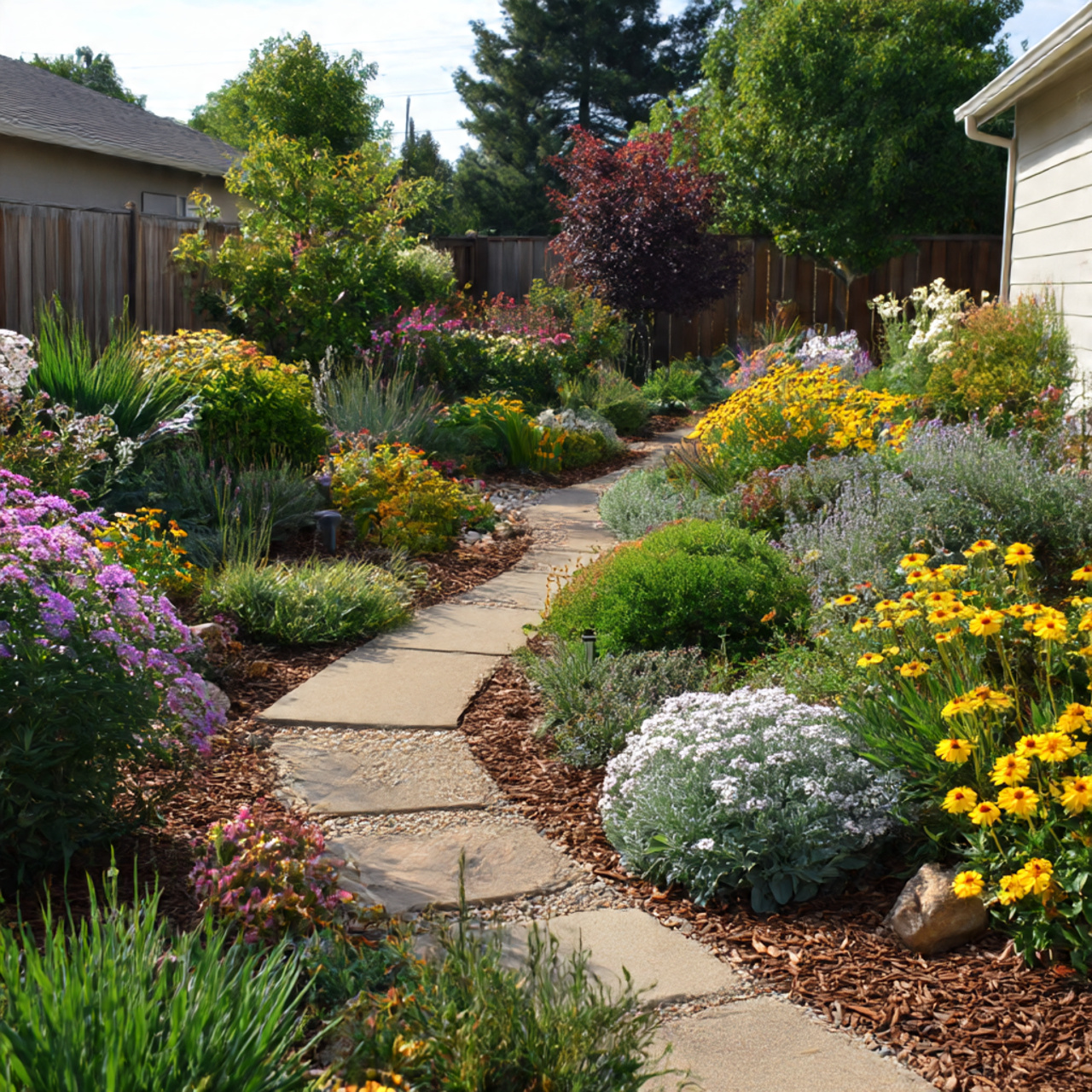
Not everyone wants to spend hours each week maintaining their garden. Low-maintenance designs prioritize plant choices and strategies that reduce time spent on watering, weeding, deadheading, and general upkeep.
Maintenance-reducing strategies:
- Choose regionally adapted plants that thrive without coddling
- Apply thick mulch layers suppressing weeds and retaining moisture
- Install drip irrigation eliminating hand-watering
- Select plants with naturally tidy habits requiring minimal deadheading
- Limit lawn areas that demand regular mowing
Reliable low-care plants:
- Tough perennials like daylilies and coneflowers
- Ornamental grasses needing only annual cutting back
- Drought-tolerant shrubs once established
- Ground covers replacing high-maintenance lawn
Realistic expectation: No garden is completely maintenance-free, but thoughtful planning can reduce care requirements dramatically while still delivering beautiful results.
Small-Space Gardens: Maximizing Limited Areas
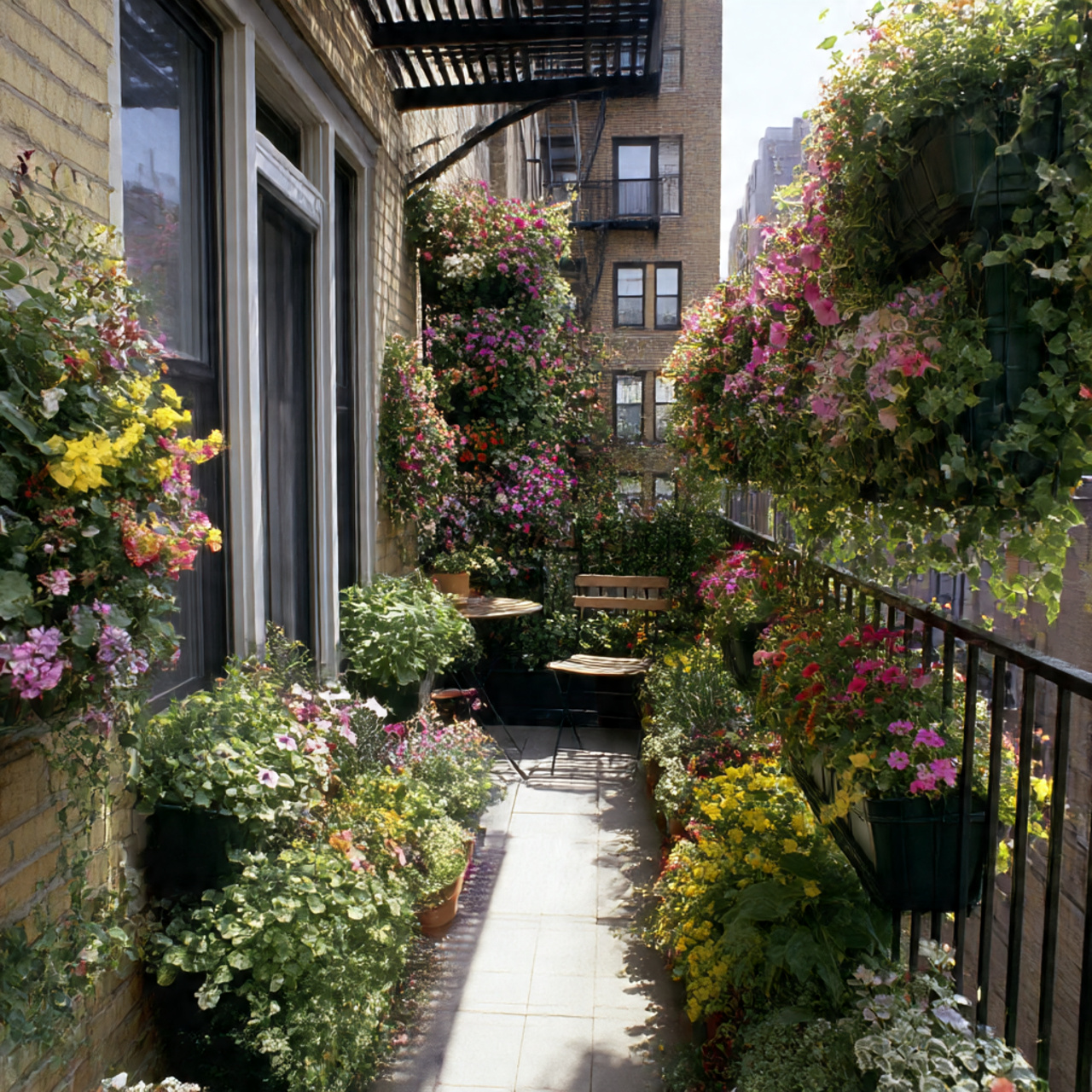
Limited square footage doesn’t mean limited possibilities. Small-space gardening requires creative thinking about vertical space, compact varieties, and maximizing every available inch.
Small-space solutions:
- Grow upward using trellises, walls, and hanging planters
- Choose dwarf or compact plant varieties bred for containers
- Use multi-functional plants (edible flowers, fragrant herbs)
- Create layers with containers at different heights
Compact plant options:
- Miniature roses staying under two feet
- Dwarf sunflowers perfect for pots
- Compact zinnias and marigolds
- Trailing plants maximizing vertical space
Visual trick: In small spaces, use lighter colors and fine textures to make the area feel more spacious. Dark colors and large leaves can make tight spaces feel cramped.
Front Yard Gardens: First Impressions Matter
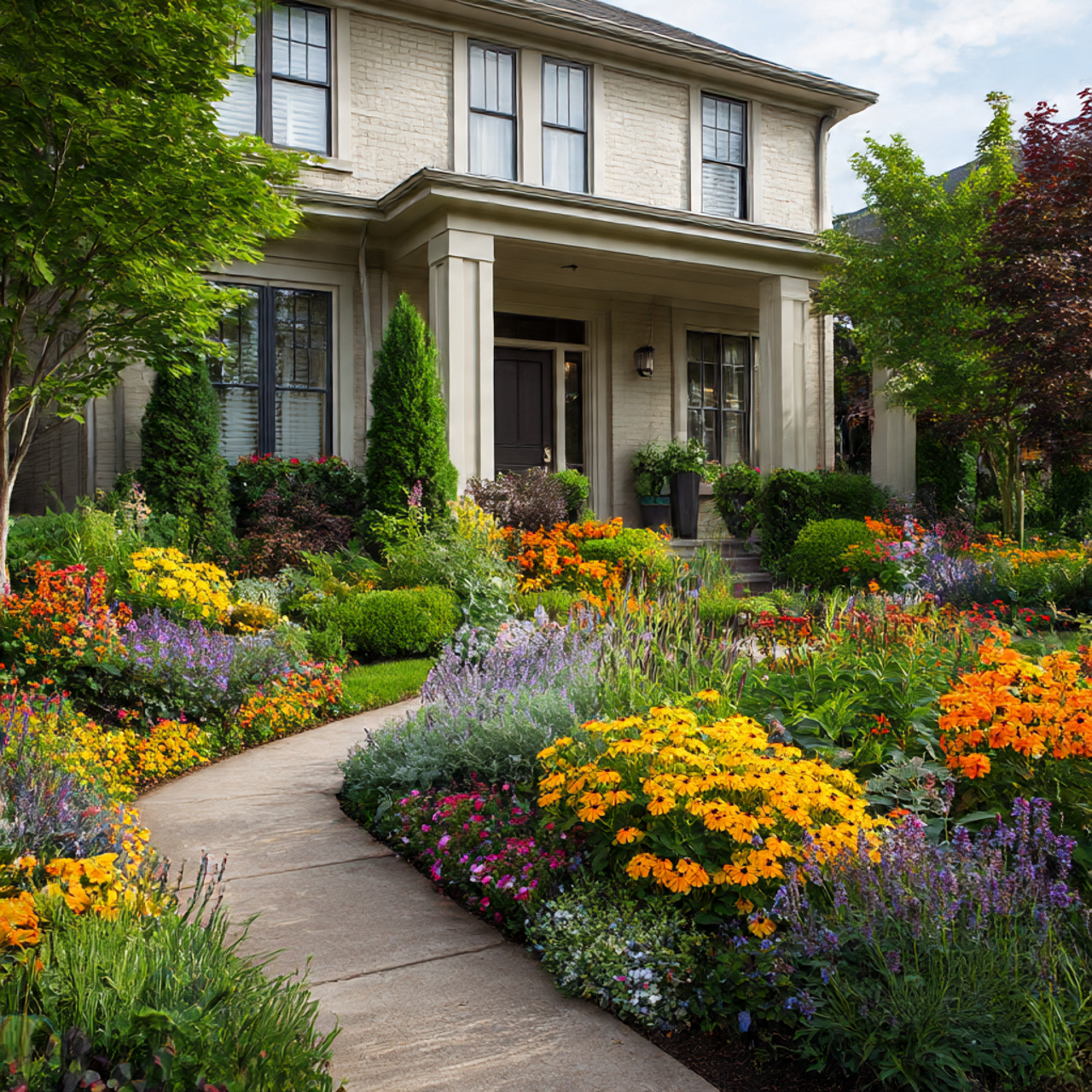
Your front yard garden creates the first impression visitors have of your home. A well-designed front garden enhances curb appeal, potentially increasing property value while welcoming people warmly to your space.
Front yard design principles:
- Frame your entryway drawing eyes to the front door
- Balance plantings on either side for symmetry (formal) or create intentional asymmetry (informal)
- Use height variation preventing a flat, boring appearance
- Include year-round interest since it’s highly visible
Front yard plant combinations:
- Foundation shrubs providing structure
- Perennials offering seasonal blooms
- Annuals for continuous color near the entry
- Ornamental grasses adding movement
Practical consideration: Front yards are often more exposed to public view and sometimes tougher growing conditions. Choose durable plants that look good even when you haven’t had time for maintenance.
Backyard Retreat Gardens: Personal Sanctuary
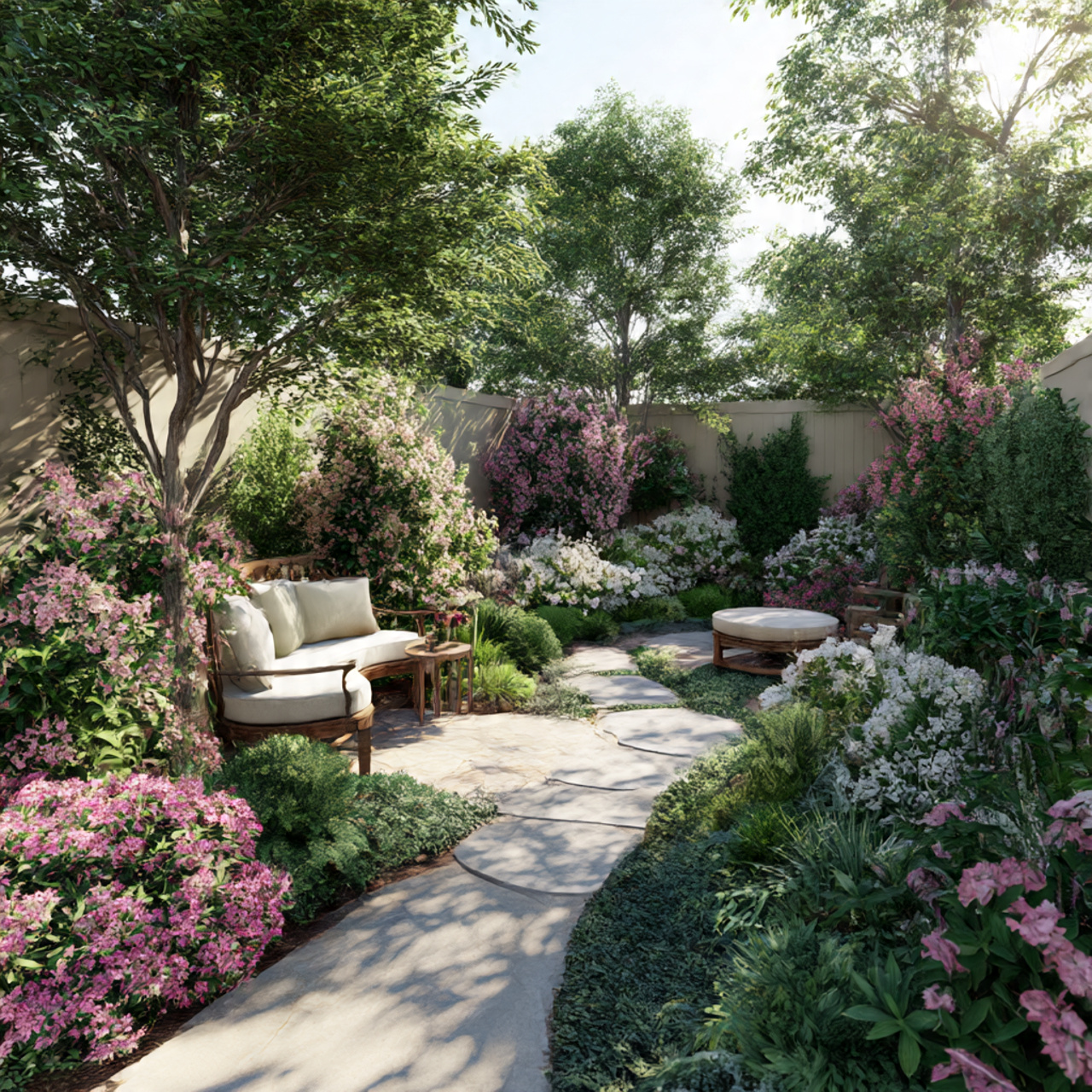
While front yards are public faces, backyards can be personal sanctuaries designed purely for your own enjoyment. Create outdoor rooms that feel like extensions of your home—places where you actually want to spend time.
Creating retreat atmosphere:
- Include comfortable seating encouraging you to linger
- Add privacy screening with tall plants or trellises
- Incorporate fragrance and sound (rustling grasses, water features)
- Design pathways inviting exploration
Backyard garden elements:
- Tall flowering shrubs creating natural walls
- Winding paths leading to seating nooks
- Layered plantings providing privacy and beauty
- Space for activities you enjoy (cutting garden, meditation area)
Personal touch: Your backyard garden should reflect how you actually use outdoor space. If you love morning coffee outside, create a beautiful view from that spot. If kids play there, include durable plants along activity zones.
Vertical Gardens: Growing Up, Not Out
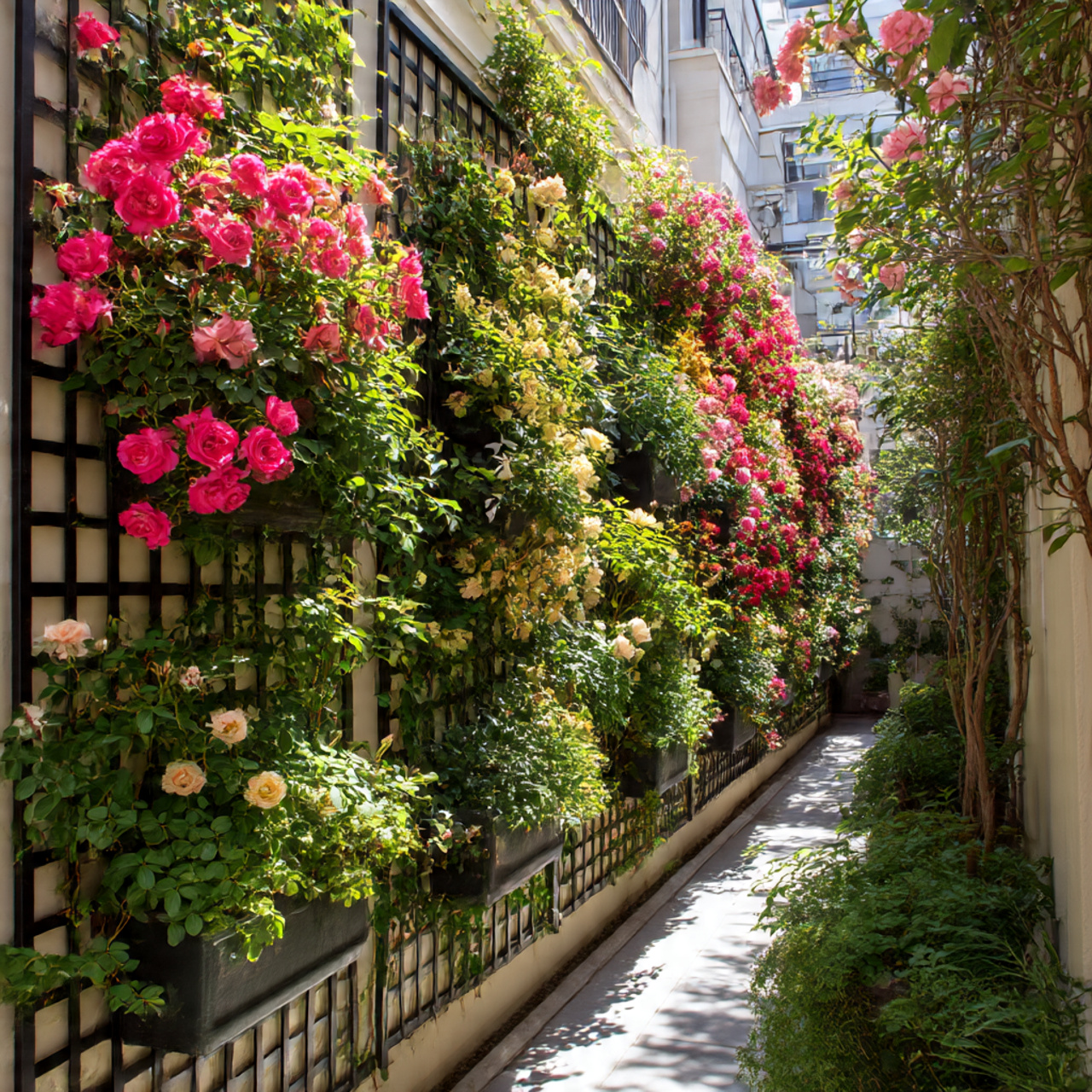
When ground space is limited, think vertically. Vertical gardens transform bare walls, fences, and tight spaces into productive, beautiful growing areas that add dimension and drama.
Vertical growing methods:
- Wall-mounted planters in staggered arrangements
- Trellises supporting climbing roses, clematis, or morning glories
- Living walls with pocketed fabric systems
- Hanging baskets at varied heights
Best plants for vertical growing:
- Climbing roses trained on structures
- Clematis vines offering stunning flowers
- Trailing petunias flowing from elevated containers
- Sweet peas climbing delicate supports
Urban solution: Vertical gardens work brilliantly for city gardeners dealing with small balconies or courtyard spaces where every square foot counts.
Visit More: Flower Garden Ideas
FAQs
What’s the easiest way to start designing a flower garden if I’m a complete beginner?
Begin with a simple plan—choose one area, keep it manageable (maybe 4×8 feet or smaller), and select just 3-5 easy-care plants suited to your conditions. Start with a straightforward border along a fence or pathway rather than an island bed. Reliable beginner plants include zinnias, marigolds, coneflowers, and hostas. Success with a small project builds confidence for larger endeavors later.
How do I select the right plants for my specific garden conditions?
Start by observing your space for a few days. Note how many hours of direct sunlight different areas receive. Test your soil—is it heavy clay, sandy, or somewhere in between? Check your USDA hardiness zone online. With this information, choose plants specifically suited to these conditions. Garden centers can help you identify appropriate options, or use online databases that let you filter by sun, soil, and zone requirements.
What’s the secret to creating a low-maintenance flower garden?
Focus on three key strategies: First, choose regionally native or well-adapted perennials that thrive without constant attention. Second, apply 2-3 inches of mulch everywhere to suppress weeds and retain moisture. Third, group plants with similar water needs together so you’re not constantly adjusting irrigation. Installing a simple drip system or soaker hoses also dramatically reduces maintenance time.
Why does color planning matter, and how do I choose a color scheme?
Color creates mood and visual cohesion. Warm colors (reds, oranges, yellows) feel energizing and make spaces seem closer. Cool colors (blues, purples, whites) feel calming and create a sense of depth. For beginners, stick with analogous colors (neighbors on the color wheel, like purple-blue-pink) or a simple two-color scheme. This creates harmony without overwhelming you with choices.
Can I really create a beautiful flower garden in a small space like a balcony or tiny yard?
Absolutely! Small spaces actually force you to be more creative and intentional with your choices, often resulting in more interesting designs. Use vertical space with wall planters and trellises. Choose compact varieties bred for containers. Create height variation with plants at different levels. Some of the most charming gardens I’ve seen were tiny balconies where every plant was carefully selected and placed.
How much does it typically cost to start a flower garden?
This varies dramatically based on your approach. Starting from seed costs just dollars for dozens of plants but requires patience and planning weeks ahead. Buying mature nursery plants costs more ($5-15 per plant typically) but gives instant results. Container gardens can range from $50 for a few pots to several hundred for elaborate setups. The good news: perennial gardens are an investment that actually gets better and more valuable each year without additional plant purchases.
Final Thoughts on Creating Your Perfect Garden
Designing a flower garden isn’t about following rigid rules or achieving magazine-cover perfection. It’s about creating a living space that brings you joy, reflects your personal style, and connects you with the natural world right outside your door.
Start where you are with what you have. Maybe that’s a single container on an apartment balcony or an ambitious backyard transformation. Either way, the principles remain consistent—understand your growing conditions, choose plants suited to those conditions, create intentional combinations, and allow room for learning and experimentation.
Your garden will teach you what works and what doesn’t. Some plants will exceed expectations while others struggle despite your best efforts. That’s part of the journey. Each season brings new knowledge and opportunities to refine your design.
Remember that gardens are never truly finished. They’re dynamic, living spaces that evolve with the seasons and years. What you plant today will grow, change, and surprise you tomorrow. That’s not a flaw in your design—it’s the beautiful, unpredictable nature of working with living things.
So grab a shovel, choose a few plants that speak to you, and get started. Your perfect garden is waiting to bloom, and the best time to begin creating it is right now.