House Plants That Transform Your Home: 25 Ideas You’ll Wish You Knew Earlier
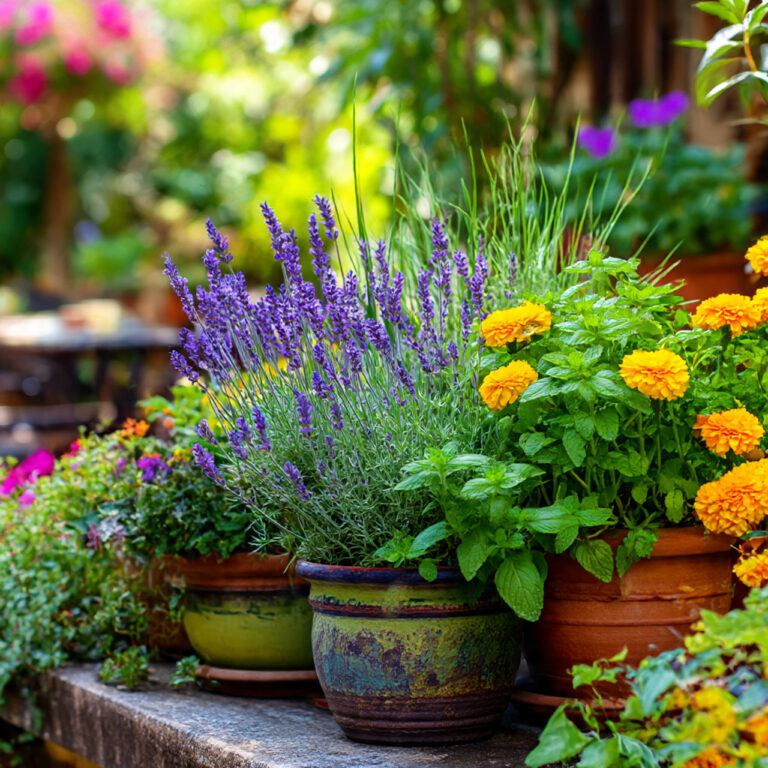
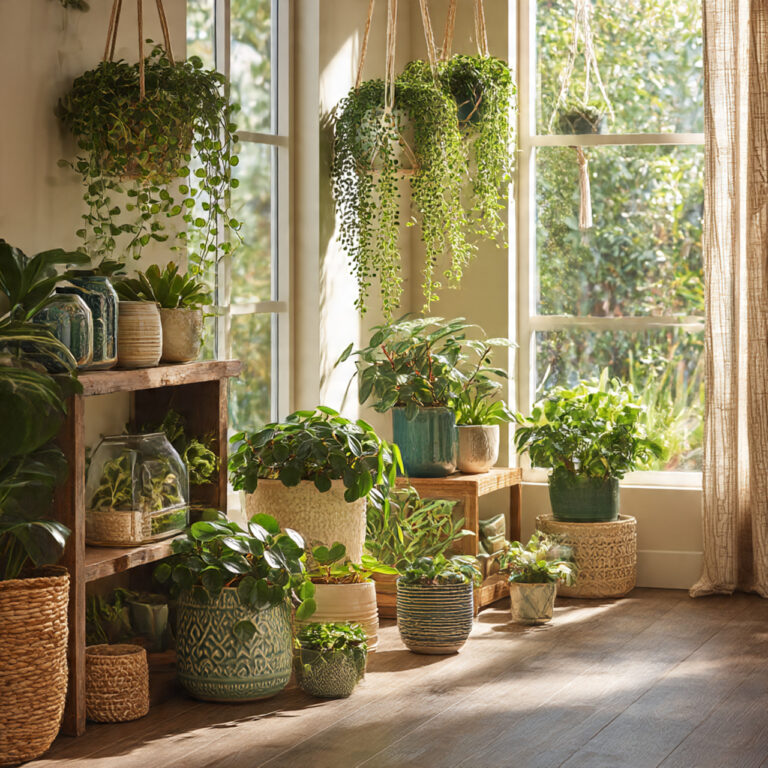
House plants have grown beyond simple decorative accents—they’ve become essential elements of mindful, intentional living. These green companions bring life, beauty, and genuine health benefits into our homes, touching everything from our emotional well-being to the quality of air we breathe.
In today’s screen-filled world of synthetic materials and nonstop schedules, house plants offer something we desperately need: a connection to nature. Their gentle presence softens hard edges, quiets busy minds, and brings a slice of the natural world right into our living spaces.
Think about how our homes have transformed recently. They’re no longer just places to sleep—they’re our offices, workout studios, classrooms, and sanctuaries all rolled into one. It’s no wonder house plants have surged in popularity. People are discovering the comfort and calm they provide. Even one carefully chosen plant can completely change how a room feels, making it warmer, more inviting, and genuinely alive.
When you choose the right plants and give them proper care, they do so much more than look pretty. They clean your air, lift your spirits, and become long-term companions that grow and change alongside you.
Why House Plants Matter in Modern Living
The Benefits Go Deeper Than You’d Think
House plants have earned their place in modern homes because they create healthier, more balanced living environments. They add natural movement and interesting textures that soften those harsh architectural lines. In rooms filled with electronics and artificial lighting, plants create peaceful visual spots where your eyes—and mind—can rest.
What Science Says:
- Being around greenery lowers anxiety levels and helps you focus better
- Plants improve emotional balance and overall mental health
- They’re especially valuable in small apartments or city homes where nature feels far away
- Their natural resilience makes them perfect for any lifestyle
Quick Tips for Maximizing Plant Benefits:
- Place plants where you spend the most time (desk, bedside table, reading nook)
- Group plants together to create a mini ecosystem with better humidity
- Rotate plants occasionally so all sides get equal light exposure
- Take a few minutes weekly to care for your plants—it’s meditative therapy
Low-Light House Plants
Perfect for Dim Spaces
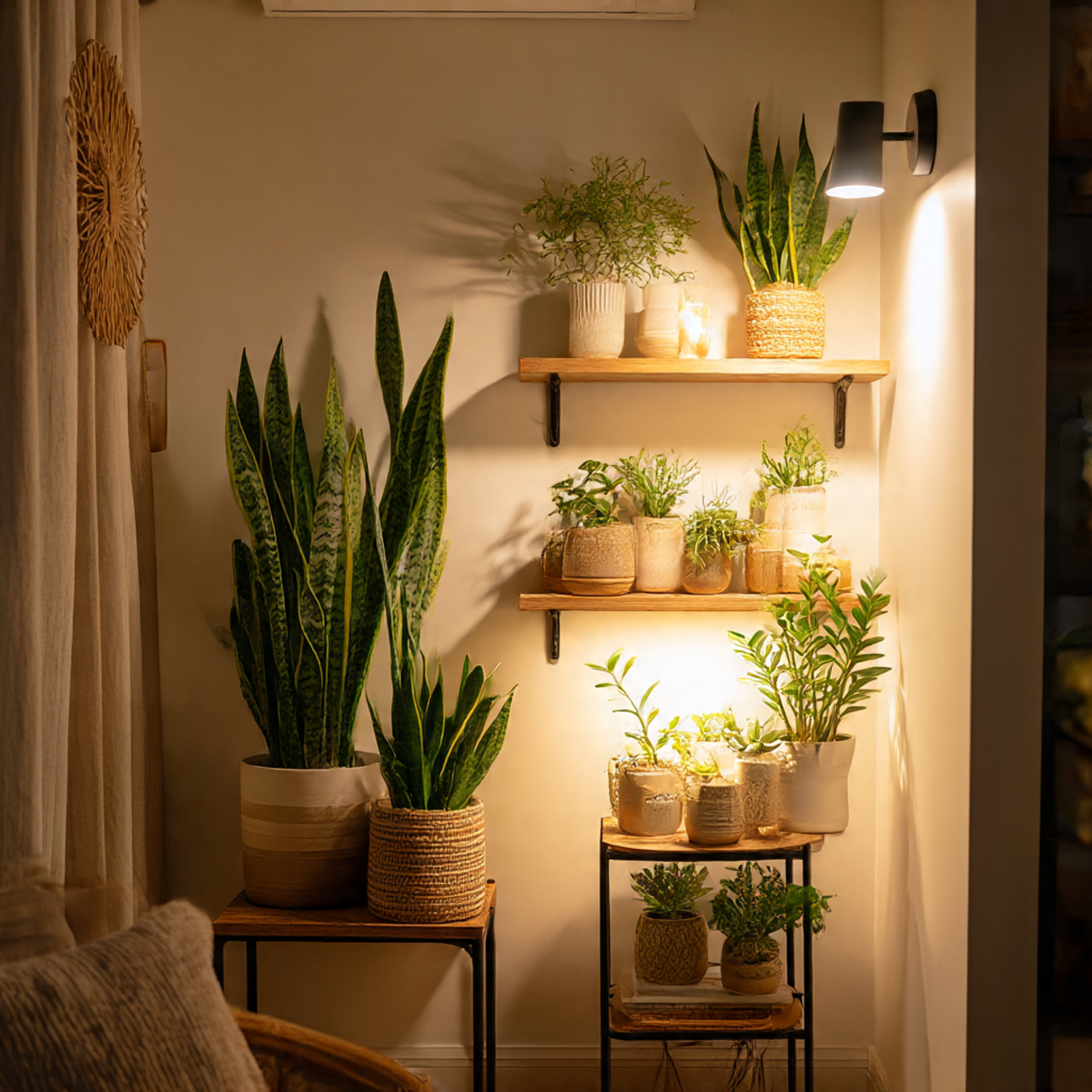
Low-light plants are absolute lifesavers if your home doesn’t get much sun. These species evolved on forest floors and in shaded environments, so they’re naturally equipped to thrive without bright windows or complicated light setups.
Why They’re Worth It:
- Transform dark hallways, basement rooms, and windowless bathrooms into green spaces
- Grow slowly and steadily, requiring less frequent maintenance
- Handle occasional neglect better than sun-loving varieties
- Perfect for beginners still learning plant care basics
Best Placement Ideas:
- Interior bathrooms without windows
- Office cubicles with fluorescent lighting
- Corners and alcoves away from direct sunlight
- Under shelving units or in shadowy entryways
Tip: Even low-light plants need some light. If a space is too dark to read comfortably without artificial light, it’s probably too dark for plants.
Air-Purifying House Plants
Natural Filters for Cleaner Indoor Air
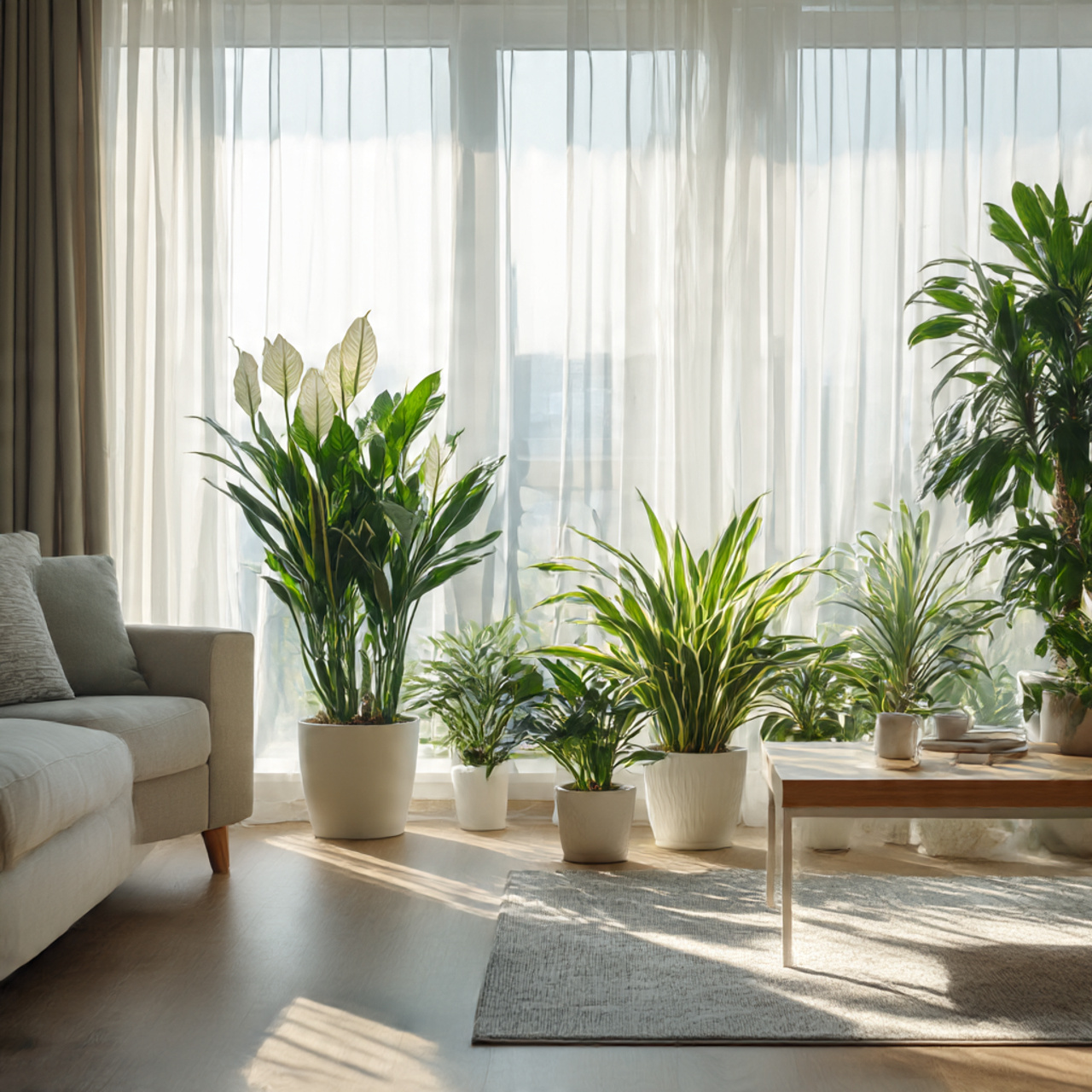
Air-purifying plants aren’t just beautiful—they’re actively working to make your home healthier. They filter out toxins released by furniture, cleaning products, carpets, and electronics, functioning as living air purifiers that never need their filters replaced.
Health Benefits Include:
- Removing harmful chemicals like formaldehyde, benzene, and trichloroethylene
- Adding moisture to dry indoor air (great for winter or air-conditioned homes)
- Making breathing easier, especially for those with respiratory sensitivities
- Creating naturally fresher-smelling spaces
Where to Place Them:
- Bedrooms for better sleep quality
- Home offices to combat electronics off-gassing
- Living rooms where you spend extended periods
- Near windows with synthetic curtains or blinds
Reality Check: While plants do purify air, you’d need quite a few to make a dramatic difference. Think of them as one part of a healthy home strategy, not a complete solution.
Pet-Friendly House Plants
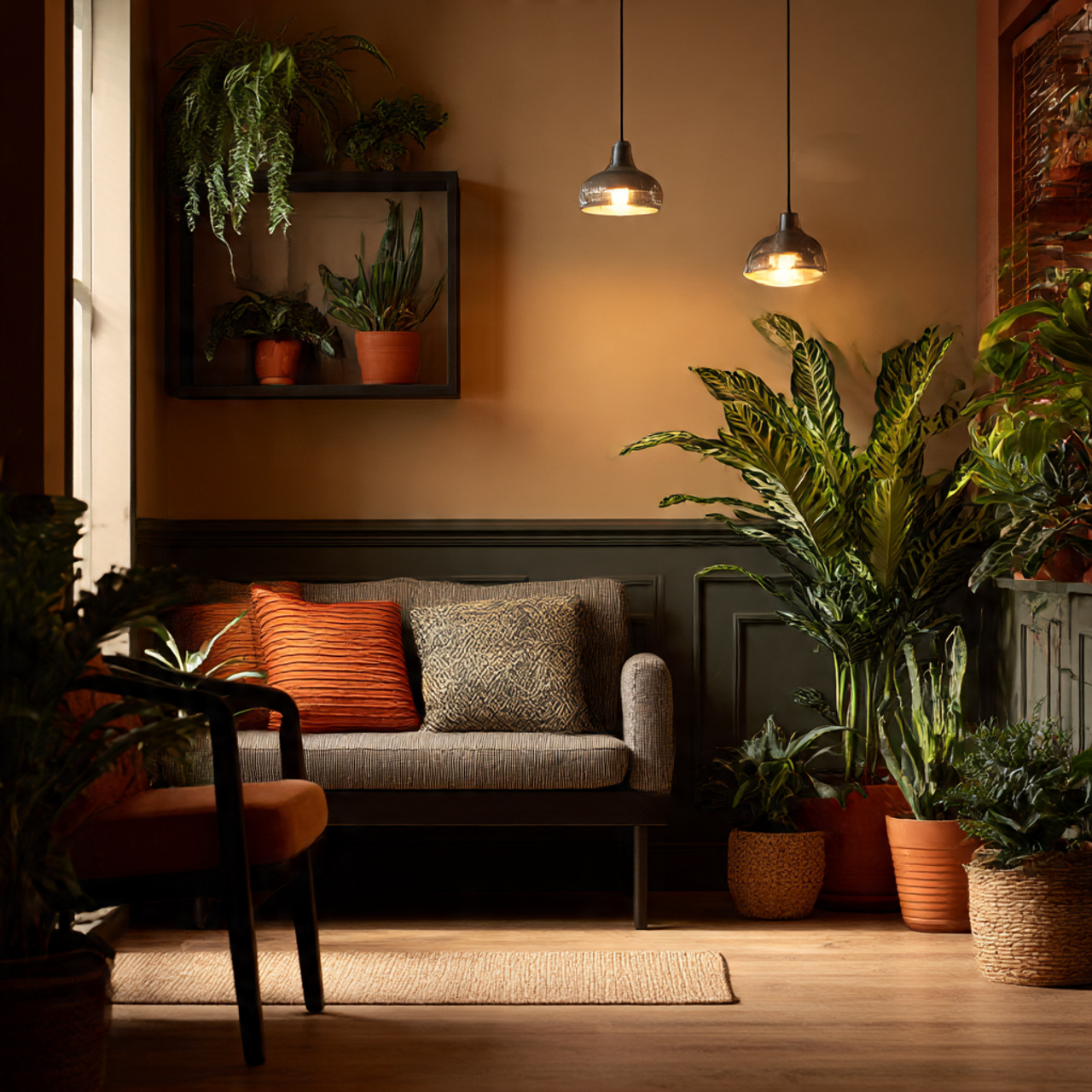
Safe Greenery for Furry Friends
If you share your home with cats or dogs, pet-friendly plants let you enjoy greenery without the worry. Curious pets love to nibble leaves or investigate new additions, so choosing non-toxic varieties gives you genuine peace of mind.
Safety Features:
- Completely non-toxic if ingested by cats, dogs, or other pets
- Hardy enough to handle playful paws and occasional bumps
- Generally forgiving of soil disruption from digging pets
- Low-maintenance, perfect for busy pet parents
Bonus Benefits:
- Many pet-safe plants are also beginner-friendly
- They tend to be resilient and long-lasting
- You can place them anywhere without safety concerns
- No vet bills from accidental plant poisoning
Important: Always research specific plants before bringing them home. “Non-toxic” doesn’t mean “good to eat”—plants can still cause mild stomach upset.
House Plants for Small Spaces
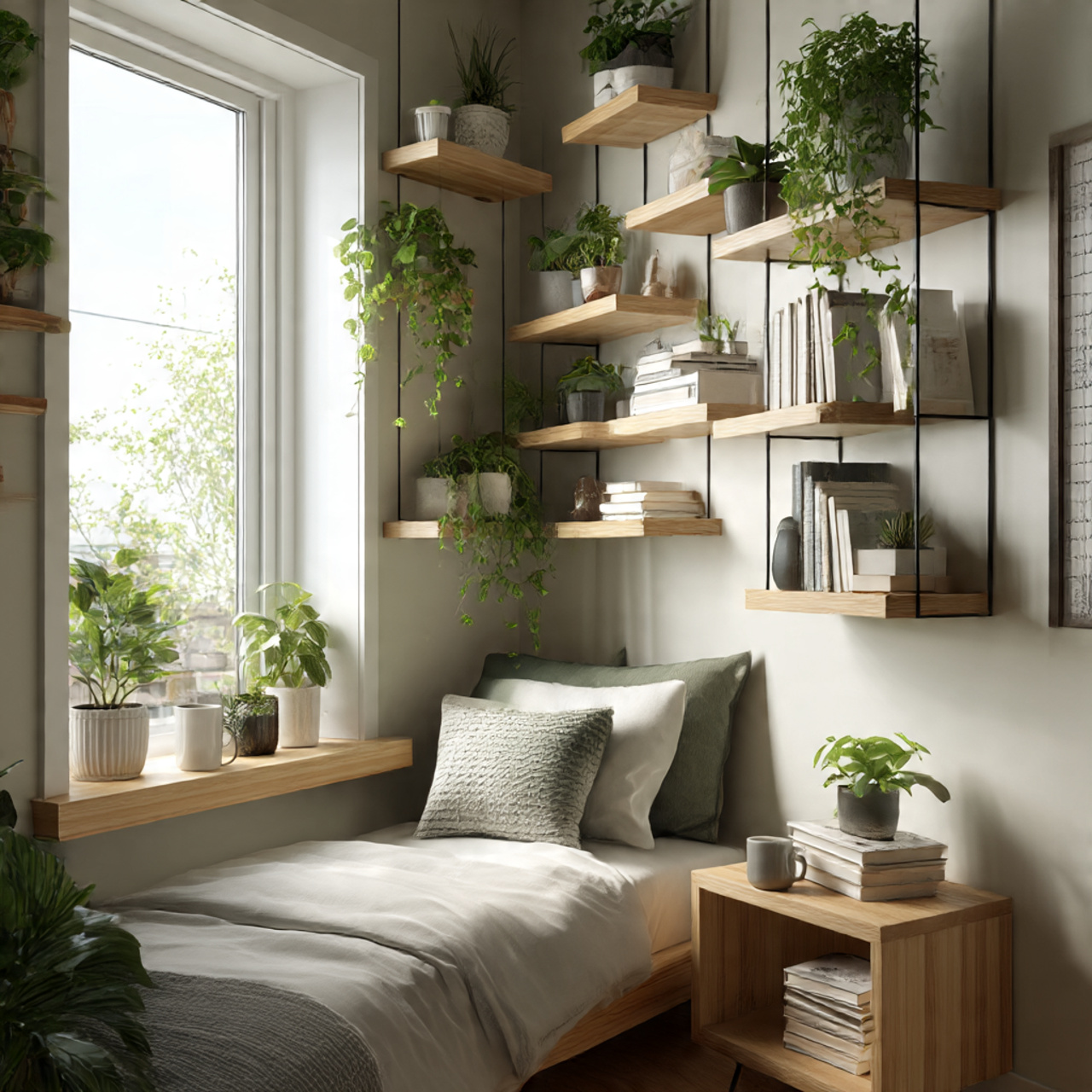
Big Impact in Tiny Homes
Small-space plants solve the challenge of adding greenery to compact apartments without making them feel cluttered. Their modest sizes and tidy growth patterns fit perfectly on windowsills, floating shelves, or small side tables.
Space-Saving Advantages:
- Fit easily into studio apartments and dorm rooms
- Create visual interest without overwhelming limited square footage
- Bring life to areas that feel cramped or plain
- Work beautifully in minimalist or clutter-free designs
Creative Placement Solutions:
- Windowsill gardens with multiple small pots
- Vertical wall planters to maximize space
- Floating corner shelves dedicated to plants
- Desktop arrangements that don’t interfere with workspace
Design Trick: Use odd numbers (3 or 5) of small plants grouped together for a more natural, visually appealing display.
Fast-Growing House Plants
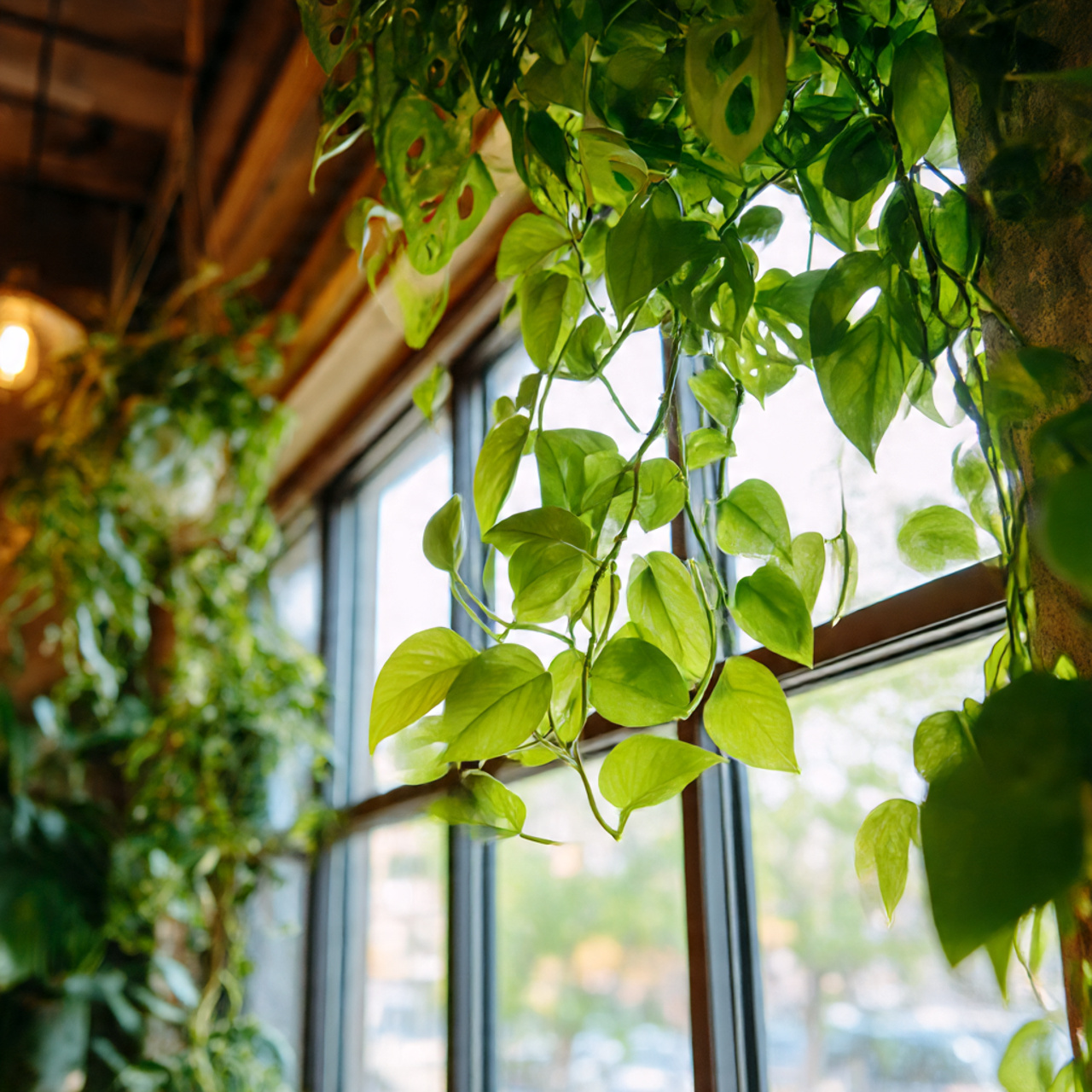
Watch Your Garden Transform Quickly
Fast-growing plants deliver instant gratification. Watching them stretch, unfurl new leaves, and develop right before your eyes creates a rewarding sense of accomplishment that keeps plant lovers engaged.
Why Plant Parents Love Them:
- Provide constant visual progress and excitement
- Fill empty spaces quickly for instant room transformation
- Encourage consistent care through visible feedback
- Perfect for propagation and sharing with friends
Care Considerations:
- May need more frequent watering and feeding
- Require regular pruning to maintain desired shape
- Often need repotting sooner than slow-growers
- Create opportunities to learn advanced plant care
Motivation Factor: Seeing daily changes makes it easier to stick to a watering schedule and care routine.
Low-Maintenance House Plants
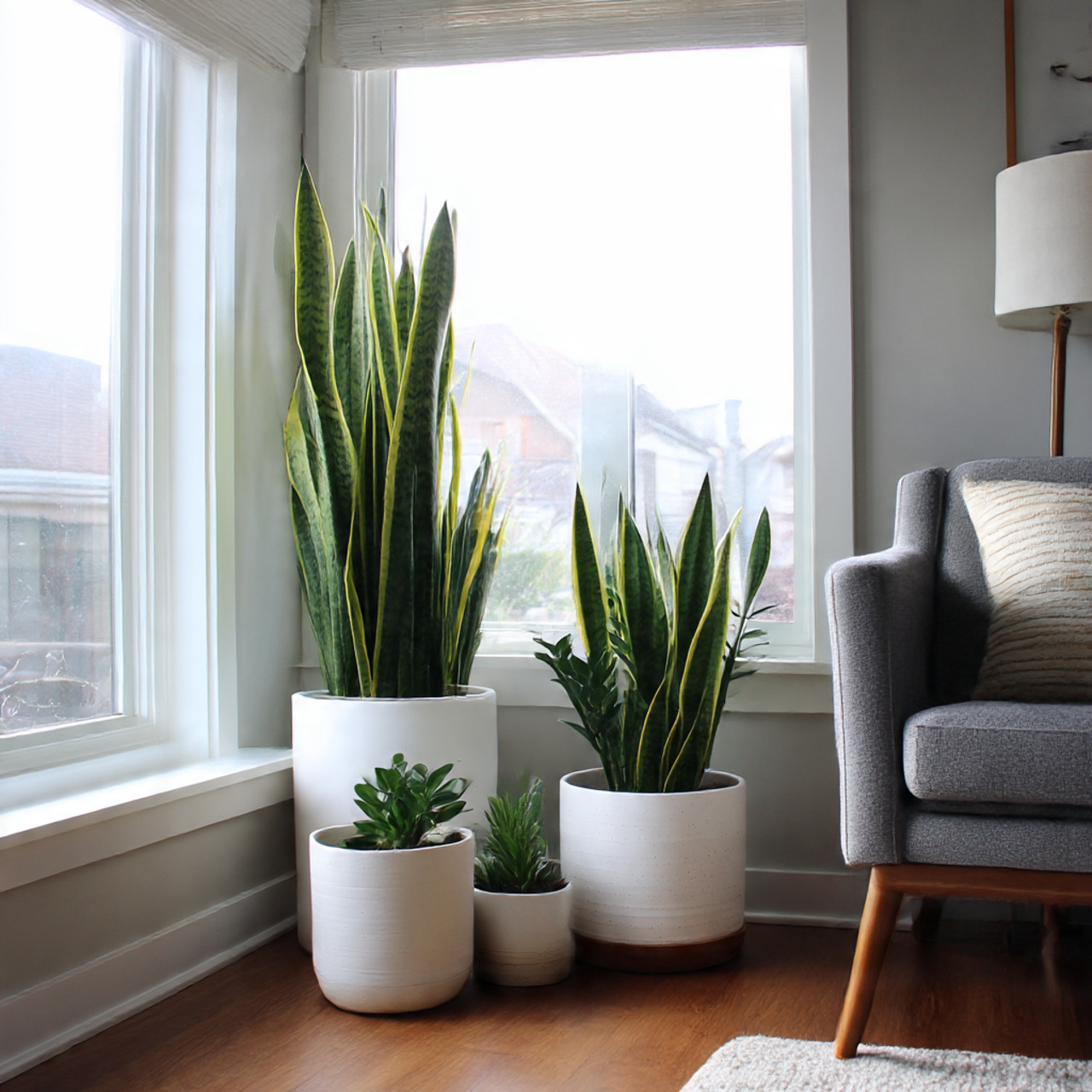
Greenery Without the Guilt
Low-maintenance plants are the heroes of the plant world. They forgive irregular watering, tolerate inconsistent lighting, and survive extended periods of minimal attention—perfect for busy professionals or anyone with an unpredictable schedule.
Resilience Features:
- Handle occasional missed waterings without drama
- Adapt to various light conditions
- Less vulnerable to common pests and diseases
- Long lifespans even in challenging environments
Ideal For:
- People new to plant care
- Frequent travelers or busy professionals
- Offices and shared workspaces
- Anyone who’s “killed every plant they’ve owned”
Realistic Expectations: “Low-maintenance” doesn’t mean “no maintenance.” Even hardy plants need occasional water and basic care.
Flowering House Plants
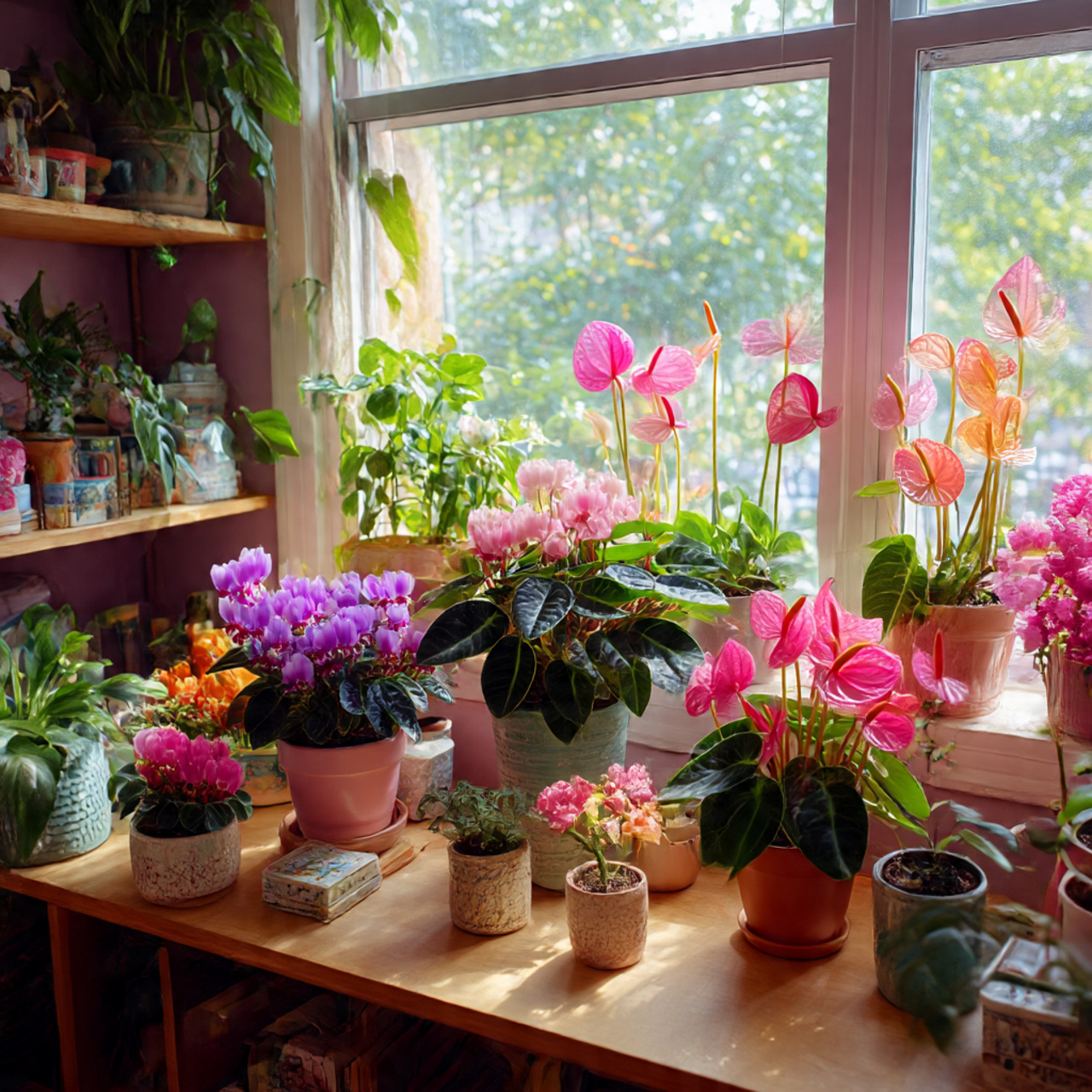
Living Color That Keeps on Giving
Flowering house plants bring something special to your space—color that evolves and changes. Unlike cut flowers that wilt within days, these plants offer blooms that can last weeks or even months, with some varieties flowering multiple times per year.
Visual and Emotional Benefits:
- Add vibrant pops of color to neutral spaces
- Natural fragrance without artificial air fresheners
- Create focal points that draw the eye
- Boost mood and reduce stress through beauty
Types of Bloomers:
- Continuous bloomers that flower year-round
- Seasonal bloomers that create anticipation
- Fragrant varieties for natural aromatherapy
- Bold tropical flowers for dramatic statements
Care Note: Flowering plants often need more light and consistent care than foliage-only varieties, but the payoff is worth it.
Succulent House Plants
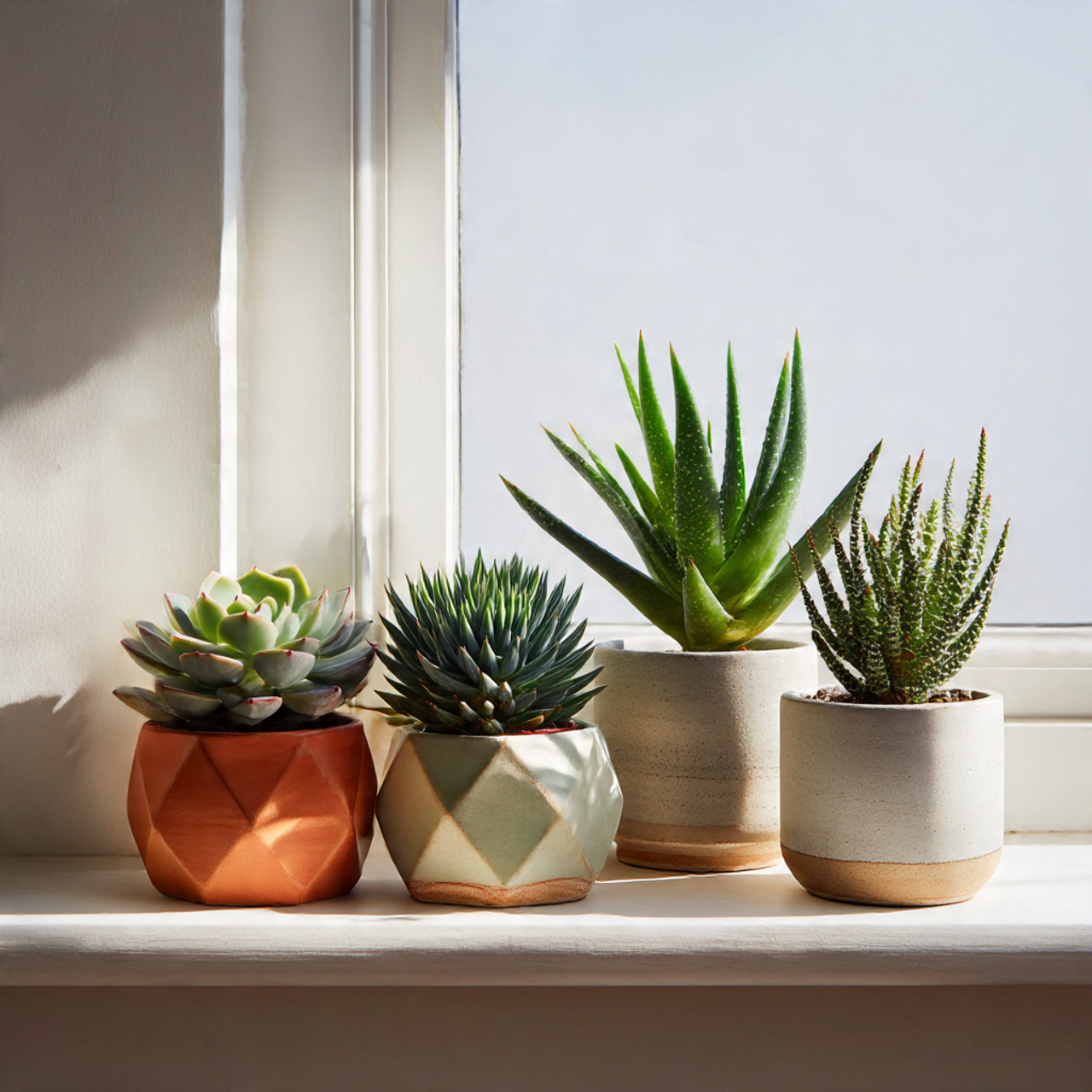
Modern Sculptural Beauty
Succulents have become design icons for good reason. Their architectural shapes, geometric patterns, and structural leaves complement contemporary and minimalist interiors perfectly. Plus, they’re incredibly easy to care for thanks to their built-in water storage.
Design Appeal:
- Clean, sculptural shapes that look intentional
- Variety of forms: rosettes, spikes, paddles, and cascading types
- Fit multiple design styles from modern to bohemian
- Perfect for creating living art arrangements
Care Advantages:
- Need watering only every 1-3 weeks
- Thrive in bright, indirect light
- Ideal for desks and sunny windowsills
- Rarely affected by pests
Common Mistake to Avoid: More succulents die from overwatering than underwatering. When in doubt, wait another day.
Tropical House Plants
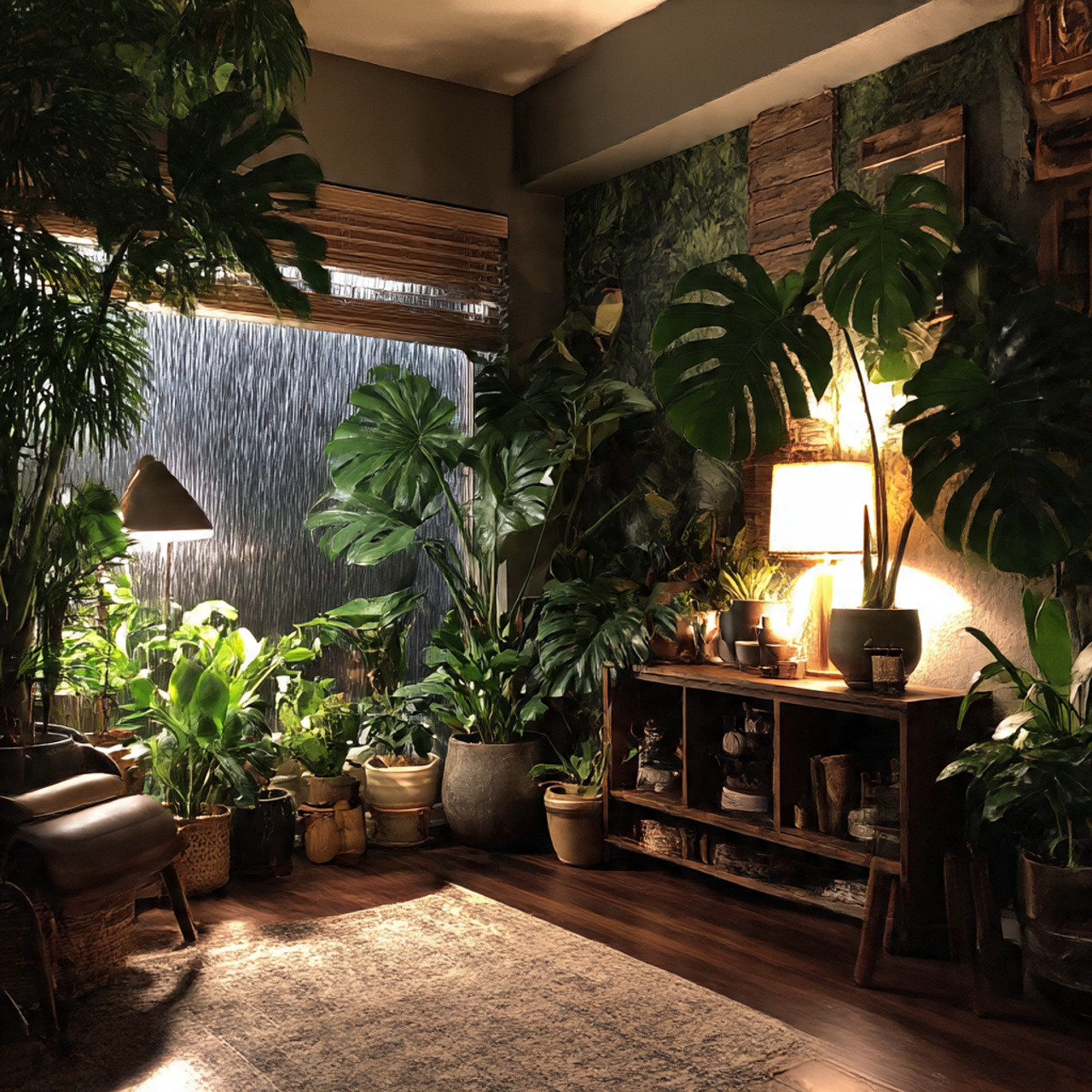
Bring Vacation Vibes Home
Tropical plants create an instant exotic atmosphere with their broad, dramatic leaves and bold silhouettes. They thrive in the warm, humid conditions found in kitchens and bathrooms, making them both beautiful and practical.
Atmosphere They Create:
- Luxurious, resort-like ambiance
- Deep green tones that promote relaxation
- Impressive sizes that command attention
- Jungle-inspired aesthetics
Best Growing Conditions:
- Warm rooms with temperatures above 65°F
- Humid environments like bathrooms and kitchens
- Bright, indirect light from large windows
- Consistent moisture levels
Styling Tip: One large tropical plant can anchor an entire room and eliminate the need for multiple smaller plants.
Rare House Plants
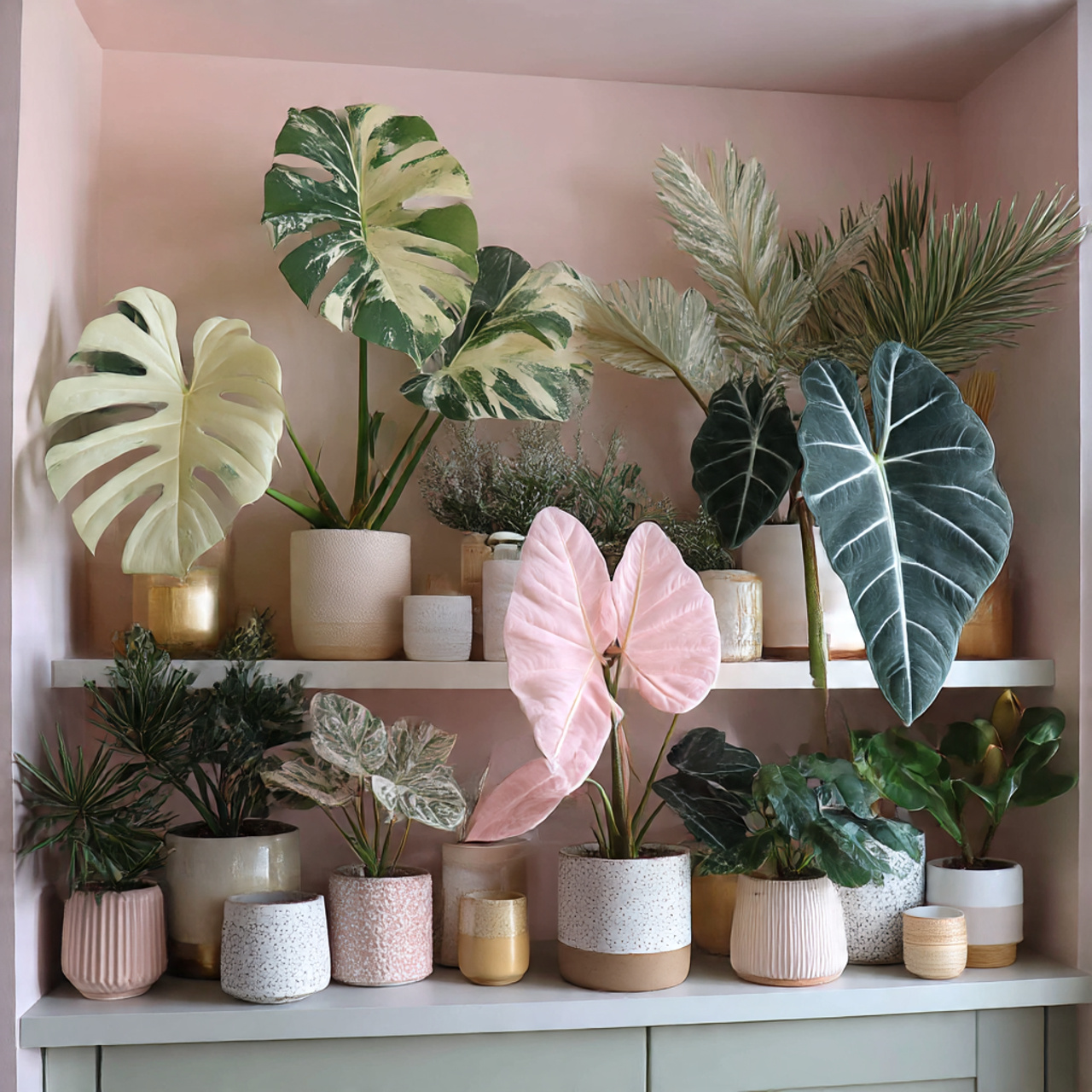
Unique Specimens for Collectors
Rare plants appeal to those who value exclusivity and distinctiveness. Their unusual features—variegated patterns, uncommon colors, or striking leaf shapes—immediately capture attention and start conversations.
Collector Appeal:
- Unique characteristics not found in common varieties
- Investment potential as some increase in value
- Community connection with other collectors
- Ongoing fascination with growth patterns
What Makes Plants Rare:
- Limited natural distribution
- Difficult propagation methods
- High demand and low supply
- Unique genetic variations or mutations
Reality Check: Rare doesn’t always mean difficult. Many uncommon plants are actually quite easy to care for.
Vining House Plants
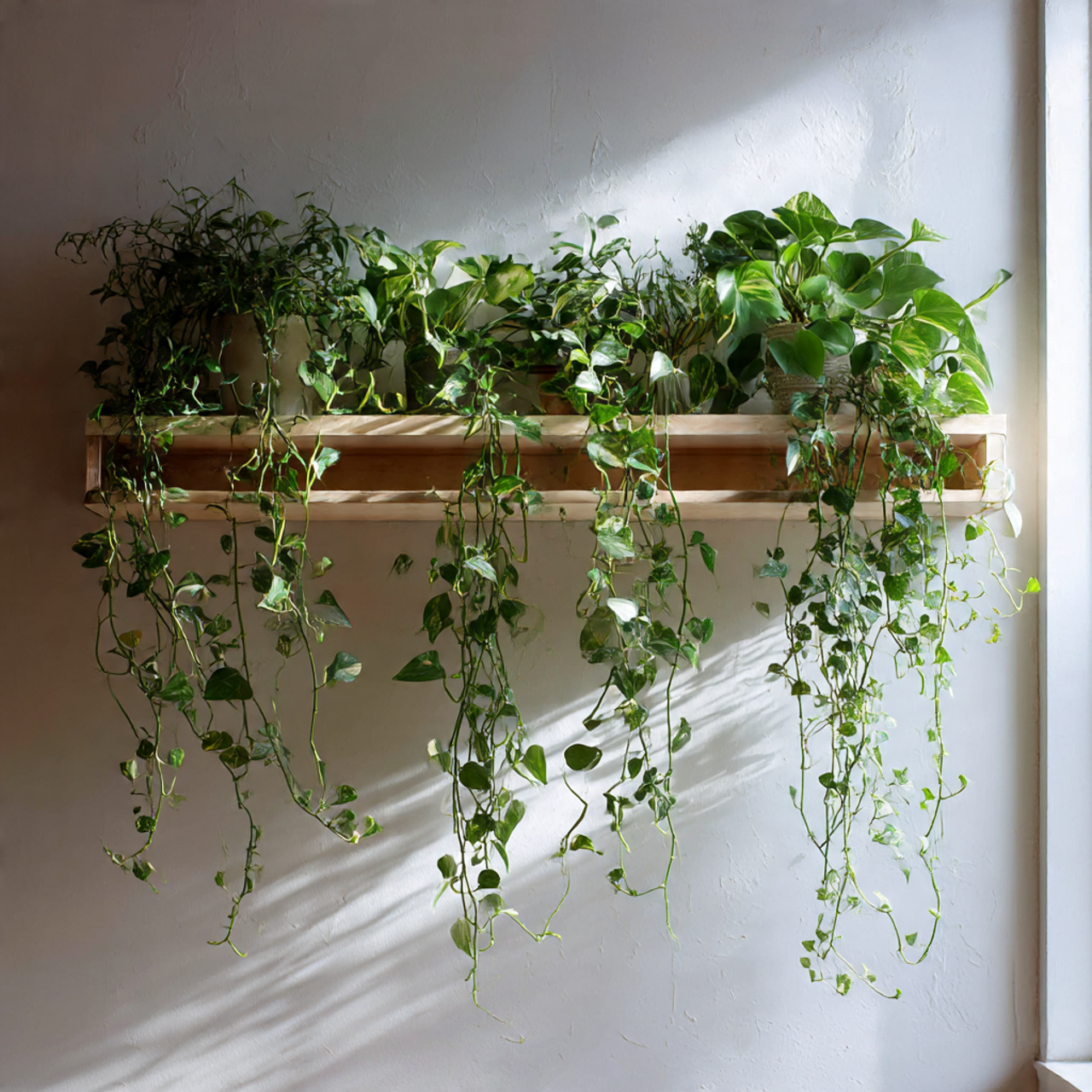
Flowing Greenery That Adds Movement
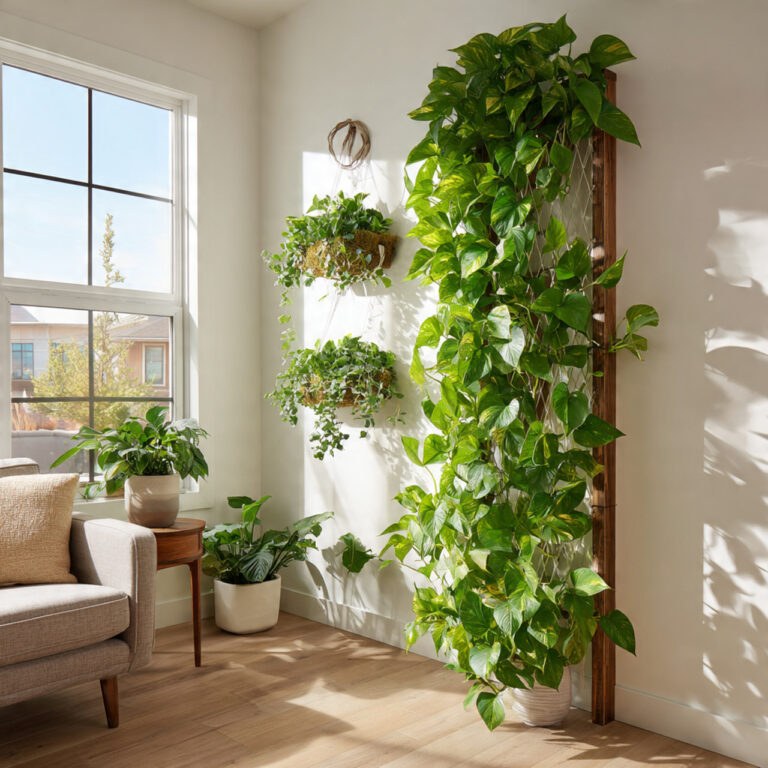
Vining plants introduce graceful movement through cascading stems and trailing foliage. They soften hard edges, blend vertical and horizontal spaces, and create a cohesive natural flow throughout rooms.
Design Versatility:
- Cascade from shelves and cabinets beautifully
- Climb moss poles or trellises for vertical interest
- Frame windows and doorways naturally
- Create living curtains or room dividers
Growth Characteristics:
- Fast-growing for quick transformations
- Easy to propagate from cuttings
- Adaptable to various light conditions
- Simple care routines
Display Ideas: Hang at different heights to create depth and visual layers in your space.
Desk-Friendly House Plants
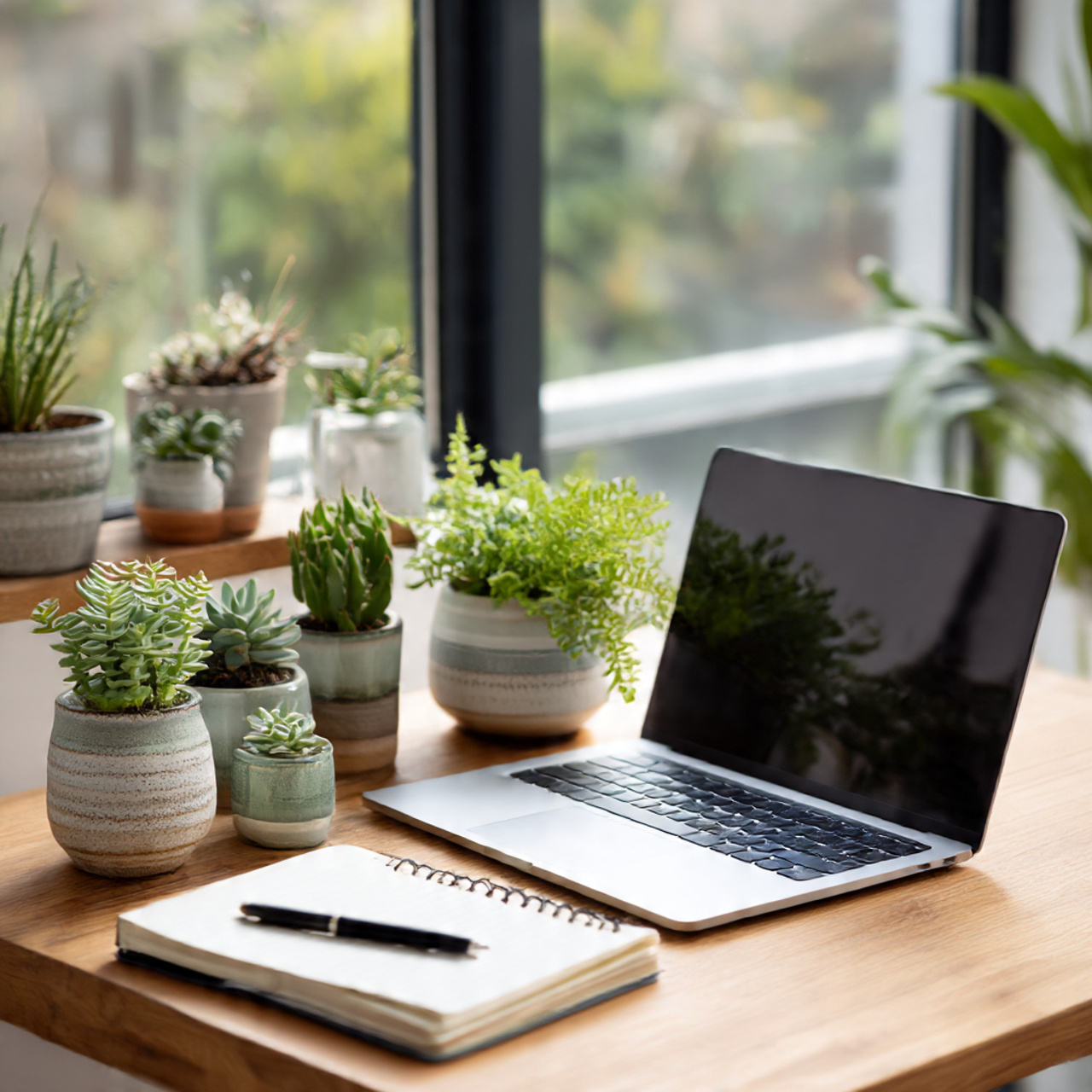
Boost Productivity Naturally
Desk plants do more than look pretty—they actively improve your workspace. They reduce mental fatigue, balance harsh screen light, and create visually calming environments that help you focus and work more effectively.
Workplace Benefits:
- Reduce stress during long work sessions
- Improve concentration and cognitive function
- Purify air in enclosed office spaces
- Add personality to sterile work environments
Ideal Characteristics:
- Compact size that doesn’t crowd workspace
- Tolerant of artificial office lighting
- Minimal watering needs (weekly or less)
- Non-toxic in case of accidental contact
Placement Strategy: Position plants so you can see them with a quick glance, giving your eyes a natural break from screen time.
Kitchen House Plants
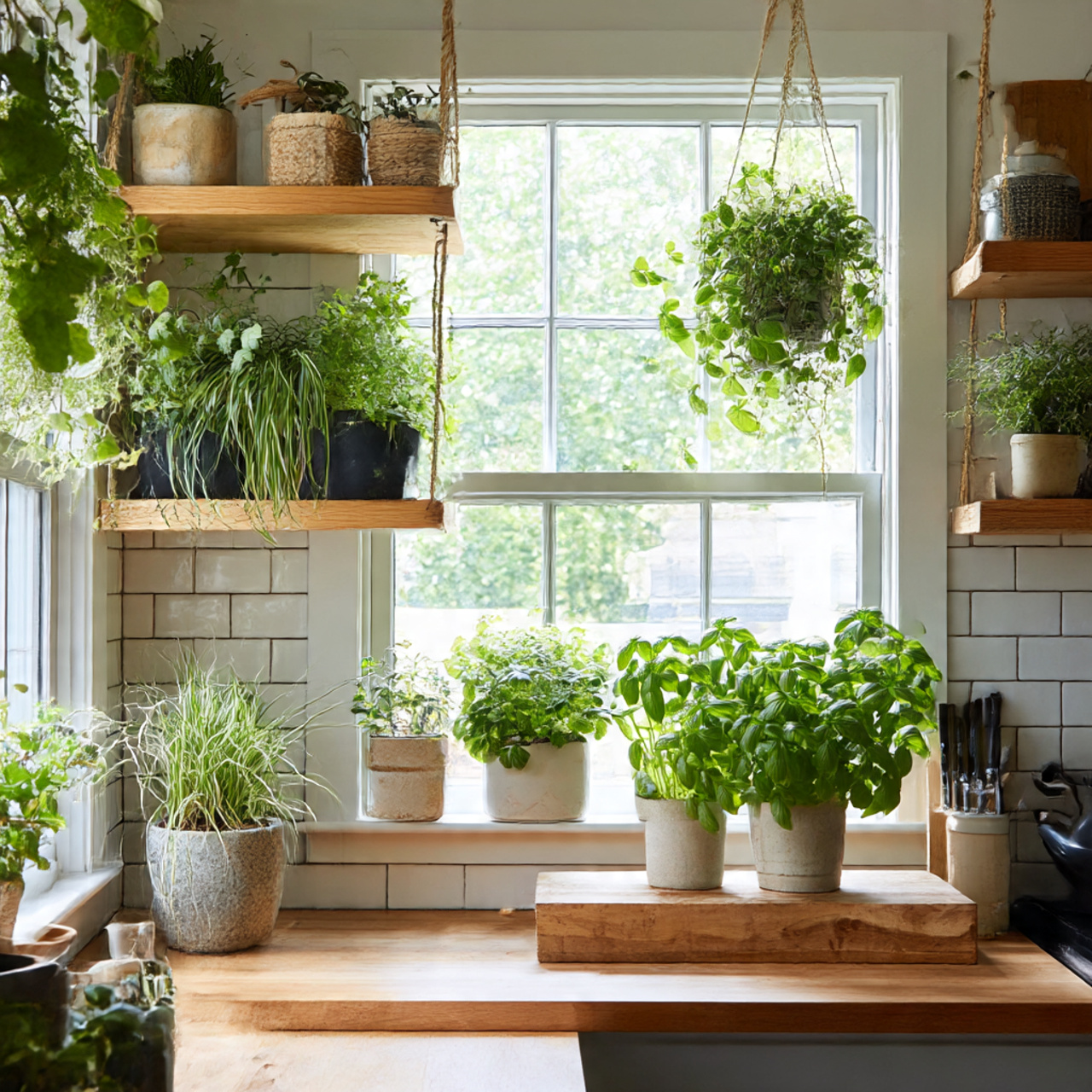
Fresh Greenery Where You Cook
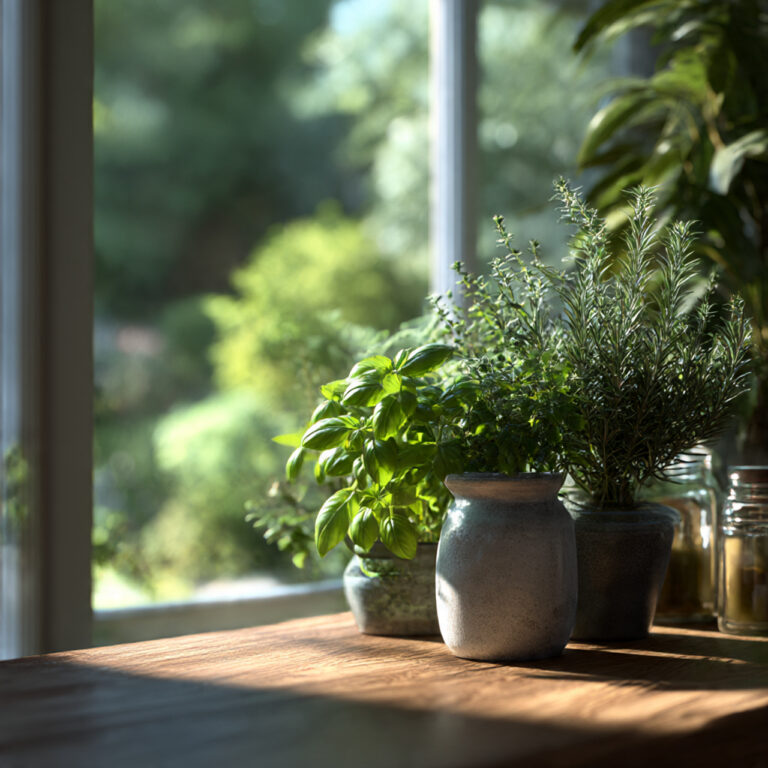
Kitchen plants thrive in the warm, bright environment created by cooking activities. They add freshness and charm while some varieties double as culinary herbs you can snip and use immediately.
Kitchen-Specific Benefits:
- Tolerate temperature fluctuations from cooking
- Enjoy higher humidity from sink and steam
- Provide fresh herbs for cooking
- Purify air from cooking odors
Best Locations:
- Sunny windowsills above the sink
- Open shelving with good light exposure
- Countertops away from active cooking areas
- Hanging planters over islands or tables
Functional Options: Herbs like basil, mint, and rosemary serve double duty as décor and ingredients.
Bathroom House Plants
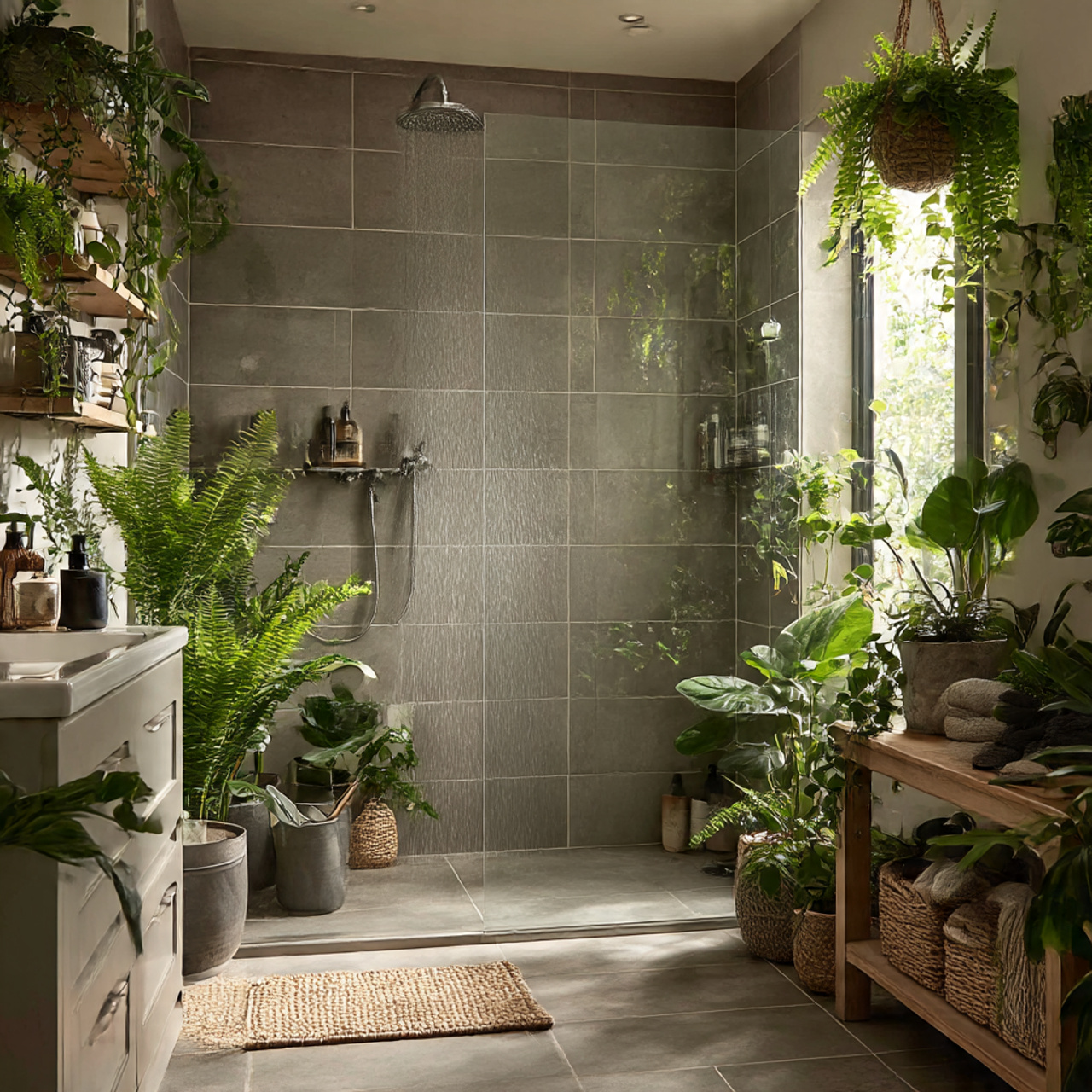
Spa-Like Serenity
Bathroom plants flourish in humid settings with filtered light. They transform ordinary bathrooms into spa-like retreats while improving air quality and managing excess moisture that can lead to mold.
Bathroom Advantages:
- Natural humidity from showers eliminates misting needs
- Create relaxing, resort-style atmosphere
- Help absorb excess moisture
- Thrive in low to medium light conditions
Perfect Spots:
- Window ledges with frosted glass
- Shelving near the shower
- Vanity countertops
- Wall-mounted planters
Moisture-Loving Picks: Ferns, pothos, and peace lilies absolutely love bathroom environments.
Statement House Plants
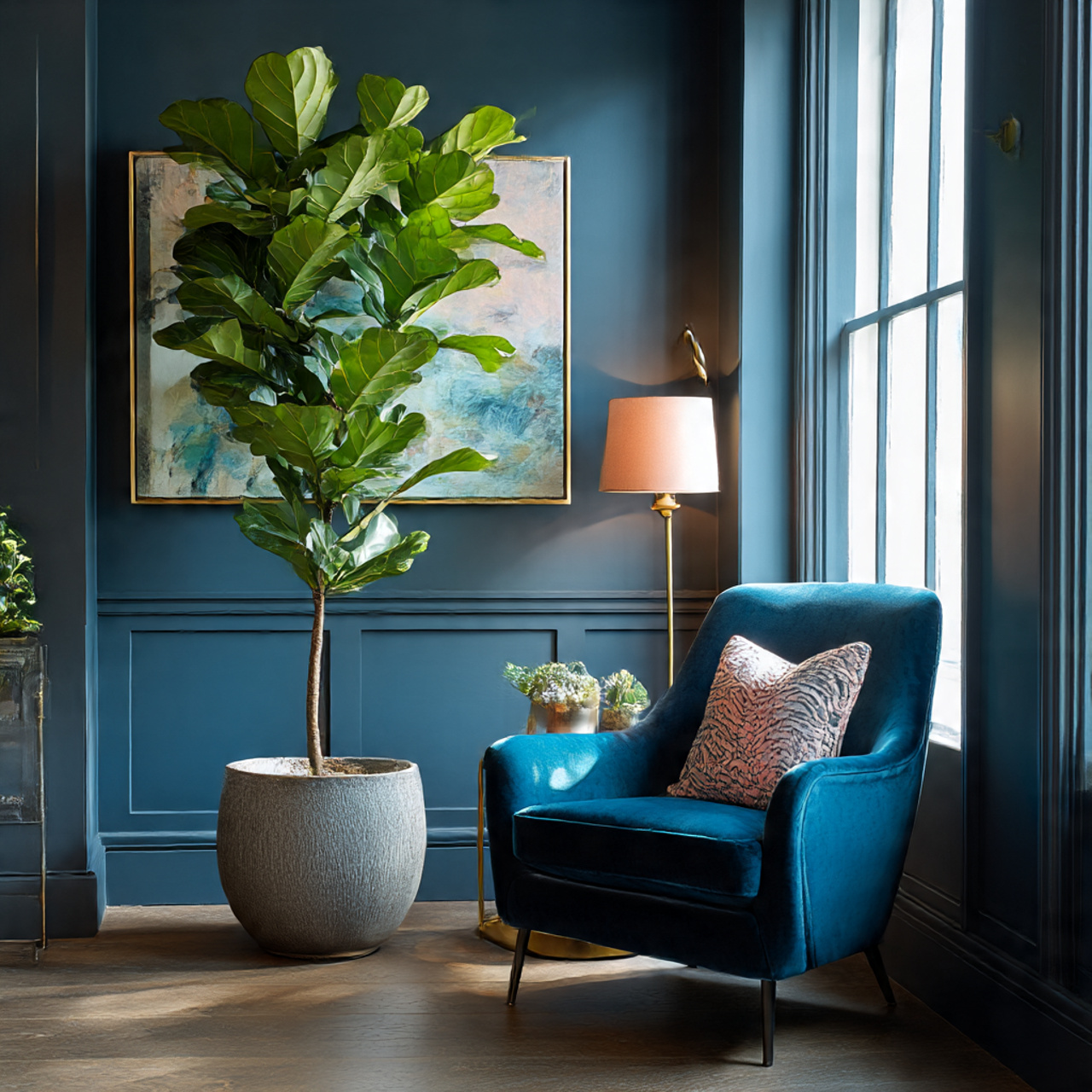
Bold Focal Points
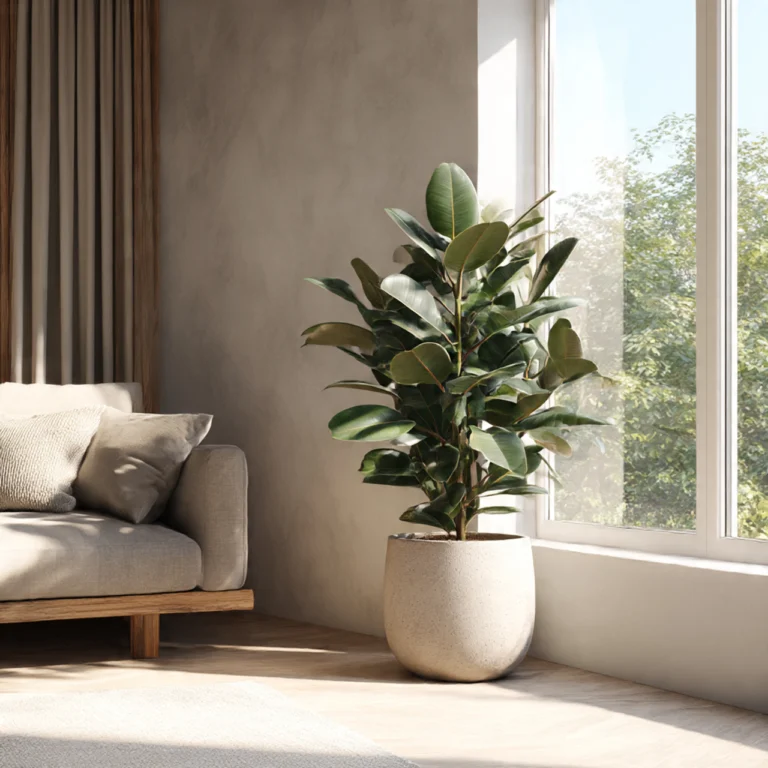
Statement plants command attention immediately. Their large size, dramatic shapes, and architectural presence anchor rooms with confidence and create instant visual impact.
Design Impact:
- Serve as natural focal points
- Fill empty corners dramatically
- Replace the need for large furniture pieces
- Create sophisticated, intentional aesthetics
Placement Guidelines:
- Entryways to create impressive first impressions
- Living room corners that feel empty
- Beside sofas or chairs for balance
- Large, open spaces that need grounding
Size Consideration: Make sure your ceiling height can accommodate mature growth—some statement plants reach 6-10 feet indoors.
Hanging House Plants
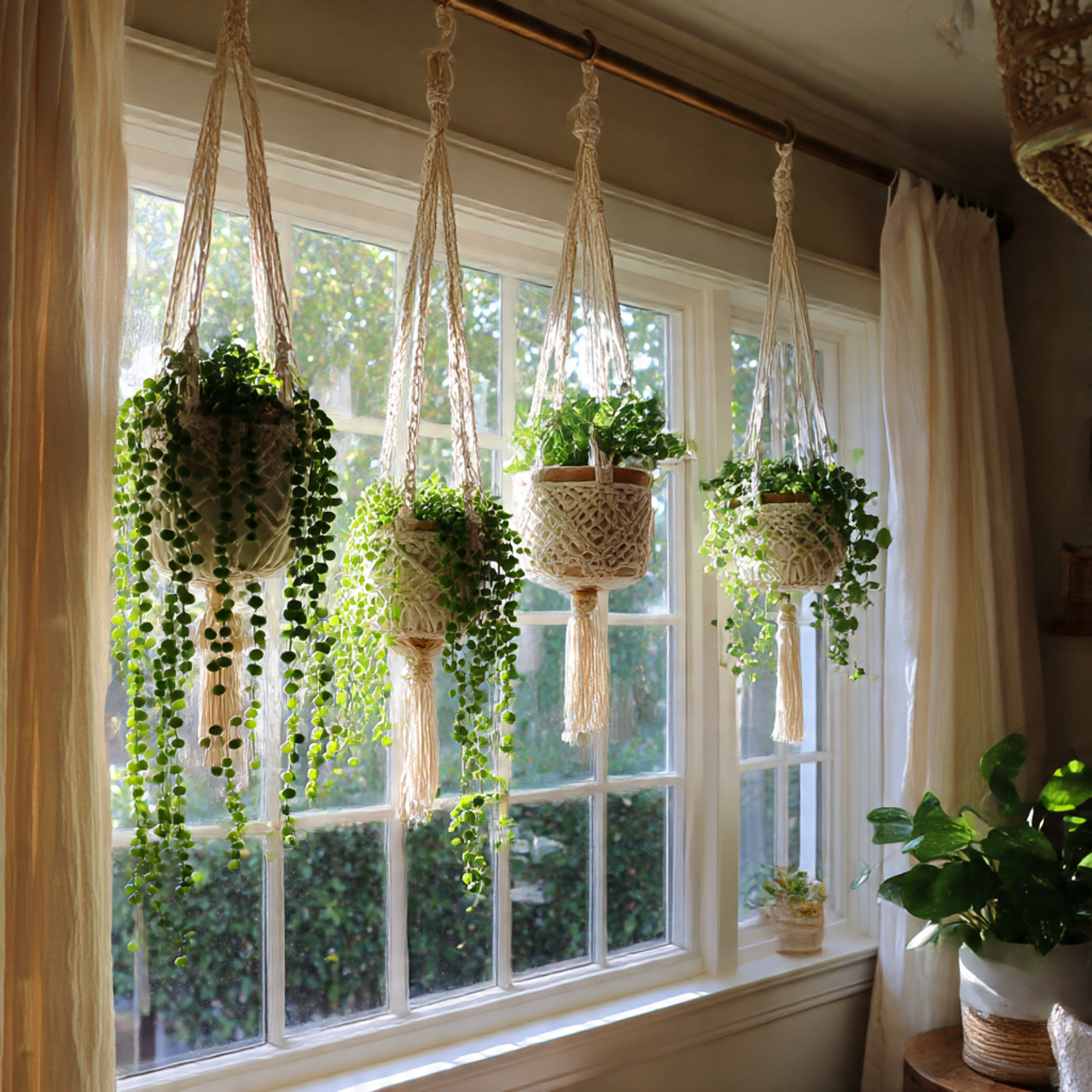
Elevate Your Greenery
Hanging plants introduce a vertical dimension that frees up valuable floor and shelf space. Their graceful draping adds movement and softness while maximizing every cubic inch of your home.
Space-Saving Benefits:
- Free up surfaces for other uses
- Create visual interest at eye level and above
- Perfect for small apartments
- Add dimension to bare walls and ceilings
Hanging Methods:
- Macramé plant hangers for bohemian style
- Modern metal or ceramic hanging planters
- Ceiling hooks near windows
- Wall-mounted brackets
Safety First: Ensure hooks and hardware can support the weight of the plant plus water-saturated soil.
Beginners’ House Plants
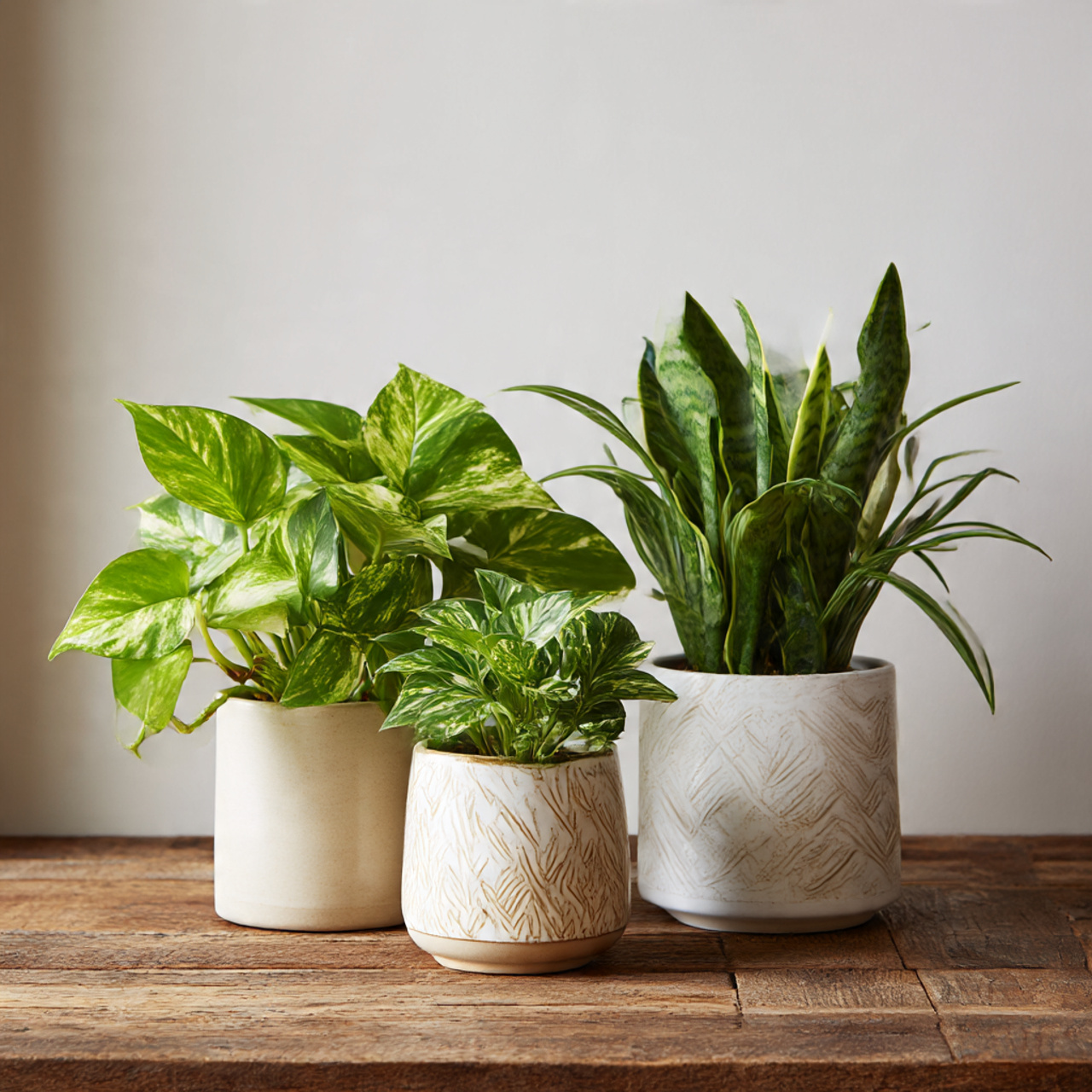
Build Confidence First
Beginner-friendly plants are forgiving, resilient, and incredibly rewarding. They adapt to various conditions, bounce back from mistakes, and give new plant parents the confidence to expand their collections.
Learning Opportunities:
- Practice basic watering schedules
- Learn to read plant signals
- Experiment with pruning and propagation
- Build intuition about plant needs
Success Factors:
- Tolerate inconsistent watering
- Adapt to various light levels
- Rarely affected by pests
- Bounce back from minor neglect
Growth Mindset: Every plant parent has killed plants. Start with hardy varieties and learn as you grow.
Aromatic House Plants
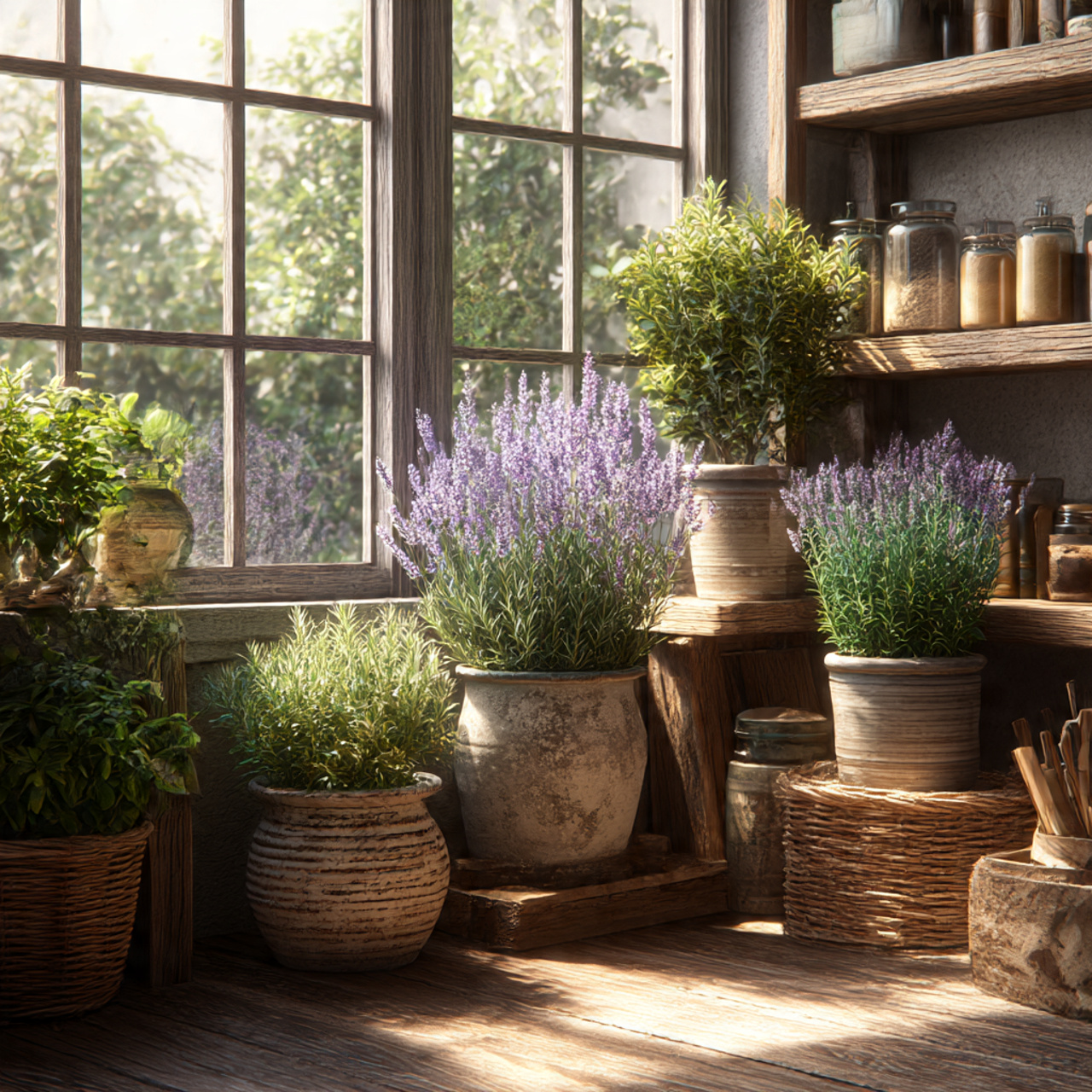
Natural Fragrance for Your Home
Aromatic plants infuse rooms with soothing natural scents that calm the mind and create inviting atmospheres. Unlike synthetic air fresheners, these plants offer genuine aromatherapy benefits along with their beauty.
Scent Benefits:
- Natural stress relief through aromatherapy
- Fresh, organic fragrance without chemicals
- Mood enhancement and relaxation
- Multi-sensory plant experience
Popular Aromatic Varieties:
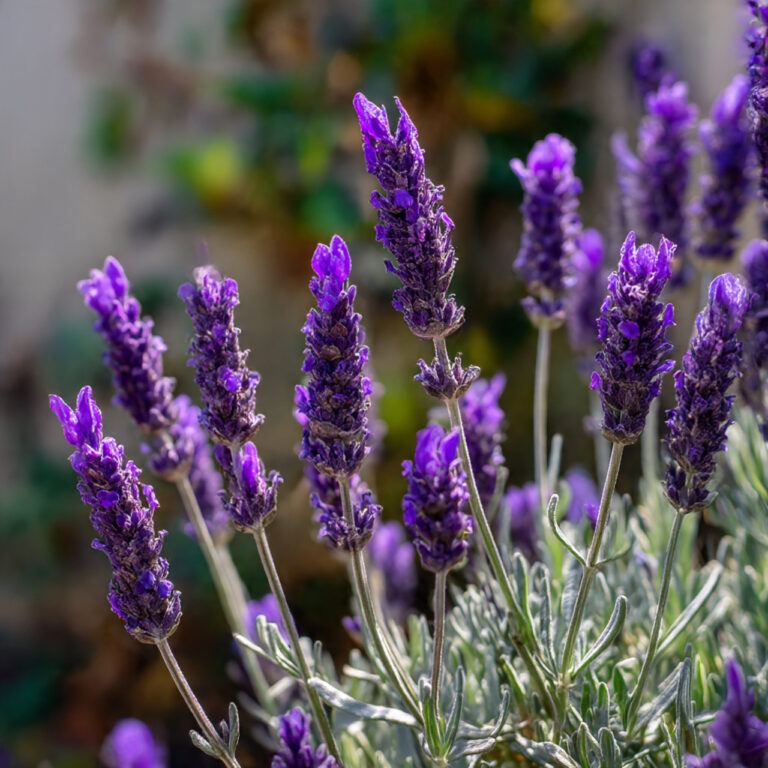
- Lavender for calming bedrooms
- Mint for refreshing kitchens
- Jasmine for romantic evenings
- Rosemary for focus and clarity
Bonus Use: Many aromatic plants are also culinary herbs or have medicinal properties.
Compact House Plants
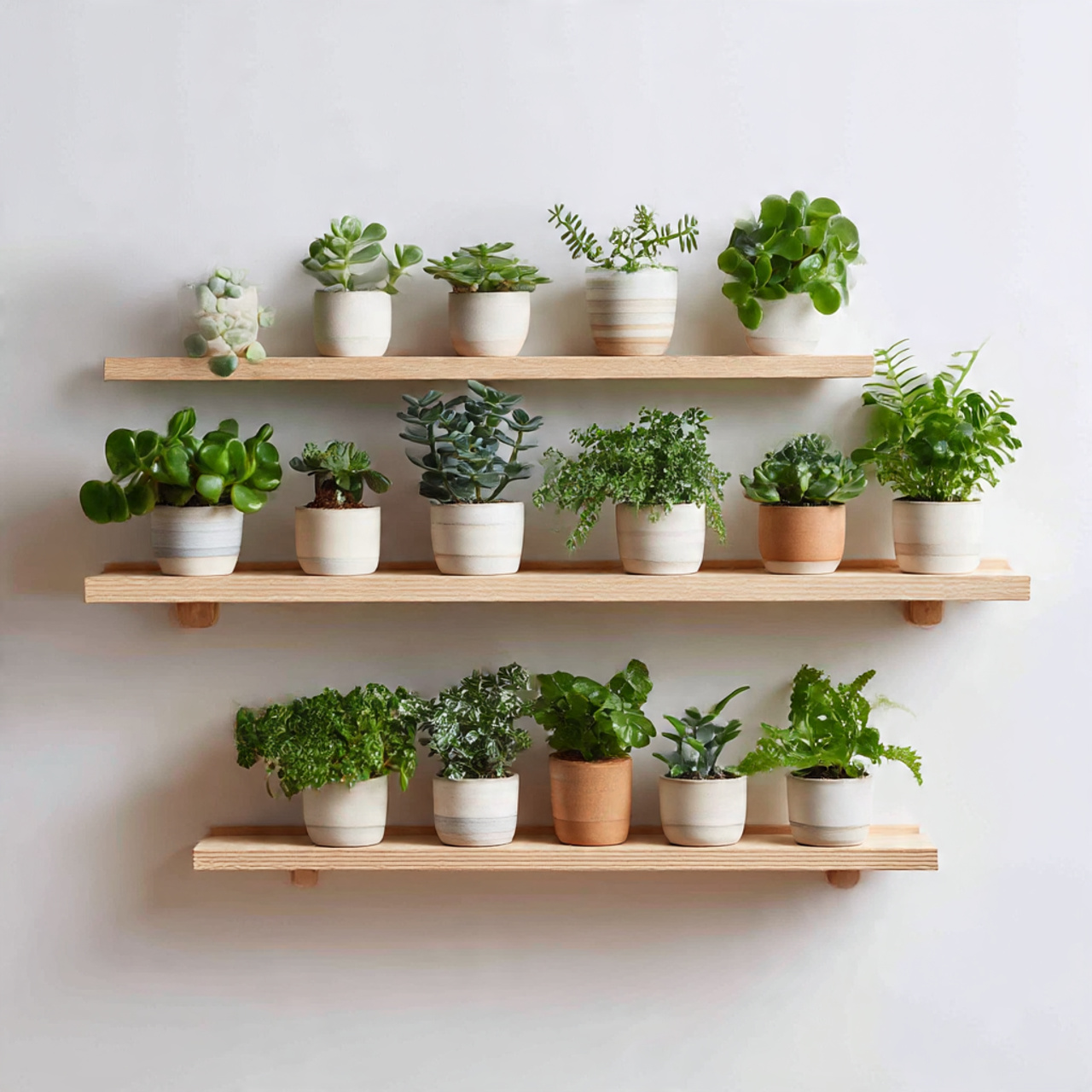
Small Footprint, Big Impact
Compact plants maintain tidy, small sizes while offering strong visual appeal. Their slow growth and neat shapes make them ideal for modern apartments, minimalist spaces, and clutter-free designs.
Space Efficiency:
- Perfect for studio apartments
- Fit multiple plants in limited areas
- Don’t require frequent repotting
- Maintain proportional sizes
Design Flexibility:
- Group several together for impact
- Mix with larger plants for variety
- Use in terrariums or dish gardens
- Create themed arrangements
Maintenance Perk: Smaller plants generally need less water and soil, making care simpler.
Large-Leaf House Plants
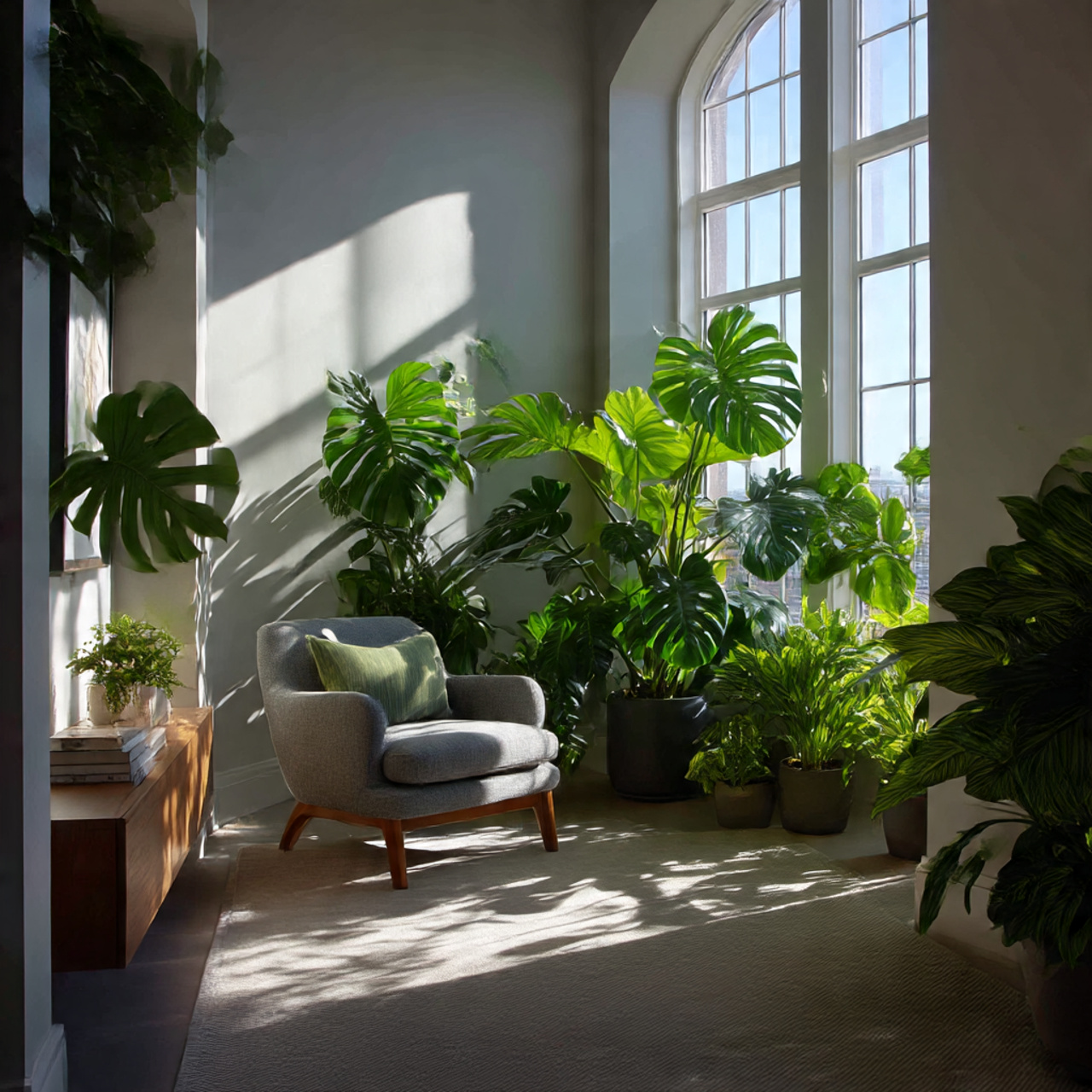
Instant Drama and Presence
Large-leaf plants offer immediate visual drama with their bold, sweeping foliage. They cast beautiful shadows, create immersive greenery, and make rooms feel more grounded and sophisticated.
Visual Impact:
- Create tropical, exotic atmospheres
- Fill large spaces effectively
- Cast interesting shadows with proper lighting
- Add architectural interest
Space Requirements:
- Need room for leaves to unfurl fully
- Work best in open floor plans
- Prefer high ceilings for vertical growth
- Benefit from regular leaf cleaning
Statement Piece: One large-leaf plant can replace multiple smaller plants while creating more impact.
Seasonal House Plants
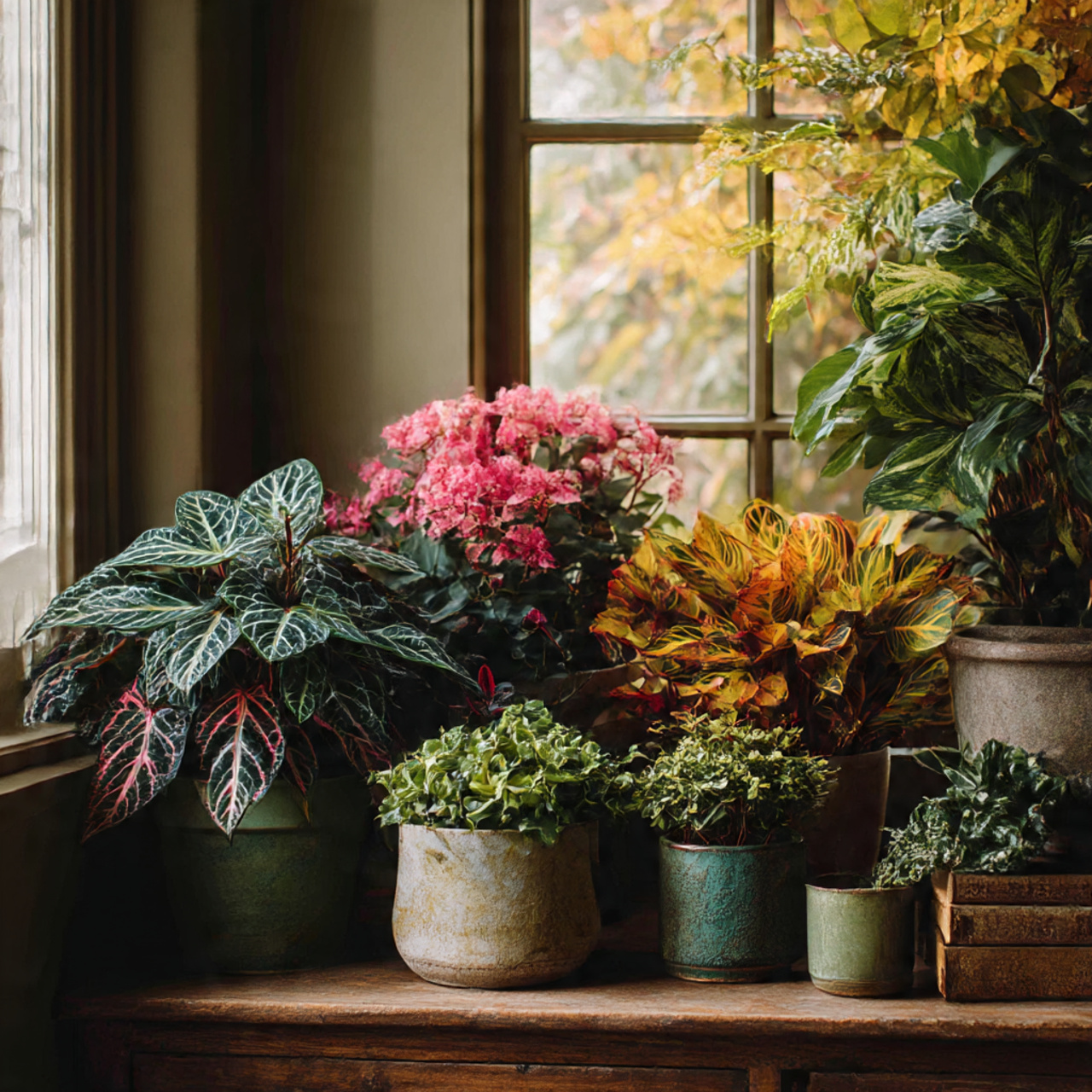
Ever-Changing Beauty
Seasonal plants evolve throughout the year, bringing new colors, textures, and growth phases. They keep your interior dynamic and fresh without requiring constant redecorating.
Seasonal Interest:
- Blooms that appear at specific times
- Foliage color changes
- Dormant periods followed by new growth
- Holiday-specific varieties
Variety Benefits:
- Prevent plant fatigue and boredom
- Create anticipation for seasonal changes
- Refresh your space naturally
- Celebrate different times of year
Rotation Idea: Swap seasonal plants between visible and storage areas to always showcase what’s currently thriving.
Medicinal House Plants
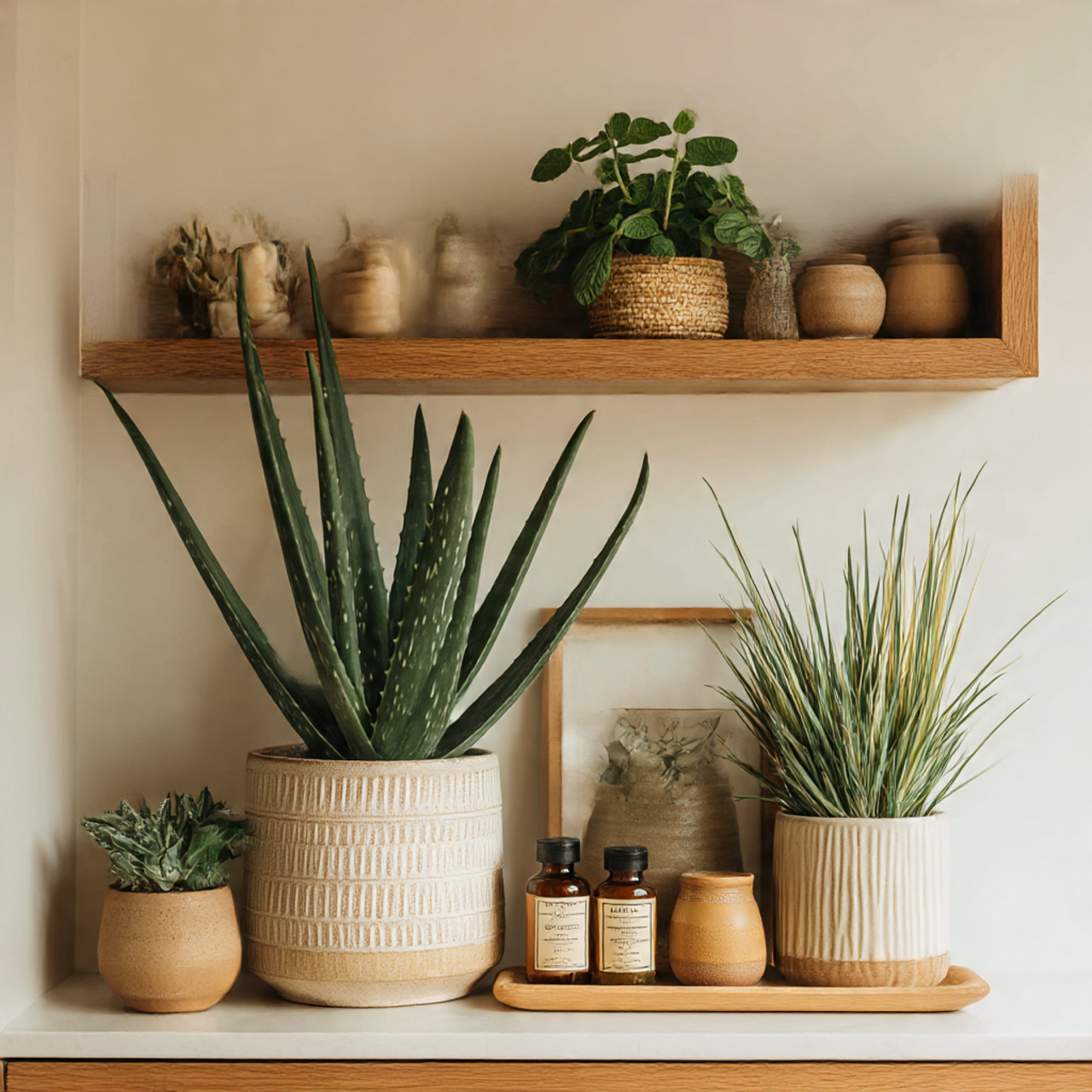
Natural Healing Properties
Medicinal plants combine beauty with functional therapeutic qualities. Species like aloe, mint, and others offer healing properties that support daily well-being and natural remedies.
Practical Uses:
- Aloe for burns and skin irritation
- Mint for digestion and headaches
- Lavender for relaxation and sleep
- Basil for anti-inflammatory benefits
Multi-Purpose Appeal:
- Decorative and functional
- Fresh remedies always available
- Educational for families
- Connection to traditional medicine
Safety Note: Always research proper uses and consult healthcare providers before using plants medicinally.
Decorative House Plants
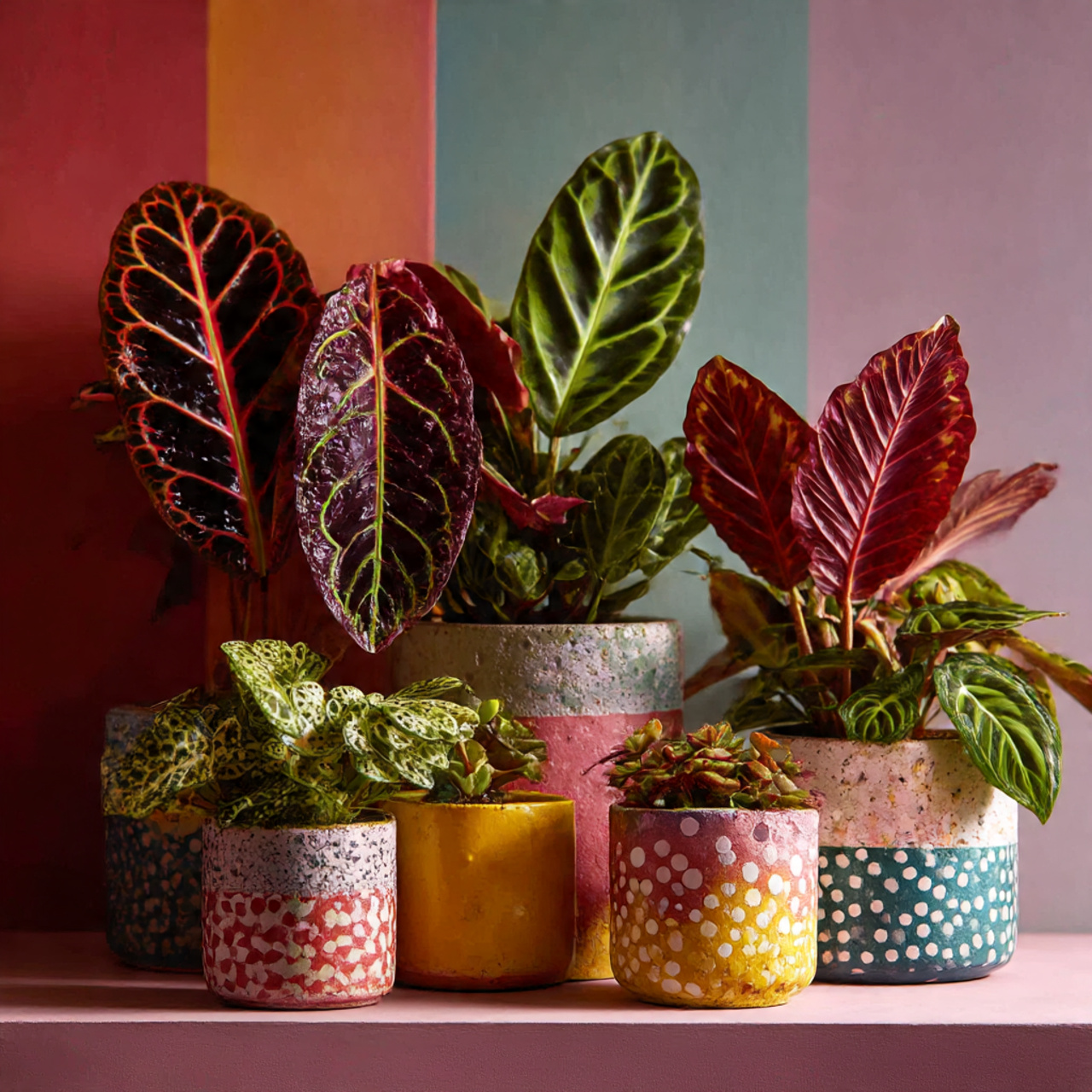
Living Art Pieces
Decorative plants stand out for their unique shapes, vibrant colors, and striking patterns. They function as artistic elements within your décor, creating curated, intentional aesthetics.
Artistic Qualities:
- Unusual leaf patterns and variegation
- Striking color combinations
- Sculptural growth habits
- Conversation-starting appearances
Design Integration:
- Choose plants that complement color schemes
- Use as alternatives to artwork
- Create living galleries
- Express personal style
Curation Approach: Think of each plant as you would a piece of art—intentional and meaningful.
Textured House Plants
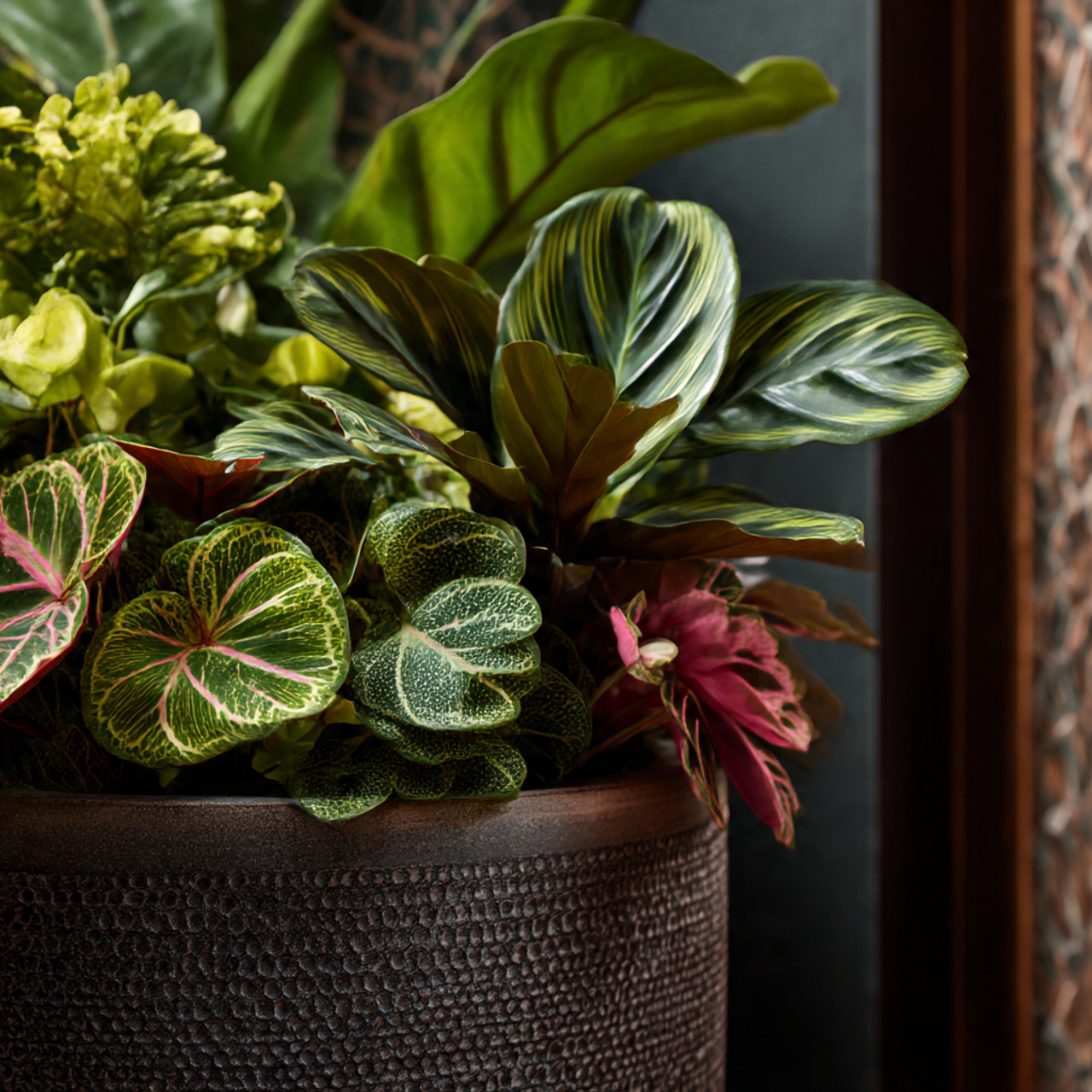
Depth Through Detail
Textured plants offer visual depth through layered growth, patterned leaves, and varied surfaces. They add subtle detail to minimalist designs and enhance overall visual interest.
Textural Variety:
- Fuzzy, velvety leaves
- Glossy, waxy surfaces
- Ribbed or pleated foliage
- Rough, bark-like stems
Design Enhancement:
- Add tactile interest to visual spaces
- Create contrast with smooth surfaces
- Invite closer inspection
- Enrich minimalist aesthetics
Styling Tip: Combine different textures in groupings for a more dynamic, professional look.
Outdoor-to-Indoor House Plants
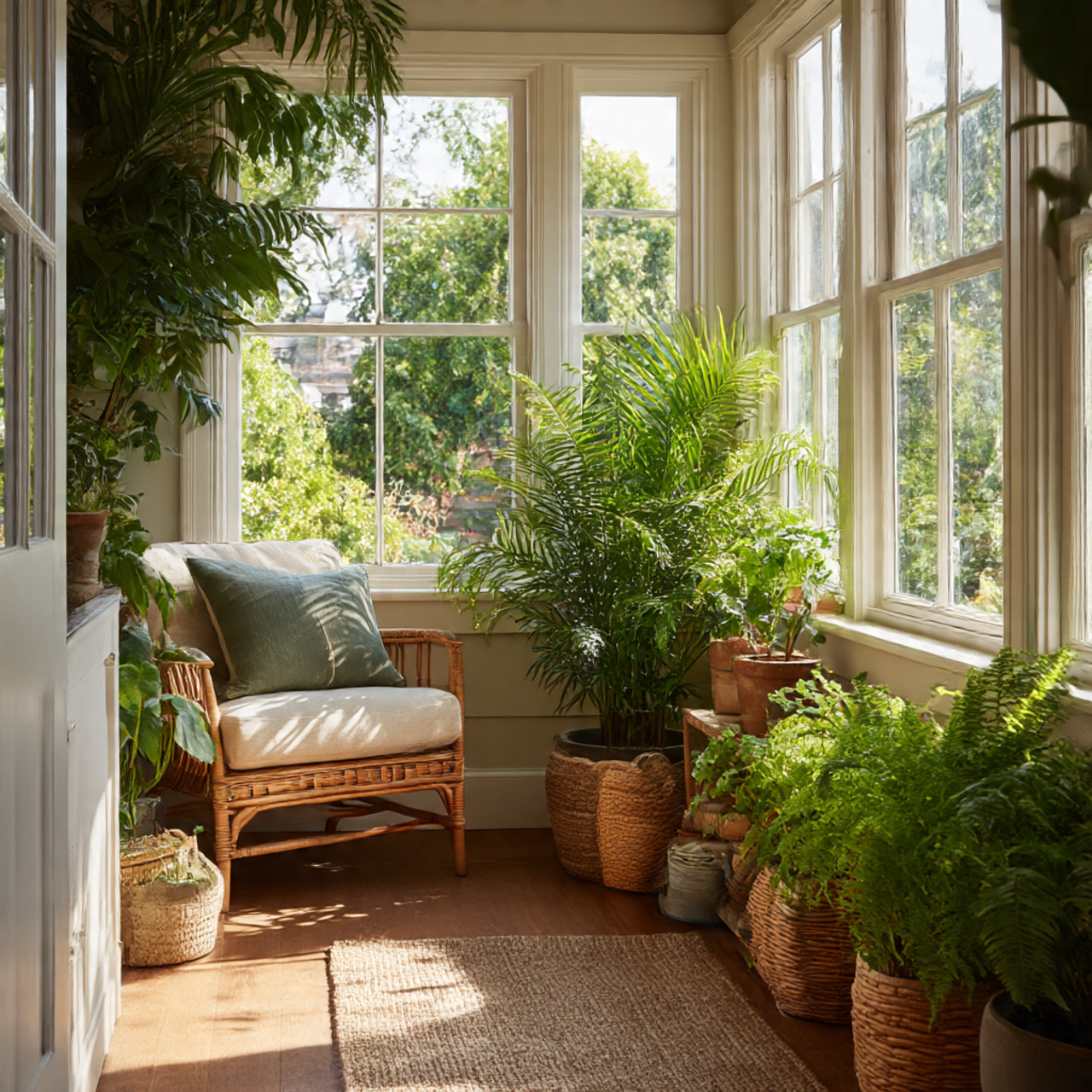
Versatile Garden Charm
These adaptable plants transition smoothly between outdoor and indoor environments. They bring garden freshness inside without requiring permanent outdoor exposure.
Adaptability Features:
- Tolerate changing light conditions
- Handle temperature variations
- Transition seasonally between spaces
- Offer flexibility in placement
Perfect Locations:
- Sunrooms and enclosed porches
- Covered balconies
- Bright entryways
- Transitional living areas
Seasonal Strategy: Move outdoors in summer for a growth boost, then bring inside before temperatures drop.
Visit Also: Small Plants
Frequently Asked Questions About House Plants
1. How do I choose the right house plants for my home?
Start by assessing your space honestly. Look at light levels throughout the day, measure your available space, and consider your lifestyle. If you travel frequently, choose drought-tolerant varieties. If you have pets, stick to non-toxic options. Match the plant’s needs to what you can realistically provide, not what you wish you could provide.
2. How can I tell if my house plants need repotting?
Watch for these clear signs: roots growing through drainage holes, water running straight through without absorbing, dramatically slowed growth, or soil that’s become compacted and pulls away from pot edges. Most plants need repotting every 12-18 months, but some slow growers can stay put for years.
3. What soil is best for most house plants?
A quality, well-draining potting mix works for most common house plants. Look for mixes containing peat moss or coir, perlite, and bark. Succulents and cacti need grittier, fast-draining blends, while tropical plants prefer moisture-retentive mixes with added organic matter. Avoid using garden soil indoors—it compacts and drains poorly.
4. Are house plants affected by winter conditions?
Absolutely. Winter brings shorter days, lower humidity, and cooler temperatures that slow plant growth considerably. Reduce watering frequency as plants enter dormancy, move them away from cold drafts and heating vents, and consider using a humidifier if your home gets very dry. Don’t fertilize dormant plants.
5. Can house plants help reduce stress?
Yes, and the research backs this up. Multiple studies show that simply being around plants lowers cortisol levels, reduces blood pressure, and improves overall mood. The act of caring for plants also provides mindful, meditative benefits. Even looking at greenery for a few minutes can decrease stress and increase feelings of calm.
Conclusion
House plants are far more than decorative accessories—they’re living companions that bring calm, structure, and natural energy into your daily life. Their quiet presence enriches the atmosphere, balances your senses, and genuinely supports healthier living.
Whether you’re adding a single plant to your bedside table, creating an entire green wall, or curating your own personal urban jungle, the possibilities are endless. With thoughtful selection and consistent care, house plants become lifelong partners that elevate your space and nourish your well-being.
Start small, learn as you grow, and watch how these green friends transform not just your home, but your relationship with the space you live in. Your future self—and your future plants—will thank you.