27 Growing & Healthy Ideas: String of Pearls Plant Indoors Easily
There’s something instantly captivating about the String of Pearls plant. Those trailing vines covered in tiny, round leaves that look like green beads? Pure magic. Hanging from a planter or cascading down from a shelf, this succulent adds serious visual interest wherever you put it.
Here’s what you need to know, though: those adorable pearl-like leaves are more delicate than they look. Originally from the dry regions of South Africa, String of Pearls (Senecio rowleyanus) needs a different approach than most indoor plants. The biggest mistake people make? Giving it too much water.
This guide covers everything to help your String of Pearls thrive—not just survive. We’ll tackle proper lighting, nail down the watering schedule, and more. By the end, you’ll know exactly how to keep this beauty happy and healthy.
Understanding Your String of Pearls: The Basics That Matter
String of Pearls does best when you mostly leave it alone. Those cute little bead-shaped leaves? They store water, which is exactly how this plant survives in tough, arid environments. It actually prefers when you don’t hover over it constantly.
The key is mimicking where it naturally grows in South Africa: lots of bright light, soil that drains well, and decent air circulation. Most issues with this plant happen because people are too attentive—especially with watering or keeping it in dim spots.
Quick Tip: Not sure if it’s time to water? Wait an extra day. This simple approach will keep your plant healthier more often than not. Your String of Pearls handles being a bit dry way better than sitting in too much moisture.
Essential Care Guide: What Your String of Pearls Really Needs
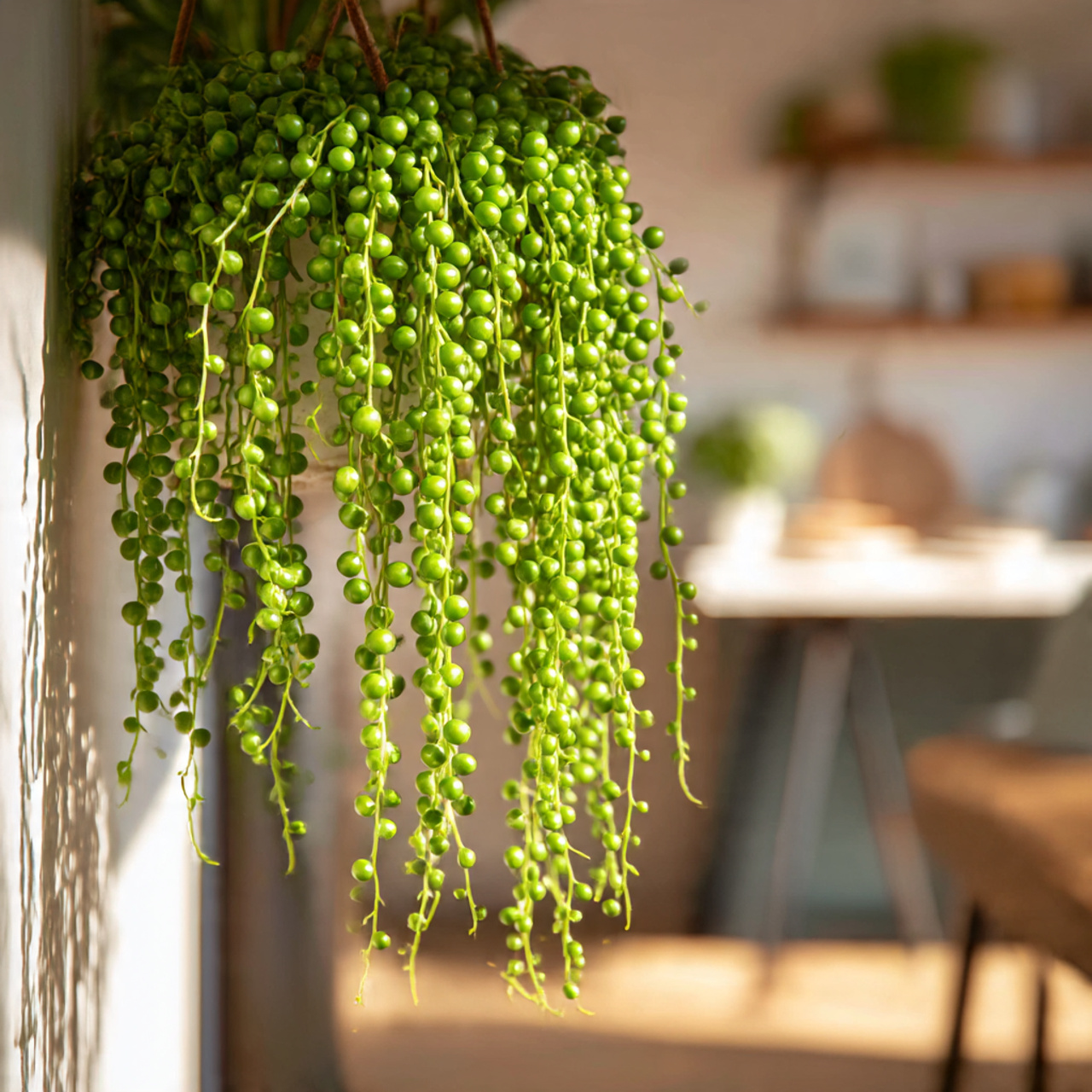
Caring for this succulent means embracing a counterintuitive approach. Unlike moisture-loving tropical plants, your String of Pearls actually prefers to dry out almost completely between drinks. It’s all about specialized care that honors its desert heritage.
Here’s the easiest care routine you’ll ever follow: Just watch the pearls themselves. When they start looking slightly deflated or wrinkled, that’s your green light to water. Give it a thorough soaking until water runs out the drainage holes, then leave it alone until you see those visual cues again.
Quick Care Tip: This “read the plant” approach eliminates guesswork and dramatically reduces the risk of root rot—the most common cause of String of Pearls death. Trust what the plant is telling you rather than following a rigid schedule.
Getting the Light Right: Bright But Not Brutal
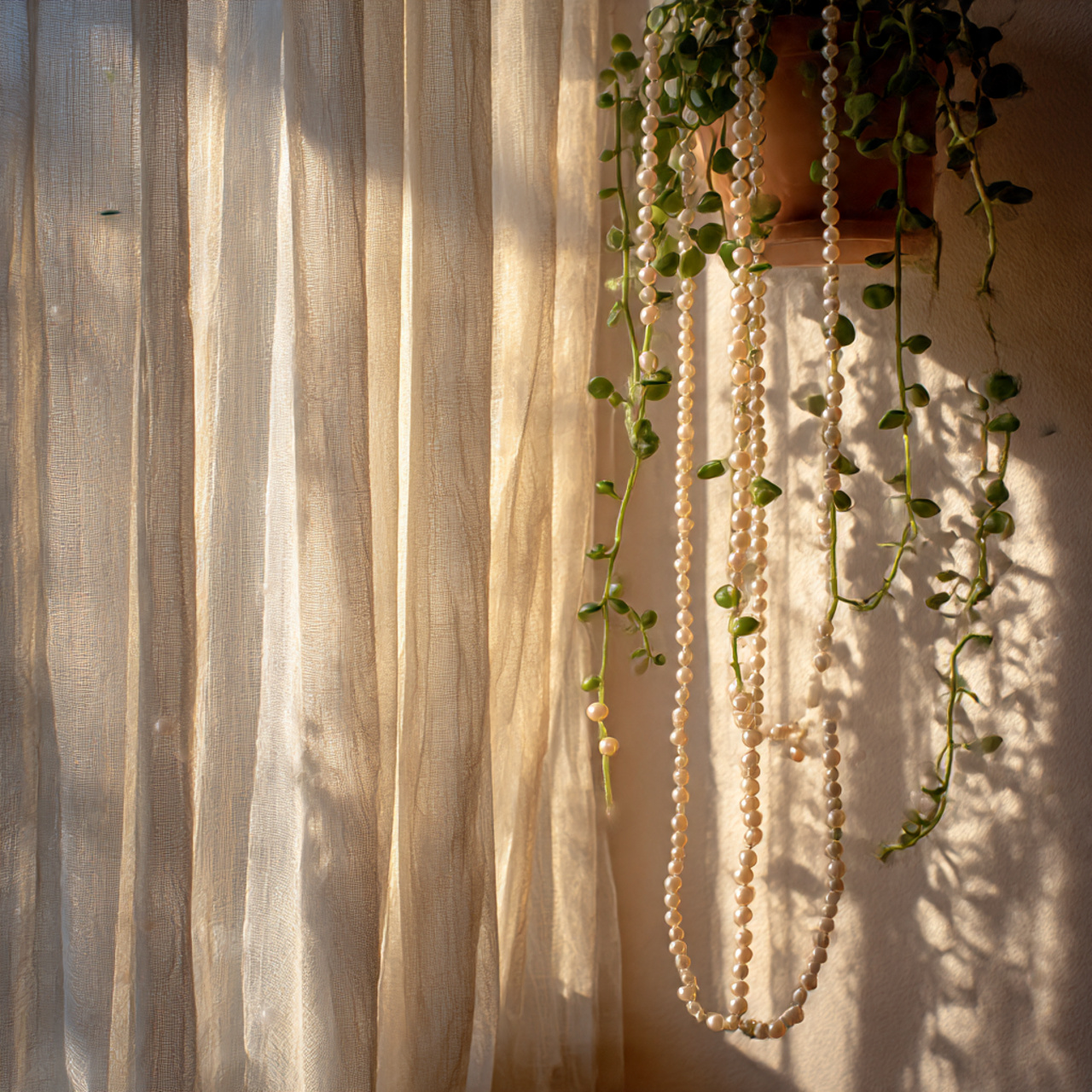
The biggest mistake people make? Tucking their String of Pearls into a dark corner because it “looks cute there.” This plant is a sun-lover at heart and needs bright, indirect light to stay healthy and compact.
Your best bet is a south or west-facing window where light filters through a sheer curtain, or position it a foot or two back from the glass. Morning sun is especially beneficial—it helps the plant grow fuller with pearls sitting close together on the stems.
Watch Out For: Inadequate light causes leggy growth, with pearls spaced far apart and pale, lifeless color. On the flip side, harsh direct afternoon sun can actually scorch those delicate leaves, turning them brown or bleached white in just hours. Balance is key.
Lighting Fix: Only have north-facing windows? No problem! A simple grow light positioned above your plant can make all the difference between a struggling plant and a thriving one.
Mastering the Watering Schedule: Less Is Definitely More
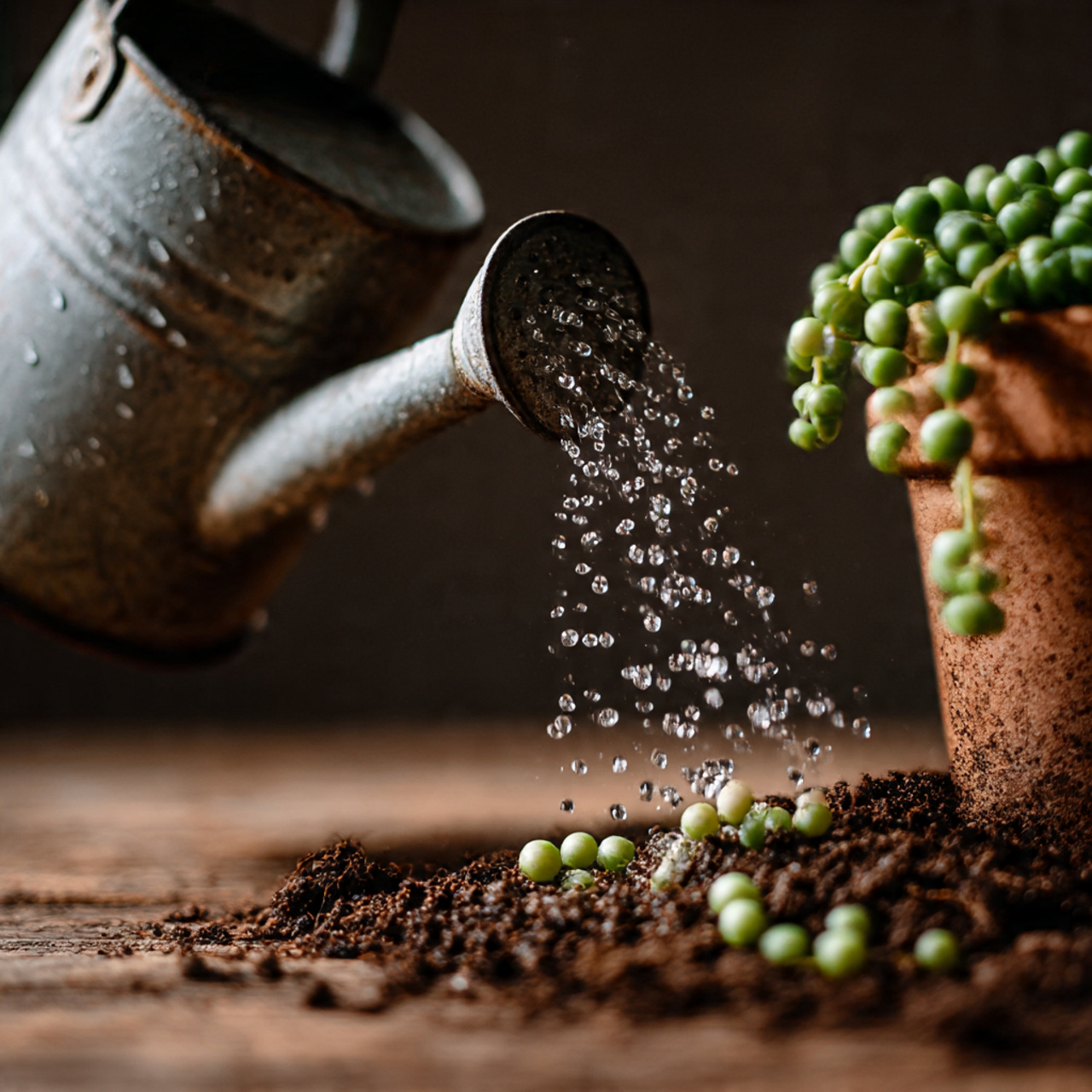
Here’s the golden rule: Never water on a calendar schedule. Your String of Pearls doesn’t care that it’s “Wednesday, watering day.” It only cares about soil moisture levels.
Wait until the top two inches of soil feel completely dry to the touch. Better yet, wait until those pearls start looking slightly soft or wrinkled—that’s the plant’s way of saying, “Hey, I could use a drink now.”
When you do water, make it count. Soak the soil thoroughly until water flows freely from the drainage hole, then immediately dump any water that collects in the saucer. Never, ever let your pot sit in standing water—that’s a fast track to root rot.
Seasonal Tip: During winter months or in lower light conditions, your plant needs significantly less water. Sometimes once a month is plenty. Pay attention to your plant’s signals, not arbitrary schedules.
The Perfect Soil Mix: Drainage Is Everything
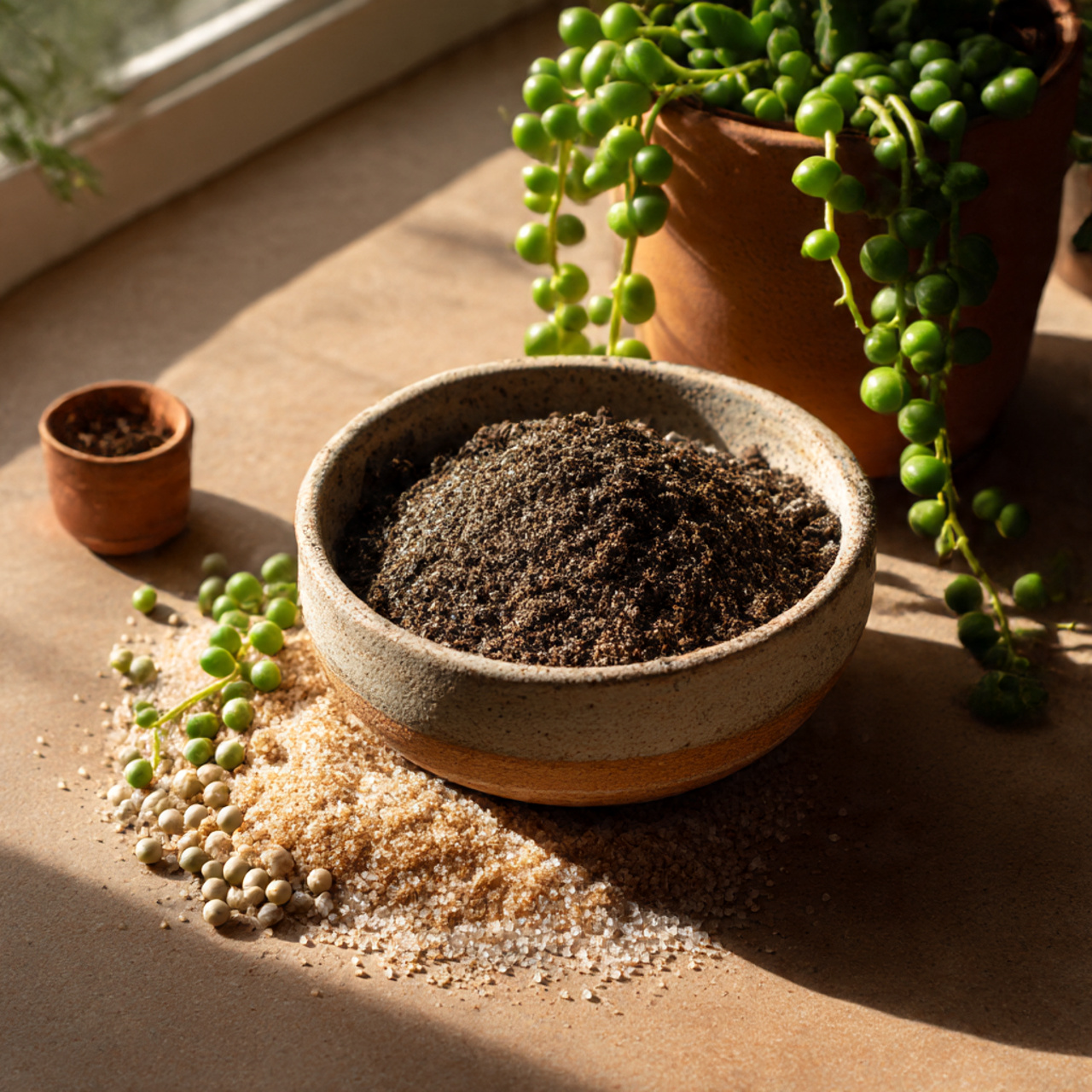
Standard potting soil is your String of Pearls’ worst enemy. It holds onto moisture way too long, creating the soggy conditions that lead to root rot. You need something that drains quickly and dries out fast.
Start with a quality succulent or cactus mix from your local garden center. But don’t stop there—kick it up a notch by adding equal parts perlite, coarse sand, or pumice. This amendment dramatically improves drainage and airflow around the roots.
DIY Soil Recipe: Mix 50% succulent/cactus soil with 50% perlite or pumice. This creates the fast-draining environment your plant craves, where excess water rushes through quickly instead of pooling around the roots.
Why This Matters: In properly draining soil, you can water more confidently without worrying about rot. The water doesn’t stick around long enough to cause problems.
Choosing the Right Container: Size and Material Matter
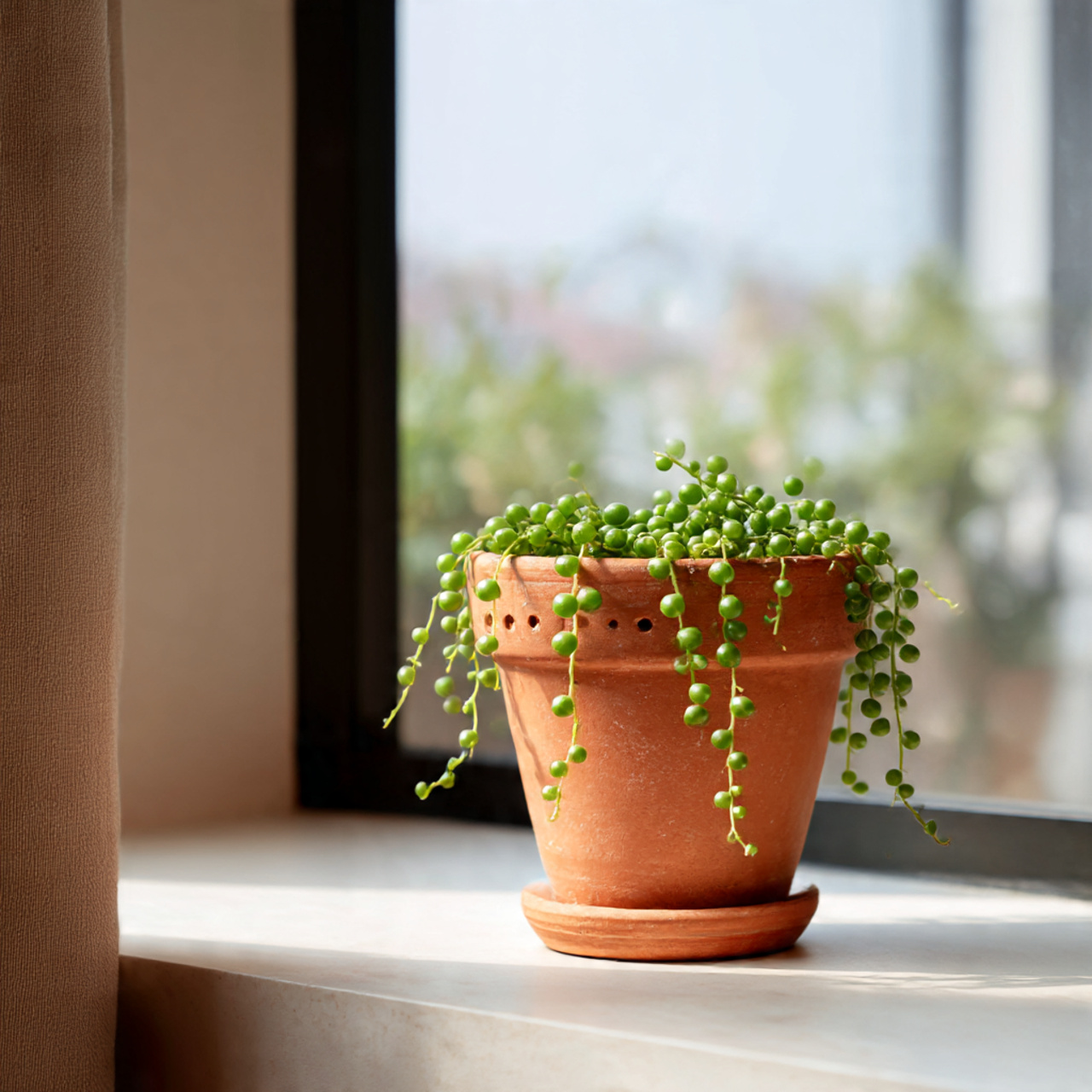
Your String of Pearls has a surprisingly shallow root system—it doesn’t need a deep pot. In fact, oversized pots are dangerous because all that extra soil holds moisture long after the roots have taken what they need.
Choose a pot that’s only slightly larger than the root ball, and consider going wide and shallow rather than deep. Terracotta pots are ideal because they’re porous and naturally wick moisture away from the soil through evaporation.
Non-Negotiable Feature: Whatever pot you choose, it must have a drainage hole. There’s simply no way around this. Without drainage, your String of Pearls is living on borrowed time.
Smart Styling Tip: Those wide, shallow terracotta bowls you see at nurseries? They’re practically designed for String of Pearls. They provide surface area for evaporation while giving the trailing stems room to cascade beautifully.
Propagation Made Easy: Multiply Your Collection
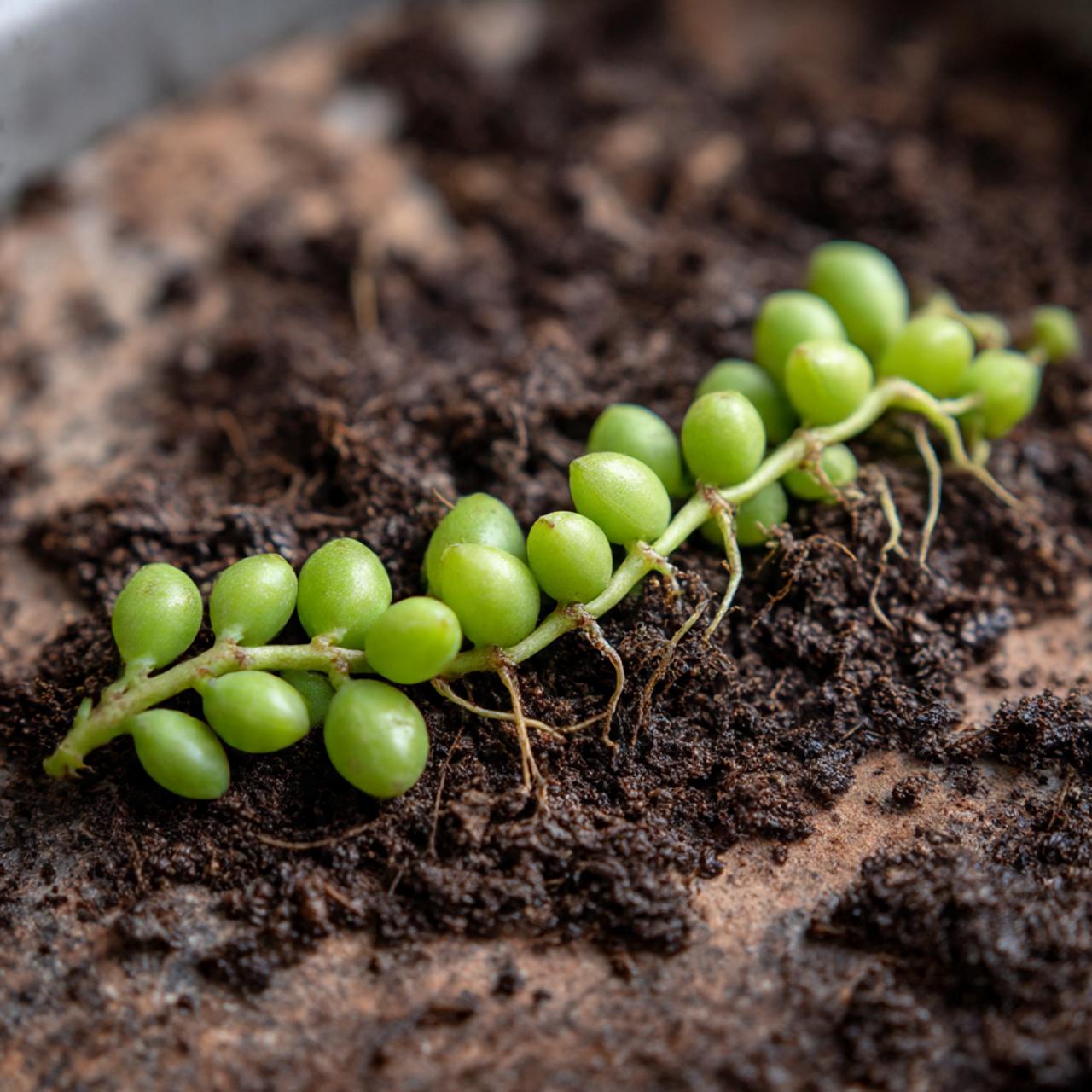
Want more String of Pearls? Good news—propagation is surprisingly simple and satisfying. You can create new plants or fill in sparse areas on your existing one with just a few snips.
Grab clean scissors and cut a healthy stem segment about 4-6 inches long. Strip the pearls off the bottom inch of stem, then let that cut end dry out for a day or two. This “callousing” period prevents infection when you plant it.
You can either stick the bare stem end into well-draining soil or simply lay the cutting on top of the soil in a coil. Lightly mist every few days to encourage rooting, but resist the urge to water heavily until you see new growth establishing.
Propagation Power Move: Take several cuttings from long strands and root them back into the mother pot. This creates a fuller, more lush appearance at the crown where the plant often looks sparse over time.
Decoding Wrinkled Pearls: Thirsty or Troubled?
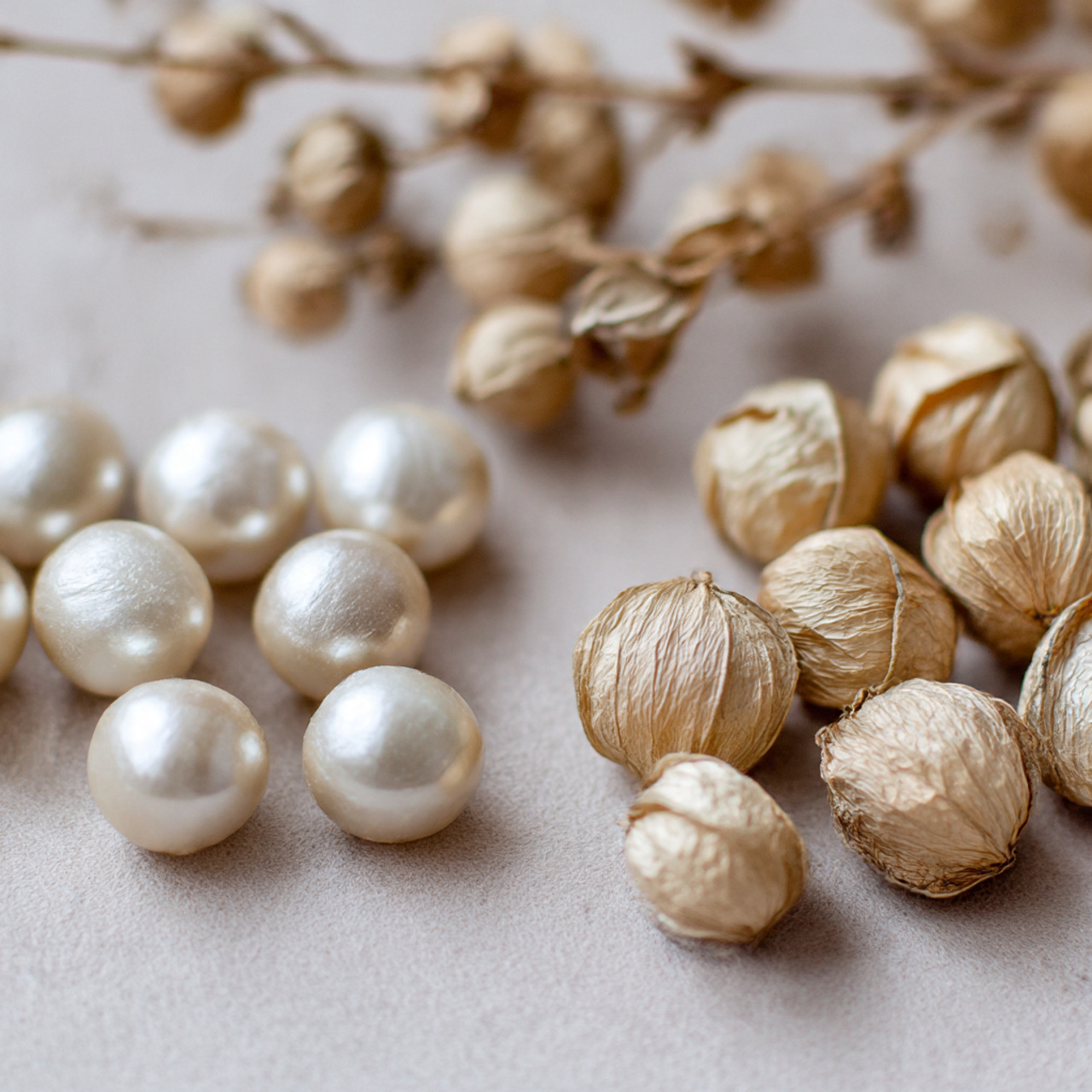
Seeing wrinkled pearls is usually straightforward—your plant is thirsty. The spherical leaves deflate slightly as the plant uses up its water reserves, signaling it’s time for a drink.
If the entire plant shows uniform wrinkling, go ahead and water thoroughly. Problem solved. However, if just one section looks wrinkled while everything else is plump, inspect that area closely. The stem might be damaged or severed.
Red Flag Alert: If pearls stay wrinkled even after you’ve watered thoroughly, you might be dealing with root damage or rot. The roots can’t absorb water anymore, so the pearls can’t rehydrate. In this case, take healthy cuttings immediately to save what you can.
Prevention Tip: Regular visual checks help you catch problems early. A quick glance every few days tells you everything you need to know about your plant’s health.
Why Brown Pearls Happen: Diagnosing the Problem
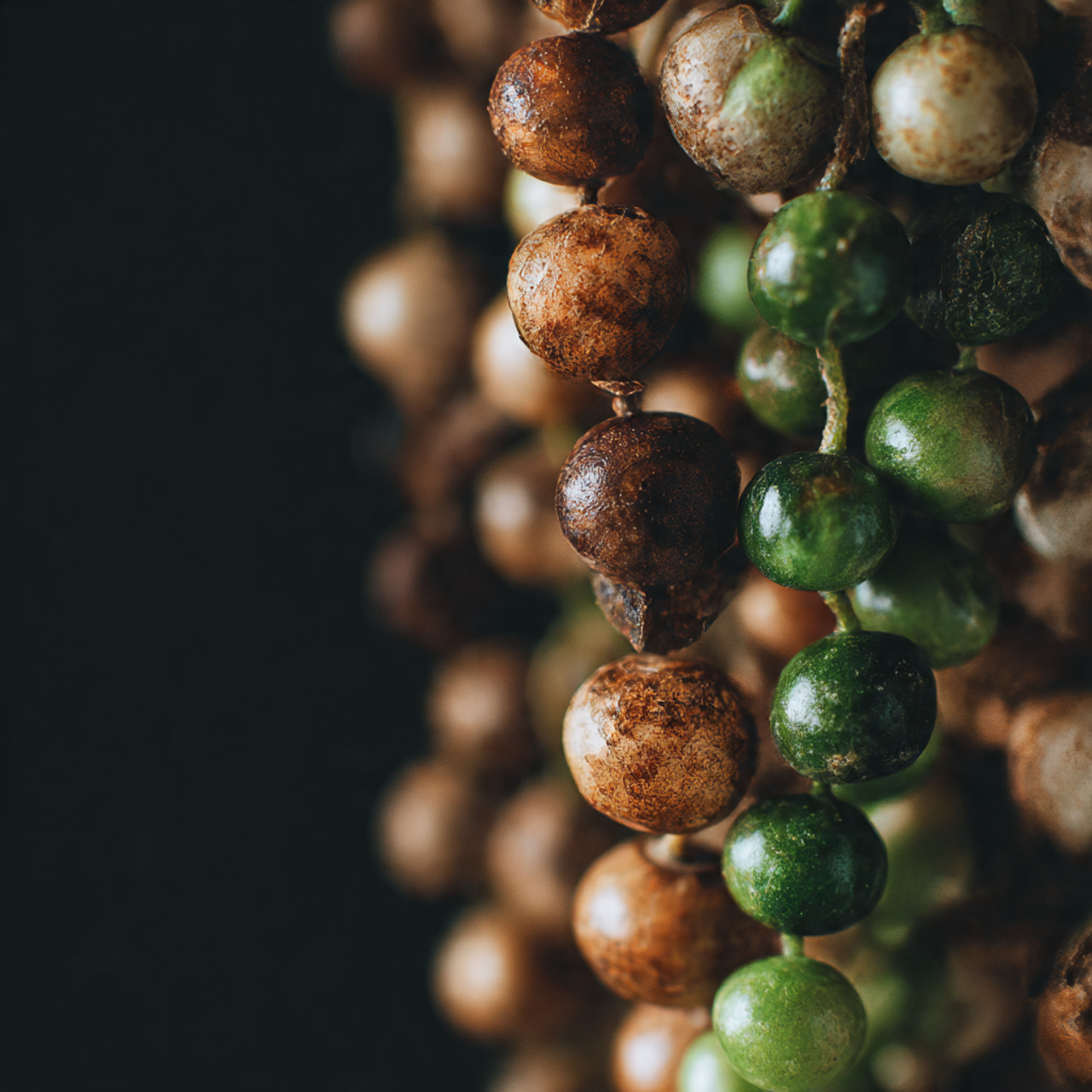
Brown pearls can signal different issues depending on where and how they appear. Let’s break down what you’re seeing and what it means.
If pearls turn brown and crispy, you’re dealing with sun damage. The harsh afternoon sun has scorched the leaves. Move your plant further from the window or add a sheer curtain to filter the light.
Brown, mushy stems at the base? That’s the dreaded root rot, caused by too much water. If the browning starts at the tips of the strands and feels dry, your plant has been severely underwatered for too long.
Quick Fix Guide: For sun scorch, relocate immediately. For rot, check the roots and remove damaged sections. For severe underwatering, give a thorough soaking and adjust your watering frequency going forward.
Battling Common Pests: Mealybugs and Aphids
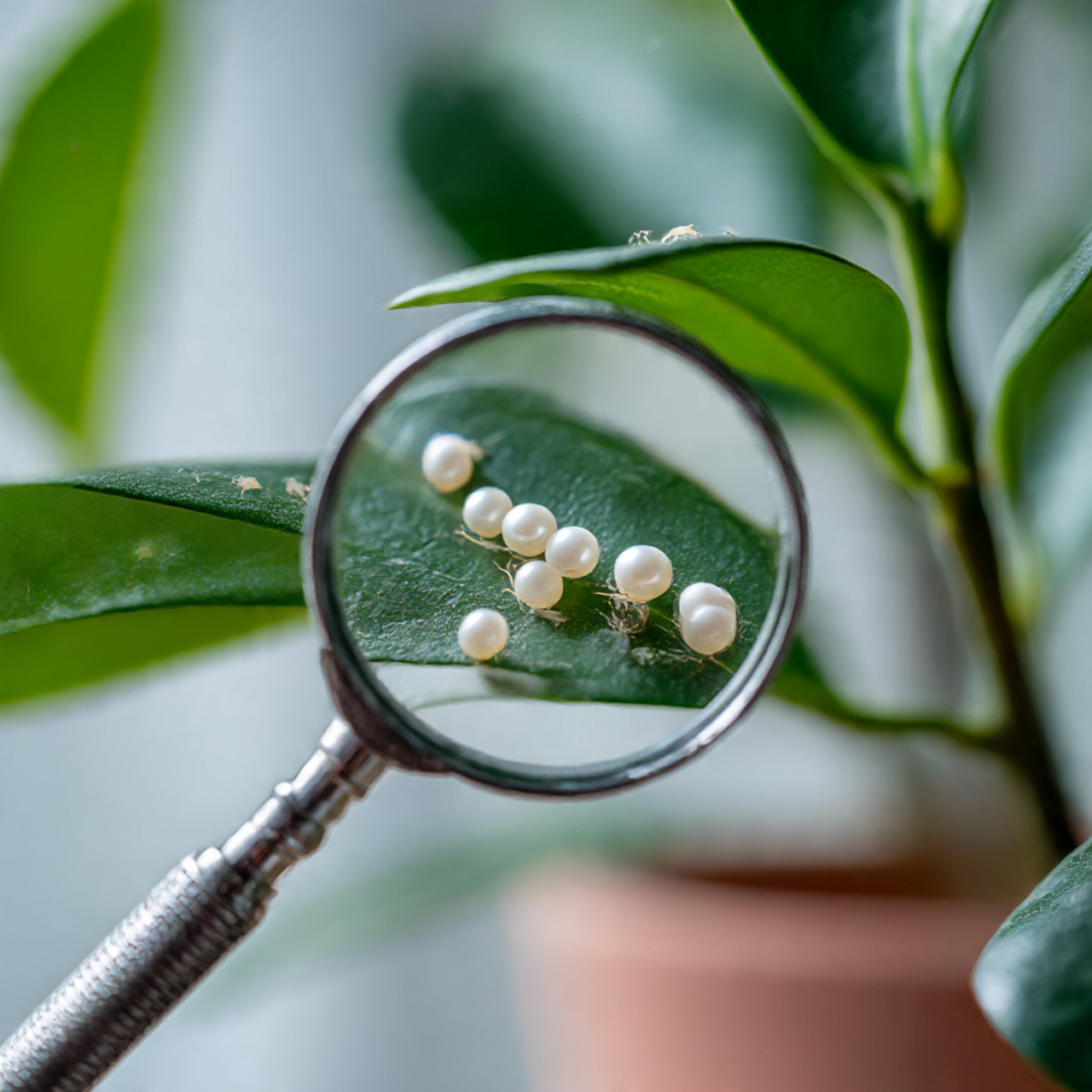
String of Pearls isn’t immune to houseplant pests, though the dense foliage can make them harder to spot initially. Mealybugs are the most common culprits, hiding where stems meet the pot rim or tucked between pearls.
These pests leave behind sticky honeydew and distinctive white, cottony masses. Aphids occasionally show up too, particularly on new growth at the plant’s base.
Treatment Protocol: Isolate your plant immediately to protect others. For light infestations, dab pests directly with a cotton swab dipped in rubbing alcohol. For heavier infestations, spray the entire plant with insecticidal soap or neem oil, making sure to coat all surfaces thoroughly.
Prevention Strategy: Regular inspections during your routine care catch pests early when they’re easiest to eliminate. A quick check while watering takes just seconds but saves major headaches later.
Treating Root Rot: Emergency Response Protocol
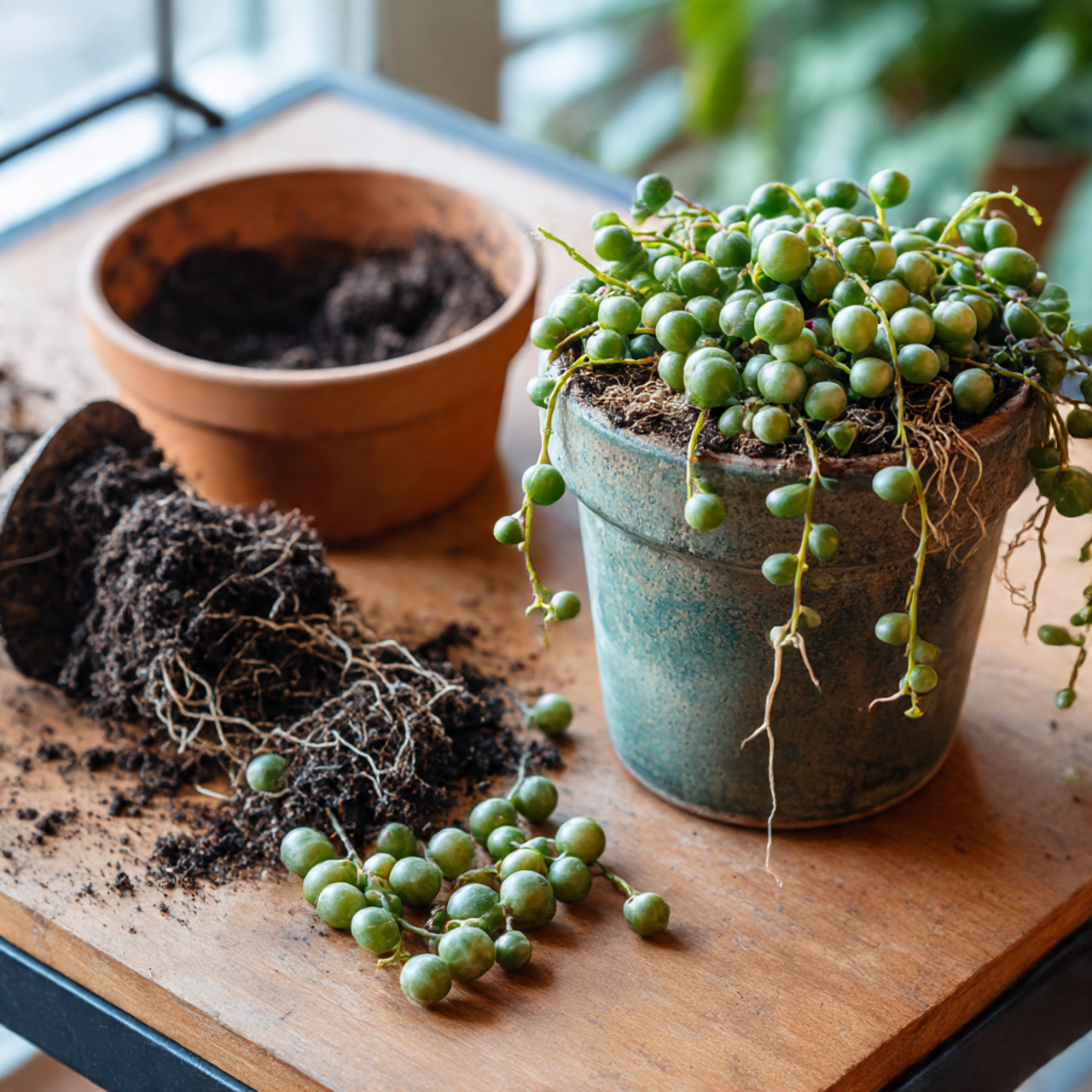
Root rot is the most serious threat to your String of Pearls, and fast action is critical. If you notice brown, mushy stems, a foul smell, or pearls that suddenly turn to mush, you’re dealing with rot.
Immediately unpot the plant and rinse away all the old soil under running water. Examine the roots carefully—healthy ones are firm and white or light tan, while rotten roots are black, brown, and slimy.
Use sterilized scissors to cut away every bit of soft, damaged root and any mushy stem sections. Cut back to healthy tissue only. Let everything air-dry for several days to form a protective callous, then repot in completely fresh, dry succulent mix.
Critical Adjustment: You must change your watering habits permanently after treating rot, or you’ll face the same problem again. This is your wake-up call to water less frequently and ensure perfect drainage.
Growth Rate: What to Expect
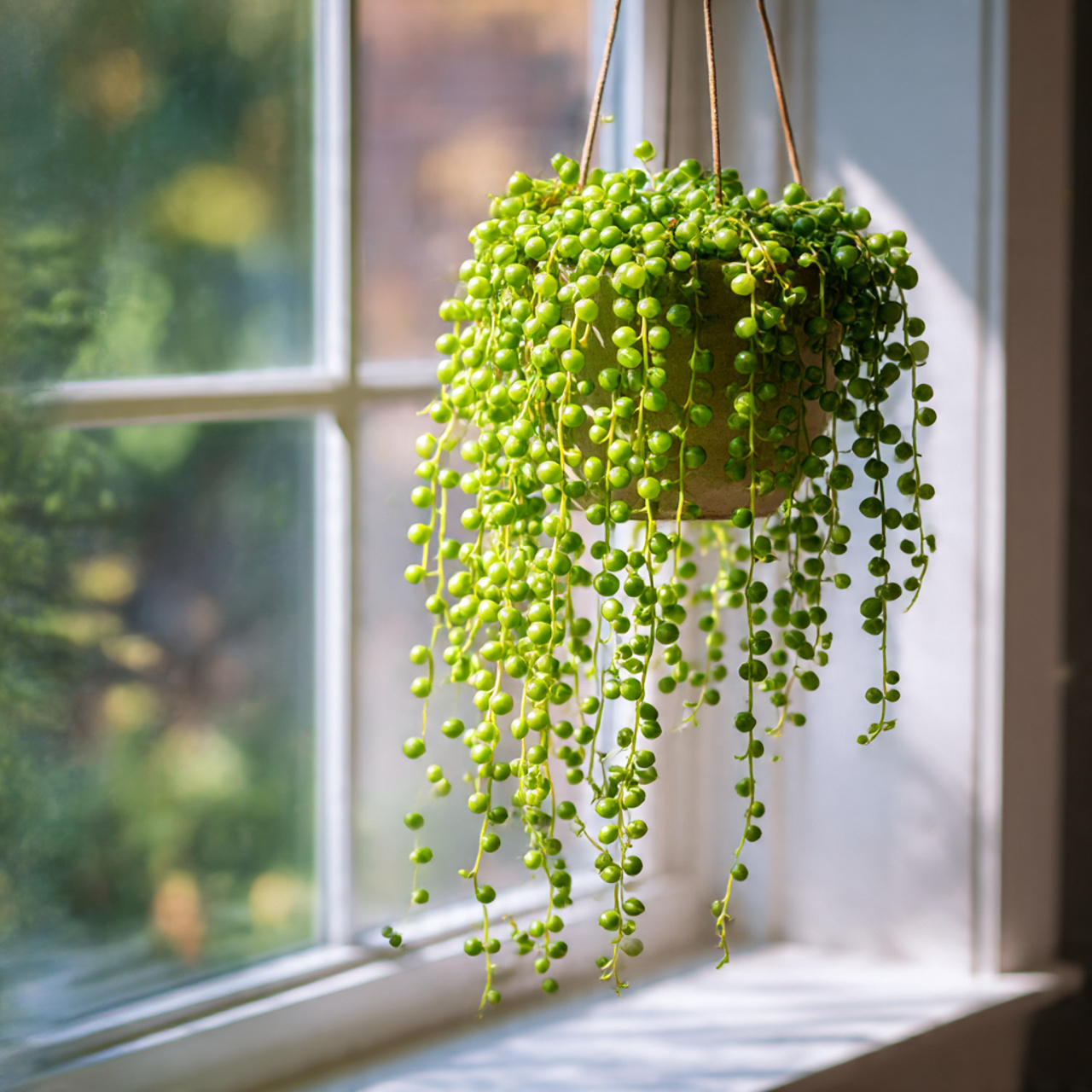
Your String of Pearls grows at a moderate pace that varies significantly based on conditions. With bright light, warm temperatures, and proper care, expect several inches of growth during the active spring and summer months—potentially up to a foot annually.
Growth slows way down or stops entirely during winter when the plant enters semi-dormancy. This is completely normal and nothing to worry about.
Growth Boost Tips: Consistent bright light makes the biggest difference. Add a diluted succulent fertilizer once monthly during spring and summer for an extra boost. Healthy growth shows as compact, plump pearls close together on thick, vibrant green stems.
Fertilizing Smart: When and How Much
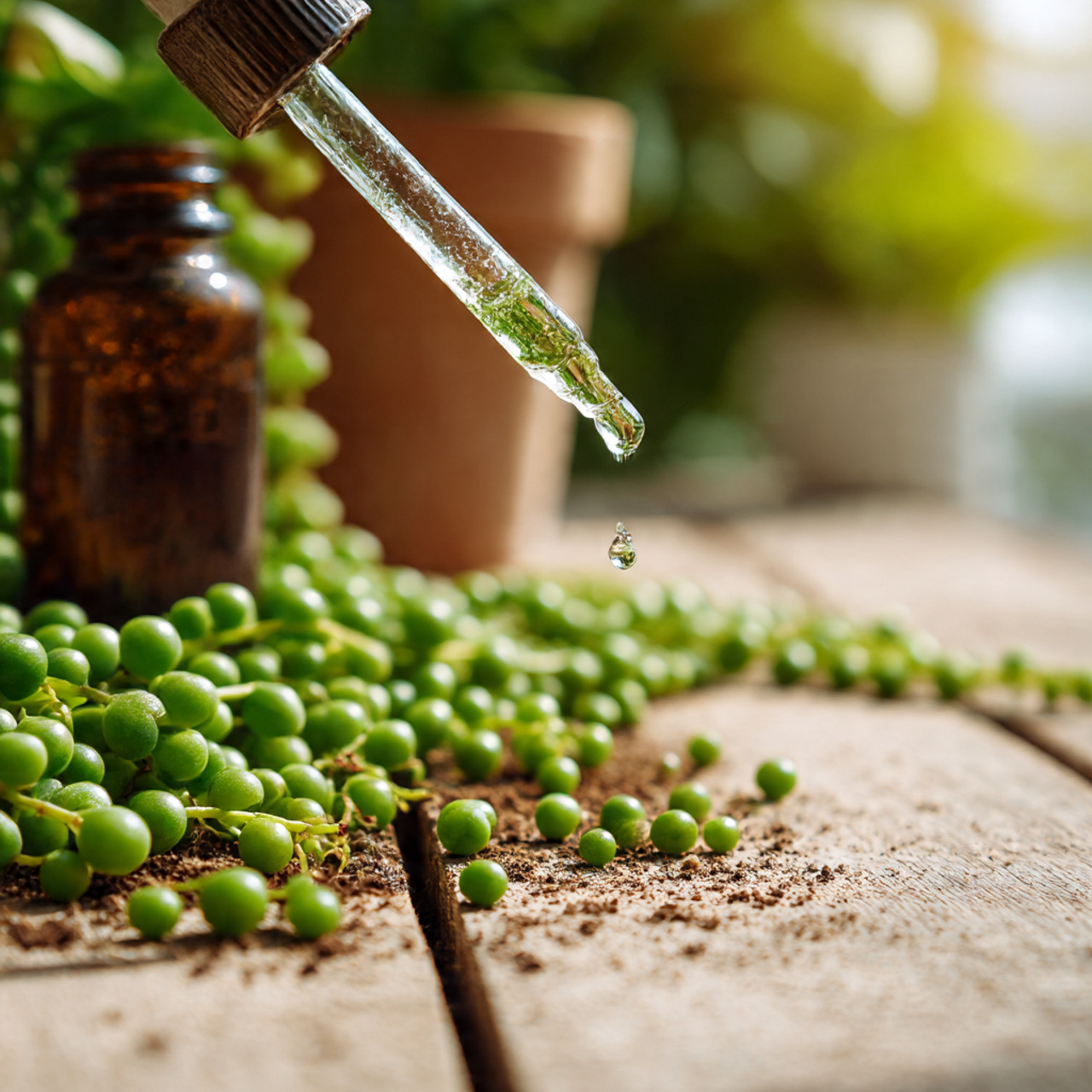
Succulents like your String of Pearls need very little fertilizer, and it’s actually easier to harm them with too much than too little. Only feed during the active growing season from early spring through late summer.
Use a balanced liquid fertilizer made for succulents, or dilute a standard houseplant fertilizer to half or quarter strength. Apply this weak solution just once monthly when the plant is actively growing.
Never Fertilize When: The plant is dormant in winter, the soil is bone dry, or you’ve recently repotted. Always apply fertilizer to already damp soil to prevent root burn.
Safety Note: Over-fertilization causes salt buildup and burns the delicate roots faster than you’d expect. When in doubt, skip a feeding—your plant will be fine.
Winter Dormancy: Adjusting for the Season
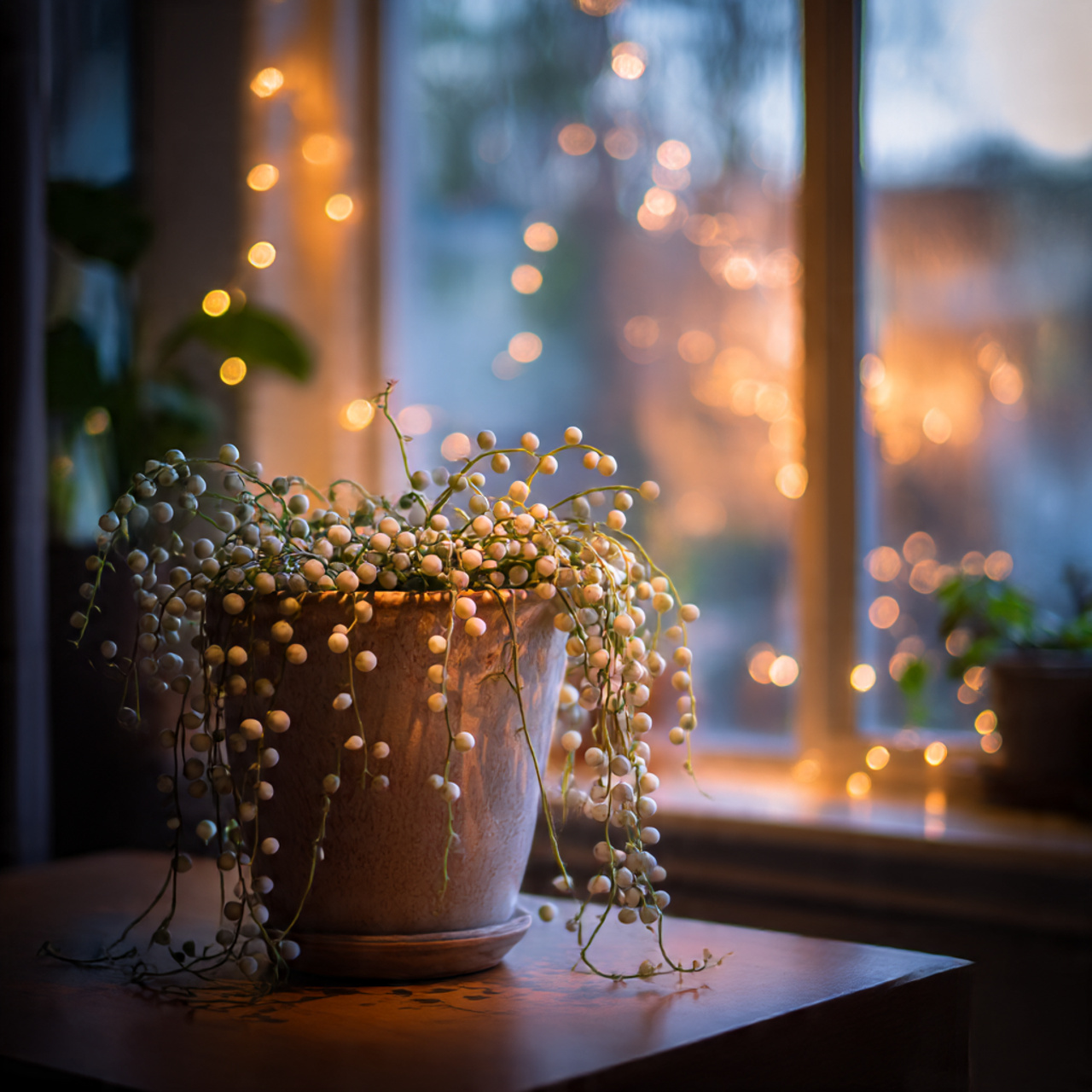
During winter, your String of Pearls naturally slows down in response to shorter days and cooler temperatures. Its metabolism drops, and it needs far less water and zero fertilizer.
The most important winter adjustment is slashing your watering frequency—sometimes to just once every four to six weeks, or only when pearls show obvious shriveling. Continuing your summer watering schedule during dormancy is the fastest way to cause fatal root rot.
Winter Care Checklist: Keep the plant in its brightest location to compensate for weaker winter sun. Protect it from cold drafts near windows or doors. Stop all fertilizing until spring returns.
Pruning for Fuller Growth: Timing and Technique
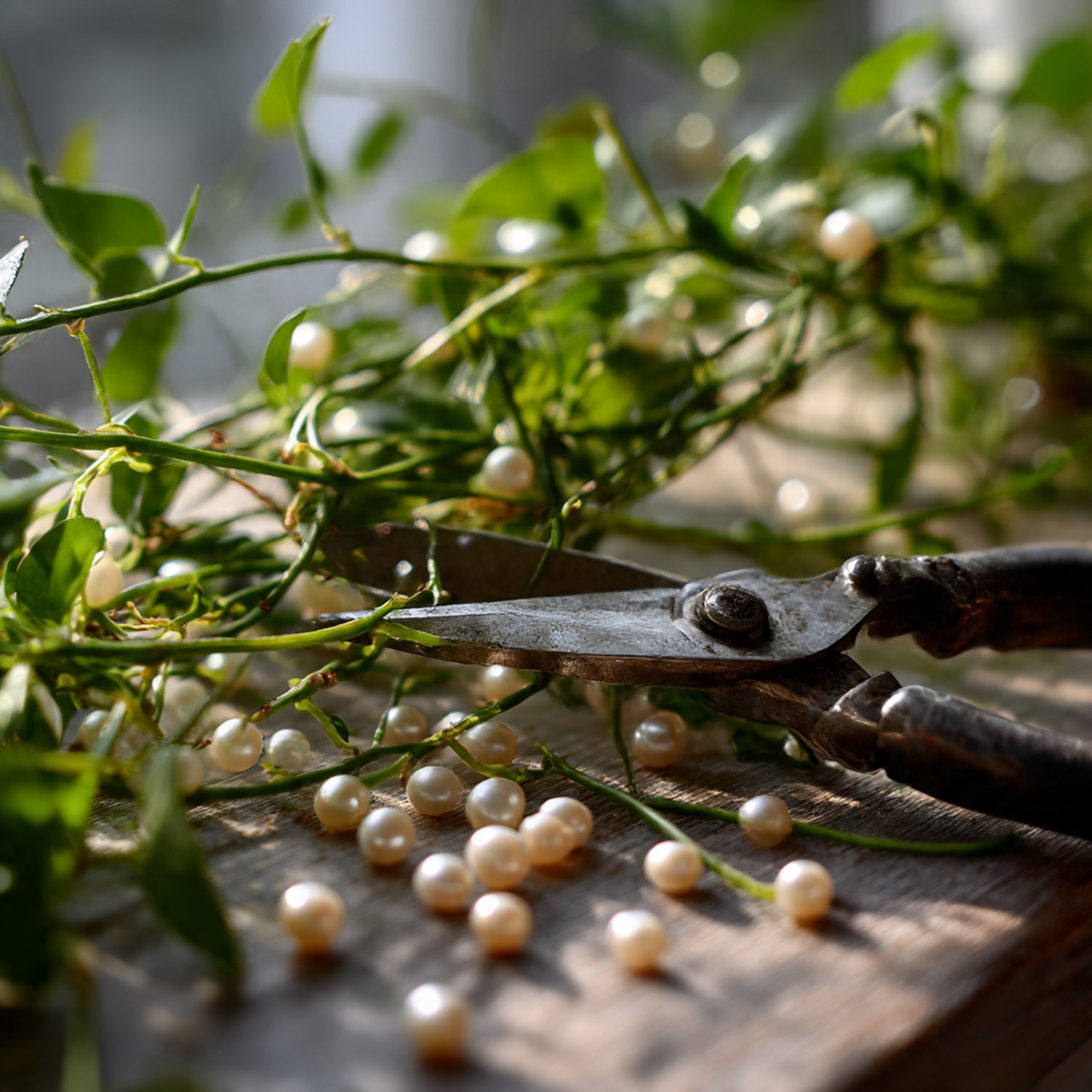
Regular pruning keeps your String of Pearls looking full and attractive, especially as the top of the pot can become sparse over time. Pruning encourages branching right near the cut point, creating denser growth to fill empty spaces.
The best time to prune is early spring, just as the growing season begins. Simply snip long, thin, or leggy strands back to your desired length using clean, sharp scissors.
Bonus Strategy: Don’t waste those cuttings! Propagate them to create new plants, or root them directly back into the parent pot to thicken up the crown area. This double-duty pruning maintains both shape and fullness simultaneously.
Maintenance Pruning: Always remove dead or diseased sections promptly to keep your plant healthy and prevent problems from spreading.
String of Pearls vs. String of Tears: Spotting the Difference
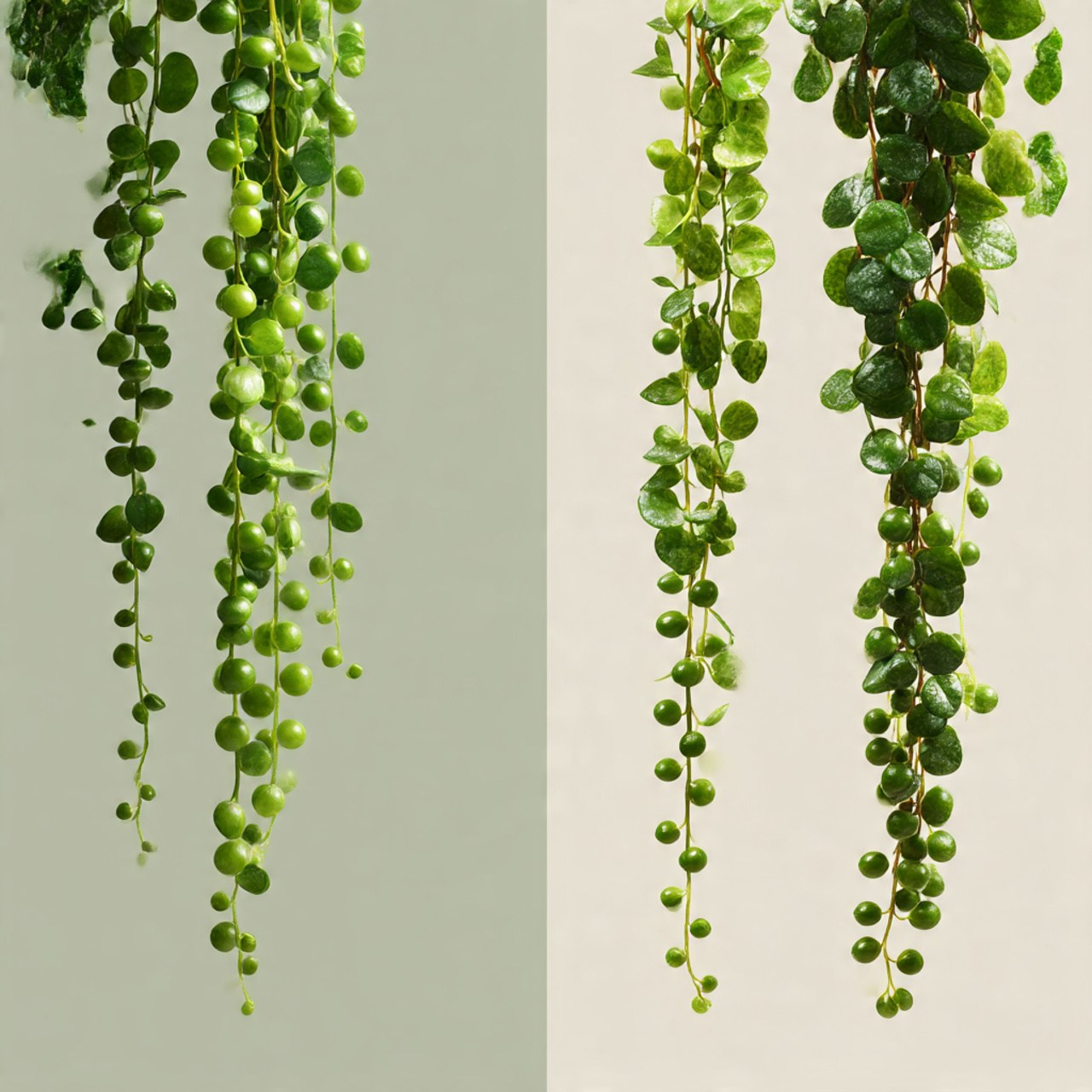
These two trailing succulents get confused constantly, but they’re actually distinct species with noticeable differences once you know what to look for.
String of Pearls (Senecio rowleyanus) has perfectly round, pea-shaped leaves that are uniformly spherical with a tiny pointed tip—like miniature green balls strung on a thread.
String of Tears (Senecio herreianus) has teardrop or football-shaped leaves that are slightly elongated, often with a visible translucent “window” stripe running down the side.
Care Similarities: Both need bright indirect light and minimal watering, so if you can grow one, you can grow the other. Knowing the difference just helps with proper identification when you’re shopping for plants.
Pet Safety: Important Toxicity Information
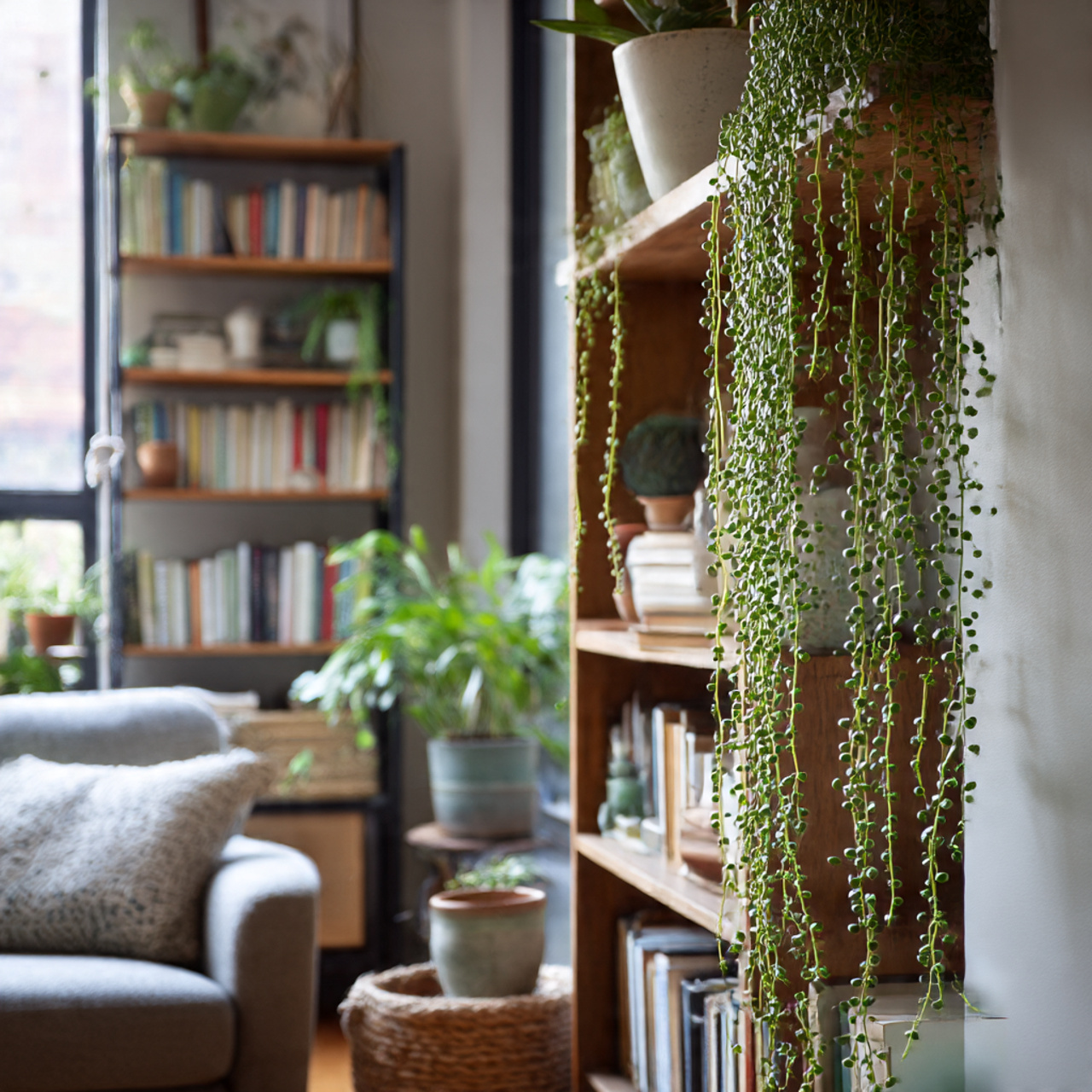
This is important for households with pets or young children: String of Pearls is toxic if eaten. It contains compounds called pyrrolizidine alkaloids that can cause vomiting, diarrhea, and more serious issues if consumed in quantity.
Keep your plant displayed safely out of reach—high hanging planters or shelves well above pet or child height work perfectly. The trailing habit makes this easy to do while still showcasing the plant beautifully.
Handling Precaution: Wear gloves when pruning or handling extensively, as the sap can irritate sensitive skin. Always wash your hands thoroughly after plant care.
Repotting: When and How to Do It Right
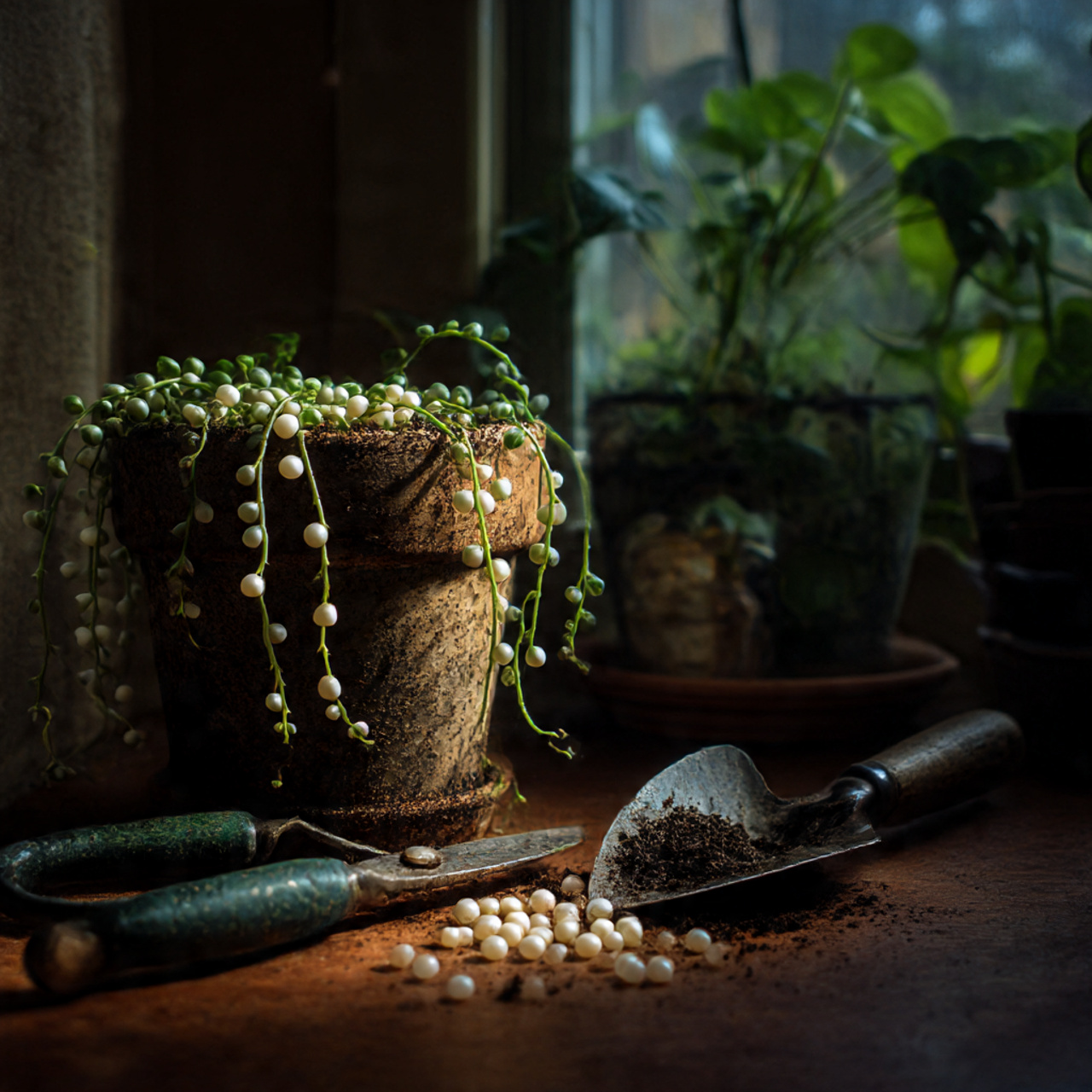
Your String of Pearls is a slow grower with shallow roots, so it rarely needs repotting—maybe once every three to five years at most. Only repot when it’s genuinely root-bound or the soil has become so compacted it won’t drain properly anymore.
Early spring, right before the growing season kicks off, is the ideal time. Choose a pot just one size larger (about an inch wider) and use fresh, well-draining succulent mix.
Post-Repotting Care: Your plant may look a bit stressed initially—this is normal transplant shock. Help recovery by withholding water for about a week to encourage new root growth, and keep it in bright indirect light. Hold off on fertilizing for at least a month.
Size Matters: Don’t be tempted to “give it room to grow” with an oversized pot. That extra soil just holds excess moisture and increases rot risk dramatically.
Best Indoor Placement: Location, Location, Location
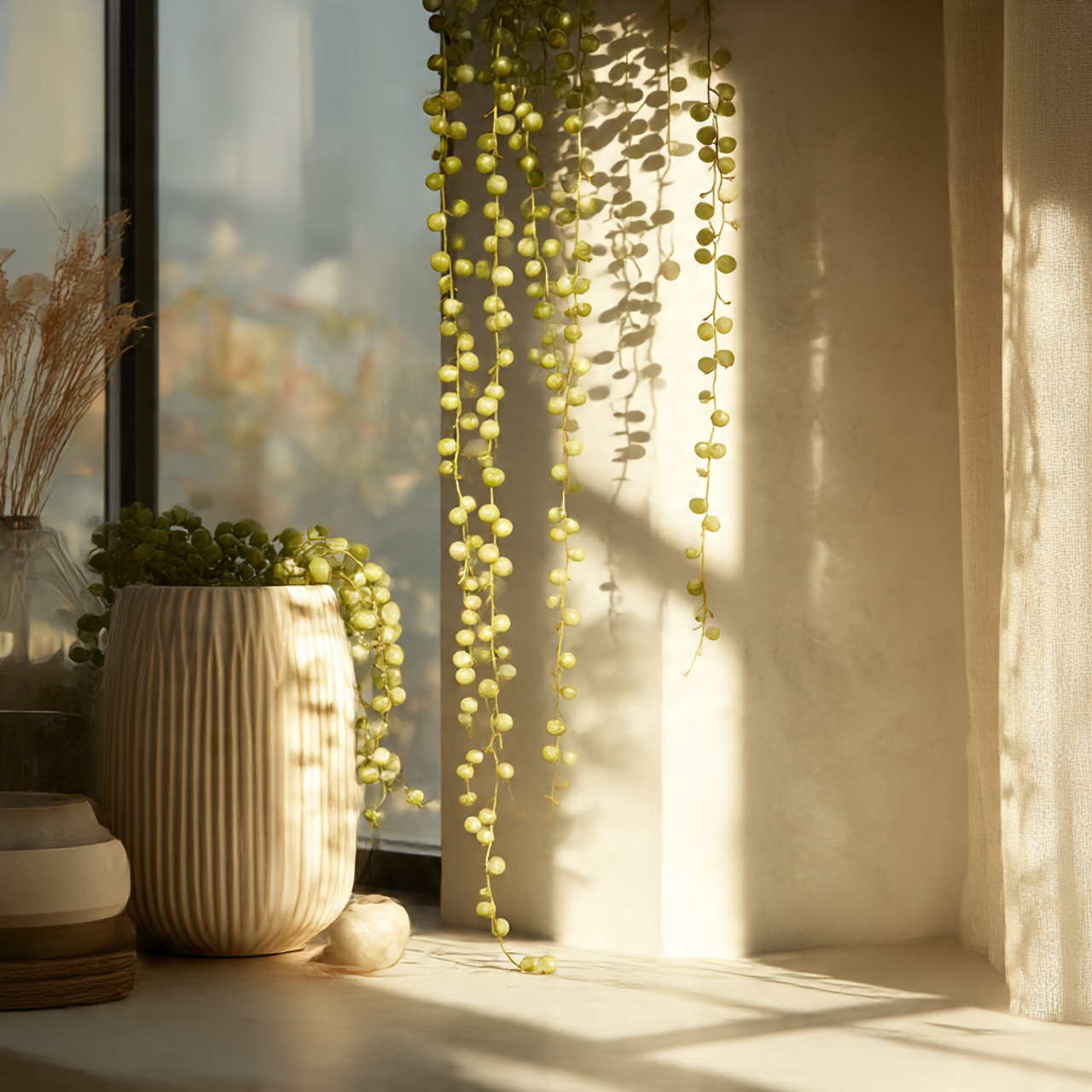
The perfect spot for your String of Pearls maximizes bright, filtered light while protecting it from temperature extremes and drafts. Near a south or west-facing window with filtered light is ideal—just make sure intense midday sun is softened by a curtain or distance from the glass.
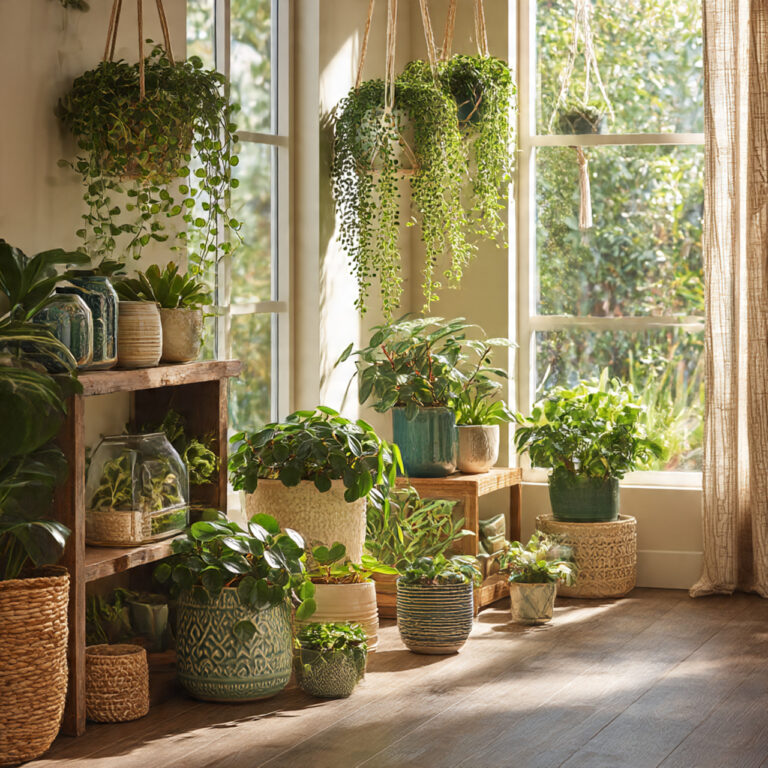
This plant’s cascading habit makes it perfect for macramé hangers or high shelves where the strands can drape freely without touching anything. This showcase positioning also ensures the crown gets the light it needs.
Avoid These Spots: Near exterior doors, heating vents, air conditioning returns, or radiators. Temperature fluctuations and excessively dry air from heating systems can stress your plant and cause pearl shriveling.
Humidity and Temperature: What’s Comfortable for You Works
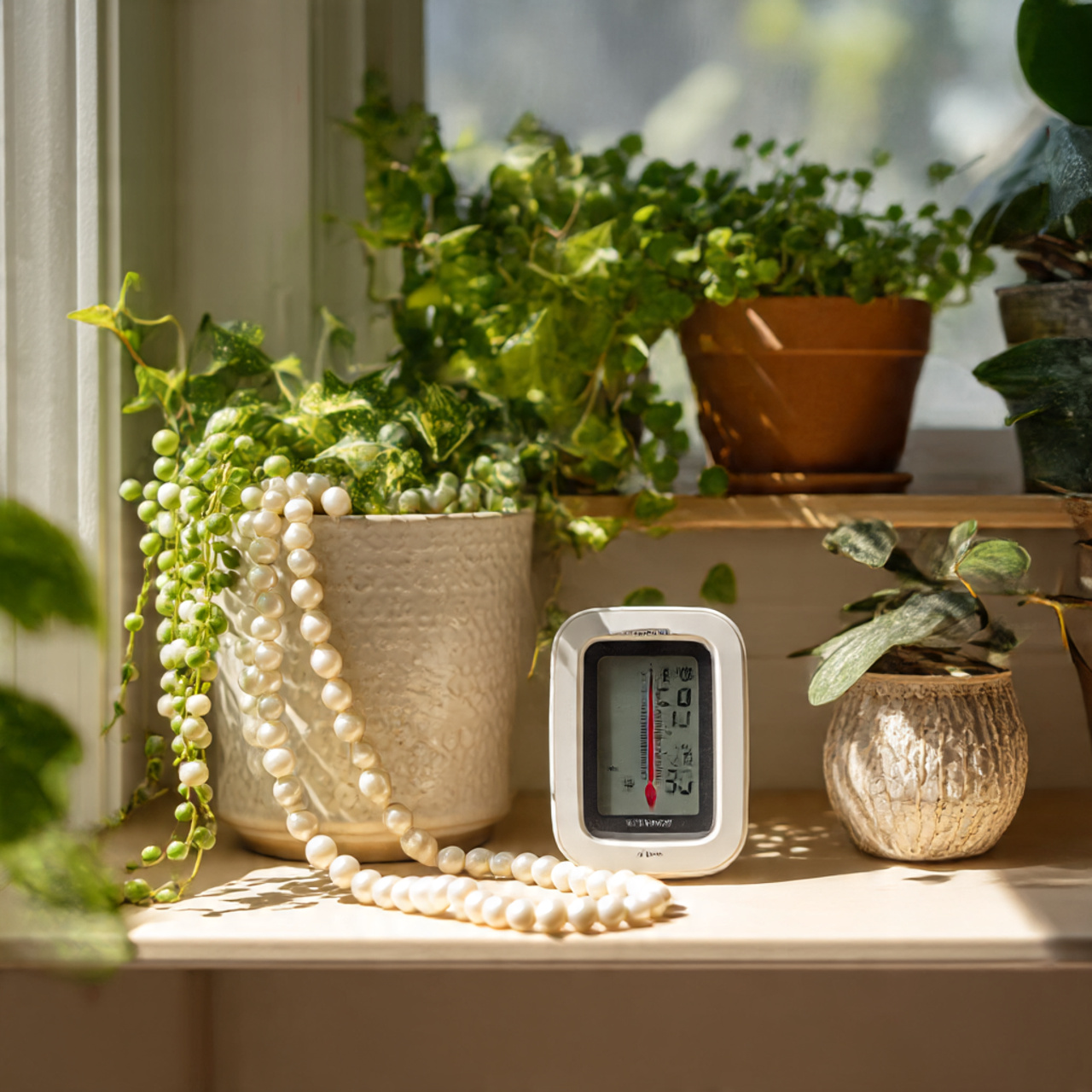
Here’s good news: String of Pearls adapts well to typical indoor humidity levels. As a succulent, it doesn’t need the high humidity that tropical plants demand. In fact, excessive humidity combined with poor airflow can invite fungal problems.
It thrives in normal room temperatures between 65-80°F (18-27°C). Just protect it from cold—anything below 50°F (10°C) can cause permanent damage to the pearls and roots.
Temperature Stability: Consistent warmth prevents the stress that often triggers sudden pearl drop. Avoid placing your plant where it experiences dramatic temperature swings between day and night.
The Surprise of Flowers: Small White Blooms
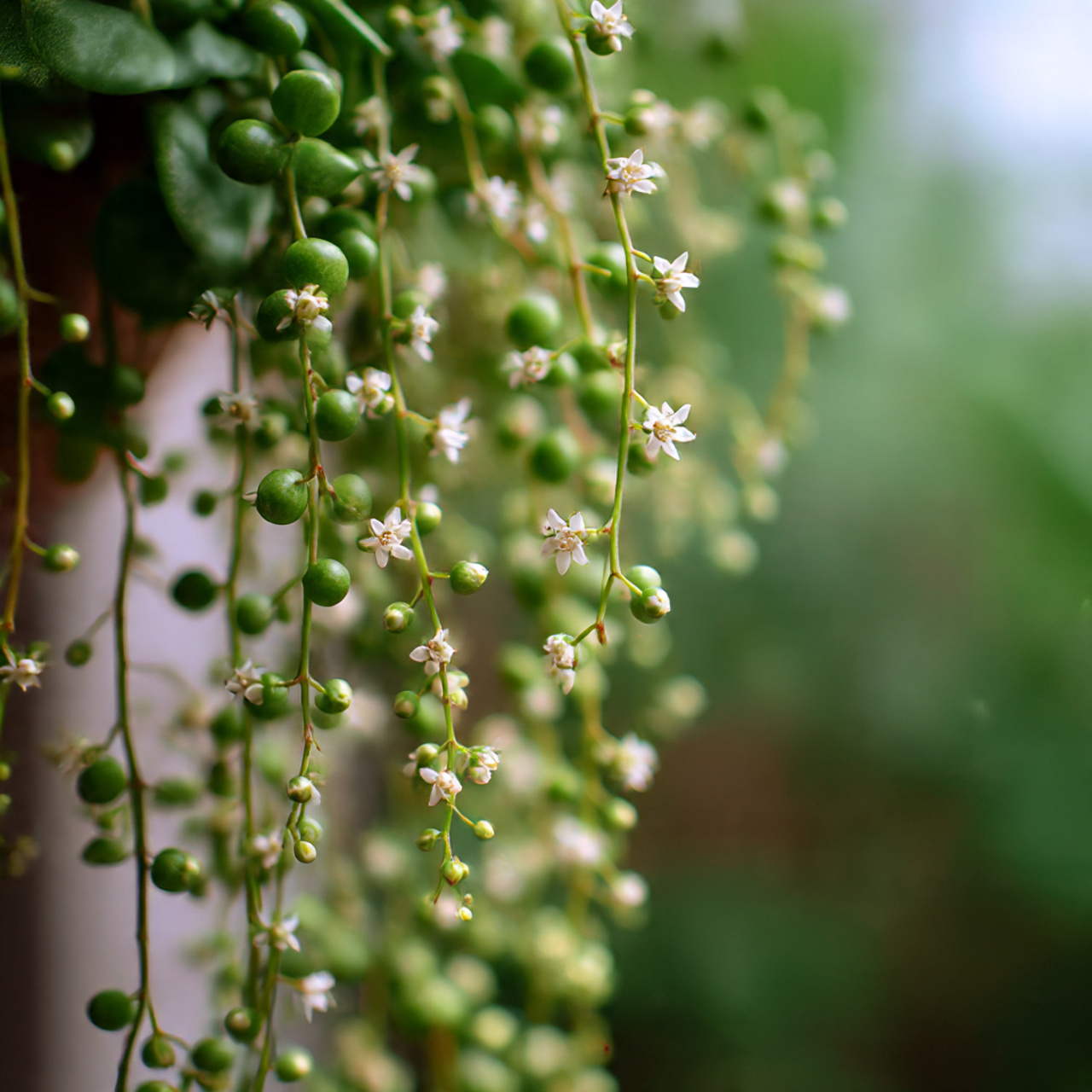
Many String of Pearls owners are delighted to discover their plant occasionally produces small white flowers. These delicate blooms typically appear in late winter or early spring when the plant is thriving and has experienced slightly cooler temperatures during dormancy.
The flowers are subtle but charming, often with a noticeable sweet scent reminiscent of cinnamon or cloves—a pleasant surprise! While flowers aren’t the main attraction of this plant, their appearance is a clear sign you’re providing excellent care.
Flower Care: Let blooms fade naturally, then gently remove spent flowers to keep the plant tidy. The flowering process doesn’t harm the plant at all.
Variegated String of Pearls: Extra Beautiful, Extra Needy
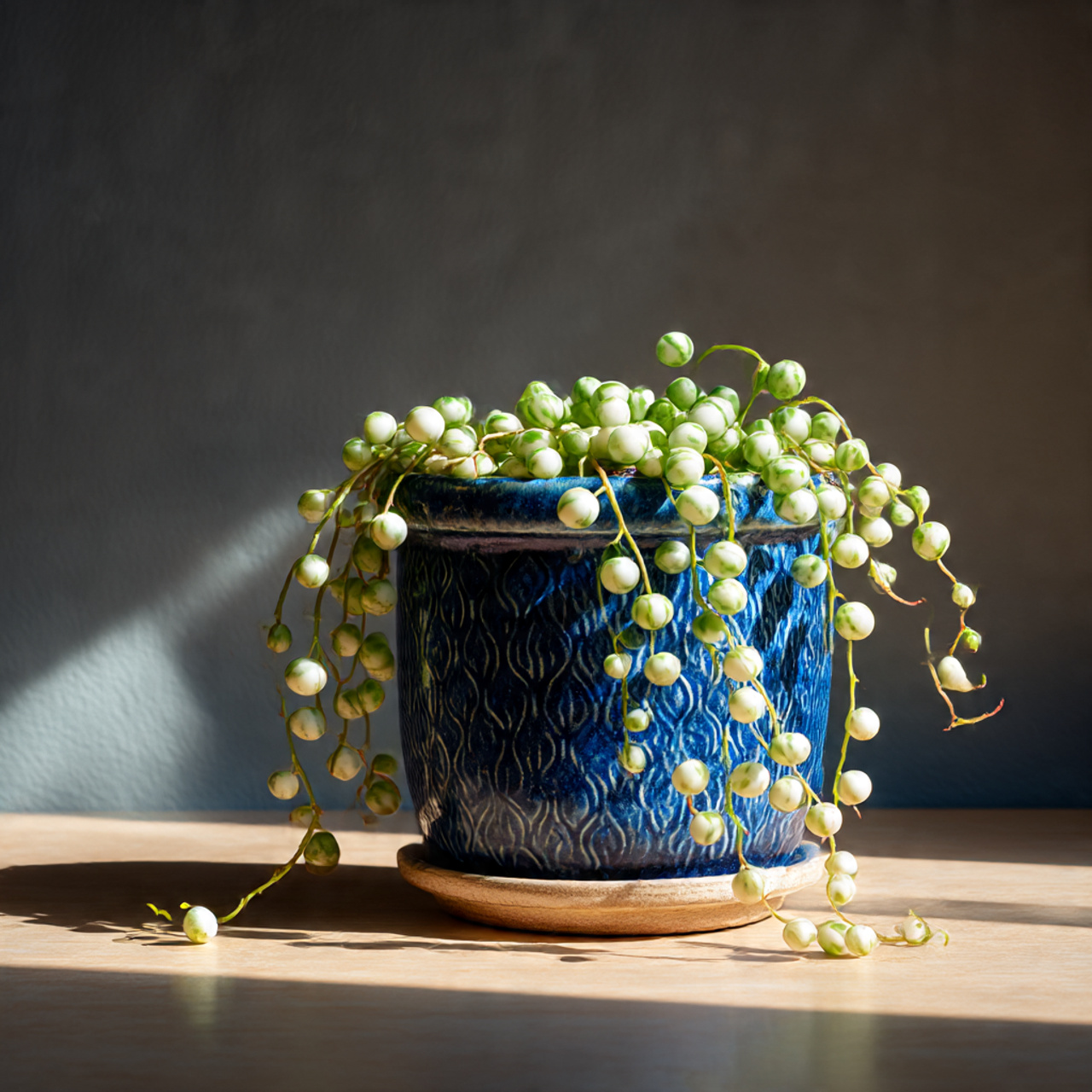
The variegated version features stunning cream or yellow streaks on the pearls, adding visual interest. However, those beautiful white patches lack chlorophyll and can’t photosynthesize, making this variety more light-hungry and slower-growing than the standard green form.
To maintain the gorgeous variegation, provide even brighter indirect light than you would for the regular variety. Insufficient light causes the plant to revert to all-green as it desperately tries to maximize photosynthesis for survival.
Care Difference: Light requirements are higher, but watering and soil needs remain identical to the non-variegated form. The extra light effort is worth it for those stunning, multi-colored pearls.
Mushy Pearls: The Dreaded Symptom of Overwatering
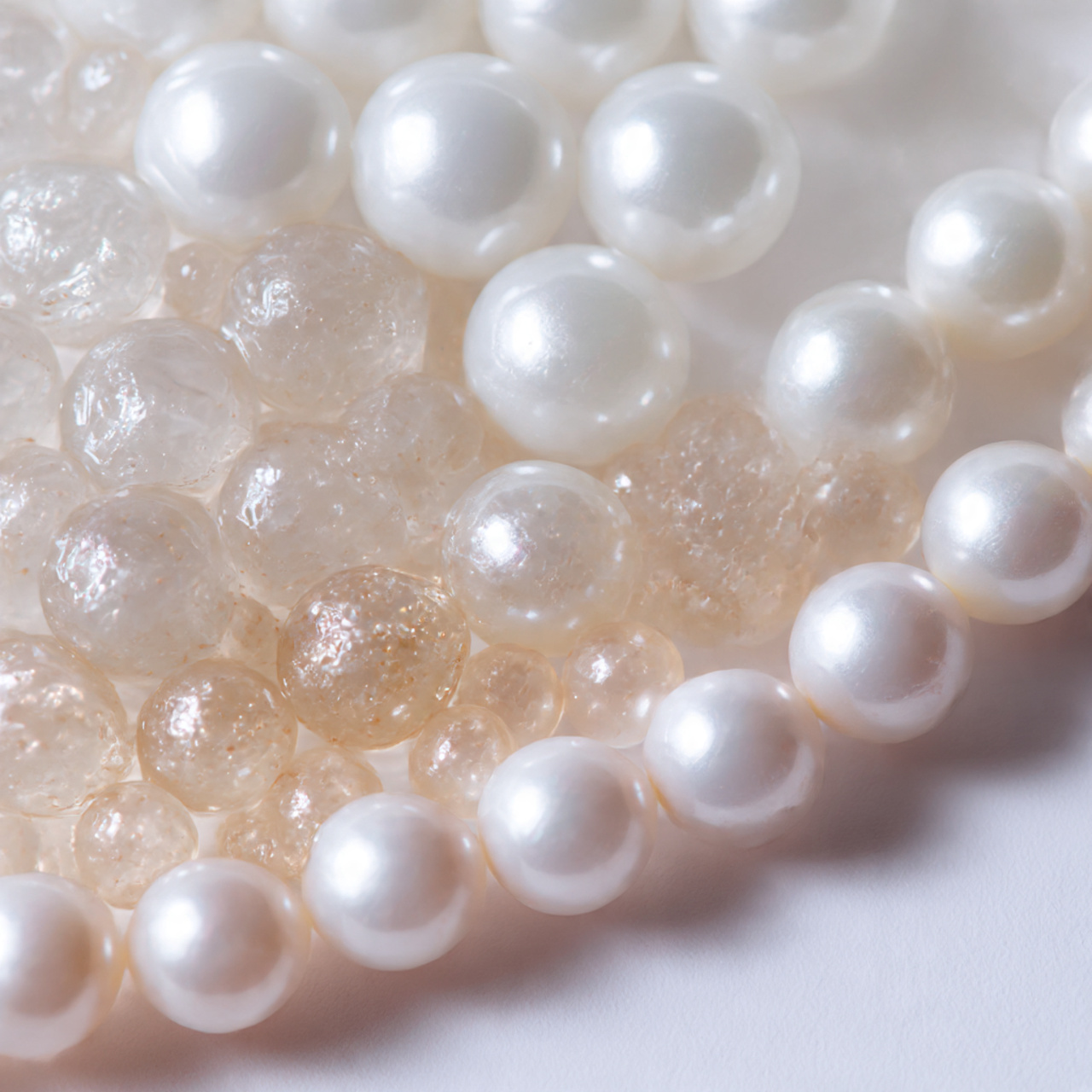
Mushy, translucent pearls that crush easily are the definitive sign of fatal overwatering and root rot. When roots can’t function in waterlogged soil, the pearls absorb excessive moisture until they literally burst and decay.
If you catch this early with just a few mushy pearls, stop watering immediately and check soil saturation. If mushiness is widespread throughout the plant, your best option is taking healthy cuttings from the stem ends and propagating them quickly in fresh, dry medium.
Reality Check: Once pearls go mushy throughout the plant, the rotted base is rarely salvageable. Quick propagation from healthy sections is how you save the genetics of your plant.
Prevention: This is why perfect drainage and conservative watering are so critical. It’s always better to underwater than overwater with String of Pearls.
Growing Outdoors: Regional Considerations
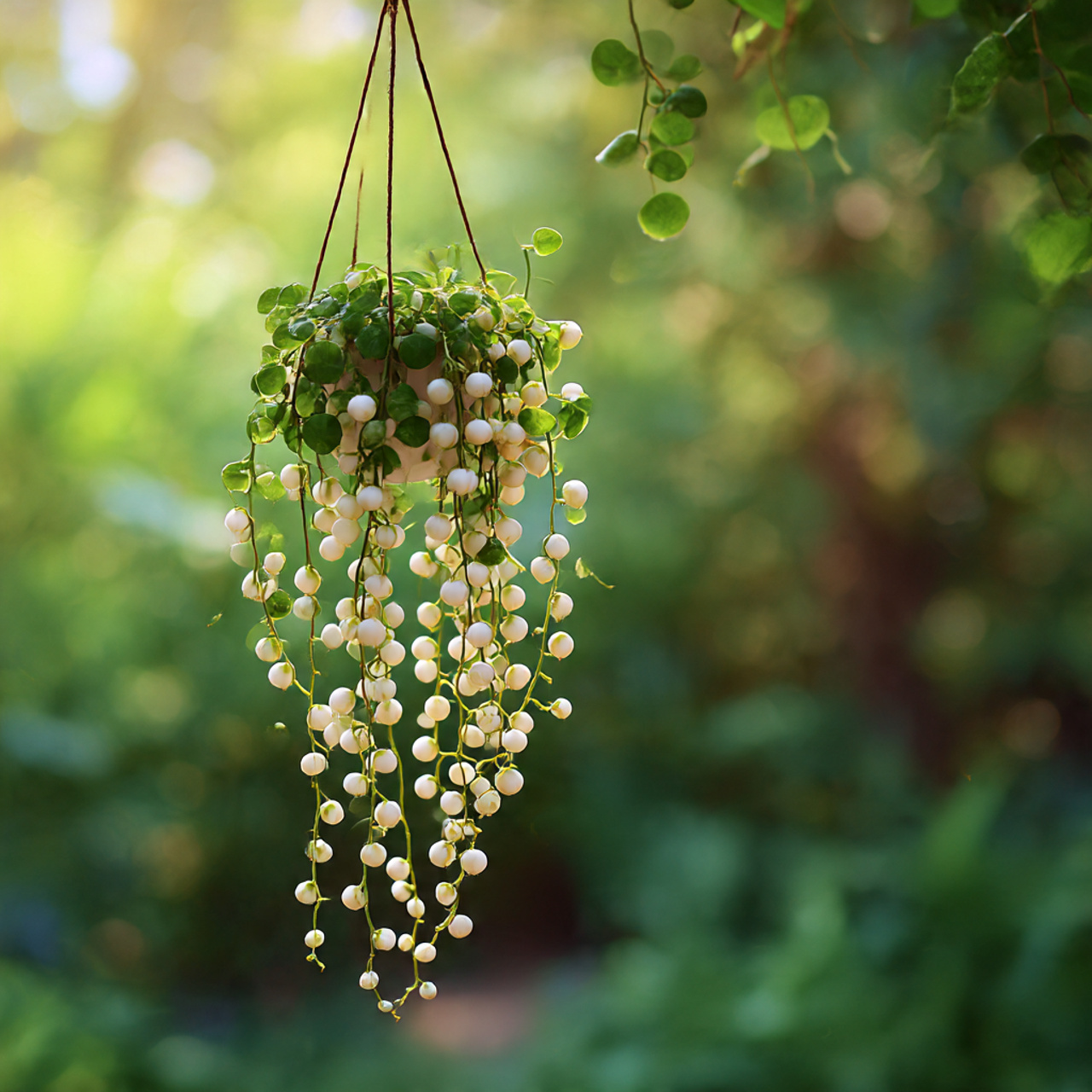
String of Pearls can live outdoors year-round only in USDA zones 9-11, where temperatures stay reliably mild and frost-free. In these climates, it works beautifully in hanging baskets on patios or even as unique groundcover.
For outdoor growing, choose locations with bright morning sun but afternoon shade to prevent scorching. Ensure exceptional drainage—natural rainfall can saturate pots quickly and unexpectedly.
Cold Climate Solution: If you live anywhere with freezing winters, bring your plant indoors well before the first frost. Even a brief cold snap can cause permanent damage to this frost-tender succulent.
Display Ideas: Showing Off Your String of Pearls
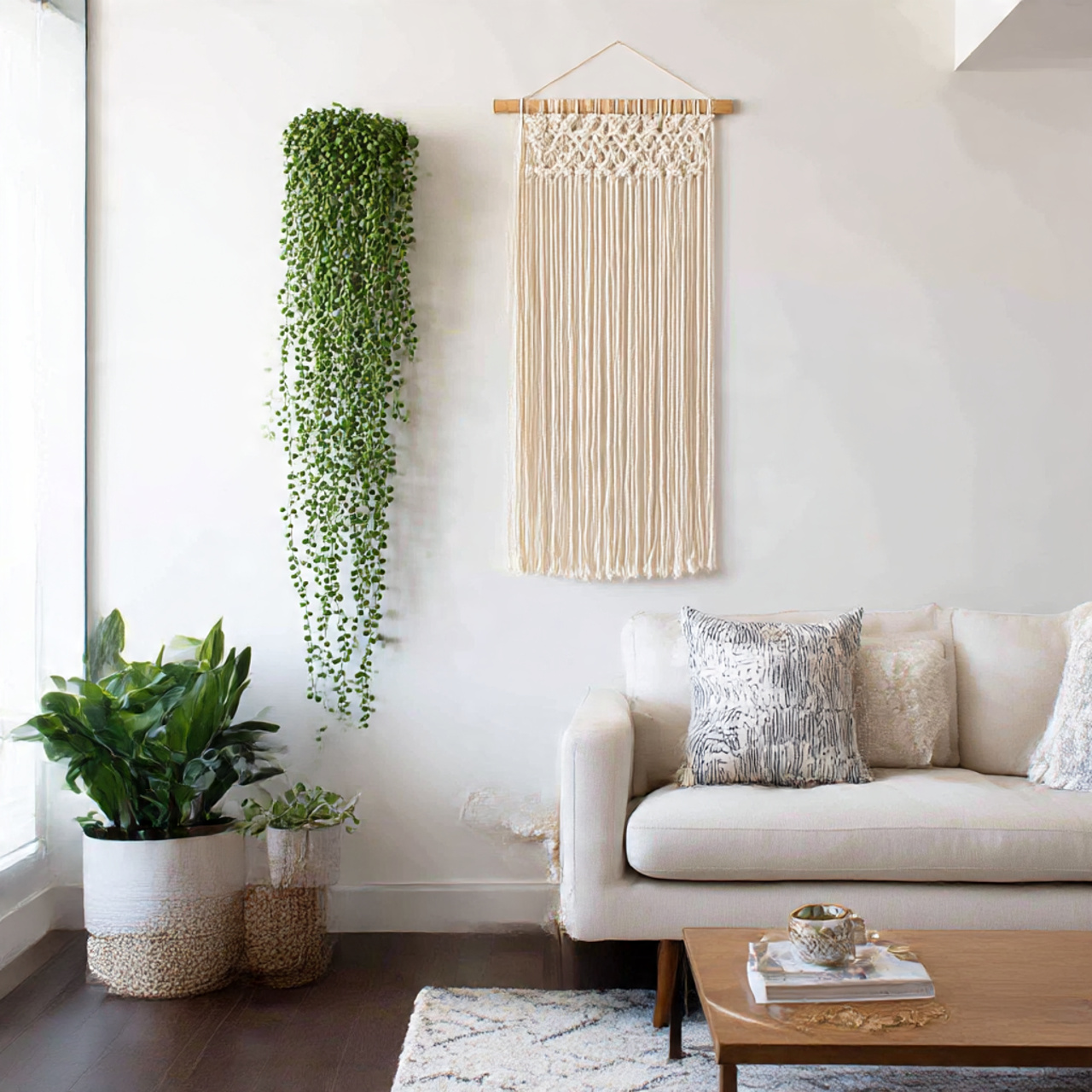
The cascading growth habit makes this plant a natural showstopper when displayed where strands can hang freely. Hanging baskets near windows showcase its beauty perfectly while ensuring the crown receives adequate light.
High shelves and mantlepieces near windows offer another attractive option, letting the “pearls” drape down like living curtains. This elevation protects the plant from pets and children while creating visual interest at eye level.
Display Tip: Rotate your pot occasionally to ensure all sides receive equal light exposure, promoting even, balanced growth all around the plant.
Underwatering vs. Overwatering: Critical Distinctions
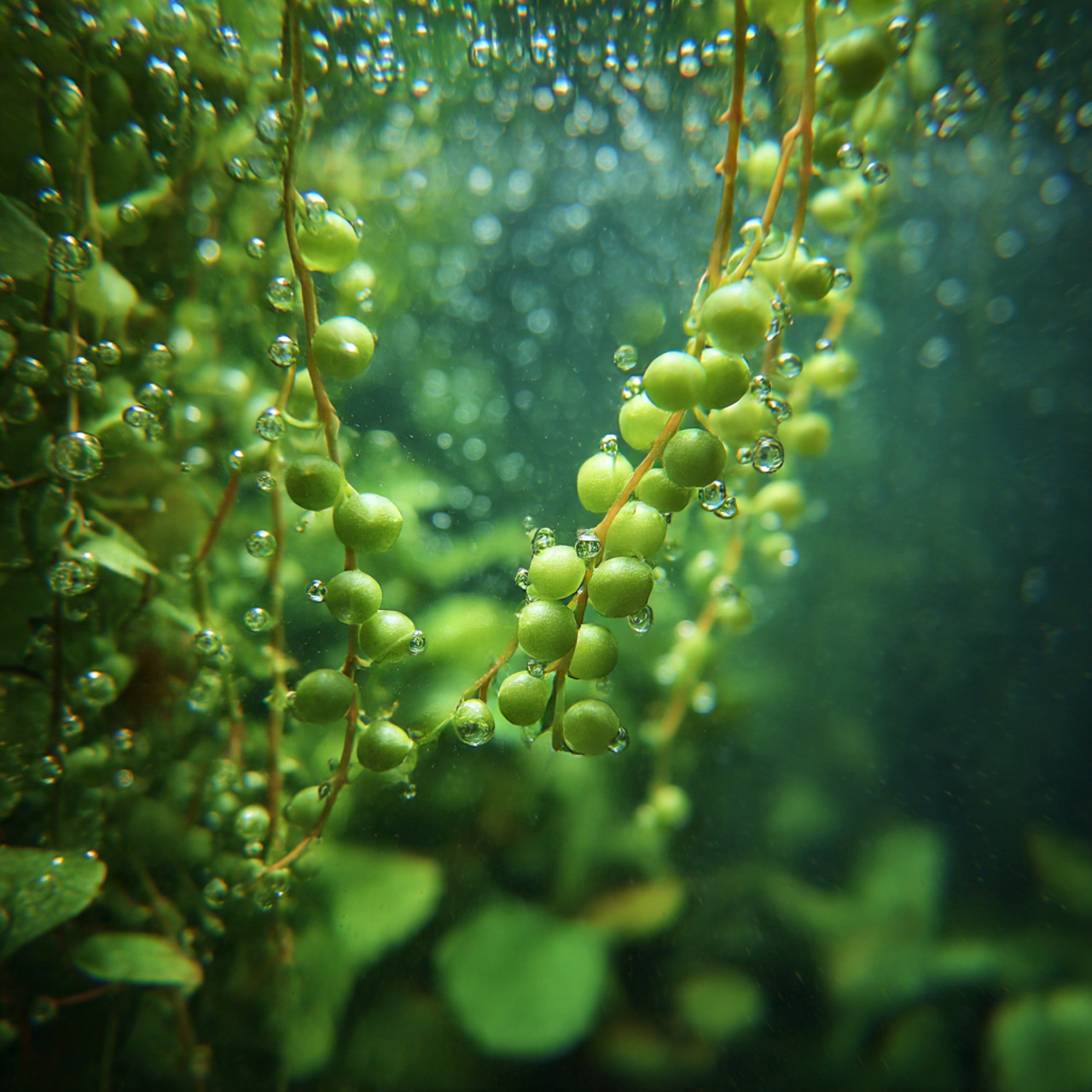
Being able to tell the difference between these two problems is crucial because they need opposite solutions. Getting this wrong can kill your plant fast.
Overwatered signs: Pearls feel soft and mushy, may turn yellow or translucent, stems feel squishy, and soil stays damp for days.
Underwatered signs: Pearls look deeply wrinkled and deflated but stay firm to touch, stems remain relatively taut, and soil is bone dry throughout.
When in Doubt: String of Pearls is far more forgiving of underwatering than overwatering. If symptoms are unclear, always assume it needs to dry out rather than watering.
Water Propagation: An Alternative Method
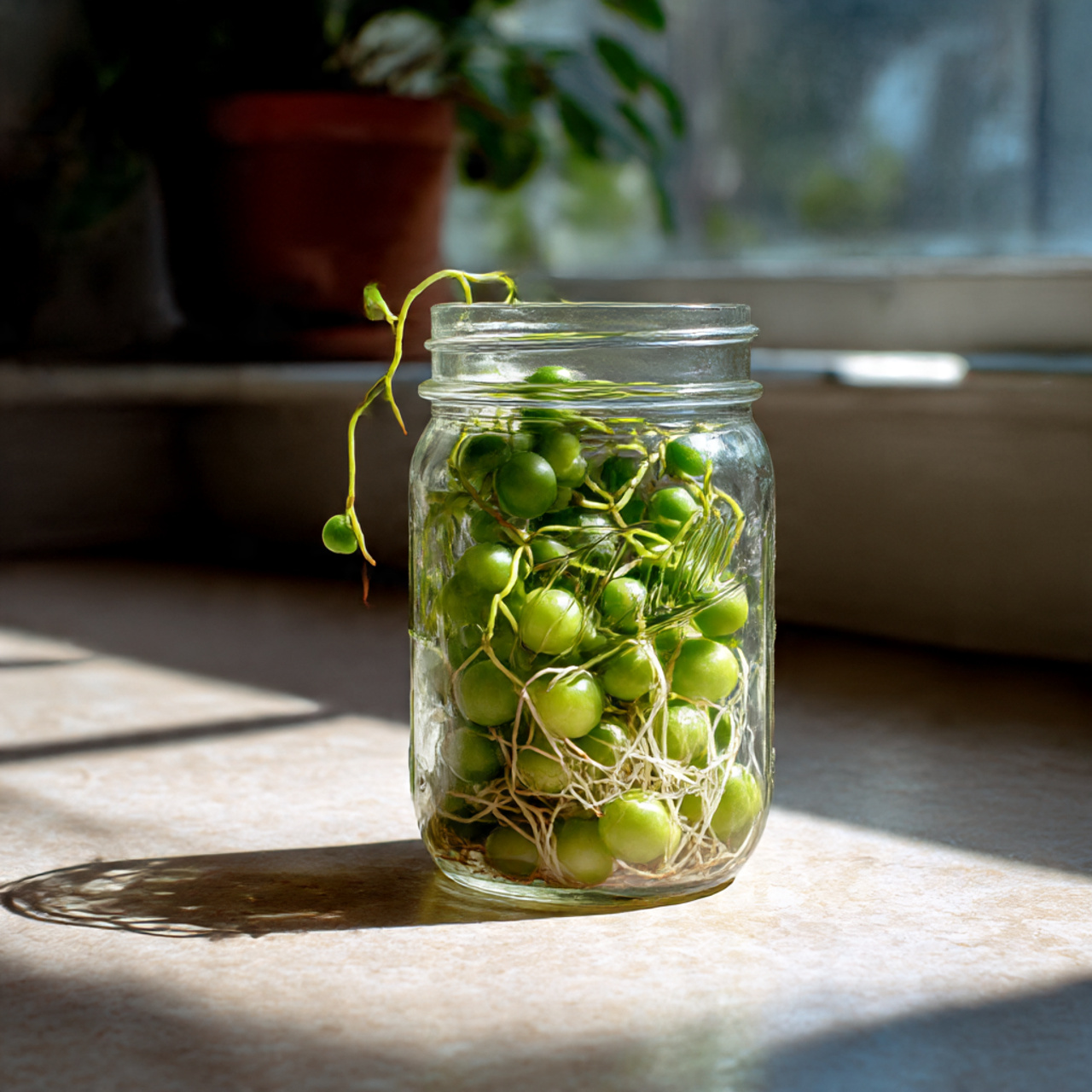
While soil propagation typically produces stronger roots, you can root String of Pearls in water if you want to watch the fascinating root development process. It’s a fun experiment, especially for plant enthusiasts.
Take healthy 4-6 inch cuttings and remove pearls from the bottom 1-2 inches. Suspend the bare stem portion in water, ensuring no actual pearls are submerged (they’ll rot immediately).
Place in bright indirect light and change water every few days to keep it fresh. Once roots reach about an inch long, transfer immediately to well-draining soil for long-term success.
Transition Tips: Plants rooted in water sometimes struggle when moved to soil. Making the switch while roots are still short (around 1 inch) helps them adapt more successfully.
Growing from Seed: The Patient Gardener’s Path
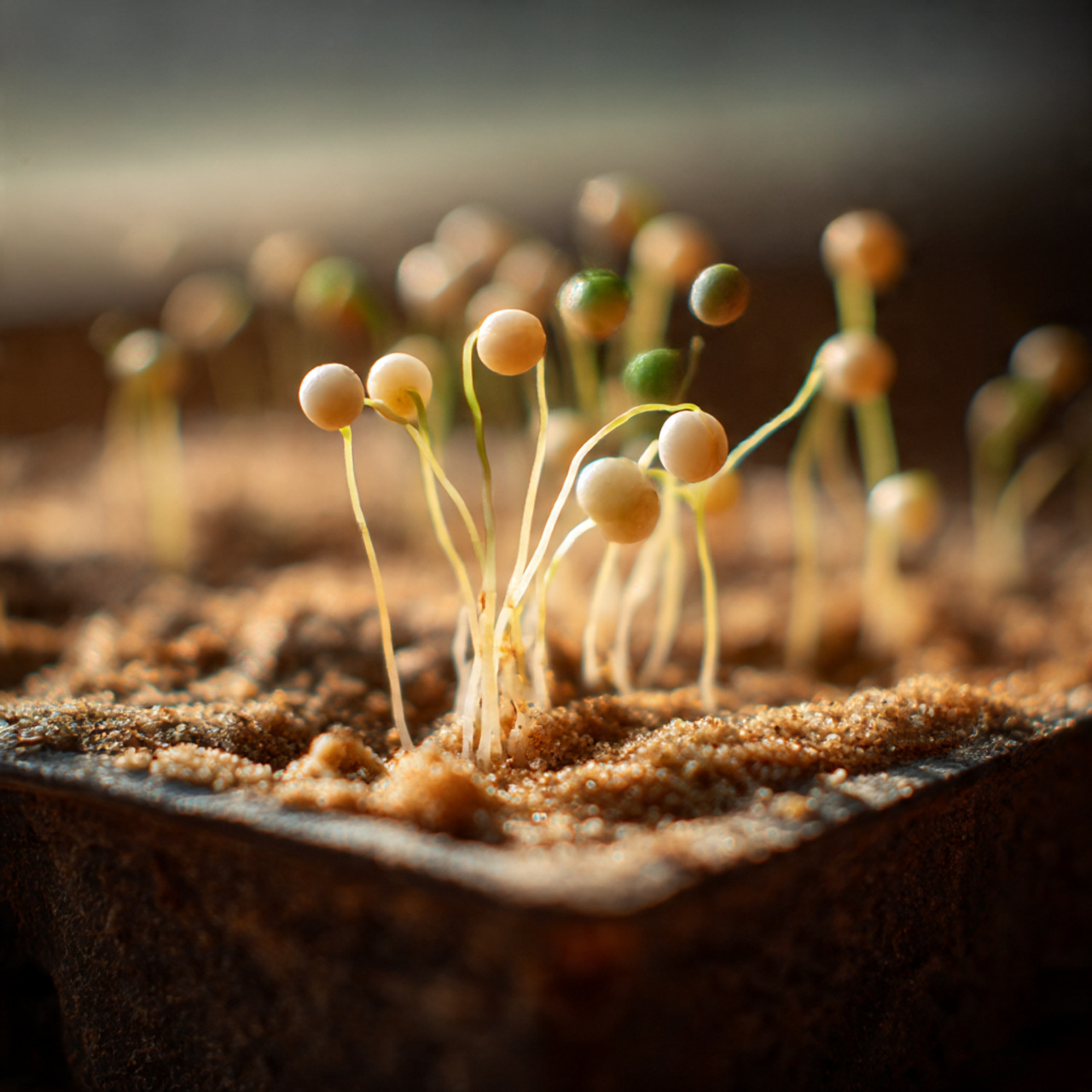
Most people propagate String of Pearls from cuttings because it’s faster and easier, but growing from seed is possible if you’re feeling adventurous. This method requires patience and precise conditions.
In early spring, sprinkle tiny seeds lightly on the surface of fine, sterile succulent mix in a shallow tray. Don’t cover them—they need light to germinate. Cover the tray with plastic wrap to maintain humidity and place in a bright, warm spot.
Patience Required: Germination can take several weeks, and resulting seedlings need extremely delicate care until large enough to handle. This is definitely the advanced, long-term approach to growing String of Pearls.
Visit More: String of Hearts
FAQs About the String of Pearls Plant
- Is the String of Pearls Plant hard to keep alive? The String of Pearls Plant is not inherently difficult, but it is challenging for beginners who tend to overwater. It requires specialized care, primarily very bright light and a strict, infrequent watering schedule based entirely on the plant’s visual cues (wrinkling pearls). Once you master these two elements and provide the right soil, it becomes quite easy to maintain and grow.
- How often should I water my String of Pearls in winter? During the winter dormant season, you should dramatically reduce watering frequency, potentially watering only once every four to six weeks, or even less. Always check the soil and wait until the pearls begin to wrinkle slightly before giving it a drink. Overwatering in winter, when growth is stalled, is the primary cause of root rot and subsequent plant death.
- Does the String of Pearls need direct sunlight? It prefers bright, indirect sunlight and can tolerate a few hours of gentle morning sun, which encourages dense growth. However, it absolutely must be protected from harsh, direct afternoon sun, which can easily scorch the delicate pearls, turning them brown and permanently damaging the plant. Bright light is key, but it must be diffused light.
- What is the main difference between String of Pearls and String of Nickels? The main difference lies in the leaf shape: the String of Pearls Plant (Senecio rowleyanus) has perfectly round, pea-shaped, succulent leaves, while the String of Nickels (Dischidia nummularia) has flat, coin-shaped leaves. Both are popular trailing plants but belong to entirely different botanical families and have slight variations in their care needs.
- Why are my String of Pearls shriveling up and flat? Shriveling and flattening are the classic, unmistakable signs of thirst in a healthy String of Pearls Plant. The plant is drawing stored moisture from the pearls to survive drought. If you see this, give the plant a deep, thorough watering. If they shrivel but feel mushy, the issue is root rot, and the roots can no longer absorb water.
Final Thoughts: Mastering Your String of Pearls
Caring for String of Pearls ultimately teaches you the power of restraint. Success means resisting the urge to water every few days like you would with tropical plants. It’s about trusting the plant to tell you what it needs through visual cues.
The formula is surprisingly simple: abundant bright (but indirect) light, fast-draining soil, and extreme caution with your watering can. Get these fundamentals right, and your String of Pearls will reward you with lush, cascading beauty for years.
This unique succulent offers stunning visual impact for minimal maintenance—provided you respect its desert origins and succulent nature. Whether you’re troubleshooting current issues or just starting your String of Pearls journey, these care principles will help you keep your plant thriving and gorgeous.
Remember, every wrinkled pearl is your plant communicating with you. Learn to listen, and you’ll have a thriving String of Pearls that becomes the envy of every plant lover who sees it.