27 Rosemary Plant Secrets: Grow, Use & Love
There is about running your fingers through a rosemary plant and catching that unmistakable woody, pine-like fragrance. This hardy evergreen herb has earned its place in gardens and kitchens worldwide, not through hype, but through genuine usefulness.
Whether you’re working with a tiny apartment balcony or a sprawling backyard, rosemary adapts beautifully. It thrives in pots, grows into elegant borders, and even flourishes on sunny windowsills. Best of all? Once you get it settled, this Mediterranean native practically takes care of itself.
This guide walks you through everything you need to know about growing and using rosemary in ways that actually matter. We’re skipping the overblown promises and focusing on real, tested applications that make everyday life a bit better. From cooking to landscaping, from natural home fragrance to teaching kids about gardening, you’ll discover why rosemary deserves a spot in your space.
Why Rosemary Deserves a Place in Your Life
Let’s be honest: most herbs require constant fussing. Rosemary? Not so much. Once it settles into your garden or container, this resilient plant keeps going with surprisingly little attention from you.
What makes rosemary such a winner is its simple needs. Give it plenty of sunlight, ensure air flows around it freely, and plant it in soil that drains well. That’s the foundation. Meet those three requirements, and you’ve got a plant that can stick around for years, developing character with its increasingly woody stems.
Beyond the easy-care factor, rosemary pulls double duty beautifully. In the kitchen, those needle-like leaves transform ordinary roasted potatoes into something memorable. Around your home, the natural aroma freshens spaces without any plugs or sprays needed. You’re getting function and beauty rolled into one plant.
Quick Success Tips:
- Choose your location wisely from the start (rosemary hates being moved repeatedly)
- Morning sun exposure works best in hot climates; full-day sun is perfect elsewhere
- Established plants can handle short dry spells better than soggy soil
Container Gardening with Rosemary
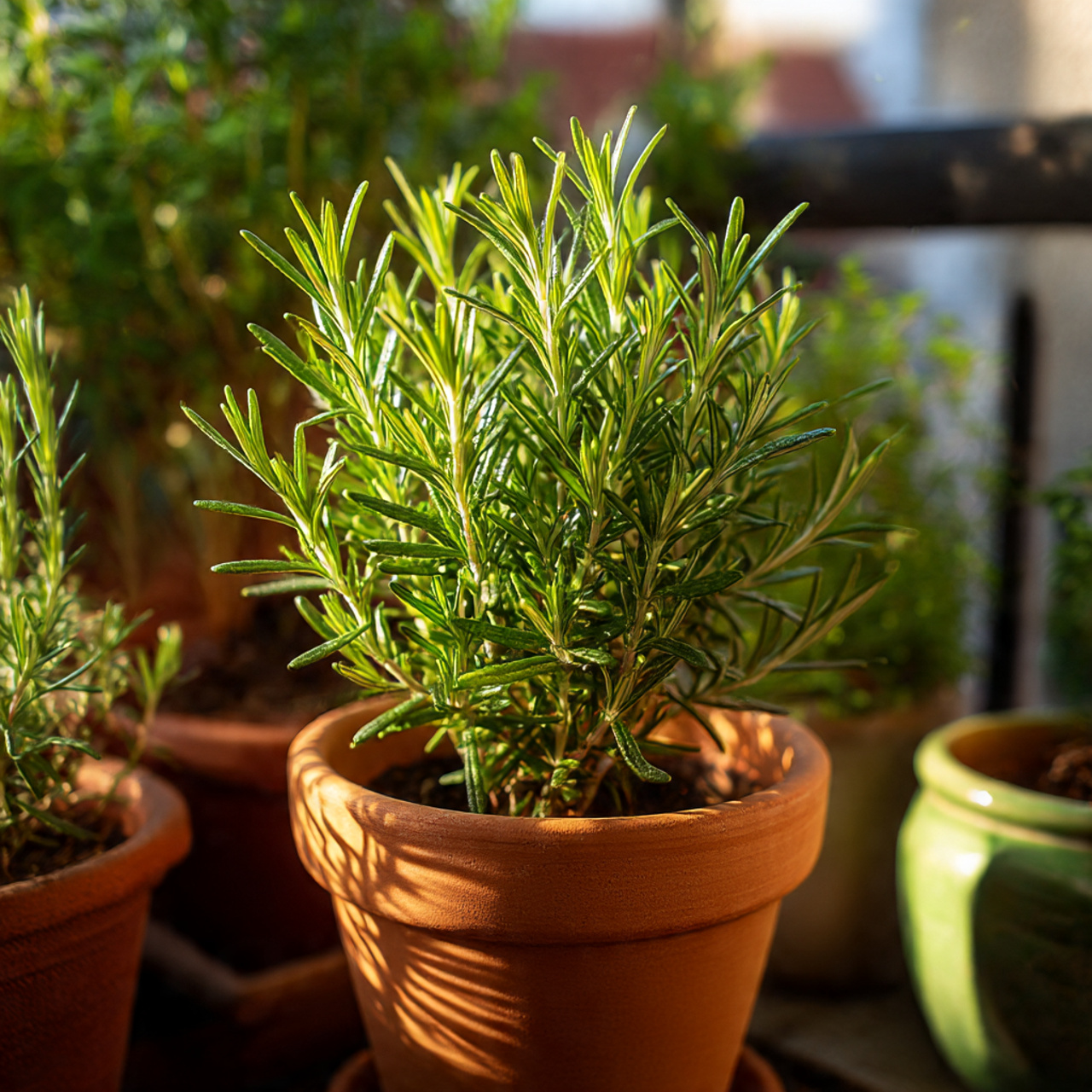
Don’t have garden beds? No problem. Rosemary actually loves container life, which opens up possibilities for apartment dwellers and anyone short on yard space.
The beauty of pot-grown rosemary is mobility. When that autumn chill arrives early, you simply carry your plant inside. When one side of your balcony gets more afternoon sun than you realized, relocate your pot. This flexibility makes container growing easier than in-ground planting in many ways.
Here’s what works: Select a pot with multiple drainage holes at the bottom. Fill it with a lightweight, sandy mix rather than heavy garden soil. Let the top inch or two dry out between waterings. Rosemary roots absolutely detest sitting in constant moisture, so when in doubt, wait another day before watering.
Container Care Essentials:
- Terracotta pots breathe better than plastic (bonus: they help prevent overwatering)
- Size matters: choose pots at least 12 inches across for mature plants
- Refresh the top inch of soil yearly with fresh potting mix
Common Mistake to Avoid: Using saucers that collect water underneath your pot creates a moisture trap that leads to root rot, even if you water correctly.
Creating Garden Hedges and Borders
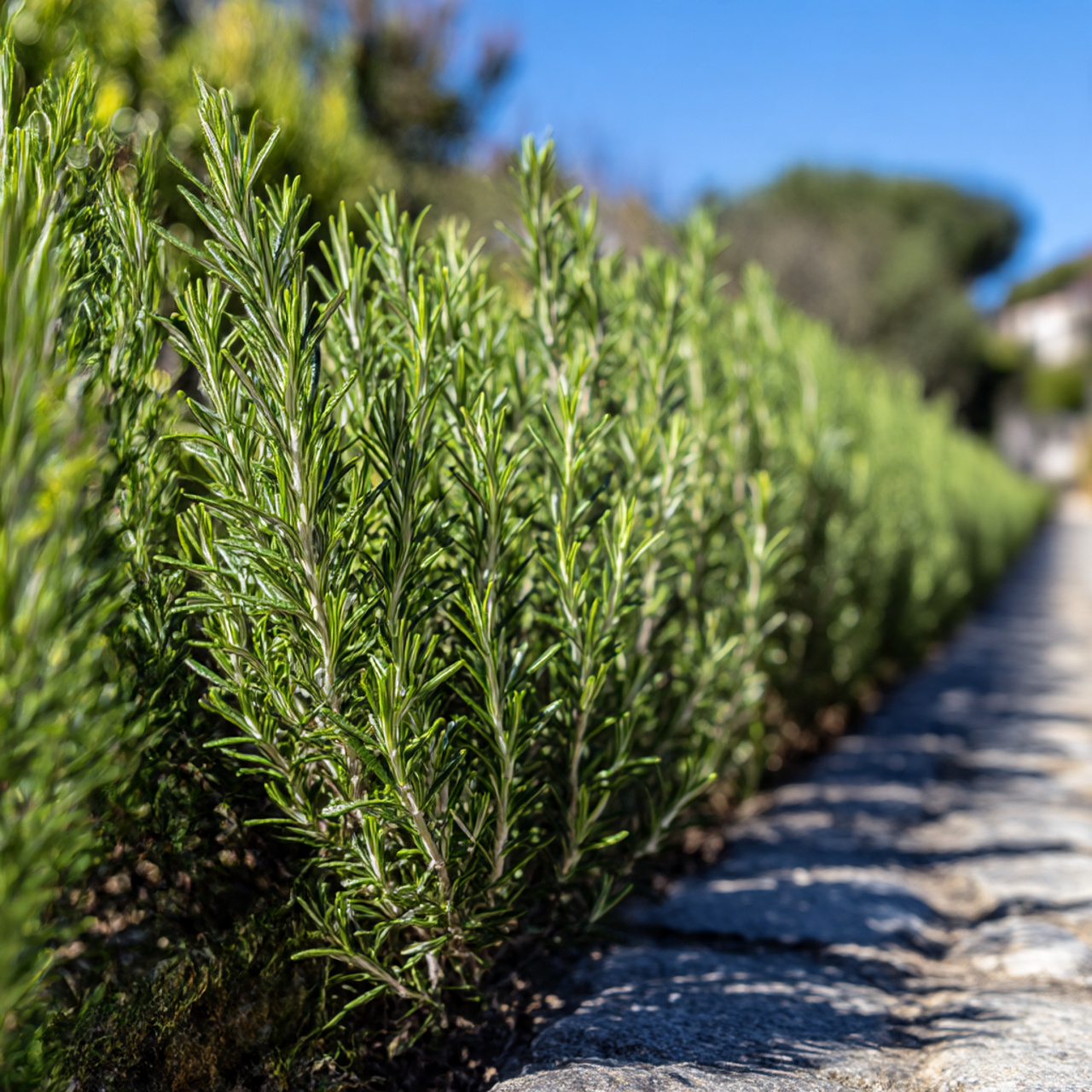
Picture a low, fragrant border that stays green all year, defines your garden spaces naturally, and smells wonderful when you brush past it. That’s rosemary as a hedge plant.
The woody structure of mature rosemary creates clean lines without looking stiff or formal. Plant several rosemaries about 2-3 feet apart, and they’ll eventually fill in to form a continuous border. Unlike some hedging plants that turn brown and depressing in winter, rosemary keeps its color through all seasons.
Keep your hedge looking sharp with regular light pruning. This doesn’t just maintain the shape you want; it actually encourages the plant to produce fresh new growth. Make sure air can circulate around and through your hedge, which dramatically reduces any disease problems.
Shaping Your Hedge:
- Trim after flowering finishes for best timing
- Cut back to just above a leaf node (where leaves emerge)
- Never remove more than one-third of the plant’s height at once
Tip: For fuller, bushier hedges, pinch off growing tips during the first year instead of letting the plant grow tall and leggy.
Using Rosemary as a Companion Plant
Smart gardeners have known for generations that rosemary makes an excellent neighbor for vegetables. Its strong scent seems to confuse or repel certain pests that would otherwise feast on your beans, carrots, and cabbage.
This isn’t magic, just practical garden ecology. The aromatic oils released by rosemary create a natural barrier that many common garden pests prefer to avoid. While it won’t eliminate pest problems entirely, it reduces them enough to cut back on other interventions.
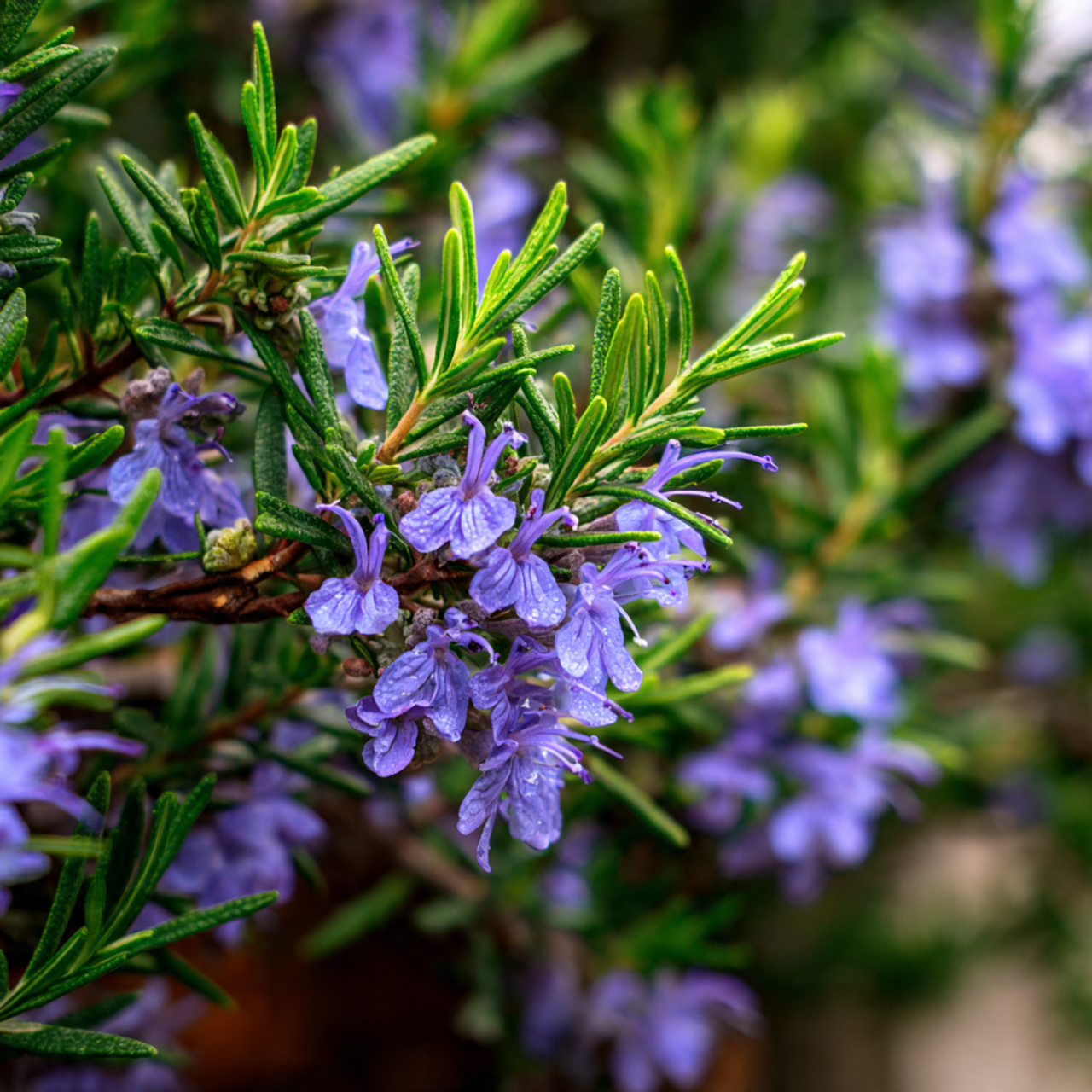
There’s another benefit worth mentioning: when rosemary blooms (usually in late winter or spring), those small flowers attract bees and other pollinators. More pollinators means better pollination for your vegetables, which translates directly into better harvests from your garden.
Best Companion Pairings:
- Plant near cabbage family vegetables (broccoli, kale, cauliflower)
- Pairs well with beans and carrots in vegetable beds
- Keep away from water-loving plants that need constant moisture
Garden Planning Tip: Place rosemary at the ends of raised beds or along pathways where it won’t interfere with crop rotation.
Growing Rosemary Indoors on Your Windowsill
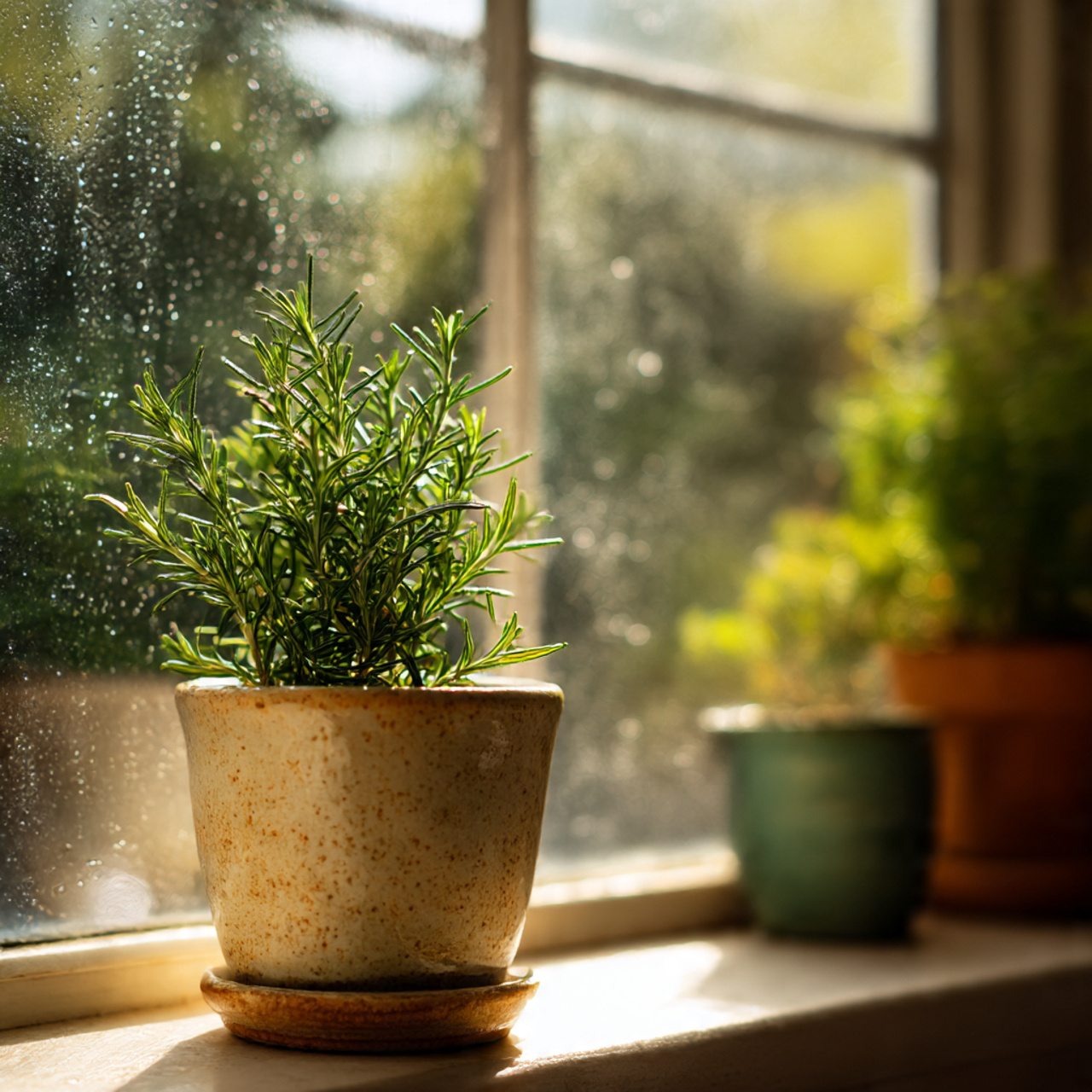
Yes, you can grow rosemary indoors, but it requires honesty about your light situation. This Mediterranean herb needs serious sunshine, not just “bright” windows.
A south-facing window that gets direct sun for at least six hours daily gives you the best shot at success. Without adequate light, your rosemary will stretch toward the window, becoming weak and spindly. If your sunniest window doesn’t quite cut it, consider a grow light to supplement.
Indoor growing demands extra attention to watering. Check the soil with your finger before watering—the top should feel dry. Empty any water that collects in saucers beneath the pot. Indoor air tends to be drier than outdoor conditions, so occasionally misting your plant or rotating it outside during mild weather helps maintain vigor.
Indoor Success Checklist:
- 6+ hours of direct sunlight (not just bright light)
- Consistent air circulation (a small fan helps)
- Temperature between 60-70°F at night, slightly warmer during the day
Warning Sign: Yellowing lower leaves often signal overwatering, while pale new growth suggests insufficient light.
Cooking with Fresh Rosemary

There’s simply no comparison between fresh rosemary from your plant and those dried needles from a jar that’s been sitting in your cupboard for who-knows-how-long. The flavor is brighter, more complex, and genuinely aromatic.
Fresh rosemary shines with roasted meats, especially lamb and chicken. It transforms simple roasted vegetables into something special. Toss a sprig into bread dough, and your kitchen smells like an Italian bakery. The key is remembering that rosemary has a strong personality—a little goes a long way.
For longer-term storage, you’ve got options. Hang small bundles upside down in a dark, well-ventilated spot until completely dry. Or strip leaves from stems, chop them, and freeze in ice cube trays with a bit of olive oil. Both methods preserve that distinctive flavor for months.
Cooking Applications:
- Roasted potatoes: toss with olive oil and fresh rosemary before roasting
- Focaccia bread: press whole sprigs into dough before baking
- Marinades: combine with lemon, garlic, and olive oil
Flavor Tip: Add woody stems to your grill coals for aromatic smoke that infuses grilled meats.
Making Herbal Tea from Rosemary

A simple rosemary infusion offers a warming, aromatic beverage that’s easy to prepare whenever you want something different from regular tea. The process couldn’t be simpler: steep a few fresh or dried leaves in hot water for 5-7 minutes.
The resulting tea has an earthy, slightly piney flavor that some people genuinely enjoy. It’s not sweet or fruity, so approach it with appropriate expectations. If the taste seems too strong, use fewer leaves or steep for less time.
Remember that moderation matters with any herbal tea. Enjoying a cup occasionally is fine, but drinking large quantities daily isn’t necessary and may not suit everyone. If you’re pregnant, nursing, or taking medications, check with your healthcare provider before making rosemary tea a regular habit.
Brewing Guidelines:
- Use 1 teaspoon of fresh leaves (or ½ teaspoon dried) per cup
- Water temperature: just below boiling (about 200°F)
- Steep time: 5-7 minutes for full flavor
Taste Variation: Add a slice of lemon or a small amount of honey if you prefer a gentler flavor.
Hair and Scalp Care Applications
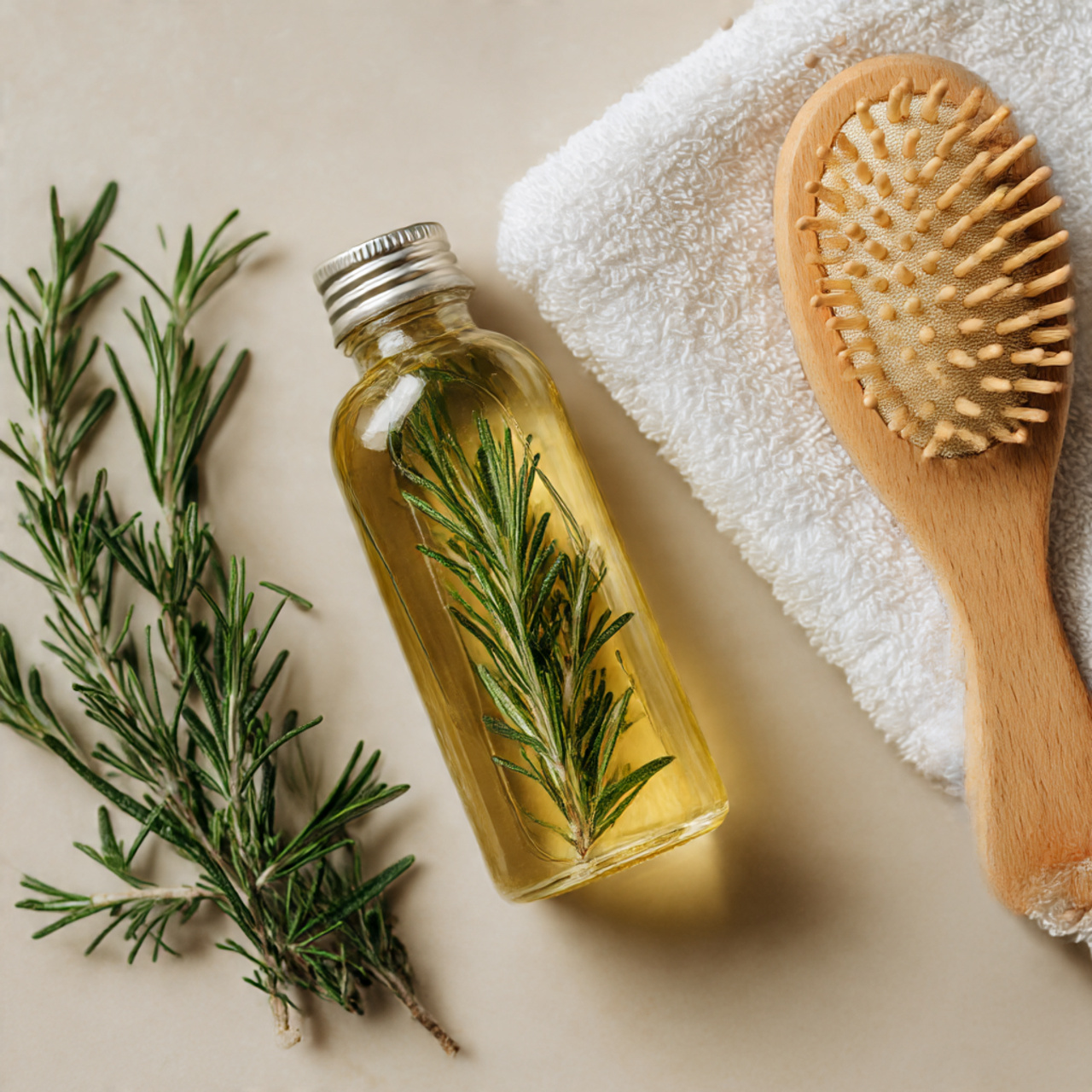
Rosemary-infused oil has a long history in hair care traditions, particularly for scalp massage and general hair maintenance. Making your own infusion at home is possible, though it requires patience and attention to safety.
To create an infusion, gently heat rosemary sprigs in a carrier oil (like olive or jojoba oil) over very low heat for several hours, then strain. The resulting oil can be massaged into the scalp. However, homemade preparations lack the standardization of commercial products.
Before using any rosemary hair product extensively, test it on a small patch of skin first. Wait 24 hours to check for any reaction. If you have sensitive skin or any concerns, commercial rosemary hair products might be a safer choice since they’re formulated with specific concentrations.
Safe Preparation Steps:
- Use dried rosemary (fresh can introduce moisture and spoilage)
- Heat gently—never let the oil smoke or become very hot
- Store in a dark glass bottle in a cool place
Safety First: Always dilute essential oils properly (never apply undiluted to skin) and discontinue use if any irritation occurs.
Aromatherapy and Natural Scenting
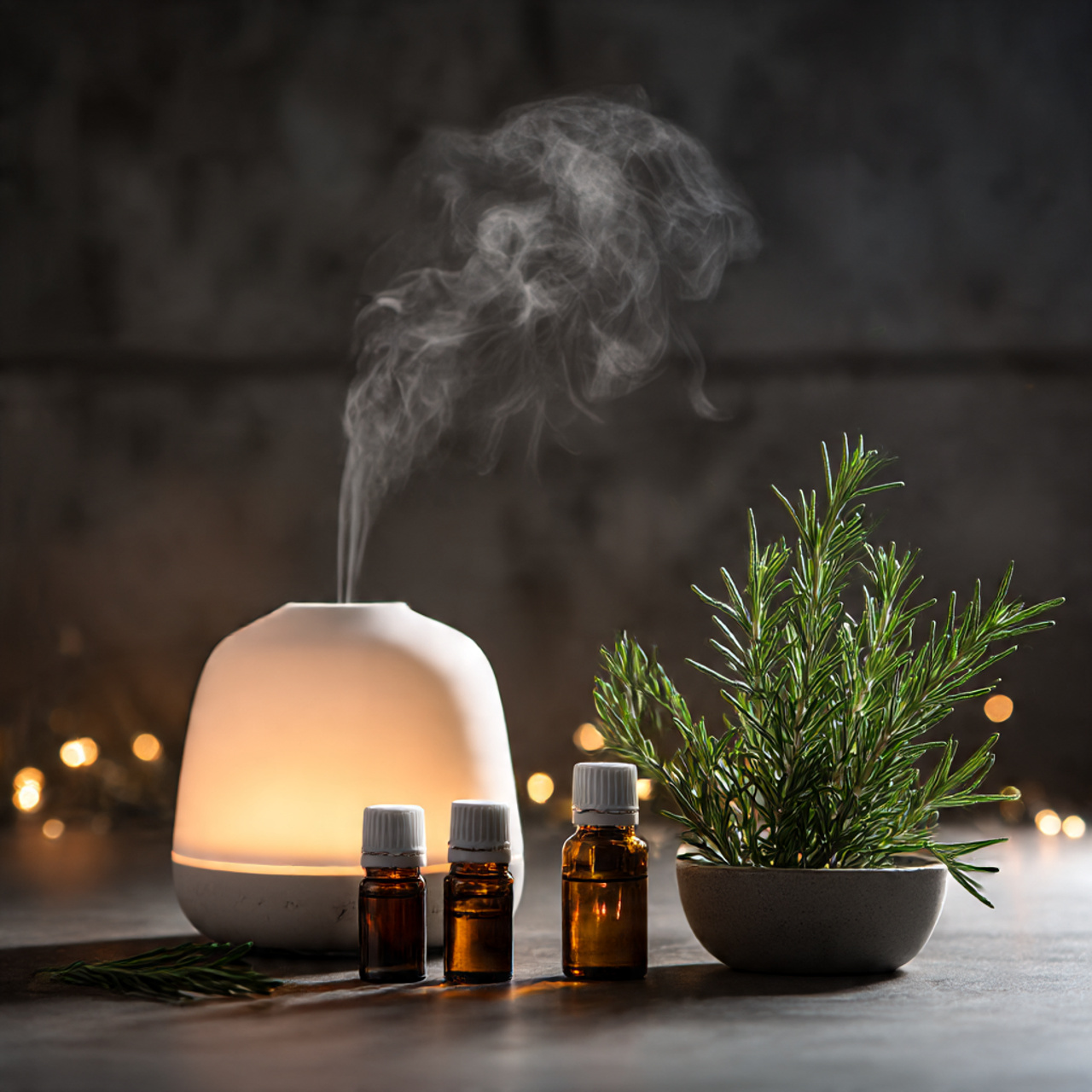
A living rosemary plant releases its fragrance naturally, especially when air moves around it. Position a potted rosemary near a frequently opened window or in a high-traffic area of your home, and you’ll catch pleasant whiffs throughout the day.
This is aromatherapy in its simplest, safest form. No diffusers, no concentrated oils, no risk of overpowering your space. Just the clean, herbaceous scent that comes from the plant itself. Gently running your hand across the foliage releases a bit more aroma when you want it.
If you’re interested in using rosemary essential oil, handle it with respect. Essential oils are highly concentrated and require proper dilution before use. For most people, simply keeping fresh rosemary plants around provides all the aromatic benefits they’re looking for without any of the concentration concerns.
Natural Scenting Ideas:
- Place pots near reading chairs or work areas
- Position plants where they’ll catch natural breezes from windows
- Lightly brush leaves when you walk by for a quick scent boost
Important Distinction: Fresh plant aroma is gentle and safe for everyone; essential oils require education, dilution, and caution.
Natural Pest-Repellent Properties

While rosemary won’t replace professional pest control, its strong scent does seem to discourage certain insects. Planting rosemary near outdoor seating areas or entry points to your home may help reduce mosquitoes and other nuisance bugs.
The aromatic oils become more potent when you crush or bruise the leaves slightly. Some people rub fresh rosemary on their skin before sitting outside (though this isn’t as effective or long-lasting as actual insect repellent).
Set your expectations realistically. Rosemary adds a layer of natural deterrent, but it works best as part of a broader approach to pest management. Think of it as a helpful supporting player rather than the star solution.
Pest-Deterrent Strategy:
- Plant rosemary around patios and deck edges
- Combine with other aromatic herbs (lavender, mint, basil)
- Use in conjunction with proper pest management practices
Realistic Expectation: Rosemary may reduce pest annoyance by 20-40%, not eliminate it entirely.
Creating Decorative Topiaries
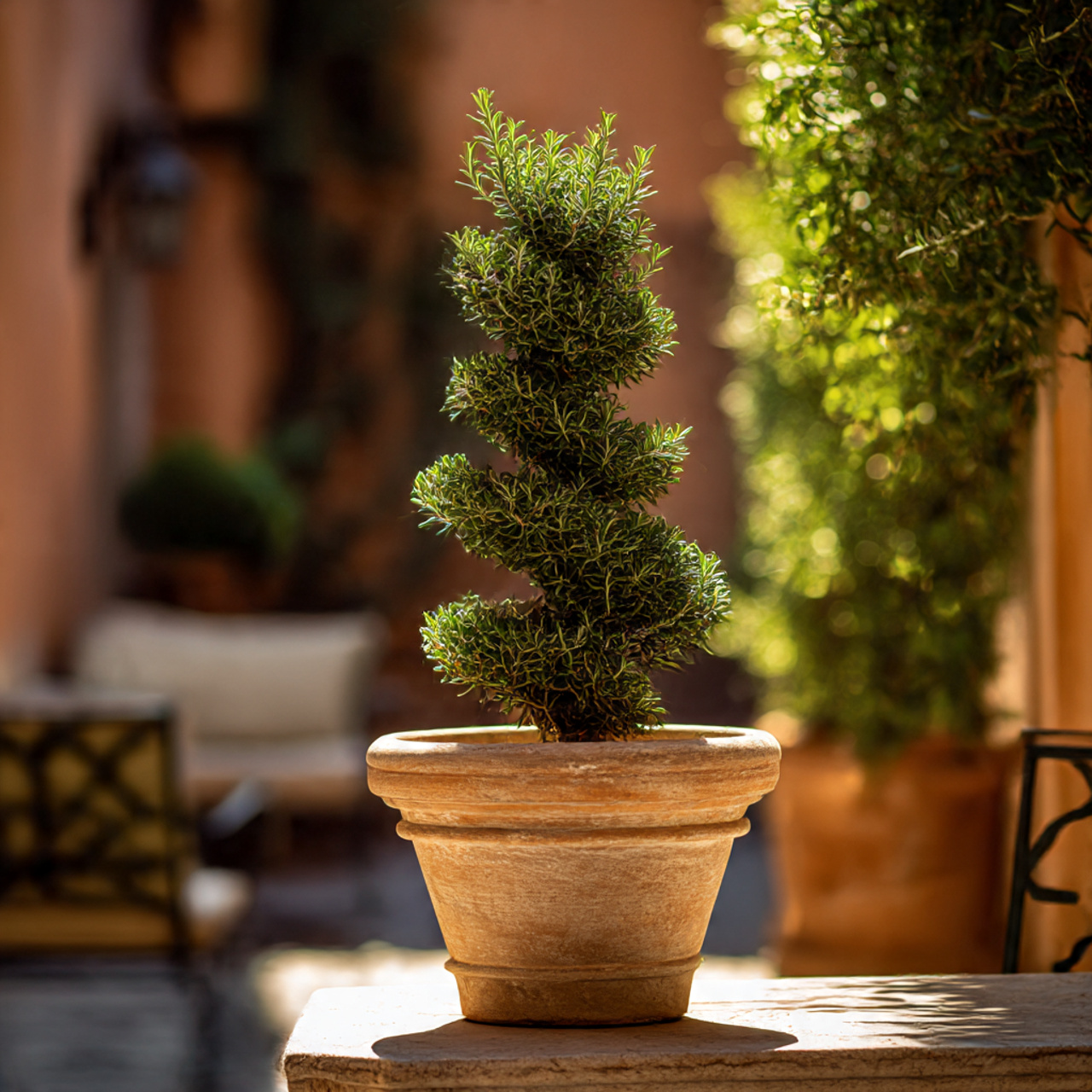
With patient, regular trimming, you can shape rosemary into attractive geometric forms or simple topiary designs. This transforms a functional herb into an ornamental feature that still provides harvest opportunities.
Compact, upright rosemary varieties work best for shaping. Start when the plant is young, and commit to light, frequent trimming rather than occasional heavy pruning. The key is consistency—a little snip every couple of weeks beats massive cutting sessions.
Shaped rosemary works beautifully as a centerpiece for herb gardens or as matching pairs flanking doorways. You maintain the ornamental form while still being able to harvest leaves from areas that won’t show.
Shaping Techniques:
- Use sharp, clean scissors or pruning shears
- Create a basic outline first, then refine gradually
- Work from top to bottom for even results
Form Options: Spiral shapes, rounded balls, cone forms, or simple geometric cubes all work well with rosemary’s growth habit.
Making Seasonal Garlands and Wreaths

Rosemary’s sturdy stems and lasting fragrance make it excellent for seasonal decorations. Unlike many fresh materials that wilt quickly, rosemary maintains its shape and scent for weeks.
Create simple wreaths by wiring rosemary sprigs to a circular base, or incorporate rosemary into mixed holiday garlands. The natural fragrance adds dimension to your décor without any artificial scents. As the rosemary dries, it actually intensifies in aroma rather than fading.
Cut stems in the morning when plants are fully hydrated for longest-lasting decorations. Even after they dry completely, rosemary stems remain aromatic and can be composted or saved for grilling.
Wreath-Making Basics:
- Use fresh rosemary cut within 24 hours
- Wire stems securely to prevent gaps as they dry
- Combine with eucalyptus or bay leaves for visual variety
Longevity Tip: Mist your wreath lightly every few days during the first week to extend freshness.
Traditional Wellness Uses (Proceed with Caution)

Rosemary appears in traditional wellness practices across many cultures, valued for various purposes throughout history. However, modern home use requires a careful, informed approach.
Concentrated forms like essential oils and extracts are potent and can cause problems if misused. They’re not appropriate for internal use without expert guidance, and even topical use requires proper dilution. This is particularly important to understand since “natural” doesn’t automatically mean “safe for everyone.”
Never use rosemary—or any herb—as a replacement for medical advice or treatment. If you’re interested in rosemary for wellness purposes beyond enjoying it in food or as a pleasant scent, educate yourself thoroughly and consult with qualified healthcare providers, especially if you’re pregnant, nursing, or taking medications.
Safety Reminders:
- Essential oils are for external use only (and require dilution)
- Culinary use in normal amounts is generally safe for most people
- Concentrated forms can interact with certain medications
When to Seek Guidance: Pregnancy, breastfeeding, blood pressure medications, blood thinners, or any chronic health conditions.
Preserving Flavor in Oils and Vinegars

Dried rosemary transforms ordinary olive oil or vinegar into flavorful infusions that elevate everyday cooking. This is a simple way to preserve your harvest and create thoughtful homemade gifts.
For infused oil, add dried rosemary sprigs to good-quality olive oil and let steep for 2-3 weeks in a cool, dark place. Strain before use. For vinegar, the process is the same but slightly faster—about 1-2 weeks yields good flavor.
The critical safety point: use fully dried rosemary, never fresh. Fresh herbs contain moisture that can create an environment for bacterial growth in oil, particularly botulism. Commercial infused oils are heat-processed to prevent this; home versions must use dried herbs only.
Infusion Process:
- Dry rosemary completely (3-7 days in a dark, well-ventilated space)
- Use clean, sterilized bottles
- Label with date and contents
Storage Safety: Keep infused oils refrigerated and use within 2-3 months for best quality and safety.
Erosion Control on Slopes

Beyond the kitchen and garden beds, rosemary serves a practical landscaping function on slopes and uneven terrain. Its root system helps anchor soil, reducing erosion while requiring minimal maintenance once established.
This Mediterranean native tolerates poor, rocky soil surprisingly well—actually better than rich, heavy soils that retain too much moisture. Once the roots establish, rosemary handles dry conditions with ease, making it ideal for challenging landscape areas that need stabilization without constant watering.
For erosion control, plant rosemary in staggered rows along slopes. The combination of root structure and year-round foliage coverage provides both immediate and long-term soil protection.
Slope Planting Strategy:
- Space plants 3-4 feet apart in diagonal patterns
- Add mulch around new plantings to prevent soil washing while roots establish
- Choose trailing varieties for ground cover effect
Long-term Benefit: After the first year, rosemary on slopes requires virtually no irrigation in most climates.
Pairing with Succulents in Rock Gardens
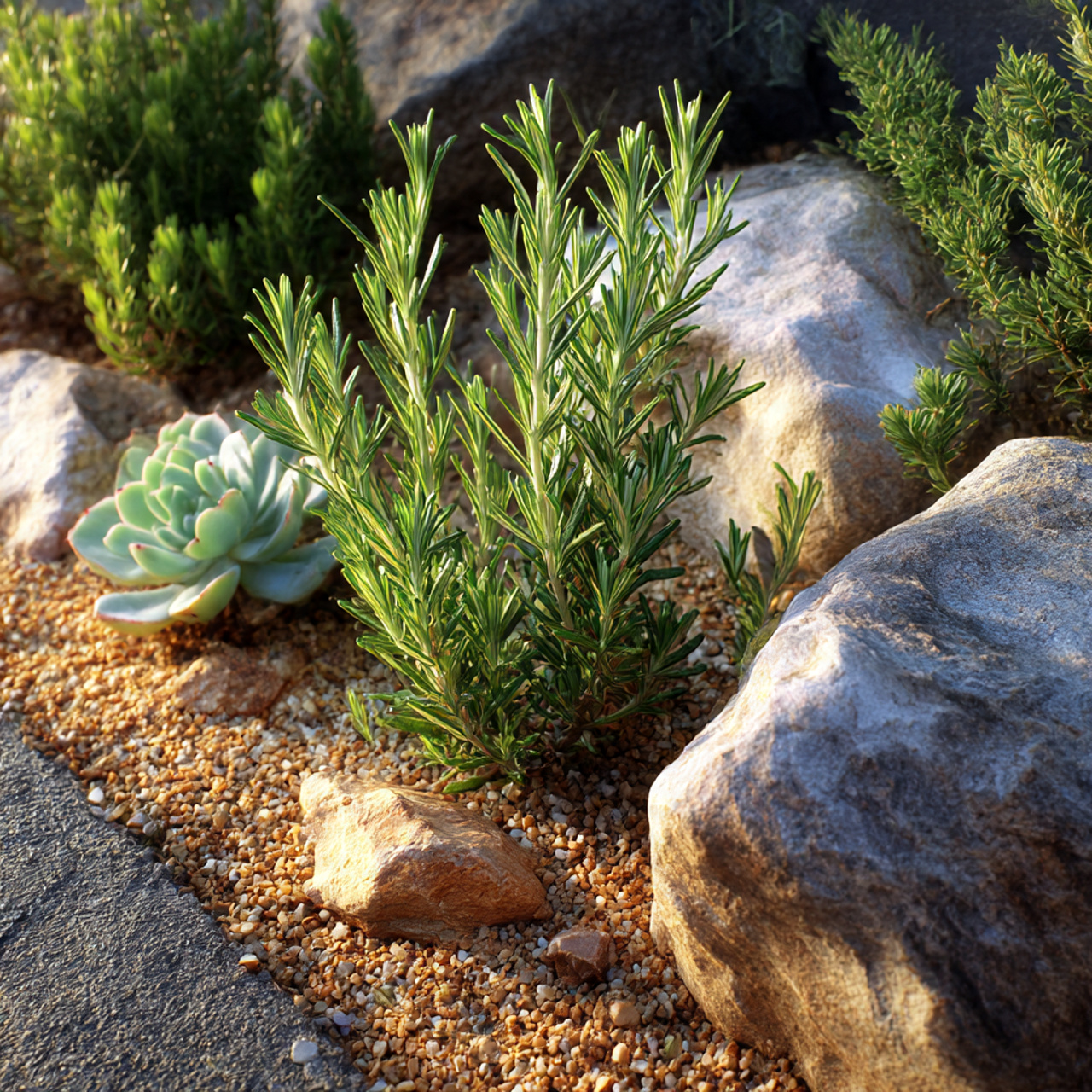
Rosemary fits perfectly into low-water landscapes alongside succulents, creating visually interesting combinations that thrive on minimal care. Both prefer similar conditions: excellent drainage, infrequent watering, and plenty of sunshine.
Rock gardens and gravel beds provide the fast-draining environment rosemary loves. Layer in some succulents, add decorative stones, and you’ve created a landscape that looks intentionally designed while requiring far less water and maintenance than traditional gardens.
The contrasting textures work beautifully together: rosemary’s needle-like foliage plays off succulent’s fleshy leaves. Color-wise, rosemary’s gray-green tones complement the blues, purples, and silvers common in succulent varieties.
Design Combinations:
- Pair upright rosemary with spreading sedum for height contrast
- Use rosemary as a backdrop for colorful echeveria
- Combine with ornamental grasses for movement
Xeriscaping Win: This combination can reduce landscape water use by 50-75% compared to traditional plantings.
Memory and Focus Enhancement

Some research suggests that rosemary’s scent may support alertness and concentration. While we shouldn’t overstate the effects, keeping a rosemary plant in your workspace or study area creates a pleasant atmosphere that might help with focus.
Think of this as environmental enhancement rather than treatment. The aroma contributes to your surroundings in a way that some people find helpful when working or studying. It’s a subtle effect, not a dramatic transformation.
If you find the scent pleasant and feel more focused with rosemary nearby, that’s reason enough to keep it around. Just don’t expect it to replace good study habits, adequate sleep, or proper work strategies.
Workspace Integration:
- Keep a small pot on your desk or nearby shelf
- Position where natural air movement will disperse scent
- Combine with other focus-supporting habits (good lighting, organized space)
Realistic Expectation: Consider it a pleasant boost to your environment, not a cognitive miracle.
Skincare and Antioxidant Applications
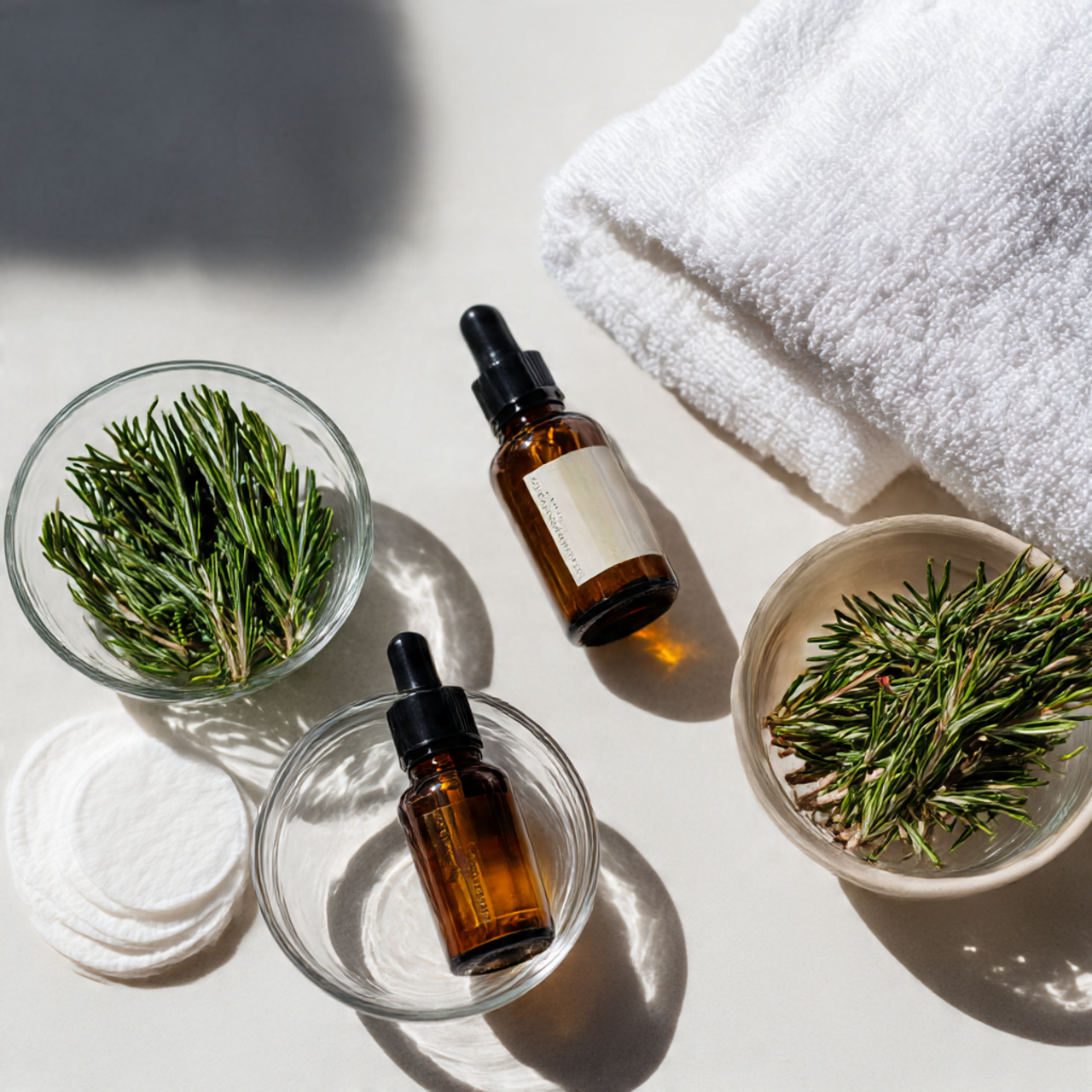
Rosemary-infused oils appear in various skincare products and homemade preparations. The herb contains compounds that have antioxidant properties, though how much benefit translates to skin use varies by individual.
If you’re interested in using rosemary for skincare, commercial products offer controlled concentrations and have been tested for stability. If making your own infusions, proper dilution is essential. Never apply concentrated rosemary essential oil directly to skin—it must be diluted in a carrier oil.
Always patch test any new skincare product, whether commercial or homemade. Apply a small amount to your inner forearm and wait 24 hours to check for any reaction before using on your face or larger areas.
Skincare Safety:
- Commercial products are formulated with appropriate concentrations
- Homemade infusions should use carrier oils at proper ratios (typically 1-2% essential oil maximum)
- Discontinue use if any irritation occurs
Skin Types: Those with sensitive or reactive skin should proceed with particular caution and consider consulting a dermatologist first.
Proper Harvesting and Storage Techniques
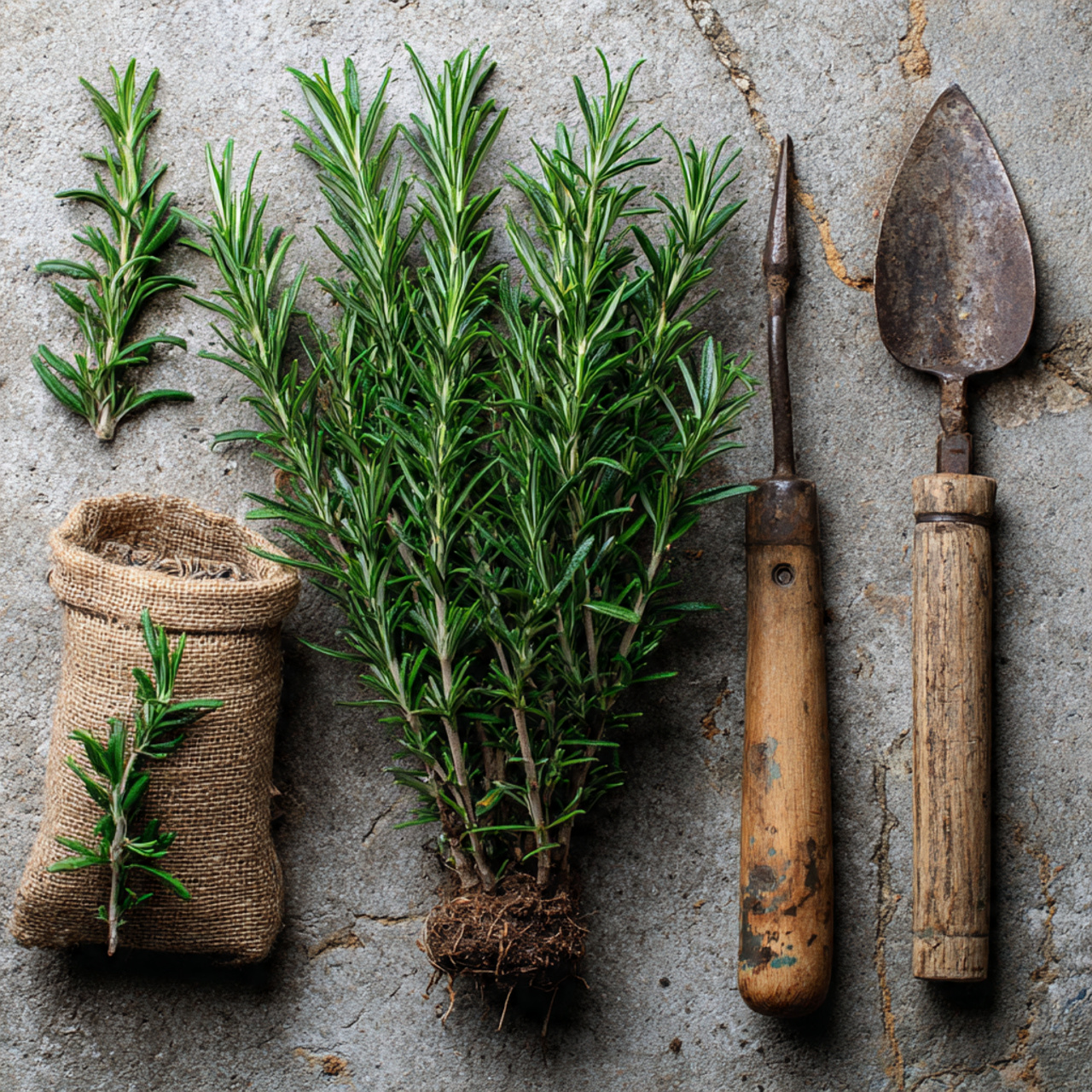
Knowing how to harvest rosemary correctly keeps your plant healthy and productive for years. The right technique actually encourages bushier growth rather than damaging the plant.
Harvest in the morning after dew has dried but before the day heats up—this is when aromatic oils are most concentrated. Use clean, sharp scissors or pruning shears to cut stems just above a pair of leaves (a node). Never take more than one-third of the plant at any single harvest.
For drying, bundle small groups of stems with kitchen twine and hang them upside down in a dark, well-ventilated spot. Once completely dry (1-2 weeks), strip leaves from stems and store in airtight containers away from light and heat. Properly dried and stored rosemary keeps its flavor for 6-12 months.
Harvesting Best Practices:
- Cut from the outer portions of the plant first
- Make clean cuts (ragged tears invite disease)
- Avoid harvesting when plants are stressed (very hot days, drought conditions)
Storage Tip: Whole dried stems retain flavor longer than pre-stripped leaves, so strip only what you need.
Year-Round Resilience Across Seasons
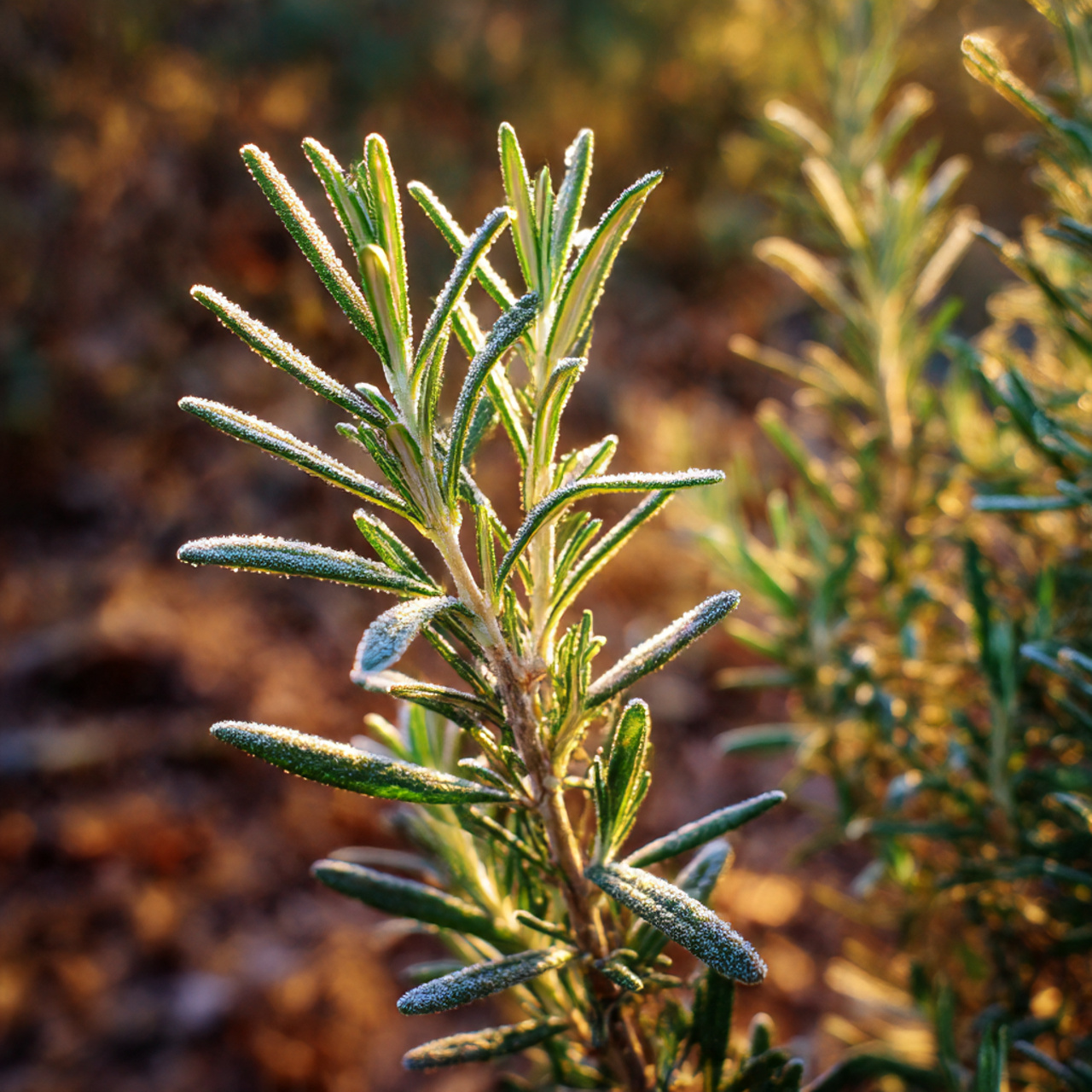
Rosemary’s evergreen nature makes it reliable through changing seasons. In mild climates (USDA zones 8-10), it stays outdoors year-round with minimal fuss. In colder areas, a bit of planning keeps rosemary thriving.
For zones 7 and colder, container-grown rosemary gives you flexibility. Move pots to sheltered locations before the first hard freeze, or bring them indoors to a bright, cool room. The plant needs a winter rest period with cooler temperatures (50-60°F ideal), not the warmth of a heated living room.
Some varieties handle cold better than others. ‘Arp’ and ‘Hill Hardy’ tolerate temperatures down to about 10°F with protection, while ‘Tuscan Blue’ is more cold-sensitive but beautifully ornamental in warmer zones.
Winter Protection Strategies:
- Mulch around the base before freezing weather
- Position containers against south-facing walls for warmth
- Wrap plants in burlap during extreme cold snaps (but allow airflow)
Zone-Specific Advice: Gardeners in zones 6 and below should treat rosemary as a container plant that winters indoors for best long-term success.
Natural Home Fragrance
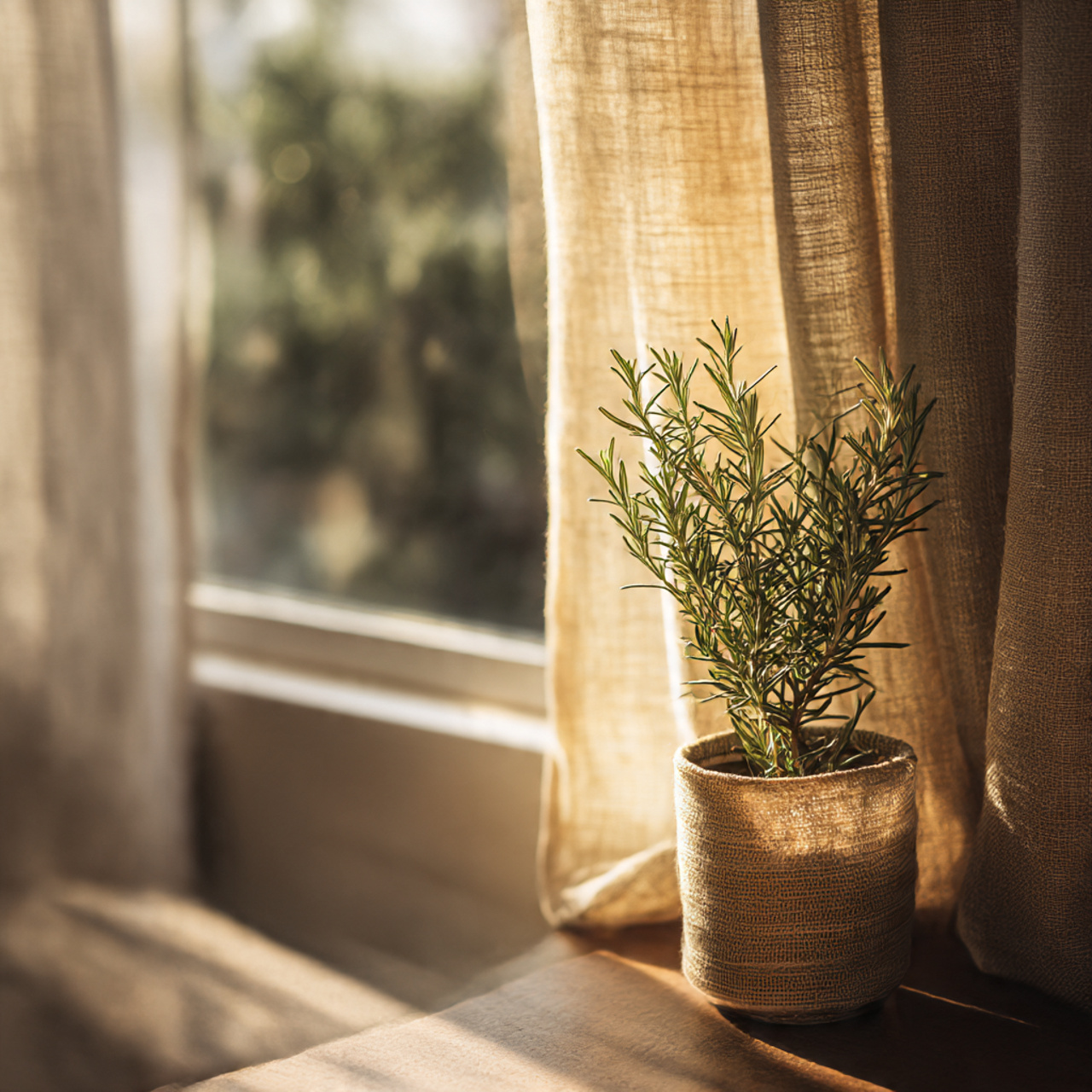
Unlike artificial air fresheners that blast synthetic scents, a rosemary plant offers gentle, natural fragrance that ebbs and flows with air movement through your home. The effect is subtle and pleasant rather than overwhelming.
Position your plant near entry doors, beside frequently opened windows, or in rooms where you spend time. As air naturally circulates, it carries light whiffs of that distinctive rosemary aroma. When you want a bit more scent, simply brush your hand lightly across the foliage.
Regular pruning maintains both the plant’s health and its fragrance output. Fresh growth tends to be more aromatic than older, woodier stems, so consistent trimming keeps your plant producing those scent-releasing young leaves.
Strategic Placement:
- Mudrooms and entryways for welcoming scent
- Kitchen windowsills for cooking inspiration
- Near seating areas where you’ll appreciate the aroma
Maintenance for Fragrance: Light weekly trimming produces more aromatic new growth than letting plants become overgrown.
Gifting Rosemary Plants
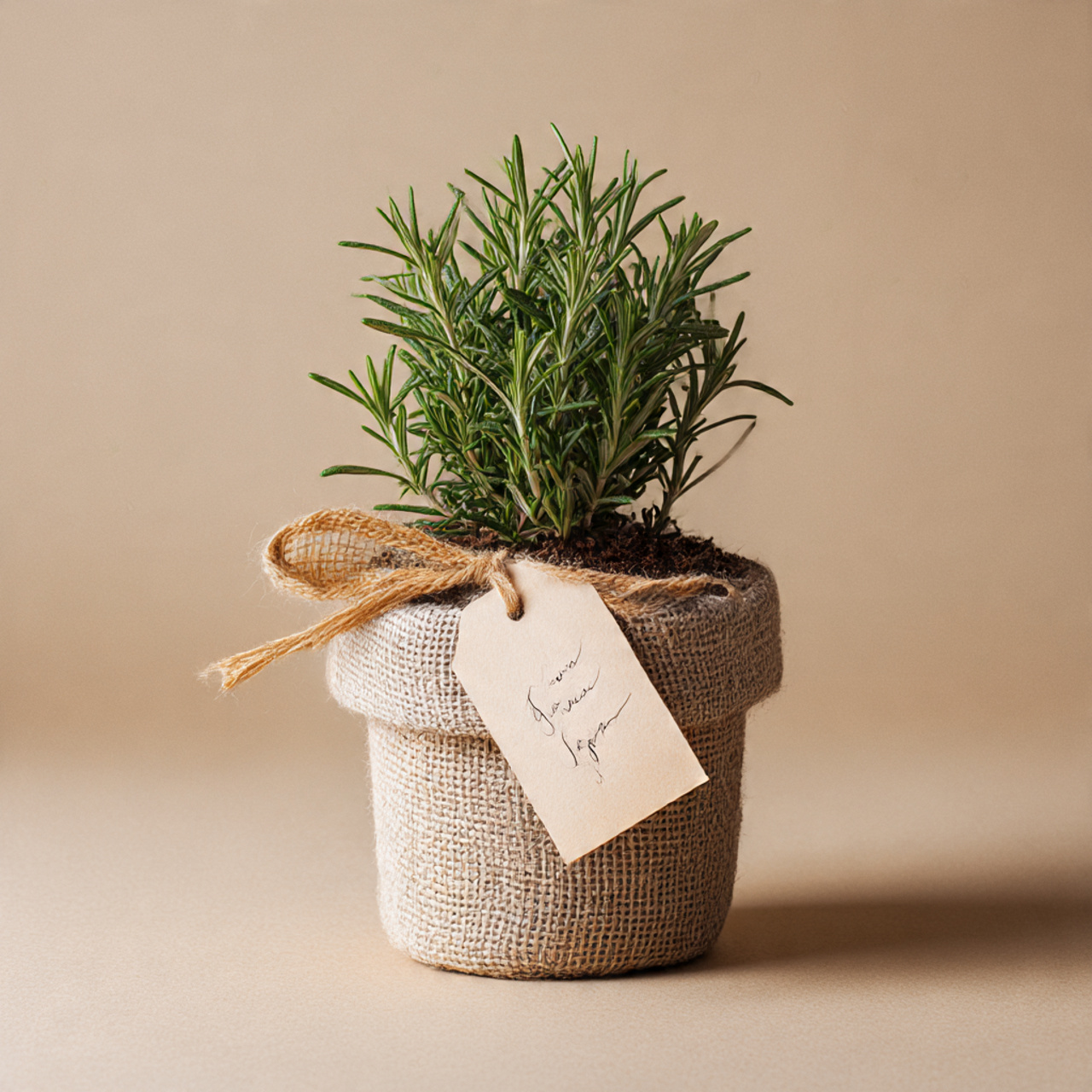
A rosemary plant makes a thoughtful gift that keeps giving long after greeting cards get recycled. It suits herb enthusiasts, home cooks, beginning gardeners, and anyone who appreciates practical beauty.
Present your gift with a small card that includes basic care instructions—sunlight needs, watering frequency, and harvesting tips. This simple addition dramatically increases the likelihood that your gift will thrive rather than decline from well-intentioned but incorrect care.
For extra thoughtfulness, include a few recipe cards that feature rosemary, or attach a small pair of herb scissors for harvesting. These additions transform a simple plant gift into a complete experience.
Gift Presentation Ideas:
- Plant in an attractive terracotta or ceramic pot
- Include a weatherproof care tag attached to the stem
- Add a small jar of herb-infused salt or oil you’ve made
Perfect Occasions: Housewarming, host/hostess gifts, Mother’s Day, or “just because” for the gardener in your life.
Zero-Waste Herb Gardening
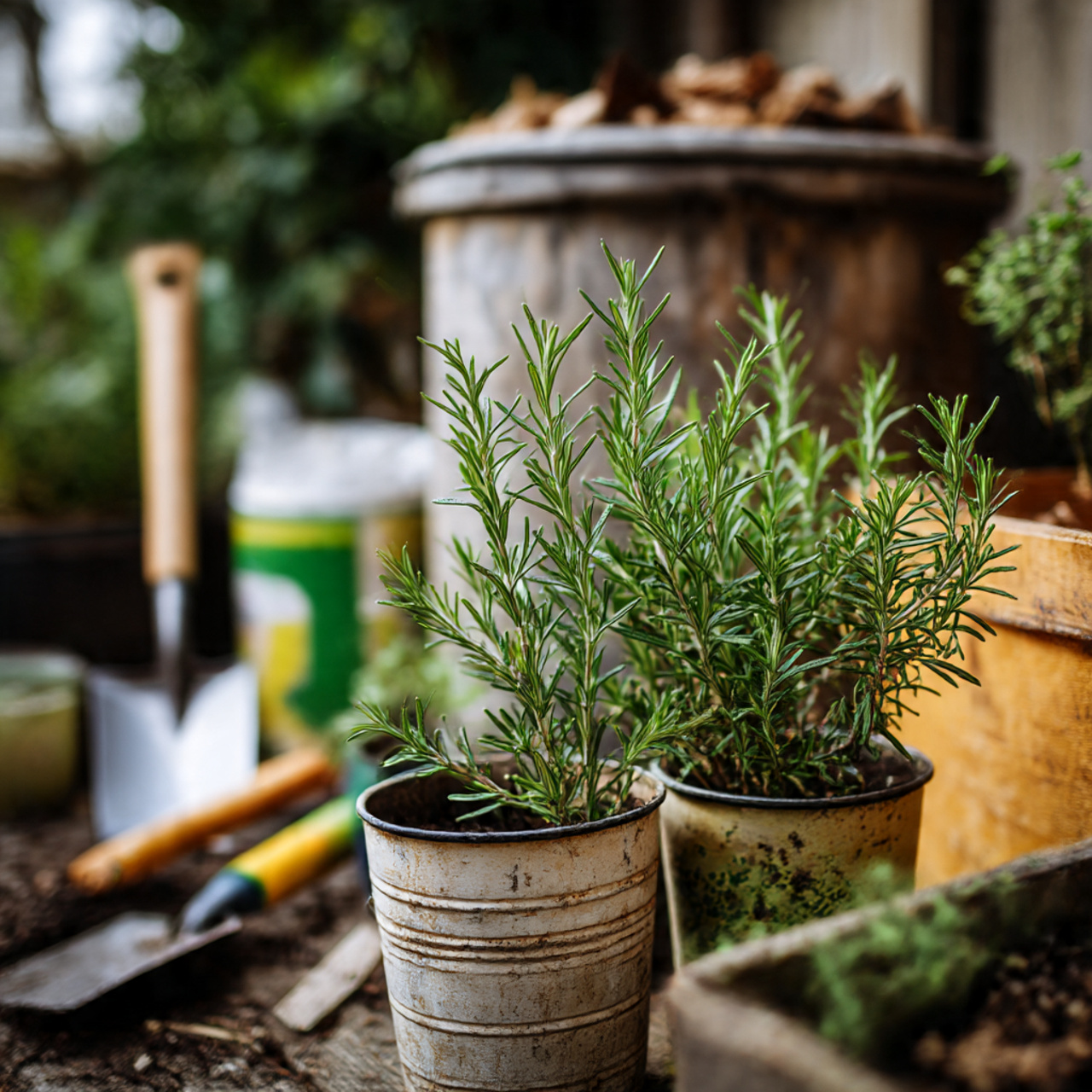
Rosemary exemplifies sustainable gardening through its longevity and multiple uses for every part of the plant. Nothing goes to waste when you’re thoughtful about how you use it.
Fresh trimmings go directly into cooking. Excess leaves can be dried for long-term storage or gifted to friends. Even the woody stems that aren’t ideal for eating serve a purpose—toss them onto your grill coals for aromatic smoke, or add them to your compost bin where they’ll break down and return nutrients to the soil.
The plant itself can live for a decade or more with proper care, producing useful harvests year after year. Compare this to buying packaged herbs wrapped in plastic every week, and the environmental math becomes obvious.
Zero-Waste Cycle:
- Soft tips and young leaves: cooking and fresh use
- Older leaves: drying and preserving
- Woody stems: grilling aromatics or kindling
- Spent plants: compost material
Sustainability Bonus: One mature rosemary plant can replace hundreds of dollars worth of purchased herbs over its lifetime.
Growing Your Own Food Sustainably
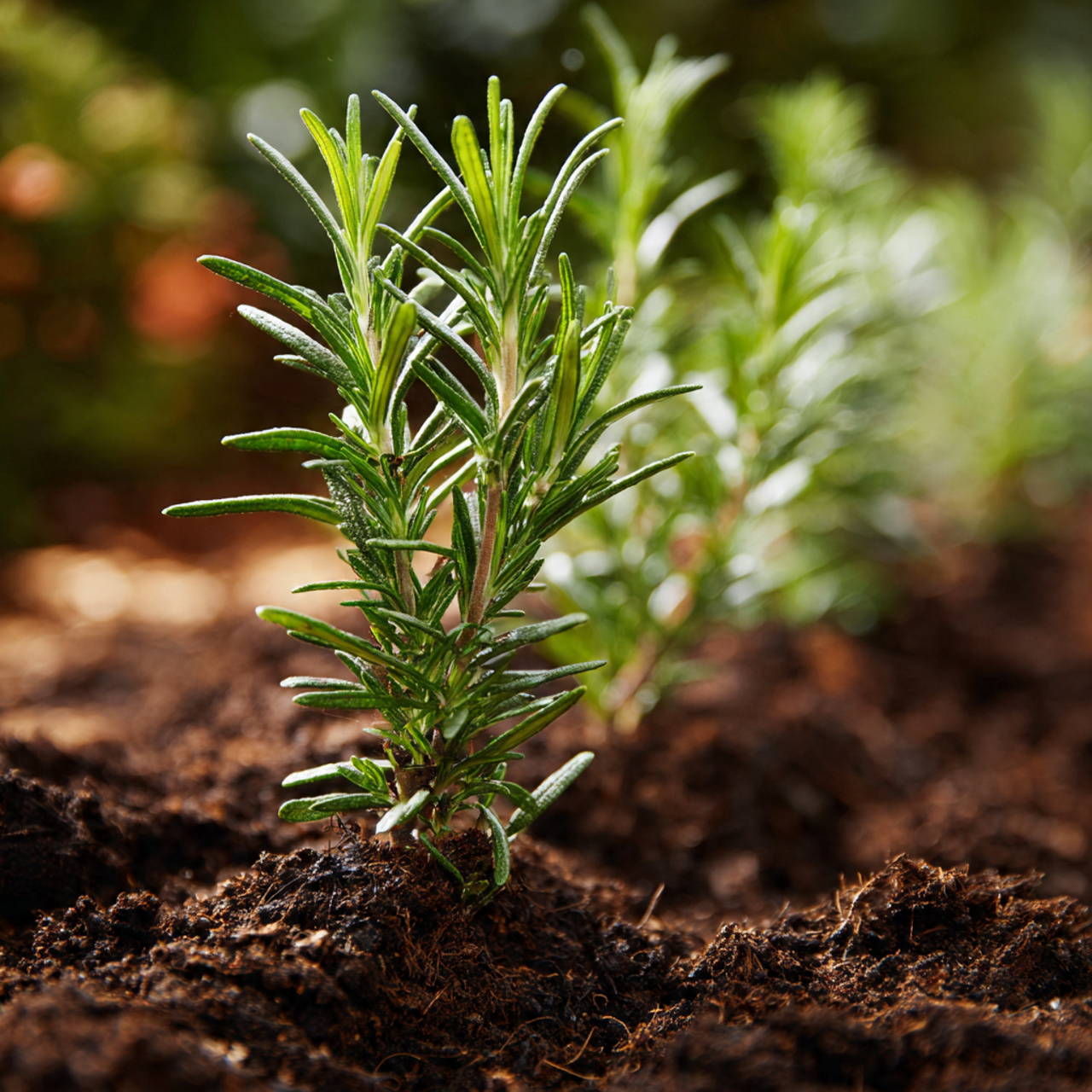
Fresh herbs from your own garden represent one of the easiest entry points into sustainable food production. Rosemary exemplifies this perfectly—it’s productive, long-lived, and eliminates the need for those plastic clamshells of herbs from the grocery store.
Having rosemary steps from your kitchen changes how you cook. Instead of planning specifically around available herbs, you grab a sprig because it’s right there. This convenience naturally leads to using more fresh herbs, which makes your food taste better and reduces reliance on packaged seasonings.
Position rosemary plants where you’ll actually use them. A pot near the kitchen door or on a nearby patio means you’ll reach for fresh herbs even when you’re busy, while a plant tucked away in a distant garden bed might get forgotten.
Kitchen Garden Integration:
- Cluster herbs together near your most-used entrance
- Keep scissors or shears handy for quick harvests
- Plant in containers that can move closer as needed
Impact Over Time: A single rosemary plant potentially eliminates 30-50 plastic herb packages yearly from your consumption.
Visit Also: Sage Plant
Teaching Children About Plants
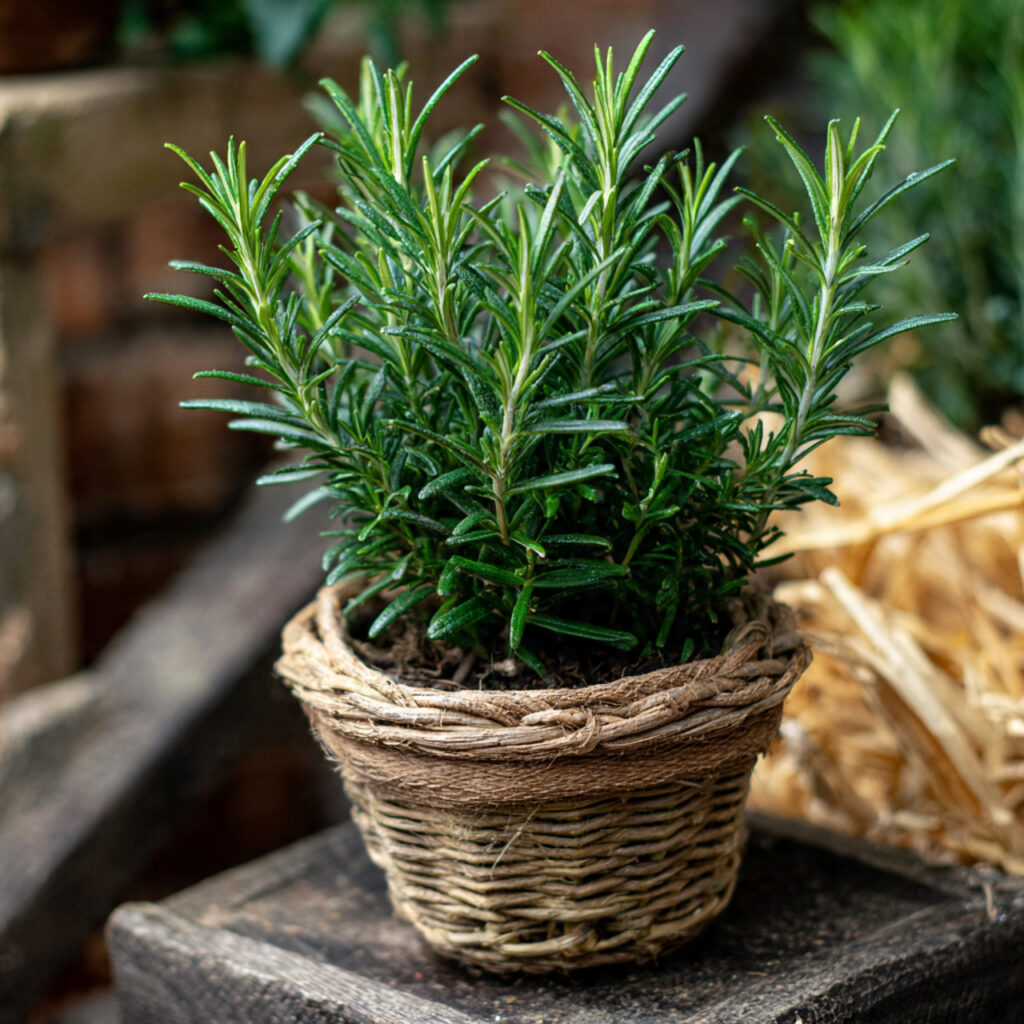
Rosemary offers an excellent introduction to plant care for kids. It’s sturdy enough to handle less-than-perfect care from learning gardeners, and it provides multiple sensory experiences—touch, smell, taste, and visual growth patterns.
Children can help with basic tasks: checking soil dryness, gentle watering, harvesting sprigs for dinner, and observing how the plant changes over time. These activities teach responsibility while connecting kids to where food comes from.
Supervised trimming and harvesting give children hands-on experience with plant maintenance. They learn that plants are living things requiring care, but also that using them (harvesting) can actually benefit the plant by encouraging new growth.
Age-Appropriate Tasks:
- Ages 4-7: touching leaves, smelling, helping water with supervision
- Ages 8-12: checking soil, light harvesting, observing growth
- Ages 13+: independent care, propagation, experimenting with uses
Learning Opportunities: Discuss how plants need sun, water, and air (just like people need food and care), creating parallels that make sense to children.
Creating Fragrance-Based Daily Rituals

Incorporating rosemary’s scent into daily routines adds a sensory element that can enhance mindfulness and create structure. This isn’t about grand claims; it’s about small, pleasant experiences that improve your day.
Some people keep rosemary on their desk and take a moment to brush the leaves before starting work—a small ritual that signals “time to focus.” Others keep a plant near their reading chair, associating that particular scent with relaxation time. These simple sensory cues help create boundaries between different parts of your day.
The key is keeping rituals modest and achievable. Overly complex routines fall away quickly, while simple touches—catching a whiff of rosemary with your morning coffee—integrate seamlessly into life.
Simple Ritual Ideas:
- Morning: brush rosemary leaves while waiting for coffee to brew
- Work transitions: refresh yourself with the scent between tasks
- Evening wind-down: position near your relaxation space
Consistency Over Complexity: Small, daily moments with rosemary create more lasting benefit than elaborate but infrequent practices.
Low-Water Landscape Solutions
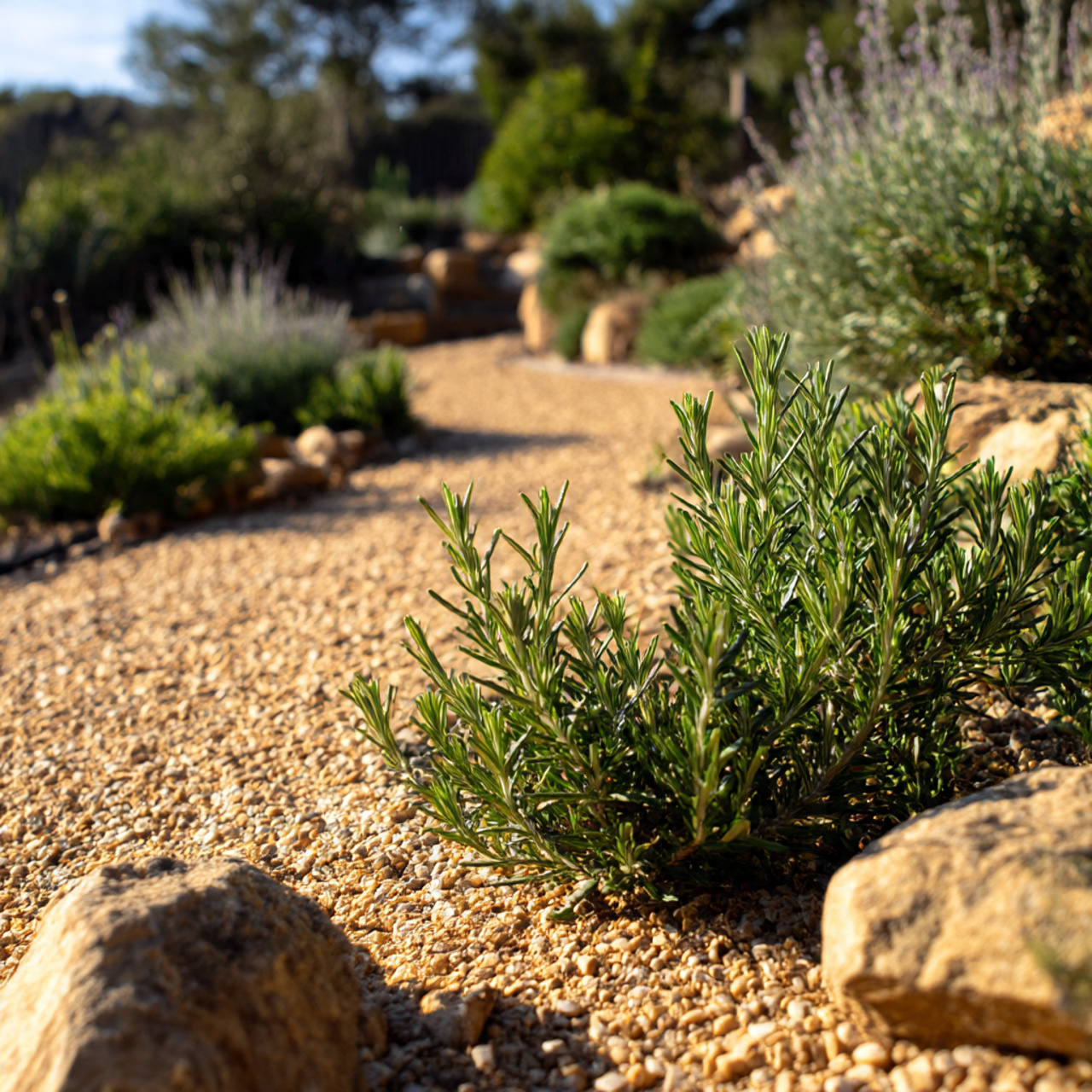
For gardeners facing water restrictions or living in drought-prone regions, rosemary answers the question: “How do I keep a beautiful landscape without constant irrigation?”
Once rosemary establishes its root system (typically 6-12 months), it handles dry periods remarkably well. This makes it ideal for xeriscaping—landscaping designed to minimize water use. Combine rosemary with other Mediterranean plants, add gravel or stone mulch, and you’ve created an attractive landscape that thrives on rainfall and occasional deep watering.
The environmental and practical benefits stack up: lower water bills, less time spent irrigating, and guilt-free gardening even during drought restrictions. Plus, rosemary actually performs better with less water than too much.
Xeriscape Integration:
- Group rosemary with other drought-tolerant herbs (lavender, thyme, oregano)
- Use gravel mulch to reduce moisture evaporation and reflect light
- Install on slopes or areas with excellent natural drainage
Water Savings: Xeriscaped areas using rosemary can thrive on 25% of the water traditional lawns require.
Keeping Kitchen Windowsill Rosemary for Instant Flavor
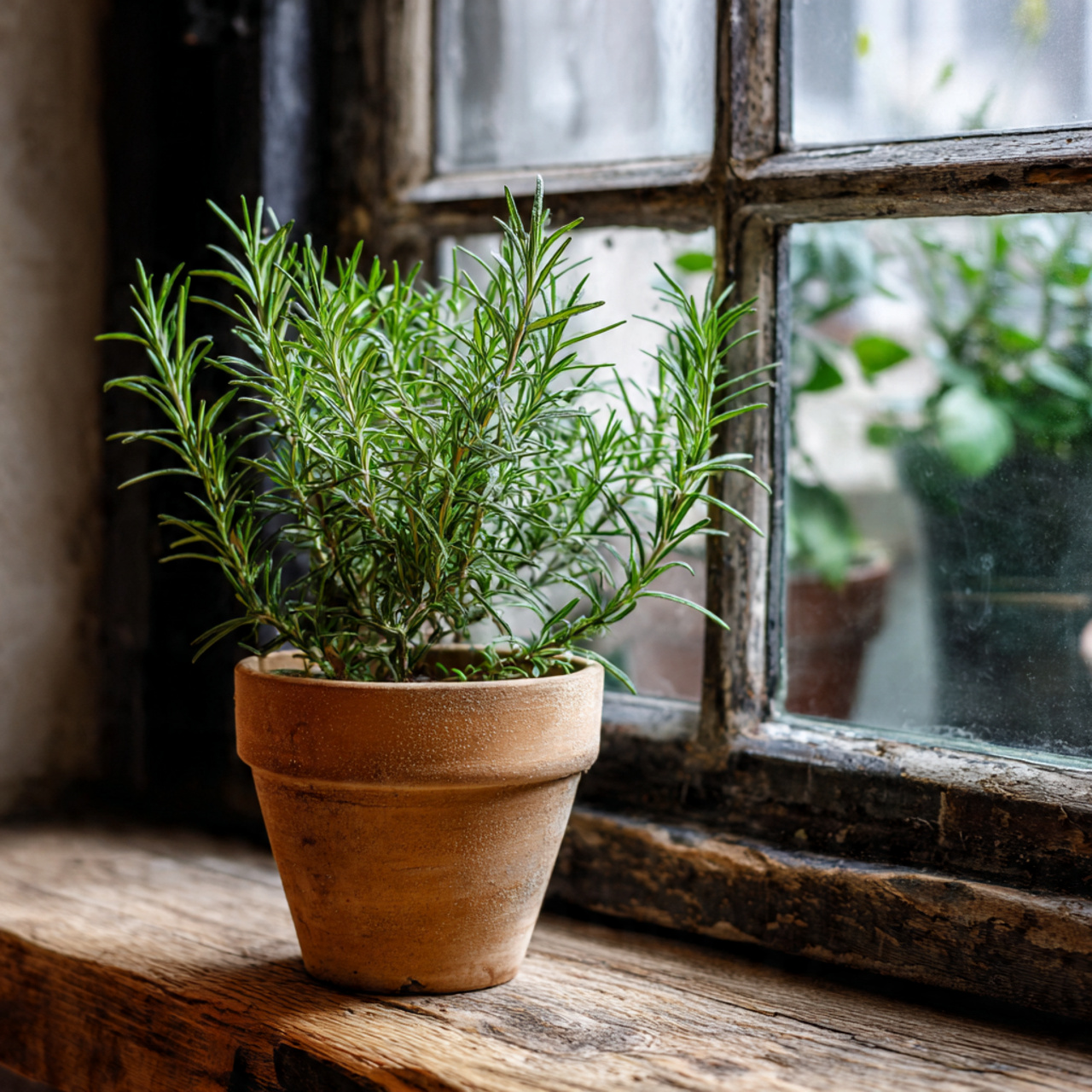
The ultimate convenience is having fresh rosemary within arm’s reach of your stove. A small plant on your kitchen windowsill transforms how you cook, making it effortless to add fresh herbs to any dish.
The flavor difference between freshly snipped rosemary and dried herbs from a jar is significant. Fresh rosemary brings bright, complex notes that dried versions simply can’t match, especially after they’ve been sitting in your cupboard for months (or years—we’ve all been there).
Even mature rosemary plants remain productive when harvested regularly. In fact, frequent light trimming encourages the bushy growth that’s ideal for windowsill plants. You’re maintaining the perfect size and shape while harvesting exactly what you need.
Windowsill Success:
- South or southwest-facing windows work best
- Rotate the pot weekly for even growth
- Harvest from different areas to maintain balanced shape
Harvest Technique: Pinch off what you need right before cooking for maximum flavor impact in your dishes.
FAQs about the rosemary plant
Q 1: How often should I water my rosemary plant?
The rosemary plant prefers soil that dries somewhat between waterings. In containers, water when the top 2 cm of soil feels dry. Overwatering the rosemary plant can lead to root issues.
Q 2: Can the rosemary plant survive indoors?
Yes. The rosemary plant can thrive indoors if it receives at least 6 hours of direct sunlight or bright light, has good drainage and you avoid over-watering. But indoor air can dry it out so occasional misting or rotation to outdoor sunlight helps.
Q 3: How do I harvest leaves from my rosemary plant without harming it?
Trim the rosemary plant by cutting stems just above a pair of leaves, and avoid removing more than one-third of the plant at a time. Regular trimming encourages the rosemary plant to remain bushy rather than woody.
Q 4: What kind of soil does the rosemary plant need?
The rosemary plant does best in well-drained, sandy or loamy soil with a neutral to slightly acidic pH. Heavy clay that stays wet will stress the rosemary plant. Good drainage is key.
Q 5: Are there any precautions with using the rosemary plant for herbal purposes?
Yes. While the rosemary plant contains beneficial compounds, high doses or essential oil forms may cause side-effects or interact with medications. Pregnant or breast-feeding women, people on anticoagulants or people with low blood pressure should check before using the rosemary plant medicinally.
Final Thoughts
Rosemary stands out among herbs for its remarkable combination of beauty, usefulness, and ease of care. Once you understand its simple needs—bright sunlight, well-drained soil, and restrained watering—this Mediterranean native delivers years of reliable performance.
The versatility is what makes rosemary truly special. It flavors your cooking, fragrances your home, attracts pollinators to your garden, stabilizes slopes, and even provides a hands-on learning tool for children. Few plants offer such a broad range of practical applications while remaining genuinely low-maintenance.
Whether you’re starting with a single pot on a sunny windowsill or incorporating rosemary throughout your landscape, you’re adding a plant that earns its space. With the information in this guide, you have what you need to grow healthy rosemary and use it thoughtfully in ways that enhance your daily life.