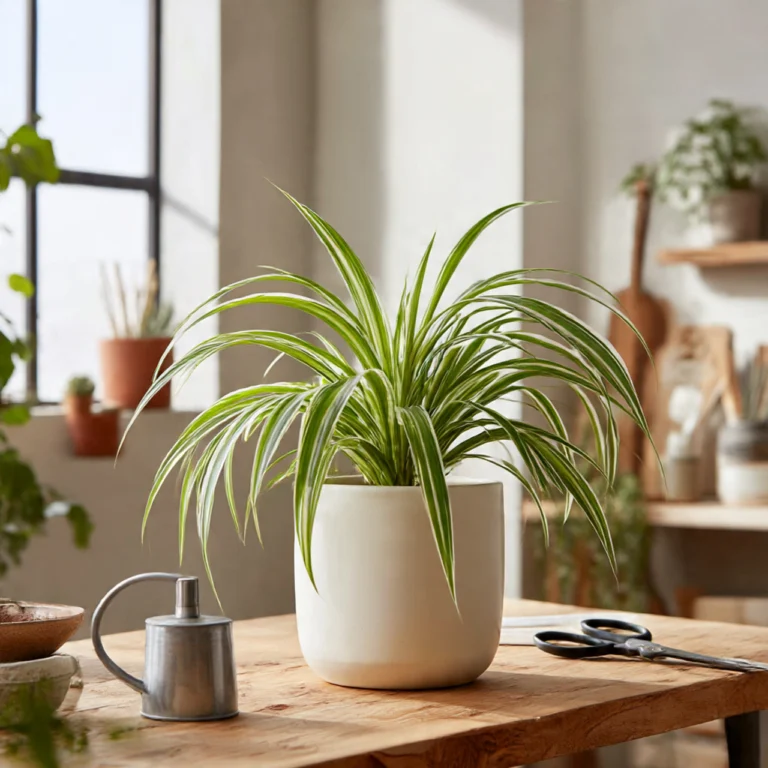
25 Calathea Plant Care Guide: Simple Secrets to Keep It Thriving Indoors
Chances are you’ve seen Calatheas at the plant store and been mesmerized by those wild, striped leaves. These showstoppers are like the supermodels of the houseplant world—gorgeous, dramatic, and yes, a little high-maintenance. But here’s the thing: they’re not actually difficult to care for. They just know what they want.
Think of Calatheas as plants with personality. They’ll tell you when they’re happy (by showing off those incredible patterns), and they’ll definitely let you know when something’s off (hello, crispy leaf edges). The good news? Once you understand their language, caring for a Calathea becomes second nature.
This guide breaks down everything you need to know about Calathea care into some practical, easy-to-follow tips. Whether you’re a complete beginner or looking to rescue a struggling plant, you’ll find actionable advice that actually works.
Getting to Know Your Calathea
Before we dive into care tips, let’s talk about where these beauties come from. Calatheas are native to the rainforest floors of South America, where they live in the shade of towering trees. Picture a place where it’s always warm, never too bright, and the air feels like a gentle mist on your skin. That’s home for a Calathea.
This jungle background explains everything about how they behave in your home. Those broad, thin leaves? Perfect for capturing filtered light. That need for constant moisture? That’s what they evolved with. Understanding this rainforest lifestyle is your secret weapon for keeping your Calathea thriving.
Calathea Plant Light Requirements
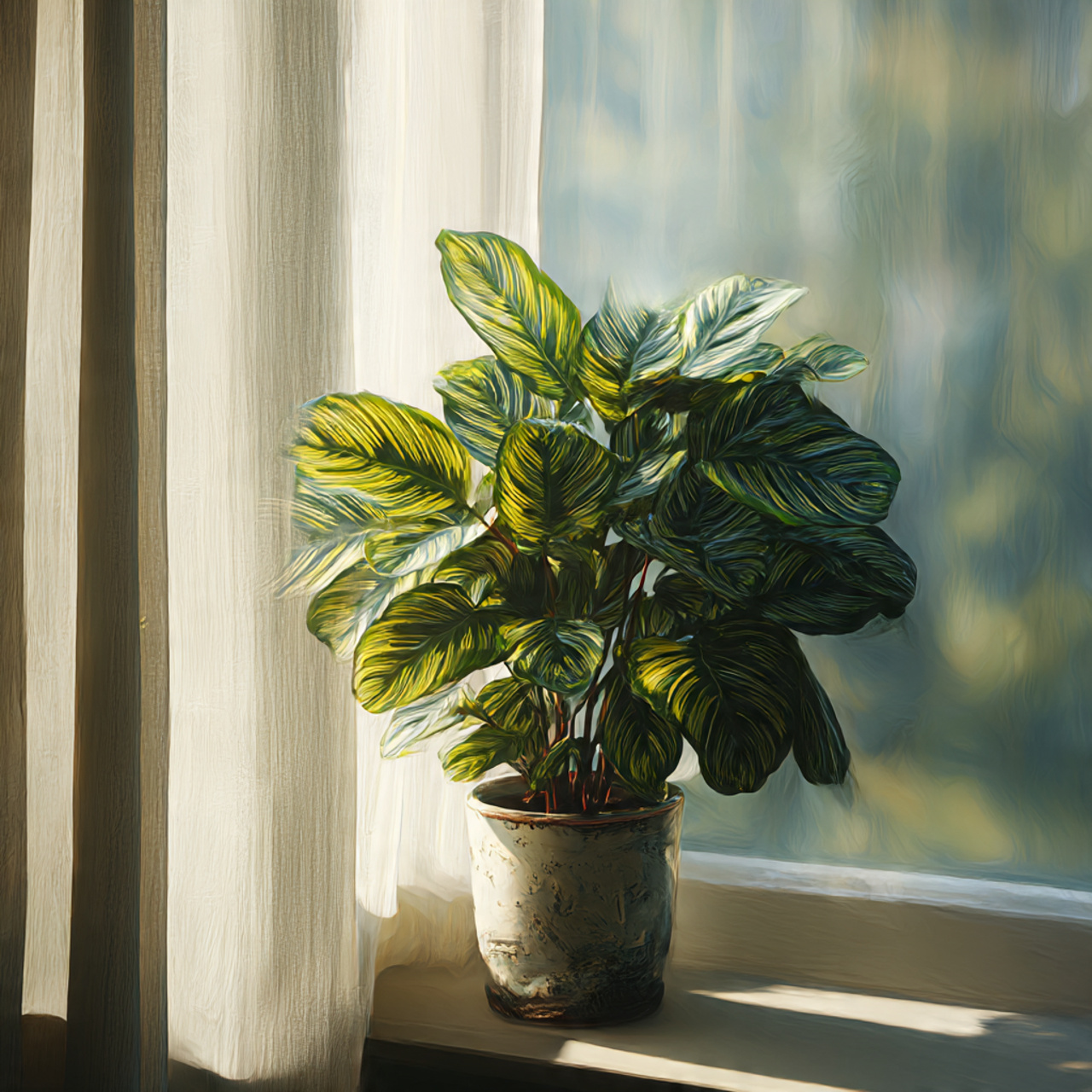
Lighting is where most people go wrong with Calatheas. These plants want bright spaces, but they absolutely cannot handle direct sunlight. Think of them as indoor plants that love the ambiance of light without the harshness of direct rays.
The sweet spot? Place your Calathea near an east-facing window where it catches soft morning light, or a north-facing window that provides consistent brightness all day. If you only have south or west windows, pull the plant back a few feet or use a sheer curtain to diffuse the light.
Tip: Notice your Calathea’s patterns fading or the leaves looking washed out? That’s too much light. If the leaves are stretching and losing their compact shape, it needs more brightness. The plant literally shows you what it needs.
Calathea Plant Watering Principles
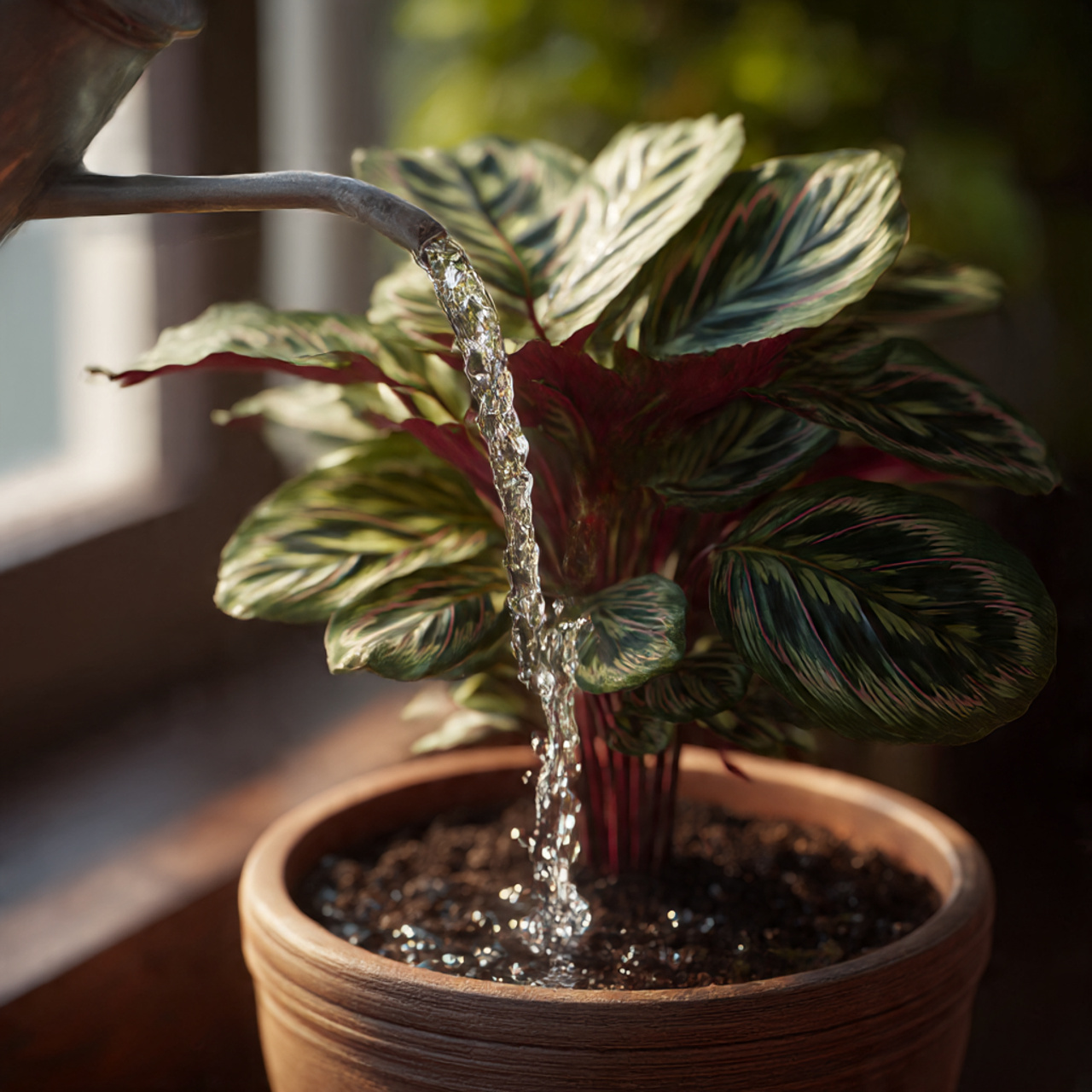
Watering a Calathea isn’t complicated—it just requires attention. These plants like their soil consistently moist, but never waterlogged. Think of it like a wrung-out sponge: damp to the touch, but not dripping.
Check the top inch of soil with your finger. When it feels dry, it’s time to water. Pour water evenly across the soil surface until it drains from the bottom holes, then empty the saucer. Never let your Calathea sit in standing water—that’s a one-way ticket to root rot.
Practical Advice: Set a weekly reminder on your phone to check your plant. In summer, you might water twice a week. In winter, once a week might be plenty. Let the plant and the soil guide you, not the calendar.
Choosing the Right Water Quality
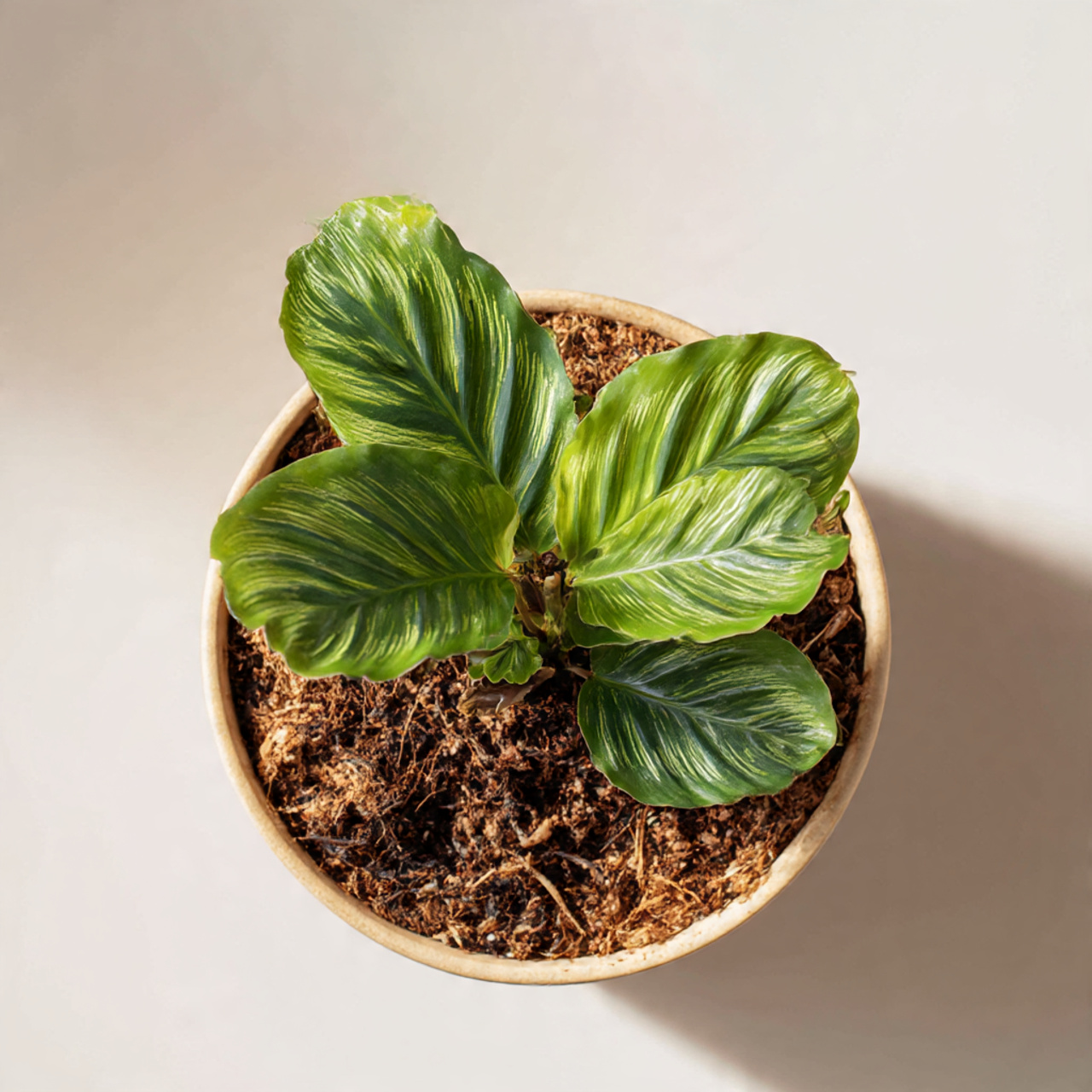
Here’s something many plant parents don’t know: Calatheas are picky about water quality. Tap water often contains fluoride, chlorine, and minerals that accumulate in the soil and cause those dreaded brown leaf edges.
Switch to filtered water, distilled water, or collected rainwater if possible. If tap water is your only option, let it sit in an open container overnight so the chlorine can evaporate.
Money-Saving Tip: Buy a simple water filter pitcher—it’s cheaper than constantly buying distilled water and works perfectly for your plants.
Calathea Plant Humidity Essentials
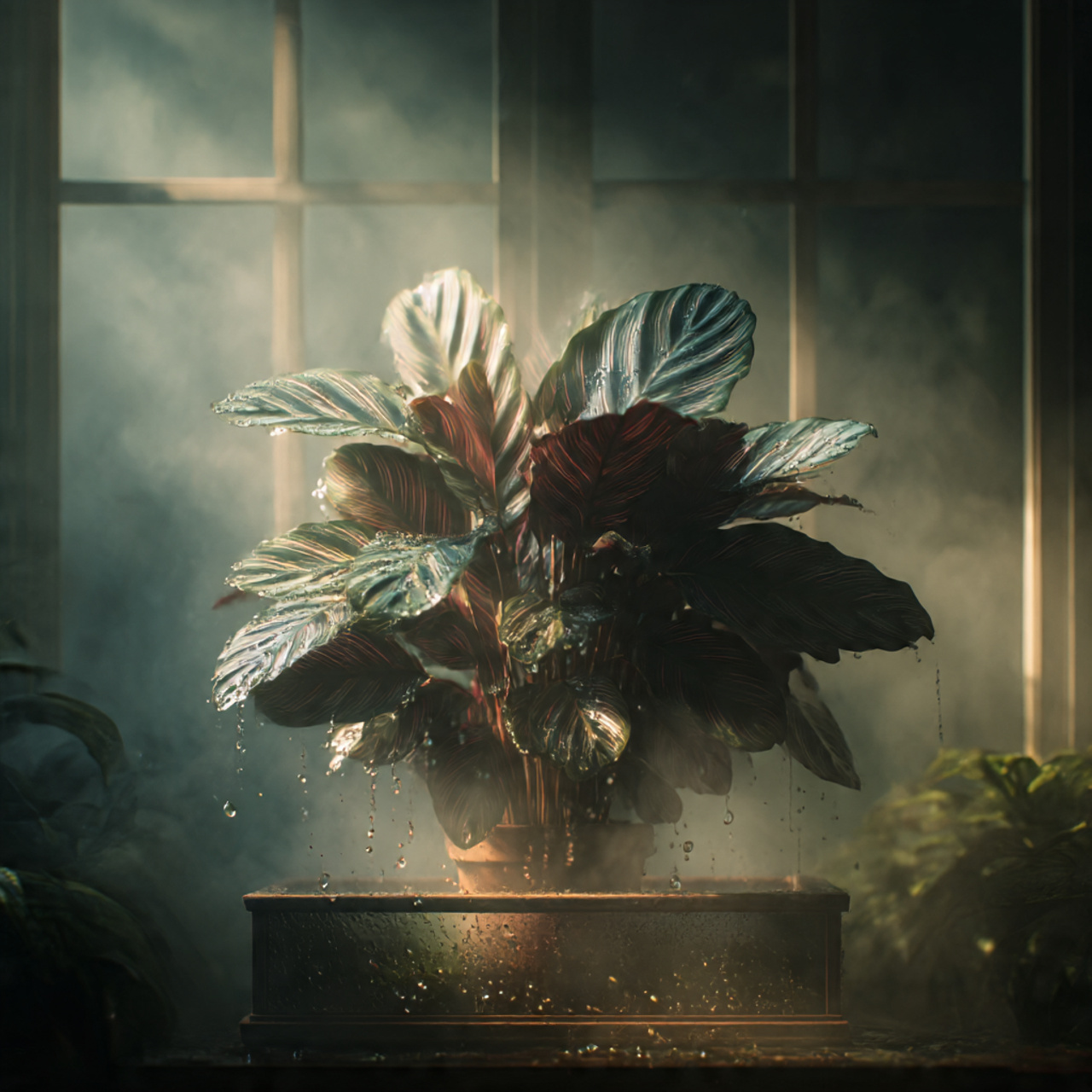
Humidity is not just beneficial — it is essential for the Calathea plant. This species evolved in environments with humidity levels often exceeding 70%, and household air, especially during winter, falls far below this range. Low humidity creates dry leaf edges, fraying, and discoloration.
Maintaining humidity between 60–75% keeps the plant’s foliage supple and healthy. The most effective method is using a cool-mist humidifier positioned a few feet away from the plant. Pebble trays and grouping plants together can create localized microclimates that help keep moisture levels higher. Bathrooms with natural light can also serve as excellent environments for the Calathea plant.
Inconsistent humidity leads to unpredictable behavior, including drooping, curling, and browning. Once humidity stabilizes, the Calathea plant typically shows rapid recovery.
Calathea Plant Temperature Stability

Temperature swings stress out Calatheas fast. They love consistency—ideally between 65°F and 80°F year-round. Cold drafts from windows, AC vents blowing directly on the plant, or spots near frequently opened doors can cause leaves to droop or develop brown patches.
Find a stable location away from heating and cooling systems. Think of it as giving your plant a cozy, unchanging microclimate where it can relax and grow.
Warning Sign: If your Calathea’s leaves suddenly collapse overnight, check for cold exposure. Even a few hours in temperatures below 60°F can shock the plant.
Calathea Plant Fertilizing Technique
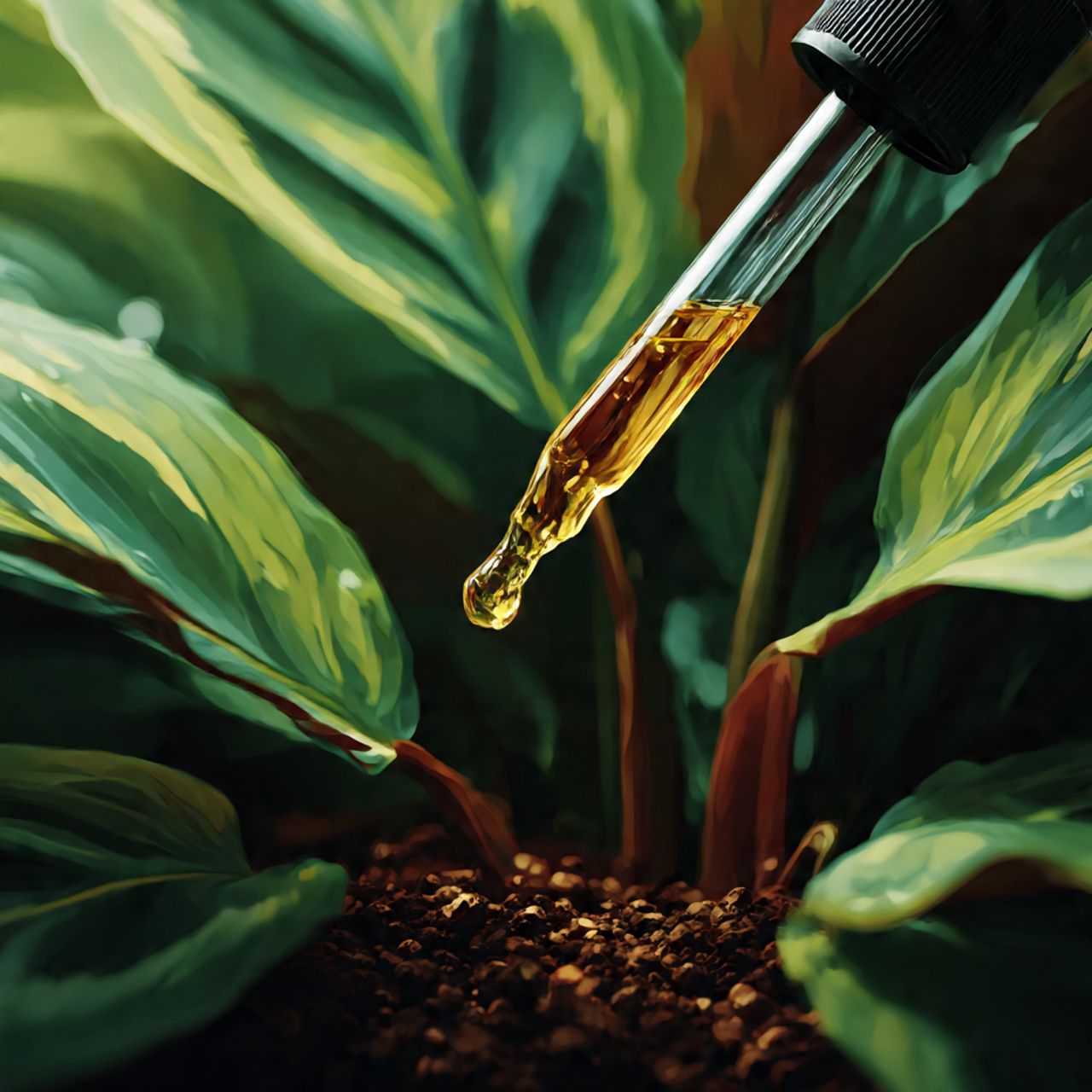
Calatheas aren’t heavy feeders, but they do appreciate regular nutrition during their growing season (spring and summer). Use a balanced liquid fertilizer diluted to half strength every 3-4 weeks.
Here’s the catch: overfeeding is worse than underfeeding. Too much fertilizer causes salt buildup that burns roots and creates brown leaf tips. During fall and winter, reduce feeding to once every 6-8 weeks, or stop entirely.
Practice: Always water your plant before fertilizing. Applying fertilizer to dry soil can burn the roots.
Calathea Plant Repotting Needs
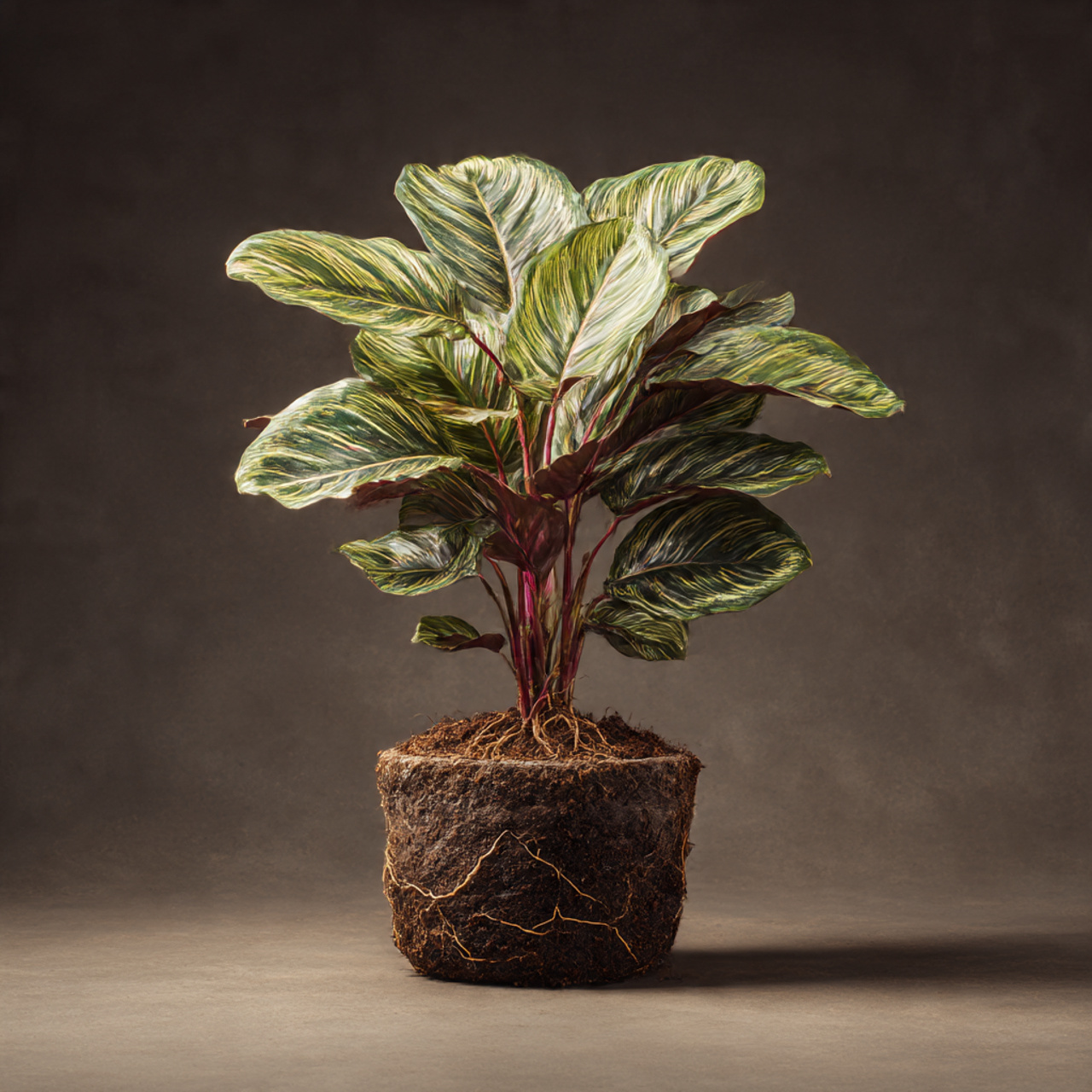
Calatheas typically need repotting every 1-2 years. Signs it’s time include roots growing out of drainage holes, water running straight through without absorbing, or noticeably slowed growth.
Choose a pot only 1-2 inches larger than the current one. Too large a pot holds too much water, which increases the risk of root rot. Spring is the best time to repot, when the plant is actively growing and can recover quickly from the stress.
Gentle Reminder: Handle the roots carefully during repotting—they’re delicate. Remove old, spent soil and refresh it with your well-draining mix.
Appreciating Those Stunning Leaf Patterns
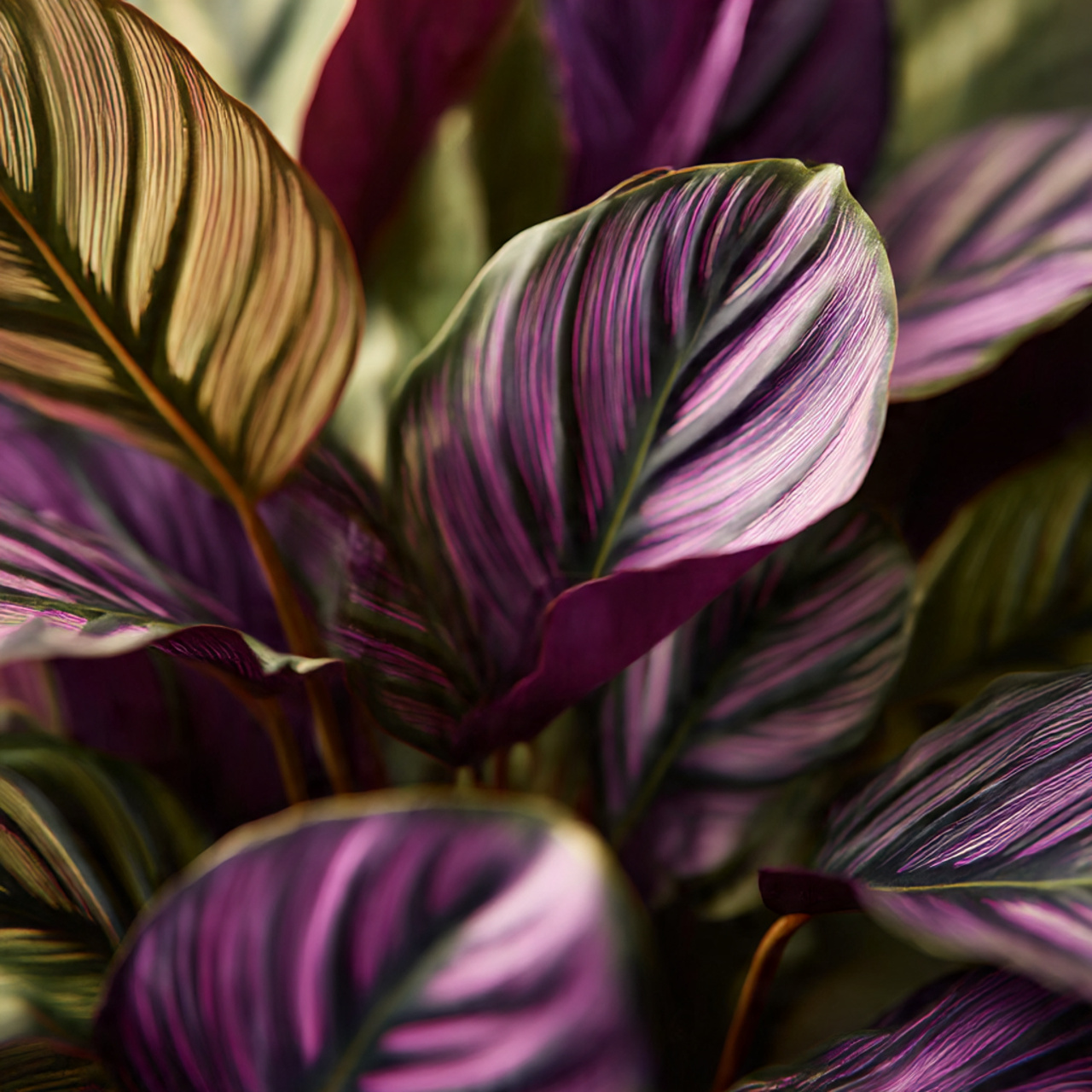
Ever wondered why Calatheas have those incredible patterns? It’s not just for show. Those stripes, spots, and feathered designs help the plant capture and use filtered light more efficiently in the dim rainforest understory.
Different species have different patterns—from the pin-striped Calathea ornata to the peacock-like Calathea makoyana. The undersides are often deep purple, which helps the plant make the most of every bit of light.
Fun Fact: The patterns can actually indicate plant health. Vibrant, well-defined markings mean your Calathea is getting proper care. Faded patterns suggest too much light or insufficient nutrients.
Calathea Plant Daily Rhythmic Movement

One of the coolest things about Calatheas is their nyctinasty—the scientific term for their daily leaf movement. During the day, leaves spread wide to catch light. At night, they fold upward like hands in prayer.
This movement helps the plant conserve moisture at night and allows better airflow around the leaves. It’s also a great health indicator. A Calathea that moves rhythmically is a happy Calathea. If the movement stops, something in the environment needs adjusting.
Watch for This: Set up a time-lapse video of your Calathea over 24 hours. Watching the leaves move is mesmerizing and helps you understand your plant’s natural rhythm.
Keeping Those Leaves Clean and Shiny
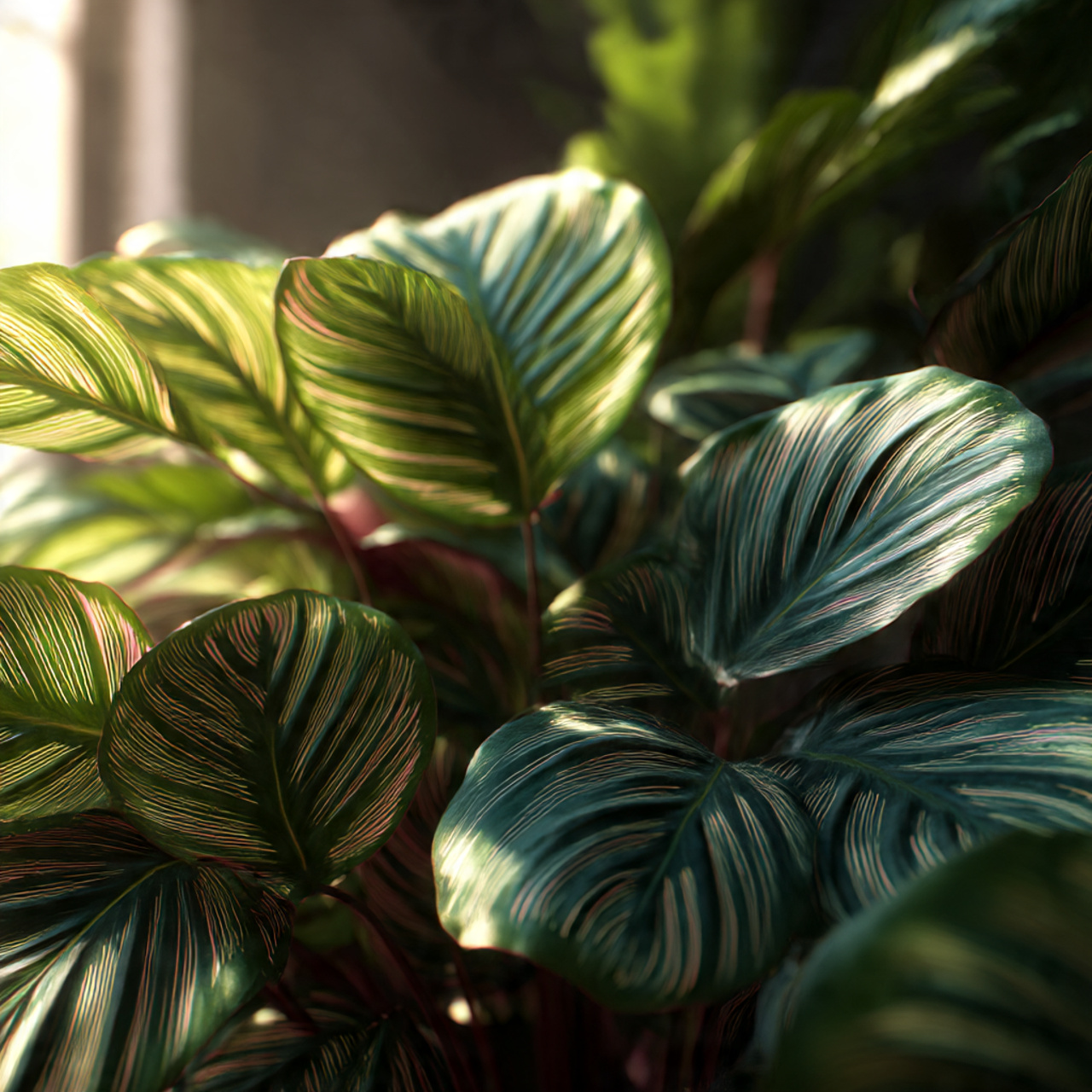
Dust blocks light and reduces your Calathea’s ability to photosynthesize. Those big, gorgeous leaves are dust magnets, so they need regular cleaning.
Every two weeks, gently wipe each leaf with a soft, damp cloth. Support the leaf from underneath while you clean the top to avoid tearing. Skip the commercial leaf shine products—they clog the leaf pores and can damage the delicate surface.
Quick Cleaning Tip: Use room-temperature filtered water on your cloth. You can also give your plant a gentle shower (with lukewarm water) to rinse everything at once.
Preventing Common Pests
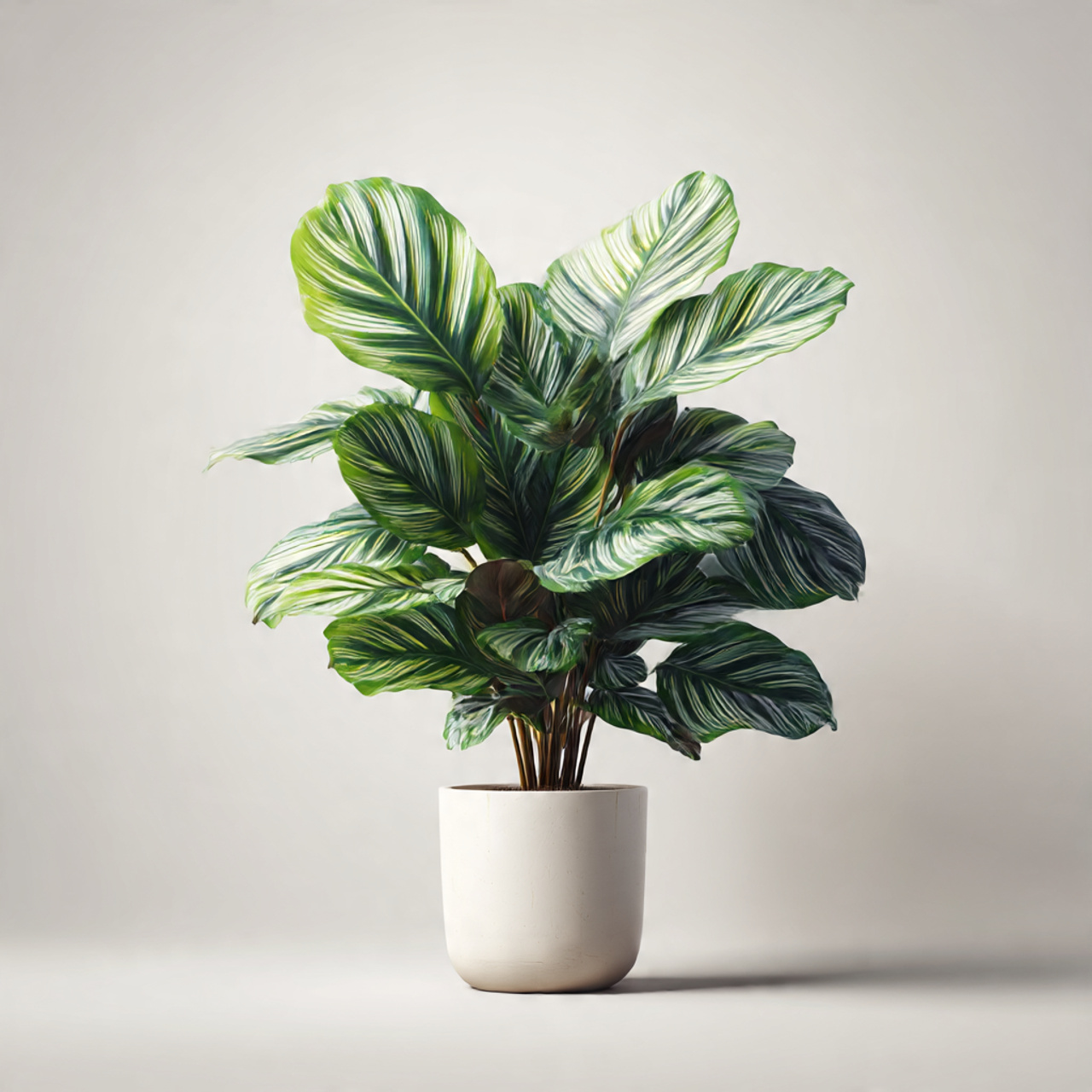
Calatheas can attract spider mites, mealybugs, and aphids, especially when humidity is low and the air is stagnant. Prevention is way easier than treatment.
Inspect your plant weekly, checking the undersides of leaves where pests like to hide. Maintain proper humidity levels—pests thrive in dry conditions. If you catch an infestation early, a spray of neem oil or insecticidal soap usually takes care of it.
Prevention Strategy: Quarantine any new plants for 2-3 weeks before placing them near your Calathea. Many pest problems start with new additions to your collection.
Protecting the Root System
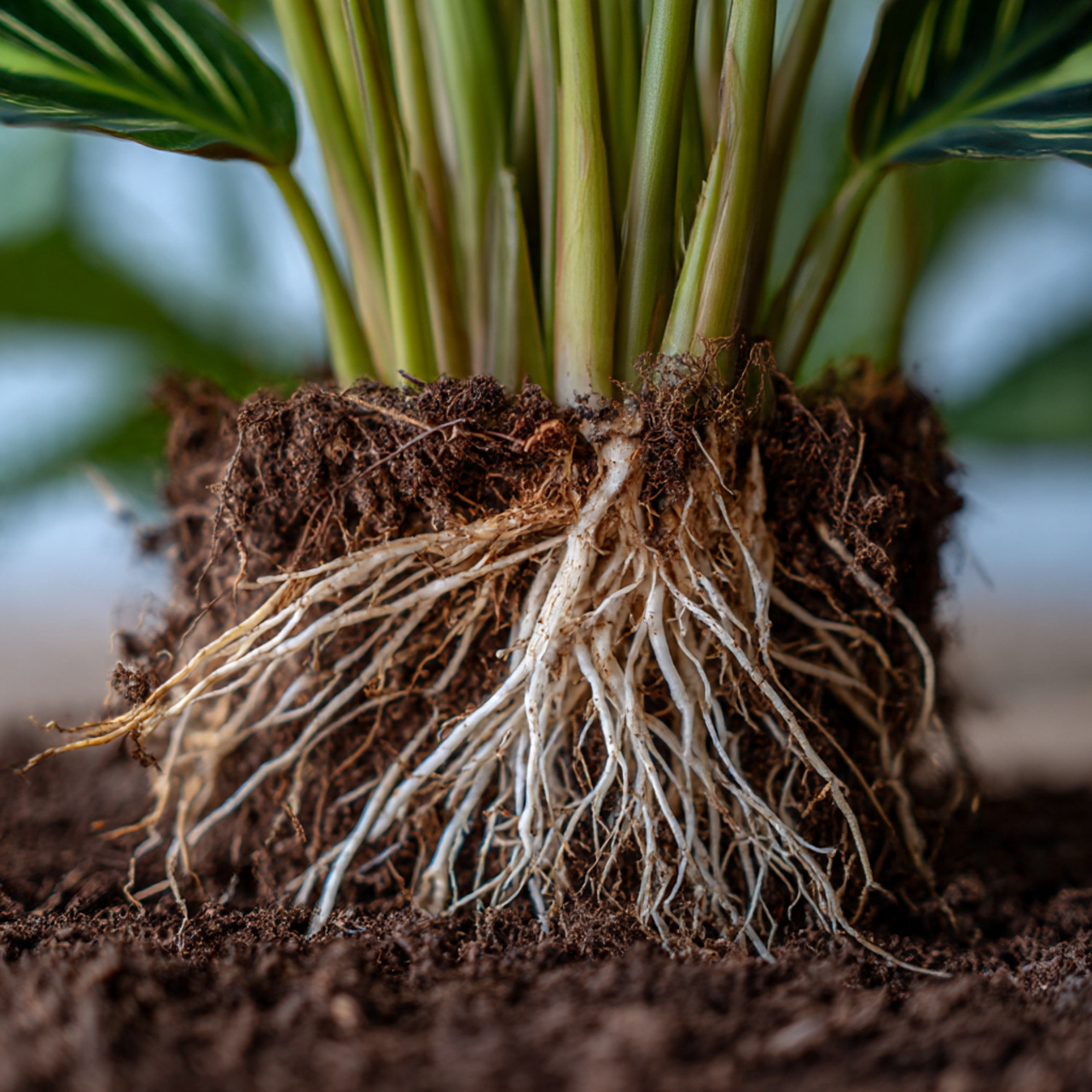
Healthy roots mean healthy leaves—it’s that simple. Calathea roots are relatively delicate and need oxygen, proper moisture, and room to grow. They should look white or light tan and feel firm to the touch.
Brown, mushy roots indicate rot from overwatering. If you suspect root problems, unpot the plant, trim away any damaged roots with sterile scissors, and repot in fresh soil.
Root Care Tip: When watering, make sure excess water drains completely. Soggy soil suffocates roots and invites fungal problems.
Choosing the Best Pot
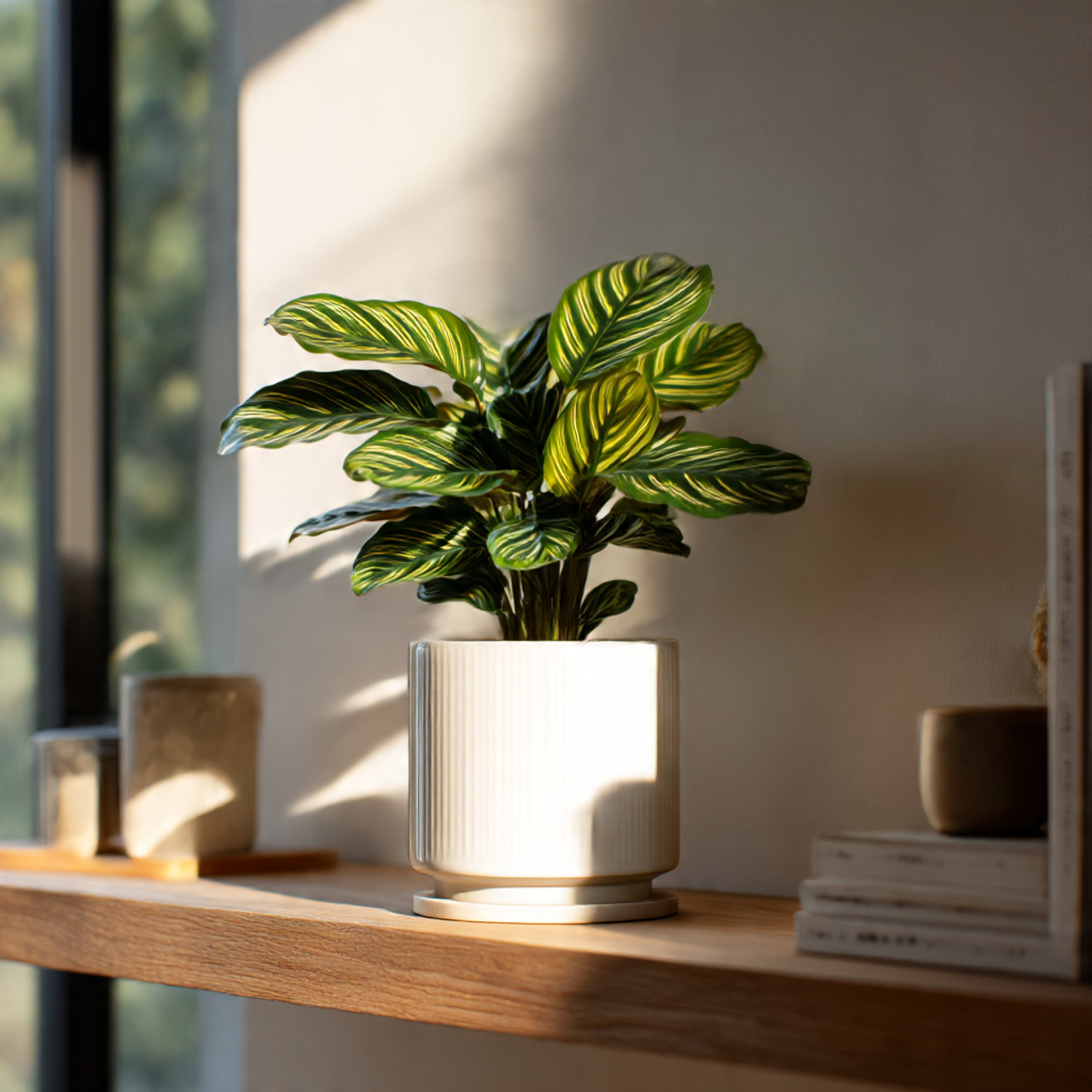
Pot selection matters more than you might think. Calatheas do best in pots with drainage holes—non-negotiable. Ceramic or plastic pots retain moisture evenly, while terracotta dries out too quickly for these moisture-loving plants.
The pot should be proportional to the plant. Too large, and the soil stays wet too long. Too small, and the plant becomes root-bound quickly.
Decorator’s Tip: If you love a decorative pot without drainage, use it as a cachepot. Keep your Calathea in a plastic nursery pot and set it inside the pretty one.
Calathea Plant Airflow Requirements
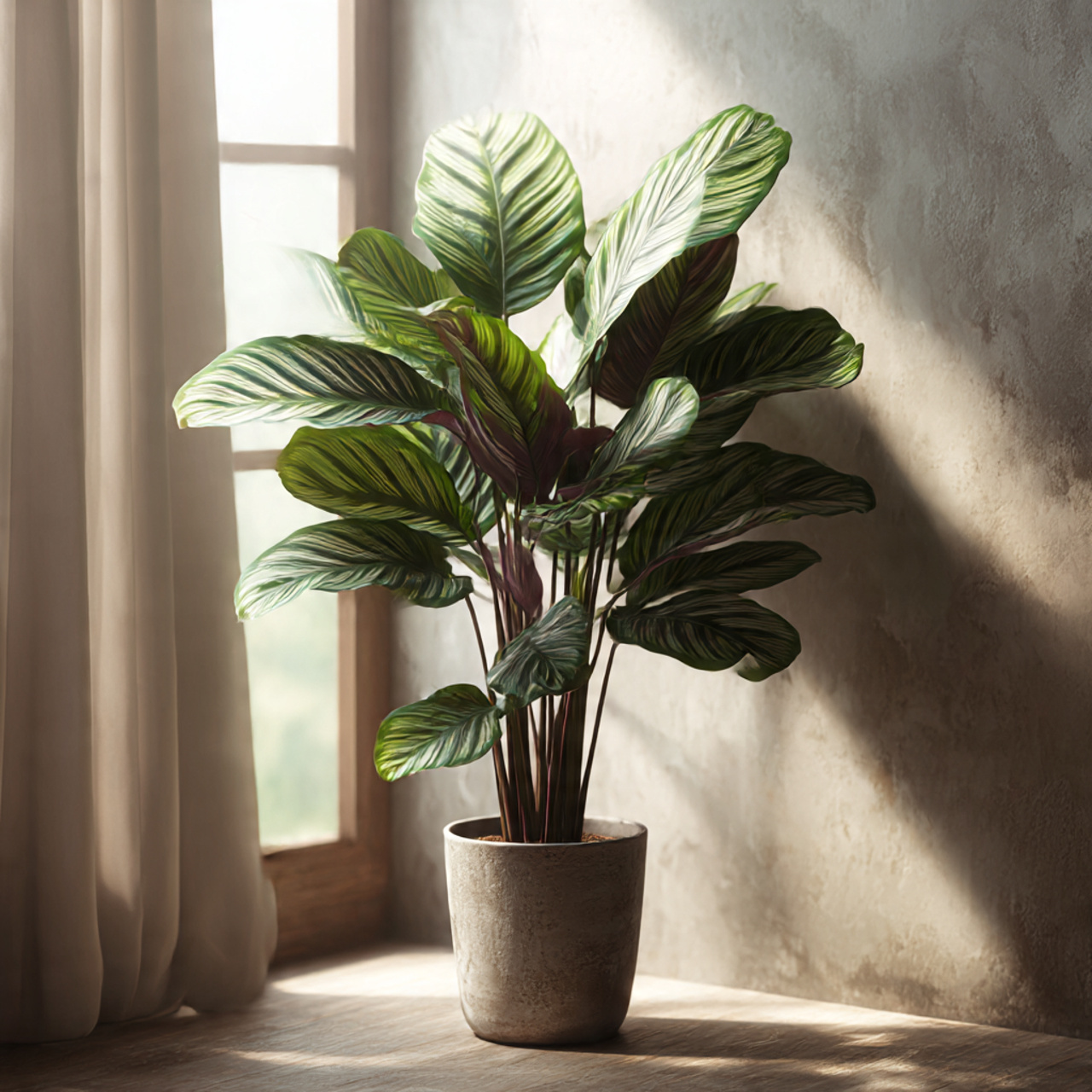
Calatheas need gentle air circulation to prevent fungal issues and stagnant conditions. However, strong drafts dry out the leaves and stress the plant.
Position your plant where it gets natural room airflow, but not directly in front of fans, air conditioning vents, or heating registers. Think gentle breeze, not wind tunnel.
Balance is Key: If your home has very still air, consider a small fan across the room to keep air moving gently without directly hitting the plant.
Stopping Brown Leaf Edges
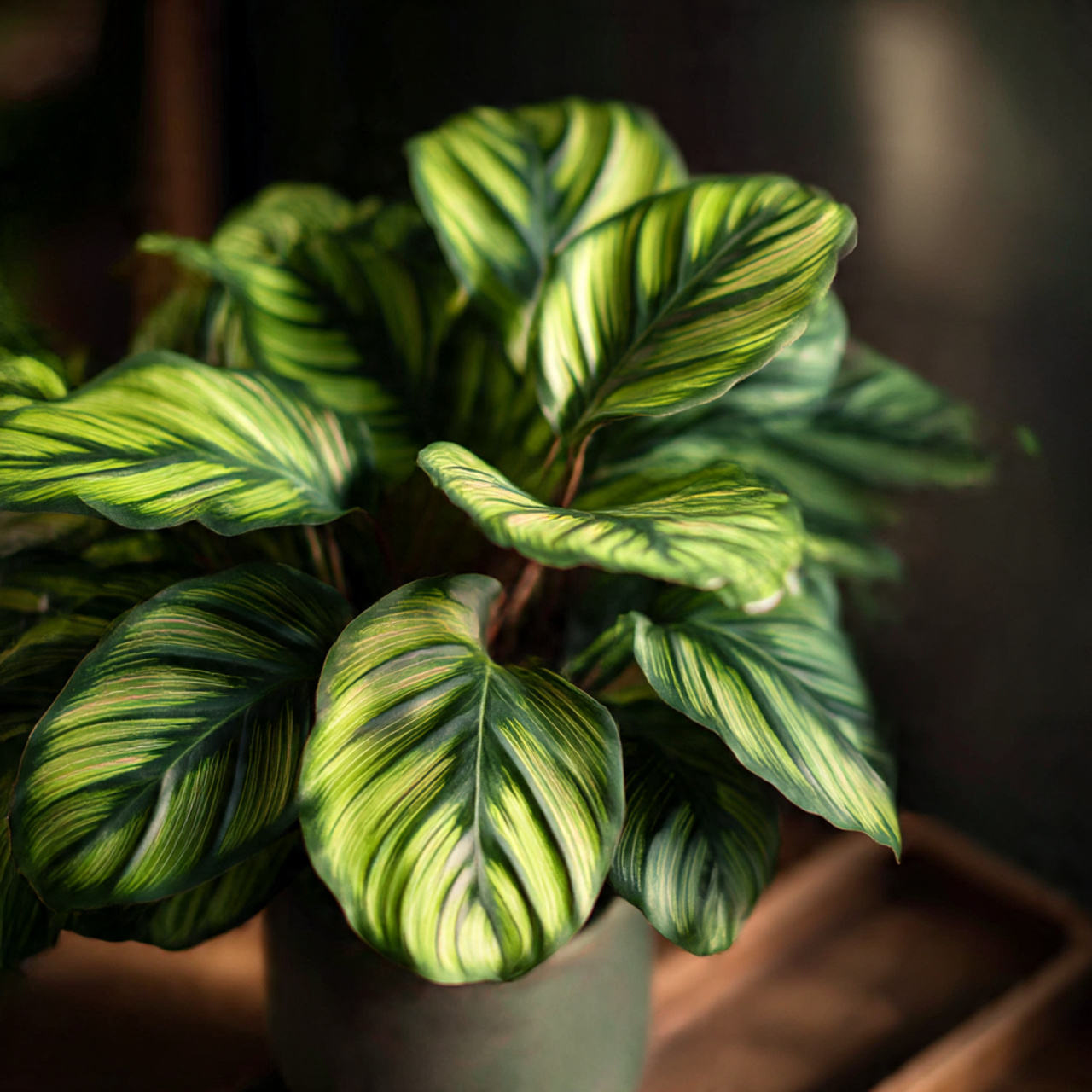
Brown, crispy leaf edges are the number one complaint from Calathea owners. The culprits? Low humidity, poor water quality, inconsistent watering, or fertilizer buildup.
To fix it: increase humidity with a humidifier, switch to filtered water, establish a consistent watering schedule, and flush the soil occasionally to remove mineral buildup. Once you correct these issues, new growth will come in healthy and green.
Trim Carefully: You can trim brown edges with clean scissors, following the natural leaf shape. It won’t hurt the plant and makes it look tidier.
Understanding Leaf Curling
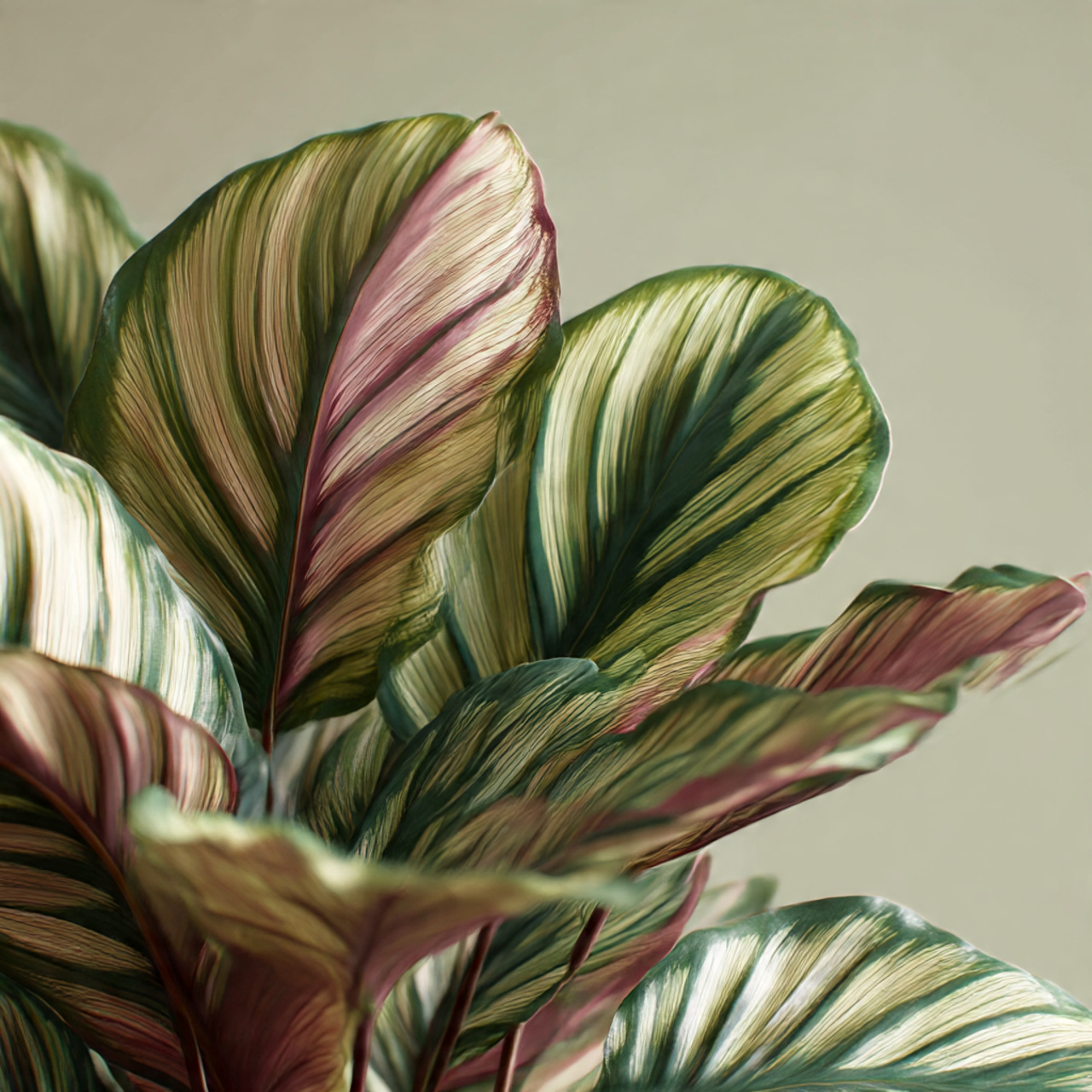
When Calathea leaves curl inward, they’re trying to conserve moisture. This usually means the plant is either underwatered, exposed to dry air, or sitting in cold temperatures.
Check the soil moisture first. Then verify your humidity levels. Make sure the plant isn’t near a cold window or AC vent. Once you fix the problem, the leaves will uncurl within a day or two.
Emergency Fix: If your Calathea is severely curled from underwatering, give it a thorough watering and place a plastic bag loosely over the plant to temporarily boost humidity while it recovers.
Propagating Your Calathea
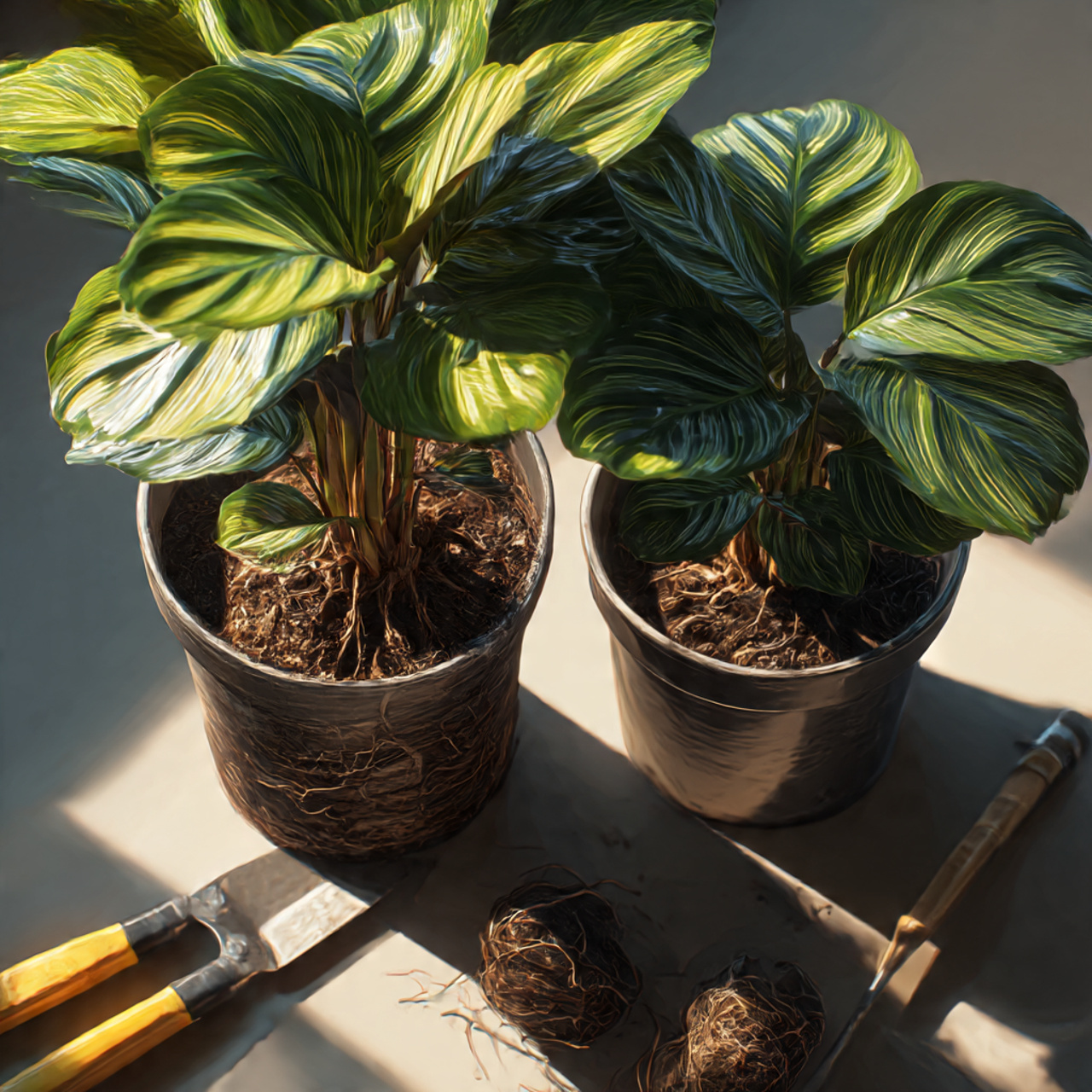
Want more Calatheas? The best method is division during repotting. Carefully separate the root ball into sections, making sure each division has healthy roots and at least a few leaves attached.
Plant each division in its own pot with fresh soil. Water well and keep humidity high during the recovery period. Within a few weeks, you’ll have multiple plants from your original Calathea.
Timing Matters: Always divide in spring when the plant is actively growing. This gives each division the best chance of establishing itself.
Safety Around Pets and Kids
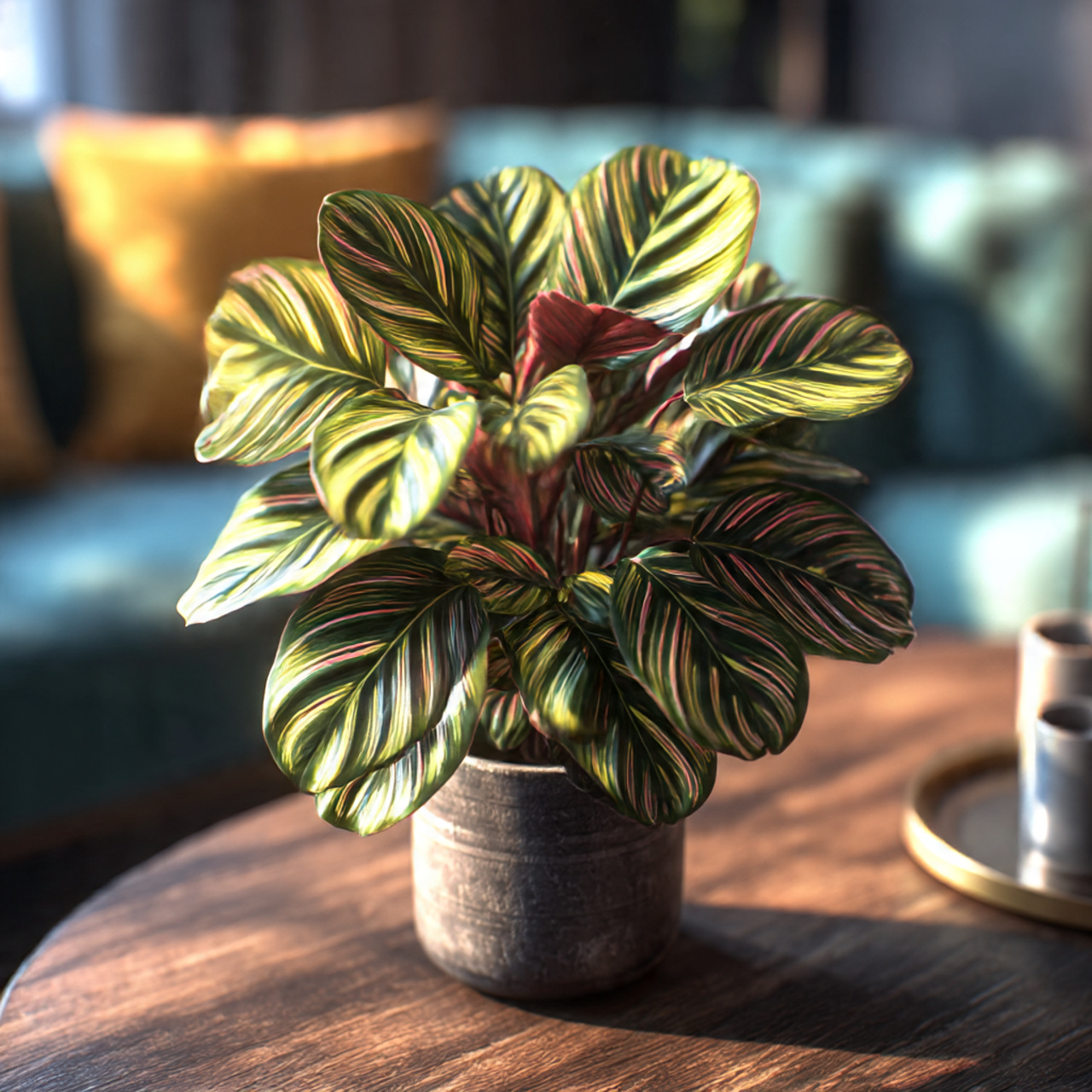
Great news for households with curious cats, playful dogs, or exploring toddlers: Calatheas are completely non-toxic. You don’t have to worry if a leaf gets nibbled or grabbed.
That said, you still probably don’t want pets chewing on your beautiful plant. Place it on a high shelf or use deterrents if your pets are particularly plant-curious.
Pet Parent Tip: If your cat keeps going after your plants, try providing cat grass as an alternative. Many cats just want something green to chew on.
Making Design Statements with Calatheas
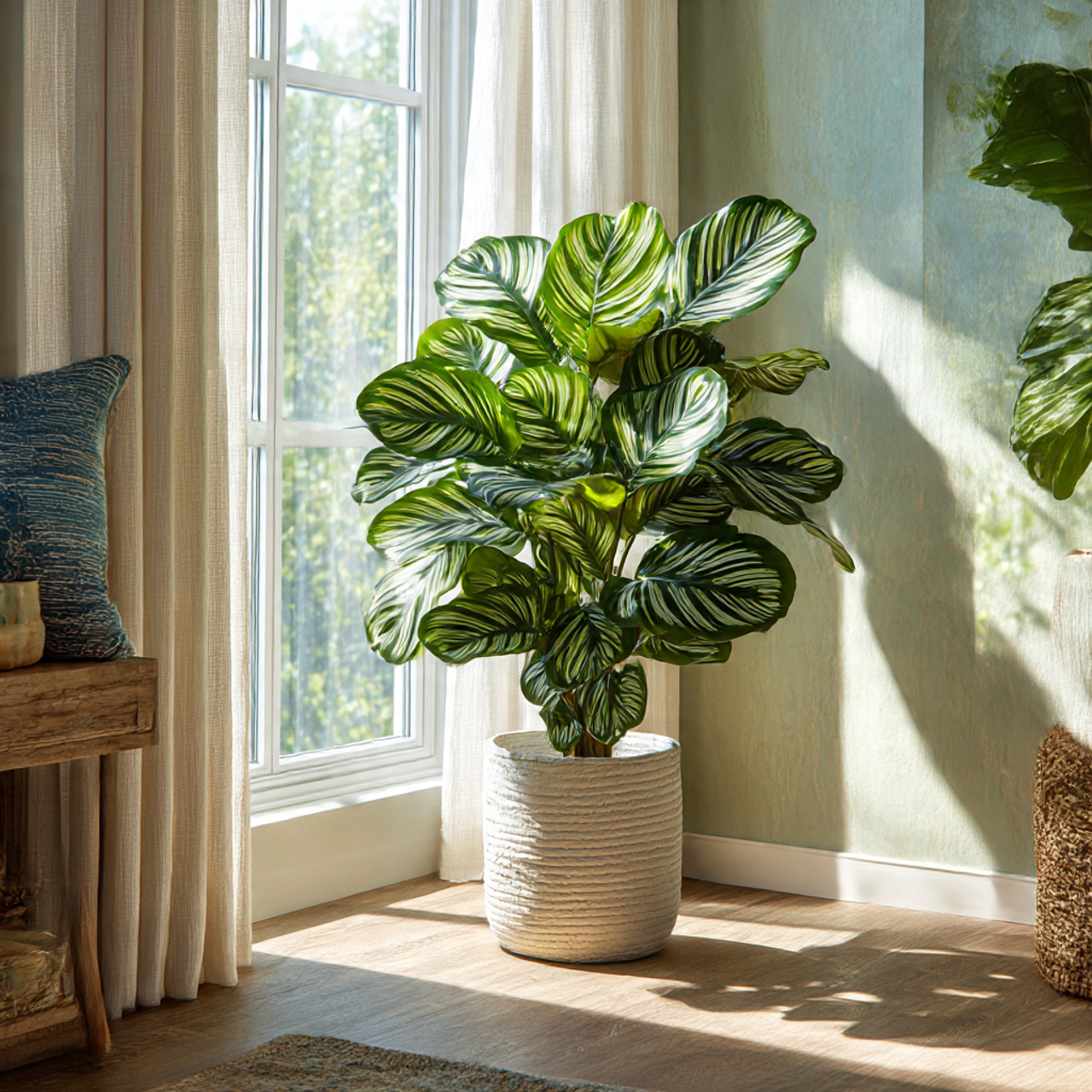
Beyond their care needs, Calatheas are incredible design elements. Those bold patterns and large leaves make them natural focal points in any room. They work beautifully in minimalist spaces where they add visual interest, or in bohemian settings where they enhance the jungle vibe.
Place them on plant stands to add height, group several varieties together for impact, or let a large specimen stand alone as living art. Their patterns draw the eye and soften hard edges in modern interiors.
Design Idea: Pair your Calathea with a simple, neutral pot to let the foliage be the star. The plant is dramatic enough on its own.
Setting Growth Expectations
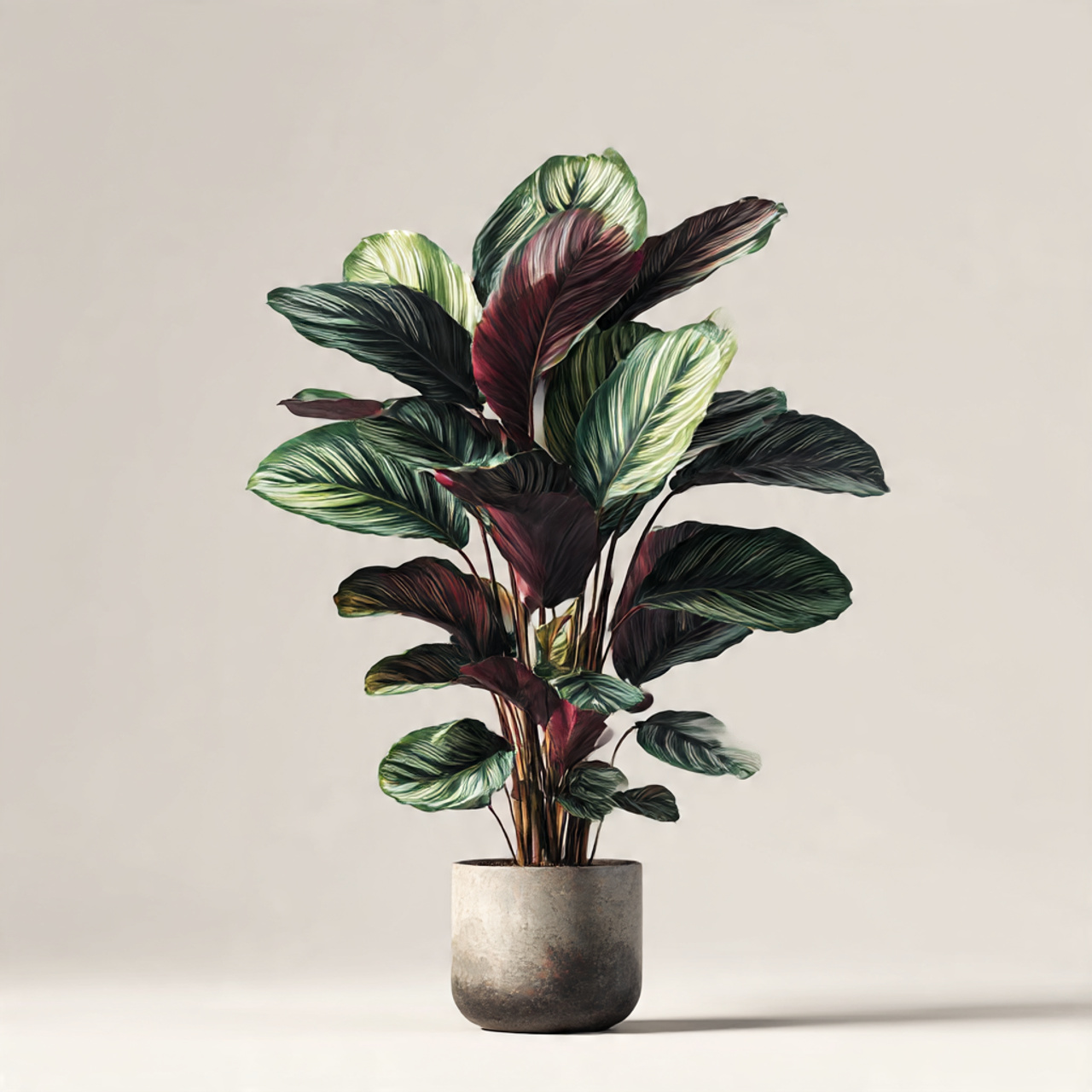
Calatheas aren’t super fast growers, but under ideal conditions, you’ll see several new leaves unfurling during spring and summer. Each new leaf emerges tightly rolled and gradually opens over several days—it’s honestly magical to watch.
Winter naturally slows growth. This is normal and healthy. Don’t worry if your plant seems to pause during colder months. It’s resting, not dying.
Growth Timeline: Expect 2-4 new leaves per month during peak growing season. Slower growth usually means conditions need tweaking.
Adapting to Seasonal Changes
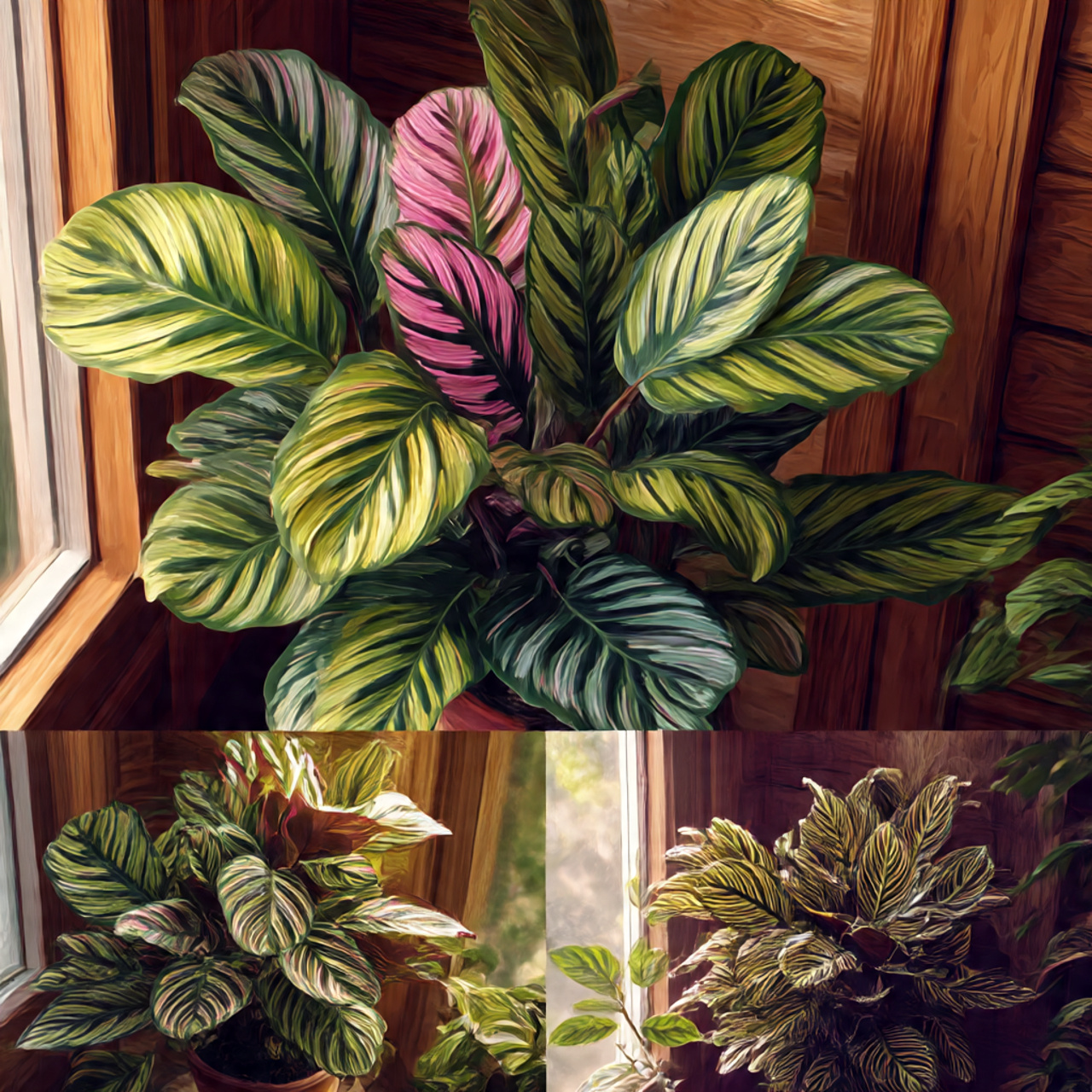
Your Calathea will behave differently throughout the year. Spring and summer bring active growth, requiring more water, regular feeding, and vigilant humidity maintenance. Fall and winter signal rest time—growth slows, watering needs decrease, and feeding can be reduced or stopped.
Pay attention to these natural cycles. Forcing growth during winter with extra fertilizer often does more harm than good.
Seasonal Checklist: Increase watering frequency in summer, boost humidity in winter when heating systems run, and reduce fertilizing as daylight hours decrease.
Improving Moisture Retention
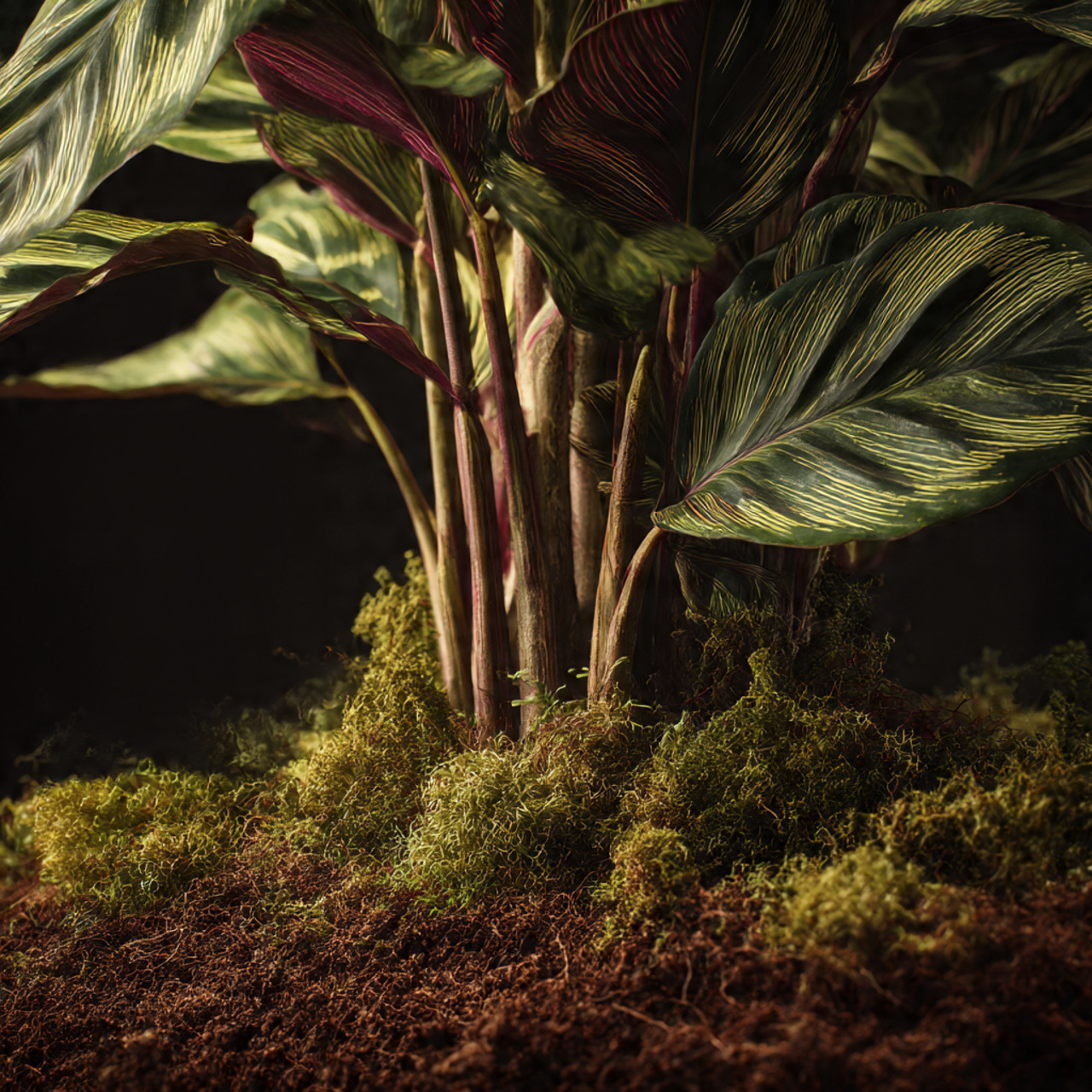
If your soil dries out too quickly, try top-dressing with a thin layer of sphagnum moss. This living mulch helps retain moisture at the soil surface while still allowing air circulation.
It also adds a polished look to your pot and creates beneficial microorganisms in the soil. Just keep it lightly moist along with your regular watering routine.
Application Tip: Use about a half-inch layer of moss. Too thick, and it can stay soggy; too thin, and it won’t make much difference.
Reading Your Plant’s Stress Signals
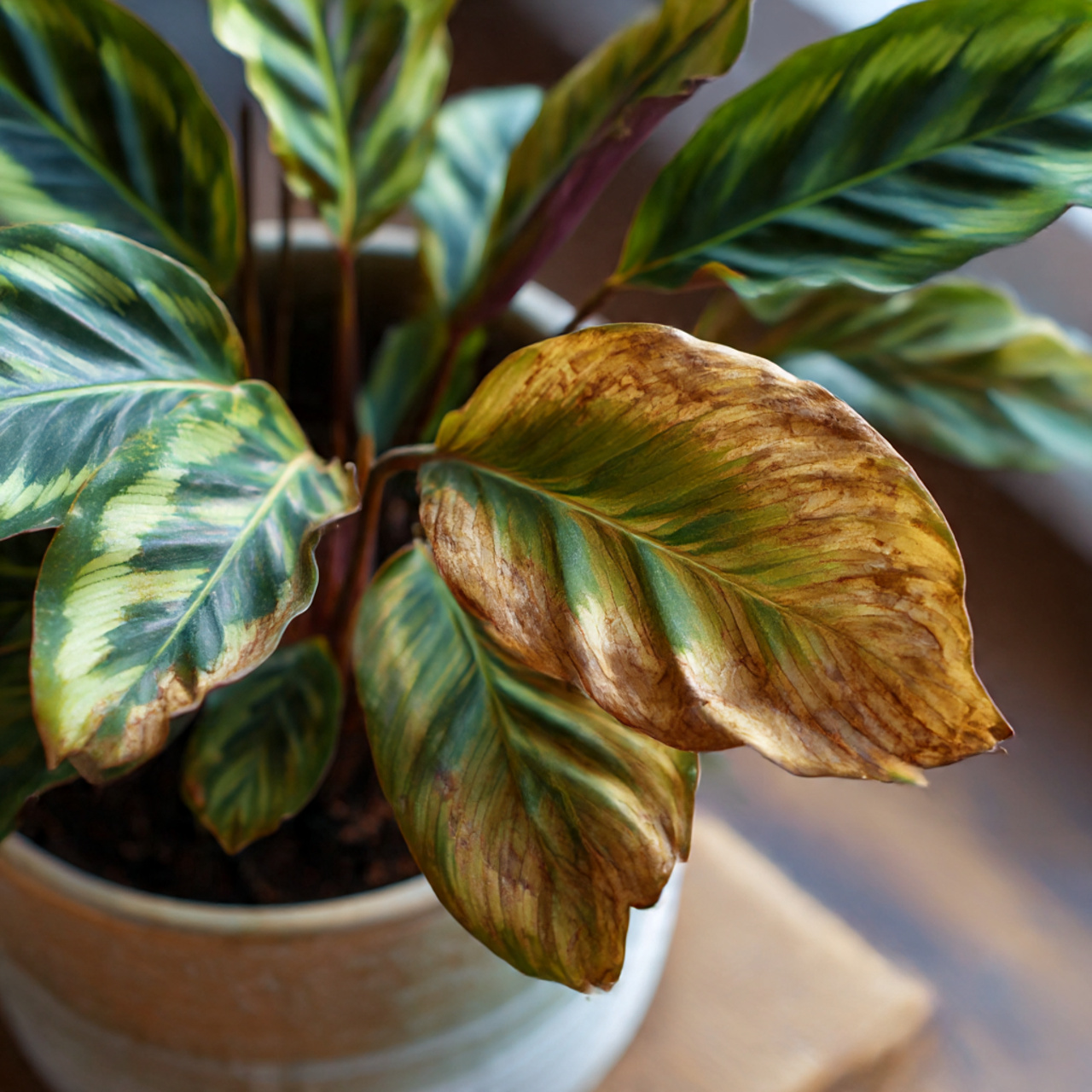
Calatheas communicate through their leaves. Drooping means thirst or cold. Curling indicates dry air or underwatering. Brown spots suggest fungal issues or water on leaves. Yellow leaves often point to overwatering or poor drainage.
Learn to read these signals early, and you can address problems before they become serious. Most Calathea issues are reversible if caught quickly.
Daily Check-In: Make it a habit to really look at your plant every morning. A quick visual inspection takes 10 seconds and can prevent major problems.
Creating a Companion Plant Community
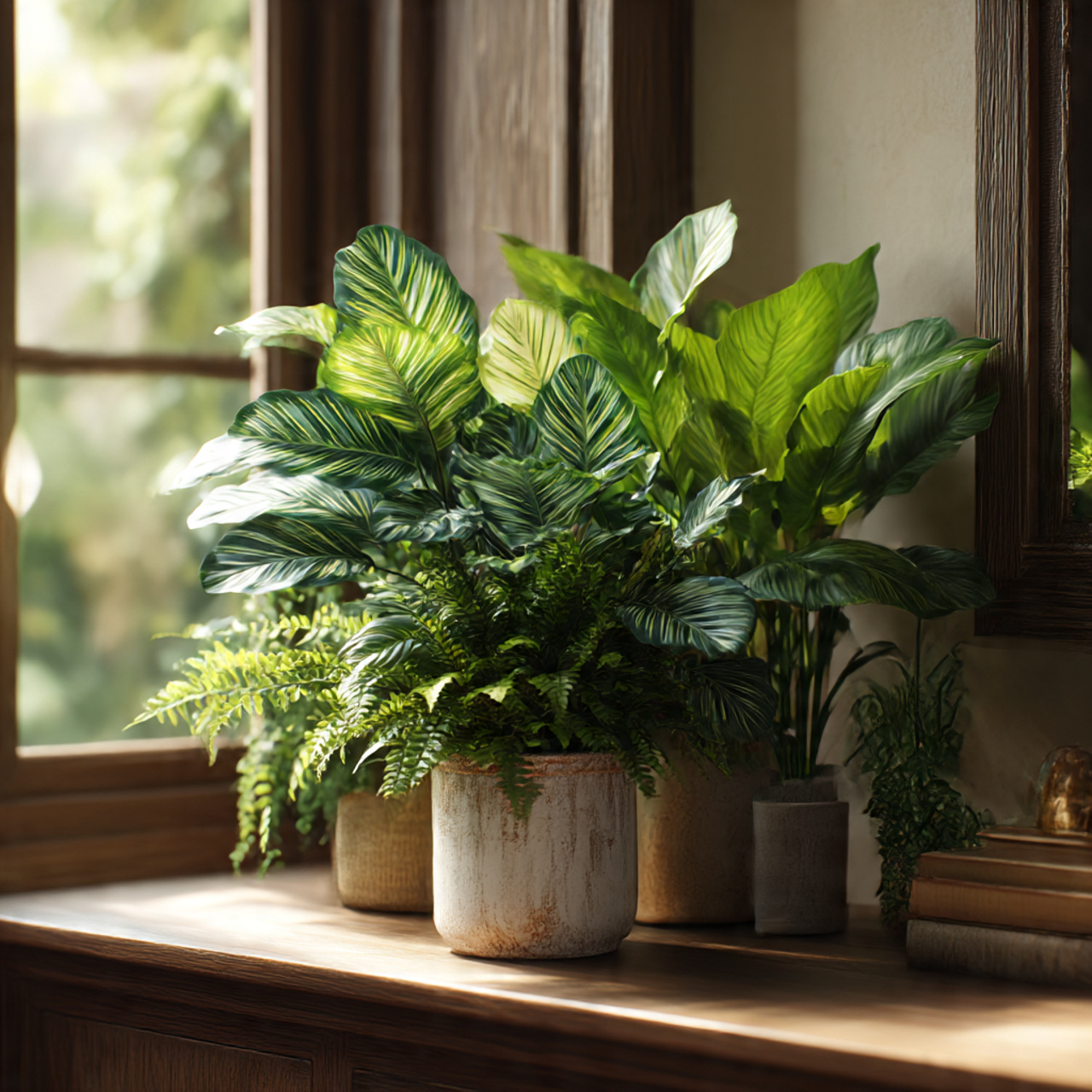
Calatheas love company—specifically, other humidity-loving tropical plants. Group them with ferns, prayer plants, pothos, peace lilies, or philodendrons. These plants create a beneficial microclimate together, sharing humidity and creating a mini rainforest environment.
Plus, grouped plants simply look better. They create visual impact and make your space feel like a lush indoor garden.
Community Benefits: Plants grouped together are easier to humidify (one humidifier serves multiple plants), easier to water (all in one spot), and easier to monitor for pests.
Calathea Plant Longevity Practices
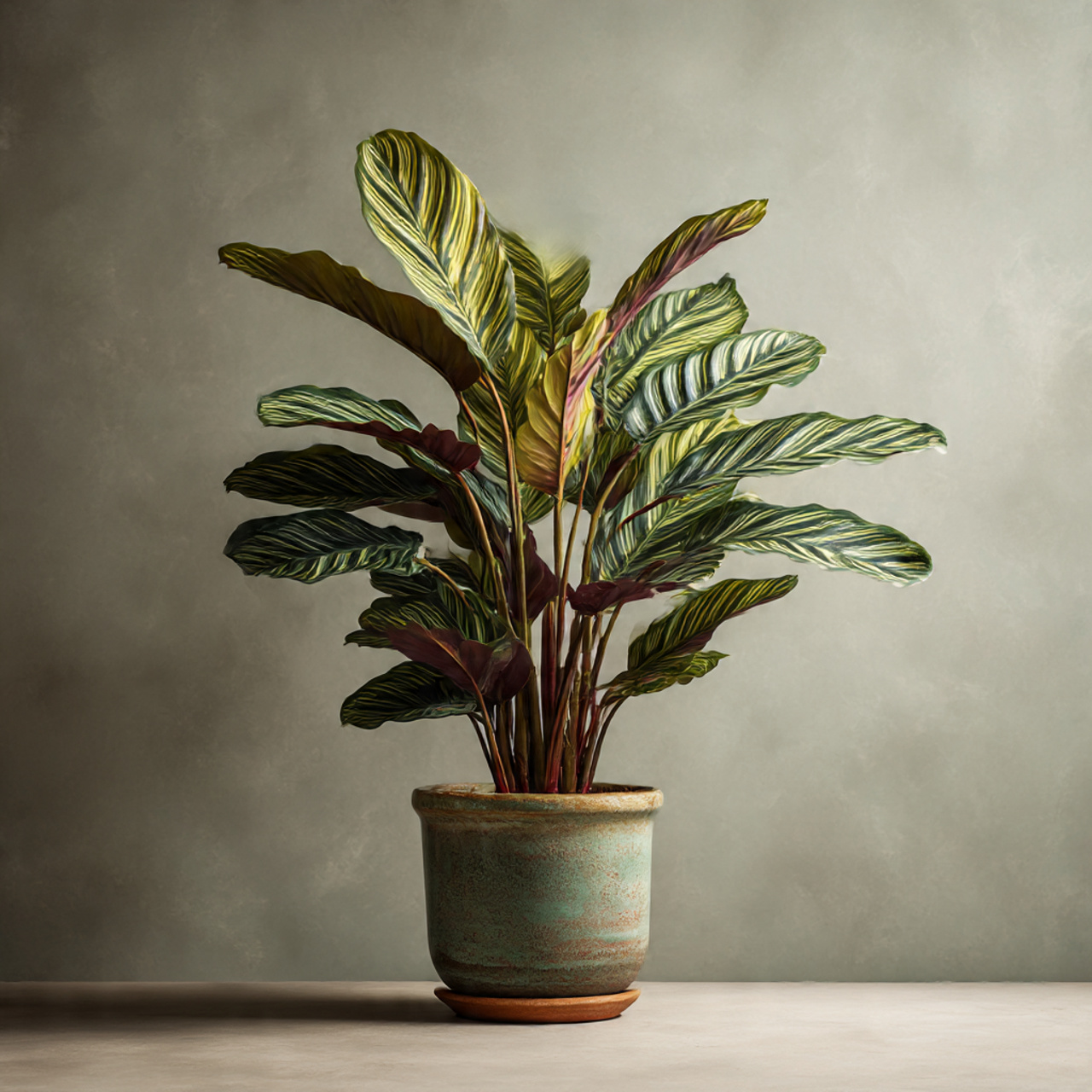
Want your Calathea to thrive for years, not months? Consistency is everything. Establish routines for watering, cleaning, and checking humidity. Keep the plant in a stable location where conditions don’t fluctuate wildly. Handle it gently during any necessary maintenance.
A Calathea that receives steady, attentive care becomes increasingly resilient over time. What seems demanding at first becomes routine, and the plant rewards you with stunning foliage year after year.
Longterm Mindset: Think of your Calathea as a long-term relationship, not a short-term fling. Small, consistent efforts create lasting success.
Visit Also: Chinese Money Plant
Frequently Asked Questions
Why do my Calathea’s leaf edges keep turning brown?
This almost always comes down to humidity and water quality. Indoor air is usually too dry for Calatheas, and tap water minerals accumulate in the soil. Solution: run a humidifier near your plant and switch to filtered or distilled water. You should see improvement in new growth within 2-3 weeks.
How often should I actually water my Calathea?
There’s no magic number because it depends on your home’s temperature, humidity, and light levels. Instead of a schedule, check the top inch of soil. When it’s dry to the touch, water thoroughly. In most homes, this works out to about once or twice a week in summer, once a week in winter.
Are Calatheas really safe for my pets?
Yes! Calatheas are on the ASPCA’s non-toxic plant list for cats, dogs, and even horses. They’re also safe for humans, making them perfect for households with curious kids. That said, eating plants isn’t ideal for pets, so you might still want to keep them out of reach.
Can Calatheas handle direct sunlight?
No, and this is crucial. Direct sun burns their delicate leaves, causing white bleached spots or brown crispy patches. They evolved under rainforest canopies where light is filtered. Give them bright, indirect light—near a window but not in the direct path of sun rays.
My Calathea stopped doing the prayer movement—is it dying?
Not necessarily, but it is stressed. Calatheas stop moving when conditions are off—usually due to cold temperatures, inconsistent watering, or low humidity. Check these factors and adjust. Once conditions stabilize, the movement typically resumes within a week or two.
What’s the best location in my home for a Calathea?
Look for a spot with bright, indirect light and naturally higher humidity. East-facing windows are ideal. Bathrooms with good natural light are excellent. Avoid cold drafts, heating vents, and air conditioner blasts. Consistency and stability matter more than perfection.
Final Thoughts: Your Calathea Journey
Caring for a Calathea is less about following rigid rules and more about understanding what this remarkable plant needs to thrive. Yes, they have preferences. Yes, they’ll let you know when something’s wrong. But that’s what makes them such engaging companions.
Once you dial in the right humidity, find that perfect light spot, and establish a consistent watering routine, your Calathea will settle in and reward you with some of the most spectacular foliage in the plant world. Those morning leaf unfurlings, that nightly prayer movement, those incredible patterns—they’re all worth the effort.
Remember, every plant parent has killed a Calathea (or three). The learning curve is part of the journey. Pay attention to what your plant tells you, make adjustments as needed, and don’t give up after a few brown leaves. With patience and consistency, you’ll master Calathea care and enjoy these stunning plants for years to come.
Your Calathea isn’t difficult—it’s just specific. And now you know exactly what it needs.